
When eating hongeo-hoe (fermented skate) the key, apparently, is to sandwich the stinky stingray-like fish between a slice of pork belly and kimchi cabbage.
But will this top and tail of pig fat and red pepper paste be enough to neutralise its nuclear stench? That’s yet to be determined.
Click PLAY to see some highlights

Just moments ago, I was told that hongeo-hoe is “the most challenging dish you can eat in Korea”. And while I wasn’t planning on eating raw fermented skate for dinner, now I can’t not eat raw fermented skate for dinner. Bourdain would be disappointed in me otherwise.
We’re in the middle of one of Jeonju’s famous makgeolli (rice wine) feasts, on a 10-day adventure with our mates at InsideAsia, where plates of seasonal dishes are stacked higher on the table with each kettle of wine that you order. It’s like the world’s best bottomless brunch—if brunch came with more sides of kimchi and less mimosas.
Click play to WATCH
But back to the rotting fish at the end of my chopsticks.
Hongeo-hoe is interesting for several reasons—like, did you know skates don’t urinate like other animals? They actually excrete uric acid through their skin. Then as the flesh ferments, ammonia is produced which helps both preserve the fish and give it its powerful (note: nostril burning) aroma.
The dish can also be dated back to the 14th century, when Korean fishermen discovered skate was the only fish that could be transported and stored for long periods of time without salt.
In short, I’m about to eat a pungent slice of Korean history.
Hit PLAY! We dare ya…

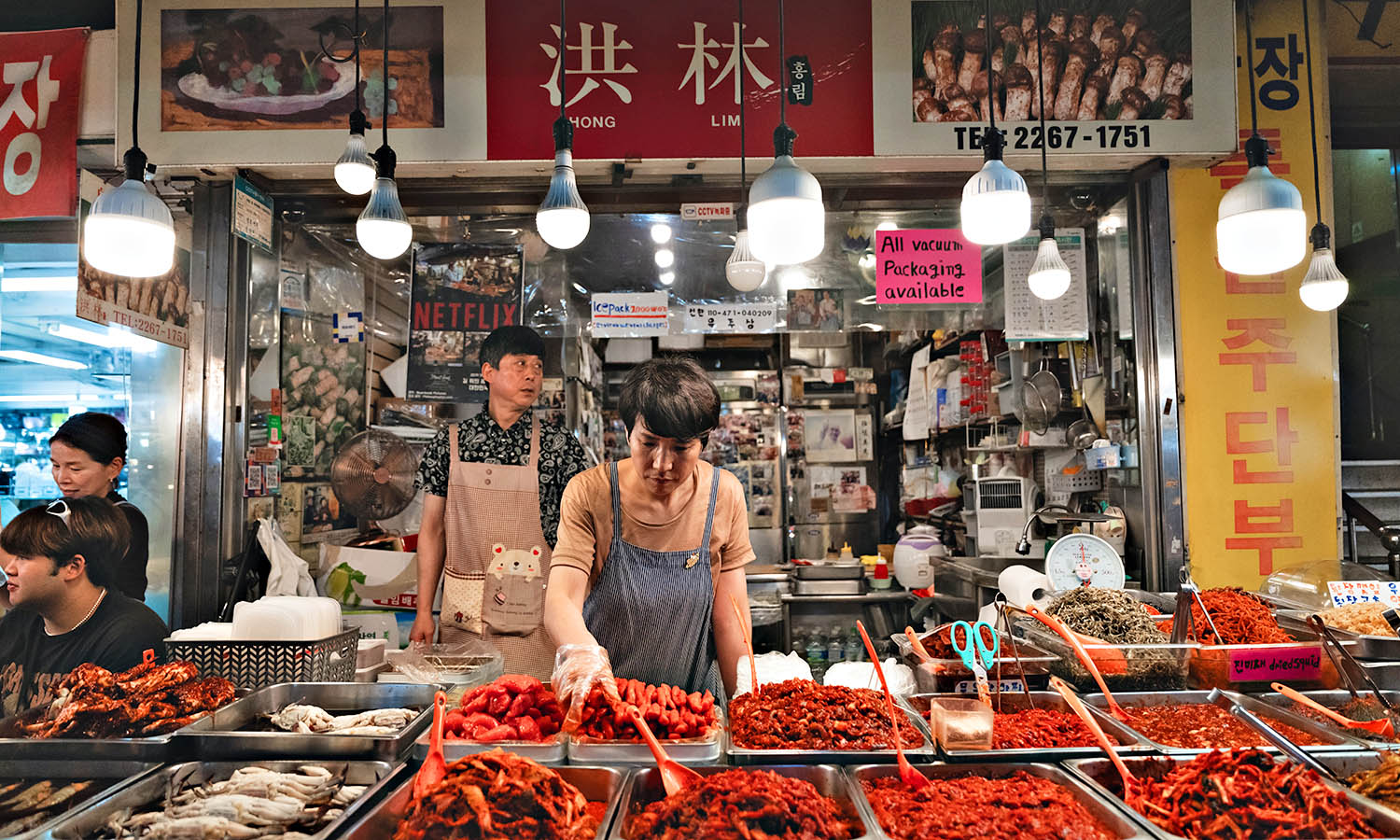
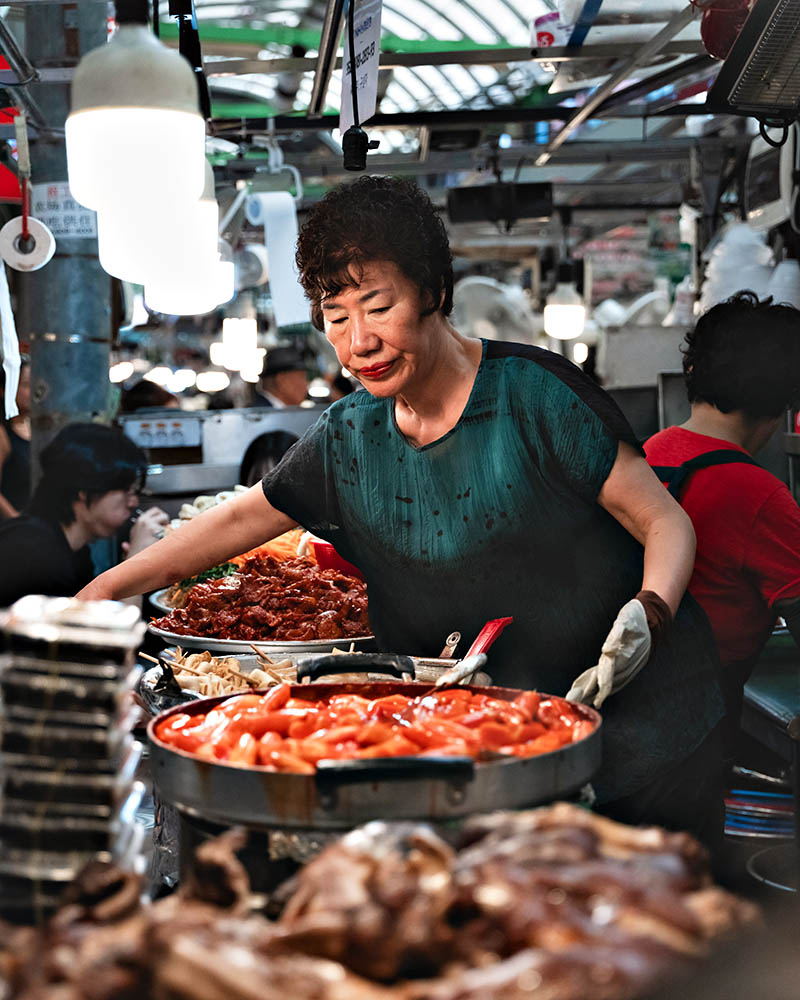
This is becoming somewhat of a recurring theme on this trip. Food culture here in South Korea is the ultimate example of tradition blending with modernity. In Seoul’s magical marketplaces you can find haejang-guk (hangover soup)—a local cure for too much soju—bubbling in pots beside stalls selling flame-torched marshmallow ice cream.
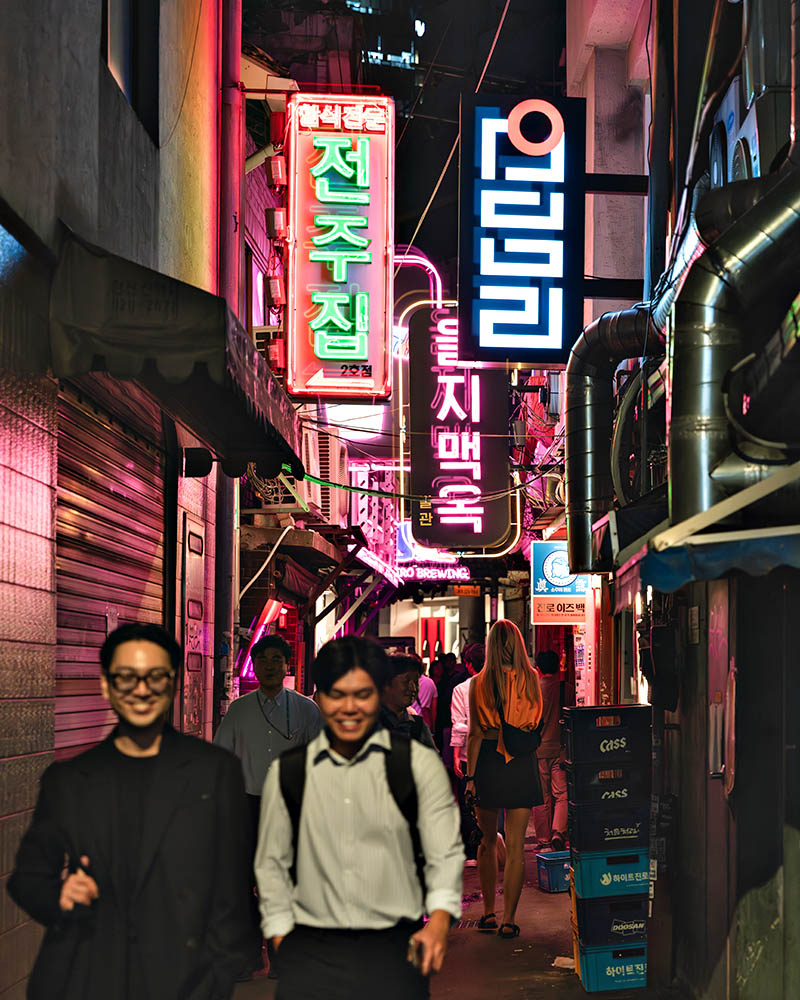
In Gangneung, a beautiful city on Korea’s east coast, we eat super traditional saltwater tofu then chase it with a barista coffee masterful enough to rival Melbourne’s elite. In Euljiro, or Hipjiro as the locals call it, we wander a maze of back alleys that hide everything from kitschy grandma-style kitchens to urban breweries; with a neon taco stand on one corner and a mapo-style Korean BBQ joint on the other.

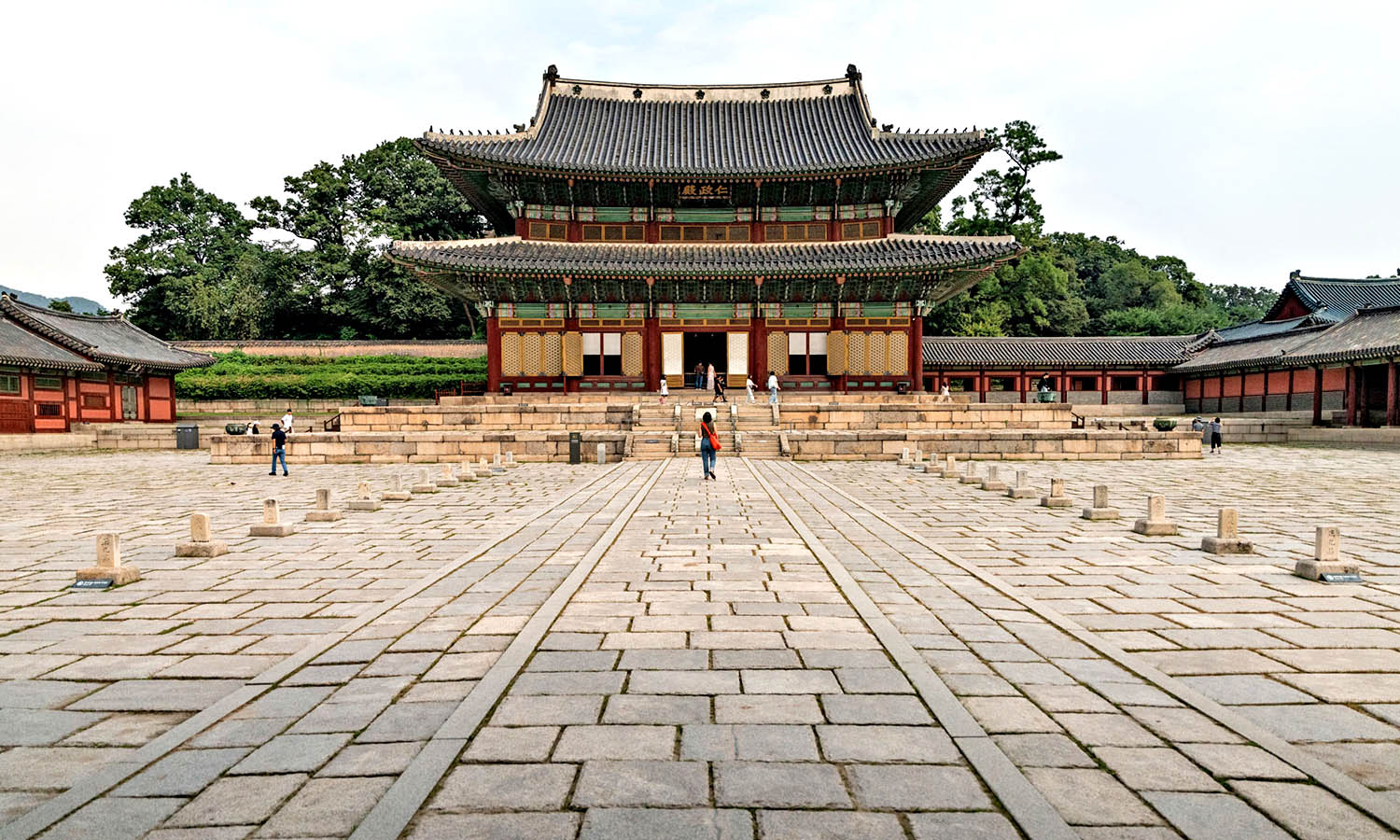
This clash of K-culture—or should it just be Kulture?—doesn’t just apply to food. We spend our first morning exploring Changdeokgung Palace, a UNESCO World Heritage site built by the kings of the Josean Dynasty. Translating to ‘the place of prospering virtue,’ this palace and garden was mainly used by the royals as their chill out residence. On the grounds we walk through a gate of eternal youth (I swear my crows feet disappeared), wander beneath colourful terraced roofs guarded by mythical creatures, sit by a verdant lotus pond and learn all about Confucianism.
Our InsideAsia local guide, Alex, tells me his favourite saying is “you come into this world empty handed and you leave it empty handed”. I understand that this is meant to be a commentary on materialism, however I can’t help but think of Alex later that day as I’m navigating stairs at the baseball stadium, my hands full of Cass beers and chicken skewers. I don’t know what Confucius would think, but I reckon I might have found the meaning of life at a Samsung Lions game.

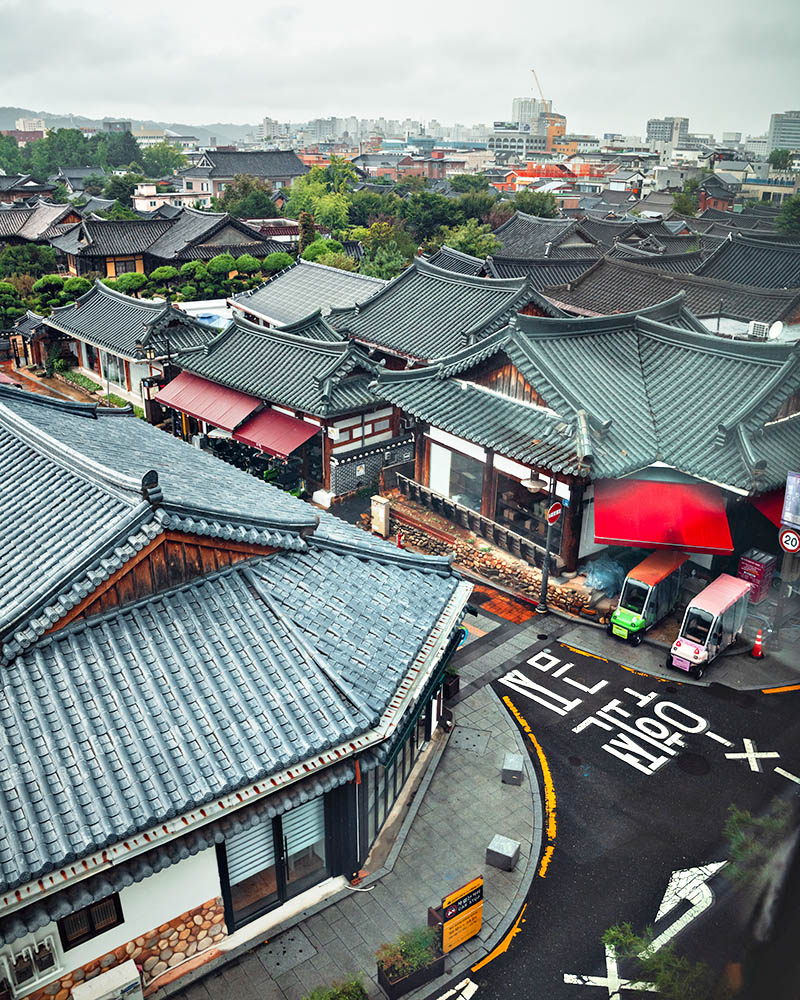

Click play to WATCH
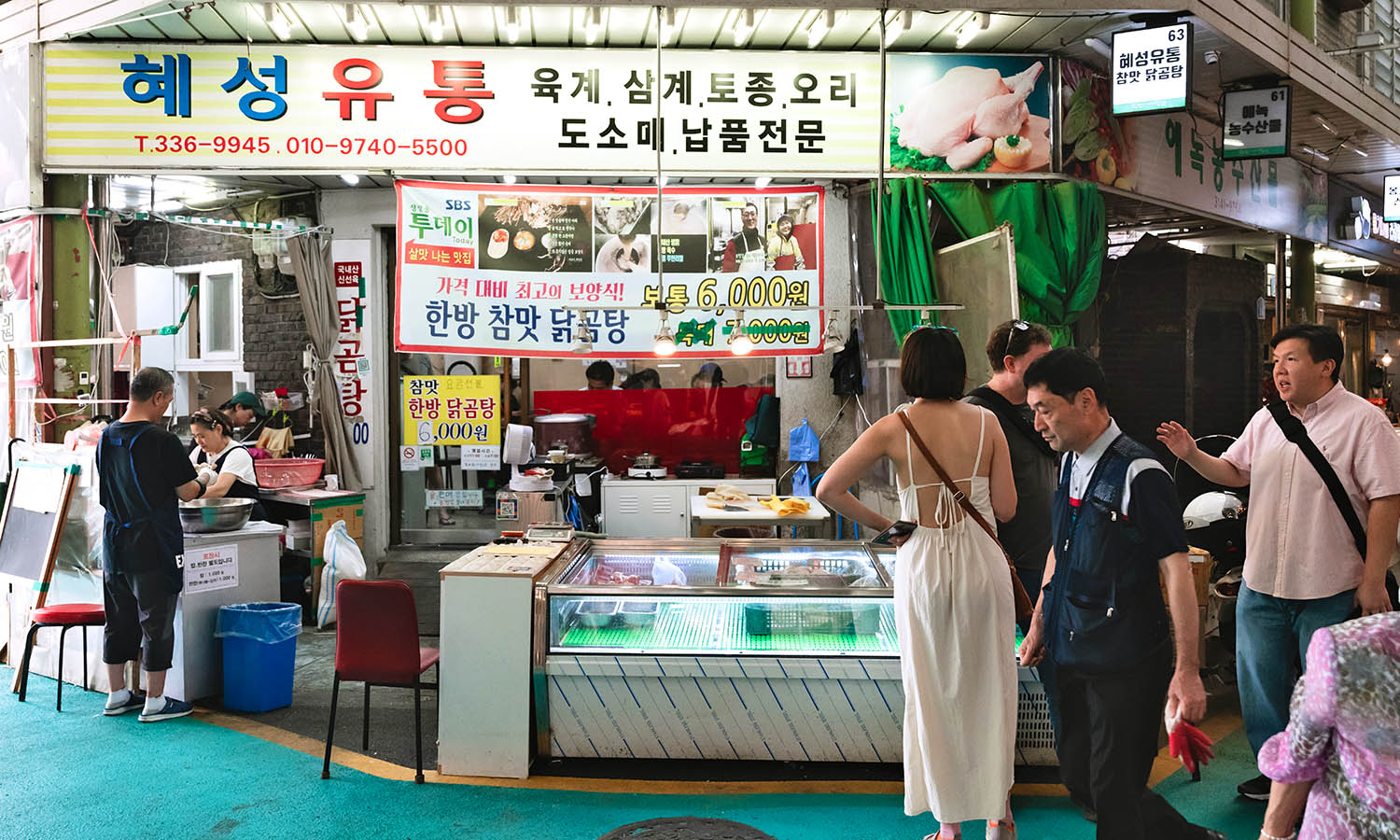
I lose my voice at the baseball, but get it back the next day thanks to a bowl of Mangwon market chicken soup. The restaurant itself is a tiny 20-seater tucked behind a butcher shop, with one thing on the menu—poached chicken broth (heavy on the turmeric and ginger).
The restaurant is so discreet I would never have found it without the help of longtime expats and food experts, Ron and Joe. “I love the blend of the traditional and modern here at the market,” Ron says, adding more chilli to his bowl, “and I especially love all these little eating and drinking places.” Joe fills up my water glass and nods in agreement, “Millennials and Gen Z are really keeping Korean culture alive in places like this”.
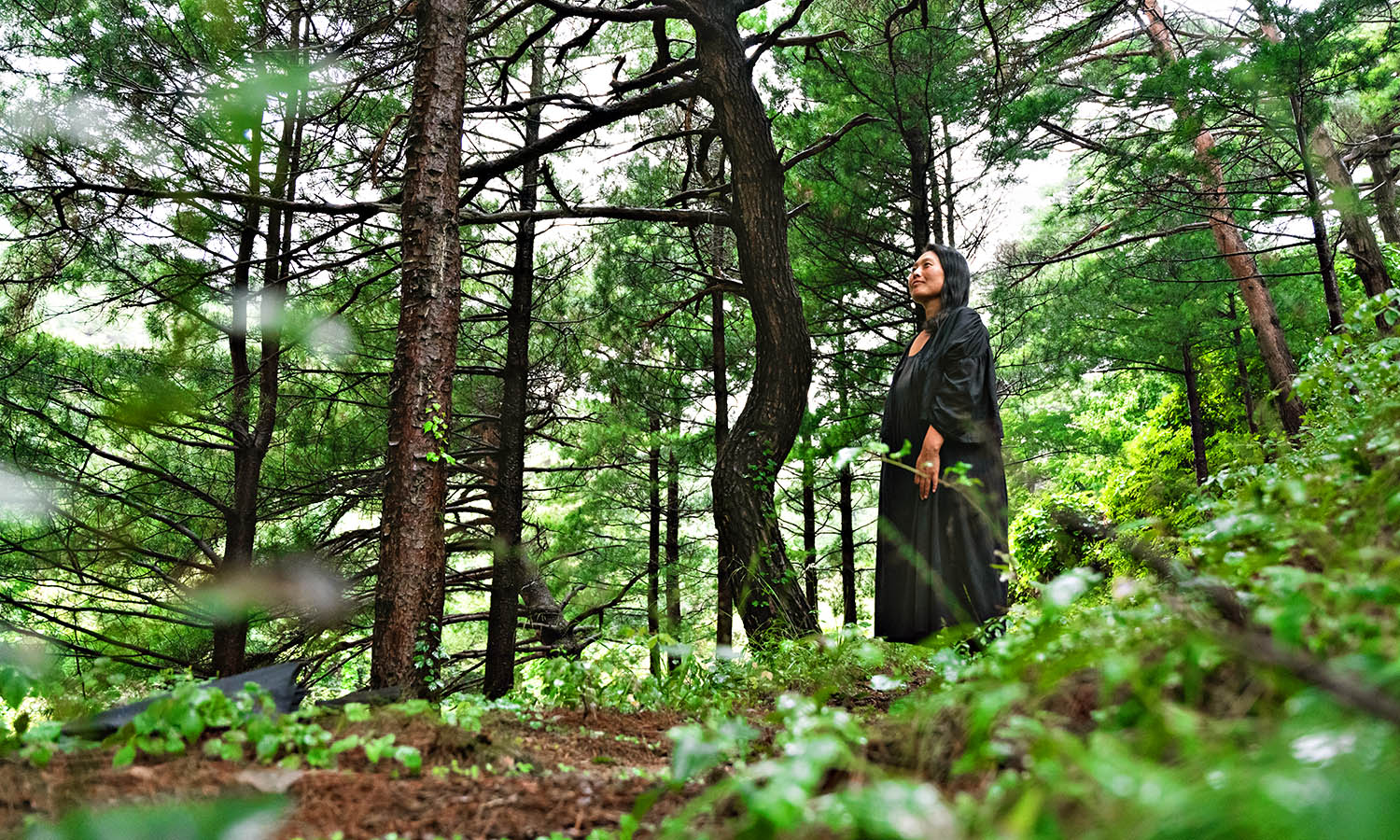
I don’t quite know what they mean by that until I meet Soyoun. Or should I say, until I follow Soyoun barefoot into a Gangneung pine forest in the rain.
That might sound creepy and/or romantic, but it’s actually neither. Forest bathing, especially in the rain, is considered a healing practice—good for boosting immunity and reducing stress. And as we navigate the surprisingly soft forest floor, our bellies full of clams (that she caught herself) and artichoke tea (good for circulation), Soyoun tells me how she left the chaos of Seoul to find solace in Gangneung’s coastal mountains. “I wanted to heal my mind and soul,” she says. “We have everything: the forest, the sea, the lake… I’m never sick here.”
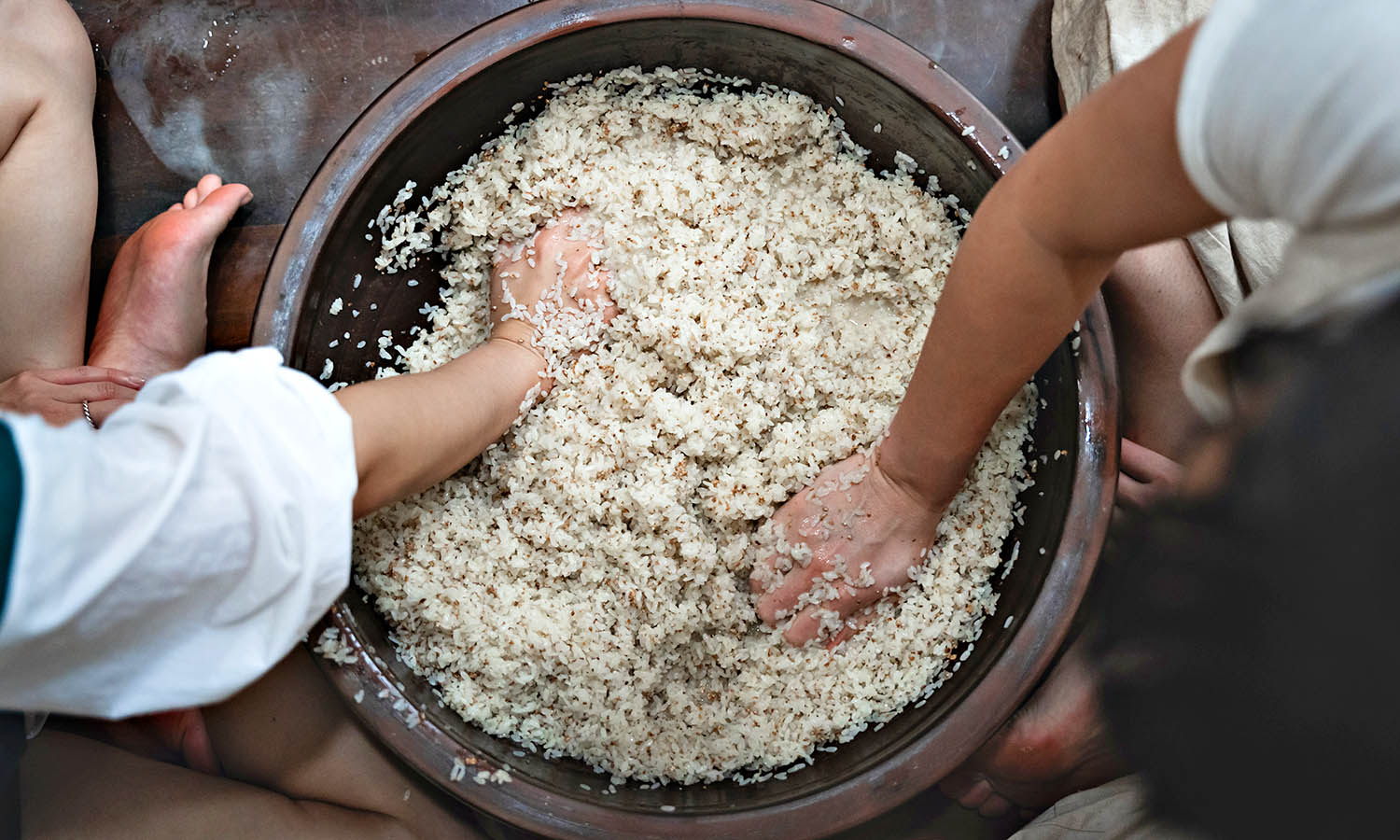
Later that afternoon, she lets me in on another wellness secret: 10mls of makgeolli rice wine a day will keep the doctor away. I’m actually elbows deep in yeast, rice and water, learning how to make makgeolli the traditional way when she tells me this. “Very nice,” she encourages, as I squash grains under my palm, “remember to put all of your good energy into it. Otherwise the batch might be bad.”
One bottle of makgeolli takes, at minimum, two-weeks to make. It’s a slow, even meditative, process. “I make wine this way, because I want to spread traditional Korean culture,” says Soyoun. “This isn’t just alcohol, it’s medicine.”
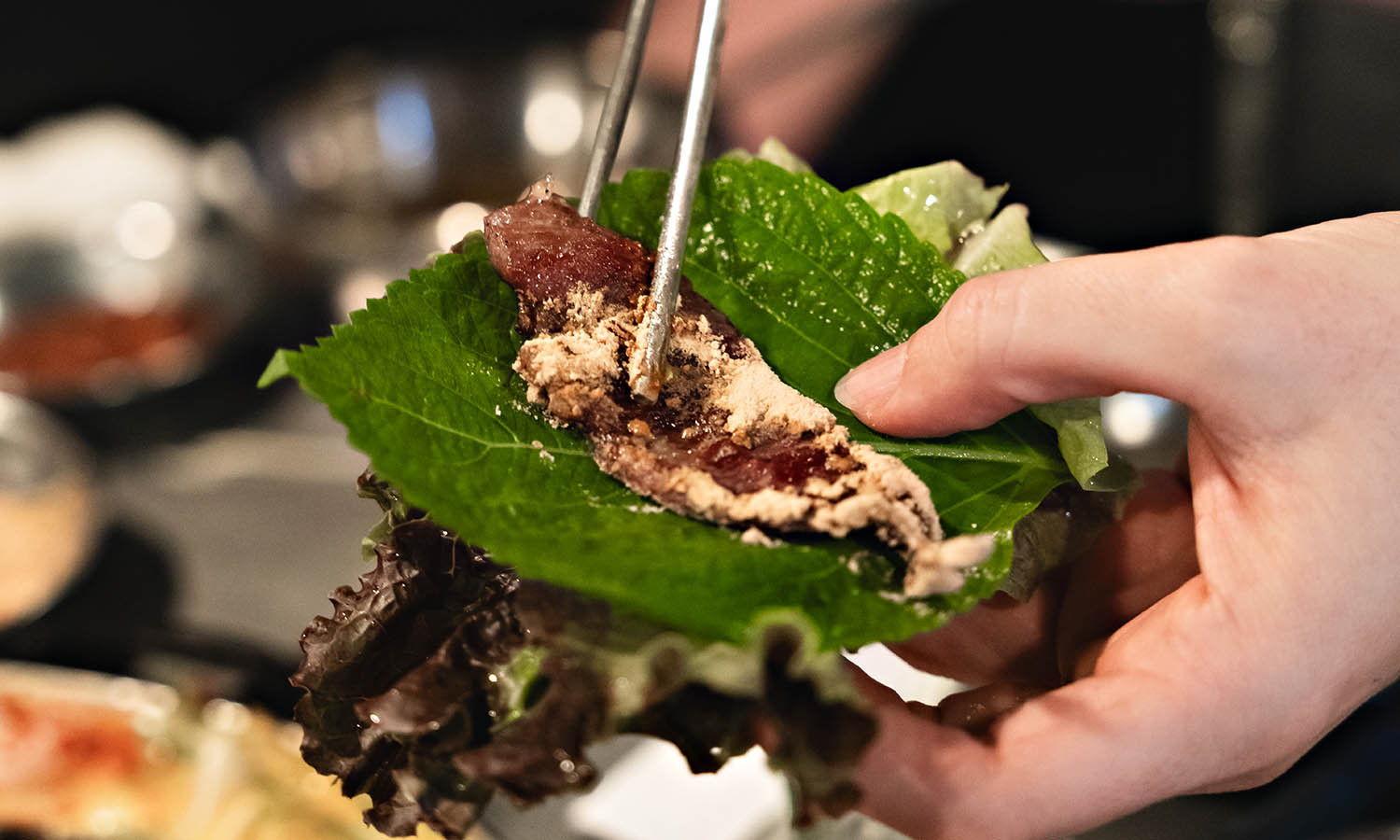
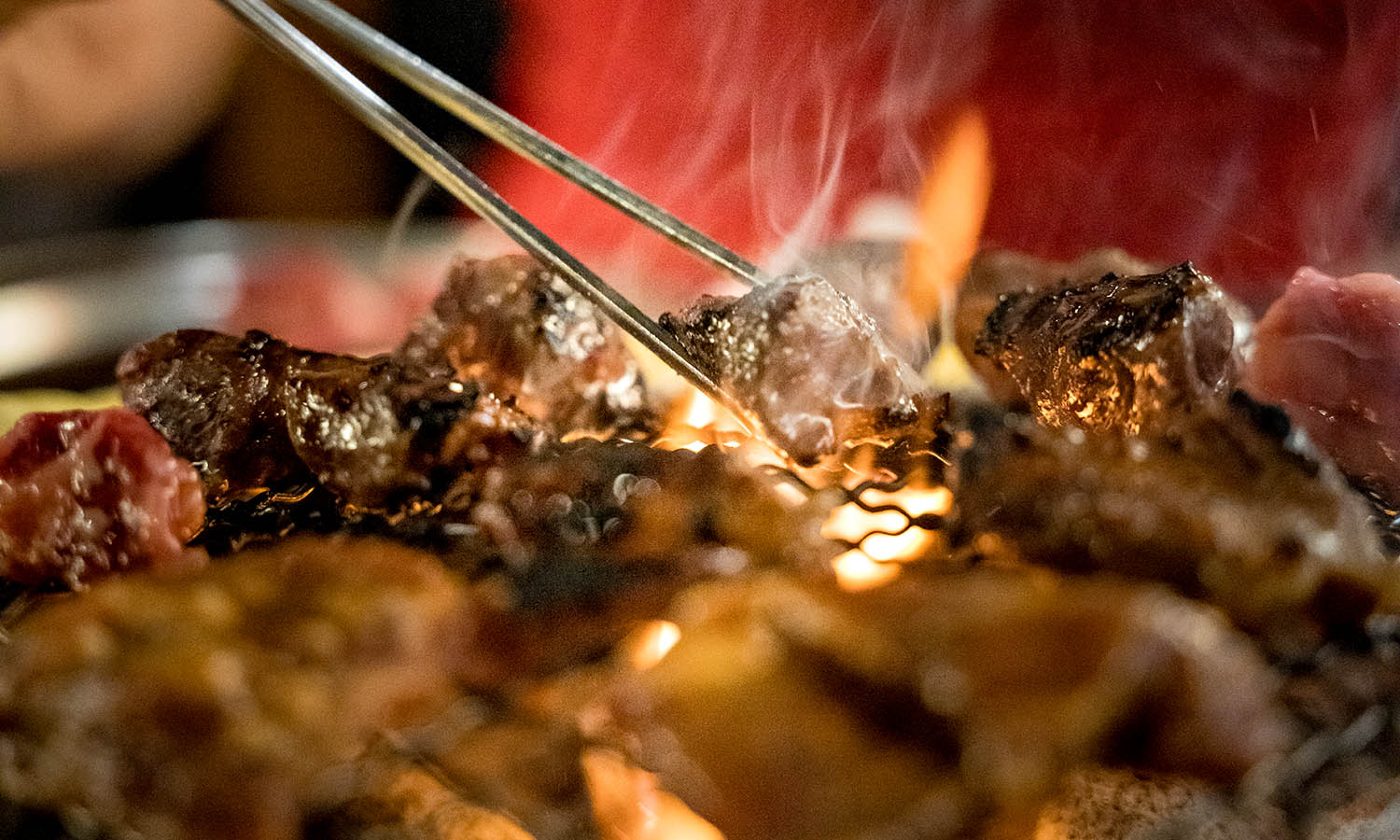
So as I raise the hongeo-hoe to my mouth, I remind myself that this too is a part of Korean culture. As I get a whiff of ammonia and my eyes water; as I struggle to chew and my gag reflex kicks in, I repeat it like a mantra. Remember, you’re eating a slice of history.
It takes several minutes, but eventually I swallow. A waiter walks past and gives me the thumbs up. Alex pours me a fresh bowl of makgeolli, which I down in one go.
Rice wine is medicine, after all. And it sure takes the sting out of skate.
get lost travelled as a guest of InsideAsia and Korea Tourism Organization.
 Get there
What’s better than flying to South Korea on a South Korean airline? A member of Star Alliance (so you’ll get all your flight points), Asiana are incredibly comfortable, with excellent crew service and some of the best in-flight menus on the market. Plus, their routes are broad and varied.
 Stay there
The beauty of South Korea is that the accom options are interesting and endless. Whether you want a luxe inner Seoul stay (check out RYSE Hotel) or a night or three in a traditional hanok (highly recommended this one), there’s something to suit every traveller.
 Get inforMed
South Korea boasts an astonishing variety of kimchi! There are over 150 distinct types consumed.