
8 reasons why you should travel to the Islands of Tahiti during the low season
Let’s be honest, when most people think of Tahiti, they picture honeymooning couples sipping champagne in an overwater bungalow while dolphins leap in synchronised harmony in the background. And sure, that version of paradise exists.
But here’s a secret everyone doesn’t want you to know: the best time to visit The Islands of Tahiti is actually during the low season, when everything is a little quieter, a lot cheaper, and just as dreamy.
From November to March, Tahiti trades high-season hype for something far more magical: slower travel, lush landscapes, warm tropical rain (read: excellent excuses for extra cocktails), and prices that won’t make your credit card cry.
1. Fewer crowds at all the best spots
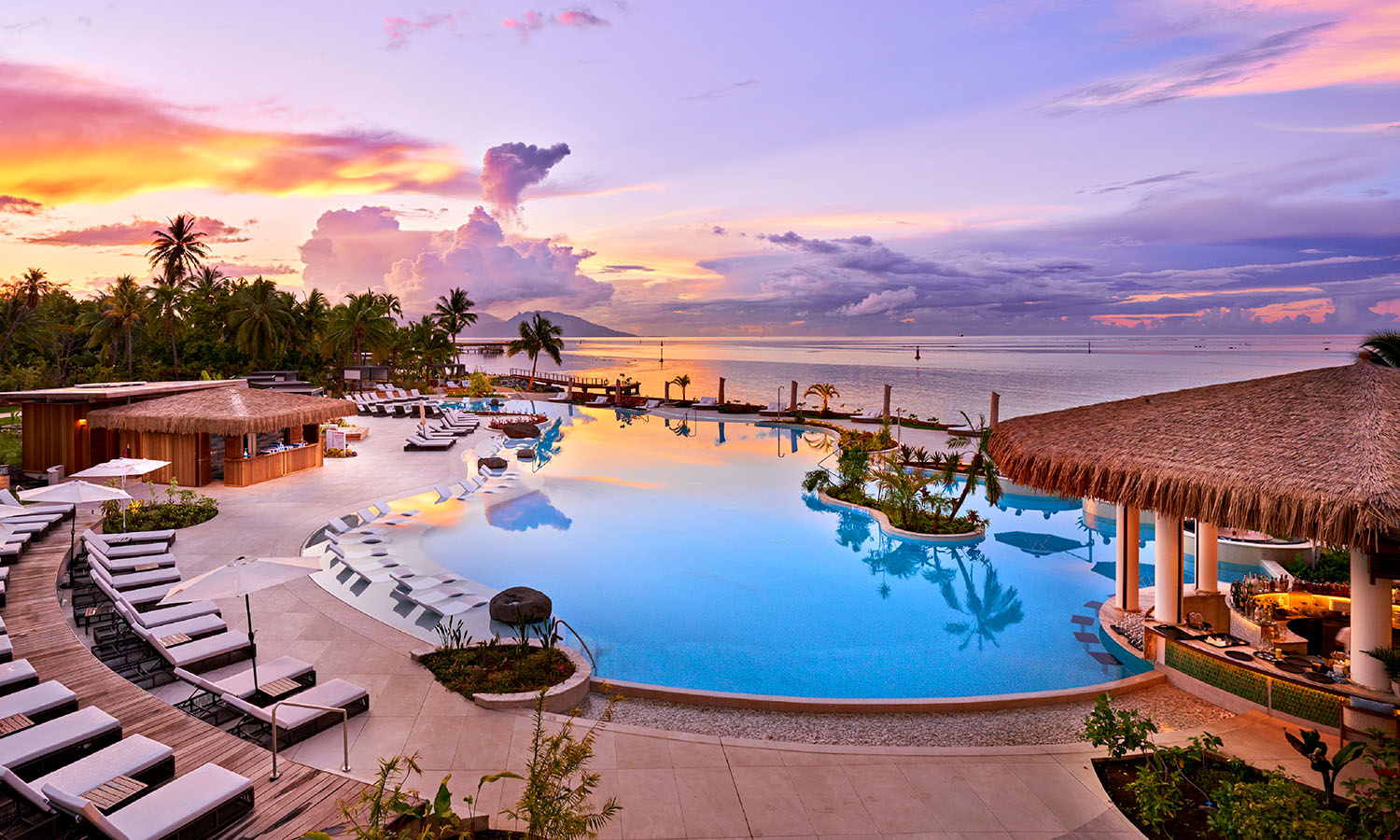
Here’s the thing – Tahiti doesn’t do crowds like other places. Even in peak season, you’ll rarely feel overrun. But in the low season? It’s next-level peaceful. Think empty beaches, open bookings, and the freedom to stroll through botanical gardens without photobombing a single proposal.
This off-peak window is your golden ticket to serene snorkelling sessions, solo sunset gazing, and getting that perfect Insta shot without someone’s uncle Gary in the background.
2. Slow travel, island style
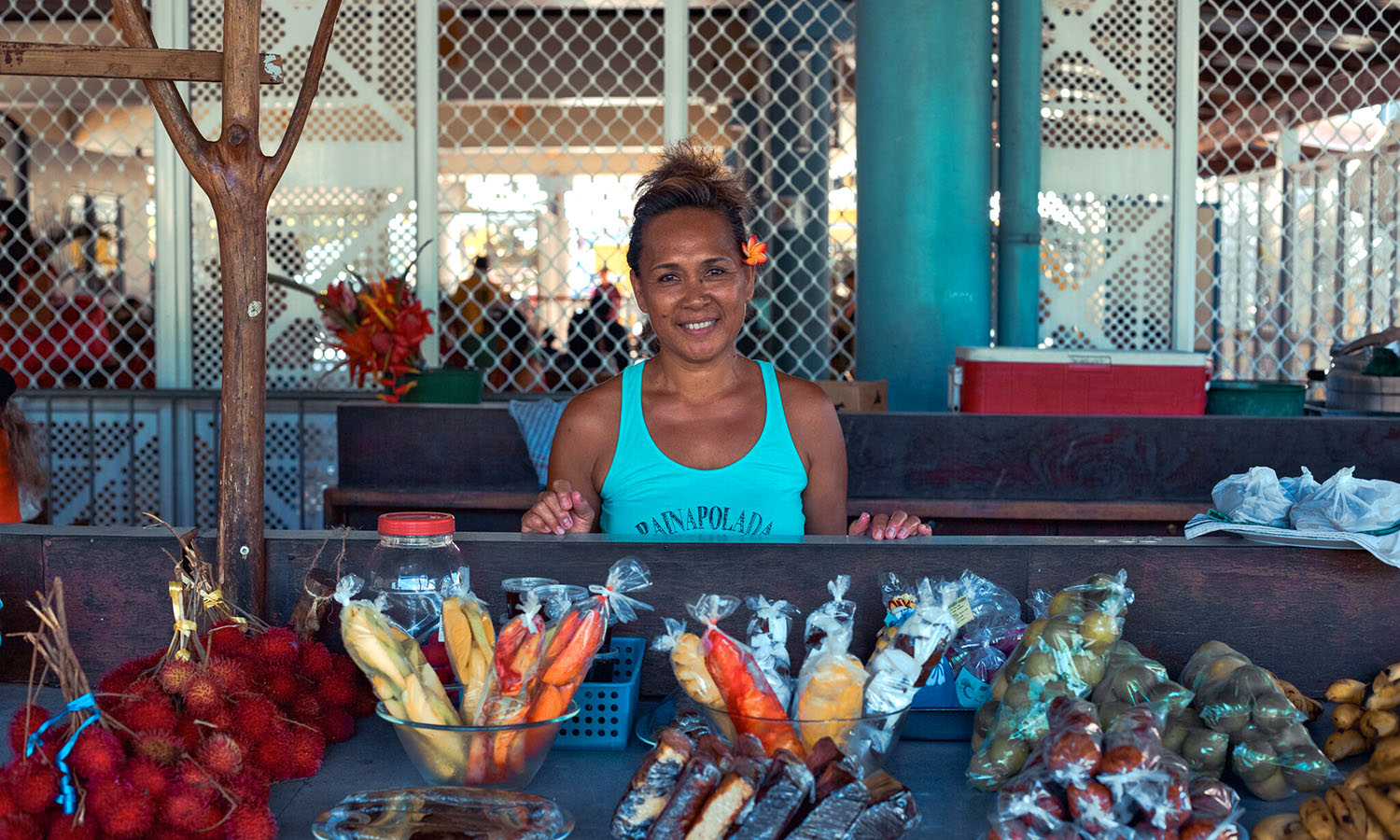
The low season practically begs you to ditch the schedule, unplug a little, and lean into that laid-back Polynesian rhythm. With fewer tourists around, you’ll have more time (and space) to immerse yourself in local life, traditions, and flavours. You’re not rushing from activity to activity, you’re having long chats with the tour guide, sipping coffee with the guesthouse owner, and saying “yes” to that spontaneous waterfall hike.
3. It’s a lot cheaper
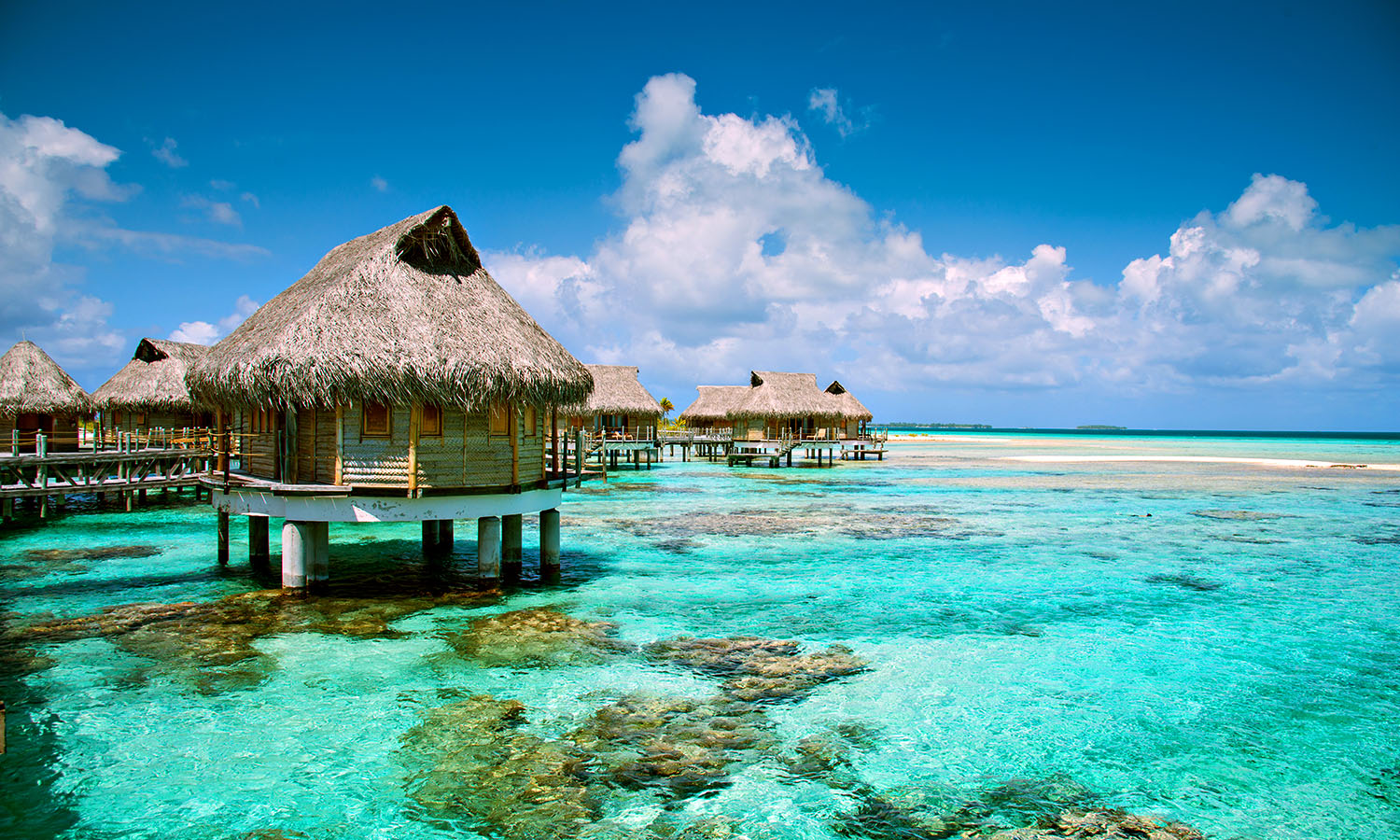
Now, let’s talk money. Visiting Tahiti during the low season means better availability, lower prices, and more package deals to make your trip feel luxe without the “oops, I accidentally spent my house deposit” panic.
Flights from Australia tend to be cheaper during summer, and many hotels offer discounts or bonuses like free nights, upgrades, or extra activities. Want a massage and a mountain-view suite? Done.
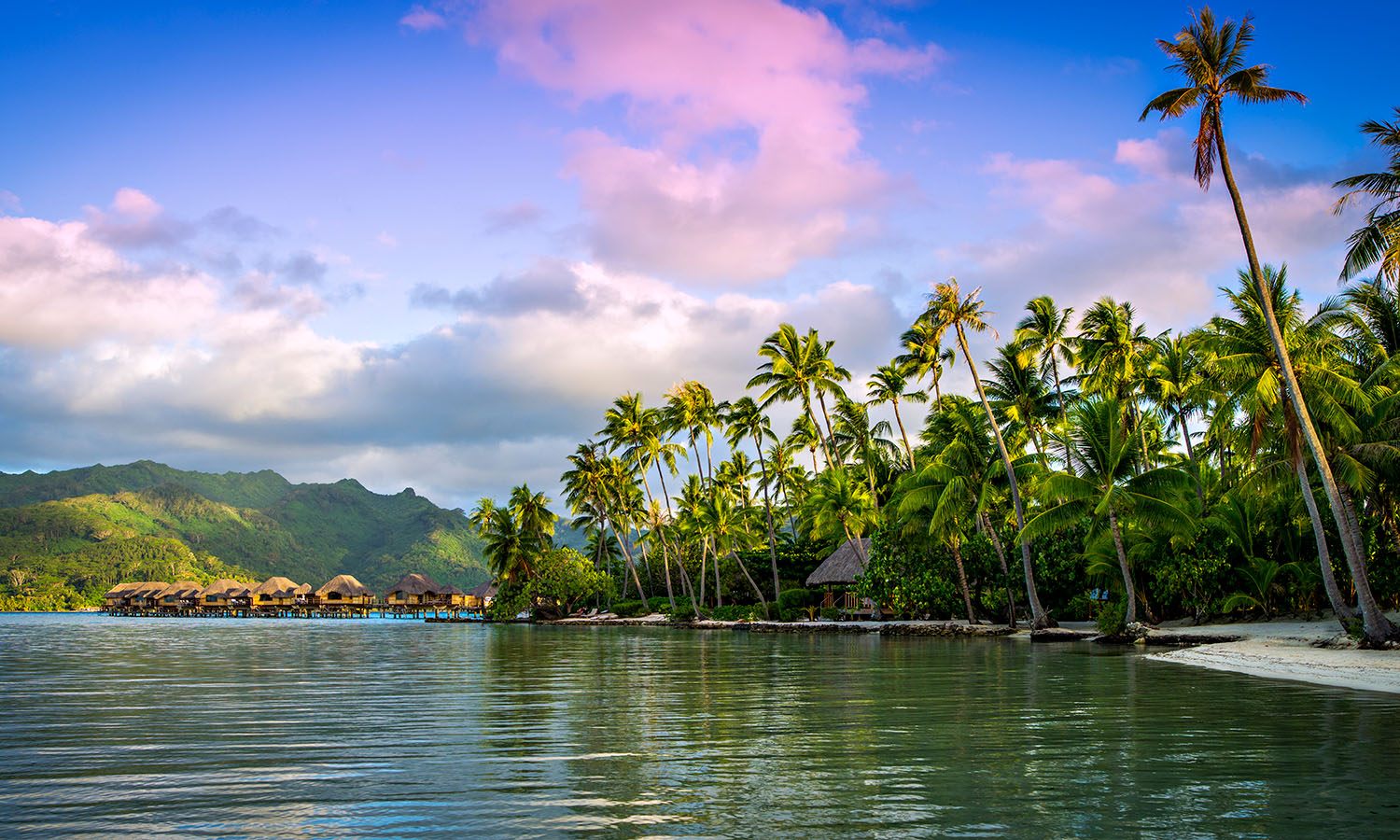
Travelling with a group? Look at holiday rentals or local guesthouses for serious value. Feeling adventurous? Yes, you can camp on Bora Bora, and suddenly, you’re the coolest person on the island.
A little heads up though, the Christmas and New Year’s window is technically still “low season,” but don’t expect low prices. It’s a popular time for travel, and availability tightens. If you want deals and quiet beaches, aim for early November, mid-January, or February, you’ll get the sweet spot of serenity and savings.
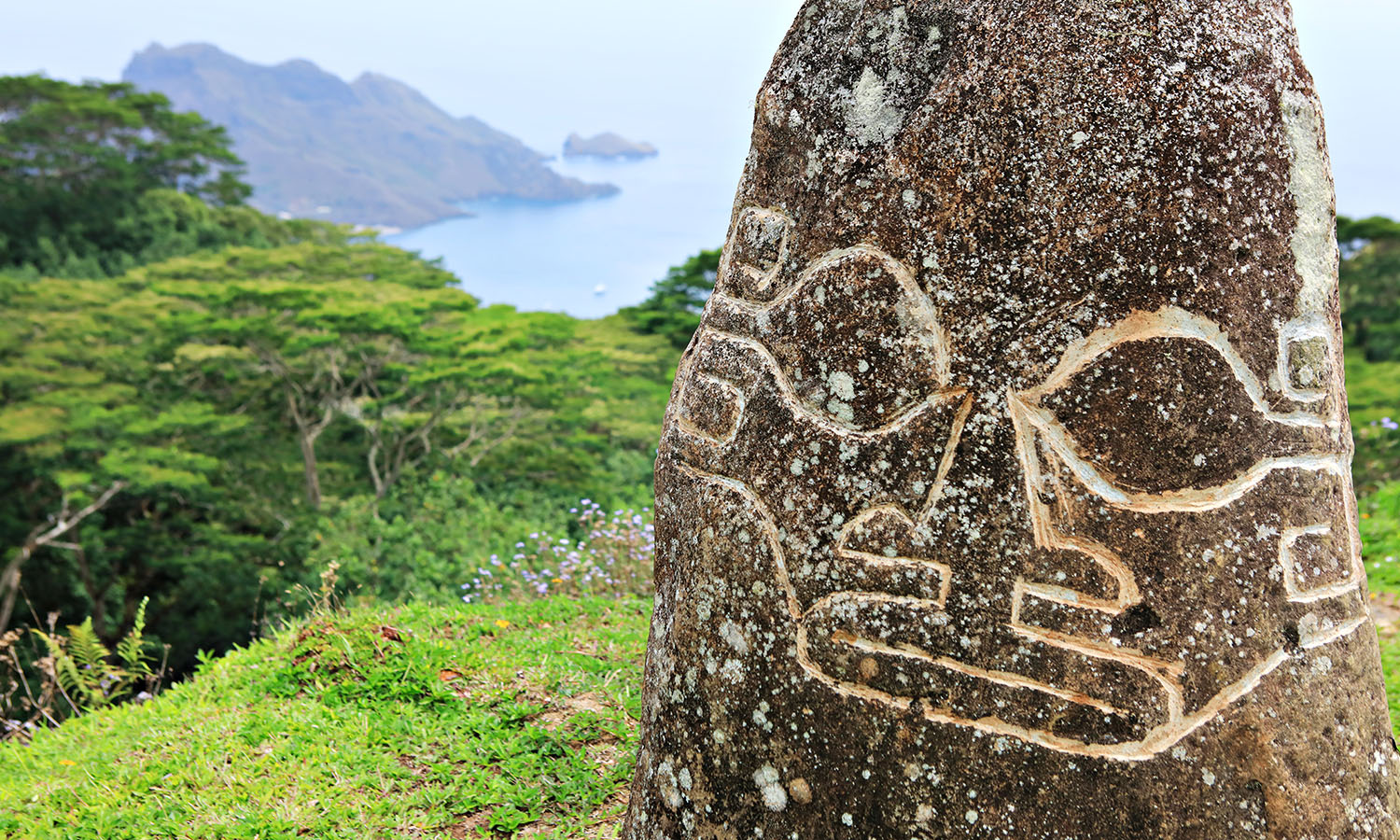
4. Tropical showers? More like scenic intermissions
Yes, it’s technically the “wet season,” but don’t let that scare you off. Rain in Tahiti is usually short-lived – more of a dramatic tropical flourish than a week-long monsoon. And when it does rain, it fuels the already jaw-dropping greenery. We’re talking misty mountaintops, lush jungle trails, and waterfalls that come alive with cinematic energy.
Bring a light poncho, embrace the moody skies, and enjoy the added bonus: the islands are extra photogenic when wet.
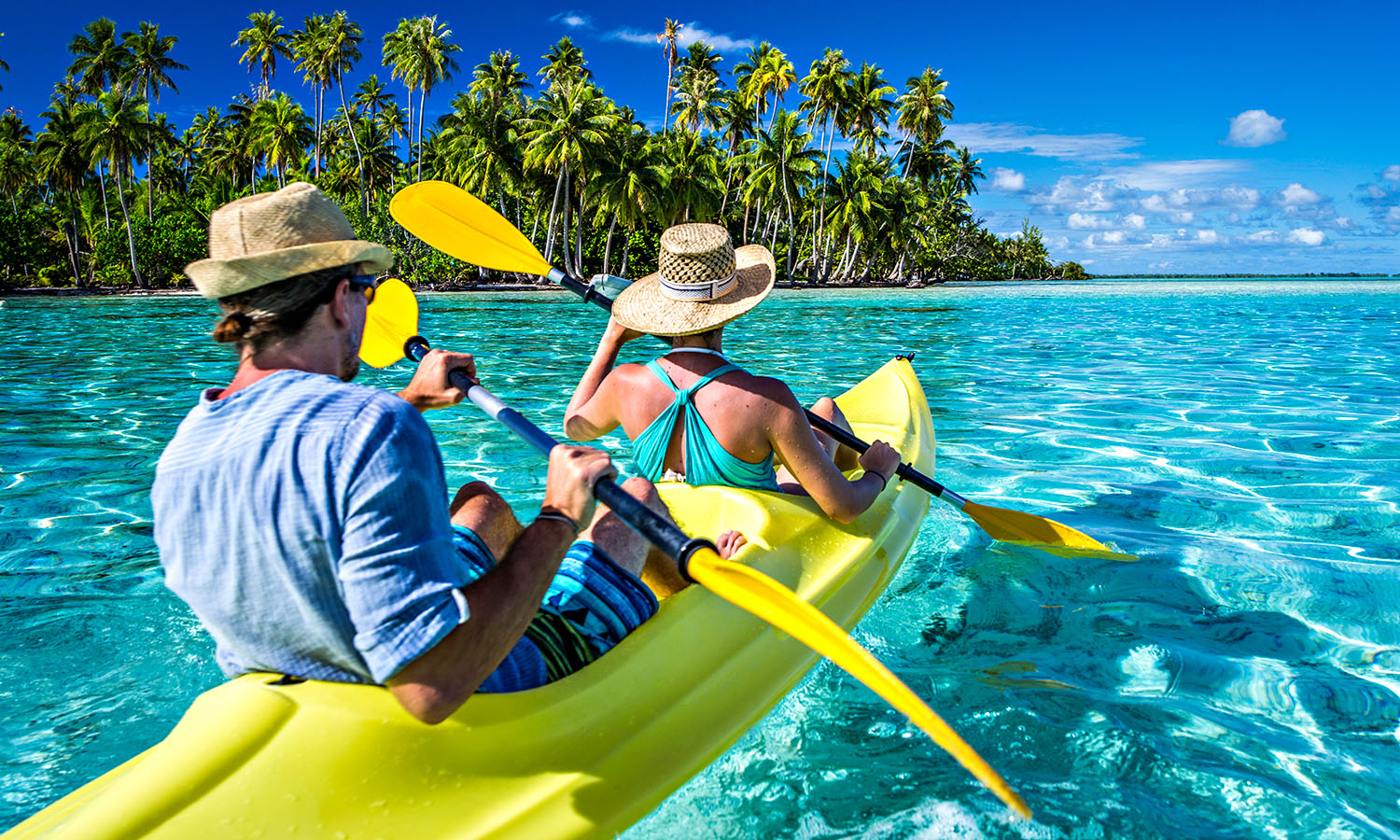
5. Nature’s on full display
Speaking of waterfalls, this is the time to chase them. Papenoo Valley, Vaipahi Water Gardens, and countless secret jungle trails become even more majestic. The flora explodes in a riot of colour, and the air feels thick with life. If you’re into botanic beauty, this season is the time to visit the Harrison Smith Botanical Garden or see the national flower, the tiare, in full bloom.
And if you’re the kind of traveller who likes things wild and weird, head to Vin de Tahiti, the world’s only coral winery, where the grape harvest happens in December. Yes, you read that correctly: coral. Wine. Weird. Wonderful.
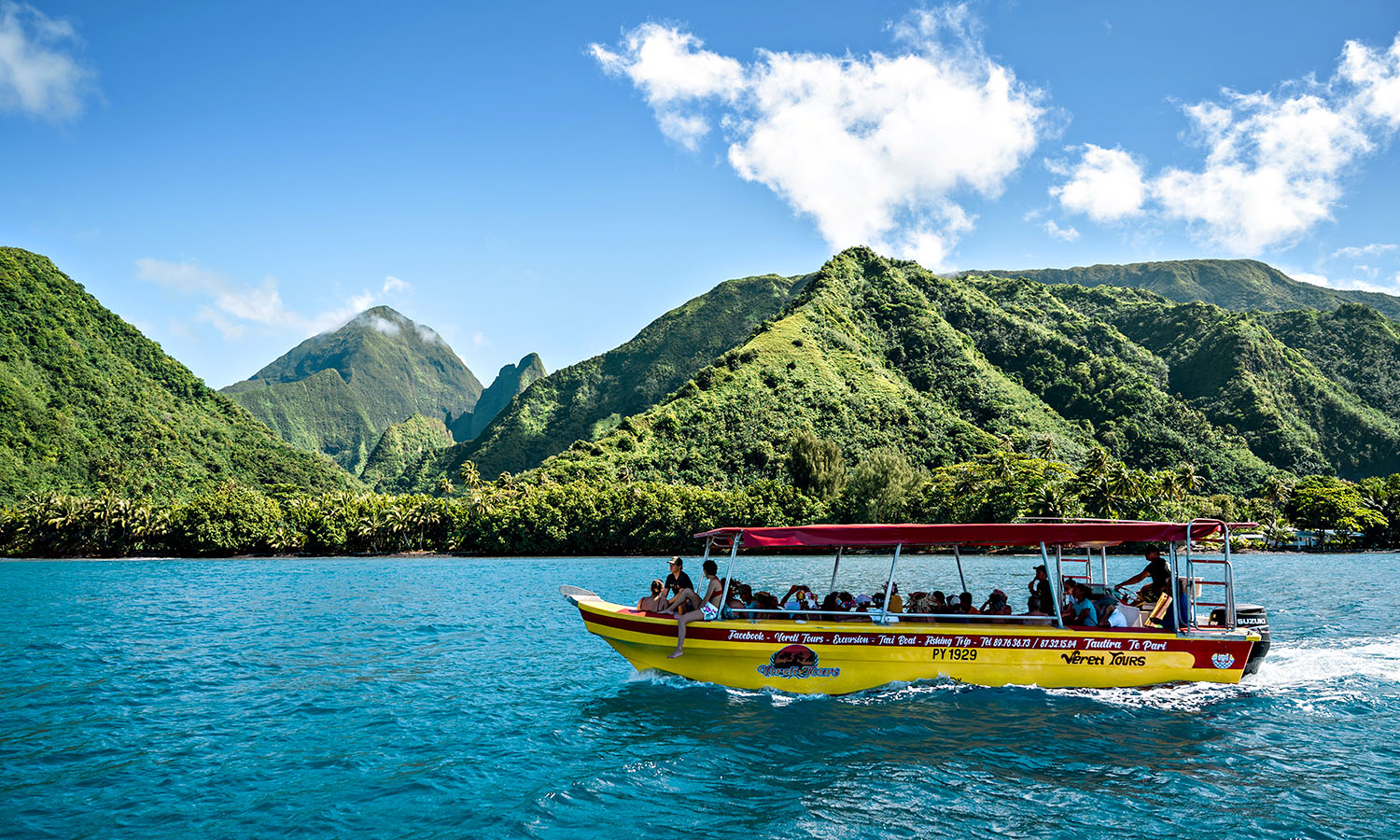
6. Fewer tourists = more culture for you
Low season means tours that are usually packed are suddenly intimate, and local guides have more time to share stories, teach you about Tahitian history, or help you perfect your tamure dance. You’ll gain deeper cultural insight and a more meaningful connection with the people and the land.
Imagine learning to make coconut milk the traditional way, weaving your own palm-leaf crown, or hearing ancient legends while surrounded by ancient marae (temples) and zero tourist groups.
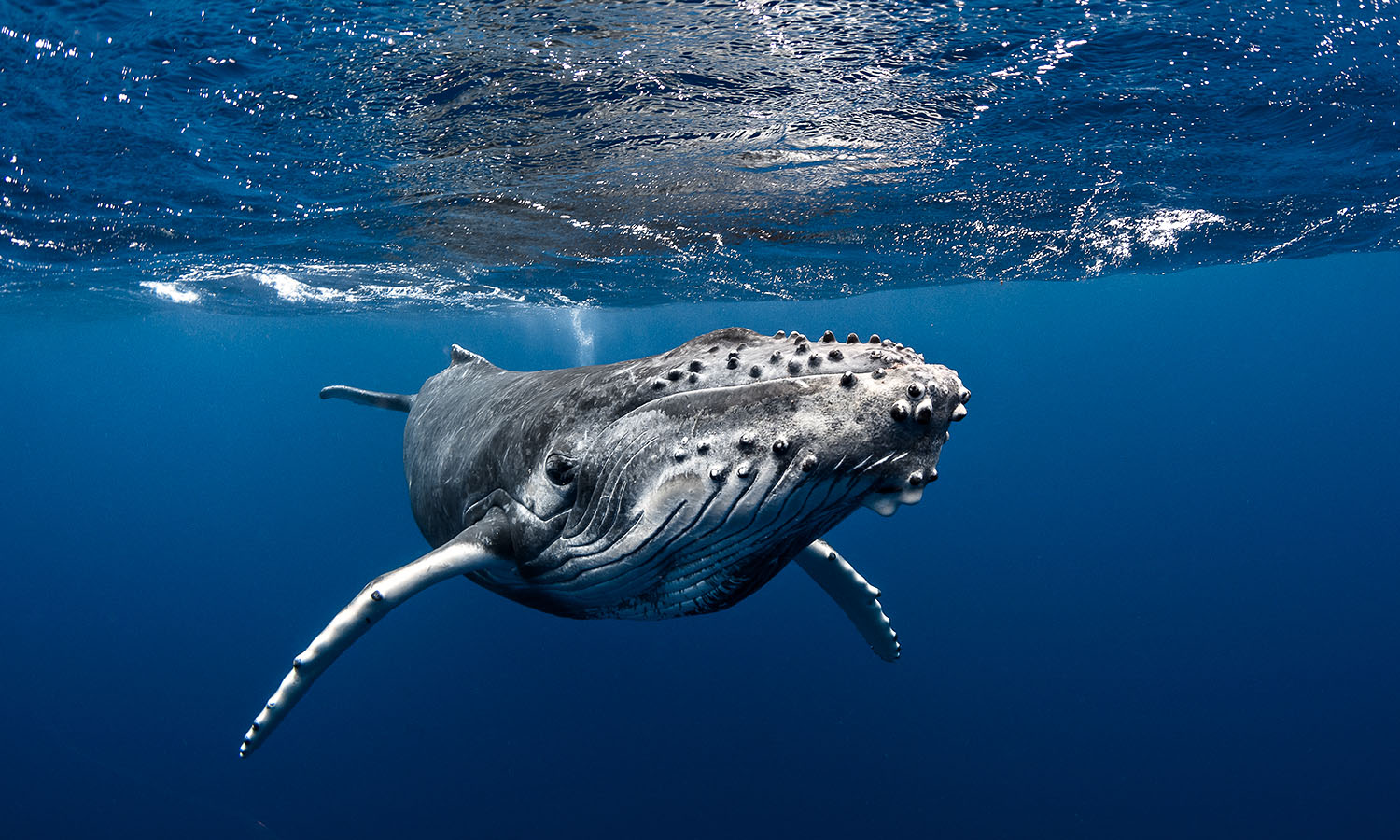
7. The diving’s way better
Divers, rejoice: this season also brings higher plankton levels, which means marine life is going OFF. Schools of fish, colourful coral, reef sharks and manta rays, particularly in spots like Rangiroa, Tikehau, and Fakarava, are putting on a show. Visibility’s still great, and dive tours are easier to book, with fewer people onboard and more time underwater.
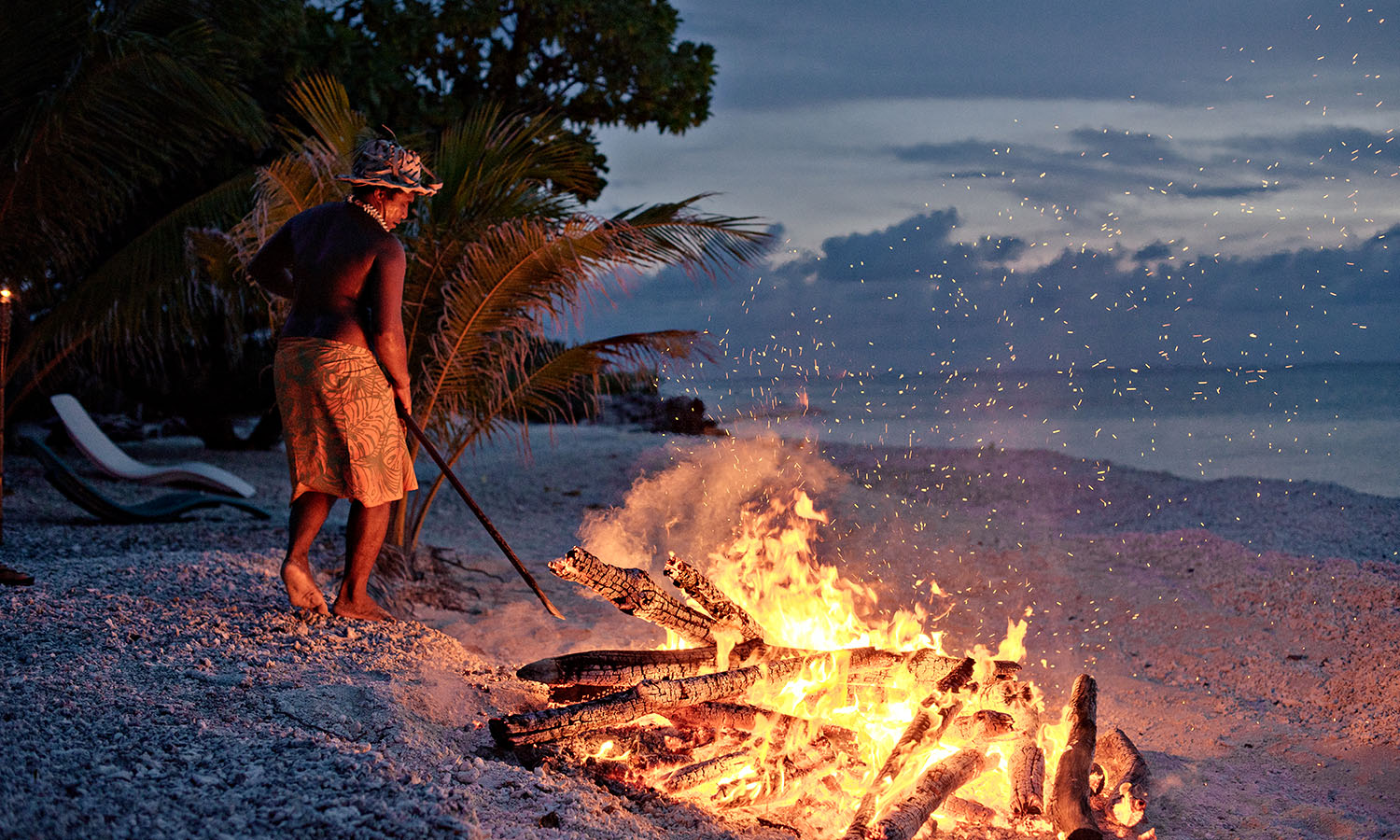
8. Eat like a local
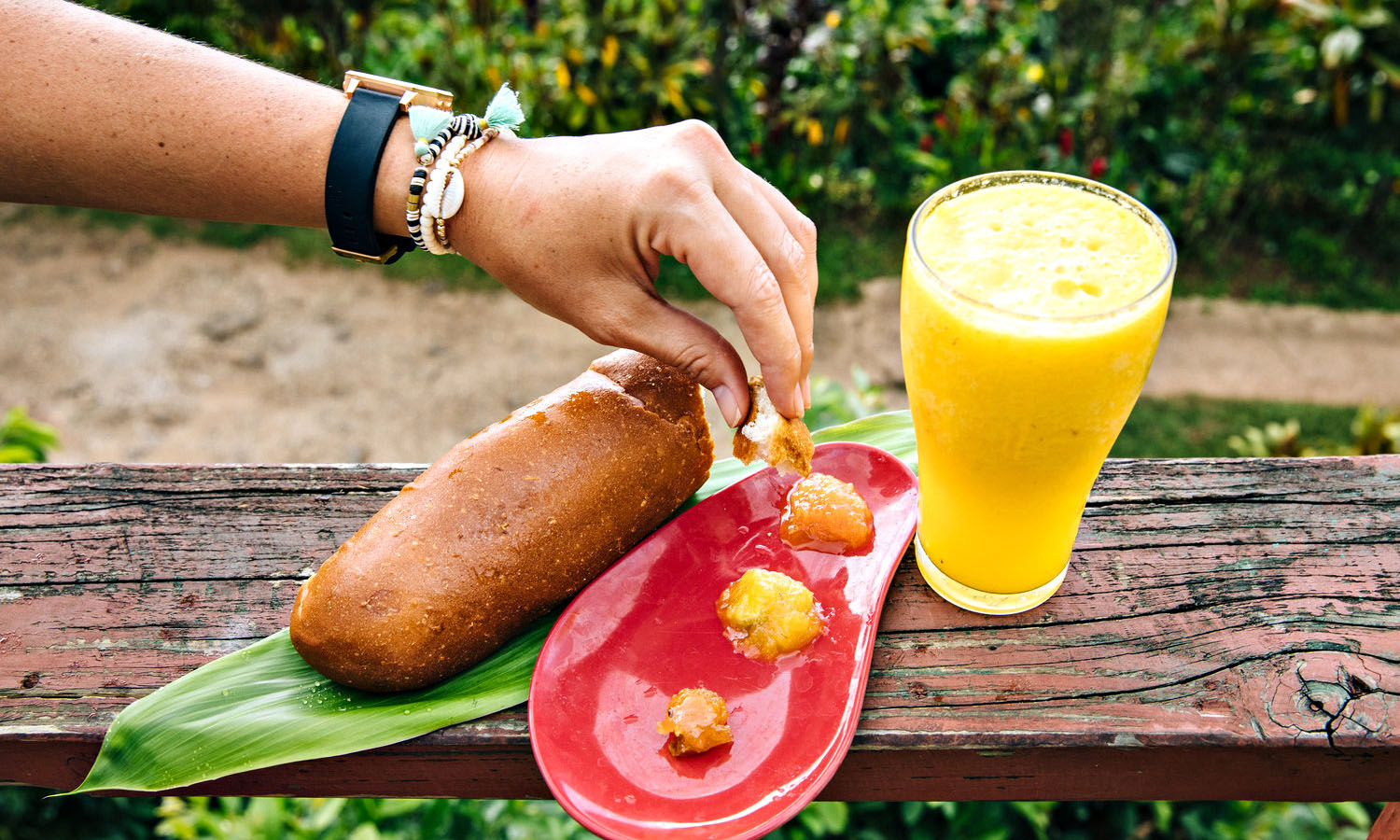
Another budget-friendly low-season perk? The food trucks. Known locally as roulottes, these open-air gems serve up fresh Tahitian dishes for under AU$15. Think grilled fish with coconut milk, sizzling steak frites, and gooey banana crepes eaten under fairy lights beside a marina. Your tastebuds, and your wallet, will thank you.
So… should you book it? (Spoiler: yes)
If you’ve been dreaming of Tahiti but assumed it was out of your price range, or just don’t fancy rubbing shoulders with cruise ship crowds, the low season is your time to shine.
You’ll still get turquoise lagoons, overwater bungalows (if that’s your thing), lush rainforest, incredible food, and sunsets that make you want to write poetry. But you’ll get it all with a side of stillness, savings, and more local connection.