
Why this so-called “airport town” is secretly a crash course in Japan, even if you’ve only got a few hours.
If you’re like me, you’ve probably seen Narita’s name on your boarding pass and thought, “Ah yes, Narita – the airport.” The place where you slurp down one last vending-machine ramen, buy a packet of KitKats in a novelty flavour you’ll regret later (Wasabi? Seriously?) and brace yourself for the long-haul flight home.
But it turns out, Narita is not just the airport. Shocking, I know. The city itself – yes, there’s a whole city – is a pocket-sized crash course in Japan. If you ever find yourself here with a few hours to kill between flights, or maybe even a cheeky overnighter, you can squeeze in a cultural hit that’ll make you feel like you’ve done more than loiter in the fluorescent lights of Duty Free.
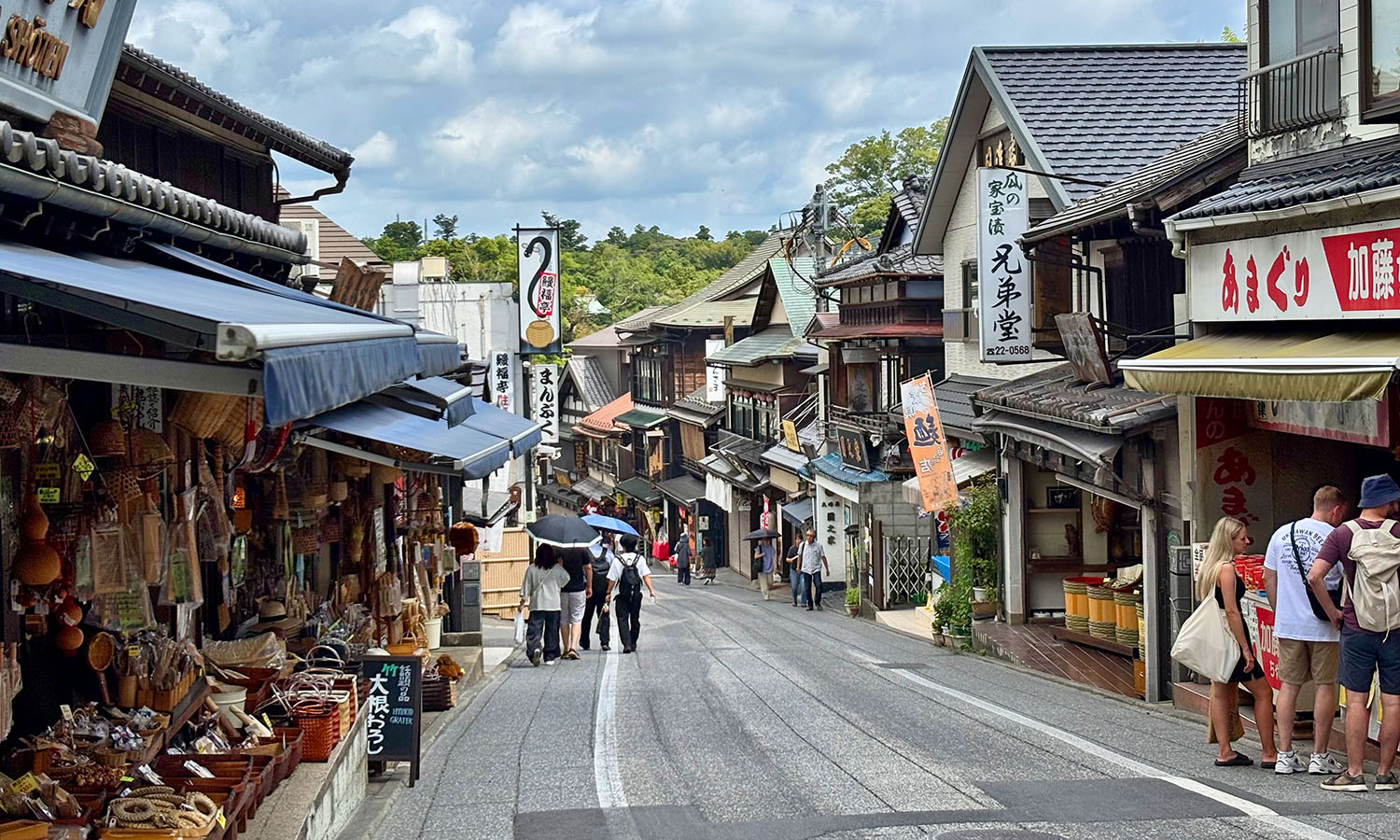
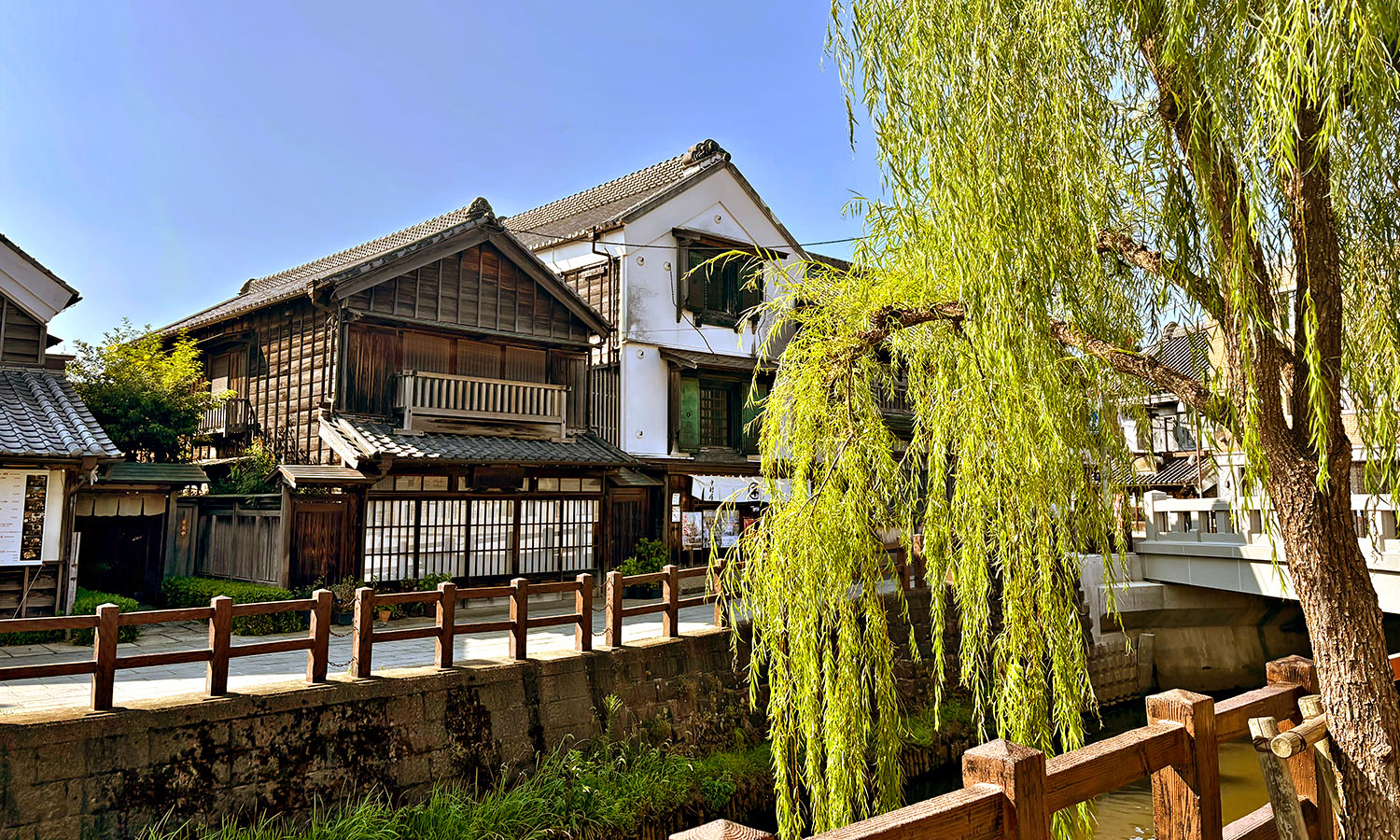
Narita is only a 15-minute train ride from the airport, and once you step outside Narita Station, you’re suddenly in the old part of town, walking along Narita Omotesando, a street that feels like someone pressed pause on the modern world.
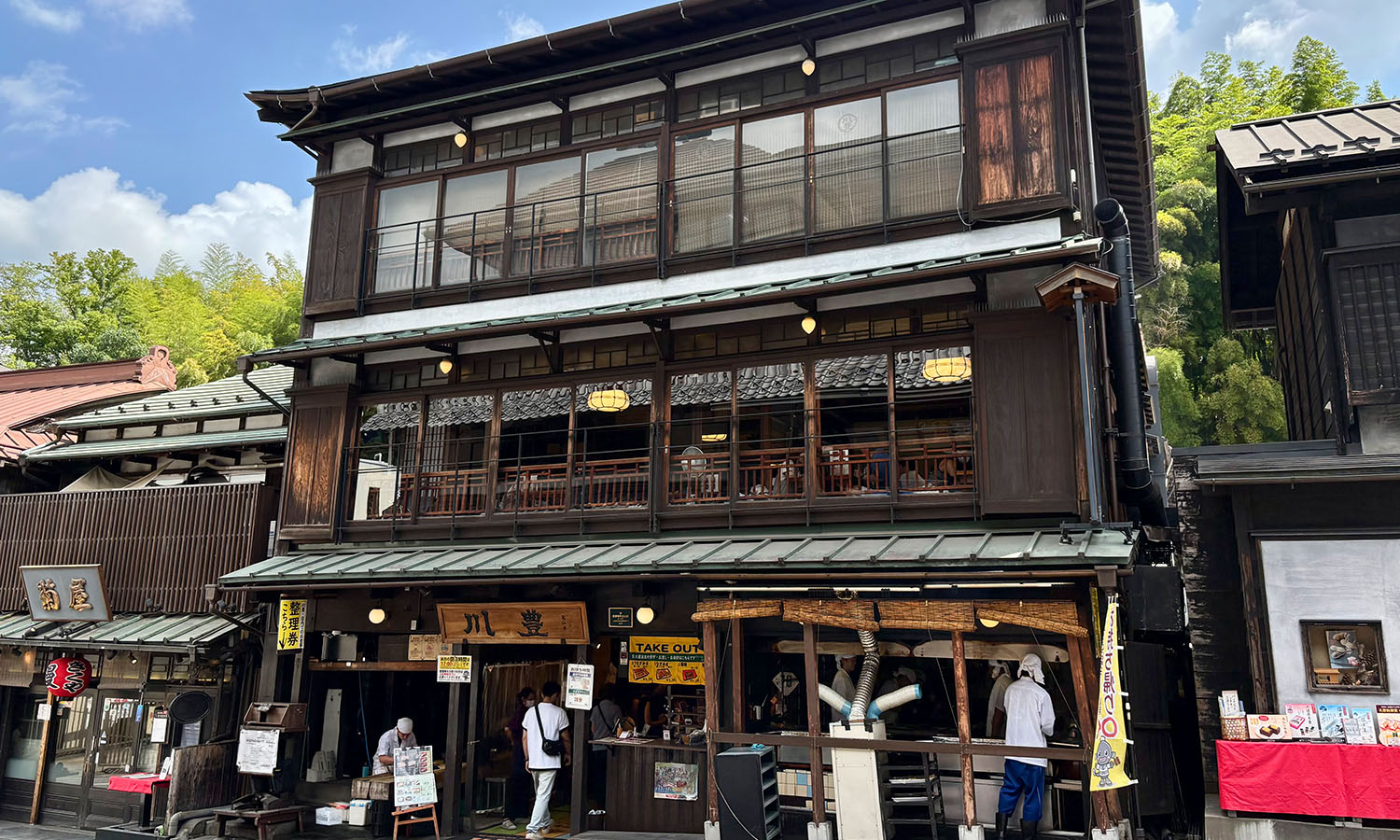
Wooden shopfronts lean companionably against each other, lanterns sway gently in the breeze, and the air smells like soy sauce and sweet smoke. Every other doorway seems to hold a shopkeeper beckoning you inside, whether they’re selling handcrafted clogs, lucky charms, or incense. The sort of place where “just popping out for a stroll” quickly becomes an hour of poking your head into little shops and wondering how much space you’ve got left in your carry-on.
But the real star here is the food. Narita is famous for eel, which is one of those dishes you either eagerly embrace or watch with wary fascination. On Omotesando, chefs prepare it right in front of you, the whole messy, slippery process on display, and then grill it over hot coals until it turns golden and smoky.
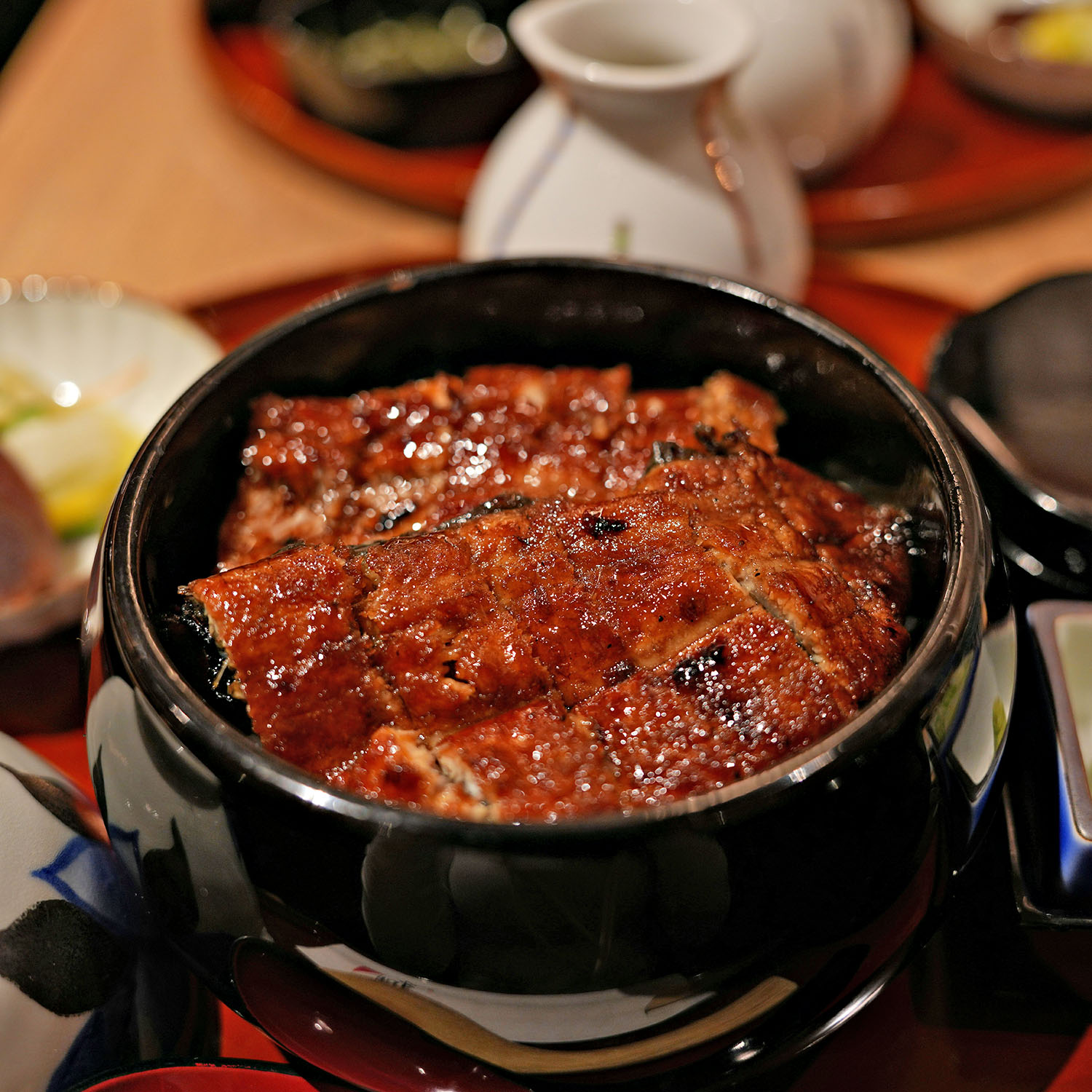
But watching something wriggle one moment and then smelling it caramelise under a brush of sweet soy sauce the next is confronting, so I skipped it this time, and let my travelling companions taste the rich, buttery Unagi.
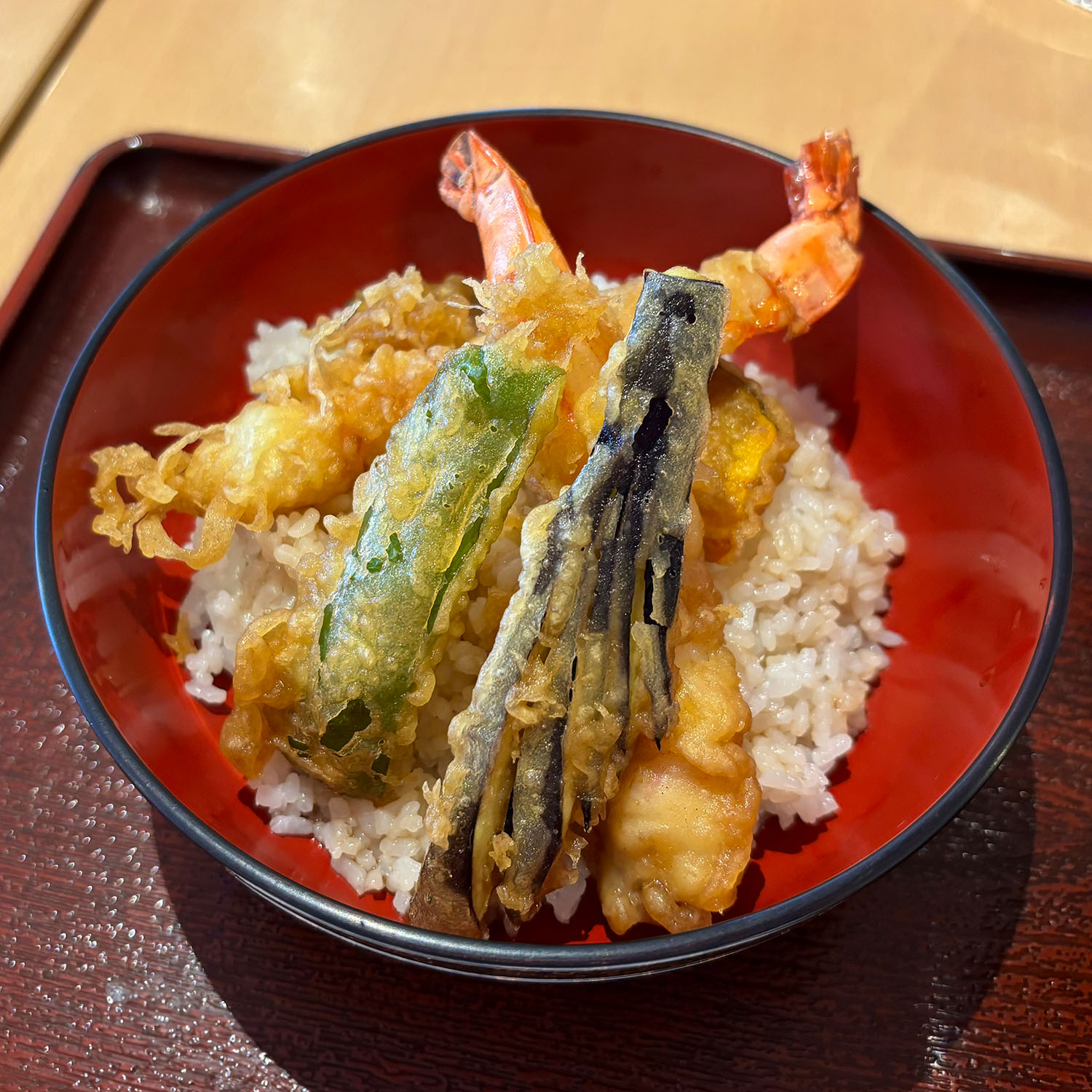
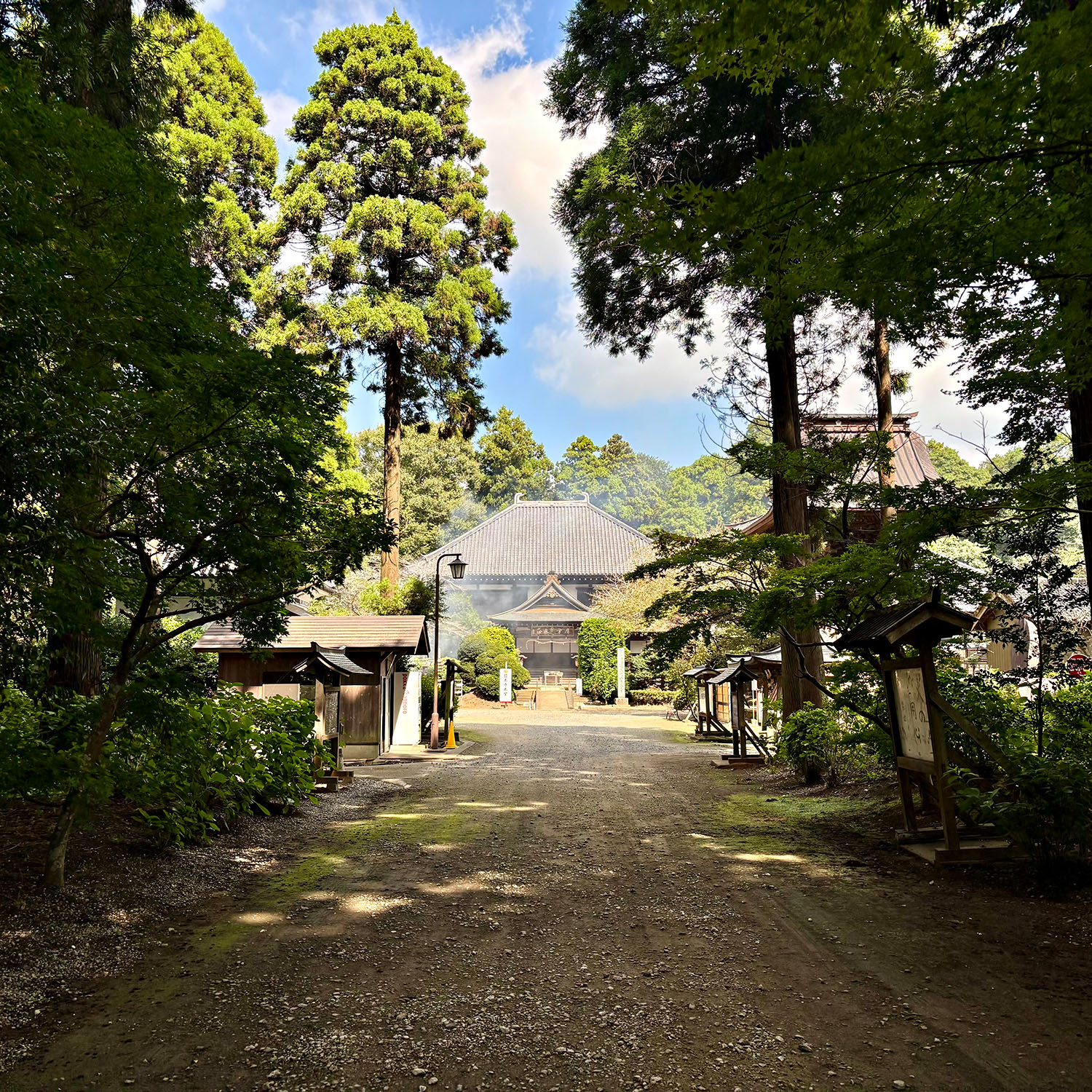
Fuelled by a bowl of vegetable tempura on rice instead, we wandered up to Naritasan Shinsho-ji Temple, the city’s crown jewel and a thousand-year-old Buddhist complex. The entrance gate is enormous, a structure that makes you instinctively straighten your spine as you pass beneath it.
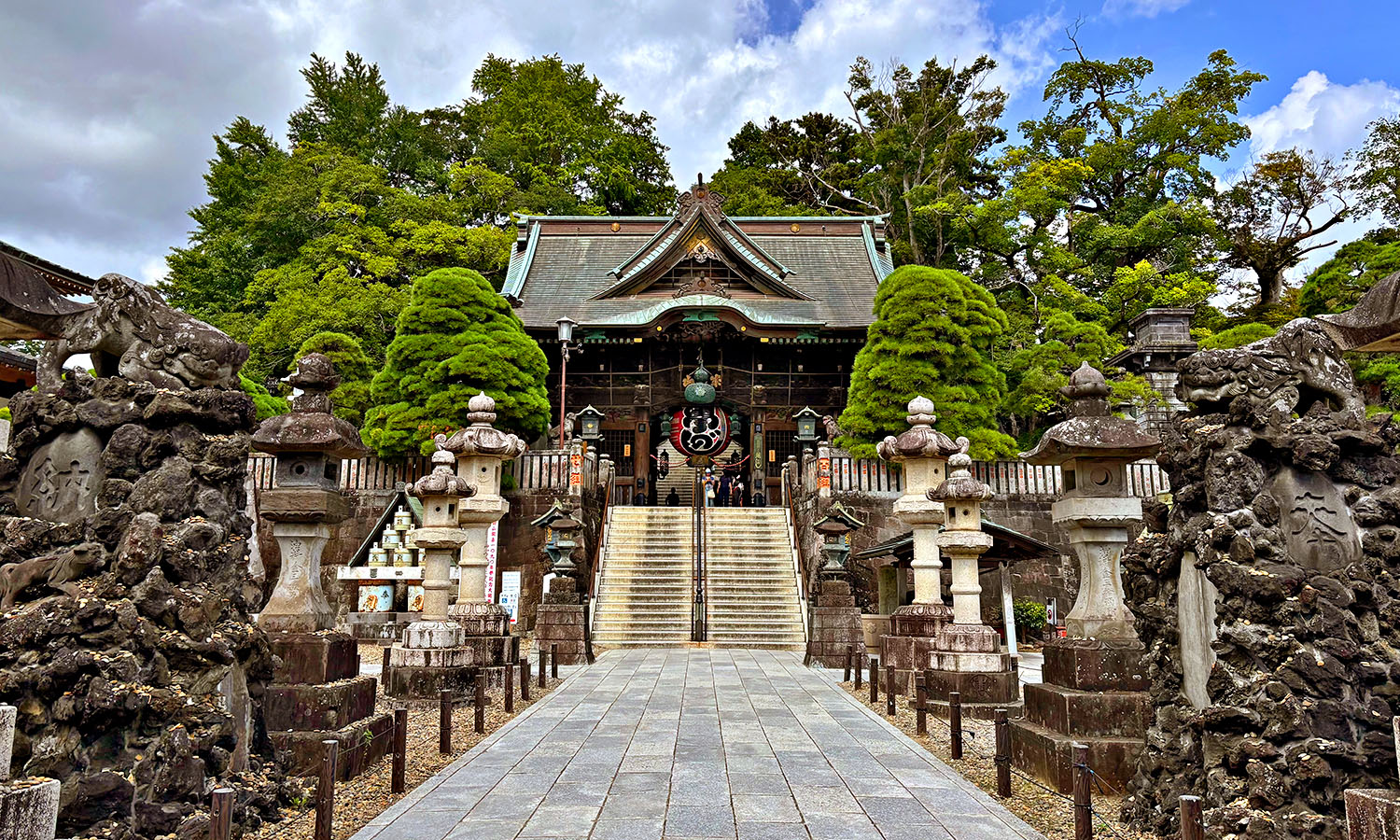
Beyond that, the grounds unfold in a series of pagodas, gardens, and incense-heavy halls that feel both grand and strangely calming. Even if you’re not usually a temple-goer, this place is something else. We wandered through manicured gardens, watched koi the size of small house cats glide through ponds, and stood in front of ancient wooden halls, wondering how many travellers had paused here before us.
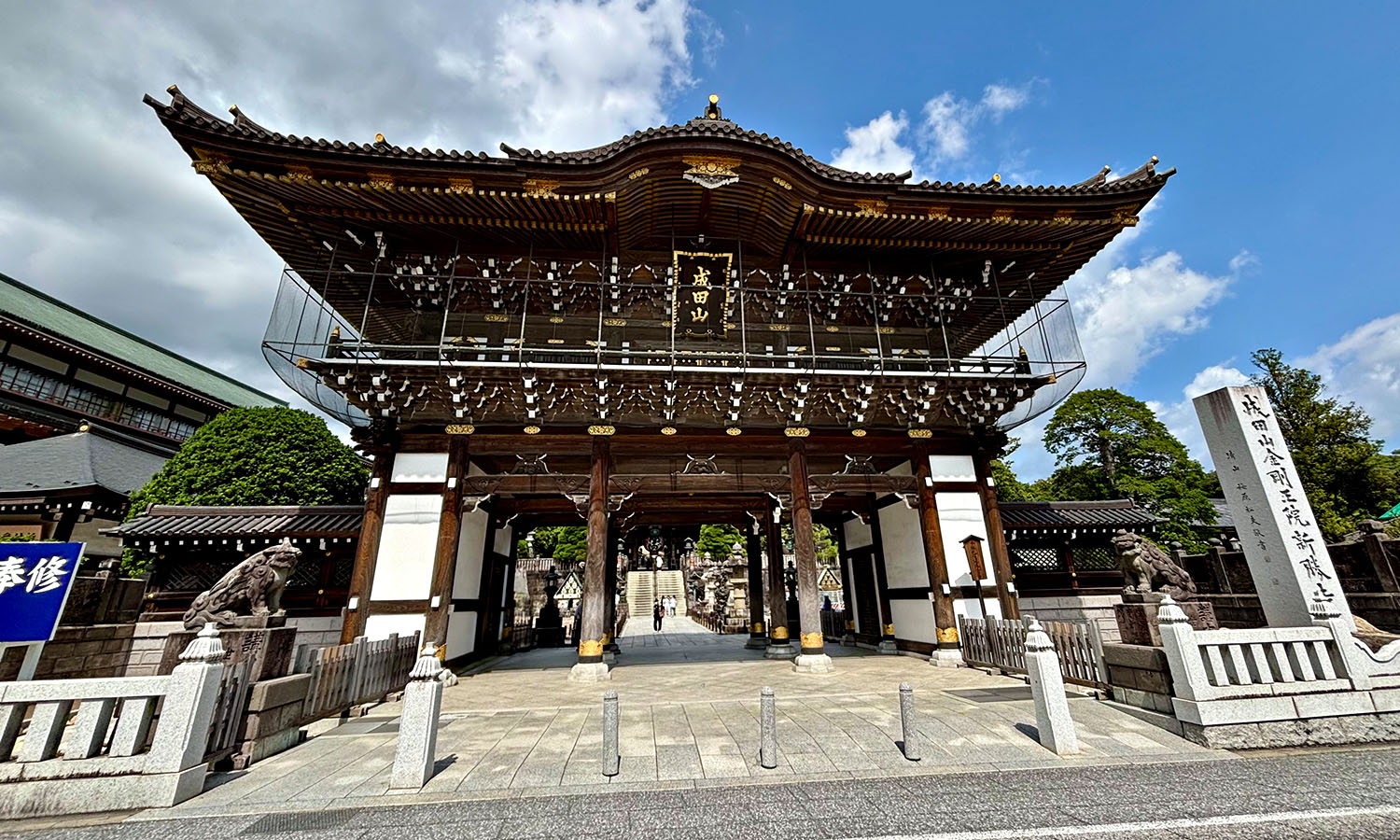
At this point, most people would head back to the airport, satisfied that they’d had a quick-fire intro to Japanese culture. But if you can stretch your stopover, the countryside around Narita offers even more.
We stopped at Tako (located in the Chiba prefecture), about half an hour away, for a cycling tour. Now, I’m not usually a fan of group rides – too much Lycra, too many competitive dads – but this was different.
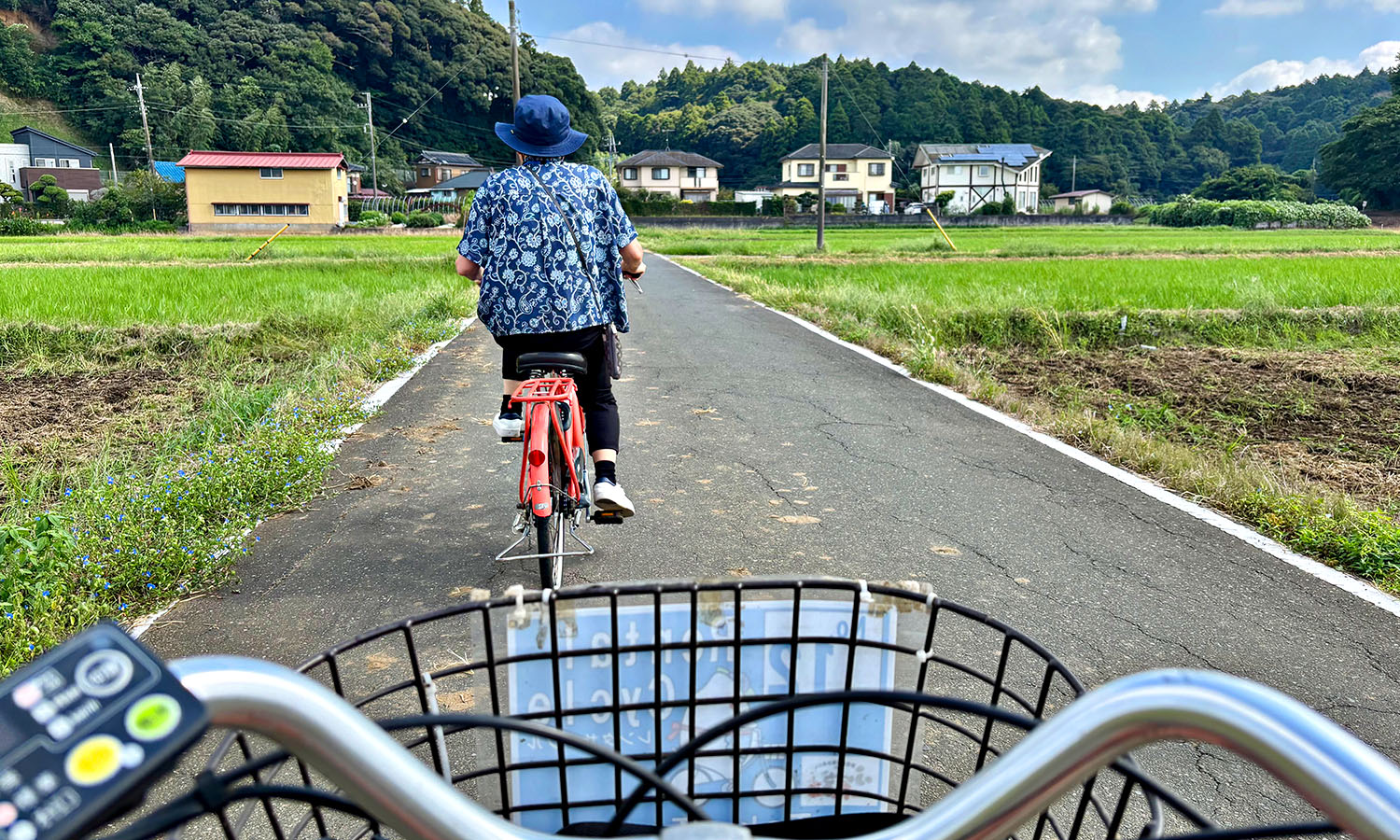
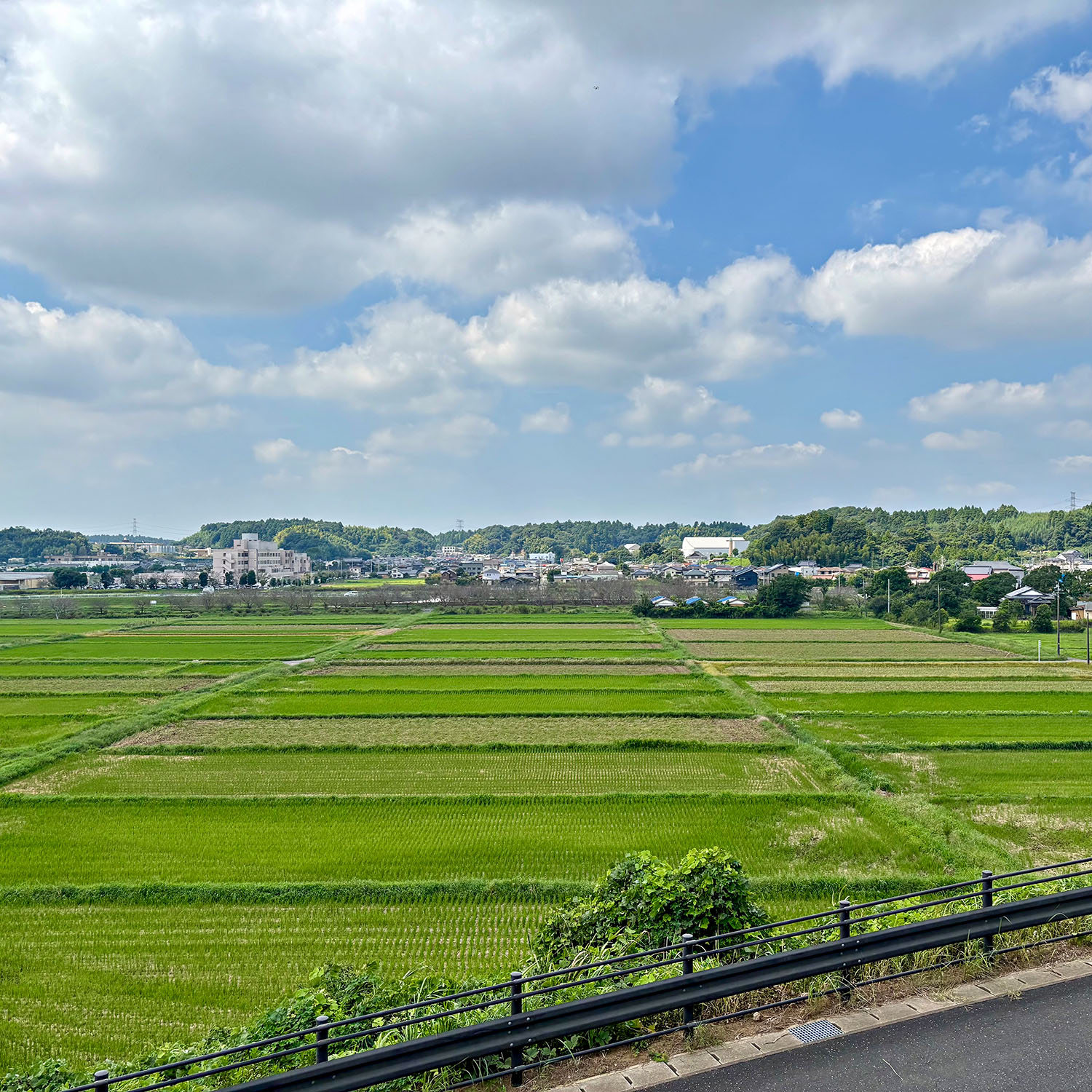
We pedalled gently past rice fields and wandered around a peaceful (and completely empty) shrine. The air smelled clean and earthy, the fields glowed green, and there was enough time to actually take it all in without gasping for breath. But that might have been because the bikes were electric.
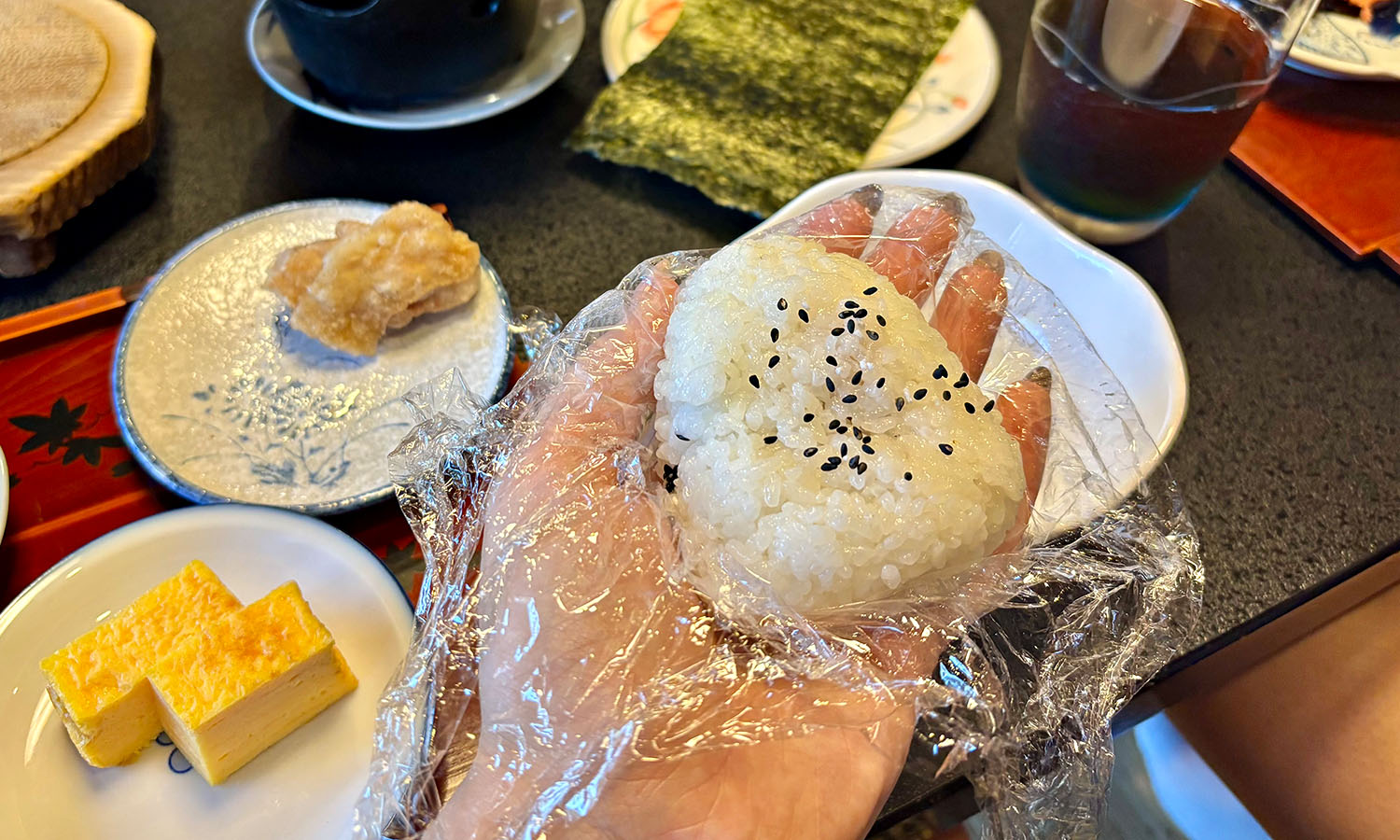
And because rice deserves more than just admiration from the saddle, we ended up at Masugataya Ryokan, a traditional inn that runs onigiri-making classes. Onigiri, for the uninitiated, are Japan’s iconic rice balls: simple, triangular parcels wrapped in seaweed and stuffed with everything from salmon to fried chicken.
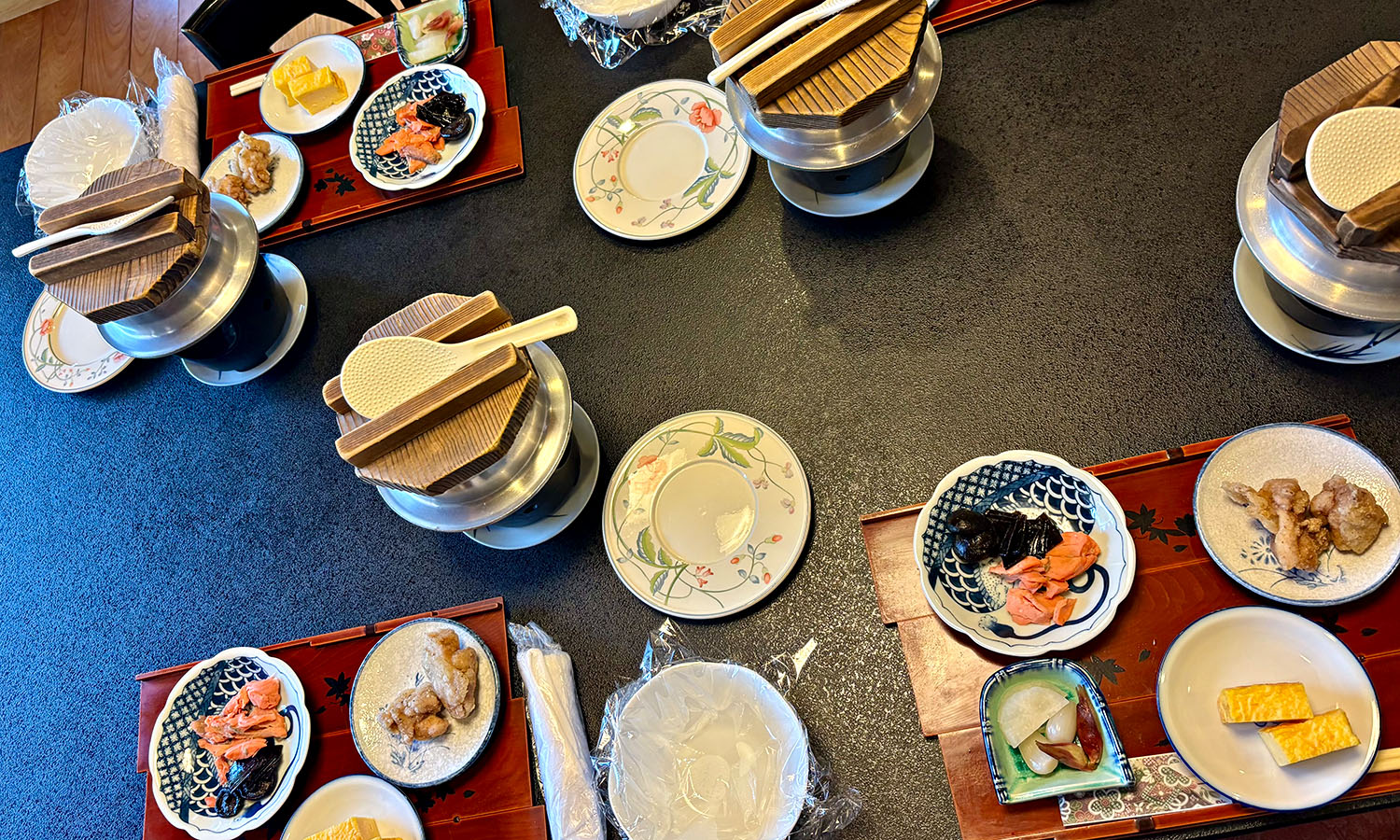
How hard could they be? Very, as it turns out. My first attempt stuck to my hands like glue and collapsed into something that looked more like a sad snowball than a rice ball. But with some gentle coaching, I eventually produced something edible. And then, of course, I ate it. And then another. Onigiri are addictive, and learning to make them in a tatami-floored inn, surrounded by sliding paper doors, felt like a travel memory worth bottling.
So, next time you see Narita on your itinerary, don’t roll your eyes and resign yourself to airport purgatory. Step outside. Even if you’ve only got two hours, you can wander Omotesando and sneak a peek at the temple.
Four to six hours, and you can add in eel, maybe a bit of shopping. A full day? Get yourself to Tako and pedal through the countryside before rolling rice balls at Masugataya.
Narita may look like just an airport town from the sky, but on the ground it’s Japan in miniature – compact, fascinating, and far tastier than anything you’ll find in a departure lounge.