
Quiet streets, steamy baths, and more ramen than your heart can handle, this is Japan off the beaten path.
I’ve been to Japan before; the usual suspects, Tokyo’s neon maze and Kyoto’s temple trails. But Kyushu? That felt different. As soon as I landed on Japan’s southwestern island, I could sense it. The pace dropped a notch. The air felt cleaner. The smiles lingered longer. This wasn’t a place built for ticking boxes or selfie queues; it was a place to slow down, eat well, and soak in a culture that hums quietly beneath the surface.
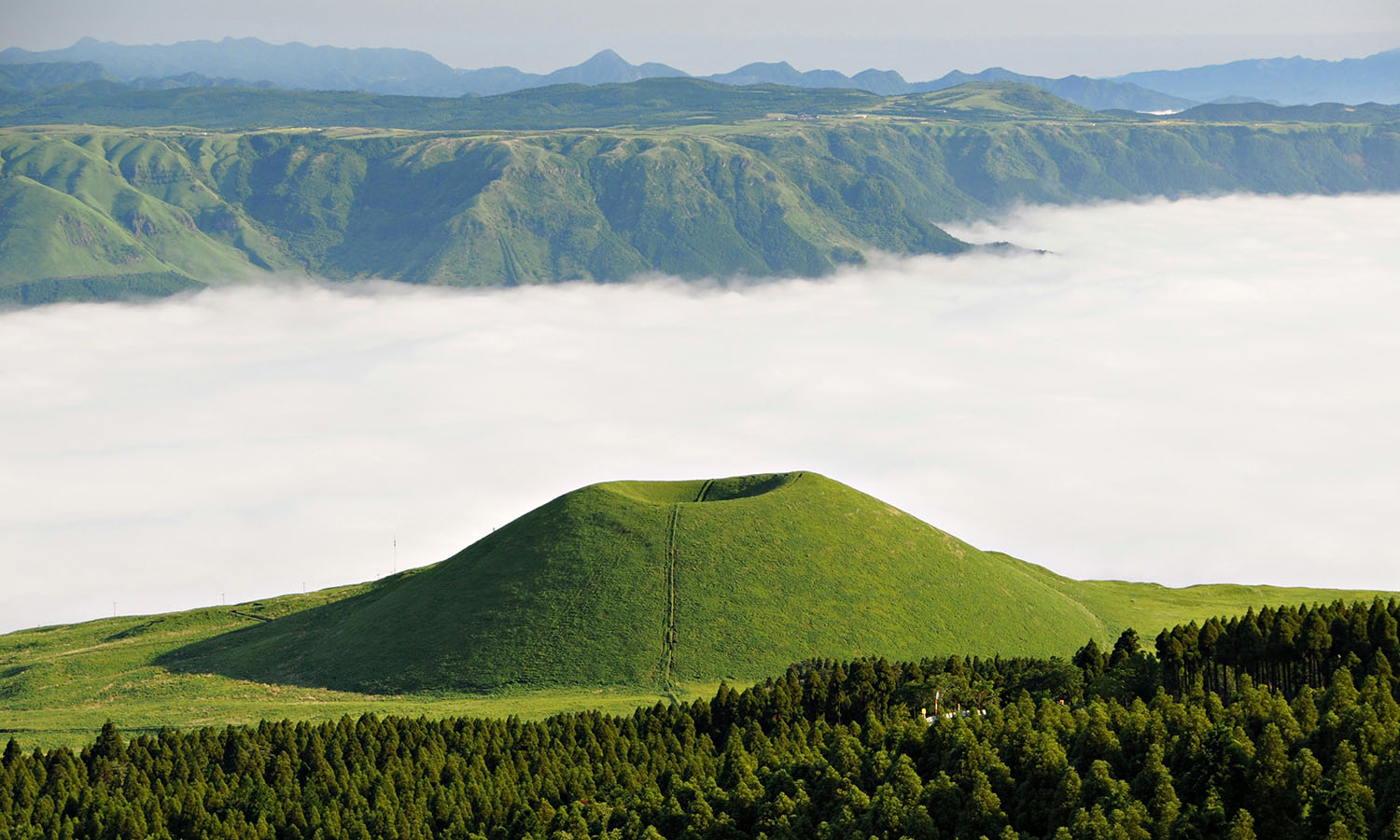
Far from the crowded tourist circuits, Kyushu offered the kind of travel that sneaks up on you. Dramatic volcanoes one day, steaming hot springs the next, and as a food lover, this was heaven – fresh seafood, sizzling wagyu beef, hearty tonkotsu ramen, and plenty of unique local specialties. I’d come for a glimpse of Japan’s “deep south” and left wondering why more people don’t.
My journey wound through five prefectures – Nagasaki, Saga, Fukuoka, Oita, and Miyazaki – each one with its own quirks, flavours and rhythm.
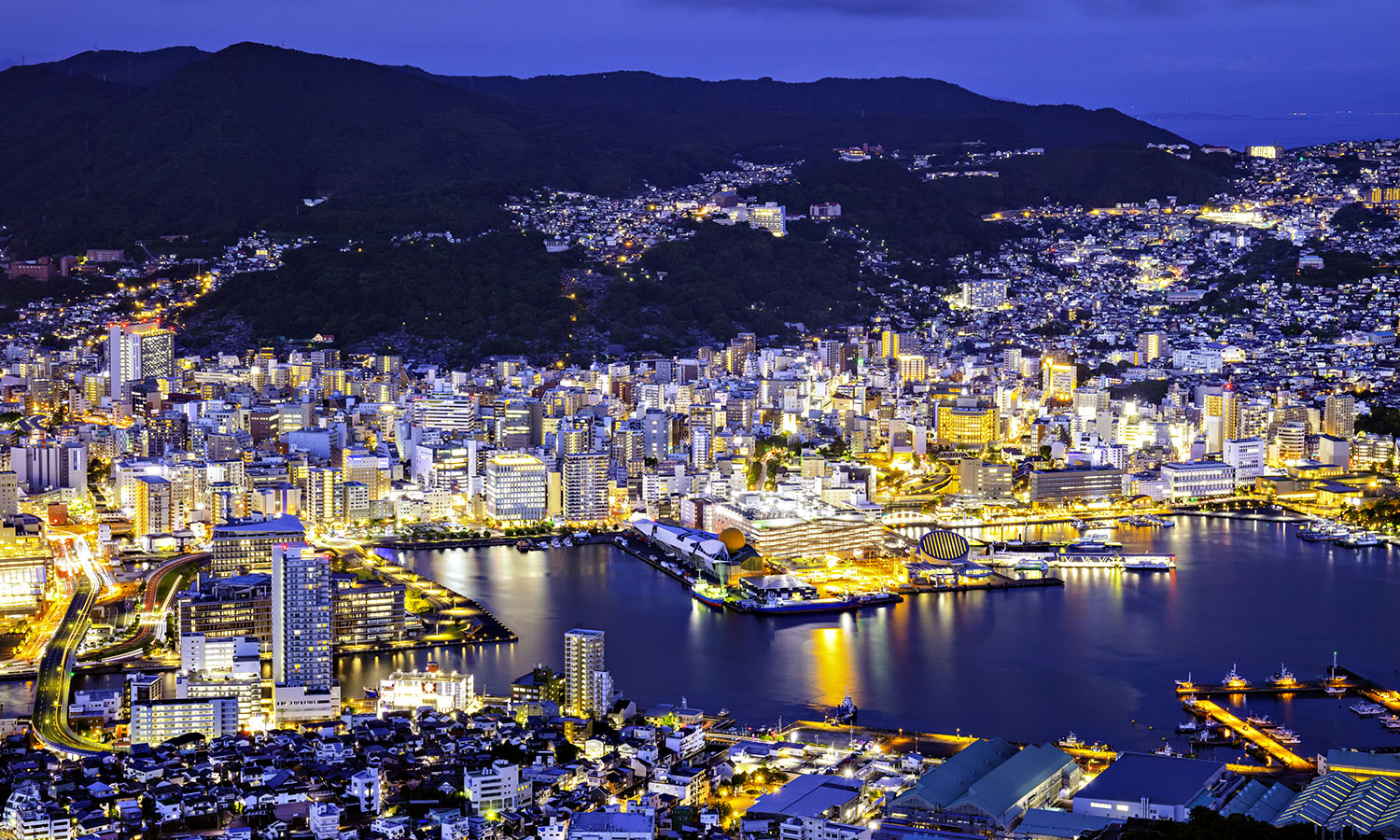
Nagasaki
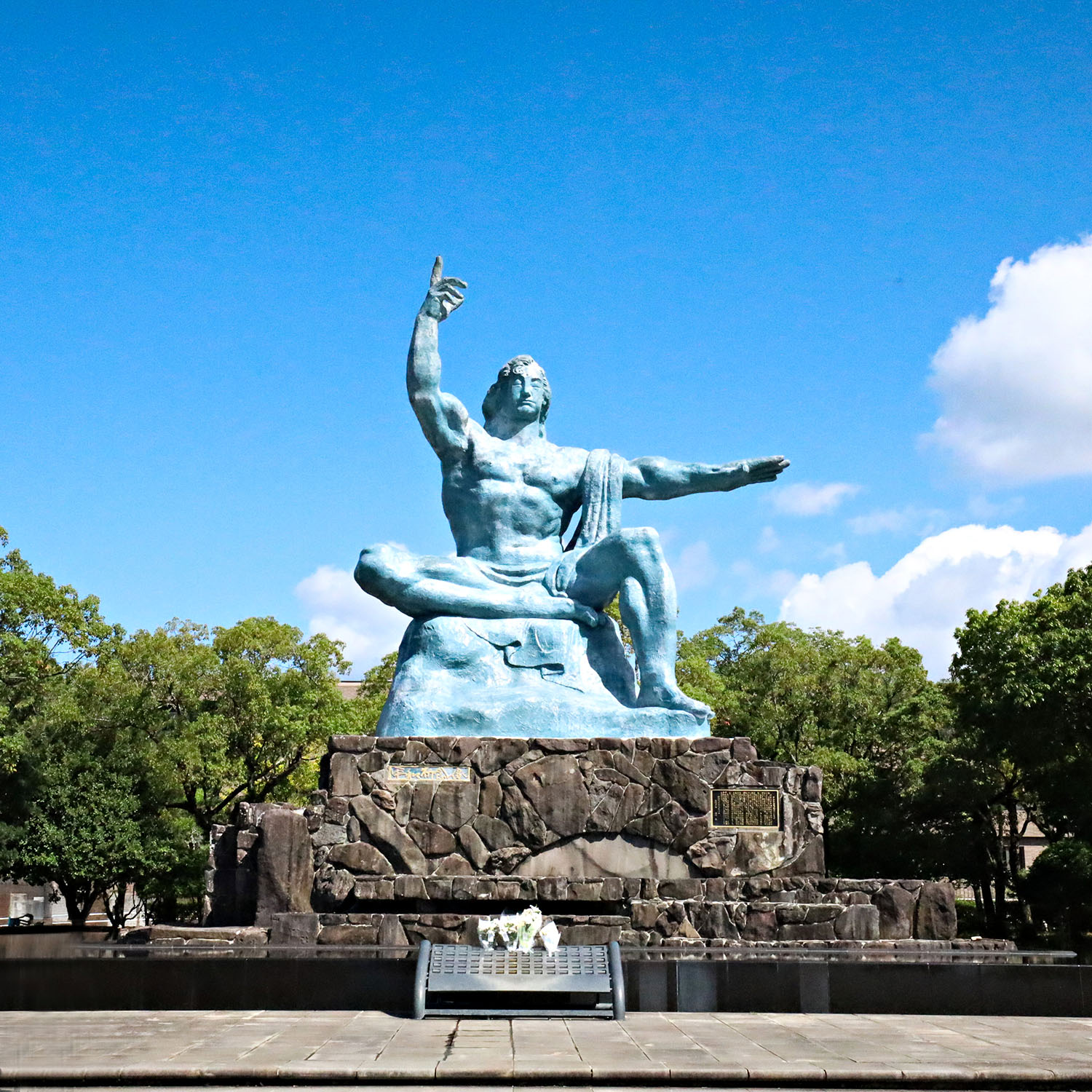
It began in Nagasaki, a city where East and West have been mingling for centuries, sometimes gracefully, sometimes not. You can feel history here in the air, softly at the Peace Park, where past and hope coexist in the same breath, and loudly on the steep climb up Mount Inasa, where the city spills out below in glittering perfection.
Lunch was at Bistro Bordeaux, where I ordered something called Toruko Rice, a baffling but brilliant combination of rice, pork cutlet, and spaghetti that somehow works. Only in Nagasaki could such a cultural mashup feel completely normal.
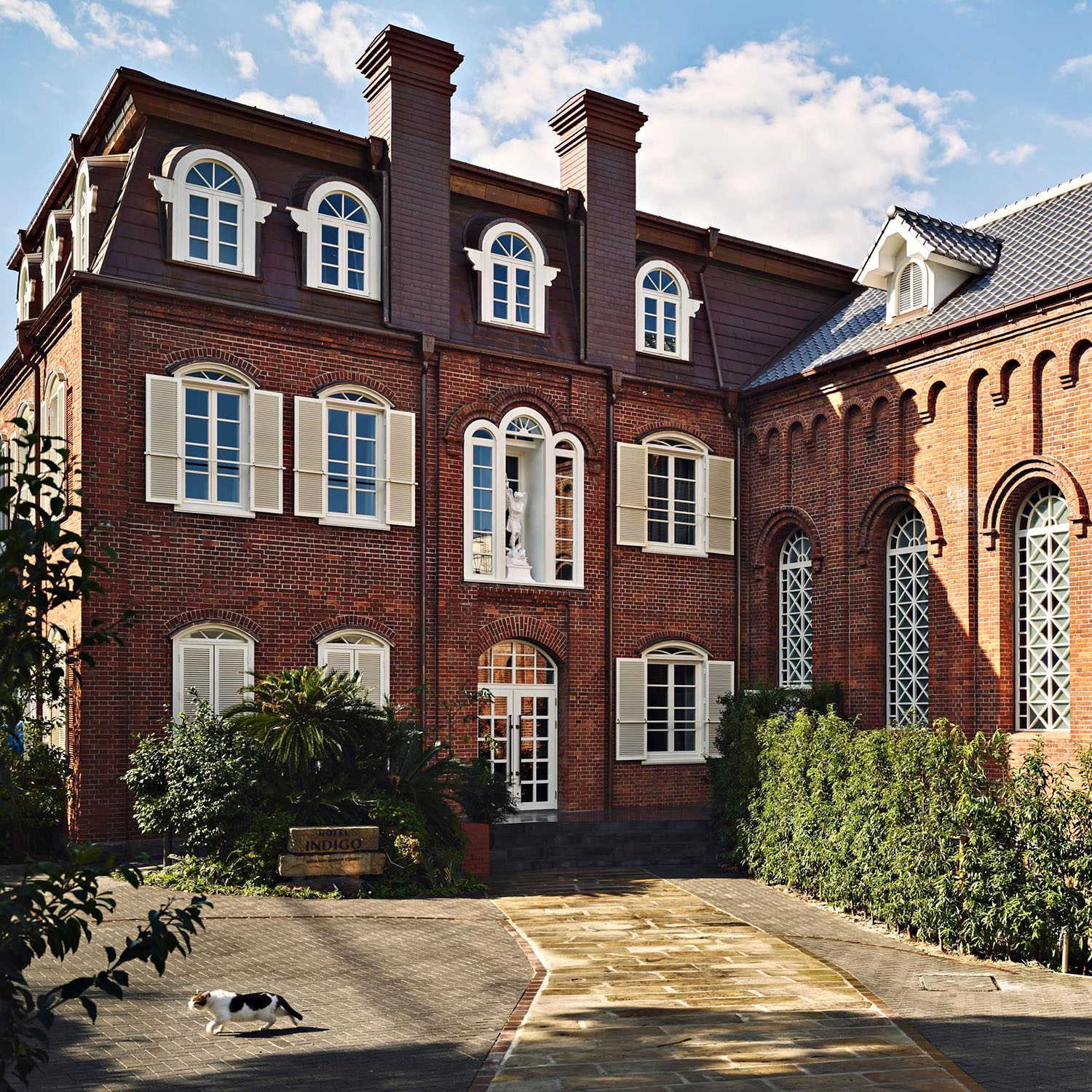
At Dejima, the old Dutch trading post that was once Japan’s only window to the West, I wandered through reconstructed wooden buildings imagining the merchants who once called this tiny island home. Over at Glover Garden, perched high on the hill, the Meiji-era mansions offered a different perspective – Europe by way of Asia, complete with sweeping harbour views and architectural flair.
I checked into Hotel Indigo Nagasaki Glover Street that night, perfectly positioned to soak up the city’s layered history. After one of the best sleeps ever (exploring will do that to ya), I squeezed in a stop at Spectacles Bridge, where the double arches mirror perfectly in the river below. It’s the kind of quietly beautiful moment that Nagasaki does best – history and harmony, side by side.
Saga
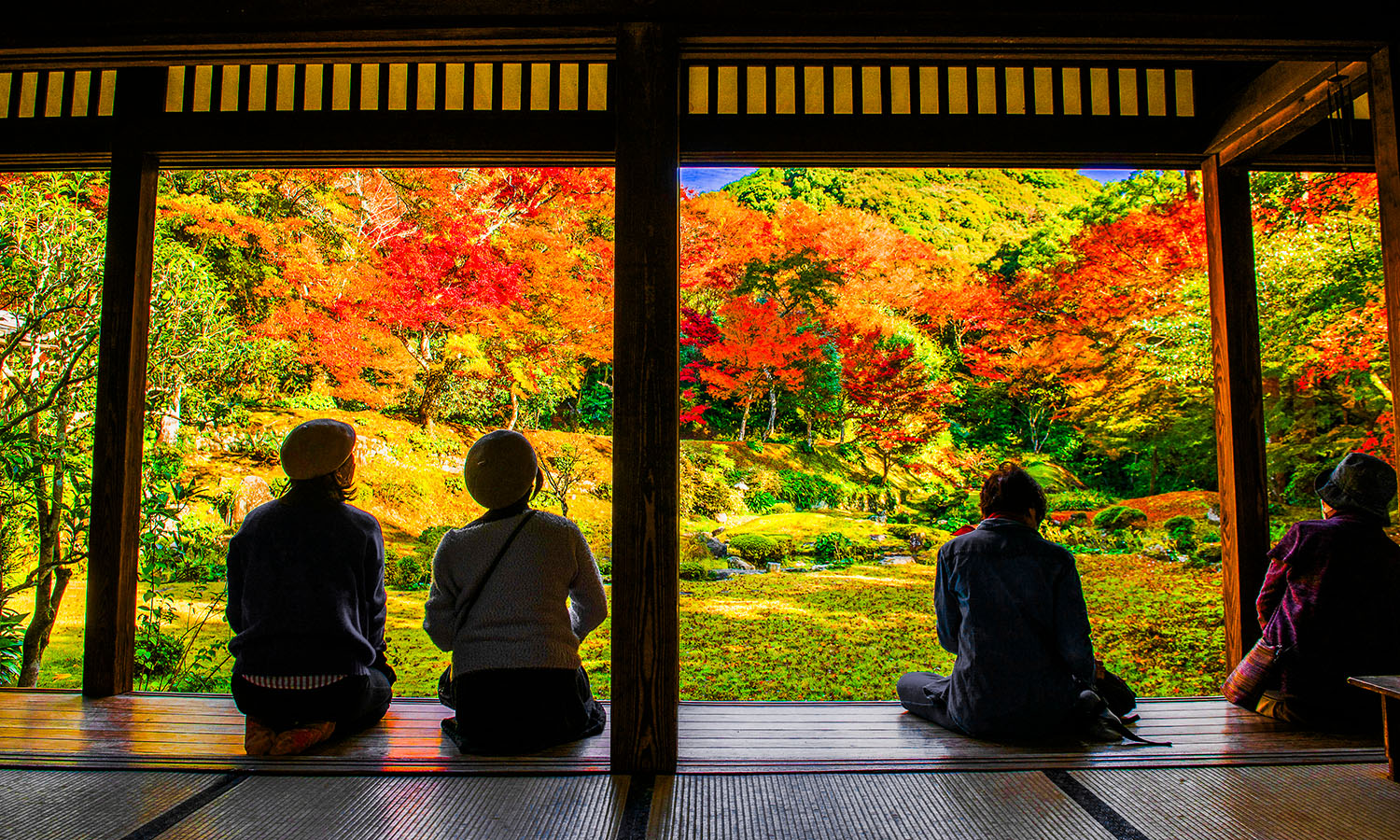
I was soon heading to Saga, and it was the reset button I didn’t know I needed. Where Nagasaki buzzes, Saga breathes. I started the day wandering through Keishuen Garden, a calm patchwork of seasonal colour that instantly lowered my heart rate.
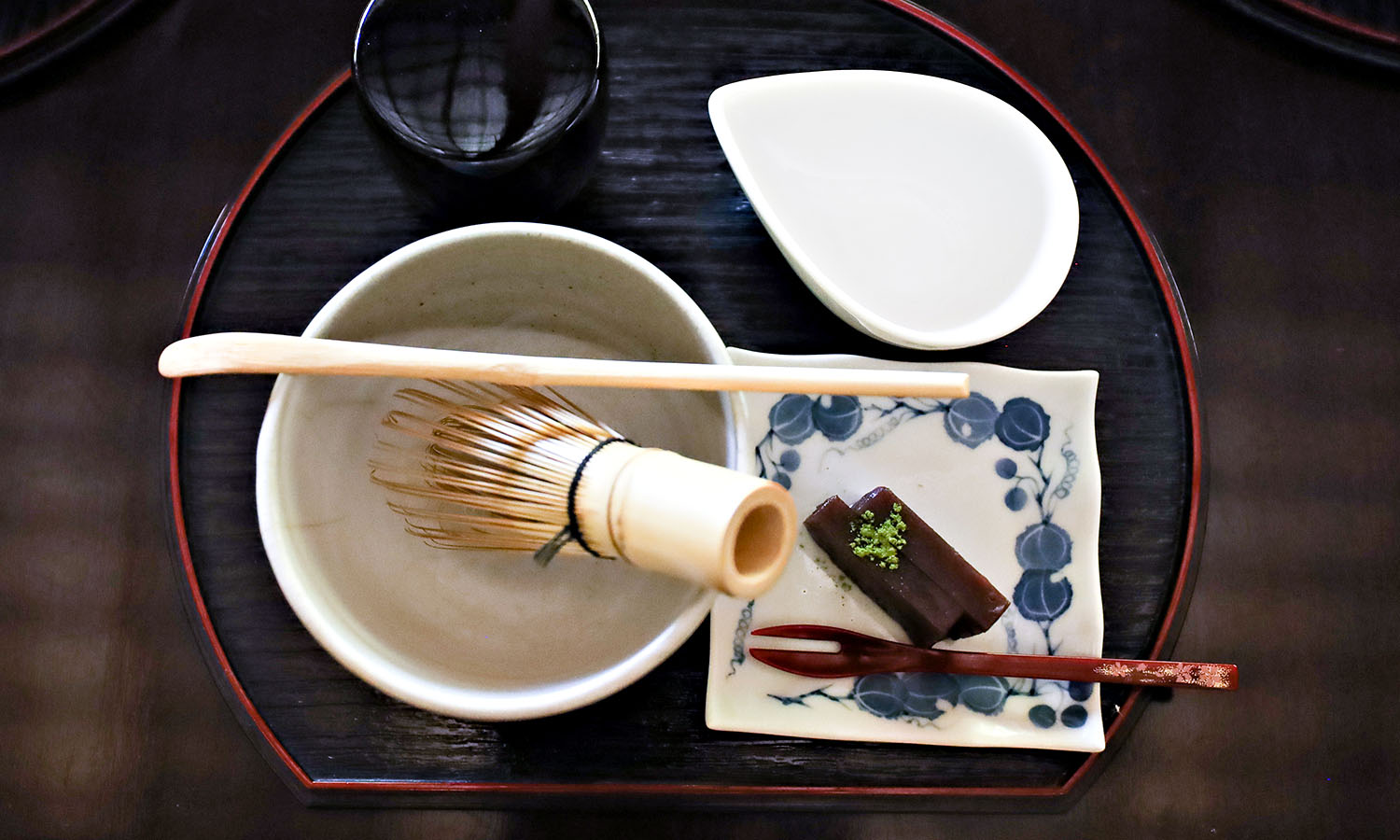
Before long, I settled into the traditional tea ceremony room, where I whisked my own bowl of matcha while gazing out at the carefully composed landscape. There’s something meditative about preparing tea yourself – the precise movements, the bitter-sweet first sip, the way it forces you to be present.
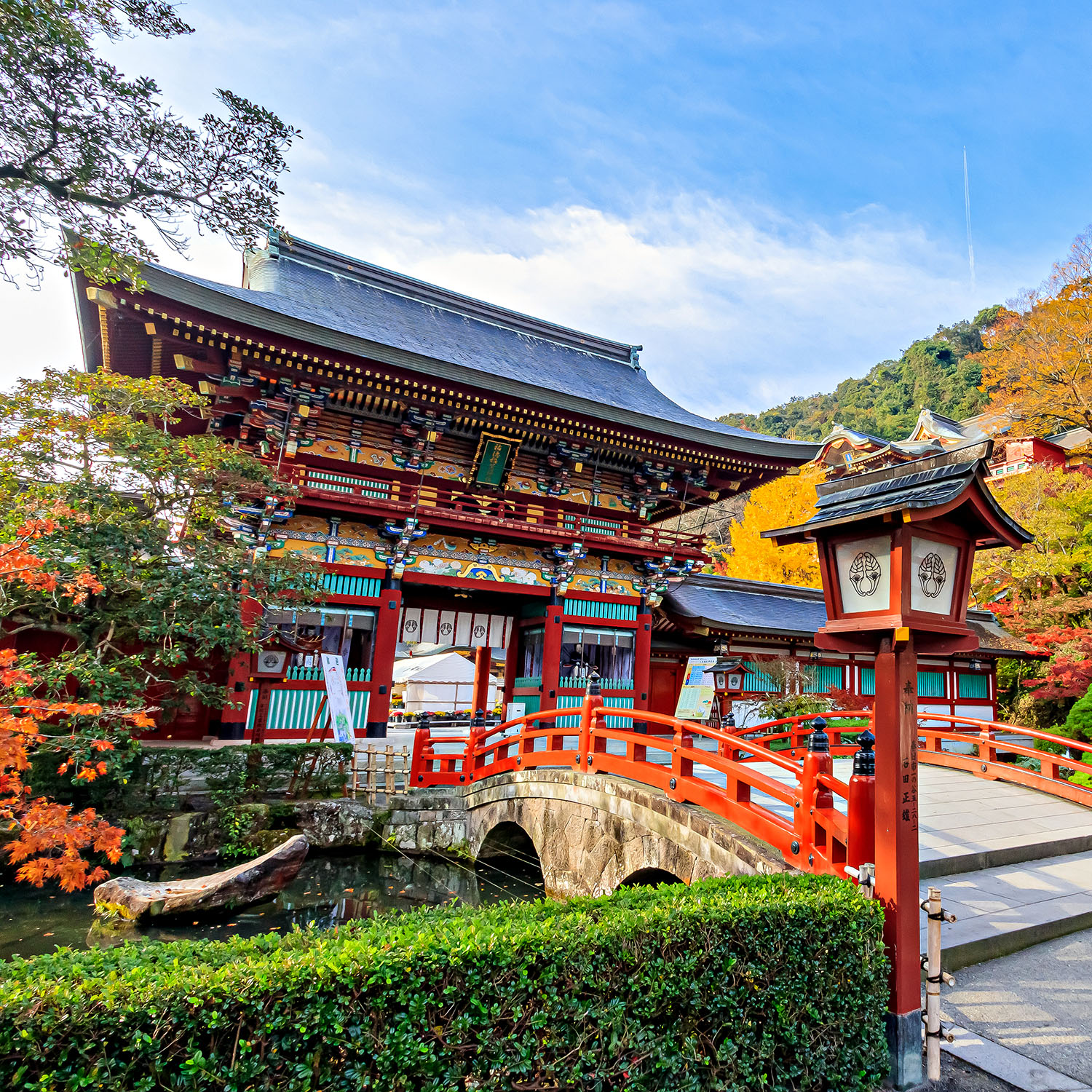
Then came Yutoku Inari Shrine, where I participated in a miko (shrine maiden) dance and worship ceremony at the main hall. Watching the shrine maidens perform their graceful ritual movements and taking part in the traditional prayers offered a genuine glimpse into Japanese spiritual culture that felt both ancient and alive. And I was obsessed.
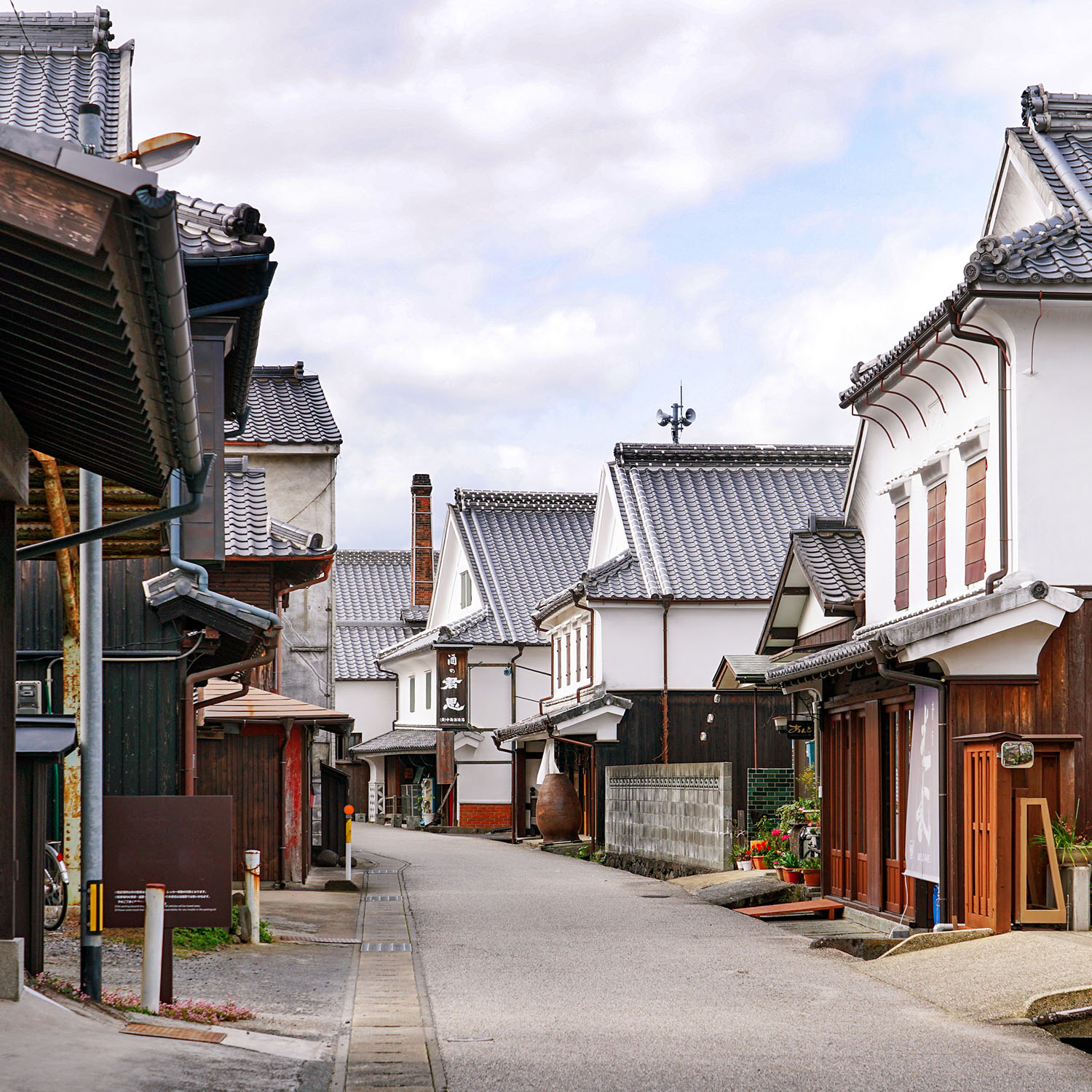
Later, in Hizen Hama, I wandered narrow streets lined with traditional sake breweries. This area is designated as an Important Preservation District for Groups of Traditional Buildings, and you can feel the weight of history in every weathered beam and tile. Each brewery carried a distinct aroma of rice and fermentation. The brewers were happy to pour samples and stories in equal measure, but thankfully I know my limits.
That evening, I slid into the silky waters of Ureshino Onsen – a hot spring famed for its skin-softening magic – and instantly understood the hype. Emerging an hour later, I felt reborn, or at least extremely well-steamed. I stayed at Yadoya Uchiroji, a charming ryokan where everything, from the tatami mats to the gentle clink of teacups, seemed designed to lull you into serenity. Dinner at Hanano sealed the deal – fresh, seasonal, and perfectly balanced.
Before leaving the next morning, I stopped at Chaoshiru to learn the fine art of brewing green tea. I’ll be honest: I’ve been making it wrong my entire life.
Fukuoka
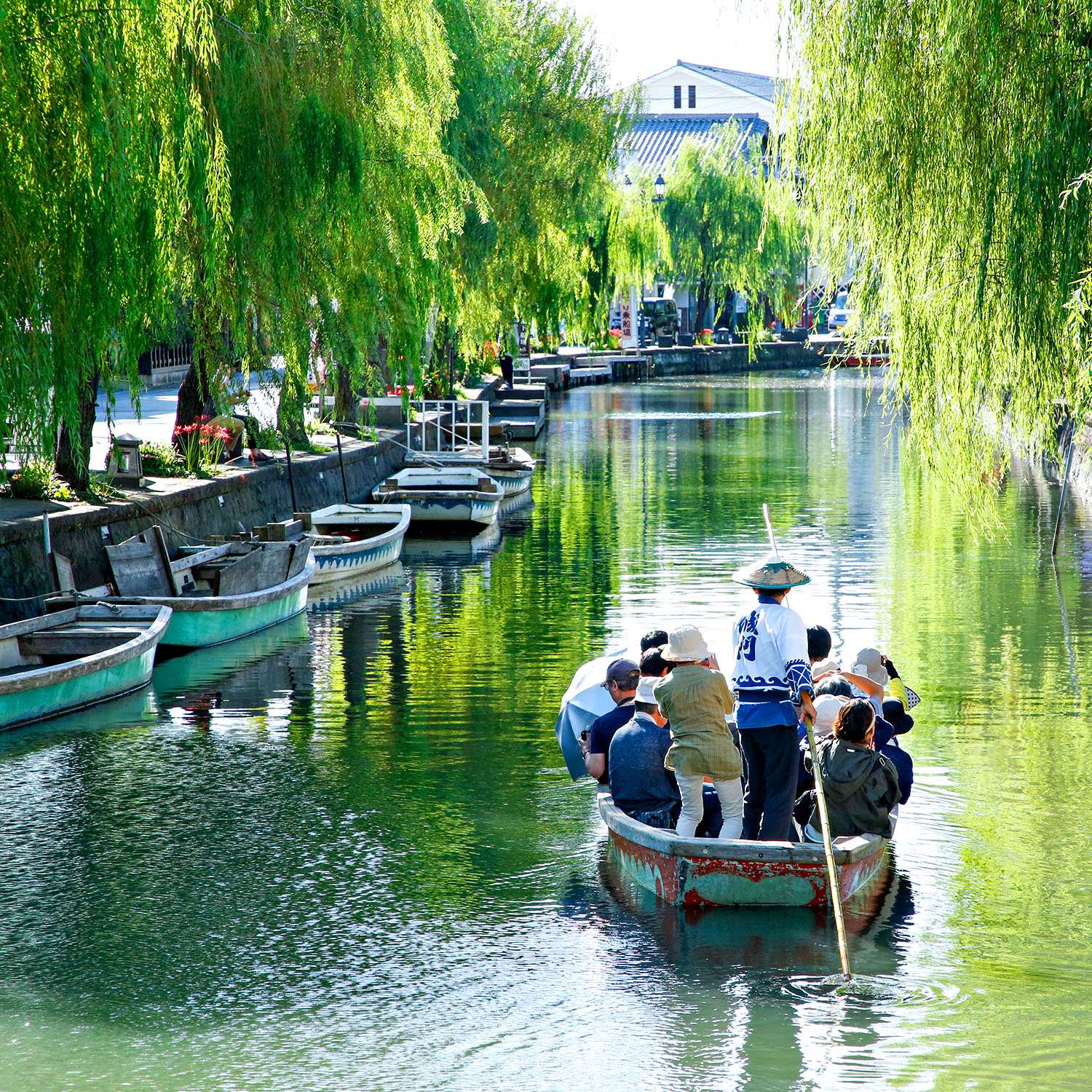
Fukuoka was next, a city that somehow balances modern buzz with centuries of tradition. In Yanagawa, I hopped on a slow-moving riverboat that glided through old canals flanked by willows and Edo-era houses. The pace was hypnotic, broken only by the rhythmic singing of the boatman. Lunch at Fukusensou was a highlight: perfectly plated local specialties that were almost too pretty to eat. Almost (read: I devoured every last bite).
That night, I checked into Ohana, a ryokan that once belonged to a samurai family, all sliding doors and quiet grace. The 18th generation head of the Tachibana family, who once ruled this Yanagawa area, actually still serves as the representative today, and if you’re lucky, you might be able to hear stories about the Tachibana family directly from her. But as I was lying in bed, I thought “It’s impossible not to slow down here”.
Fukuoka’s craft culture shines in its small towns. In Miyama, I found peace at Kiyomizu-dera Temple, tucked in misty forested hills. In Yame, I tried my hand at bamboo blind-making (badly) and learned about the intricate weaving of Kurume Kasuri, Japan’s oldest indigo textile. The locals’ quiet pride at my attempt was contagious.
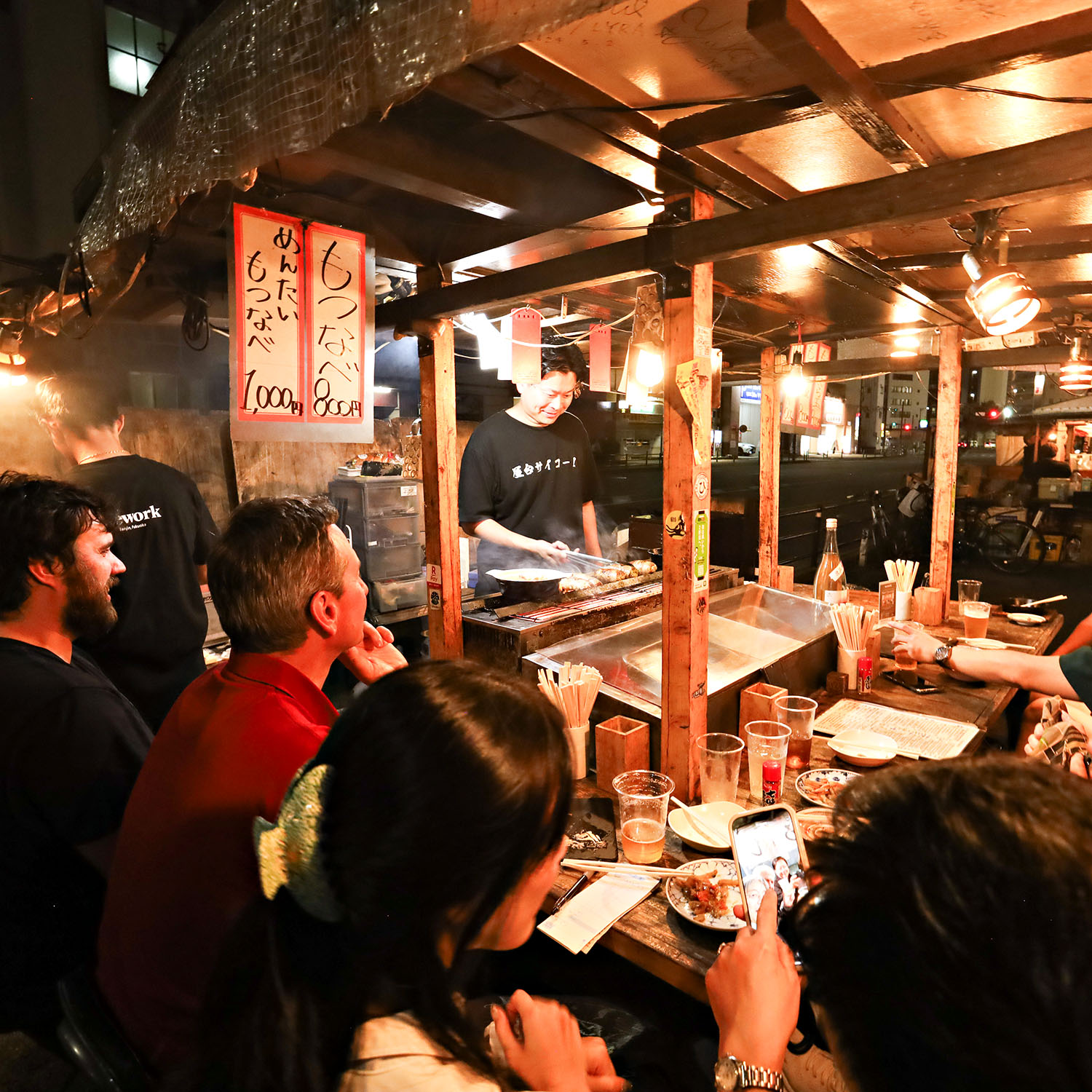
By nightfall, I was at Hiroshi, one of Fukuoka’s famous yatai: open-air food stalls where strangers become drinking buddies within minutes. Elbow to elbow with locals, slurping ramen under the glow of paper lanterns, I felt that satisfying travel truth – connection really doesn’t need a translation.
The next day, I dipped into Fukuoka’s modern side, with plant-based meals at & S Organic and Soy Stories proving that innovation and tradition can happily share a table.
Oita
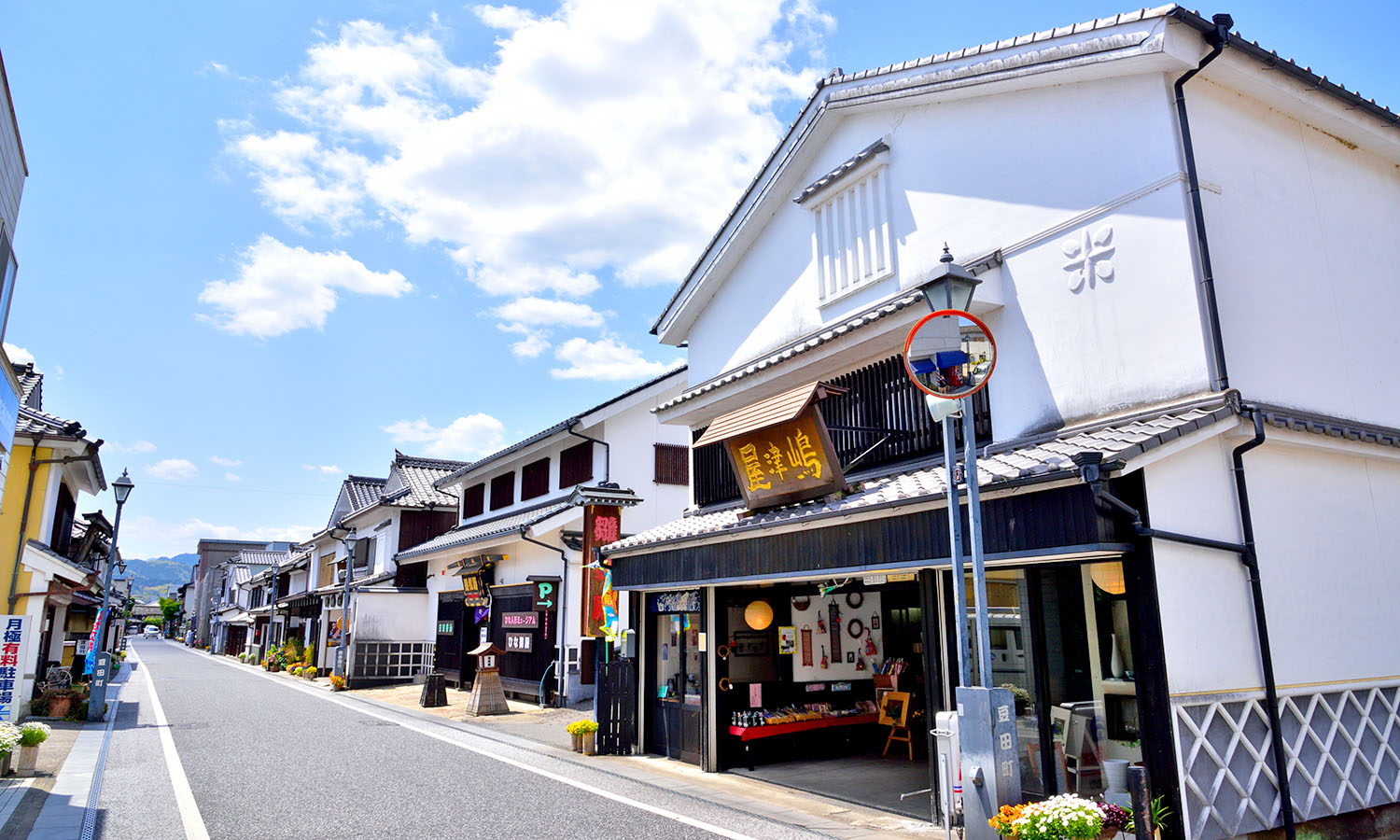
Then came Oita, a prefecture that feels like Japan pressed “relax.” I started in Hita, wandering the beautifully preserved Edo-era district of Mamedamachi, where the wooden shopfronts looked as if they hadn’t changed for centuries. I stopped for Hita Yakisoba, crispy, smoky, glorious noodles that ruined all others for me (especially my beloved 2-minute noodles from back home).
At Ajimu Winery in Usa, I sampled local wines surrounded by green hills and thought: why is no one talking about this place? In Beppu, I joined the famous “Hell Tour” – a collection of hot springs so vividly coloured they look photoshopped. There’s the cobalt-blue Sea Hell, the rust-red Blood Hell, and several others that burble and hiss like something from another planet.
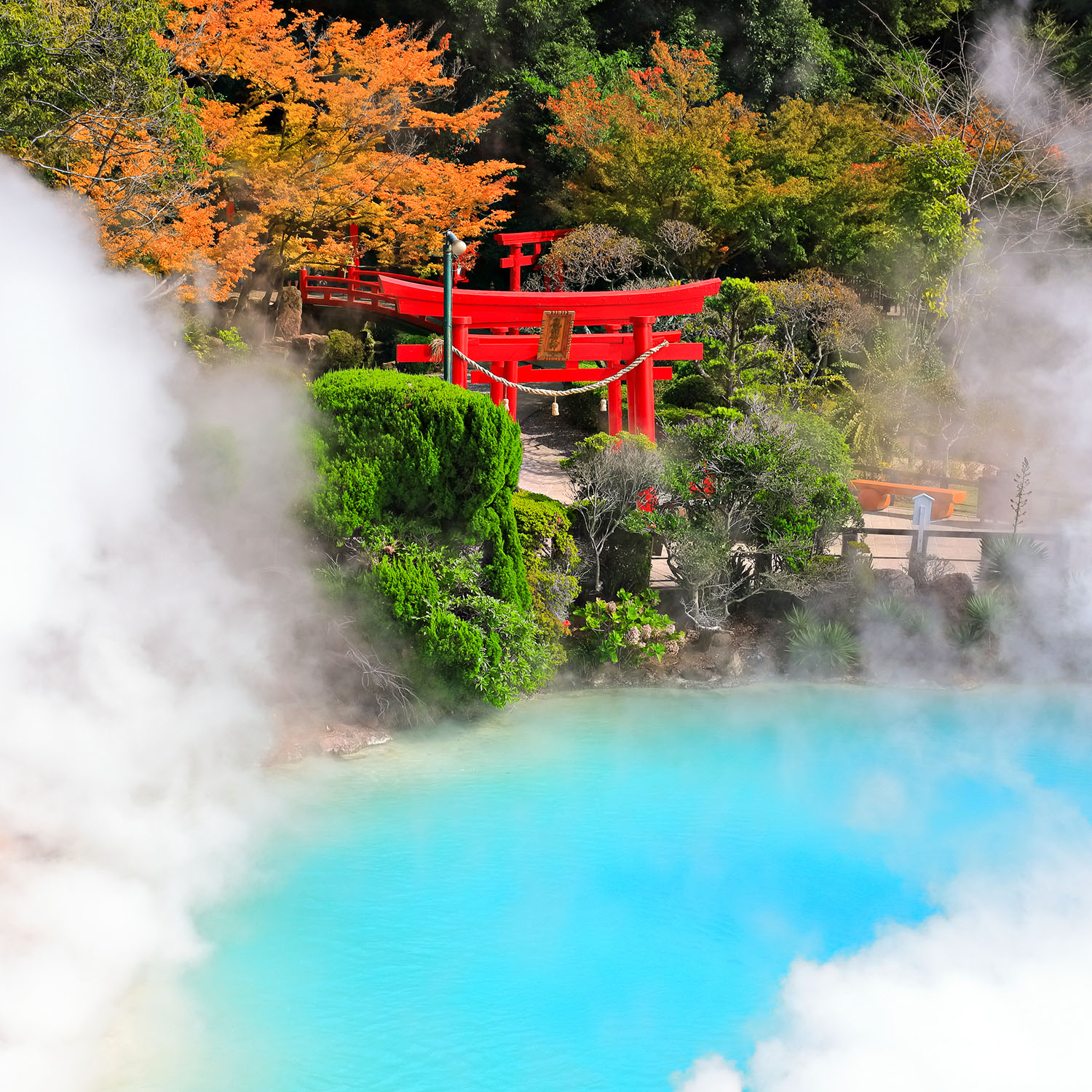
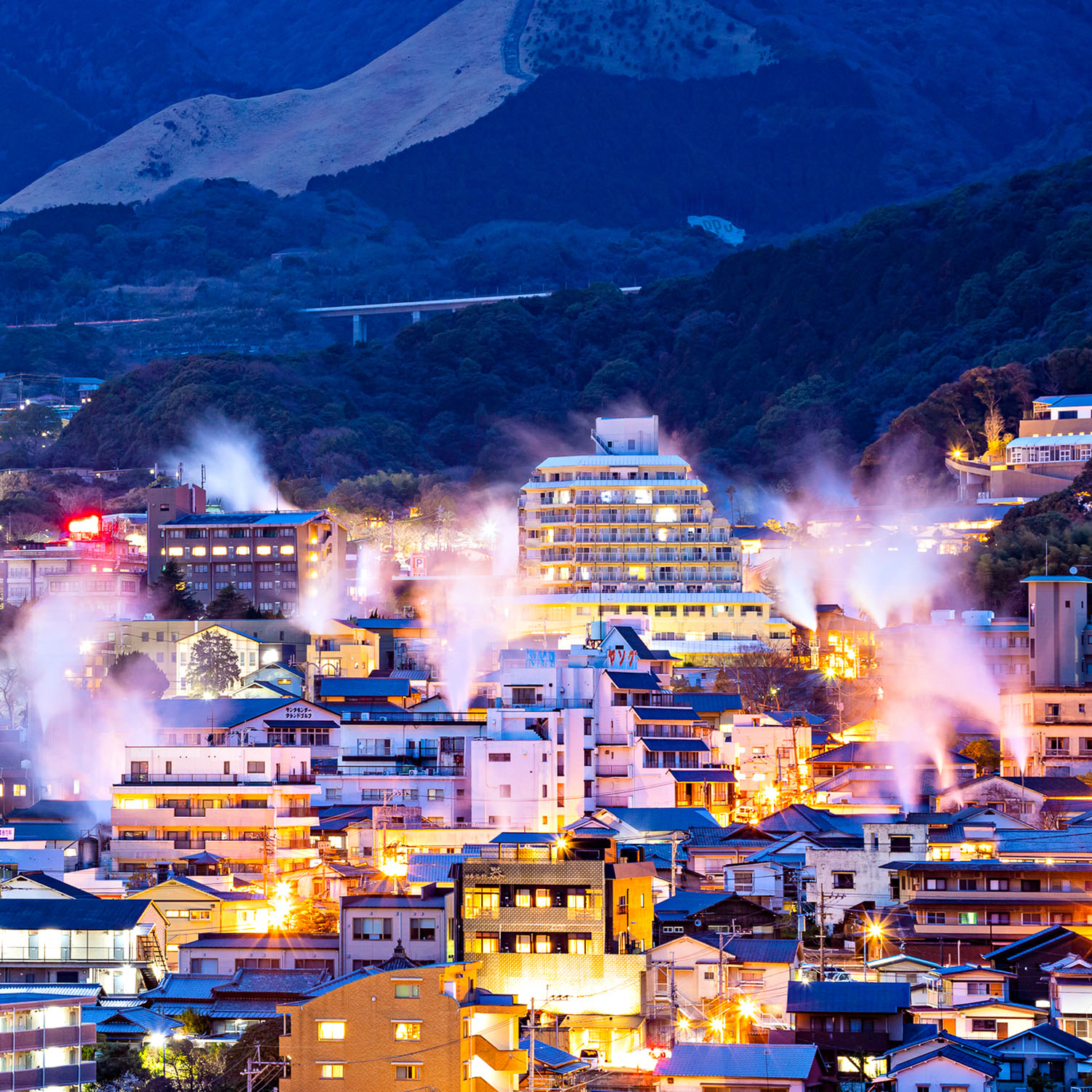
To balance all that inferno energy, I soaked in the therapeutic waters of Kannawa Onsen—the kind of steamy, old-school bathhouse that melts your muscles so completely you wonder if they’ll ever tense up again. I stayed at BEPPU FUGA, a minimalist haven where soft lighting, impeccable service, and an onsen view did unspeakable things to my stress levels.
The next day took me to Saiki, where I started at Taiyo Farm. I got to try my hand at crafting some wooden chopstick holders and had a chance to taste their delicious roasted nuts. Later, at the Saiki City Historical Museum, I traced the region’s fascinating maritime heritage and samurai past through well-curated exhibits that brought centuries of local life into focus.
Miyazaki
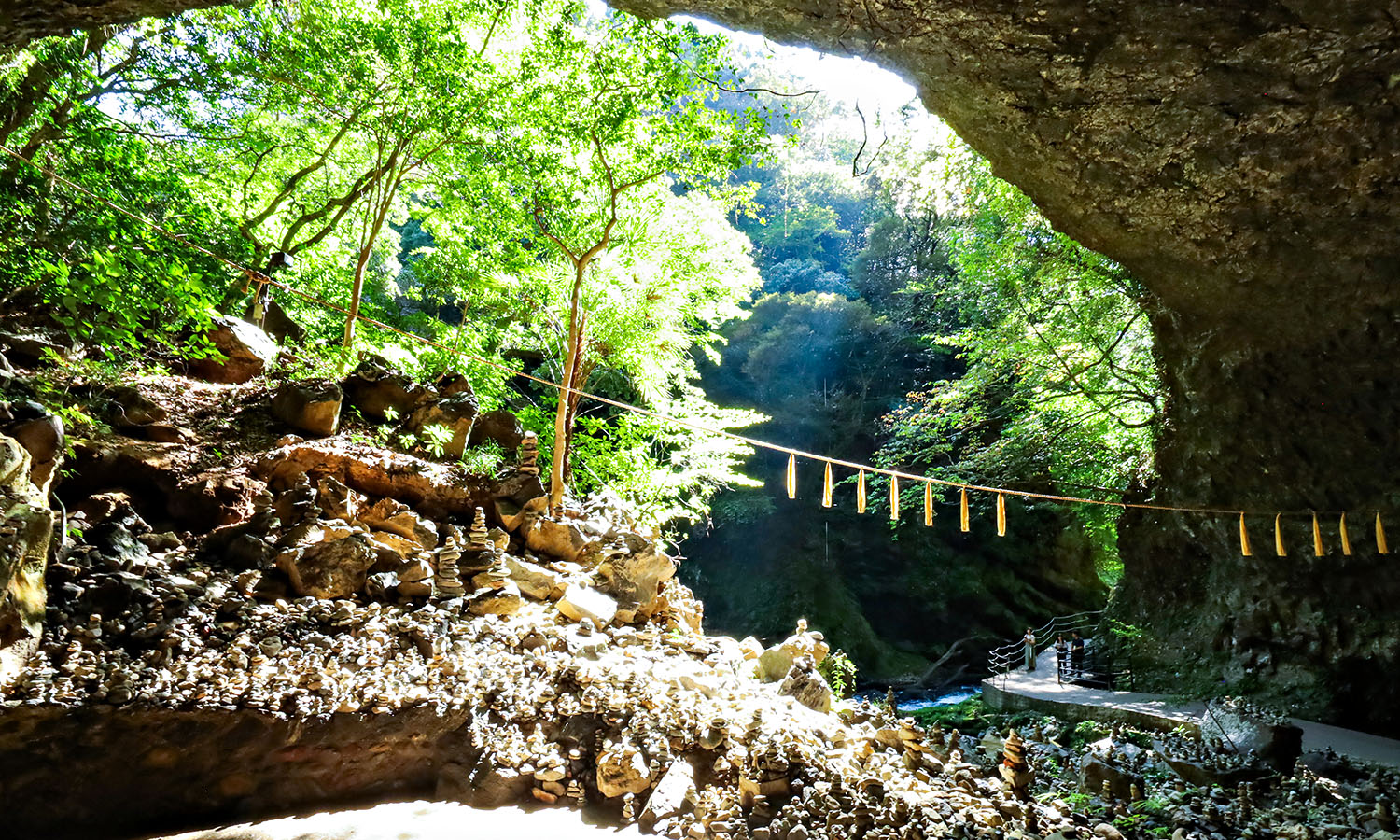
Finally, I arrived in Miyazaki – the wild heart of Kyushu, where mythology and nature blur together. My first stop was Amanoiwato Shrine, believed to enshrine the cave where the sun goddess Amaterasu-Omikami once hid, plunging the world into darkness. Near the shrine lies Ama-no-Yasukawara, a mystical riverside cave where, according to legend, eight million deities gathered to discuss how to lure Amaterasu back out. Whether or not you buy into the legend, standing in these sacred places feels deeply spiritual.
Later, I joined a Kappo-dori cooking experience to learn the local art of preparing chicken using traditional bamboo cooking methods. The chicken is grilled inside lengths of fresh bamboo over charcoal – a technique that infuses the meat with a subtle, earthy fragrance. Yes, it’s a simple method but my god was the end result absurdly delicious.
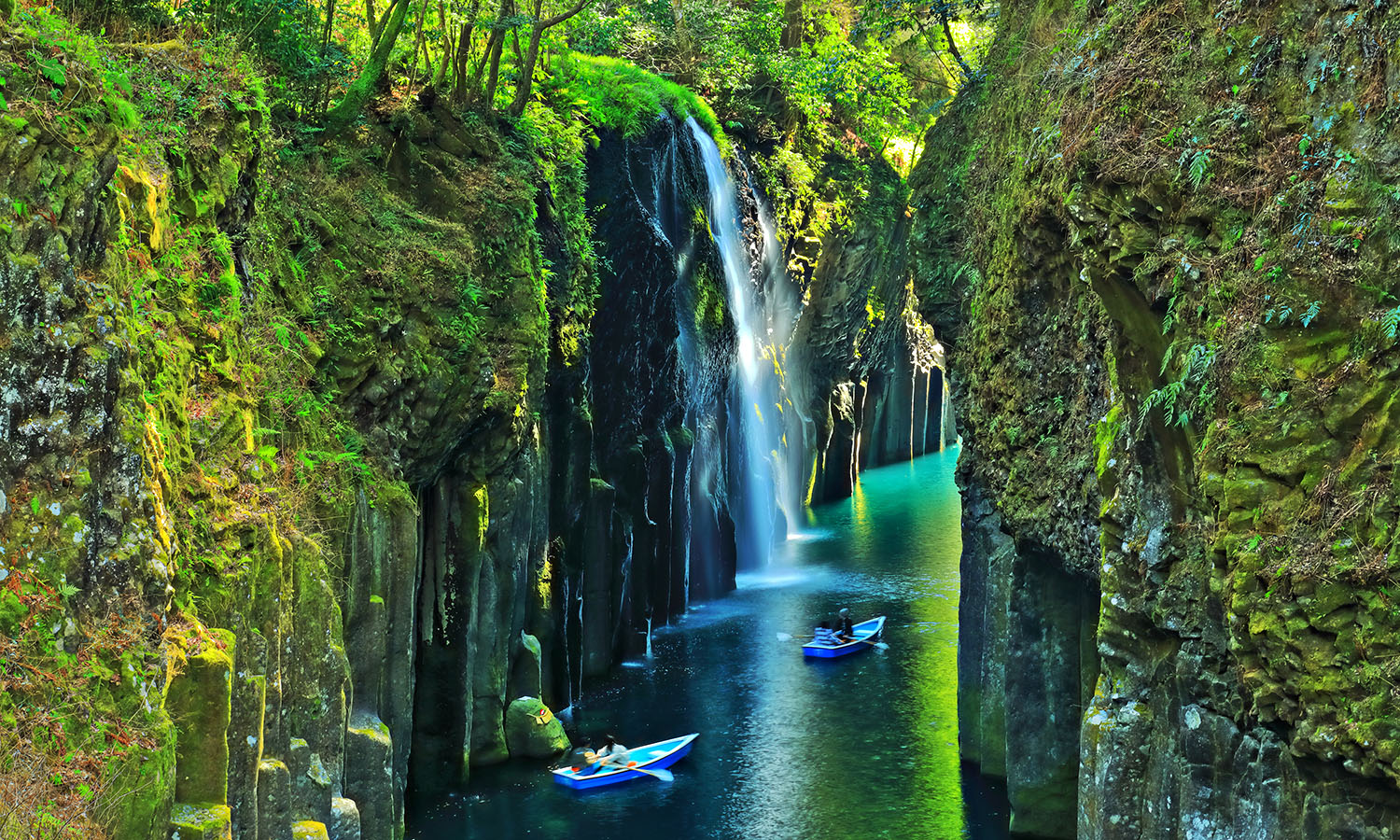
At Takachiho Gorge, I stood on the edge of cliffs carved from ancient lava flows, looking down at emerald-green water so still it mirrored the sky. The waterfall misted my face, and for a moment, time felt irrelevant. That night, I stayed at the Art Hotel Miyazaki Sky Tower, where the beds were soft, the views wide, and the Miyazaki Wagyu (Japanese beef) dinner downright indecent.
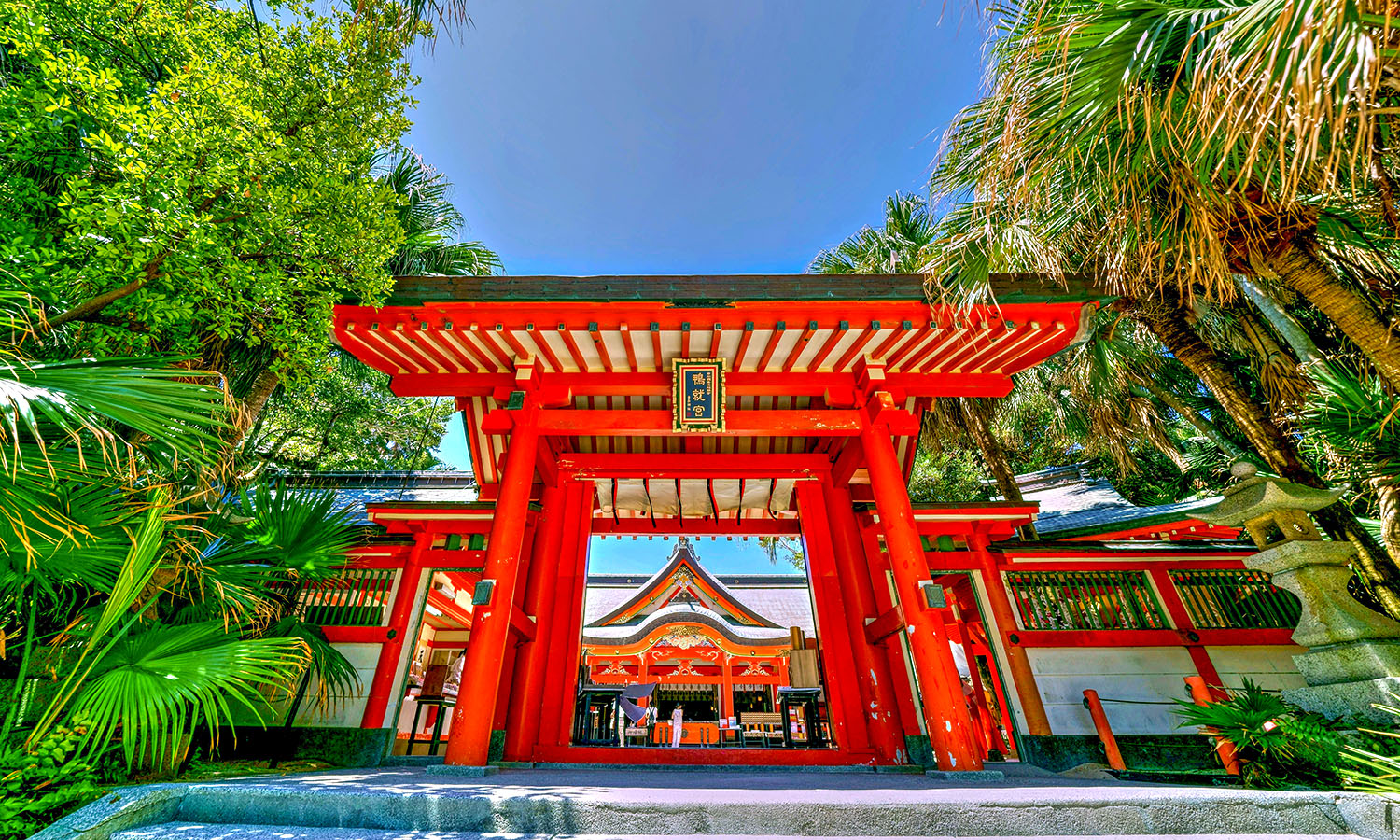
On my final morning, I followed the coastline south, stopping at Horikiri Pass to stare out over the Pacific. The ocean stretched forever. At Aoshima, I walked across the famous “Devil’s Washboard” rock formations to a tiny island covered in lush palms and home to a tranquil shrine. It was the perfect finale, a reminder that sometimes the best places aren’t loud about their beauty.
Kyushu has everything Japan does best; food that makes you want thirds, nature that humbles you, and hospitality so genuine it feels like a hug. But what sets it apart is its soul. Every prefecture tells a story, every encounter lingers.
If you think you’ve “done Japan,” think again. Down south, in Kyushu, the real magic is still hiding in plain sight.