
Imagine you’re gliding through snowfall so light it feels like skiing on icing sugar.
No elbows to the ribs from a neon-jacketed influencer. No ramen queues. No one blasting DJ remixes of “Last Christmas” over a megaphone. Just pure, silent powder that whispers rather than screams.
That’s Aizu. And it’s the Japan snow escape you’ve been desperately trying to keep secret from your mates.
Aizu lives in Fukushima Prefecture’s wild mountain country. This is the place people in Tokyo nod knowingly about but never explain why. It’s old-soul Japan: samurai spirits, cedar forests, ryokan steam curling out of wooden eaves. A ski trip here isn’t another smashed-in gondola ride followed by overpriced IPA; it’s a cultural immersion where the locals actually look you in the eye and the slopes feel like they’ve been waiting centuries just for you to carve the first tracks.
And here’s why your skis (and your inner powder gremlin) should point themselves toward Aizu.

1. Powder you don’t have to fight for
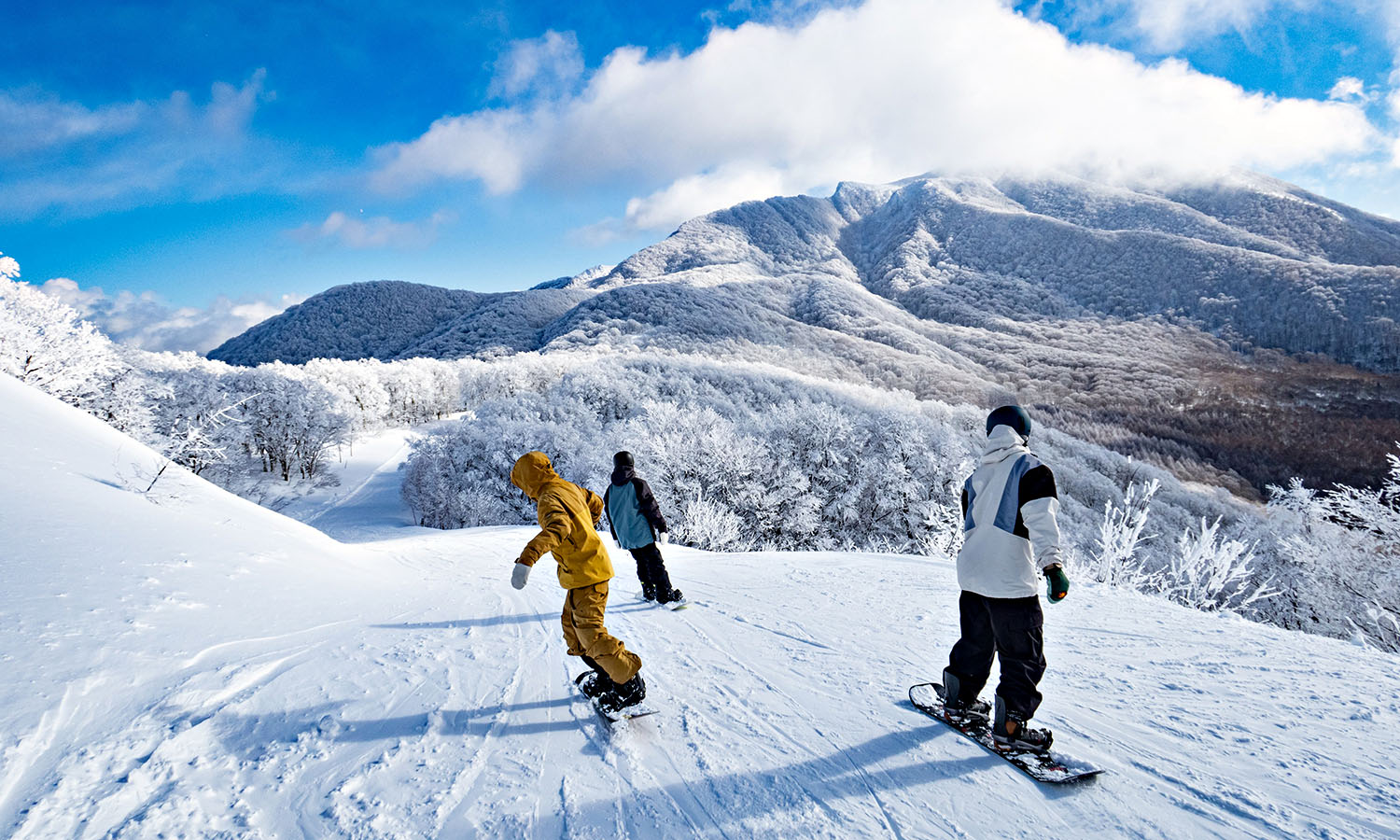
In Aizu, nobody is Instagramming themselves while they block the lift line. The snow falls deep here (around nine metres of the feather-light stuff each season), and the slopes feel unguarded and more importantly untouched.
Urabandai even breaks the rules of physics with its micro-fine powder: soft, dry, and more than forgiving. You’ll find more than 80 runs and 30 lifts spread across the region, meaning you can carve until your quads beg for mercy without ever queuing like cattle.
NEKOMA Mountain, the newest darling of the Ikon Pass, delivers varied trails and that magical ski-in/ski-out setup via Bandaisan Onsen Hotel. EN RESORTS Grandeco serves up long, graceful cruisers and face-tickling powder stashes. If you’ve got little shredders (or adults who need a confidence boost), Ashinomaki Snow Park is a candy store of snowmobiles, tubing and laugh-until-you-fall-over fun.
This is skiing for people who crave the sport, not the circus.
2. The snow has samurai roots
Most ski towns have a sad attempt at “local history” that involves a framed black-and-white photo of a dude holding a shovel. Aizu laughs at that.
This is a region with centuries of sword-drawn drama: Tsuruga Castle, rebuilt after 19th-century warfare; clusters of preserved samurai homes; and Ouchi-juku, a time-capsule post town with thatched-roof houses that look like they belong in a folktale. And the culture isn’t just behind glass.
Aizu is the beating heart of lacquerware craftsmanship. You’ll see artisans paint and polish pieces that look like they belong in museums, then sell them to you for prices that don’t make you faint. Kids paint Akabeko (little red cows), said to protect against illness and you’ll end up taking one home because suddenly, you believe in lucky cows too.
This isn’t sightseeing. It’s stepping through a portal into Japan before bullet trains, vending machines and TikTok attention spans.

3. Après-ski the way locals do it
When the lifts close, Aizu-Wakamatsu doesn’t transform into a snow-glitter party town with AU$28 cocktails. It becomes warm: wood smoke curling through alleys, paper lanterns glowing, kitchens humming with slow-cooked local staples.
If you’re smart enough to stay at the Bandaisan Onsen Hotel, you’ll get access to Izakaya GO, the hotel’s secret weapon. A van scoops you up and drops you at back-street izakayas you’d never find yourself. Think Oku-Aizu wagyu, grilled local chicken, seasonal vegetables, and sake that tastes like the mountains around you. You’ll laugh with the chef. You’ll toast strangers. You’ll wander back snow-speckled and full, and you’ll swear you just had the best meal of your life.
Not into curated tours? Fine. Go rogue. Order Kitakata ramen, one of Japan’s holy trinities of noodle styles, at a back-alley shop where the old guy behind the counter has been hand-rolling noodles since before your parents met. Chase it with a glass of local sake and realize you don’t need après that screams; you just need après that feeds.
4. Onsen Villages That Feel Like Time Travel
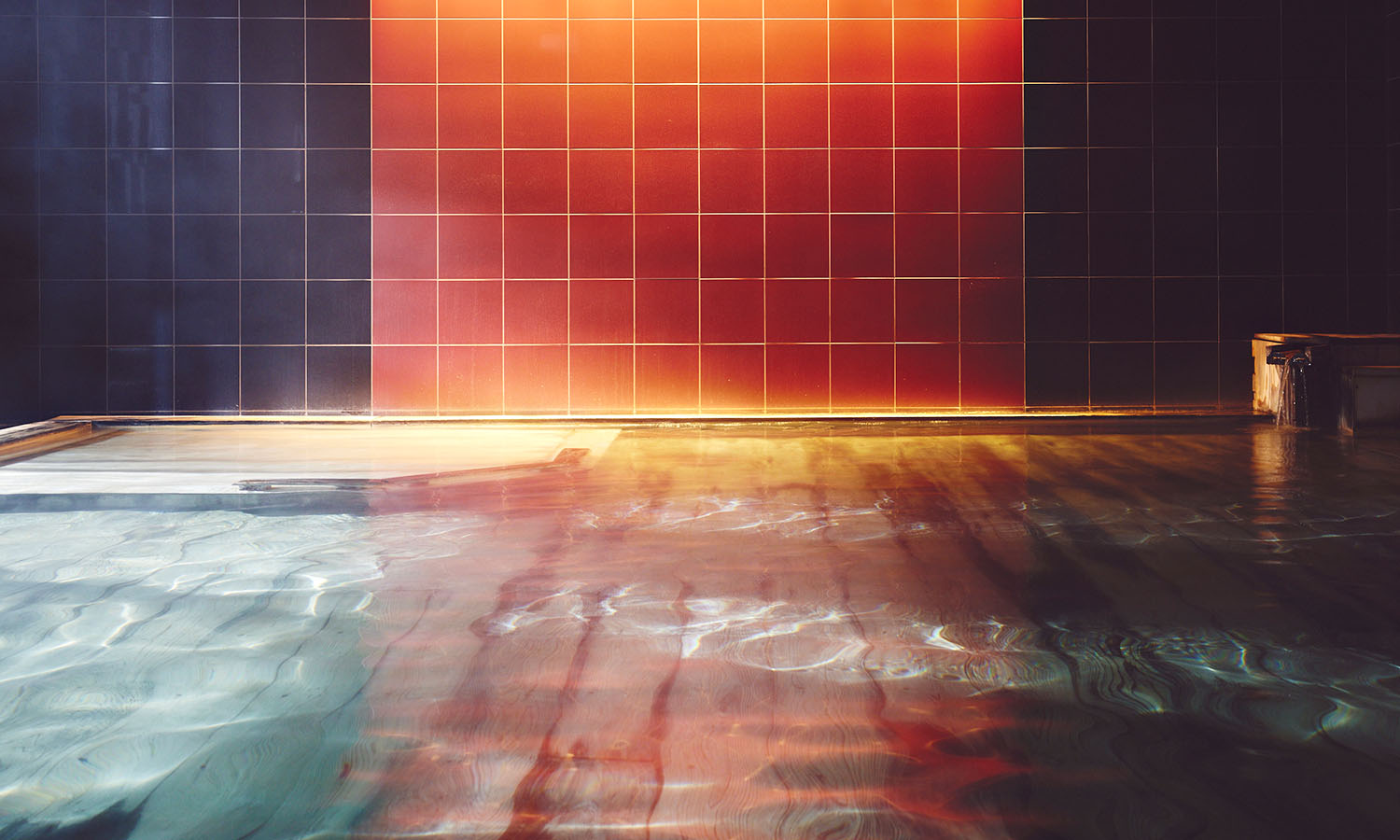
Aizu doesn’t do “resort spa.” It does historic hot spring villages that whisper you into submission.
Ashinomaki Onsen sits in a gorge so tucked away it was once called a “phantom village.” Steaming baths, dripping icicles, the soundtrack of rushing water. You’re only 25 minutes from town but it feels days away. Stay overnight and you’ll understand why people call this place a reset button for the soul.
Closer still is Higashiyama Onsen, 1,300 years deep in samurai sweat and healing. Wooden ryokans hug the riverbanks, steam rises between pines, and everything slows down. Samurai used to soak here after battles. You’ll do the same after a long powder day, or just after your third bowl of ramen. Both battles count.

The Japan skiing you wanted all along
This isn’t another “Japan is magical!” brochure. Aizu is where the powder is soft, the crowds are scarce, the history is alive, and the locals pour your sake like they mean it.
It’s skiing that doesn’t feel like tourism. It feels like being invited into someone’s home.
Suit up. Step in. And get lost in Aizu.