A private island awaits

There’s something deeply satisfying about stepping onto a boat knowing you’re not just heading to a hotel, you’re heading to your own private island.

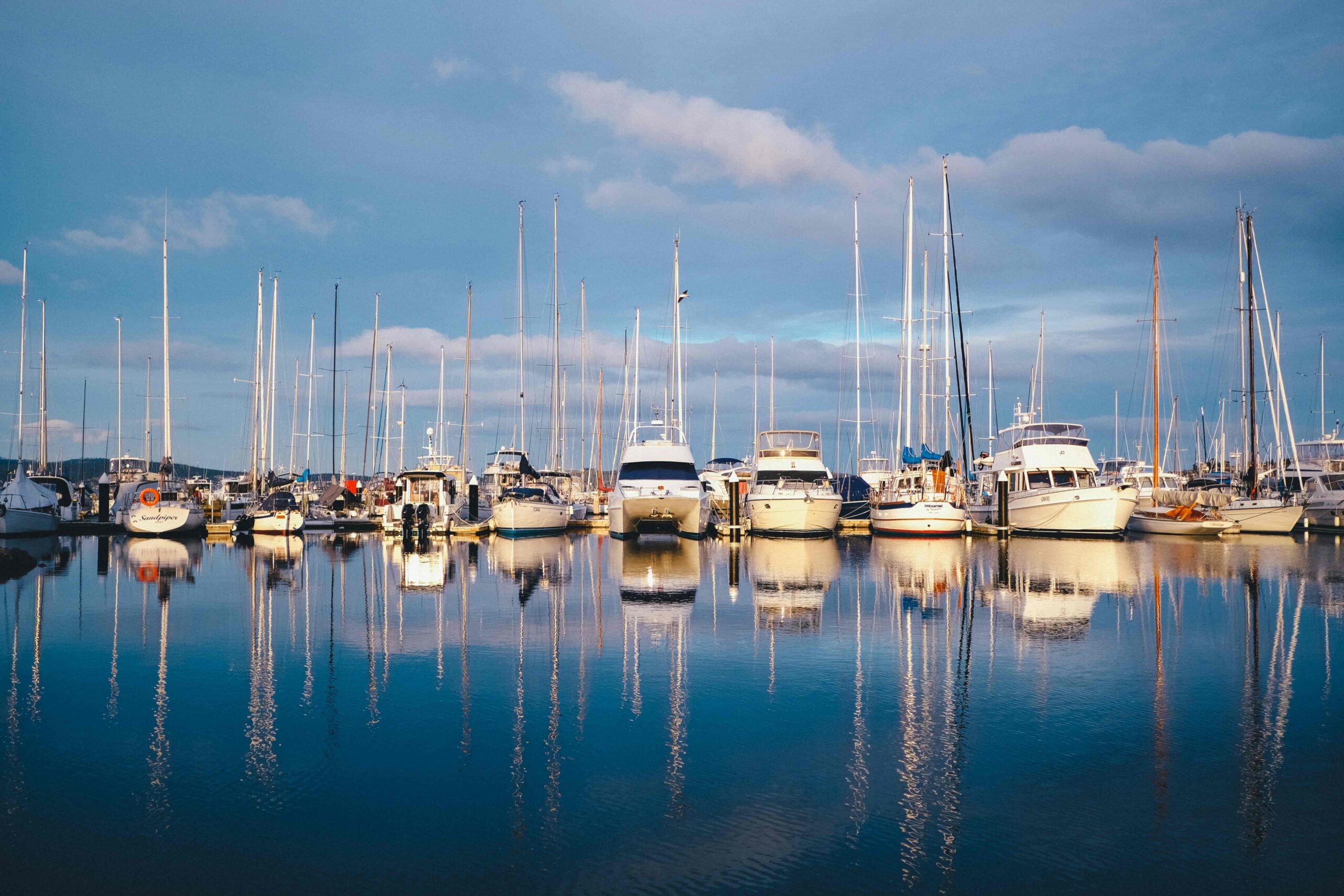
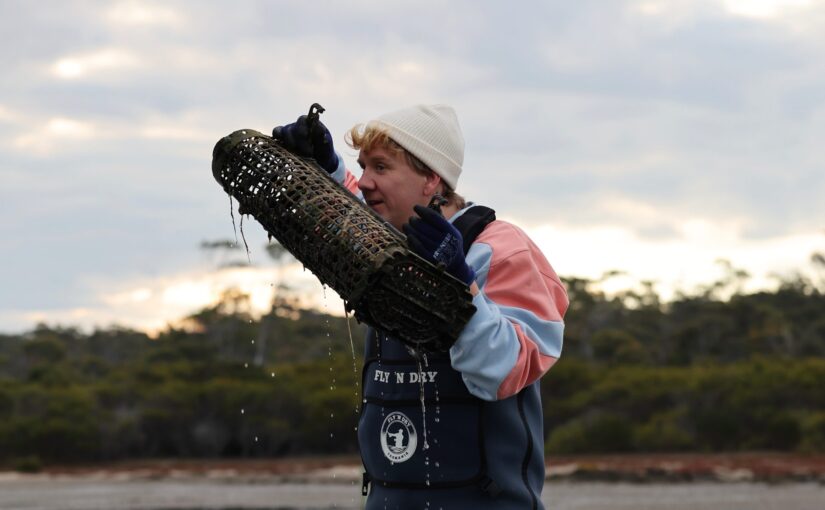
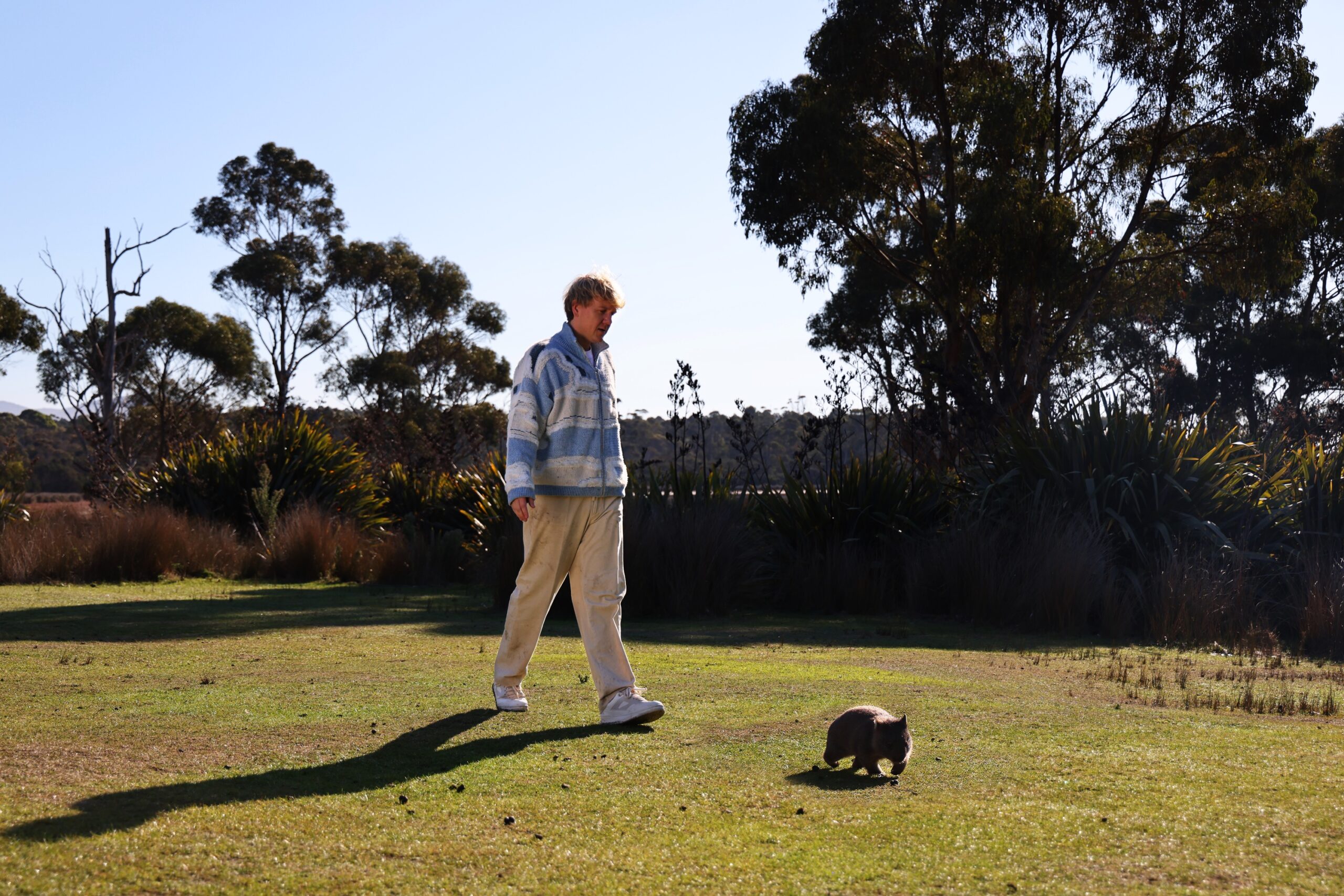
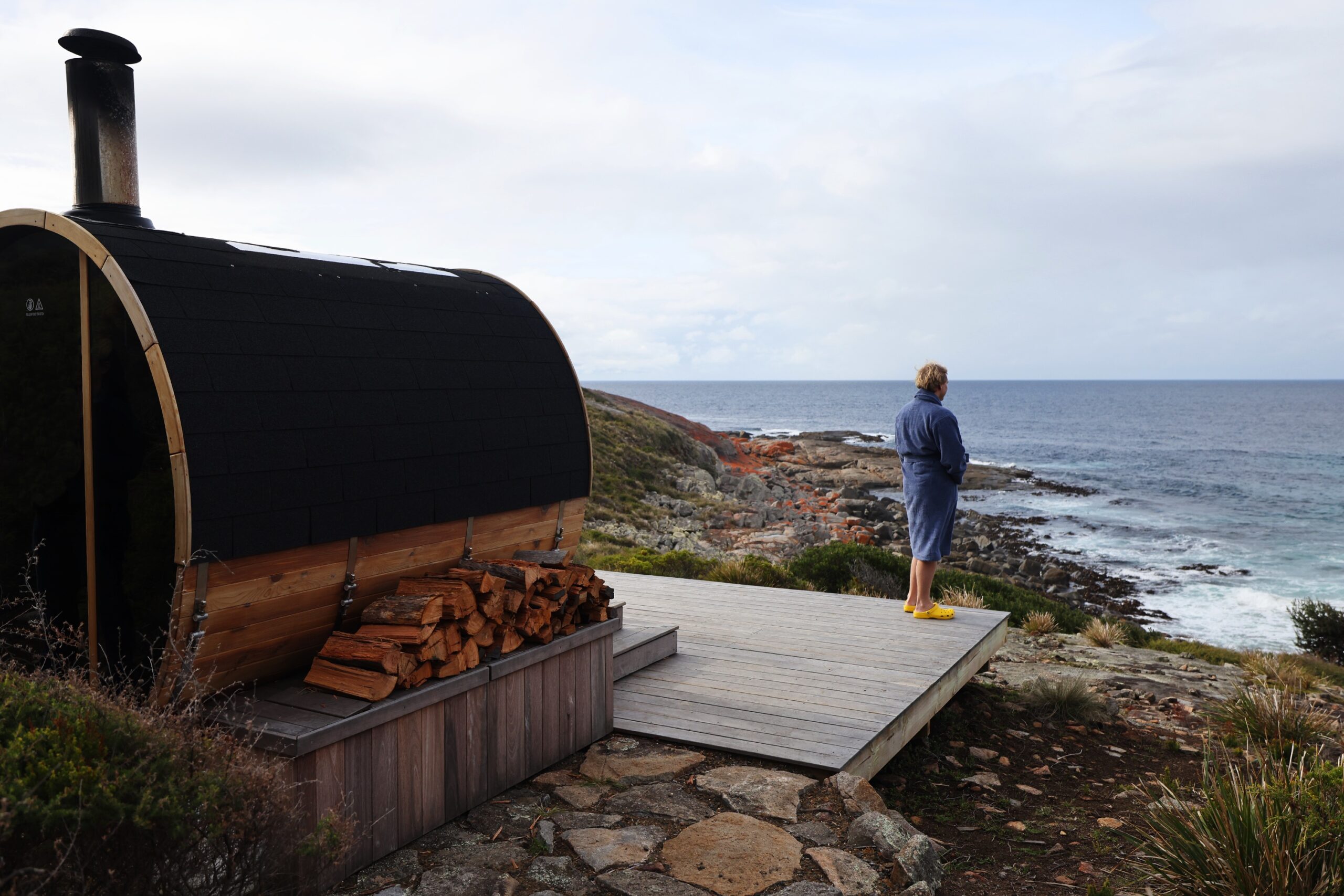
Just 800 metres off Coles Bay on Tasmania’s east coast, Picnic Island Tasmania has officially reopened after a major refresh. The private retreat, sitting in the shadow of Freycinet National Park, now features a brand-new primary suite and upgraded copper-clad accommodation, sleeping up to eight guests across four separate spaces.

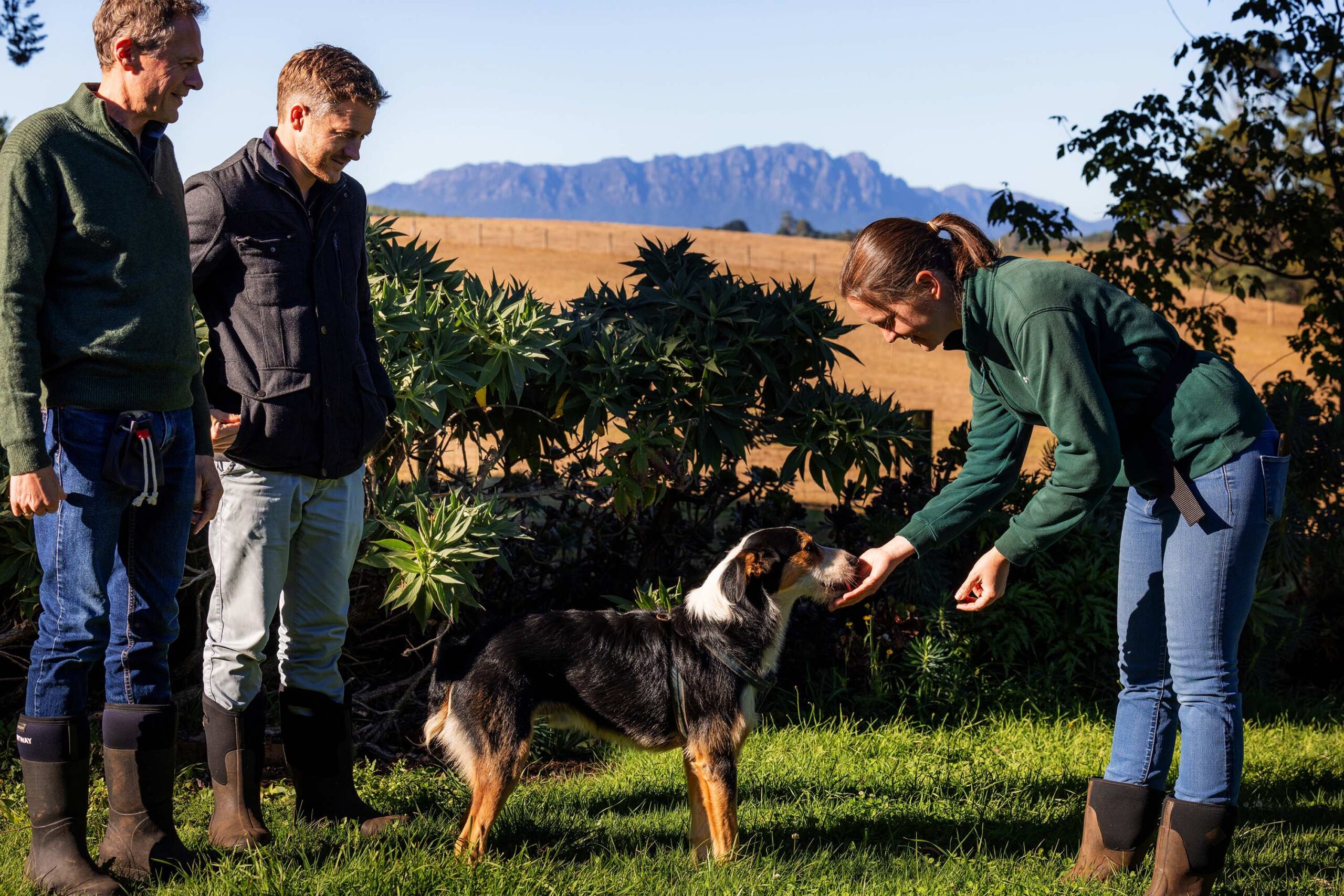
But let’s be clear. this isn’t about squeezing as many people in as possible. It’s about having the place entirely to yourself. Book it and the whole island is yours, complete with a dedicated host and skipper, a private chef championing Tassie produce, and a new custom-built boat for transfers and coastal adventures. It’s all-inclusive, but done in a way that feels considered rather than over-the-top.

The owners have capped stays at just 100 nights per year to protect the island’s delicate ecosystem, including its resident Little Penguin colony. It runs off-grid on solar power and rainwater, and the focus is firmly on privacy, space and letting nature set the pace.

You’re within easy reach of Wineglass Bay and the Freycinet coastline, but far enough away that the loudest thing you’ll hear is the wind.

It’s AU$16,000 per night for the entire island, with a three-night minimum. Which is hella pricey. But when checking in involves your own boat ride to your own island, it hits a little differently.

Stay at Barlochan Cottage

There are two types of people in this world: those who watched Heated Rivalry and moved on with their lives, and those who immediately googled “Is that cottage real?” at 1am. If you fall into the latter camp (like us), congratulations, your unhinged dedication has been rewarded.

The lakeside escape from Heated Rivalry – yes, that Barlochan Cottage – is now bookable on Airbnb. The slow-burn tension might have been fictional, but the setting very much isn’t. Tucked along the shores of Lake Muskoka in cottage country, it’s all pine trees, still water and silence that forces you to confront your feelings (or at least how much time you’re spending in front of the screen.

The three-bedroom retreat leans hard into that classic Canadian lake-house energy: oversized windows, timber finishes, a fireplace built for dramatic stares, and a dock that basically insists on a sunrise swim. There’s a proper kitchen for post-kayak feasts, a fire pit primed for late-night debriefs, and enough space to bring friends, though you may prefer to keep it a two-person storyline if ya know what we mean.

And the best part is, it’s only gonna set you back around AU$255 a night or CA$248 (a neat little nod to the main characters’ jersey numbers). Subtle.

Look, you don’t have to be an ice hockey obsessive to appreciate this place. But if you do find yourself standing on that dock, staring across the water like you’re about to confess something life-altering, just know: you’re not alone.

Hang out in the jungle (literally)

If you’ve ever looked at a rainforest and thought, “Yeah, but what’s going on up there?”, this one’s for you.

Luxury adventure outfit Cookson Adventures has just launched what it’s calling the world’s first hanging camp in Borneo, and it’s exactly what it sounds like. For up to three days, your feet won’t touch the forest floor. Instead, you’ll live 30 metres up in the canopy, strung between some of the tallest tropical trees on Earth.

This isn’t glamping with a good view. It’s a fully suspended, leave-no-trace setup in a protected conservation area, accessed only by rope. Think sleeping platforms, communal hangout spots and even rainfall showers, all connected by a web of zip lines and climbing lines. And instead of hours sitting in traffic, your morning commute is a short traverse across the treetops.

What really gets ya though, is what’s happening around you. The rainforest canopy is still largely unexplored (often called the planet’s “eighth continent”), and guests will join scientists studying this complex ecosystem. You could be helping set light traps for insects, observing bats and birdlife, or collecting plant samples, all while hornbills, gibbons and orangutans move through the branches nearby.
But before you head skyward, there’s a weekend of rope training. By the end, you might even leave with a recognised qualification. Not to mention some pretty serious bragging rights.

It starts from AU$475,000 for four nights, for up to six guests. Pricey? Yes. But sleeping in the treetops of Borneo doesn’t exactly come with a ‘budget’ option.

Airbnb meets Wuthering Heights

West Yorkshire has never been short on wind, wild skies and stories that gnaw at your imagination, but Airbnb’s latest drop leans right into the moor’s uneasy charm. To celebrate the release of Emerald Fennell’s much-anticipated Wuthering Heights film, they’ve recreated Cathy Earnshaw’s bedroom at Thrushcross Grange – yes, the same fever-dream space from the movie – and are offering a handful of couples the chance to sleep there for free.

The room isn’t your typical cosy countryside bolthole. It’s been styled to reflect Cathy’s inner world, think textured walls, layered fabrics and that uncanny feeling you’re part of something larger than a bed and a pillow, all against the backdrop of Brontë Country where the film was shot.

Beyond the bedroom, the experience leans into the moors rather than the cliché. Guests can wander the landscape on horseback, sip a proper Yorkshire afternoon tea, and settle in for a candlelit dinner that wouldn’t feel out of place next to a roaring hearth. There’s even a curated soundtrack moment featuring music written for the film, plus a vinyl to take home if you’re lucky.

Travel-obsessed romantics, and the plain curious alike, have turned their eyes north, with UK Gen Z searches for stays in West Yorkshire spiking and the region quietly emerging as an unexpected getaway pick.

If you’ve ever wondered what it feels like to press pause on your own story and slide into someone else’s, this might just be the closest you get; gothic vibes included.

Risby Cove reopens after renovations

Strahan’s Risby Cove has always had a soul – raw, untamed, and perched on the edge of Macquarie Harbour. Now, after a multi-million-dollar transformation, that soul has been given a wardrobe of bespoke Tasmanian timber, curated artworks, and just the right amount of glamour.

Twelve suites now read like a love letter to the West Coast: decks spilling over harbour and rainforest vistas, cedar hot tubs and private infrared saunas promising long, slow soaks, and a “cinematic” gold-class suite nodding to the hotel’s theatre past. It’s a place where fireplaces glow on rainy afternoons and king-sized beds invite mornings without alarms.

Wellness isn’t an afterthought here, it’s in the air, in the light, in the way each space nudges you into stillness. Stand on a deck at sunrise with tea in hand, and the world feels a little quieter, a little softer. Owner Jacinta Young calls it a sanctuary, but really, it insists you slow down whether you like it or not.

Risby’s restaurant, long a Strahan favourite, has been reimagined too. Floor-to-ceiling windows frame shifting moods of Macquarie Harbour while dishes tell stories of land, sea, and the region’s history, from salvaged Huon pine to fire-finished Tasmanian oak tables. Every detail whispers West Coast pride.

A stay here is less about ticking boxes and more about surrendering to place, letting the harbour, forest, and a little Tasmanian magic work their slow, restorative charm.

Hope Lodge to open in May

Perched above Loch Hope on Scotland’s rugged northern coast, Hope Lodge is poised to be one of the most compelling hospitality openings of 2026. No, it’s not just a hotel, but a thoughtful reimagining of what it means to stay in the Highlands.

Opening in May 2026, this remote retreat is part of WildLand’s conservation-led vision, where every detail, from the architecture to the daily rhythms, responds to the land it sits within.

At its heart sits a restored 19th-century Highland hunting lodge, reinvented as an intimate hotel with just seven bedrooms. Each room carries a Gaelic name embodying qualities like light, freedom and soul, quietly nodding to the cultural and natural heritage of the region.

Surrounding the lodge are restored cottages and a striking woodland cabin called An Cala, complete with a private wood-fired hot tub, an appreciation of rustic luxury that feels utterly of place amid the pines and sky.

More than bricks and beams, Hope promises an immersive experience. Days unfold in the open; guided hikes, wild swimming, conservation activities and mindful moments that blur the line between guest and landscape. At the centre of it all is The Clachan, a stone-built hub where adventure begins and stories are shared.

Yes, this place is polished escapism, but it’s also Highland hospitality on nature’s terms.

Tuamotu Expeditions launches new tour

If you’ve ever looked at Tahiti and thought, yes, but quieter, the Tuamotu Archipelago has been waiting for you. And now there’s a new way to experience it properly.

Tuamotu Expeditions has launched a brand-new expedition-style experience through this remote scatter of coral atolls, designed for travellers who’d rather trade infinity pools for reef passes and actual silence. This isn’t a cruise, and it’s definitely not a tick-and-flick island hop. It’s six nights, five full days on the water, exploring lagoons, reefs and drop-offs that still feel wildly untouched.

At the centre of it all is Denis Grosmaire; local guide, deep freediver, marine conservationist, Air Tahiti Nui ambassador and long-time resident of Tikehau. He’s been living and diving here for over 20 years, which shows in the way the experience unfolds. There’s no rushing, no performative “wow” moments. Just time in the water, learning how the ocean actually works when you stop fighting it.

Days are spent snorkelling through passes and lagoons, reading currents, spotting marine life and understanding why this part of French Polynesia has quietly earned a reputation among serious ocean people. Denis also draws on techniques from his book Respirer comme l’océan, introducing breathing practices rooted in freediving: practical, grounding, and refreshingly un-woo.

The result is an expedition that feels personal and deeply connected to place. So, psst, if you’re after Tahiti without the gloss, and with far more meaning, this is it.

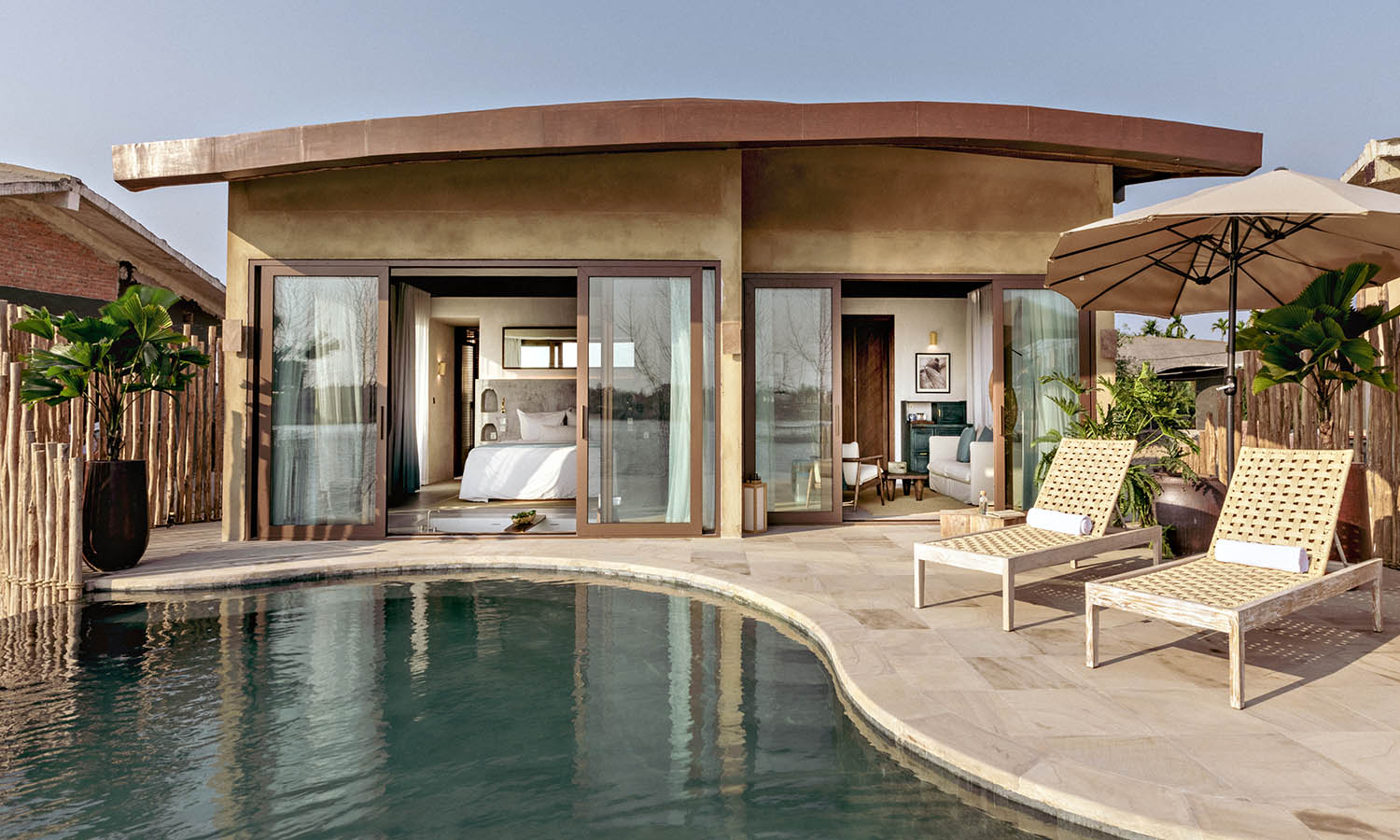
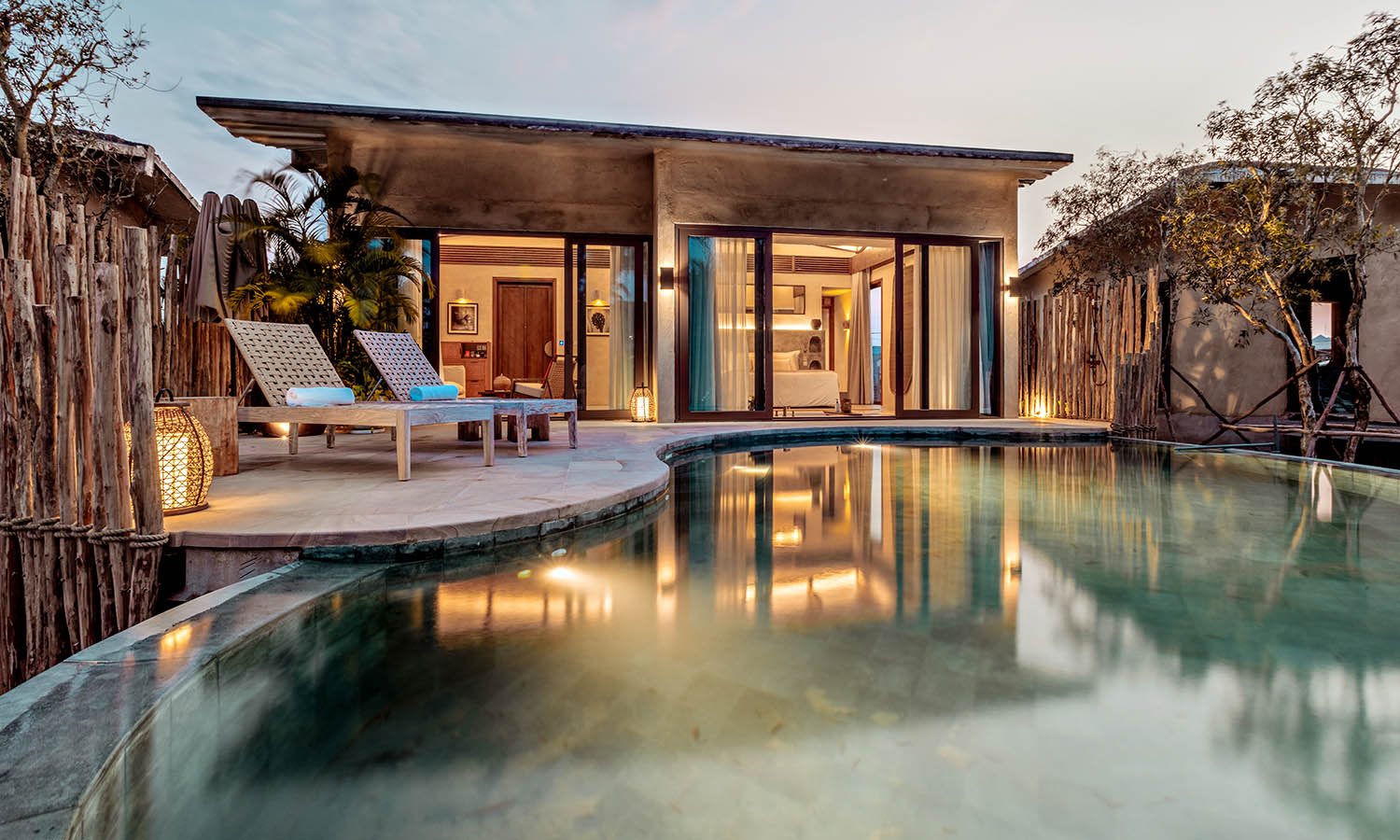
Magia de Uma opens in Bali

Hidden down a quiet lane in Umalas, where rice fields still outnumber smoothie bowls, Magia de Uma feels like Bali before the volume got turned up. Recently opened and now part of the Design Hotels family, this low-slung retreat isn’t really about grand gestures. It’s more about letting history, craft and nature do the talking.

The vision of husband-and-wife duo Jacopo and Rosa Sertoli, Magia de Uma was designed around preservation rather than polish. Rooms are spread across a central villa and a cluster of bungalows, some built around 150-year-old Javanese joglo structures that bring serious gravitas to an otherwise laid-back setting. Original wooden floors, high ceilings and simple white linens keep things calm, while Indonesian craftsmanship runs deep; carved timber doorways, vintage furniture and ancient farming tools repurposed as sculptural details.

Downstairs, the open restaurant-bar blends natural textures with subtle industrial touches, nodding to Bali’s layered past. Food leans proudly Indonesian, with an imaginative menu by Bali-based Michelin-star chef Fernando Trump. Vegetables come from the garden, rice from the owners’ own fields, and long lunches tend to drift into sunset sessions by the mosaic-tiled pool.

Wellness here isn’t flashy, but it is thoughtful. The timber-built spa houses a sauna, ice bath and yoga shala overlooking the paddies, while treatments tap into Balinese traditions (think warm spice body wraps, sound healing and full moon ceremonies). Creative energy flows through artist-led workshops, dance classes and hands-on cooking sessions that turn dinner into a shared ritual.

Sustainability underpins it all, from recycled materials and biodegradable mattresses to partnerships with local artisans and eco-focused brands. Magia de Uma doesn’t try to reinvent Bali, it simply reminds you why it was magical in the first place.

Follow in the footsteps of Mick Dundee

Forty years ago, a bloke in a battered hat stepped out of the Top End and into pop culture, dragging Kakadu along with him. Crocodile Dundee didn’t just make Paul Hogan a global export, it quietly turned one of Australia’s wildest landscapes into a movie star. Now, Kakadu Tourism is leaning into that legacy with a new self-guided tour that lets visitors trace Mick Dundee’s muddy footprints across the park.

Timed to mark the film’s 40th anniversary, the route stitches together the locations that helped sell the outback myth to the world, sadly without the knife tricks. Nourlangie (Burrungkuy) and Anbangbang Billabong are first up, where Mick famously demonstrated his “bush skills” beneath rock faces that hold some of the country’s most important Aboriginal rock art.

Then there’s Ubirr, where that famous line about the Never Never still lands hard, especially when you’re standing above the floodplains at sunset, watching the light stretch out forever.

Gunlom Falls, known to film buffs as Echo Lake, delivers the money shot. Recently reopened, its upper pools now come with improved access and the same infinity-edge views that made the scene unforgettable. Kakadu also pulled double duty in Crocodile Dundee II, with the Bardedjilidji Walk hosting the bullroarer scene among sandstone outcrops and shaded paths.

You can tackle it solo, or hand over the keys to Kakadu Adventure Tours, whose off-road 4WD trips dig deeper into places like Jim Jim Falls and Maguk. Stay inside the croc-shaped Mercure hotel, glamp it at Cooinda, or camp under the stars. Either way, Kakadu hasn’t aged a day, it’s just finally getting the credit it deserves.

Coastal retreat launches regenerative stay

We’ve all been there: the “eco-friendly” hotel stay that mostly involves reusing your towel. Knai Bang Chatt by Kep West is aiming a little higher than that.

The boutique coastal retreat in Kep, Cambodia, has launched The Regenerative Stay: a year-long initiative that turns every booking into direct, on-the-ground environmental action. For all 2026 stays, Knai Bang Chatt will fund the planting of ten mangrove seedlings per booking, working alongside Marine Conservation Cambodia and local mangrove community members.

It’s simple. You book a stay. Mangroves get planted. The coastline gets stronger.

Mangroves are quiet overachievers. They protect shorelines, support marine life, and help coastal communities deal with the realities of climate change. Each tree planted through the program will offset around 308kg of CO₂ over its lifetime, meaning your holiday is doing more than just topping up your tan. Score.

The initiative builds on Knai Bang Chatt’s long-held belief that travel doesn’t have to be extractive. As founder Jef Moons puts it, regeneration only works when guests are invited to be part of it, not just spectators.

Partnering with Marine Conservation Cambodia ensures the work is locally led, properly managed, and rooted in real outcomes rather than good intentions.

So yes, you still get the ocean views, the slow mornings, and the Cambodian coastal charm. You just leave knowing your stay helped keep Kep’s coastline standing. And that’s a big win.