Indigenous Bush Walk in extinct Volcano

Experience the Australian bush, incredible landscapes and native animals with an Indigenous guide on the Worn Gundidj & Tower Hill tour.

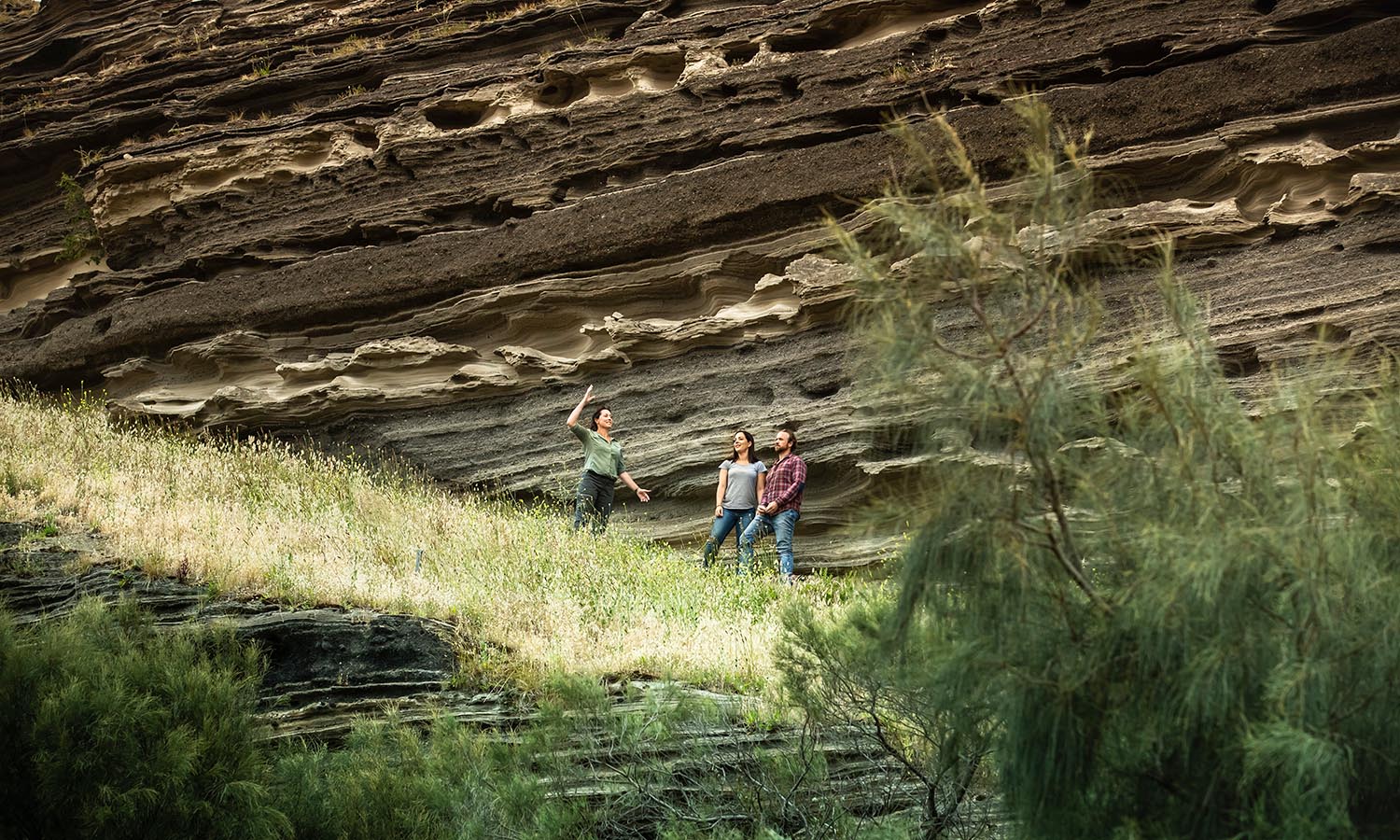
Tower Hill Wildlife Reserve in the heart of the spectacular Great Ocean Road region is the only wildlife reserve west of the popular Twelve Apostles. The reserve, near the town of Warrnambool sits inside a dormant volcano that has an 11-kilometer crater rim, with cones that rise from a lakebed in a formation created by a series of volcanic eruptions and events over thousands of years.

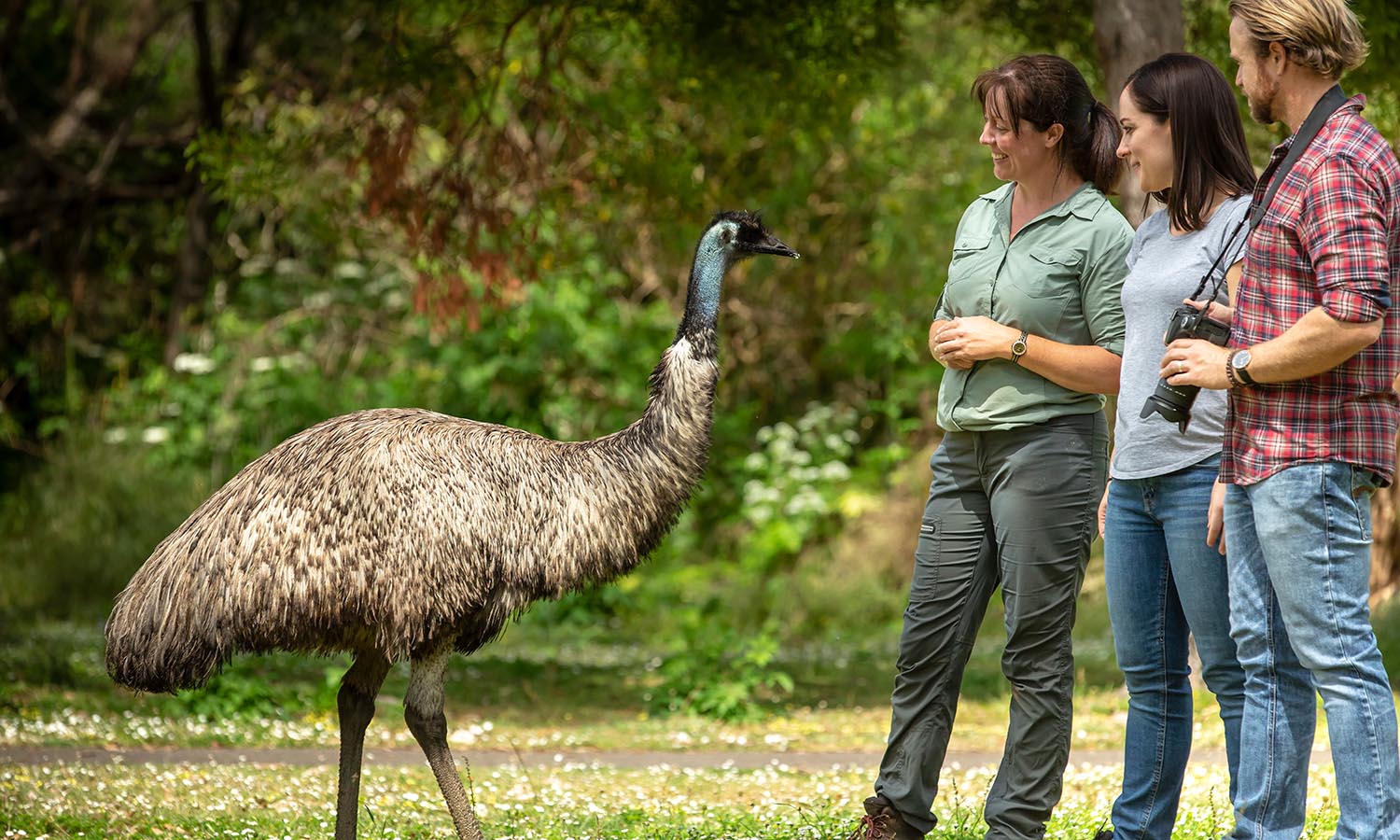
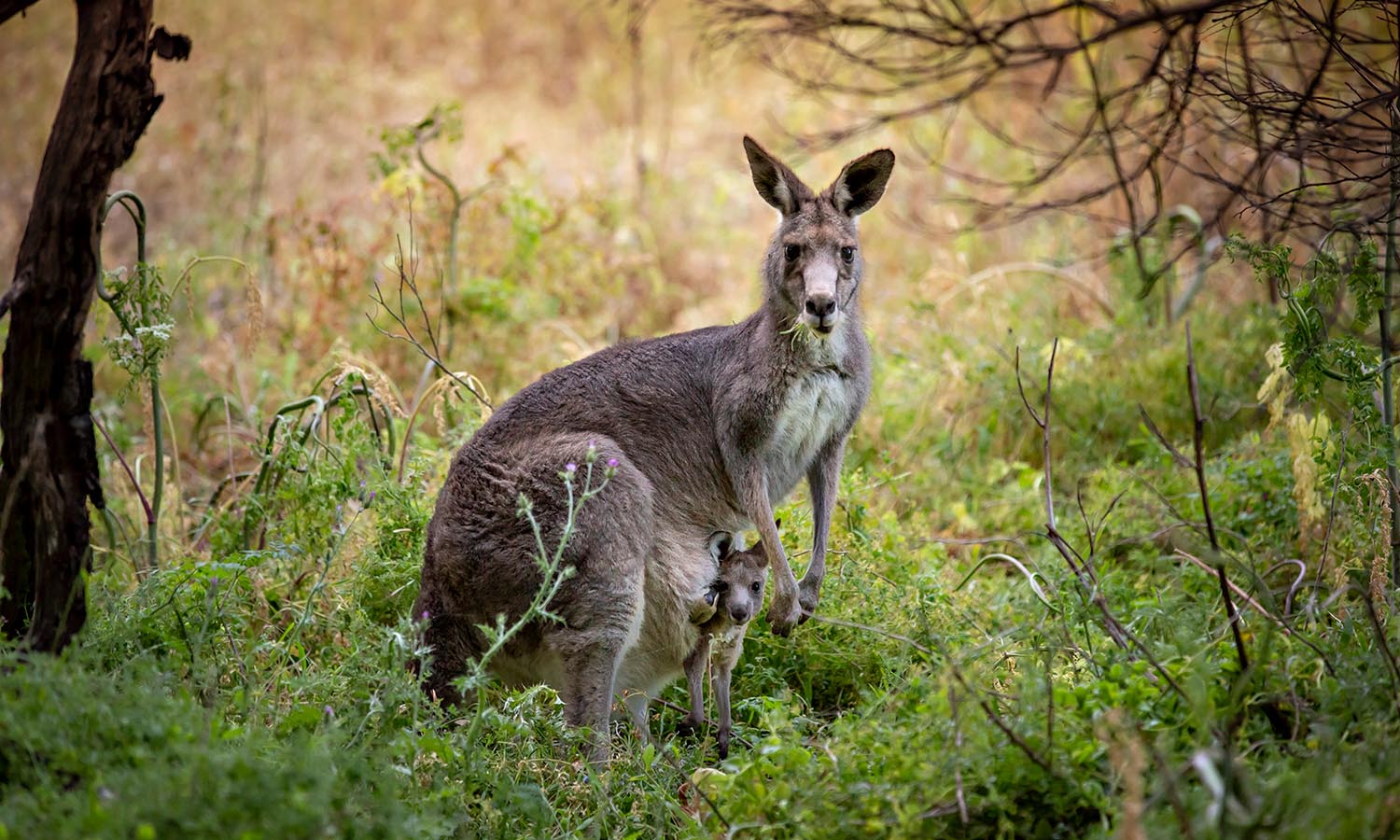
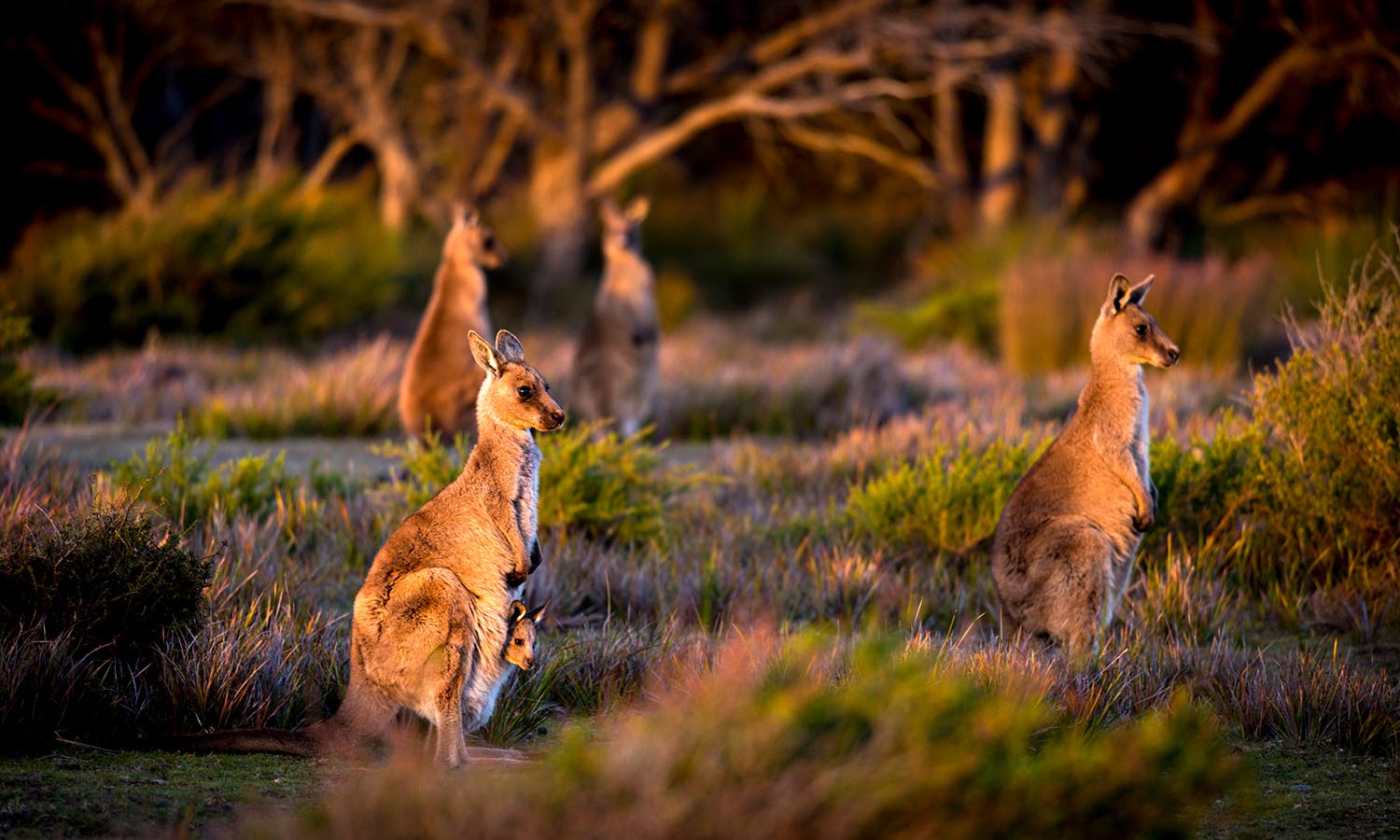
The area is now home to many of Australia’s native wildlife, giving visitors a rare opportunity to see animals including emus, koalas, kangaroos, echidnas, possums and sugar gliders and wedge-tail eagles up close. 

A visit to Tower Hill, a major natural landmark on the Princes Highway, is a deep immersion in cultural history. Artefacts show Aboriginal people have lived in the area for at least 30,000 years, back to the days when violent volcanic explosions reshaped the landscape.

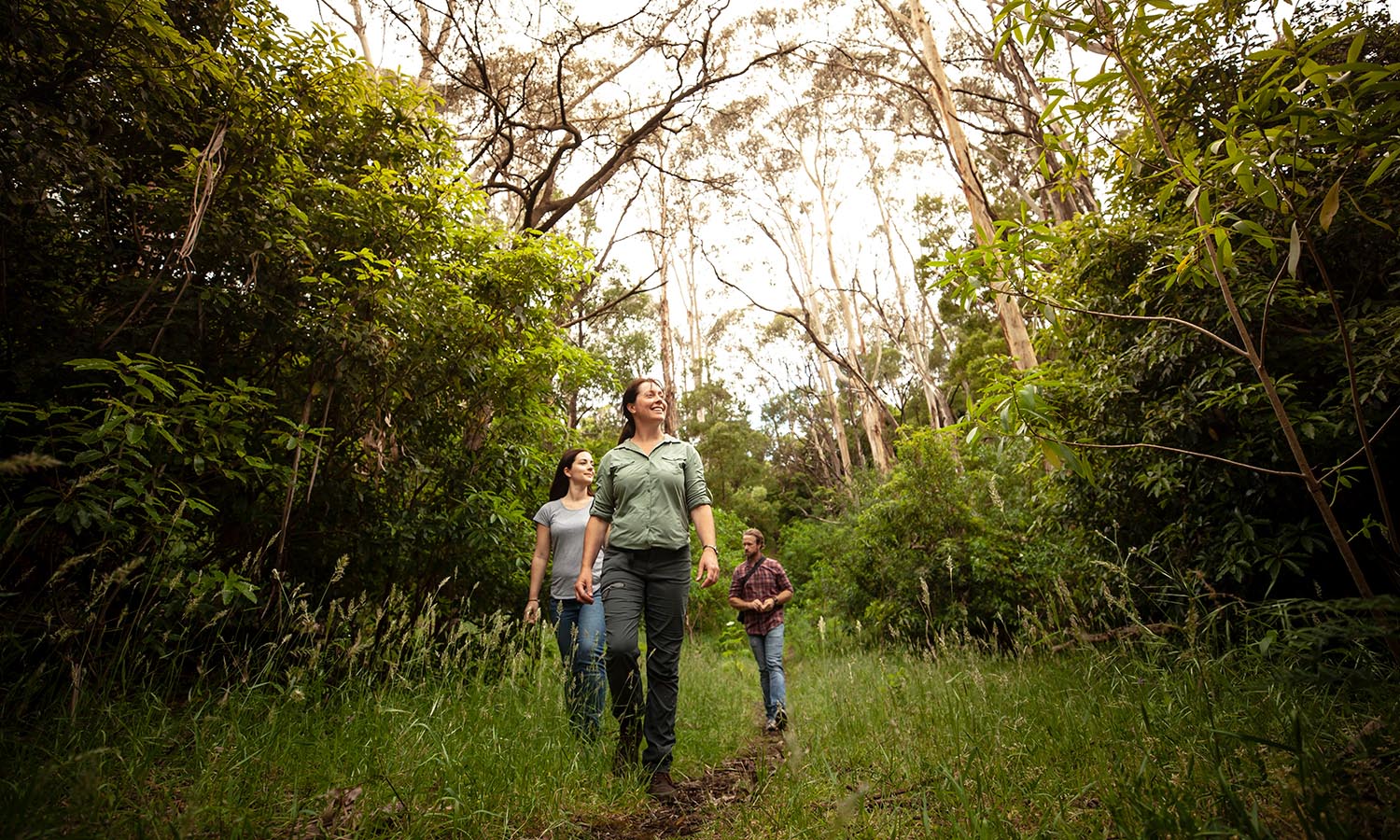
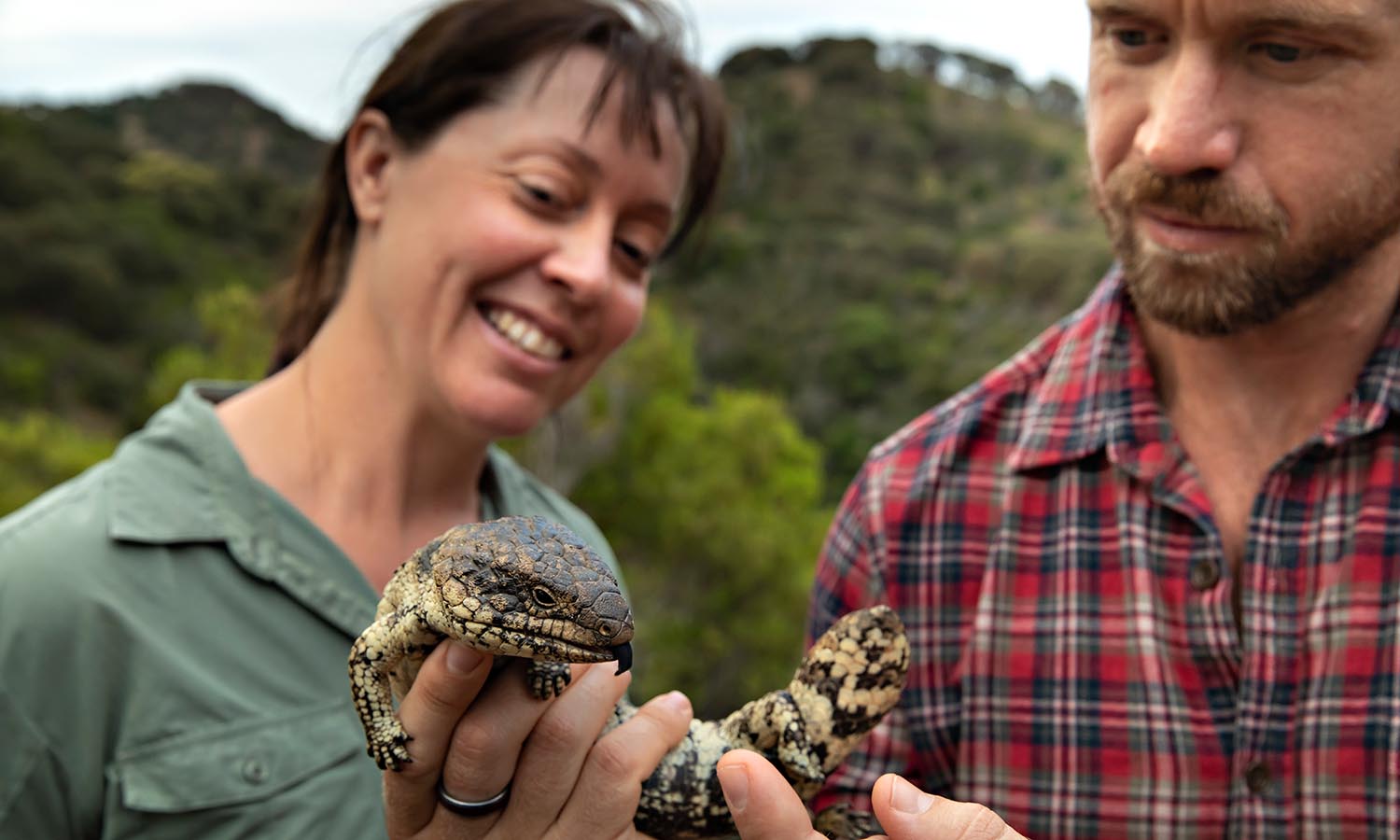
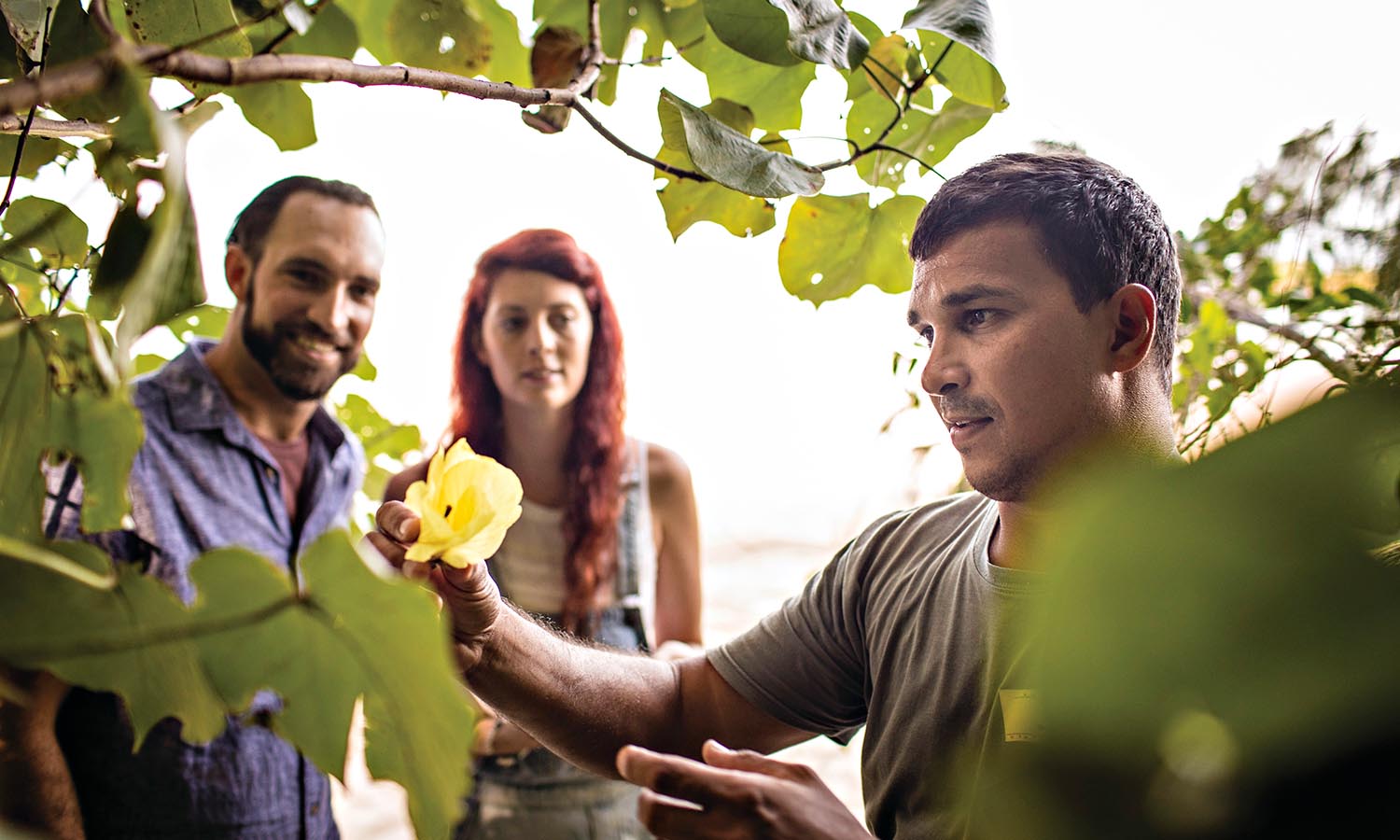
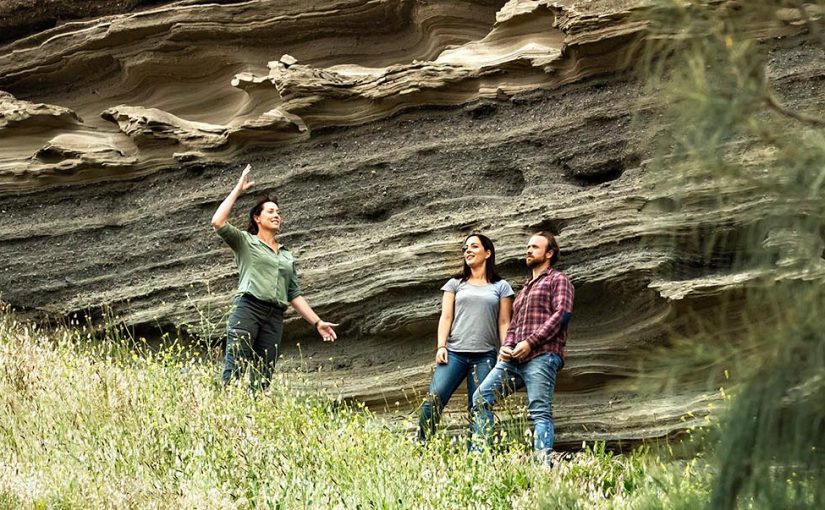
Today, the local Aboriginal cooperative, WG Enterprises, organise walking tours that offer an insight to Aboriginal culture. The 90-minute walking tours, led by members of the Gunditjmara Nation, offer visitors the opportunity to learn about the area’s histories, its geology, and Aboriginal era and European settlement. Walks are personalised to interests and may examine artefacts from axe handles, to possum cloaks, didgeridoo performances, and foraging for local bush foods.

Visitors will gain an understanding of traditional Aboriginal lifestyles and learn how to identify native plants for food and medicine. On the evening walk, explore bush tucker, and as night closes in, see some of the nocturnal animals that hide during the day.
Explore Gifu’s Great Outdoors

Located in central Japan, and with easy access from Tokyo, Osaka and Kyoto, Gifu is home to stunning natural sites that have been preserved for centuries offering a range of outdoor gems and cultural experiences for travellers to explore.

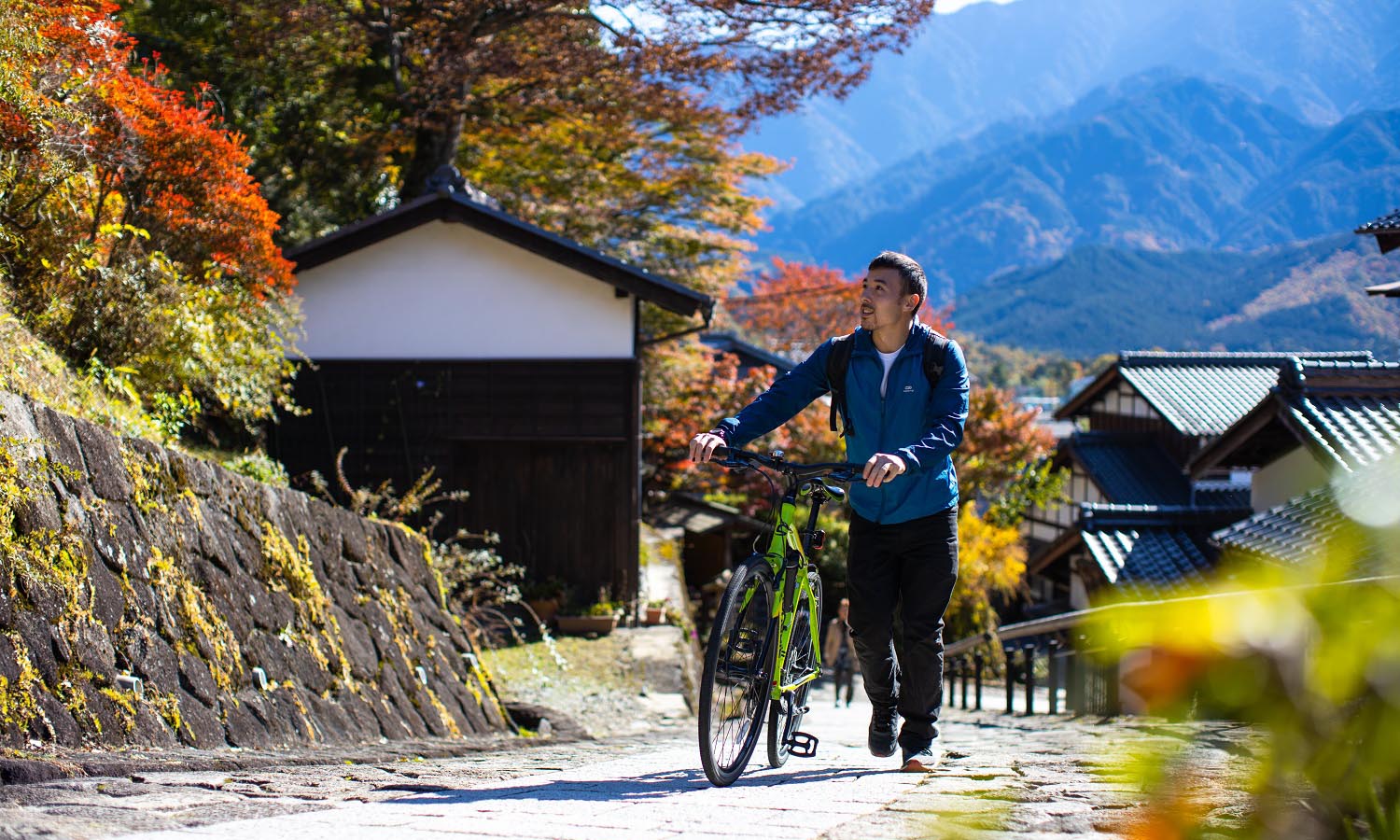
Start with Old Nakasendo Road on the South-East corner of Gifu, it’s steeped in medieval history and home to a large portion of the road that connected Tokyo with Kyoto in the Edo Period. Explore remnants of the original cobblestone and pass through forests and valleys, stopping at waterfalls, historical sites, and terraced rice paddies.

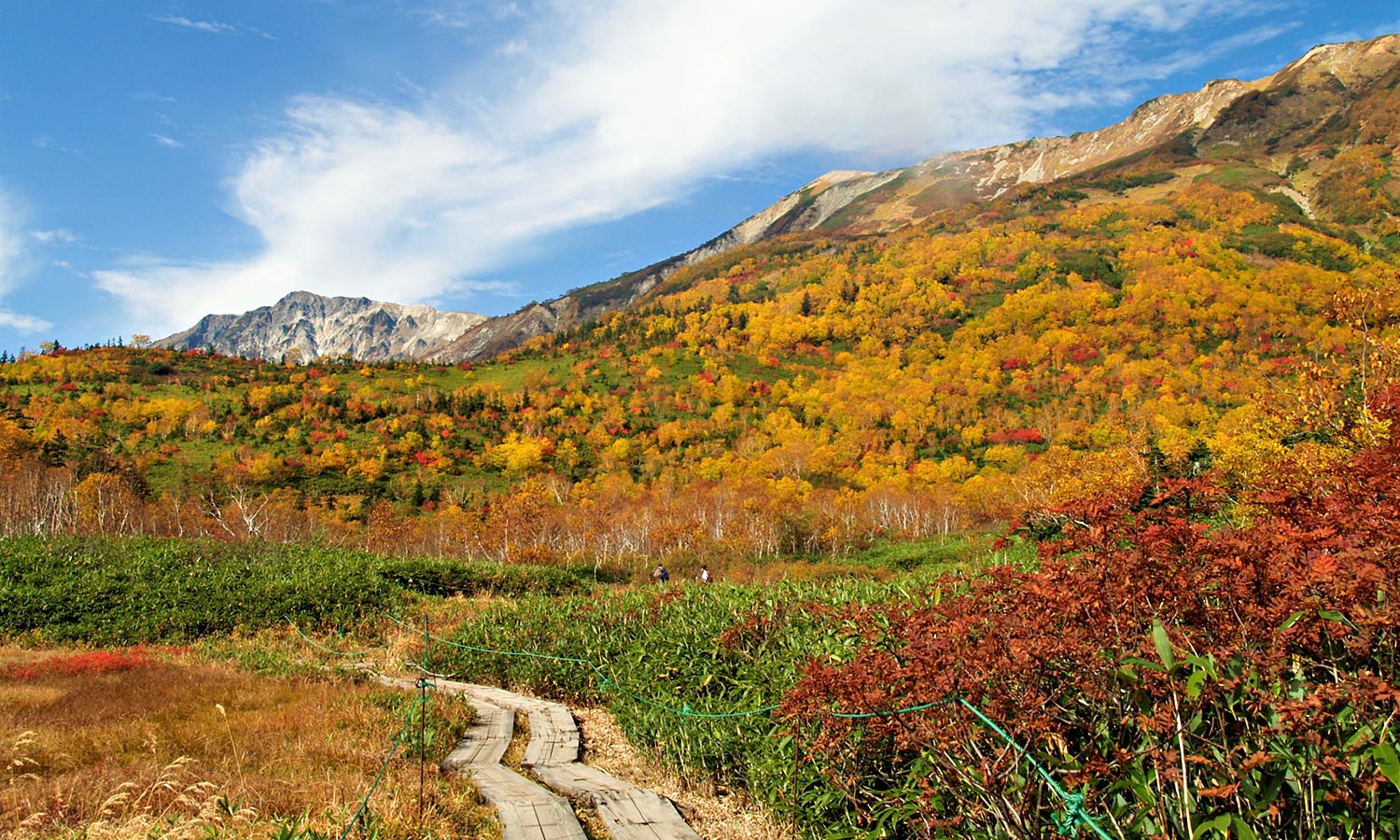
Mt. Norikura is part of the Northern Japan Alps that sit on the border of Gifu Prefecture, and offer visitors stunning mountain vistas, exquisite hot spring valleys and many climbing routes to explore. The imposing Mt. Norikura reaches 3,026 metres above sea level and is home to the highest road in Japan – the Norikura Skyline.

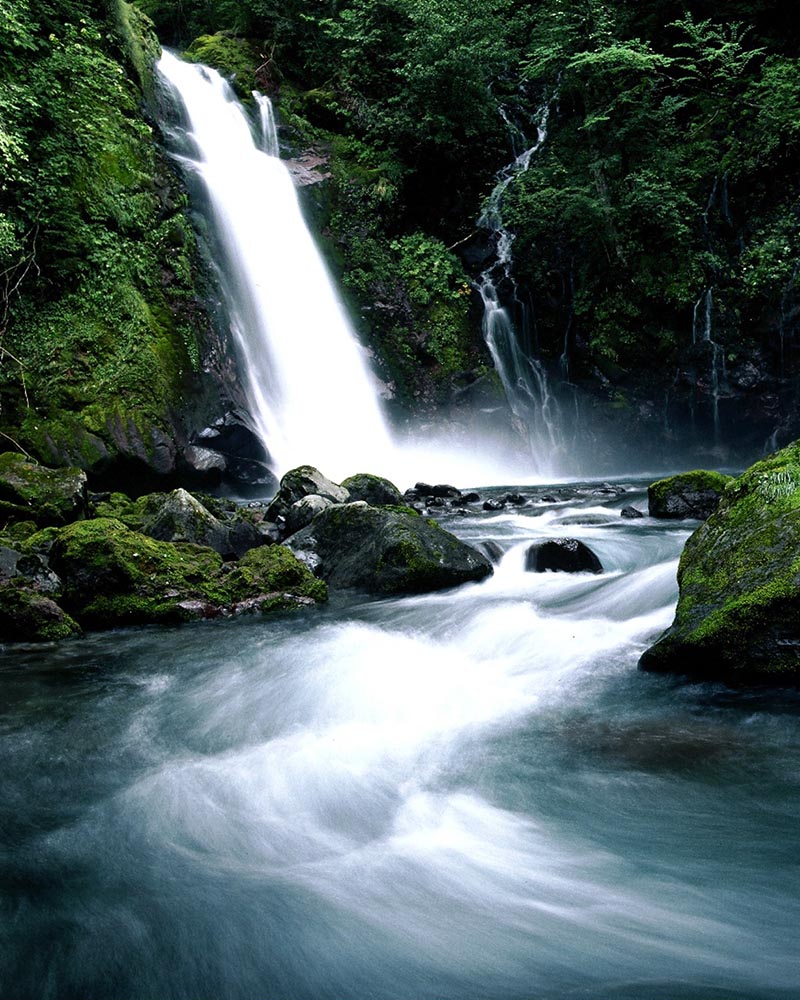
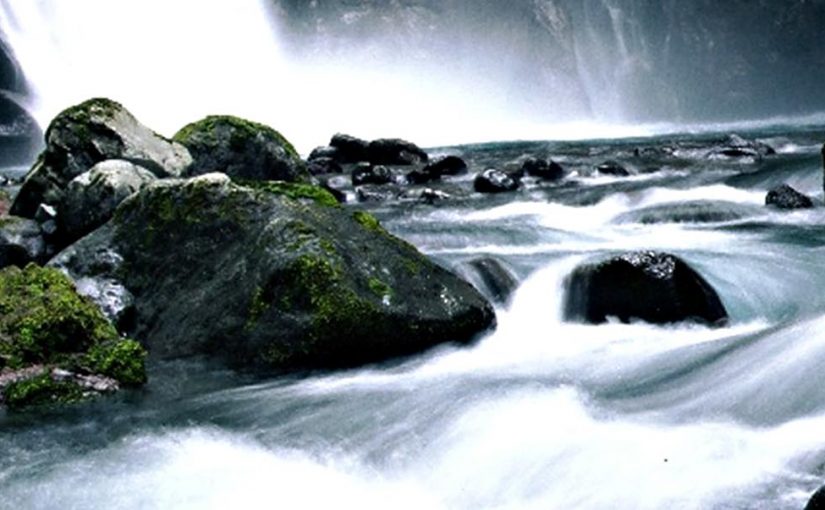
Hida Osaka Falls is located at the foot of the live volcano Mt. Ontake that forms part of Gero City. It is home to 216 waterfalls stretching over 5 metres tall, as well as 14 hiking trails. A selection of tours and guided walks can be booked to gain a first-hand experience or stay a night or two in neighbouring Gero City; home to one of the three most famous hot springs in Japan.
To finish, explore the mystical forests of Goshikigahara that contain 3,000 hectares of forest sprawled across the southern end of Chūbu Sangaku National Park. This unspoiled haven is home to an abundance of wildlife, flowing mountain streams and waterfalls to enjoy. There are several walking treks  including the Kamoshika (antelope) course that connects seven waterfalls, the Shirabiso (silver fir tree) course that meanders through a landscape of water and mossy rocks, and the Gosuwara (lava plateau) course that traverses the primeval forest. Get going, there’s lots to see and do!

Cultural homeland of the Palawa in Tasmania

A pioneering hike guided by the palawa Indigenous community offers a deeper, nuanced perspective on Tasmania, Australia’s island state.

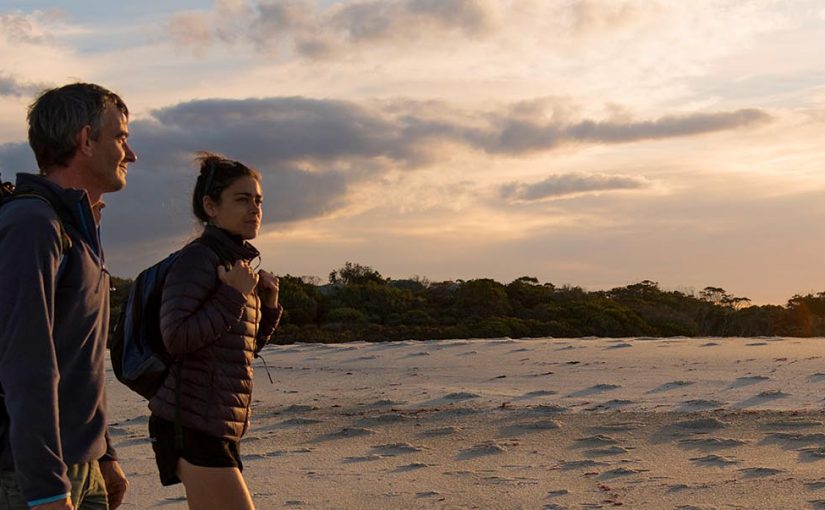
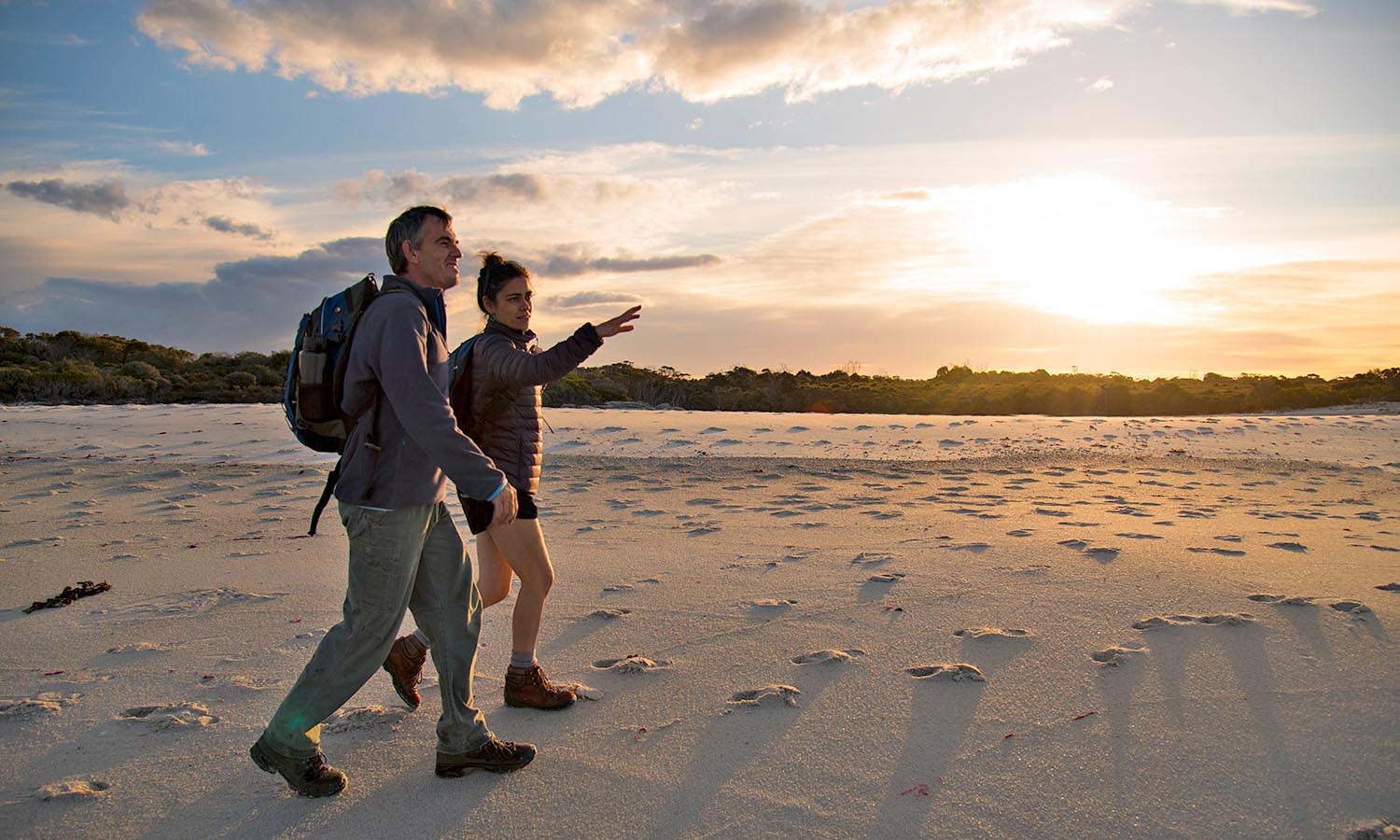
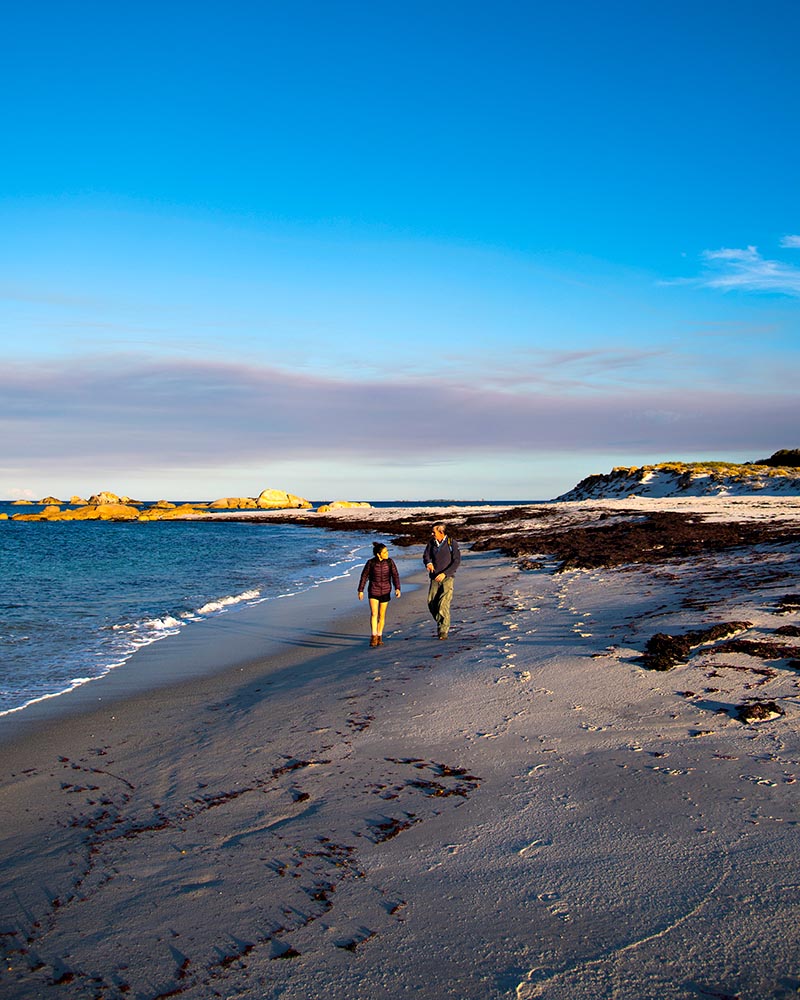
The wukalina Walk is a three night, four day Aboriginal guided coastal walk based around the stunning natural landscape of the larapuna (Bay of Fires) and wukalina (Mt William) areas in North East Tasmania, the cultural homeland of the palawa. The palawa are the only group of humans to evolve in isolation for over 10,000 years, so their culture and heritage is distinctively different from Australia’s mainland Aboriginal cultures, both in traditional times and since European occupation.

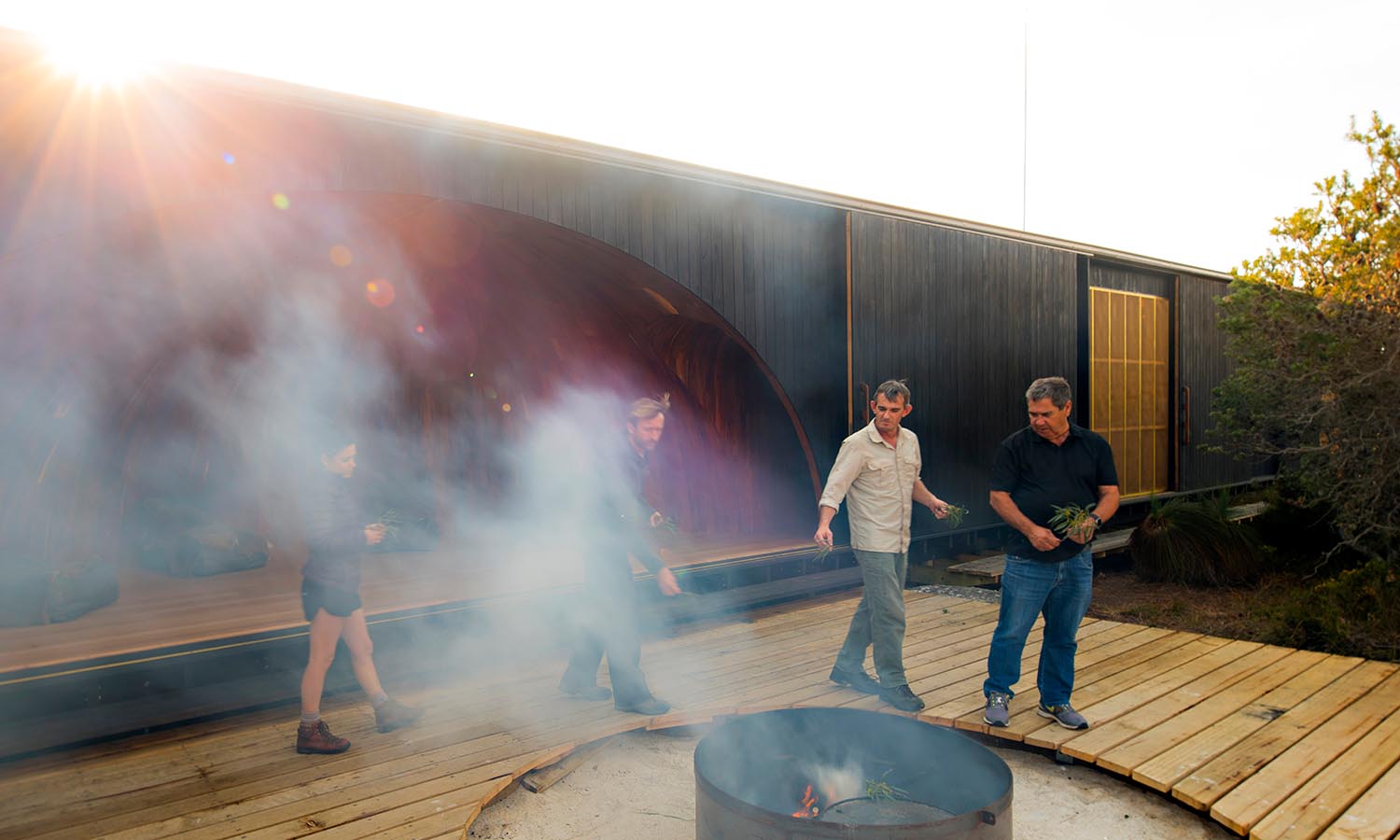
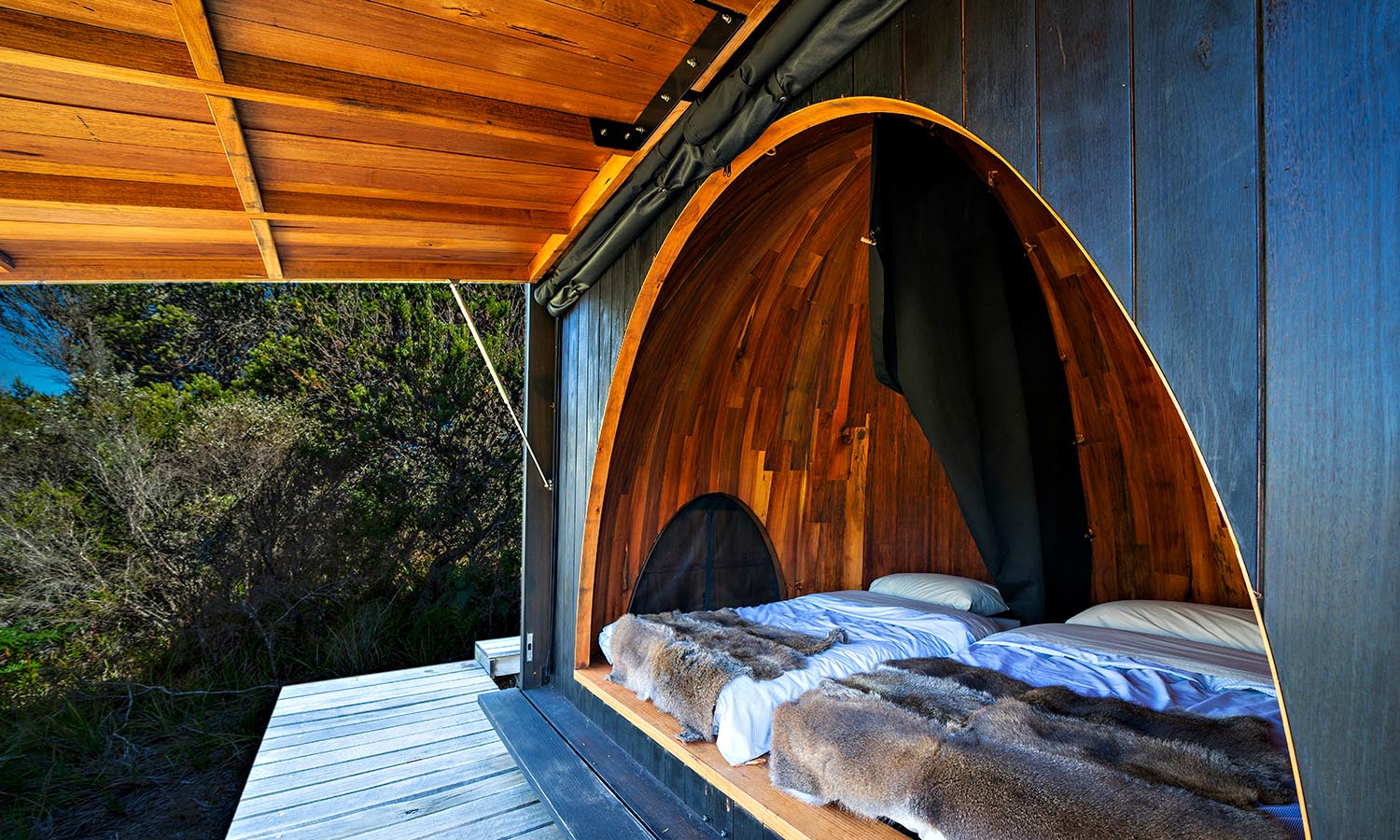
While traversing national parkland and reserve landscapes across larapuna (Bay of Fires) and the rugged beauty of wukalina and larapuna Bay of Fires, travellers will spend two nights in bespoke palawa inspired (domed) huts and one night in the Lighthouse Keepers Cottage at larapuna/Bay of Fires. Guests will be immersed in palawa culture and community and participate in cultural practices that have been handed down for hundreds of generations.

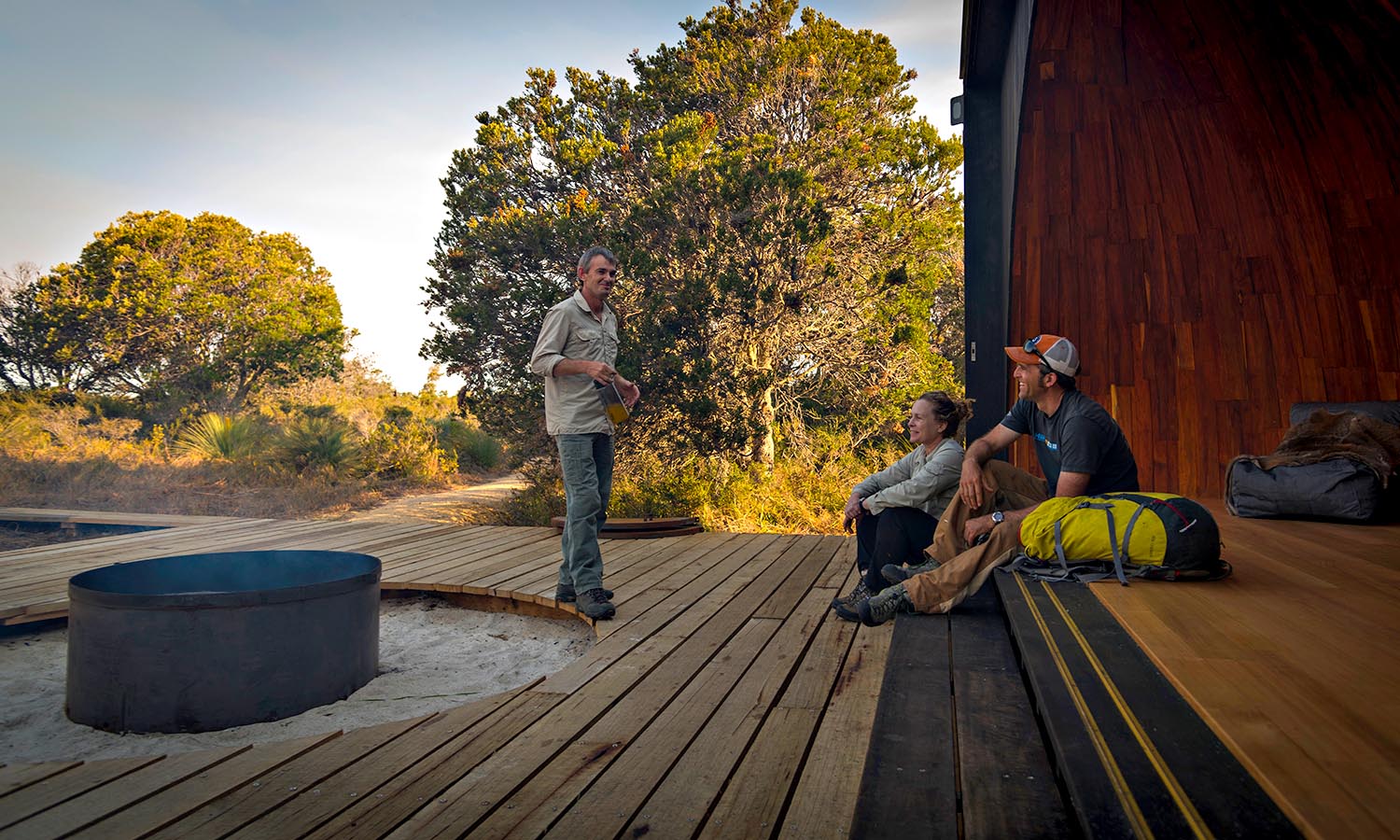
The experience provides a rare opportunity to walk with palawa guides in the footsteps of their traditional people. Guests sit in a semicircle around a campfire, listening to stories and learning ancient crafts. The palawa people did not document their history in books nor was it kept in museums, their tradition was an oral one and the landscape is their museum.

The Daintree’s Kuku Yalanji Country

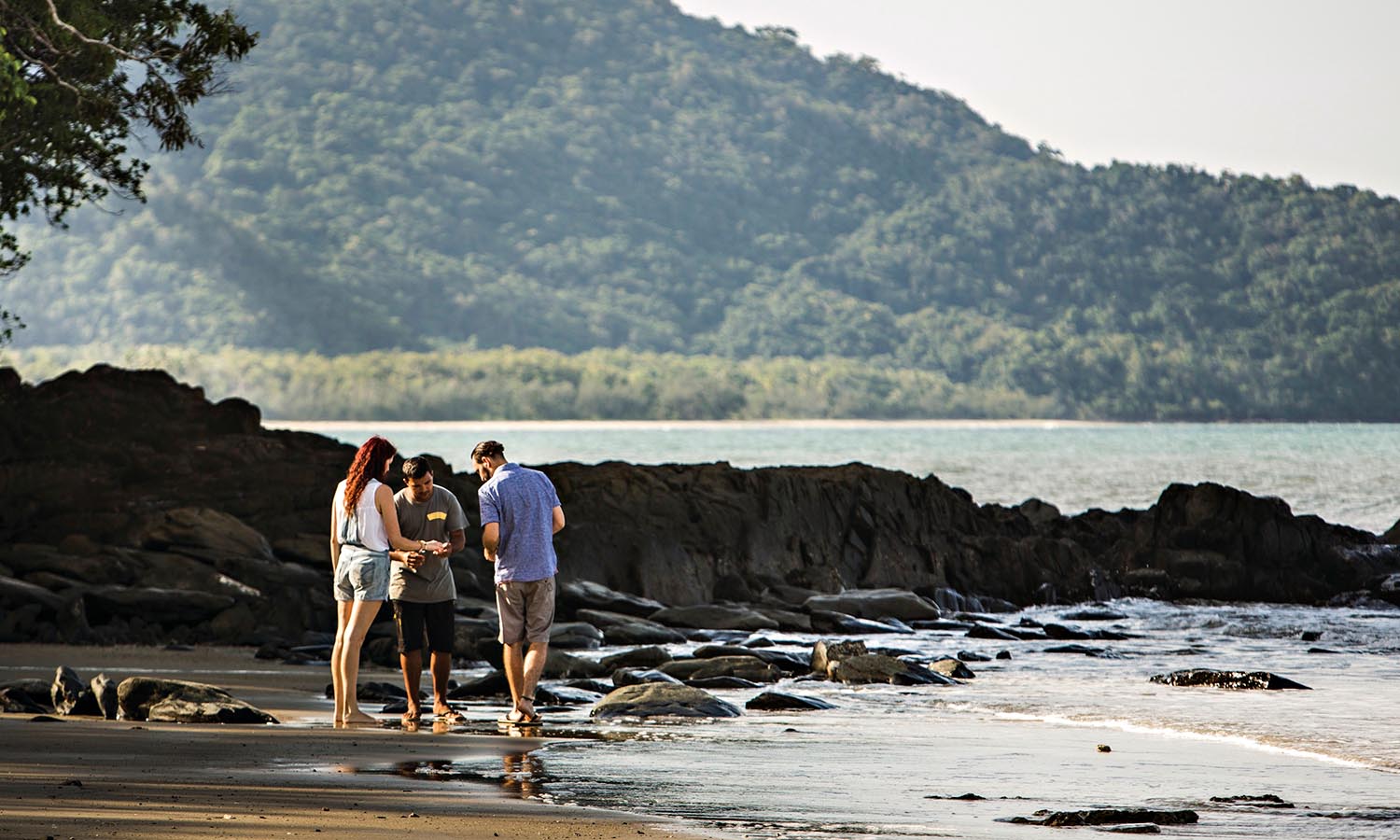
Explore the beauty of the Daintree Rainforest, with a local Aboriginal guide on Walkabout Cultural Adventures.

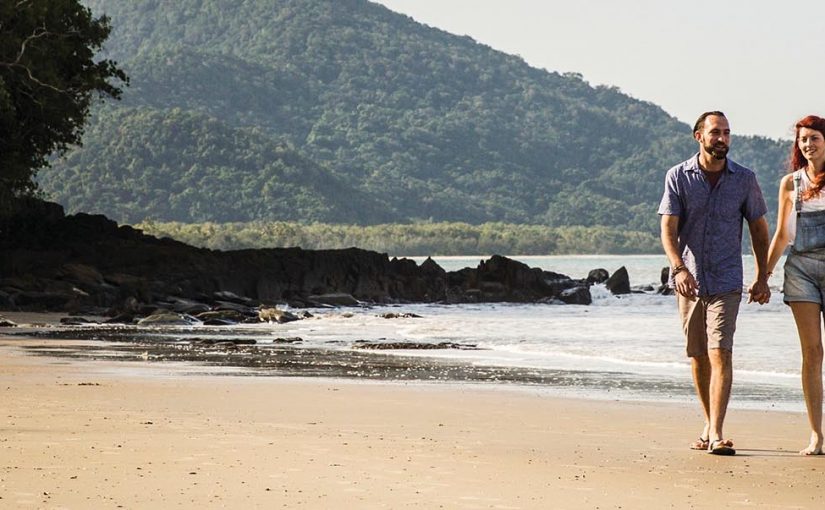
There is no better way to experience the region, one of the best biologically diverse rainforests in the world, and only place where two natural World Heritage sites meet – the Far North Queensland coastline and Great Barrier Reef meeting the edge of the Daintree Rainforest.

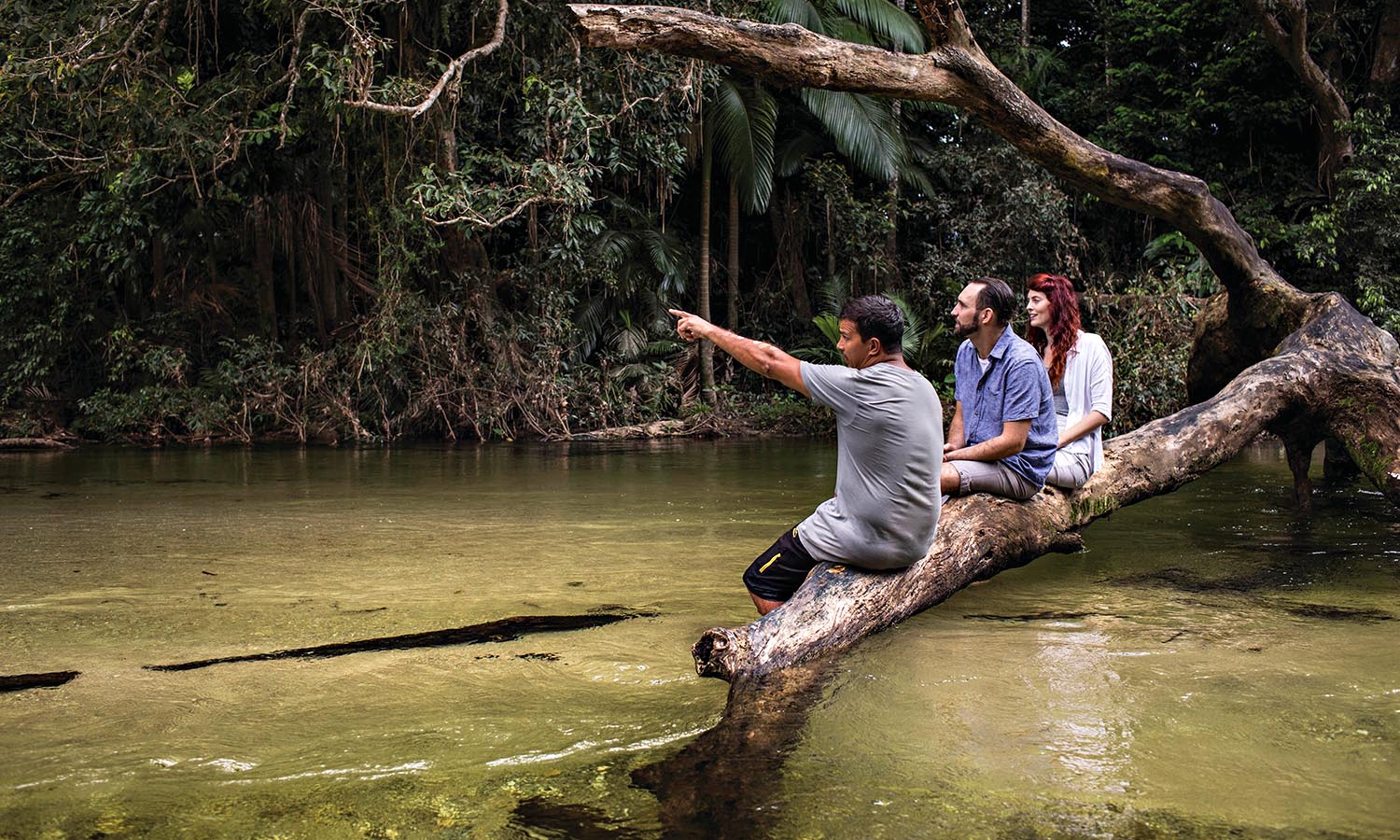
Your guides offer insight into the marine life along the beautiful coastline of the Port Douglas area and reveal local swimming spots in the rainforest. Juan, the owner is a Kuku Yalanji man from the Daintree Mossman area, with plenty of local bush knowledge and Aboriginal history to share. His aim is to preserve the knowledge and continue the connection between the people and the land by interacting with visitors and sharing the Kuku Yalanji history and cultural practises.

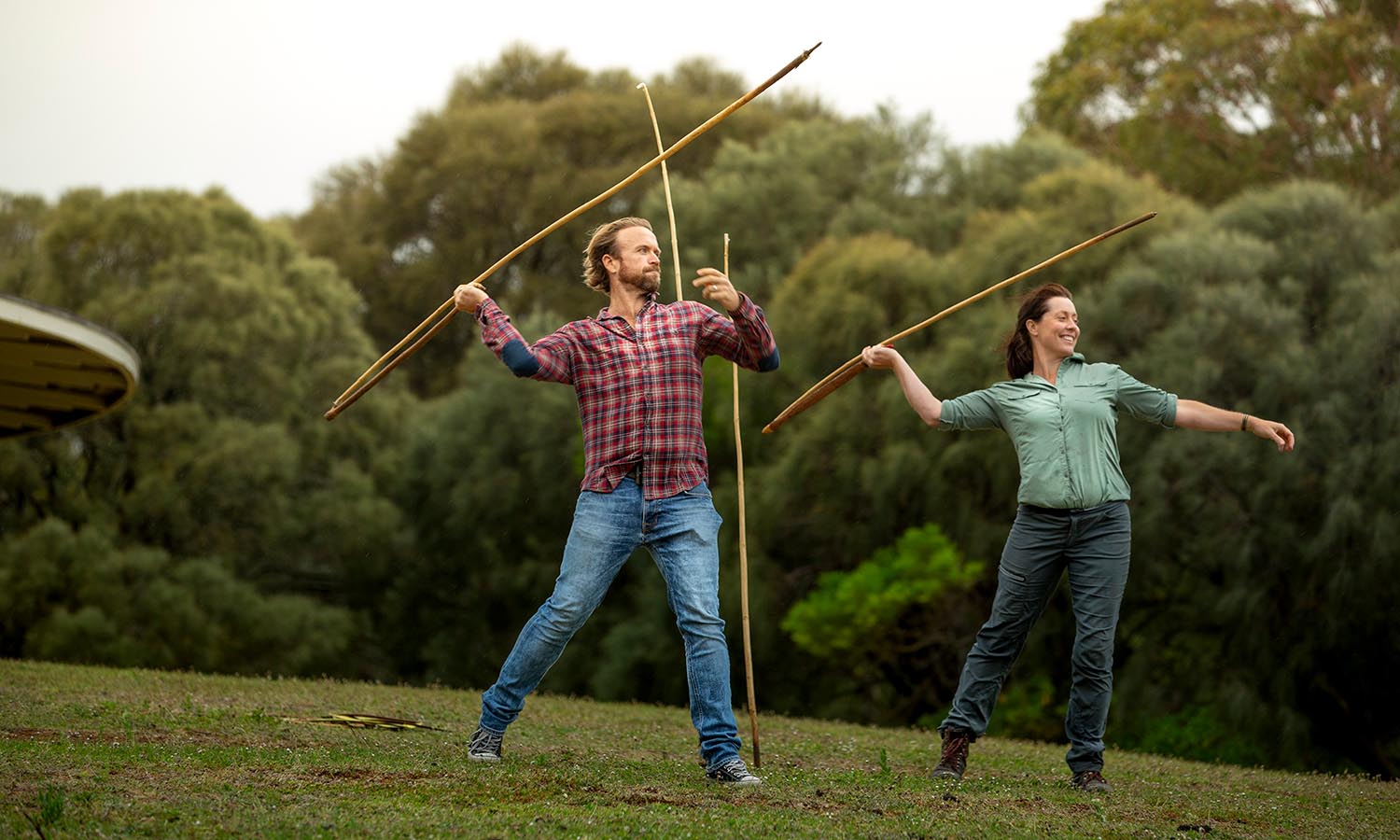
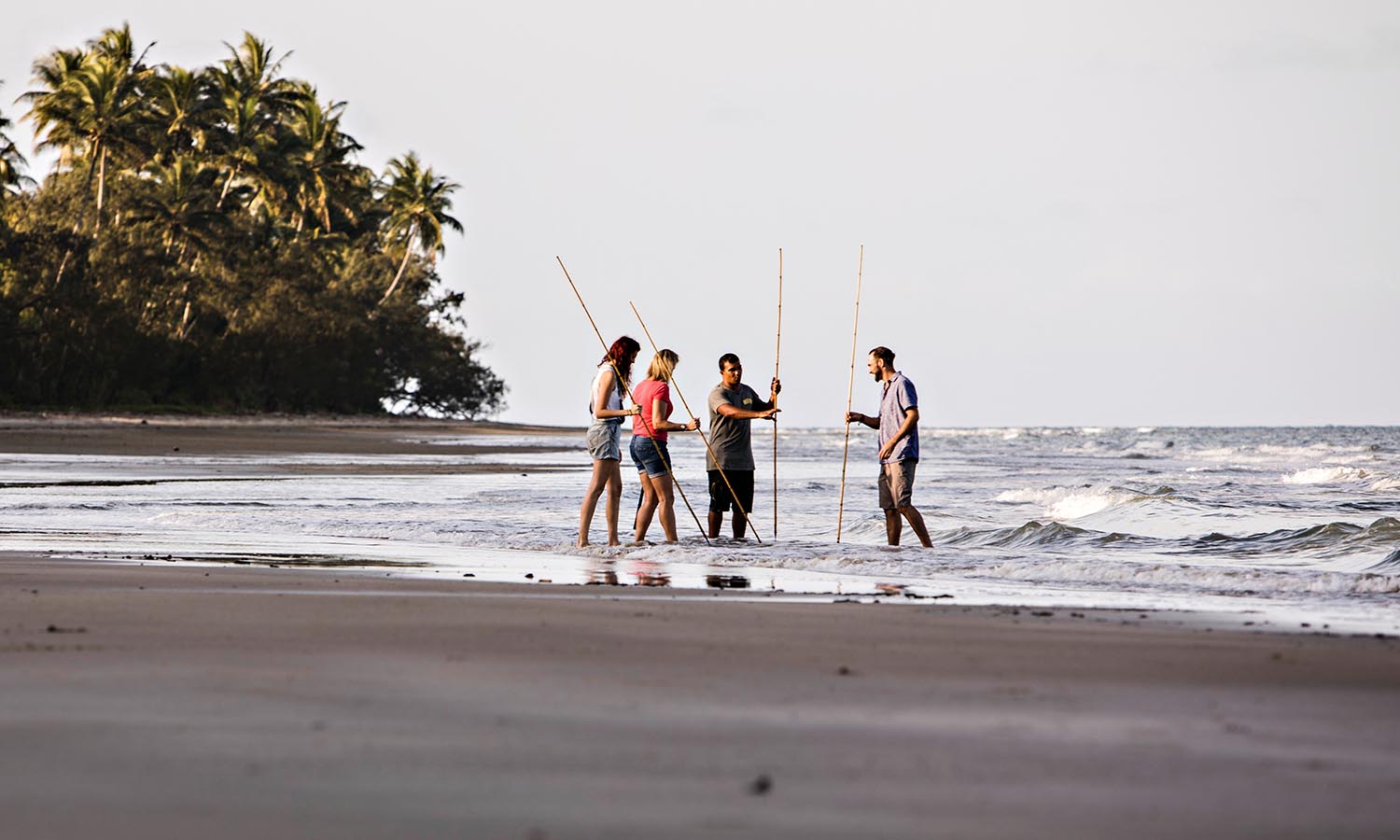
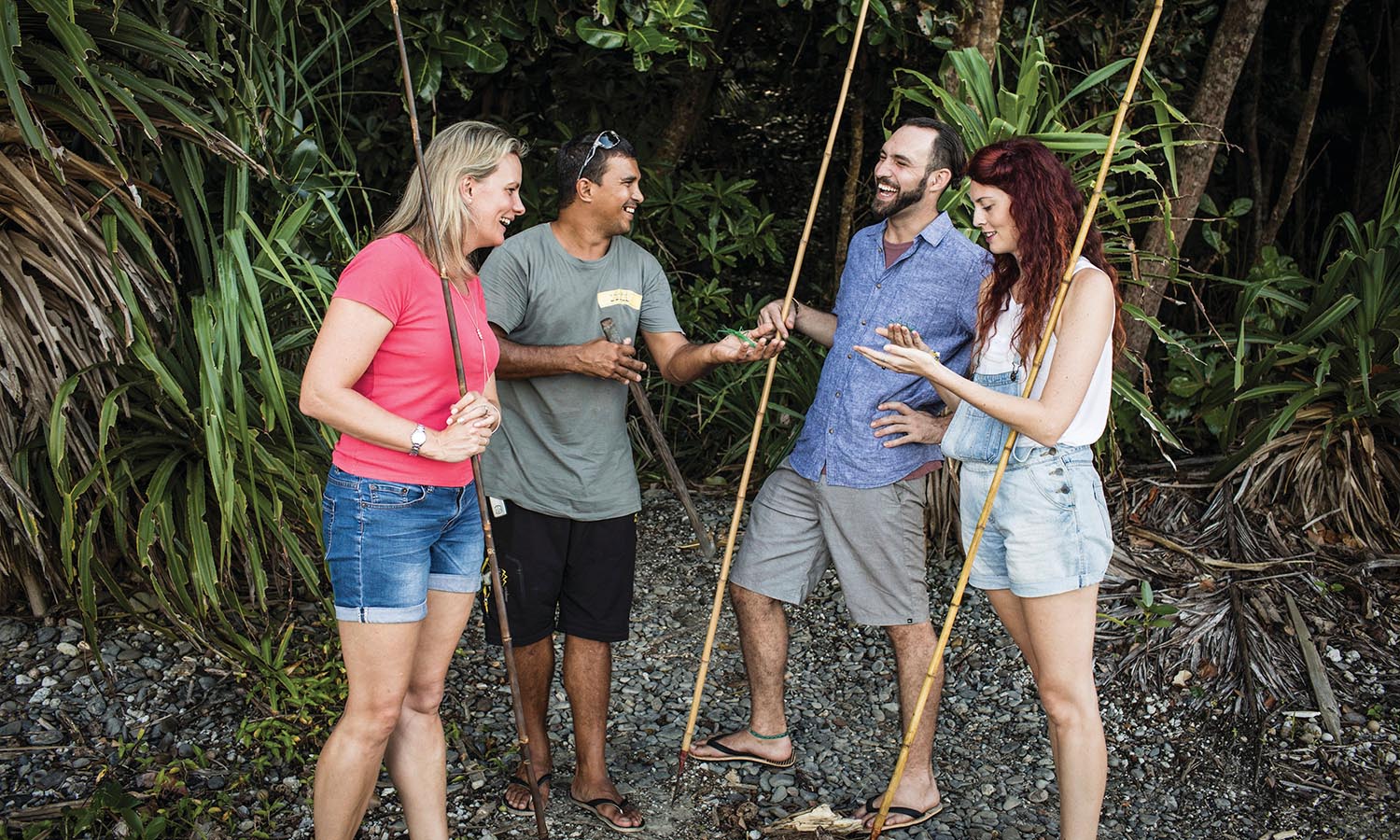
Experience the unique cultural connection to the land. Learn to throw a traditional fishing spear and have a taste of seasonal bush tucker, while seeing the best attractions on a half day or full day tour. The full day tour includes a guided rainforest walk, visit to Mossman Gorge and other culturally significant areas.

Above and below Cape Maeda

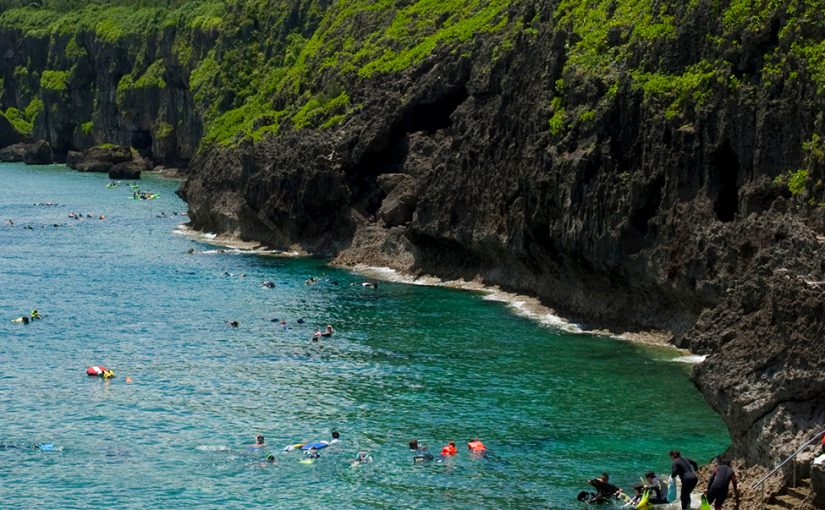
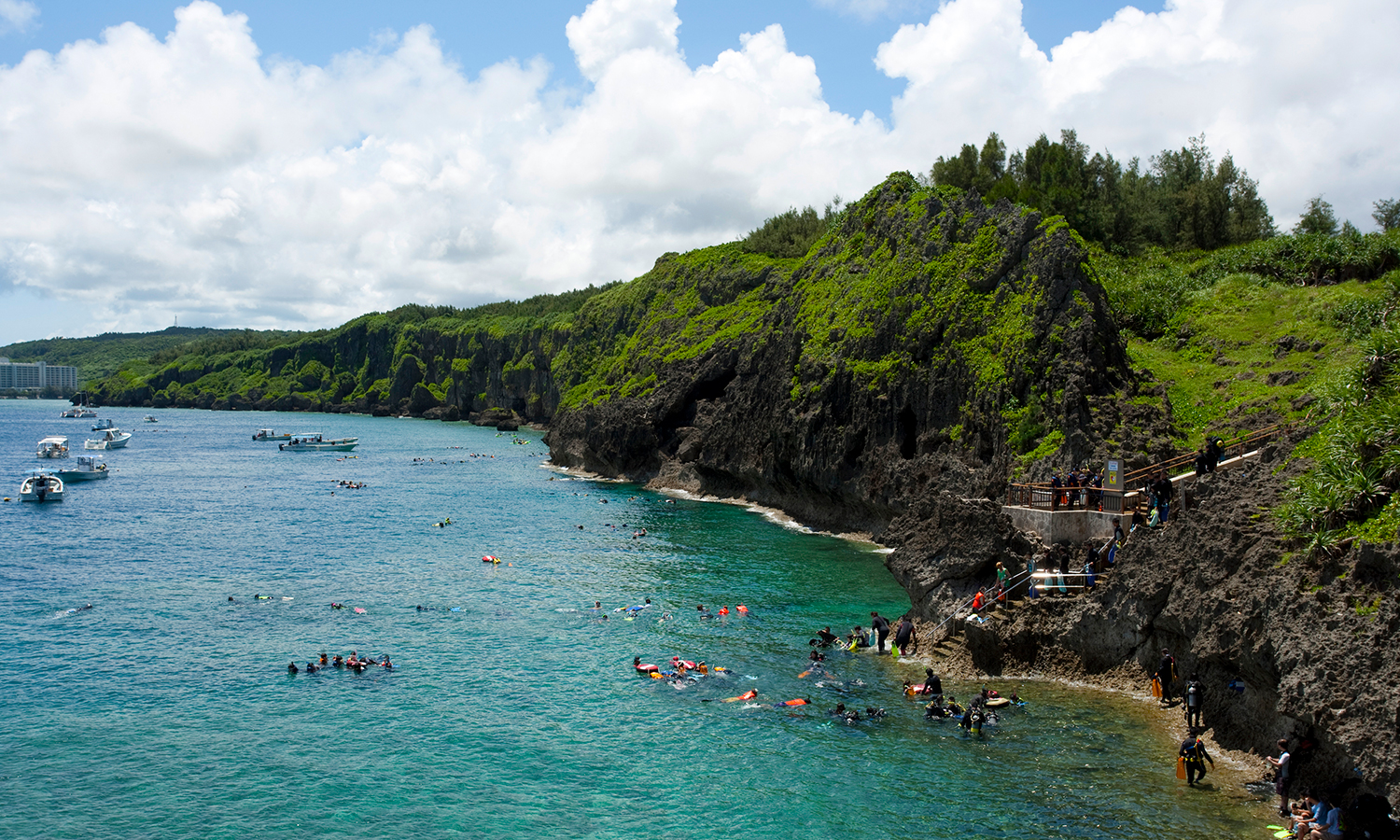
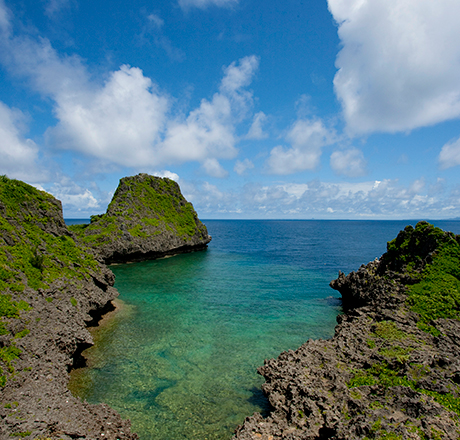
Cape Maeda is known by local Okinawans as a soul healing spot. The cape, which is located on the west coast of the main island is a coral plateau where huge rocks lie amongst the tip of the cape with a raised coral reef surrounded by Okinawa’s crystal-clear waters.

Scuba divers from across the world are attracted by this fascinating location with its calm sea and the undulating geographical features below. The reef’s shallow area has a sudden downfall, which is one of the many reasons scuba divers visit. There is also a variety of fish to see including flying fish, butterfly fish, damselfish, and clownfish.

One of the must-see spots at Cape Maeda is the Blue Cave (Kumagaa Gama) which is located just below the cliff. In the cave, the ocean sparkles with a stunning cobalt blue colour. It can become quite crowded but is definitely worth the effort. If you don’t wan to be swamped by other snorkellers and swimmers a weekday visit is an option.

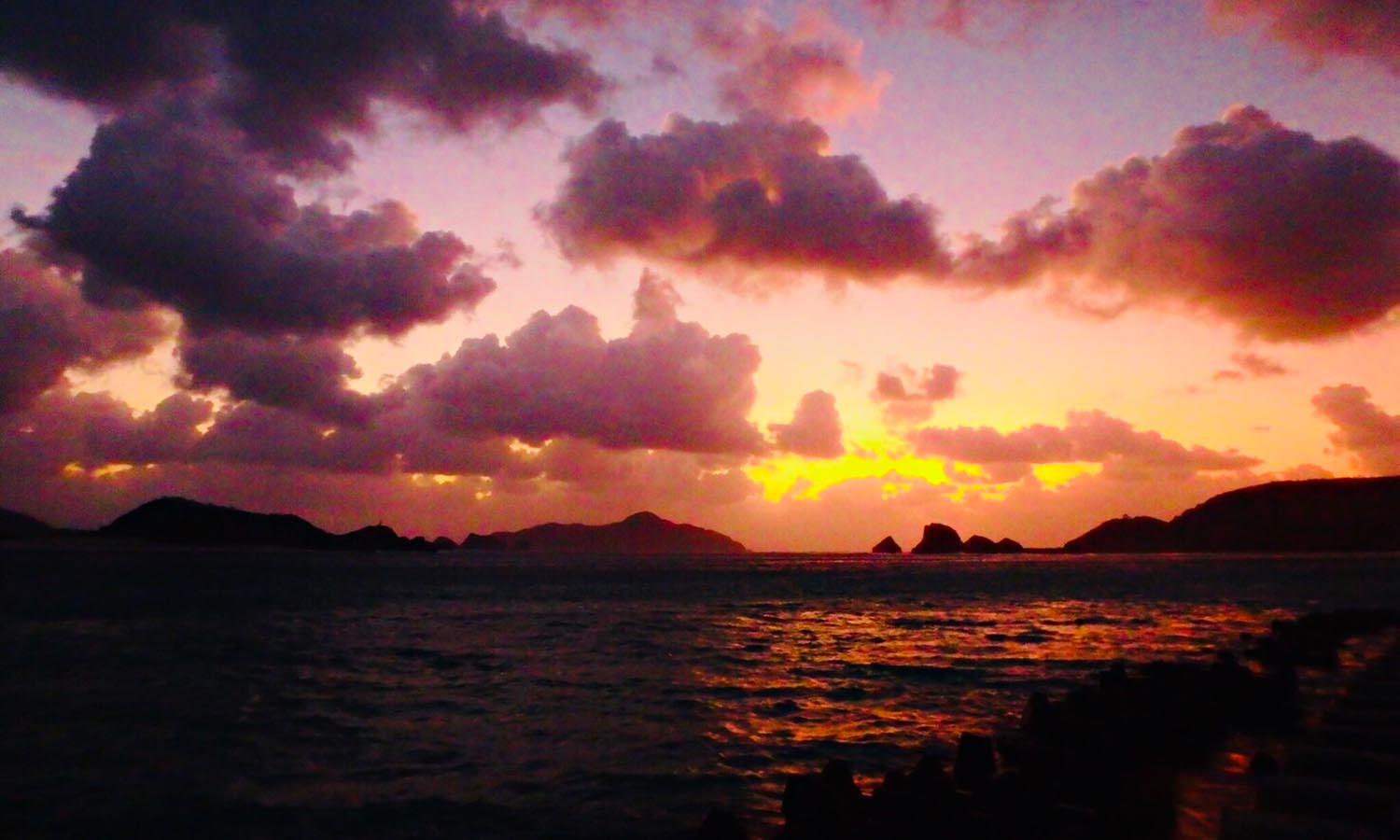
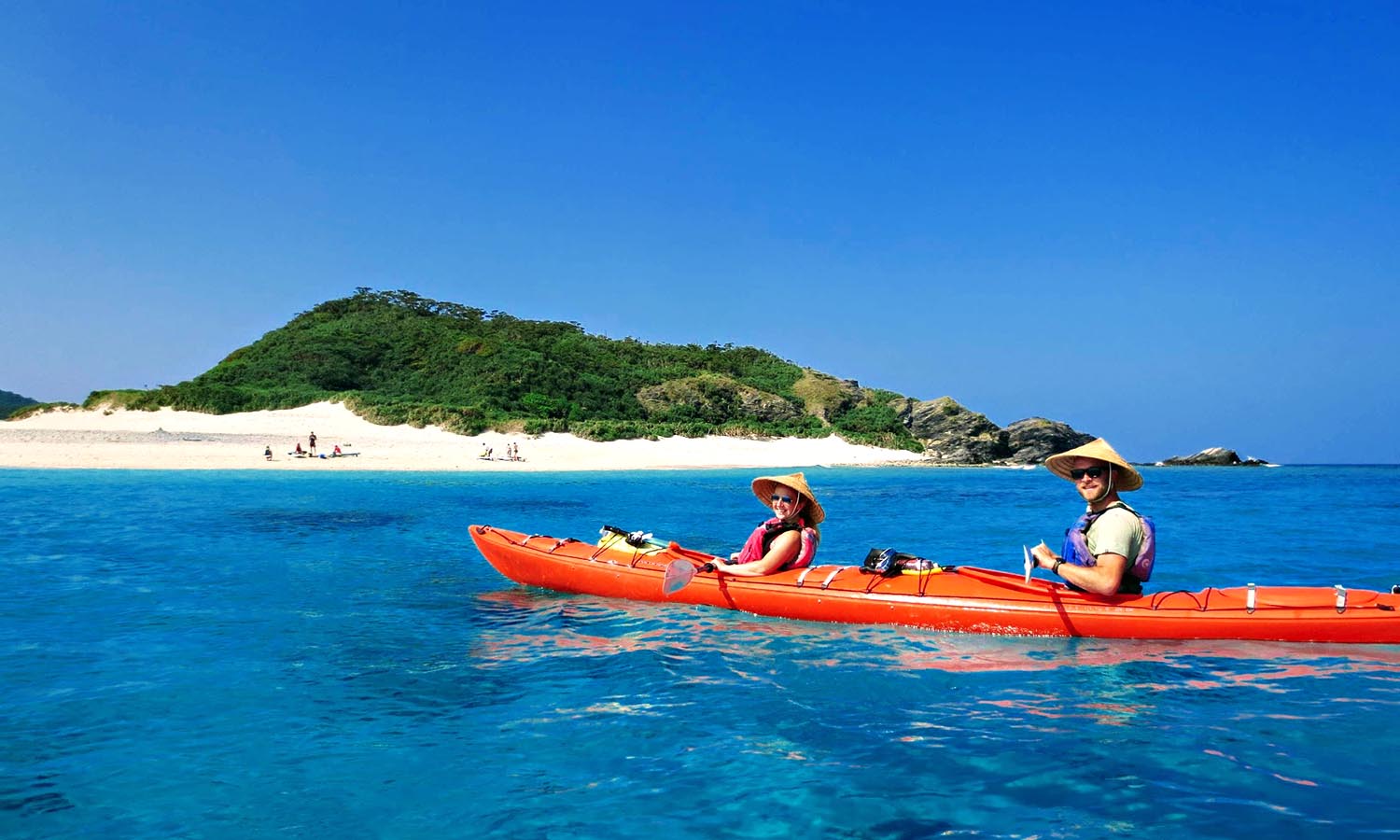
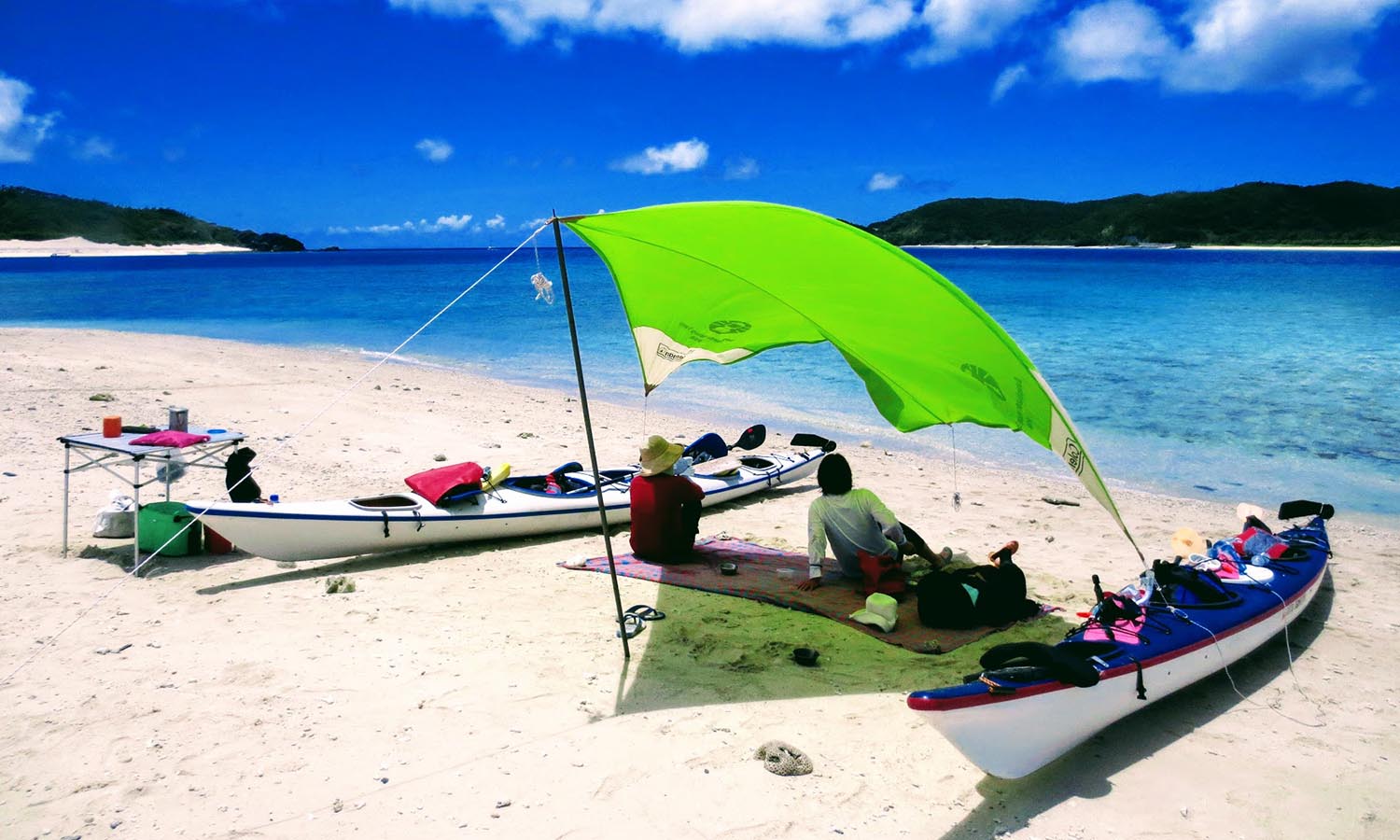
If diving is not your thing, you can also access the cave with kayaks so that you can also enjoy the scenery. If time permits, the sunset from the cape is also equally as stunning and worth witnessing. With an abundance of natural beauty, centuries old Ryukyu culture and many untouched regions to explore, Okinawa makes for an ideal post pandemic escape.

Discover the Primeval Forests of Yanbaru

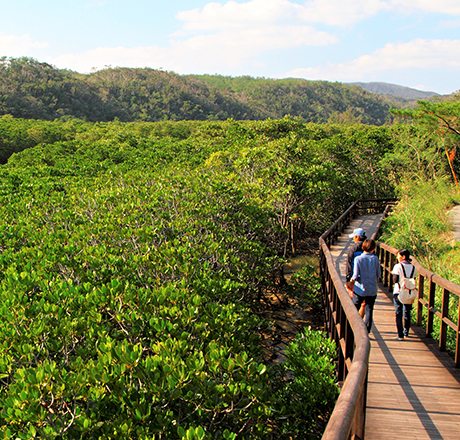
Known as the Oriental Galapagas, the sub-tropical Forest of Yanbura is filled with many endemic species of birds, indigenous animals and plants and surrounded by mangroves, waterfalls, and indigenous wildlife. Yanbaru is the perfect destination to immerse yourself in an idyllic and uncrowded landscape.

Nominated as a UNESCO World Heritage site, Yanbaru spans the northern villages of Higashi, Kunigami, and Ōgimi and contains some of the last large surviving tracts of subtropical rainforest in Asia. Take one of Yanbaru’s many hiking trails to enjoy the subtropical flora such as the Okinawa Chestnut, the small-leafed Banyan tree, many ferns and orchids, living fossil cycads, and the famous towering Okinawa Urajirogashi tree on Mt. Ibudake.

Okinawa is a treasure trove of wild birds and a sanctuary for bird watchers. The Okinawa rail, or “Yanbaru Kuina” in Japanese, is the rarest of all and was registered as a Natural Monument of Japan. This wild bird only lives within the Yanbaru region and unlike other birds, it cannot fly and so it has to jump up into the trees to sleep.

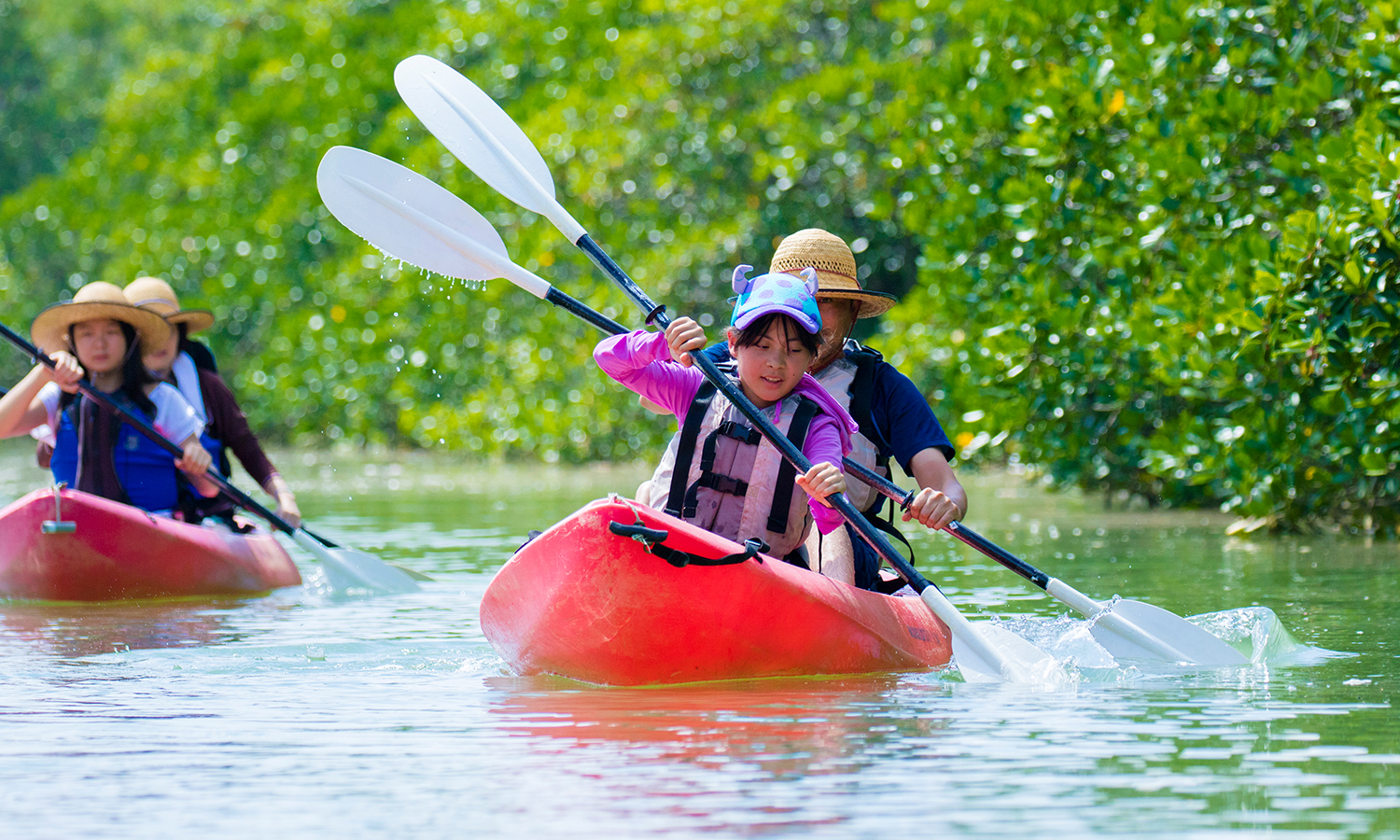
Visitors can explore the mangroves by taking its elevated walkways or for those more adventurous can partake in a guided kayak tour on the calm waters of Gesashi River. Night hiking tours are also available.

Explore Deep Ryukyu Culture in Nakijin

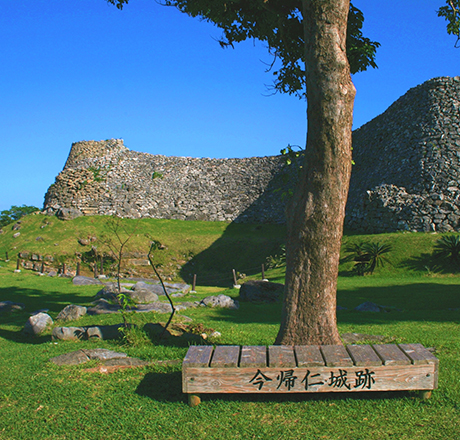
The late 13th century Nakijin Castle is a sprawling fortress located on the Motobu Peninsula of northern Okinawa Honto that represents five hundred years of Ryukyu culture and history.

Nakijin Castle was a castle of the Hokuzan’s King who ruled the area from northern Okinawa to the Amami Island region. Such is the importance of the castle that it was deemed a world heritage site in 2000.

The length of the castle wall is 1.5 kilometres, and the height is 8 meters tall at the highest place, and the scale of the entire castle makes it the 2nd biggest castle behind Shurijo Castle. The castle wall was built with the oldest known construction technique Nozura-zumi. This technique utilises the rocks’ natural shape to pile them up giving the wall a rough, natural appearance. The stones appear to be piled up randomly, but the technique makes use of stone groupings and gravity to create a resilient wall.

Spend half a day exploring the ruins and walking across the undulating wall, soaking up the rich history and surroundings. Take in the stunning view of the East China Sea. There is also the Nakijin Village History and Culture Center with a small museum displaying items unearthed on the castle grounds, such as Chinese pottery, coins and documents.


Eating for Longevity in Okinawa

It’s no surprise that Okinawa is one of the world’s five “Blue Zones” of longevity meaning that thousands of centenarians live healthy, (currently more than 400) happy lives in the middle of peaceful and abundant nature consuming a healthy diet.

With very low rates of cancer, diabetes and cardiovascular disease, Okinawans incorporate three key elements that support their healthy diet: the approach to food, simple recipes and superfoods.

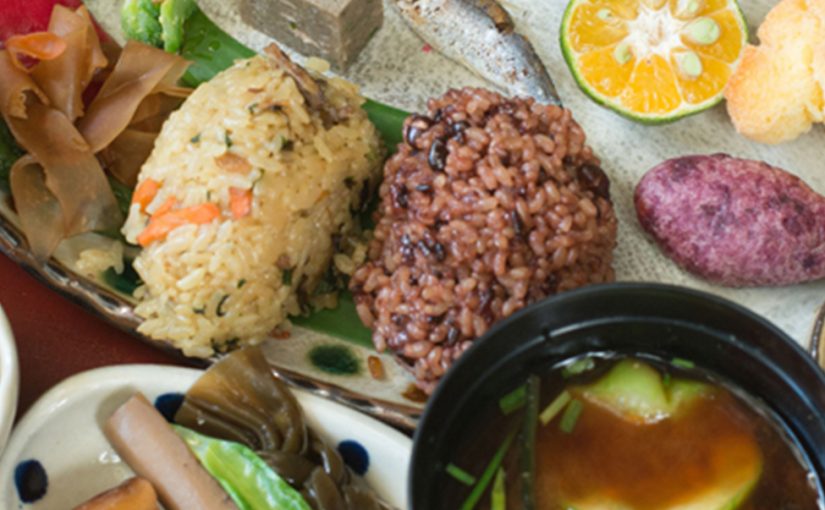
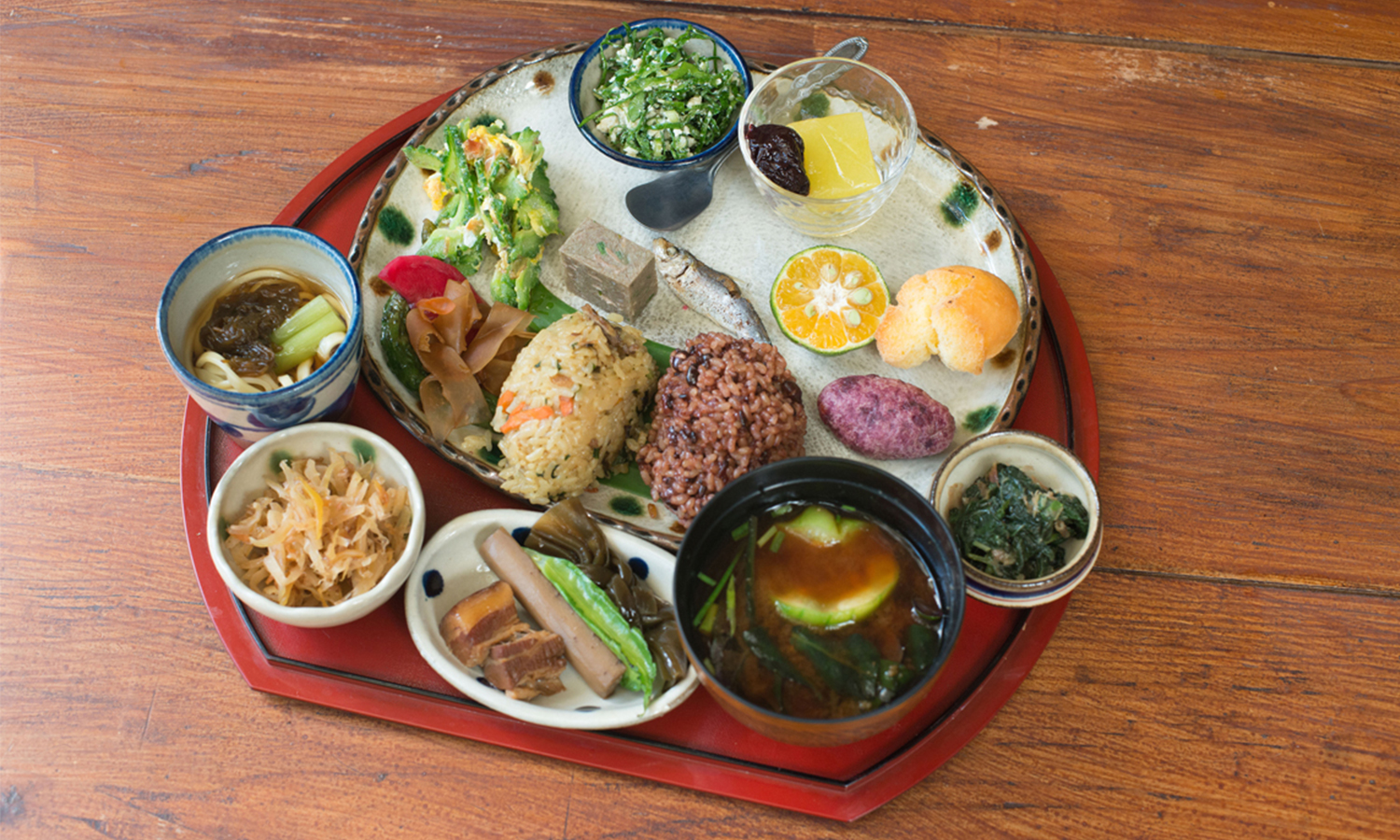
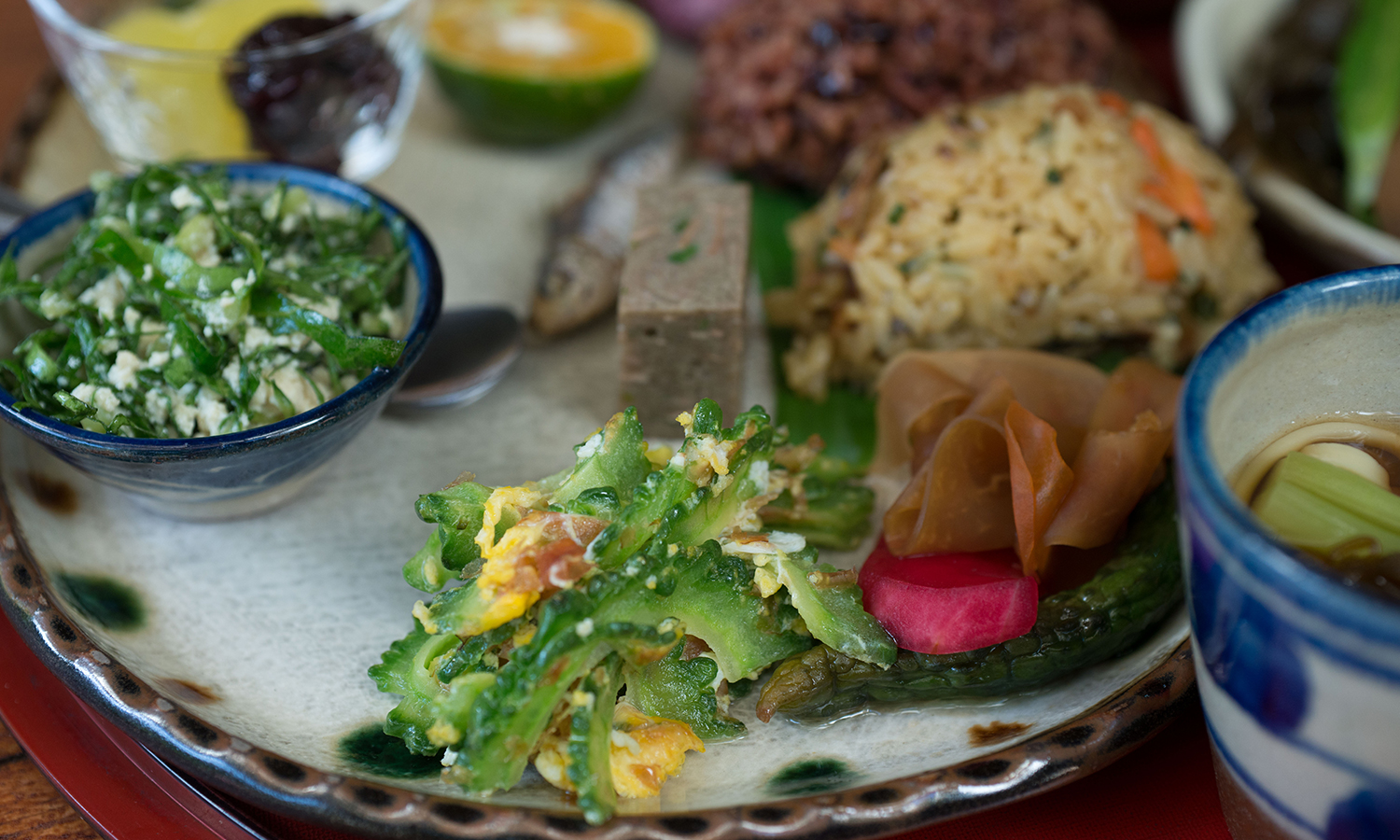
In Okinawa, a healthy diet is considered to have the same benefits of traditional medicine and a balanced diet leads to having a healthy body. The simple yet nutritious recipes provide Okinawans with a good nutritional balance. With Okinawa blessed by the sun and sea, there are many superfoods grown locally that are key to their diet, including shekwasa citrus fruits, umibudou seaweed, purple sweet potato, shima tofu, mozuku seaweed are key to this.

The famed farm-to-table restaurant Emi no Mise in the town of Ogimi specialises in the culture of Okinawan longevity cooking. A must try is the Choujuzen ‘longevity food-lunch’, which is nutritionally rich in superfoods such as mozuku, goya, shikuwasa and local fruits and vegetables. When you finish your meal, don’t forget to say Kusunaibitan (that was good medicine)!

Keramashoto National Park

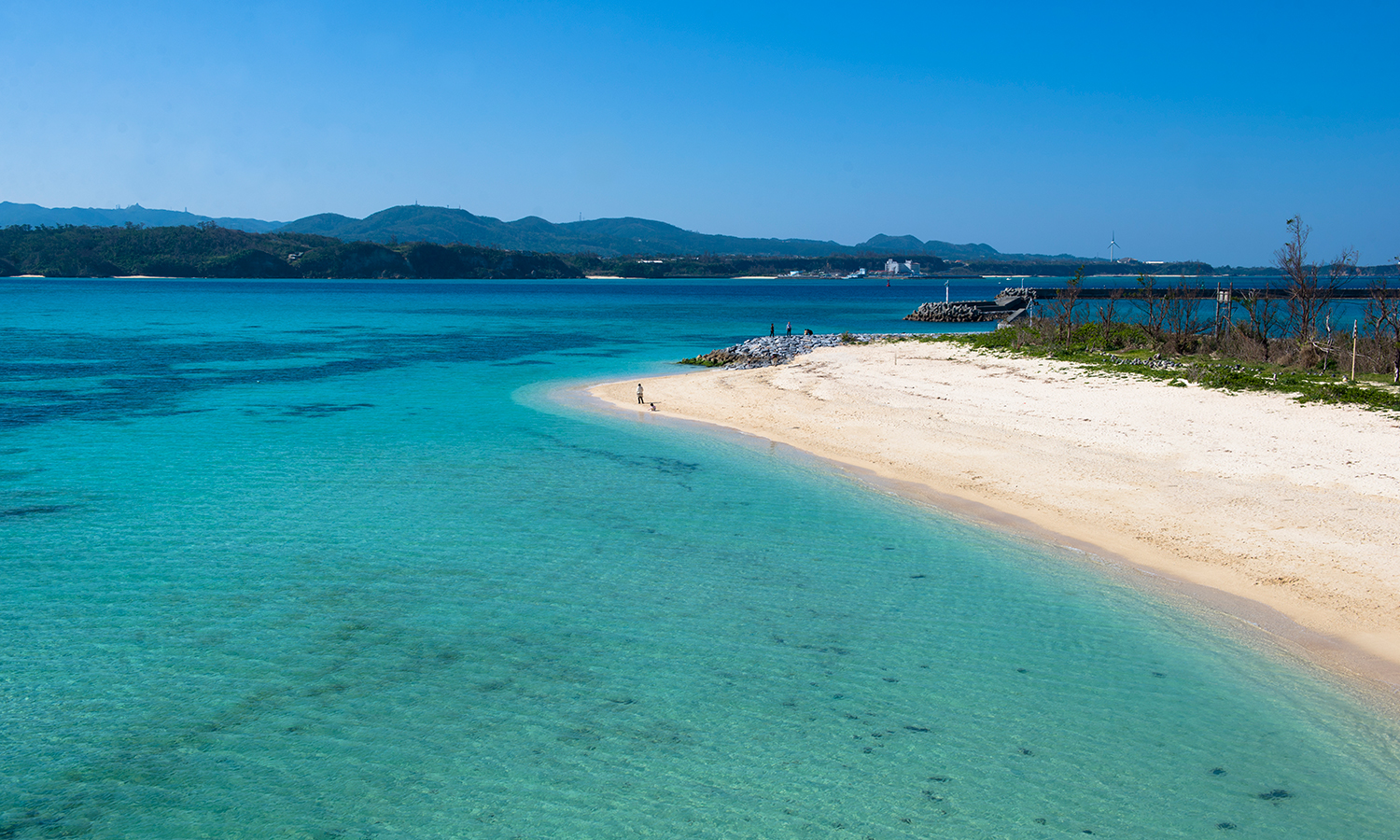
Located in Japan’s tropical southern islands, Keramashoto National Park in the Okinawa Prefecture is an island paradise with blue seas, pristine sandy beaches, and whales waiting offshore.

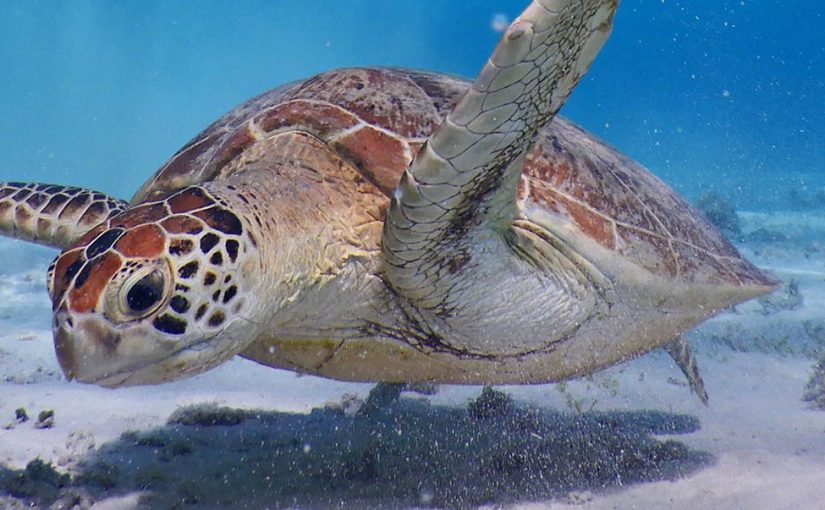
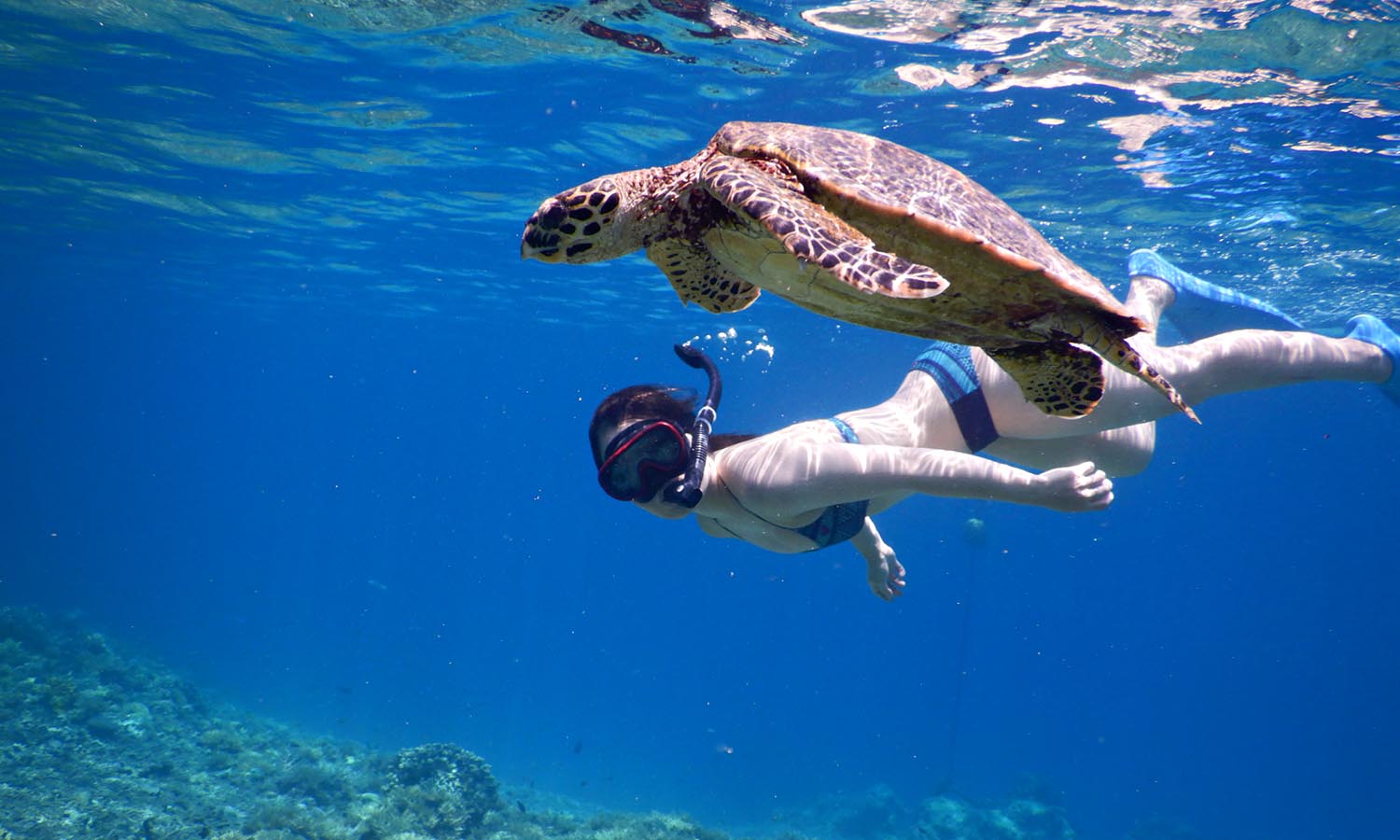
With more than 30 large and small islands and countless rock reefs, Keramashoto National Park’s feature is its beautiful glistening sea, referred to locally as “Kerama Blue”. One of the most popular attractions at Keramashoto is snorkelling with sea turtles. Take a snorkelling tour led by a local guide and experience sea turtle behaviour – you’re almost certain to encounter a sea turtle every time!

As well as its natural beauty and plethora of activities, the Kerama Islands also offers visitors an opportunity to experience traditional island customs and culture. Known for their delicious local food, Okinawans also have a custom called yuntaku where family and friends gather in shaded places to chat and relax, and visitors can experience their own “island time” as they admire the idyllic landscape. 

There are several walking tours available where you can enjoy the tropical scenery of the Kerama Islands or soak up the stunning view of the Kerama Blue from Aka Ohashi Bridge and Geruma Bridge. Spectacular scenery includes Rhododendron scabrum in the early spring, Japanese bayberry, and the Kerama Blue viewed from Aka Ohashi Bridge and Geruma Bridge. You may encounter Kerama deer, and other animals as well as humpback whales, and sea turtles on your journey.

Whale watching at a rare breeding ground for humpback whales is also a major drawcard at Keramashoto National Park. Observe mother whales raising their calves and watch in awe at their impressive performances from aboard a boat.

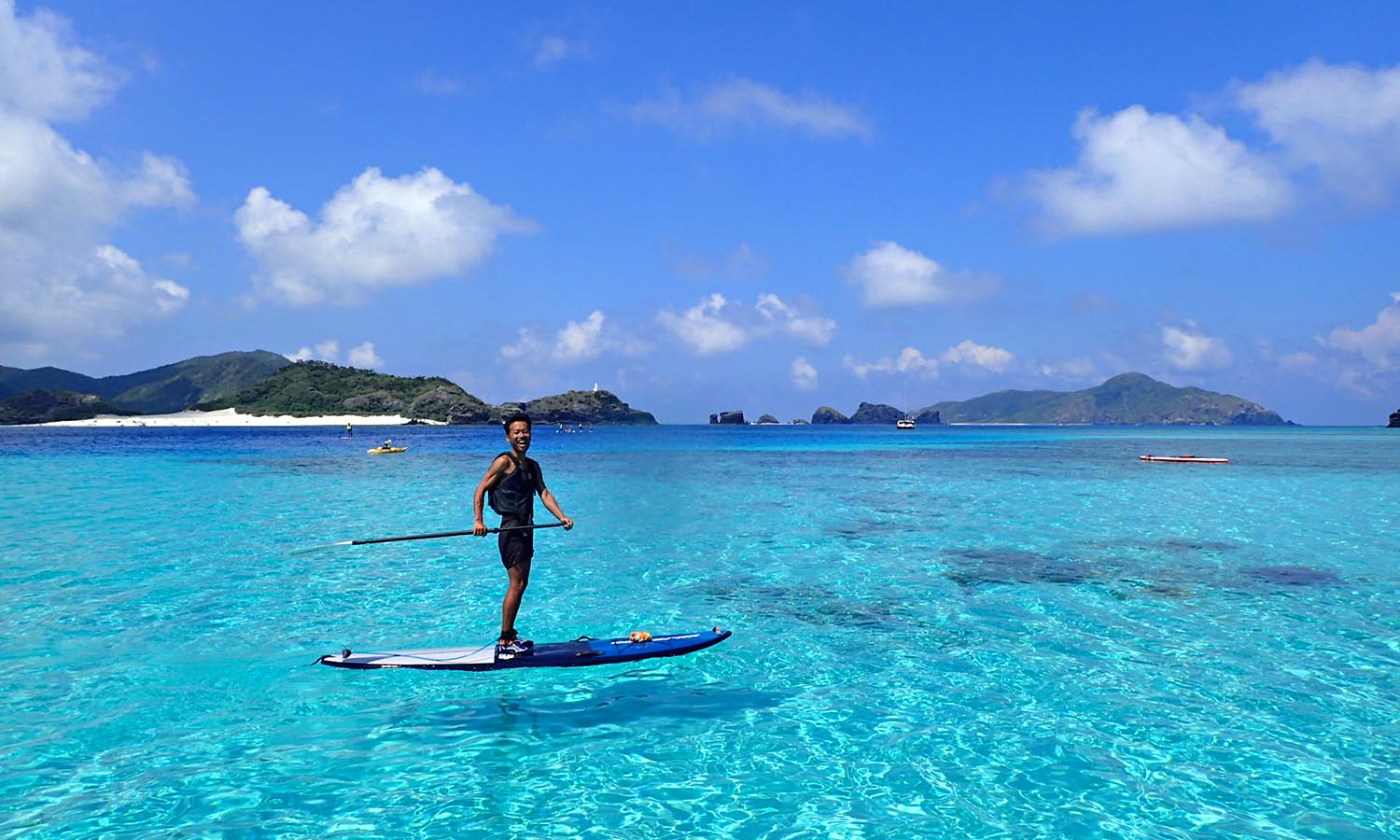
No trip to Keramashoto National Park is complete without stand up paddle boarding at sunset enjoying up the Kerama blue. If balancing is an issue for you, soak it up from the shore!

Chubusangaku National Park

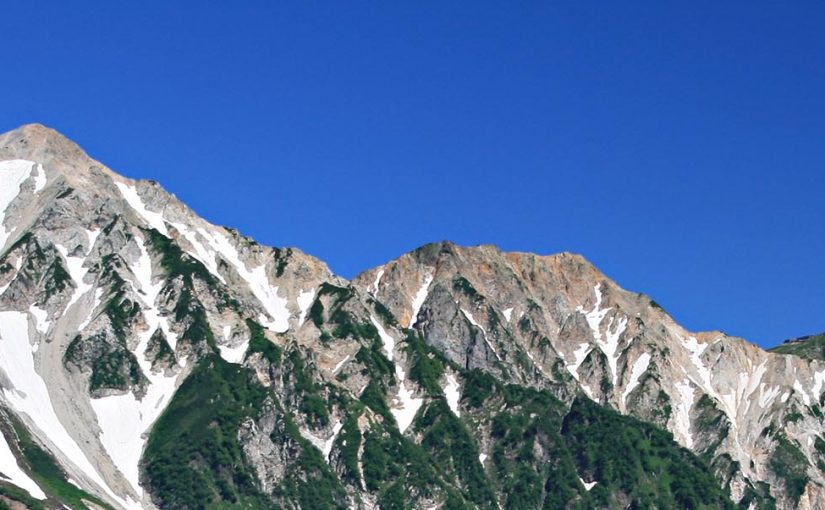
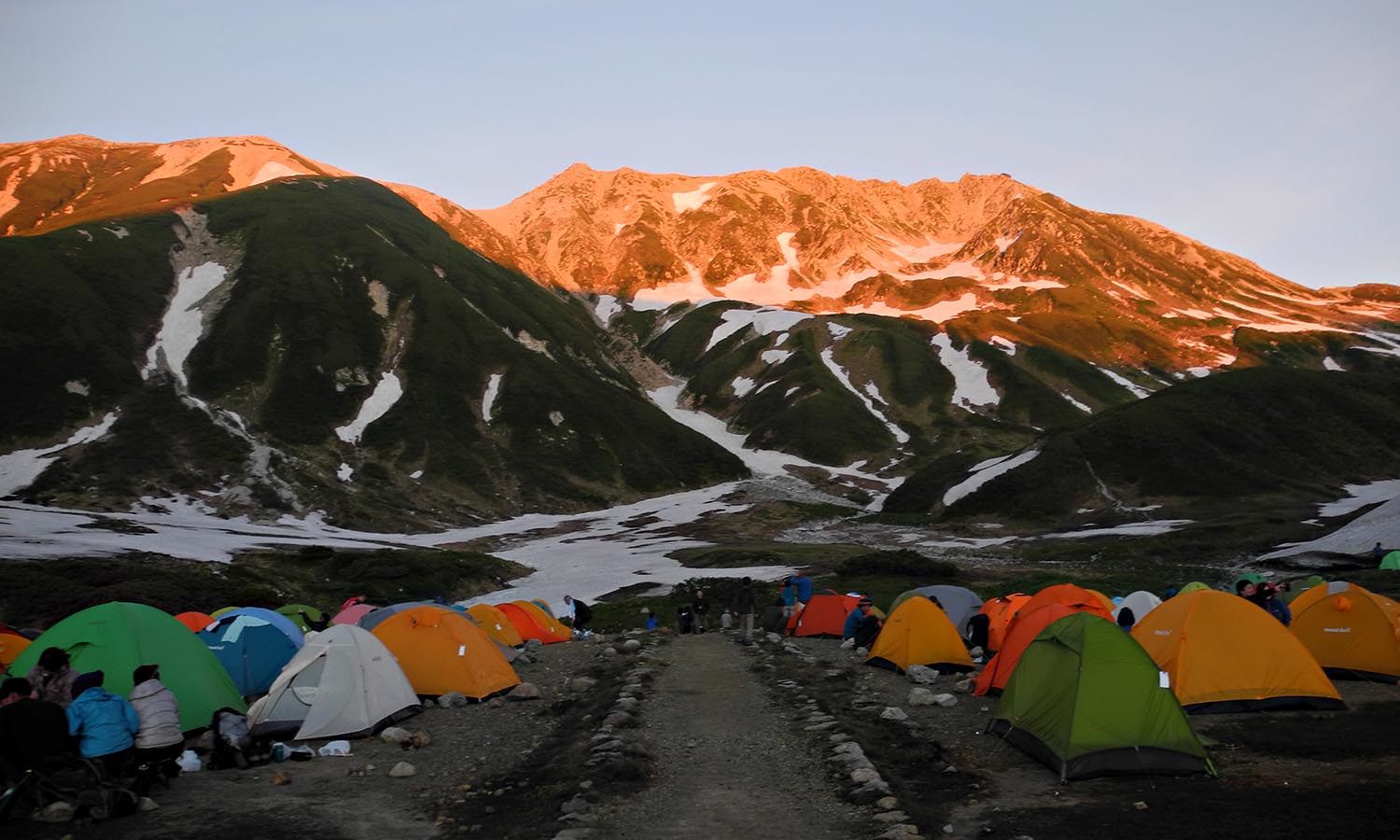
Explore the Japanese alps of Chubusangaku National Park and discover breathtaking mountains covering the entire Northern Alps region of Japan.

Chubusangaku National Park is made up of a number of mountains rising 3,000 meters above sea level. To acquaint yourself with the area, an eco-tour from Taisho Pond to Kappa Bridge with a local guide is highly recommended and you’ll get an insider’s perspective about Kamikochi’s nature.

Mountain hiking tours of the Japanese Alps and group tours are also available and many tracks are accessible via public transportation and visitors can enjoy a view of the mountainous landscape and observe various alpine animals and plants without any strenuous hiking.

For something special for the whole family, the frozen Zengoro Falls; one of the Three Waterfalls of Norikura, at night is a must visit! The night tour includes lighting equipment to illuminate the frozen waterfall and the spectacular scenery accessible only with snowshoes.

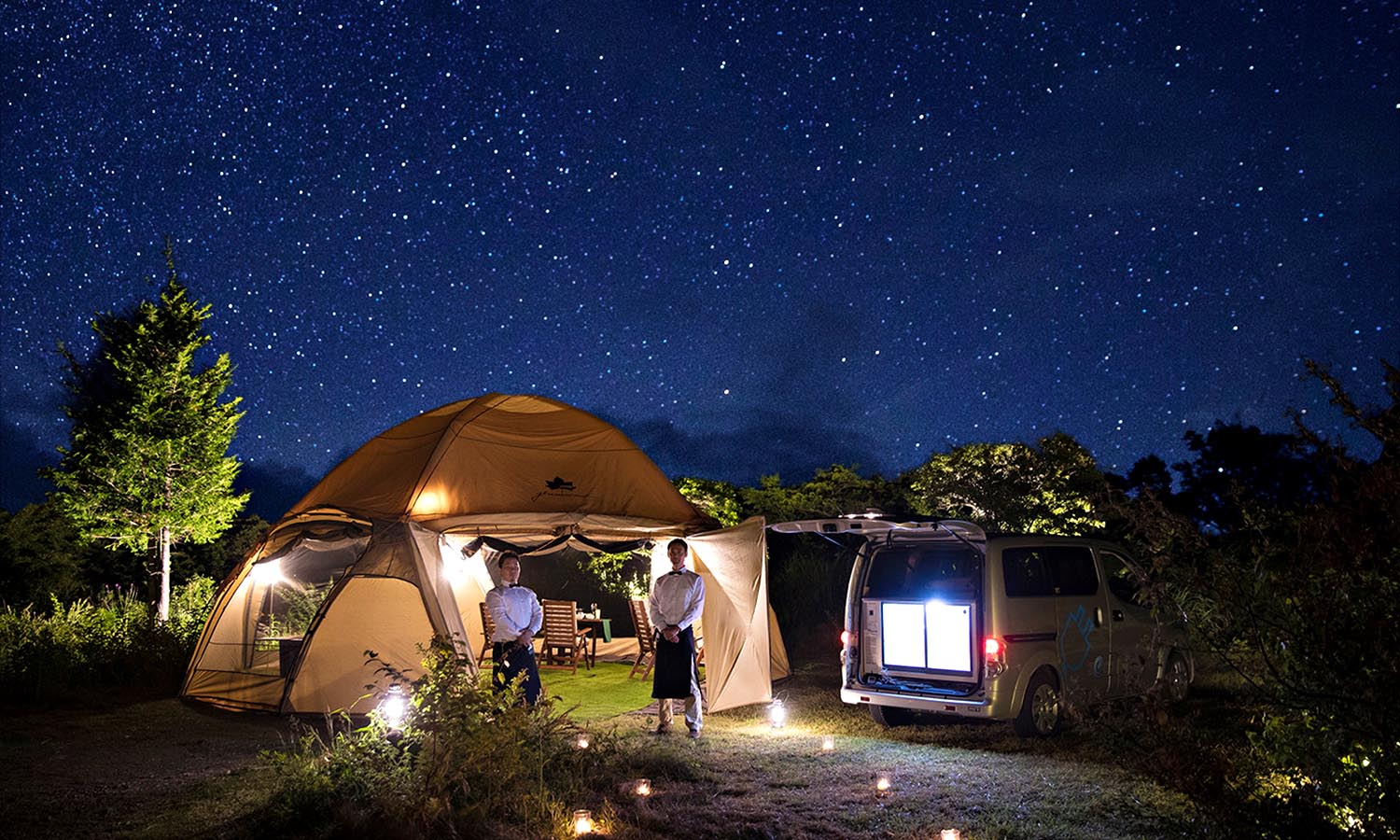
For those who can’t let go of creature comforts can enjoy high-quality local food and drinks amidst nature with a personalised star-gazing tour. The restaurant (yes you read correctly), is located in the lush nature of Chubusangaku National Park, and guests can relish in delicious alcoholic beverages made from nature’s bounties in the mountains and meals prepared with local ingredients.

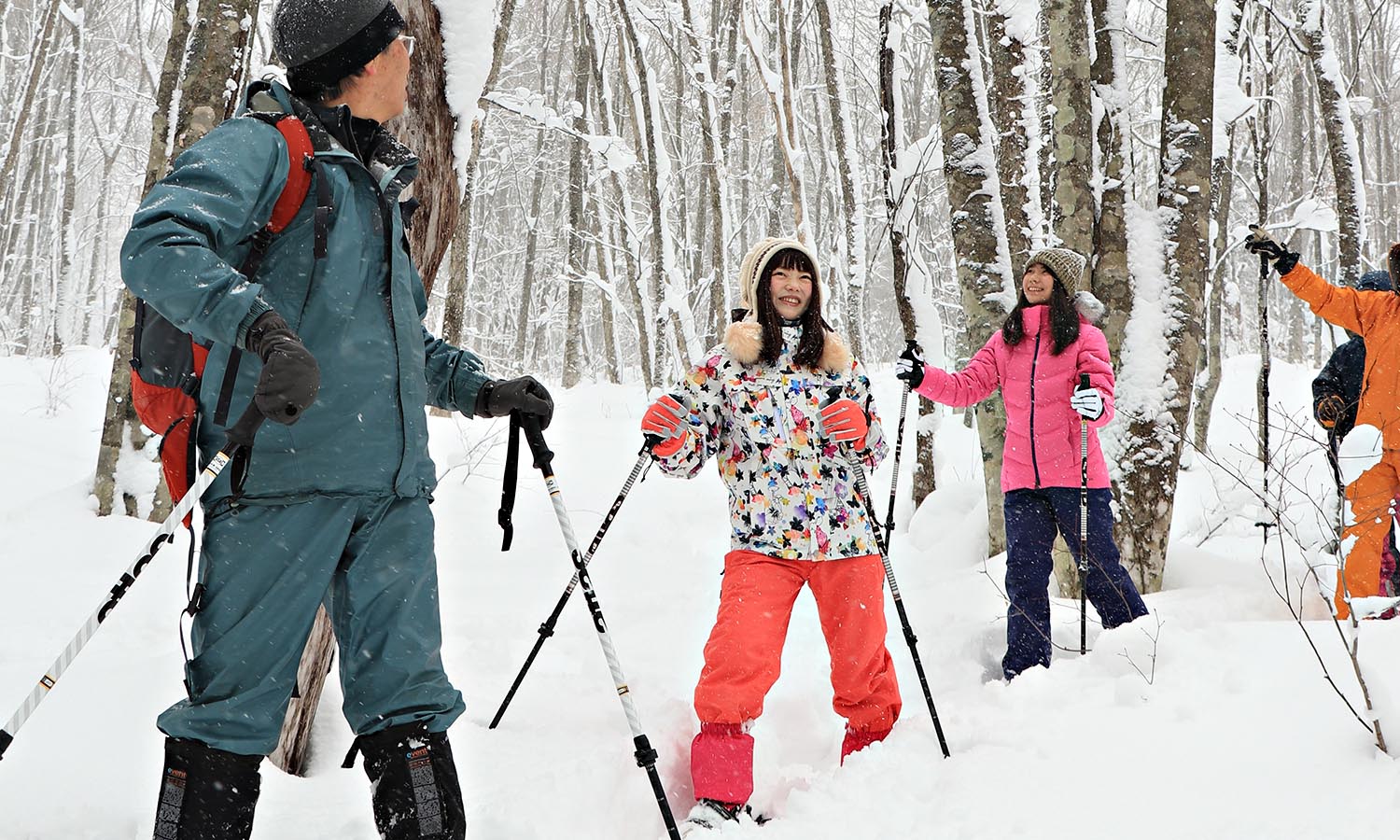
A snowshoeing tour of the snow-covered Alps is available dependent on the weather and snow conditions, but the Kamoshika (Serow) ski slope course, which is 1,700 meters above sea level, is a popular choice, as well as the frozen Hirayu. After a hard day snowshoeing, refresh the body and soul in the free-flowing hot spring water of Hirayu Onsen.

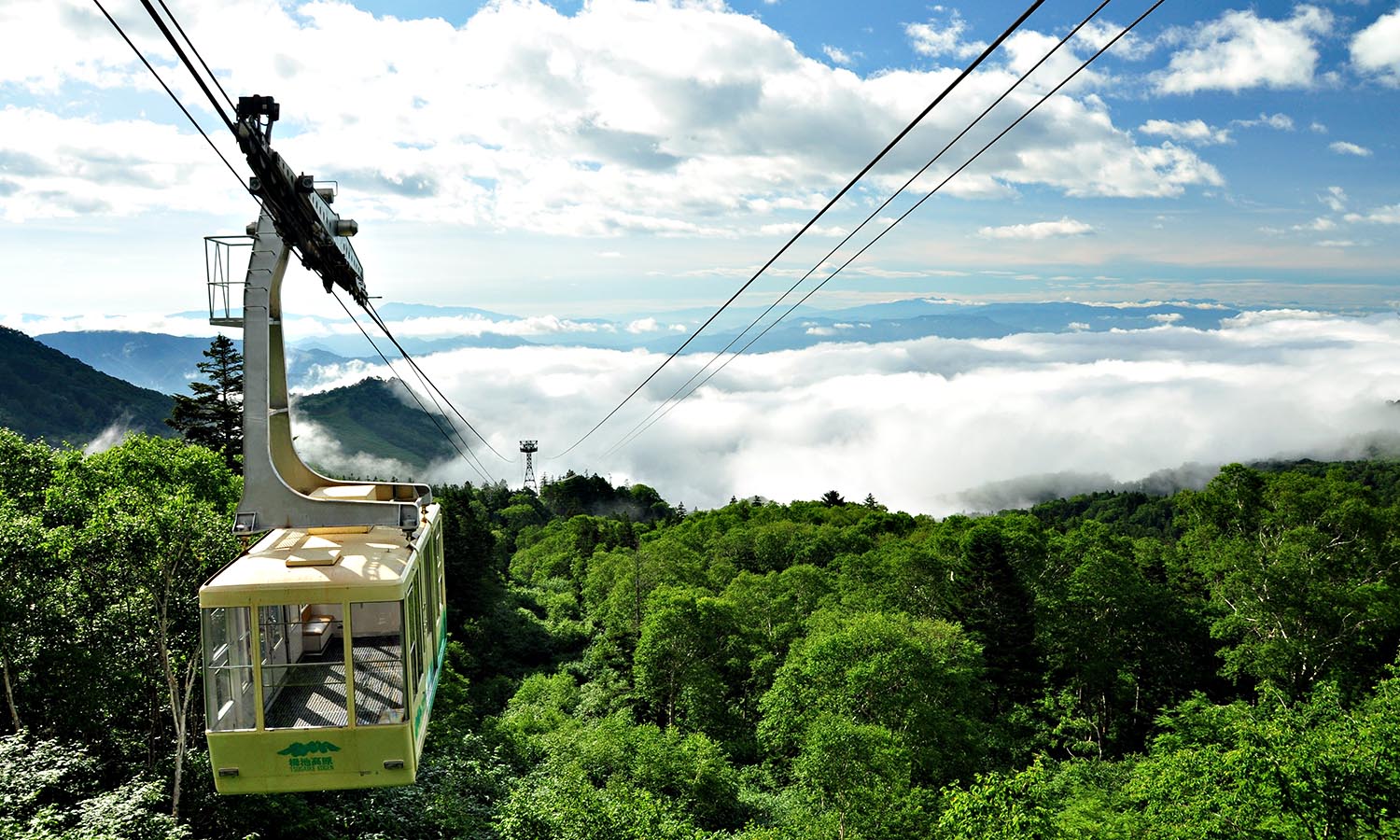
For amazing views, take the Shinhotaka Ropeway, running in the Alps and located in Okuhida Onsengo Hot Spring Village, famous as one of Japan’s best onsen resorts.