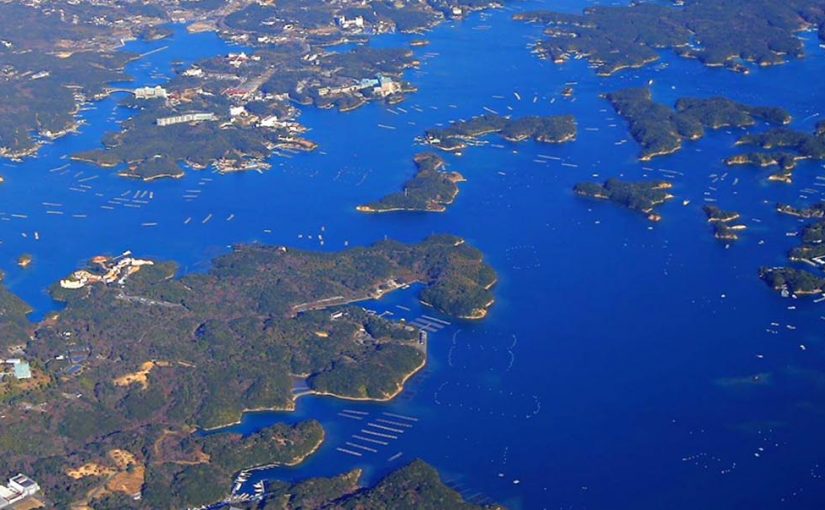
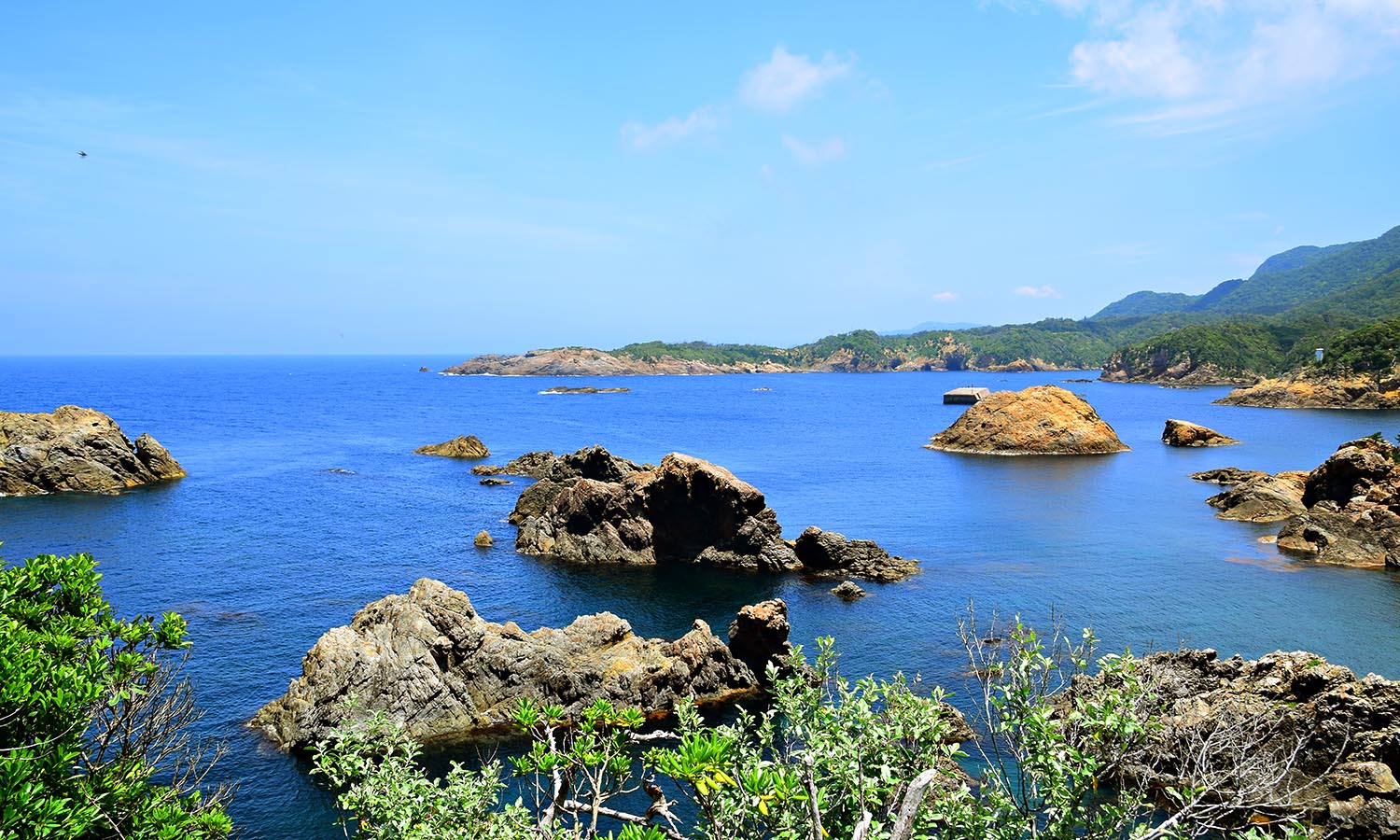
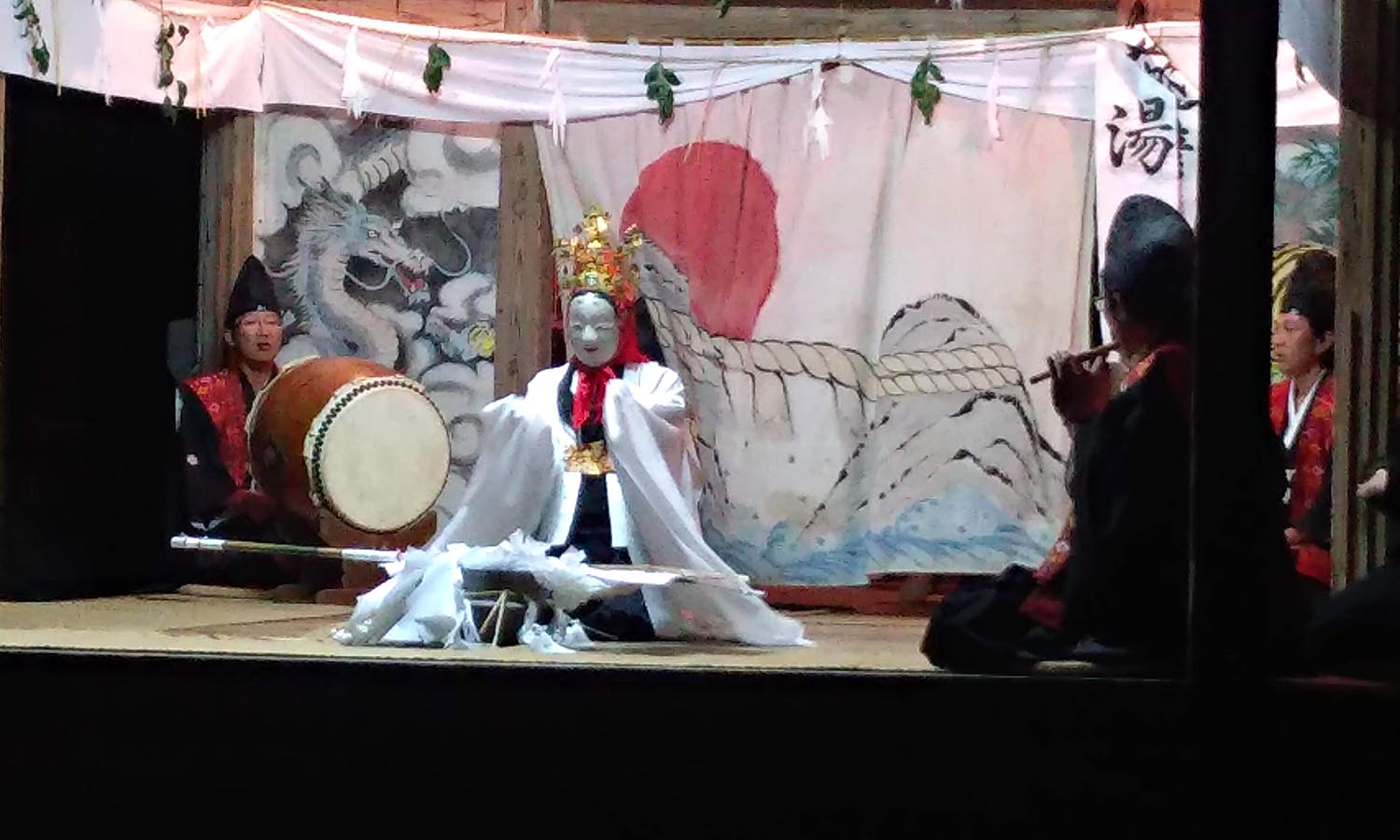
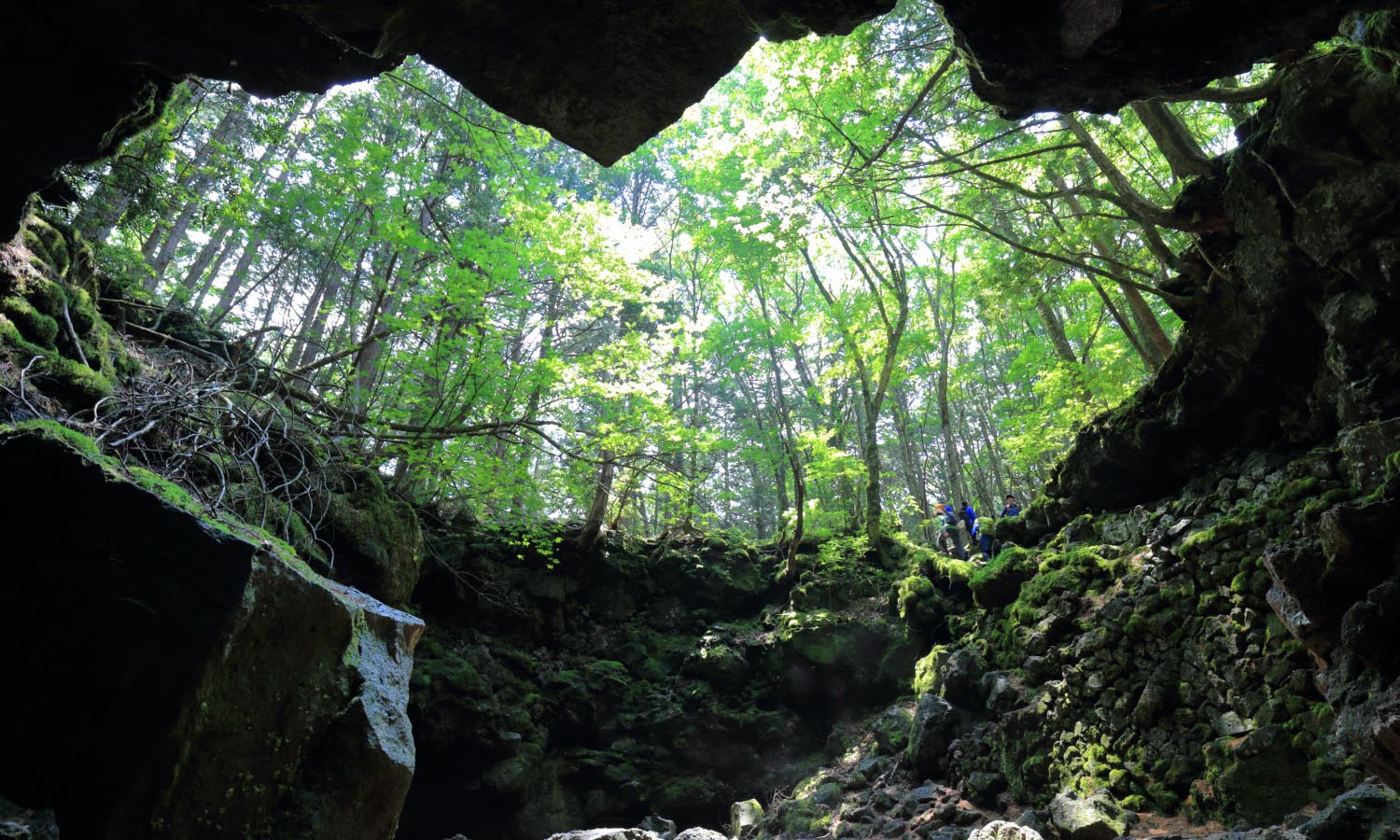
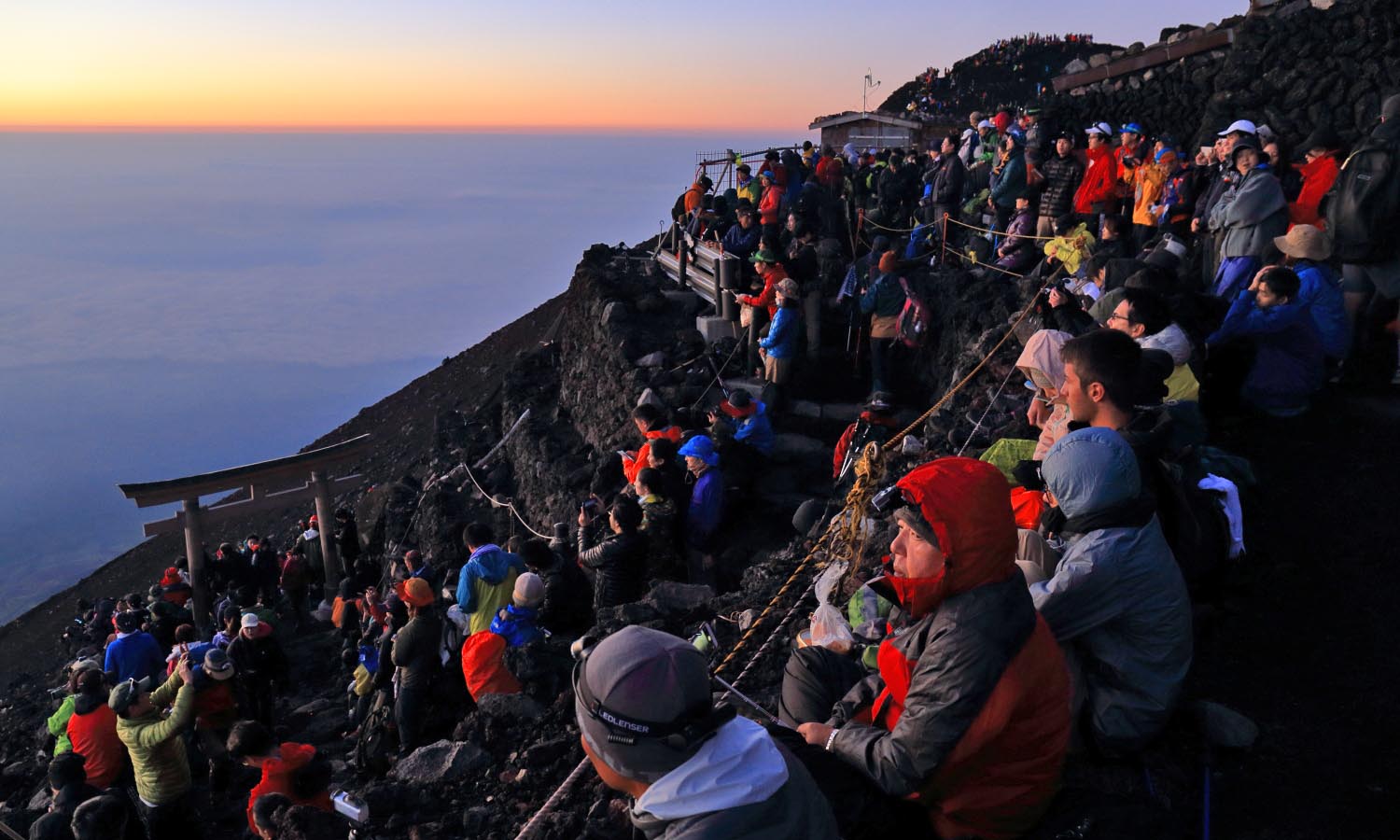
Ise-Shima National Park is a natural marine park that features the historical site of Ise Jingu Grand Shrine and the picturesque coastal route on Shima Peninsula, located in Mie prefecture in Western Japan.
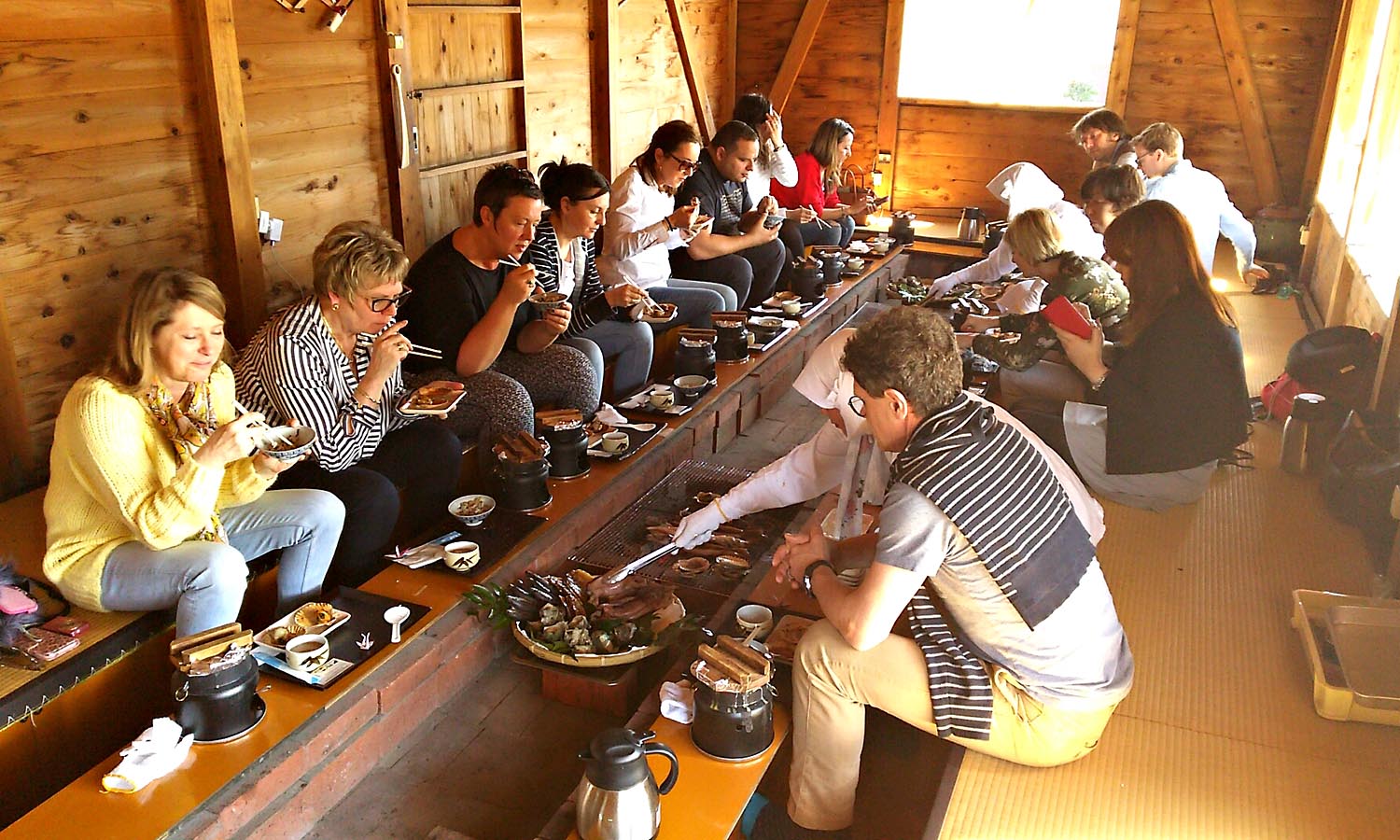
Ise Shima National Park is a combination of natural beauty combined with ancient tradition and age-old cultural practices. The interaction between people and nature is profound in the region and can be observed in the ancient tradition of the female ama divers. The ama is a 3,000-year tradition where divers free dive into the water from a boat to gather shellfish and seaweed. For an extra treat, you can enjoy a seafood lunch grilled by ama divers in an ama style hut.
Toba contains Mikimoto Pearl Island, which offers a pearl museum and demonstrations by its famous ama divers, as well as the Toba Aquarium. In Kashikojima, there are boat trips around Ago Bay and for a wider view of the 60-plus small islands, head to the Yokoyama Observation Deck, which is accessible by taxi or a 40-minute walk.
.
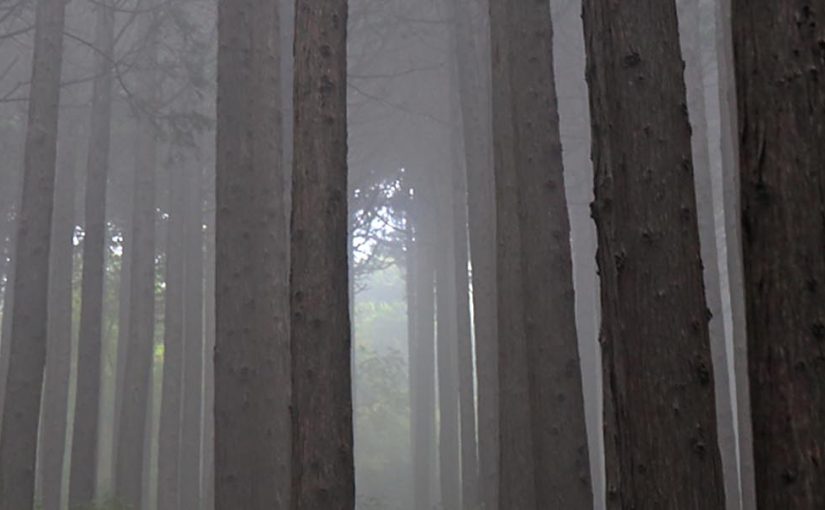
For those wishing to experience the essence of Shinto and Ise Jingu’s 2,000 years old-history must visit the Grand Shrine with its 125 shrines centered in and around Ise City. Surrounded by a dense forest of Japanese cypress, the Naiku (Inner Shrine) is most sacred and is reached by crossing Ujibashi bridge. In Shinto culture crossing that bridge symbolises leaving daily life behind and entering the spiritual world.
In the town of Ise, just a short walk from Ujibashi bridge, is the historic main street of Oharai-machi, once the main pilgrimage route leading to Ise Jingu during the Edo Period. The street is lined with Edo-era wooden buildings with many restaurants and shops. Try the Akafukumochi, a rice cake topped with a sweet red bean paste, which has been sold to worshippers on their way to Ise Jingu for more than 300 years.
Japan’s second largest National Park Bandai-Asahi includes the Three Mountains of Dewa, the Asahi, Iide, Azuma, and Adatera Mountain Ranges, Mt. Bandai, and Lake Inawashiro.
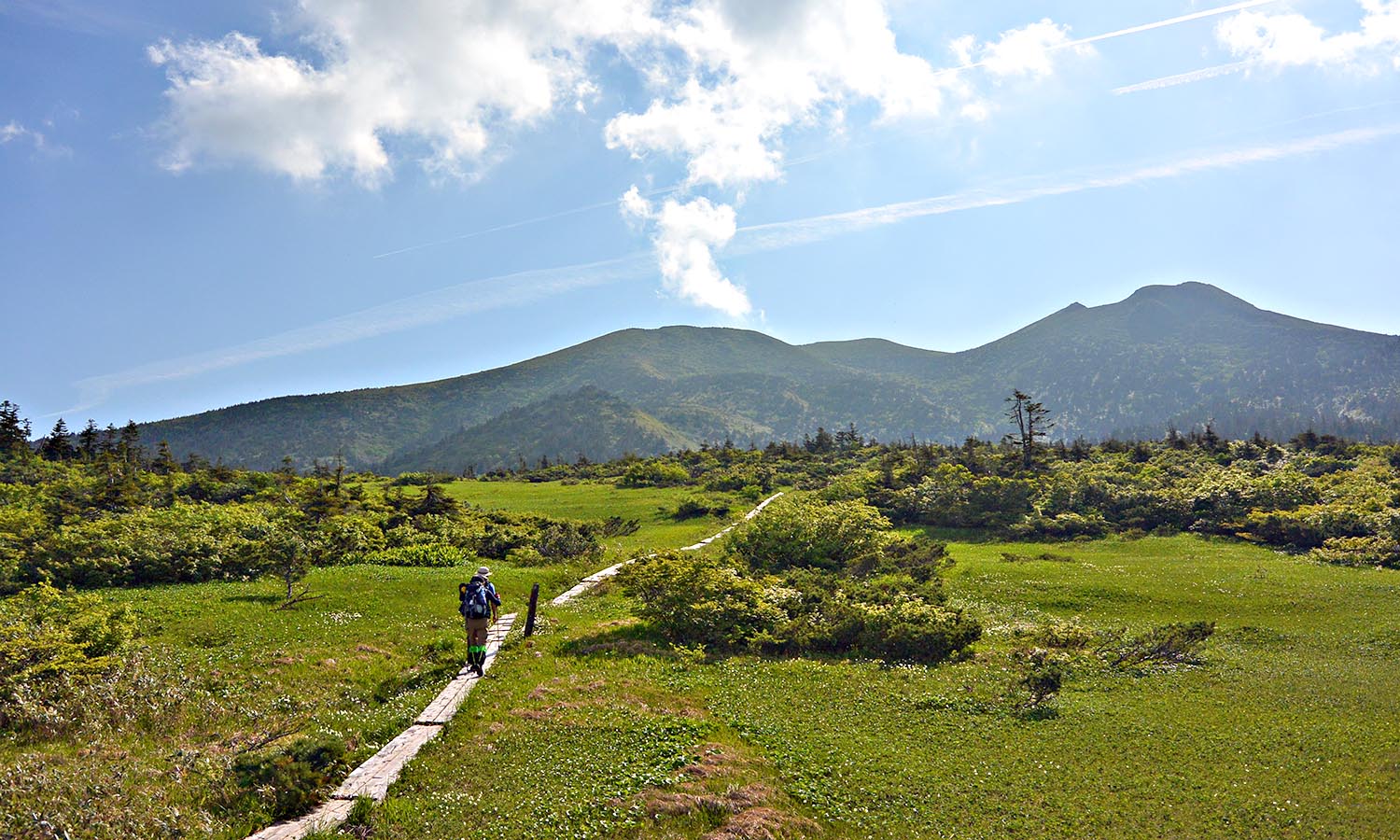
The national park has many mountains suitable for climbers of all levels with stunning scenery, hot springs, skiing in the winter months, and many other leisure activities for all ages.
The Three Mountains of Dewa are famous as places of mountain worship and historical importance. Azuma, Adatera Mountain Ranges, and Mt. Bandai feature stunning and rugged landscapes created by volcanic activity as well as beautiful, diverse scenery formed by lakes, ponds, and forests of various sizes. Urabandai is known for its various species of wild birds and visitors can enjoy birdwatching all year round.
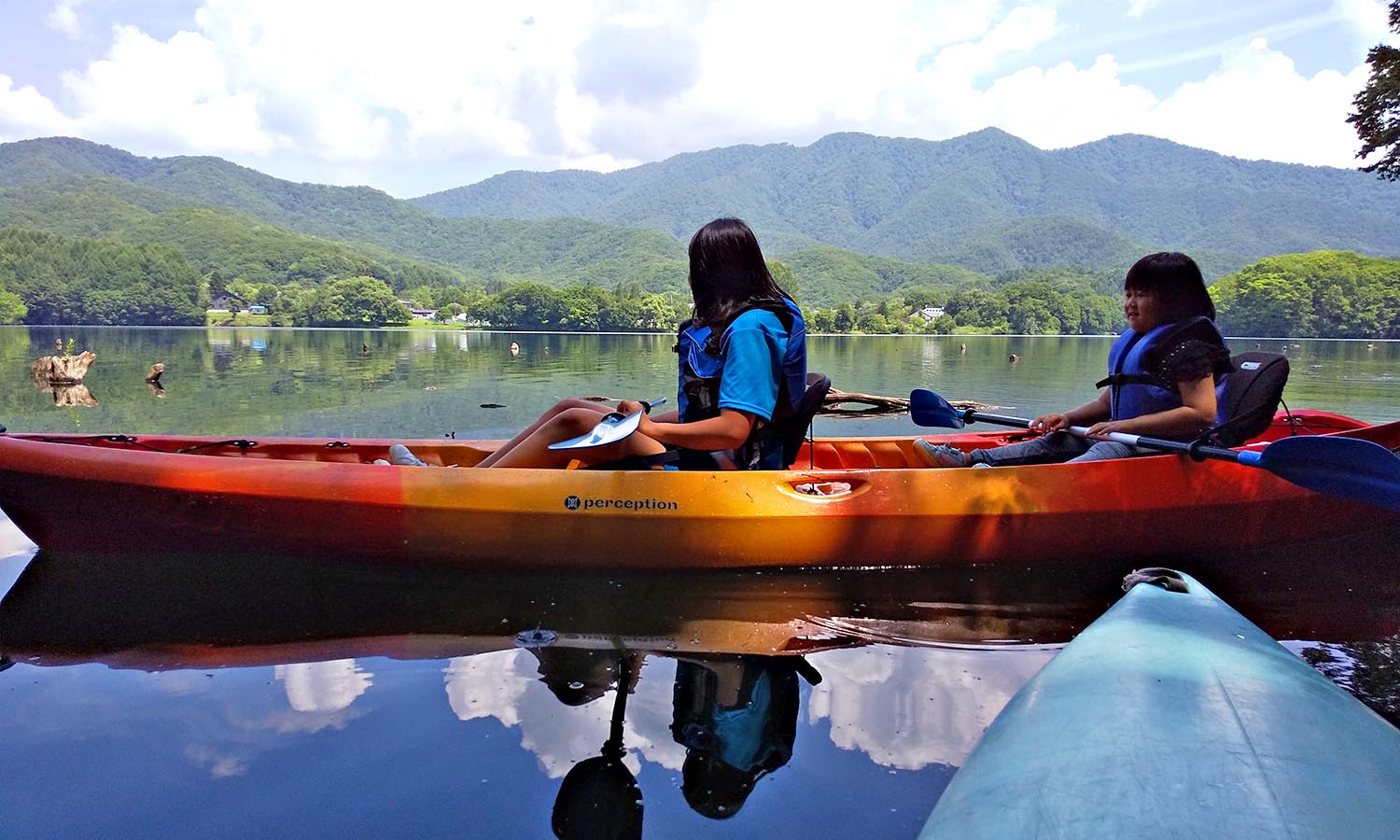
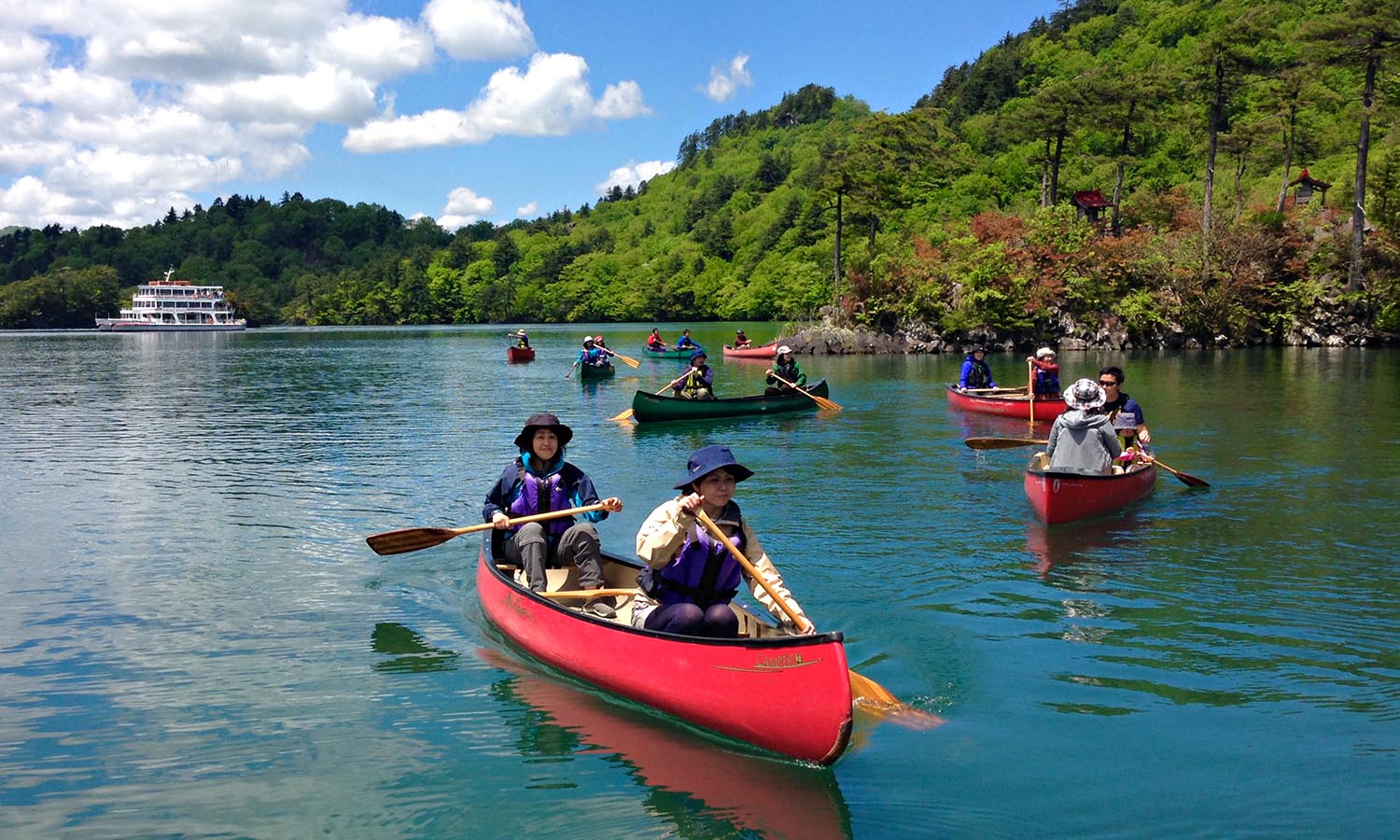
From late April to early November the best way to get around Lake Sohara and take in the stunning sunken forest is by kayak. The tranquility of the area can be fully appreciated on kayak and it’s the only lake in Urabandai where power boats are not allowed. Lake Hibara also has canoes for hire.
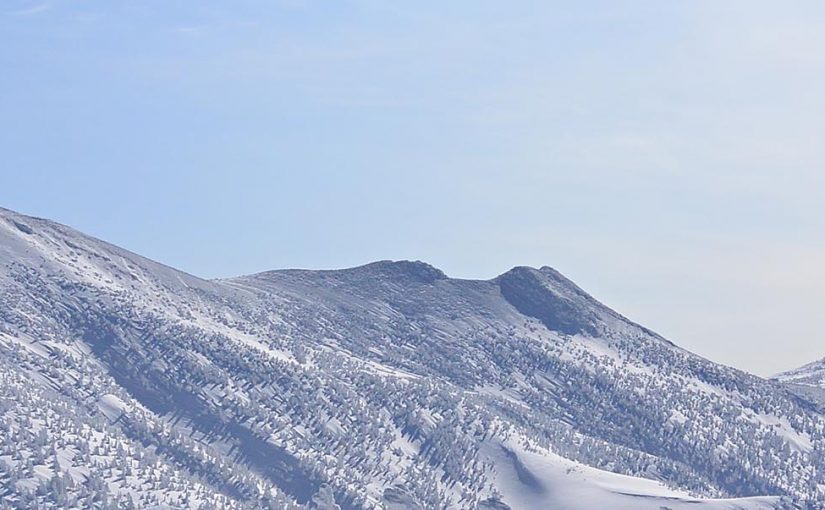
From mid December to mid-March, and at 680 meters above sea level, Mt. Bandai offers powdery snow lies and a 600-meter-long sled course is available. Skiing conditions are suitable for the whole family.
The Azuma Mountains west of Fukushima City are home to the Azuma goyomatsu, a popular species of Japanese white pine for bonsai. Bonsai enthusiasts are in for a real treat as they can visit Bonsai Abe and experience ‘The Beauty of Space’ with a third generation bonsai artist.
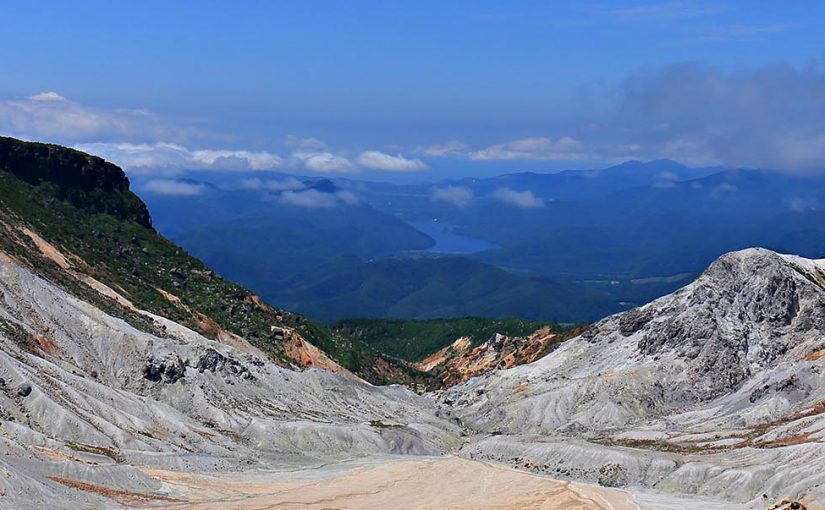
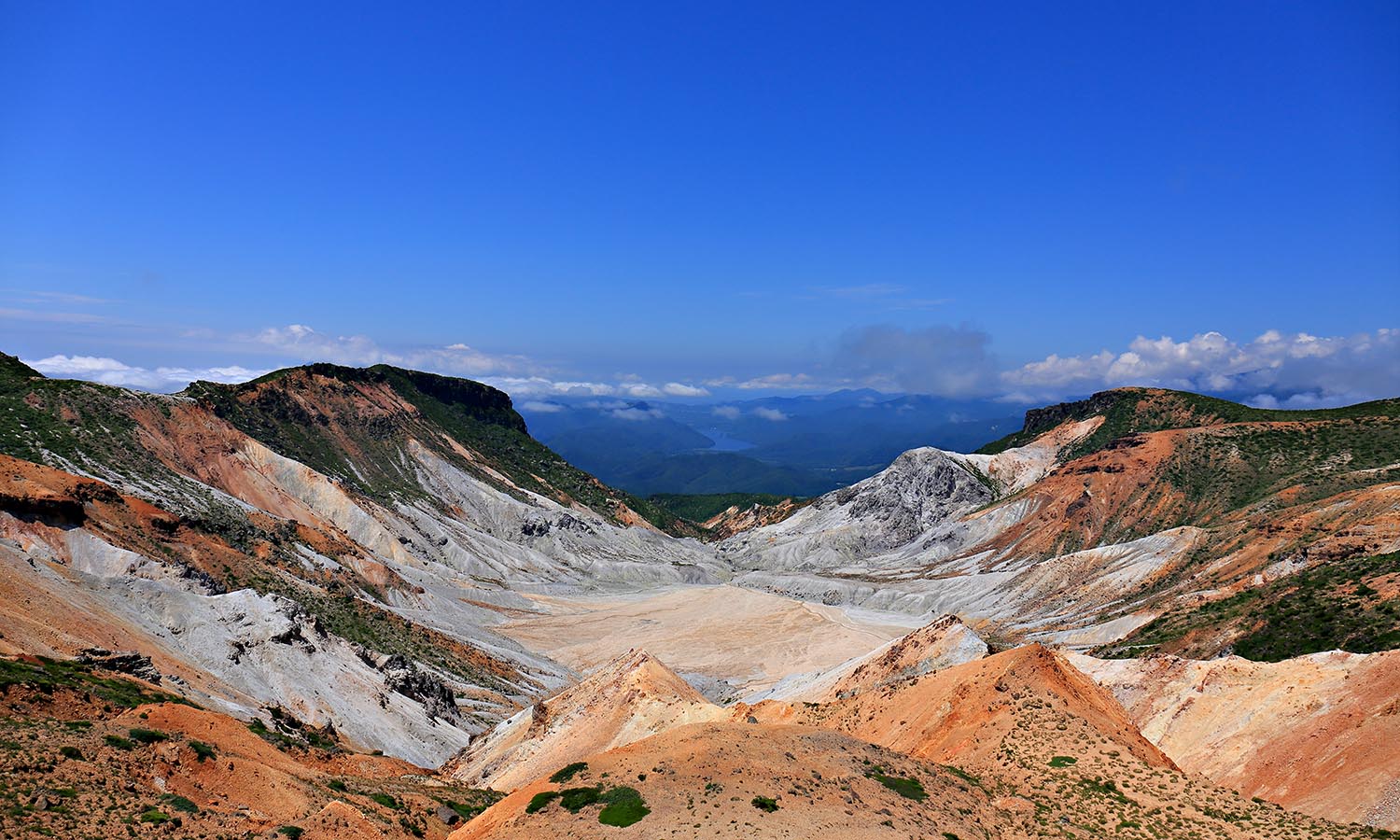
No visit to is Bandai-Asahi National Park is complete without exploration of its two volcanoes ‒ Mt. Bandai, which last erupted in 1888; and the still active Mt. Azuma. Activities in the area include trekking, canoeing, hot springs and bonsai.
Daisen-Oki National Park with its mountainous area and landscape of volcanic landforms, forests, and grasslands is the oldest, most sacred mountain in Japan.
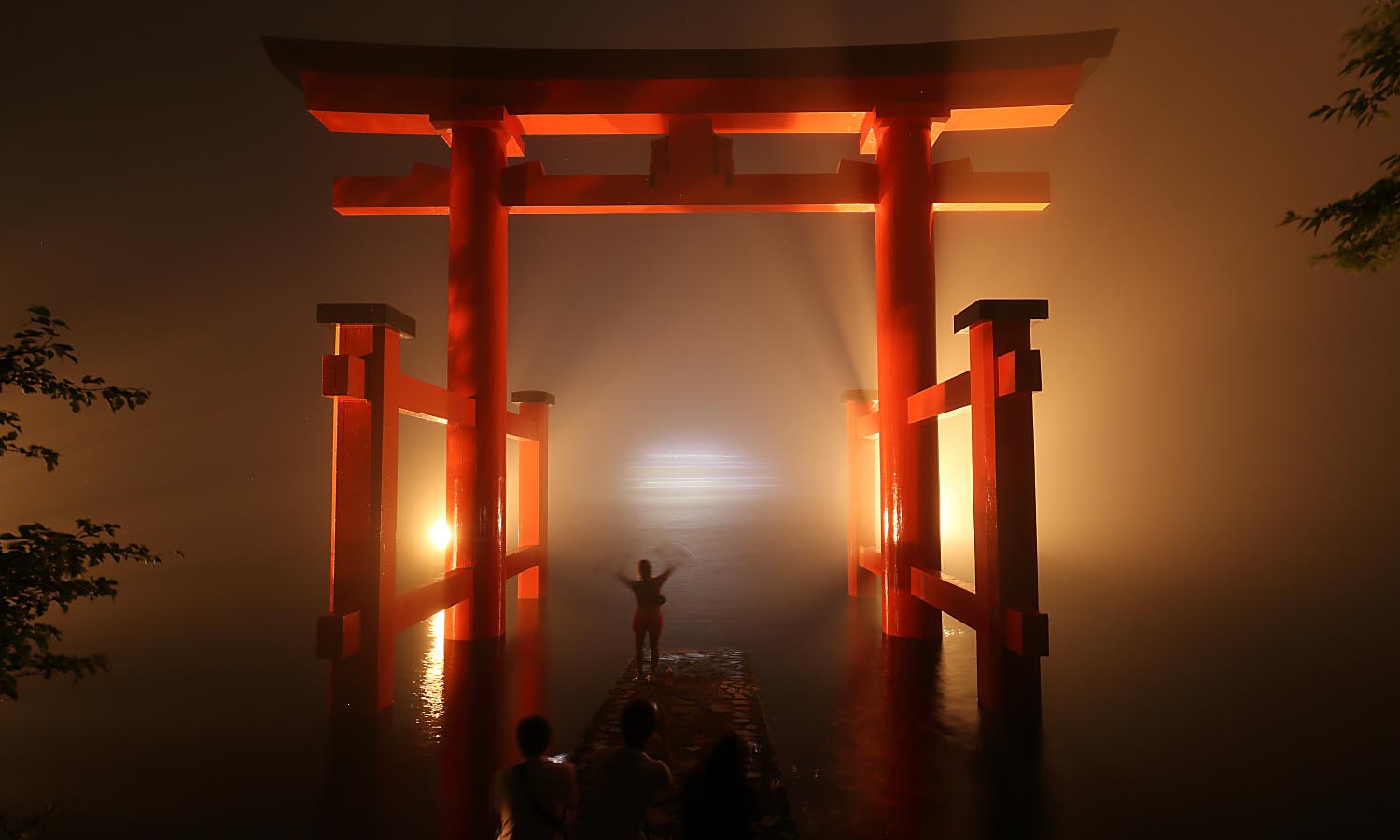
Visit the Izumo Grand Shrine on the Shimane Peninsula, considered the oldest example of shrine architecture and an area of great importance for Japanese creation myth. The main deity kami enshrined at Izumo Taisha is Okuninushi no Okami. Okuninushi was the creator of the land of Japan and the ruler of Izumo and is also known as the deity of good relationships and marriage. Visitors can partake in the clapping ritual – clapping their hands four times; twice for themselves and twice for their actual or desired partners.
At the UNESCO Global Geopark Oki Islands you can hire a sea kayak and paddle and explore the caves and coastline. Tour the west-side and visit a waterfall that flows from a 40 meter high rocky cliff and offers a superb view of the Dōzen Islands. On the east-side you can visit a mysterious 800 year old cedar tree. Oki Shrine is dedicated to Emperor Go-Toba, who was exiled to Oki about 800 years ago. Guided by a priest you can say a nighttime prayer and make a wish at the altar. A Guided Night Walk Tour of the shrine is also available.
From April to November nature and conservation enthusiasts have the chance to join an eco-tour and accompany a researcher and be a part activities of the conservation of the Japanese Giant Salamander, the world’s largest amphibian.
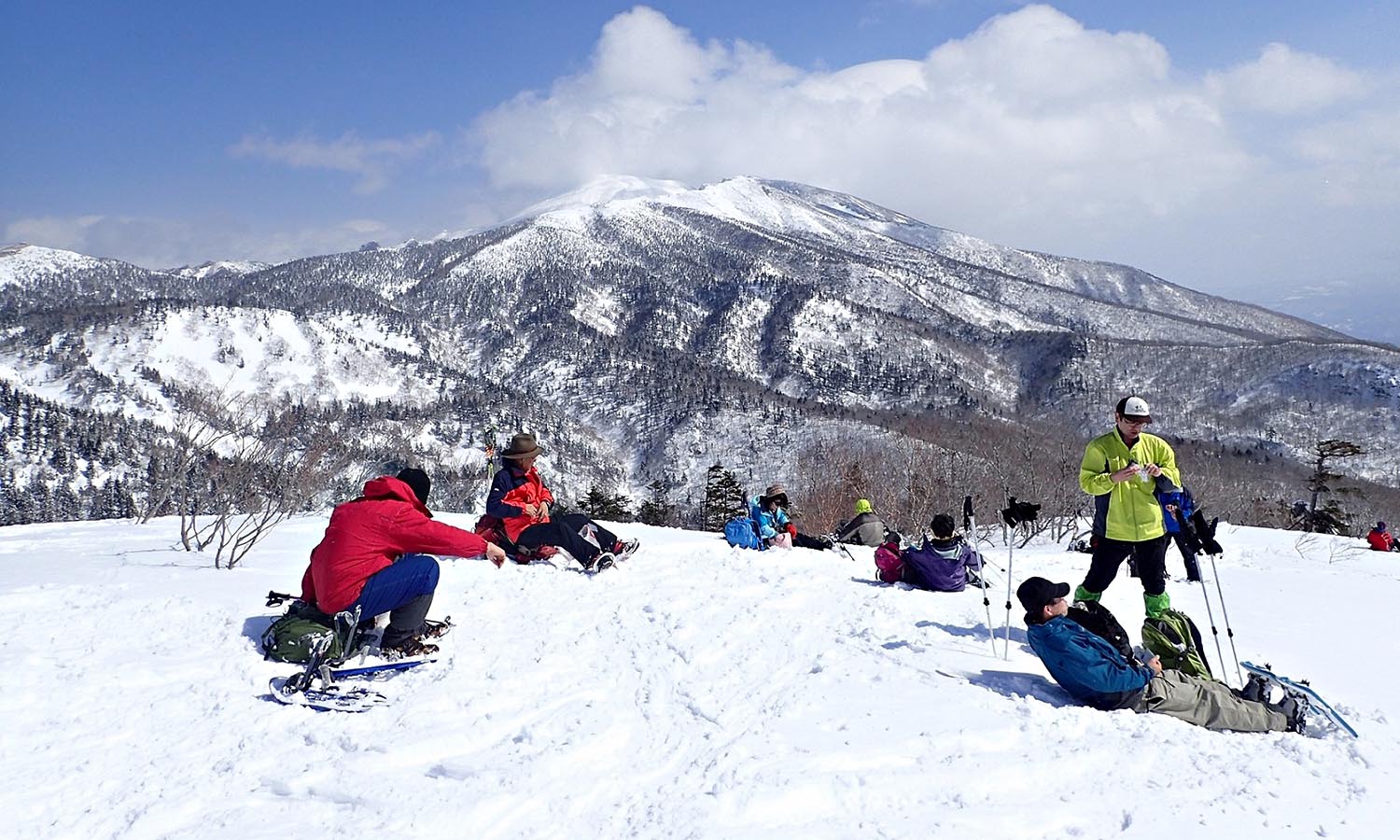
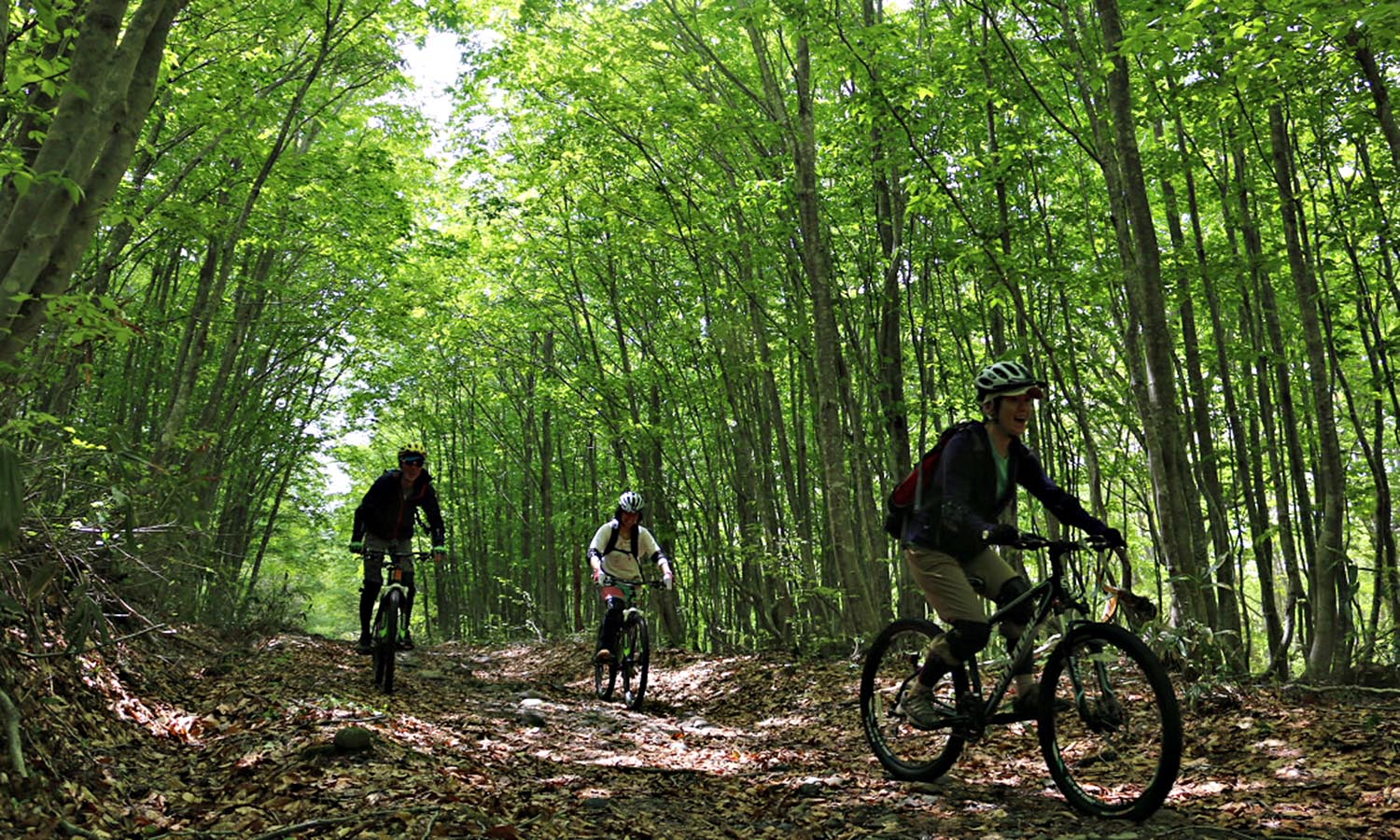
Different seasons at Daisen-Oki National Park mean different activities – in summer there’s river trekking surrounded by a dense beech forest and in winter experience Mt. Daisen in the snow for skiing or for those who’d rather use their legs, snow shoeing is available.
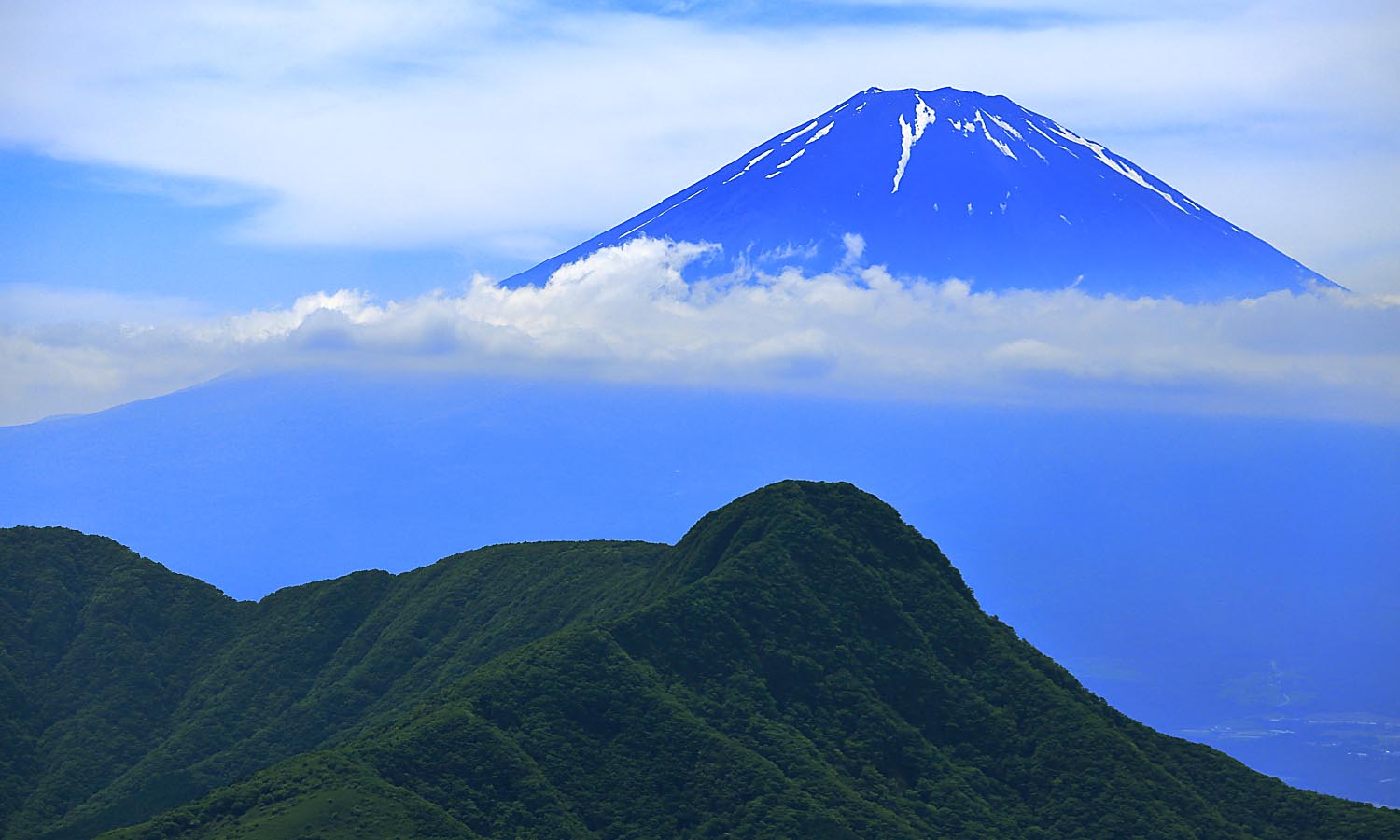
Fuji-Hakone-Izu National Park is home to the iconic Mt. Fuji located at its north end and volcanic landforms and hot springs stretching along its coastlines and island.
From land to sea, Fuji-Hakone-Izu National Park has plenty of attractions – cycle through the woods and rice fields with the majestic Mt. Fuji as your backdrop. You couldn’t find a better photo op! To hydrate, scoop spring water from Mt. Fuji’s foothills, visit a sake brewery, and admire the Shiraito Falls during the spring, summer, and autumn seasons. For lunch, enjoy hand-made soba buckwheat noodles and tempura made from locally-grown vegetables.
Canoe on Lake Motosu or get the blood flowing with a range of activities including SUP, snorkelling, mountain biking, trekking, and even gold dust hunting. Hike the Japanese heritage site, Hakone Hachiri Route that still retains the cobblestone pavement and avenue of giant Cryptomeria cedars that were established in the Edo period (17-19c).
Navigate a sea kayak through blue sea caves in Izu Peninsula Geopark created by undersea volcanoes from over 20 million years ago. Once you’ve got your sea legs back, explore the otherworldly volcanic island Izu Ōshima Geopark and visit Mt. Mihara, the backland desert. Lie back on the black ground and feel the earth’s heartbeat beneath you!
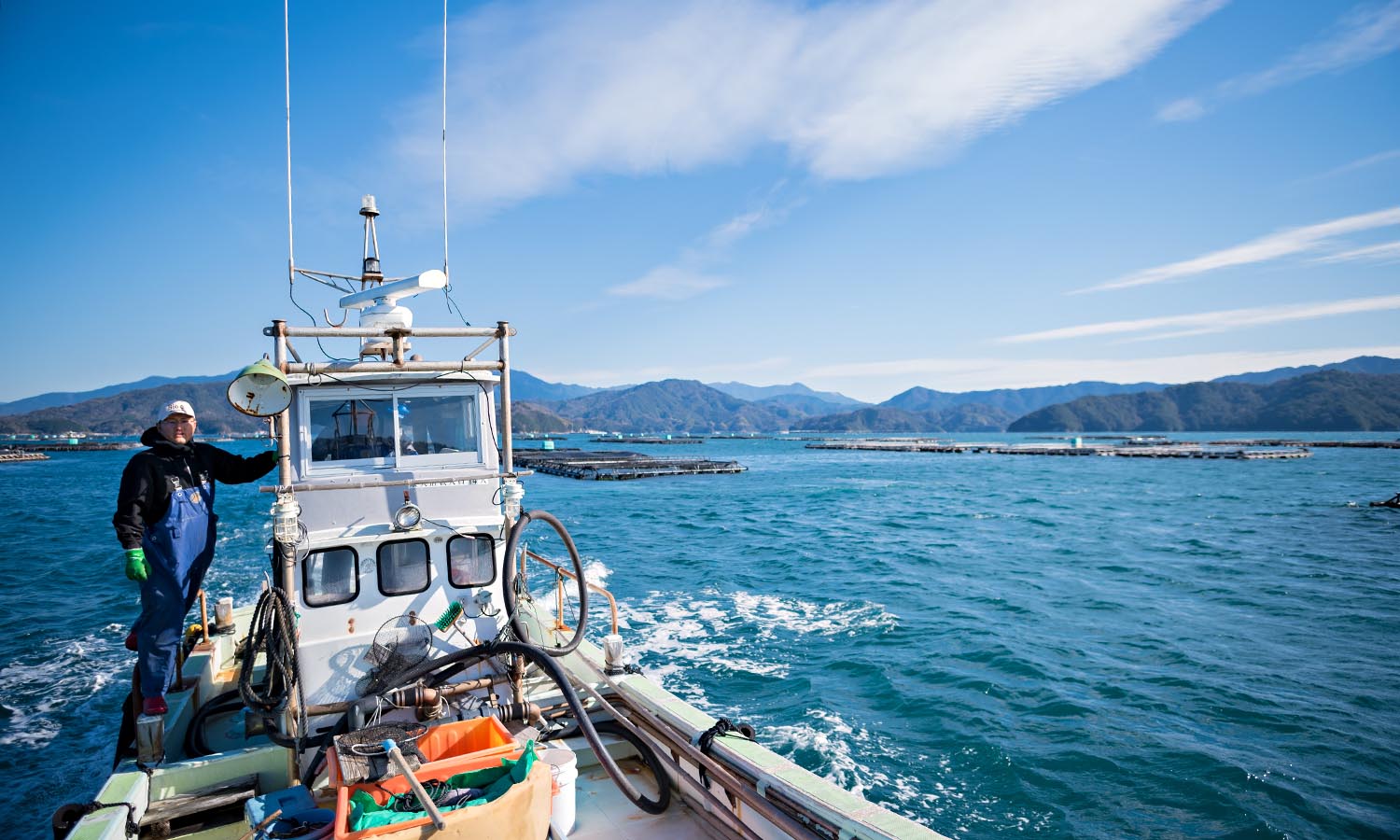
A snorkelling tour where you can swim with sea turtles on Hachijō Island’s bathing coast is highly recommended – jump aboard a fishing boat to a hidden spot with ancient landforms, only accessible by sea.
Enjoy a volcanic experience in Hakone Geopark located in Fuji-Hakone-Izu National Park, by train, ropeway, and ship. Ōwakudani was formed around 3000 years ago and the desolate landscape emits white fumes, offering visitors a hint of this volcanic phenomenon.
And the cherry on top is Mt. Fuji. It’s not just the highest peak in the archipelago but an integral part of Japanese culture. Visit historic sites associated with Mt. Fuji worship and pilgrimage and to complete your visit, climb the summit to the top.
Towada-Hachimantai National Park is a nature-rich park of peaks, lakes, and streams located in Tohoku, the mountainous region of northern Honshu.
Towada-Hachimantai National Park consists of the northernmost Towada-Hakkoda region, where you will find Mt. Hakkoda, Lake Towada, and Oirase Stream. The Hachimantai region to the south, consists of Mt. Hachimantai, Mt. Akita-Komagatake, and Mt. Iwate. There is plenty to see and do, from animal spotting, canoeing, skiing, hiking to soaking in the many hot springs.
Lake Towada, and Oirase Stream are home to a variety of animals including the Asiatic black bear, Japanese serow, Japanese marten, Japanese giant flying squirrel, black salamander, and rare species of birds such as mountain hawk eagle. Lake Towada is an expansive area of great beauty and views and the best way to explore it is to hire a Canadian canoe and get paddling.
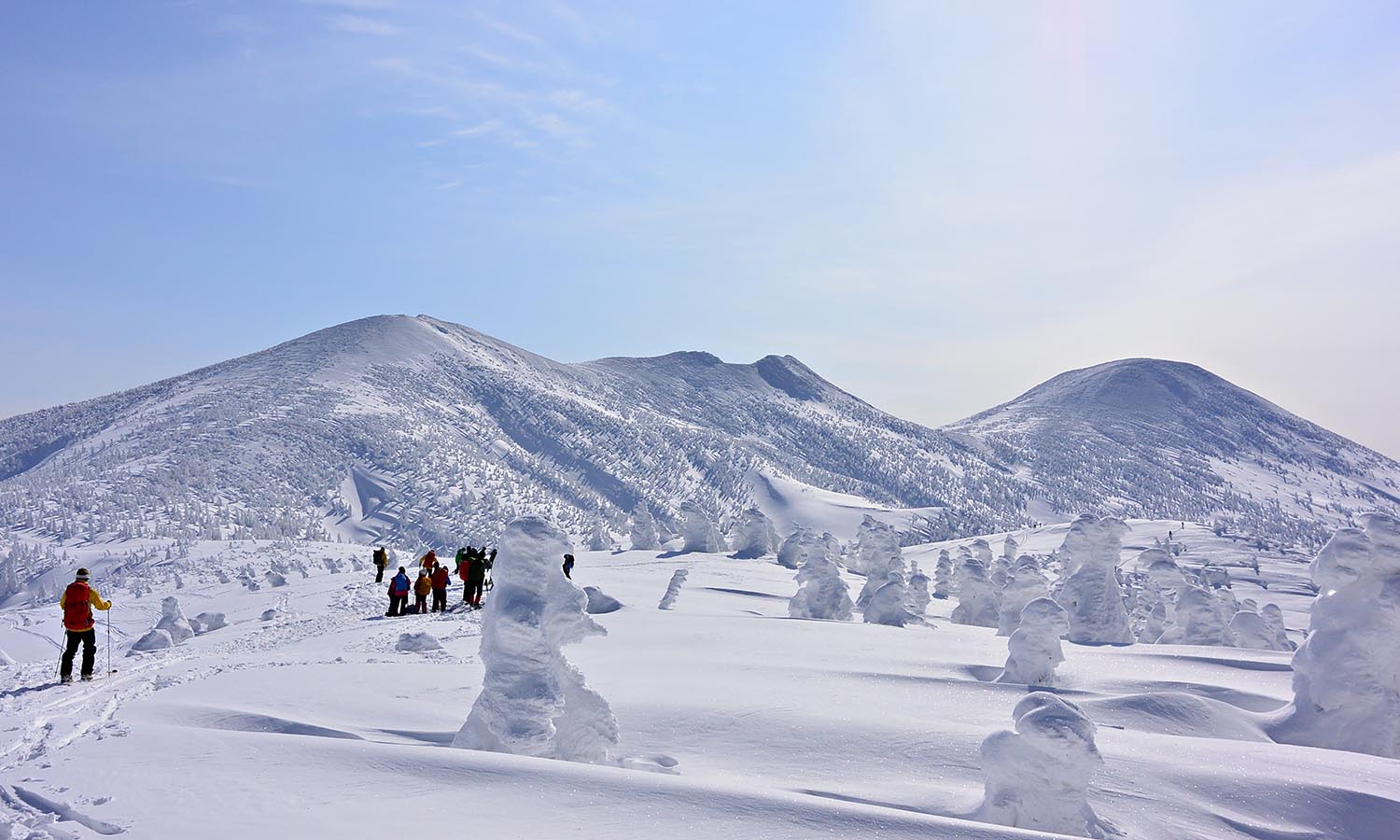
Those with energy to burn will enjoy the excellent skiing conditions at Mt. Hakkoda with powder snow from January through February and skiing conditions continue right up until early May.
Lake Tazawa at the southern end of the park, with its nearby ski lifts, hot-springs, and biking and hiking opportunities is the ideal location to burn of calories. Get active with a scenic trek or biking path and then rejuvenate in the hot springs.
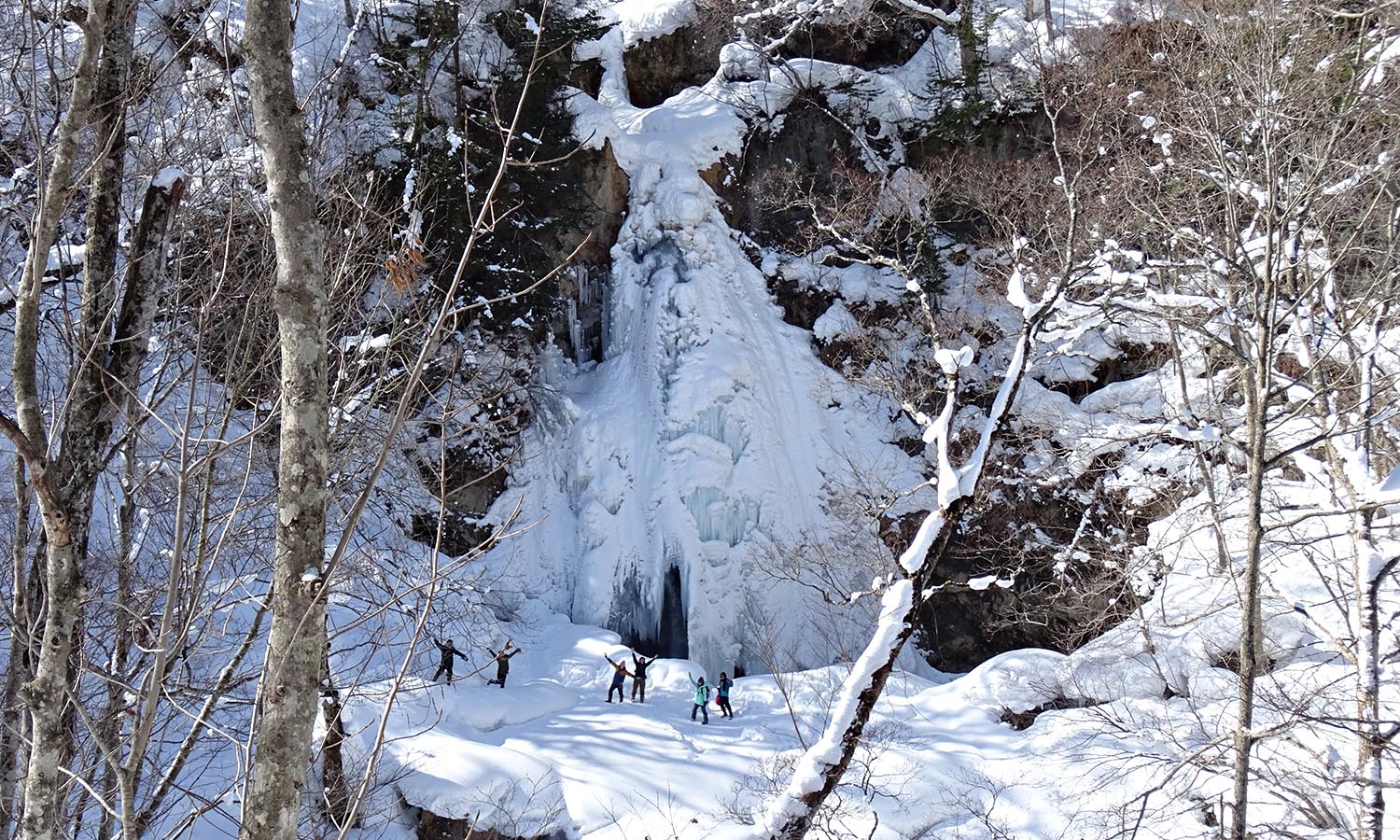
At Oirase Gorge in the winter there are illuminated icefalls and icicle fantastical scenery with a night bus tour accompanied by a local nature guide. Snowshoe trekking is also available in the beech forest of Onuma Swamp, Hachimantai and there are seven kinds of baths, including a volcanic bath and mud bath, at Goshogake Onsen.
To finish, get your hiking shoes on for Mt. Iwate, an active volcano and if you need a pit stop mid-way, Amihari Onsen, consists of five onsen spots called the“Amihari Goto”(five hot springs of Amihari). One of them, Sennyo no Yu, is a mixed-bathing outdoor bath situated in Yunosawa Valley.
Ashizuri-Uwakai National Park is one of Japan’s most diverse parks with its ever-changing landscape of coastal strips and mountains located on the western side of Shikoku between Ehime and Kōchi prefectures.
With its jutting cliffs and precipices along its coastal terraces, the Ashizuri region is home to communities of subtropical marine life and corals and the insular landscape is characterised by delicate inlets offering beautiful marine scenery.
Nature lovers will be in heaven in the inland area with its forest of Japanese umbrella pines, Japanese cedars, and Japanese cypresses. Nametoko Valley is a popular sightseeing spot located in the upper stream of the Shimanto River, featuring a series of waterfalls and beautiful riparian trees such as the Quercus salicina and the massive Machilus thunbergii.
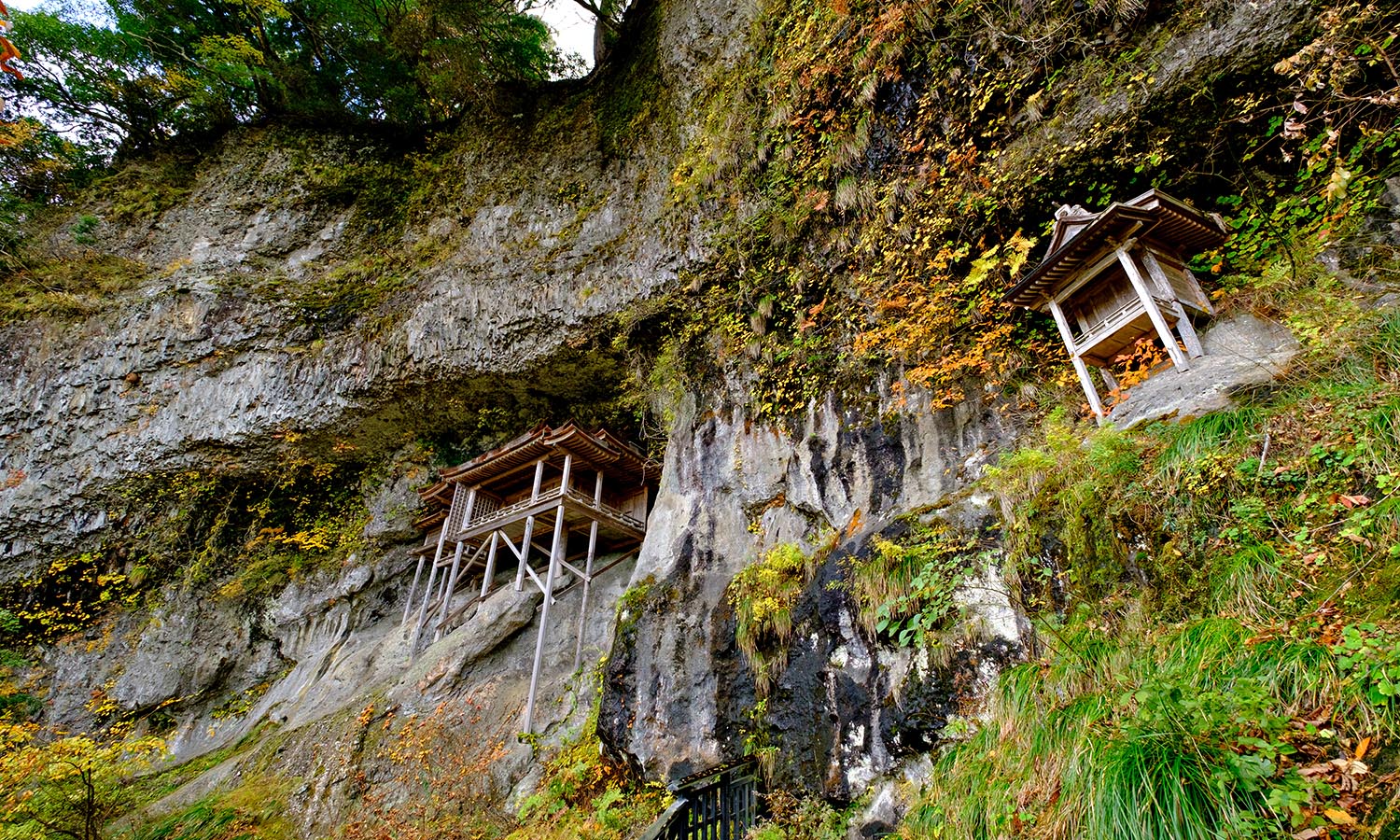
The national park is also home to the sacred Kongofukuji Temple, established by influential Buddhist monk Kobo-Daishi (774‒835). Visitors can make a pilgrimage to Gassan Shrine and Sasayama Shrine, which are included in the Shikoku Bekkaku 20 temples, and making a food and drink offering to pilgrims (osettai) is encouraged.
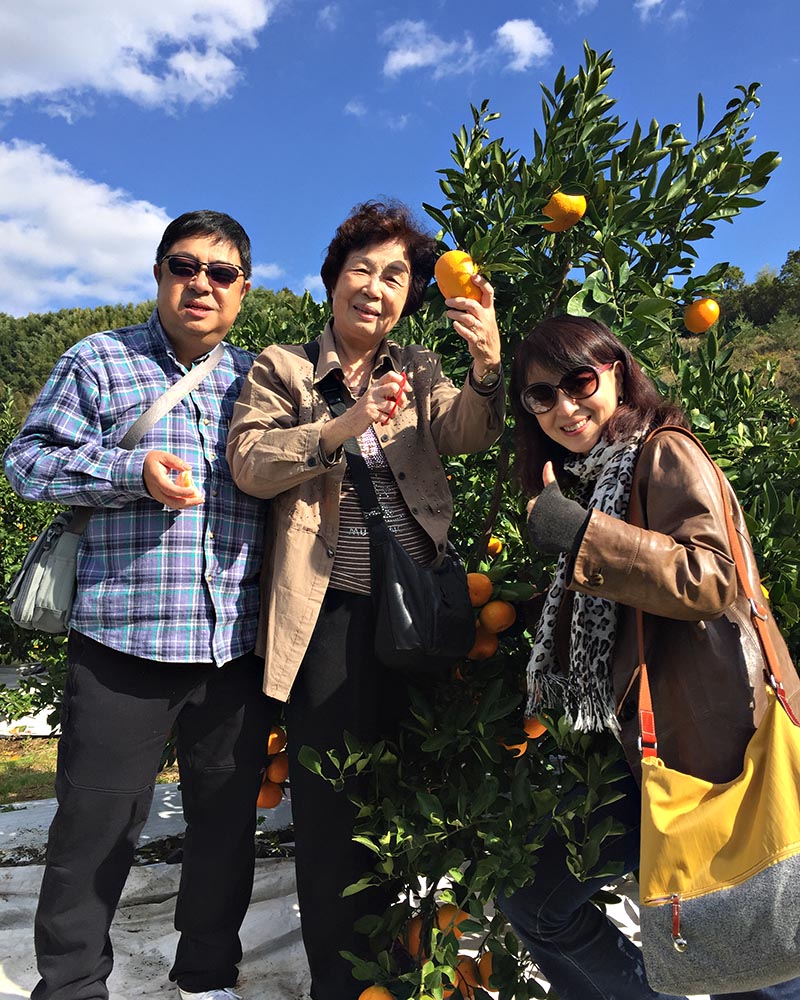
Depending on whether your a water enthusiast, nature lover, or just plain curious, there is something for everyone at Ashizuri-Uwakai National Park. Enjoy canyoning and lunch in Nametoko Valley, jump down a waterfall and slide down a natural jumbo slide into the plunge pool below. Travellers can observe how pearls are farmed to perfection in the beautiful Uwakai Sea and even select your own shellfish.
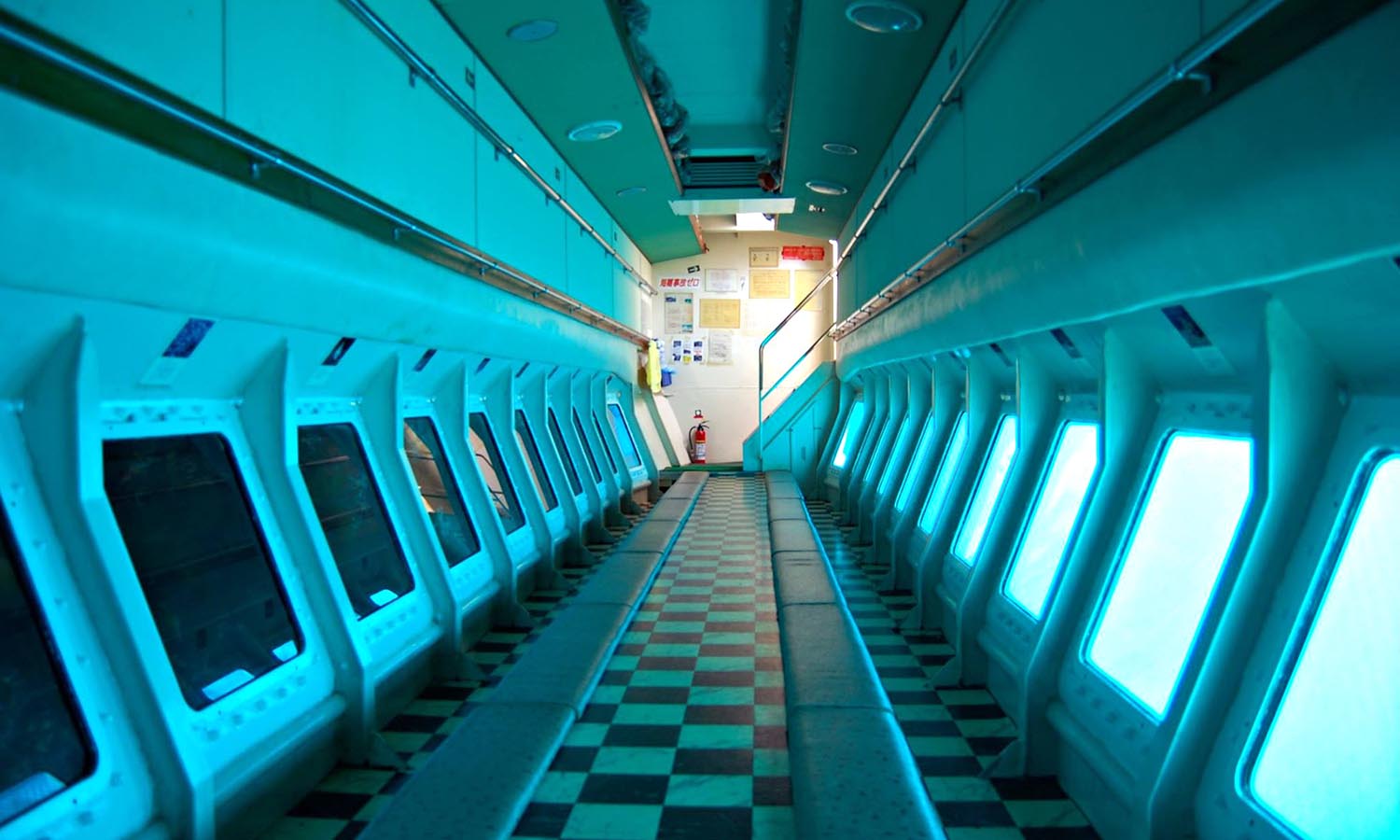
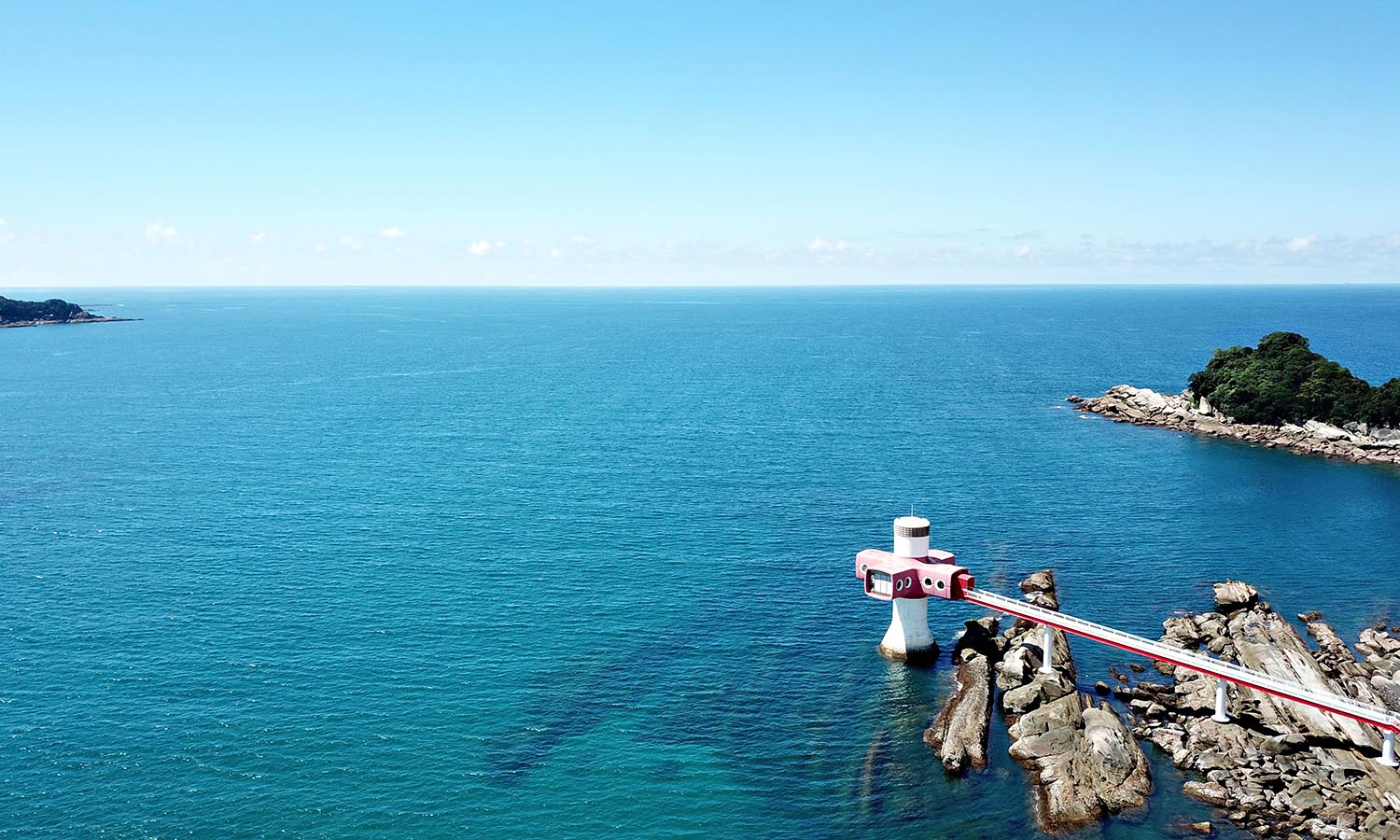
Tatsukushi Bay is best seen on a sea kayak, and snorkelling is also highly recommended… the coral is stunning! For those who wish to stay out of the water but want to witness the beauty of the sea, an underwater scenery of Tatsukushi Bay from a glass-bottom boat is a compulsory activity. The hybrid and semi-submersible boat offers a fascinating glimpse of the underwater world at Ashizuri-Uwakai National Park that’s usually privy to snorkellers and divers.
On Wajaana Yaam Adventure Tours, Gumbaynggirr/Bundjalung man Clark Webb and his fellow Aboriginal guides share ancient stories in the extraordinary natural landscape of Gumbaynggirr Country, on the New South Wales mid-North Coast.
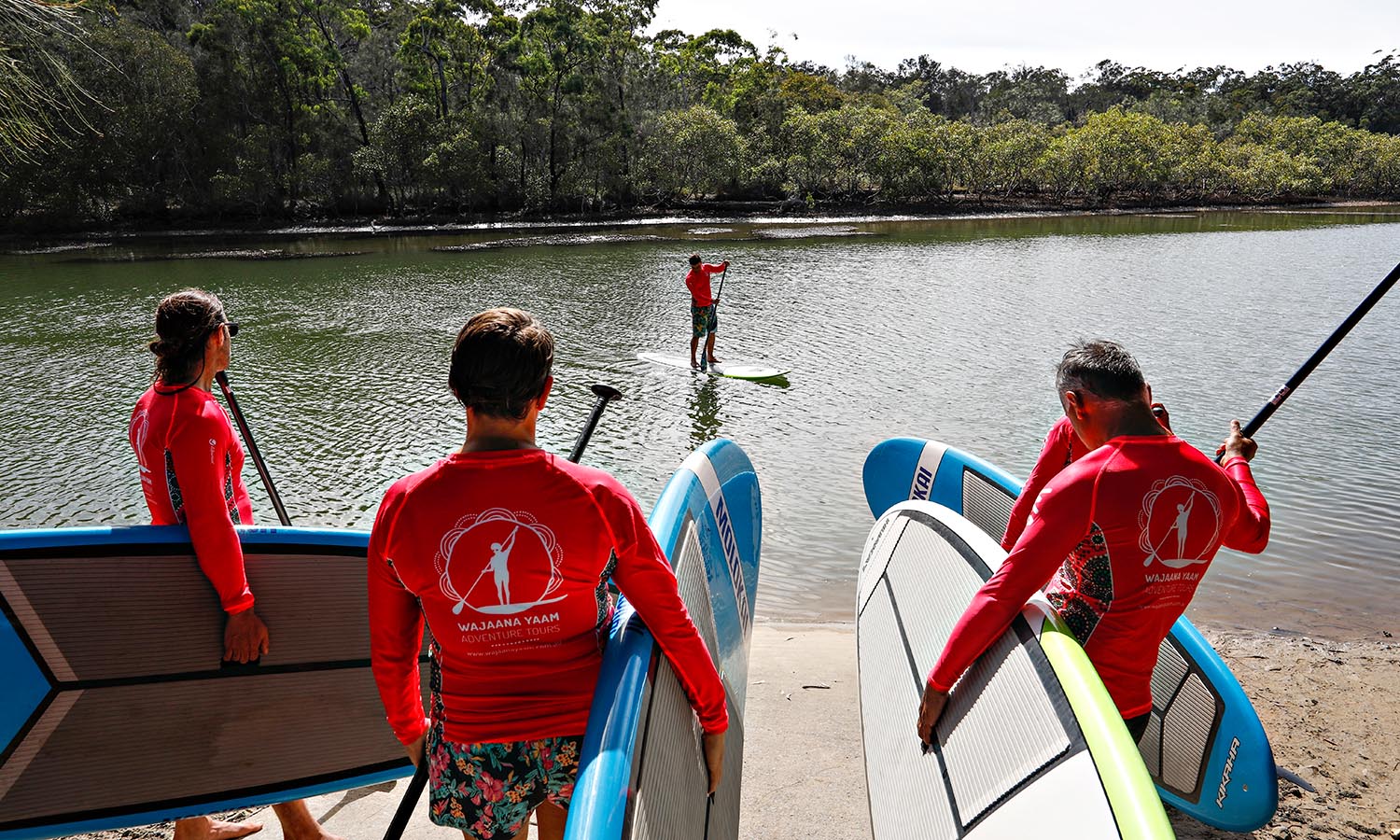
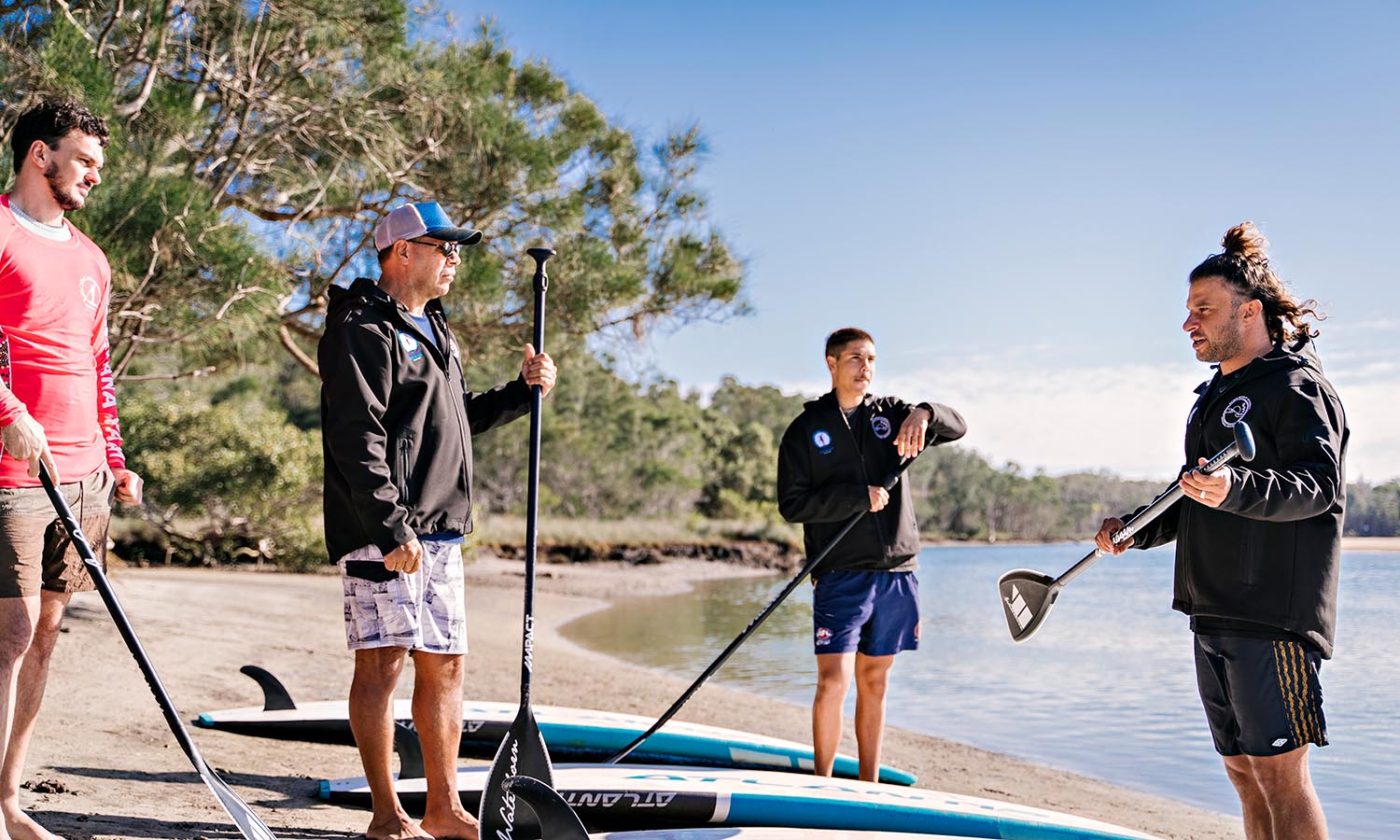
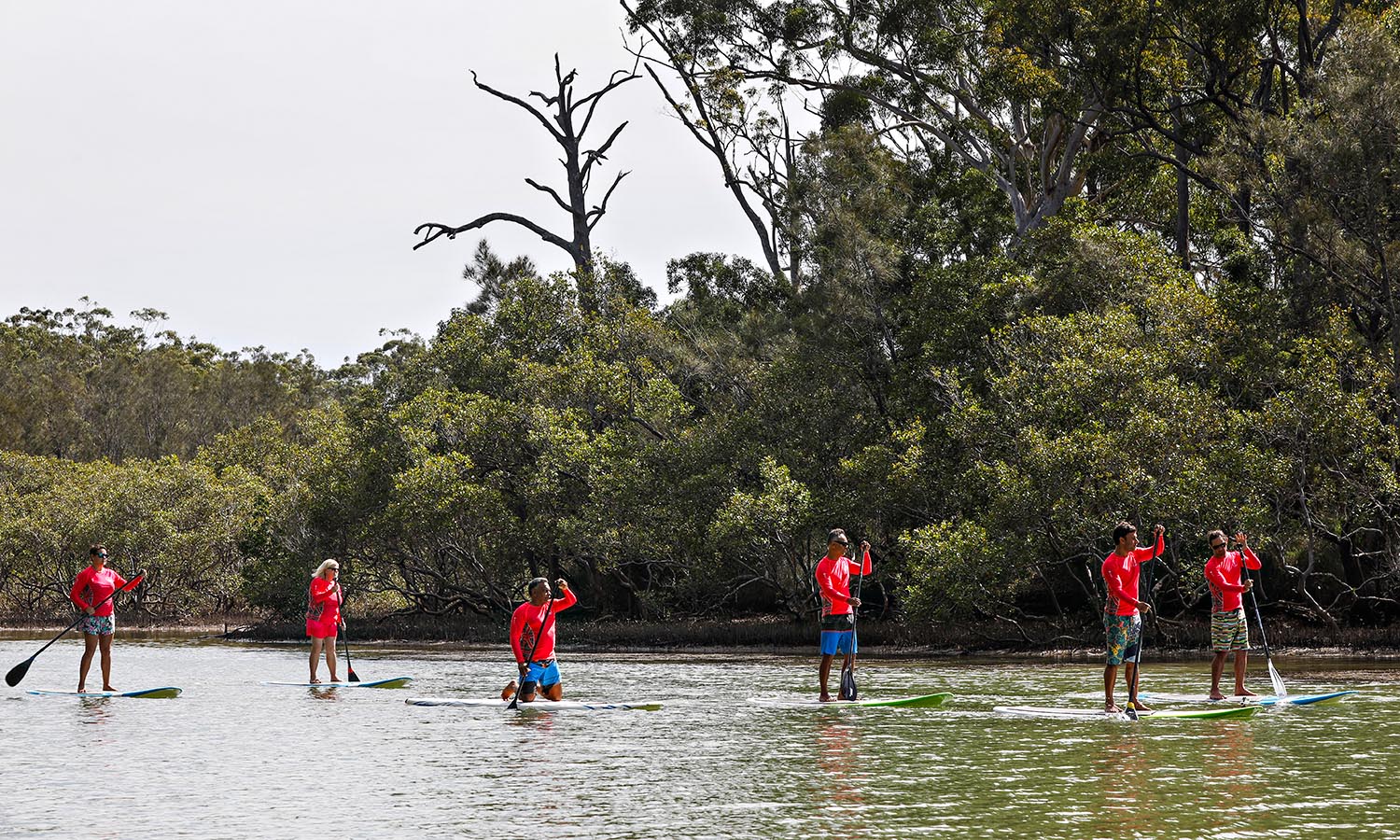
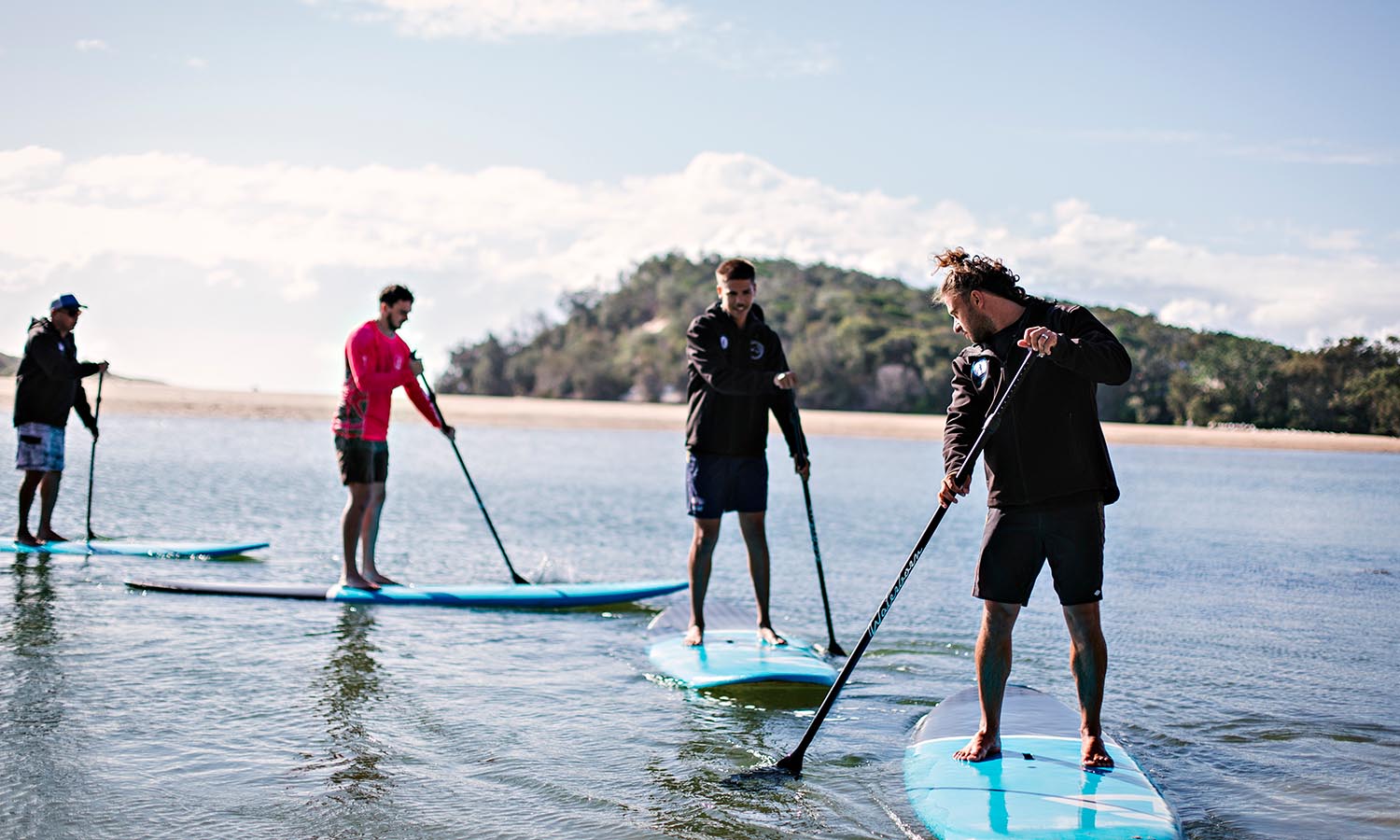
Stand-up paddle boarding or kayak through one of three Coffs Harbour’s Solitary Islands Marine Park adventure tour locations (the Moonee, Coffs and Red Rock Creeks). Guest will paddle with direct descendants of the world’s first stand up paddlers and connect to land and sea through stories and language.
Visitors can jump aboard a full-day tour, which pairs a paddle with the Giingan Gumbaynggirr Cultural Experience. The cultural offering is a walking tour through Orara East State Forest, with stunning views from the Forest Sky Pier and an opportunity to feel a deeper connection to the land. This tour takes place at an important cultural site of the Gumbaynggirr people with guides sharing intimate stories, songs and language and imparting their knowledge on the use of native plants.
By taking part in the experience, guests are making a direct contribution to the revitalisation of Gumbaynggirr language and culture and contributing to the well-being of the community. Wajaana Yaam Adventure Tours work closely with the community and elders and this social enterprise provides an employment pathway for the youth and community through knowledge of language and culture.
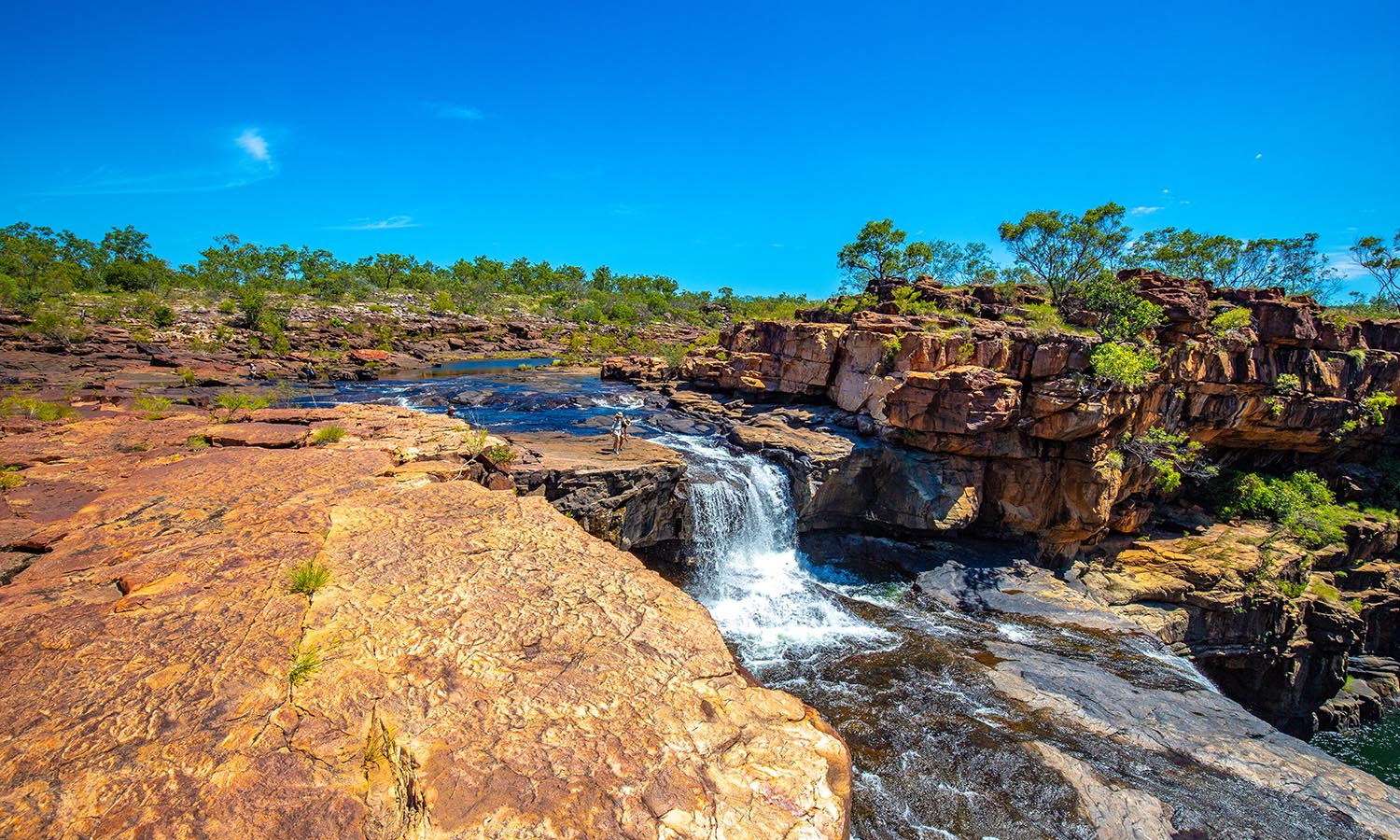
Explore remote, ancient landscapes in Western Australia with Kingfisher Tours, with one day and multi-day expeditions of the Kimberley region with local Aboriginal guides.
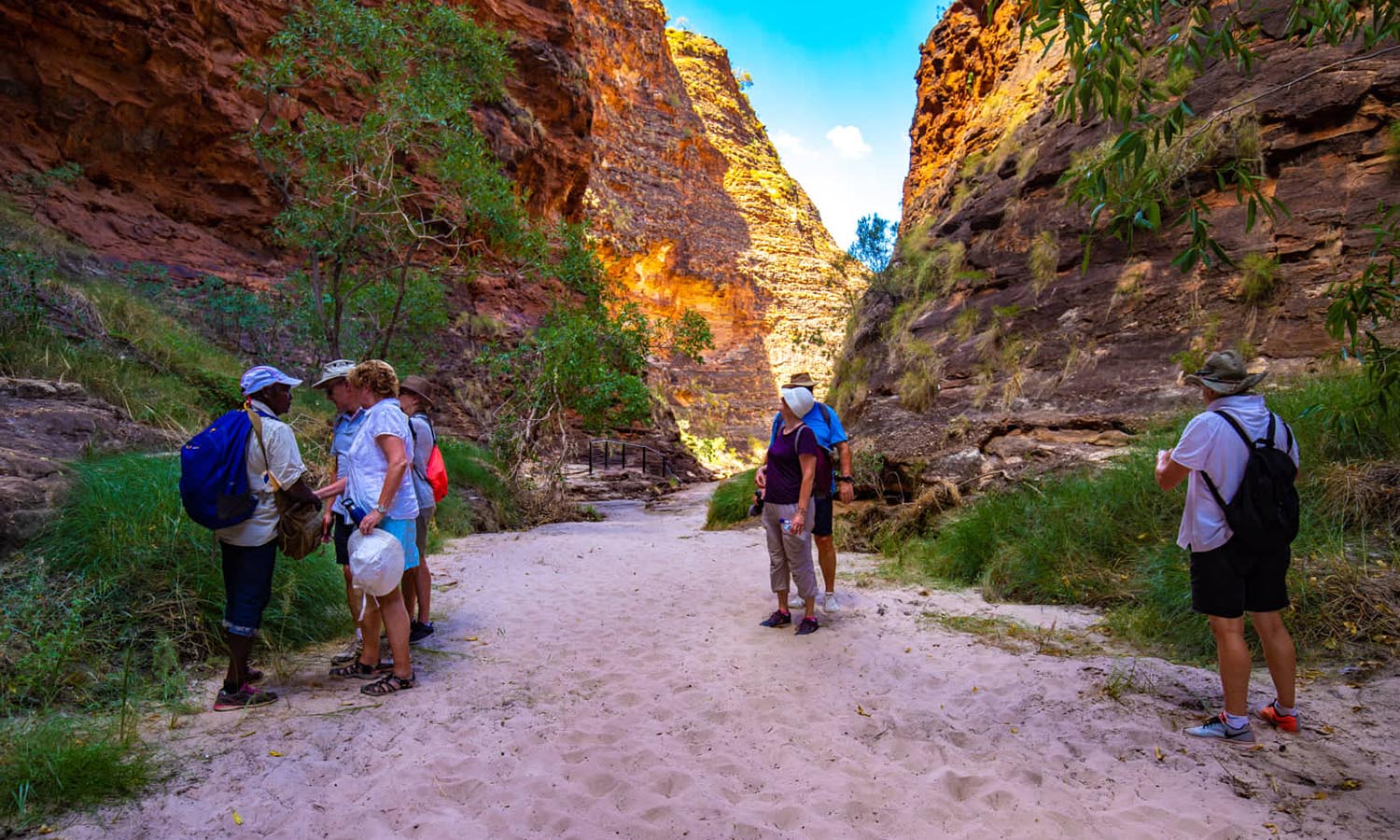
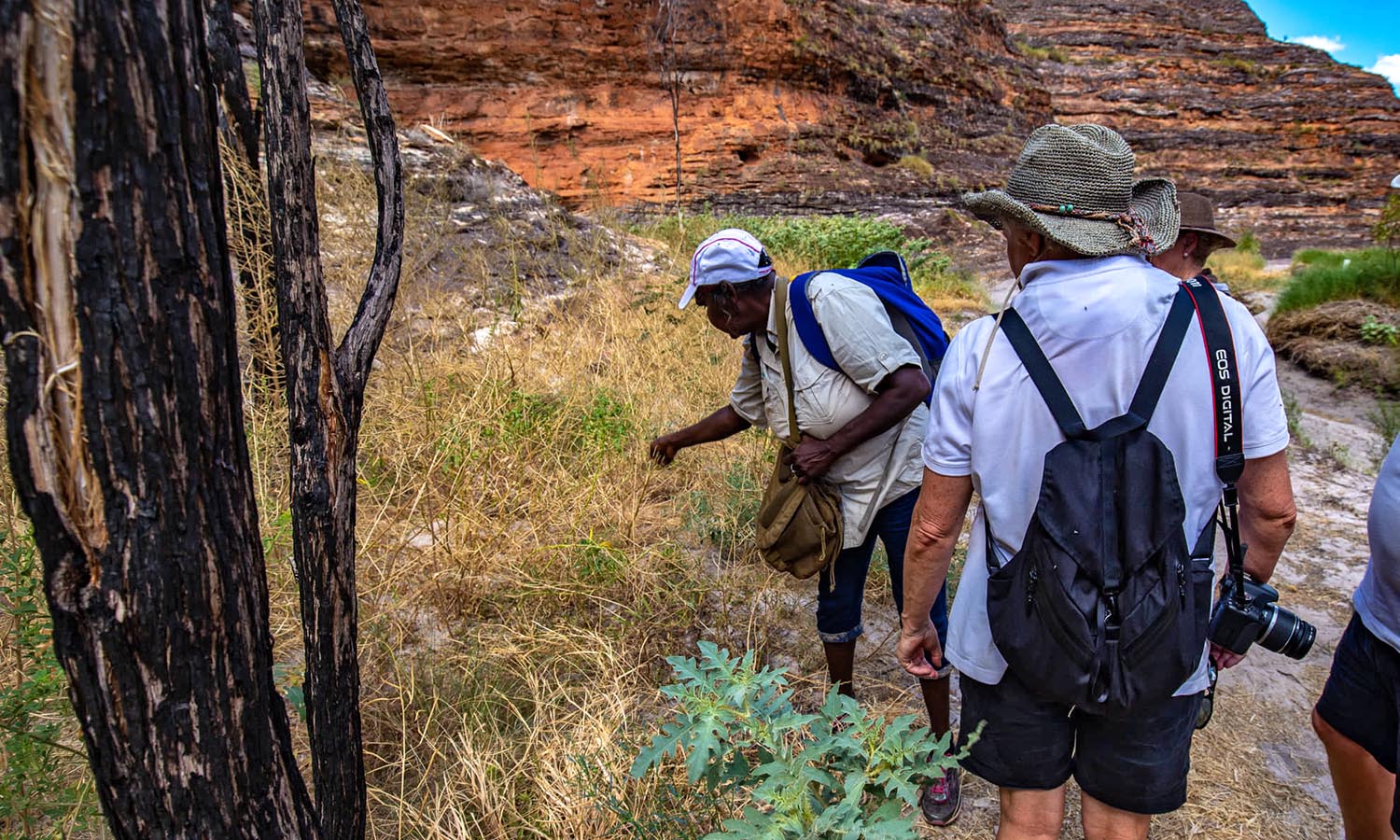
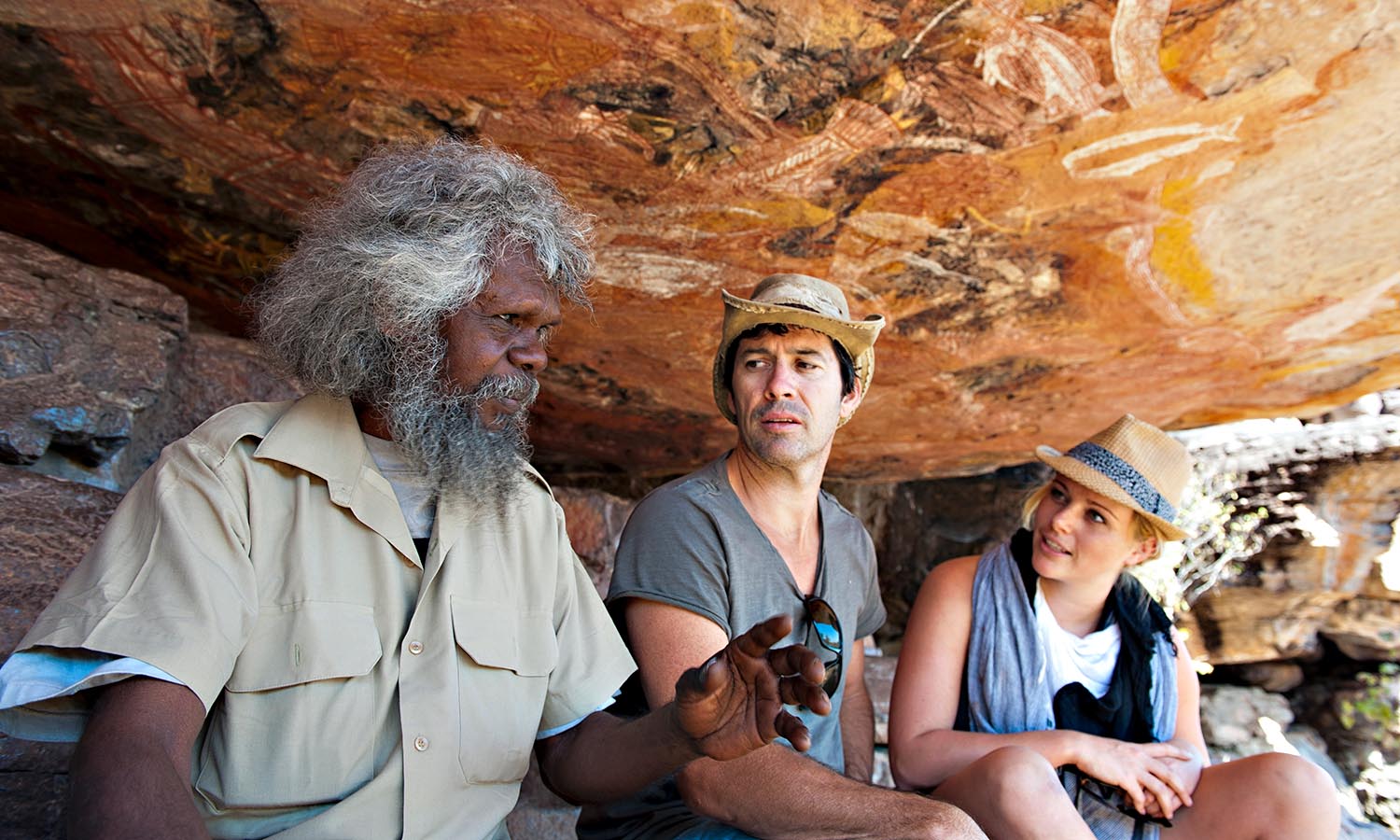
Travellers can fly over the Bungle Bungles, walk in a World-Heritage listed landscape and visit remote communities with guides, who share stories of friends and families, and impart cultural knowledge. Learn about bush medicine, native plant identification, and be immersed in Indigenous storytelling by the Traditional Owners of these lands.
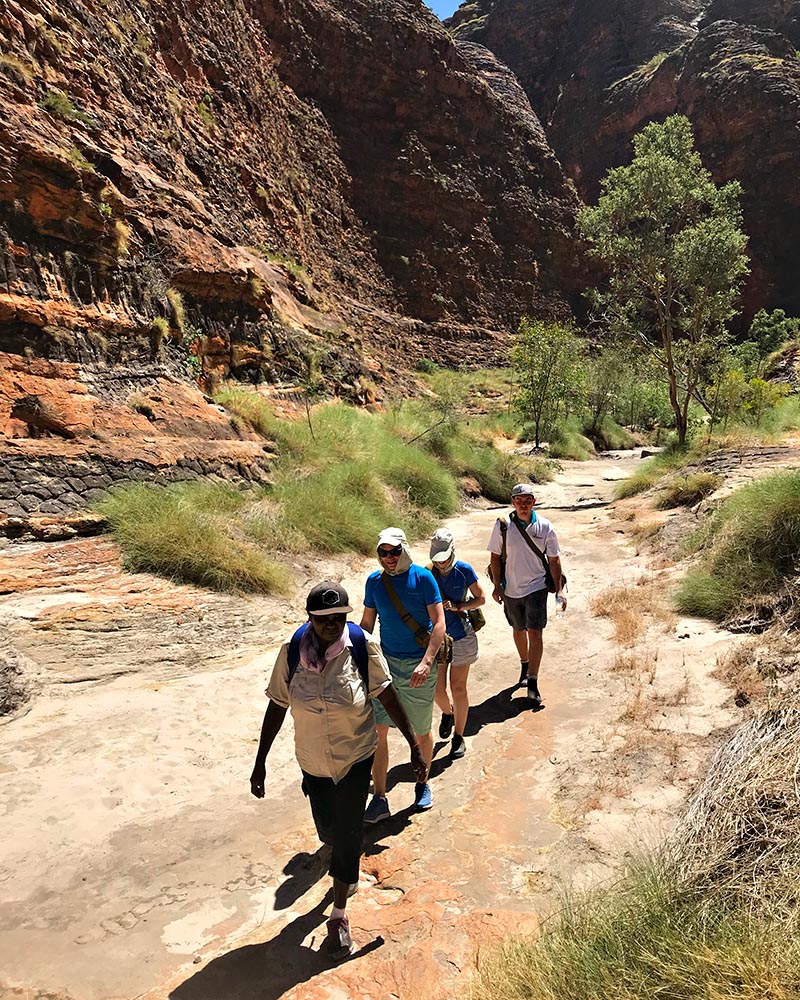
One of the most stunning tours is a Bungles Day Trek, flying over Lake Kununurra, Lake Argyle and the Osmond Ranges, and a Welcome to Country ceremony by a local Aboriginal guide. Visitors walk up the Echidna lookout, and hear stories of native animals, and then explore the spectacular chasm.
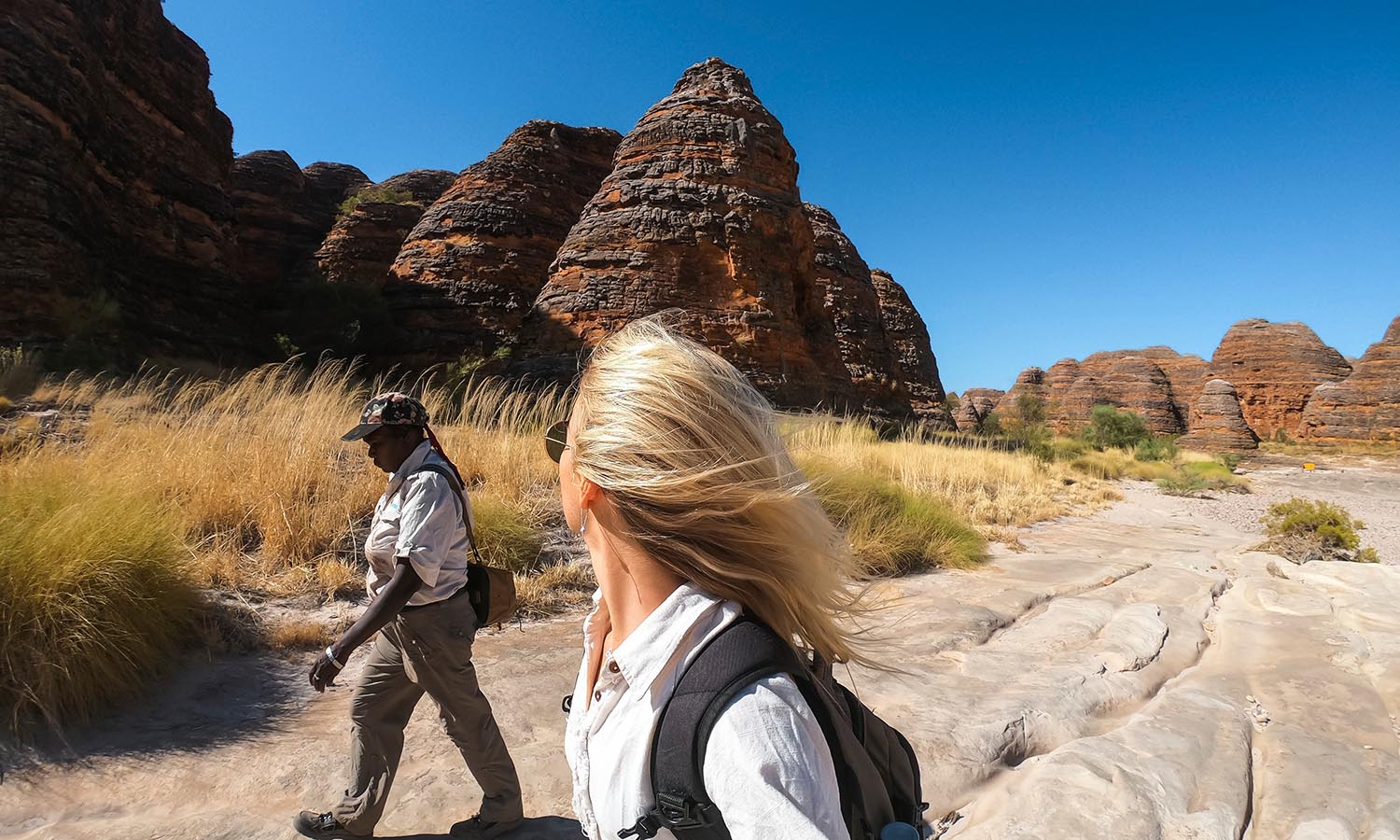
Guides sing traditional songs of the gorges that are thousands of years old and explain the cultural and geological history of the area. The stunning dome-like rock formations are estimated to be around 350 million years old. Aboriginal people have inhabited the area for 40,000 years and bring this stunning UNESCO Natural World Heritage site to life.
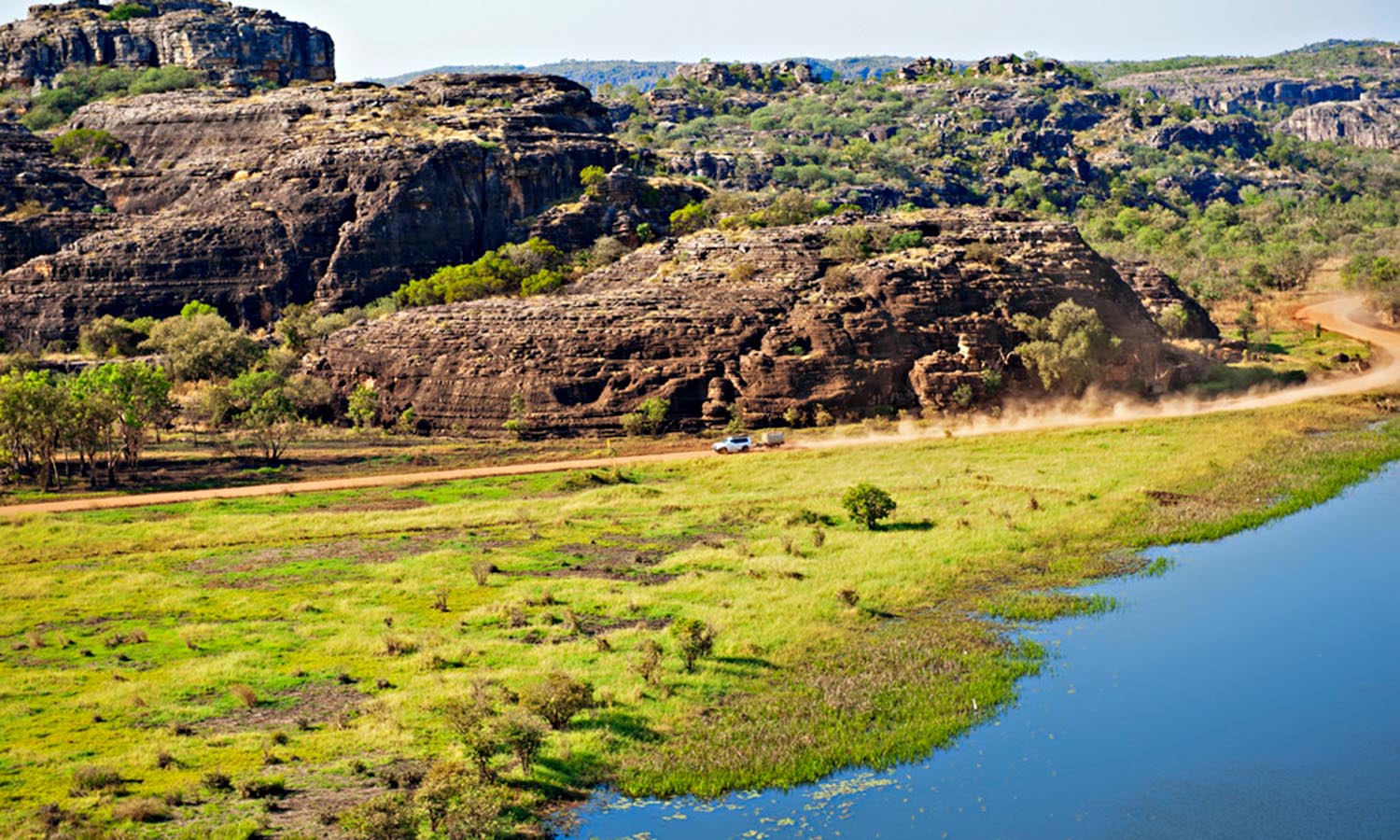
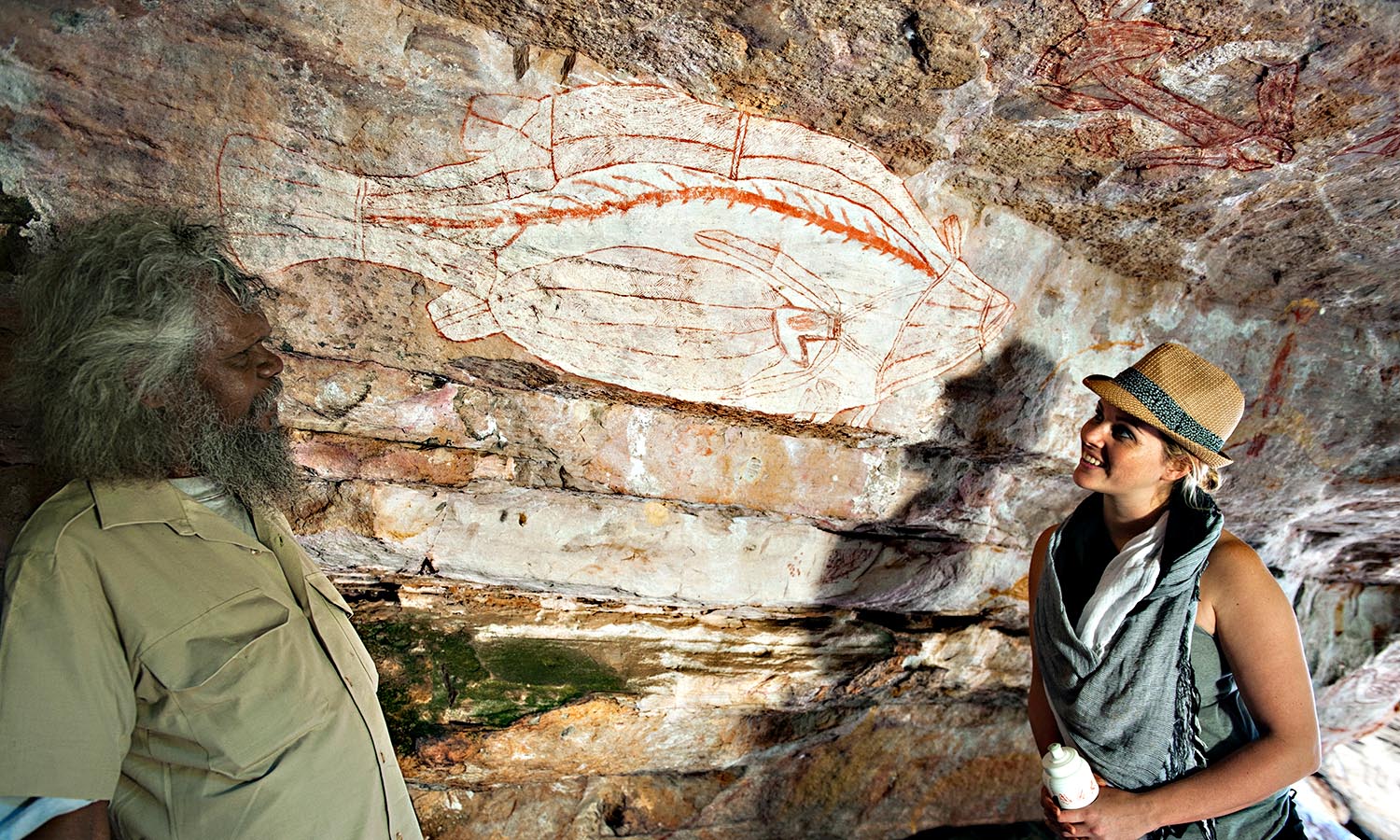
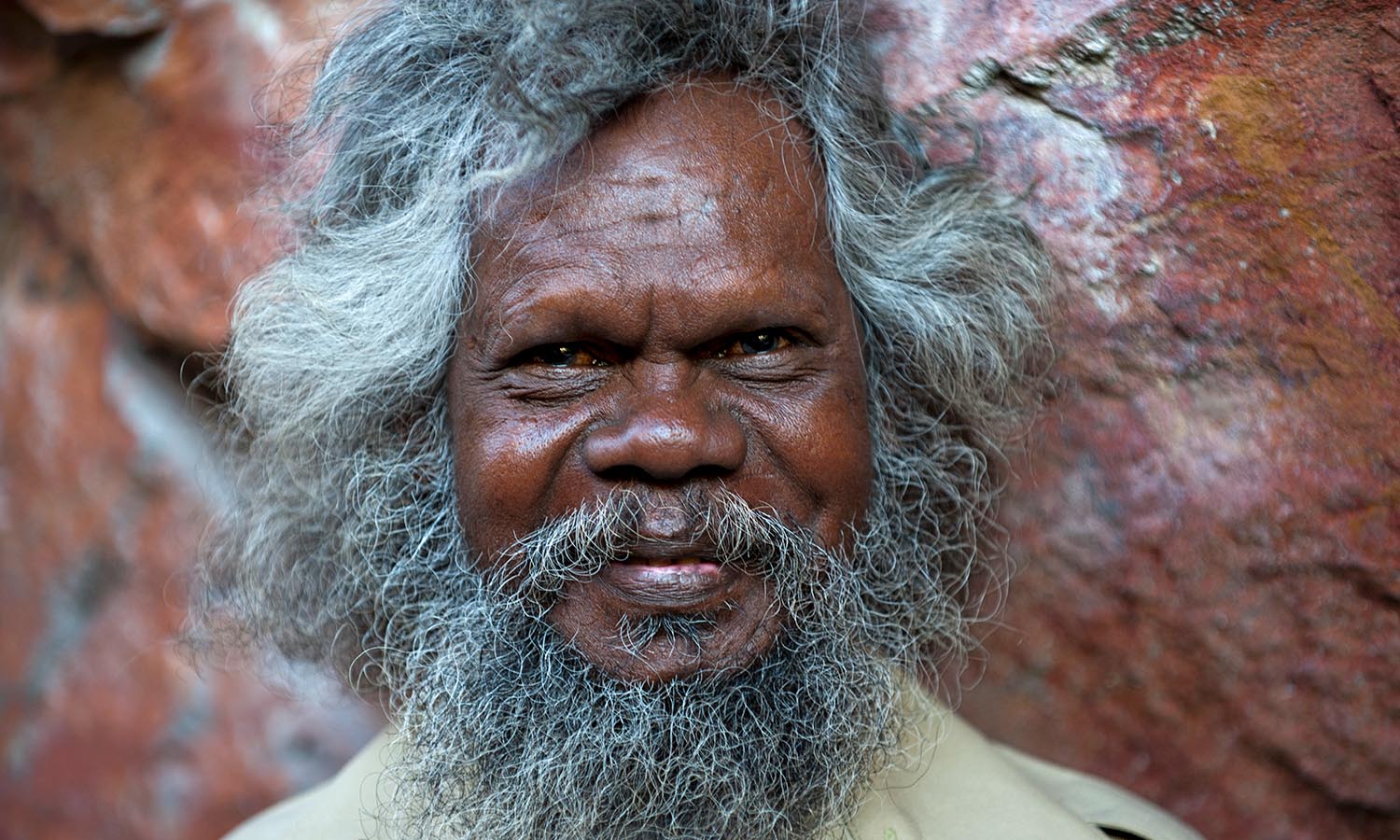
Explore Arnhem Land, Kimberley region and Kakadu with one of the most recognised and respected guides in Australia – Sab Lord of Lords Kakadu & Arnhemland Safaris.
These Top End adventures allow the traveller a unique insight into Aboriginal culture, flora and fauna through the knowledge of traditional land owners. Sab and his expert guides host camping experiences at his permanent bush camp in Kakadu National Park. Or be one of the lucky one to join his accommodated safaris for private groups – he has permits to visit the beautiful Koolpin Gorge in Kakadu National Park, which few are fortunate enough to see.
Arnhem Land has always been Aboriginal land, and with permits having been required to enter since 1931, protection of Arnhem Land means that it has remained untouched and pristine. Sab works closely with other award-winning operators such as Bamurru Plains, Cicada Lodge and Davidson’s Arnhemland Safaris to ensure that all tours are of a high quality.
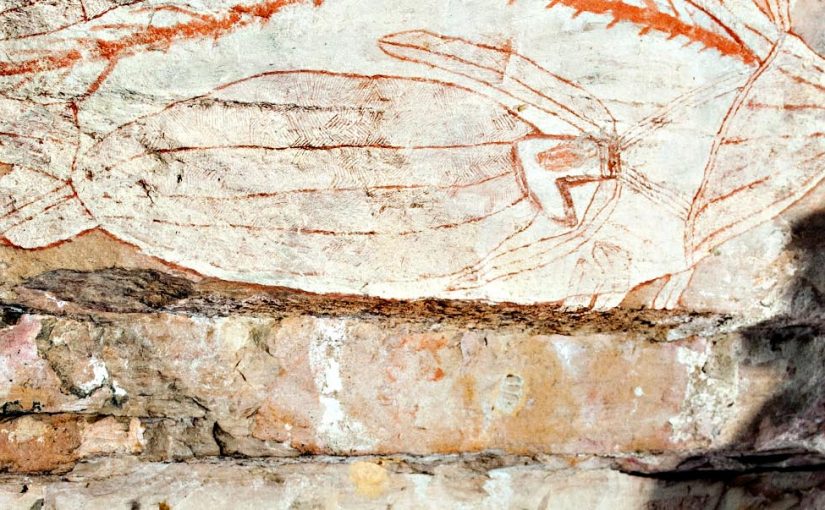
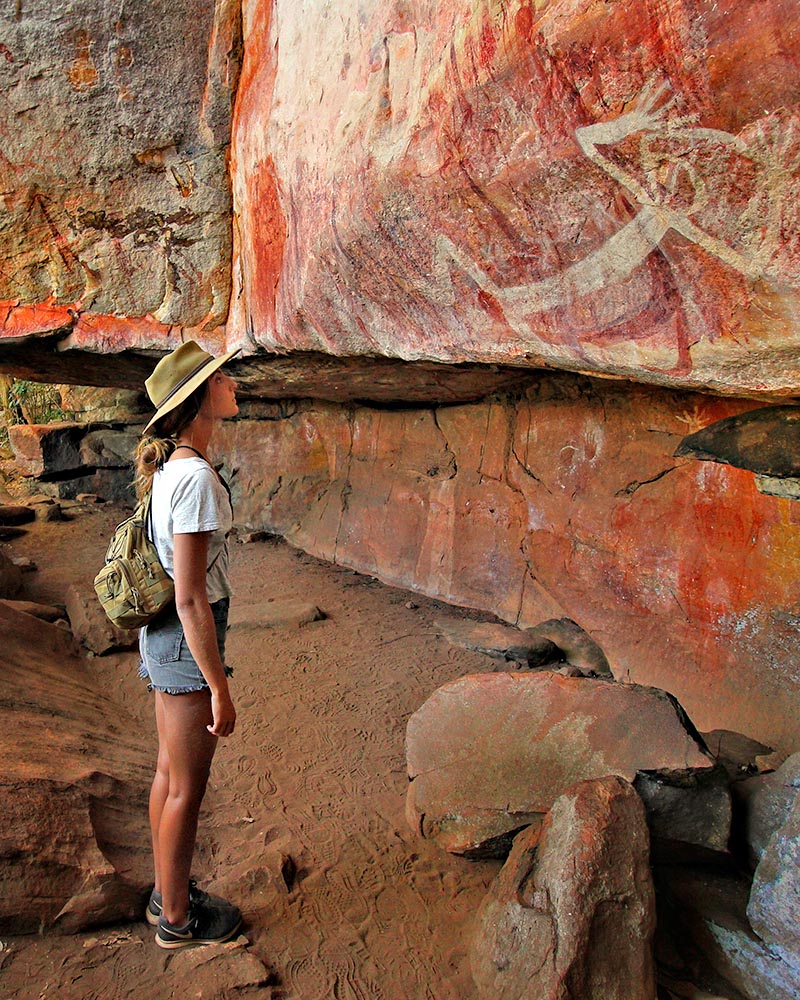
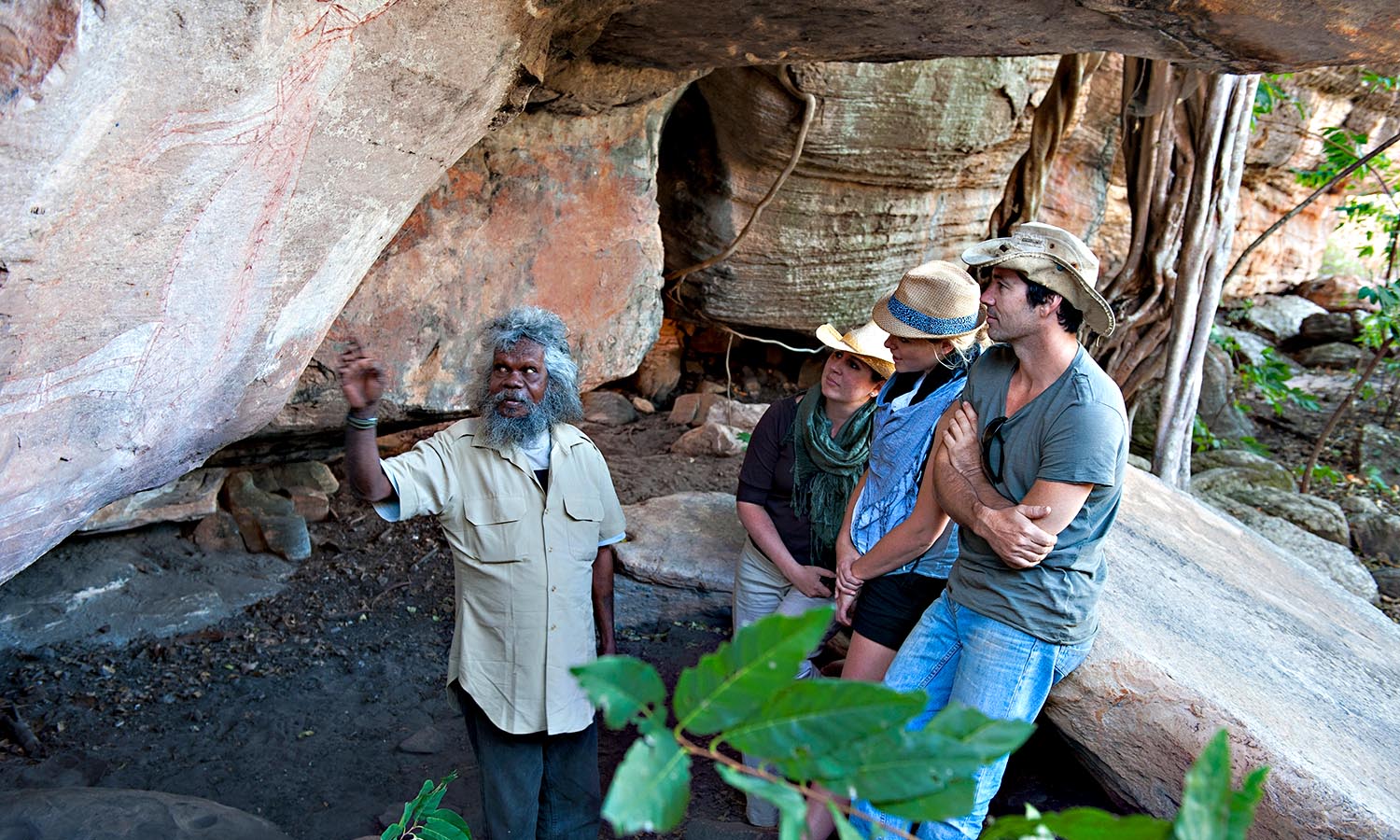
These tours offer privileged access to the entire area and can generally take guests anywhere they want to go across the region, matched to the guests’ interest. This includes photography enthusiasts who want to photograph birds, culture and landscape, as well as those who want to gain a deeper understanding of the Indigenous people of the region. The rock art at Injalak Hill in particular is a sight to see and local guides explain its significance that dates back to between 100 and 8,000 ago.
Sab and his small number of guides operate exclusive and personalised private tours through Kakadu and Arnhem Land during the dry season – April and October. Accommodation options range from world class luxury lodges to comfortable private camps, with permanent tents, with floors, beds and solar lights and fans. Who says you have to rough it in the Top End!
Located in south-east Hokkaido, Shikotsu-Toya National Park is a living breathing museum of volcanoes.
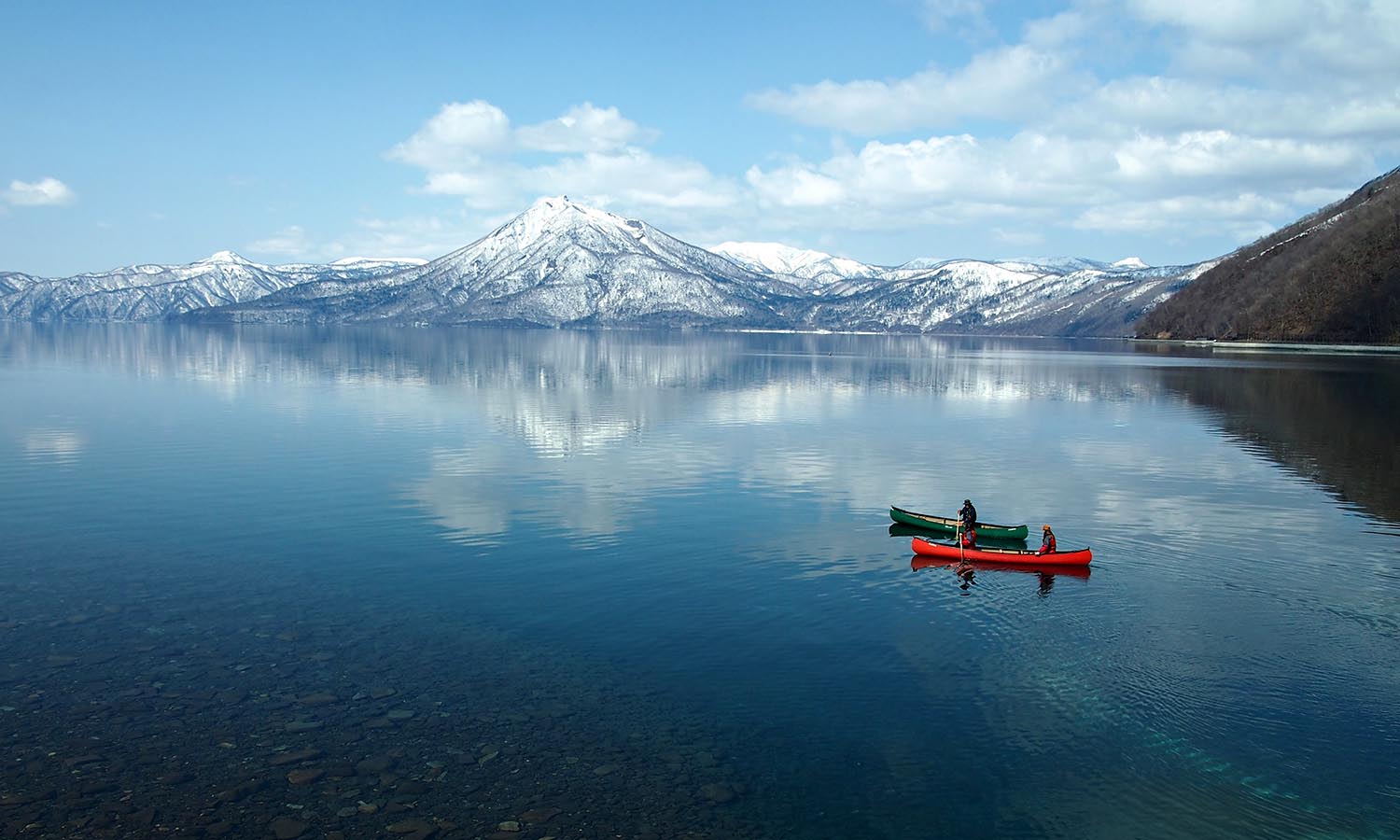
Experience seasonal scenery and encounter local wildlife at Shikotsu-Toya National Park at the two major caldera crater lakes, Lake Shikotsu and Lake Toya, as well as volcanos Mt. Yotei, Mt. Usu, and Mt. Tarumae.
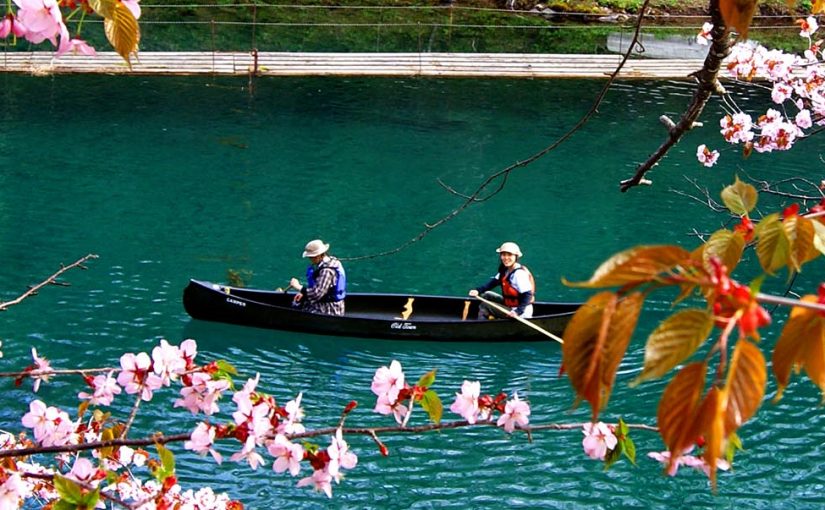
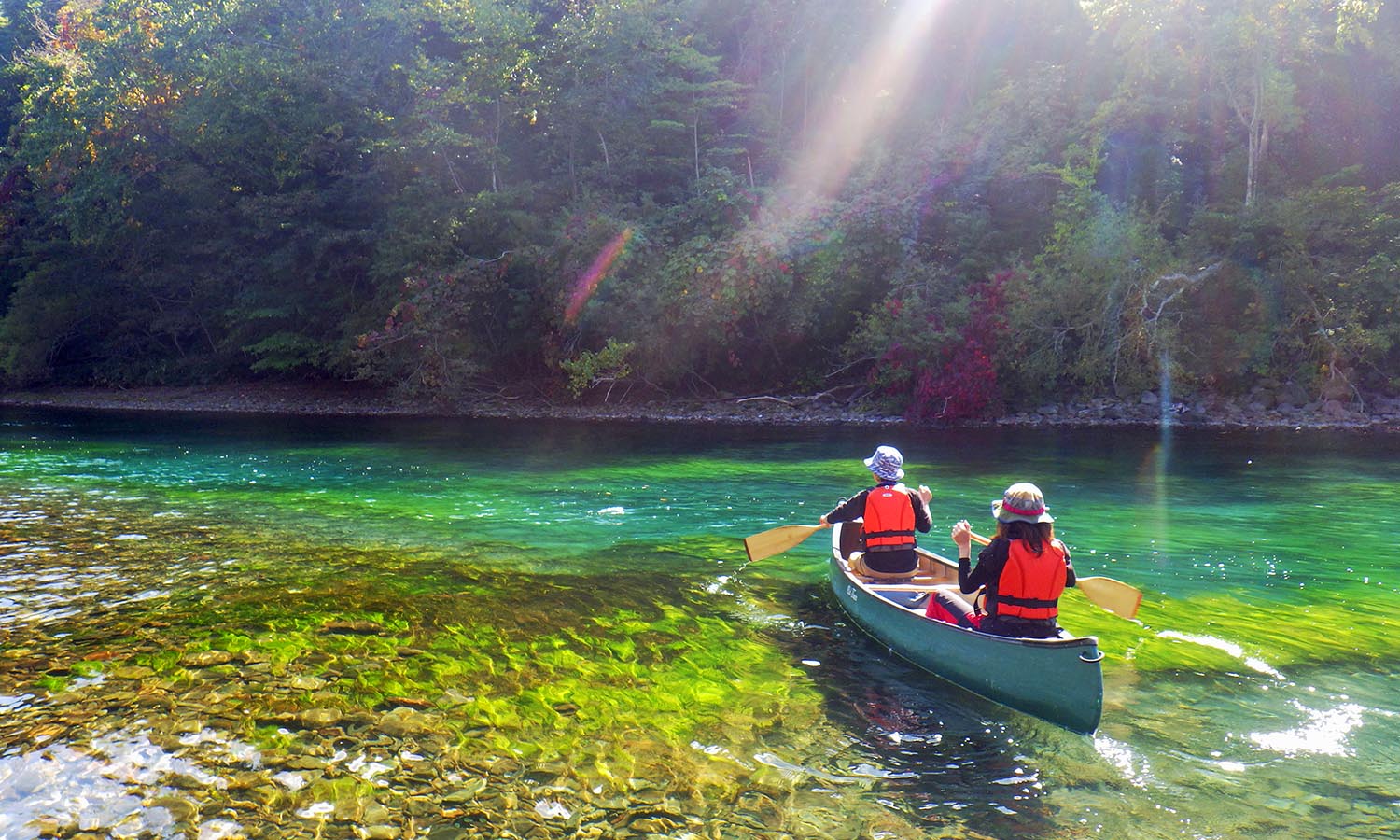
And no, you don’t have to be a volcanologists to enjoy Shikotsu-Toya National Park. There is so much too see and do here that you’ll be scrambling to get through it all. There are loads of activities and much to explore including a plethora of onsen (hot springs), paddling on Lake Shikotsu on a Canadian canoe, rowing across Lake Shikotsu on a clear bottom kayak, and freshwater diving in ice-free Lake Shikotsu.
Whether you are an ornithologist or just a nature lover, there’s plenty of wild birds to observe as Lake Shikotsu is the home to a third of all species of wild birds. There’s also the cute and adorable Hokkaido squirrel and deer to spot. Climb the rugged Mt. Tarumae with a professional guide and don’t miss the spectacular views of the national park from the summit! Other results of volcanic activity, including sulfuric eruptions and other geothermal phenomena can also be observed, earning the national park a reputation as a “museum of volcanos.”
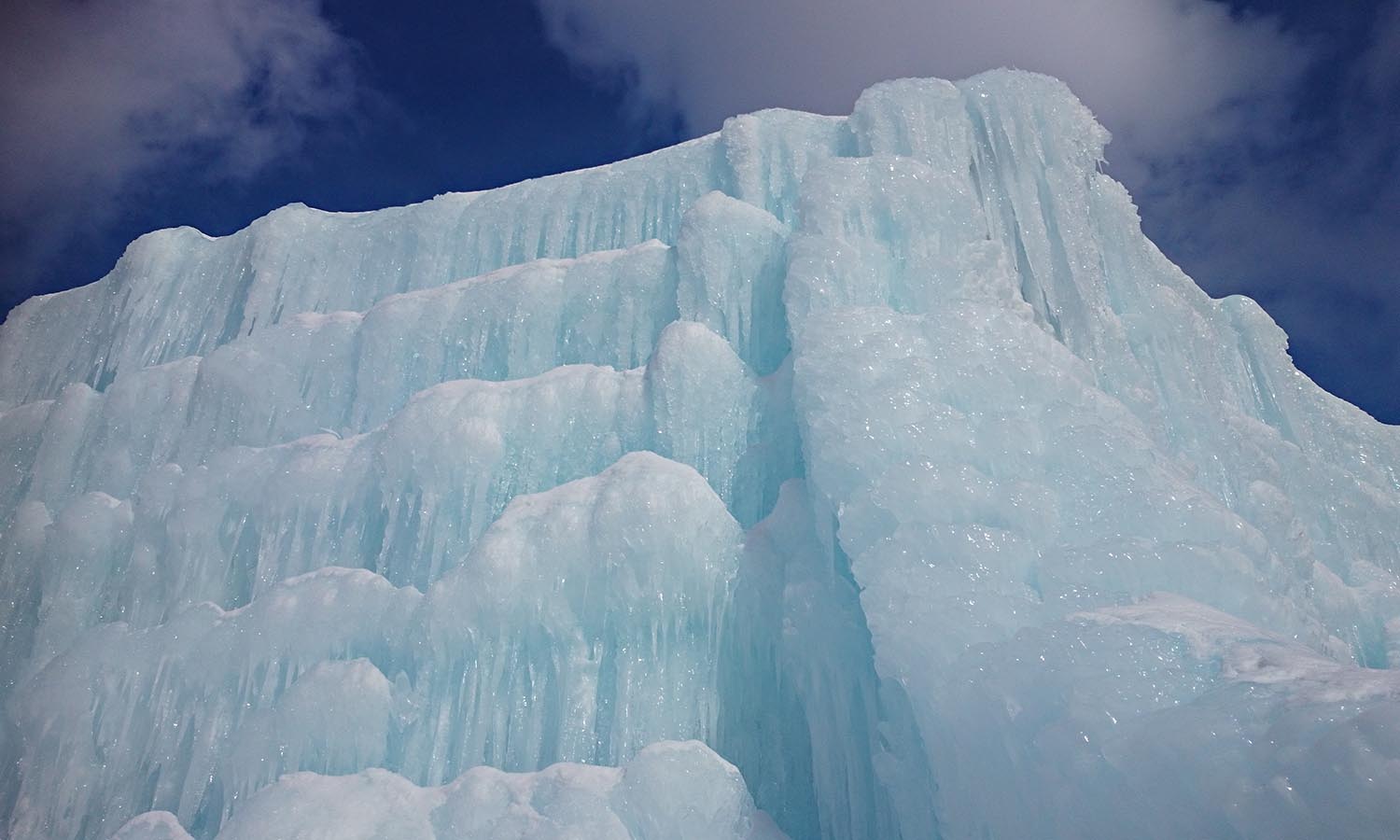
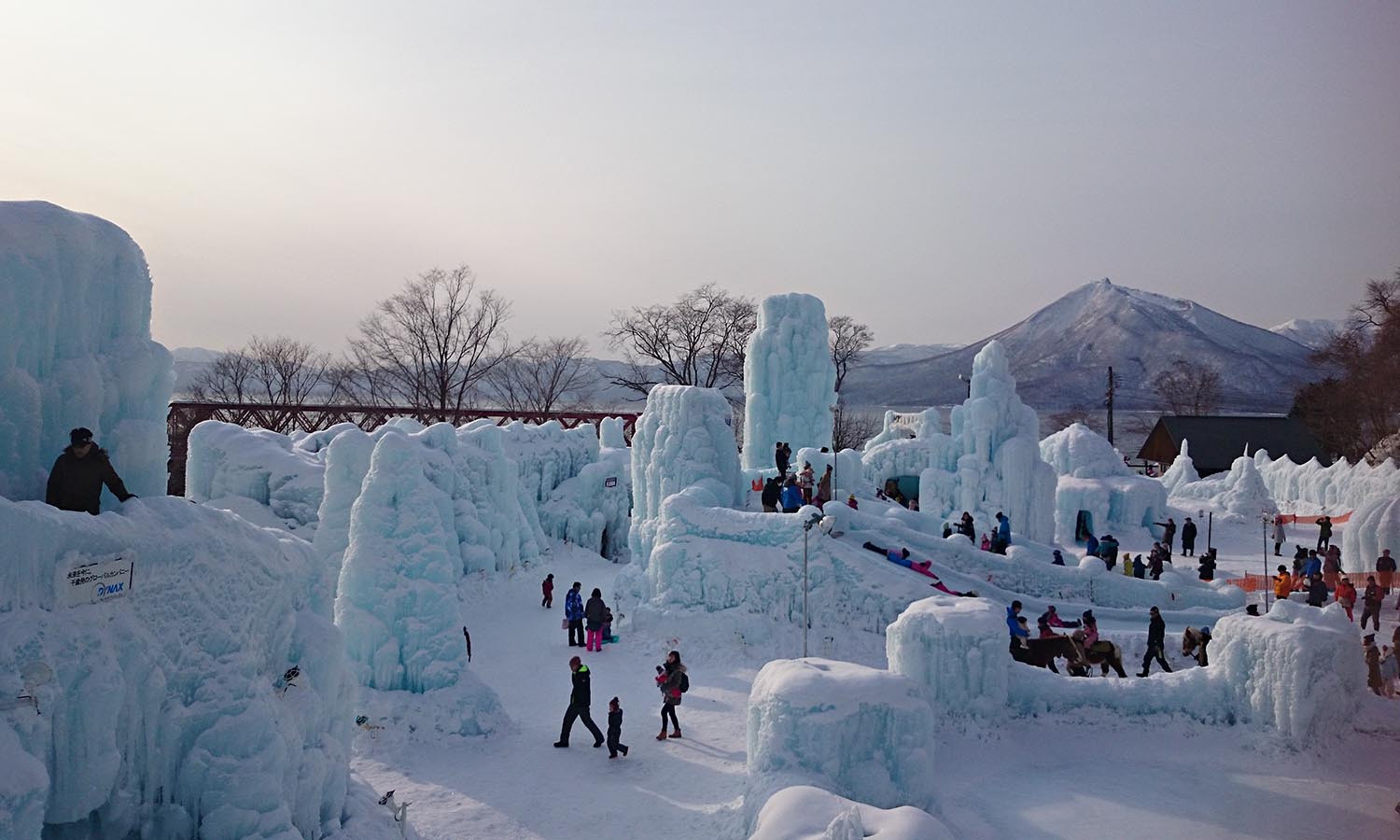
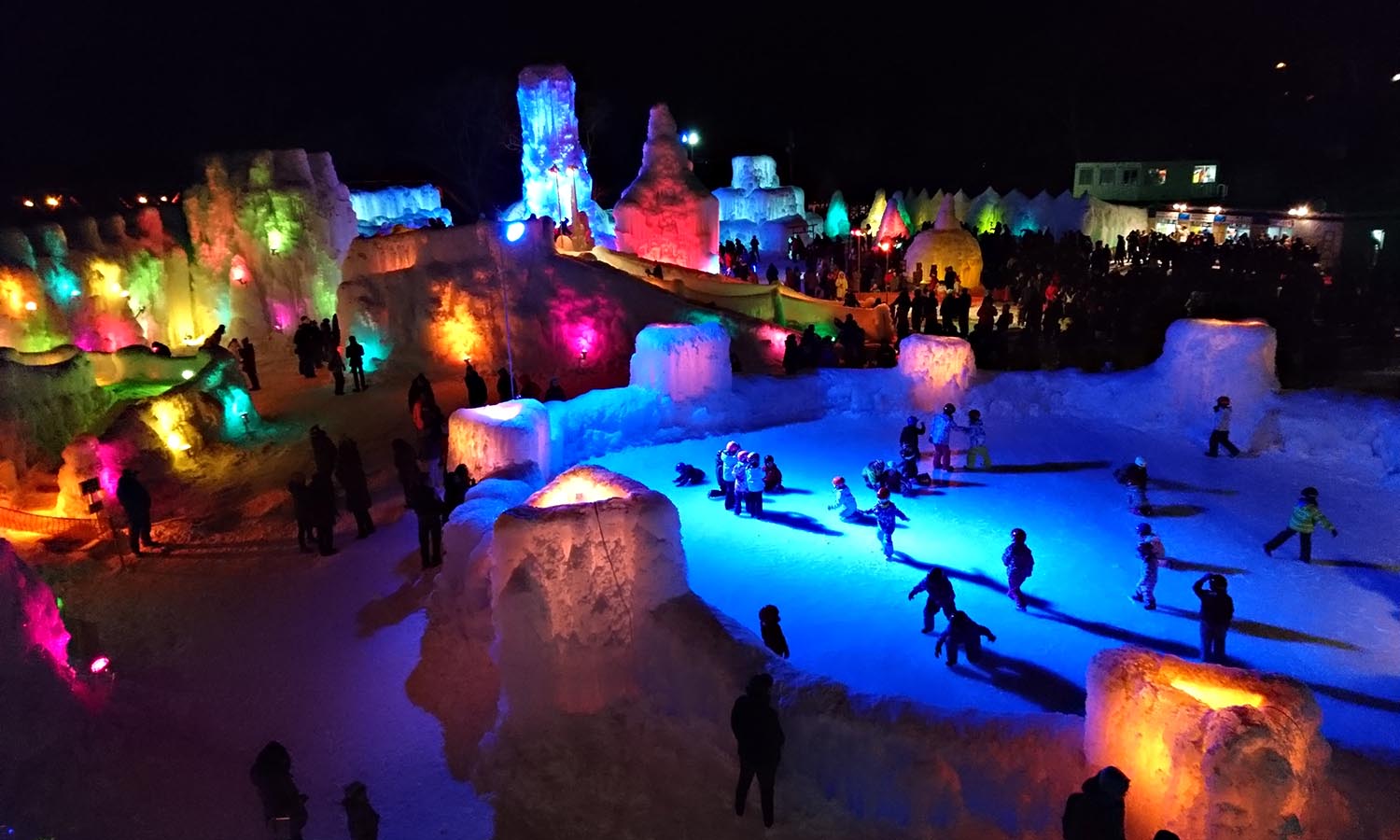
The Lake Shikotsu Ice Festival is the cherry on top with intricate ice sculptures made with water blown by the wind from Lake Shikotsu, which freezes to create fabulous forms. The ice sculptures glitter “Lake Shikotsu Blue”during the day, and are illuminated at night with colorful lights. On weekends and holidays see fireworks displays after dark and when it’s time to unwind, there is no better place than the natural hot springs of Jozankei Onsen.
 (
(