If you’ve ever looked at a rainforest and thought, “Yeah, but what’s going on up there?”, this one’s for you.
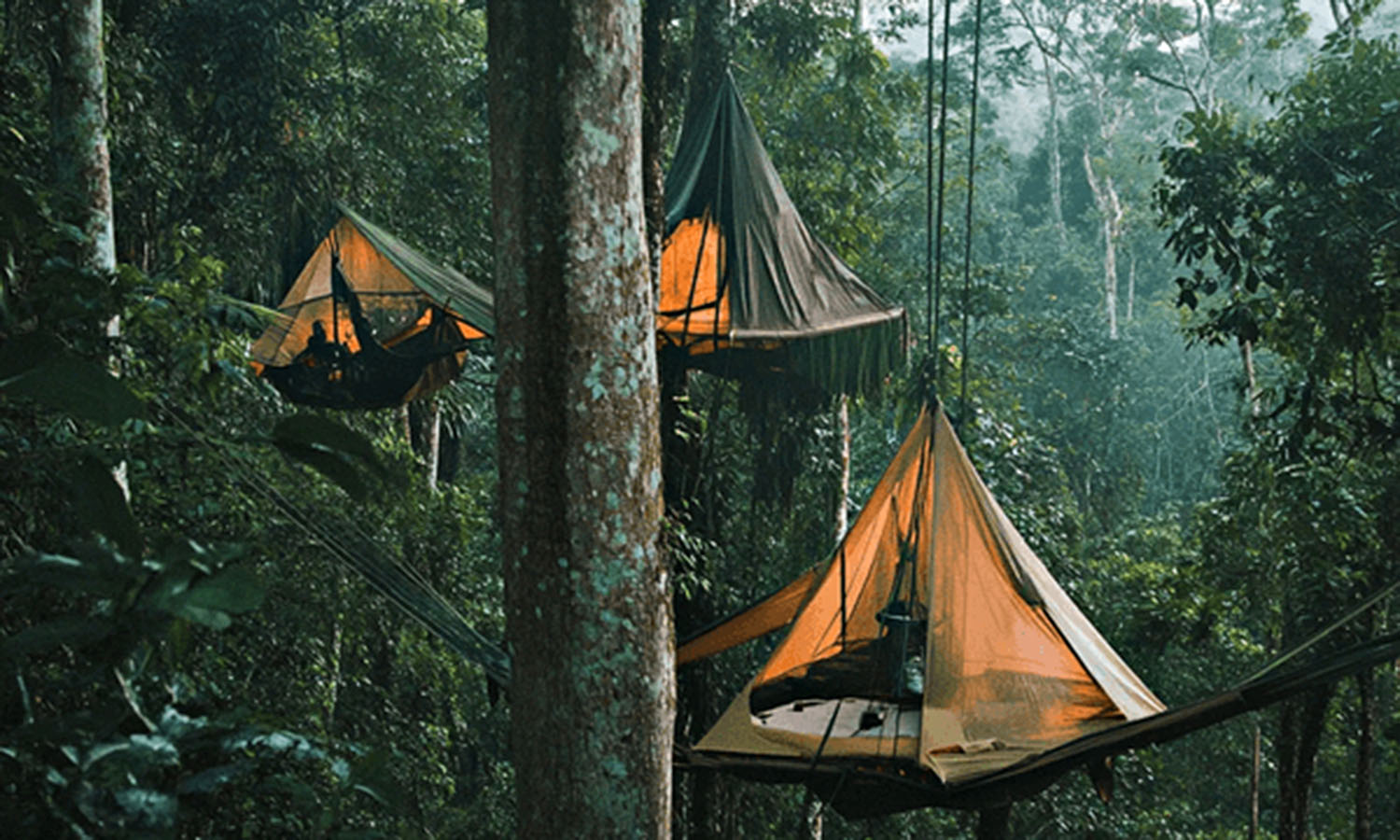
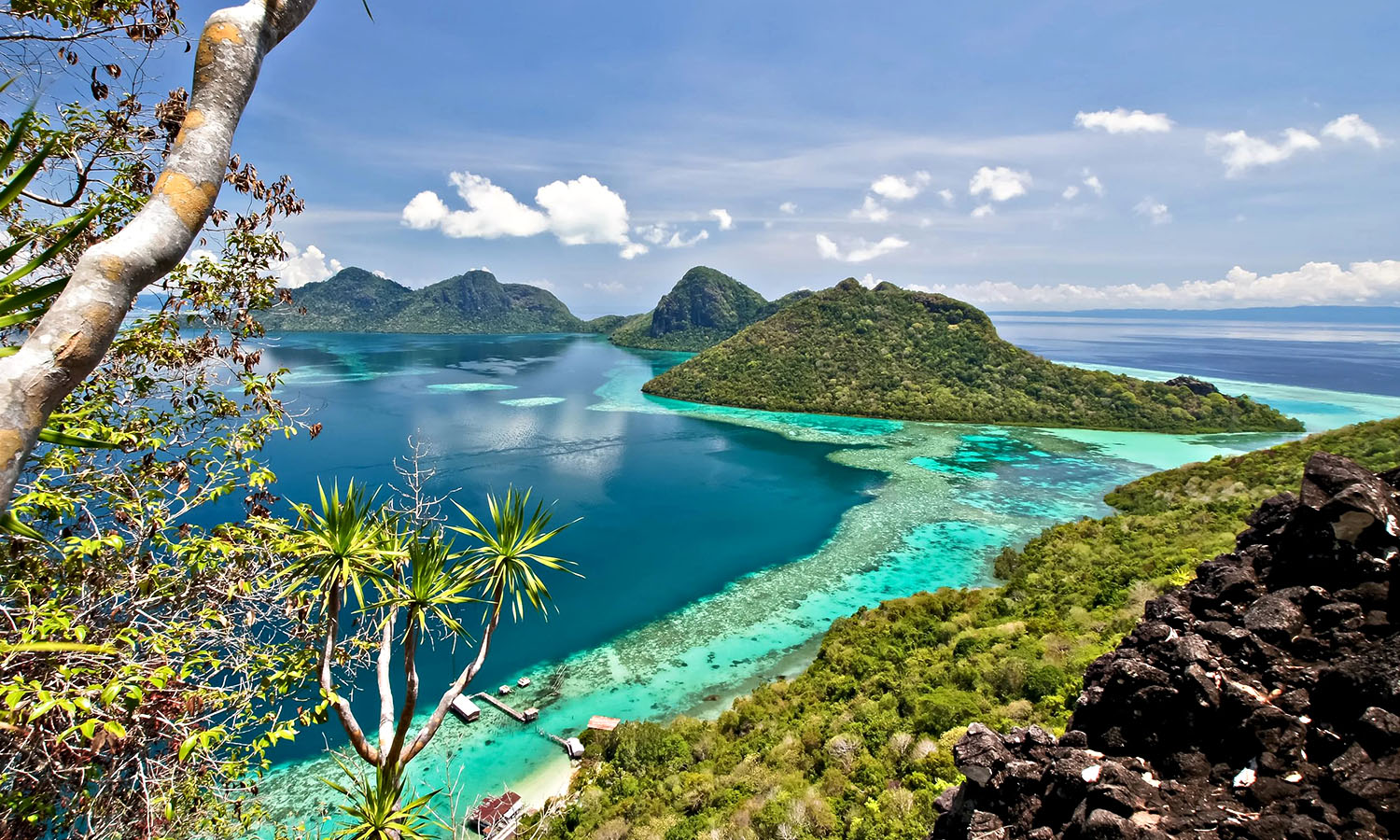
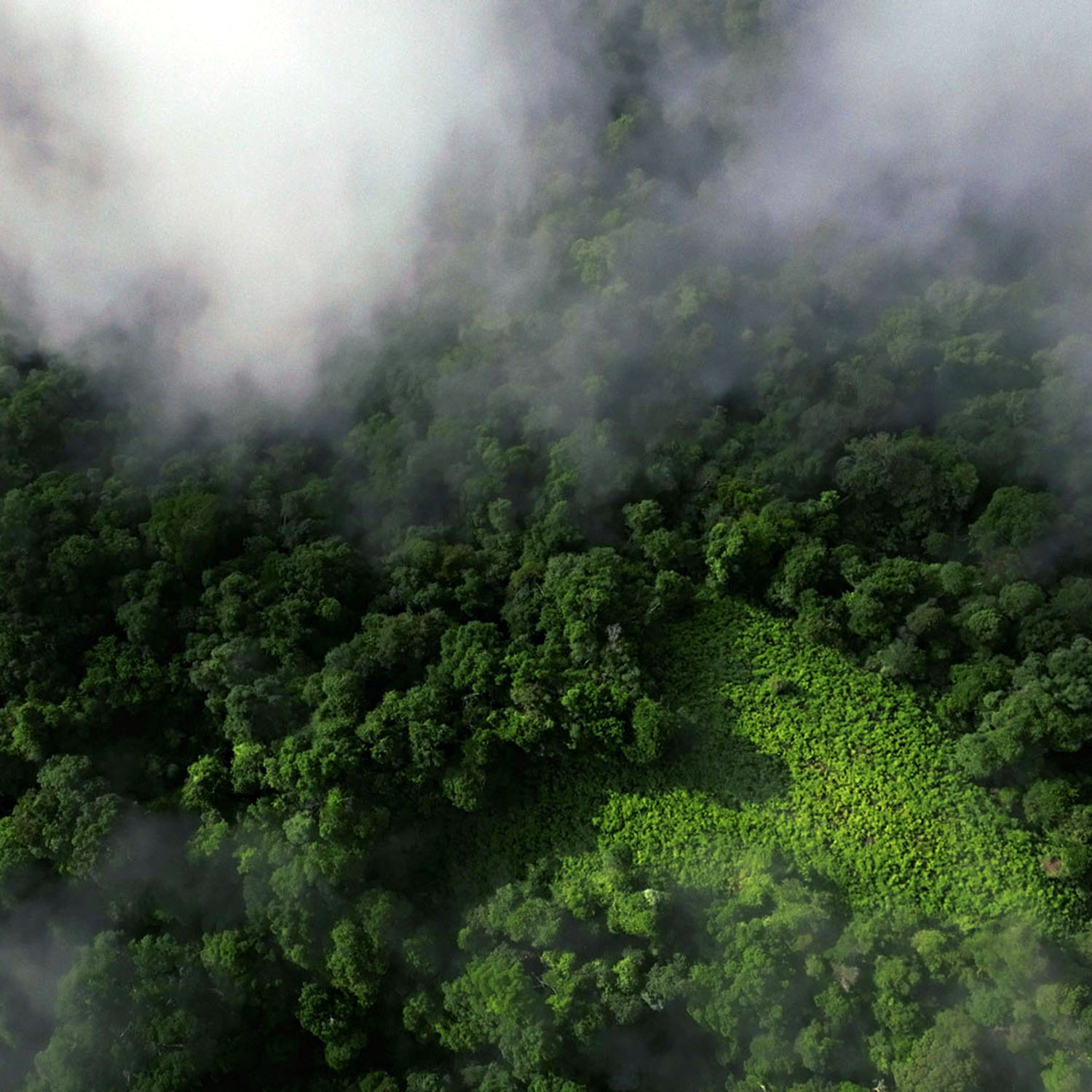
Luxury adventure outfit Cookson Adventures has just launched what it’s calling the world’s first hanging camp in Borneo, and it’s exactly what it sounds like. For up to three days, your feet won’t touch the forest floor. Instead, you’ll live 30 metres up in the canopy, strung between some of the tallest tropical trees on Earth.
This isn’t glamping with a good view. It’s a fully suspended, leave-no-trace setup in a protected conservation area, accessed only by rope. Think sleeping platforms, communal hangout spots and even rainfall showers, all connected by a web of zip lines and climbing lines. And instead of hours sitting in traffic, your morning commute is a short traverse across the treetops.
What really gets ya though, is what’s happening around you. The rainforest canopy is still largely unexplored (often called the planet’s “eighth continent”), and guests will join scientists studying this complex ecosystem. You could be helping set light traps for insects, observing bats and birdlife, or collecting plant samples, all while hornbills, gibbons and orangutans move through the branches nearby.
But before you head skyward, there’s a weekend of rope training. By the end, you might even leave with a recognised qualification. Not to mention some pretty serious bragging rights.
It starts from AU$475,000 for four nights, for up to six guests. Pricey? Yes. But sleeping in the treetops of Borneo doesn’t exactly come with a ‘budget’ option.
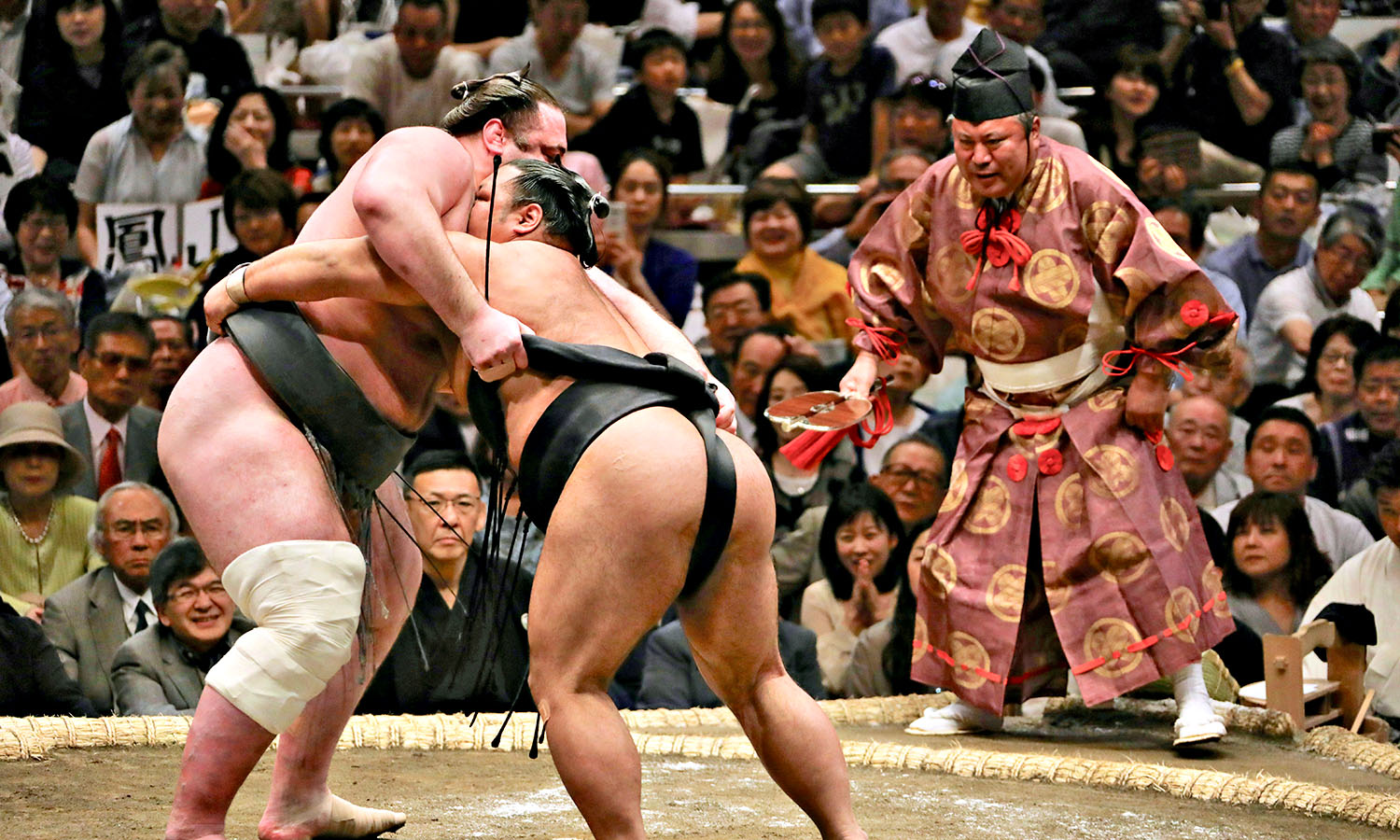
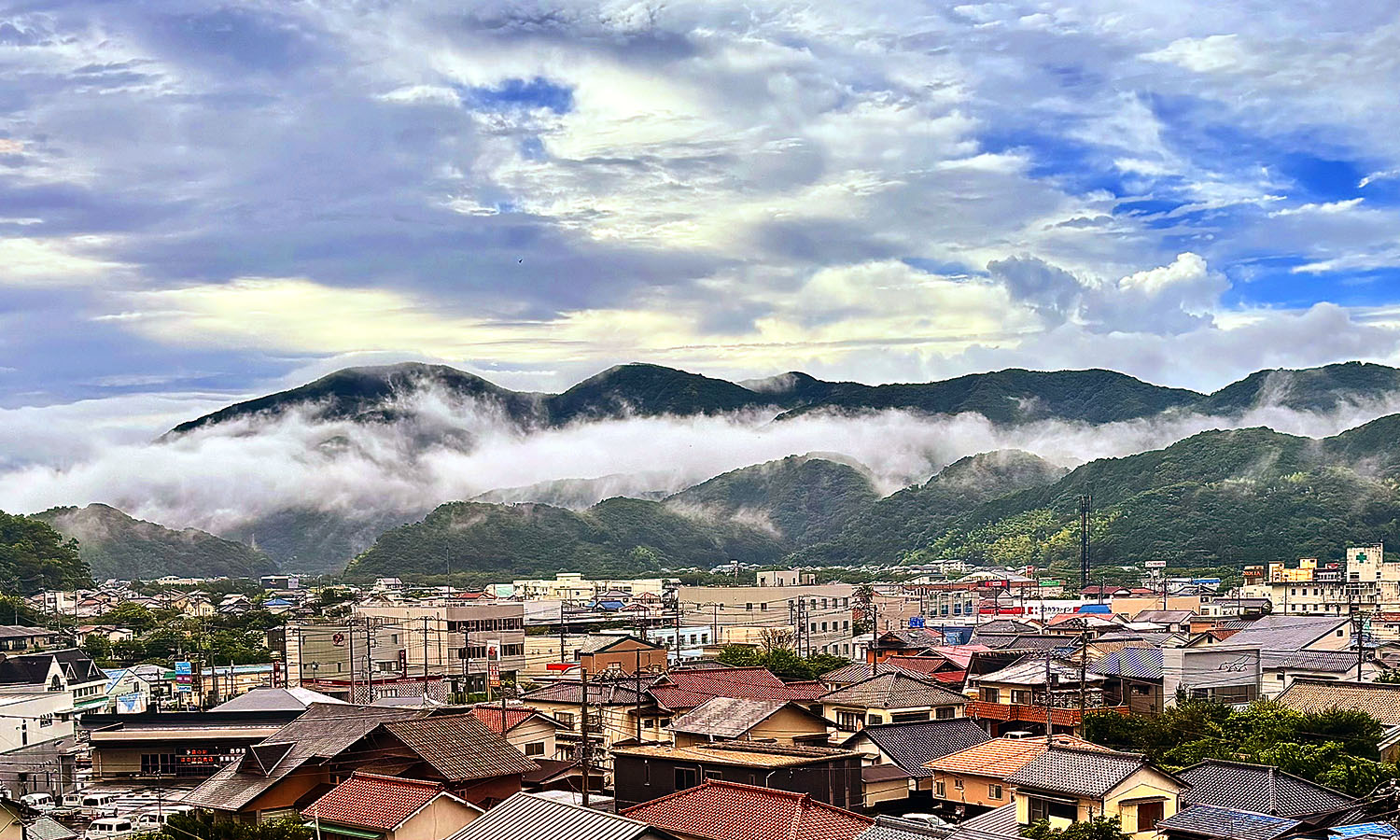
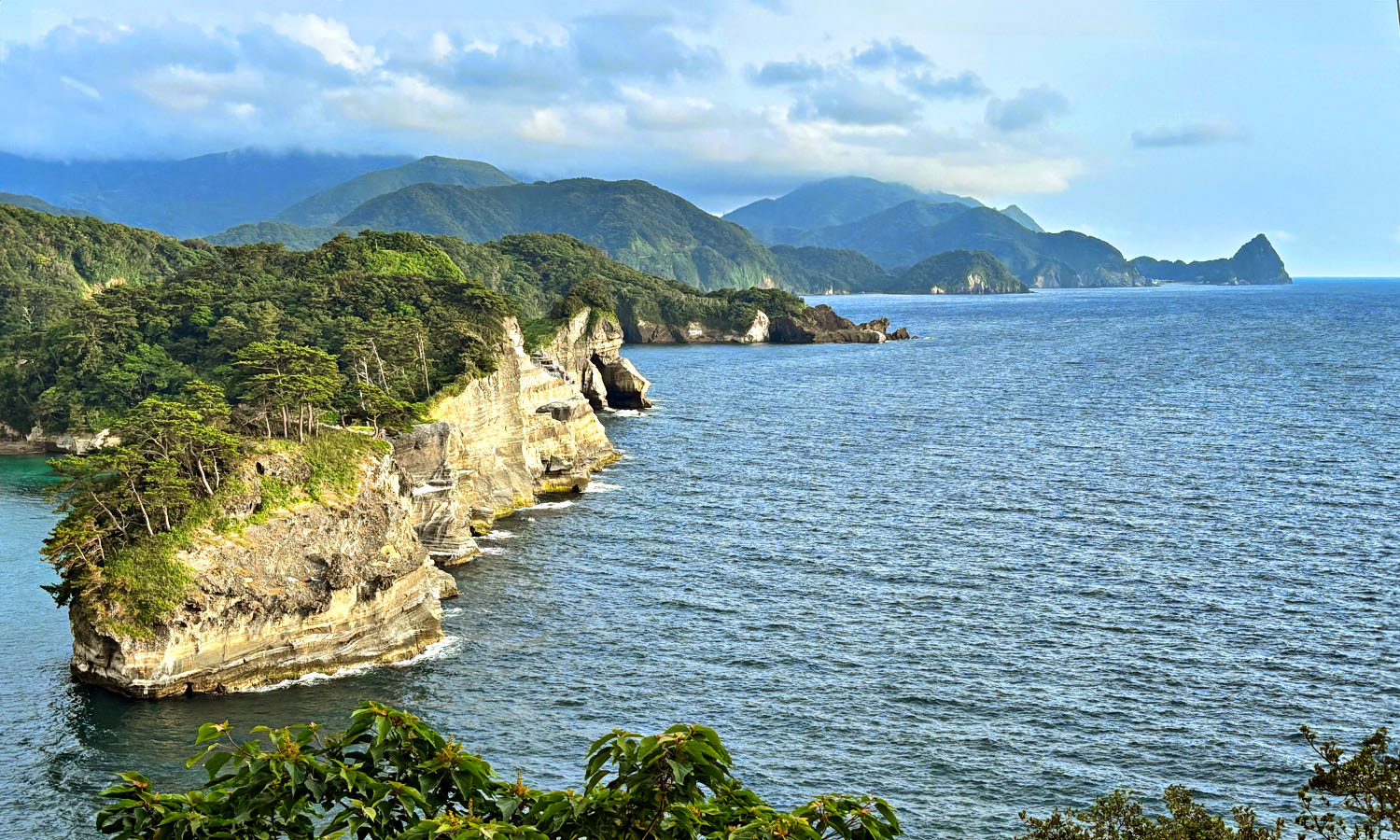
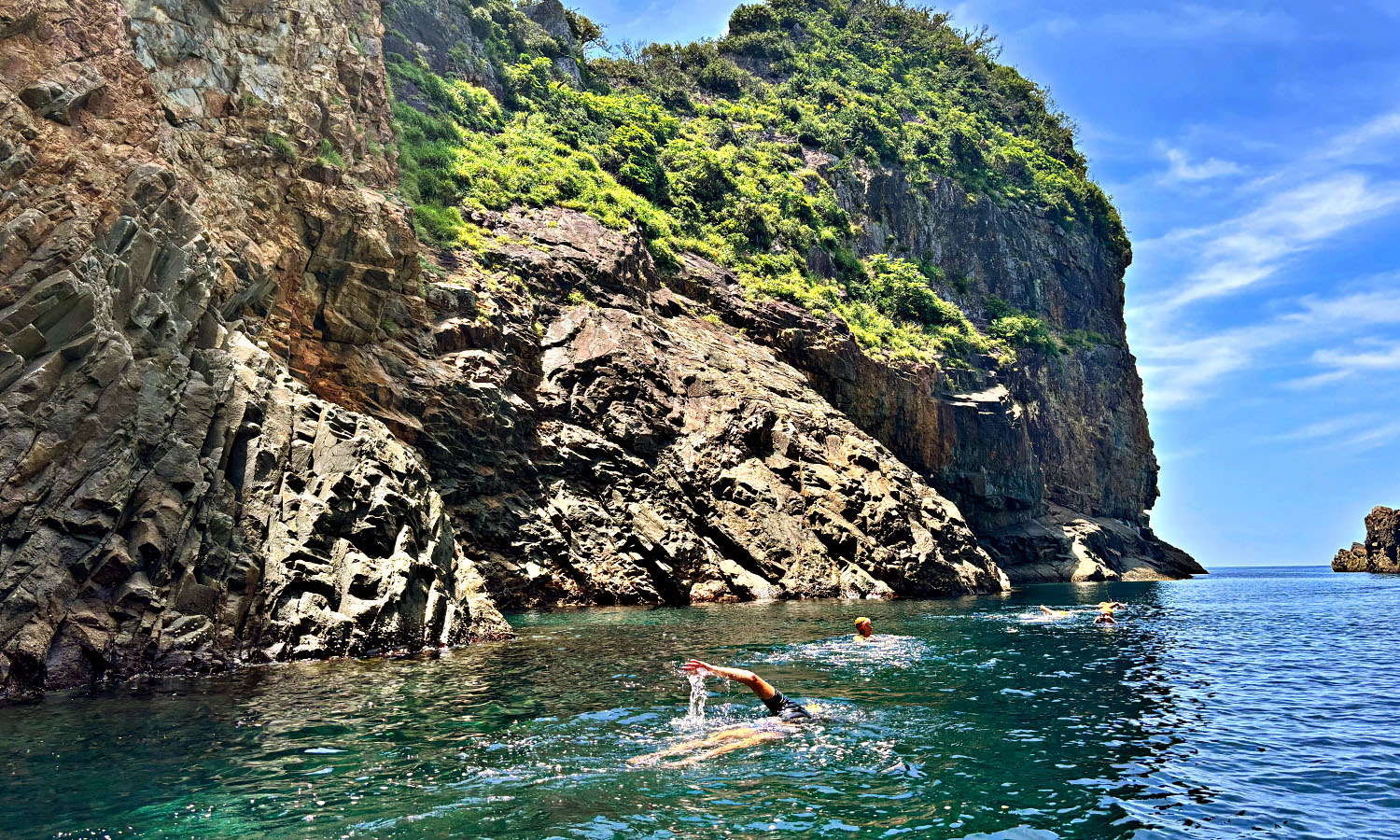
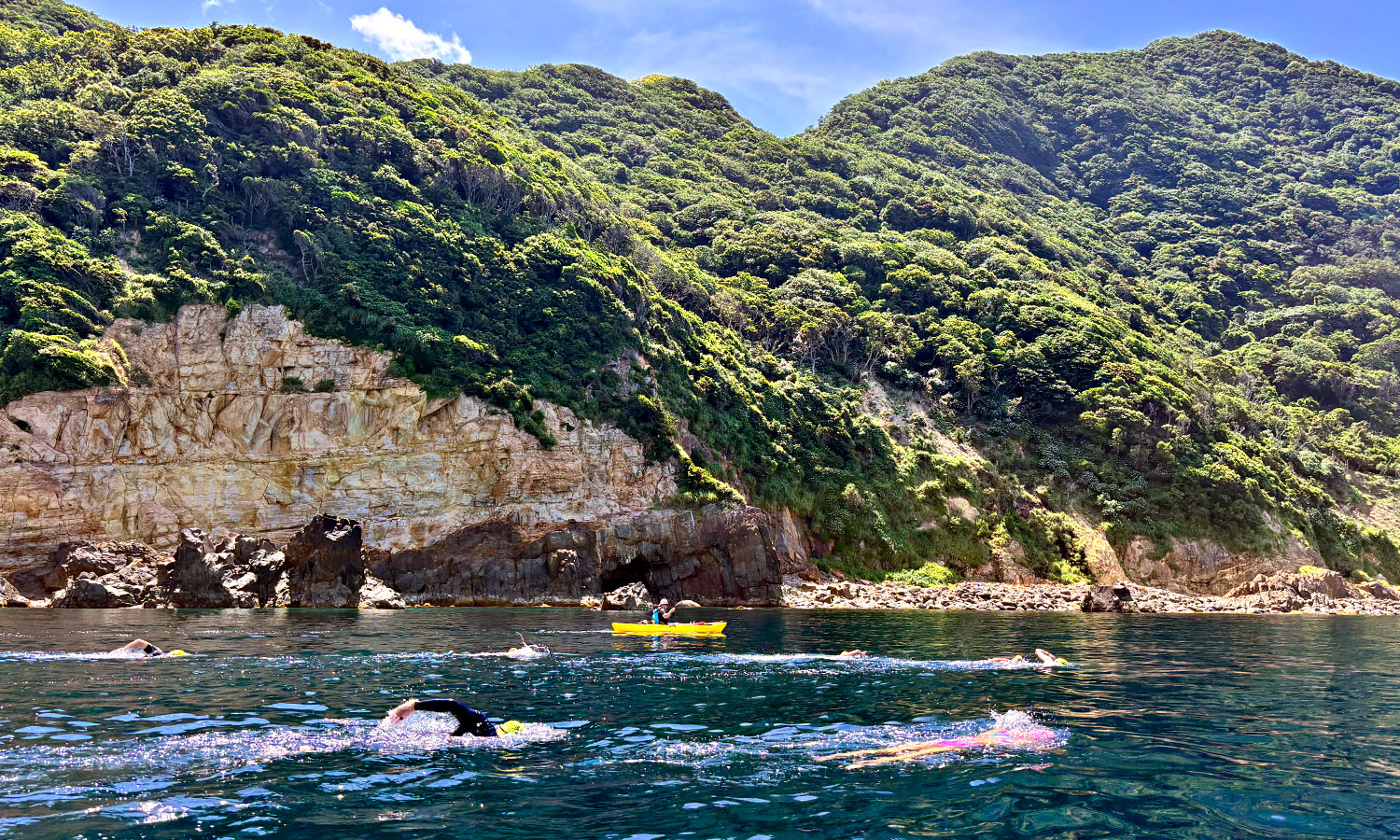
Organised by Cross Country Swimming, this is the kind of trip where you eat tuna at dawn in Tokyo, watch sumo wrestlers attempt to fold each other in half, then spend the rest of the week swimming along a volcanic coastline so dramatic it looks like it’s been sketched by a moody anime director.
You land in Tokyo and immediately realise this city has more personalities than a Bond villain.
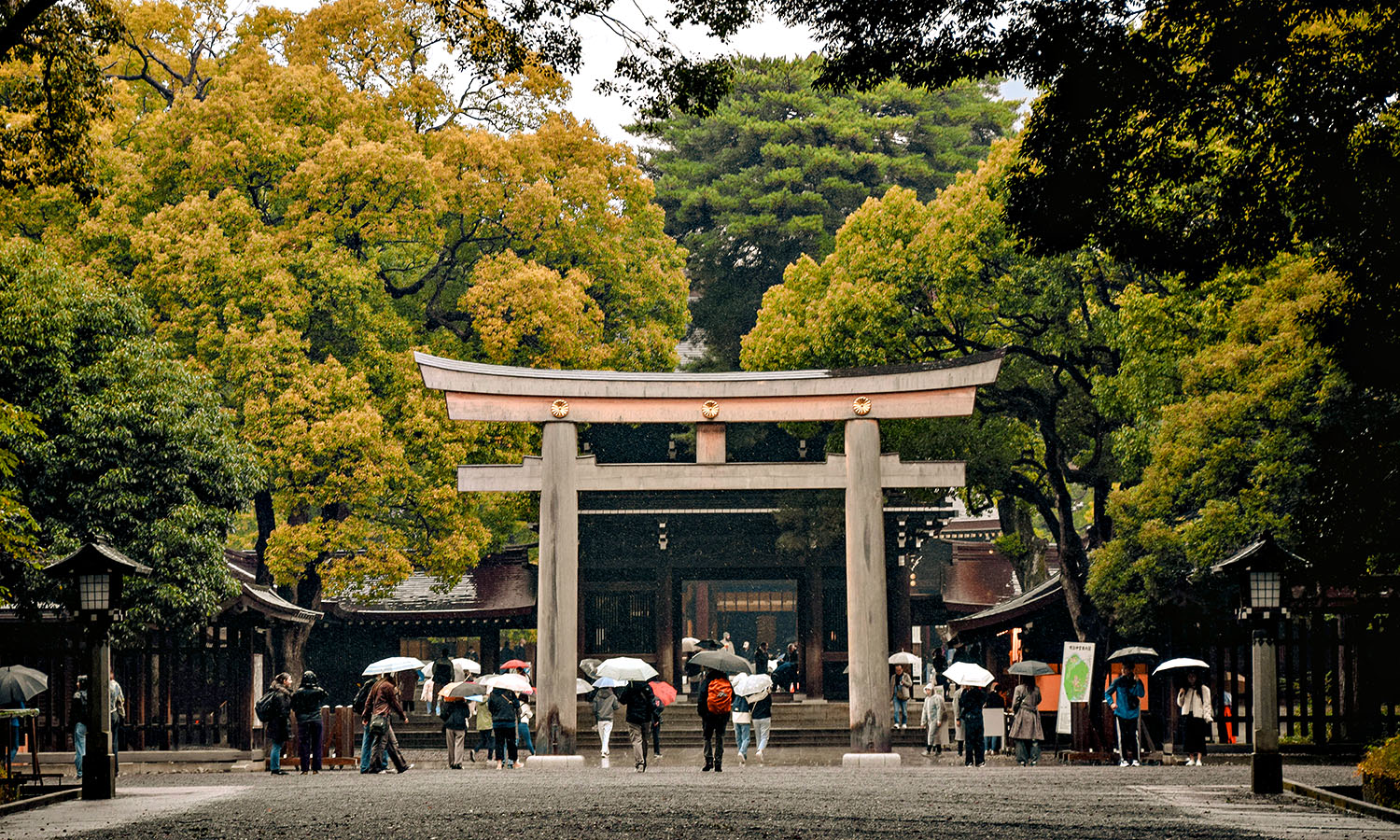
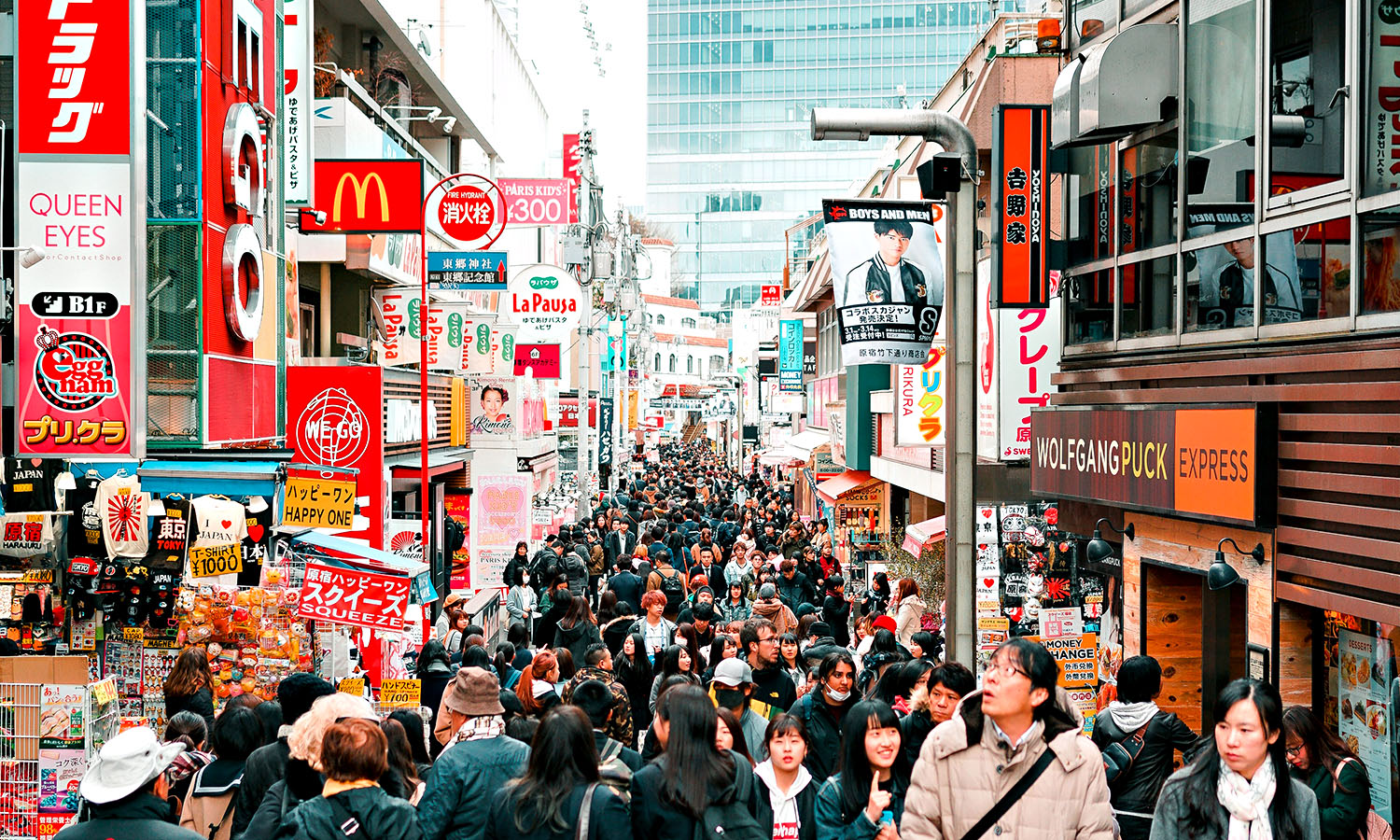
You start in Harajuku, because of course you do. One minute you’re standing under the towering torii gates of Meiji Jingu, surrounded by 120,000 trees and Shinto serenity. The next you’re dodging cosplayers, vintage denim hunters and teenagers dressed like intergalactic cartoon villains.
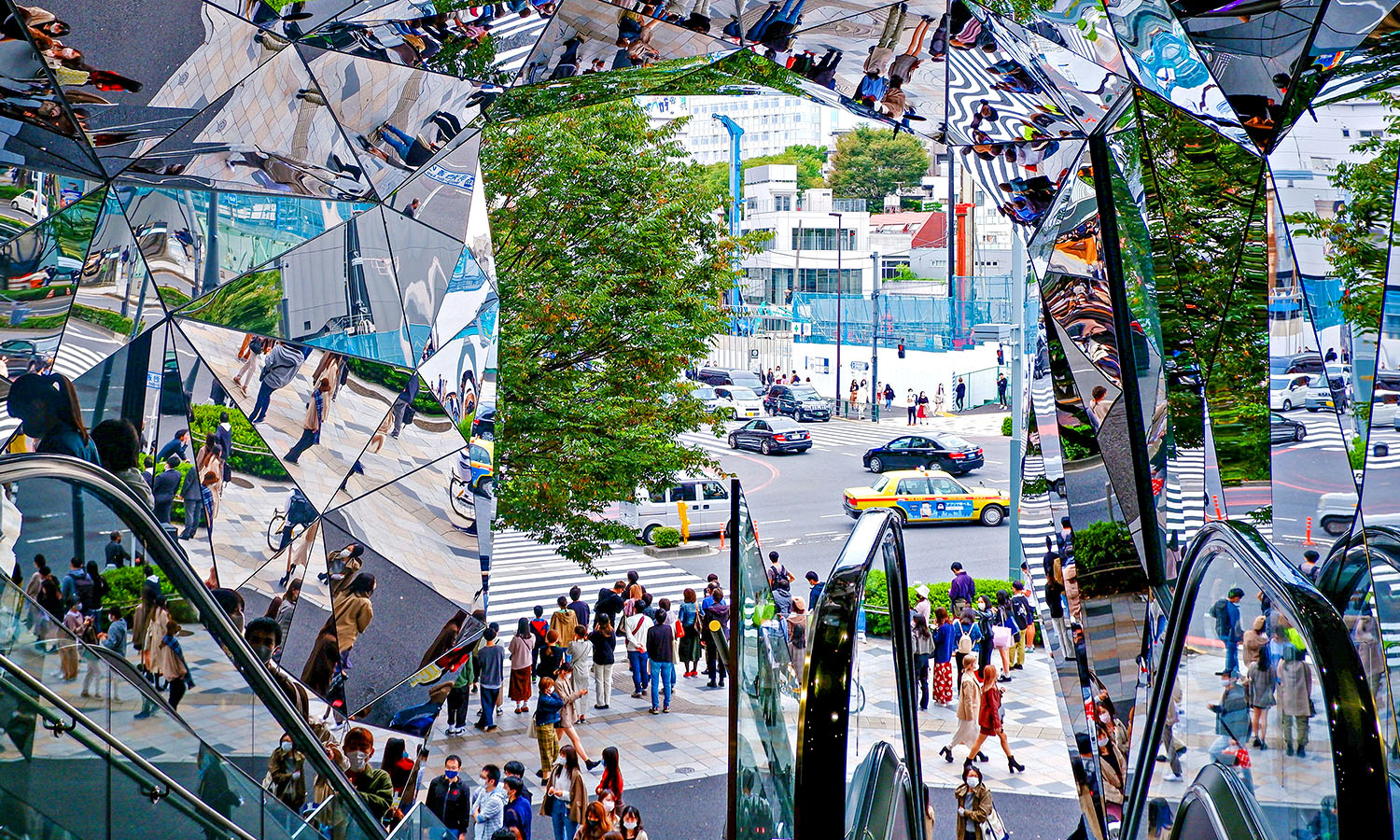
You drift past Yoyogi Park, birthplace of the 1964 Olympic dreams, then get spat out at the human washing machine that is Shibuya Crossing, 3,000 people crossing every few minutes in choreographed chaos.
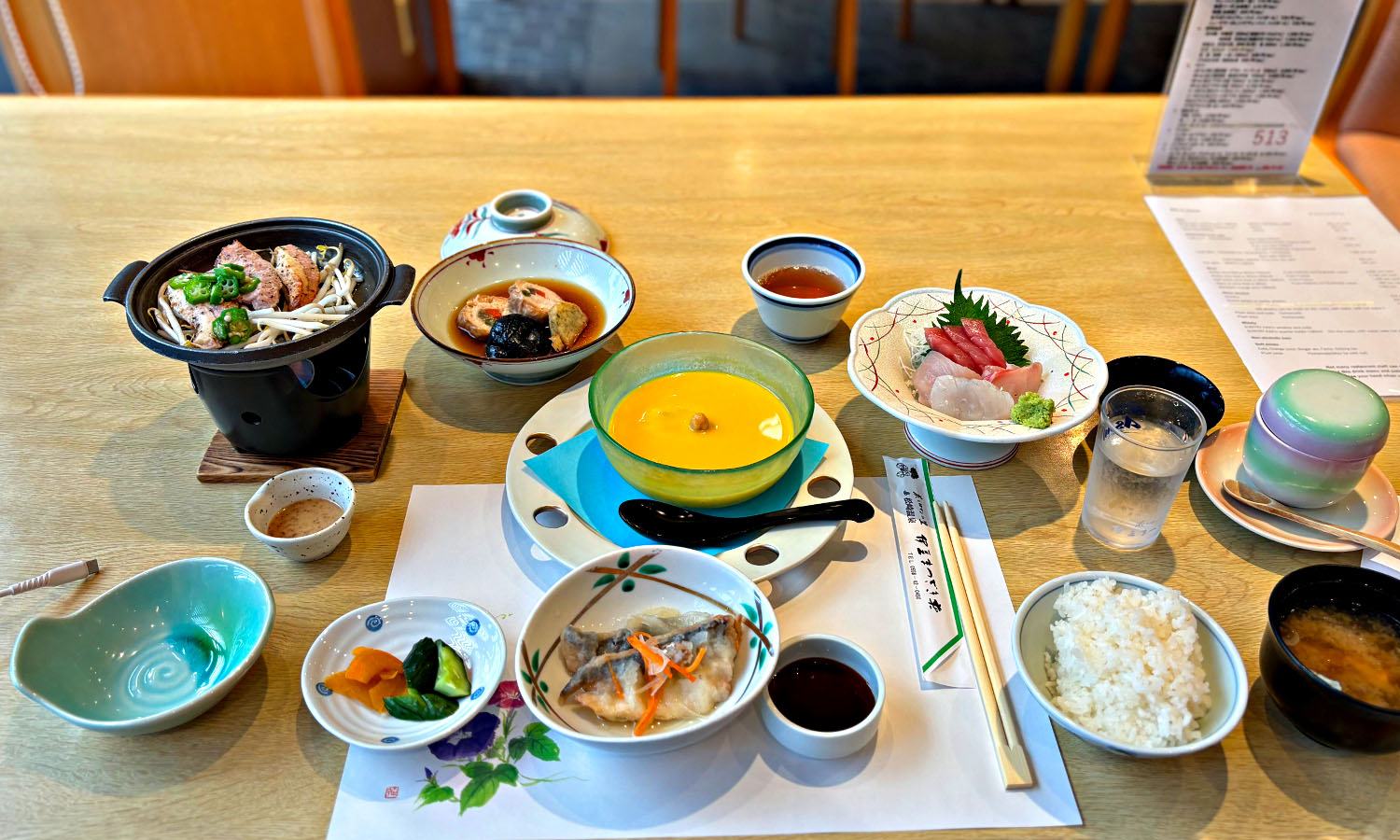
That evening you meet your swim leaders, both coach and part ocean whisperer, and sit down to your first Japanese feast. It’s your introduction to oishi (delicious) and the unspoken rule of this trip: you will swim hard, and you will eat even harder.
Breakfast is at Tsukiji Outer Market, where Tokyo’s kitchens wake up. Prepare your stomach, the fish here is incredibly fresh.
If timing aligns, you’ll witness sumo training, enormous athletes moving with surprising grace and terrifying intensity. It’s kinda ballet and kinda like controlled demolition.
Then you board the train south. Rice paddies blur past. Small towns flicker by. And, if the clouds behave, Mount Fuji looms in the distance, symmetrical, sacred, smug.
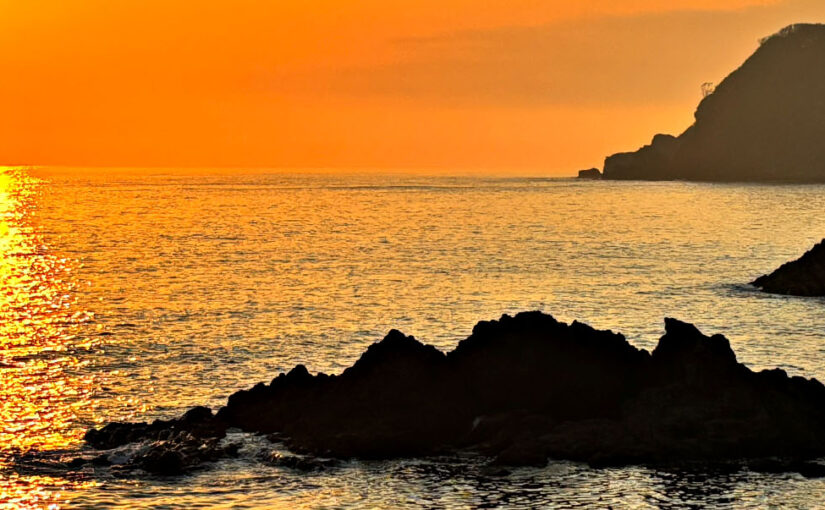
You tunnel through mountains and suddenly the Pacific appears. Cliffs. Points. Jade water. You’ve arrived in Matsuzaki on the Izu Peninsula.
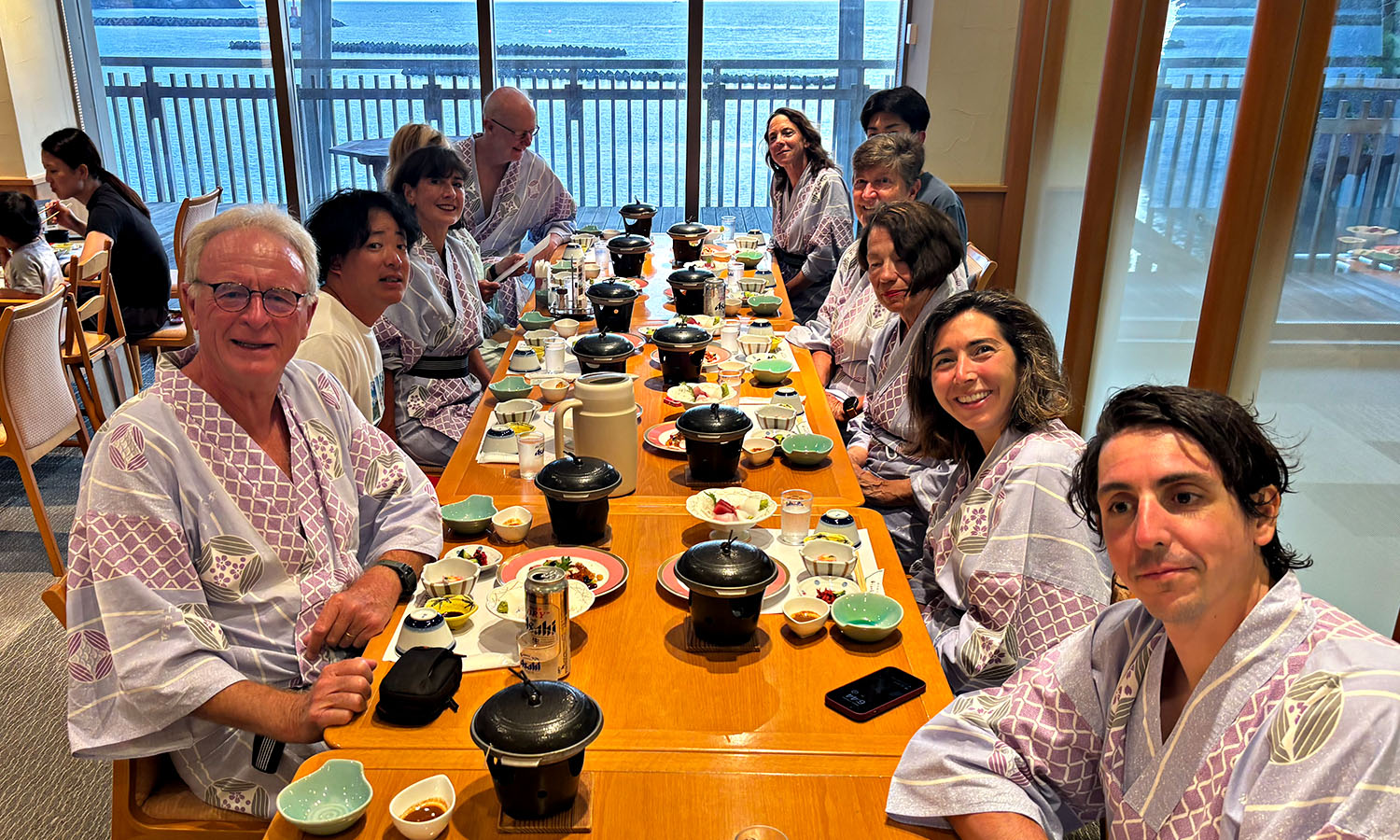
Your home is Izu Matsuzaki-so, a local-run inn perched above Suruga Bay. There’s a hot spring bath on the roof. There’s a restaurant called SUNSET. There’s sake. You’re going to be just fine.
Then it begins.
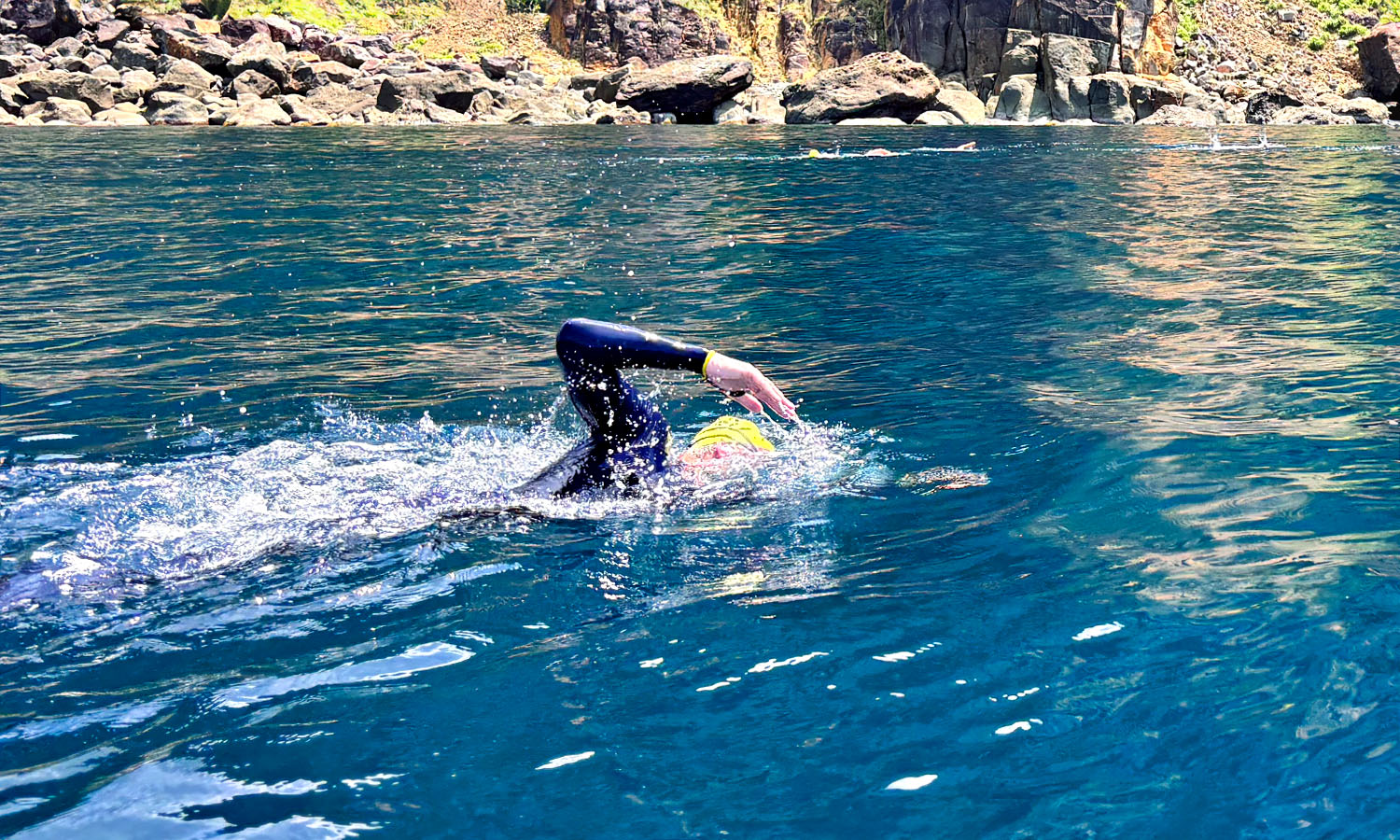
Your first swim: 3km from the beach along a volcano-formed coastline. Fishing boats idle offshore. Locals watch from the sand. The water deepens to ocean blue but stays calm, protected. It’s the perfect “hello” to Japan.
You climb out grinning, salty, already addicted.
Dinner is local fish, shrimp and shellfish. You soak in the rooftop onsen and stare at the coastline you just swam.
You wake to ocean light. Fresh fruit. Coffee. A cheeky pre-breakfast dip.
Today is Iwachi, home to an annual open water swim. Conditions decide the plan. Two 1.8km swims. Race pace if you’re feeling heroic. Leisurely cruise if you’re not.
You glide along “Silent Beach” in Nishi Izu, then toward Ishibu. Both beaches have outdoor onsens, freshwater springs spilling into the sea. You soak where hot mineral water meets salt. It feels illegal. It isn’t.
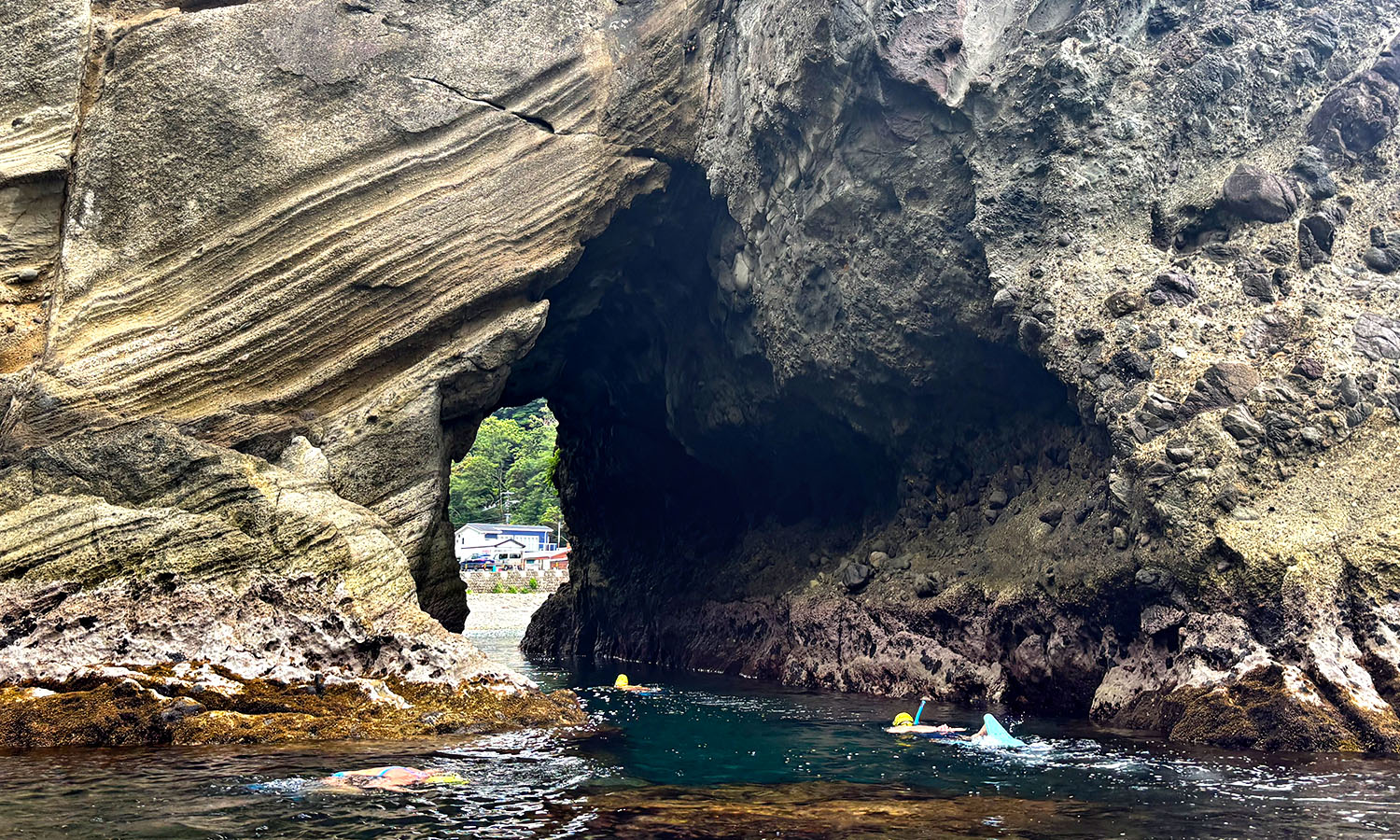
You start at Senganmon, walking through a cave to begin your swim at Hagachizaki Beach. It’s cinematic. You feel like you should have background music.
The day is two 2km swims, broken by beach lunch and whatever flavour of adventure you crave: technique session, full relaxation, or coasteering with expert guides.
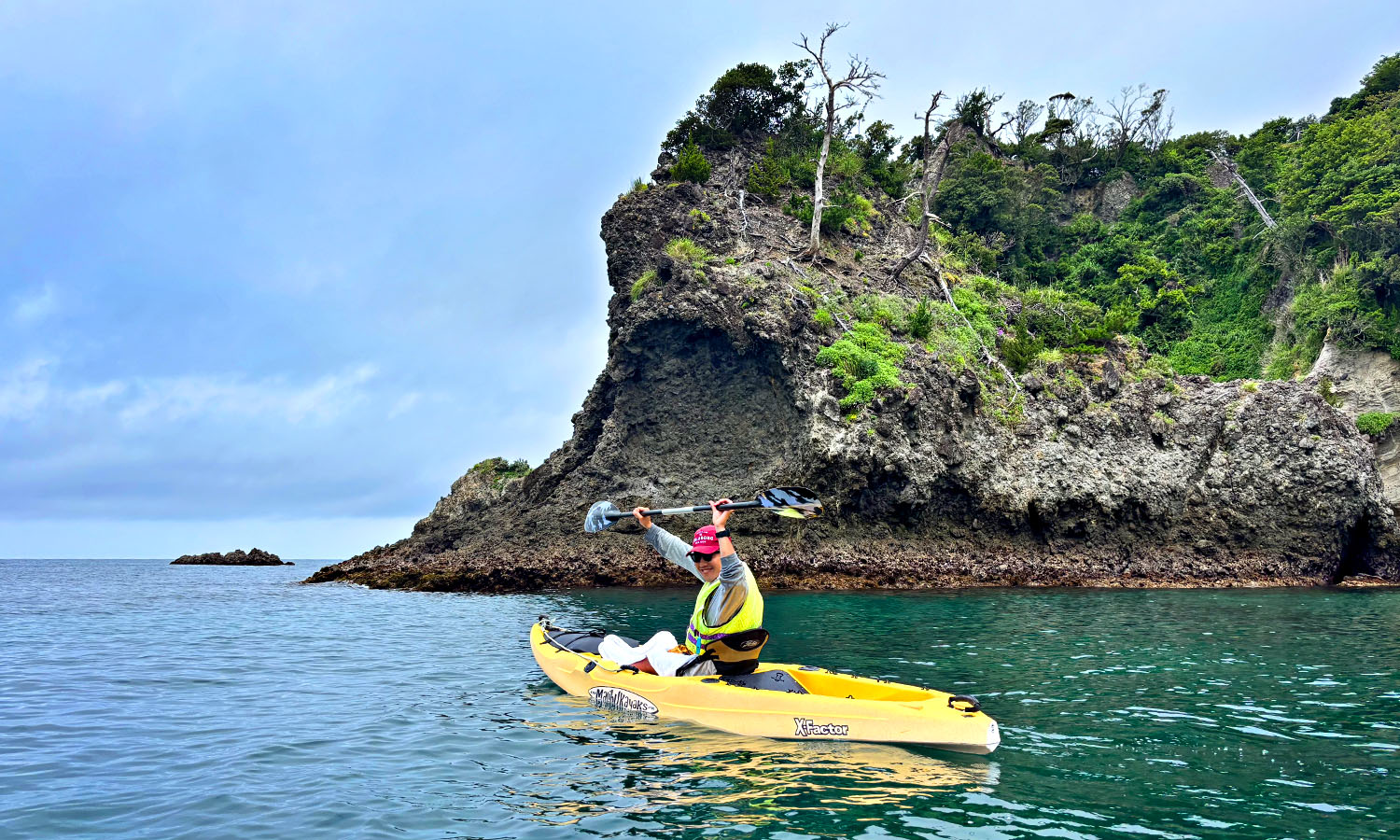
Climb rocks. Leap into hidden coves. Swim through sea caves. Discover secret islands that look like they’ve been misplaced from a Miyazaki film.
If you’ve ever been swimming and thought, “What’s just around that corner?”, today you find out.
Dinner brings warm or cold sake, depending on mood. By now you’re speaking fluent “just one more glass”.
Matsuzaki Beach curves in a perfect arc, pine groves guarding white sand. Today’s headline: 4.2km from a small fishing village back toward Matsuzaki.
This is your chance to stretch out. Find rhythm. Let your stroke settle into something meditative. Or slap on fins and conserve energy, no ego here. You pass cliffs, fishing boats, and water so clear you can see shadows dancing beneath you.
You’re fitter now. Calmer too. The ocean’s no longer intimidating, it’s inviting. Dinner is more local seafood. You’re starting to consider moving here.
Morning brings a visit to the local fish market. Squid ink tea? Raw octopus? Why not. You’re in Japan. Then it’s island hopping in Nishi Izu. Two 2.5km swims toward Sanshiro Island, with a lunch break on the island itself. At low tide, you can literally walk across shallow channels, spotting octopus, sea horses, sea cucumbers and the occasionally terrifying fugu.
It feels like you’re swimming through an aquarium designed by Mother Nature on a creative streak.
Tonight, there’s optional karaoke in a tiny fishing village. You haven’t truly bonded as a swim group until someone attempts Bon Jovi in broken English.
This is what you’ve built toward. A 5km swim from Futo Beach to Tago Island.
There’s a lighthouse waiting. On clear days, Fuji watches from afar like a dignified supervisor. You stop mid-swim, tread water, and stare at that perfect volcanic cone rising above the sea.
It’s challenging, yes. But you’ve earned this. Support boats track you. Fins are welcome. Smiles mandatory. You land on the island knowing you’ve done something real.
Breakfast. Bags. Farewells. Tokyo hums. You head home. Salt still in your hair.
Why This Trip Works
This isn’t just a swim camp. It’s 7 nights of local inns and ryokan stays; 7 breakfasts, 5 lunches, 6 dinners. Fully supported ocean swims. All transport. All listed activities. It’s tradition and technology. Neon and nature. Sushi and sea cliffs.
Japan is where the past and present shake hands. The Izu Peninsula is where the land meets the Pacific in a blaze of volcanic drama. And this trip? It’s where your swimming goals meet a bucket-list adventure. You come for the kilometres. You stay for the sake.
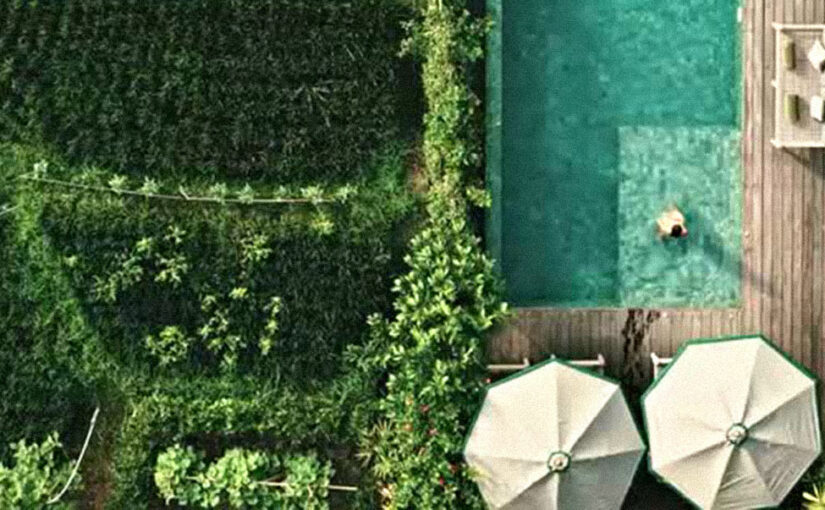
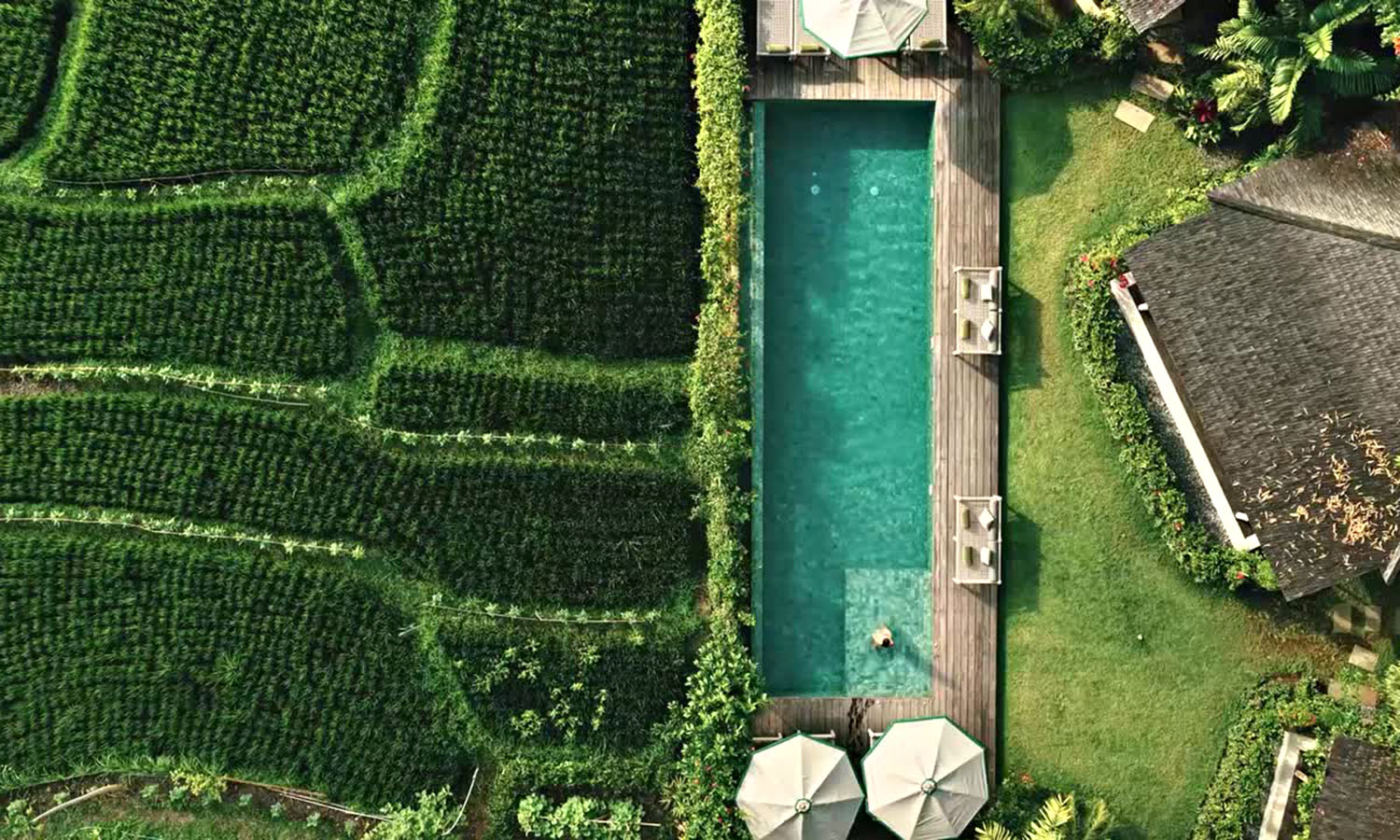
Hidden down a quiet lane in Umalas, where rice fields still outnumber smoothie bowls, Magia de Uma feels like Bali before the volume got turned up. Recently opened and now part of the Design Hotels family, this low-slung retreat isn’t really about grand gestures. It’s more about letting history, craft and nature do the talking.
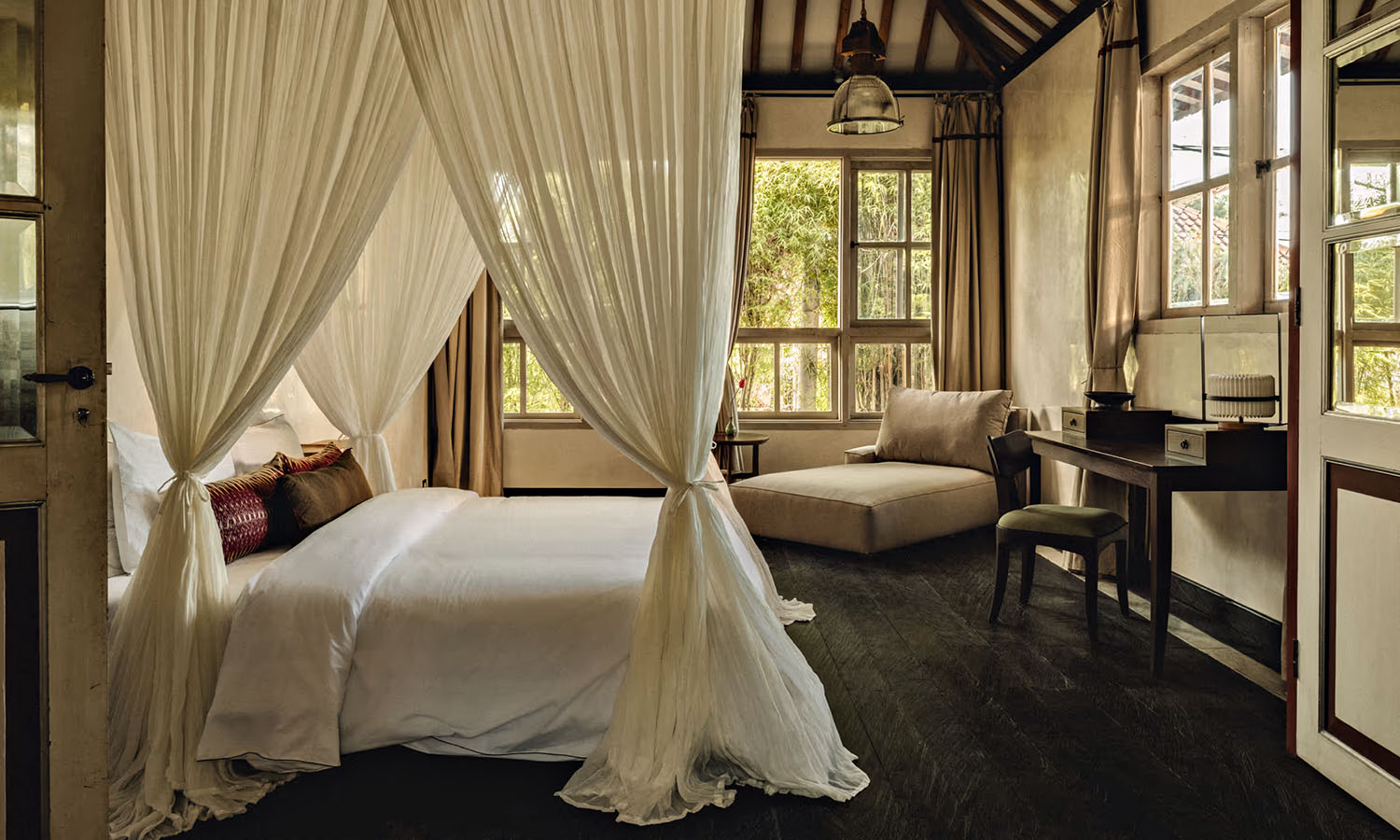
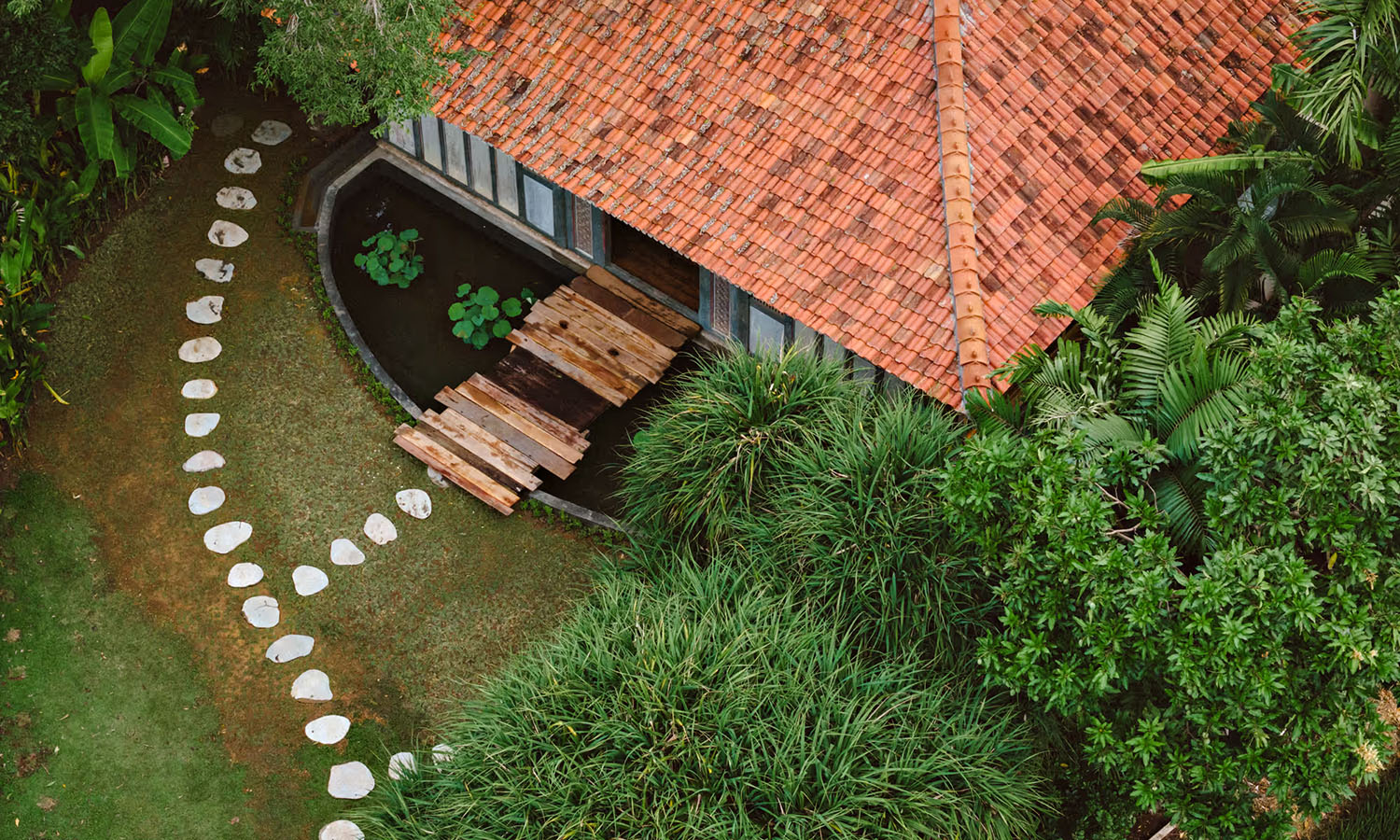
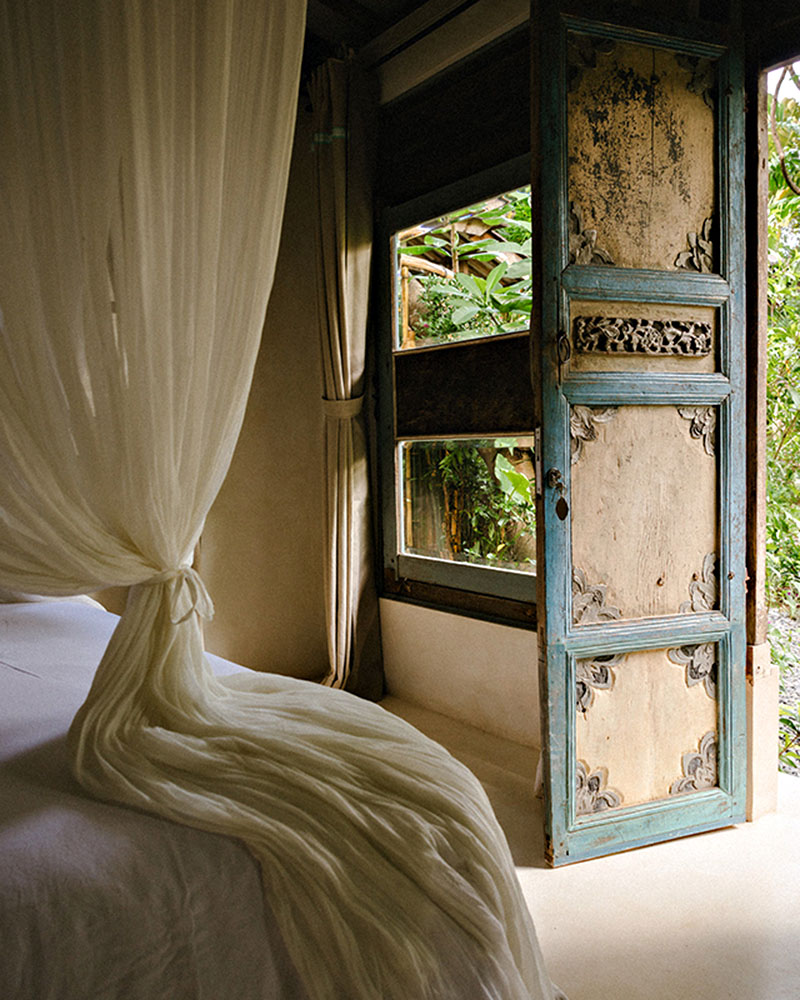
The vision of husband-and-wife duo Jacopo and Rosa Sertoli, Magia de Uma was designed around preservation rather than polish. Rooms are spread across a central villa and a cluster of bungalows, some built around 150-year-old Javanese joglo structures that bring serious gravitas to an otherwise laid-back setting. Original wooden floors, high ceilings and simple white linens keep things calm, while Indonesian craftsmanship runs deep; carved timber doorways, vintage furniture and ancient farming tools repurposed as sculptural details.
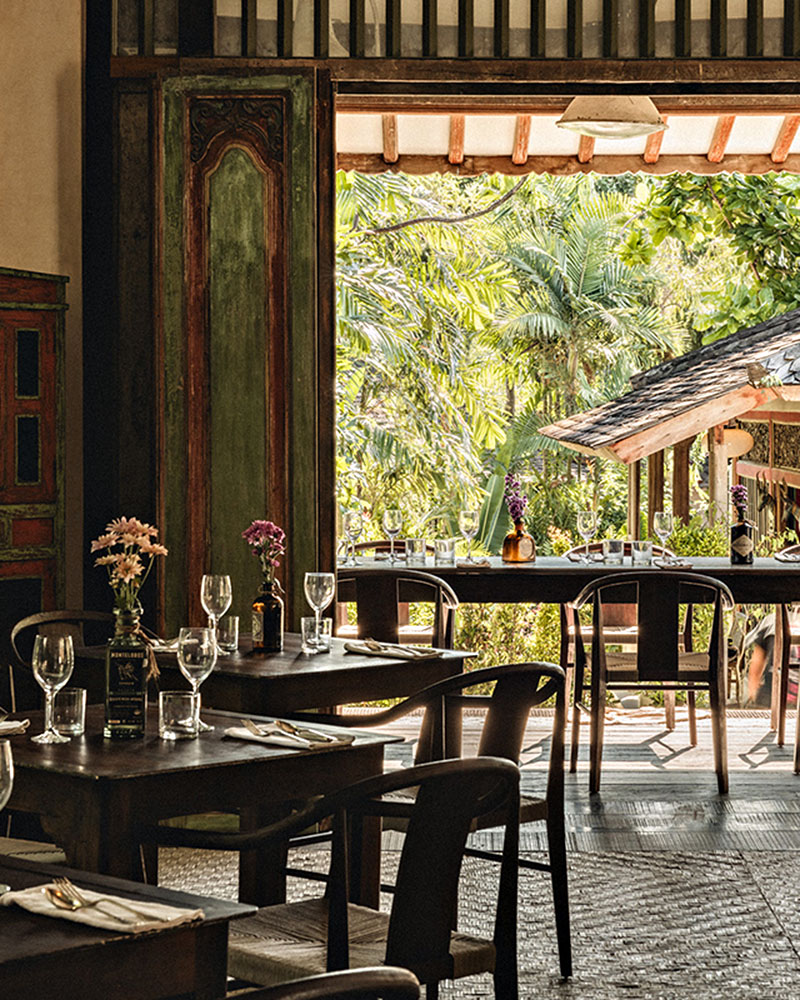
Downstairs, the open restaurant-bar blends natural textures with subtle industrial touches, nodding to Bali’s layered past. Food leans proudly Indonesian, with an imaginative menu by Bali-based Michelin-star chef Fernando Trump. Vegetables come from the garden, rice from the owners’ own fields, and long lunches tend to drift into sunset sessions by the mosaic-tiled pool.
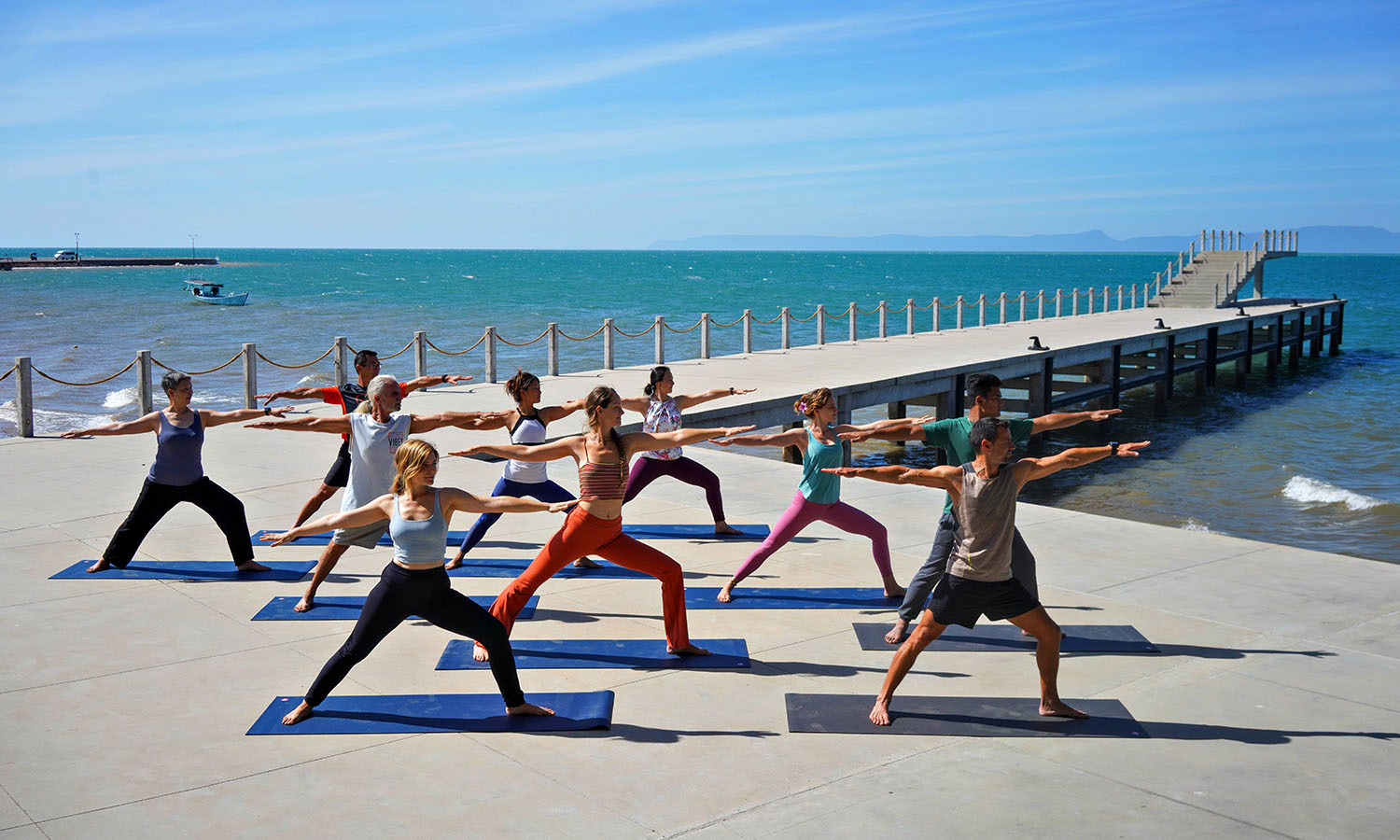
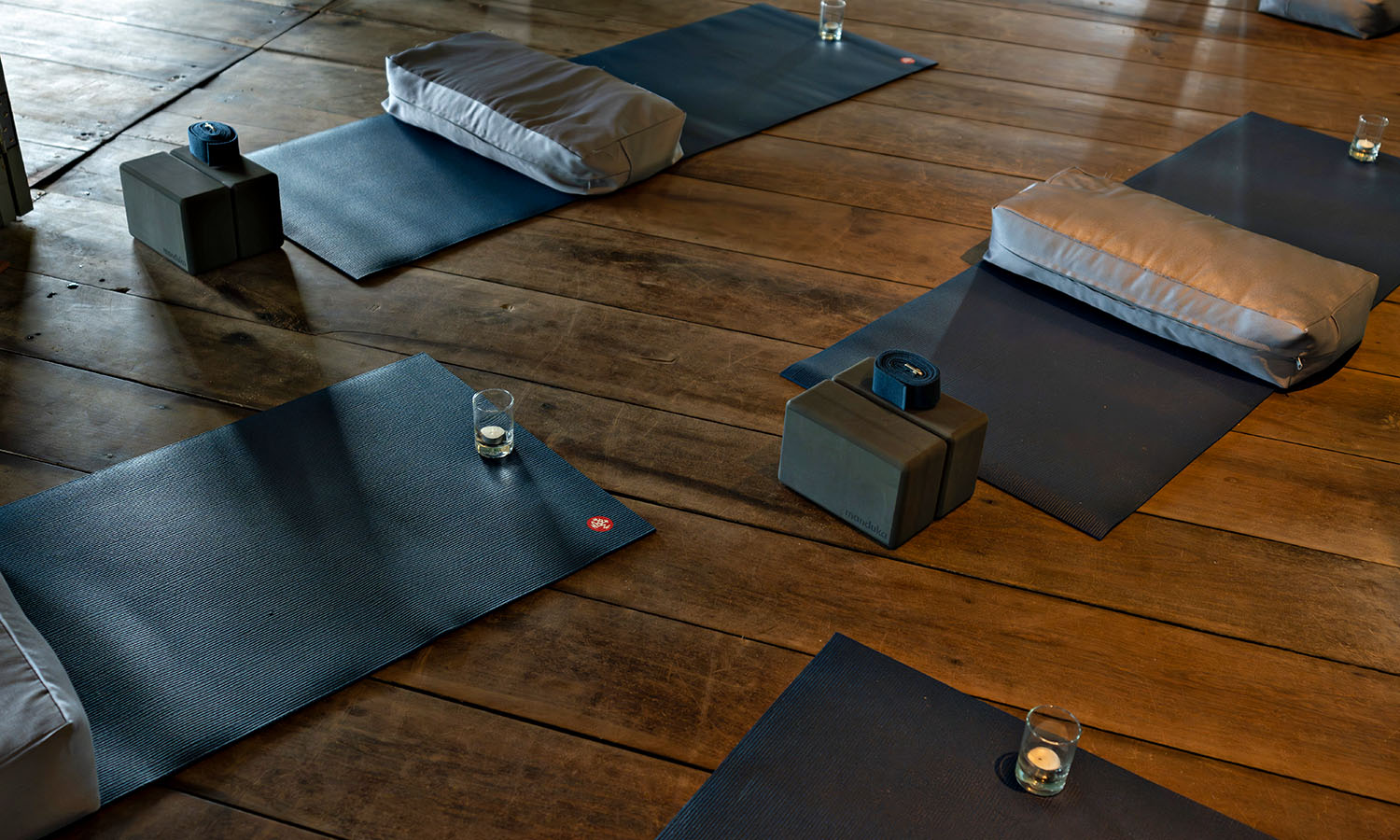
Wellness here isn’t flashy, but it is thoughtful. The timber-built spa houses a sauna, ice bath and yoga shala overlooking the paddies, while treatments tap into Balinese traditions (think warm spice body wraps, sound healing and full moon ceremonies). Creative energy flows through artist-led workshops, dance classes and hands-on cooking sessions that turn dinner into a shared ritual.
Sustainability underpins it all, from recycled materials and biodegradable mattresses to partnerships with local artisans and eco-focused brands. Magia de Uma doesn’t try to reinvent Bali, it simply reminds you why it was magical in the first place.
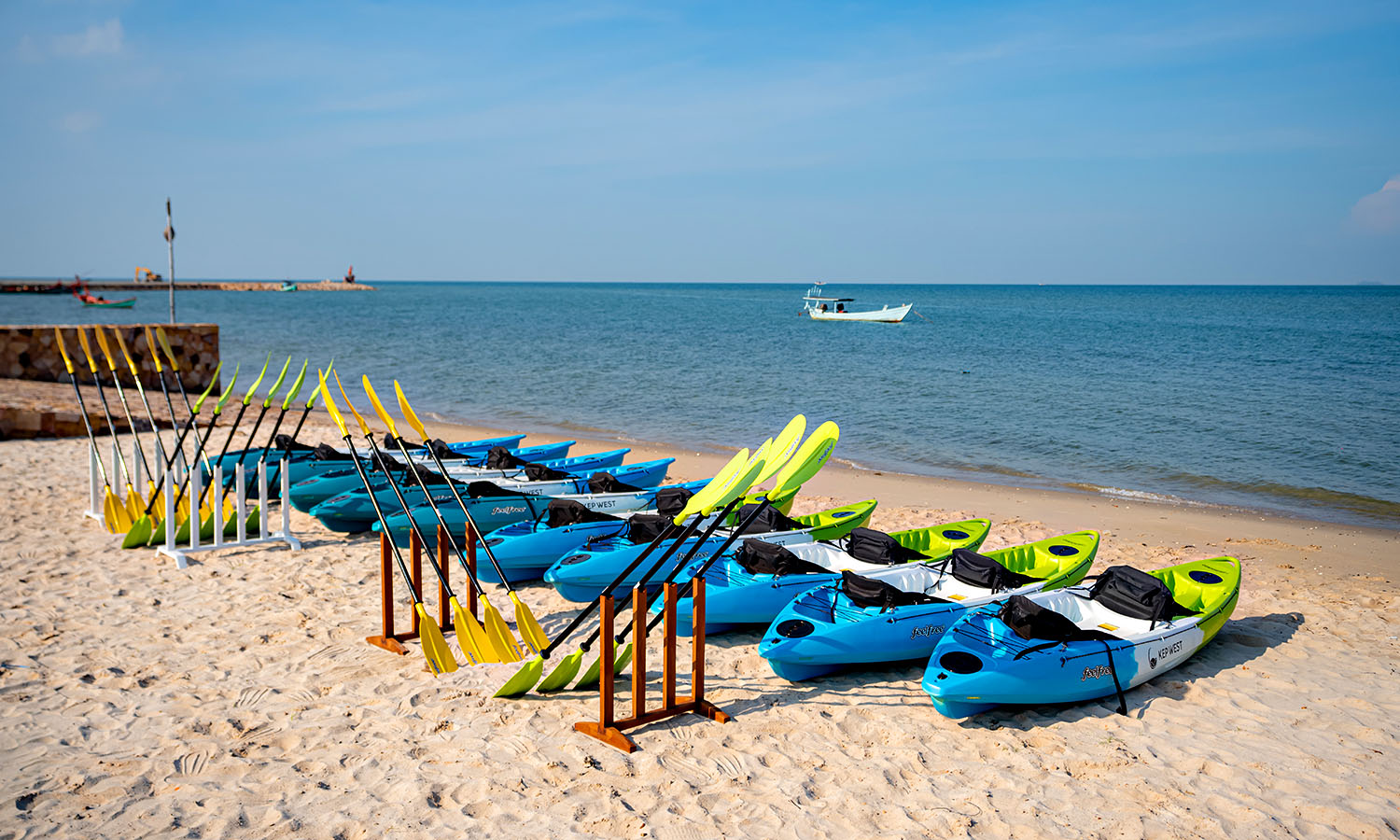
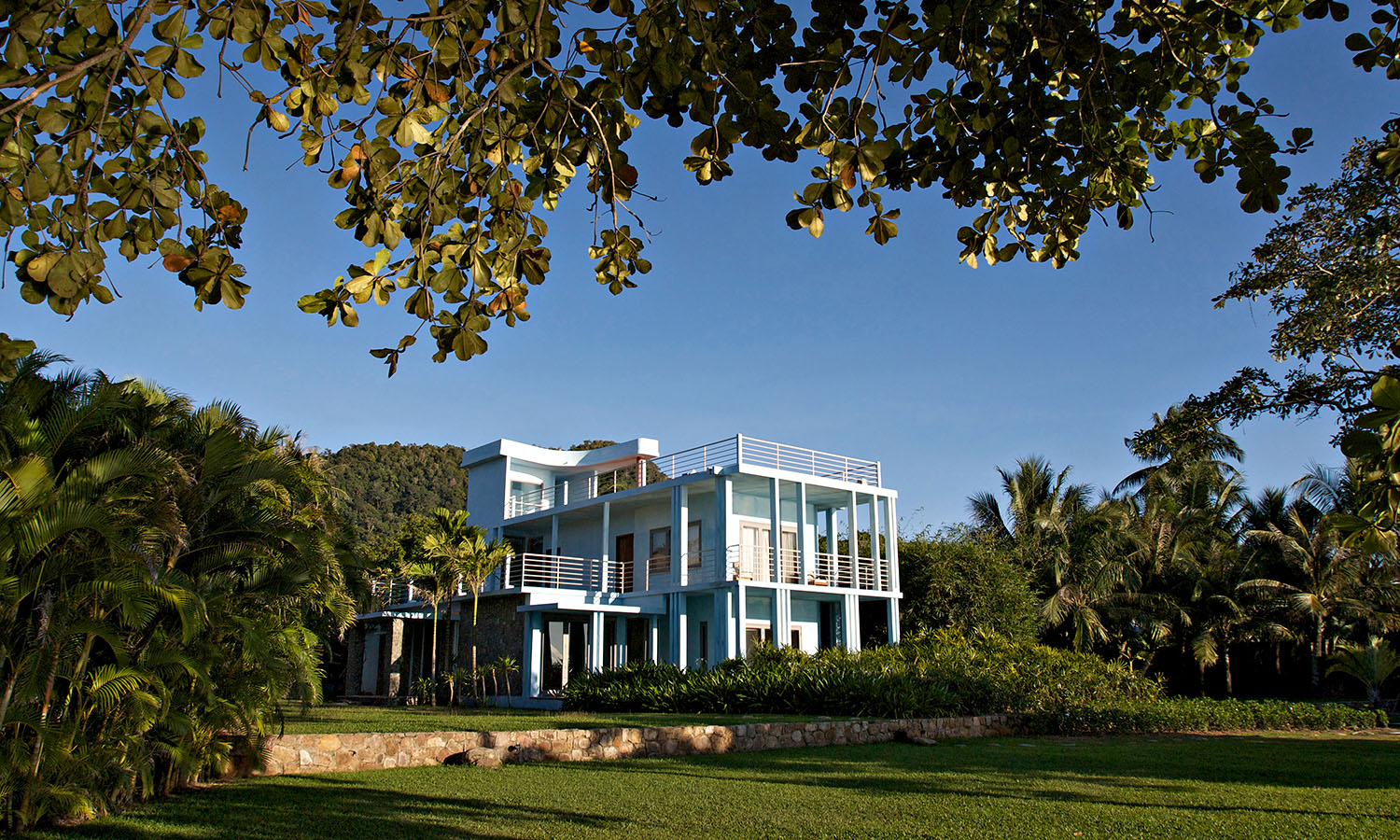
We’ve all been there: the “eco-friendly” hotel stay that mostly involves reusing your towel. Knai Bang Chatt by Kep West is aiming a little higher than that.
The boutique coastal retreat in Kep, Cambodia, has launched The Regenerative Stay: a year-long initiative that turns every booking into direct, on-the-ground environmental action. For all 2026 stays, Knai Bang Chatt will fund the planting of ten mangrove seedlings per booking, working alongside Marine Conservation Cambodia and local mangrove community members.
It’s simple. You book a stay. Mangroves get planted. The coastline gets stronger.
Mangroves are quiet overachievers. They protect shorelines, support marine life, and help coastal communities deal with the realities of climate change. Each tree planted through the program will offset around 308kg of CO₂ over its lifetime, meaning your holiday is doing more than just topping up your tan. Score.
The initiative builds on Knai Bang Chatt’s long-held belief that travel doesn’t have to be extractive. As founder Jef Moons puts it, regeneration only works when guests are invited to be part of it, not just spectators.
Partnering with Marine Conservation Cambodia ensures the work is locally led, properly managed, and rooted in real outcomes rather than good intentions.
So yes, you still get the ocean views, the slow mornings, and the Cambodian coastal charm. You just leave knowing your stay helped keep Kep’s coastline standing. And that’s a big win.
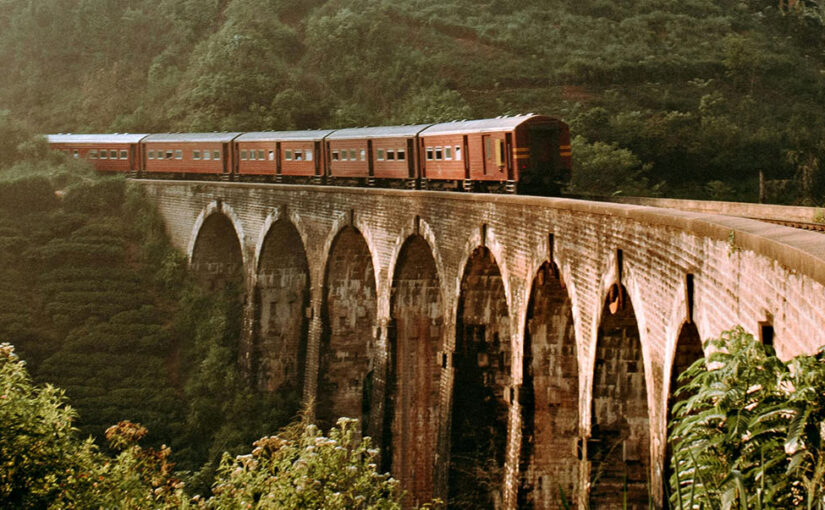
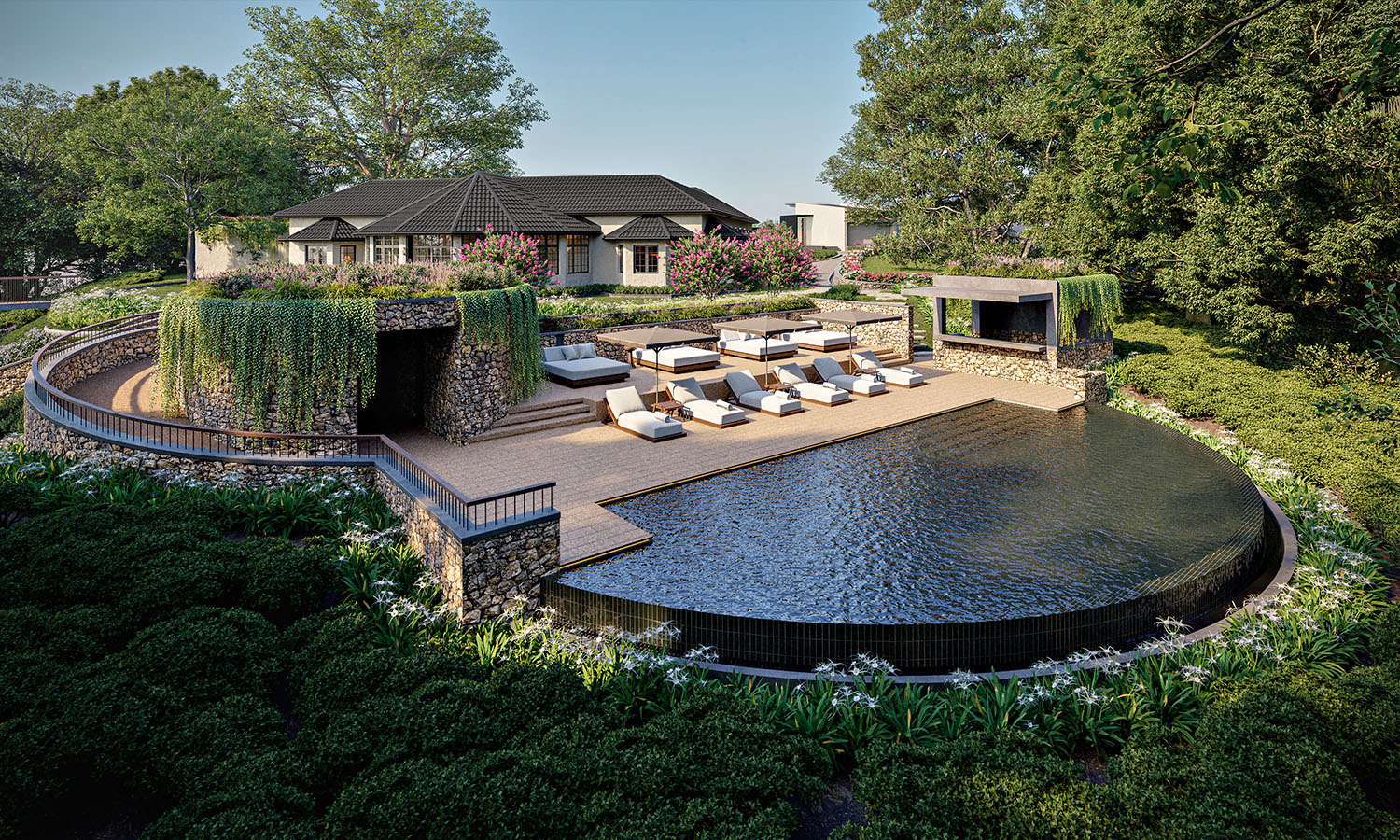
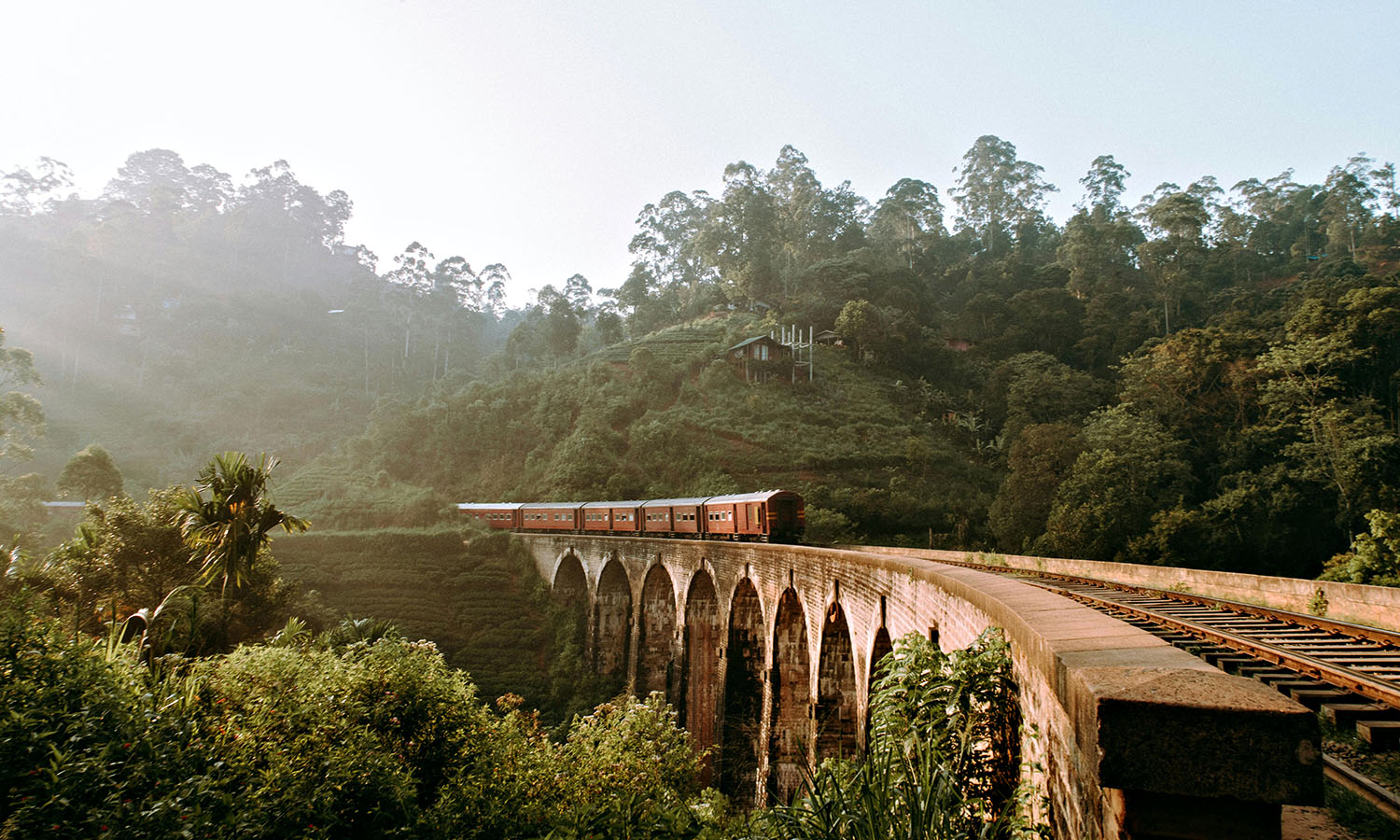
Sri Lanka’s Hill Country is about to get a serious upgrade in the “sit back and pretend your life is always this scenic” department. Enter Uga Ghiri, the newest Uga Resorts retreat, set to open in July 2026 in Ella. Perched on 10 acres of terraced hillside, the boutique property gives panoramic views of tea-draped valleys, distant peaks, and the iconic Nine Arch Bridge where you can watch trains chug along (wholesome AF).
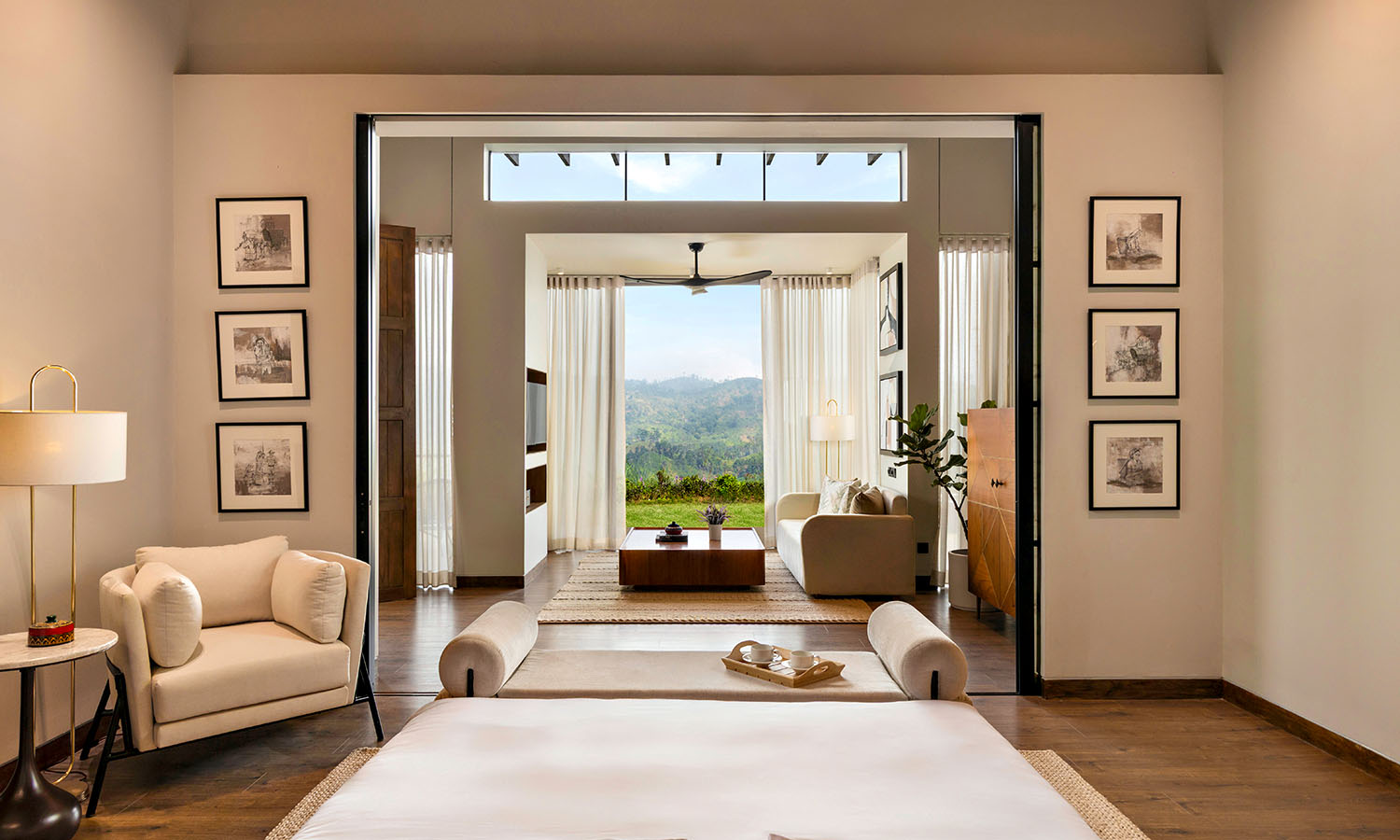
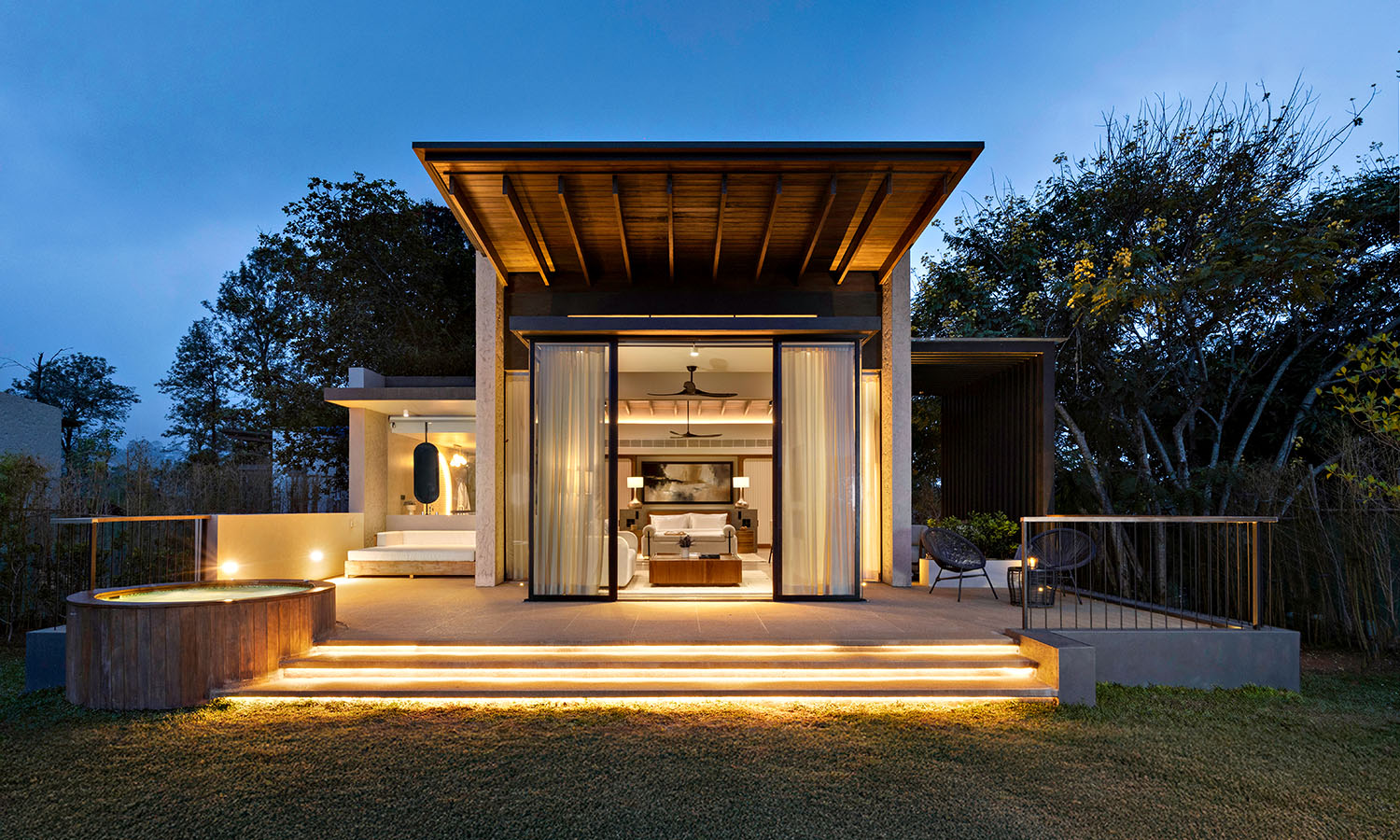
The estate’s main house is a restored manor that somehow balances century-old charm with modern luxury, while 15 standalone villas each come with floor-to-ceiling windows, private jacuzzis, and design details that’ll have you calling an interior decorator asap.
Spa time is also serious business here. Uga Ghiri pairs Balinese wellness traditions with highland calm in two treatment rooms overlooking Ella’s peaks. Plus there’s a sauna, steam room, and that glorious feeling of staring at clouds while someone rubs your shoulders. In other words, it’s heaven.
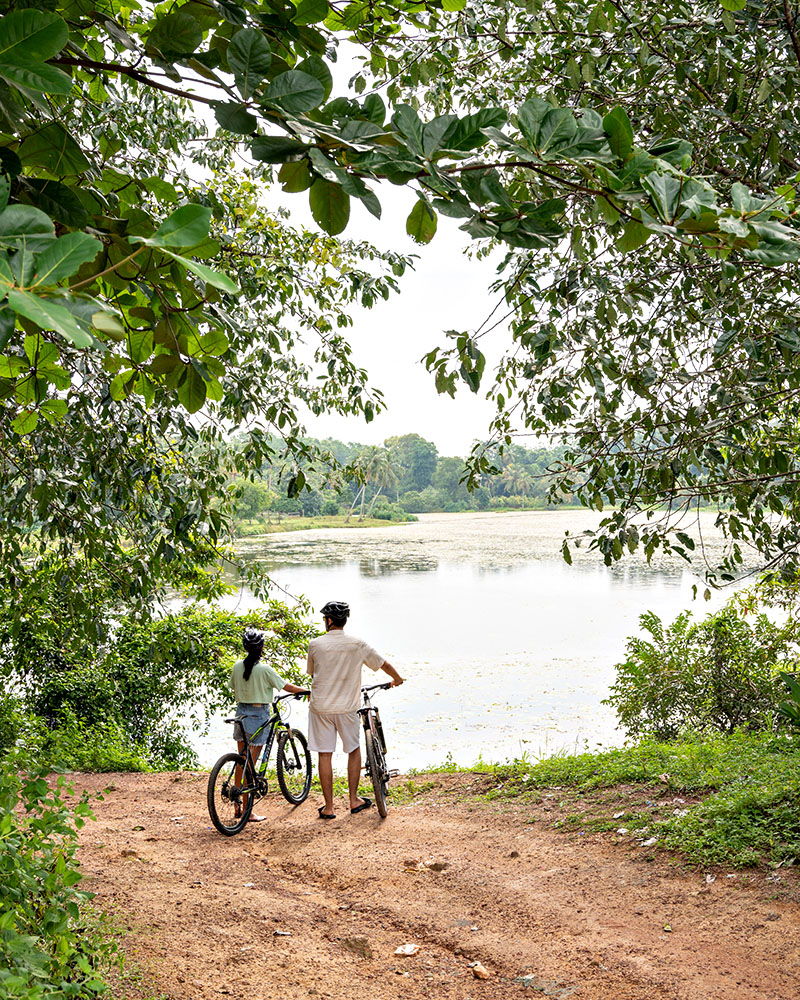
Foodies and culture buffs won’t be left behind either. Guests can roll up their sleeves for Sri Lankan cooking classes, artisanal tea experiences, or guided tastings of Ceylon arrack. Adventurous types can hop on a bike along the Namunukula Ridge or join Rewild the Hills, a conservation-focused walk that makes biodiversity feel like the ultimate Instagram backdrop.
Nightly rates start from AU$1,795 AU which, considering the scenery and the jacuzzis might just feel like a bargain (sorta).
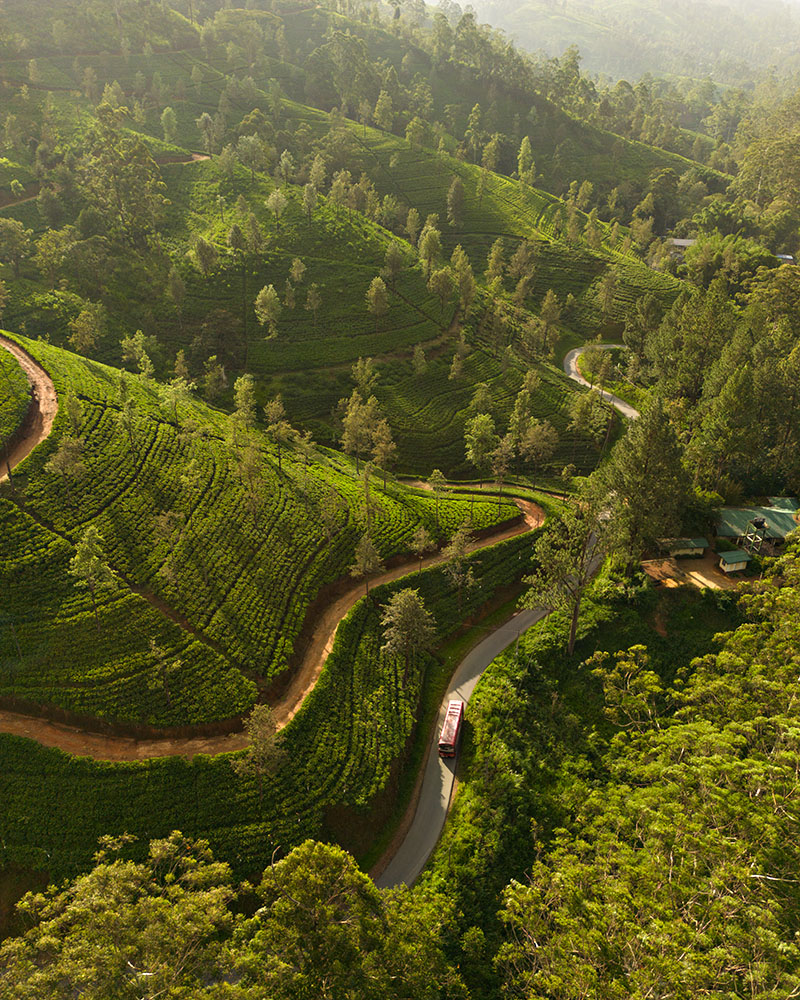
If your idea of sightseeing usually involves a car, a dusty selfie stick, and way too many “are we there yet?” moments, it’s time to rethink things. That’s where the Tour de Resplendent comes in, an eight-day cycling tour across Sri Lanka’s southern coastline, Yala National Park, and the misty highlands of the tea country – designed for anyone who can handle pedals, hills, and breathtaking views.
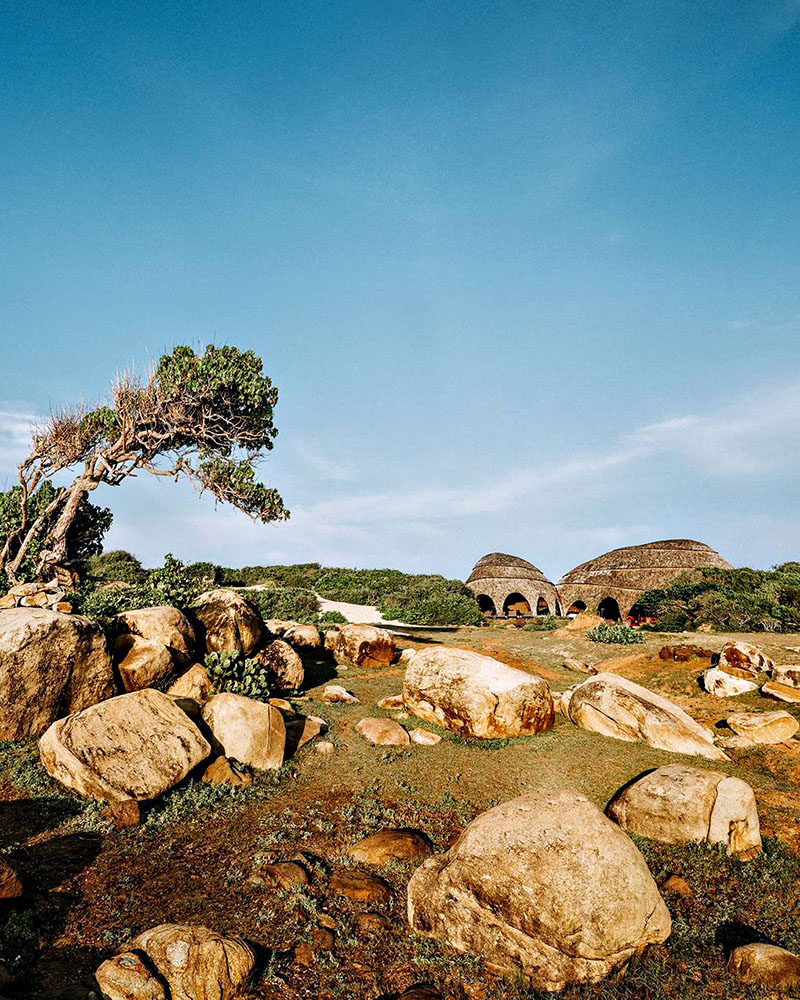
Starting at Cape Weligama, the tour kicks off with coastal roads, palm-fringed beaches, and golden sunsets that demand you do a slow spin. From there, riders move inland, weaving through villages, forest paths, and the untamed landscapes surrounding Yala. There’s enough wildlife spotting to keep your camera busy, from elephants to birds you’ve never seen outside a documentary.
By the time you hit Haputale and the rolling tea-country roads, your legs might be tired, but your eyes will be having the time of their life. The trails through Ceylon Tea Trails’ plantations are misty, quiet, and impossibly scenic: the perfect excuse to stop, sip tea, and question why you haven’t done this sooner. For those who want to linger, there’s even a “five nights, pay for four” offer at Tea Trails until December 2026.
Whether you’re a seasoned cyclist or a beginner keen to swap four wheels for two, the Tour de Resplendent mixes adventure with comfort, culture, and scenery in equal measure. Days are full, nights are relaxing, and at the end of it all, you’ll have seen a side of Sri Lanka most travellers miss, without a single traffic jam in sight.
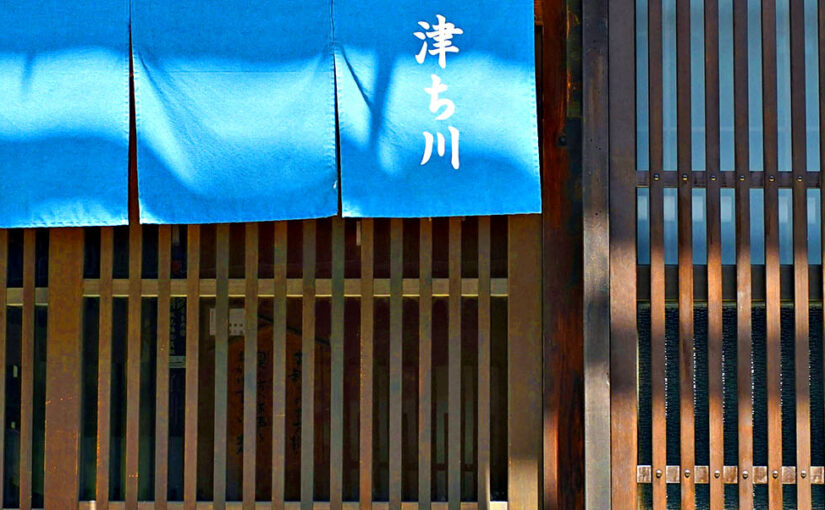
From stone-paved villages to mountain passes, this is Japan at walking pace; immersive, timeless, and quietly epic.
From stone-paved villages to mountain passes, this is Japan at walking pace; immersive, timeless, and quietly epic.
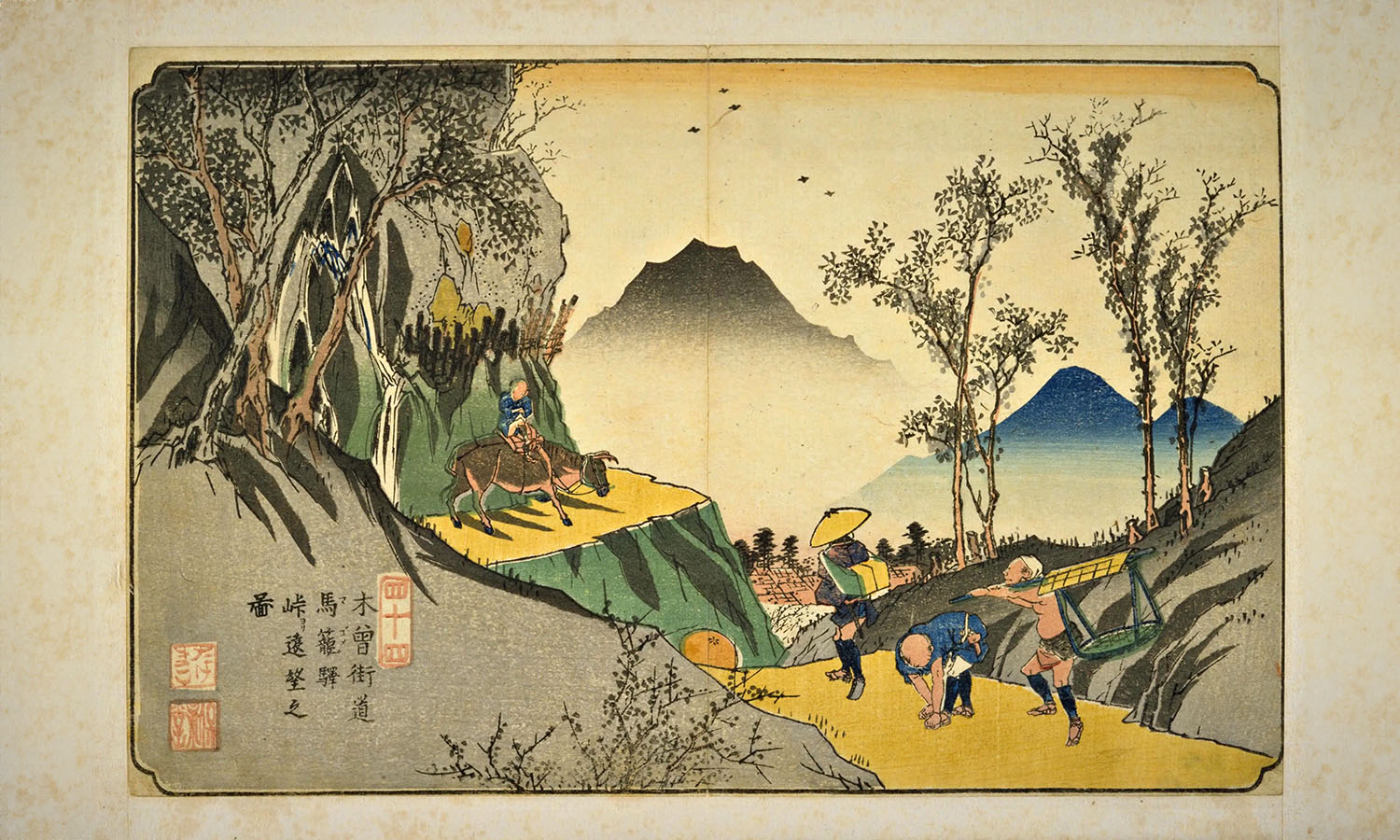
Japan does walking trails very well. But the Nakasendō Trail isn’t just a hike, it’s time travel with good legs and an appetite for immersion. This is one of the Five Great Roads of the Edo period, a historic artery that once connected Kyoto with Edo (modern Tokyo), carrying samurai, merchants, monks, messengers, and the occasional unlucky bloke walking in straw sandals during a snowstorm.
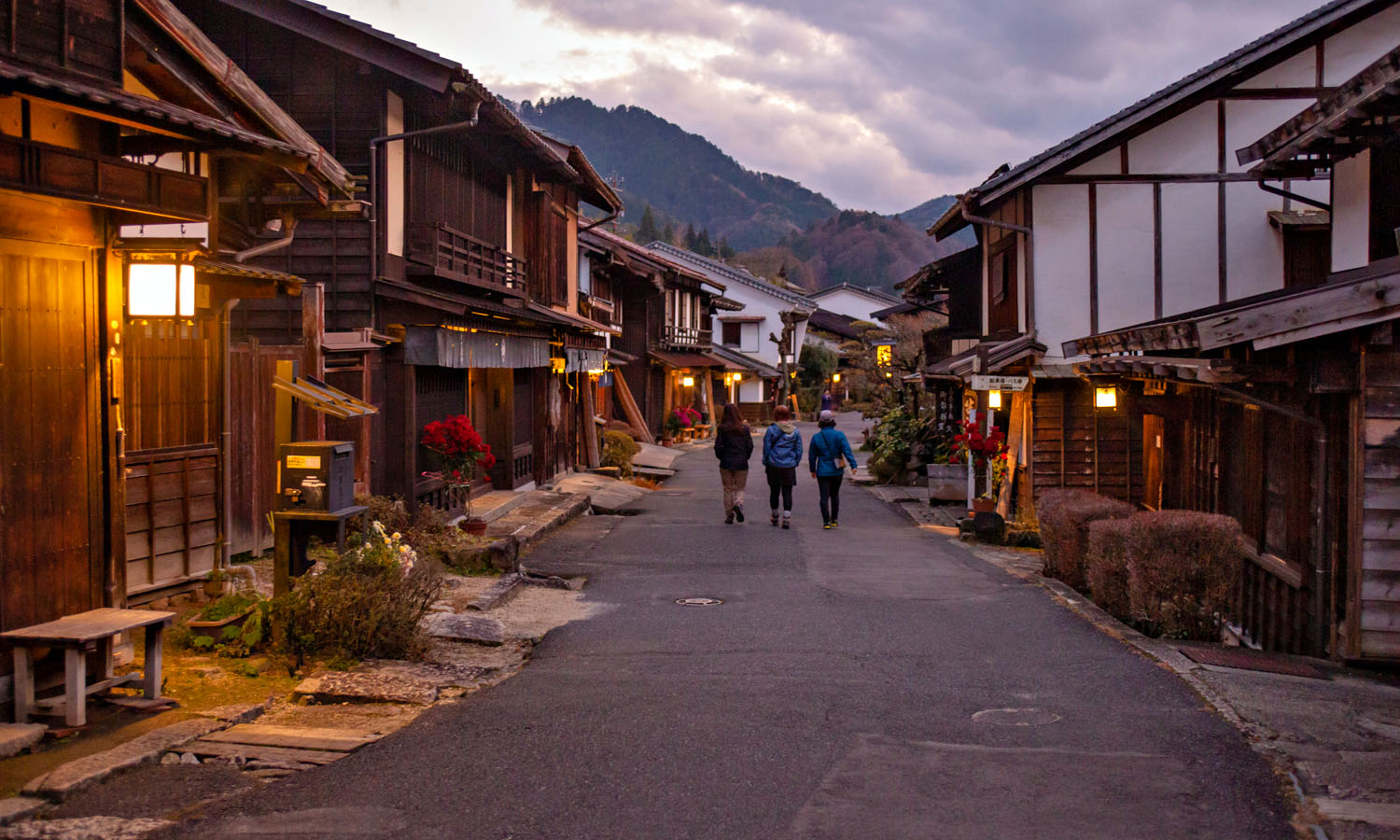
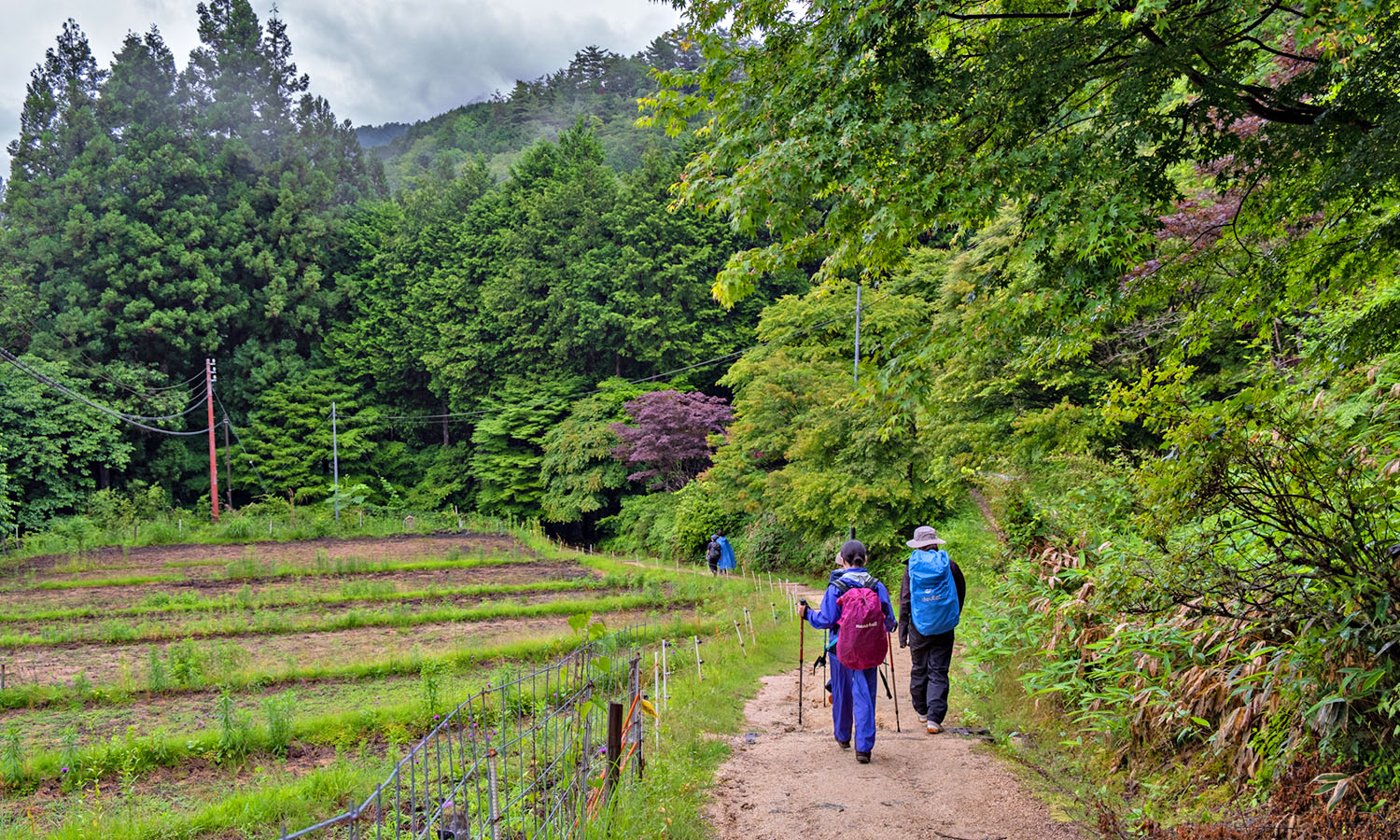
Today, you can still walk large sections of it. Not on a treadmill. Not behind a flag-waving guide. But on foot, at your own pace, through cedar forests, over stone-paved passes, and into post towns that look like the Edo era forgot to leave.
For travellers chasing something deeper than neon lights and selfie queues, the Nakasendō delivers that sweet spot of immersive adventure. It’s physical without being punishing. Cultural without being stuffy. And quietly spectacular in a way that sneaks up on you somewhere between a mossy stone Buddha and your third bowl of miso soup.
The genius of the Nakasendō is that it was built for walking. Unlike coastal routes designed for speed, this inland road winds through Japan’s mountainous heart; through forests, valleys, rivers, and passes that force you to slow down and pay attention.
Walking sections range from gentle village strolls to satisfying half-day hikes, making it accessible even if your idea of “training” is walking to the café. And because it’s broken into manageable segments, it fits neatly into a broader Japan itinerary alongside Tokyo, Kyoto, or the Japanese Alps.
Most importantly, the Nakasendō shows you a version of Japan that many visitors never see: quiet, rural, deeply traditional, and refreshingly human.
Day 1: Magome-juku to Tsumago-juku (8 km, ~3 hours)
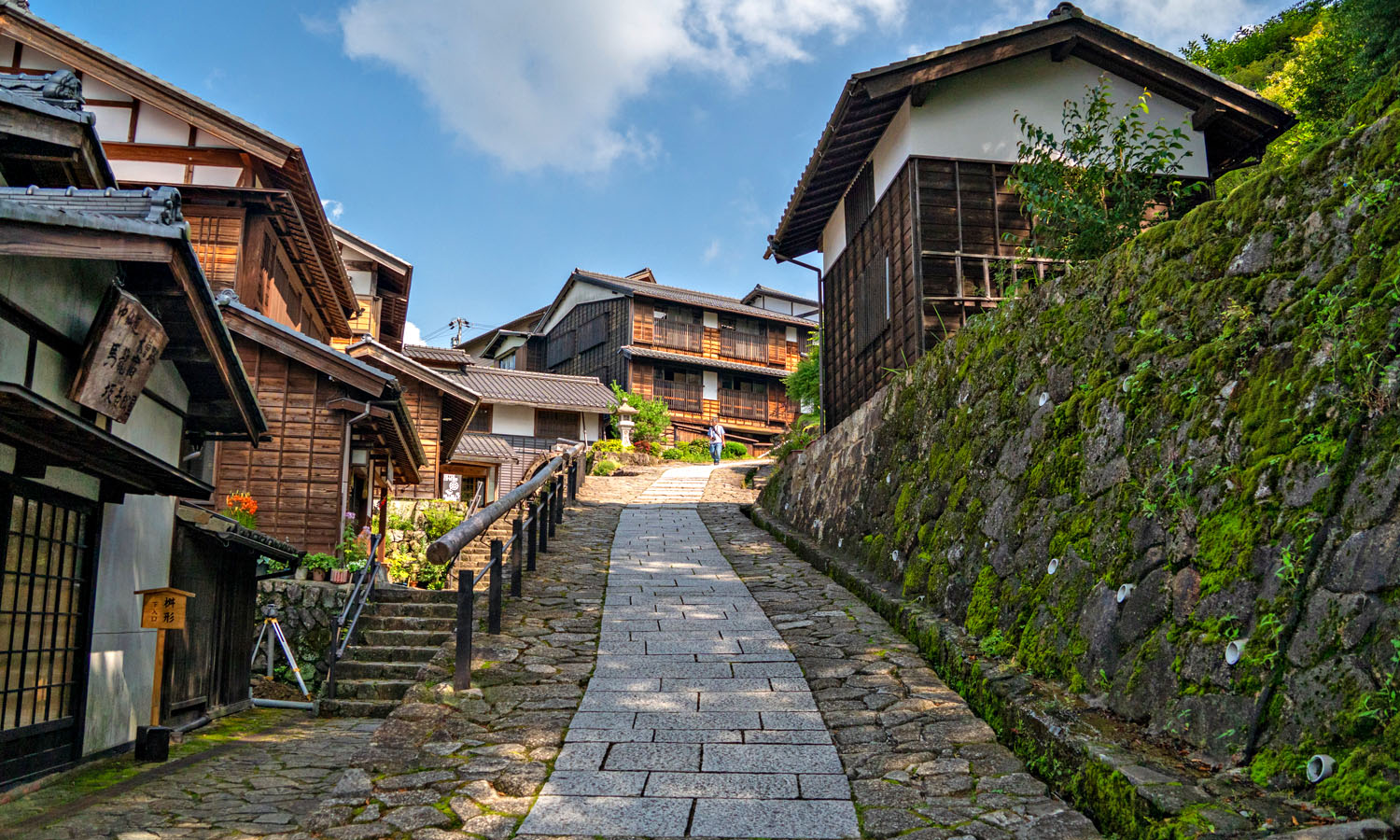
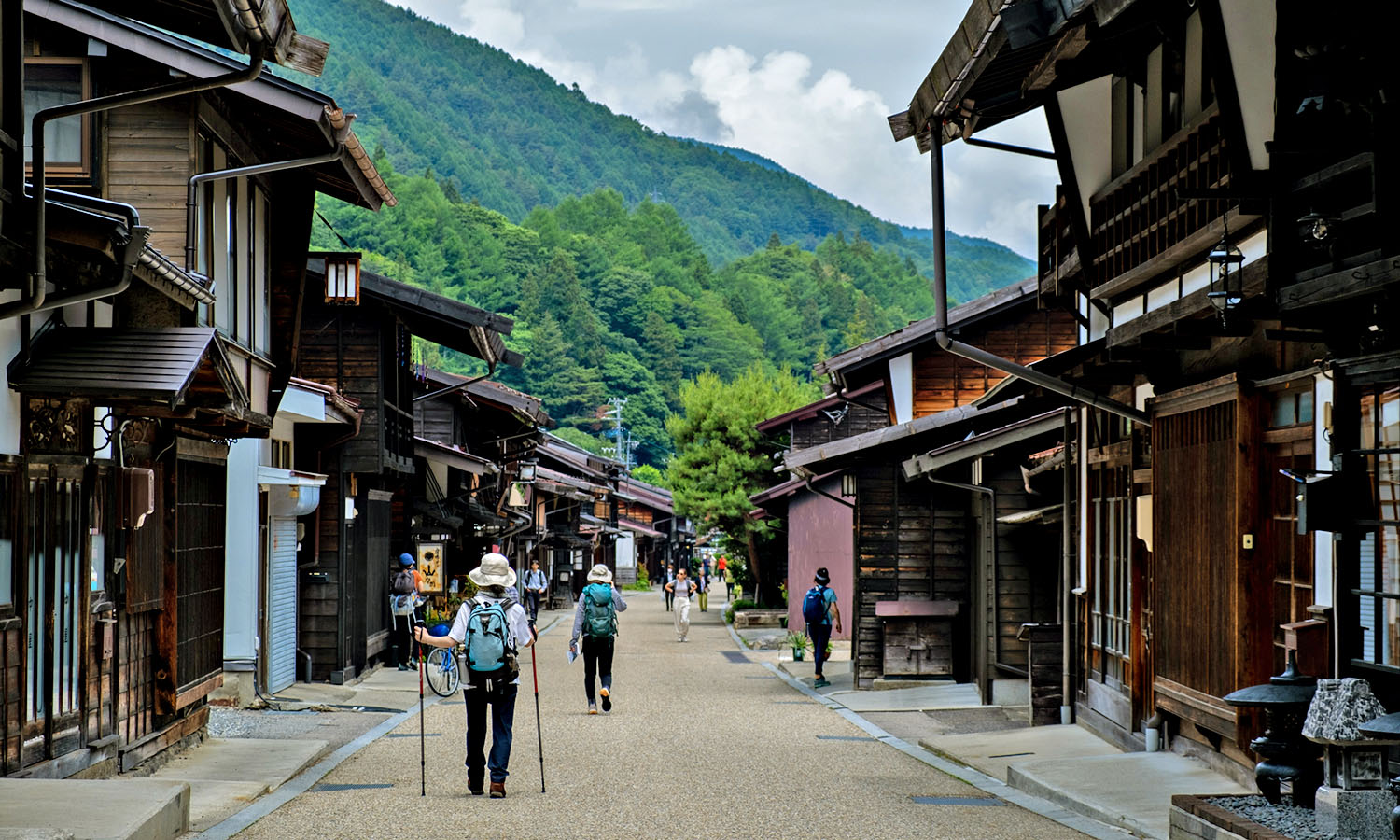
You begin in Magome-juku, one of the most photogenic post towns in Japan. It climbs a steep stone-paved slope lined with wooden inns, waterwheels clacking away like they’ve always been there (because they have), and views back toward Mount Ena that feel almost painted on.
Leaving Magome, the trail slips into forest. Sunlight filters through cedar trees, stone paths crunch underfoot, and waterfalls (including the charmingly named Male and Female Falls) appear just when your legs start to complain.
The reward is Tsumago-juku, Japan’s first officially preserved post town. Its streets follow a strict philosophy: do not sell, do not rent, do not destroy. The result is a place that feels lived-in rather than staged. You overnight in a local minshuku or ryokan, eat a seasonal dinner, and sleep very well.
This is a quieter, more contemplative day. The crowds thin. The forests deepen. You walk through Kiso cypress groves and rural countryside where time seems optional.
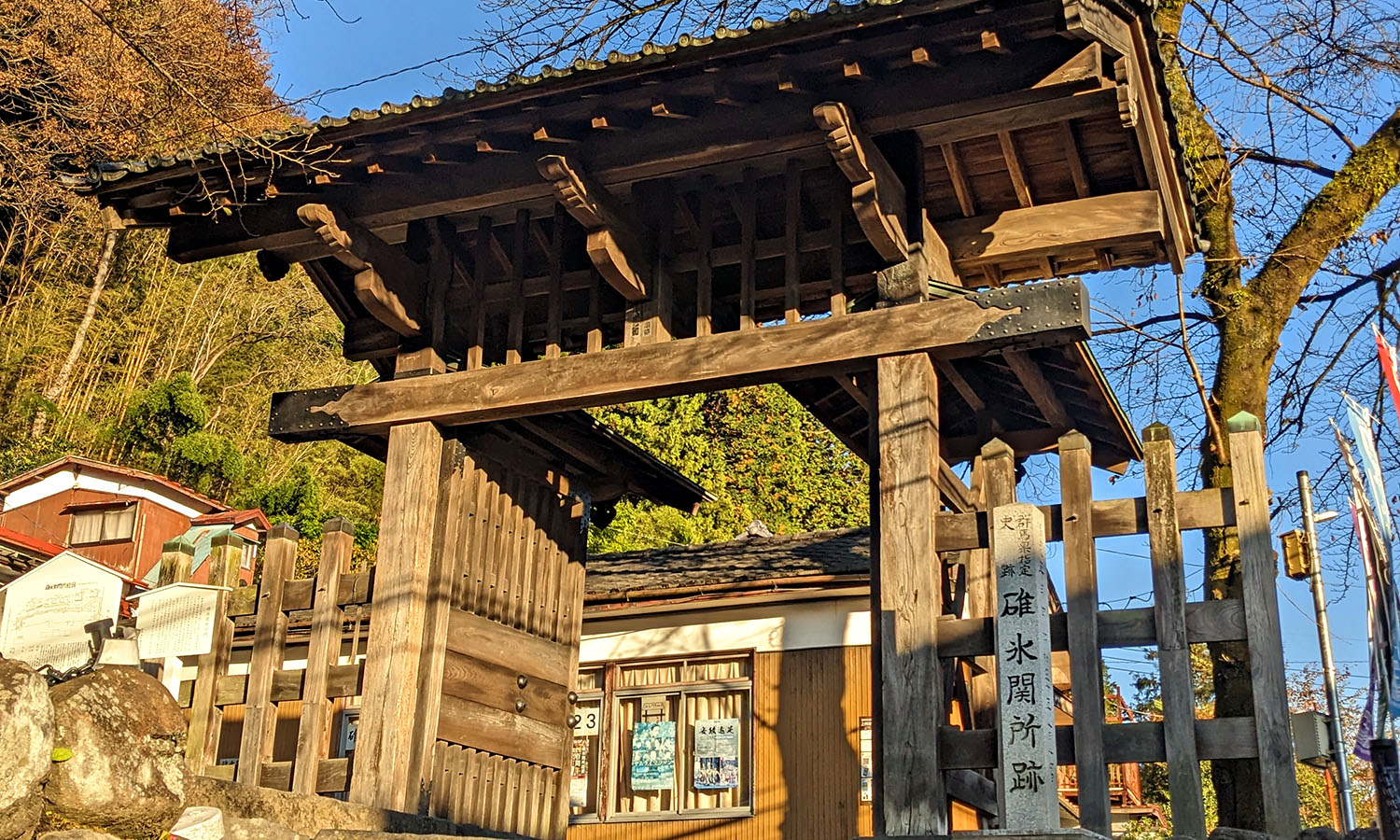
After the walk, you transfer by train to Kiso-Fukushima, once guarded by one of Edo Japan’s four great checkpoints. The ruins remain, a reminder that travel here was once tightly controlled. A soak in a free foot bath by the river helps ease the legs.
Day 3: Yabuhara-juku to Narai-juku via Torii Pass (7 km, 2–3 hours)
Starting in Yabuhara-juku, birthplace of the delicate Orōku comb, the trail climbs steadily toward Torii Pass, one of the highest points on the Nakasendō at 1,197 metres.
Stone Buddhas line the way. Poetry monuments appear unexpectedly. Matsuo Bashō passed through here, and it’s easy to see why he lingered.
Descending into Narai-juku feels like walking into a film set that forgot to modernise. Nearly a kilometre long, Narai is known as “Narai of a Thousand Houses,” with lacquerware shops, cafés, and beautifully preserved wooden buildings.
That night, you head toward Matsumoto and sink into an onsen at Asama or Utsukushigahara, a reward Edo travellers could only dream about.
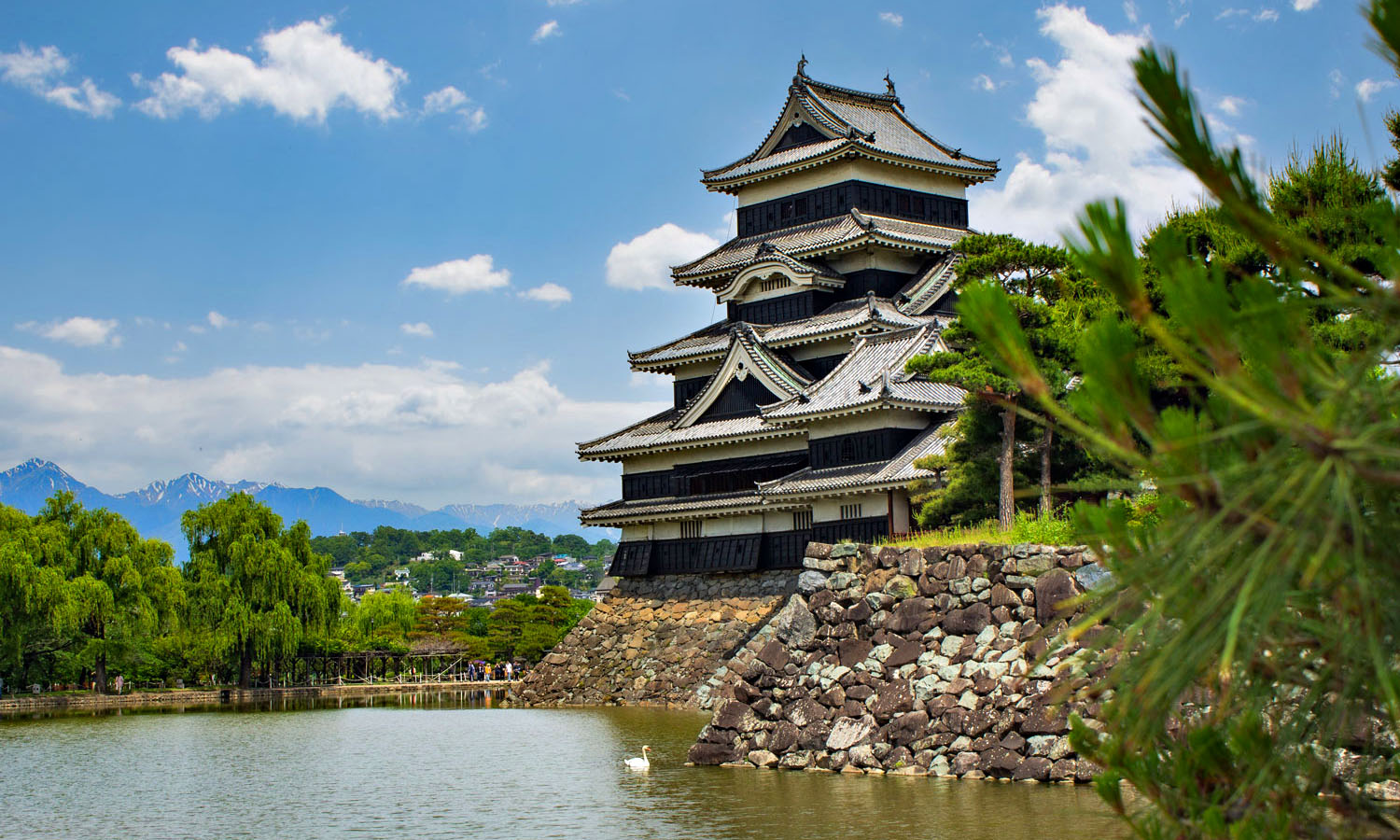
This is your cultural breather day. Matsumoto Castle, one of Japan’s original castles, rises black and imposing against the Alps. From here, you travel on to Karuizawa, a refined mountain resort town with leafy streets, historic churches, and excellent coffee. It is a surprisingly good base for what comes next.
Day 5: Usui Pass — Walking Like It’s the Edo Period
If the Nakasendō has a showstopper, Usui Pass is it.
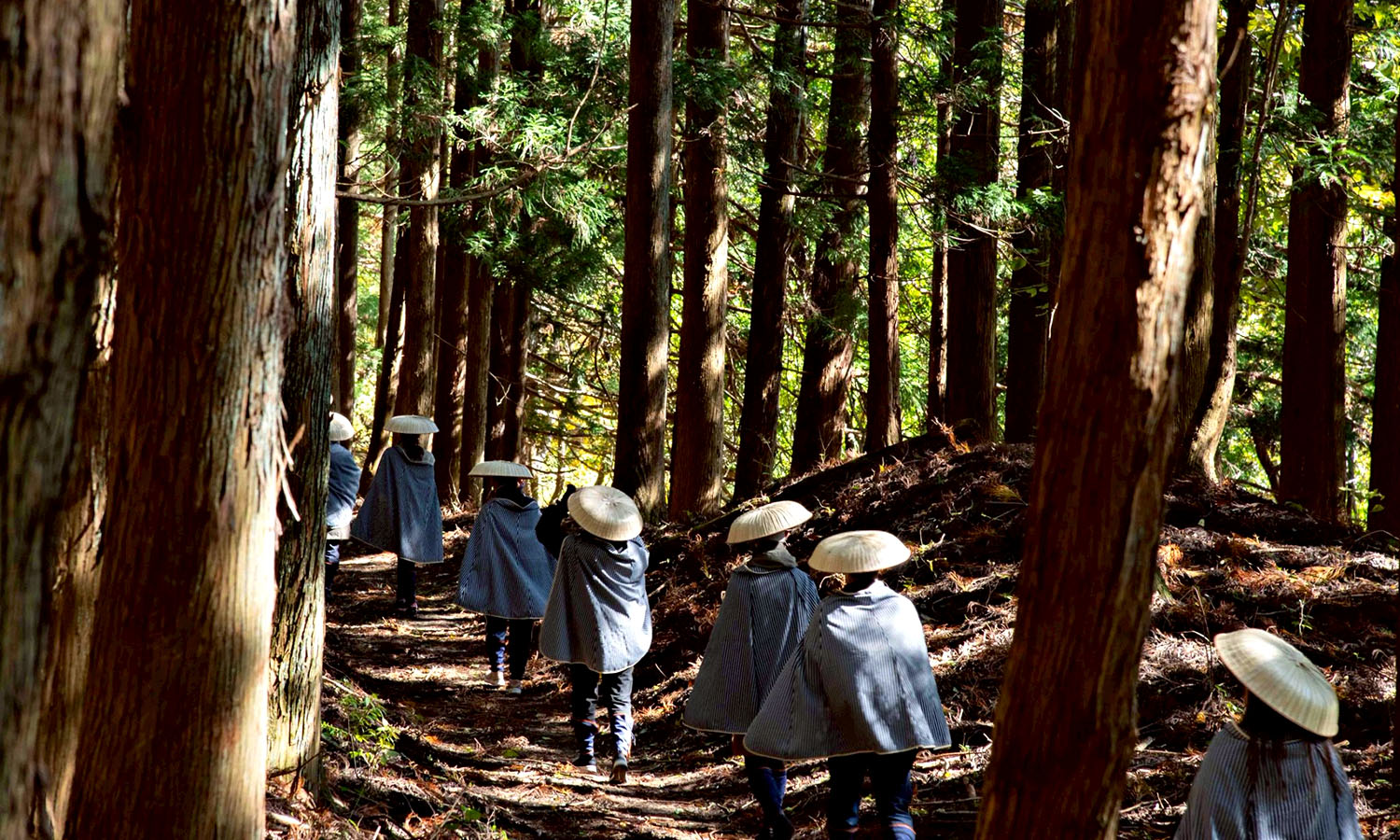
Once notorious for its steep gradients and unpredictable weather, Usui Pass connected Karuizawa with Gunma Prefecture and tested the resolve of Edo-era travellers. Today, it’s been restored as a tranquil forest trail. It is dramatic without being brutal, scenic without trying too hard.
And here’s where immersion levels up.
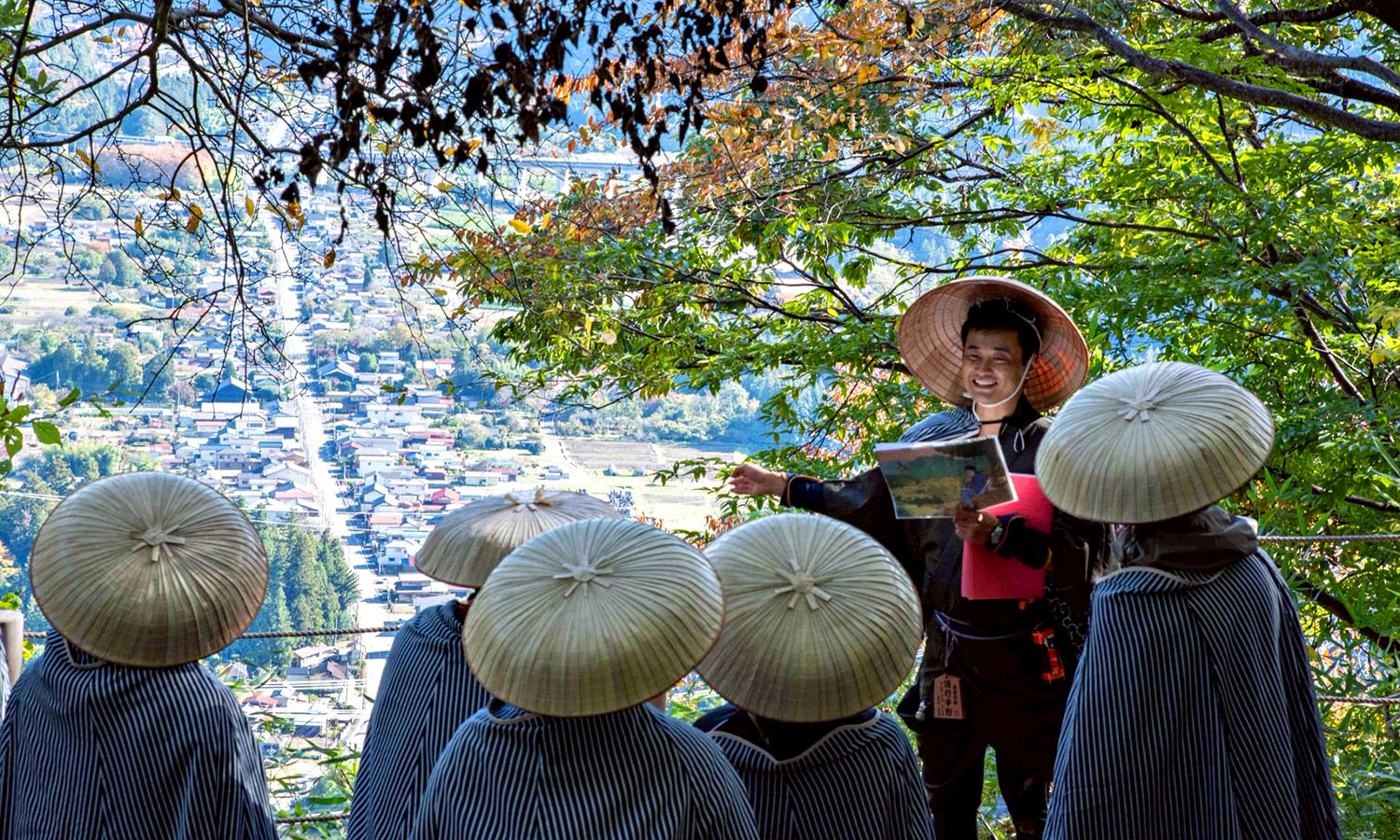
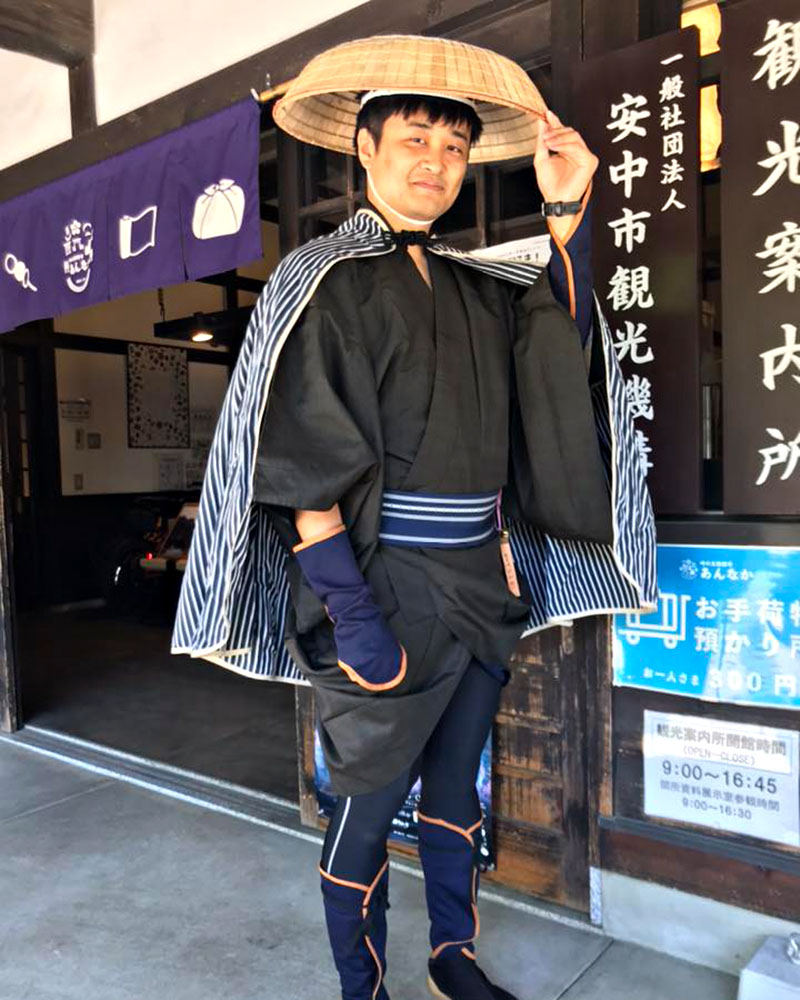
Before setting out, you don authentic Edo-period travel attire: traditional hat, rain cape, arm guards, leggings, and even a replica travel permit tucked away like you’re clearing checkpoints. It’s not cosplay, it’s context. Suddenly, the weight of history feels real. The trail narrows. The forest closes in. Your footsteps echo differently.
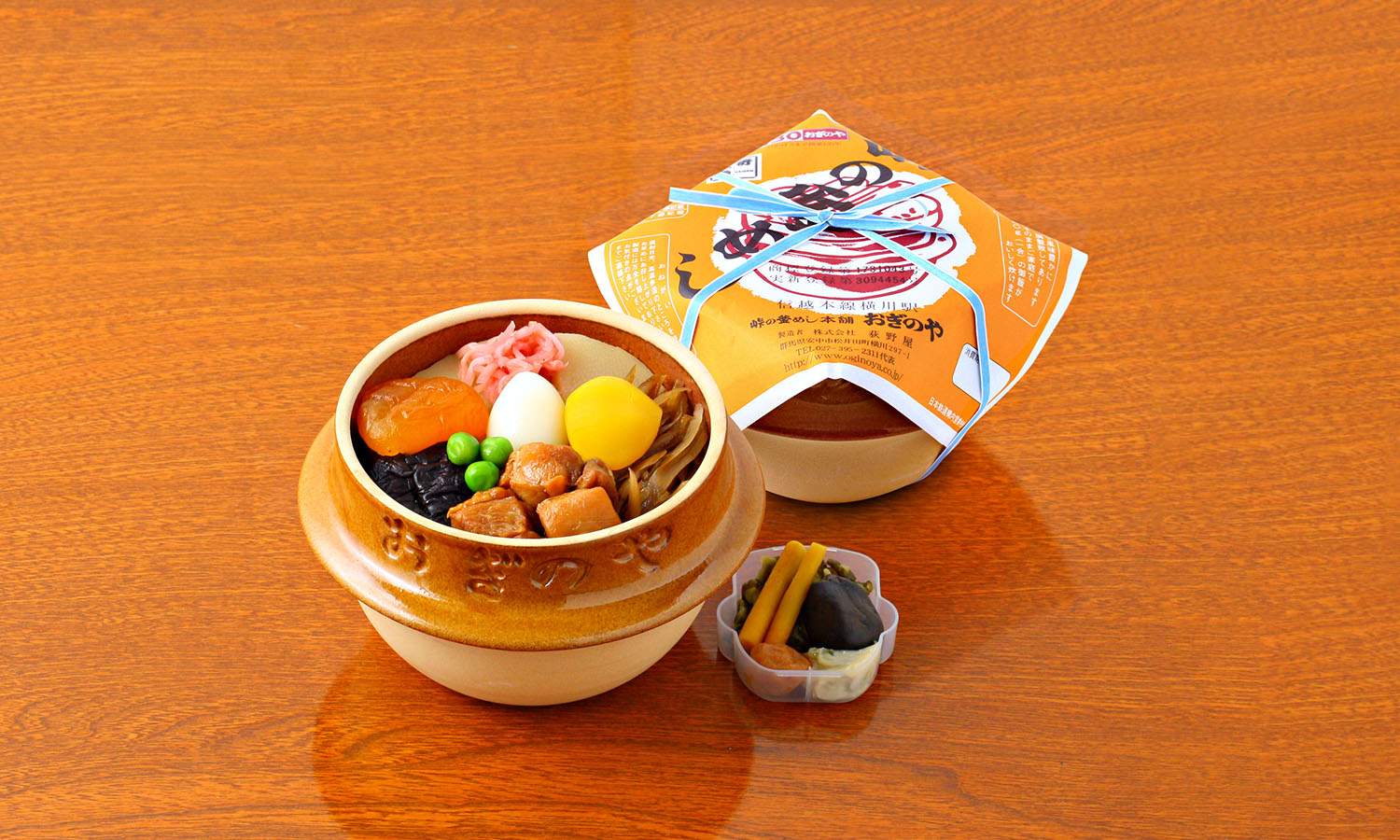
At scenic viewpoints, Mount Myōgi rises jagged and theatrical above the valleys. You stop for a bento inspired by historic teahouses, including tōge no chikara-mochi — “power mochi” once eaten by travellers tackling the pass. It’s simple, satisfying, and strangely perfect.
Illustrated storytelling along the route adds depth, tracing the evolution of this road from the Nara period through early modern Japan. By the time you reach the ruins of the Usui Pass Checkpoint, you’ve stopped walking through history and started walking with it.
The descent leads toward Sakamoto-juku and on to Yokokawa, home of railway heritage and the famous tōge no kamameshi, a fitting final meal to celebrate finishing the journey.
The Nakasendō isn’t about ticking boxes. It’s about rhythm. Walking, eating, soaking, sleeping, repeating. It’s about seeing Japan at human speed, where forests feel alive, towns feel real, and history isn’t behind glass.
As a self-guided journey, it gives you freedom without friction. Routes are clear. Logistics are handled. Support is there when needed. You walk alone, but never lost.
Booking Information Tour Operator: Oku Japan
Oku Japan launched Japan’s first self-guided walking tours in 2010 and has become a leader in sustainable, off-the-beaten-path travel. Their trips focus on immersion, local stays, and meaningful travel experiences across Japan.
Most Popular Tour: Nakasendō Self-Guided Walking Tour – 5 Days
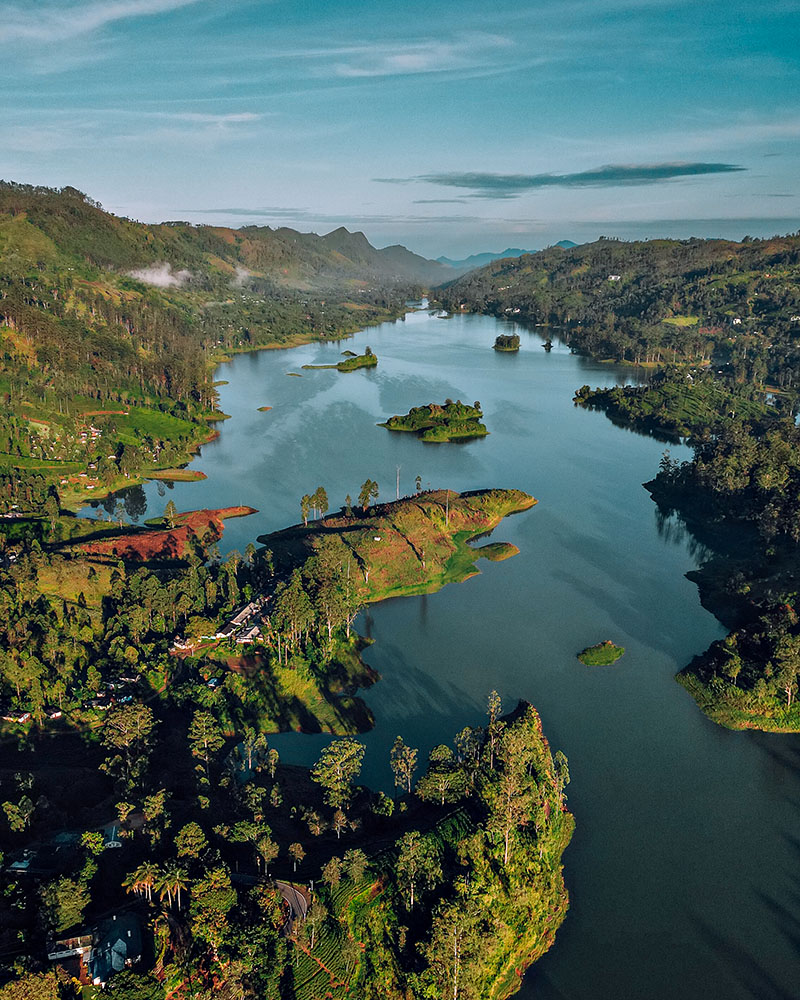
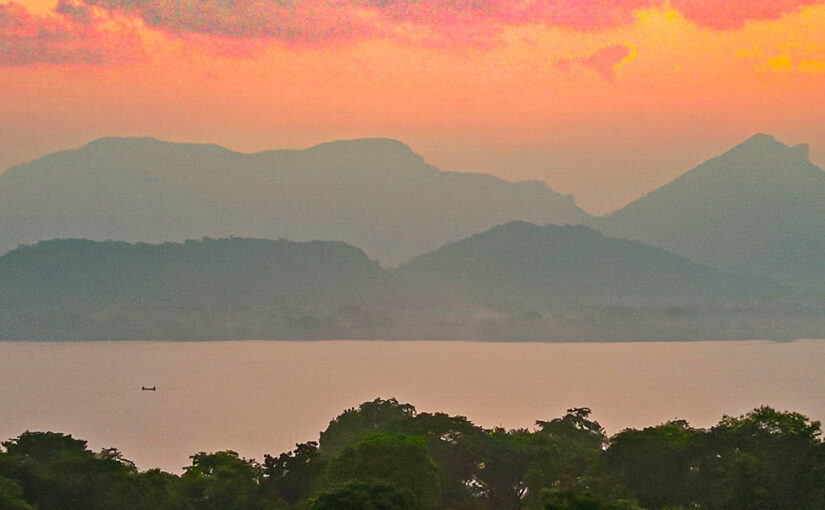
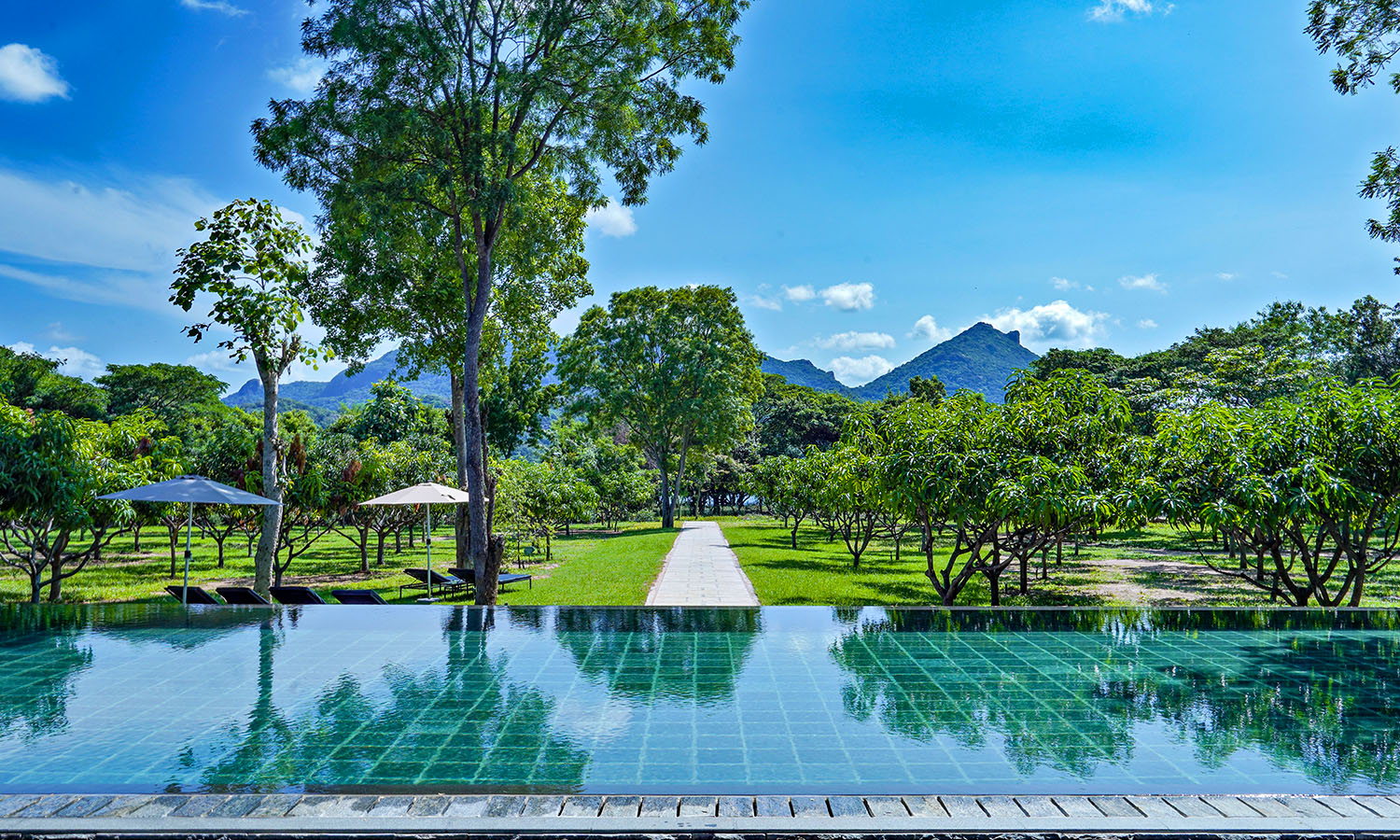
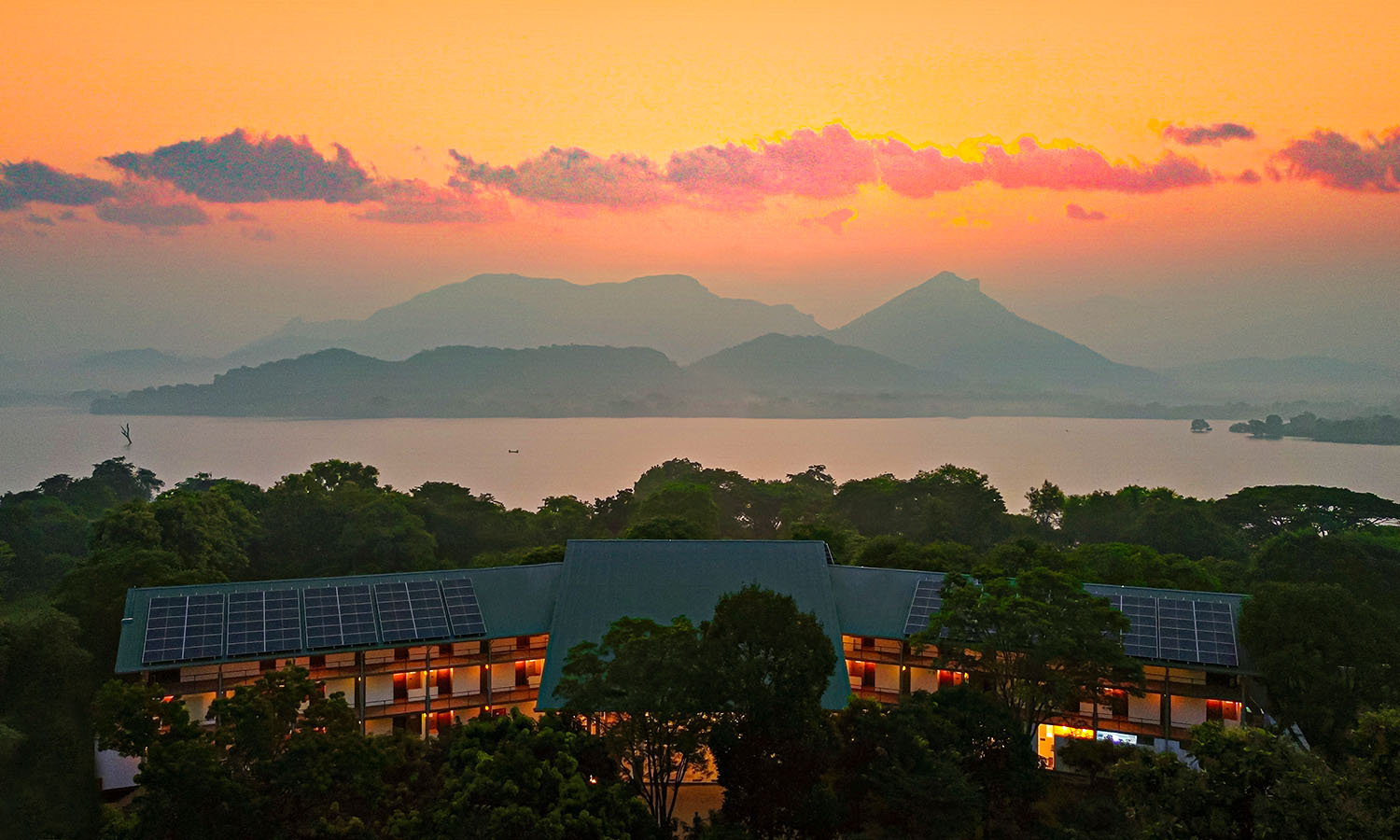
It just sits there above the mirror-still waters of the Kandalama Reservoir, looking calm, confident and mildly unimpressed by the rest of the Sri Lankan hotel scene. Which makes sense, because this place is quietly doing something no one else has bothered to pull off.
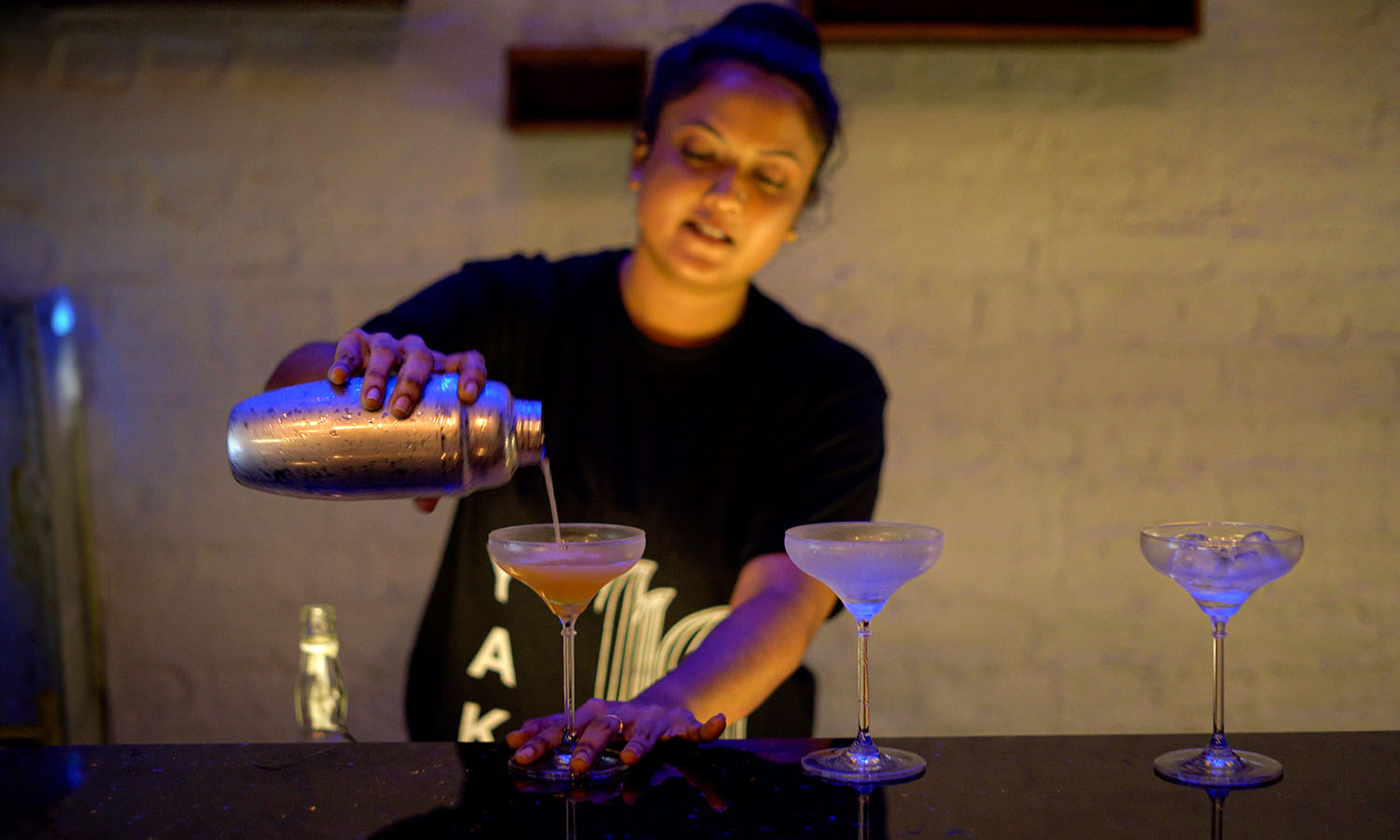
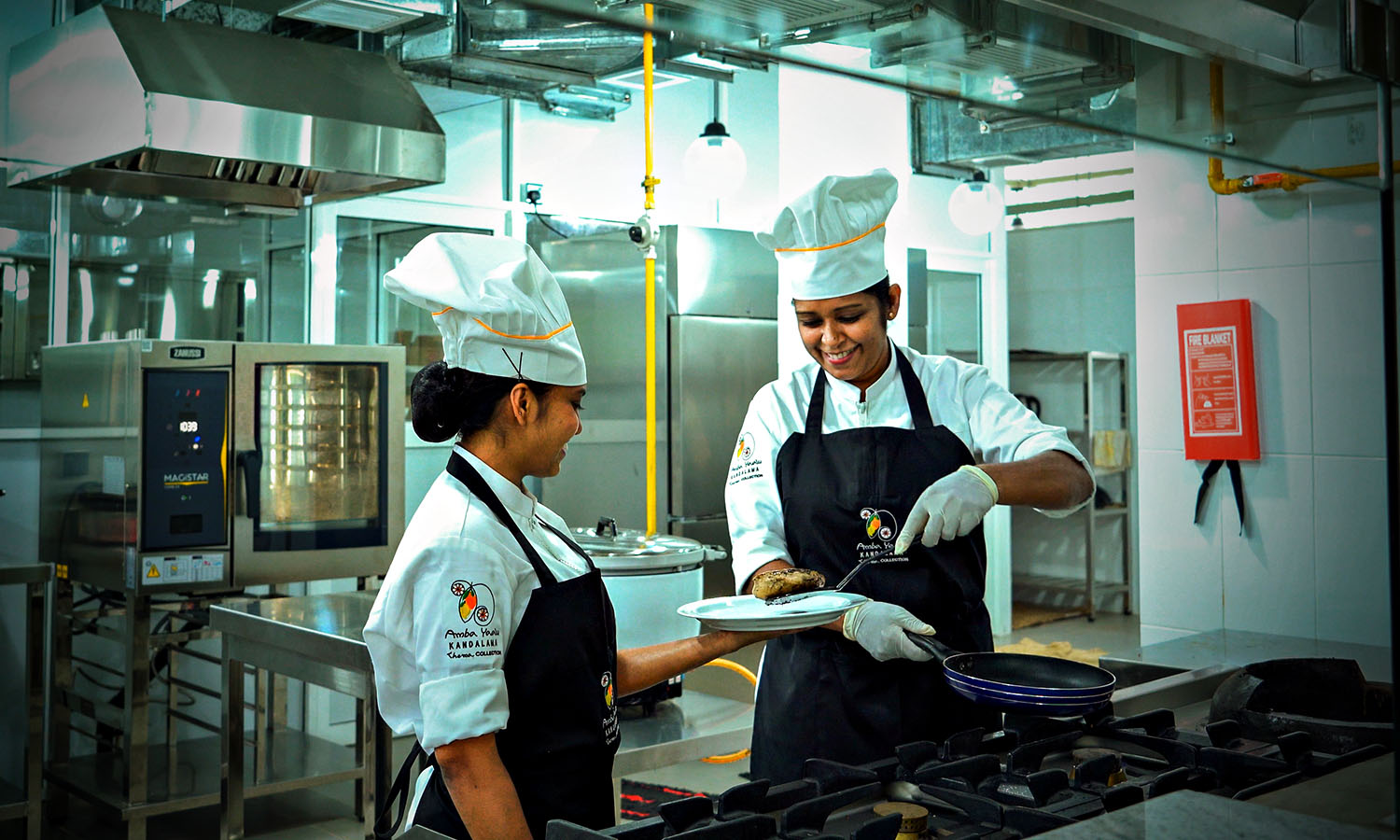
Opened in 2025, Amba Yaalu is Sri Lanka’s first hotel entirely staffed and run by women. Entirely. Not “women-led” in the press-release sense. Not “female-friendly.” Actually run, top to bottom, by women, in a tourism industry where women make up less than 10 per cent of the workforce. No chest-beating. No virtue-signalling. Just competence, confidence and a very clear point being made.
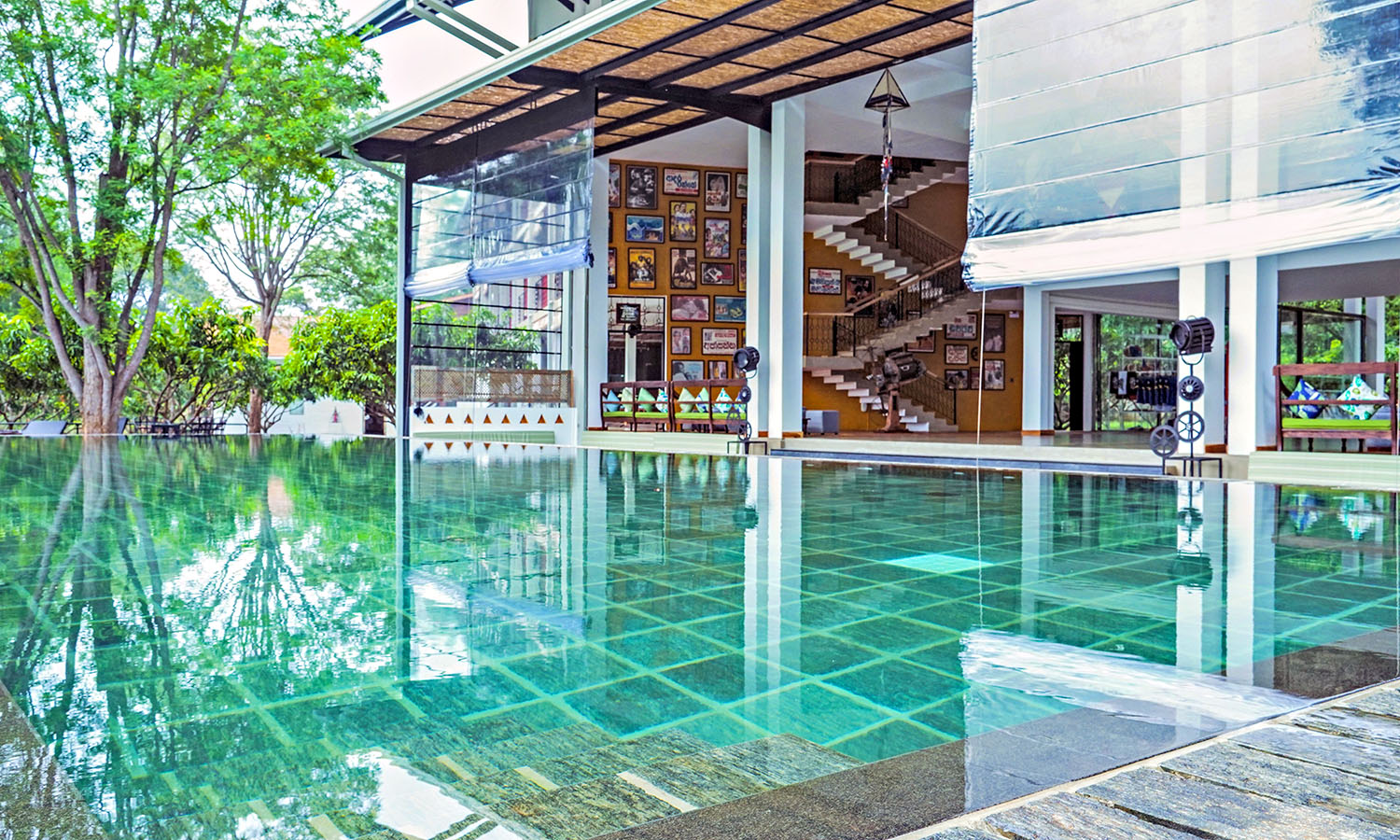
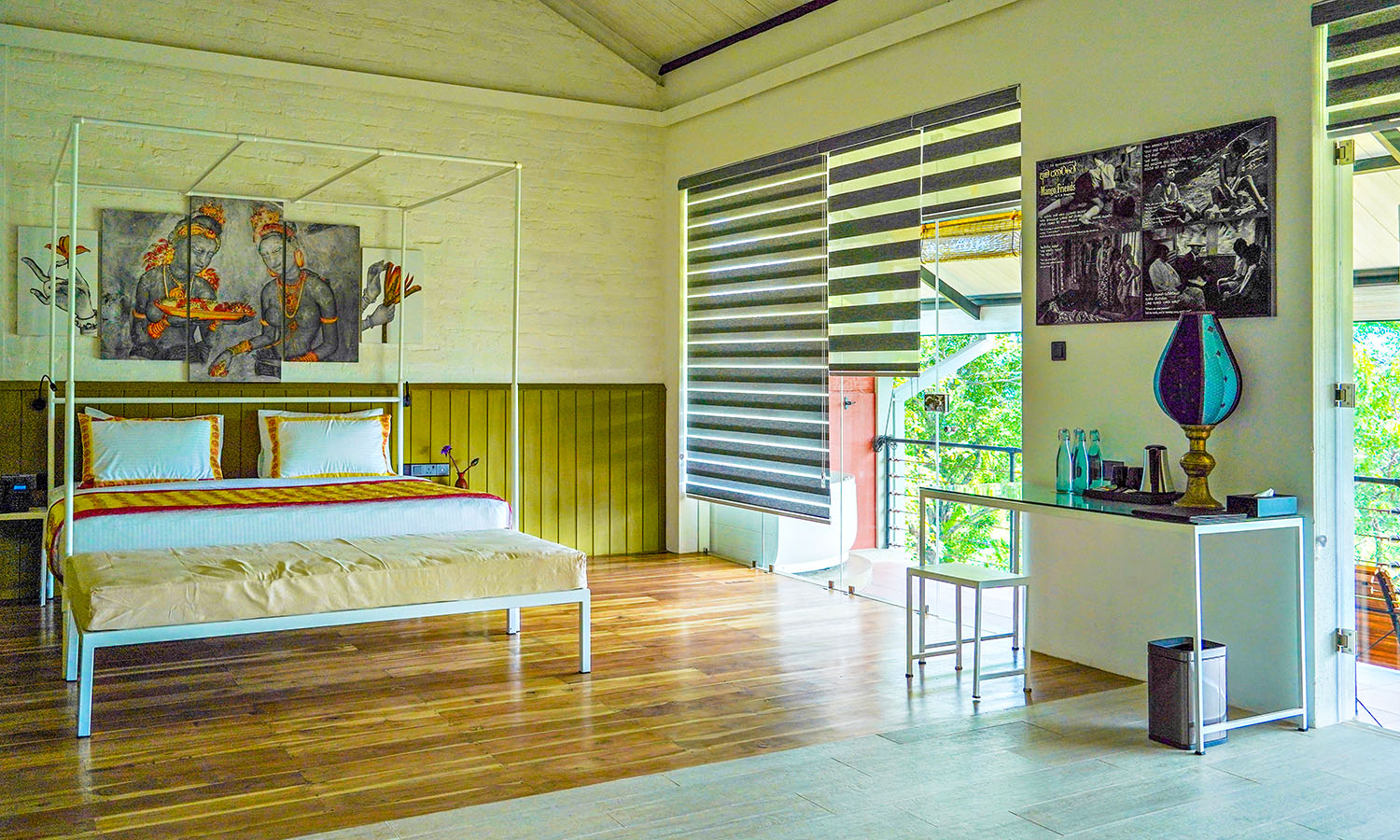
The design leans modern but doesn’t try too hard. Clean lines, open spaces, plenty of breathing room. This isn’t a place for gold taps and towel origami. It’s a place that understands restraint, letting the reservoir, the jungle and the light do most of the heavy lifting.
But Amba Yaalu isn’t interested in trapping guests in a bubble of poolside cocktails and curated calm. The hotel actively pushes travellers outward and into nearby villages, into real conversations, into Sri Lanka as it actually exists beyond resort walls. Guided village visits aren’t polished performances; they’re grounded, human encounters that quietly underline why a hotel like this matters in the first place.
Then night falls, and things get interesting. Night safaris at Popham’s Arboretum swap soft lighting for torch beams and elevated heart rates. The forest hums, rustles and occasionally reminds visitors that they are very much not at the top of the food chain. It’s thrilling, slightly unsettling, and exactly the kind of experience that sticks longer than another sunset photo.
Back at the hotel, evenings are refreshingly drama-free. Dinner is delish. Service is sharp without hovering. There’s an unmistakable sense that everyone here knows what they’re doing. This isn’t empowerment theatre. It’s empowerment in practice.
Amba Yaalu doesn’t scream about changing the world. It just quietly gets on with it, proving that good design, good hospitality and genuine social impact don’t need a megaphone. Come for the views and the experience. Stay for the feeling that your booking has backed something bold, overdue and genuinely meaningful.
In a country overflowing with beautiful places to sleep, Amba Yaalu stands out by doing something far more radical than luxury: it changes who gets to run the place.
Park Hyatt Tokyo reopens with jazz, whiskey, and five-star swagger
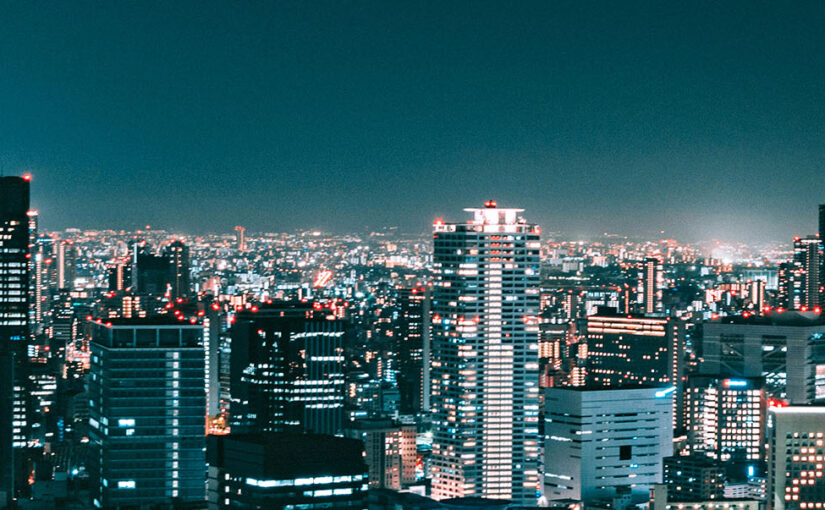
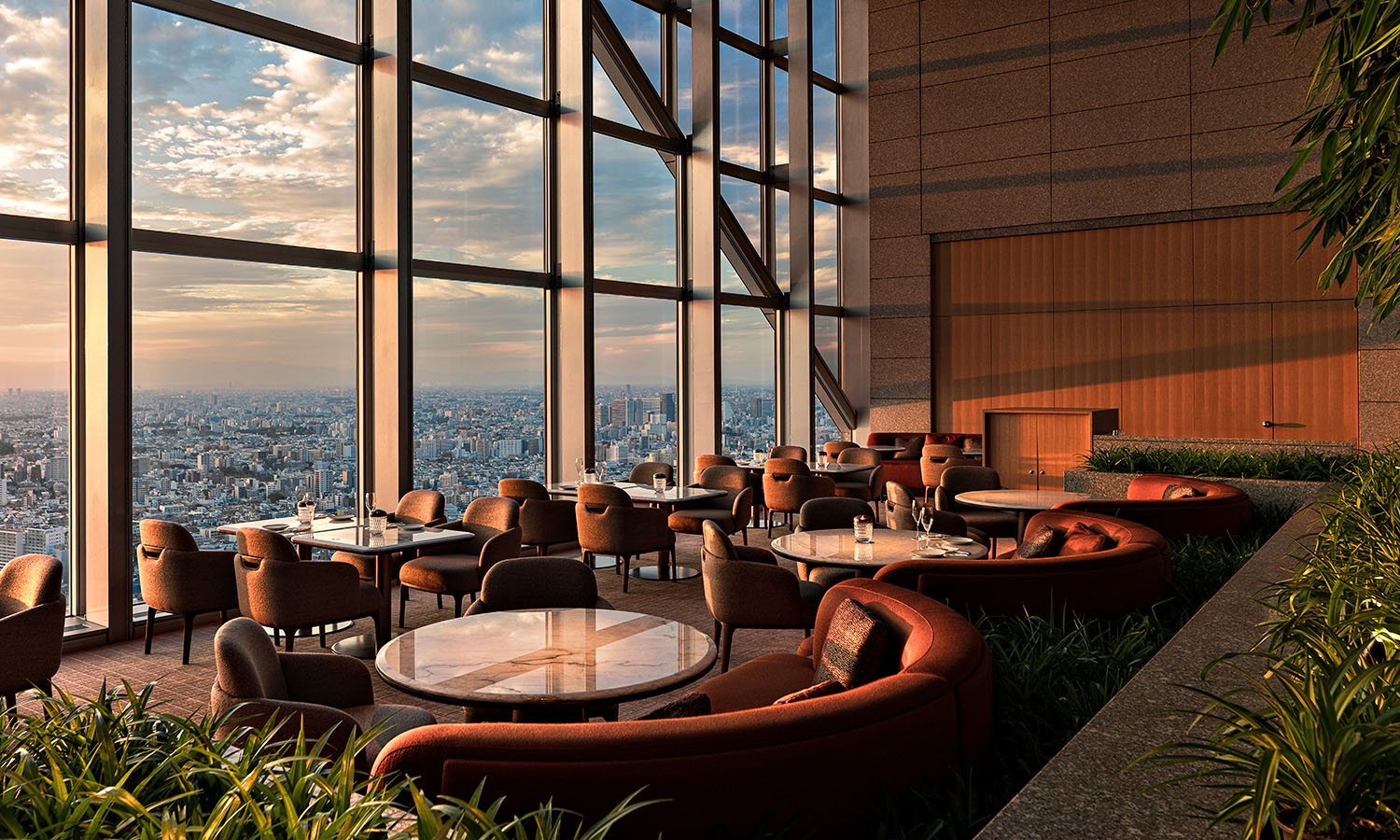
Tokyo has a way of making you feel small. It’s the endless neon skyline, the tidal wave of humanity pouring through Shinjuku Station, the sheer buzz of a city that never switches off. And then there’s the Park Hyatt, perched like a glass-and-steel temple to sophistication above it all, reminding you that, in Japan, even chaos can be wrapped in elegance and served with a perfectly measured whiskey.
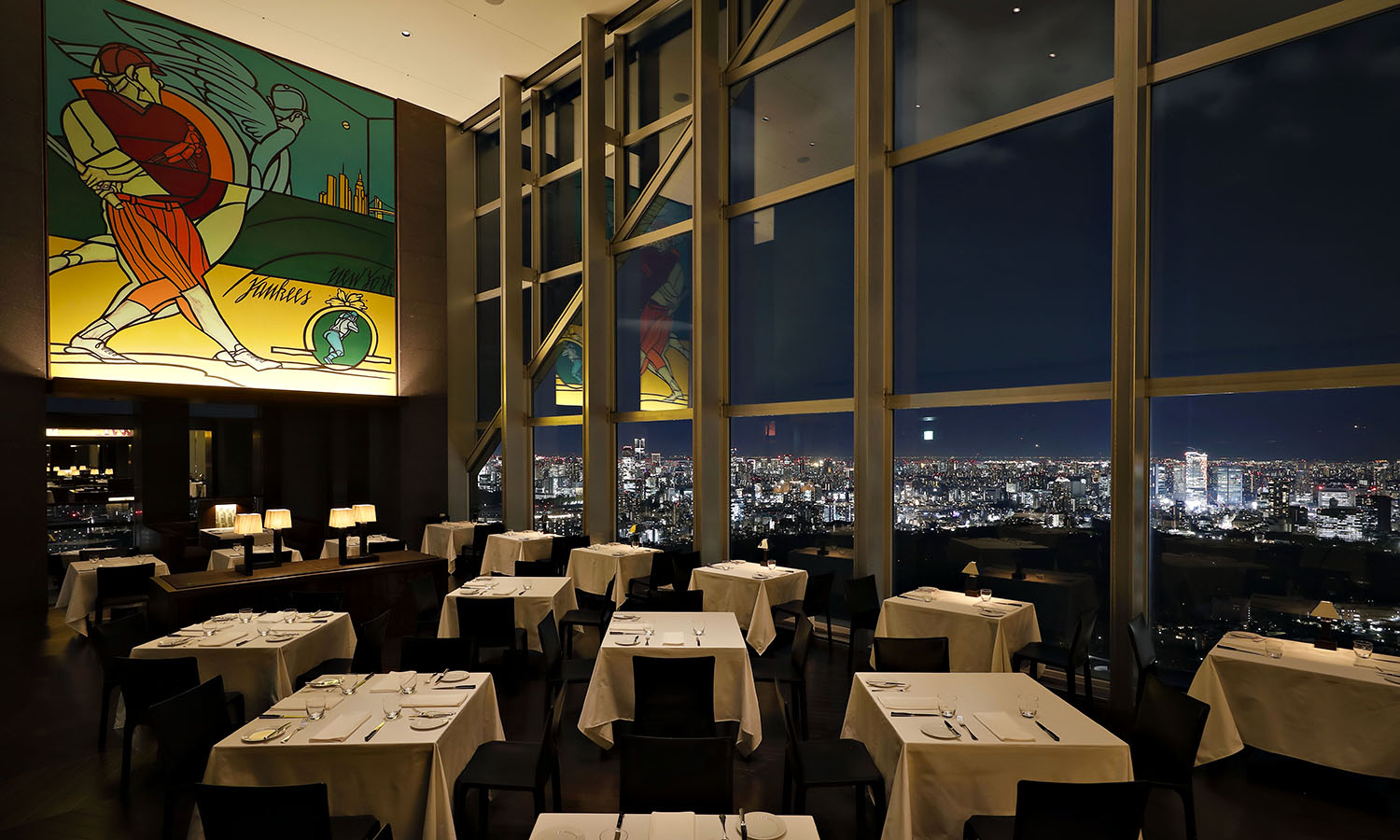
I remember the last time I was here, sinking into a deep leather chair at the New York Bar, Bill Evans’ piano easing through the room while I nursed a single malt and pretended I was in Lost in Translation (minus Scarlett Johansson, sadly). It’s one of those rare bars that makes you feel cooler just by walking in. It’s the kind of place where conversations hum in five languages and bartenders in crisp waistcoats nod like they already know your drink order. And now, after a year-long glow-up, it’s back.
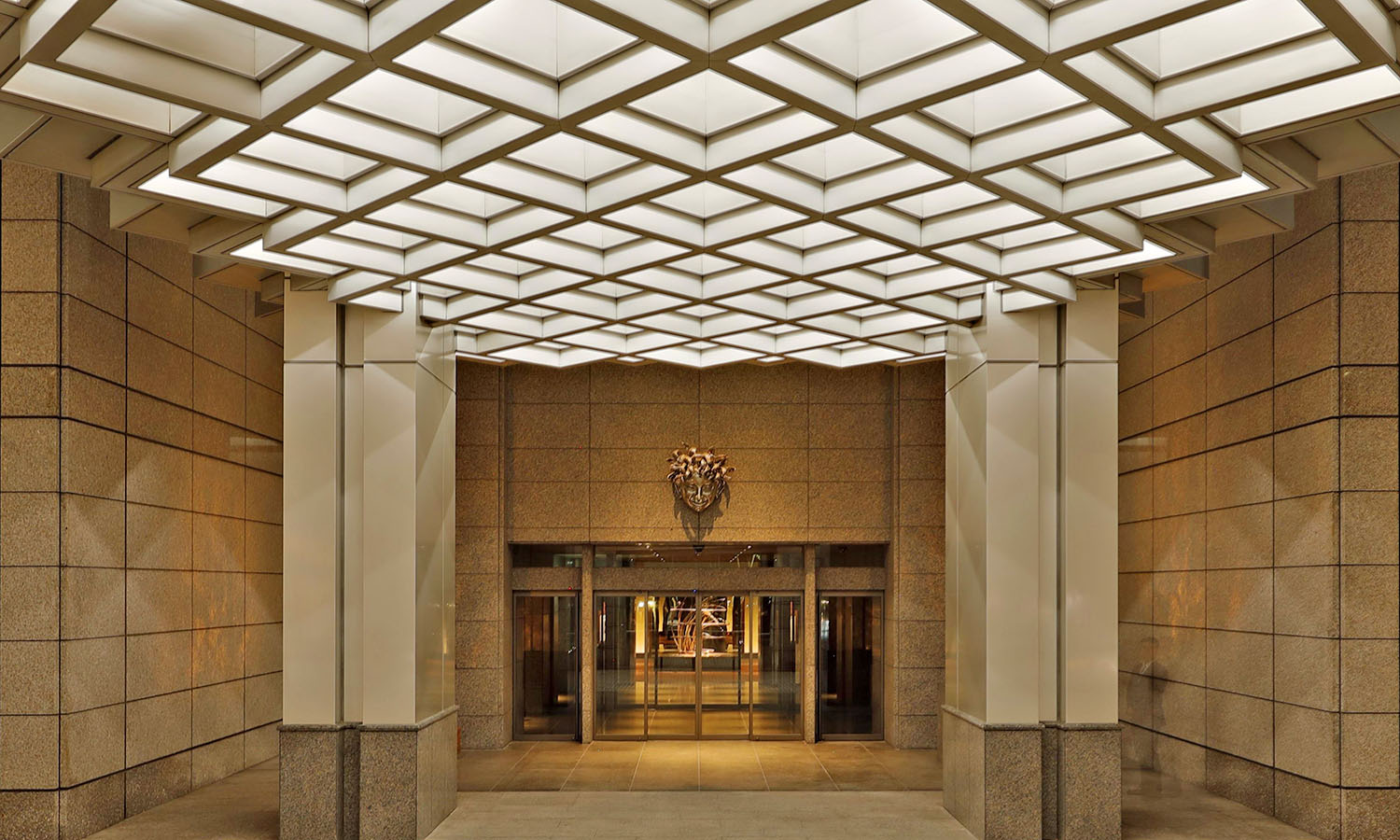
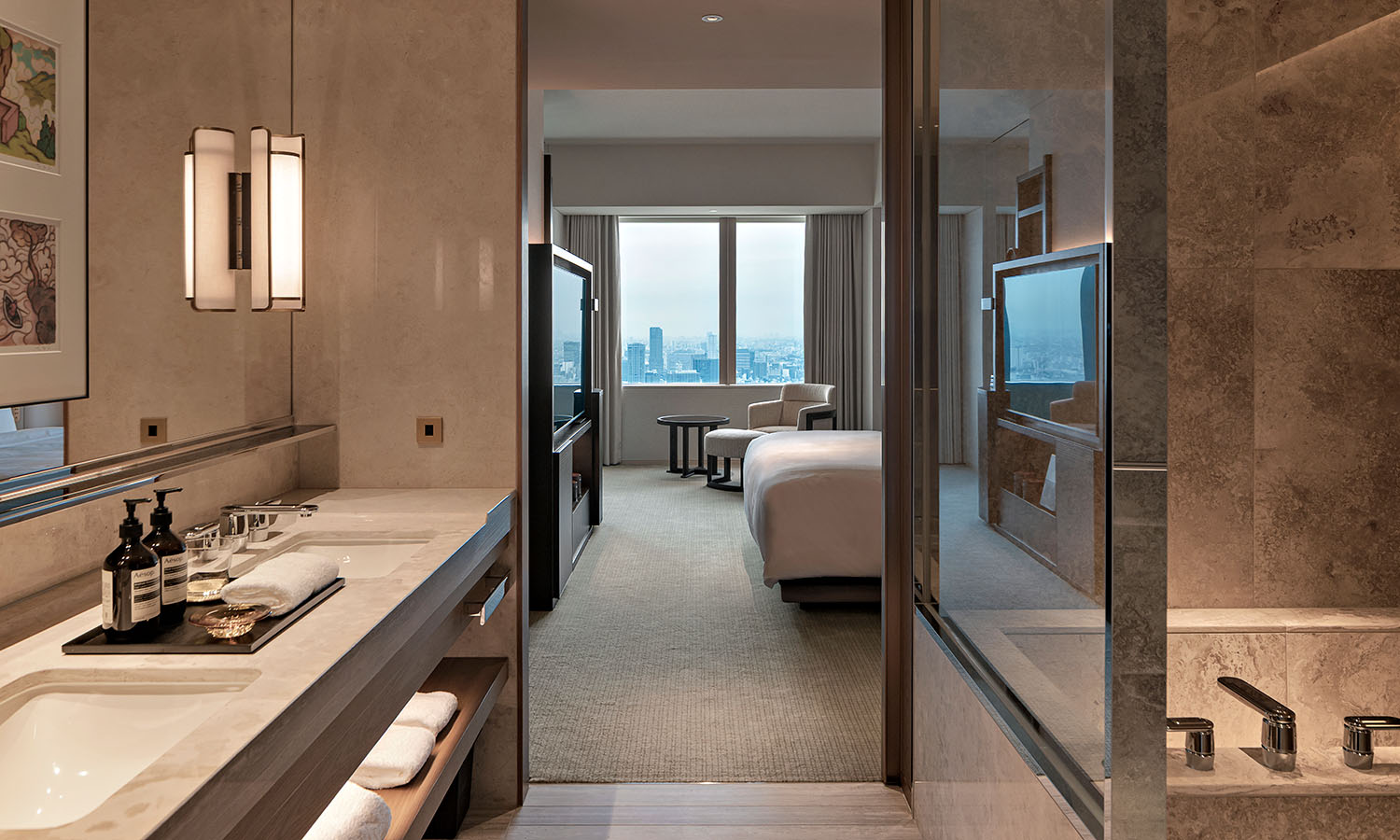
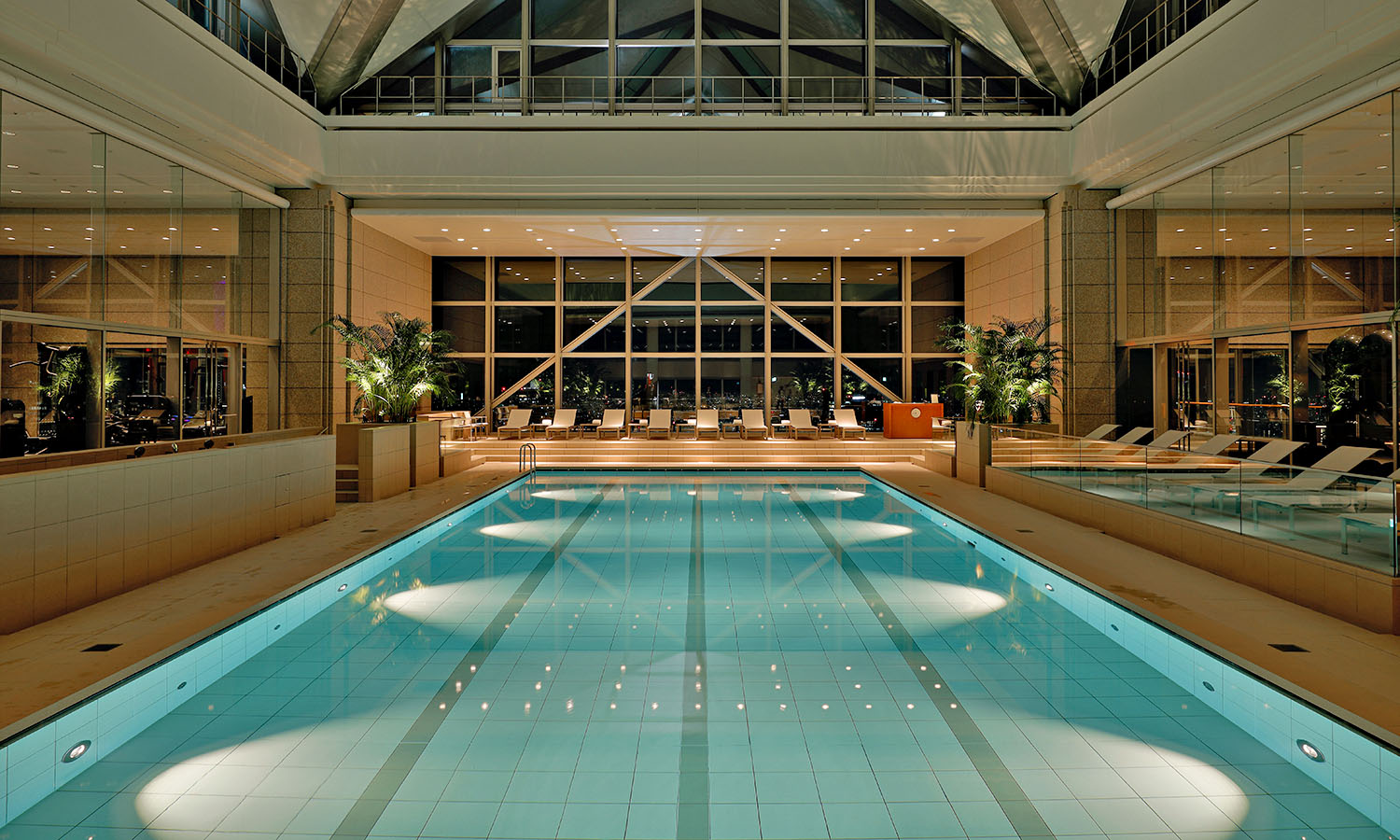
The Park Hyatt Tokyo, Japan’s original high-rise icon of understated luxury, reopens this December after closing its doors in May 2024 for a top-to-bottom revamp. Since its debut in 1994, tucked into the top 14 floors of Kenzo Tange’s Shinjuku Park Tower, this place has been the city’s go-to crash pad for Hollywood royalty, jet-lagged billionaires, and people like me who are happy to blow the budget for the chance to be Bill Murray. Back then, Tokyo welcomed about 3.5 million tourists a year. These days? Try almost 37 million. The city’s changed, and the Park Hyatt is keeping pace.
If the name sounds familiar, it’s because this is the hotel that gave us one of cinema’s most memorable hangovers: Sofia Coppola’s Lost in Translation was filmed here in 2003, and Anthony Bourdain drank his way through its hallways a decade later for Parts Unknown. Both times, the real star wasn’t Bill Murray or Bourdain it was the Park Hyatt itself, most notably, the New York Grill & Bar.
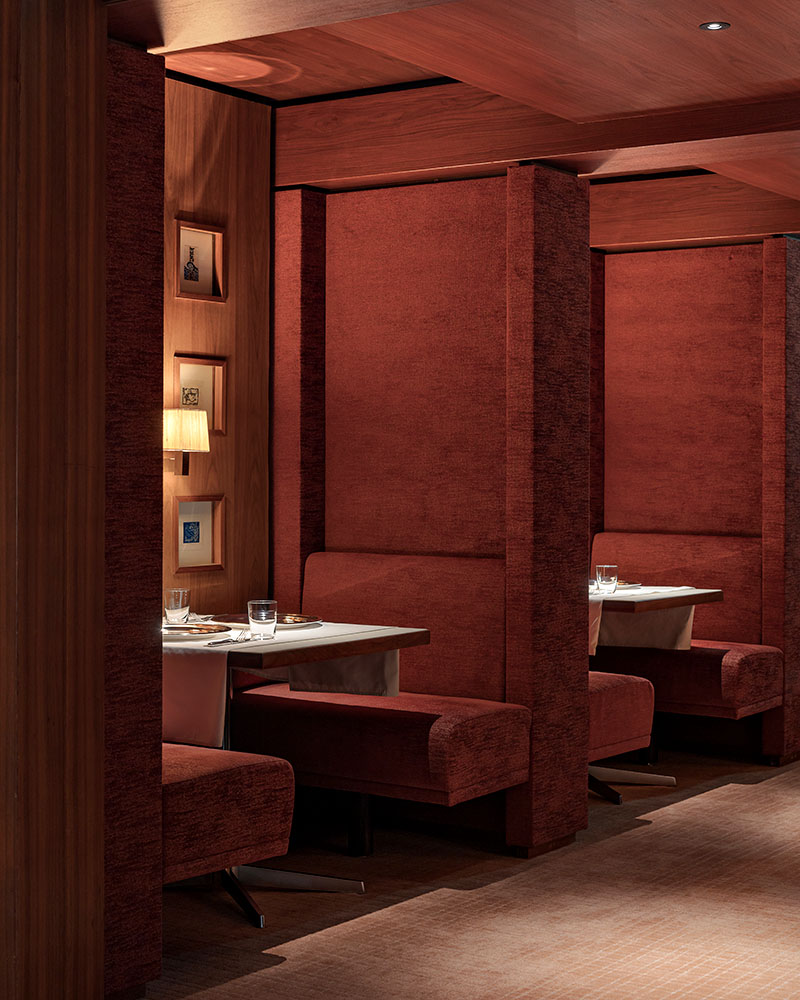
The recent overhaul is more evolution than revolution and thankfully, the hotel’s iconic spaces remain gloriously familiar, in particular, the 52nd-floor New York Grill & Bar still offering the best skyline views in the city.
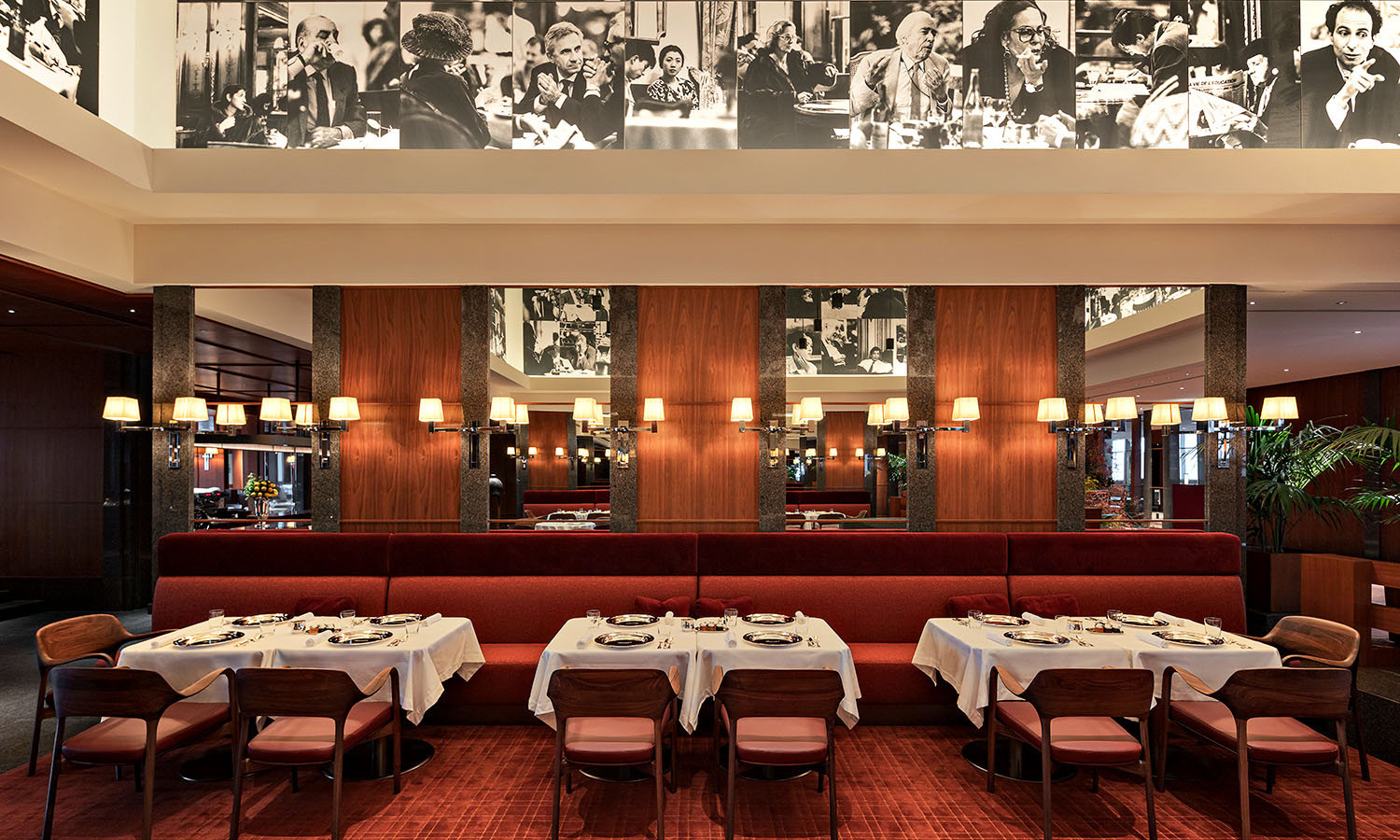
There are tweaks, of course. French brasserie Girandole now carries Alain Ducasse’s name and a slightly healthier menu. A new marble bar now anchors the space, serving breakfast in the morning and cocktails when the sun dips below Mount Fuji.
What hasn’t changed, and probably never will, is the soul of the place. Many of the staff have been here since the early days, greeting regulars like long-lost friends and treating newcomers with the kind of practiced grace that makes even the most jaded traveller feel special. It’s that combination of impeccable service, cinematic atmosphere, and quiet confidence that keeps people coming back, even if room rates now start at AU$880 a night (plus a healthy dose of taxes and service fees, naturally).
So, now that the Park Hyatt Tokyo has reopened its doors (did so on December 9), I’ll be back, probably in that same leather chair, sipping whiskey and listening to jazz, waiting for Scarlett Johansson to walk in. She probably won’t. But then again, that’s the magic of this place: for a few hours, it makes you believe anything could happen.
A tale of culture, community and conservation in Sarawak.
“I know most of you want to see three, four, maybe even five orangutans, but remember, seeing one is better than none.”
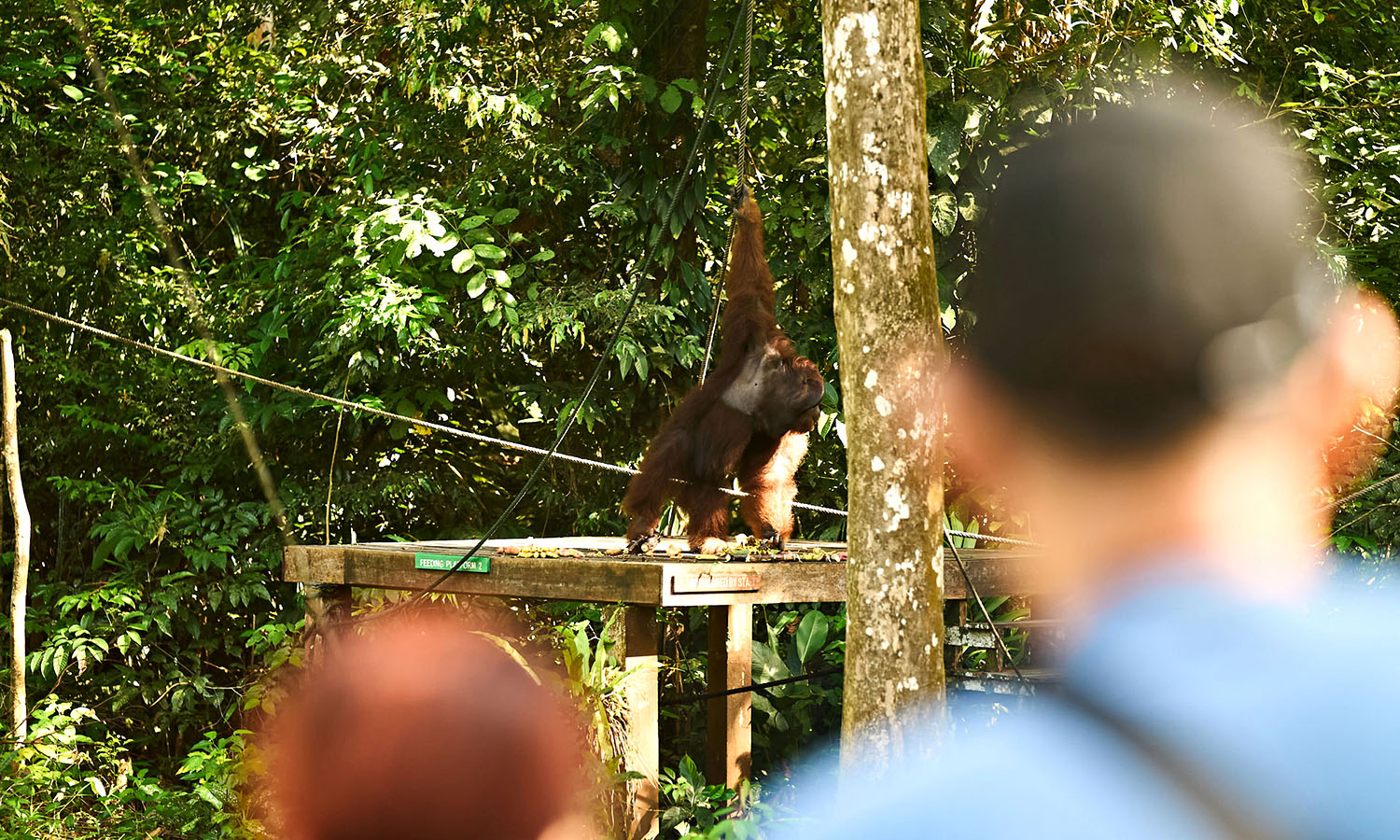
These words were ringing in my ears as I patiently waited for one of the Semonggoh Wildlife Centre’s regular primates to make its way to feeding platform number 2.
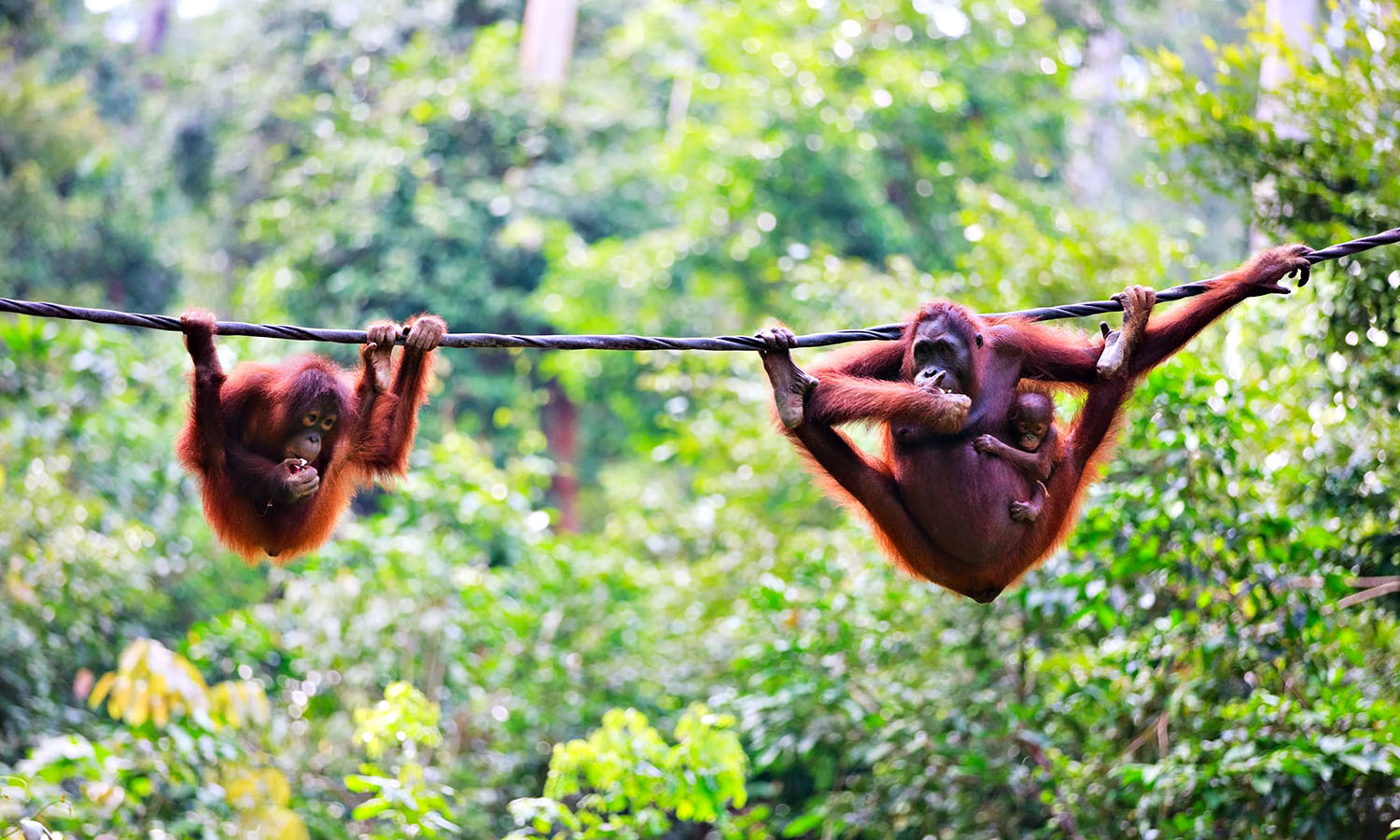
Thankfully, I didn’t have to wait long. Anaku, a 19-year-old male orangutan who’d only recently started developing his cheek pads, came into view. Swinging from branch to rope and back again, he slowly made his way to where a host of bananas, bamboo and mangosteens begged to be his breakfast.
The fourth largest orangutan in the area, Anaku is a big boy. We’re talking ‘it takes 8–10 grown men to control him’ kinda big. Daredevilish by nature, he’s part of the third generation of orangutans to be born in the Semonggoh region—a place where rehabilitation is key to keeping these gentle giants swinging through the trees.
And man, was I glad to see him.
Click play to watch
But let’s rewind. We’d landed in the buzzing city of Kuala Lumpur and immediately had a plan: check into the Moxy in Chinatown. Drop off our bags. Head to the rooftop and order a cocktail. So that’s exactly what we did.
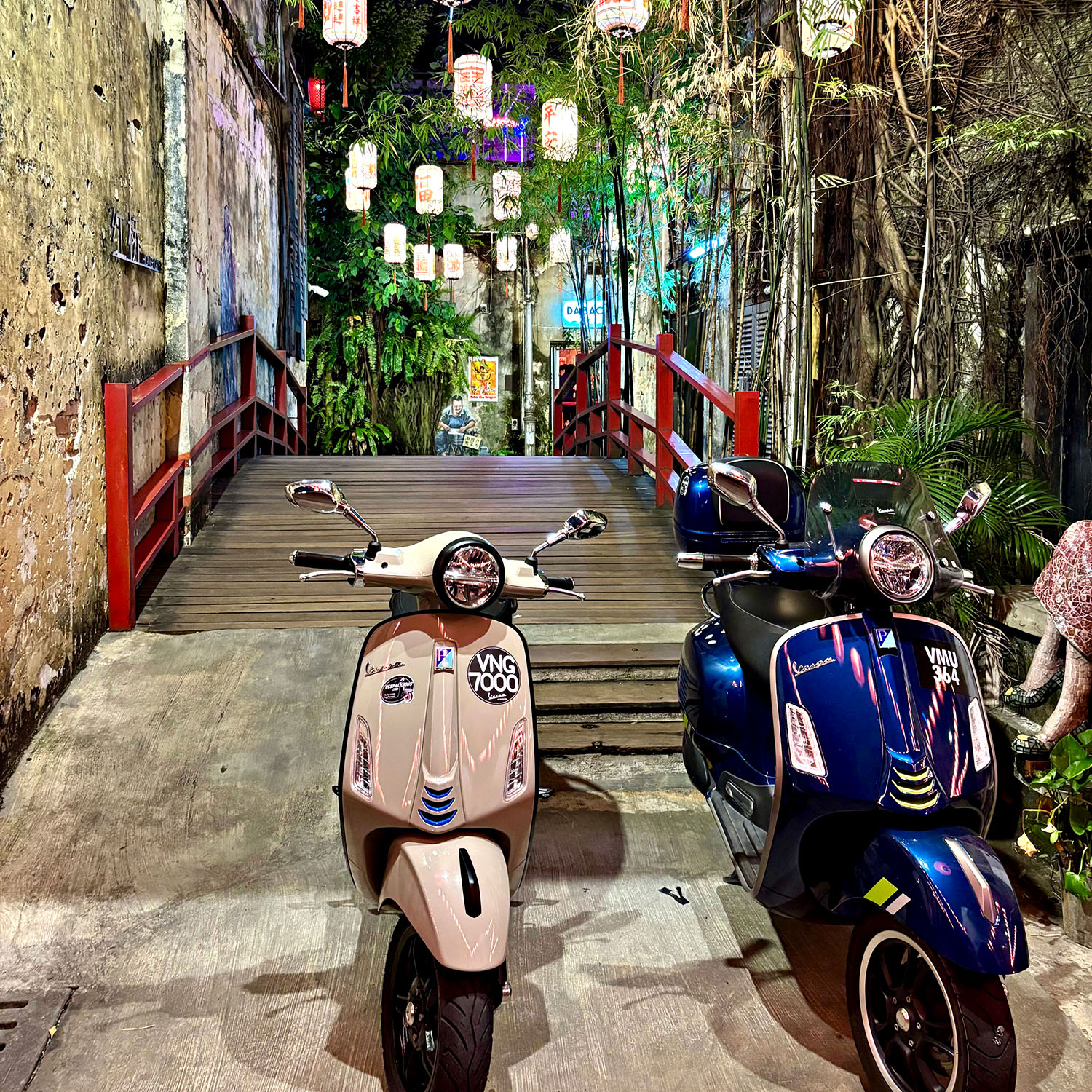
We had just enough time to check out the hotel and enjoy the pool surrounded by the city’s skyscrapers before joining a food tour that would wind us through the backstreets of Chinatown’s best (and most local) food stops… by Vespa.
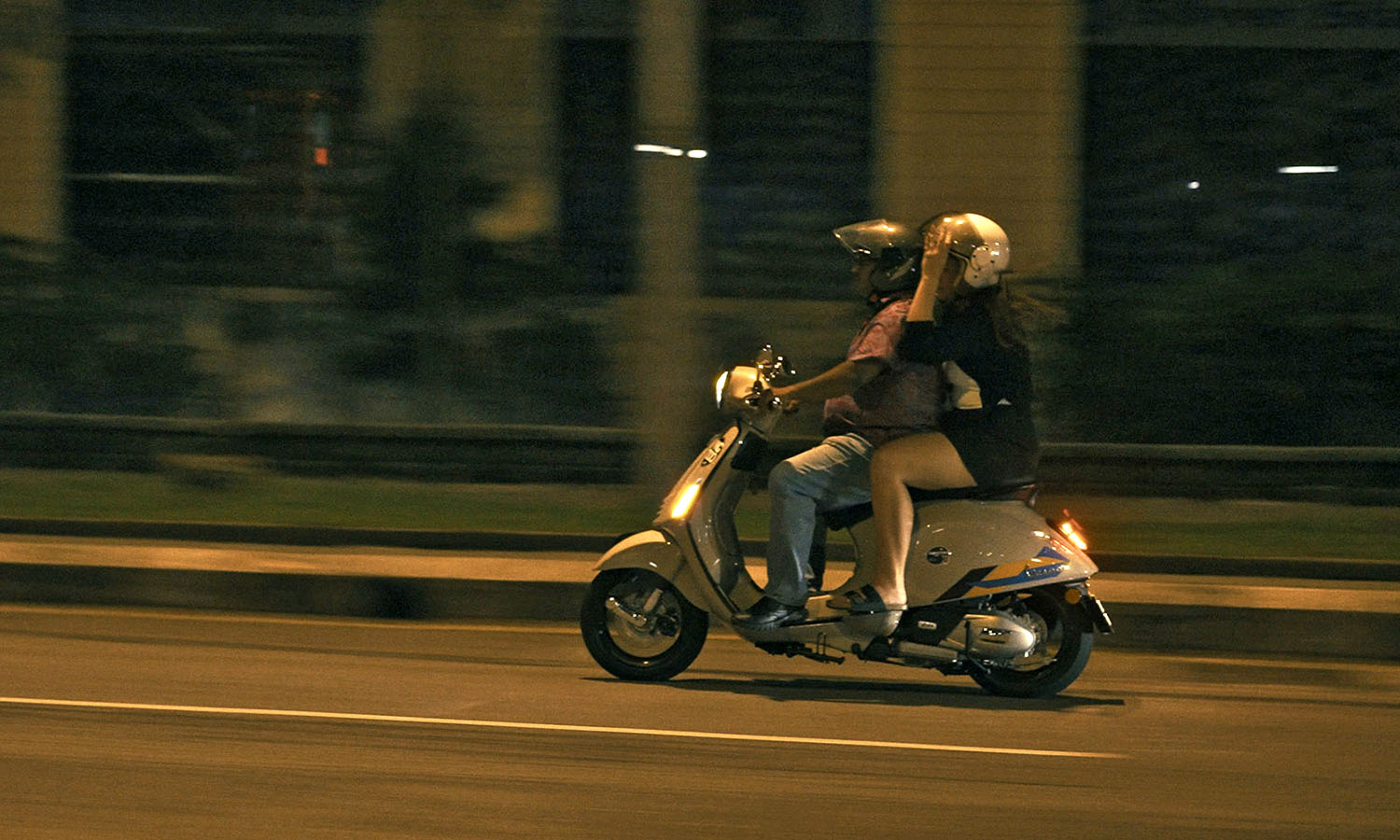
Funnily enough, I didn’t know you could fall in love with a city from the back of a Vespa, but there I was—gripping onto our guide Dass for dear life, completely googly-eyed for Kuala Lumpur as it whizzed by at an alarming pace.
The Vespalicious ‘Kuala Lumpur by Night’ tour is explicitly designed to make you feel like a local, and it delivers. Big time.
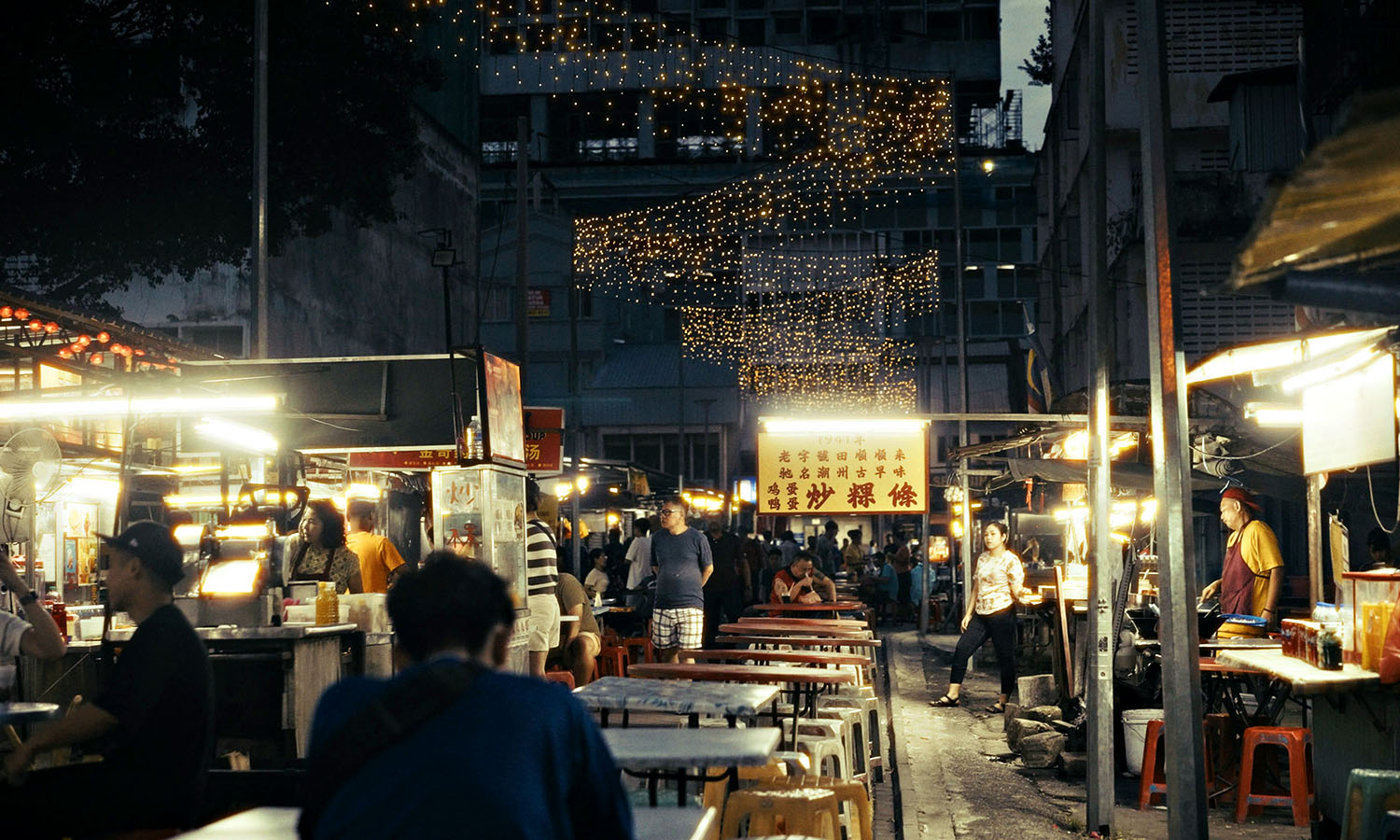
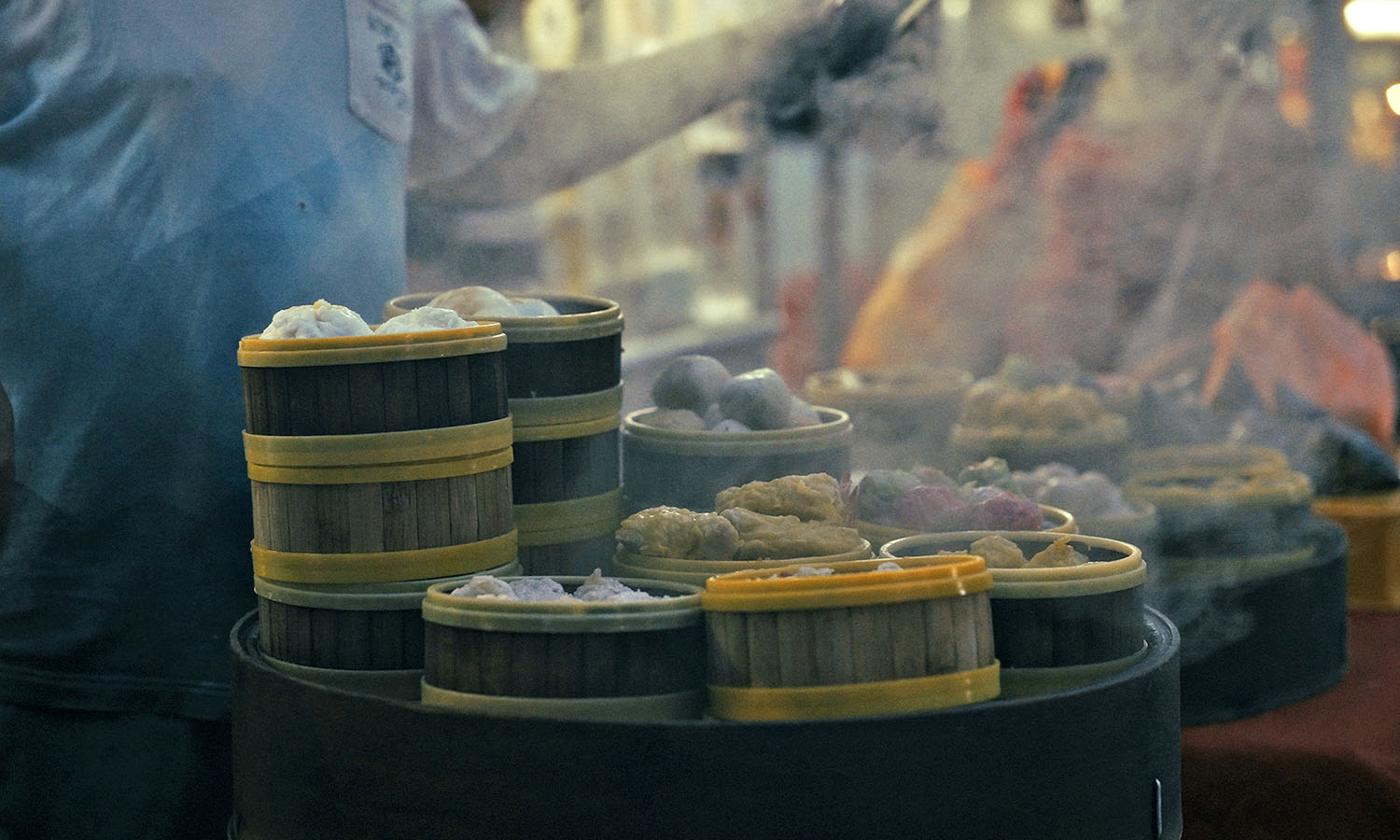
Our first stop was a busy street lined with food stalls serving all kinds of glorious things: dumplings, Hakka noodles, char kuey teow, and a brothy pork soup so good you could easily go back for seconds (and then thirds). It wasn’t long before I realised I was going to have serious trouble getting on and off the Vespa with all the food rolling around in my stomach.
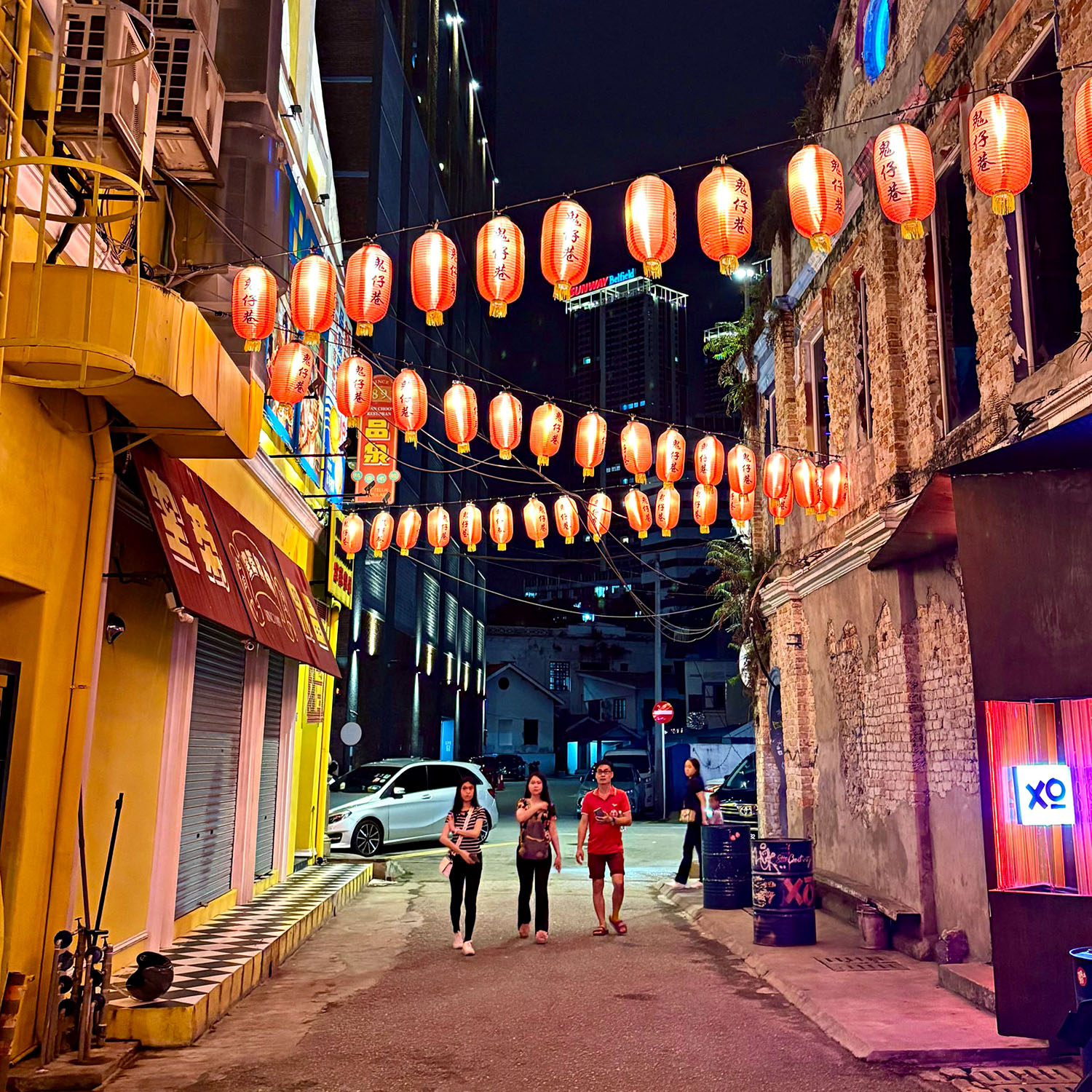
Mercifully, Dass zipped us to BookXcess, a dreamlike bookstore hidden inside an old cinema, full of winding staircases, hidden nooks, and a loooottt of crannies. I could’ve moved in, but the Vespa was beckoning, and soon we were cruising through mural-filled, lantern-lit alleyways in Chinatown. We managed a quick hydration break at a hidden speakeasy masquerading as a toy shop before it was time to eat again—this time Indian. Think kuttu paratha, roti tissue, and some seriously good masala chai.
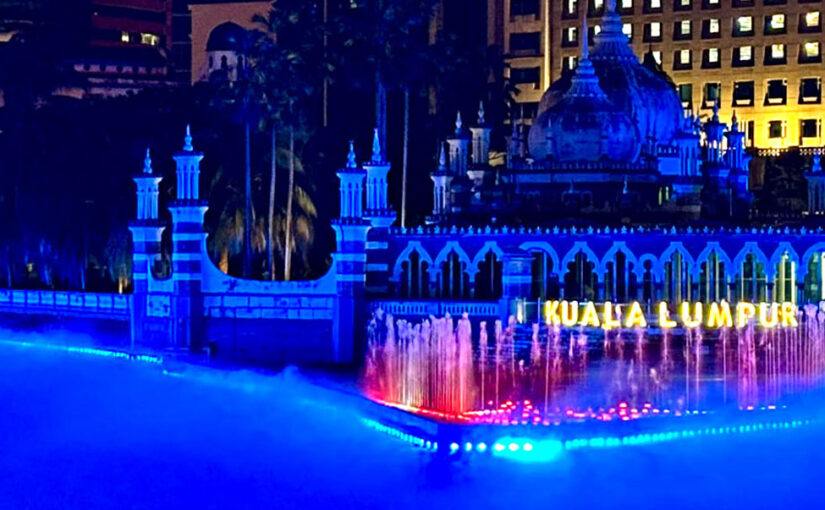
Our final stop was the River of Life. The fountains danced, the KL sign glowed, blue light lit up the scene, and for a moment, everything felt perfectly, ridiculously cinematic. If this is what the rest of Malaysia is like, I thought, then I’m in for a real treat.
And the treats kept coming; this time, we were headed to Sarawak.
Sitting pretty on the island of Borneo, Sarawak is where rainforest royalty (read: orangutans) reign supreme, and where you’ll almost definitely have the best laksa of your life.
But first, we had to check out the state’s riverside capital city.
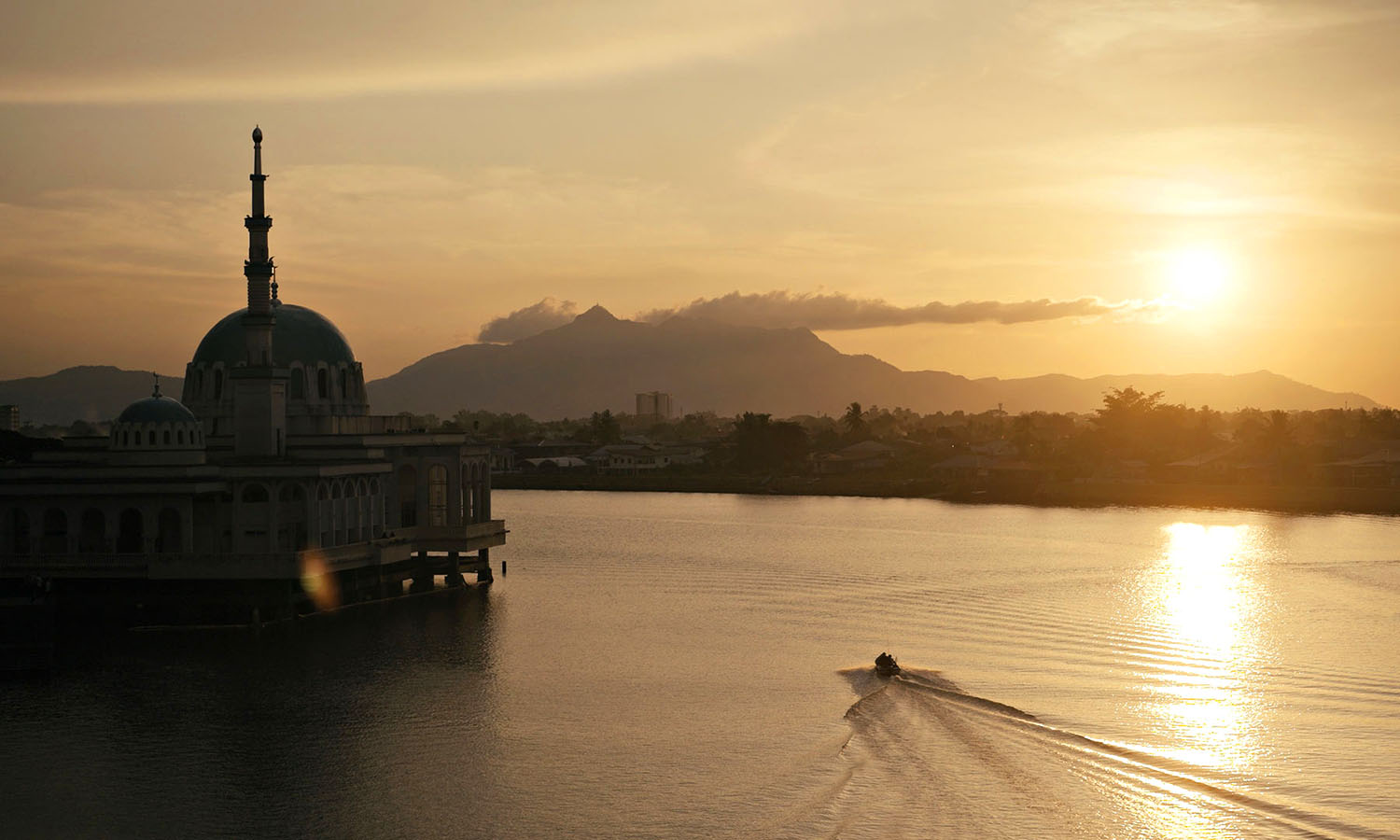
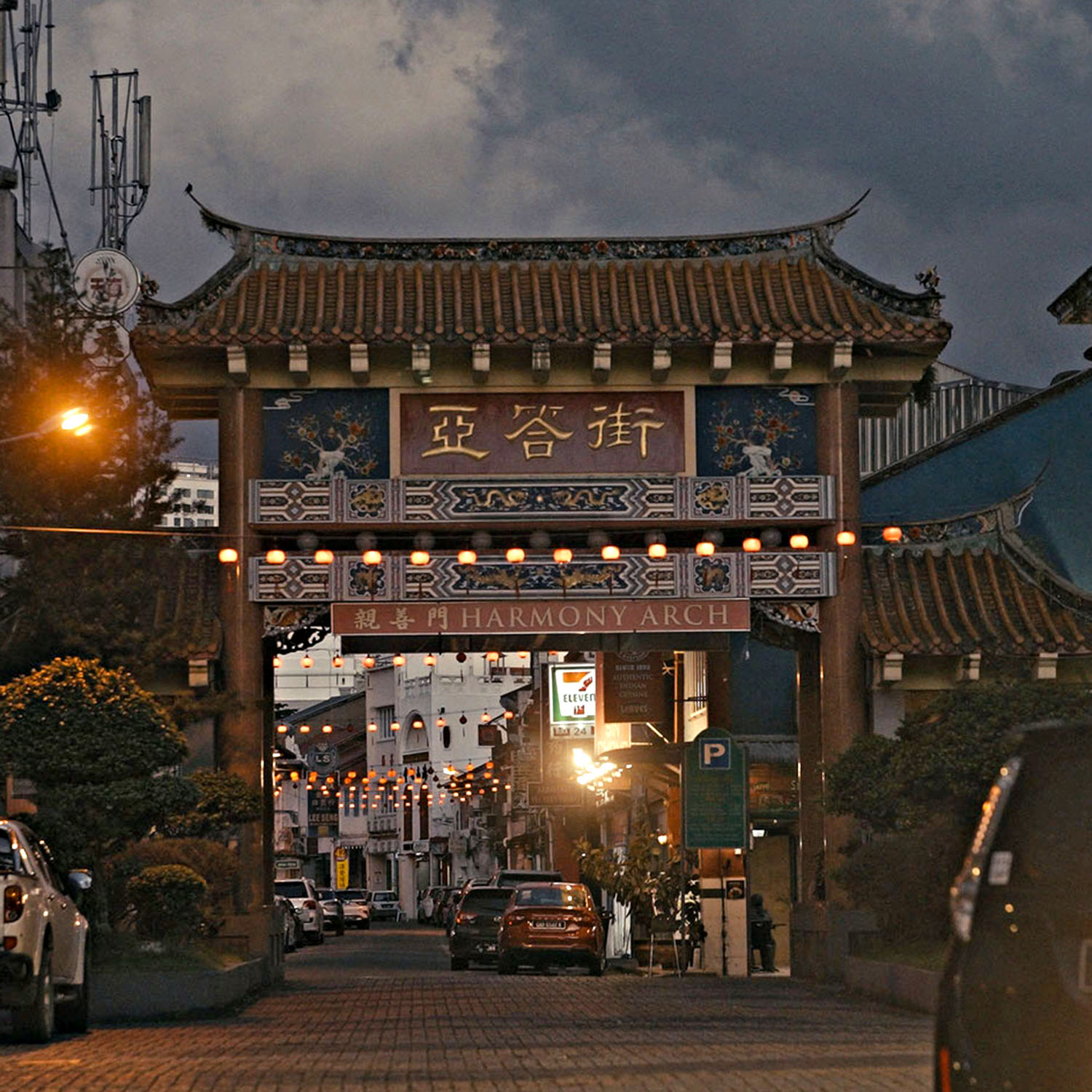
Kuching is one of those cities that sneaks up on you—charming, laidback, and just underrated enough to be unforgettable. We wandered its riverfront and stumbled upon (and by stumbled, I mean it was happening right outside our hotel’s front door) the Gawai Dayak Parade: a glorious riot of feathers, drums, and Dayak pride marching straight through town.
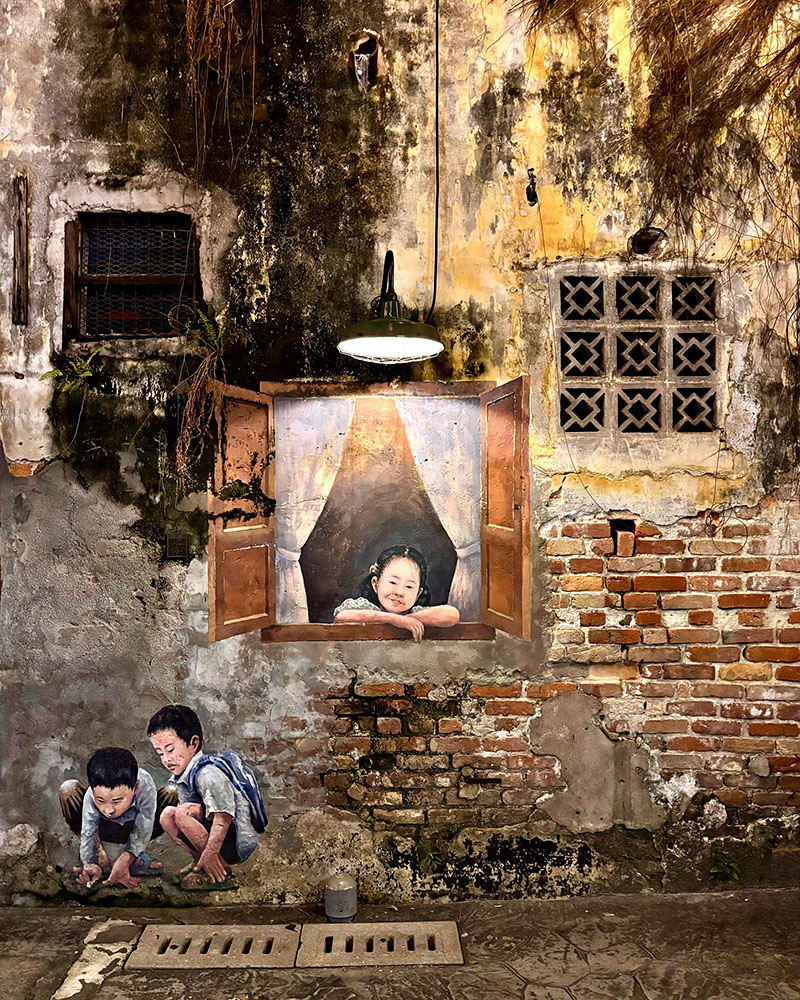
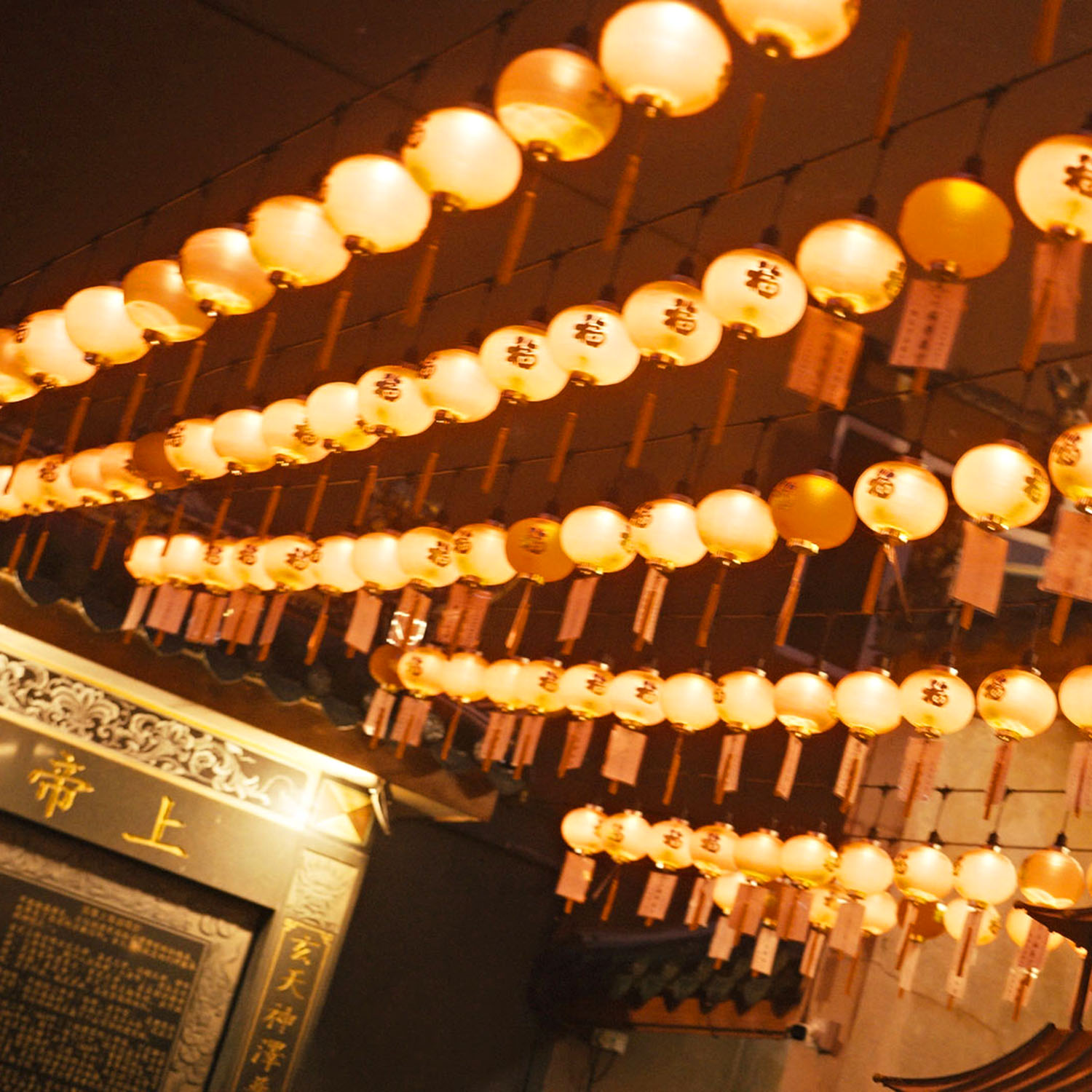
Later, we ducked down a side street and found a temple cloaked in incense and mystery, with dragons curling up the roof and lanterns swinging gently in the breeze.
But while I loved exploring Malaysia’s cities, it was time to go deeper. Like, way deeper.
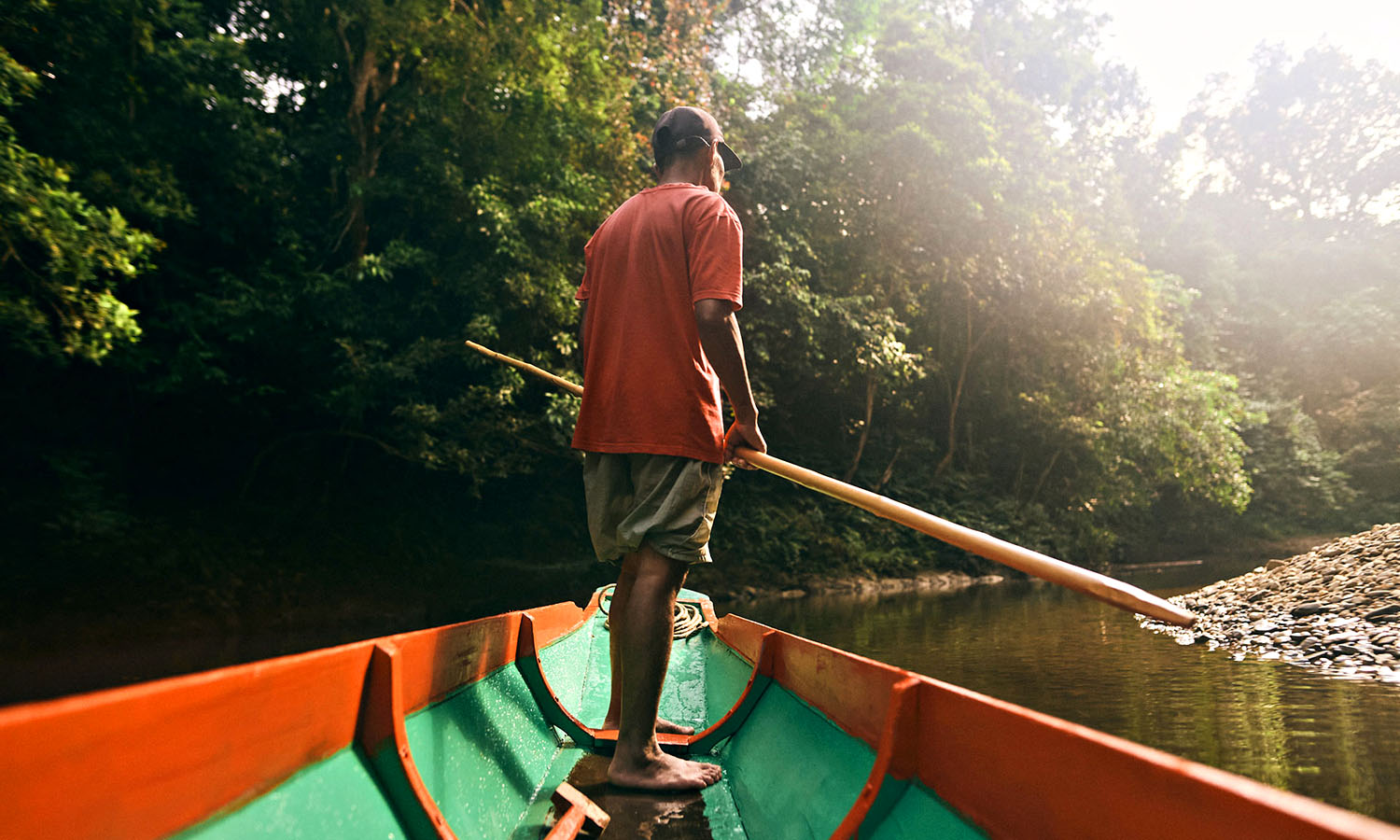
We were picked up by Lemon, our Borneo Adventure guide/living legend, and soon we were headed out. Roughly four hours from Kuching, the Batang Ai river system is where the road ends, and the adventure begins by boat.
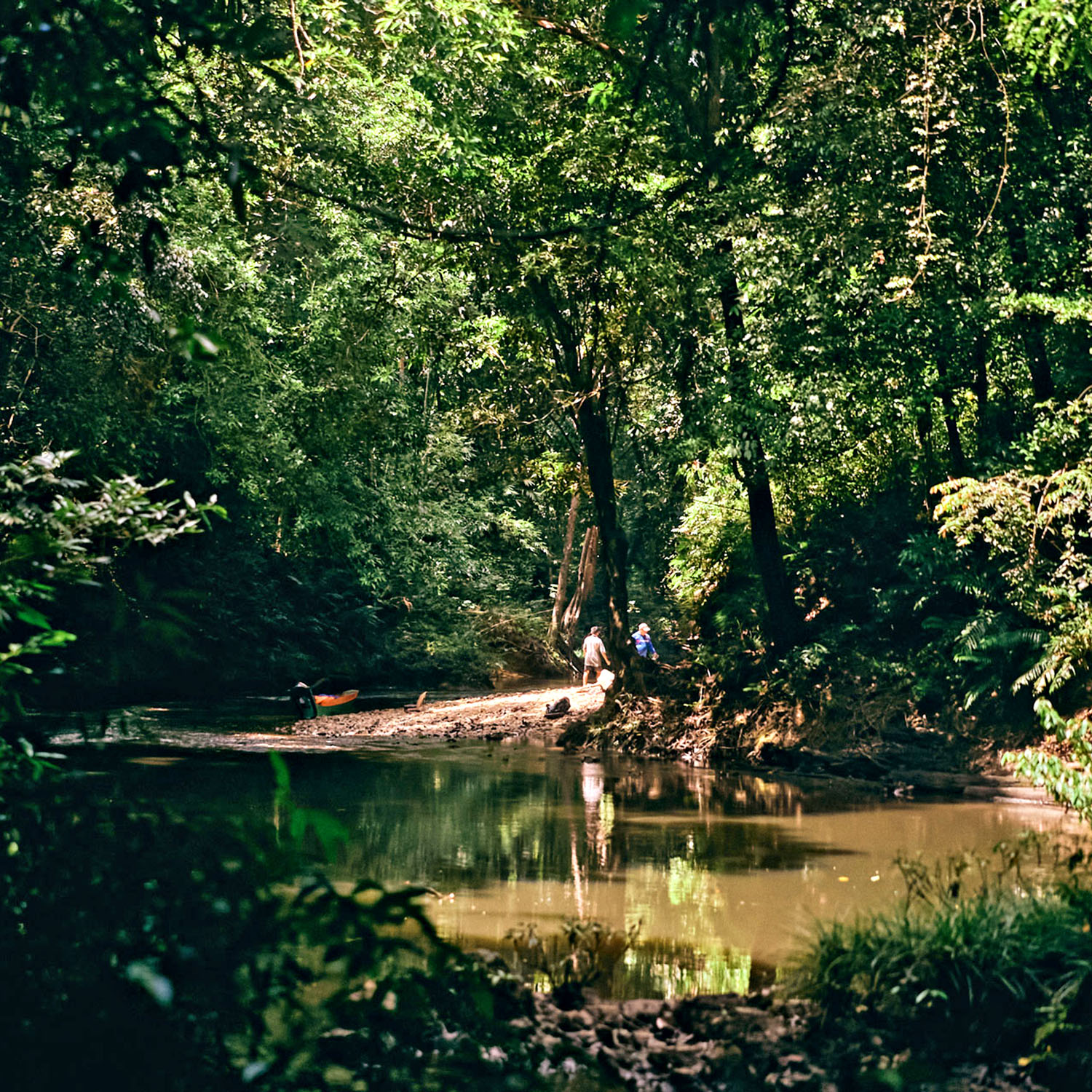
We motored deep into the jungle, slicing through narrow river channels flanked by overhanging trees, kingfishers flitting past, and water the colour of sweet tea.
Our first stop was Nanga Sumpa Lodge, nestled by the river and just a stone’s throw from an Iban longhouse. That evening, we sat cross-legged on woven mats with the village headman, who presided over us while our guide shared stories of how the Iban have lived in harmony with this land for generations. We drank some rice wine and, after a few spooky stories about headhunting (Google it), we called it a night.
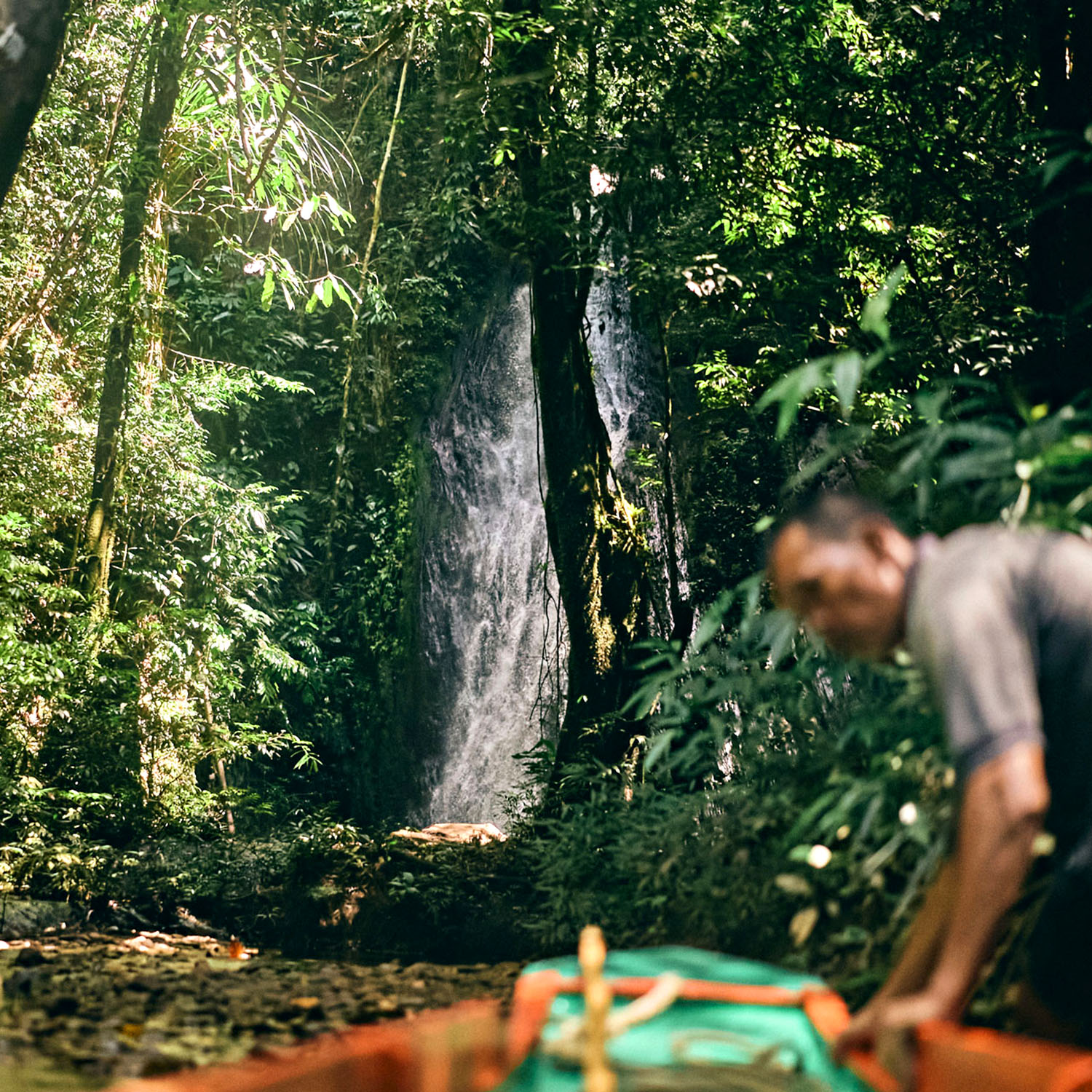
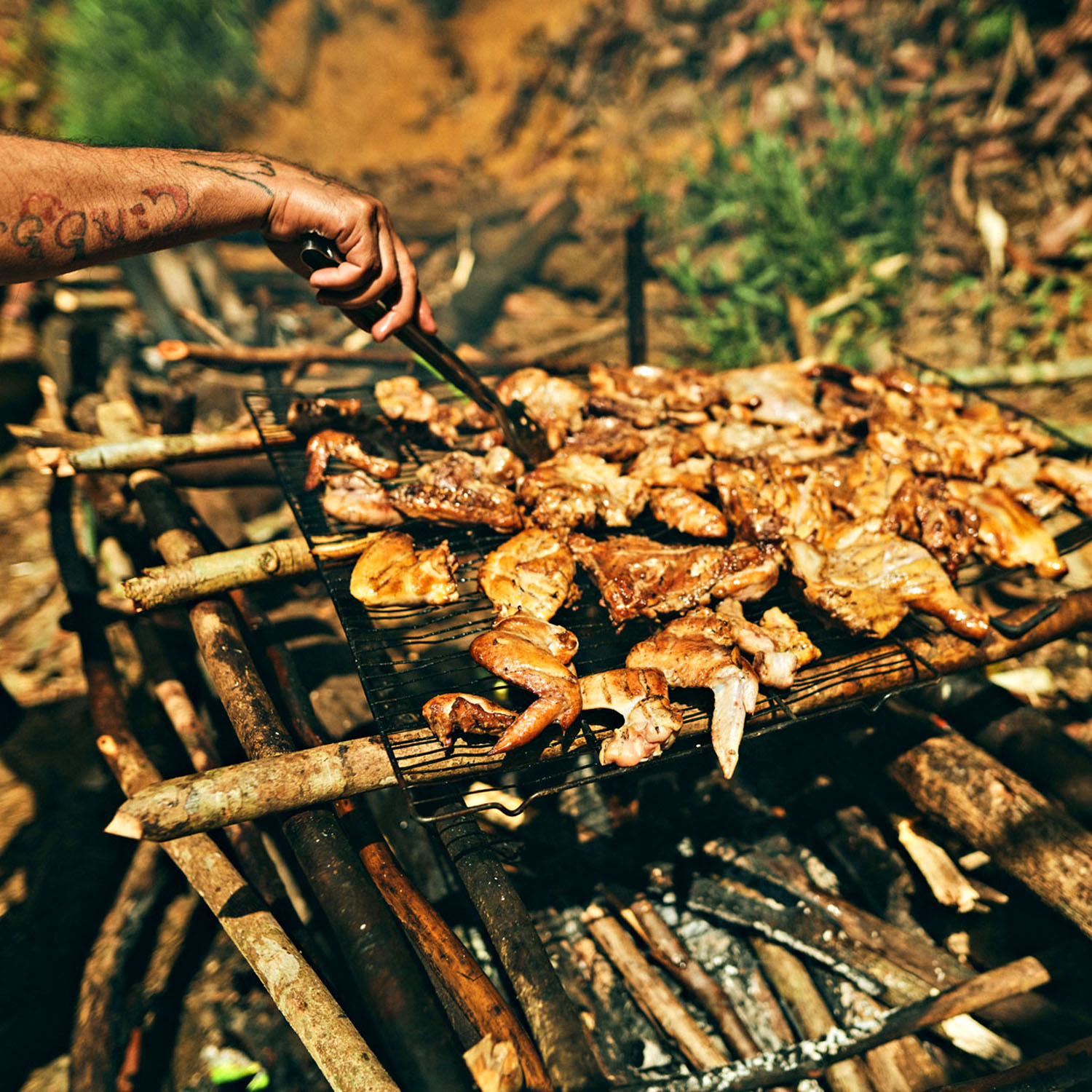
The next day, we hiked to Enseluai Waterfall, which looked like it had been plucked straight out of a shampoo commercial. We swam just long enough to work up an appetite for our jungle BBQ lunch—so smoky and satisfying it felt unfair.
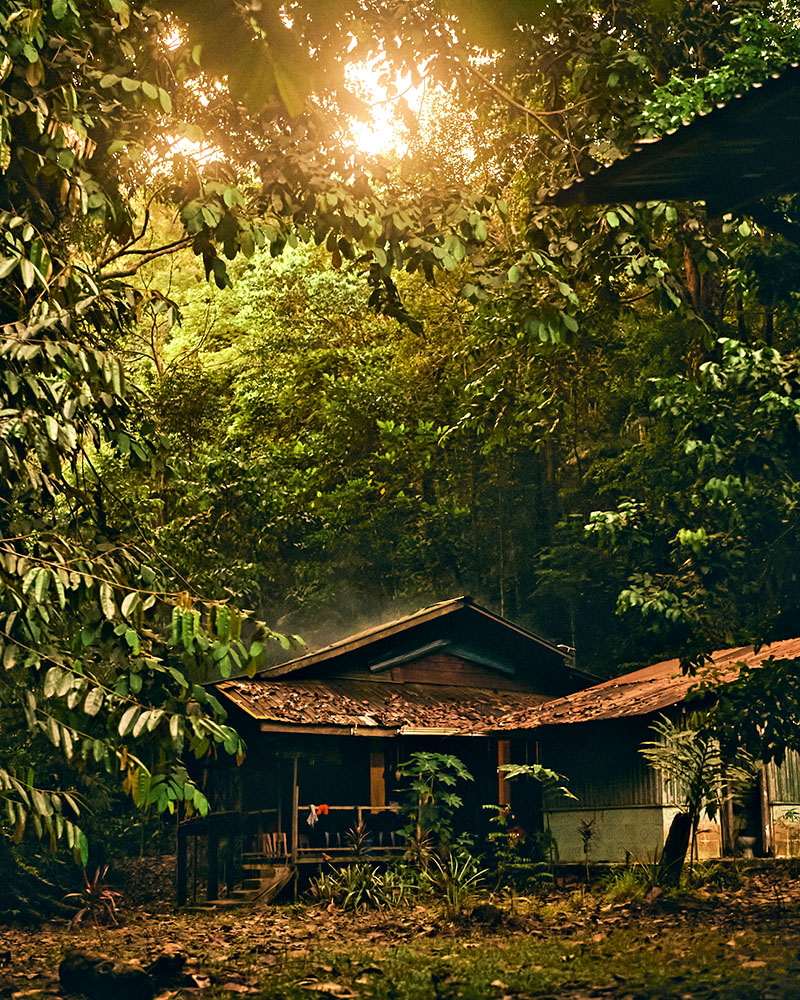
Full and sun-drenched, we cruised further upriver to Lubok Kasai Jungle Camp, our hideaway for the night. No frills, no electricity, just jungle sounds and more stars than I’d seen in years.
While we didn’t spot any wild orangutans during the trip (they’re notoriously afraid of humans and the jungle is… large), the journey and the experience itself were the reward. There’s a kind of deep, primal peace that settles into your bones out there, far from screens and urban noise. You notice things you forgot mattered: the crunch of leaves underfoot, the rhythm of cicadas, the feeling of your own heartbeat syncing with the jungle’s pulse. Out there, you don’t scroll—you look.
It’s a kind of magic that’s hard to find anywhere else. It’s in the Batang Ai river system, an almost tangible feeling you get as you take in the pristine beauty of the lush canopy above from your perch in the middle of a longboat. It’s in the face of your captain, a local headman who’s been navigating these waters for decades. It’s even in the small fruit bat flapping around your room at 3:30am (although, admittedly, I could’ve done without that last one).
But it’s the idea that you have to completely surrender yourself to the jungle that hooks you; surrender to its animals, its history, and its legends. There’s no Wi-Fi, and there’s barely even running water. And yet, it’s hard to find anyone who focuses on that because what you’re surrounded by is ten times better than being able to post a TikTok or have a warm shower.
“Not many people experience this. It’s almost like a place for meditation,” Lemon told us as we trekked through the jungle’s undergrowth. And he’s right. You feel closer to a purpose out here, to reflecting on what really matters. To the idea that protecting these pockets of untouched nature is perhaps more important than you ever realised.
Yes, the chance of glimpsing an orangutan in the wild might be what initially draws you to the jungle of Sarawak, but you’ll quickly learn that it’s the cultural heritage and serene natural environment that keep you entranced.
Call it the final frontier, or call it a warning: some places are just too rare to take for granted, and Sarawak is full of ‘em.
 (
(