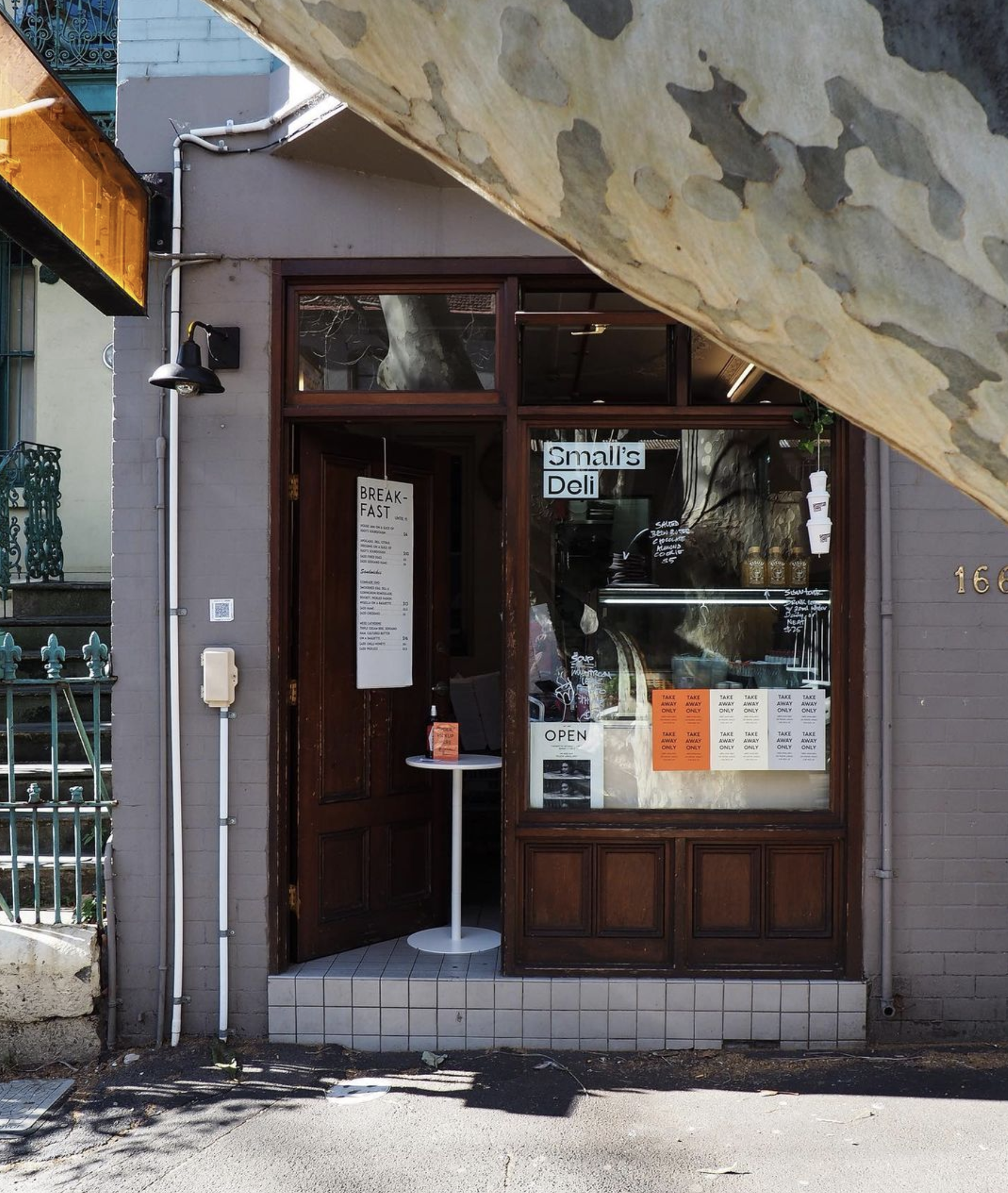
Smalls Deli, a small, chic-looking Potts Point-based deli, are arguably making Sydney’s best sandwiches right now.
Smalls opened at the inopportune time of January 2020, a few weeks before the pandemic began. Not ideal, but it is then a testament to the deliciousness of their sangas that they have bounced back so impressively.
Nearby Iggy’s make the bread, but it’s what’s on the inside counts. You want to order the Croque Monsuier: double-smoked ham, liquid gruyère and comte cheeses, bechamel sauce and tangy dijon mustard all jammed inside a couple of the legendary baker’s sourdough. On top is sprinkled a light amount of another sort of cheese, in case there wasn’t enough on the inside.
Small’s is a place for all occasions: whether you’re catching up with some mates, desperately need a hangover cure or you’re going on a date – you can’t go wrong.
Just bring a calculator…for those delicious carbs.
Japanese men battle for dominance, blessings and the approval of the Gods at Himeji City’s Fighting Festival.
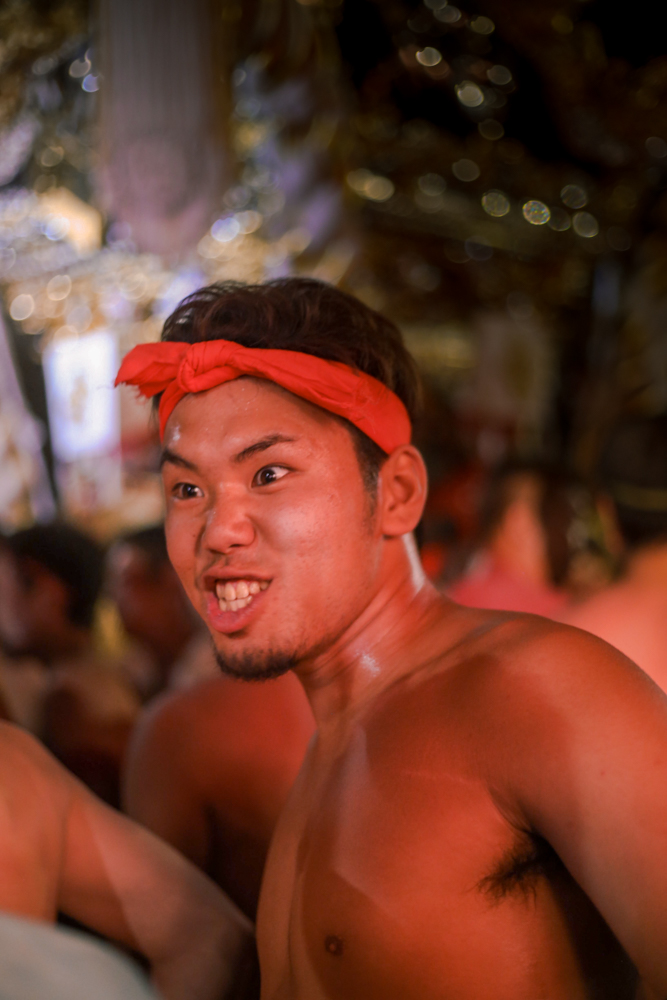
“Yoiyasa, Yoiyasa, Yoiyasa! (look to God and prosperity)” the crowd of almost naked Japanese men shouted energetically. They are carrying a two-tonne yatai, a portable Shinto shrine where the spirit of the local God resides. Despite their scantily clad dress and the cool breeze of the Autumn night, their faces glimmer with sweat and their brows are deep in fury as adrenaline pumps through their bodies. They are getting ready for a battle and from the looks of sheer determination on their faces, it is clear that no one was going down without a fight.
I’m about to witness the grand show at Himeji City’s Nada no Kenka Matsuri (Fighting Festival), a unique Japanese festival centred around brawling and wrestling. Yep, you read that right. A festival in Japan all about violence. When my Japanese friend invited me to her hometown to witness an epic battle, I was confused and very intrigued. The Japanese are known to be polite, reserved and respectful. Definitely not the type of people to let their emotions run high and battle it out with violence. Right?
Wrong. During Autumn, the country hosts a range of Shinto fighting festivals. This one in Hyogo Prefecture is the largest and most famous of them all, drawing in crowds of approximately 100,000 people annually pre COVID. Contrary to the traditional Autumn festivals, where local Shinto Gods are taken from their shrines for a stroll around the neighbourhood for good luck and prayers, this one is a bit different. The Gods, as well as the men of Himeji City, are preparing for the monumental combat of the year tonight.
Every year on October 14th and 15th, the seven districts of Himeji City come together to participate in some good ole friendly neighbourhood competition. Each part of town transports their local God to battle on a yatai which is dressed up in a colour that represents their district. The shrines are slammed amongst each other unforgivingly in an extraordinary act of dominance until a winner is left standing. It is so dangerous and rowdy that people have been seriously injured – some have even died in the past.
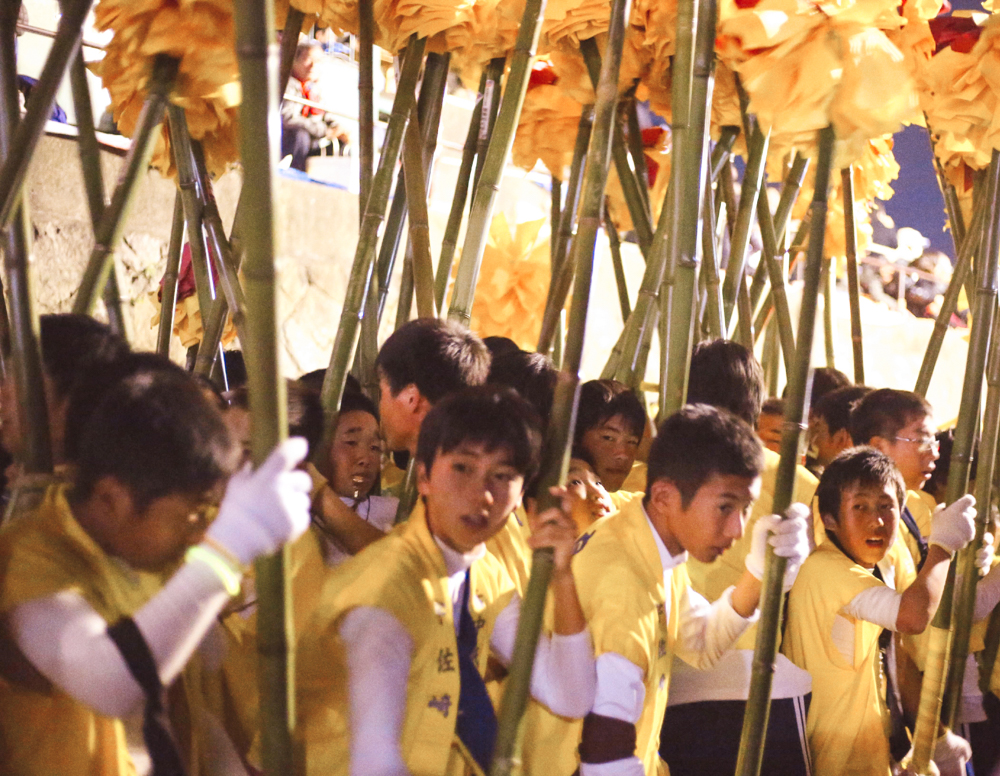
Terasaki Yoji, who has been partaking in the festival for almost 40 years, describes the event as a great source of local pride. “Participating in the festival makes me want to pass on this special ancient tradition to the future generations and beyond. Everyone from Himeji is very excited to join the event and it is a great honour to be able to represent your community.” Young boys from the city, although too young to carry the portable shrine, cannot wait to carry on the legacy of their families and to pay homage to their roots.
I stand there watching as another group of men with another yatai and different colour headbands, representing another part of town, pass by me. I am half in shock and half in awe. In a country where people dress modestly and conservatively, it felt strange to see Japanese men wear barely anything except for a fundoshi. This piece of loincloth, similar to what sumo wrestlers wear, left their butt cheeks hanging out and baring all. There are so many butts. I am not sure where to look, or, where not to look. My eyes dart around the unusual scene unfolding before me.
Up close, the yatai’s intricate details stood out clearly and could not be missed. It is no wonder that each float takes several years to put together and requires the expertise and attention of specialised carpenters and craftsmen. Each portable shrine is decorated extensively with delicately handcrafted symbols, motifs and carvings representing the local district’s residential God and stories from ancient legends. The shrine jostling before me was carrying the God from Matsubara shrine, the symbol of the dragon crest donning the top of the structure plus the red dress of the float and the men gave it away.
Inside the yatai sit four taiko drummers, noriko, who are dressed in impressive kimonos, just as detailed as the yatai. Their arms swing in excellent synchronisation with each other, providing the non-stop soundtrack for the night. “It is said they have the hardest job of all!” my friend joked. “Noriko don’t have a break and drum on throughout the whole night, even when the shrines fall in the battle.” Yatai are truly a testimony to Japan’s emphasis on fine attention to detail and the country’s constant strive towards excellence.
As the men carry the shrine towards the battleground, they jostle it in an almost dance-like motion. They move it side to side and up and down to amuse and excite the God inside. Occasionally the shrine would drop to the ground with a loud thud, giving the men a well-deserved break. Controlling such a heavy structure is not an easy feat – it takes the strength of approximately 75 grown and able-bodied men to transport the float. Much to my surprise, Terasaki explains, “Those who transport the shrine actually don’t practise beforehand. The person at the front of the yatai has a job of calling out the direction and the nobori (men who carry the shrine)match their movements to the instruction.”
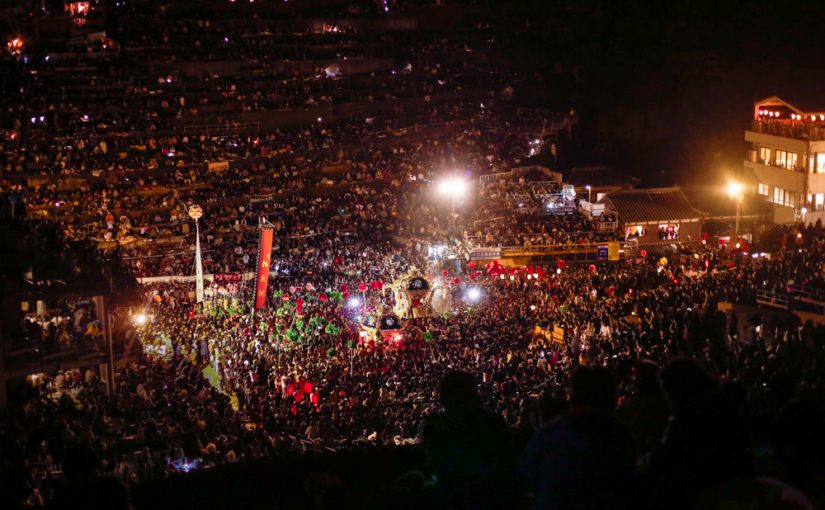
As the final shrine makes its way over to the open-air amphitheatre in the valley nearby the Matsubara Hachiman Shrine, the scene of the ultimate battle, I head back to our prime viewing spot situated high above the battleground. Reminiscent of the Coliseum in Rome, the venue is jampacked with people from all 360 degrees. People rush back to their seats as the event was about to unfold, returning from the food vendors who line the entrance to the amphitheatre. The charcoaled smell of yakitori (grilled chicken) and dried squid, along with the buzz of excitement and anticipation whiffed through the air.
On the battleground, the shrines begin bouncing up and down, up and down, similar to a boxer moving as he prepares himself before throwing the first punch at an opponent. Older men who are not physically able to carry the shrine carry pom pom sticks and surround the shrine on the battleground. They wave it up and down in fast and quick motions, getting quicker and quicker and foreshadowing the upcoming action. The shouting and chanting of the nobori grew in intensity. The sound of the taiko drums thunders louder and louder, ringing through the whole venue and my body. The battle of the year was about to begin.
As the shrines slam together (yatai-awase), my heart slams inside of my chest too. BANG. The sound of the slams vibrates throughout the amphitheatre. The men jammed the shrines towards each other. BANG. Ashes and dust kick off into the air, surrounding the clash. BANG. “The scene is said to represent the Gods fighting in heaven with the sound of the collision representing thunder. The more loud and rowdy everyone is, the more pleased the Gods will be.” my friend explains.
The drums continue with even more intensity and the chants too. Screams, shrieks and gasps fill the air as the crowd watches on the edge of their seats. I never understood the exhilaration and rush of a live battle but I did now. The energy was contagious and the air was thick in suspense and excitement. Each collision built on the growing enthusiasm felt by everyone. In the midst of all this, the noriko continue drumming in such a beautiful and almost dream-like motion, never missing a beat. The shrines continue to jam into each other and the nobori keep chanting. There were no rules. In this grand event, pairs or sometimes even three yatai battle each other until all have fought, providing hours of entertainment until one is crowned the ultimate winner.
The whole amphitheatre echos as the shrine topple to the ground and the crowd of people around it disperse quickly, careful to not get hurt by the powerful floats. I chuckle and think to myself – it turns out Japan isn’t that much of a quiet and peaceful country all the time.
And while Ho Chi Minh City, Hanoi, Nha Trang and the like are epic places, get lost is steering you away from the well-trodden path to another beach town on the southeast coast.
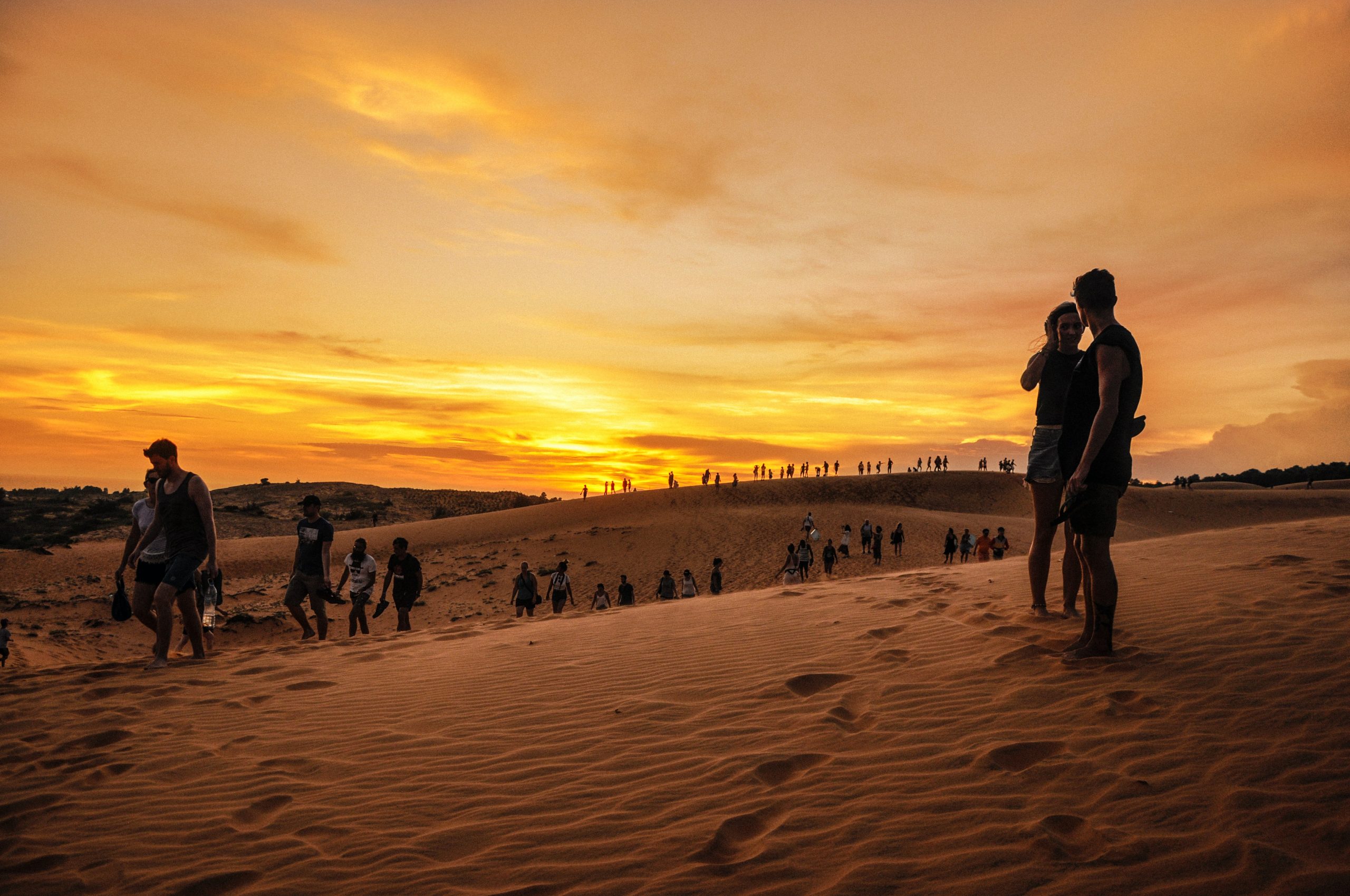
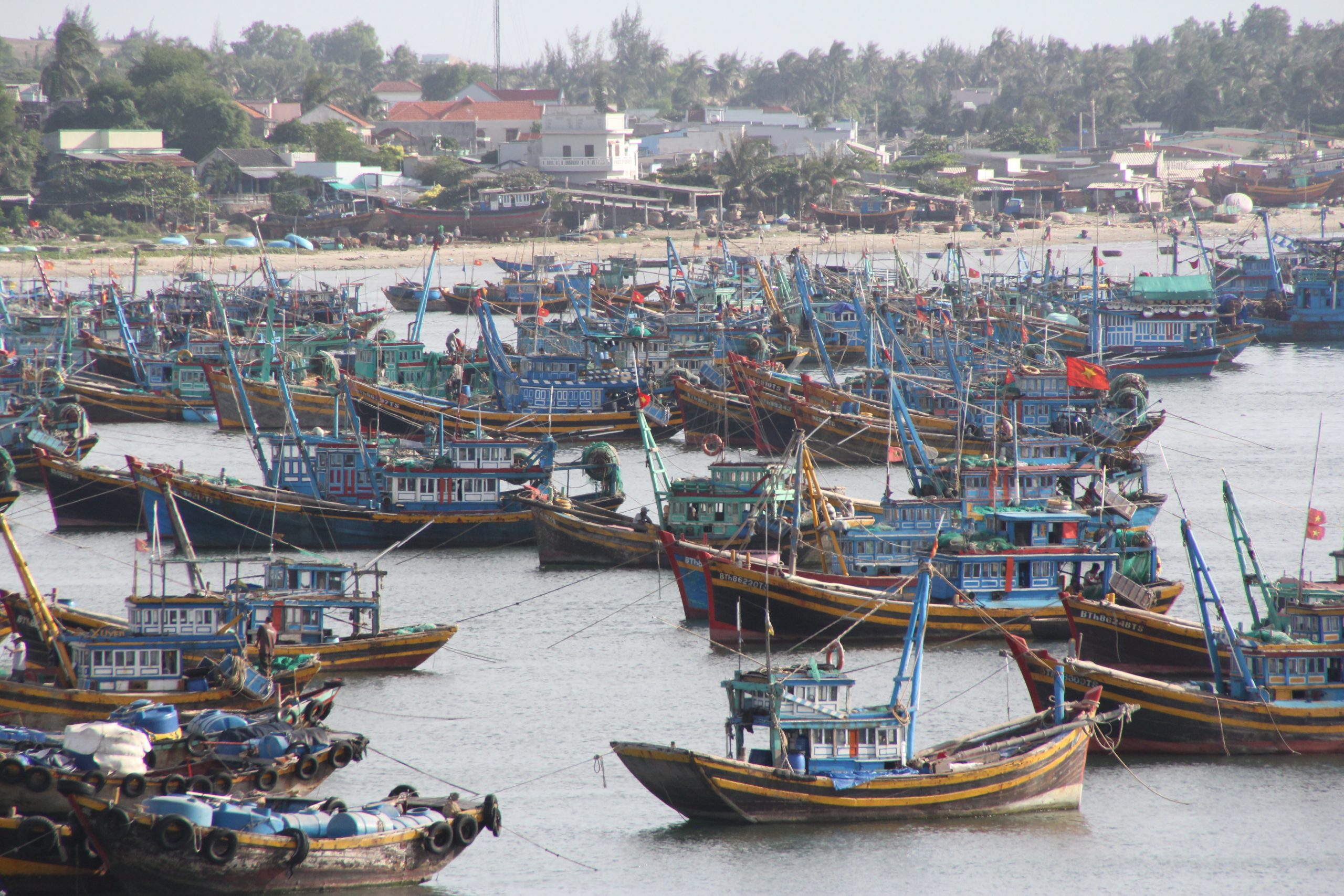
Mũi Né is a haven for travellers for fishing, kitesurfing, beachside chilling and its massive sand dunes.
Rent a board and go flying down the sand. The red dunes in town aren’t bad, but the white dunes slightly further out are the best.
When you’re done, grab a cold Saigon Red on the water’s edge in town – we doubt there’s anywhere else you’d rather be.
Ever watch Gilligan’s Island? This is your chance to go full-Gilligan.
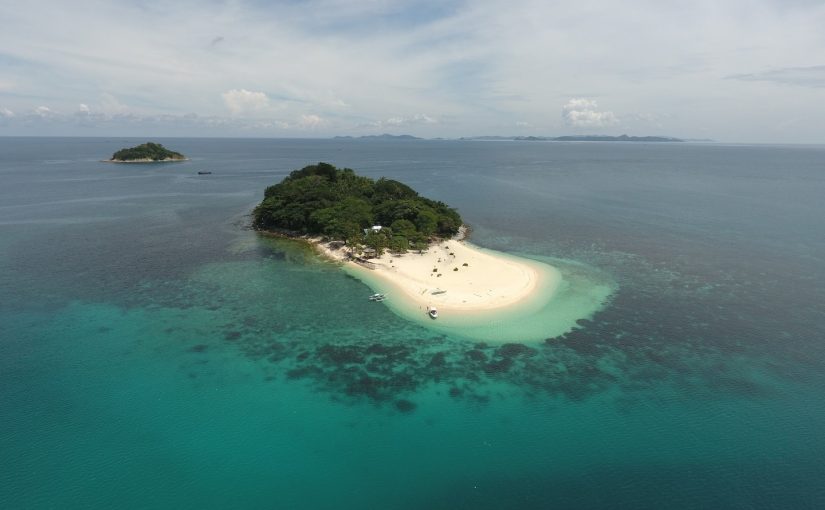
The Philippines are made up of over 7,000 islands, but there’s tiny one in particular we at get lost are interested in. Brother Island is situated in the Palawan province, next to El Nido, the famously beautiful resort island.
Fortunately, you can escape the crowds while marooning on Brother, where you can rent the entire island for not that much. For AUD $539 you get the entire, picturesque white-sand island to yourself – that’s just AUD $33 per night if you get 15 of your closest brothers (and sisters) together. Now granted, it is a tiny island – you can kayak the entire circumference in half an hour – but we think the idea of having an epic beach to yourself for you and a bunch of mates is pretty cool.
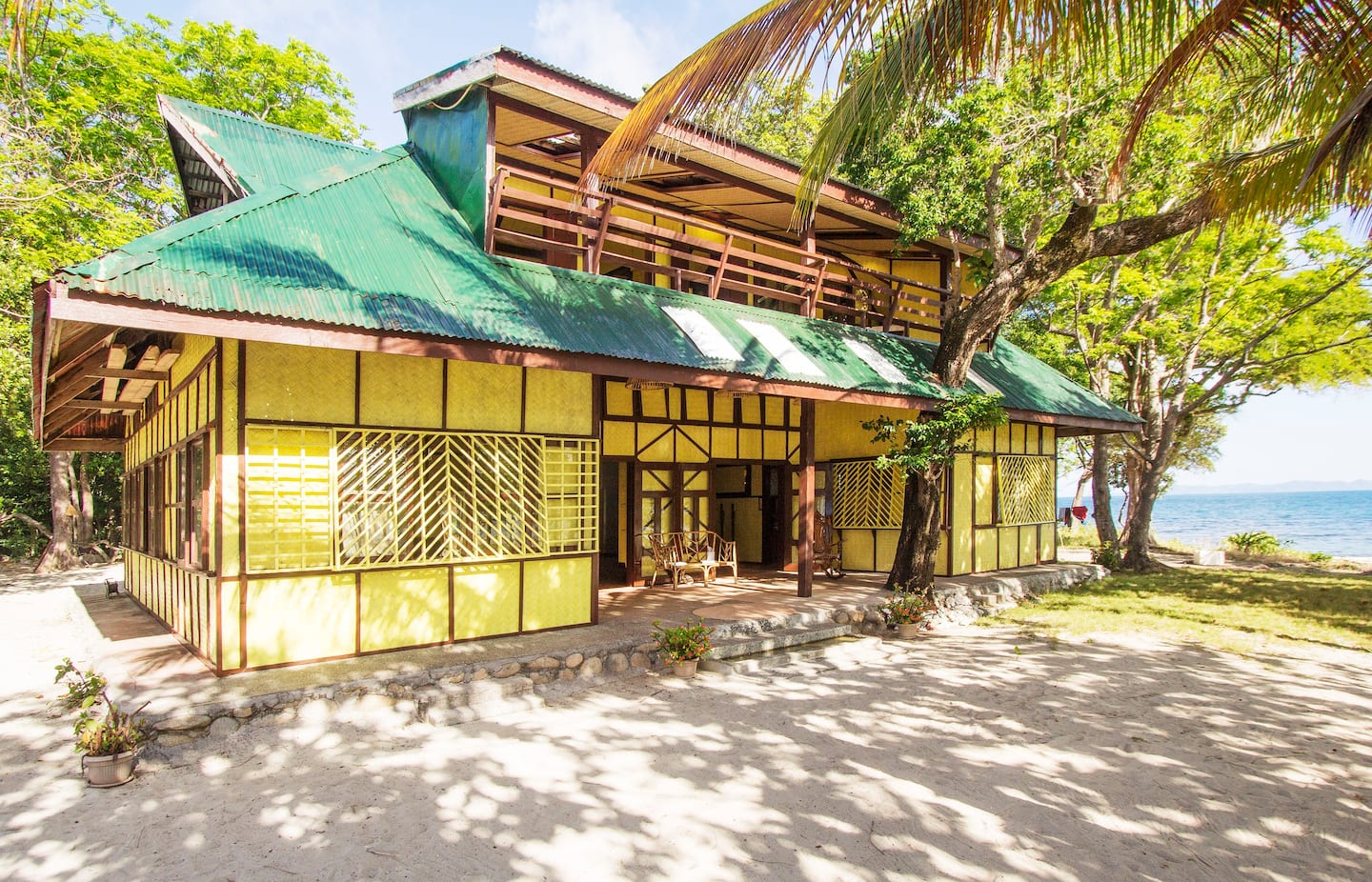
Included in the price is a Filipino ancestral-designed house with a heap of bedrooms, a well-preserved jungle and bamboo forest, a coral reef that skirts the perimeter of the whole island, and some of the whitest sand you are ever likely to come across. You can also get three-meals a day for a little bit extra.
A staple on breakfast tables across Sri Lanka, hoppers unite the bright flavours of this island nation in a mouthful, as Natasha Dragun discovers.
If you’re not a fan of washing up, then you’ll love making hoppers (appam), a nuanced coconut-based dish traditional to southern India and Sri Lanka that requires a few pantry staples and very ‘seasoned’ pan to prepare – and very little else.
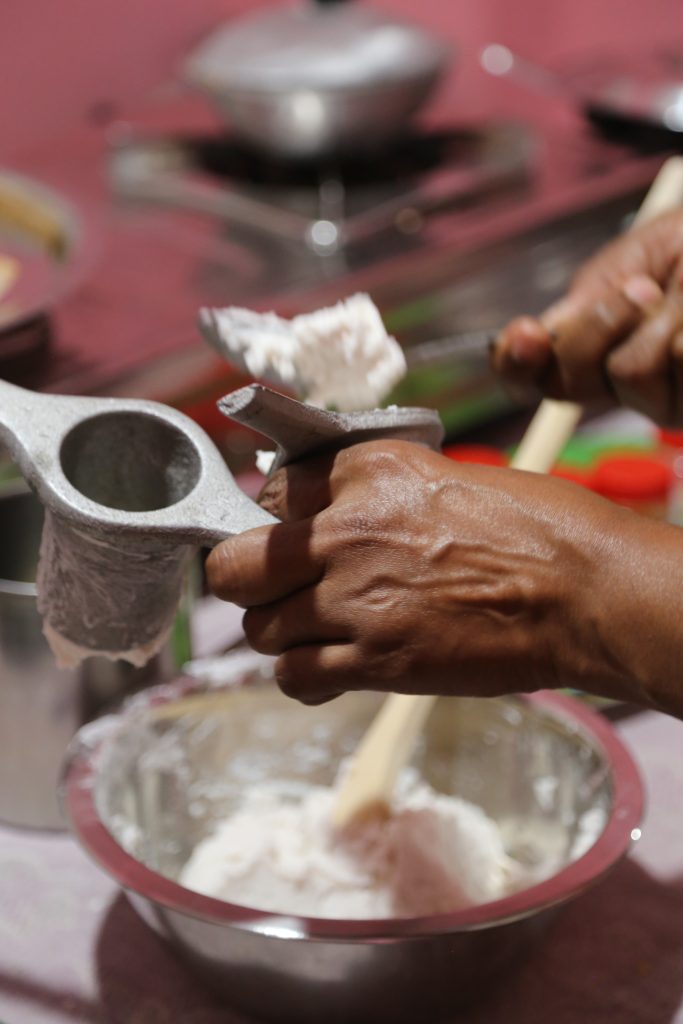
I was introduced to a variety of this breakfast favourite almost two decades ago, sitting in a Tamil Nadu garden where peacocks crooned and tea was served by dapper bow-tied waiters. My order was string hoppers (idiyaapam): unctuous noodles made from rice flour fermented with coconut water, coconut milk and salt, before being moulded into palm-sized patties then steamed until they resemble wicker mats.
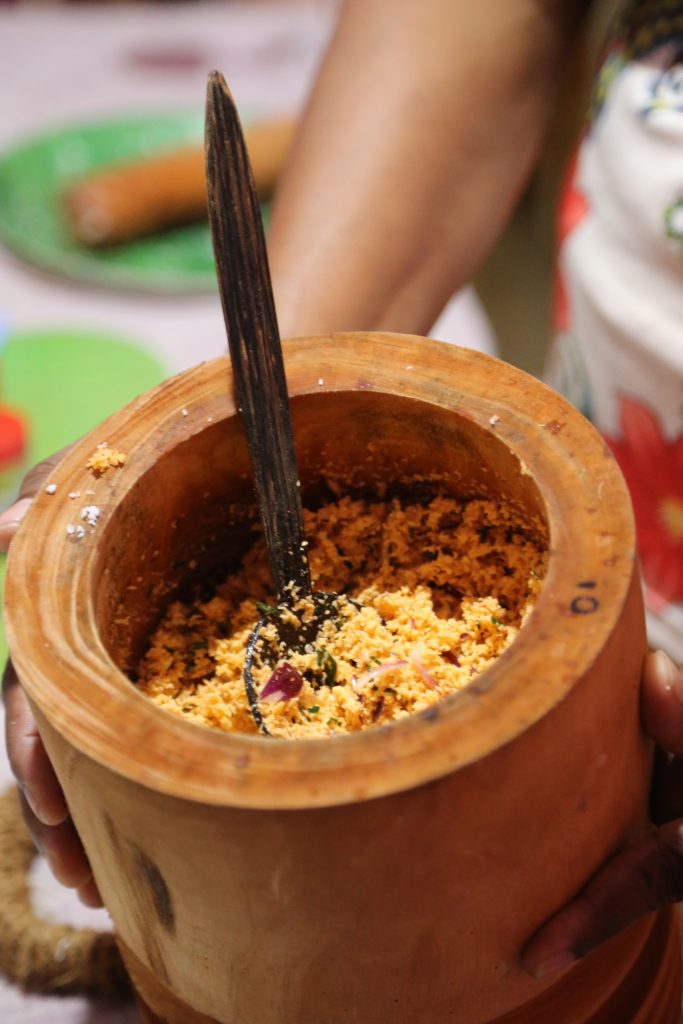
The surprisingly cloud-like parcels were the perfect pouch on which to rest tongue-numbing condiments: coconut sambol (freshly grated coconut, lime, red onion, chilli, Maldives fish flakes, black peppercorns, salt); lunu miris (a spicy paste similar to the former sambol, but minus the coconut); and a menagerie of curries and dahls with aromas I still dream of to this day.
I didn’t think it could get much better – until I landed in Colombo, the steamy Sri Lankan capital, and was tasted the crispier, pancake-like version of the dish.
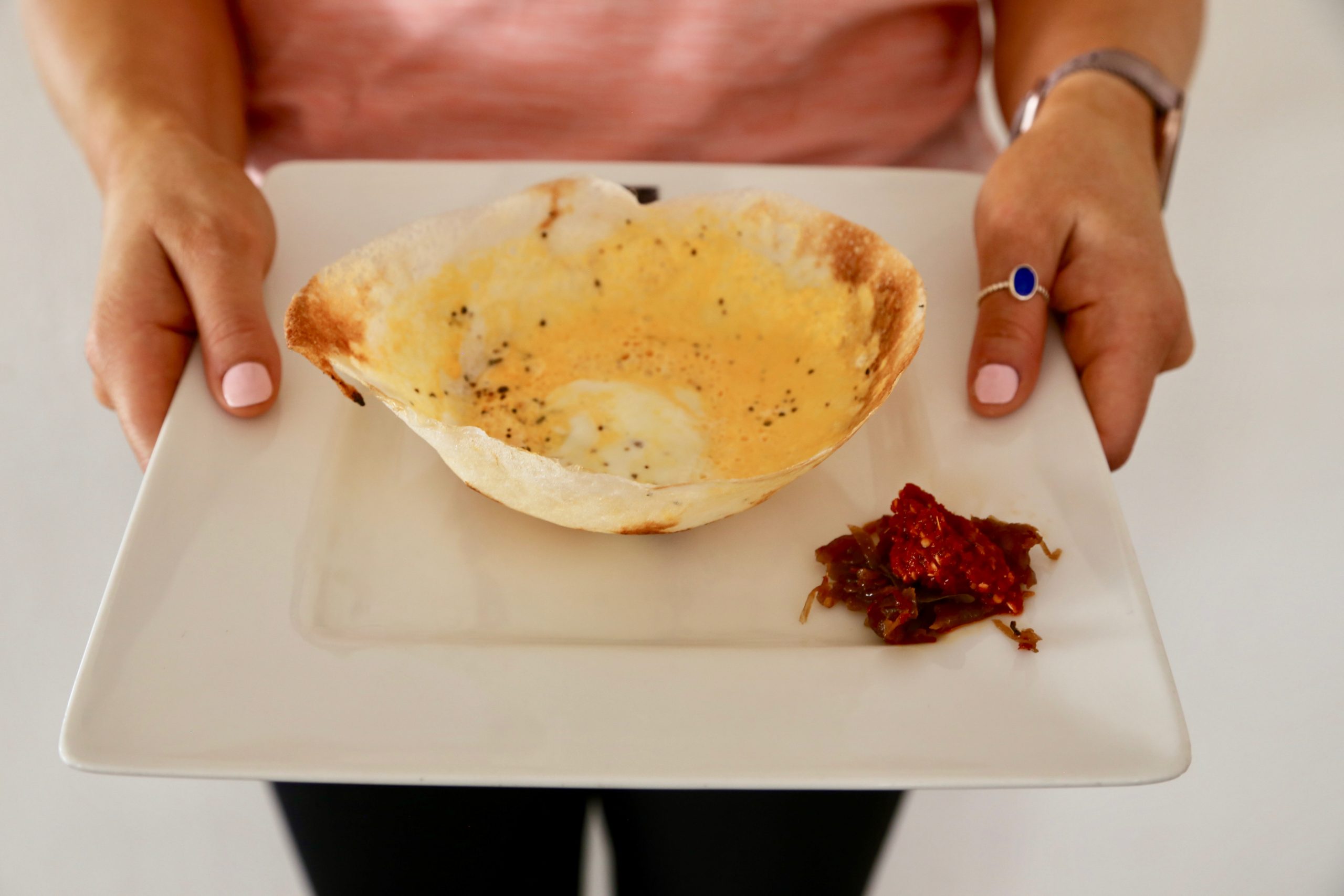
Rather than being squished into a tangle of noodles, the appam edition of hoppers features a batter that is swilled around your cook’s seasoned (aka rarely washed) pan. The end result is a pearly pancake ‘bowl’ that can be pimped up with a fried egg (recommended) and then topped with all aforementioned accoutrements.
“Think of the pan like a complex painting,” says George, my guide on an Unmapped Travel tour around Sri Lanka. “The artist keeps layering and layering – they add and mould, and things develop and get better over time.” He’s not wrong.
Despite the limited number of ingredients involved and the short cooking time – just a couple of minutes in that magical pan – these breakfast baskets couldn’t get any tastier, or more textural. And it’s not just the cookware adding to the abundance of attitude: there’s plenty of skill in preparation.
The appam flour is customarily made by hand: rice is soaked for six hours before being pounded and then left to brew with palm toddy (fermented sap from coconut flowers) overnight. It’s then seasoned with coconut milk, whole eggs and salt to create a bubbling batter. Some rebels – like my Sri Lankan friend back in Sydney – dare to add a couple of Marie biscuits to the mixture, to give the concoction a malty note that caramelises into crispness around the edges. There’s also a dessert version suffused with smoky-sweet palm syrup.
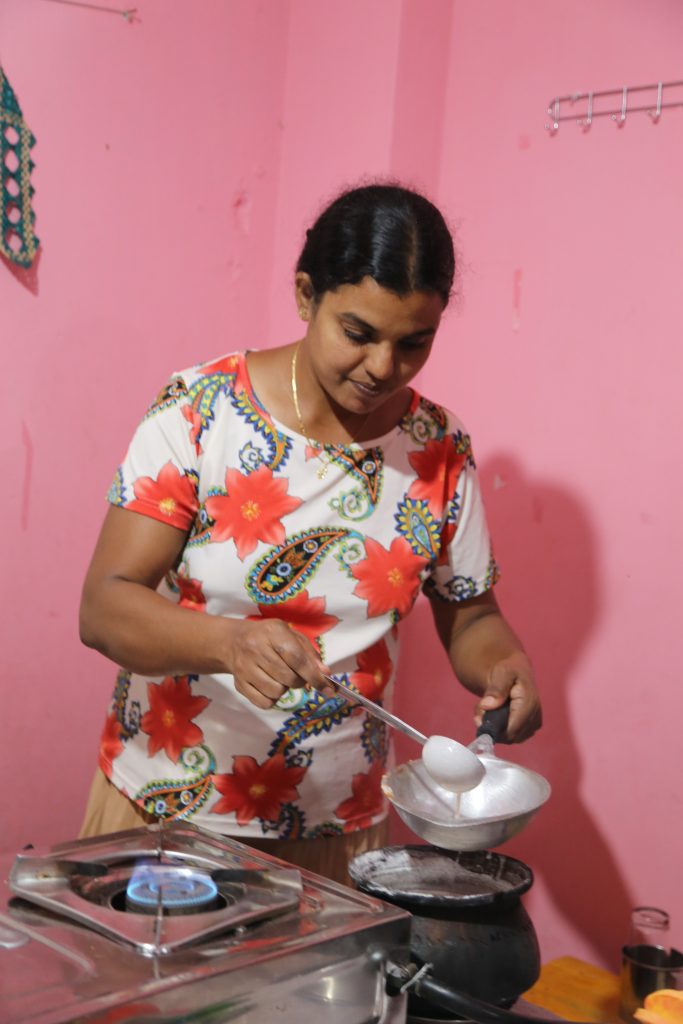
Making hoppers in a Sri Lankan home is quite possibly the ultimate way to learn about this history of this hands-on dish, as I fast find out on the outskirts of Kandy in the tea-leaf-laced heart of the country. Here, in an eye-popping pink kitchen, the Kolitha family tell me how traditionally, hoppers were cooked at home over coconut-shell embers. The origins of the dish are a little mysterious, although American food writer and historian Gil Marks credits the original recipe to early Jewish settlers in southern India – around 2,000 years ago.
Today, the Kolitha family use the blue-hot flames of a gas stove to ensure the quick firing of the hopper batter in aluminium pans. They prepare the pancakes with deft-like precision while I watch, swirling one of the small, deep vessels over heat until batter spills over the sides, forming lacy, caramel-hued edges.
They then cover the pan to cook the pillowy portion that pools at its bottom – the spongy goodness where eggs are cracked to rest before being topped with black pepper. Coconut crunches in a mortar and pestle, fresh chilli is chopped, limes are squeezed. A quick clatter of crockery later, and the hoppers are stacked, steaming, in front of me. Fragrant, fresh and piping hot – this has to be the ultimate way to start the day.
GET IN THE KNOW
Got a sweet tooth? Sri Lankans do, too. Their dessert version of traditionally savoury hoppers sees a heaping of treacle, palm syrup or honey added to the batter. Best served with chopped bananas and milky tea.
An alcohol made from the sap of coconut flowers, toddy usually begins fermenting immediately after being collected by a palm ‘tapper’. Sweet and low in alcohol (around 4%), it’s often turned into jaggery (a type of sugar) or a stronger liquor.
Japan have given us many gifts, especially in the world of food, and there’s probably no gift bigger than the gloriously delicious gift of sushi. And legendary Japanese chef Morimoto, of Iron Chef TV show fame, knows a thing or two about making sushi.
While many people would assume sushi to be the national dish of Japan, that title goes to Japanese Curry. In fact, Japan didn’t actually even invent sushi, with the dish originating in Southeast Asia.
Despite this, over the centuries they managed to absolutely perfect it…or so they thought, until Morimoto came along, who perfected it even more.
He recently caught up with VICE’s food show Munchies to teach Westerners how to make Japan’s epic dish.
Find out how – if you can’t get to Tokyo right now, this is the next best thing.
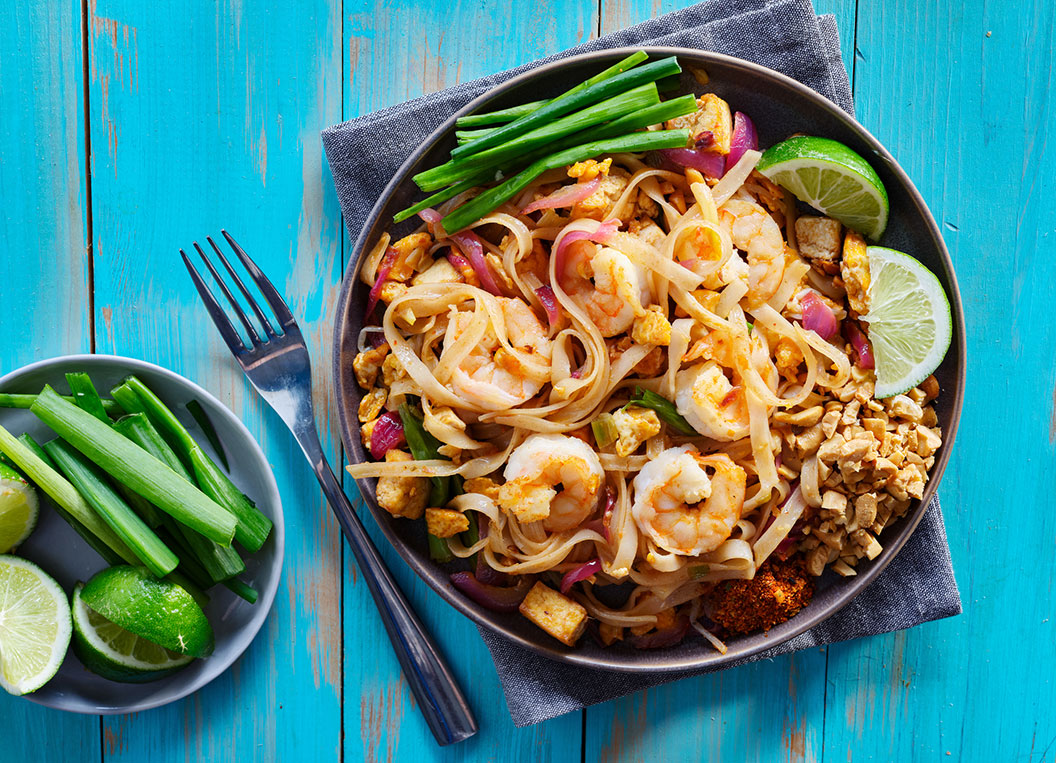
While you’ll never be able to make a Pad Thai like the experts, it’s a relatively simple dish that everyone loves – a safe bet if you are trying to impress on date night.
Jet Tila is a renowned chef, whose family opened the first Thai restaraunt in the United States. He also holds the world record for the largest ever stir fry.
Courtesy of the Food Network, learn how to make a Pad Thai so god-damn delicious, you’ll think you’ve got some heritage there somewhere (you don’t).
Get in my belly.
Pad Thai Sauce:
4 tablespoons (60 ml) Thai fish sauce
4 tablespoons (50 g) sugar
3 tablespoons (45 ml) bottled tamarind paste
1 tablespoon (15 ml) fresh lime juice
1 tablespoon (15 ml) unseasoned rice wine vinegar
1 tablespoon sweet paprika, for color (optional)
2 teaspoons chili sauce, such as Sriracha
Pad Thai:
3 to 4 cups medium-width rice sticks, soaked
Banana leaf, cut into circles, for plating (optional)
2 tablespoons (30 ml) vegetable oil, such as canola, grapeseed or peanut oil
3 to 4 cloves garlic, roughly chopped
1/2 cup (95 g) Thai-style baked tofu, sliced
1 teaspoon dried shrimp
1/2 cup (95 g) chicken, cut into thin strips, 1-inch lengths
2 large eggs
4 teaspoons packaged salted turnip, minced
8 shrimp, peeled and cleaned
1 cup (240 g) bean sprouts
1/4 cup (50 g) dry-roasted unsalted peanuts, crushed
3 to 4 garlic chives (or scallions), cut into 2-inch lengths on a bias
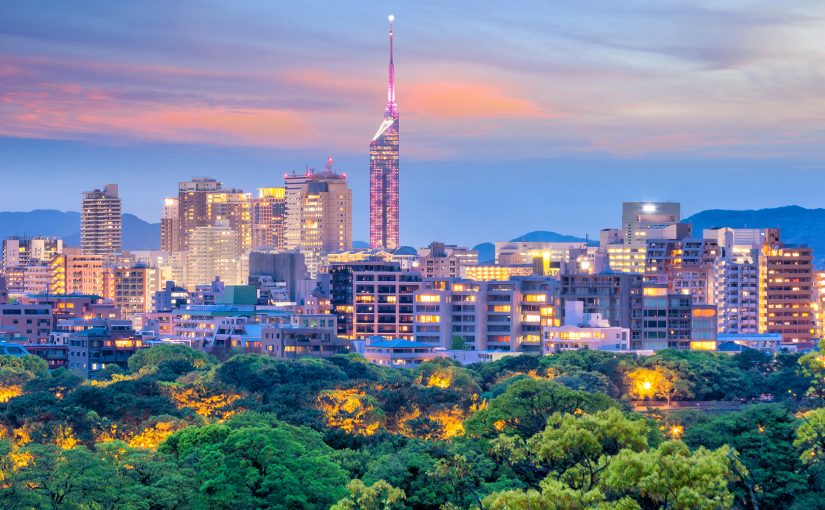
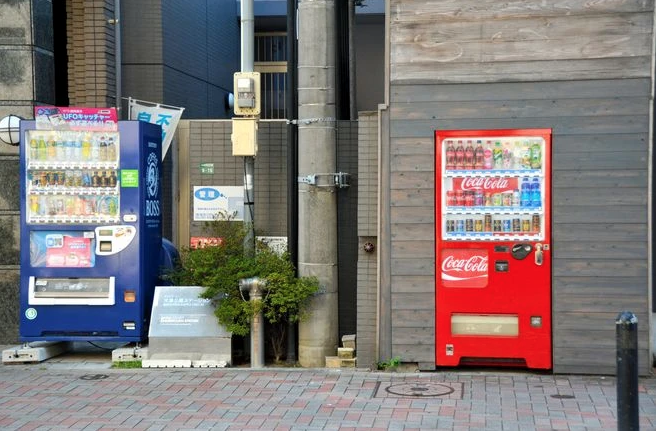
Picture this: it’s a hot day in downtown Fukuoka, and you pass a vending machine selling the traditional Japanese vending machine things (Coke, Pepsi, bubble-tea, pizza and underpants).
Just any other street in downtown Fukuoka… …or is it!? (Takuya Miyano)
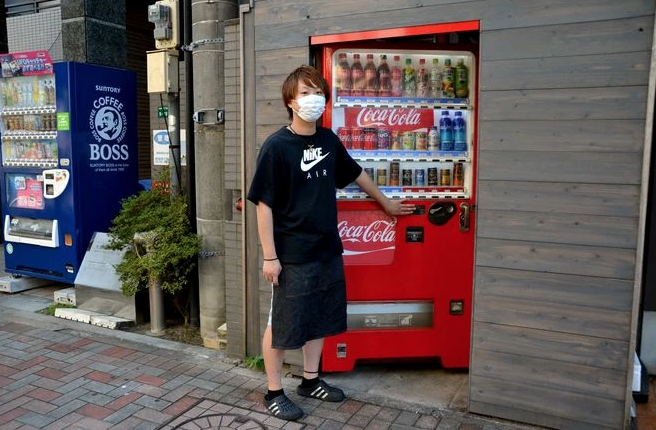
You pop some coins in and instead of getting a coca-cola back, the vending machine opens wide, revealing a set of stairs.
“This vending machine is a pub!” we imagine you saying to yourself as you descend the slightly steep steps into a dimly lit Izakaya.
You know that Izakaya means ‘Stay-drink-place” in English, so you grab a seat, ask for a sake and the special (cheese fondue yakitori, a kind of grilled chicken with veges and a cheese sauce dip) and stay-drink you do.
Be warned though: every other vending machine you visit from now will probably seem pretty dull.
The pub is hidden amongst other vending machines in Fukuoka’s Kasuga neighbourhood…see if you can find it.
Cities are bustling again, and with bustling comes busy. And busy means traffic jams, running late for work, trains to catch and work to do, people to see and places to be.
And we love it. But the return of busy means the value of a peaceful getaway has gone up once again.
It’s hard to imagine any place more tranquil than Cap Karoso, a slice of serenity on Indonesia’s Sumba Island, a southern island not too far away from the Western Australian border.
At Karoso, it doesn’t matter what your idea of relaxing is – they’ve got it. If it’s meditating next to a waterfall, you can meditate next to a waterfall.If it’s catching a peeling left rightout front the villa, wax that board up. If it’s yoga in an exquisite yoga pavilion, then prepare that downward dog.
Almost everything is handmade from locals, from woodwork and furniture, to furnishings and ceramics. Even just watching the resort’s ceramic making process is soothing.

They also have a farm on-site, growing the delicious food that you eat. If learning is your thing, you can learn about plant propagation, nursery skills, plant care, garden maintenance, organic farming and permaculture.

And then there’s where you sleep. Villas boast private beach access, lush gardens, tasteful artwork and a hot tub, while the studios aren’t too shabby either.
Except for maybe eating sushi from a vending machine in Tokyo while dressed as Toad and about to visit a sumo wrestling bout, visiting a ryokan is about the most Japanese thing you can do.
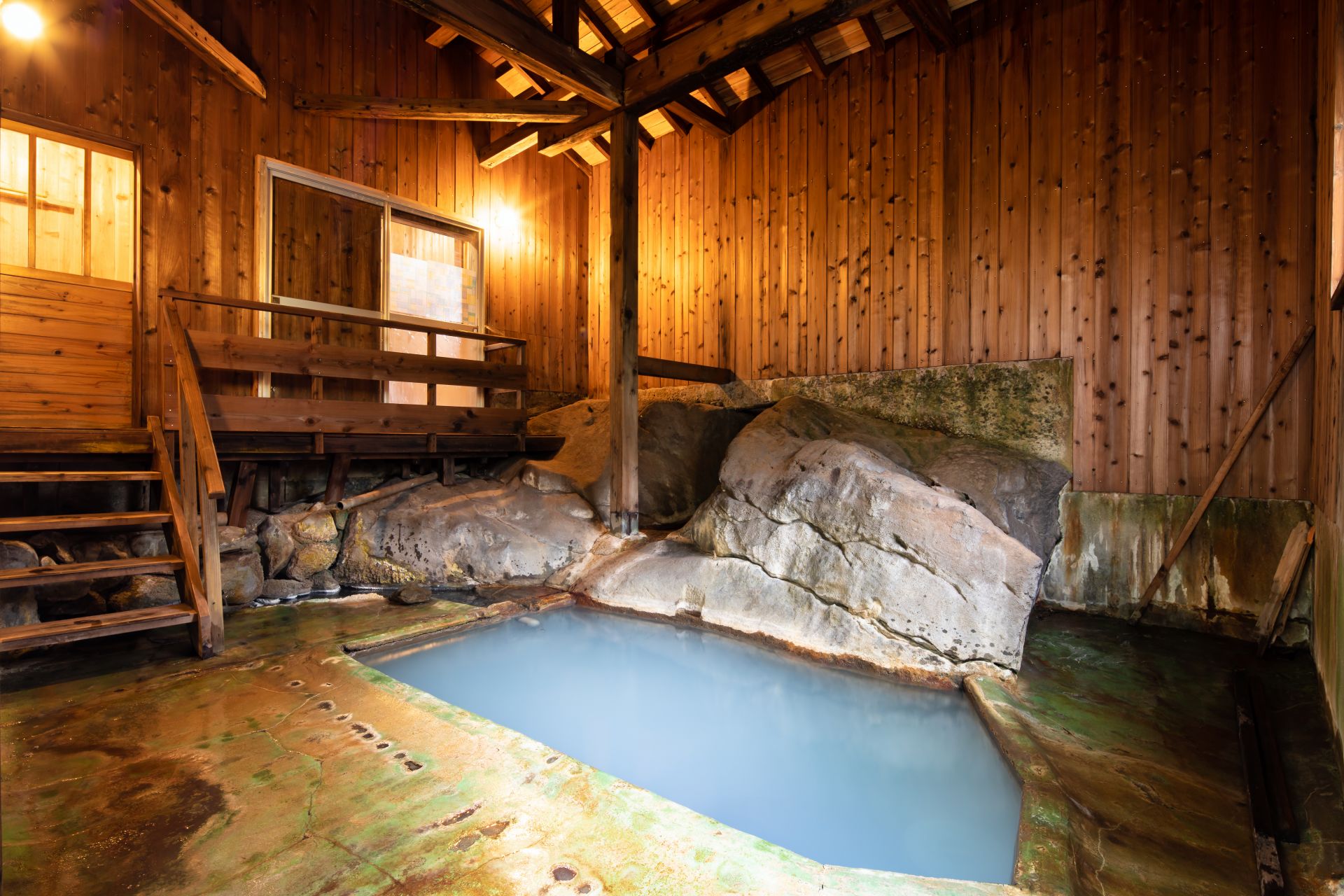
Ryokans are more than just a place to sleep – they’re an opportunity to get a taste of traditional Japanese life and hospitality – think tatami floors, futon beds local cuisine and Japanese-style baths called onsens.
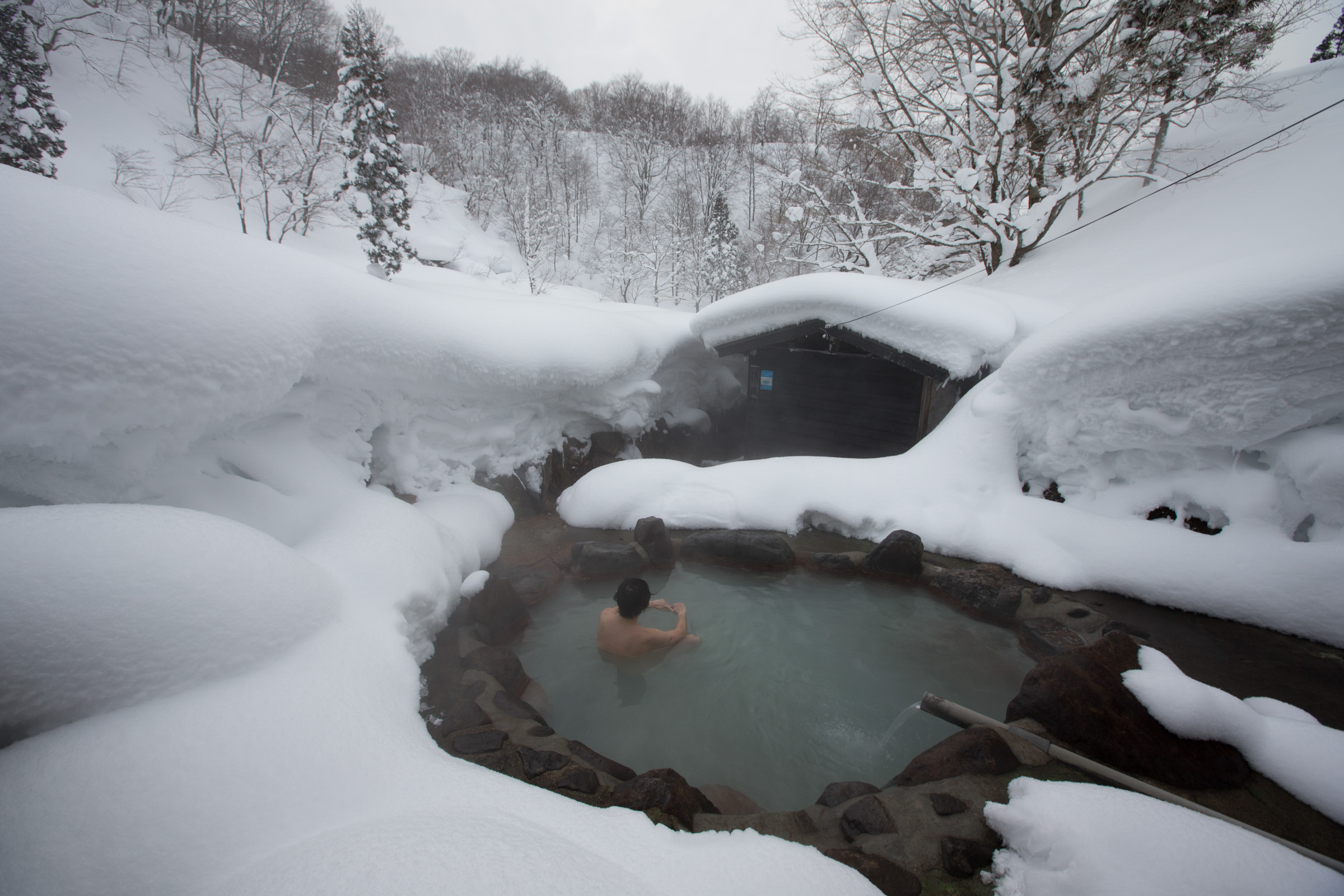
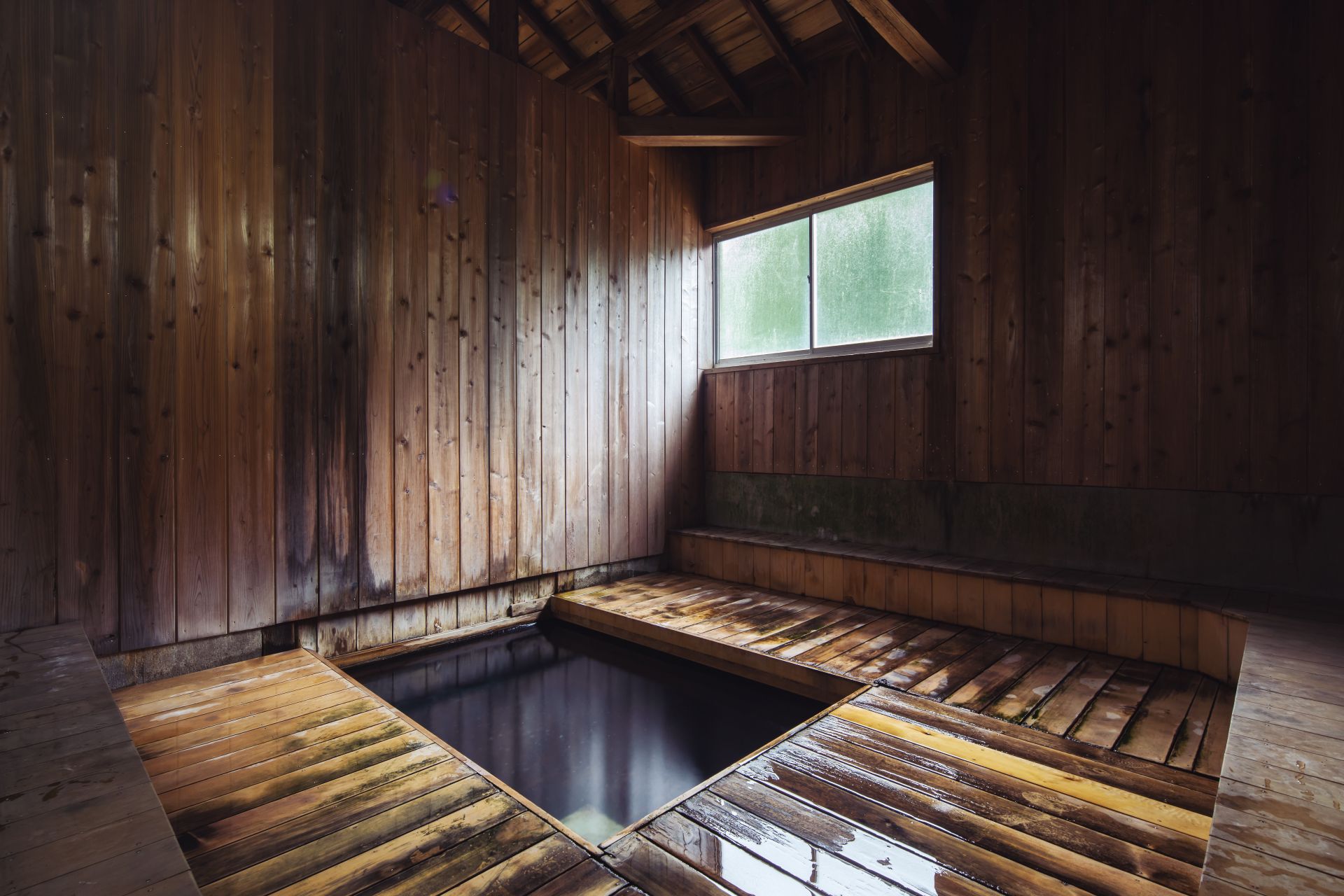
Onsens are geothermal springs where people go to recuperate and rejuvenate. They are almost always clothing not optional – yep, you go into these absolutely starkers.
This might feel weird to begin with, but becomes pretty normal after about five minutes (which is probably weirder in itself).
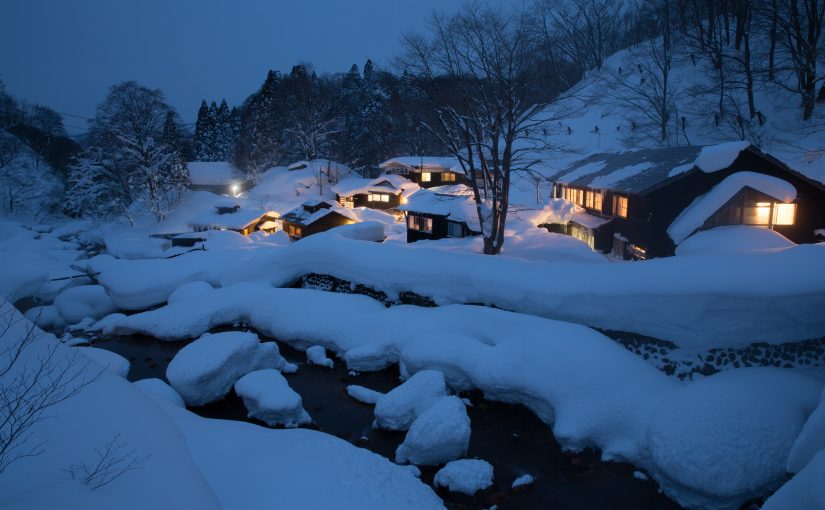
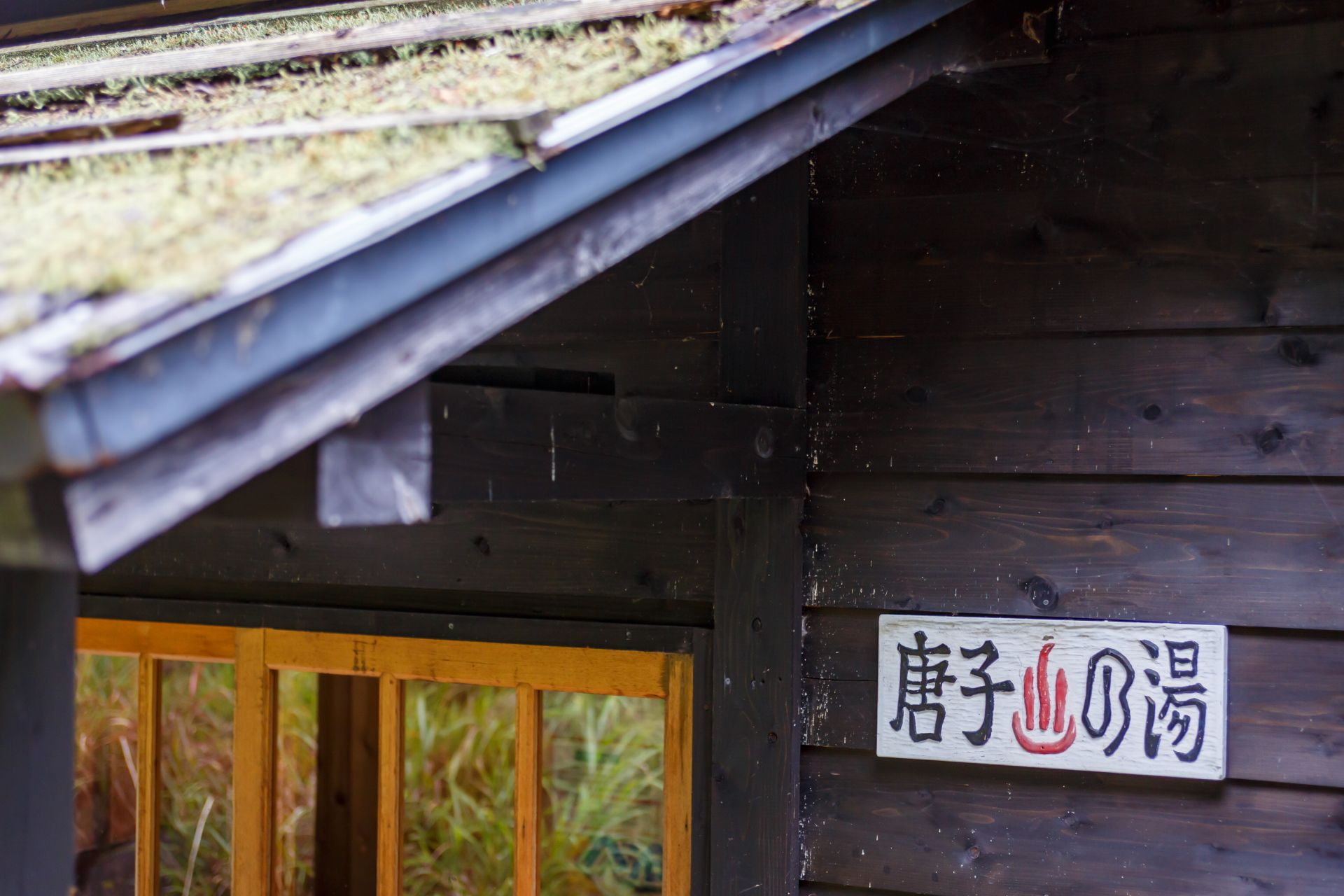
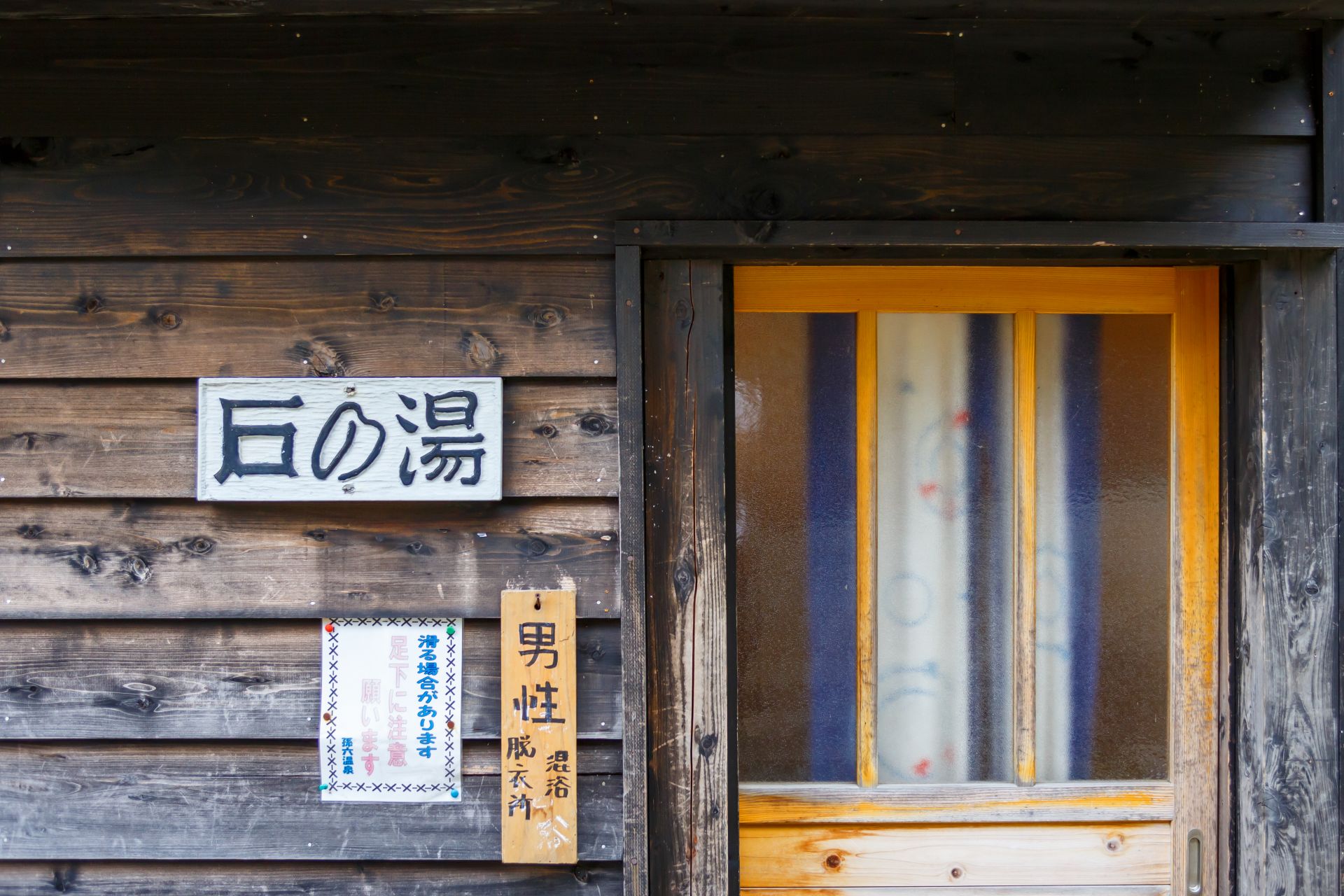
Magoroku Ryokan in Akita is set among the mountains, and might be one of the most picturesque places to chill out at in the country. In wintertime, snow surrounds the outdoor hot spas.
It can be tricky getting off the beaten track in Japan, but Akita is certainly just that. It’s in the far north-west of the country, so you don’t have to deal with the hordes of crowds that come with being further south, which in turn means not dealing with hordes of naked people when you’re in the onsen.
 (
(