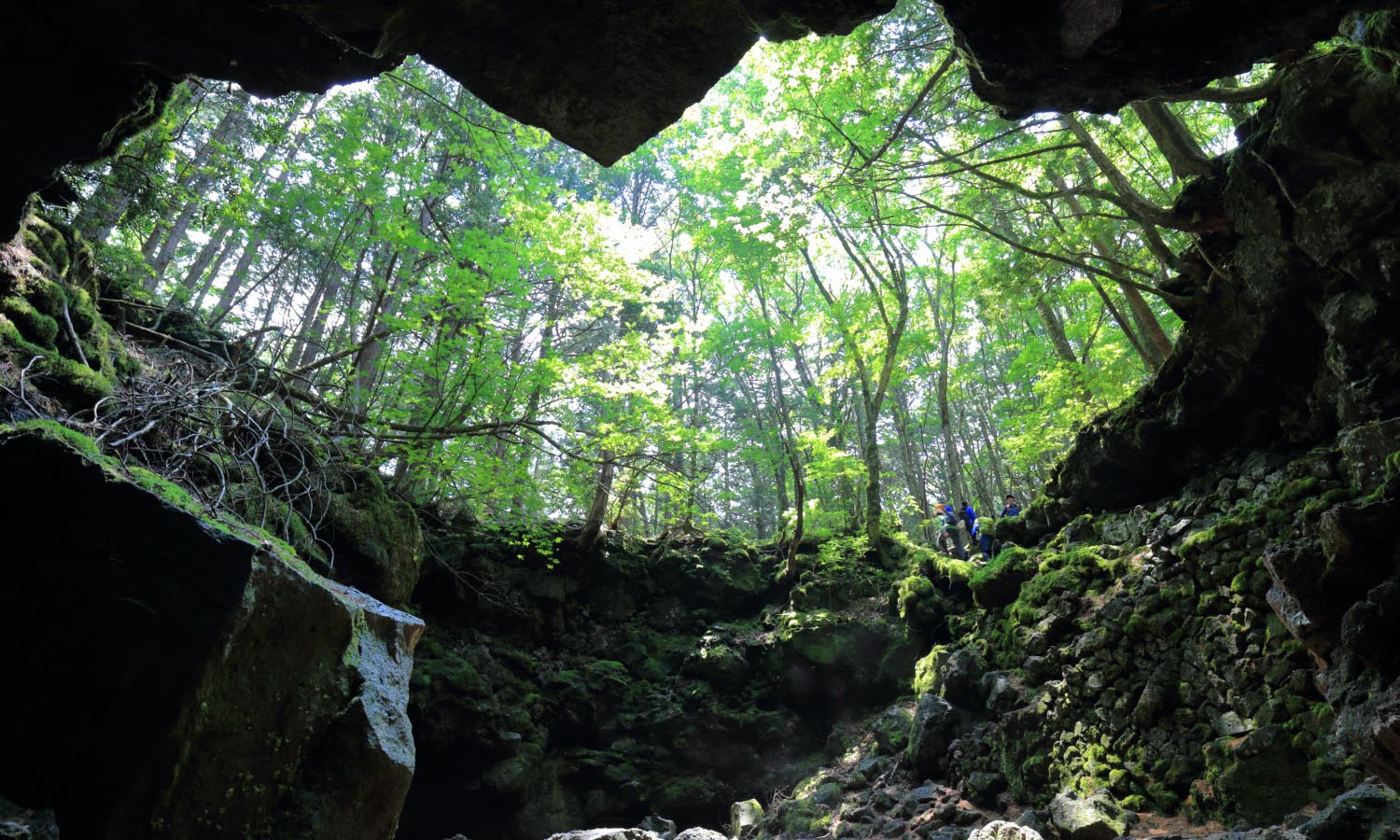
Known as the Oriental Galapagas, the sub-tropical Forest of Yanbura is filled with many endemic species of birds, indigenous animals and plants and surrounded by mangroves, waterfalls, and indigenous wildlife. Yanbaru is the perfect destination to immerse yourself in an idyllic and uncrowded landscape.
Nominated as a UNESCO World Heritage site, Yanbaru spans the northern villages of Higashi, Kunigami, and Ōgimi and contains some of the last large surviving tracts of subtropical rainforest in Asia. Take one of Yanbaru’s many hiking trails to enjoy the subtropical flora such as the Okinawa Chestnut, the small-leafed Banyan tree, many ferns and orchids, living fossil cycads, and the famous towering Okinawa Urajirogashi tree on Mt. Ibudake.
Okinawa is a treasure trove of wild birds and a sanctuary for bird watchers. The Okinawa rail, or “Yanbaru Kuina” in Japanese, is the rarest of all and was registered as a Natural Monument of Japan. This wild bird only lives within the Yanbaru region and unlike other birds, it cannot fly and so it has to jump up into the trees to sleep.
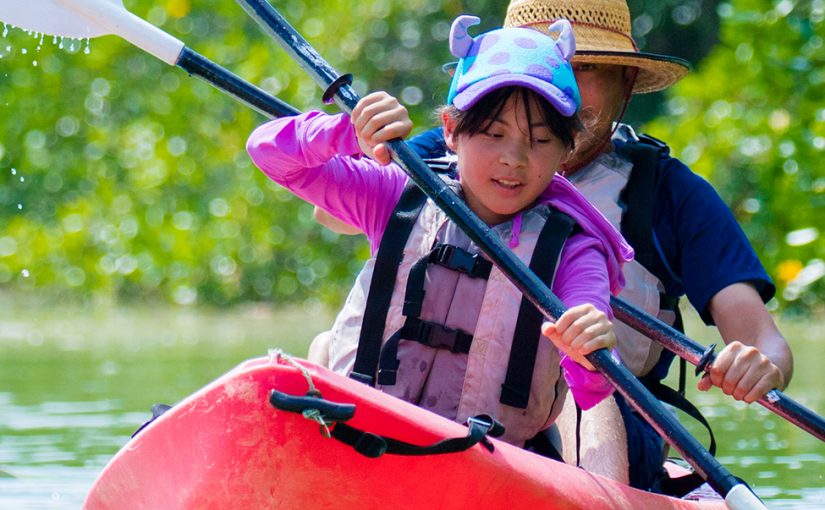
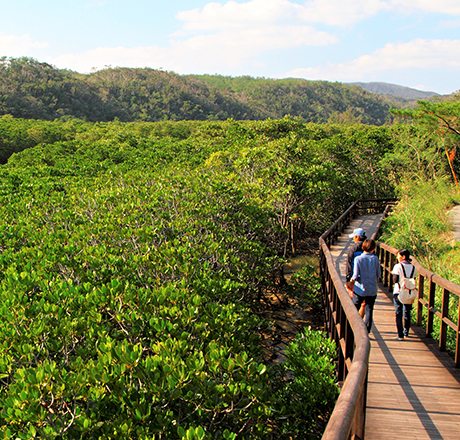
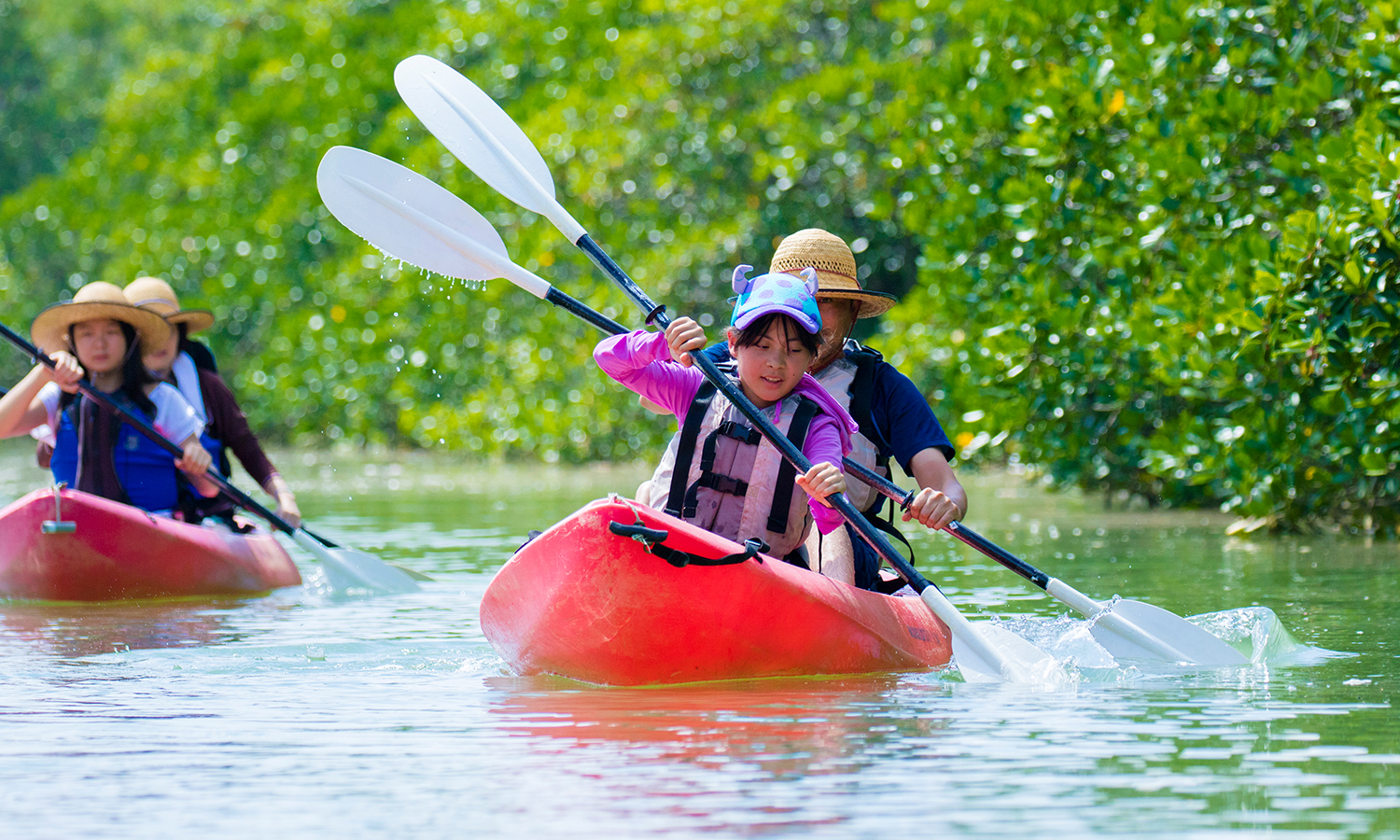
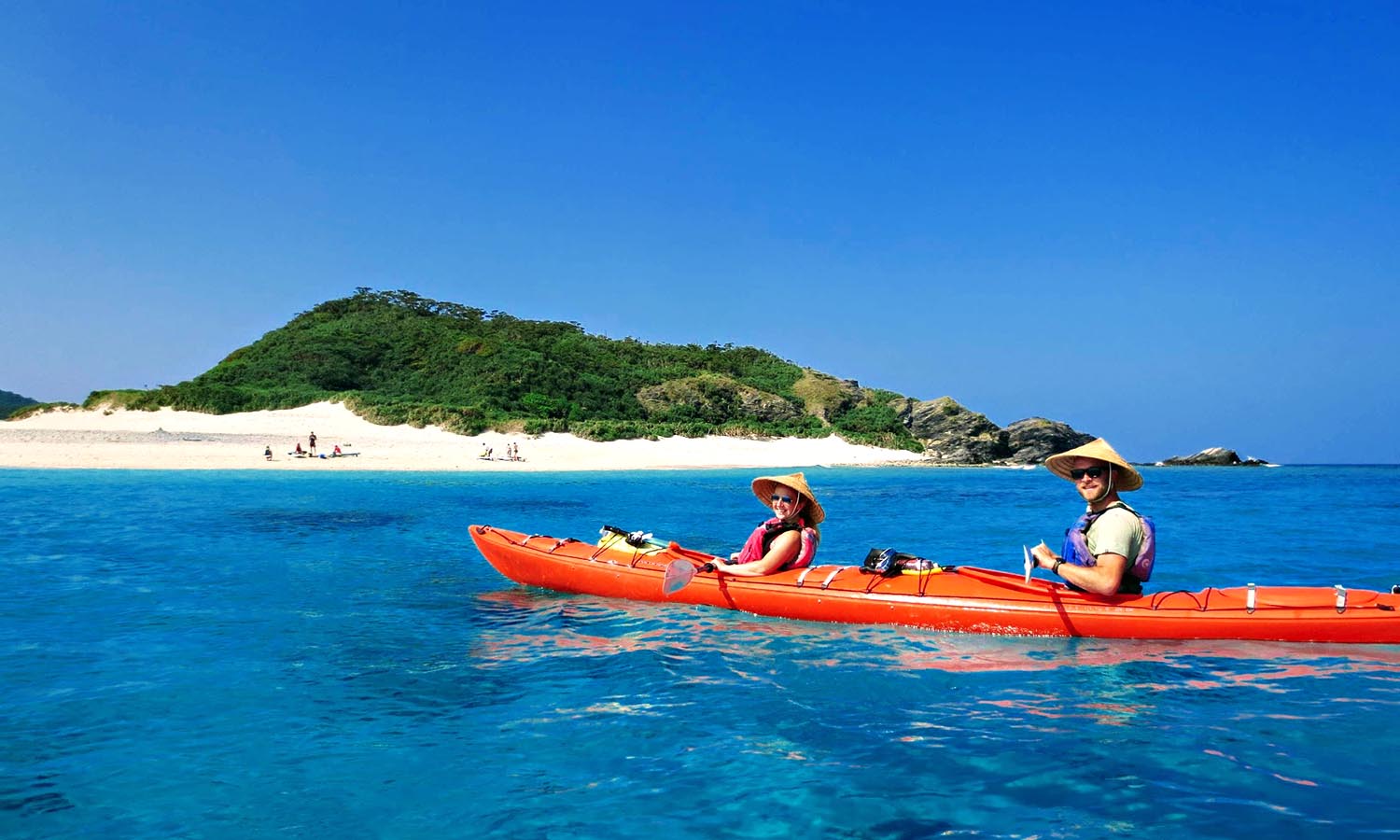
Visitors can explore the mangroves by taking its elevated walkways or for those more adventurous can partake in a guided kayak tour on the calm waters of Gesashi River. Night hiking tours are also available.
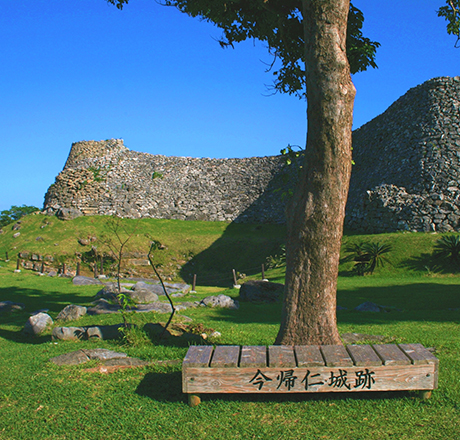
The late 13th century Nakijin Castle is a sprawling fortress located on the Motobu Peninsula of northern Okinawa Honto that represents five hundred years of Ryukyu culture and history.
Nakijin Castle was a castle of the Hokuzan’s King who ruled the area from northern Okinawa to the Amami Island region. Such is the importance of the castle that it was deemed a world heritage site in 2000.
The length of the castle wall is 1.5 kilometres, and the height is 8 meters tall at the highest place, and the scale of the entire castle makes it the 2nd biggest castle behind Shurijo Castle. The castle wall was built with the oldest known construction technique Nozura-zumi. This technique utilises the rocks’ natural shape to pile them up giving the wall a rough, natural appearance. The stones appear to be piled up randomly, but the technique makes use of stone groupings and gravity to create a resilient wall.
Spend half a day exploring the ruins and walking across the undulating wall, soaking up the rich history and surroundings. Take in the stunning view of the East China Sea. There is also the Nakijin Village History and Culture Center with a small museum displaying items unearthed on the castle grounds, such as Chinese pottery, coins and documents.
It’s no surprise that Okinawa is one of the world’s five “Blue Zones” of longevity meaning that thousands of centenarians live healthy, (currently more than 400) happy lives in the middle of peaceful and abundant nature consuming a healthy diet.
With very low rates of cancer, diabetes and cardiovascular disease, Okinawans incorporate three key elements that support their healthy diet: the approach to food, simple recipes and superfoods.
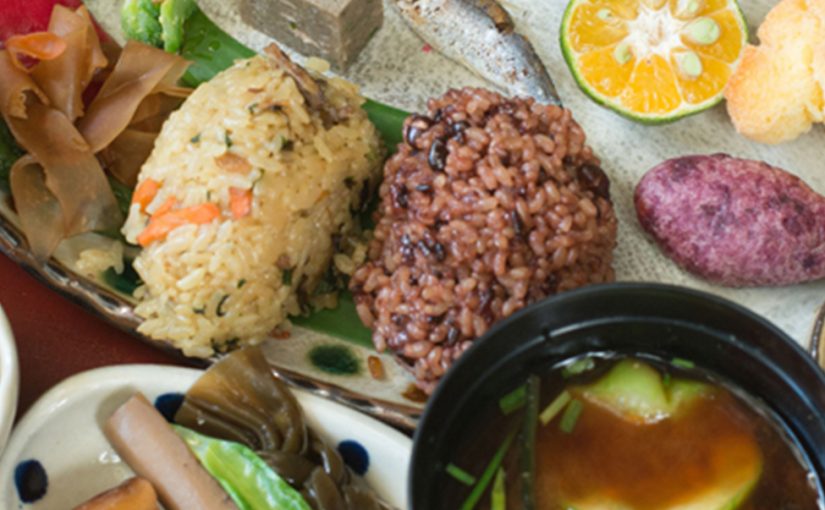
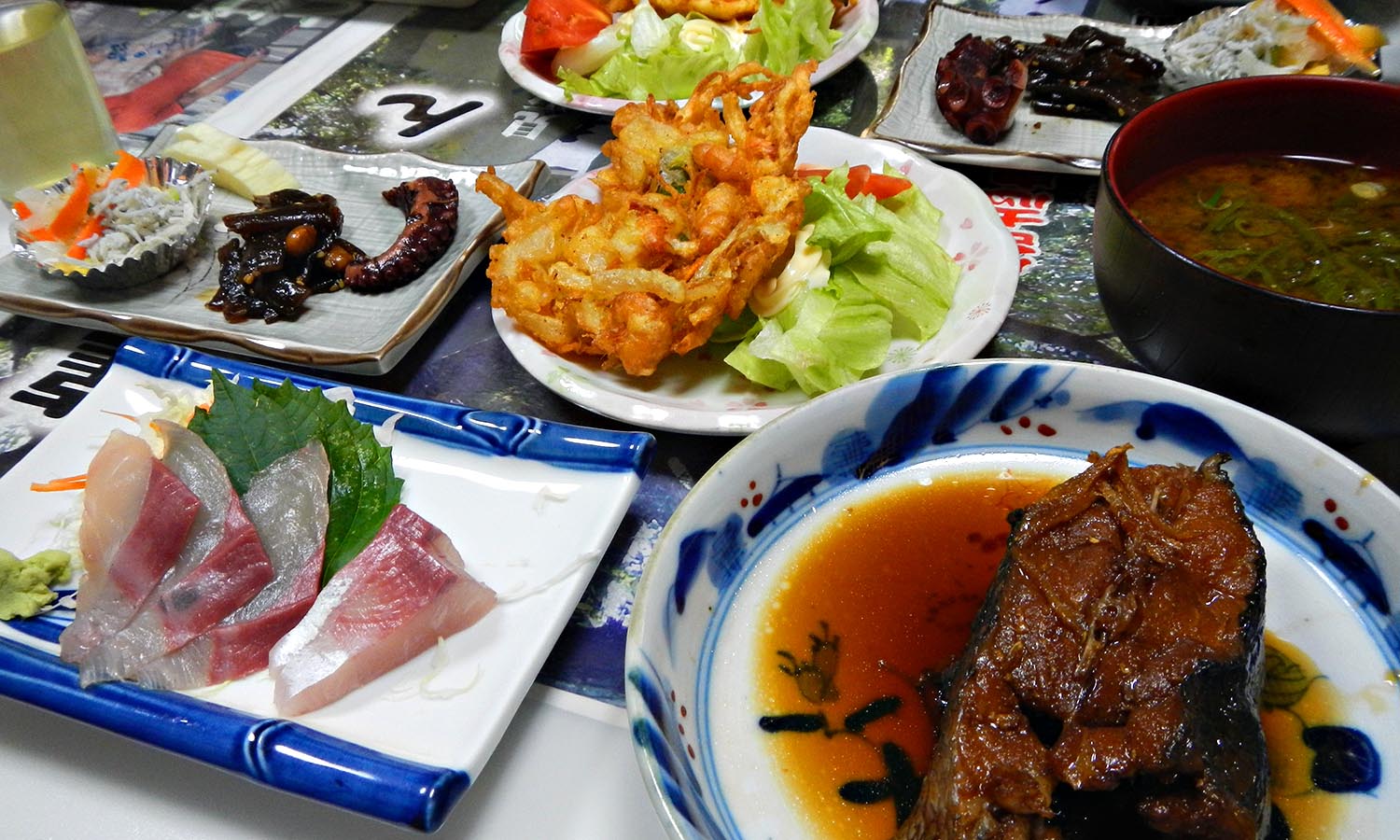
In Okinawa, a healthy diet is considered to have the same benefits of traditional medicine and a balanced diet leads to having a healthy body. The simple yet nutritious recipes provide Okinawans with a good nutritional balance. With Okinawa blessed by the sun and sea, there are many superfoods grown locally that are key to their diet, including shekwasa citrus fruits, umibudou seaweed, purple sweet potato, shima tofu, mozuku seaweed are key to this.
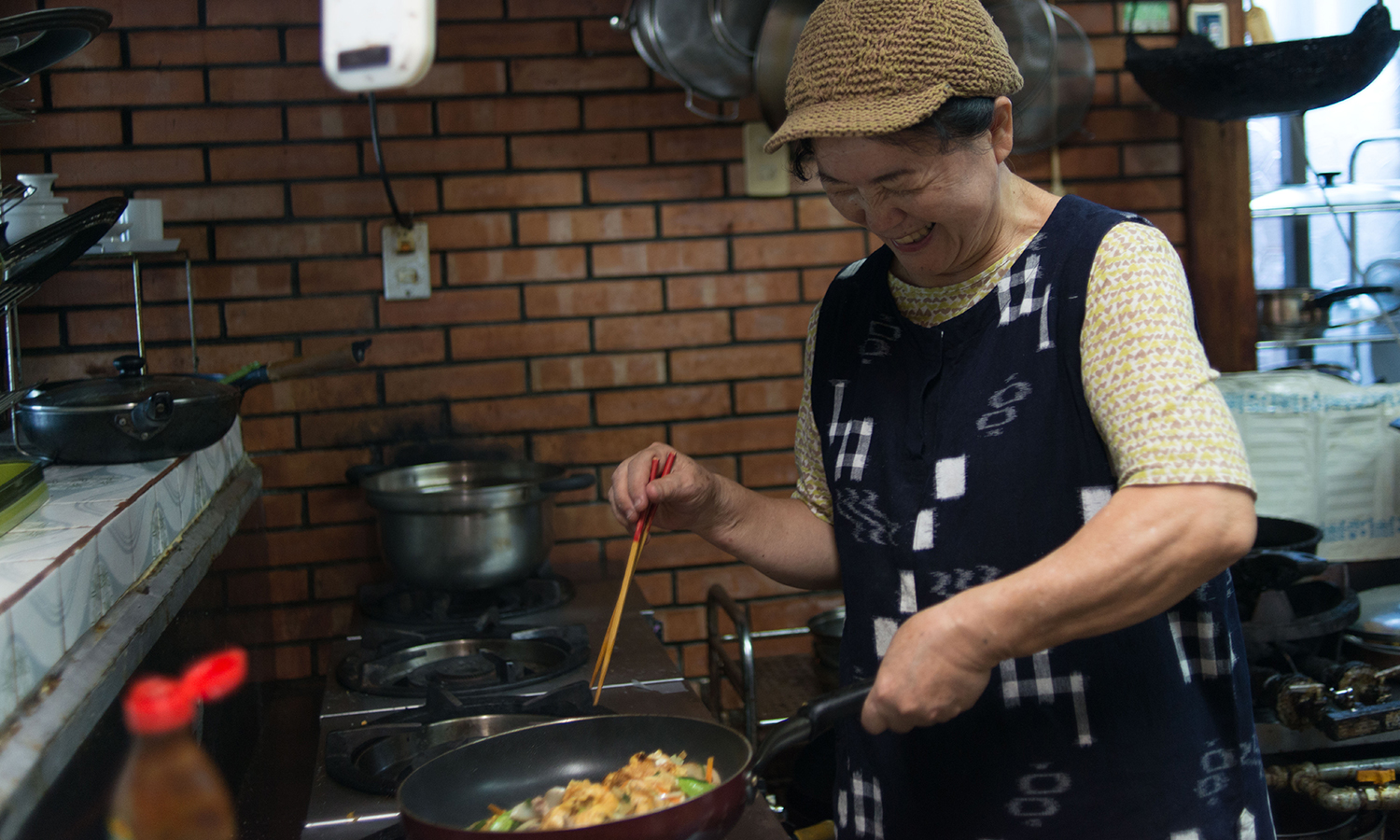
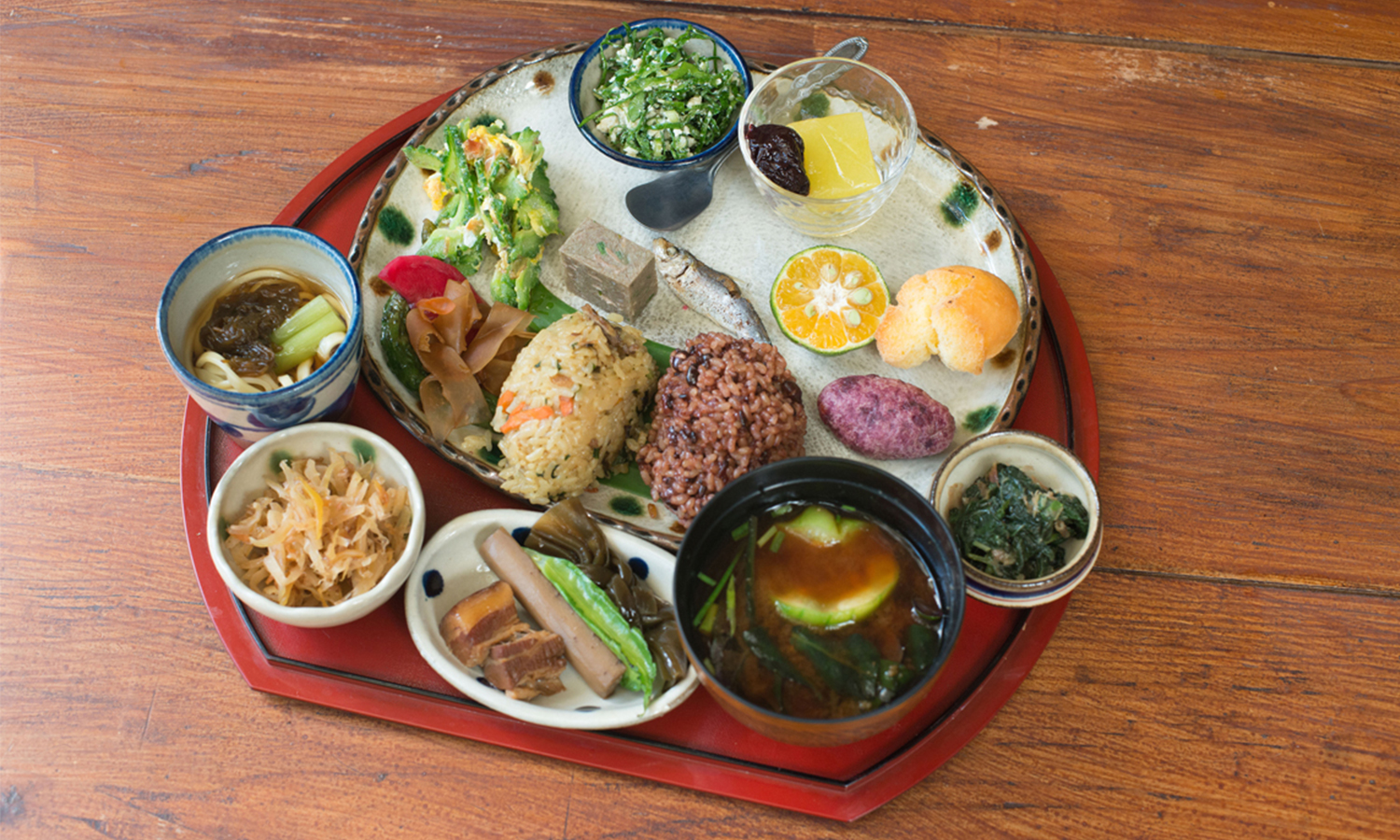
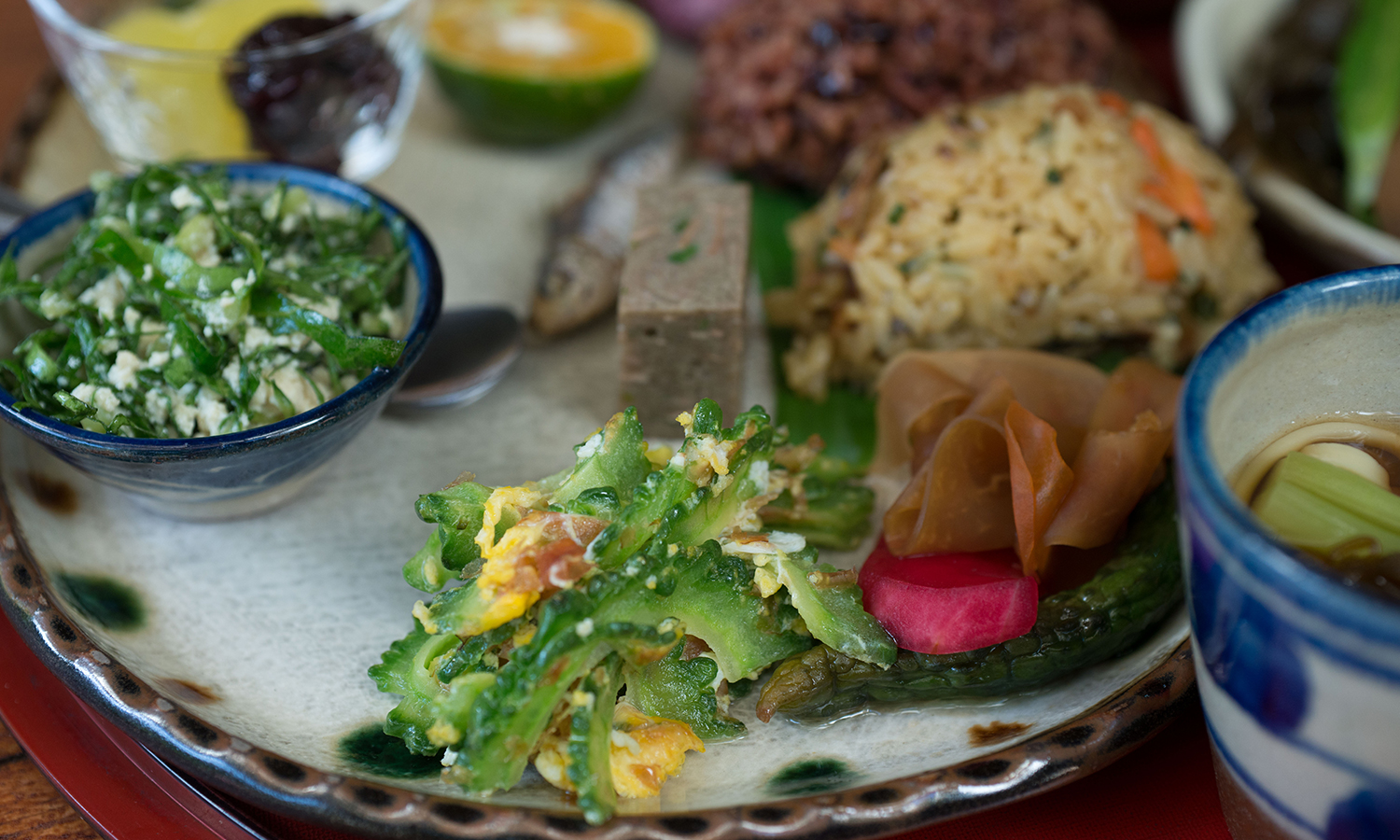
The famed farm-to-table restaurant Emi no Mise in the town of Ogimi specialises in the culture of Okinawan longevity cooking. A must try is the Choujuzen ‘longevity food-lunch’, which is nutritionally rich in superfoods such as mozuku, goya, shikuwasa and local fruits and vegetables. When you finish your meal, don’t forget to say Kusunaibitan (that was good medicine)!
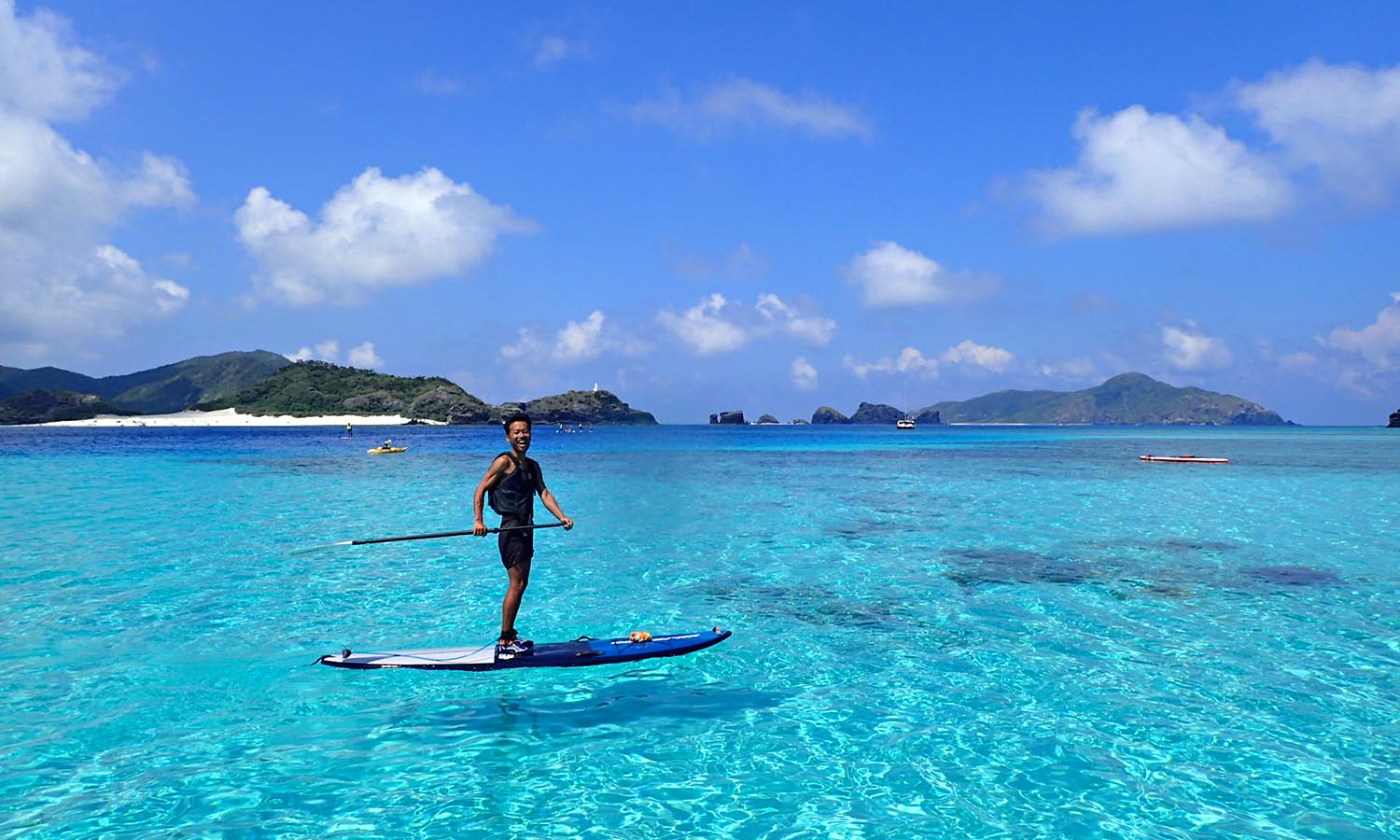
Located in Japan’s tropical southern islands, Keramashoto National Park in the Okinawa Prefecture is an island paradise with blue seas, pristine sandy beaches, and whales waiting offshore.
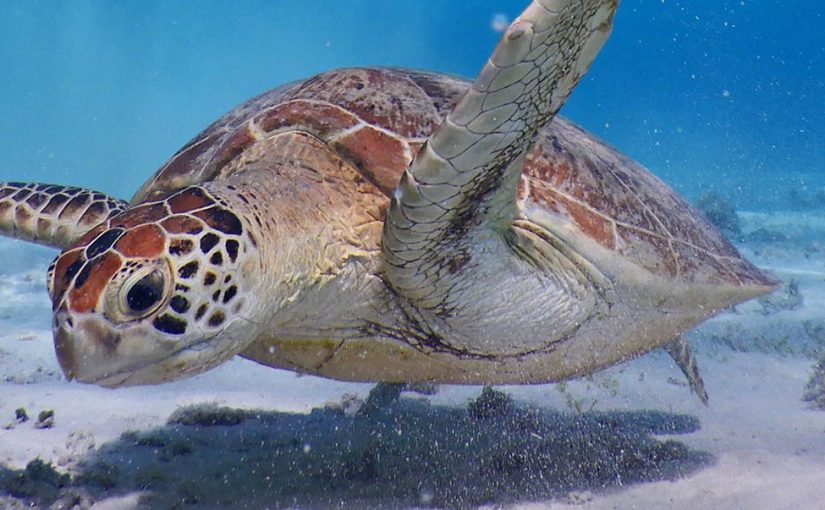
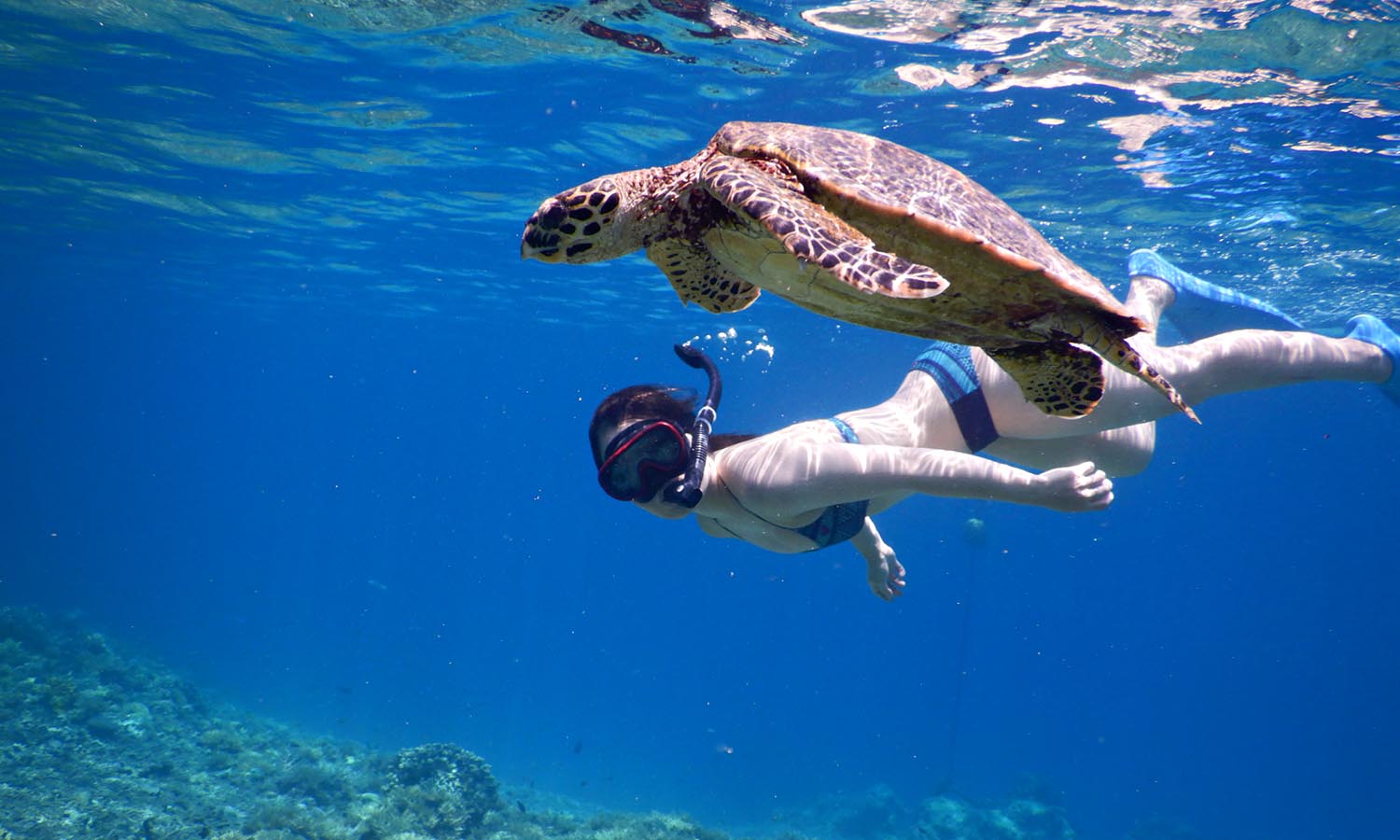
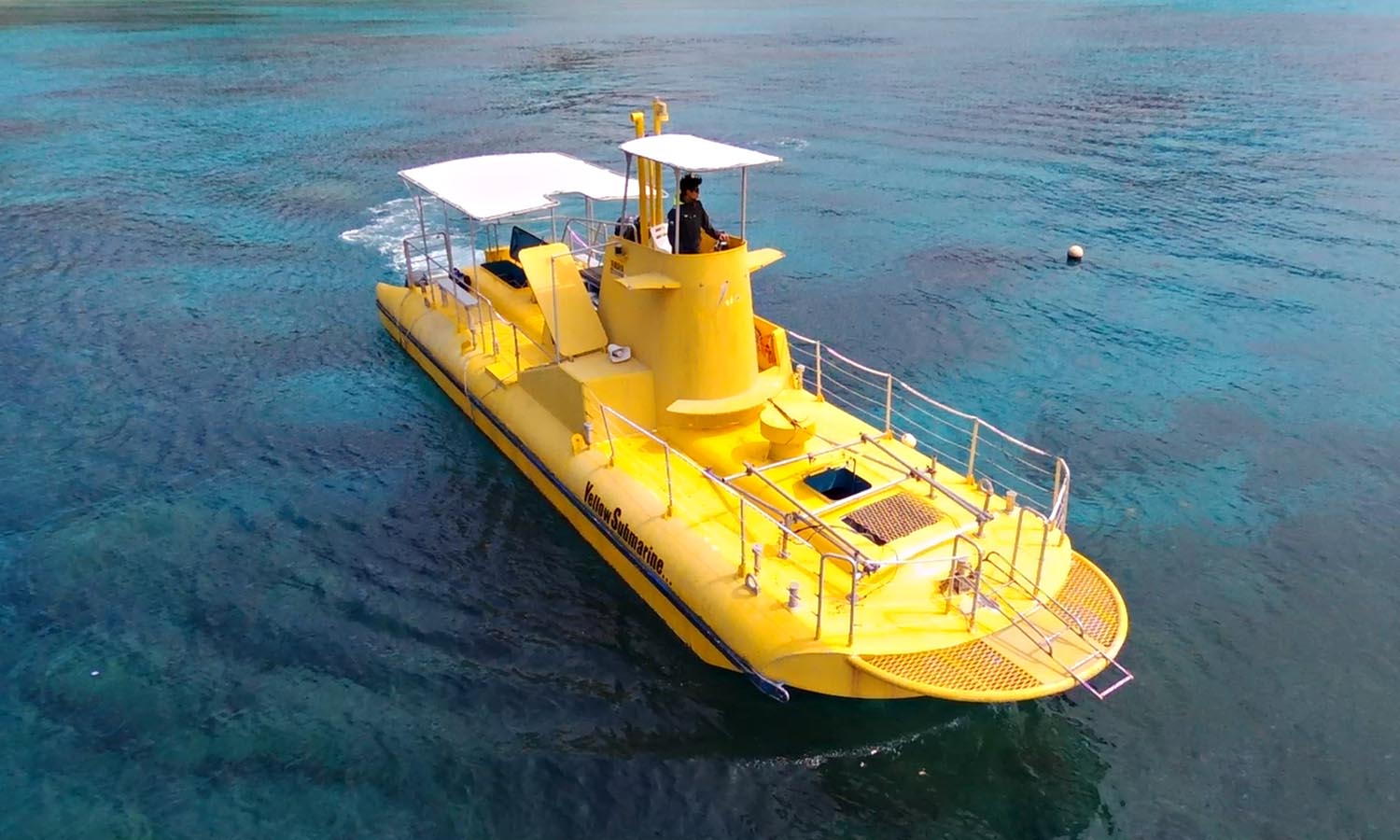
With more than 30 large and small islands and countless rock reefs, Keramashoto National Park’s feature is its beautiful glistening sea, referred to locally as “Kerama Blue”. One of the most popular attractions at Keramashoto is snorkelling with sea turtles. Take a snorkelling tour led by a local guide and experience sea turtle behaviour – you’re almost certain to encounter a sea turtle every time!
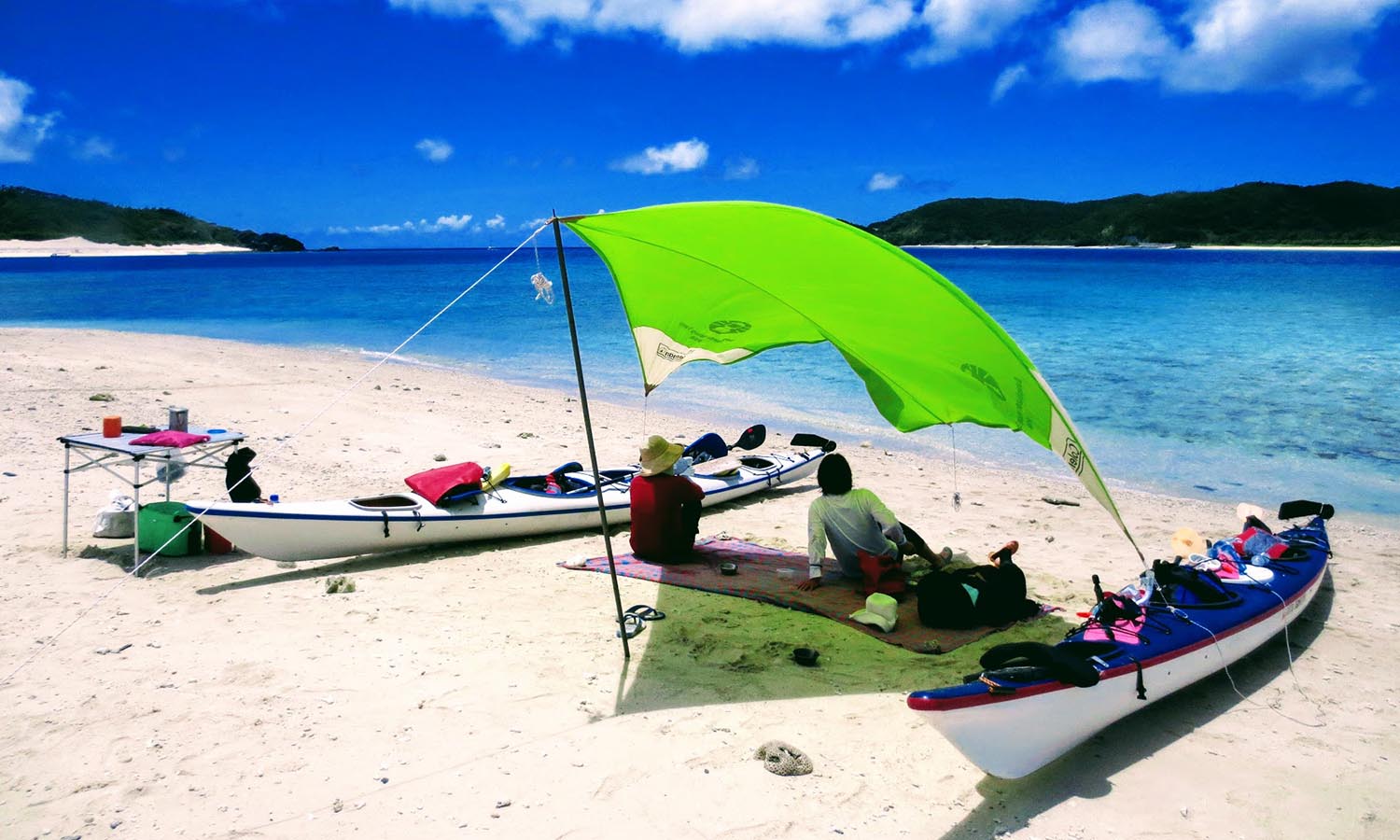
As well as its natural beauty and plethora of activities, the Kerama Islands also offers visitors an opportunity to experience traditional island customs and culture. Known for their delicious local food, Okinawans also have a custom called yuntaku where family and friends gather in shaded places to chat and relax, and visitors can experience their own “island time” as they admire the idyllic landscape.
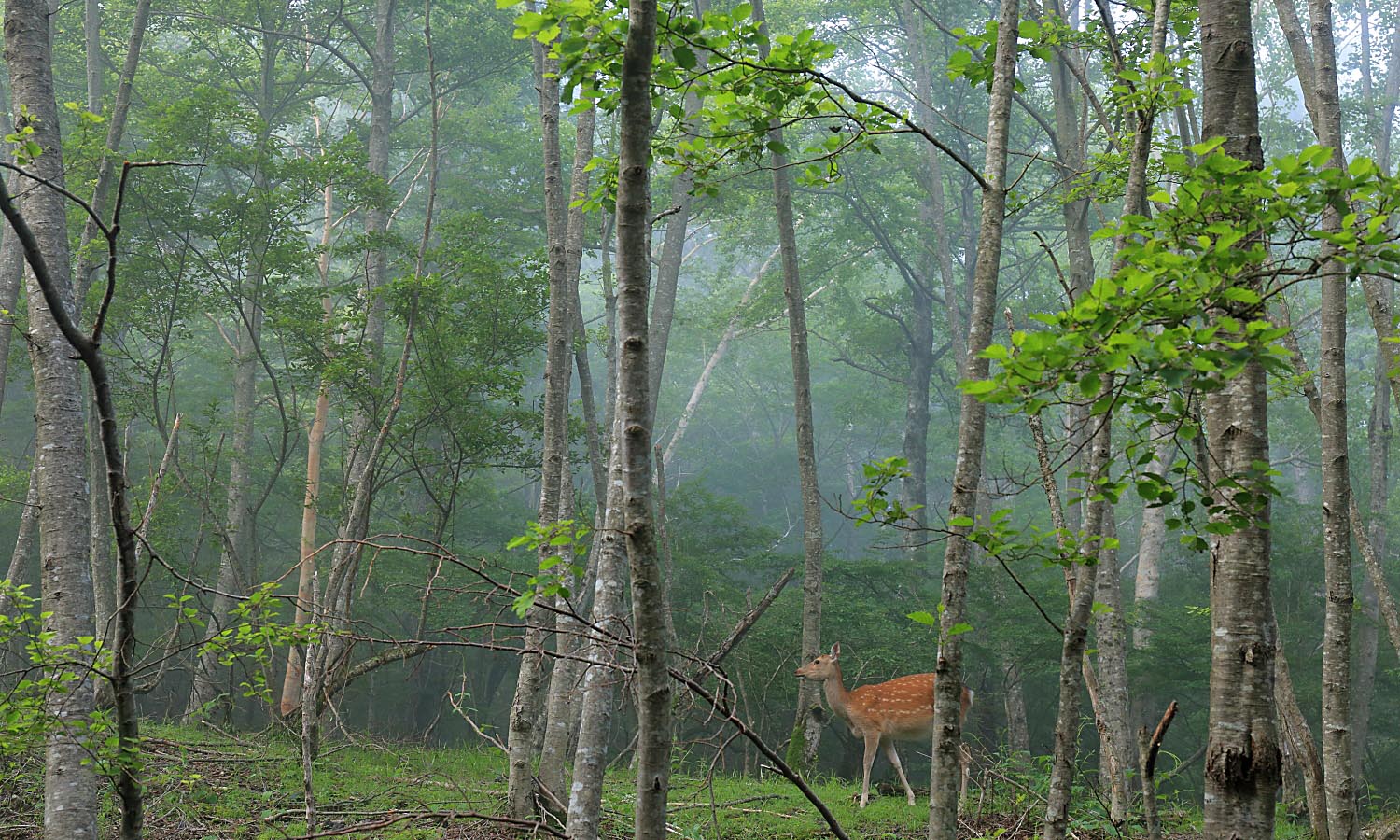
There are several walking tours available where you can enjoy the tropical scenery of the Kerama Islands or soak up the stunning view of the Kerama Blue from Aka Ohashi Bridge and Geruma Bridge. Spectacular scenery includes Rhododendron scabrum in the early spring, Japanese bayberry, and the Kerama Blue viewed from Aka Ohashi Bridge and Geruma Bridge. You may encounter Kerama deer, and other animals as well as humpback whales, and sea turtles on your journey.
Whale watching at a rare breeding ground for humpback whales is also a major drawcard at Keramashoto National Park. Observe mother whales raising their calves and watch in awe at their impressive performances from aboard a boat.
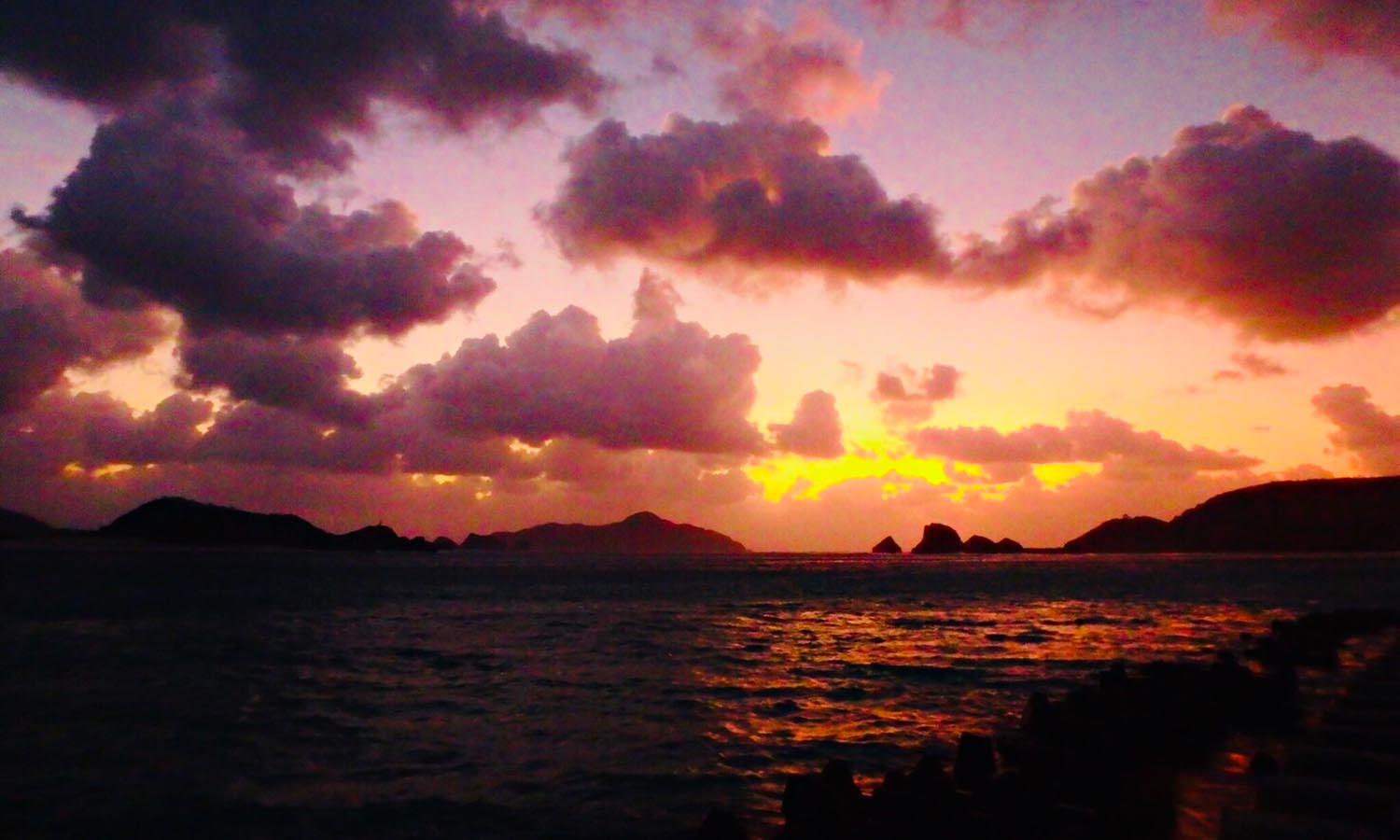
No trip to Keramashoto National Park is complete without stand up paddle boarding at sunset enjoying up the Kerama blue. If balancing is an issue for you, soak it up from the shore!
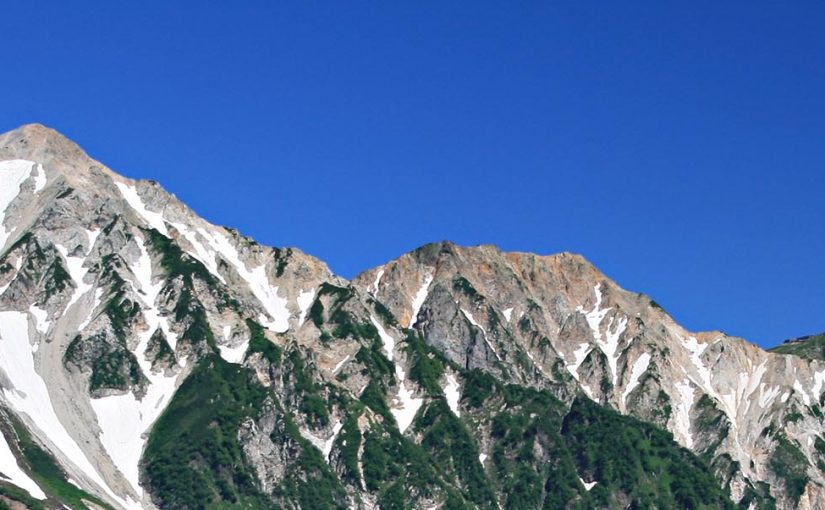
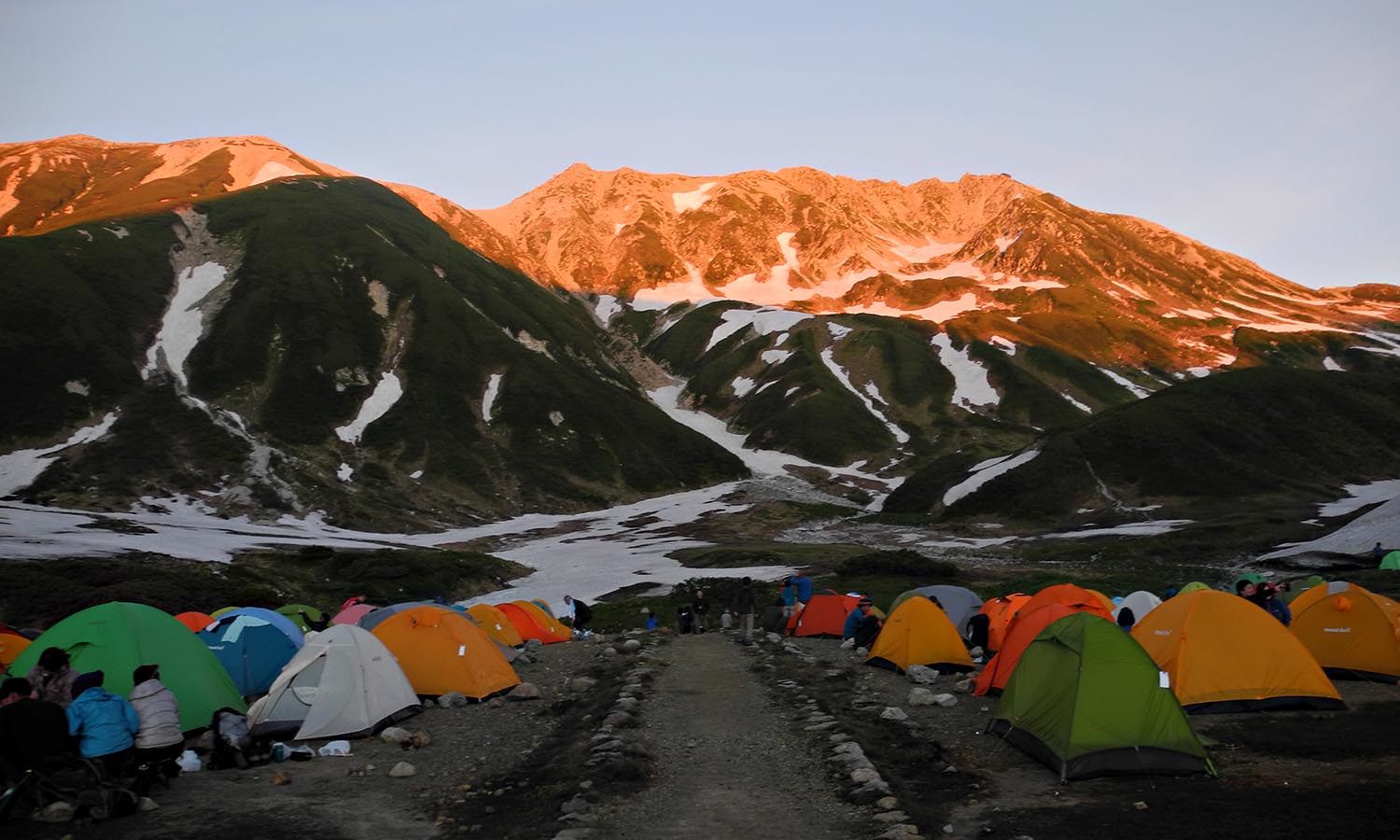
Explore the Japanese alps of Chubusangaku National Park and discover breathtaking mountains covering the entire Northern Alps region of Japan.
Chubusangaku National Park is made up of a number of mountains rising 3,000 meters above sea level. To acquaint yourself with the area, an eco-tour from Taisho Pond to Kappa Bridge with a local guide is highly recommended and you’ll get an insider’s perspective about Kamikochi’s nature.
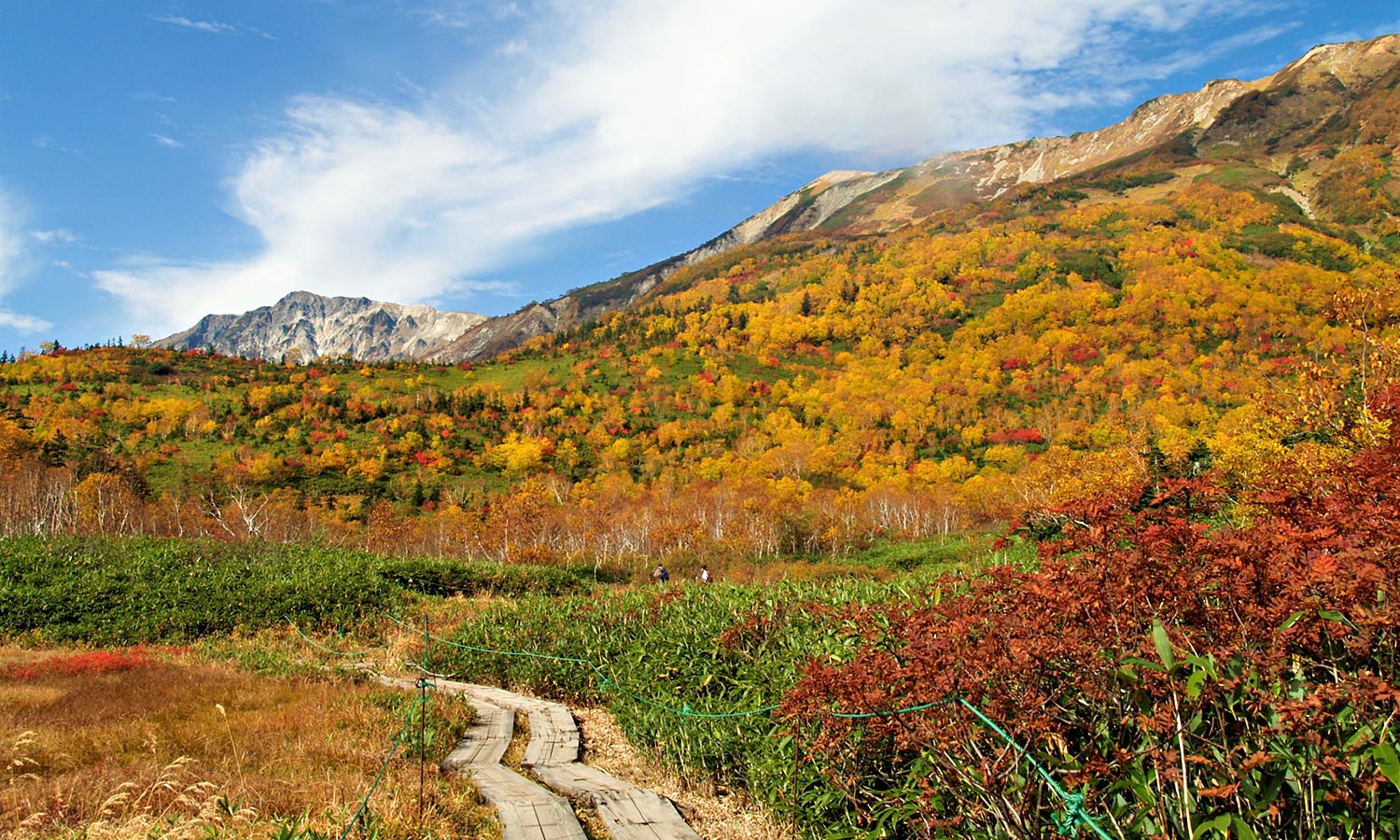
Mountain hiking tours of the Japanese Alps and group tours are also available and many tracks are accessible via public transportation and visitors can enjoy a view of the mountainous landscape and observe various alpine animals and plants without any strenuous hiking.
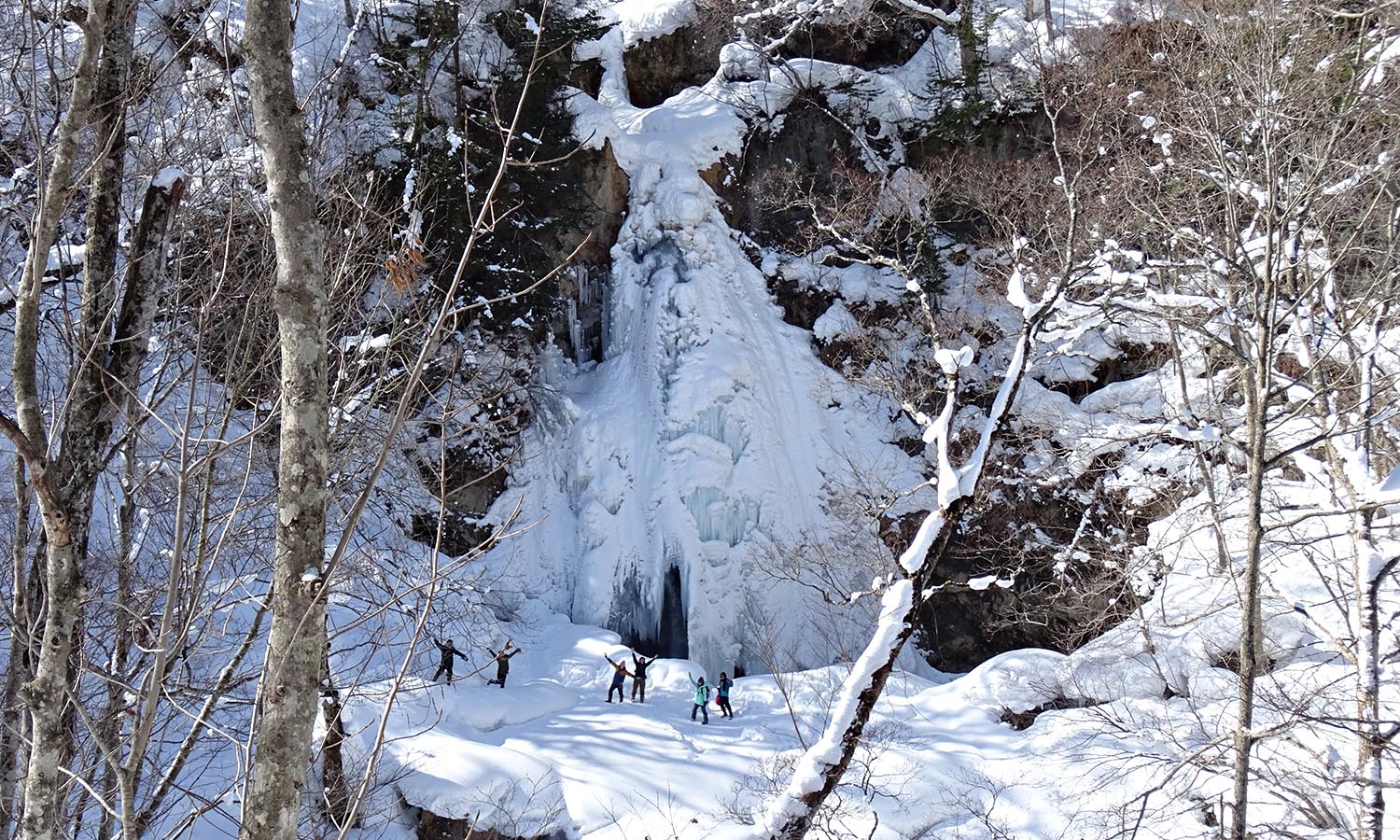
For something special for the whole family, the frozen Zengoro Falls; one of the Three Waterfalls of Norikura, at night is a must visit! The night tour includes lighting equipment to illuminate the frozen waterfall and the spectacular scenery accessible only with snowshoes.
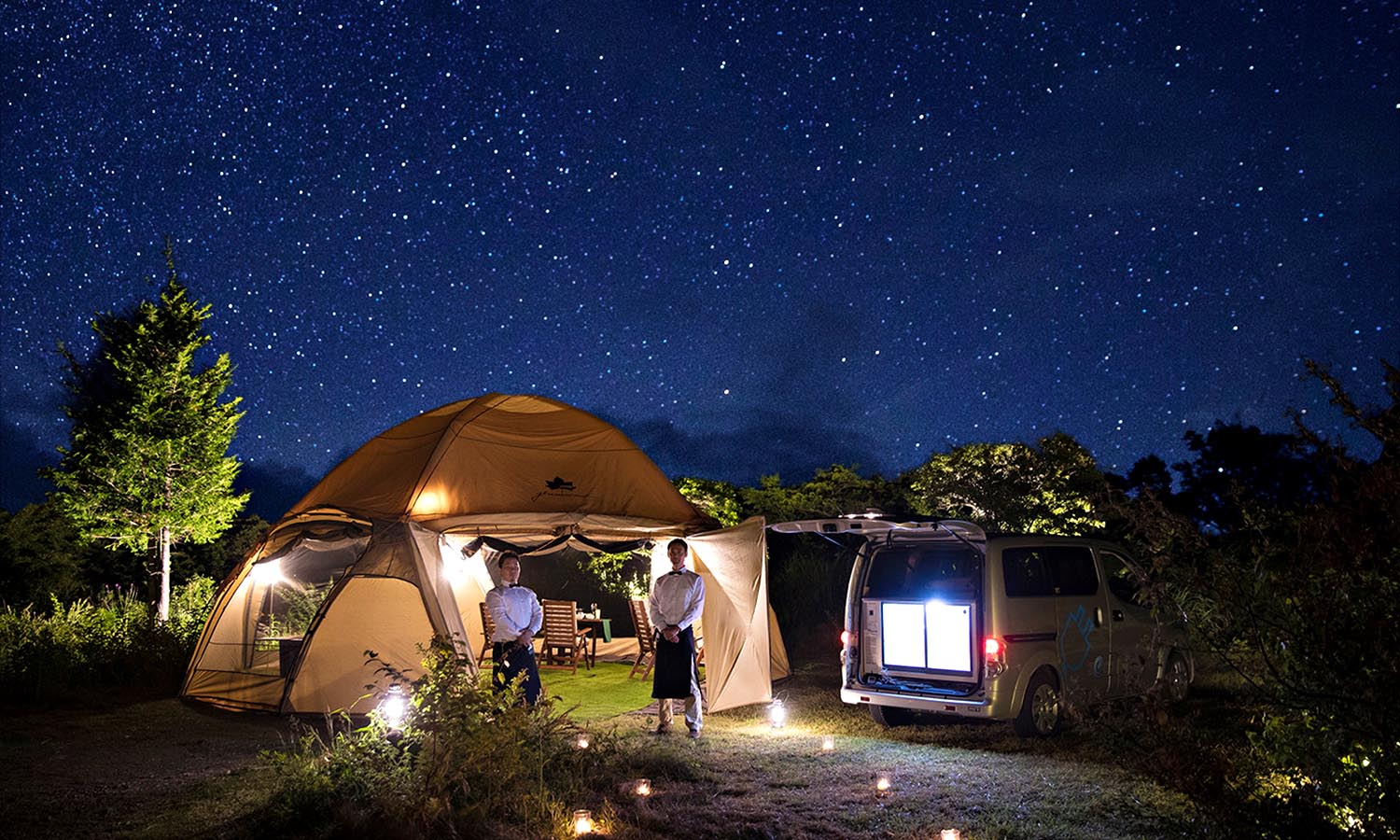
For those who can’t let go of creature comforts can enjoy high-quality local food and drinks amidst nature with a personalised star-gazing tour. The restaurant (yes you read correctly), is located in the lush nature of Chubusangaku National Park, and guests can relish in delicious alcoholic beverages made from nature’s bounties in the mountains and meals prepared with local ingredients.
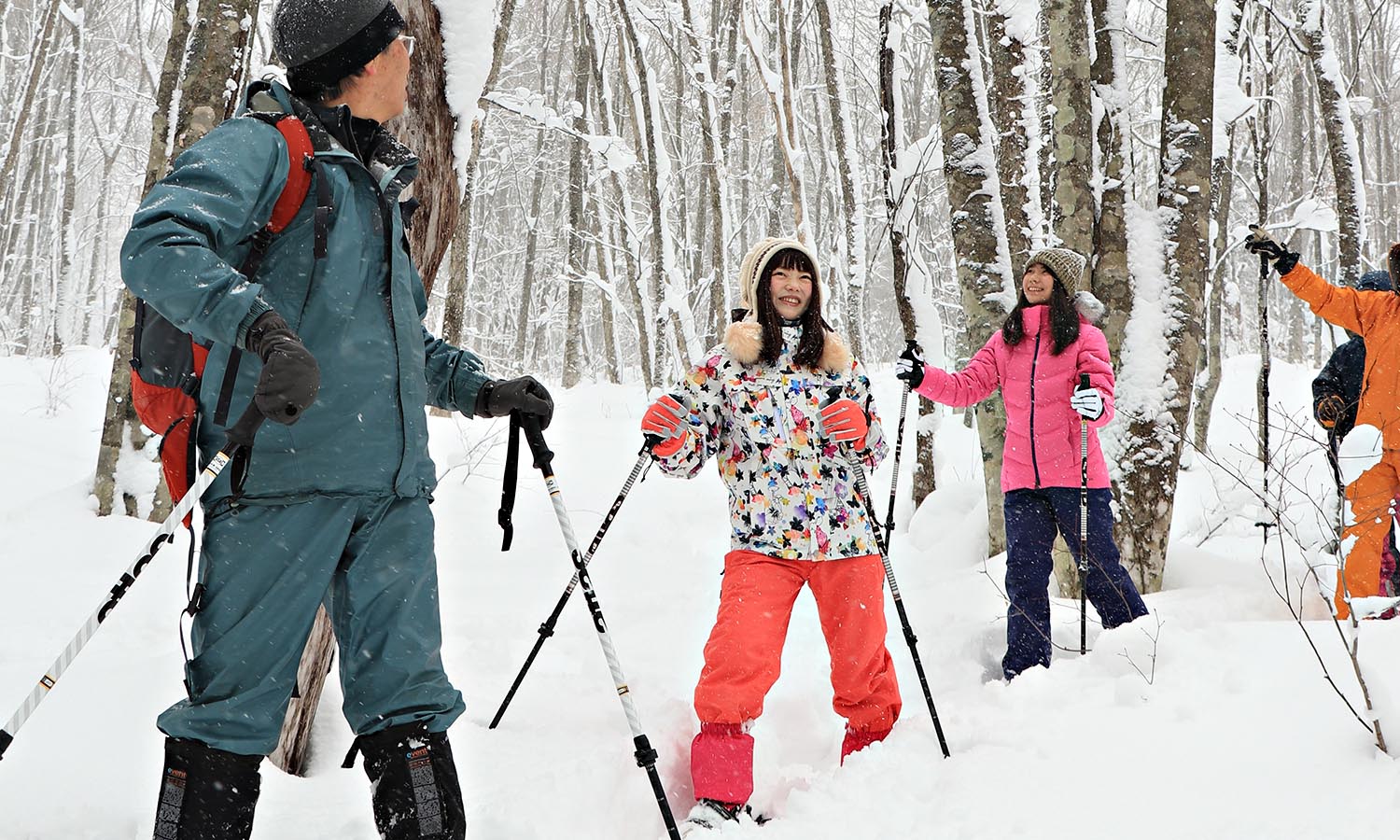
A snowshoeing tour of the snow-covered Alps is available dependent on the weather and snow conditions, but the Kamoshika (Serow) ski slope course, which is 1,700 meters above sea level, is a popular choice, as well as the frozen Hirayu. After a hard day snowshoeing, refresh the body and soul in the free-flowing hot spring water of Hirayu Onsen.
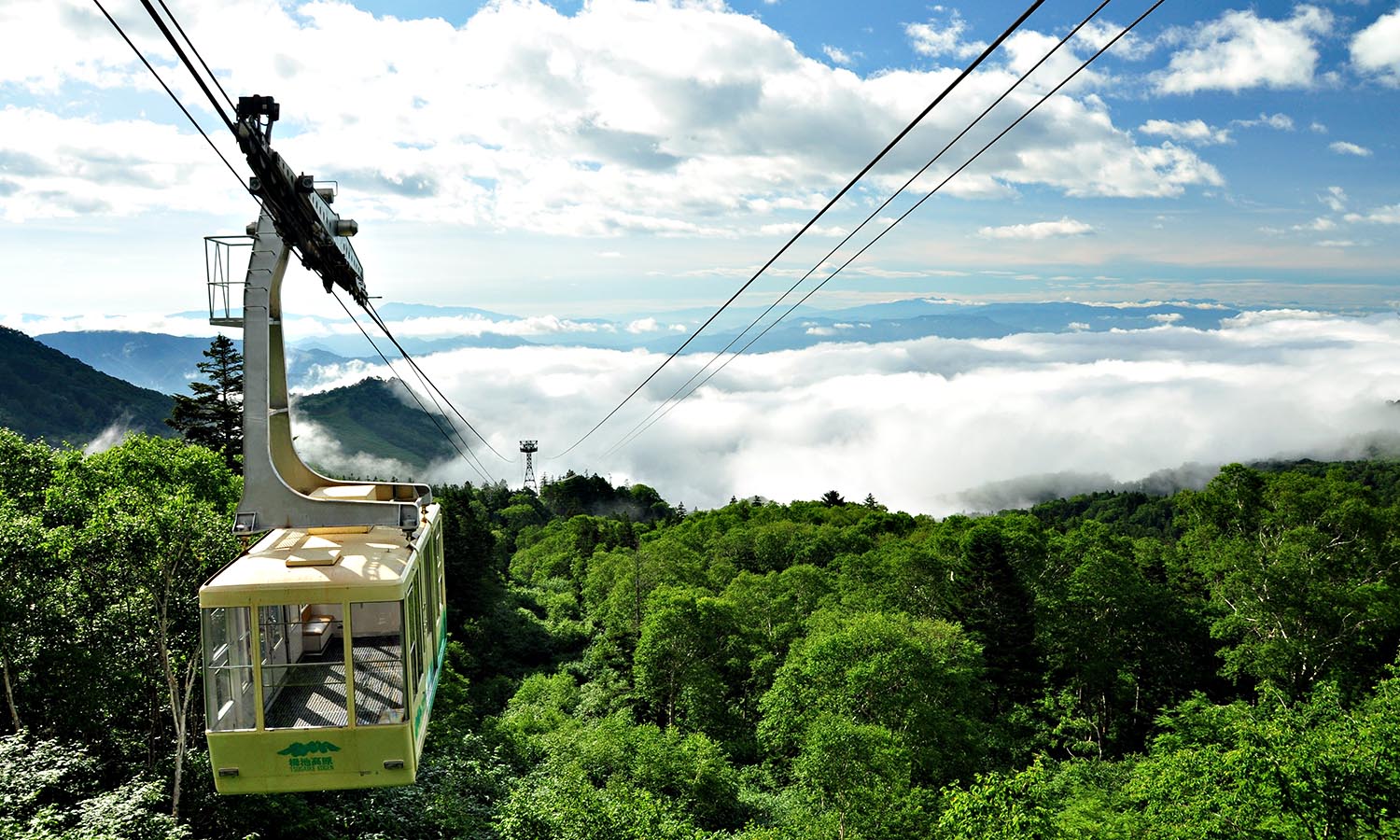
For amazing views, take the Shinhotaka Ropeway, running in the Alps and located in Okuhida Onsengo Hot Spring Village, famous as one of Japan’s best onsen resorts.
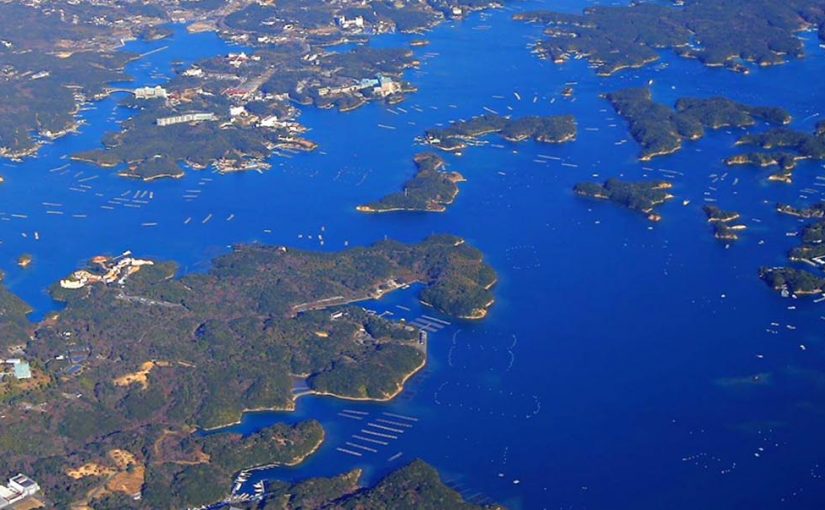
Ise-Shima National Park is a natural marine park that features the historical site of Ise Jingu Grand Shrine and the picturesque coastal route on Shima Peninsula, located in Mie prefecture in Western Japan.
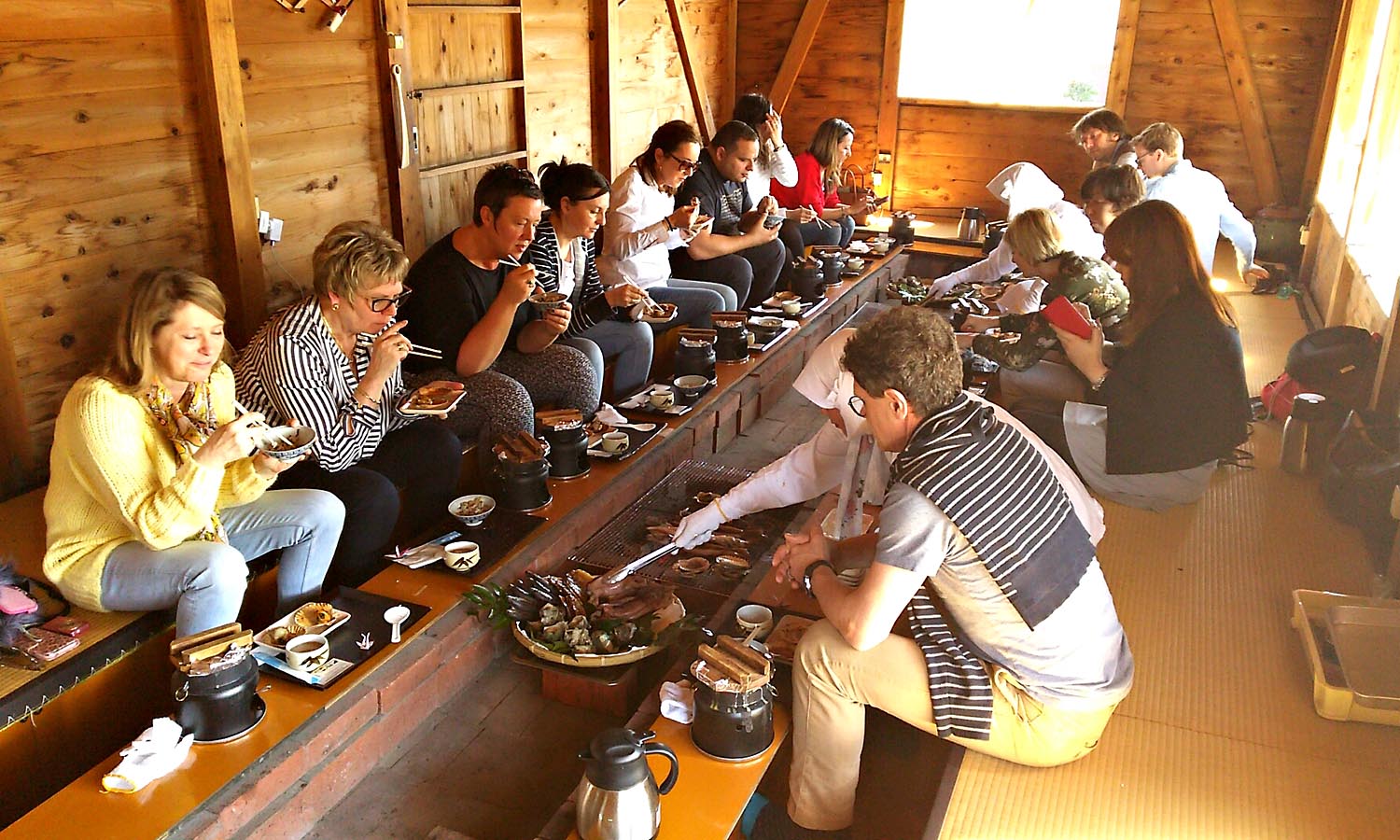
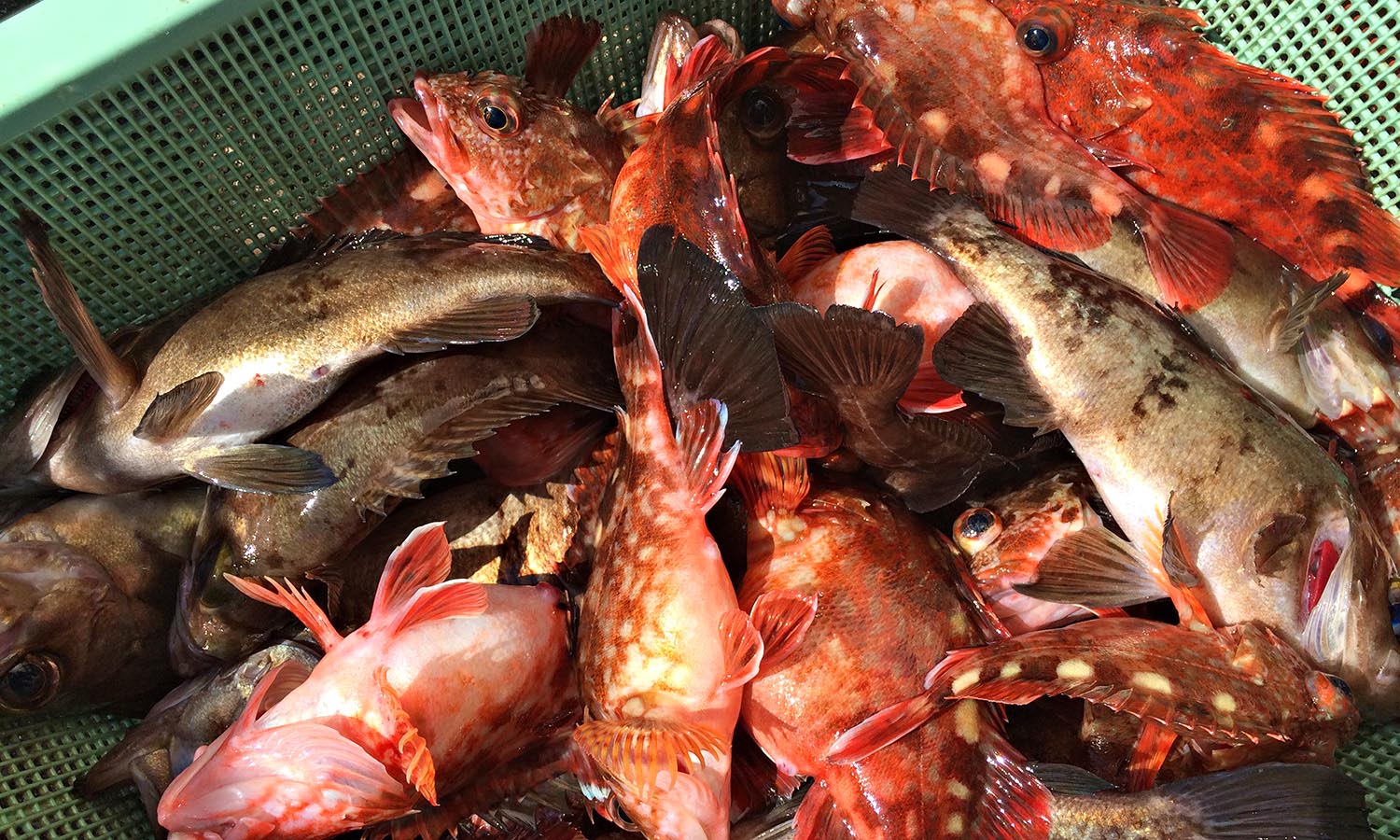
Ise Shima National Park is a combination of natural beauty combined with ancient tradition and age-old cultural practices. The interaction between people and nature is profound in the region and can be observed in the ancient tradition of the female ama divers. The ama is a 3,000-year tradition where divers free dive into the water from a boat to gather shellfish and seaweed. For an extra treat, you can enjoy a seafood lunch grilled by ama divers in an ama style hut.
Toba contains Mikimoto Pearl Island, which offers a pearl museum and demonstrations by its famous ama divers, as well as the Toba Aquarium. In Kashikojima, there are boat trips around Ago Bay and for a wider view of the 60-plus small islands, head to the Yokoyama Observation Deck, which is accessible by taxi or a 40-minute walk.
.
For those wishing to experience the essence of Shinto and Ise Jingu’s 2,000 years old-history must visit the Grand Shrine with its 125 shrines centered in and around Ise City. Surrounded by a dense forest of Japanese cypress, the Naiku (Inner Shrine) is most sacred and is reached by crossing Ujibashi bridge. In Shinto culture crossing that bridge symbolises leaving daily life behind and entering the spiritual world.
In the town of Ise, just a short walk from Ujibashi bridge, is the historic main street of Oharai-machi, once the main pilgrimage route leading to Ise Jingu during the Edo Period. The street is lined with Edo-era wooden buildings with many restaurants and shops. Try the Akafukumochi, a rice cake topped with a sweet red bean paste, which has been sold to worshippers on their way to Ise Jingu for more than 300 years.
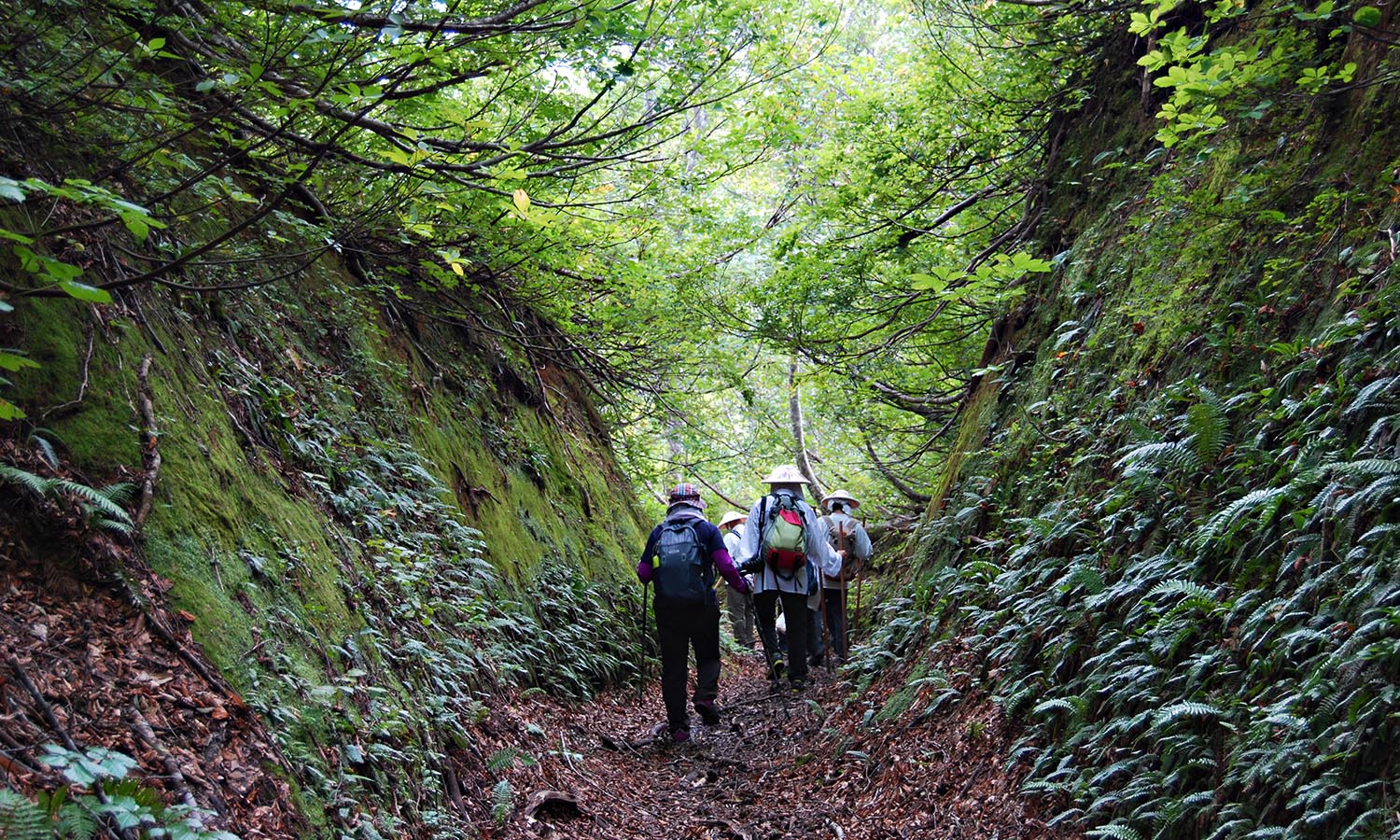
Japan’s second largest National Park Bandai-Asahi includes the Three Mountains of Dewa, the Asahi, Iide, Azuma, and Adatera Mountain Ranges, Mt. Bandai, and Lake Inawashiro.
The national park has many mountains suitable for climbers of all levels with stunning scenery, hot springs, skiing in the winter months, and many other leisure activities for all ages.
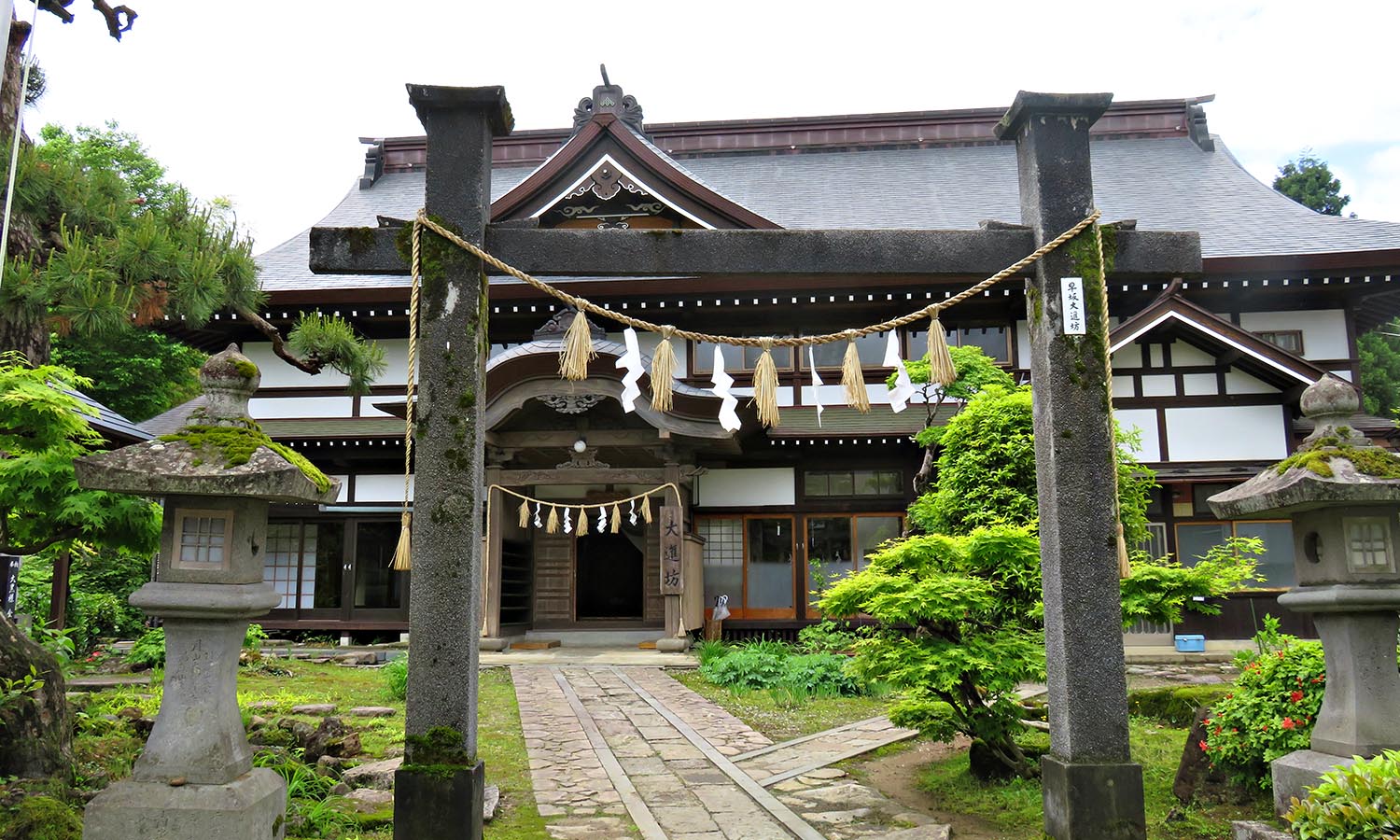
The Three Mountains of Dewa are famous as places of mountain worship and historical importance. Azuma, Adatera Mountain Ranges, and Mt. Bandai feature stunning and rugged landscapes created by volcanic activity as well as beautiful, diverse scenery formed by lakes, ponds, and forests of various sizes. Urabandai is known for its various species of wild birds and visitors can enjoy birdwatching all year round.
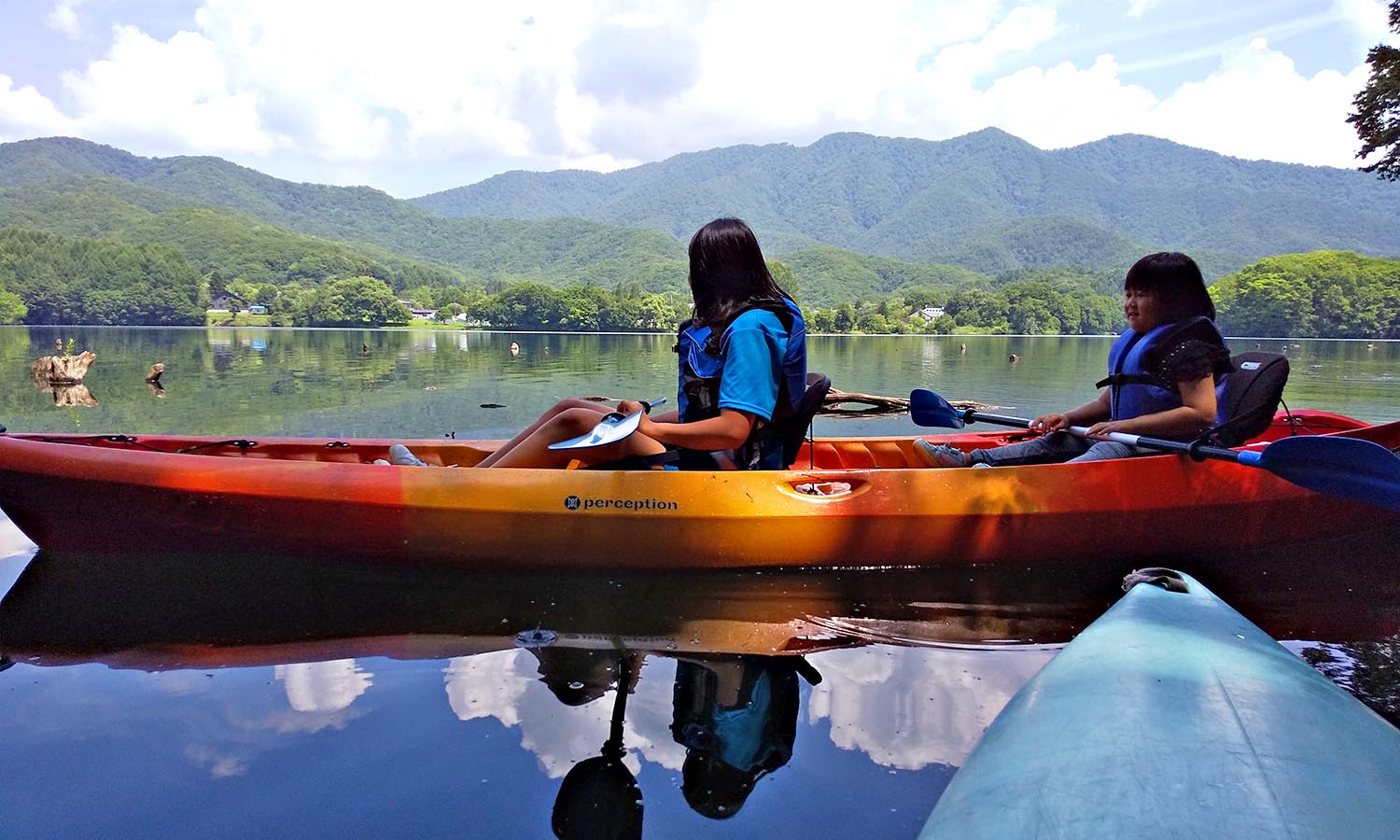
From late April to early November the best way to get around Lake Sohara and take in the stunning sunken forest is by kayak. The tranquility of the area can be fully appreciated on kayak and it’s the only lake in Urabandai where power boats are not allowed. Lake Hibara also has canoes for hire.
From mid December to mid-March, and at 680 meters above sea level, Mt. Bandai offers powdery snow lies and a 600-meter-long sled course is available. Skiing conditions are suitable for the whole family.
The Azuma Mountains west of Fukushima City are home to the Azuma goyomatsu, a popular species of Japanese white pine for bonsai. Bonsai enthusiasts are in for a real treat as they can visit Bonsai Abe and experience ‘The Beauty of Space’ with a third generation bonsai artist.
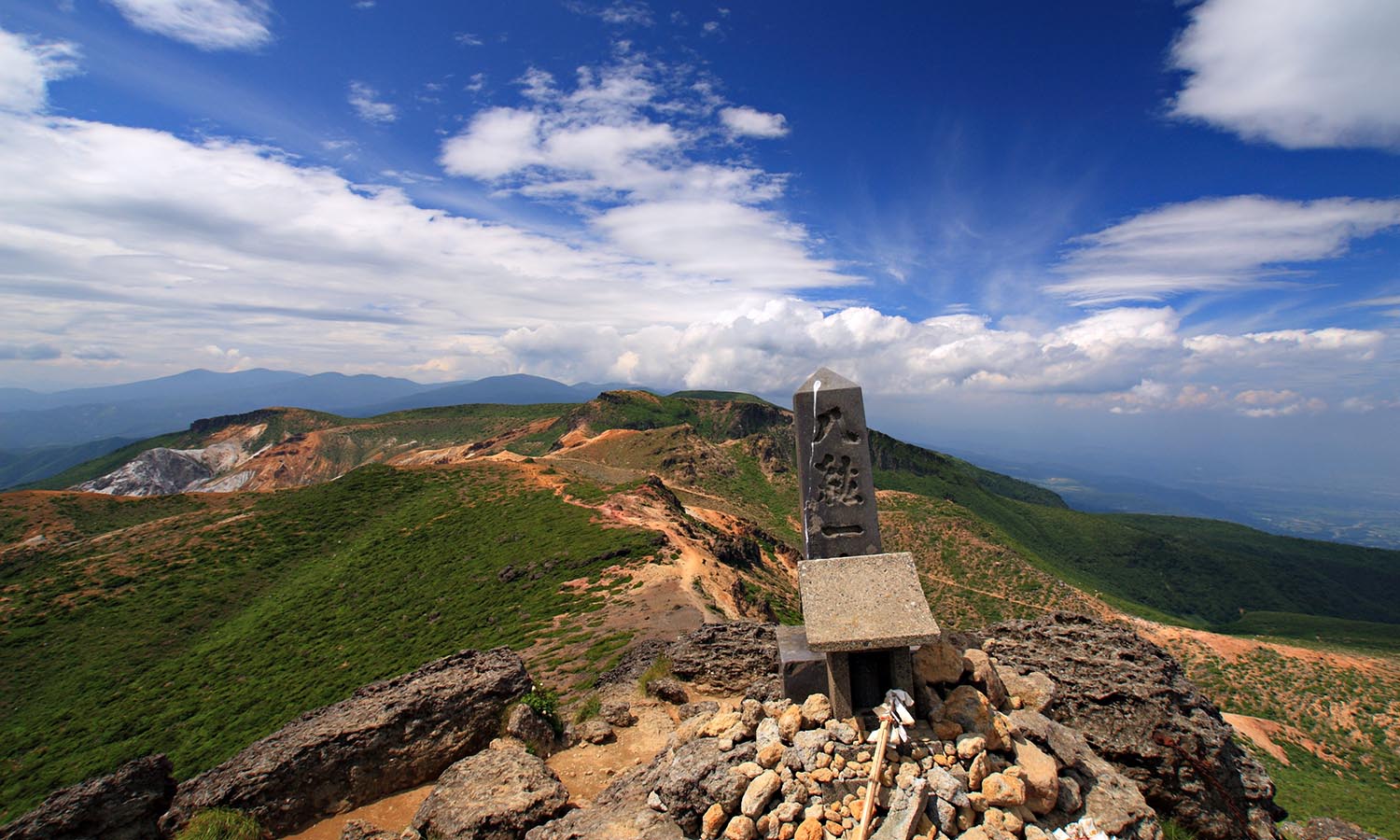
No visit to is Bandai-Asahi National Park is complete without exploration of its two volcanoes ‒ Mt. Bandai, which last erupted in 1888; and the still active Mt. Azuma. Activities in the area include trekking, canoeing, hot springs and bonsai.
Daisen-Oki National Park with its mountainous area and landscape of volcanic landforms, forests, and grasslands is the oldest, most sacred mountain in Japan.
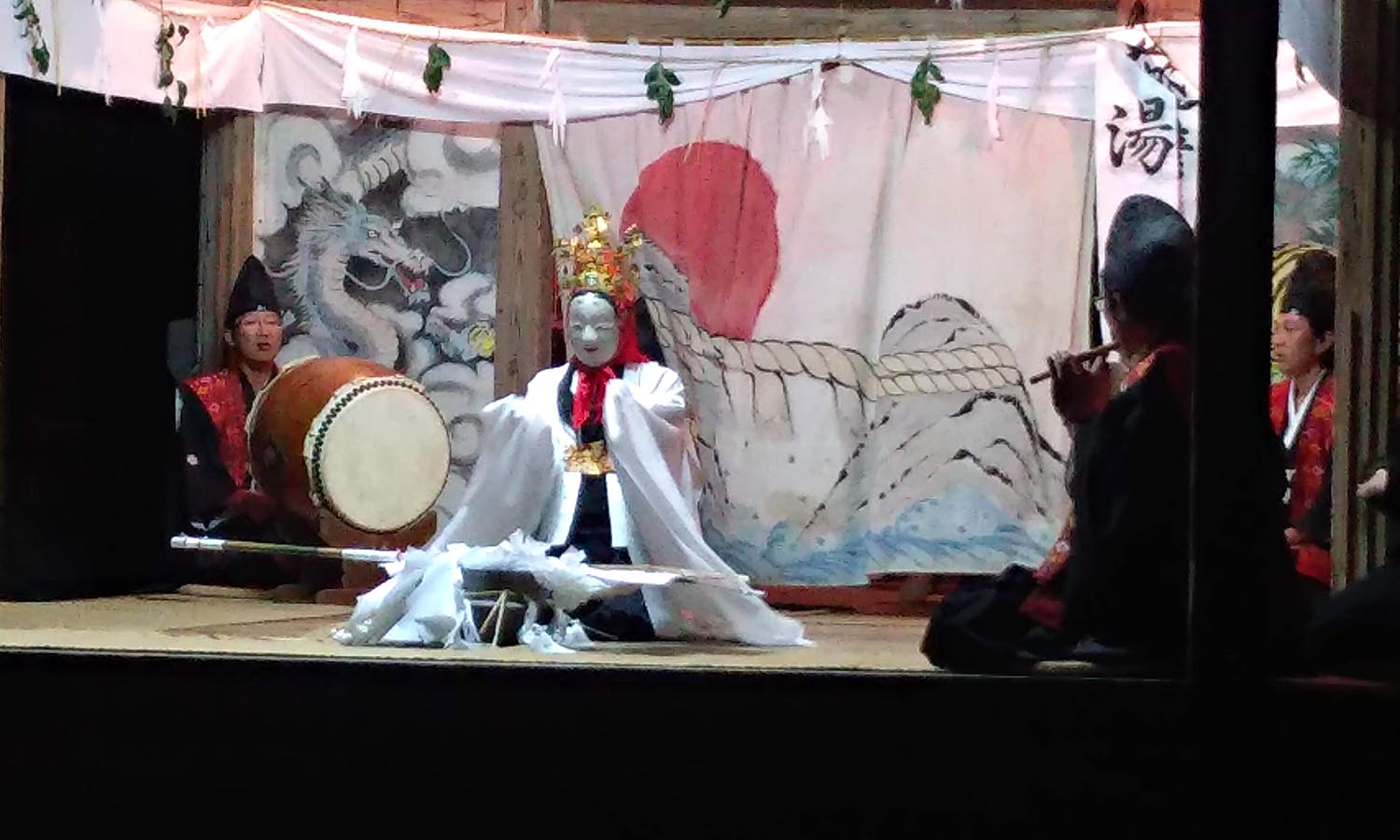
Visit the Izumo Grand Shrine on the Shimane Peninsula, considered the oldest example of shrine architecture and an area of great importance for Japanese creation myth. The main deity kami enshrined at Izumo Taisha is Okuninushi no Okami. Okuninushi was the creator of the land of Japan and the ruler of Izumo and is also known as the deity of good relationships and marriage. Visitors can partake in the clapping ritual – clapping their hands four times; twice for themselves and twice for their actual or desired partners.
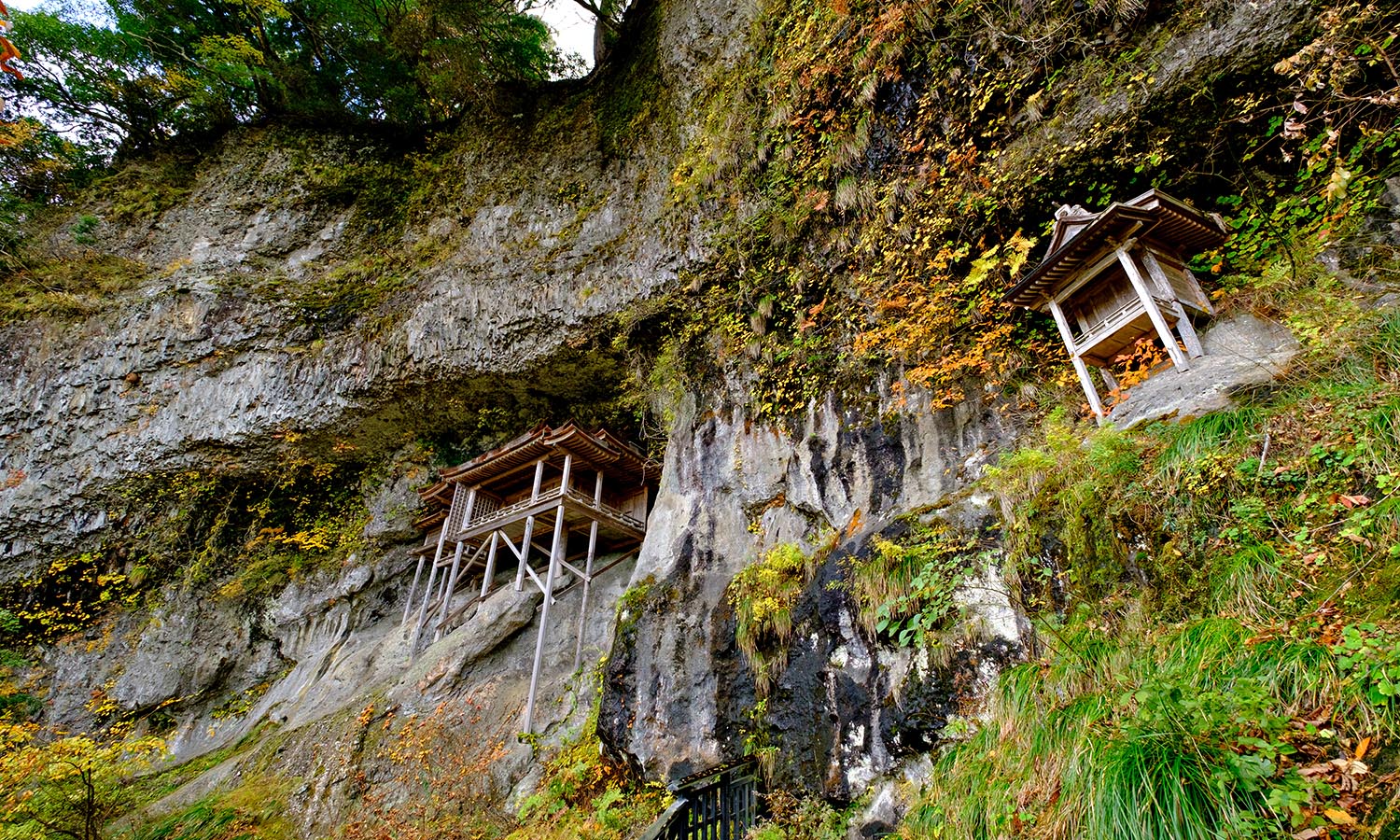
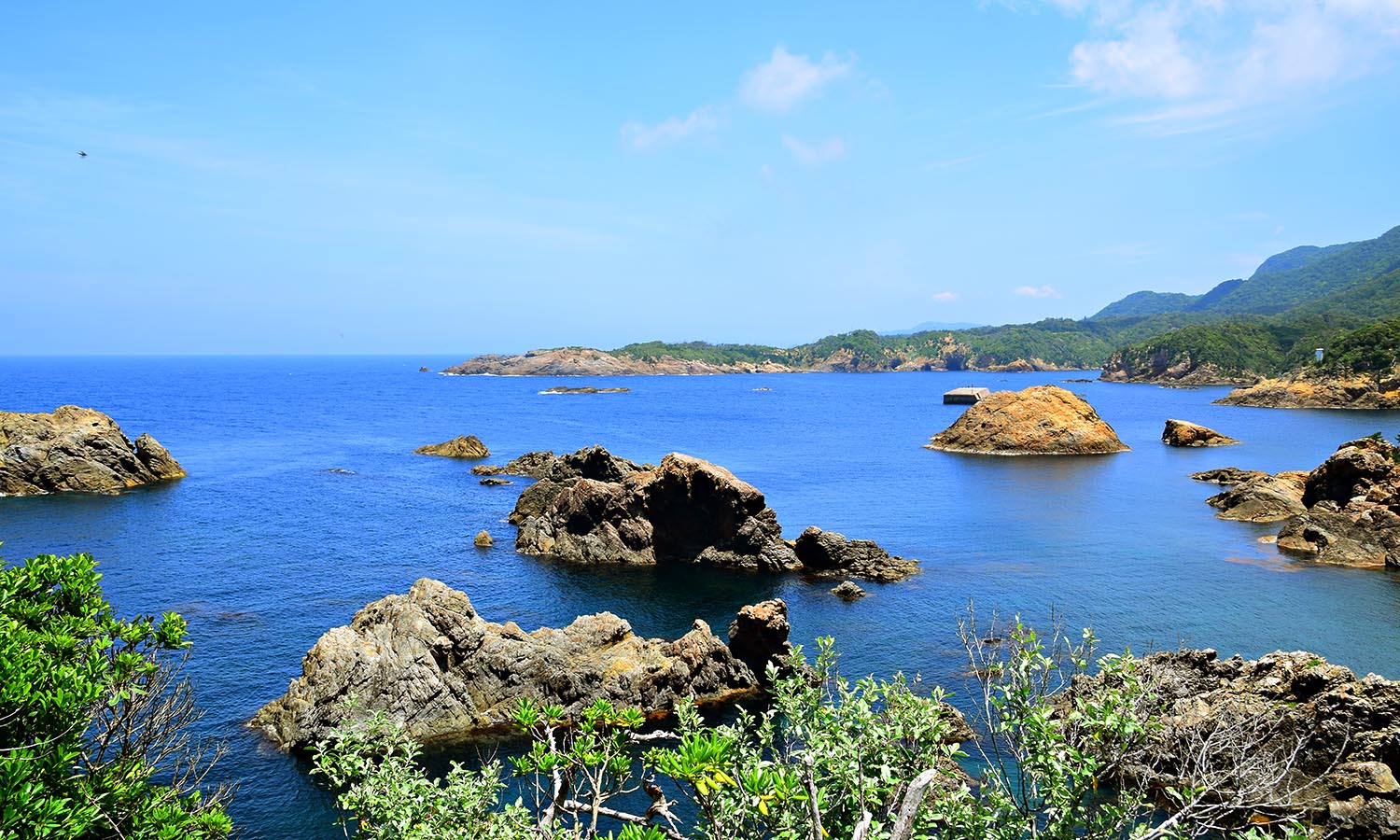
At the UNESCO Global Geopark Oki Islands you can hire a sea kayak and paddle and explore the caves and coastline. Tour the west-side and visit a waterfall that flows from a 40 meter high rocky cliff and offers a superb view of the Dōzen Islands. On the east-side you can visit a mysterious 800 year old cedar tree. Oki Shrine is dedicated to Emperor Go-Toba, who was exiled to Oki about 800 years ago. Guided by a priest you can say a nighttime prayer and make a wish at the altar. A Guided Night Walk Tour of the shrine is also available.
From April to November nature and conservation enthusiasts have the chance to join an eco-tour and accompany a researcher and be a part activities of the conservation of the Japanese Giant Salamander, the world’s largest amphibian.
Different seasons at Daisen-Oki National Park mean different activities – in summer there’s river trekking surrounded by a dense beech forest and in winter experience Mt. Daisen in the snow for skiing or for those who’d rather use their legs, snow shoeing is available.
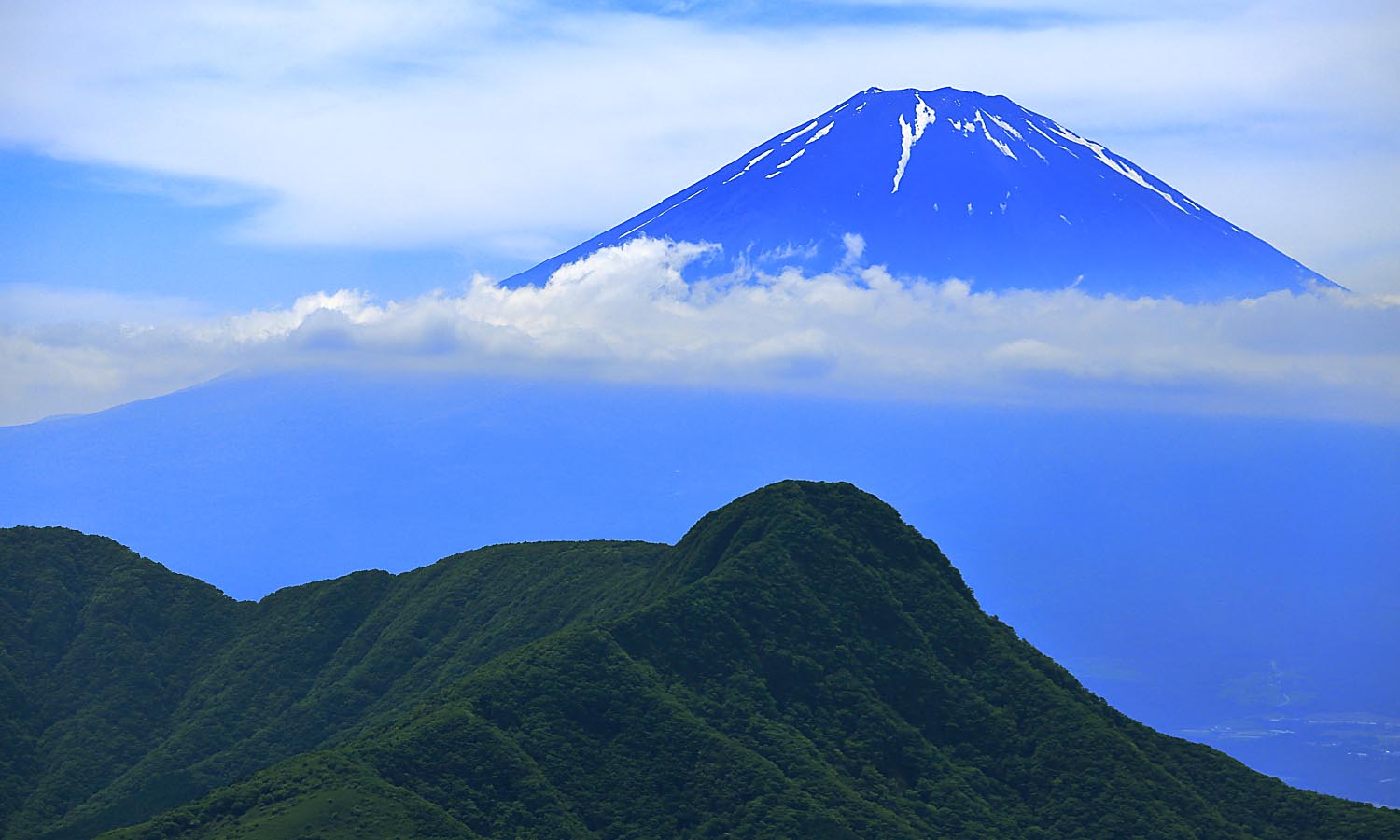
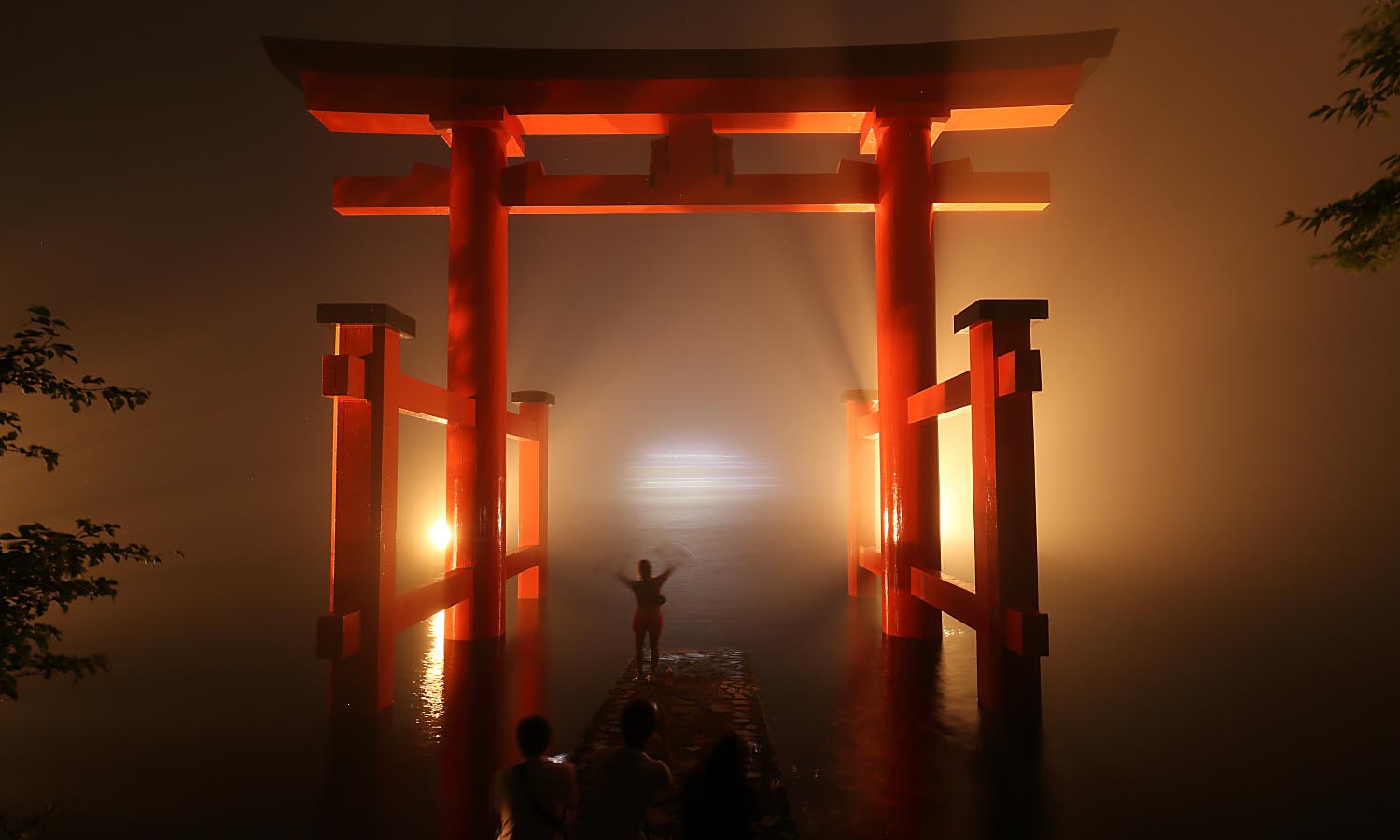
Fuji-Hakone-Izu National Park is home to the iconic Mt. Fuji located at its north end and volcanic landforms and hot springs stretching along its coastlines and island.
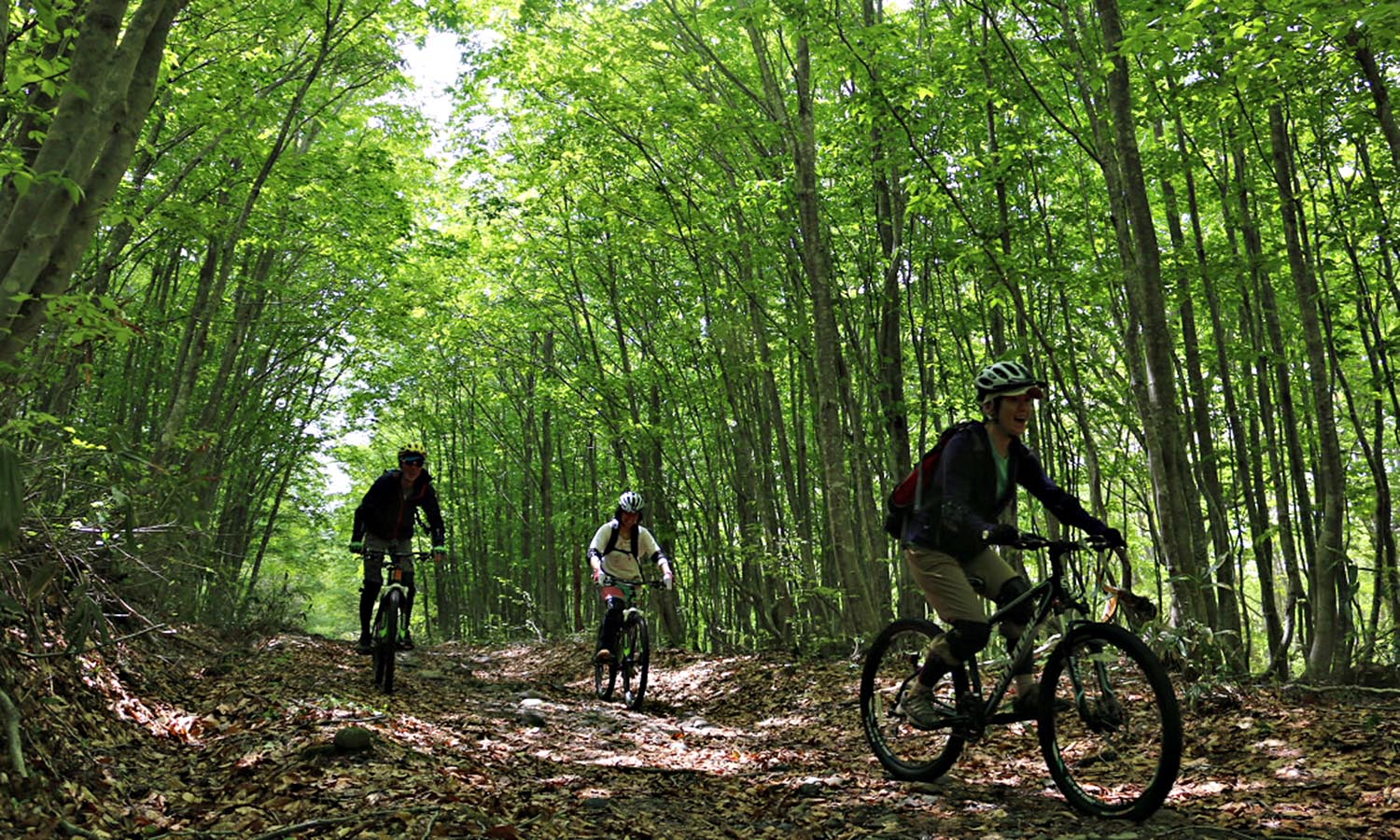
From land to sea, Fuji-Hakone-Izu National Park has plenty of attractions – cycle through the woods and rice fields with the majestic Mt. Fuji as your backdrop. You couldn’t find a better photo op! To hydrate, scoop spring water from Mt. Fuji’s foothills, visit a sake brewery, and admire the Shiraito Falls during the spring, summer, and autumn seasons. For lunch, enjoy hand-made soba buckwheat noodles and tempura made from locally-grown vegetables.
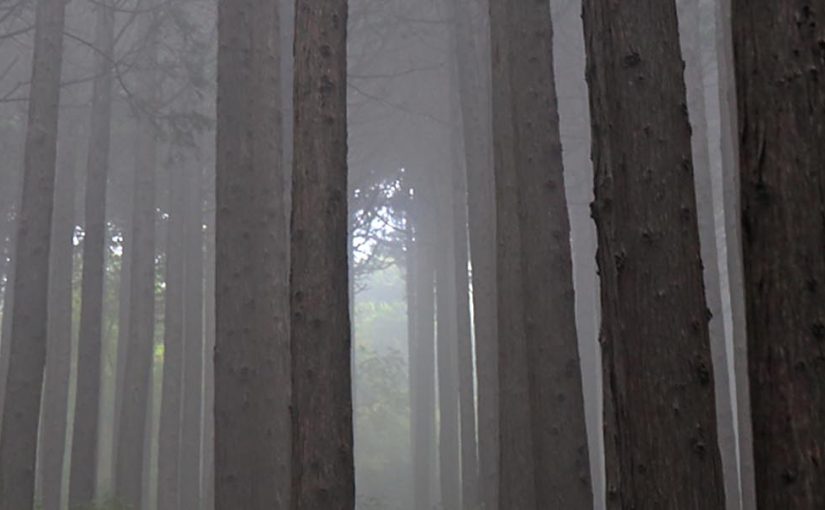
Canoe on Lake Motosu or get the blood flowing with a range of activities including SUP, snorkelling, mountain biking, trekking, and even gold dust hunting. Hike the Japanese heritage site, Hakone Hachiri Route that still retains the cobblestone pavement and avenue of giant Cryptomeria cedars that were established in the Edo period (17-19c).
Navigate a sea kayak through blue sea caves in Izu Peninsula Geopark created by undersea volcanoes from over 20 million years ago. Once you’ve got your sea legs back, explore the otherworldly volcanic island Izu Ōshima Geopark and visit Mt. Mihara, the backland desert. Lie back on the black ground and feel the earth’s heartbeat beneath you!
A snorkelling tour where you can swim with sea turtles on Hachijō Island’s bathing coast is highly recommended – jump aboard a fishing boat to a hidden spot with ancient landforms, only accessible by sea.
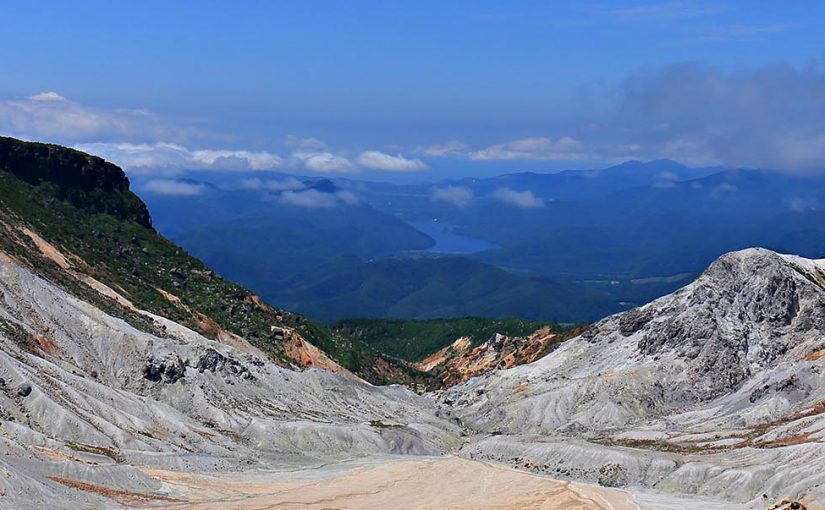
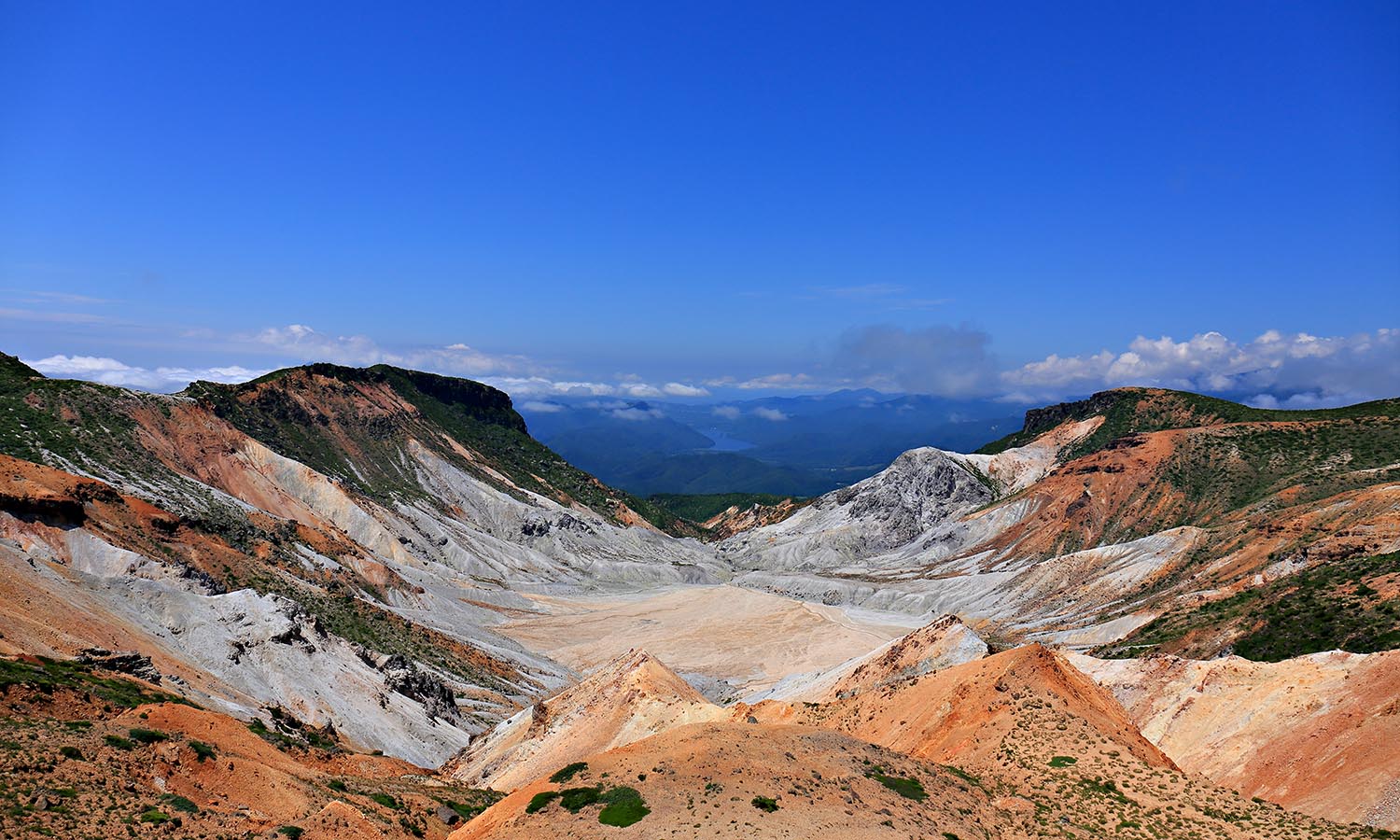
Enjoy a volcanic experience in Hakone Geopark located in Fuji-Hakone-Izu National Park, by train, ropeway, and ship. Ōwakudani was formed around 3000 years ago and the desolate landscape emits white fumes, offering visitors a hint of this volcanic phenomenon.
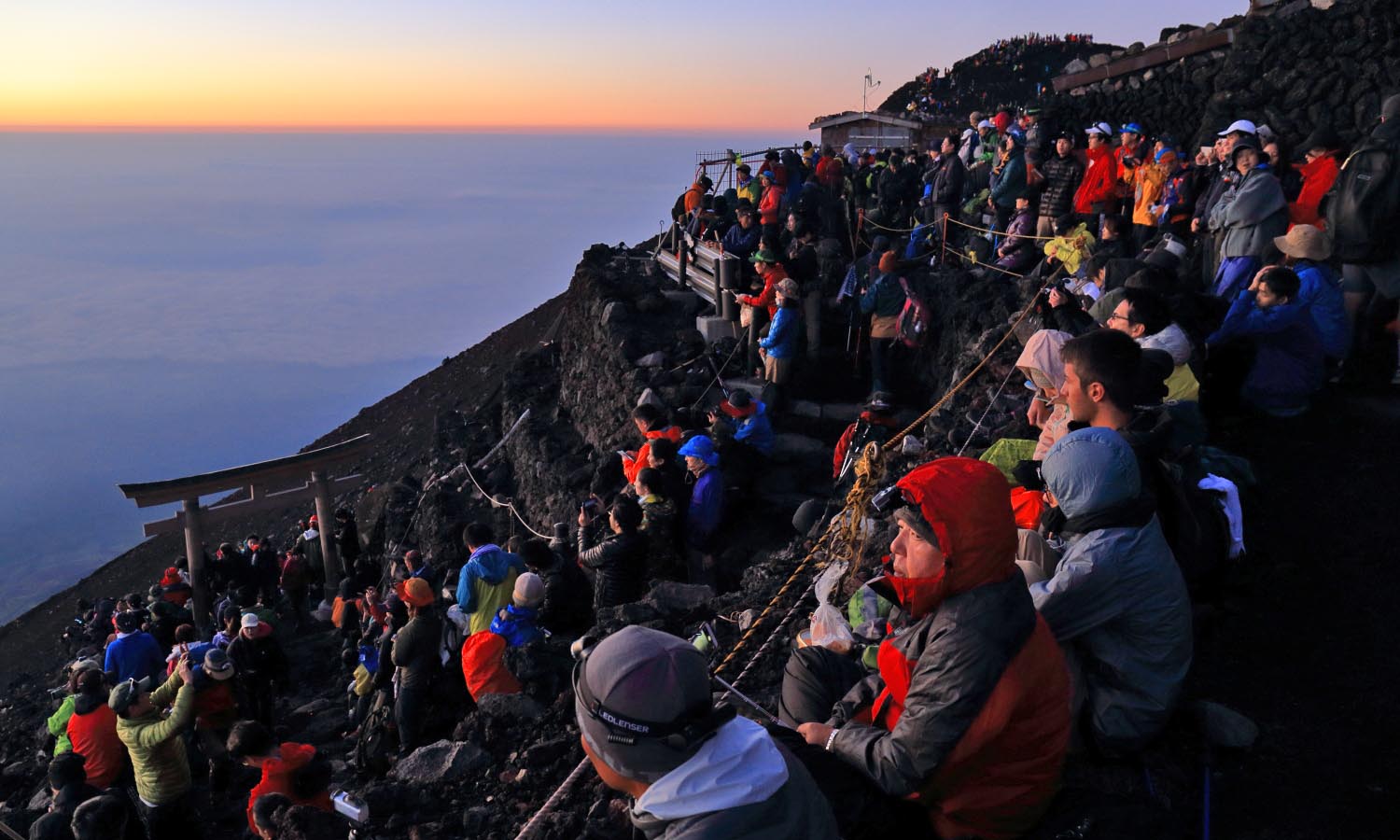
And the cherry on top is Mt. Fuji. It’s not just the highest peak in the archipelago but an integral part of Japanese culture. Visit historic sites associated with Mt. Fuji worship and pilgrimage and to complete your visit, climb the summit to the top.
Towada-Hachimantai National Park is a nature-rich park of peaks, lakes, and streams located in Tohoku, the mountainous region of northern Honshu.
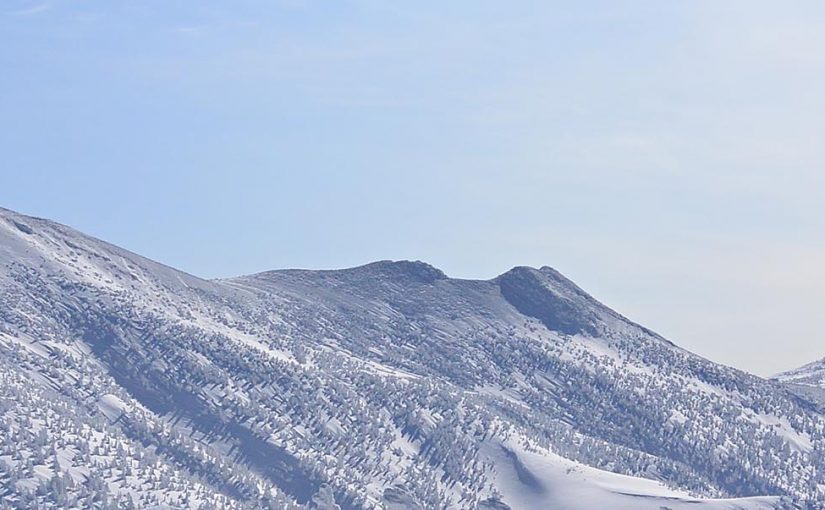
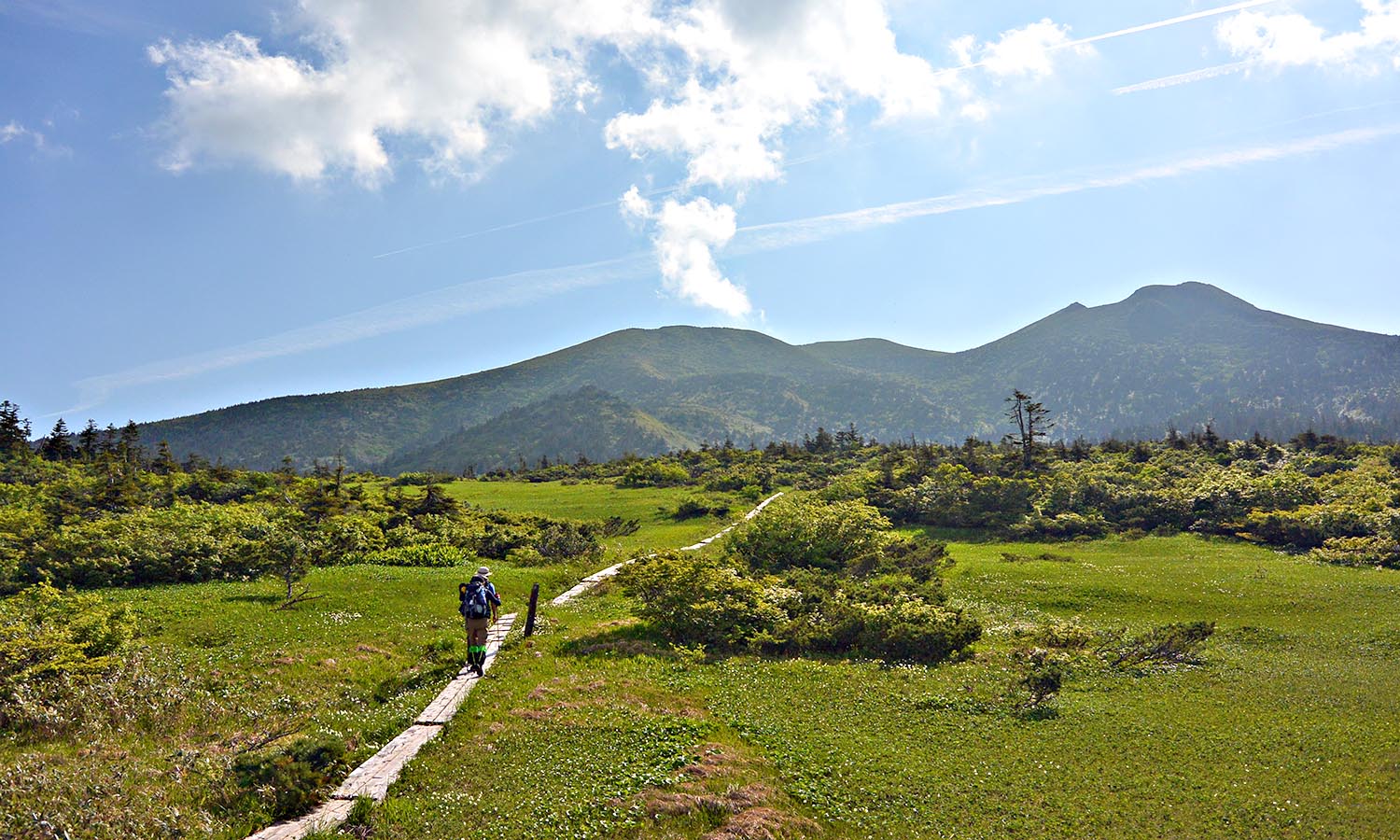
Towada-Hachimantai National Park consists of the northernmost Towada-Hakkoda region, where you will find Mt. Hakkoda, Lake Towada, and Oirase Stream. The Hachimantai region to the south, consists of Mt. Hachimantai, Mt. Akita-Komagatake, and Mt. Iwate. There is plenty to see and do, from animal spotting, canoeing, skiing, hiking to soaking in the many hot springs.
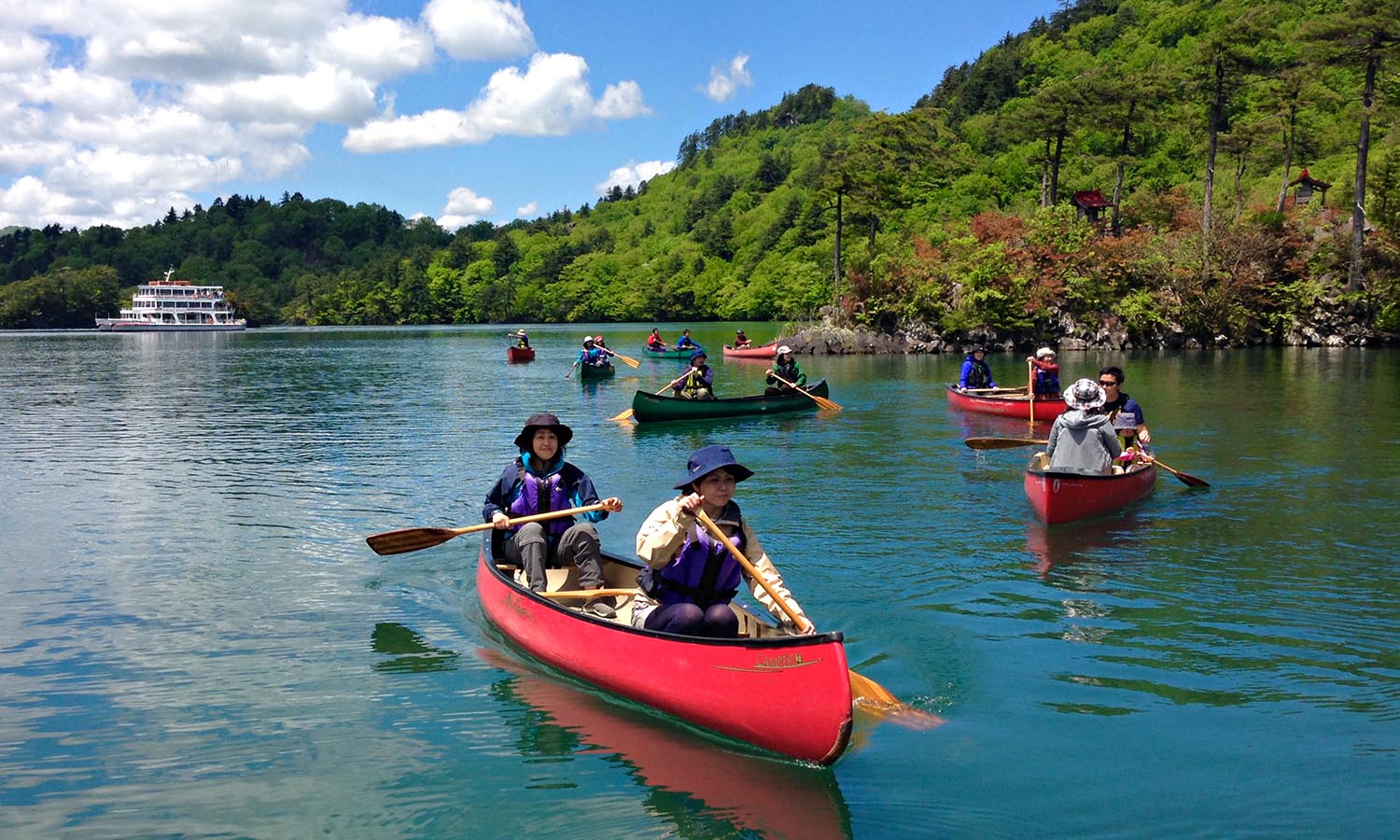
Lake Towada, and Oirase Stream are home to a variety of animals including the Asiatic black bear, Japanese serow, Japanese marten, Japanese giant flying squirrel, black salamander, and rare species of birds such as mountain hawk eagle. Lake Towada is an expansive area of great beauty and views and the best way to explore it is to hire a Canadian canoe and get paddling.
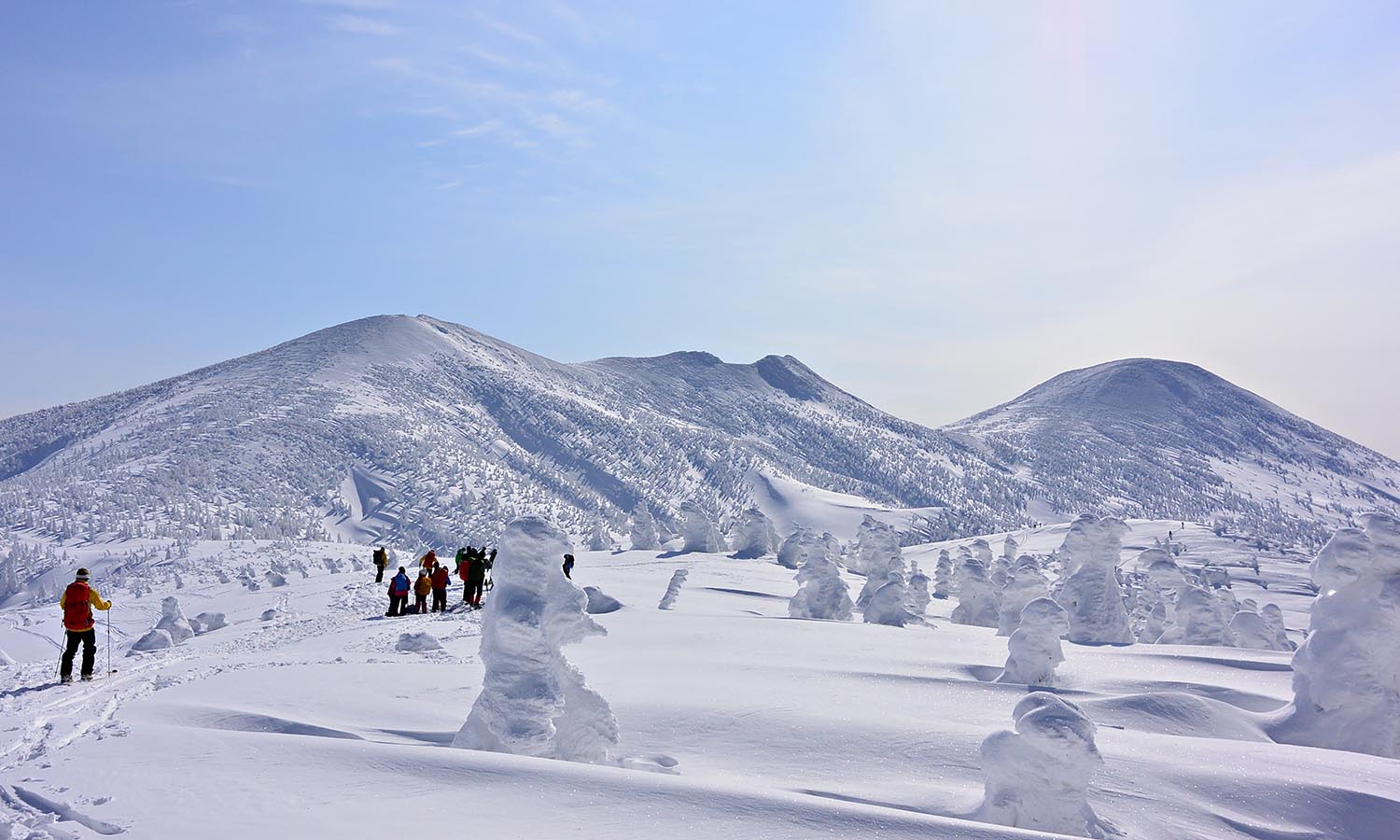
Those with energy to burn will enjoy the excellent skiing conditions at Mt. Hakkoda with powder snow from January through February and skiing conditions continue right up until early May.
Lake Tazawa at the southern end of the park, with its nearby ski lifts, hot-springs, and biking and hiking opportunities is the ideal location to burn of calories. Get active with a scenic trek or biking path and then rejuvenate in the hot springs.
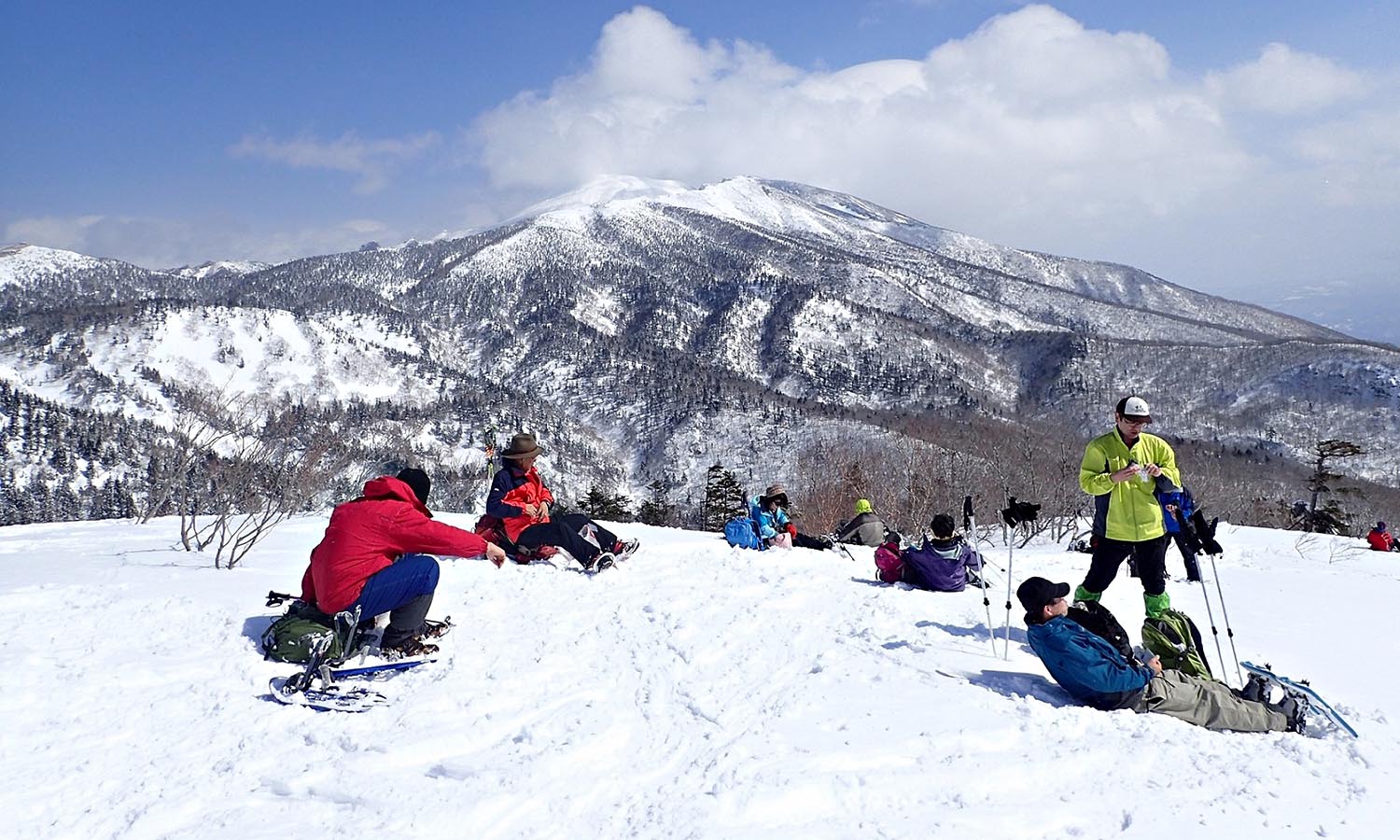
At Oirase Gorge in the winter there are illuminated icefalls and icicle fantastical scenery with a night bus tour accompanied by a local nature guide. Snowshoe trekking is also available in the beech forest of Onuma Swamp, Hachimantai and there are seven kinds of baths, including a volcanic bath and mud bath, at Goshogake Onsen.
To finish, get your hiking shoes on for Mt. Iwate, an active volcano and if you need a pit stop mid-way, Amihari Onsen, consists of five onsen spots called the“Amihari Goto”(five hot springs of Amihari). One of them, Sennyo no Yu, is a mixed-bathing outdoor bath situated in Yunosawa Valley.
 (
(