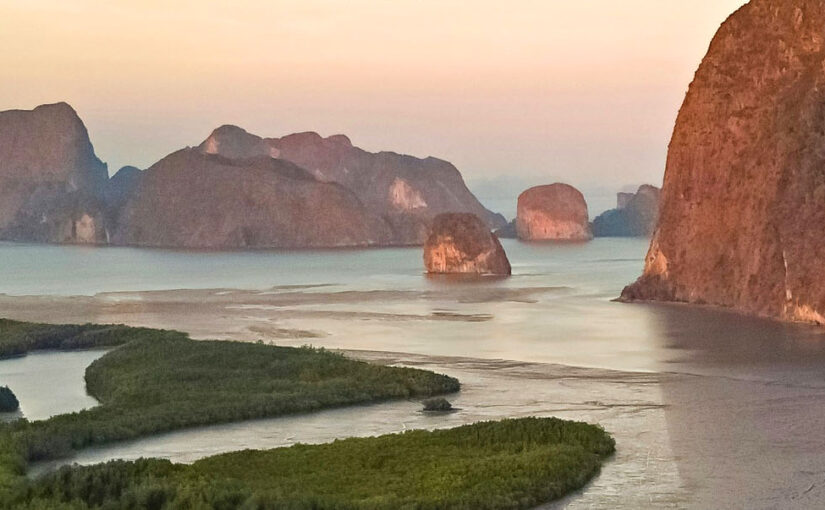
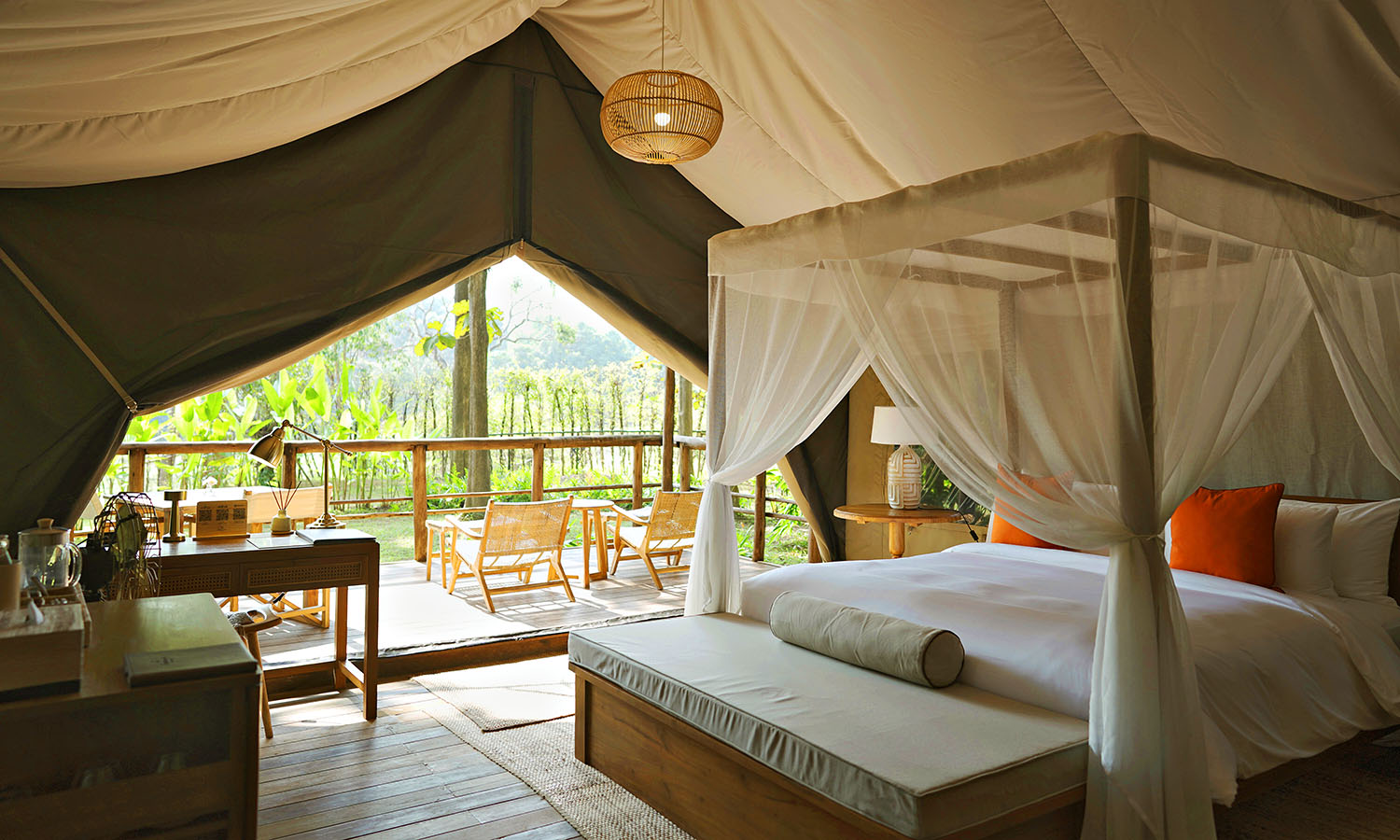
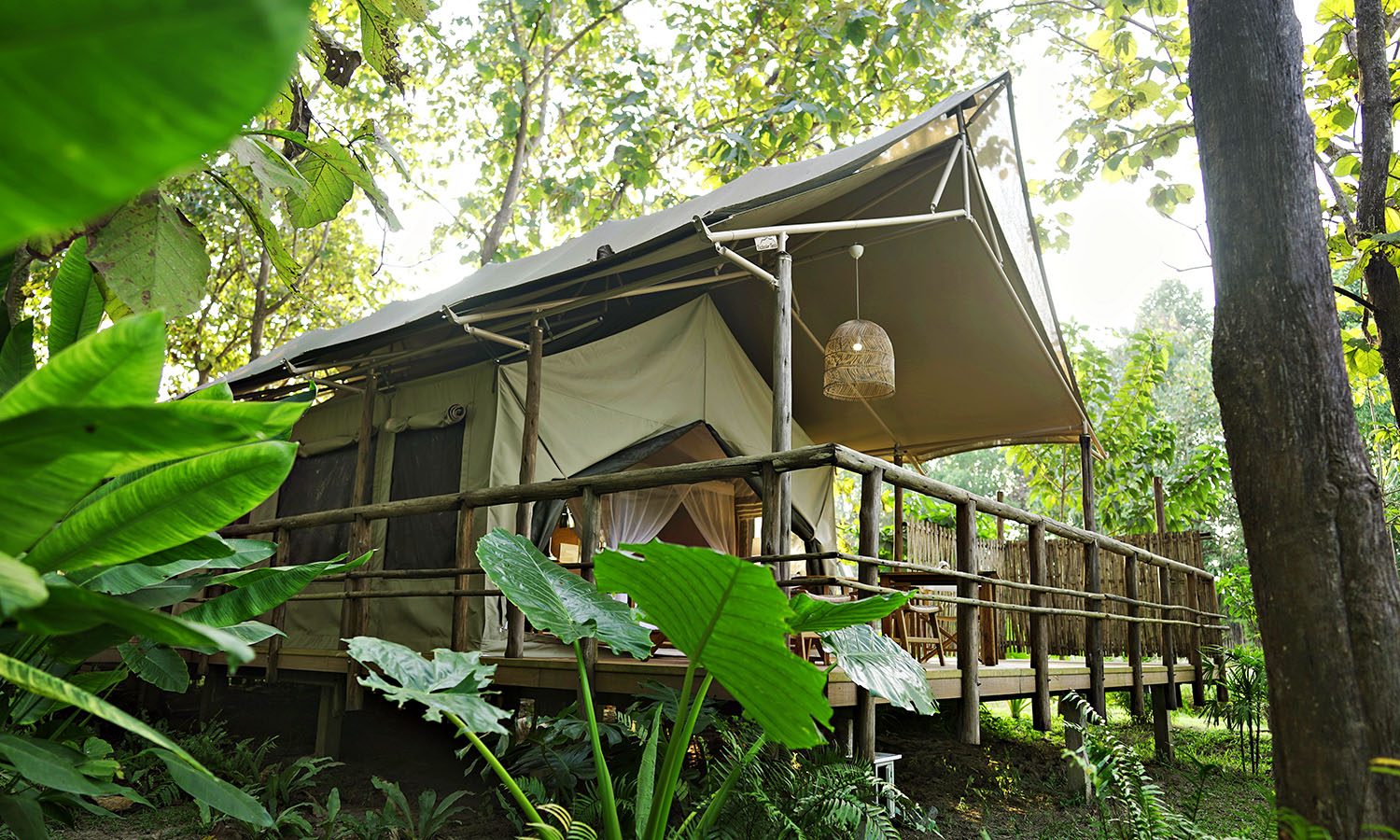
Deep in the wilds of Cambodia, where the jungle hums louder than your phone signal, Cardamom Tented Camp has just been named among the best in the world for responsible tourism.
The eco-lodge was one of only 30 finalists celebrated at the ICRT 2025 Global Responsible Tourism Awards in London, a gathering that honours the planet’s most inspiring and sustainable travel projects.
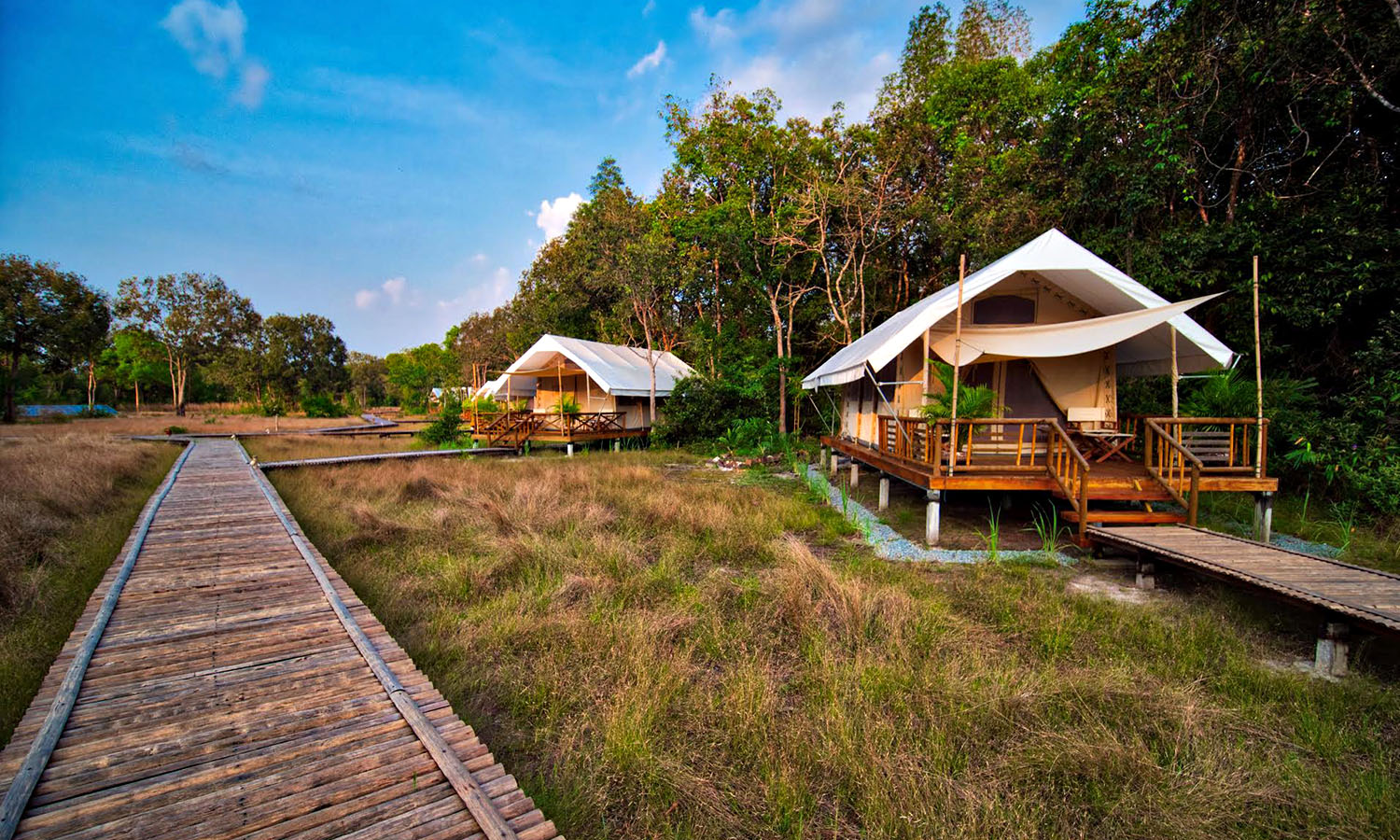
Competing in the Nature Positive category, Cardamom Tented Camp rubbed eco-shoulders with the likes of Kenya’s Emboo Safari Camp and Six Senses Laamu in the Maldives. Not bad company for a 12-tent hideaway that’s only reachable by boat (or a good old-fashioned hike).
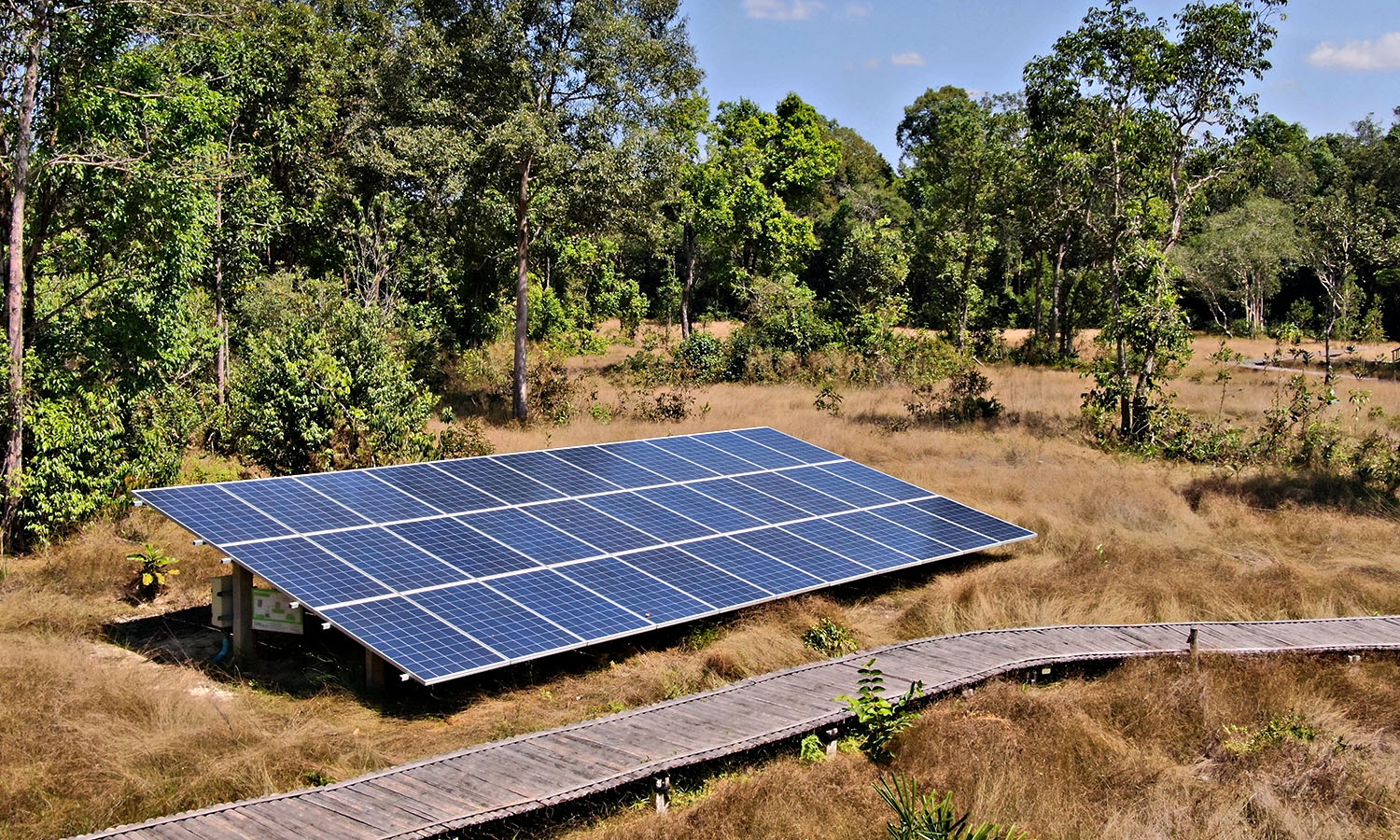
Since opening in 2017, the camp has stayed true to its mission: protect the forest, support local communities, and prove that travel can do more than feature on the ‘gram. Solar-powered everything, no road access, and a wastewater filtration system are just the start.
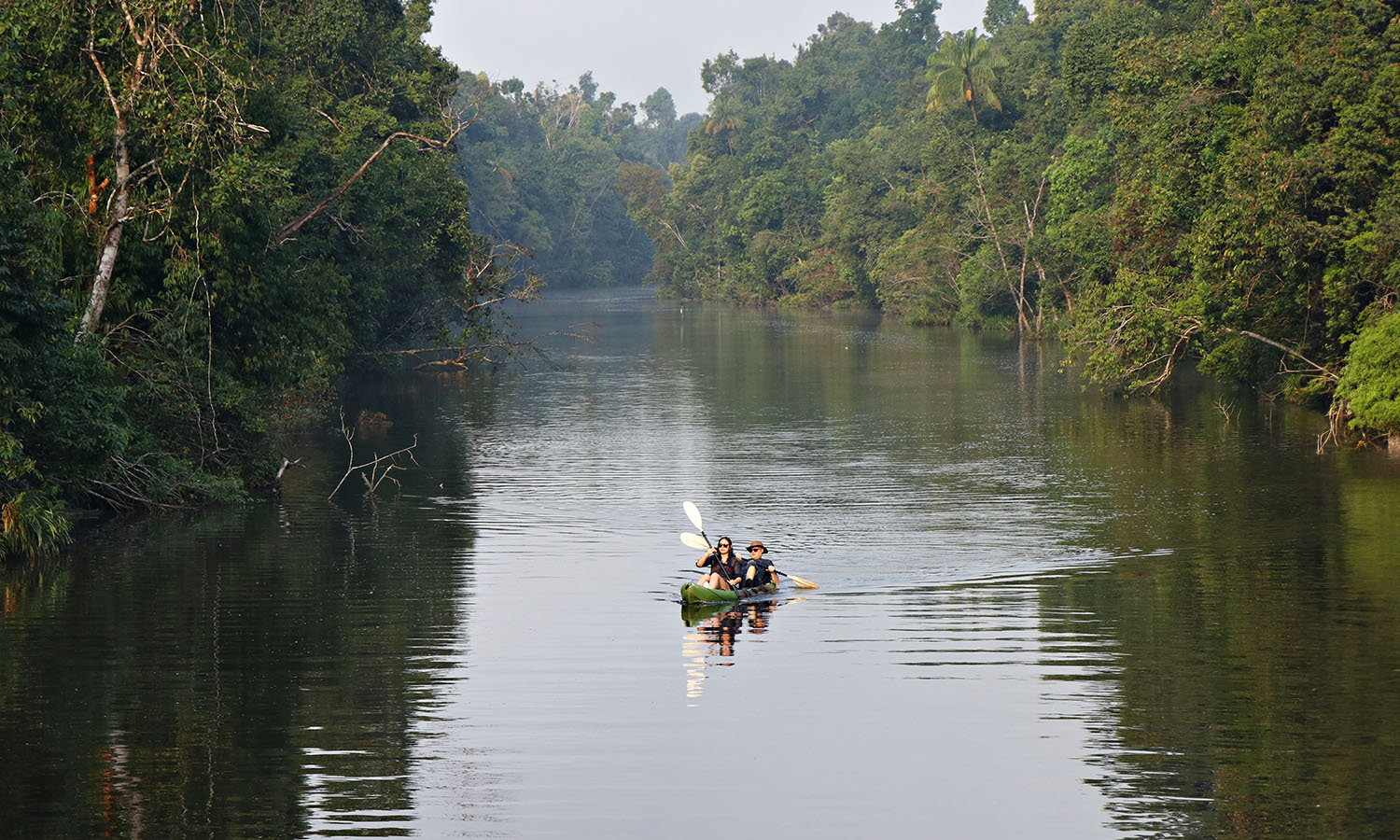
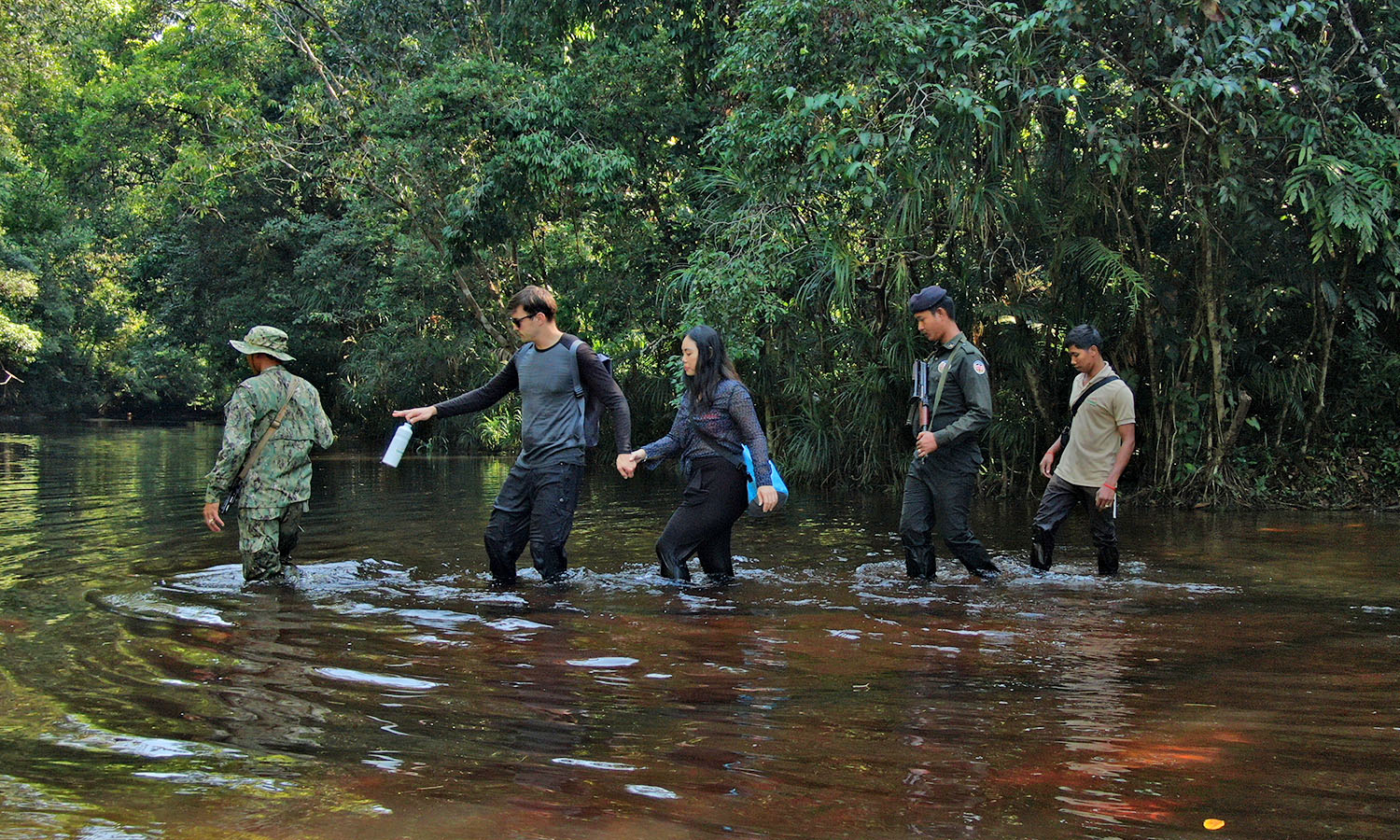
And every guest stay helps fund Wildlife Alliance patrols that keep poachers and loggers at bay, making that morning kayak through misty mangroves feel even better.
As lodge manager and conservationist Allan Michaud puts it, “We strive to deliver a genuine ecotourism experience in a setting we’re proud to protect.”
And clearly, the world agrees. Because while some places promise sustainability, Cardamom Tented Camp lives it – one wild, wonderful stay at a time.
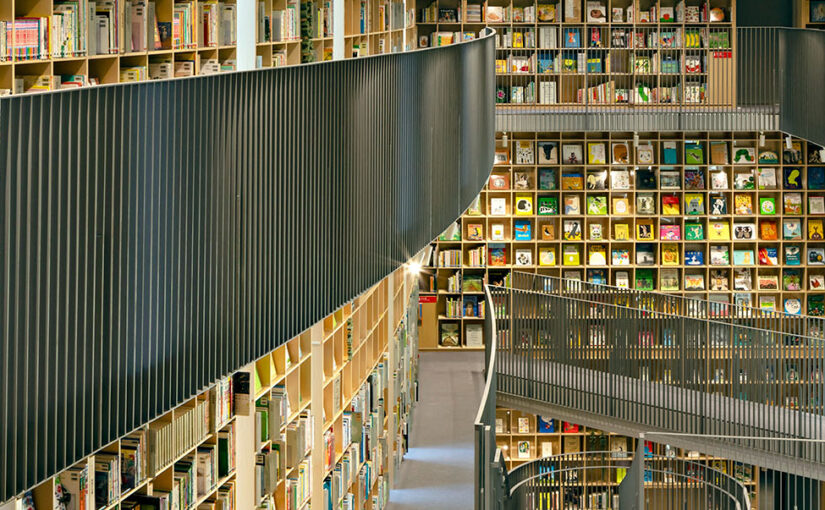
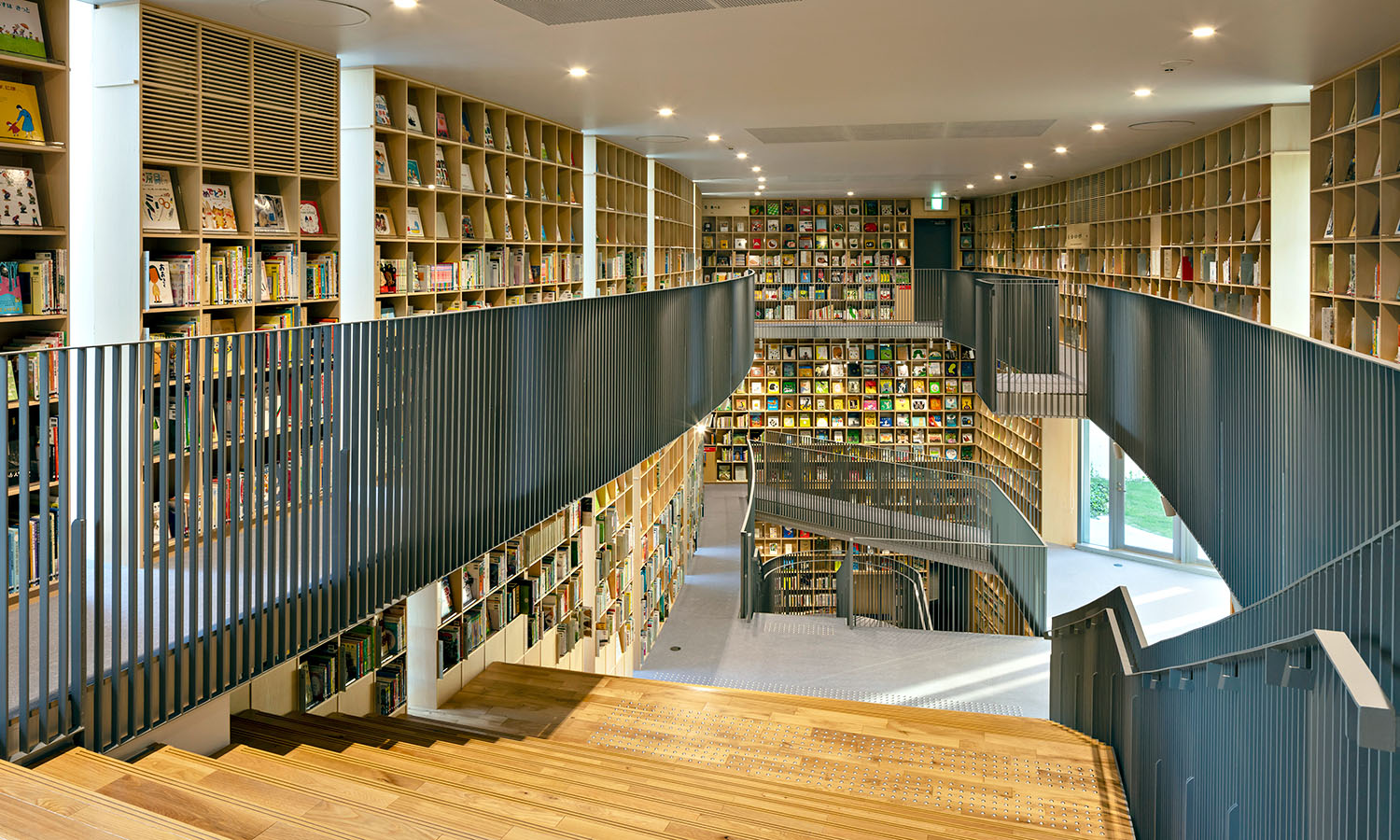
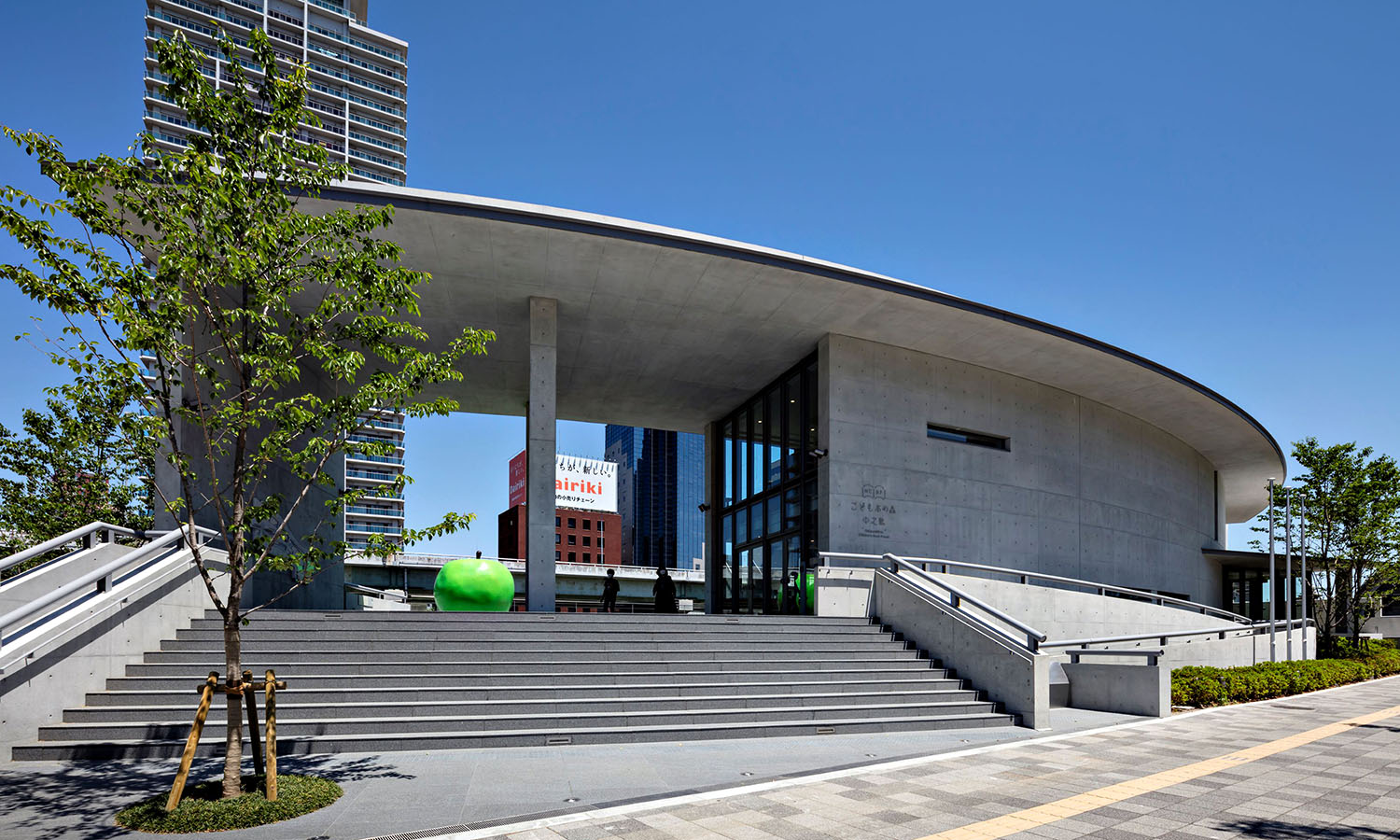
Because art appreciation should start young, local starchitect Tadao Ando created this dreamy space for kids (and nostalgic adults). The multi-level library is wrapped floor-to-ceiling in books (over 20,000 of them) themed around everything from nature to the future. You’ll need a reservation, but it’s worth it just to wander through Ando’s serene concrete world and pretend you’re eight again.
After a glow-up that took nearly two years, this long-loved museum reopened in 2024 with a slick new glass entrance and the same world-class collection of East Asian ceramics that made it famous in the first place. Over 1,000 pieces from China, Korea, and Japan sit under one roof as part of the legendary Ataka Collection gifted by the Sumitomo Group back in the day. Even if you don’t think ceramics are your thing, the craftsmanship will have you astounded.
Because art appreciation should start young, local starchitect Tadao Ando created this dreamy space for kids (and nostalgic adults). The multi-level library is wrapped floor-to-ceiling in books (over 20,000 of them) themed around everything from nature to the future. You’ll need a reservation, but it’s worth it just to wander through Ando’s serene concrete world and pretend you’re eight again.
Right across the road (because convenience is art too), The National Museum of Art is mostly underground, literally. It dives three floors beneath the surface, hiding one of Japan’s biggest contemporary collections. Think Joan Miró, Alexander Calder, Yoshihiro Suda, and a few thousand other big names, all tucked away under Osaka’s concrete jungle.
After a glow-up that took nearly two years, this long-loved museum reopened in 2024 with a slick new glass entrance and the same world-class collection of East Asian ceramics that made it famous in the first place. Over 1,000 pieces from China, Korea, and Japan sit under one roof as part of the legendary Ataka Collection gifted by the Sumitomo Group back in the day. Even if you don’t think ceramics are your thing, the craftsmanship will have you astounded.
Because art appreciation should start young, local starchitect Tadao Ando created this dreamy space for kids (and nostalgic adults). The multi-level library is wrapped floor-to-ceiling in books (over 20,000 of them) themed around everything from nature to the future. You’ll need a reservation, but it’s worth it just to wander through Ando’s serene concrete world and pretend you’re eight again.
Once known mostly for takoyaki, neon, and a healthy disregard for subtlety, Osaka’s quietly built itself a serious art cred. Nowhere is that more obvious than Nakanoshima, a skinny sliver of island wedged between the Tosabori and Dojima rivers.
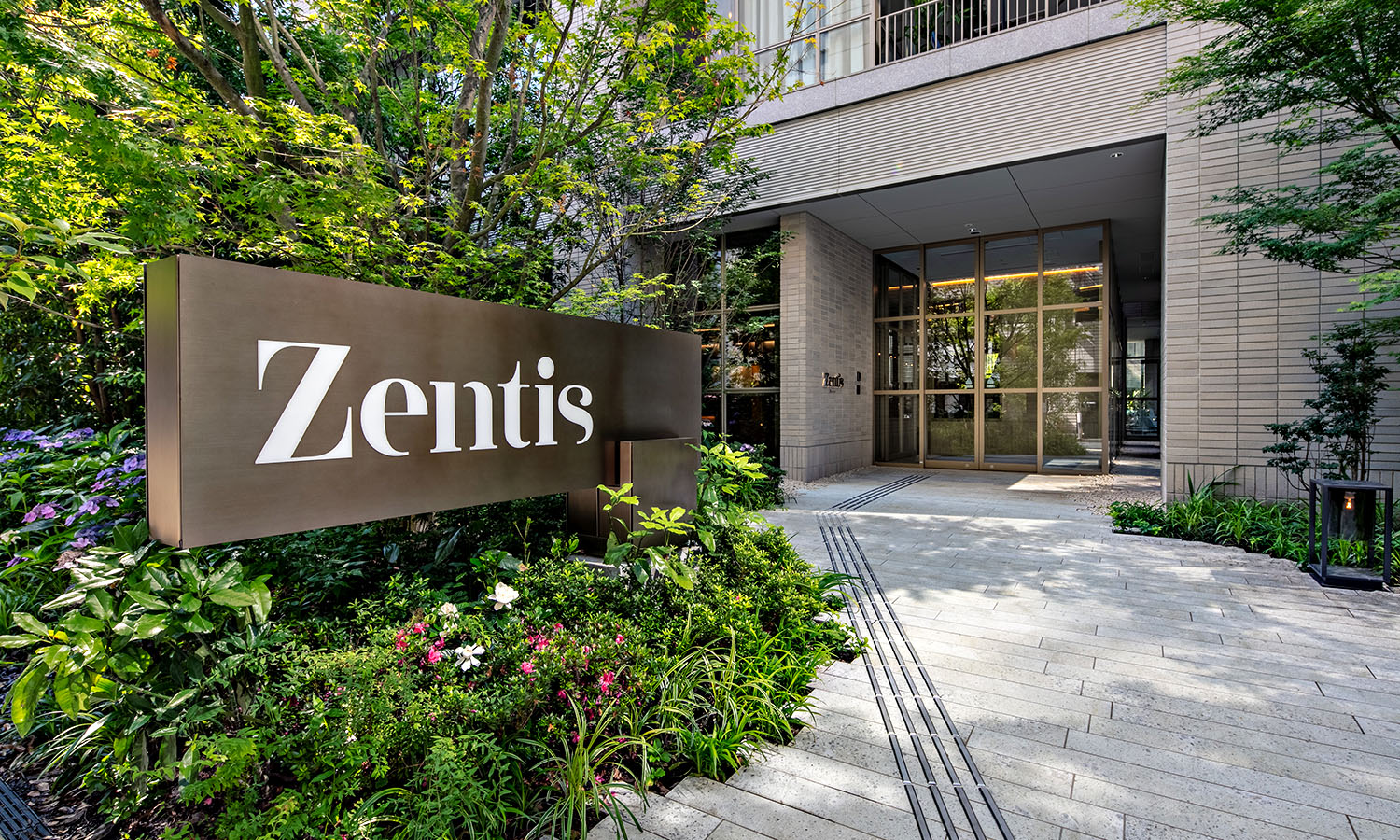
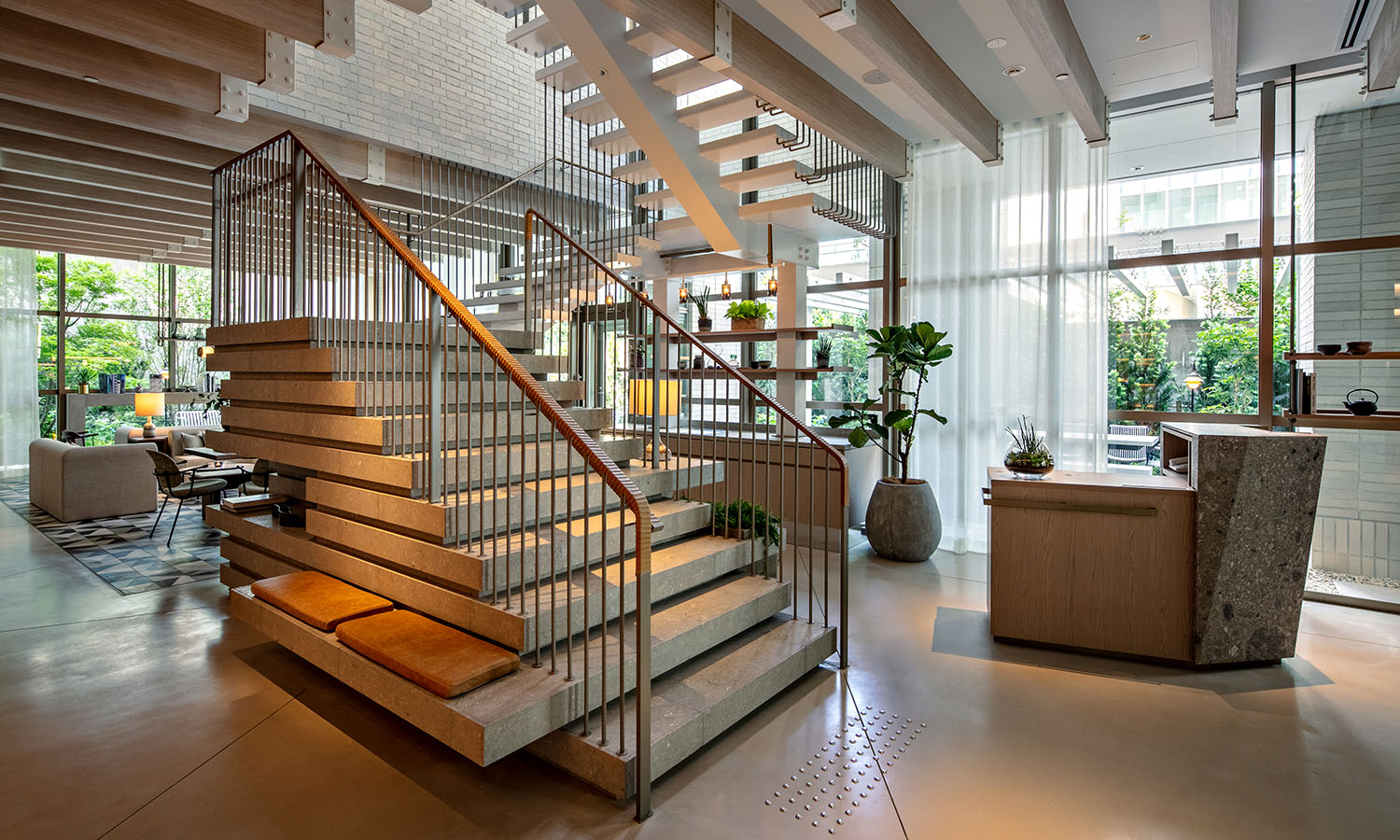
Once full of offices and government buildings, it’s now morphing into the city’s cultural heart – a three-kilometre stretch of sleek museums, design spaces, and arty haunts. Base yourself at Zentis Osaka, the city’s only Design Hotels member and a destination in its own right. Its interiors were dreamt up by British designer Tara Bernerd, who’s also behind swanky spots like SIXTY SoHo in New York and The Hari hotels in London and Hong Kong. The look? Polished, tactile, and cool without trying too hard which is basically how you’ll feel after a night here.
Here’s the 4 museums the Zentis crew sends their art-loving guests:
1. Nakanoshima Museum of Art, Osaka
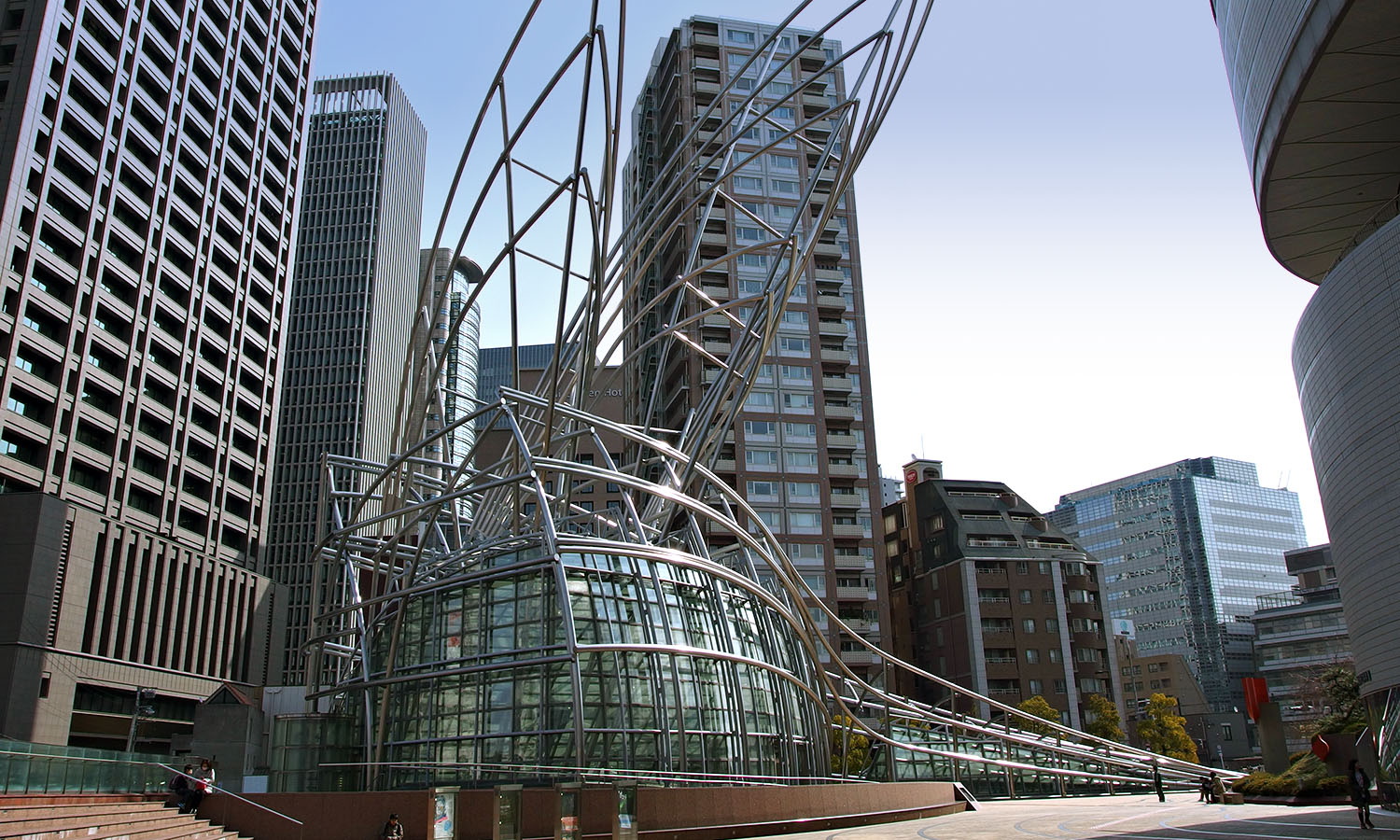
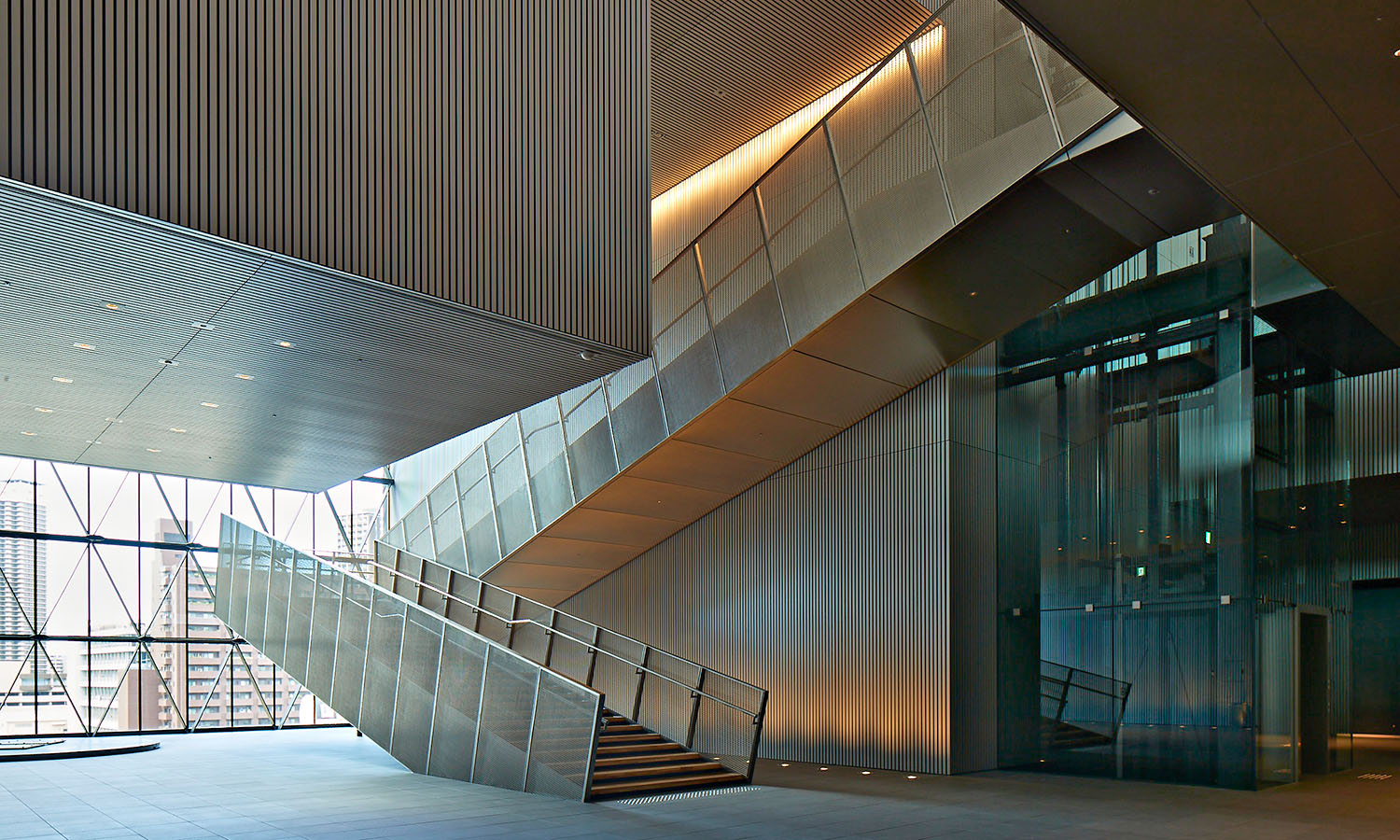
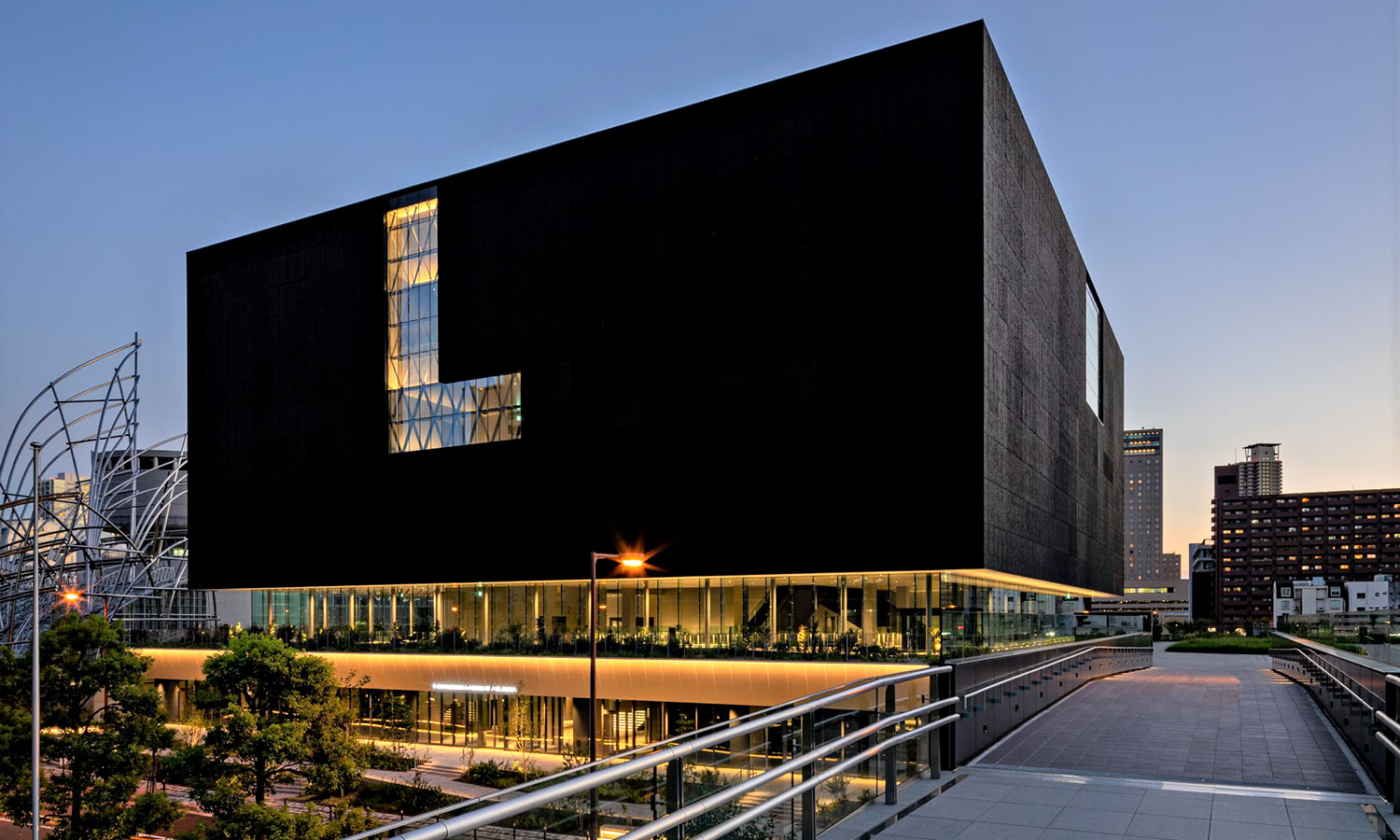
Thirty years in the making, this black cube of a museum finally opened in 2022. And it was absolutely worth the wait. Inside, it’s all brushed steel, polished concrete, and over 6,000 works covering everything from 19th-century Japan to today’s global scene. Keep an eye out for pieces by local legend Yuzo Saeki, a Modigliani nude, and rotating exhibitions that give Osaka’s creative pulse the attention it deserves.
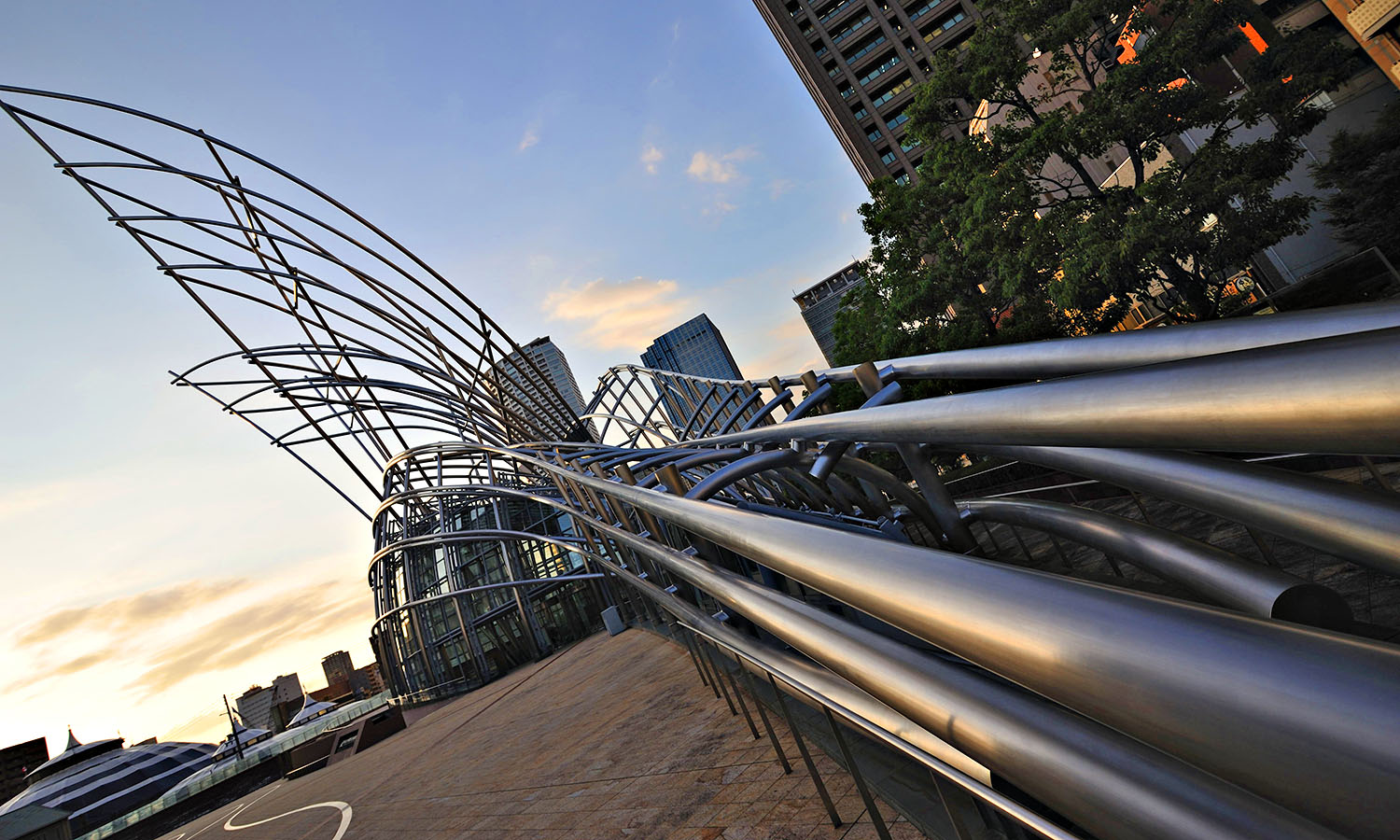
Right across the road (because convenience is art too), The National Museum of Art is mostly underground, literally. It dives three floors beneath the surface, hiding one of Japan’s biggest contemporary collections. Think Joan Miró, Alexander Calder, Yoshihiro Suda, and a few thousand other big names, all tucked away under Osaka’s concrete jungle.
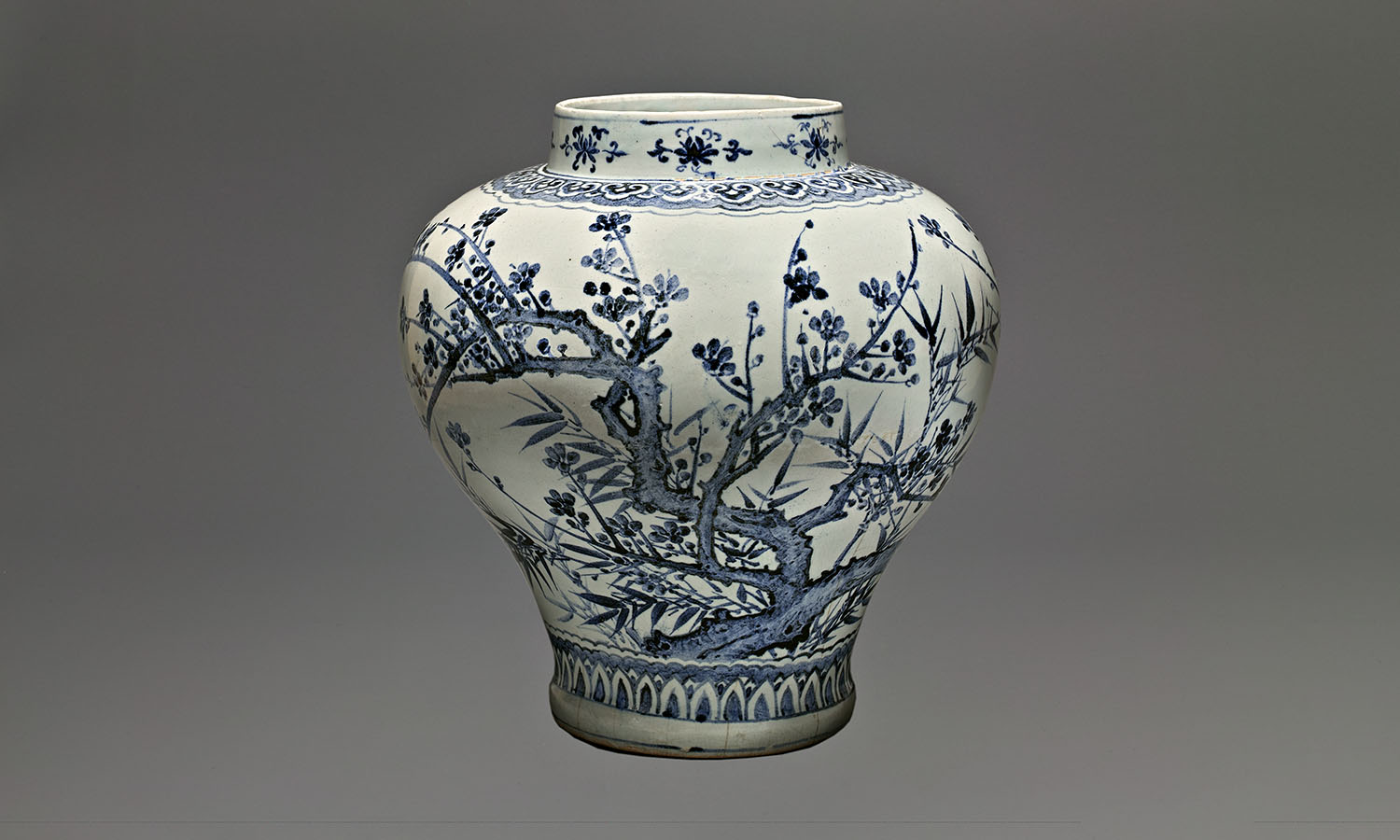
After a glow-up that took nearly two years, this long-loved museum reopened in 2024 with a slick new glass entrance and the same world-class collection of East Asian ceramics that made it famous in the first place. Over 1,000 pieces from China, Korea, and Japan sit under one roof as part of the legendary Ataka Collection gifted by the Sumitomo Group back in the day. Even if you don’t think ceramics are your thing, the craftsmanship will have you astounded.
Because art appreciation should start young, local starchitect Tadao Ando created this dreamy space for kids (and nostalgic adults). The multi-level library is wrapped floor-to-ceiling in books (over 20,000 of them) themed around everything from nature to the future. You’ll need a reservation, but it’s worth it just to wander through Ando’s serene concrete world and pretend you’re eight again.
If 2026 is the year you want to finally hit the slopes then the Ikon Pass has your back – or rather, your skis, snowboard, and questionable decision-making skills.
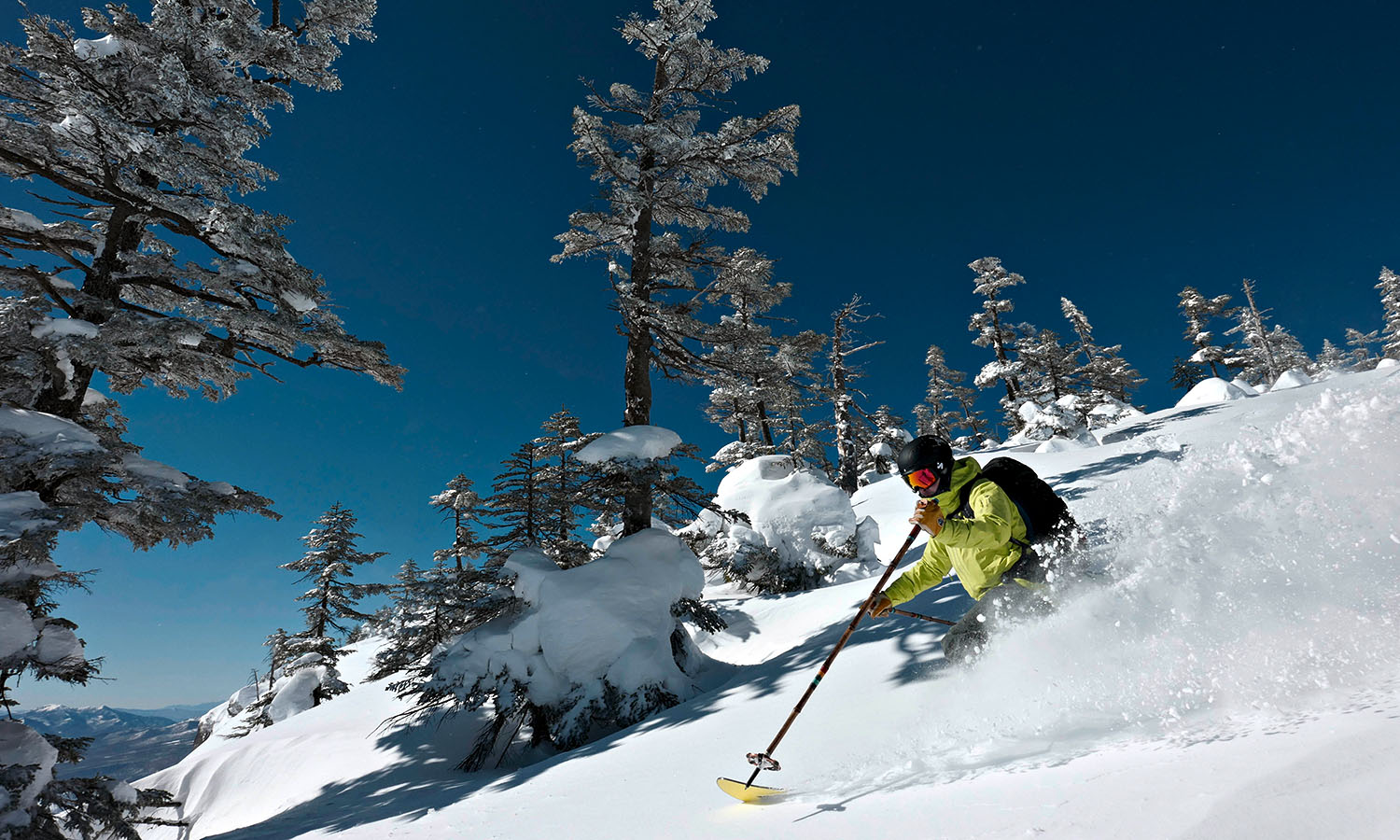
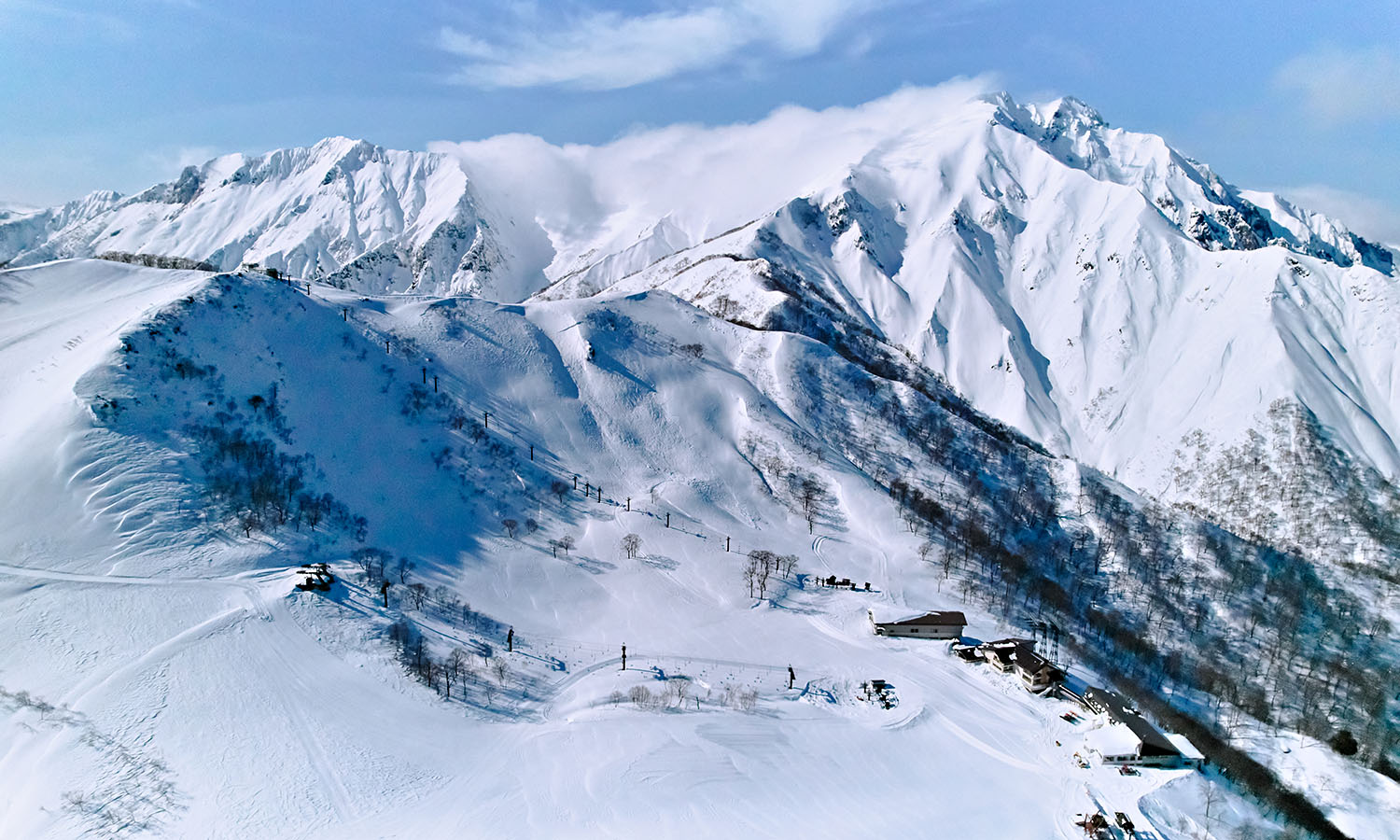
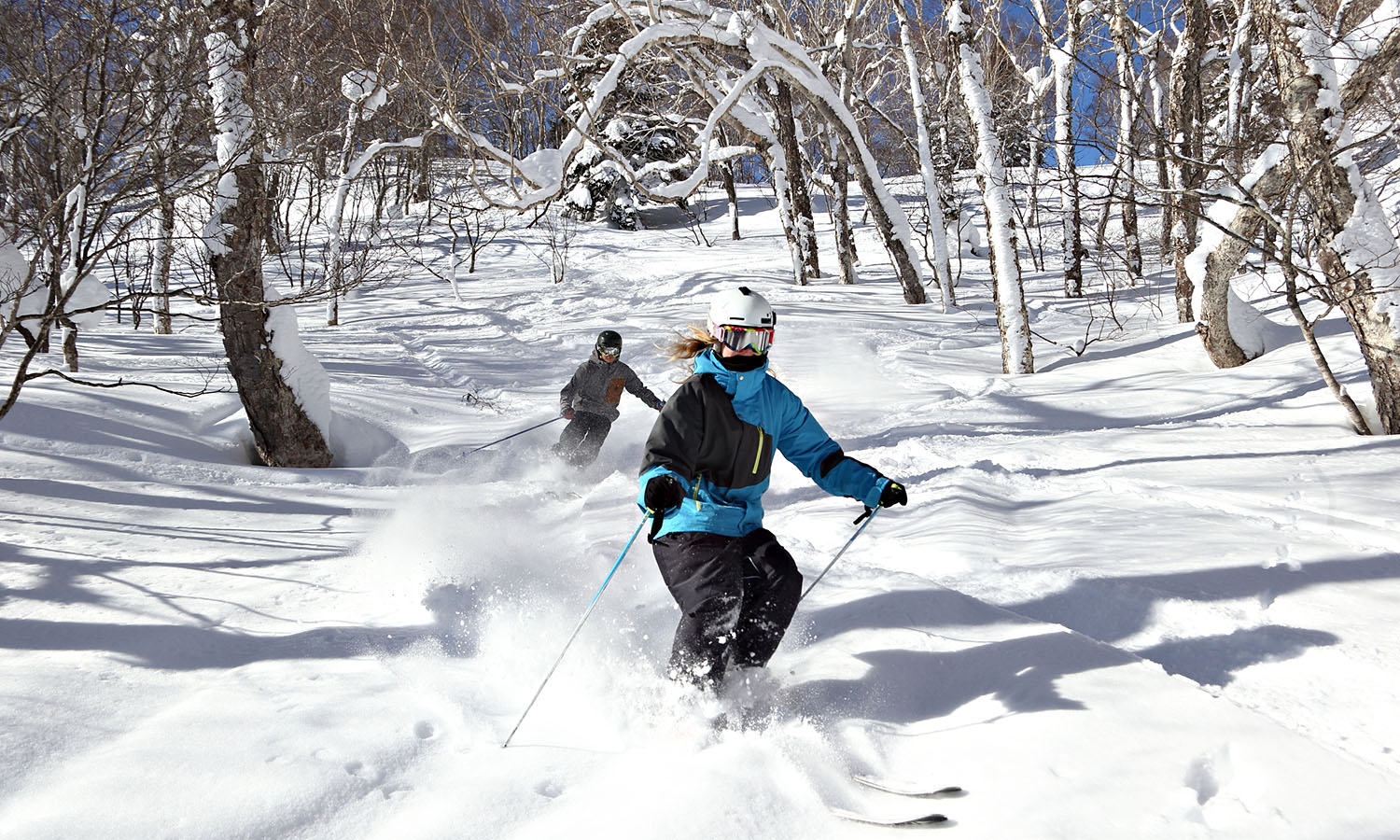
This winter, Ikon is going big in Asia, adding nine new destinations across Japan, China, and South Korea. That’s right. From the powdery peaks of Niseko and Shiga Kogen to the Olympic-ready slopes of Yunding Snow Park and Mona Yongpyong, you can rack up to 77 days of skiing and riding without ever leaving the continent.
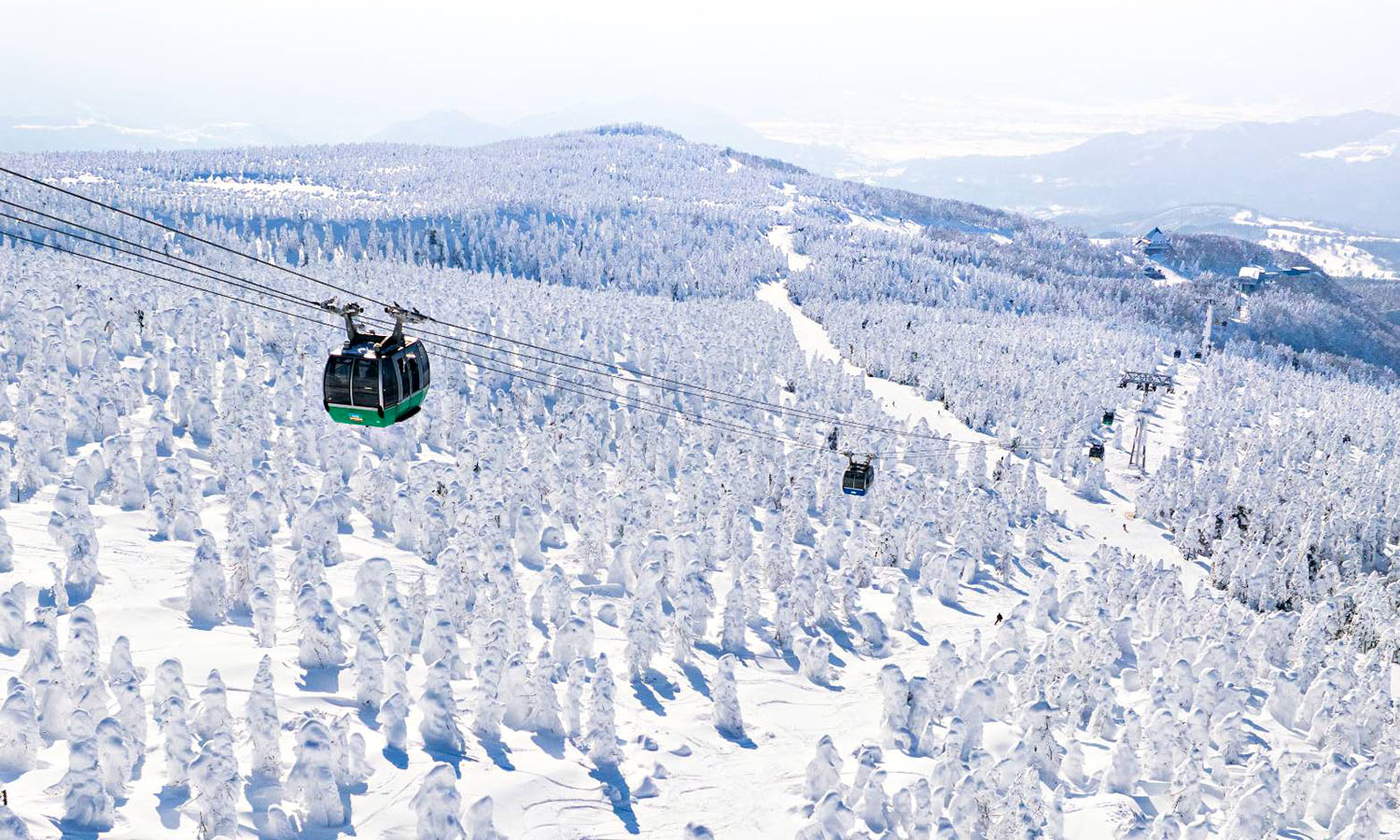
Japan alone now reads like a greatest-hits tour: Myoko Suginohara for long, sweeping runs two hours from Tokyo, Furano for bonkers “Bonchi Powder,” Mt.T for a bucket-list faceplant into 15 metres of deep snow, and Zao Onsen for skiing among literal snow monsters before soaking in a steaming onsen. NEKOMA, APPI, Shiga Kogen, it’s like someone said, “Let’s make Asia the ultimate ski playground,” and then actually did it.
Meanwhile, China and South Korea are throwing their hats in the ring with Olympic-level infrastructure, sunlit slopes, and enough halfpipes to make Shaun White nod approvingly.
Access is straightforward: Ikon Pass holders get 7 days at Shiga Kogen plus 7 at each new Asian destination, no blackout dates, and Base Pass holders get 5 days each. Session Pass? Sorry, you can sit this one out.
Perfect for those whose 2026 resolution involves powder and a whole lotta adventure, the Ikon Pass is basically a free pass to Asia’s snowiest destinations.
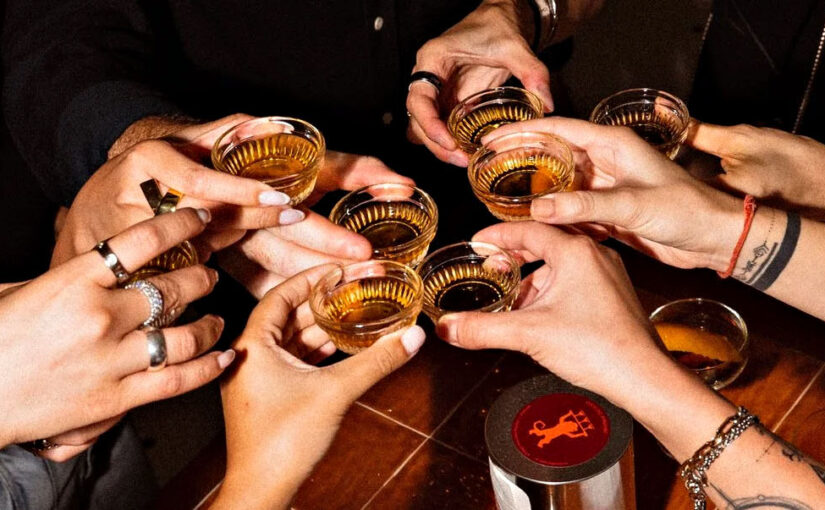
When Bar Leone in Hong Kong was crowned The World’s Best Bar 2025 by The World’s 50 Best Bars, it wasn’t a surprise so much as a long-overdue moment.
Born in mid-2023 out of the restless mind of Lorenzo Antinori (yes, the Roman-born mixologist who’s been around enough global bars to know what sticks), Bar Leone feels like the neighbourhood spot you’ve been looking for, even if you didn’t know you were looking.
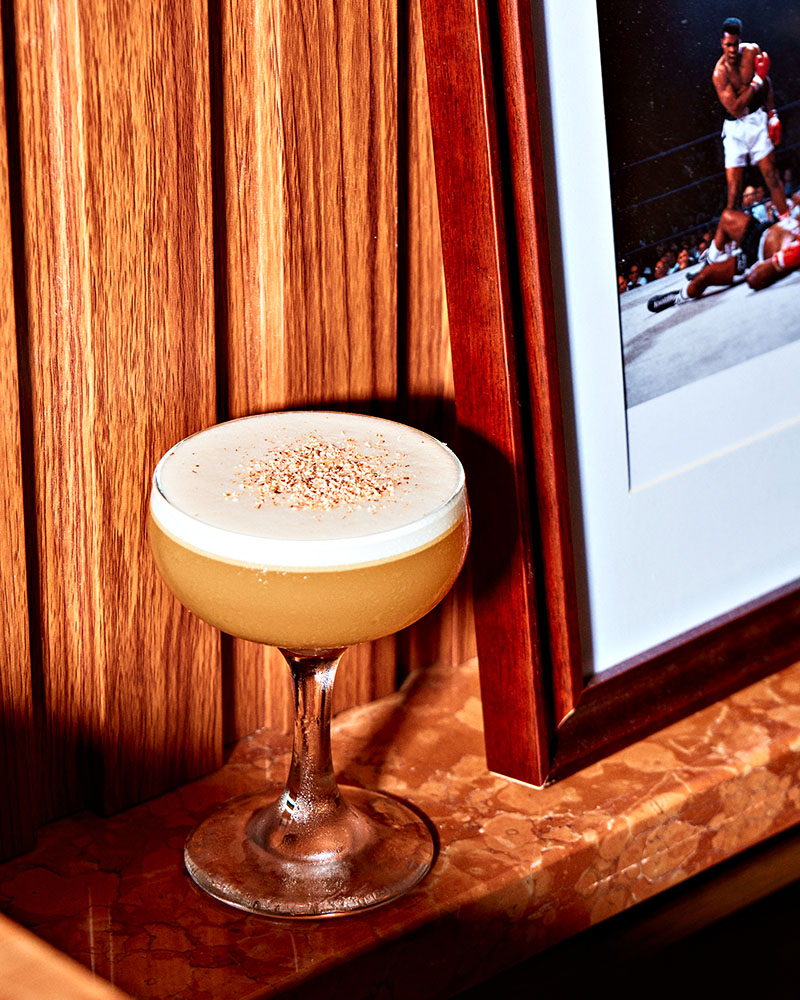
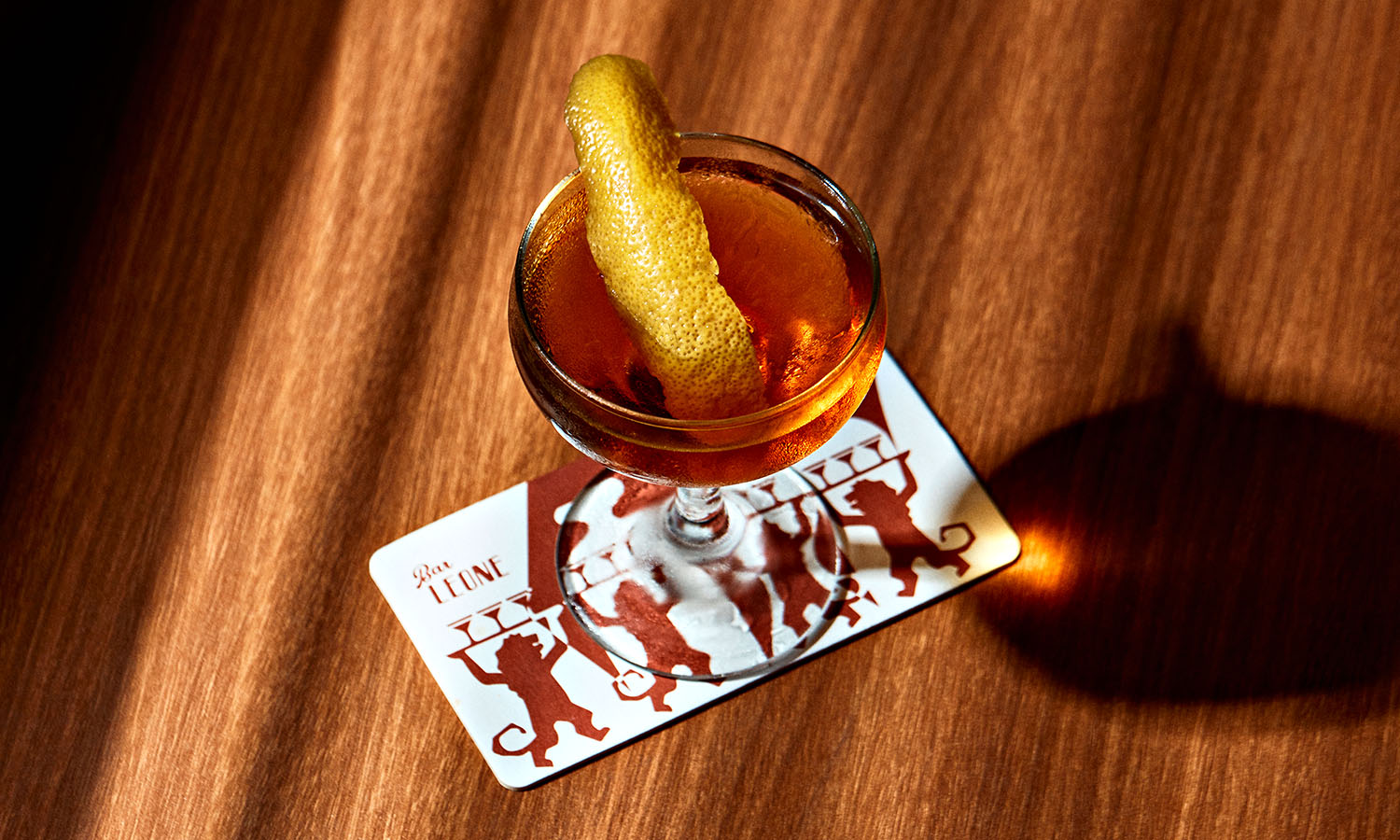
What makes Bar Leone special isn’t just its trophy shelf. Its secret is that it does little things very well. The “cocktail popolari” ethos – cocktails for the people – is no marketing fluff. Classics are treated like old friends, with little playful tweaks (hello, King Kong Negroni) that brighten without overwriting character.
And when you’re feeling a little peckish, the food is completely hunger-destroying. Try the Mortadella sandwich and smoked olives, they’re simple, satisfying, and perfectly paired together.
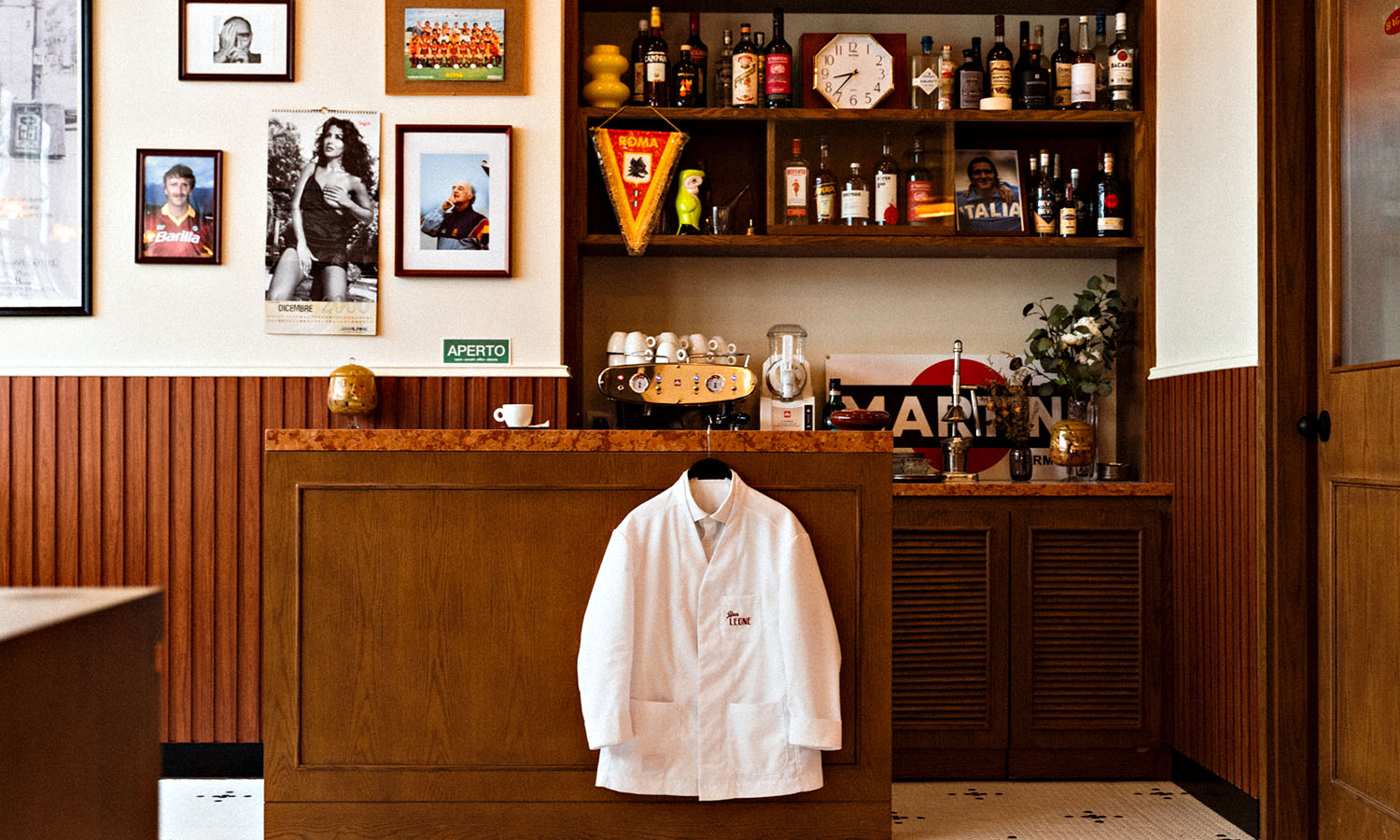
Then there’s the vibe: warm, unpretentious, dim-enough mood lighting, art on the walls (Roman ephemera, framed football memorabilia, vintage prints), wood panels, and booths that encourage leaning in. Studio TK’s interiors walk that balance between nostalgic and fresh, familiar and quietly surprising.
Of course, awards don’t make a great bar, the people do. Bar Leone seems to understand that. It acts like a place you drop into with friends, a place you linger.
Its ascendancy to the top feels like a reminder: you don’t always need to reinvent the cocktail. Sometimes, you just need the right spirit, the right company, and a good mortadella sandwich.
Forget Kyoto’s crowds and Osaka’s neon, this is where Japan really breathes.
I’ll be honest, when the idea of a famil trip to the Kii Peninsula floated into my inbox, I had to do a quick Google search. I knew Kyoto with its temples, Osaka with its food and neon, even Nara with its cheeky deer. But to me, the Kii Peninsula sounded like something you’d order at an izakaya after three too many sakes.
Turns out, it’s an entire swathe of Japan jutting out into the Pacific, south of all the usual tourist suspects, and it’s got enough natural beauty and cultural quirks to keep you busy for weeks. And the best part is that hardly anyone bothers to go there (for now).
While the temples of Kyoto heave under selfie sticks and Osaka feels like it’s running on permanent high volume, the Kii Peninsula is a deep breath you didn’t know you needed. And it’s the sort of place where you can have some of Japan’s most memorable experiences without being elbowed out of the way by a tour group in matching hats.
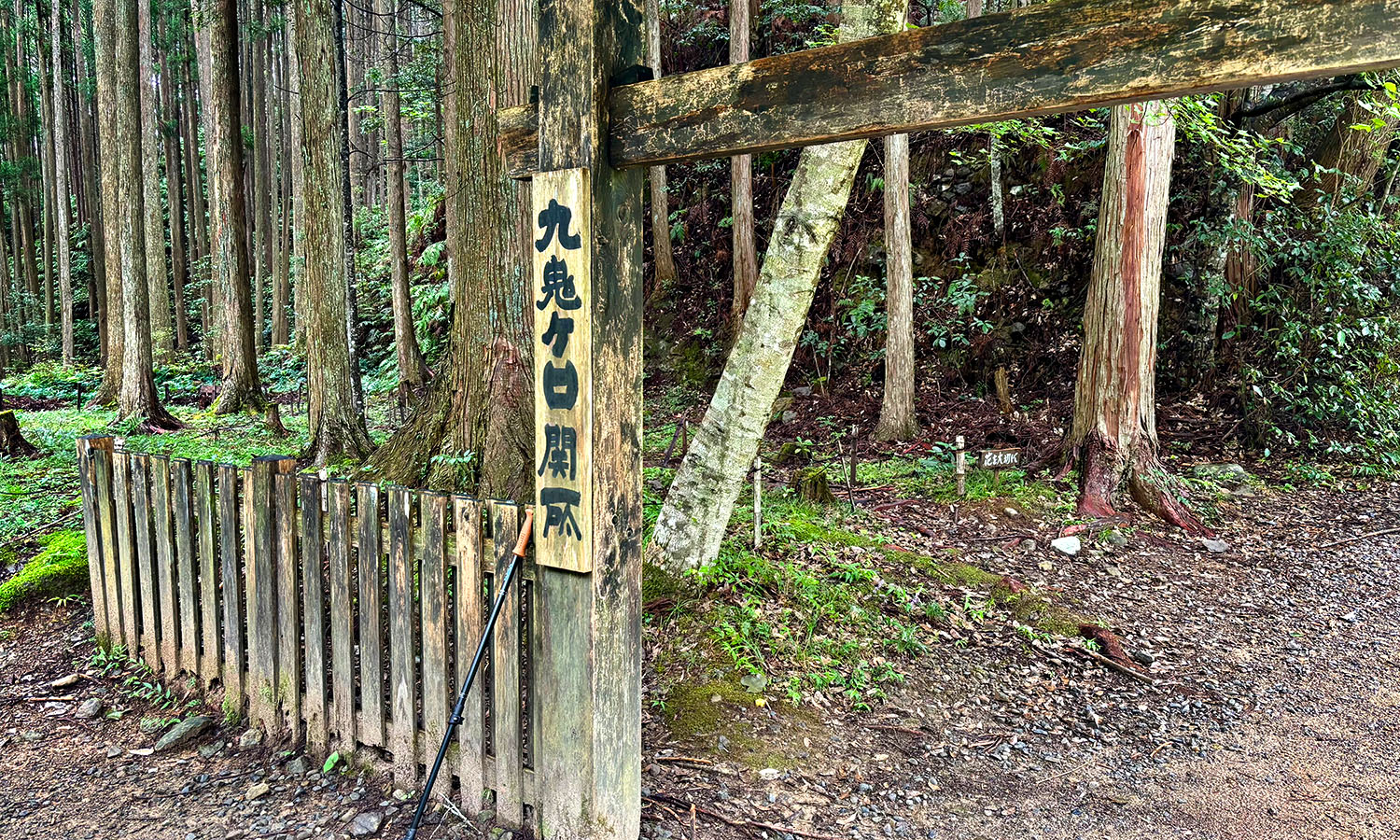
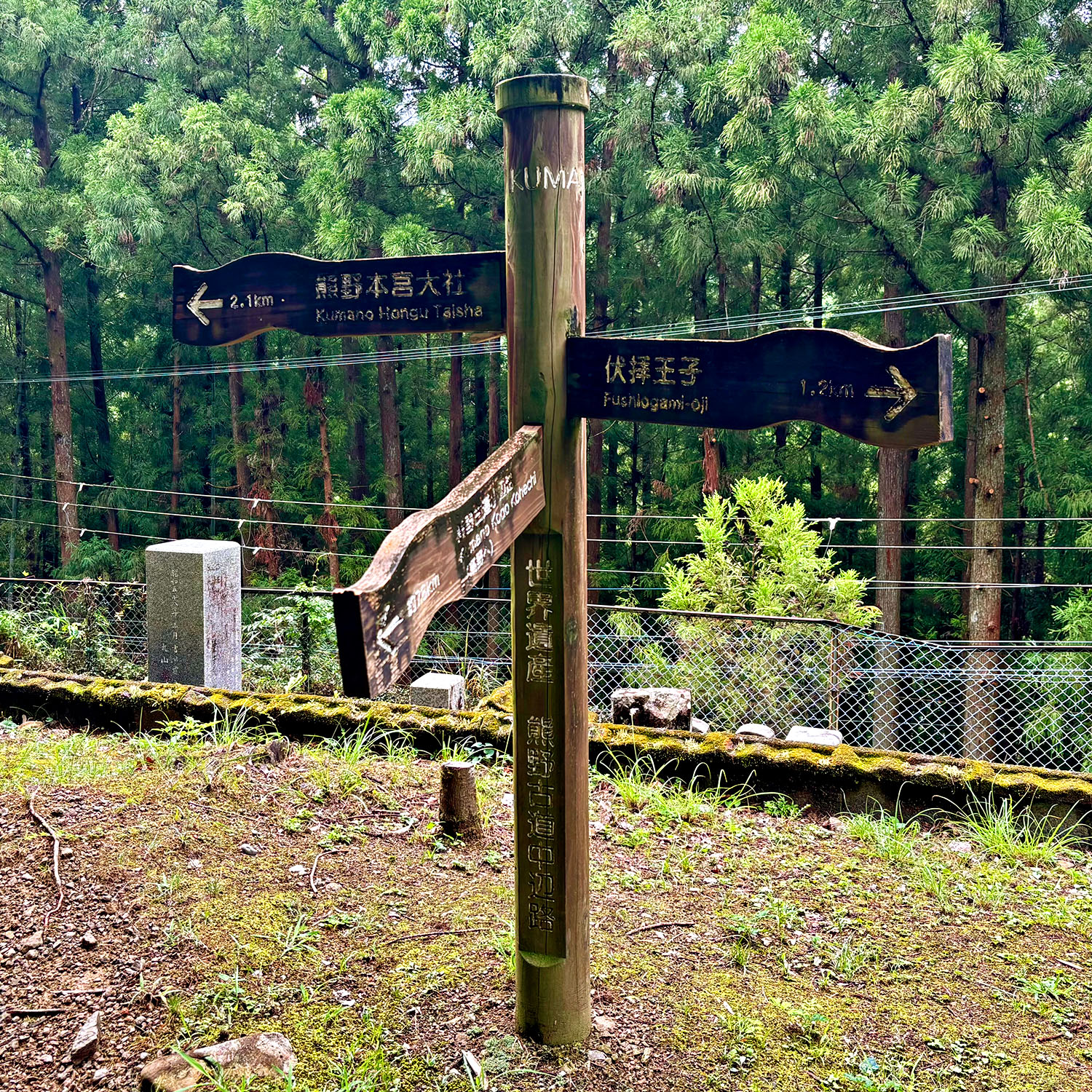
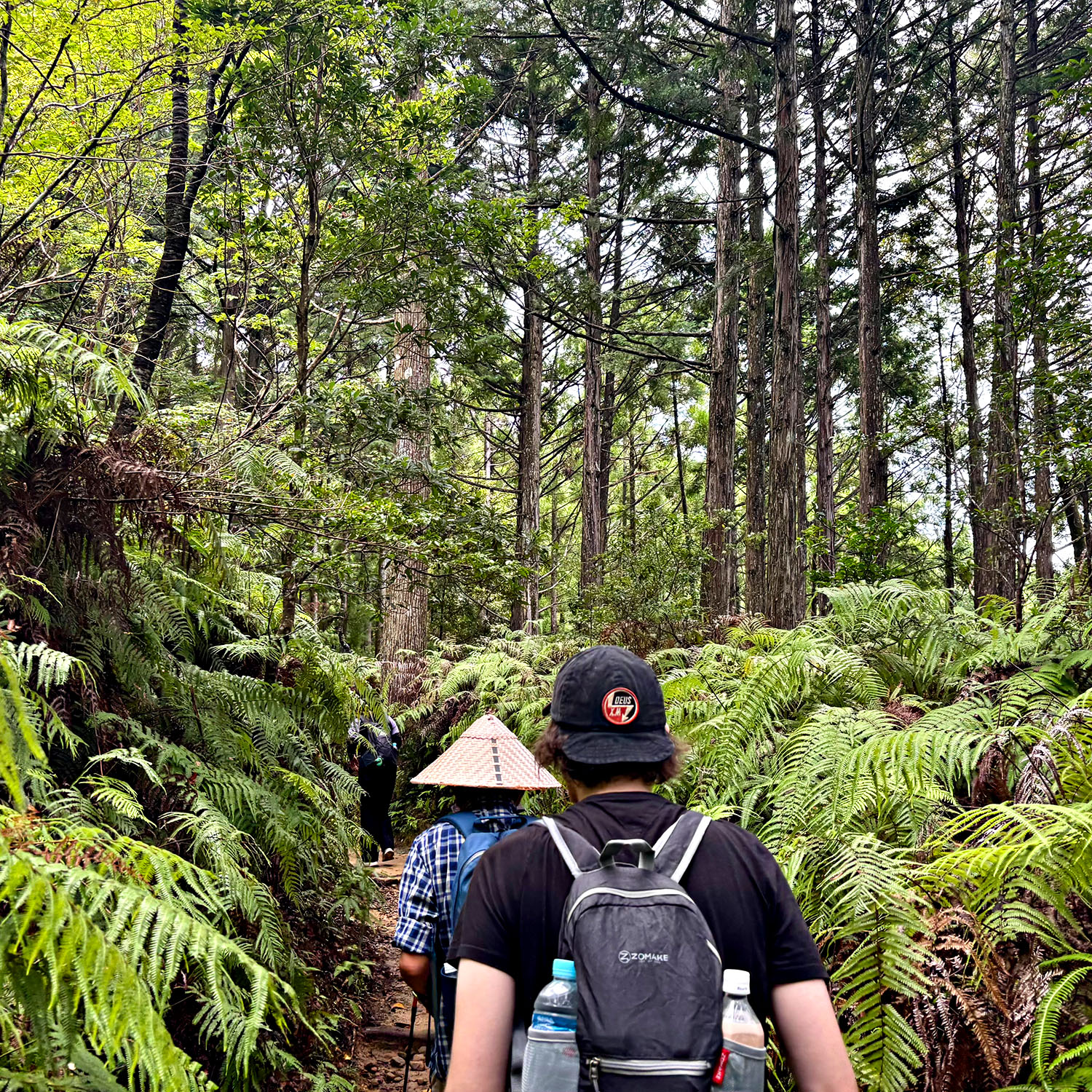
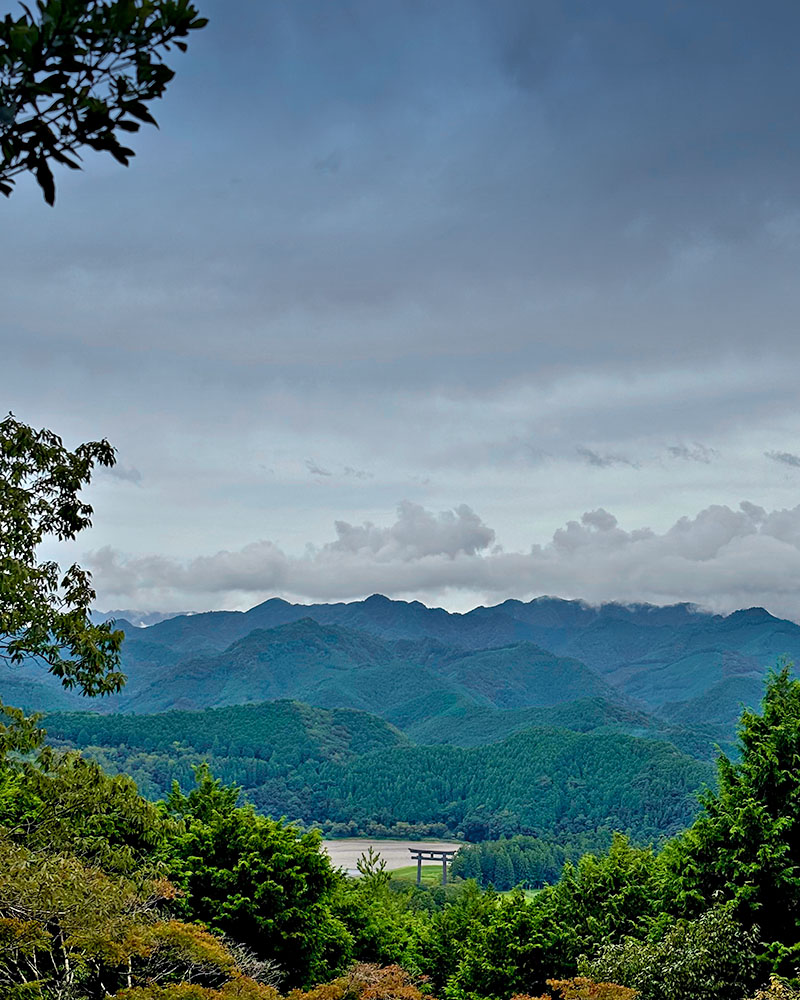
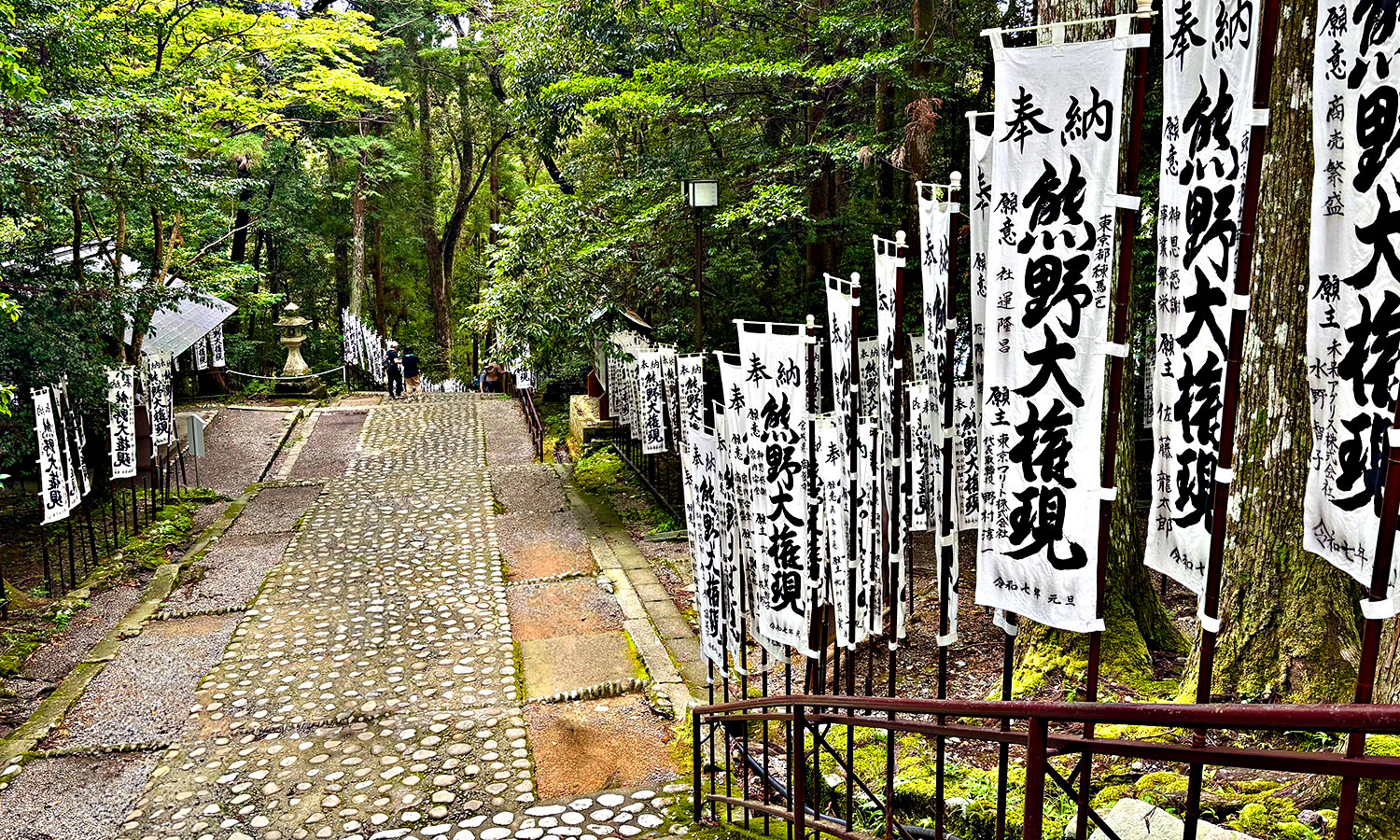
My initiation came on the Kumano Kodo, the network of ancient pilgrimage trails that crisscross the peninsula. These routes have been walked for more than a thousand years by emperors, priests, and people with much better stamina than me. My group of fellow travel writers joined a section of the trail, winding up through cedar forests that were as old as they looked, the air sharp with the smell of moss and earth.
Walking the Kumano Kodo is tough on the ol’ legs and lungs, but it’s not just about the exercise. It’s about slipping into a slower rhythm, the kind where you can hear the crunch of your own footsteps and notice the way the light changes between the trees. We barely broke the trail’s surface, but around 30 minutes in, I realised I hadn’t spared a single thought for the emails I knew were piling up, for deadlines, or for life admin. It was so peaceful, almost as if you could feel the heaviness of the trail’s history with each step. Not enough to overwhelm you, but enough to remind you of the sacredness of the route.
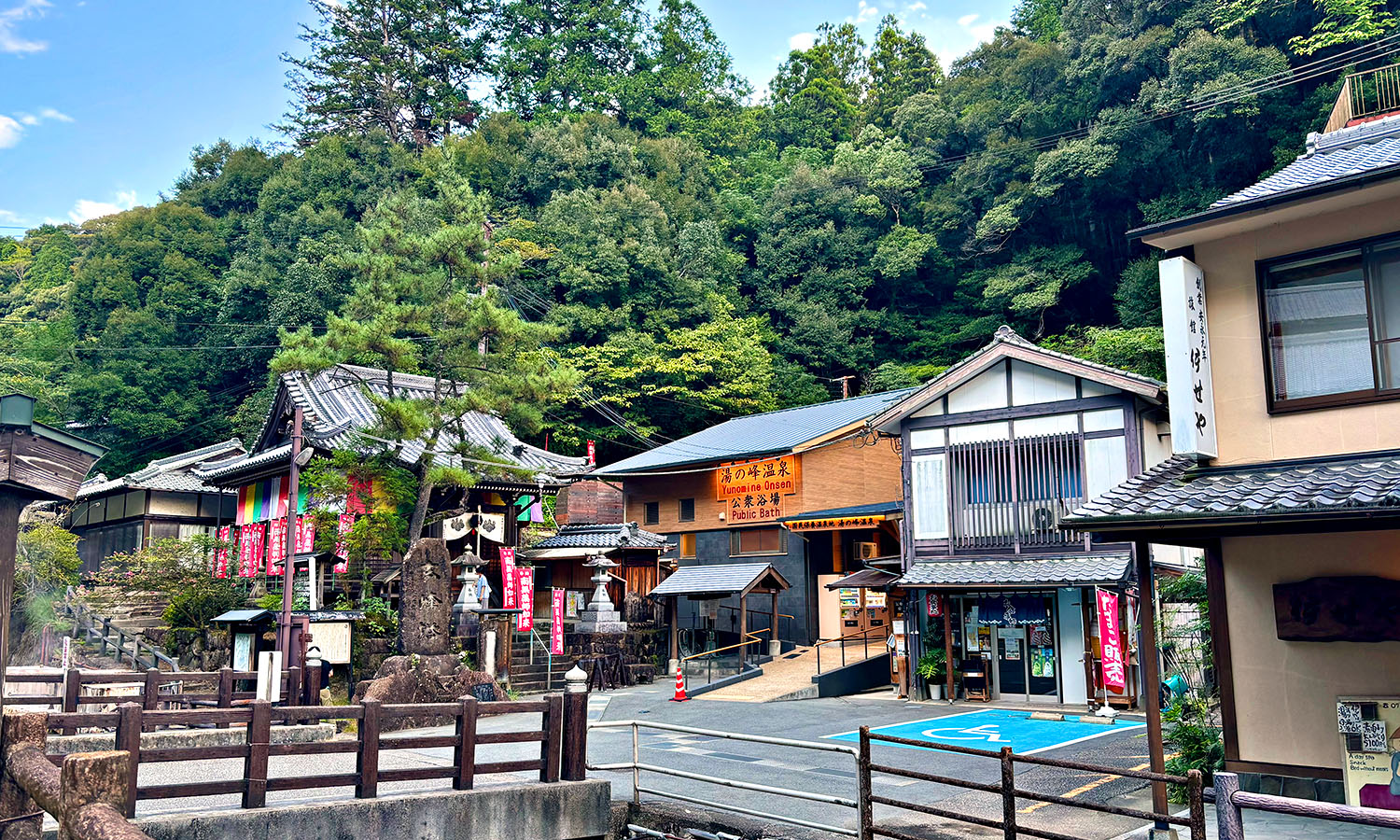
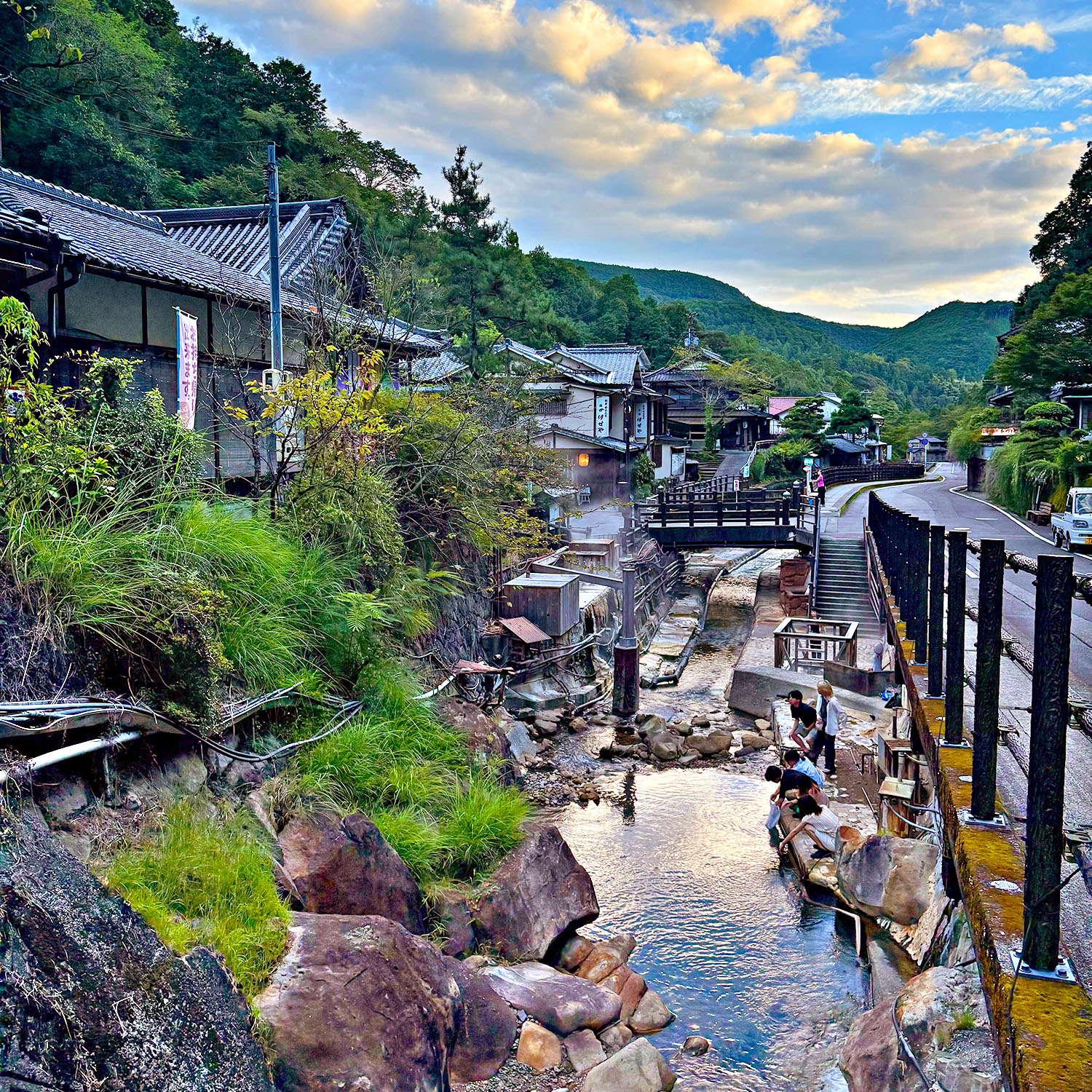
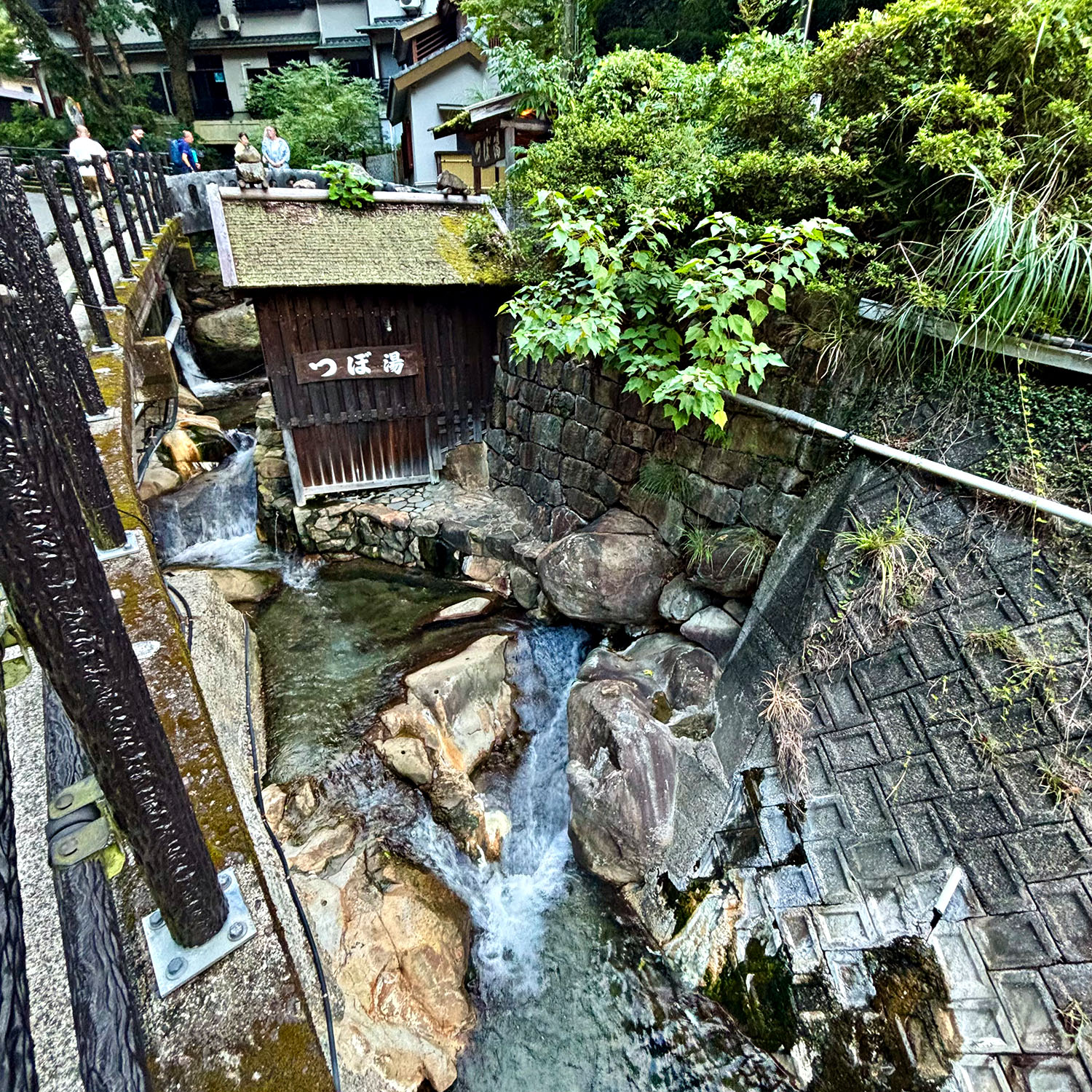
But of course, walking all day makes you crave a soak, and the Kii Peninsula delivers this in spades. In Wakayama, we landed in an onsen town right on the Oto River. Imagine steaming outdoor baths perched beside a rushing river, where you can sit submerged up to your chin in hot spring water while the current hurries by just a few feet away.
If you’re lucky, steam rises off the river itself, making the whole scene look like a special effects department went overboard. I slid into the bath, let the heat unknot my legs, and briefly considered never leaving. Forget five-star hotels, this was five-star geology, and I was loving every second.
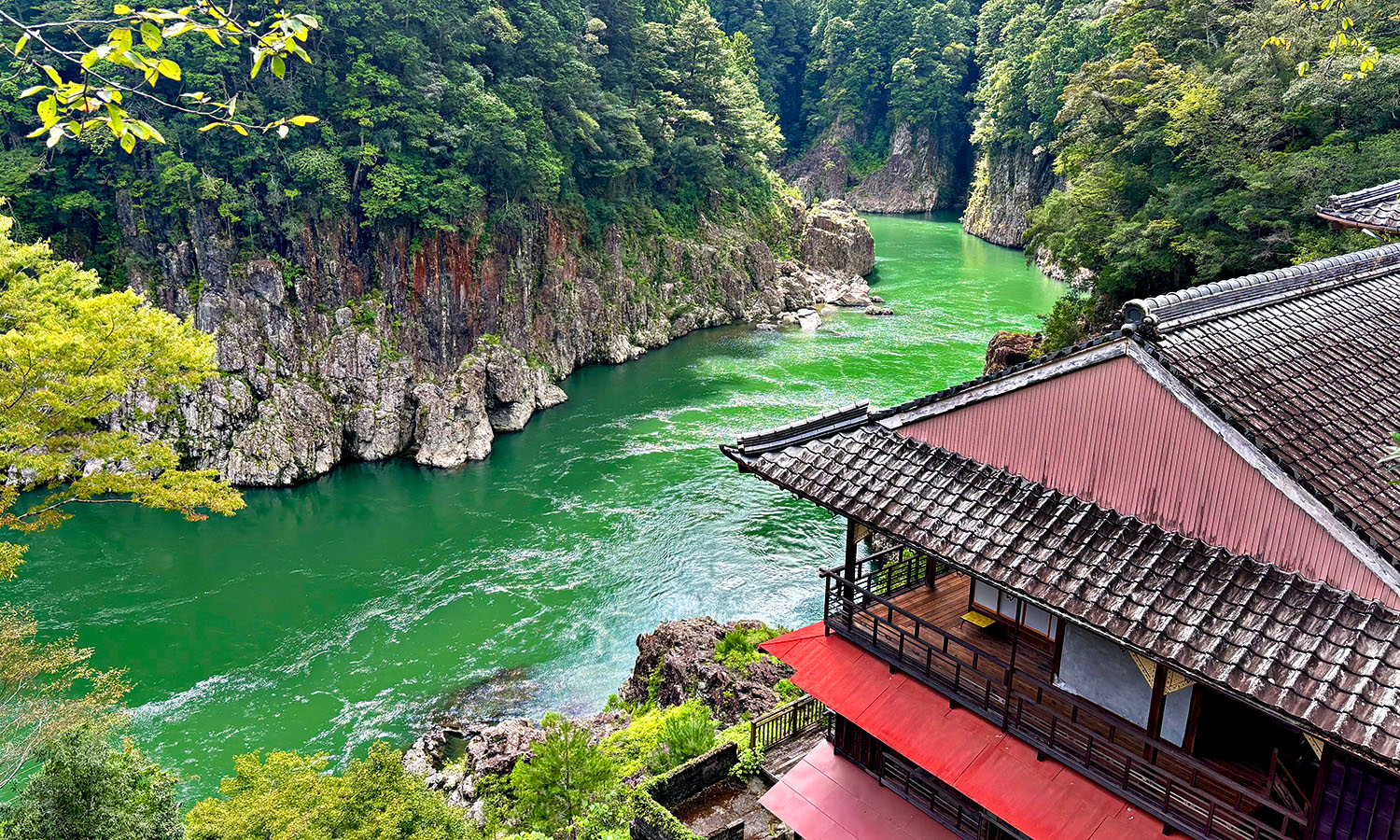
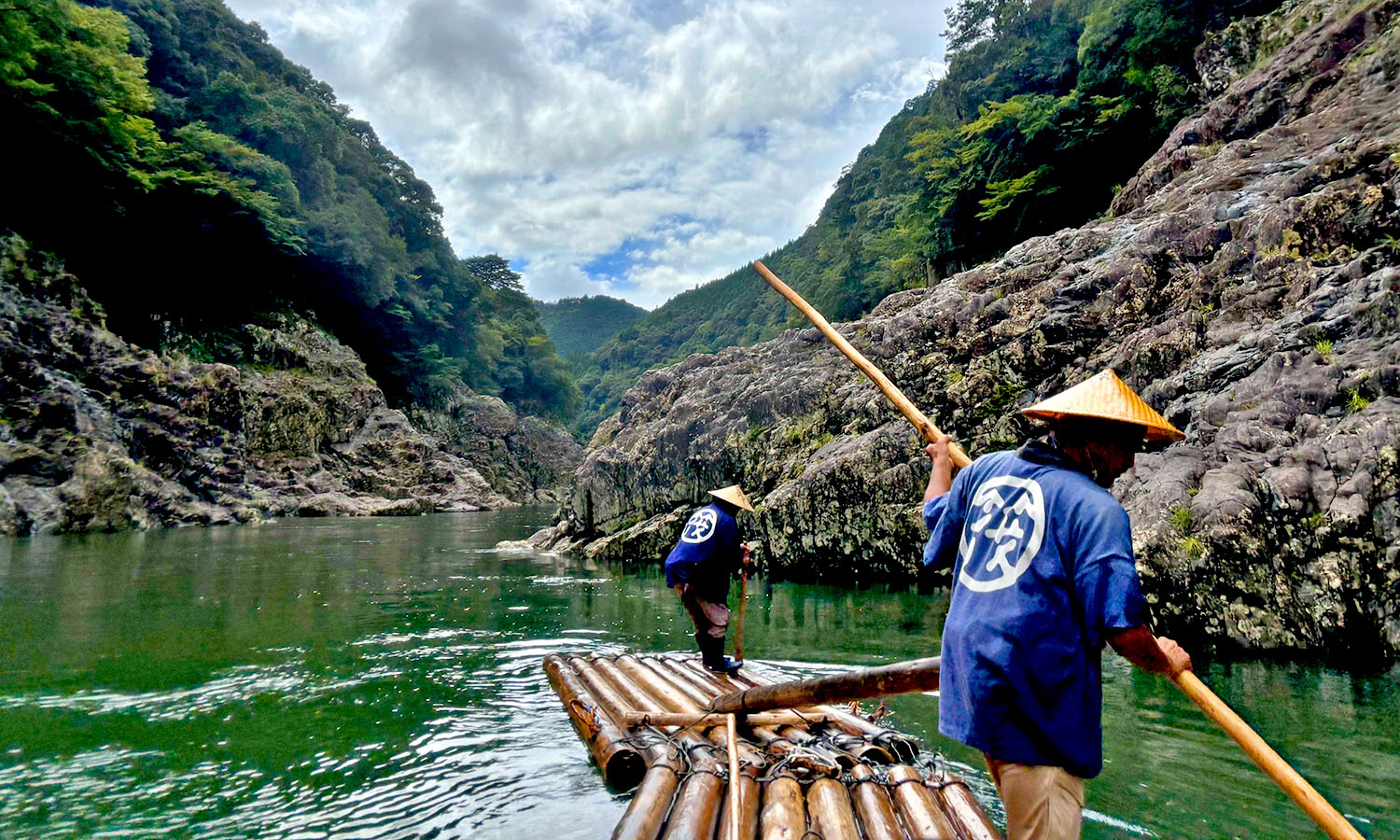
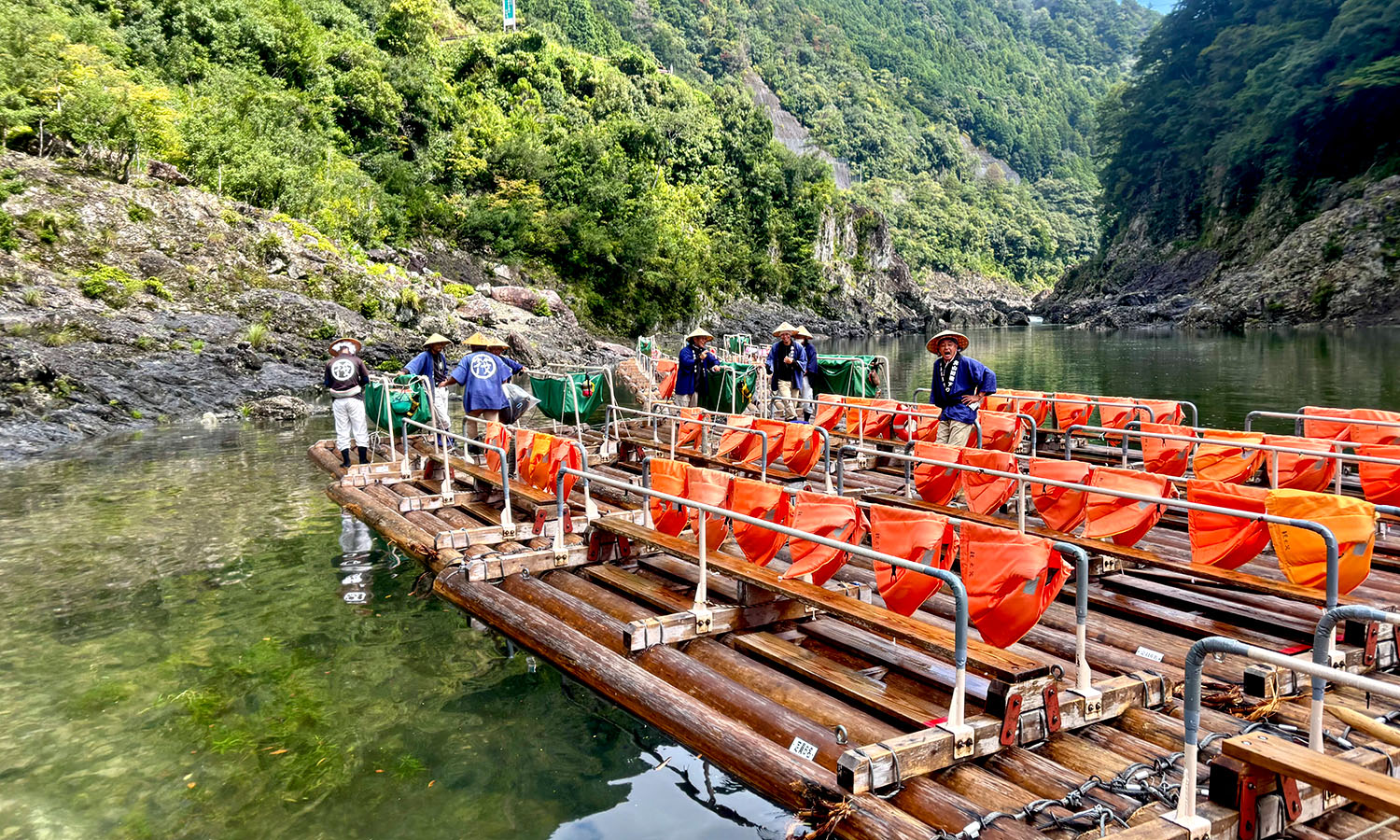
And then, just when I thought the Kii Peninsula couldn’t surprise me again, I found myself clinging to a raft of logs in Dorokyo Gorge. Yes, log rafting. Not the genteel “let’s float downstream with a picnic” sort, but a traditional activity where you ride a bundle of tree trunks lashed together as it hurtles down the Kitayama River.
This was once how the locals transported lumber; now it’s how they make travellers fall in love with the landscape. I laughed, I stood up (don’t worry, we were supposed to), I got drenched with clean, icy water, and when it was over, I wanted to do it all over again. It was exhilarating, kinda ridiculous, and one of those experiences that makes the trip that much more memorable.
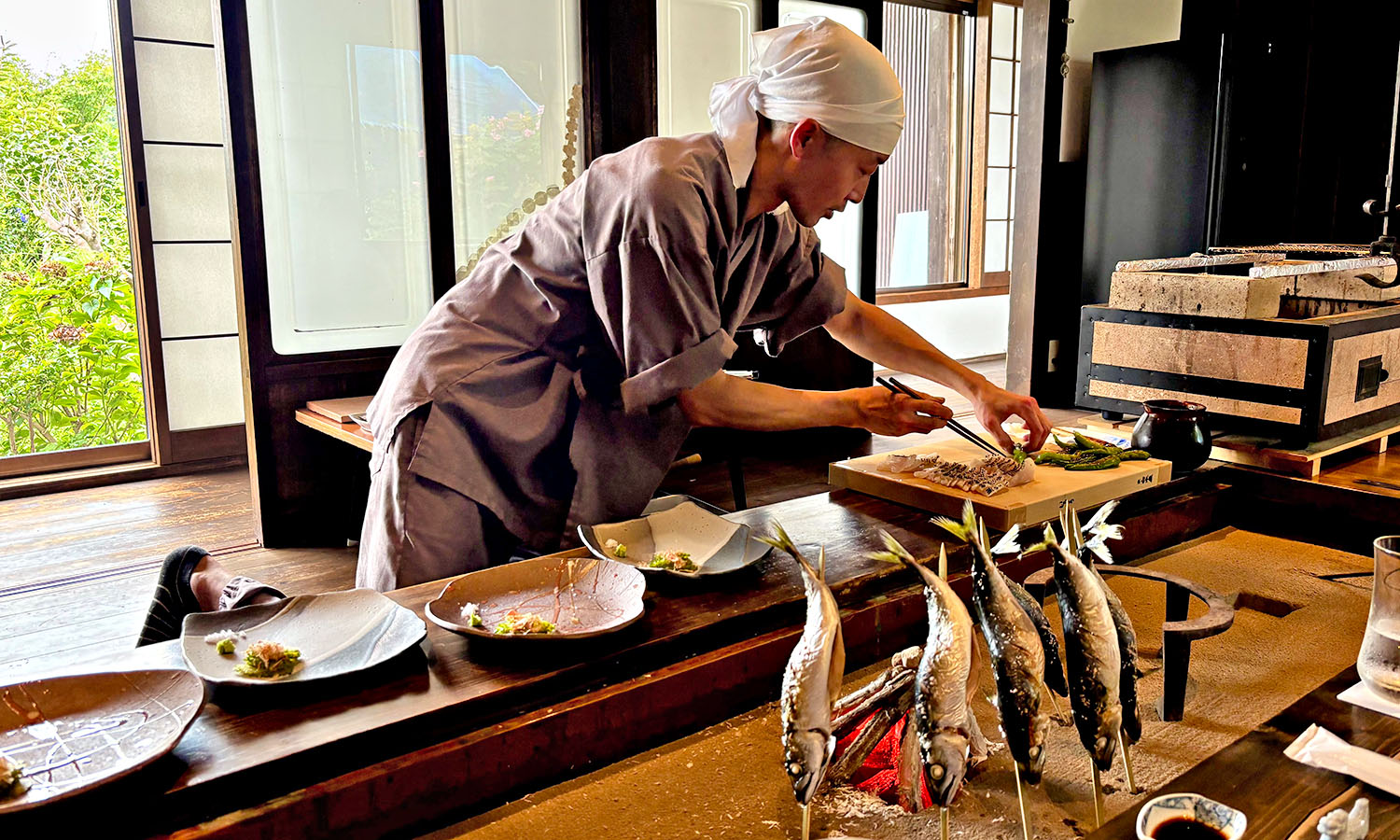
By this point, I was both starving and buzzing, which is a dangerous combination. Luckily, the Kii Peninsula knows how to feed you well. Fast forward a day or two, and we were sitting in Toubeya, a quaint, old Japanese house that’d been turned into a lunchtime restaurant. But not just any restaurant. One that cooked each ingredient over charcoal.
And I mean everything – fish, vegetables, beef, even tofu – was kissed by smoke until it became something my tastebuds couldn’t wait to devour. The chef treated charcoal like his own musical instrument, coaxing flavour out of embers with a flick of the wrist. I don’t usually wax lyrical about lunch, but this one deserved sonnets.
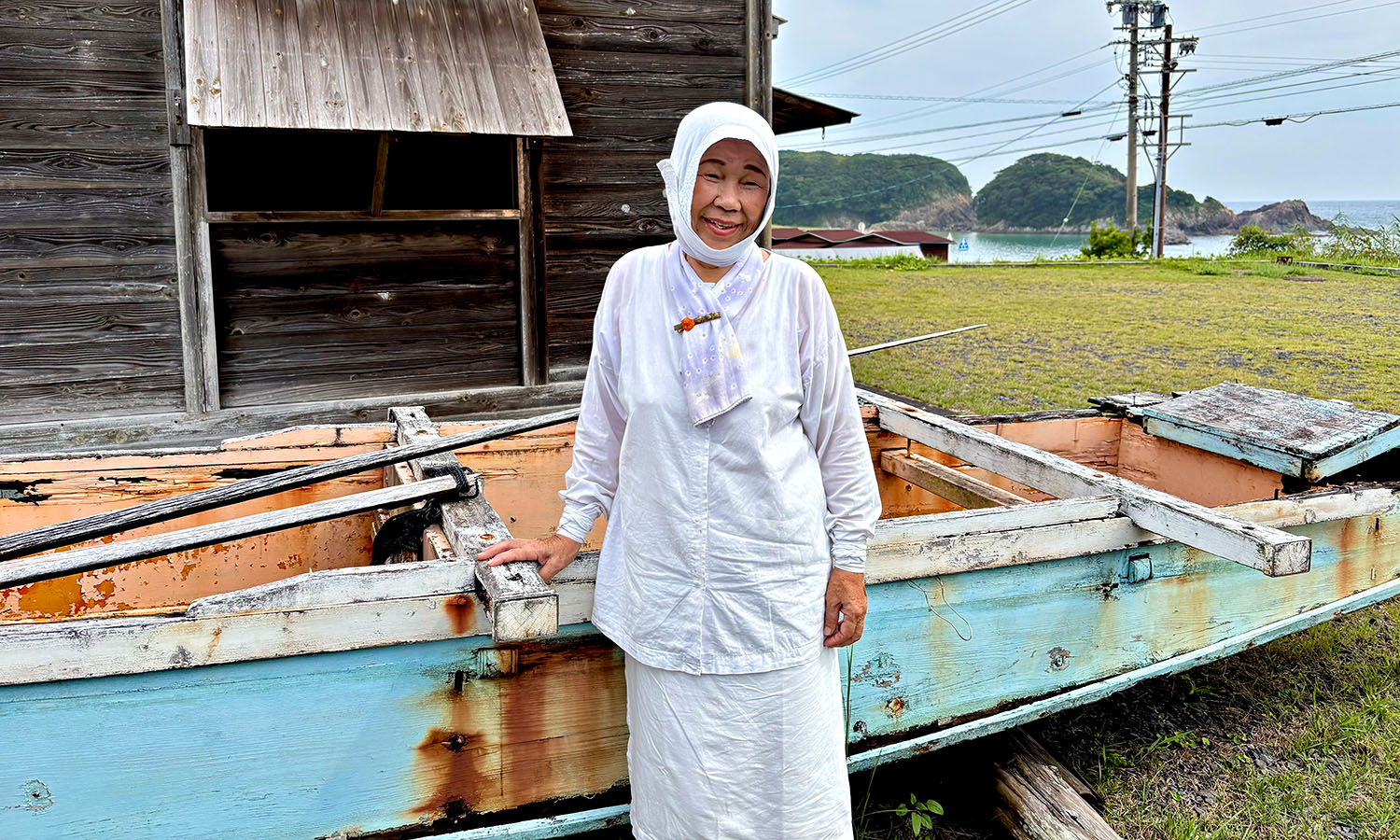
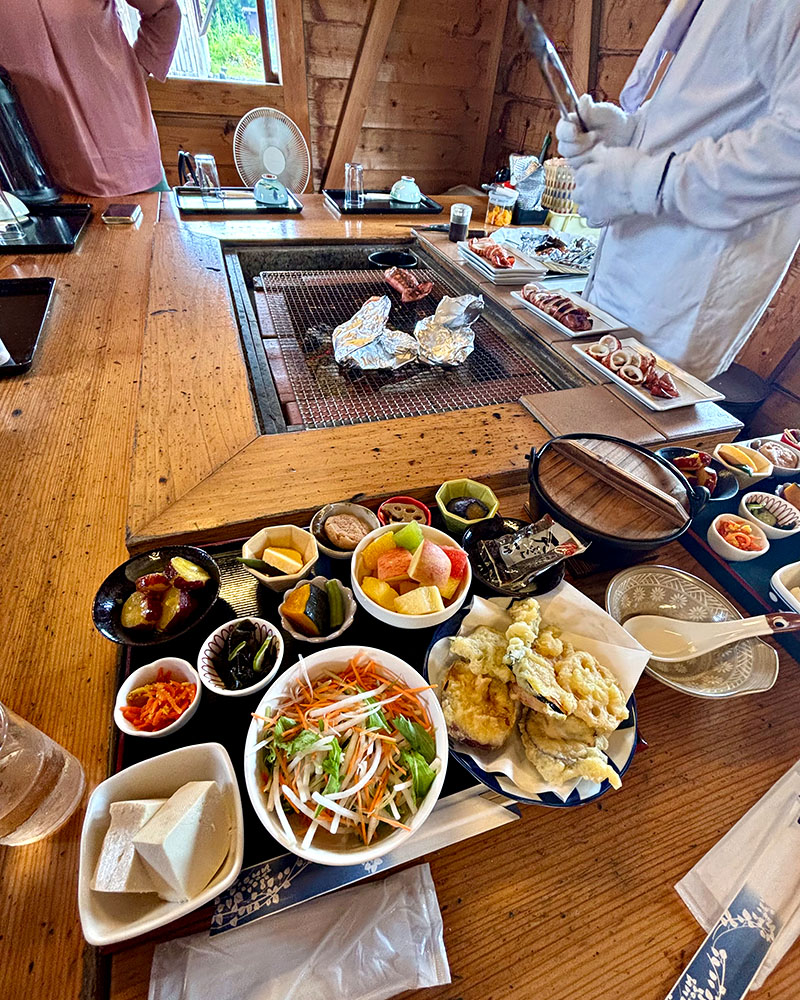
But if Toubeya was refined fire magic, Satoumi-an was its chaotic cousin. Here, we ate a meal cooked by ama divers – the legendary women who free-dive for shellfish and seaweed along Japan’s coasts. Our cook/ama diver, Hayashi Kimiyo, grilled our food over charcoal in a rustic hut while telling stories in Japanese that made our translator and local guide, Yuko, laugh while retelling them.
It was smoky, hearty, and punctuated by the squeals of trying things we’d never eaten before – turban shells, anyone? I’ve had fancier meals in my life, but few that felt as alive as sharing space with women who spend their days in the ocean and their evenings around the fire.
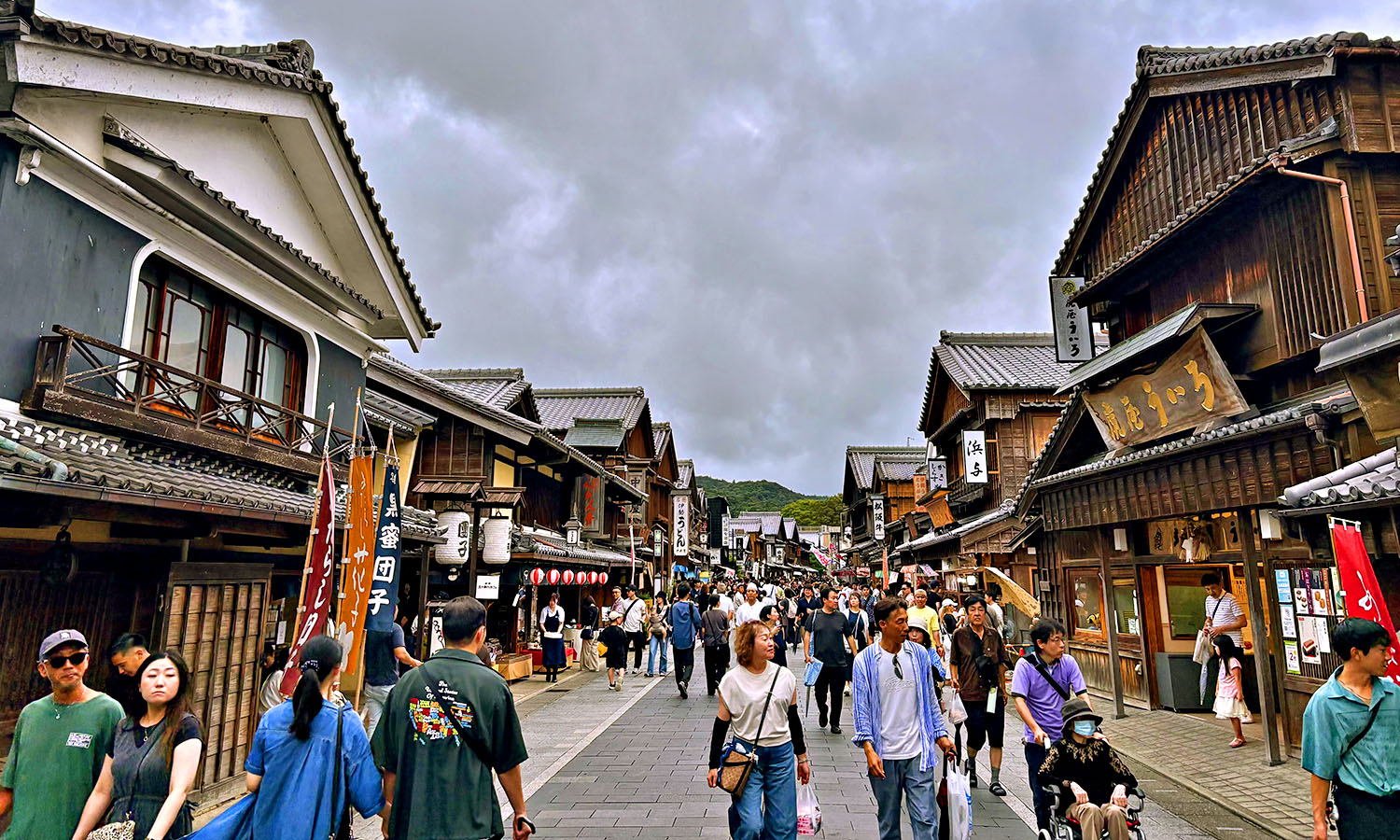
Of course, not everything in the Kii Peninsula is about rivers, trails, or charcoal. Sometimes you just want a bit of human buzz. That’s where Oharaimachi comes in, the lively street that runs up to Ise Grand Shrine.
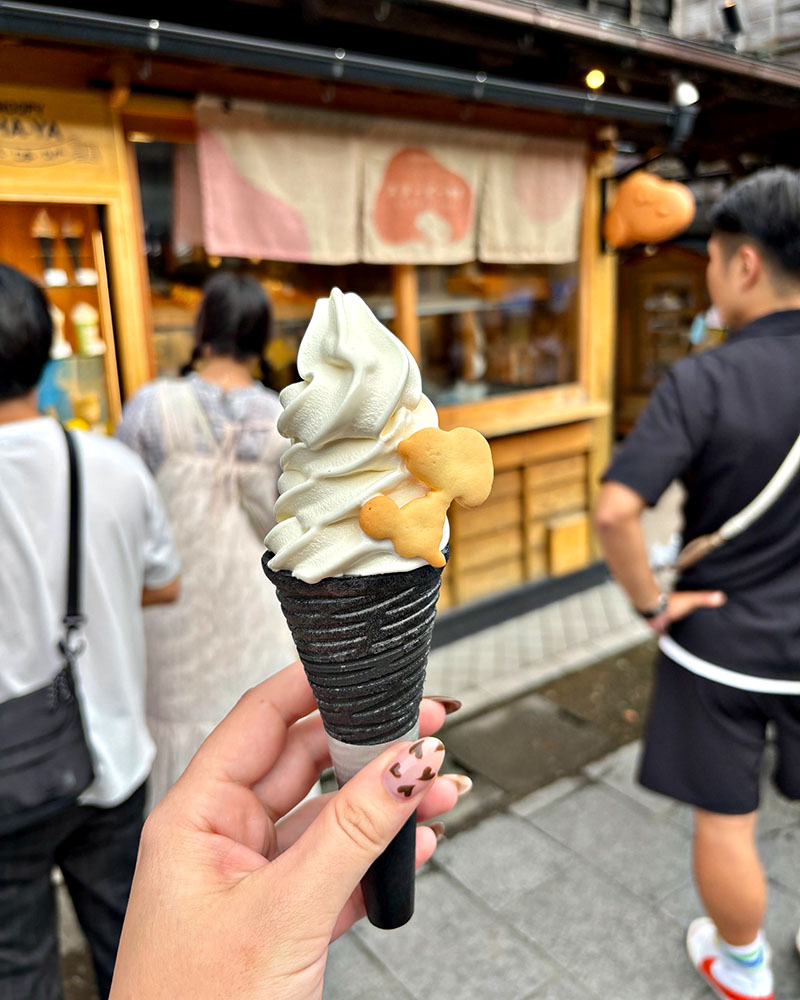
It’s packed with traditional shops, food stalls, and enough people-watching opportunities to keep even the most distracted traveller entertained. I wandered past vendors selling mochi skewers dripping with sauce, ducked into stores selling everything from pottery to local sake, and resisted the urge to buy Snoopy plush toys for every single family member back home. Compared to Kyoto’s crowded shopping districts, Oharaimachi felt festive rather than frantic, a street alive with chatter, but not a mob scene.
The thing about the Kii Peninsula is that it never lets you get bored. One moment you’re walking in the footsteps of pilgrims, the next you’re steaming in a riverside bath, then suddenly you’re clinging to a raft of logs.
In between, you’re eating meals that smell like smoke and history and wandering lively streets and resisting the urge to buy a set of personalised chopsticks you know you’ll never use. It’s a region that insists you try a little of everything, and the more you say yes, the more it rewards you.
Don’t get me wrong, Japan’s big cities are brilliant in their own ways. But if you want to see a place that breathes a little slower and where time stands still, the Kii Peninsula is where you go. It’s not the easy option, it takes a bit more effort to reach, and it’s not plastered across every guidebook, but I think maybe that’s the point.
After all, travel isn’t about ticking off the most obvious stops (well, it can be), but sometimes it’s about wandering down the side roads, following the trails less travelled, and letting a whole peninsula full of hot springs, fire-grilled feasts, and ancient shrines remind you why you came to Japan in the first place.
Why this so-called “airport town” is secretly a crash course in Japan, even if you’ve only got a few hours.
If you’re like me, you’ve probably seen Narita’s name on your boarding pass and thought, “Ah yes, Narita – the airport.” The place where you slurp down one last vending-machine ramen, buy a packet of KitKats in a novelty flavour you’ll regret later (Wasabi? Seriously?) and brace yourself for the long-haul flight home.
But it turns out, Narita is not just the airport. Shocking, I know. The city itself – yes, there’s a whole city – is a pocket-sized crash course in Japan. If you ever find yourself here with a few hours to kill between flights, or maybe even a cheeky overnighter, you can squeeze in a cultural hit that’ll make you feel like you’ve done more than loiter in the fluorescent lights of Duty Free.
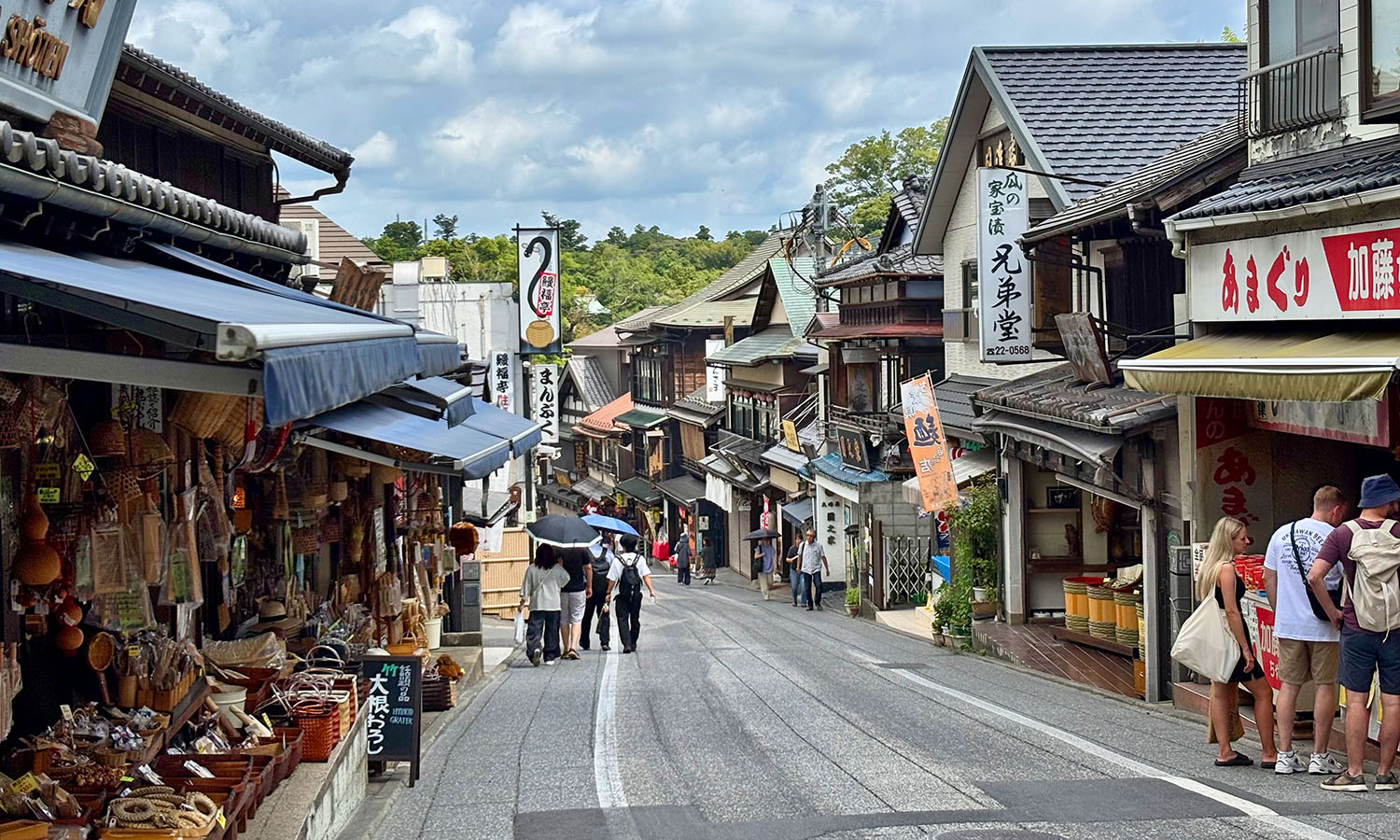
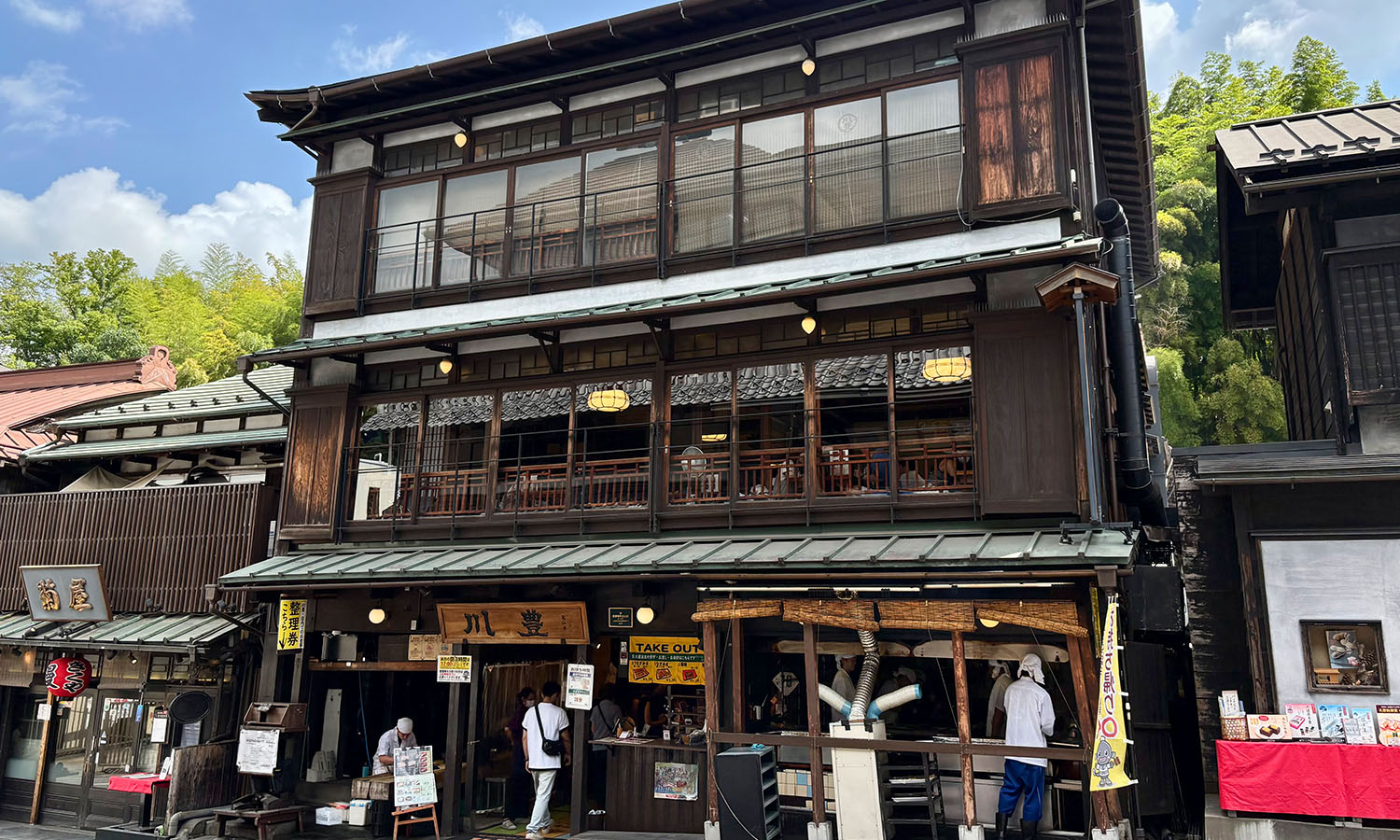
Narita is only a 15-minute train ride from the airport, and once you step outside Narita Station, you’re suddenly in the old part of town, walking along Narita Omotesando, a street that feels like someone pressed pause on the modern world.
Wooden shopfronts lean companionably against each other, lanterns sway gently in the breeze, and the air smells like soy sauce and sweet smoke. Every other doorway seems to hold a shopkeeper beckoning you inside, whether they’re selling handcrafted clogs, lucky charms, or incense. The sort of place where “just popping out for a stroll” quickly becomes an hour of poking your head into little shops and wondering how much space you’ve got left in your carry-on.
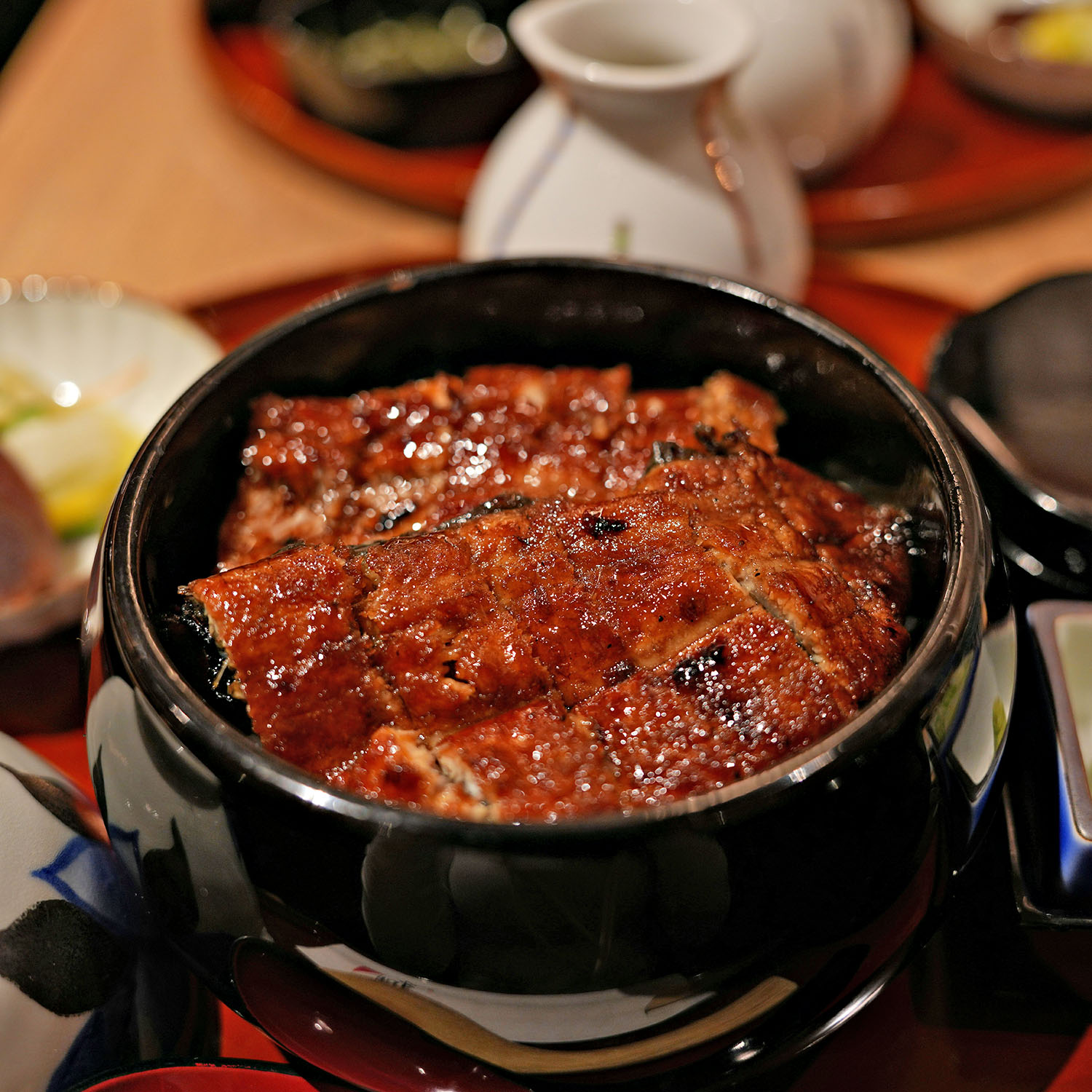
But the real star here is the food. Narita is famous for eel, which is one of those dishes you either eagerly embrace or watch with wary fascination. On Omotesando, chefs prepare it right in front of you, the whole messy, slippery process on display, and then grill it over hot coals until it turns golden and smoky.
But watching something wriggle one moment and then smelling it caramelise under a brush of sweet soy sauce the next is confronting, so I skipped it this time, and let my travelling companions taste the rich, buttery Unagi.
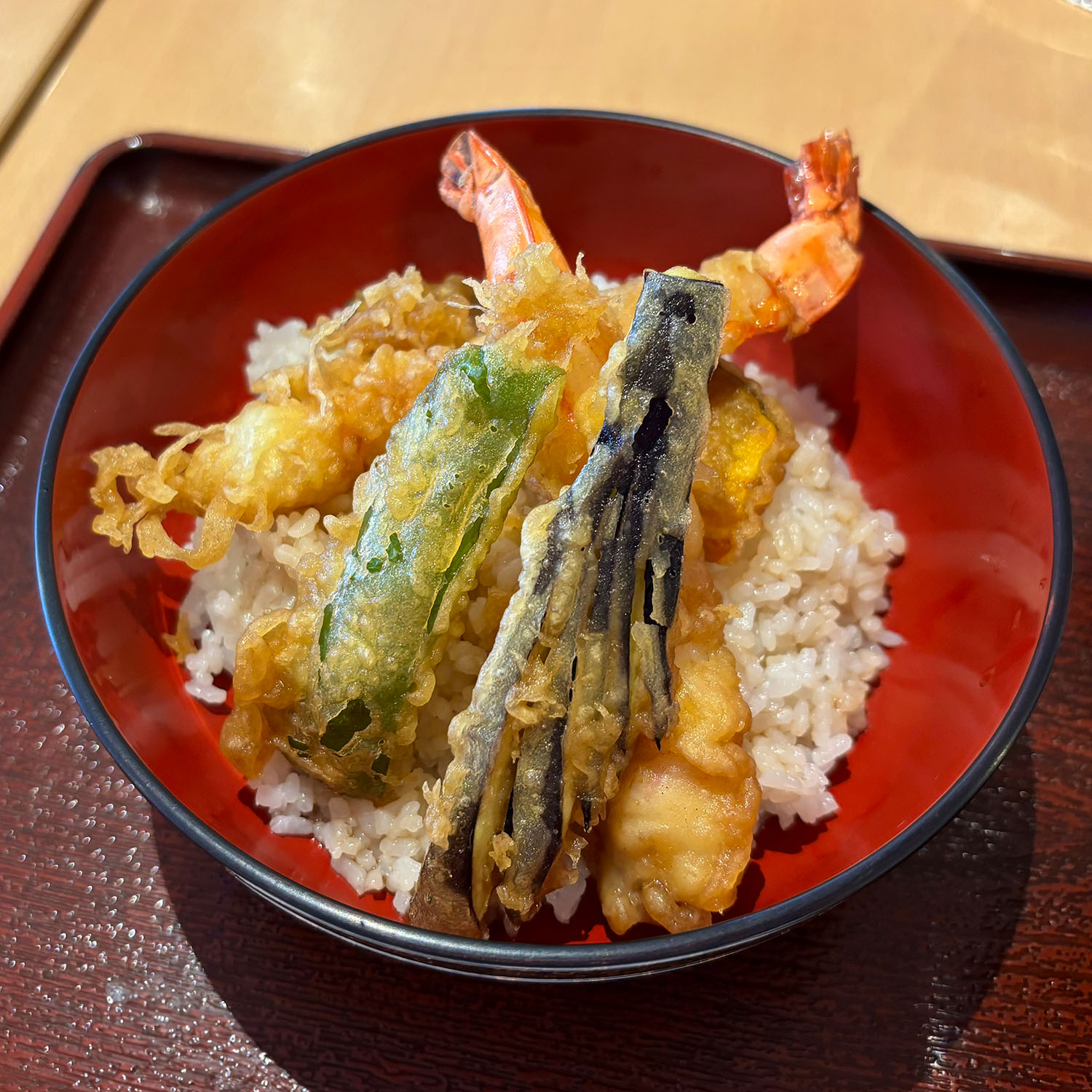
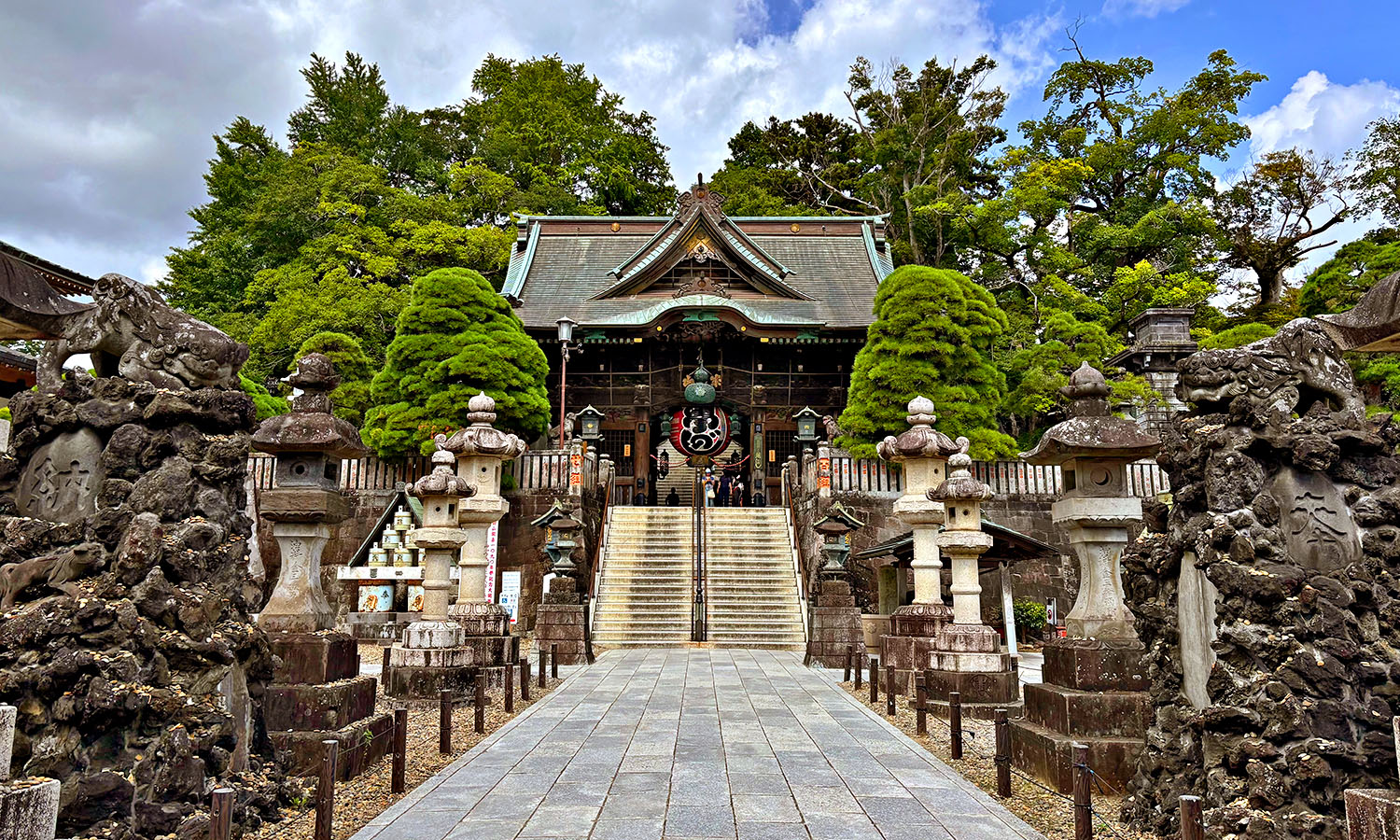
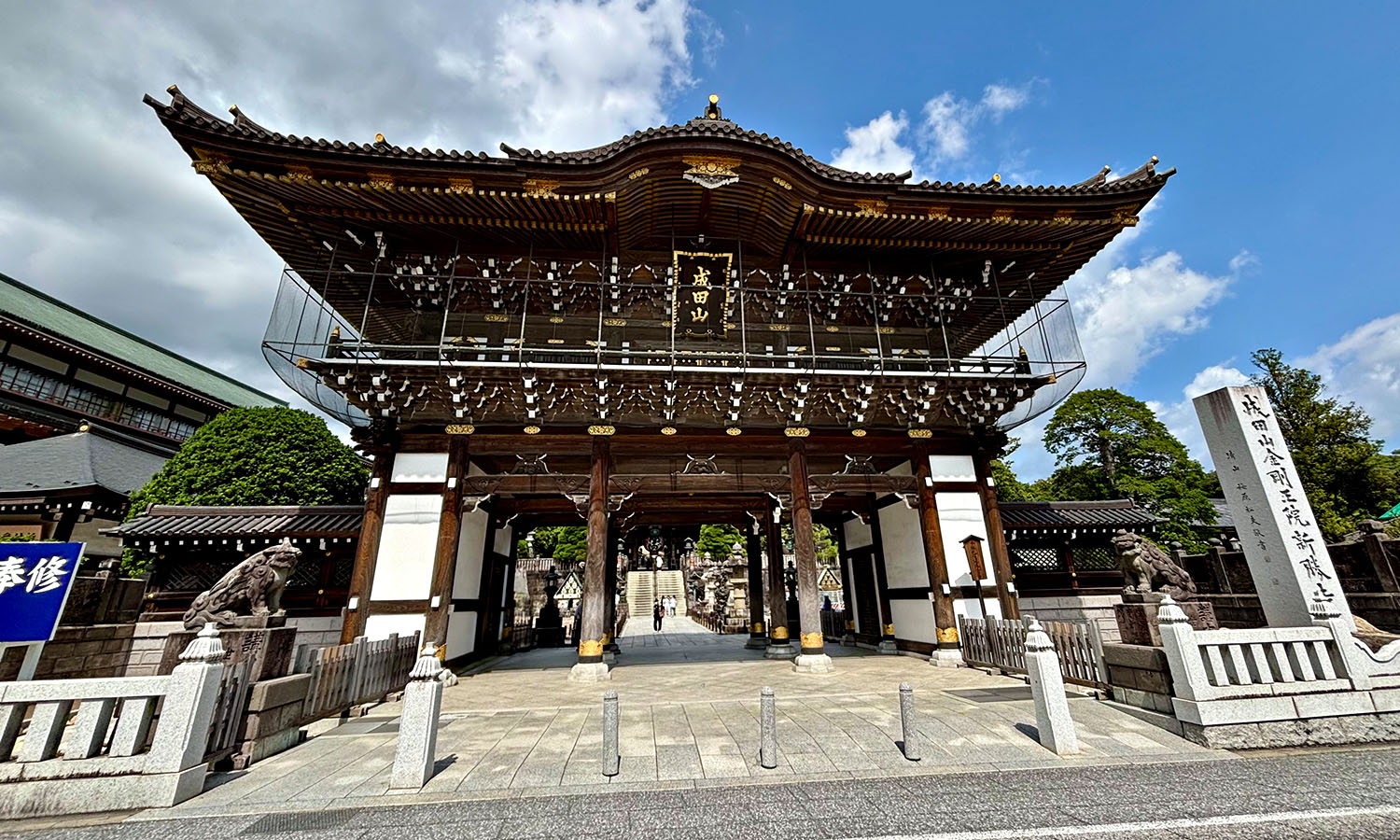
Fuelled by a bowl of vegetable tempura on rice instead, we wandered up to Naritasan Shinsho-ji Temple, the city’s crown jewel and a thousand-year-old Buddhist complex. The entrance gate is enormous, a structure that makes you instinctively straighten your spine as you pass beneath it.
Beyond that, the grounds unfold in a series of pagodas, gardens, and incense-heavy halls that feel both grand and strangely calming. Even if you’re not usually a temple-goer, this place is something else. We wandered through manicured gardens, watched koi the size of small house cats glide through ponds, and stood in front of ancient wooden halls, wondering how many travellers had paused here before us.
At this point, most people would head back to the airport, satisfied that they’d had a quick-fire intro to Japanese culture. But if you can stretch your stopover, the countryside around Narita offers even more.
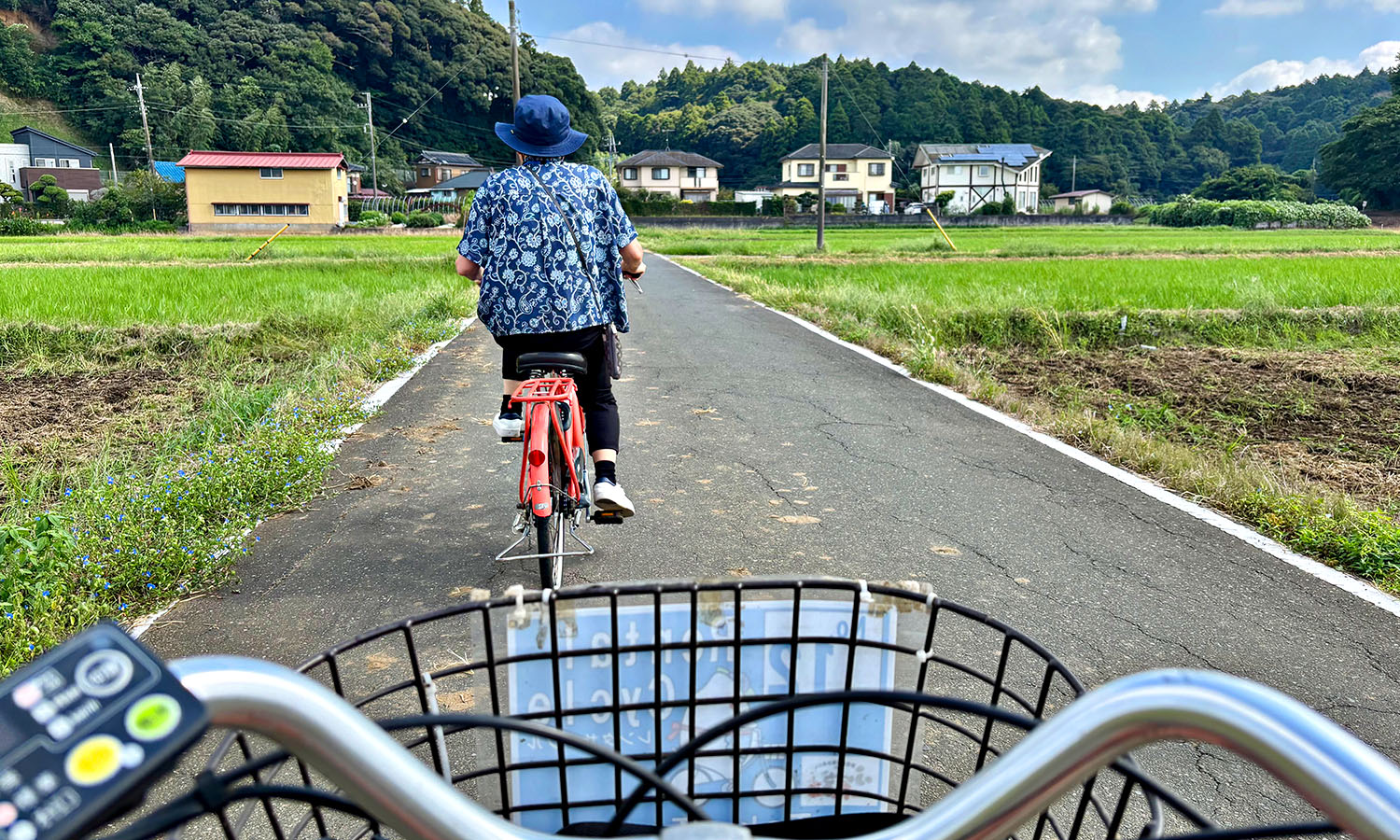
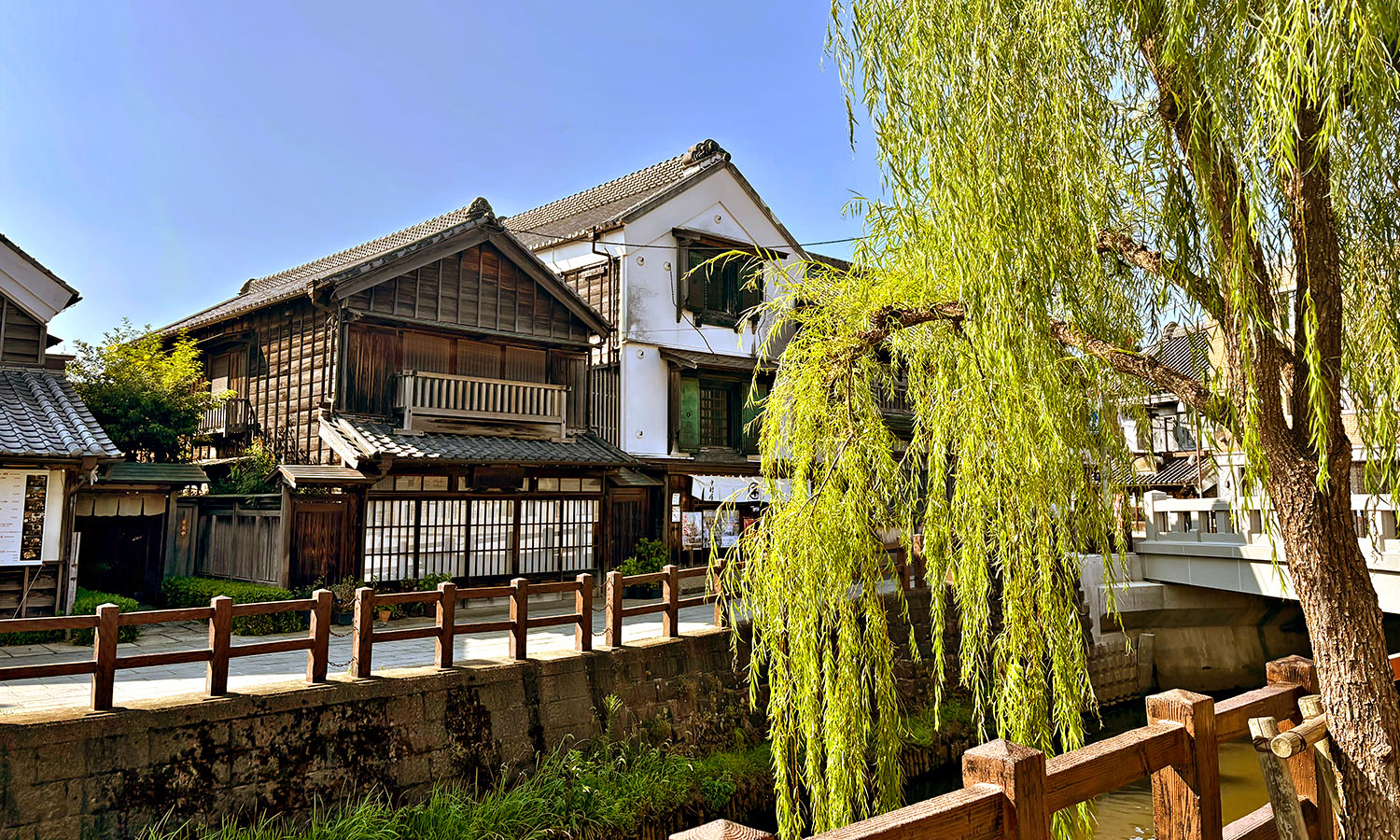
We stopped at Tako (located in the Chiba prefecture), about half an hour away, for a cycling tour. Now, I’m not usually a fan of group rides – too much Lycra, too many competitive dads – but this was different.
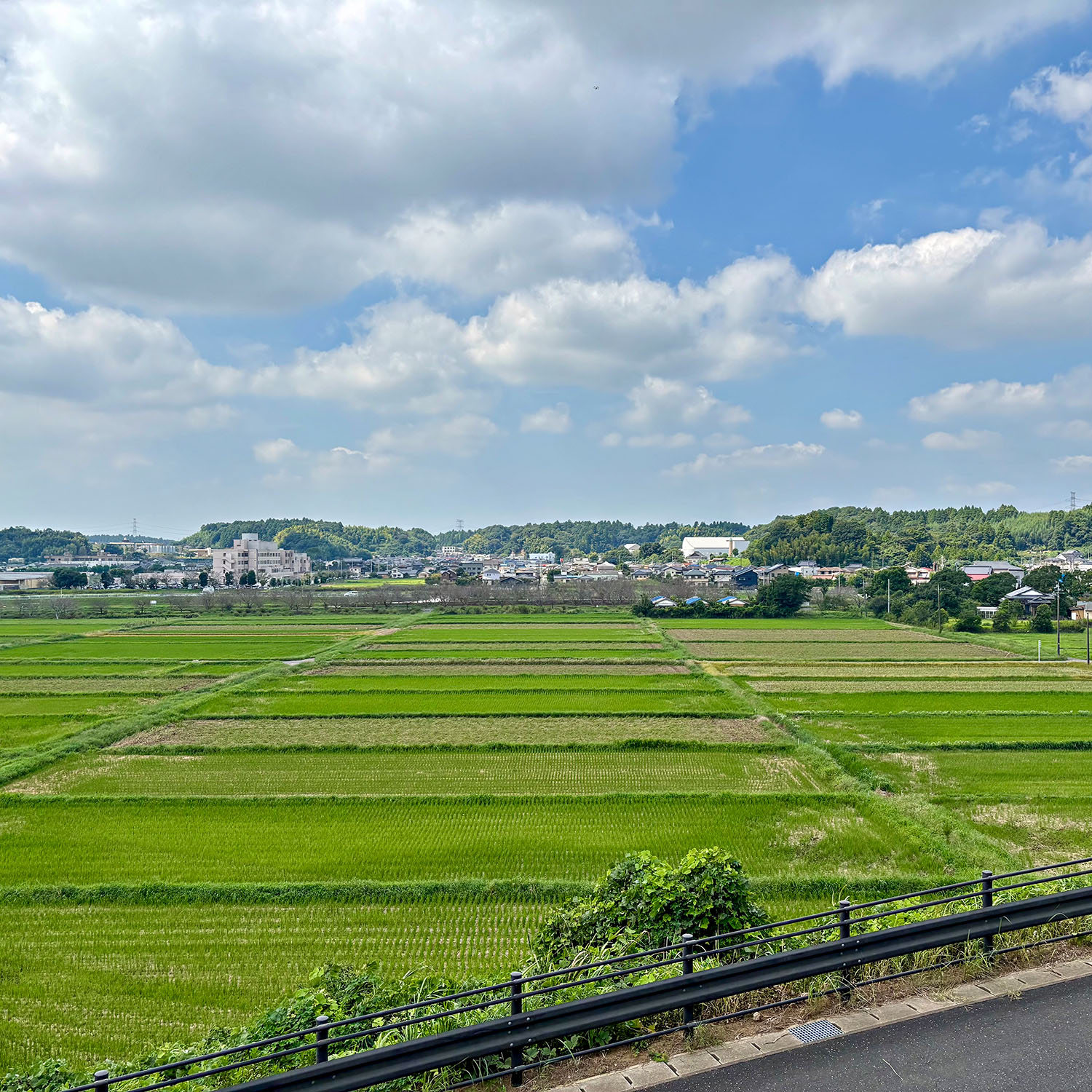
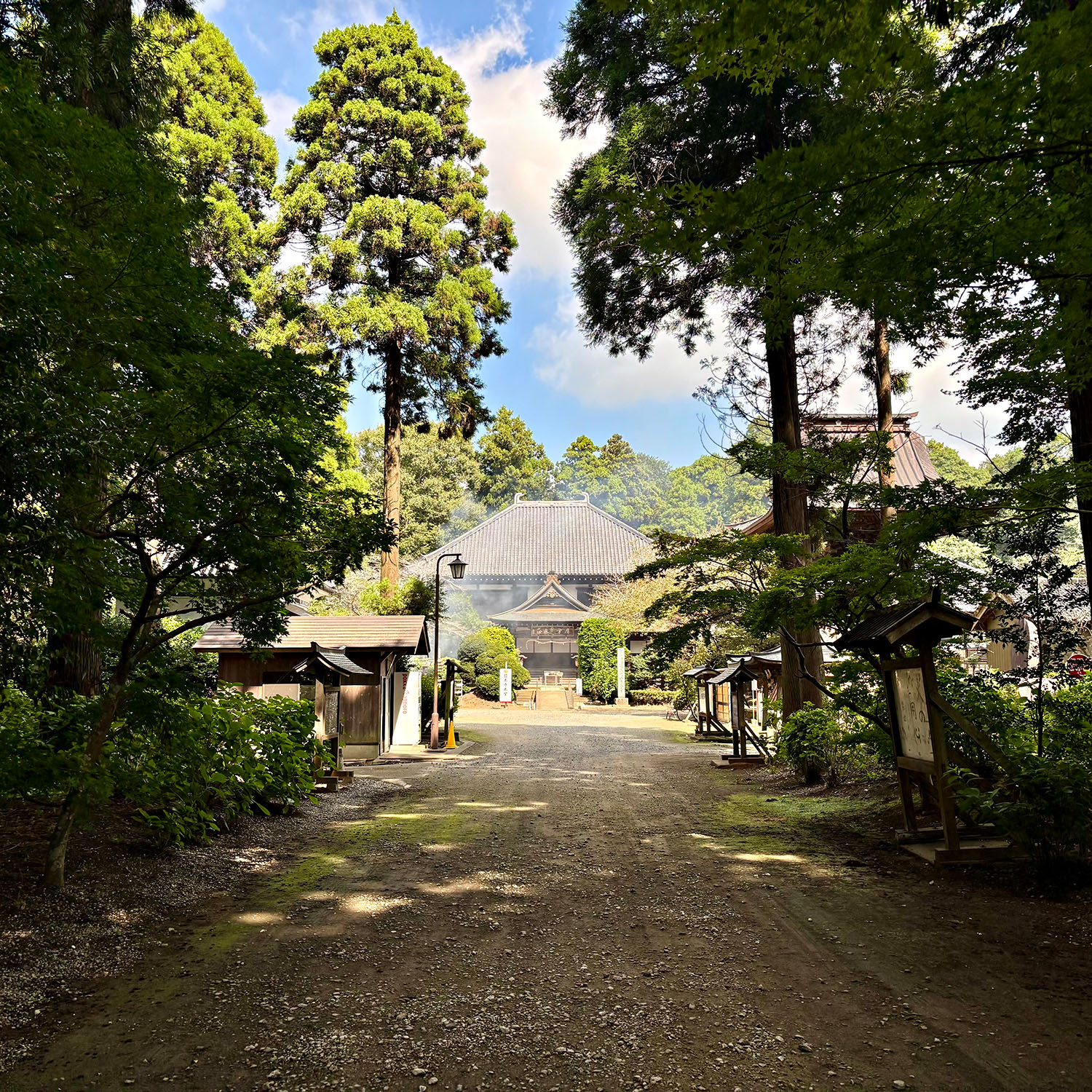
We pedalled gently past rice fields and wandered around a peaceful (and completely empty) shrine. The air smelled clean and earthy, the fields glowed green, and there was enough time to actually take it all in without gasping for breath. But that might have been because the bikes were electric.
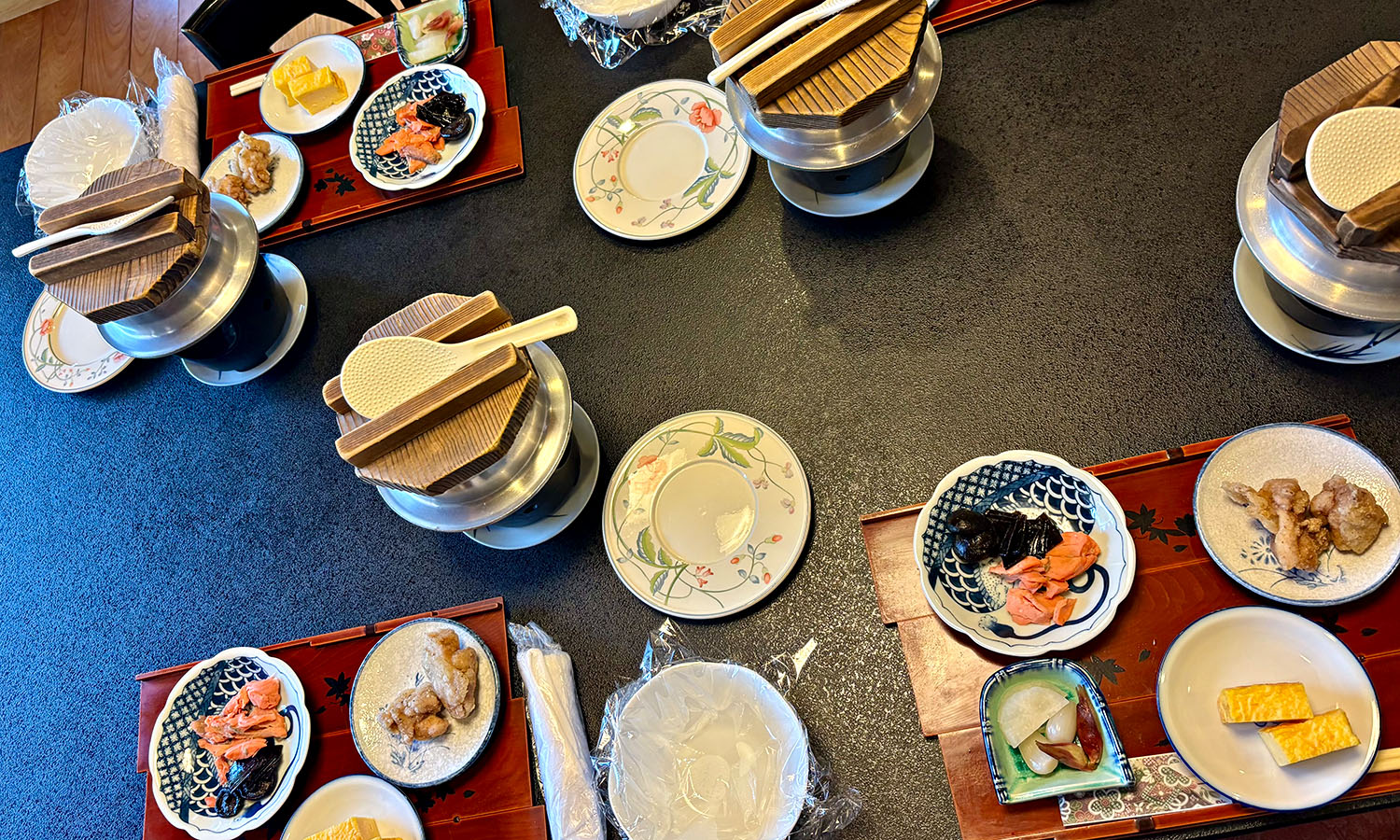
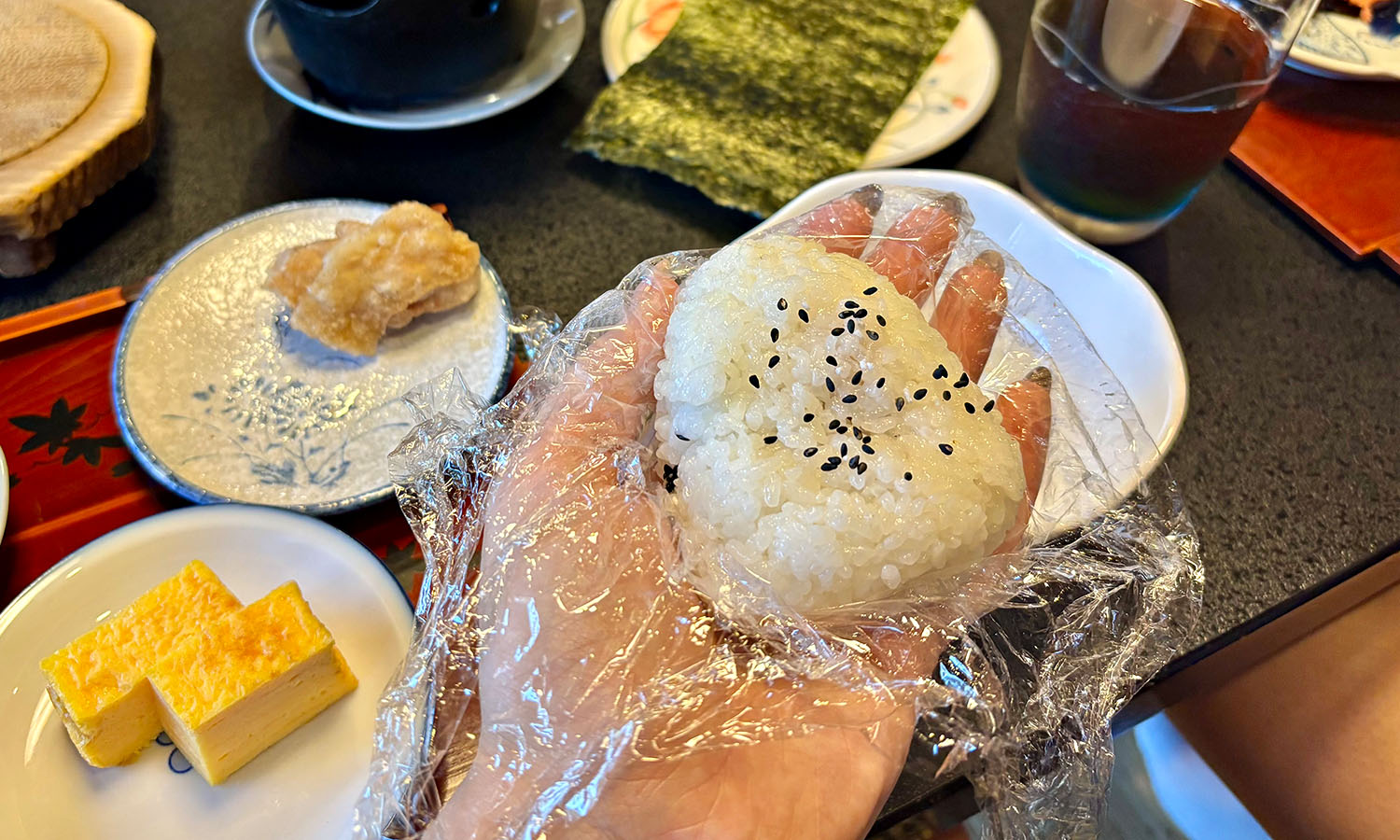
And because rice deserves more than just admiration from the saddle, we ended up at Masugataya Ryokan, a traditional inn that runs onigiri-making classes. Onigiri, for the uninitiated, are Japan’s iconic rice balls: simple, triangular parcels wrapped in seaweed and stuffed with everything from salmon to fried chicken.
How hard could they be? Very, as it turns out. My first attempt stuck to my hands like glue and collapsed into something that looked more like a sad snowball than a rice ball. But with some gentle coaching, I eventually produced something edible. And then, of course, I ate it. And then another. Onigiri are addictive, and learning to make them in a tatami-floored inn, surrounded by sliding paper doors, felt like a travel memory worth bottling.
So, next time you see Narita on your itinerary, don’t roll your eyes and resign yourself to airport purgatory. Step outside. Even if you’ve only got two hours, you can wander Omotesando and sneak a peek at the temple.
Four to six hours, and you can add in eel, maybe a bit of shopping. A full day? Get yourself to Tako and pedal through the countryside before rolling rice balls at Masugataya.
Narita may look like just an airport town from the sky, but on the ground it’s Japan in miniature – compact, fascinating, and far tastier than anything you’ll find in a departure lounge.
If you thought camping meant wet socks, lumpy mattresses, and suspicious rustling in the bushes, Phuket’s new Twinpalms Tented Camp is here to ruin those low expectations in the best possible way.
28 swanky one and two-bedroom tents (yes, with actual walls, air-con and all the mod cons) have been pitched right on Bangtao Beach or in the lagoon gardens a short stroll away, with winding waterways wrapping around them like nature’s own infinity pools, and all we can think about is getting there asap.
Since opening, this adults-only hideaway has been whispered about as Phuket’s best-kept secret, but Twinpalms clearly doesn’t do subtle for long. They’ve just upped the ante with a wellness revamp: think sunrise yoga, lotus petal folding workshops, and a fitness studio kitted out with sleek German gear.
There’s also a Bali-sourced ice bath carved from a boulder because nothing says you need a holiday reset like voluntarily freezing yourself in paradise.
Guests can also float in a brand-new tropical pool overlooking the lagoon before wandering over to the Spa Tent for a massage so good you won’t remember you were ever stressed in the first place. And evenings wrap up around a central campfire with sticky rice and sunset stories, proving that luxury can still feel soulful (and delicious).
Twinpalms has basically redefined camping: no bug spray required, just bikinis, cocktails and maybe a brave plunge into that icy rock bath. One thing’s for sure, roughing it has never looked this good.
Don’t like roughing it in the wilderness? Thailand’s new Visama Explorer tented camp has officially declared that camping should come with cocktails, king-sized beds, and a French press. Opening December 1st, 2025, this eco-luxury hideaway in Nan province proves that “under canvas” doesn’t have to mean damp socks and questionable instant noodles.
Set among rice fields and mountain backdrops so pretty they could have their own Netflix special, the camp keeps things small and comfortable: just eight high-comfort tents, each with air con, ensuite bathrooms, plush bedding, private decks, and minibars (a necessity when camping, of course).
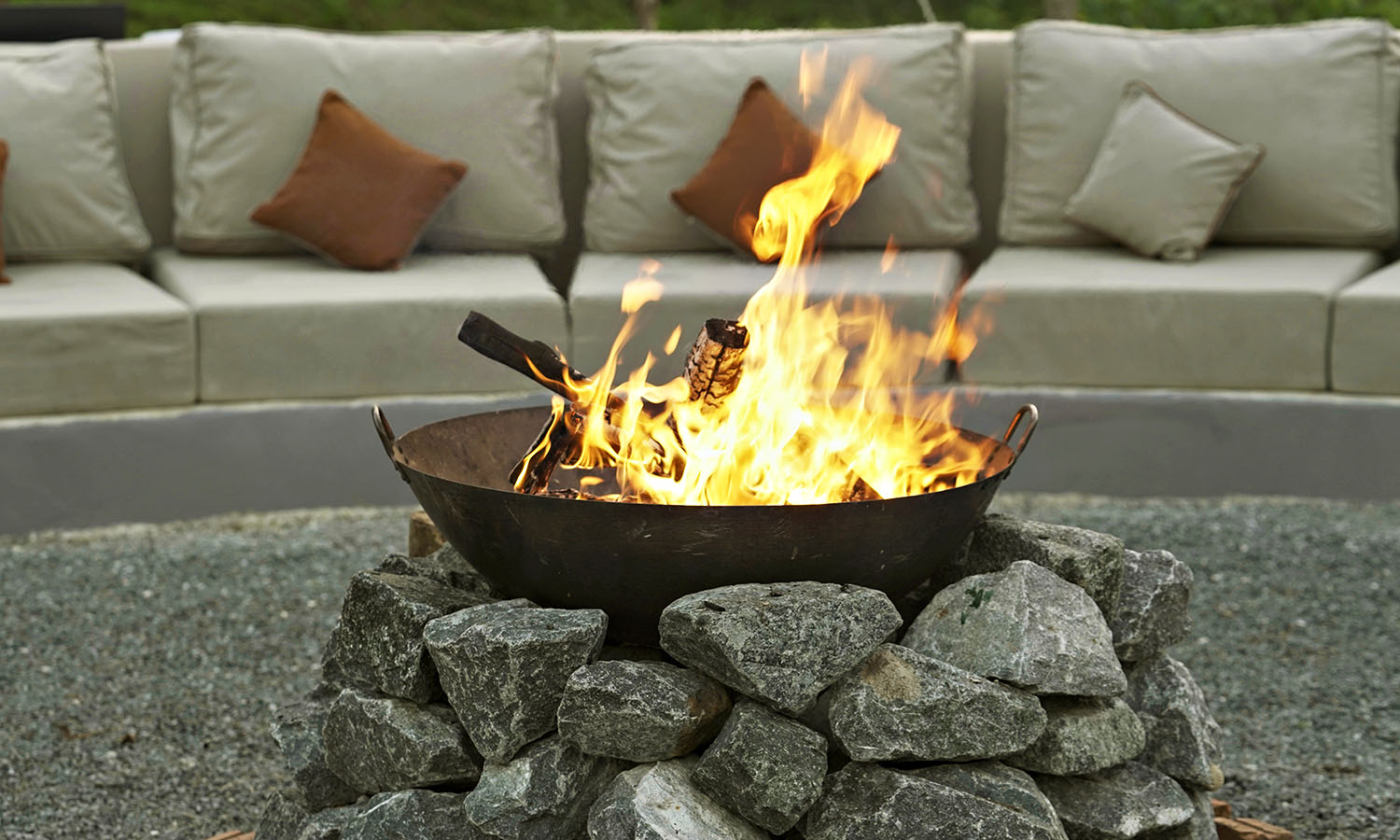
But the real star might just be the Ambalama outdoor fireplace. Inspired by Sri Lanka’s old traveller resting places, it’s where guests gather nightly for fireside chatter, open-air cinema screenings, and snacks that put s’mores to shame.
And when hunger calls, head to the Monmanee creek-side restaurant, where Northern Thai specialties cosy up alongside Western classics, all paired with wine and cocktails. Yes, this is technically camping, but it’s more like ‘clink champagne glass’ camping than ‘I think there’s bugs in my sleeping bag’ camping.
Between gourmet dinners and movie nights, guests can tree-plant, workshop, hike, bike, temple-hop, and waterfall-chase. Getting here is easy too: an 80-minute flight from Bangkok, followed by a two-hour drive through scenery so jaw-dropping you’ll forget you’re in transit.
(that proves it’s more than just a rest stop between Hanoi and Hoi An)
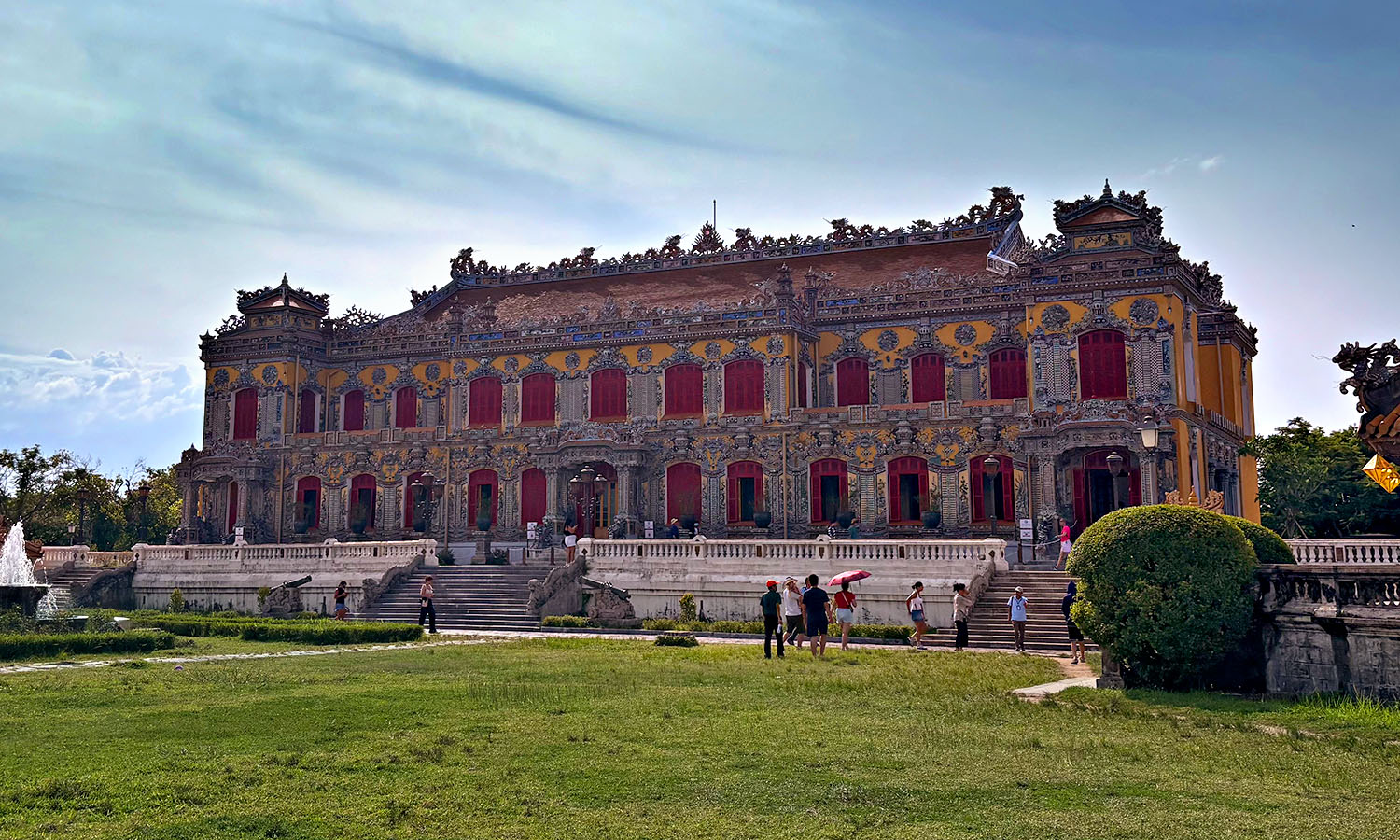
Ah, Huế. The name alone sounds like a sigh of relief after too many bowls of phở. Wedged right in the belly of Vietnam, this former imperial capital is where emperors once strutted around in silks, poets scribbled moody verses about rivers, and regular folk learned the art of sweating through 40-degree heat with at least a little dignity.
These days, Huế is a curious blend of old-world grandeur and modern Vietnamese hustle – think citadels and tombs next to karaoke bars and motorbikes balancing entire wardrobes.
If you’re the kind of traveller who gets weak at the knees for history, culture, food, and a good Insta shot (don’t lie, we all are), Huế is your kind of place. We’ve put together six of the absolute best things to do in Huế, with enough variety to keep both your inner history nerd and your caffeine-addicted soul happy.
1. Play dress-up in an áo dài and walk around the Imperial City
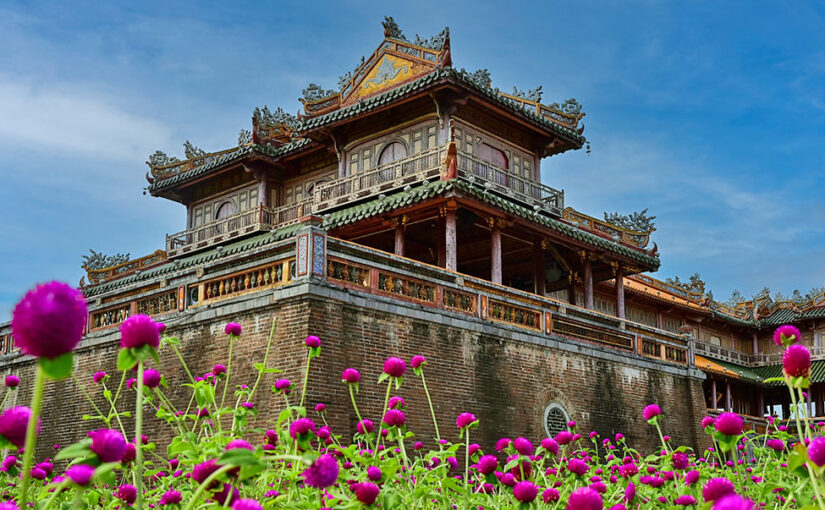
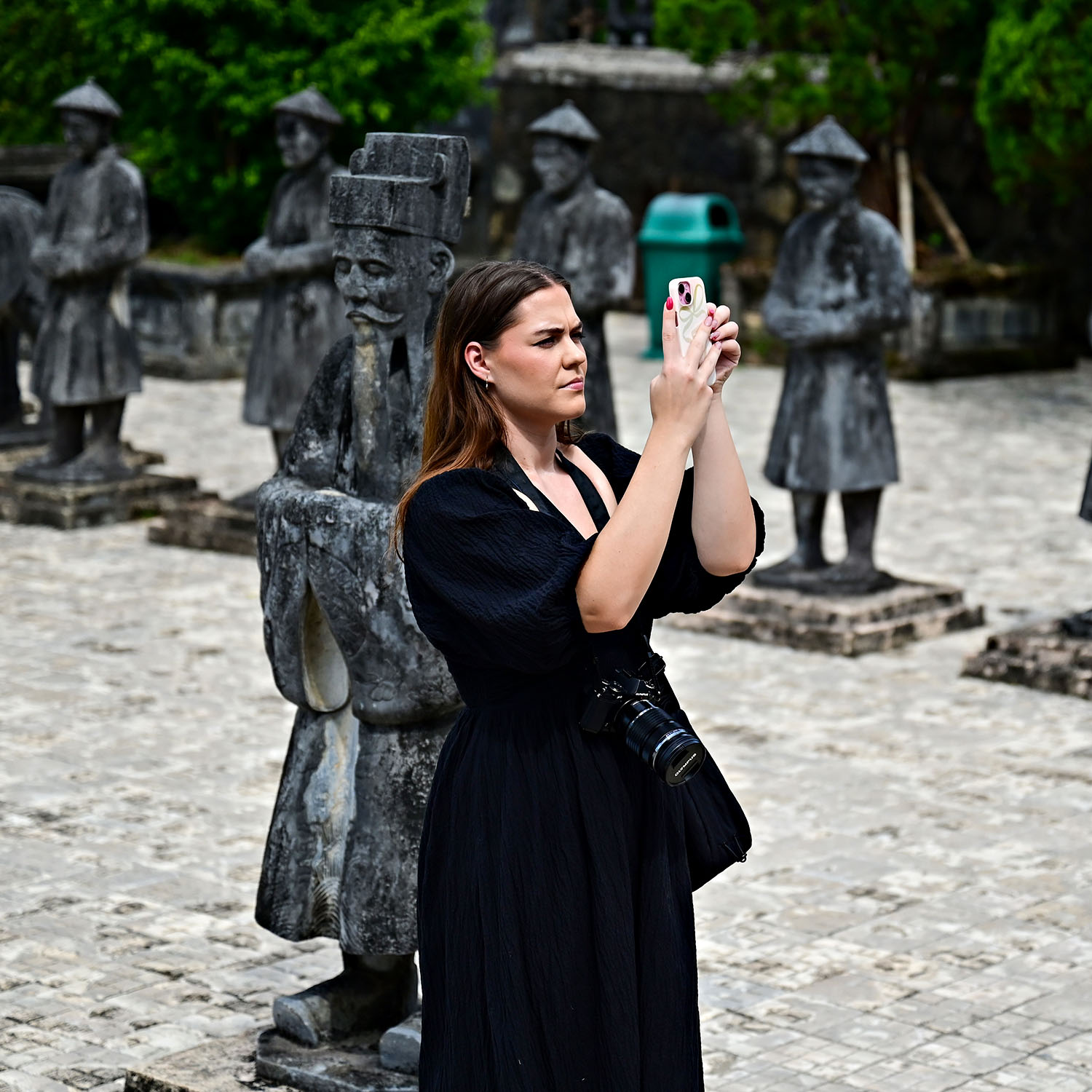
Let’s start with the obvious. You cannot (and I mean cannot) come to Huế and skip the Imperial City. Built in the early 1800s by the Nguyễn Dynasty, this sprawling citadel is Vietnam’s answer to Beijing’s Forbidden City, except with more humidity and fewer selfie sticks.
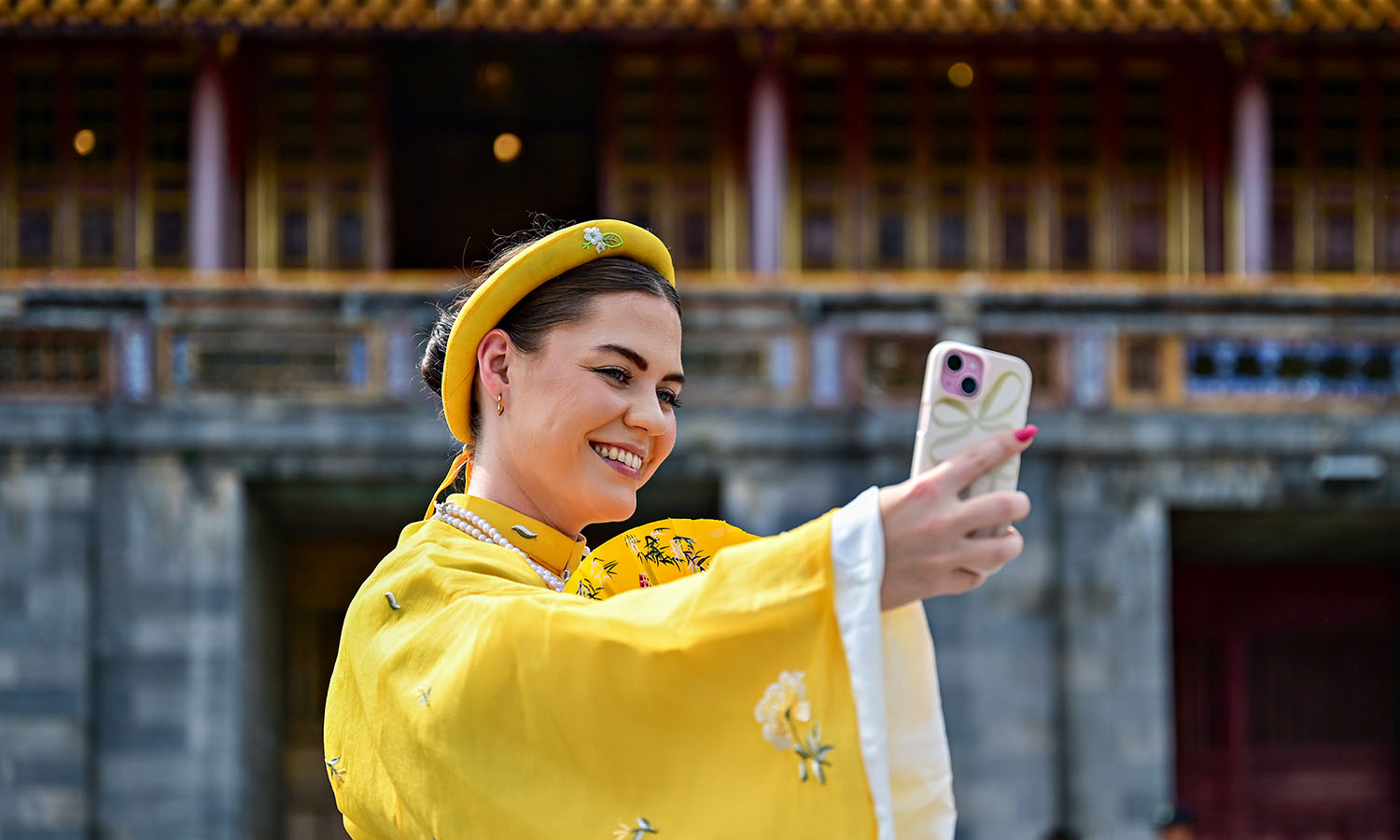
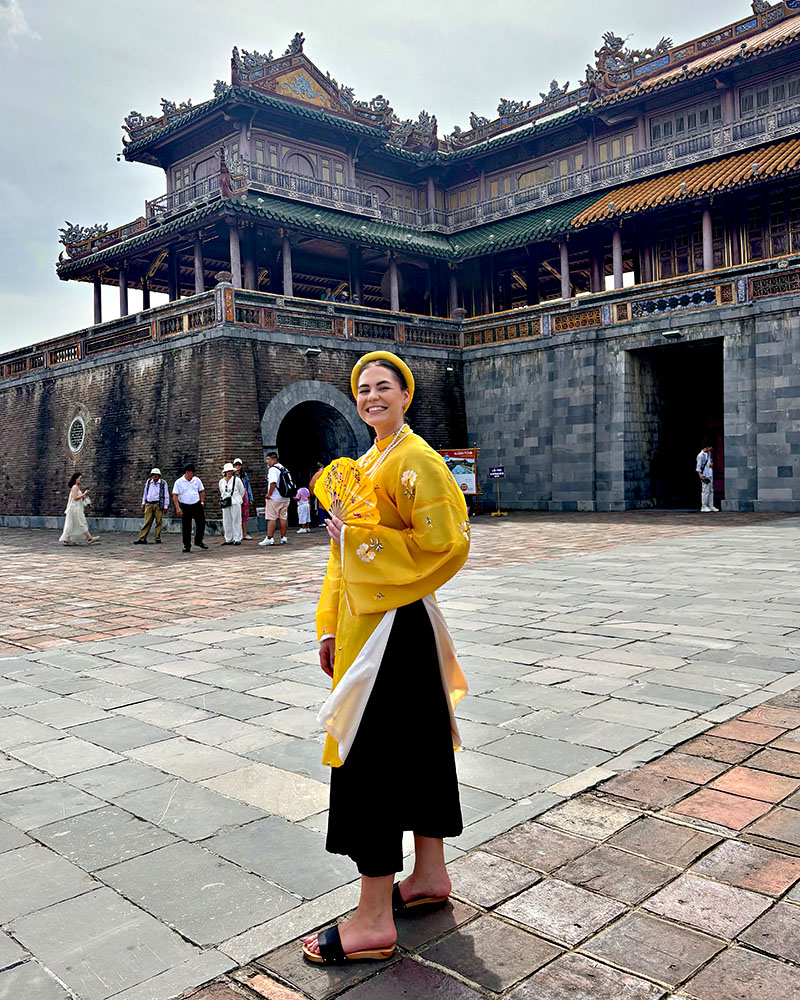
Now, walking around the Imperial City is great on its own, but why stop there when you can fully commit and slip into an áo dài, Vietnam’s traditional long tunic? Rental shops nearby will happily deck you out in silky splendour for just a few bucks. Suddenly, instead of a sweaty tourist with a guidebook, you’re a regal courtier wandering through history, commanding respect from the ghosts of emperors’ past.
Sure, you’ll look slightly ridiculous if you trip on the tunic hem while climbing a staircase. And yes, locals may giggle at your awkward regal poses in front of golden gates. But nothing makes those UNESCO World Heritage shots pop like flowing silk in the breeze.
Just go in the early morning before the sun turns the citadel into an oven. Trust me when I say you don’t want to be wearing any more clothing than is strictly appropriate when the heat comes out to play.
If cemeteries make you squeamish, relax – Huế’s imperial tombs are less about spooks and more about stunning architecture and lakeside pavilions.
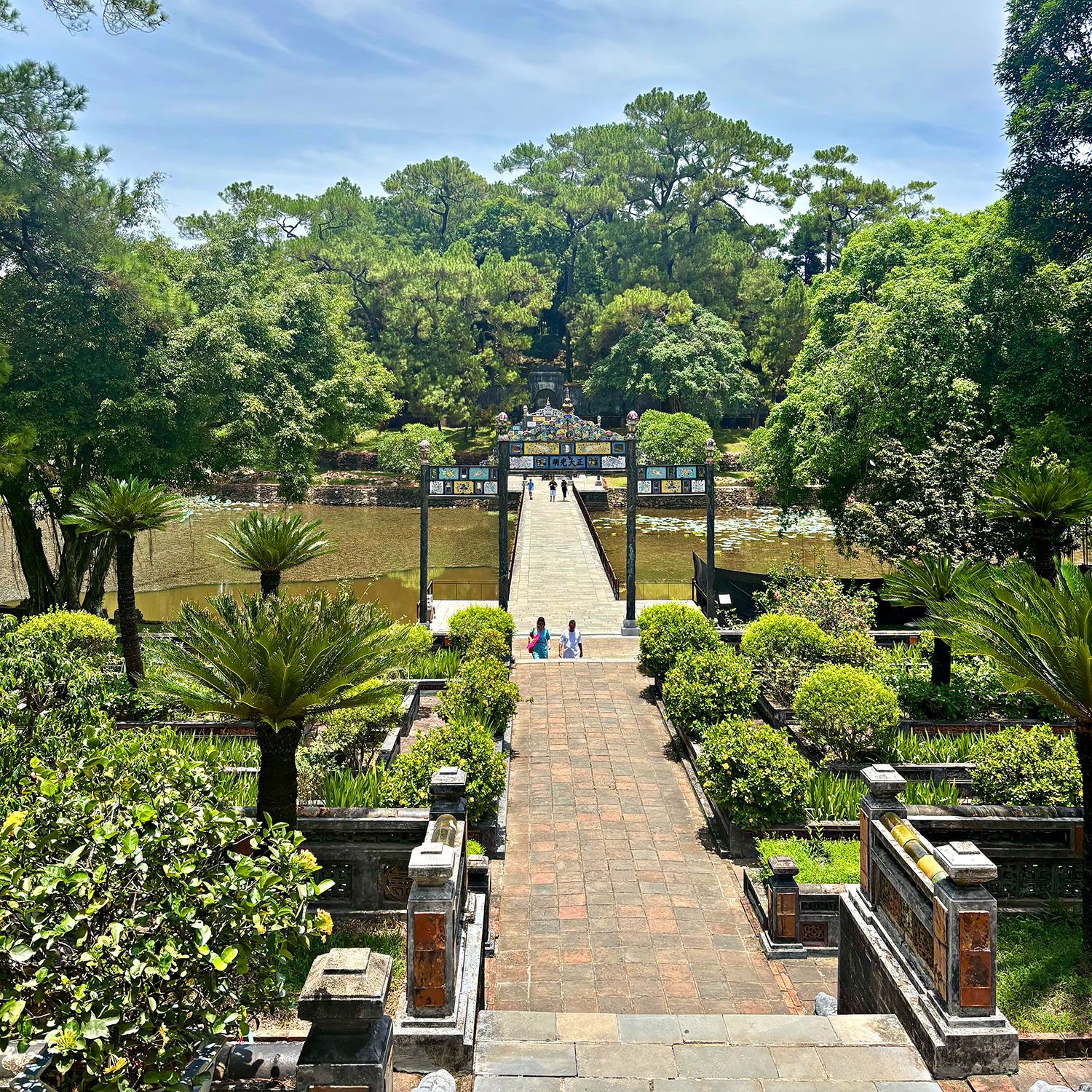
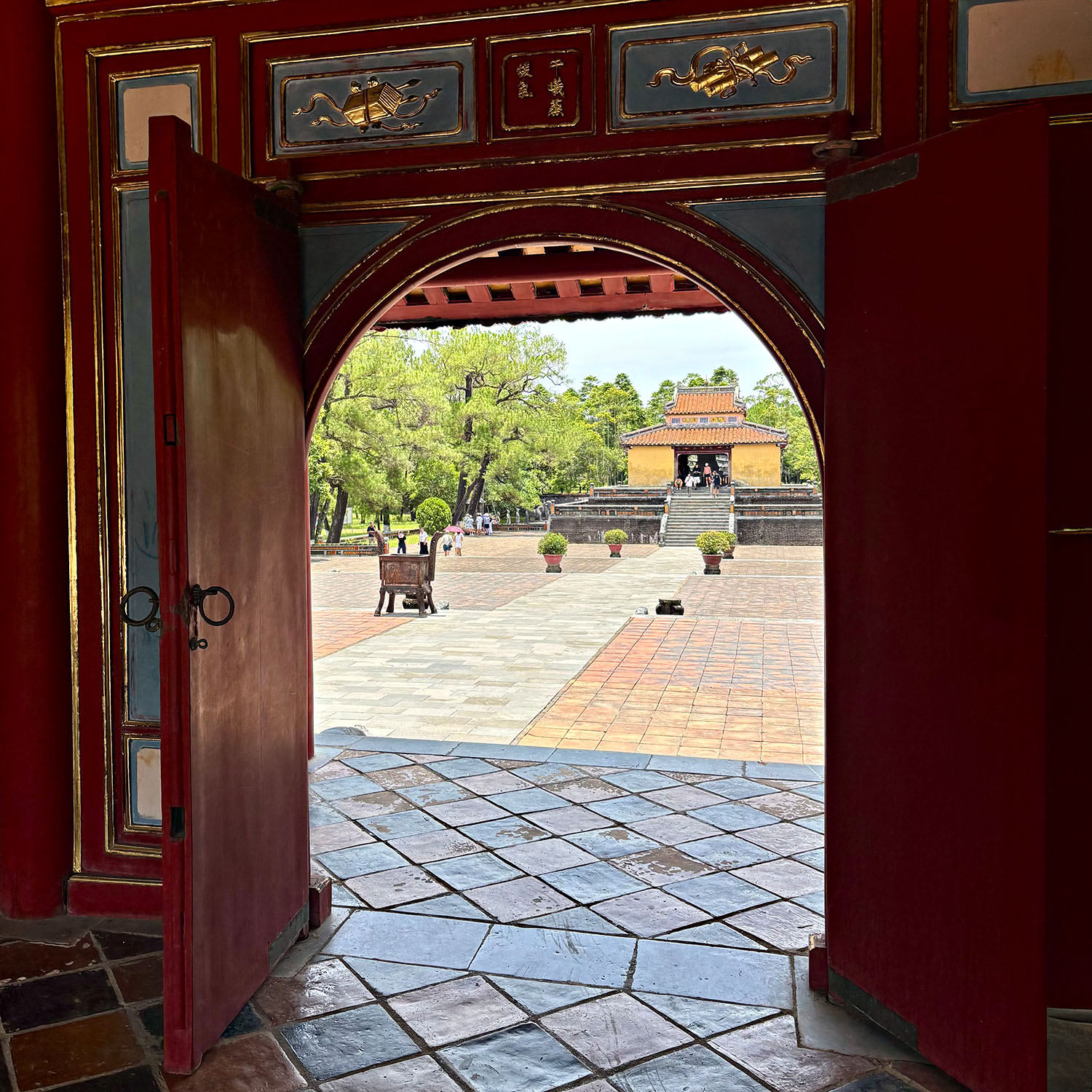
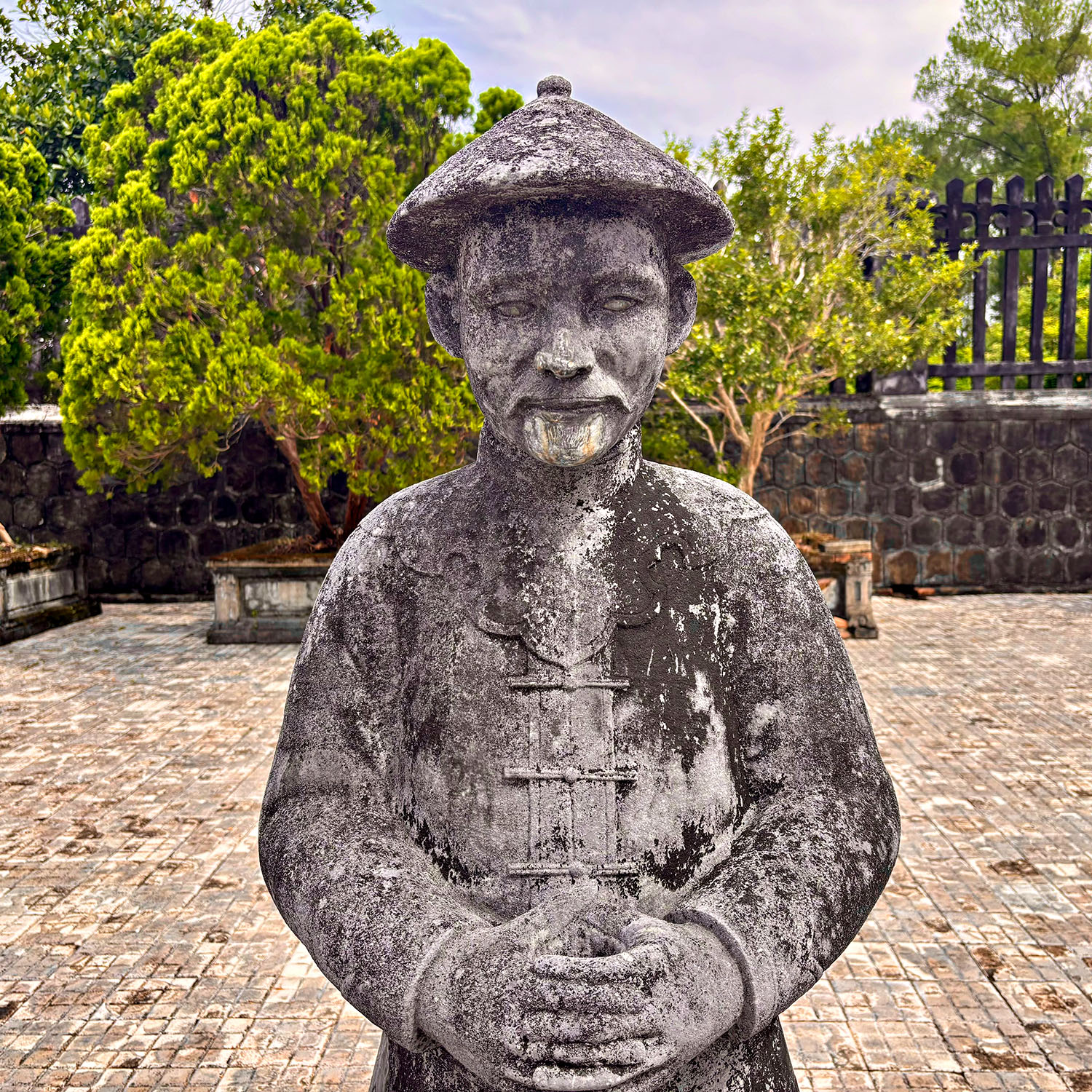
Minh Mạng, the second emperor of the Nguyễn Dynasty, clearly had taste. His tomb, located about 30 minutes outside Huế, is a masterpiece of symmetry. Picture manicured gardens, lotus ponds, ornate temples, and stairways that lead to terraces where you can look over the grounds, pretending to be Minh Mạng himself.
It’s peaceful, beautiful, and just a tad eerie. You could easily spend hours wandering around, admiring dragon motifs and perfectly framed views of the surrounding hills.
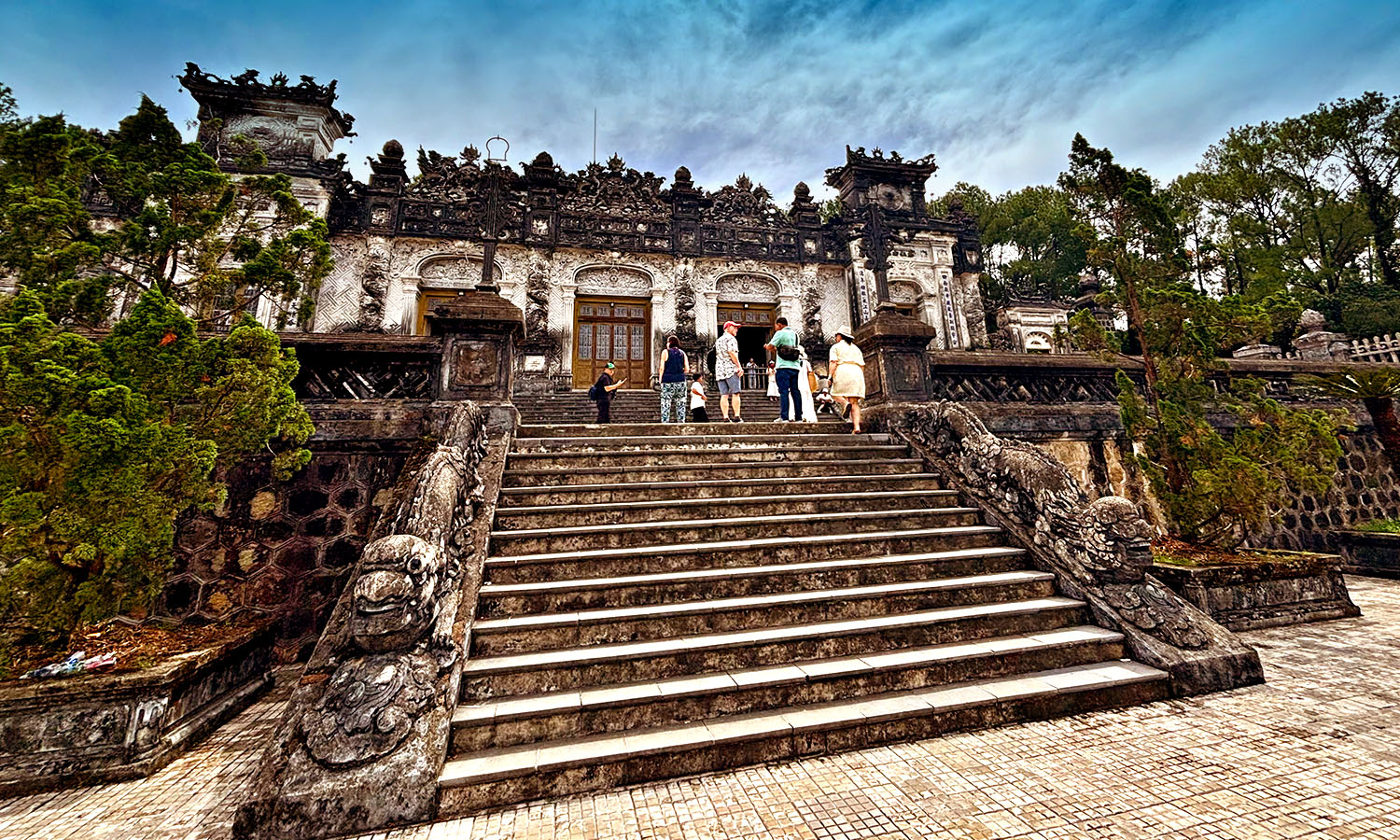
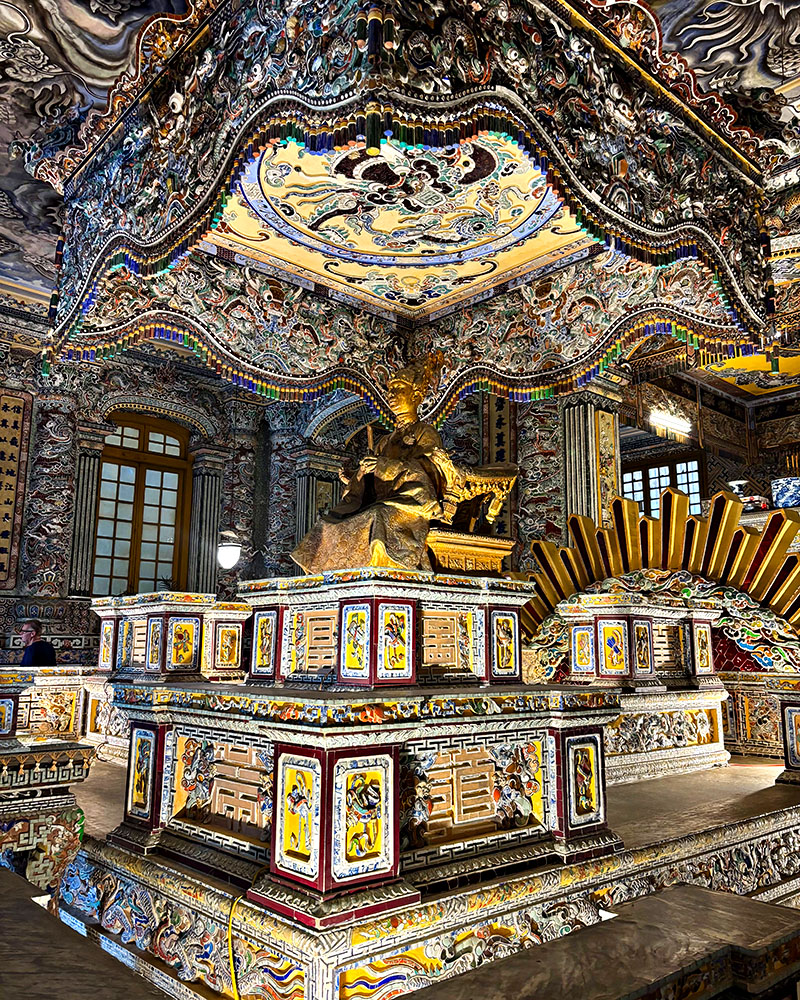
Now, if Minh Mạng’s tomb was subtle and poetic, Emperor Khải Định clearly went for: “make it shiny enough to blind my haters.” His tomb is the exact opposite of minimalist design. Imagine what would happen if a French palace, a Gothic cathedral, and a Vietnamese pagoda had a baby. Then imagine that baby rolled around in crushed glass, porcelain shards, and gold leaf. Voilà; it’s Khải Định’s tomb.
Climb the steep staircase and you’ll find a grand, over-the-top monument. Inside, the ceiling murals are so elaborate you’ll need a stiff neck massage afterwards. There are dragons, sunbursts, and enough detail to keep your eyes entertained for hours (if you can stand the humidity for that long).
Some say it’s gaudy; others call it genius. Either way, you’ll definitely mutter “wow” at least six times. And if you squint just right, it’s basically Vietnam’s Versailles but with fewer tourists elbowing you in the ribs.
I recommend visiting both Minh Mạng and Khải Định to really appreciate the contrast between understated elegance and full-blown imperial flex.
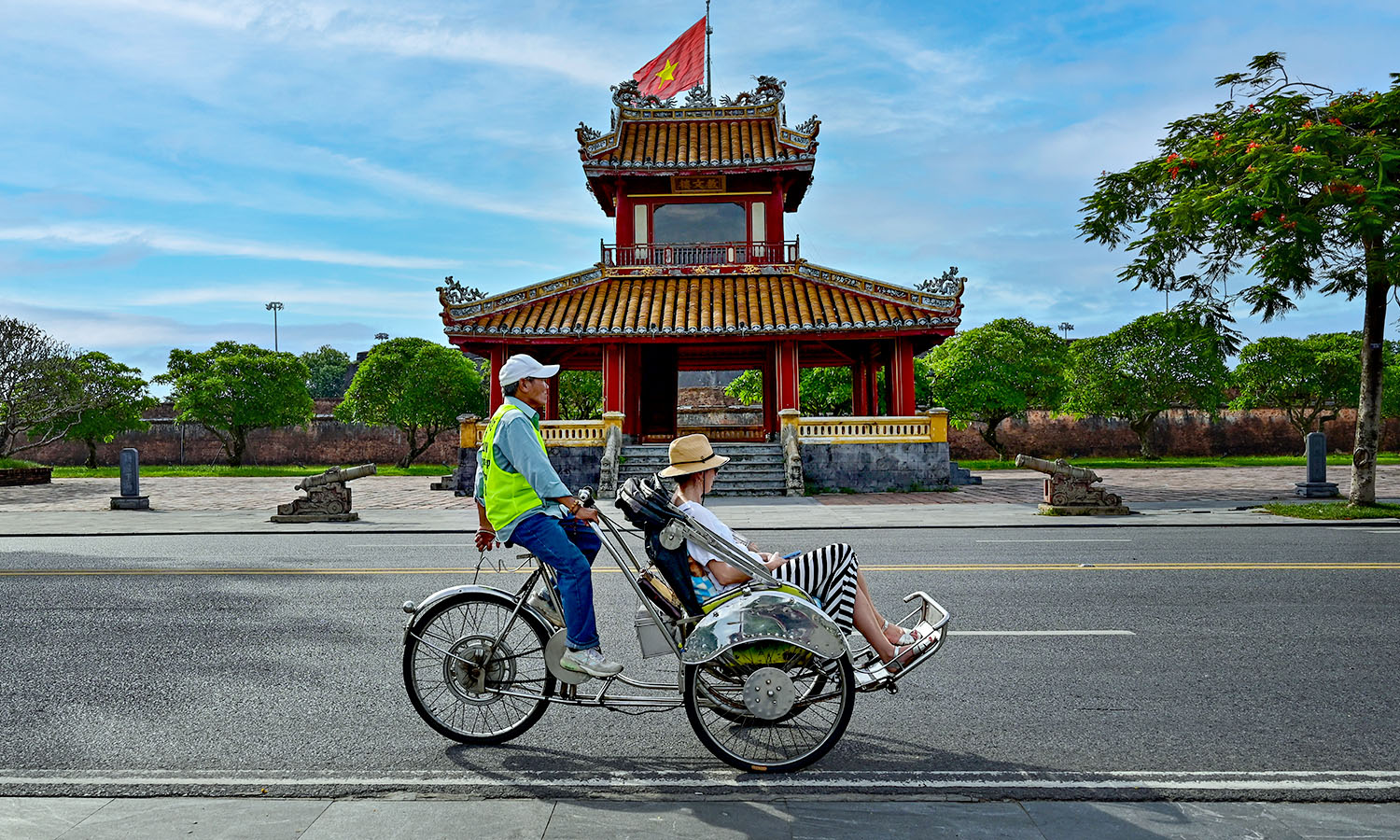
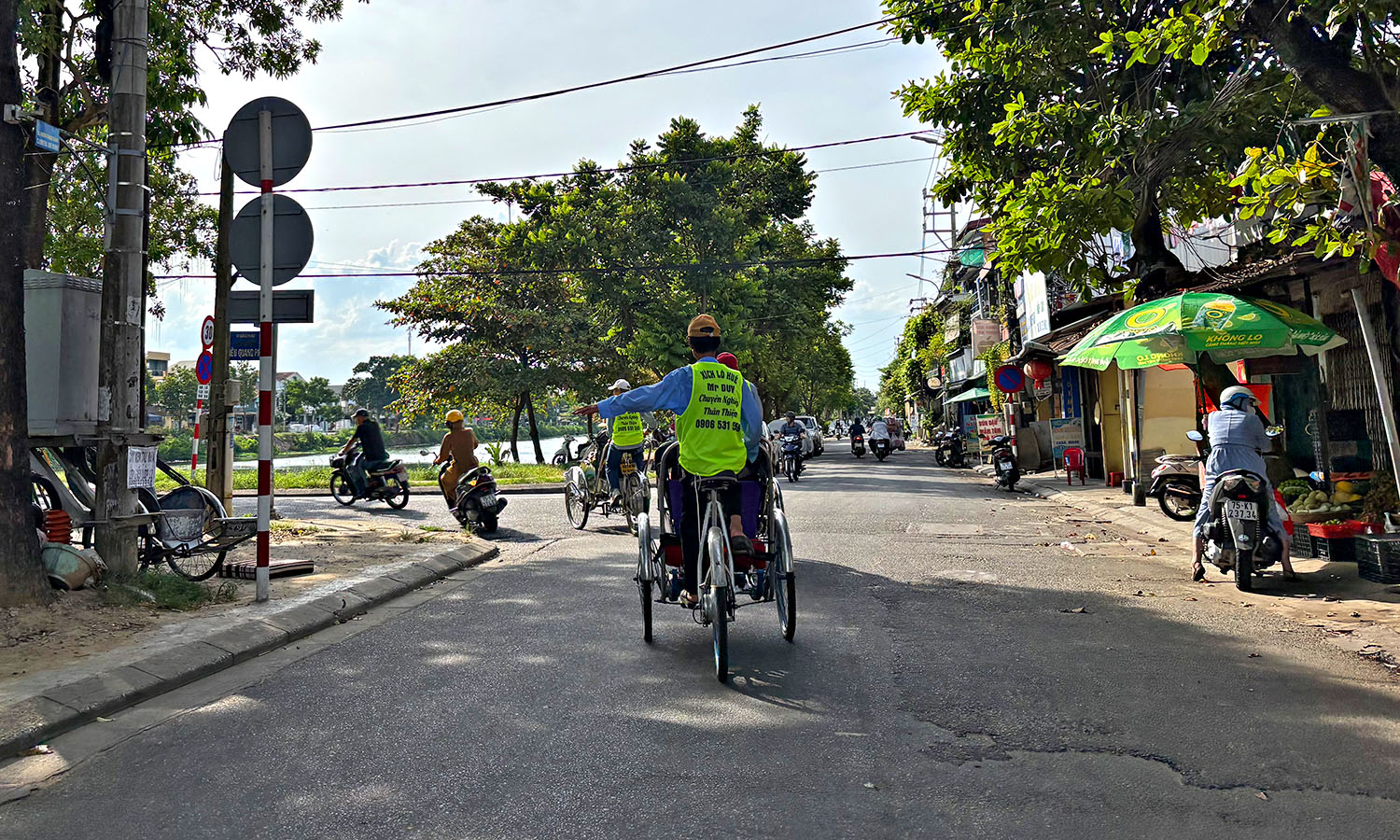
Forget Uber. Forget Grab. Forget your two functioning legs. The only way to properly see Huế’s city centre is in a cyclo, the Vietnamese answer to a rickshaw, where you sit up front like royalty while a wiry man pedals you around with superhero calf strength.
Is it slightly awkward at first? Absolutely. You’re sitting in a giant seat while someone sweats profusely to get you across intersections teeming with motorbikes. But once you get over the mild guilt, it’s actually the best way to soak in Huế’s vibe.
You’ll glide past markets overflowing with dragon fruit, women selling steaming bowls of bún bò Huế (the city’s legendary noodle soup), and incense-scented pagodas that seem to pop up out of nowhere. The drivers often double as unofficial tour guides, shouting snippets of history in between expert traffic manoeuvres.
It’s chaotic. It’s authentic. And it’s far more fun than dodging scooters on foot.
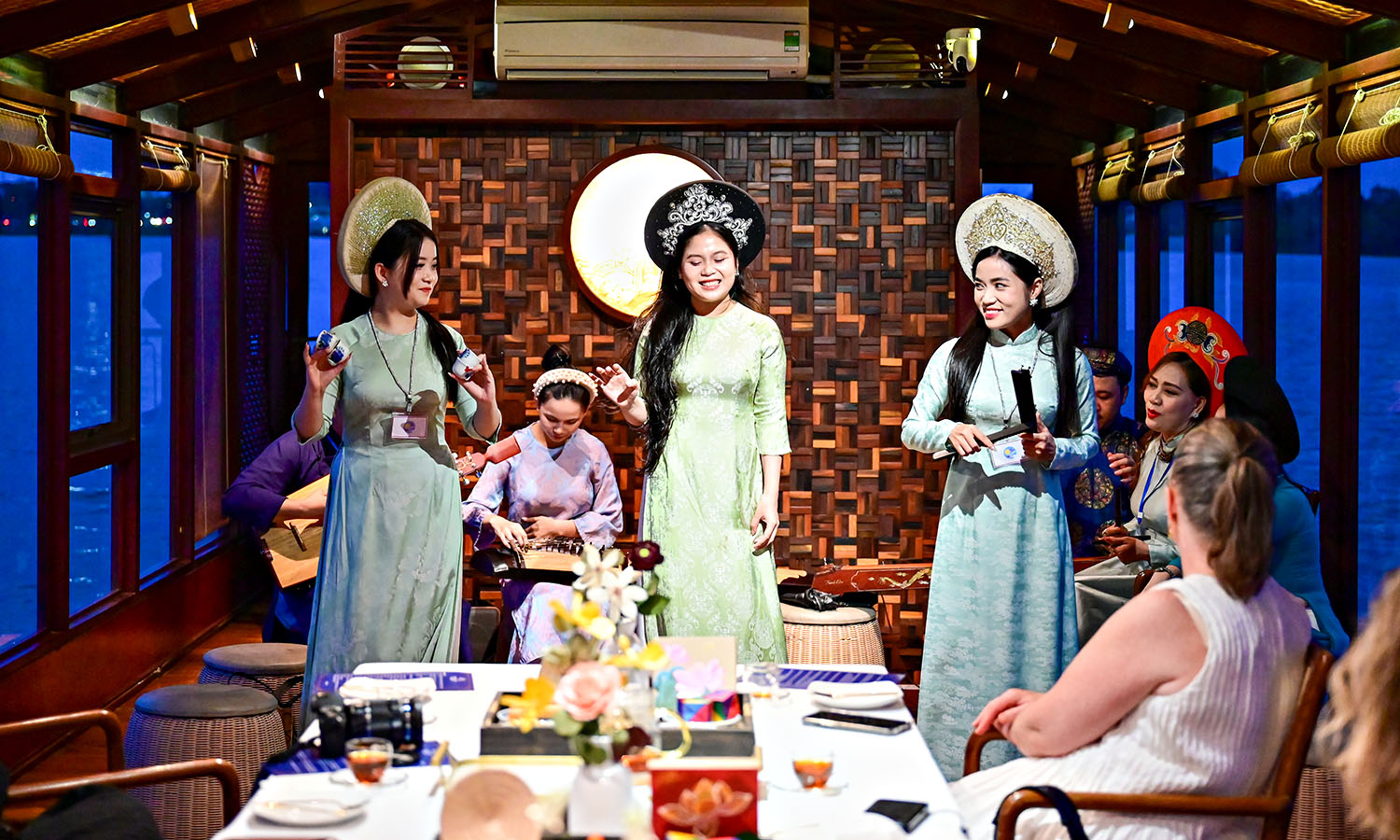
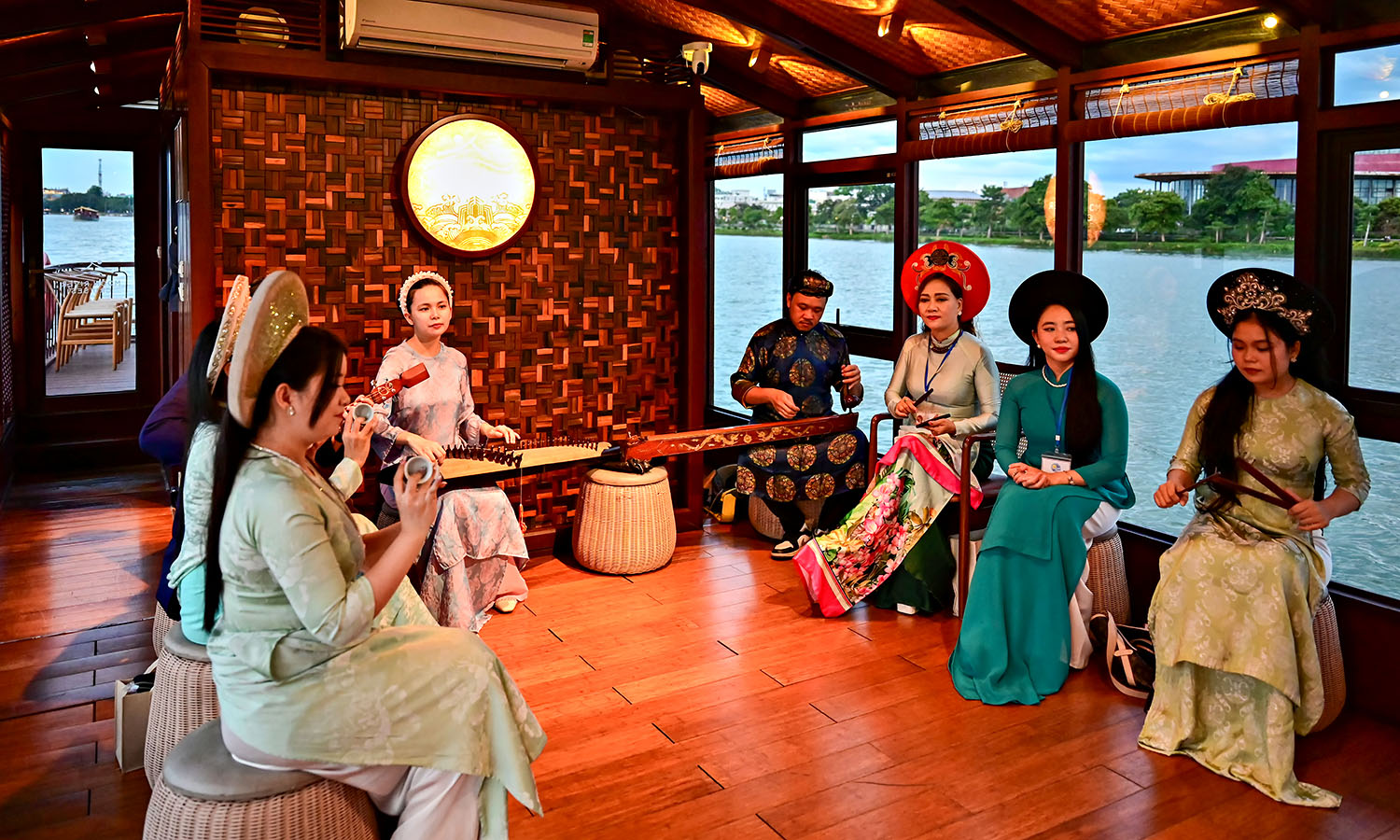
If emperors loved one thing, it was a boat that looked like a mythical creature. On the Perfume River, you’ll find exactly that: colourful dragon boats ready to ferry you into the sunset.
Board one of these beauties and you’ll be treated to riverside views of pagodas and city life, but you can also organise a traditional Vietnamese music performance to enjoy while you float. Think zithers, flutes, and vocals that echo across the water, reminding you that Spotify playlists sometimes don’t cut it.
One moment you’re reflecting on the poetic name “Perfume River” (spoiler: it doesn’t actually smell like Chanel No. 5), the next you’re clapping along awkwardly as musicians hand you porcelain cups to smack together.
Hopping aboard one of these boats in the evening is magical, not just because the air will be cooler, but because the twinkling city lights will be mirrored on the water.
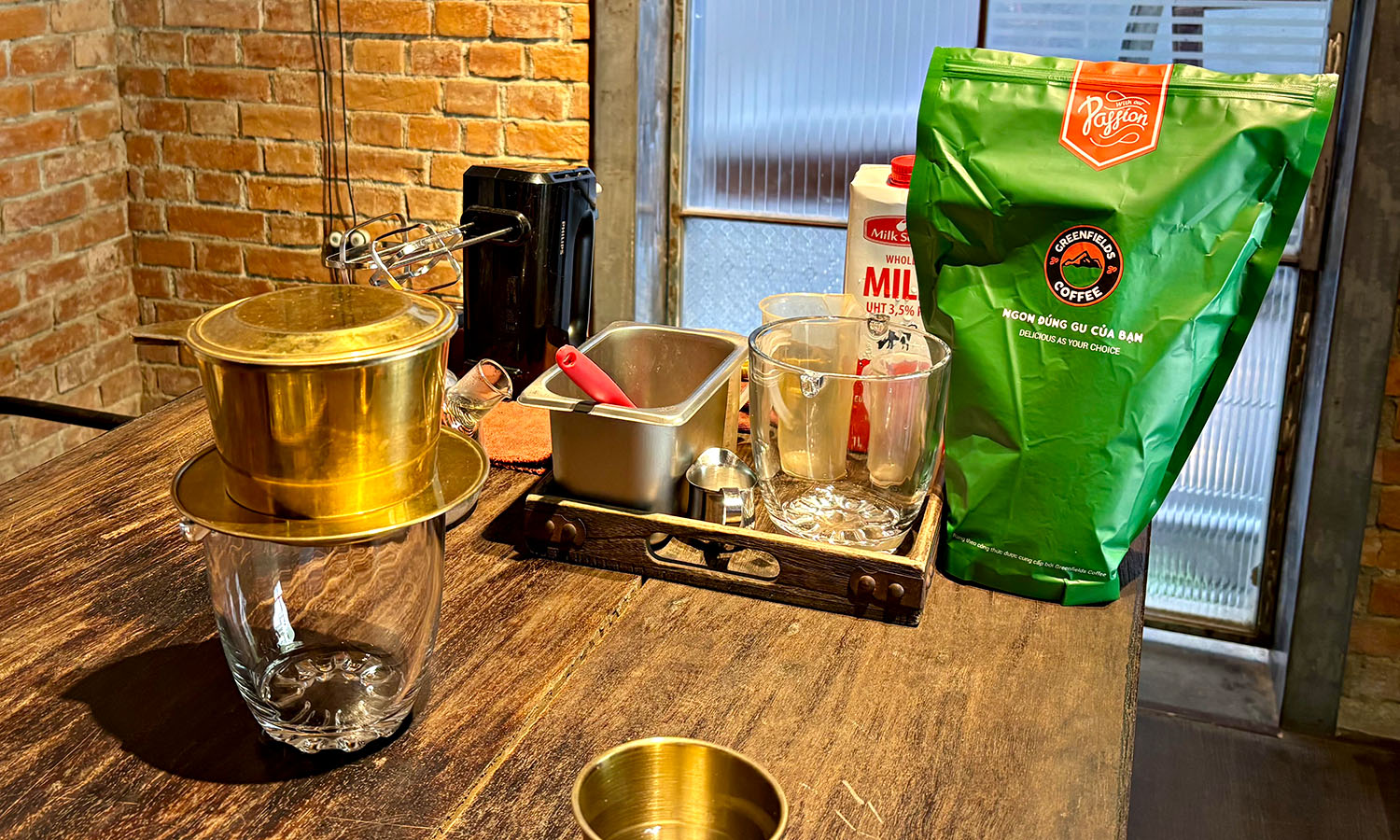
You thought Vietnam’s caffeine game peaked with iced coffee dripping slowly into condensed milk? Think again. Huế has a beverage so unique you’ll question everything you thought you knew about coffee culture: cà phê muối, or salt coffee.
Yes, you read that right. Salt. In coffee. Somewhere out there, an Italian barista is clutching his chest in horror. But trust me, it works.
The trick is that the salt is mixed into the creamy foam that tops the coffee, balancing the bitterness with a subtle savoury kick. The result is a flavour explosion that’ll have you reaching for more.
And where better to try it than in Huế, the city that invented it? Pull up a low plastic stool at a street-side cafe, order a glass, and feel the sensation as your taste buds dance the cha-cha of confusion and delight.
But don’t sip it too fast. This is a slow-burn kind of beverage, best enjoyed while people-watching.
Whether you’re dressing up in an áo dài, floating down the Perfume River, or slurping down a salty coffee that’ll defy your tastebuds, Huế proves again and again that it’s not just a pit stop, it’s a destination that deserves its own spotlight.
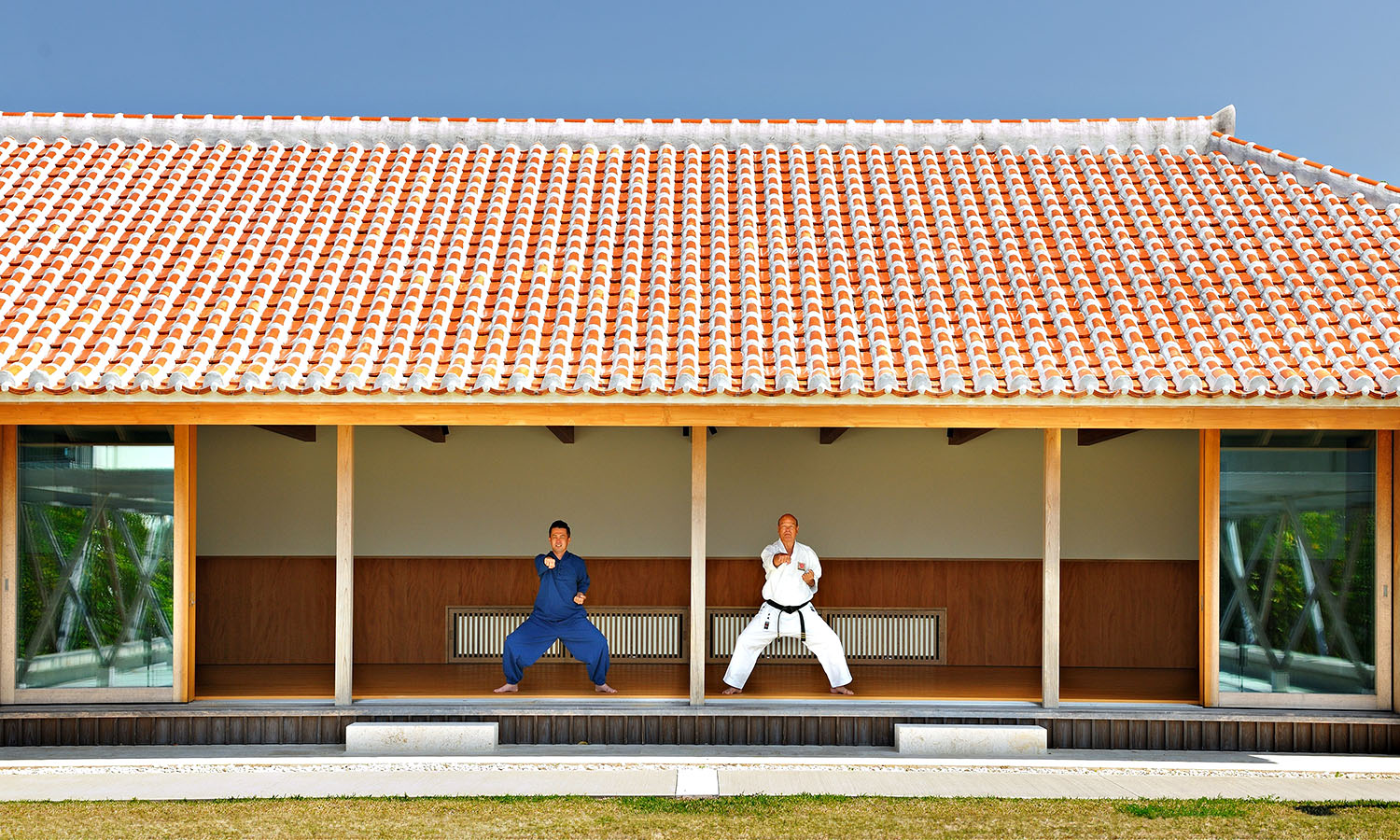
Most wellness retreats ask you to light incense and hum yourself into a mild coma. But on a wind-swept clifftop in Okinawa, Japan’s southernmost prefecture, one luxury resort is swapping scented candles for sai weapons and replacing om with hiyaaa!
Welcome to HOSHINOYA Okinawa, a place where you don’t just find yourself… you fight yourself. Literally.
This isn’t your average Zen-and-tonka-bean-smoothie type escape. The Ryukyu Karate Stay is a two-night, three-day wellness program that trades passive pampering for purposeful punches. Think of it as a spiritual cleanse. A cultural immersion, physical reckoning, and damn good food, all served with the salty sting of sea air and sore muscles.
Forget what you know about karate from bad ’80s movies and underwhelming gym classes. Okinawa is where it all began. The ancient martial art of “Te” collided with Chinese influences and became “Toudi,” the philosophical ancestor of modern karate. Here, karate wasn’t about breaking bricks or impressing a Tinder date, it was about confronting your own chaos and sculpting it into calm.
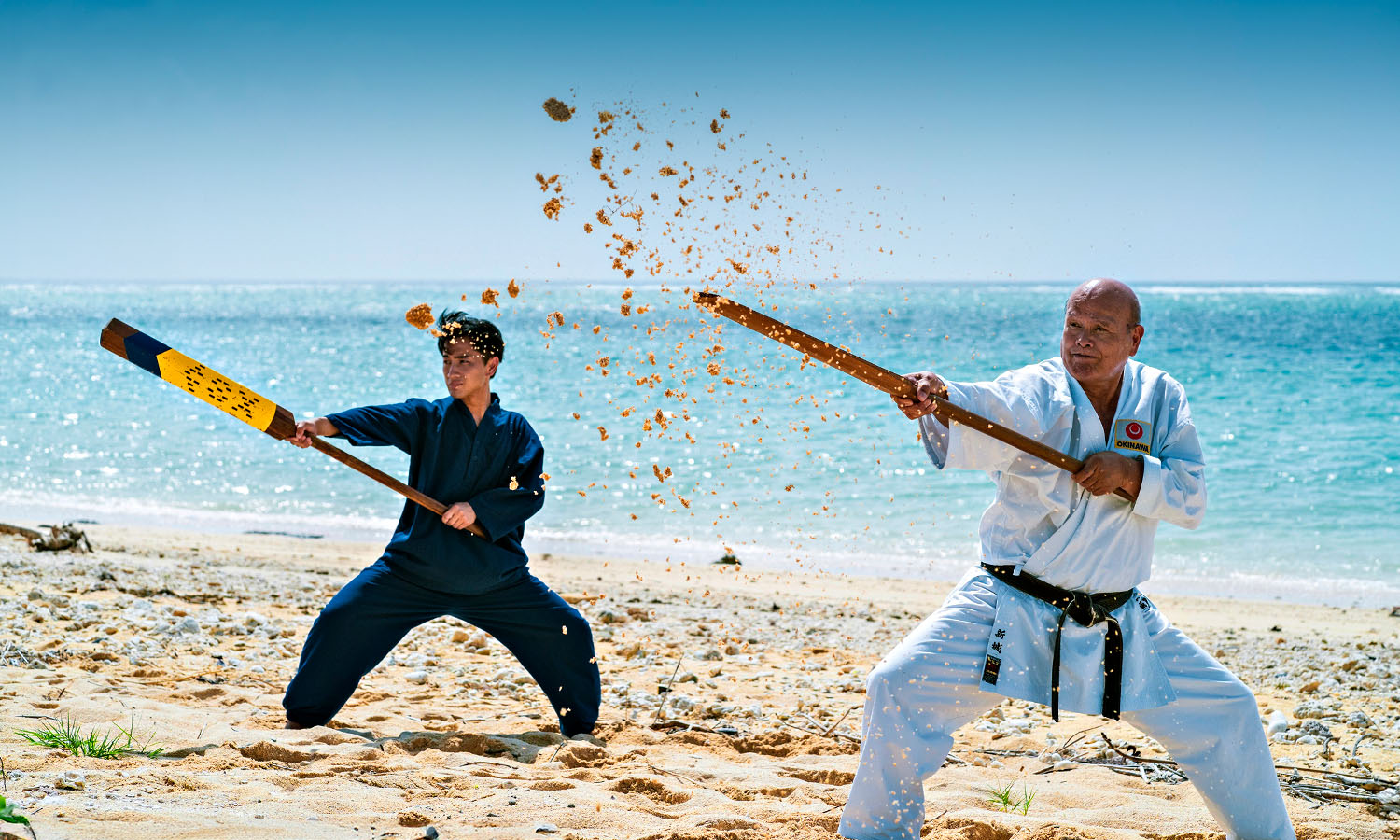
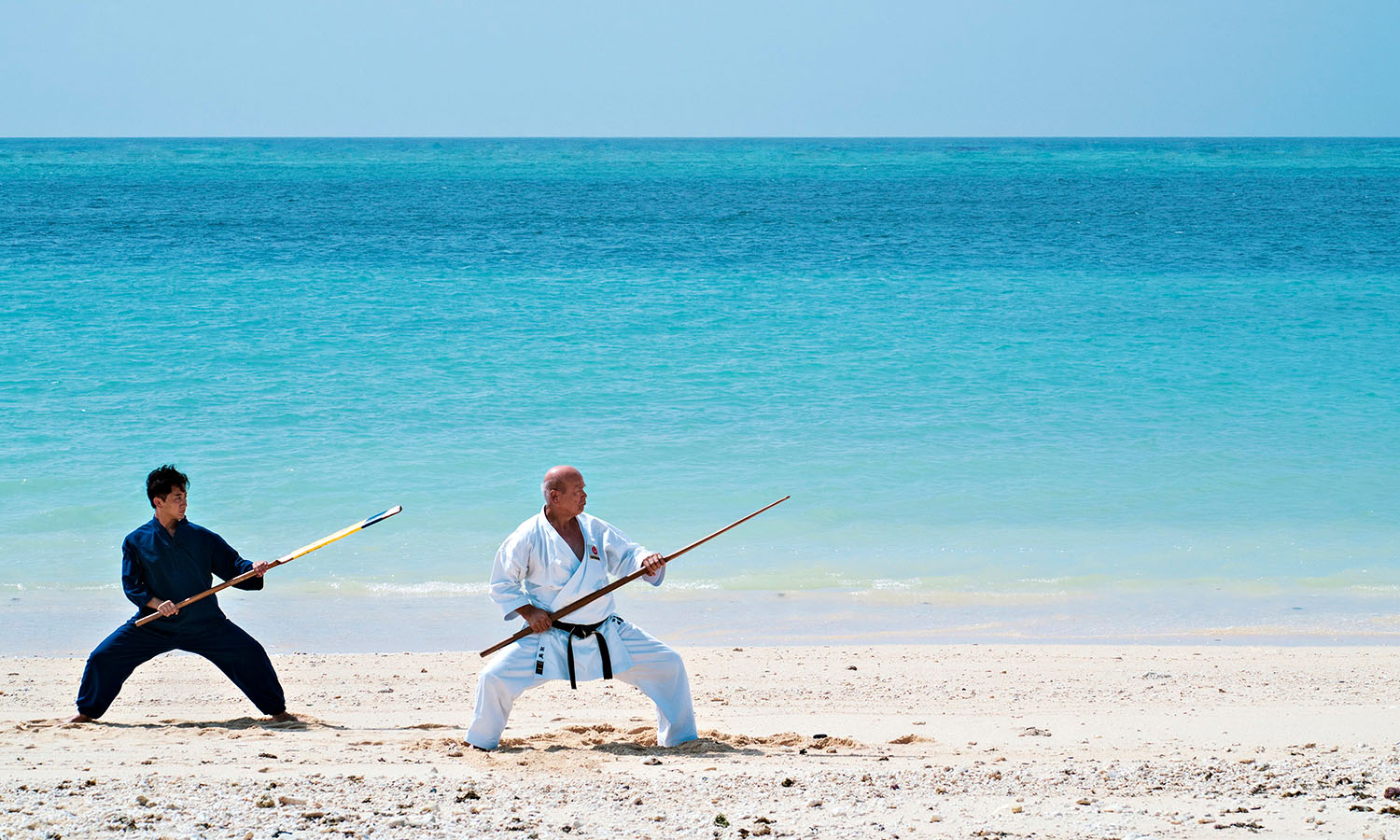
At HOSHINOYA’s coastal dojo and on the sand (yes, barefoot beach sparring is a thing), you’ll train in both Ryukyu Karate and the lesser-known but seriously badass Ryukyu Kobudō, which uses tools like the sai (think: deadly metal fork) and the eeku (a weaponized oar, because… island life).
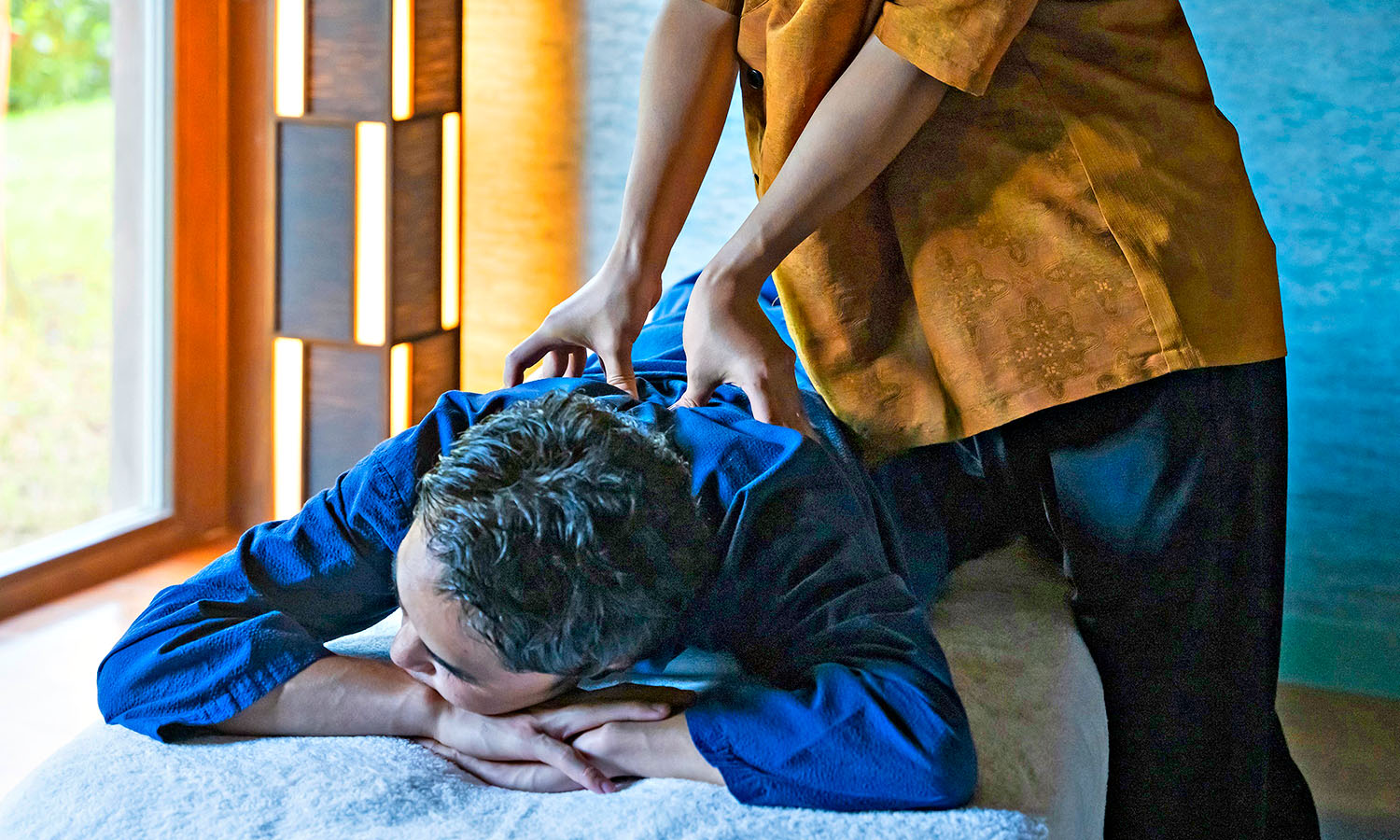
Once your soul is centred and your limbs are rubber, it’s time to heal like a warrior. A post-training ritual of oil therapy, acupuncture, and shiatsu awaits, administered by licensed experts who can coax knots out of muscles you didn’t know existed.
This isn’t just a massage. It’s a full-body exhale.
EAT LIKE THE OKINAWANS (Which Might Be Why They Live Forever)
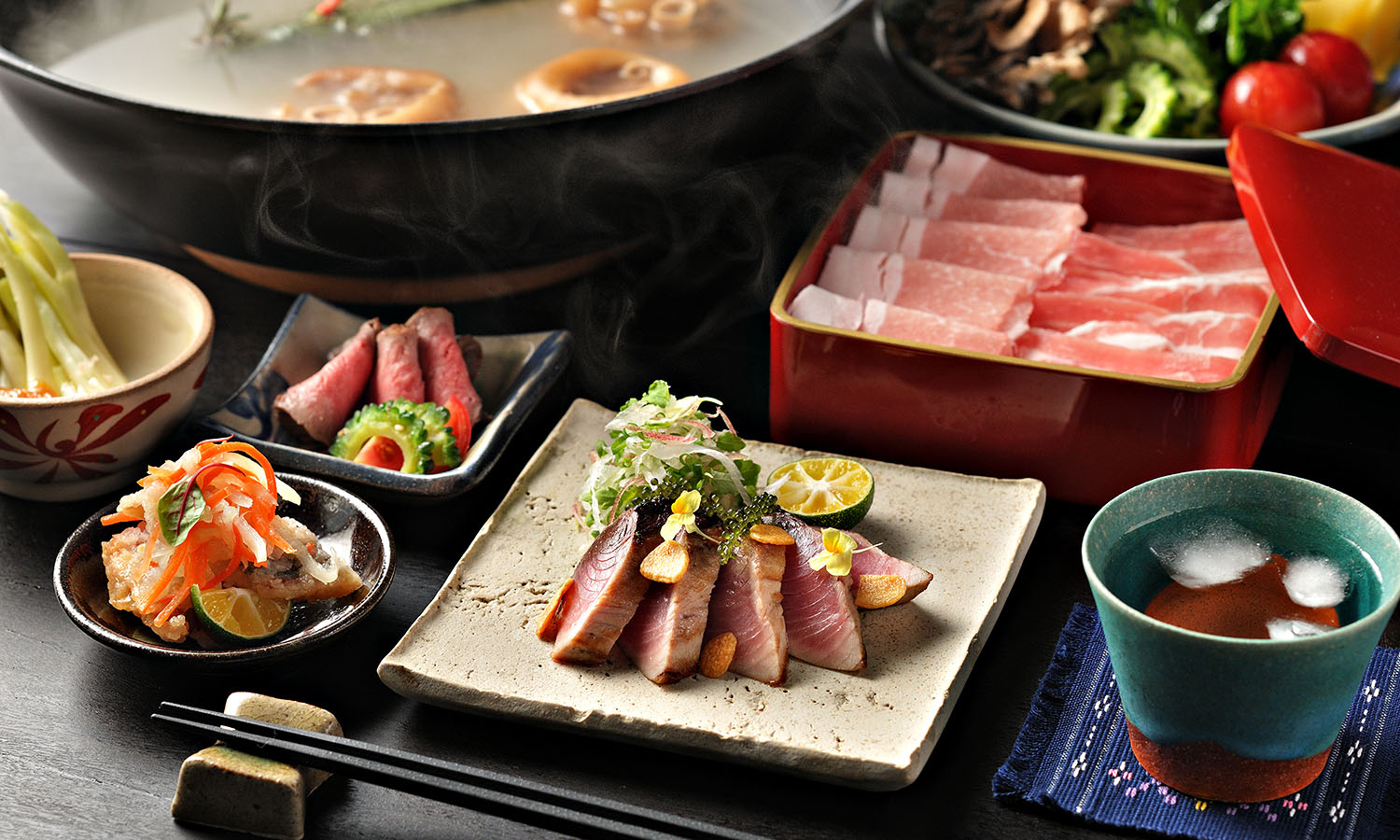
In Okinawa, food isn’t just fuel. It’s medicine. And at HOSHINOYA, meals are crafted under the ancient philosophy of Ishoku Dōgen, the idea that what you eat can heal what ails you.
Forget the quinoa. This is vitamin-loaded local greens, mysterious island herbs, and melt-in-your-mouth Okinawan pork that makes your B vitamins do backflips. Every dish is beautifully balanced to restore what the modern world has taken from you. Yes, it’s delicious. And yes, you’ll probably post it before you eat it.
• Program: Ryukyu Karate Stay
• Duration: 2 nights, 3 days
• Cost: ¥160,000 per person (excl. accommodation)
• Includes: Karate + Kobudō sessions, all meals, spa treatments, a spiritual sucker-punch to your routine
• Group Size: Just you and a plus one (max 2)
• Bookings: Minimum two weeks in advance Link here
The Setting: HOSHINOYA Okinawa
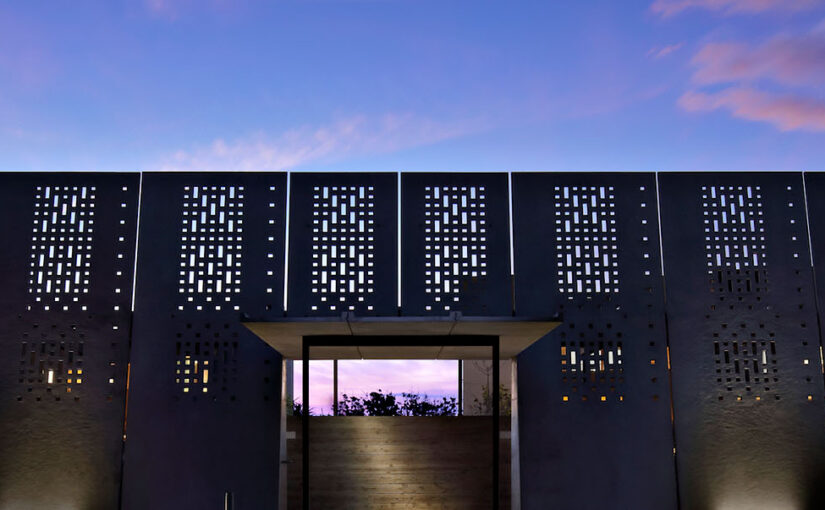
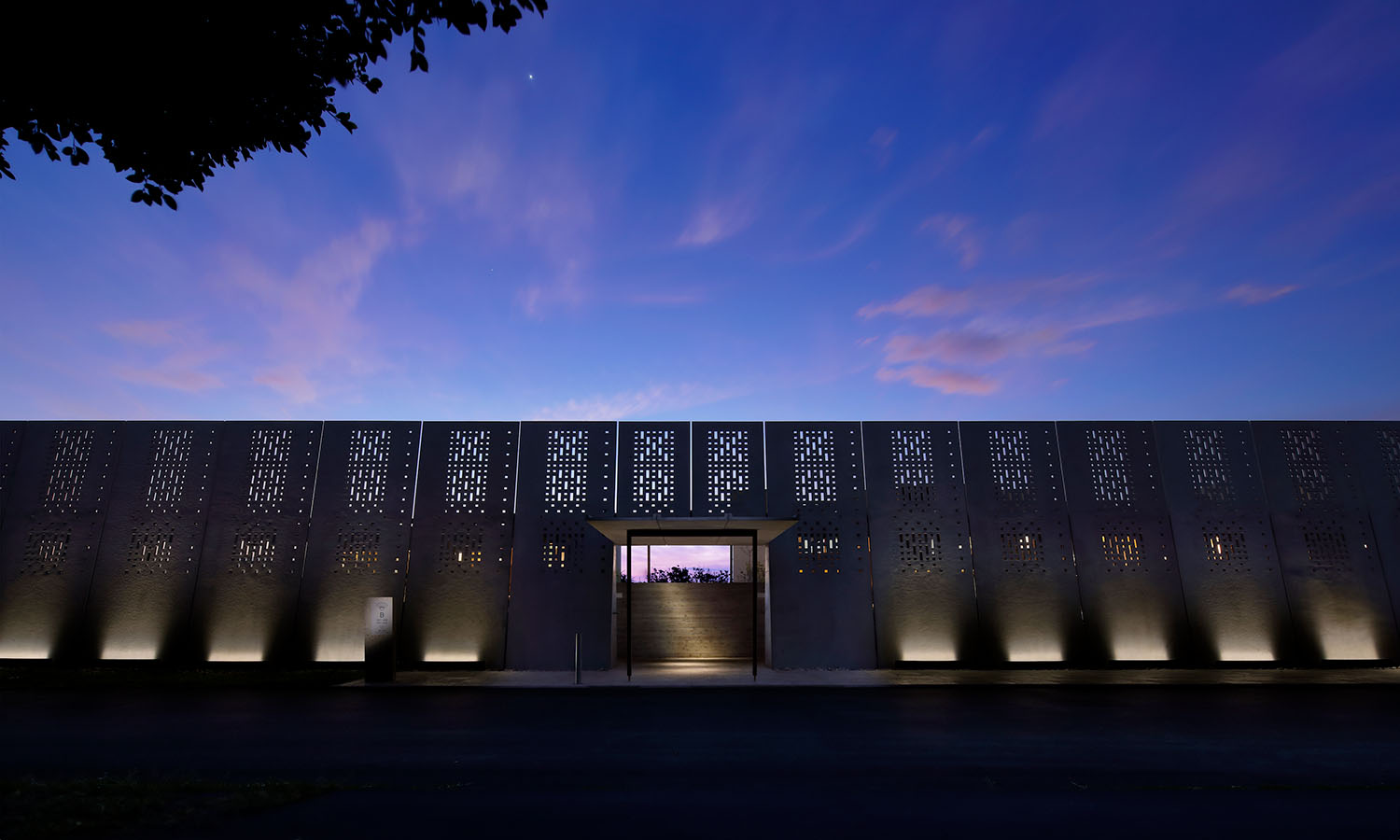
Perched on the edge of Japan and reality, this 100-room fortress-inspired resort combines contemporary luxury with Ryukyu soul. Expect dramatic ocean views, traditional design, and enough cultural gravitas to make you feel like you’ve time-travelled—if samurai were into soft linens and world-class dining.
So if you’re tired of downward-dogging your way to peace, maybe it’s time to throw a few (metaphorical) punches instead. Okinawa’s waiting, with a black belt, a bowl of pork belly, and a killer ocean view.
 (
(