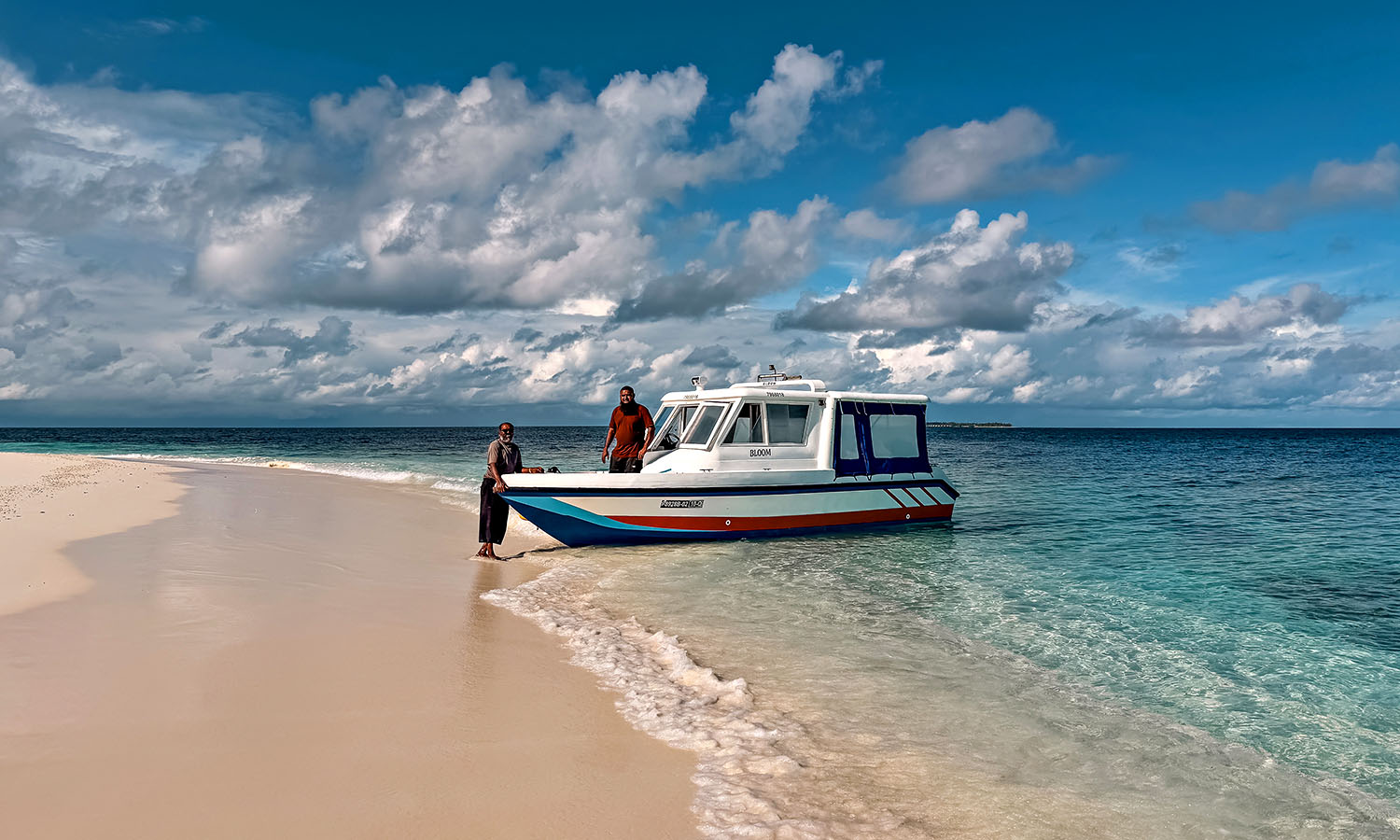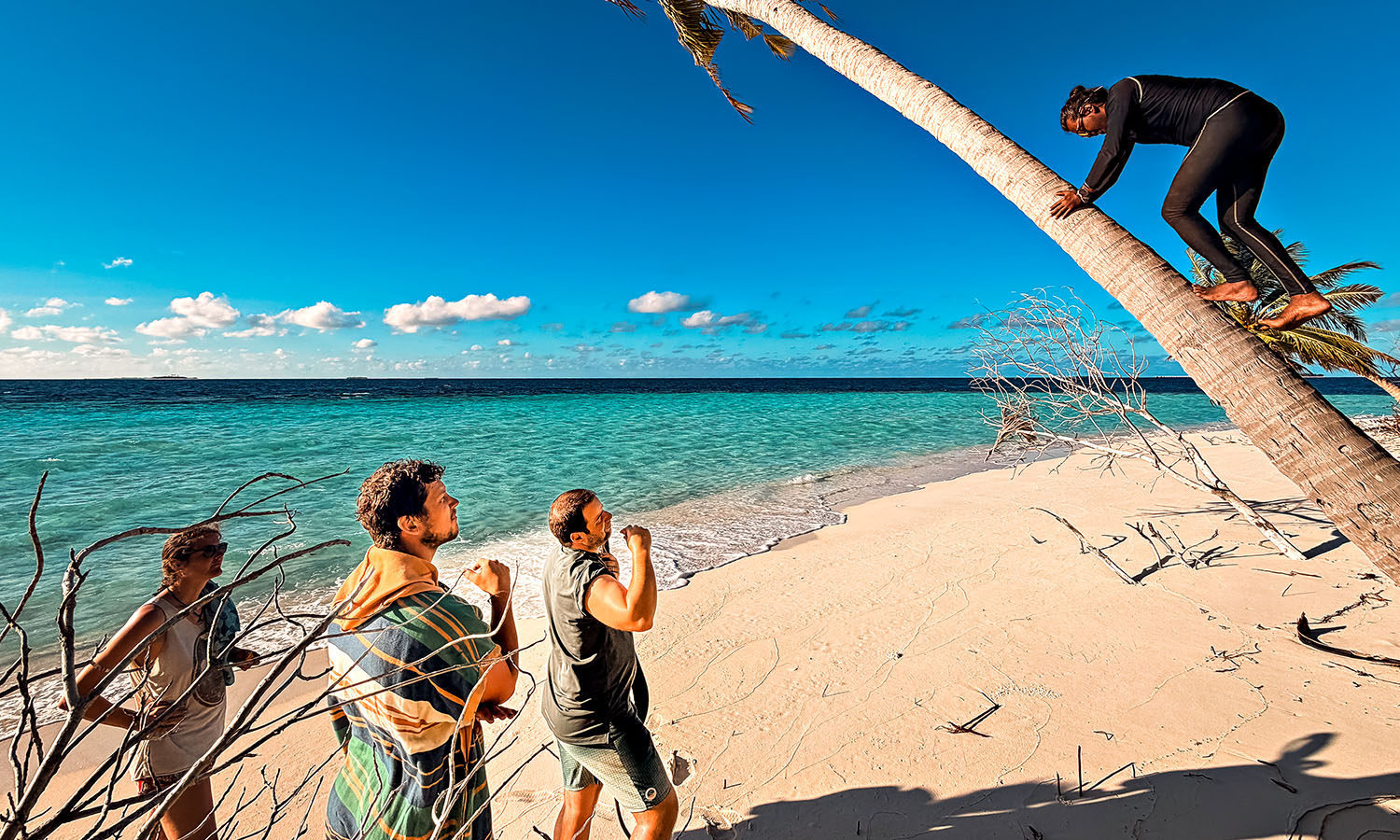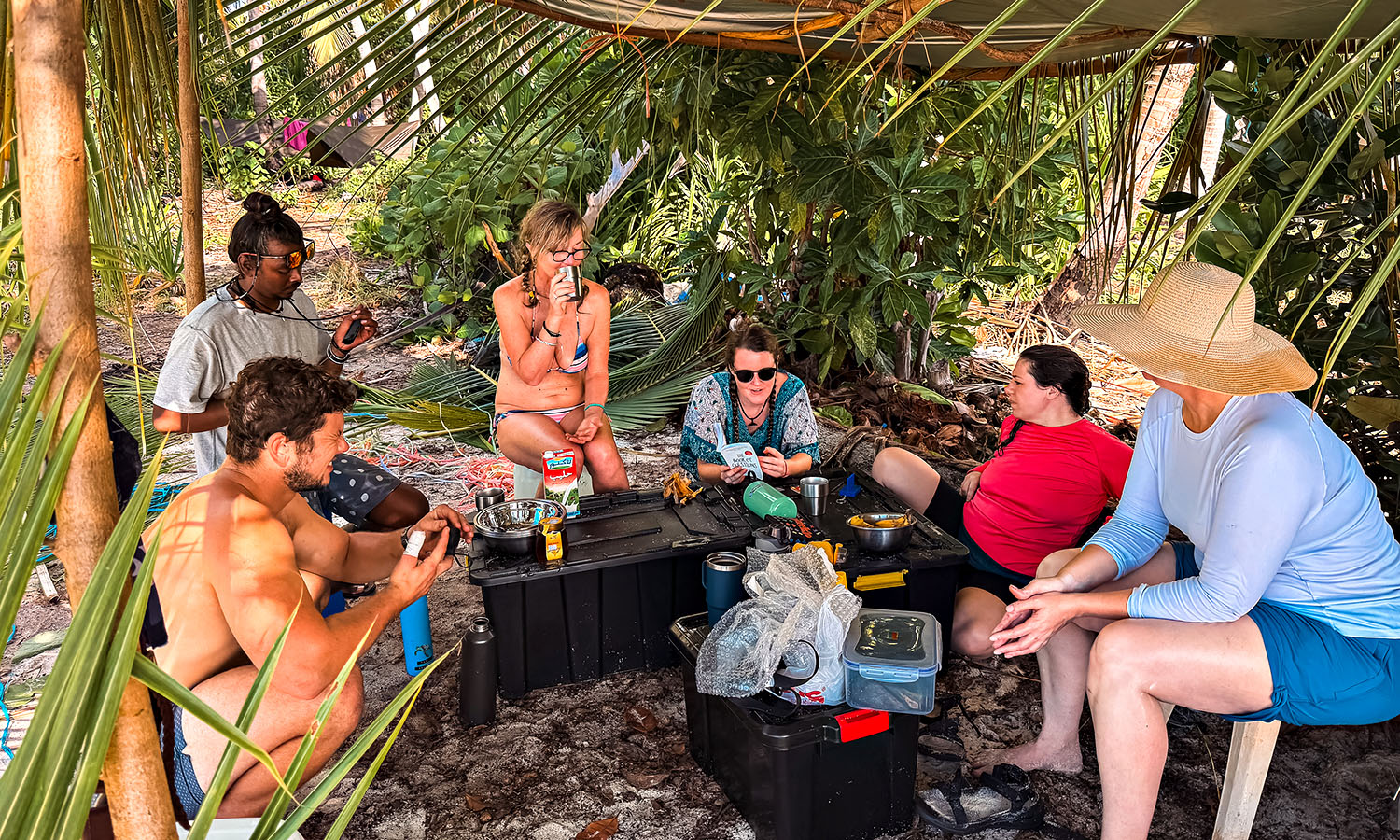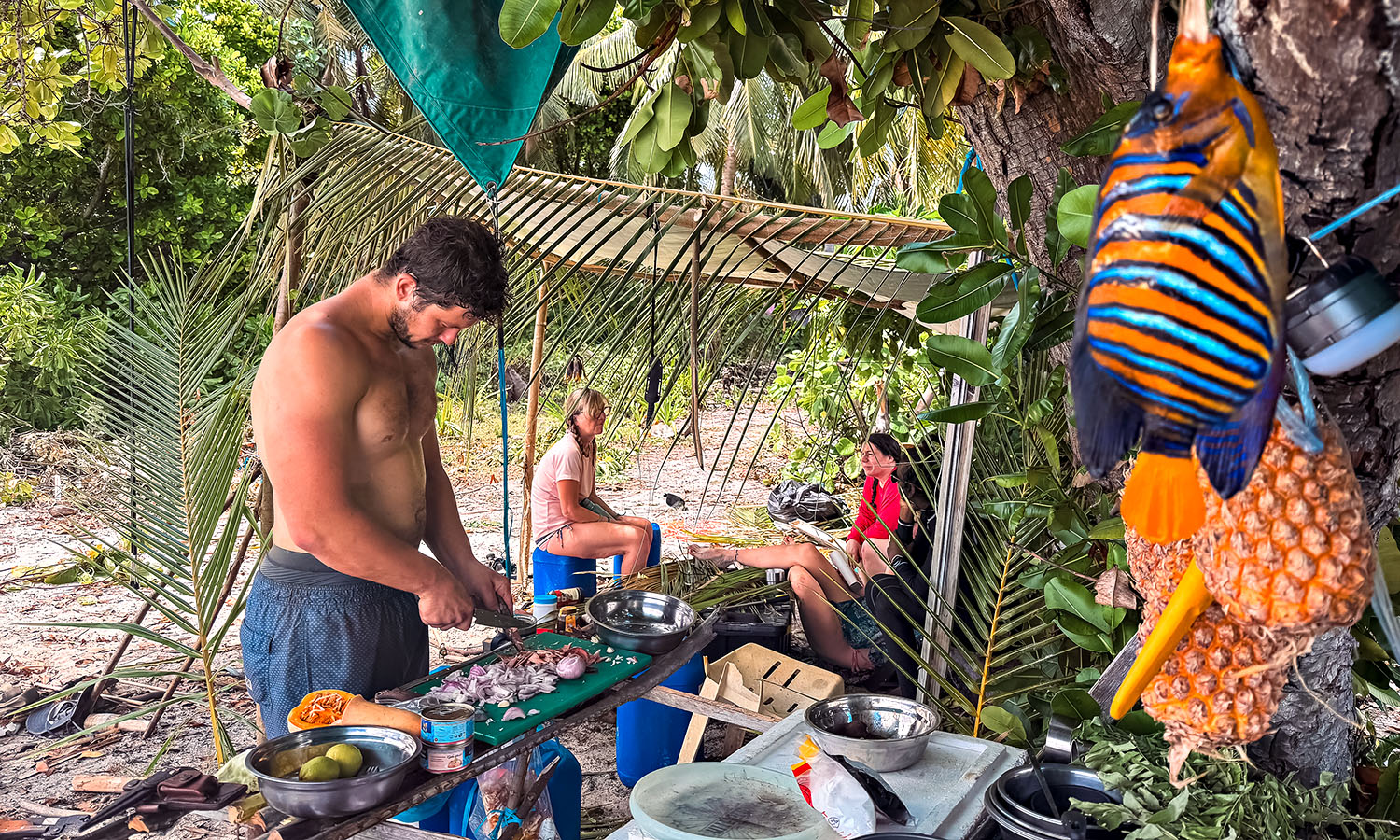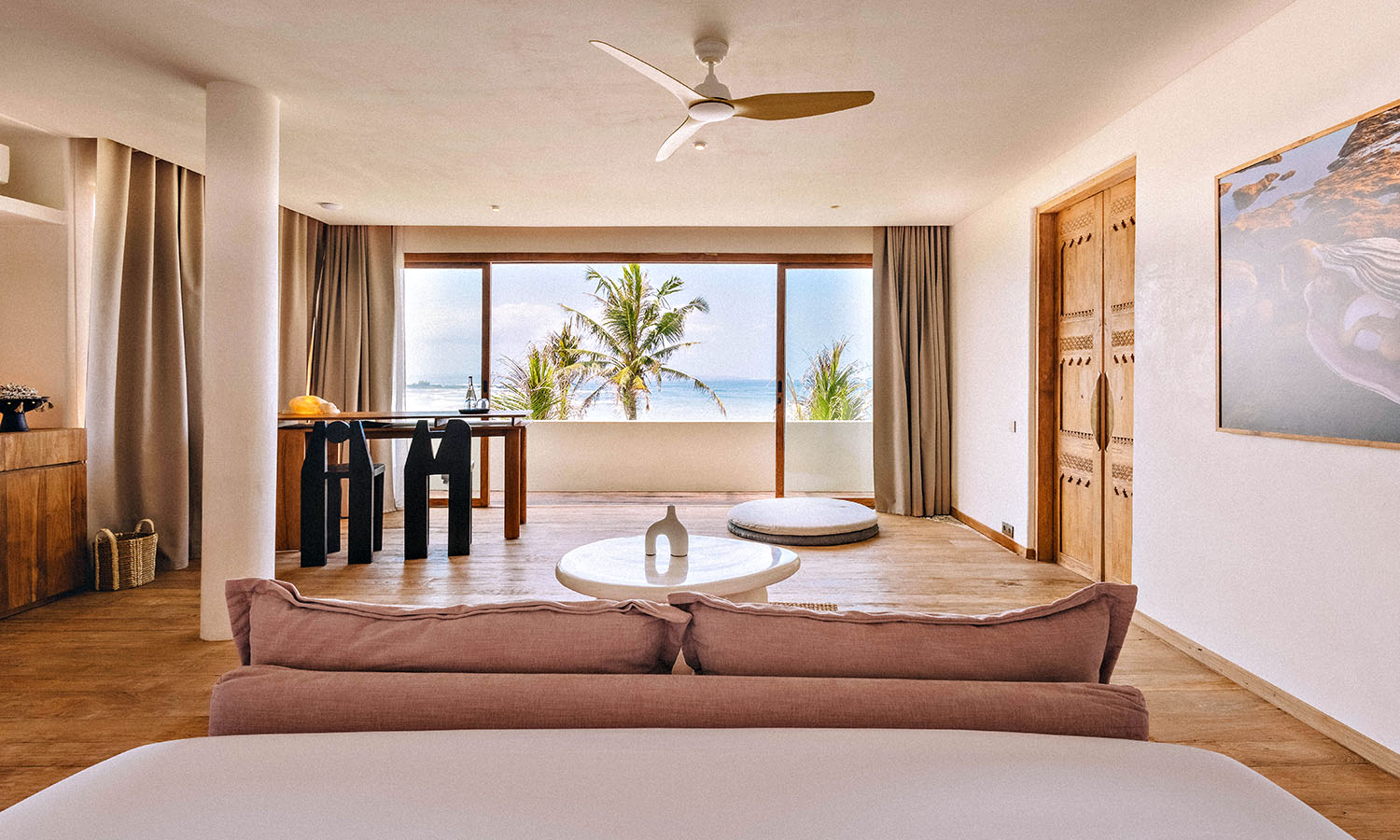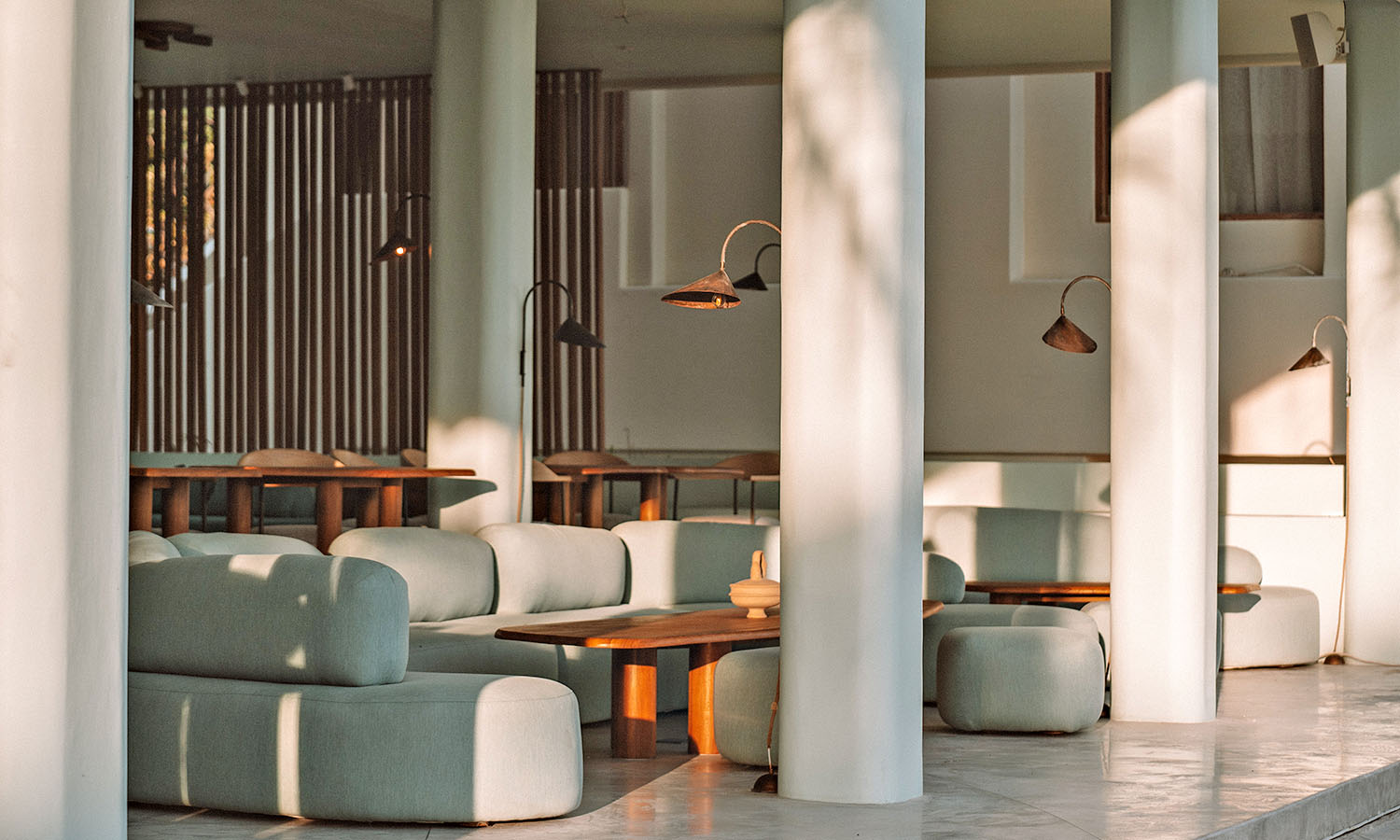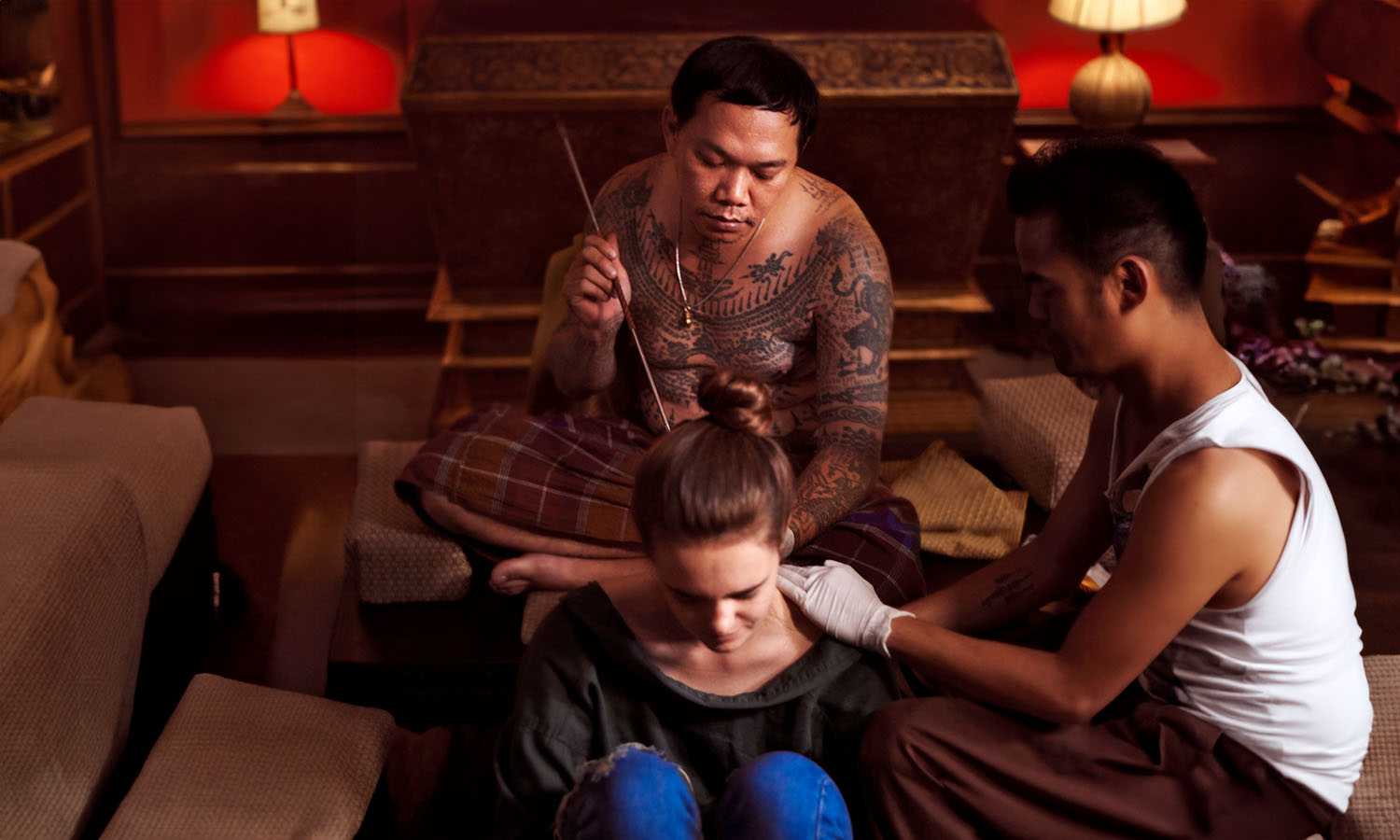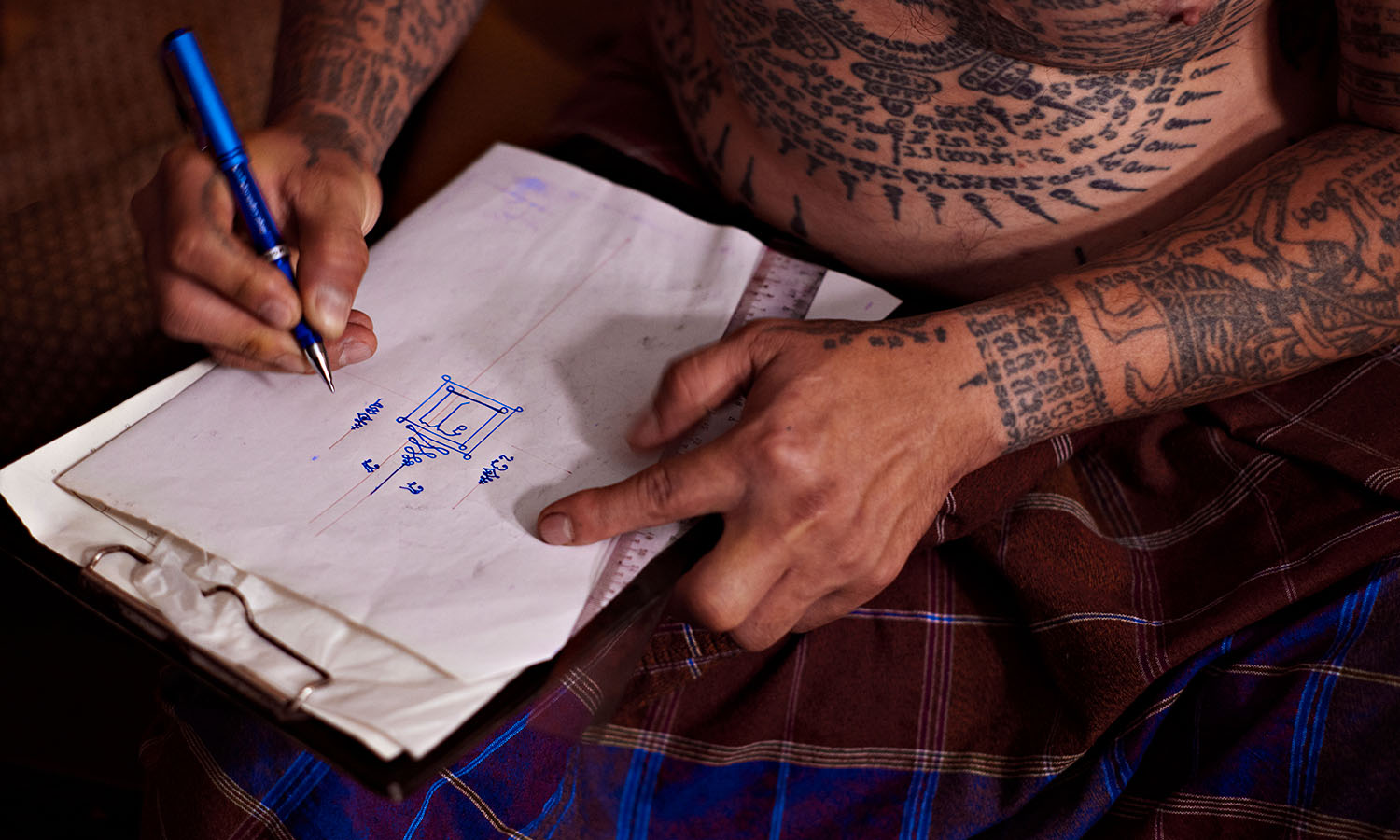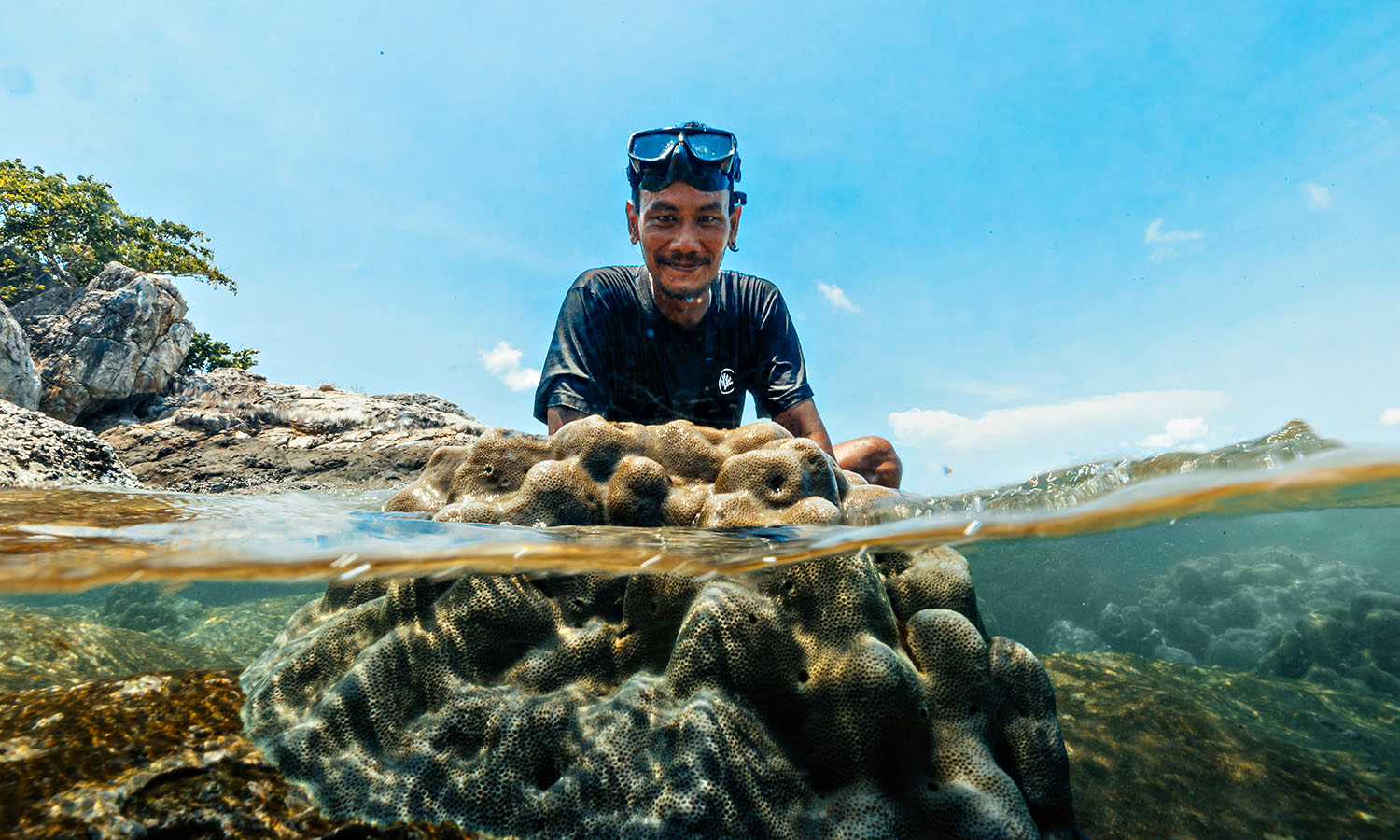
Our good friends over at Coral Gardeners are diving headfirst into their biggest restoration mission yet, and this time, it’s in the stunning turquoise waters of Thailand. Recently launched, this dual-island project will see Koh Mak and Koh Kood get the VIP coral treatment, with thousands of baby corals already flexing their tiny polyps, ready to rebuild what has been lost.
But let’s talk about the real heroes here: an all-star team of eight trained Thai gardeners who will be getting their hands (and fins) dirty to restore reefs that have been through some serious battles – think dynamite and chemical fishing (yikes).
But with those destructive days firmly in the past, Coral Gardeners are rolling up their wetsuits to give these reefs the second chance they deserve (big yay).
So, what’s the plan? We’re sooo glad you asked. A network of nursery and restoration sites have been created, where these oceanic underdogs will grow, thrive, and hopefully throw the most spectacular underwater comeback party the Gulf of Thailand has ever seen (we want an invite asap).
Climate change may be the ocean’s toughest opponent, but if anyone can fight back with hope, science, and a splash of pure passion – it’s these coral crusaders. So, if you’ve ever dreamed of being part of a real-life ocean rescue mission, now’s your chance to support this fantastic organisation as they turn the tides in Thailand.
If you thought the drama of The White Lotus couldn’t get any juicier, wait until you hear where they’re filming Season 3. Well, you don’t have to wait because we’re about to tell you.
The lush, tropical landscapes of Thailand have become the perfect backdrop for the show’s signature plot twists, scandalous characters, and social satire. Three jaw-dropping Anantara resorts have officially been confirmed as key filming locations, and trust us, you’ll want to pack your bags (or at least your TV remote) to see it all unfold.
First up, we have Anantara Bophut Koh Samui Resort, a beachfront paradise where the show will feature iconic spots like the Thai-style lobby and the resort’s jewellery store. With its lotus ponds and spa garden, this place oozes charm, and we’re guessing it’ll serve up plenty of drama too. Whether you’re lounging by the tree-lined entrance or sneaking around the employee parking lot, Anantara Bophut is the ultimate tropical playground for all things scandalous.
Next, Anantara Lawana Koh Samui Resort brings The White Lotus to new heights (literally). The show’s key bar scene takes place in the resort’s Singing Bird Lounge, a stunning treehouse-style bar perched above the island. As you sip handcrafted cocktails with panoramic ocean views, you can almost hear the whispers of the island’s famous bird-singing contests, perfect for the show’s plot of chaotic beauty and wild melodrama.
Finally, Anantara Mai Khao Phuket Villas is where the true luxury and intrigue happen. With its Wellness Sanctuary, spa, and even Belinda’s room (get ready for some intense personal drama), this hidden gem on Phuket’s coastline provides the ultimate backdrop for privacy, sophistication, and plenty of messy moments.
If you’re ready to live out your ‘White Lotus’ fantasy, you can book the Lotus Awakening Escape Package, which includes experiences across all three resorts. Pack your bags (or at least your imaginary drama) and get ready for some serious fun in the Thai sun. Maybe with a side of chaos.
You, a flurry of pink petals, and landscapes so breathtaking they look straight out of your fav anime; that’s Japan during cherry blossom season. But cherry blossom season isn’t just a time of the year, it’s a whole mood. And if you want to experience it without elbowing through crowds in Kyoto, Shizuoka is the place to be.
Just a 45-minute bullet train ride from Tokyo, Shizuoka’s cherry blossoms are serious overachievers, blooming before the rest of the country’s blossoms even wake up. But where exactly is the best place to see ‘em?
There’s the Kawazu Cherry Blossom Festival in February, where the vibrant pink beauties last longer than your average cherry blossom, making them the ultimate floral flex (and the festival one of the best places to see them). You can wander along the river, soak in the view, and bask in that early-blooming glory.
But if you want even more exclusivity, the Atami Cherry Blossom Festival kicks off in late January – yes January- so you can claim those Insta-worthy shots before the masses start planning their trips. Delicate blossoms line the Itokawa River like nature’s VIP section; trust us, you don’t want to miss it.
And for the grand finale, the Minami-Izu Cherry Blossom and Rapeseed Flower Festival throws in a sea of bright yellow rapeseed flowers alongside the pink sakura. It’s a full on colour explosion, running from early February to March.
So, book your trip, grab a matcha latte, and the let the petals work their magic.
There’s no shortage of spectacular places to stay in Jaipur, but the newly opened Anantara Jewel Bagh Jaipur might just take the gulab jamun at the top of the cake.
Named after the “garden of jewels” that is Rajasthan, this place looks like it was plucked straight out of a fairy tale. Only, instead of glass slippers, you’ll be sporting a bathing suit and sunnies because the two swimming pools this resort boasts are where you’re gonna want to spend all of your time – that is, when you’re not out exploring the Pink City.
Which you might not have to do when the property you’re staying at is this gorgeous – think grand arches, stunning jharokhas (those classic bay windows), and enough intricate design details to make you feel like completely re-doing your house’s décor when you get home.
And we haven’t even mentioned the interior yet. Each room blends together hand-carved woodwork, golden leafing, and local tikri glasswork (basically, the lovechild of Indian heritage and modern elegance) to create an enticing space you’ll never want to leave.
But if you’re lucky enough to experience the Jewel Bagh One-Bedroom Suite, a plush hideaway awaits with a living room, cosy window beds, and a terrace that practically begs you to sip a cocktail while soaking up panoramic views. Talk about living inside a dream.
Speaking of cocktails, Anantara’s Sheesh Mahal restaurant is your ticket to indulge your inner foodie. From dishes that are a marriage of Rajasthan’s heritage and modern flair to cocktails that’ll satisfy even the toughest tastebuds (trust us, they’re that good), every meal is a celebration.
Brace yourself (and your stomach) because Malaysia’s new 600-metre glass slide at SkyCity in Selangor is about to turn our idea of ‘fun’ upside down – and sideways, and straight down, and then to the left.
Located at the top of a 60-metre architectural marvel, this attraction isn’t your average playground slide. It’s an adrenaline-packed descent through the clouds. Oh, and it’s also filled with water.
You step into a transparent glass tube aboard your little floating raft thingy (feeling like you’ve just entered the future), and then…whoosh. Down you go. You glide across the slide’s watery surface, but because it’s also glass, you can see the entire world beneath you. Okay, maybe not the entire world. Just the very tiny, ant-like people of Selangor, going about their daily business while you’re fighting your terrifying acrophobia (fear of heights).
No big deal, right?
As you speed down at a heart-racing pace, you’ll notice your view shifting from vertigo-inducing heights to sprawling landscapes. It’s like a rollercoaster but with an Instagram-worthy panoramic view of Shah Alam’s stunning skyline. Especially when the sun goes down and SkyCity’s LED lights come on.
You can’t help but laugh, scream, and maybe even throw in a little prayer as the ground drops away beneath you. But don’t worry; the slide is as safe as it is exhilarating, and if you’ve survived that first drop with your dinner still firmly in your stomach (IYKYK), the rest of the slide will be a piece of tapioca cake.
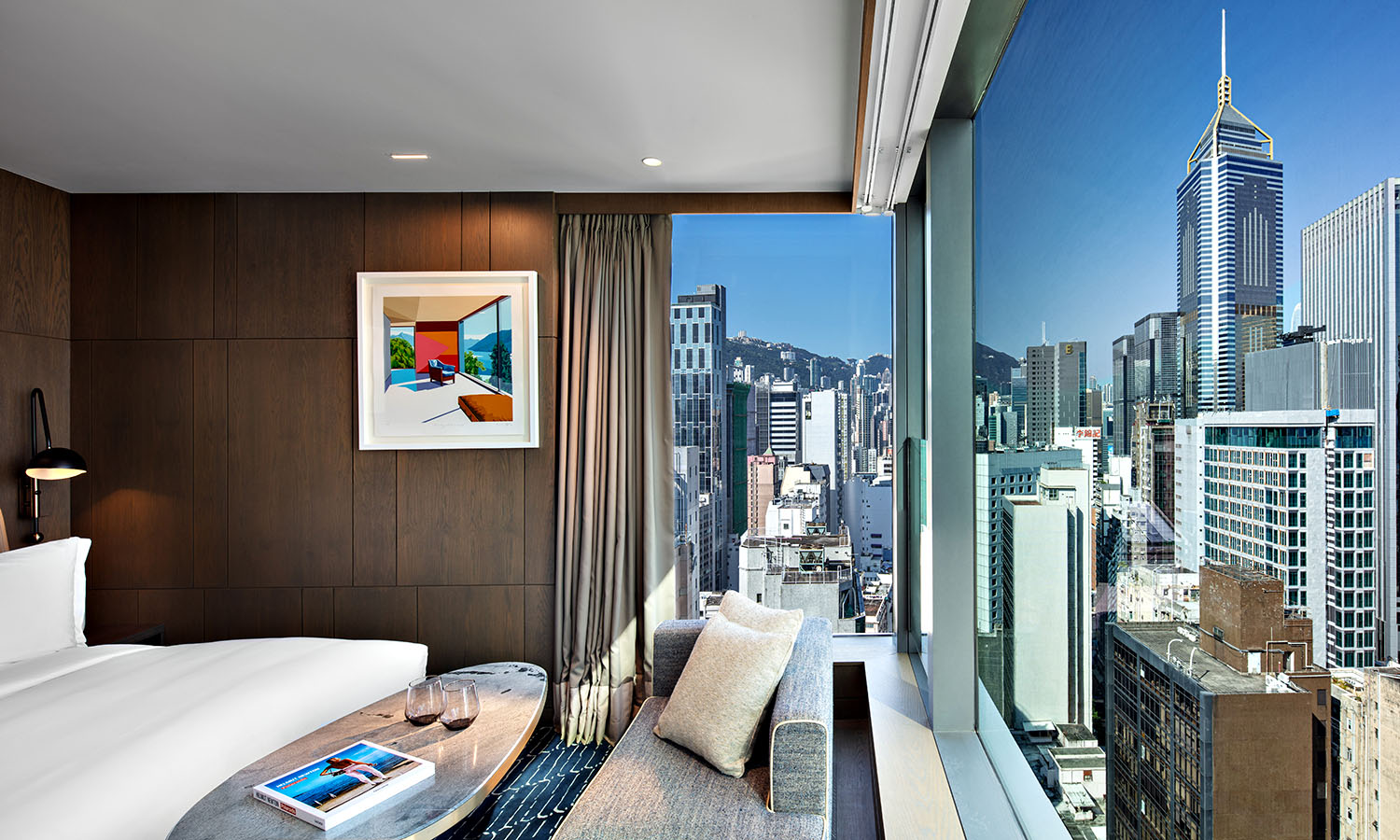
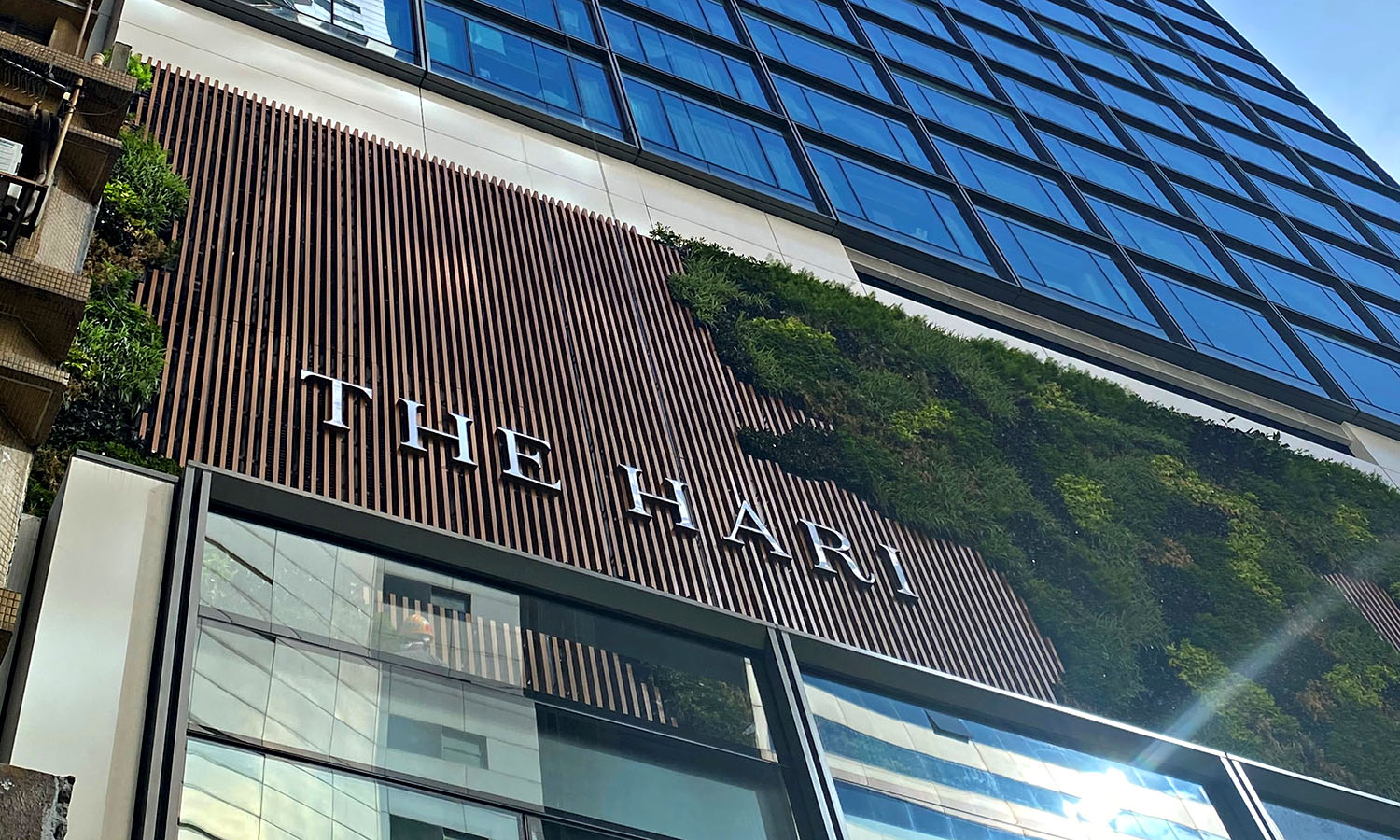
Forget generic guidebooks and overly enthusiastic tour guides that talk quicker than you can get your heard around what they’re actually saying, there’s a new audio walking tour in town and it’s all thanks to The Hari Hong Kong’s Live like a Local experience.
Now you can explore trendy neighbourhood Wan Chai with insider knowledge (sans tour group in tow) and be guided through the district’s coolest nooks and crannnies. From the hidden temples tucked between skyscrapers to the cha chaan teng (local diners) serving milk tea that promise to cure your soul, every stop along the way is dripping in authentic Hong Kong flavour.
This neighbourhood is a blend of the old and the new; think vintage teahouses rubbing shoulders with swanky bars. You’ll learn where to slurp noodles like a pro and hear facts about Hong Kong’s history that aren’t in any of the textbooks you had to buy in high school.
The Hari’s user-friendly app has interactive features that make it super easy to get around, and it even has narration of seven of the district’s hidden gems. Want the lowdown on where to get the crispiest egg tarts? Or the story behind those quirky street art murals? Maybe you want to visit an appointment-only gallery that was once a private rooftop clubhouse in the 1970s?
Wherever you choose to explore, the app has got you covered. It’s time to lace up those comfy walking shoes…
NAGANO: STEPPING INTO NAGANO IS LIKE WALKING INTO A WORLD CAREFULLY TUCKED BETWEEN TRADITION AND QUIET REBELLION AGAINST THE MODERN RAT RACE.
My first stop is Zenkoji Temple, one of Japan’s oldest Buddhist temples and, more importantly, a treasure trove of secrets that don’t surrender easily. It’s before dawn as I shuffle in, eager but hushed, feeling the weight of the place. The temple hosts a morning ceremony, a nod to the ages-old belief that no day should begin without a blessing.
The priest’s chants fill the hall like smoke, thick and unmissable, coaxing my mind to an almost meditative state. The centrepiece of the ritual, though, remains unseen. A sacred statue of Amida-Nyorai, the Buddha of infinite light, is hidden within the altar’s depths. The statue was brought from Baekje, one of the Three Kingdoms of Korea, in 552 and has never been viewed by mortal eyes, not even the head priest’s. As the chanting settles, I’m ready for what’s next: the Okaidan passage.
The Okaidan is not just a passage; it’s a rite of passage. This pitch-black tunnel wriggles beneath the main hall, right under where that hidden Buddha rests. It’s said you emerge changed and reborn. So, of course, I dive in. There’s nothing to see (it’s complete darkness), but I hear shuffling footsteps. The stone walls press in like a heartbeat, steady but somehow intimidating. Suddenly, my fingers graze something cold: it is the ‘key’ to paradise. According to the locals, touching this lock, known as the ‘key’ to paradise,’ which connects you to the Buddha, grants you safe passage into the afterlife.. An odd calm comes over me a second later, as if I’ve brushed against something profoundly ancient.
Back above ground, the sun is fully up. Feeling slightly changed and reborn I’m ready for breakfast the Nagano way: street food. I hunt down a stall selling Oyaki, a bun stuffed with everything from sweet red bean paste to savoury miso eggplant. It’s as warm and filling as it sounds, and honestly, I could eat these things all day.
Next on my itinerary is a visit to the Hokusai-kan Museum. The name Hokusai alone has the art nerd in me buzzing, yes, that’s the man behind the iconic “Great Wave off Kanagawa.” His art moves from delicate landscapes to bold brushstrokes, capturing Japan with an intensity that feels raw and unapologetic. I leave feeling a touch more artistic than I did before and head to the Nishinomon Yoshinoya Sake Brewery, a 400-year-old establishment that’s practically a shrine to Japan’s love affair with rice wine. After a few taste tests, I conclude that my appreciation for sake has just been elevated from “polite interest” to “sign me up.”
Back at Shinshu Zenkoji Yakuoin (my accommodation for the night), the simplicity of the traditional inn is like a blanket I didn’t know I needed. But before I sleep, I try my hand at Shakyo, the art of hand-copying sutras. Sitting there with brush and ink, each stroke feels purposeful, like part of me is being carved away and left on the page. By the time I finish, my mind is oddly still, like I’ve stumbled into a meditation I didn’t know I signed up for.
Dinner at the inn is a monk’s vegetarian spread, and while that may sound austere, it’s anything but. There’s a miso soup that’s so delicate and complex it practically deserves its own ceremony and an assortment of vegetables so fresh they taste like the very essence of the fields. The Japanese lager I down with it feels like a rebellious twist to the meal. Who knew monks could be so fun?
The next day, I met Mr. Shimizu for a forest bathing experience. There’s a pseudo-science to it: cedar trees, like the ones towering around us, release antibacterial particles that, when inhaled, have a positive effect on the body and mind. Mr. Shimizu leads me down a hidden path, and soon, I feel the deep hum of nature seeping in, grounding me with every step. The trees stand tall, unbothered, just doing their thing. And all I’m supposed to do is breathe and exist. It’s magic, pure and simple, but it’s about to get even more spiritual.
In the remote mountains of Nagano, the tradition of the Yamabushi, ancient mountain ascetic monks, still lives on through one of its last practitioners: Shida-san. The Yamabushi practice is a unique form of spiritual training, blending elements of Shintoism, Buddhism, and nature worship.
Shida-San, one of the last Yamabushi in the region, offers visitors the rare opportunity to experience this ancient tradition firsthand. Participants embark on a journey into the sacred mountains, engaging in meditative forest walks, waterfall rituals, and fire ceremonies. These practices, designed to cleanse the body and mind, bring participants closer to nature while deepening their understanding of themselves.
The last Yamabushi of Nagano doesn’t look like someone who could outpace a middle-aged travel writer through a mountainside forest. Yet, there I was, bent over a gnarled cedar root, panting and drenched, while Shida-san was halfway down the trail, barely breaking a sweat.
It started innocently enough. On our descent out of the spiritual forest, I challenge Shida-san to a race to the gate. He’s small. I’m not and I thought my legs gave me an advantage. I thought I had a chance. Wrong. Within minutes, Shida-san had transformed from the calm, almost mystical presence at our briefing into a flash of white robes disappearing down the trail, his traditional staff tapping out a steady rhythm.
“Mind, body, nature, all one!” he called over his shoulder, as I stumbled over something that might have been my own foot. Somehow, he made it look like he was floating over the terrain, while I looked more like an overstuffed backpack with legs, crashing through branches.
Halfway down, my lungs decided they’d had enough of this “enlightenment” nonsense, and I slowed to a pathetic shuffle, my ego in tatters. Shida-san’s laughter rang up from below, and he paused, offering a few words of Yamabushi wisdom about “releasing the self.” I think he meant giving up the need to win, though I’d already figured that part out.
But here’s the twist: losing to Shida-san was almost… liberating. By the time I crawled to the end, he’d somehow transformed the race into a ritual, a reminder that these mountains don’t care about time or trophies. Shida-san’s teachings are embedded in every cedar and waterfall, quiet reminders that in this forest, you’re just another wandering spirit, learning to let go.
Back at the base, he gave me a nod. “You’re ready for next time,” he said. Maybe he was just being polite, or maybe he really saw potential. Either way, next time, I’m taking a shortcut.
My Nagano escapade nearing its end, I head to Hatano restaurant for dinner. Nestled in a countryside house, the restaurant serves a seven-course feast with ingredients sourced from nearby farms. Each dish feels like a love letter to Japan’s culinary soul, meticulously plated and packed with flavours that are both foreign and comfortingly familiar. By the time dessert rolls around, I’ve declared it the best Japanese meal I’ve ever had.
As I savour the final bite, I realise Nagano has somehow seeped into my bones. It’s not just the temples or the food or even the cedar-scented air, it’s the mix of reverence and playfulness, of secrets kept and secrets shared. Nagano is not a place you visit; it’s a place that stays with you, quietly transformative in ways you might only understand later. For now, I raise a final glass to the day and think: if paradise is real, it’s hiding somewhere in the shadowy corners of Zenkoji Temple, waiting for those brave enough to reach out and find it.
It’s hard to believe I’ve only been in Japan for four days. I’m not sure if it is the spiritual nature of Nagano or the breadth of experiences but home feels much further away now. As Nagano disappears out the window of the Hokuriku Shinkansen and we race north to the ancient samurai city of Kanazawa, I promise to get back someday.
KANAZAWA: ARRIVING IN KANAZAWA CITY FEELS LIKE UNCOVERING AN OLD LEGEND THAT SOMEHOW NOBODY ELSE HAS STUMBLED ACROSS.
Nestled on Japan’s western coast, this city is a tapestry of samurai legacy, artistic tradition, and cuisine that could even humble Tokyo. Kanazawa managed to escape bombing in WWII, which is perhaps why its ancient streets and perfectly preserved buildings seem so resolute against the march of time. Today, Kanazawa feels like Japan’s best-kept secret, a harmonious blend of tradition and high-concept cuisine that will have you questioning why it’s not on every travel itinerary (because it should be).
After checking into my hotel, I head for lunch at Tile. The restaurant’s menu is a work of art, and each dish lands on my table looking too perfect to eat; sashimi plates that look like pastel waves and desserts that would make an Instagrammer quiver. My reluctance to destroy the aesthetic loses out to my appetite, and I tuck in. The sashimi is delicate and fresh, while the miso-infused main leaves me wanting more. I’m not sure how Tile does it, but it feels like I’ve dined on more of an art gallery than a meal.
Afterwards, I wander the Higashi Chaya district, a perfectly preserved neighbourhood of teahouses and narrow lanes. Back in the day, this was where geishas entertained merchants and samurai alike. Today, it’s as enchanting as it sounds, with lattice windows and old-world vibes.
I stop by Fukumitsuya, a sake brewery that’s been in the game since 1625, using pure water from Mt. Hakusan that’s been filtering underground for over a century. The sake is soft and clean, with a depth that hints at its ancient roots. I raise my glass, imagining samurai toasting over the same stuff centuries ago.
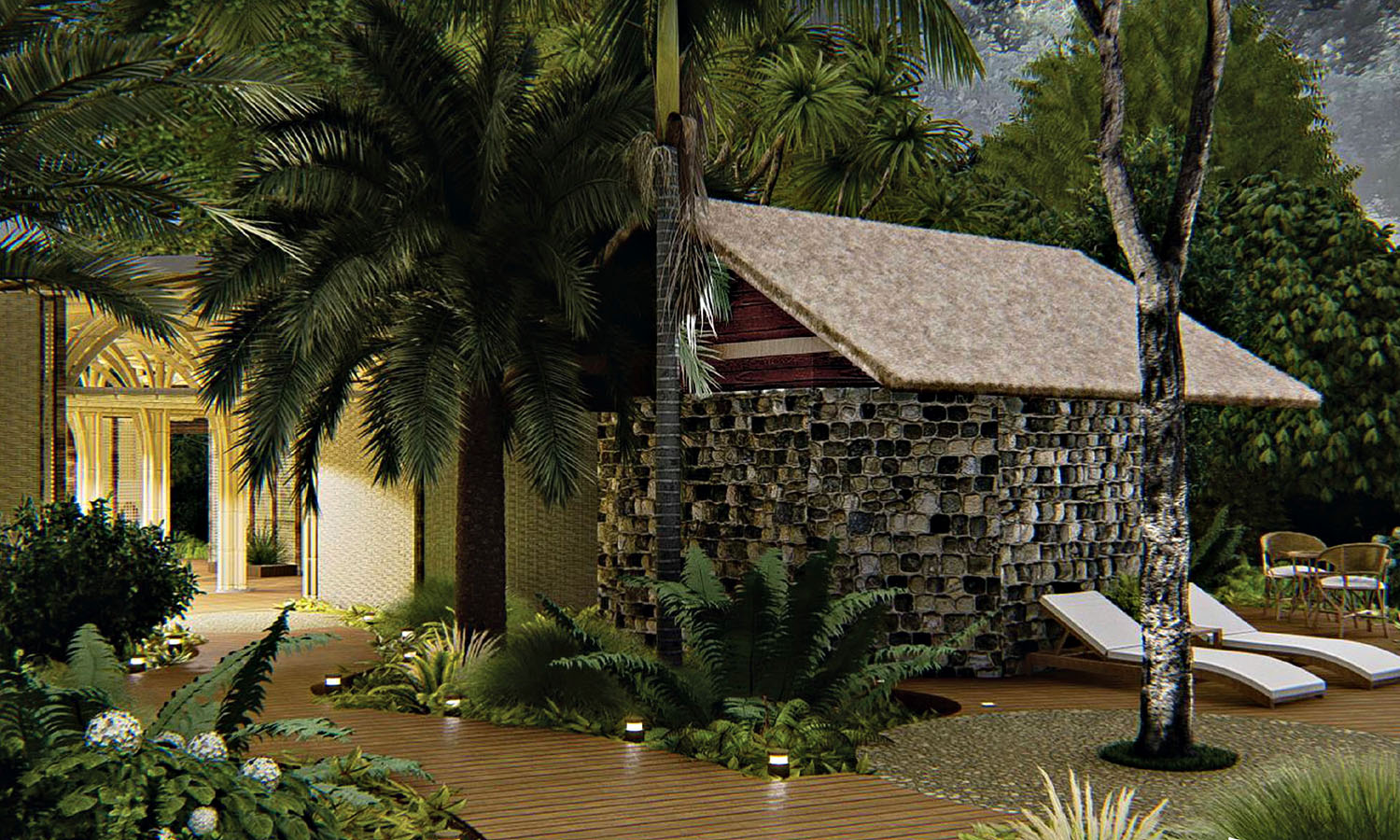
With a slight sake buzz, I enter Kenroku-en, Kanazawa’s crown jewel and one of Japan’s “Three Great Gardens”. Established over centuries by the Maeda family, the feudal lords of the region, Kenroku-en means “Garden of Six Qualities.” These qualities; space, seclusion, artifice, antiquity, water features, and wide views are rarely found together, but here they blend seamlessly. Meandering through its winding paths, past tranquil ponds and elegantly twisted pines, is like stepping into a classical painting.
A tea ceremony follows, and I learn the art of Chado, the skilled craft of preparing and serving matcha, a finely ground green tea. It consists of much ceremony, bowing and whisking bitter green tea until it foams, a skill that, after about ten minutes of trying, I’m actually not too bad at. I’m told this ceremony is about cultivating a peaceful spirit. I wouldn’t say I’m there yet, but the scenery certainly helps.
Dinner that evening is at Crafeat, where the tableware alone is worth a fortune. We’re told the combined total of our tableware is in the vicinity of two million yen. This Wajima-nuri lacquerware is as valuable as it is beautiful, crafted by a 10th-generation artisan, no less.
Chef Okumura serves up an 11-course tasting menu, each dish a testament to Kanazawa’s culinary flair. Smoky sashimi, exquisitely tender fish, and sake that pairs so well it’s borderline miraculous. Crafeat raises the food game to new heights, and just when I think I’m done, out comes the dessert, a delicate block of chocolate that we spear onto a square stone and eat with an exquisite vanilla ice cream. It feels almost too indulgent for a place so steeped in tradition, but that doesn’t stop me from devouring it.
Stuffed and satisfied, I venture out into Kanazawa’s Katamachi district to check out the vibes of the night in this Samurai town. I find myself in Chuo Mishokugai, a labyrinth of tiny bars and restaurants, each with its own style. These little hideaways offer everything from rare sake to French potato gratin. Why am I in Japan, eating potato gratin in a bar the size of a closet? I don’t know, but the blend of East-meets-West in these quirky corners just works. The night ends with me arm in arm with a sake dealer trying to teach him Johnny Cash’s Folsom Prison Blues.
The next day dawns too soon, and after a refreshingly deep sleep at Kanazawa Sainoniwa Hotel, I’m off to try my hand at the Kaga Yuzen art of kimono design. Kaga Yuzen is a silk dyeing technique from the Edo period, known for its detailed naturalistic designs. My brush strokes, however, make it clear that I’m no artist, and my “masterpiece” won’t be gracing a boutique any time soon. But for a guy that can barely draw a stick man, I’m pretty chuffed.
The samurai culture of Kanazawa pulls me in next with a Kyudo lesson, the Japanese martial art of “archery”, but it isn’t just archery; it’s an art form, every movement calculated, from gripping the bow to releasing the arrow. We’re dressed in traditional Kyudo clothing and my teacher, a reserved but determined master, reminds me several times as I pull back the bow like a giant Japanese Robin Hood, “This is not archery!” I then shoot my first two Ya’s (arrows) into the roof.
Kyudo is about form, breathing, and presence. The entire practice has a ceremonial vibe, with each move as deliberate as a dance. Watching a master in action feels like witnessing something ancient and sacred, each shot landing with purpose, not in the roof.
Later, I step into Nomura-ke Samurai residence, an authentic samurai residence. Its sliding doors, tatami rooms, and modest decor give insight into the disciplined lifestyle of the samurai class. While they trained in martial arts and lived by a strict code, their homes were surprisingly minimalist, proof that they valued duty over luxury. And while the house itself was simple it was built around yet another stunning garden. The samurai discipline is clearly on display.
Unfortunately, the weather nixes our plans to visit Kanazawa Port Ikiiki Market, an open-air bazaar where vendors hawk the freshest catch from the Sea of Japan. Known for its fish, squid, and shellfish, the market is a haven for seafood lovers, and I can’t help but feel a pang of disappointment. I remember visiting the Tsukiji Fish Market in Tokyo long before it closed to the public and feeling, even then, that it was somewhat touristy. This market, like most of Kanazawa is the real deal.
Thankfully, dinner at Dozan makes up for it. The skewers here are something else. They’re crispy, juicy, and full of flavour. I wash them down with a final few rounds of sake, feeling content and, admittedly, a bit sentimental about my last night in Kanazawa.
On our final day, it’s only fitting that we are blessed one final time. We take in an Asakatsu experience at Josho-ji Temple which translates loosely to a samurai morning activity. Ours includes a kendo lesson (samurai sword training) followed by a traditional samurai breakfast of porridge. It is simple yet surprisingly enjoyable. I’m summoned to the altar and blessed amid the swirling incense smoke. I don’t know if it’s because it’s my last day in Kanazawa, but it’s strangely emotional.
Energised, I join a three-hour cooking lesson at Nakata Cooking School. This isn’t just any cooking school; it’s a slice of culinary history served up with a healthy dose of local pride. Founded over three generations ago, Nakata’s been teaching the fine art of Japanese home cooking since long before I even knew which end of a sushi roll to bite into. And it’s a good thing I’m here, because the Japanese have techniques down to a science, even in something as seemingly straightforward as rice rolling. Spoiler alert: It’s not straightforward.
In the spirit of immersion, my instructor patiently shows me the ‘thumb placement’ to make sushi rice behave like ‘it’s supposed to’. I follow, and mine looks like a cross between a burrito and a squashed dumpling. Not exactly the elegant bites you’d expect, but hey, it’s a start.
They also teach you to flip your sushi upside down before eating, which apparently helps the flavour profile. I nod like I totally get it (I don’t), but the taste speaks for itself. It’s fresh, umami-packed, and downright delicious. By the end of the class, I can’t help but wonder if I’ve actually learned a new life skill… or at least a new party trick.
As I wrap up, I realise that nothing I’ll make at home will likely match what I’ve eaten on this trip. Nagano and Kanazawa feel like Japan’s best-kept secrets, the lesser-known cousins of Kyoto and Tokyo, but with every bit as much charm and half the crowds.
Nagano is a spiritual sanctuary tucked between ancient temples, lush forests, and mountain air that somehow tastes crisper and Kanazawa—a city that might just be Japan’s answer to art and craftsmanship, where lacquerware and sake share space with cutting-edge cuisine.
Together, they offer an unfiltered taste of Japanese culture without the tourist treadmill, places where you can walk temple paths in the quiet dawn, stumble upon a centuries-old sake brewery, or witness tea ceremonies without a selfie stick in sight. For travellers seeking authenticity, Nagano and Kanazawa are everything you didn’t know you were looking for, old Japan, alive and well, with a few modern twists.
Forget the socks and the Christmas trinkets no one wants – this year, why not gift the beach lovers, thalassophiles and wannabe mermaids in your life a piece of the ocean? And no, we don’t mean getting a really nice jar, putting some salty water in it and placing it under the tree.
With Coral Gardeners you can actually adopt a baby piece of coral on behalf of your loved one, which they’ll plant in a reef that needs a little tlc, helping to preserve the world’s beautiful marine ecosystems.
Coral gardening might sound like something straight out of Moana, but it’s actually a fantastic and eco-friendly way to restore reef systems that have been damaged. By gifting a piece of coral, you’re not just wrapping up a little bit of nature (not literally), but you’re also giving our favourite reefs a real chance to survive.

And you can choose which coral species you want to adopt. There’s Pocillopora Meandrina, an iconic Fijian species that’s also known as cauliflower coral. Or Pocillopora Verrucosa, a raspy coral that’s native to Mo’orea Island. Or Montipora Grisea, an encrusting species of coral that’ll spread over the reef’s surface to help bind it together.
And it’s not gonna break the bank. Starting from AU$30, you can actually choose the location of your gifted coral (Fiji, Thailand or French Polynesia).
The CG team will also send you a certificate and exact GPS location of where your baby coral is planted once it grows and is put out on the reef, so your loved one can track their baby bit of coral and watch as it grows thanks to regular updates and plenty of images. This isn’t some ordinary stocking stuffer, it’s a gift that keeps on giving.
We reckon nothing tastes stronger than a cocktail with a side of conscience and lucky for everyone, the geniuses over at FCC Angkor by Avani and Herbal Kulen Gin have come up with a bottle that’s as good for the planet as it is for your palette.
It’s at Scribe Bar, a place where you can easily embark on a sensory journey while also immersing yourself in the rich, diverse and downright mouthwatering flavours of Cambodia.
But Herbal Kulen Gin is no ordinary gin. Crafted by the eco-visionary Unn “Pari” Sophary, this planet-saving spirit will only be produced in a small batch (we hear that, and we think exclusive) and offers sippers the chance to taste the soul of Cambodia – think lemongrass and citronella.
You might be thinking, ‘But where does sustainability come into this?’ and we’re so glad you asked. Pari has a deep commitment to reforesting the land at the foot of the Kulen Mountains, and so this special gin pays homage to the country’s vibrant ecosystem and sustainable practices. And now you get to taste that commitment in every cocktail at Scribe.
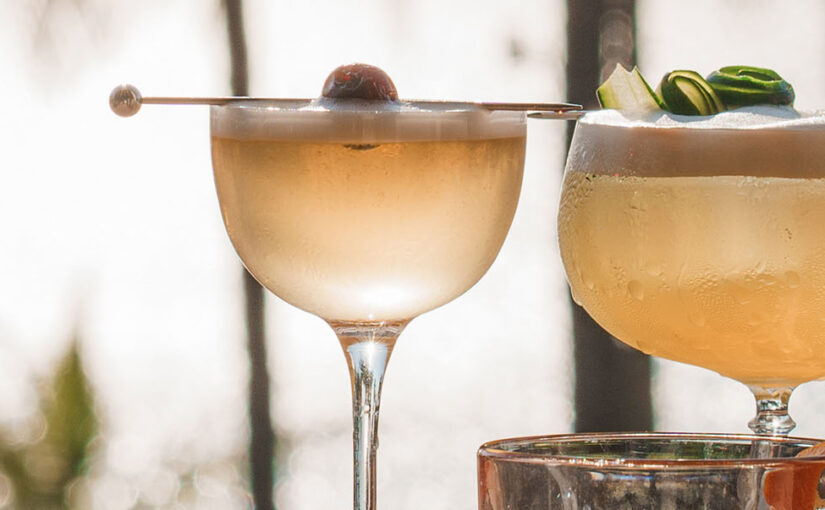
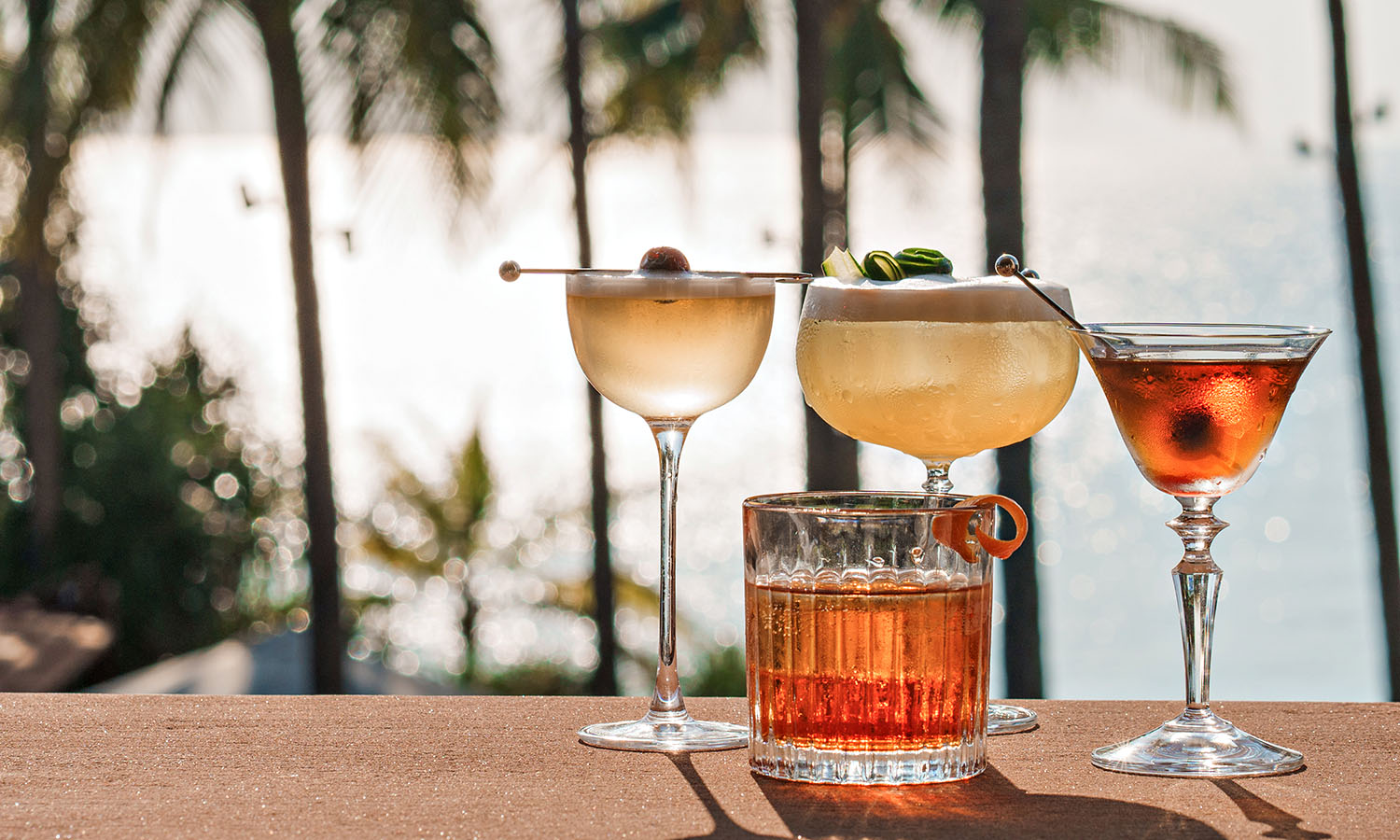
Try the Cambodian Negroni – a spicy, citrusy twist on the classic – or wet your lips with an Apsara Sour full of regional botanicals such as butterfly pea tea, lemongrass syrup and lime juice. No matter what drink you choose, this collaboration gives a whole new meaning to the term ‘responsible drinking’. We’ll cheers to that.
Get ready to elevate your nights in Bangkok – literally. The newest, coolest, and one of the highest (26 floors high to be exact) rooftop bars is almost here and we simply can’t wait for its private lift doors to open in mid November.
SIN, perched atop the Avani + Riverside Bangkok Hotel, is a place where mischief meets a little magic, serving up jaw dropping 360-degree views of the pulsating city’s sparkling skyline and the nearby Chao Phraya River. But this isn’t your average rooftop lounge.
The vibe at SIN is equal parts glitz and grit with neon-lit corners, plush seating and an aesthetic that influencers will surely lust after. And we haven’t even mentioned the cocktails yet, although we’re sure they’ll end up on more than one said influencer’s Instagram feed.
Every cocktail is a masterpiece and has been expertly crafted by award-winning mixologist, Brian Gonzalez Fernandez. Forget espresso martinis and spicy margs, SIN promises alcoholic beverages inspired by themes of sin (go figure) and desire with a Thai twist.
Embracing your cravings is easy when you have a choice of 10 signature cocktails including ‘Forbidden Nectar’, a bourbon caramel delight, and the ‘Kiss of Euphoria’, a crafty concoction combining tequila with kiwi and Cointreau. And let’s not forget the curated menu of light, contemporary bites to ensure the drinks go down way easier than they should – think oysters served with wasabi mayonnaise and wagyu beef tartare.
But there’s a cherry on top (if you still have room). The bar will also play host to a number of regional and international DJs including British DJ of Thai descent, Tek Harrington, and techno mastermind, Sunday Sundae, to keep the place buzzing until the early hours. Bangkok’s really showing the world how to do rooftop bars properly with this one.