While officially and administratively part of China, Taiwan is a destination in its own right – a burgeoning self-contained getaway or stopover. The Chinese influence combined with the population’s following of Buddhism, Confucianism and Taoism makes for a mix of festivals. Events like Buddha’s Birthday, Dragon Boat Festival and cherry blossom season are interesting, but Spring Scream, an outdoor rock festival held each April, will get you going hard or going home.
Taipei, Kaohsiung and Taichung are certainly stereotypical of many of Asia’s densely populated, neon-lit cities, where night markets are a staple of entertainment, shopping and eating. Yet the island is also home to high mountain ranges, which do see snow fall despite the tropical climate, and it’s possible to get away to beaches boasting palm trees and all. The otherworldly Taroko Gorge will wow and, as an antidote to the urban jungle, you’ll find serenity in the national parks, many with hot springs.
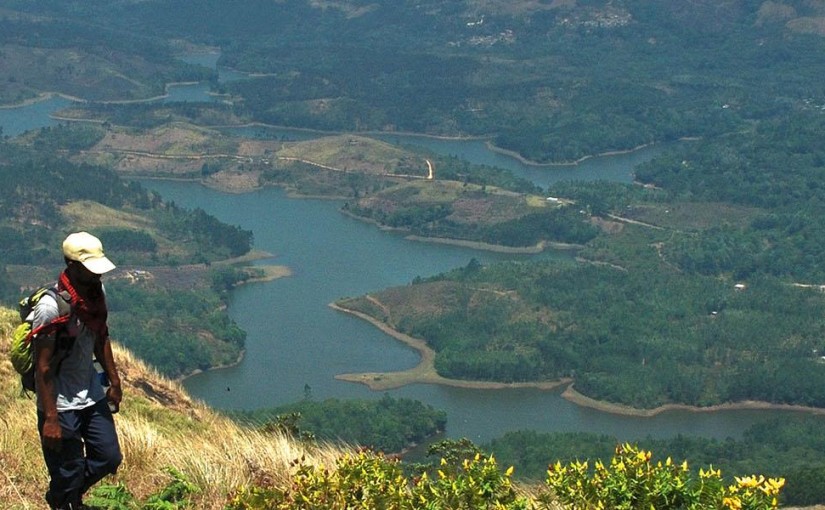
Plonked in the Indian Ocean off the southeastern tip of India, the tropical idyll of Sri Lanka is an island of surprises. Most of its terrain is covered in every shade of jungle green imaginable and a batch of mountains south of the centre rises to more than 2500 metres.
With a colonial history, the rustic and crumbling architecture lends an air of mystique to most towns – the capital Colombo and the town of Galle with its fortifications, in particular, are magnets for the international bohemian set attracted by the yesteryear atmosphere.
Away from the urban areas it’s all about jungle exploration, safaris and tranquil boating journeys. Go searching for elephants and leopards in Yala National Park on the south coast before heading to the southernmost part of the island and the town of Mirissa, famed for its excellent whale watching.
Throughout the country, festivals, from the huge Esala Perahera held in Kandy mid-year to Deepavali celebrations in October and November, are a highlight of colour and energy. And then there’s the cricket… You almost hope Sri Lanka wins just for the spectacle of the celebrations. Almost.
What does 5000 years of history and culture get you in South Korea? An intoxicating clash of tradition and modernity. One day you might wander a Josean Dynasty palace and the next you’re taking a K-Pop dance class, learning the latest BTS moves. You could learn to make traditional rice wine in the morning and be dining at a kitschy art cafe by the afternoon. Everything is possible here.
It’s even possible—and highly recommended if you’ve been burning the travel candle at both ends—to stay at some of the Buddhist temples dotted around the nation to experience the rituals and spirituality of the religion. Take a hike around the Seoraksan National Park before lowering yourself into its natural hot springs. Ironically, one of South Korea’s most popular attractions involves glimpsing its oldest foe – the nation up north. Take a tour of the Demilitarized Zone, where you can lift the iron curtain and lock eyes with a North Korean solider.
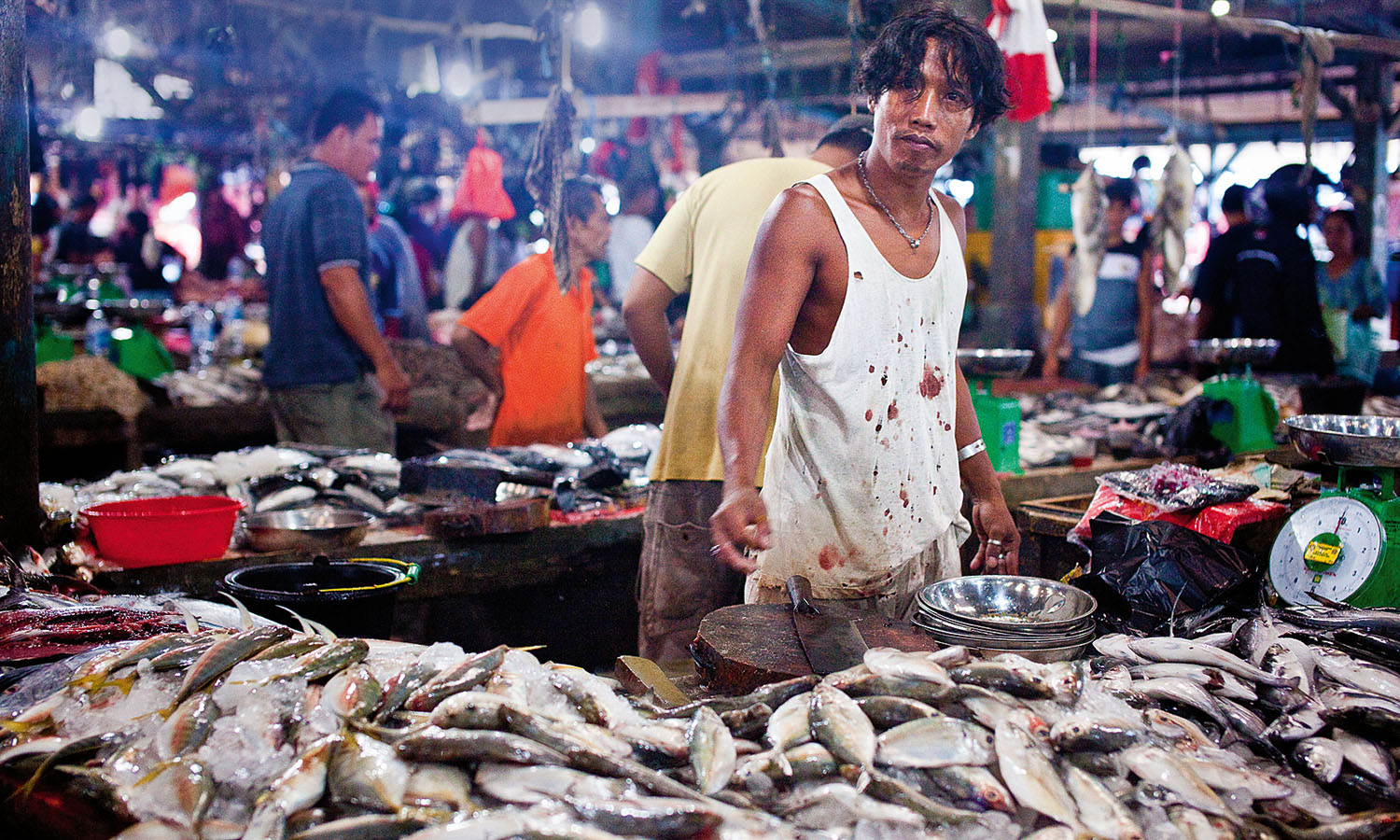
Koreans’ insane work ethic means Seoul buzzes through the wee hours, street food vendors stay open till around 4am and alfresco coffee shops are a surprising European appropriation. The country’s second-biggest city, Busan, is located on the south coast and it’s a cool spot to check out the beach, visit the Jagalchi Fish Market or catch the ferry to Jeju Island.
When you’re next doing the big trip to Europe it’s worth considering a stopover in Singapore. Then again, for lovers of holidays filled with shopping, eating and culture it provides all of those in a small, convenient package. This is the gateway to Southeast Asia, where people from right across the continent have settled to provide an enticing mix of cultures. It’s also one of the most modern destinations in this part of the world, with attractions like the Esplanade – Theatres on the Bay offering free concerts, and nearby Gardens by the Bay pushing the limits of what a city park can be.
Explore the markets in Chinatown and try a fresh hot serve of char kway teow (stir-fried noodles). Meditate in the rooftop garden at the Buddha Tooth Relic Temple and Museum, which, as the name suggests, is home to Buddha’s tooth (or so they say). Peruse the pastel-coloured heritage buildings of Joo Chiat/Katong after eating laksa. Take a trip to Little India and, if you’ve got room for more food, order a snack of delicious roti prata (round pancakes). Satisfy your hunger for shopping in the 24-hour shopping mall, Mustafa Centre, where you can find everything. If you haven’t already guessed, eating is Singaporeans’ favourite pastime (closely followed by shopping), and you cannot leave without making your way through a stacked-high plate of grilled meats on Satay Street or cracking it big time when eating the nation’s most famous dish, Singapore chilli crab (No Signboard Seafood is our go-to spot).
While it’s a supremely urban destination, there are parts of Singapore where you can see chill out in nature. Catch the ferry to Palau Ubin and wander along the boardwalk at the Chek Jawa wetlands. Be captivated by the colours on display at the National Orchid Centre, or discover the remnants of the city’s past at Fort Canning Park.
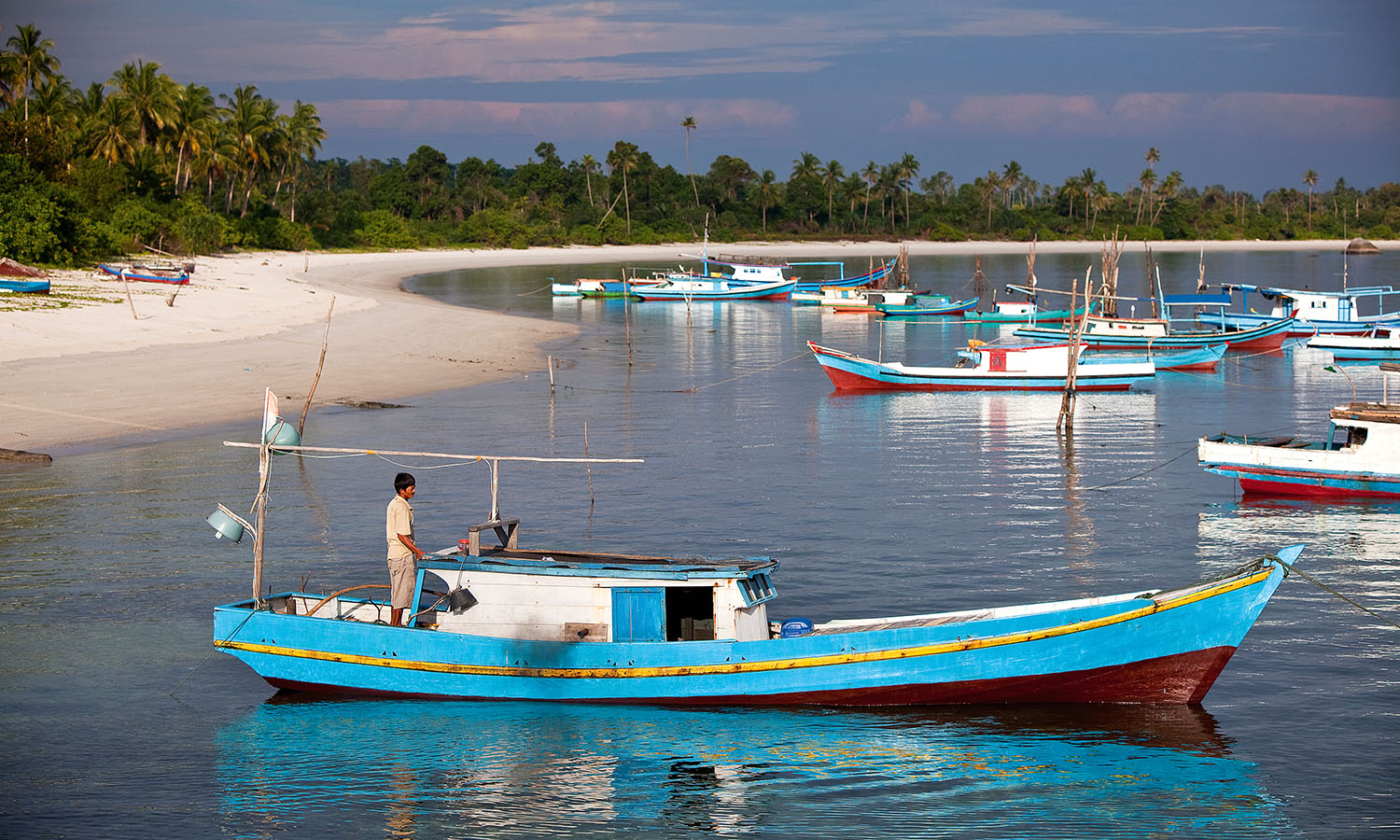
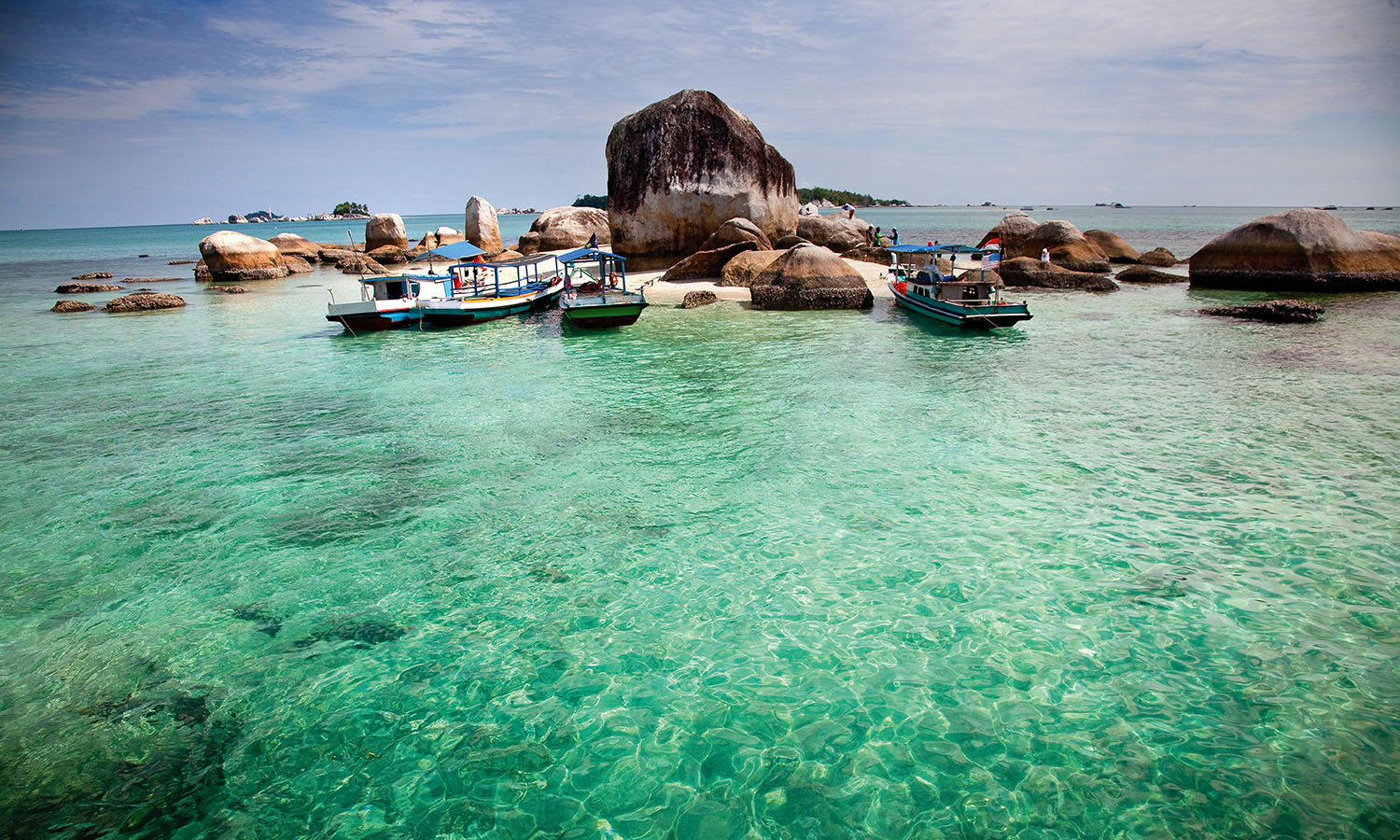
It’s got 7107 stunning islands to explore and, despite the country’s populous nature, on some you’ll be able to find your isolated Robinson Crusoe moment. Boracay is beautiful but all the beach babies have ditched their usual spots to make it top of the trending lists. Personally, we prefer Palawan for island hopping and snorkelling.
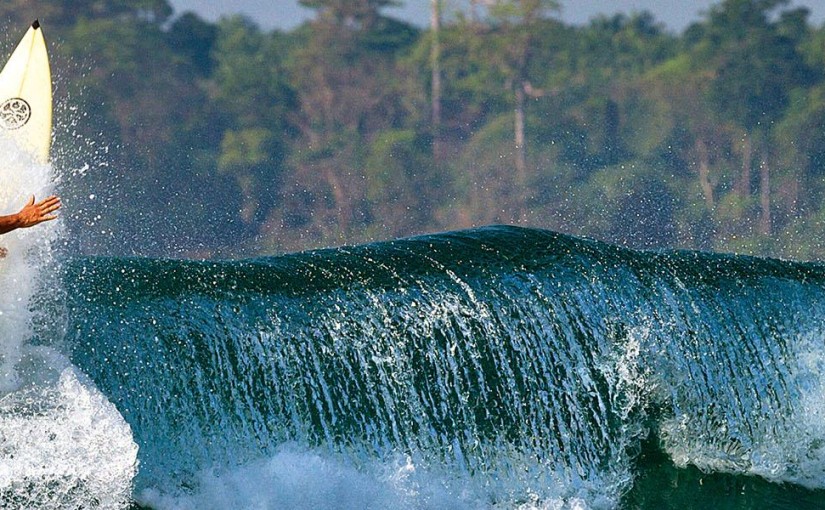
You might not expect it, but there are some decent waves here. The film crew who shot Apocalypse Now back in the seventies left their surfboard at Baler, about six hours’ drive from Manila, and Philippine’s surf culture grew from there. One of the biggest waves is Pagudpud on the northern tip of the mainland, and those who make the trek are likely to have the break almost to themselves.
Divers will also return from the Philippines satisfied customers. Good vis, warm waters and huge diversity of marine life – thresher sharks and manta rays at Malapascua Island, drift and wall dives at Anilao, and whale sharks in Donsol Bay, between November and June – make it suitable for everyone, including those who want to learn.
You’ll also find all the adventure sport staples: mountain biking, rock climbing, sea kayaking and whitewater rafting. Not to be missed is a tour to the underground river at Puerto Princesa.
Three hundred years of Spanish rule certainly left their mark on the country, with some beautiful colonial architecture still standing in Manila. This is a great city to explore for so many reasons: it’s not nearly as hectic as some of Asia’s other capitals, there is fantastic eating and shopping to be had, and the remnants of the Marcos era are, unsurprisingly, fascinating.
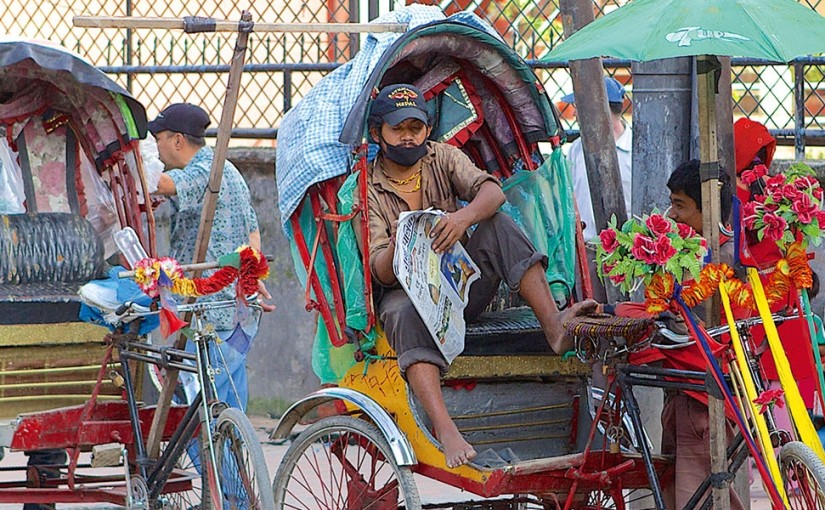
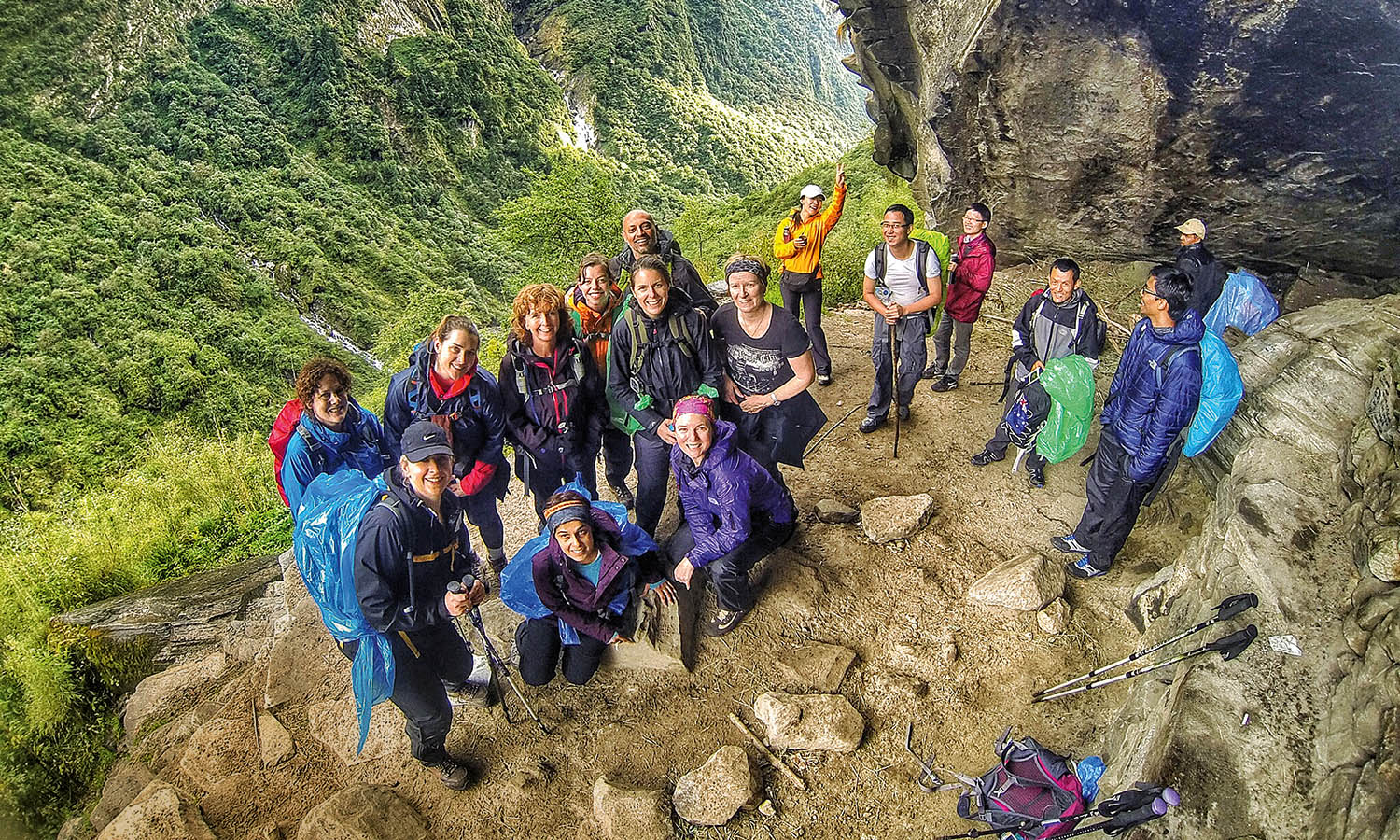
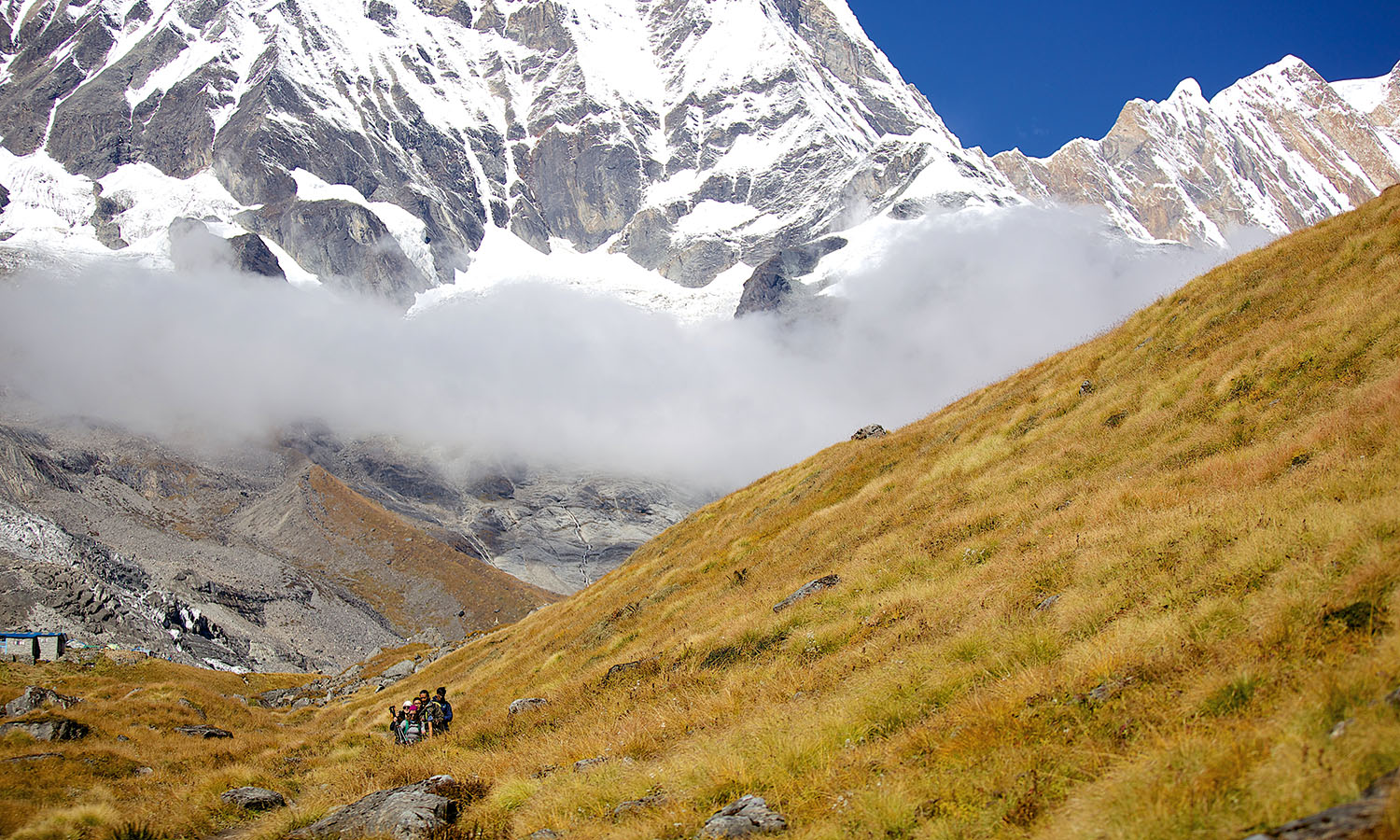
Take me higher! Indeed Nepal will – Himalayan high, in fact. The country has eight of the world’s 10 highest mountains. Steeped in both Hindu and Buddhist traditions – many of the population adhere to one of them – it’s an inevitable outcome that Nepal makes a popular spiritual and trekking destination.
You’ll explore remote monasteries, mountain teahouses, sherpa culture and Himalayan vistas that cannot, literally, be topped. There are more intricate temples, grand old palaces and places to release your inner hippie than you can poke your walking pole at. After experiencing Nepali mountain life and climbing till you drop, your weary body will be deserving of a long soak in hot springs. Food will never have tasted so good when you tuck into Newari soups and curries.
You might be pleasantly surprised to find out that there are Nepali safaris, where you can (hopefully) spot rhinoceros, tigers, wild boars, monkeys and deer, as well as kayaking where you may encounter crocodiles, otters and the endangered Ganges river dolphin.
As the nation recovers from the devastating earthquake that hit in April 2015, your tourist dollars are all the more valuable.
Despite its ability to provide breathtaking, culturally out-there experiences, Mongolia has escaped the mass-tourism radar to a certain degree. All the better for those keen to go somewhere a tad more wild.
Experiencing a Nadaam festival and its colourful traditions – wrestling, horse racing, archery and throat singing among them – will make you feel as though you have really arrived in a foreign land.
The sheer emptiness of the place will also inspire that feeling. This is most sparsely populated independent country in the world, inhabited largely by nomads living traditional lives. Across its huge landmass the country ranges from the Gobi Desert in the south to cold, mountainous regions in the north, so there are plenty of natural pleasures – volcanoes, hot springs, lakes and sand dunes – to be enjoyed.
The past of Mongol hordes, ruling Chinese dynasties and a peaceful Democratic Revolution mean there are lots of palaces, monasteries and museums scattered across the country. Spend a night or two in a traditional ger (round tent), soaking up the locals’ hospitality and eating Mongolian barbecue. It’s a long way from Ulaanbaatar, the country’s capital, with its insane traffic, mix of cultures – business people, monks and nomads who’ve had to head to the city – and crazy energy.
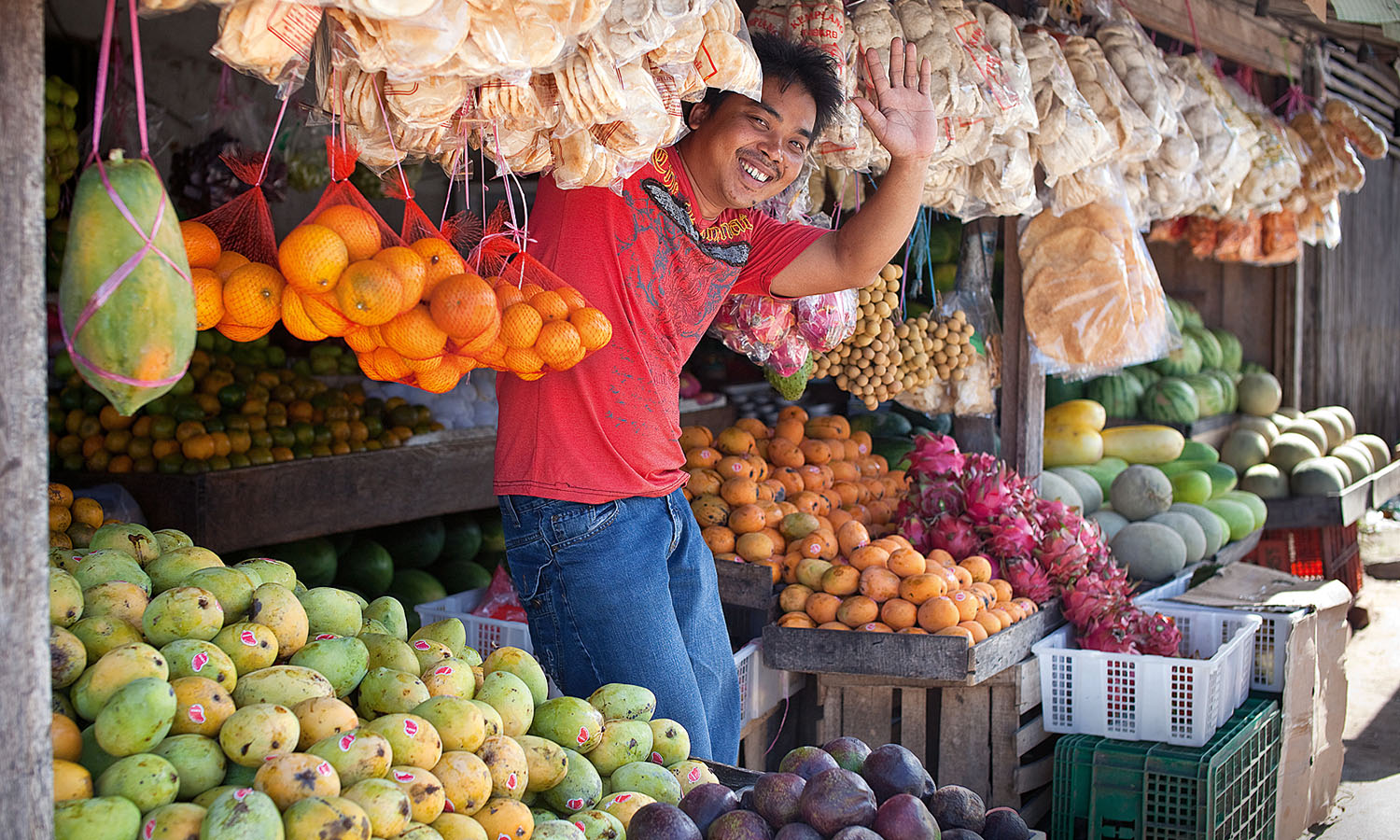
For a stopover or as a stand-alone destination, long overlooked Malaysia is on the rise. And why the hell not? KL is great for a quick shopping sojourn, cities like Penang and Melaka wear their colonial past on their sleeve, and its islands and forests are sublime. You’ll be bowled over as you gorge on curries, noodles and hawker cuisine.
And let’s not forget Malaysia’s administrative share of the island of Borneo, where there’s a mishmash of extraordinary ecosystems. From the world’s largest flower to its smallest elephant, Borneo boasts a biodiversity like no other – not to mention an unforgettable opportunity to get up close and personal with an orangutan. Sabah is its star drawcard – given that it’ll leave beach bums and rainforest junkies alike salivating and hikers heaving to catch their breath as they traverse Mount Kinabalu. You’ll find hanging out in the longhouses along Sarawak’s rivers (most likely slugging rice wine) will give you an appreciation of the traditional ways of the local tribes.
Grab your bags, because this Southeast Asian gem is quickly garnering status as a must-see destination. Sitll, unlike some of its highly visited neighbours, Laos retains much of its traditional existence and heritage. Even the capital city, Vientiane, dubbed Southeast Asia’s biggest village, still manages to maintain its laidback lifestyle.
There’s plenty of excitement to be found though; Laos draws travellers looking for nature and adventure. Forest treks and village homestays offer an opportunity to discover an authentic Asian culture, while rafting and kayaking allow the intrepid to explore the waterways. Or perhaps zip-line across the canopy and stay in the treetops with some furrier natives as part of the Gibbon Experience.
A Mekong River journey is an iconic expedition, as is a stint in the former royal capital, Luang Prabang, with its plentiful temples, faded French colonial architecture and robed monks.
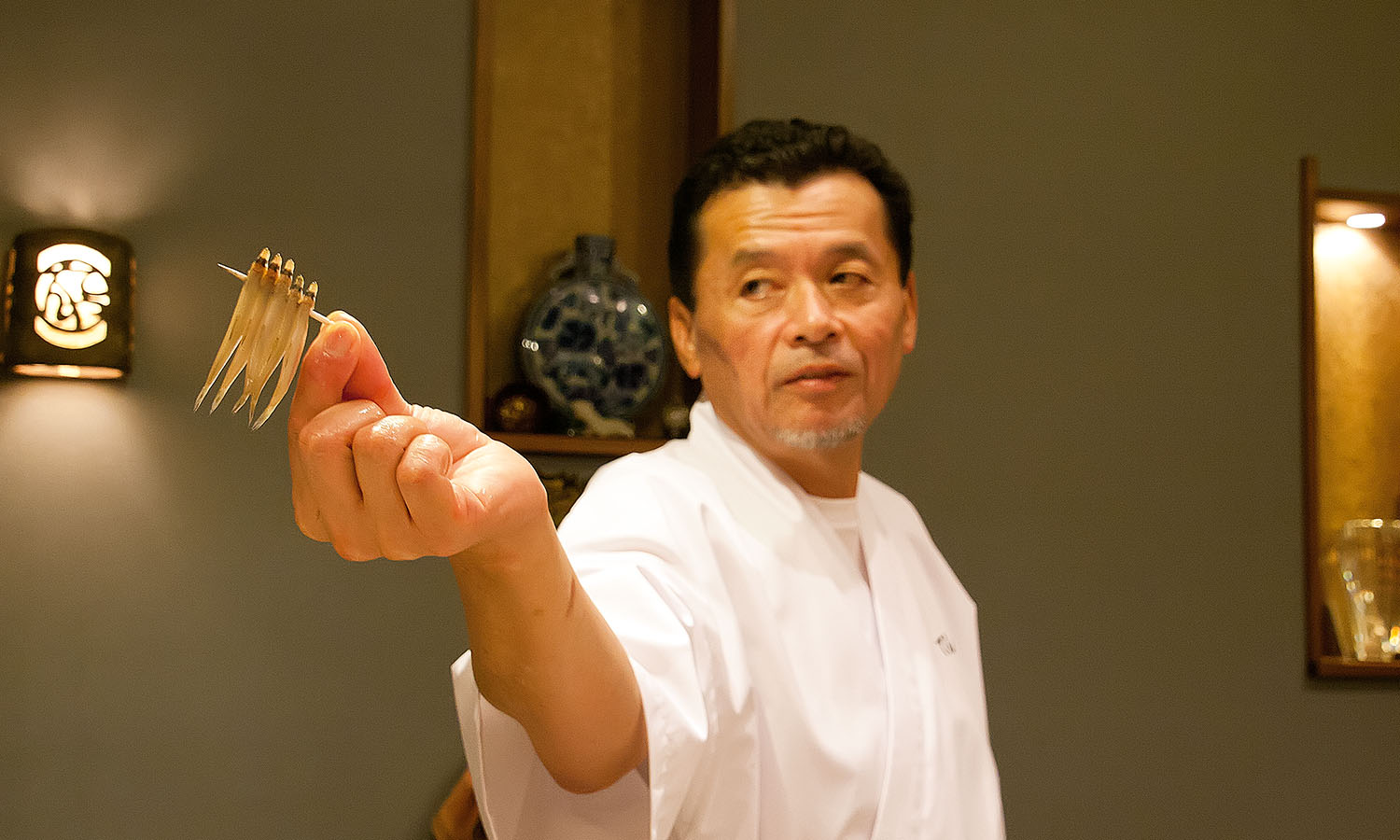
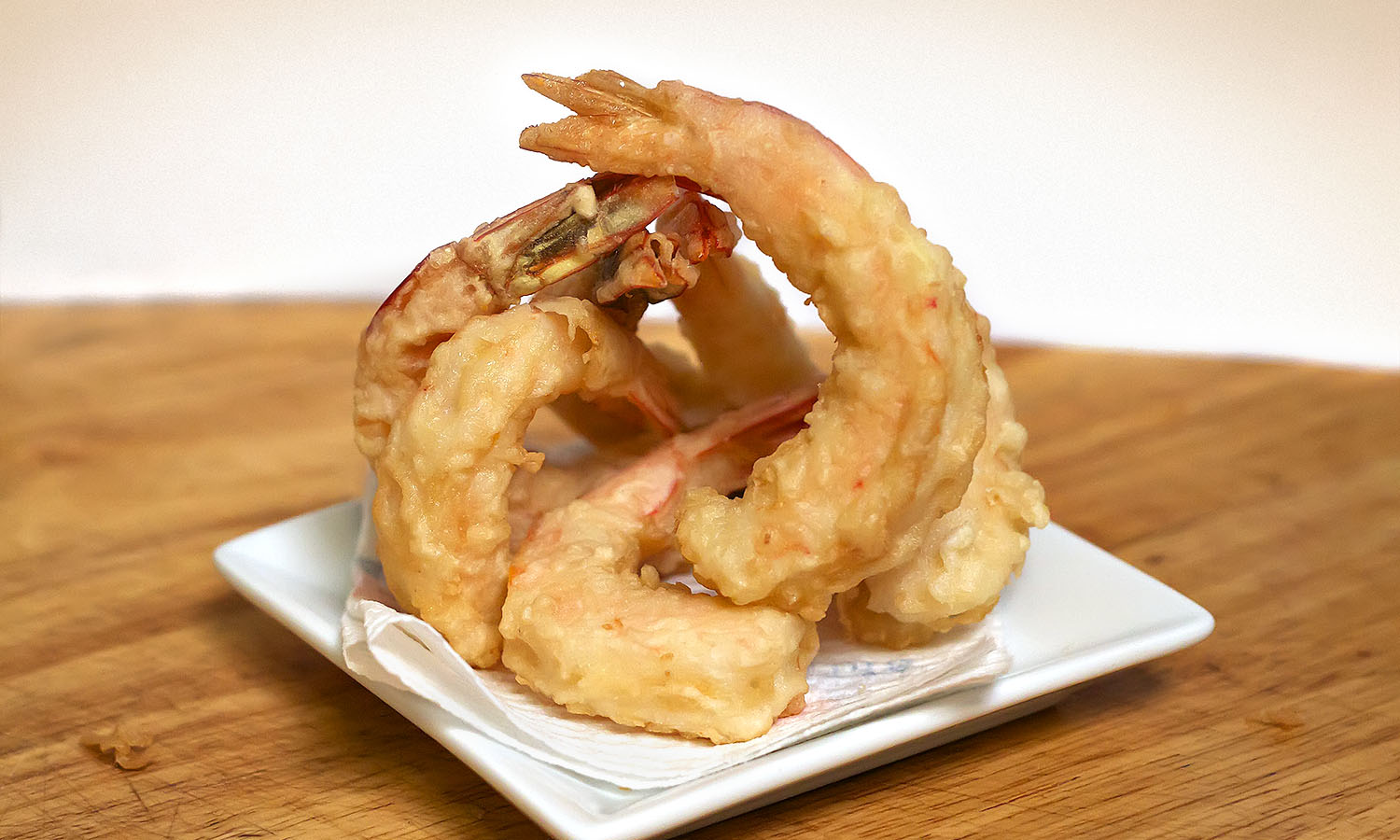
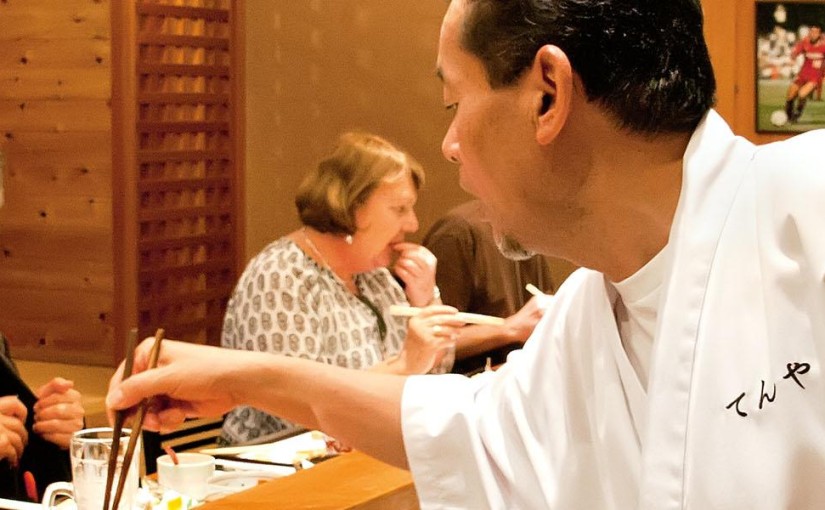
From snowboarding, sumo and sushi to soaking your stresses away in a traditional onsen (hot spring), Japan is as diverse as it is beautiful and unusual. From the weird, wonderful and wacky of ultra-modern urban living to a rich, ancient culture of geishas, precise tea rituals, Shinto worship and emperor warlords, this is a destination that won’t disappoint.
Where else would there be a constant procession of festivals celebrating everything from fertility, where a giant phallus is paraded around Kawasaki, to cherry blossoms, the rice harvest and star-crossed lovers?
Subcultures abound in the realm of cos play and manga, while staid salarymen get loose after dark in tiny bars, many of which boast a karaoke machine. Those who party hard will love the music scene, and the Fuji Rock Festival is unforgettable. For fashionistas and gadget geeks, shopping in some of Tokyo’s better known districts, like Ginza, Harajuku and Akihabara, will be a guilty pleasure. But it’s not just about neon and crazy pedestrian crossings. Visit the seaside city of Kamakura to see the Great Buddha, go to Hokkaido for hiking during summer and skiing in the winter, or experience Naoshima, Japan’s art island.