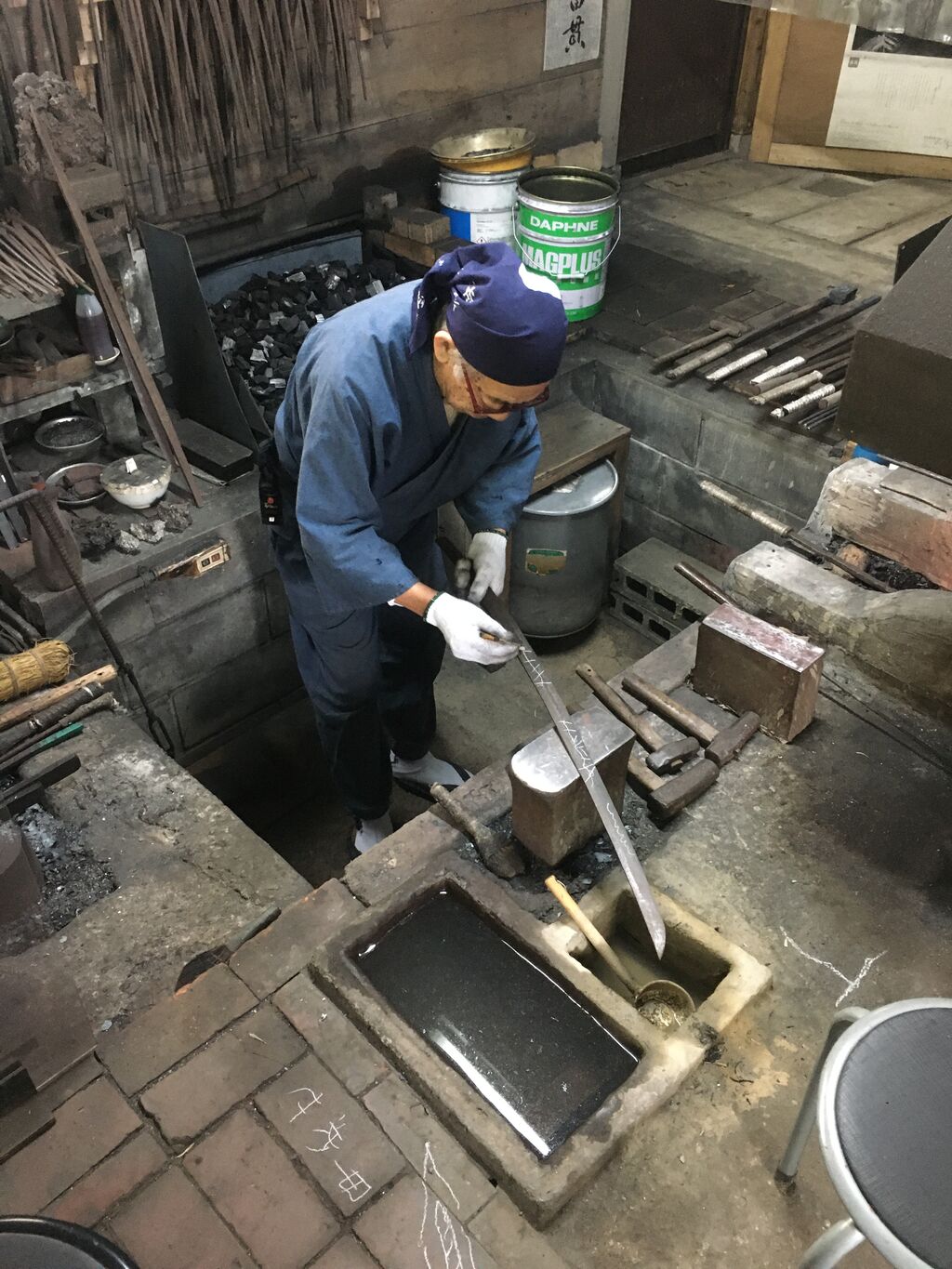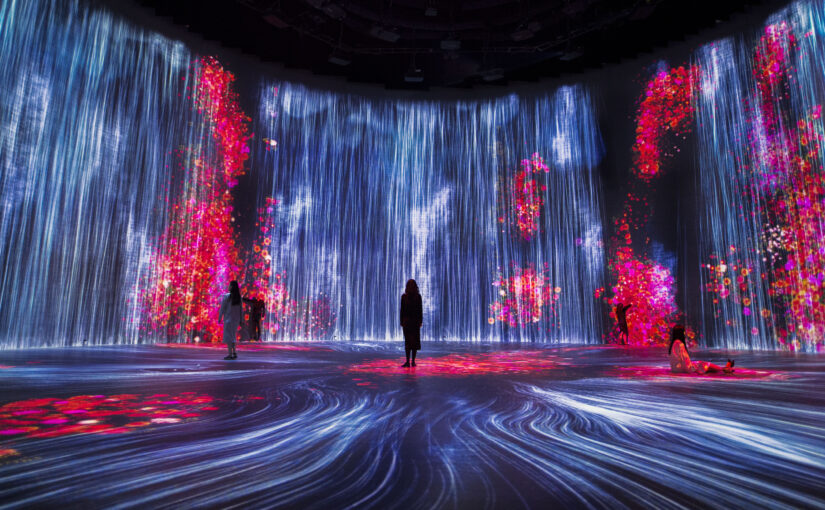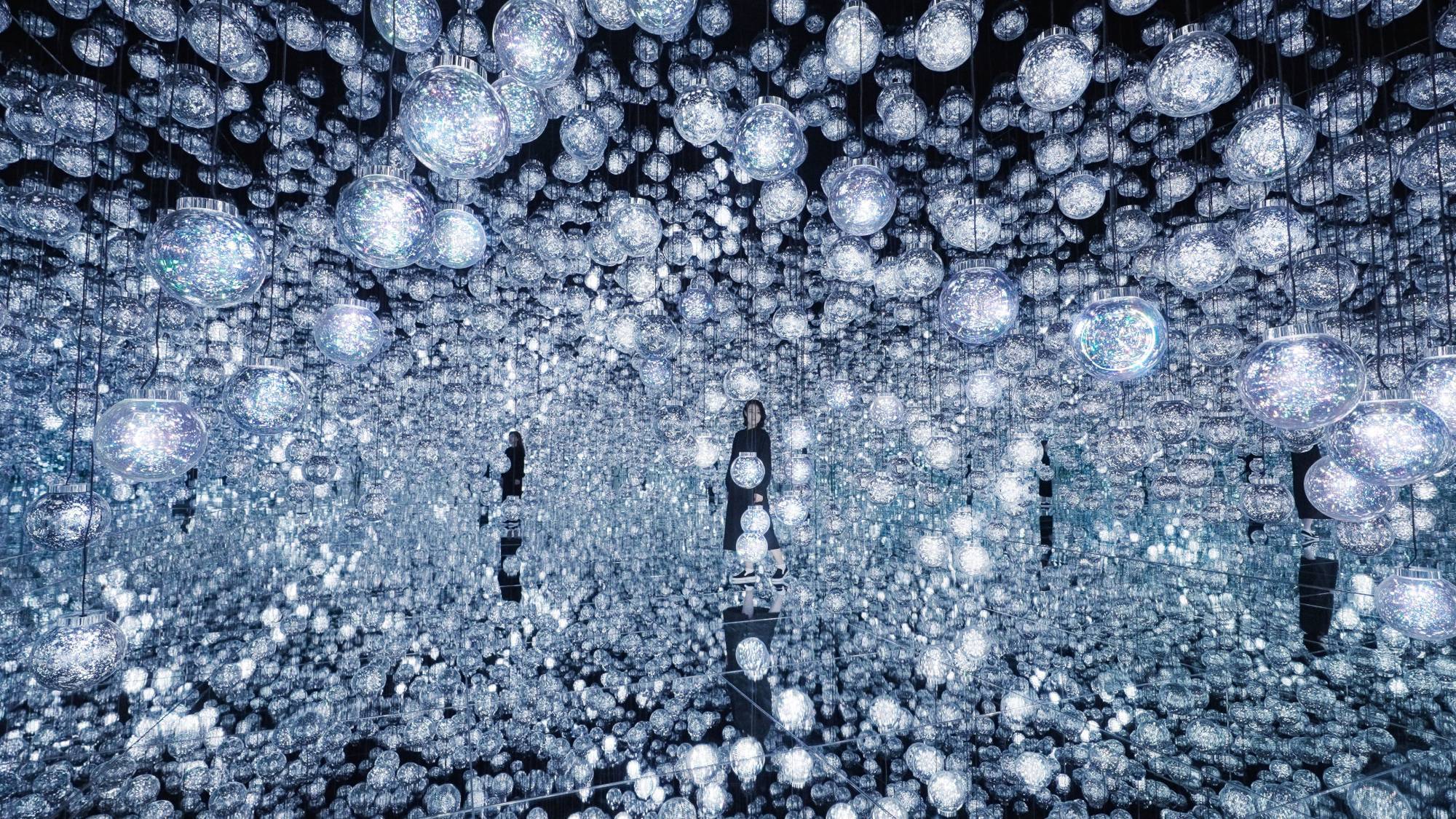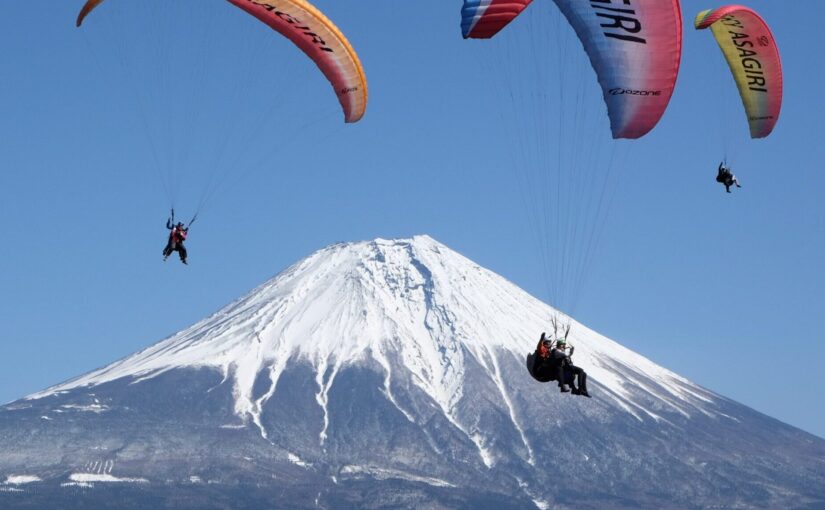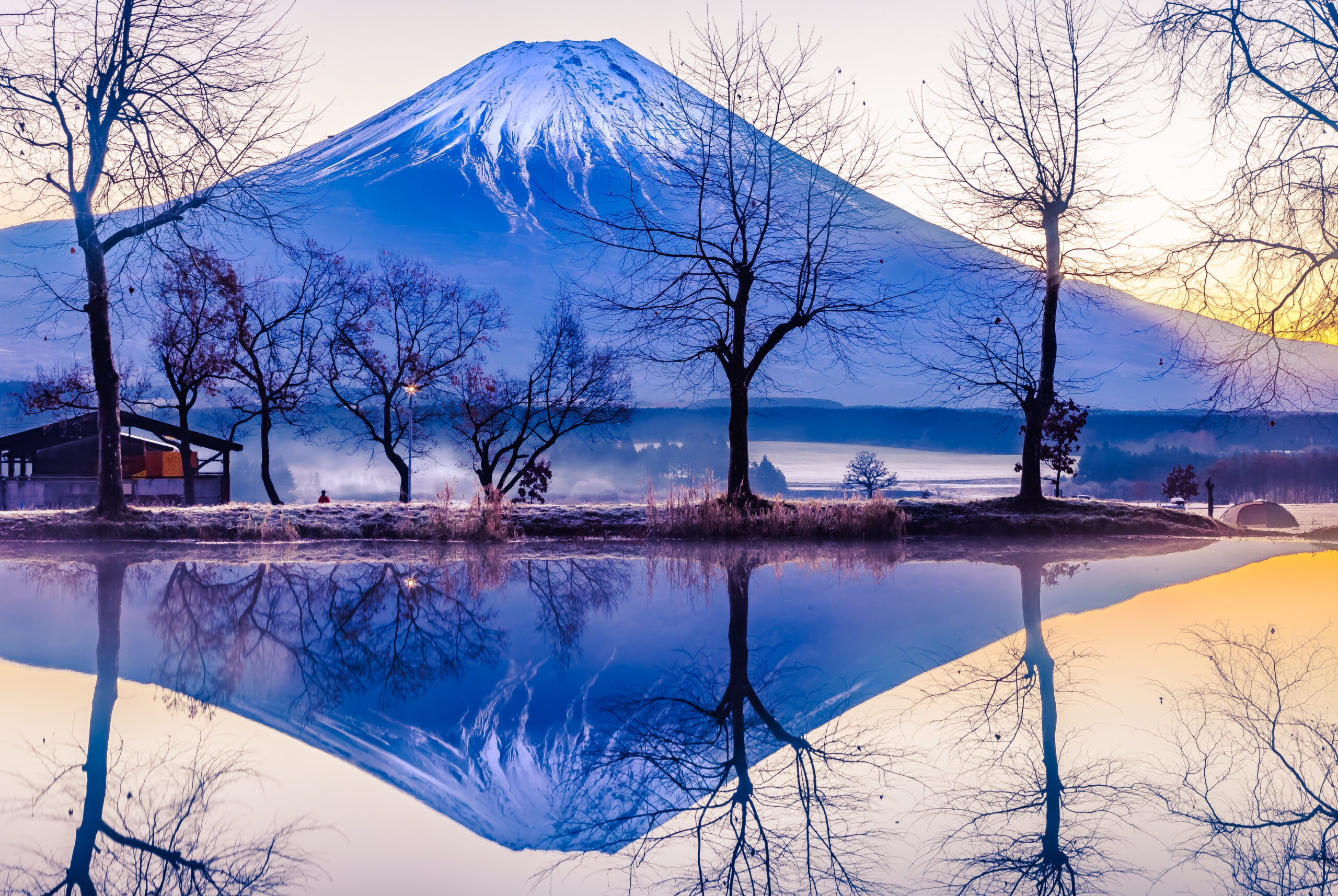
Tucked away in the southwest of Japan, Fukuoka offers the best the country has to offer in one intriguing package. The largest city on Kyushu Island, Fukuoka is famous for teasing visitors with the intoxicating aromas of street food at ‘yatai’ stalls, world-class shopping, culture and nightlife.
It also has something for lovers of the outdoors—built on the shores of Hakata Bay, Fukuoka offers easy access to beaches and the stunning mountains that embrace it on three sides. Those mountains have beckoned pilgrims for centuries. Now it’s your turn.
Whether you’re searching for enlightenment, a life partner or a demon slayer, Japan’s Fukuoka prefecture has a pilgrimage to suit. Just don’t get your mountains confused.
Love mountain
Before Tinder, there was Mount Hōman. The mountain was known for being able to help the unlucky in love, with pilgrims praying to find their life partner as they headed up the trail. Its profile has been raised even more thanks to its starring role in a popular manga series.
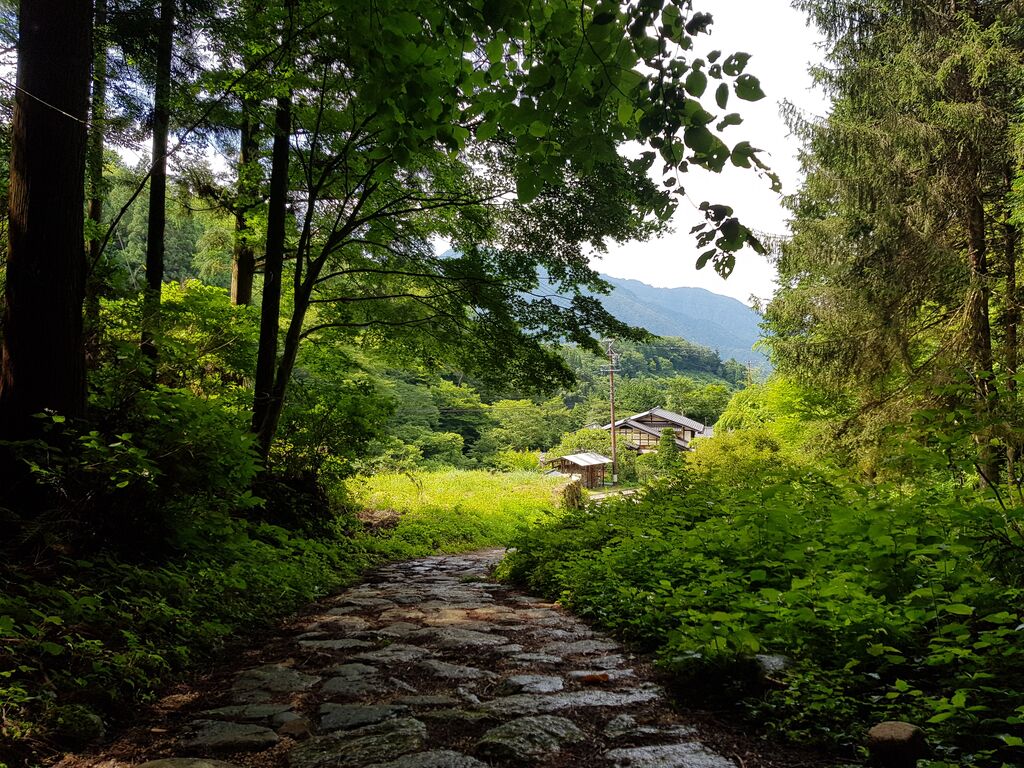
The trail through lush forest includes several small waterfalls with cascading crystal-clear waters en route to the summit, 829 metres above sea level, where you’ll enjoy sweeping views of Fukuoka City—from the coastline and city in the north, to the mountains in the south.
Tamayorihime no Mikoto, enshrined in the main hall of Houman-gu Kamado Shrine, is famous as the god of matchmaking. It is said to bring together not only romantic relationships but also all kinds of connections such as family, friends, and work.
There are two rocks on the right side of the main hall called Aikei no Iwa, or ‘Charming Rocks.’
It is believed that if you walk from one rock to the other while closing your eyes and thinking of the person you love, your love will come true. Worth a crack.
Mount Hōman loop
Distance: 5.6km
Elevation gain: 602 metres
Time requirement: 3 plus hours
AllTrails rating: Challenging
Hard Hiko
With AllTrails rating the summit climb as ‘challenging’, it’s no wonder followers of the Shungendo religious tradition—a combination of Buddhism, Shintoism and mountain worship—picked Hiko as one of their training mountains. The Shungendo pushed themselves to their physical and mental limits in their bid to achieve enlightenment. Lesser mortals may need to stop to rest at the awe-inspiring Hikosan shrine. A registered national historic site conveniently located about halfway up the mountain, Hikosan is thought to bring good luck and is just one of a number of significant temples and shines on the mountain.
You know you are about to enter a sacred space when you spy one of iconically Japanese ‘torii’ gates, featuring upright beams supporting lintels.
Hiko’s summit rewards your hard work with a panoramic view of the bustling Fukuoka city against a glittering Pacific Ocean backdrop.
Mount Hiko loop
Distance: 7.4km
Elevation gain: 732m
Time requirement: 3-4 hours
AllTrails rating: Hard
Forest bath
The Japanese have been the brains behind many useful, and not so useful, inventions, ranging from the Bullet Train to emojis. But it is during a leisurely stroll up the gentler slopes of Mt Kubote that you appreciate one of their more off-beat creations – ‘shinrin-yoku’ or ‘forest bathing’.
Forest bathing is now recognised internationally for its physical and mental well-being benefits. The idea is simply to spend time in densely forested areas to let the trees soothe and heal. With Mt Kubote’s ancient forests emitting the heady smell of cedar, all your troubles, including a fear of moths destroying your clothes, simply melt away.
Along with Mount Hiko, Kubote was a key training ground for the mountain-worshippingShungendo, who believed Gods lived in the hills and that if followers endured severe training at altitude, they would gain superhuman powers. You can see evidence of Shungendo training grounds, temple ruins, halls, and graves strewn throughout Mount Kubote, which has been declared a national historic site.
End your adventure with a more traditional type of bathing in the natural hot springs at Kubote Onsen (assuming you haven’t gained superhuman powers, in which case you’ve probably got more important things to do)
Whether you’re into K-Pop or not, we reckon South Korea should be on everyone’s bucket list.
The hectic frenzy that is Seoul, the deliciously crazy cuisine (hello, hongeo-hoe!) to the baseball games, South Korea is hit of extraordinary culture.
We know South Korea is on many of your bucket lists, owing to the thousands of entries we had into our Ultimate K-Adventure competition.
We were overwhelmed by the enthusiasm and creativity of our readers, and there were many worthy winners. But, there can be only one.
AND THE WINNER IS
Drumroll please…
Trishia Jandu!
Congratulations Trishia! You’ve won return flights to Seoul, $750 cash and an extraordinary 7-day South Korean adventure for the ages!
get lost would like to thank our incredible partners in this competition, ASIANA Airlines, Inside Asia, World Nomads and Visit Korea, for their exceptional support and making all this possible – helping travellers get lost.
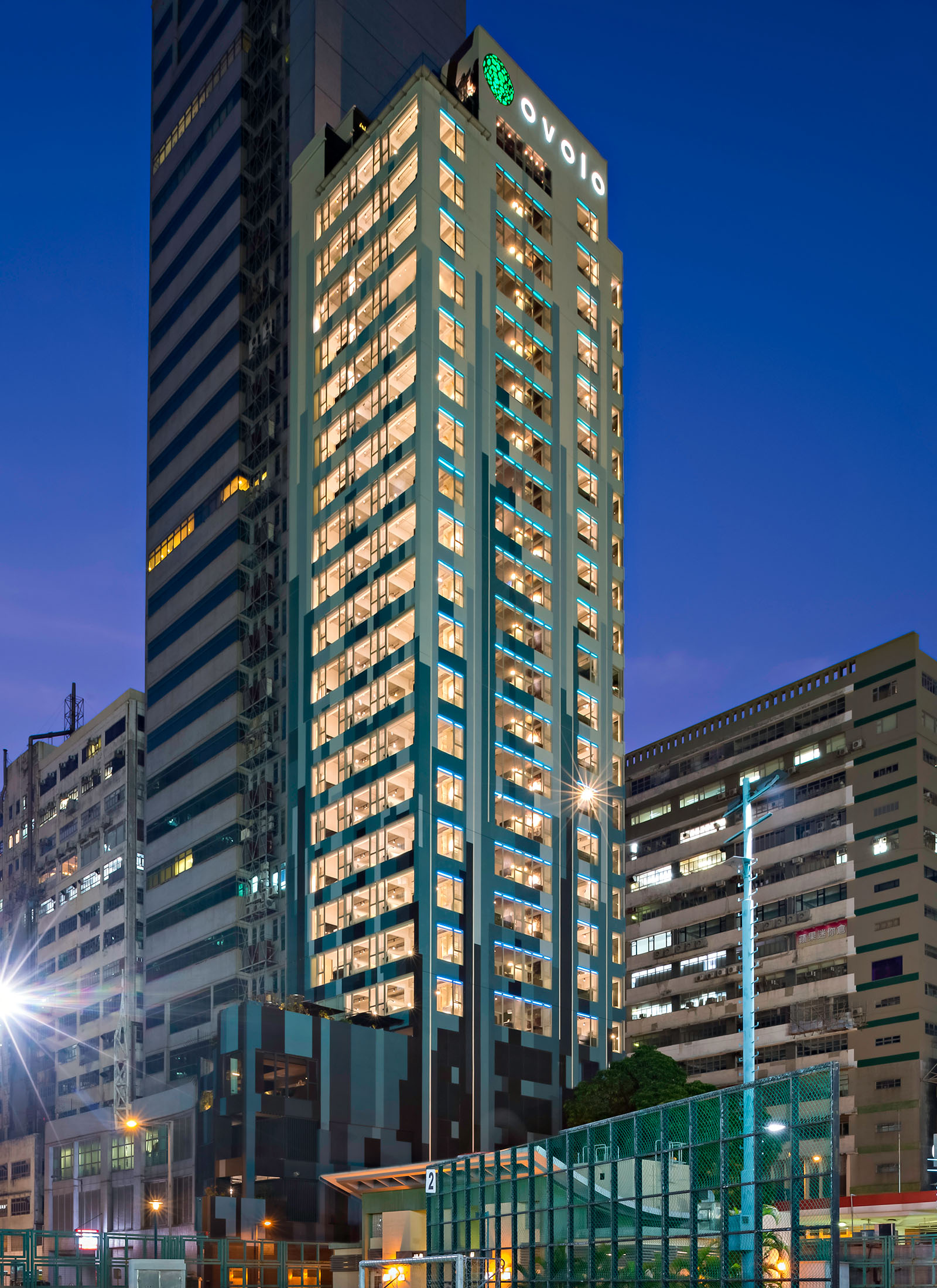
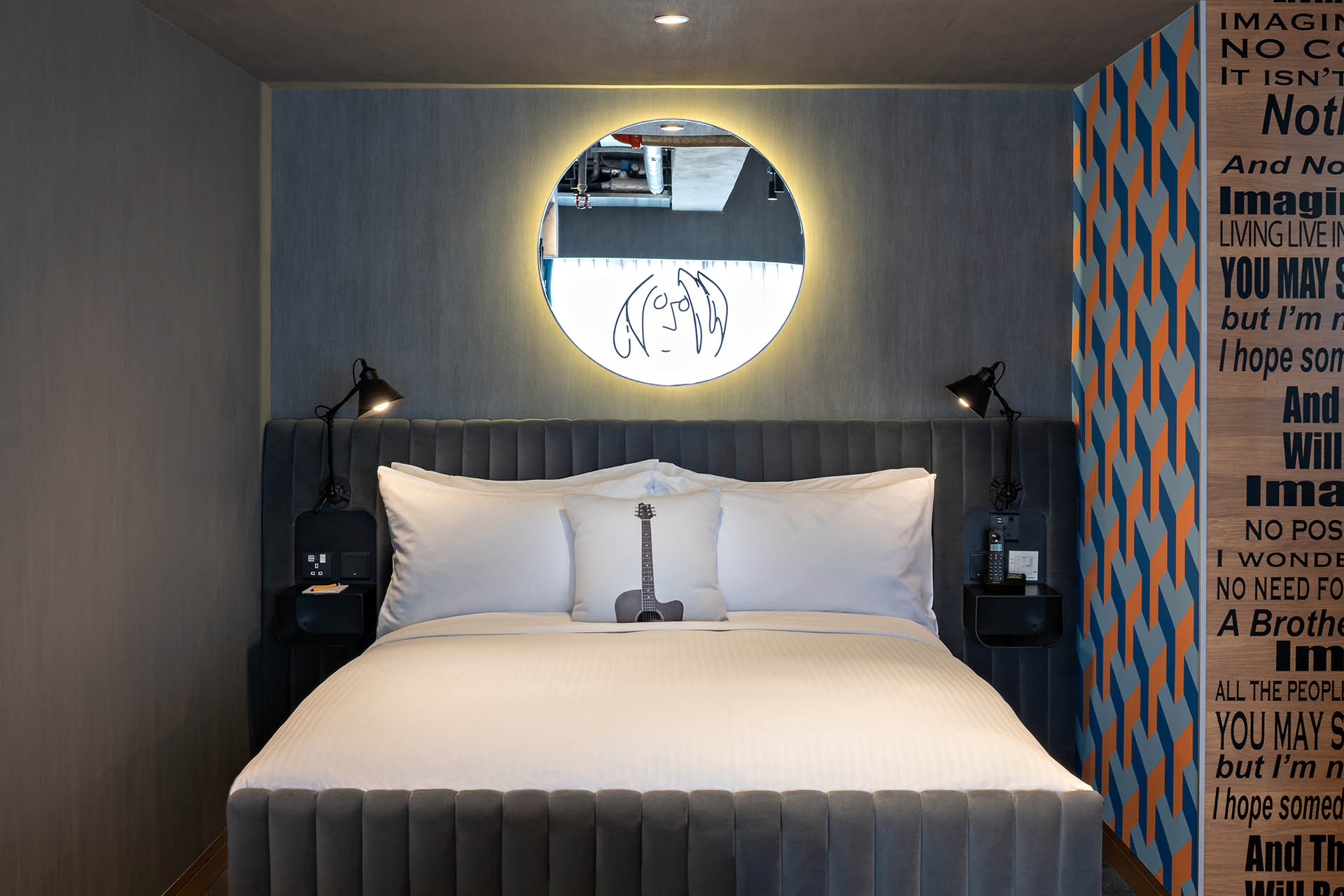
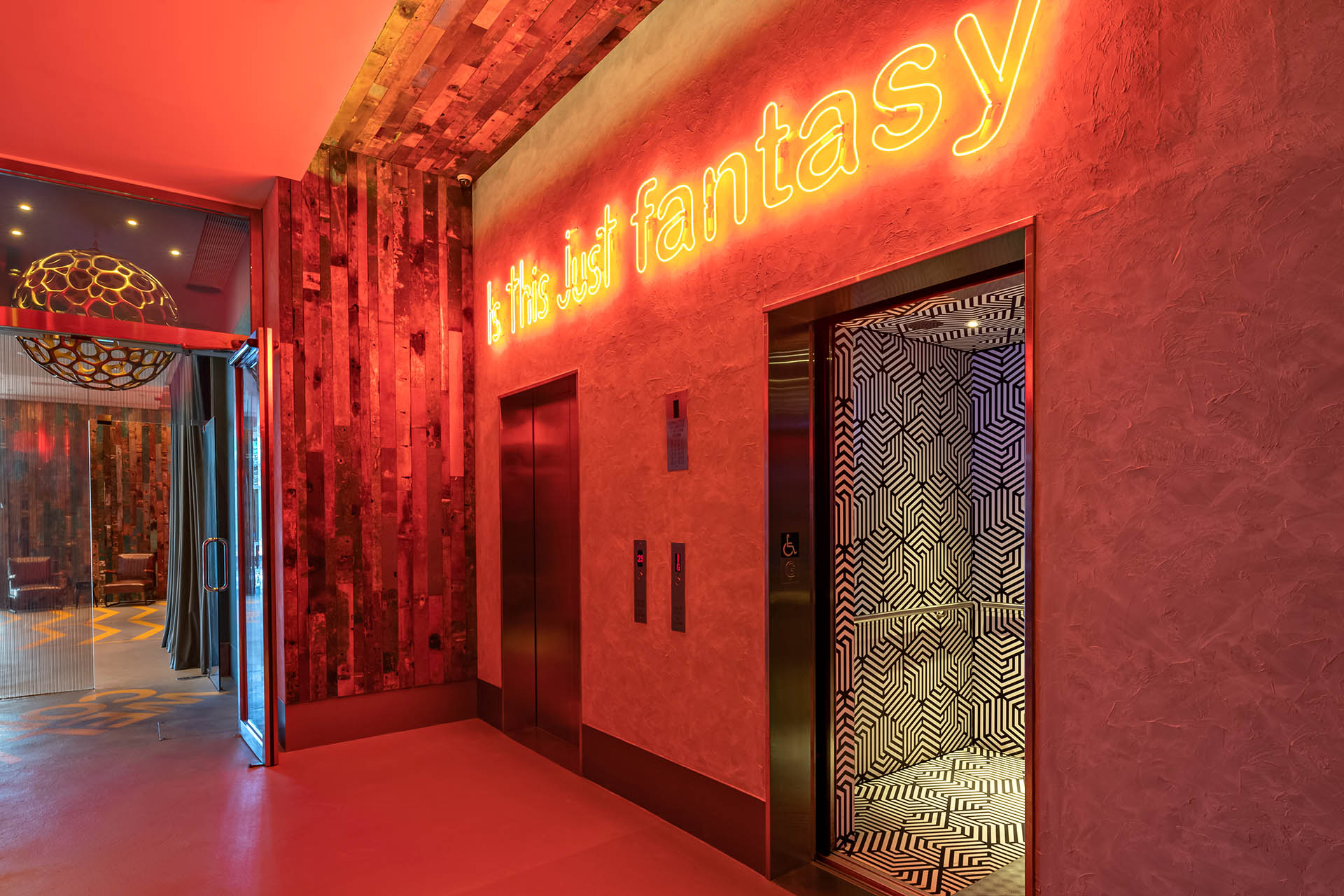
Brand new in Singapore, 21 Carpenter is a hotel where history buffs and modern, art-deco minimalist-types can live in harmony – not always the case.
It’s blends old-world Singapore – think relics, inscriptions and phrases from the building’s history dating back to the 1930s as an old remittance house – with an exquisite, minimalistic luxury which is sure to win the hearts of architecture and design enthusiasts.
The building really is something to behold; sleek, modern art deco meets brutalist concrete, the latter inscribed with real-life messages from 1930s immigrants who would visit the building to send money home to their families.
It’s location on a busy urban street fades away when you step inside, where a rooftop pool and large open spaces remind you that you’re in a luxury hotel, and not in the 1930s (don’t think infinity pool cocktails were a thing back then).
There’s also a sick garden terrace to hang out in, for when you need a refuge from the hustle and bustle of 2024 Singapore.
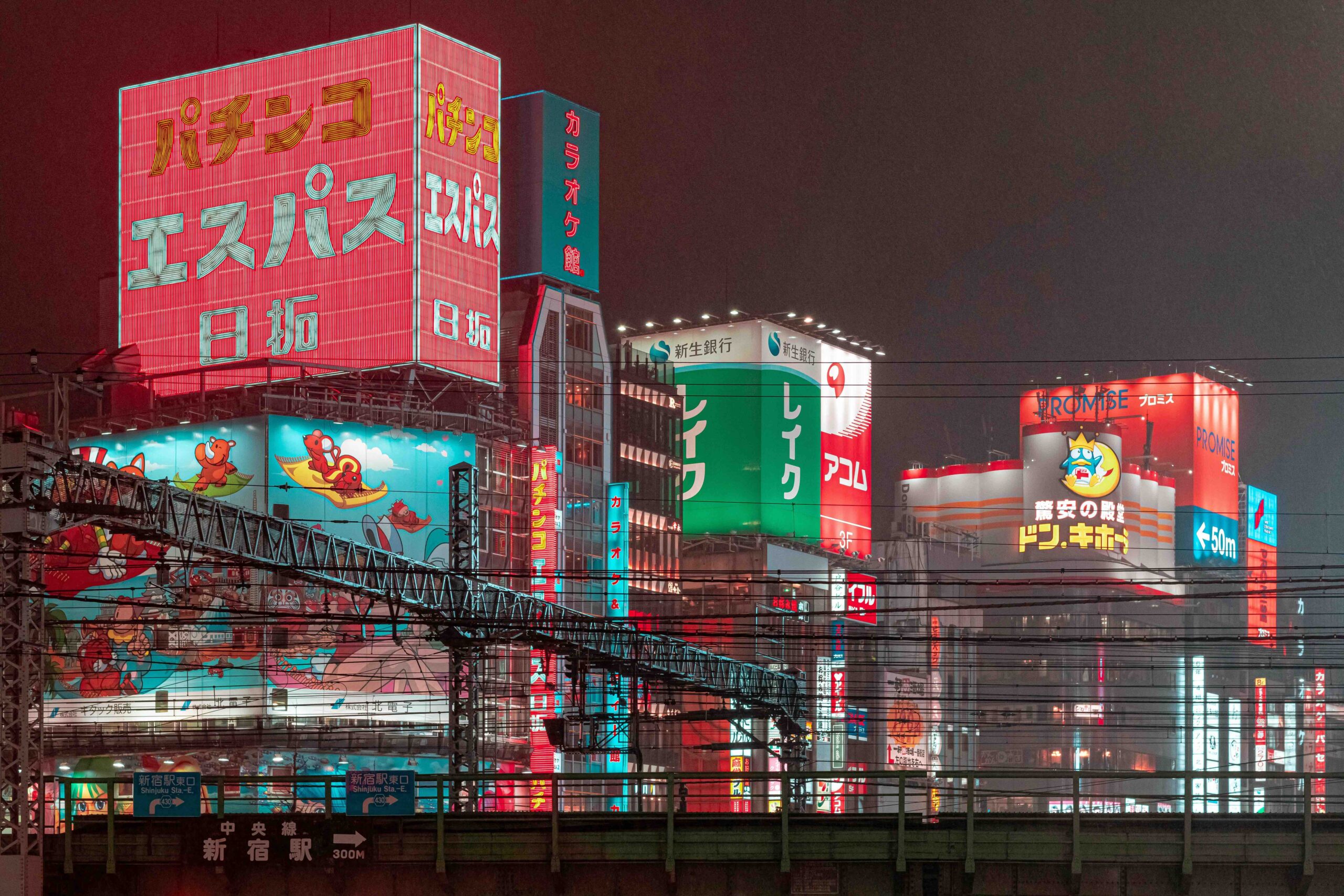
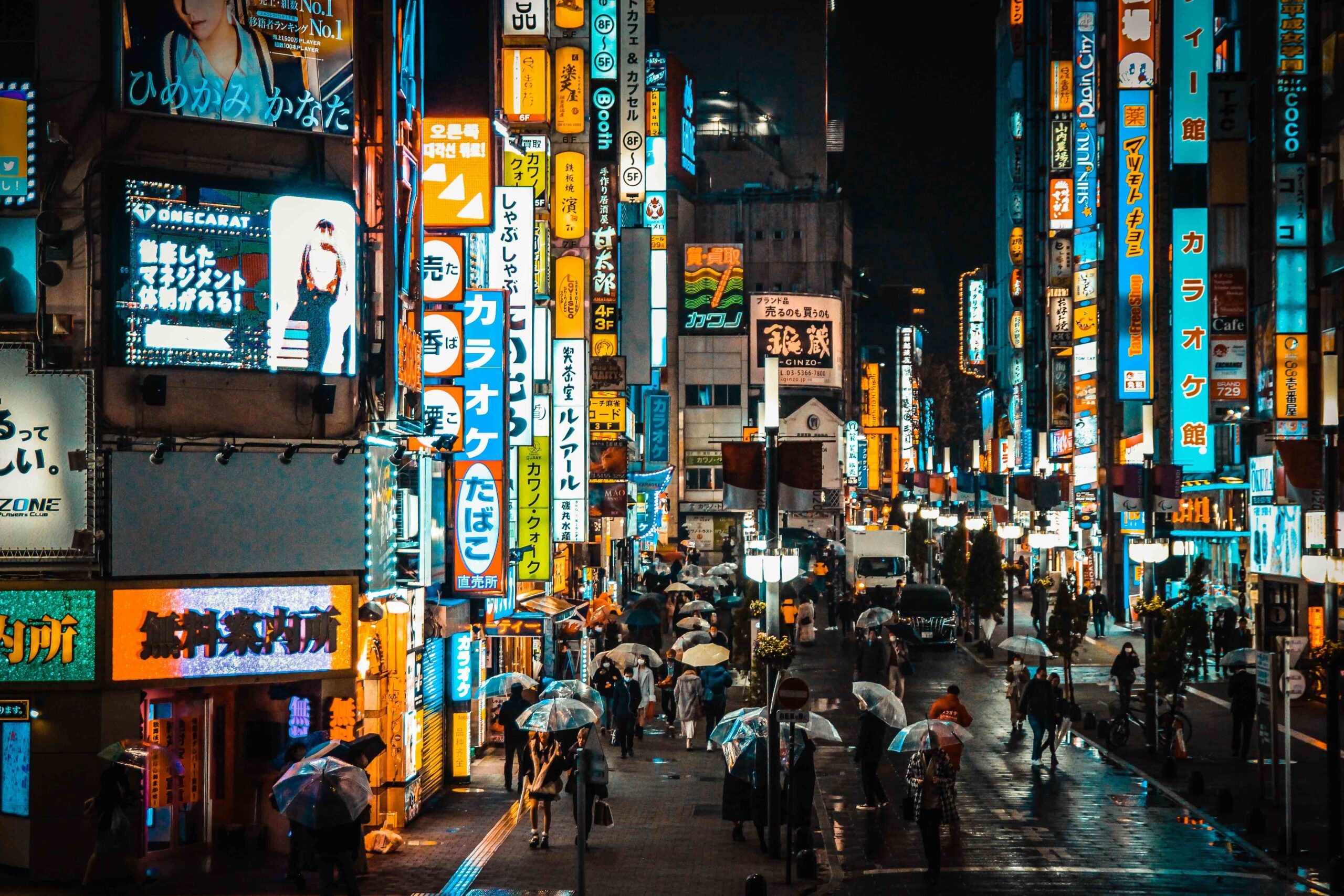
‘The Black Pool’ is a 40 metre, 40℃ infinity pool that is arguably the highlight of the stunning Botanical Pool Club, near Chiba, Tokyo.
It’s amazing that a place like this could even exist in Tokyo, comprising of 21 rooms, a bunch of swimming pools and a jungle-inspired sauna stretching out over some considerable space.
Tokyo is a city of vastly variable climate, and so this is a place to come whether it’s a desert oasis or warming up you’re requiring.
It is so at odds with the Tokyo we all know and love, in fact, that we at get lost think it’s a masterstroke. A refuge from the chaotic, beeping energy, leaving you with more energy to charge this city’s weird beauty during the day and at night.
When the legends at Soneva sound the conch horn to announce they’ve built another stay, you listen.
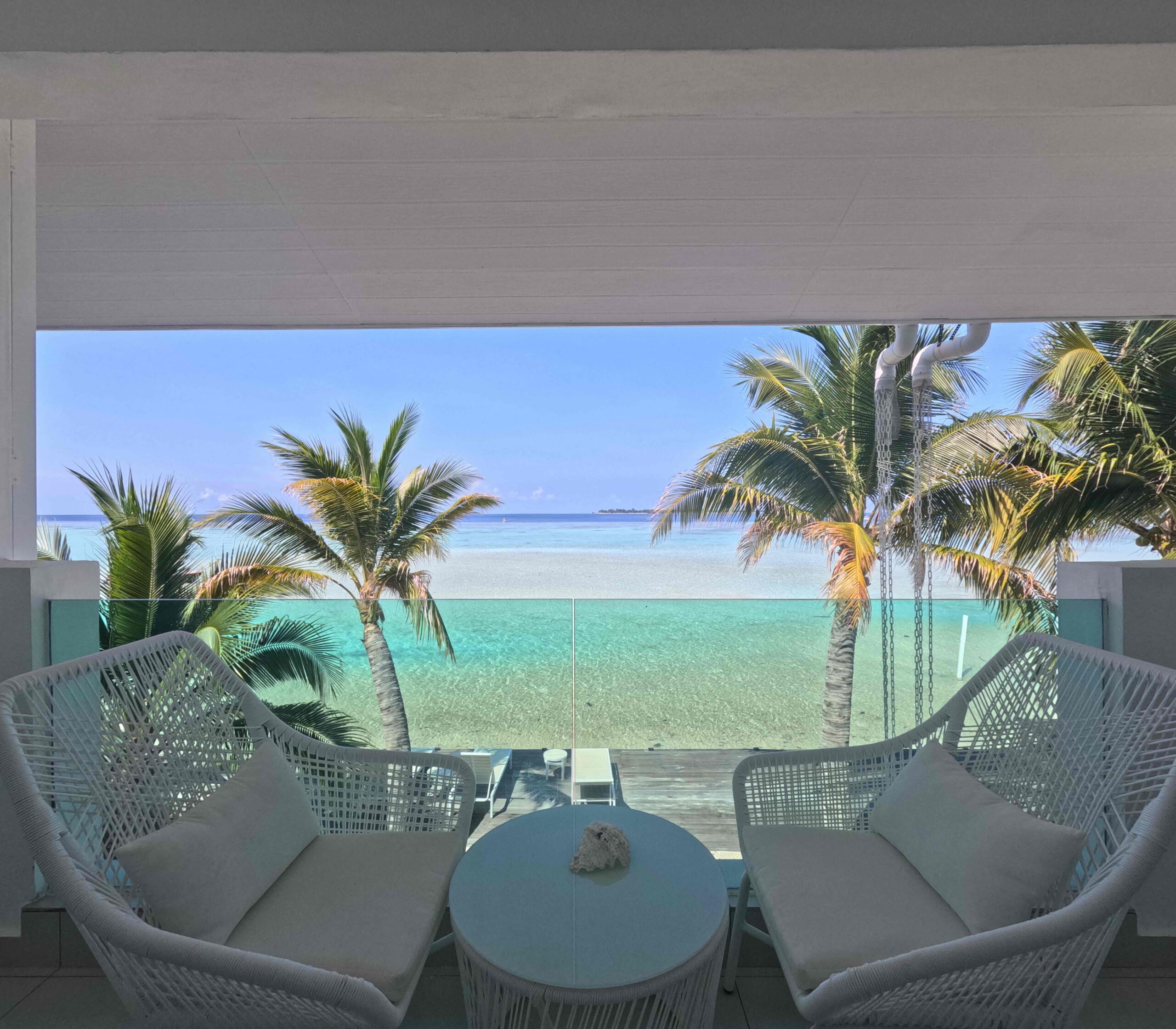
The luxury chain makes accommodation so damn dreamy you’ll think it’s been dreamt up by AI. But it’s not. This place is real. Soneva Secret is the incredible, not-so-secret collection of 14 beach and over-water villas located in Haa Dhaalu Atoll, the Maldives’ most remote atoll.
The resort’s star attraction? Probably the Castaway Villa, the Maldives’ first floating villa. Floating on water, not a euphemism, this incredible master suite even boasts a roof that slides open to reveal star-strewn skies.
Transport around the resort is also done in style; going for a swim? Take the water slide. Heading to dinner? Enjoy the zipline.
This national park isn’t like all the other national parks.
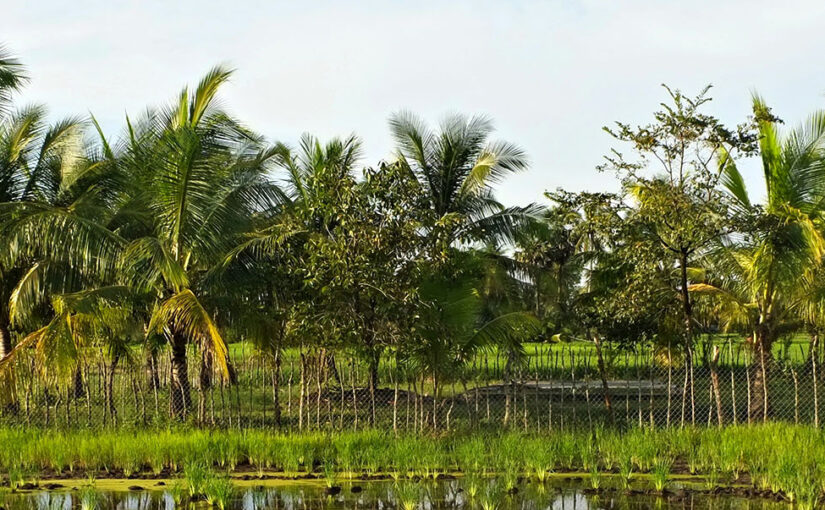
Why? Because you can find elephants swimming the waters here. Then there’s the local Vedda community, the earliest known inhabitants of Sri Lanka, who still stroll the forests as they have for thousands of years, climbing trees for food and living in harmony with crocodiles, turtles, monkeys and other animals.
There’s only nine humble bungalows at Gal Oya, so you’re not jostling with hordes of tourists in an attempt to get ‘the shot’.
Wildlife geeks will rejoice at the wildlife research centre on-site, and people who eat food will rejoice at the local dishes served up on banana leaves every day. Living.
Glamprook Hotel is a strange patchwork of things that shouldn’t really work together and yet inexplicably absolutely do.
Take the glamping domes for example, where ‘camping’ is made to feel super luxurious thanks to some incredibly comfy beds and armchairs made for kicking back and gazing at the starry night skies next to a roaring (if fake) fire.
get lost has never had access to an onsen while camping before, but we’re going to demand it from now on. Soaking, completely starkers, with people you’ve never met before, is a lot more relaxing than it sounds.
Then there’s the 10-course dinner, which is actually quite a tidy menu length for Japan. We’re not sure what cuisine to call this: traditional sashimi matched with pasta matched with an outrageous sorbet-honeycomb-brownie thing for dessert. The only common thread between the dishes is that they’re all super colourful, in complete contrast to the snow that falls here in the winter. None of this should work, but it does.
They just get it. They get it in Mauritius, and a host of other places, and now they get it at Koh Yao Yai too.
The brand new Anantara Koh Yao Yai Resort & Villas sits on a lush island in the middle of Phang Nga Bay, where limestone islets dot the horizon in every direction. Unfolding over a kilometre of golden beach, this is a luxury resort in every sense. But while the word ‘resort’ usually associates with sitting by a pool all day drinking cocktails (which you’re welcome to do, mind you) there is so much experiential goodness to soak up at Koh Yao Yai that you may not spend much time on the banana lounge.
Dive enthusiasts will love the abundance of underwater life. Venture off the beaten track to tranquil Hong Island to discover a small white sandy beach with a crystal-clear lagoon – our recommendation is to trek up 400 steps to a phenomenal 360-degree viewpoint.
Drift along mangrove canals in a kayak as eagles soar above. Take a boat out to a natural sand bank for a twilight candlelit dinner, or go for a vintage sidecar experience in a motorbike dashing through a rubber plantation.
There were already plenty of reasons to go to this part of the world; looks like there’s one more.
THAILAND IS KNOWN AS THE ‘LAND OF SMILES’ FOR GOOD REASON. LIFE HERE IS JOYOUS; IT’S GRINS GALORE.
And you know what else makes us grin? Unearthing super genuine cultural experiences and avoiding hordes of tourists. Luckily, you can do both here in Thailand.
This is the ultimate bucket list for any traveller who wants max culture and zero crowds on their next trip to the Land of Smiles with Singapore Airlines:
Buzzing and larger-than-life, Thailand’s capital city is a beautiful, extraordinary blend of the ancient and contemporary, modern skyscrapers and golden temples.
Whether you want to soak in the traditional culture at the Grand Palace or explore the exciting street food scene, Bangkok will always surprise and never disappoint.
Did you know Bangkok is home to one of the world’s largest 24-hour flower markets? Now you do.
For travellers, this market is the ultimate in people-watching and flower-buying. At its busiest early in the morning, Pak Khlong Talat is packed with locals buying and selling the prettiest bunches. It’s a colourful, slightly chaotic dance of cut roses and dried carnations, garlands of marigold and the scent of jasmine. Why not buy a bunch to adorn your altar / bedroom at home?
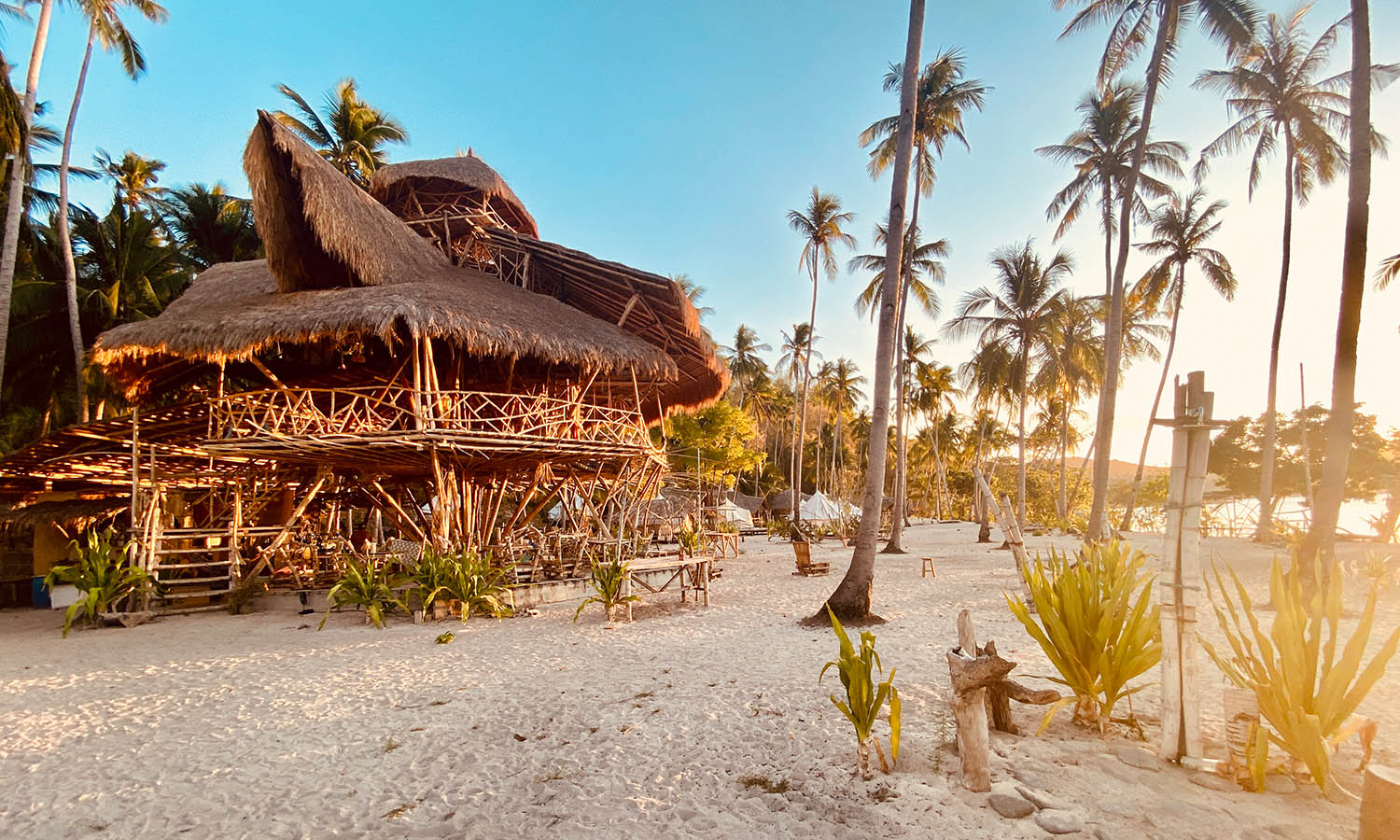
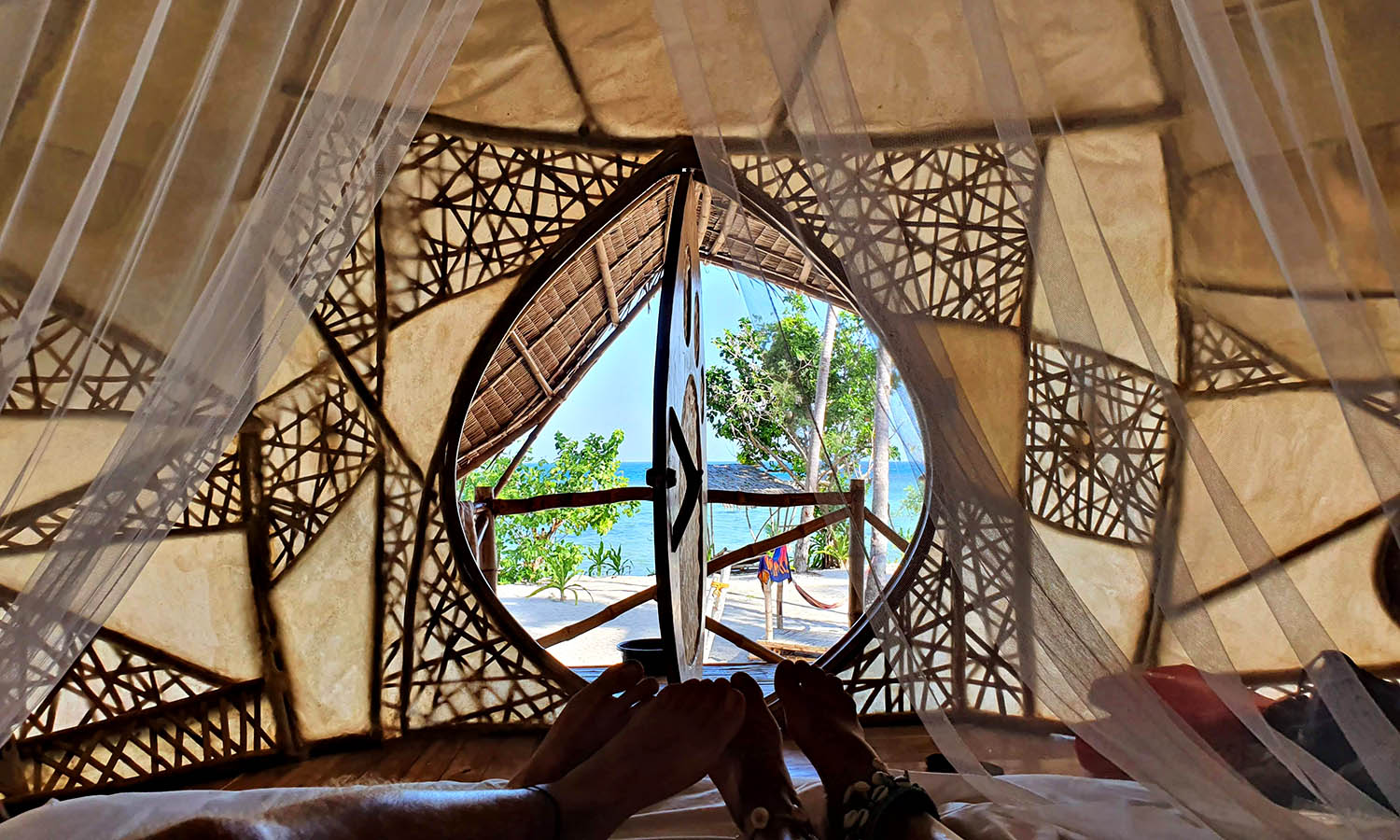
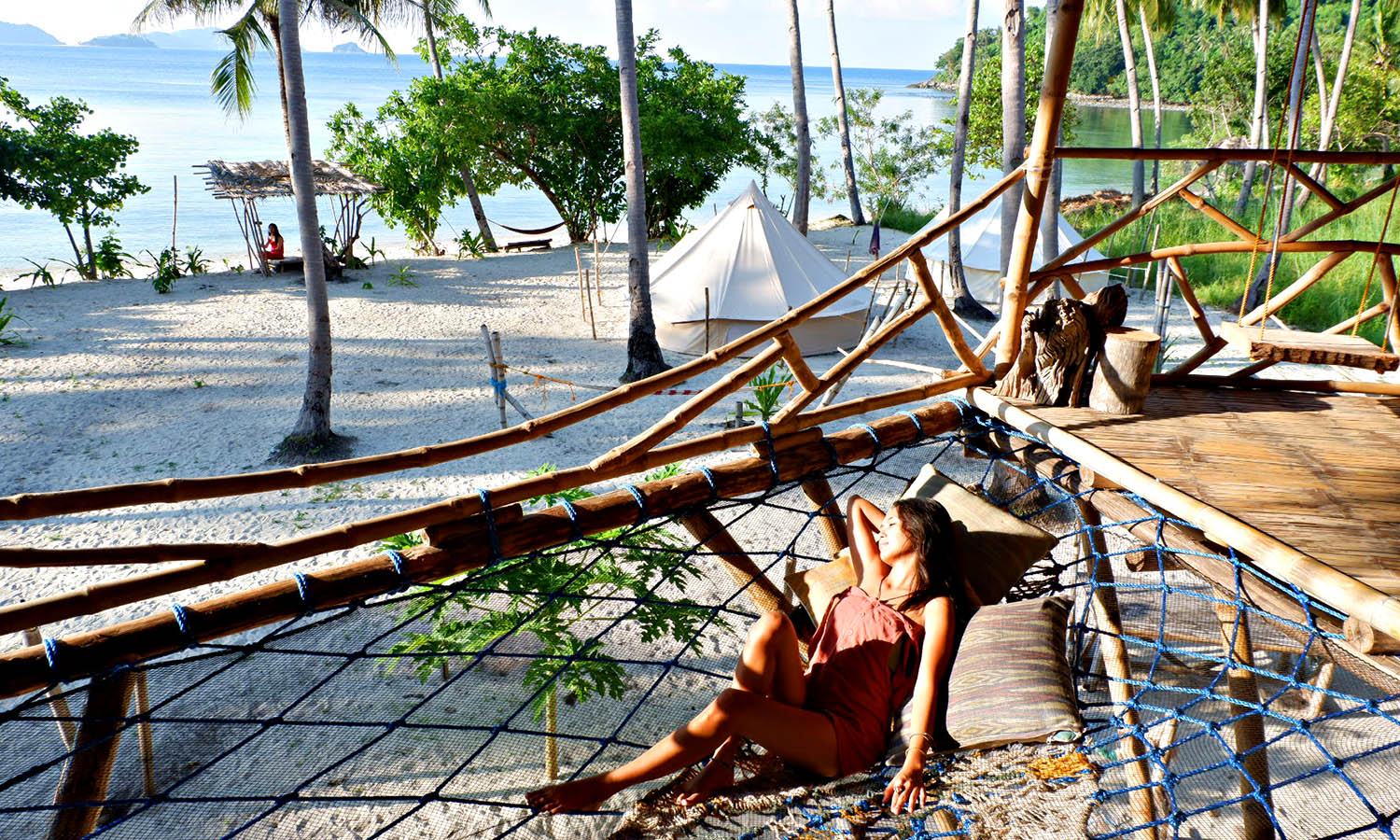
Looking for an eco-friendly escape, or super spot for remote working, in the middle of Bangkok? That’s right, Bangkok Tree House is a breath of fresh air located in the tropical treetops of Bang Krachao Island.
If you’re a vista-lover, the View with a Room is pure paradise: an open-air bamboo villa set seven metres above the ground. During the day borrow a bike (they’re free) and explore the nearby jungle, waterways and temples. On your return, take a dip in the natural swimming pond then head to the 24-hour ice-cream bar for a cool treat.
Wat Pho is considered a Bangkok must-see for good reason.
Located in the Phra Nakhon District, Wat Pho is on Rattanakosin Island, directly south of the Grand Palace. It’s one the oldest and largest temples in the city and the star attraction is the Reclining Buddha. This majestic golden monument is the largest in Thailand, measuring more than 45-metres in length. Impressive!
Beat the foodie crowd by signing up to a bona fide private cooking class to learn pad thai secrets from a local.
Thai food is internationally renowned for good reason: it’s flavourful and fresh; available at street stalls or the bougiest fine dining restaurants. A family-run cooking class from the legends at Courageous Kitchen also supports local causes. Win-win!
As Thailand’s biggest island, and a certified tropical utopia, Phuket is home to a smorgasbord of lush experiences, beautiful destinations and culture to boot.
With incredible views to the Andaman Sea, Phuket offers up rest, relaxation, adventure and nightlife, depending on what type of holiday you’re vibing.
We get it: it’s hard to pass up catchin’ rays at pristine Phuket beaches, like Patong and Freedom. But Koh Panyi floating village is offbeat and worth the trip, trust us.
Situated just off the coast of Phuket, Koh Panyi is made up of stilted houses (and a soccer pitch!) built over water, which look as if they’re floating. The houses might appear precarious, but they’re not—this village dates back to the 18th century. So they know how to build a floating house or 20.
Ko Phi Phi is beautiful, and yes, Leonardo Di Caprio has indeed set foot on those sands, which makes it a worthwhile addition to any Thailand itinerary. BUT! If you’re looking to escape the crowds, Koh Yao Yai is where it’s at.
The perk of not being featured in a major Hollywood blockbuster means this island is quite often deserted, even during peak season. The other perk? This secret stretch of sand is only a 30-minute ferry ride from Phuket mainland. The other other perk? Relaxing by the beach, drinking coconut water and working remotely from paradise. This is not a drill, this is a Thai reality.
Beautiful architecture, exceptional museums and a thriving night market, Phuket’s Old Town is a perfect introduction to the cultural scene.
Even better? It’s tucked away from the super touristy part of town. This is old world charm, steeped in heritage and perfect for exploring on foot. Especially beautiful is Soi Rommannee with its super colourful buildings and first-class cafes.
Feeling adventurous? Jumping in a kayak and exploring the gorgeous coastline is a crowd-free no brainer.
Jump on a tour with a local guide that specialises in intimate group sizes, and paddle your heart out! Keep an eye out for epic limestone cliffs and James Bond-ish sea caves. Make sure to bring a waterproof camera because a day on the sea will never be so photogenic.