Vietnam is a South East Asia travel staple for good reason.
Well, good reasons—plural—if we’re being totally fair. From super jungly jungle (packed with caves and sinkholes and trekking, oh my!) to perfectly pristine coastlines and an unmatched food scene, this slice of paradisiacal pie has got a little something to suit every kind of traveller.
But with great travel experiences often comes great travel crowds, right? True. Guess it’s lucky we’re here to help you get off the well-trodden rice paddy path and into some of Vietnam’s most underrated experiences then.
Without further ado, here’s our (non-exhaustive but fairly comprehensive) list of where to go in Vietnam for a rabble-free trip:
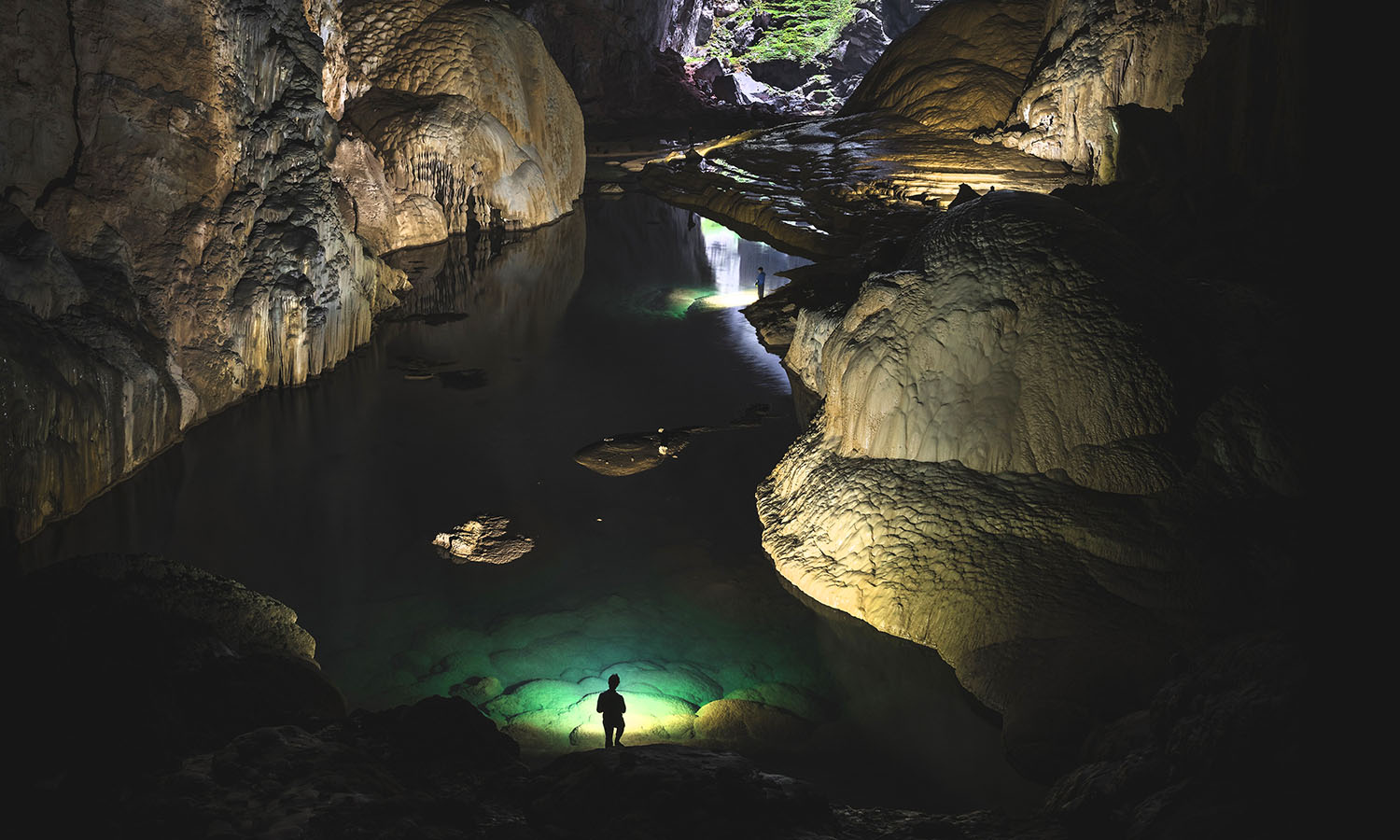
Imagine a cave so big it could house an entire New York City block of 40-storey skyscrapers; a subterranean system so vast it creates its own weather system; and a home to a micro-ecosystem of lakes, rivers and concealed jungle. Just IMAGINE.
First explored in 2009 and later officially declared the largest cave in the world, Hang Son Doong in Phong Nha Ke Bang National Park, north-central Vietnam, is a geological marvel. You can join a seven-day expedition led by experts from the British Cave Research Association and discover the secrets of this fascinating network of limestone chambers, karst pinnacles, stalagmites and stalactites.
Wade through thigh-deep water by torchlight, examine 350-million-year-old fossils and keep your eyes peeled for white spiders and shrimp. A Boeing 747 could comfortably fly through the largest cavern but you’ll make the trek on foot with a team of porters and guides.
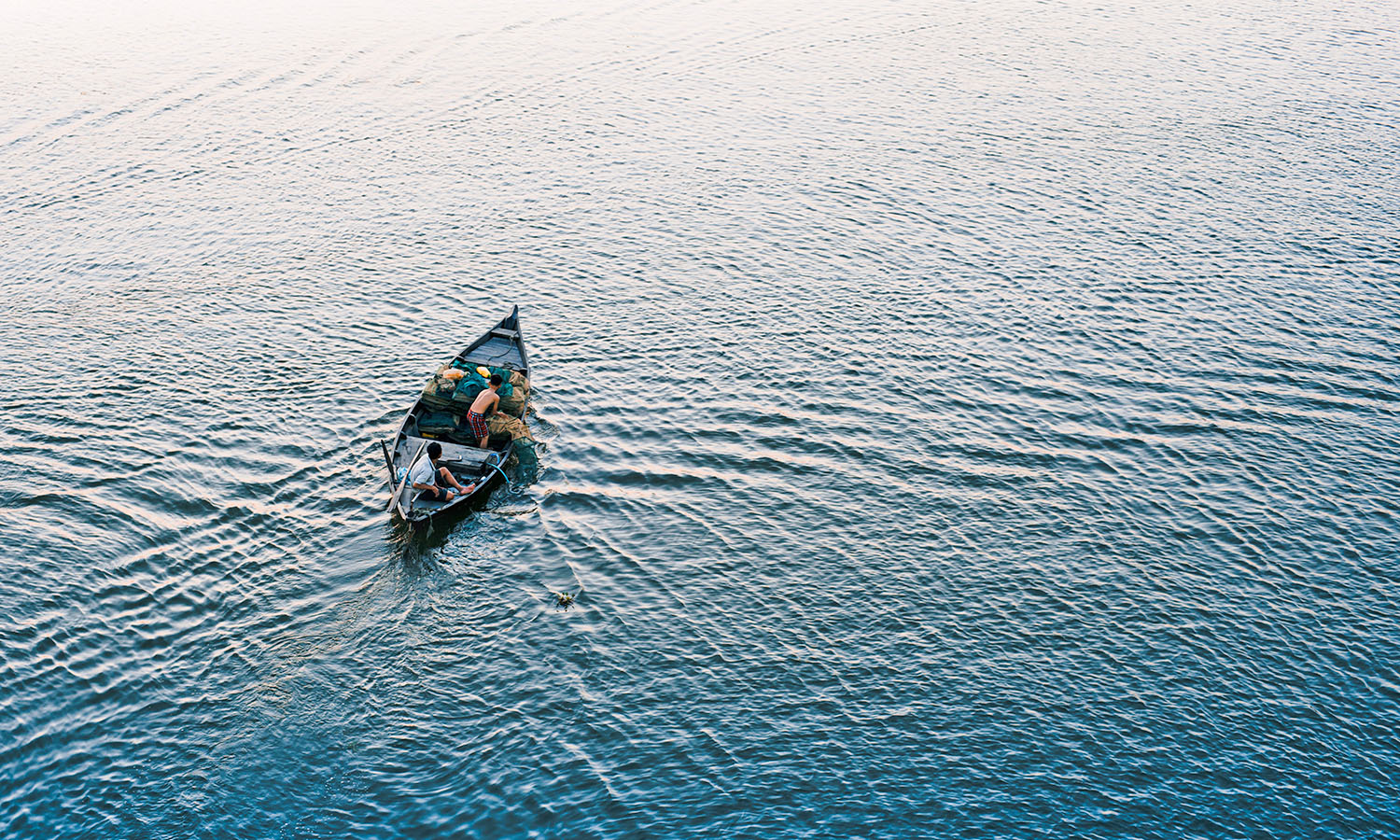
Into calamari? Like to chow down on a little squid ceviche? Enjoy a bit of angling from time to time? Then you better jump on a squid fishing fleet and try your hand at catching dinner.
The easiest way is to nab a spot on one of the tours that depart from Duong Dong Harbour at sunset. These locals will show you the ropes or, for a serious squid-jiggling jaunt, you can commission your own boat and skipper at An Thoi Port in Ganh Dau.
Largely undeveloped, Phu Quoc is located in the Gulf of Thailand, about 15 kilometres off the coast of Cambodia, and is made up of white-sand beaches and lush tropical jungle, with most of the island declared a national park. If you like fish sauce with your squid, check out one of the local distilleries. Nose pegs recommended.
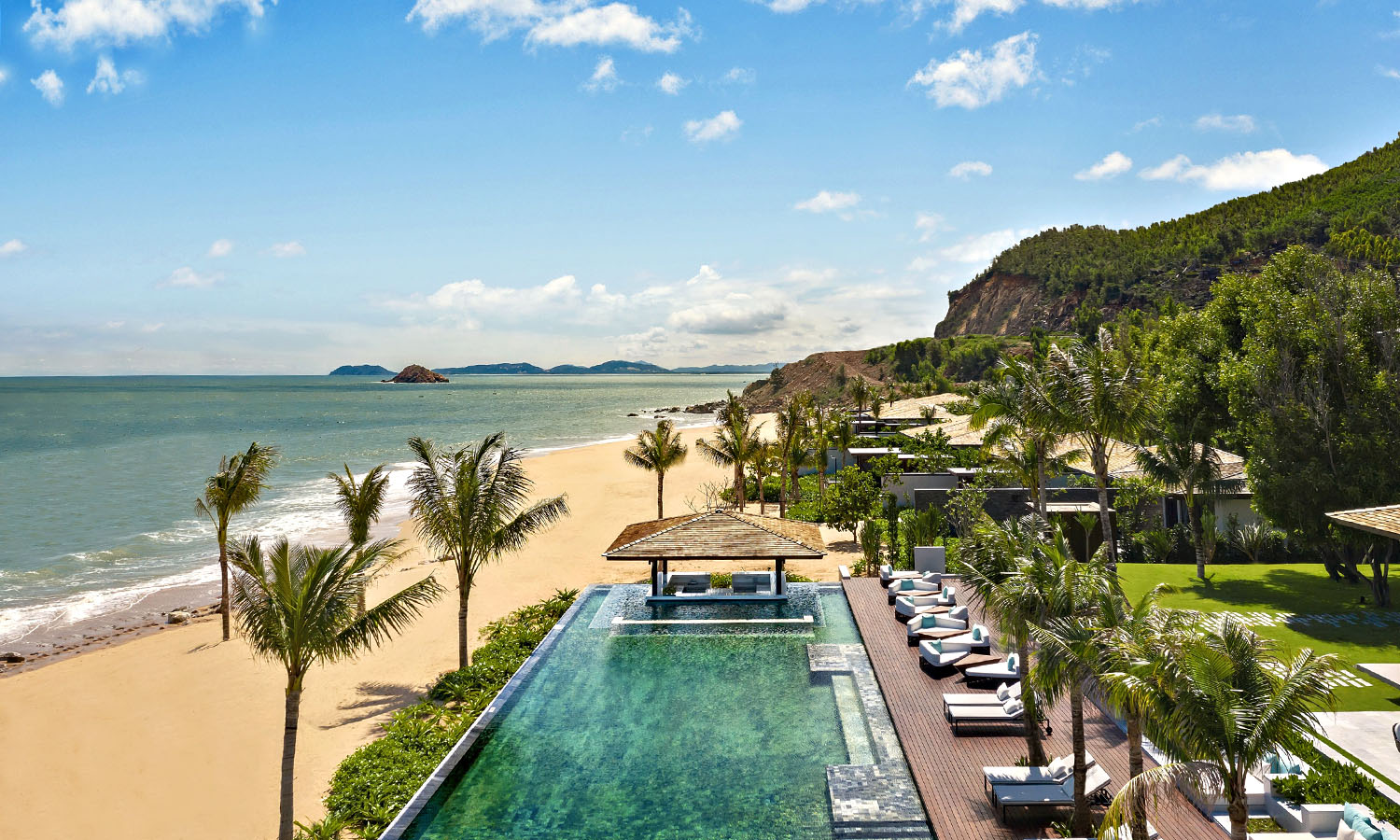
Perched on the edge of a soft-sand beach in a part of Vietnam so far undiscovered by the masses (it’s about halfway between Da Nang and Nha Trang), sits Anantara’s newest resort. With only 26 villas, expect the very best, including plunge pools that boast stunning sunrise views and minibars with fridges larger than the one you have at home and stocked with the best wines and craft beers from around Vietnam.
While away the days frolicking between the beach and the pool bar or take one of the hotel’s experience tours and explore the Quy Nhon’s Champa ruins, dine in neighbouring fishing villages, or party the night away with the locals.
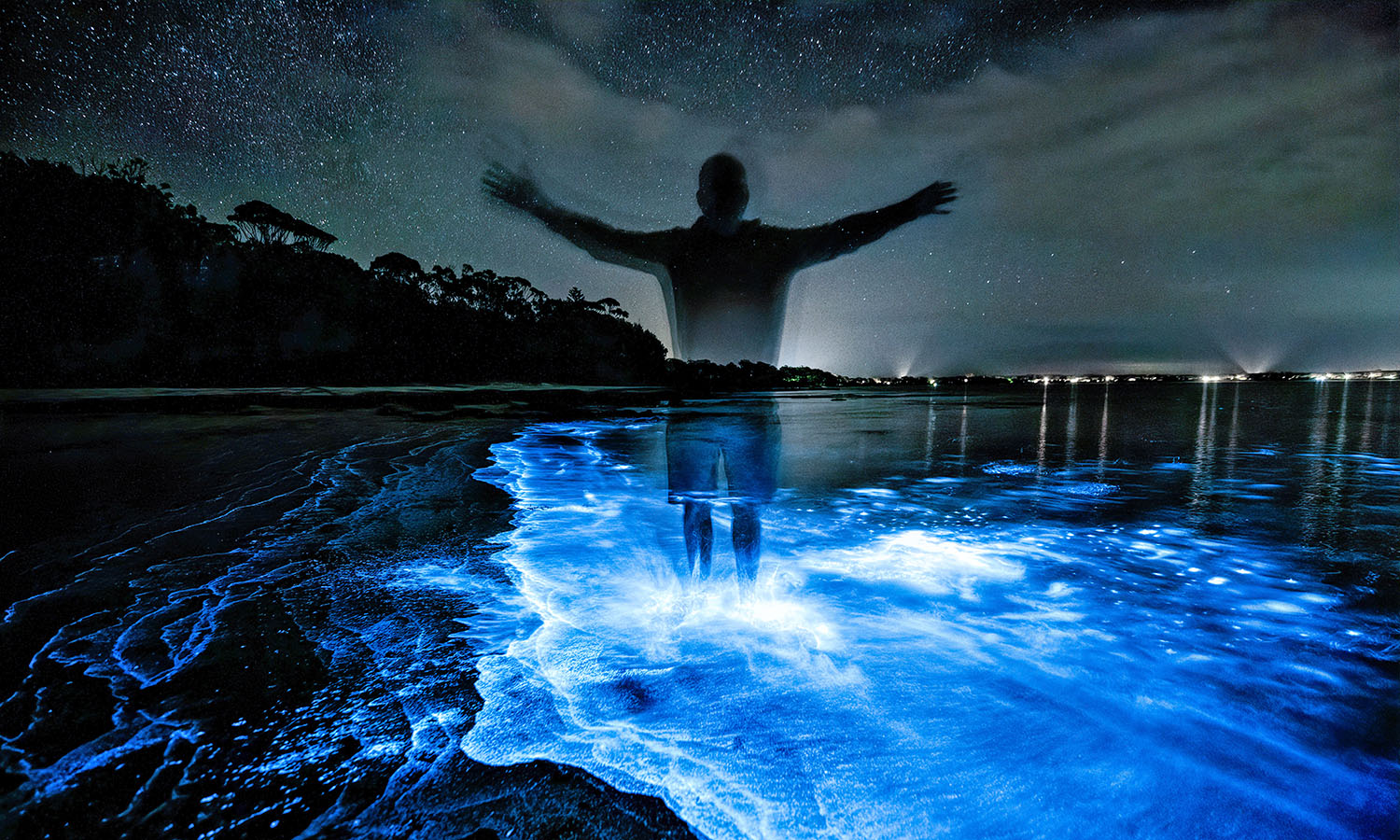
Seeing really, really sparkly plankton is an incredible life experience. You should definitely get yourself to the beautiful Cát Bà island in Vietnam’s north and spend an hour or two witnessing the pretty phenomenon. In fact, don’t just witness it—get in the water and swim with the sea of stars.
If you’ve got enough time, get out of the main town and into nature. There’s heaps of it here. You could hike the Đỉnh Ngự Lâm peak or explore the super remote Viet Hai village. The island is your oyster, friends. There are probably oysters here too, actually.
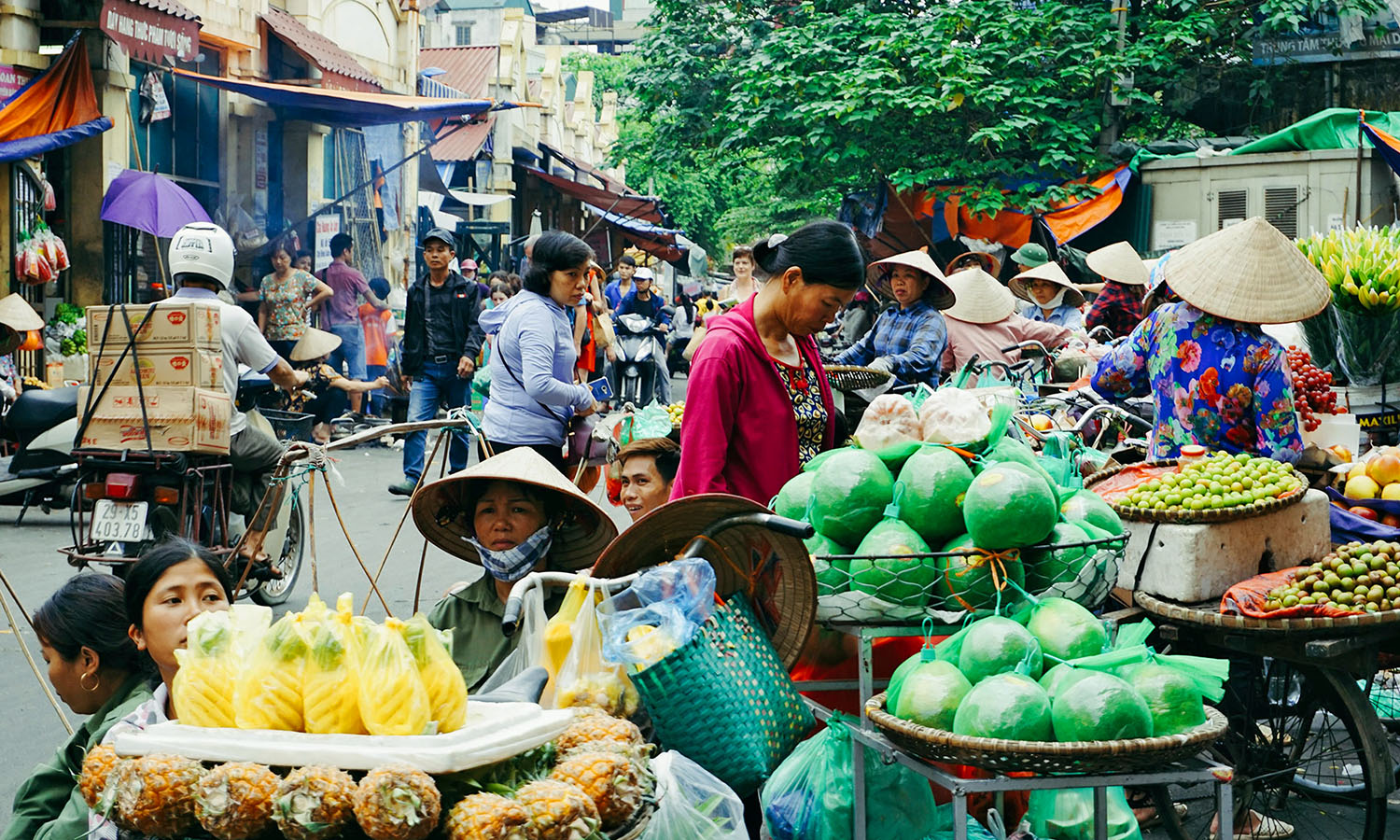
Okay, we’re aware that this is technically quite a popular part of Vietnam. BUT—we’re sending you in search of snails. And not every traveller is doing that. Vietnam is big on sea snails and they come in all shapes, sizes and spices. One of the best ways to slurp down a snail is in ‘bun oc’ soup—a street food classic.
Normally eaten at night, your best bet is to sniff out the snails after sunset. The correct way to eat them: choose your snails, choose your cooking method, choose your seasoning and then chow down.
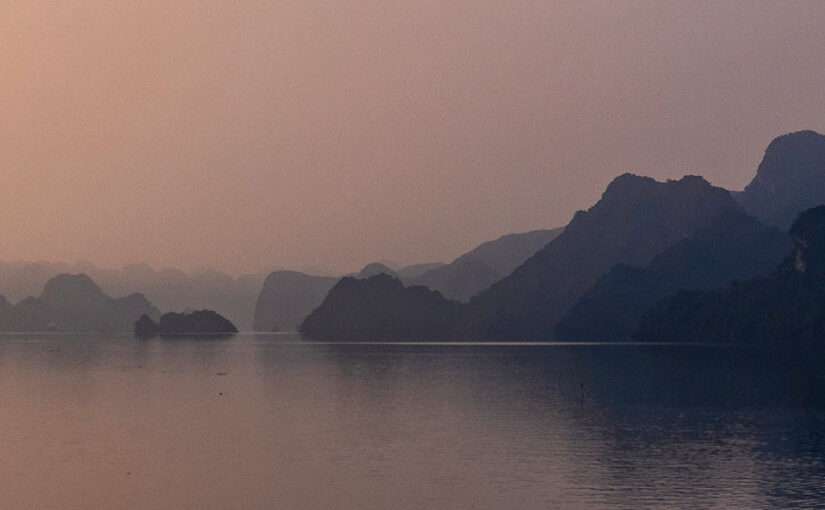
Wanna get really remote? The mountain ranges in northern Vietnam are super untouched and worth the trip. The best, and only, way to do it? On the back of a motorbike. The Ha Giang Loop will take you about four days, starting in Ha Giang and winding north till you finish up near the border of China.
Expect beautiful villages, breathtaking scenery, some seriously wild mountain passes and big adventure. Make sure to stop off at Heaven’s Gate and the waterfall at Du Gia (cliff jumping encouraged if that’s your bag).
Last year, UNESCO named two brand spanking new biosphere reserves in Vietnam—Nui Chua National Park in Ninh Thuan Province and Kon Ha Nung Plateau in Gia Lai Province. If you’re a nature addict or conservation aficionado, these are the spots for you.
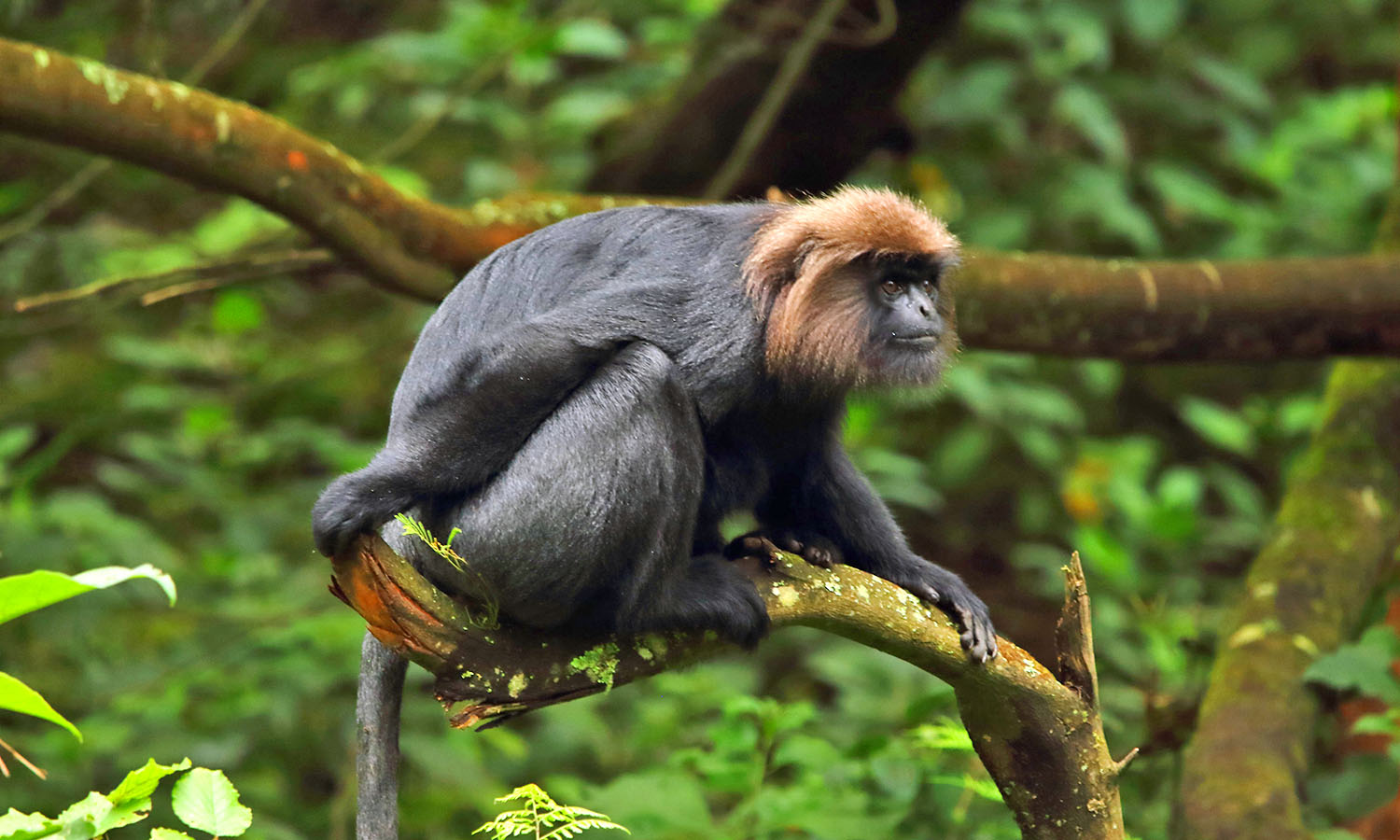
Nui Chua is about 20,000 hectares of lush forest, seascapes and serious biodiversity. It’s also home to the endemic black-shanked douc langur (a very cute species of monkey, fyi). Over on the other side, Kon Ha is a massive 65,000 hectare patch that’s got the endangered grey-shanked douc langur. Time to play spot the douc langur!
Green is usually reserved for thinking about Ireland, or salads, or traffic lights.
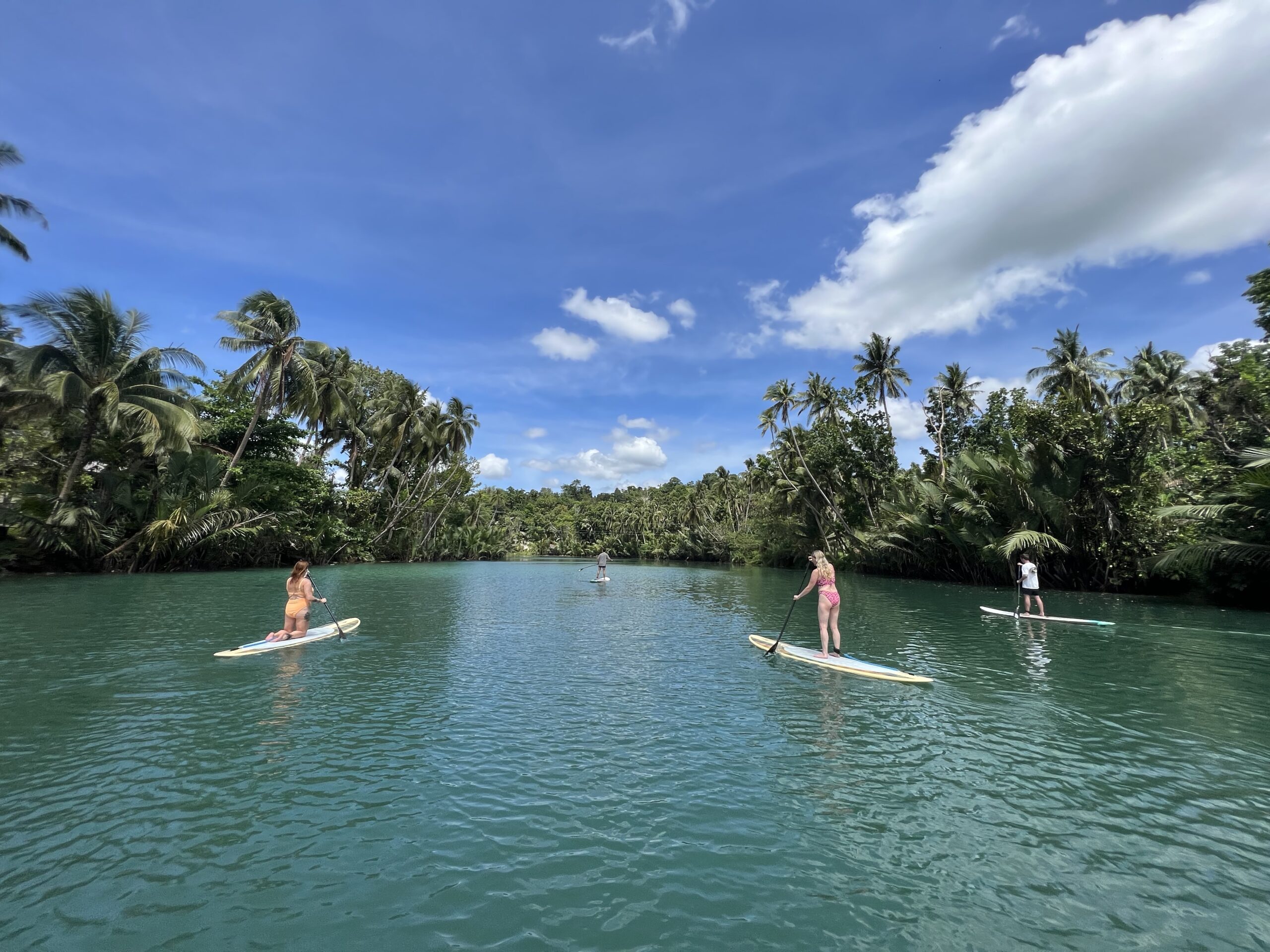
But get lost were on Bohol Island, Philippines recently, and whenever we think of the colour green from here on in, we think we’ll be thinking of the stunning Loboc River, which flows gently from the village of Carmen and into the Bohol Sea.
The vividness of the emerald green water, reflecting its jungle surrounds, makes for a surreal paddle downstream on a stand up paddleboard, which is surely made for this sort of journey. Alone except for occasionally floating past villagers doing a spot of fishing, this river is a spot tranquility, where you can get a work out as well. Pop in for a refreshing dip in the humid climate, or jump off one of many rope swings dotted along the river. Paddle as far and as fast, or as cruisey as you like.
Consider this your green light to go to the Philippines.
It’s the sort of place that is low key at night and up-tempo during the day. The Loboc River winds like a snake through the island and eventually out into the ocean, and its water, emerald green on a sunny day, is a stunning location for action and adventure; think stand-up paddle-boarding, fishing, swimming and rope swinging.
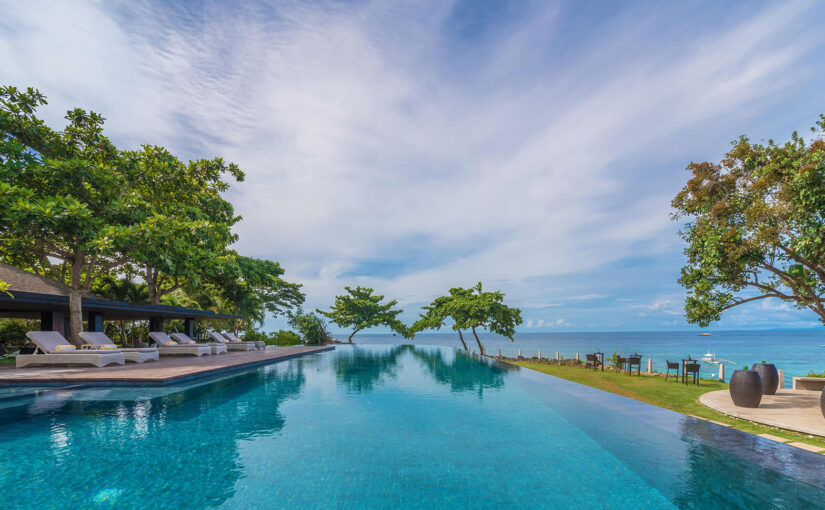
Amorita is where you want to be to take it easy at the end of a massive day on this island. It’s actually on an additional island called Pangalao, which is connected to Bohol by a little bridge at its southern end.
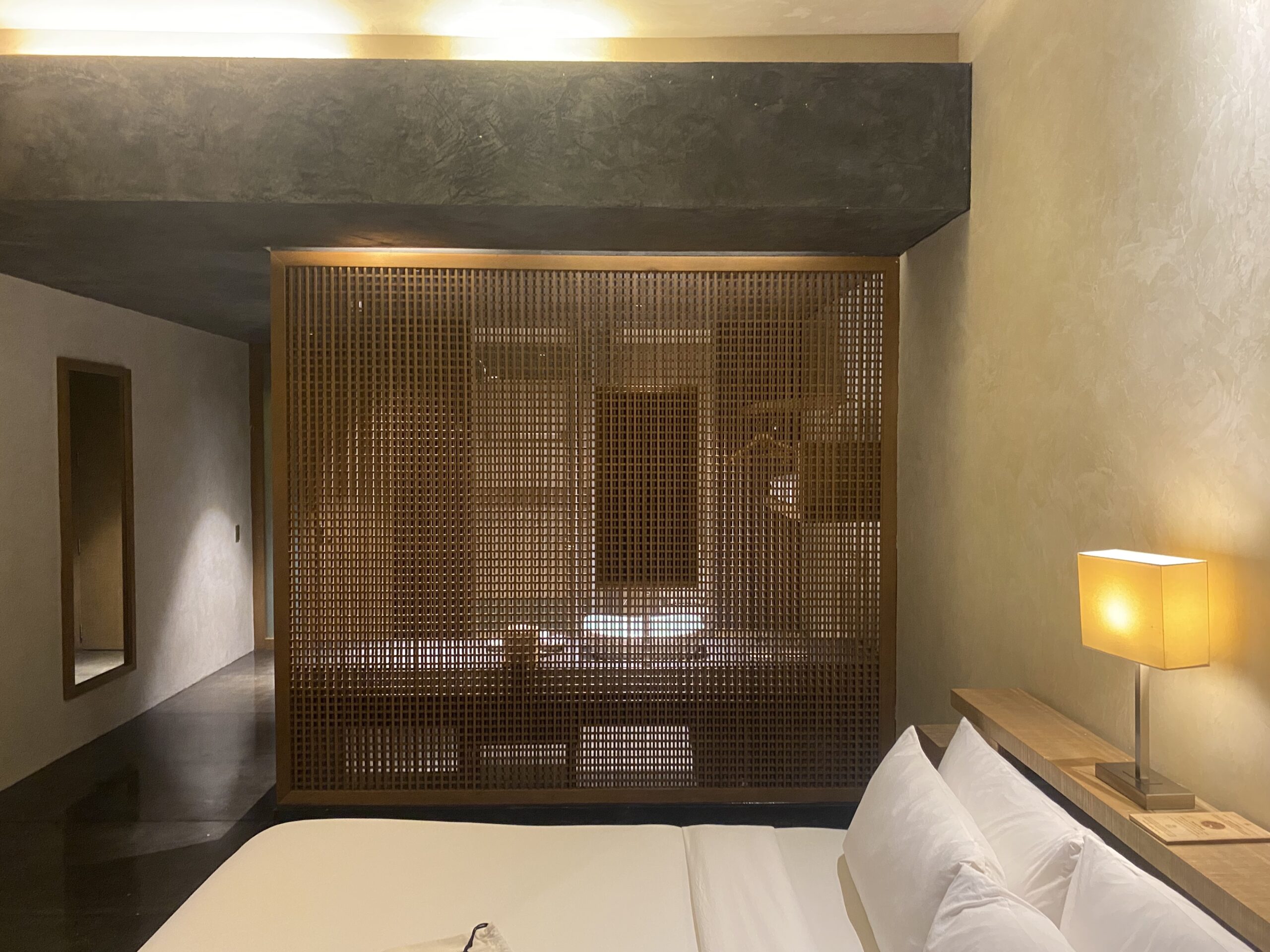
Amorita is a stunning collection of designer rooms and villas, and home to two of the most stunning swimming pools you’ll come across. Putting the arms up on the ledge of the beachside pool, and staring out at the water, seeing little fishing boats bobbing up and down as the locals go about their day gives you that surreal feeling that you are elsewhere in the world. Somewhere other than, and better than, home.
The bar serves a delicious rum-based cocktail called Maybe I Should, and speaking from experience, you absolutely should, until you shouldn’t, and even then, you should one more time.
There’s archery and a wellness centre and all of the things you expect from a place with such an excellent reputation, but the low key, unpretentious-while-still-classy vibe that emanates through the staff and then by osmosis seems to transfer to guests is what separates this from the cold, corporate luxury resorts that exist.
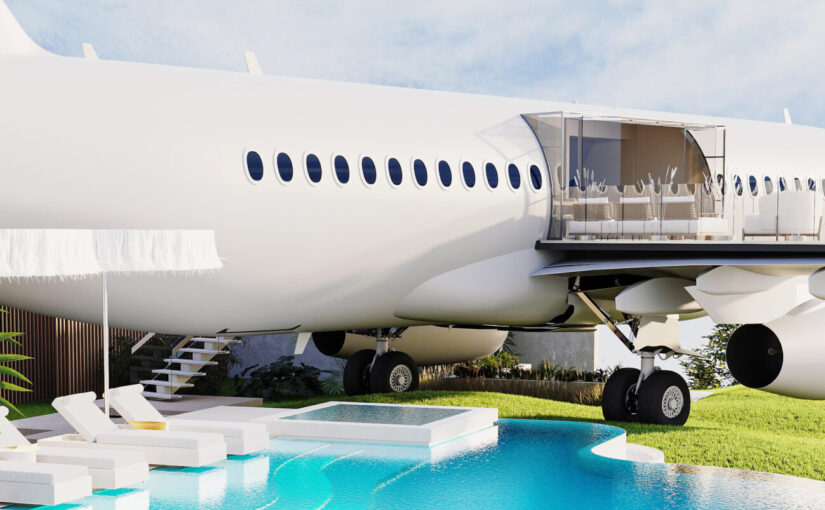
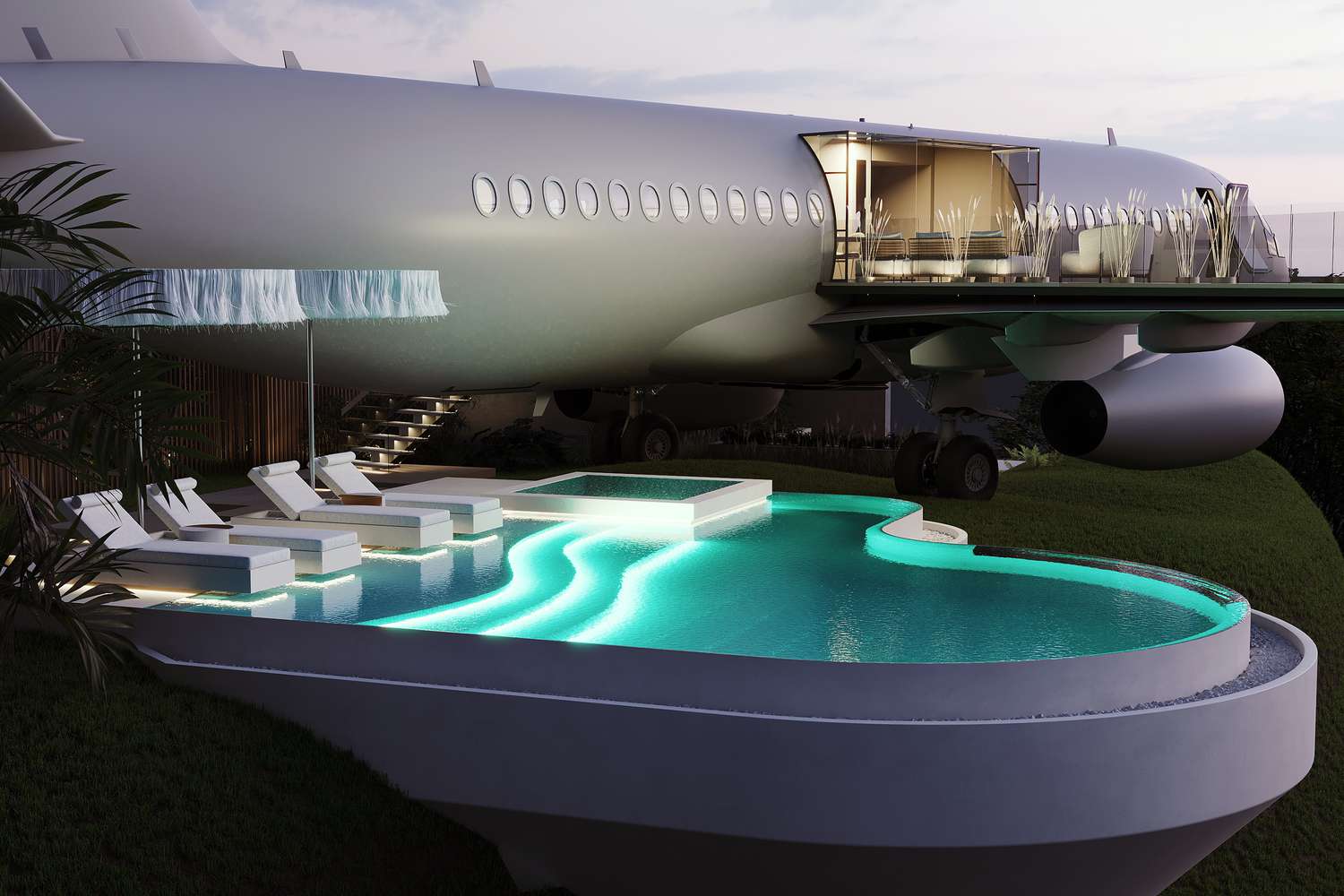
You may recall us telling you in digital issue five of get lost about Private Jet Villa, the plane which has been shifted onto a cliff in Uluwatu and made into a villa.
Well, it’s almost ready for take off. Private Jet Villa opens to the public in late-April however you might have to wait a while to stay there. According to the owner, there are unpaid requests to stay at the extraordinary $7,000 a night villa for the next 11 years.
Workers had to remove an estimated 50,000 bolts, and build an entire new road to get the thirty-tonne Boeing 737 aeroplane disassembled and reassembled in its position on the edge of a 150 metre cliff.
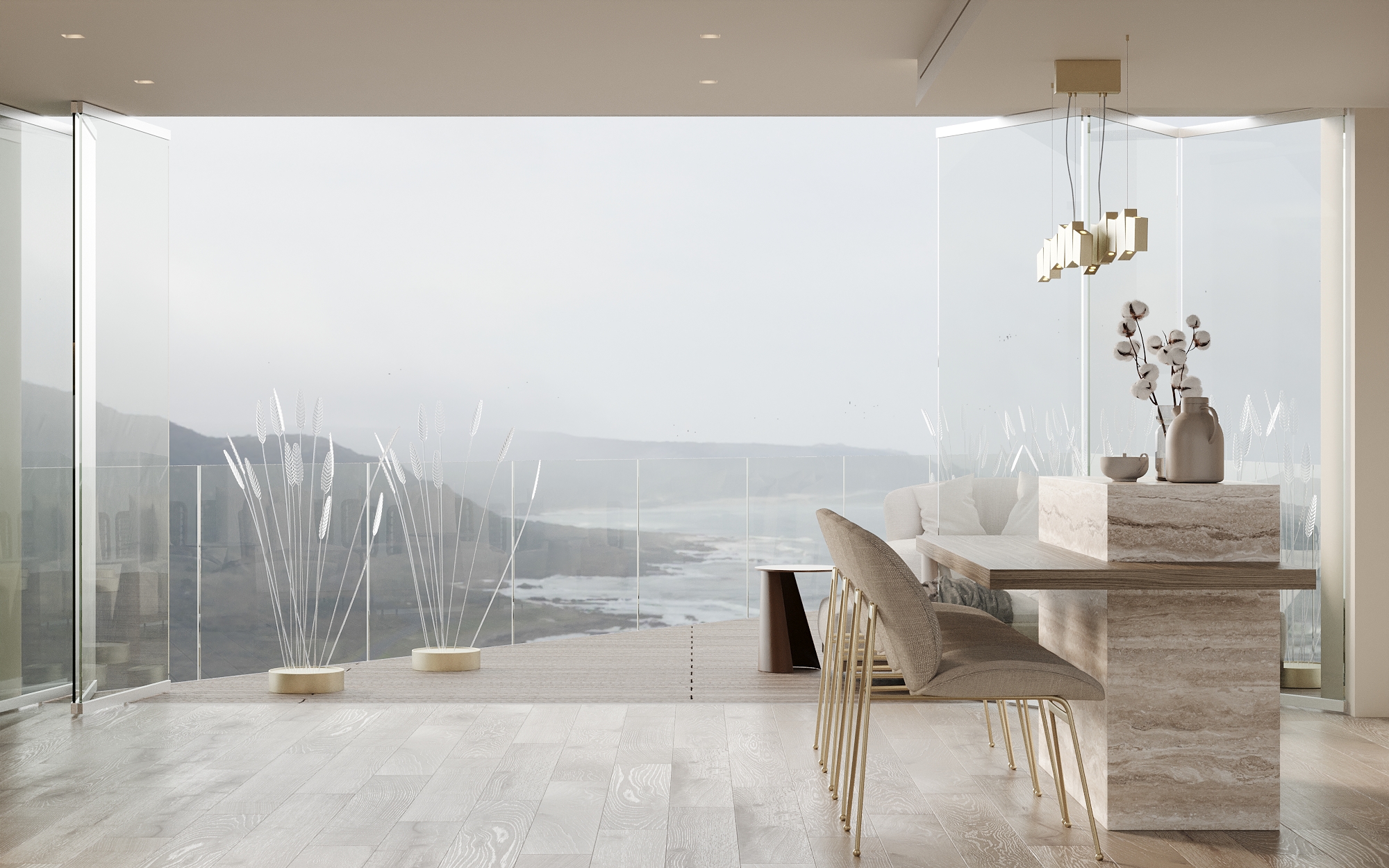
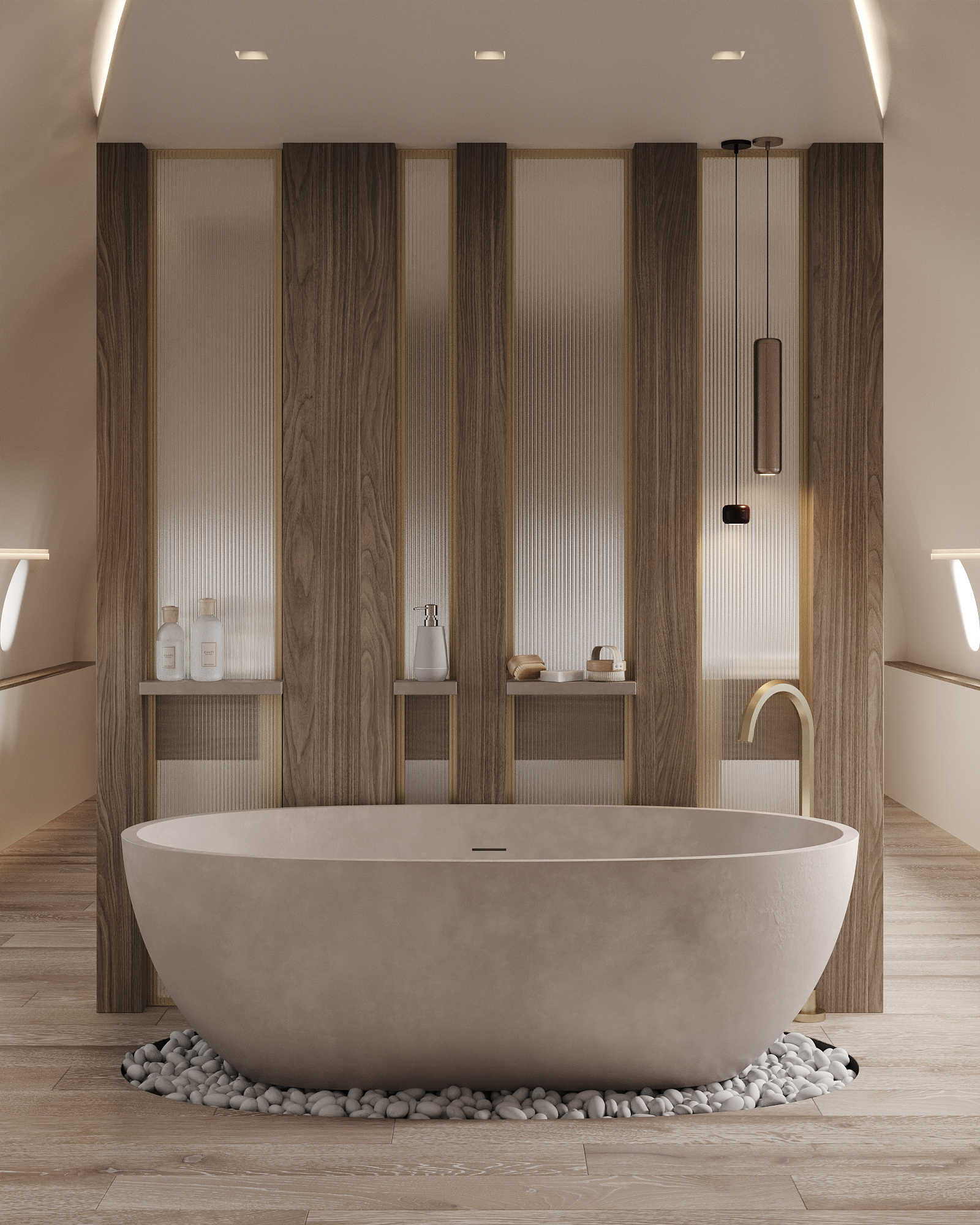
Its right wing serves as one of the most epic decks we’ve ever seen, and the newly released designs of the inside suggest a luxurious stay, with two bedrooms and stunning bathrooms, and wall to floor window views of the Indian Ocean.
The word unique gets thrown around a lot these days, but this really is it: there isn’t another place like this on earth. Pretty cool.
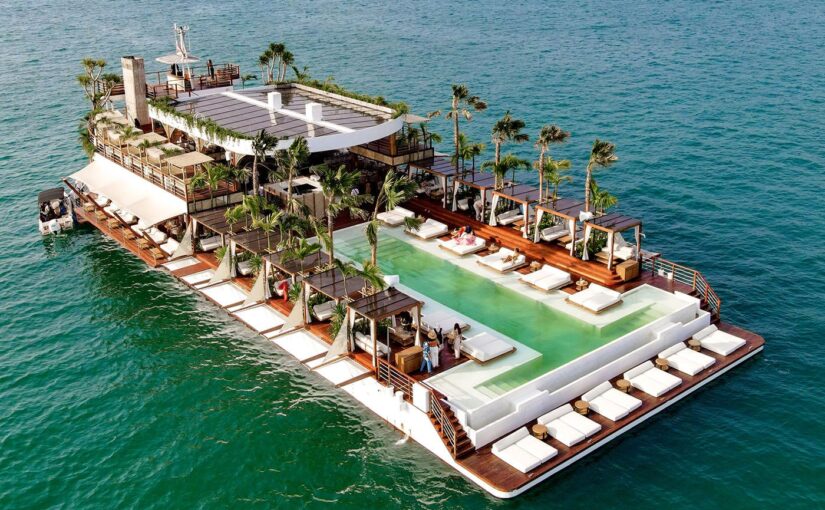
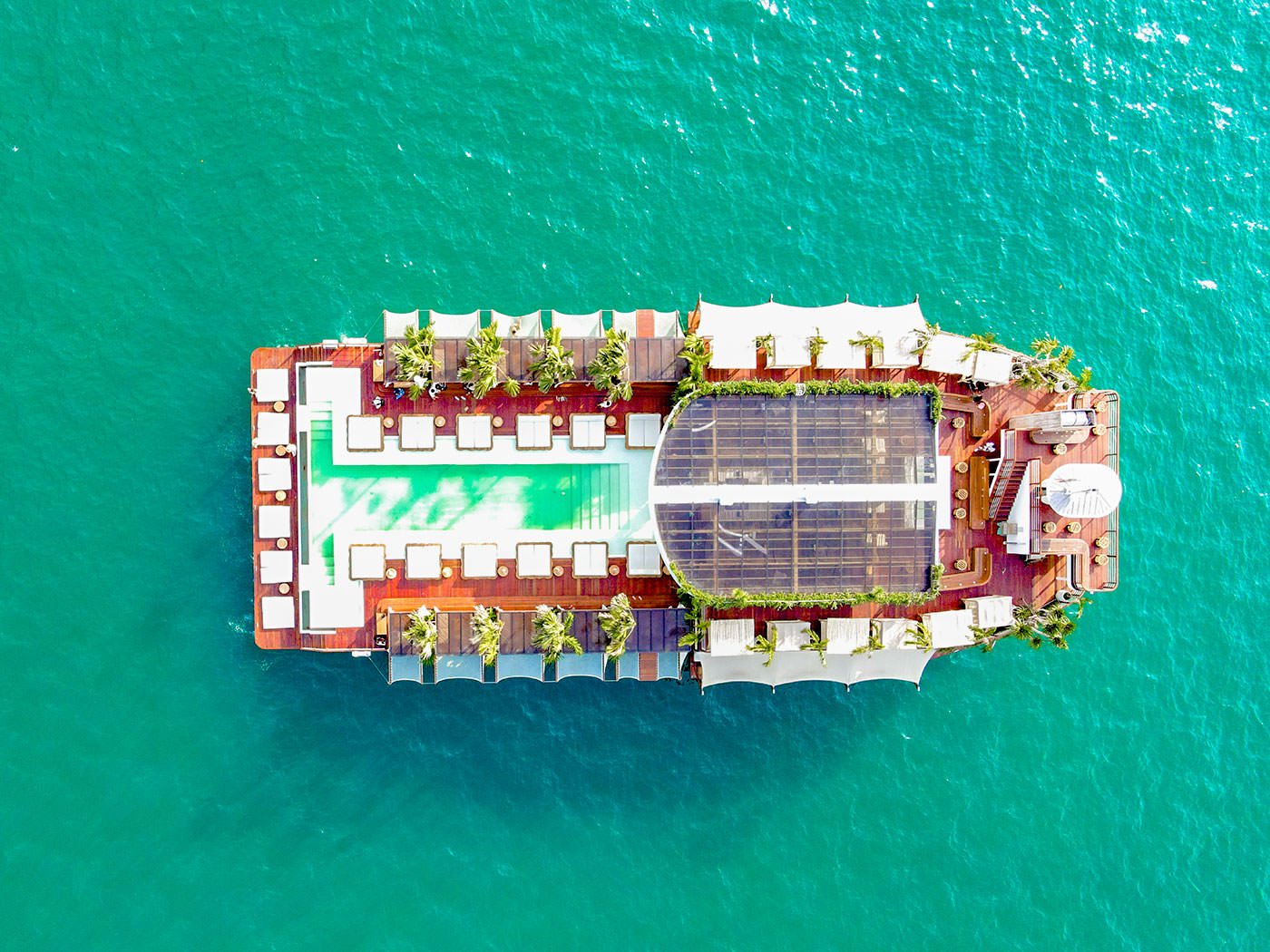
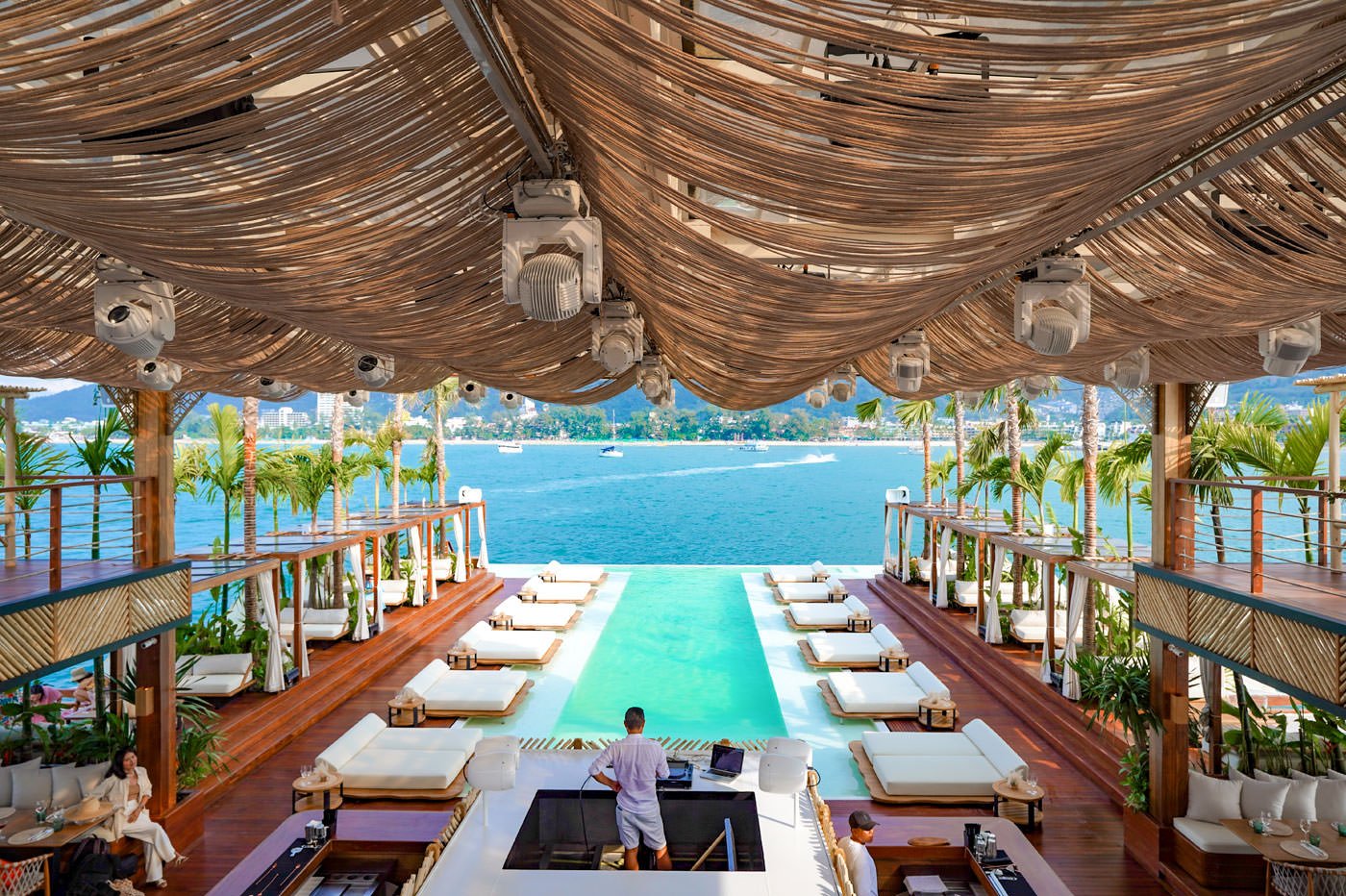
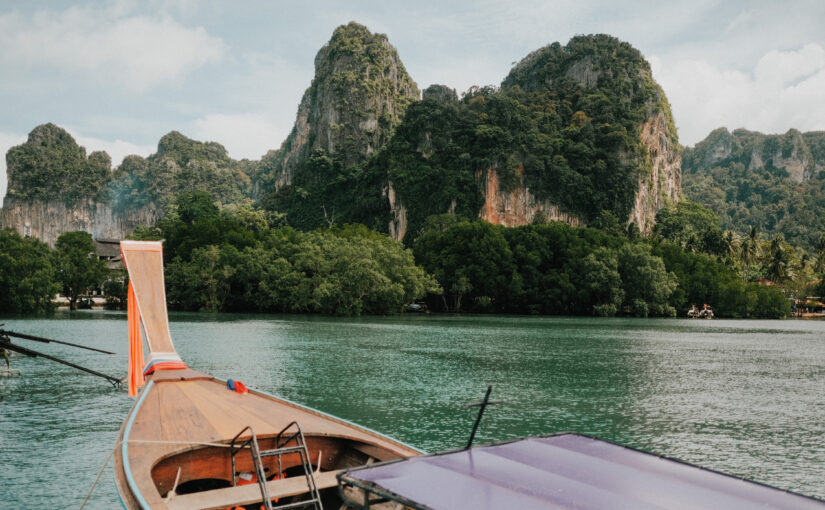
“There’s nothing to do in Thailand,” said no-one ever, a rhetoric which continues with Yona Beach Club, the brand-new tropical party paradise floating aimlessly just off the coast of Patong Beach, Phuket.
We saw another article describe this place as a floating oasis, which doesn’t make any sense. How can an oasis, as a body of water, be floating? Yona too, is not a body of water, but a tiny, stunning man-made island. But we know what they mean.
The club’s two palm-tree lined levels offer a restaurant, several bars, a DJ booth, a bunch of cabanas to lounge about and two swimming pools to do the same. There’s kayaking and paddle boarding you can do if you feel like it, and it’s open late – from 11am until 2am every single day. This is probably the ultimate place to have a pool party….got a birthday coming up?
This is one of the most Insta-worthy bars/clubs we’ve seen in a while, and we can see it absolutely exploding as a result.
If chomping mushrooms at full-moon with a bunch of raving youngsters isn’t you, or you’re looking for something a little more upmarket, in the words of Talking Heads, this might be the place.
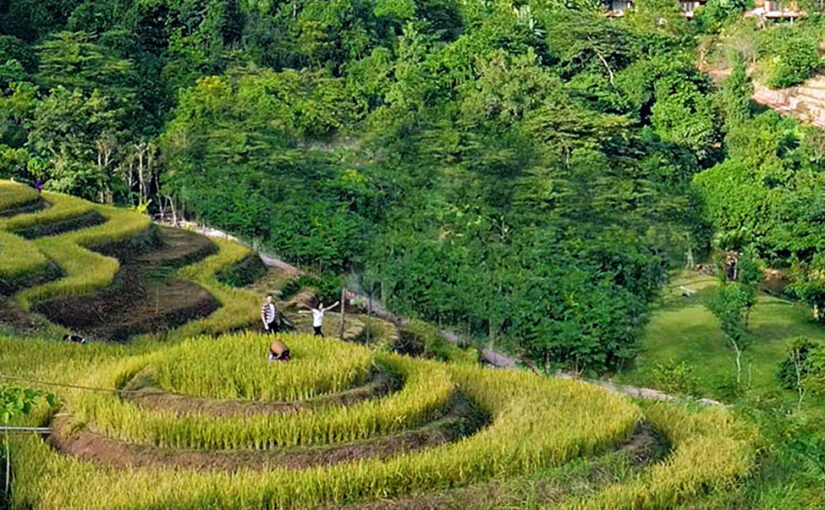
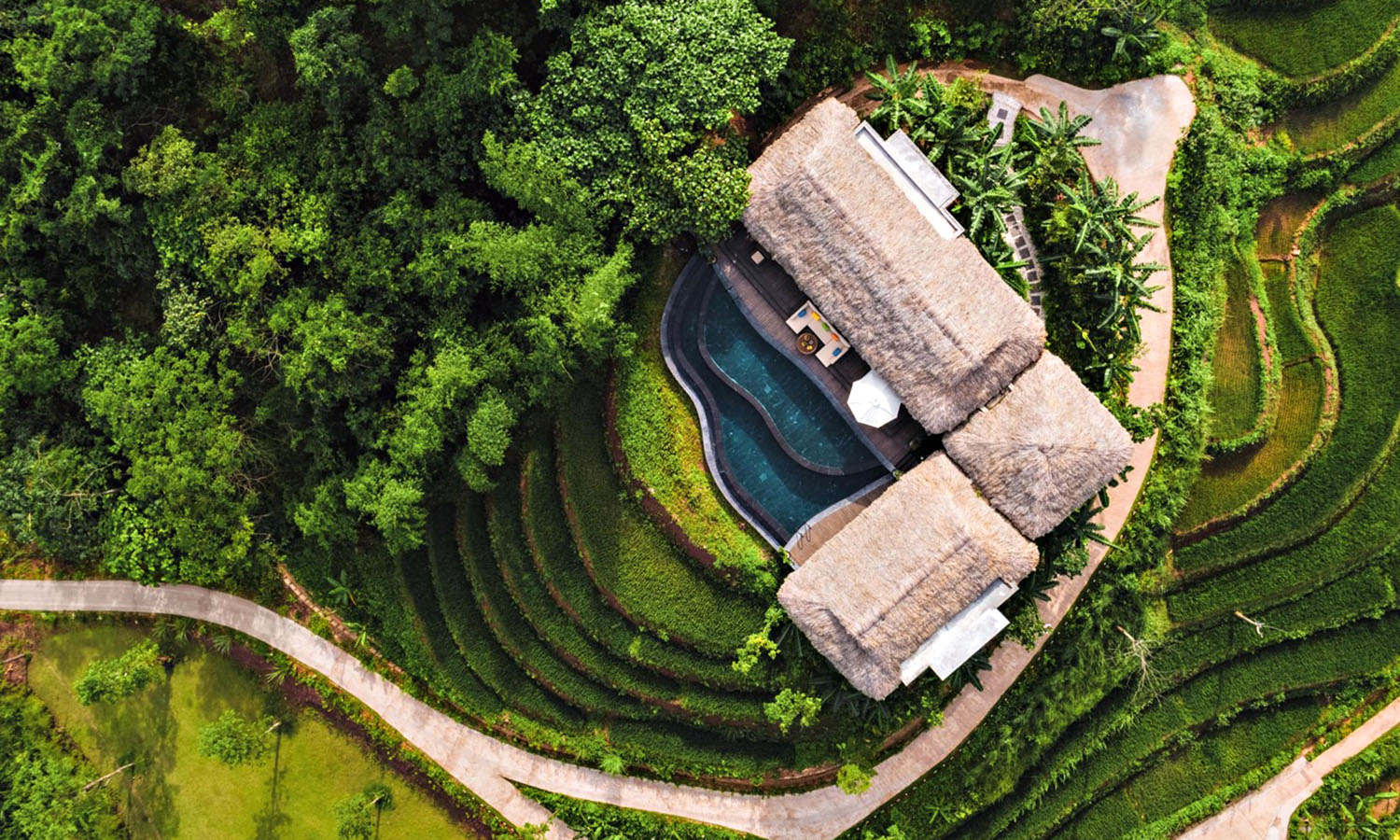
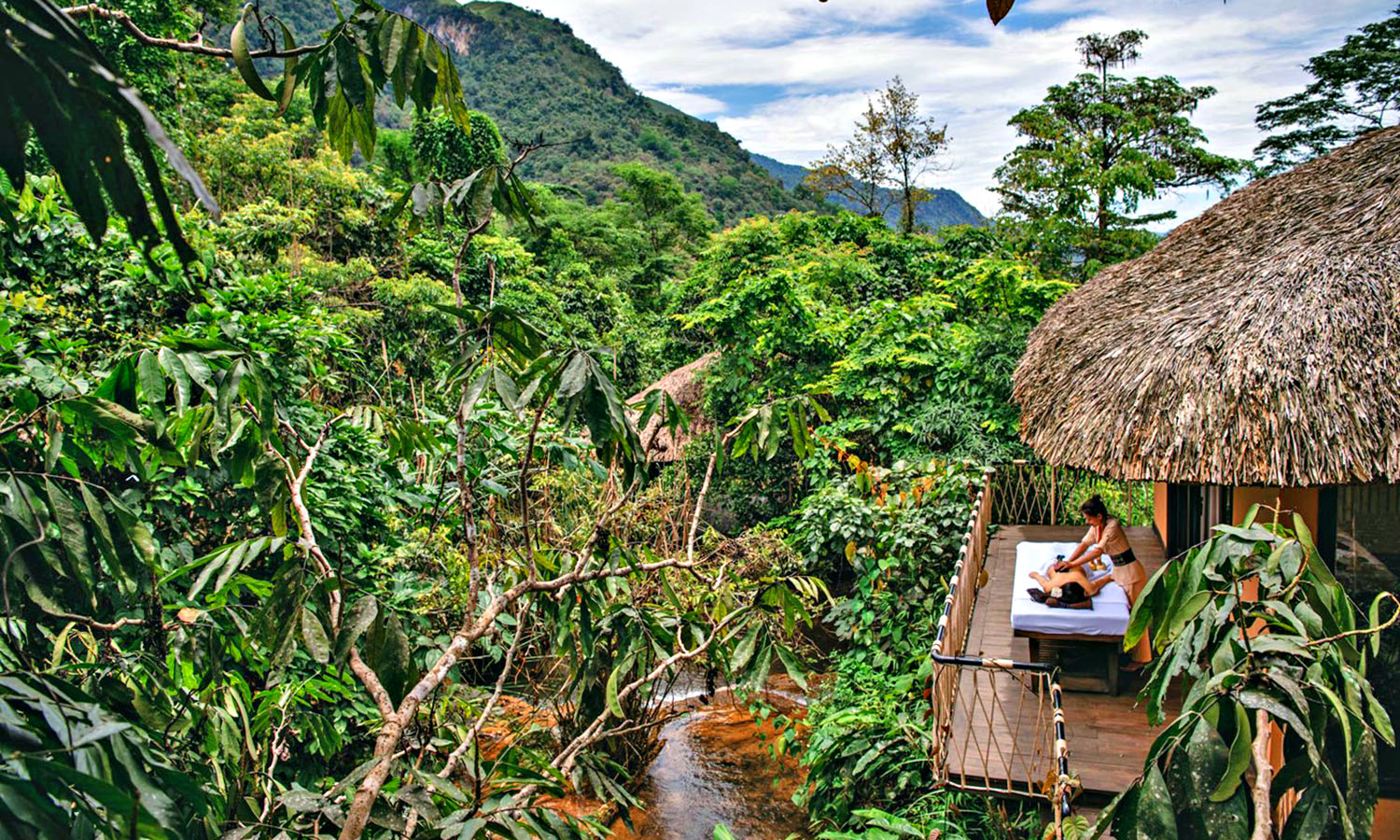
Built among rice field terraces, waterfalls and jungled mountainside, the brand-new, super-lux Avana Retreat in Mai Chau Vietnam is symbolic of iconic south-east Asian beauty.
Avana Retreat was inspired by the discovery of a local waterfall, just ten years ago.
That very waterfall is now privately accessible to guests of the retreat (of which there aren’t many – there’s only 36 rooms here) making it a truly ethereal breakaway – the kind you dream about from your desk every day at work.
There are more private surprises throughout: one villa perches on top of a terrace of rice fields; and three more boast private pools, including an 89-square-metre heated beauty that climbs in tiers, echoing the nearby rice terraces.
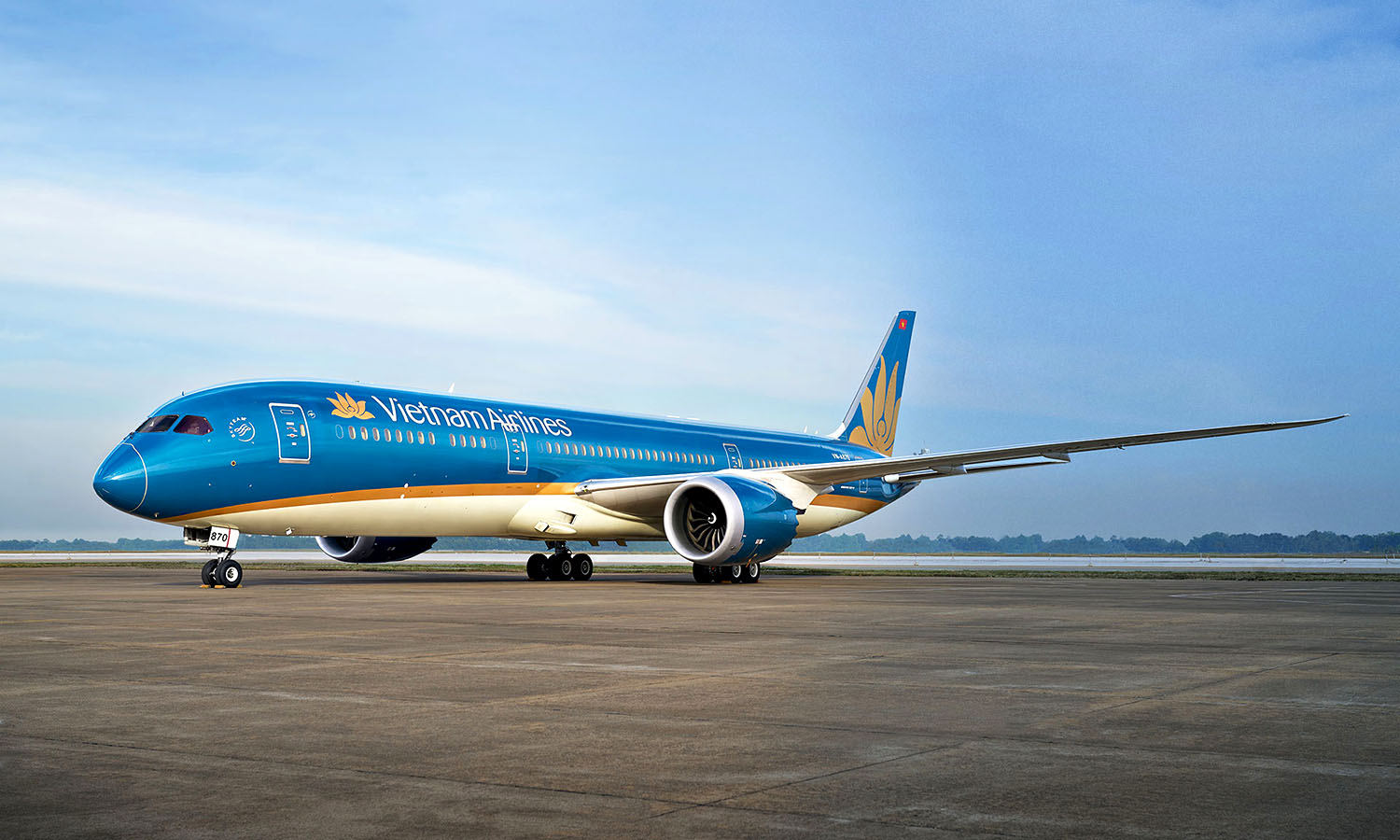
Thai AirAsia X launched the first flights direct to Bangkok from Australia since the pandemic this week.
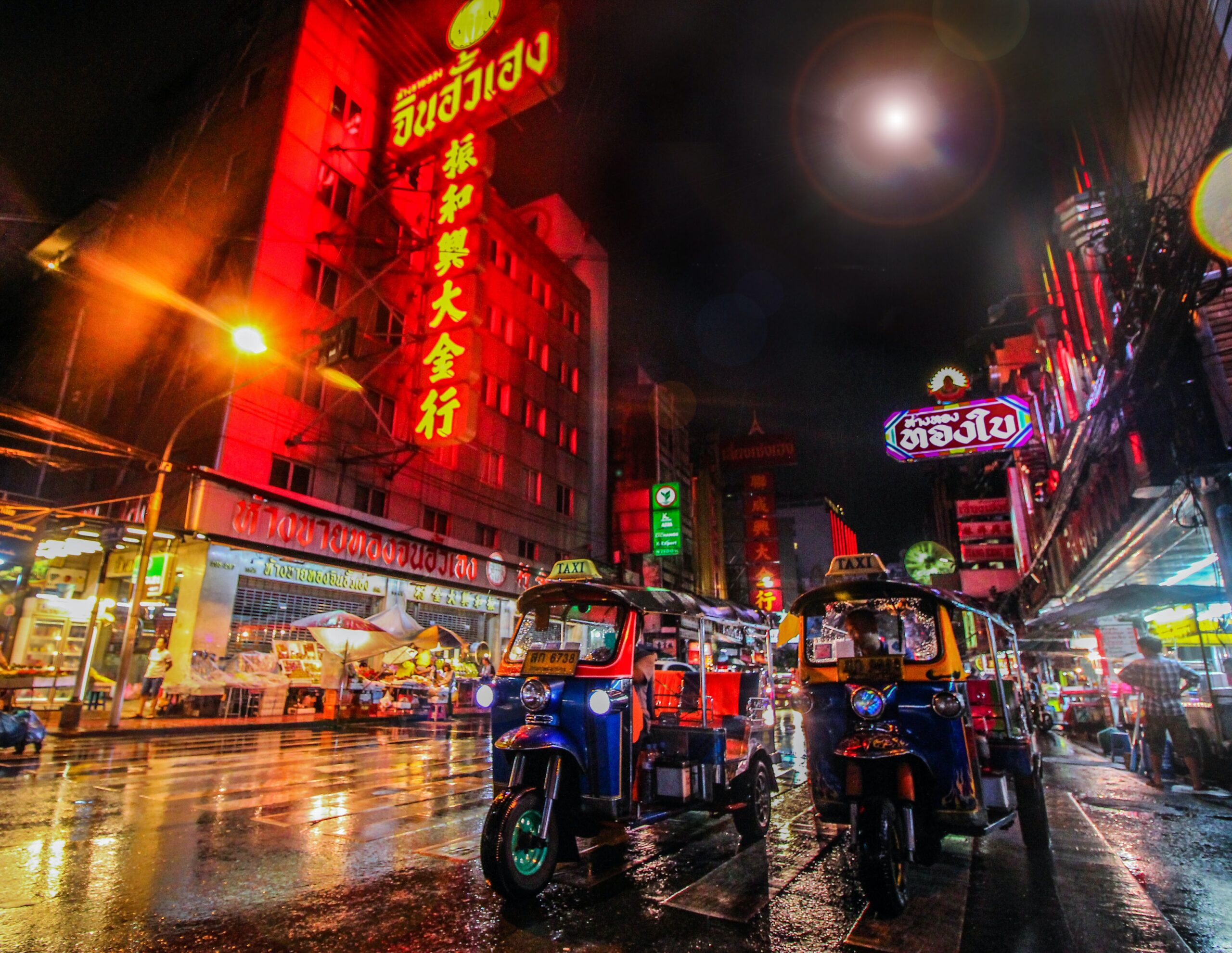
The budget airline, a branch of AirAsia, have sent plenty of Australians to the top Asian destinations over the years, and the opening of both the Melbourne to Bangkok, and Sydney to Bangkok route will be big news to the hordes of Aussies wanting to get back to the country’s pristine beaches and chaotic cities.
Almost a million Australian travellers flocked to Thailand every year before the pandemic – about 4% of the country. There are about 70,000 Thai born Australian residents.
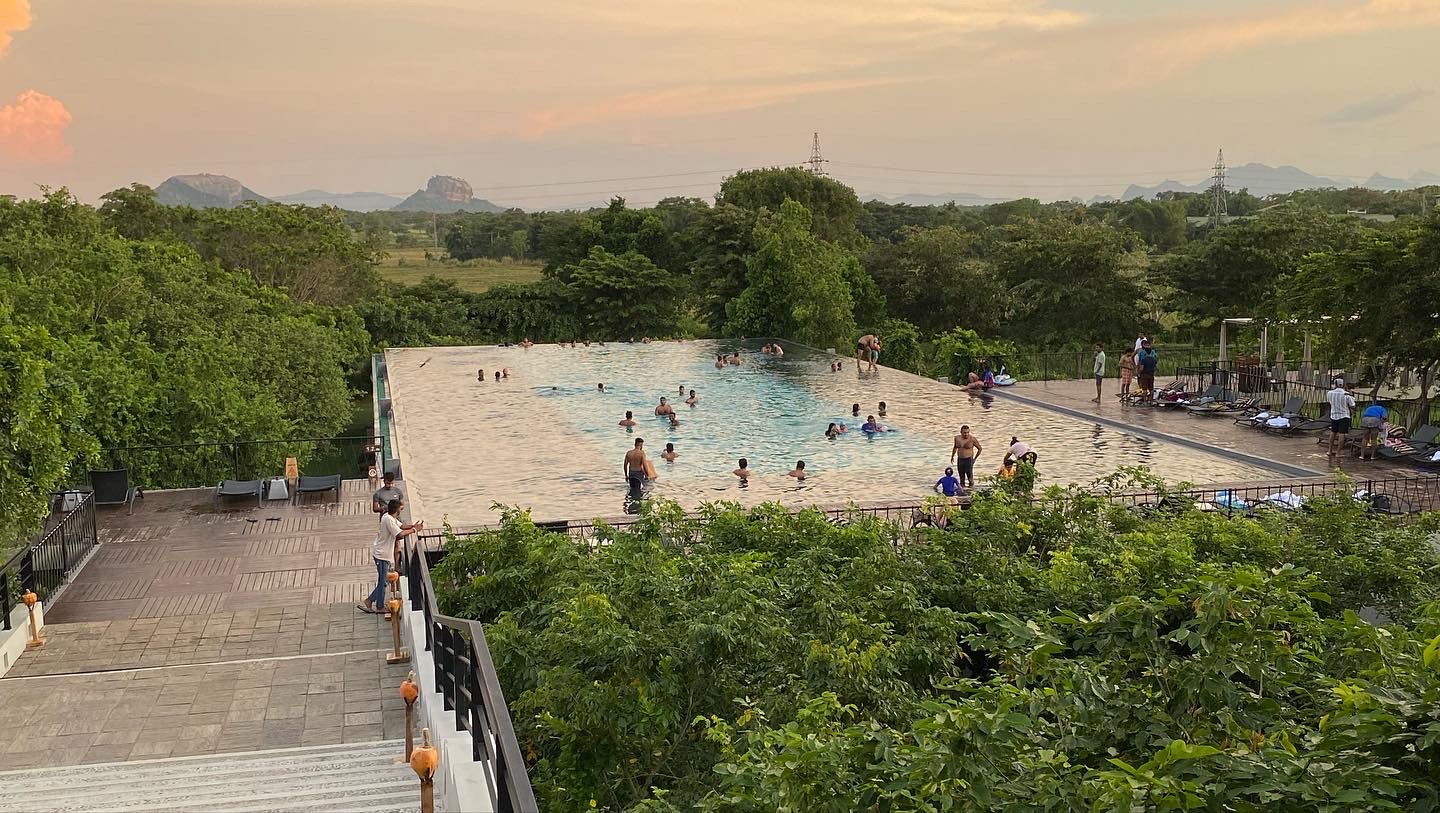
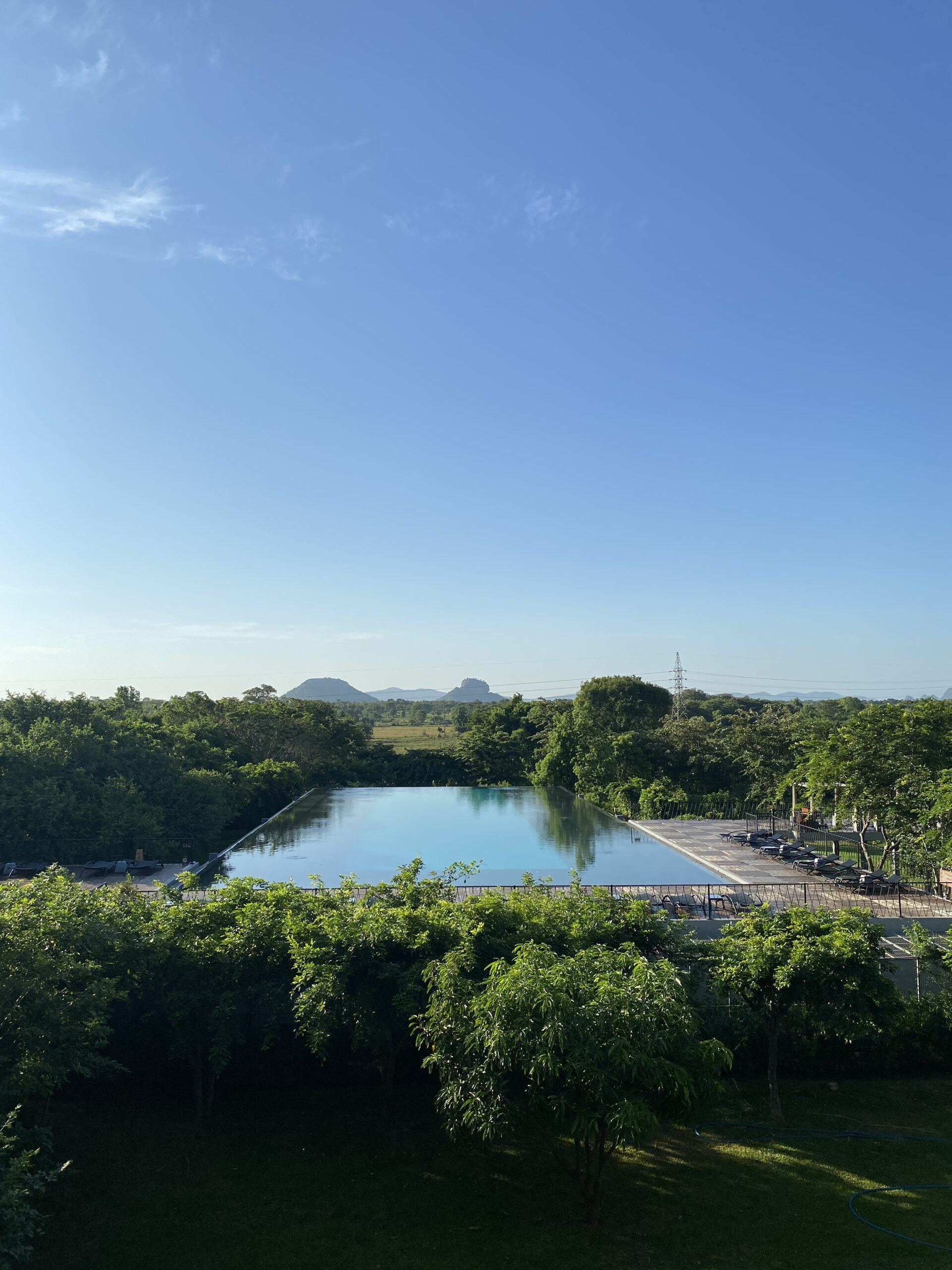
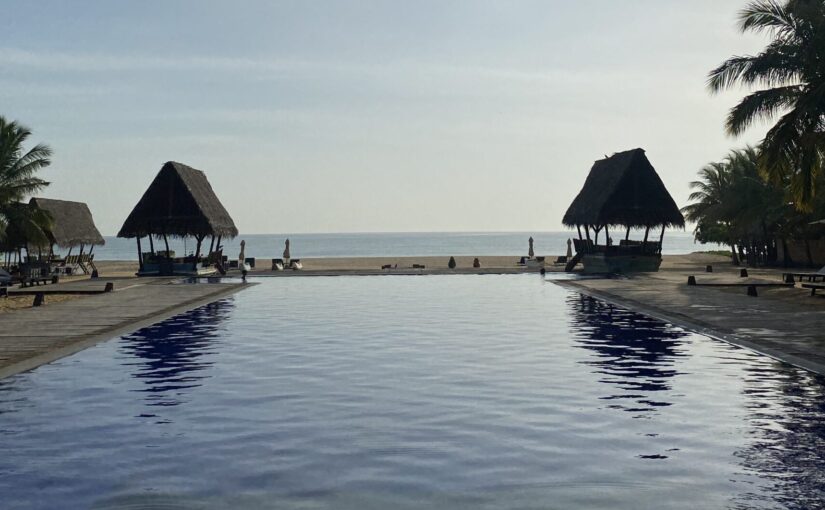
Aliya, a stay in central Sri Lanka, boasts what might just be the best swimming pool anywhere in Asia.
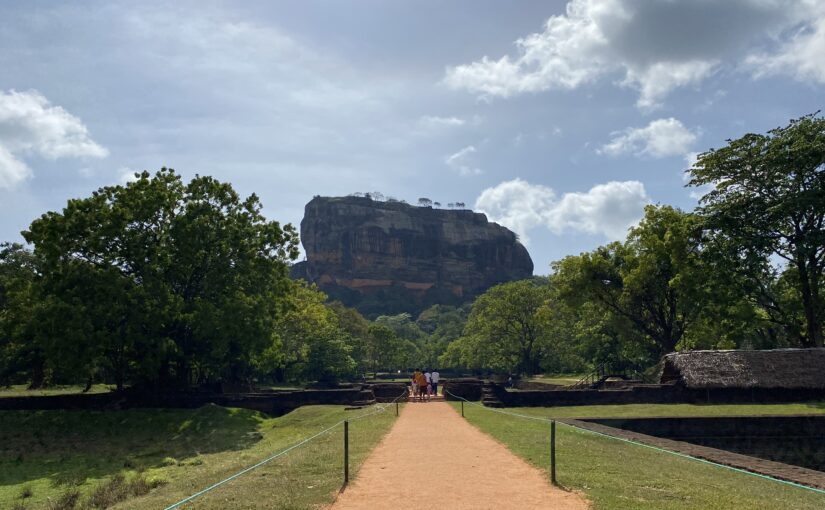
The generously sized 12 by 8 metre pool (which feels much larger than that) is situated in the middle of a dense canopy of greenery, gazing out towards Sigiriya – the thousands of years old wonder rock that is the enduring image of Sri Lanka.
King Kashyapa (of sixth century fame) built a palace of exquisite grandeur on Sigirya, which has been both lost and found over the last 1500 years. But if he were to hypothetically see the low-key, relaxed opulence of Aliya, we get the feeling he would have preferred to stay here.
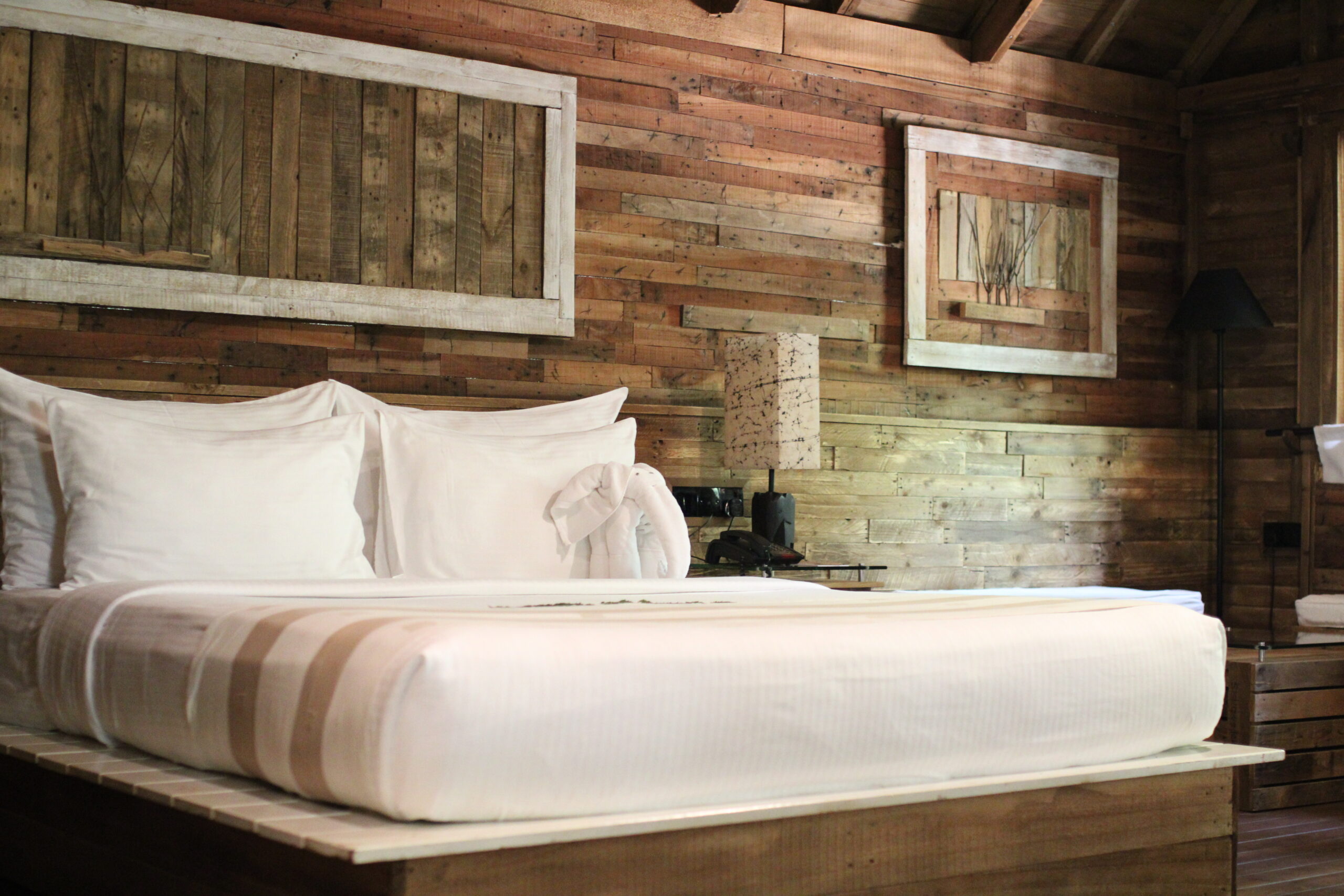
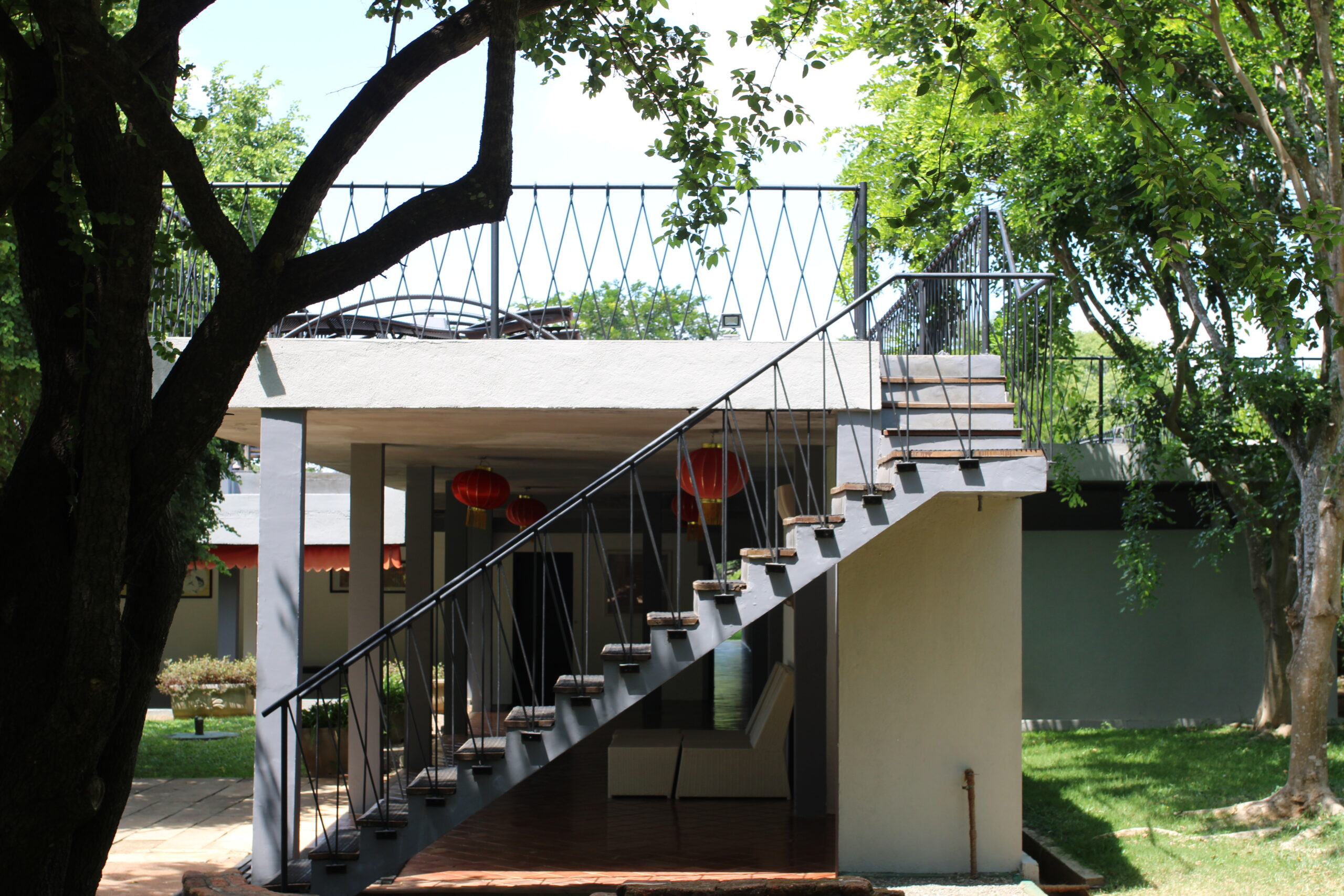
As well as the pool there is a spa with modern and traditional methods, a modern recovery treatment centre for those needing a complete break, thoughtfully designed rooms and villas with their own pools, and the most extraordinary buffet selections get lost has ever seen (curry for breakfast, lunch and dinner).
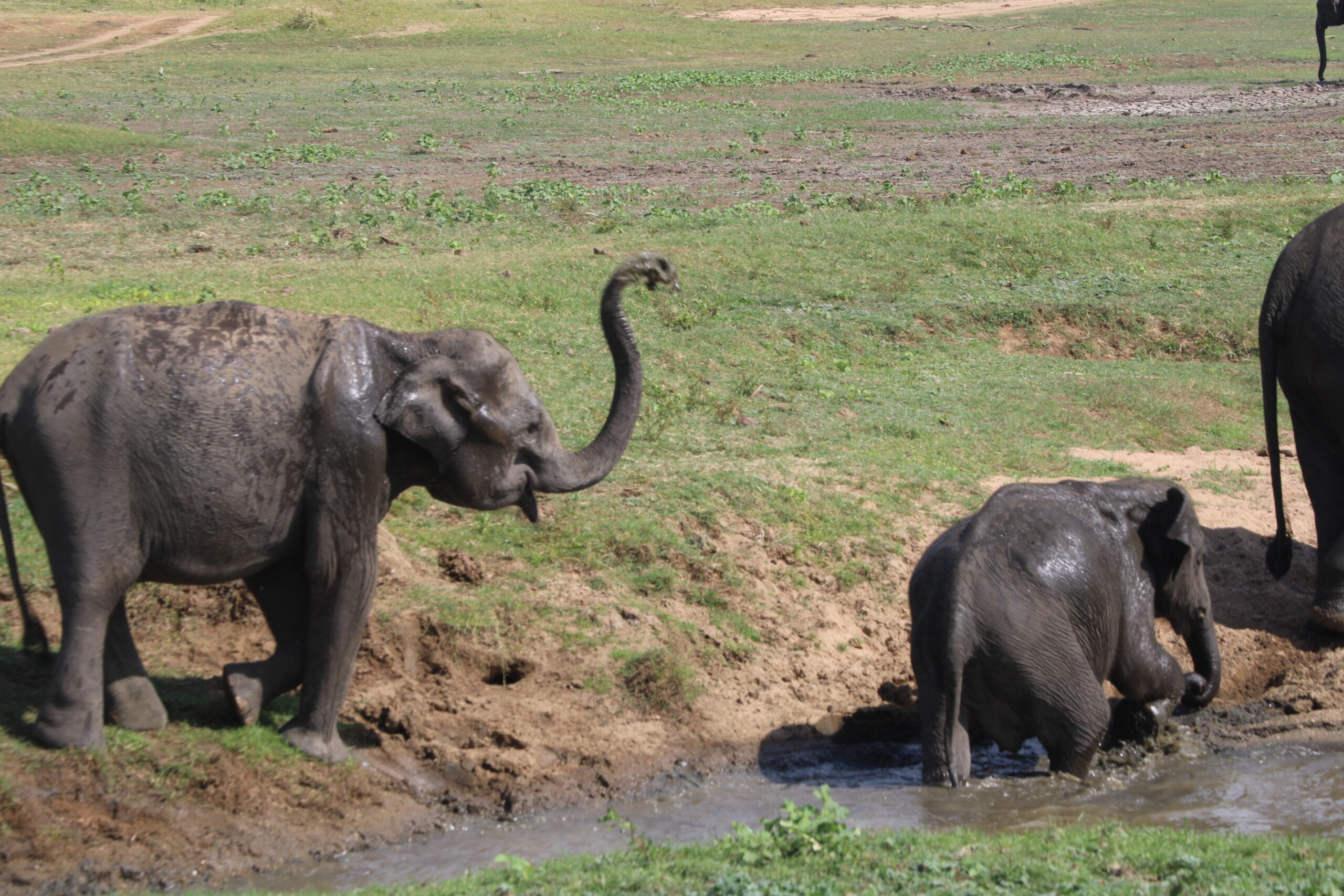
As well as being the perfect base to explore Sigiriya, Aliya (Singhalese for elephant) is central to Minneriya National Park. When we visited, four herds of elephants converged into the one area, giving close proximity to over 100 elephants.
There is a sense of ‘laidback chaos’ that courses through the veins of Sri Lanka.
The most relaxed, easy-going people swerve to dodge cows, buffalo and other livestock on the roads, while friendly handshakes bely the rapid Singhalese and Tamil languages that can be heard around the country.
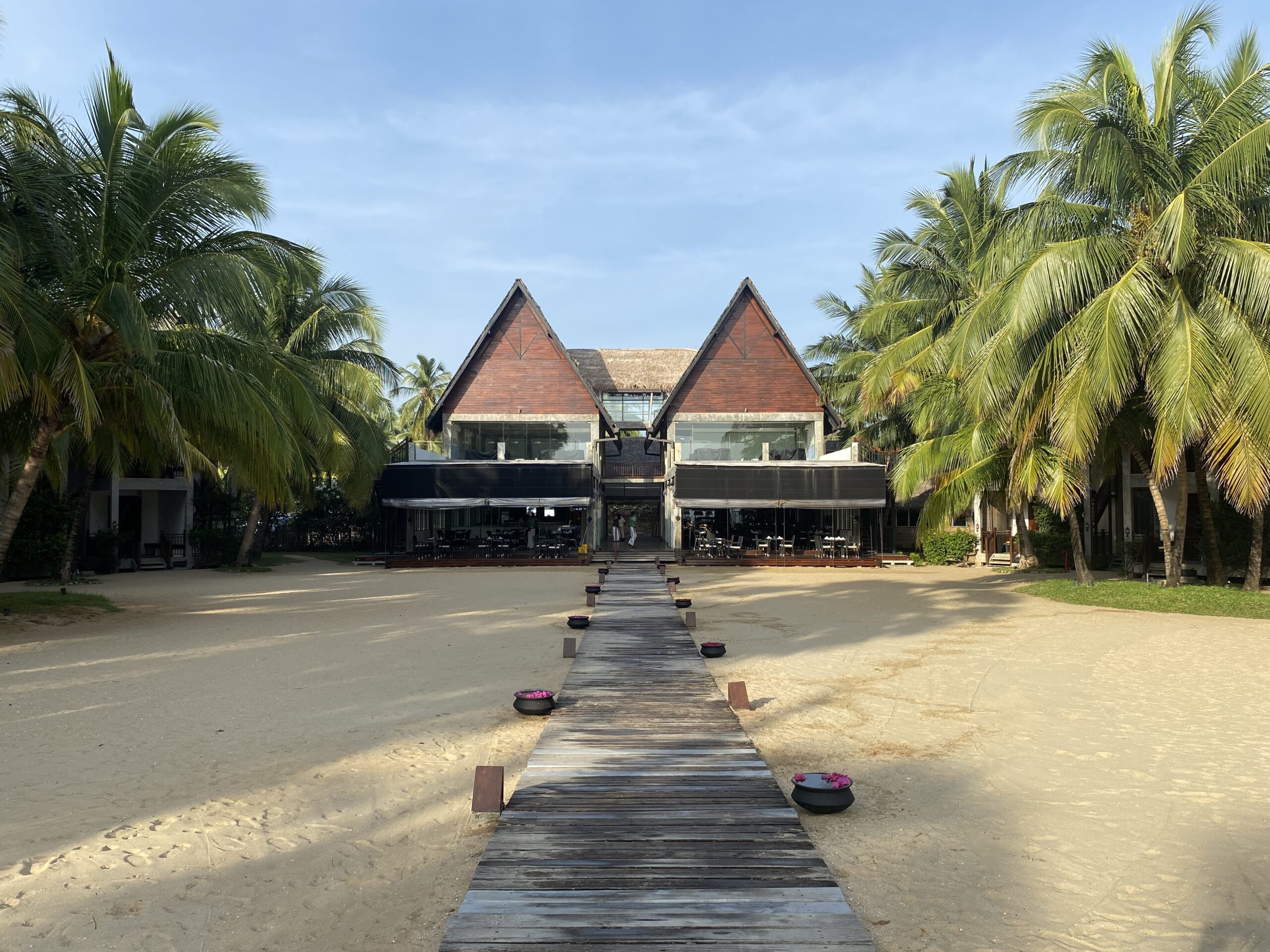
At Maalu Maalu Resort in Pasikudah, however, the ‘chaos’ dial is turned right down: it’s 100% laidback.
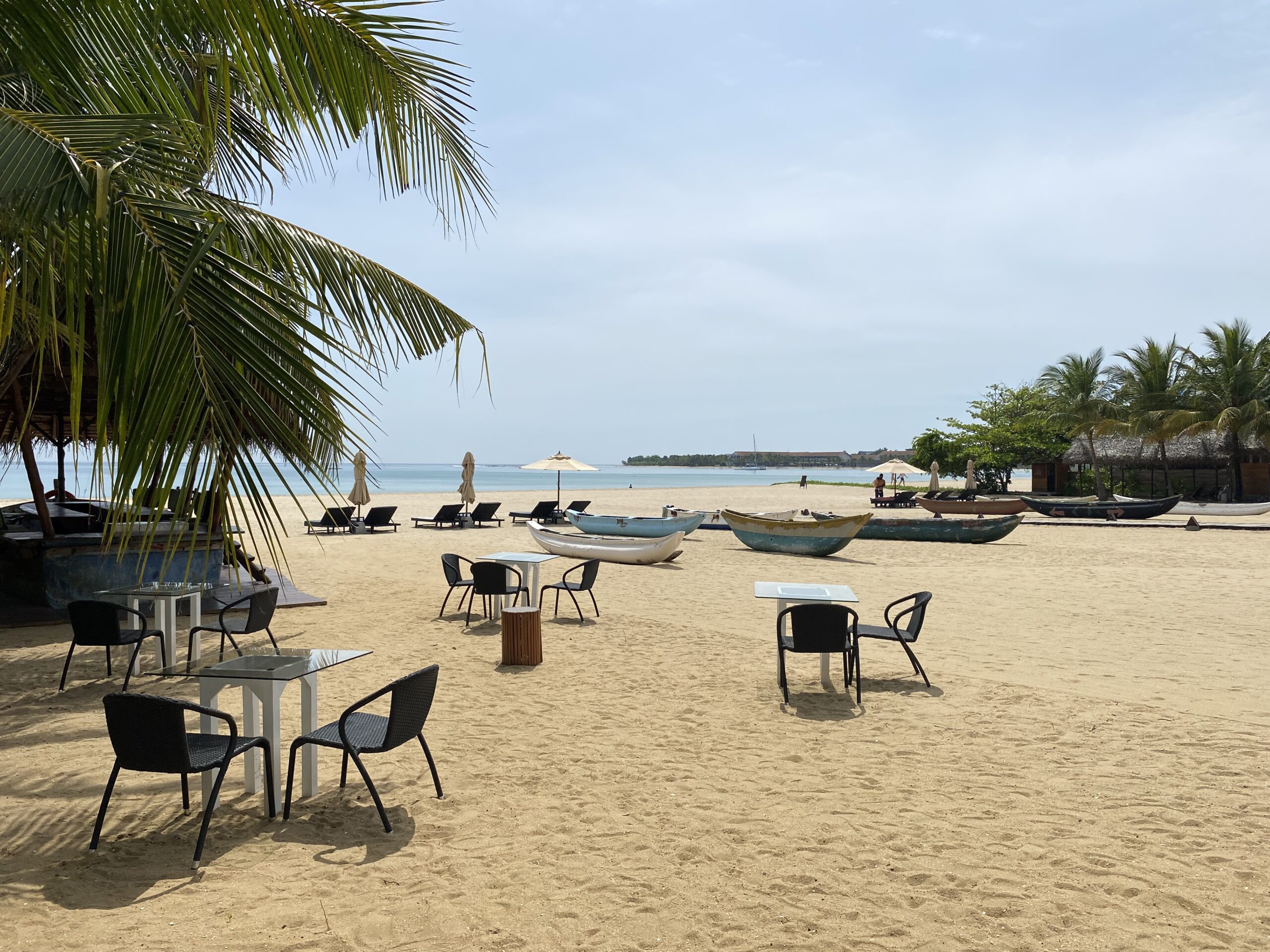
Maalu Maalu’s ocean villas are literally eight steps from your bed to the beach…maybe nine or ten if you’re a little bit shorter. This town is the perfect place to unwind and take it easy, Sri Lankan style.
From the soft underfoot, and warm waters of the private beach, it is possible to walk 500 metres out into the sea and still have your head above water.
Maalu in Sinhalese means fish, and Maalu Maalu is the time honoured call that still comes from fishmongers selling their fish after a morning out at sea.
This is the perfect place to unwind, or romance; a four-course dinner is available to book, featuring lobster, tuna, prawns and more – all served on a completely seculded, private beach.
It is one extraordinary experience to eat dinner on a beach with a loved one, with nothing but the sound of gentle waves lapping at shore for company.
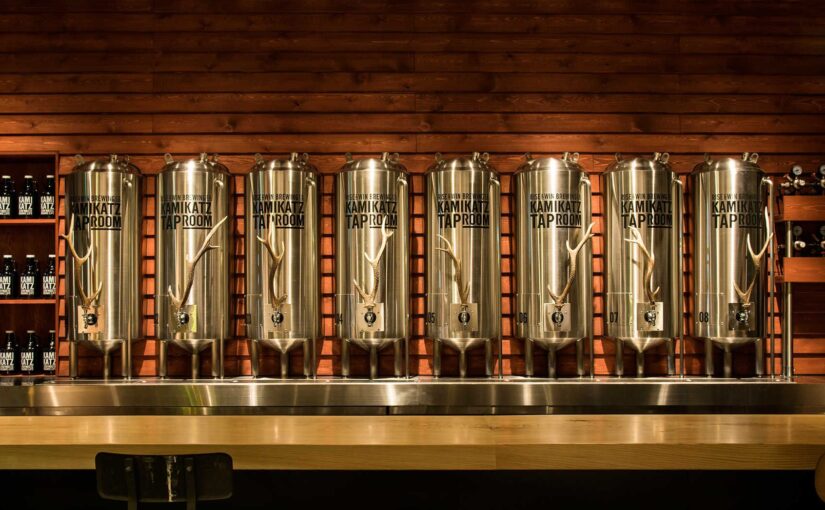
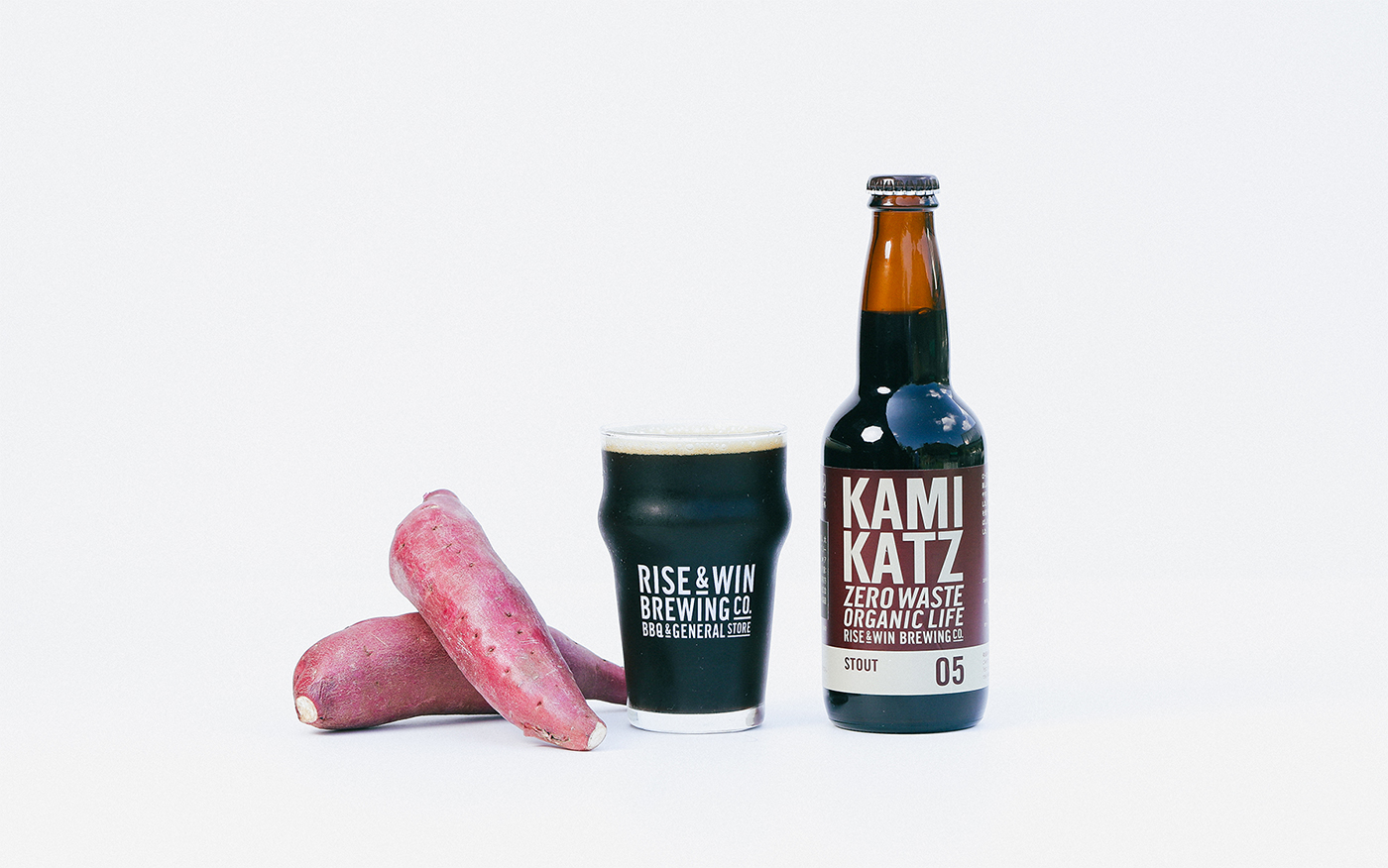
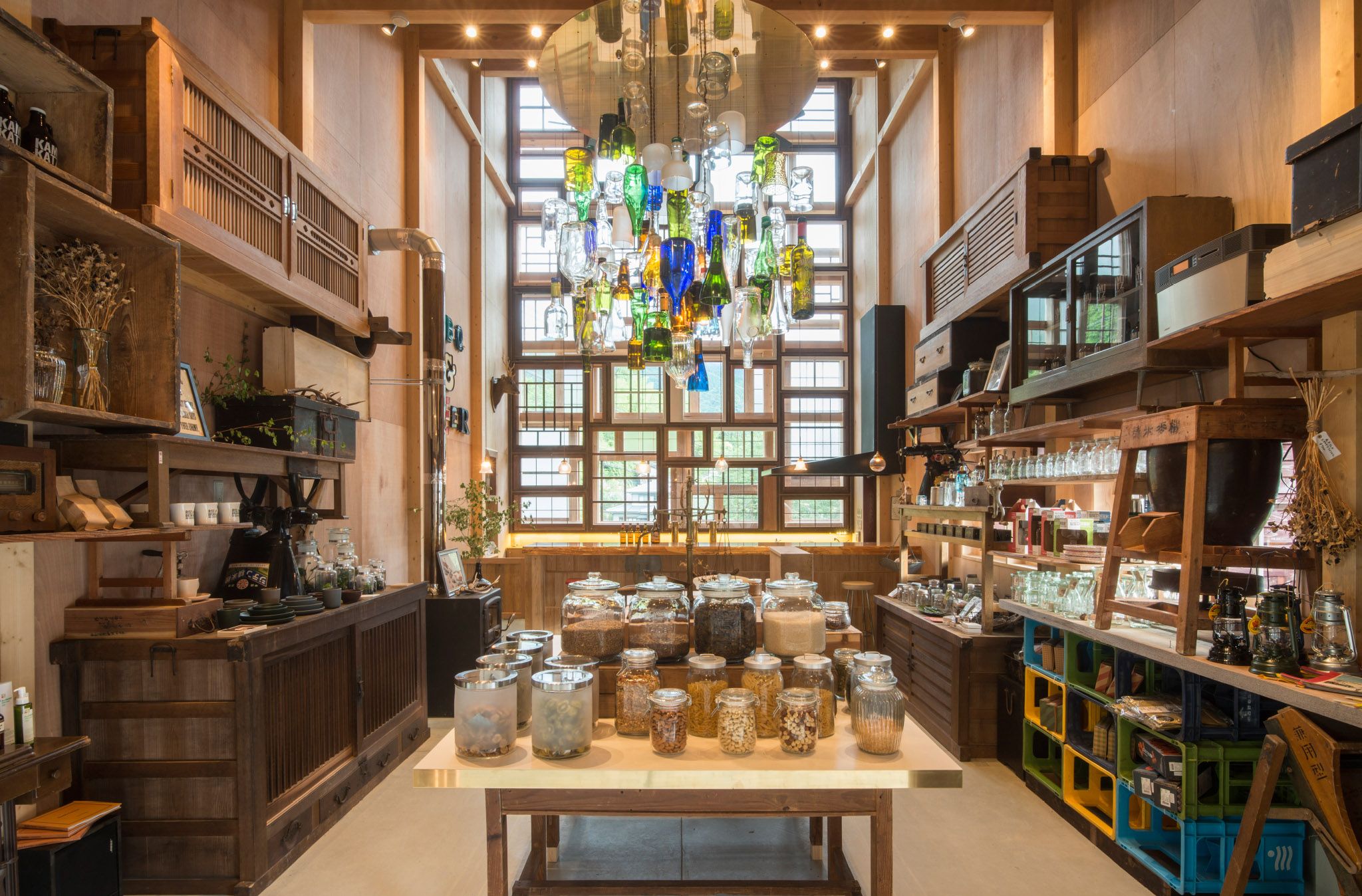
Kamikatsu in southern Japan has set its sights on being a ‘zero-waste town’, and judging from their brewery, they’re well on their way.
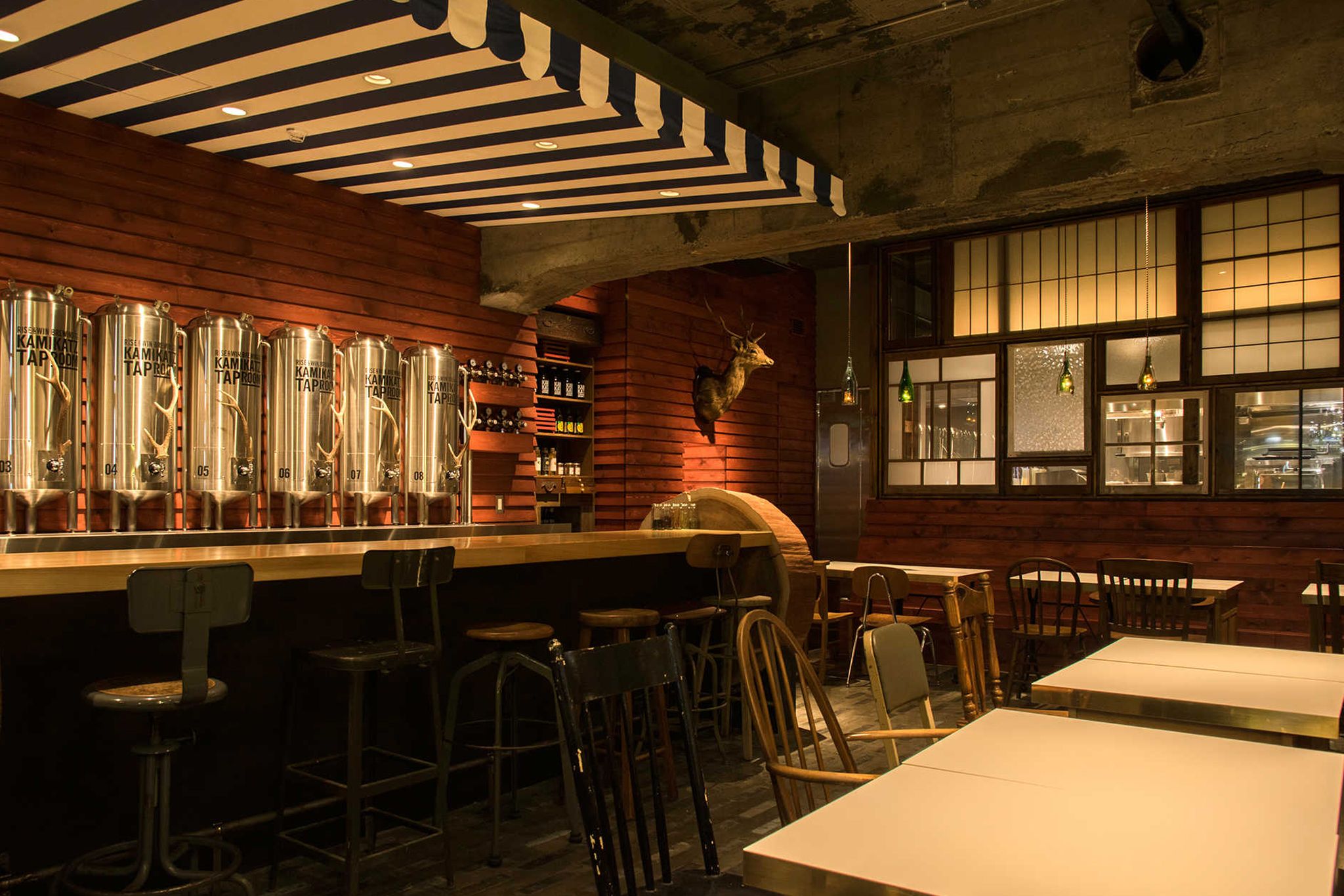
The building that houses Rise and Win Brewery is made from mostly recycled materials, first and foremost the epic patchwork of windows at the front of the building, all nabbed from abandoned houses in the area and given a new lease of life.
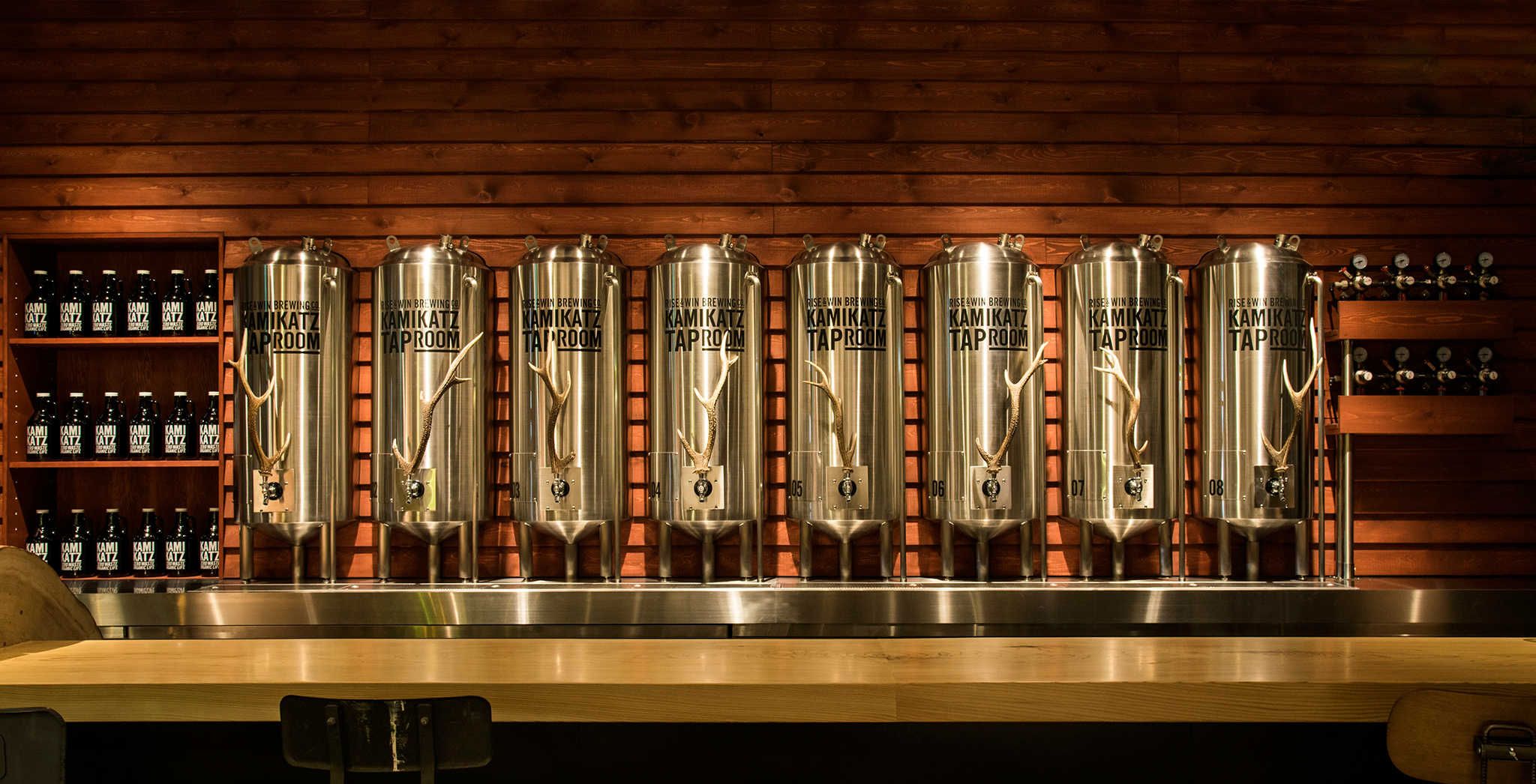
The brewery itself isn’t too shabby either; the taproom featuring a delicious, rotating selection of kegs.
The beer itself follows the lead of the rest of the town, composting the by-products of the brewing and using wheat grown nearby for beer that is truly local.
There’s everything from a lighter summer ale through to a stout, and a tasty looking BBQ-inspired menu.
 (
(