Highlights of Iran

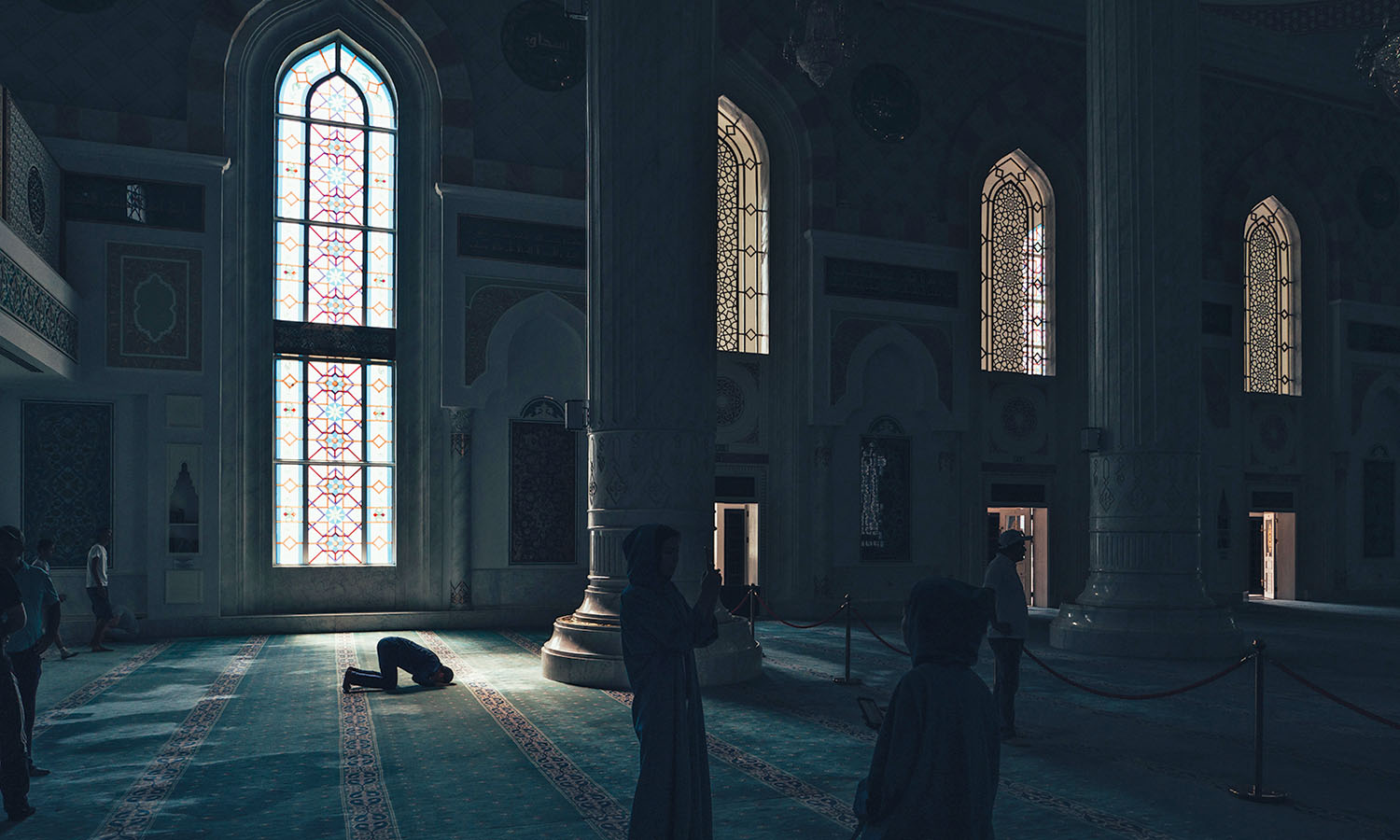
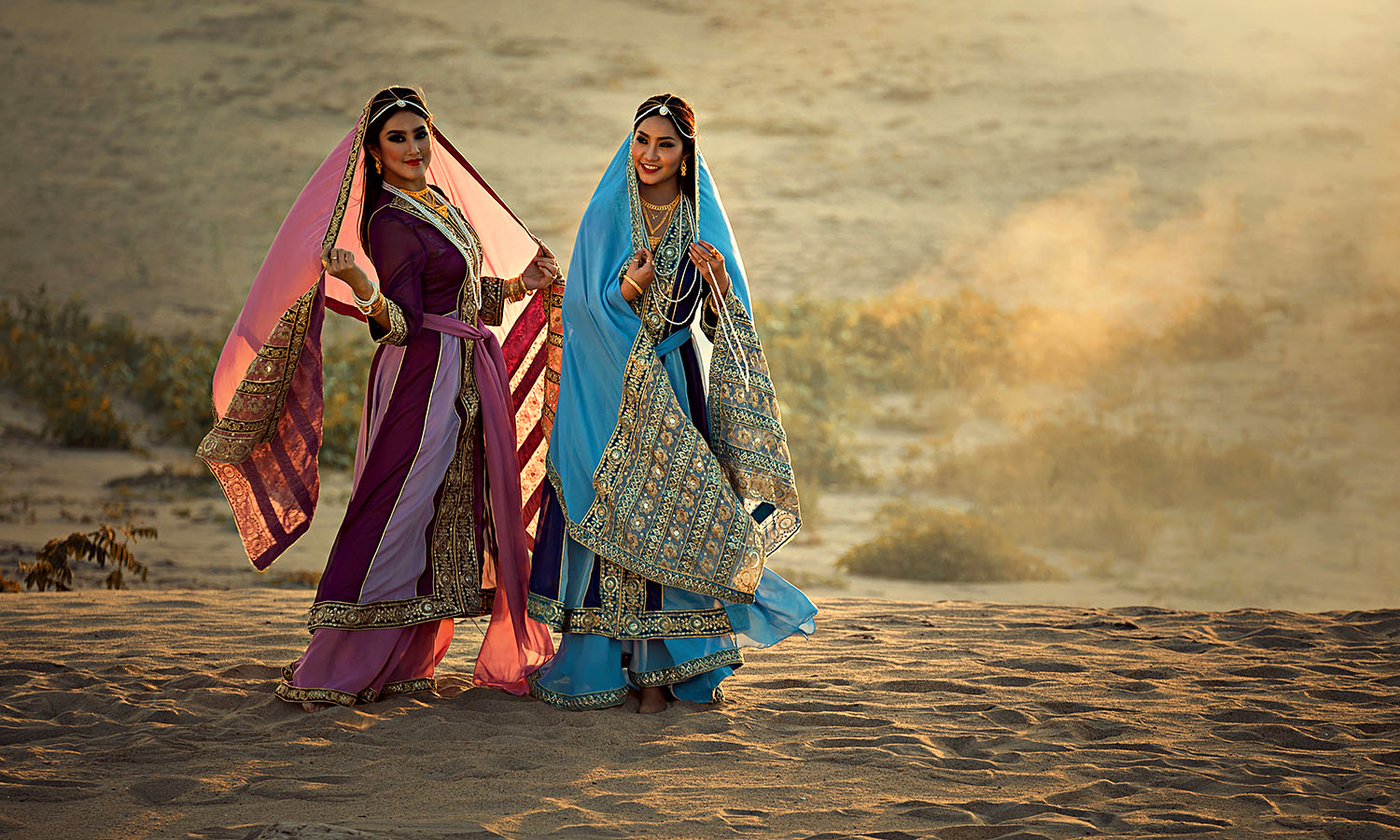
Often ignorantly depicted as a dangerous nation of radicals, chauvinistic dogma and unsavoury politics, the true Iran is a country rich in culture, glorious architecture, history and warm hospitality.

This tour starts in the capital, Tehran. While subjected to destruction at the hands of medieval invasions from Arab, Turk and Mongol Empires, its magnificent architecture representing Qajar culture still remains intact, making it a must-see.

Visit the vast UNESCO World Heritage-listed Golestan Palace complex and the impressive Grand Bazaar, which is split into several corridors covering 10 kilometres and sells everything from souvenirs, clothing and jewellery to carpets and kebabs.
After the sensory overload of Tehran, the tour takes a chill pill and heads for several days to the car-free, historic 10th-century mountain village of Masuleh. With its unique honey-coloured buildings carved into the mountains and interconnected courtyards and roofs that serve as pedestrian areas similar to streets, Masuleh is the perfect destination to prepare for a day’s hike through the forest. You’ll finish up camping beside the majestic Shah Moalem Mountain.

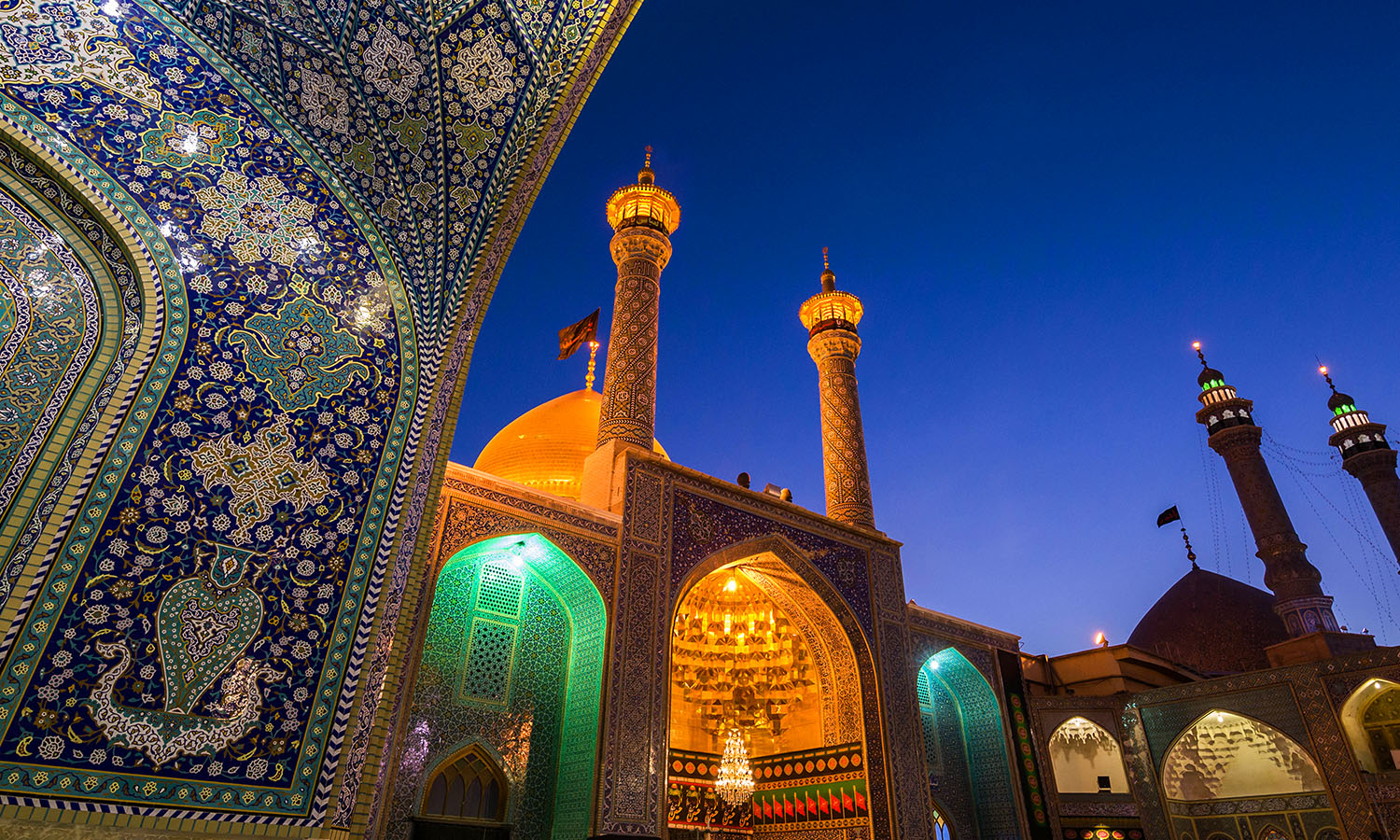
The following days’ walks take in Masal and Kashan, where a visit to the UNESCO World Heritage-listed Sheikh Safi mausoleum and shrine complex is a highlight. Also on the agenda is a stroll around the great Naqsh-e Jahan Square in Esfahan and Fin Garden.

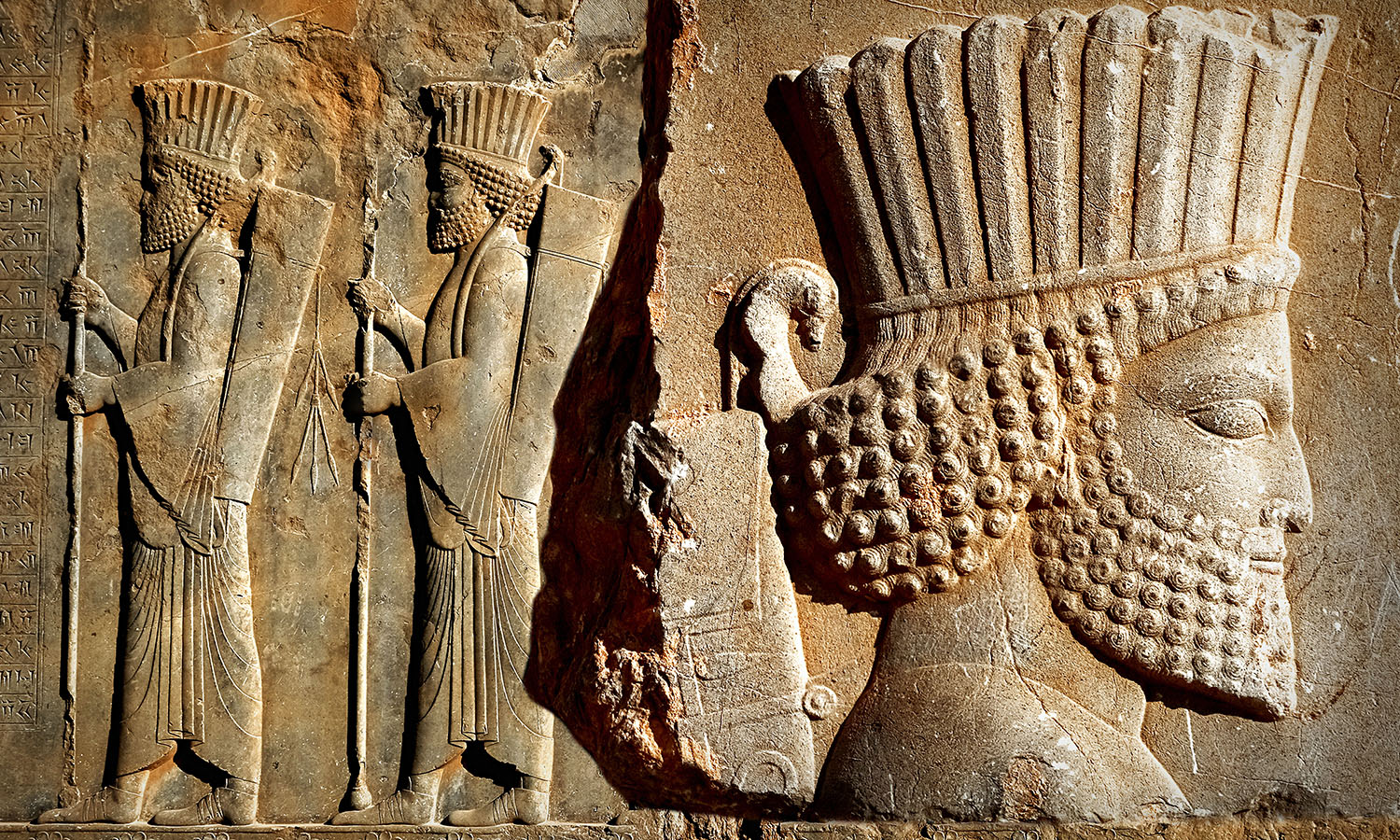
The last remaining days are suitably allocated to Shiraz. A stop en route to Pasargadae, the first Achaemenid capital and home to the tomb of Cyrus the Great, will be rewarding for both history nerds and neophytes. Cyrus the Great, founded the Achaemenid Empire and Persia by uniting the two original Iranian tribes, the Medes and the Persians. He was laid to rest here in 530 BCE.

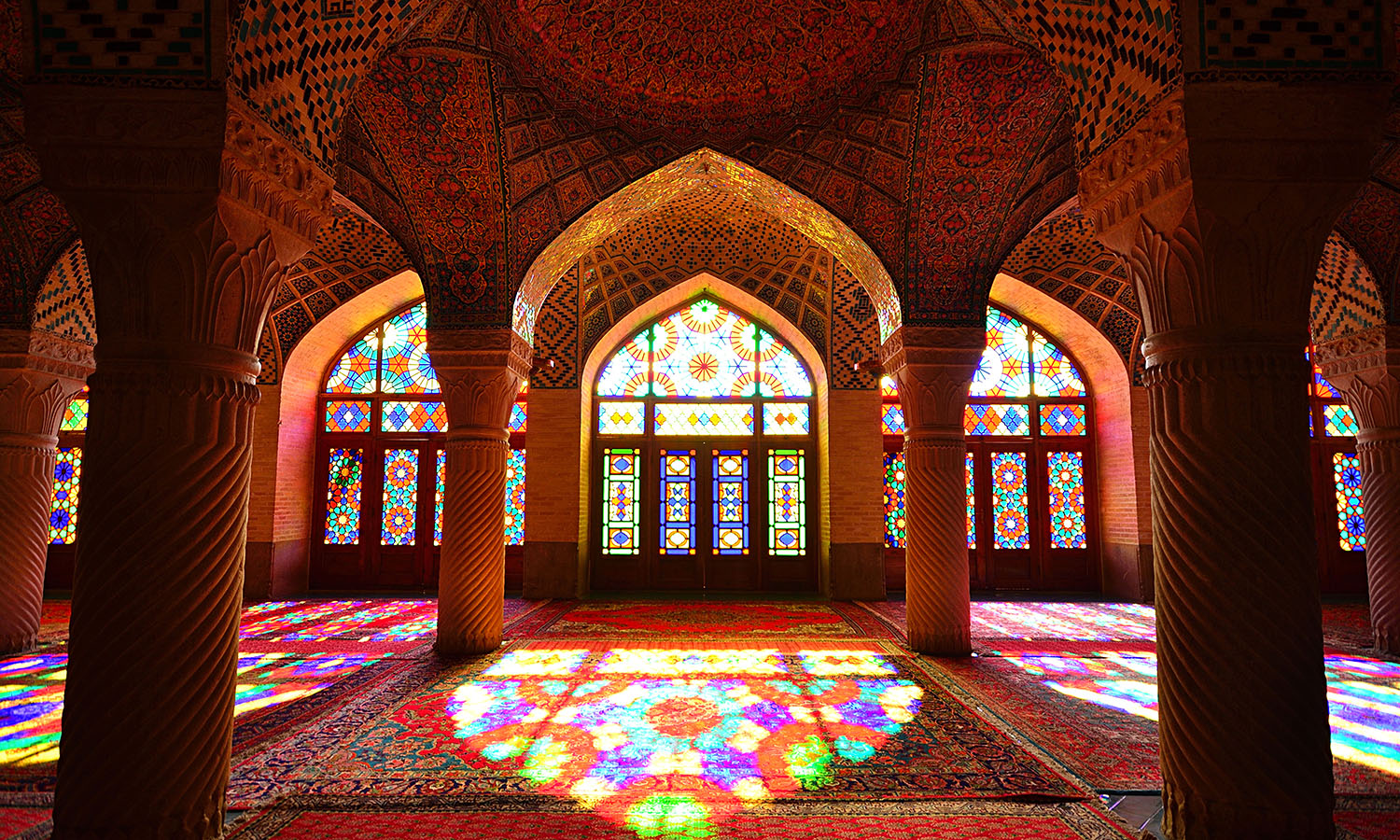
Shiraz is the capital of the Fars Province and one of the oldest cities in Iran. Yes, it was once a producer of the famous grape of the same name, although most vines were destroyed during the 1979 Revolution. It’s also known as a city of poets, literature and flowers. Take some time to stroll though its ethereal gardens, like Eram Gardens, with its romantic myrtles and towering cypress trees, including one that is 3000 years old.

Most of all, Shiraz is the cradle of Persian culture. Visit  the tombs of the great medieval poets Hafez and Saadi. To round things off, take an afternoon stroll through the hustle and bustle of the city’s covered Vakil Bazaar and sample Shiraz’s vast array of crafts, including inlaid mosaic work, silversmithing, and the weaving of carpets and kilims.
Extreme Conditions

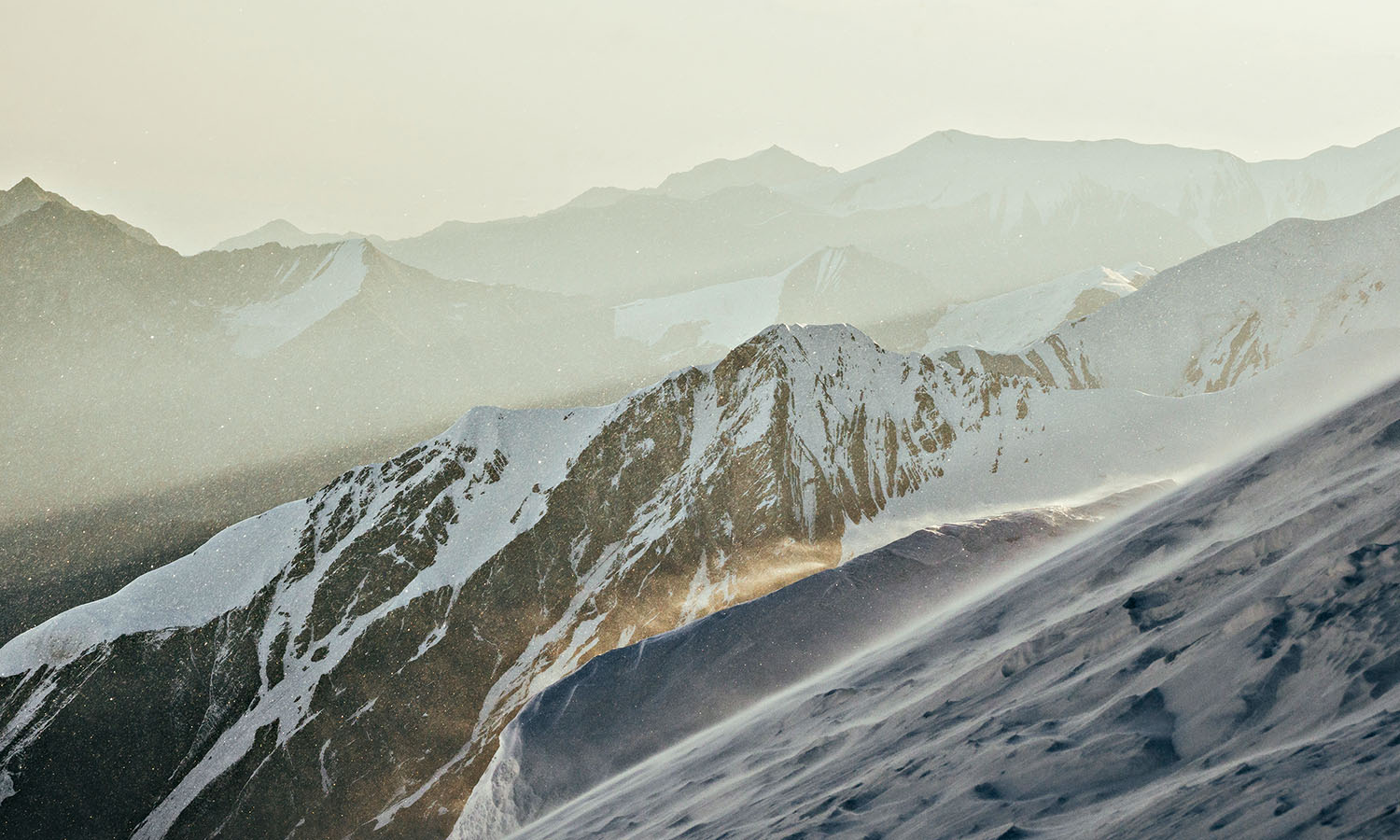
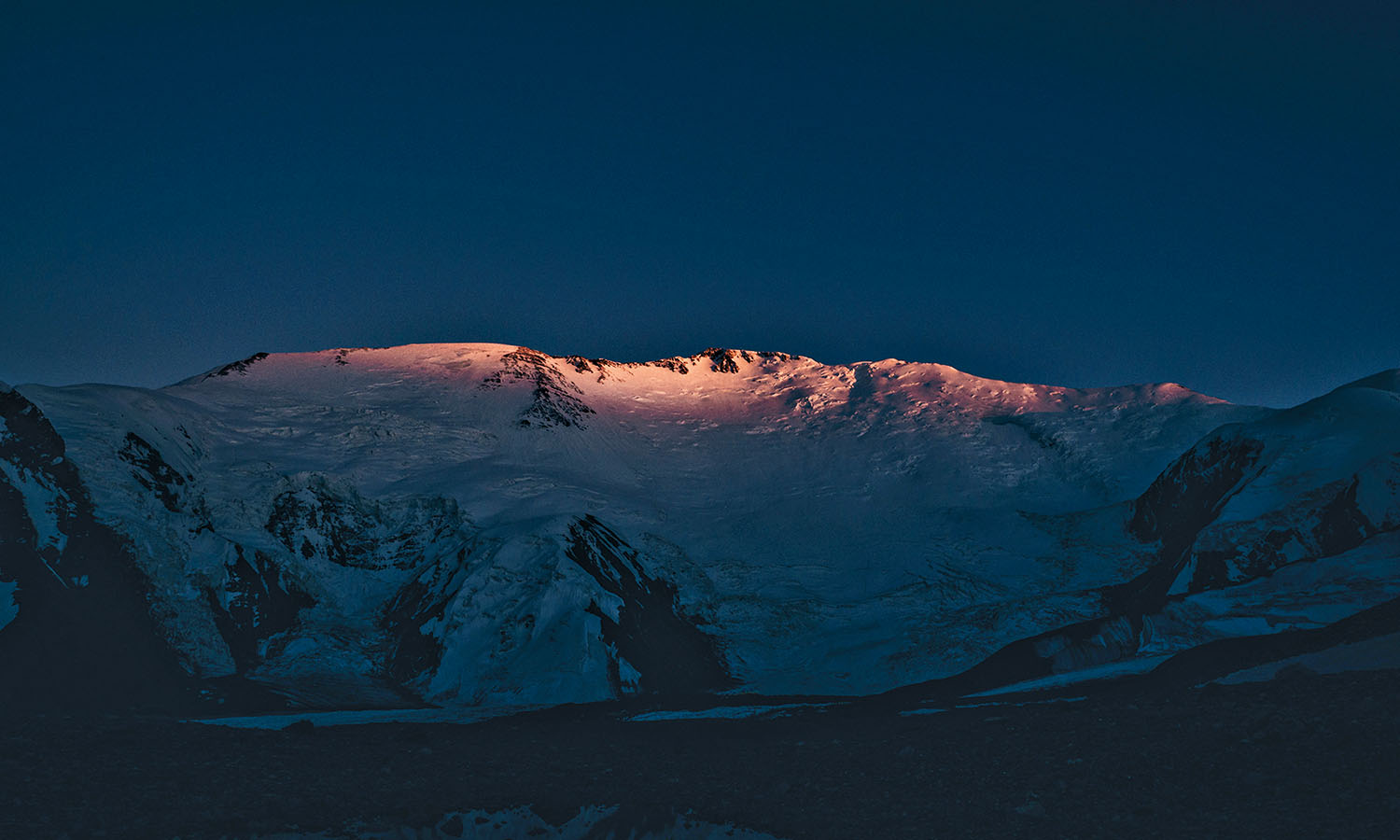
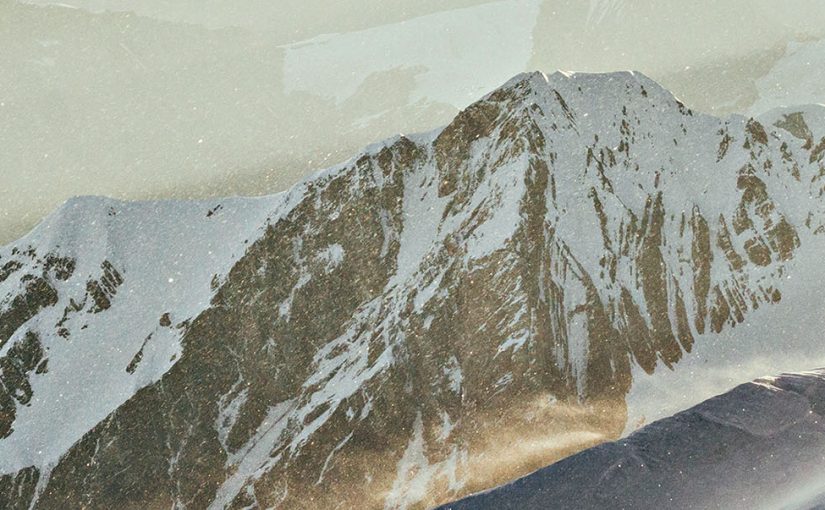
I was in Kyrgyzstan, standing at an altitude of 6500 metres, with a frostbite-inducing temperature of –35ºC, billowing winds of more than 30 kilometres per hour, and a nine-hour hike ahead me. It was the toughest shooting conditions I have ever found myself in.

This is not an ideal shooting scenario, but at that exact moment a beautiful alignment took place. As the sun started to glow on the horizon, a horizontal blast of snow and ice shimmered in the golden light and the struggle of my friend in the distance formed the scene.

I had to shoot this! I couldn’t feel my face and retrieving my camera from the depths of my bag took virtually all my concentration. Somehow, despite the elements raging around me, I managed to remove my outer gloves and capture some of my favourite shots of 2017.

These aren’t your every day shooting conditions, but sometimes the destinations we seek out dish up elements that are extreme and you have to be prepared. Here are some tips to improve your chances of capturing great shots in the face of Mother Nature’s whims.
More Than Just Gear
An adventure to an extreme environment is a full body experience and even the best camera is no use if you don’t function. Being prepared is half the job. Do your research – find out everything about your destination and prepare both mentally and physically for the environment you will be travelling to.

I never thought I’d be the source of the problem when it came to taking photos in high altitudes. My main concern was the wellbeing of the camera, until I realised that wasn’t much help when I could only use it for 15 seconds at a time because, beyond that, I started to lose feeling in my fingers.

Bring The Right Camera
Your body is prepped, protected and all ready to go. Now what? Make sure you pack the right camera. Regardless of whether you’re shooting in the African heat, Scottish rain or Arctic cold, you’re going to need a camera and lens combination that is fully weather sealed.

These are only impervious to the climes when attached together. Don’t remove the lens from the camera when you’re among the elements or shortly after being exposed to them – you don’t want to risk moisture creeping in and destroying the electronics. For advanced weatherproof performance I recommend the Olympus OM-D E-M1 Mark II camera and M.Zuiko PRO lenses, which are dust- and splash-proof.

Pack Smart, Pack Light
Venturing to a destination of extremes likely means being active and every additional kilo you carry will feel heavier the further you travel, so pack with practicality in mind. For the most extreme adventures I recommend packing one single lens per camera body. The OM-D E-M1 Mark II has a small and light body and my favourite expedition lens, the M.Zuiko 12-100mm f/4 IS PRO, is not only weather sealed, it’s also small and portable and has a great focal range.

Other gear that’s worth its weight is spare batteries and hand warmers. The only thing that sucks the life out of a camera battery faster than snapping awesome photos is the cold, so if you’re shooting in below-zero climates, hand warmers are essential for keeping your camera batteries functioning. Another alternative is keeping batteries in a pocket close to your body for warmth. For those adventuring into hot conditions where bone-dry heat or sticky humidity reigns, try to keep your batteries out of direct sunlight and in a cool, dry place.

Settings for Success
Preventing your shots from becoming a blurred mess can be difficult in extreme environments. You’ll likely find yourself in some precarious places, which will make shooting, blur-free, in manual – balancing aperture, ISO and shutter speed – a tricky feat. Simplify this by switching to Shutter Priority (S-Mode). This will allow you to select the shutter speed while the camera does the rest. Depending on the subject of your shot and how volatile the surrounding environment is, I suggest shooting at 1/400sec and higher to avoid camera shake.

By now I’m sure you’ve realised that this is not the time to be reading the manual. Know your camera inside out. Even knowing what field of view your lens has without looking through the viewfinder can be exceptionally useful when visualising compositions. This means you can keep your gear safely packed away, but still be ready to shoot at a moment’s notice.

Shoot In Bad Conditions
There’s nothing like coming home from an epic adventure with photos that only show the ‘good times’. Thanks to photo sharing apps like Instagram, that’s a common misconception. For those of us who seek out extreme environments, it’s about far more than just the perfect picture; it’s about being present in the face of even the worst conditions.

That said, be safe, too. Don’t venture into these conditions alone. Tell someone where you’re heading and take a charged smartphone, stashed in a sealed bag away from the elements, just in case.

Once you’ve got that sorted, take out your camera in the toughest of times and snap a few shots. Some of my most rewarding images are the ones that challenged me the most. These are the moments that you’ll never forget.

Chris Eyre-Walker is a member of the Olympus Visionary Program, a team of award-winning photographers supported by Olympus.

olympus.com.au
chriseyrewalker.com

Light Up The Night

Capturing a moment in low light can be a thing of real beauty. It manifests in many different ways – the first rays of dawn, a dimly lit market, a neon sign – that go far beyond just long exposures of the night sky.

When photographing in low light, it’s important to remember that your camera is, in essence, a light-gathering device. Modern cameras have evolved into owl-like gadgets; now, more can be seen by a camera than the naked eye. But when there’s minimal light available it can be a struggle to snap a clear image – if you’re not equipped with the right knowledge.

Here are a few tips to get the most out of your low-light photography.

It’s In The Details
I could tell you about expensive lenses and cameras, but low-light photography is not as complicated as it seems – these days, virtually any camera is capable of snapping great shots when the light dims.
Make the most of your camera’s capabilities by shooting in raw. This format captures maximum detail and offers you flexibility post-shoot to recover some image elements you may have lost due to over or underexposure, as opposed to lower-quality formats like JPG, which are more limited.

Once this is set up you’ll need a wide-aperture lens (like a prime lens); this will gather a greater amount of light than a regular lens and should be set to the widest aperture possible. Next, select a slower shutter speed to allow more light to enter your camera. Finally, choose a high ISO, as this will make the sensor more sensitive to light. Get familiar with these, as they are the three key areas you’ll be using when shooting in low light.

Head Towards The Light
Although we’re talking about how to shoot in low light, you still need to be conscious of having as much of it as you can. One way to hunt for light to set the scene is to become familiar with the different phases of the day. Blue hour, when the burgeoning and lingering sunlight takes on a distinctly blue shade in the morning and evening, is one such phase to keep in mind.

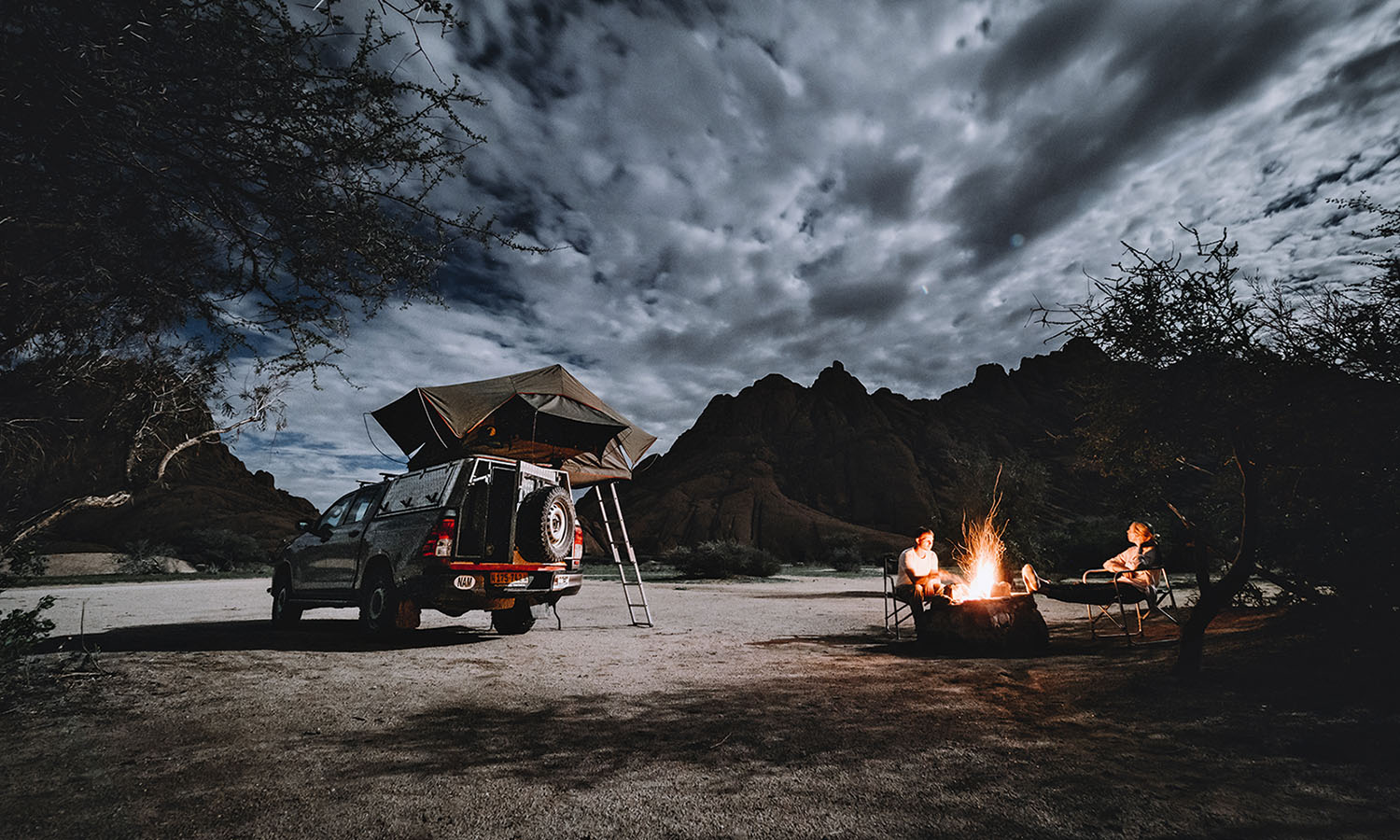
Also be sure to keep your eyes peeled for a light source. It could be anything from street lights, a candlelit room or a lone light bulb to a crackling campfire, city skyline or the moon. In darkness, these are all things that can shine more light on your subject, or be the subject of the image itself.

Find Your Balance
When things get darker, it’s time to whip out a tripod. You might have steady hands, but even the slightest movement can interfere with the clarity of a shot. This is when a tripod is the best solution. If you find yourself caught without one, though, any surface can become a ‘tripod’. Simply set up your camera and make use of the two-second timer to avoid any residual camera shake.

That said, it’s still possible to shoot a killer image by hand. I’ve captured sharp low-light images with a shutter speed of up to five seconds with the M.Zuiko 12–100mm f/4 IS PRO lens and Olympus OM-D E-M1 Mark II, but I would consider this to be one of very few combinations that could handle this type of long exposure without a tripod.

Embrace The Darkness
Think it’s too dark? Don’t abandon the shoot just yet. You’ve got this! Most professional cameras don’t have built-in flashes, but if yours does resist the urge to use it, you’ll get a better result by keeping your photos dark and moody instead. If you’re shooting in the dark you’re likely trying to capture the essence of that, so let the darkness be the hero.

In these moments, you’ll need to consider switching to manual focus, as autofocus will likely no longer work. This is one of the very few times you will be better than your camera at telling if the scene is in focus.
For something different, shoot in black and white. This will remove the distraction of colour and train your eye to compose a photo using contrasting highlights and shadows. Some cameras, like the Olympus OM-D series, have this as a built-in feature and allow you to look at the scene in black and white as you compose your shot.
Get Creative
Low-light photography offers a vast range of creative possibilities that push the boundaries of conventional imagery. There are truly talented artists out there who create magic with ‘light painting’ – the art of a moving or immobile hand-held light source that illuminates the dark during a long-exposure shot.

Occasionally I’ll try it by adding a torch light or glowing smartphone to a scene to create a unique point of interest. Google it for a dose of inspiration, then try it yourself: simply mount your camera on a tripod or stable surface, set it for a 15 to 30 second exposure and treat the darkness as your canvas. Because who doesn’t like having fun in the dark?

Chris Eyre-Walker is a member of the Olympus Visionary Program, a team of award-winning photographers supported by Olympus.

olympus.com.au
chriseyrewalker.com

Rush Hour

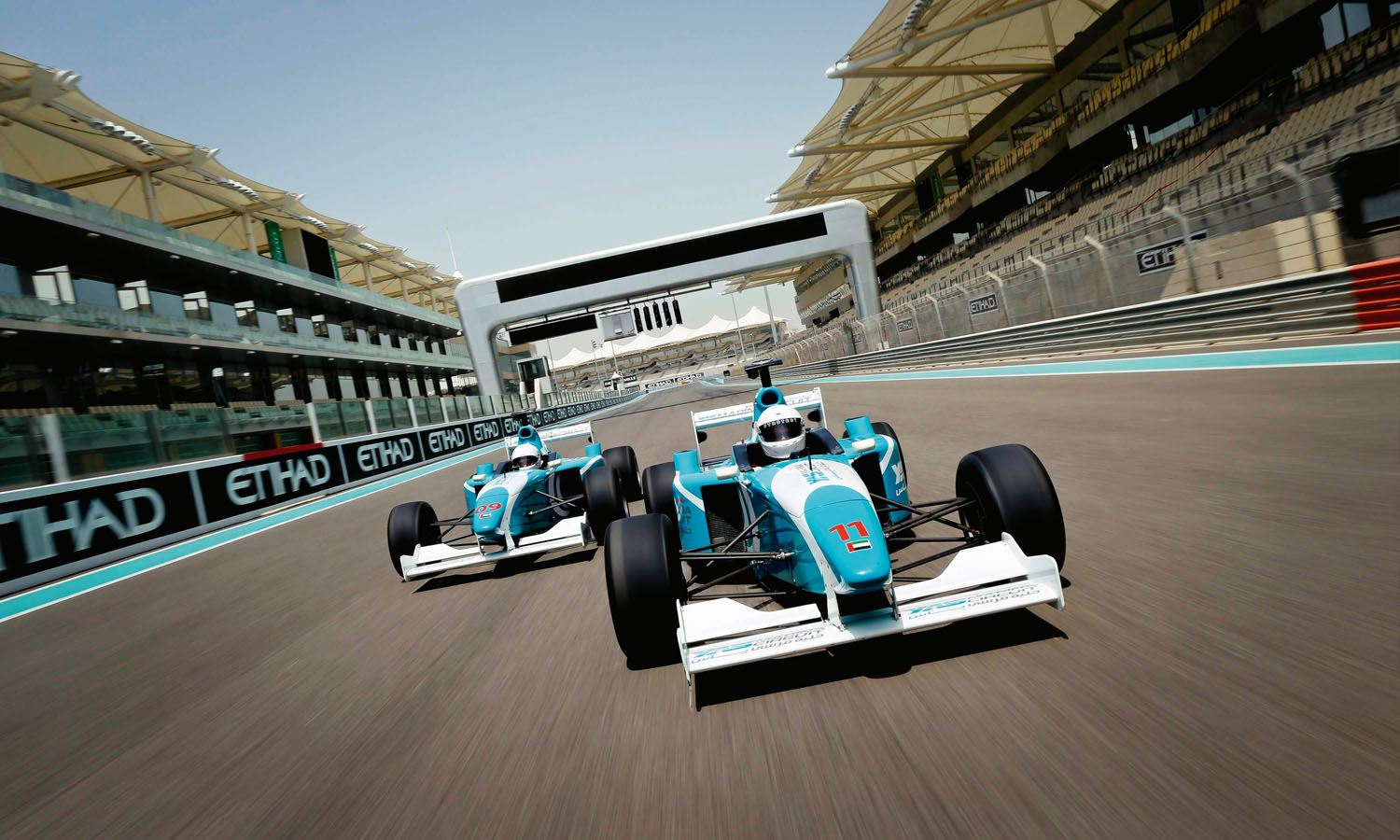
The sudden scream of an engine startles us all as our group files into the pits of Abu Dhabi’s Yas Marina Circuit. We haven’t been here long and I’ve already shot my mouth off about being somewhat of a “Hamilton” on the racetrack. The fact I could even compare winning a backyard go-kart race and a celebratory victory “shoey” of flat VB from a Dunlop Volley to racing a Formula 3000 vehicle on an actual grand prix circuit probably says something about my over inflated confidence. But, as the great Formula One driver Stirling Moss once said, “There are two things no man will admit he cannot do well: Drive and make love.”

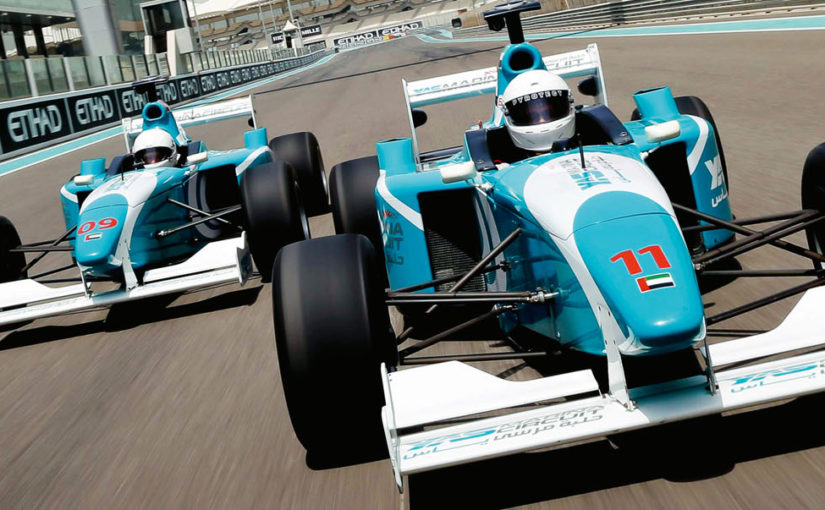
It has been a relatively seamless process to this point. We present our licenses, sign some insurance forms I don’t read, and sit through a 30 minute briefing and instructional session. The cars are tiptronic with gears on the steering wheel and just a pedal each for the brake and accelerator.

“It is all about maximising your speed,” our instructor explains. “Brake at the last minute into the corner then accelerate hard out.” His excitement is somewhat infectious.

We pull on our racing suits and walk onto the track. It’s sparkling clean and the luxurious and futuristic looking Yas Viceroy Hotel overlooks it like an alien spaceship lording over its speeding minions. We’re split into two groups, and each of us is partnered with a lead driver whose job is to ensure we stay a safe distance from the others.

I’ve never been much of a car guy and the mention of 3000cc V6 engines means very little to me. Formula One champs use these to learn their craft and as I slide my six foot six frame into the seat, it begins to make sense why professional drivers are so small. It’s claustrophobic and there’s just enough room to grip the steering wheel. My helmet is almost wedged in.

Our instructor signals to start the engines and a slight touch of the accelerator roars my engine to life. Suddenly, we’re off and speeding down the first straight.

The power of the car is extreme and my confidence is harnessed immediately as I over accelerate, causing my sunglasses to blow off my face. As the wind blows up my helmet, I quickly realise that being too tall for these cars causes more issues than just a tight fit.

If it looks like we are moving too fast, the slower drivers are called into the pits to allow the speed demons some real fun and within two turns my compatriot has been pitted to allow me to overtake him. I laugh.

My lead driver is in sight and I spend the next twenty minutes desperately trying to catch him. It’s never going to happen. It’s hard work and despite the car’s incredible responsiveness, it takes concentration to run the gears and strength to turn the wheels. The thrill is intense.

I push the car faster and harder on the straights, each time gaining more respect for the courage of the F1 drivers who reach speeds that are almost double what we’re pushing here today.

My final lap is signalled and I channel my inner Alan Jones, the great Australian F1 champion who’s briefcase I carried across Bahrain Airport when I was six years old (my dad made me do it). I go for top speed down the last straight, but I brake too early into the upcoming dogleg corner causing a spinout. For a split second, I fear for my life.

I’m sweating, laughing and charged with adrenaline. My lead driver pulls up beside me to check if I’m okay. I give him a thumbs up just as my compatriot passes with a raised digit of his own. I deserve it.

Wide-eyed and full of exhilaration, we celebrate our achievements with a drink on the beach. Of course, I declare myself the victor (what was it Sterling Moss said?) and raise a toast to all the others I lapped. The beer on Abu Dhabi’s beach is cold and tasty, and despite my day as an Aussie racing driver, this one isn’t going anywhere near my shoe! Sorry, Daniel Ricciardo.


Cave a Hidden Wonder

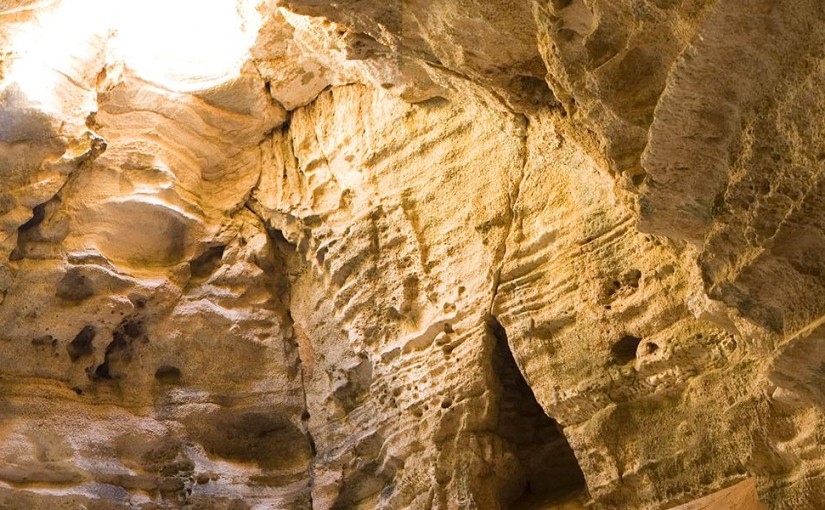
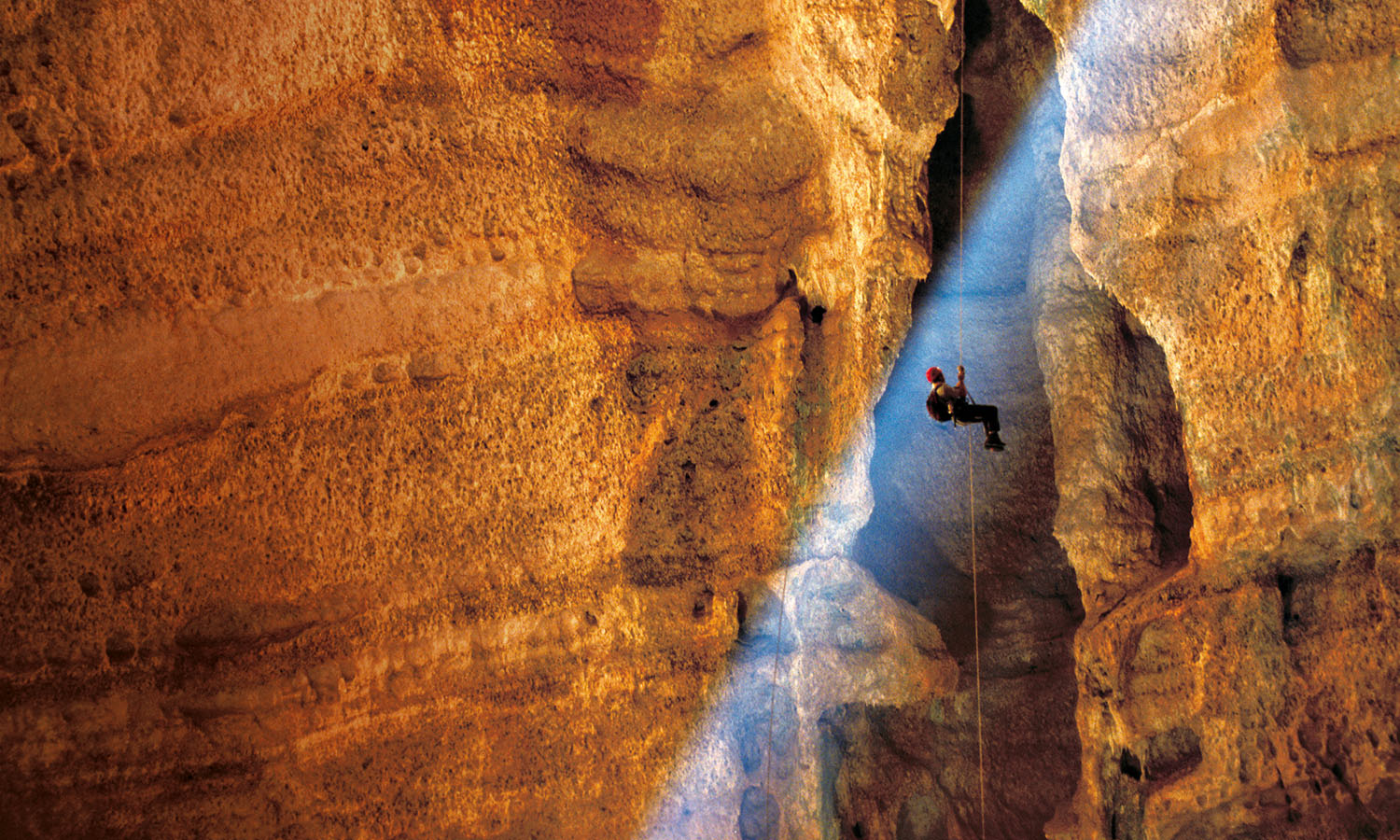
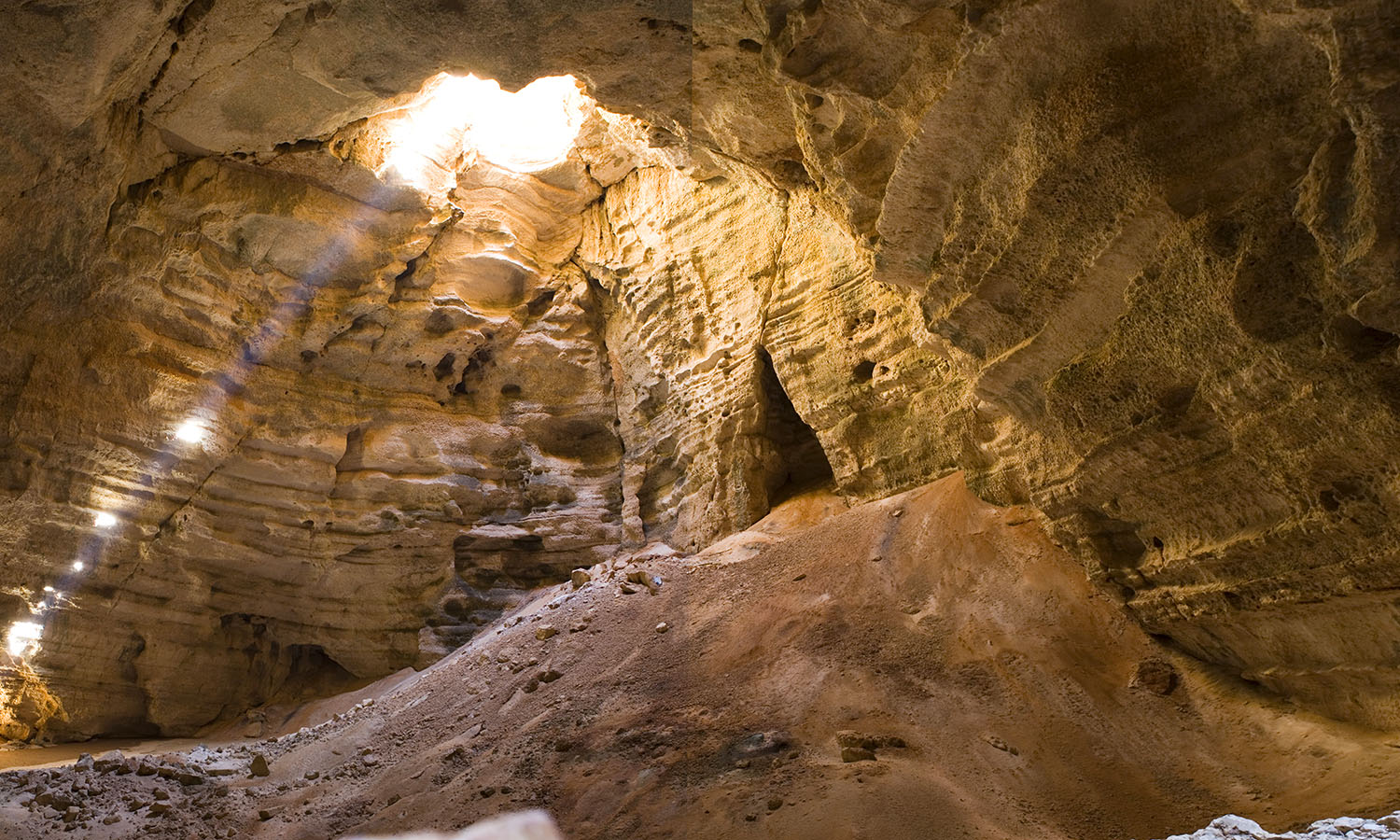
Majlis al Jinn Cave is bloody hard to get to, and even harder to get inside of – but it’s so awesome we couldn’t resist including it in our must-do experiences. To get to the remotely located cave, you’ll have take a five hour 4WD journey and vouch on good weather. If you want to abseil inside this cavernous chamber – which could comfortably accommodate 10 jumbo jets wing-to-wing – you can try your luck at obtaining a permit.


Unfortunately though, this cave is indefinitely closed for redevelopment to make it easily accessible to tourists. Be patient, and one day, you’ll be able to explore this colossal wonder.

Taste the flavours of Persia

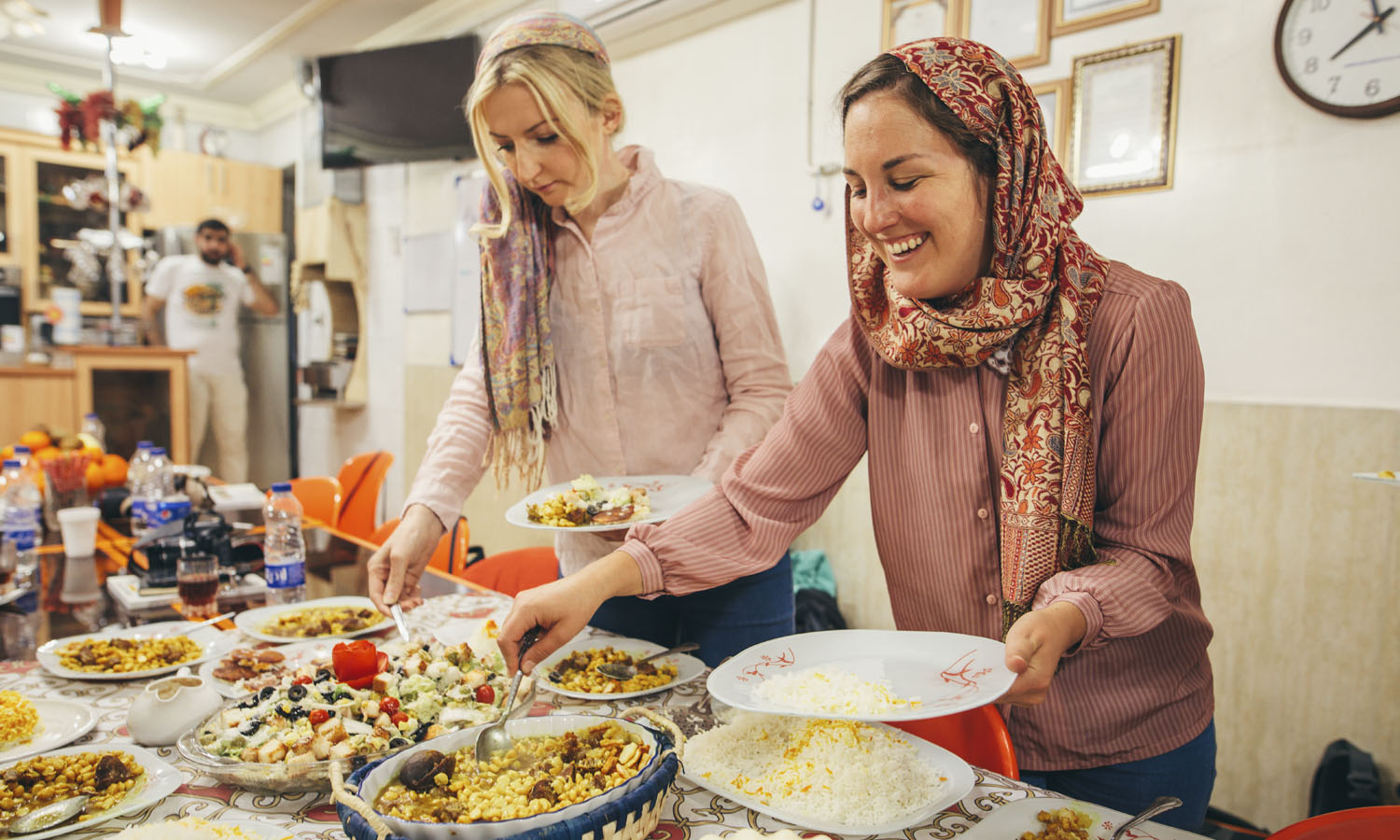
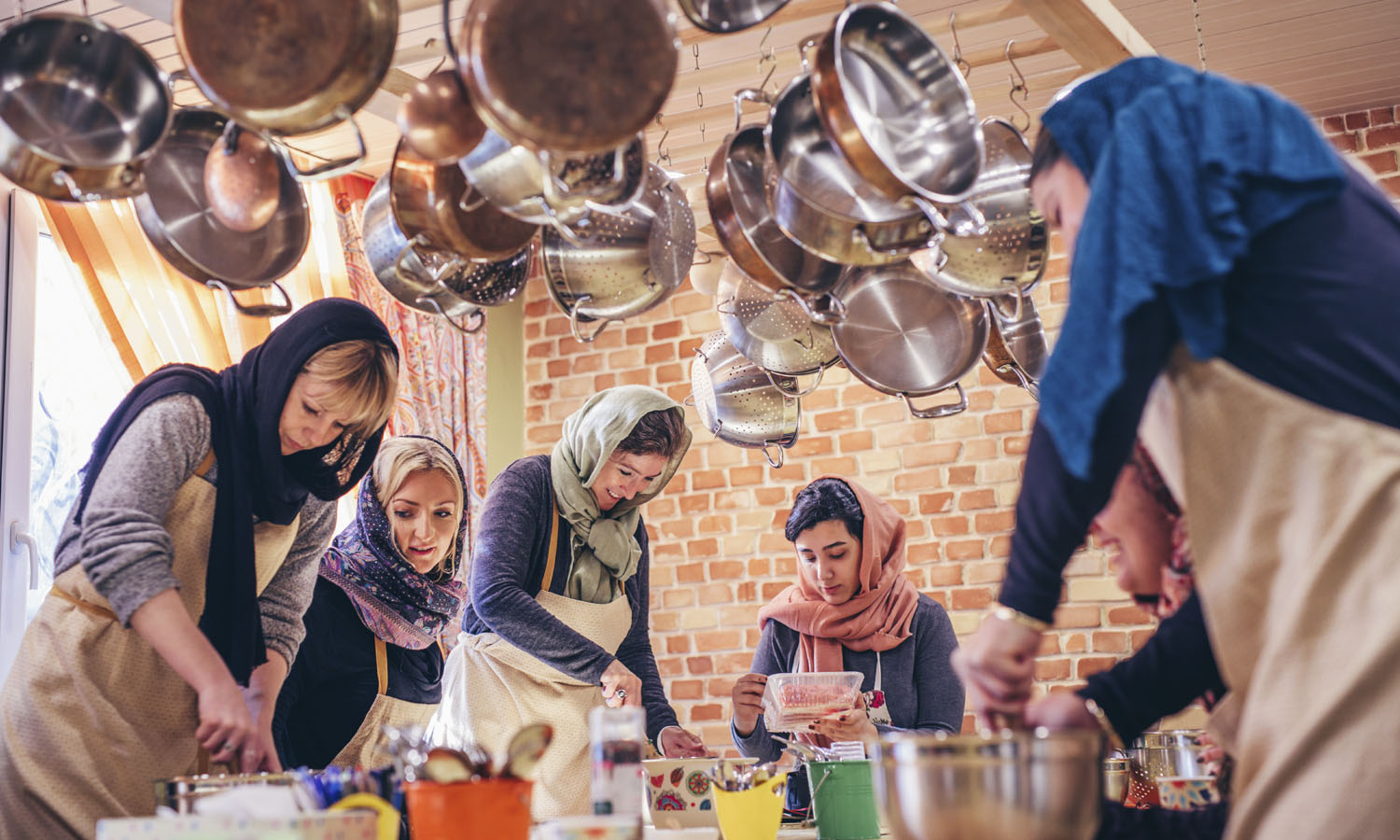
Cleanse your palate and prepare to taste the flavours of Persia by learning how to prepare an iconic Iranian feast at a local family home on this sumptuous culinary adventure.

Tachin Morgh, which translates to ‘arranged at the bottom’, is the dish you’ll be making. It’s a traditional delicacy of saffron-infused rice and tender chicken layered in a rich egg yolk and yoghurt sauce, and baked to produce a crisp bottom layer bursting with flavour. The interplay of the crust with steamed saffron rice is both beautiful and irresistible, and just one of many moments you’ll have you tastebuds titillated on this Iran Real Food Adventure with Intrepid Travel.

You’ll begin your foray into the life of an Iranian Masterchef by plunging into the markets and bazaars with your tour leader, a local from the area, who will show you how and where to source the freshest ingredients for your dish. Once you’ve collected your bounty, you’ll venture to a local home to learn about each of the necessary steps for crafting the Tachin – especially how to achieve the perfect crisp bottom layer, known as tahdig.

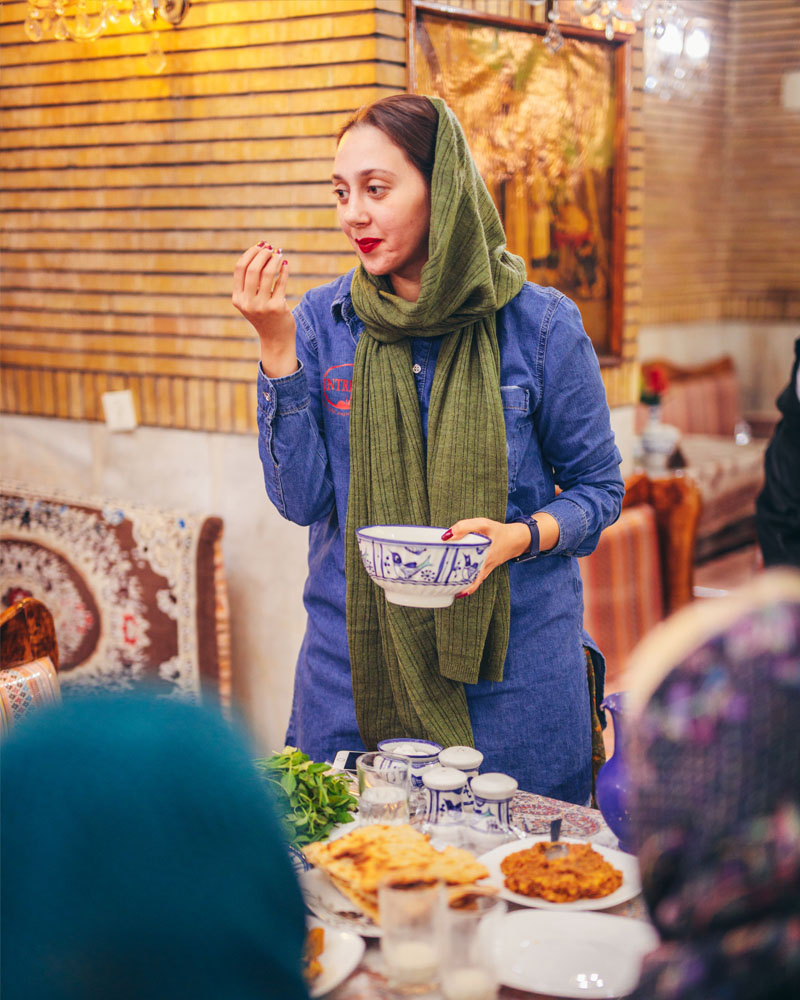
Once you’ve finished cooking a storm, tuck in to your homemade Tachin alongside other traditional dishes and drinks. If you can drag your thoughts from the myriad flavours exploding in your mouth, you’ll also have the opportunity to learn about the local customs and Iranian culture from your host family.

Break bread with nomads at a village homestay

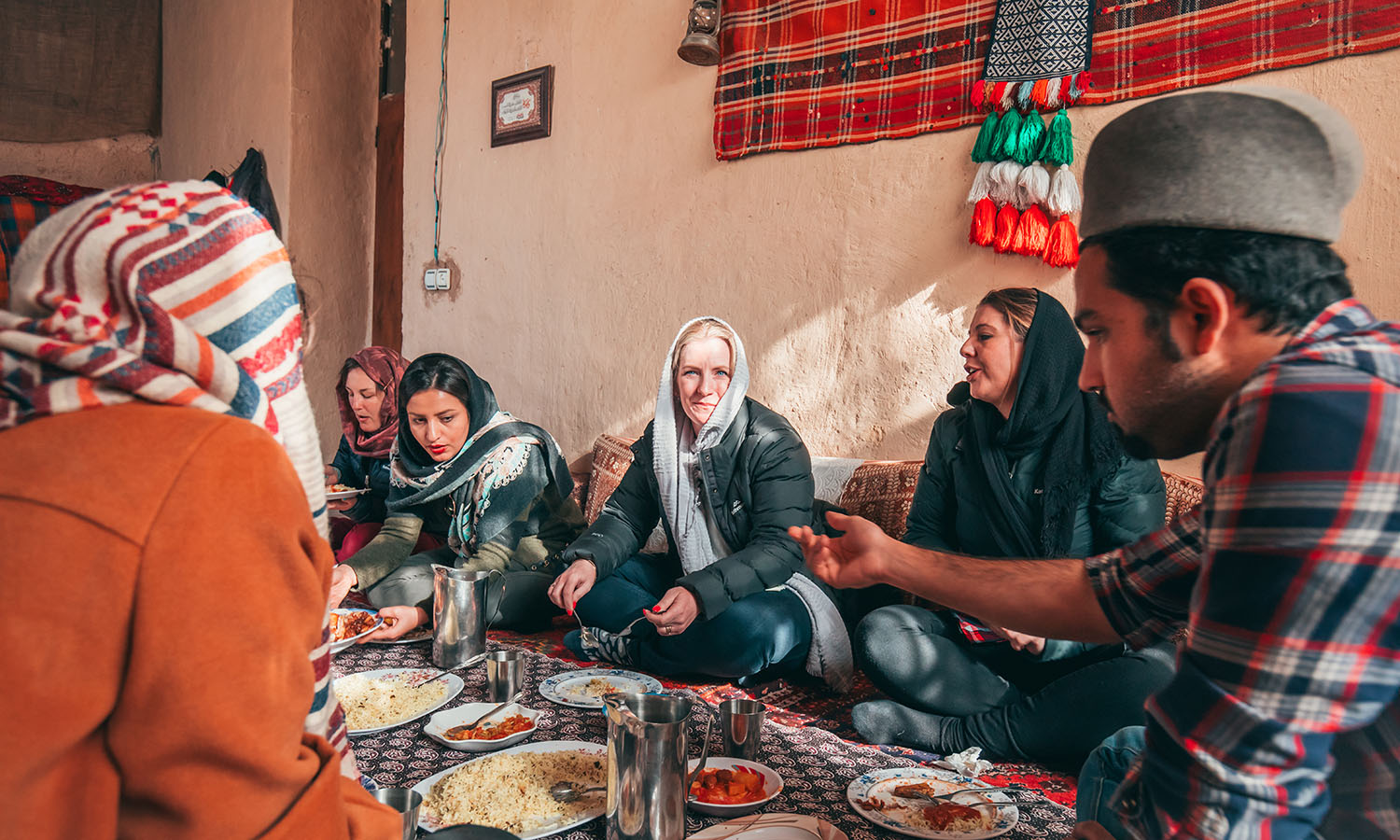
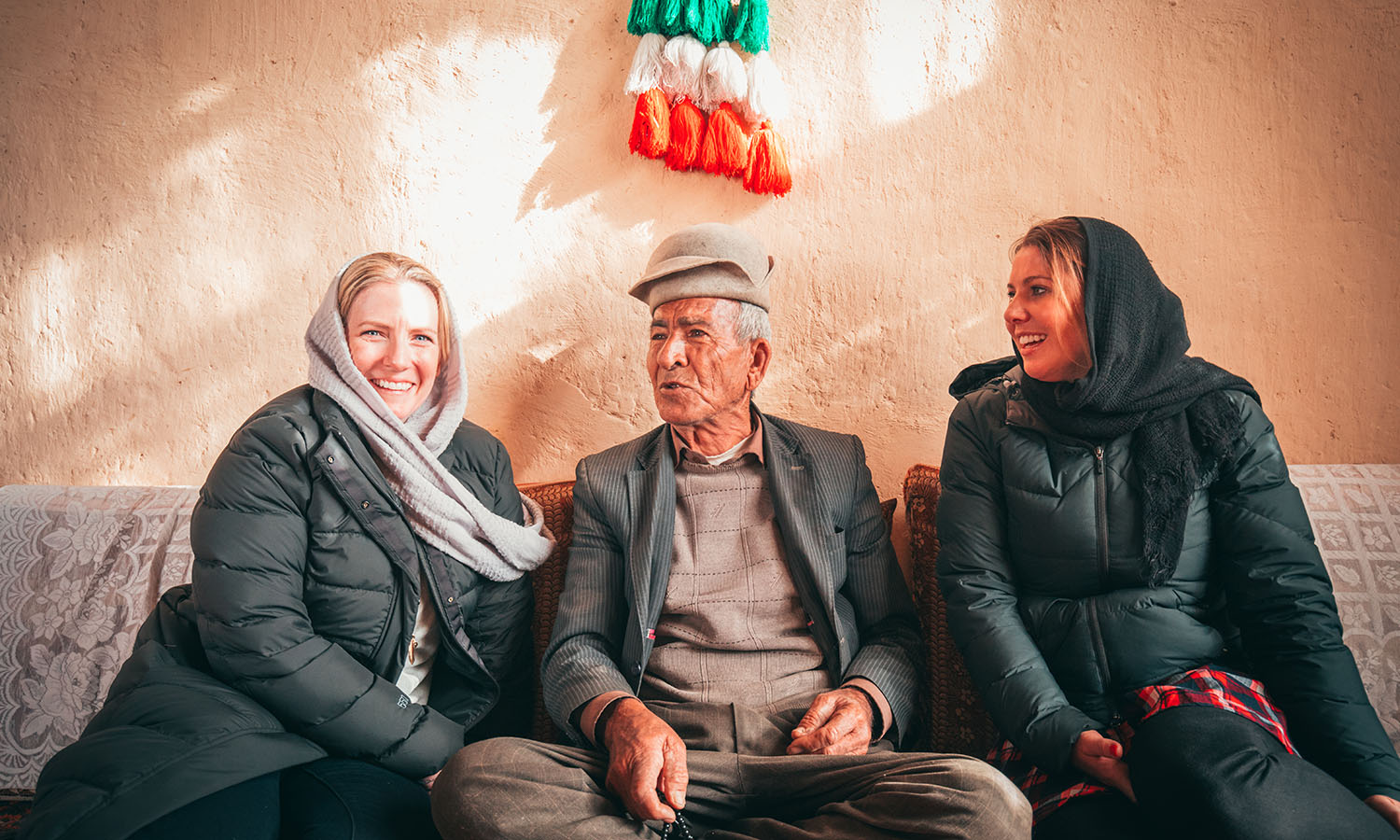
Spend an unforgettable night in a simple local home in Kahkaraan, a village in the Fars Province of Iran. This area, north of the stunning gardens, mosques and literary history of Shiraz, is famous for its nomadic people, the Qashqai, Turkish-speaking pastoral nomads and the largest of all of Iran’s nomadic tribes who have roamed this barren landscape for centuries. Once completely nomadic, they spent the harsh winters near the Persian Gulf and hot summers on the central Iranian Plateau. These days most of the nomads are settled in villages like this one; however, tribal traditions such as herding cattle, sewing carpets and embroidery are still a prevalent part of everyday life.

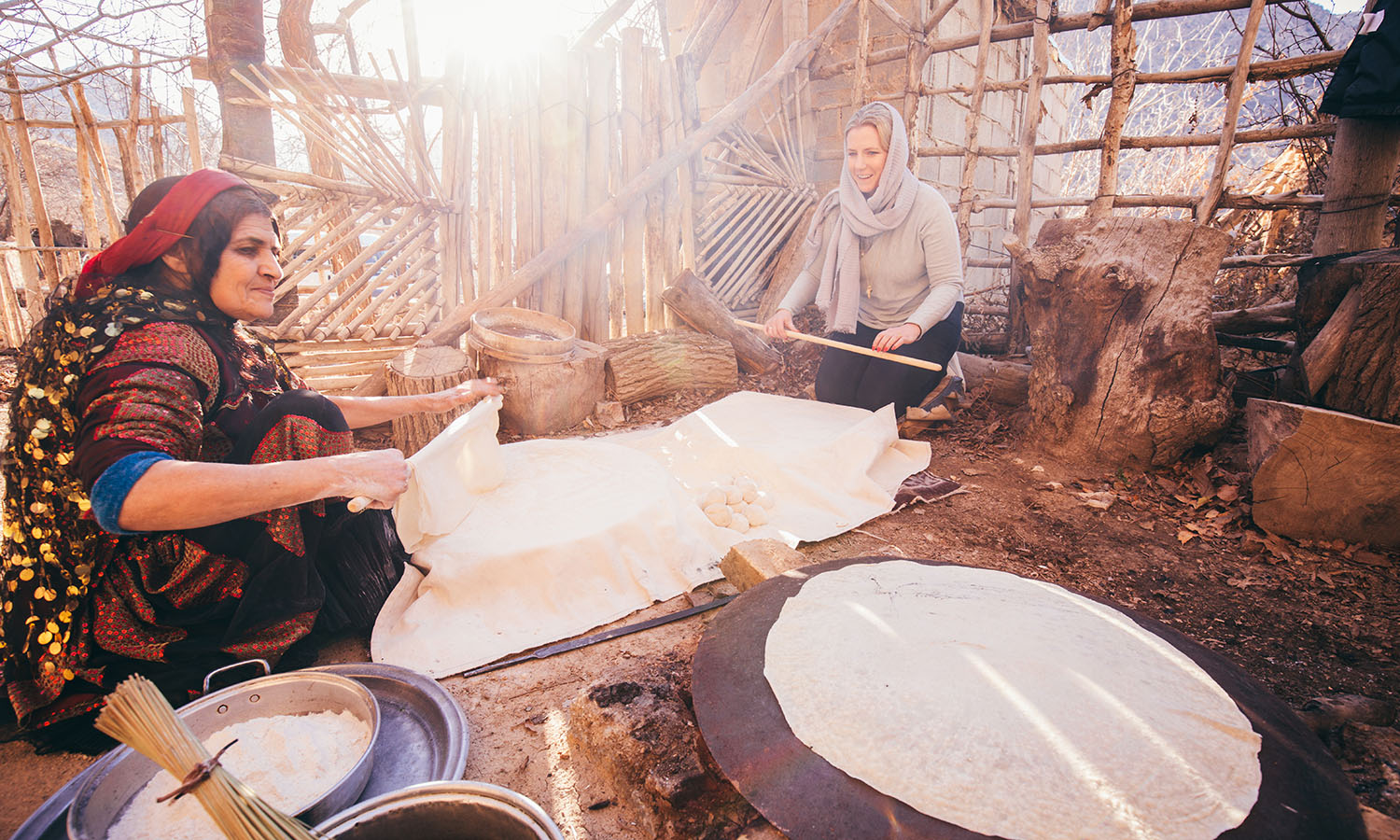
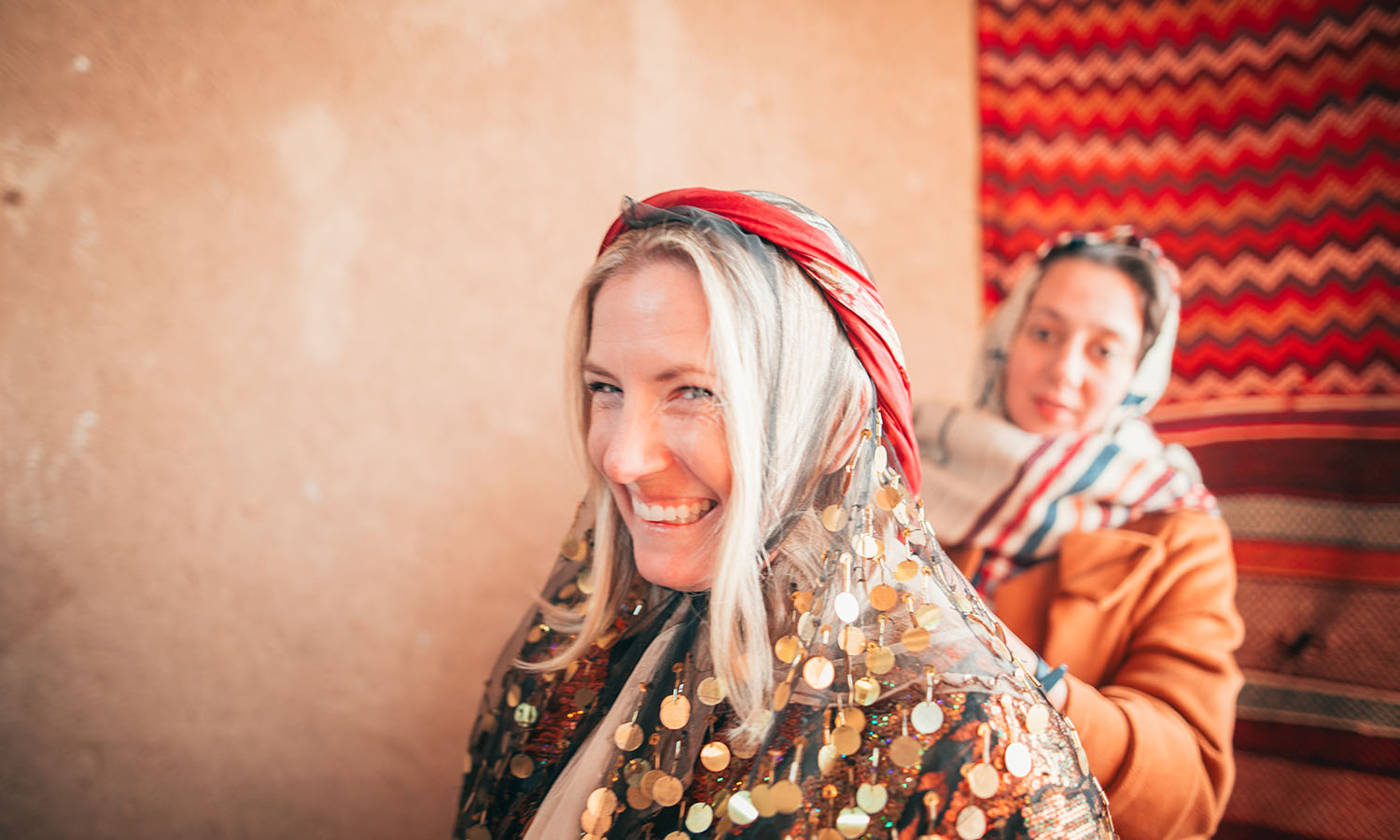
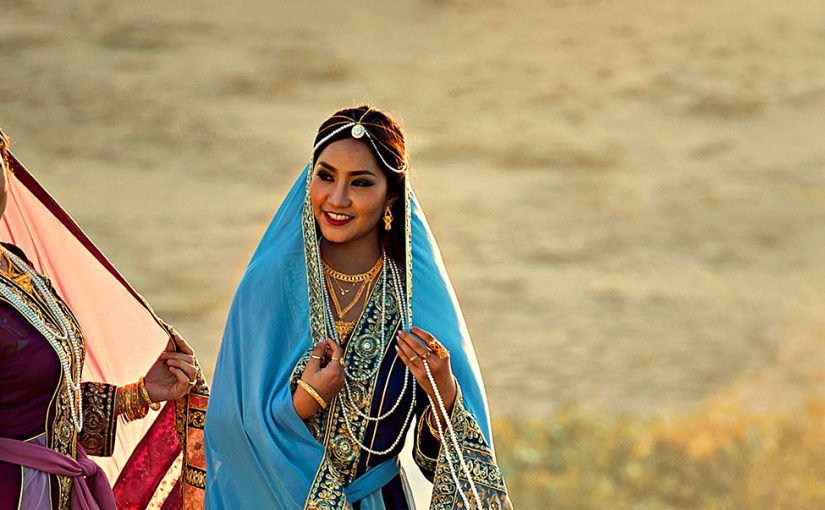
During your stay you’ll have the unique opportunity to immerse yourself in their rural nomadic lifestyle and enjoy the hospitality of your warm and friendly hosts – one of many enriching moments on Intrepid Travel’s Iran Adventure tour. Help prepare a meal, make local bread over a fire, share stories, try on the traditional dress, and learn local song and dance.

While the accommodation here is very simple and you will share close quarters in the home, sleeping on a simple foam mattress with pillows and blankets and using shared bathroom facilities, this will be no ordinary stay. You may even have the honour of being invited to share in the celebrations of a nomad wedding in the village.

Traverse ancient villages on two wheels

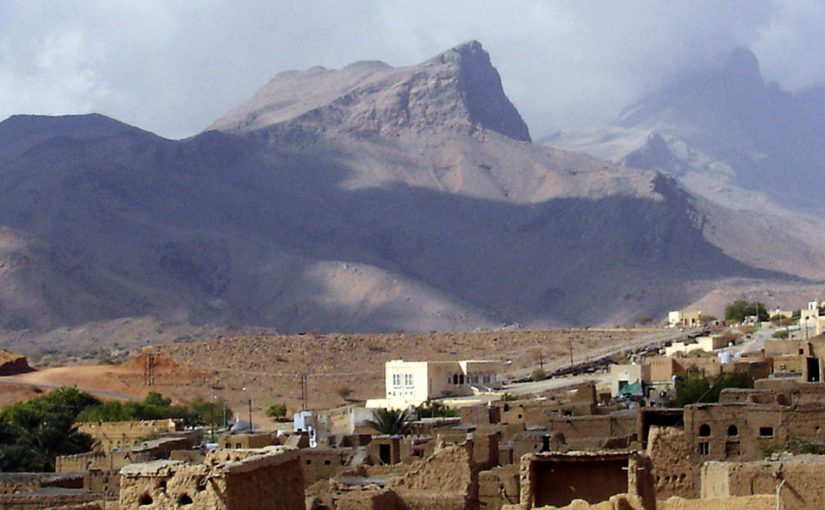
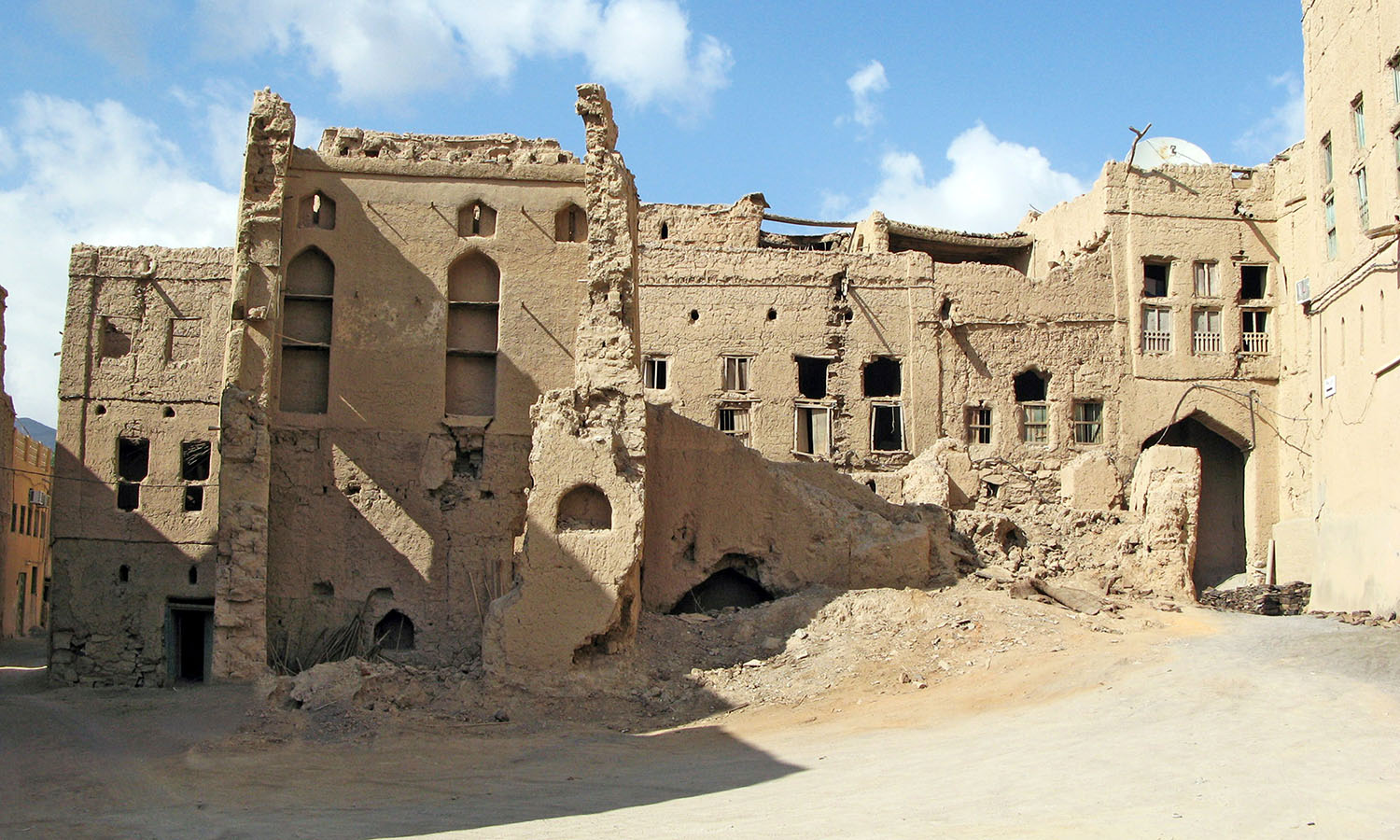
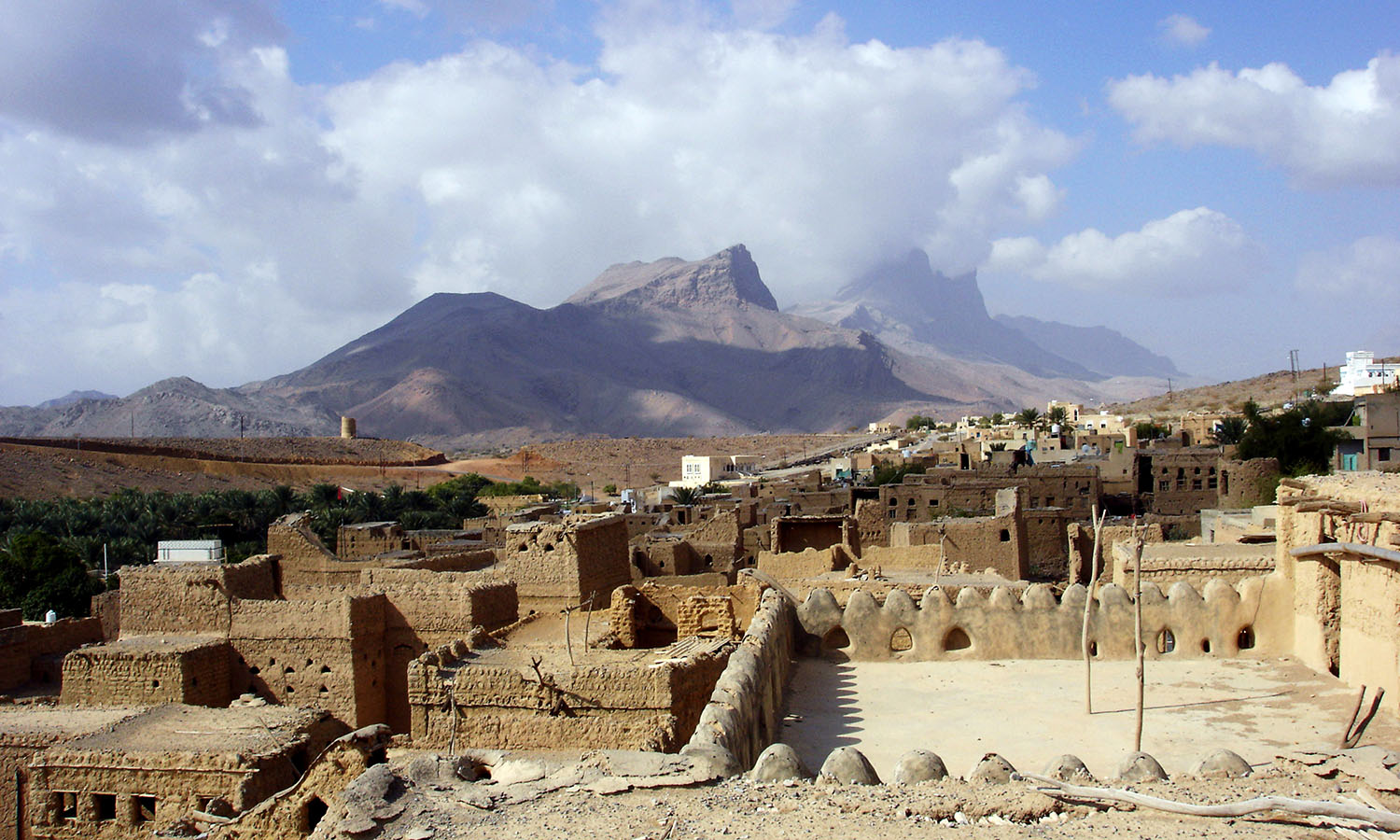
Pop on your helmet and pedal back in time as you hit the streets of Al Hamra. Nestled at the foothills of the Al Hajar Mountains in Oman’s west, the 400-year-old village is one of the oldest in the country and home to the carefully preserved mud-brick houses of a bygone era.

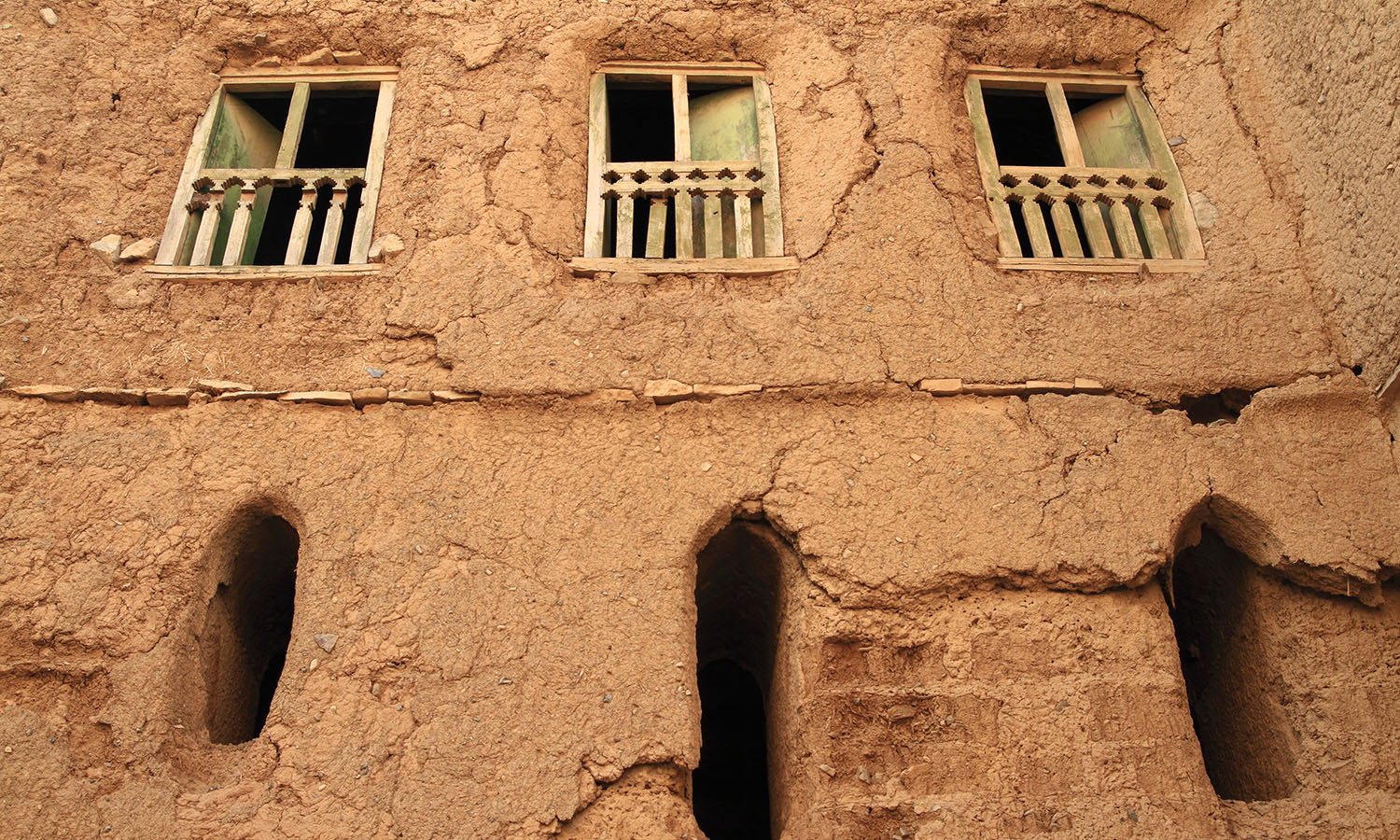
Enjoy a leisurely ride among the two, three and four-storey mudbrick houses – their frames made of palm trunks and ceilings of fronds slathered with mud and straw – before edging your way down the hillside to date palm and banana tree plantations. Once out of the town’s confines, the striking mountainscapes and vegetation offer a quiet serenity that will make you feel like you’ve found a corner of the world no one else knows.

If the silence gets too much, you’re just a stone’s throw from some of Oman’s most incredible sites, including Al Hoota Cave, one of the largest cave systems in the world; Misfat al Abryeen, a beautiful old village full of Omani history; and Jebel Shams, Oman’s highest mountain at 3009 metres. Once you’ve pumped yourself out, kick back and rest weary limbs on your hotel balcony, toasting an adventure well done with your fellow cyclists, and admiring the stunning landscape you’ve just traversed.

Stargaze at an eco-friendly paradise

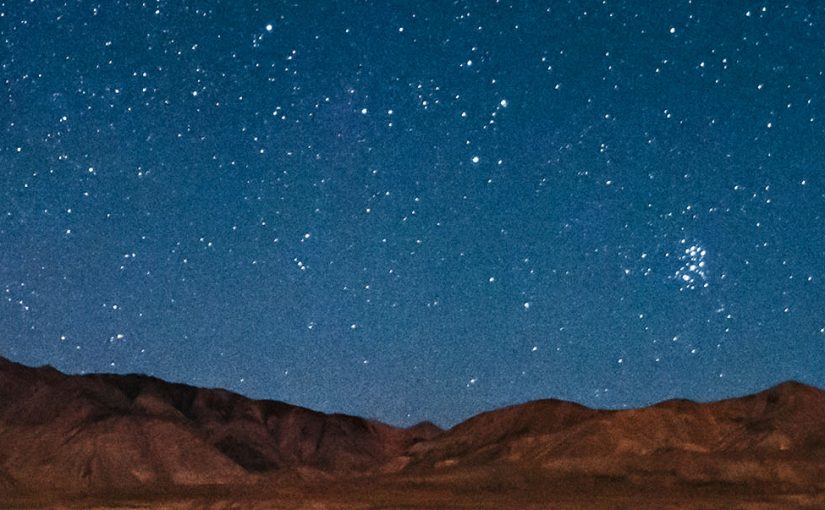
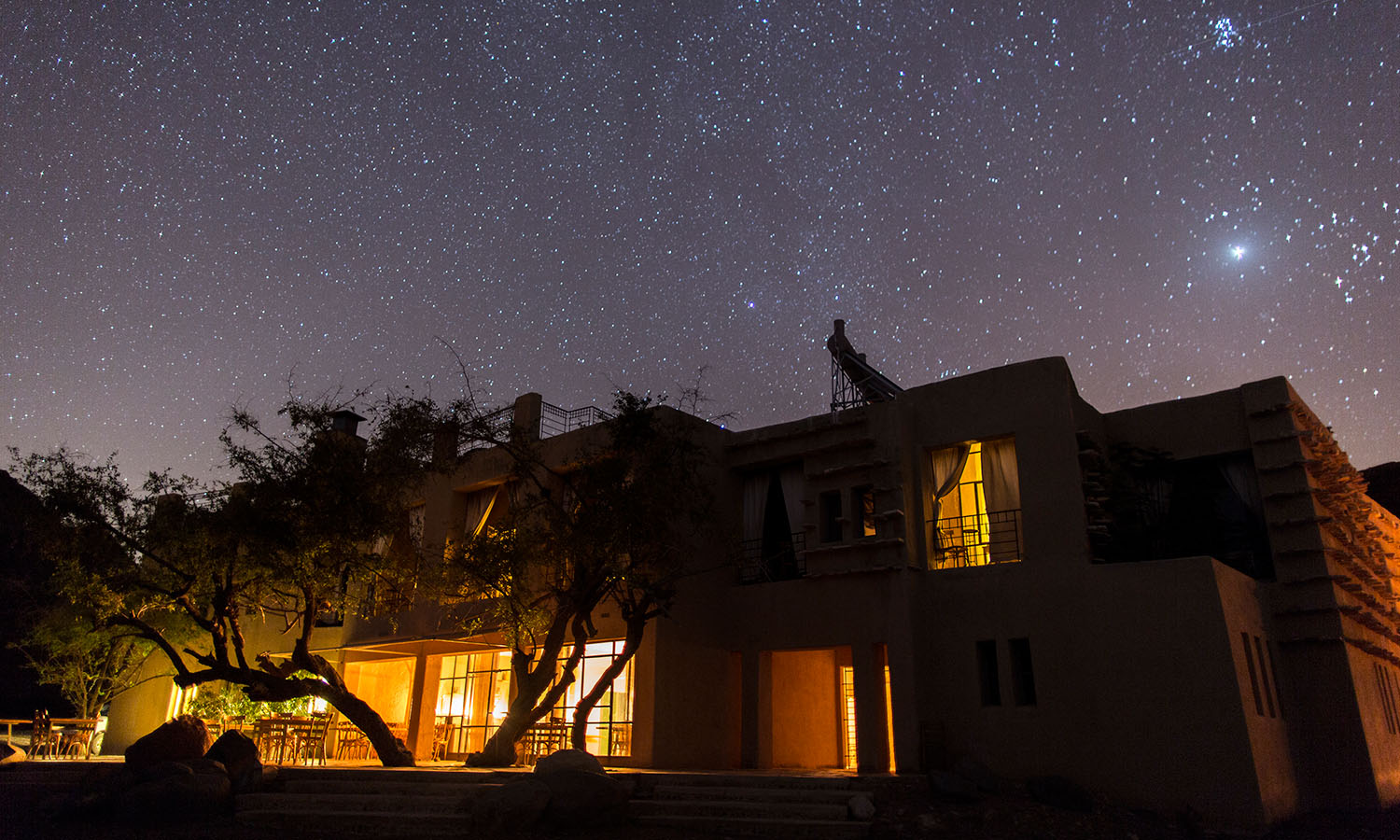
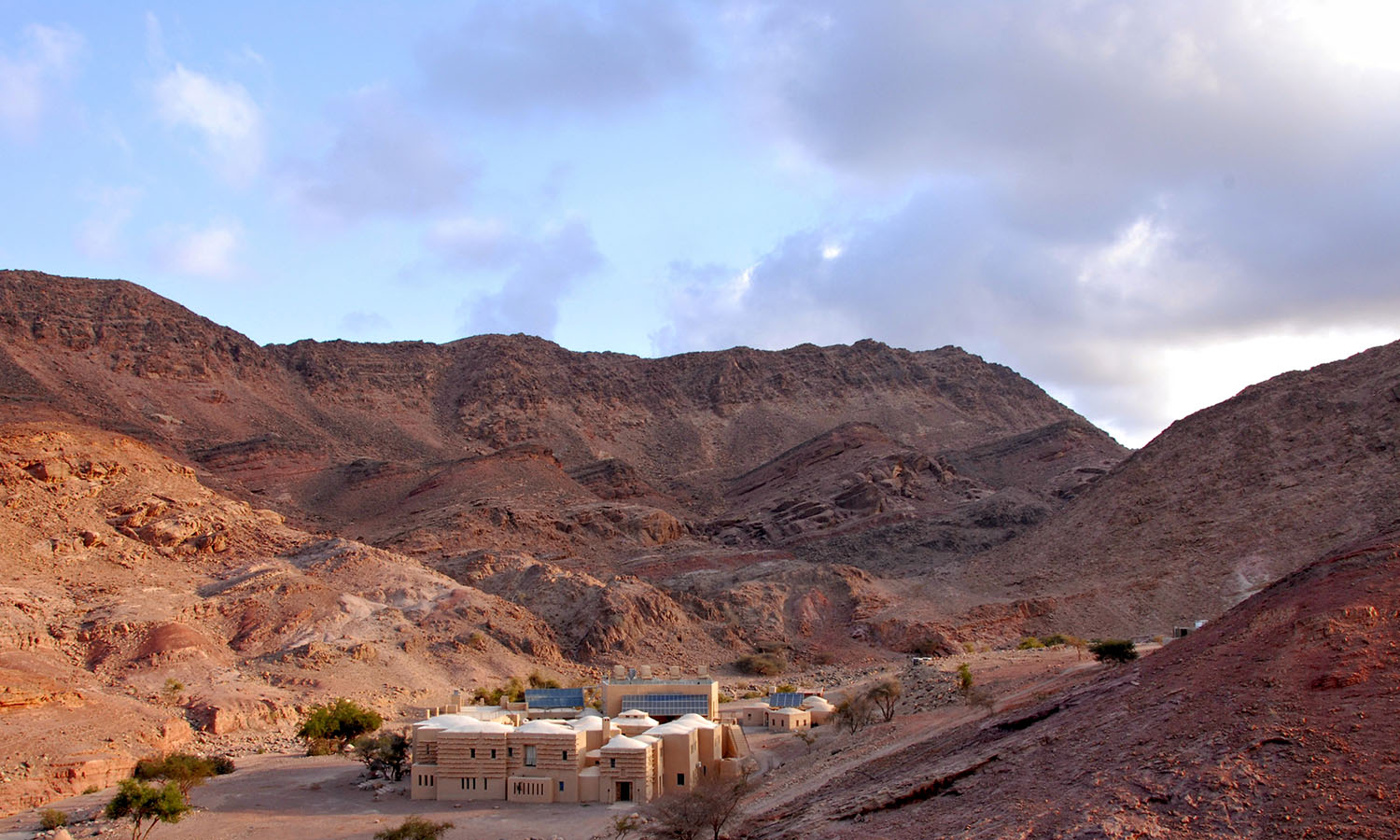
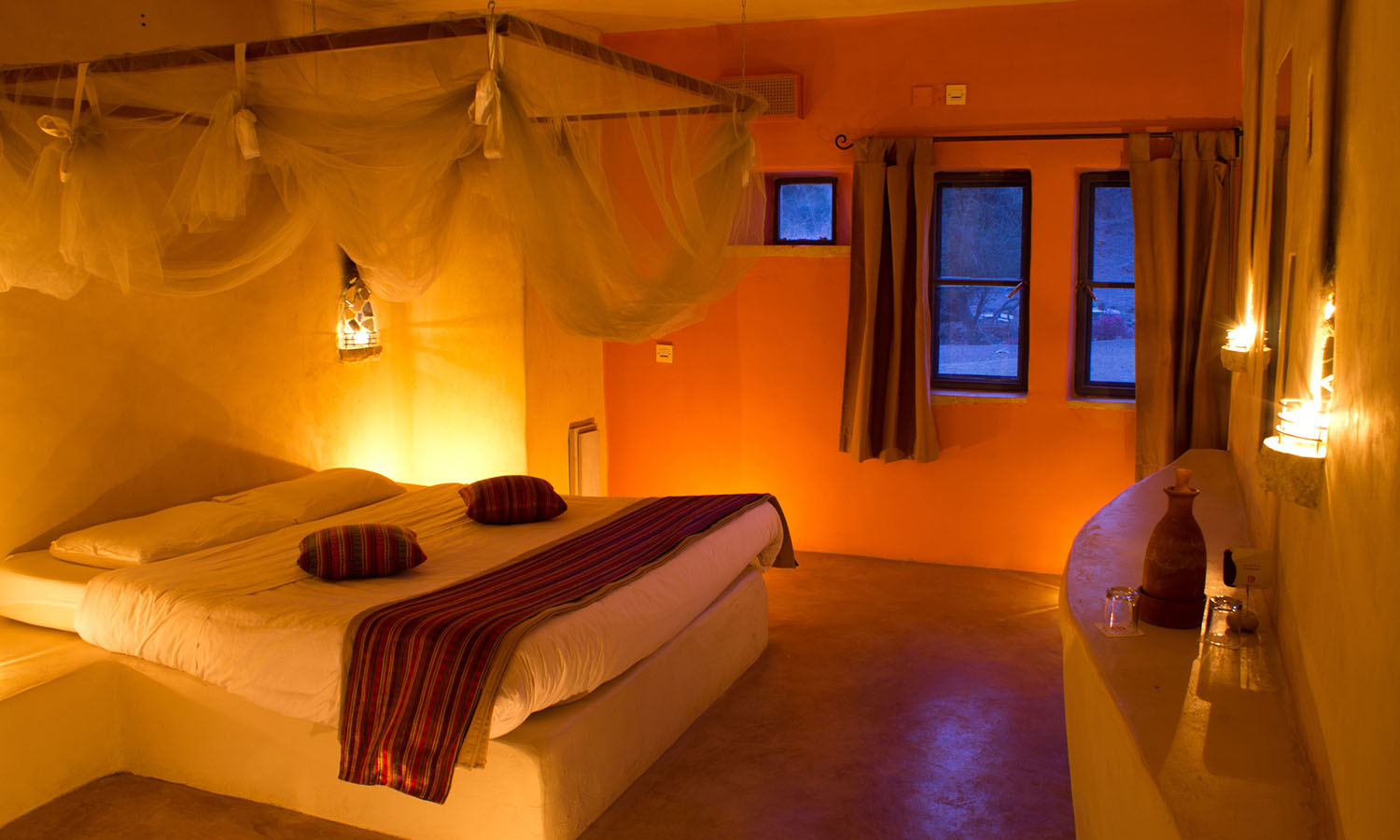
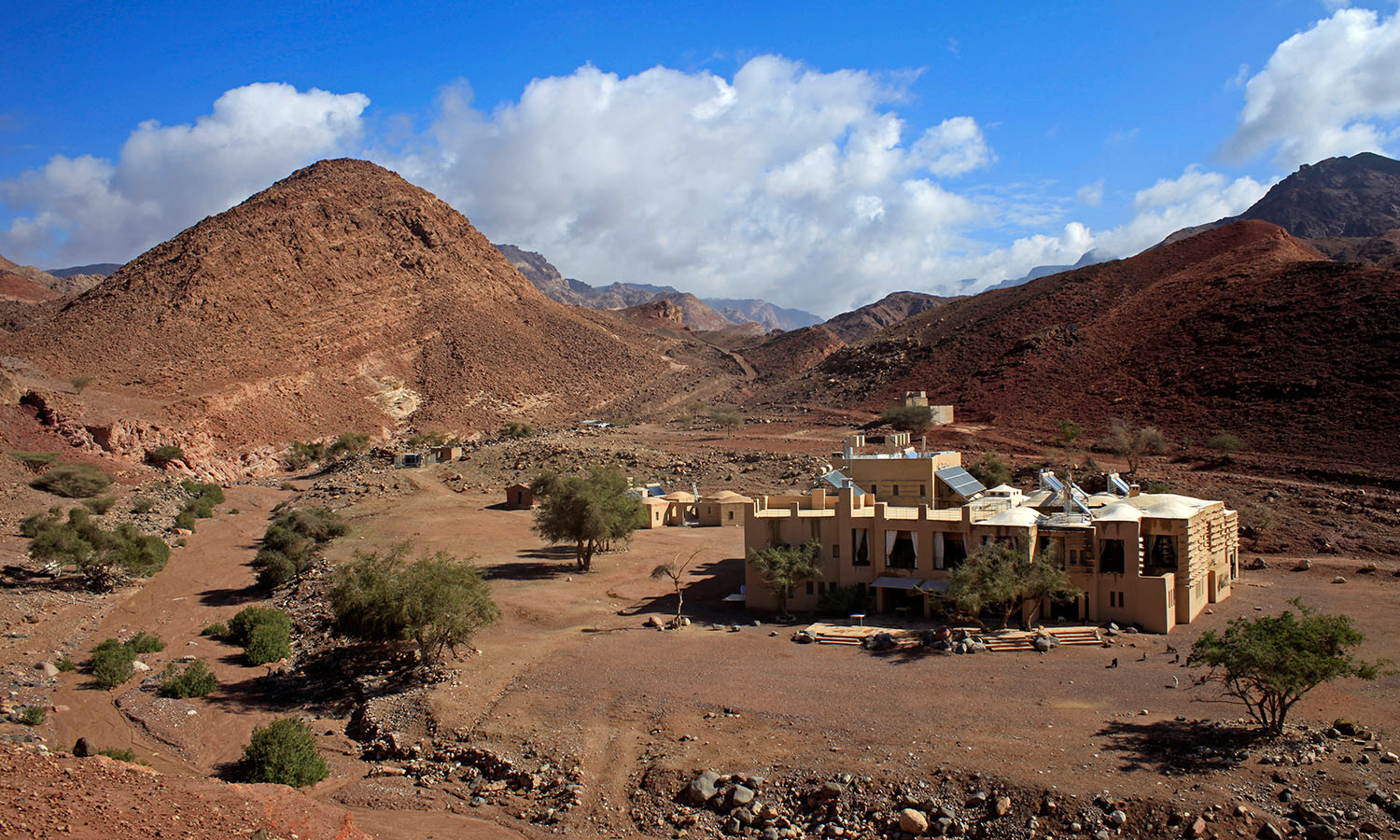
Laze on a roof terrace in the darkness of the desert and gaze at the Milky Way. A day’s walk from the village of Dana, or a 20-minute four-wheel-drive ride from the nearest road, Feynan eco-lodge blends modern comfort with planet-friendly practices, landing it a plum spot on National Geographic’s list of the globe’s top 25 eco-lodges. There’s wi-fi in the lobby, its solar-powered ensuites are serviced with natural spring water and flickering candles illuminate the lodge after sundown.

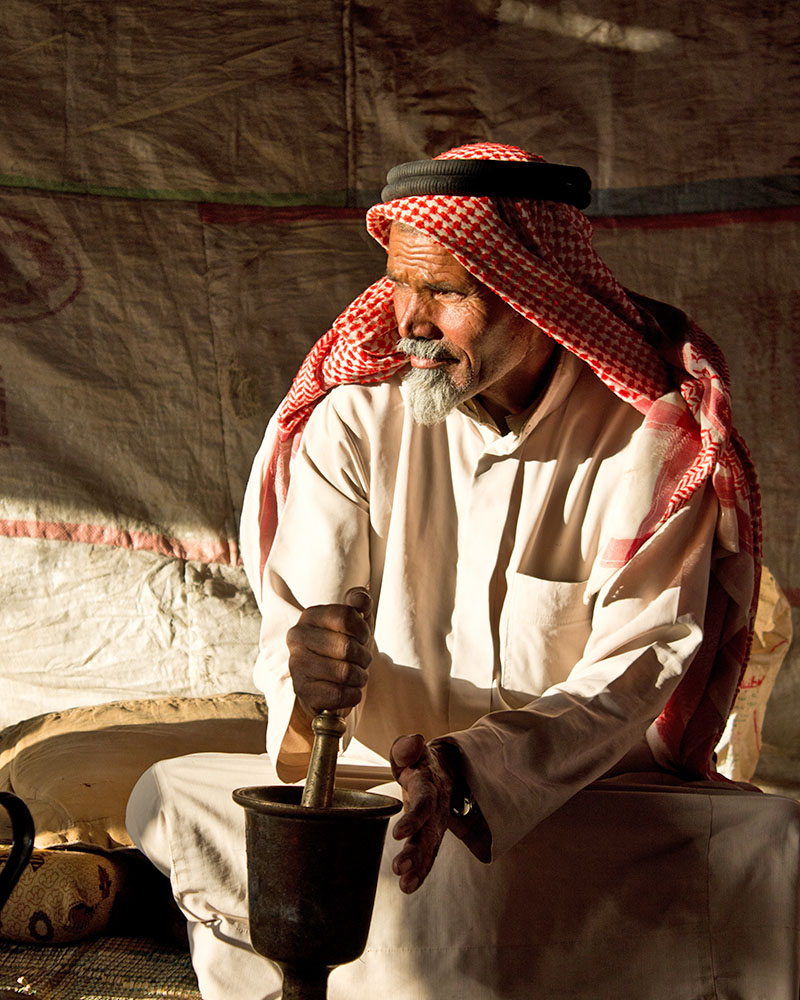
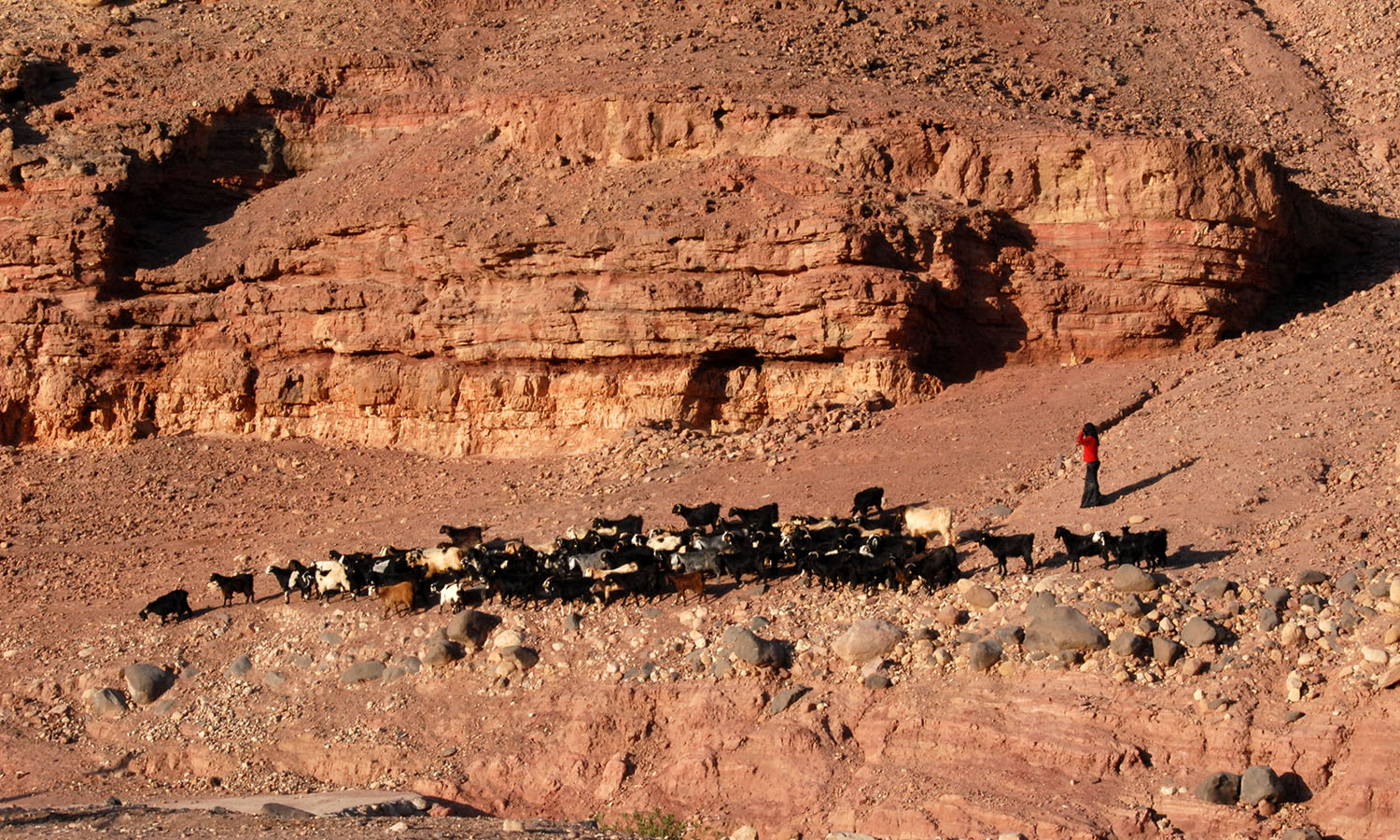
Spend your days exploring the region with local Bedouin guides who know the lay of the Dana Biosphere Reserve in which the lodge sits, visiting archaeological sites, including a copper mine dating back thousands of years. But there are plenty of other activities besides: take a cooking class, go mountain biking or simply lounge on one of the terraces with a good book and a spot of qahwa sadad, or cardamom-infused coffee. By nightfall devour a three-course vegetarian buffet dinner, brimming with local produce, before bedding down in your deliciously simple room.


Pitch up in outback Oman

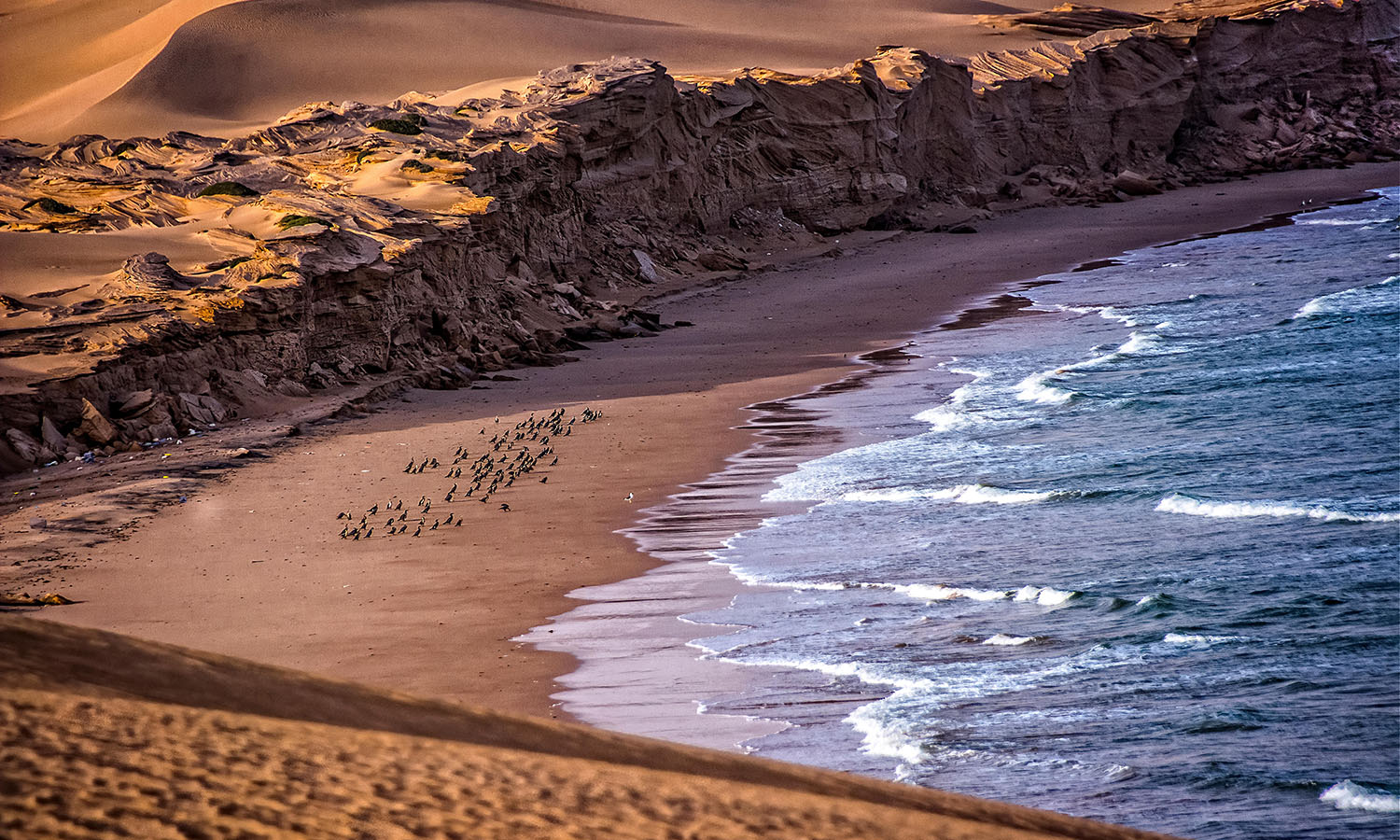
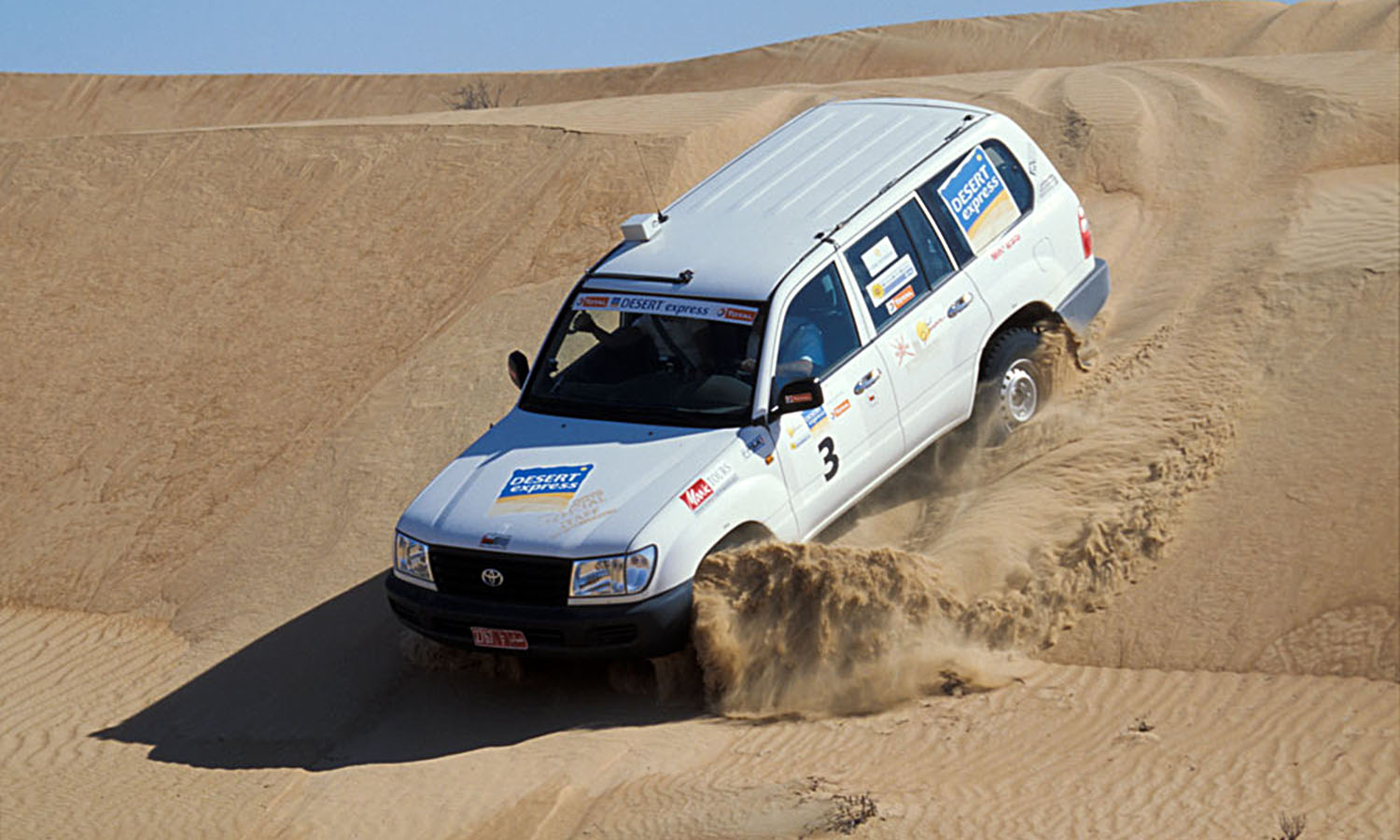
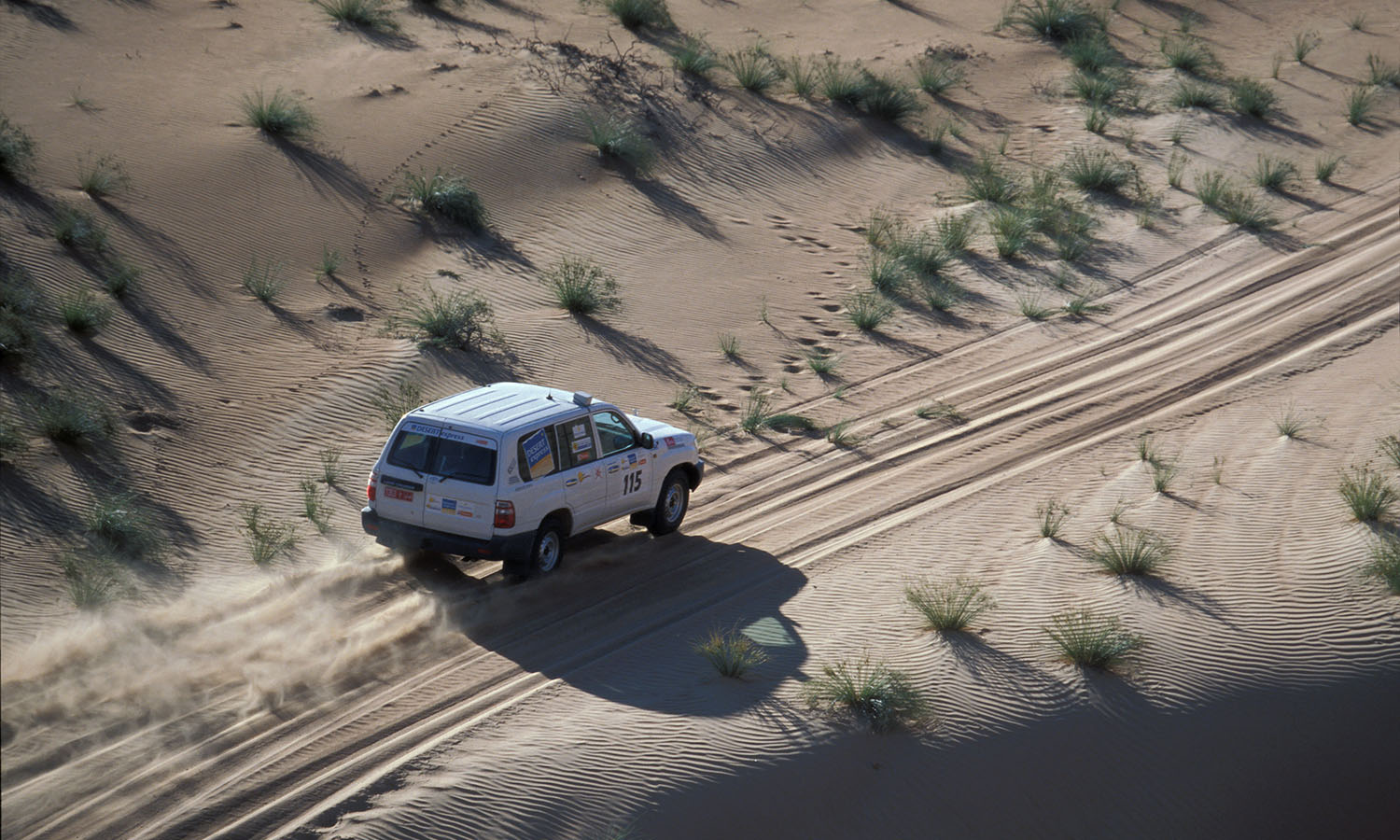
Discovering Oman is home to more than 3000 kilometres of magical, unfettered coastline ripe for road tripping is pretty sweet. Finding out you can do it in your own 4WD with a rooftop tent? Priceless. Now pull out the map and make for the pristine shores of Khalouf Beach. The five-hour drive from Muscat puts this untouched stretch of sand out of reach for all bar the intrepid, but its backdrop of soaring ivory-white dunes and the inky blues of the Indian Ocean (plus the chance to plough through waves like you’re in a souped-up car commercial) are worth the slog.

Once you’ve found the perfect park, set up your tent and revel in your newfound paradise. Snorkel the crystal waters; watch flamingos stalking the shallows and eagles plucking dinner from the sea; or simply throw out the picnic blanket and plonk yourself down with a cold one. But the best part is yet to come. Once the sun has disappeared beneath the horizon strike up a crackling fire and admire the night sky glittering with stars. When drowsiness finally creeps into your veins, clamber into your rooftop tent and be lulled to sleep by the gentle sounds of the ocean lapping onto Khalouf’s deserted shores.