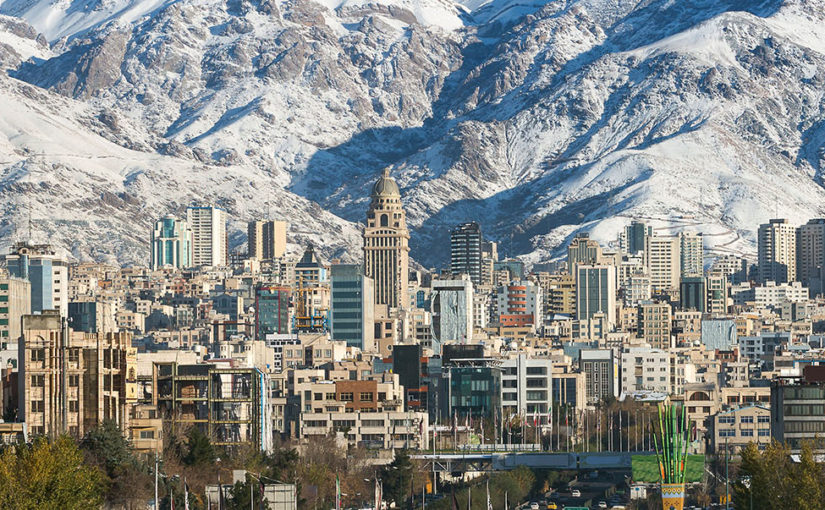
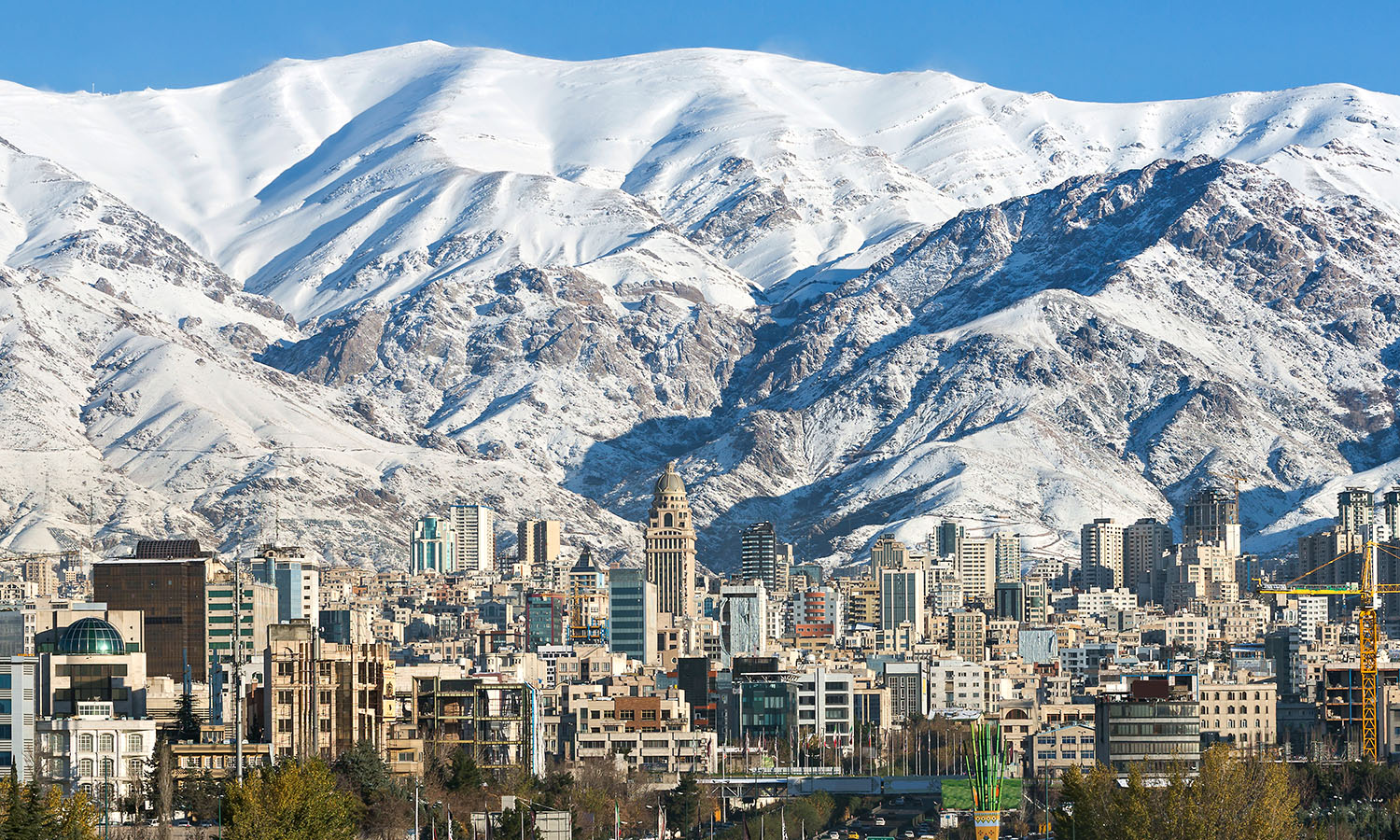
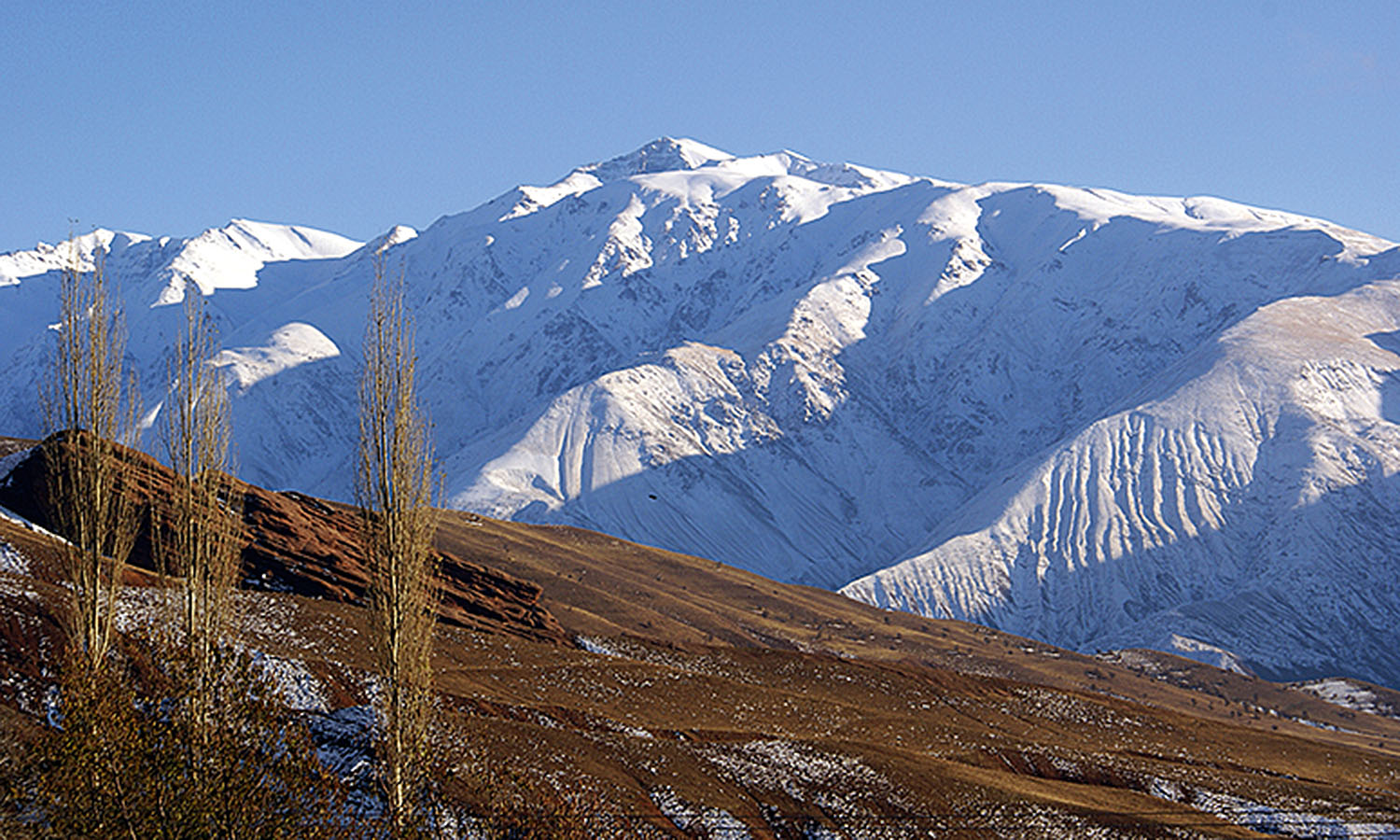
The Middle East is all about sand, right? Wrong. This often-overlooked part of the world is a secret winter wonderland for the more daring ski bunny. Iran has numerous ski resorts, most located in the Alborz Mountains near Tehran, where the season runs from late November through to late May – longer than in most European ski resorts.
Dizin, the country’s largest and most visited ski resort, is popular with both skiers and snowboarders and is the only one in Iran to be recognised by the International Ski Federation. Founded by a group of foreigners who were searching for mines in the mountains, a portable surface lift was first installed over the Dizin Pass in 1965, allowing the national ski team to practice.
Today there are more than 20 runs, plus three hotels and 19 chalets. And at only 72 kilometres north of Tehran it’s easy to make a cheeky day-trip to this sea of serrated white peaks.
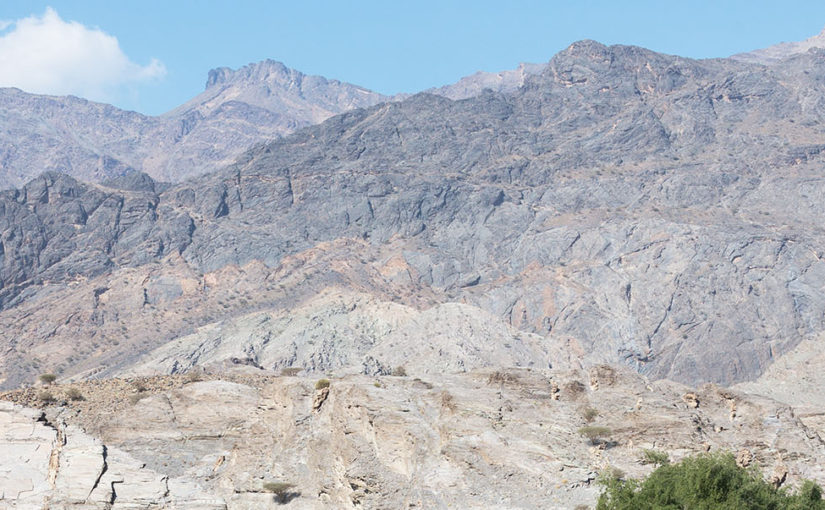
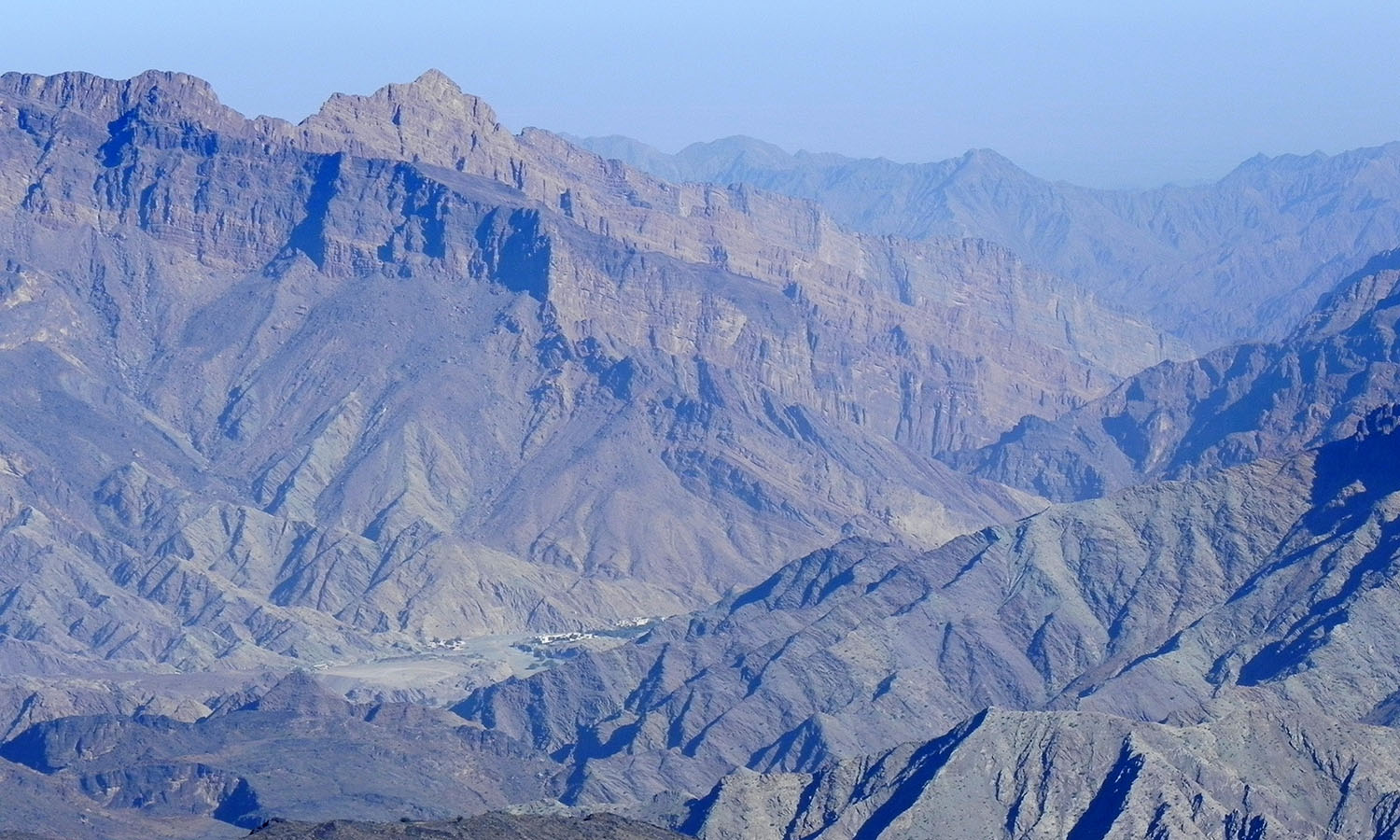
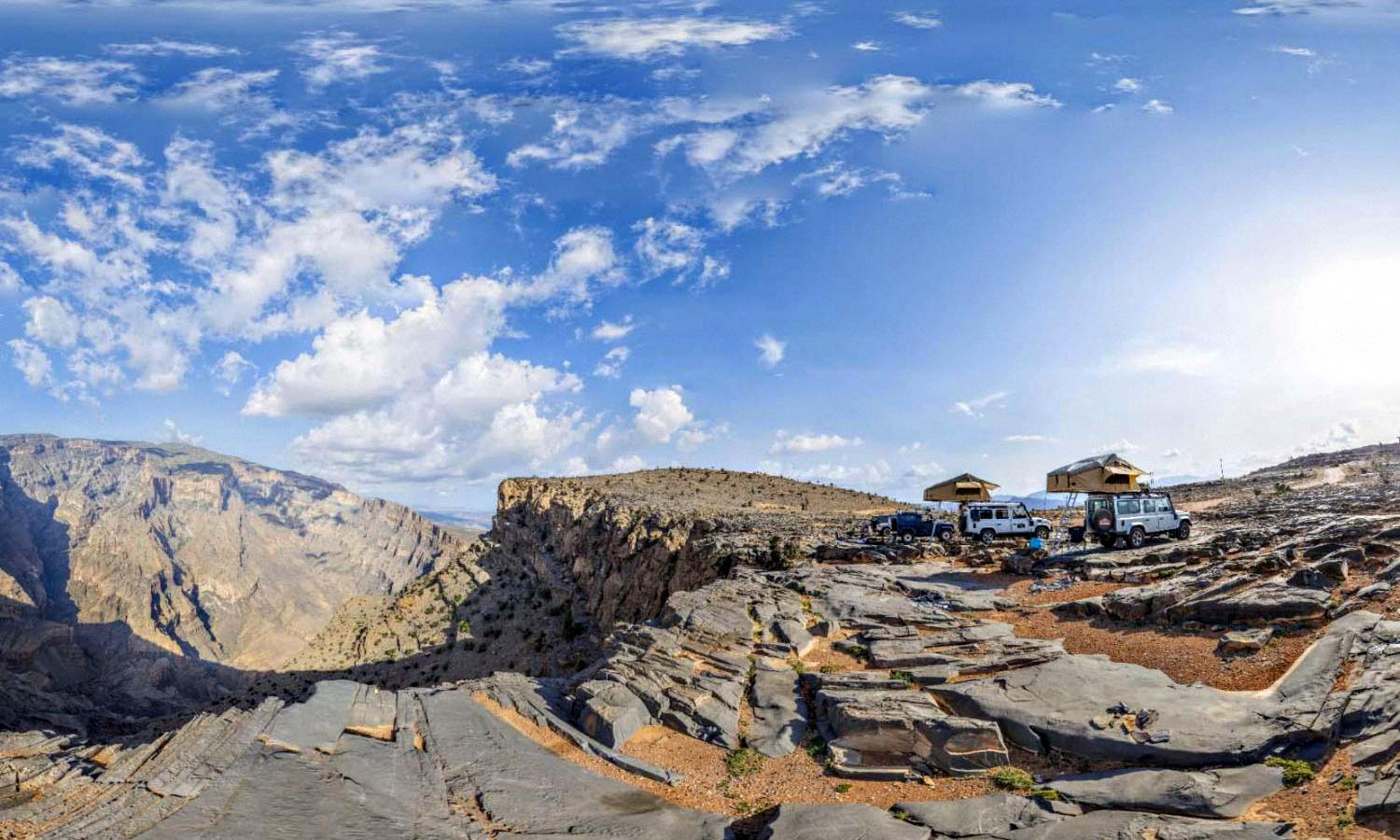
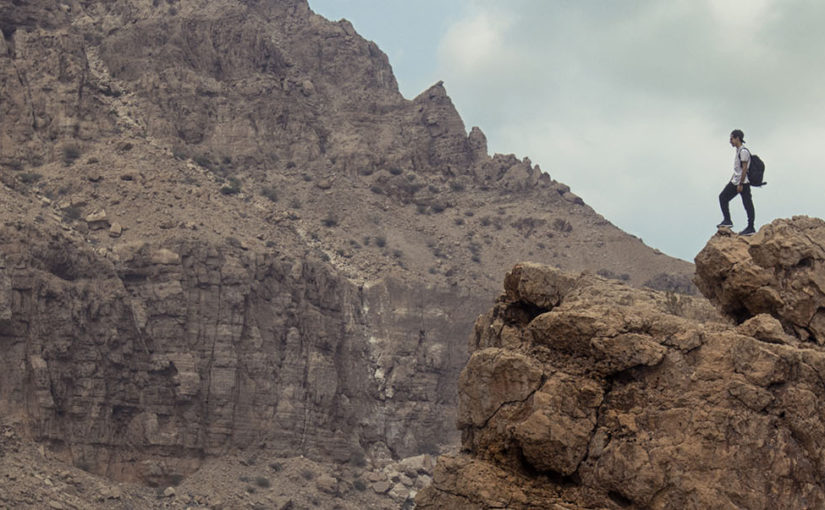
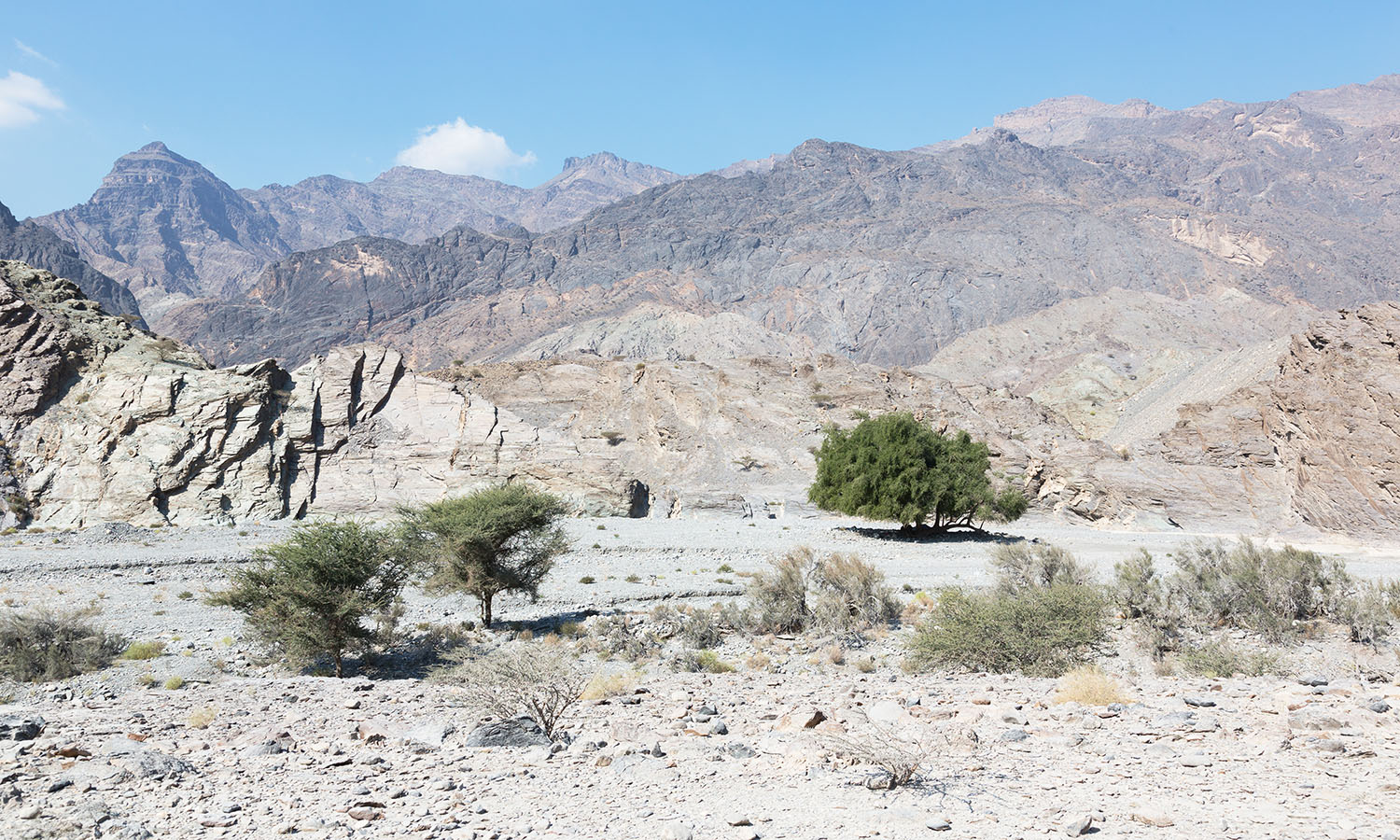
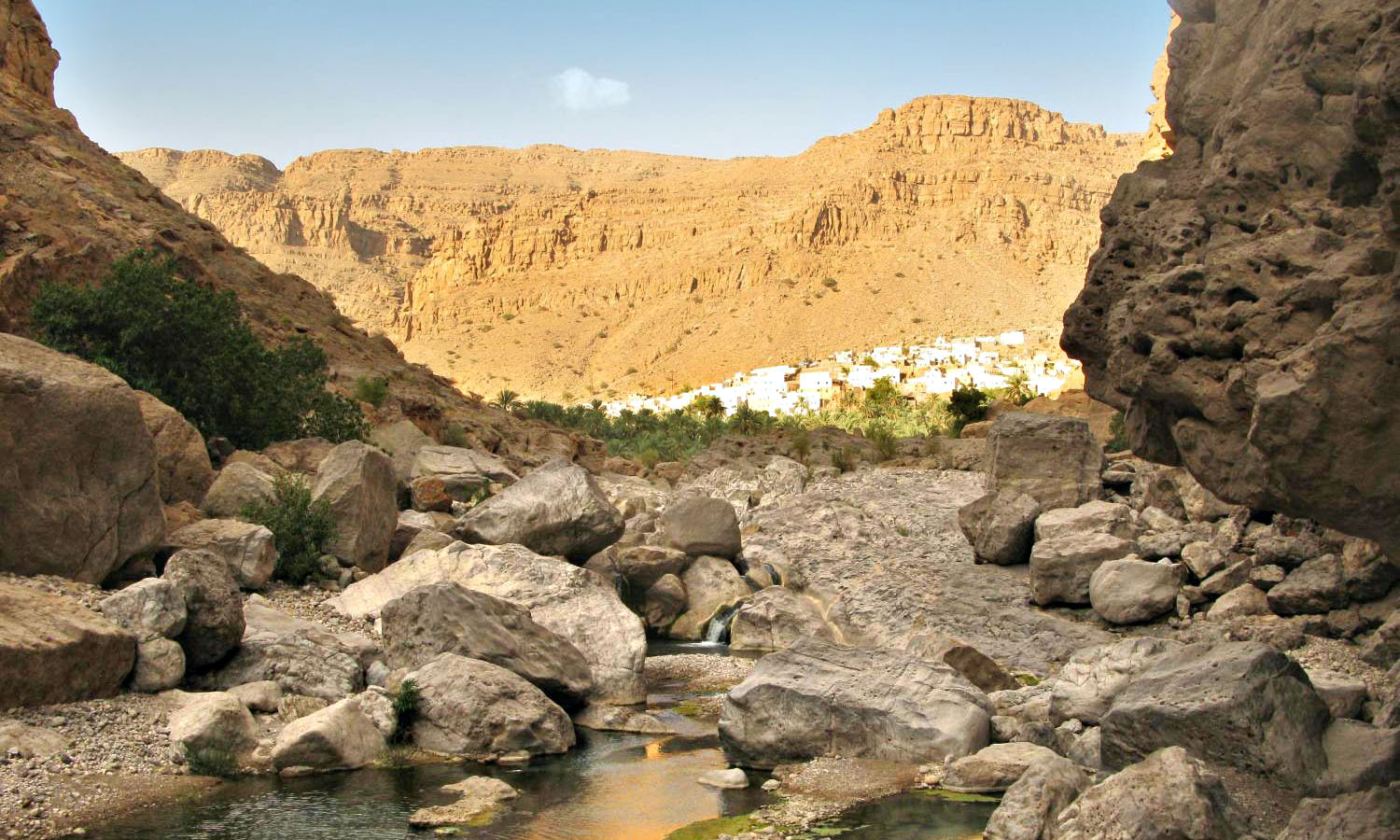
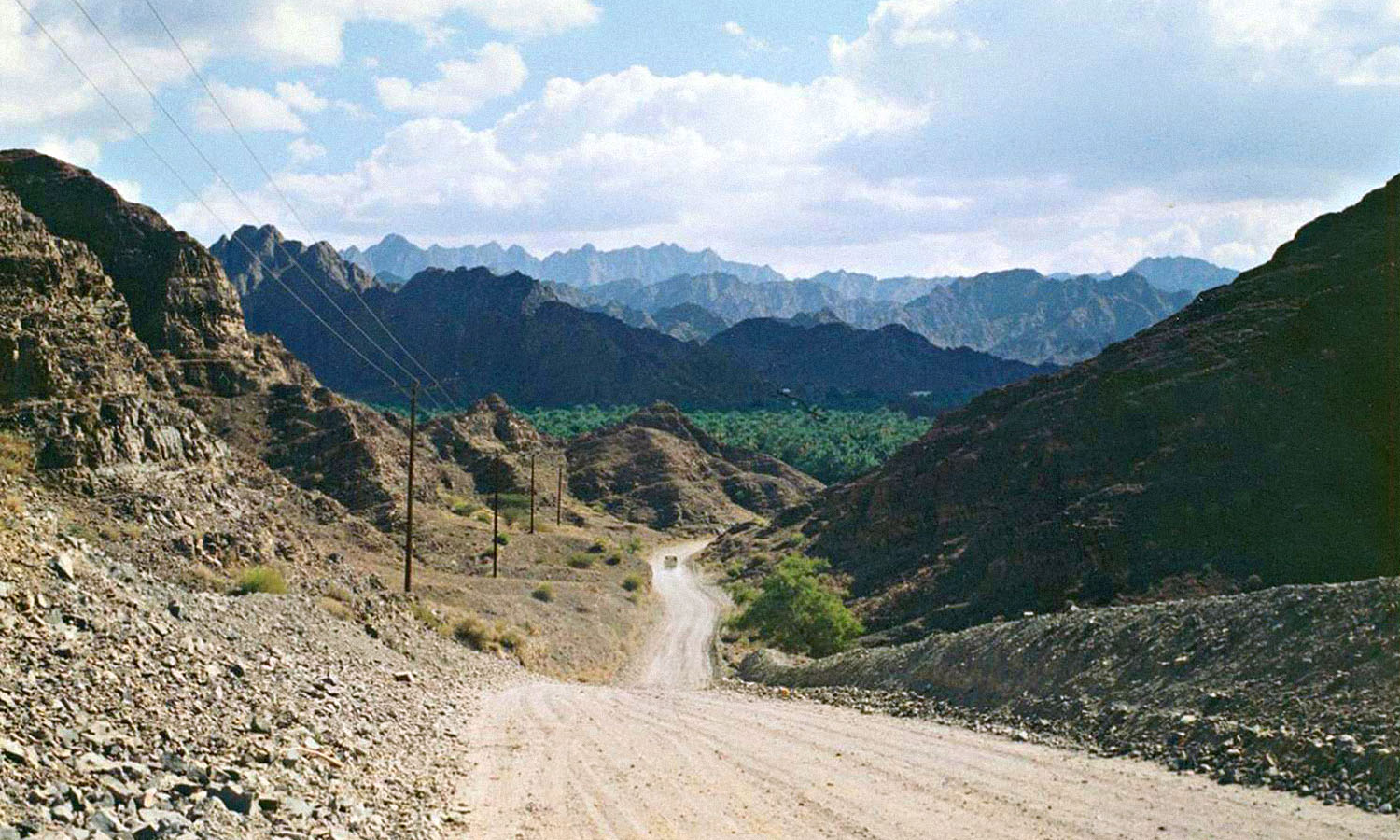
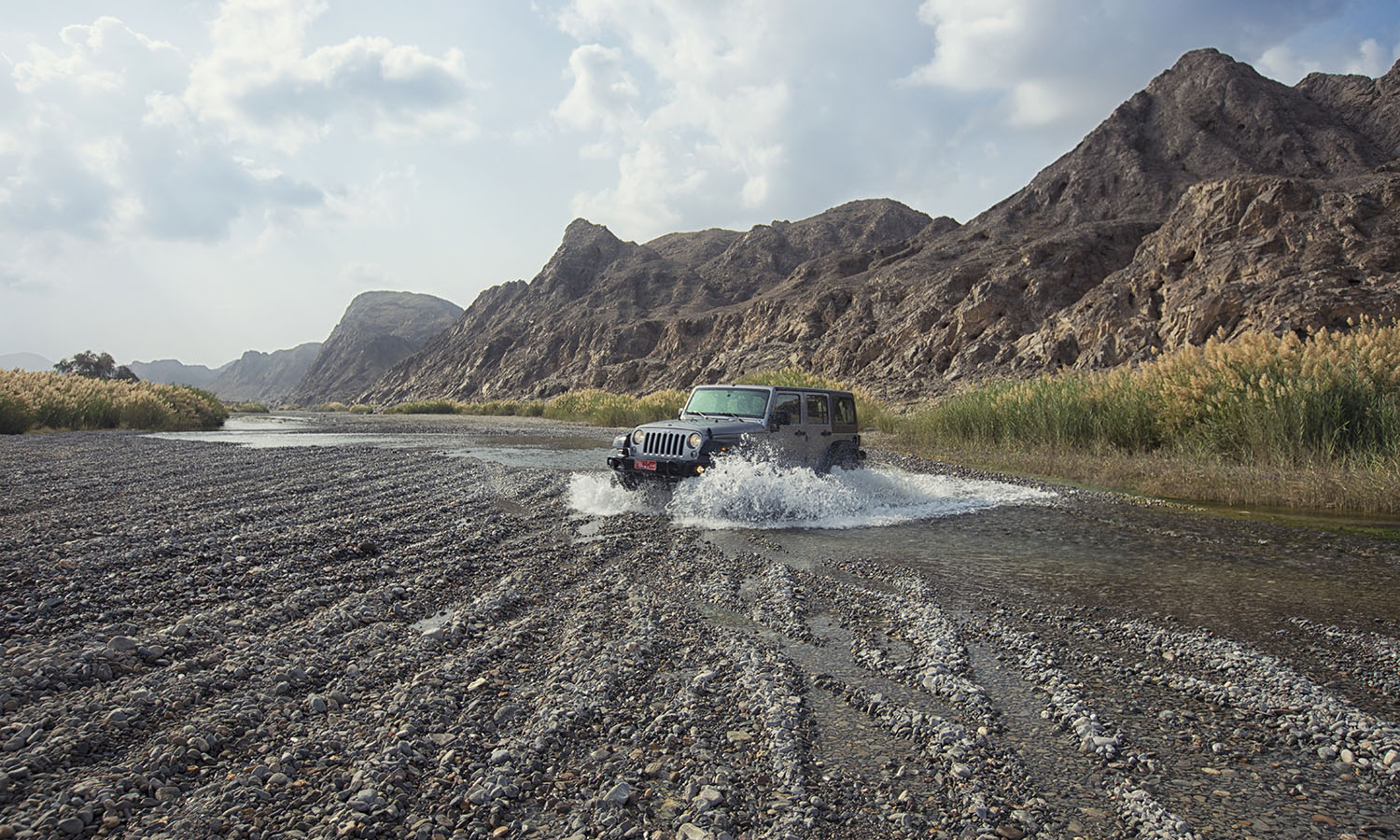
While Arizona lays claim to some rather thrilling rock formations, the American state isn’t the only one. At Wadi Bani Awf, we can assure you this is thrill-seeking of a different kind. Welcome to one of Oman’s most memorable off-road drives. Pick out your 4WD and once you’ve packed your gear – think spare tyre, spanners, water, a hearty picnic and mini barbecue – buckle up and hold on tight as you begin the gravity-defying descent over the precipice and into Wadi Ban Awf. Tackle tough climbs and jagged descents as you power across the 25-kilometre off-road trail, zig-zagging along switchbacks and through majestic mountain passes.
Prepare to lose your breath again as you soak up the incredible limestone cliffs that soar into the sky on either side; feel your eyes pop at the sheer drop into the canyon beside the road, witness bursts of colour from lemon, mango and date plantations; and spot the occasional village ensconced among the shadows of the jebel (mountain). After gawping at the incredible landscape pull up on the side of the road (in a safe spot, of course) and cook up a feast while overlooking the rugged fissures and vast chasms on either side of you. Keen to experience this arid landscape but don’t think your driving chops are up to the task? Consider joining a tour so you can simply sit back and enjoy the scenery, drawing comfort in the knowledge that you can safely keep your eyes shut at the scary bits.
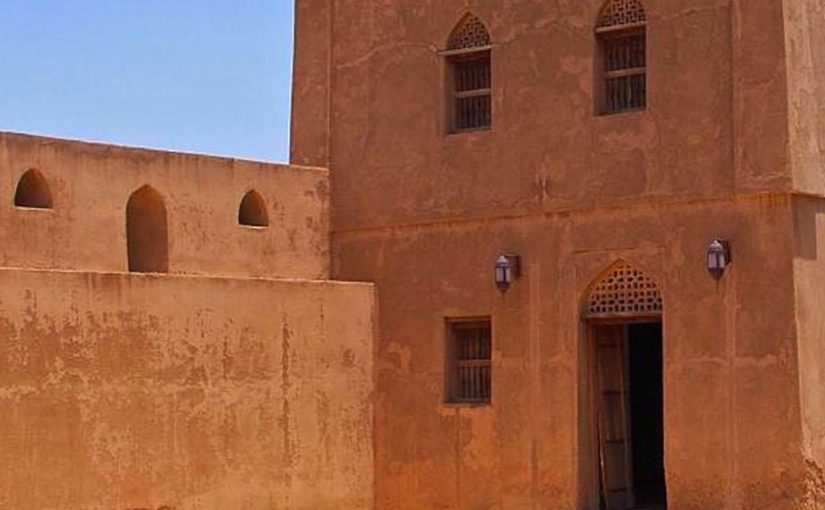
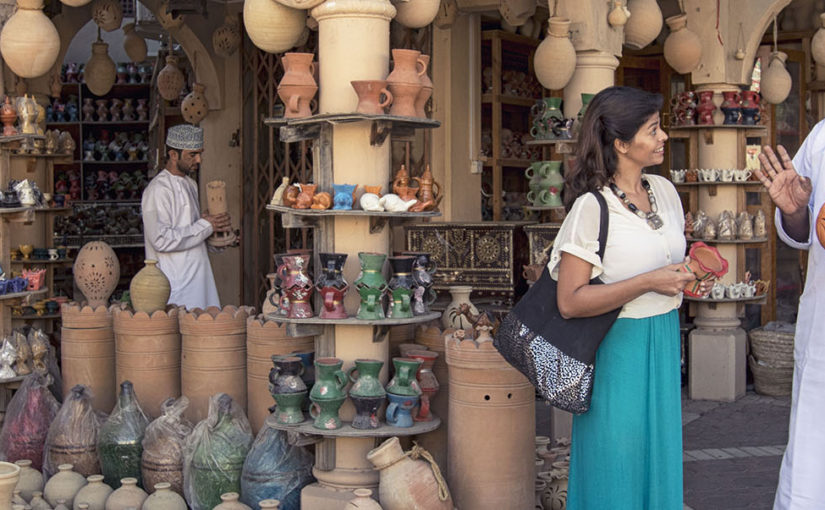
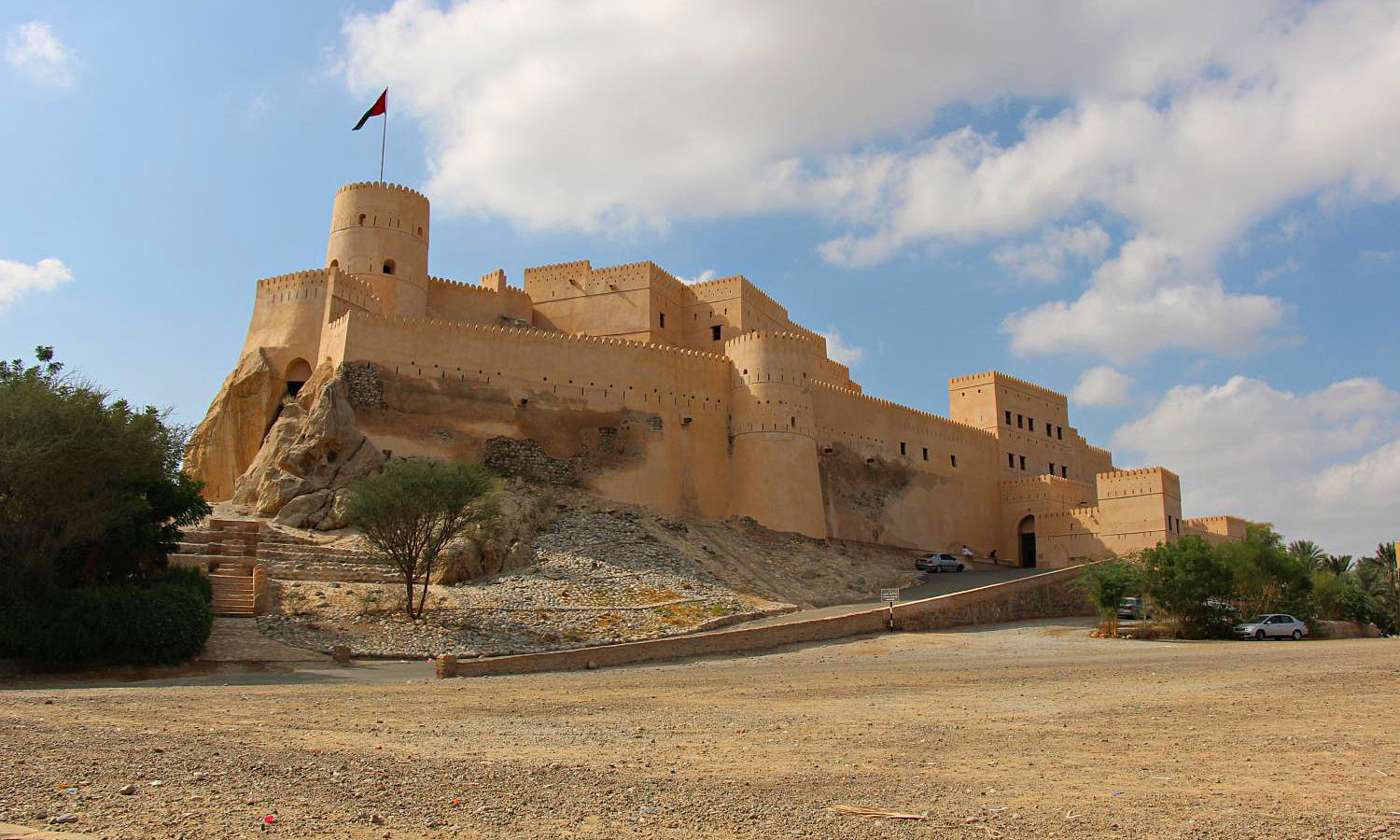
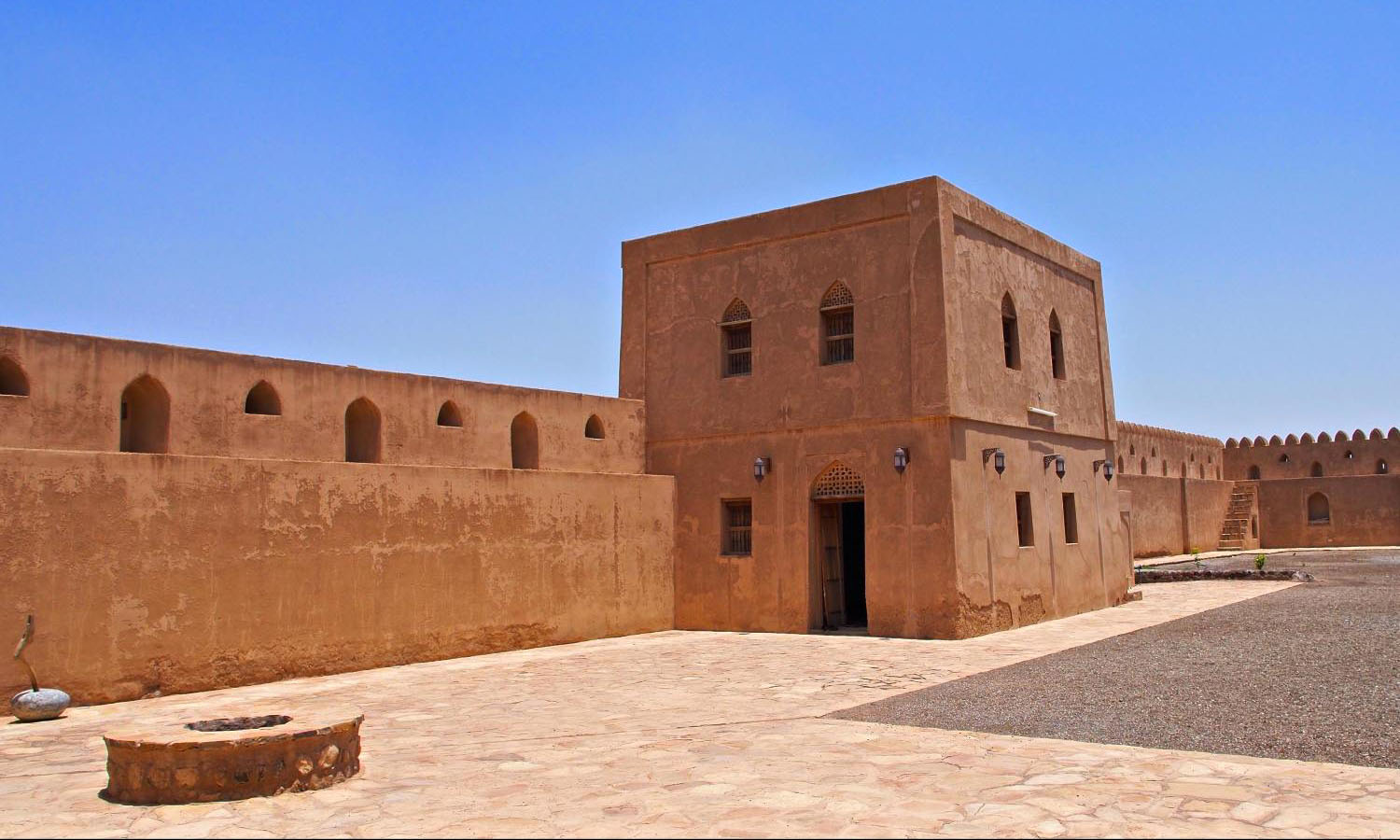
Travel through the rugged Hajar Mountains to the township of Nizwa, the ancient capital of Oman on a Gray Line tour. Here you’ll have the chance to visit the Nizwa Fort, an incredible example of Oman’s ancient architecture, and the Traditional Souq where you can sample dates, halwa (a gelatinous dessert) and buy spices, jewellery and pottery.
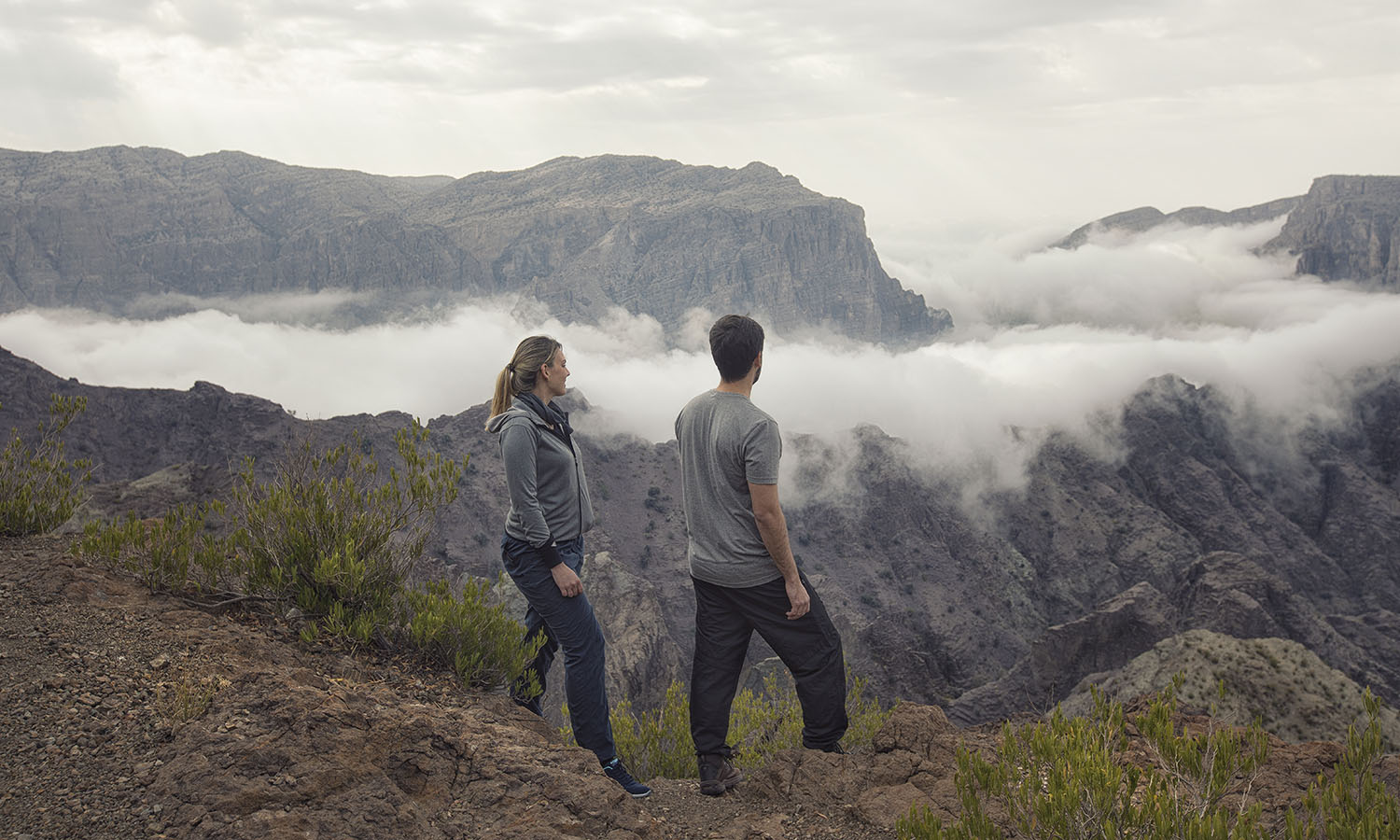
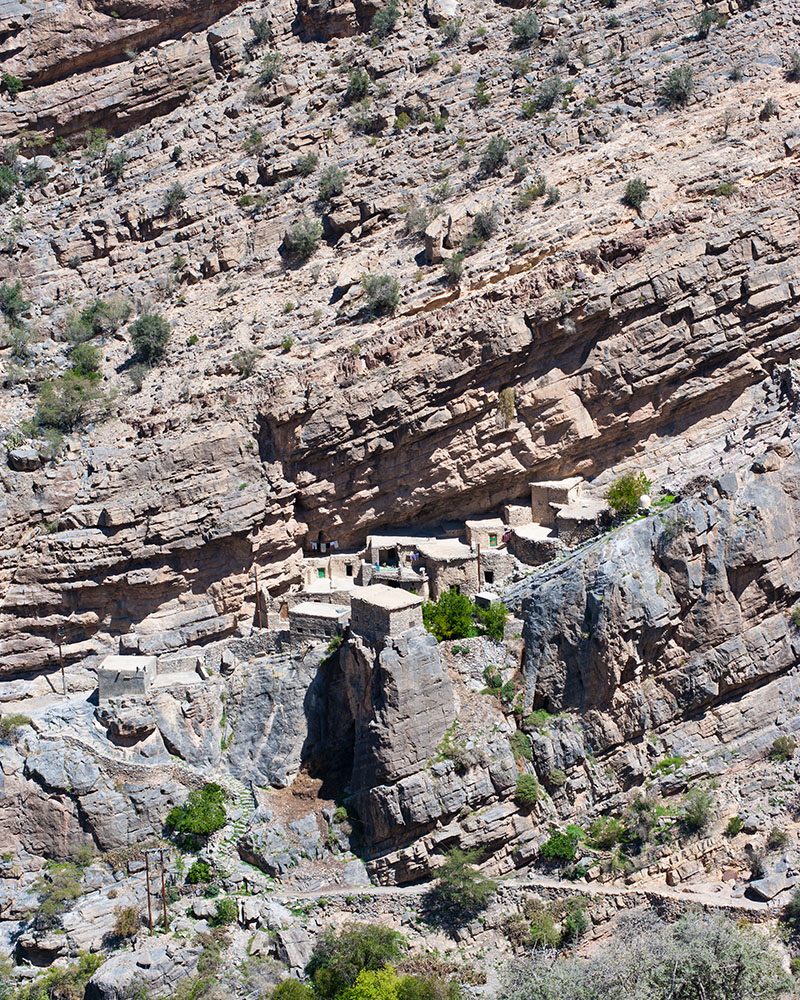
From there you will travel through the deep Wadi Ghul, a vast cleft in the mountains, and arrive at Jebel Shams, “mountain of the sun,” the undisputed lord of the mountains. This is the highest peak of the Jebel Al Akhdar mountain range, and it soars 3000 metres above sea level and looks out over the Grand Canyon of Oman. Take in the spectacular scenery, ancient rock carvings and remote villages before continuing to the beautiful old village of Misfah, which is perched on the side of a mountain where narrow ancient stone pathways lead you into the valley below.
After enjoying lunch in a local restaurant at the top of the mountain, you will explore this ancient labyrinth in the Al Hamra region before your return trip to Muscat, the capital. To experience the Grand Canyon is to experience the very best of Oman.
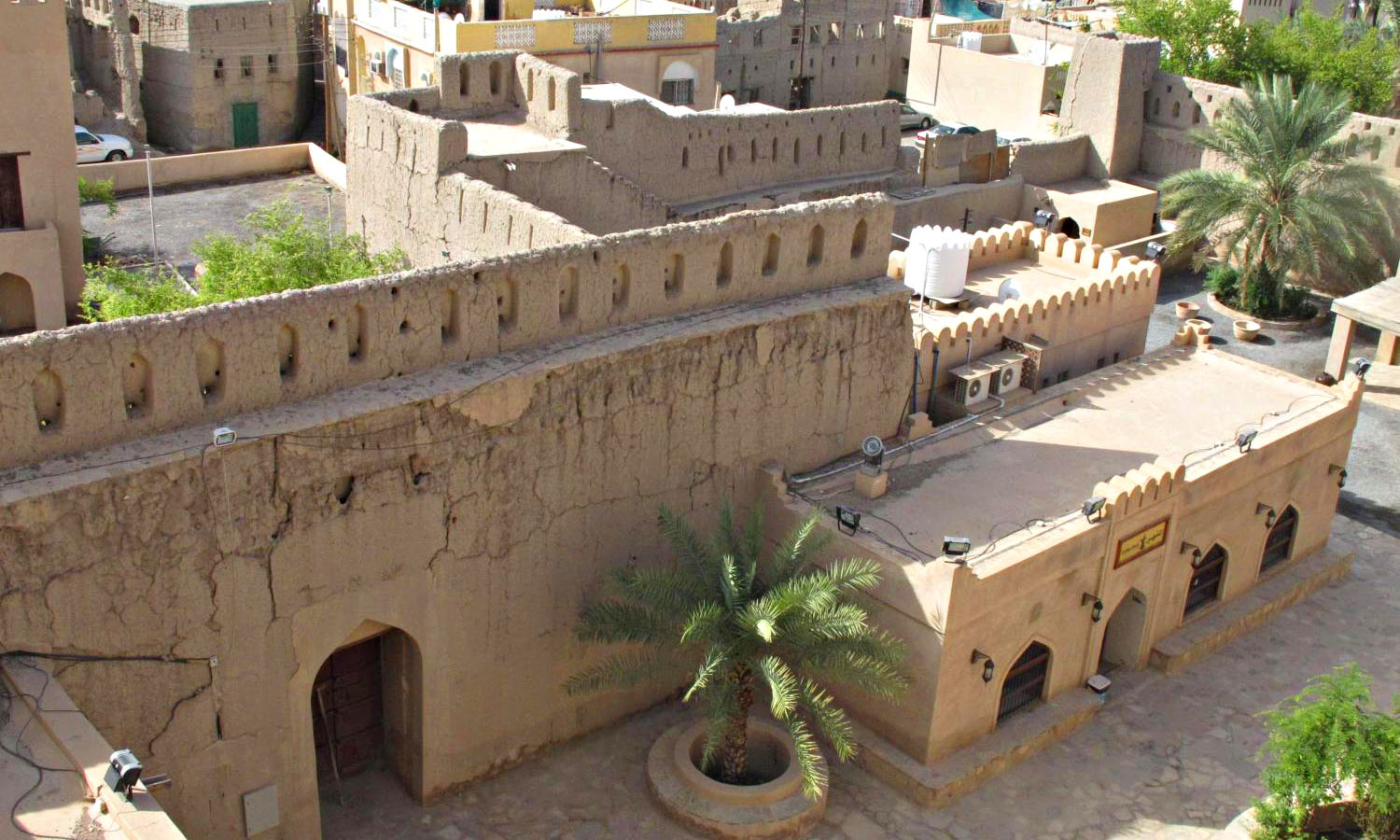
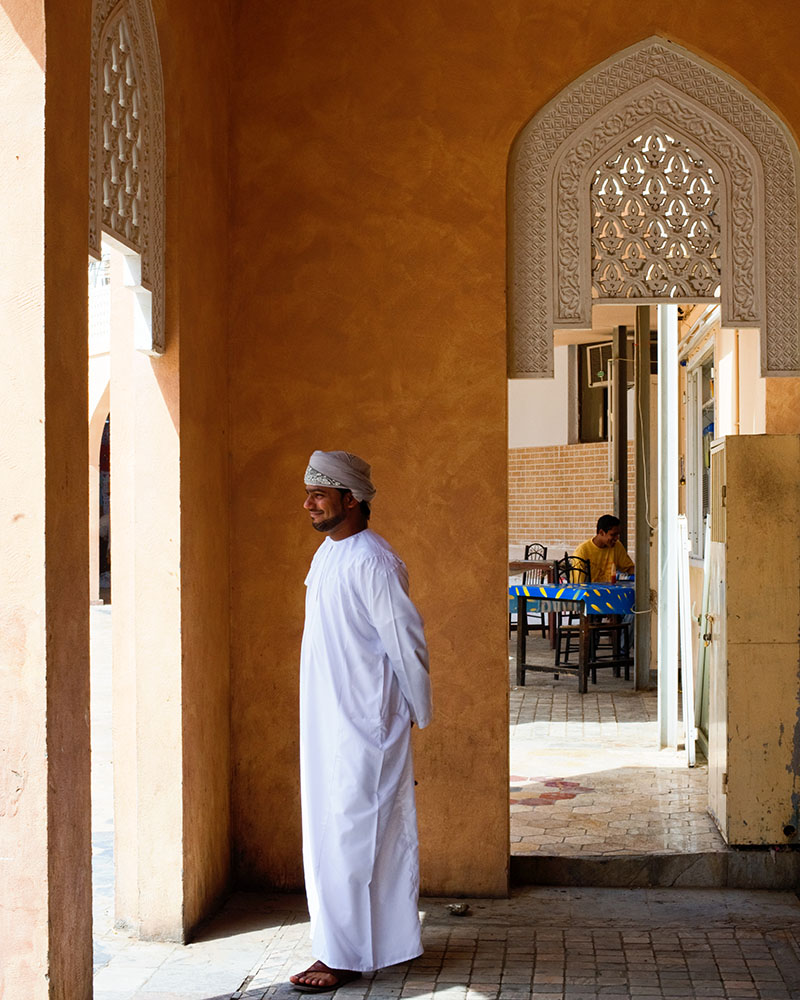
Stalls of rich, earthy spices; an entire hall dedicated to mounds of sweet, sticky dates; and tiny shops laden with silver jewellery – Nizwa Souk is far from your average market. Situated by a famous seventeenth-century fort and the ancient walls of Nizwa, a city 140-kilometres from Muscat and country’s former capital, the souk is living history and should be considered must-do during any trip to Oman.
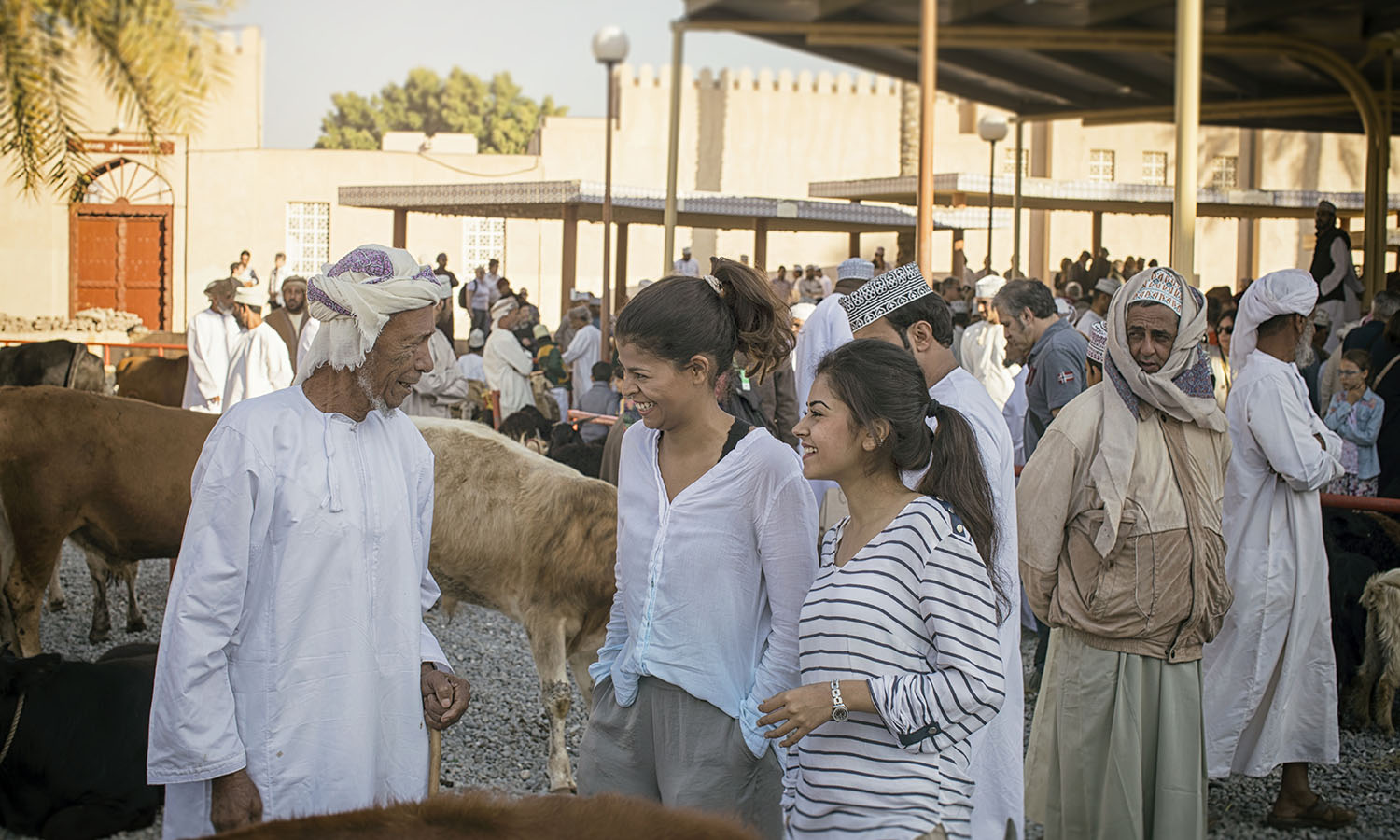
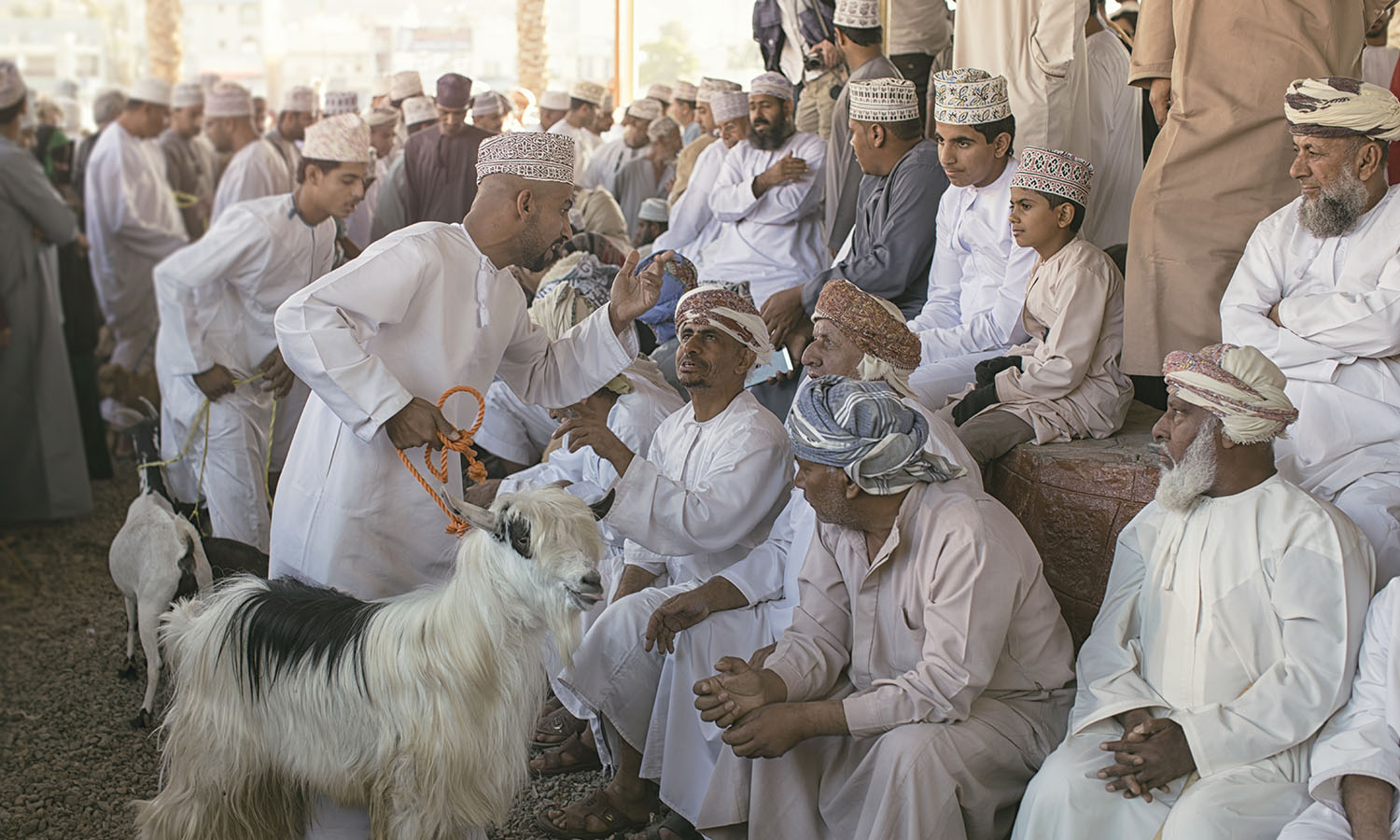
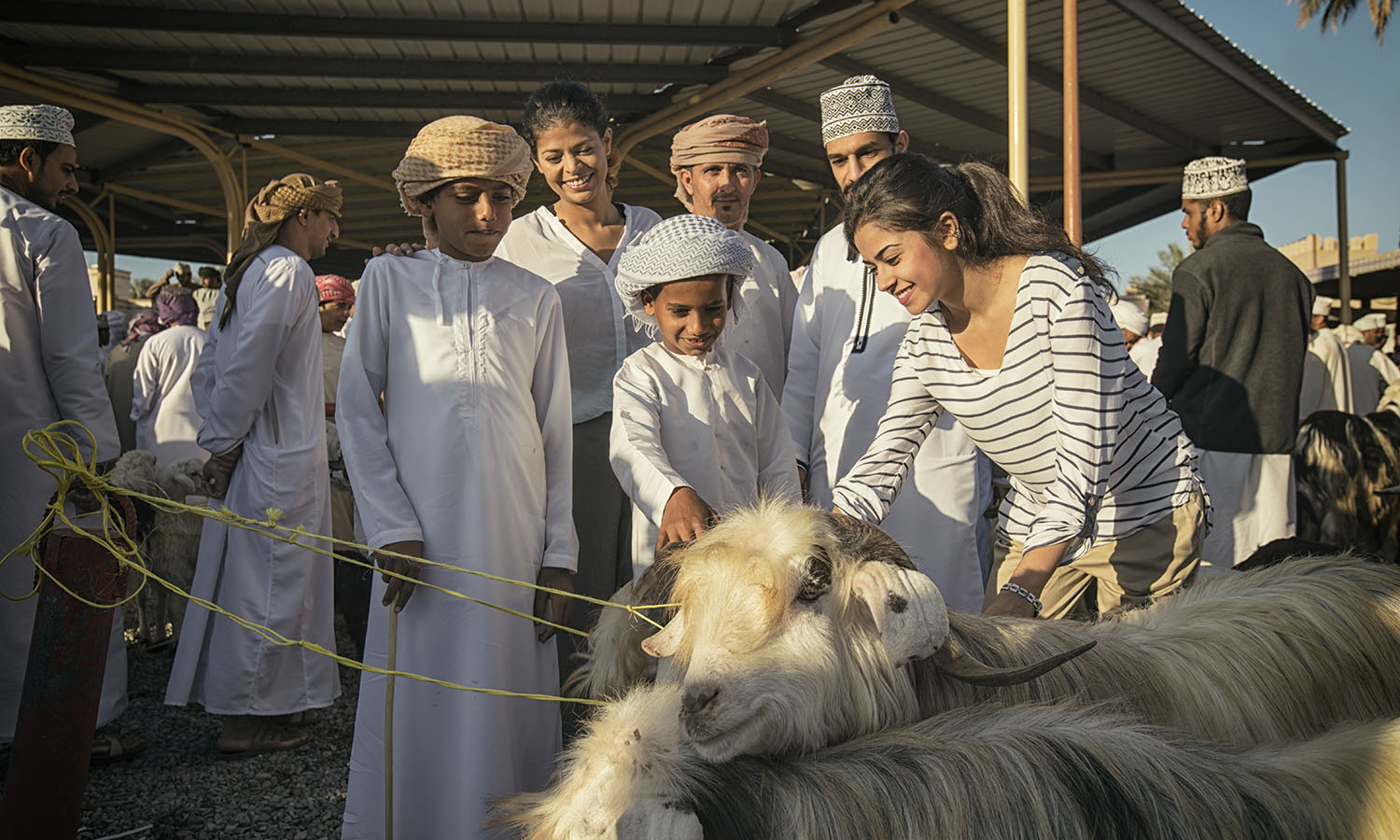
Most sellers proffer wares daily, but the best time to go is between 7am and 9am on Friday mornings, when the livestock portion comes to life and bleating goats, flocks of sheep and cattle are sold, occasionally alongside a haughty camel. Watch as sellers parade animals past prospective buyers and then put them up for auction, just as it’s been done in these parts for centuries.
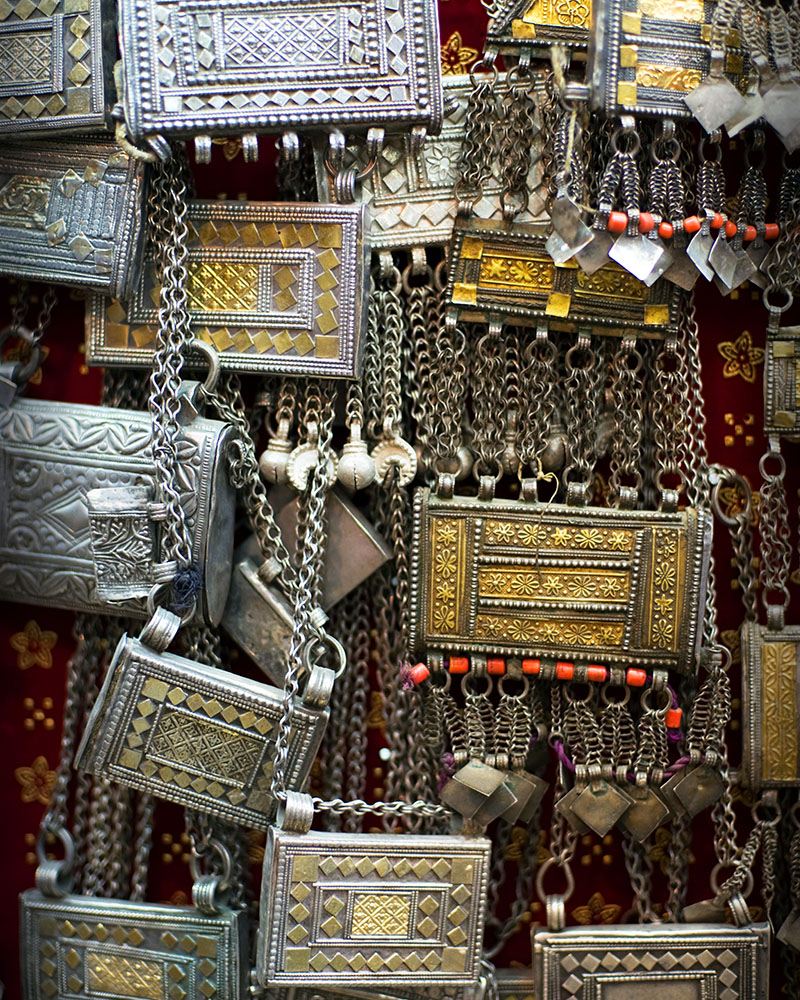
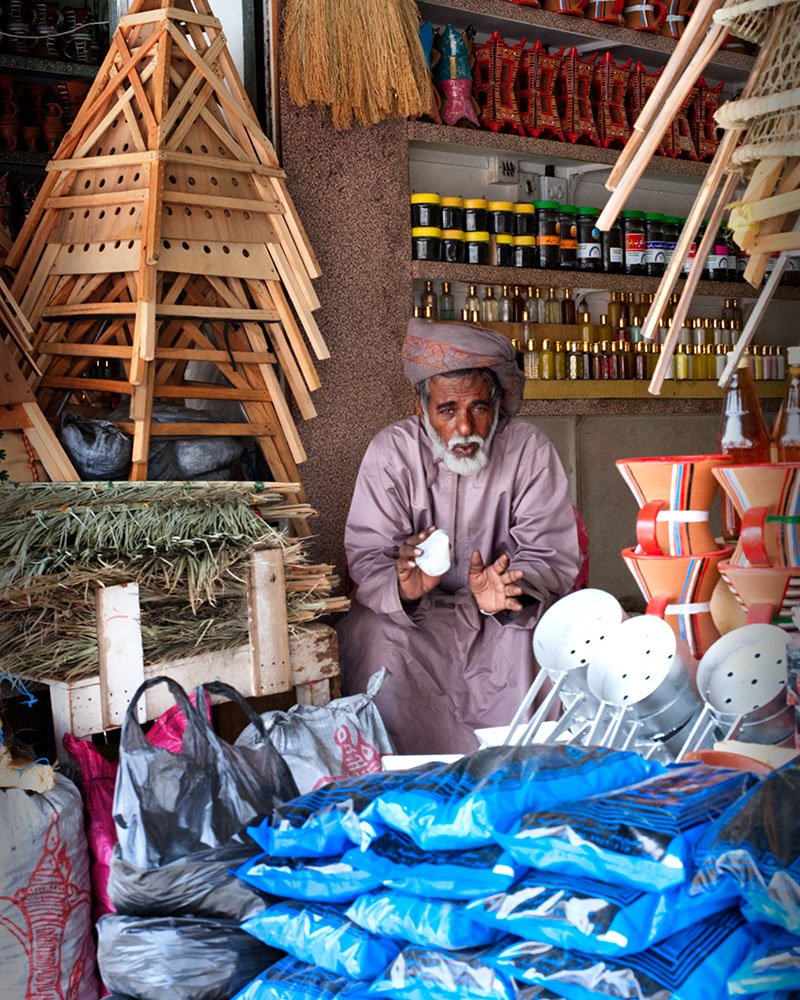
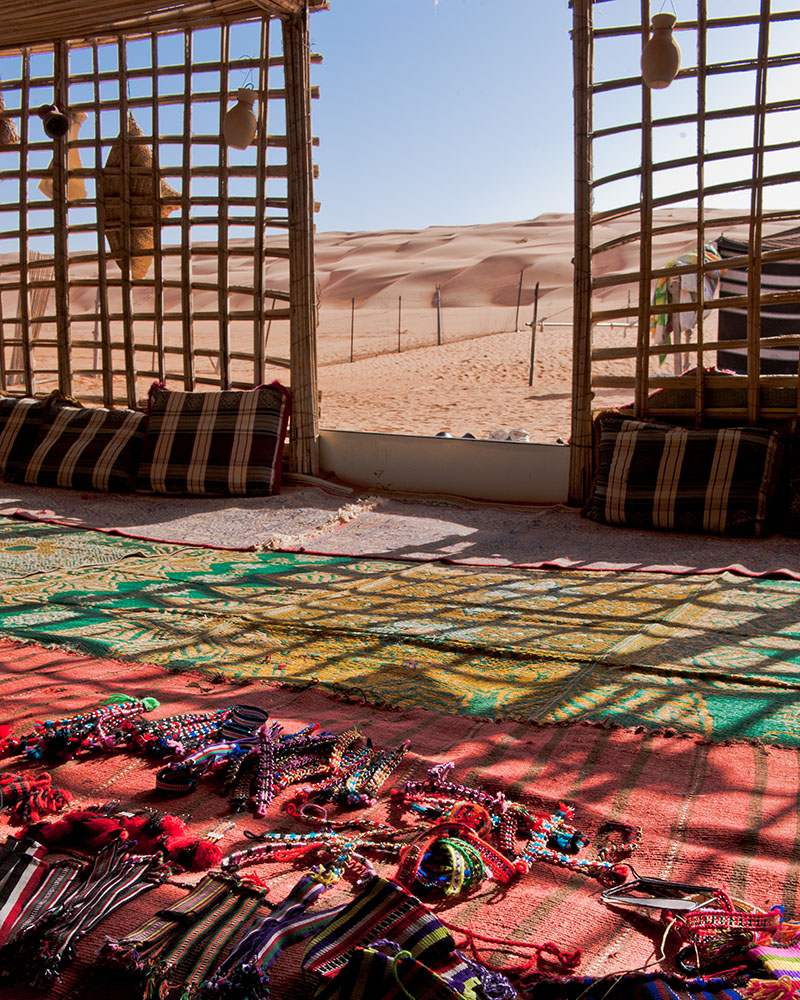
Next, peruse tailors’ shops, eyeing the fabrics laid out in a technicolour palette. Wander through the square of pottery, where curvy terracotta pots and ceramic vases huddle on the street and dangle from doorways. Run your fingers over the delicate patterns on khanjars (traditional daggers) and choose an ornate coffee pot to take back home.
After snacking through the produce stalls, finish your visit to Nizwa Souk at Al Saifi. Here you’ll choose between metal pots of halwa, a local dessert made with ghee, rosewater, sugar, saffron and slivered almonds. This sweet, gelatinous treat is served all around the country to accompany ever-flowing pots of cardamom-infused kahwa (coffee), and Al Saifi is known far and wide as a producer of some of the country’s finest.
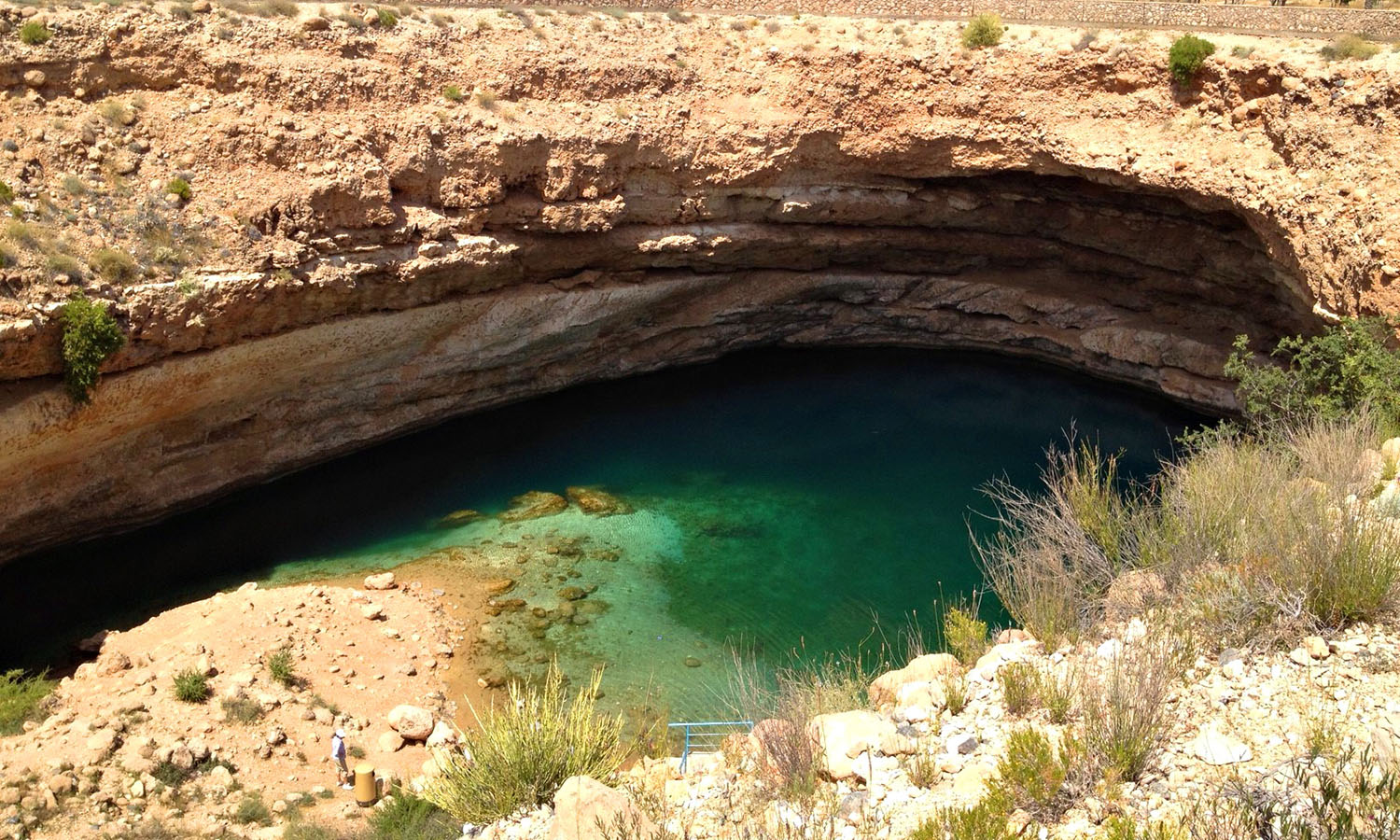
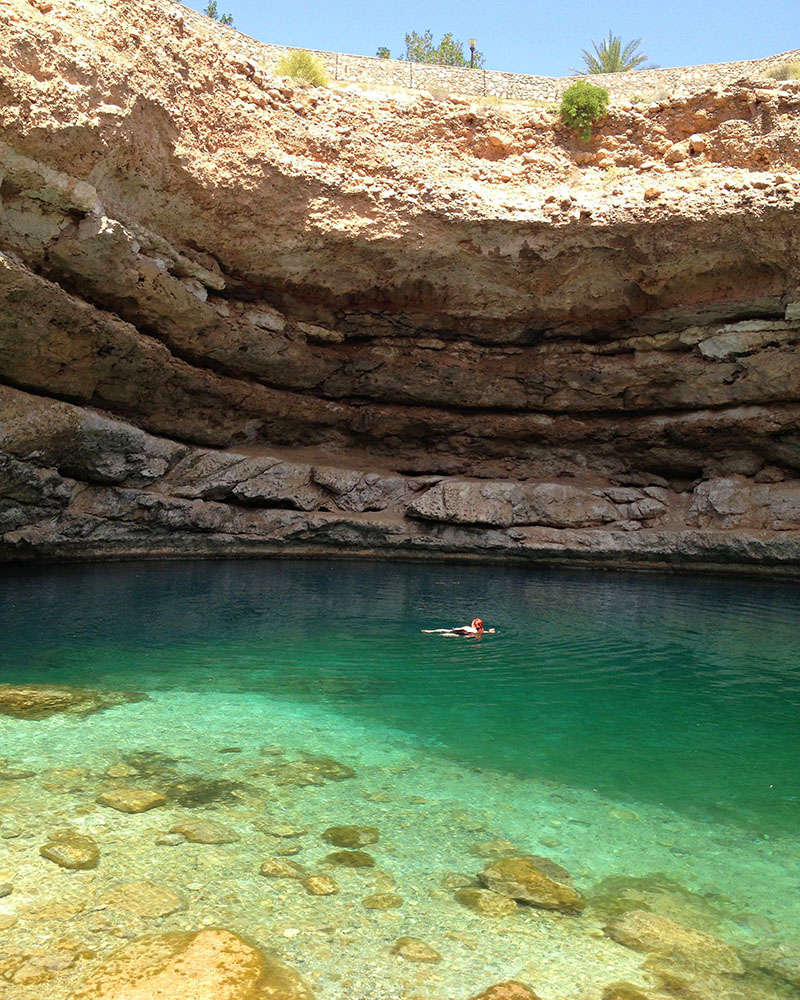
In many minds Oman is synonymous with endless, arid landscapes and fluted, rose gold sand dunes. But this Arabian nation, which is four times bigger than neighbour UAE, not only features more than 2000 kilometres of coastline, but also a bounty of hidden waterholes to boot.
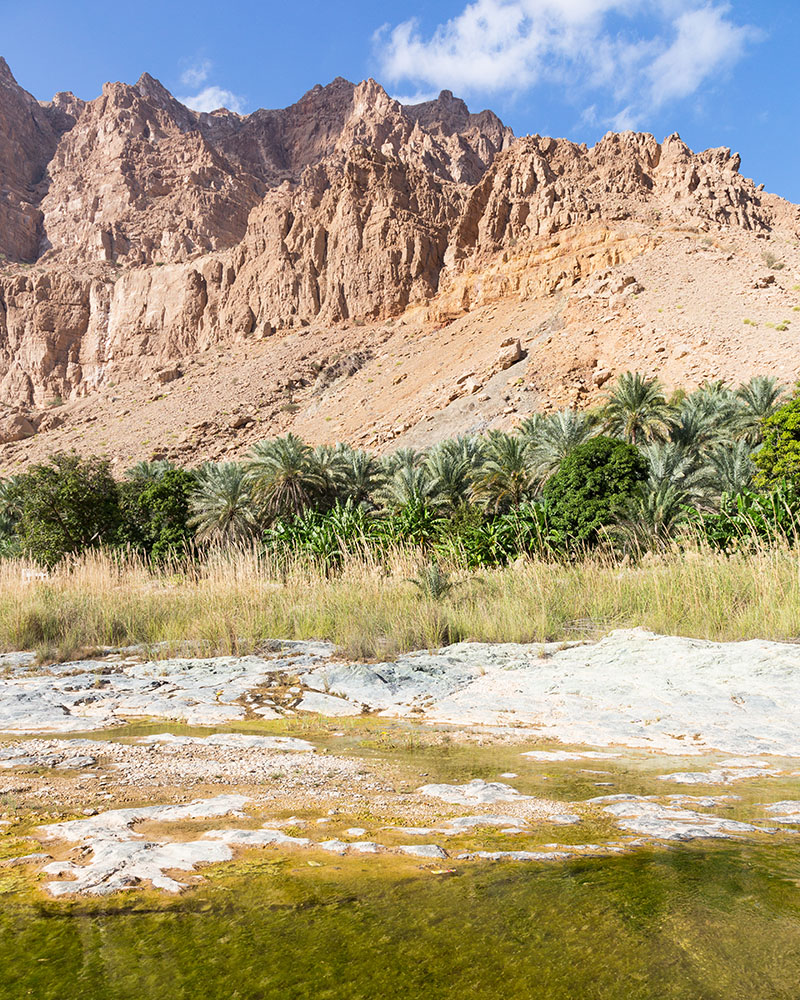
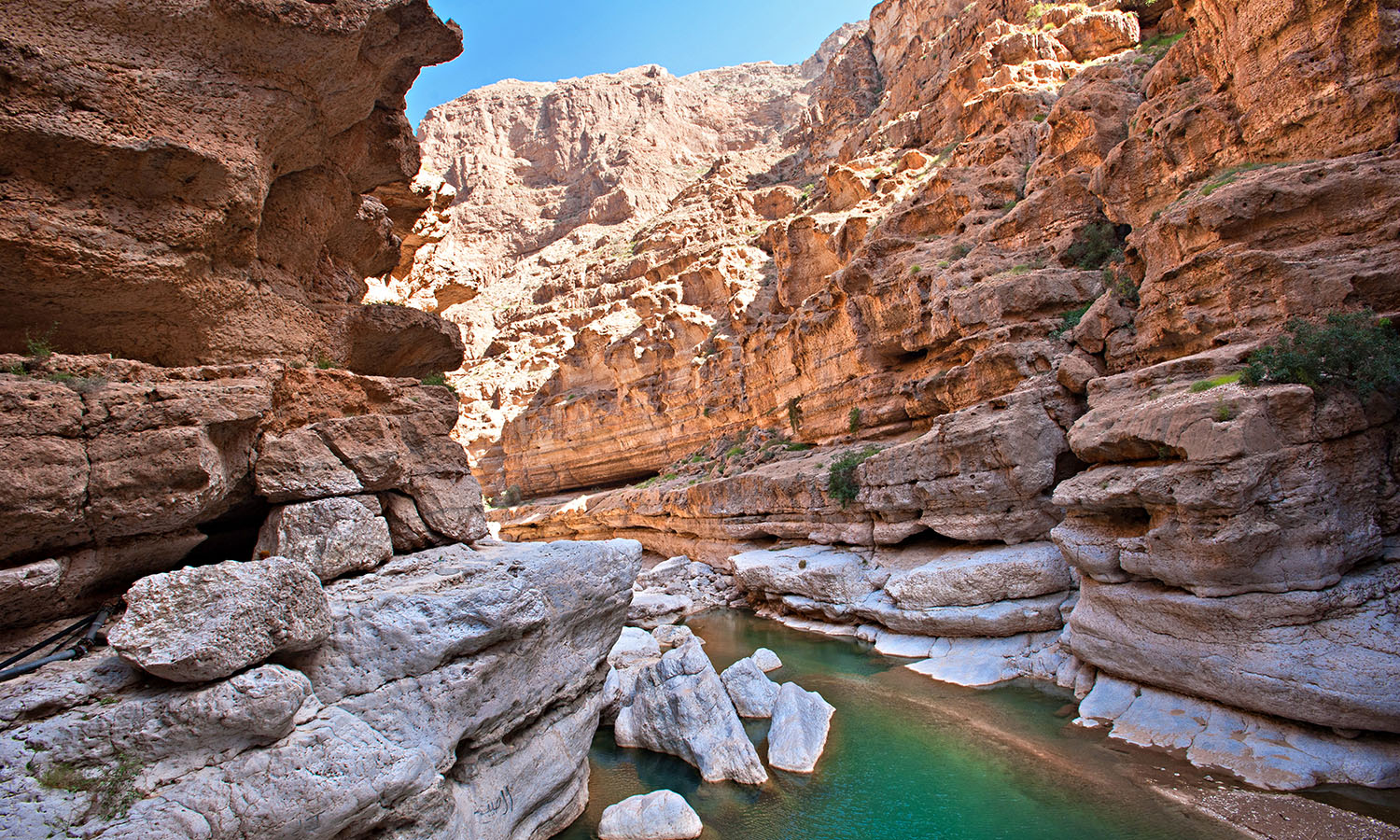
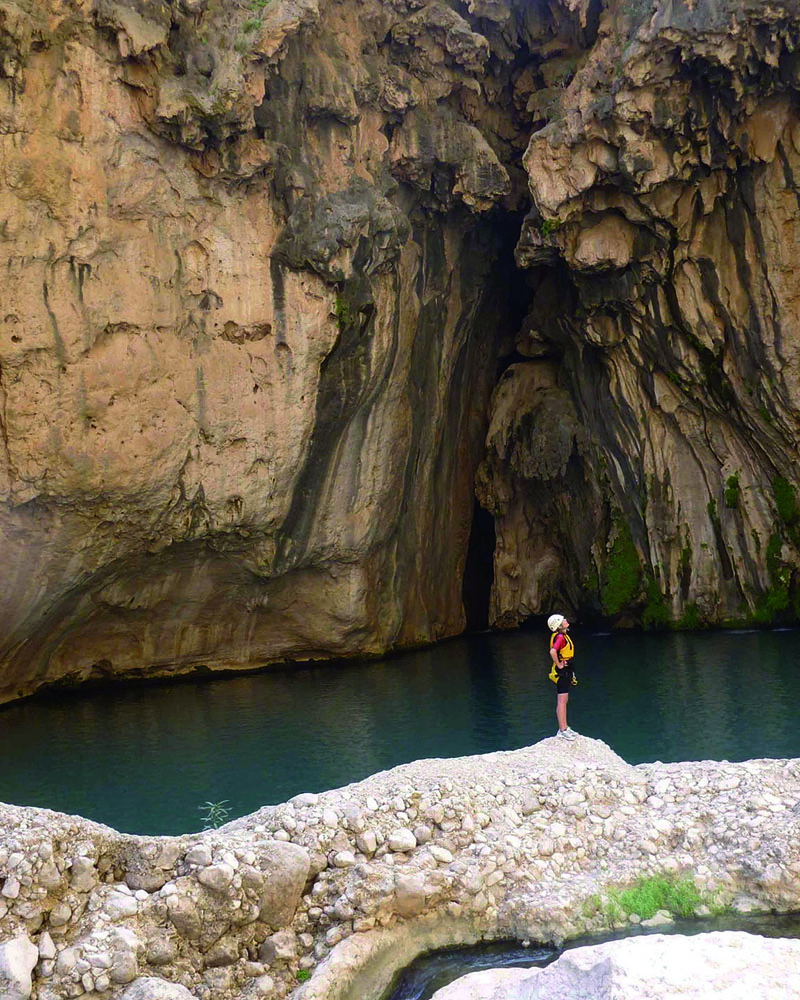
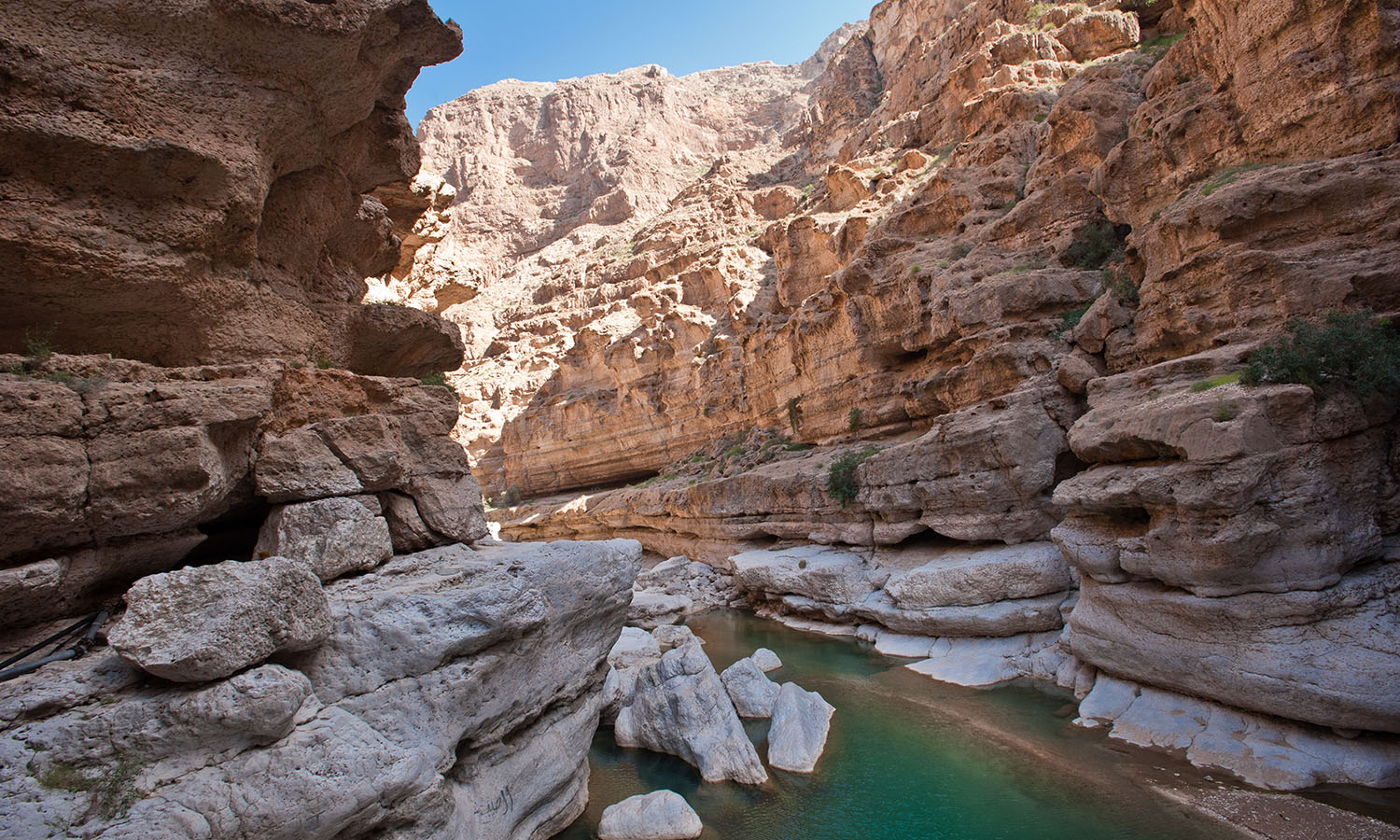
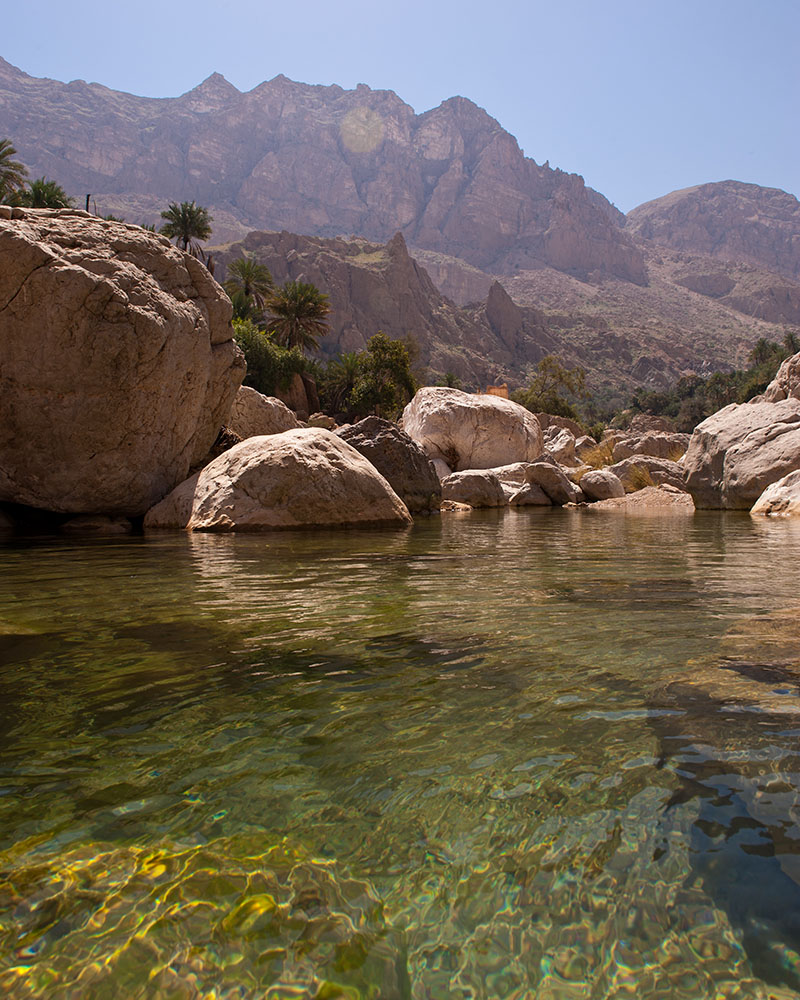
Wadi Shab is one such dreamlike spot. Bathe in Tiffany-blue waters in the upper reaches of this “gorge between cliffs”, as the name translates. Trek in dry heat to waterfalls rushing in secret caverns. And wander rugged, rocky paths in search of kingfishers perched on palm fronds and pops of pink from oleanders in bloom.
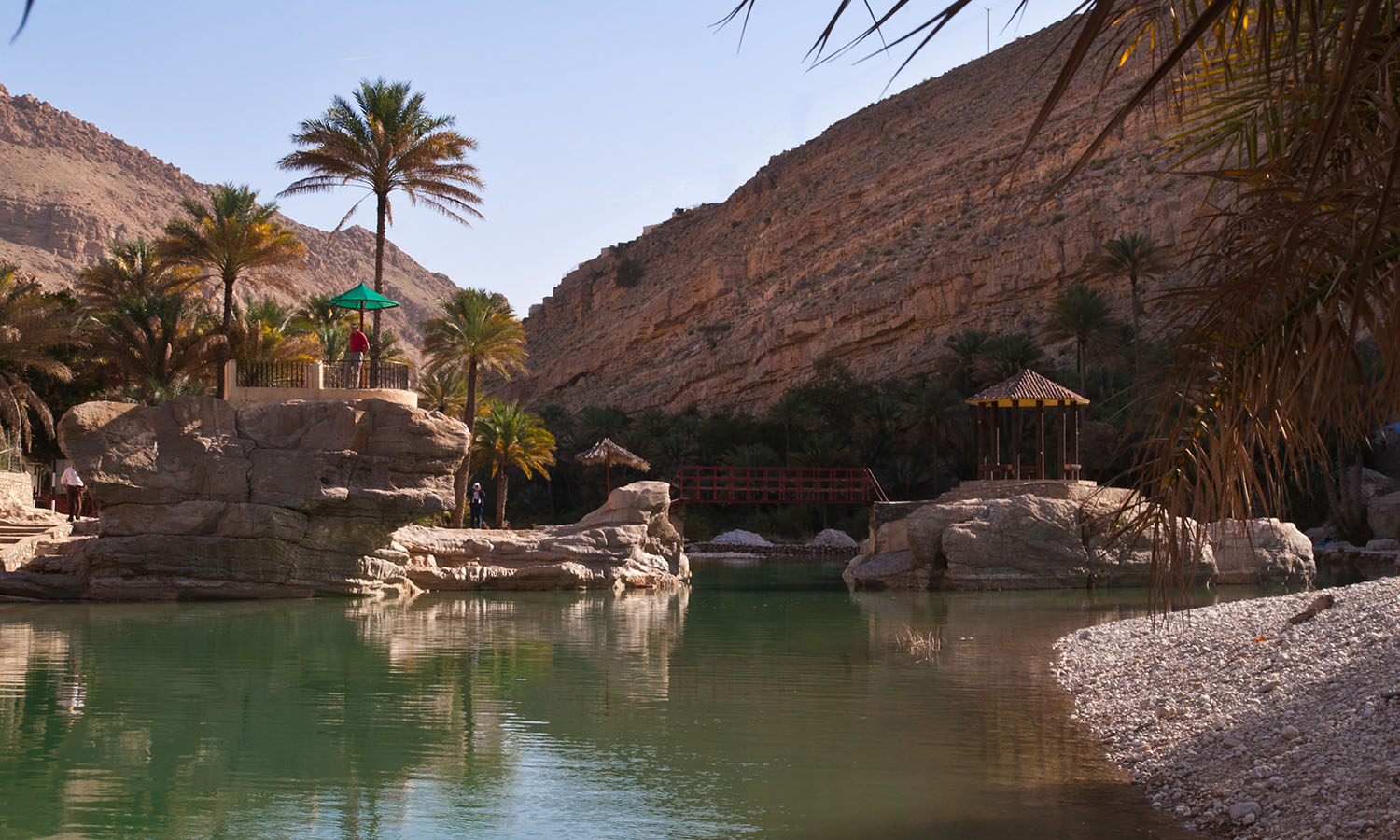
The coast road that leads to Wadi Shab is speckled with fishing villages built upon crescents of sand, and numerous other wadis nestled into the hinterland. Wadi Bani Khalid is arguably Oman’s most celebrated natural pool. After ascending through the Eastern Hajar Mountains, Wadi Bani Khalid spills out in front of the eye like a Fear and Loathing in Las Vegas-induced mirage. If the shamrock-green water doesn’t beckon (though it most likely will) then there’s plenty of waterside space to idle away the afternoon with a picnic.
Lesser-known cousin Wadi Tiwi is just as much of a scene-stealer, and not only for its crystalline swimming holes: Tiwi is also known as the Wadi of Nine Villages, which offer an abundance of great village-to-village walking trails. The area also boasts aflaj – ancient irrigation channels dating as far back as 500 AD, some of which are even UNESCO-listed World Heritage Sites.
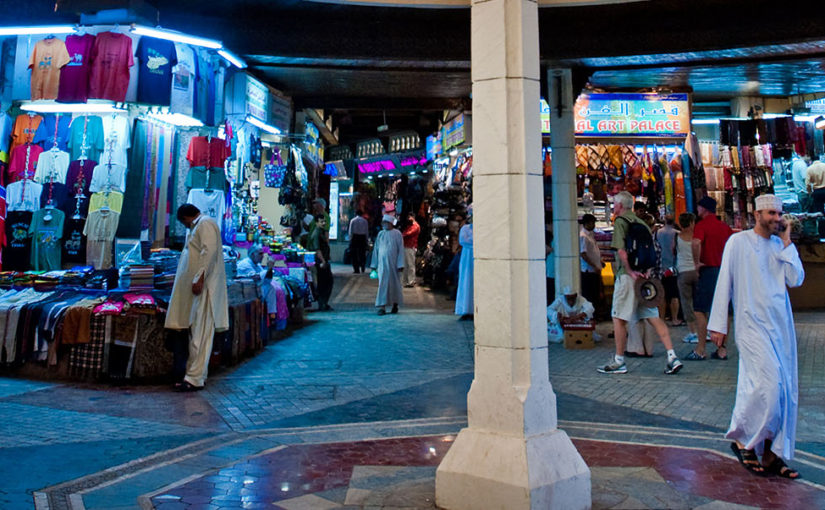
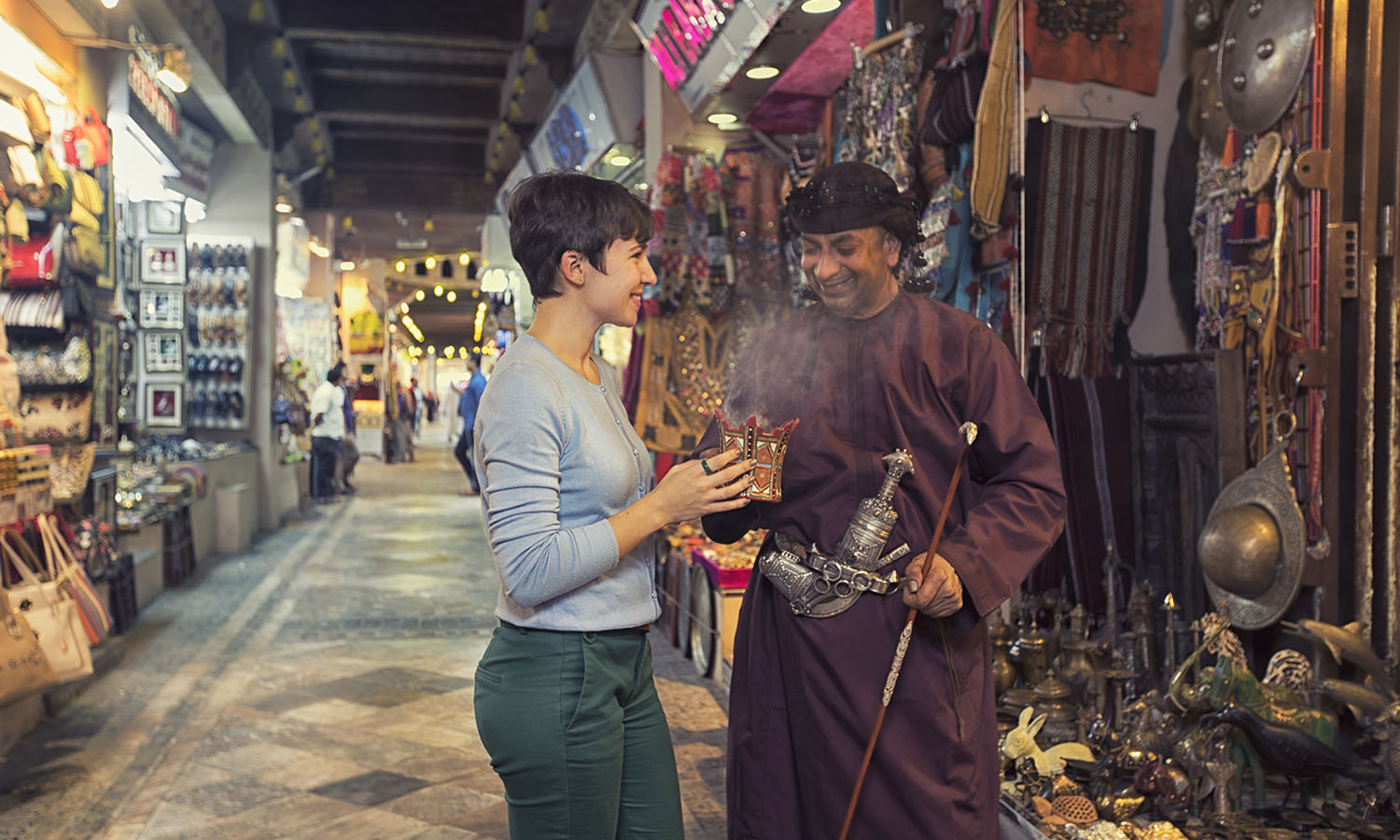
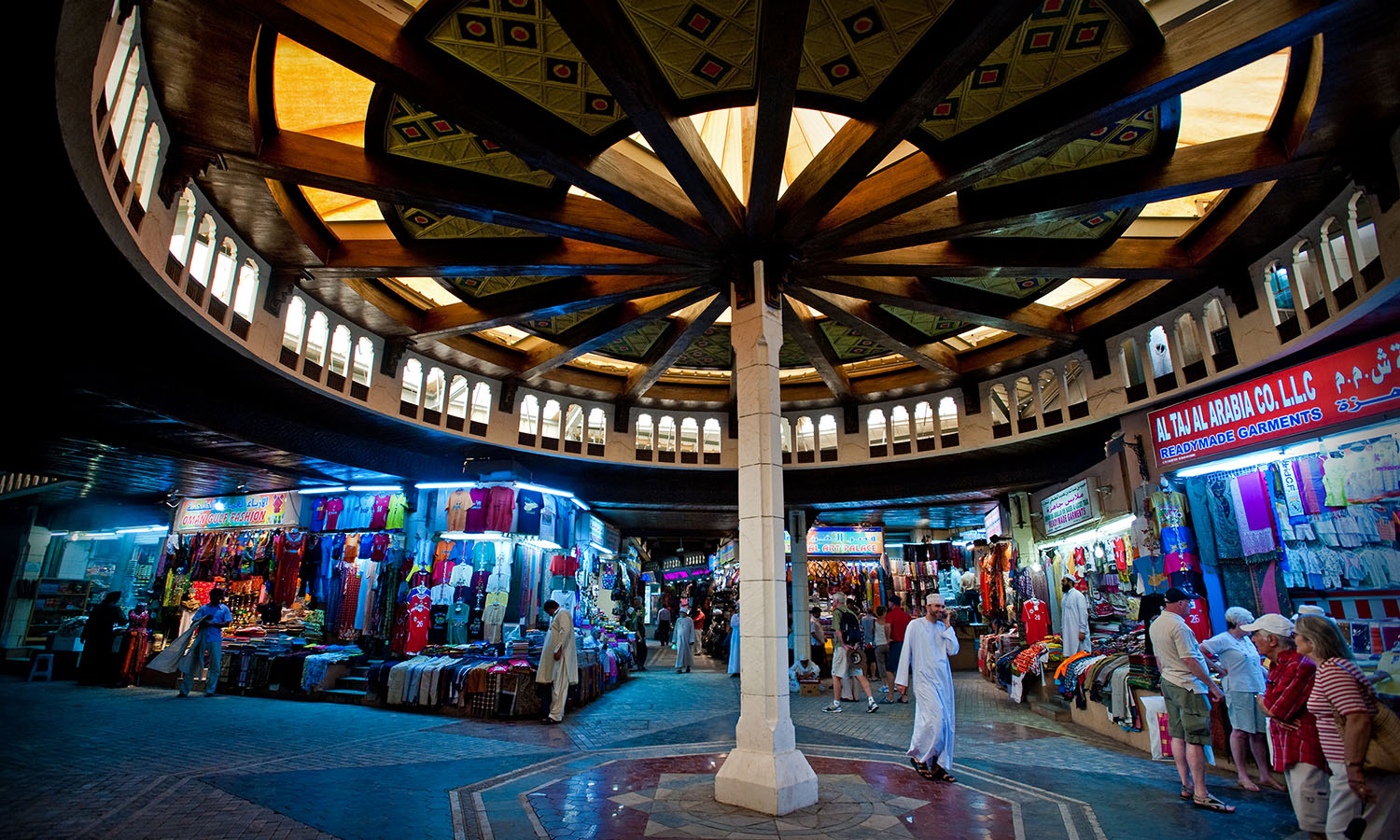
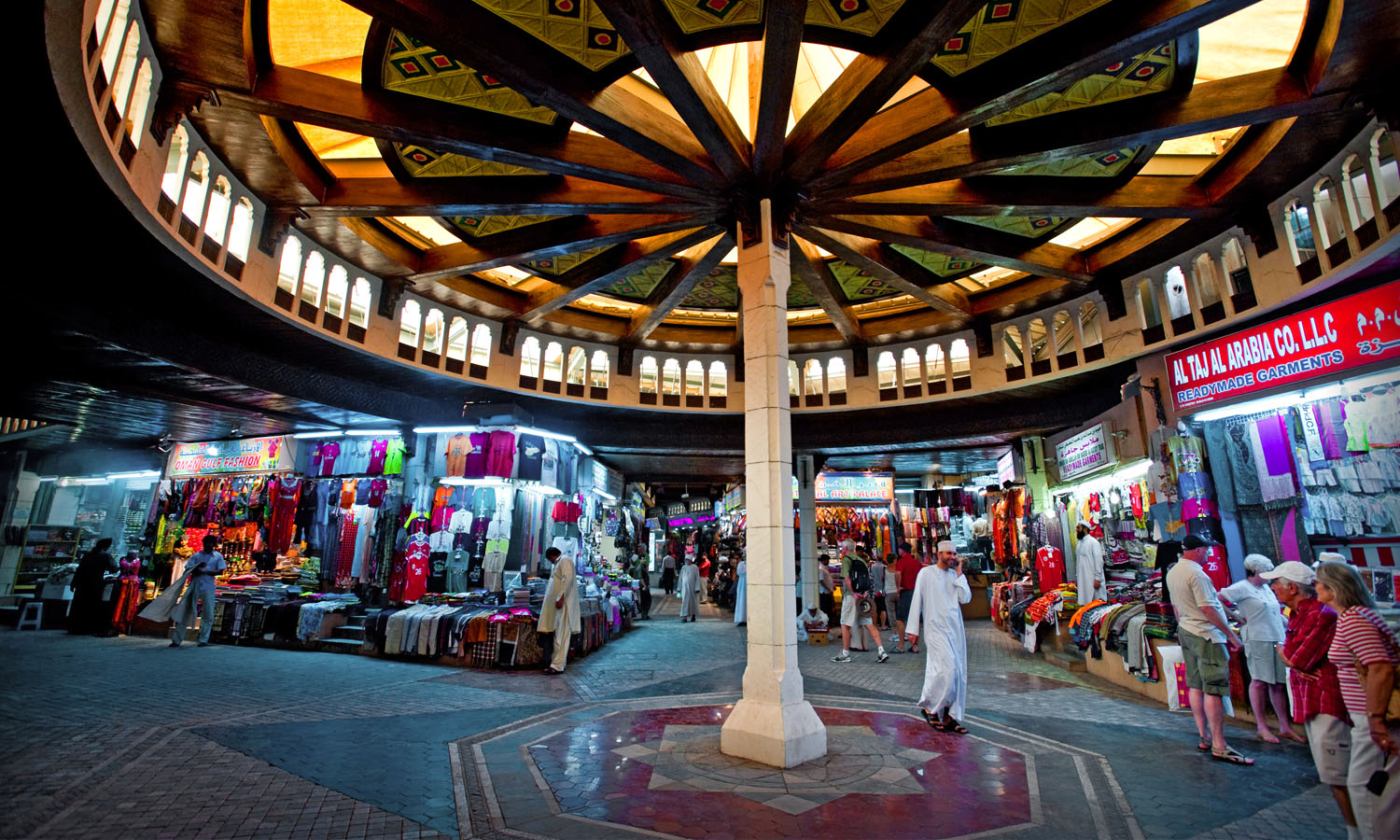
Walk through clouds of frankincense, pass by clutches of locals bargaining as if their life depended on it and eye alcoves gleaming with precious metals. Said to be one of the oldest markets on the Arabian peninsula, Mutrah Souk is arguably the biggest draw for those visiting capital Muscat, if not the entire country. Its tangle of narrow alleys is filled with colourful, matchbox-sized shops selling anything from kumas (traditional hats) to hand-painted incense burners.
Shops are grouped according to their wares, and one cluster of passageways and stalls is so tightly jammed together that sunlight can’t seep through, inspiring the souq’s local nickname Al Dhalam, meaning “darkness” in Arabic. To say that Mutrah’s heaving arteries are confusing to navigate would be an understatement: a local tour guide can help make sure you don’t get too lost and point you in the right direction of your own personal Aladdin’s Cave.
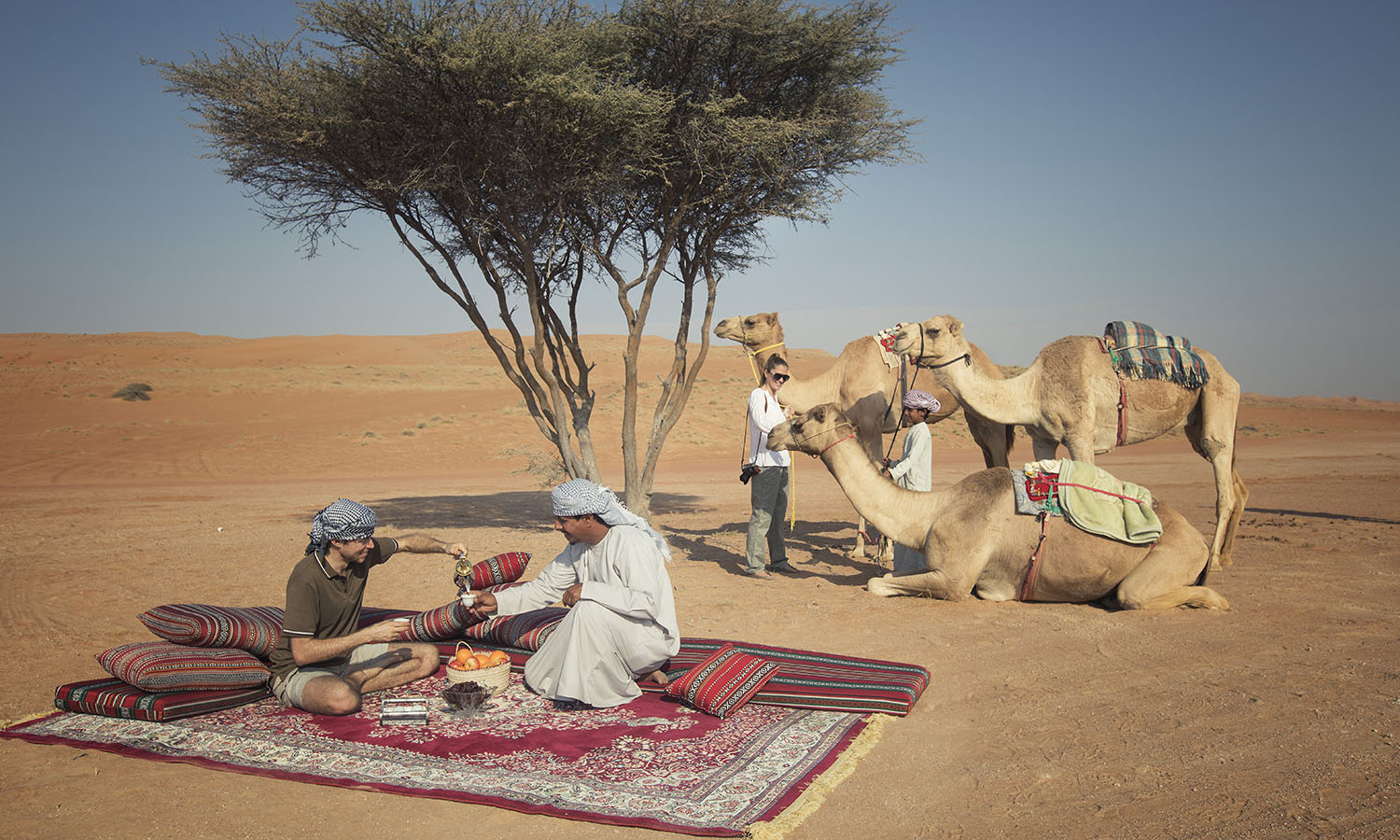
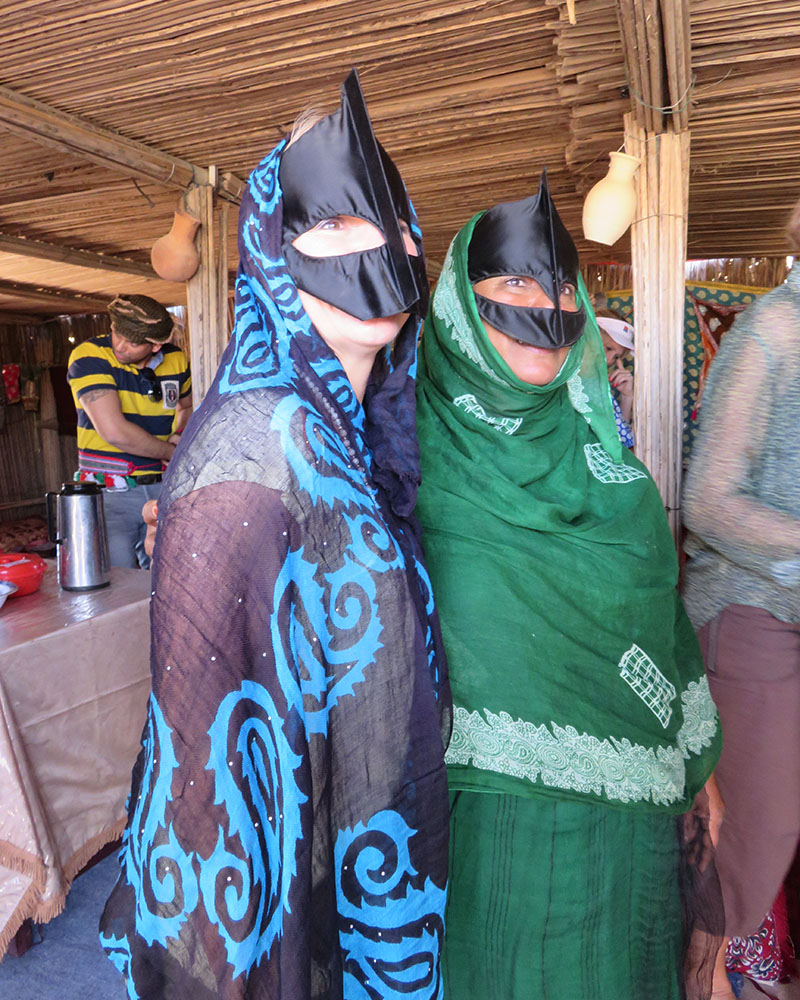
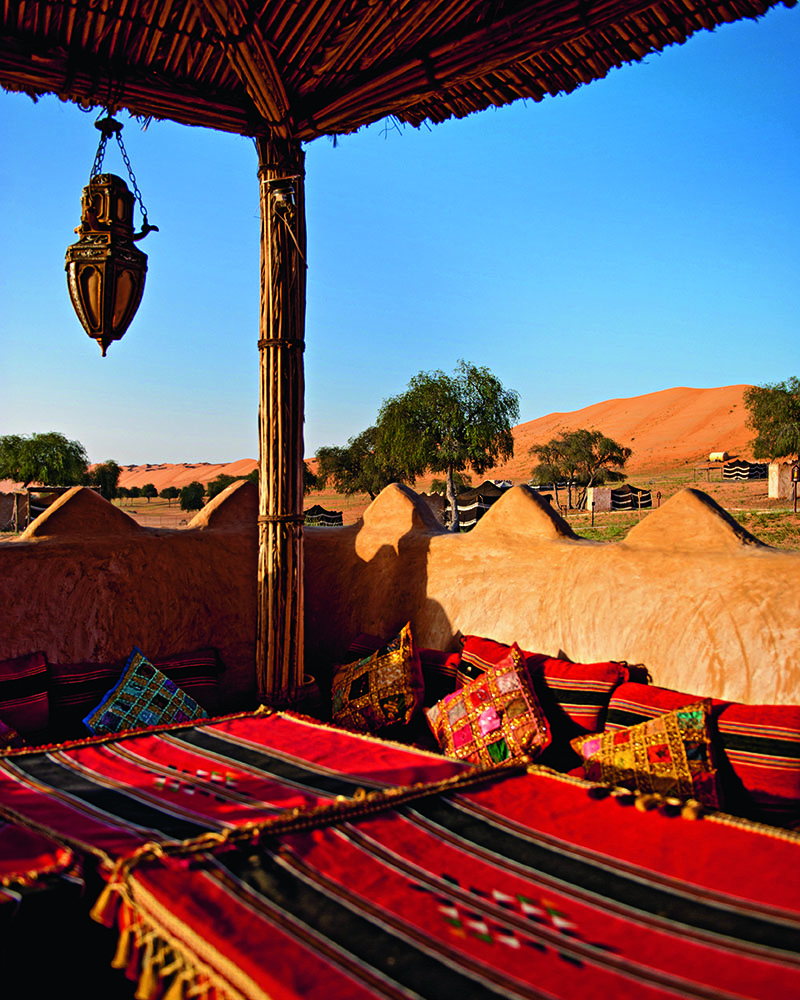
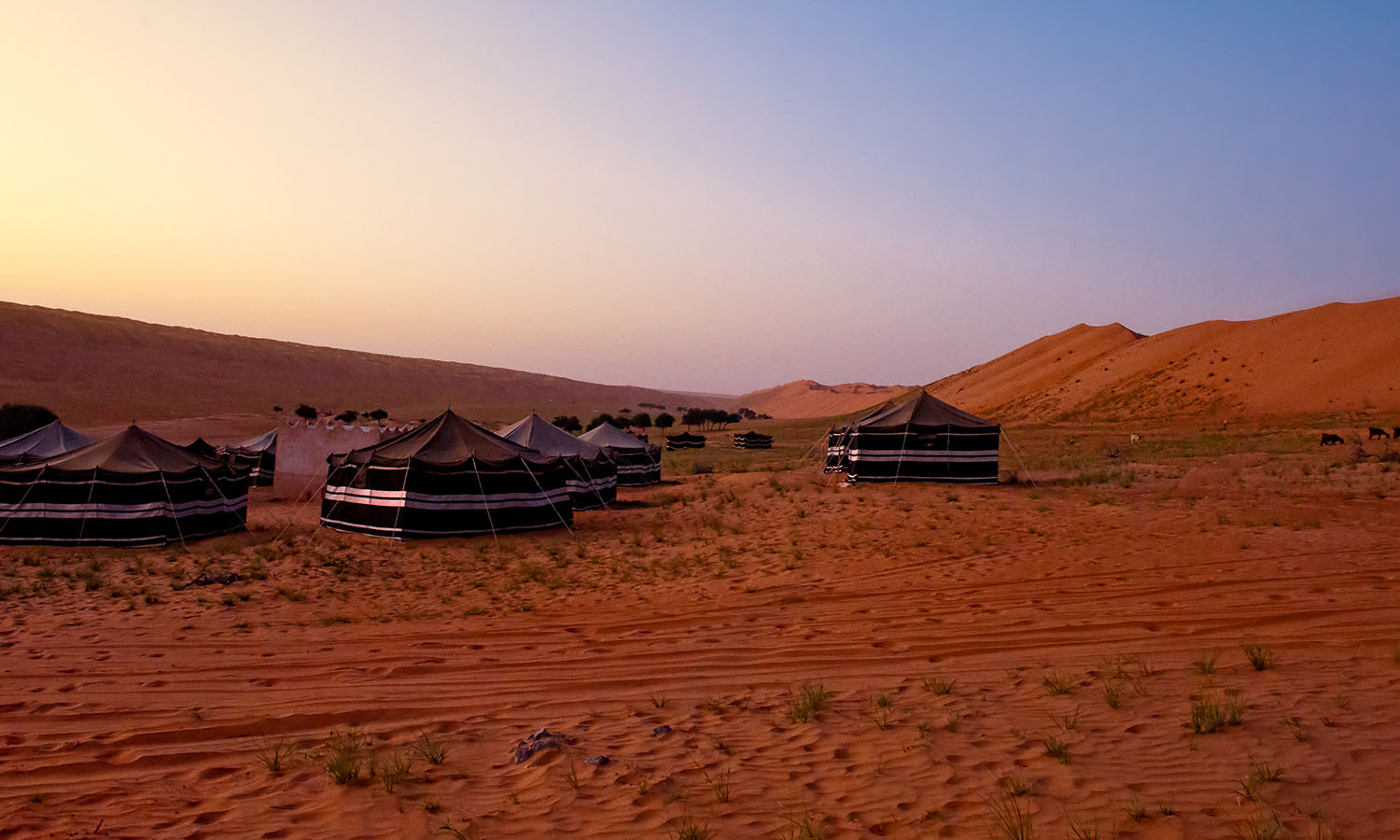
Deep in the vast Sharqiya Sands, in Oman’s north-eastern corner, lies a community that has lived in much the same way for centuries. The Bedouins of this remote desert region herd, farm and fish their way to survival, bedding down in makeshift tents woven from goat’s hair that rustle in the desert breeze. Most locals reside near Al Huyawah, a natural oasis near the border of the desert, where tribesmen gather during late summer to pluck ripe yellow dates from palms.
Experiencing the famed local hospitality first-hand can be hard without an invite, but on some tours – such as Swagman’s Deluxe Oman – it’s part of the deal. You’ll break unleavened Omani bread with a nomadic family, enjoying a lunch cooked over licking flames that’s as delicious as it is simple. Often nothing more than coarse sea salt coats whole fish or plump chickens, though some dishes can be more intricate: saloonat, for example, is a stew of fragrant spices, lime, chicken and vegetables. Drink bitter coffee from small cups and scoop up hunks of fish and pilaf with your fingers, while admiring the golden emptiness beyond the tent’s tarp.
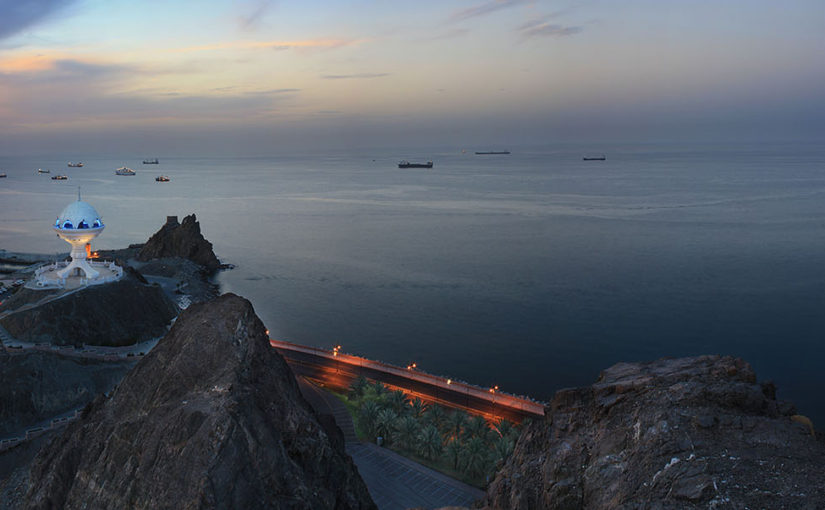
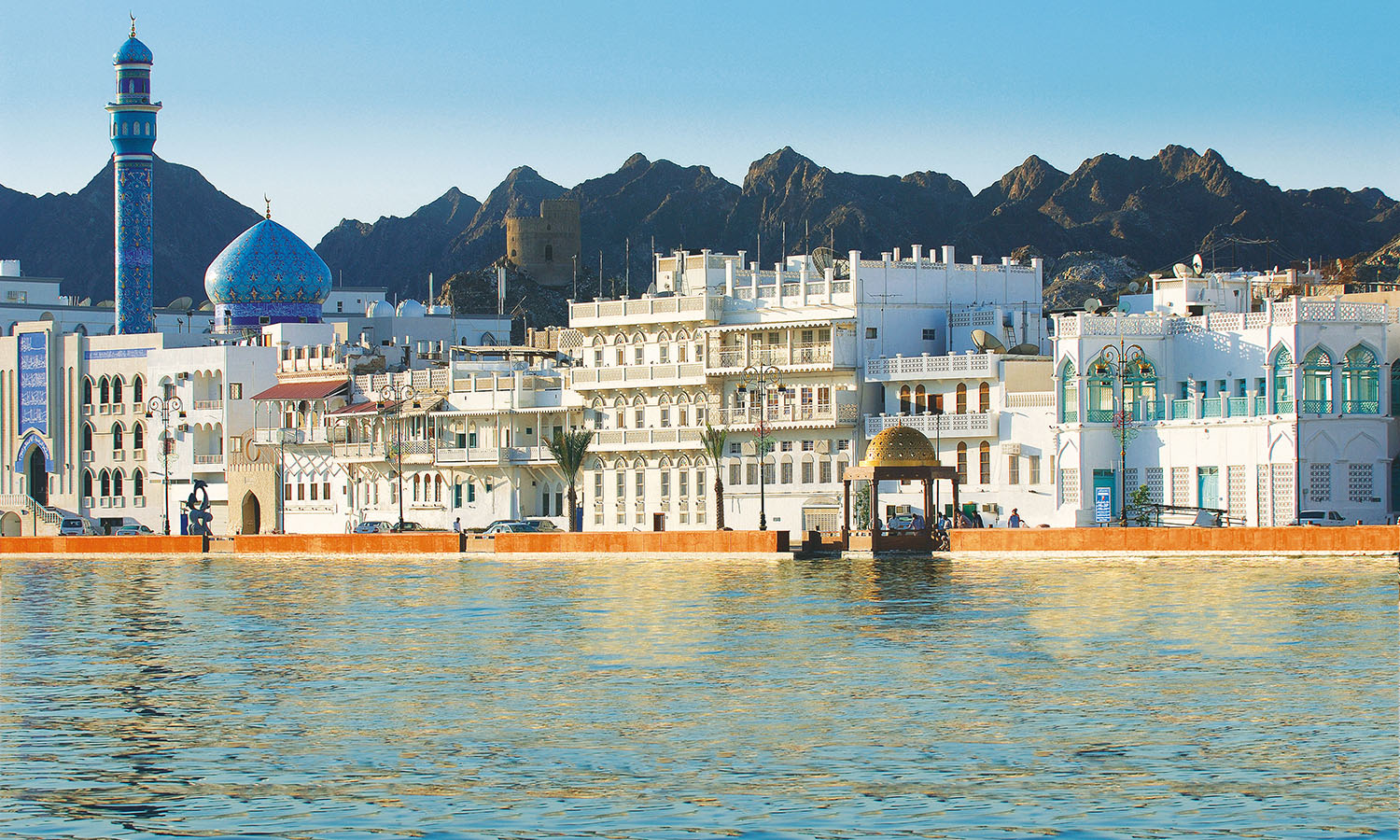
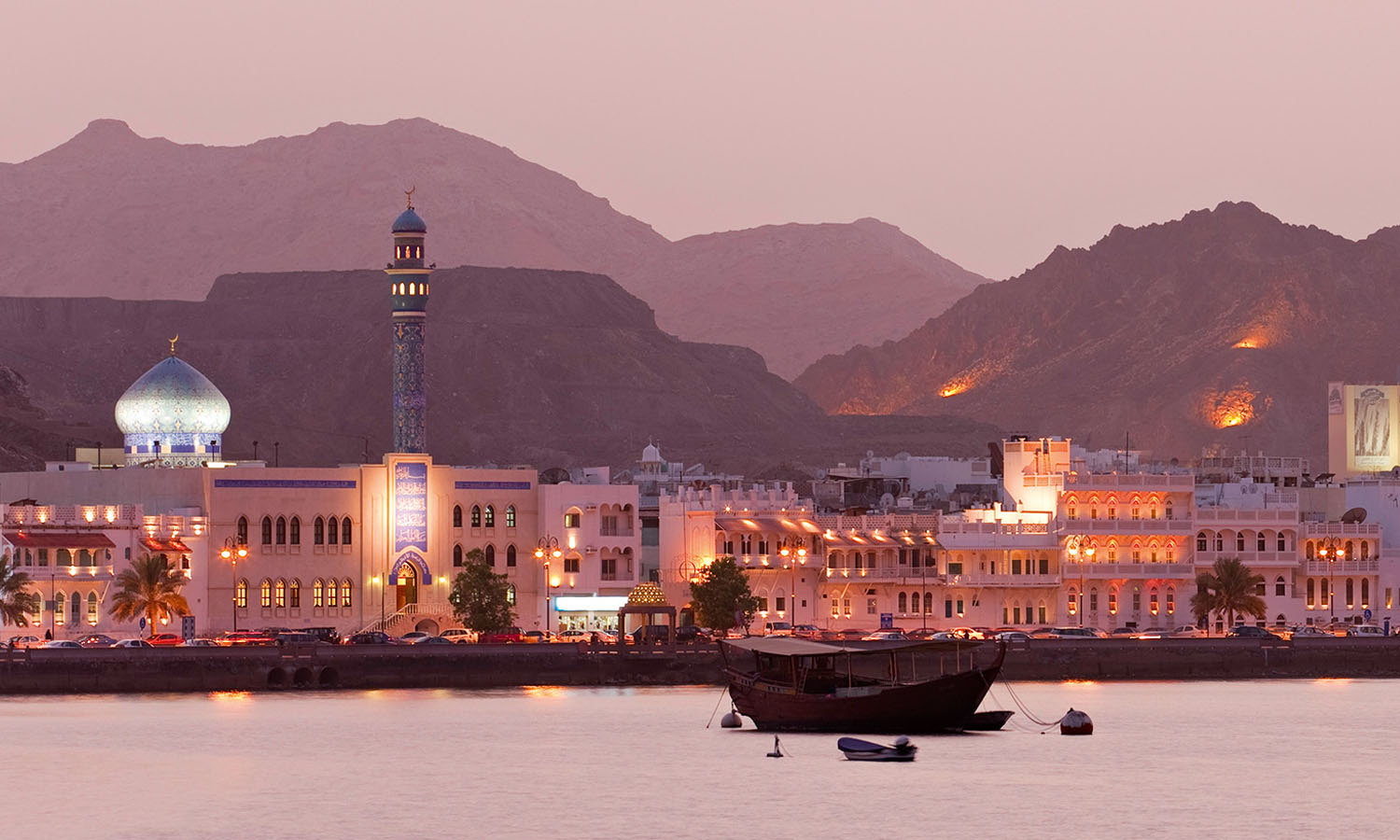
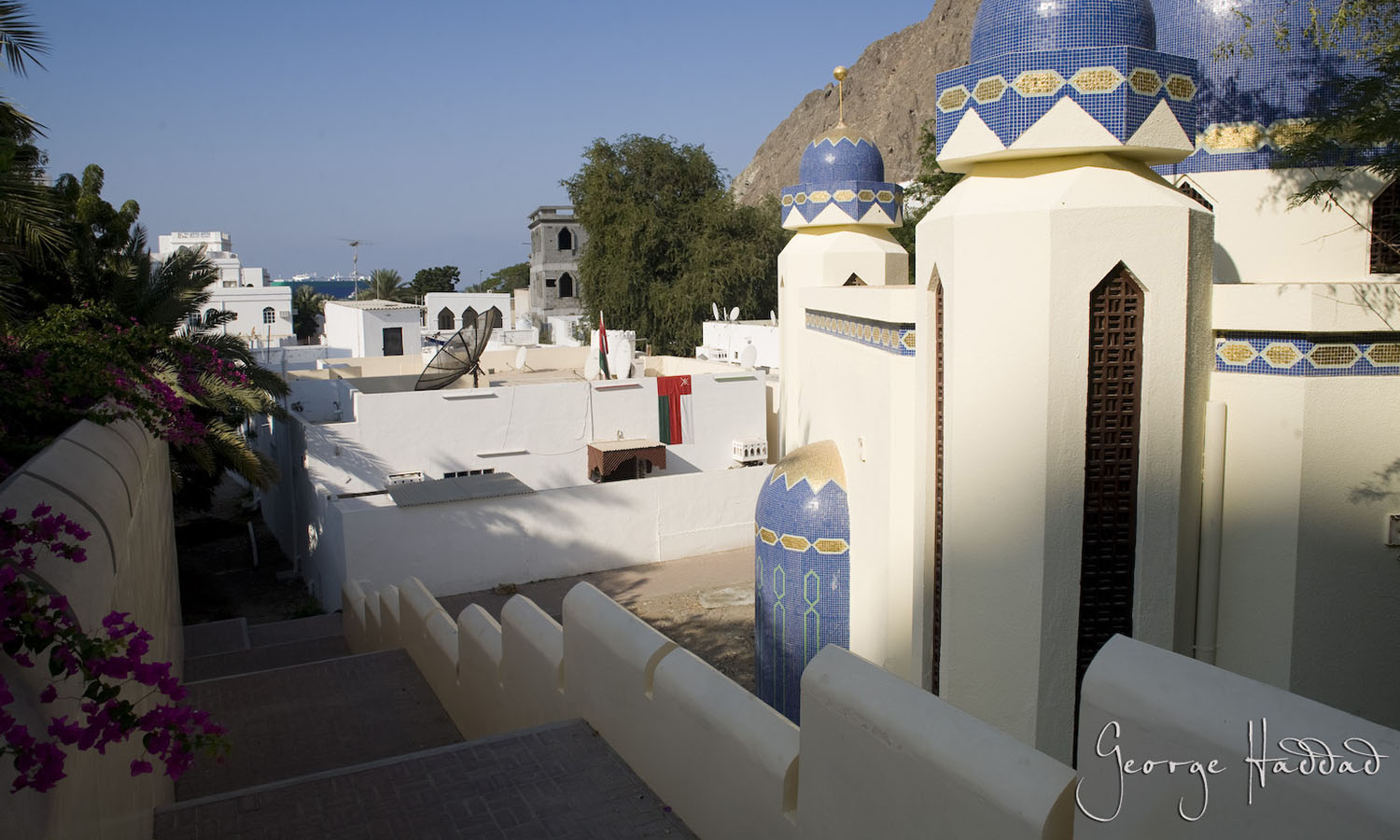
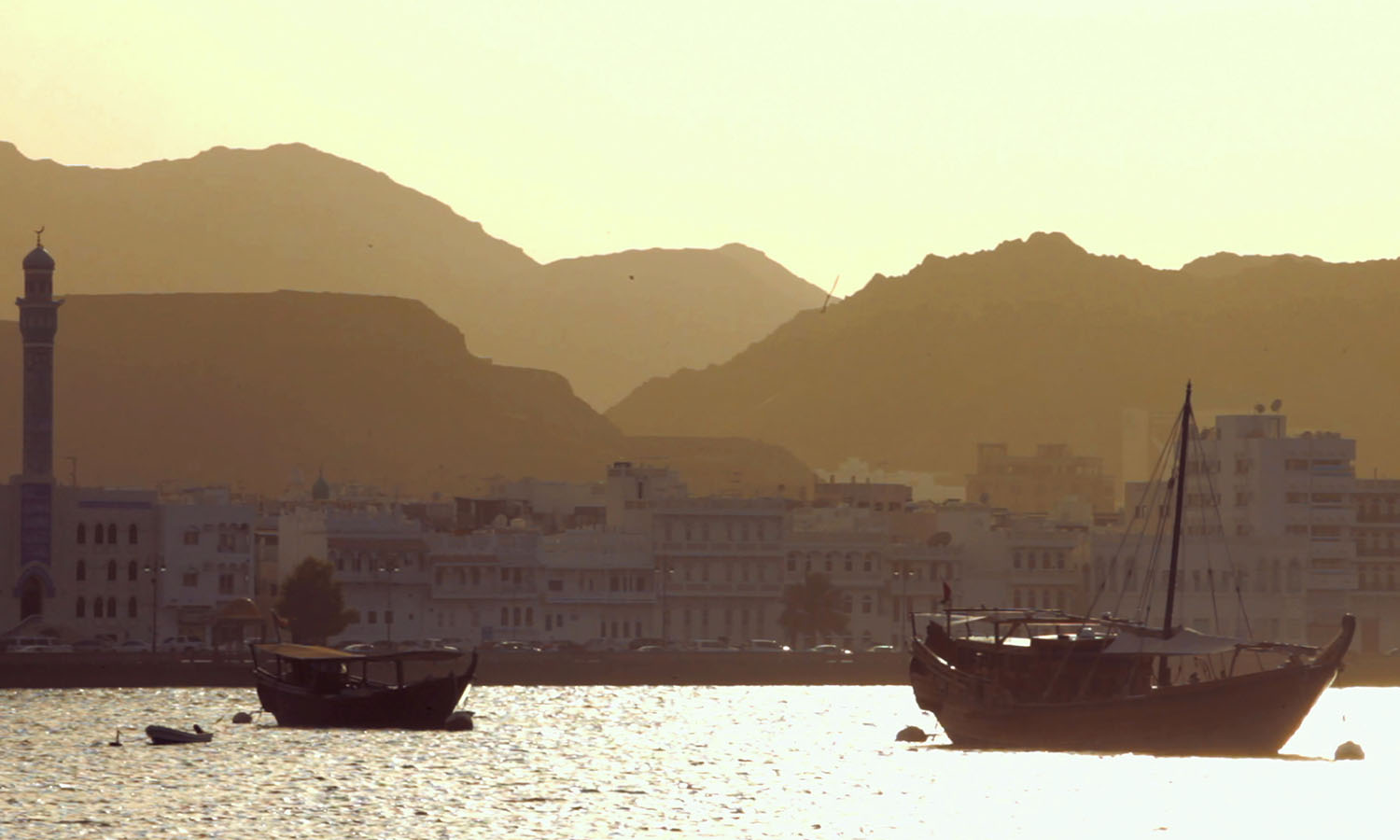
Presided over by rugged mountains, the gleaming, whitewashed old town of Mutrah is undoubtedly one of Muscat’s most scenic spots. The canopy of roofs is punctuated by the cerulean blue of qubba (mosque domes) and the odd minaret, from where the call to prayer echoes out. And come nightfall it’s a beautiful place for a stroll, the light from the low-rise buildings glimmering on the gently lapping waters of the Gulf of Oman.
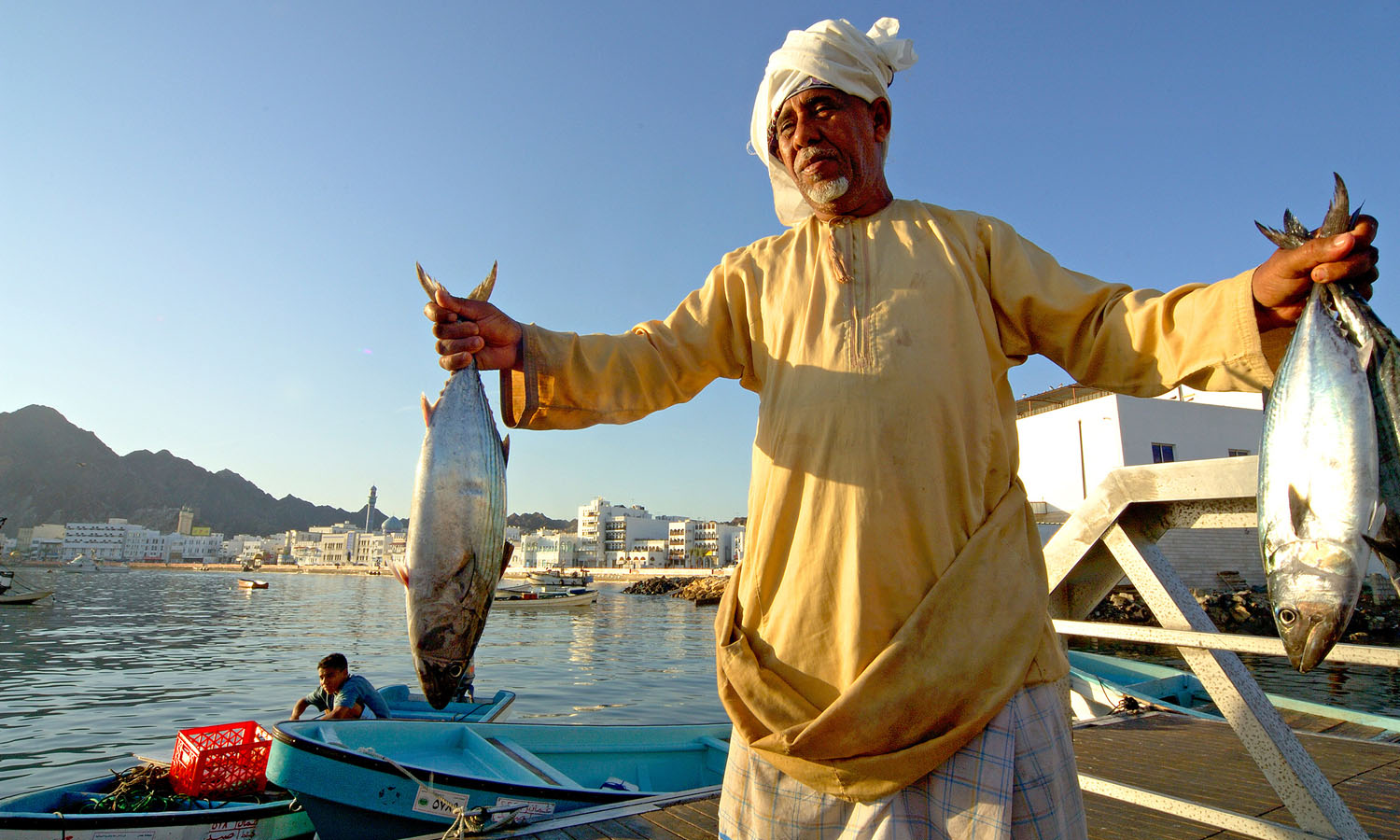
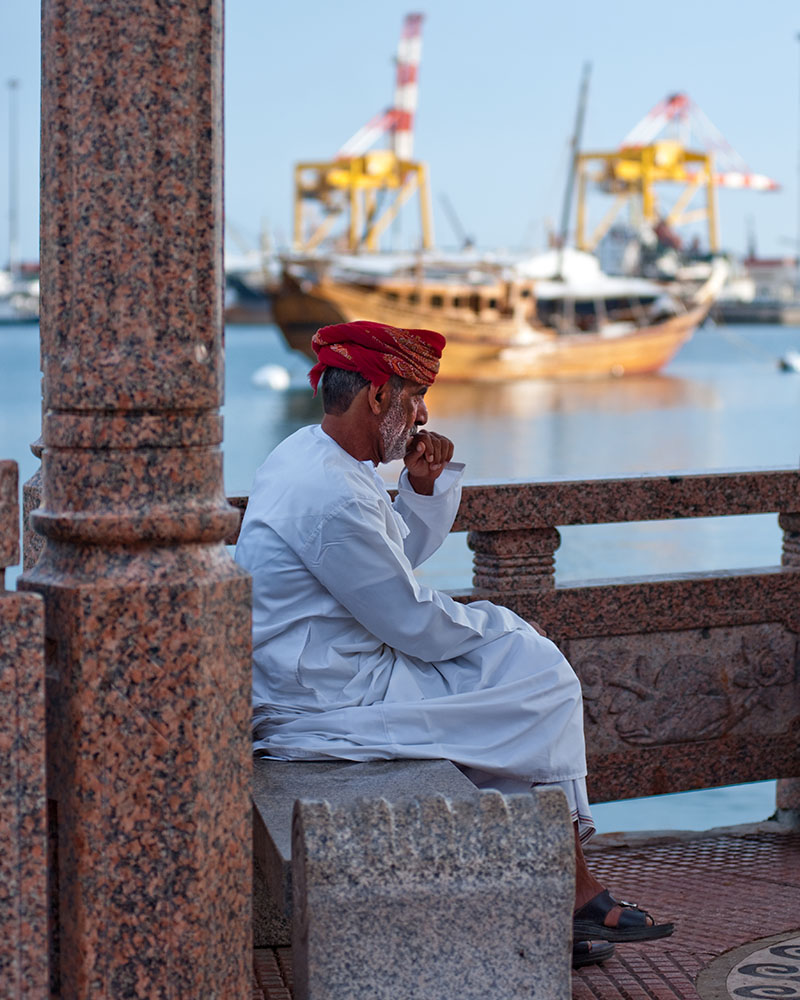
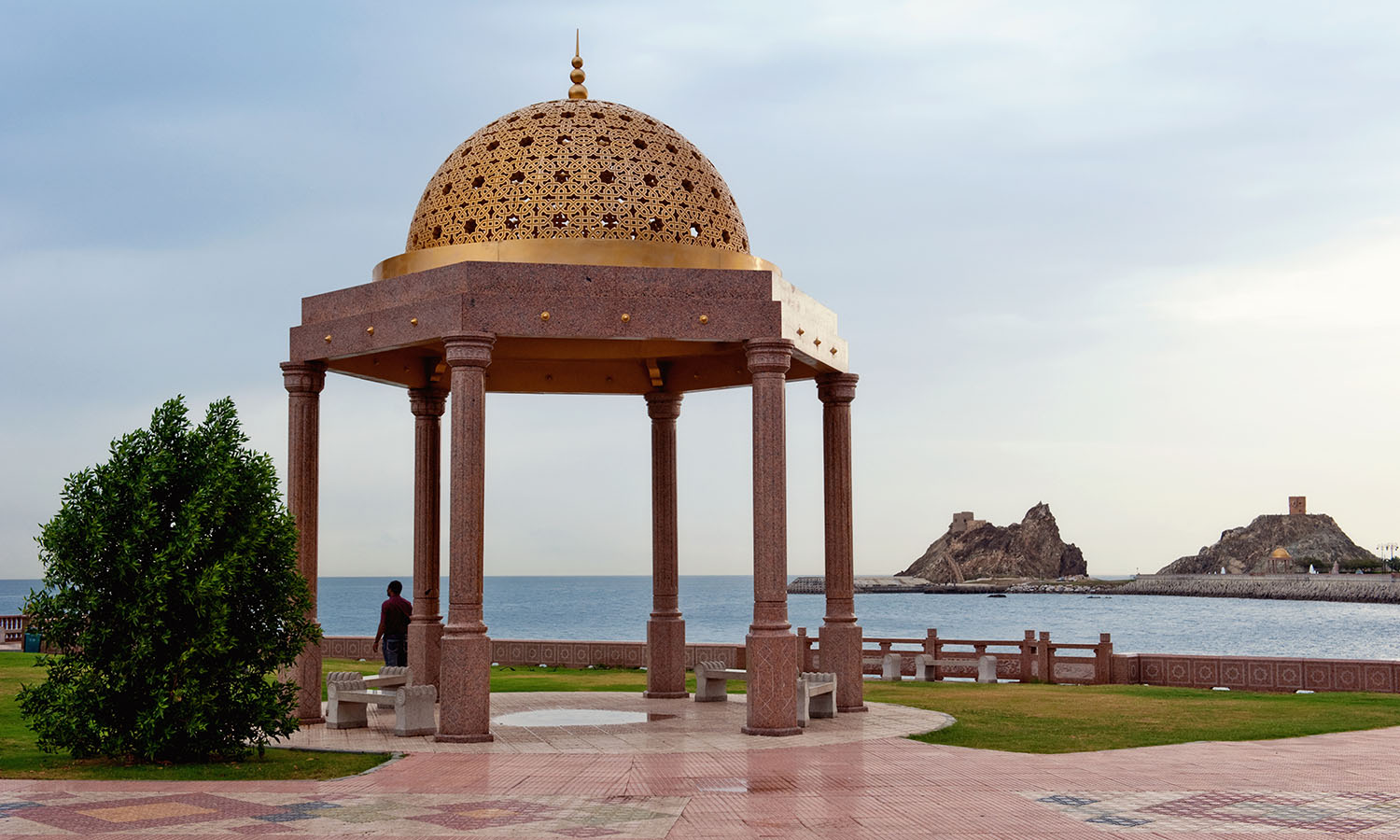
The city’s old commercial centre, Mutrah is still a hive of a activity and well worth an afternoon stroll along the curled lip of its corniche – the gulf on one side and delicately latticed buildings on the other. Although it’s part of the capital Muscat there’s a village-like feel to Mutrah, which is best observed by dawn’s first light at the fish market. But there’s plenty more to see besides: from the old Portuguese Mutrah Fort, built in the 1580s, to the green pocket that is Al Riyam Park, and the famed Mutrah Souk.
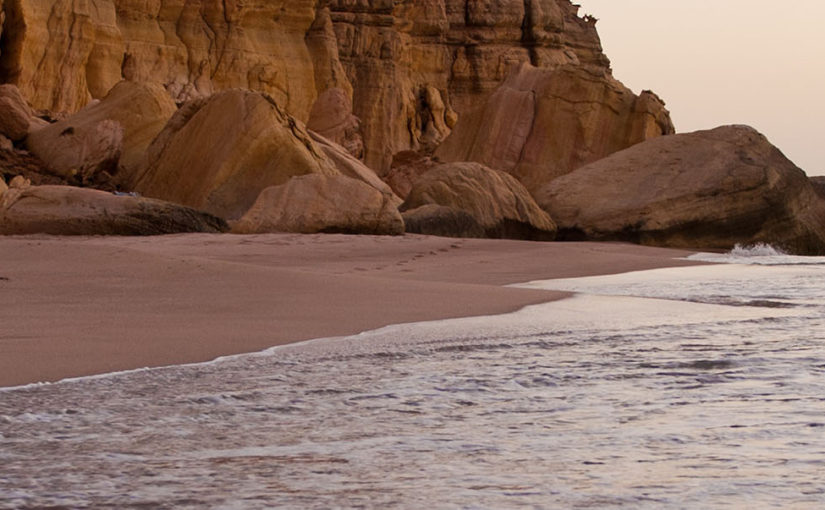
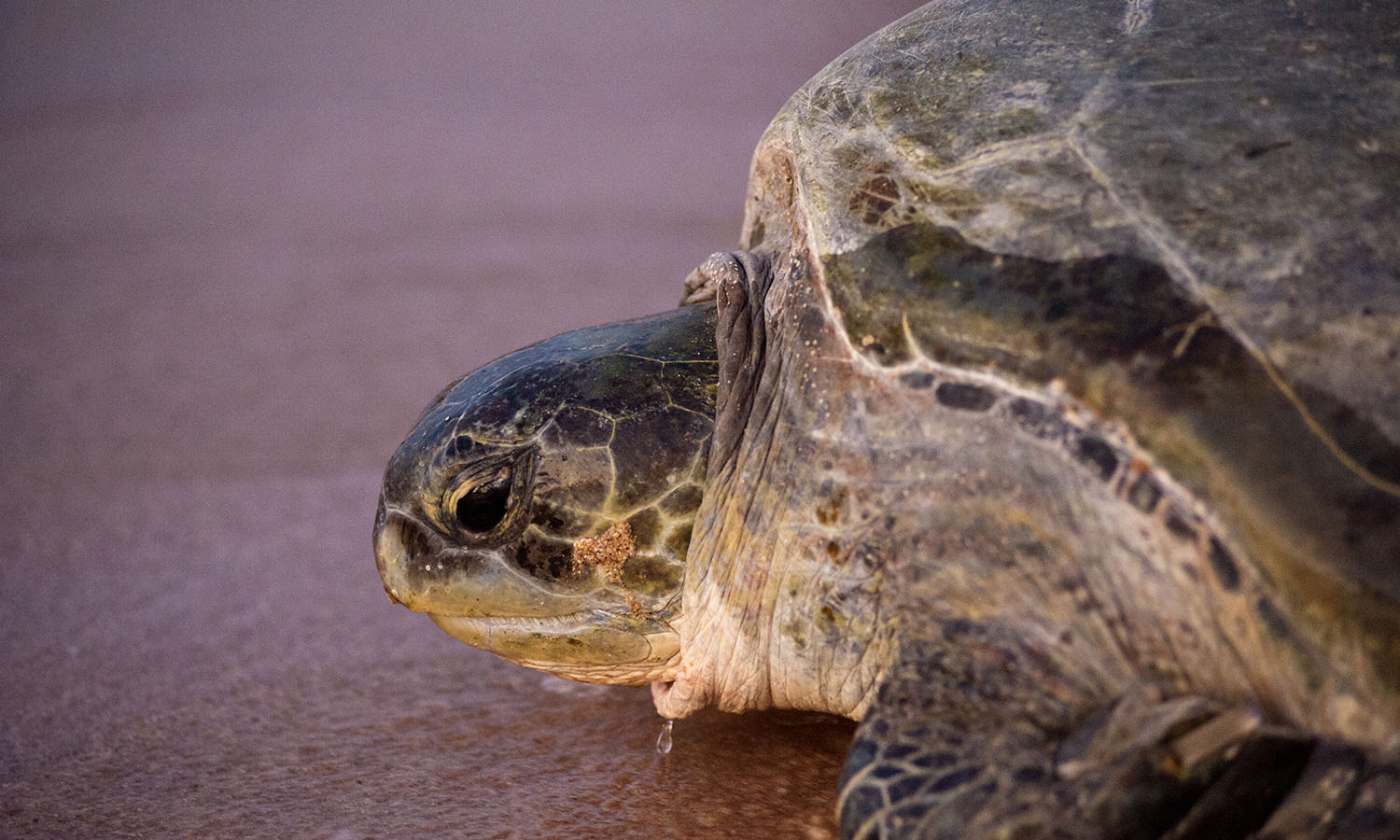
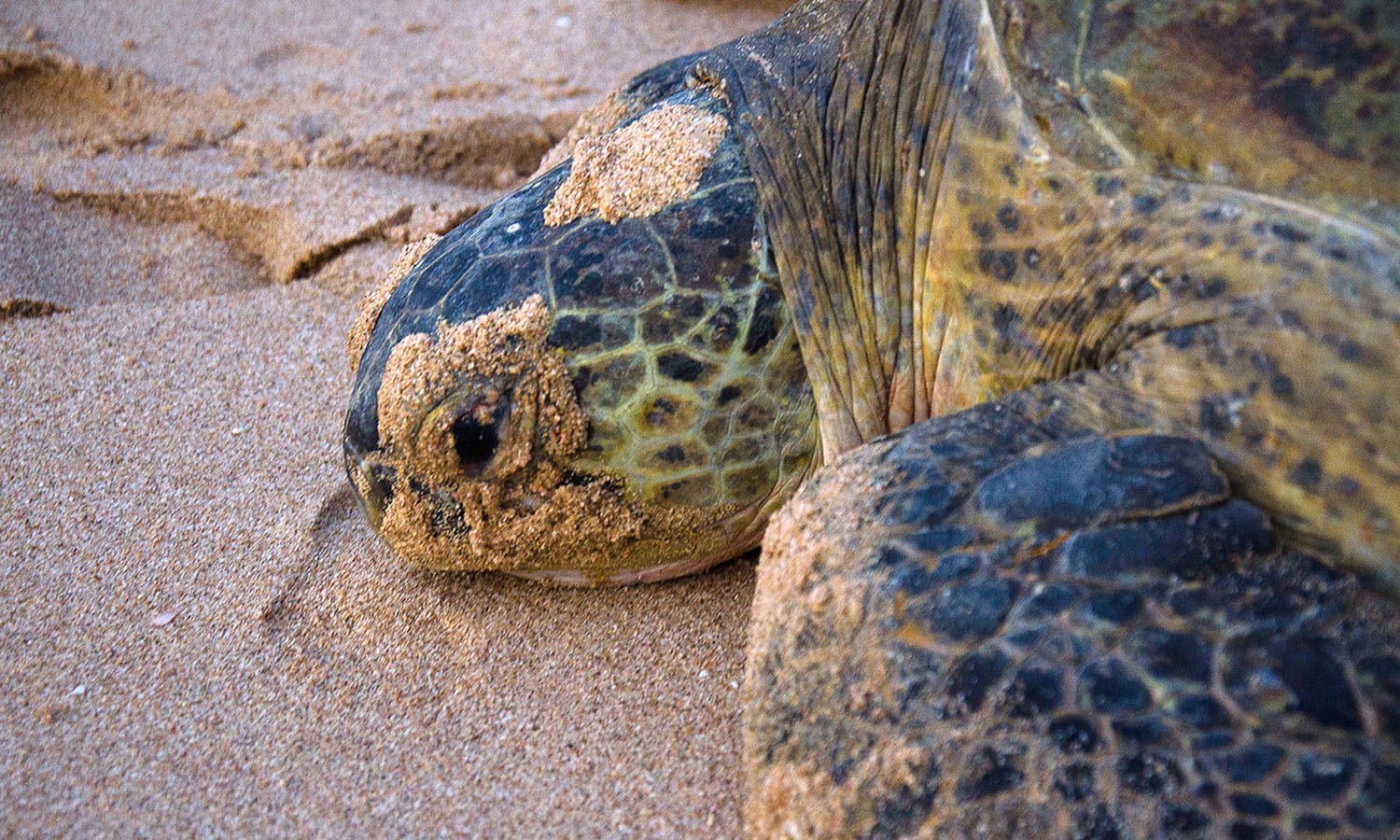
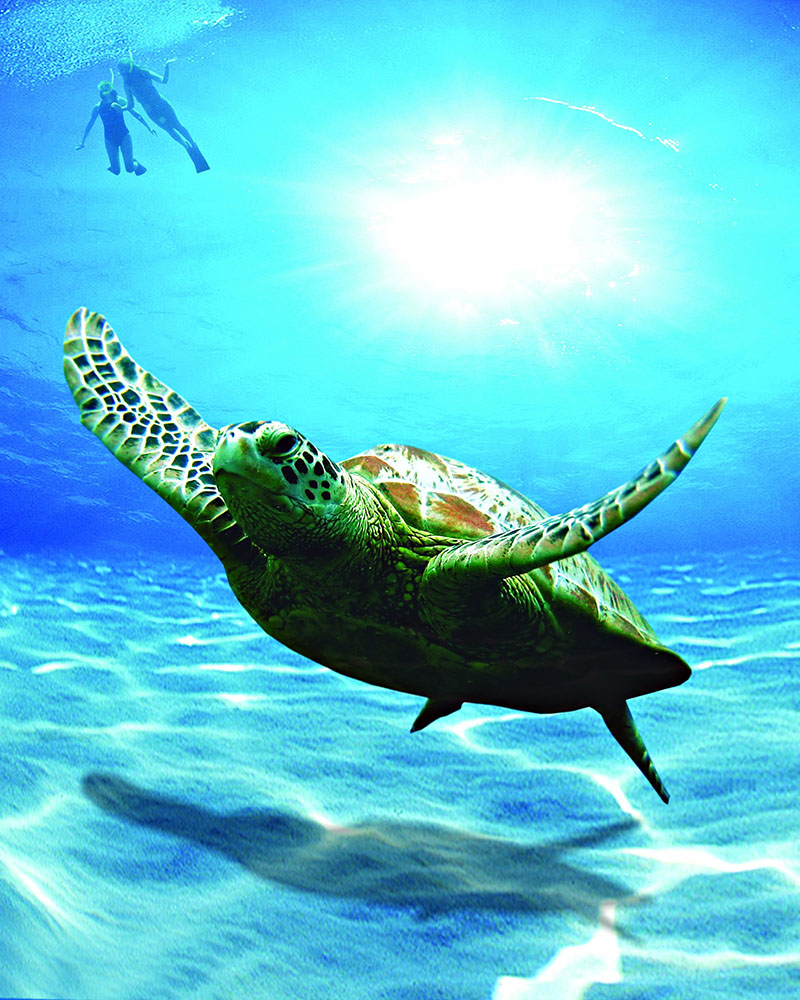
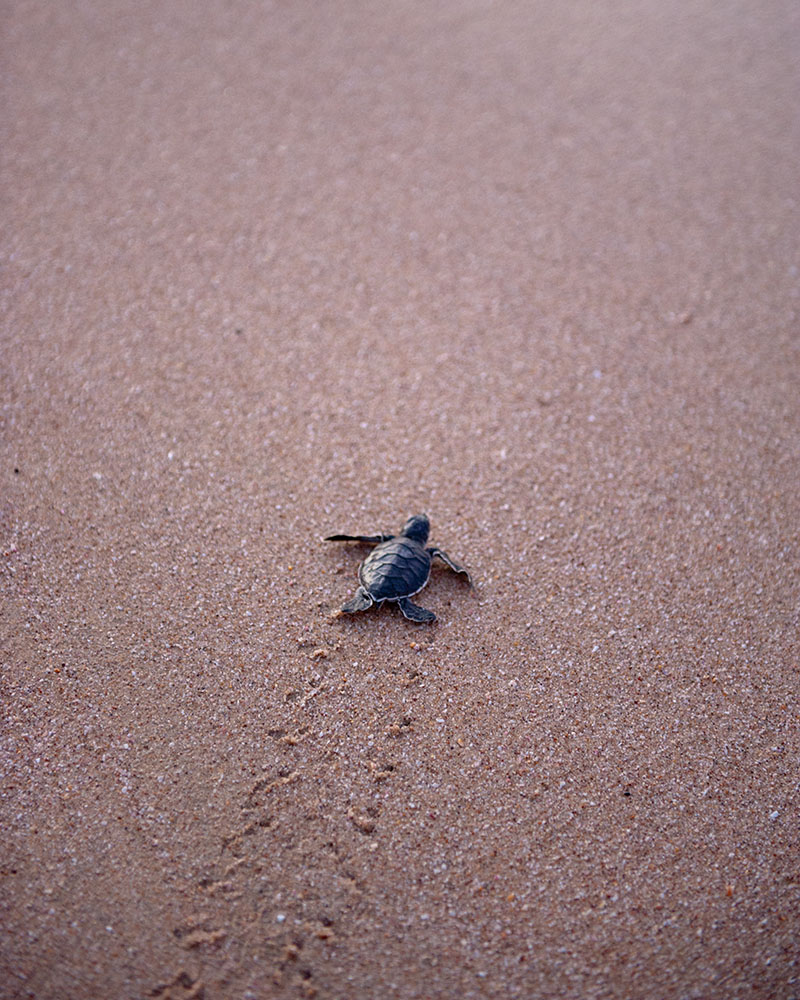
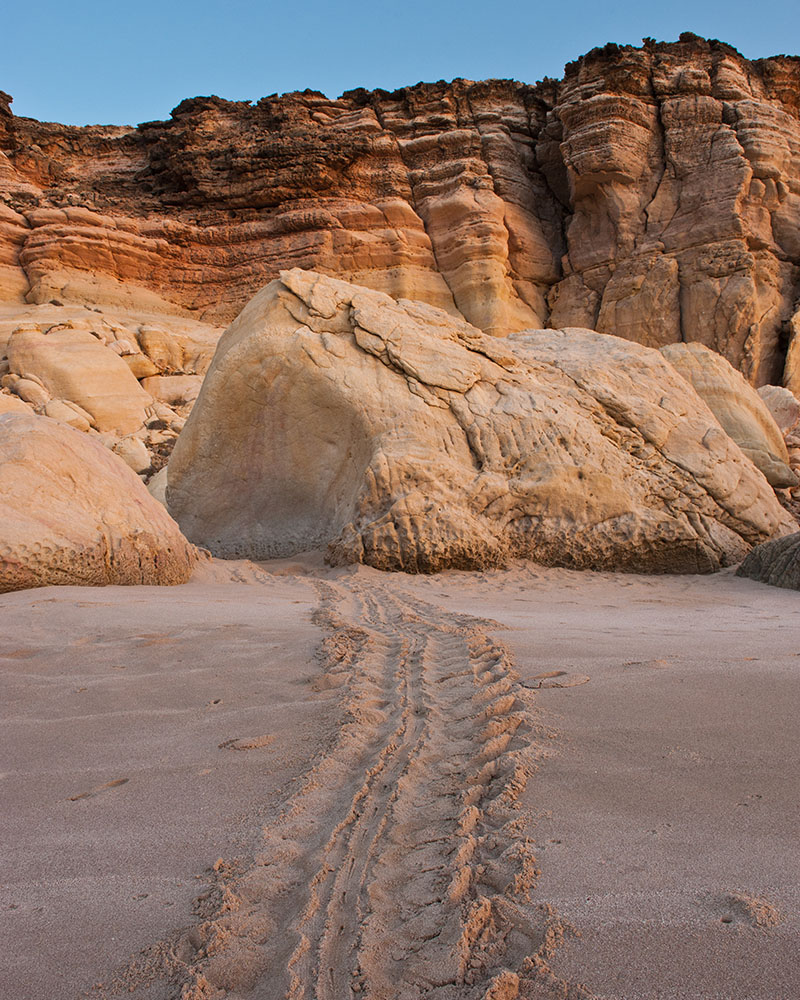
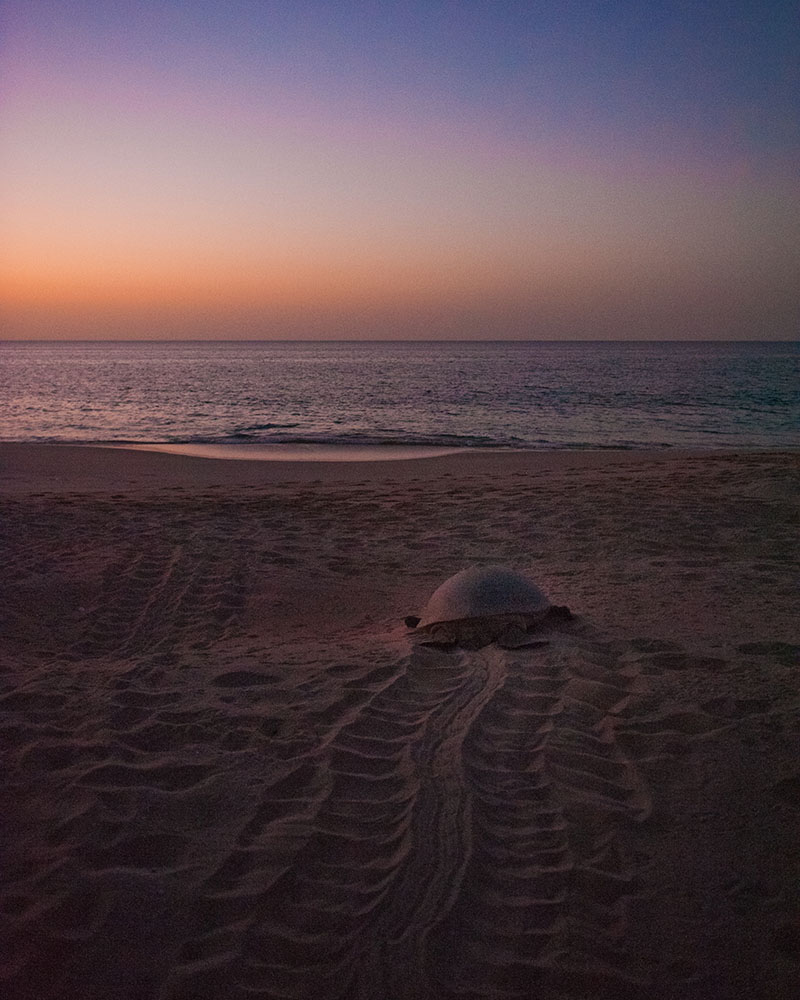
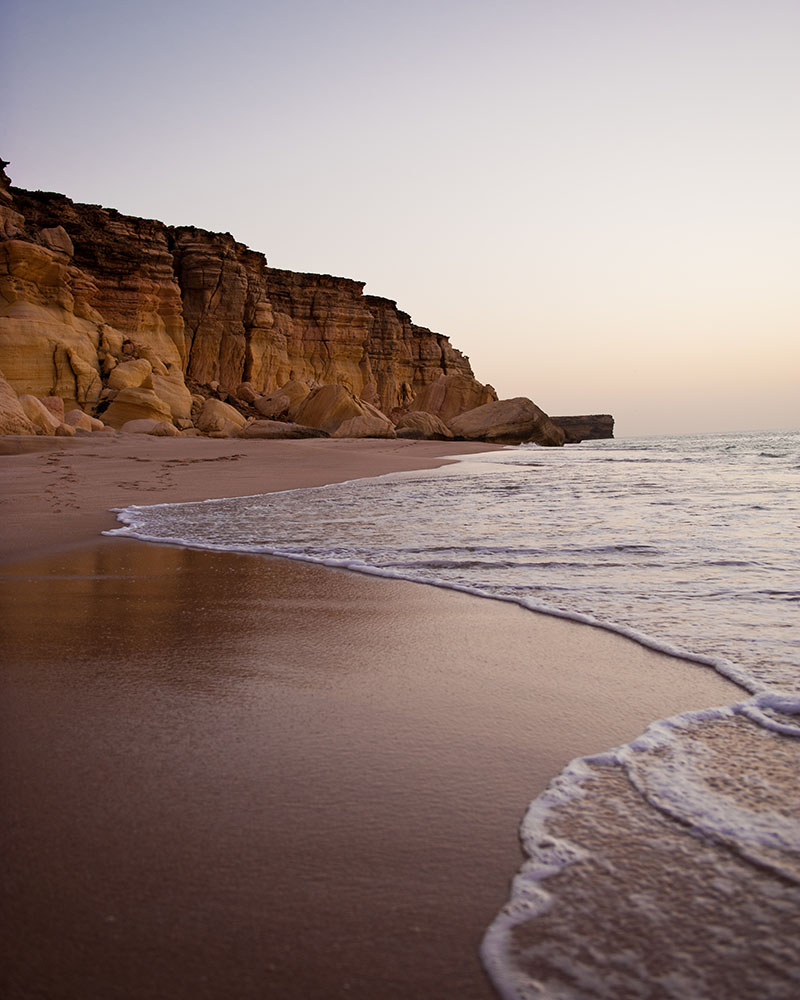
You could be forgiven for thinking you’re exploring Australia’s Great Ocean Road or cruising California’s west coast when you sink your toes into the sand at Ras al Jinz in Oman. Beautiful rock formations fringe this beach on the east of the Arabian Peninsula, but if the golden cliffs aren’t enough of a drawcard, the endangered green sea turtles that return each year to nest most certainly are.
Protected by the Omani government, the only way to see these grande dames – some of the largest turtles in the world – laying eggs or the little tykes hatching is on a group tour, departing from the Ras al Jinz Turtle Centre each morning and night.
Evening expeditions are conducted by torchlight, so be sure to stick close to your guide to learn all about the turtles’ lifecycle and the predators they face. Be sure arrive early or stick around after to explore the interactive museum that gives details about the eco-tourism project and to visit the research labs on site.
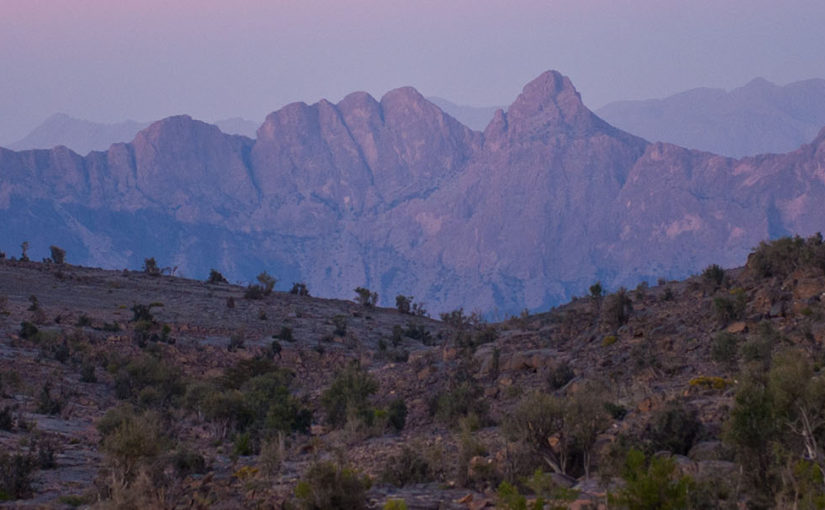
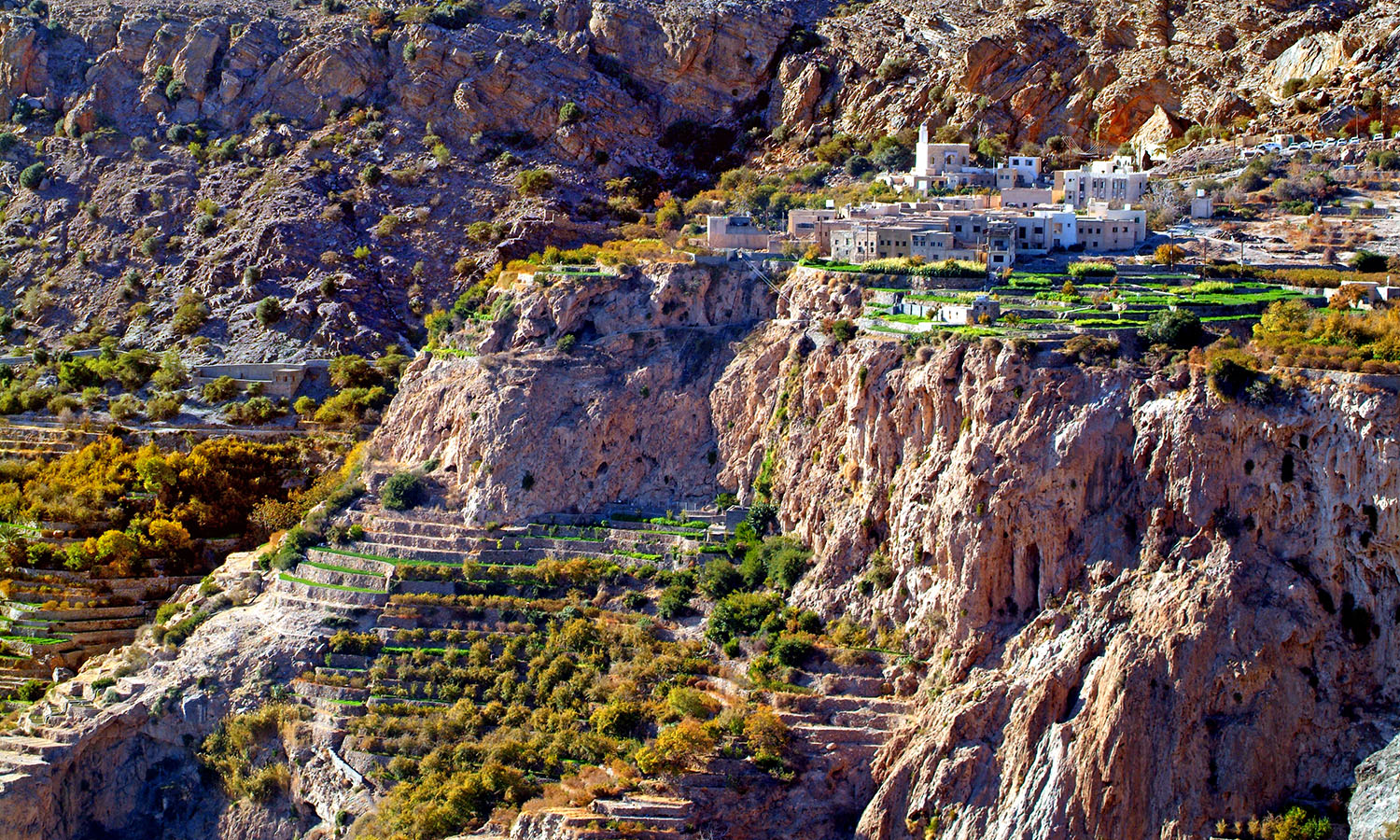
Oman can get hot. Really hot. And while the warmth makes the white-sand beaches all the more enticing, there’s another way to experience sweet relief from the sun; by travelling even closer to it. Head high into Jebel Akhdar, part of the immense Hajar Mountains, 2000-metres above sea level. Here a great canyon splits through rock and the temperatures drop more than 10°C.
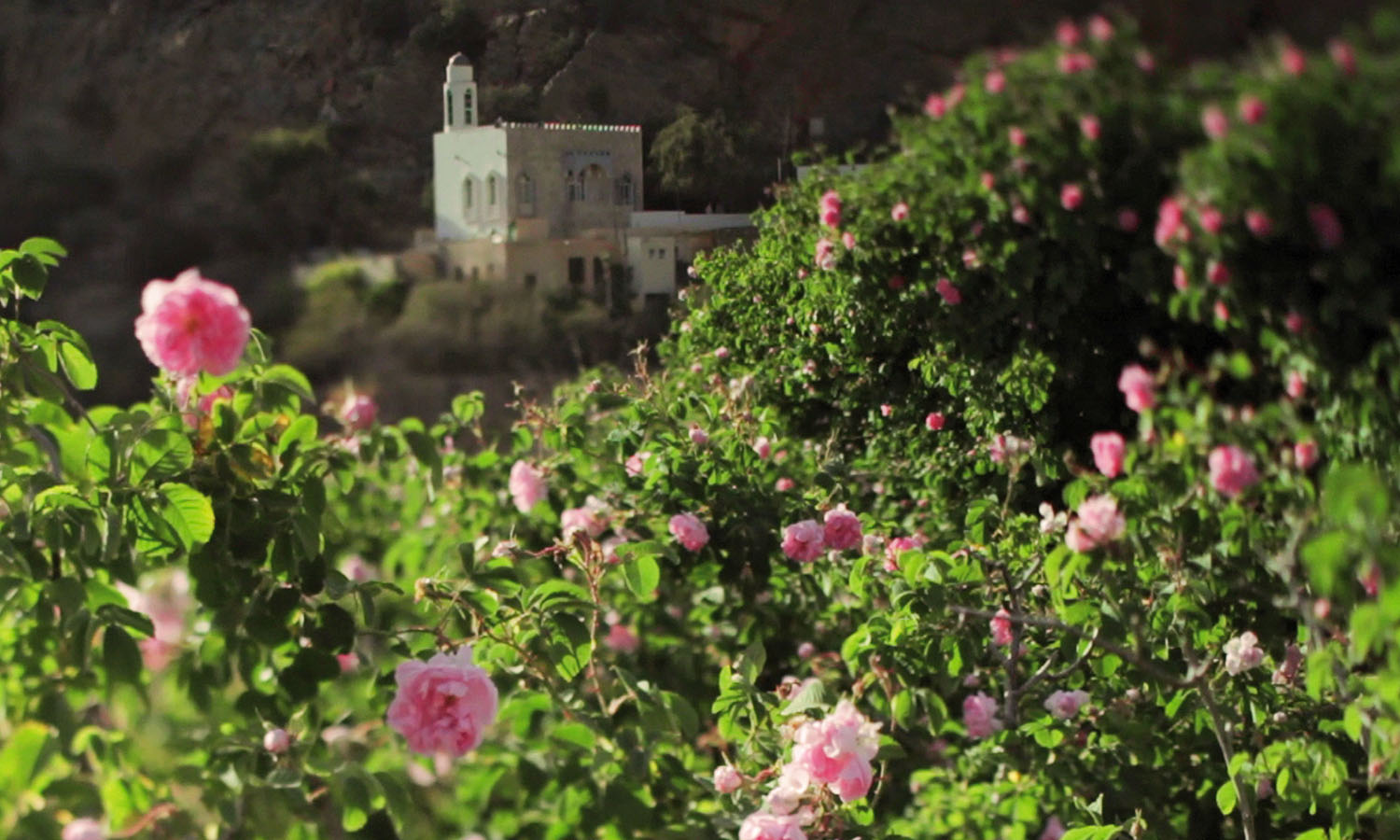
At first glance the region’s name, which translates to Green Mountain, may seem a little misplaced. But on closer exploration you’ll uncover valleys of fertile soil with orchids growing pomegranate, walnuts, figs and succulent stone fruit – think juicy apricots, peaches and plums. Terraced hills are scattered with bursts of colour in the form of Damask rose bushes, with their petals destined to be distilled into Omani rose water, and later infuse local sweets and traditional cosmetics.
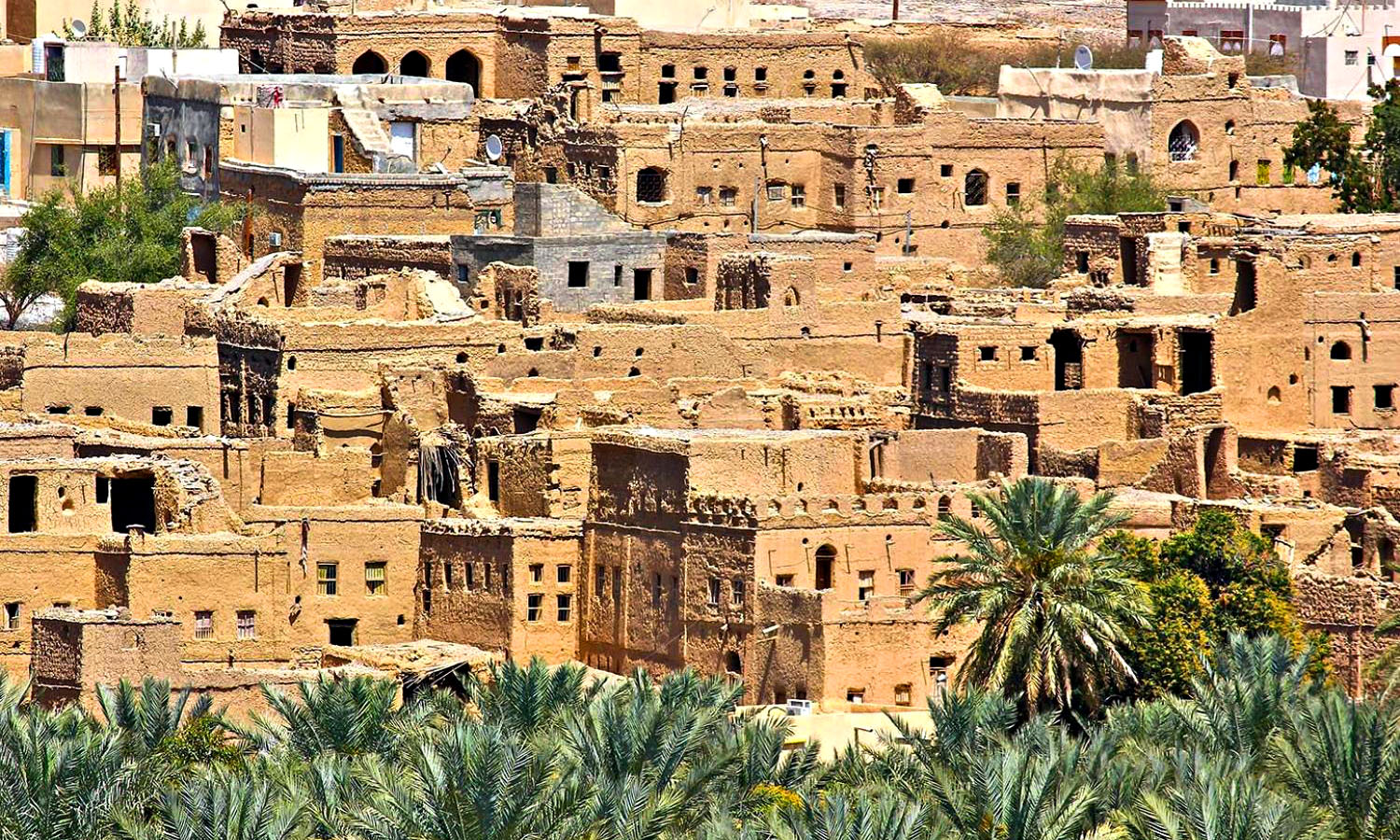
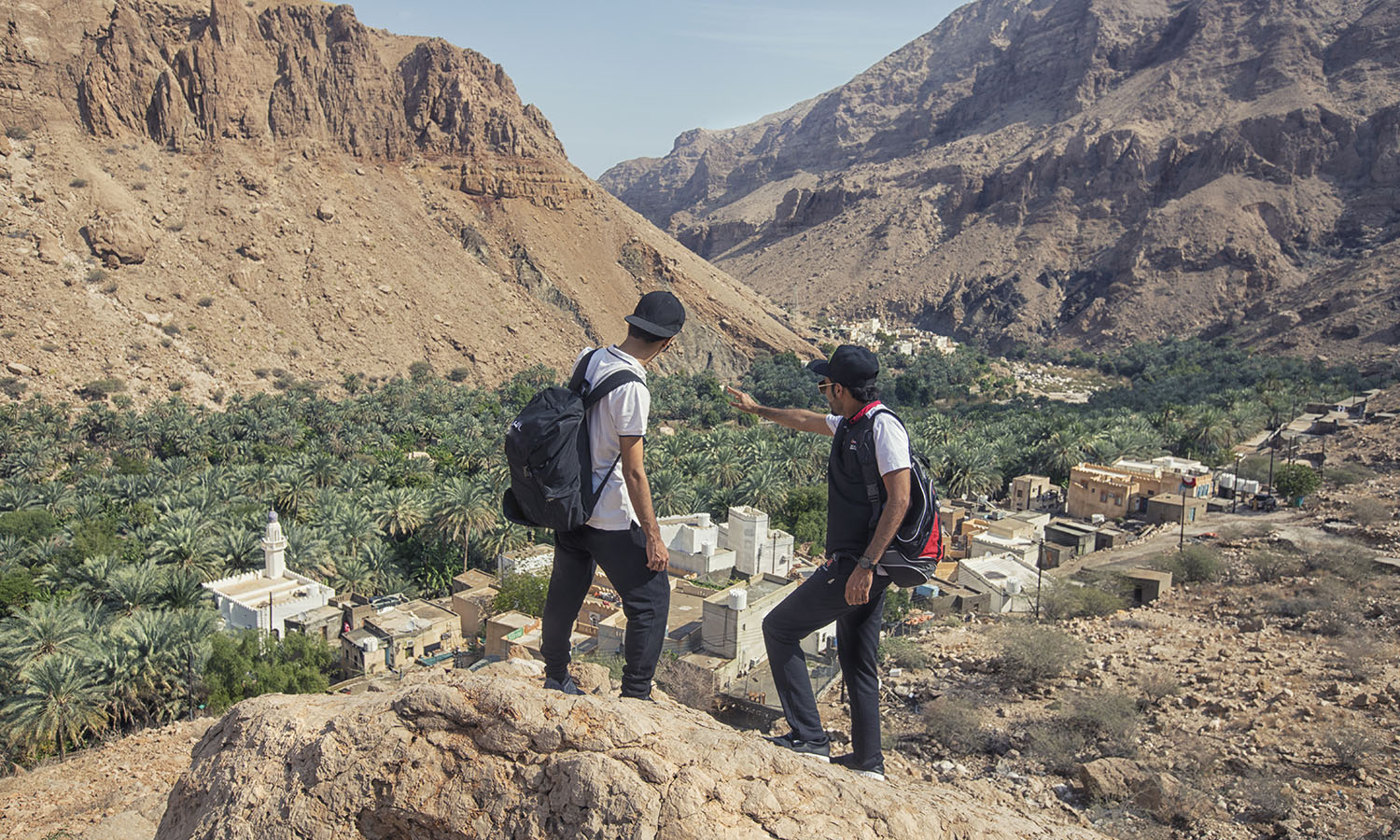
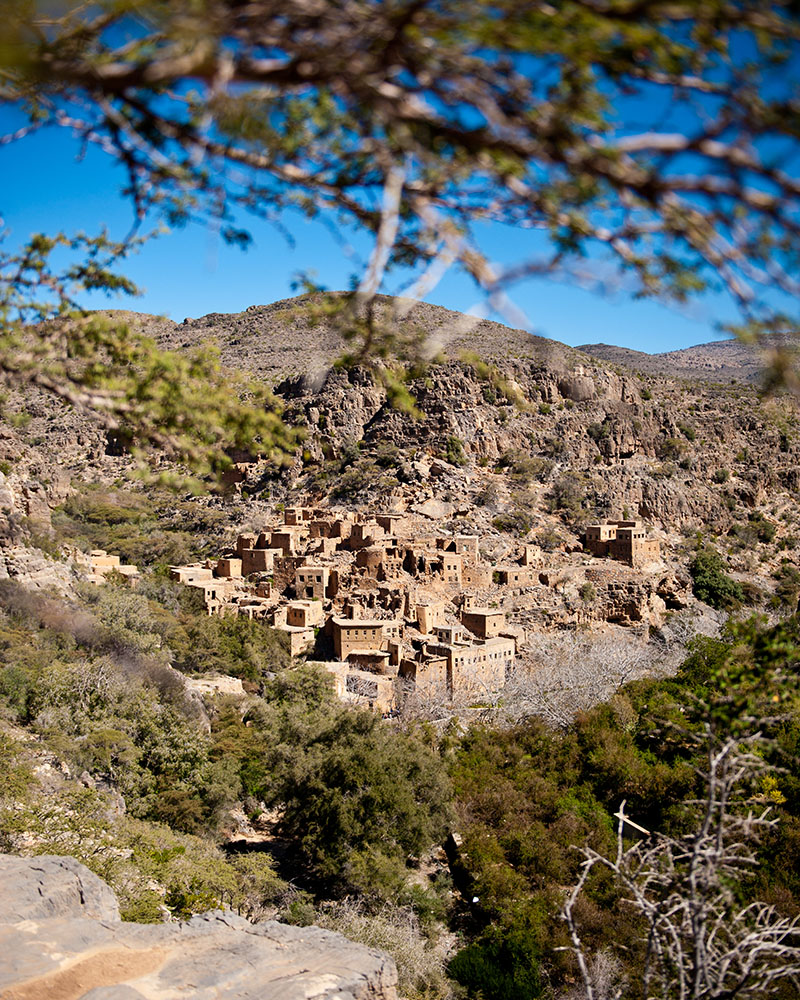
Ruins of mud-brick houses sit crumbling into the hills at Wadi Bani Habib, and date palms form oasis around them. This is the place to really get in touch with nature, and you’ll spot buzzing insects, vultures and warblers on a hike to the town and through the valley. After a couple of days exploring the mountain oasis of Jebel Akhdar that heat building up inside you will have dissipated, and you’ll be ready to embark back into the warmth of the lower grounds.
 (
(