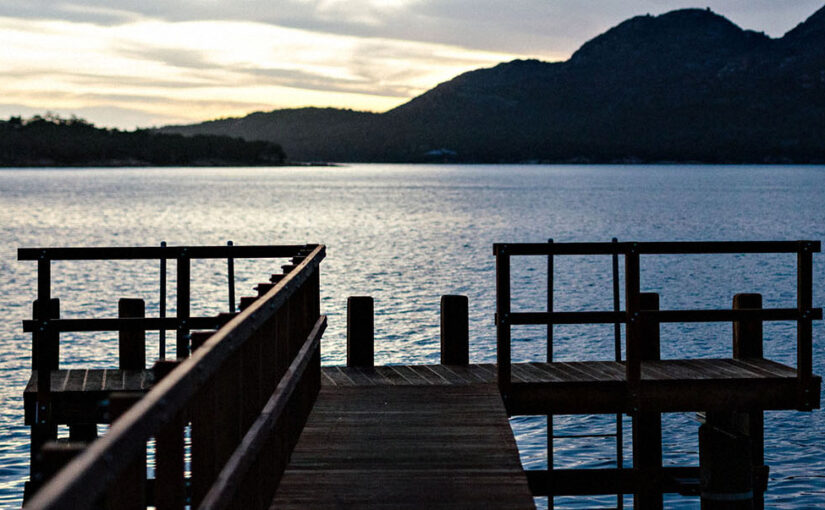
There’s something deeply satisfying about stepping onto a boat knowing you’re not just heading to a hotel, you’re heading to your own private island.
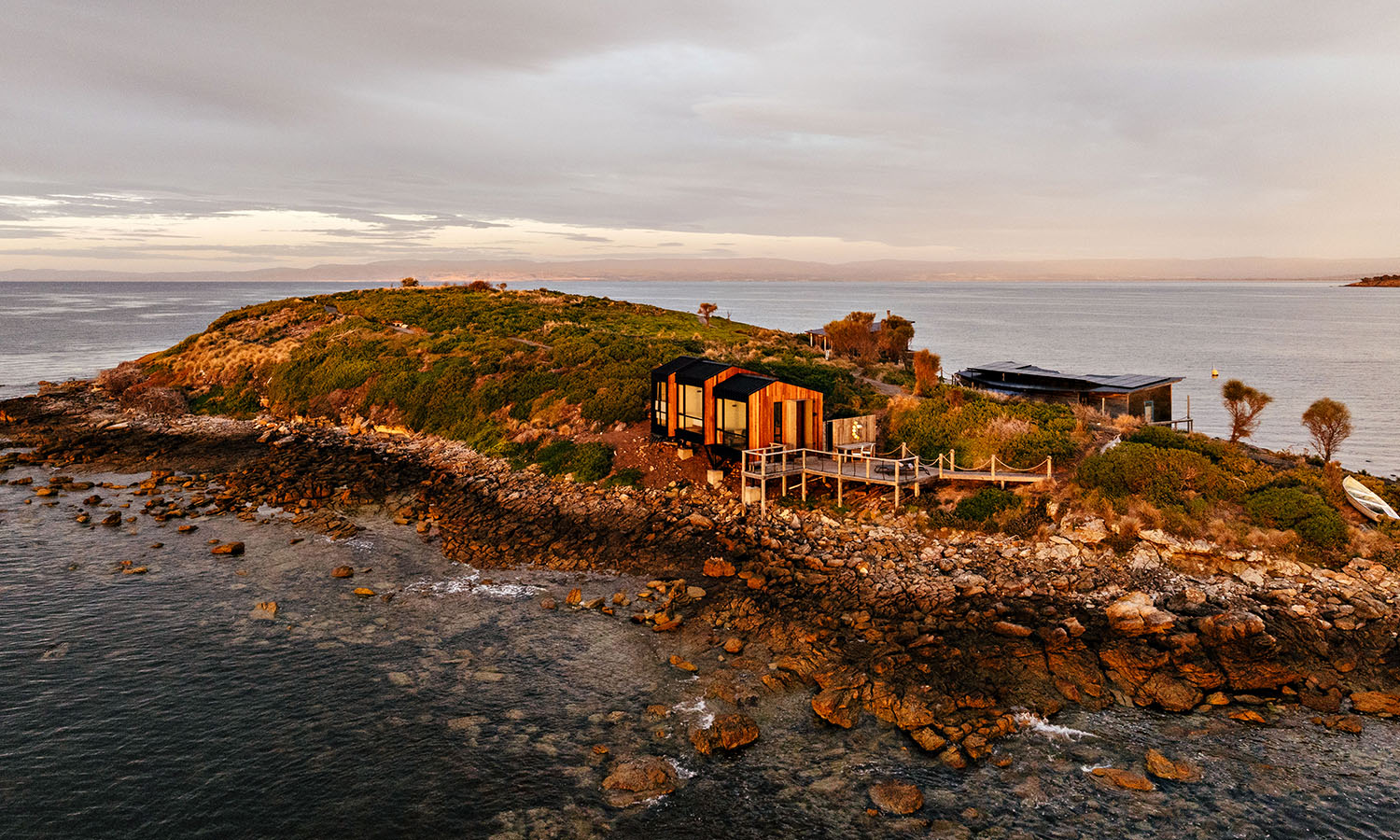
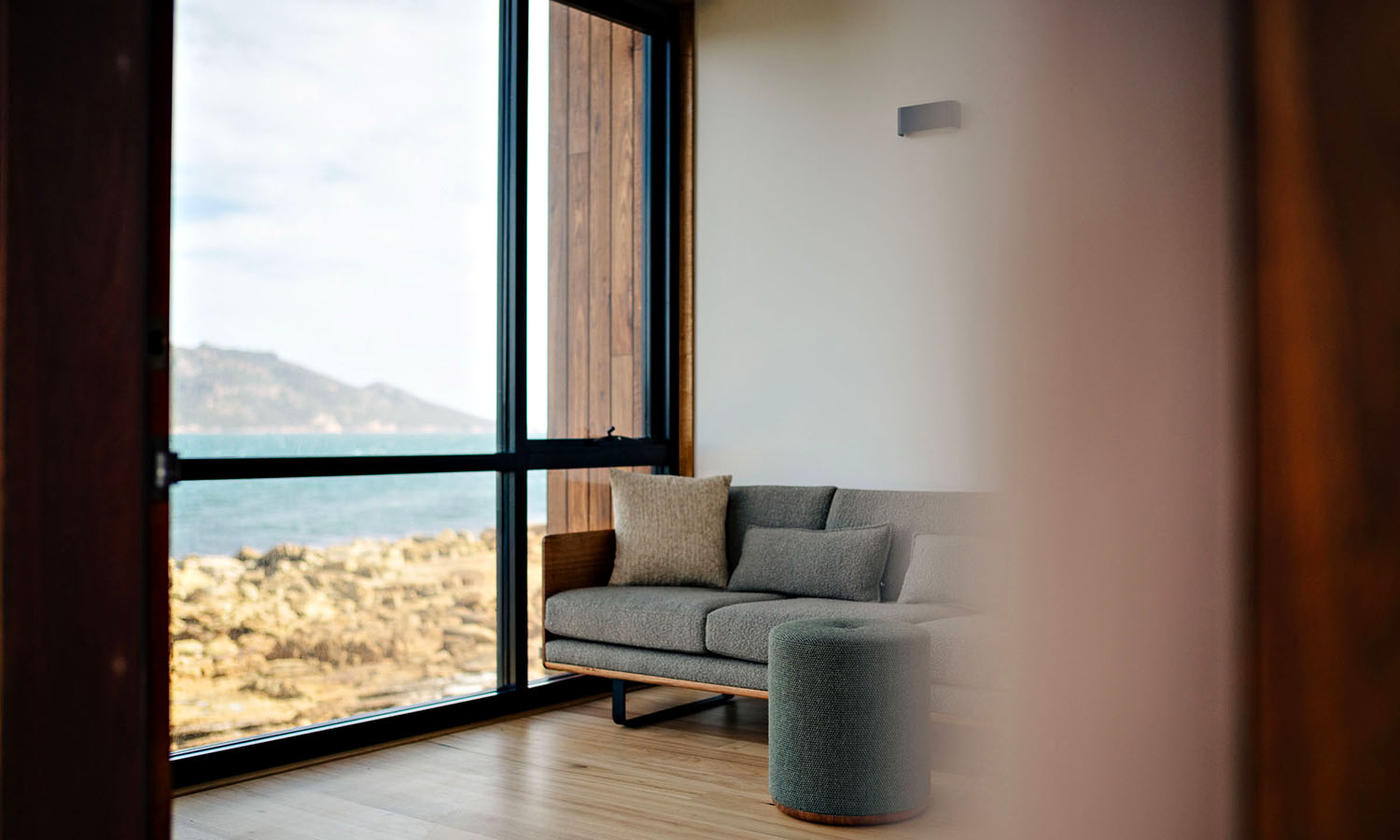
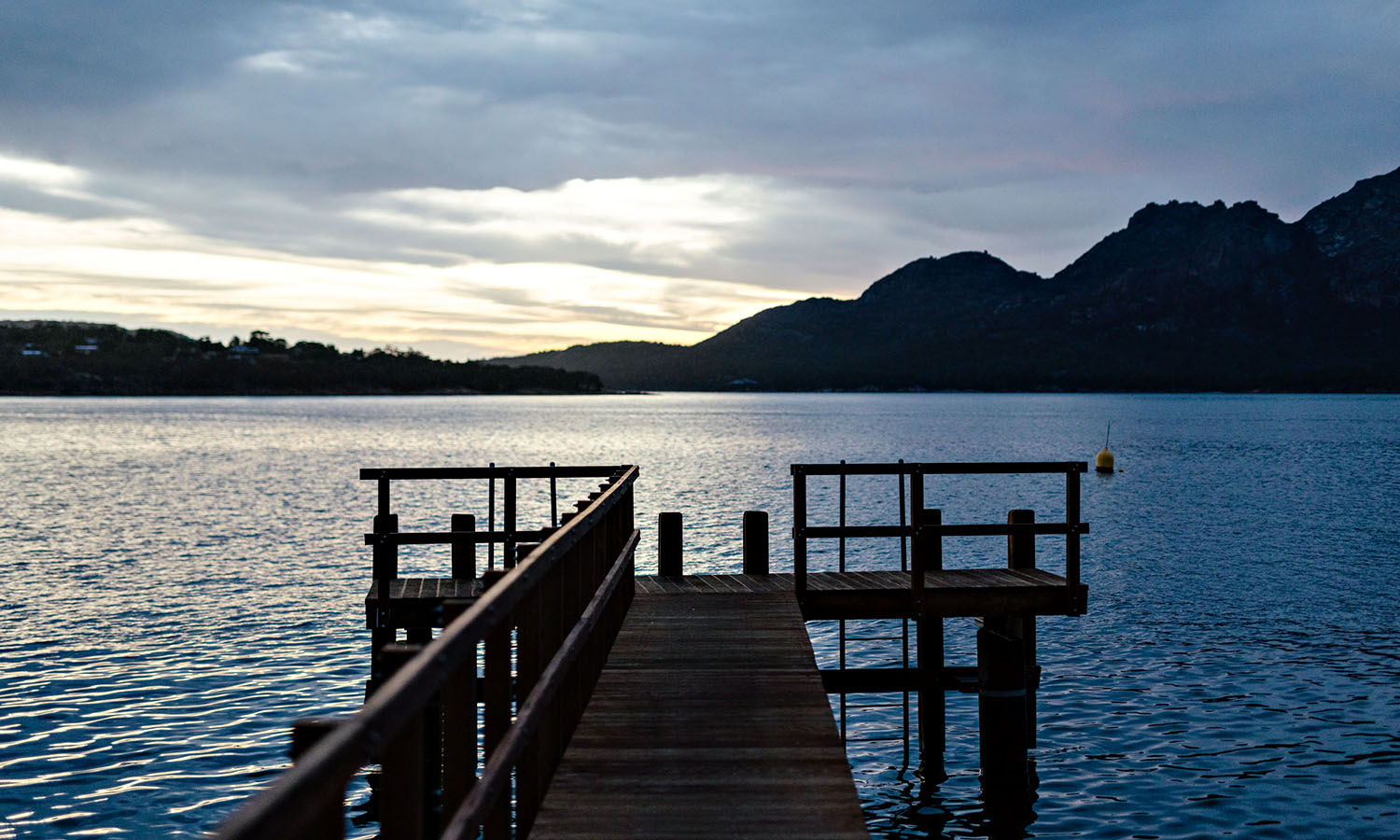
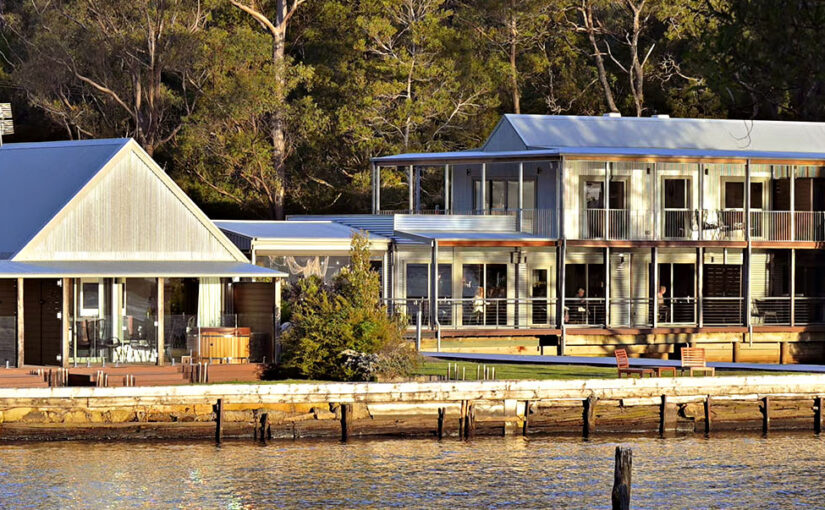
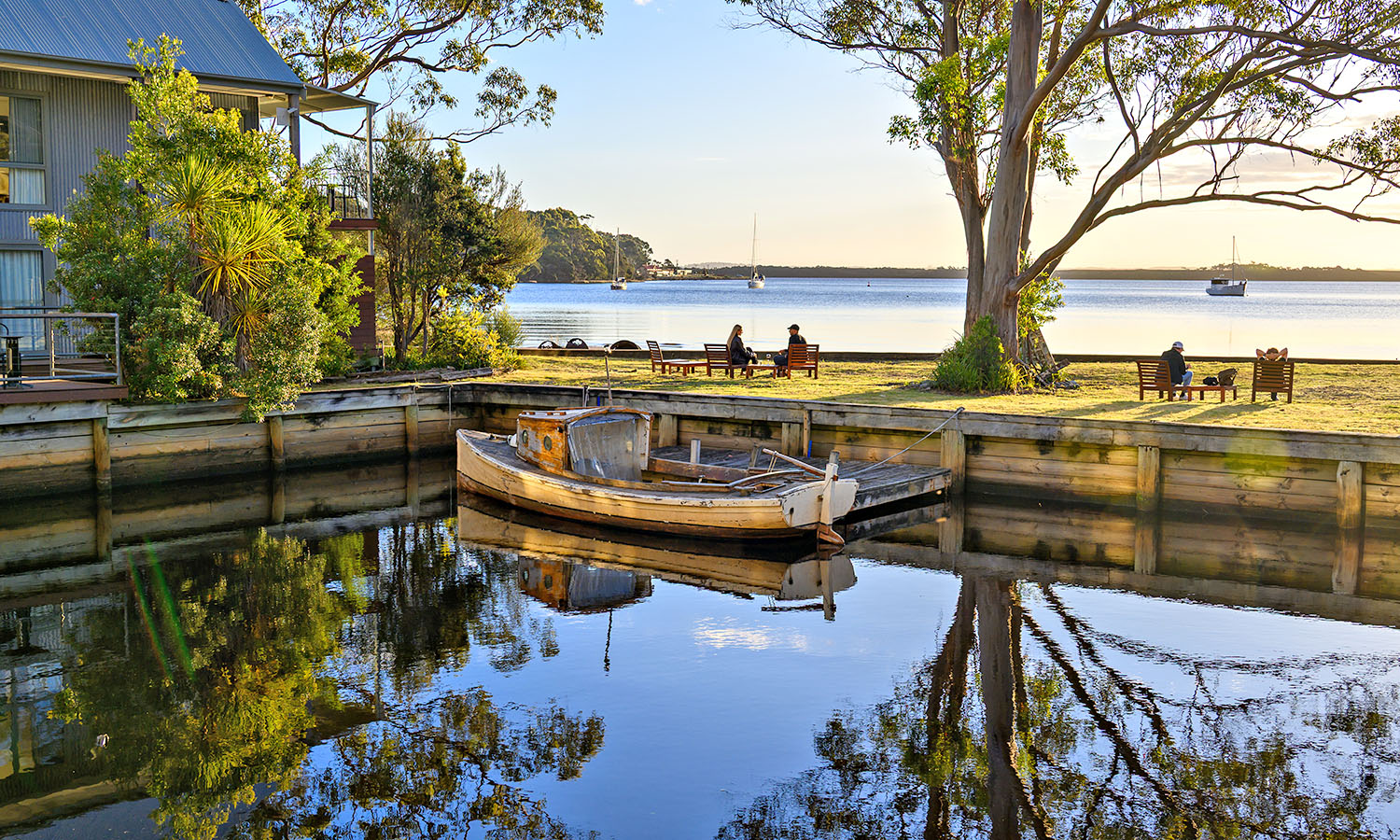
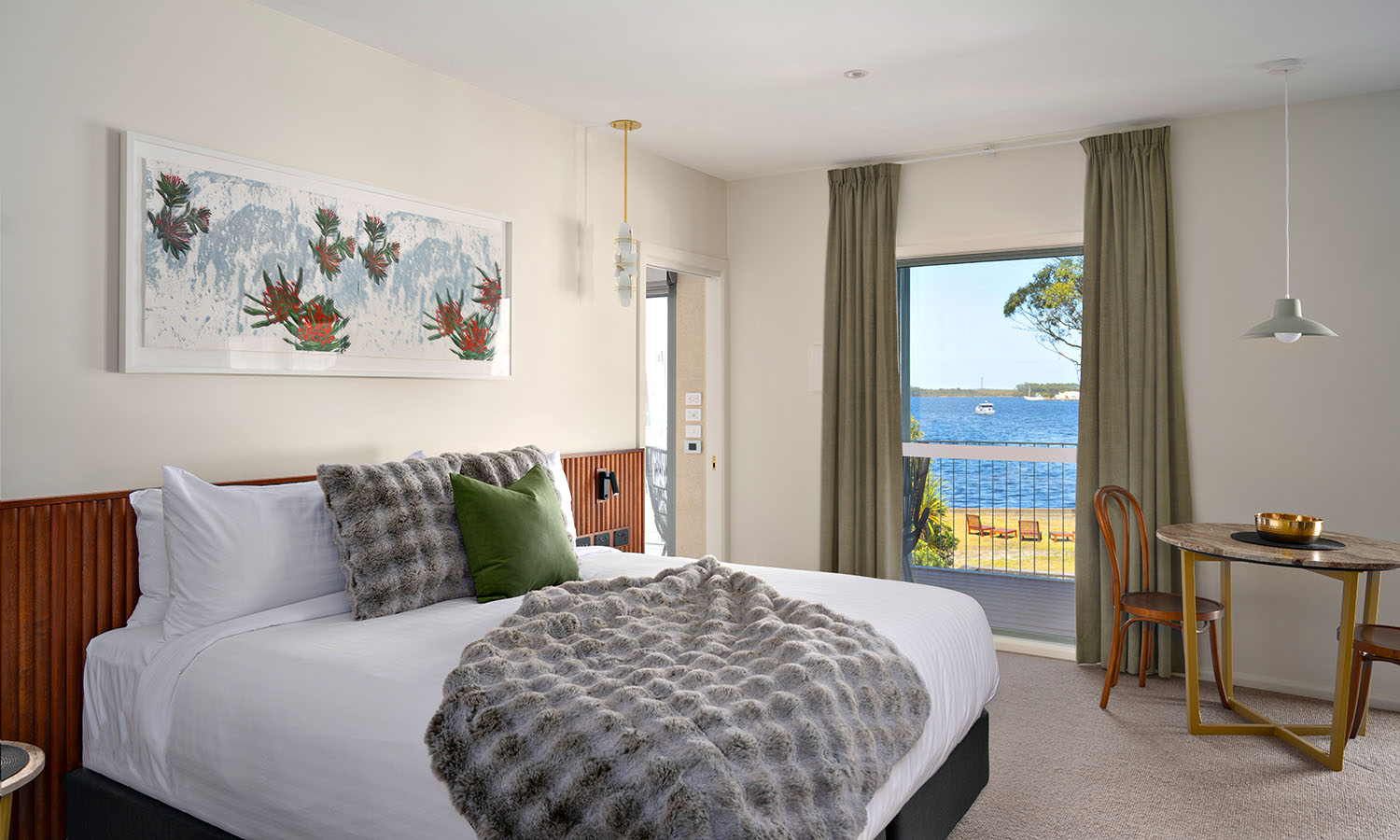
Just 800 metres off Coles Bay on Tasmania’s east coast, Picnic Island Tasmania has officially reopened after a major refresh. The private retreat, sitting in the shadow of Freycinet National Park, now features a brand-new primary suite and upgraded copper-clad accommodation, sleeping up to eight guests across four separate spaces.
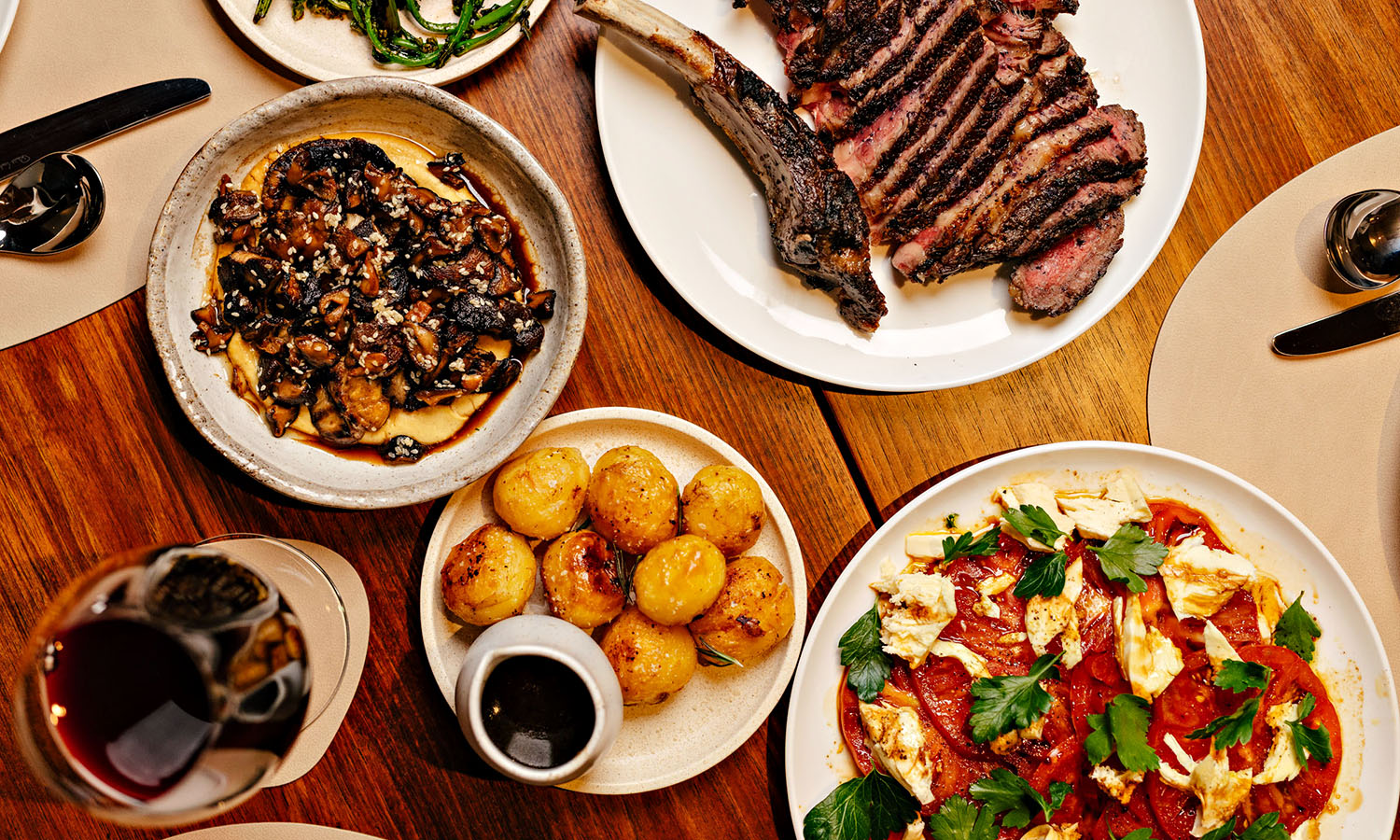
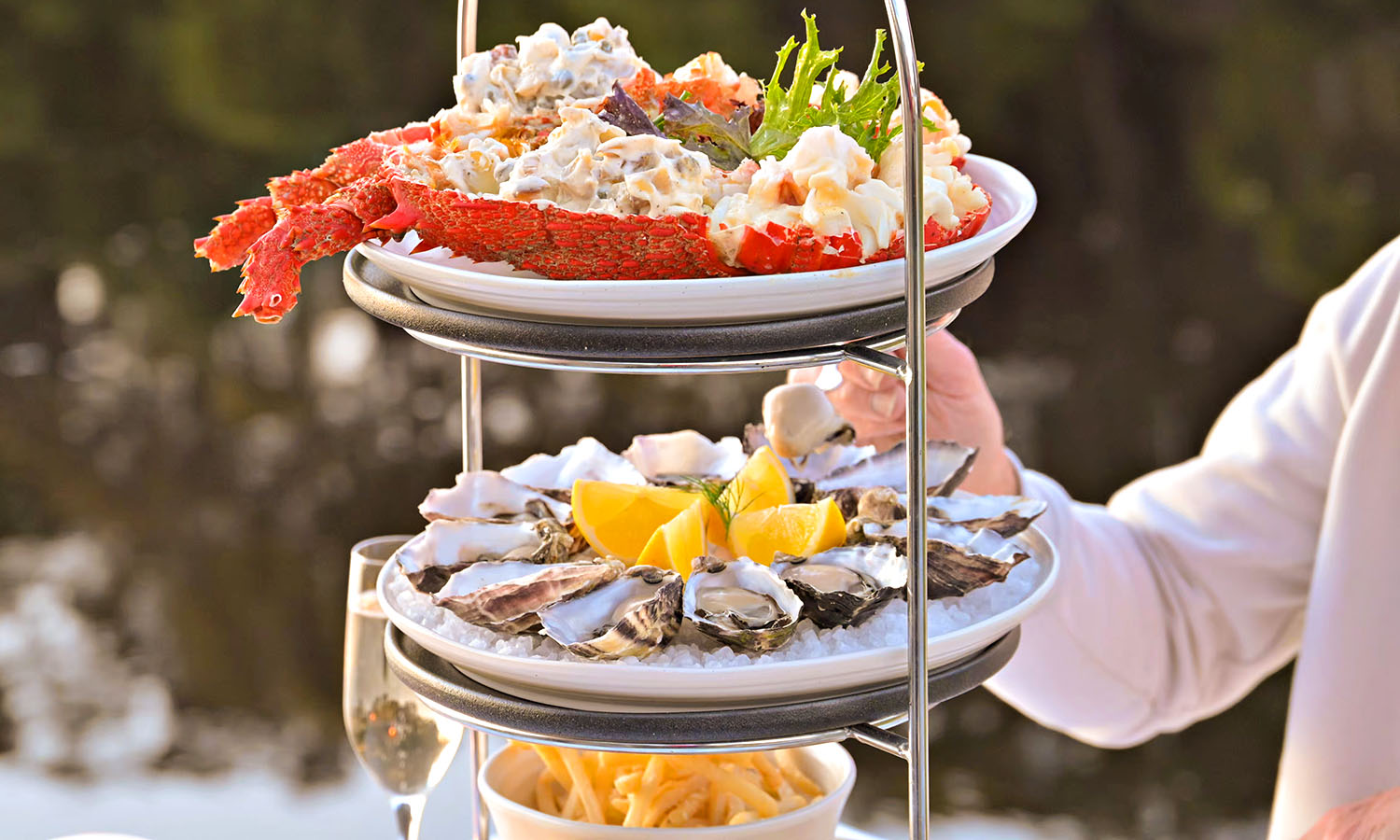
But let’s be clear. this isn’t about squeezing as many people in as possible. It’s about having the place entirely to yourself. Book it and the whole island is yours, complete with a dedicated host and skipper, a private chef championing Tassie produce, and a new custom-built boat for transfers and coastal adventures. It’s all-inclusive, but done in a way that feels considered rather than over-the-top.
The owners have capped stays at just 100 nights per year to protect the island’s delicate ecosystem, including its resident Little Penguin colony. It runs off-grid on solar power and rainwater, and the focus is firmly on privacy, space and letting nature set the pace.
You’re within easy reach of Wineglass Bay and the Freycinet coastline, but far enough away that the loudest thing you’ll hear is the wind.
It’s AU$16,000 per night for the entire island, with a three-night minimum. Which is hella pricey. But when checking in involves your own boat ride to your own island, it hits a little differently.
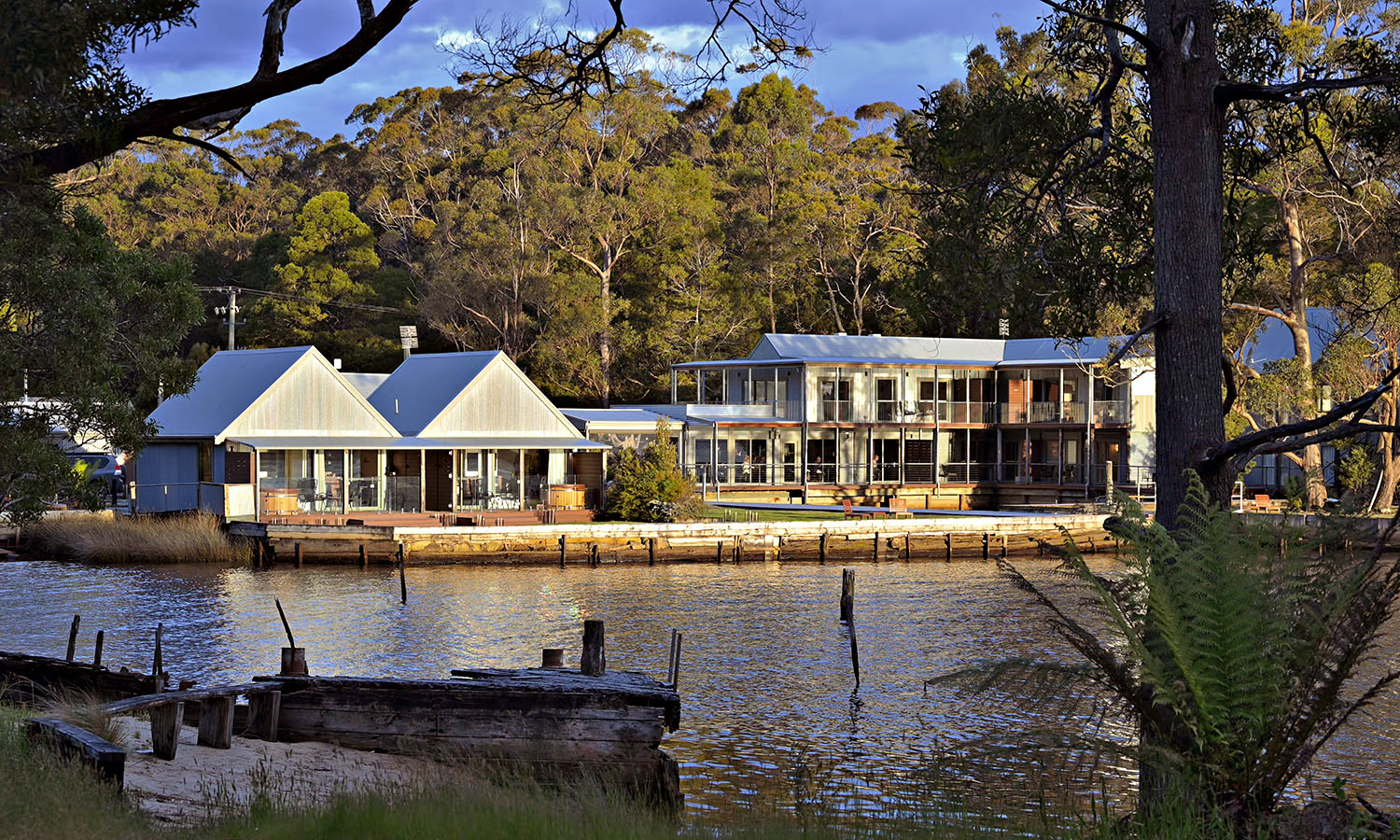
Strahan’s Risby Cove has always had a soul – raw, untamed, and perched on the edge of Macquarie Harbour. Now, after a multi-million-dollar transformation, that soul has been given a wardrobe of bespoke Tasmanian timber, curated artworks, and just the right amount of glamour.
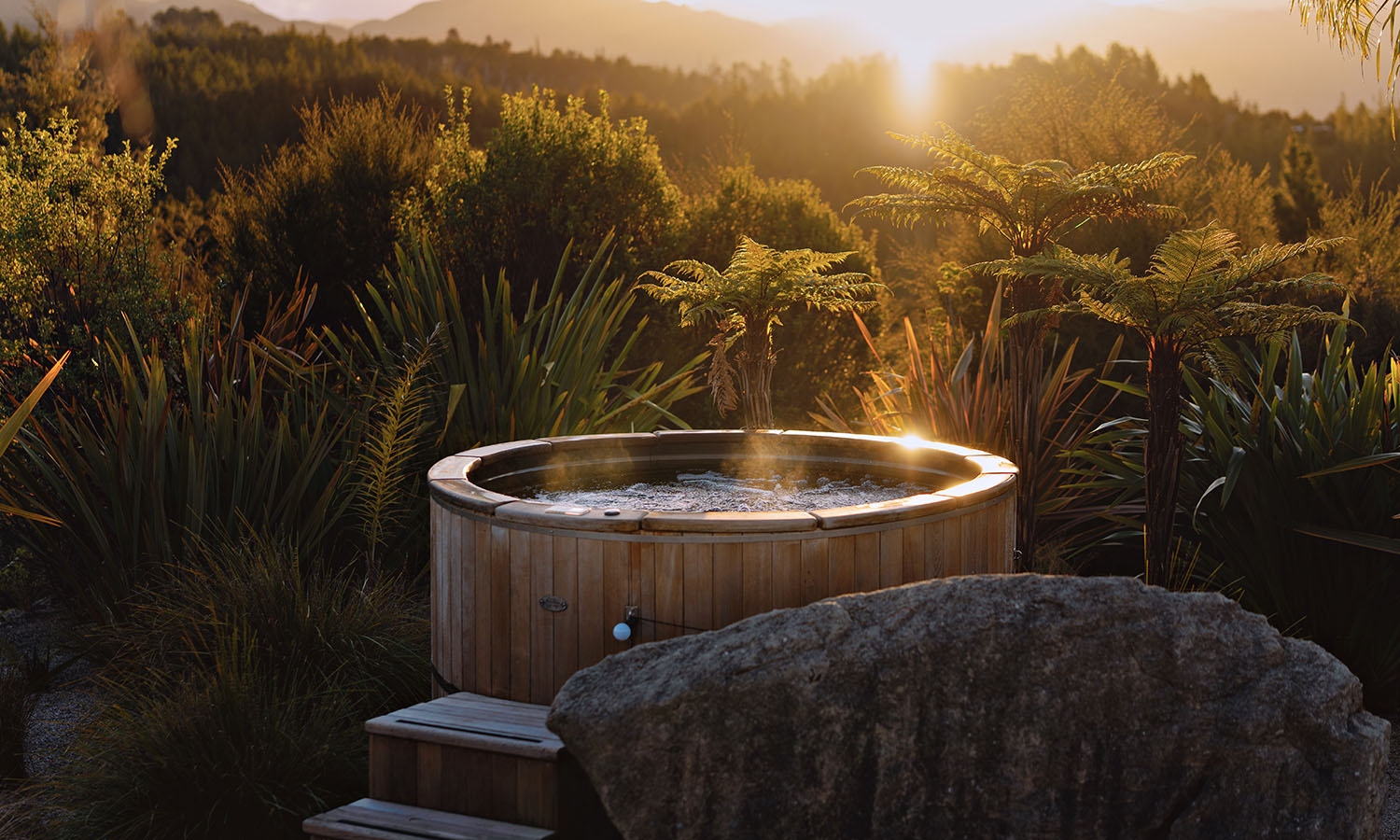
Twelve suites now read like a love letter to the West Coast: decks spilling over harbour and rainforest vistas, cedar hot tubs and private infrared saunas promising long, slow soaks, and a “cinematic” gold-class suite nodding to the hotel’s theatre past. It’s a place where fireplaces glow on rainy afternoons and king-sized beds invite mornings without alarms.
Wellness isn’t an afterthought here, it’s in the air, in the light, in the way each space nudges you into stillness. Stand on a deck at sunrise with tea in hand, and the world feels a little quieter, a little softer. Owner Jacinta Young calls it a sanctuary, but really, it insists you slow down whether you like it or not.
Risby’s restaurant, long a Strahan favourite, has been reimagined too. Floor-to-ceiling windows frame shifting moods of Macquarie Harbour while dishes tell stories of land, sea, and the region’s history, from salvaged Huon pine to fire-finished Tasmanian oak tables. Every detail whispers West Coast pride.
A stay here is less about ticking boxes and more about surrendering to place, letting the harbour, forest, and a little Tasmanian magic work their slow, restorative charm.
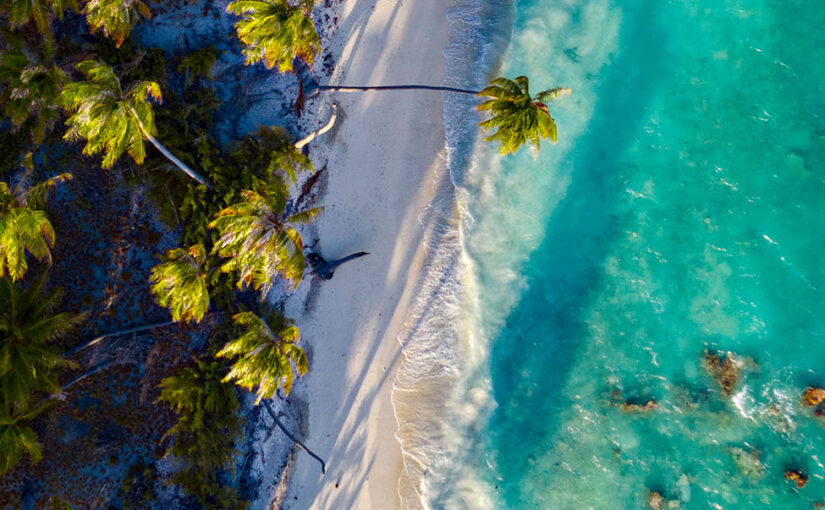
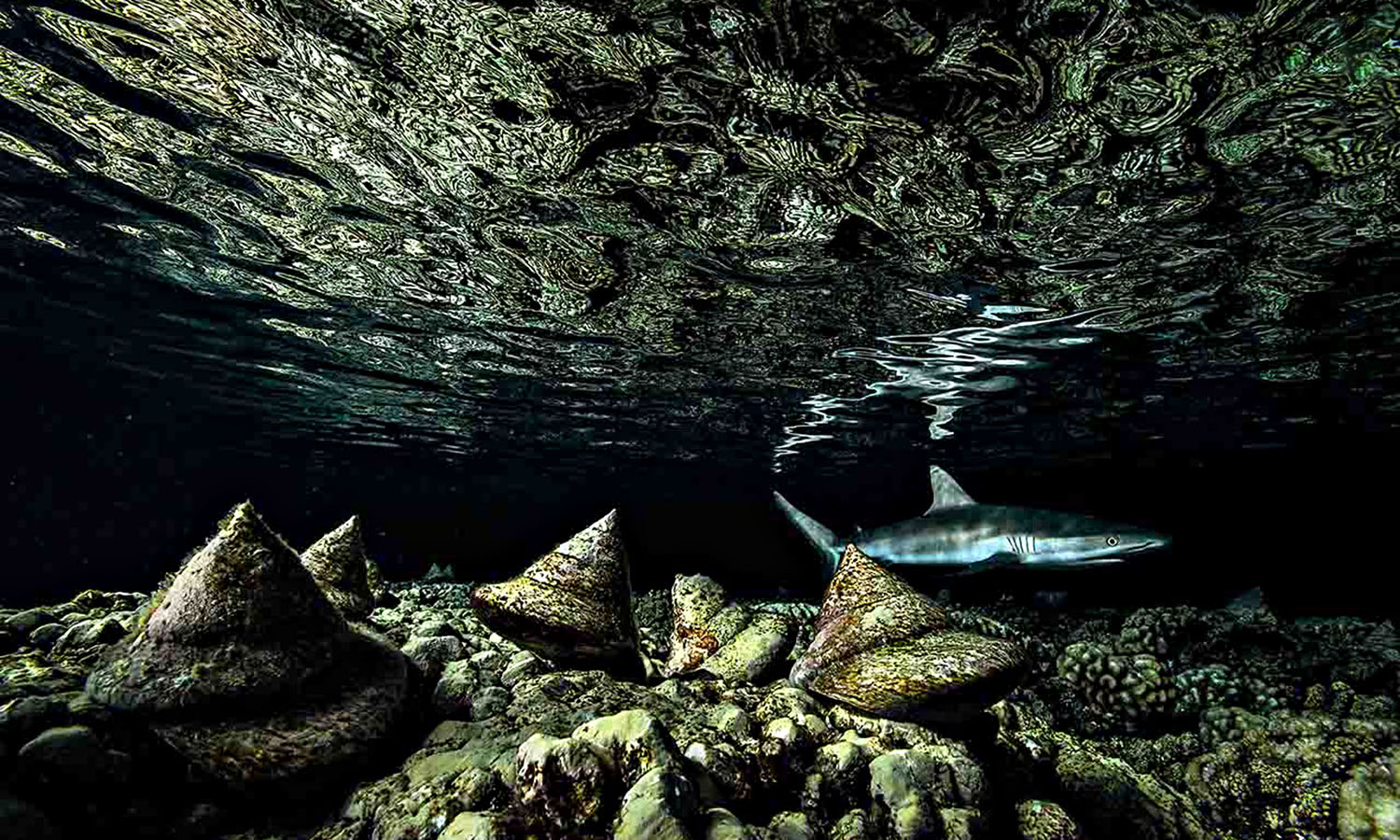
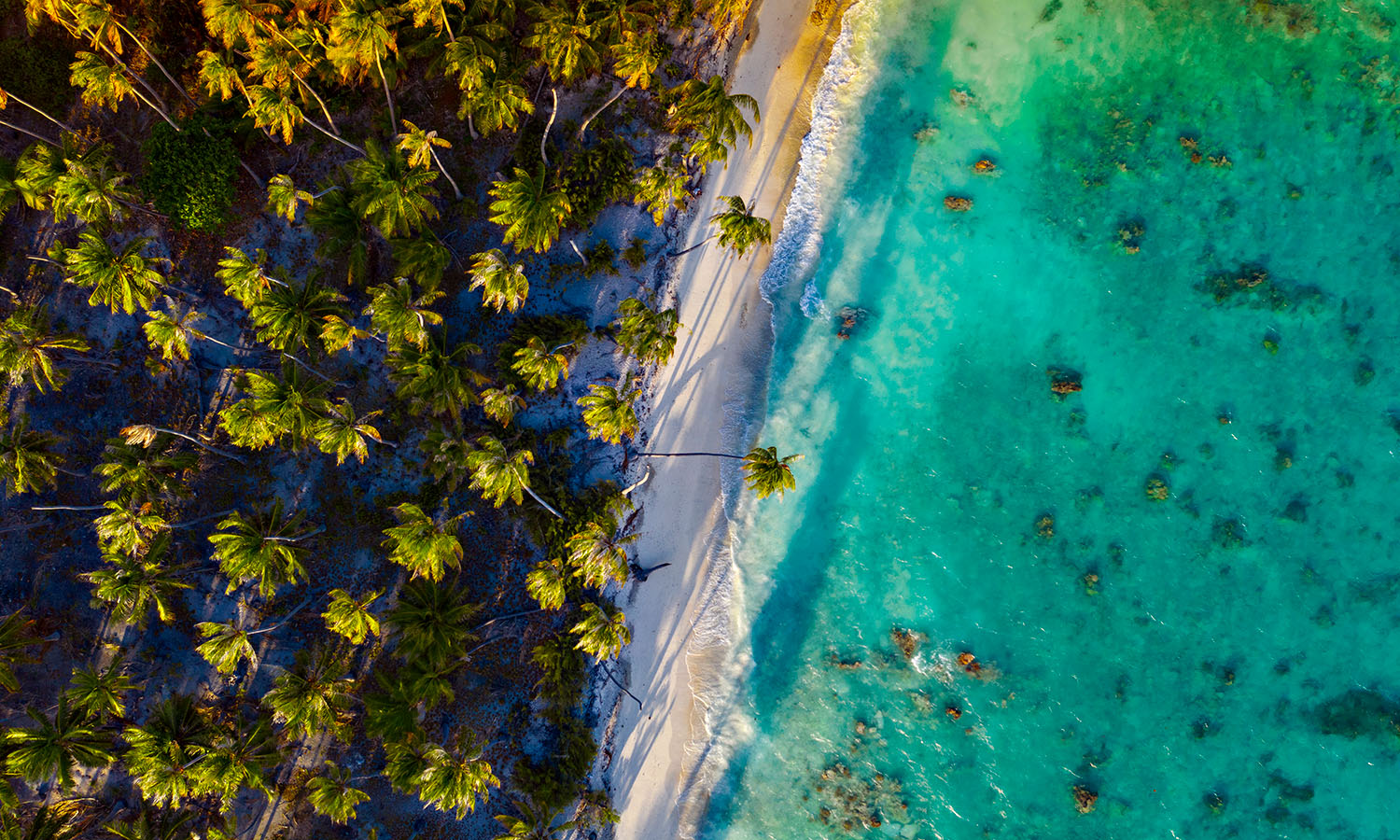
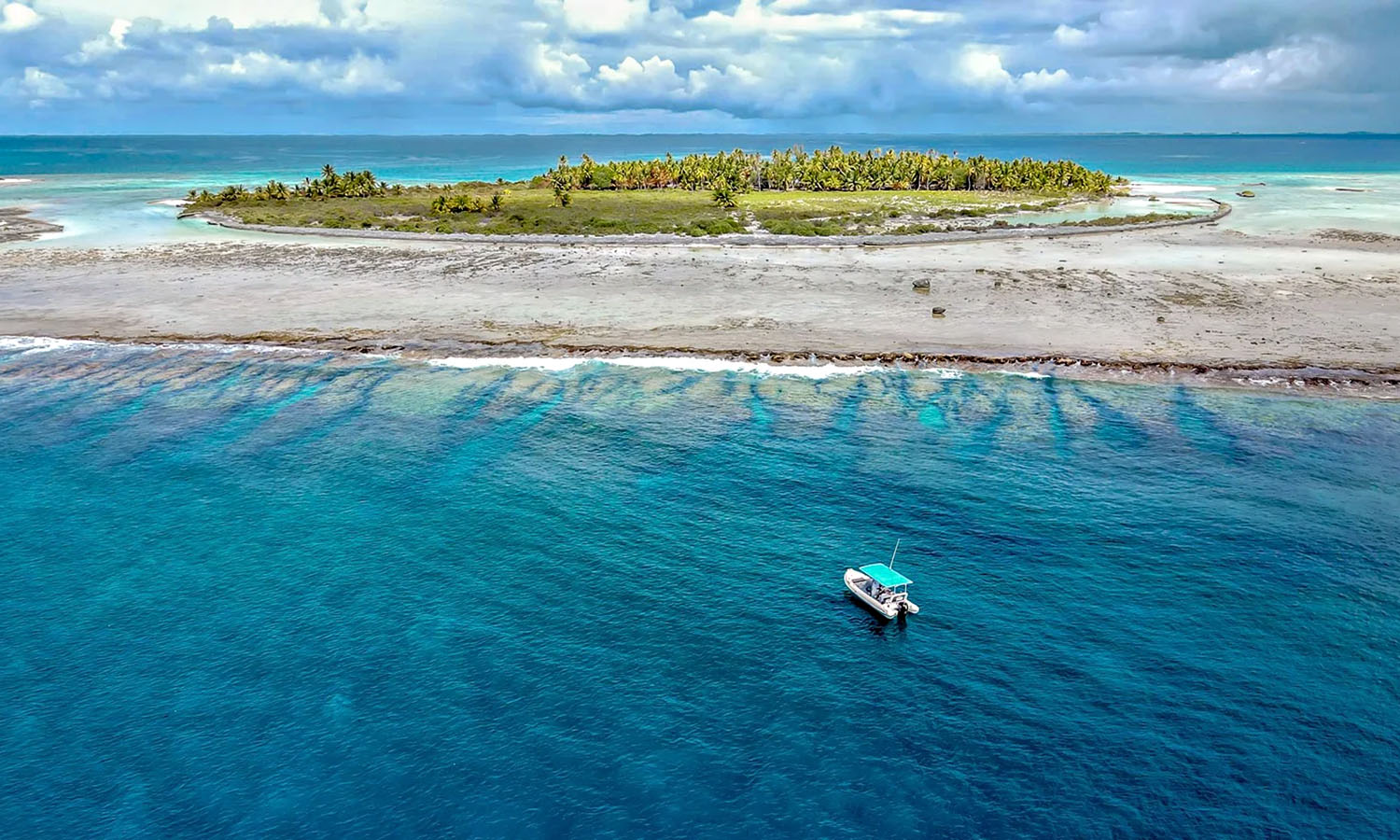
If you’ve ever looked at Tahiti and thought, yes, but quieter, the Tuamotu Archipelago has been waiting for you. And now there’s a new way to experience it properly.
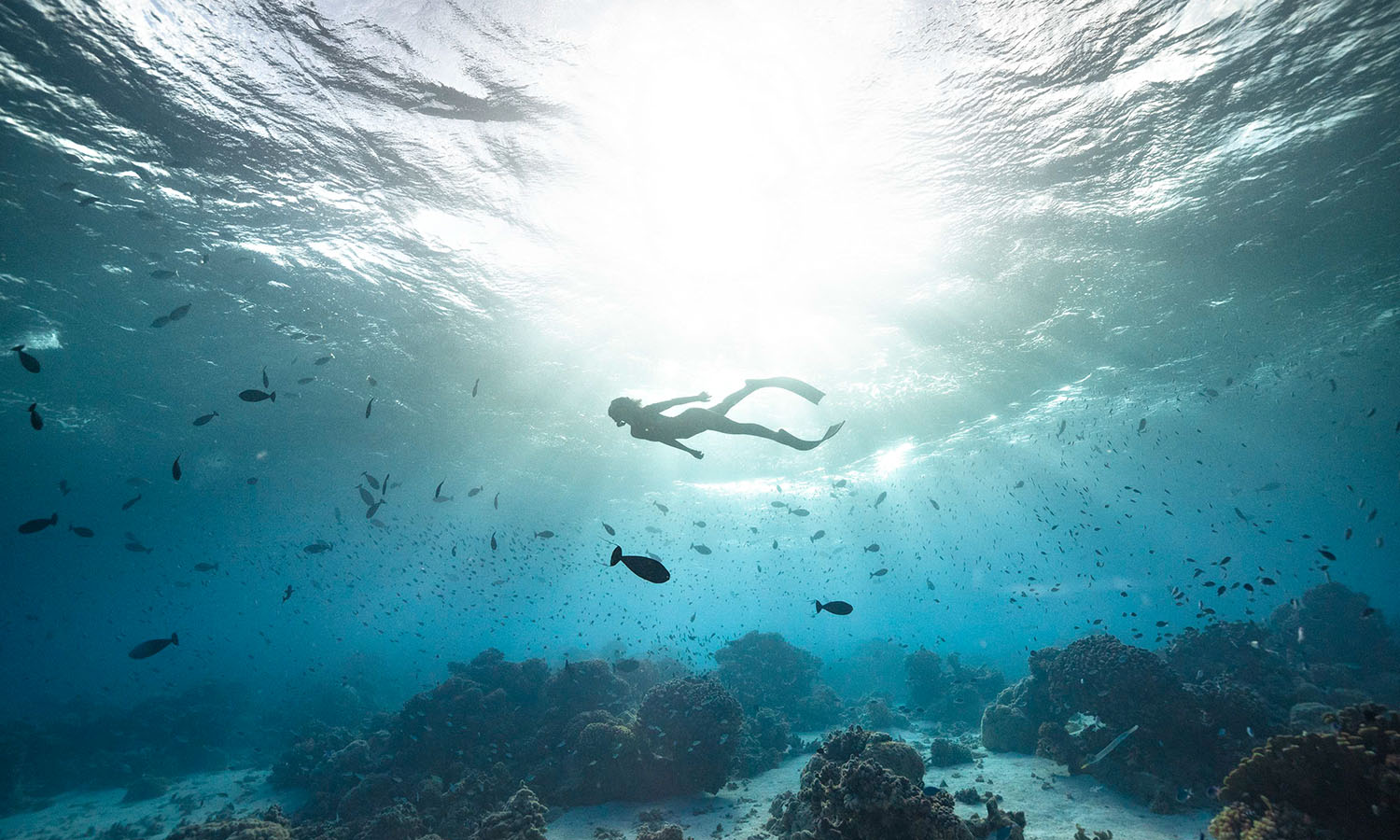
Tuamotu Expeditions has launched a brand-new expedition-style experience through this remote scatter of coral atolls, designed for travellers who’d rather trade infinity pools for reef passes and actual silence. This isn’t a cruise, and it’s definitely not a tick-and-flick island hop. It’s six nights, five full days on the water, exploring lagoons, reefs and drop-offs that still feel wildly untouched.
At the centre of it all is Denis Grosmaire; local guide, deep freediver, marine conservationist, Air Tahiti Nui ambassador and long-time resident of Tikehau. He’s been living and diving here for over 20 years, which shows in the way the experience unfolds. There’s no rushing, no performative “wow” moments. Just time in the water, learning how the ocean actually works when you stop fighting it.
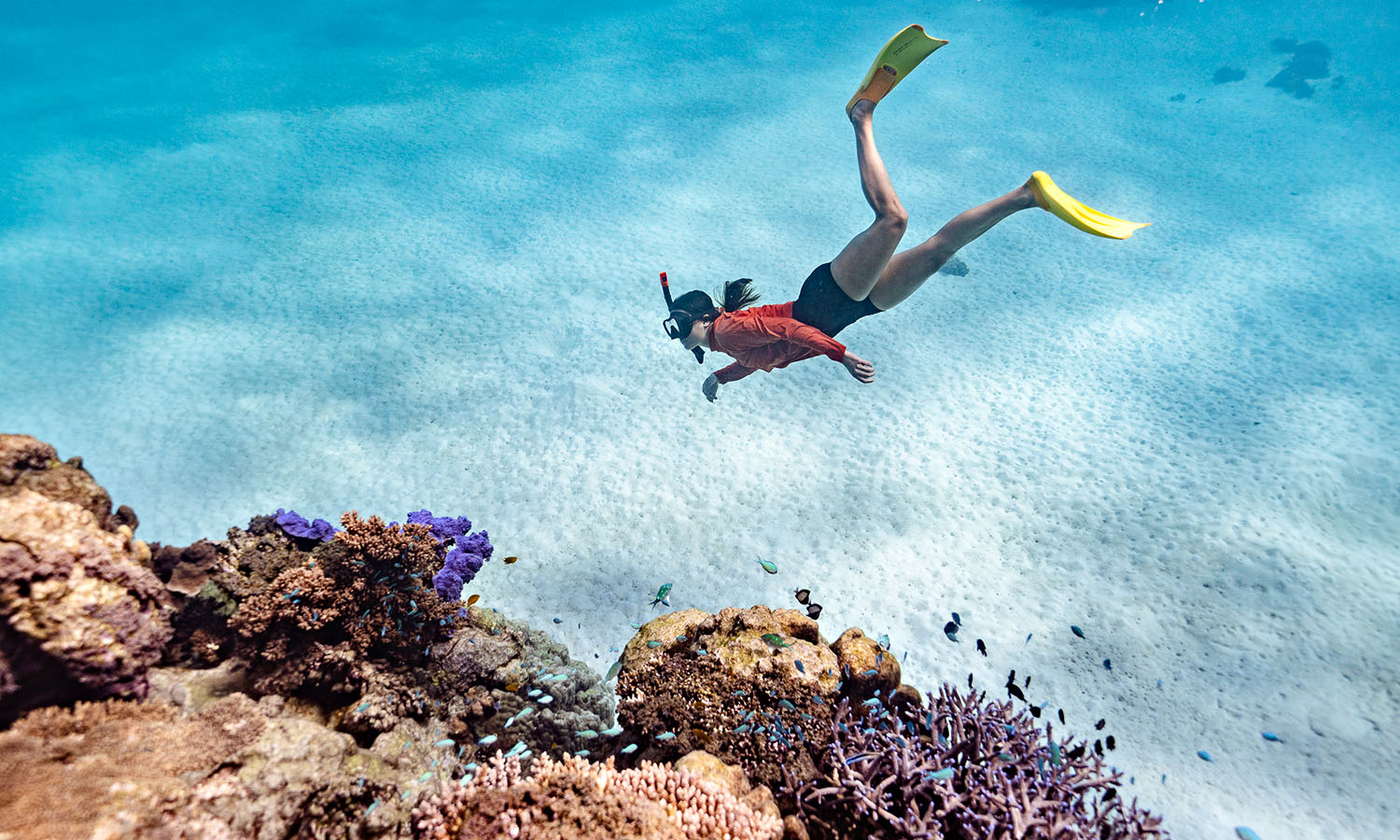
Days are spent snorkelling through passes and lagoons, reading currents, spotting marine life and understanding why this part of French Polynesia has quietly earned a reputation among serious ocean people. Denis also draws on techniques from his book Respirer comme l’océan, introducing breathing practices rooted in freediving: practical, grounding, and refreshingly un-woo.
The result is an expedition that feels personal and deeply connected to place. So, psst, if you’re after Tahiti without the gloss, and with far more meaning, this is it.
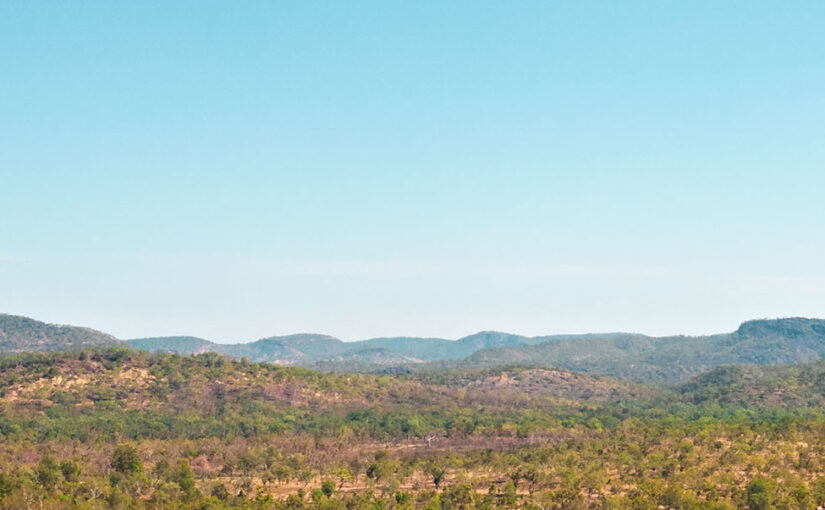
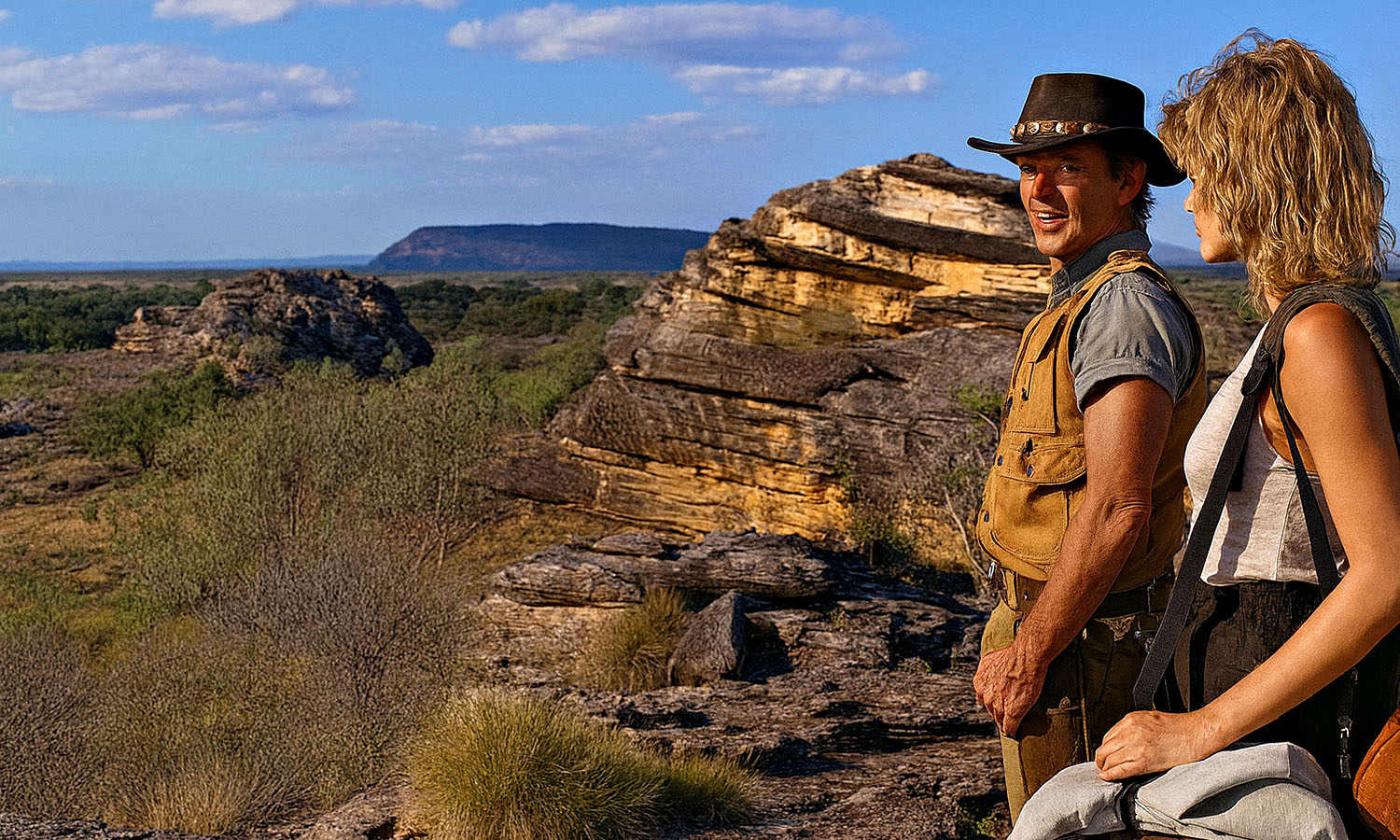
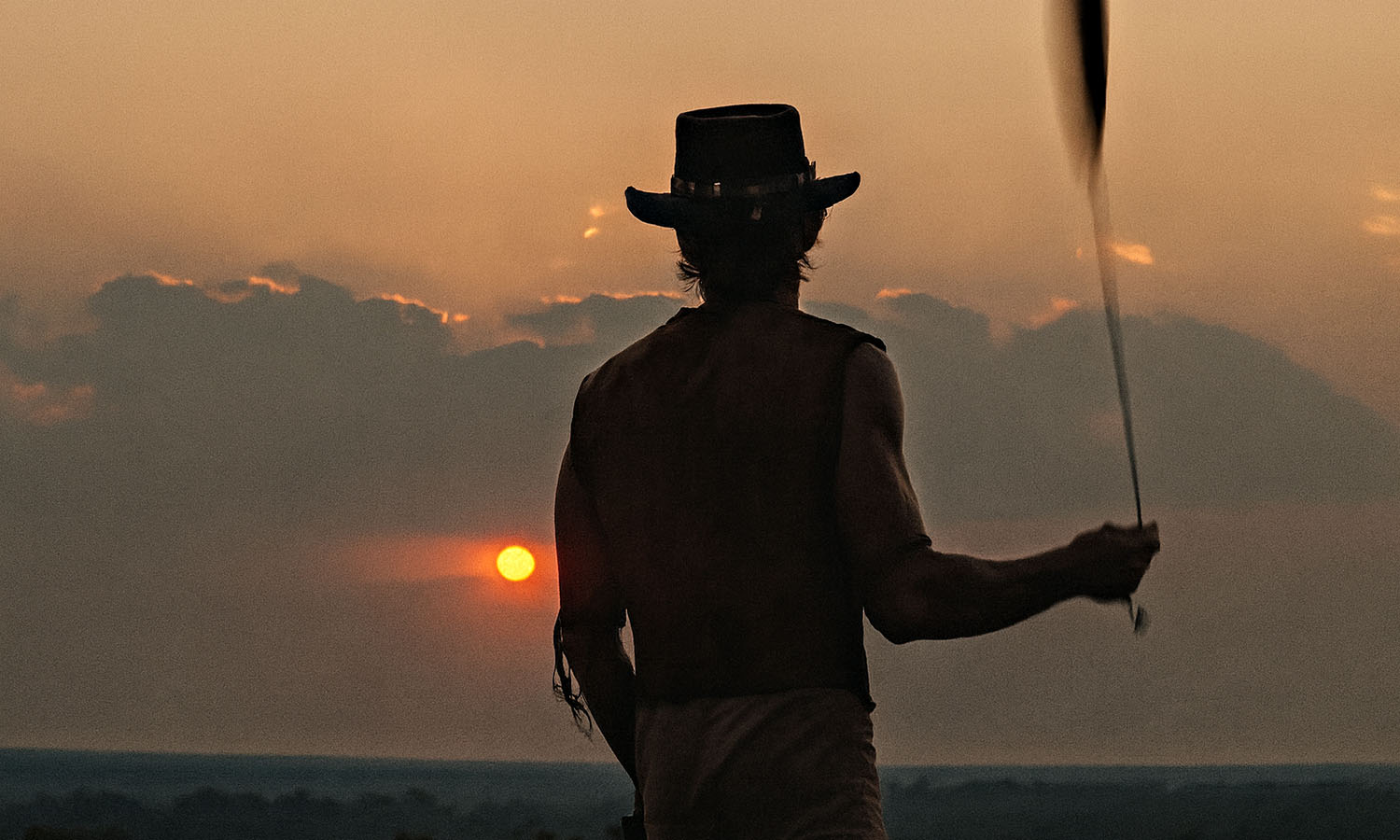
Forty years ago, a bloke in a battered hat stepped out of the Top End and into pop culture, dragging Kakadu along with him. Crocodile Dundee didn’t just make Paul Hogan a global export, it quietly turned one of Australia’s wildest landscapes into a movie star. Now, Kakadu Tourism is leaning into that legacy with a new self-guided tour that lets visitors trace Mick Dundee’s muddy footprints across the park.
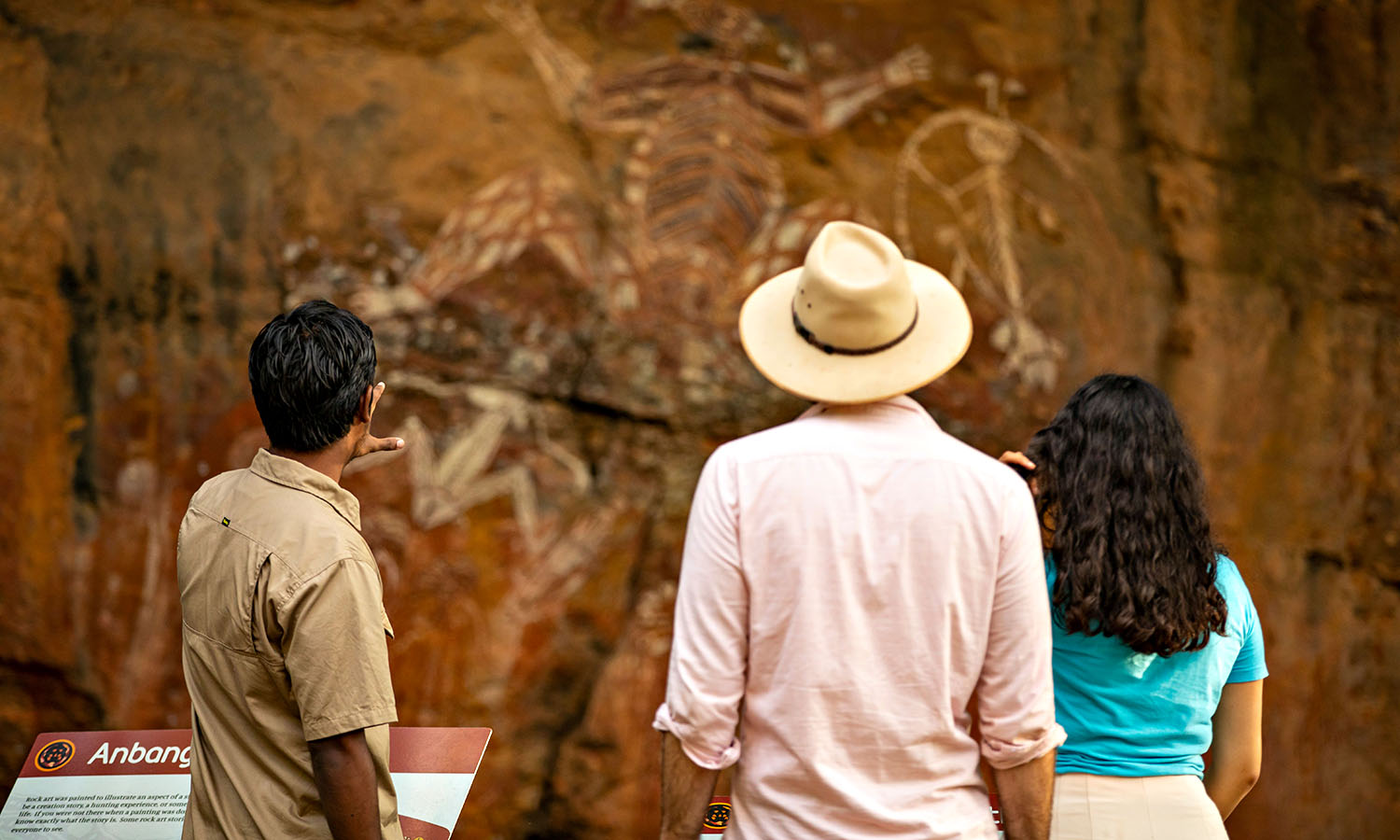
Timed to mark the film’s 40th anniversary, the route stitches together the locations that helped sell the outback myth to the world, sadly without the knife tricks. Nourlangie (Burrungkuy) and Anbangbang Billabong are first up, where Mick famously demonstrated his “bush skills” beneath rock faces that hold some of the country’s most important Aboriginal rock art.
Then there’s Ubirr, where that famous line about the Never Never still lands hard, especially when you’re standing above the floodplains at sunset, watching the light stretch out forever.
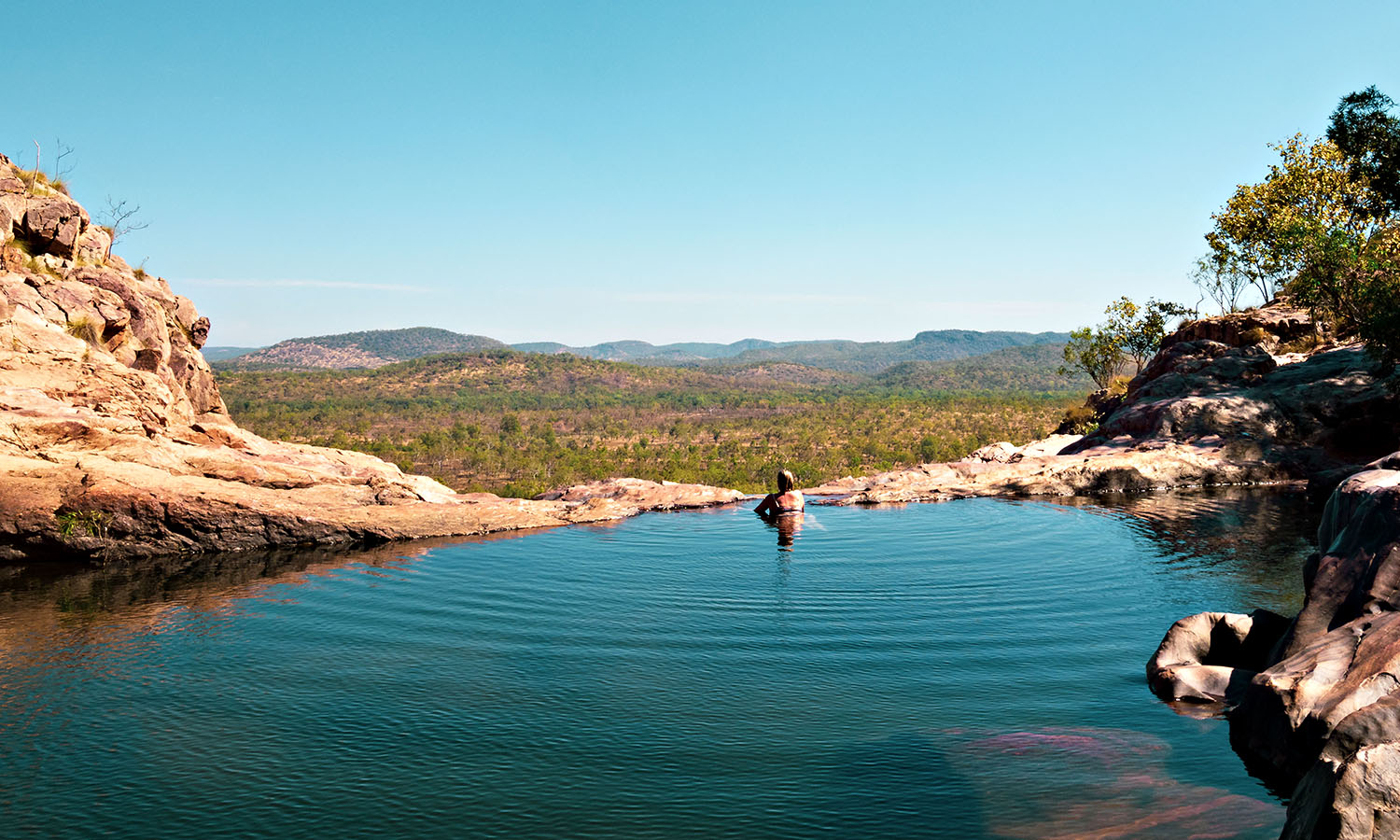
Gunlom Falls, known to film buffs as Echo Lake, delivers the money shot. Recently reopened, its upper pools now come with improved access and the same infinity-edge views that made the scene unforgettable. Kakadu also pulled double duty in Crocodile Dundee II, with the Bardedjilidji Walk hosting the bullroarer scene among sandstone outcrops and shaded paths.
You can tackle it solo, or hand over the keys to Kakadu Adventure Tours, whose off-road 4WD trips dig deeper into places like Jim Jim Falls and Maguk. Stay inside the croc-shaped Mercure hotel, glamp it at Cooinda, or camp under the stars. Either way, Kakadu hasn’t aged a day, it’s just finally getting the credit it deserves.
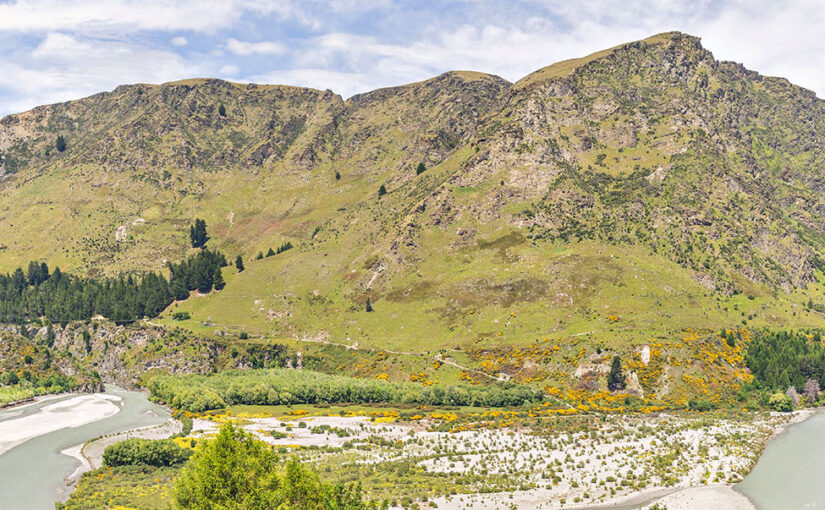
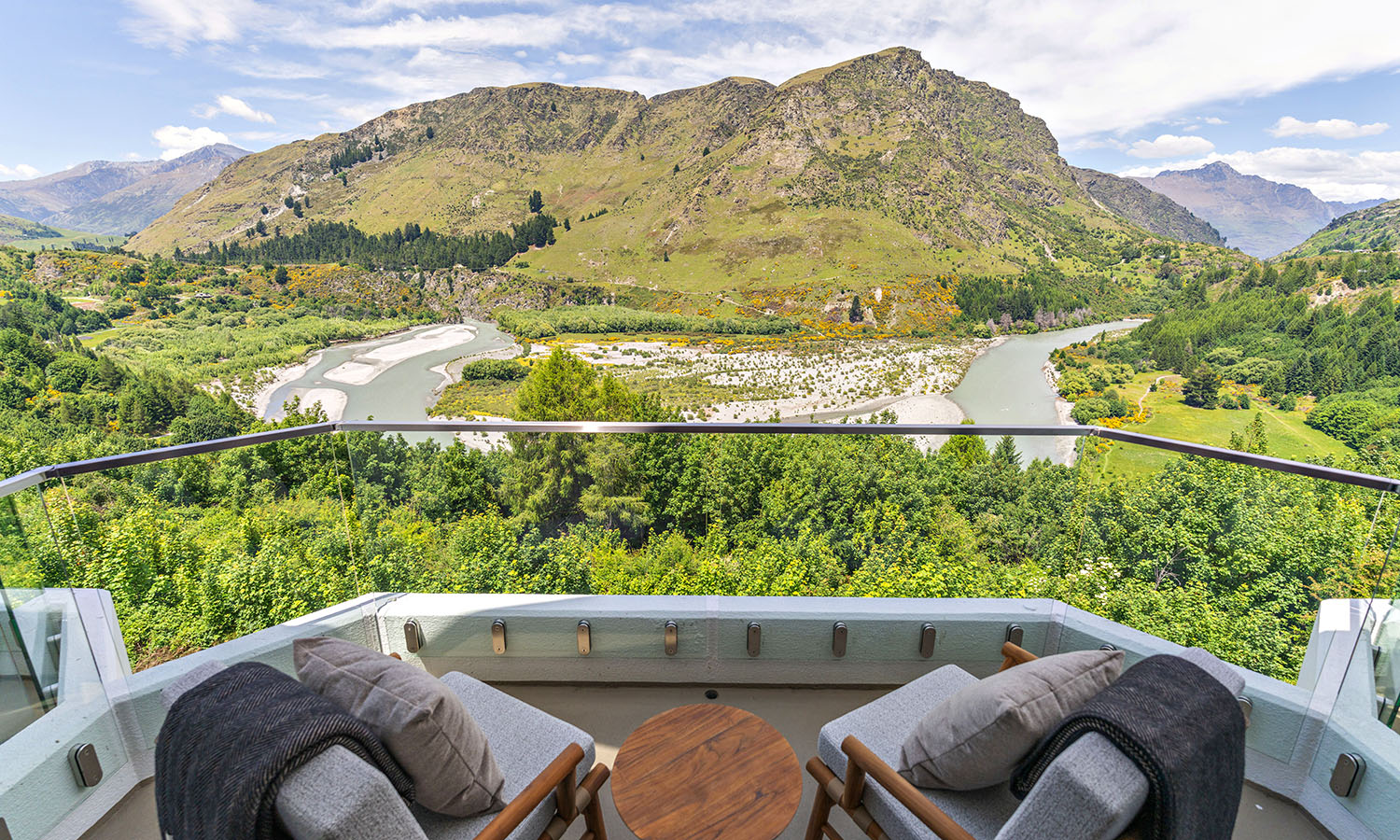
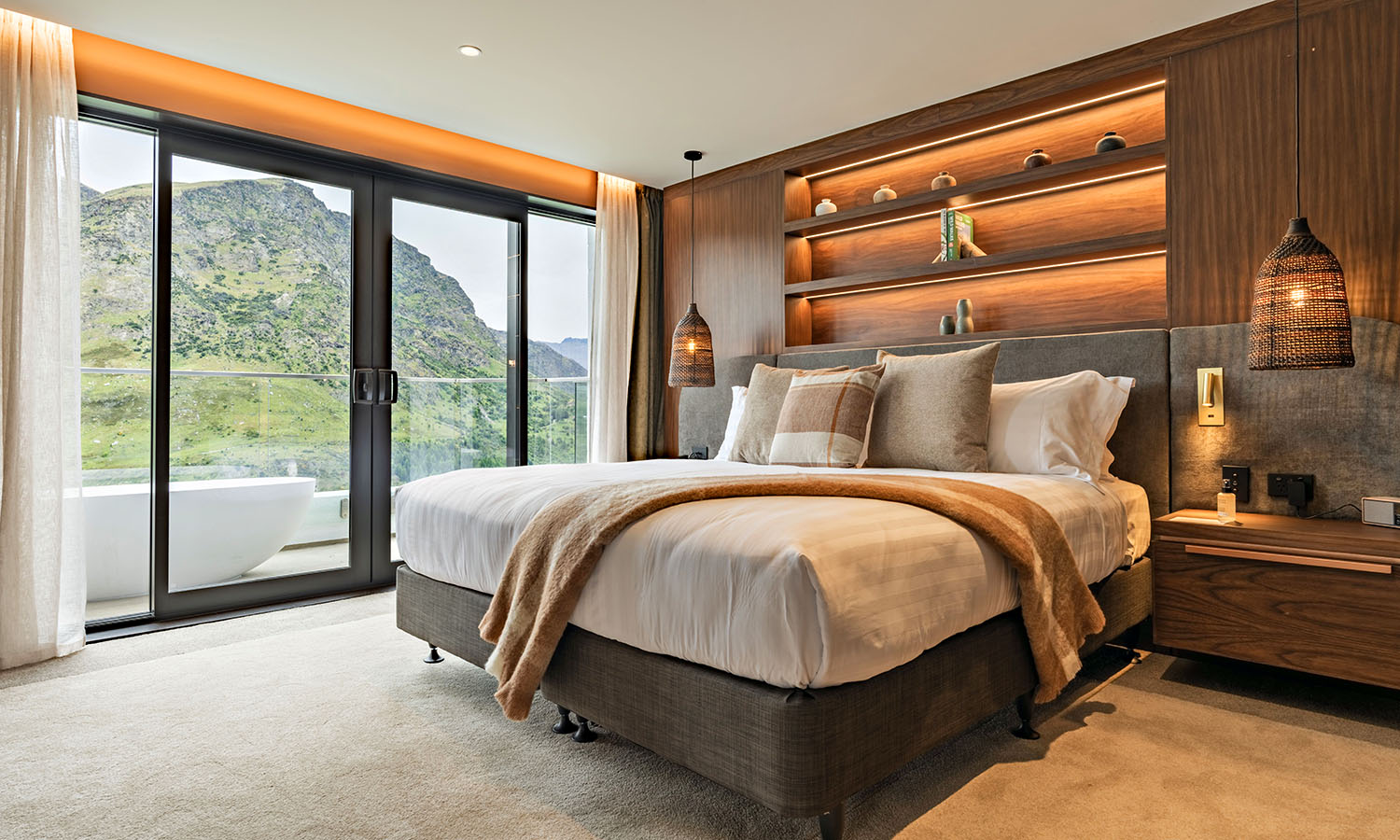
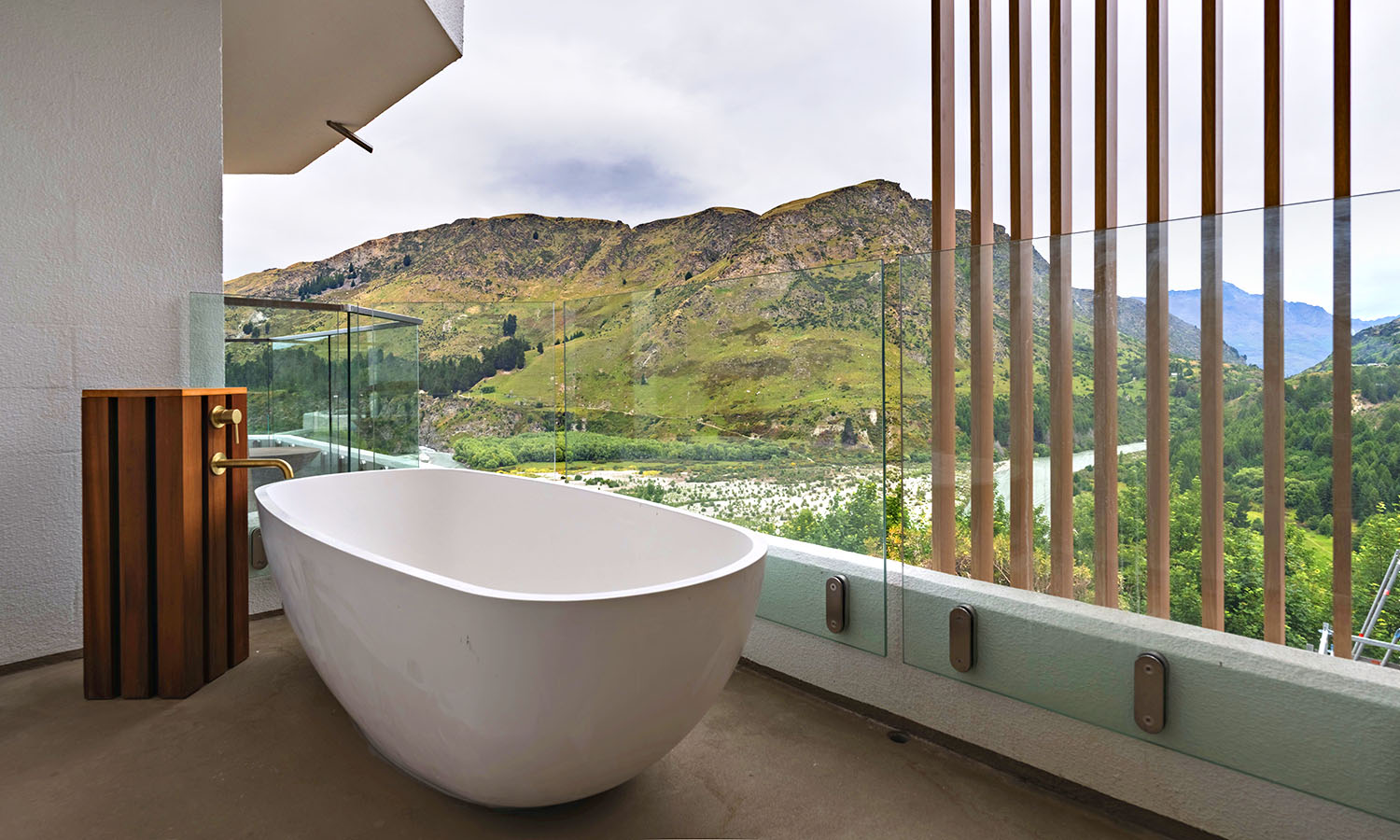
Queenstown has never been short on good views, but it has just levelled up its lounging game. Say hello to Coronet Ridge Resort, a freshly opened alpine hideaway perched above the Shotover River in Arthur’s Point – close enough to town to keep things convenient, far enough away to avoid the noise, queues and general chaos of central Queenstown.
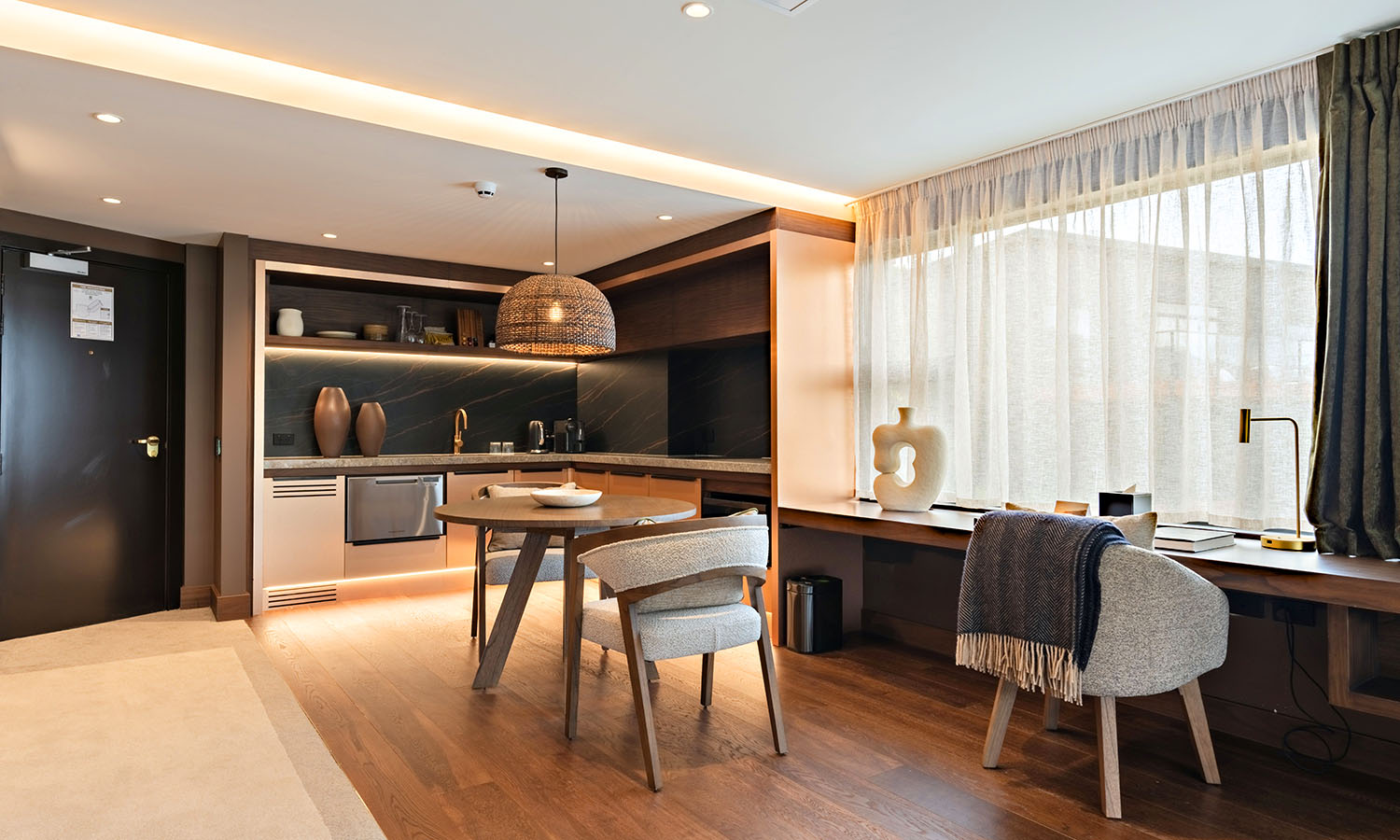
Following a multi-million-dollar glow-up, the 41-room resort leans into what it does best: understated luxury without the attitude. Rooms are big, calm and beautifully considered, with warm timber, soft textures and balconies designed specifically for staring at mountains while ignoring your inbox. Entry-level rooms start at a generous 37sqm, while suites stretch out to 70sqm if you’re feeling expansive (or travelling with someone who takes up a lot of wardrobe space).
Food and drink happen at Elevation Bar & Restaurant, where Executive Chef Dominic Dsouza puts seasonal, locally sourced ingredients to good use from breakfast through to dinner and après-ski. There’s terrace dining for bluebird days, an open kitchen for dinner-and-a-show energy, and a Library Bar with a fireplace for winter nights that demand a decent whisky.
A Roman-inspired spa, hot tubs, squash courts, a gym and a private cinema round out the amenities (you don’t always have to ski when you visit Queenstown). And while the breathtaking Coronet Peak is less than ten minutes away, you could just as easily not leave the property at all.
Opening rates start from AU$650 a night, with a bottle of bubbles on arrival. Honestly, Queenstown’s new sweet spot might be staying in.
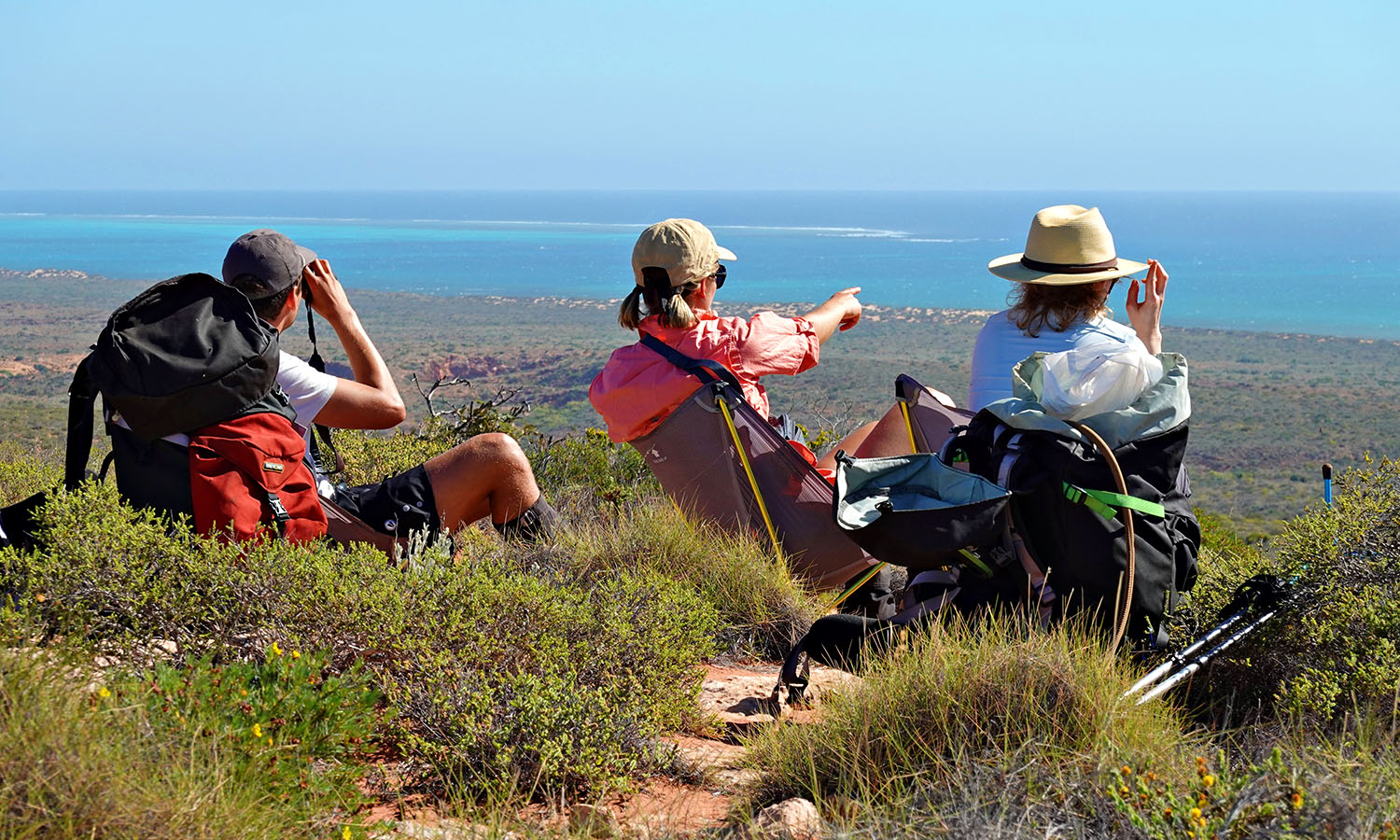
Ningaloo doesn’t really need selling. The reef does its own thing quite happily, the water is ridiculous, and the wildlife shows up whether you’re ready or not. That said, Exmouth Adventure Co’s newly launched Essence of Ningaloo tour is a pretty solid way to experience it all without having to plan, ChatGPT, or argue about logistics.
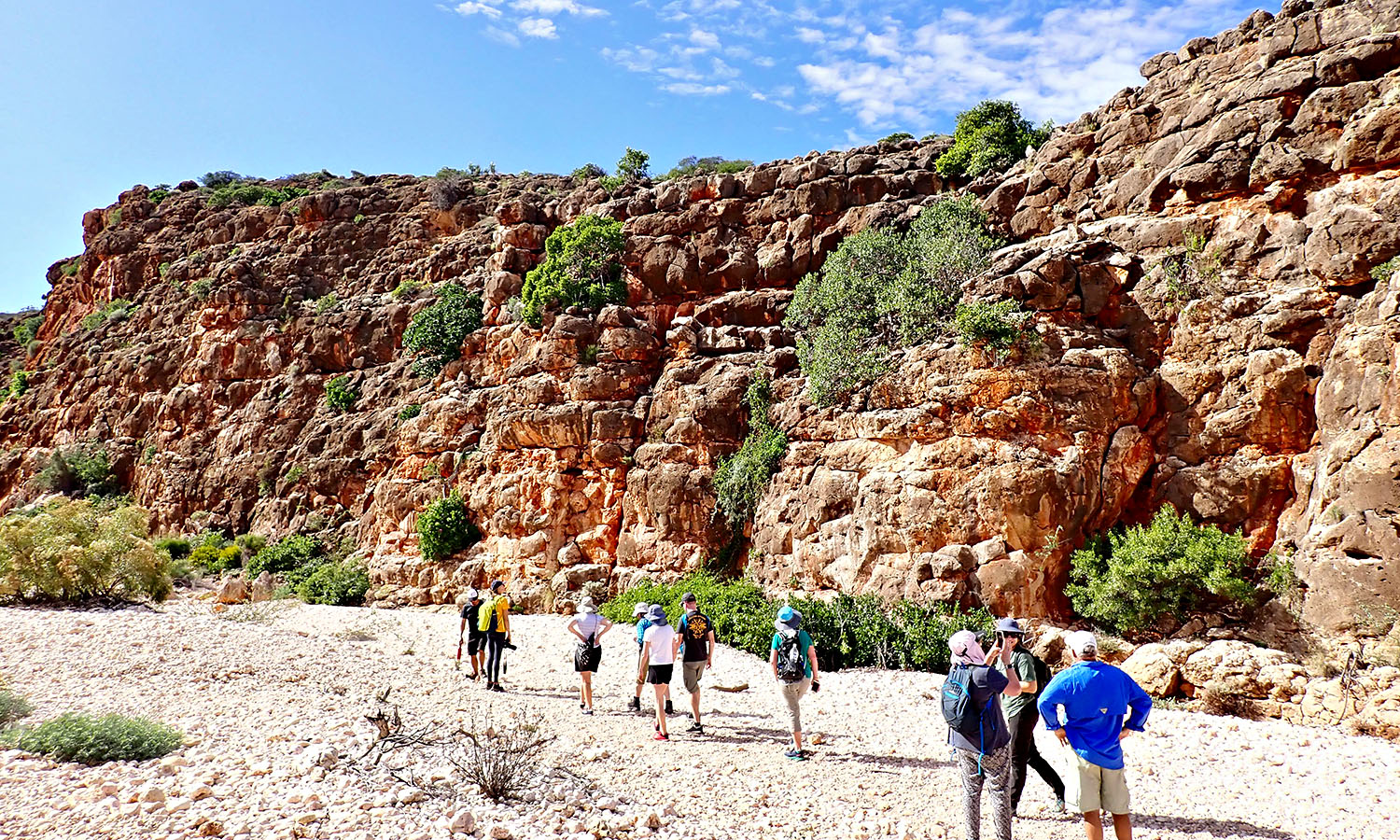
The three-day, two-night adventure moves through Cape Range National Park and the World Heritage–listed Ningaloo Reef at a pace that feels considered rather than rushed. Think walks through places like Yardie Creek, long snorkels at Turquoise Bay where the drift does most of the work for you, and visits to cultural sites including the Jurabi Turtle Centre. But dw, the stops add context but don’t feel like a lecture (hell yeah).
Days are active but achievable, even if your idea of fitness is “carrying a snorkel and snacks.” Guides handle the details, share stories, and know when to talk and when to let the landscape do its thing. Which, in Ningaloo, it does very well.
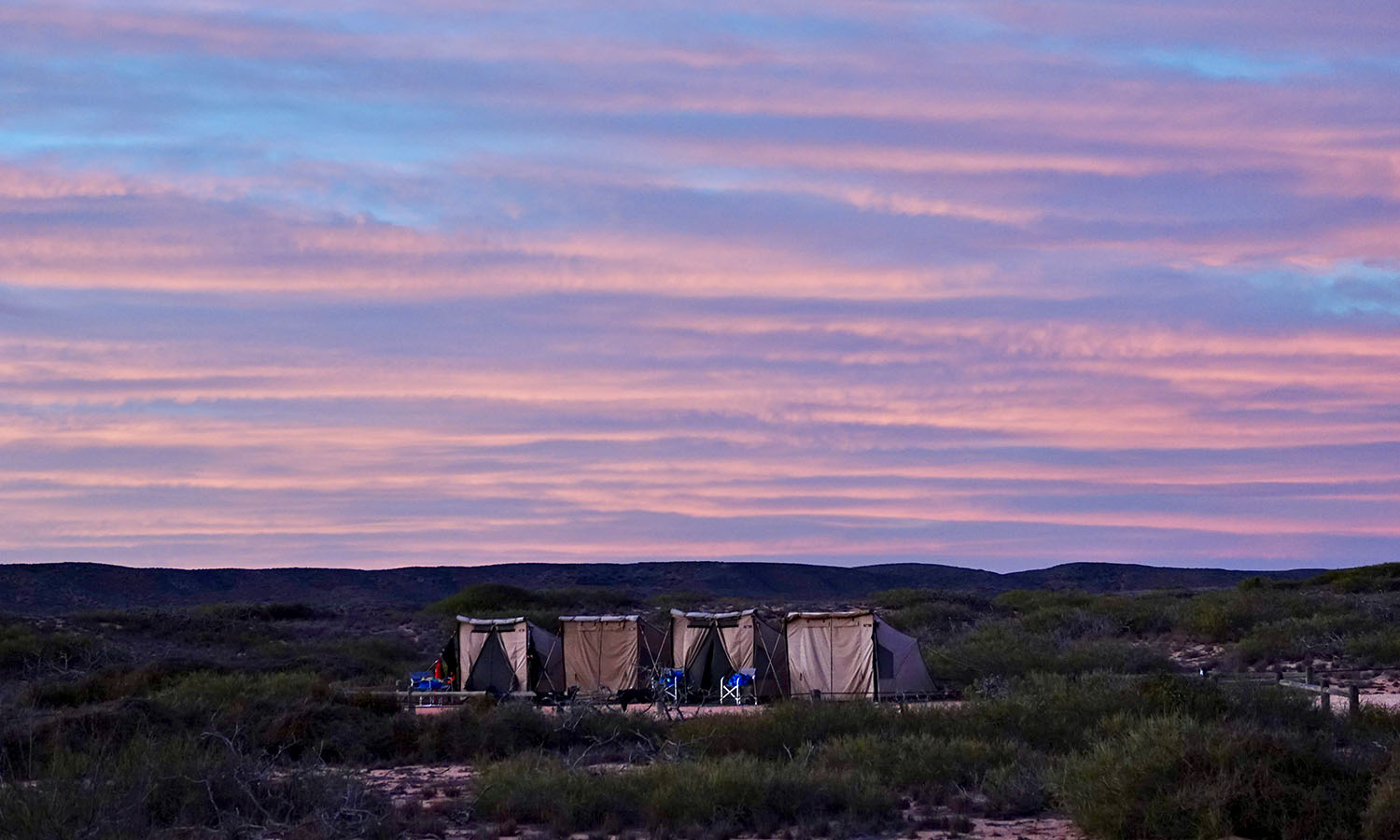
Nights are spent back at a comfortable base camp with proper meals, cold drinks and stargazing that reminds you how small your inbox problems actually are. There’s time to sit, chat, look up and do absolutely nothing productive.
Essentially, this tour is about being in a remarkable place, moving through it thoughtfully, and leaving with sandy feet, tired shoulders and a very full camera roll.
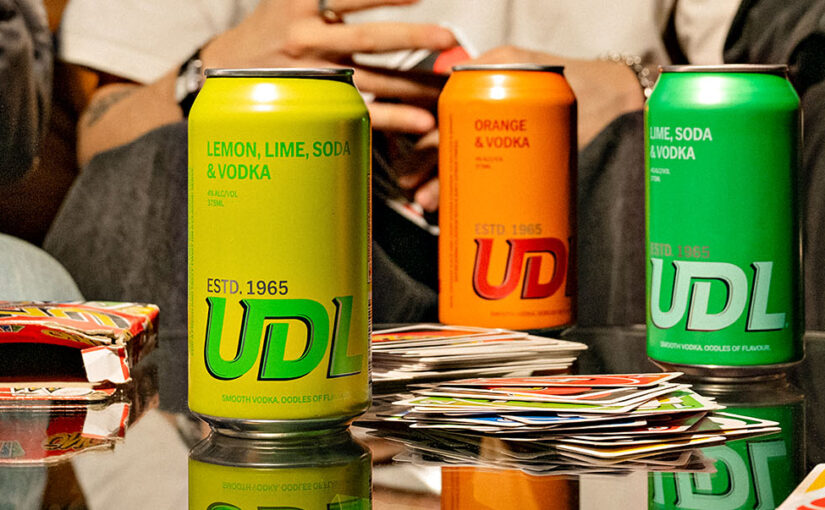
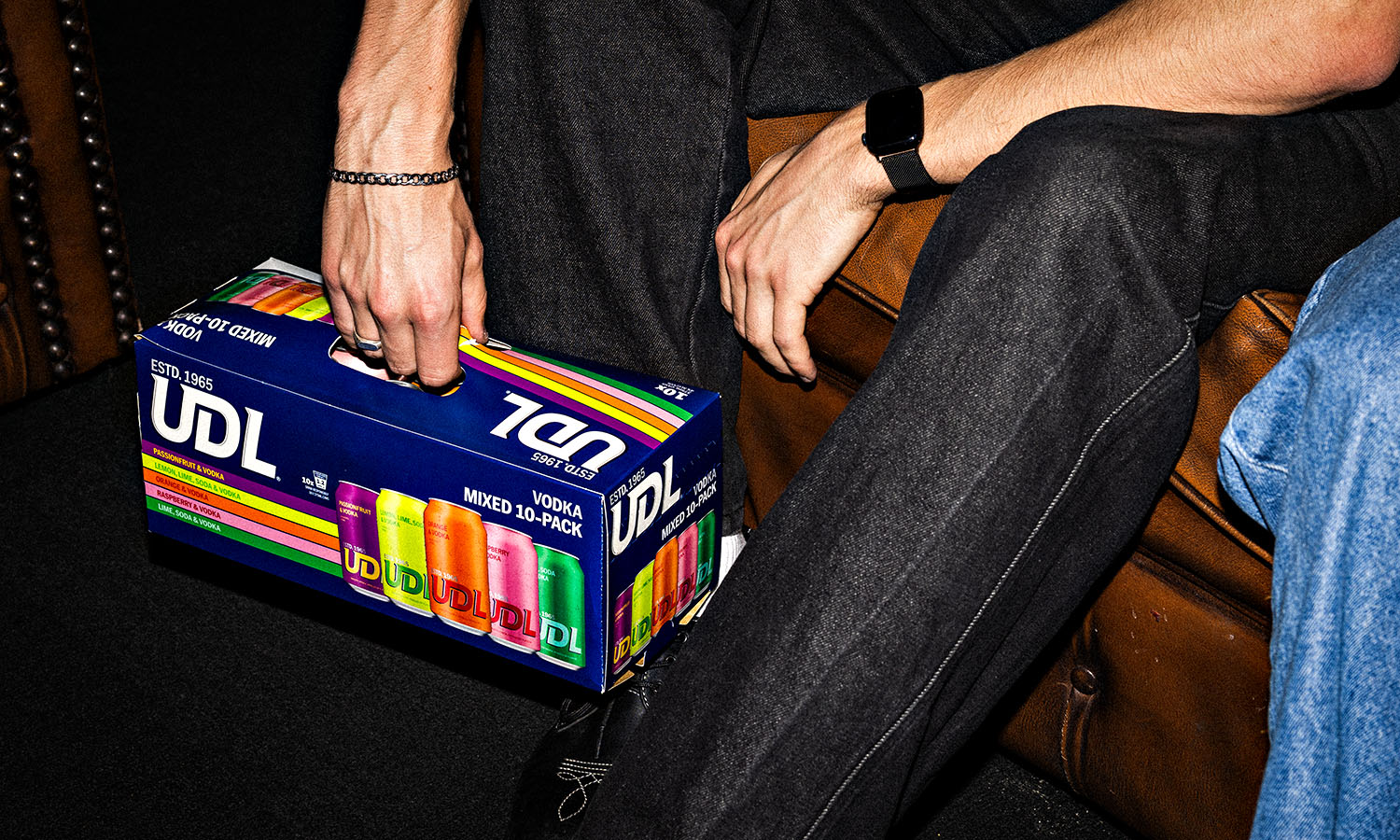
Summer has a funny way of resurrecting old friends – thongs from the back of the cupboard, questionable festival hats, and now, gloriously, UDL. Yep, that UDL. After more than 60 years quietly minding its own business in Australia’s drinks canon, the iconic RTD has had a proper glow-up and is officially back for summer, courtesy of new owners Vok Beverages.
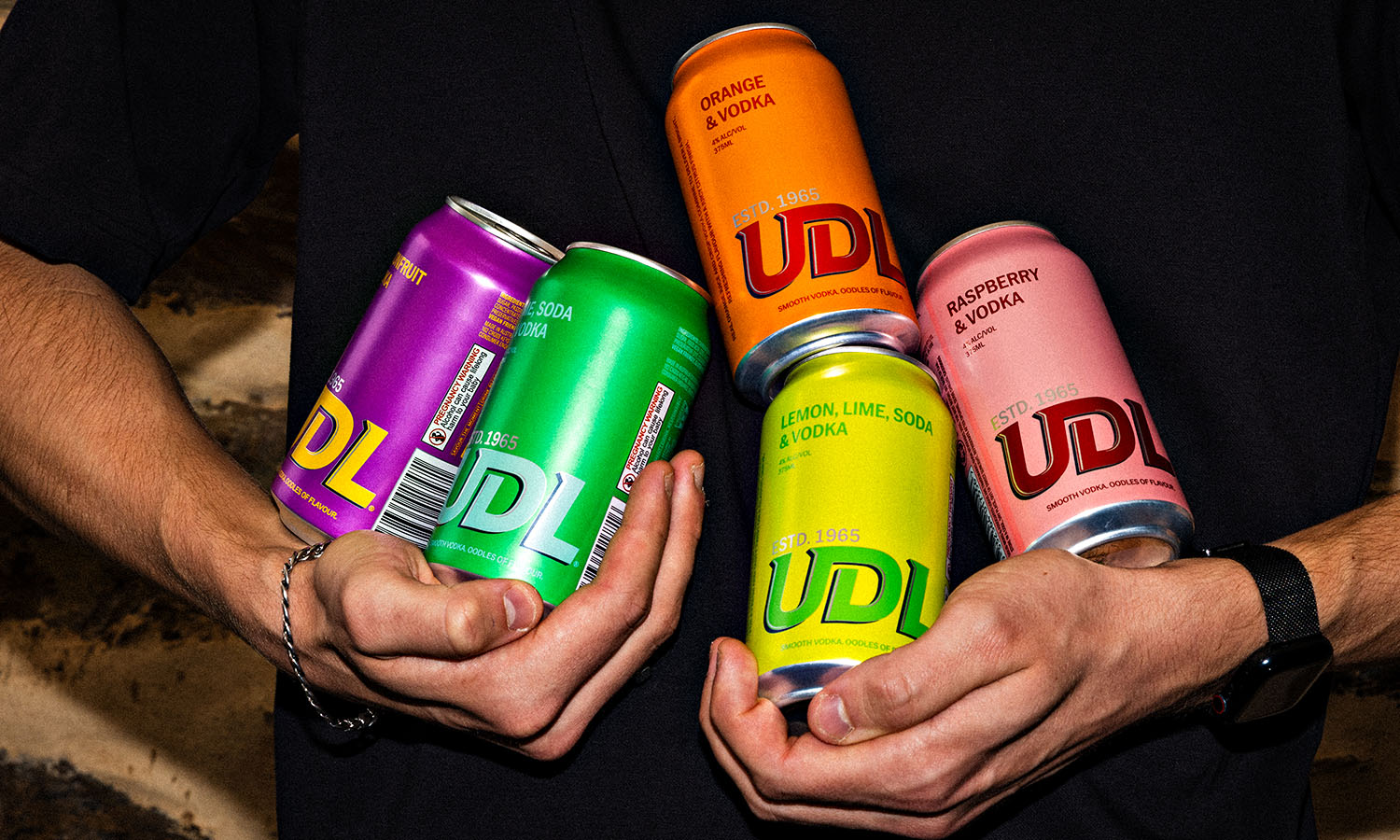
This isn’t a dusty reboot or a half-hearted nostalgia grab. Think less “unchanged since 1998” and more “same spirit, better outfit, knows what it’s doing now.” The new UDL arrives with a refreshed, design-forward look, a refined flavour range and a clear focus on modern drinkability (aka, the kind of drinks you actually want to sip in 2026, not just tolerate because they’re cold).
For many millennials, UDL was a rite of passage. Pre-drinks that started at 4pm “by accident,” festival eskies packed to the brim, backyard summers that blurred into one long, sunburnt memory. The relaunch taps straight into that collective muscle memory, but brings it forward with cleaner flavours, sharper branding and a slightly more grown-up energy. You’ve still got the nostalgia, it’s just wearing nicer sunglasses now.
The revived range is rolling out nationally at Dan Murphy’s and other major retailers, with more SKUs dropping across summer. It’s familiar, fun and unapologetically Australian. It’s also proof that some classics don’t need reinventing, just reintroduced at the right moment. And honestly? Summer feels like the perfect time for a reunion.
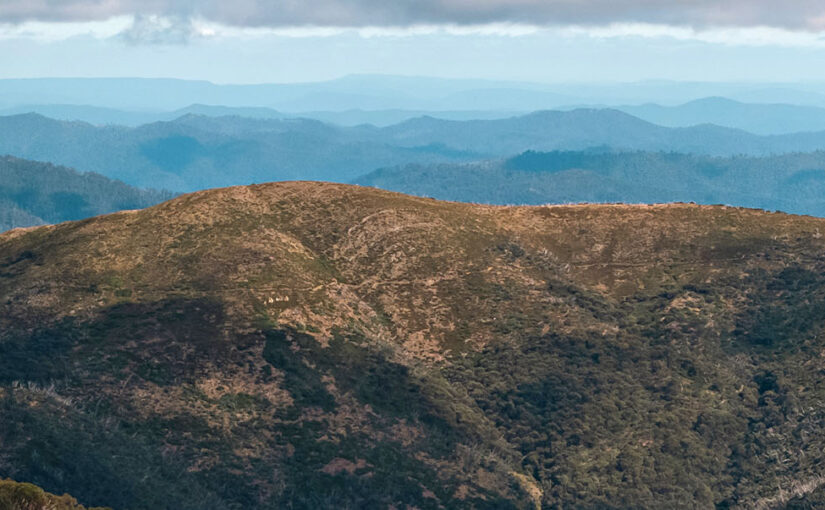
If your 2026 mood board involves fewer spreadsheets and more mountain vibes, Highlander Adventure is about to make your year.
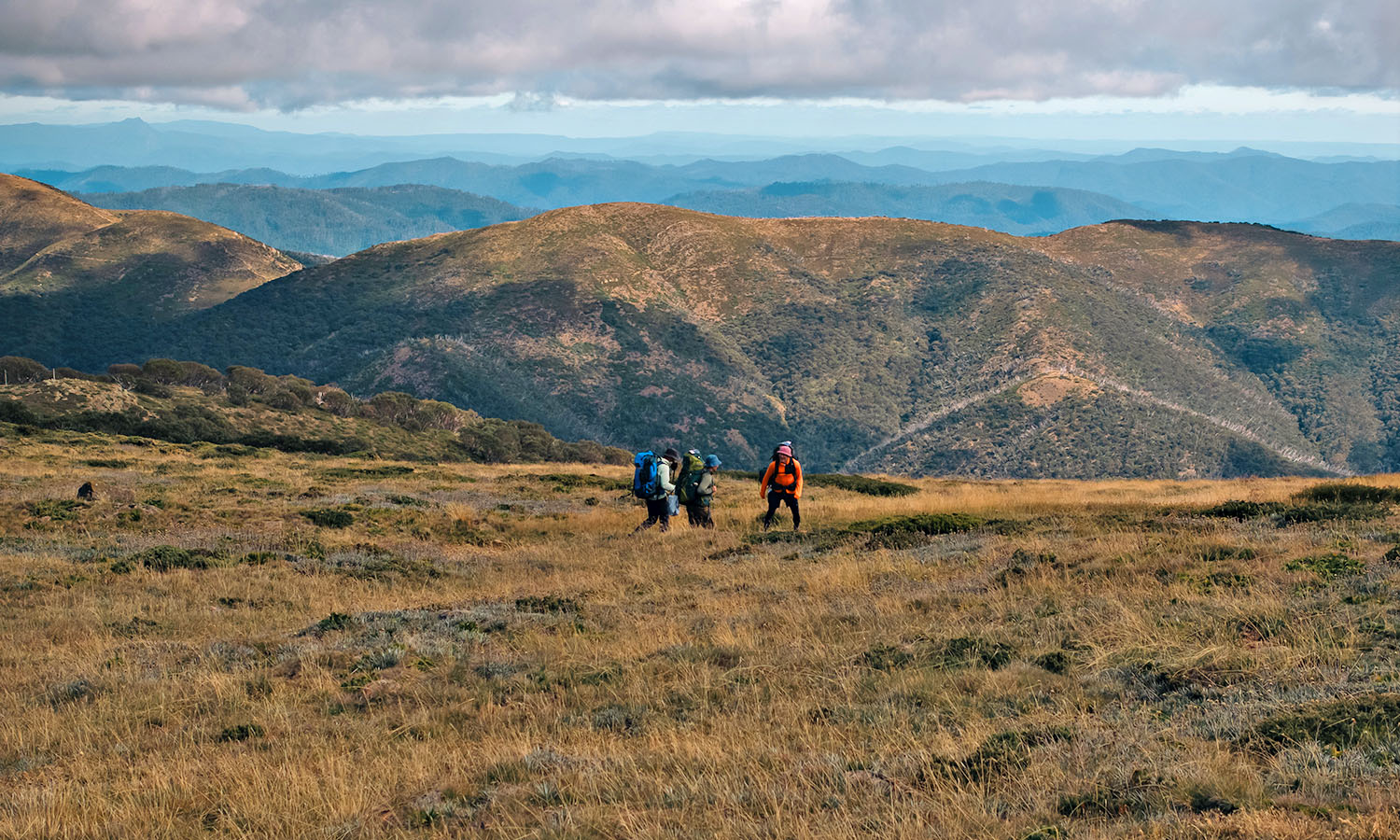
The global hiking phenomenon (born in Croatia and now strutting across more than 20 countries) is finally bringing its multi-day magic to Australia, kicking things off with a blockbuster debut in Victoria’s Mount Hotham from 18–22 March 2026. And yes, it’s every bit the wilderness love letter you’re hoping for.
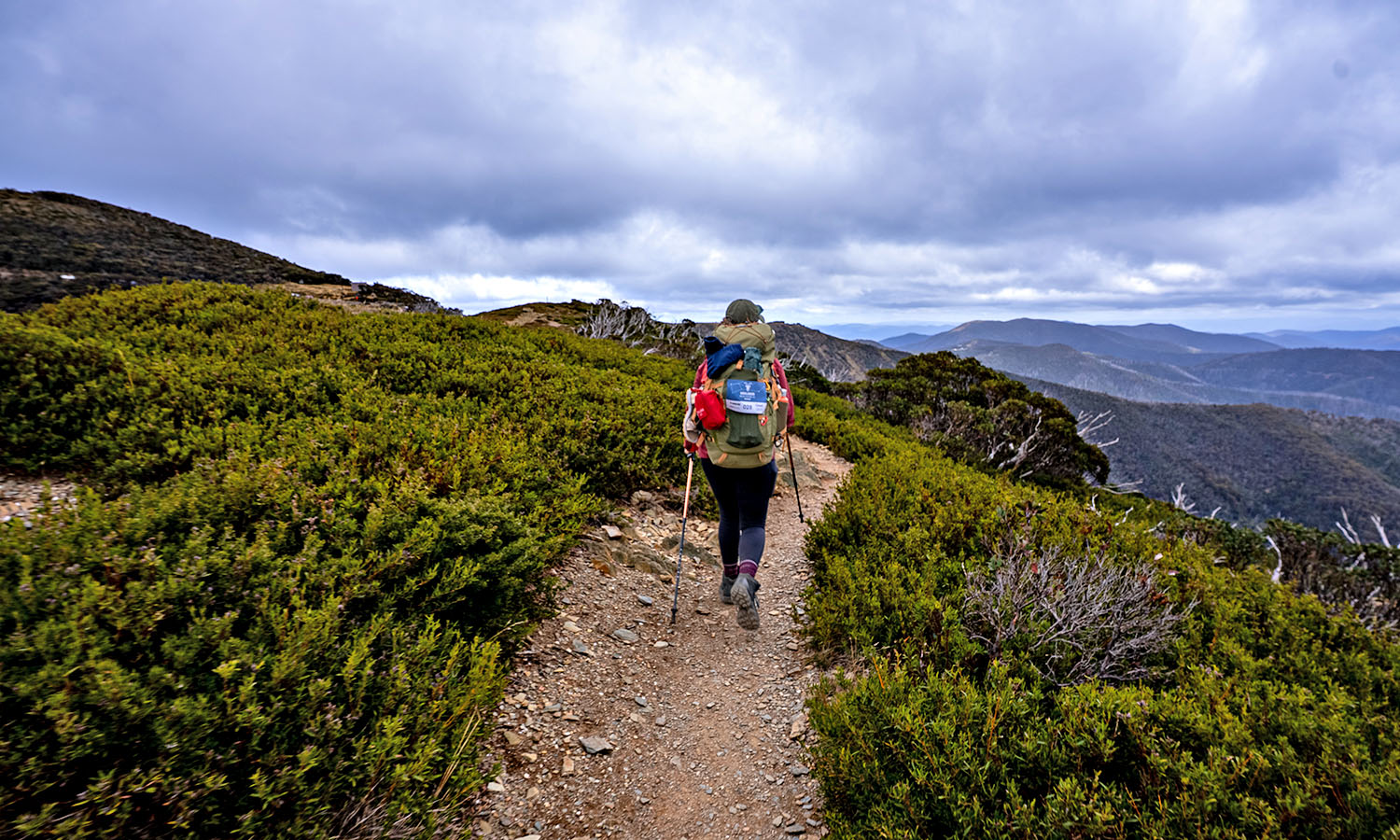
This isn’t your average “walk in the bush.” Highlander’s Hotham itinerary sends hikers wandering through the Alpine National Park’s greatest hits: sweeping ridgelines, historic huts, cinematic valleys and old mining sites – hidden, rugged, and very much worth the effort. You start and finish at Mount Hotham, and everything in between is a choose-your-own-adventure of 1 to 5 days on the trail.
And the best part is that Highlander handles all the logistics so you can pretend you’re living your best off-grid fantasy while someone else remembers where the water stations are. Meals, mapped routes, safety support, air stations, it’s all sorted. And once the sun clocks off, their legendary festival-style campground kicks in. Think starry skies, new mates, and the kind of energy that says “yes, I hiked 20 km today, and yes, I will absolutely have another campfire snack.”
Five format options mean everyone, from first-timers to ultralight disciples, gets a slice of the Alpine action.
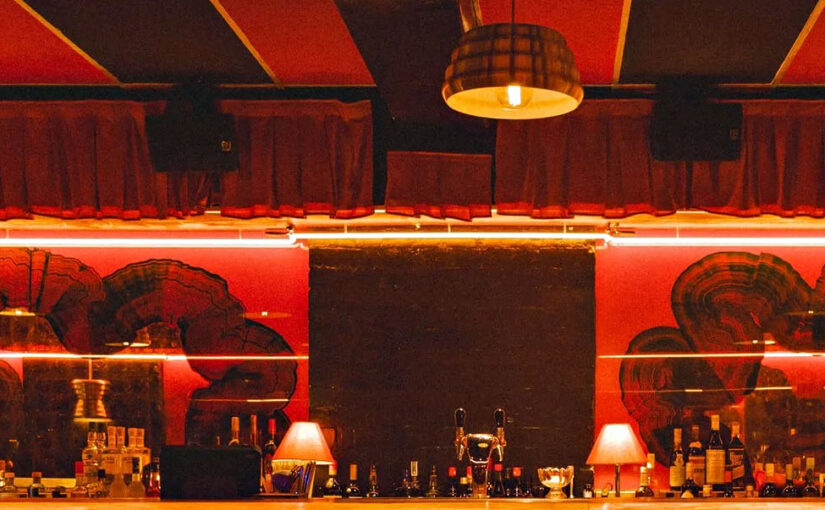
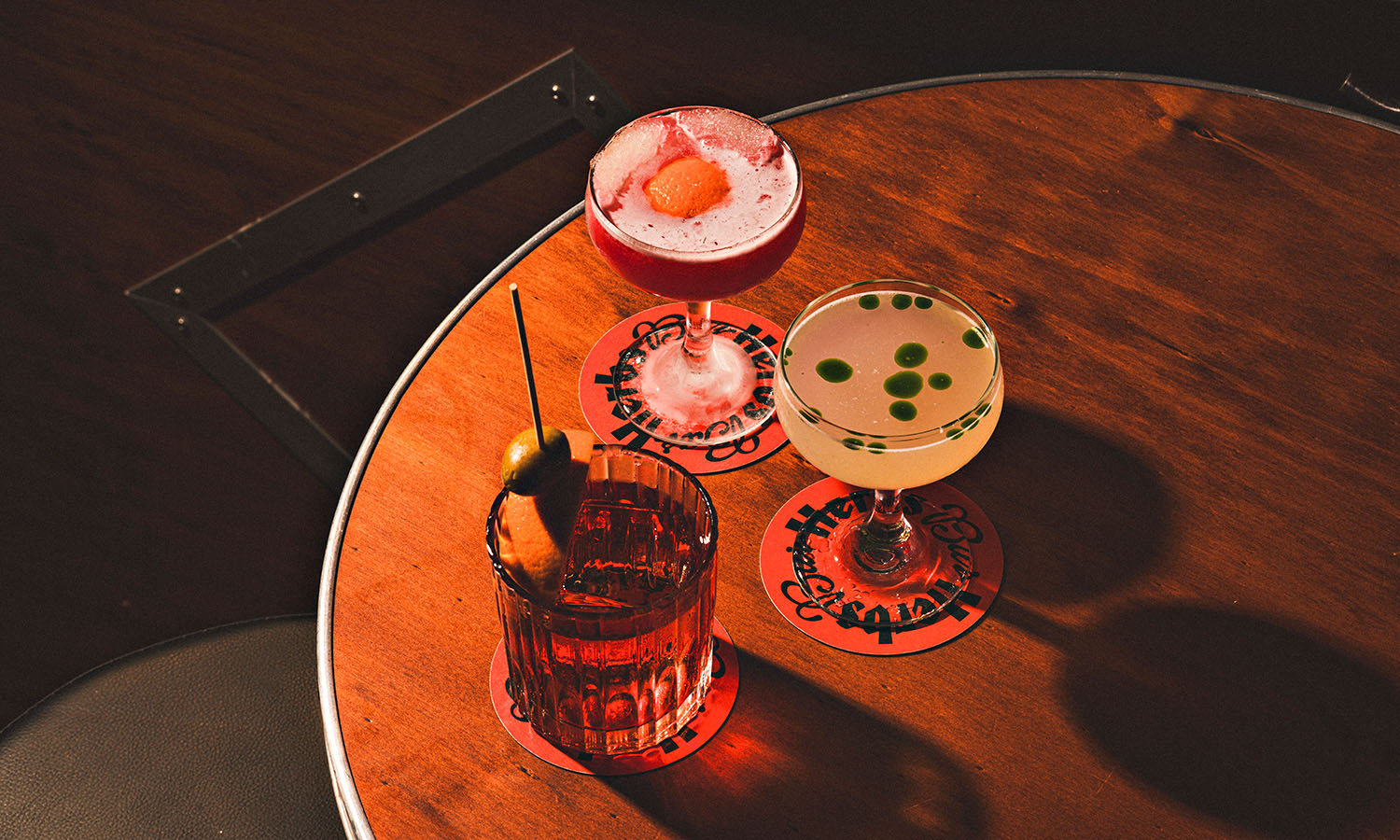
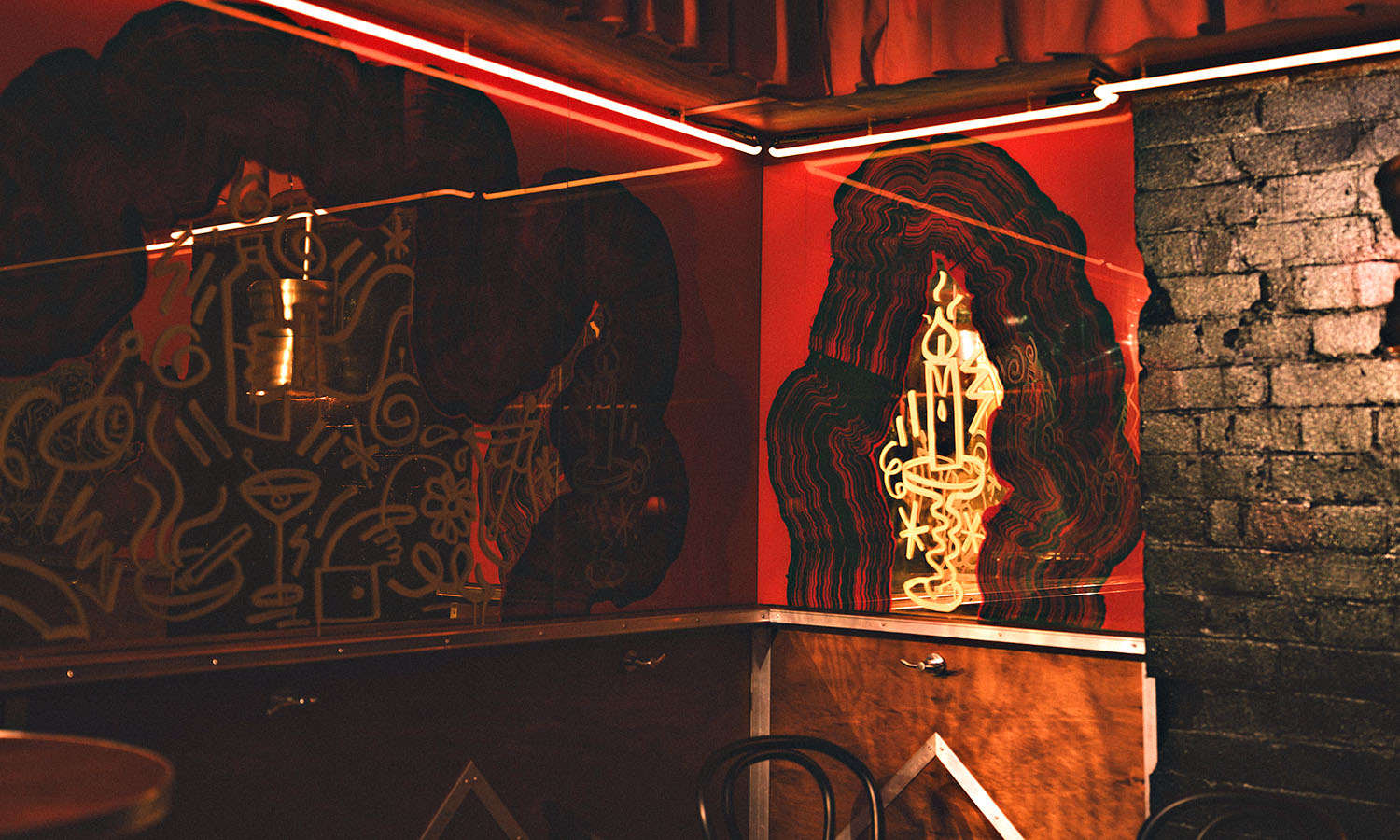
Sydney’s CBD has gained a new basement-level excuse to accidentally miss your train home: Bar Herbs, MUCHO Group’s latest after-dark playground dedicated to the noble martini. Think late-90s New York energy without the bad shoes and chain-smoking, tucked beneath Clarence Street like a neon-lit secret you suddenly feel strangely protective of.
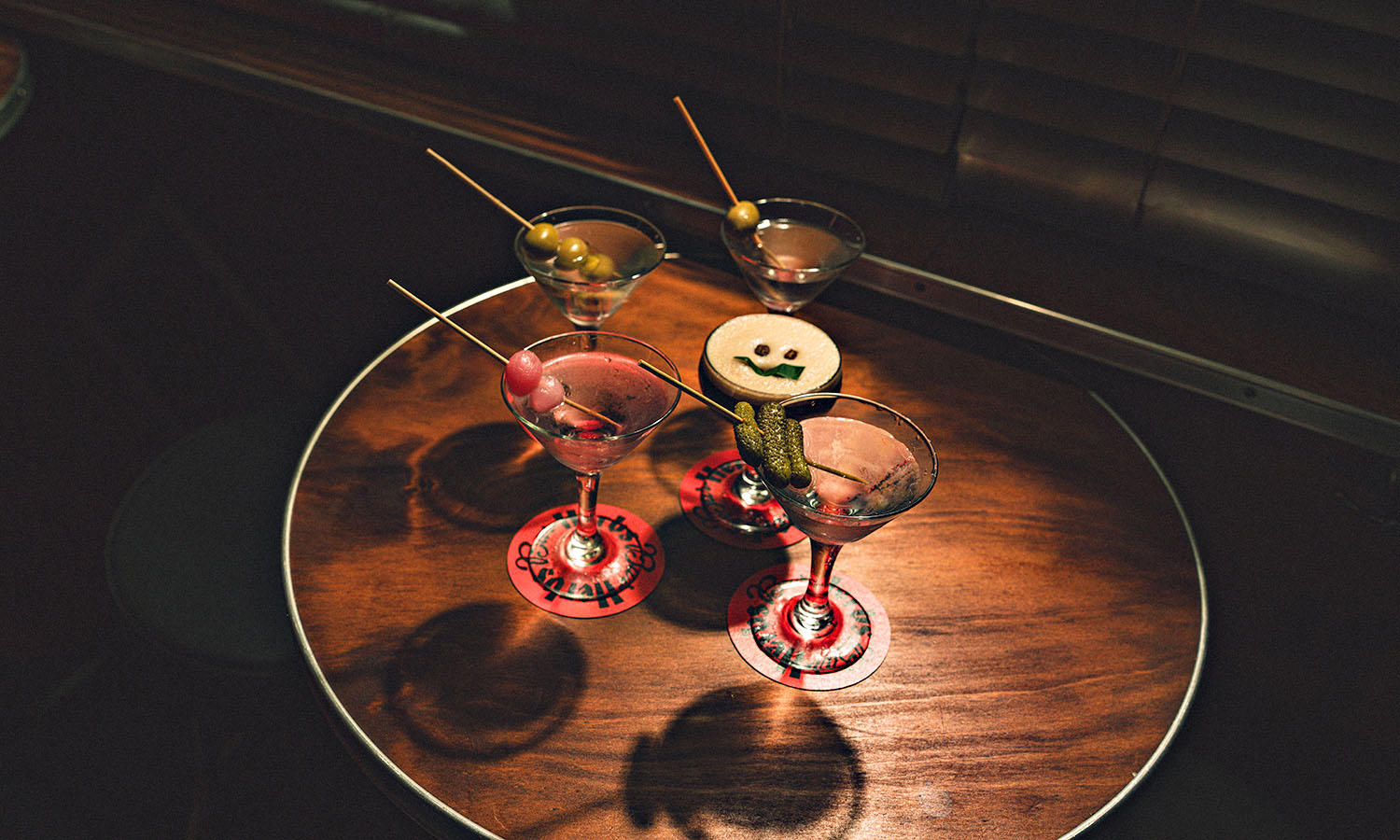
Bar Herbs’ whole thing is simple – make martinis that taste great, don’t take themselves too seriously, and let people order them exactly the way they want. Dirty? Dry? Somewhere between ‘respectable’ and ‘who hurt you?’ They’ll tweak it to your liking without judgement.
Their signature lineup runs from seaweed-vodka dirty numbers to dill-spiked New York throwbacks, plus a Gibson that’s super herbaceous.
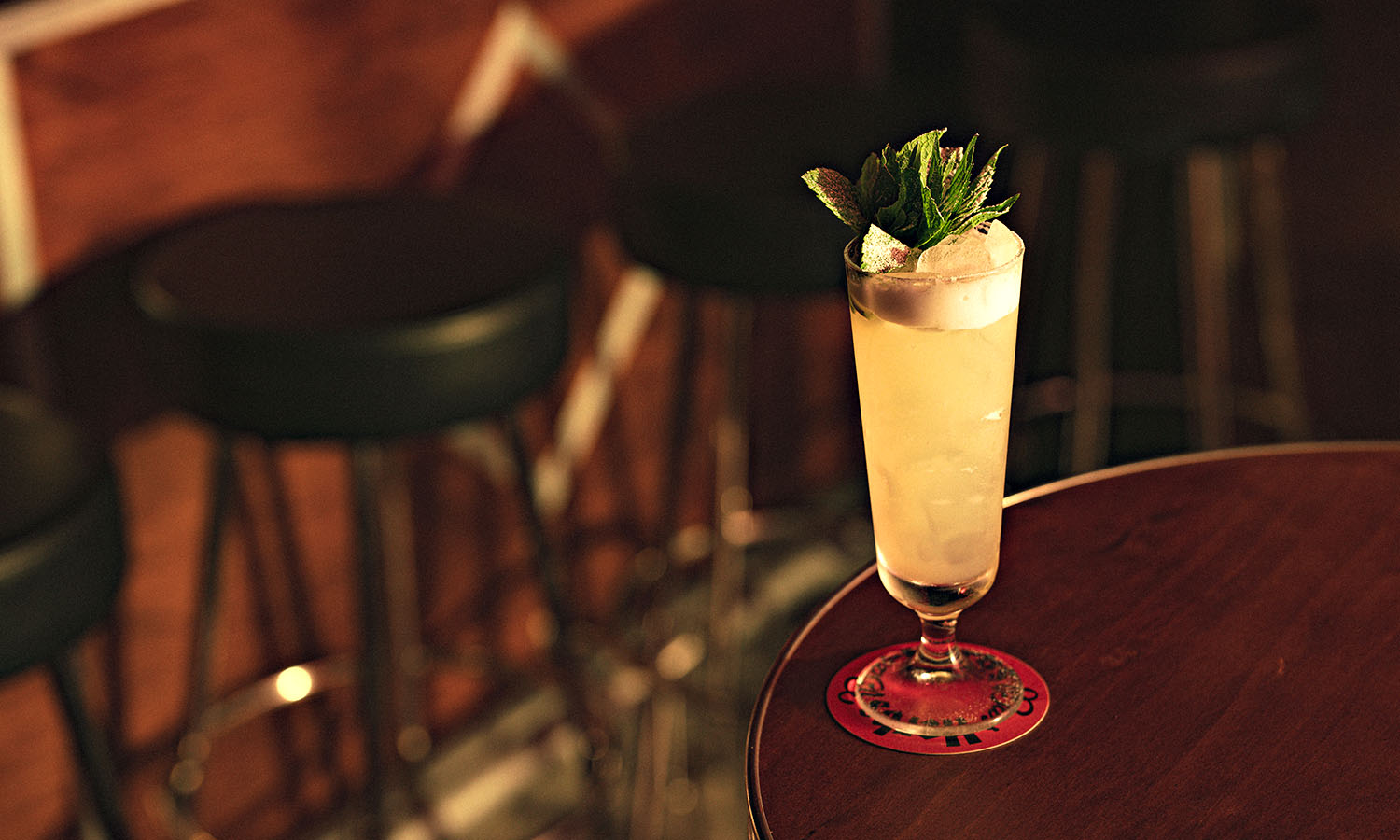
If you’re not on your martini era, the broader menu dips into revamped classics; a yuzu-and-hibiscus Cosmo that’s a little too tasty, a pandan Espresso Martini (finally, something new), and a Negroni built with enough vermouth to make Milan blush.
It’s all overseen by MUCHO’s famously people-first crew, who are on a mission to make Sydney more fun, one excellent drink at a time. And with a daily happy hour slinging AU$13 martinis and AU$7 beers, they clearly mean business.
So yes, paradise might actually be a basement. And it might be called Bar Herbs. Just take the stairs down and let your evening unravel from there.
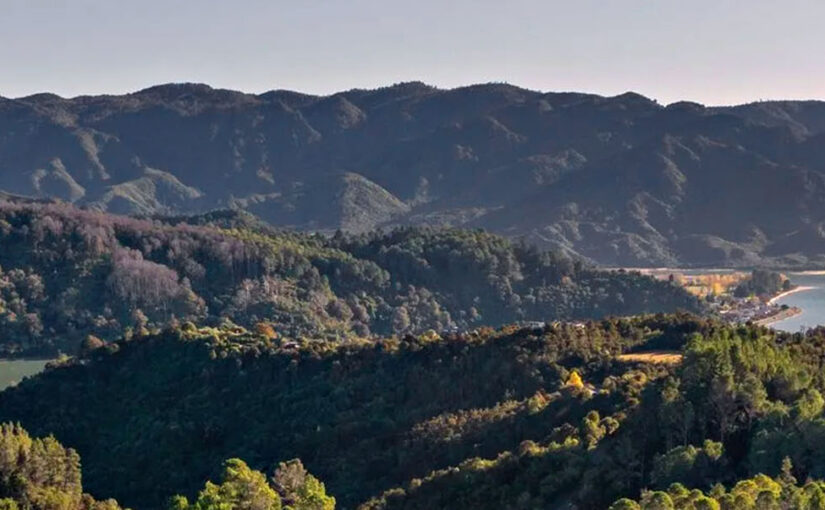
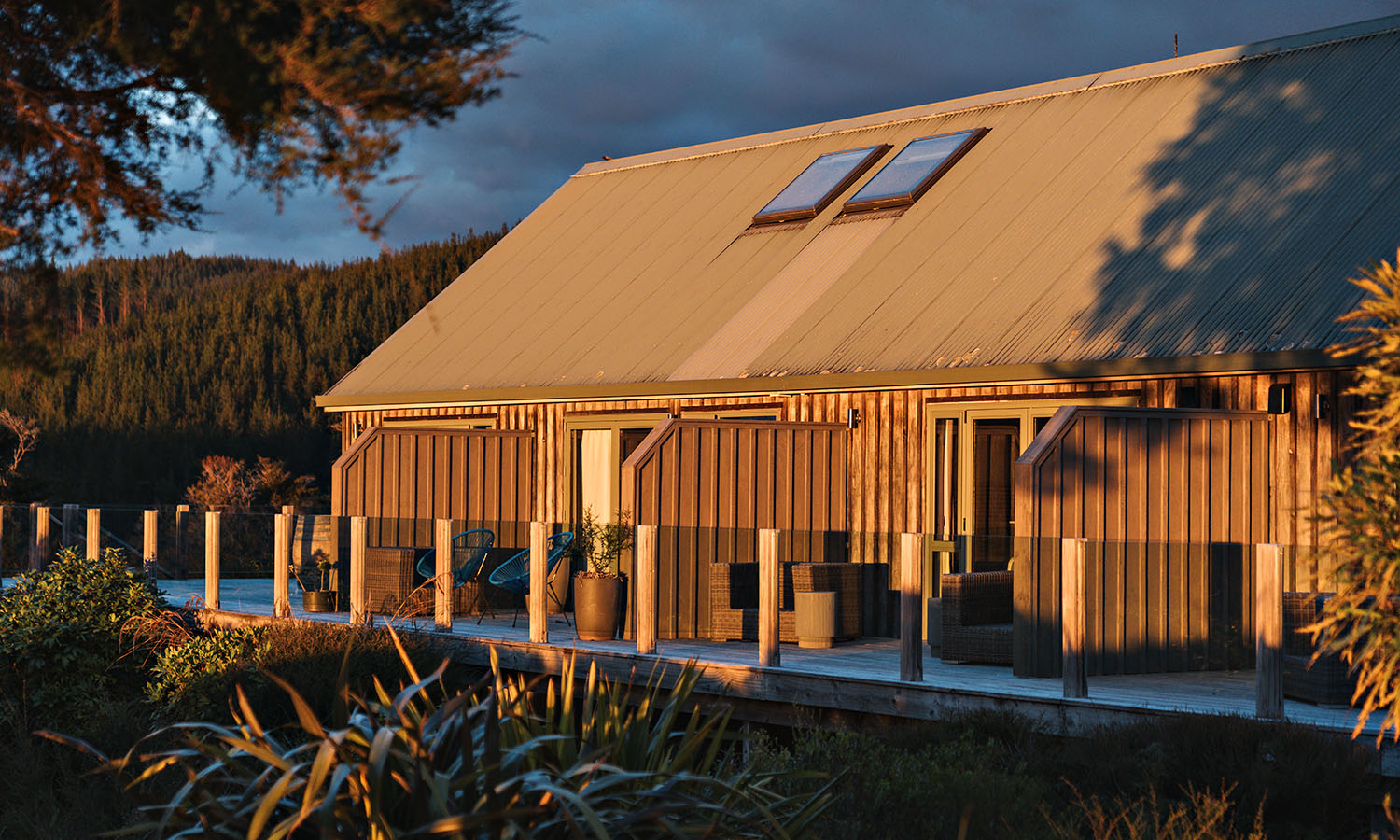
Somewhere above the turquoise sweep of Tasman Bay, there’s a place where your phone finally stops buzzing, but mostly because you’ve turned it off. Welcome to Domu Retreat, a brand-new luxury “slow-stay” hideout perched on New Zealand’s South Island (read: a place where Michelin-starred dining meets magnesium-pool serenity).
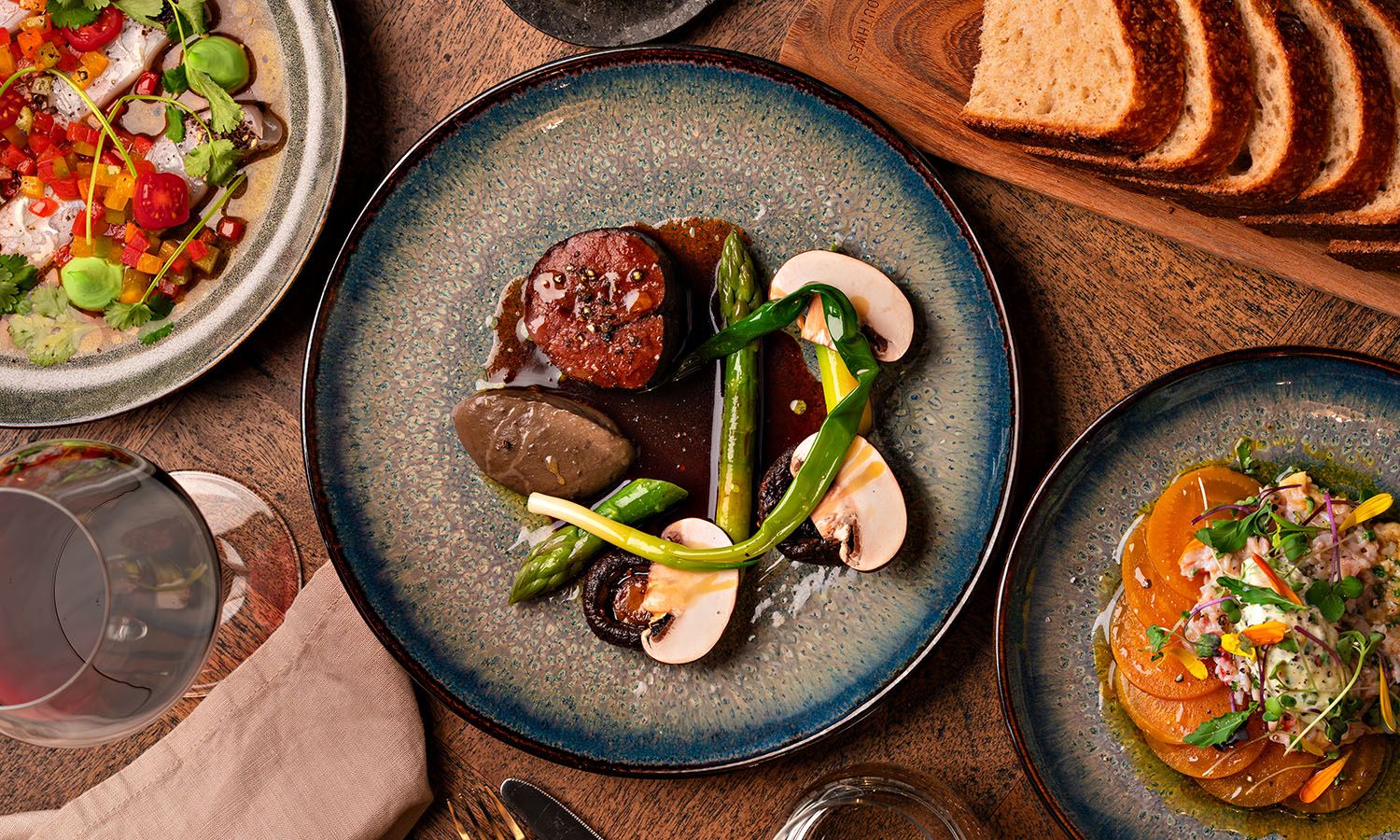
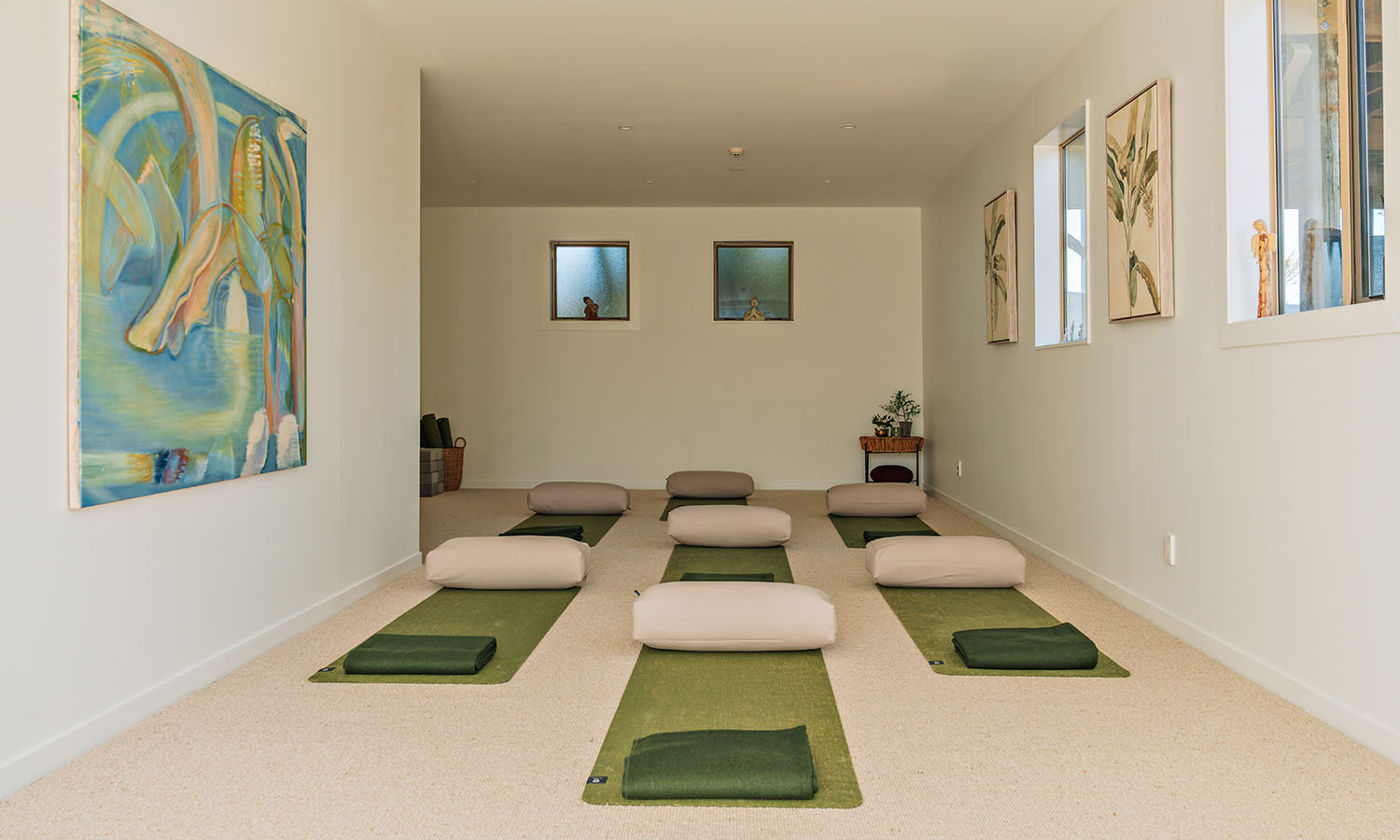
Run by chef Toby Stuart (yes, the guy with actual Michelin credentials) and wellness guru Sabina Bronicka-Stuart, Domu is the antidote to busy holidays. Forget the jam-packed itinerary – here, the only schedule is breakfast, a four-course dinner, and whatever your body feels like in between. Yoga? Optional. Silence? Encouraged. Napping? Basically guaranteed.
With just six suites and room for twelve adults max, it’s private, personal, and peacefully screen-free, meaning you won’t find a TV anywhere. Instead, you’ll find views over Abel Tasman National Park, an open kitchen serving up wild game and local seafood, and enjoy table talk that lasts well past dessert.
“People come for the food, but stay for the quiet,” says Toby. “Silence is the new luxury.”
Sabina agrees: “We built Domu so guests can finally stop rushing. Here, wellness isn’t an itinerary – it’s an invitation.”
So, if your brain’s running low on calm and your calendar’s running high on chaos, you know where to go. Book your stay now.
 (
(