Brisbane hotel named 12th best in the world

The Calile Hotel in inner-city Brisbane is like the best of both worlds: a stunning tropical paradise based in the midst of a rising urban metropolis.
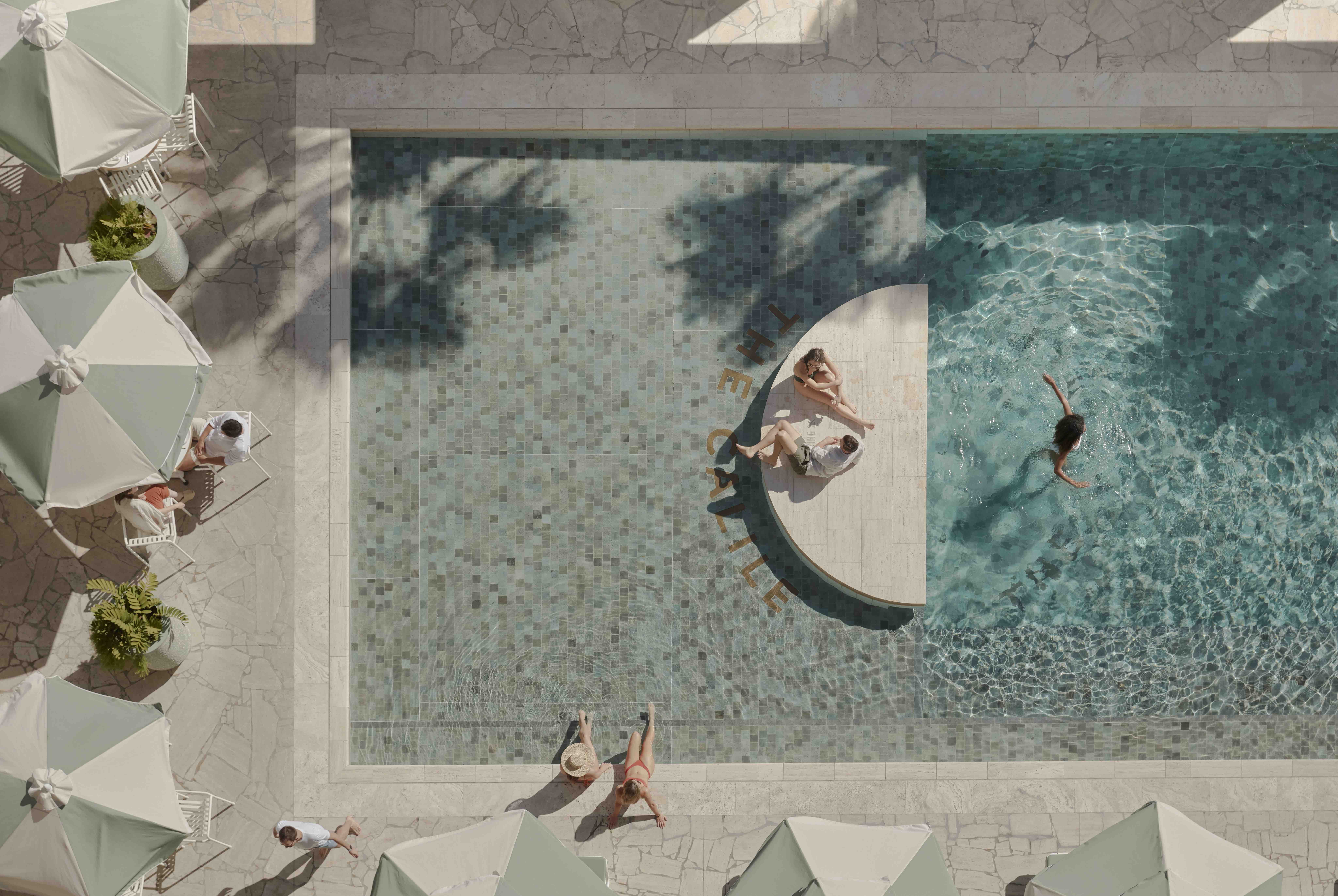
It was recently ranked the 12th best hotel in the world by influential and respected World’s Best group, comprised of almost 600 independent industry leaders.

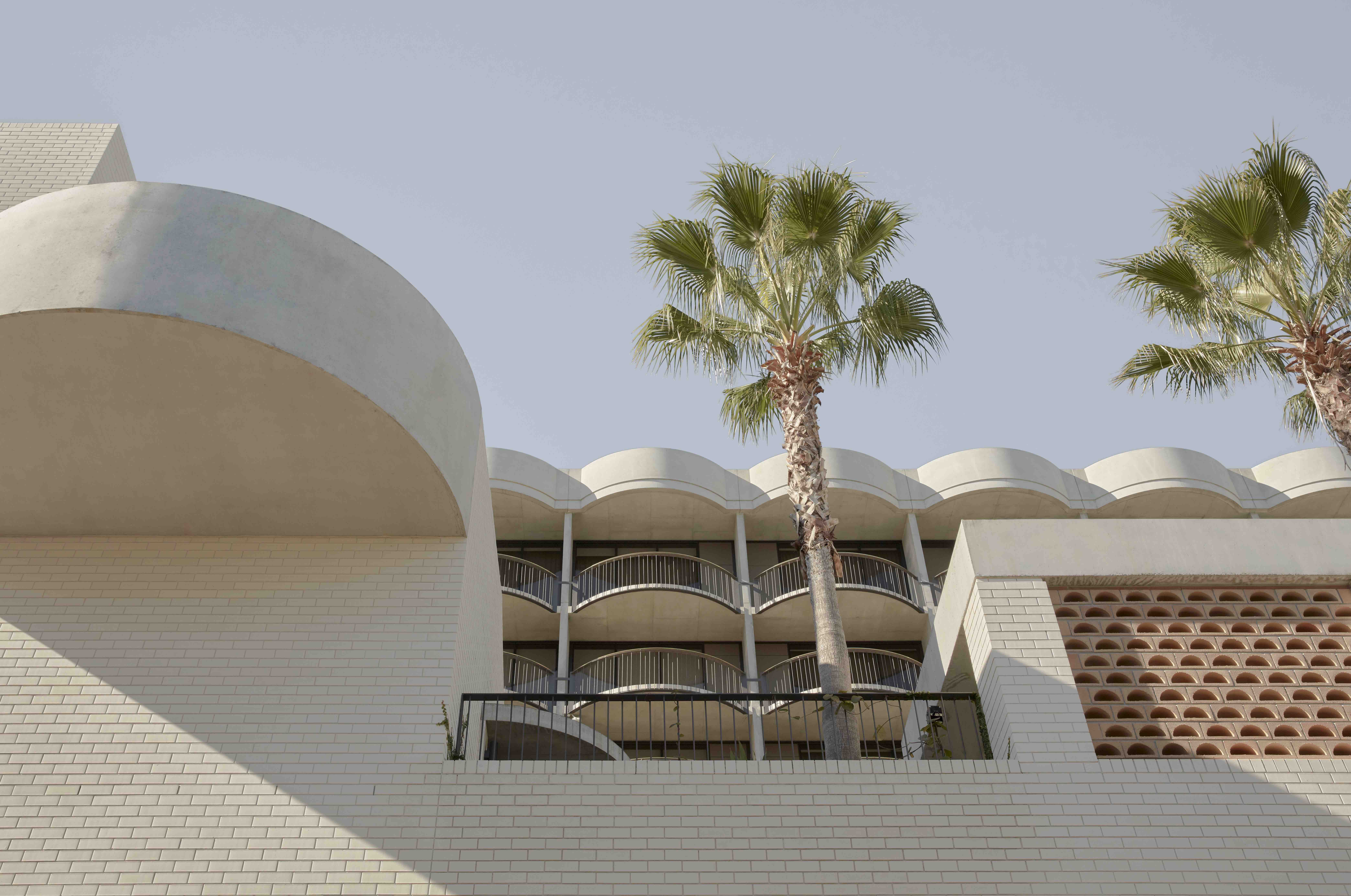
It’s got one of the most aesthetically pleasing swimming pools we’ve seen, set amongst bold architecture which works on every turn.

The colours are very ‘northern-cool’; a term we’re inventing to describe the palette of pastels that seem to work so well on a swathe of new Gold Coast, Brisbane and Sunshine Coast hotels. Palm trees are also very in at the moment, and The Calile has heaps of them.
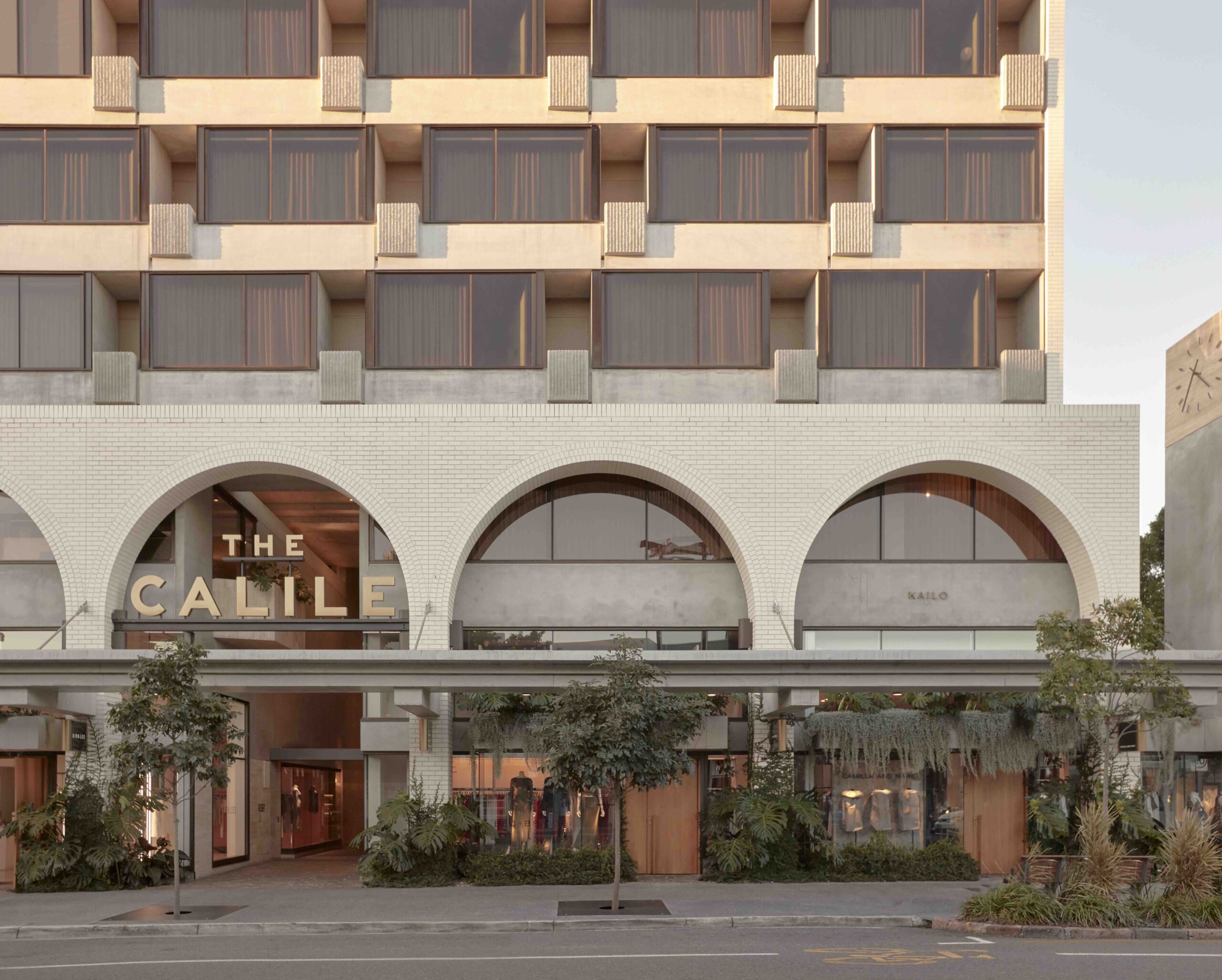
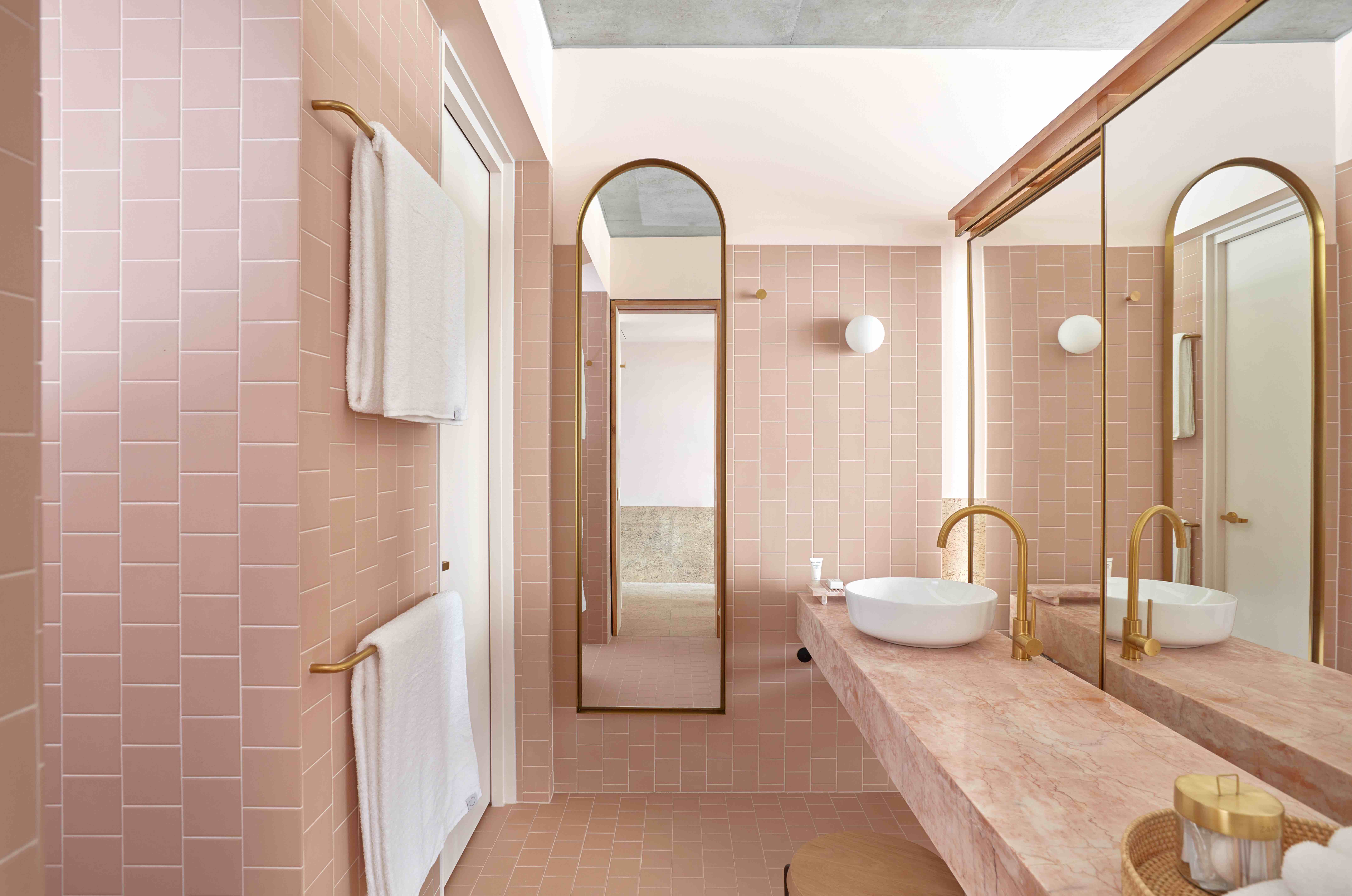
As we continue uncontrollable runaway train which is the countdown to the 2032 Brisbane Olympic Games, which is down to a mere nine years, it is places like The Calile Hotel which confirm the Brown Snake’s reputation as a city on the rise.
INTO THE WILD TINY ESCAPES

Out: iPhone, traffic and living expenses. In: Fresh air, gum trees and natural expanses

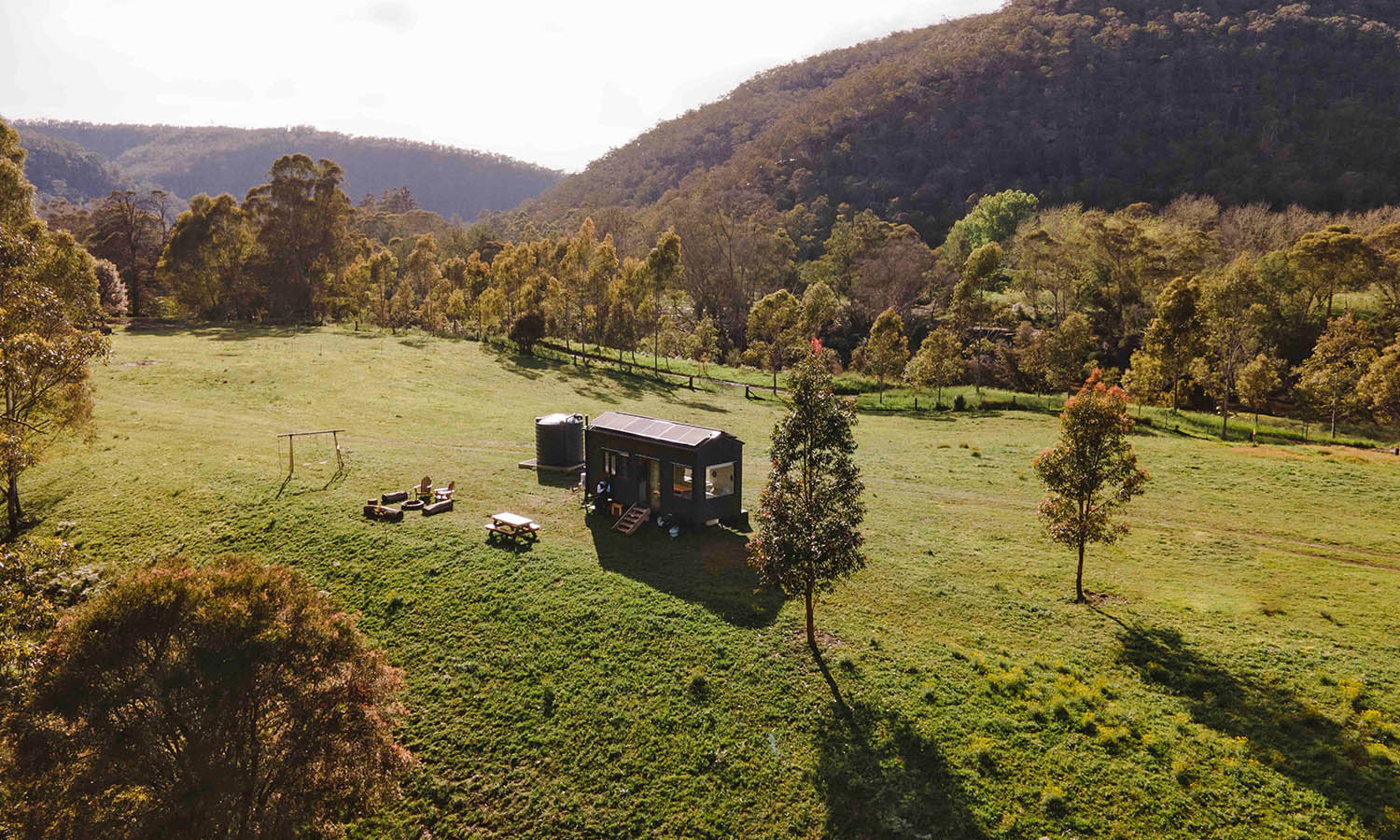
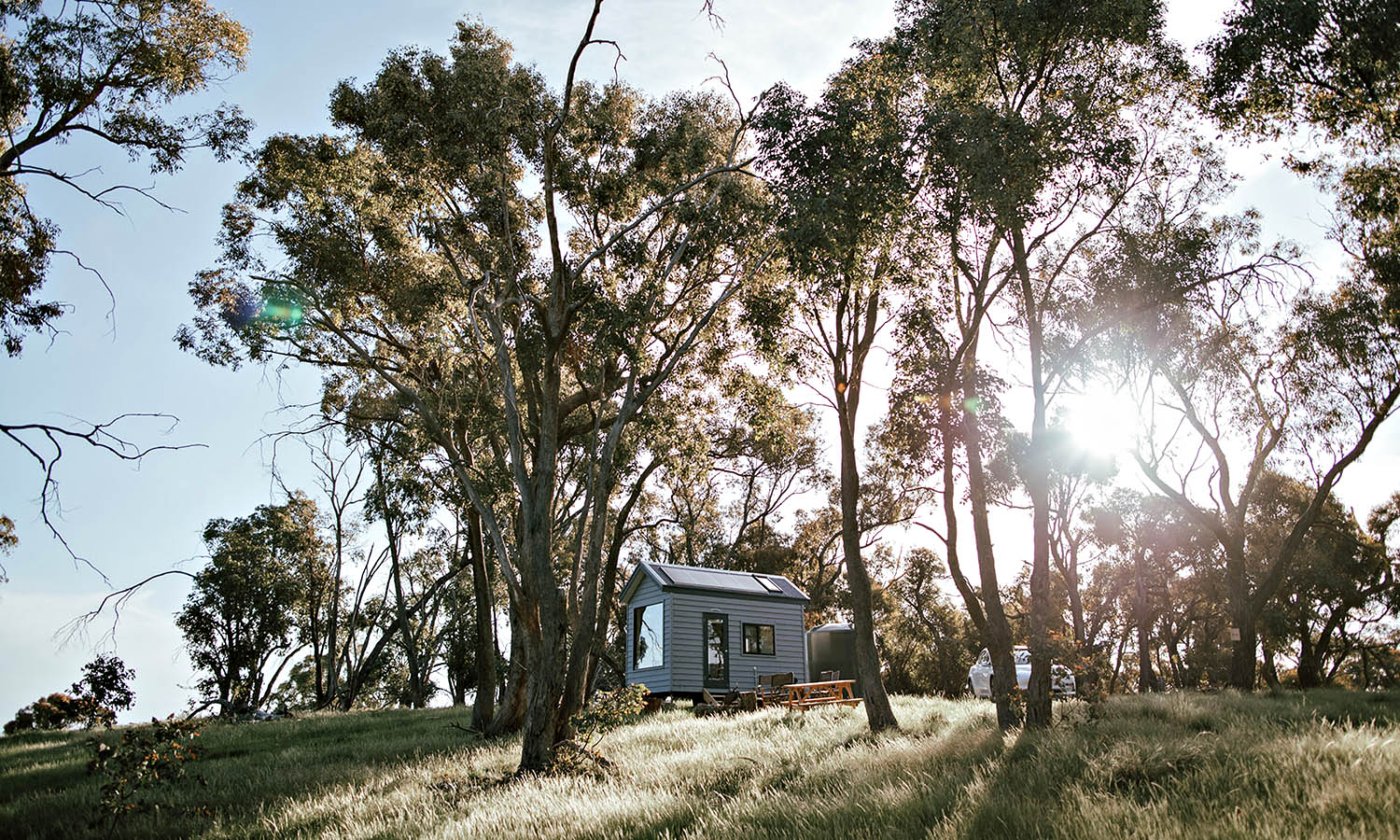
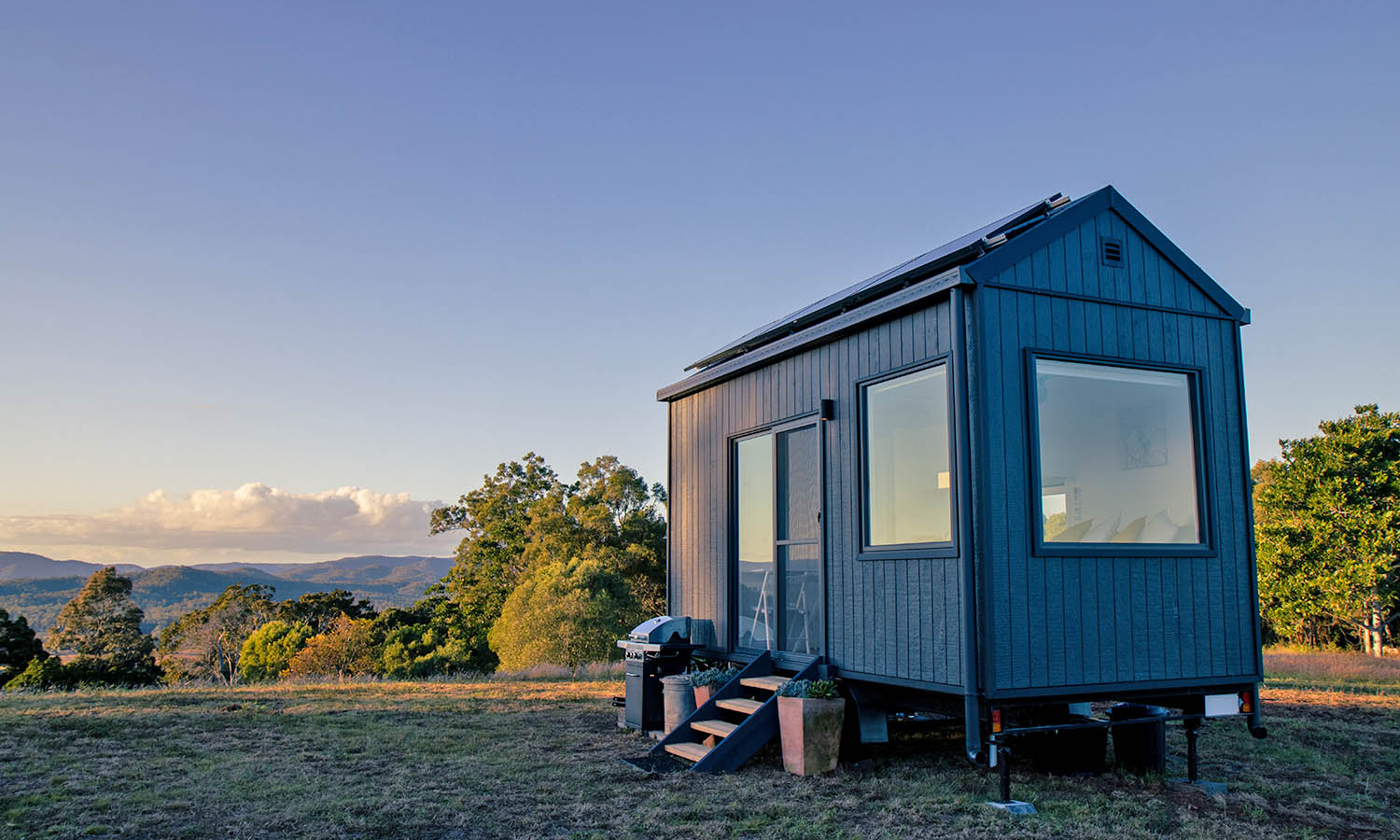
Into the Wild Escapes are a set of tiny homes that seem to be multiplying faster than Catholic rabbits, with almost 50 stays now dotted across Australia’s eastern states.

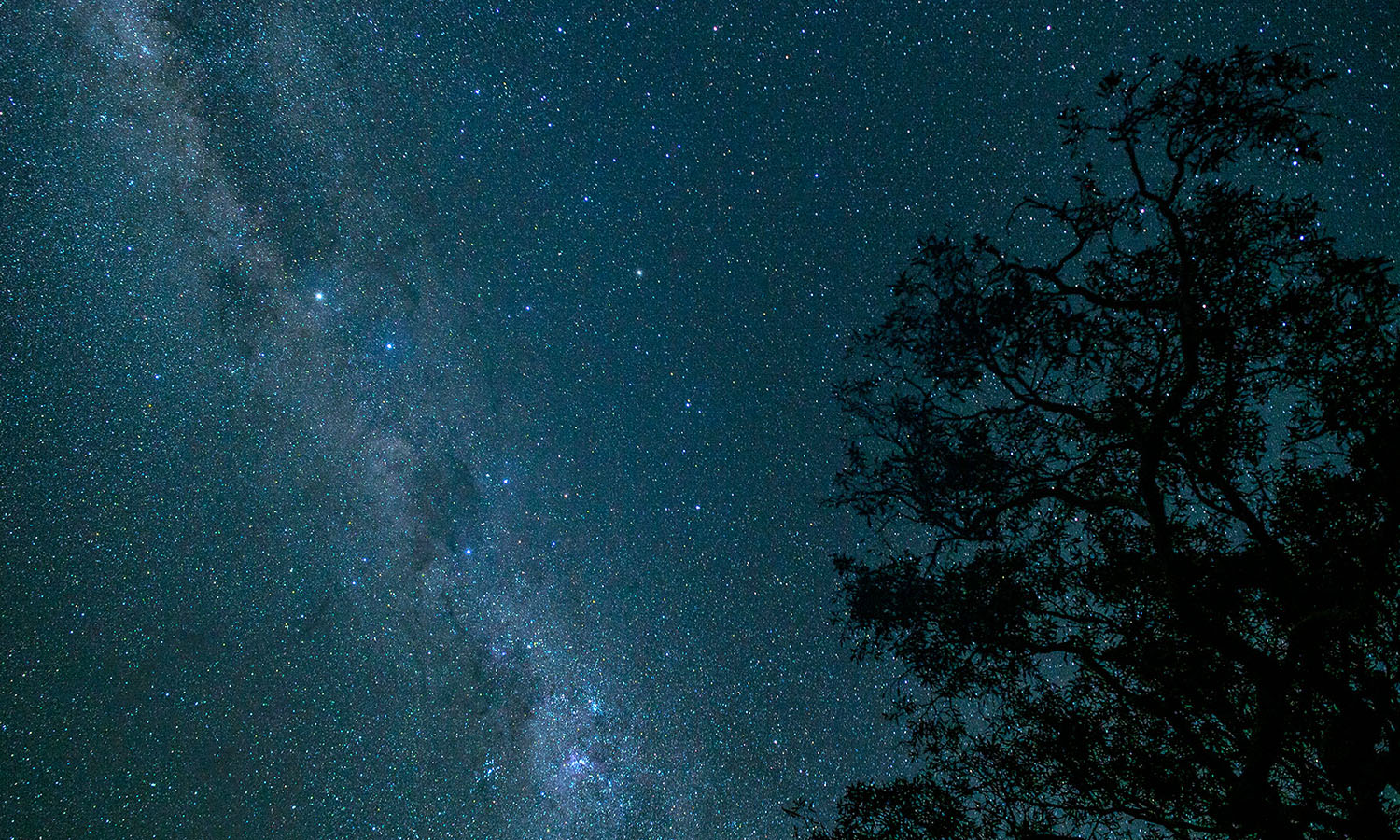
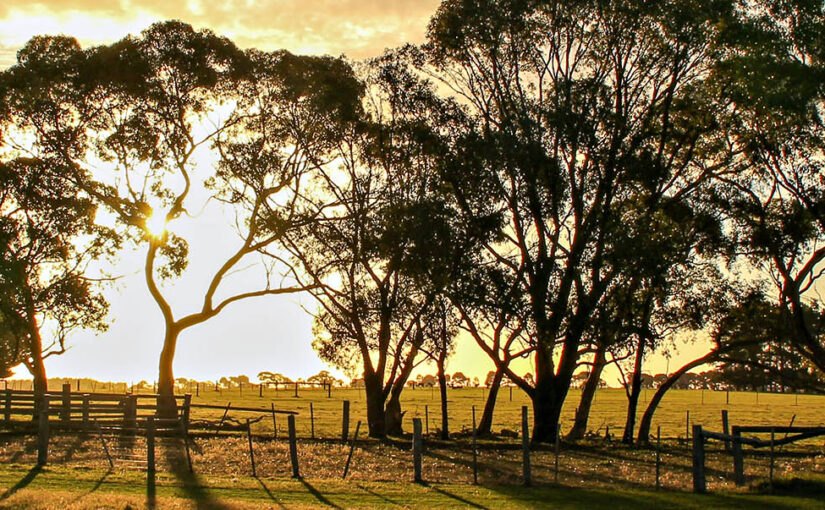
One of these escapes is Maggie—a beautifully simple, spatially economic structure set in Victoria’s high country beneath some of the brightest stars in the world. The further you make it up the long winding driveway leading to Maggie, the more secluded you feel from the outside world. We highly recommend.

Traditionally, you wouldn’t describe Maggie as luxurious. But then that depends on your definition of luxury—waking up with someone (hopefully) very nice, drinking coffee with a panoramic view of the lush high country? Small home, big luxury vibes.

From AU$197 per night

Click to WILD AWAY THE TIME

THE INTERLUDE, PENTRIDGE

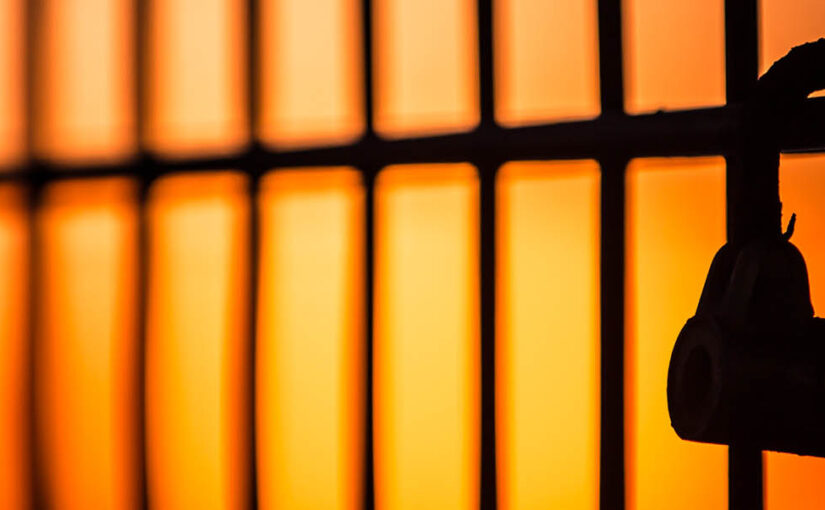
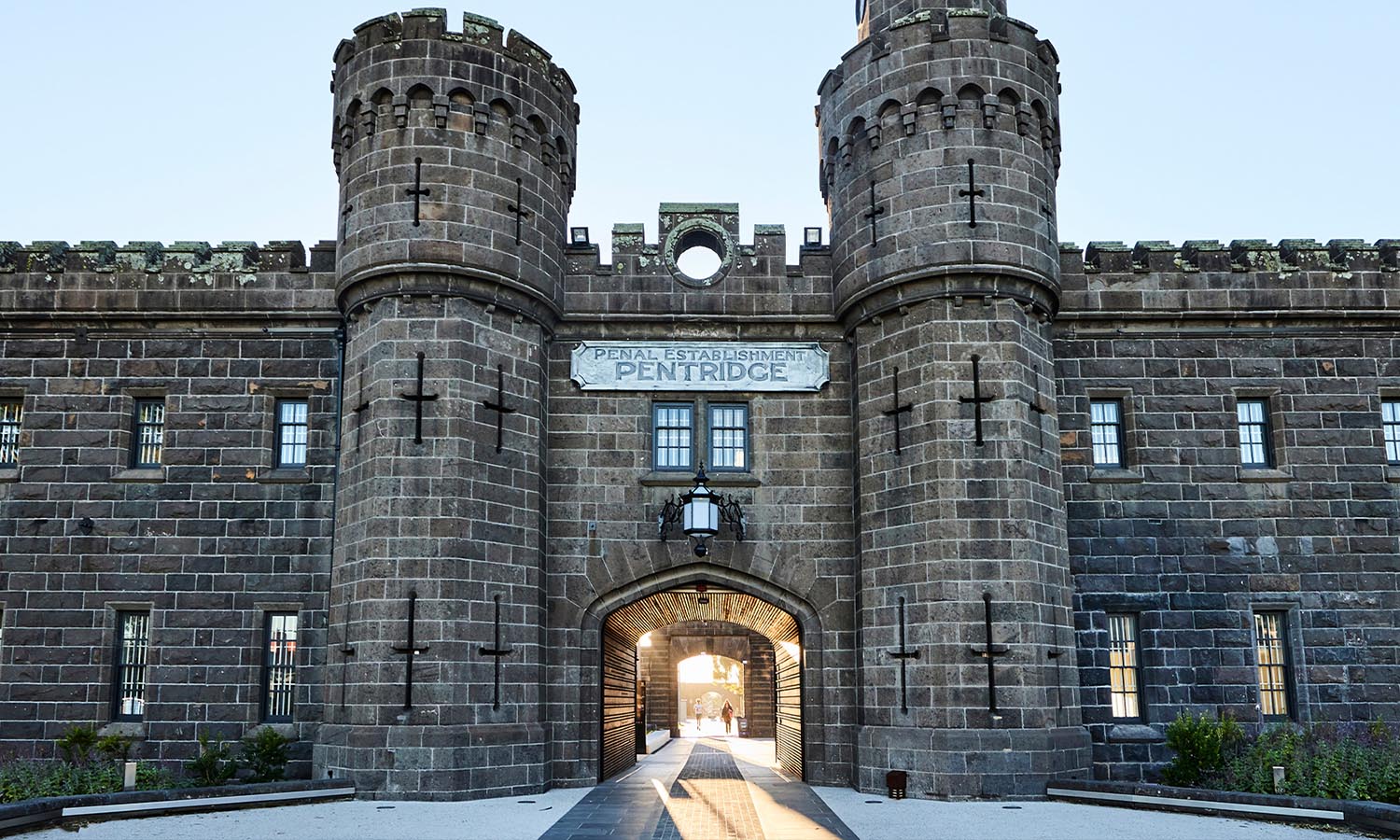
“You’ve been sentenced to a couple of nights in Pentridge,” — not something you wanted to hear between 1851 and 1997, when the tall bluestone walls of Pentridge Prison housed some of Australia’s most notorious criminals.

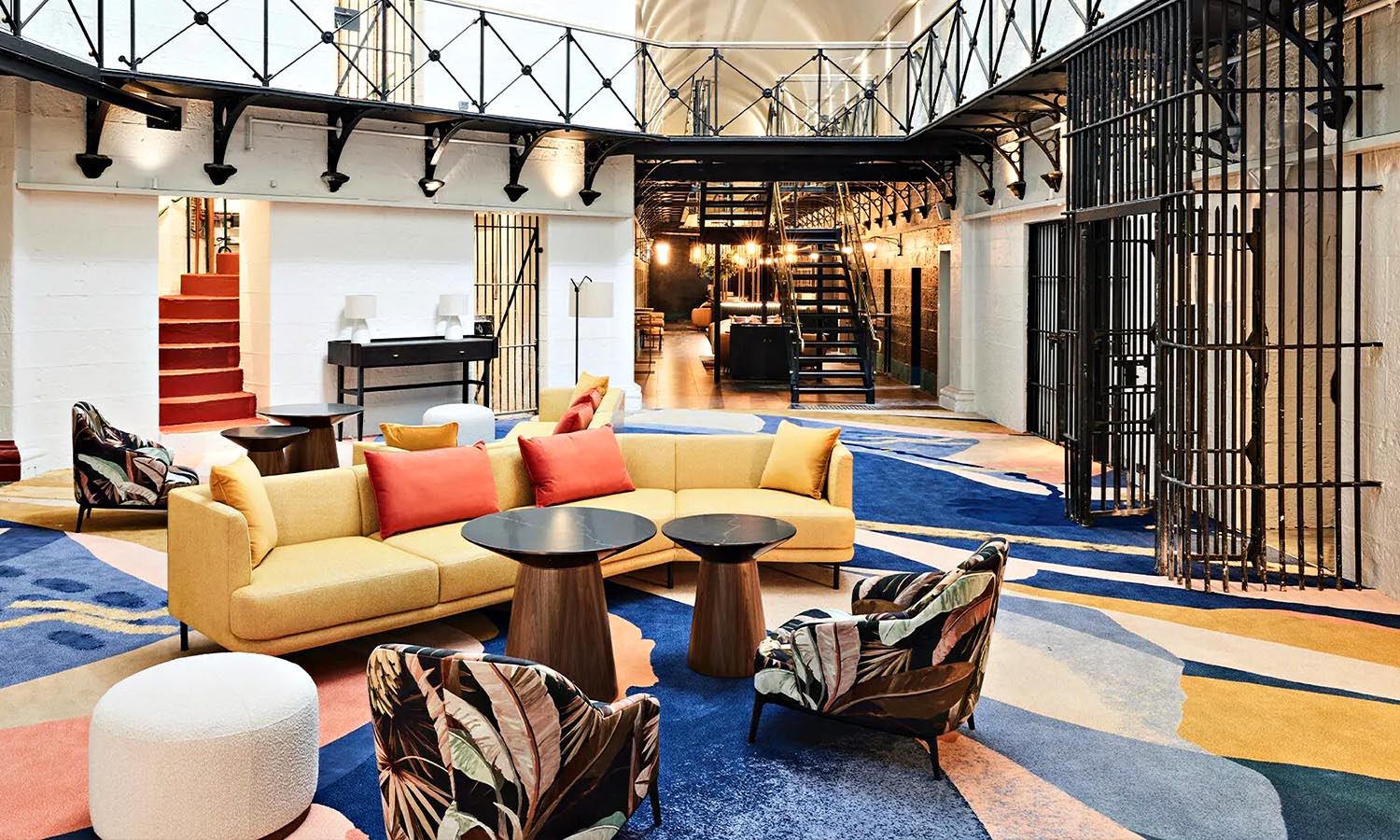
If you’re hearing it now though, it’s good news, given the brand-new urban wellness retreat, The Interlude, at Pentridge—a converted jail. And while you’ll walk through the same intimidating prison gates as the likes of Mark ‘Chopper’ Read, escapee Ronald Ryan and even Ned Kelly, you’re in for a slightly different experience.

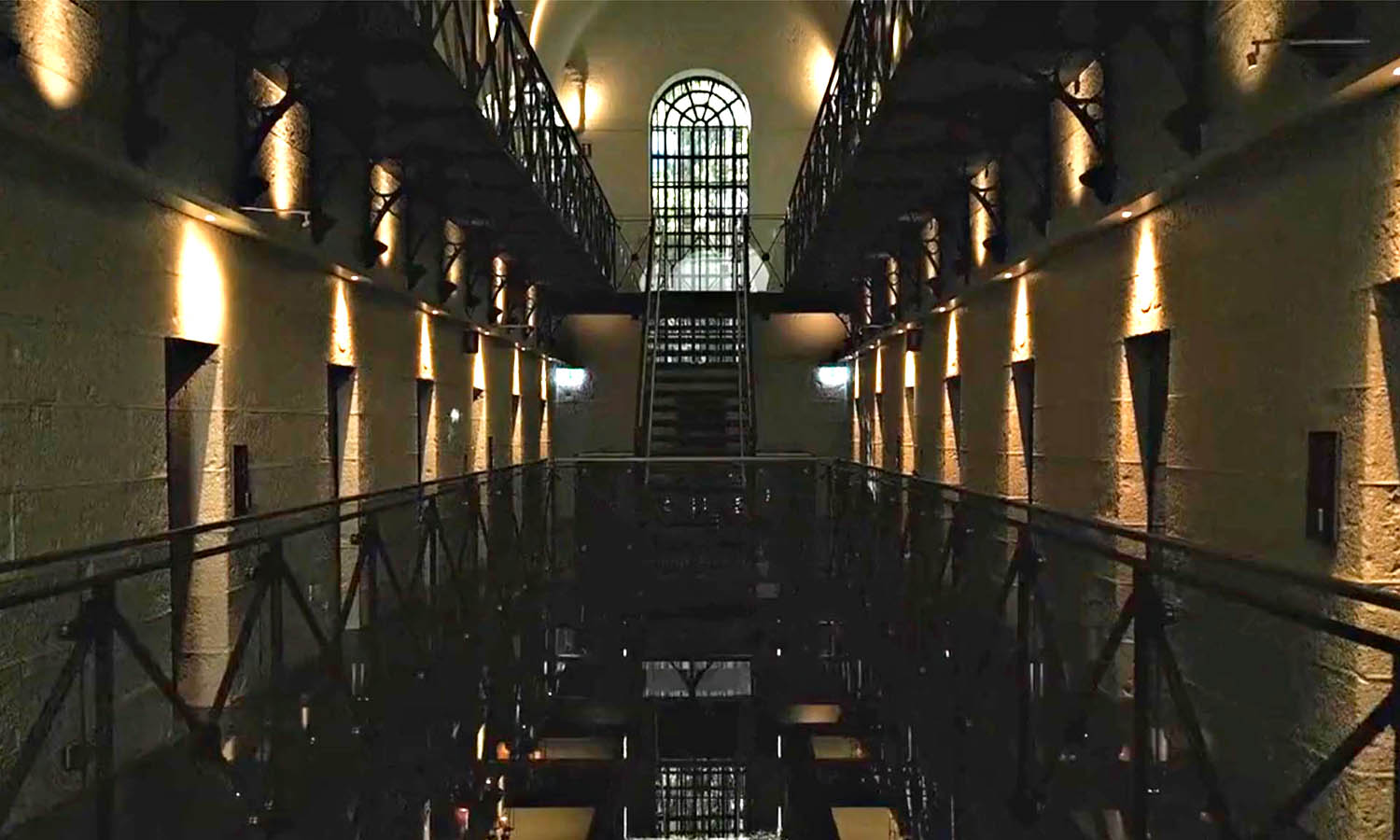
There are 19 exclusive heritage suites, each created out of the original cells with vaulted brick ceilings, thick cell doors and bluestone walls. The walls they did demolish (to create more expansive bedrooms) took two weeks to break down, FYI. Meanwhile the bar features former cells converted into cosy booths and a wine cellar that was also a cell. A cell-ar, if you will. But the highlight of the entire hotel is surely found below ground, where there’s a candlelit pool that took three months to dig by hand.

Such is life.

From AU$700 per night.

Click to BREAK IN

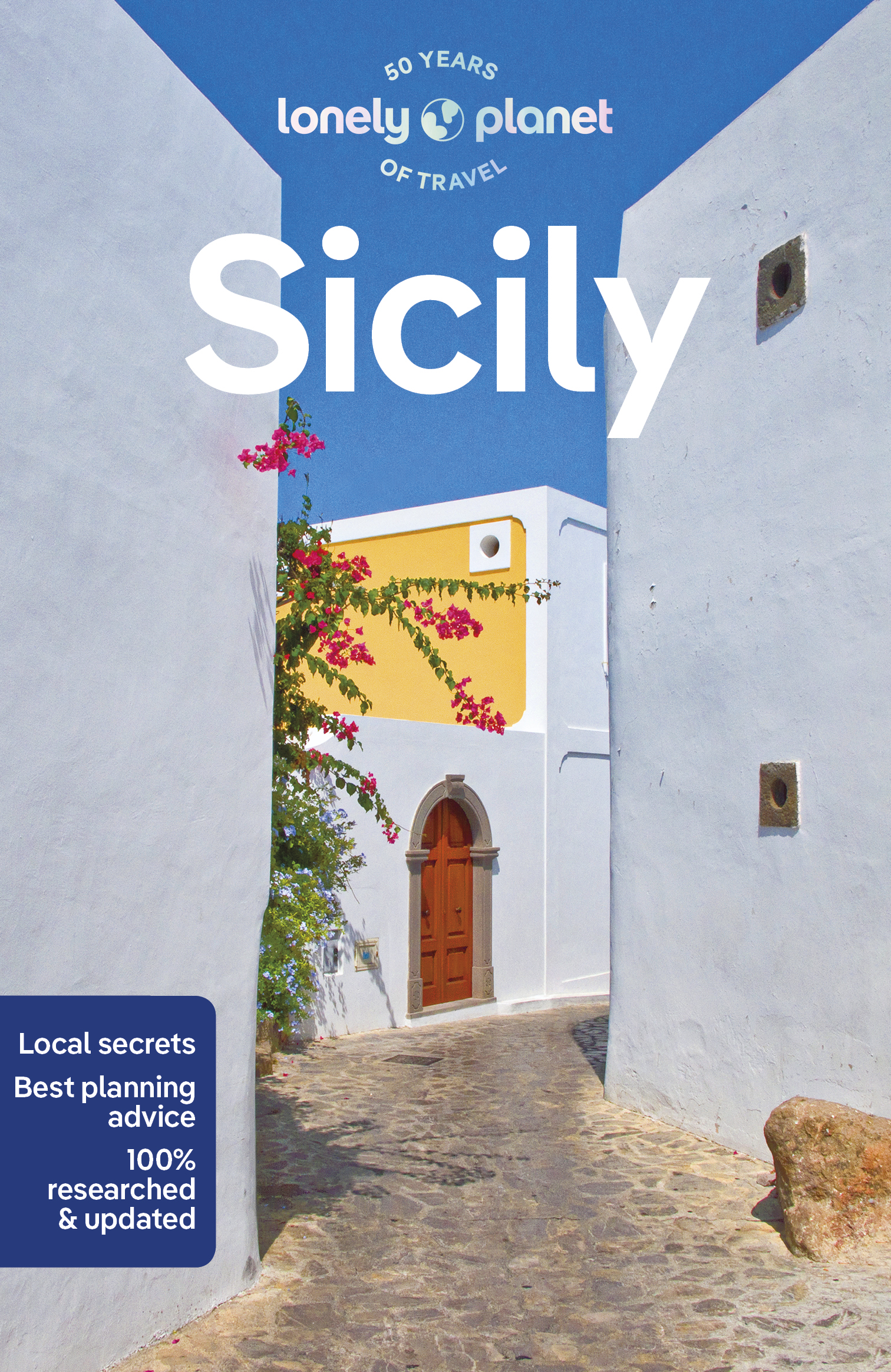
Lonely Planet turns 50


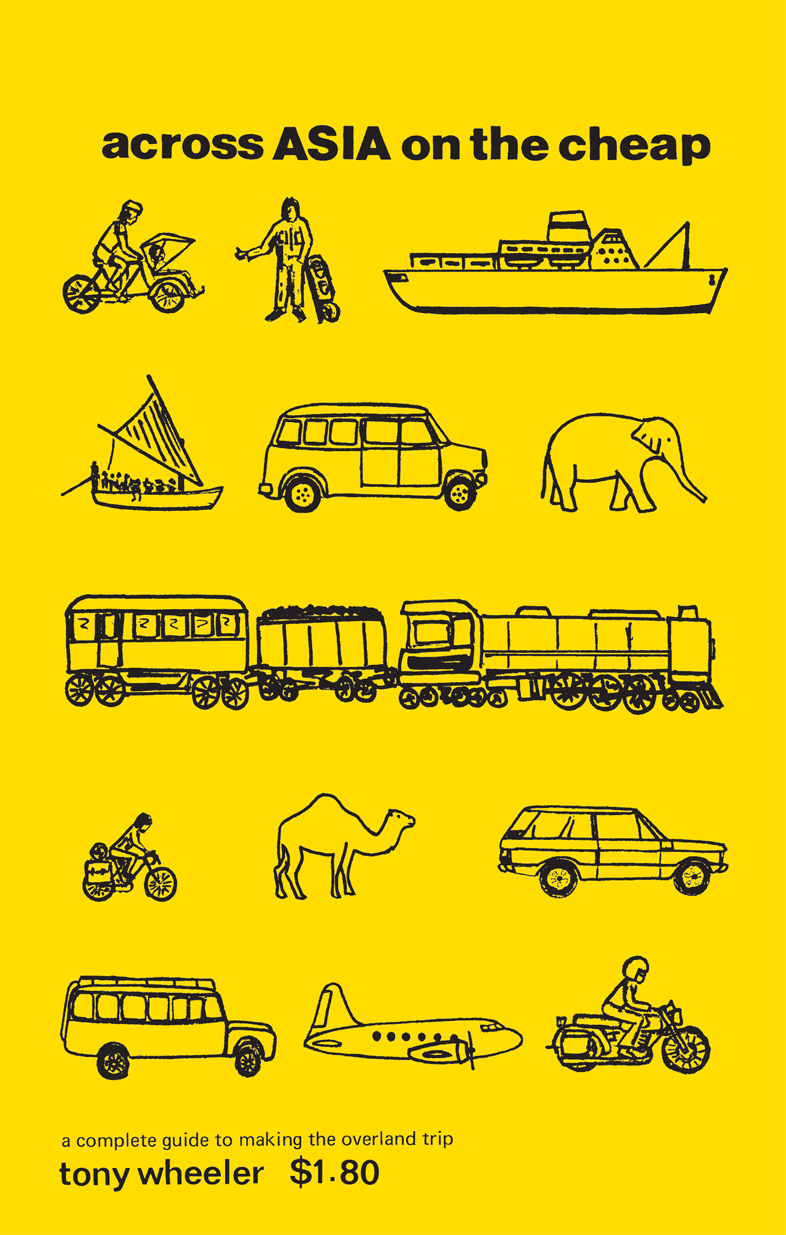
One of the world’s most trusted travel brands has turned 50. Lonely Planet has been the bible for adventurous travellers the world over ever since the release of Across Asia on the Cheap in 1973.

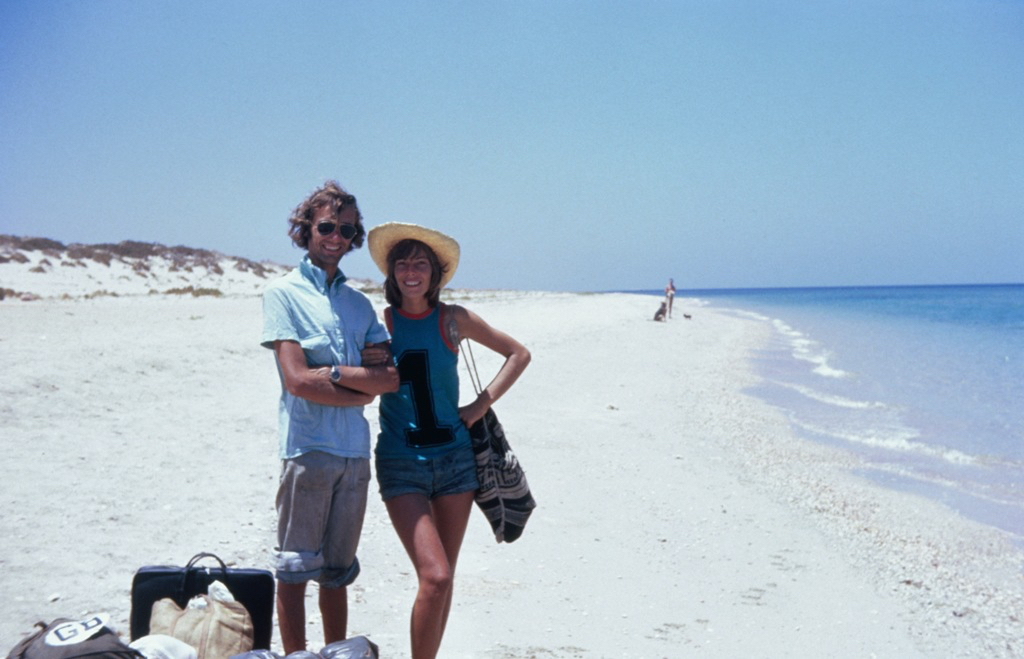
Conceived by British-Australian power-travel-couple Tony and Jill Wheeler (pictured below, arriving in Australia in 1972), the little blue books have been like super powers for intrepid travellers over the last five decades, concealed somewhere in a backpack until revealing, when called upon, the coordinates of a bar deep in the Amazon or a difficult-to-find hostel next to waterfall in Thailand, or how to say hello in Yoruba.

The numbers

        • 150 million – number of Lonely Planet guidebooks printed

        • 4 destinations have exceed 2 million copies – Australia, New Zealand, Thailand and India

        • 50 – South East Asia (formerly Across Asia on the Cheap) has been in print for 50 years across 19 editions.

        • 320 – the number of travel writers that have hit the road since the pandemic restrictions lifted in 2022

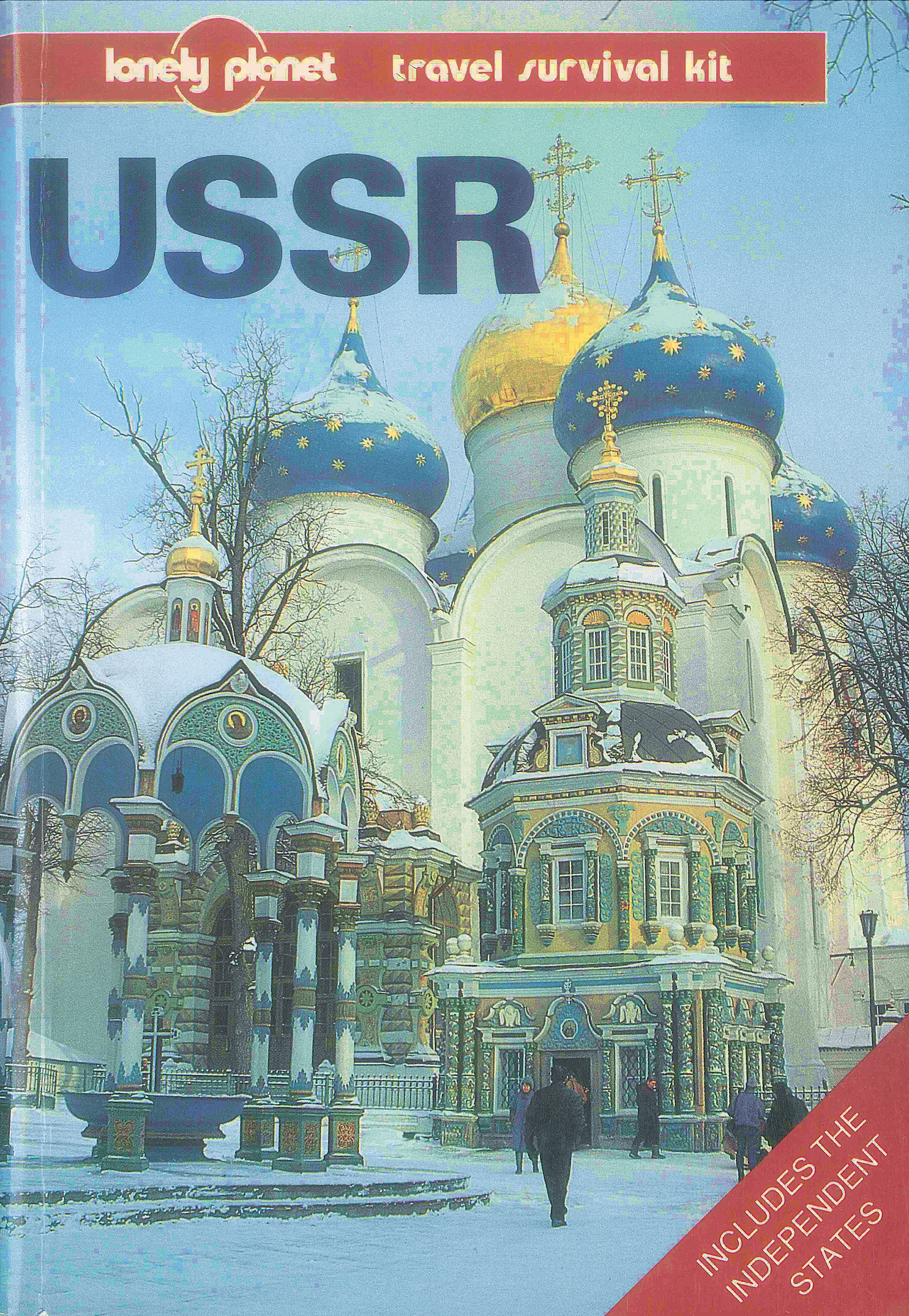
        • 1 – USSR edition, given that country had dissolved by the time the book had printed

        • 33 – the number of languages Lonely Planet publications have been translated into

        • 95% – the % of destination content covered in Lonely Planet’s printed guidebooks

        • 100% – all Lonely Planet titles are printed on FSC paper

From one set of travelling pioneers to the OG – congratulations on 50 years of bailing us out of trouble in the farthest flung locations.


CALLING K’GARI HOME

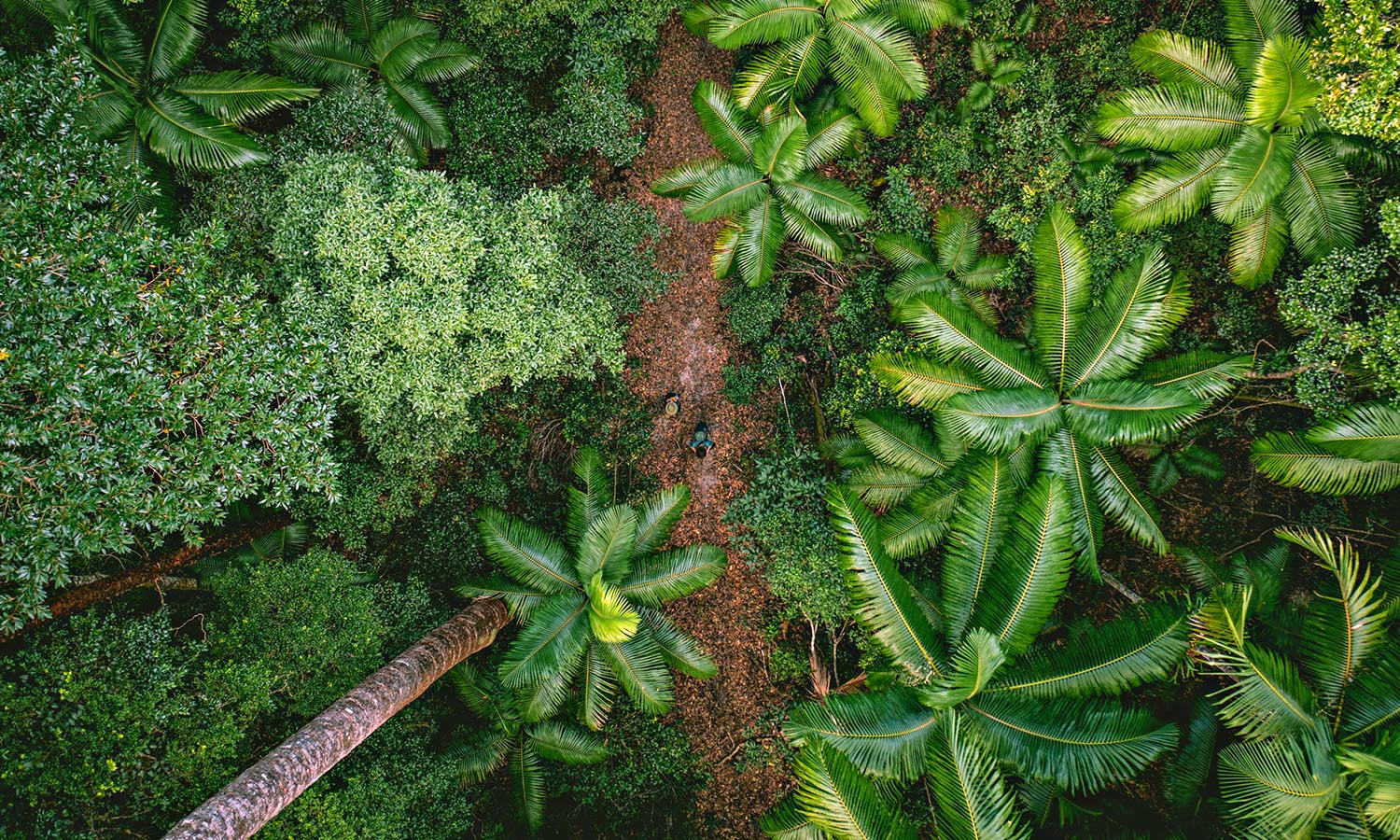
In the crisp morning air, our feet crunch lightly on the rainforest floor. The only other sound is coming from the birds who holler at each other across the canopy, as if in conversation. One foot in front of the other, I let my mind drift gently away. And then—“oh f*ck!

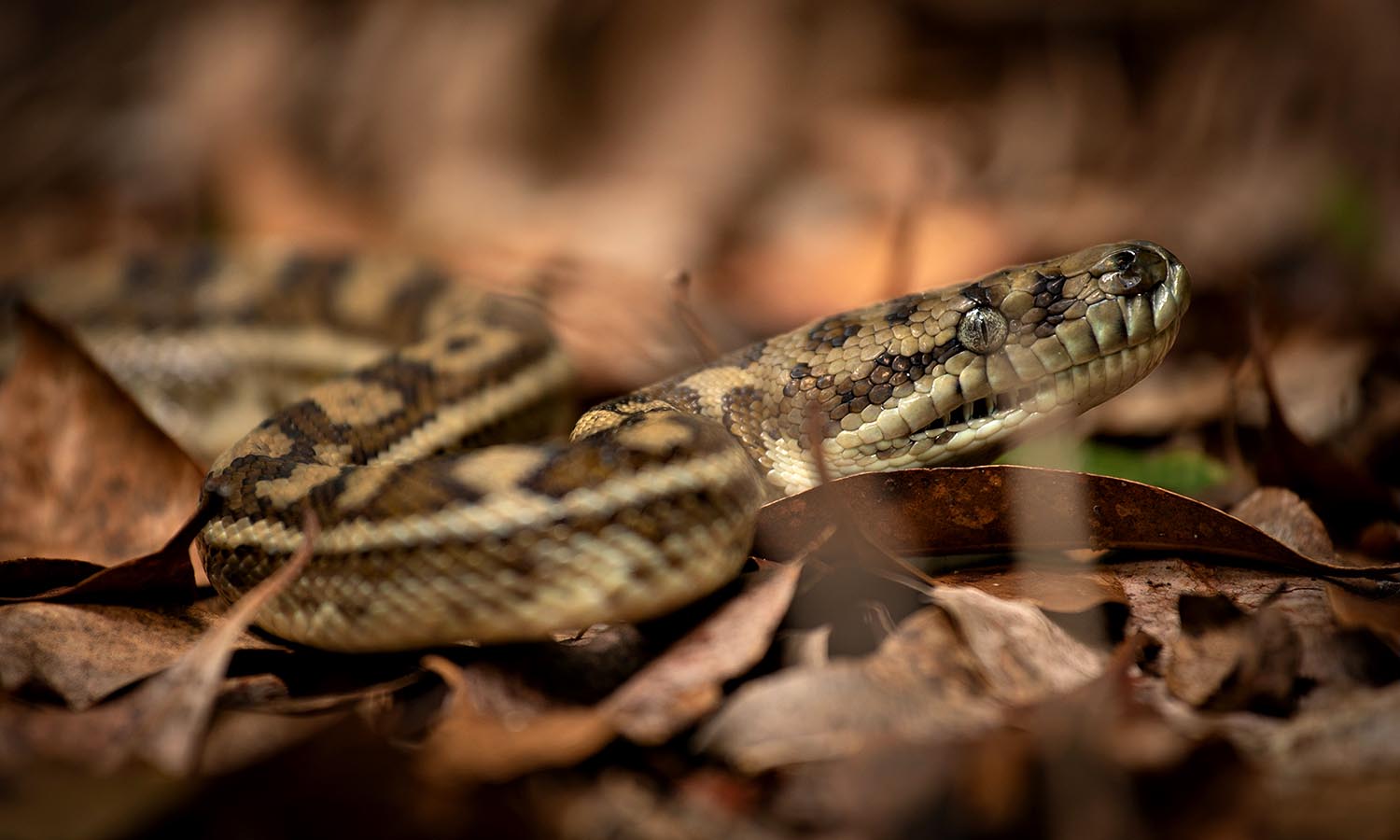
I lurch off the trail, shouting “it’s a f*cking snake!” My girlfriend, a few paces back, lets out a little squeal and runs an unnecessary distance back. Regaining my footing, I look closer—laying just where my foot was meant to be planted is a perfectly camouflaged carpet python, her scaly back glistening in the day’s light, tongue flickering in and out as she tries to figure out what this big, blonde, hairy alien is doing in her forest.

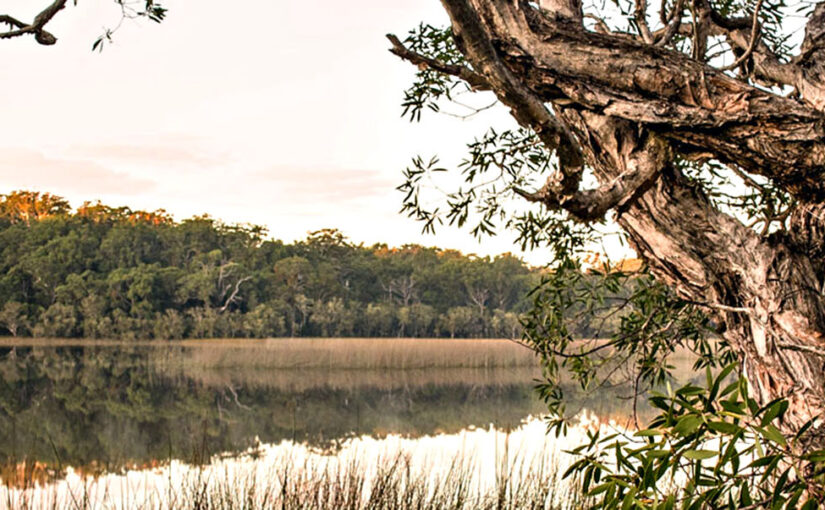
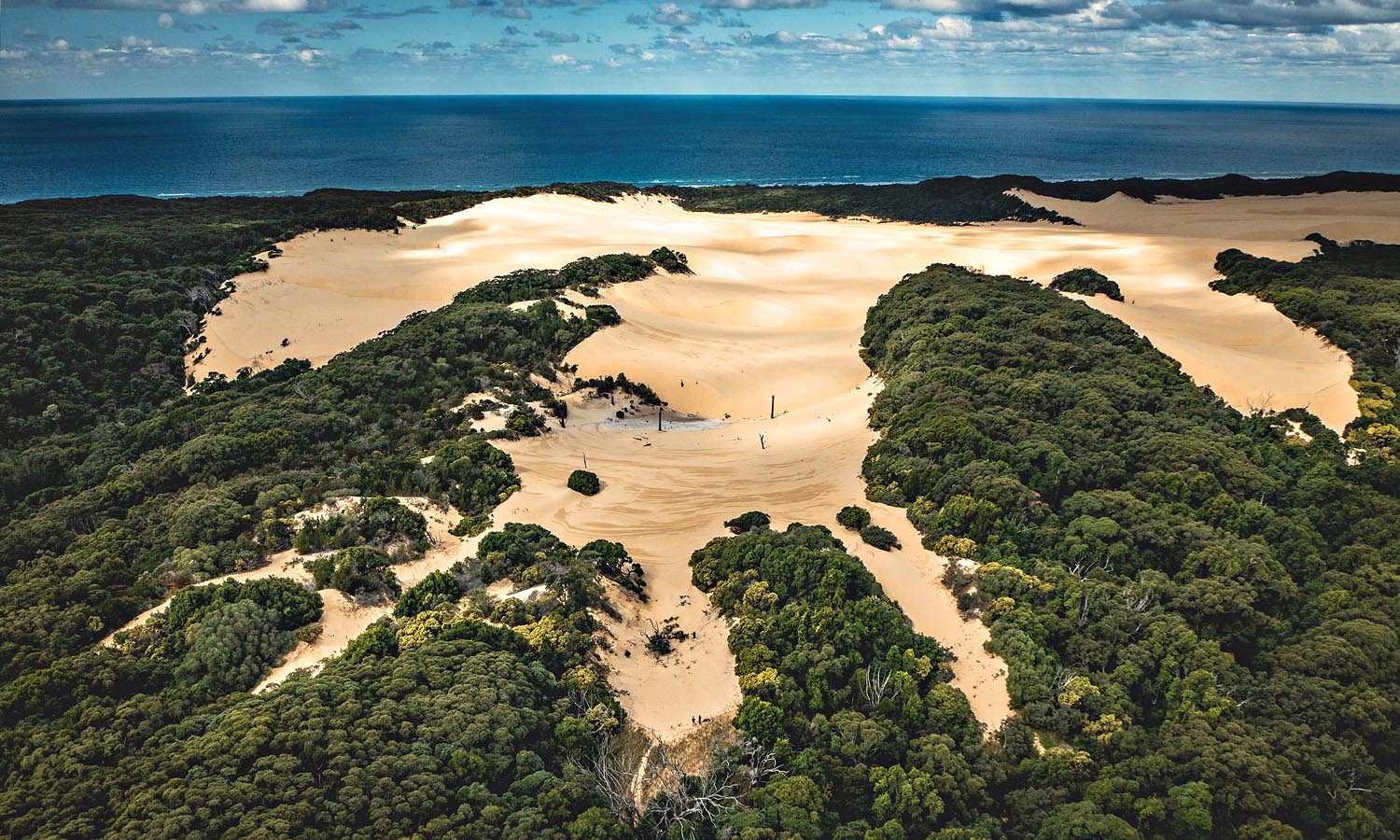
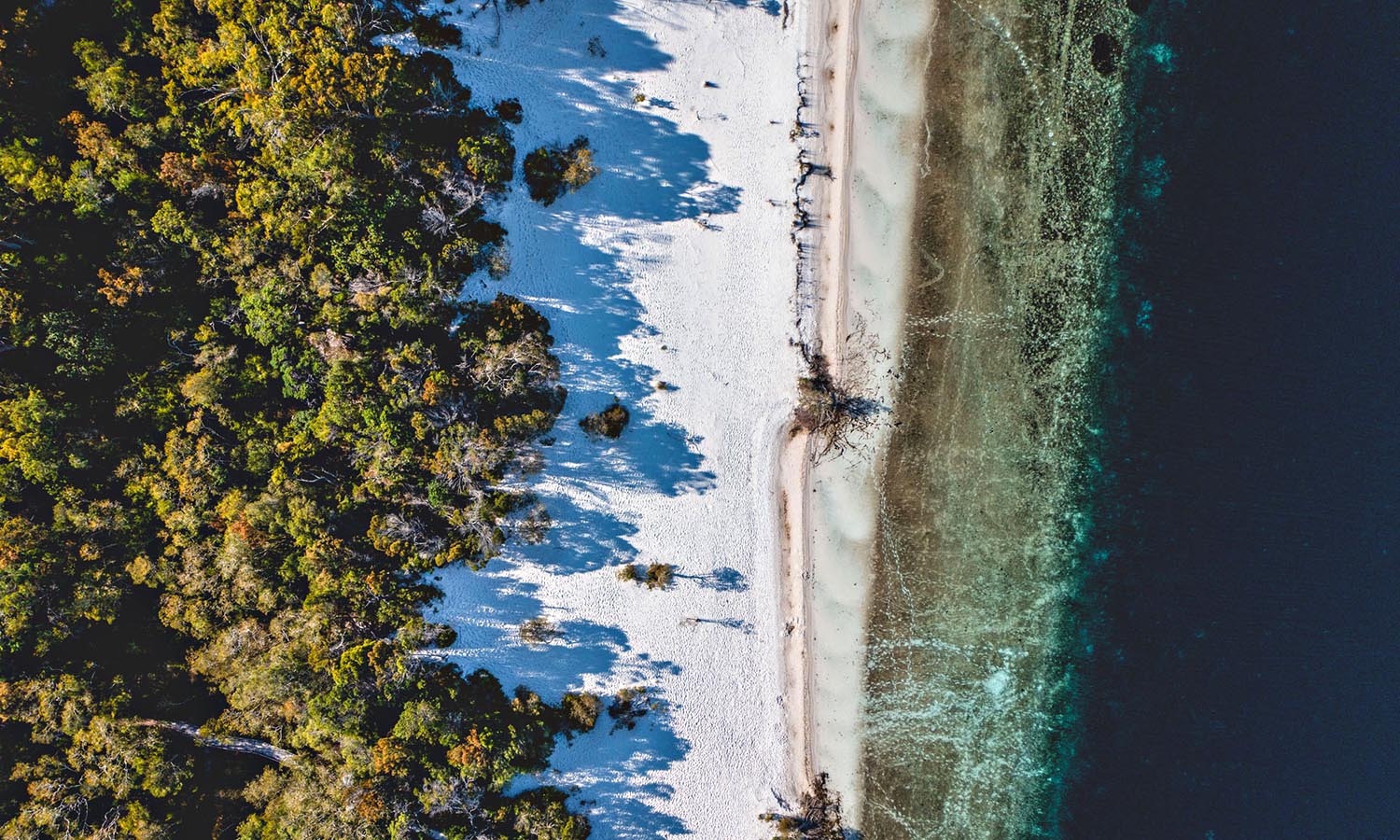
We are exploring a different side of K’gari, the world’s largest sand island, formerly known as Fraser Island. We’re hiking through extraordinary rainforest where thousand-year-old trees reach up to create a dense green canopy, and crystal-clear streams trickle through lush undergrowth. Right now, we’re two days into the trek and we’re yet to see another hiker hit the trail. The only sounds we hear are the myriad of birds that call this utopia home.

Click play to watch

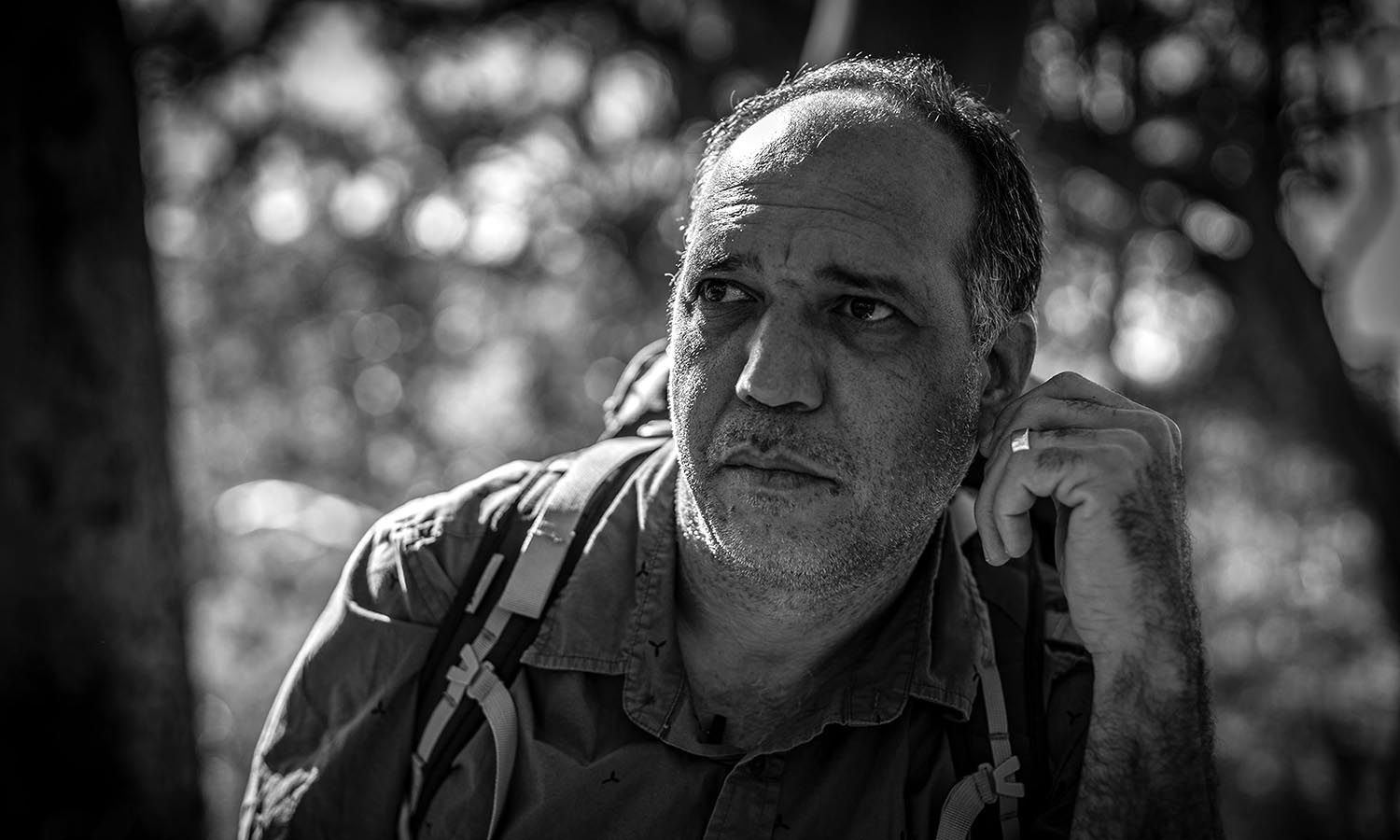
The story of K’gari’s creation continues to echo in my mind, since it was shared with me by Luke Barrowcliffe, one of the island’s traditional owners. Luke is a part of the Butchulla nation, a group of people who, according to archaeological evidence, have lived on and cared for this island for at least 5,000 years, and possibly up to 50,000 years.

“When we think about K’gari, it’s like home to us, it’s our country,” he says.

“It’s like walking into your own house that you own —when you walk in that door, you feel at home. When we come over here, we feel that same way every time.

“You feel totally removed from urban civilisation. As soon as you come across here, you leave it all behind,” he explains.

According to Luke, K’gari was a white spirit who helped the god Yendingie create the most beautiful place of all. K’gari then decided to rest there, and transformed into the island itself.

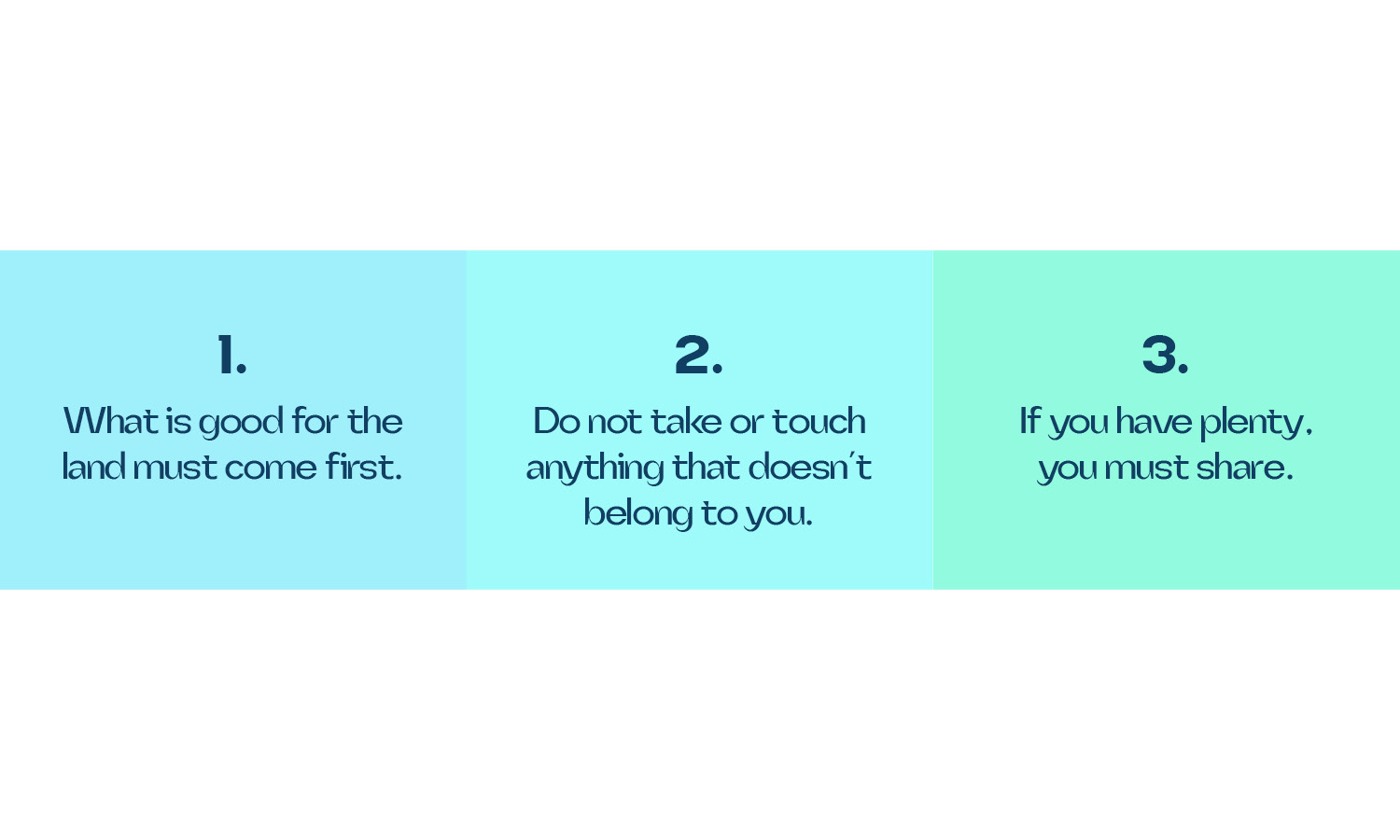
K’gari (pronounced ‘Gurri’) in Butchulla language, was created with her eyes forming the lakes—always facing up to the sky country. She was clothed with trees and shrubs before the Butchulla People were created, so as time went on, K’gari would never be lonely. The Butchulla People lived and died by three laws:

This story is with me now as I wander through the same bushland Luke’s ancestors did thousands of years ago. I wonder how K’gari felt when the Butchulla People were forcibly removed from her?

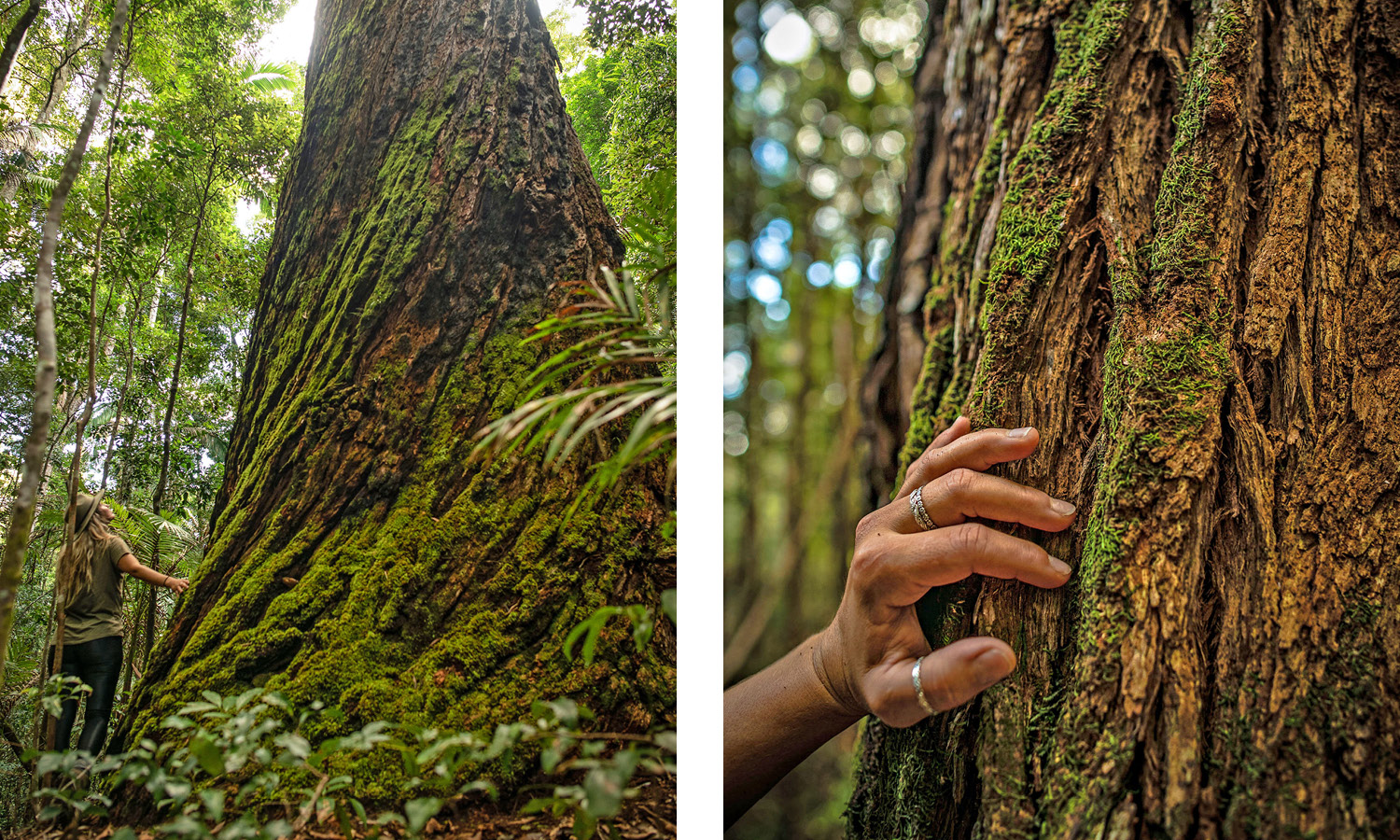
Our sandy trail winds through and around some of the largest and most impressive trees I have ever laid eyes on. We’re in the aptly named ‘Valley of the Giants’ and I feel tiny in their presence. There are even giants among the giants here; some of these satinay trees are a mind-bending 1,000 years old, meaning we are in the presence of some of the oldest continuously living organisms on earth.

As I lean against an ancient trunk, I imagine Butchulla ancestors moving silently through this same forest, gathering food and making shelter, possibly under this very tree. This tree was chilling here when the Vikings were raiding Europe; when Genghis Khan and Marco Polo were born, this tree was already over two centuries old. In Europe, tourists line up to take photographs of ancient artwork and relics, here we can walk among a different, even older, kind of beauty.

It is easy to find an adventure that works for you on K’gari (see our guide below). There’s over 90 kilometres of diverse trails to tackle, and a multitude of operators catering for small group adventures who have an excellent head for sustainability.

Take our pack free, eco-hike for example. Following a much-needed rinse off in the misty Lake Garawongera, we amble dripping and sandy-footed into our picturesque little bush camp. Our tents are set up already, our overnight bags are there waiting to be ripped apart in search of less pungent attire, there are cold beers to drink and fresh food ready to cook. I could ABSOLUTELY get used to this pack-free life.

There’s also plenty to explore here, from wildlife and adventure, to tracing back through the branches of time. It’s even better when you have the opportunity to explore this wondrous island through the stories, songs and dances of its First Nations peoples.

For this island to reclaim its name is powerful and important. The island was formerly named ‘Fraser Island’ after Eliza Fraser, a Scottish shipwreck survivor in the 1830s (who was proven to have lied profusely about the Butchulla’s poor treatment of her). Before that, it was erroneously named the ‘Great Sandy Peninsula’ by Captain James Cook during his 1770 voyage. Neither of these are right or fitting for this slice of heaven.

Luke speaks passionately about his island, and he explains that there is a growing movement for Butchulla People to move back to their ancestral homeland, bringing with them their ancient culture that is completely entwined with this magical place. Hopefully soon, this paradise will have her people back again.

ARE YOU READY TO WIN?

Air New Zealand Skynest

THE CLEVER

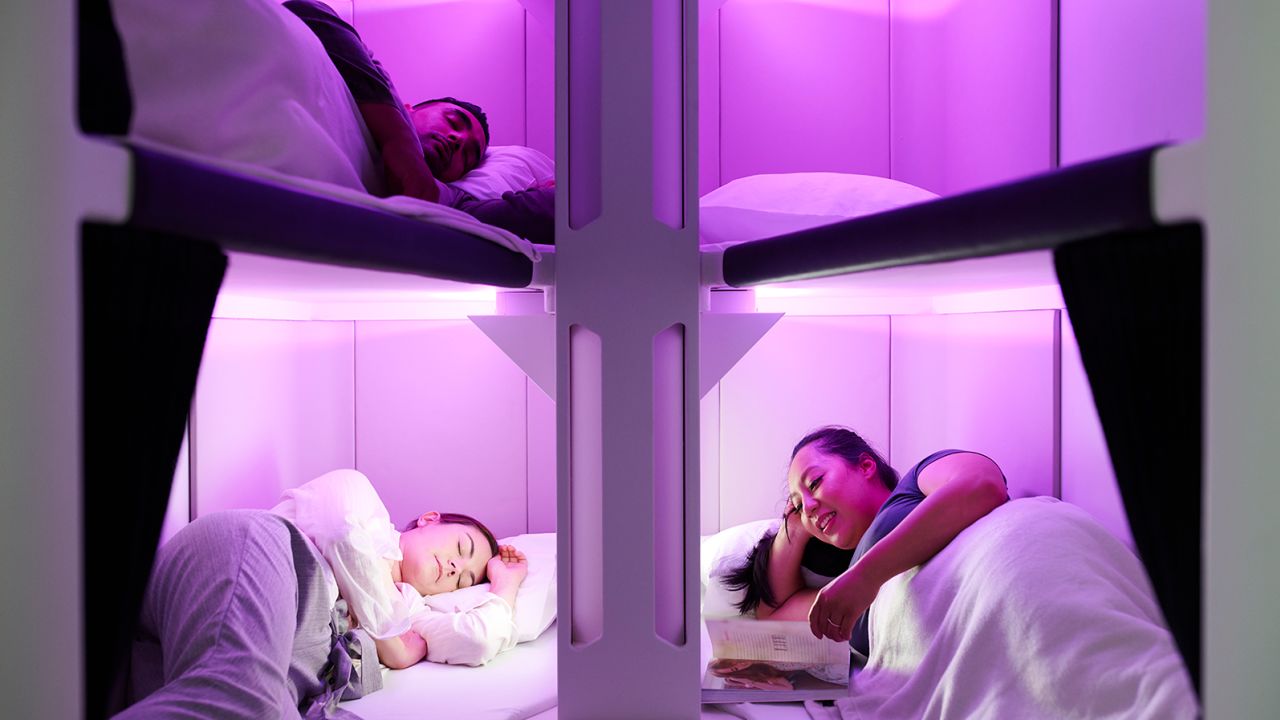
Air New Zealand’s have taken out an award for airline innovation at the Crystal Cabin Awards during the week, with their Skynest concept winning the prize for giving the common person business class privileges.

The Skynest is a way to make sleeping more accessible on long haul flights for those that can’t afford business, and it might just pave the way for other airlines to follow suit.

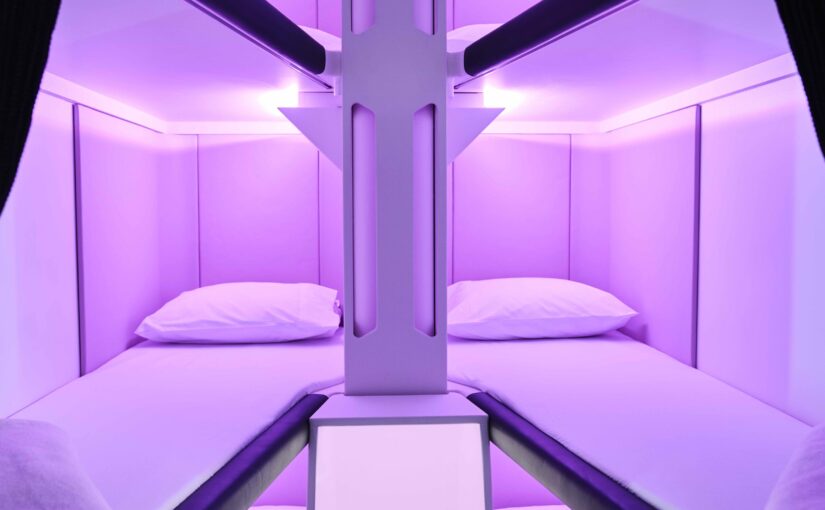
The Skynest is a block of six sleep pods in a bunk bed configuration which can be rented in four hour slots each flight, allowing passengers to put their head down and actually lay flat for a while. Pretty handy for some of Air New Zealand’s flights, like the 17-hour direct flight between New York City and Auckland, which is one of the longest in the world. It’s been received well and

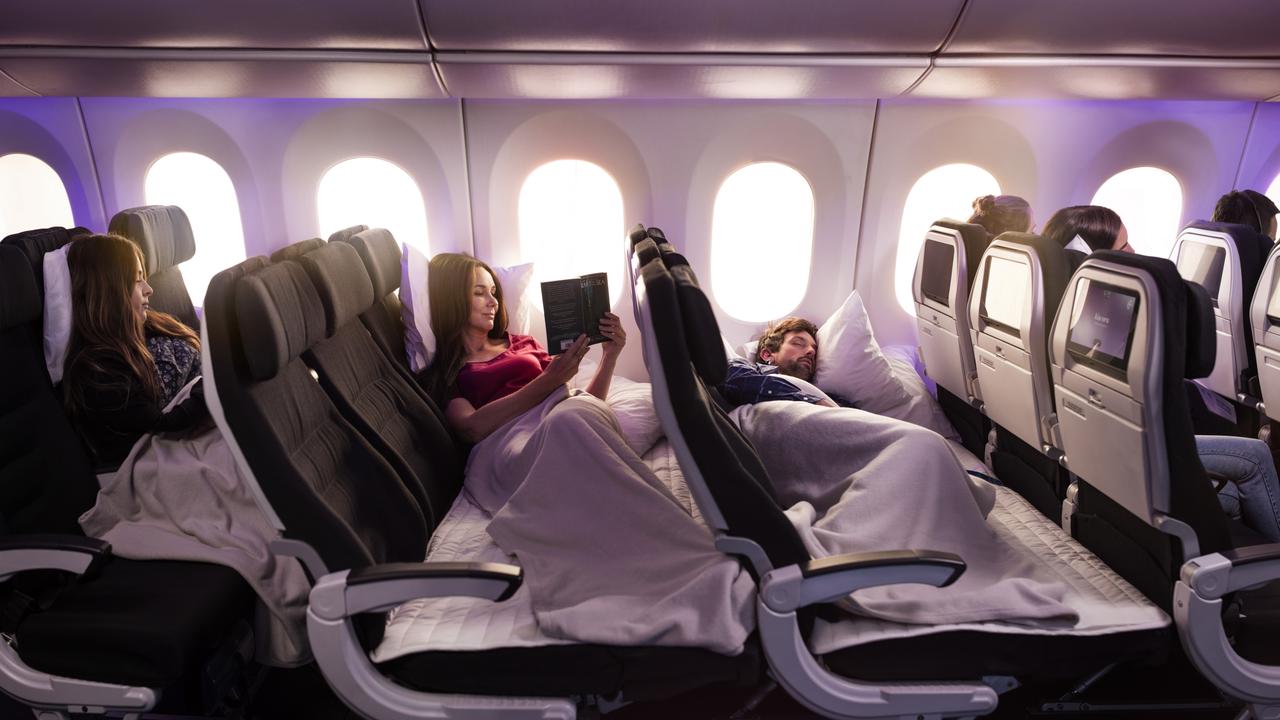
The Kiwis also added the Economy Skycouch to their growing range of ‘things that make your flight way better’.

It’s essentially just a row of economy seats that can change into a couch after take-off, with a special footrest on each set to make it a little more practical. It’s not rocket science, but like the Skynest, it helps you lay down and sleep on a flight – invaluable in our book.

The not so clever

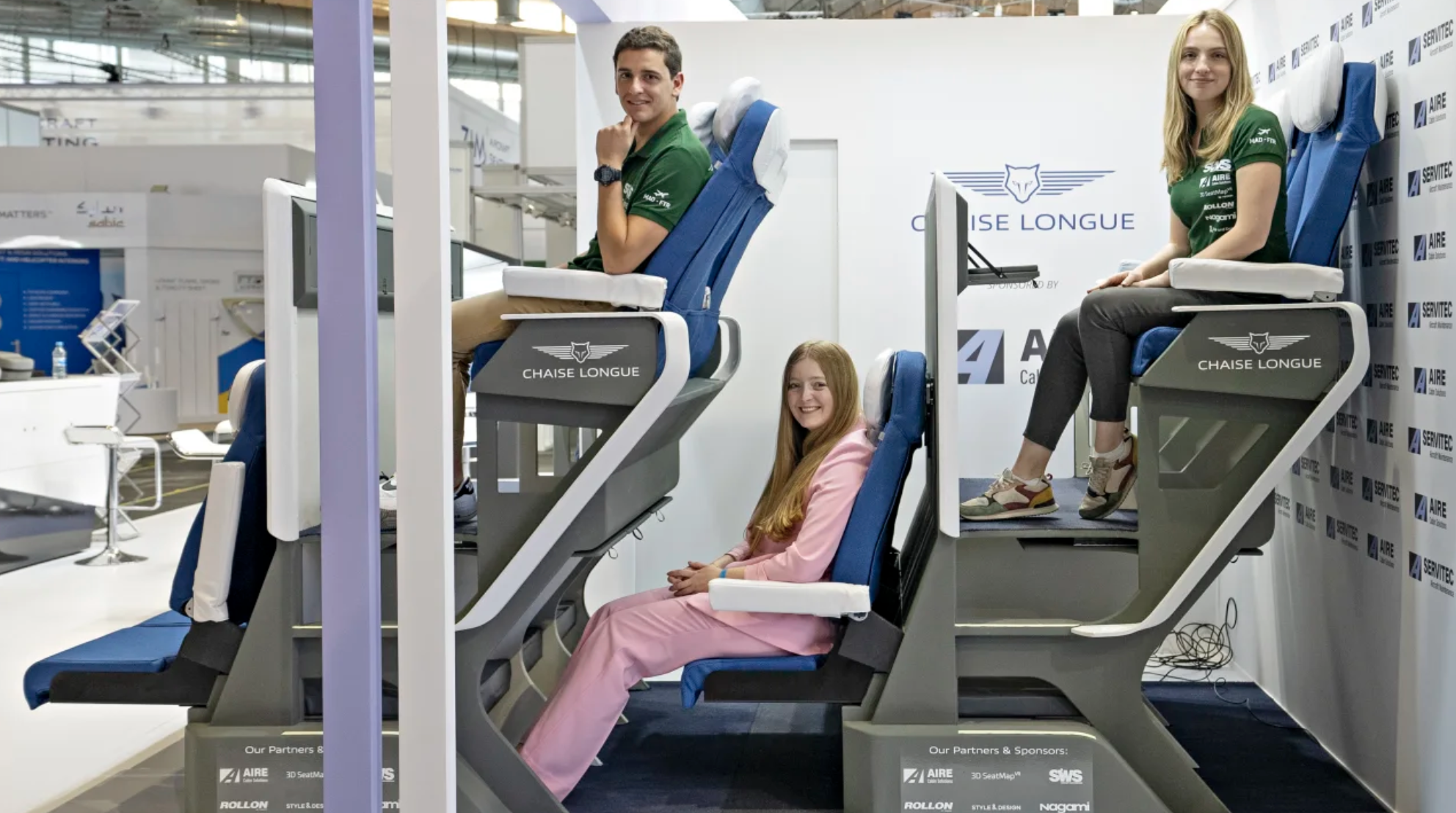
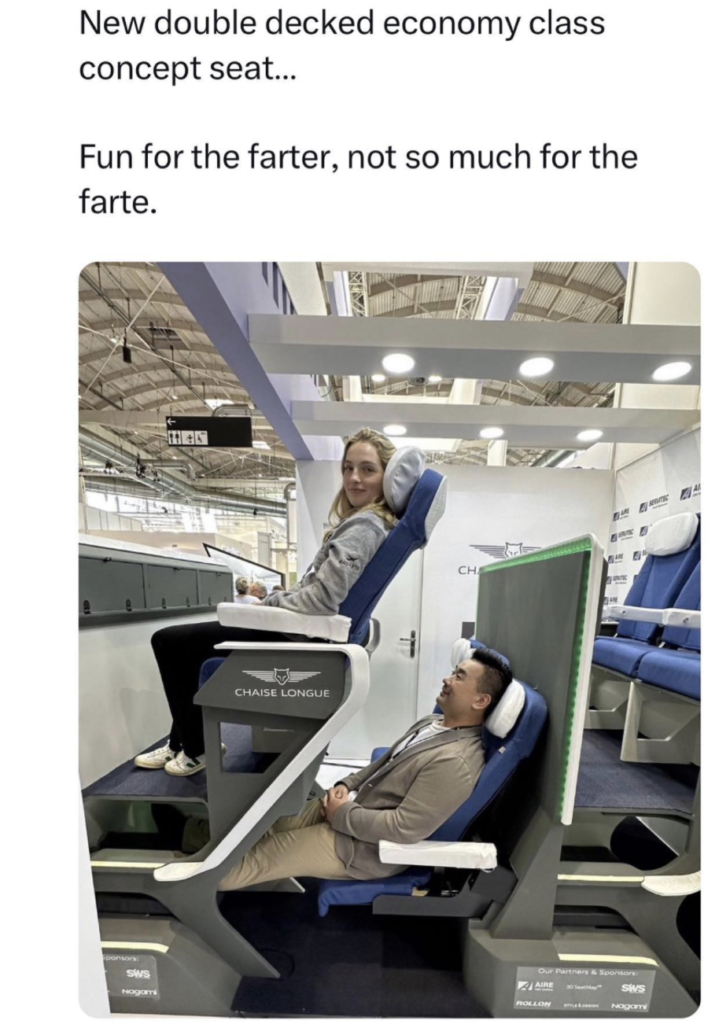
While the Skynest and Skycouch have been hailed as universal winners, we’re not quite sure about the double decker concept, which has been floated in recent days as another potential innovation in the air.

The double-decker conceivably means more seats could be squeezed into a plan, and you would think more leg room down low.

The downside would be having the seat in front of you a few inches from your face at all times. It doesn’t look too comforting.

It is only a concept at this stage, but we couldn’t imagine many things much more claustrophobic than this seating arrangement for a long haul flight.


Credit: Archbishop of Banterbury

Sydney’s first wave pool

The surf revolution is well and truly underway.

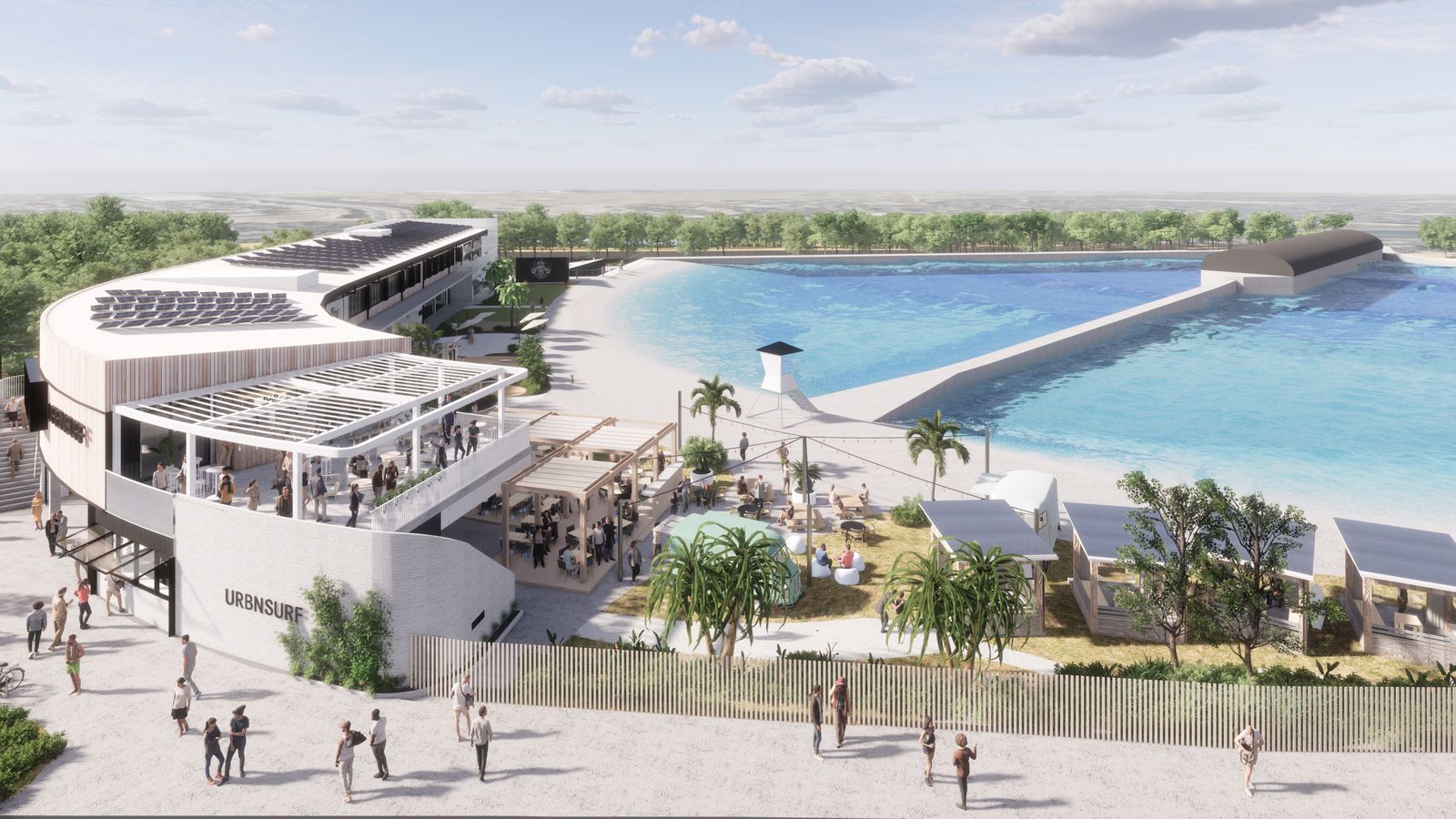
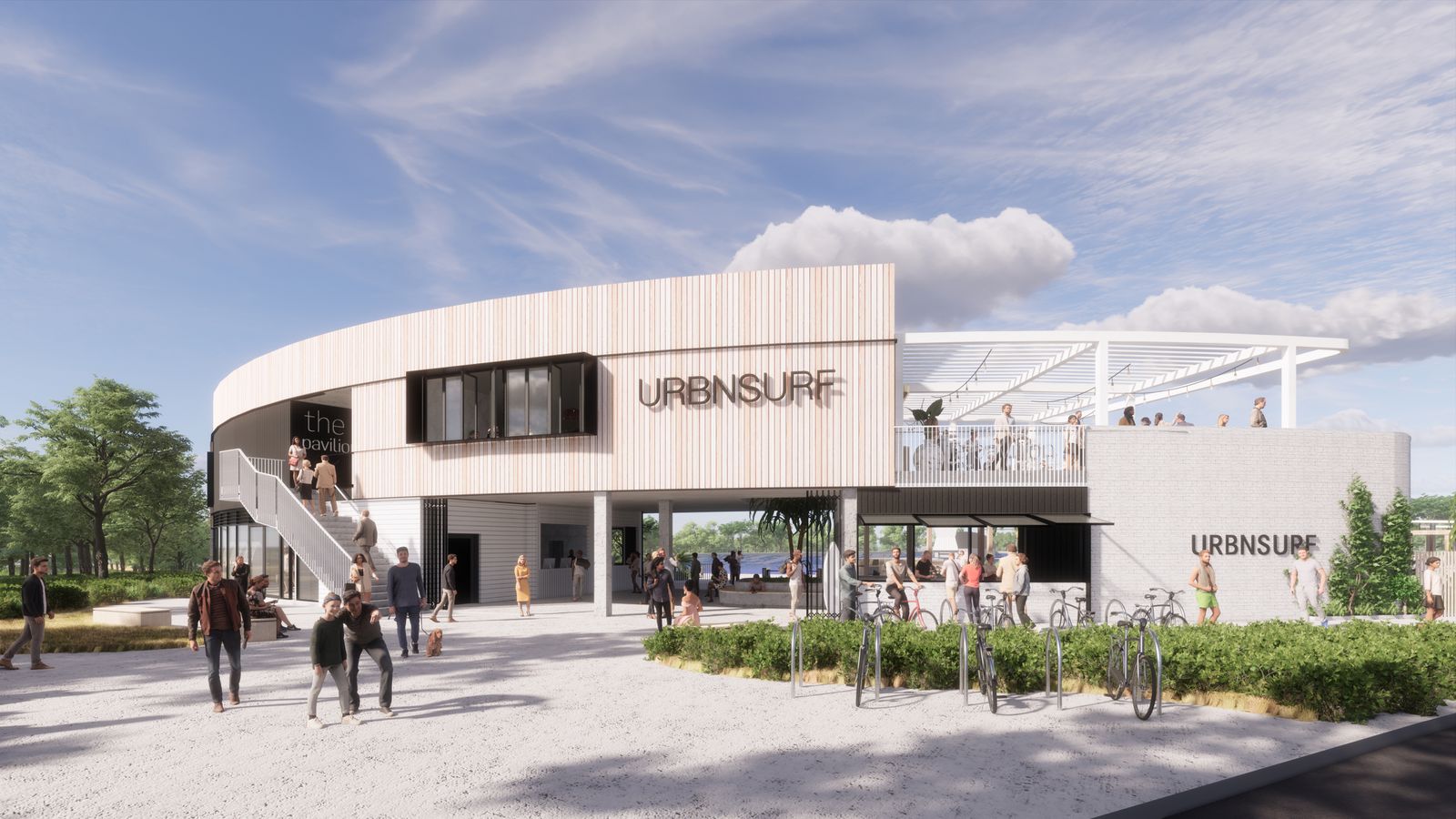
UrbnSurf is opening the first wave pool in New South Wales at Olympic Park in Sydney, with completion expected in early-2024.

Surfing actually has a higher participation rate in New South Wales than Rugby League (2x), Basketball, Netball, Cricket, Hockey, Squash, Volleyball, AFL, Yoga and Fishing. Yet there are only so many beaches with decent waves, seemingly not enough to accommodate everyone.

The result? Turf wars and kook slams as every man and their dog (literally, see below) fight for a tiny piece of the ocean to get a wave on.


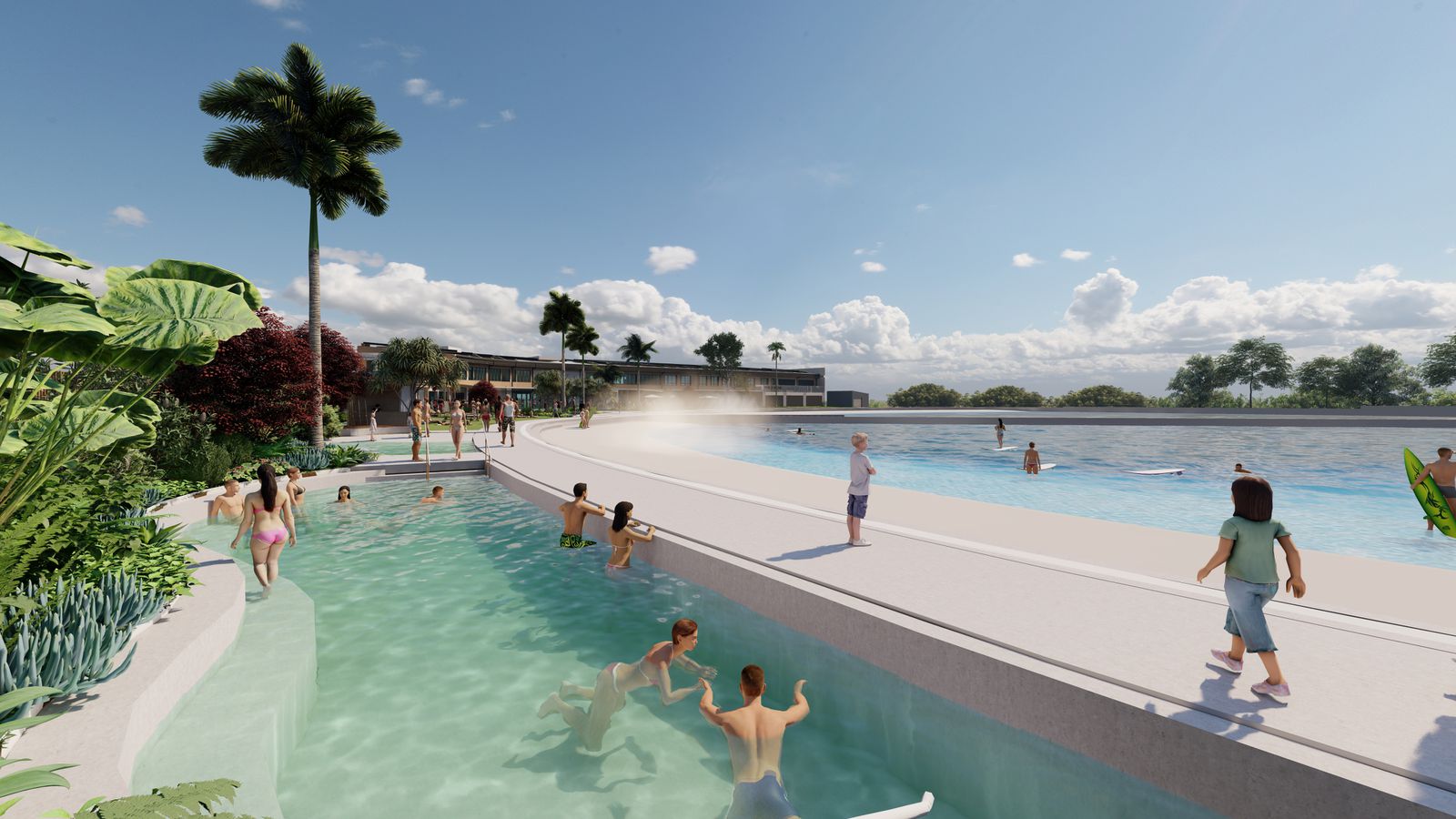
Enter wave pools: waves on cue, to thousands of people every single day, using the Wavegarden technology that closely intimates specific waves over and over again.

Wave pools are not a new thing, and UrbnSurf has actually been pumping in Melbourne since 2019. Prior to that the U.S. had a few of these bad bois before anyone else.
Some purists may turn up their nose at wave pools and yeh, we get it; you get the taste of chlorine over salt water, and you don’t have Australia’s beautiful beaches and rock faces to look back at.

But look at it this way. UrbnSurf in Sydney can take 1,000 surfers every day, which means 1,000 people that aren’t vying for waves in the beach. It’s a win-win, and more waves for everyone.
The Sydney set up will be similar to Melbourne. A variety of six different settings, spitting out waves suitable for everyone – from beginner groms through to Mick Fanning. There’ll be lessons for groms and adults alike, and a bar on-site where you can’t talk about the one that got away…because everyone was there to see it.
Lylo

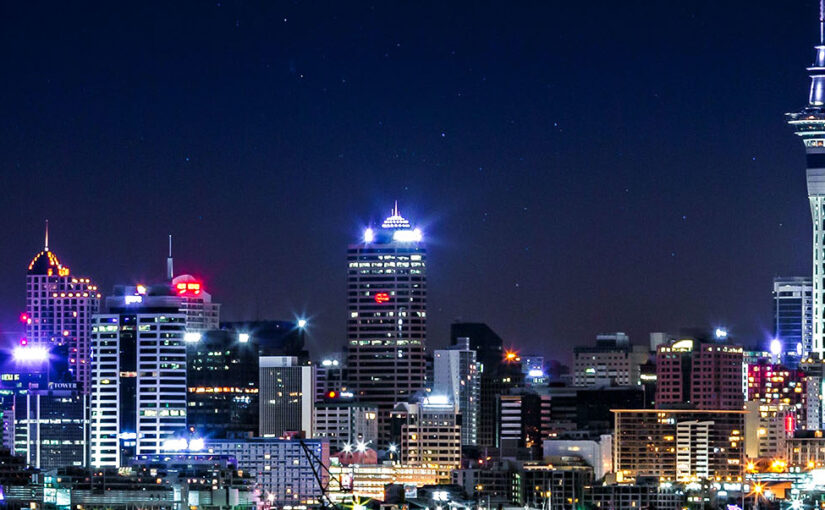
LyLo in Auckland is a new kind of stay that straddles the line between cost and radness.

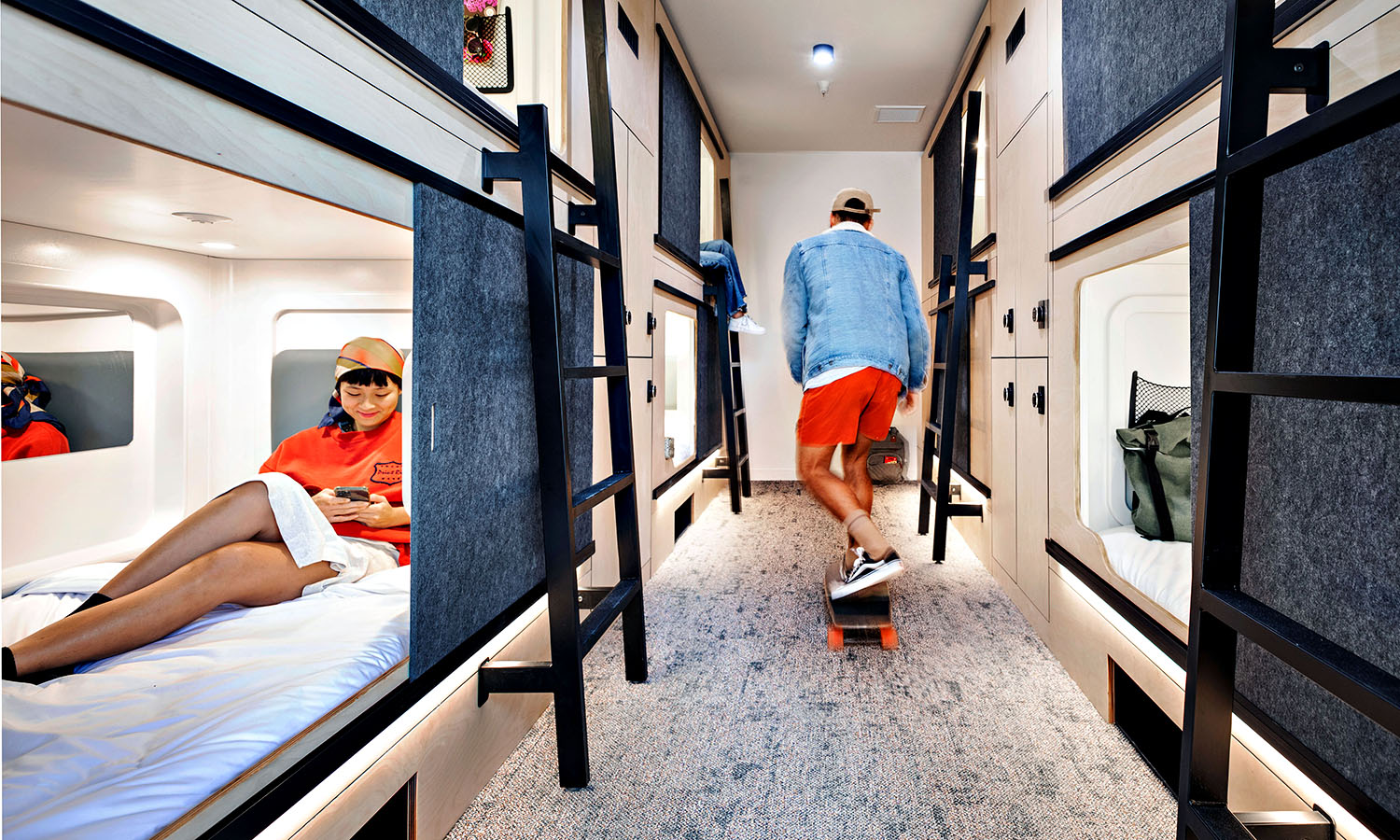
At LyLo you’ll be sleeping in futuristic, private pods that are surprisingly spacious and offer a surprising amount of storage, plus everything you need to recharge—both physically and electronically.

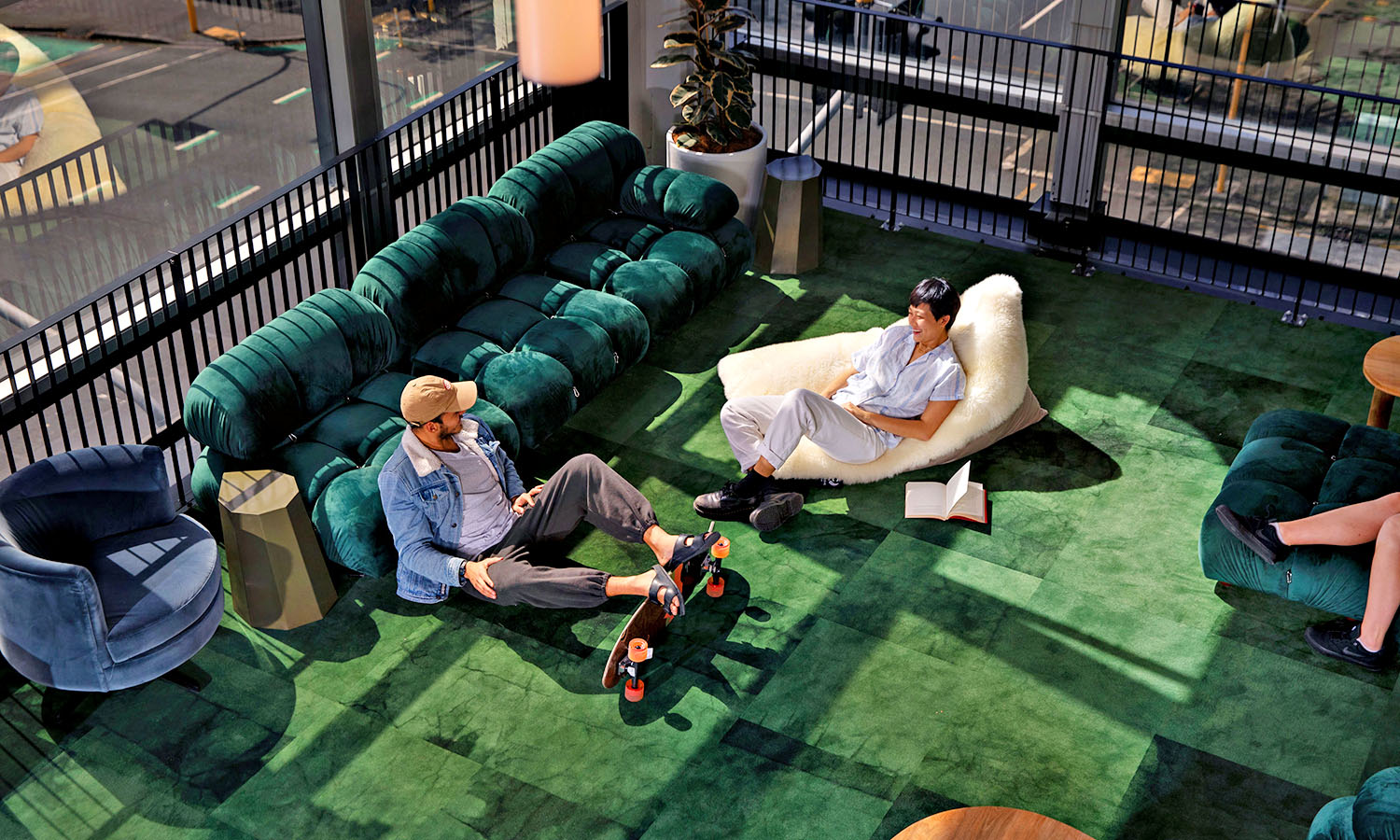
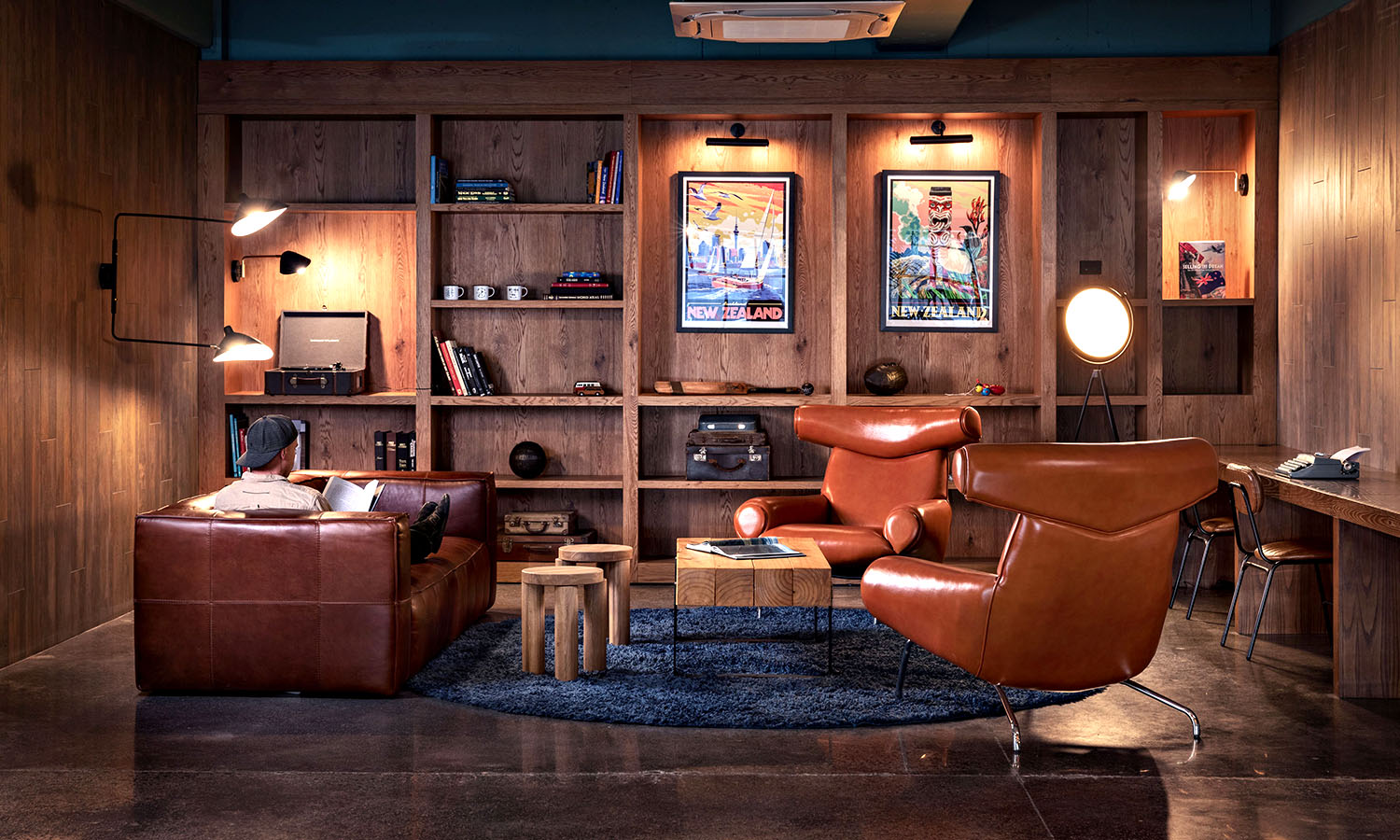
There’s a bar on site so you can hang out with other travellers, plus work and chill areas as you need. It’s the perfect scene for those looking for a social travel experience, but are wanting something a little more upmarket than a hostel filled with teenagers on their first trip away.

It doesn’t compromise on position either; located right at the heart of Auckland, you’re near the city’s underrated nightlife and in a great place to begin your North Island road trip.

From AU$58 per night

Click to LIE LOW

Shelter Brewing Co.

Beers in the west have sure come a long way from the humble bush chook.

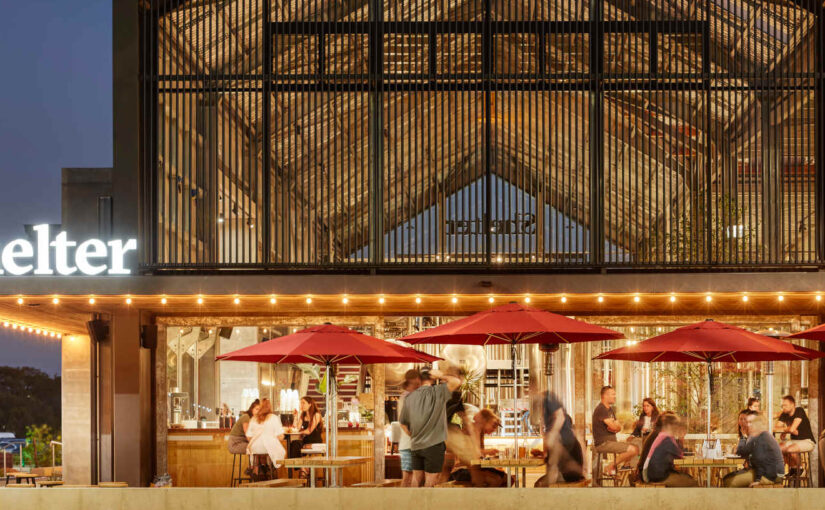
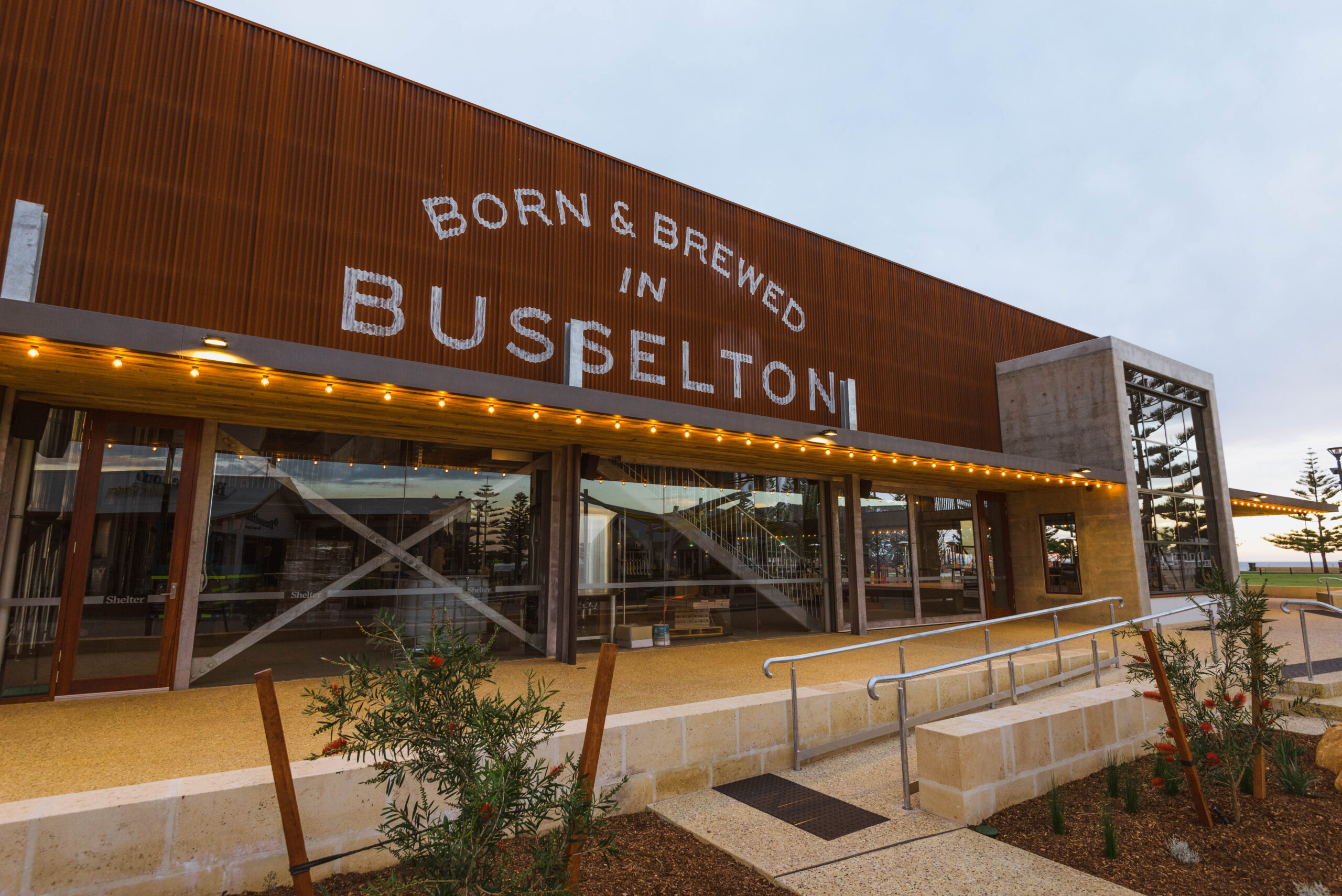
Busselton’s locally owned Shelter Brewing Co is a recent addition to the thriving West Australian beer scene, joining stalwarts like Little Creatures, Colonial and Bootleg from that part of the world.

As well as producing an array of epic froffies, Shelter run an insightful brewery tour that also happens to be pretty laidback – like everything else here.

Seagulls, the smell of salt and probably a fair amount of sun are likely to be what greets you at Shelter, and it’s difficult to escape the feeling of that you’re in a Tim Winton novel. The brewery itself is humungous, with an arched roof that is typical of the architecture in this part of the world. Out the front is green lawn that leads up to the beach, and the longest jetty in the southern hemisphere.

Inside, the brewery has a capacity of about 800, and has bands playing occasionally. Tom from Shelter takes us around and tells us that 80% of the building’s power comes from the sun, the same ample sun that shines in through the gigantic wall to floor windows in the north-facing building, creating the pleasant aesthetic of drinking a beer in the sun whether you’re sitting inside or outside. He explains Shelter’s philosophy when it comes to brewing beer, which is typically laidback; “we brew beers that we want to drink”.

We walk along a platform, past a row of truly enormous vats while Tom explains the brewing process, made easier to understand with brewers brewing away right in front of us. Magic right there in front of our eyes.

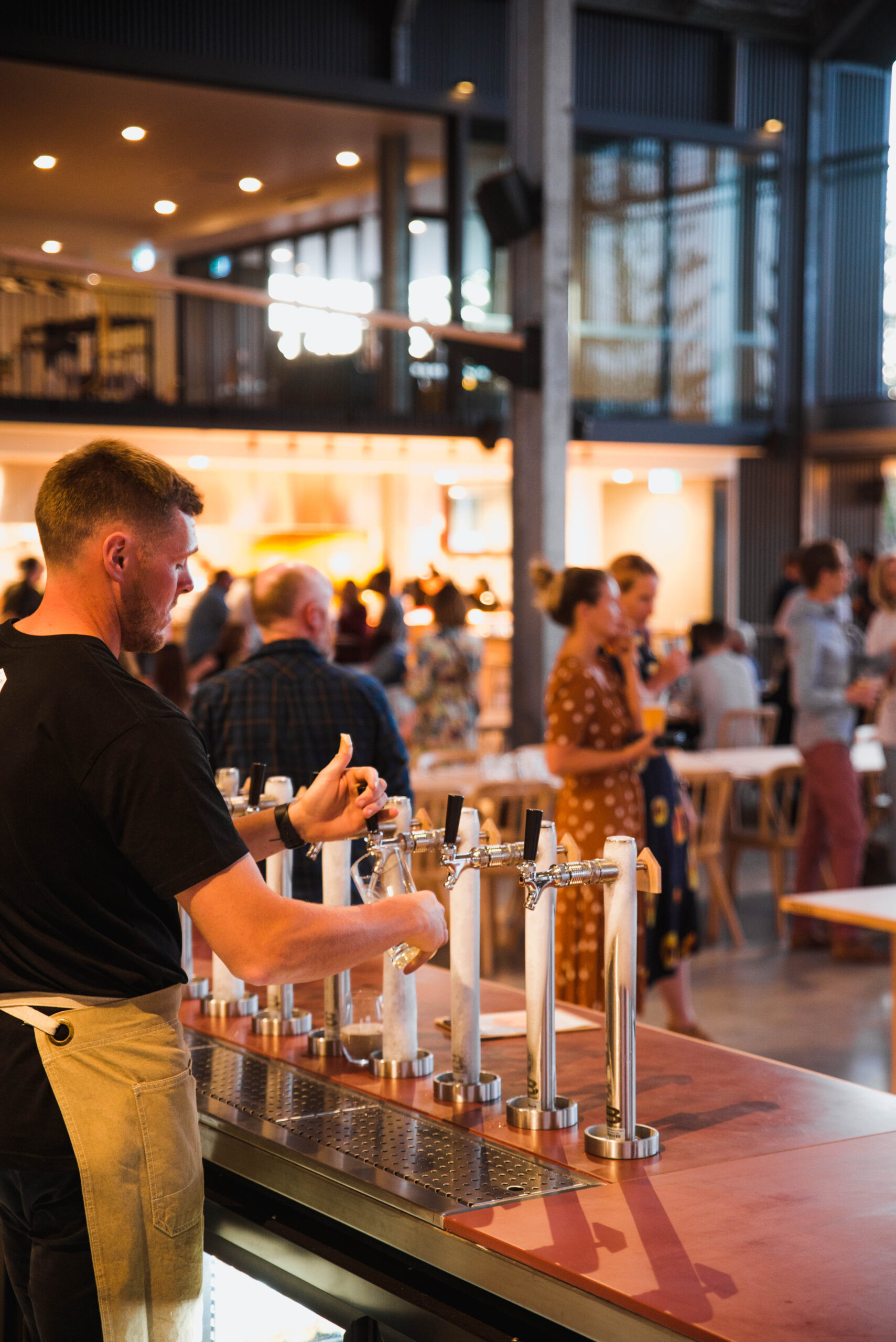
There’s seven beers on tap – ignore any misgivings you might have when you hear the name of the brand-new and limited edition Beetroot Stout. It’s a smoky type of operation that is (thankfully) more stout than beetroot, and it’s delicious. The Indian Pale Ale is great too.

Shelter generally brews seven core beers, and you can get them from from bars and bottle shops around Western Australia, and available to order online for the rest of Australia.

HOT SPRING SAFARI

The Metung Hot Springs is a $12 million complex open now in Victoria’s far-east, comprising of natural thermal springs and luxurious safari-style glamping tents.

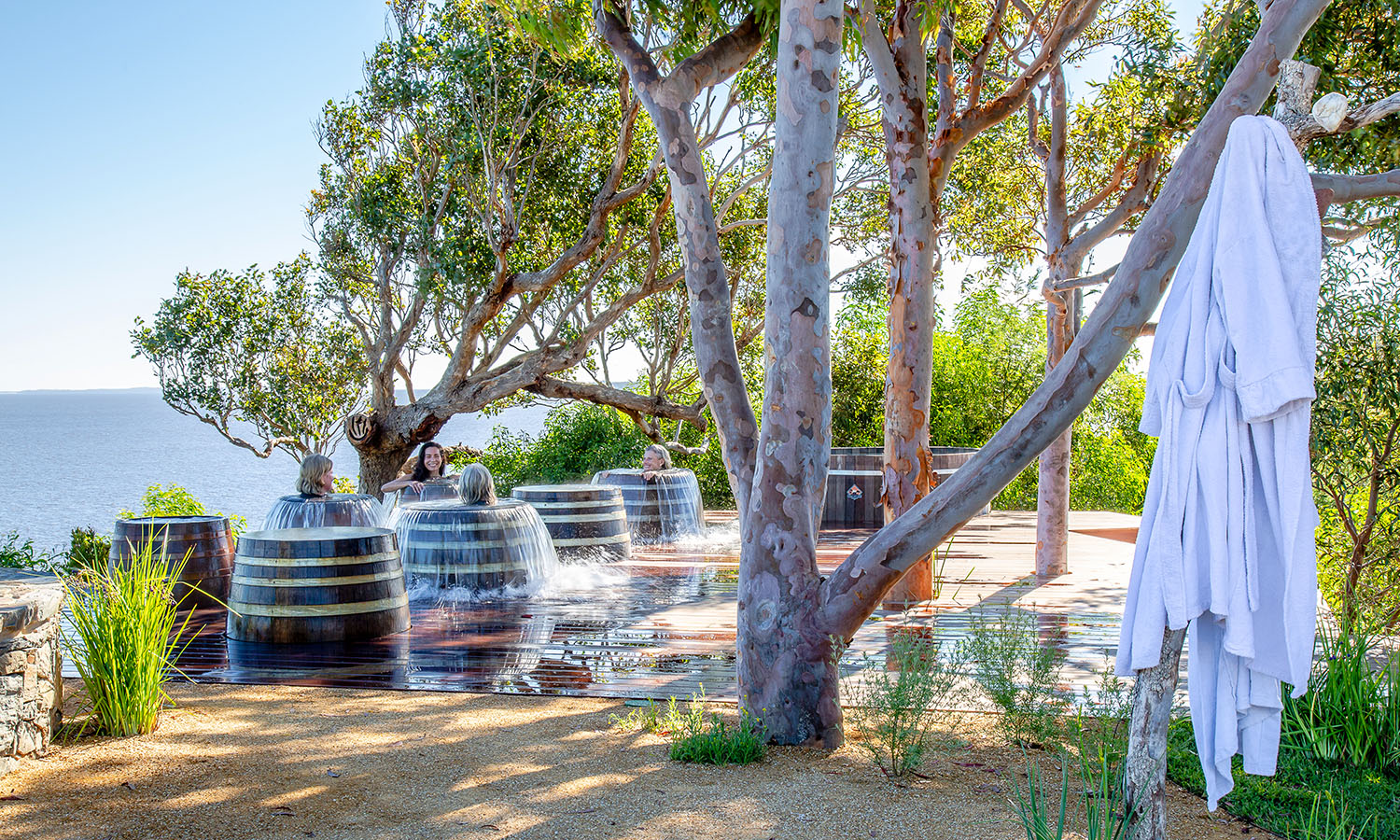
There are ten opulent lagoon-side tents, each with a king-size bed and private ensuite. These tents also contain private bathing barrels, meaning you’ll be able to soak in solitude around the clock.

Several of the tents back onto a lagoon, and will provide a view of the terraced amphitheatre that is set to sit near the front of the site and is slated to host live music, movies and other entertainment.

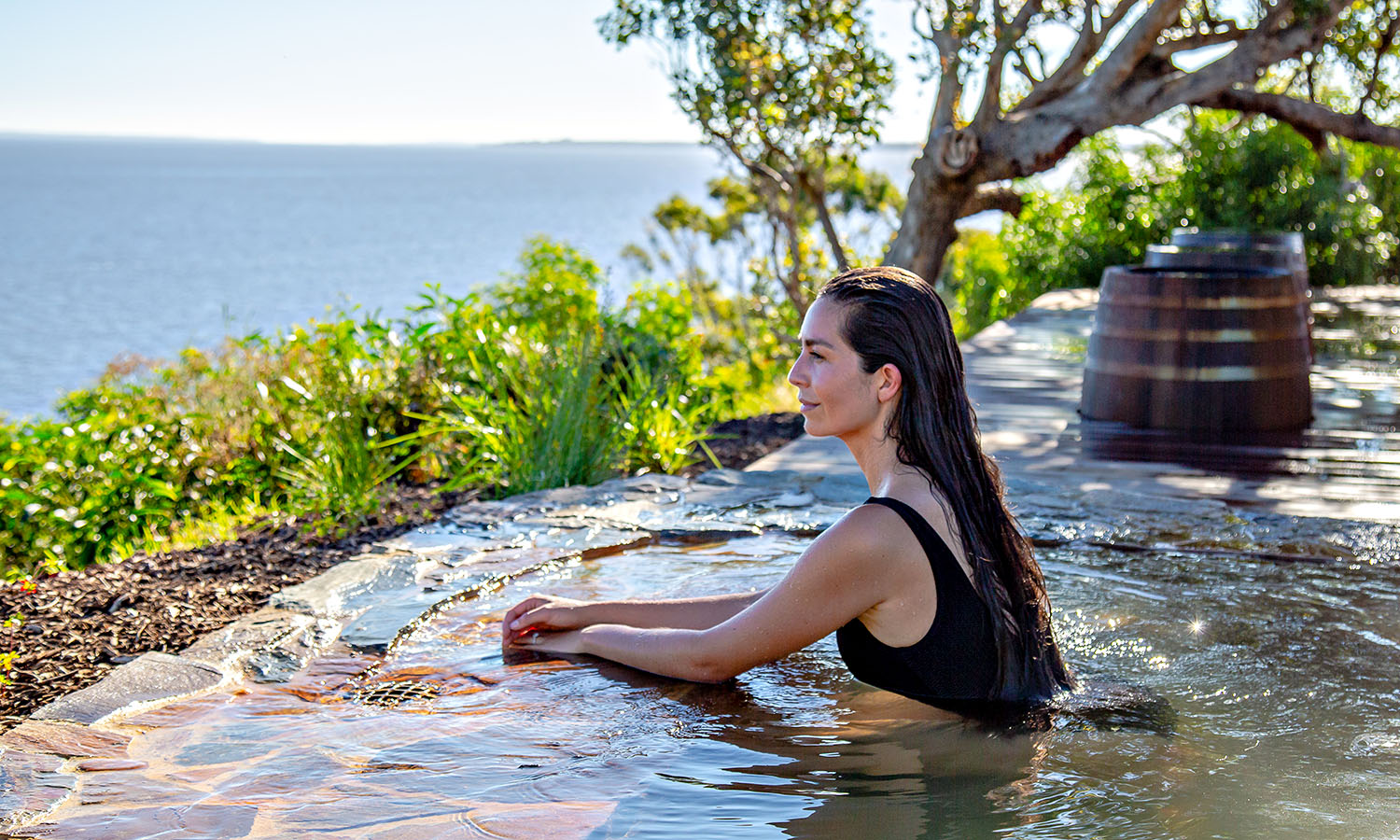
During the day, treat yourself at the geothermal pools (of varied depths) or bathing barrels, elevated massage tents, and for the brave, fire and ice therapy: an icy cold-plunge tub located right next to a steaming hot Scandinavian sauna.

There are also plans for a floating sauna on the lagoon, and while the complex is open, some of the build is yet to be completed.