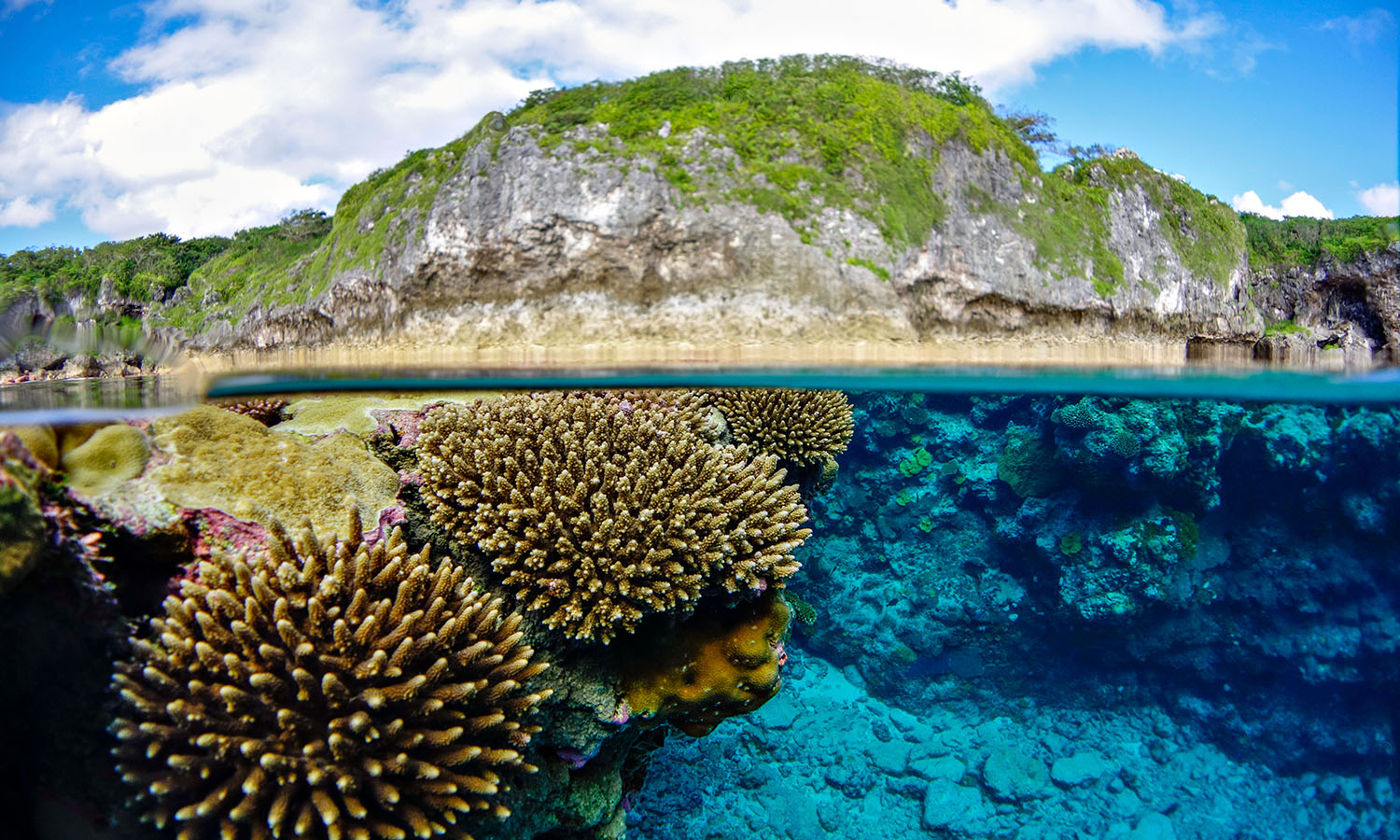
Just when you thought your next island escape couldn’t get more brag-worthy, Majestic Whale Encounters has gone and launched a new tour to Niue (pronounced new-way), a speck in the South Pacific that packs more paradise per square metre than most countries can manage.
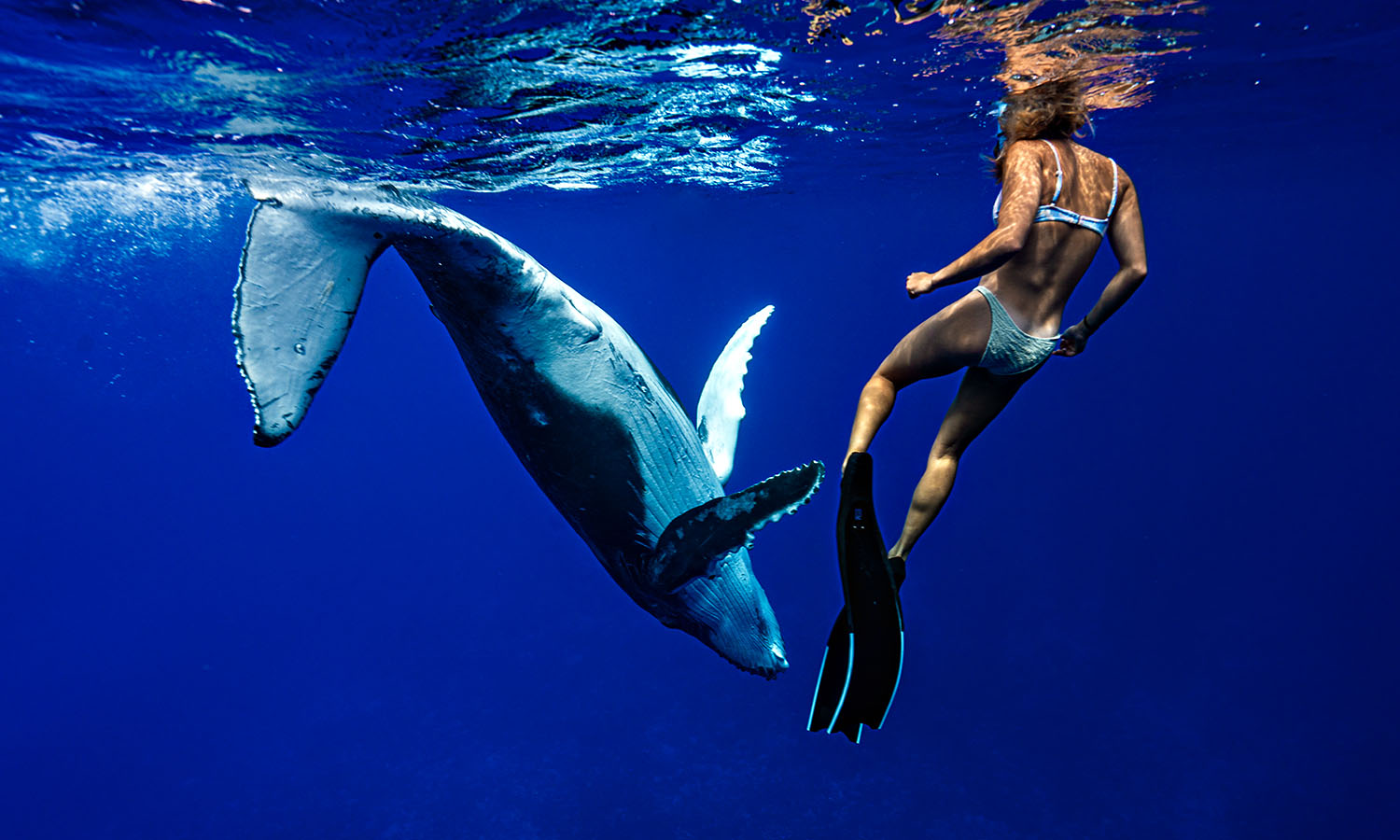
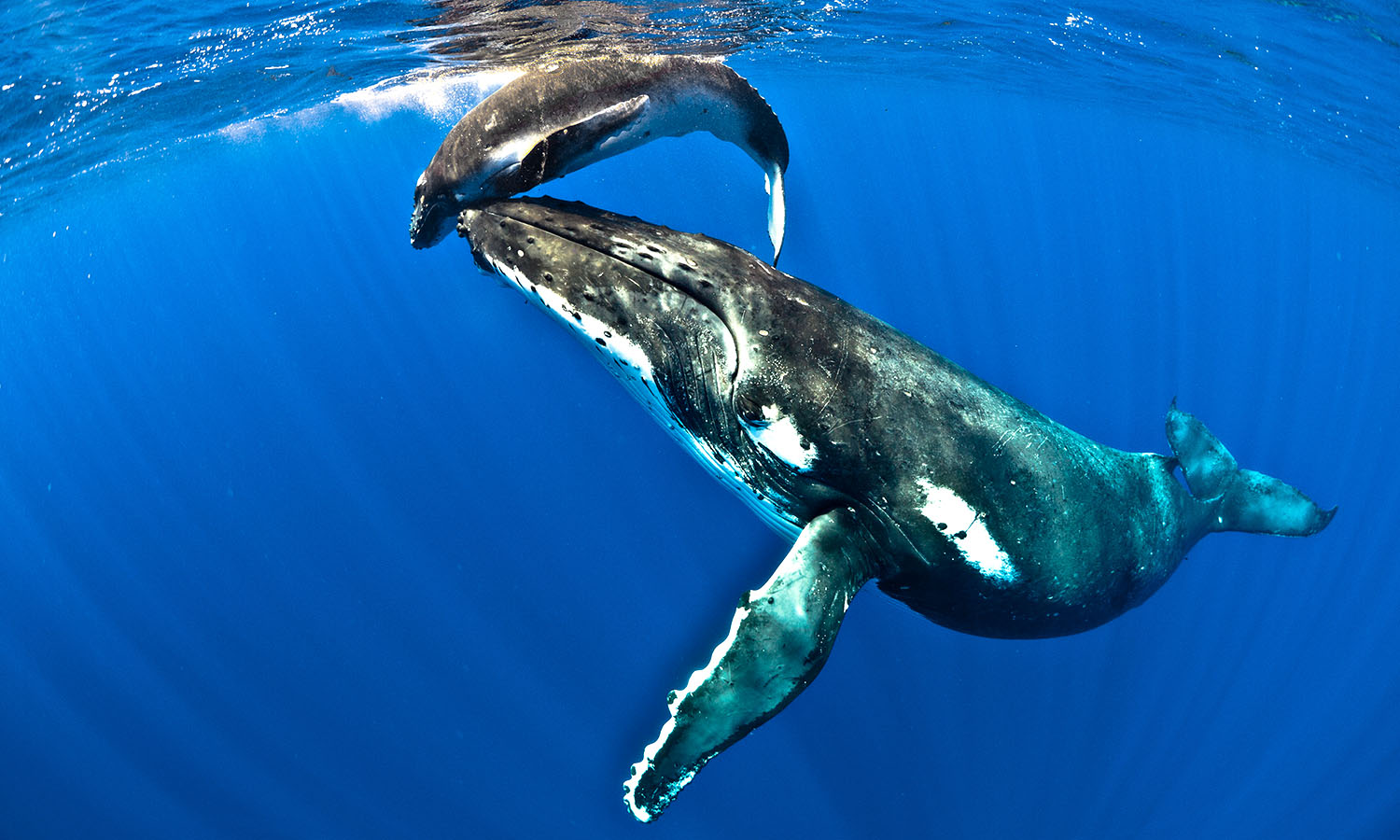
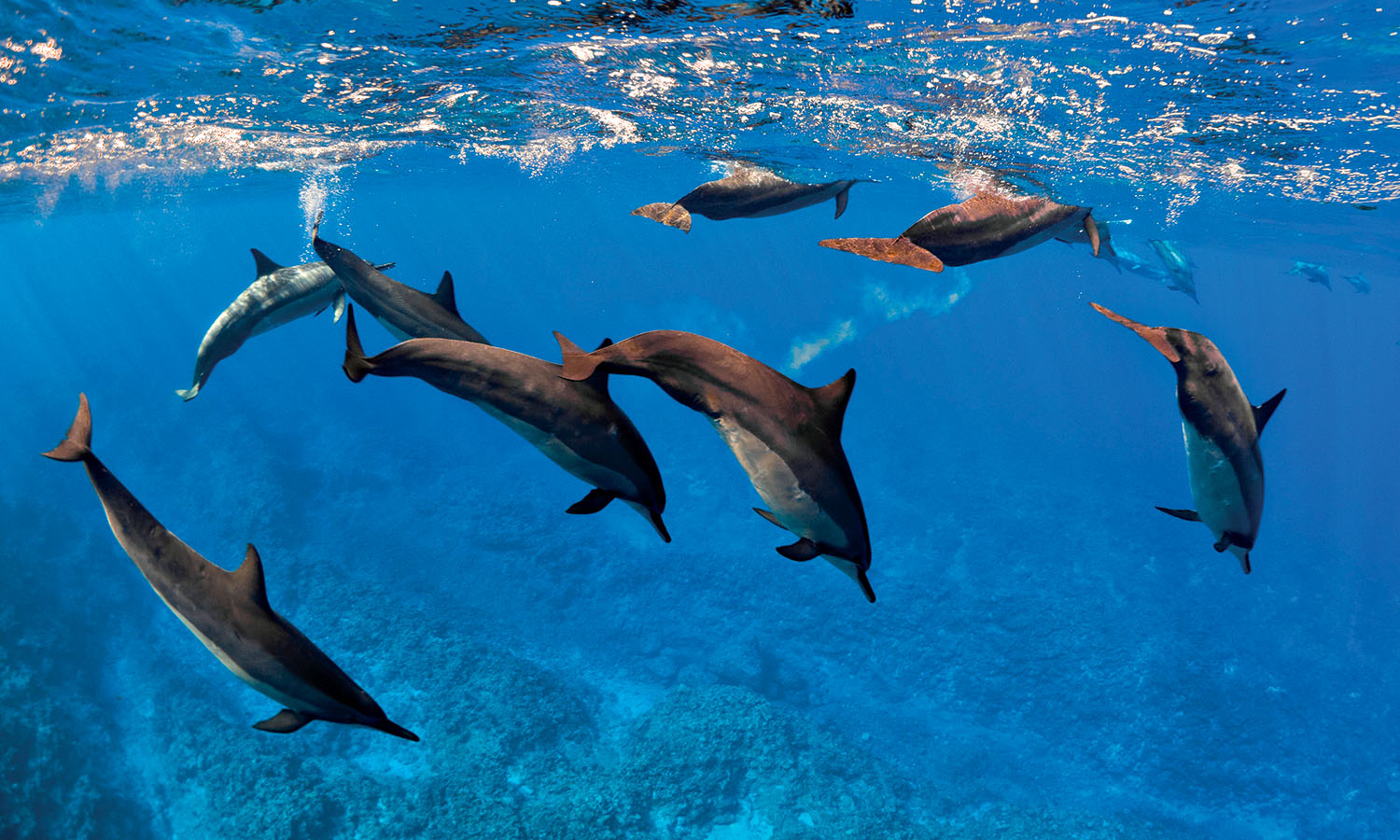
Home to just 1,600 people and roughly the same number of sea views, Niue is a place where your biggest worry is whether the dolphins will crash your swim with the humpbacks (they often do). From July to September, the island turns into an aquatic playground where whales cruise through bathtub-clear water and curious humans are invited (respectfully) to join the party.
Majestic Whale Encounters, long-time champions of ethical and eco-friendly adventures, are calling it their 8-day Niue Experience, which sounds blissfully simple because it is – swim with whales, soak up sunsets, and remember what it’s like to breathe properly. Between five guided whale swims, you’ll stay at the clifftop Matavai Resort, sipping poolside cocktails, devouring local feasts, and watching migrating whales roll past like they own the place (which, to be fair, they kind of do).
It’s family friendly, crowd-free, and traffic light–free, so it’s basically the anti-city break. Flights from Auckland take just over three hours, but mentally, you’ll be light-years away.
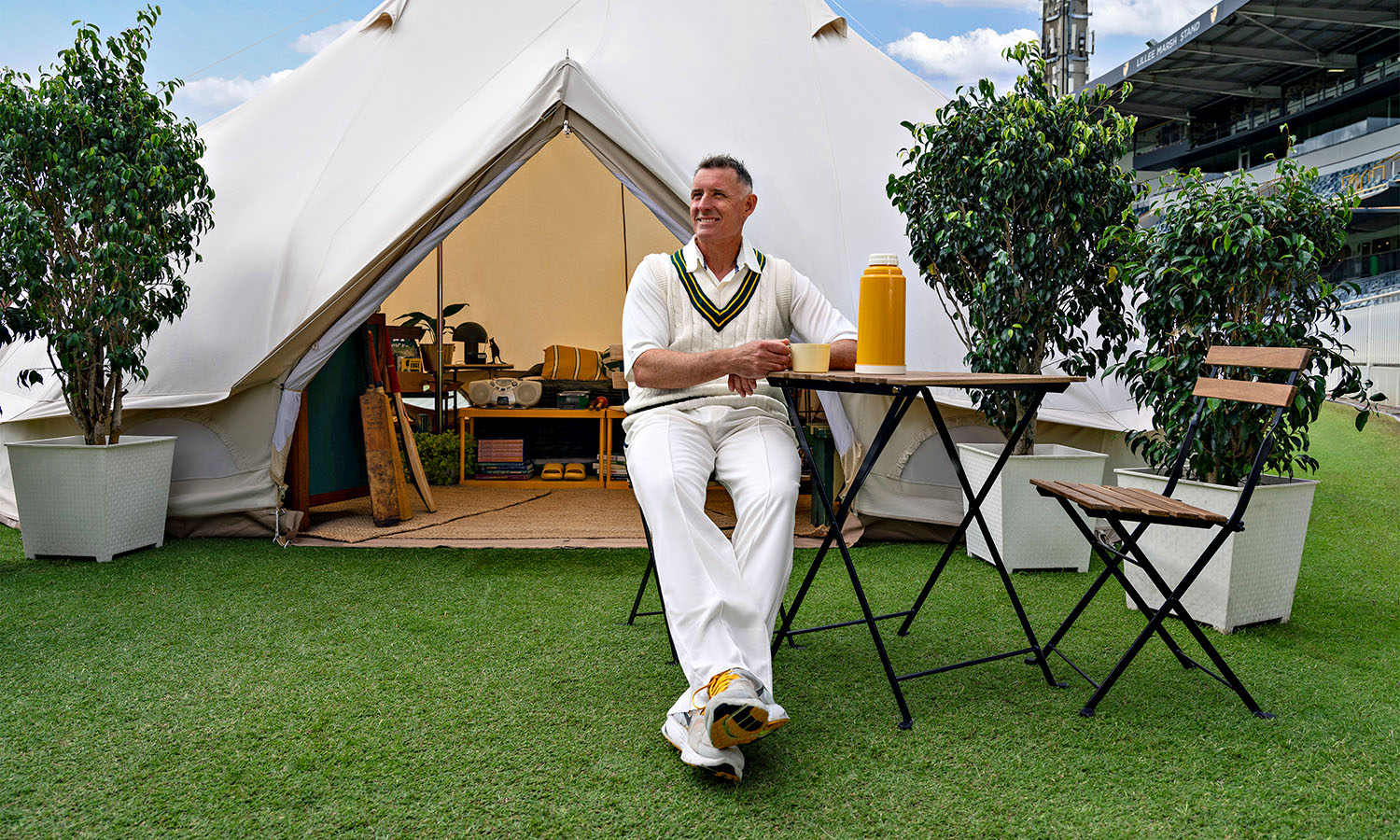
Ever dreamed of sleeping on sacred Aussie soil? Well, this might just bowl you over. To celebrate the first Test of the Ashes, cricket legend Mike Hussey (better known as Mr Cricket) is opening the gates of Perth’s iconic WACA Ground for one extremely lucky (and probably cricket-mad) Airbnb stay.
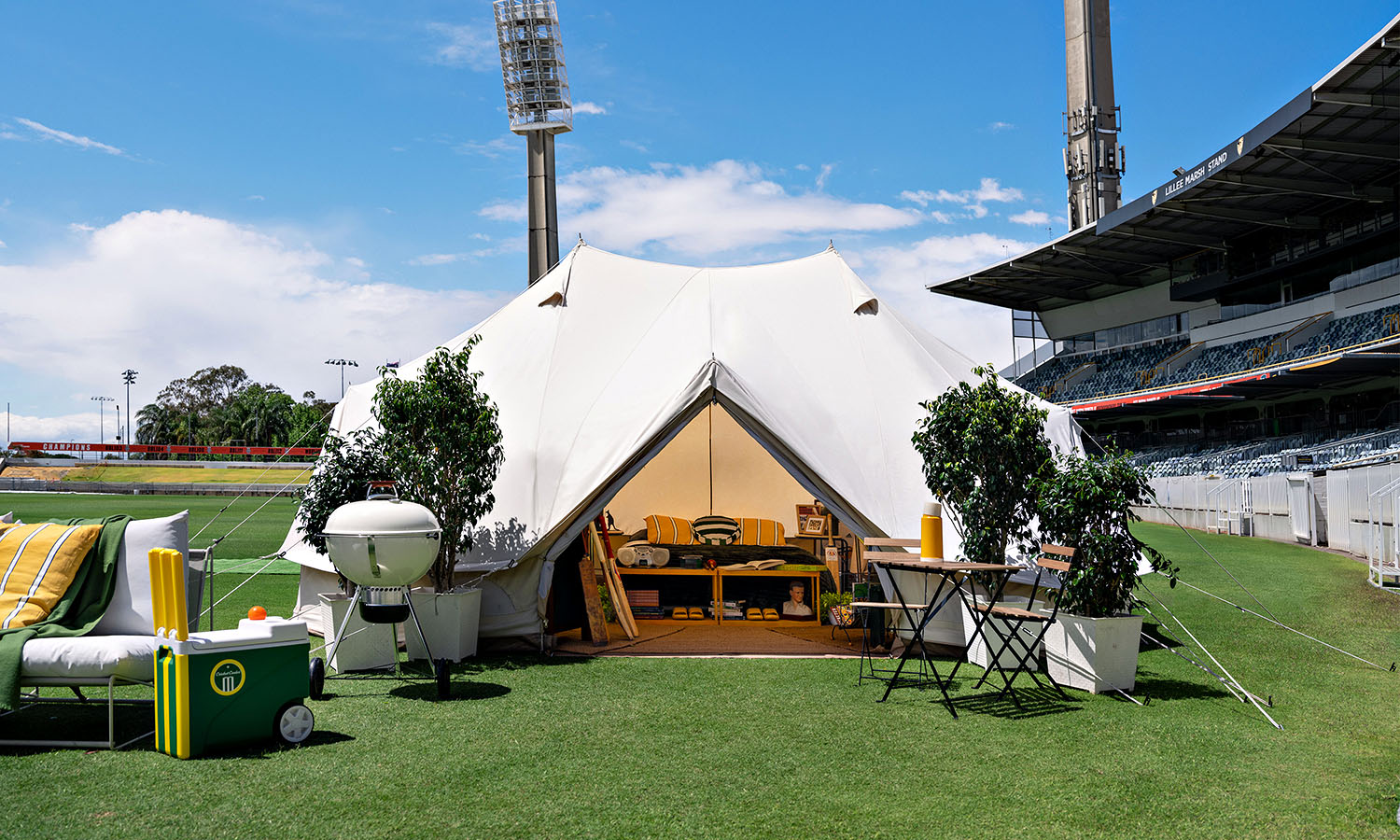
That’s right, instead of watching from the stands, you’ll be camped out on the pitch. Forget the five-star hotel; this is more like five stumps under the stars. Up to four guests get the honour of dozing off, where legends have dived, sledged, and sworn at umpires, and yes, it’s all free. Whaaat?
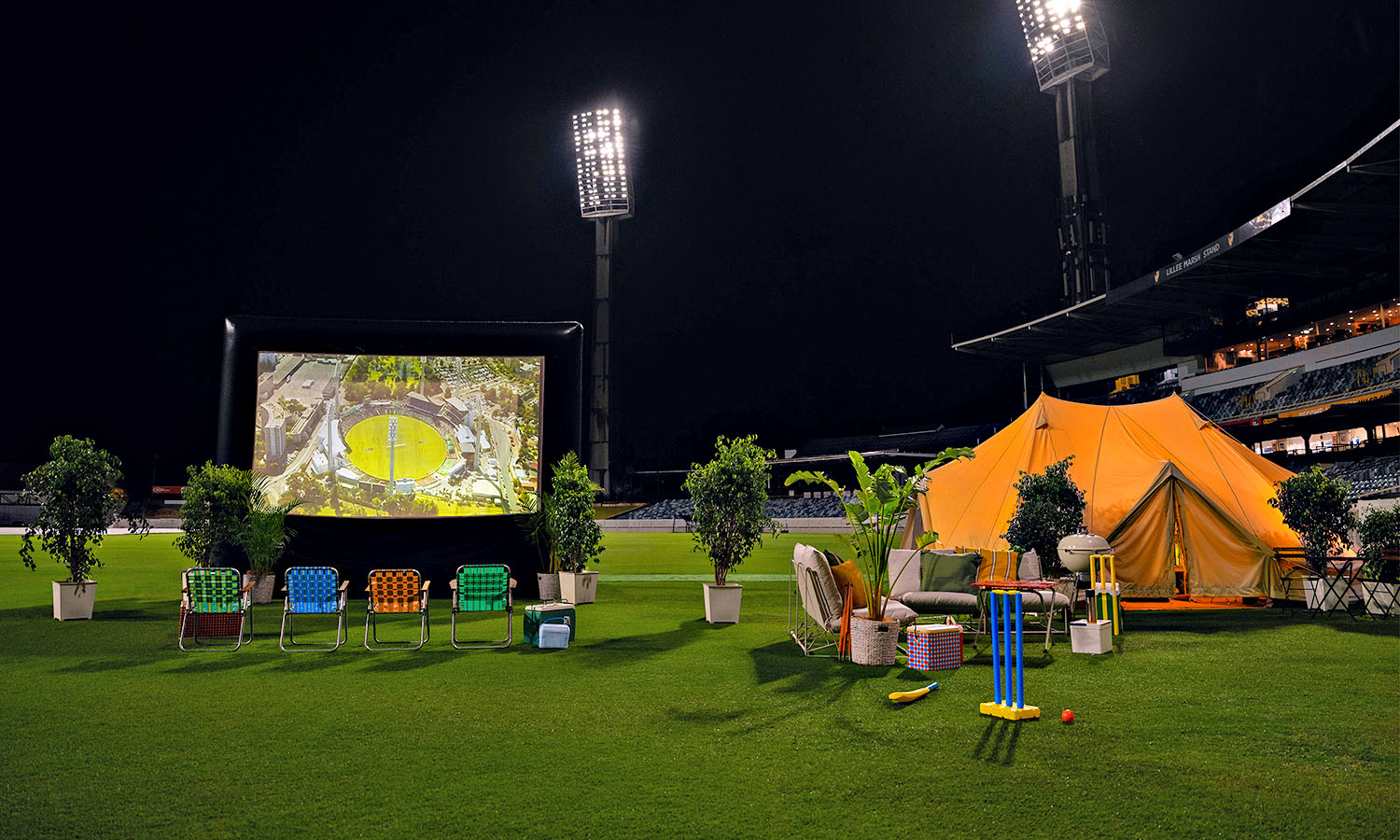
The experience includes a guided tour of the WACA and its museum, a backyard-style game with Hussey himself (start stretching now), a proper Aussie dinner, and a movie night on the field. Sunrise brings brekkie and another hit-out with Mike, just in case you fancy testing your cover drive before coffee.
To top it off, you’ll also score tickets to Day 2 of the sold-out Perth Ashes Test and your very own personalised pickets around the ground.
The catch? There isn’t one…except that you’ll need lightning-fast fingers when bookings open at midday (AEDT) on Friday 7 November. Travel’s on you, but bragging rights? Priceless.
If your idea of a fun time involves a tarot reading, a touch of witchcraft, and a cocktail with some serious bite, Gin Lane’s gone and brewed your dream night out.
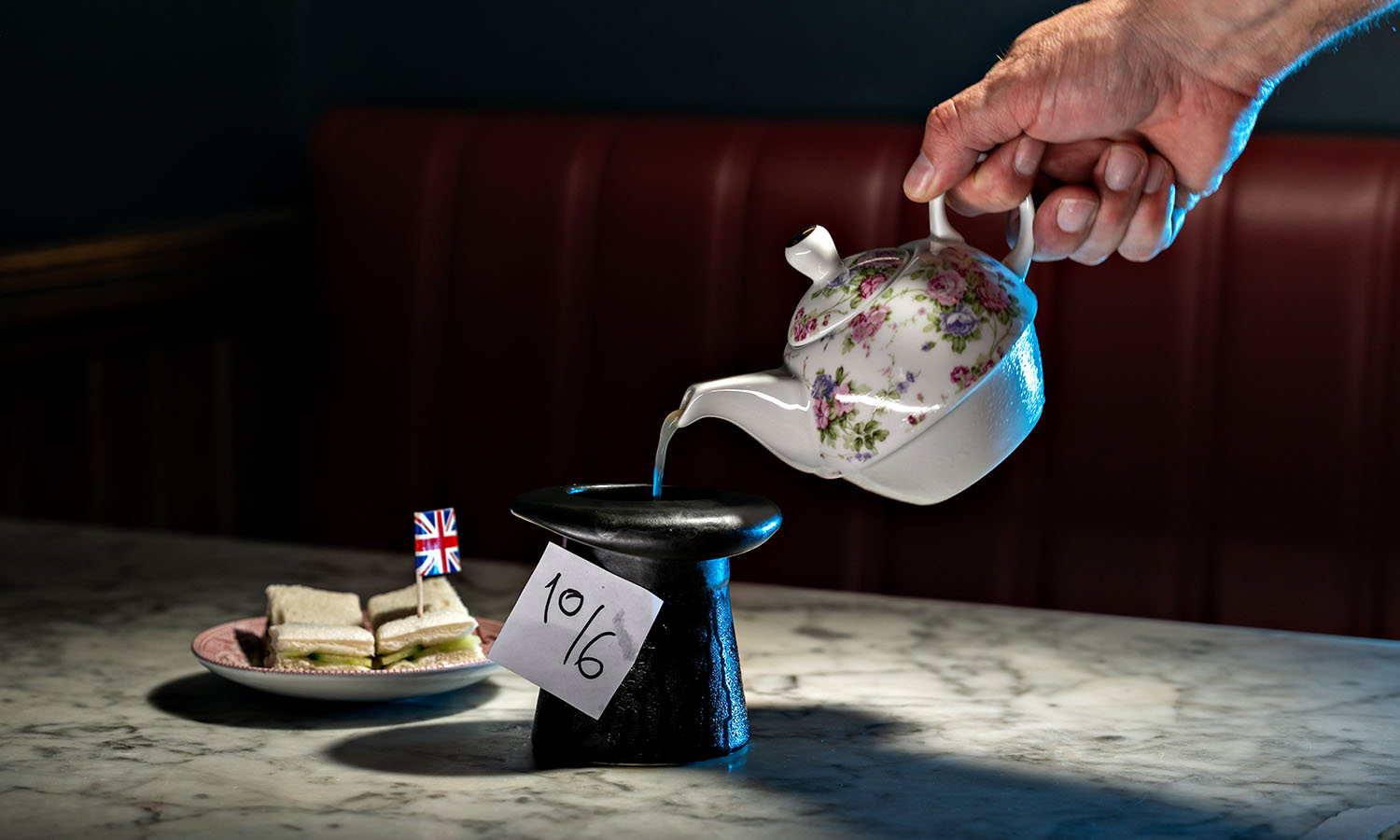
The Kensington Street bar has shapeshifted into Tales & Tonics, an immersive fantasy pop-up inspired by the viral pages of BookTok favourites like A Court of Thorns and Roses, Harry Potter, and The Lord of the Rings.
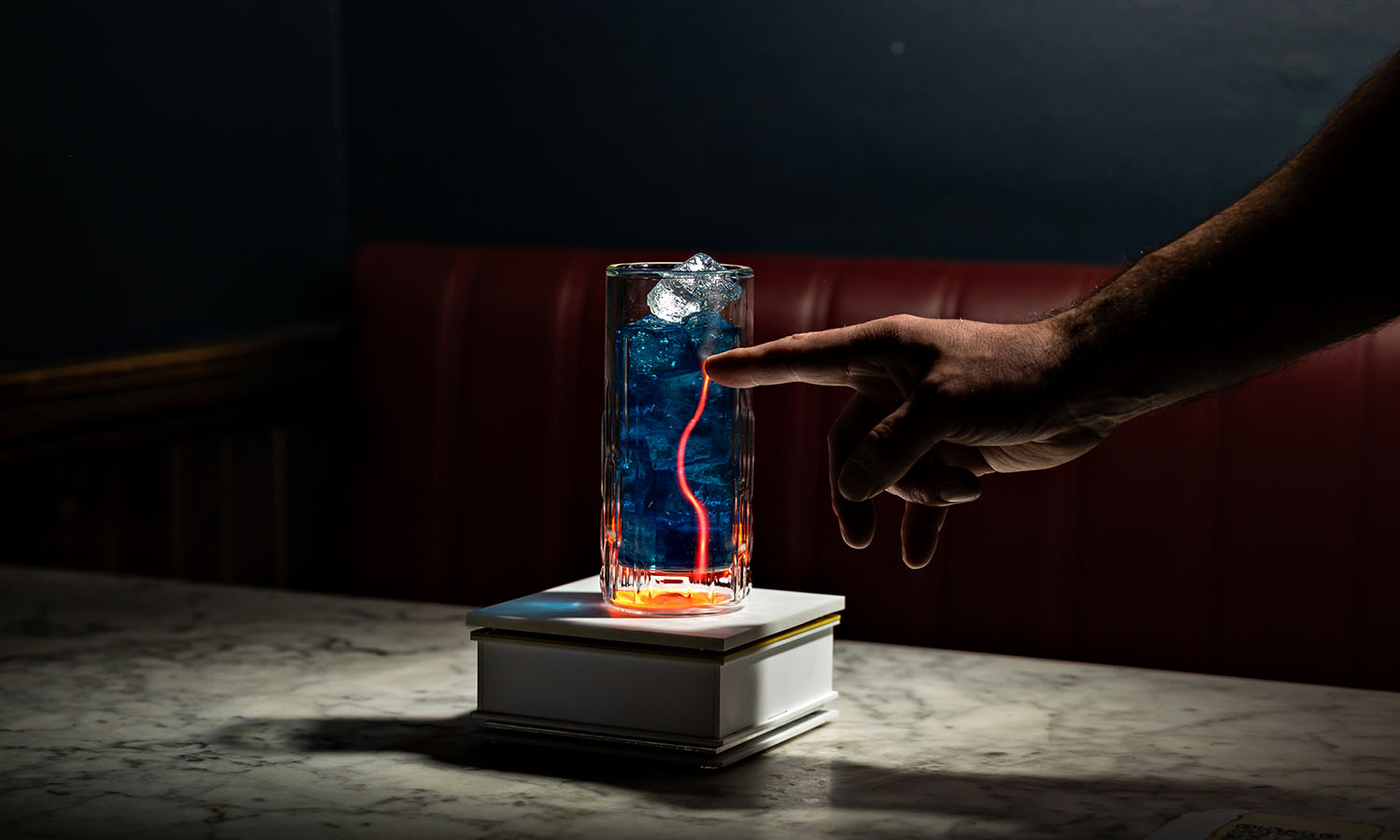
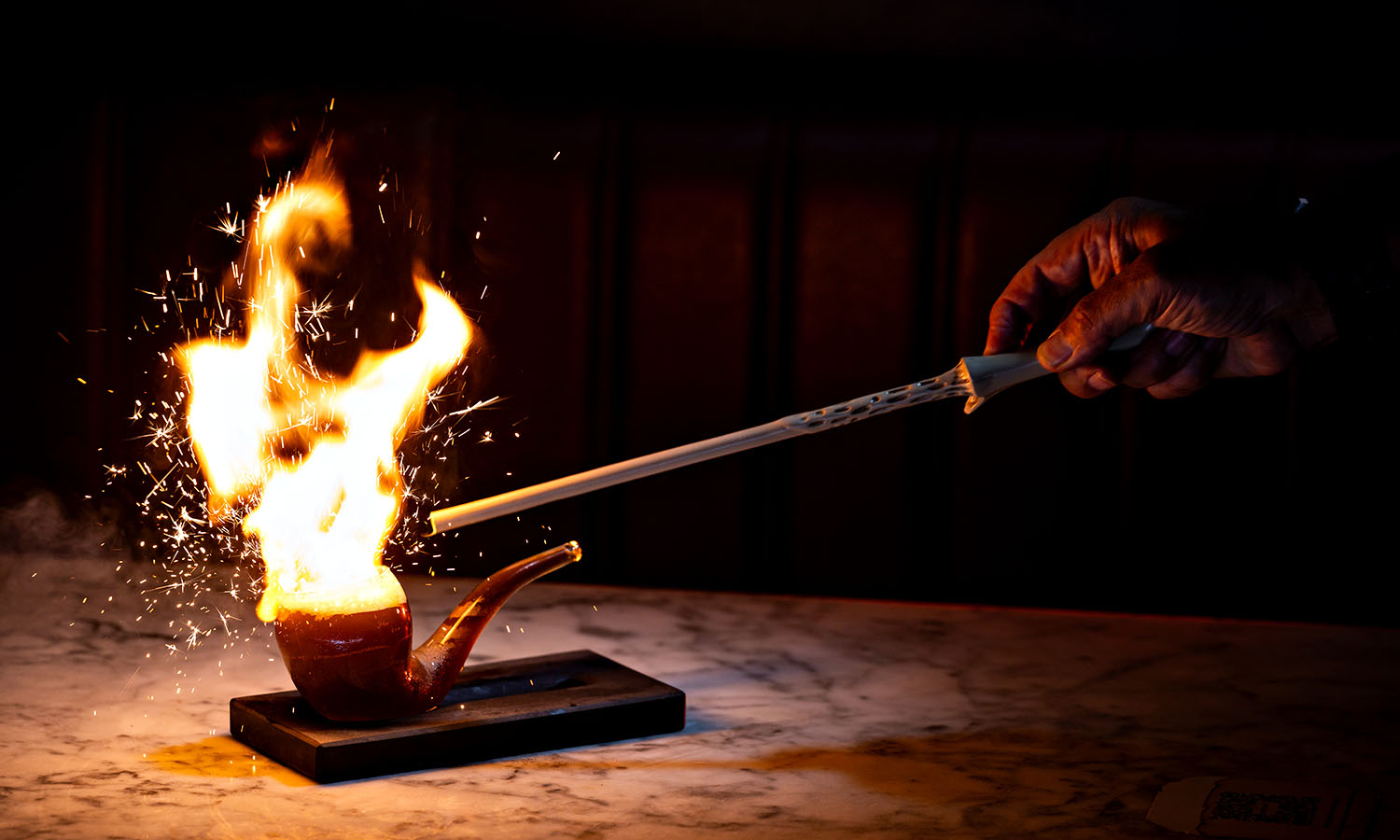
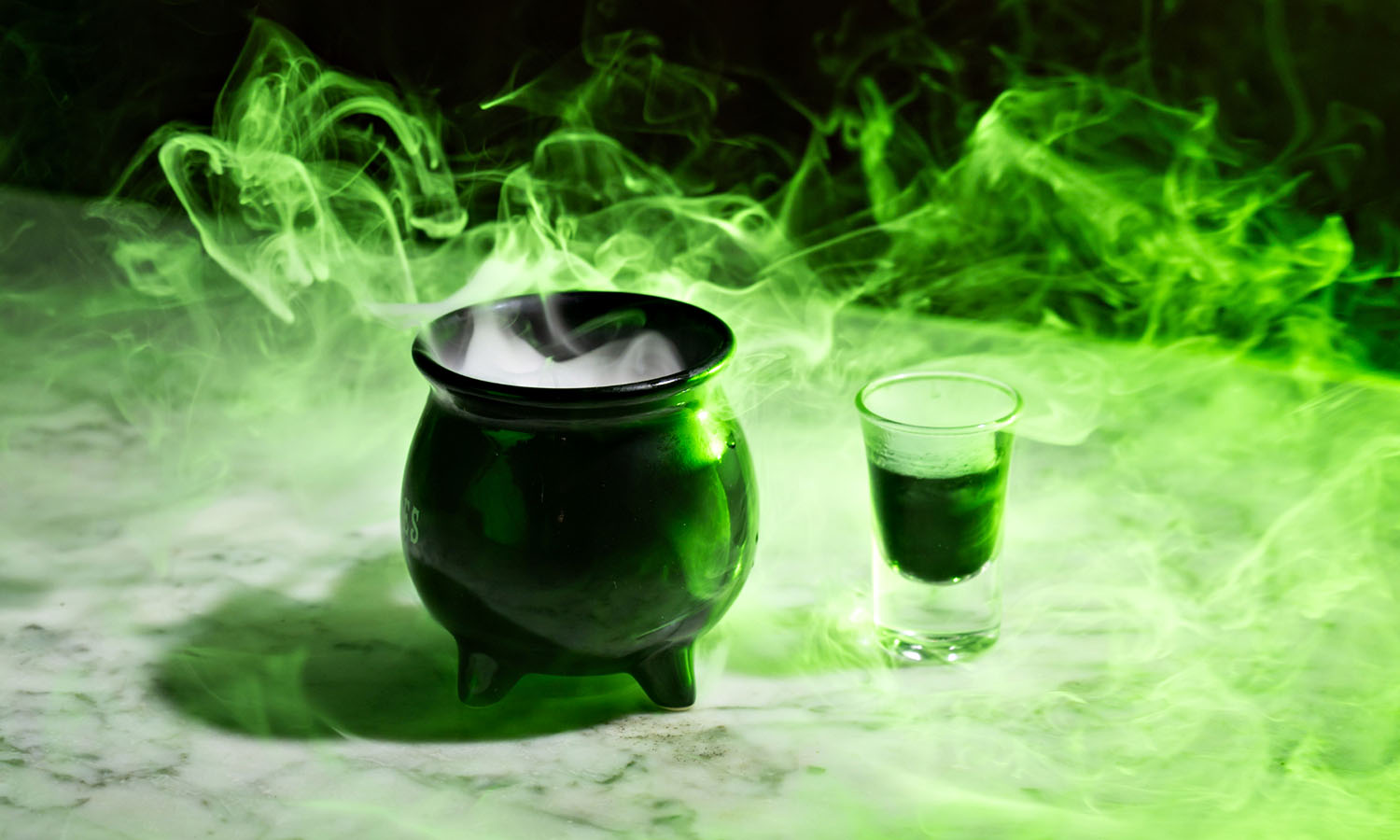
Forget dusty tomes, here, the storytelling happens in a glass. Each cocktail comes with a side of escapism: ‘The Cauldron’ bubbles with rose-petal tequila and activated charcoal, ‘Spring Court in Bloom’ shimmers like a fae fever dream, and ‘Gandalf’s Pipe’ tastes like a coffee-fuelled prophecy. There’s even Slughorn’s Hourglass, a violet-hued ode to Hogwarts that might just turn you into the life of the (wizarding) party.
But the real twist comes from the Seer’s Table. A resident tarot reader will size up your aura and tell you which mythical world (and drink) you truly belong to (read: she doesn’t need a sorting hat).
Dreamed up by mixology magician Grant Collins, the pop-up runs until late December, inviting mere mortals to ditch reality for a few rounds of fantasy-fuelled drinking. Whether you’re here for the magic, the mischief, or just the booze that sparkles, Gin Lane’s turned Sydney into something spellbinding.
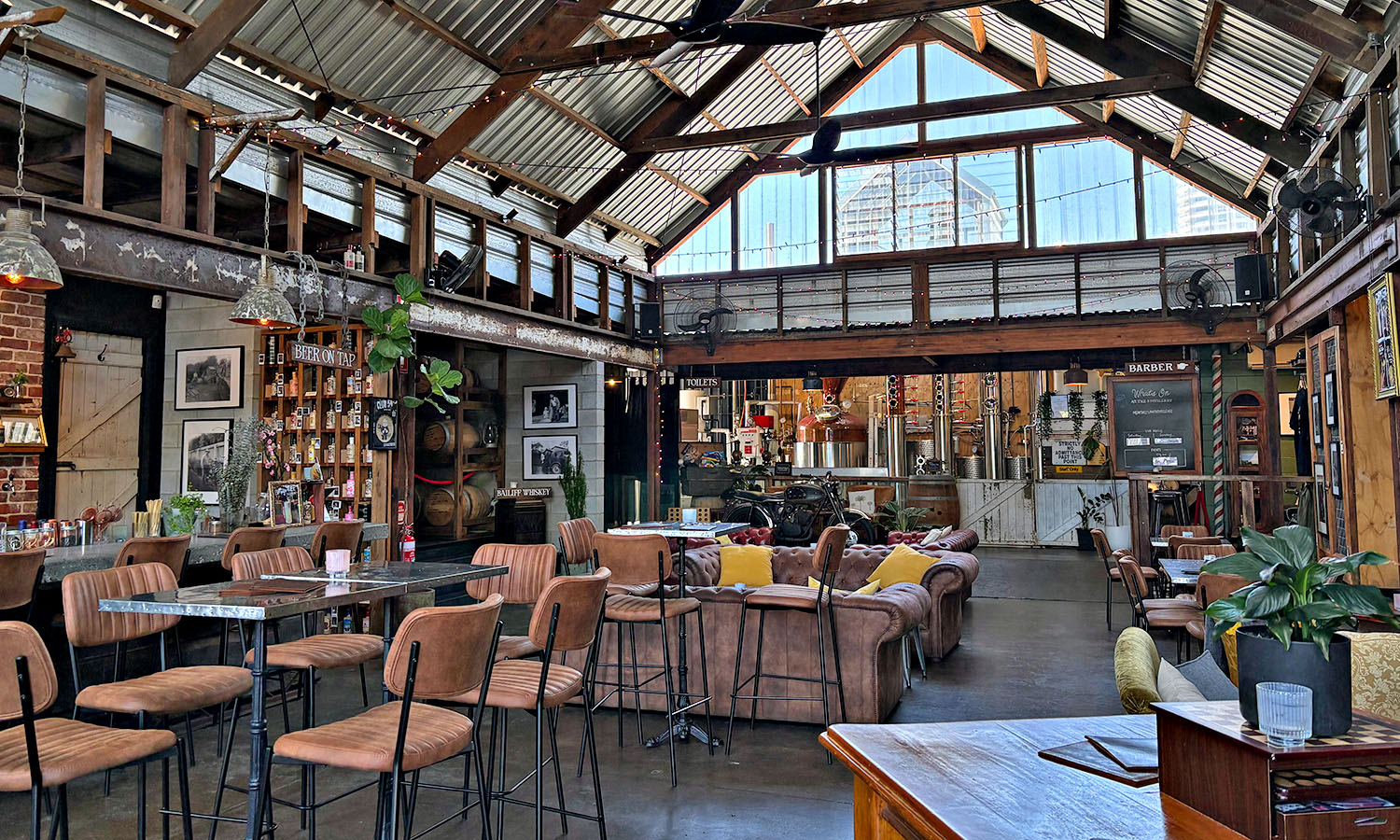
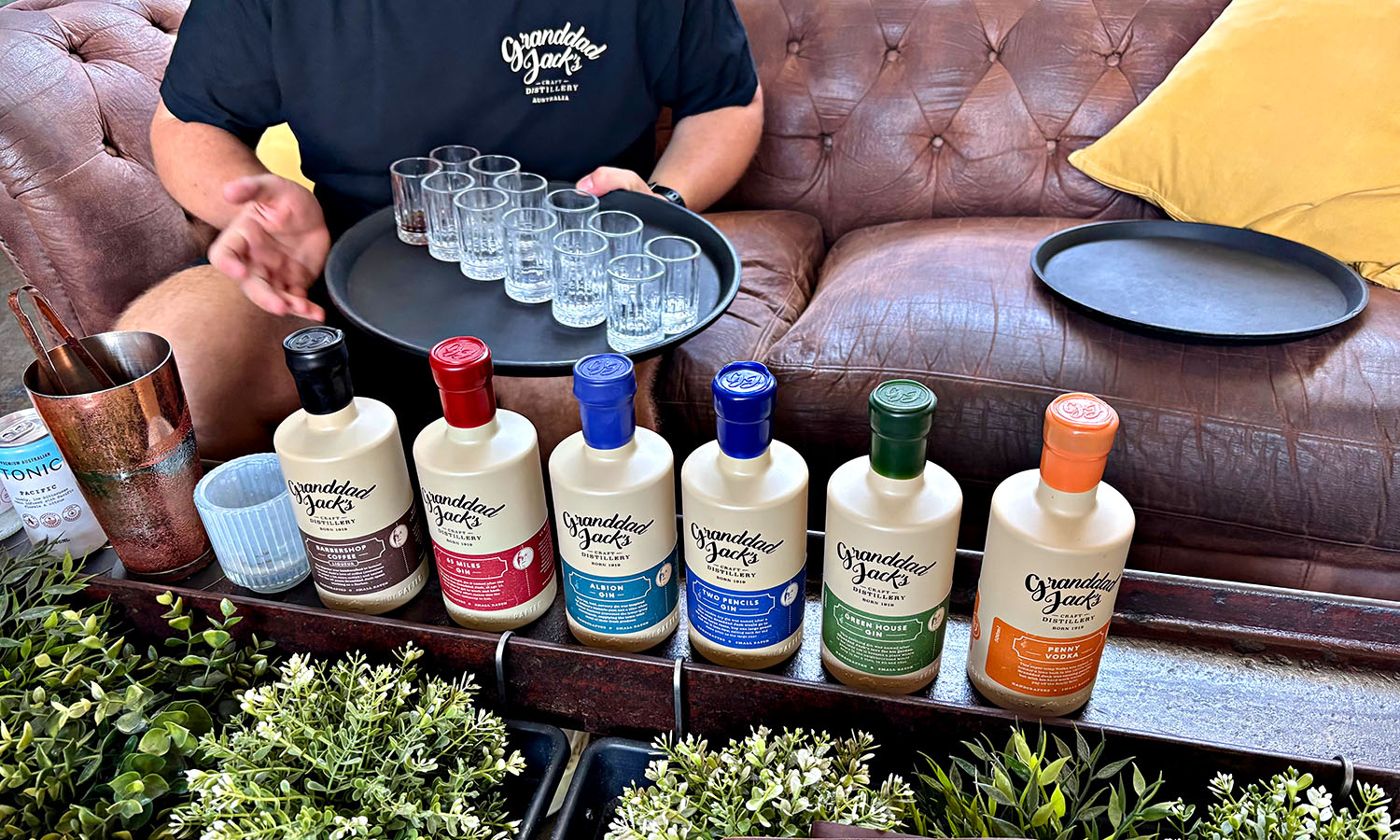
Visiting Granddad Jack’s Distillery on the Gold Coast feels like stumbling into your mate’s shed…if your mate happened to make world-class gin and design moody, industrial-chic interiors. Family-run and fuelled by the legacy of one very hard-arse New Zealander, this distillery has turned storytelling into an art form (and an excellent excuse for day drinking).
You can just stop by for a tipple, but we recommend the distillery tour for an in-depth look at the makers behind the magic.
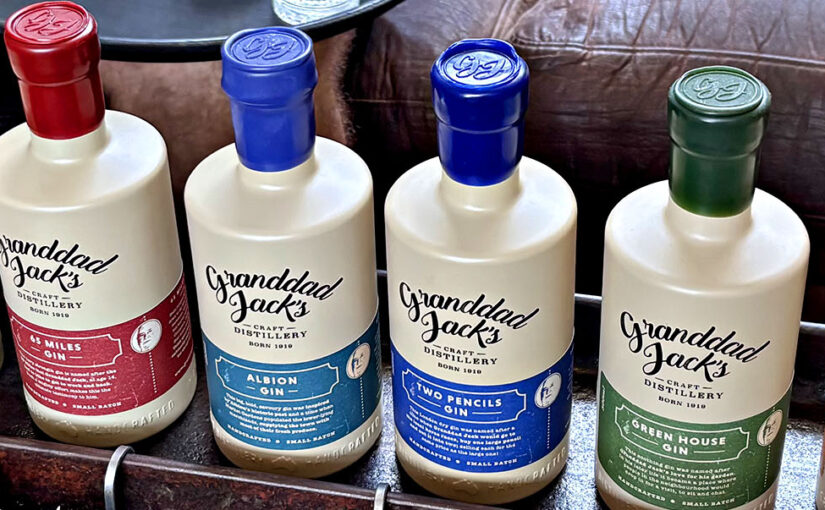
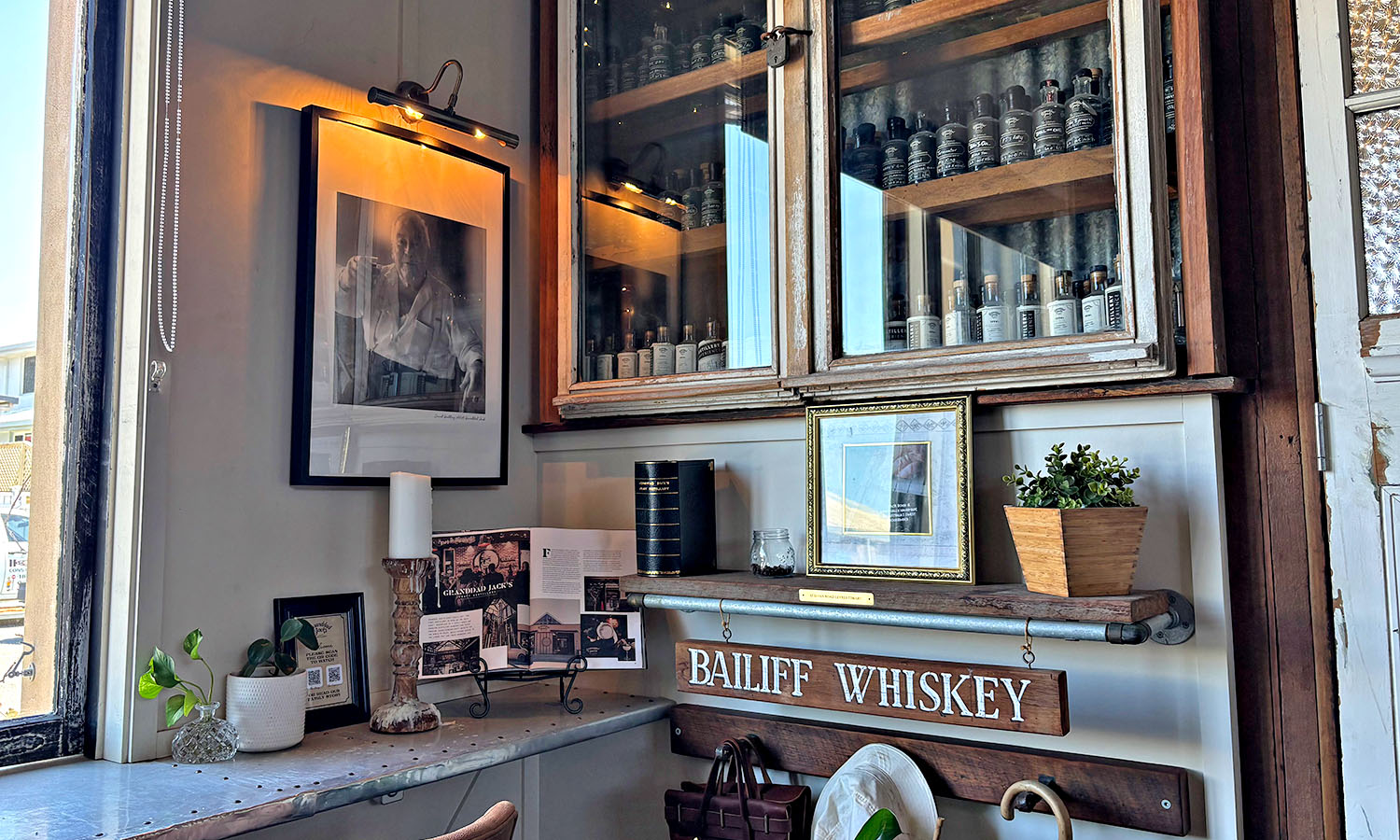
The tour kicks off with tales of David “Granddad Jack” Goulding – the 1919-born hustler, barber, and bootlegger-in-spirit whose life inspired every bottle here. You’ll hear how the team transformed his adventures into spirits like the juniper-punchy Two Pencils, the herbaceous Greenhouse Gin, and the fiery 65 Miles, named after the distance Jack once biked to find work.
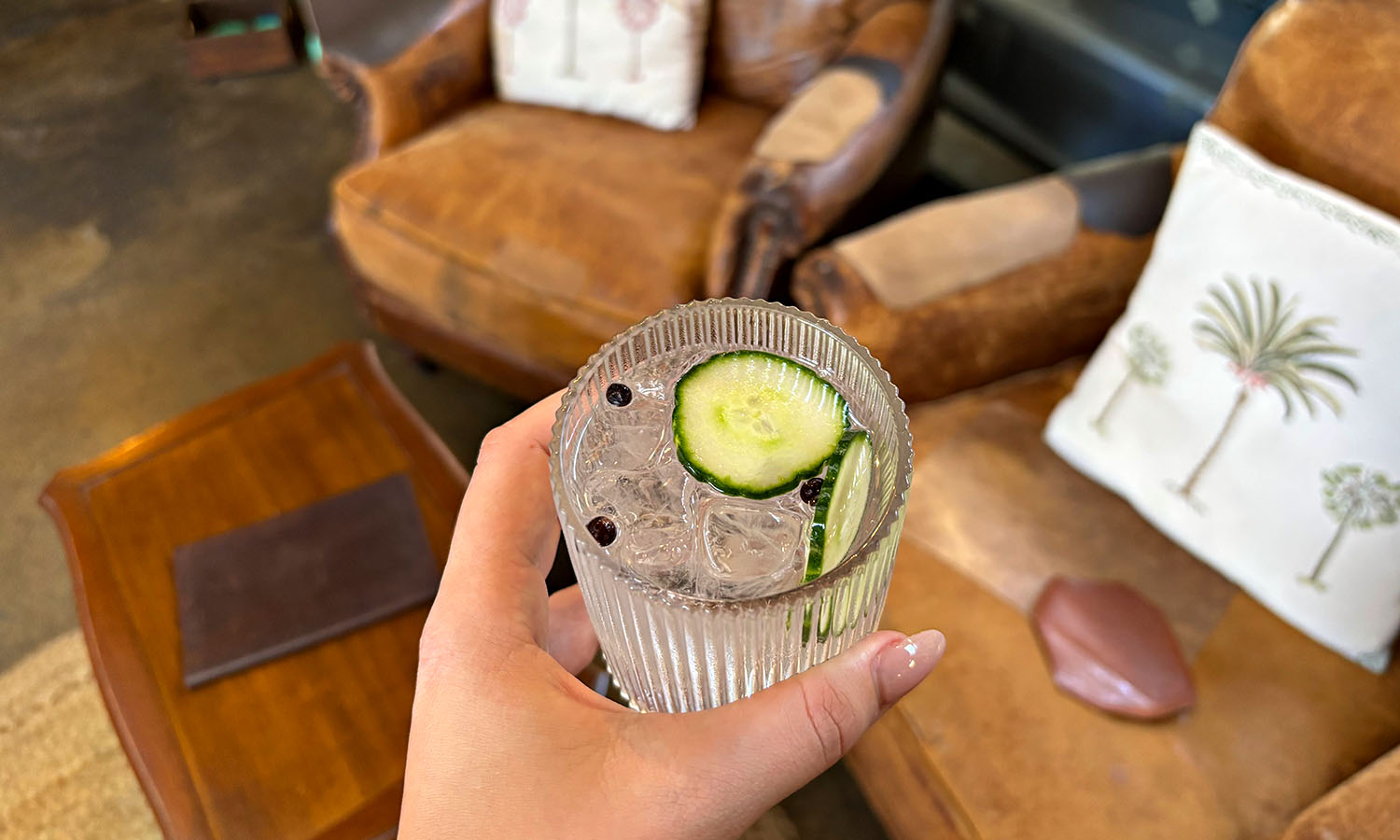
But beyond the shiny stills and copper pipes, there’s a bar that’s dangerously good at keeping you seated. Their cocktail list is extensive – think inventive G&Ts, espresso martinis laced with their own Barbershop Coffee Liqueur, and limited-release creations that rarely last the month. Tastings are casual, the banter’s local, and the pours are generous (the holy trinity of any great distillery).
And it’s all built around community, from open nights and gin-making classes to regular small-batch drops that keep locals hooked. There’s heart, humour and just the right amount of mischief in every nook and cranny (read: make sure you check out the far right hand corner).
Sure, Granddad Jack’s is where seriously good spirits are made. But it’s also where stories are bottled, legends are toasted, and hangovers are earned honestly.
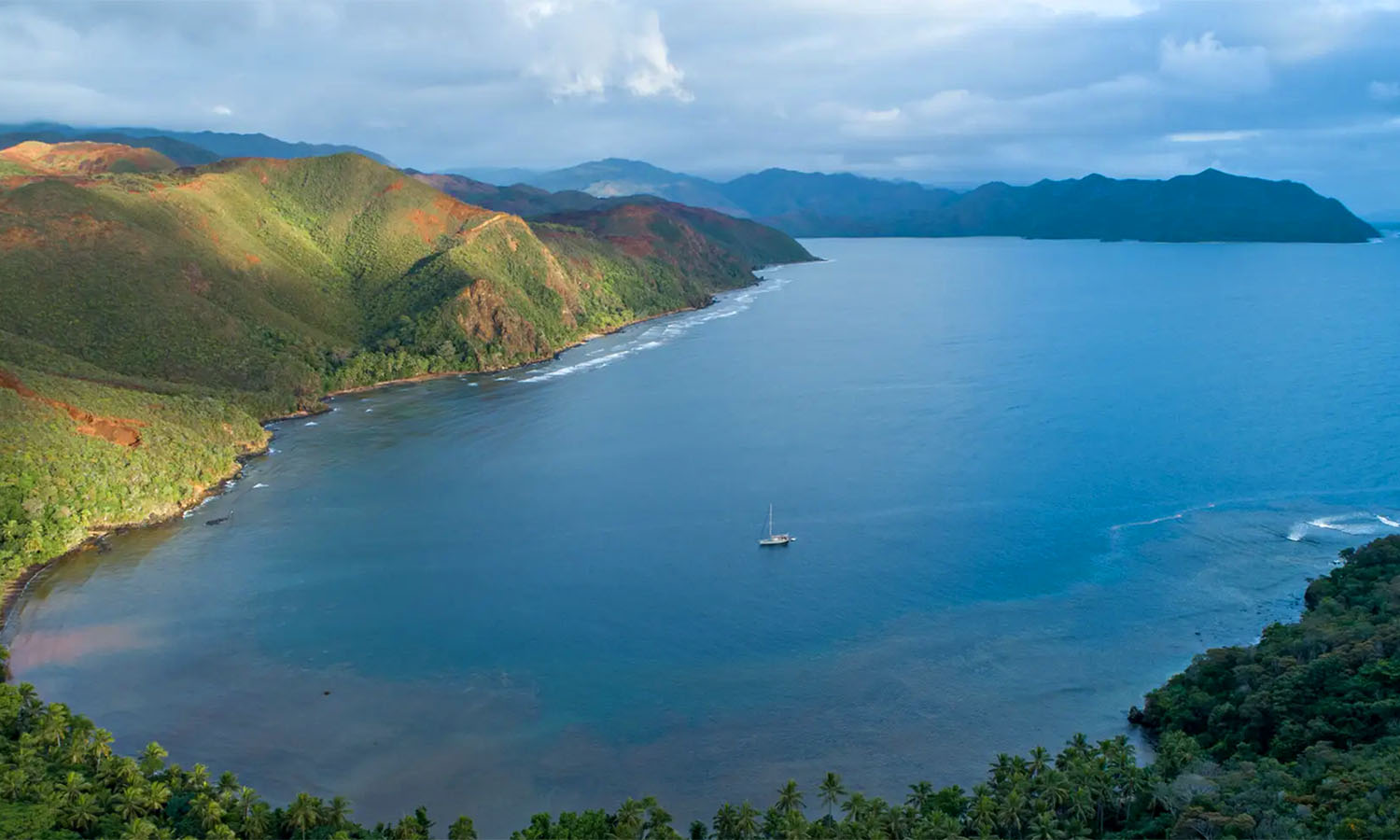
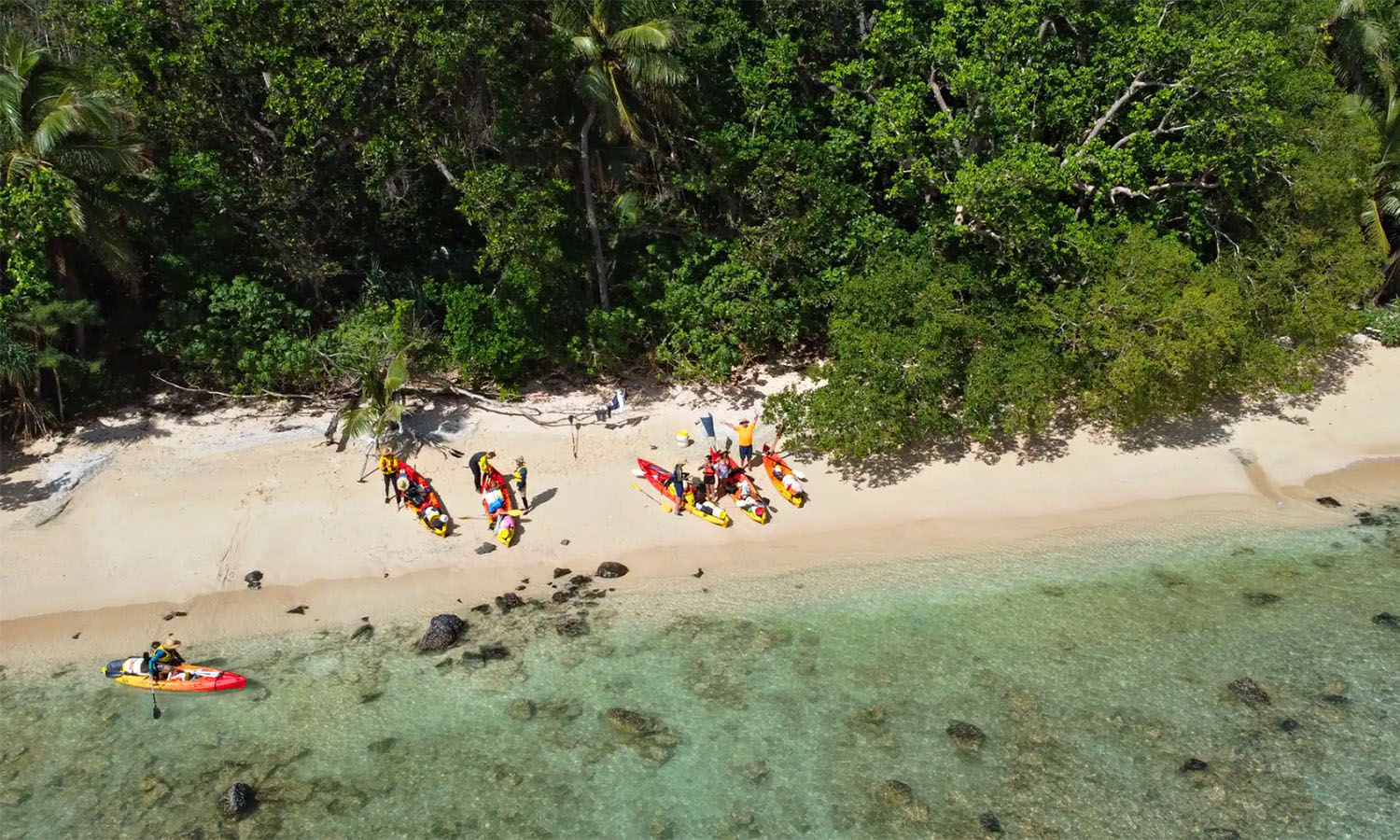
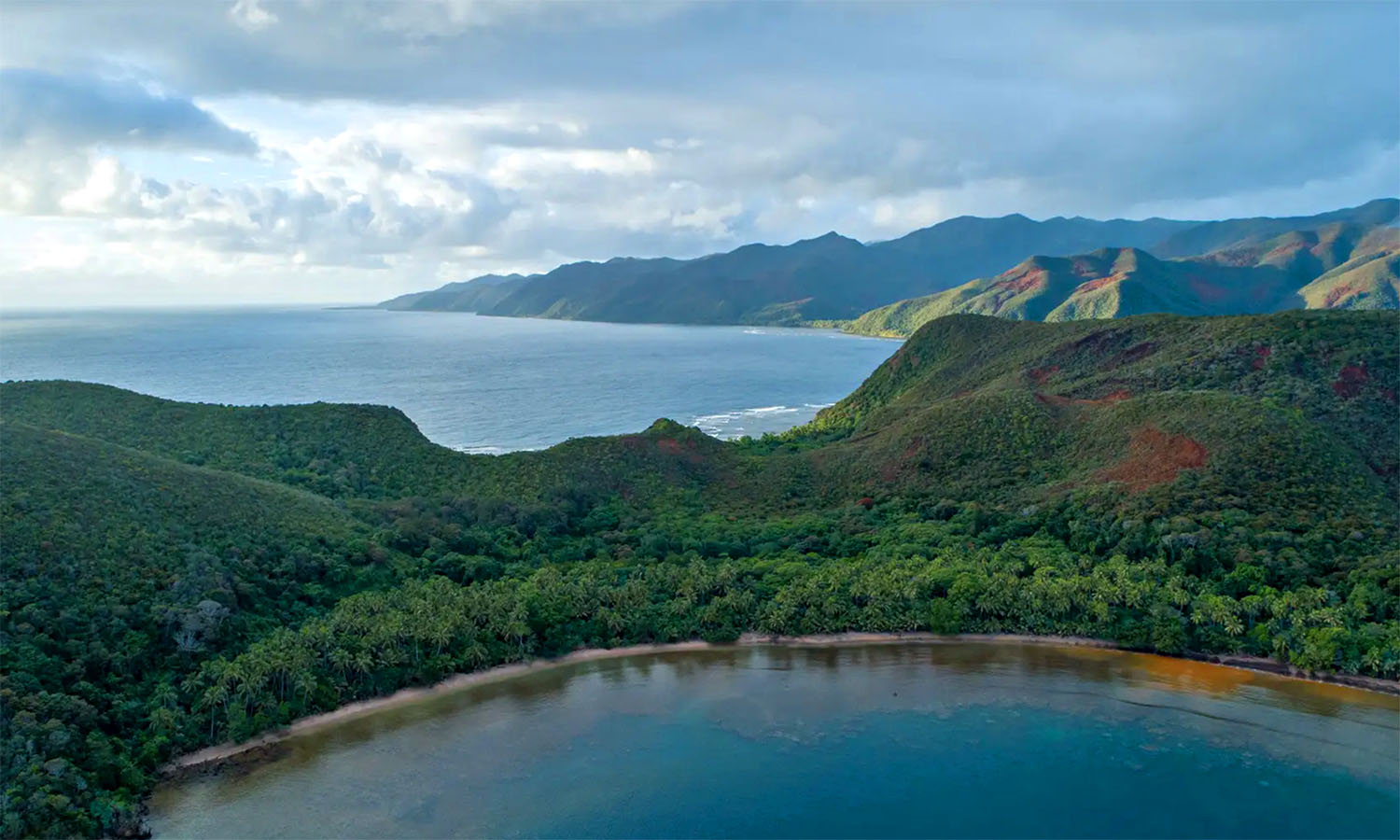
Pack your sense of wonder (and a spare pair of socks), Aventure Pulsion has relaunched its multi-day trek along New Caledonia’s wild East Coast, and it’s called Côte Oubliée. Four days, two modes (guided or DIY), and crazy, untouched landscapes.
Stretching roughly 65 kilometres of rugged coastline around Yaté, the Côte Oubliée offers views that demand your full attention: think dramatic cliffs, secret inlets, and a flora & fauna cast that’s super diverse, even the bugs seem exotic.
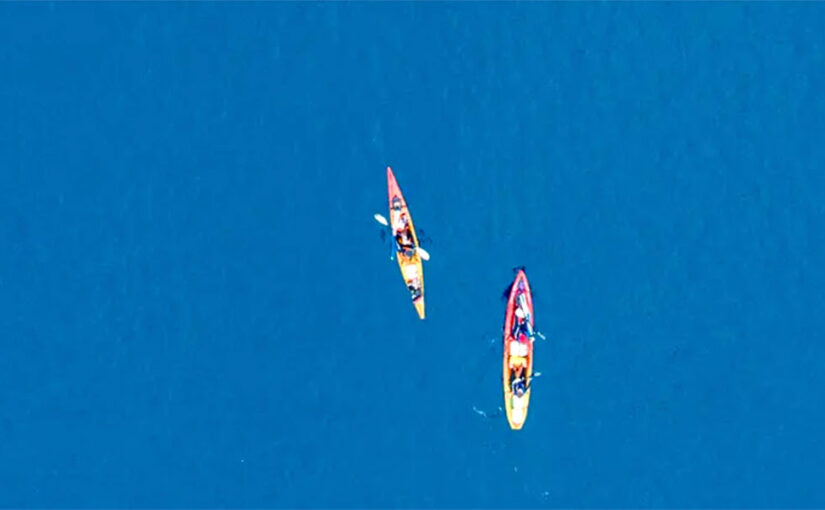
And if you want total freedom, you can go solo: map, kayak, and just a ‘you vs nature’ attitude. Prefer to lean on someone who knows where the beautiful bits are before you kayak straight into a patch of stinging plants? Choose the guided option so you get local insight, safety tips, and perhaps someone to laugh with when the tides conspire.
Don’t expect five-star hotel service, though. Camping gear, food, sleeping bags? That’s on you. Kayak, safety equipment, a tribal meal and breakfast, and expert prep are included. So, bring your adventure boots and deodorant.
Whether you spend 3 days & 2 nights or go full kayaking nerd with 4–5 days soaking it all in, Côte Oubliée rewards the brave with pure wilderness and eye-popping scenery.
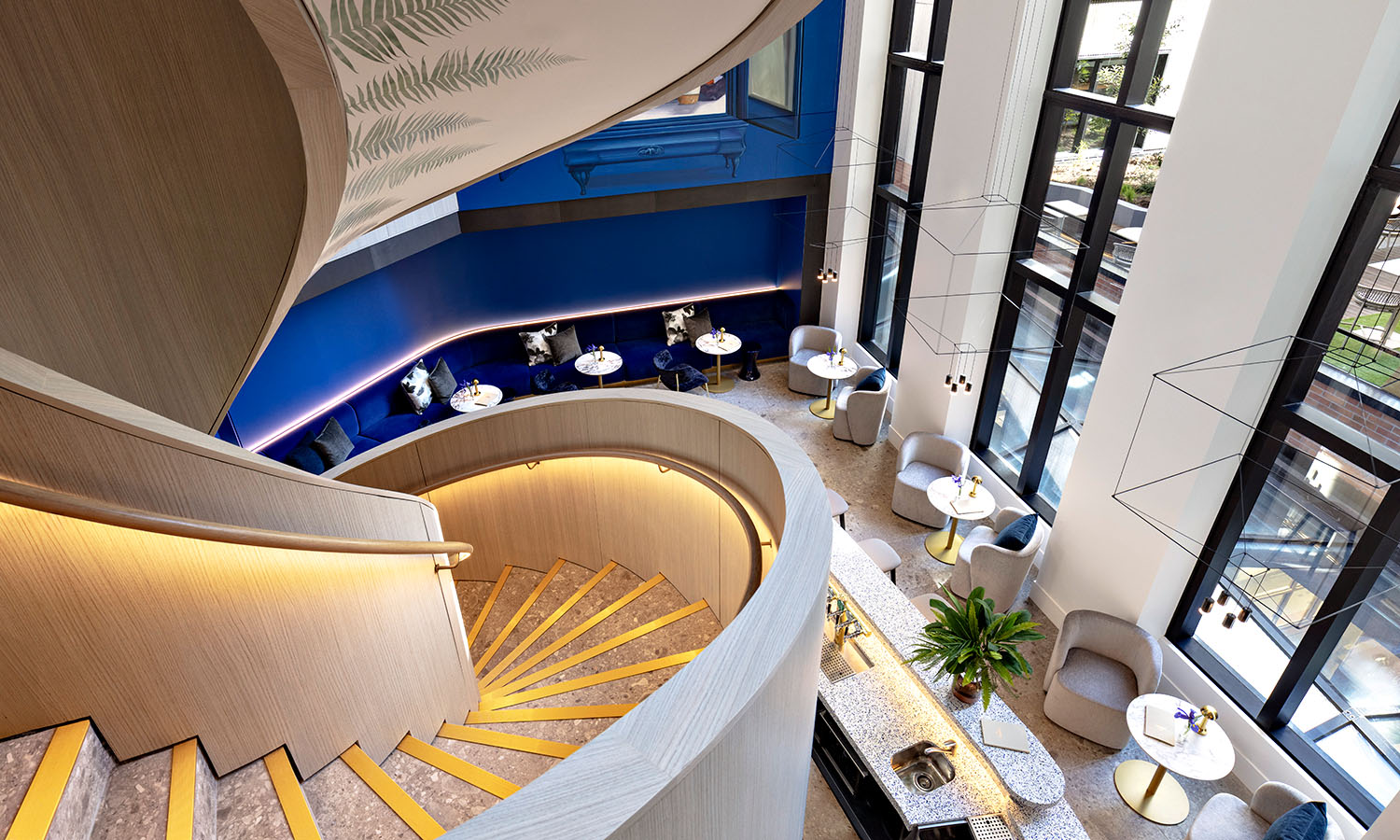
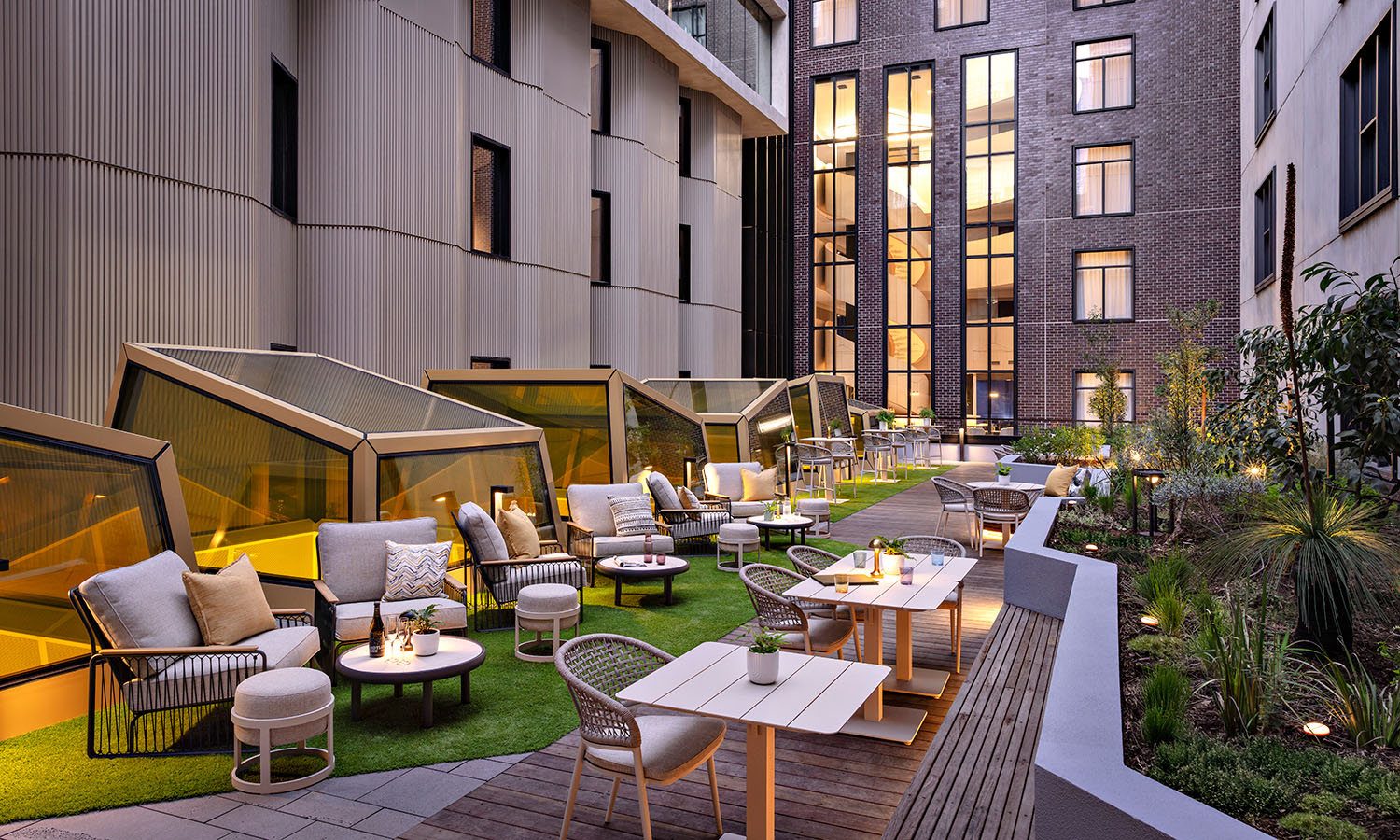
Melbourne doesn’t exactly have a shortage of hotels, but the brand-new Hotel Indigo Melbourne on Little Collins isn’t here to blend in. Sitting pretty at 288 Little Collins Street, it’s smack in the middle of the city’s action – coffee, street art, and impulse shopping sprees all just a stroll away.
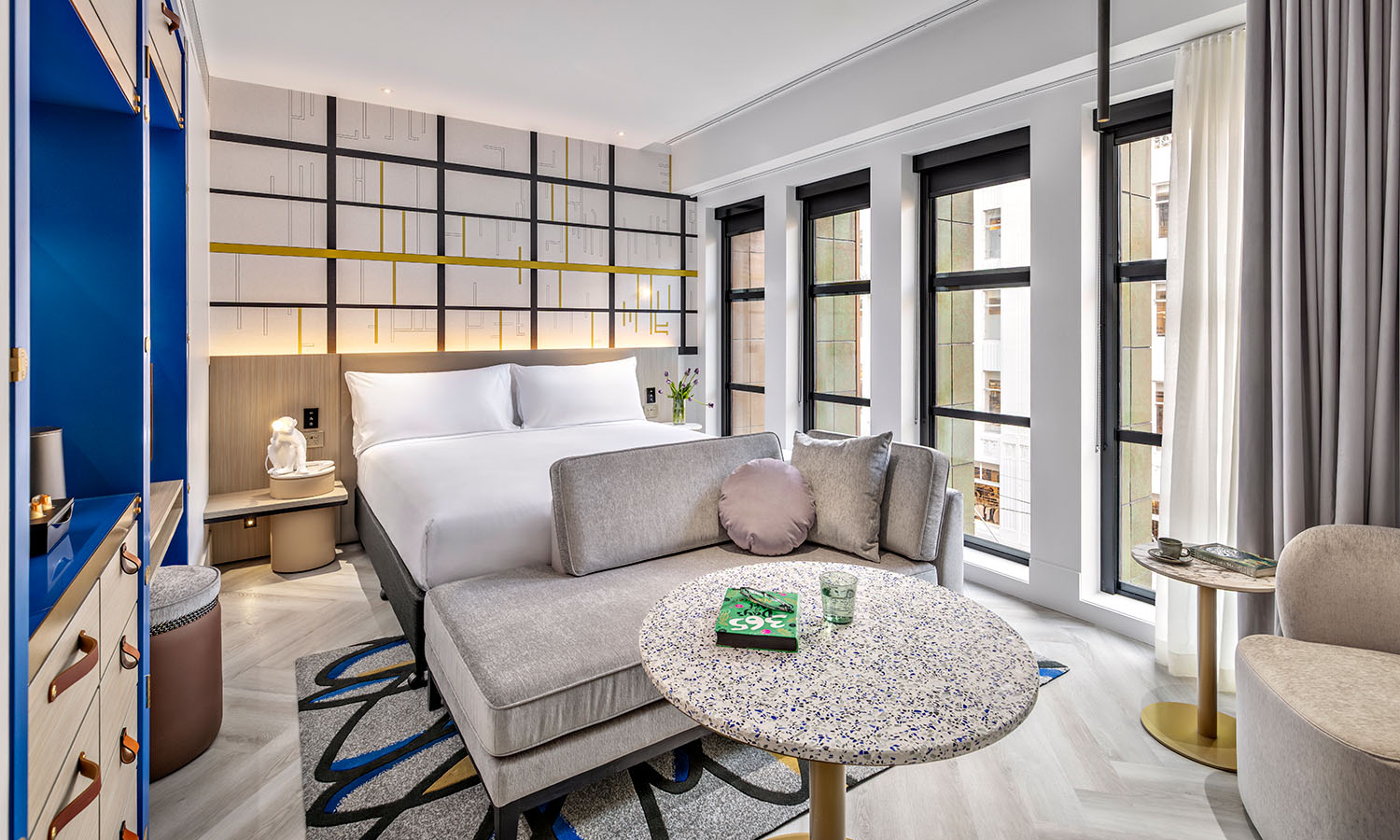
Inside, it’s not your standard beige sleep box. Each room is splashed with bold design nods to Melbourne’s fashion and laneway culture, with plush beds and floor-to-ceiling windows so you can spy on the city without actually leaving your robe.
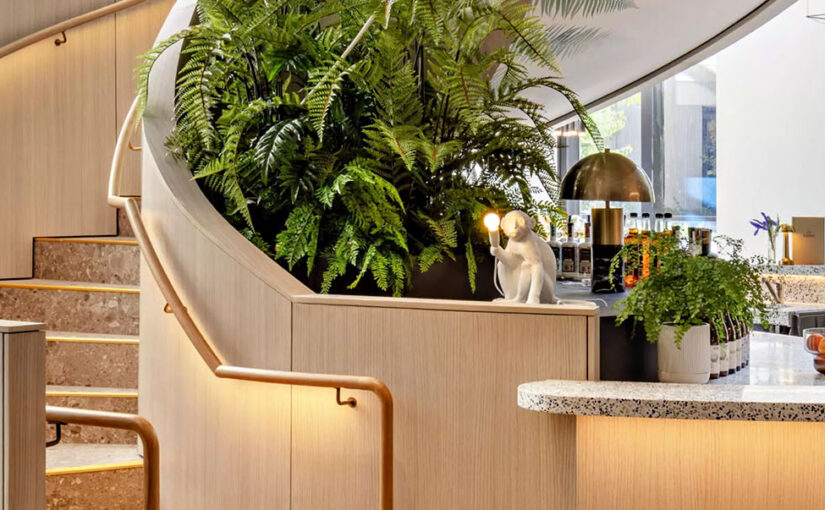
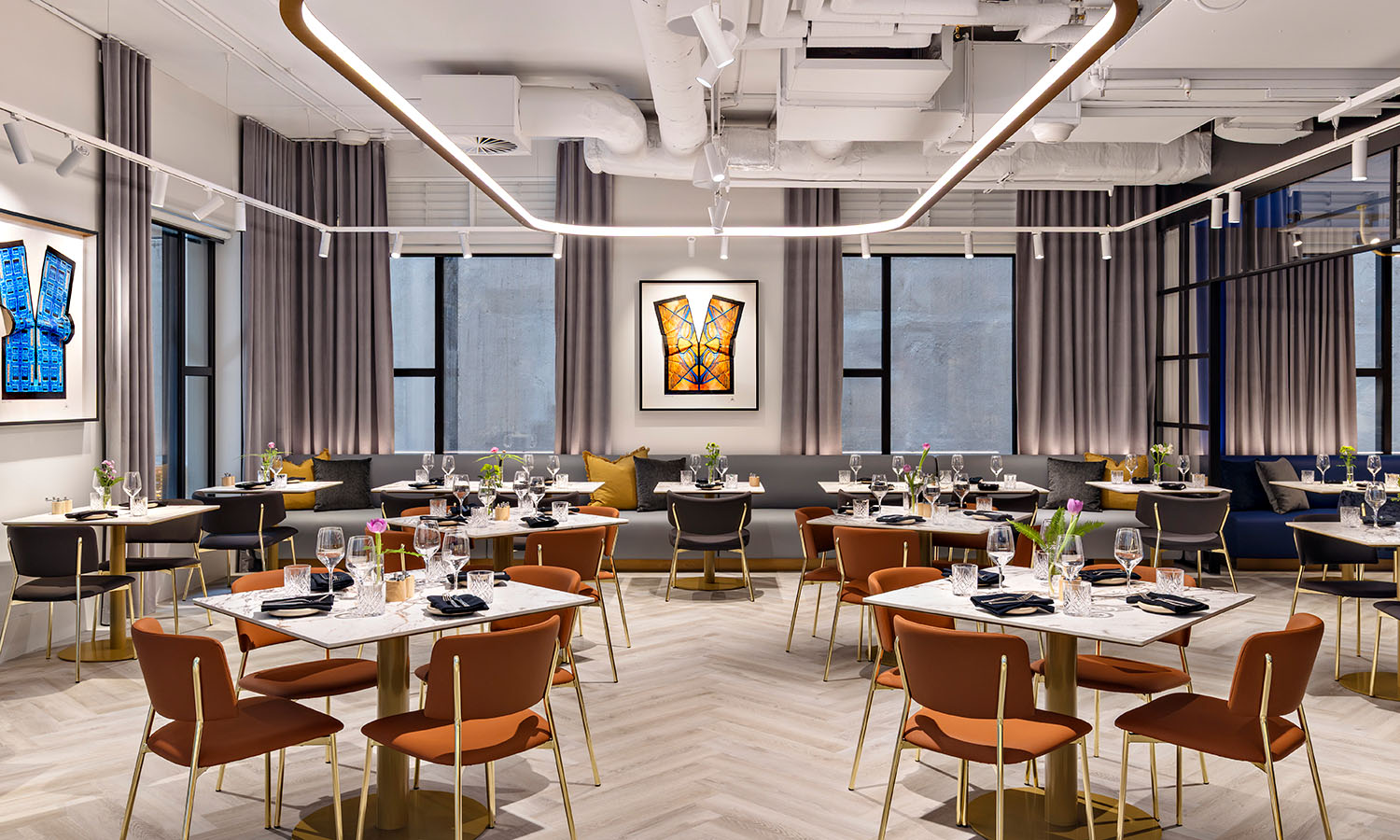
And then there’s Fern Bar & Dining, where cocktails are crafted with the same seriousness Melburnians usually reserve for flat whites. Menus lean seasonal, plates lean generous, and the vibe says “I’m on holiday” even if you’re just here for an overnight work trip.
Of course, there’s also a gym if you’re that way inclined, and spaces that are as happy hosting laptops as they are late-night catch-ups. It’s slick without being stuffy and playful without being try-hard, acting as the perfect reminder that this vibrant city does boutique hotels better than most.
Want a stay that feels like Melbourne turned down the clichés and turned up the personality? Hotel Indigo on Little Collins has the keys.
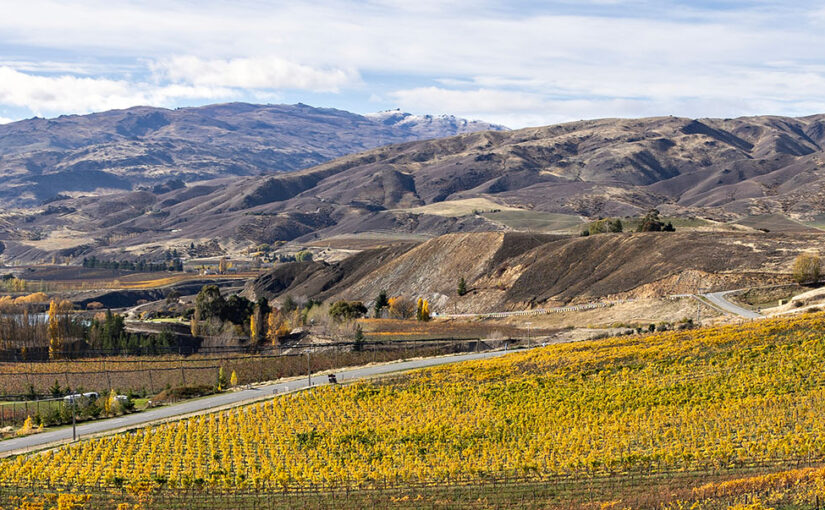
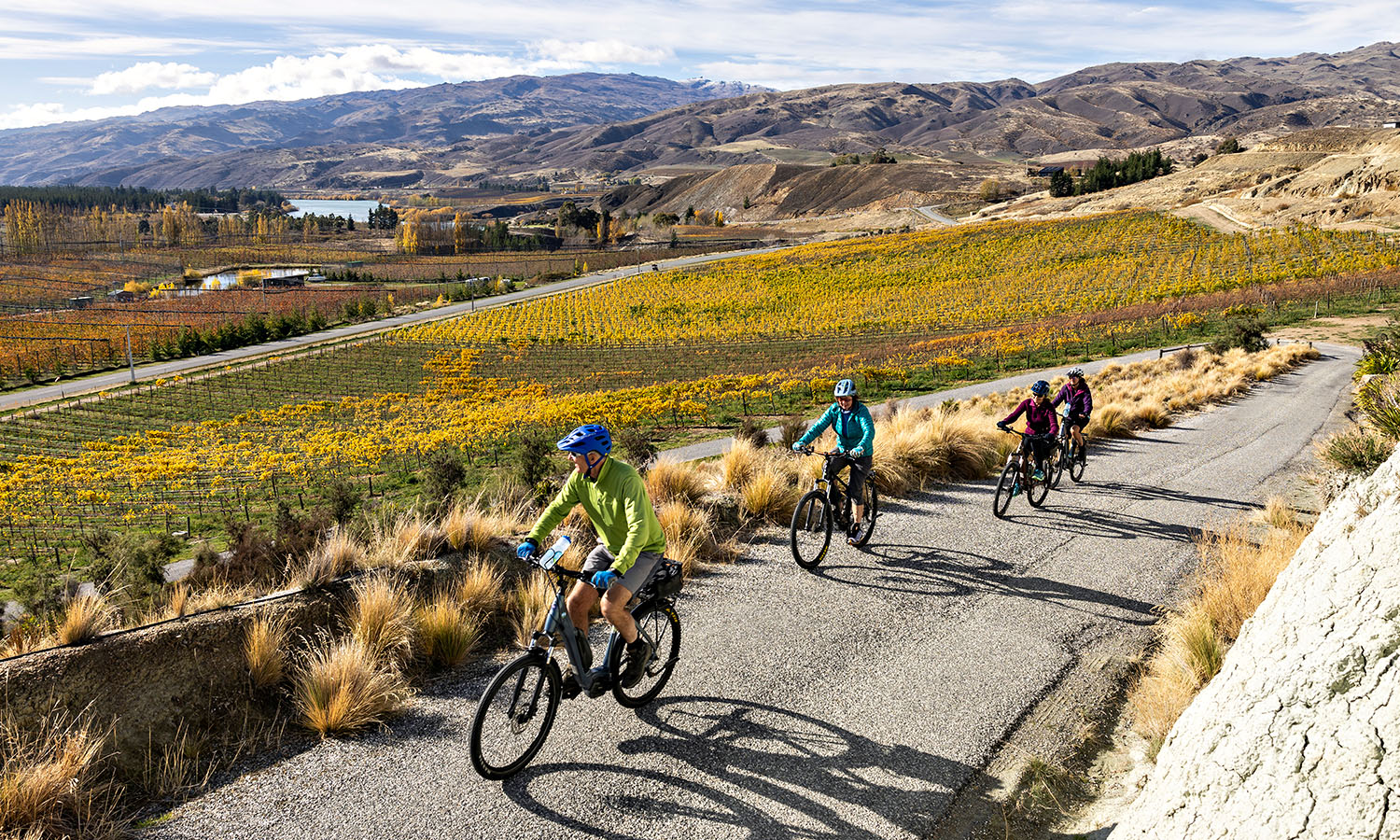
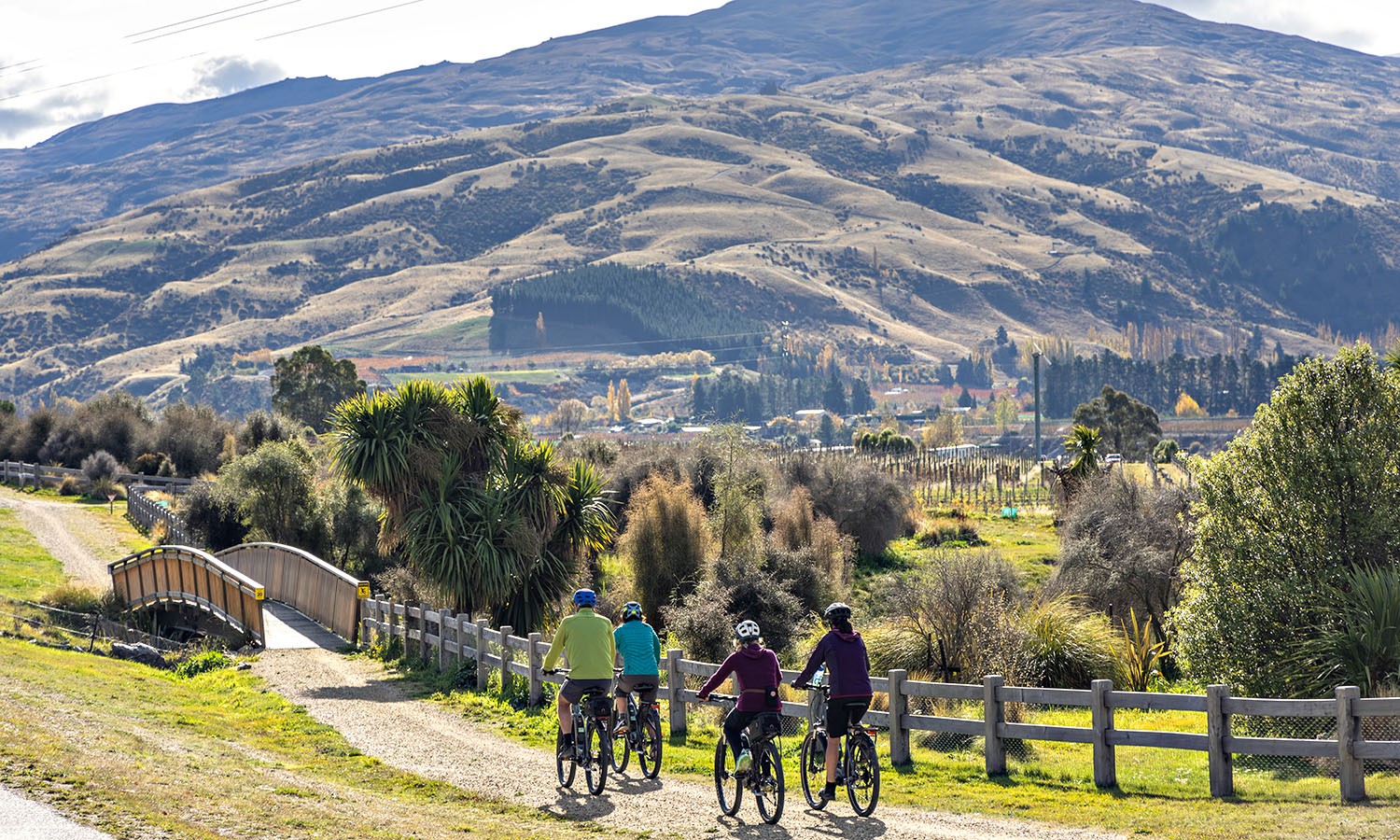
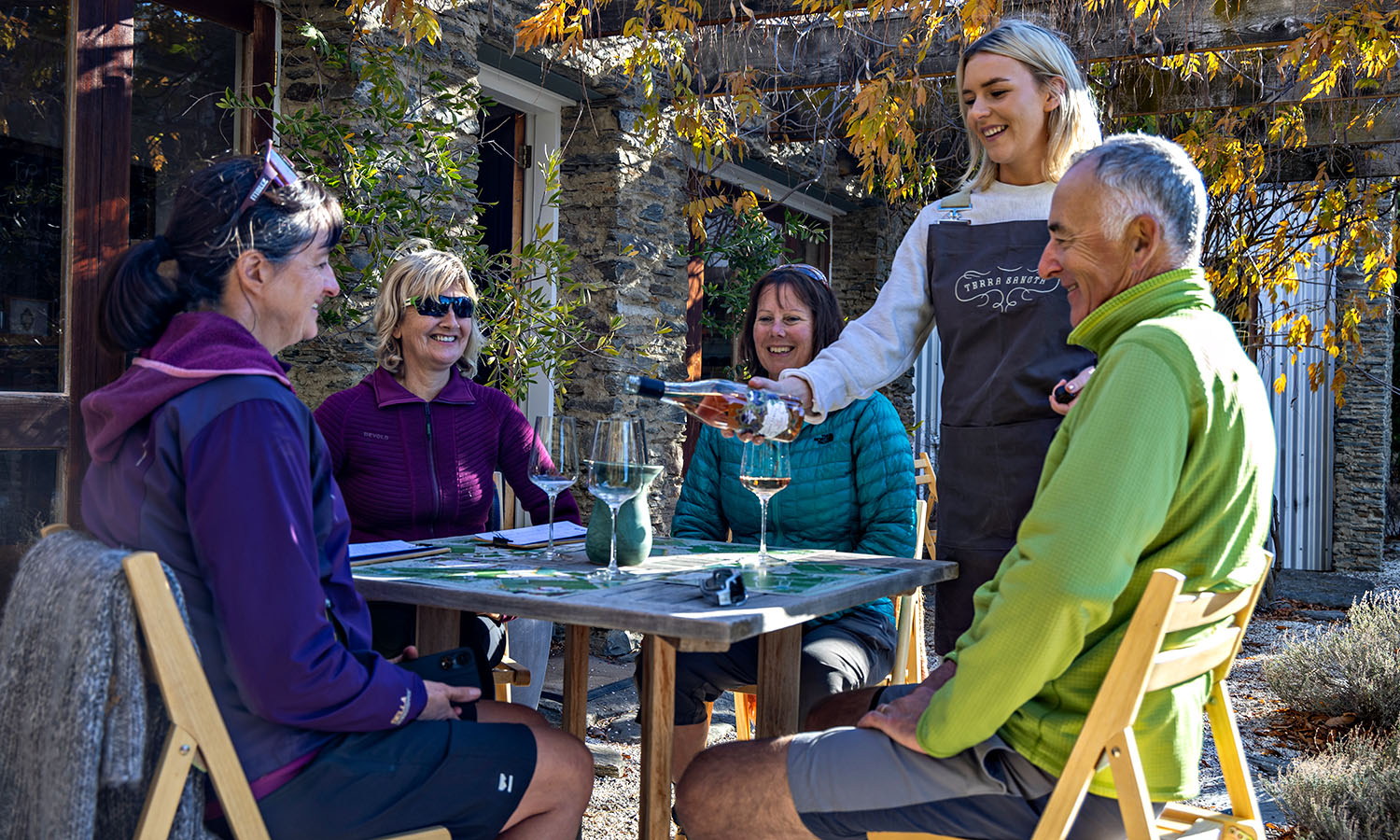
New Zealand has gone and done it again. As if the South Island didn’t already have enough scenery to make your phone storage cry actual tears, Central Otago is rolling out the Kawarau Gorge Trail, a 32km stretch of pure wow that’s shaping up to be the newest crown jewel in cycle tourism.
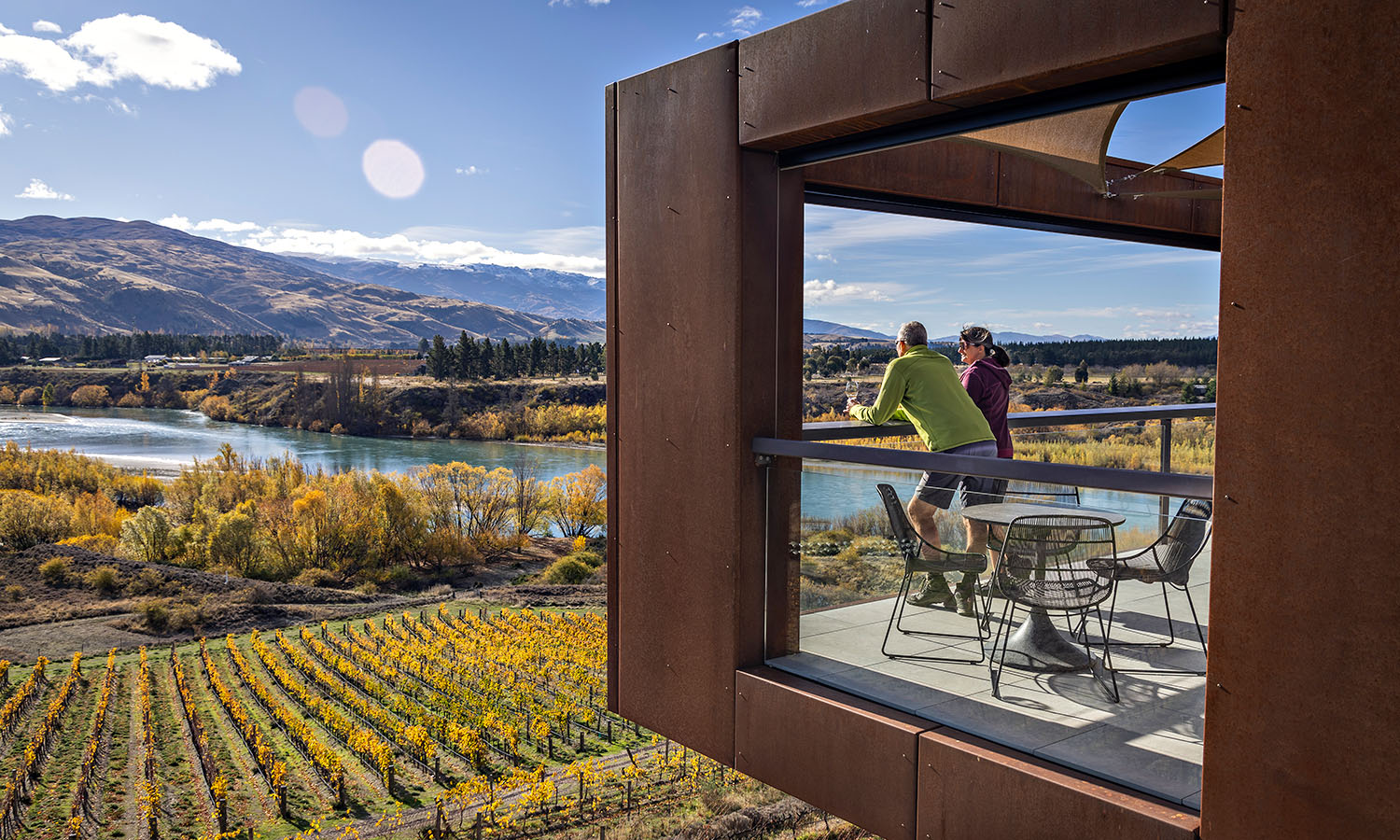
Due to open in early 2026, the track will link Bannockburn to the Gibbston Valley, which basically means you can pedal straight from world-class Pinot Noir to jaw-dropping river gorges without feeling guilty about that second tasting flight.
It’s not just another bike path slapped onto some gravel, either. This one comes with cliff-hugging bluff bridges, swooping suspension bridges over the raging Kawarau River, and sections of terrain that until now have been off-limits unless you were a goat (or an extremely confident hiker).
And the best part is that the Kawarau Gorge Trail will connect into a 530km network of rides that stretches all the way from Queenstown to Waihola. That’s five of New Zealand’s Great Rides stitched together, so whether you’re a Lycra-clad speed demon or someone who considers biking between wineries an Olympic sport, you’re covered.
For now, you can sneak a preview on Felton Road, where the trail links into the Lake Dunstan track (handily, it’s also one of the finest wine roads in the country).
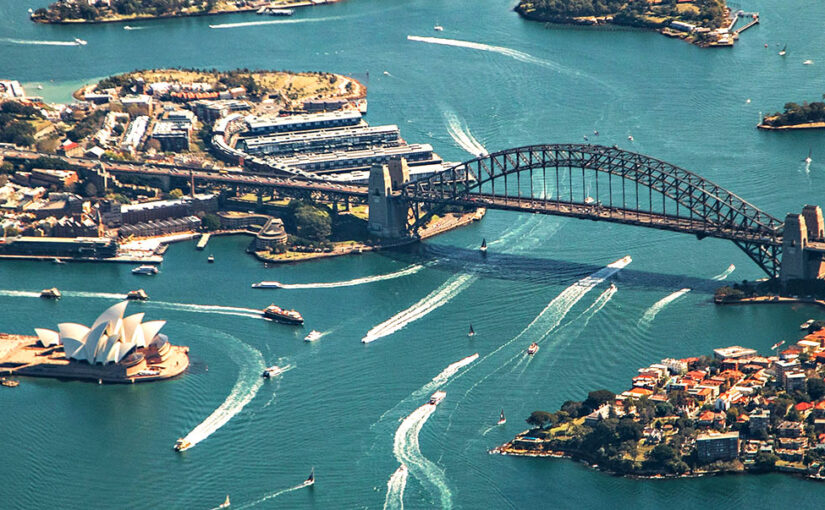
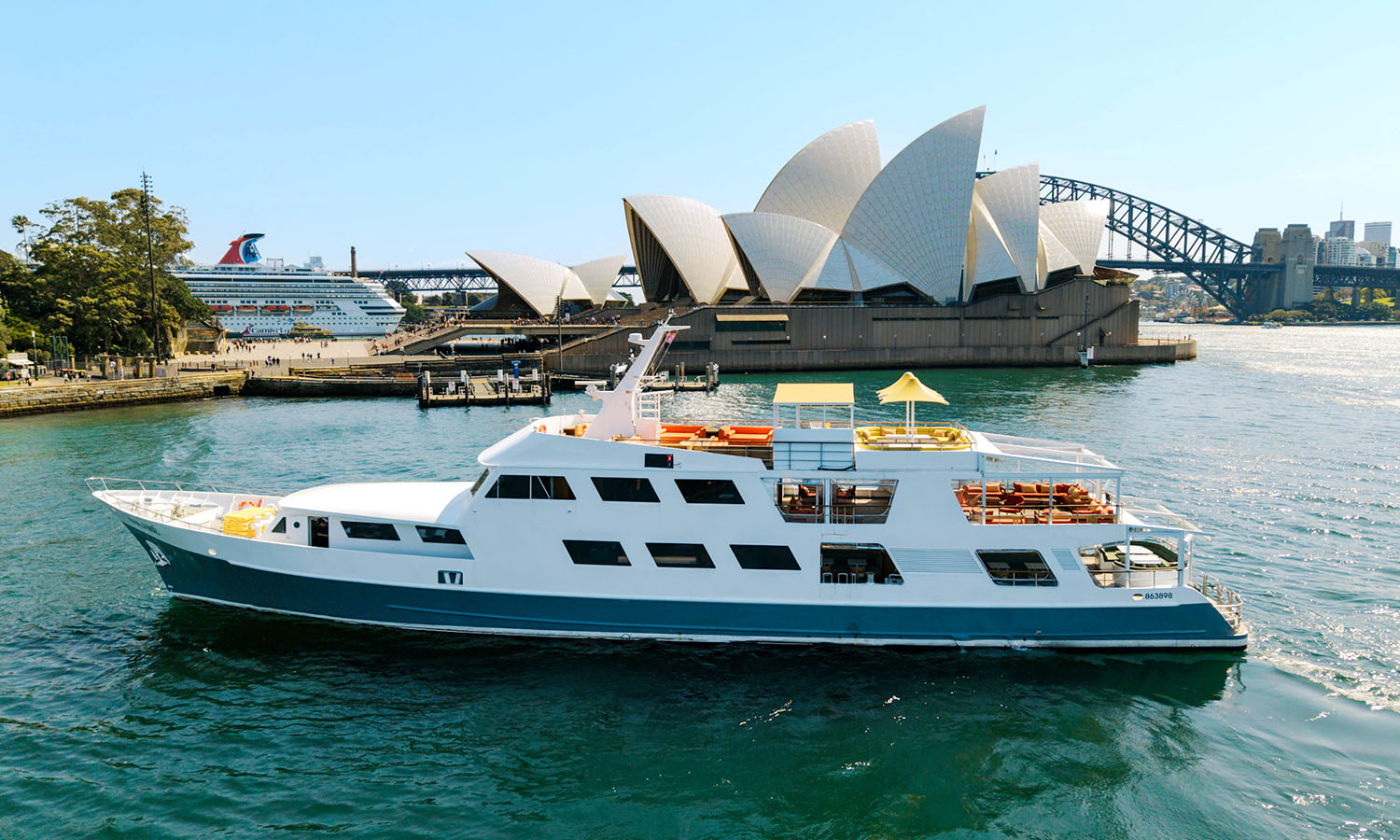
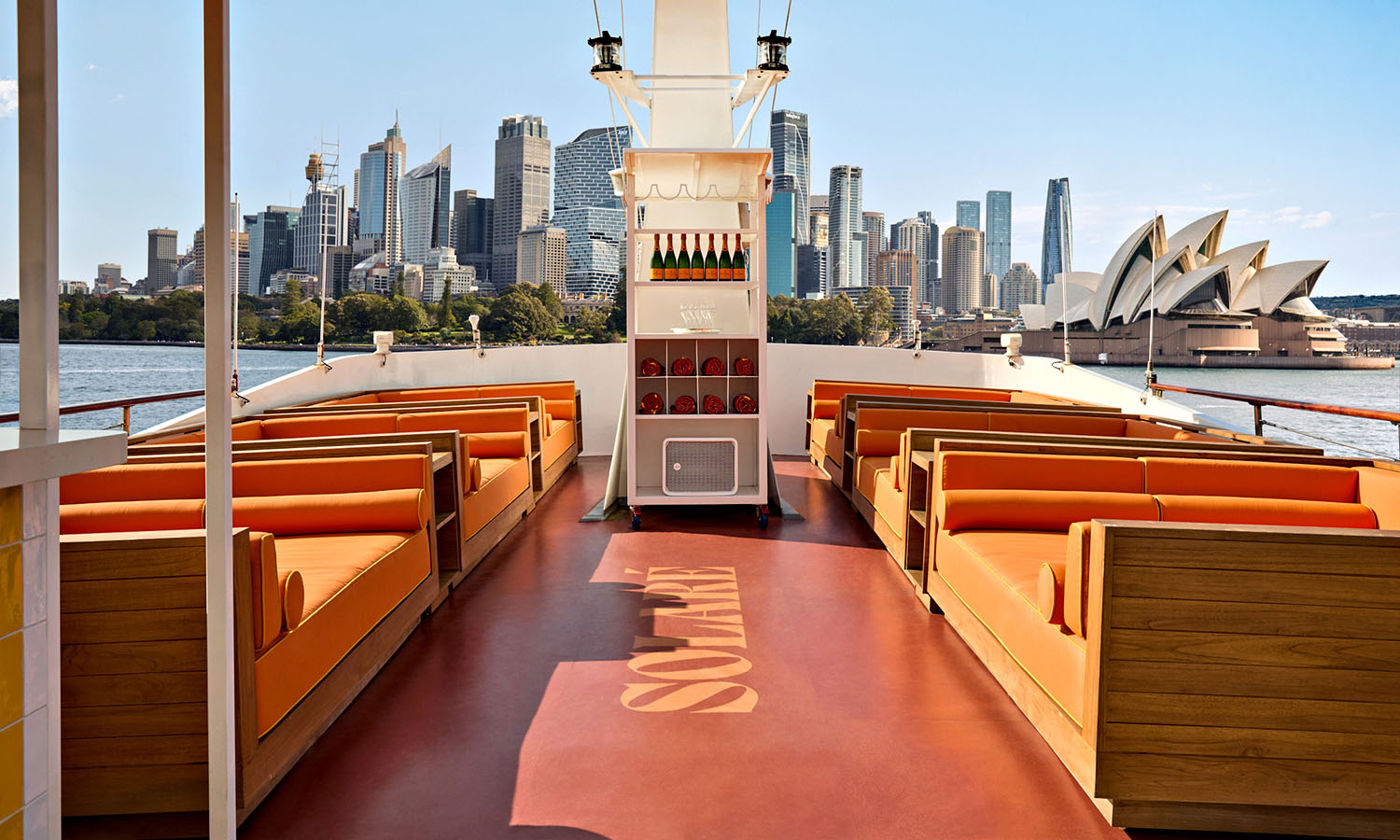
Sydney has never exactly been shy about showing off, but now it’s really flexing. Just when you thought the Harbour had enough icons, along comes Solaré, a 150-foot superyacht that moonlights as a restaurant, cocktail bar, and beach club.
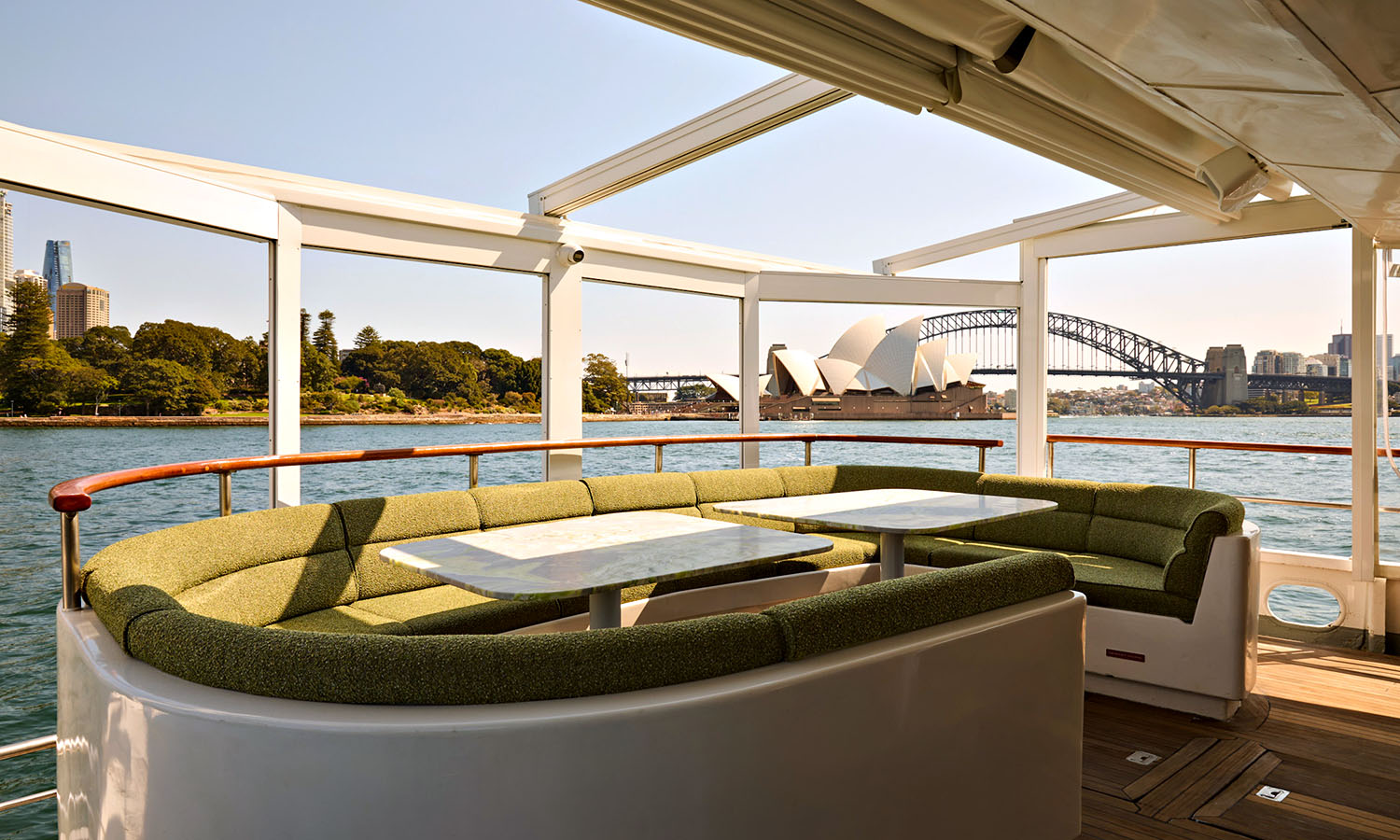
Step aboard and you’re instantly transported, if not to Capri, then at least to a sunnier, looser version of Sydney where spritzes arrive before you can ask, and the harbour views practically hurt your eyes.
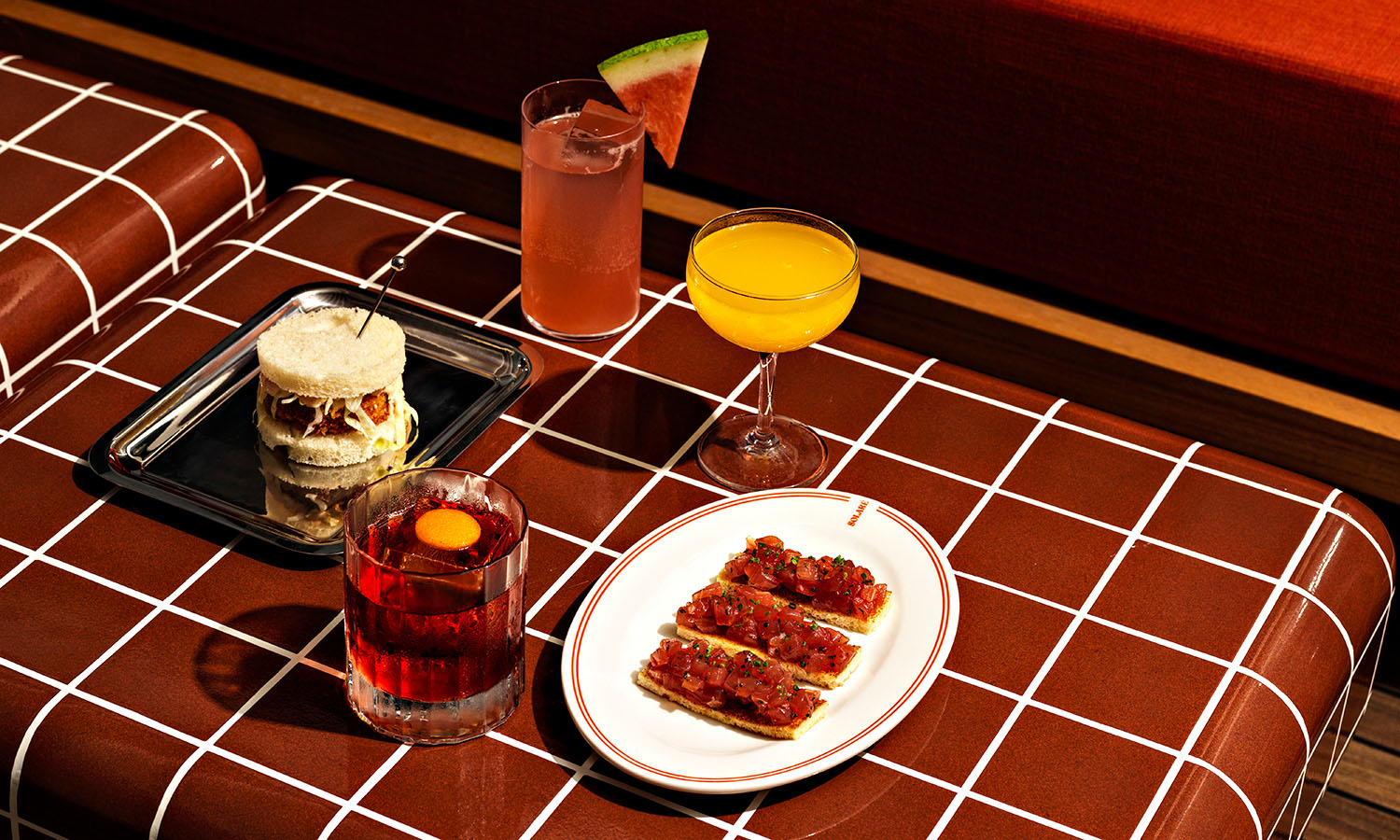
Chef Pablo Tordesillas (of Totti’s Bondi fame) has crafted a coastal Italian menu that reads like a love letter to seafood and indulgence. Expect bug-stuffed pasta, raw tuna dressed up in bergamot oil, and caviar on potato crisps that would make your fish and chip shop go out of business (and fast).
But food is only half the fantasy. Solaré sprawls across three levels, each with its own personality. Down below, the Dining Room seduces you into multi-course marathons. One deck up, cocktails and share plates keep the Terrace buzzing. And up top? The Sun Deck, a Mediterranean-inspired playground where daybeds and DJs compete for your attention. There’s even a martini trolley that sidles up like a butler in a Bond film.
With interiors straight out of a retro Riviera dream and bold Aussie art splashed about, Solaré is Sydney’s new playground. All you need is a booking, a big appetite, and maybe a pair of oversized sunglasses and you’ve completed the fantasy.
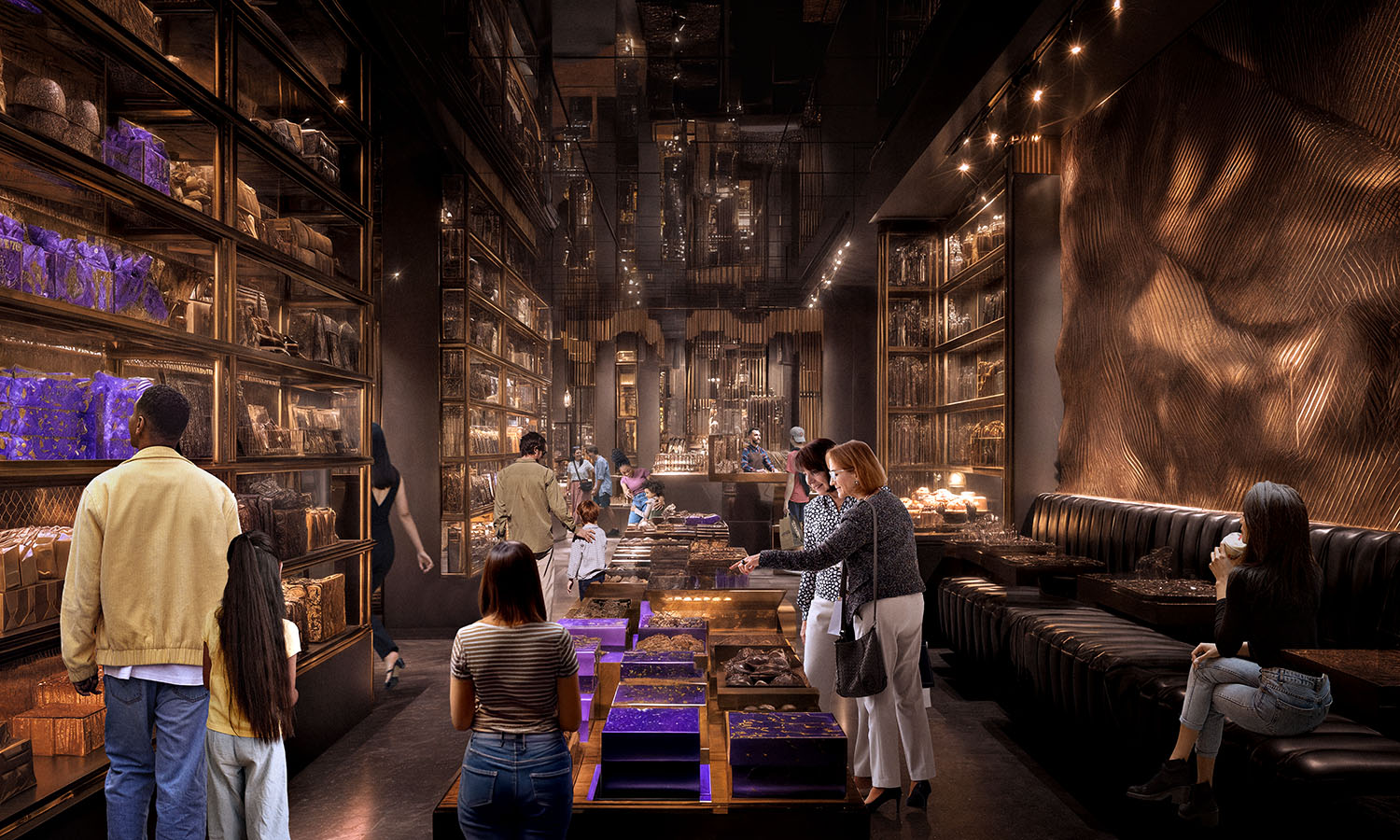
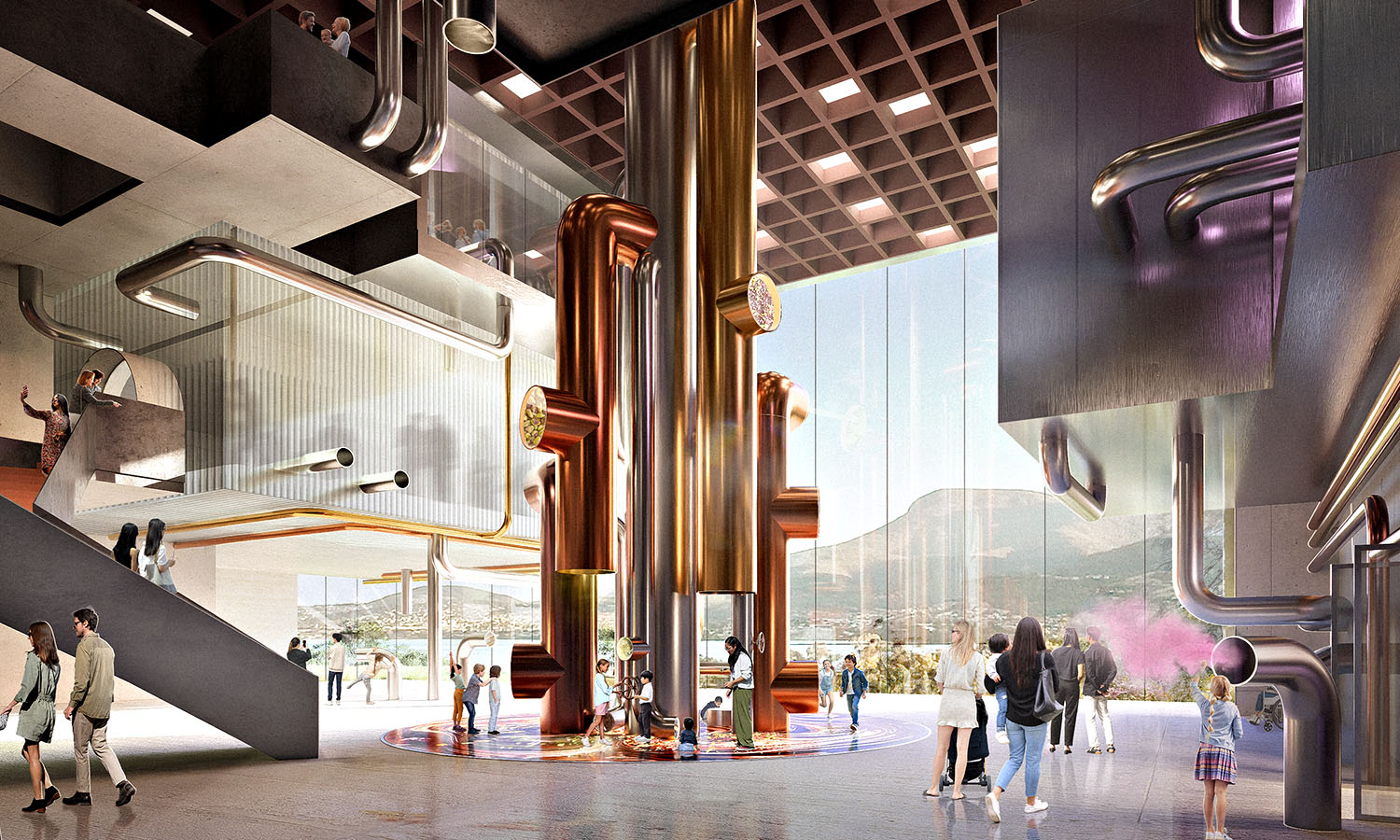
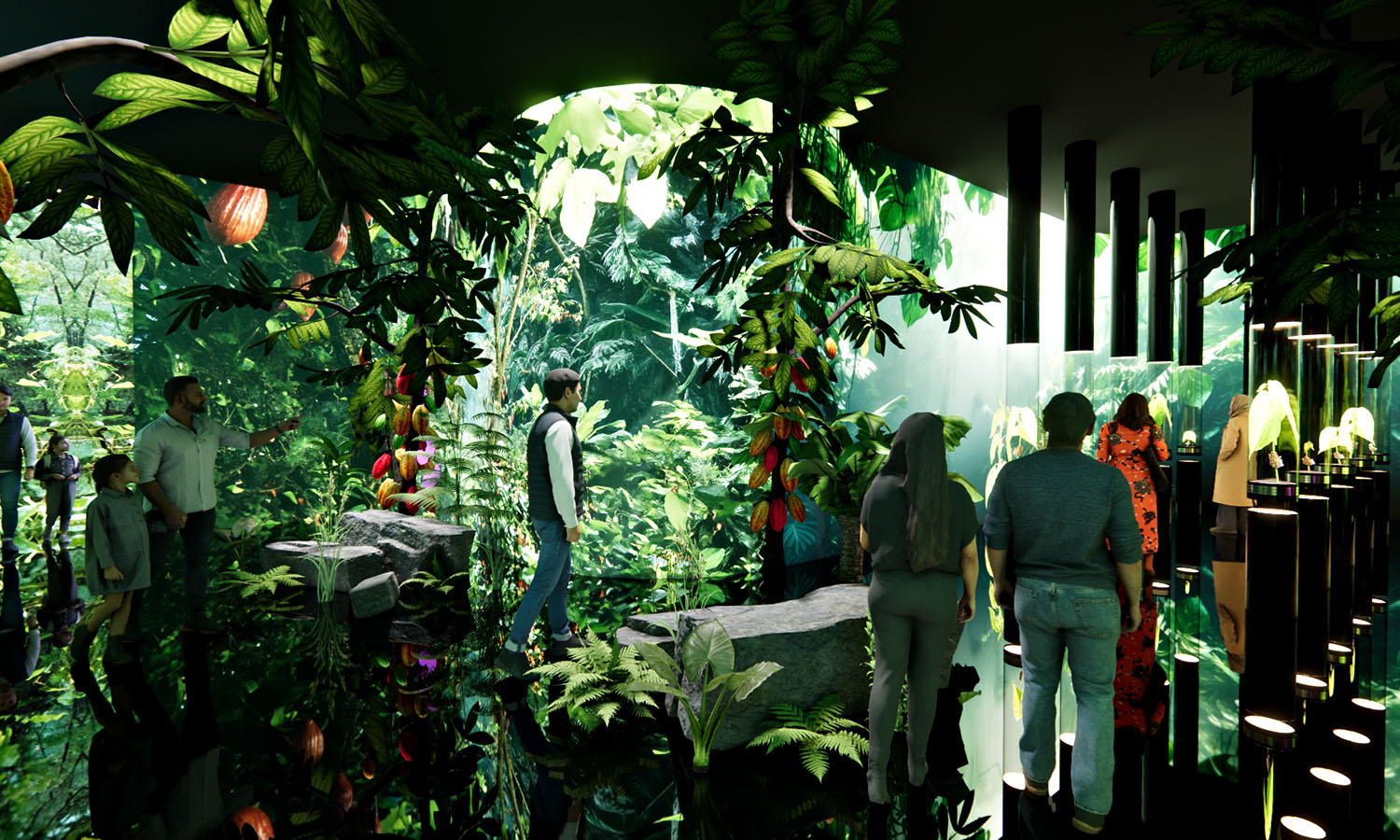
Hobart is about to become the world capital of cacao-induced grins, with the AU$150 million Chocolate Experience at Cadbury opening in 2027. Forget Charlie’s golden ticket, this is Tasmania’s turn to unwrap the world’s ultimate chocoholic playground, but sadly, there won’t be any Oompa Loompas.
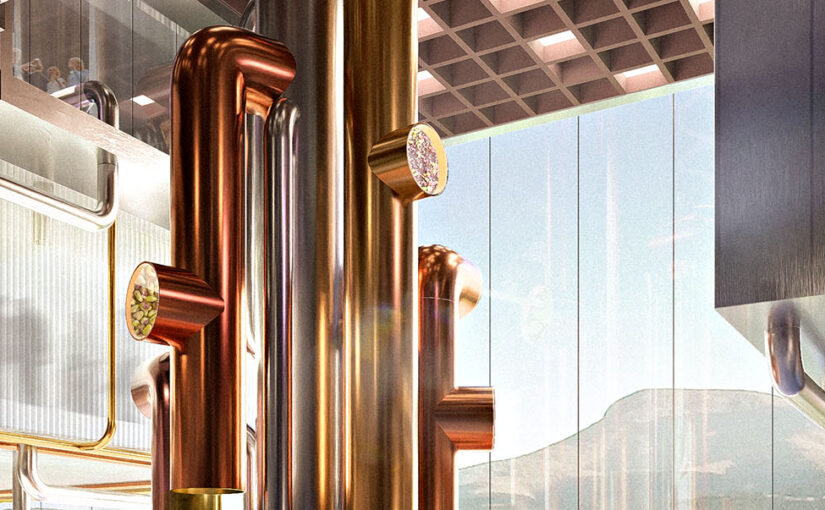
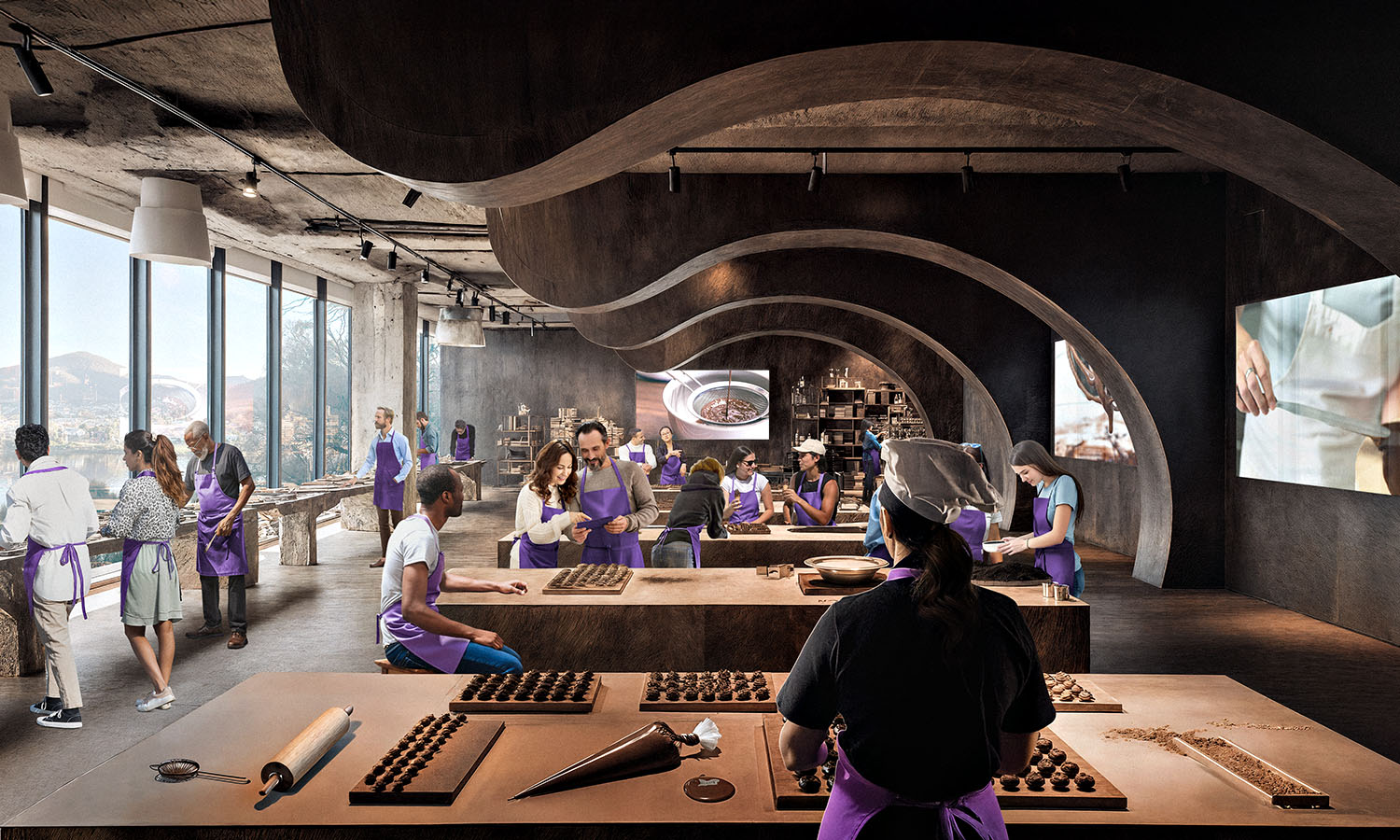
Set on the Claremont waterfront, the project will reimagine the century-old Cadbury Factory into a glossy, gooey wonderland of pipes, conveyor belts, and hyperreal chocolate dreams. It’s Willy Wonka meets MONA because the design is being whipped up by Tasmanian architects Cumulus Studio alongside Art Processors (the mischief-makers behind MONA’s mind-bending magic).
Inside, visitors can stroll through Chocolate Central, tinker in the Chocolate Lab, or whip up their very own Tasmanian-flavoured bar in the Premium Studio. There’s also a decadent Chocolate Lounge because of course there is. Nothing says “holiday” like sinking into a plush chair with truffles you don’t have to share (snuck a cheeky little rhyme in there for ya).
To top it all off, the whole thing will be connected to Hobart via two new custom ferries, meaning you can sail down the Derwent in style before docking at your cocoa-coated destination. Move over, wine tours – it’s seemingly all about the choc-cruise now.
The attraction is tipped to draw over half a million visitors each year and pour AU$120 million into Tassie’s economy. Which, let’s be honest, is just icing on the (chocolate) cake. Or, in this case, the ganache.
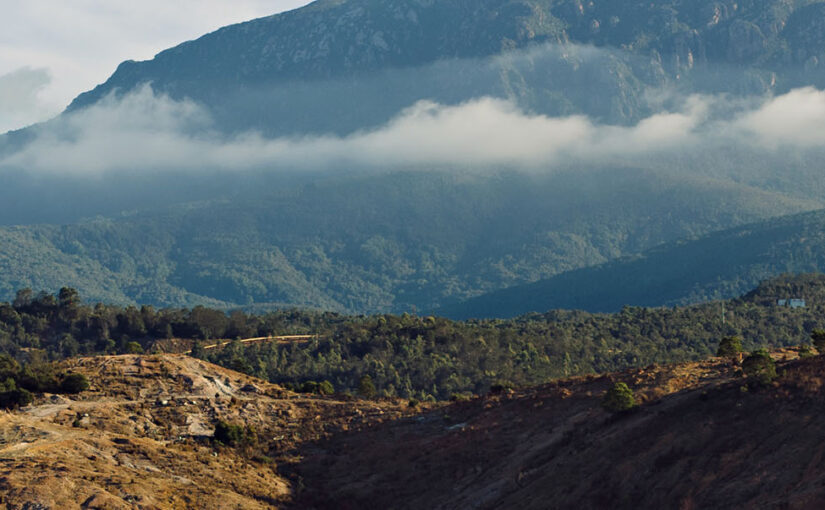
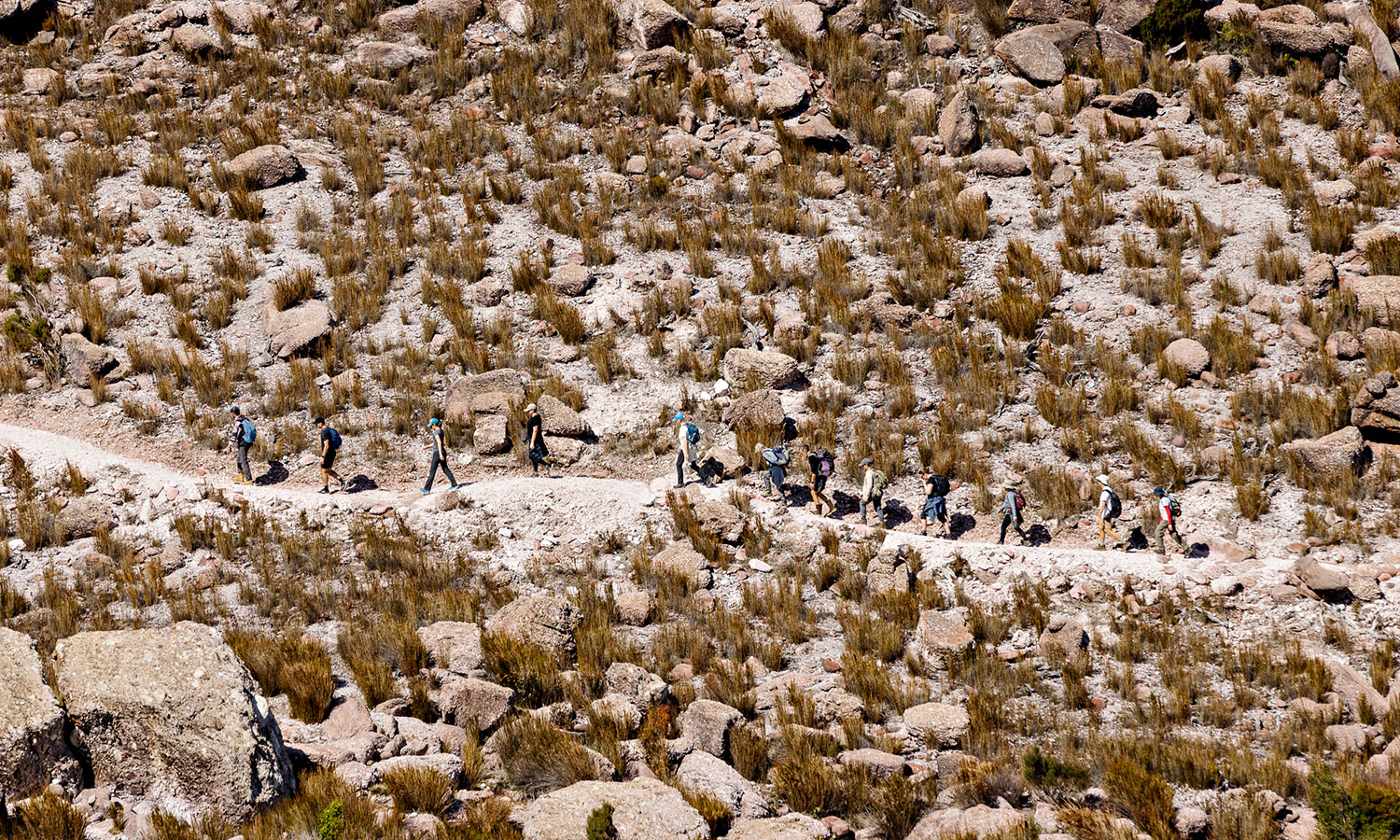
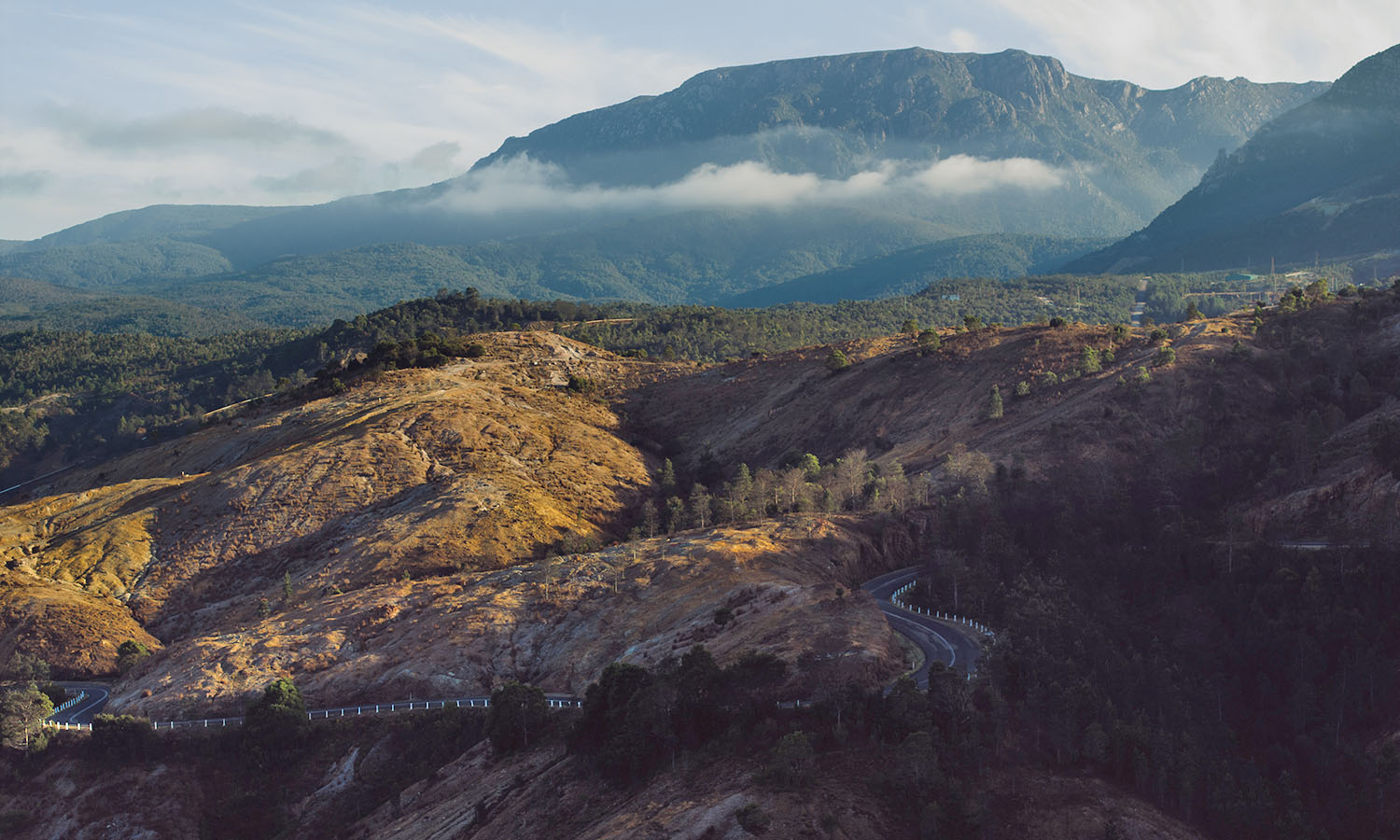
Pack your hiking boots, a sequin jacket, and maybe a helmet because The Unconformity festival is back to shake up Queenstown in Tasmania, 16–19 October 2025, and it’s anything but ordinary.
This year’s theme is ‘respawn,’ which basically means the festival is coming back to life like a video game character, though instead of dodging fireballs or little ghosties, you’ll be dodging avant-garde art, spontaneous footy matches on gravel, and possibly a rogue Spiderbait riff echoing through the mountains.
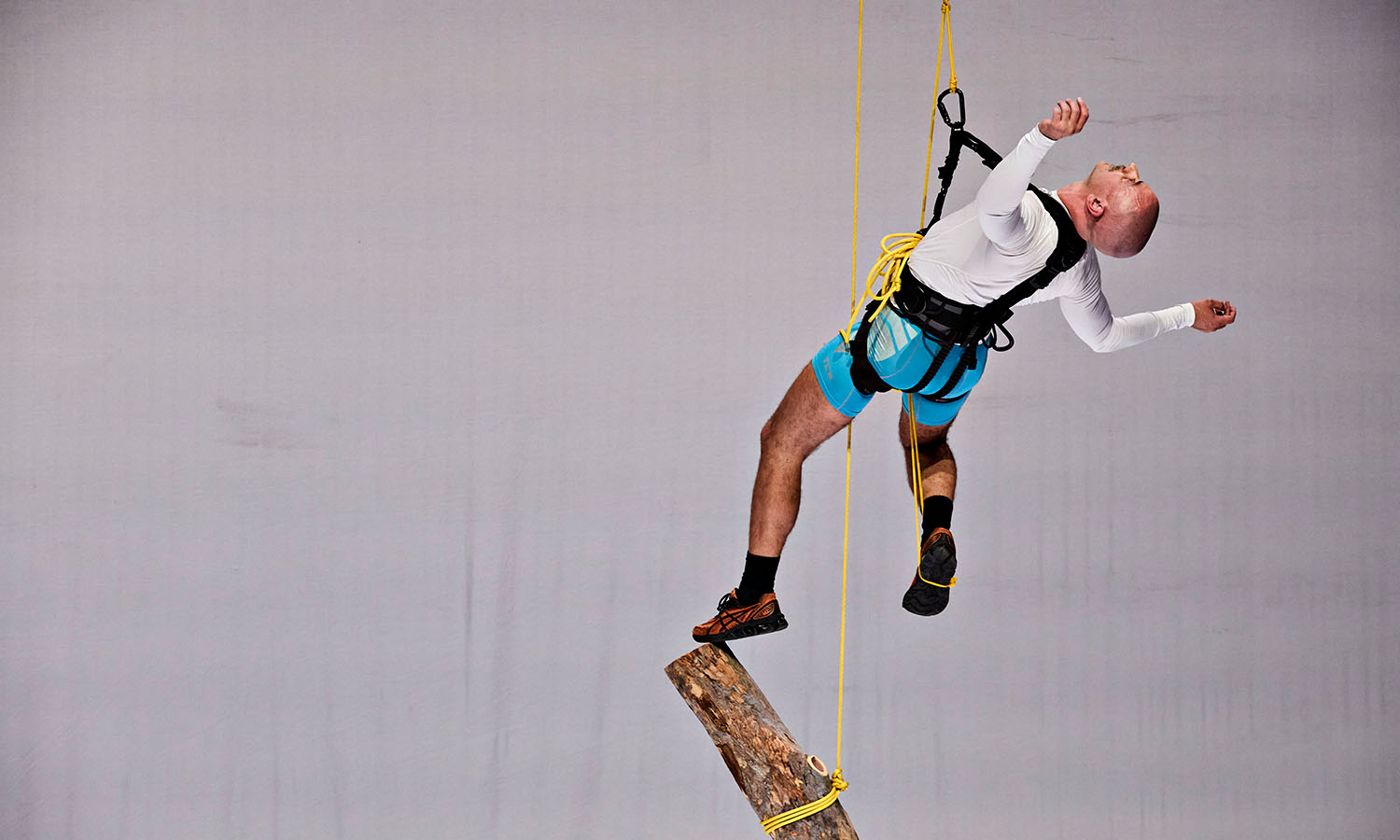
The program is a colossal 60 events featuring 121 artists who seem hell-bent on proving that Queenstown is the creative capital of the universe. We’re talking semaphore messages at sunrise, copper sculptures literally etched by the town’s acidic river (yes, that’s a thing), and a performance involving a log the exact weight of the artist’s body (we’re not sure either).
Crib Road will once again transform into the festival’s beating heart, lined with food, drink, and free live music. Spiderbait headlines Saturday night, alongside the brooding brilliance of Bleak Squad (featuring members from Dirty Three and The Bad Seeds), and plenty of Tassie-grown talent.
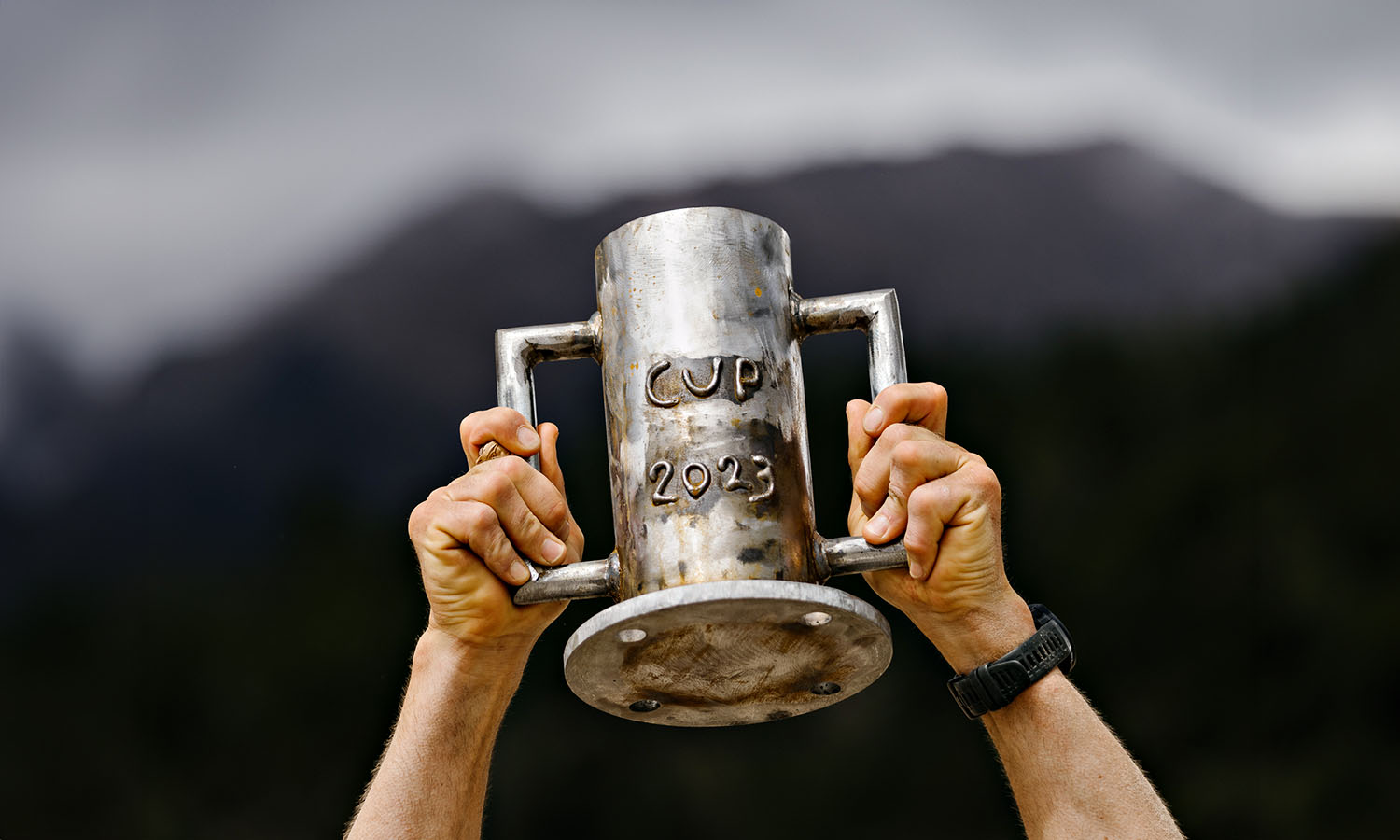
And then there’s The Unconformity Cup, a gladiatorial football match on a gravel oval that pits ‘The West’ against ‘The Rest.’ Think grassroots AFL, only there’s no grass. Are you game?
 (
(