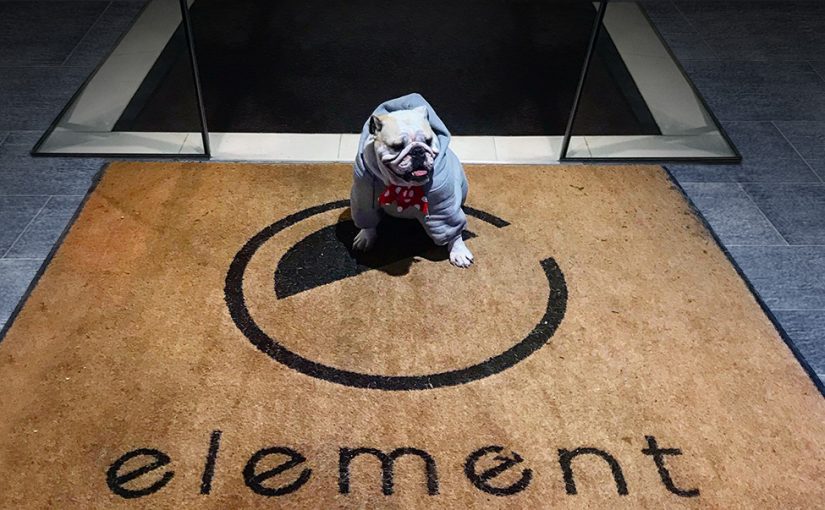
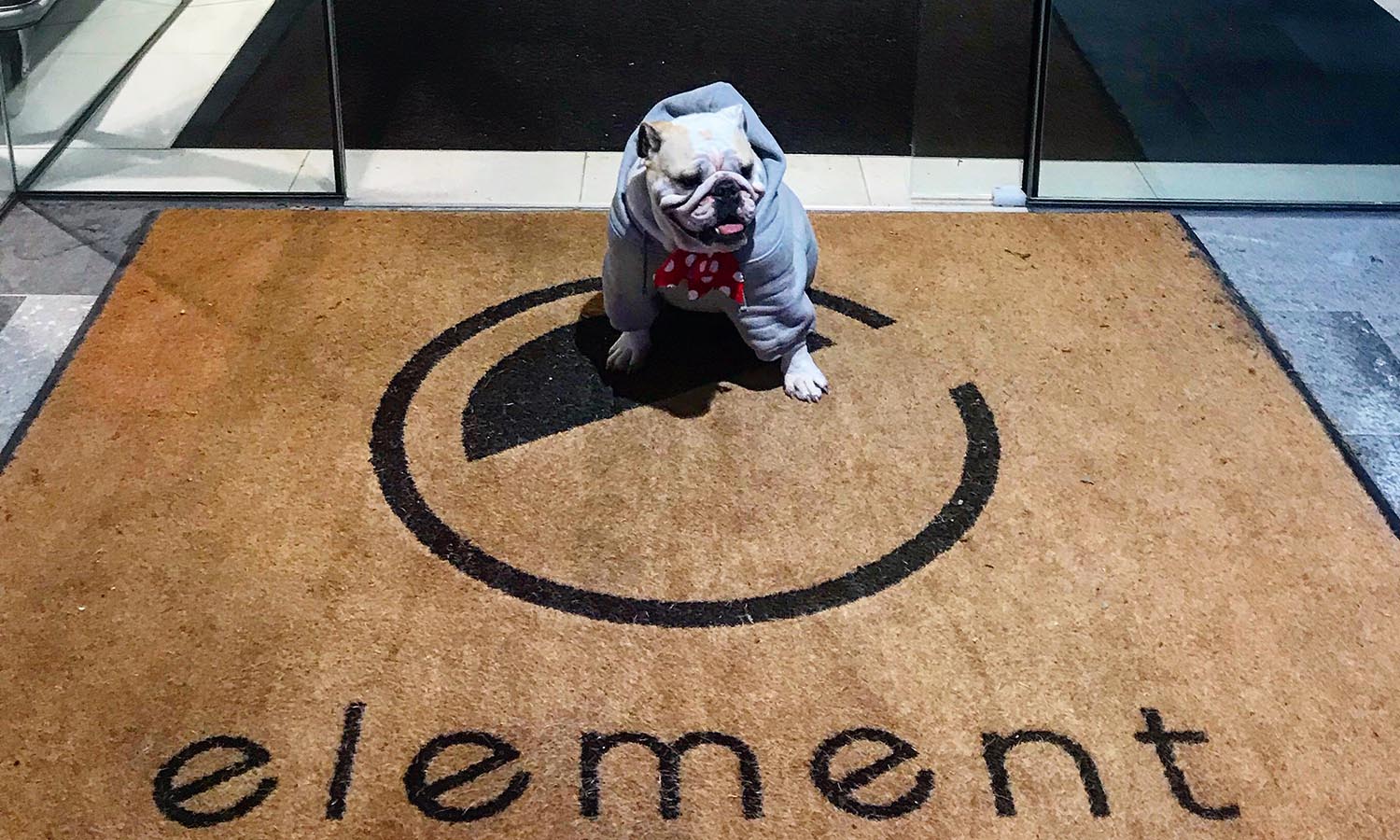
This one’s for those who can’t stand to be away from furry friends, even for a night. Element Melbourne Richmond is a hot spot on the pet-friendly block, so pack your bags and your best friend (the four-legged one) and check in for some luxury in inner Melbourne.
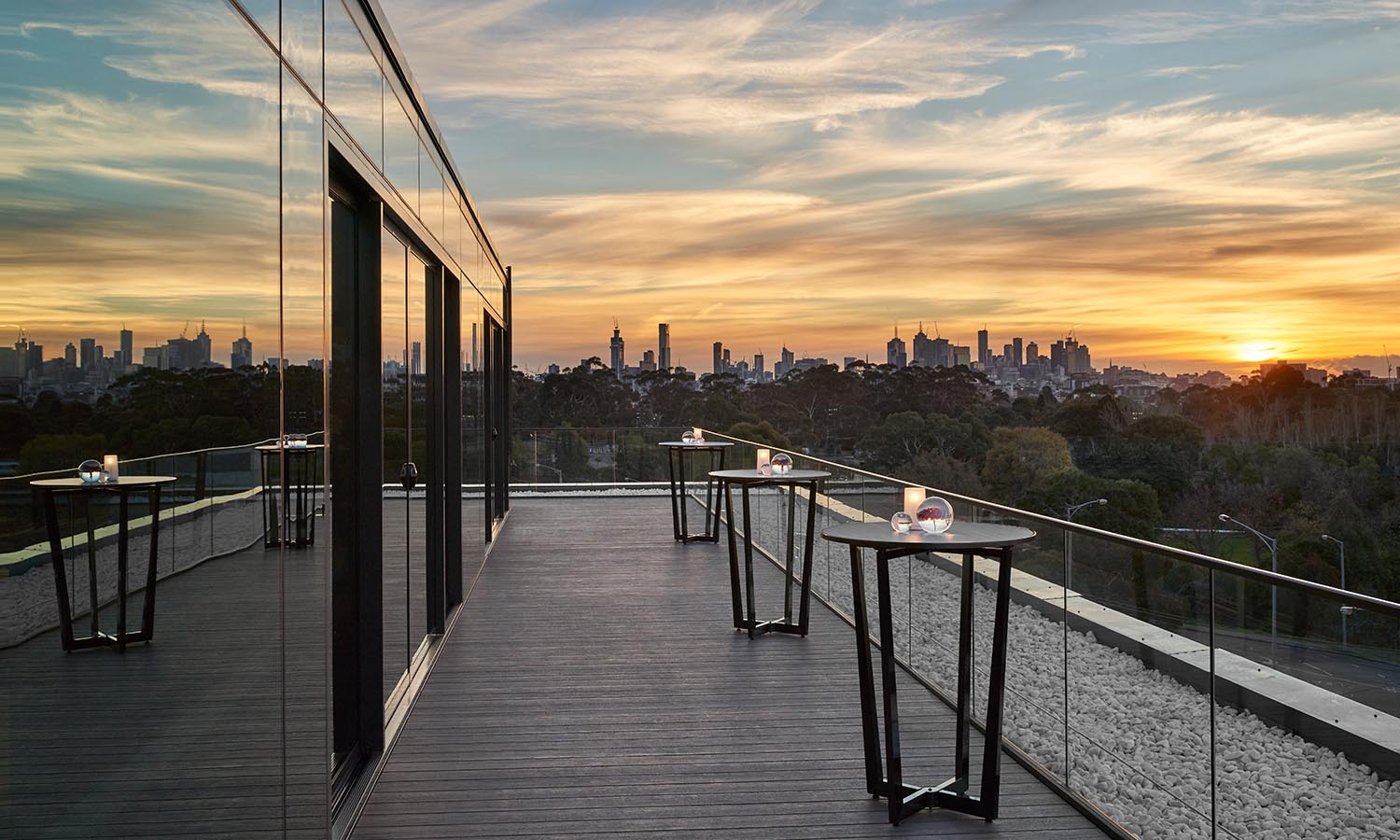
With 168 suites, some with stunning sunset views over the city, Element Melbourne Richmond is the first of Westin Hotels’ eco-conscious brand to open in Australia. Element is all about longer stays, health and well-being, and work/life balance. After all, without a dog there is no balance!
An overly generous complimentary breakfast (no “continental” piece of toast and instant coffee), a bikes-to-borrow policy plus complimentary local brewskis and vino all add up to the perfect balance.
There’s even a dog-friendly mini bar, with treats such as Quarter Hounders to keep even the hungriest pooch happy. Throw in dog beds (you can bring two dogs if you want) and in-room dog toys to purchase, and you have the perfect hotel to chill.
We’re yet to check if you can take your dog into one of the balcony spas for your own private outdoor cinema experience because, well, that’s just getting weird.
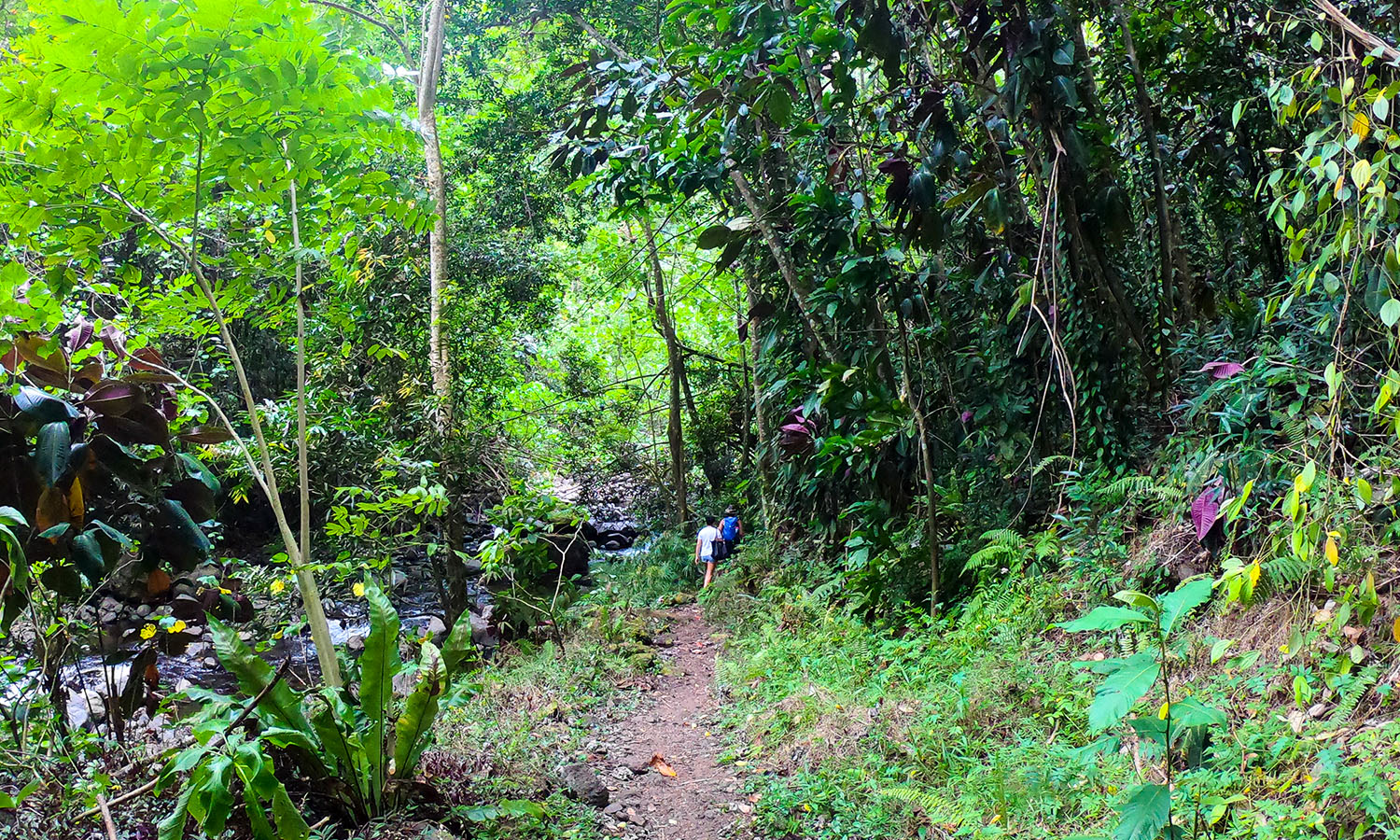
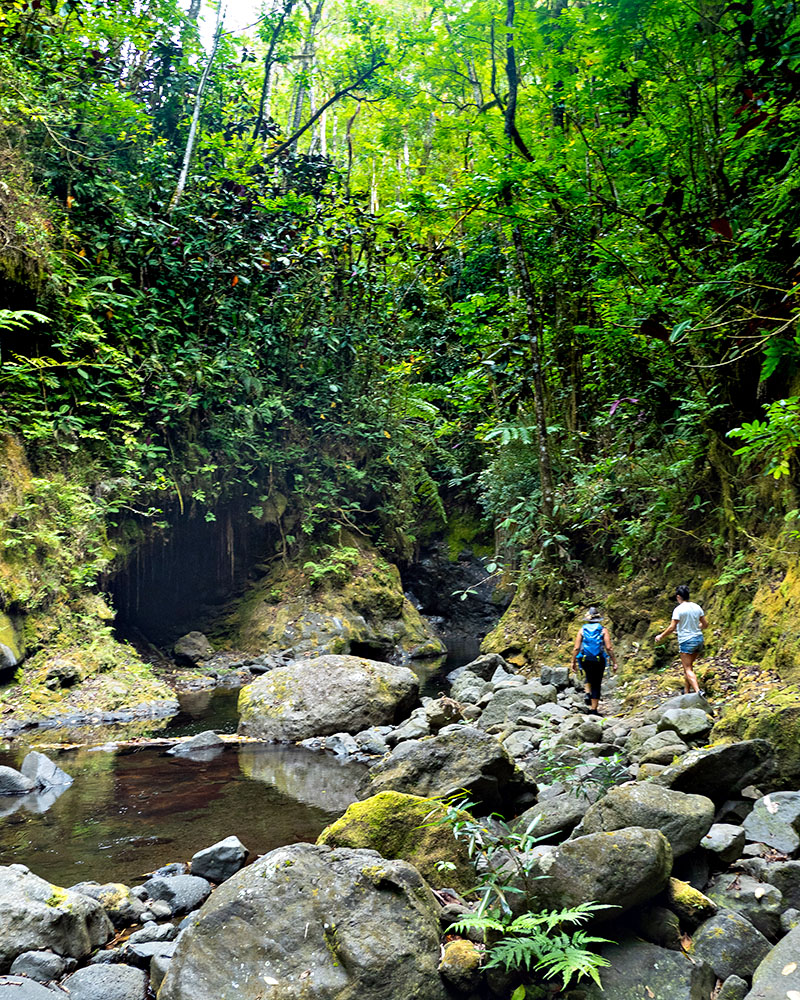
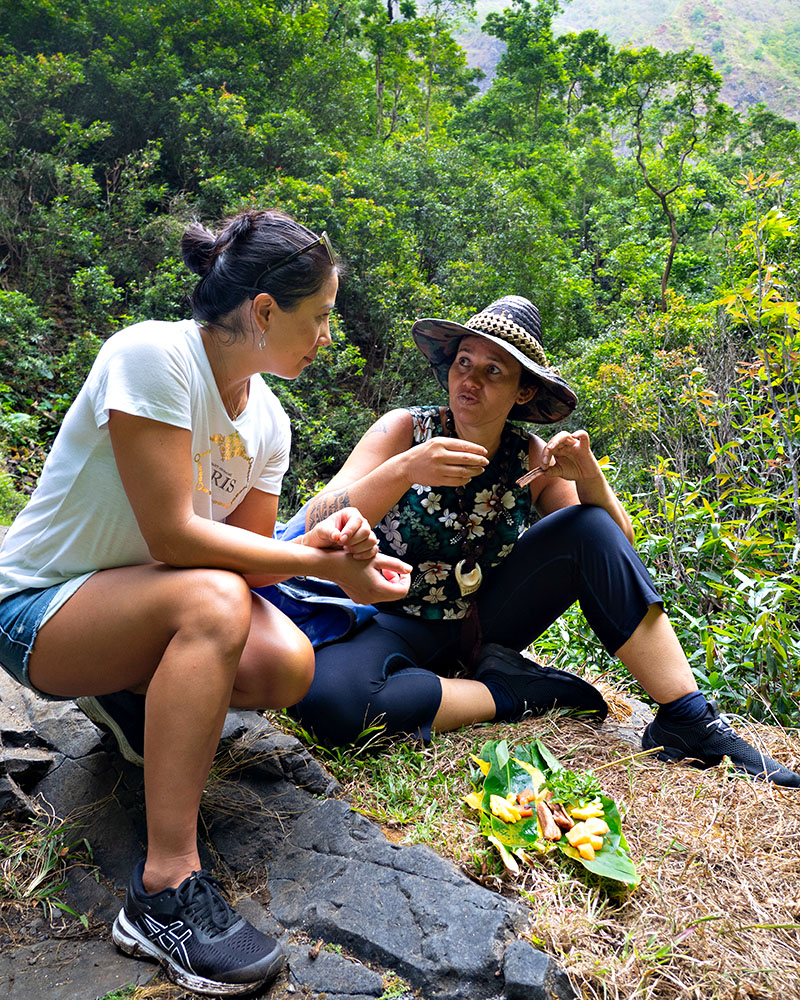
If you tire of the perfect beaches and wild surf, head deep into the centre of French Polynesia’s main island where few tourists tread. This is “forest bathing” at its best and even better when guided by Moana, one of the island’s few female mountain guides. Having spent 23 days surviving on her own in these mountains Moana is better than Google when it comes to knowledge about the island’s flora. She picks leaves and wild fruit to smell and taste while pointing out caves she slept in while “cleansing her soul” during her 23 days in the wild.
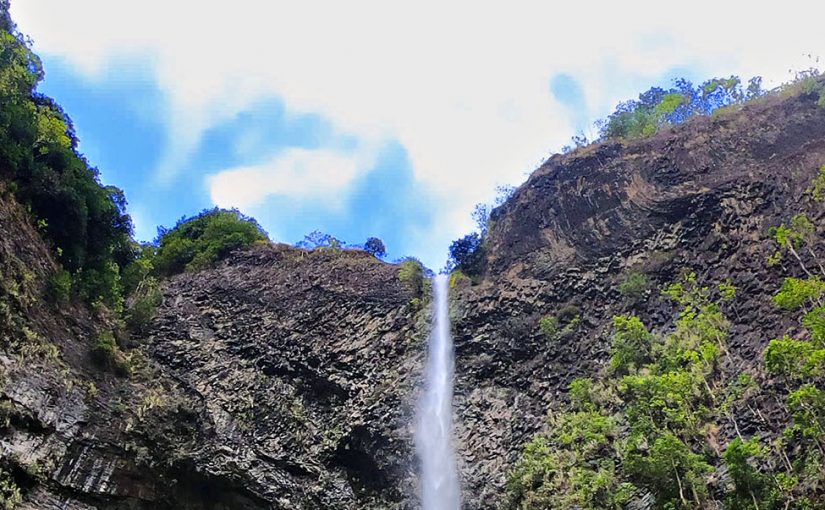
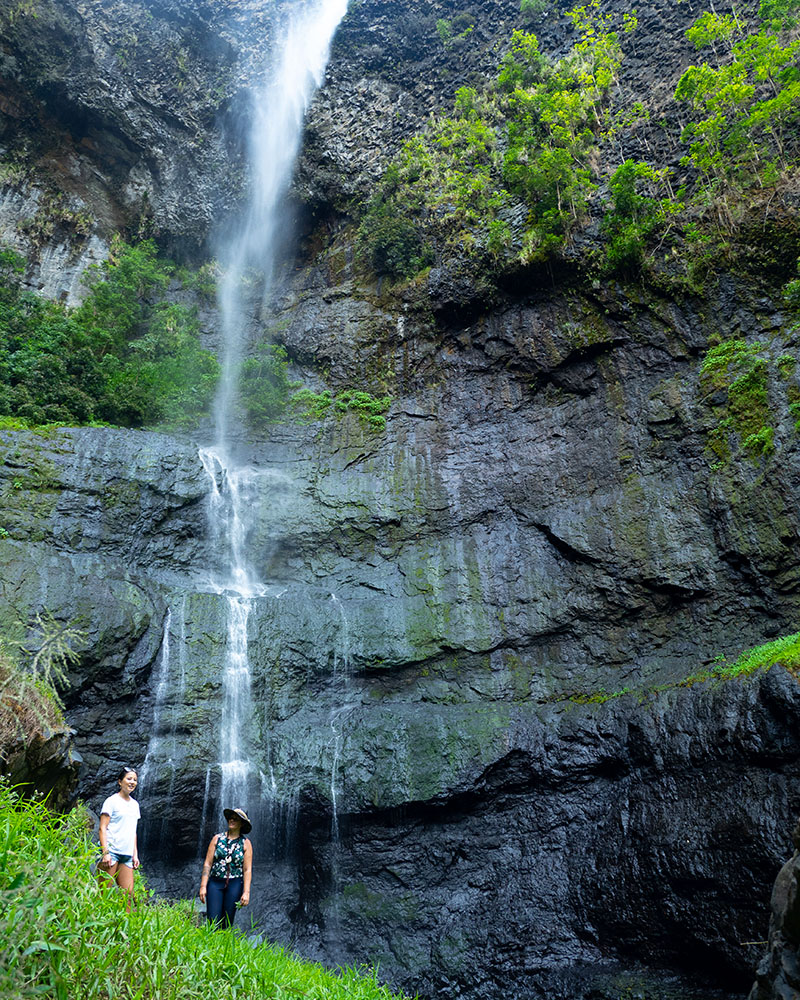
While this starts out an easy stroll you do end up climbing through dense bush and crossing several rivers, so ya reasonable level of fitness is required. The deep breaths and burning thighs are all worth it though once you spot the cascading Fautaua Waterfall through a clearing in the distance.
It spills into a natural amphitheatre with a deep swimming hole below. Lounging in the cool water is the perfect end to a rather sweaty hike. Moana’s jungle platter of mixed fruits soaked in coconut milk and vanilla is a just reward, too.
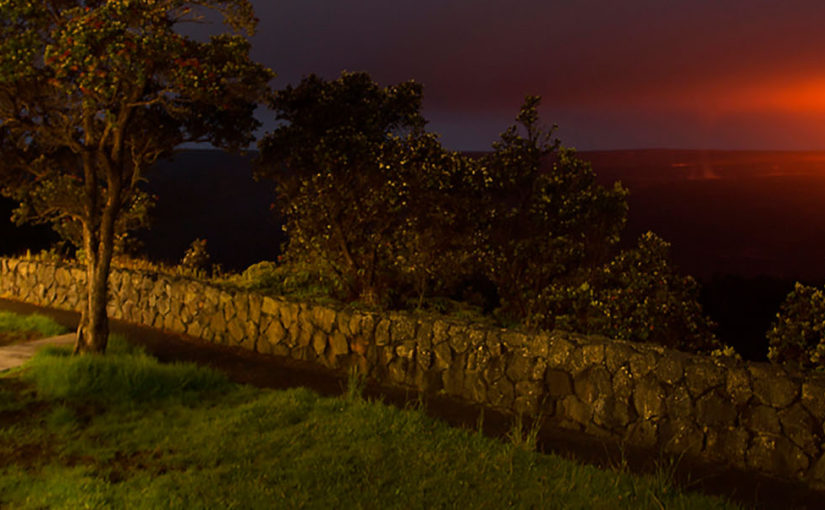
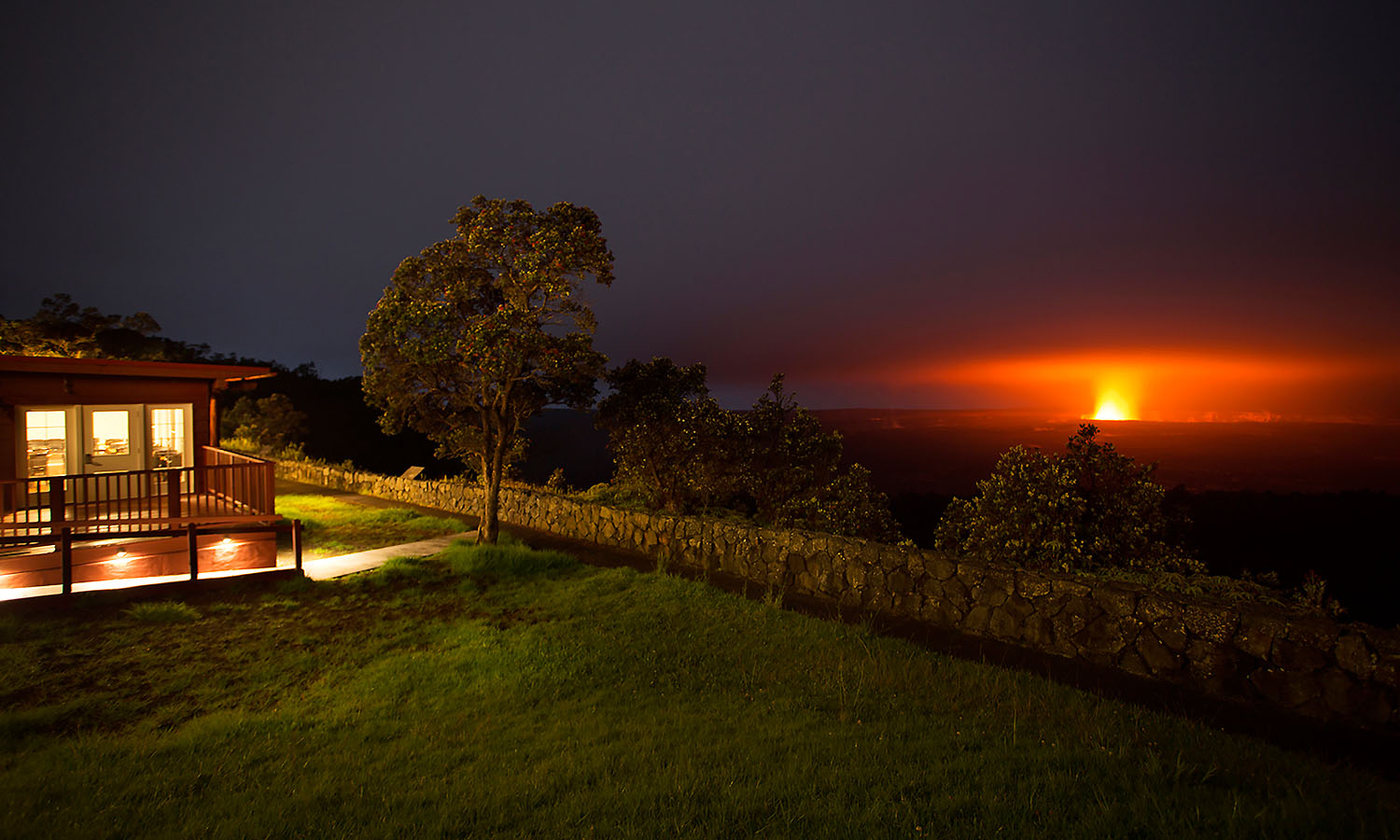
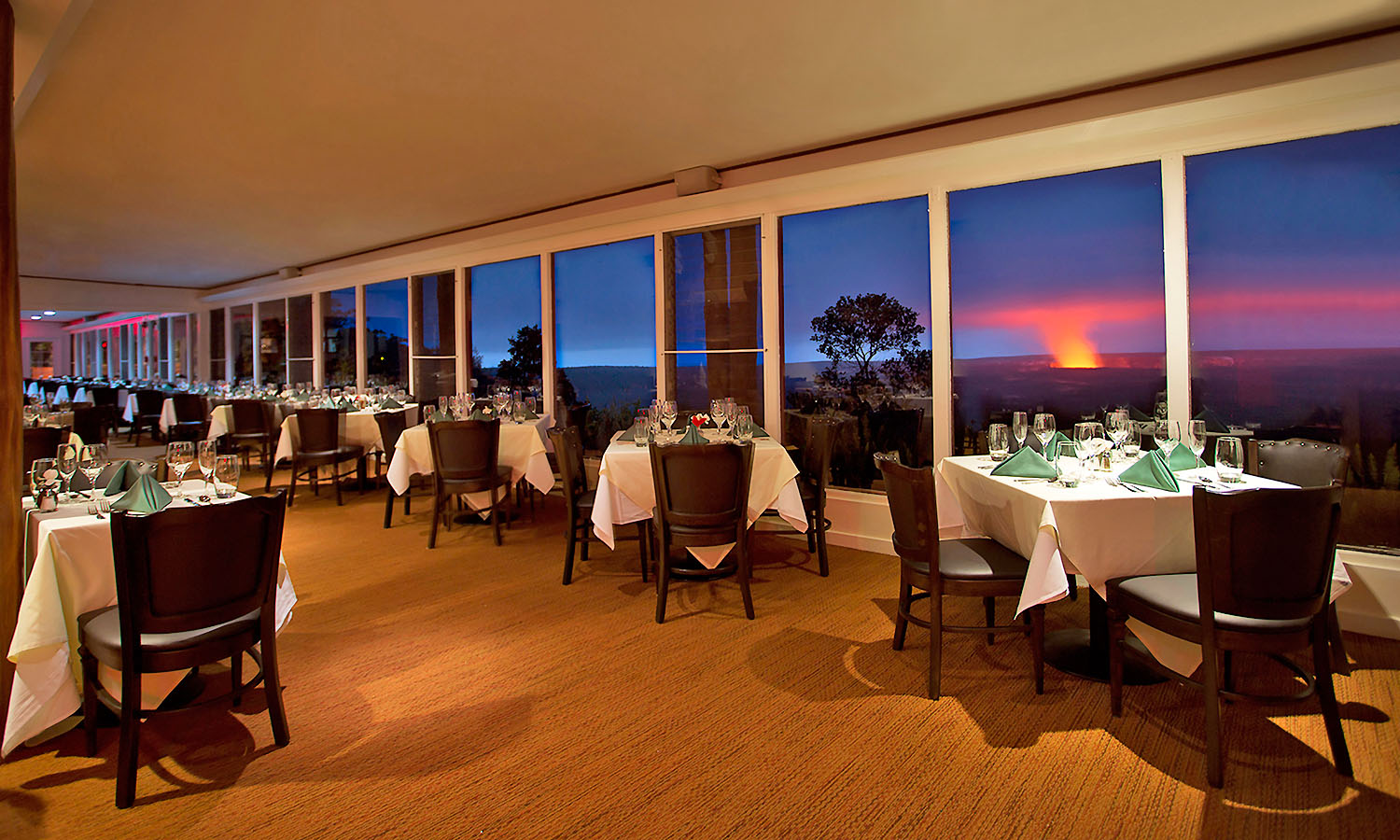
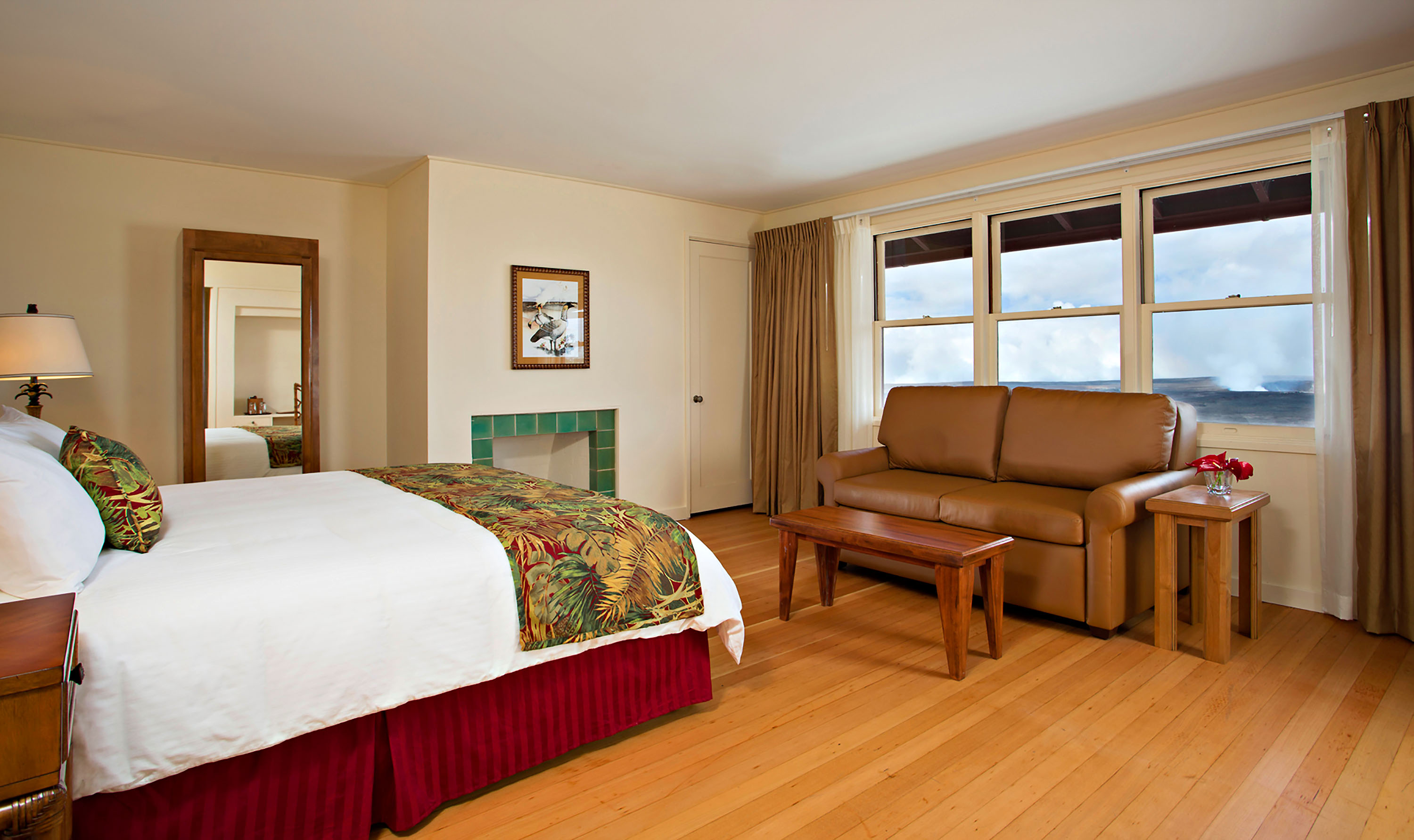
Waking up to a golden sunrise at a beachside hotel? How pedestrian. At this Hawaiian address you might spy an amber glow on the horizon at any hour; only it’s not the sun’s rays in the distance. You, my friend, are watching lava spew from one of earth’s most active volcanoes. Situated on the rim of Ki-lauea Caldera, Volcano House is the only hotel in Hawaii Volcanoes National Park.
The property first opened in 1846 as a simple, one-room shelter, but it’s since undergone a multimillion-dollar refurb and added 32 more substantial rooms. With natural wonders on your doorstep the hoteliers have opted to keep things simple. While there’s free wi-fi and an in-room coffee brewer, forget about TVs – there’s a nature documentary happening right outside your window.
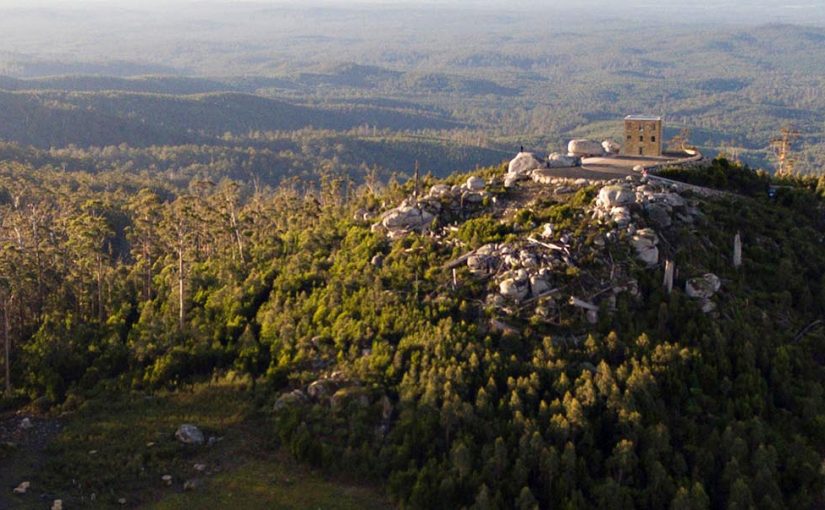
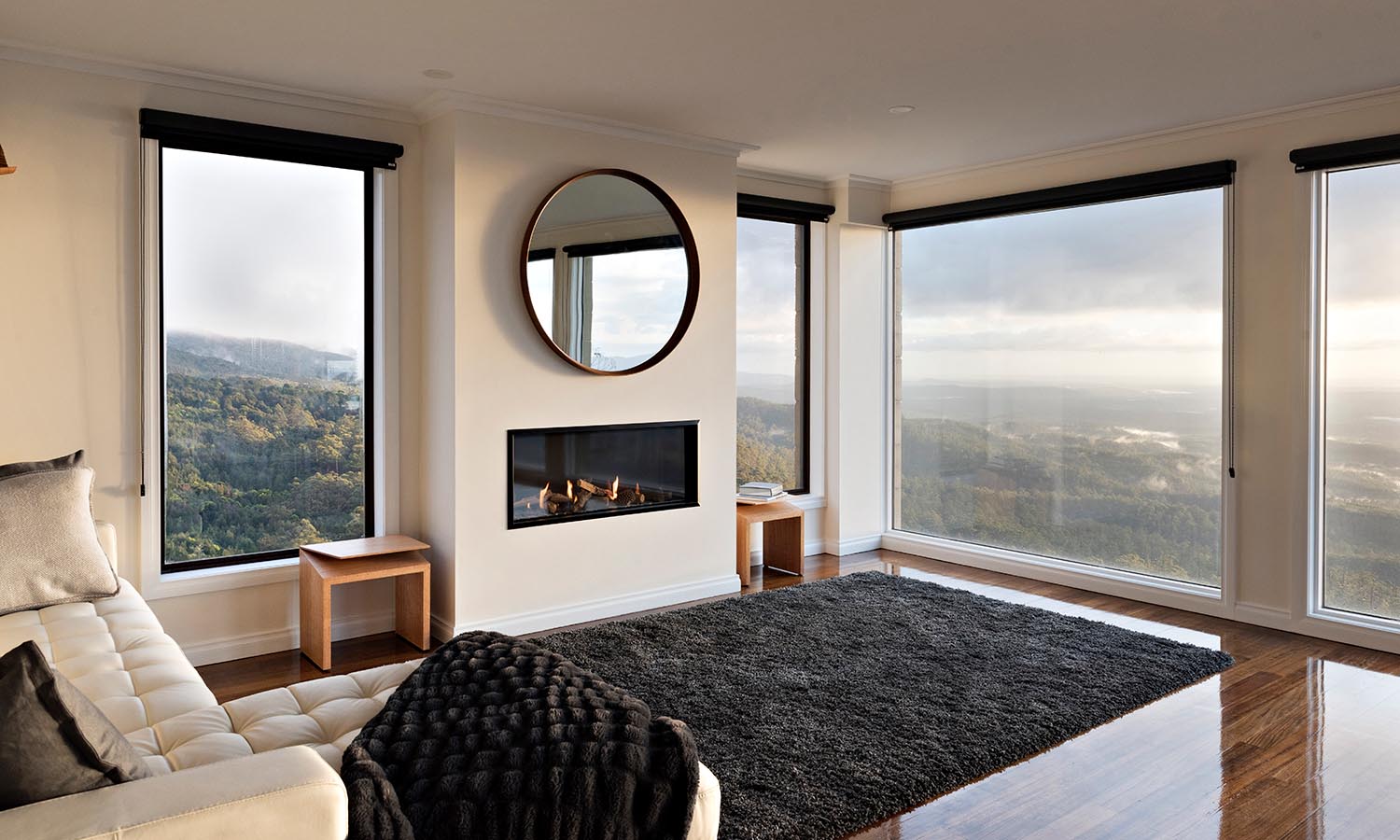
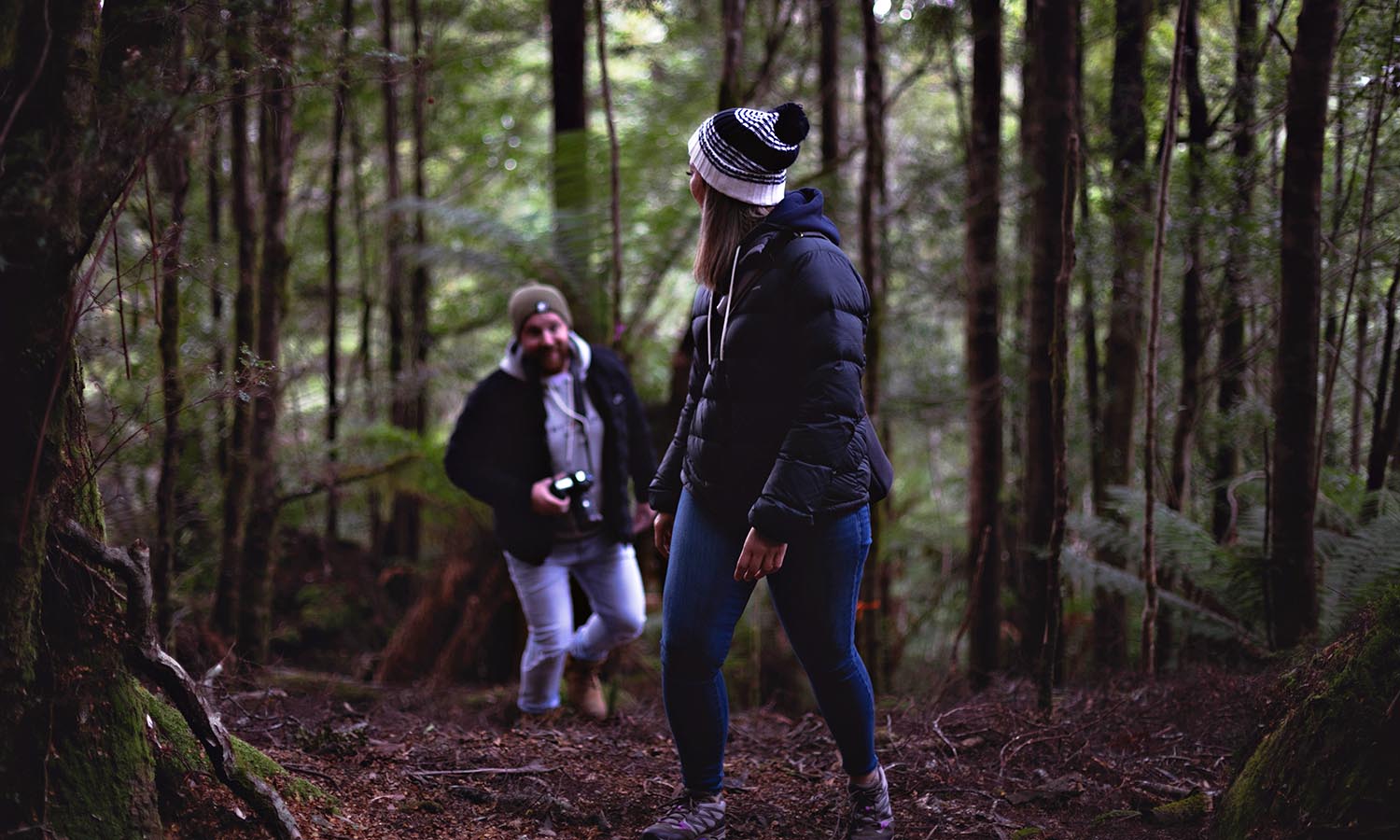
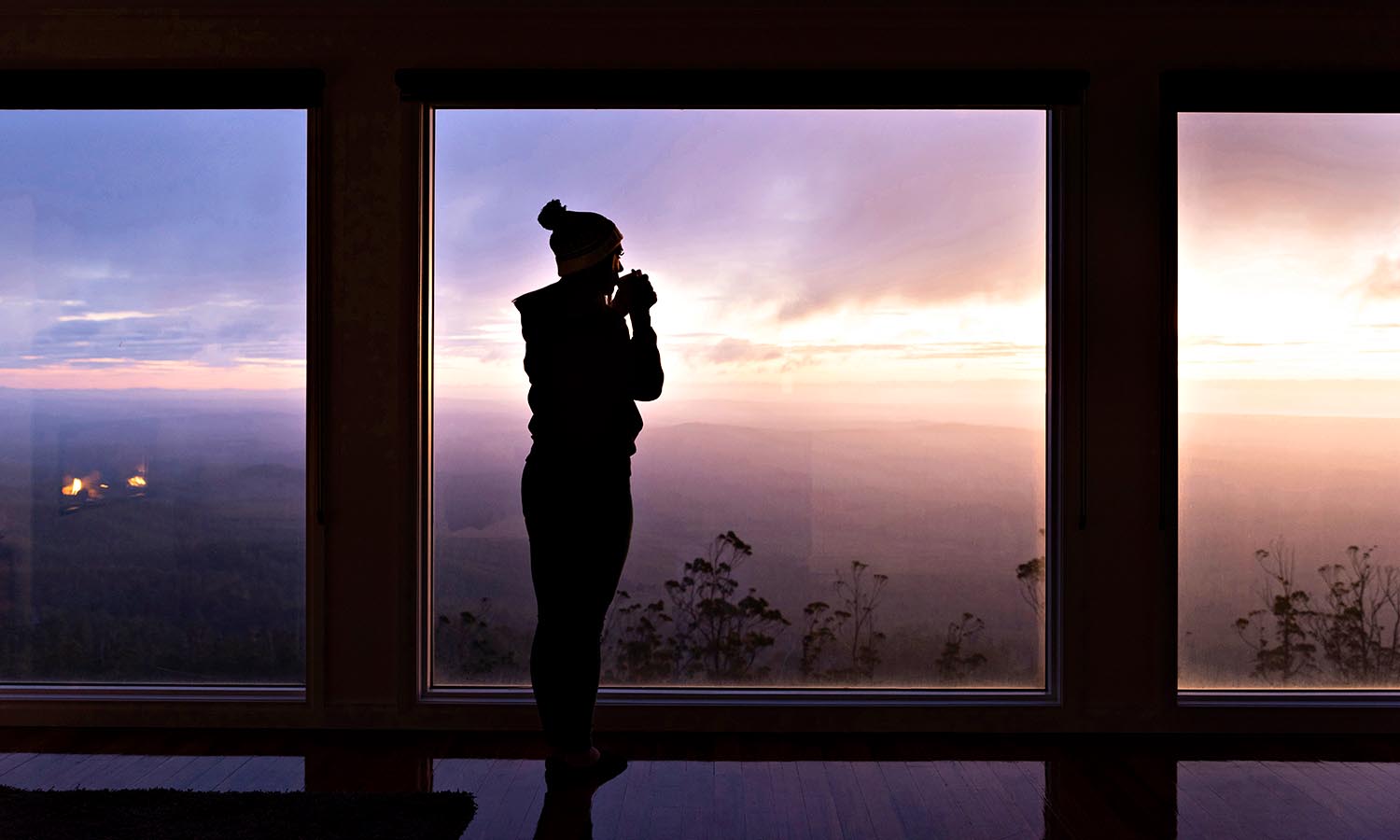
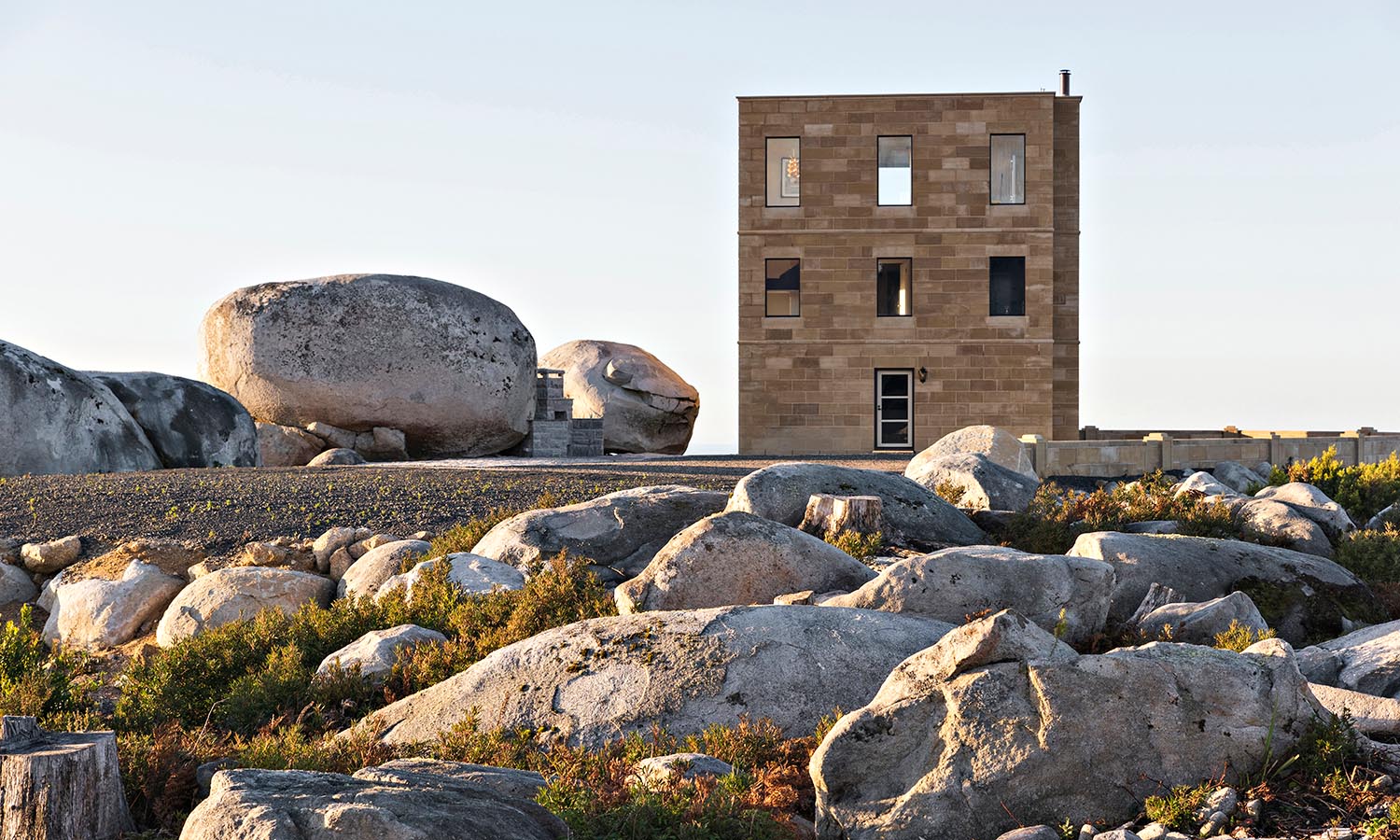
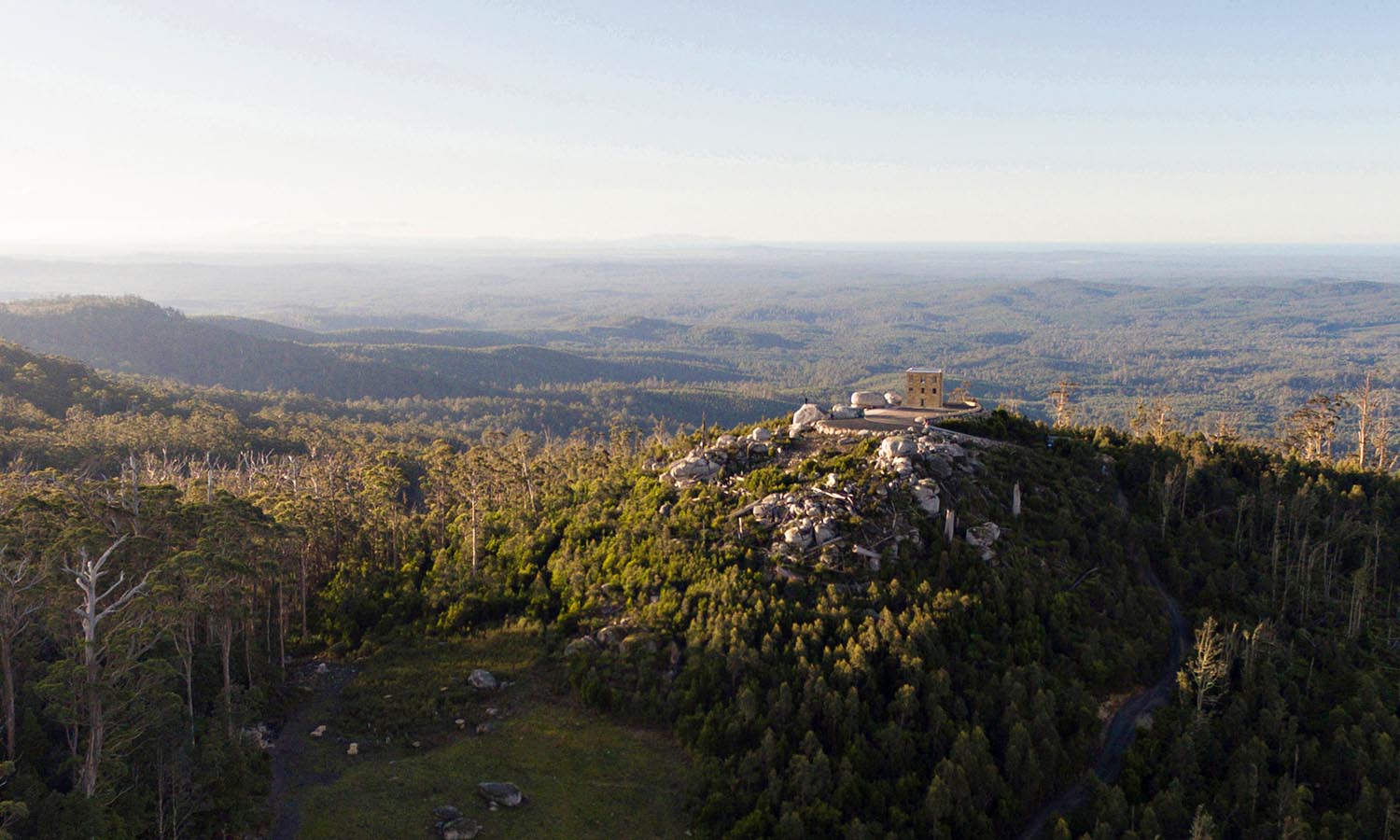
Reach new heights in the Tasmanian wilderness at The Keep. This Scottish-style fortress sits on top of a 650-metre-high rocky pinnacle with 360-degree views of the Blue Tier Forest Reserve. Check in here, and it’s just you and the curious wildlife.
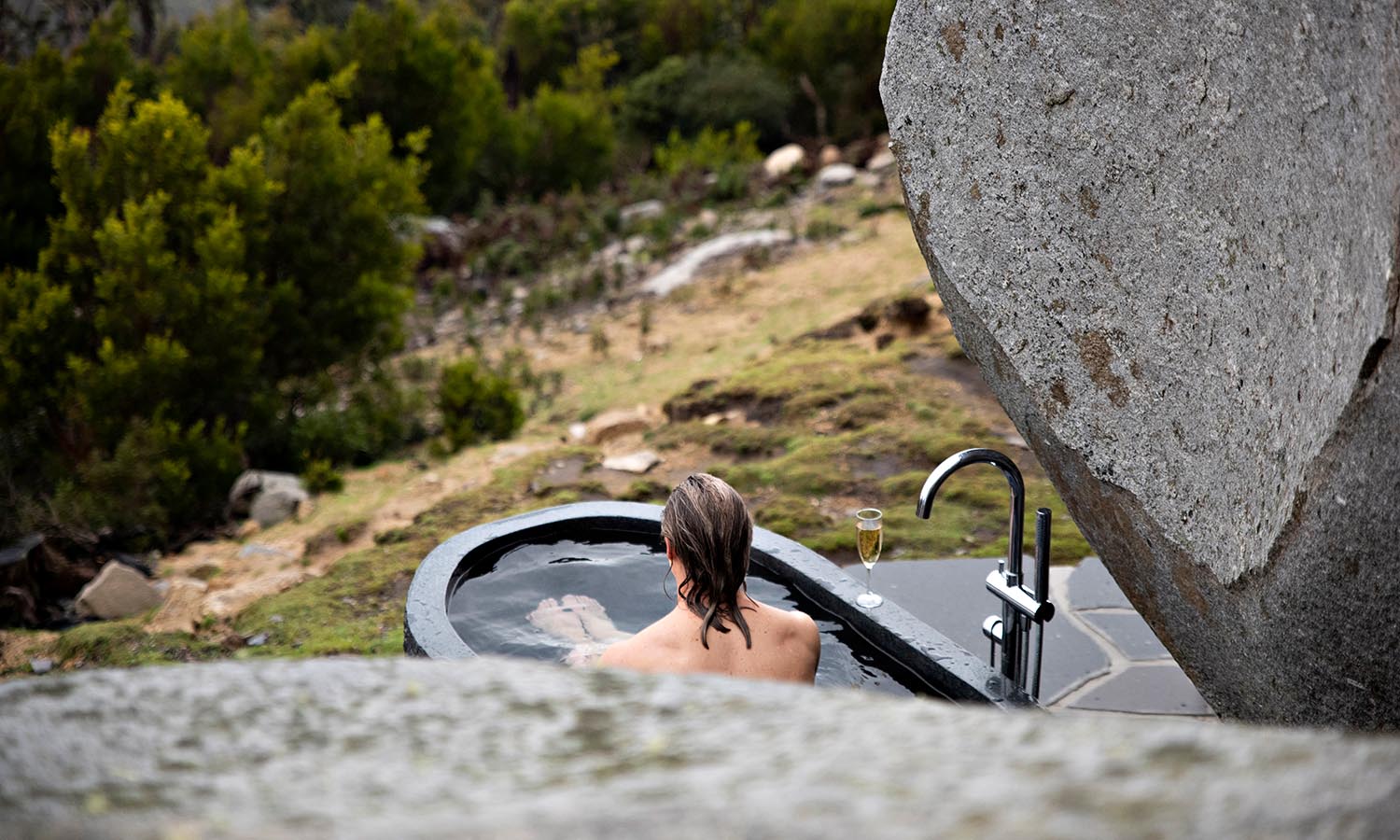
Fill the huge granite bathtub set into boulders as the sun sets and watch for shooting stars or the beams from the Eddystone Point Lighthouse as you lie back and soak. Walk to Tasmania’s largest myrtle tree just 10 minutes away, have a picnic at a nearby creek or stoke the outdoor fireplace, grab a deck of cards and just relax.
The stone dwelling, originally built in the early 2010s but recently refurbished to completely update the interiors, is set in a hundred hectares of bush, about a 45-minute drive from St Helens. Mobile reception is patchy, as well, all of which means this is the place to escape to for a few days if you want to retreat from the world and completely relax. Pack a book, fill the esky, lace up your hiking boots and get back to nature.
Just off the coast of Townsville, in Queensland’s north, is a surprising visitor attraction, the Museum of Underwater Art (MOUA). It comprises, at the moment, two separate works of art.
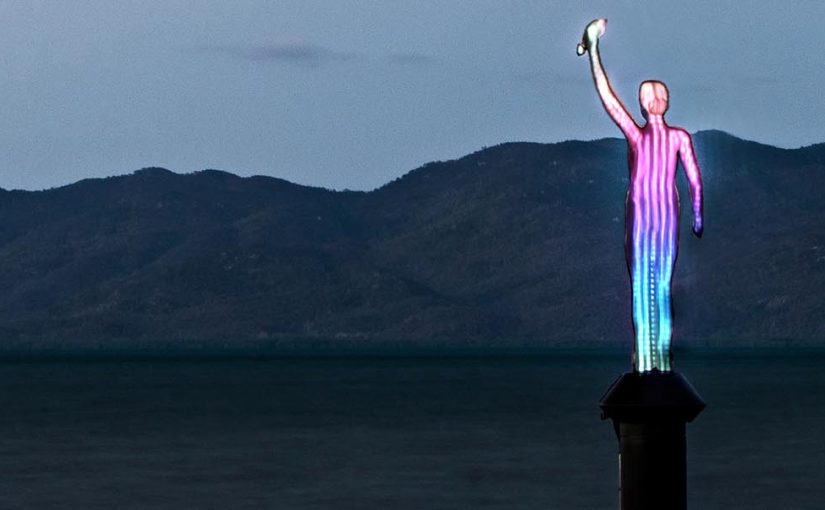
The first, a glowing statue off the Strand, a popular waterfront promenade, is Ocean Siren. Modelled on 12-year-old Takoda Johnson, a member of the local Wulgurukaba people, the sculpture changes colour according to the ocean’s temperature using data collected by the Davies Reef weather station. It’s a reminder – and warning – about rising sea temperatures.
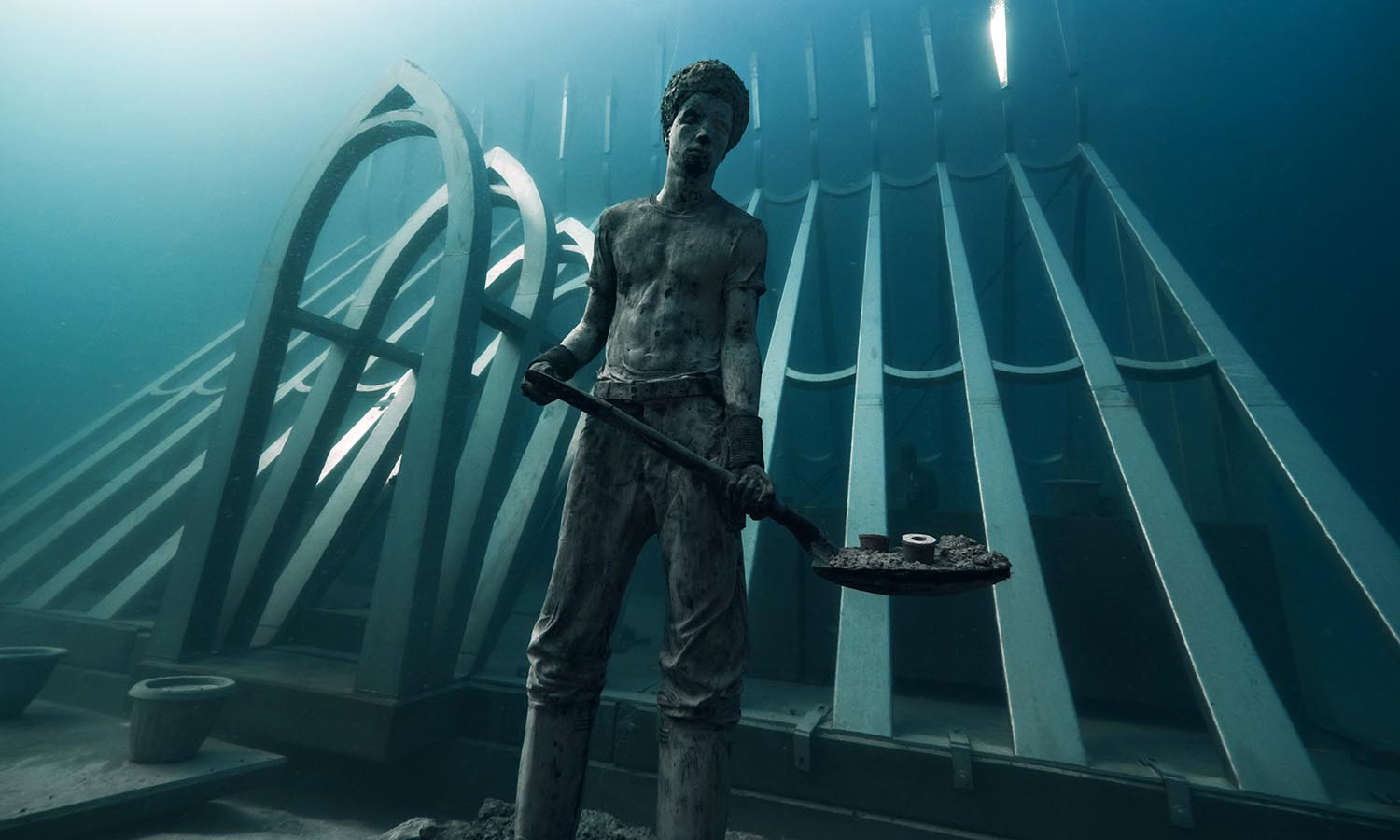
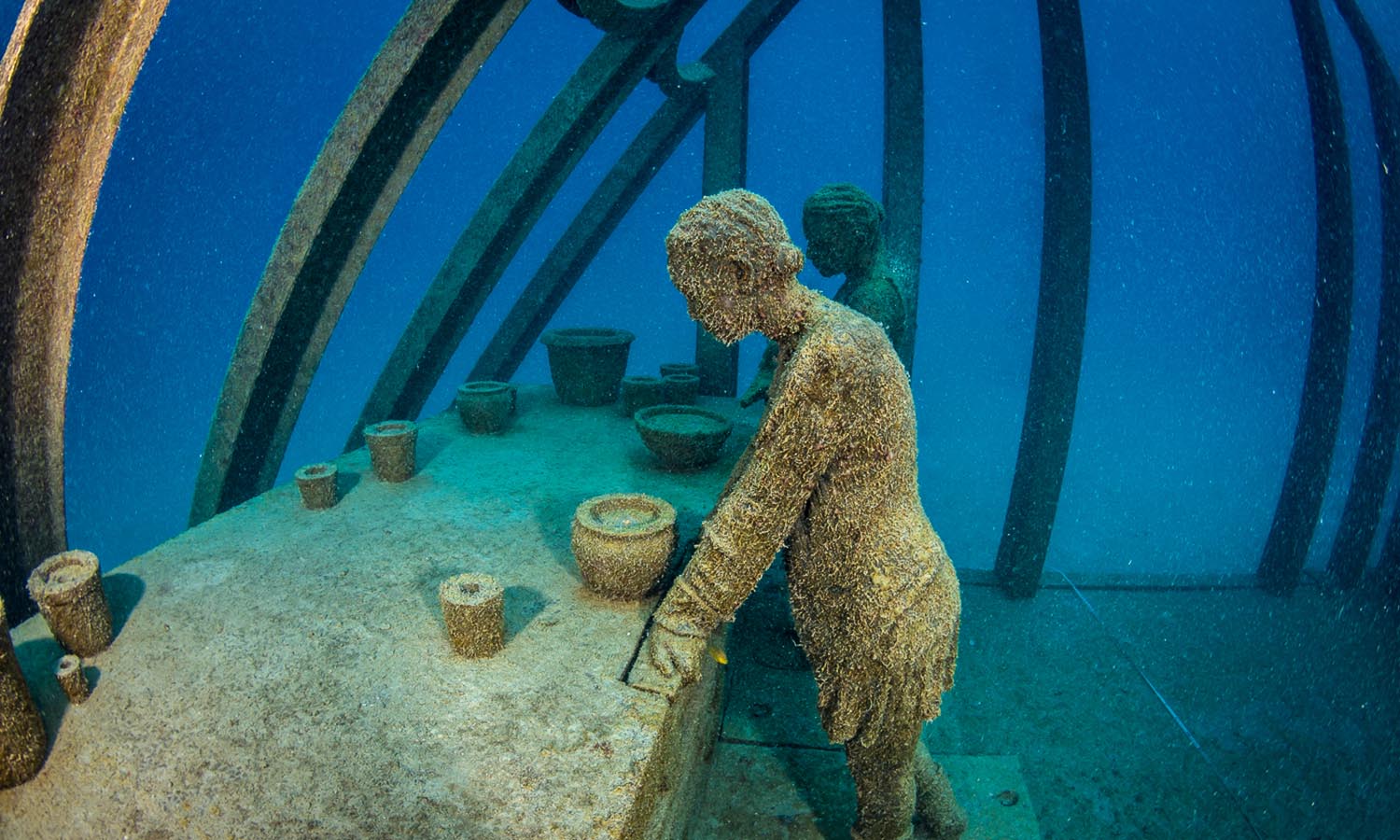
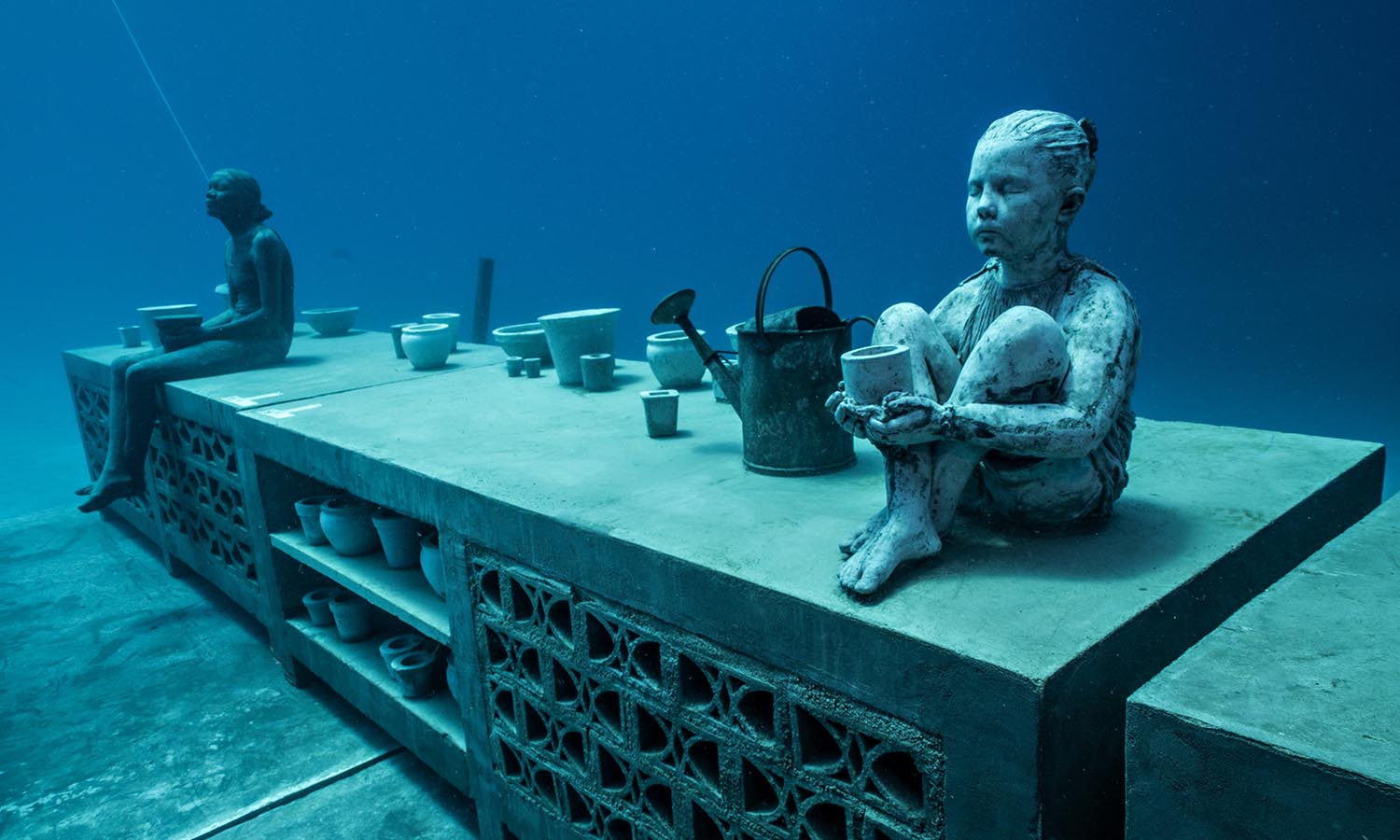
About two hours off shore by boat, at John Brewer Reef, is Coral Greenhouse. Anchored at a depth of 18 metres below the ocean’s surface, it consists of a ribbed structure and 20 statues of student scientists.
They make up the first two locations of MOUA; two more – near Palm Island and Magnetic Island – are due to be finished by the end of 2021. All were designed and constructed by underwater sculptor, Jason deCaires Taylor (in consultation with local community groups and traditional owners), who has previously launched projects all over the world, including the Bahamas and Spain. We spoke to him about MOUA.
How did you become an underwater sculptor? After I finished my degree in arts I went to Australia and learned to become a dive instructor on the Great Barrier Reef and taught diving there for some time. Then I moved to other countries around the world, but still really wanted to get back into the arts.
What attracted you to the Museum of Underwater Art? I’ve done lots of other projects around the world, but I’ve never done a substantial project in the Pacific Ocean, and it’s been a great ambition of mine. The diversity of life in the Pacific is much greater than in many of the other places I’ve worked. Queensland is also quite a special place for me because I lived there.
Tell us about Ocean Siren, the statue displayed above the water, just off the Strand in Townsville. I wanted to connect art and science in one piece. Ocean Siren changes colour according to water temperature data and it reflects how the ocean temperature can change. I was keen to show an urban community what’s happening out on the reef, so it connects the community to the reef as well.
You’ve also created Coral Greenhouse at John Brewer Reef, off Townsville. What’s special about that? This is a very different project to some of my previous ones. In the past it’s been about drawing tourists away from reefs. In the Caribbean, for instance, there are very few pristine reefs left. This was a very different proposition. This project was more about drawing people out to the reef to showcase how it is still in fantastic condition and has some of the most amazing corals in the world.
There are statues of 20 schoolchildren in the Greenhouse, too. When we talk about reefs we’re very much talking about what we’re leaving for younger generations. But I also wanted to encourage more youth into exploring the underwater world. Plus, I wanted the local communities – school students, especially – to become ambassadors for the reef.
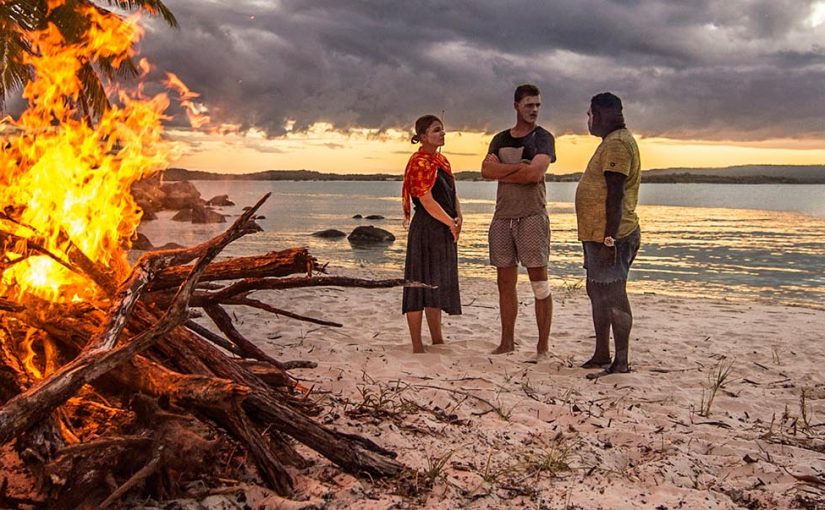
Northern Territory’s East Arnhem Land is home to the Yolngu people. This vast land has remained unchanged for more than 40,000 years and will touch you with its strong sense of tradition. Journey to one of the homelands with Lirrwi Tourism on a five-day adventure and you’ll be welcomed by a family and immersed into the Yolngu culture. Women will be guided through activities such as weaving, cooking and crafts, while spearfishing and didgeridoo making are available to the men. An exploratory hike along the coastline will bring home just how pristine this land is. By night, Dreamtime stories, passed down over generations, are told by a crackling fire. It’s an experience that will move you to your core. lirrwitourism.com.au
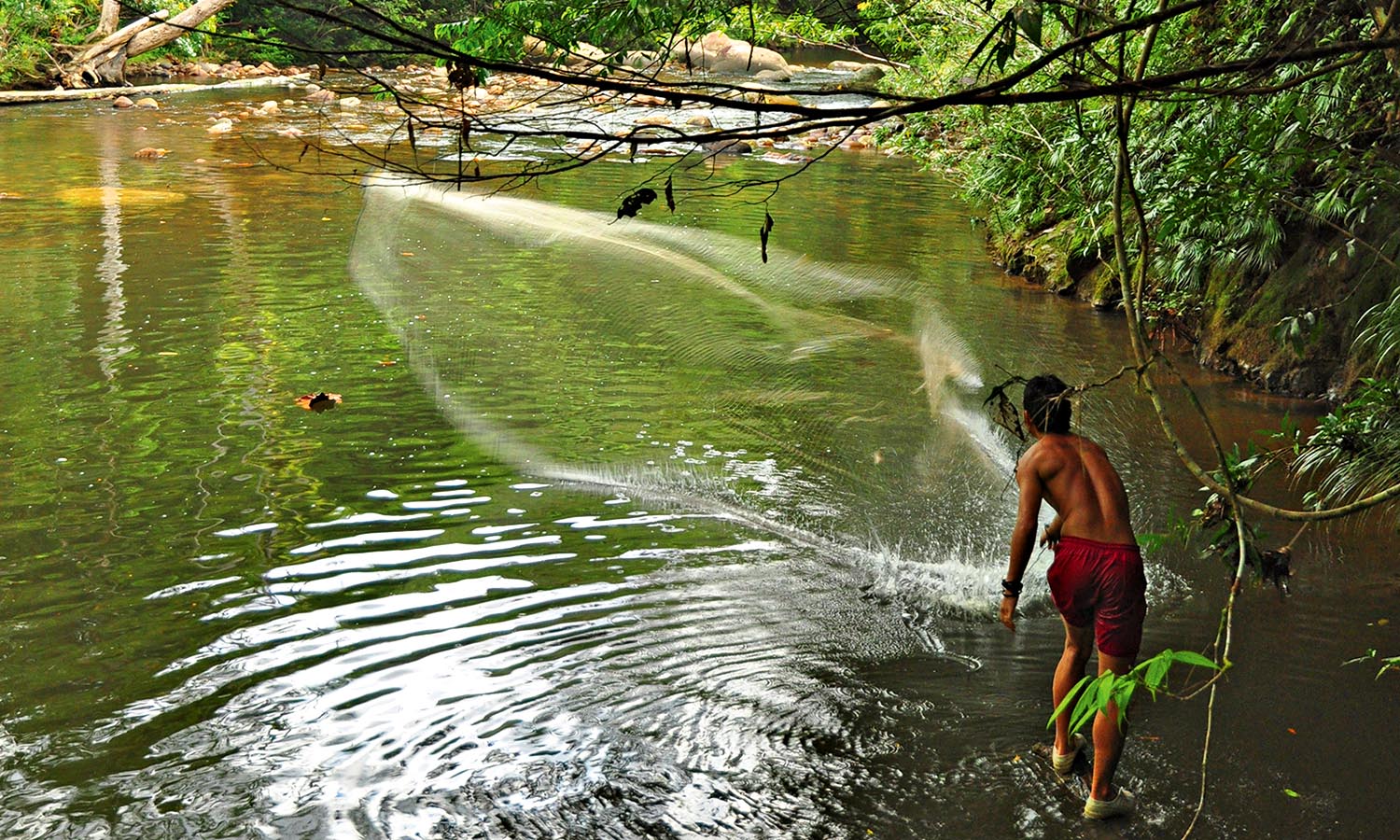
In the jungle, learning to live and survive as the indigenous Penan is a journey back to basics. Taking visitors deep into the heart of the jungle, exploring the national parks and trekking beneath a tangled rainforest canopy to the traditional homes of the Penan tribe, Adventure Alternative offers travellers the opportunity to learn from the indigenous people about their way of life on this epic 16-day adventure. You’ll identify medicinal and edible plants, undertake jungle survival skills and craft traditional gifts, as well as shower in waterfalls, light fires and sleep in a hammock. Once you’ve completed your time with the Penan, you’ll be expertly equipped to embark on a wetland river safari, take a visit to an orangutan rehabilitation centre or search for the native proboscis monkey and Irrawaddy dolphin. adventurealternative.com
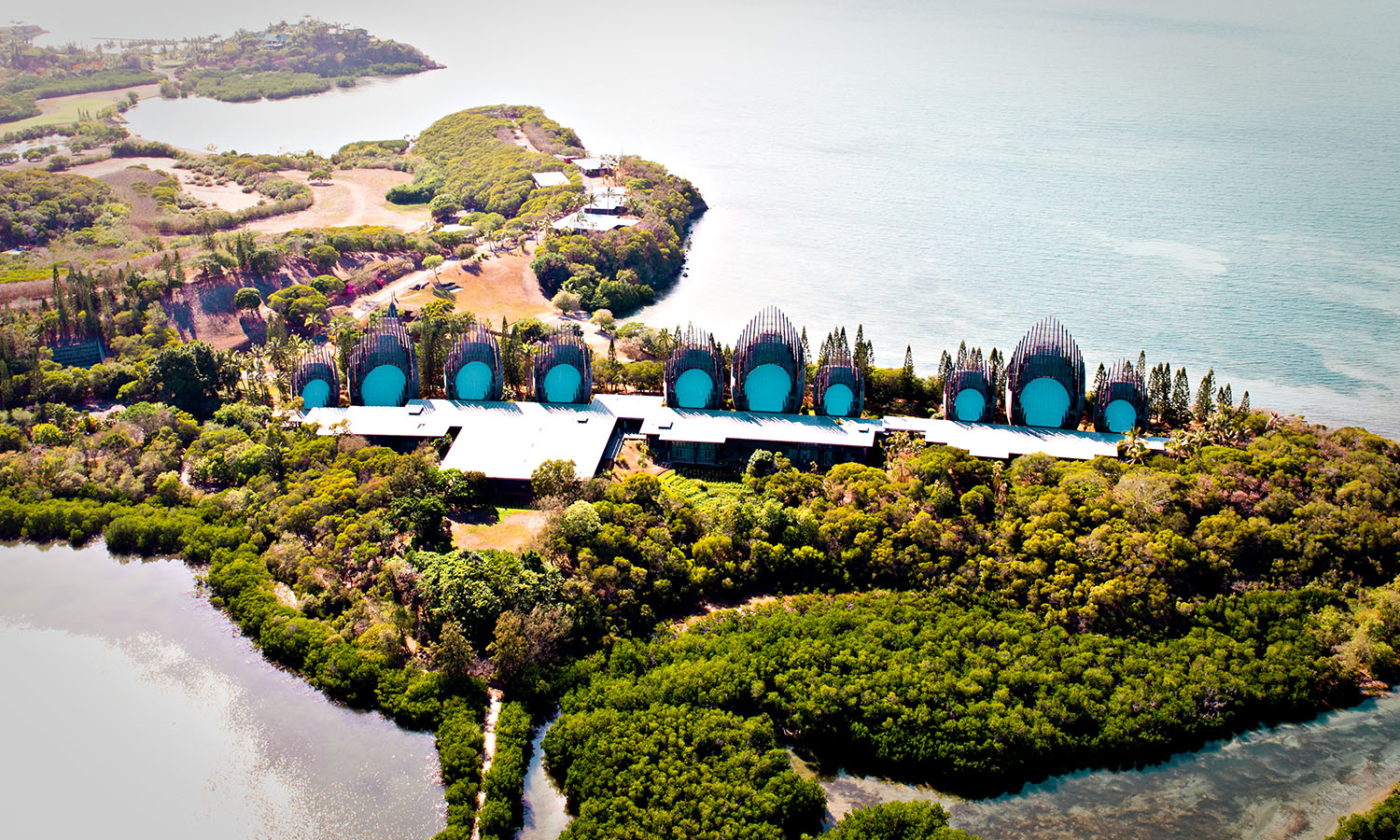
Culture is alive in New Caledonia, with an estimated 40 per cent of the archipelago’s total population still made up of the Kanak people. Dedicated to Kanak culture is the architecturally spectacular Tjibaou Cultural Centre in Nouméa. Nestled between Magenta and Tina bays in the Tina Peninsula, the curved wooden structures rise above surrounding woodland and mangroves in this preserved natural site. Designed by Italian architect Renzo Piano, the Cultural Centre was designed to replicate the island’s traditional architecture and houses a museum, performance spaces, a library and art centre. Inside the monument, which is named after Kanak leader Jean-Marie Tjibaou, visitors will find sculptures, paintings, photographs and regular dance performances that represent Pacific culture. Outside the hut-like buildings is a botanical garden that outlines the importance of nature to the Kanak people and the myth of the creation of man. Get the timing right and you’ll even be treated to a performance by the We Ce Ca group, proving the Tjibaou Cultural Centre is a totally immersive cultural experience. adck.nc
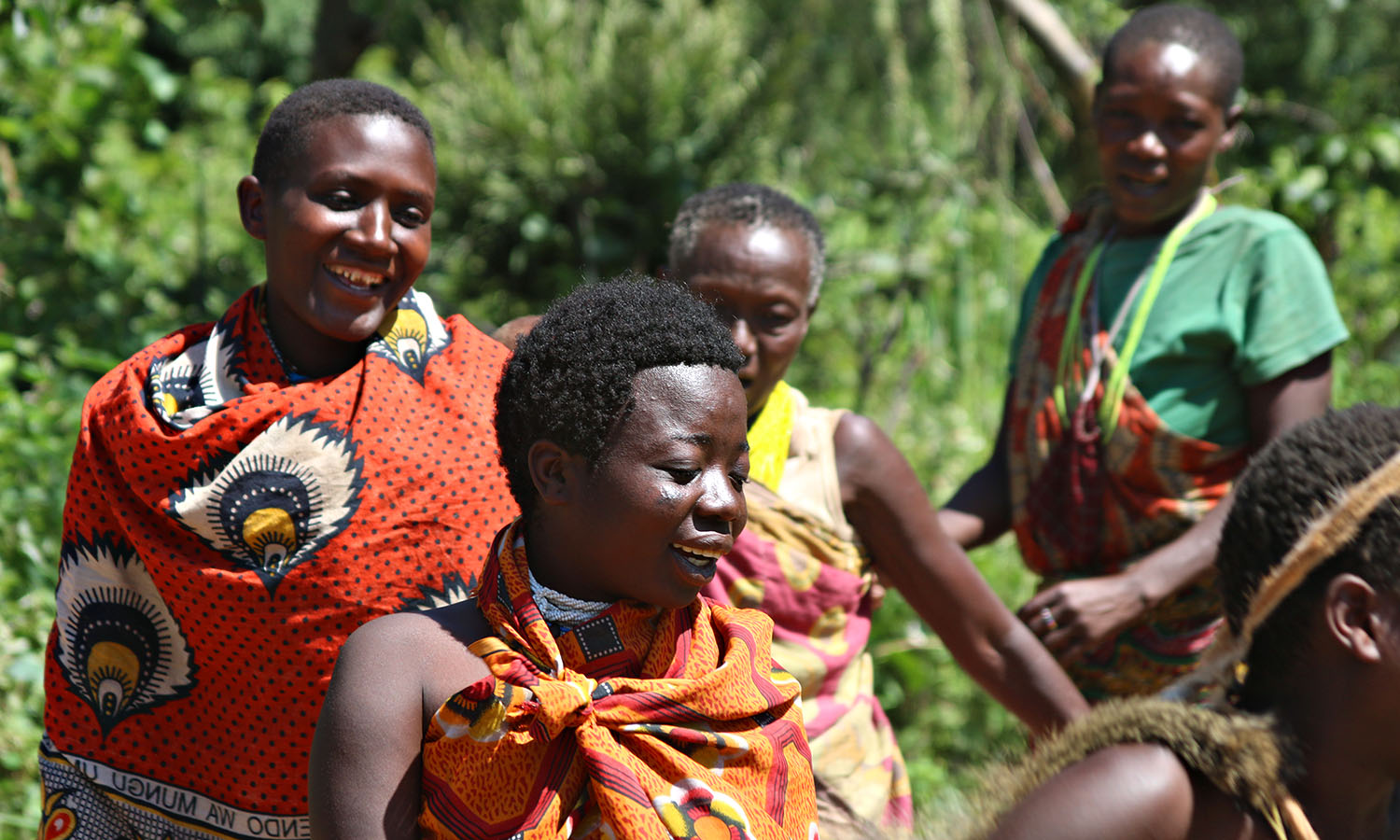
As you traverse the plains near Lake Eyasi in the Great Rift Valley of East Africa, you can almost hear the rhythmic footfalls and pulsating chanting of the Hadzabe people. One of the last ancient tribes of hunter-gatherers on the planet, whose way of life has remained virtually unchanged for thousands of years, the Hadzabe live in harmony with nature, finding everything they need to survive within the arresting landscapes they call home. A stay at &Beyond Ngorongoro Crater Lodge in Tanzania offers the opportunity to meet the Hadzabe and immerse yourself in their way of life. Here, you’ll learn hunting methods and how to forage for tubers, honey and berries in the surrounding shrubbery. After a day of dancing, practising the intricacies of beadwork and listening to stories, you can unwind in your banana leaf-domed stilted suite, inspired by the Masai mud and stick manyatta and decorated with rich fabrics and African antiquities. andbeyond.com
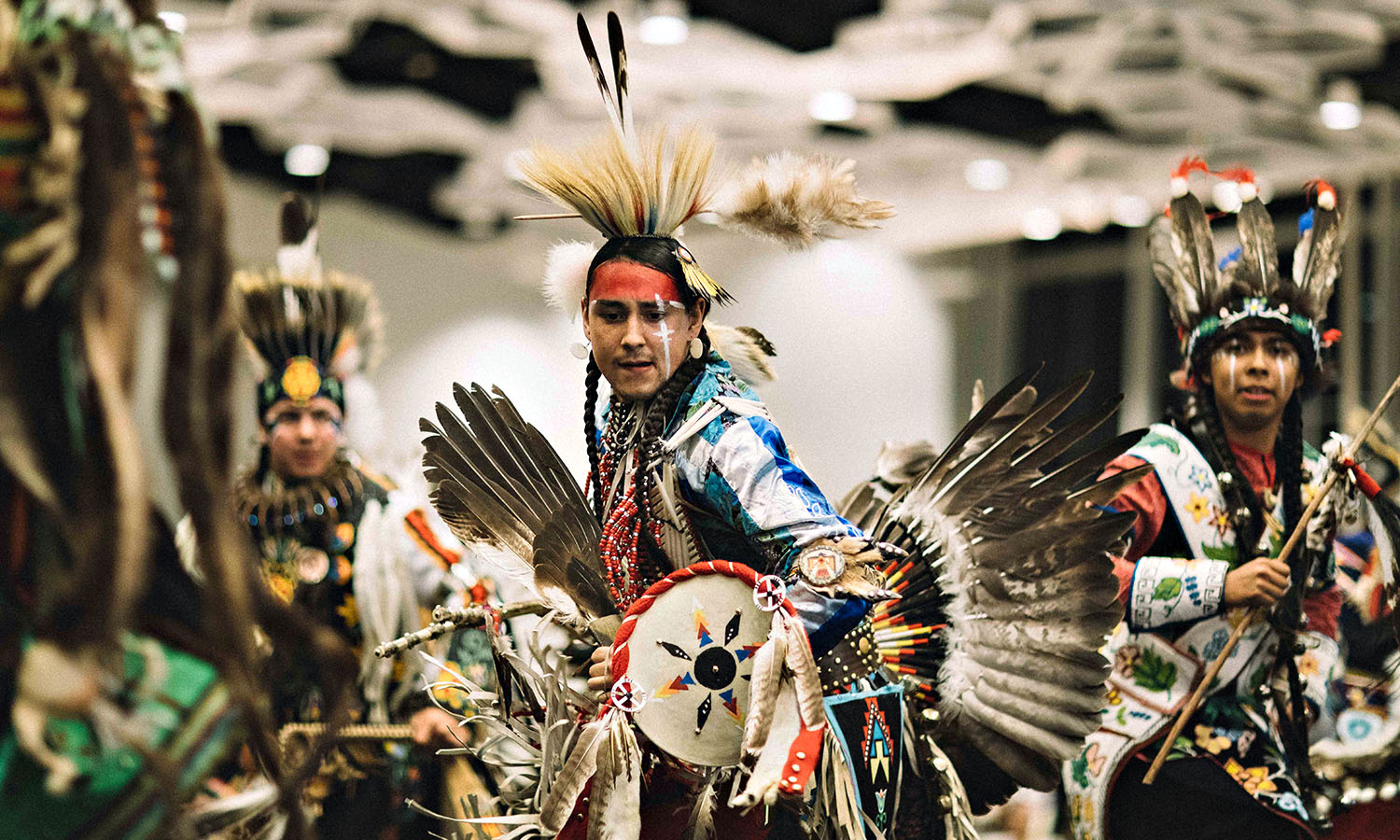
Convention centres generally don’t come to mind when imagining indigenous cultural gatherings and celebrations, but Manito Ahbee is an event unlike any other. Held annually in Winnipeg, the festival draws its moniker from the sacred site in Manitoba’s Whiteshell Provincial Park, where First Nations people gather to share their traditions and teachings and perform ceremonies (its name means “where the Creator sits”). The celebrations kick off with the lighting of the sacred fire, held at The Forks National Historic Site, which signifies the opening of its numerous events. Witness Pow Wow – the celebration of culture and friendship among First Nations communities – where more than 800 dancers come together to show off their skills. See the square dance exhibition and the jigging competition in honour of the Métis community. Discover the myriad trinkets and traditional artworks at the Indigenous Marketplace and Tradeshow. Marvel at artists as they put brush to canvas in live art challenges. Manito Ahbee takes place in May each year. manitoahbee.com
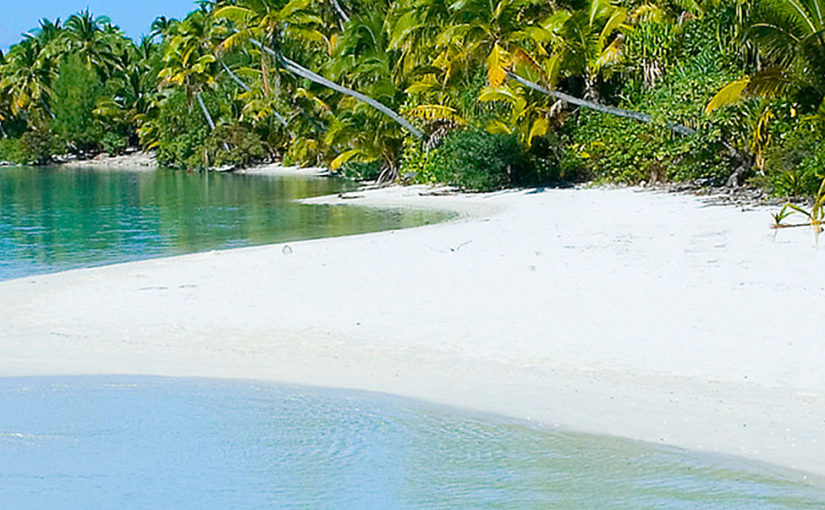
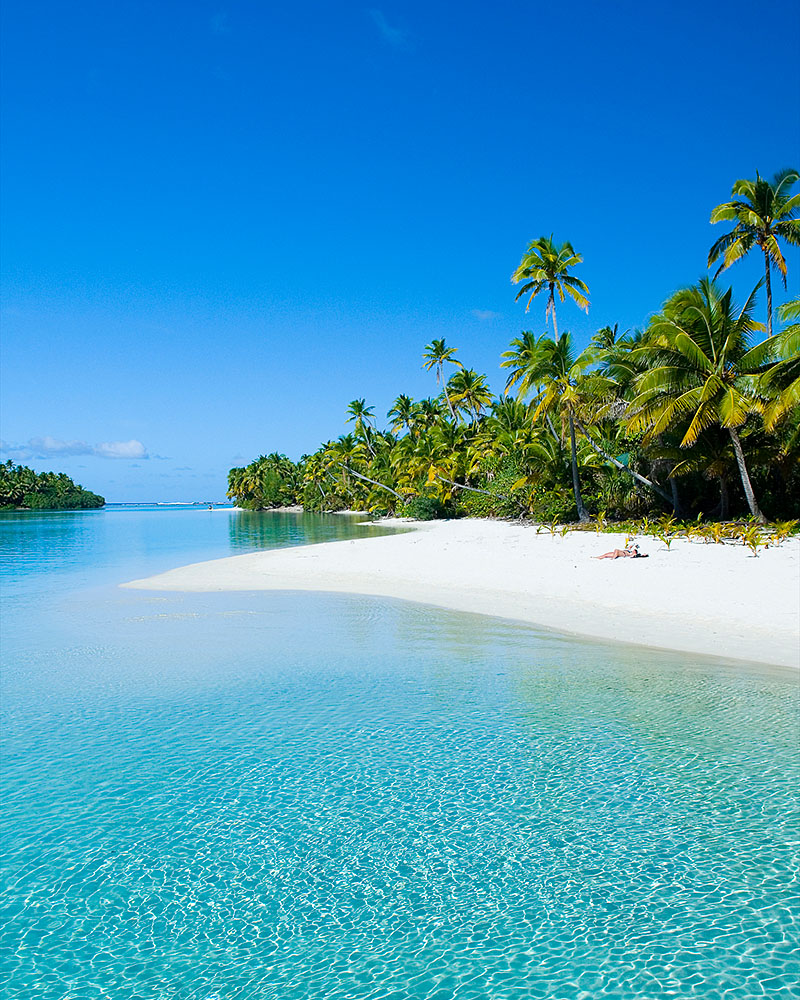
Not too many years ago, Aitutaki was a well-kept secret. Tapuaeta’i Motu (One Foot Island) is an uninhabited island of Aitutaki atoll, part of the Cook Islands. Its bluer-than-the-sky lagoon, friendly locals and lack of resort accommodation meant many travellers stayed on Rarotonga or visited for the day. Big mistake. Tapuaeta’i Motu is where it’s at!
Fringing Aitutaki Lagoon are 21 tiny islands including Tapuaeta’i Motu. Get dropped off with a picnic, and pretend you’ve washed up on your own deserted isle. Guide Teking will personally show you several of his favourite diving locations where you will se an abundance of tropical fish, turtles, large clams and stunning coral. It’s all pretty chilled affair with Teking setting the scene pretty early on with his dry sense of humour mixed with his intimate local knowledge of the island and environment.
After a day’s snorkelling you’ll enjoy a delish BBQ lunch that includes fresh tuna, fruits, salad and sweet banana…set against a backdrop of a dazzling blue sky.
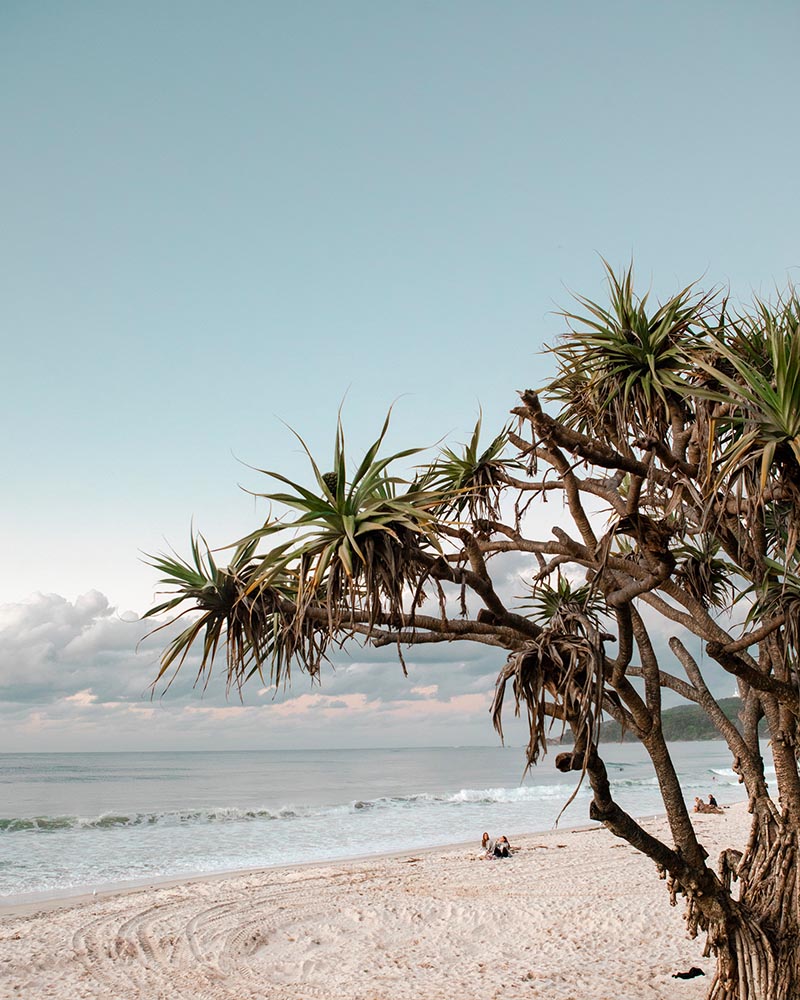
Byron Bay, the epicentre of Australia’s counter-culture where hippies and surfers share their idyllic coastal space with backpackers and other transients, has a hot new address where you can blow the froth off a few and watch the waves roll in.
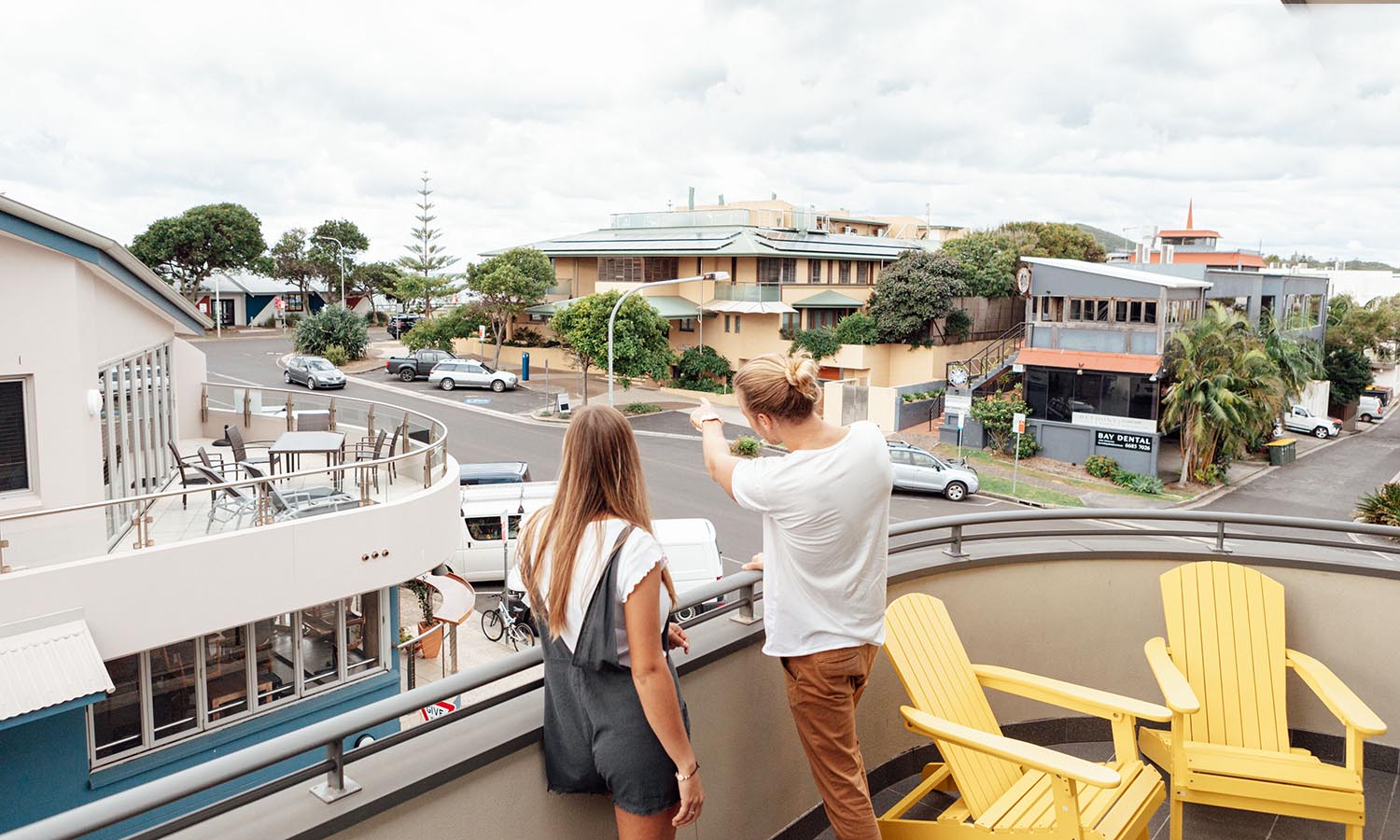
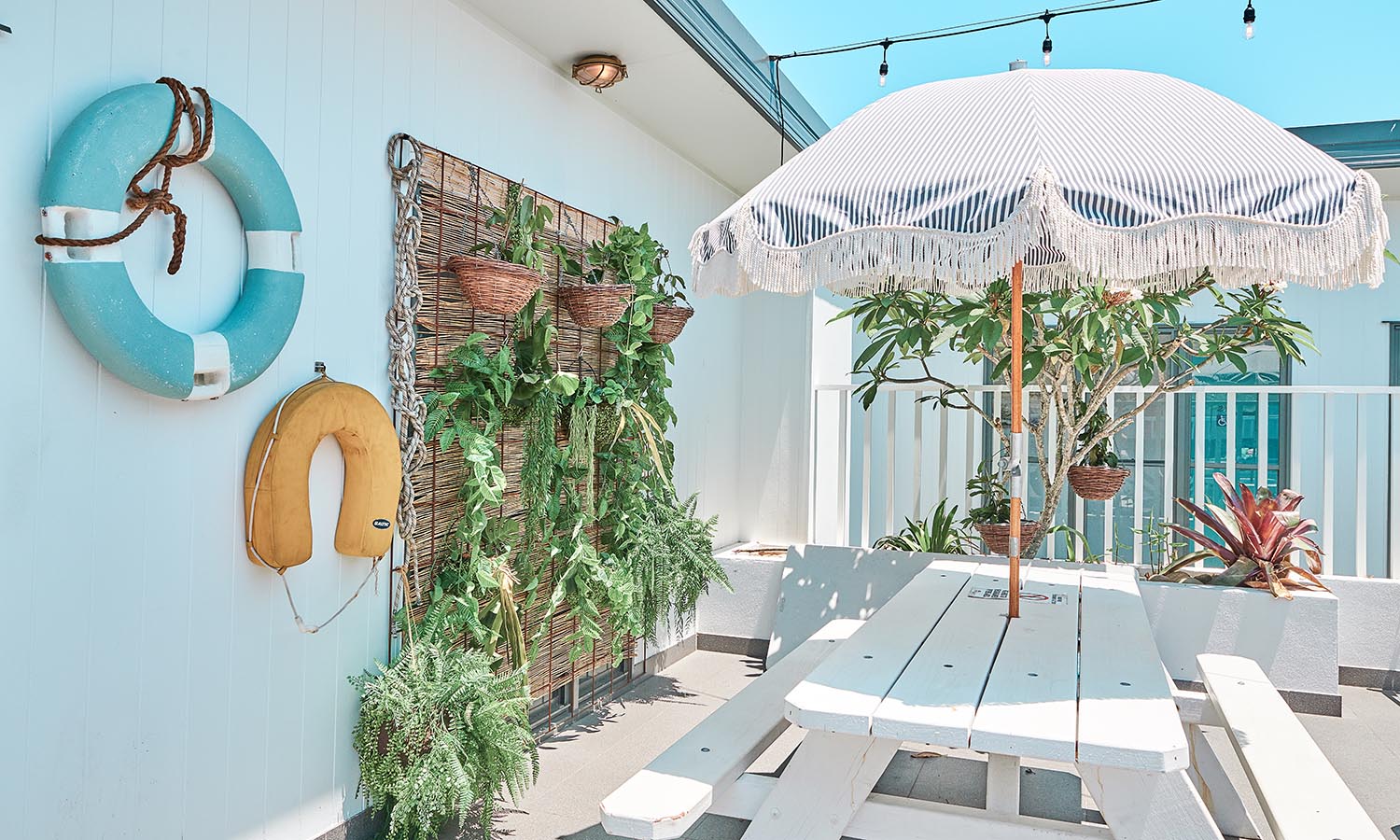
The Rooftop is Byron’s newest and only rooftop bar, located right in the heart of town among the smoothie bars, yoga studios, crystal stores and designer swimwear shops that the coastal hamlet has become renowned for. Best of all though, it’s only a hundred metres from Main Beach.
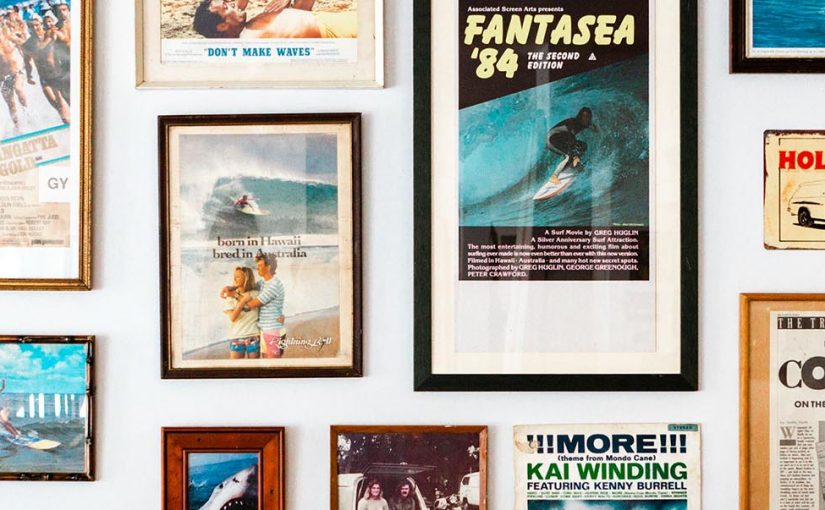
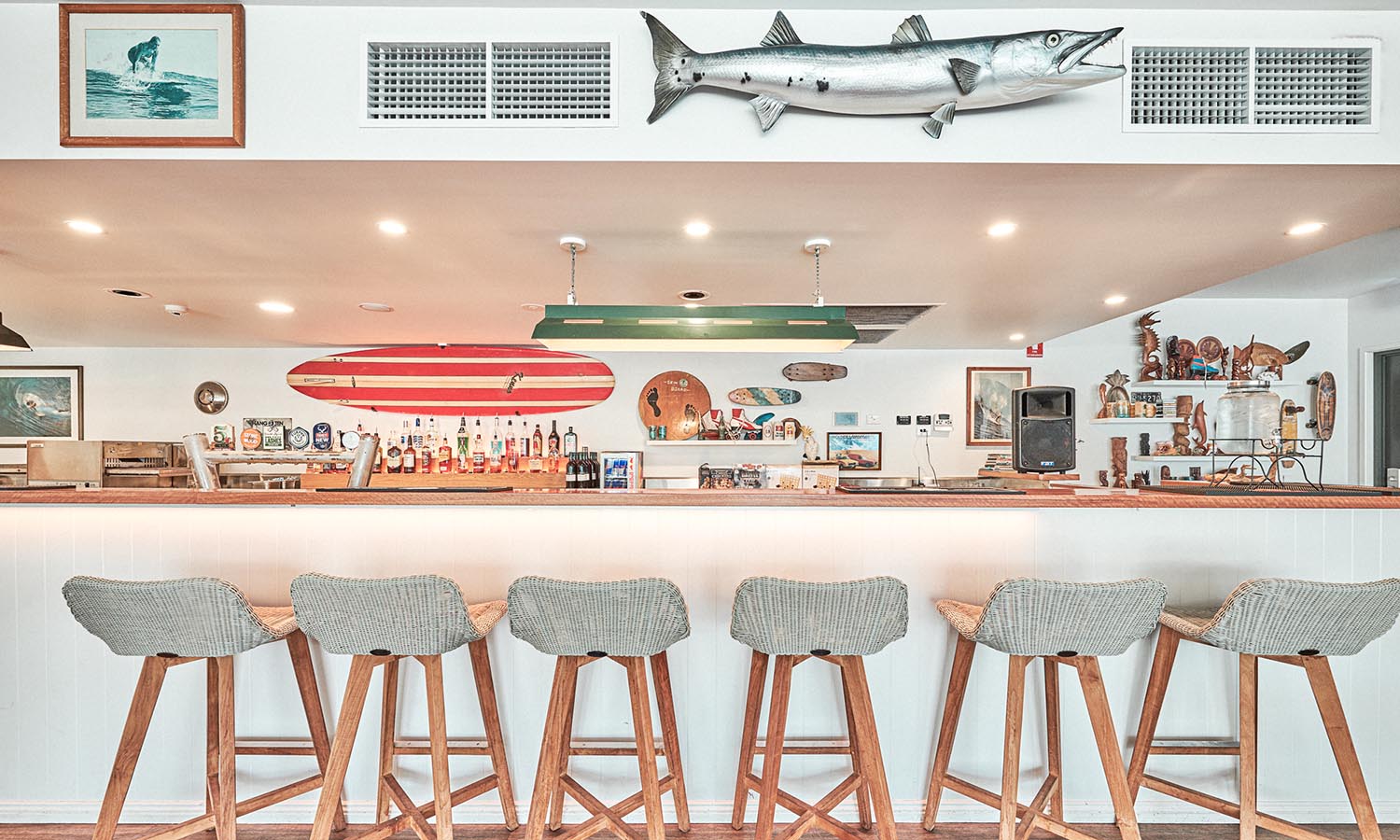
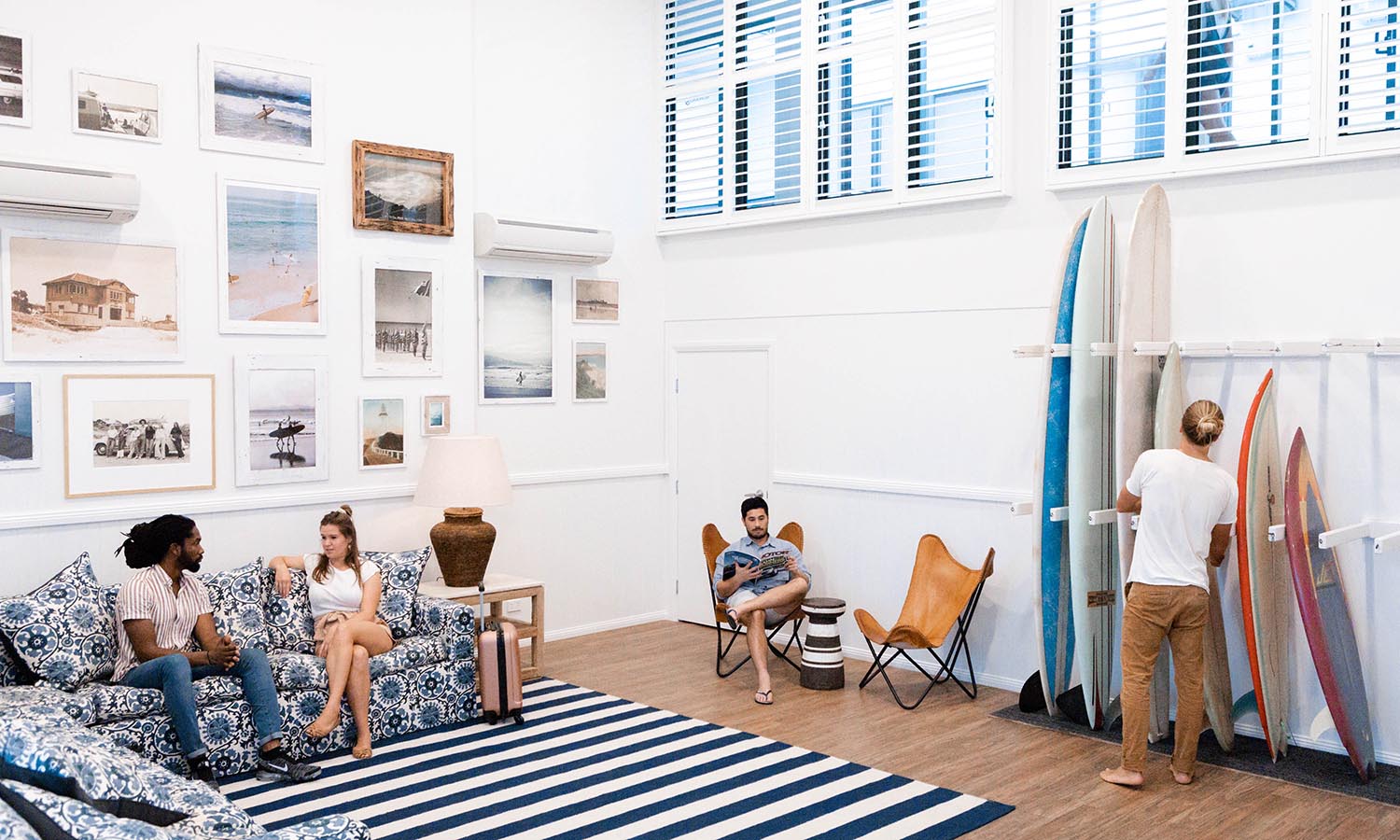
It’s part of The Surf House, an affordable new boutique property that oozes cool vibes with its bright and breezy interiors and modern facilities. Upstairs, The Rooftop is full Byron surf chic with a little nod to old-school coastal California – think artisan rugs, whitewashed walls and vintage Aussie surf posters and photos, including one featuring a young Bob Hawke.
After a day of sun, sea and sand, it’s the ideal place to kick off a laid-back Byron evening by indulging in a pint from the local Stone & Wood Brewery or a Brookies G&T from Cape Byron Distillery. The menu’s chock-full of some pretty tasty bites, too.
For those who want to bunker down for the night there’s a range of accommodation options to suit every traveller’s needs, including private suites with balconies and shared rooms for up to eight people. The Surf House also offers complimentary boards to all guests, meaning you can hit the waves nice and early – provided you haven’t had a late one up at The Rooftop.
Travel north from the main island of Efate and you’ll discover Penama province and its jewel Maewo. With its rivers, waterfalls and an abundance of postcard-perfect tropical scenery, it’s an island the Ni-Vanuatu people refer to as the “untouched of the untouched paradise”.
From above, it looks like an emerald dropped into the blue ocean, so remote that it’s hard to imagine anyone actually living here. As you descent to the tiny airstrip, you’ll spy waterfalls splashing over cliffs and some thatched roofs emerging through the jungle near the sea.
Your guide will meet you at the door of the plane with a smile and a warm welcome handshake and the walk inland begins. You’re heading towards Naone, Vanuatu’s second tallest waterfall. The bush is dense, damp and cooler than the exposed airstrip. A path that has to be negotiated rock by rock extends upriver .
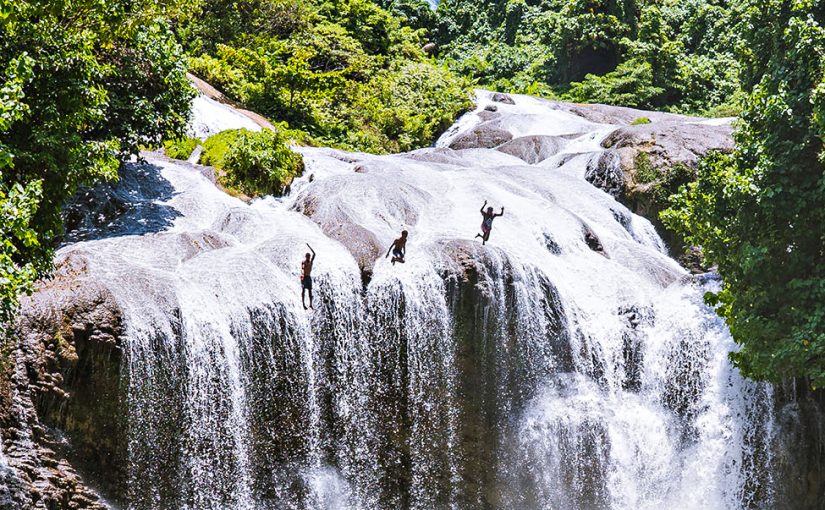
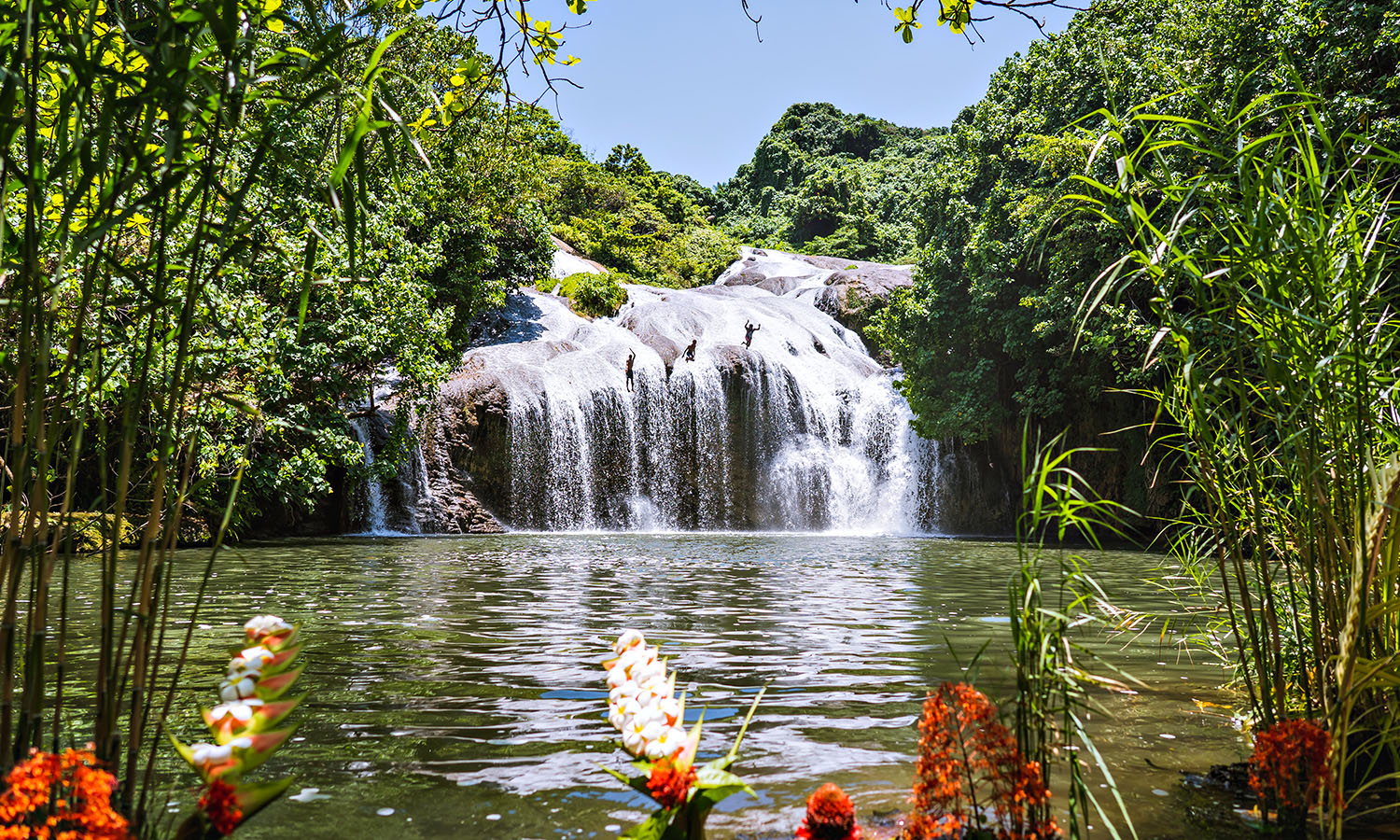
Eventually you’ll hear a deep, thunderous sound and see a massive amount of water cascading from the rocks. While the height may only be 20 metres or so, the waterfall is wide, full and more imposing than you might have expected. The pool beneath the cascade is inviting and you’ll be welcomed in by a few locals already cooling off.
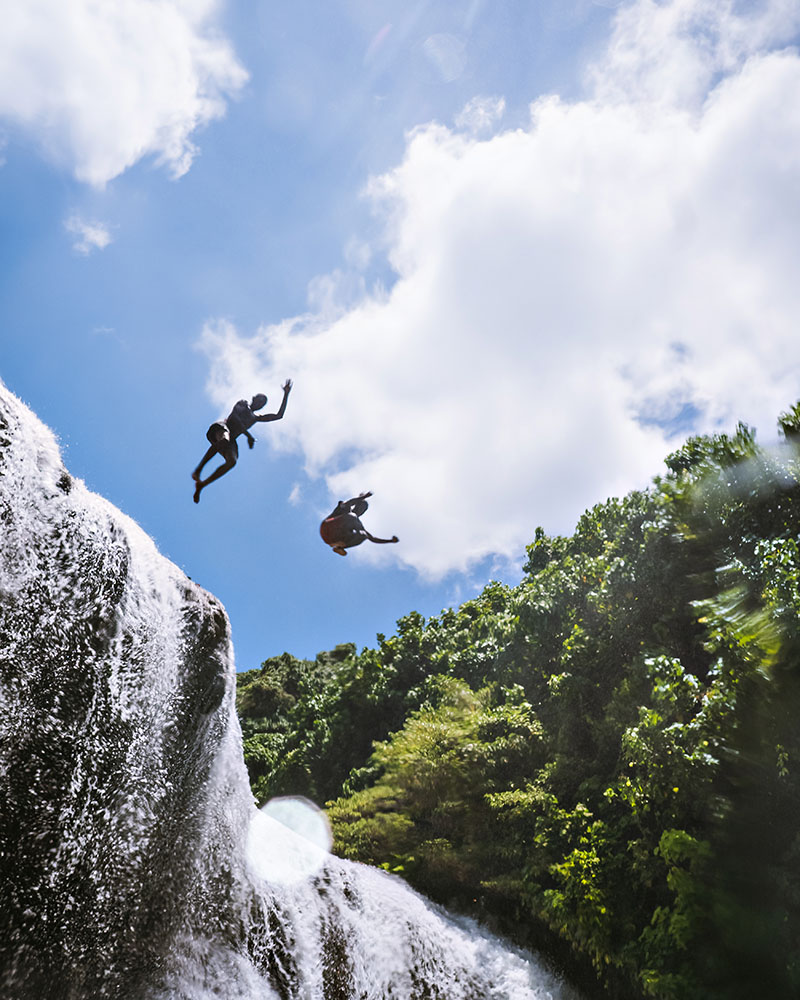
After a good dip and chat climb further up the rocks to an elevated spot from which to jump. Take care because the rocks are slippery and green with algae. Make it to the top, though, and you’ll feel like the king of the castle as fond childhood memories come flooding back. Take your stance and count – one, two, three – before plunging into the water below. It’s worth the hike up and the nostalgia will drive you to jump again and again.
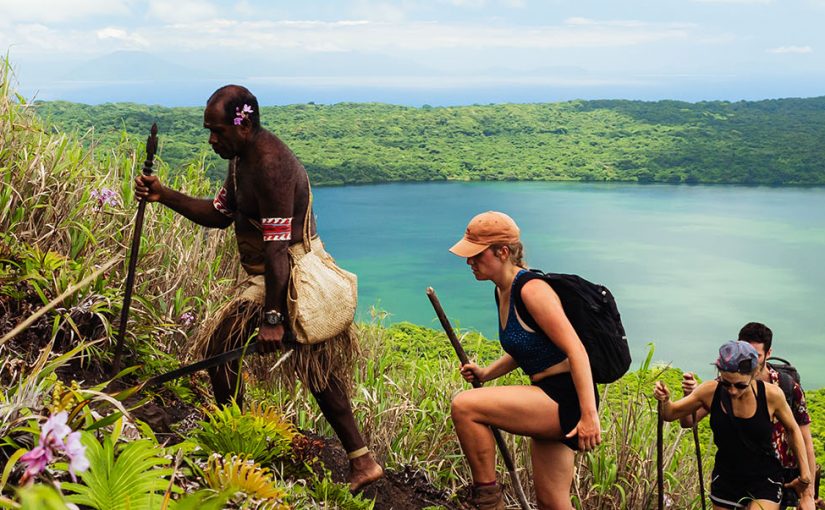
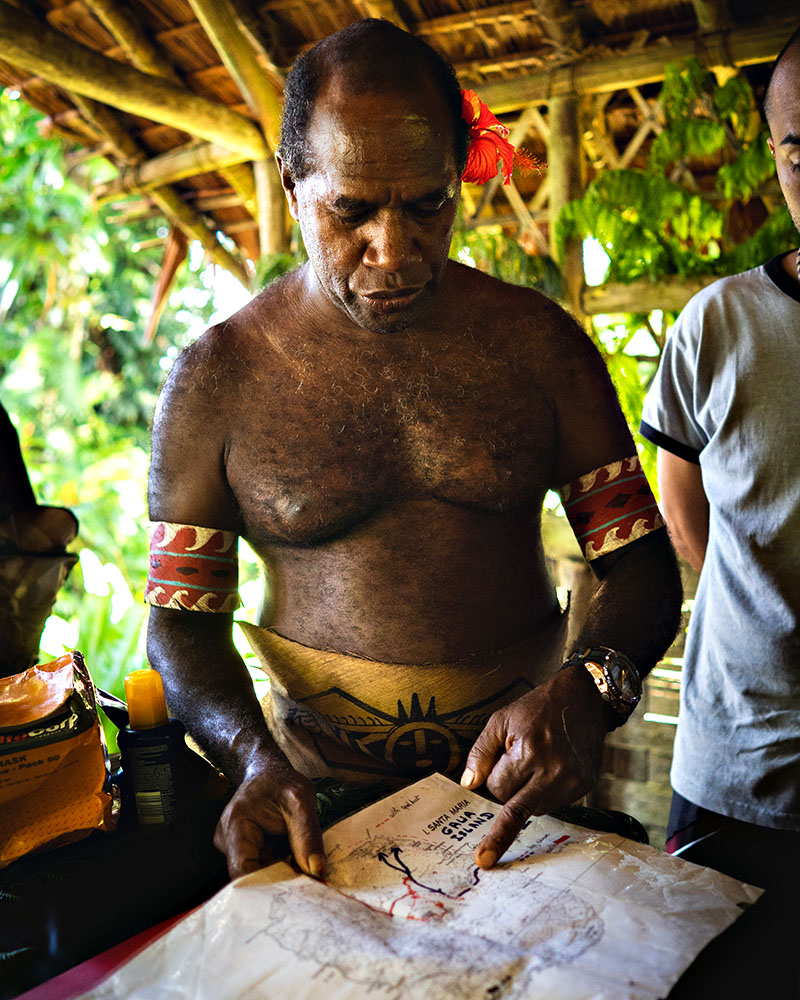
For the adventurous there really is only one way to explore Gaua, a remote island in the northern Torba Province of Vanuatu. And you’ll want to explore because this is one island that has little development and few tourists – a win-win for anyone who likes to get away from it all.
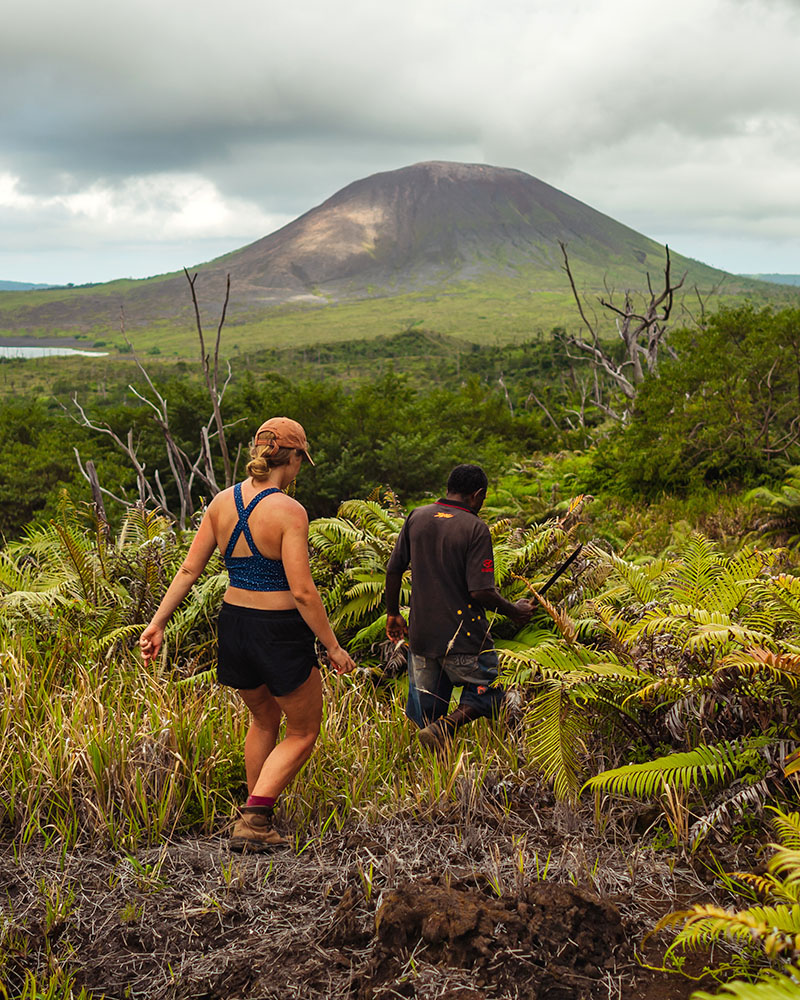
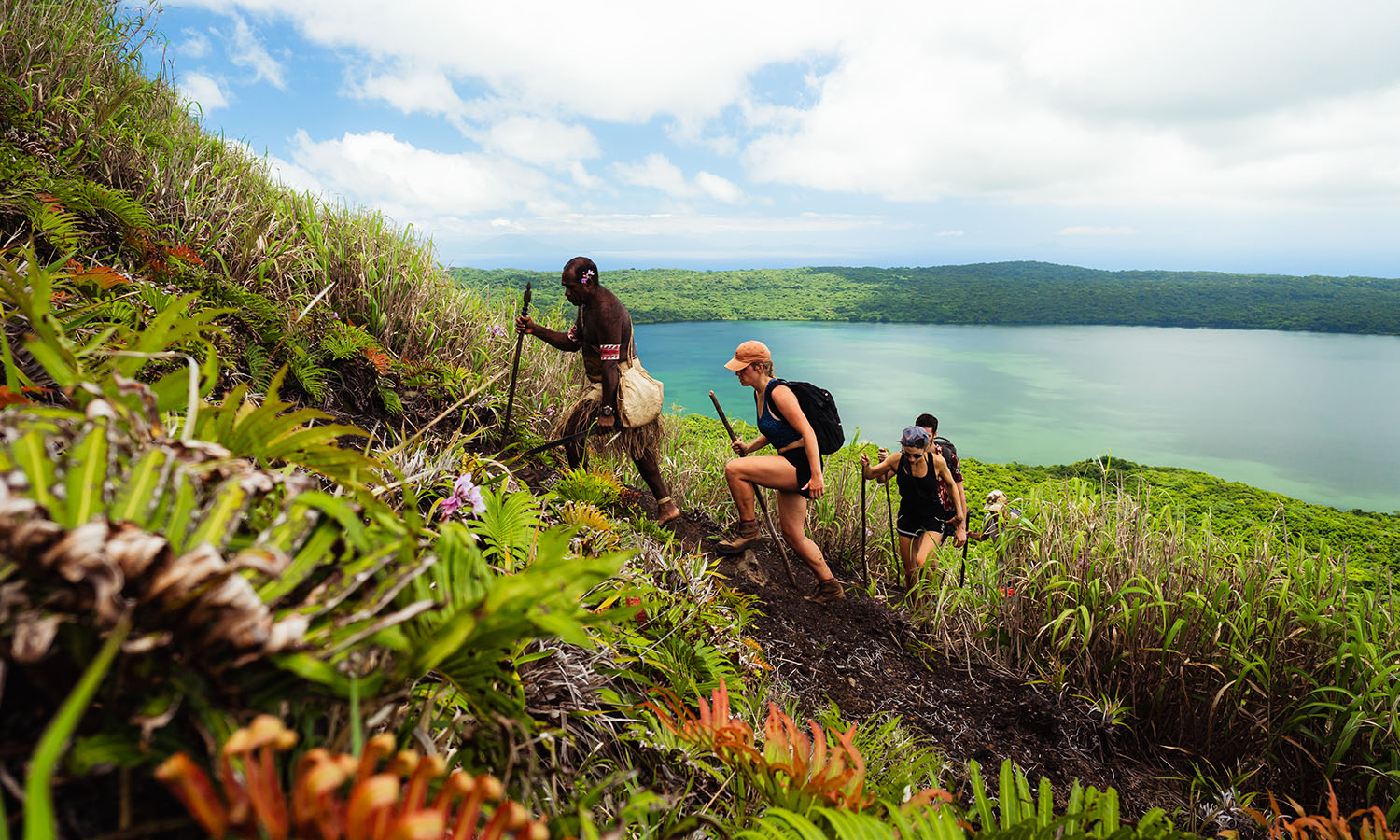
The three-day Lake Letas and Mt Garet trek is chock-full of activities: hiking, canoeing and staying at local campsites overnight. But it is the trek up active volcano Mt Garet you’ll really remember.
You’ll walk through villages and coconut plantations, over rivers and across huge ash plains. A lush track through the dense bush takes you to several stunning viewpoints at an altitude of about 500 metres where you can in active volcano Mt Garet in all its smoking glory.
Yes, your feet may become sore and your muscles may ache yet you’ll be rewarded in spades by the natural beauty and the kindness of locals you’ll encounter as you make your way down to Lake Letas. After a refreshing dip, paddle across Vanuatu’s largest lake by outrigger canoe, soaking up the amazing panoramic view.
It’s a good thing you’ll have done some training and preparation before your trip, because it’s 45 minutes up a steep incline to the peak of Mt Garet from where an amazing view of the surrounding tropical jungle and lake awaits you.
Best of all, everyone you encounter on Gaua will greet you with smiles and make you feel welcome. Get to know the real pace of life on Gaua visiting a traditional village. You’ll meet everyday people – villagers, children, even the school principal – who will stop for a chat.
 (
(