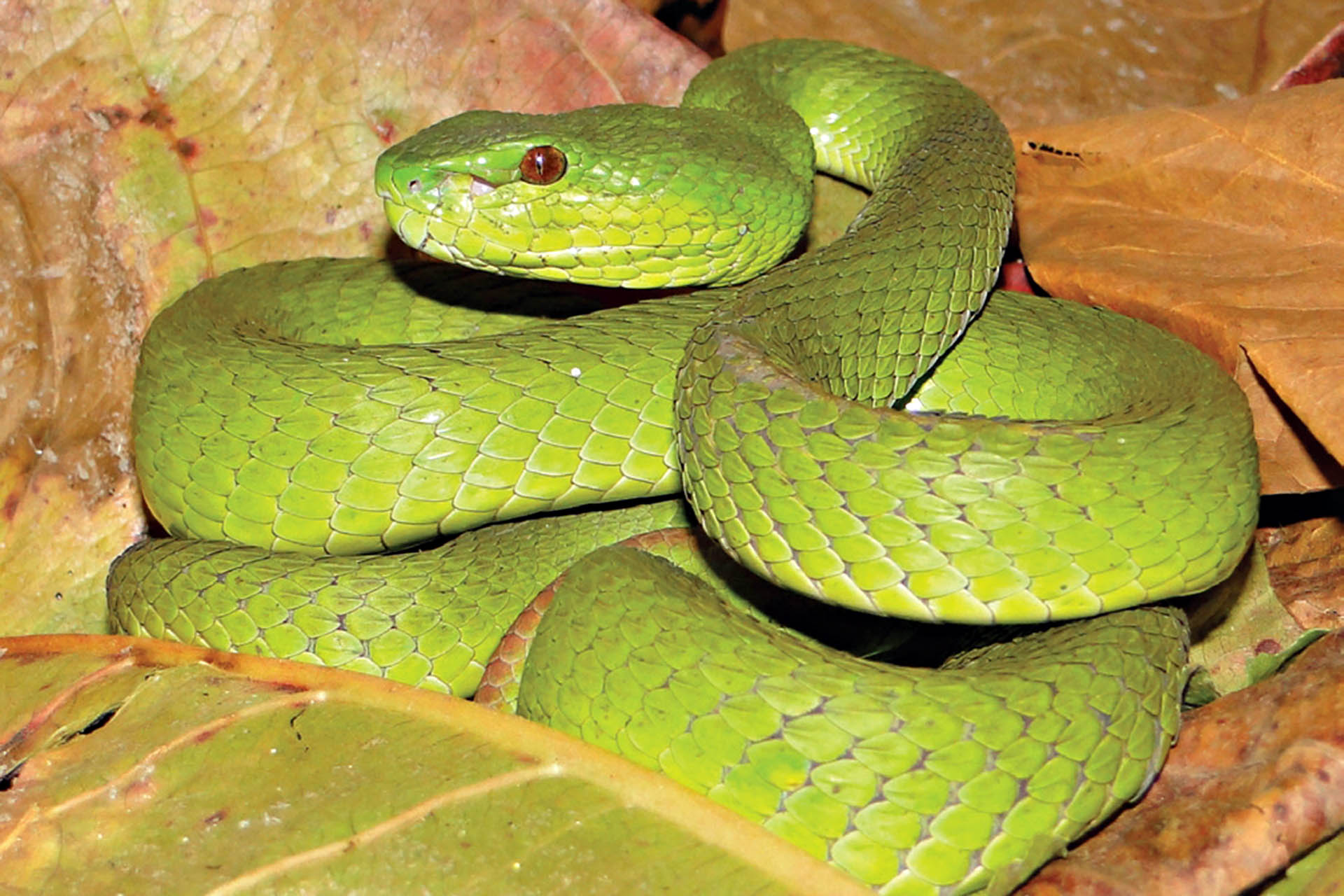
Nino Konis Santana National Park, on the far eastern tip of the country in Lautém Municipality, has been recognised as Timor-Leste’s first UNESCO Biosphere Reserve, putting one of Southeast Asia’s lesser-visited wildernesses firmly on the radar. And there’s quite a lot packed into it.
The national park protects Timor-Leste’s largest remaining area of primary forest, alongside limestone landscapes, freshwater wetlands around Lake Iralalaro, beaches, seagrass meadows and coral reefs. Head offshore and you’re swimming in the Coral Triangle, one of the planet’s great pockets of marine biodiversity.
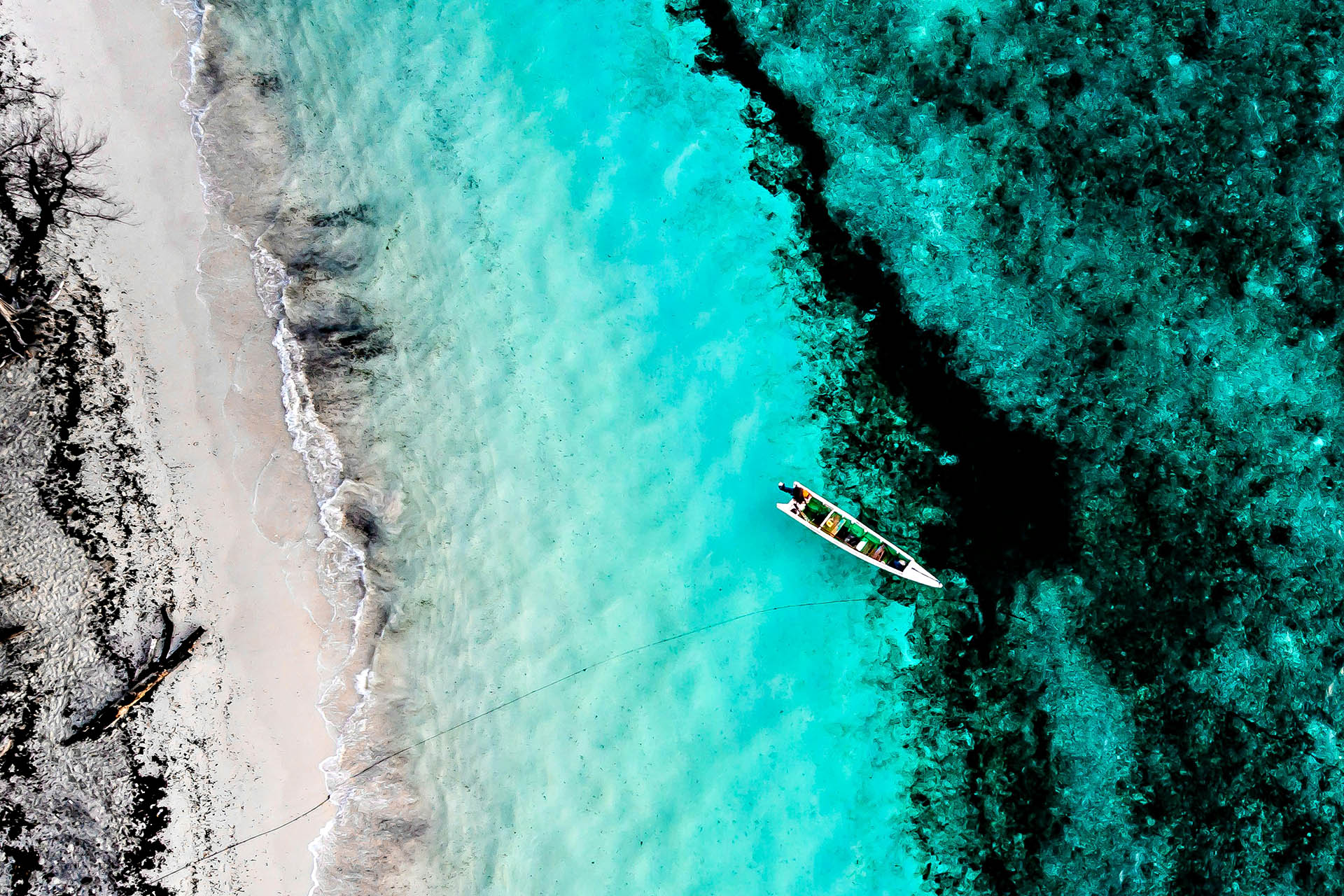
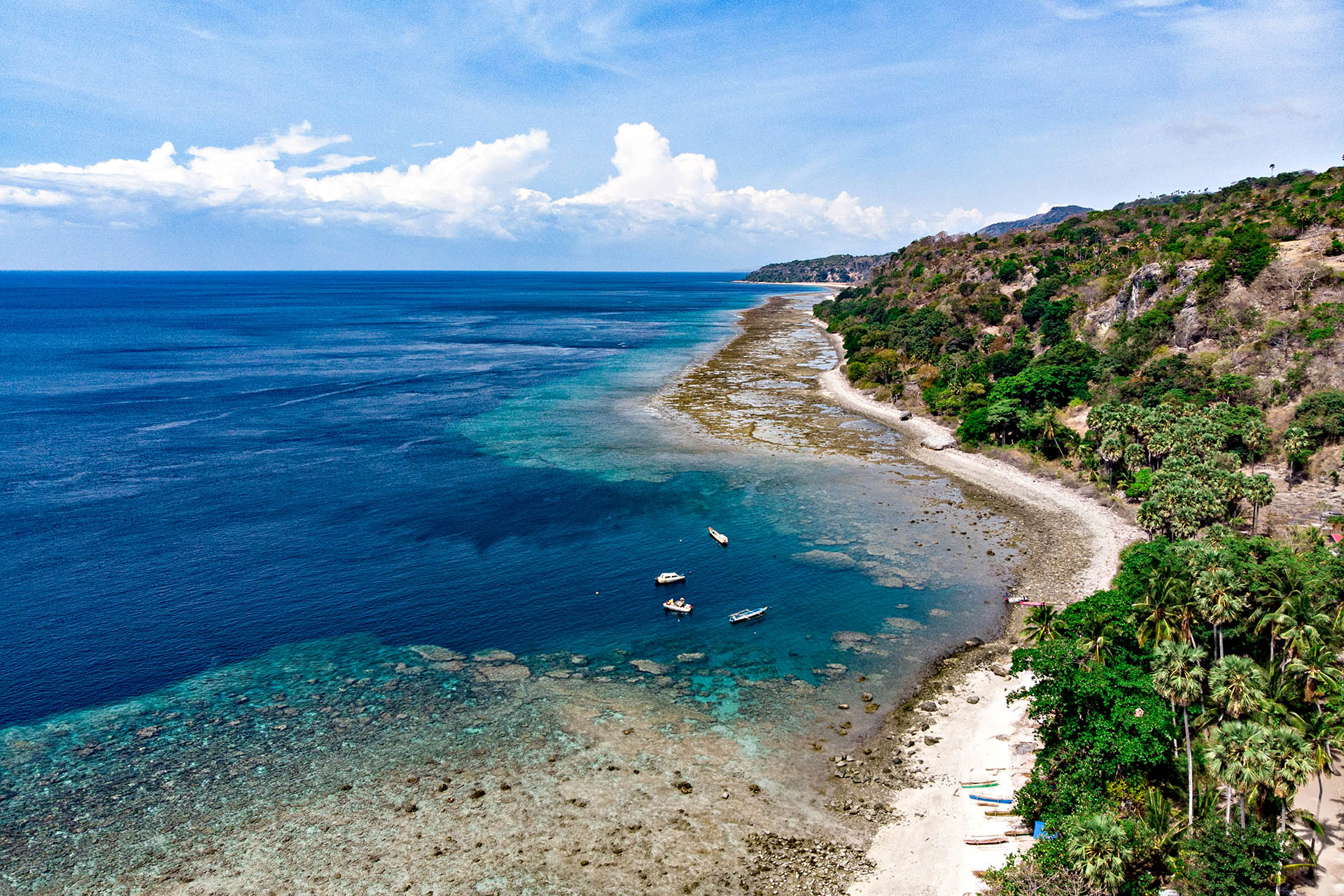
And don’t even get us started on Jaco Island. Sitting just off Timor-Leste’s easternmost point, the uninhabited 10-square-kilometre island is all white sand, clear water and not much else. Which, frankly, is enough. It forms part of the national park and is one of the country’s standout natural attractions.
There’s also plenty to do before horizontal beach time takes over.
Forest trails and birdwatching cover the land-based stuff, while snorkelling and diving open up the reefs below. The park is also home to sacred sites, archaeological locations and traditional communities, giving the UNESCO recognition as much cultural weight as ecological.
RELATED ⟶ INTREPID’S NOT HOT LIST IS BACK
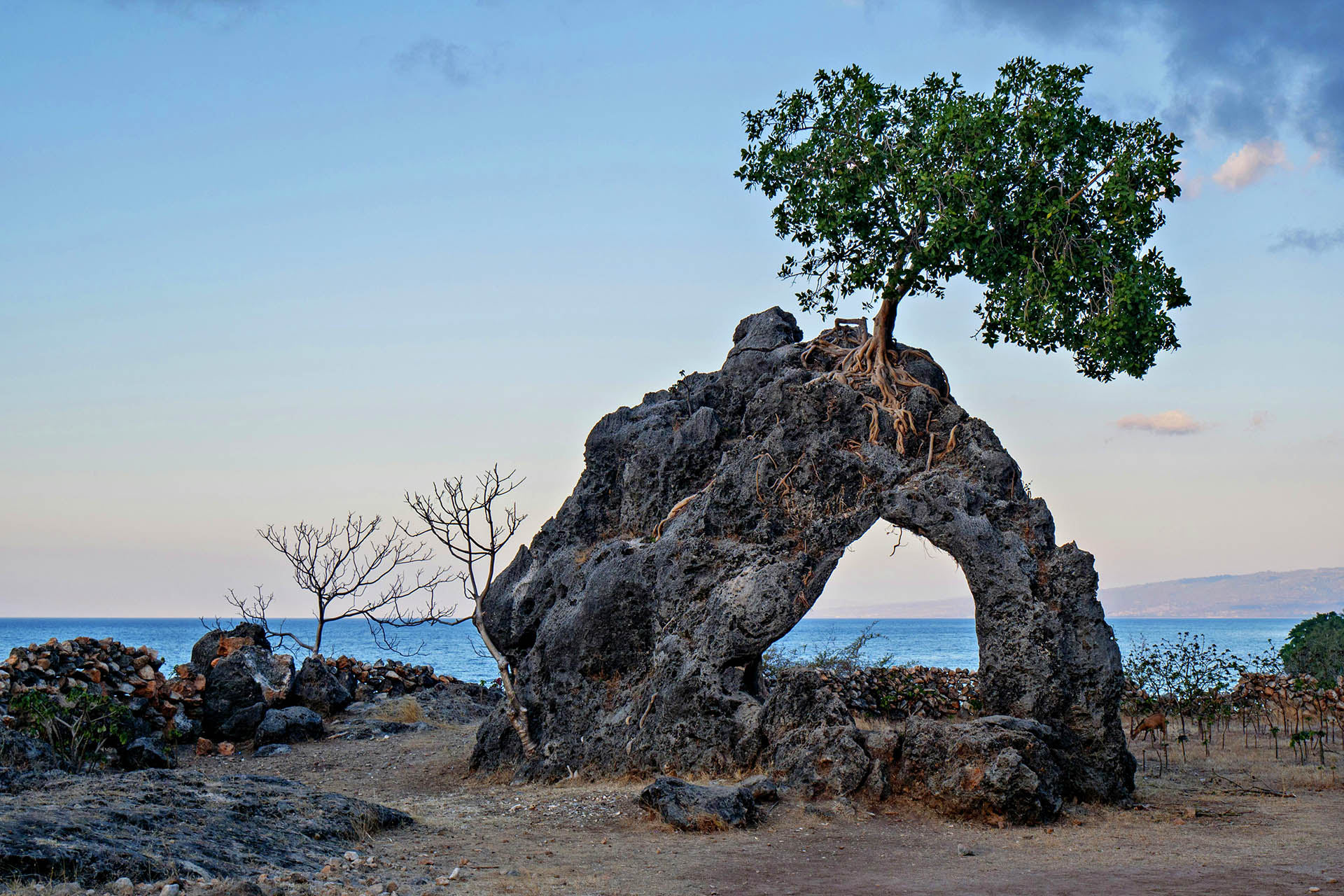
Importantly, Biosphere Reserve status isn’t simply a shiny new badge for the tourism brochures. The designation is designed to protect the region’s natural and cultural assets while supporting sustainable livelihoods and responsible tourism.
And Timor-Leste is certainly having a moment. It also recently landed on Intrepid’s 2027 Not Hot List, with Dili singled out as one of ten lesser-visited destinations ready for more travellers.
If you want our advice, go while ‘not hot’ still applies.

Share >




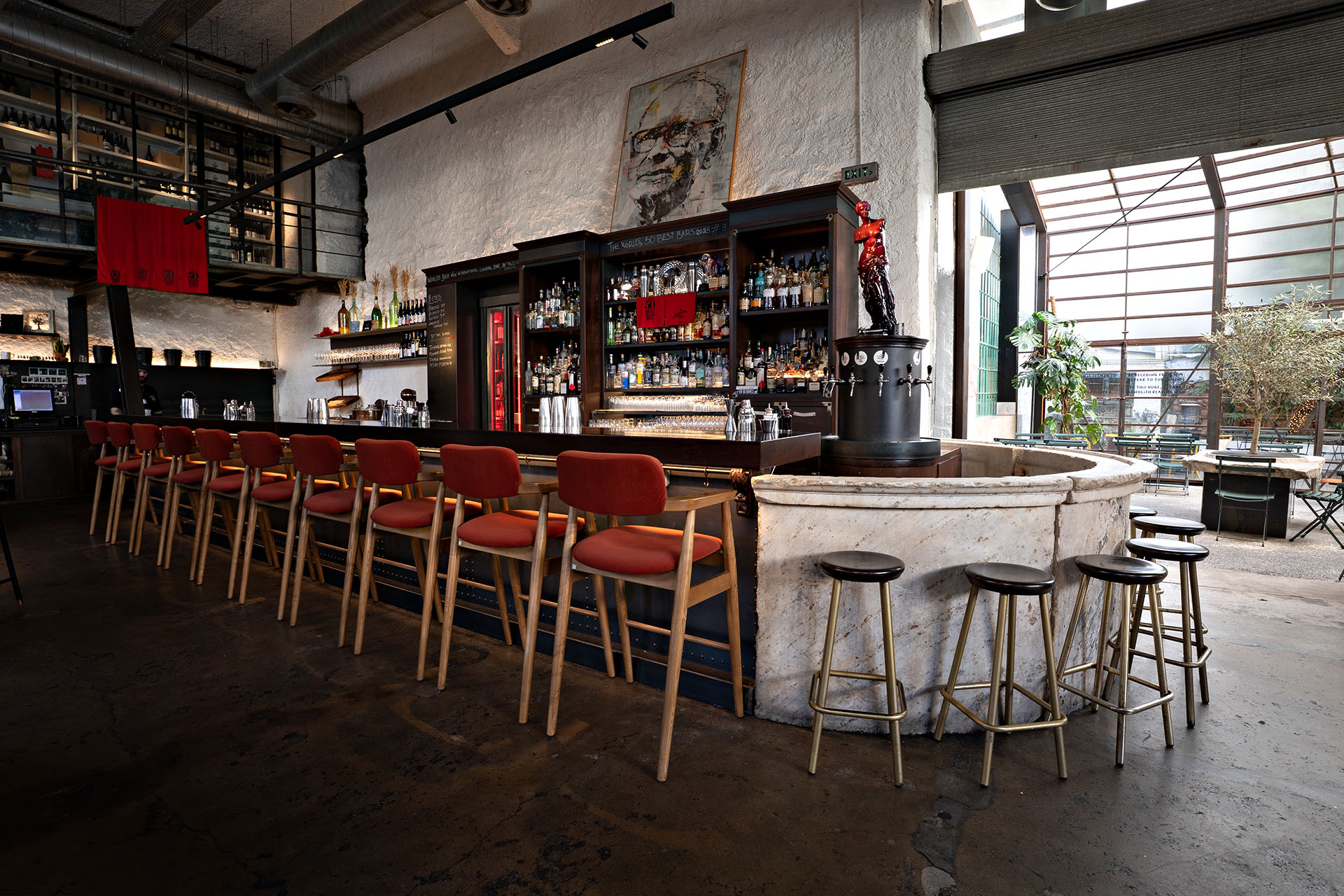
For years, Athens has quietly been building one of Europe's most exciting cocktail scenes. Now it can't really keep it a secret.

For years, gaining entry to Turkmenistan was as easy as joining an exclusive cult: secretive, bureaucratic, and requiring a special invitation. But that’s changing fast.

Travel’s popularity contest has gone a bit stale.