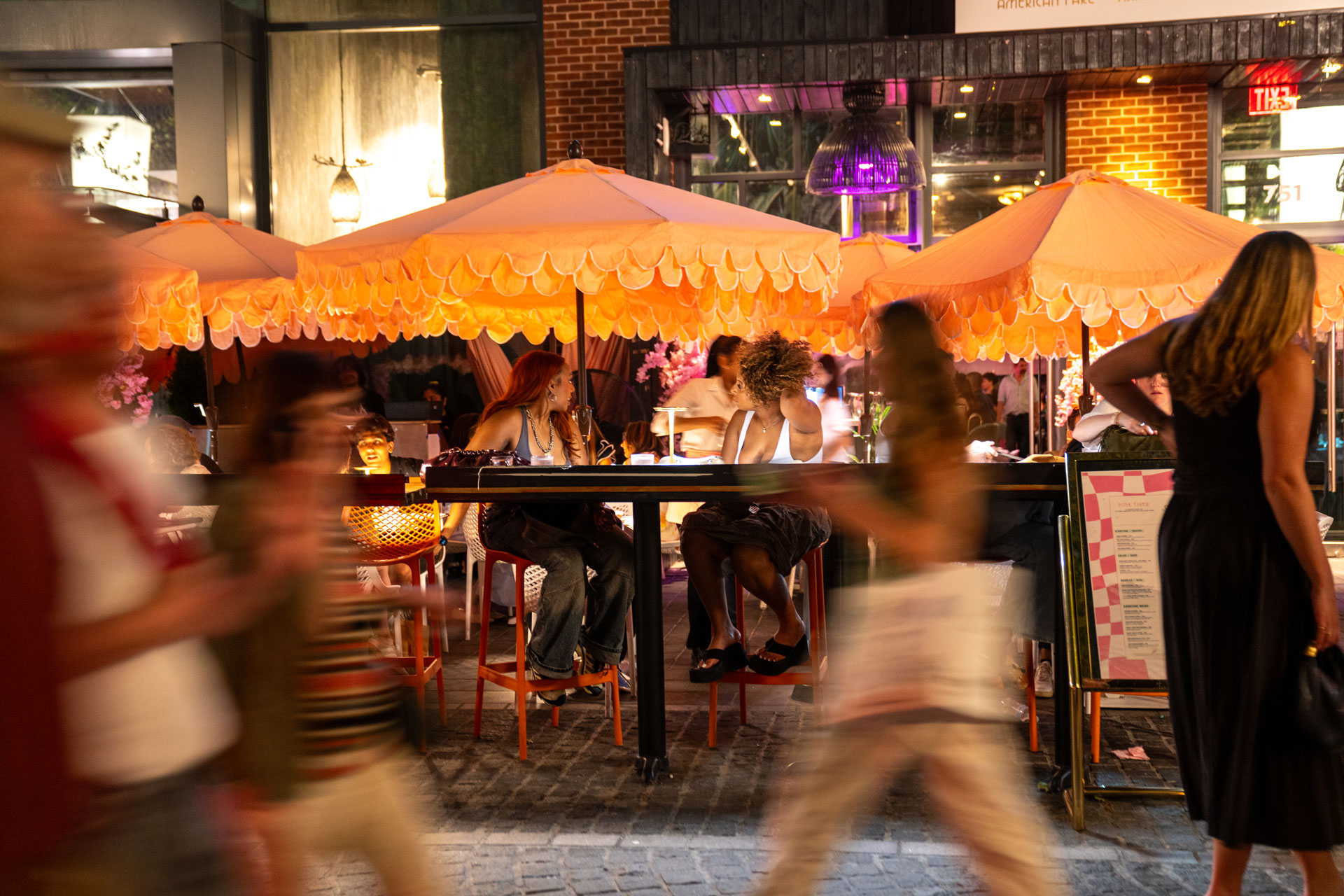
Washington, DC has a PR problem. Ask someone to picture the city and they’ll probably conjure the same handful of images: a white dome, a white house, some white marble monuments and whichever politician is currently ruining Thanksgiving dinner.
Which is unfortunate, because Washington is criminally fun.
I came here prepared for the capital of the United States and instead found a city seemingly determined to distract me from it. There is Darth Vader carved into Washington National Cathedral. There are forgotten marble bathtubs beneath the Capitol. The United States once responded to a diplomatic gift of Japanese cherry trees by setting them on fire.
And somehow those aren’t even the interesting bits.
Because once you get away from the monuments, Washington reveals itself as something much stranger and better: a city of obsessive collectors, spies, brewers, immigrants, football fanatics and chefs borrowing ideas from civilizations that disappeared thousands of years ago.
I began, appropriately, with breakfast.
The Sofitel Lafayette Square sits almost absurdly close to the White House, the sort of location that makes you feel either tremendously important or moments away from being questioned by the Secret Service. After a breakfast at Opaline, I headed toward Union Market, where someone had apparently decided Formula One would be improved by adding cocktails.
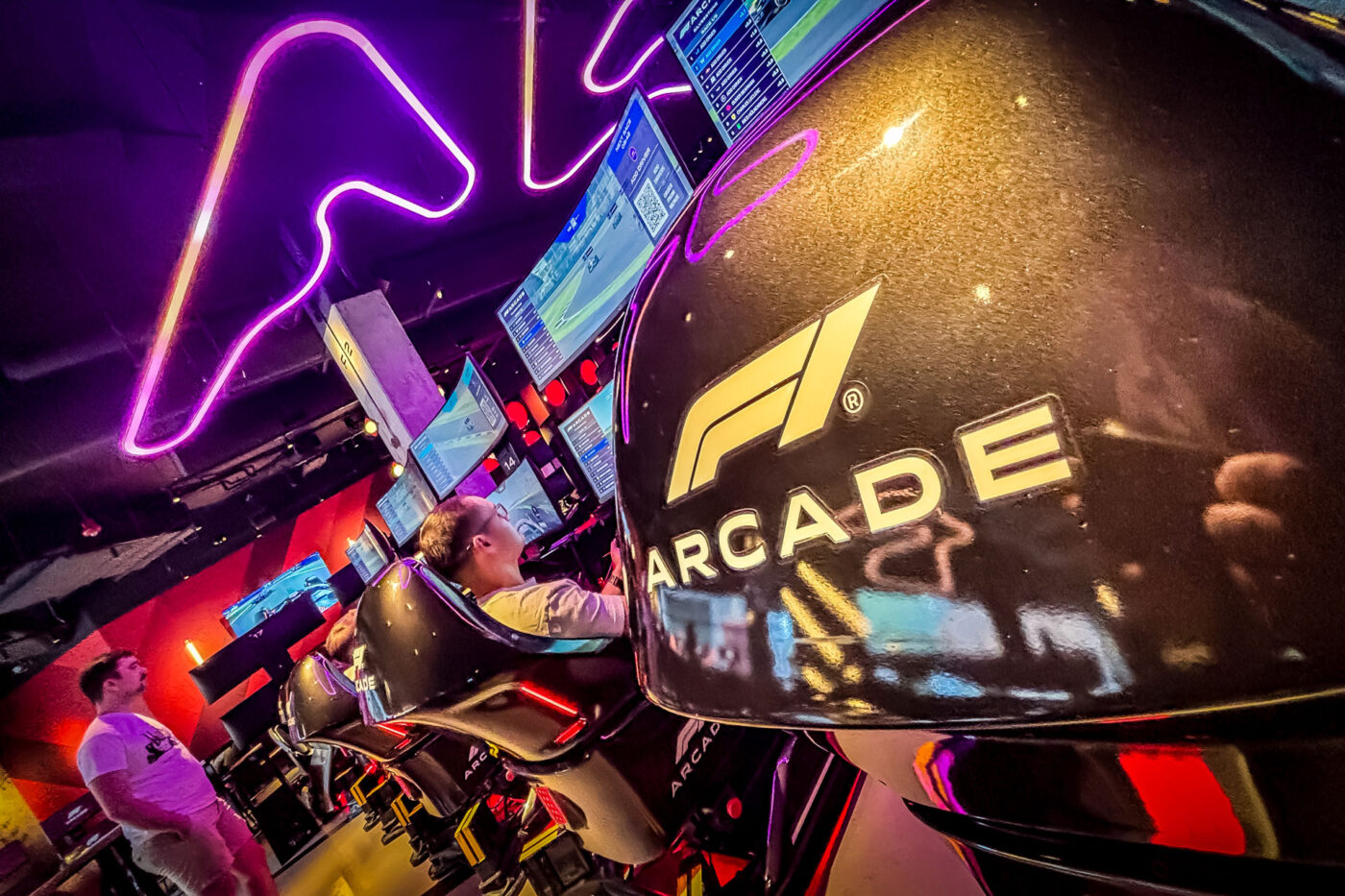
F1 Arcade is filled with racing simulators that buck and shake beneath you while enormous screens convince your brain you’re approaching a corner at 180 miles an hour. It’s extraordinarily effective.
I drove terribly. Fortunately, failure builds an appetite.
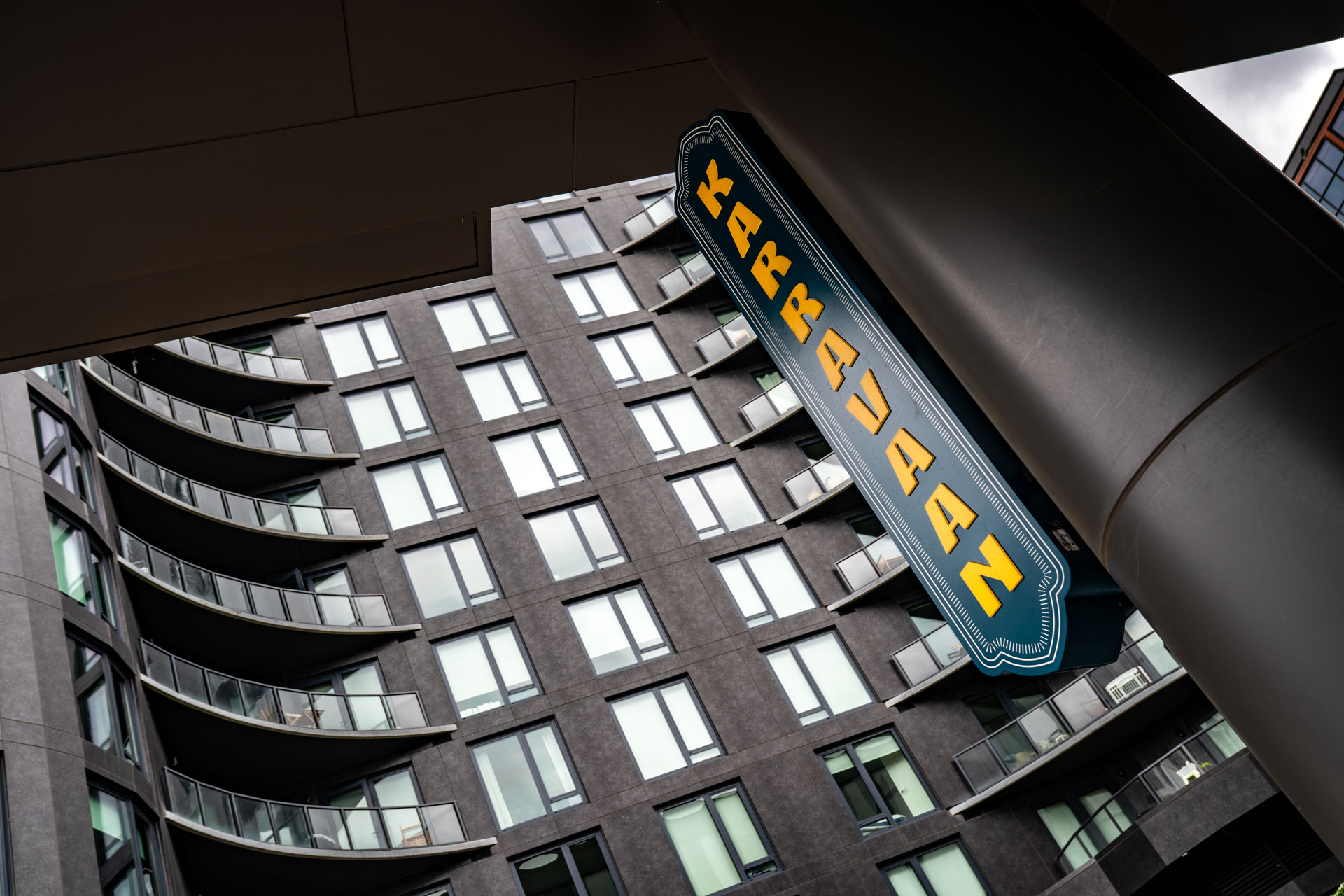
Nearby, Karravaan takes its inspiration from the Silk Road, that enormous ancient network that moved goods and ideas between civilizations long before anyone had the decency to invent frequent-flyer miles. The genius of the place is that it doesn’t treat cuisines as neatly bordered countries. Flavors migrate. Techniques get borrowed. Traditions collide.
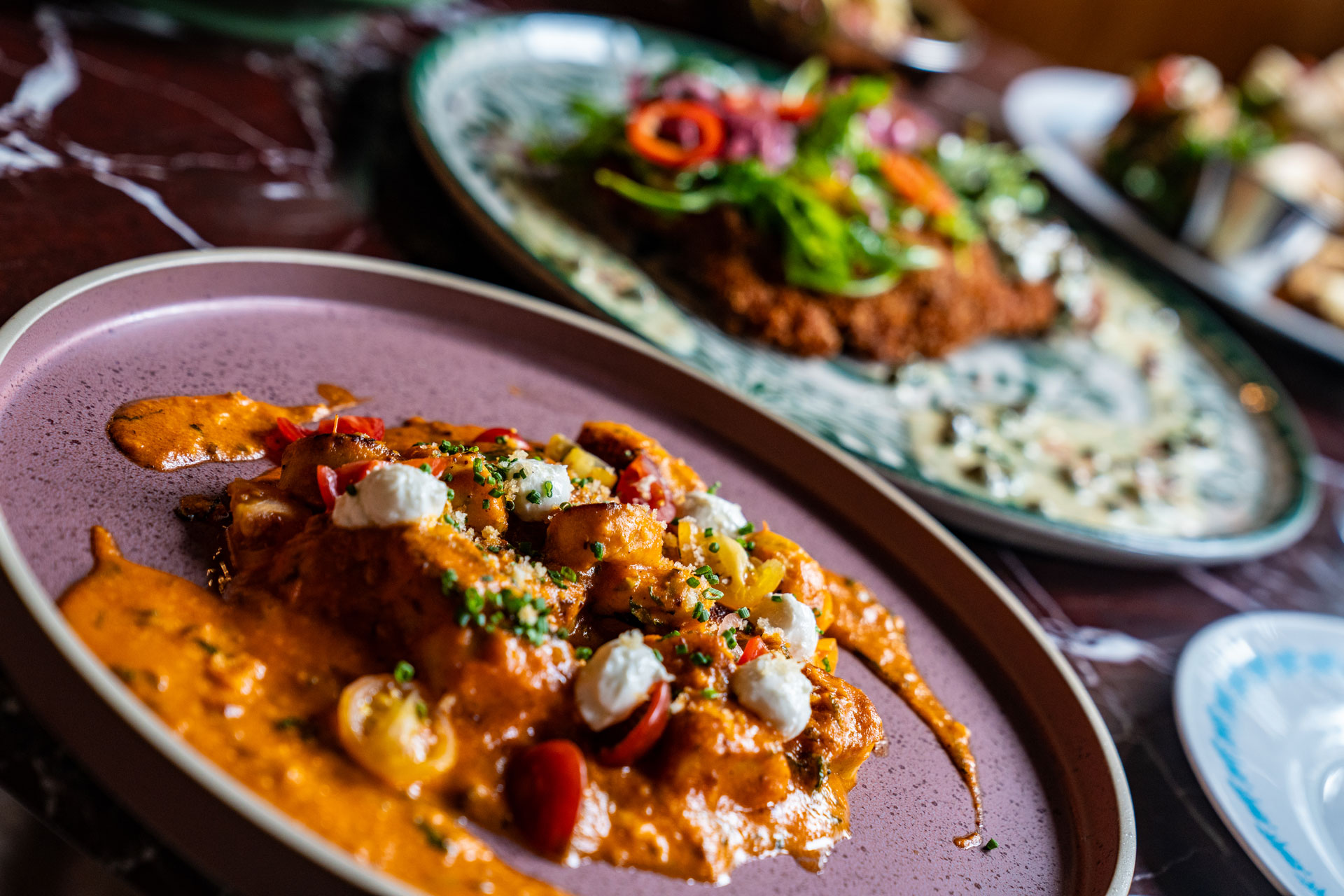
Chef Sanjay Mandhaiya described disappearing into cookbooks about different regions, finding a flavor from one culture, a technique from another, a tradition somewhere else and wondering what would happen if he put them together. Then he puts the answer on your plate. It’s less fusion than anthropology you can eat. That same obsessive curiosity seems to run through Washington.
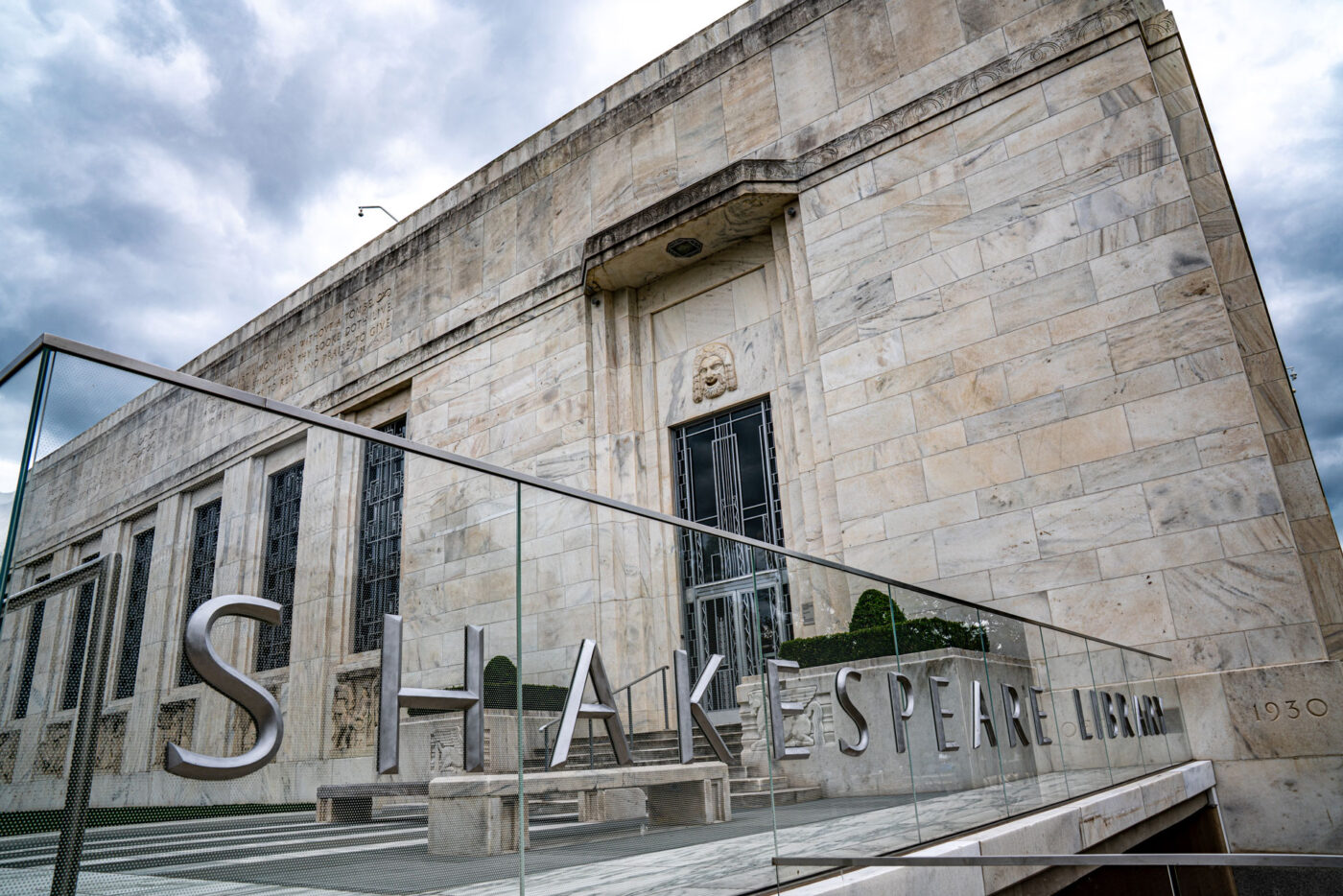
Trading Silk Road plates for literary greats, I headed across town to the Folger Shakespeare Library, where Henry and Emily Folger’s hobby got wildly out of hand. Over decades they assembled the world’s largest Shakespeare collection, including 82 copies of the 1623 First Folio. The importance of that book is difficult to overstate. Without it, 18 of Shakespeare’s plays might have vanished, including Macbeth, The Tempest and Julius Caesar. The museum wisely provides a facsimile you can touch, which means you can experience the thrill of putting your greasy fingers on one of history’s most important books without actually destroying Western literature.
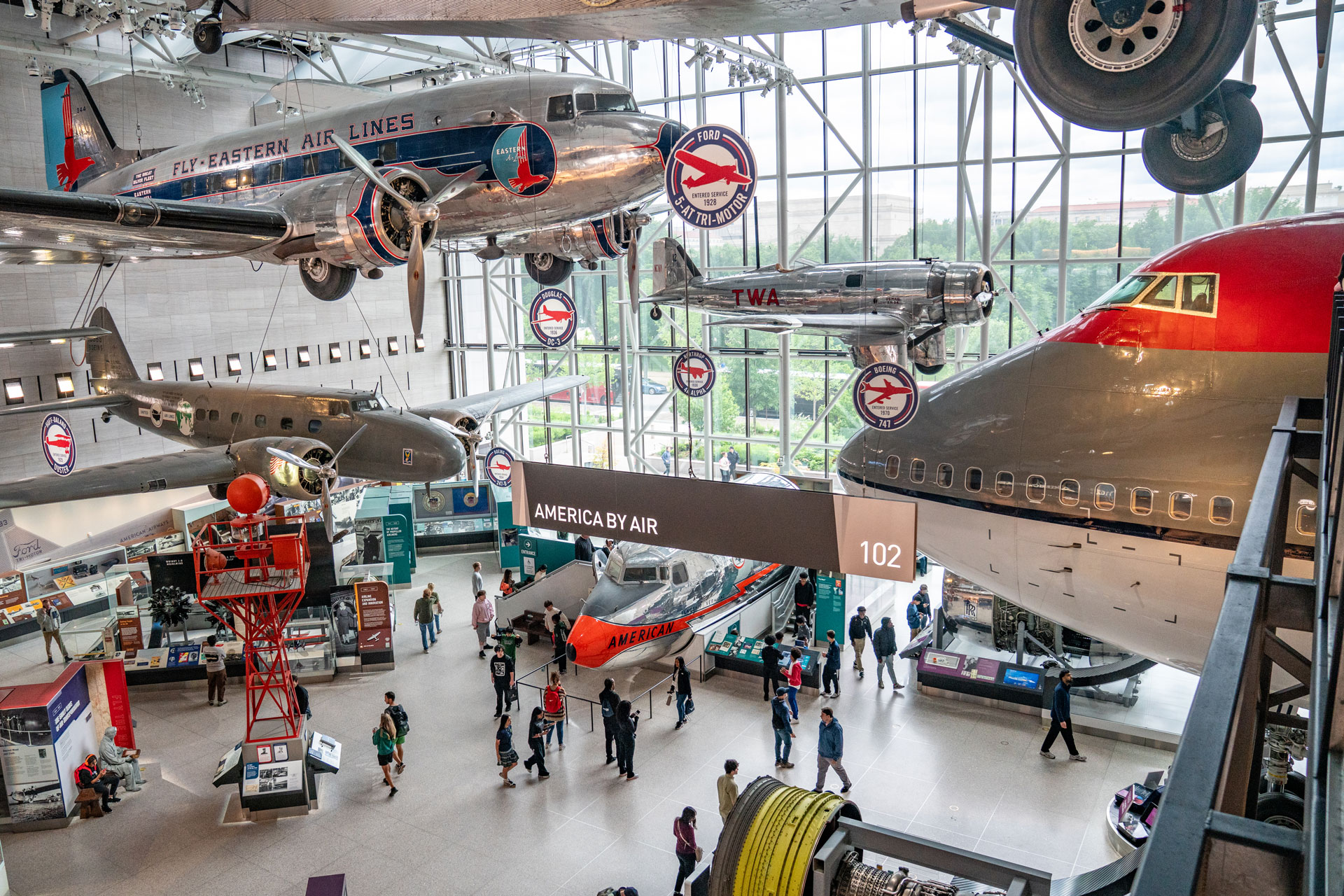
If you’re more flight than write, head to the Smithsonian National Air and Space Museum. There, sitting almost impossibly casually, is the Wright Flyer. Two bicycle mechanics figured out powered flight in 1903. Sixty-six years later, human beings were standing on the Moon.
Sixty-six years. What have you done with your life?
Standing between those machines is perhaps the clearest demonstration I’ve ever seen of how spectacularly unreasonable human ambition can be.
The lunar module looks particularly insane in person, like something assembled in a garage from aluminum foil, curtain rods and blind optimism. And yet it went to the friggin’ Moon.
To get a bit shady I slide into the International Spy Museum, where human ingenuity takes a darker and considerably sneakier turn. Its new Camouflage: Designed to Deceive exhibition explores our centuries-long obsession with hiding things in plain sight, from natural camouflage and battlefield deception to disguises, facial-recognition countermeasures and deepfakes. It’s fascinating because camouflage isn’t really about becoming invisible. It’s about controlling what someone else thinks they’re seeing. Which, come to think of it, isn’t a terrible metaphor for Washington.
Museums aside, even drinking here comes with a side-car of history.
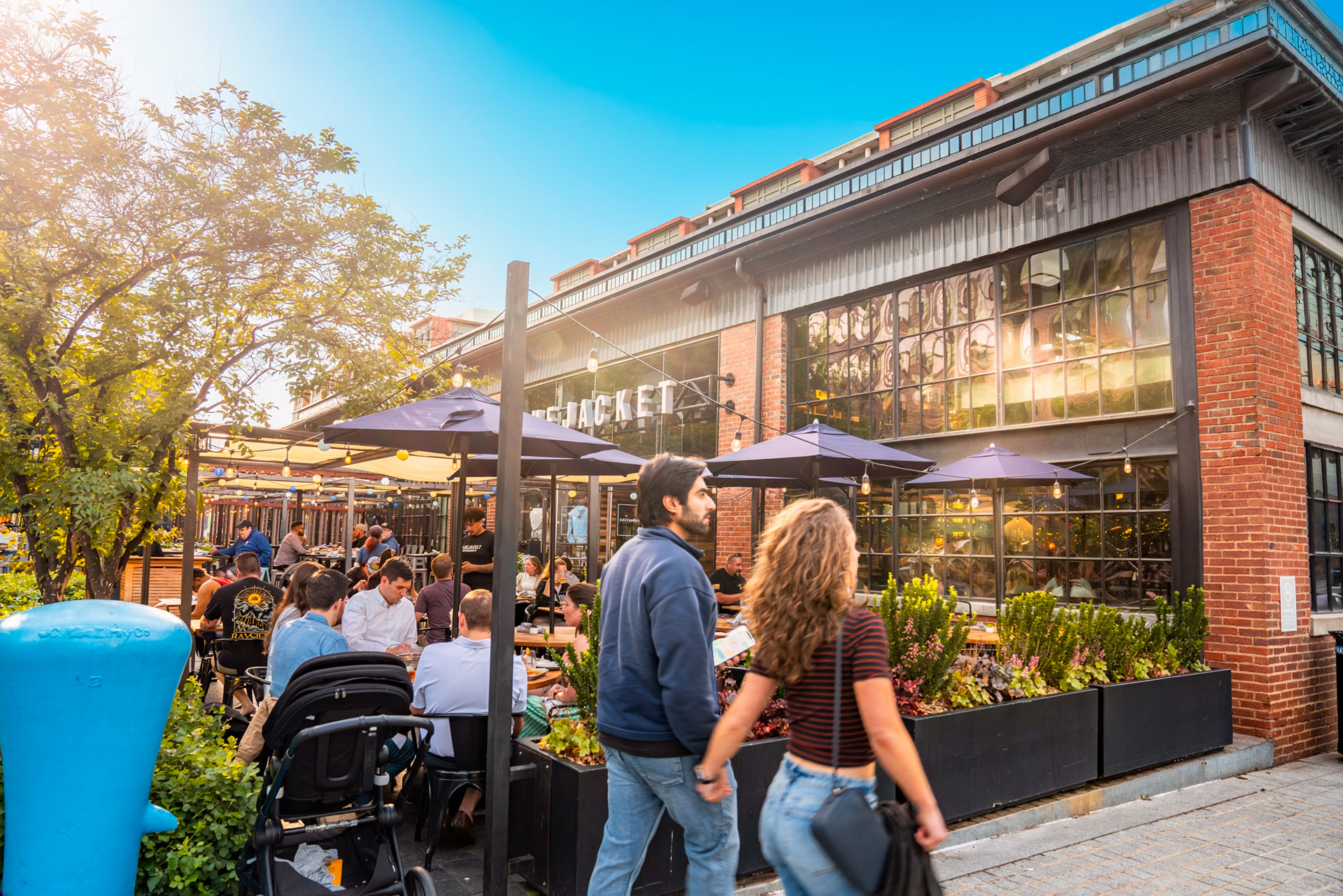
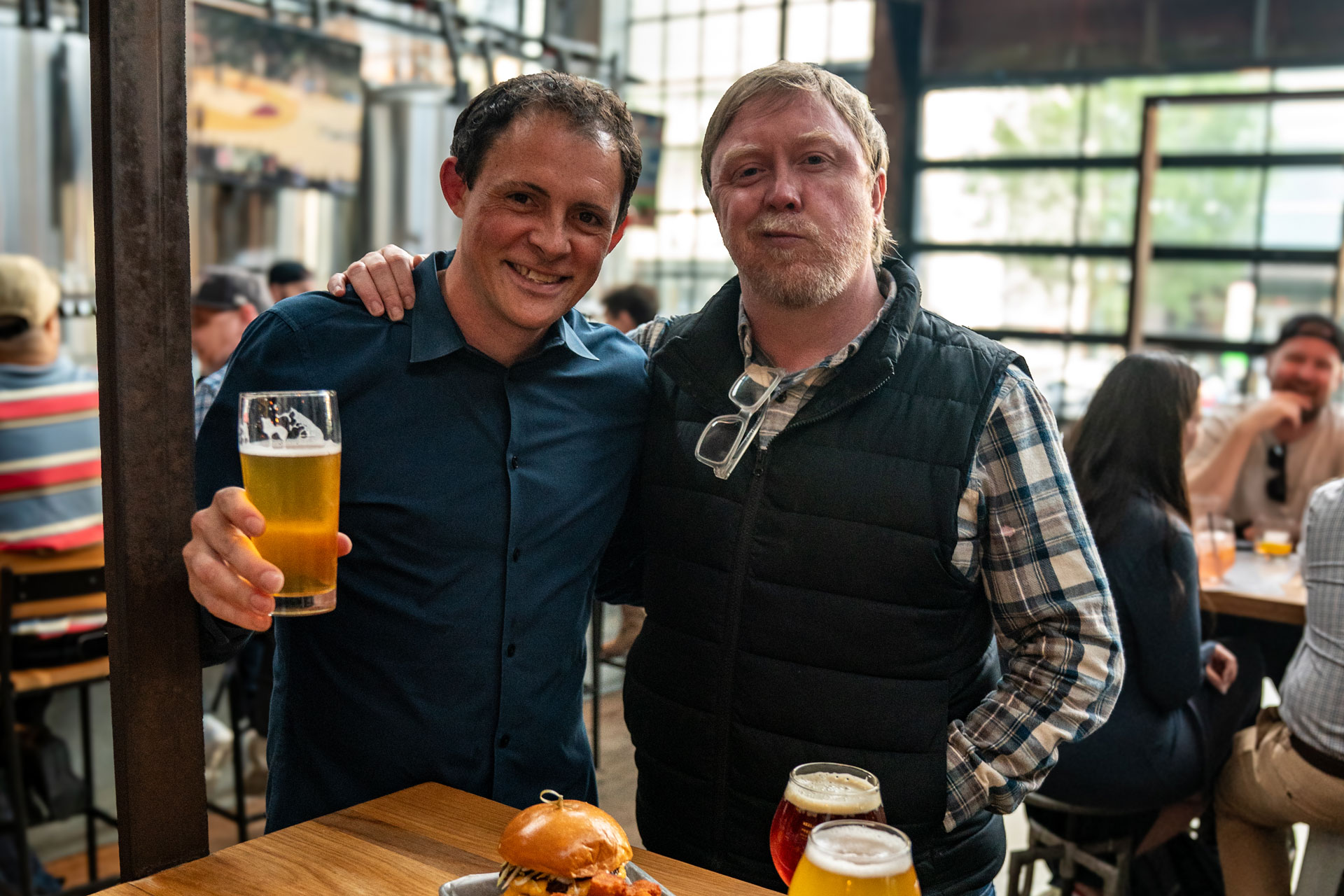
Bluejacket occupies an old industrial building in Navy Yard, where the neighborhood’s naval manufacturing past still hangs in the brick and steel. Today, tanks and pipes snake through the building producing something considerably more useful to me: beer. Brewer Greg Engert told me they wanted visitors to see the process, to understand that beer isn’t simply dispensed from some magical stainless-steel oracle behind the bar. Someone made it. Someone cared about it. That philosophy becomes considerably easier to appreciate with a pint and an irresponsible quantity of tater tots.
Like most things discarded to the street, I eventually found myself down at The Wharf.
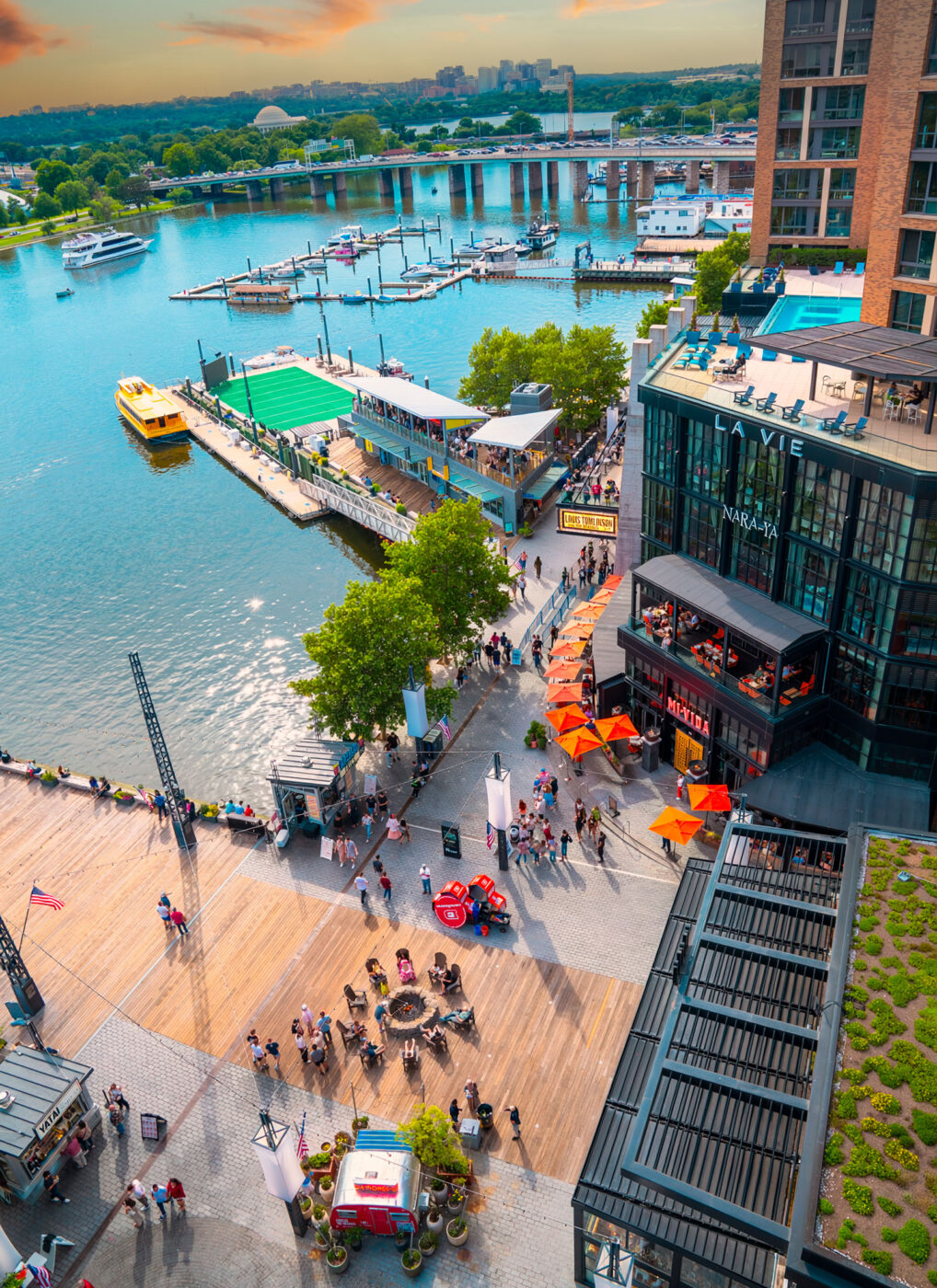
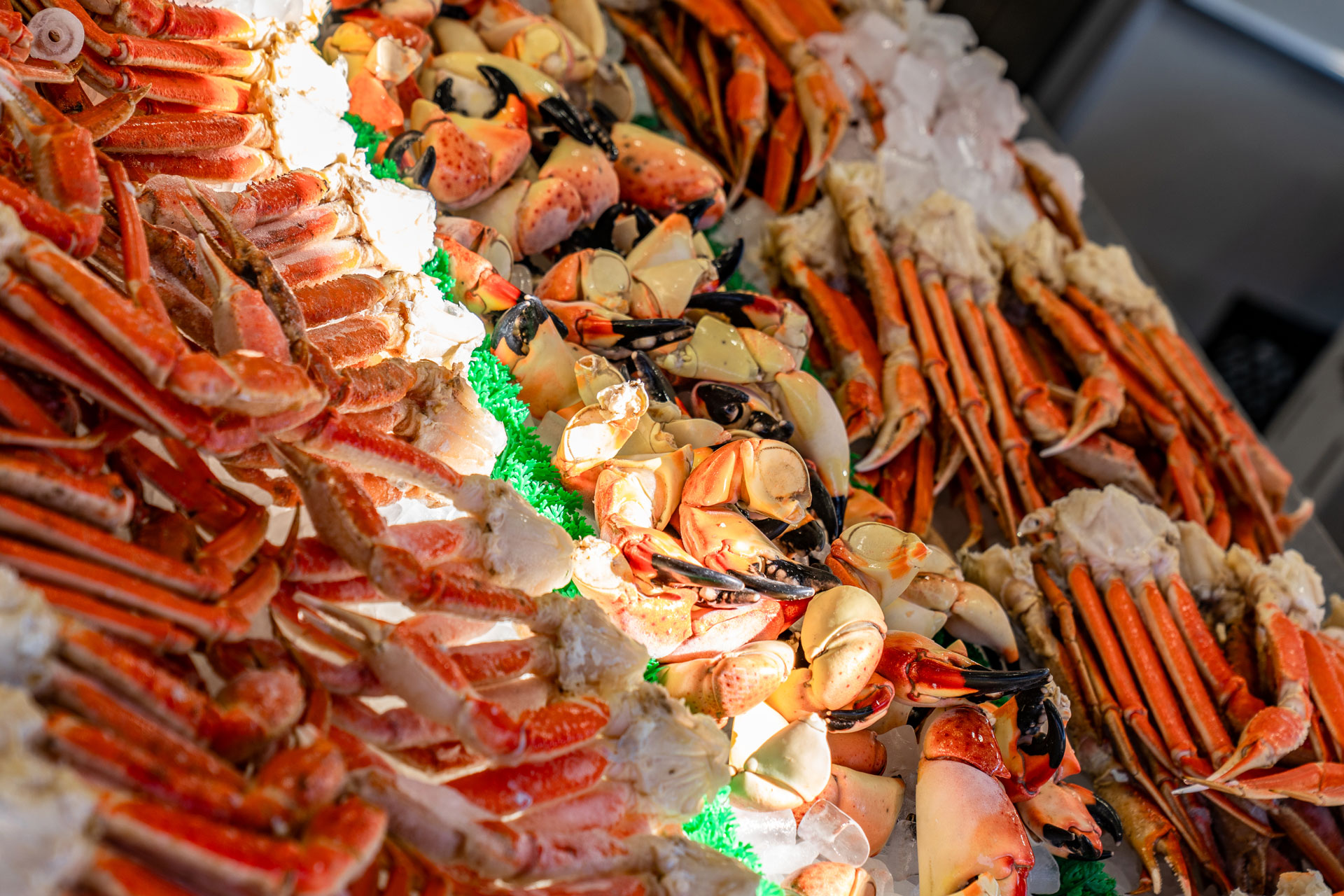
Long before the gleaming restaurants, hotels and music venues arrived, Washington’s Southwest Waterfront was feeding the city. Its Municipal Fish Market dates to 1805, making it older than almost everything surrounding it. That juxtaposition is what makes The Wharf work.
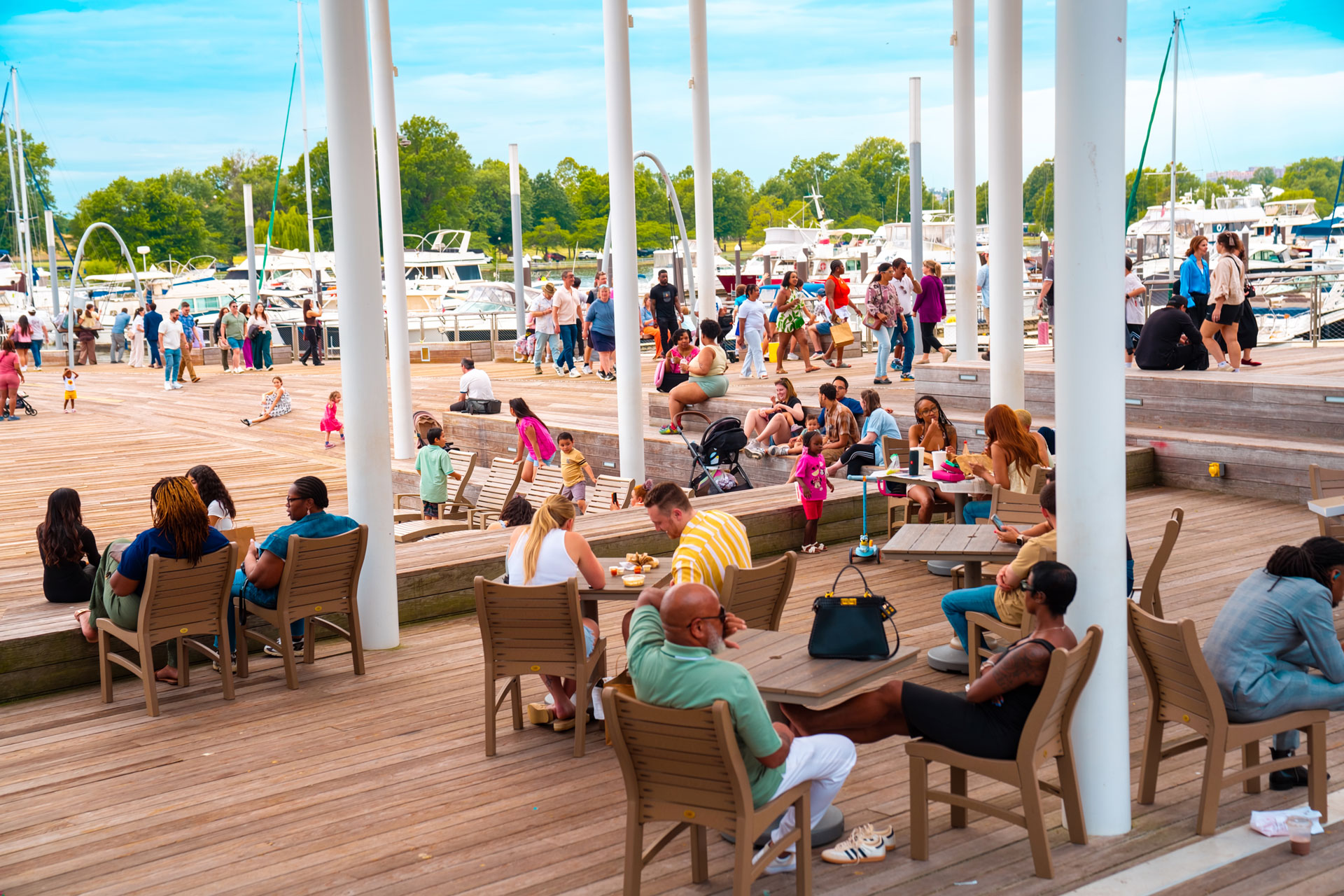
Old seafood stalls sit alongside swank rooftop bars. Barges bob beyond exclusive restaurants. People drink cocktails a few steps from businesses selling crabs the same way Washingtonians have bought them for generations.
Amidst the contradiction I checked into the InterContinental overlooking the Potomac and discovered my suite had a pool table, champagne, chocolate-covered strawberries and a bathtub roughly the displacement of a small naval vessel. Travel writing requires sacrifice, so I took a champagne bath and realized that no one wanting to visit Washington DC should ever stay here. Why would you ever want to leave the room?
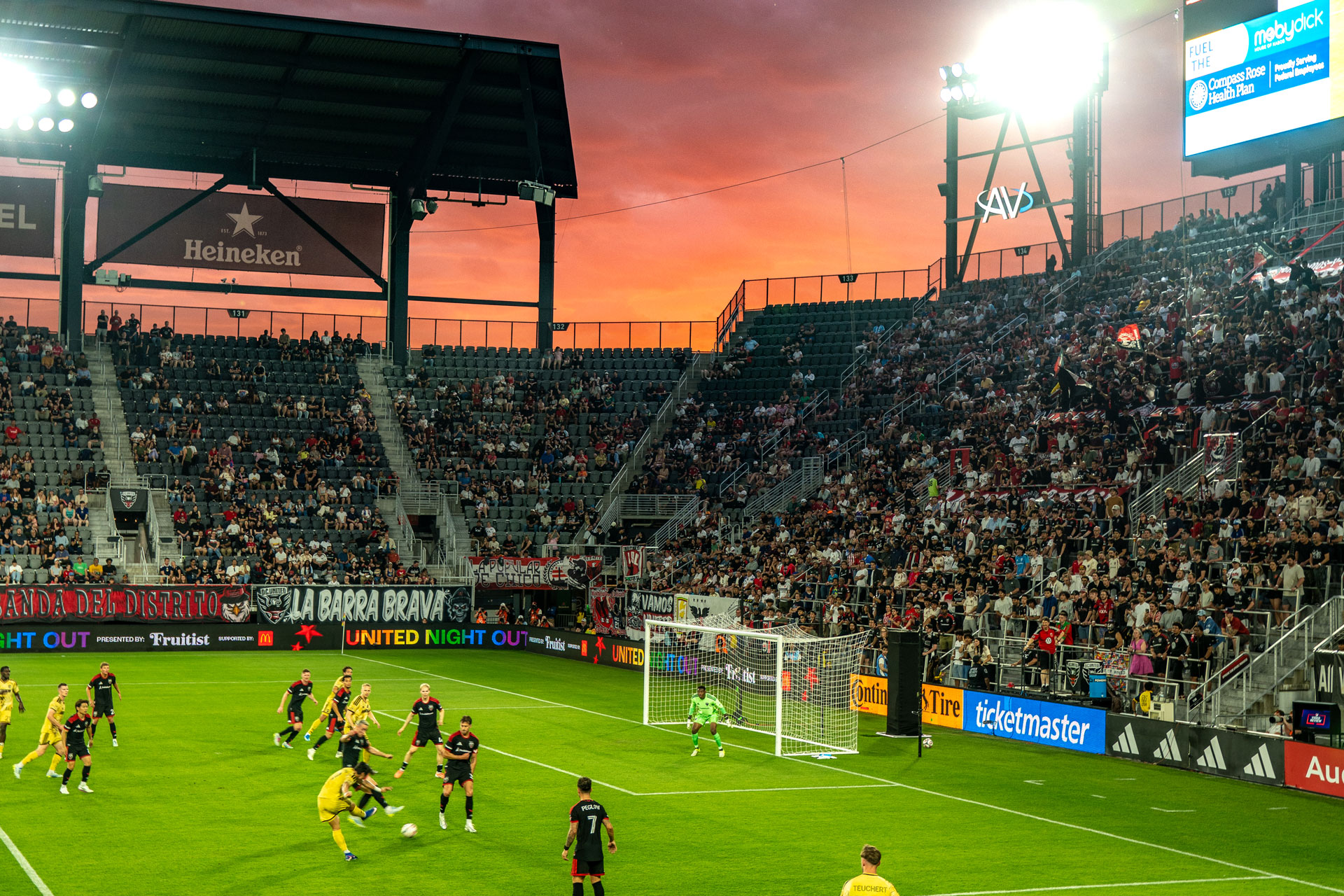
It took 20,000 screaming people to pull me from my pampered trance as I filed into the Audi Stadium just down the way to watch the legendary DC United dominate in soccer. Some seats here sit only feet from the pitch, close enough to hear bodies collide and supporters negotiate with referees using language unlikely to appear in any official FIFA handbook. I grabbed a beer, pretended to know the chants and watched football. Somewhere in that crowd, I finally understood what had surprised me about Washington.
The monuments aren’t the problem. They’re extraordinary. They’re just terrible at explaining the city around them.
Washington’s most recognizable buildings have become shorthand for America itself, so enormous in our collective imagination that they obscure the ordinary, messy, delicious city living behind them .
The Washington I loved wasn’t preserved in marble.
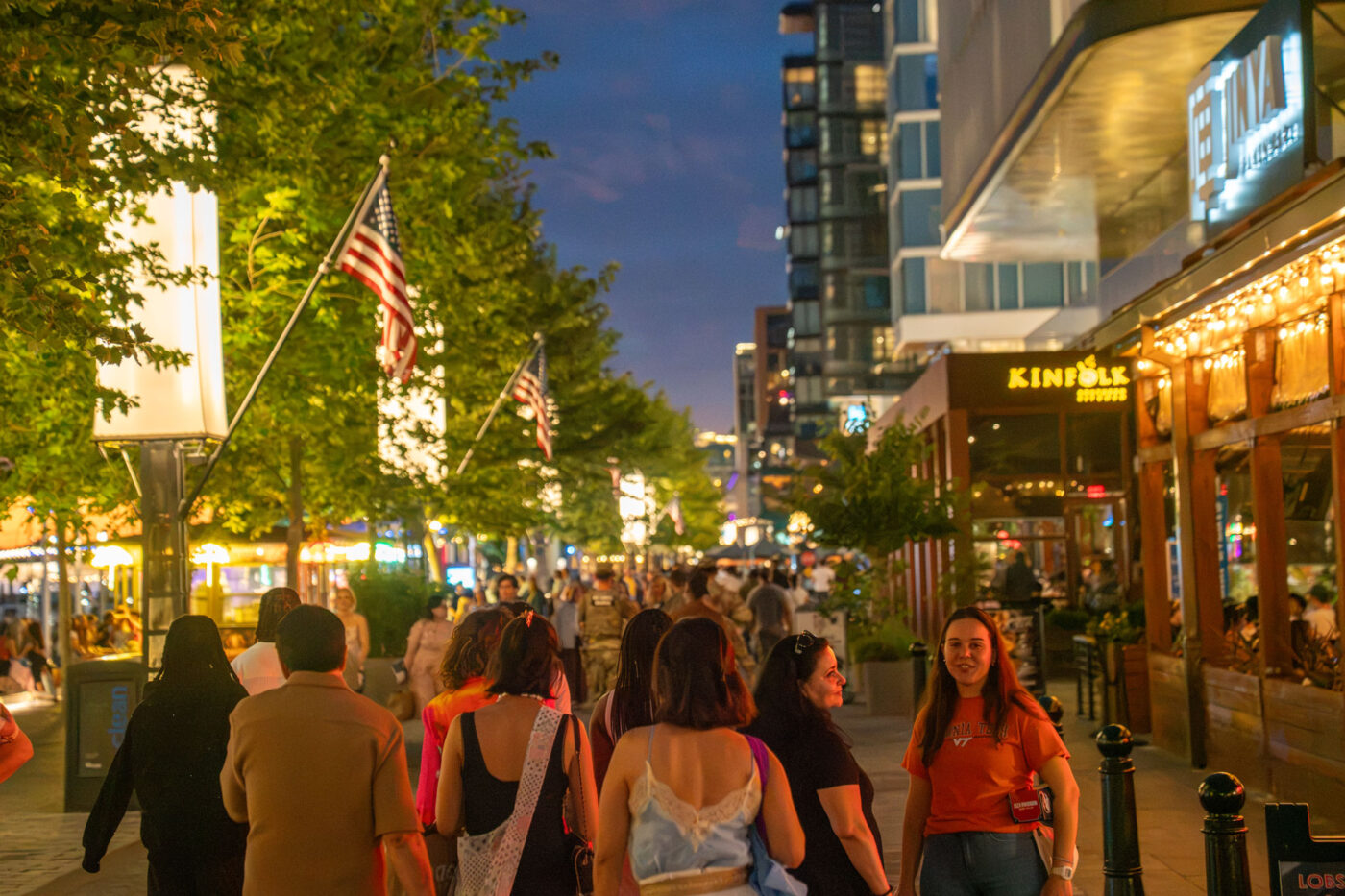
It was drinking beer in an old Navy factory. Eating its way across the Silk Road. Racing imaginary Formula One cars. Protecting Shakespeare. Building impossible machines. Selling crabs by the water. Screaming at a soccer referee.
Washington doesn’t need another monument. It needs everyone to slowly take off her glasses and realize what kind of a showstopper she is.

Share >




More Stories
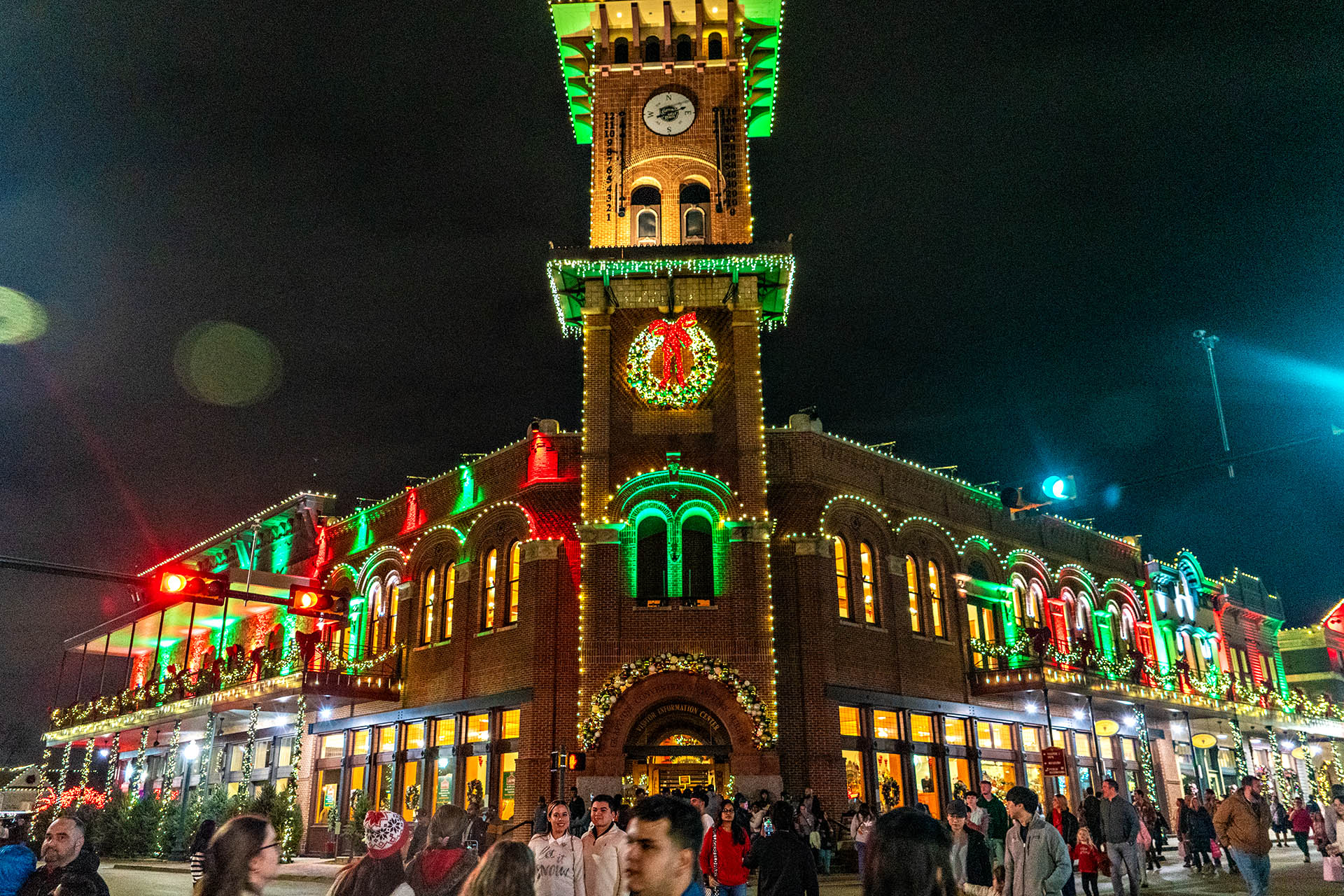
There are places that celebrate Christmas. Then, there are places that simply are Christmas. That’s Grapevine Texas.
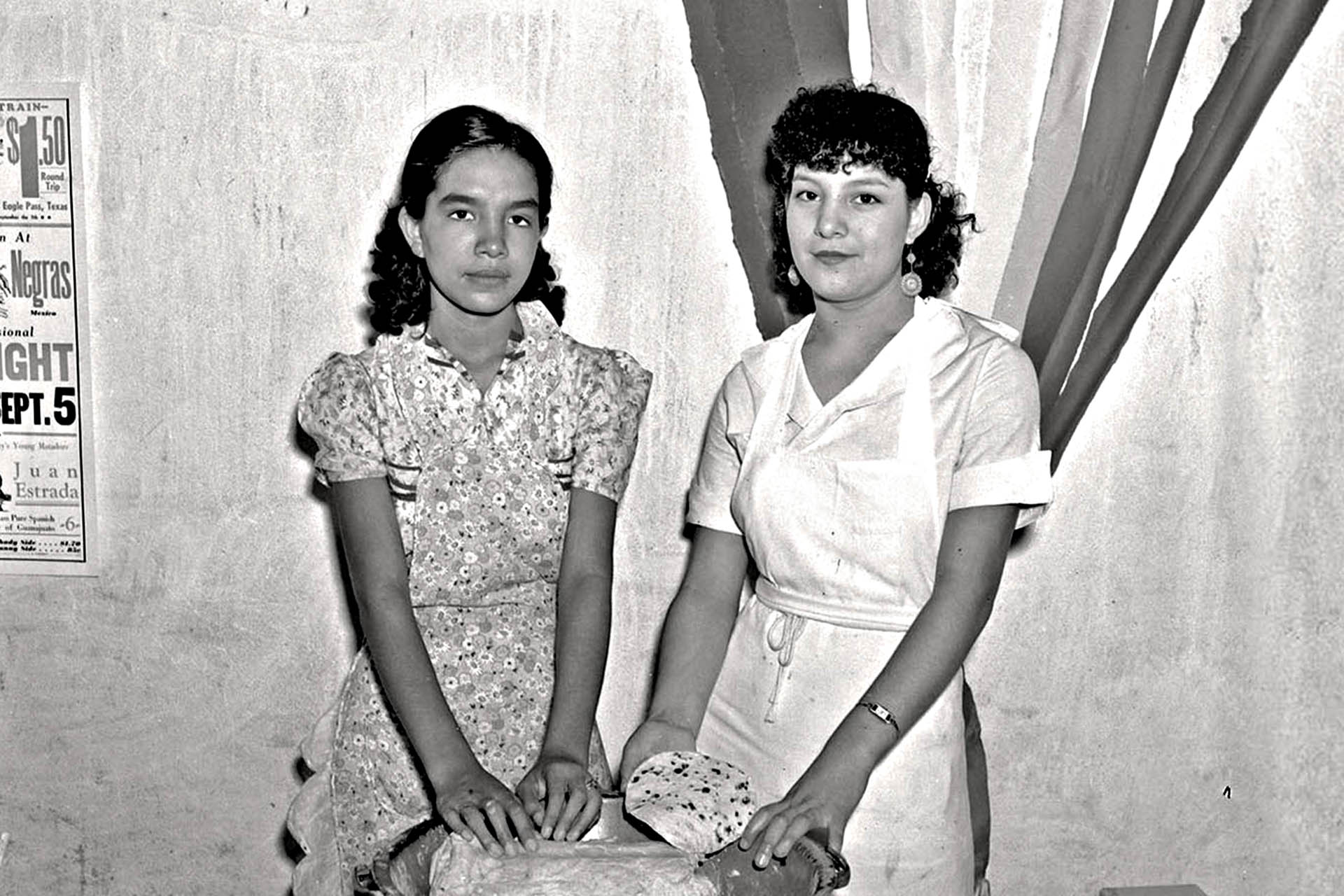
A brief, somewhat accurate, history of San Antonio's chilli-in-a-chip-packet phenomenon.
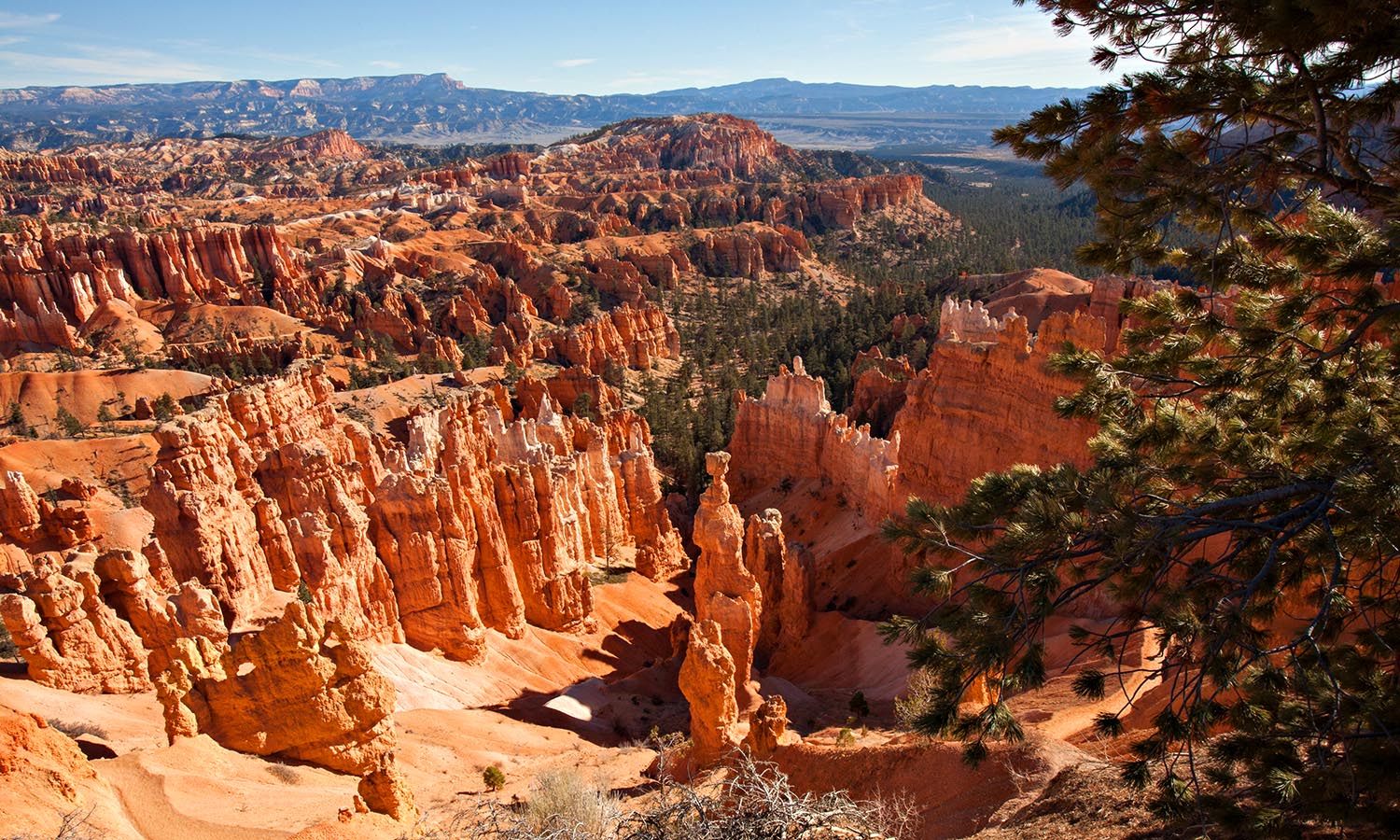
Utah is not just home to the Mighty Five® national parks. You’ll be blown away by the hidden gems that rival them.