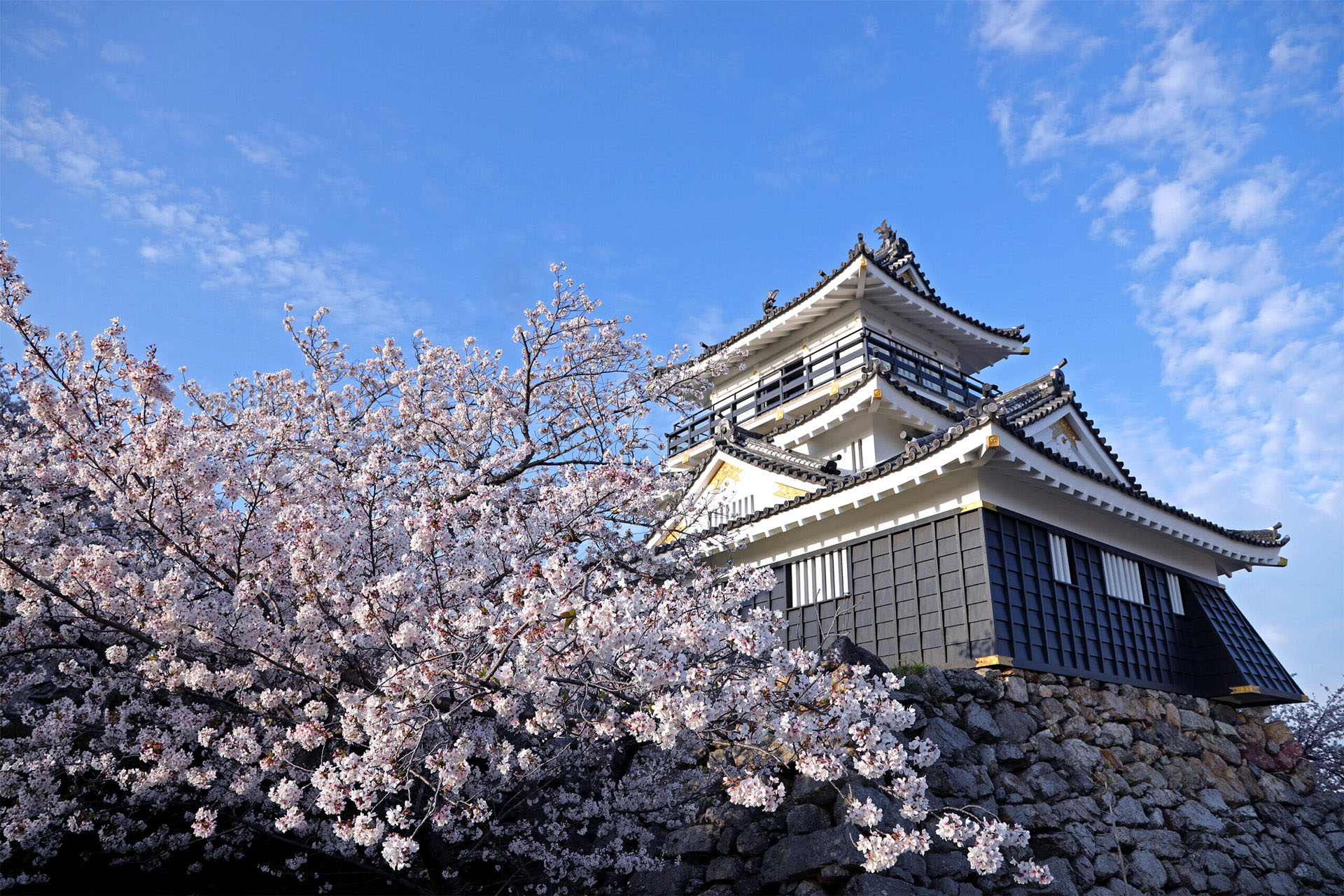
Japan has a habit of hiding its most interesting places in plain sight.
Hamamatsu is one of them.
Set between Tokyo and Osaka, straddling mountains, rivers and a restless stretch of Pacific coastline, this mid-sized city in Shizuoka Prefecture is often treated as somewhere you pass through rather than stop in. That’s a mistake. Hamamatsu rewards travellers who like their Japan a little less polished, and a little more practical.
1. A City Built On Music
To say Hamamatsu enjoys music is an understatement, because it also manufactures it.
This is the birthplace of Yamaha and Kawai, and is also the headquarters of Roland, three brands that have shaped how the world hears sound. Walk through the city and music turns up in unexpected places: we’re talking public pianos at stations and mini musical showrooms at rest stops.
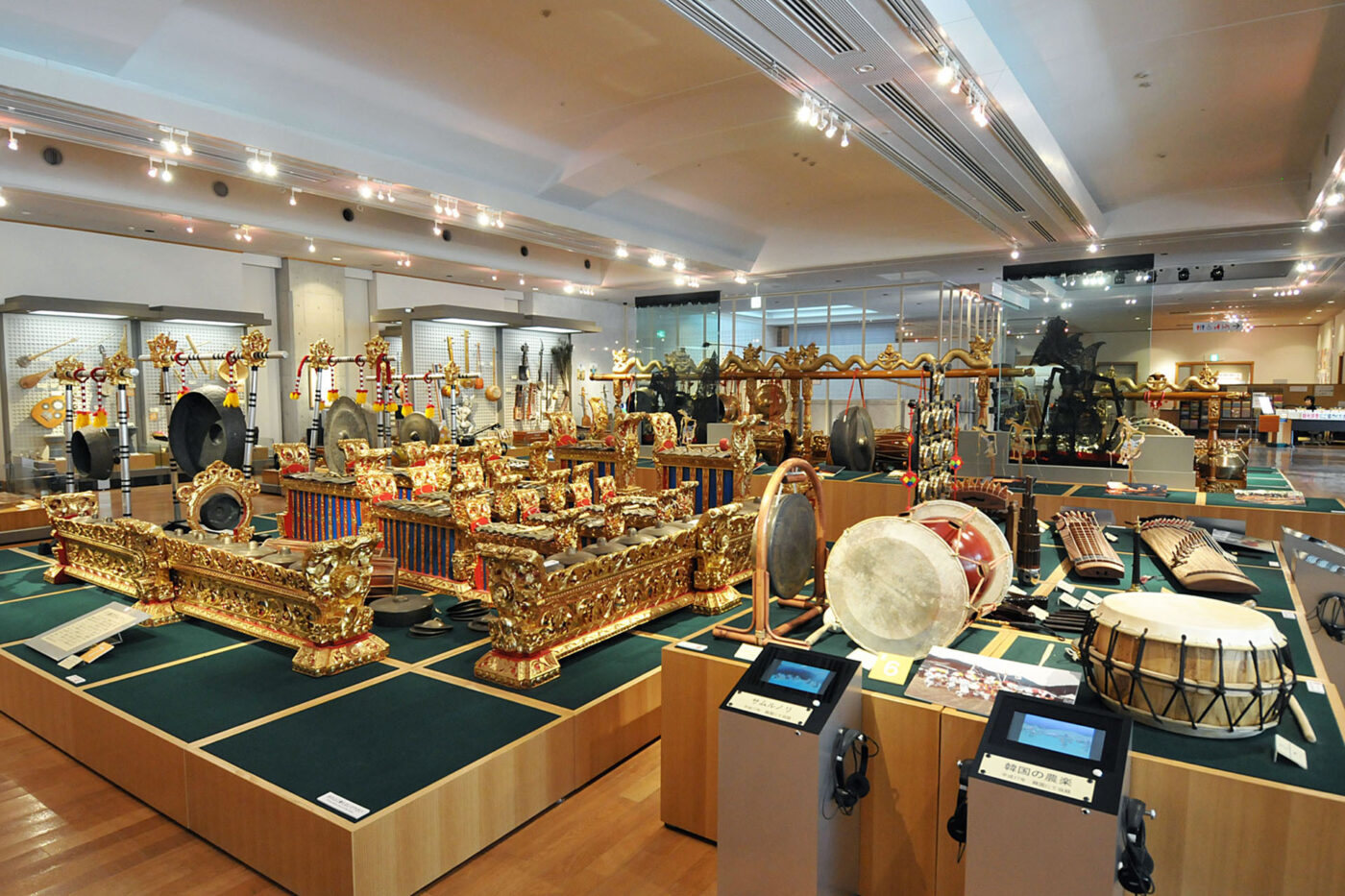
The Hamamatsu Museum of Musical Instruments backs it all up with substance. It’s one of the most comprehensive collections in the world, spanning ancient instruments from Asia, Africa and Europe to modern synthesisers and experimental sound tech. A stop here isn’t gimmicky; it’s a quiet reminder that Hamamatsu’s relationship with music is deep, technical and ongoing.

2. Japan’s Obsession With Eels Reaches Its Peak
Unagi is serious business in Japan, and Lake Hamana is ground zero.
The brackish lake just east of the city has produced eel for centuries, and Hamamatsu’s reputation is built on knowing exactly how to handle it.
It isn’t novelty food or Instagram bait here. It’s carefully grilled, brushed with sauce that’s often been guarded for generations, and served with the confidence that you’re coming back for seconds. Order unagi-don at a long-running local restaurant and you’ll taste the difference immediately.
3. An Unexpected Stretch of Sand
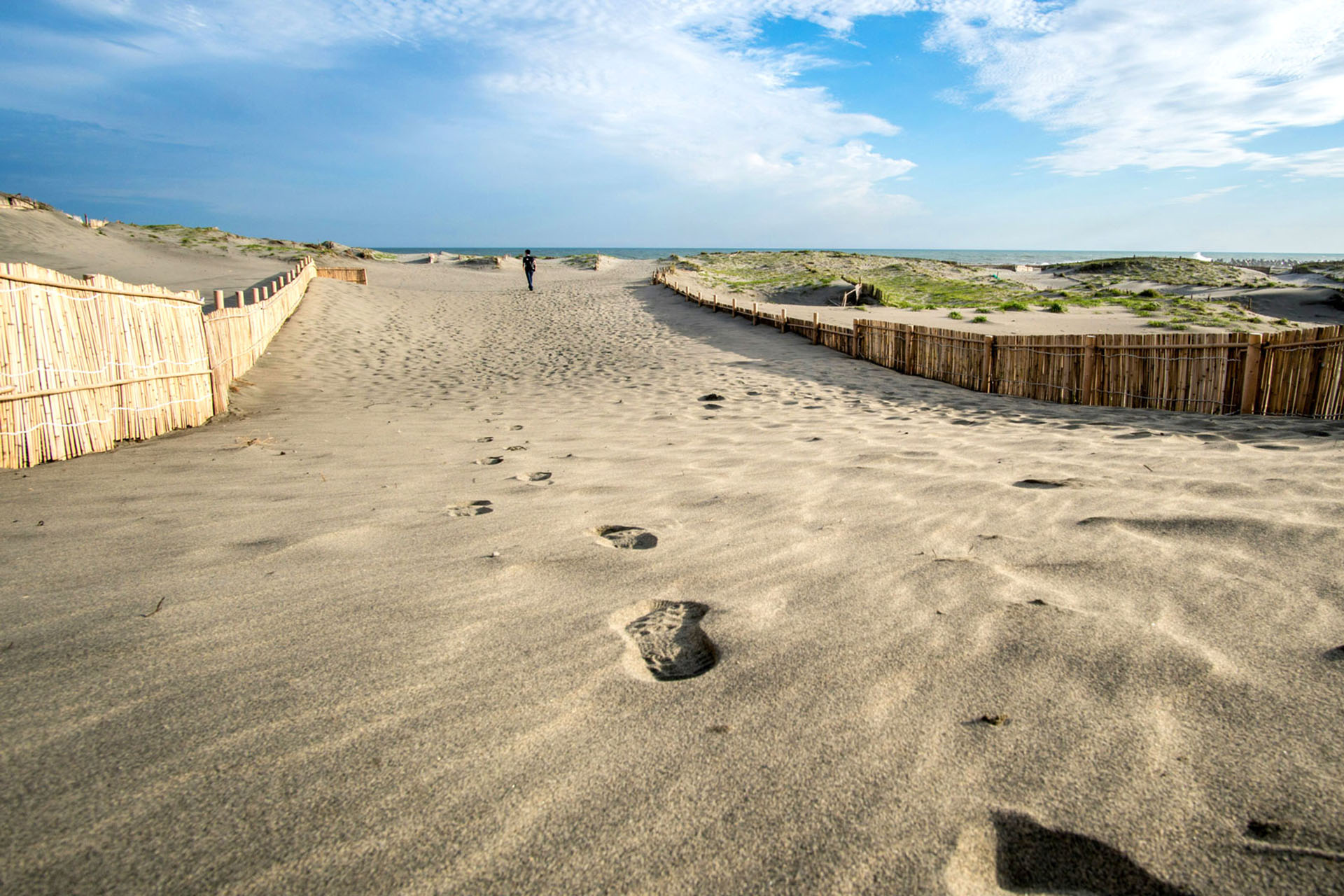
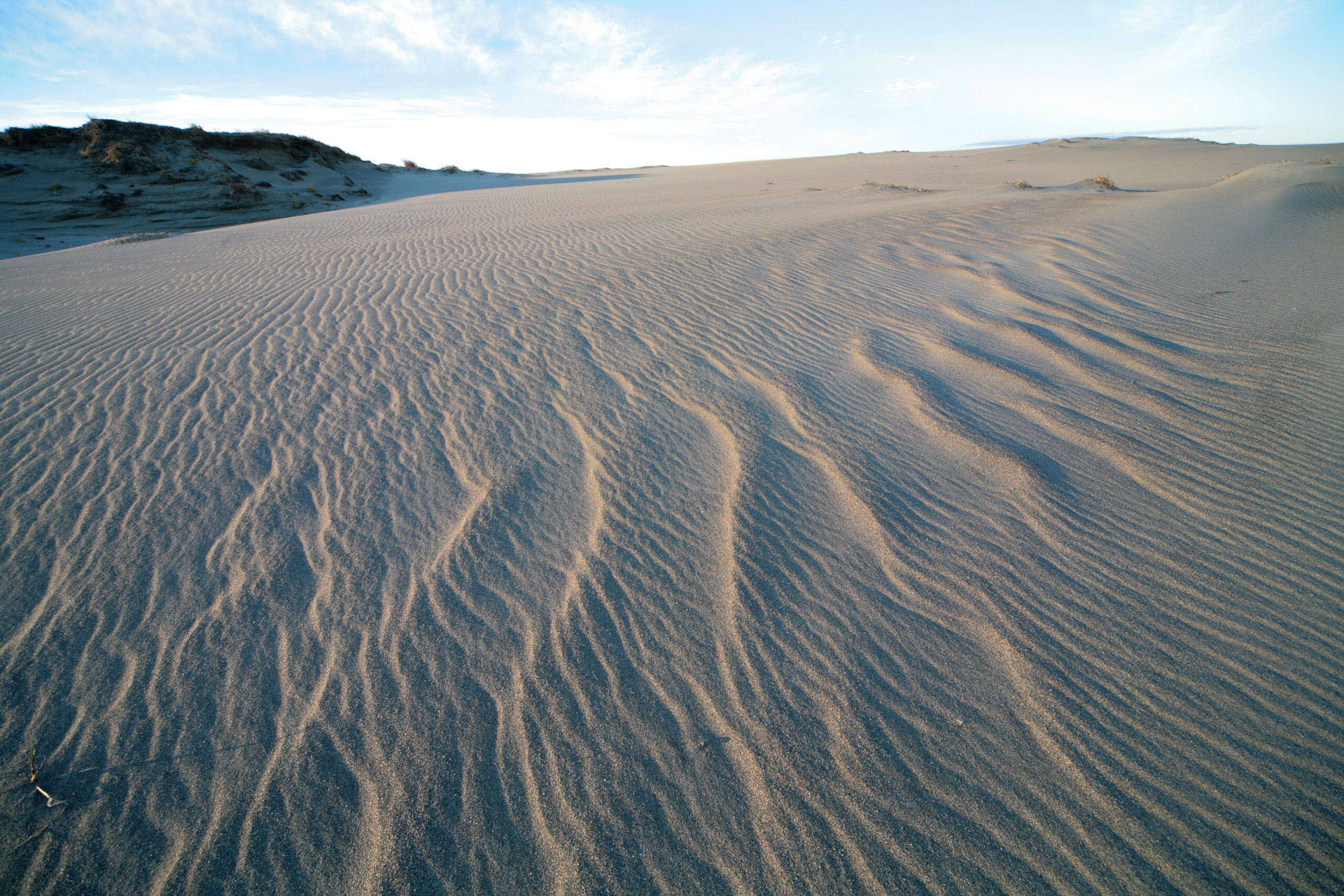
Sand dunes aren’t what most people picture when they think of Japan, which is exactly why Nakatajima Sand Dunes feel so surprising.
Stretching along the Pacific coast, they’re windswept, shifting and completely open to the elements.
There are no fences, no themed experiences, no attempts to soften the landscape. Just sand, sea, sky and the constant pull of the wind. Locals come here to walk, to think, or to watch the weather roll in. And you could too.
4. An Easy Entry Point to Rural Japan
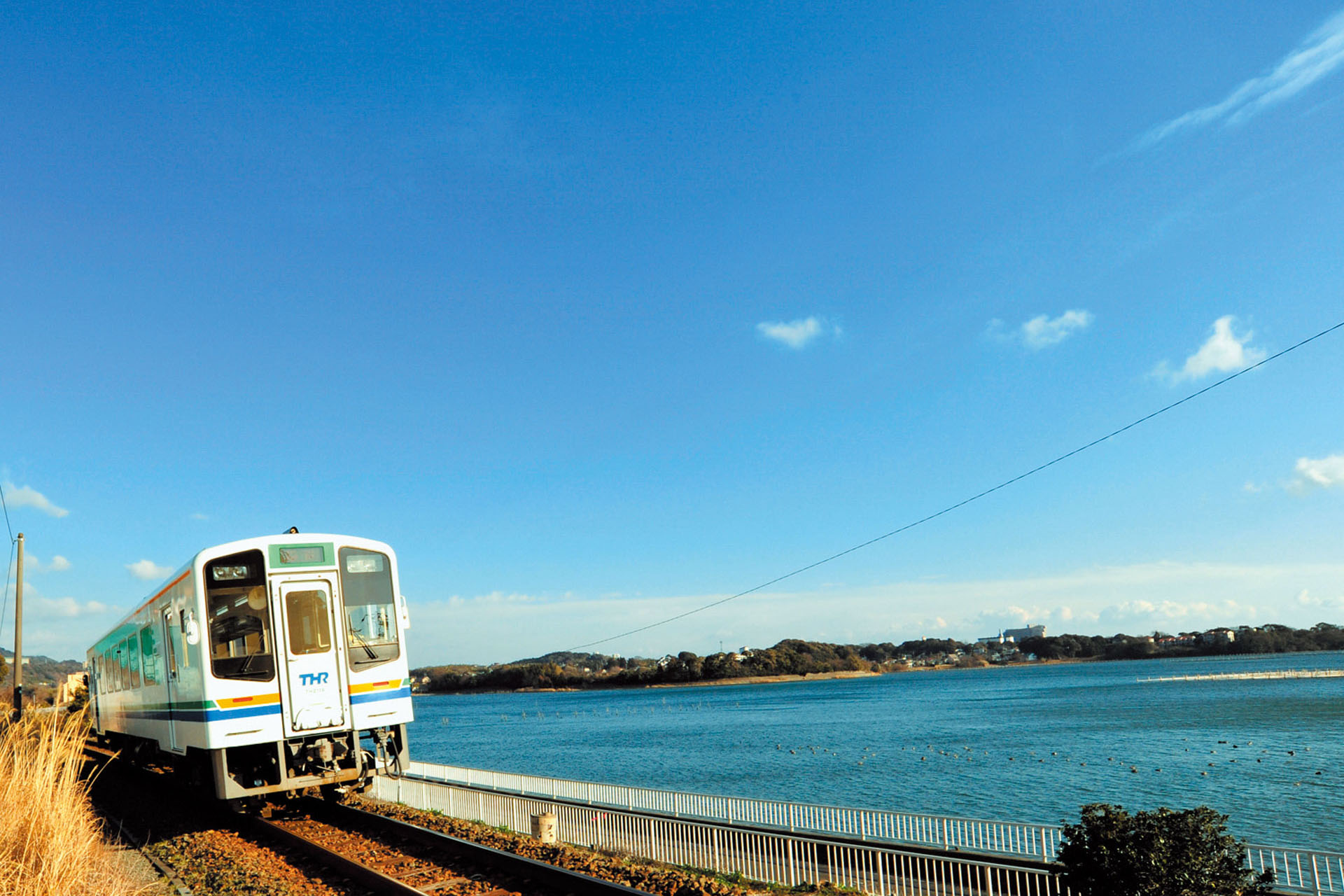
Hamamatsu sits at a sweet spot. It’s well-connected by the Tokaido Shinkansen, yet minutes from countryside that feels worlds away from major cities.
Mountains rise to the north, fishing villages hug the coast, and traditional towns line the Tenryu River.
You don’t need a car, fluent Japanese or weeks of planning to explore beyond the city. Day trips are easy, train lines are straightforward, and rural life unfolds naturally, rather than as a curated experience with a tour group. But chances are, once you’re in Hamamatsu, you’ll likely never want to leave.
5. It’s Still Surprisingly Affordable
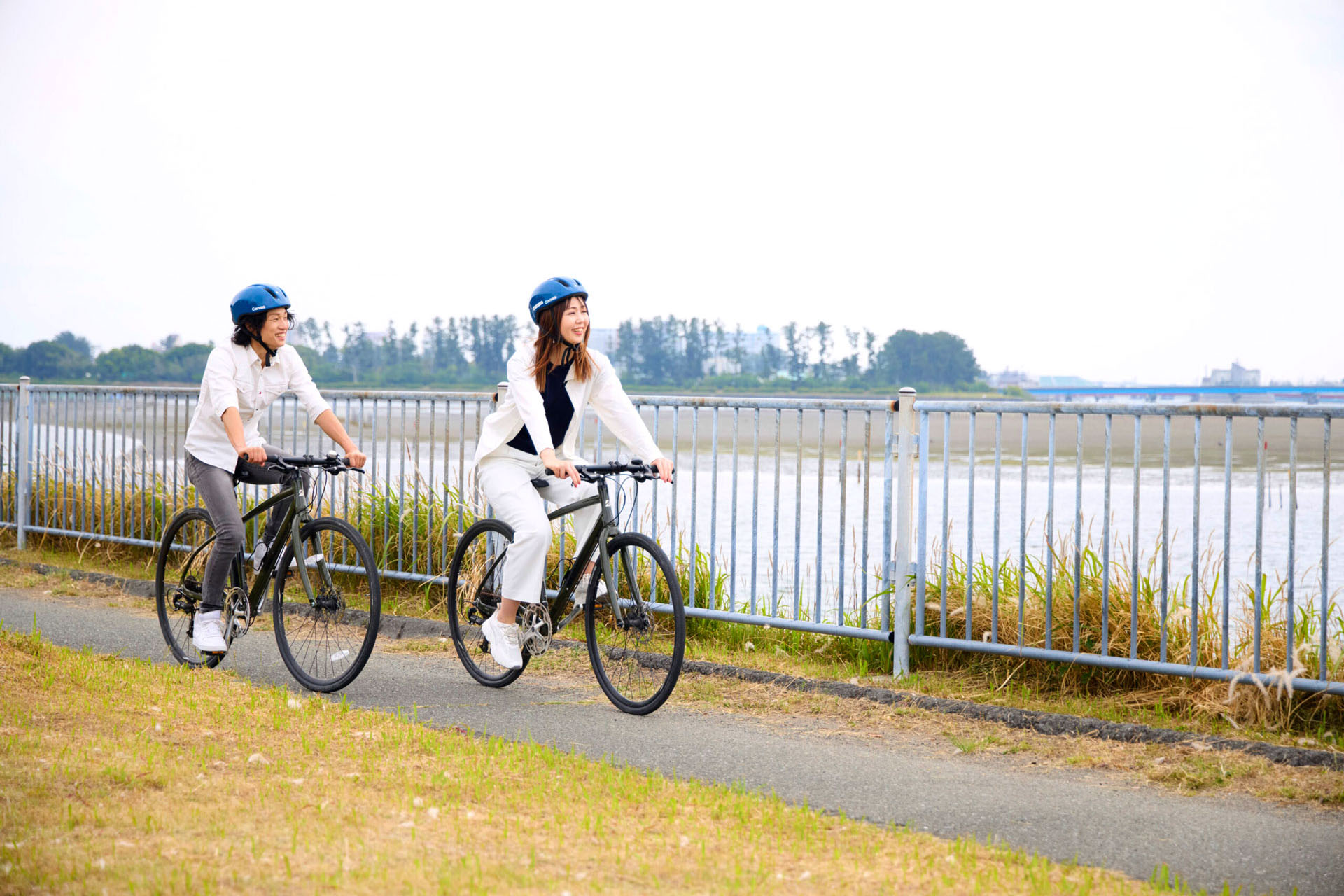
This bustling place doesn’t price itself like a destination trying to impress.
Accommodation, food and transport are noticeably more affordable than Tokyo or Kyoto, and there’s no sense that anyone’s trying to upsell you.
This is a working city first and a visitor destination second, which keeps things honest. You eat where locals eat, stay where business travellers stay, and pay prices that make sense. It’s refreshing, especially if you’ve grown tired of Japan’s more inflated hotspots.
6. The Pacific Coast Is Largely Undiscovered
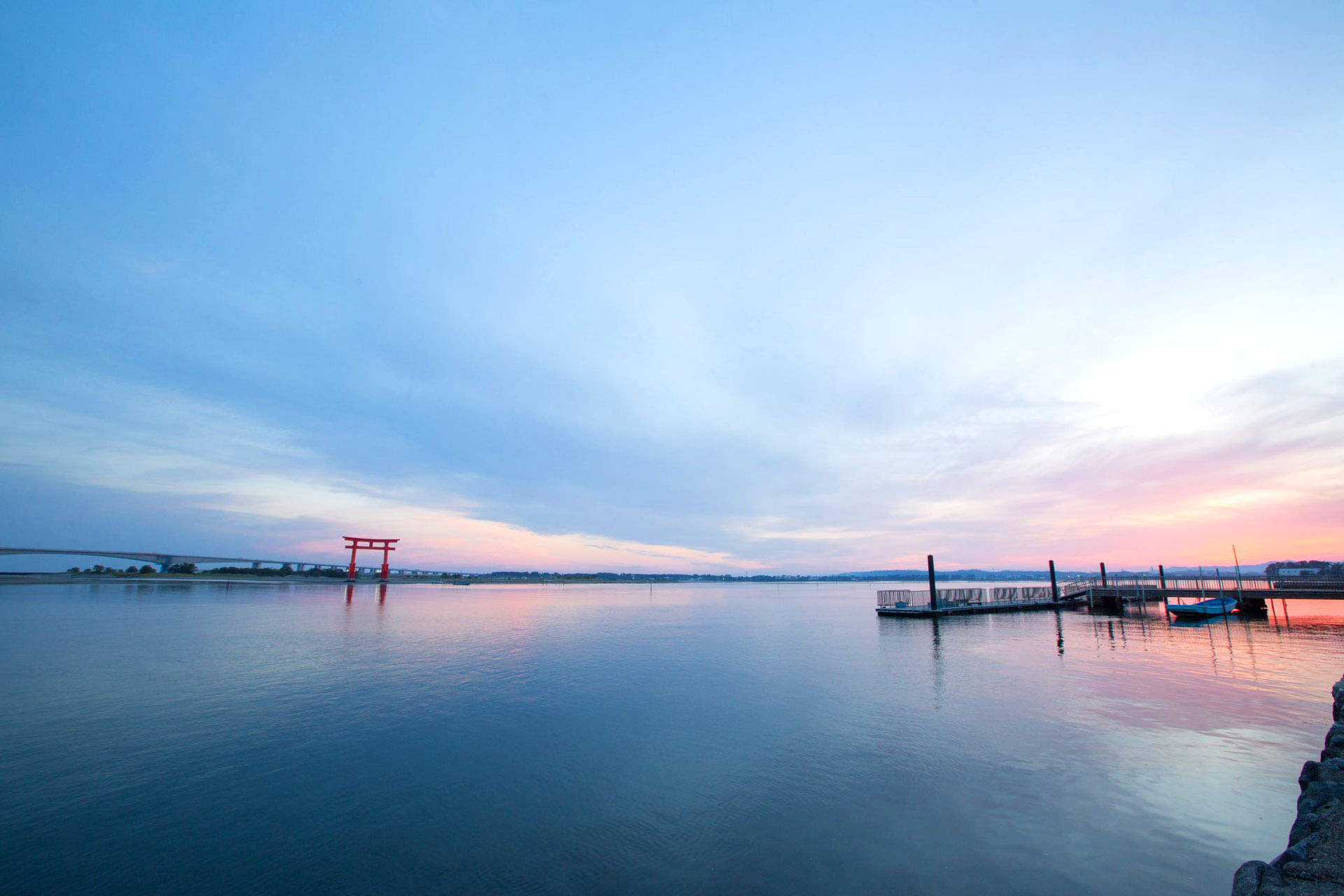
Hamamatsu’s coastline faces the full force of the Pacific Ocean, and it shows.
Waves are strong, winds are unpredictable, and beaches feel purposefully undeveloped.
Surfers have known about this stretch of coast for years, but it’s still blissfully uncrowded. There are no beach clubs and no curated viewpoints, just long horizons, black sand in places, and a sense that nature is still very much in charge here (just the way we like it).
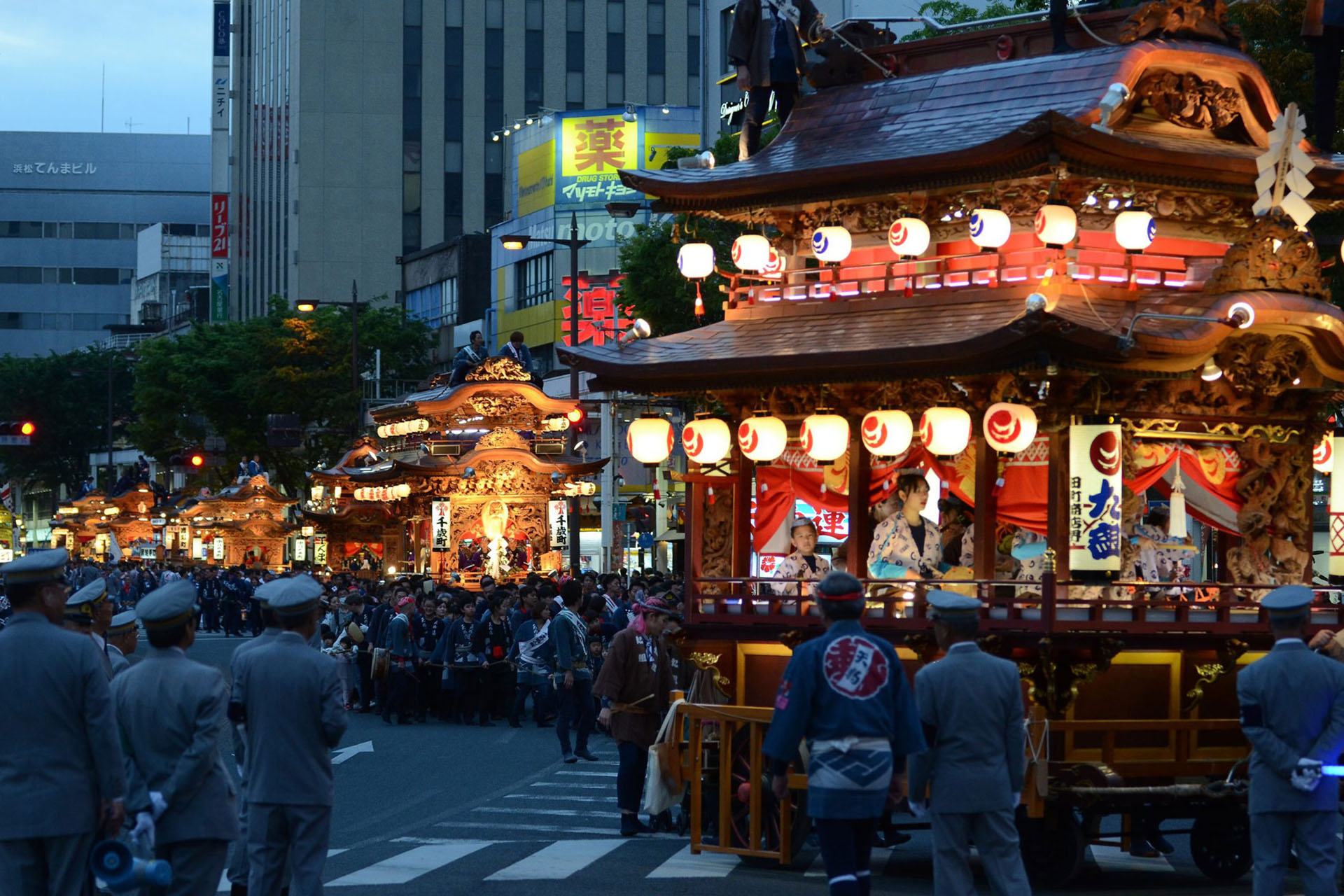
7. Hamamatsu Does Festivals the Right Way
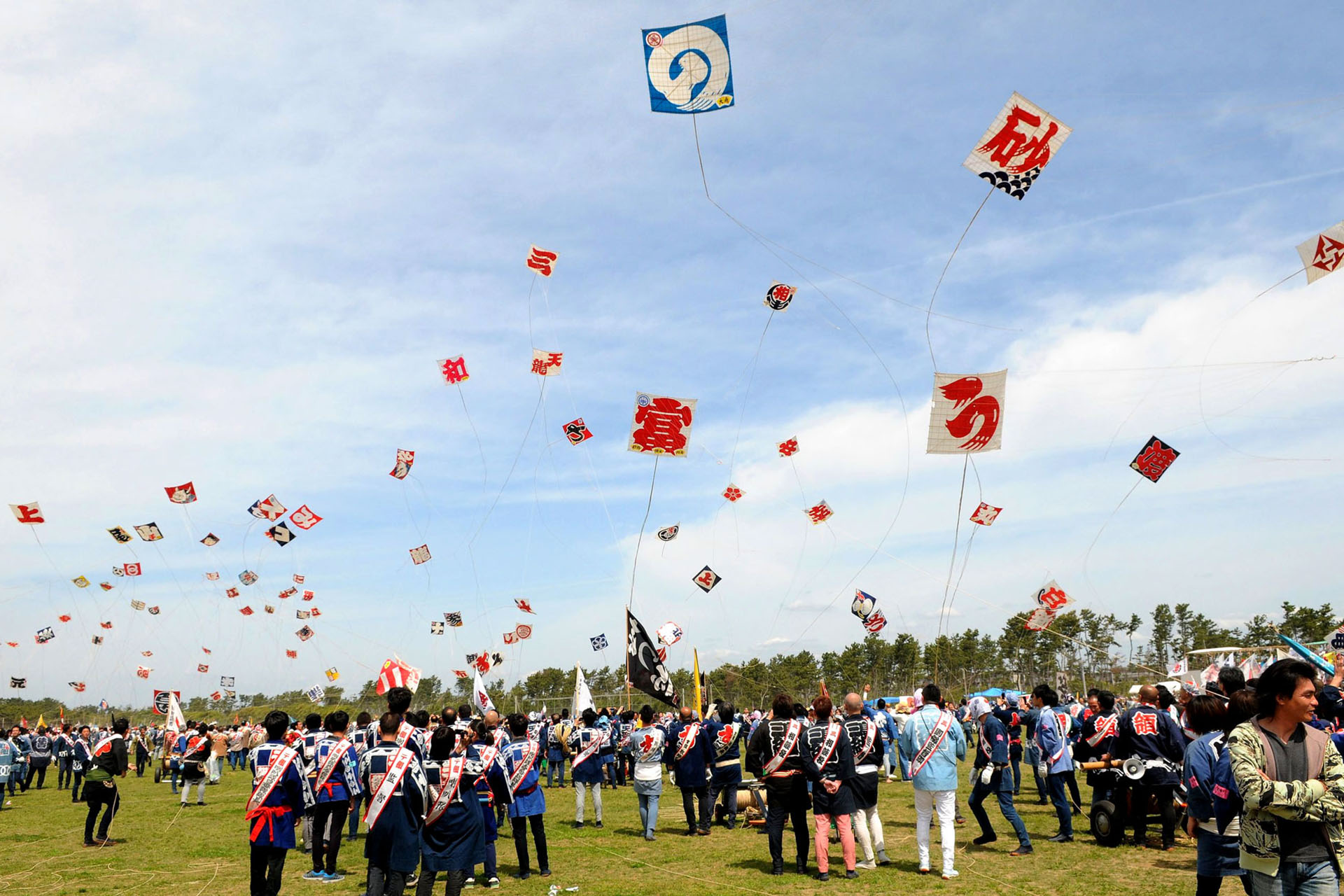
Hamamatsu’s festivals don’t slow down for visitors, and that’s their strength.
Events like the Hamamatsu Kite Festival are loud, chaotic and deeply local, driven by neighbourhood pride rather than attracting a crowd of visitors (although it does that too).
You won’t always understand what’s happening, and no one will stop to explain it (or maybe they will!?). But that’s kinda the point. These festivals exist because the city wants them to, not because they photograph well (but also, have you seen the photos!?), so watching from the sidelines feels like being let in on something genuine.
8. It’s the Birthplace of Japanese Motor Innovation
Before Japan became synonymous with reliable cars and motorbikes, it started in Hamamatsu.
Honda, Suzuki and Yamaha all trace their origins here, born out of post-war necessity and mechanical ingenuity.
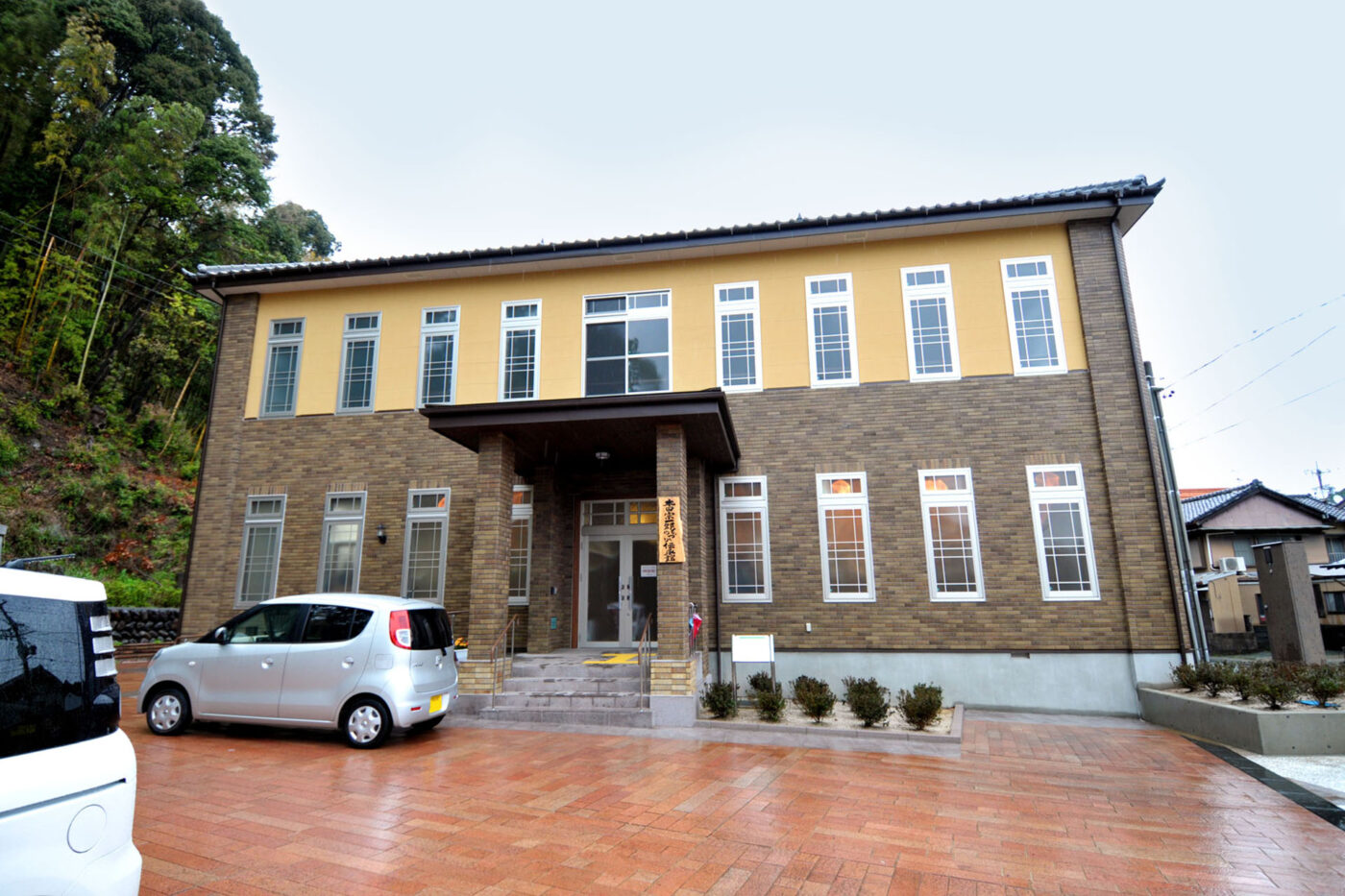
Museums, factory tours and even the local mindset reflect a culture of making, testing and improving. Like, if you’re interested in how Japan became Japan, Hamamatsu fills in some important gaps.
9. The Tenryu River Doubles As An Adventure Route
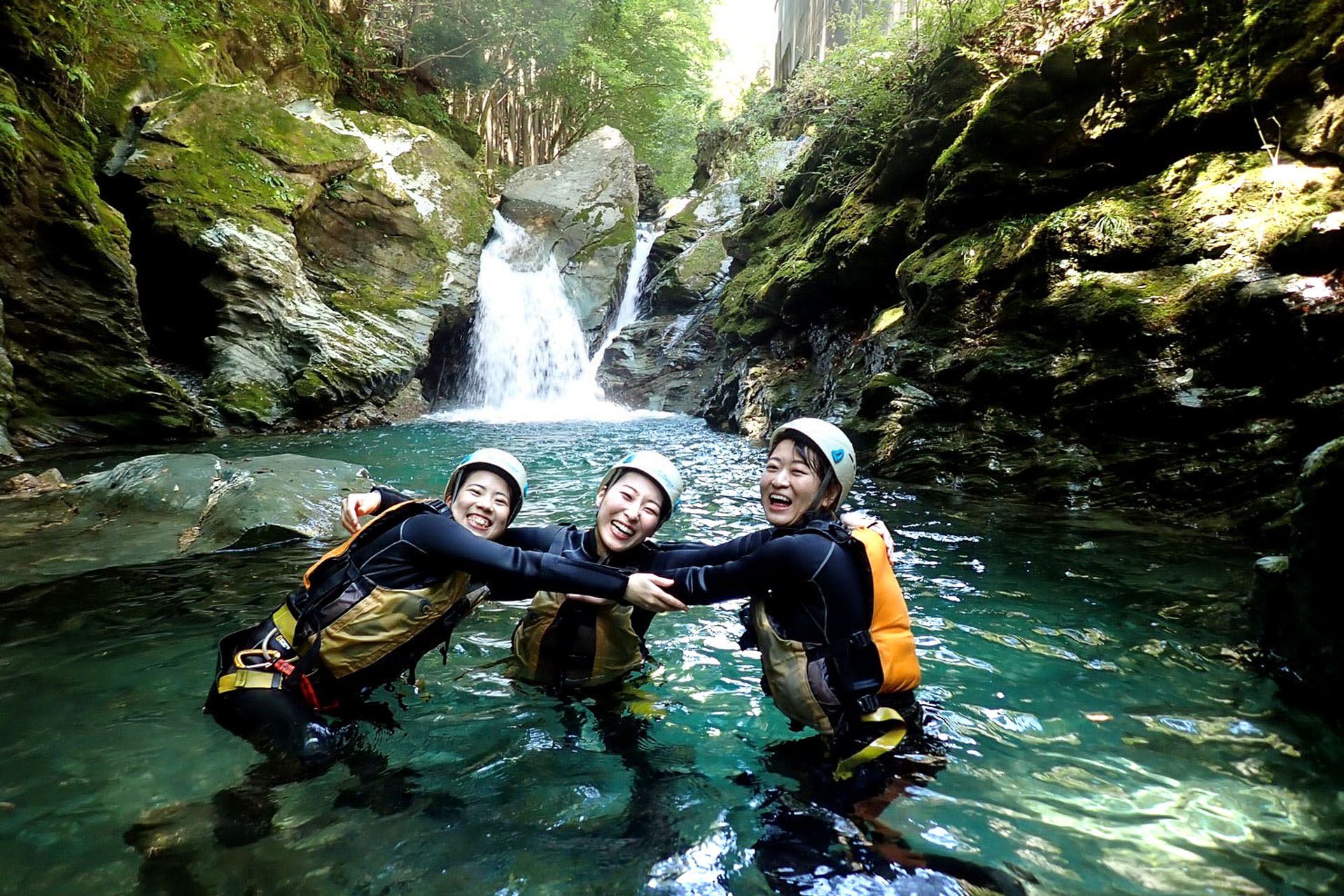
Flowing from the Japanese Alps to the Pacific, the Tenryu River has shaped Hamamatsu’s history and still defines its energy.
It’s fast, powerful and central to the region’s identity.
Boat rides through the gorge offer a front-row seat to dramatic scenery, while rafting and kayaking attract those who prefer a bit more momentum. Even if you stay on dry land, following the river north reveals a chain of small towns, forests and bridges that feel untouched by mass tourism.
10. It’s a City That Feels Properly Lived In
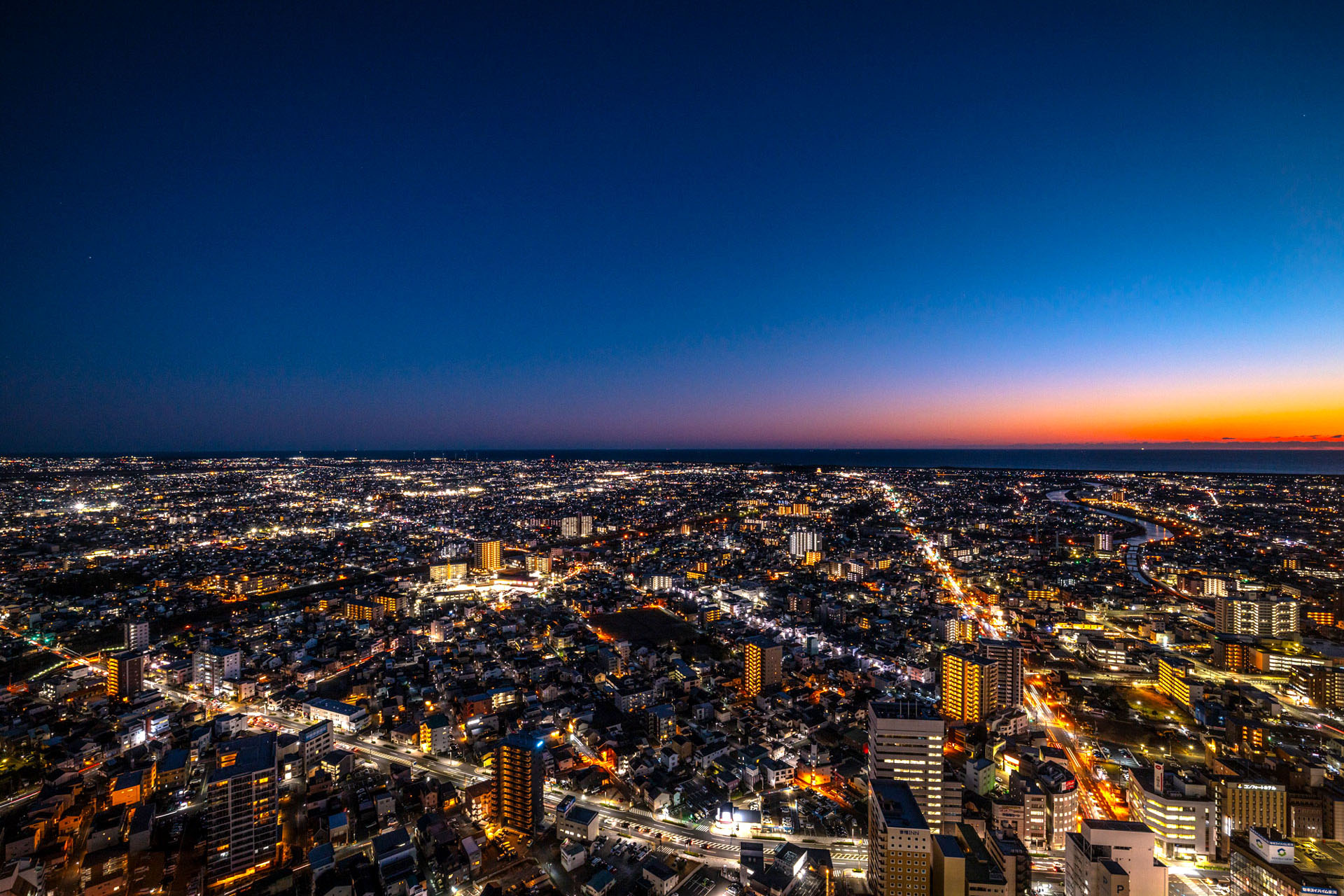
This city isn’t trying to ‘perform’ Japan for anyone.
People commute, factories hum, kids play music after school, and life carries on at its own pace.
For travellers, that’s the appeal. You see how a Japanese city actually works when it isn’t polishing itself for global attention. It’s practical and imperfect but that’s exactly why you want to visit.
And if you do, you’ll find a version of Japan that feels refreshingly real.
Get In the Know
We touched on it earlier, but Hamamatsu is the only place in Japan where you can trace the country’s obsession with both music and motorcycles back to the same city. Meaning the soundtrack and the engine noise of modern Japan were born in the same coastal sprawl.

Share >


More Stories

With a strong European influence that's impossible to ignore, Fiona Davies discovers Otaru isn't your typical Japanese town.

Your flights are booked, your accommodation confirmed. Bags, well… they’re far from packed. Soon, you’ll gaze out the window, wine in one hand, chopsticks effortlessly balanced in the other, with headphones on, you’ll be gliding along in your very own music video, the sun setting below you and definitely not a single loud tourist on board. Now that it’s locked in, you can tell your mates about it, your family, your dog. Maybe even your boss.

Why this so-called “airport town” is secretly a crash course in Japan, even if you’ve only got a few hours.