Before coming to Ireland, my understanding of Irish cuisine could comfortably fit on the back of a Guinness coaster.
Potatoes. Stew. Guinness. And, at a push, Guinness in the stew.

I knew Ireland had food, obviously. I just wasn’t convinced it had a cuisine. Not in the way Italy has pasta and Japan has sushi and Mexico has tacos. Ask someone to name an Irish dish and there’s usually a long pause before somebody says “potatoes?” with the confidence of a year eight student who hasn’t done the assigned reading. Well, neither had I.
My education begins in Dublin where I’m informed almost immediately that Guinness is essentially a food group. So far, my research is holding up.
But over the next few hours, while walking around the city on a Flavour Trails food tour, things start getting a little more complicated.

For starters, there is no such thing as just ‘an Irish pub’. There are singing pubs and dancing pubs, sports pubs and pubs where you go to talk philosophy. Some are for meeting people. Some are for avoiding them. There is a pub for everyone, and I mean everyone.

The same goes for the food.
Irish dishes can be so hyper-local that somebody from the next county might have no idea what you’re talking about. Recipes belong to towns, families and tiny pockets of the country. Move far enough down the road and the name changes, the ingredients change, or it becomes something no one’s ever heard of.
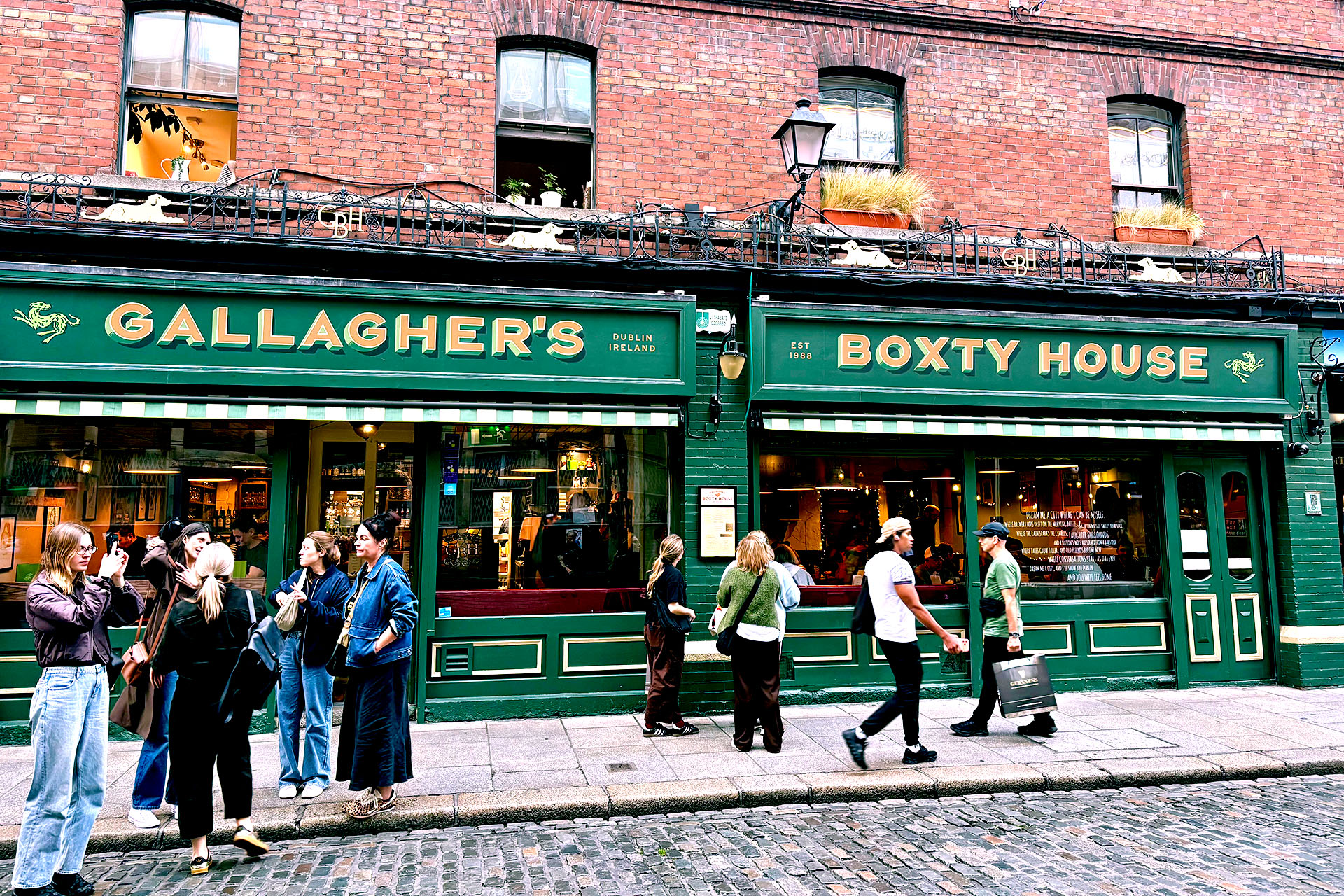
We soon arrive at Gallagher’s Boxty House. Boxty is a traditional Irish potato pancake. Like c’mon, is Ireland intentionally trying to undermine the point I’m trying to make?
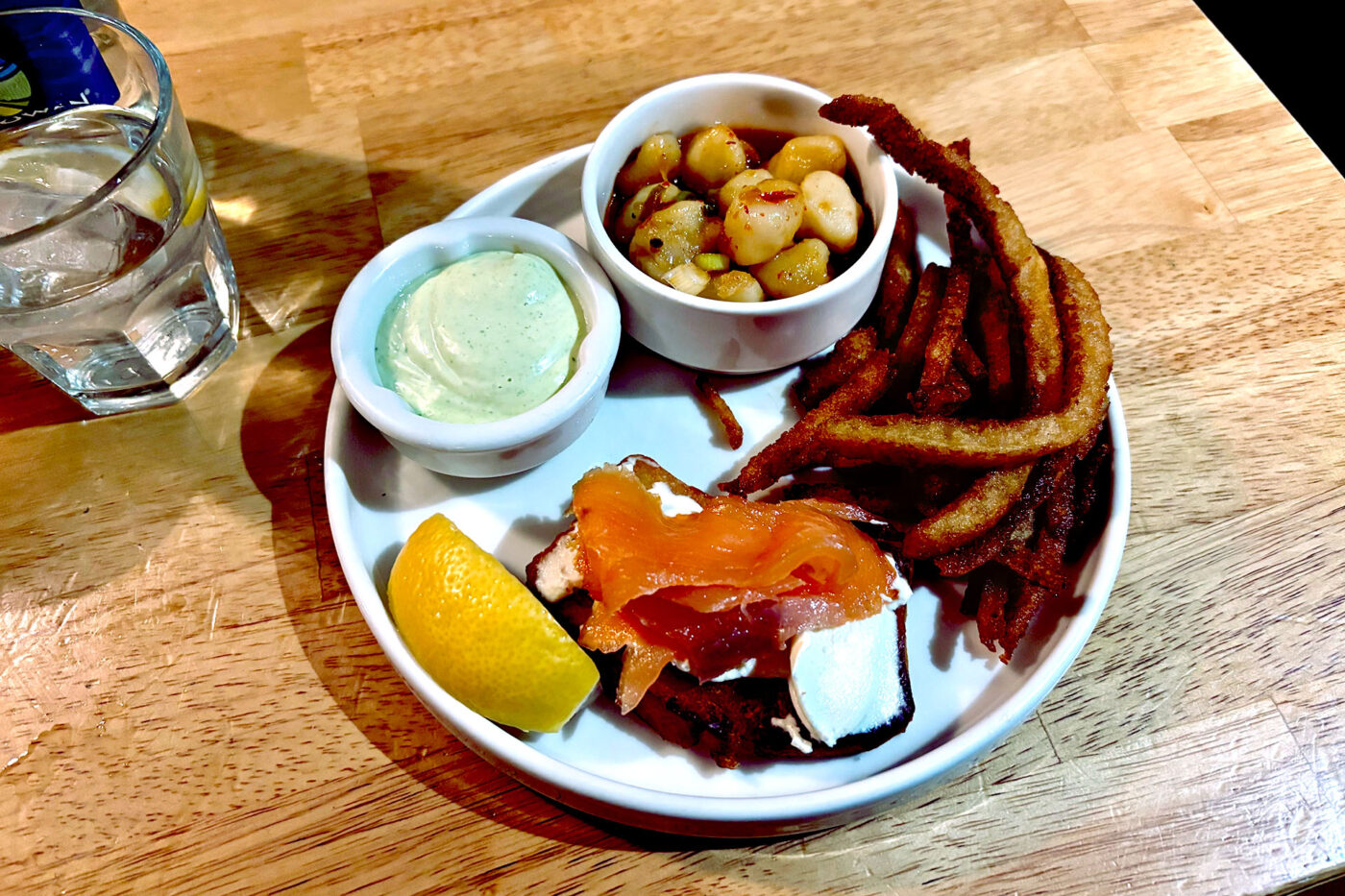
Our table fills with a potato degustation: boxty, potato dumplings, potato bread and fries. It’s like potatoes have been given the same creative freedom usually reserved for tasting menus. But hey, I’m not complaining. Potatoes are my favourite food, and these ones are bloody good.
The thing is nobody here is pretending the potato isn’t important. Ireland’s relationship with it runs far deeper than the joke I’ve been making since I arrived. What I had written off as a national dependency is one small part of a much bigger collection of regional dishes and traditions.


Still, four types of potato in one sitting is very funny.
After I’ve managed to gobble down enough carbs to feed a young family for at least 24 hours, I get handed a glass of poitín; Ireland’s once-illegal answer to moonshine, slipped into a Granny Smith cocktail. It’s delicious, but a few sips in, the combination of strong alcohol and jet lag starts feeling like a very efficient way to put myself into a coma.
A couple of days later (thankfully, no coma), our group heads to the west coast to a region called Connemara. It’s here that Ireland starts making its second argument. But this one is salty.
A bay where shellfish have existed naturally for thousands of years.
I’m standing inside DK Connemara Oyster farm, learning the correct way to eat an oyster. It doesn’t involve tipping my head backwards and swallowing the thing whole like I did the first (and last) time I’ve ever eaten an oyster (it was in Bruny Island, Tasmania for those following along at home).
“You have to chew it,” says Pia, our guide. Yuck. What extremely confronting information.
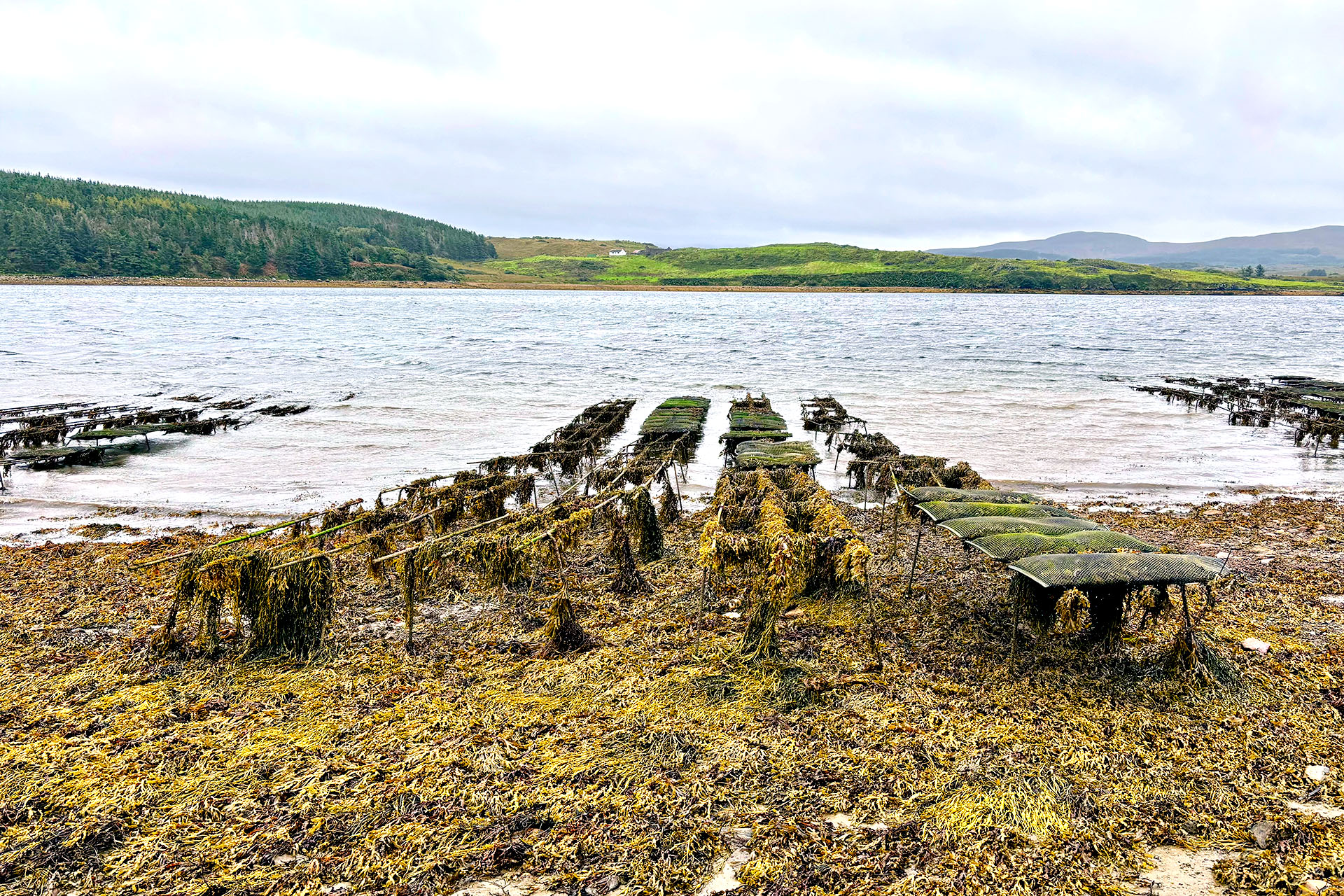
The farm is one of the oldest licensed oyster farms in Ireland, sitting in a bay where shellfish have existed naturally for thousands of years. These days, they grow Pacific oysters rather than the native variety that once thrived here. The Pacific species proved more resilient when parasites devastated native oyster populations and has since become the most commercially farmed oyster in the world.
The little oyster babies arrive from France and spend roughly three years growing here, their final size dictated by water temperature, currents, nutrients and how much room they have to spread out. Around 10,000 bags sit across the farm and are shaken twice a month to stop the oysters growing into strange shapes.
I take a knife and attempt to get into one. It takes longer than I would like. Eventually, the shell gives way, and I begrudgingly tip the oyster into my mouth. And, following Pia’s instructions, chew.
It’s sweet, creamy, very salty, a little fishy, properly oceany, and then, at the very end, there’s a hint of cucumber, which comes from the herbs and plants growing throughout the surrounding national park and flavouring the water.
Ireland is an island (duh), which should have made its obsession with seafood extremely obvious to me. But eating an oyster while standing metres from where it spent the last three years growing does make the whole thing click.
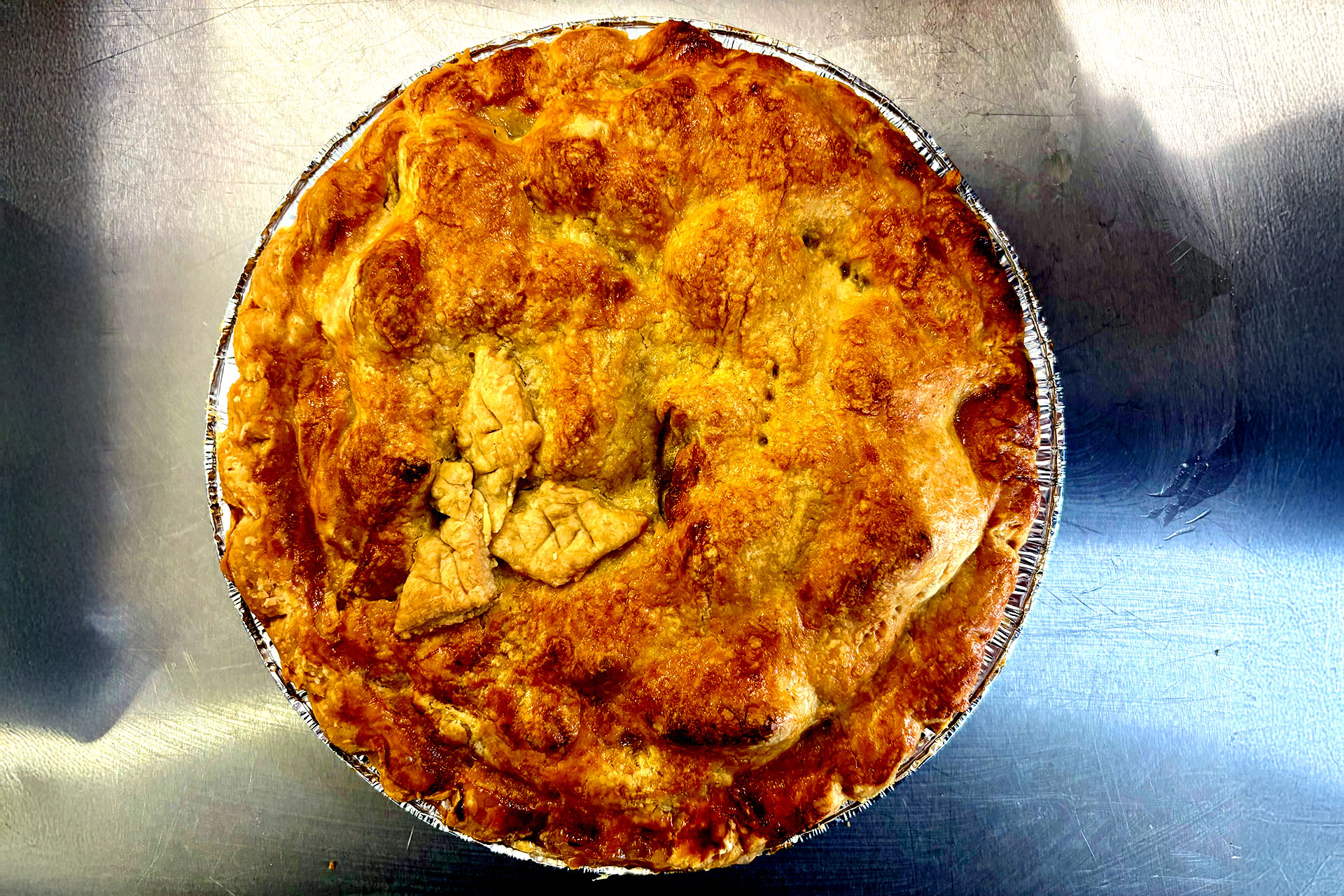
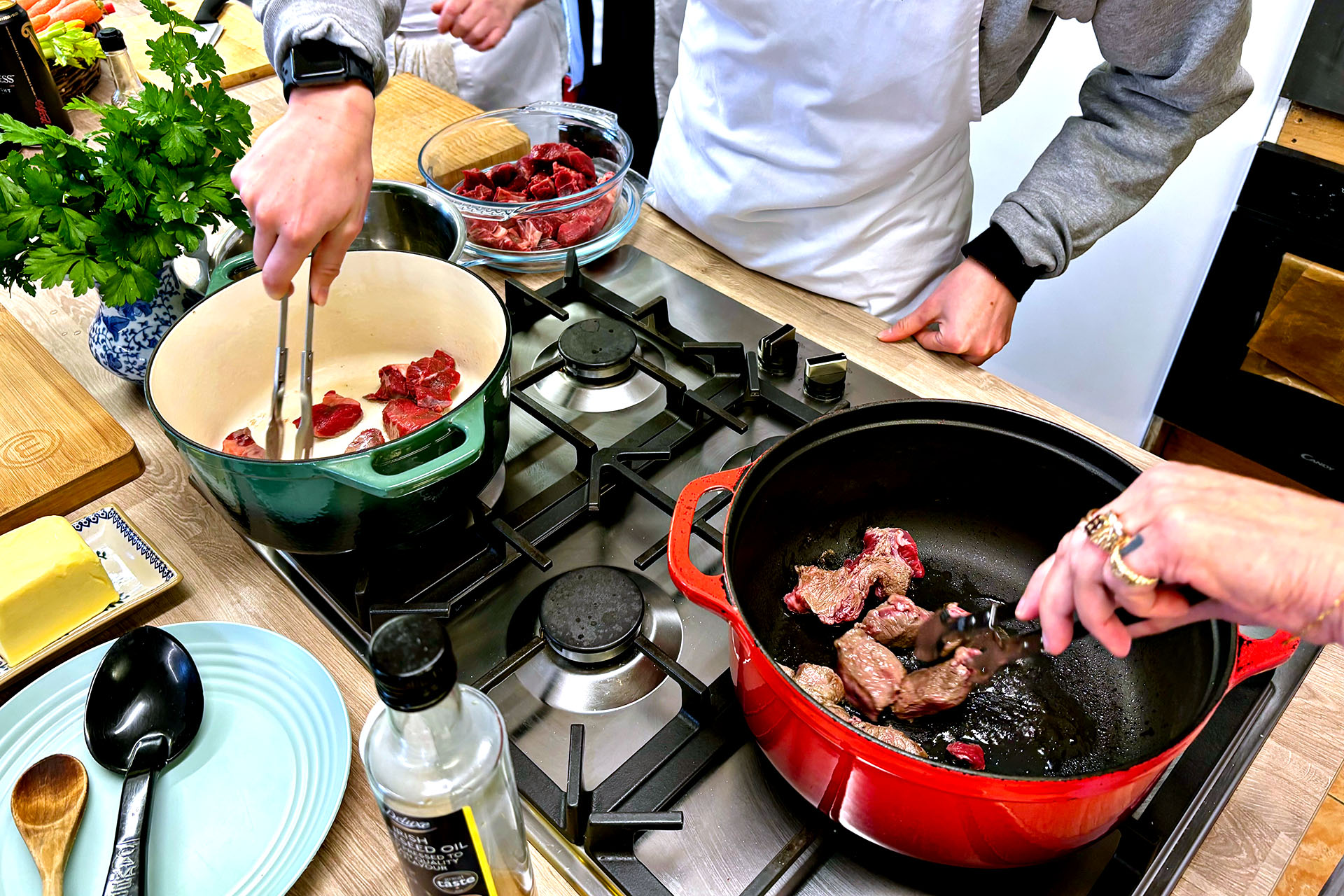
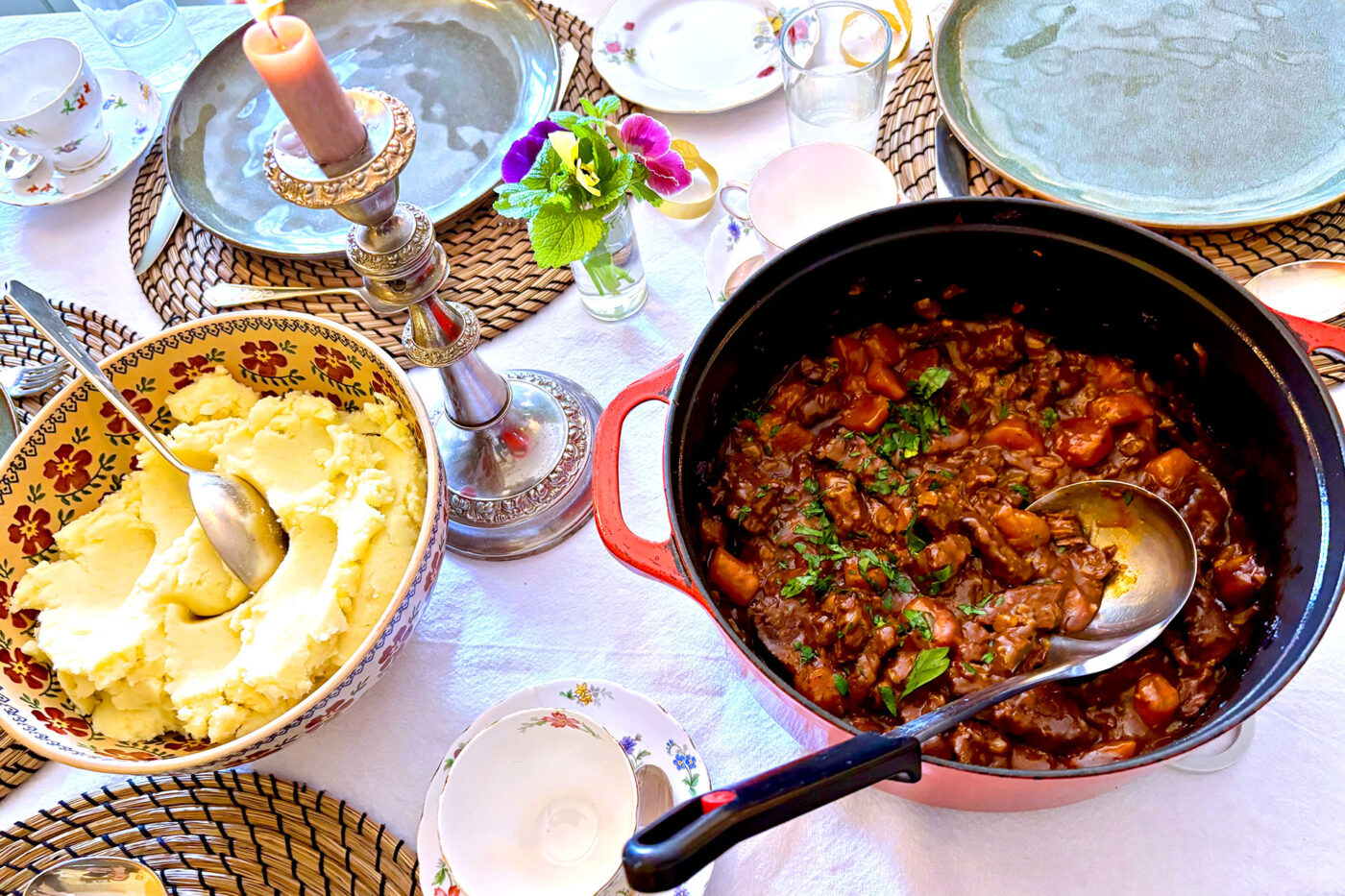
That becomes even clearer when I find myself in a kitchen on a working farm, apron on, making apple tart and beef and Guinness stew.
Yes. The Guinness is back.
Cloughan Farm & Cookery School sits on the same property as the family home and started, rather accidentally, after owner Fiona hosted a little girl’s birthday party here. It grew into a way of showing visitors what Irish home cooking actually looks like and, more importantly, where everything comes from.
There is nothing particularly flashy about any of it, but that’s the appeal.
It’s a drizzly day in September, which means apples and root vegetables. So, understandably, that’s what we’re cooking.
There is nothing particularly flashy about any of it, but that’s the appeal. The tart that we’re making has probably appeared on Irish kitchen tables in a hundred slightly different forms, and the stew isn’t trying to reinvent beef stew. It tastes very, very good, though. Kinda like the beef stroganoff my mum makes, which is about the highest compliment I can give a bowl of meat.
Fiona describes the whole experience as a little taste of what she grew up with, and that’s probably the best definition of Irish food I’m going to get.
By the time I reach Belfast, my original theory is in serious trouble.
The Taste and Tour food tour here was started partly for locals, giving Belfast residents a reason to rediscover their own food scene. We begin at St George’s Market, where I watch a man known as John the ‘Bap’tist. Not in a creepy way, just in an I’m-super-fascinated-by-what-you’re-making way.
John runs the Belfast Bap Co., named for the enormous bread rolls that were once baked to feed Belfast’s poor.
I’m handed a roll with some sausage, bacon and hash brown in it. But this is just the baby bap (not its actual name). The big daddy bap (also not its actual name) is filled with what’s in the baby bap plus fried egg, and either black or white pudding, smothered in brown sauce. I wasn’t about to eat all that at 9am on a Sunday morning though.
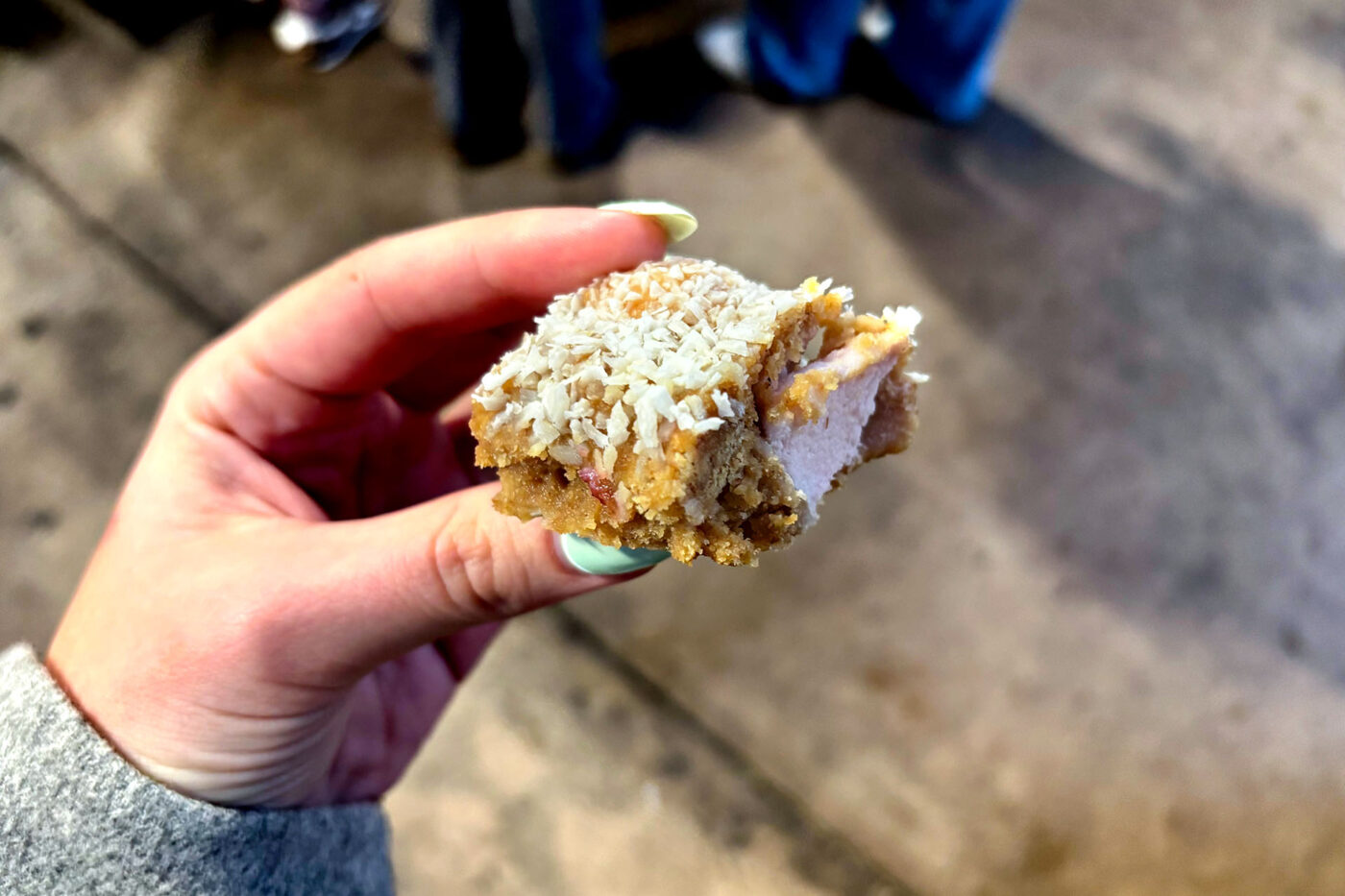
Nearby, I discover another Northern Irish creation called a fifteen: digestive biscuits, marshmallows, coconut and glacé cherries squashed together into a sweet log. The name comes from the original recipe, fifteen of each ingredient, and it was popularised by the Women’s Institute. It looks like something assembled at a children’s birthday party. I eat a small square of it and instantly wish I’d grabbed another. Yep, even after that baby bap.


Before the tour’s over, we indulge in locally made chocolate that should “shatter like a tile” when you snap it, hot chocolate with 70% cocoa in it rather than the roughly 12% found in anything from Starbucks, and a stop at The Morning Star, a farm-to-fork pub with its own butcher and produce sourced from nearby farms and kitchens.
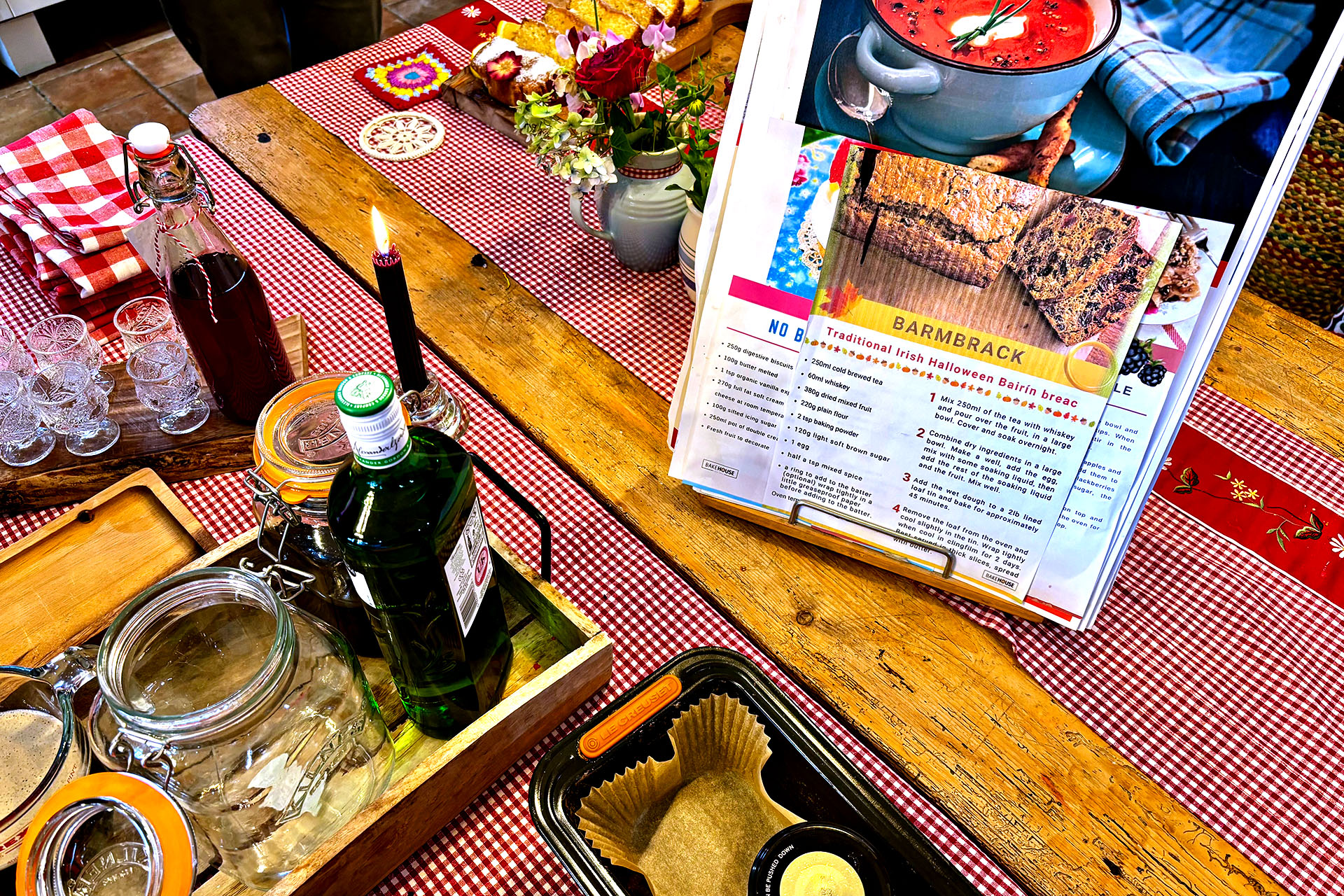
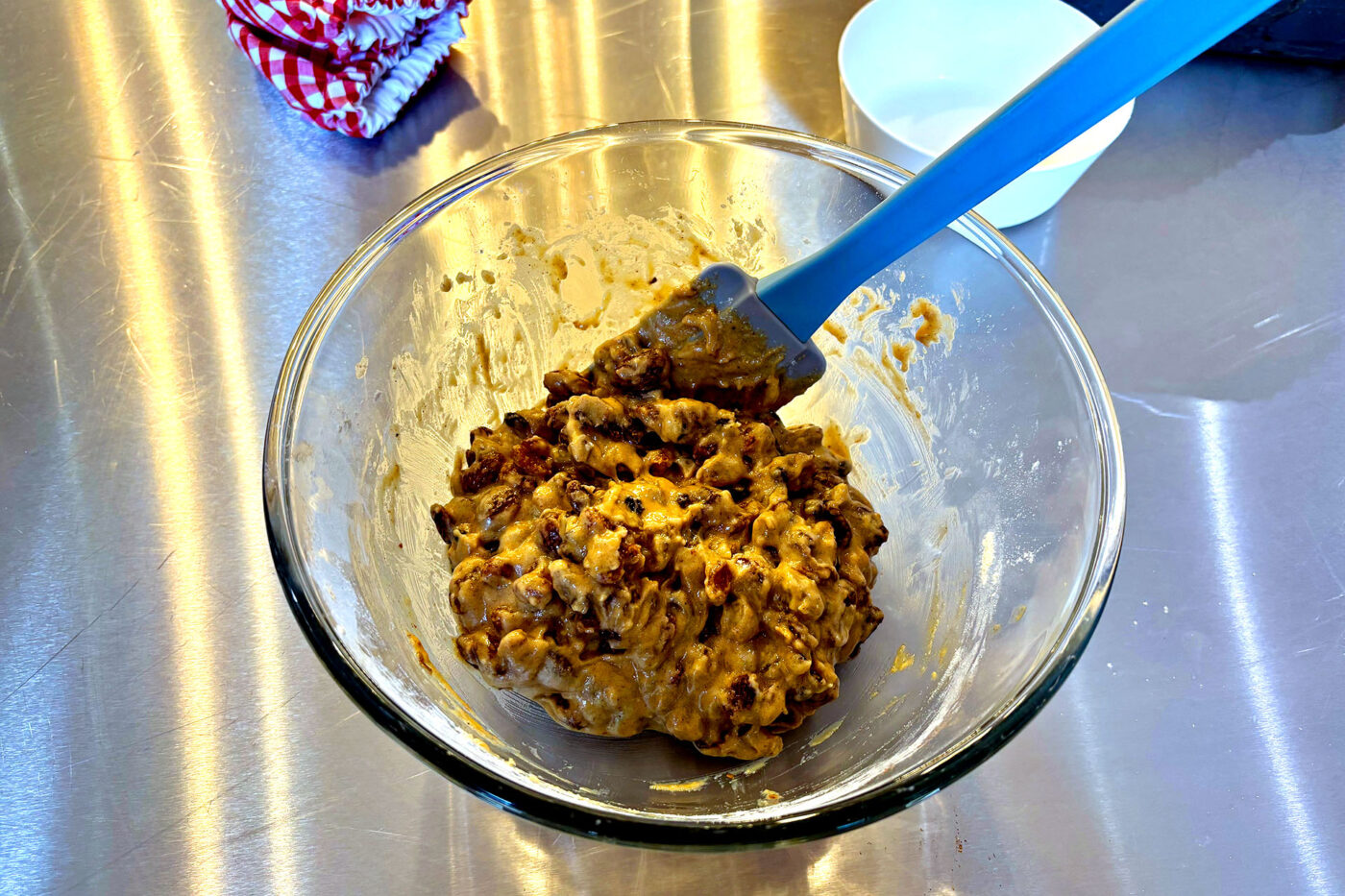
At another cookery school, this time it’s Bakehouse Northern Ireland, I’m making barmbrack, a traditional Irish fruit bread associated with Halloween. Before it goes into the oven, I’m told to cut a cross into the top. Religious symbolism? Not quite. It’s to let the faeries out. Ofc, it is.
The school has been running for a decade and we’re told Irish food is having a bit of a boom (who knew?) Between kneading dough and trying a perfumed sloe gin, I can see why.
And standing in that cosiest of kitchens, I think back to the imaginary Guinness coaster.
Potatoes. Stew. Guinness. I wasn’t completely wrong. I’d just missed the oysters, the boxty, the baps, the fifteens, the barmbrack, and about a hundred other things I didn’t have time to eat.
Ireland had a cuisine all along. I just needed a bigger coaster.

Share >


More Stories

With International Women’s Day and International Whiskey Day knocking on our doors, it’s time to raise a glass (or several) to the fierce females turning Ireland’s whiskey game on its head.
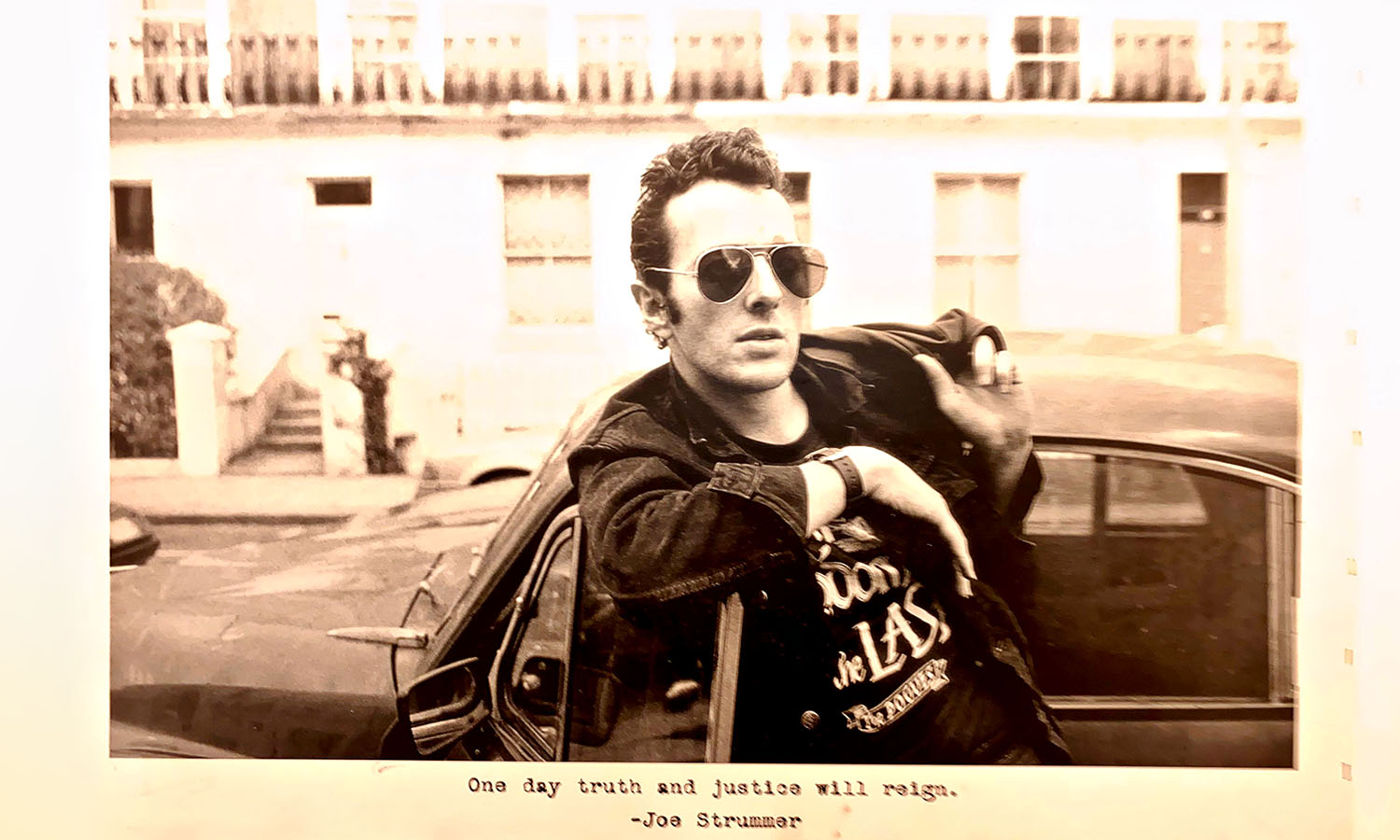
get lost discovers Belfast’s credentials as one of the music capitals of the world.
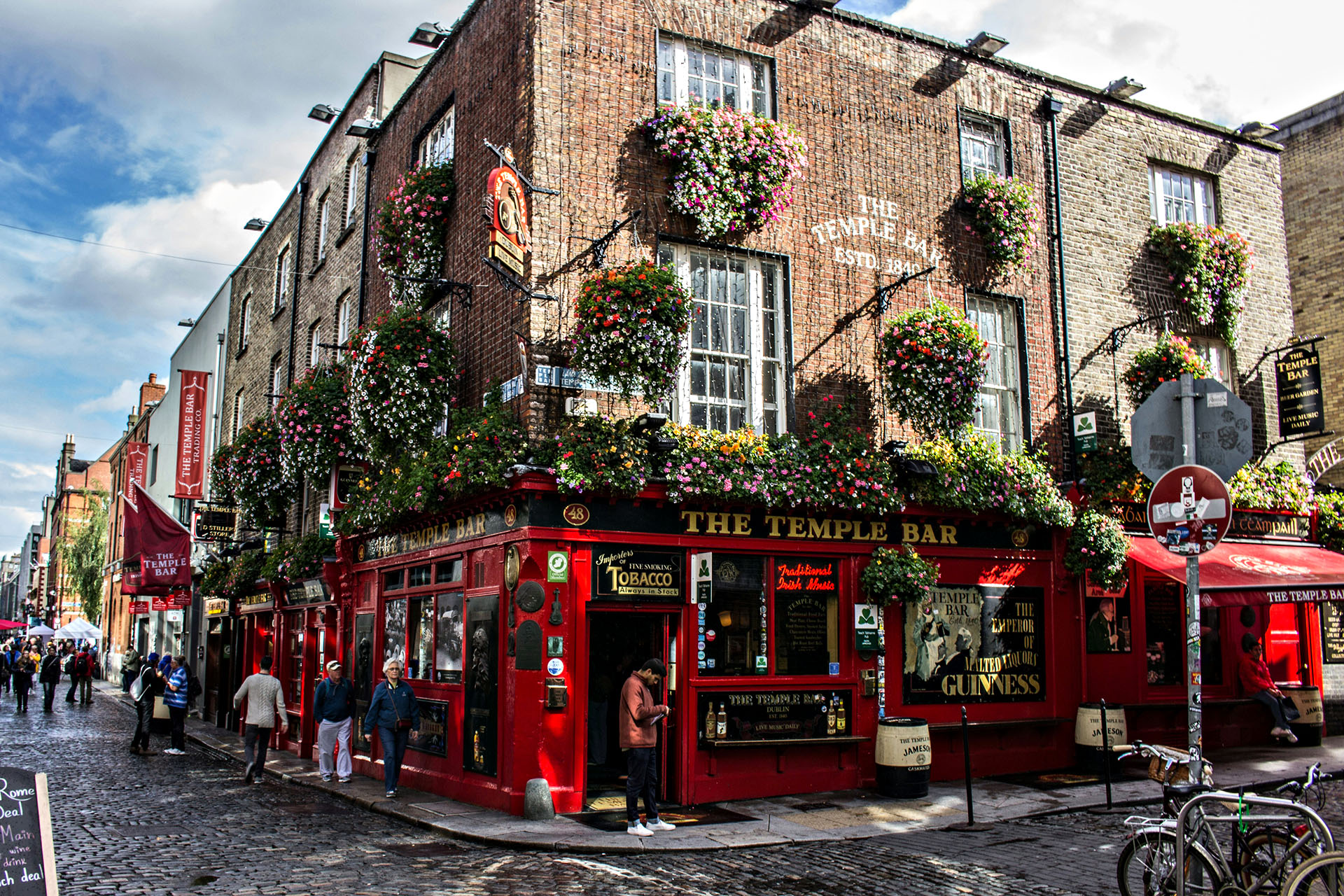
Since before St. Patrick drove all the snakes out of Ireland, it’s been well known that there’s no shortage of good fun to be found in Dublin.