()
() 
Japan
Japan
Unlocking the Kii to Japan
I’ll be honest, when the idea of a famil trip to the Kii Peninsula floated into my inbox, I had to do a quick Google search. I knew Kyoto with its temples, Osaka with its food and neon, even Nara with its cheeky deer. But to me, the Kii Peninsula sounded like something you’d order at an izakaya after three too many sakes.
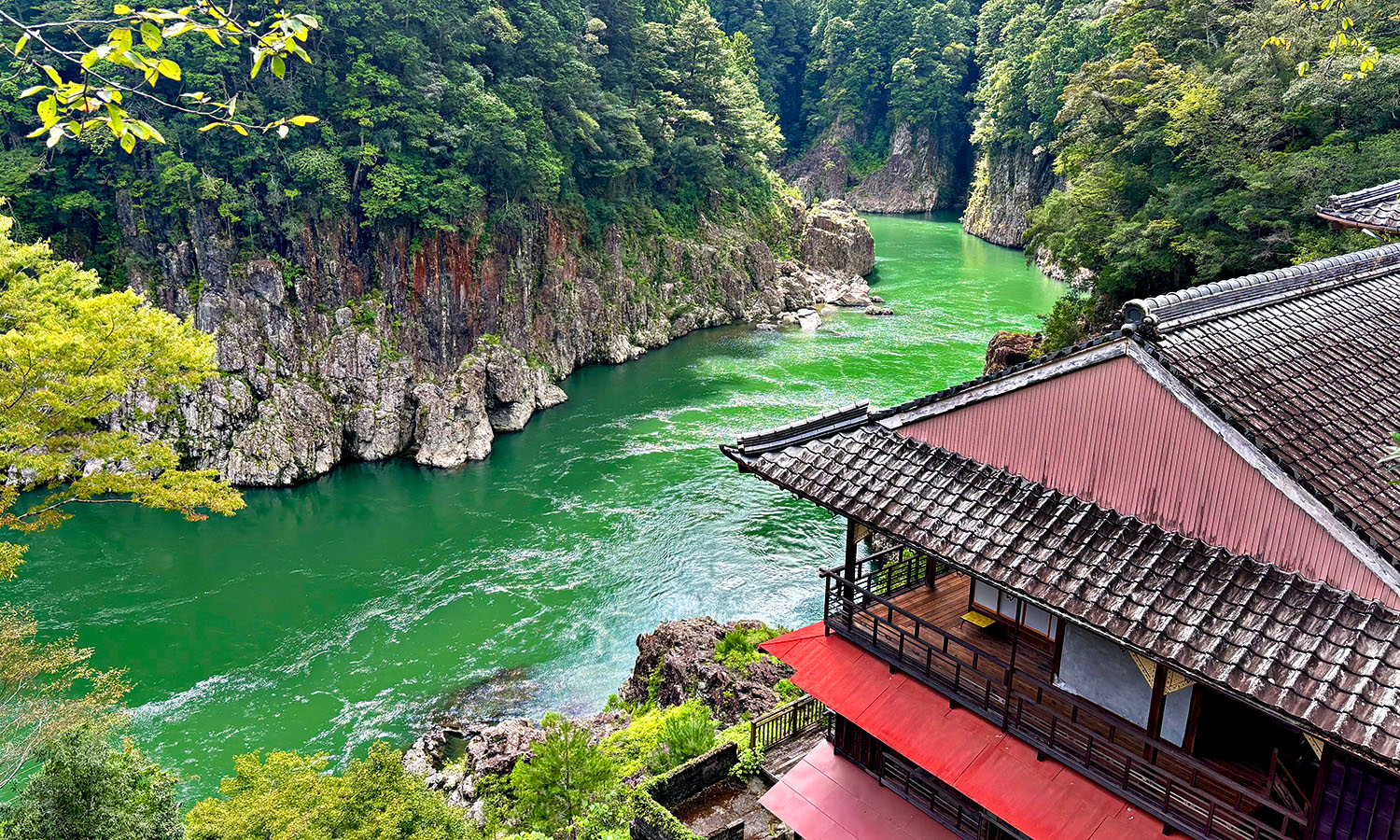
Turns out, it’s an entire swathe of Japan jutting out into the Pacific, south of all the usual tourist suspects, and it’s got enough natural beauty and cultural quirks to keep you busy for weeks. And the best part is that hardly anyone bothers to go there (for now).
While the temples of Kyoto heave under selfie sticks and Osaka feels like it’s running on permanent high volume, the Kii Peninsula is a deep breath you didn’t know you needed. And it’s the sort of place where you can have some of Japan’s most memorable experiences without being elbowed out of the way by a tour group in matching hats.
Click to view gallery

Click to view gallery
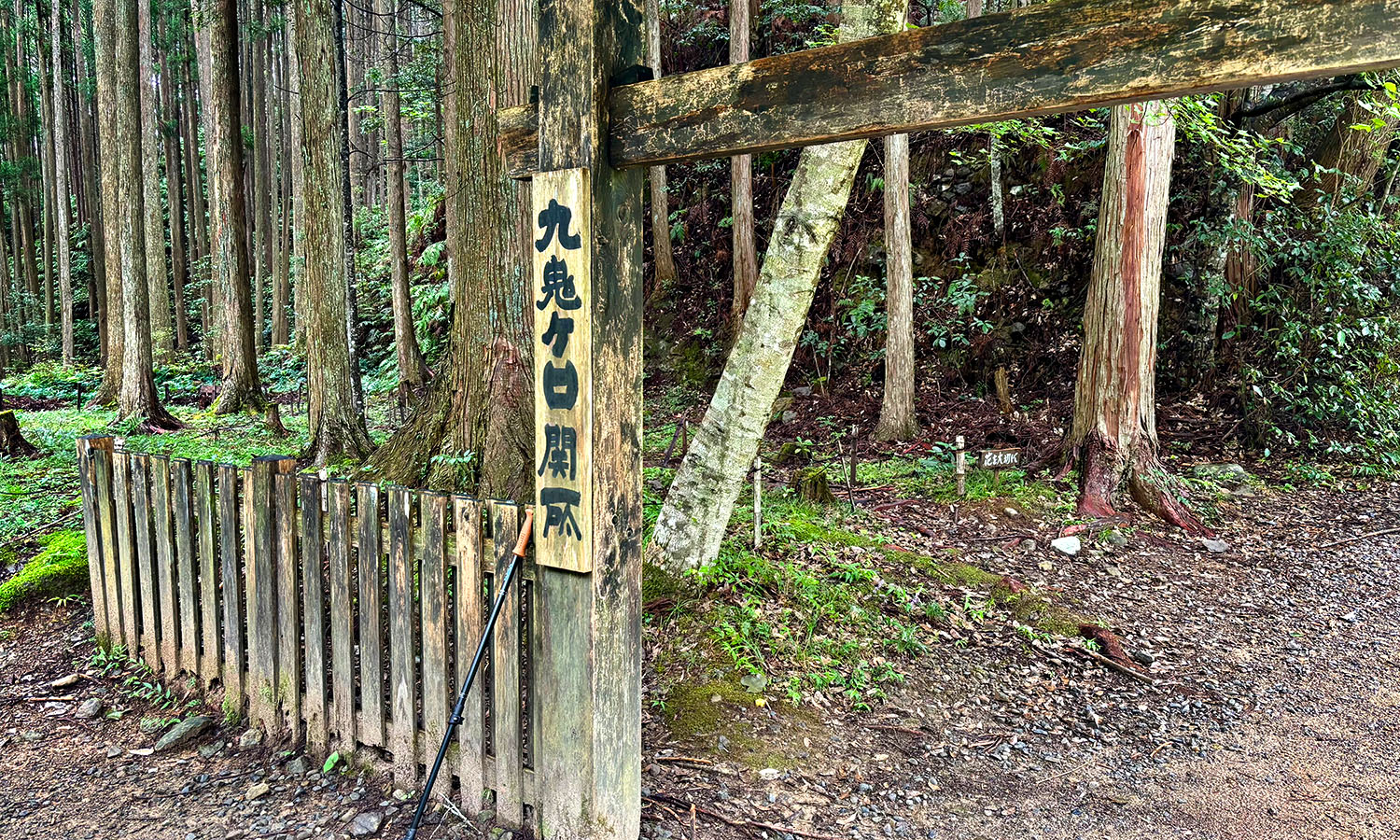
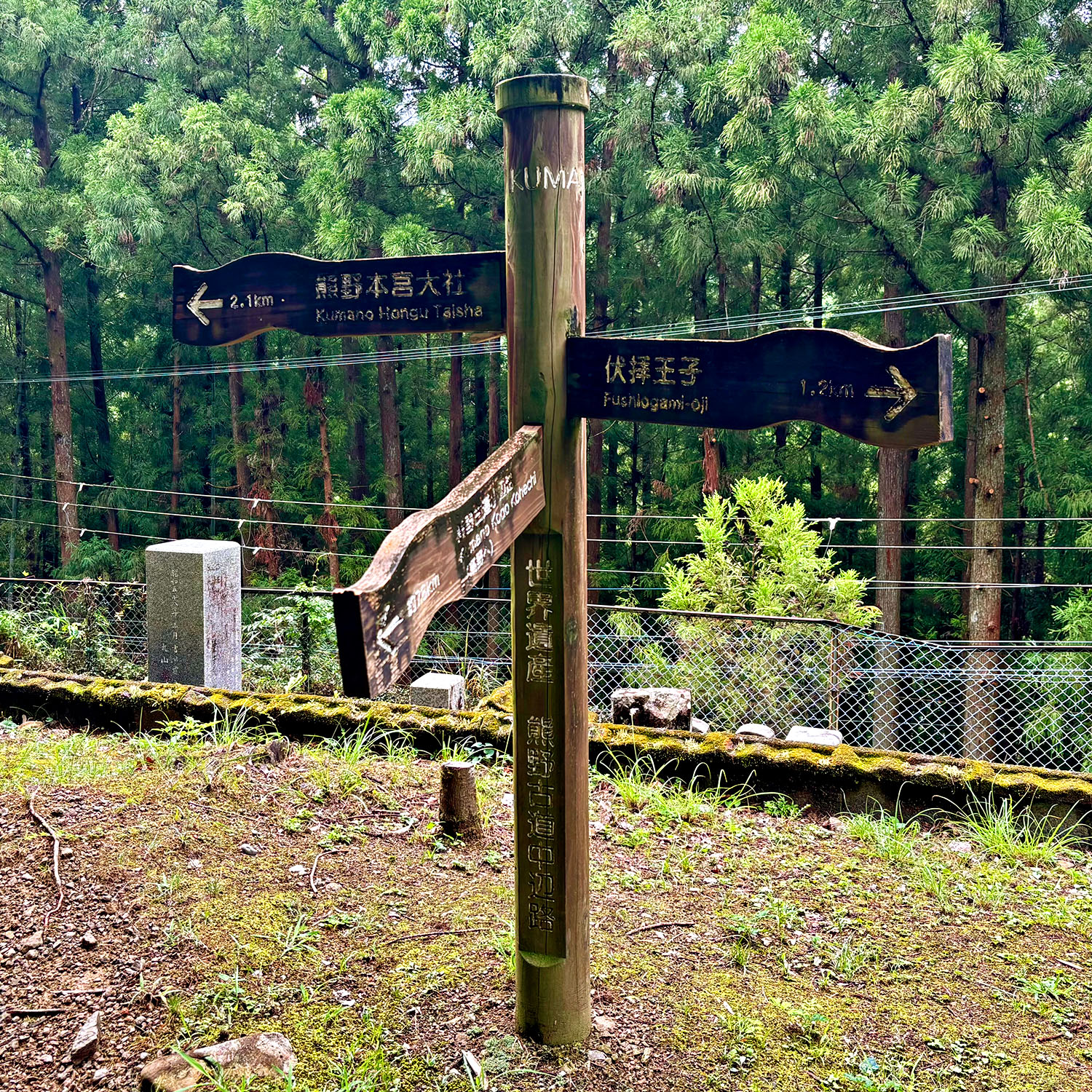
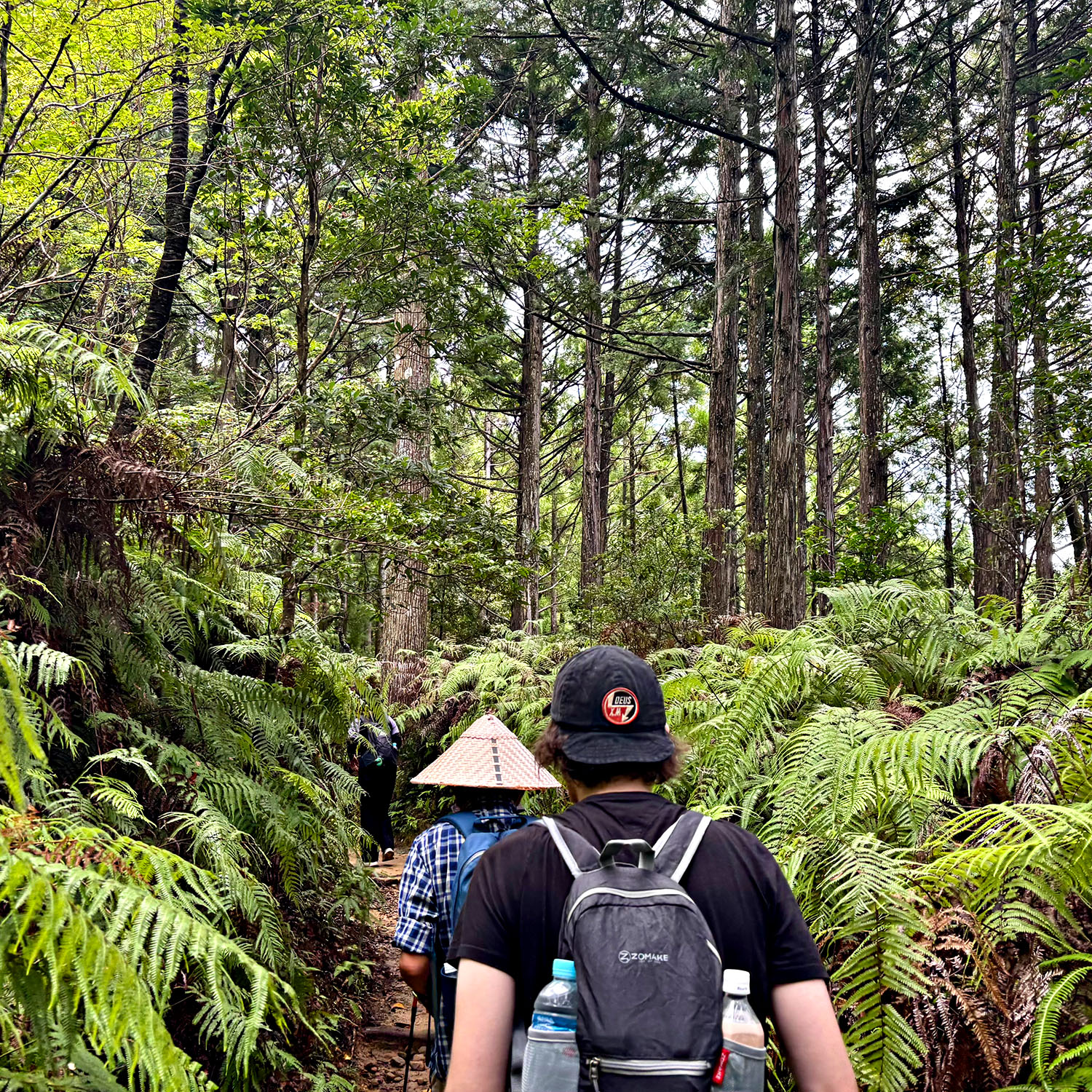
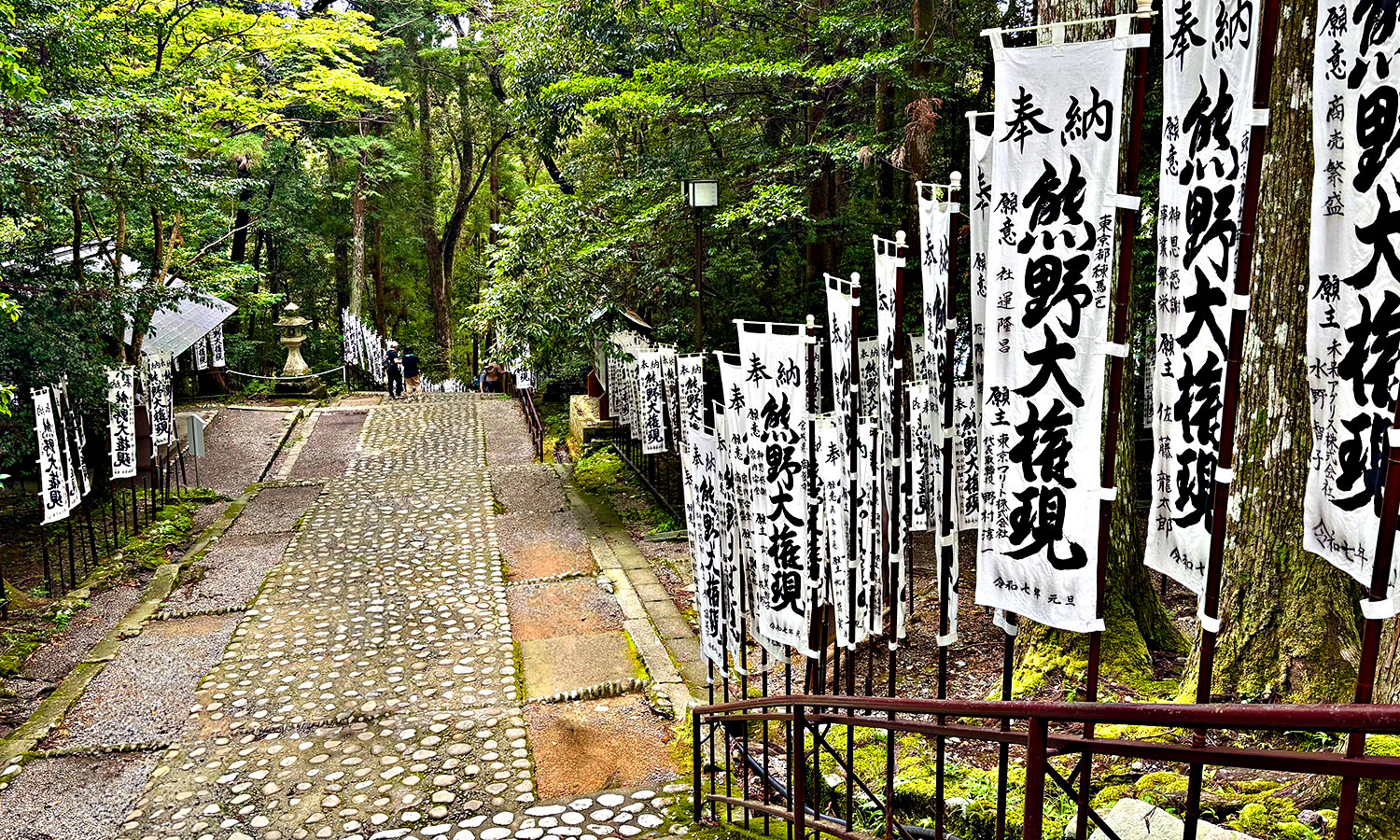
My initiation came on the Kumano Kodo, the network of ancient pilgrimage trails that crisscross the peninsula. These routes have been walked for more than a thousand years by emperors, priests, and people with much better stamina than me. My group of fellow travel writers joined a section of the trail, winding up through cedar forests that were as old as they looked, the air sharp with the smell of moss and earth.
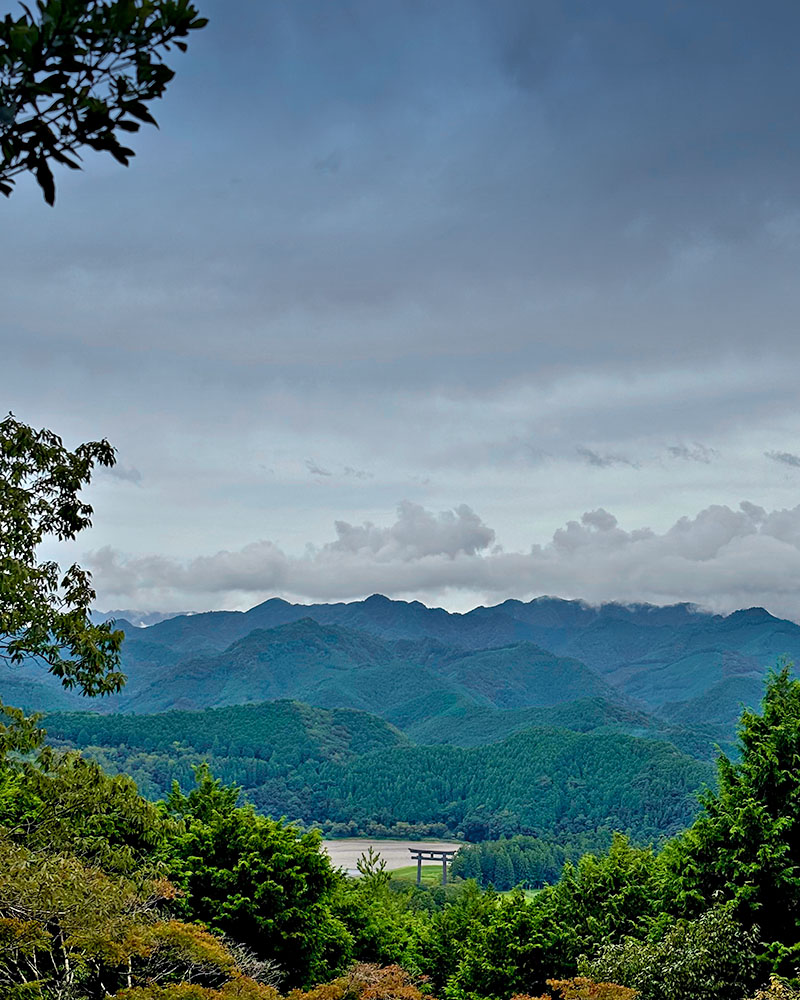
Walking the Kumano Kodo is tough on the ol’ legs and lungs, but it’s not just about the exercise. It’s about slipping into a slower rhythm, the kind where you can hear the crunch of your own footsteps and notice the way the light changes between the trees. We barely broke the trail’s surface, but around 30 minutes in, I realised I hadn’t spared a single thought for the emails I knew were piling up, for deadlines, or for life admin. It was so peaceful, almost as if you could feel the heaviness of the trail’s history with each step. Not enough to overwhelm you, but enough to remind you of the sacredness of the route.
Click to view gallery
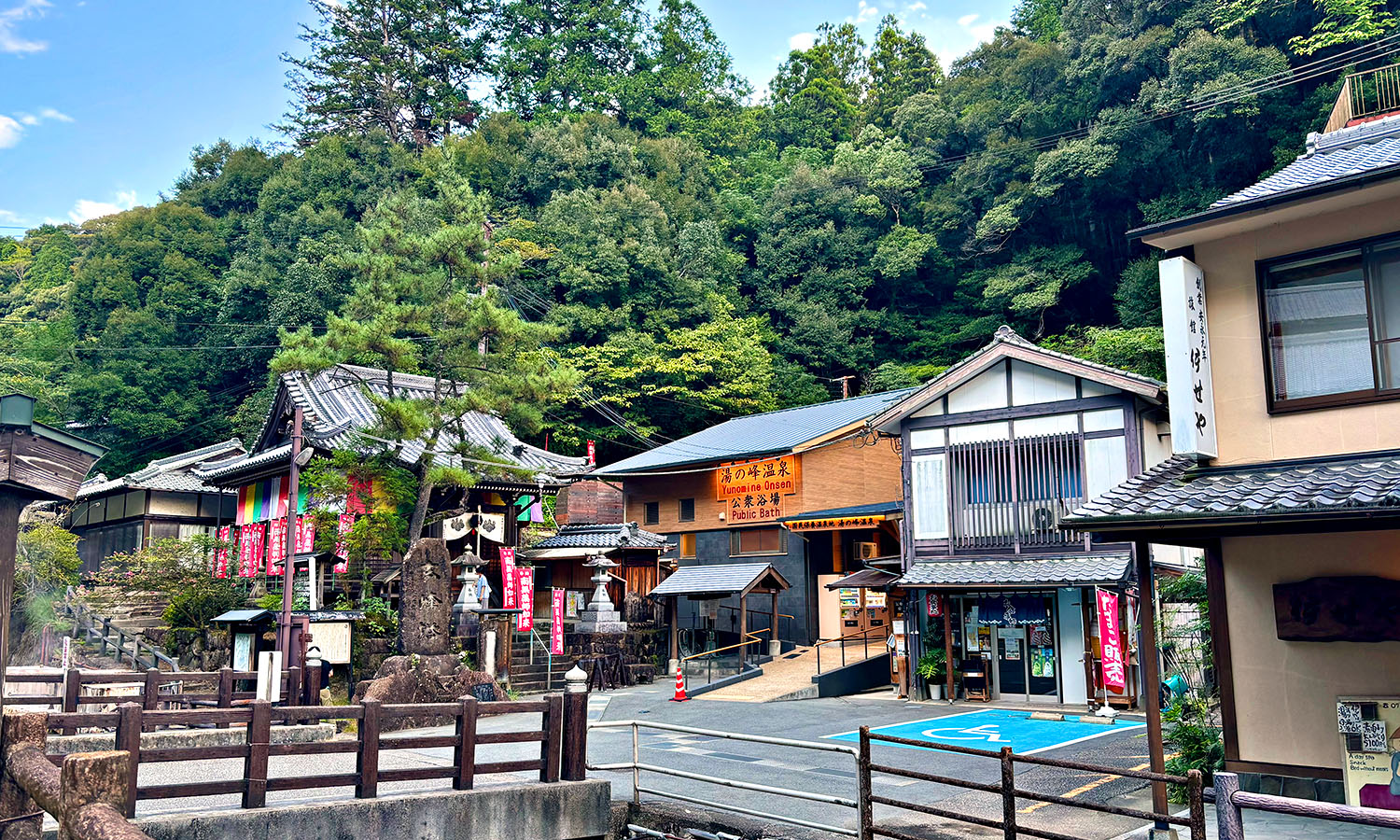
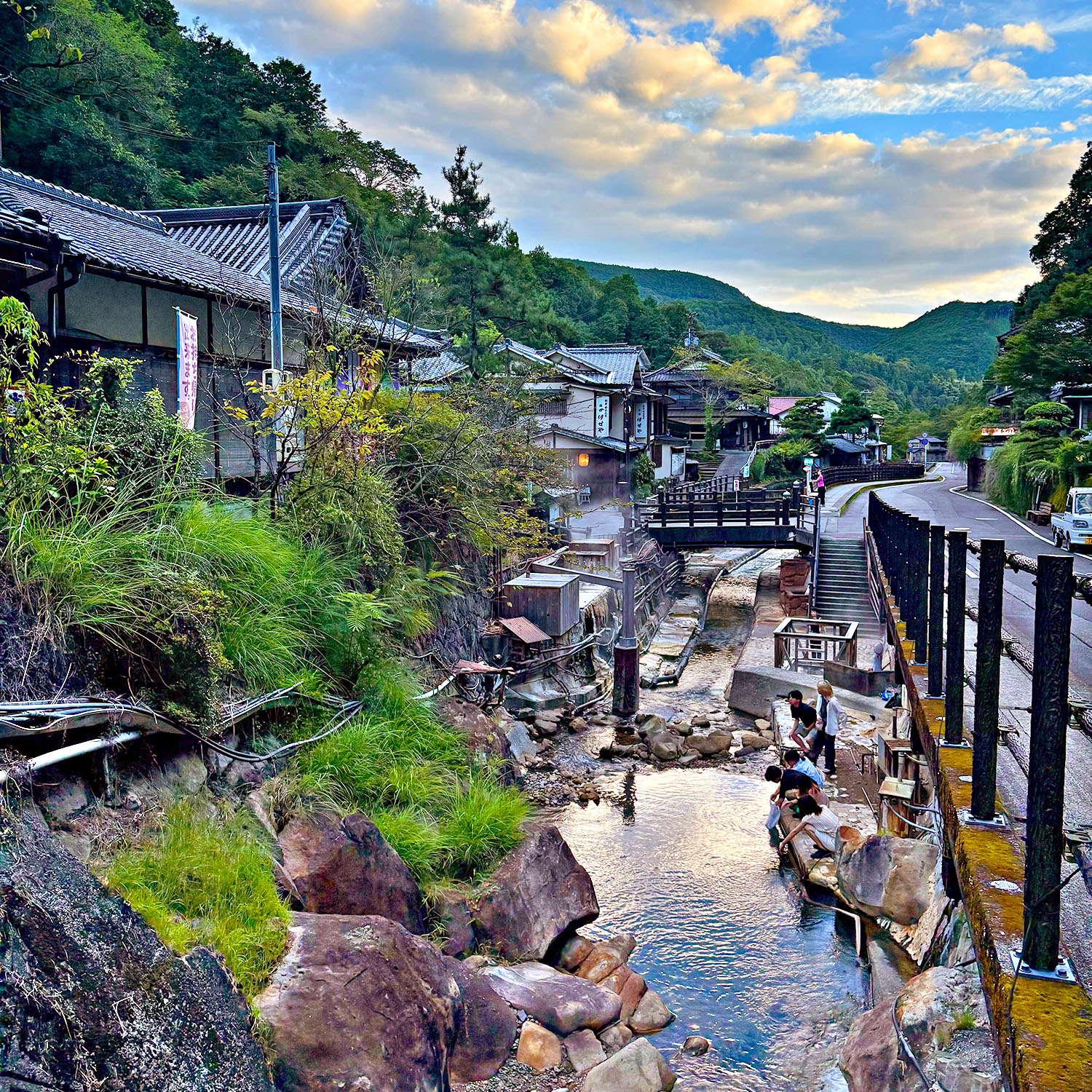
But of course, walking all day makes you crave a soak, and the Kii Peninsula delivers this in spades. In Wakayama, we landed in an onsen town right on the Oto River. Imagine steaming outdoor baths perched beside a rushing river, where you can sit submerged up to your chin in hot spring water while the current hurries by just a few feet away.
Click to view gallery
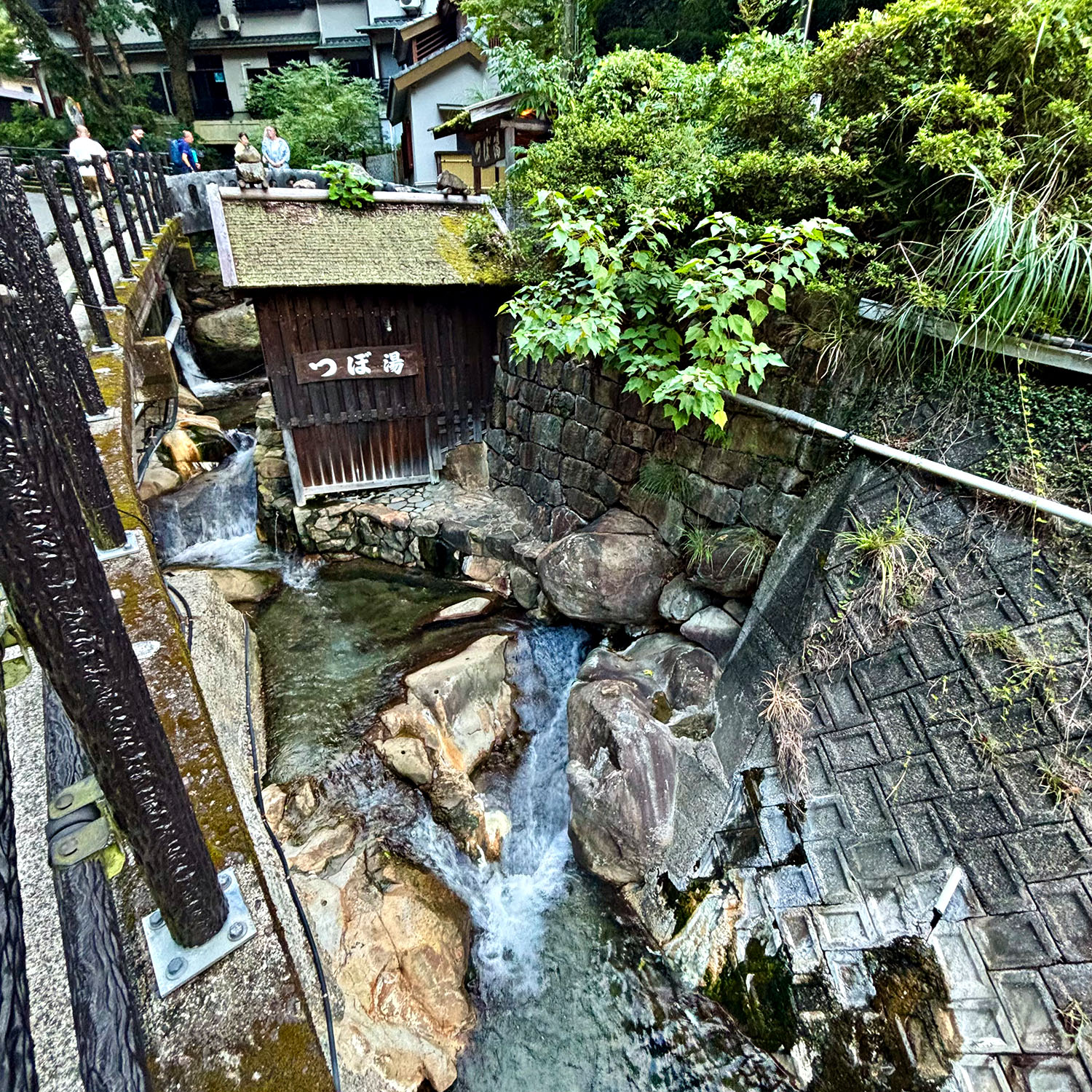
Click to view gallery
If you’re lucky, steam rises off the river itself, making the whole scene look like a special effects department went overboard. I slid into the bath, let the heat unknot my legs, and briefly considered never leaving. Forget five-star hotels, this was five-star geology, and I was loving every second.
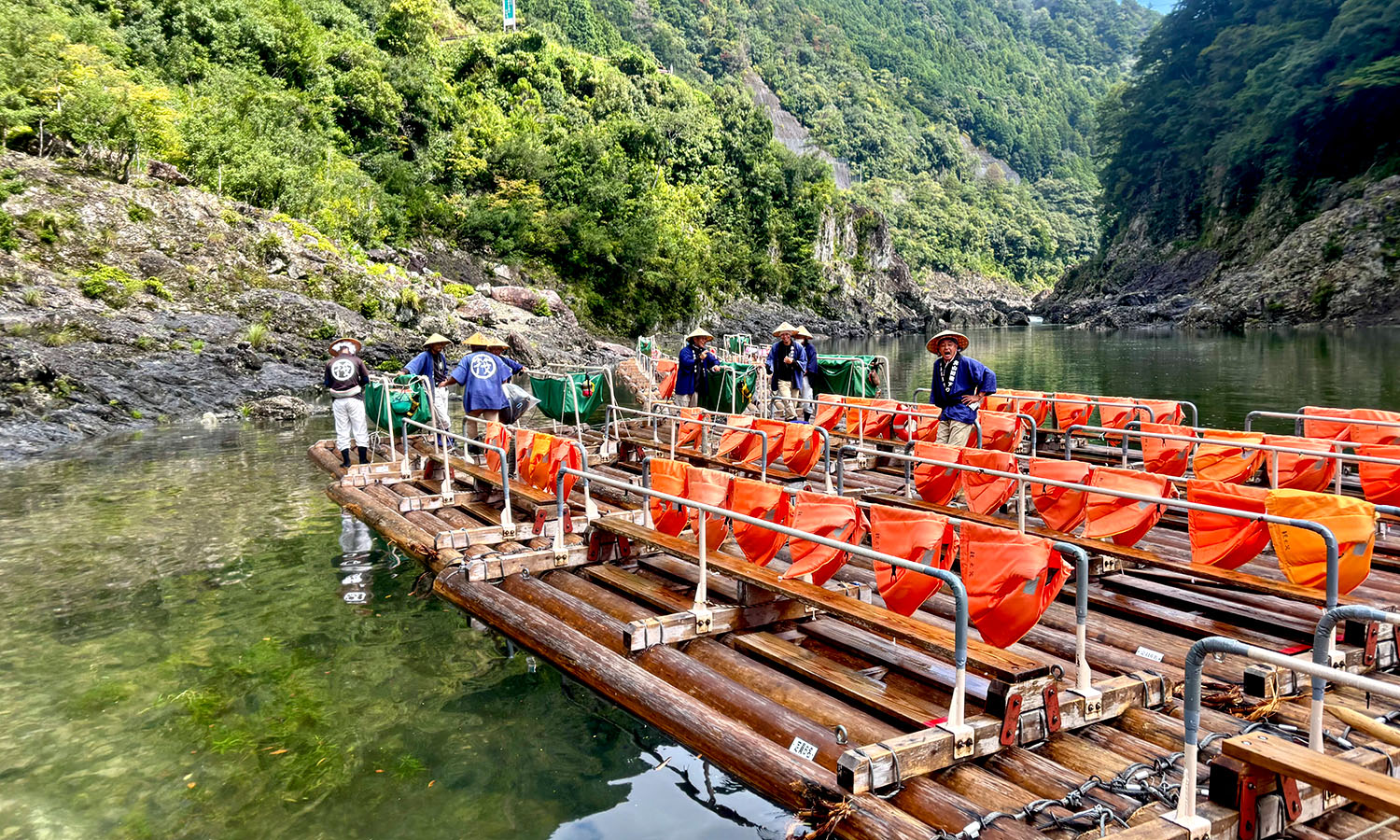
And then, just when I thought the Kii Peninsula couldn’t surprise me again, I found myself clinging to a raft of logs in Dorokyo Gorge. Yes, log rafting. Not the genteel “let’s float downstream with a picnic” sort, but a traditional activity where you ride a bundle of tree trunks lashed together as it hurtles down the Kitayama River.
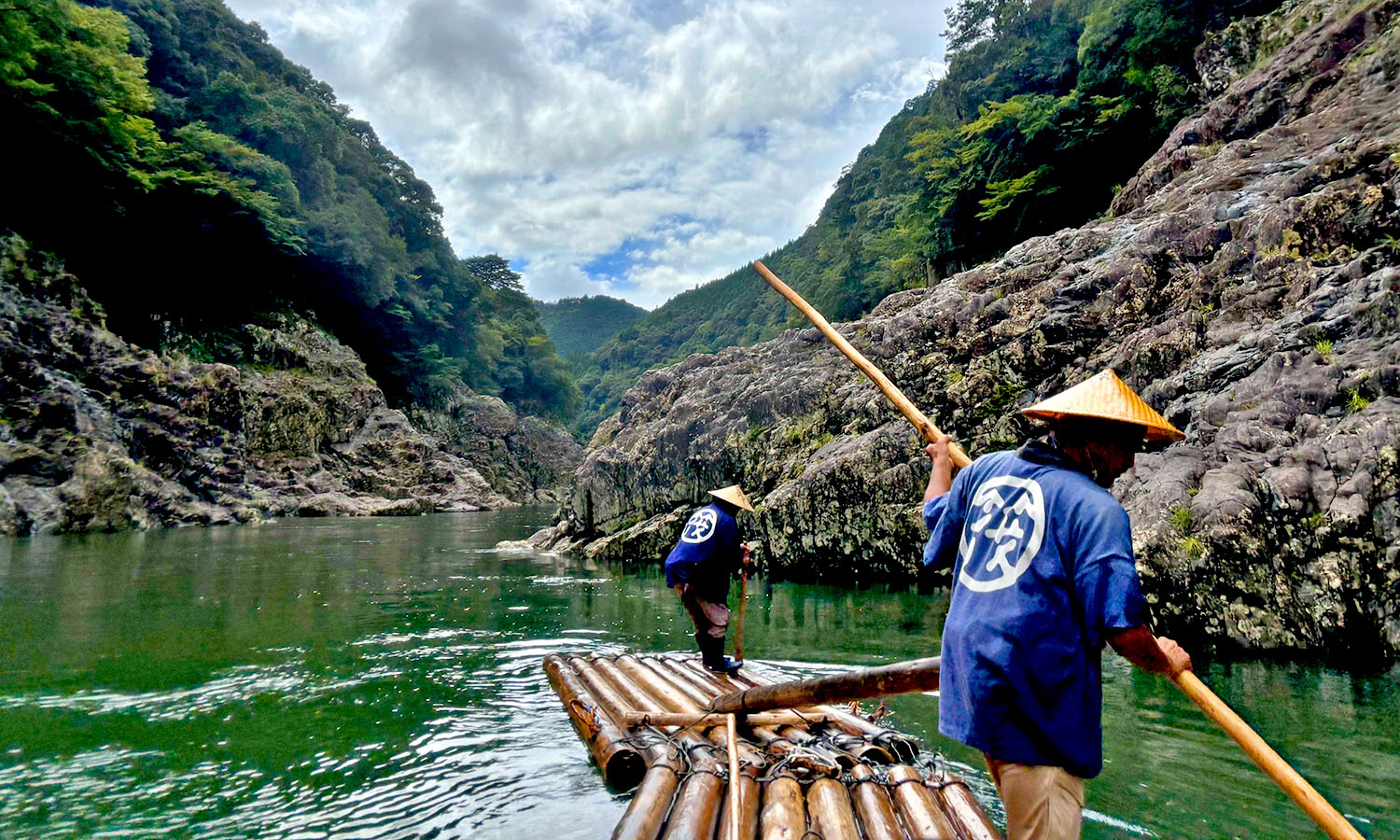
Click to view gallery
This was once how the locals transported lumber; now it’s how they make travellers fall in love with the landscape. I laughed, I stood up (don’t worry, we were supposed to), I got drenched with clean, icy water, and when it was over, I wanted to do it all over again. It was exhilarating, kinda ridiculous, and one of those experiences that makes the trip that much more memorable.
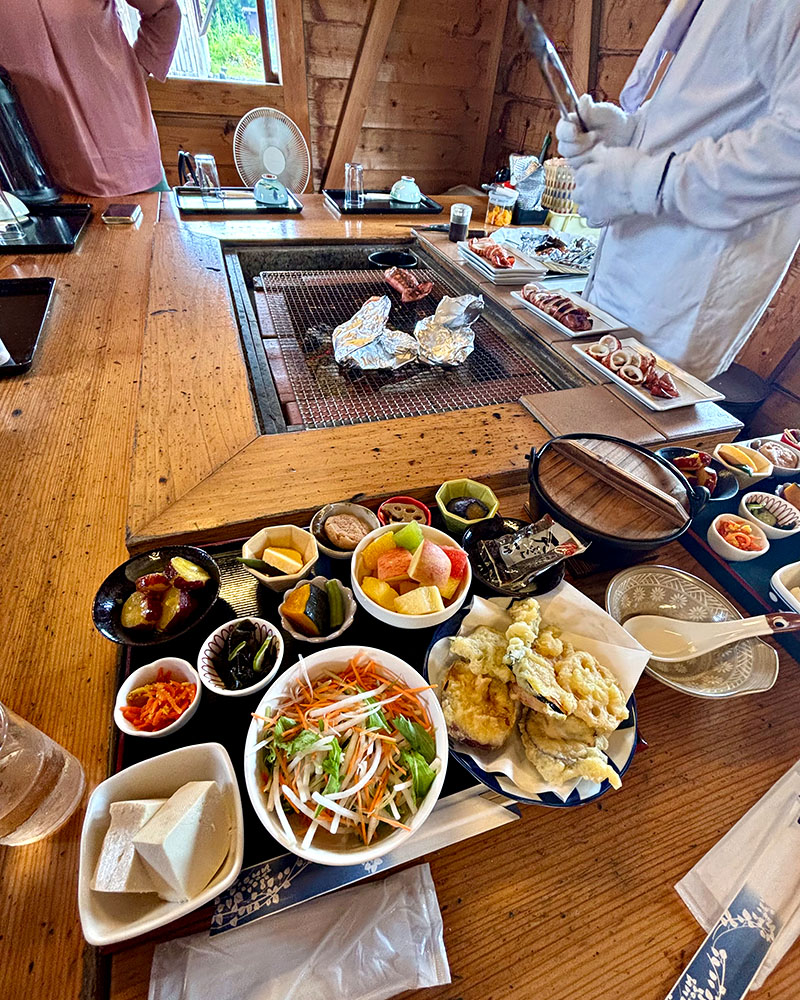
By this point, I was both starving and buzzing, which is a dangerous combination. Luckily, the Kii Peninsula knows how to feed you well. Fast forward a day or two, and we were sitting in Toubeya, a quaint, old Japanese house that’d been turned into a lunchtime restaurant. But not just any restaurant. One that cooked each ingredient over charcoal.
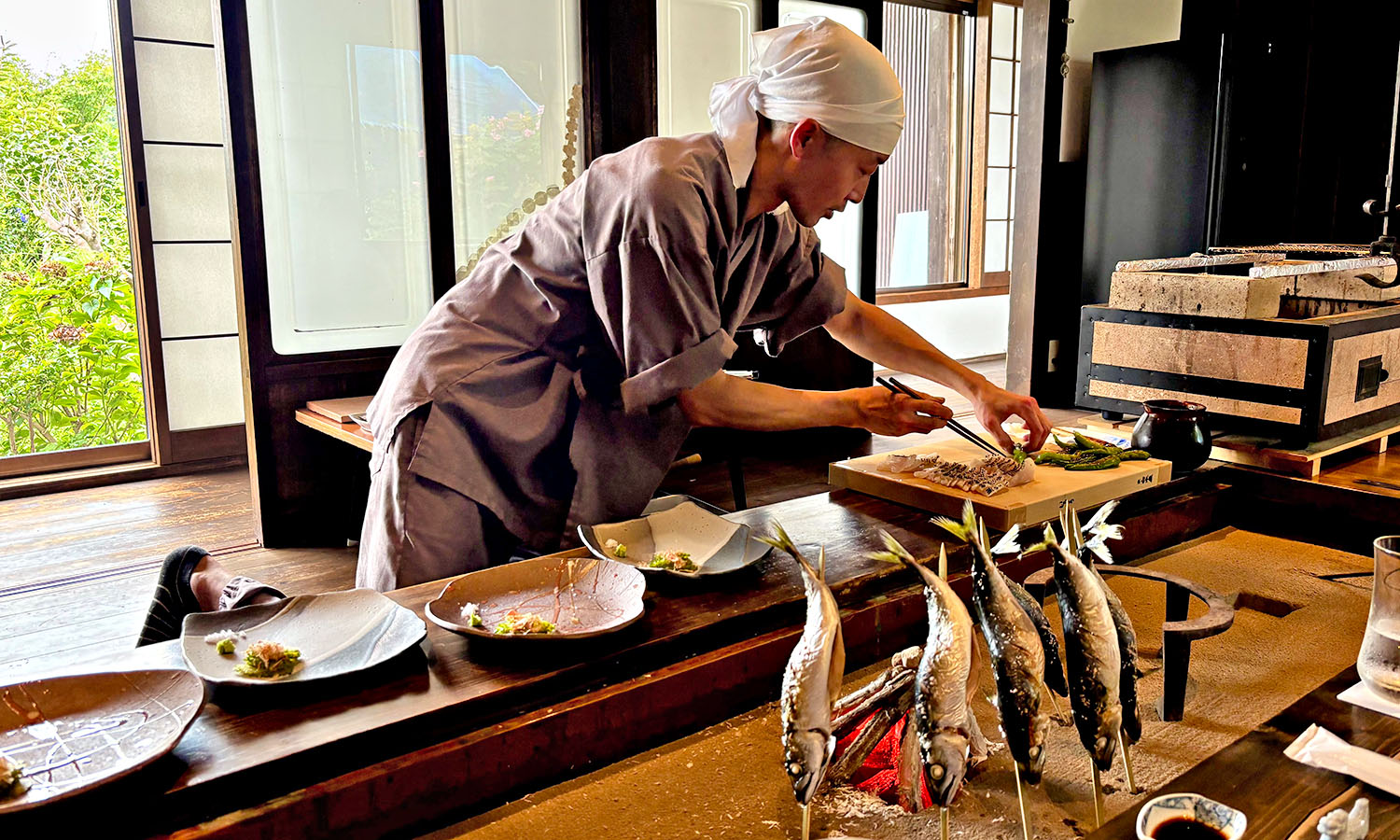
Click to view gallery
And I mean everything - fish, vegetables, beef, even tofu - was kissed by smoke until it became something my tastebuds couldn’t wait to devour. The chef treated charcoal like his own musical instrument, coaxing flavour out of embers with a flick of the wrist. I don’t usually wax lyrical about lunch, but this one deserved sonnets.
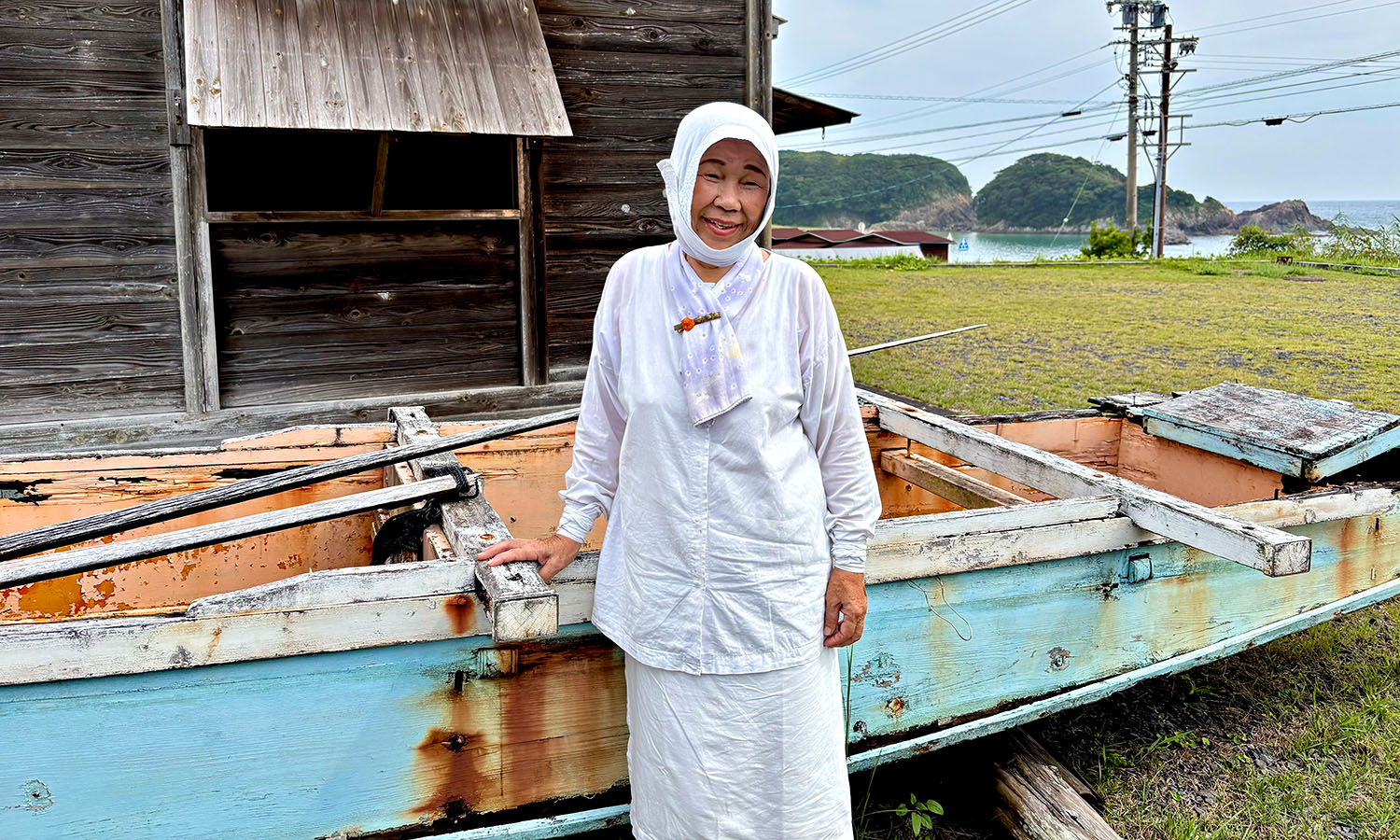
But if Toubeya was refined fire magic, Satoumi-an was its chaotic cousin. Here, we ate a meal cooked by ama divers - the legendary women who free-dive for shellfish and seaweed along Japan’s coasts. Our cook/ama diver, Hayashi Kimiyo, grilled our food over charcoal in a rustic hut while telling stories in Japanese that made our translator and local guide, Yuko, laugh while retelling them.
It was smoky, hearty, and punctuated by the squeals of trying things we’d never eaten before – turban shells, anyone? I’ve had fancier meals in my life, but few that felt as alive as sharing space with women who spend their days in the ocean and their evenings around the fire.
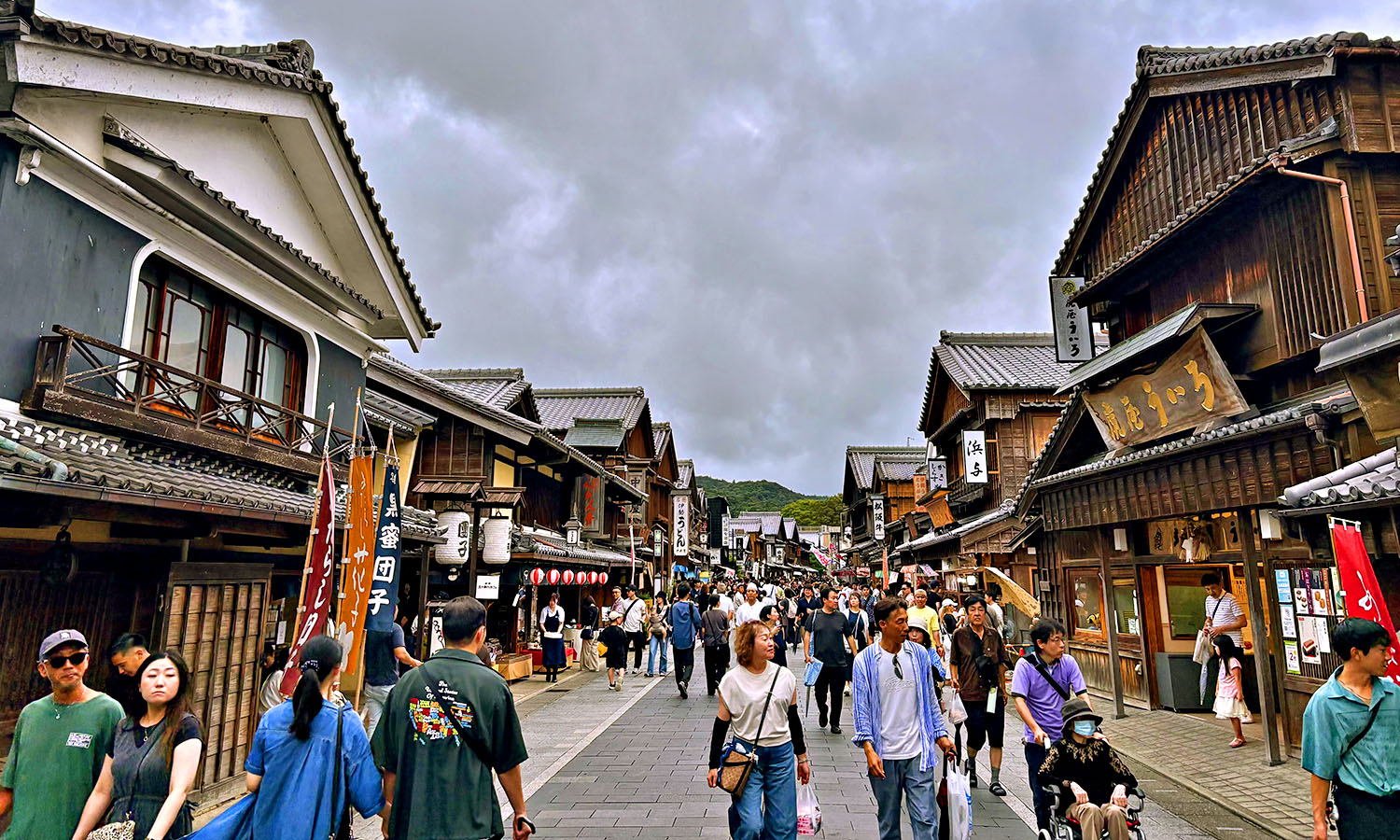
Of course, not everything in the Kii Peninsula is about rivers, trails, or charcoal. Sometimes you just want a bit of human buzz. That’s where Oharaimachi comes in, the lively street that runs up to Ise Grand Shrine.
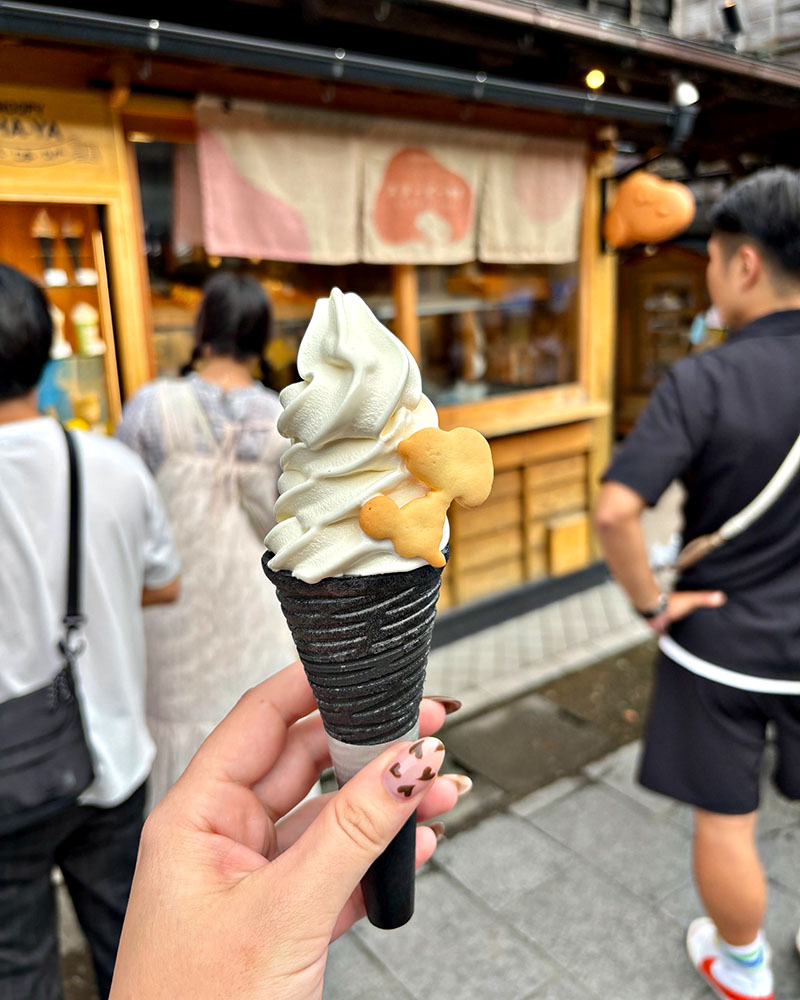
It’s packed with traditional shops, food stalls, and enough people-watching opportunities to keep even the most distracted traveller entertained. I wandered past vendors selling mochi skewers dripping with sauce, ducked into stores selling everything from pottery to local sake, and resisted the urge to buy Snoopy plush toys for every single family member back home. Compared to Kyoto’s crowded shopping districts, Oharaimachi felt festive rather than frantic, a street alive with chatter, but not a mob scene.
Click to view gallery
The thing about the Kii Peninsula is that it never lets you get bored. One moment you’re walking in the footsteps of pilgrims, the next you’re steaming in a riverside bath, then suddenly you’re clinging to a raft of logs.
In between, you’re eating meals that smell like smoke and history and wandering lively streets and resisting the urge to buy a set of personalised chopsticks you know you’ll never use. It’s a region that insists you try a little of everything, and the more you say yes, the more it rewards you.
Don’t get me wrong, Japan’s big cities are brilliant in their own ways. But if you want to see a place that breathes a little slower and where time stands still, the Kii Peninsula is where you go. It’s not the easy option, it takes a bit more effort to reach, and it’s not plastered across every guidebook, but I think maybe that’s the point.
After all, travel isn’t about ticking off the most obvious stops (well, it can be), but sometimes it’s about wandering down the side roads, following the trails less travelled, and letting a whole peninsula full of hot springs, fire-grilled feasts, and ancient shrines remind you why you came to Japan in the first place.





While you're here

TOKYO, JAPAN
Tokyo doesn’t exactly suffer from a lack of museums. But every now and...
Tokyo doesn’t exactly suffer from a lack of museums. But every now and then, one shows...

If 2026 is the year you want to finally hit the slopes then the Ikon Pass has...
If 2026 is the year you want to finally hit the slopes then the Ikon Pass has your back -...

Calling all shutterbugs, storytellers, and video visionaries, Fujifilm’s...
Calling all shutterbugs, storytellers, and video visionaries, Fujifilm’s GFX Challenge...

SHIZUOKA, JAPAN
You, a flurry of pink petals, and landscapes so breathtaking they look...
You, a flurry of pink petals, and landscapes so breathtaking they look straight out of...