(
(
Japan
Japan
Snowfall & Second Chances
I’ve found myself back, trading red leaves for snowdrifts, soft light for steel skies. The temples are the same. The forests are the same. The gardens are the same. But winter changes the personality of a place.
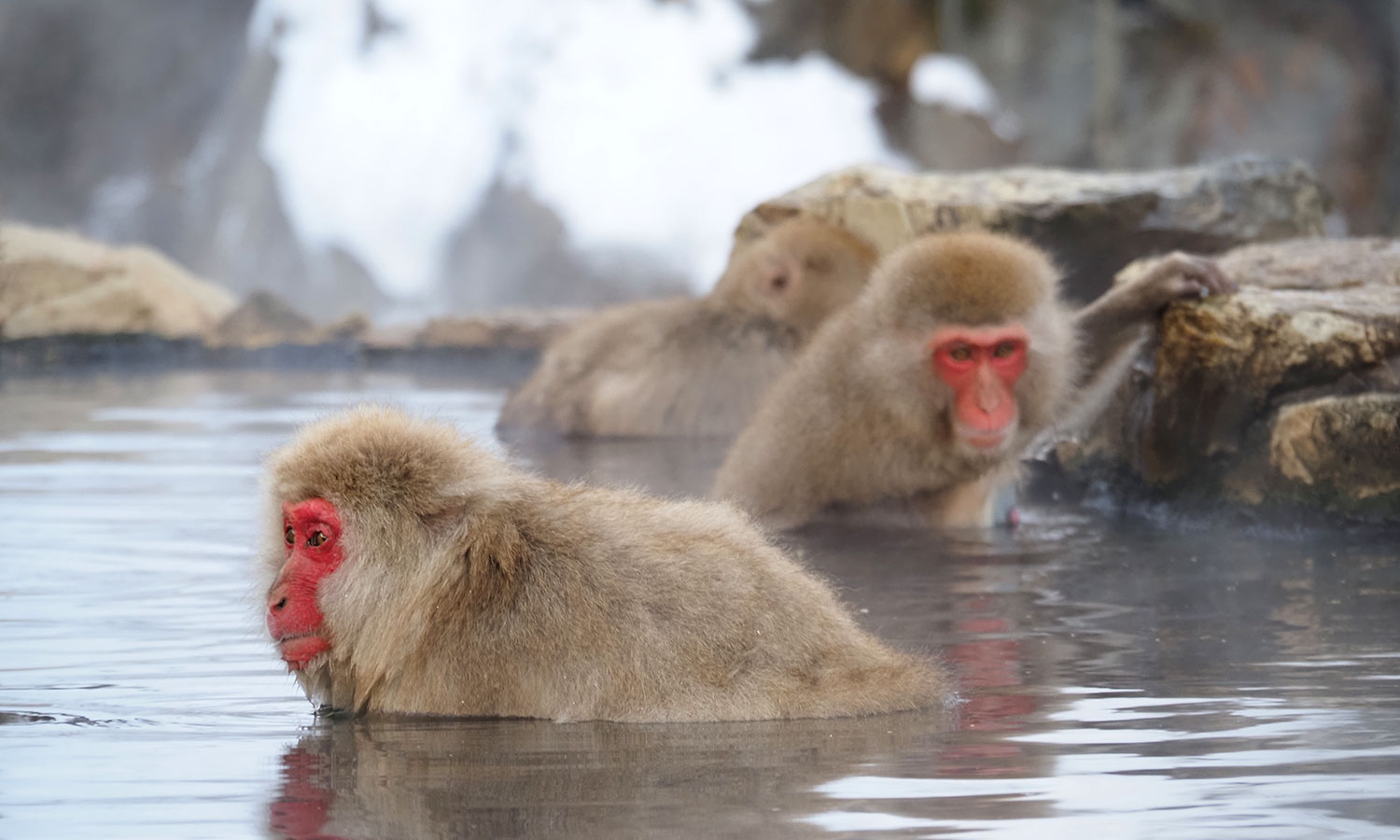
Nagano in winter leans into its elemental side. Snow monkeys soak in hot springs, monks tend flames against the cold and cedar forests stand motionless under weighty branches.
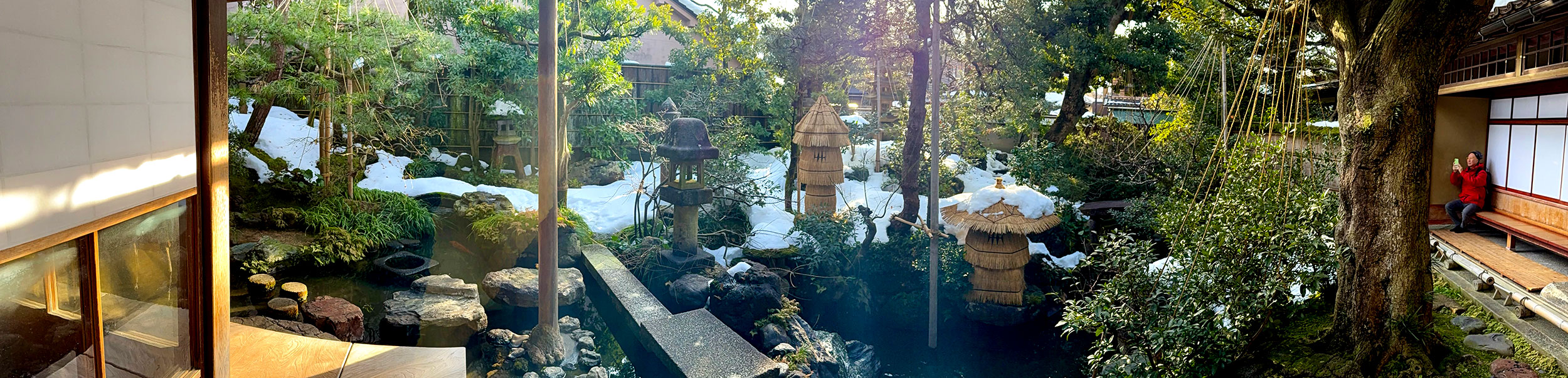
Kanazawa transforms too. The magical Kenrokuen Garden sheds its seasonal softness and becomes sculptural, dramatic, almost architectural under its web of Yukitsuri ropes (carefully strung from tall poles to protect delicate branches from heavy snow) and frozen ponds.
This isn’t a different itinerary. It’s the same cities.
“It will be different. I promise,” Yuge-san, my host, tells me down the line before I leave.
And he’s right.
Snow strips away decoration. It amplifies silence. It forces fire, steam and food to work harder. And when you follow the itinerary properly, from igloo lunches to samurai discipline, winter doesn’t just add atmosphere.
It rewrites the entire experience. And best of all… it’s almost tourist-free.
The Hokuriku Shinkansen glides out of Ueno and into a white landscape. We step off the train in Nagano and the air hits me like a clean slap. Winter here isn’t decorative, it’s decisive. Snow sits heavy on rooftops.
Last visit, Nagano felt spiritual.
In winter, it feels cinematic.
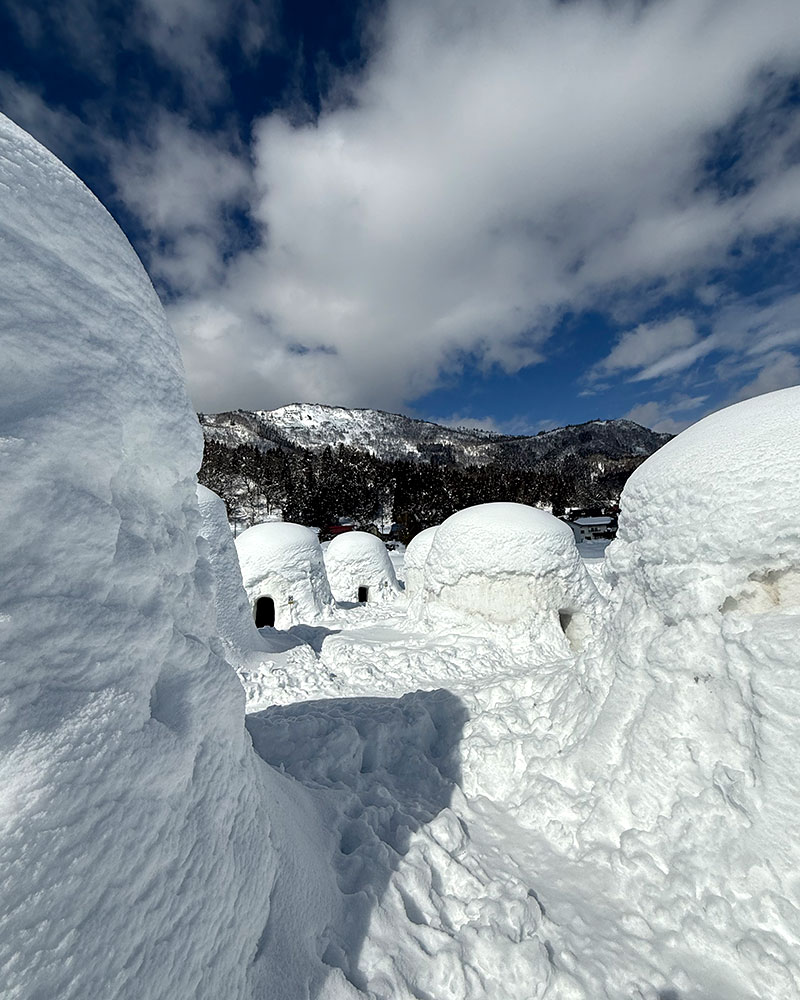
My first proper reminder of that comes at Kamakura Village in Iiyama, where we duck into a snow hut for lunch. It’s a literal igloo. Steam curls from a bubbling pot of pork miso soup placed in the centre of the table. We sit on wooden stools, the ice walls chilling our backs while our hands warm over the pot.
I’m tempted to ask Yuge-san when the sake will be delivered but figure midday might be a bit early.
Click to view gallery

From there we head toward Jigokudani Monkey Park.
Last time in Nagano I followed Shida-san into the forest, a Yamabushi “forest ninja” who ran downhill like gravity was optional. He spoke about meditating beneath waterfalls and surrendering ego in the mountains. This time I hike through snow to watch monkeys soak in hot springs.
The contrast is absurd.
Where Shida-san found enlightenment through endurance, the snow monkeys find it through plumbing.
The monkeys have lived in this valley for generations, long before the park existed. In winter they were often seen gathering near the warm waters of nearby hot springs. One day a young monkey reportedly slipped into a bath and discovered the warmth.
The behaviour gradually spread through the troop, becoming something of a cultural habit among the macaques.
Today visitors can observe them relaxing beside the hot springs year-round, though the sight of snow-covered monkeys steaming in winter has become one of the valley’s most iconic image.
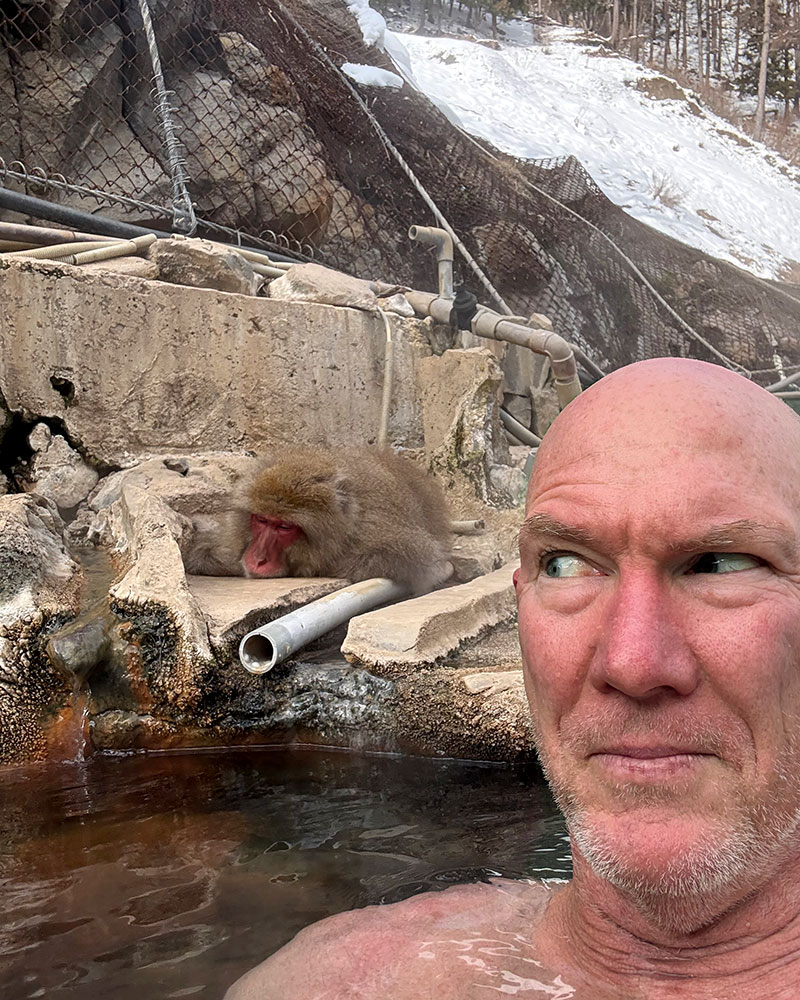
Our tip, the one that really makes the hike worth it, is to pay extra to soak in a nearby outdoor onsen yourself. Sitting in volcanic heat while snow falls around you, beer in hand, is a level of winter indulgence worth every yen.
I cheers a monkey sitting on the edge of the pool who seems more interested in cleaning himself (at least I hope that’s what he’s doing) than joining me.
Click to view gallery
On my earlier visit to Nagano I stayed in temple lodgings near Zenkoji.
This time I go full ryokan in the charming, seemingly undiscovered Andai Onsen town at a ryokan called Masuya. Andai Onsen neighbours the gorgeous old school town of Shibu Onsen. Time slows at Masuya with a sense of Zen permeating throughout. Staff bow politely and lead me to my room which consists of a bedroom, a sitting room with a floor table (heated underneath) and the bubbling sound of my own private onsen. I slide open the screen door to the balcony and there it is, a stone bath steaming in sub-zero air. Snow drifts through the open shutters and melts quietly into the water. Dinner that evening is parade of delicate dishes that looks almost too delicate to eat. We demolish them.
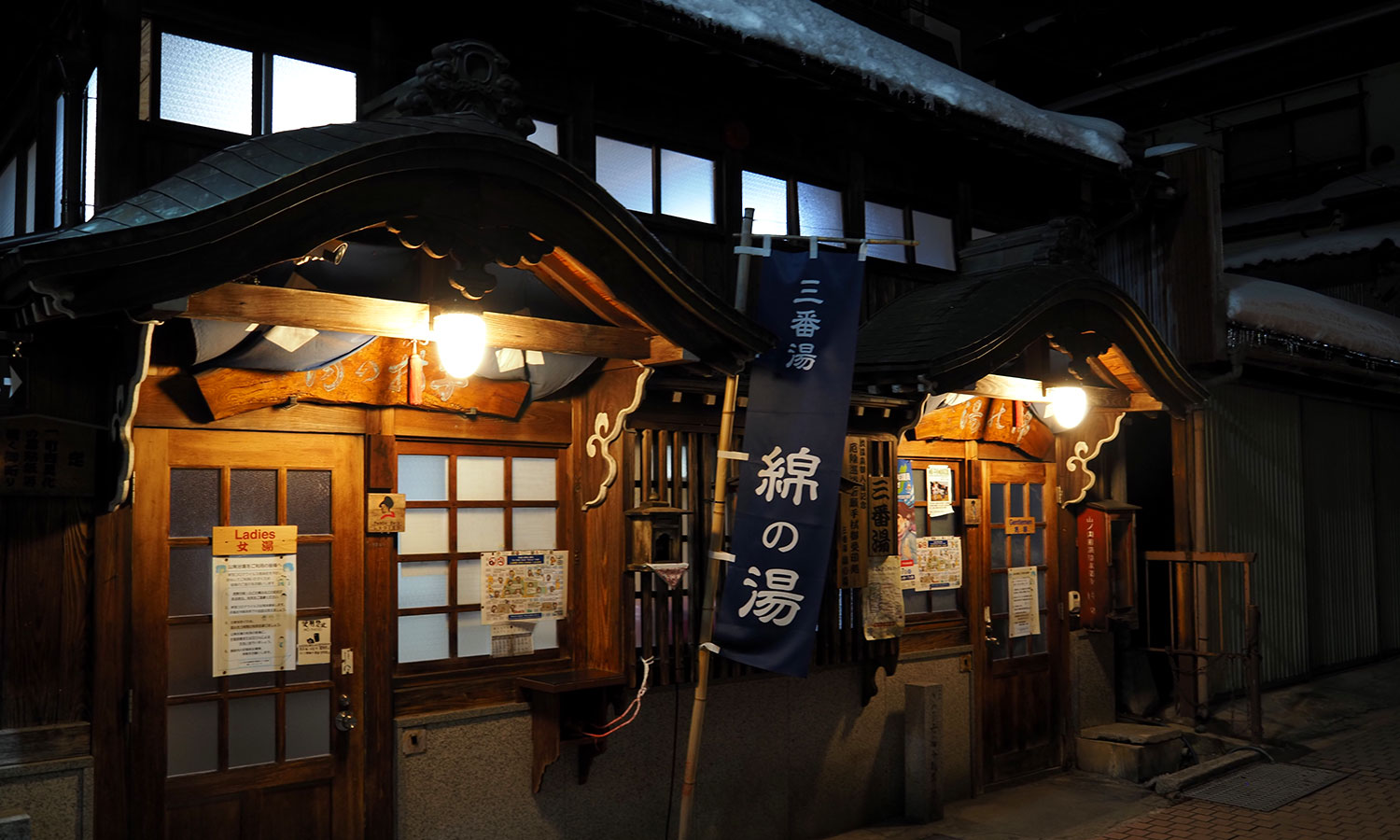
Shibu Onsen itself feels unchanged by decades. Narrow cobbled lanes wind through town with steam rising from bathhouses. It feels like we’ve walked into a scene from Big Trouble in Little China (Google it, trust me). Nine public bathhouses are scattered throughout the town, each marked with wooden plaques and said to offer different healing properties. Guests shuffle between them in yukata robes and wooden sandals.
We visit the Tamamura Honten Brewery and I grab a local IPA to join me at Masuya later that evening.
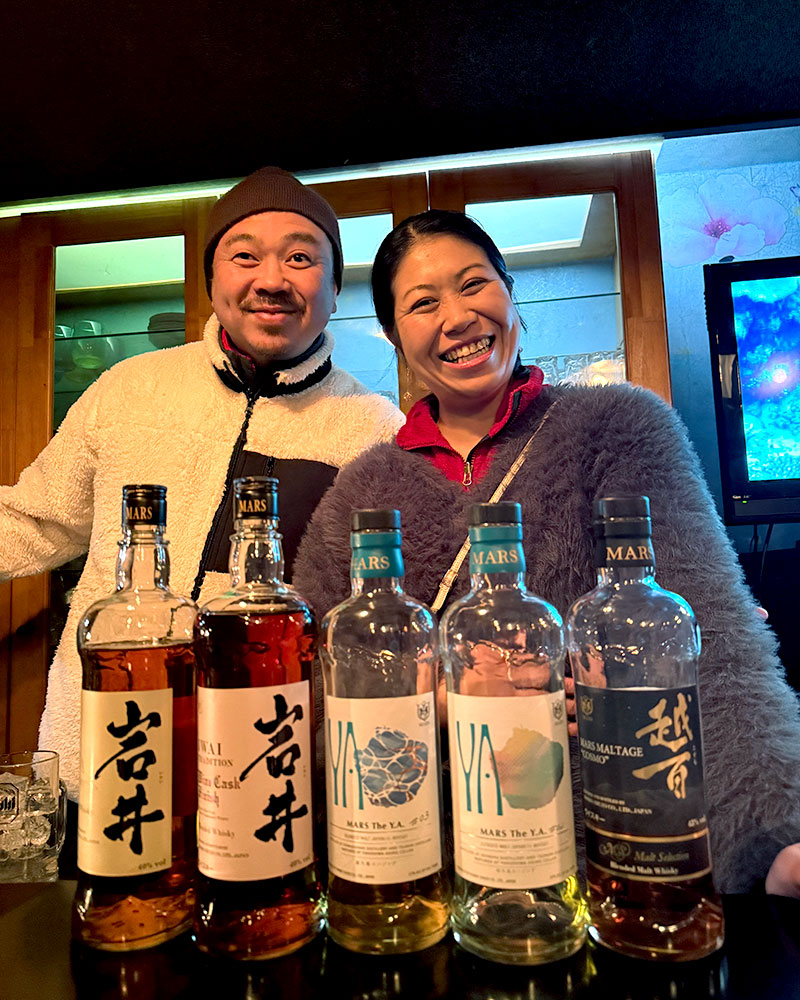
And then there are the snack bars.
In Japan, a snack bar isn’t about food. It’s a tiny karaoke lounge run by a local “mama”.
Seven seats. Whiskey poured generously. Microphone always live. Yuge-san knows the way. An old local woman and I bond over whiskey, the Rolling Stones and limited shared vocabulary. At some point we launch into Bohemian Rhapsody. She commits fully to the operatic section.
It is bold. It is loud and Freddie Mercury would have loved it.
The day ends almost like it began. I’m in an onsen again, but this time I’m with a local IPA rather than an amorous monkey.
Click to view gallery
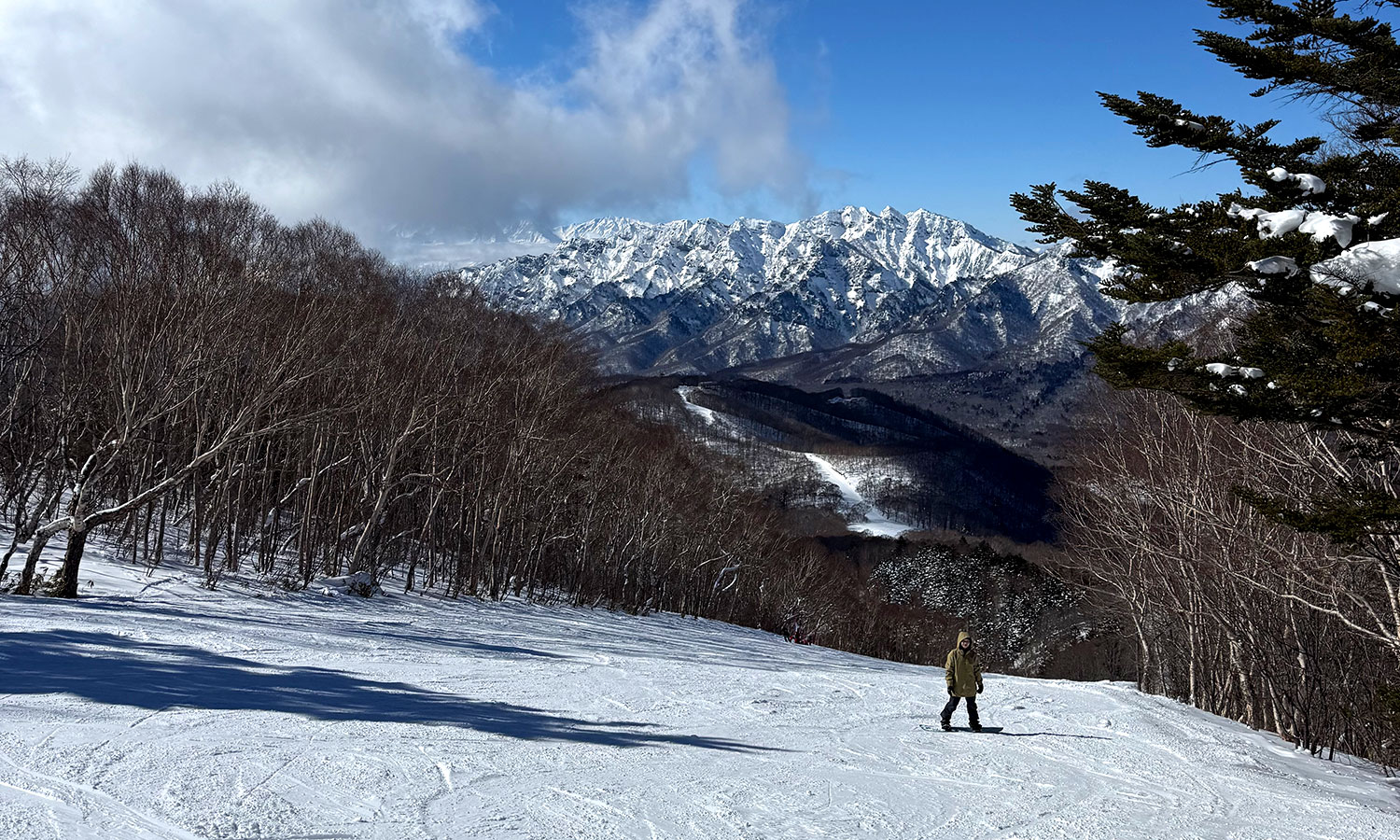
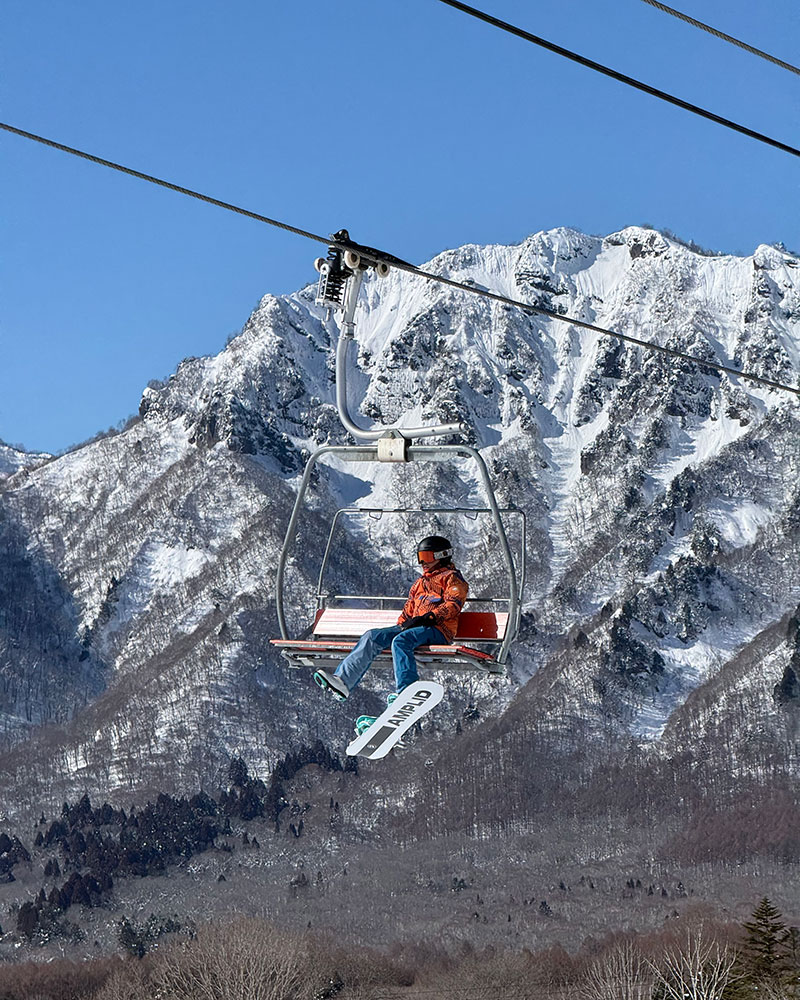
Skiing the following day at Togakushi Ski Resort feels like someone quietly forgot to commercialise it. The slopes sit beneath the jagged Togakushi mountain range, their peaks cutting into a perfect blue sky. Cedar forests line the runs, branches sagging under fresh snow, giving the place a hushed cinematic quality.
There are no lines. No corporate banners. No blaring music. Which is probably just as well because my head is slightly heavy from the karaoke and whiskey the night before.
The skiing is deceptively good. There’s wide cruisers for finding rhythm, tree-lined sections that make you feel briefly competent, and snow that stays light and forgiving.
Japan is apparently bursting at the seams with tourists enjoying the weak yen. I’ve heard there’s more Aussie accents than Japanese at several of the more popular mountains. Not at Togakushi.
And then there’s lunch.
On American slopes, lunch often means wrestling through crowds for mac and cheese, burgers the size of your ego, and chips, chips and more chips (ok, fries).
At Togakushi? You peel off your boots and sit down to bowls of ramen steaming in the cold air. Soba noodles made from the region’s famous buckwheat. Japanese curry rich and comforting and ice-cold beer that tastes sharper at altitude.
And of course, ice-cold beer.

Back in Nagano city that night the food porn gets even hotter. Dinner is at a local izakaya so small it could legally qualify as a cupboard. Seven seats. That’s it.
We sit elbow-to-elbow around a table while the chef places a roof tile, yes, an actual ceramic roof tile, over an open flame. Thinly sliced beef and vegetables sizzle directly on top. Fat spits. Steam rises.
We cook and eat straight off the tile.
It is absolutely delicious!
Two Japanese men laugh at the only table behind us raising their glasses.
“Kampai!”
“Yuge-San,” I exclaim, “how do you find these places?”
I’d doubted my old friend could improve on the previous trip’s dining. He had.
Sake flows. The chef grins. The heat from the flame warms our faces while outside the air bites.
This is the place you don’t find unless someone tells you. And once you do, you never forget the experience.
The following day we find ourselves back at Zenkoji Temple to attend the Mawari-goma fire ritual. We write our prayers on paper scrolls and circle a fire where our scrolls are burned. Chanting rolls through the courtyard. Smoke curls skyward with our prayers to somewhere somehow more spiritual than this 1400 year old temple.
Last time I crawled beneath the temple in darkness searching for rebirth. This time, standing in the snow watching fire meet winter, I realise the transformation feels different.
Autumn Zenkoji was contemplative.
Winter Zenkoji is elemental.
Click to view gallery
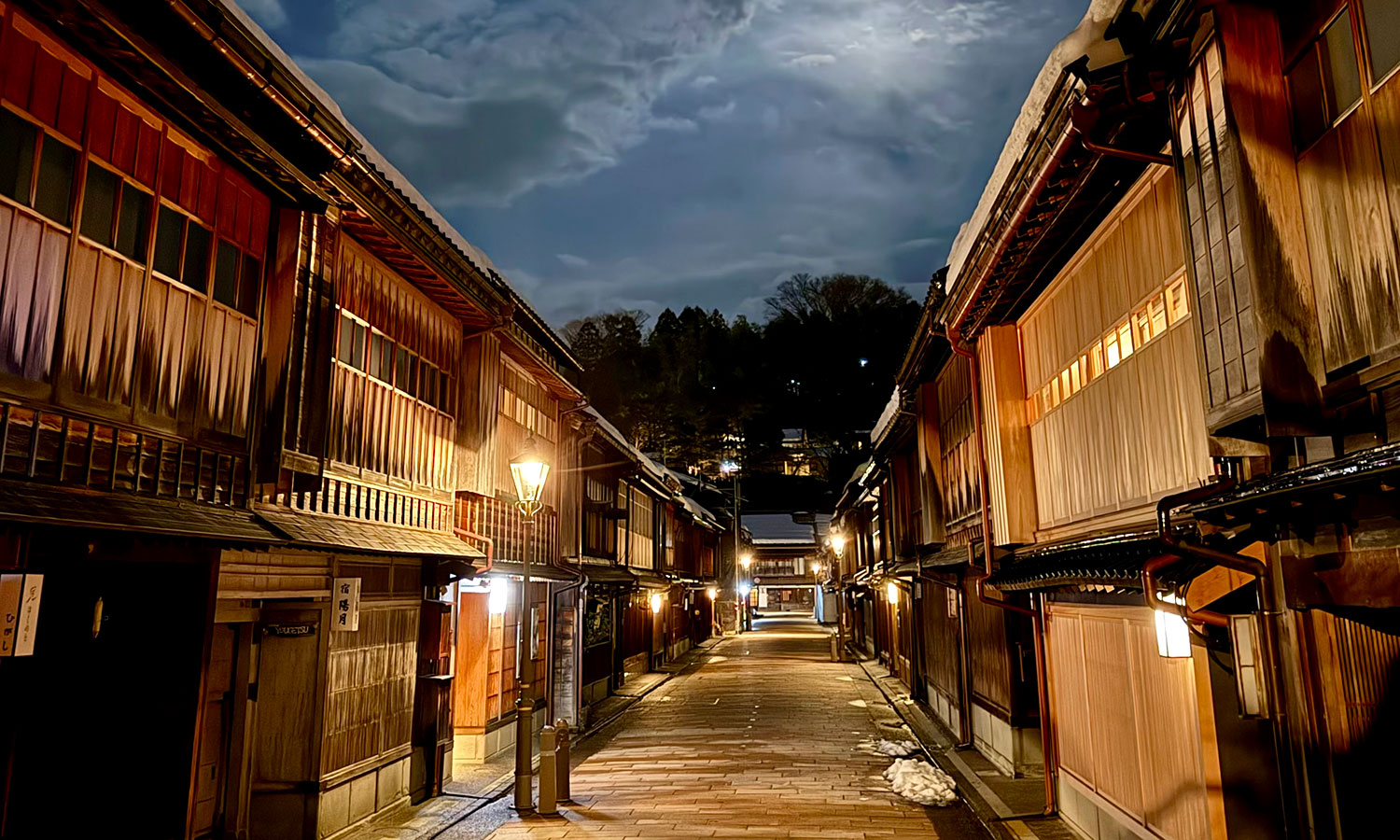
The Shinkansen slices west to Kanazawa, and by the time we arrive, the city looks like it’s been iced.
Last time we wandered through in autumn light, marvelling at lacquerware and Michelin-level tasting menus. Winter Kanazawa is moodier. Quieter.
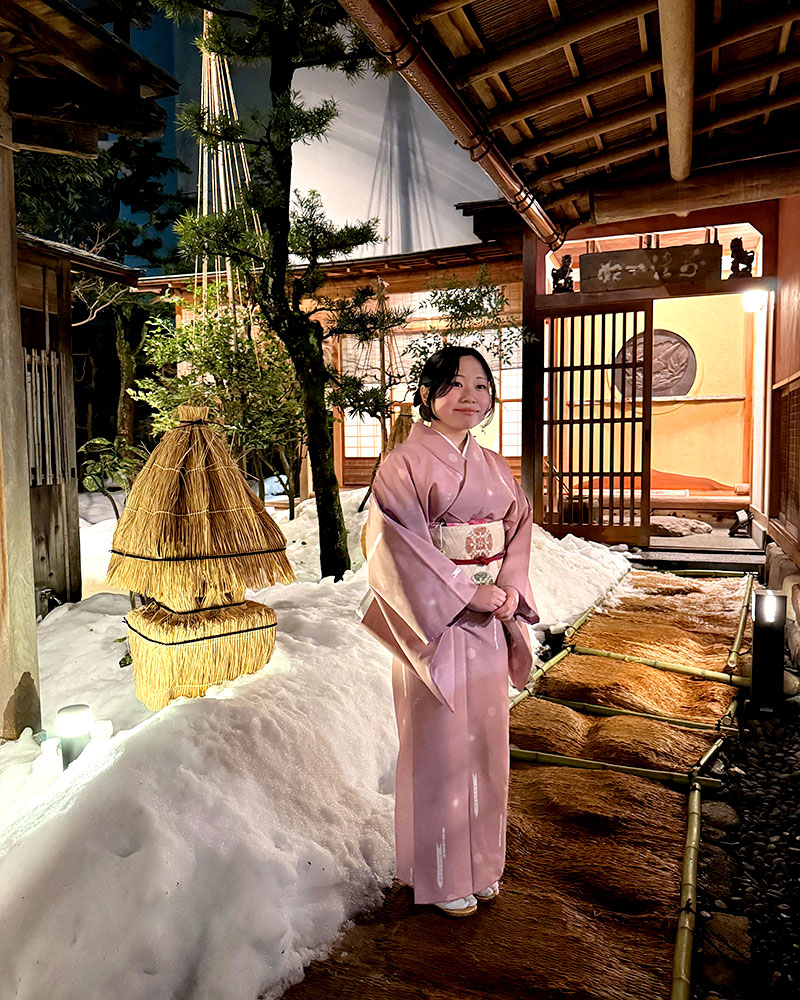
At Kenrokuen Garden, the famous Yukitsuri ropes fan out from pine trees like giant umbrellas. The garden is hushed. Footsteps crunch softly. The ponds mirror a pale sky.
As we walk, a group of local primary school students approaches.
“Excuse me… can we interview you?”
They’re practising English.
“What is your name?”
“Where are you from?”
“Do you like Kanazawa?”
I answer carefully. They nod seriously and scribble notes. We take a photo. They bow deeply. Their teacher thanks me. The students’ English is better than their teachers.
Autumn Kenrokuen was romantic.
Winter Kenrokuen is majestic.
Click to view gallery

Click to view gallery
And then we dine at Barrier.
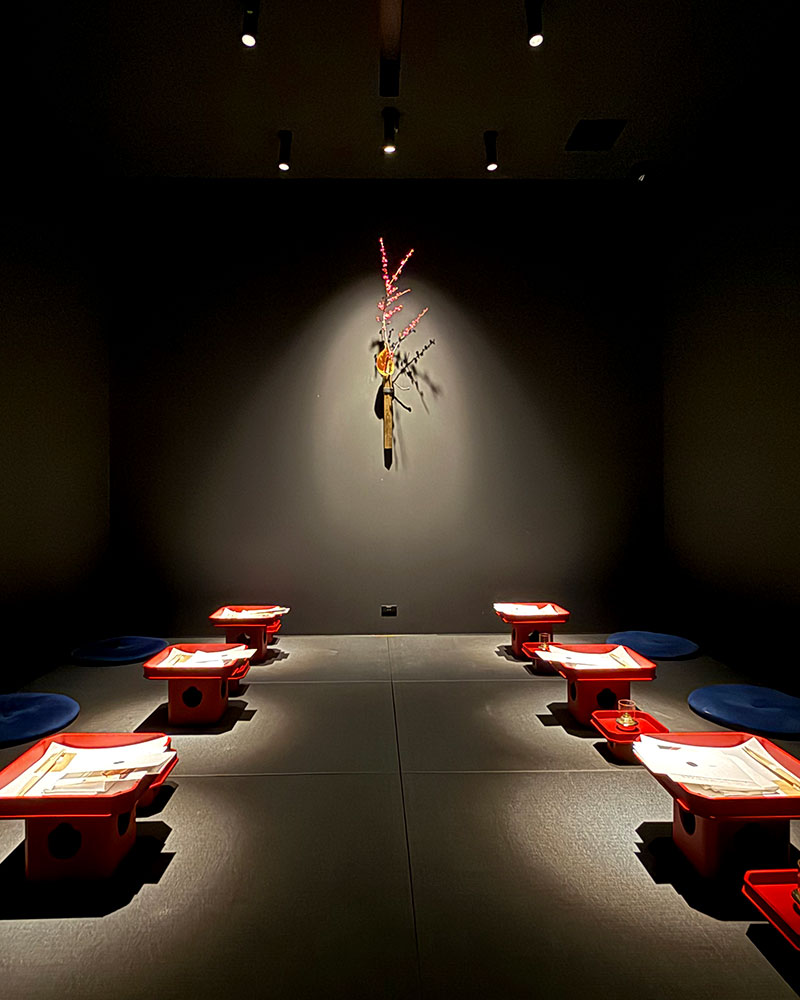
I feel like we’ve wandered into a Japanese game show. We sit well apart on the floor of a dark black walled room. On the far wall a well-lit flower arrangement bursts out of the darkness.
Yuge-San wisely orders sake and it’s brought out for him to pass around to our small red tables, each with what looks like a Bunsen burner placed beside it.
We’re served small dishes of pickles and sushi before a cabinet is placed in front of each of us and our Bunsen burners are lit. The cabinet holds three bowls of differing deliciousness and we pour our bubbling broth over each as we eat our way through. Meditative music sets the ambience.
Yuge-San pours more sake.
It’s pure theatre.
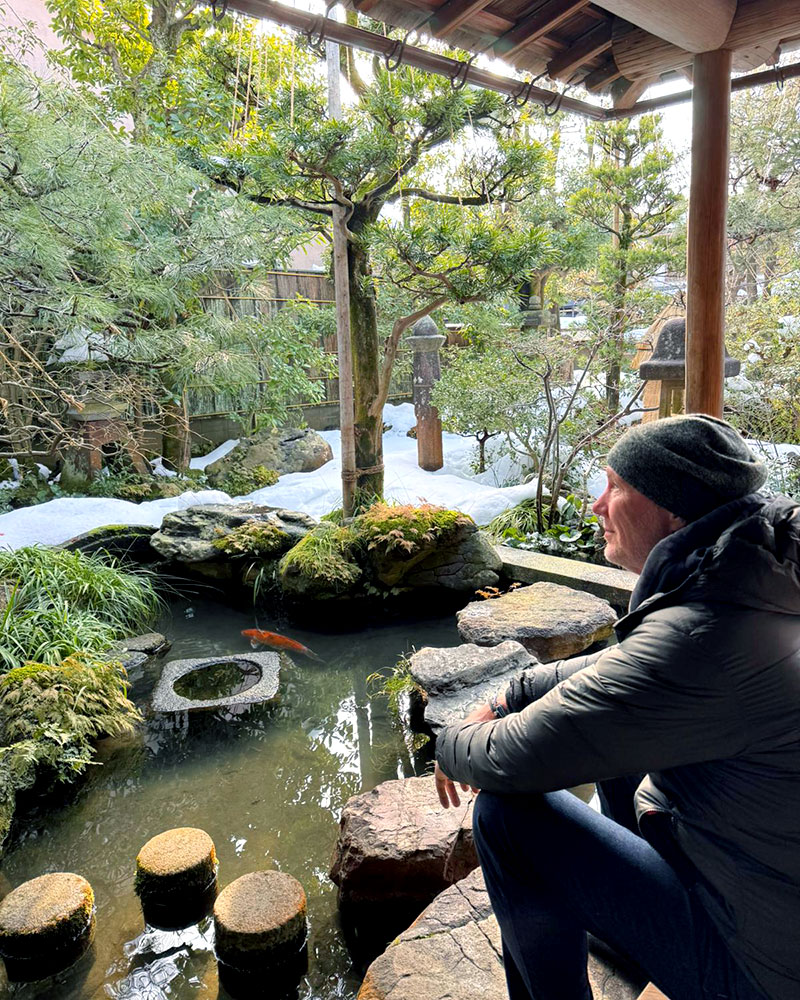
In the Nagamachi Samurai District the following morning, snow clings to earthen walls. The narrow lanes feel narrower. Definitely Quieter. The Nomura Samurai Residence, which once felt like a museum piece, now feels more intimate. Tatami rooms glow warmly against the cold outside.
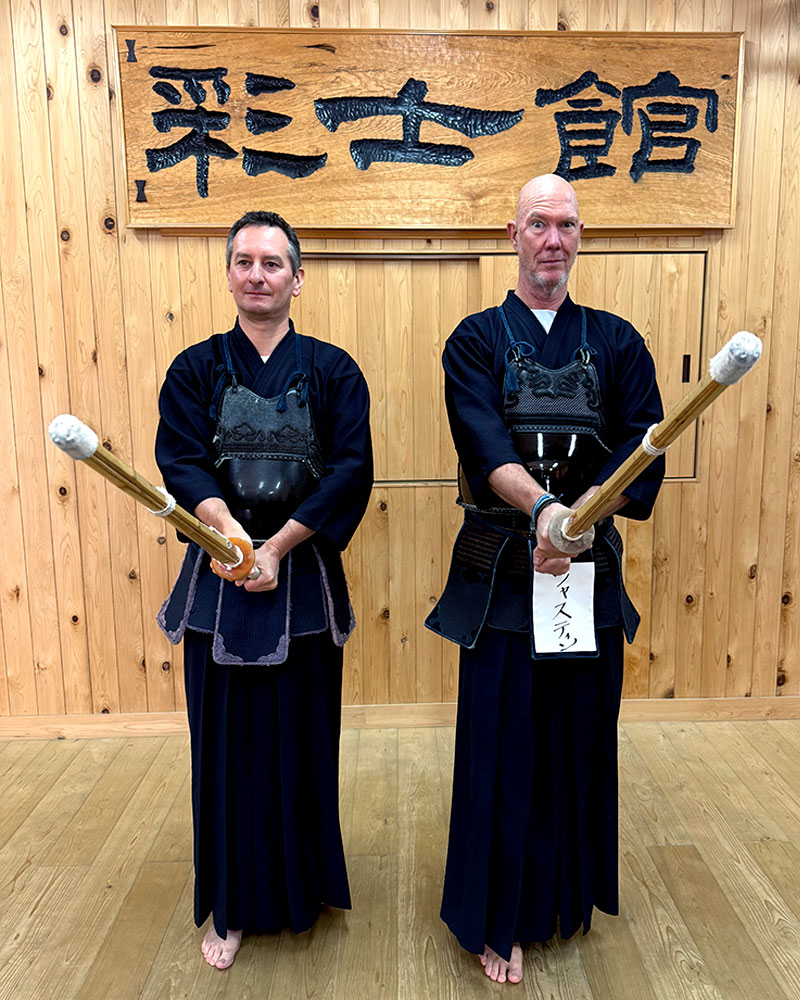
I sit on the balcony gazing over the immaculate garden again, only this time it’s still and even more peaceful. I try to channel the samurai spirit for our next activity – learning the ancient art of kendo.
Click to view gallery
Click to view gallery
Dressed in armour, bamboo sword in hand, I’m reminded (repeatedly) that this is not sport. It’s discipline. Form. Presence.
We spend the morning with Kyoka Take, a disciple of Toshihiro Enoki, and her husband Fumiya Takeyoshi, both masters in kendo. They demonstrate, screaming before each strike. It’s like a dance between two lovers, each wanting to punish the other for some secret sin.
My first strike is enthusiastic and wildly inaccurate.
Kyoka Take laughs out loud which is fair enough, as I almost take out the fluorescent lights above me with a wild swing.
Click to view gallery
Click to view gallery
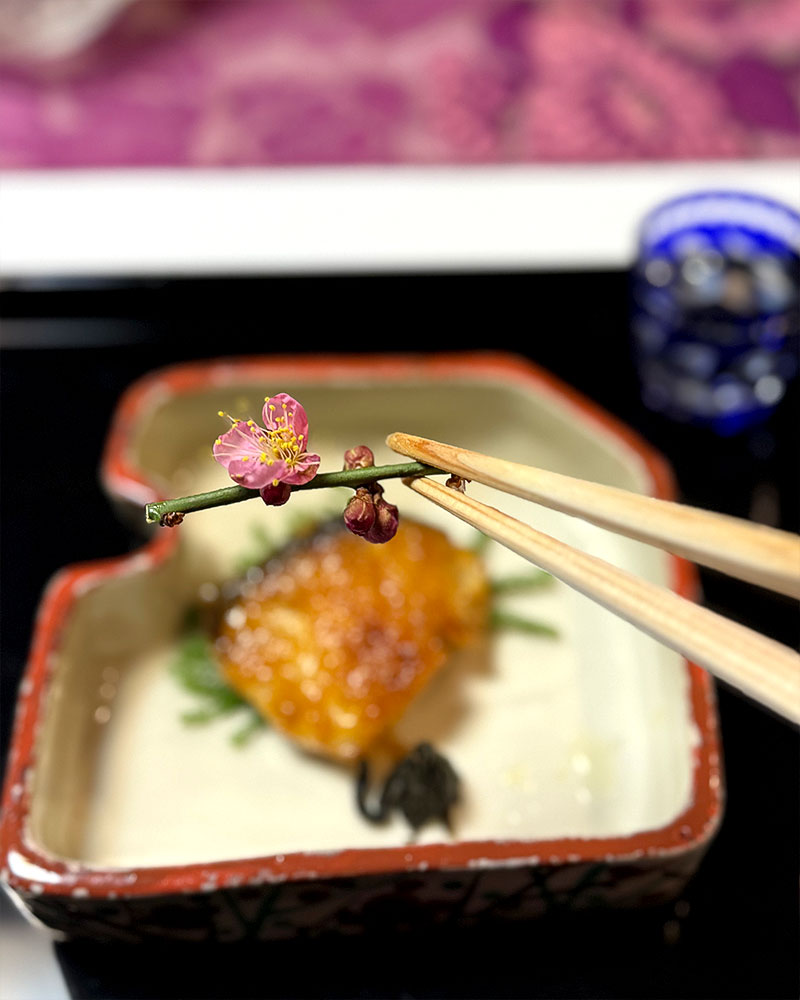
That evening we dine on traditional Kaga (Kanazawa) cuisine at Ootomorou, one of Kanazawa’s oldest traditional restaurants. Served what must be close to 12 courses by Geisha’s who move with absolute grace and style, the experience exemplifies Kanazawa itself. Ancient traditions are respected and artisans are revered.
Click to view gallery
Click to view gallery
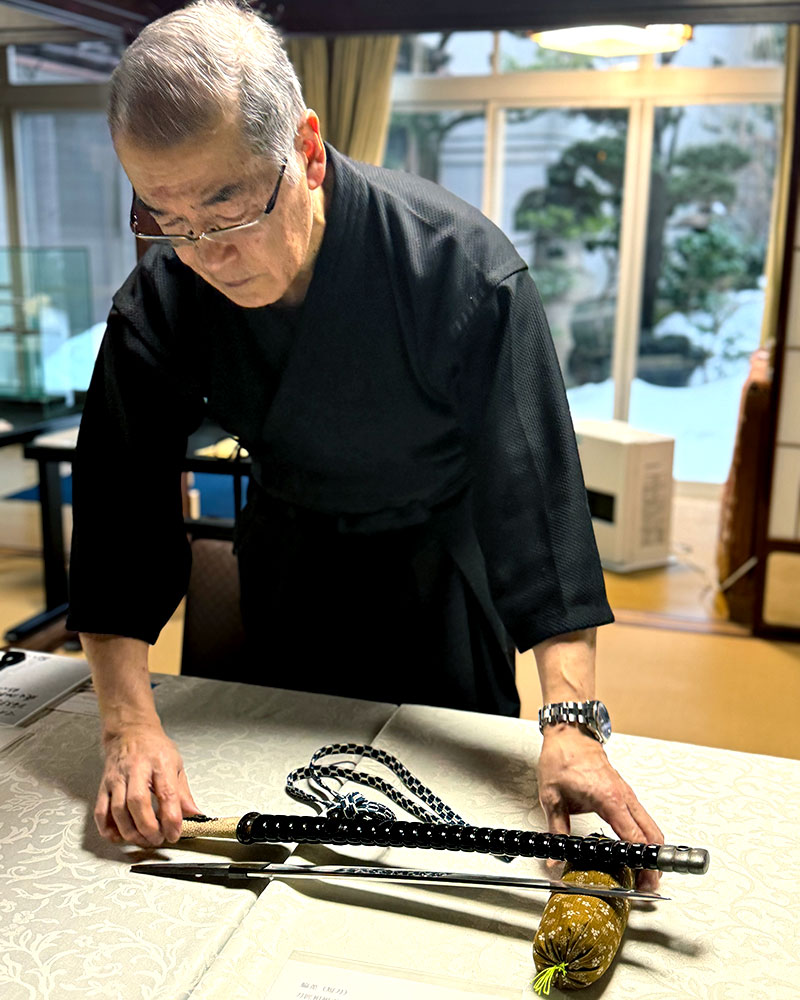
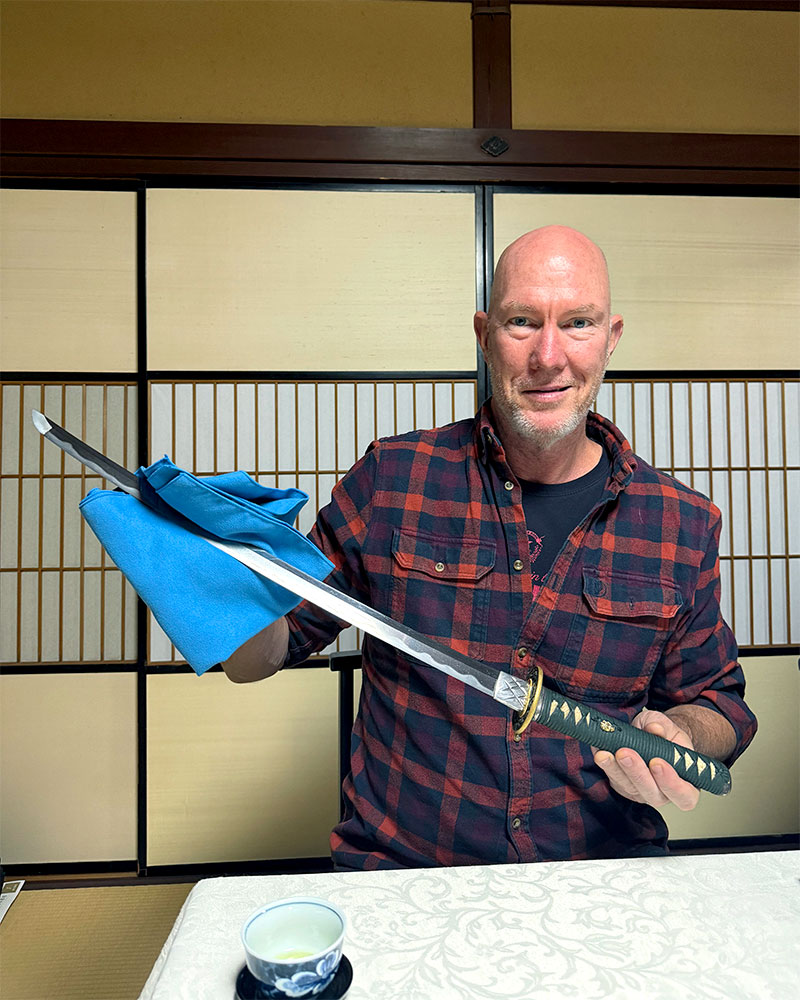
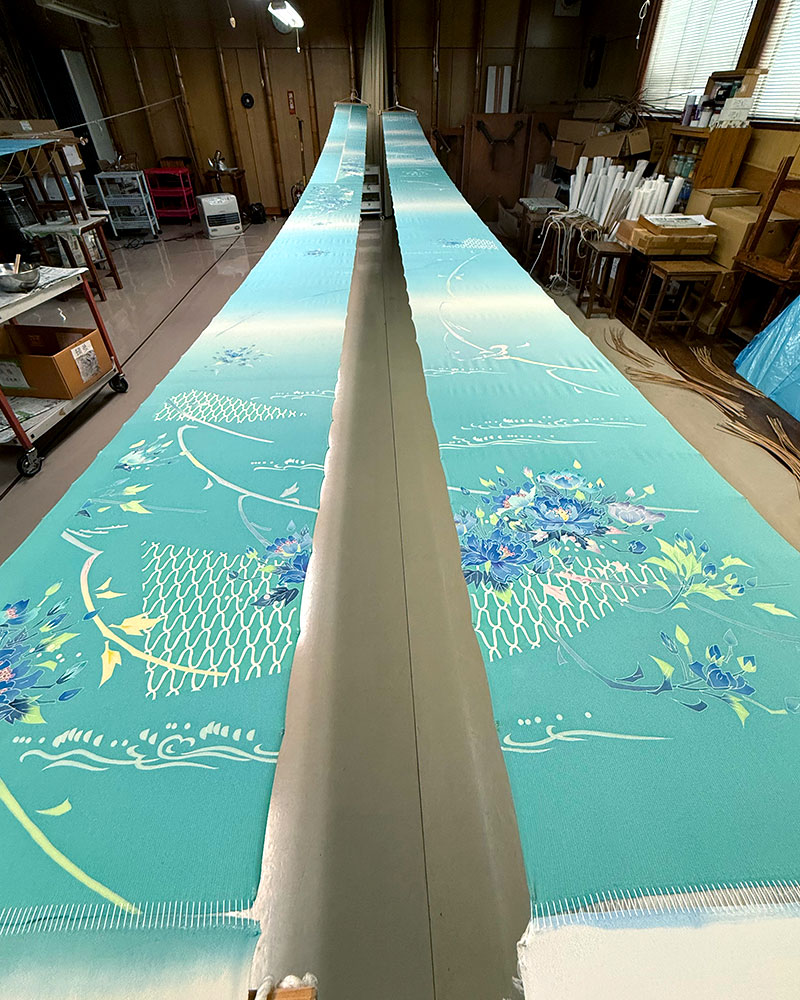
We’ve only spent two days in Kanazawa and yet we’ve wandered a perfectly manicured 350 year old garden, trained with master of a 12th century martial art, even held a 500 year old samurai sword. We’ve shared sake with a third generation legend of the Maida family who now creates some of Japan’s most sought after kimonos and we’ve learned how Kanazawa is Japan’s capital of gold leafing.
Last time, I left thinking I’d uncovered a secret. This time, I realise the secret isn’t the cities themselves. It’s that they change with you.
Nagano and Kanazawa aren’t fixed experiences. They’re seasonal personalities. Autumn flirts. Winter commits.
And somewhere in the mountains of Nagano, a Yamabushi monk is probably still running effortlessly downhill while a monkey soaks in volcanic bliss.
Between the two, I’m still deciding which philosophy suits me best.
It might depend on how cold it is.
And whether I remembered to bring a beer.
Stay there

Masuya Ryoken –
2296 Hiraoka, Yamanouchi-machi, Shimotakai-gun, Nagano Prefecture 381-0401
Tel: 0269-33-2171






While you're here

If 2026 is the year you want to finally hit the slopes then the Ikon Pass has...
If 2026 is the year you want to finally hit the slopes then the Ikon Pass has your back -...

Calling all shutterbugs, storytellers, and video visionaries, Fujifilm’s...
Calling all shutterbugs, storytellers, and video visionaries, Fujifilm’s GFX Challenge...

SHIZUOKA, JAPAN
You, a flurry of pink petals, and landscapes so breathtaking they look...
You, a flurry of pink petals, and landscapes so breathtaking they look straight out of...

TOKYO, JAPAN
First there was Squid Game and now, after the resounding success of...
First there was Squid Game and now, after the resounding success of Netflix’s latest...