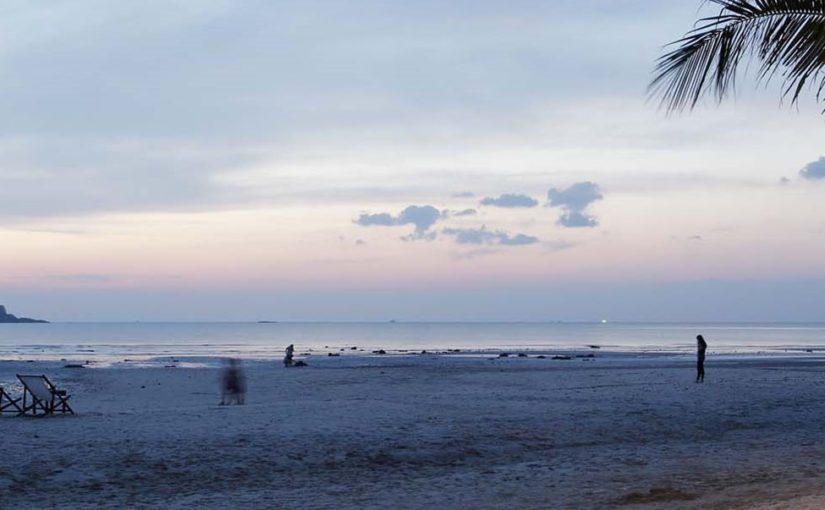
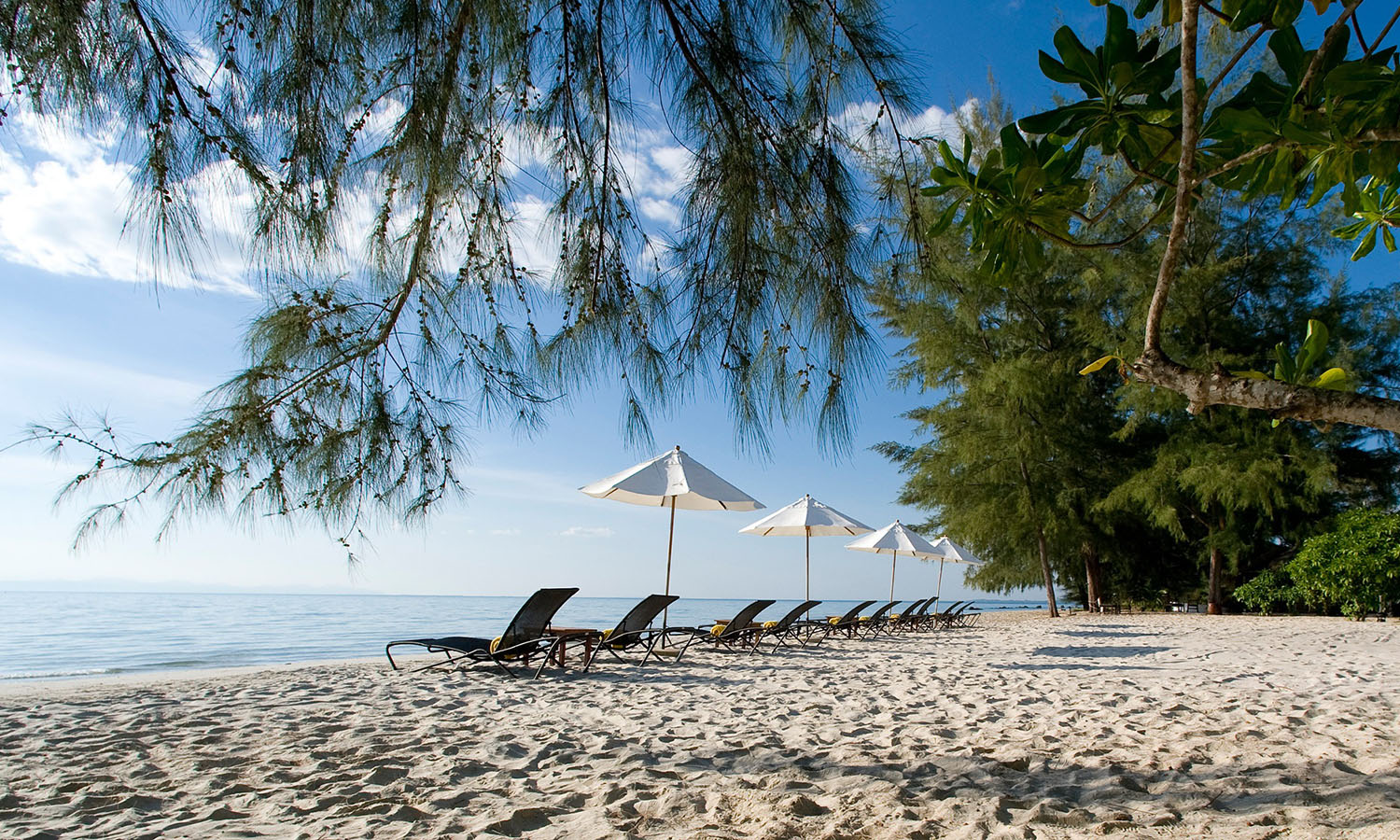
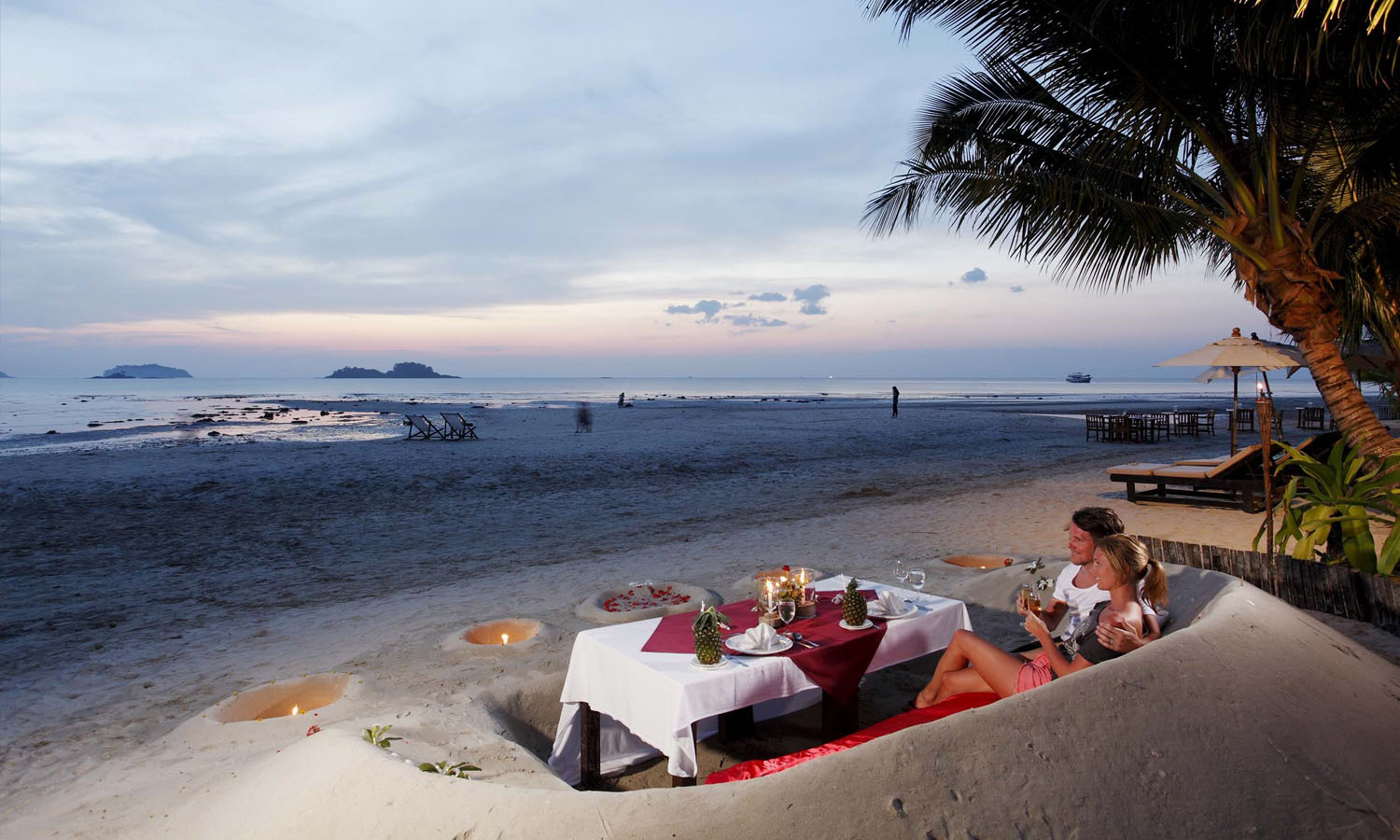
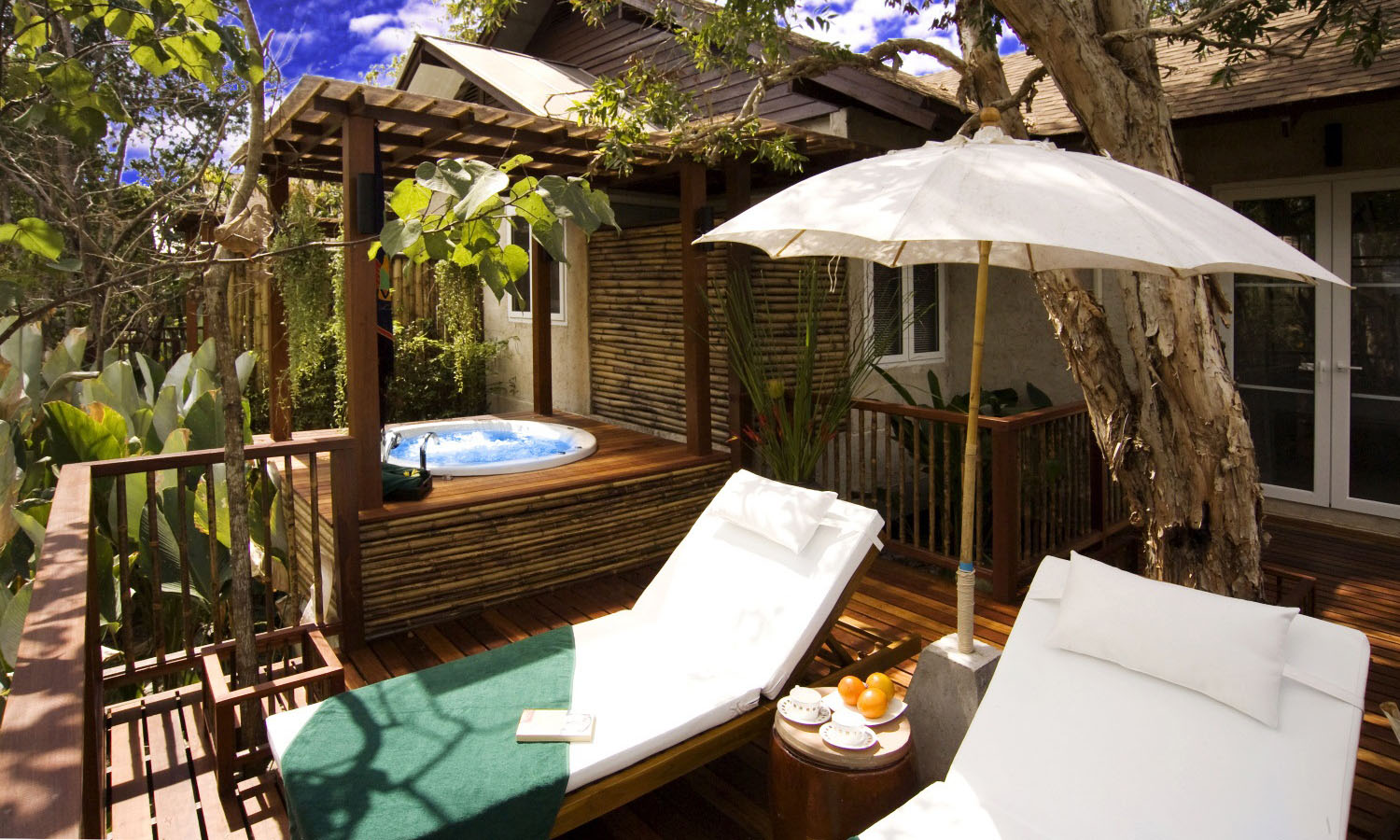
Sneaking off the well-trodden path is not always easy in Thailand, a country where tourism first took off more than half a century ago; yet there are still some secret nooks that escape the hordes. In the country’s southeastern corner, snugly sat on the border with Cambodia, lies Trat. Best known as the gateway to the Koh Chang National Marine Park and its 52 tropical islands, this coastal town also stocks plenty of charm for the more curious visitor. From the creaky wooden shophouses to a market for every reason and season, plus ample opportunity to gorge on local seafood. And you won’t have to share paradise with hundreds of others at Trat’s Centara Chaan Takay Resort & Villas either. A 40-minute drive outside of town, the Chaan Takay Resort has just 44 suites and villas, some with their own private outdoor Jacuzzis. Secluded by pristine jungle on one side and a crescent of ivory sand on the other, this Thai resort boasts oodles of privacy.
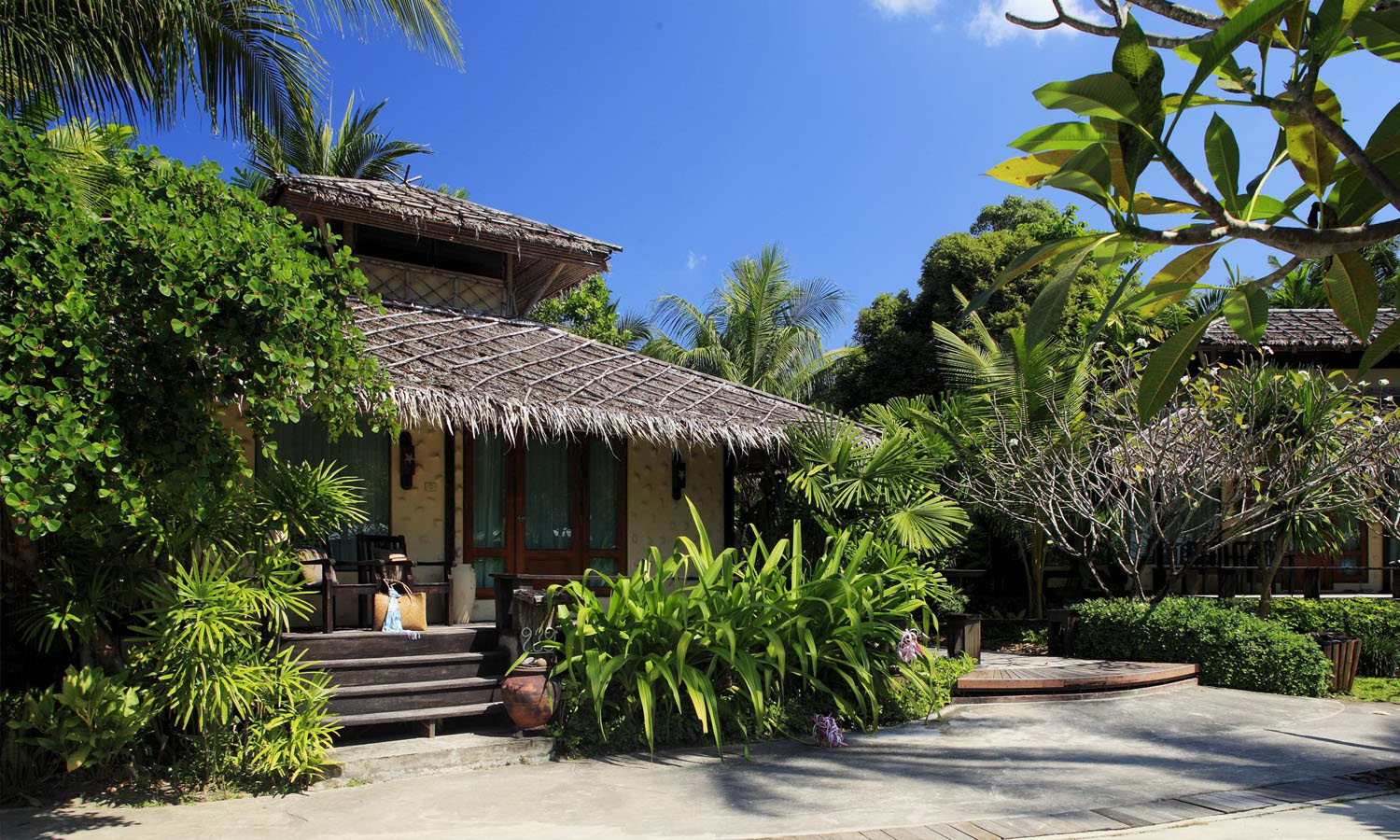
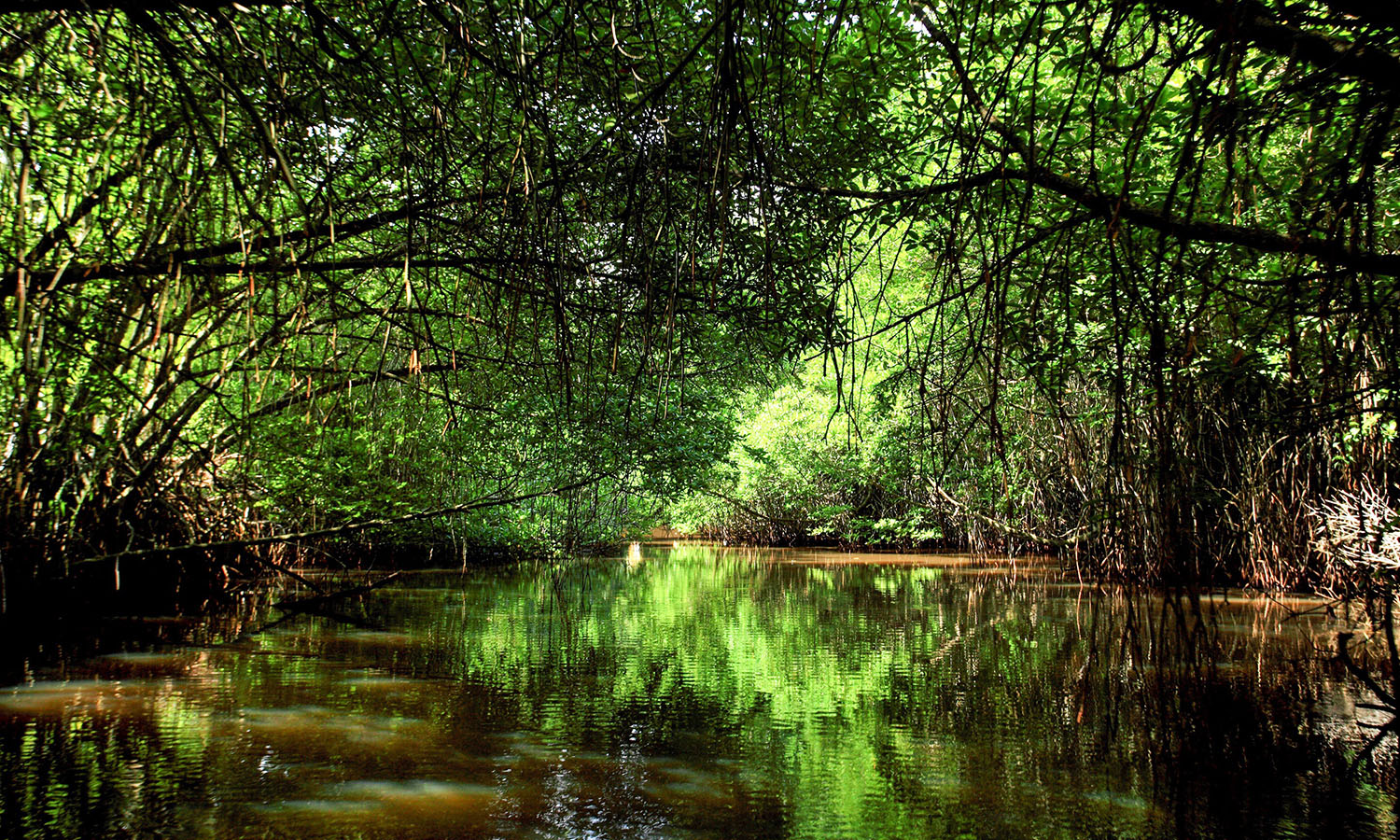
From Trat it’s a mere 30-minute sailing to the jungle-clad crests of Koh Chang. Some pockets of Elephant Island are more developed than others, but as the second largest island in the country there are plenty of slices of beach that haven’t been colonised by tourists. Explore mangroves, fishing villages, hidden waterfalls and seemingly infinite stretches of beach by day, and by night hunker down with a cold bottle of Chang on the terrace of your beachfront cabana at Centara Koh Chang Tropicana Resort. With their thatched roofs, wooden floors and tropical décor Centara’s accommodation offers a local touch but with all the mod cons you can dream up (hello spa, fitness centre and room service). Soak up the tranquility at Tropicana or get out and explore.
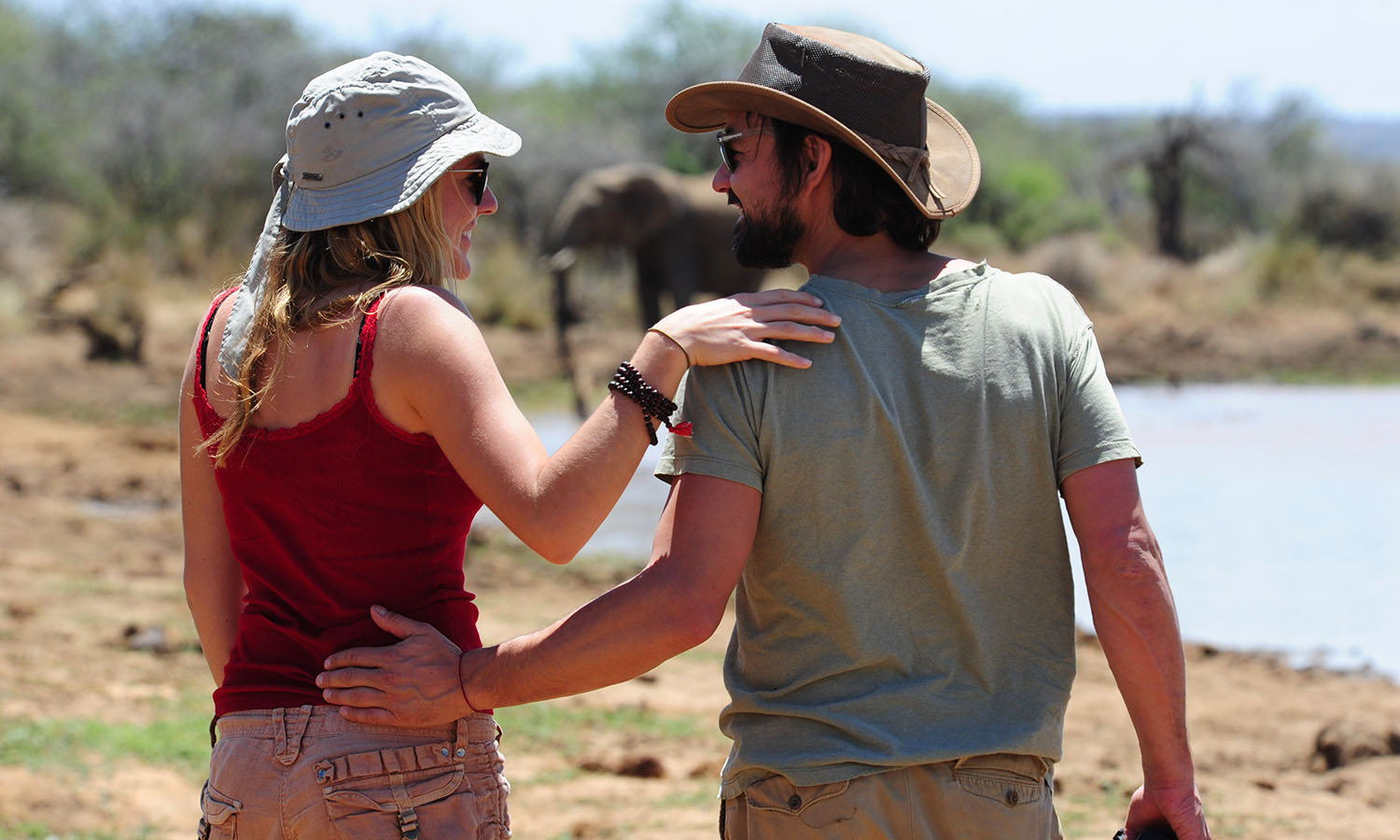
Experience the thrill of creeping up on a lion with no enclosed Jeep to separate you from the King of the Jungle – or in this case, King of the vast Laikipia Plateau.
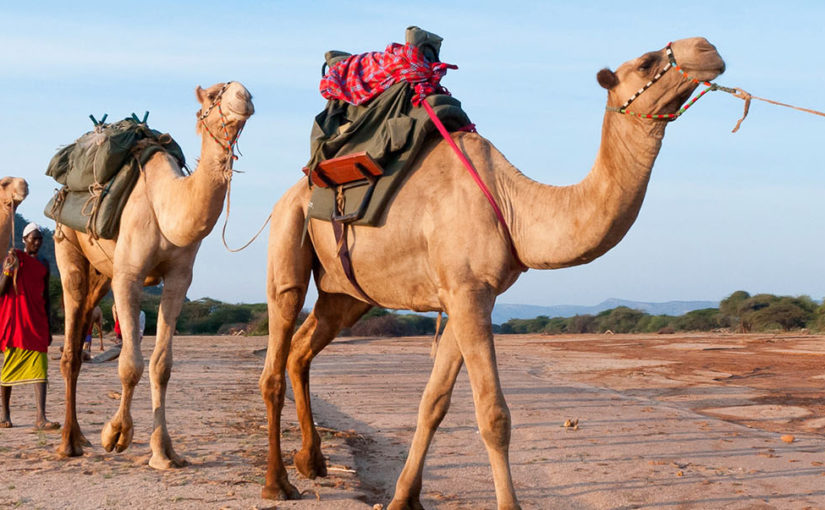
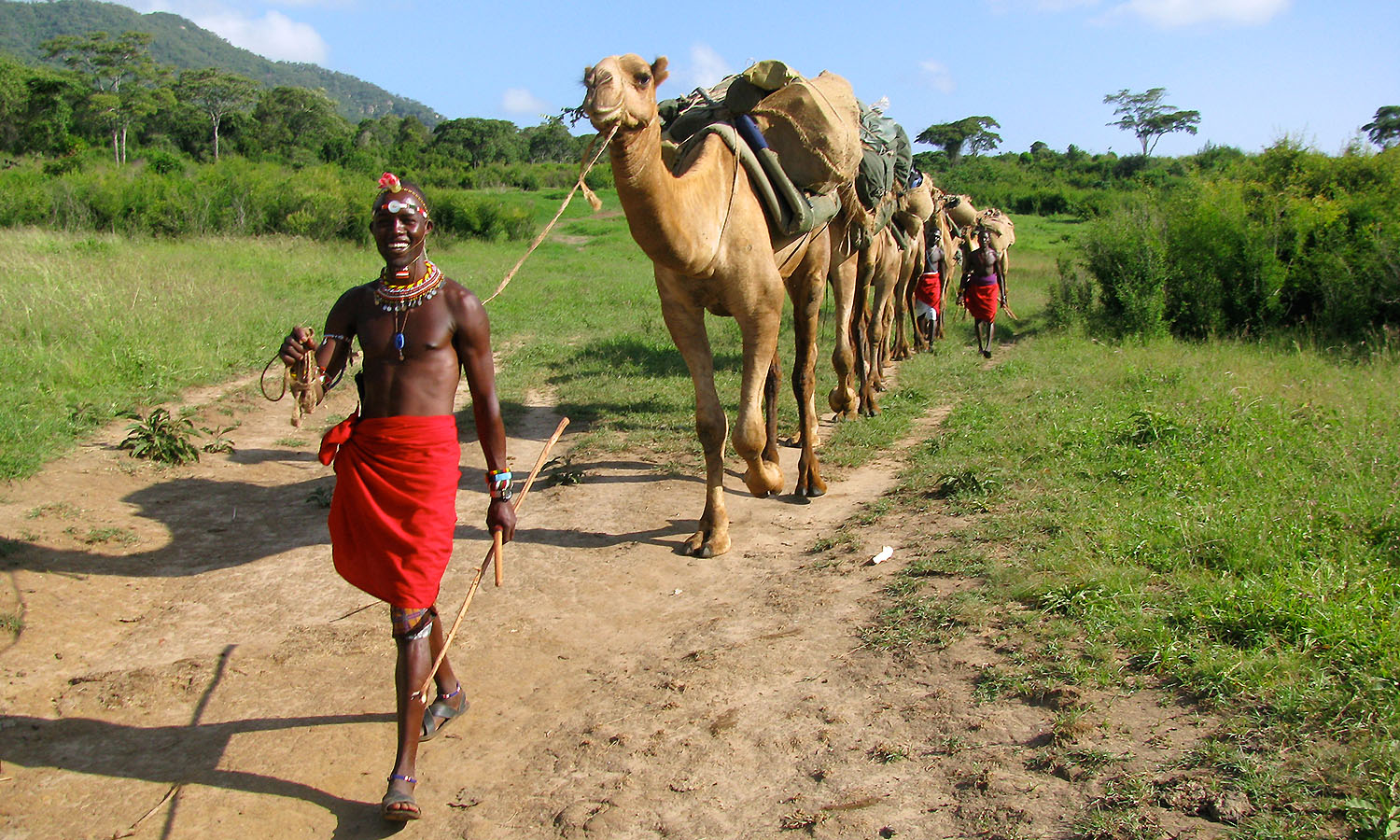
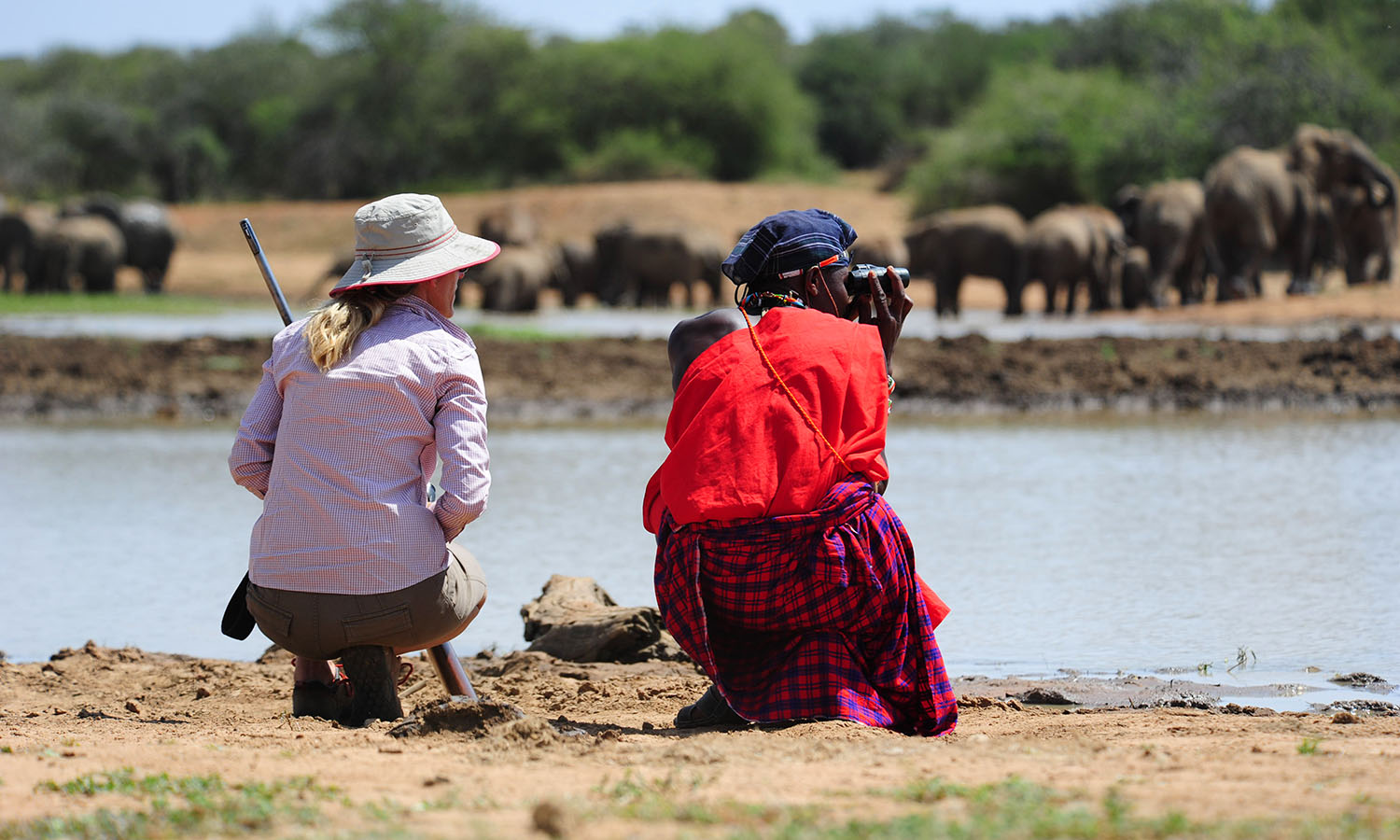
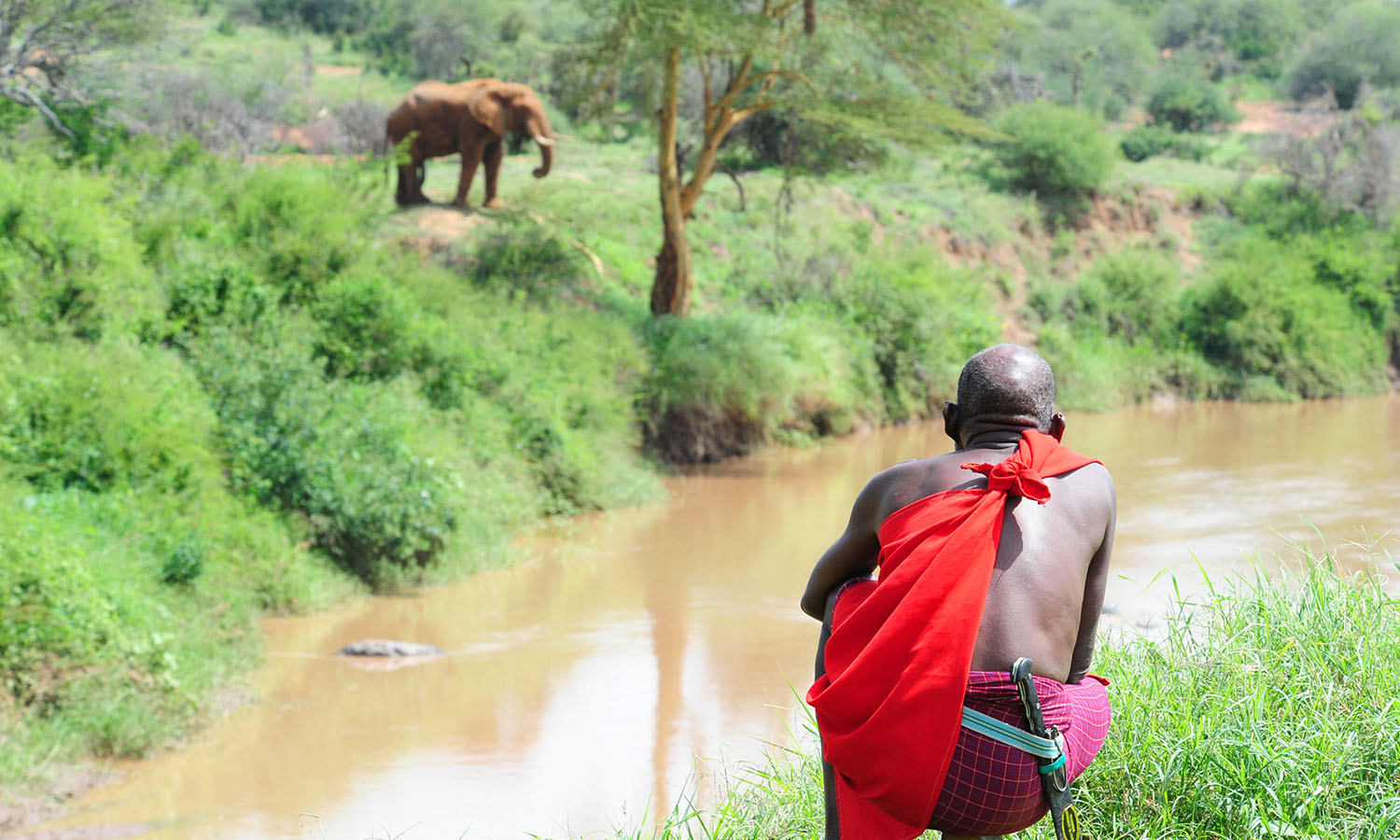
Go beyond the reaches of a 4WD on a walking safari with Bench Africa, guided by members of the Samburu tribe, who live mainly in north-central Kenya (they’re related to, but distinct from, the Maasai people). Dressed in traditional attire they’ll lead camels carting all the essentials – food, water, cameras, camping gear – and, whenever needed, weary walkers.
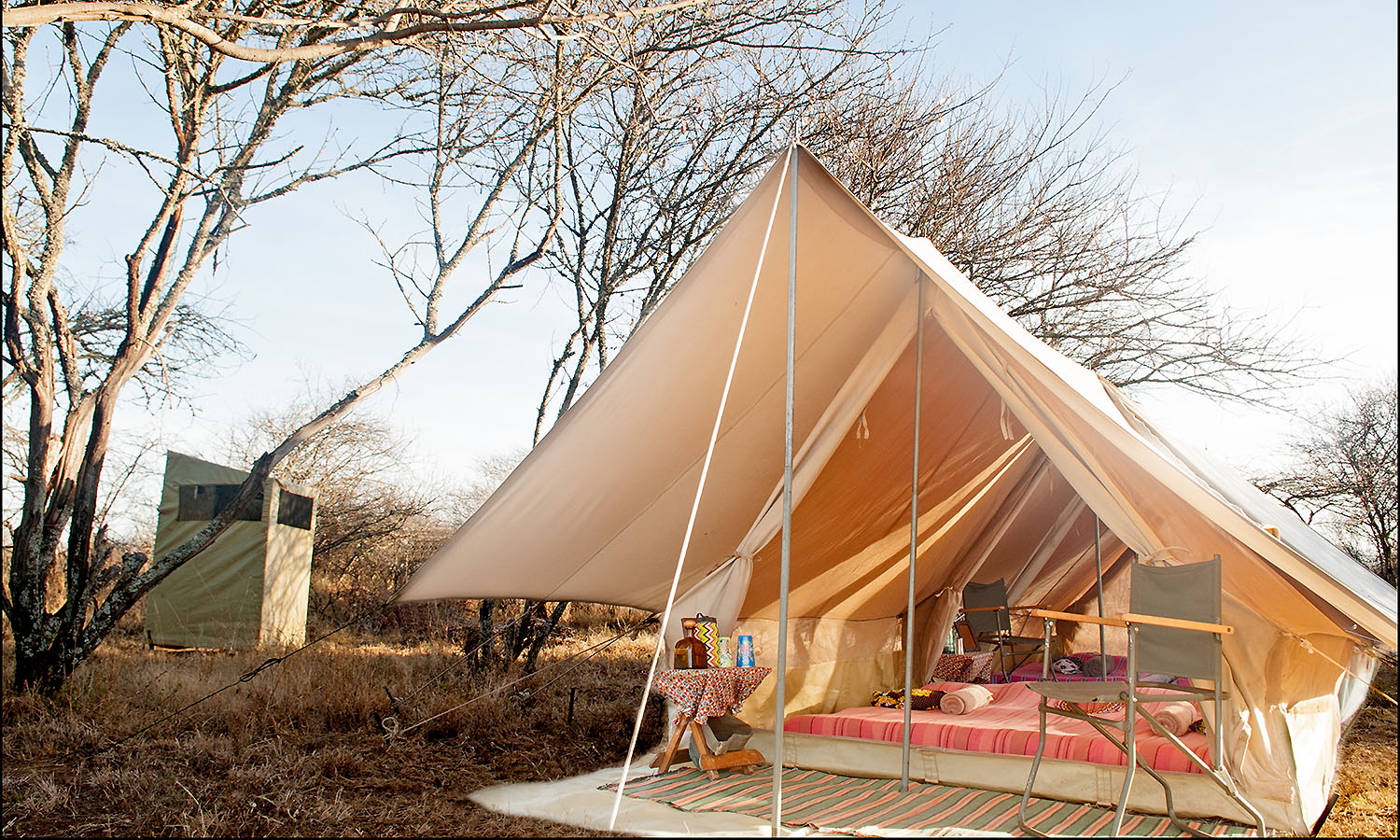
The camp roams with you each day, and although it’s dismantled again and again, you never sacrifice comfort. Especially if you select the luxury option, as you’ll slumber in a tent with a proper bed, mattress and linen.
In the afternoons, as you explore the area around your new camp, it’s just you and the wild terrain. Oh, and the staff members bringing you snacks and icy G&Ts to garnish your sunset. As you sit around the evening campfire your guides will share tales and teach you about their culture, while your dinner sizzles above the flames.
When you’re worn out, sink between linen and listen to the lullaby sung by the bush.
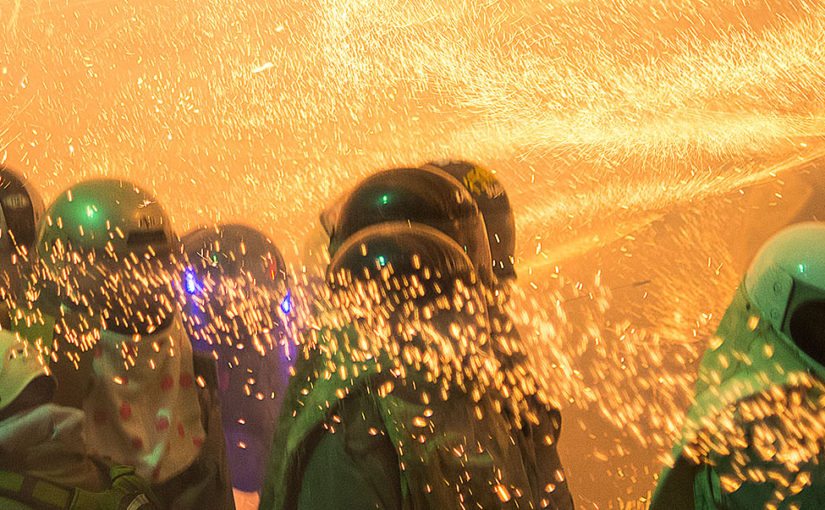
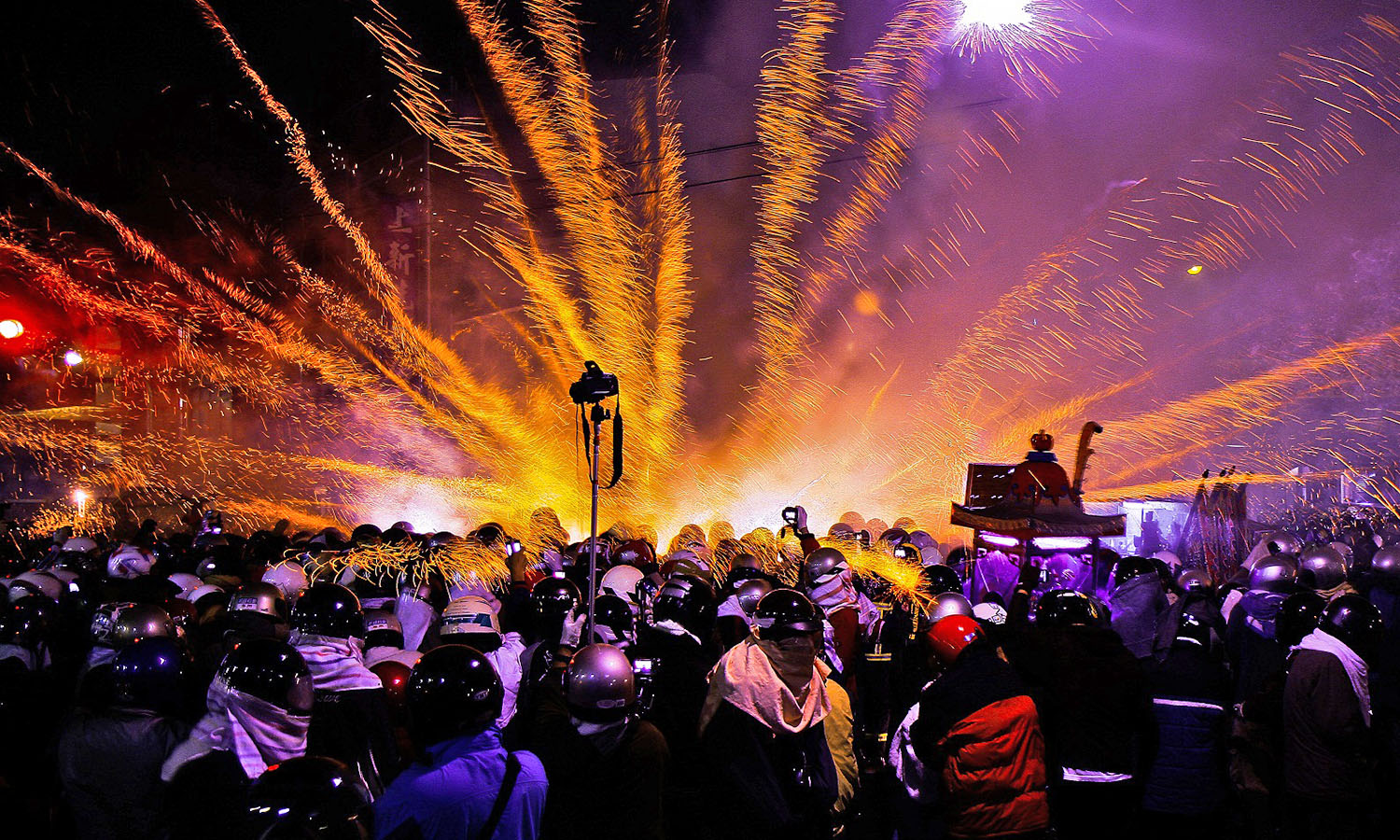
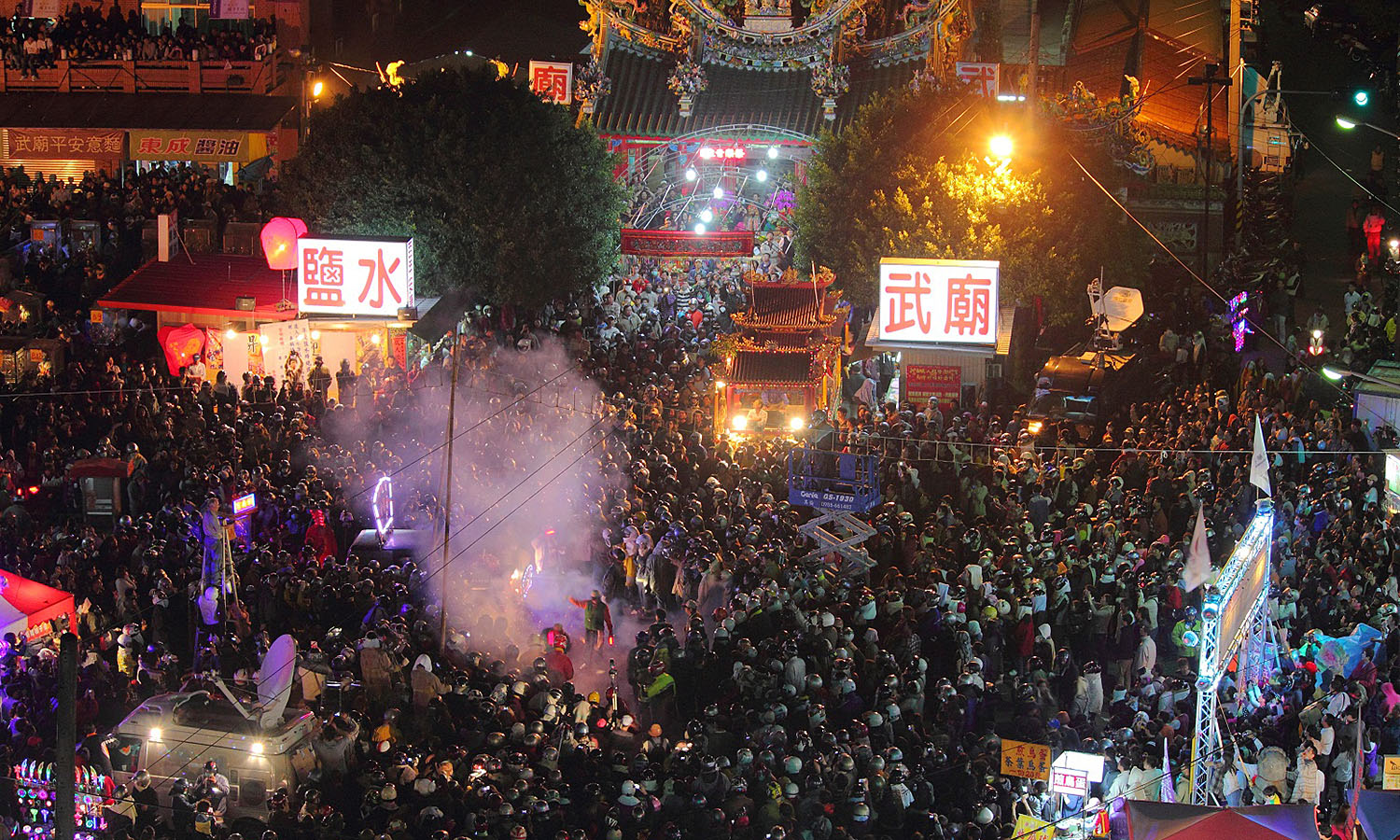
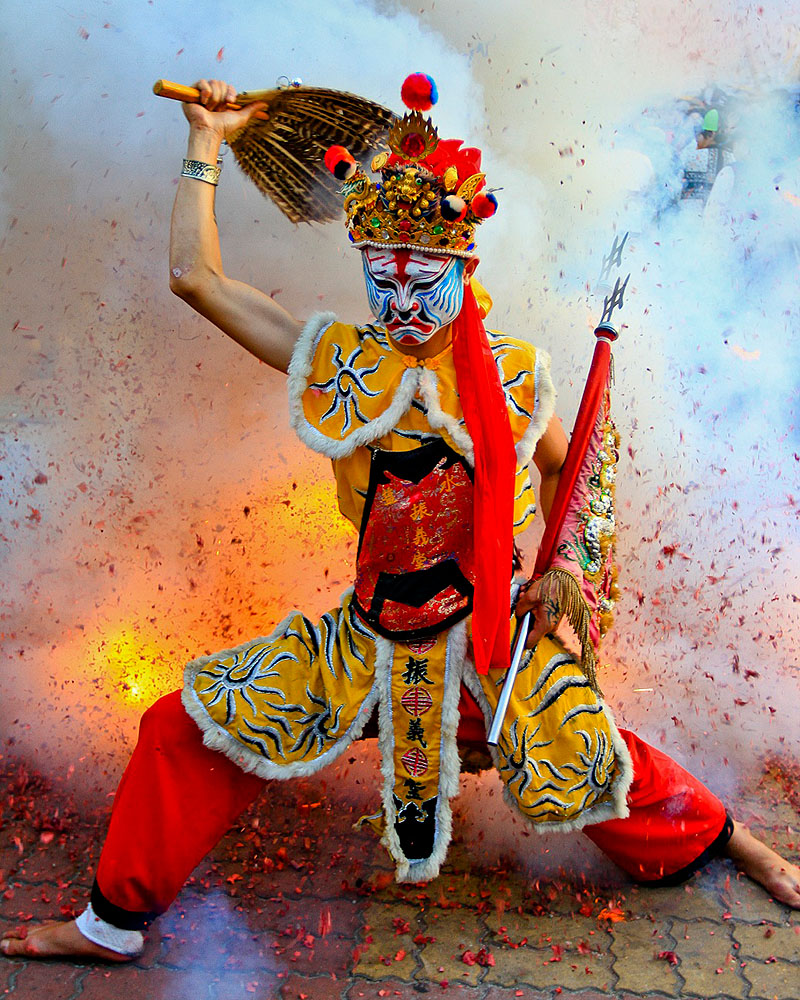
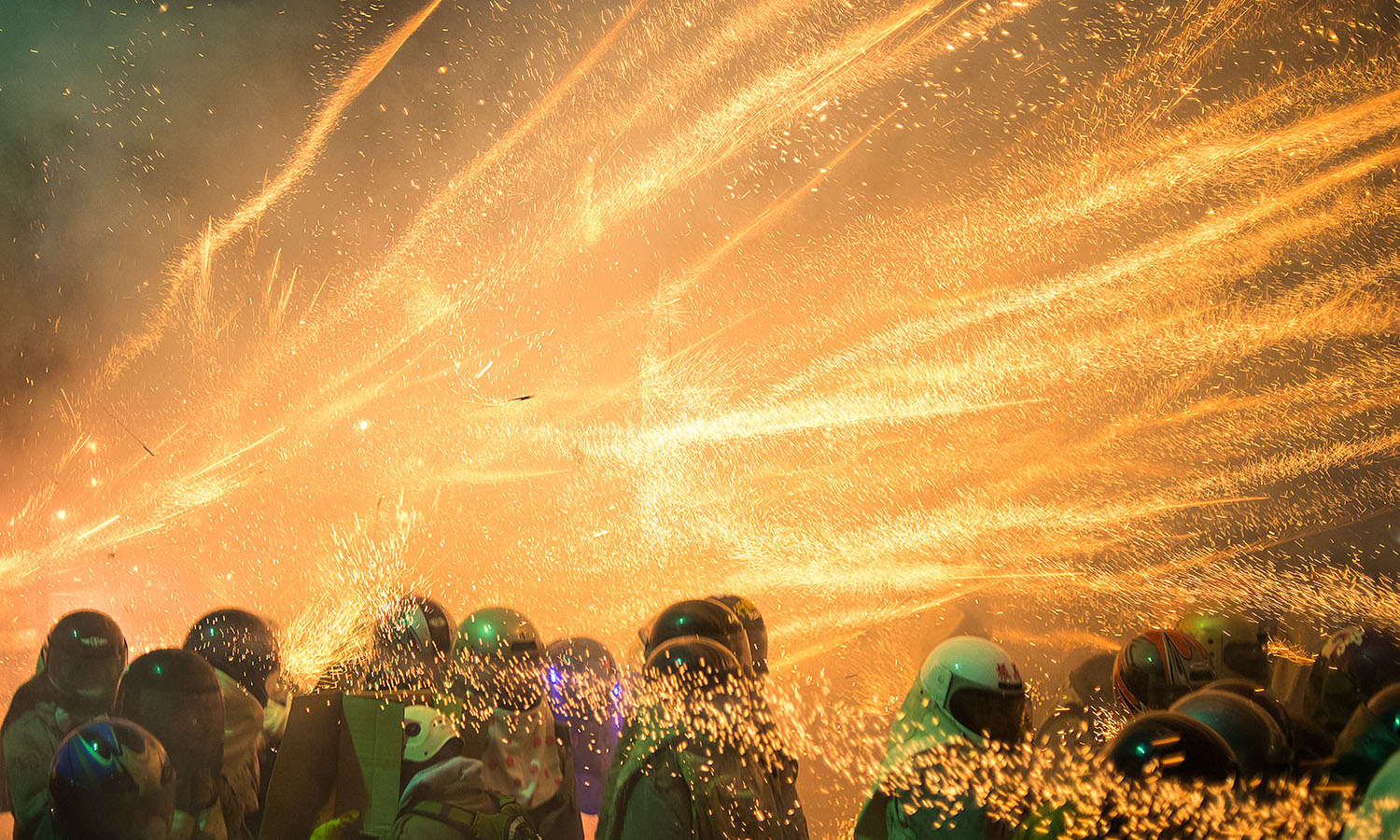
Getting set on fire isn’t everyone’s idea of a party, but this rocket festival attracts tens of thousands to Tainan each year, even though it’s one of the most dangerous parties in the world. Best described as participatory fireworks, the missiles at the Yanshui Beehive Rockets Festival don’t light up the sky – they detonate into the audience.
It all began after an outbreak of cholera in 1875 caused the population to waste away. Fearful of the demons believed to have unleashed the epidemic, survivors lit lanterns to welcome Guan Di, the god of war, then added firecrackers to banish the baddies. The illness disappeared and the town continues the fiery festival to keep further catastrophe at bay.
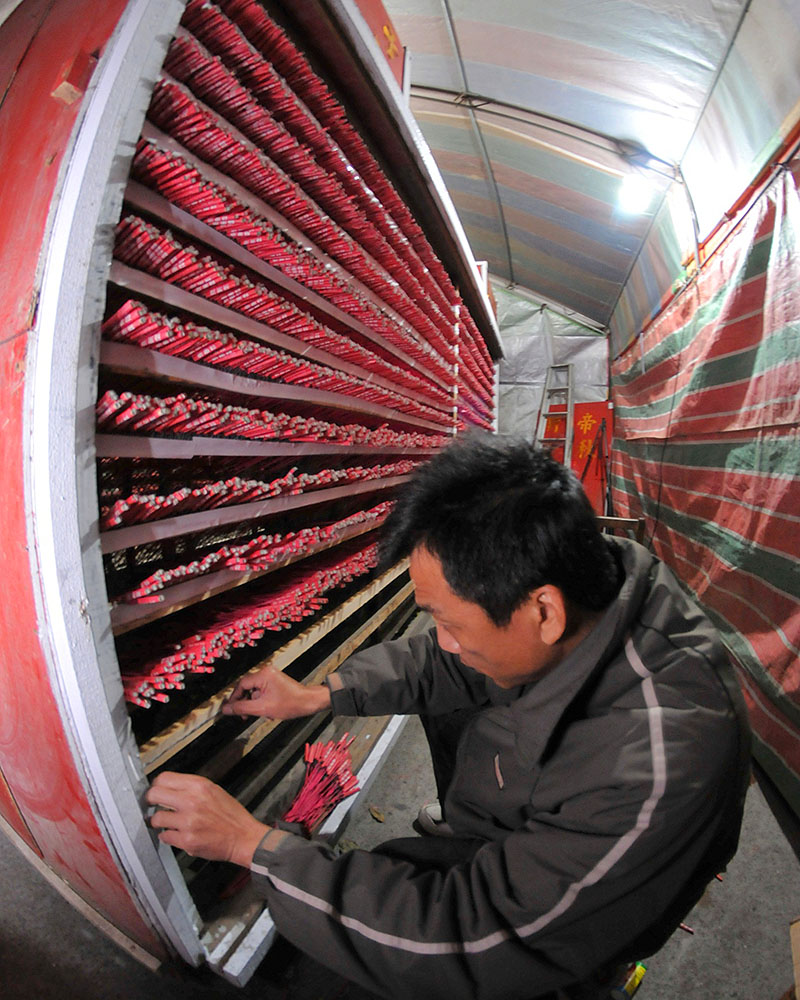
On the fifteenth day of the first lunar month, shelves of the double-storey pao cheng (artillery fortresses) are stuffed with millions of red bottle rockets, ready for action at dusk. Once the sun sets, volunteers carry palanquins sporting deities around the streets, which they rock over fires before lighting the rockets arranged on beehive-shaped launchers.
The rockets bite into the crowd and scream past spectators who take to hiding behind cars and buildings. ‘Sensible’ participants dress like astronauts, bundling into non-flammable protective wear, complete with earplugs, gloves and helmets – the rockets may be made of paper but they’re more than capable of leaving a juicy bruise – while the most pious wear nothing but towels and faith for protection. Revellers dance in the ash and slap one another’s backs to shake off smouldering rubble. After counting fingers and toes players either head to a street stall for a beer and a breather or join the mayhem at the next wall and battle on until dawn.
Waterfalls, vast glaciers and volcanoes. Need we say more? Covering 13 per cent of Iceland’s landscape, Vatnajökull National Park is as versatile as it is large. And although this natural playground of fire and ice was designated a national park as recently as 2008, its attractions formed eons ago. In the north, you’ll uncover Dettifoss, considered to be the most powerful waterfall in Europe; the iconic horseshoe-curved cliffs of Ásbyrgi; and volcanoes erupting from the earth between threads of glacial rivers. Among these volcanoes are Kverkfjöll and Snæfell, the colourful craters of Askja, and the Queen of the Mountains – otherwise known as the volcanic table mountain Herðubreið.
Transitioning to the south you’ll encounter part of the park known for its towering mountain ridges. Here the central volcano of Öræfajökull and Iceland’s highest peak, Hvannadalshnjúkur, scrape at the sky. Witnessing it all from afar is breathtaking, but there’s nothing quite like setting off on a true adventure. Pull on your explorer’s hat and join an ice walking or climbing tour, try your hand at snowmobiling across the glacier or descend between the glassy walls of an ice cave. Though the Vatnajökull glacier’s icecap covers a large portion of the park (it’s the largest icecap in Europe), the variety of geological curiosities that inhabit the national park make for an incredible visit.
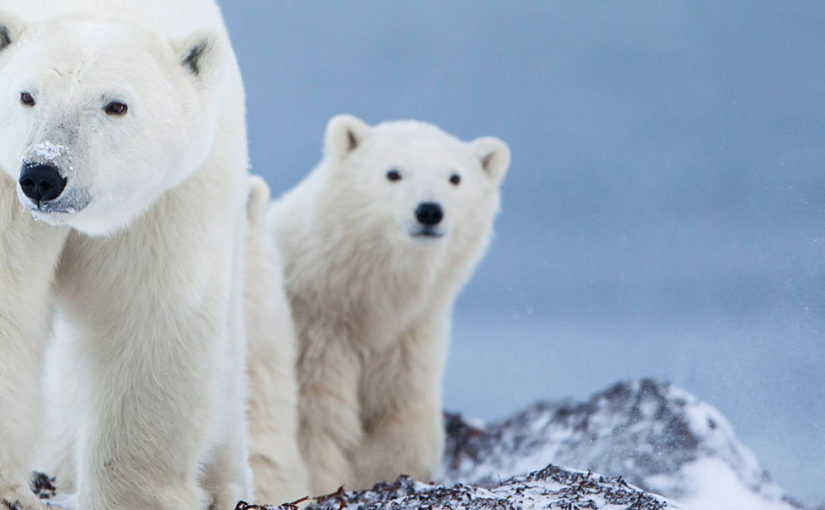
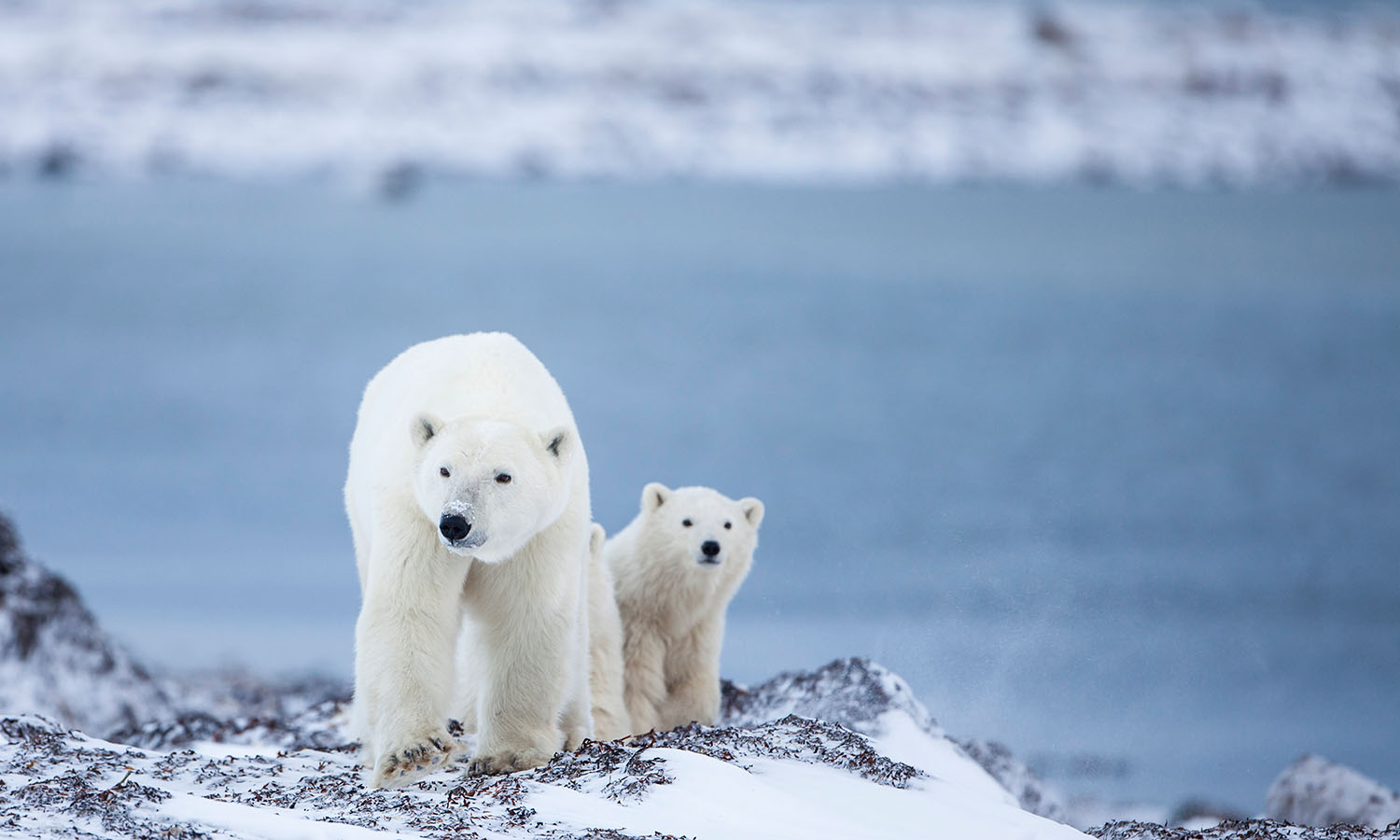
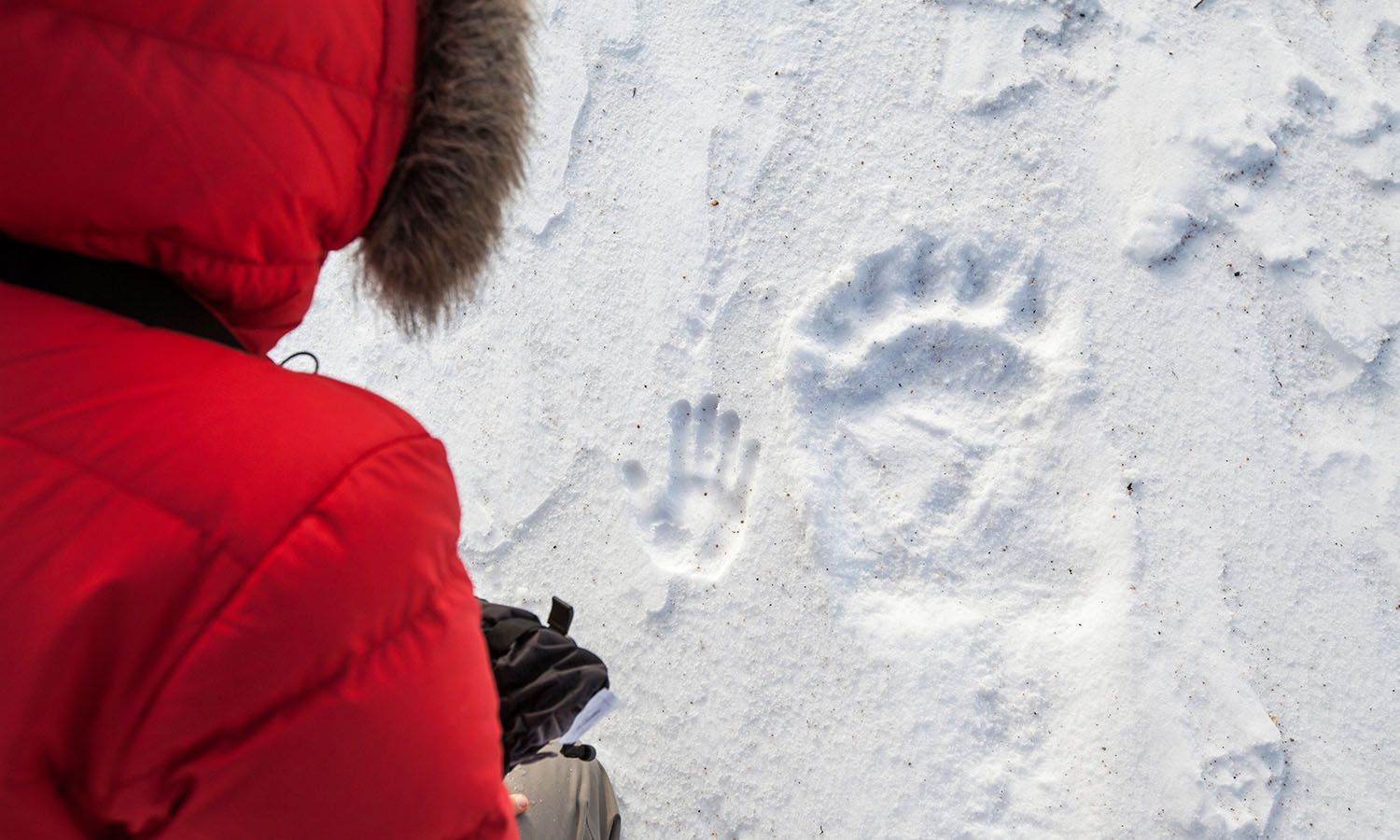
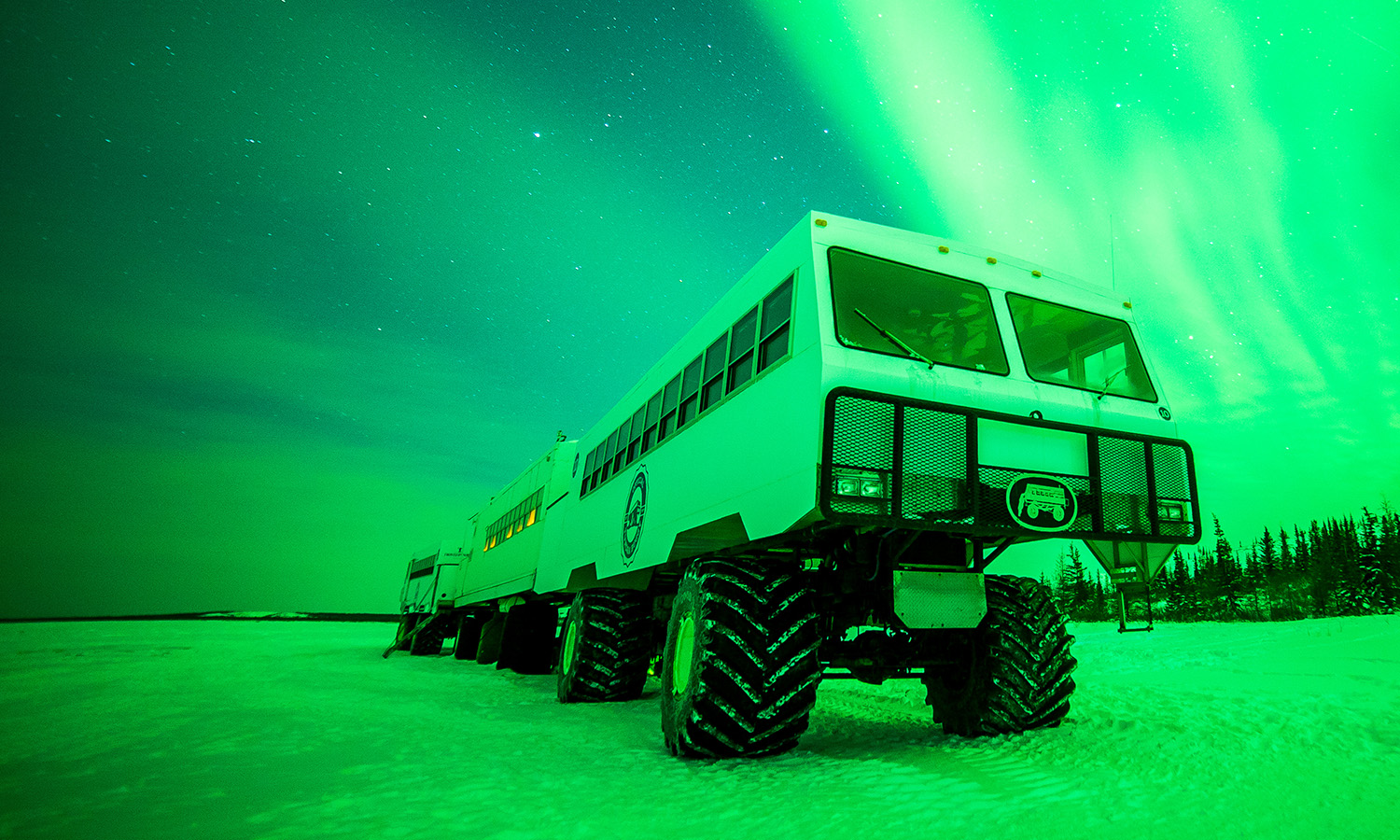
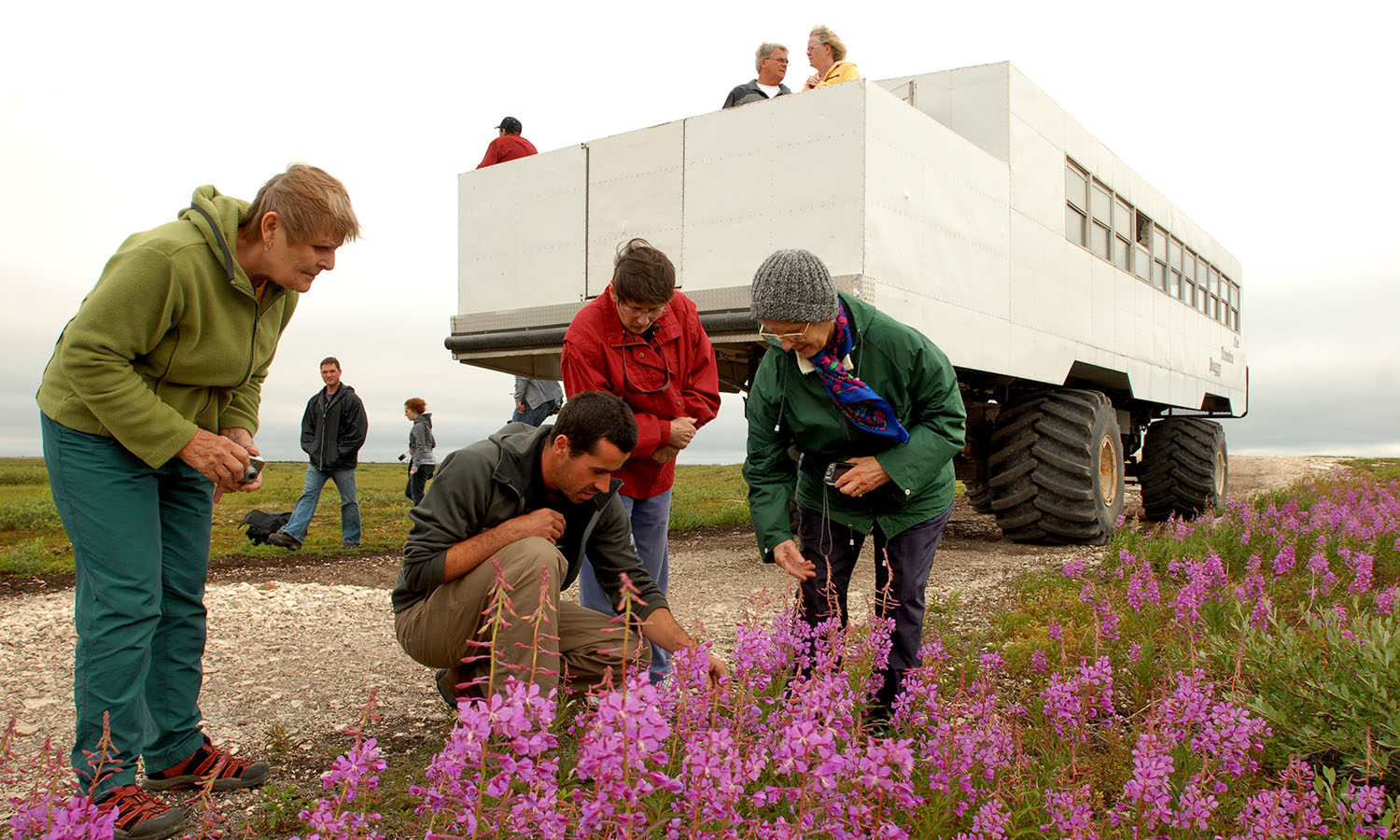
The location of the world’s second largest desert might surprise you. Covering a whopping 5.4 million square miles, the Arctic in fact holds that mantle. On first inspection this desolate expanse of frozen land – chunks of which belong to Denmark, Russia, Canada and more – seems home to nothing more than the howl of high winds. But a careful study reveals a landscape that cradles some rather curious wild creatures, from the elfin features of the American pine marten (a small furry member of the weasel family) to the snow-white fur of Arctic foxes and the fiercely powerful paws of the polar bear.
Canada’s extensive terrain offers ample opportunity to spy on some of these animals of the tundra – from the Barren Lands to the iceberg-freckled Hudson Bay and the so-called Land of the Little Sticks. For those who want to journey through all three landscapes with experts on hand, Rail Plus offers a nine-day tour of tundra trekking, bush plane chartering and wildlife viewing.
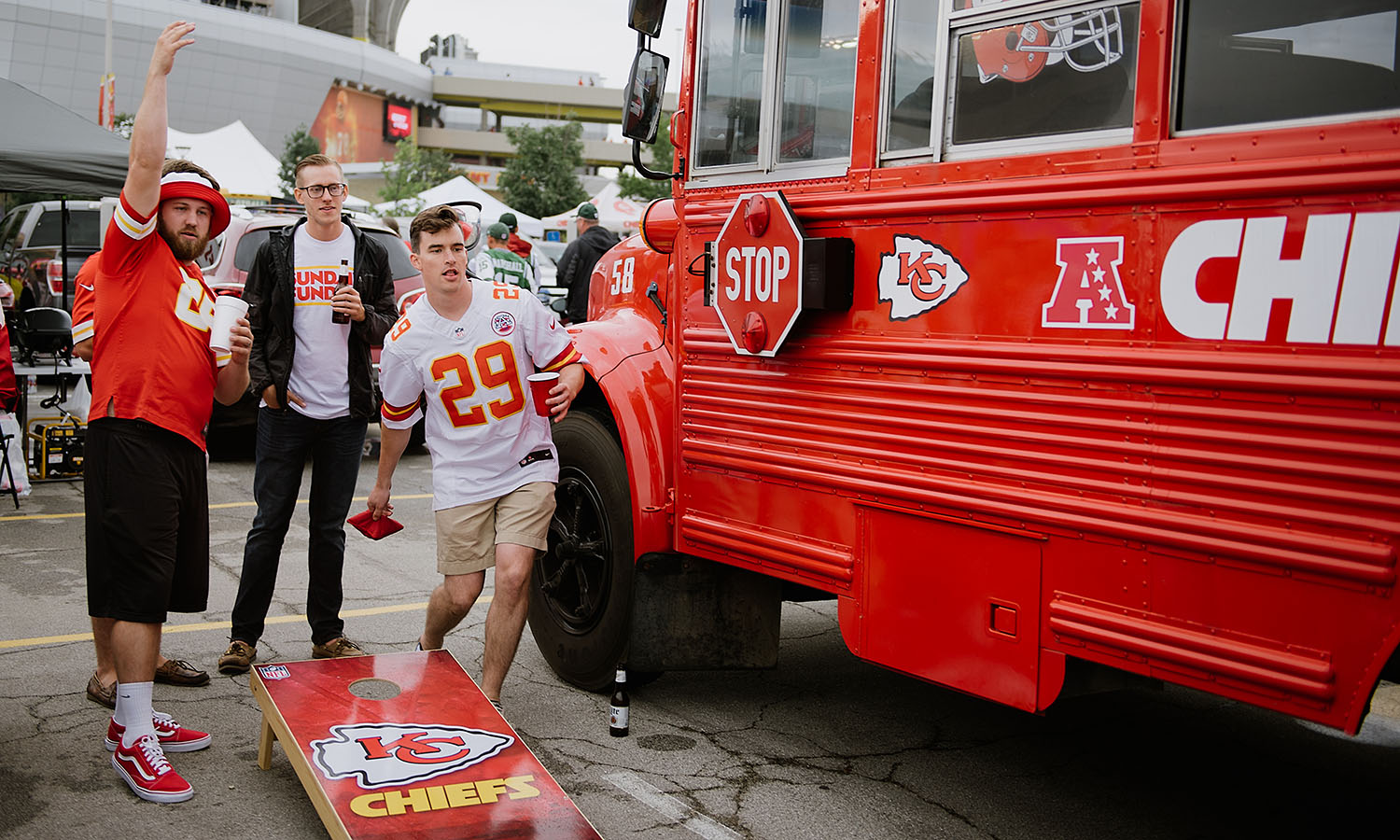
Head in the direction of the Harry S. Truman Sports Complex on a sports game day in Kansas City, Missouri, and a blissful cloud of BBQ smoke is sure to lure you, in a mouthwatering trance, towards the stadium carpark. Here, you’ll find thousands of tailgaters – local sport fans, gathered before a match to grill food, eat, drink and socialise. Sport is ingrained into the local culture, making the tailgate party tradition the perfect way for any traveller to really experience the city’s way of life.
You won’t find the stadium downtown, meaning plenty of space for a big parking lot, full of locals that are dedicated to the grill. Kansas City has a rich and proud BBQ history – according to chef Anthony Bourdain, “the best BBQ in Kansas is the best BBQ in the world”. Expect talented grillers displaying their skills – family recipes accompanied by cold beers and some of the juiciest, tastiest meat you’ll ever sink your teeth into.
But it’s more than chargrilled morsels – tailgating is also about the people, and bathing in a sense of community and togetherness. The Midwest is renowned for its generous, welcoming denizens, who also have a competitive streak that stretches both on and off the field. Come equipped with a six pack under your arm and you’re sure to make fast friends, be offered food and drink and then challenged to one of the many tailgating games, such as ‘Cornhole’ – a bean bag toss match – in the parking lot.
Make plans to visit between September and December for peak football season, and catch one of America’s great pastimes in possibly the tastiest, friendliest way possible. And for an instant ‘in’ with the locals let SportsHosts set you up with a local host.
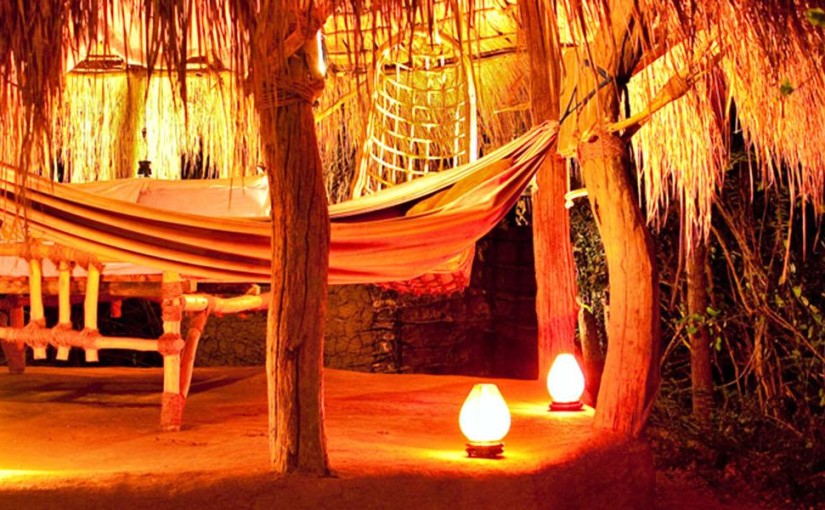
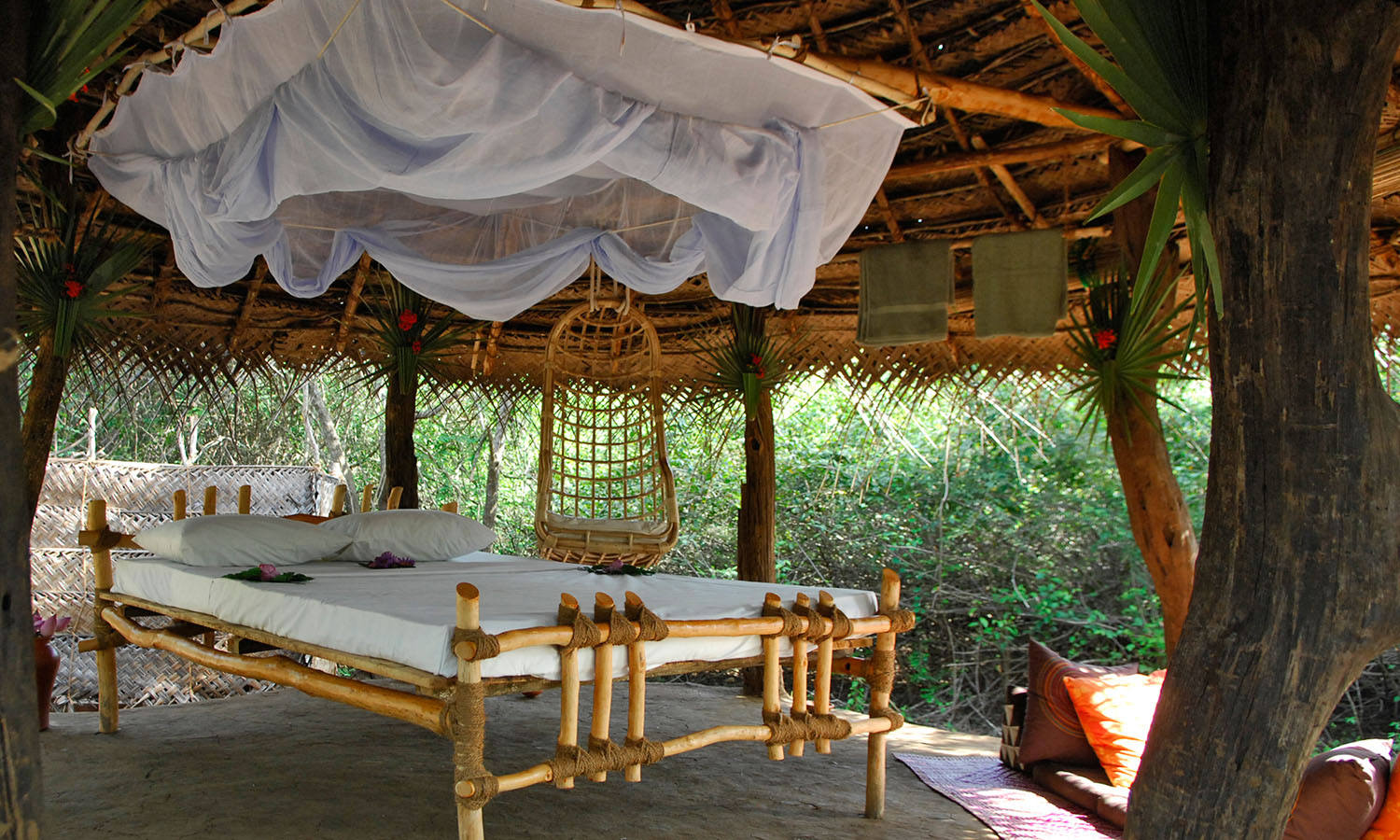
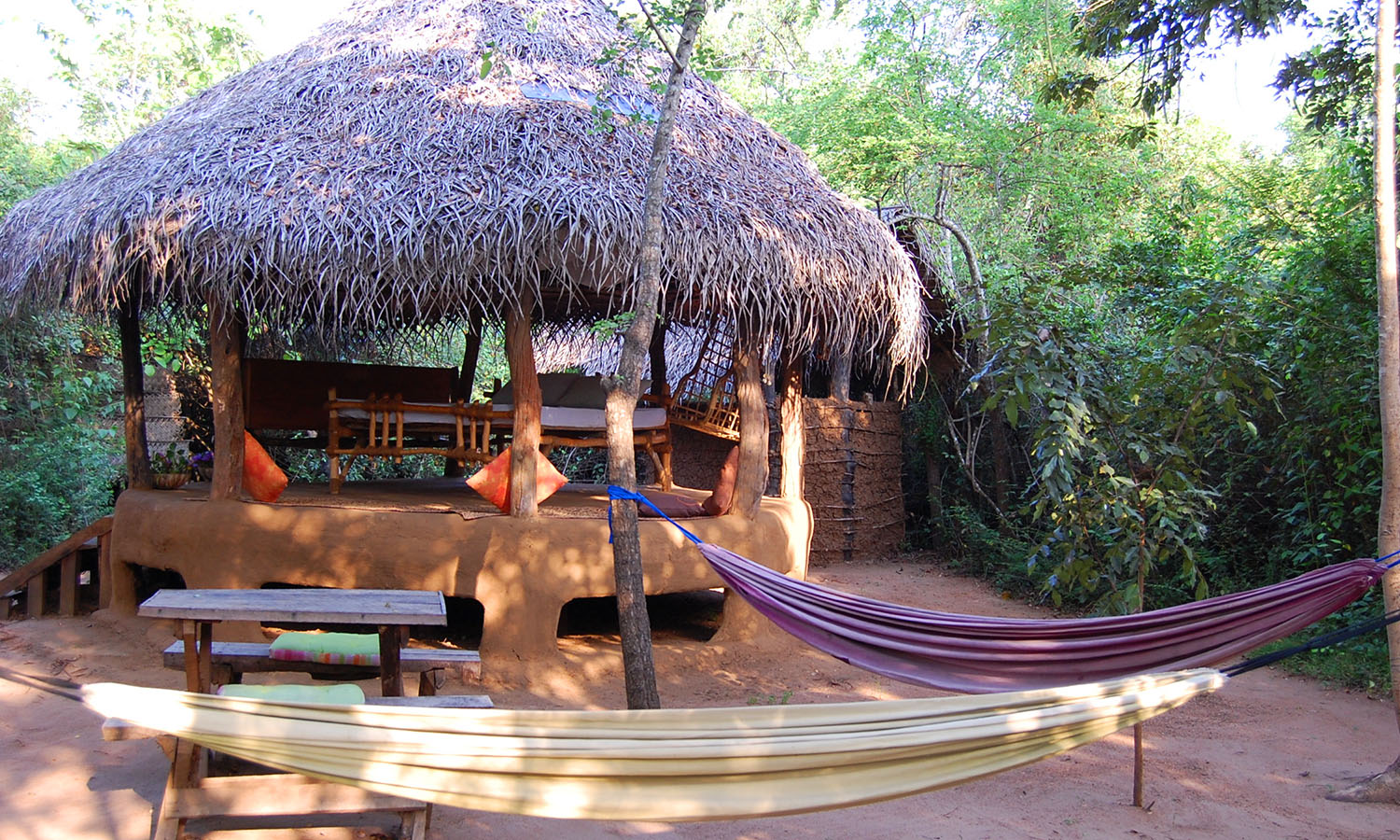
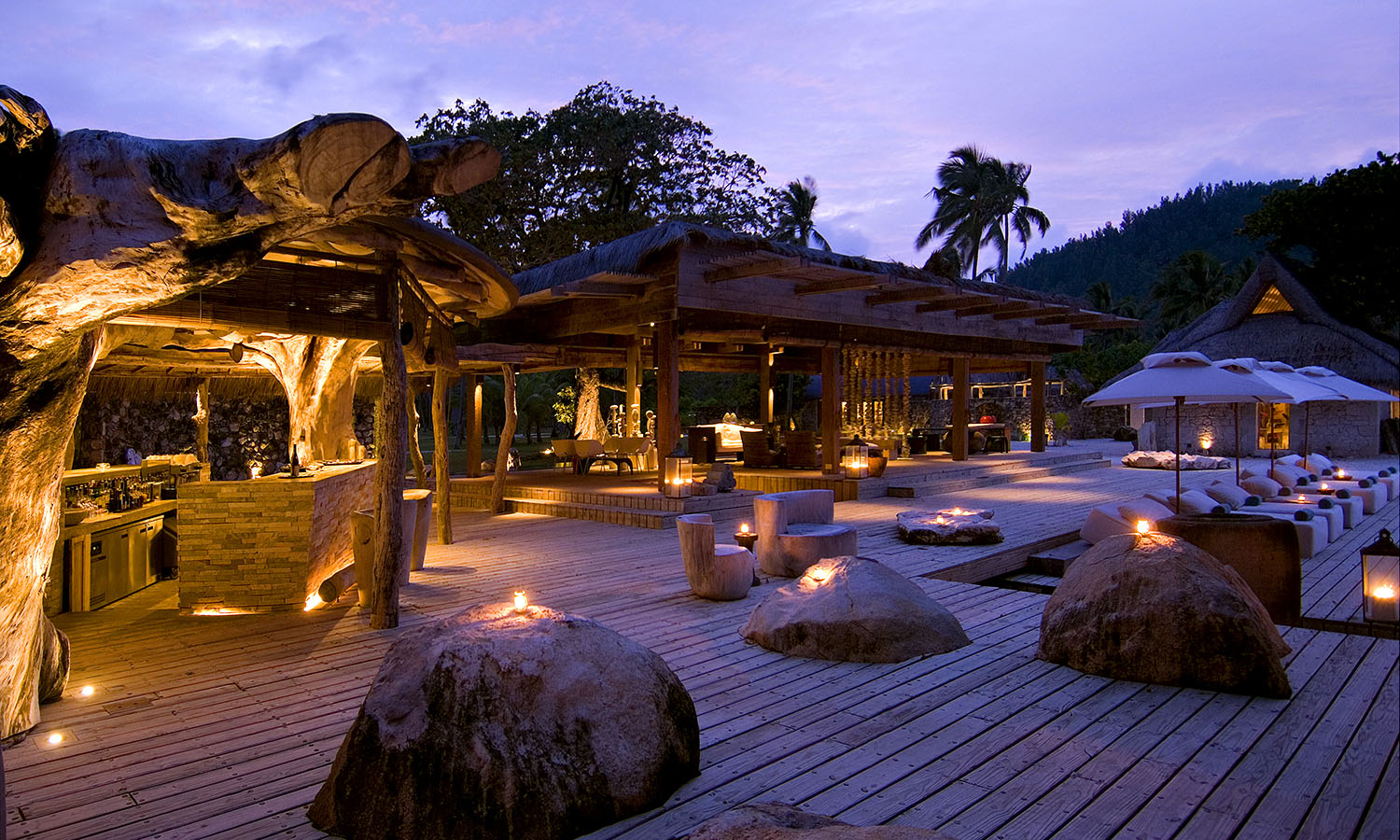
You may be sleeping in a hut made from mud, but the Mudhouse isn’t your typical back-to-basics getaway. Instead this retreat has clusters of beautifully designed huts spread throughout 25 hectares of forest.
The traditional open-sided village huts and treehouses open to the wild surroundings, and all have outdoor showers and indoor bathrooms. Days here are best spent swimming in the lake, cycling, practicing yoga sequences and watching for giant squirrels, wild boar and butterflies. Dinners are a romantic, candlelit affair, as most of the electricity is solar power.
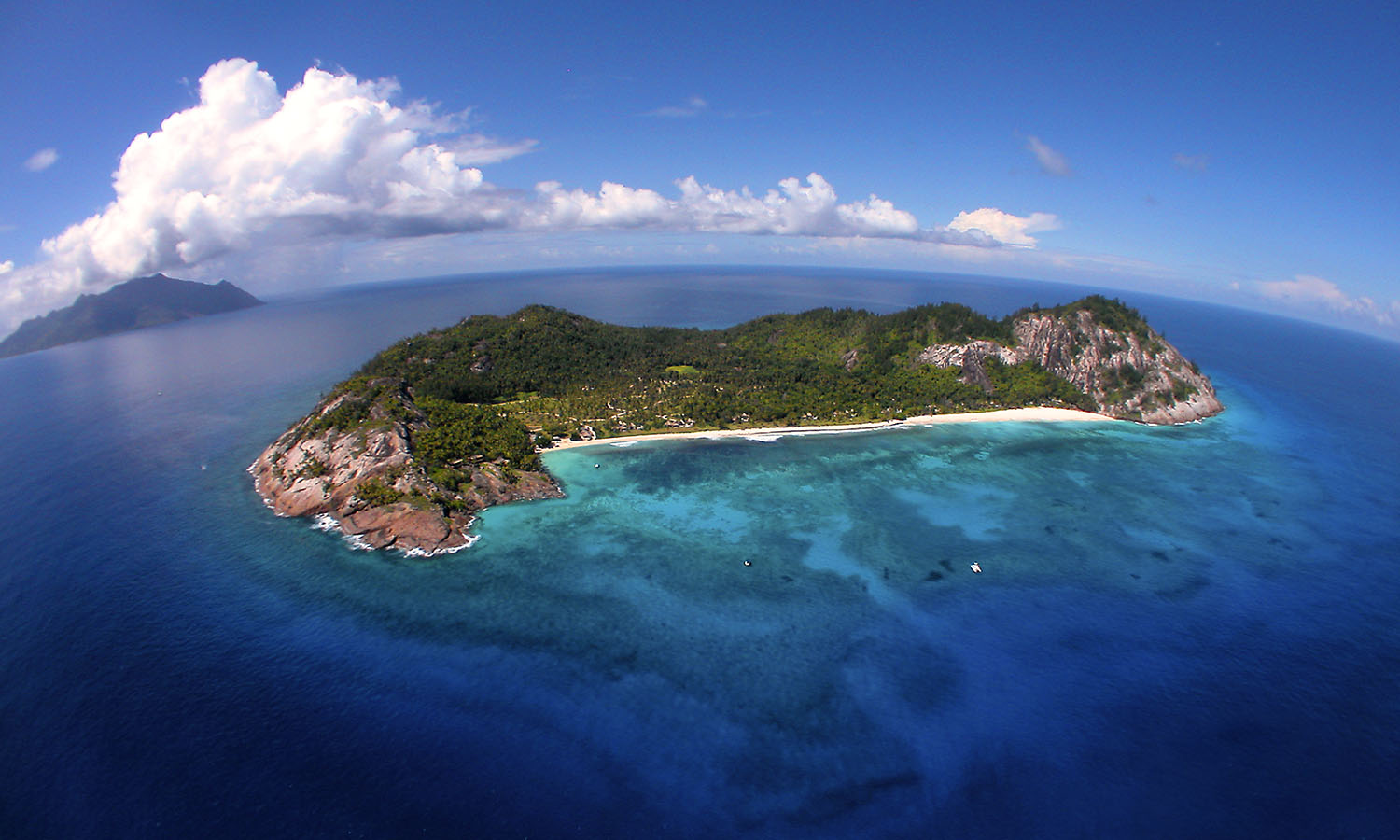
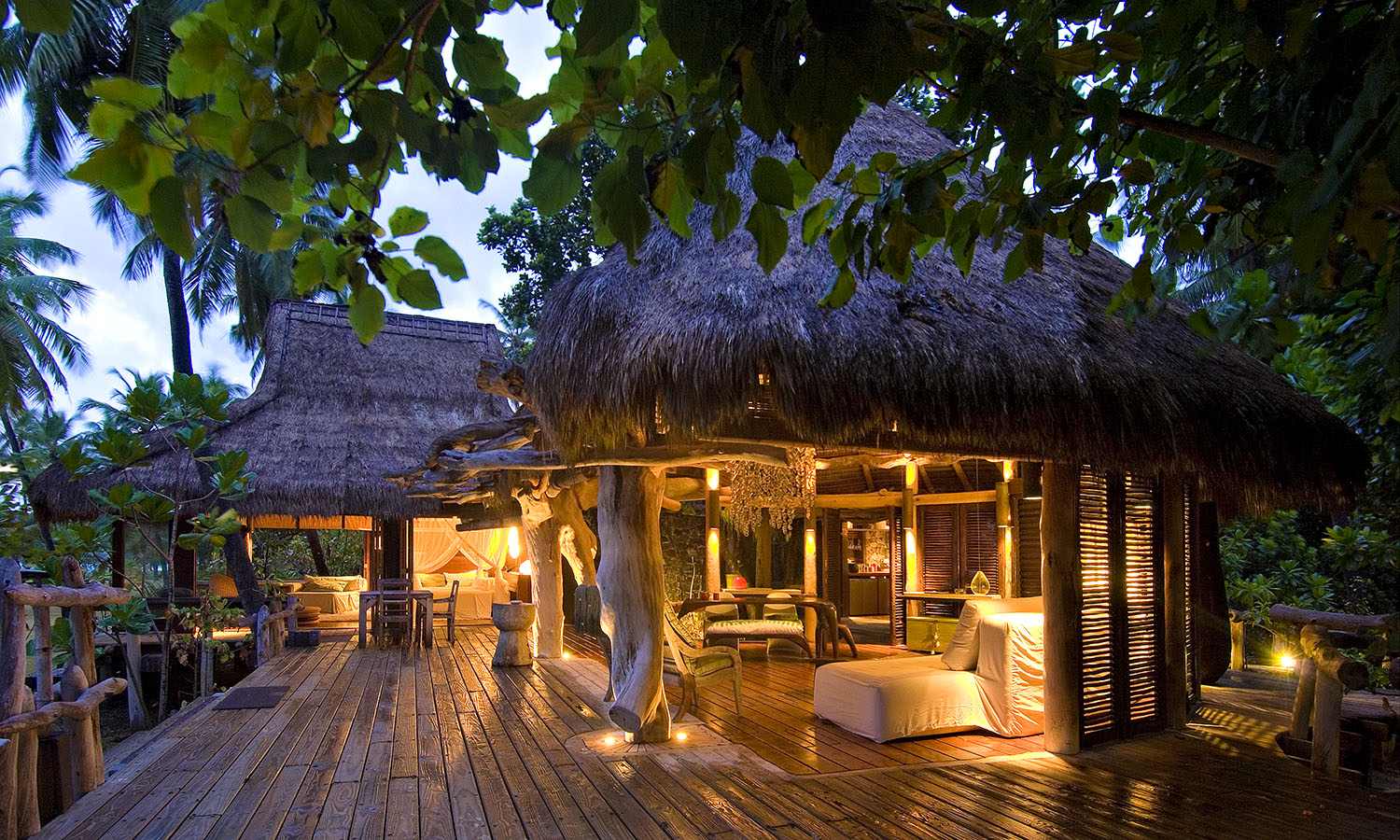
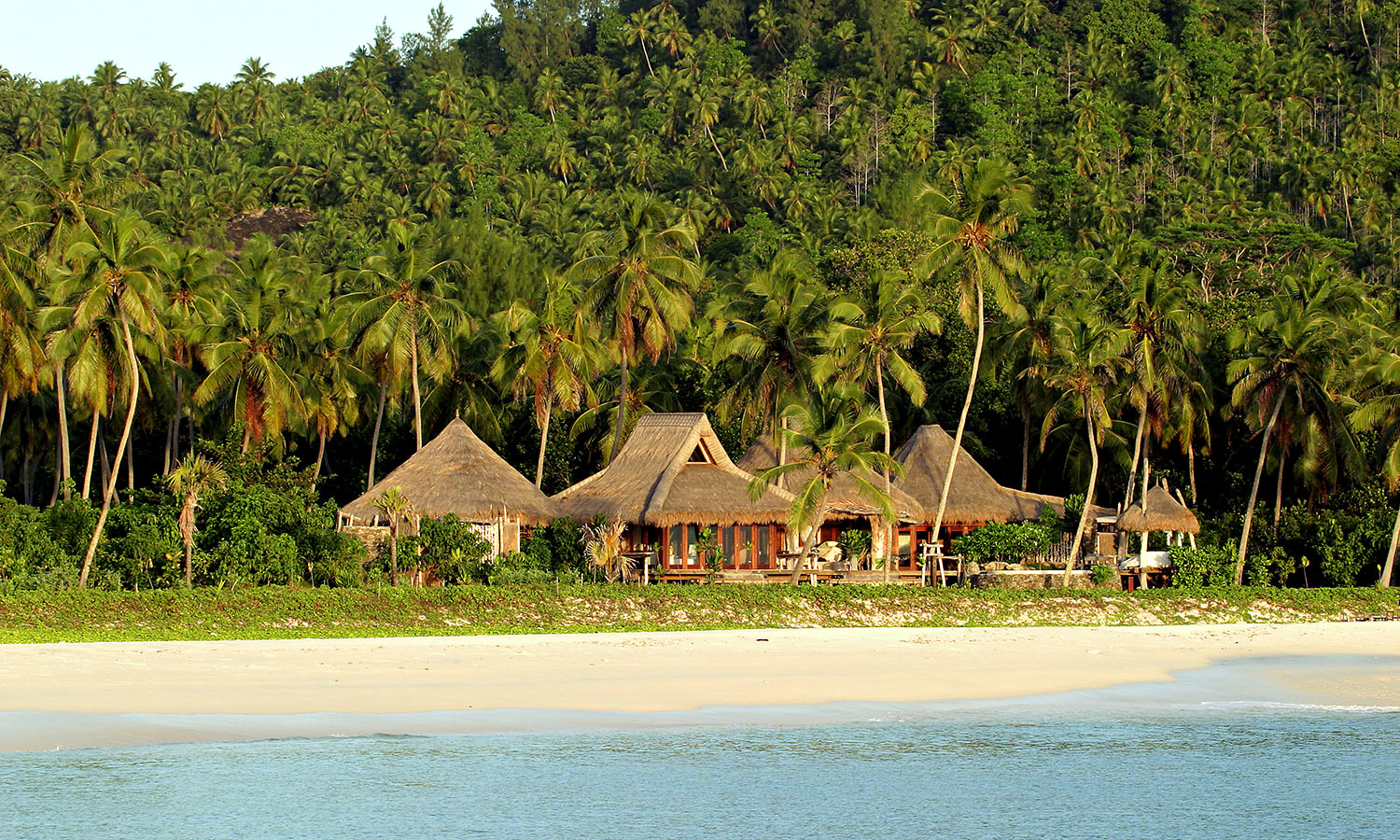
It’s hard to believe that this jaw-dropping eco resort was once a rundown, ramshackle island. With the help of a massive conservation project, North Island has been transformed into a dreamlike destination. Granite peaks erupt from the earth, tropical trees blanket the landscape and pretty beaches fringe the shore. This refuge for wildlife and a haven for humans is, quite simply, out of this world.
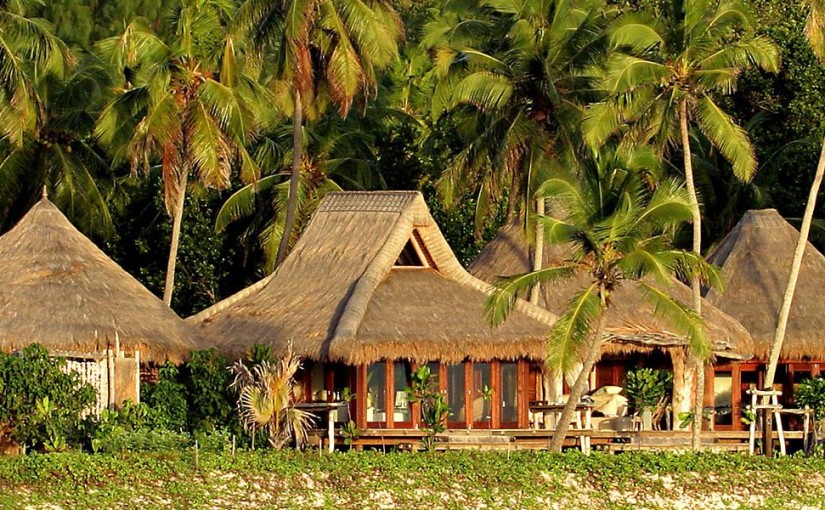
Situated on a white, powdery beach, each of island’s 11 deluxe villas is like a mini-estate – and even comes with your own butler. And forget mocktails upon arrival, guests here are treated to a complimentary massage or wellness treatment. Next comes snorkelling, diving, bathing in gin-clear waters and even lobster picnics in complete isolation. As to be expected, a night here is eye-wateringly expensive, but what’s to stop you dreaming?
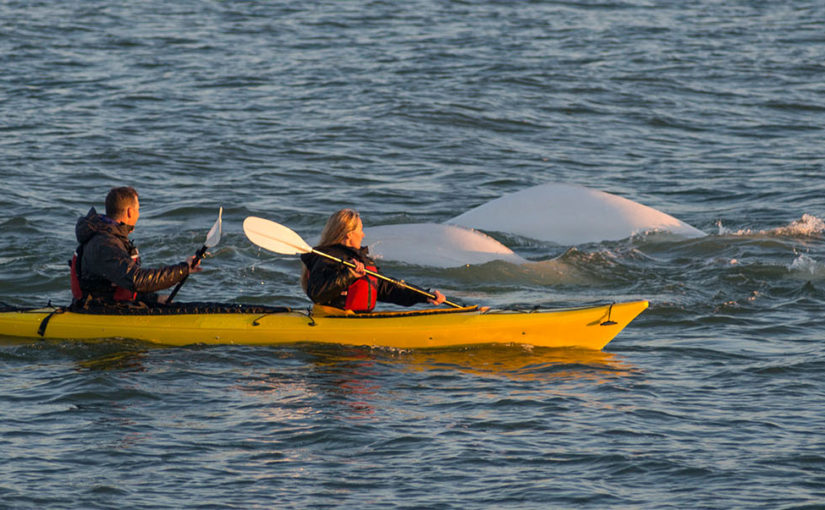
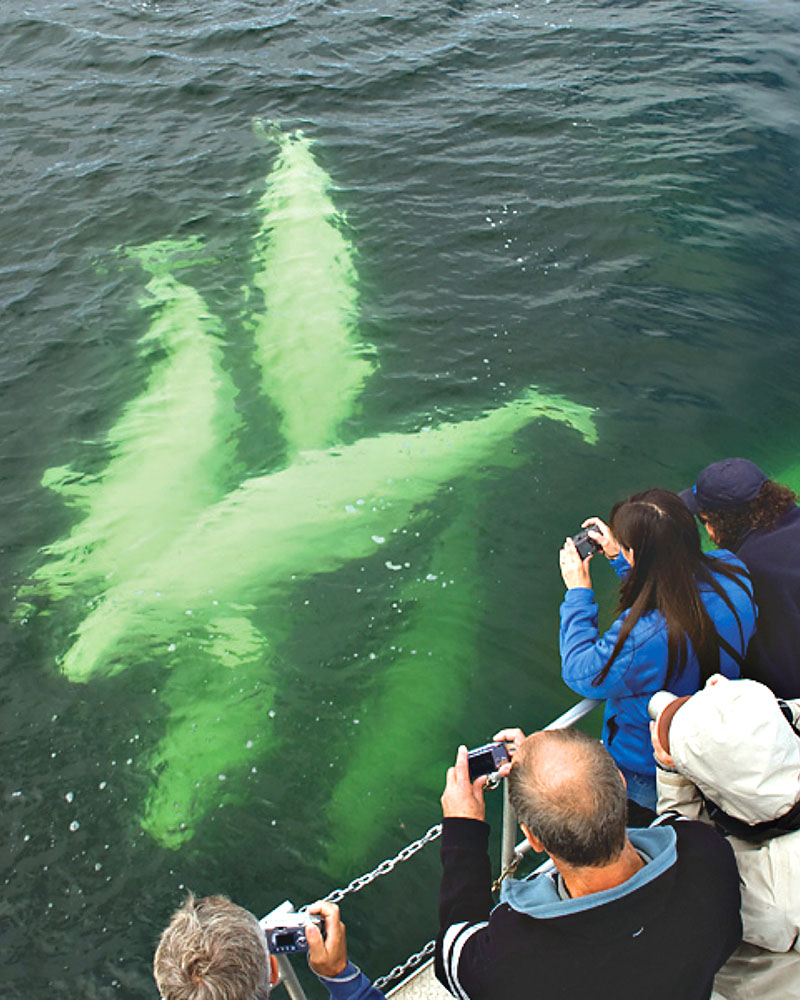
With their ludicrously curvy contours, ivory white skin and eyes planted on either side of a rather bulbous forehead, the beluga whale is surely one of the ocean’s most cartoon-like creatures. There’s only around 150,000 of these marine mammals in the wild, but some 3,000 of them congregate in the Churchill River come summer in Canada. During July and August the whales migrate into the river to give birth and feed on the abundance of small fish that cruise these waters.
Also known as the ‘canaries of the sea’, these animals are known for the series of chirps, clicks, whistles and squeals that they emit while talking to each other. Have a listen for yourself by going kayaking or on a snorkelling adventure through these cool waters on Rail Plus’ eight-day Birds, Bears and Belugas itinerary. If whales aren’t your bag then fear not, as there is plenty of other wildlife to admire in this Arctic wilderness – think caribou, foxes, wolves, moose and birds galore.
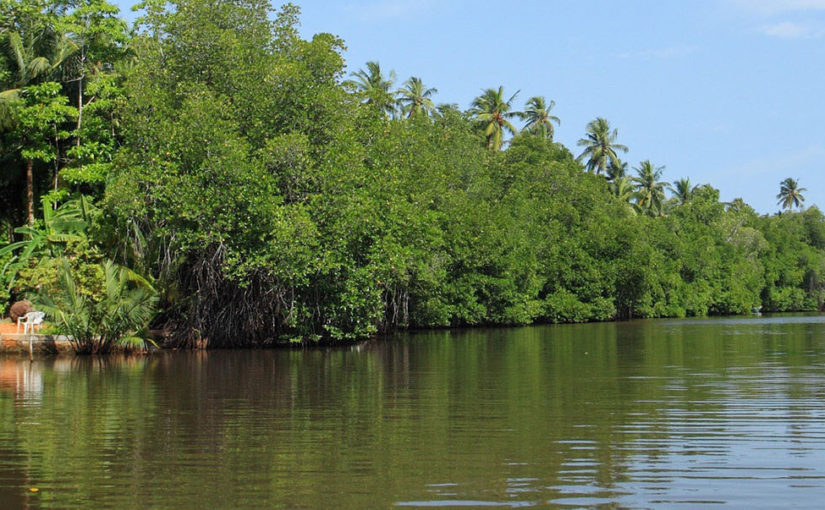
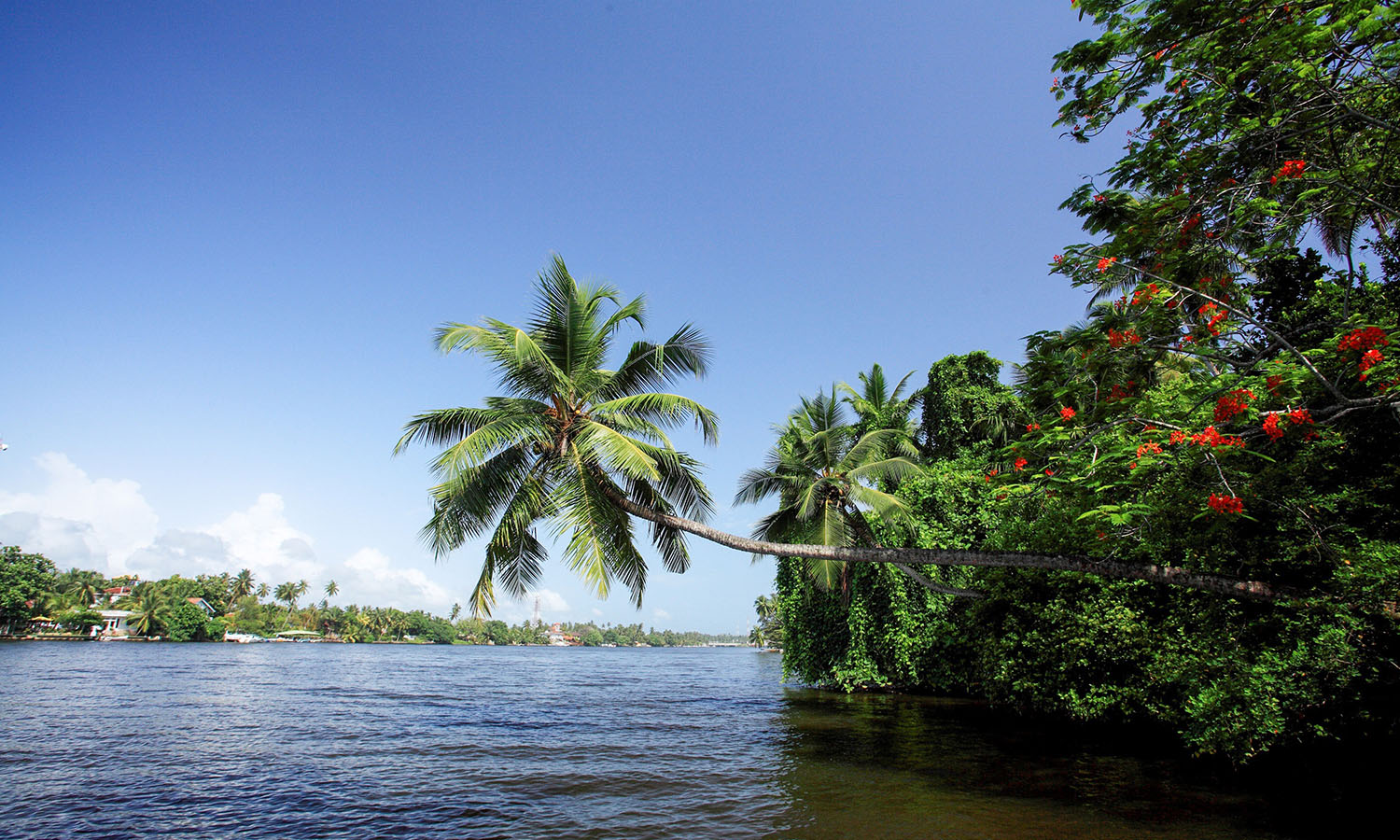
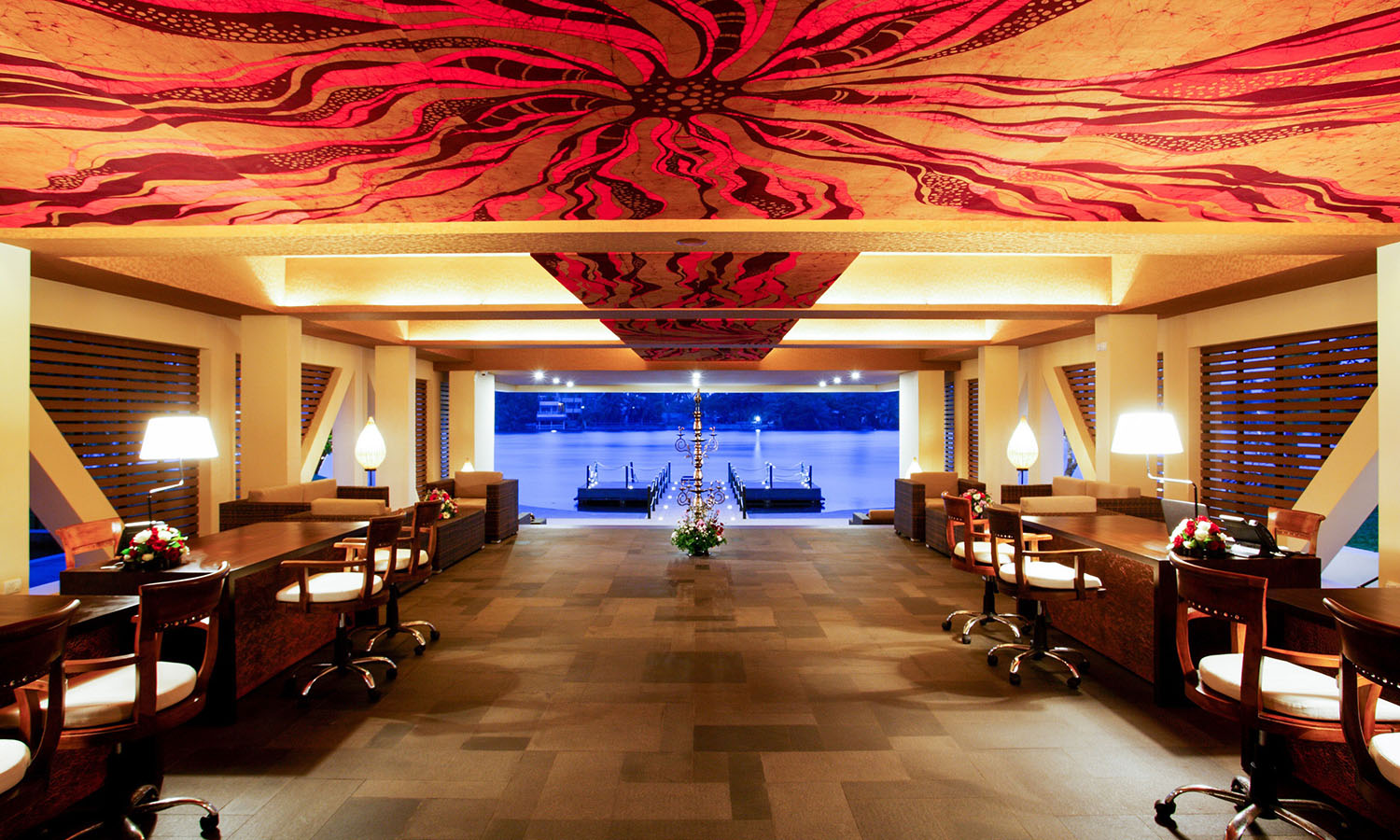
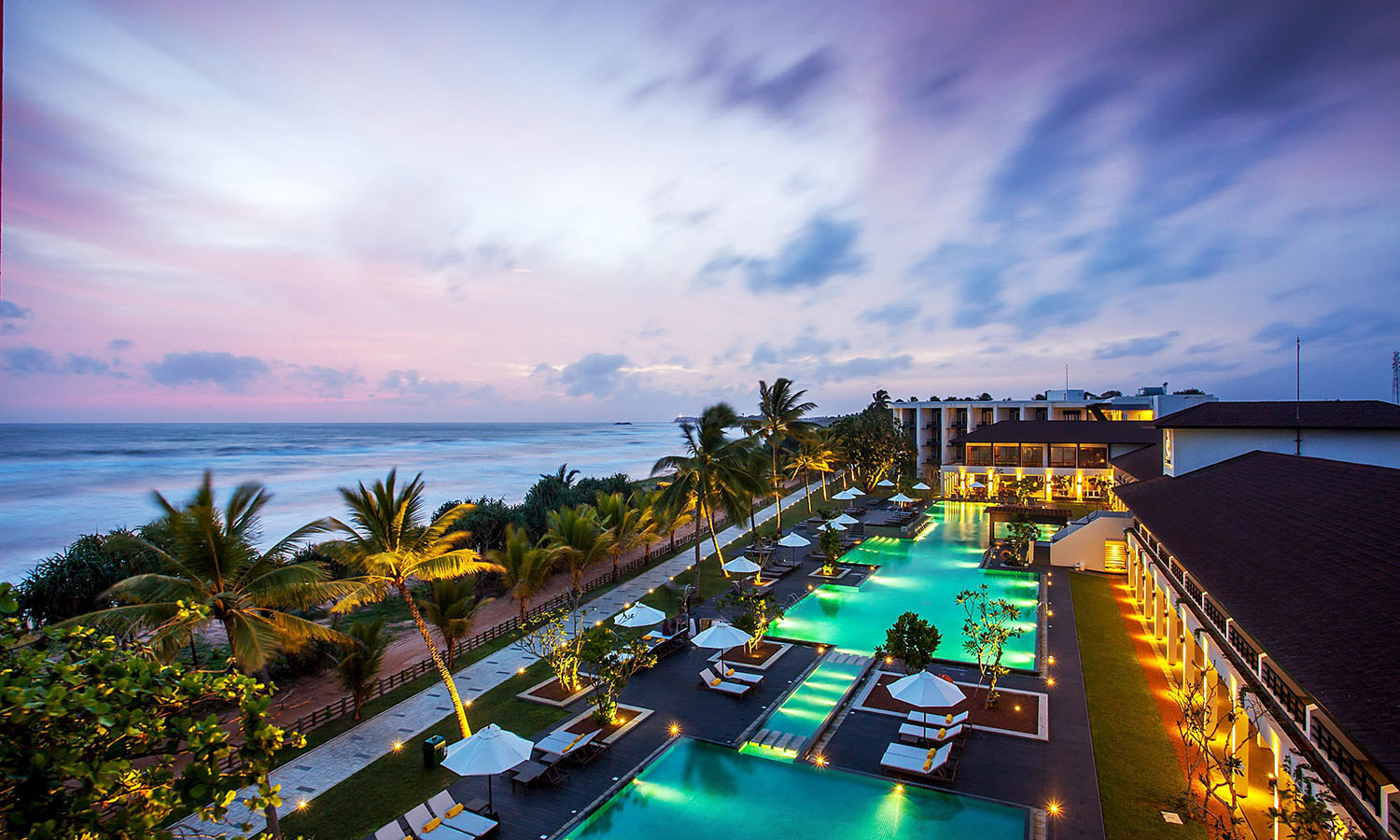
Once in the hands of the Dutch, the British and the Portuguese, it’s not hard to see why Sri Lanka’s beautiful south-western coast entranced so many early explorers. And boasting both a lagoon and prime Indian Ocean beachfront, Bentota is quite possibly the pick of the coastal bunch. Throw in a swim-up pool bar at Centara Ceysands Resort & Spa and water babies may never want to leave town.
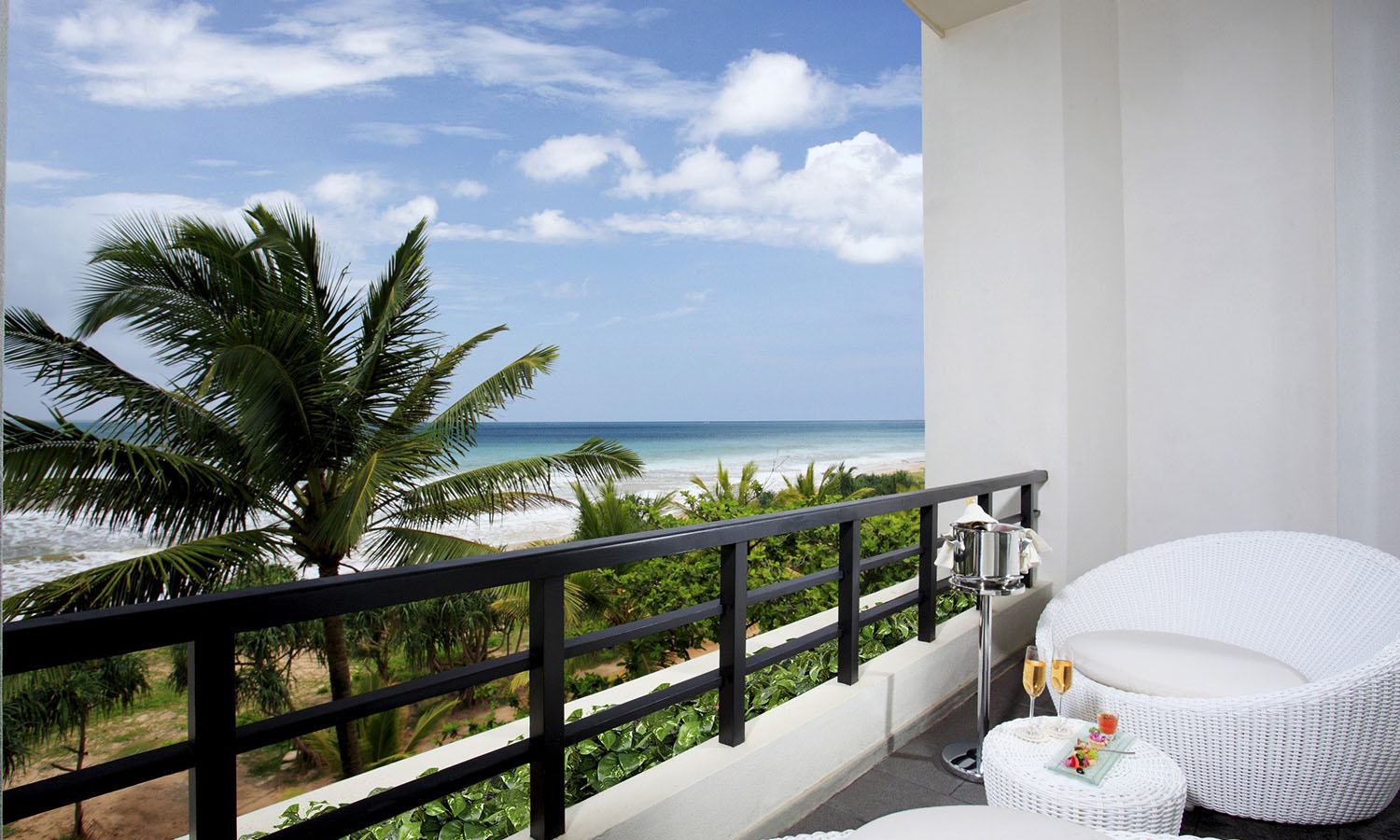
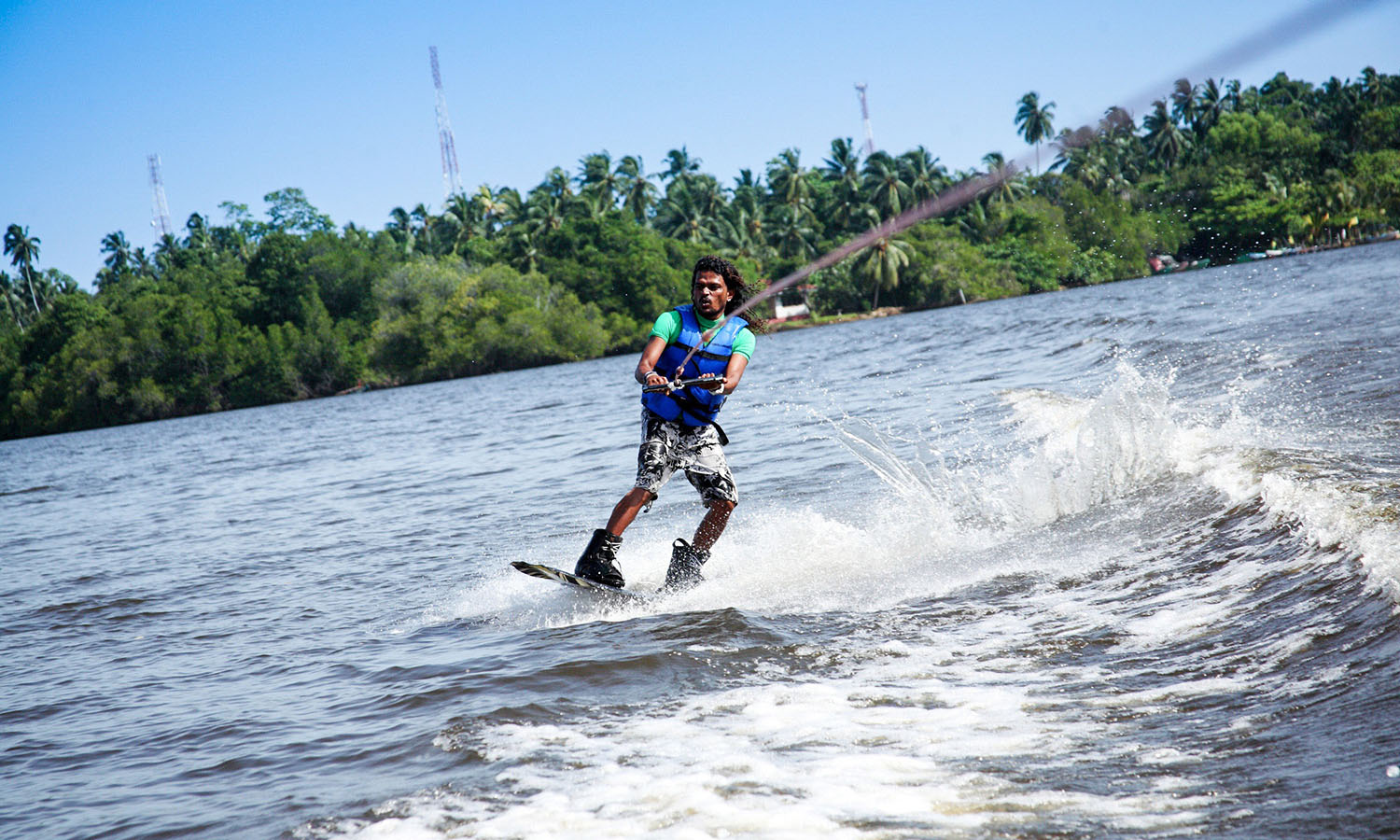
Watch small boats ply the calm waters of the lagoon, and the waves crash onto the golden shoreline from the seclusion of your suite’s balcony at the Centara Ceysands. If lounging by the ocean becomes too pedestrian then you can always get out onto the water instead. At the nearby town of Mirissa jump on a boat and watch blue whales breaching the deep blue. Or if you’re not in town at the right time (November to April is the season) then explore UNESCO-listed Galle Fort or wildlife-rich Yala National Park instead. And once you’ve exhausted the bounty of local jaunts there should still be plenty of time to settle in for an Indian head massage at the hotel’s resident spa.
 (
(