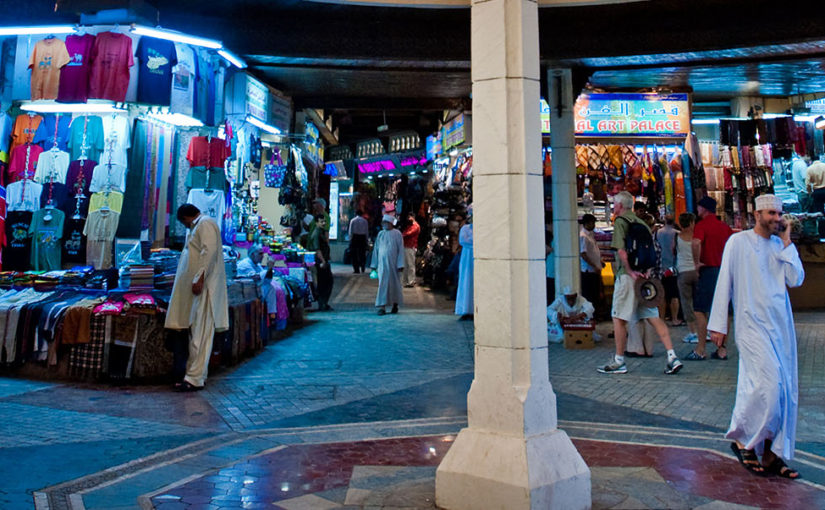
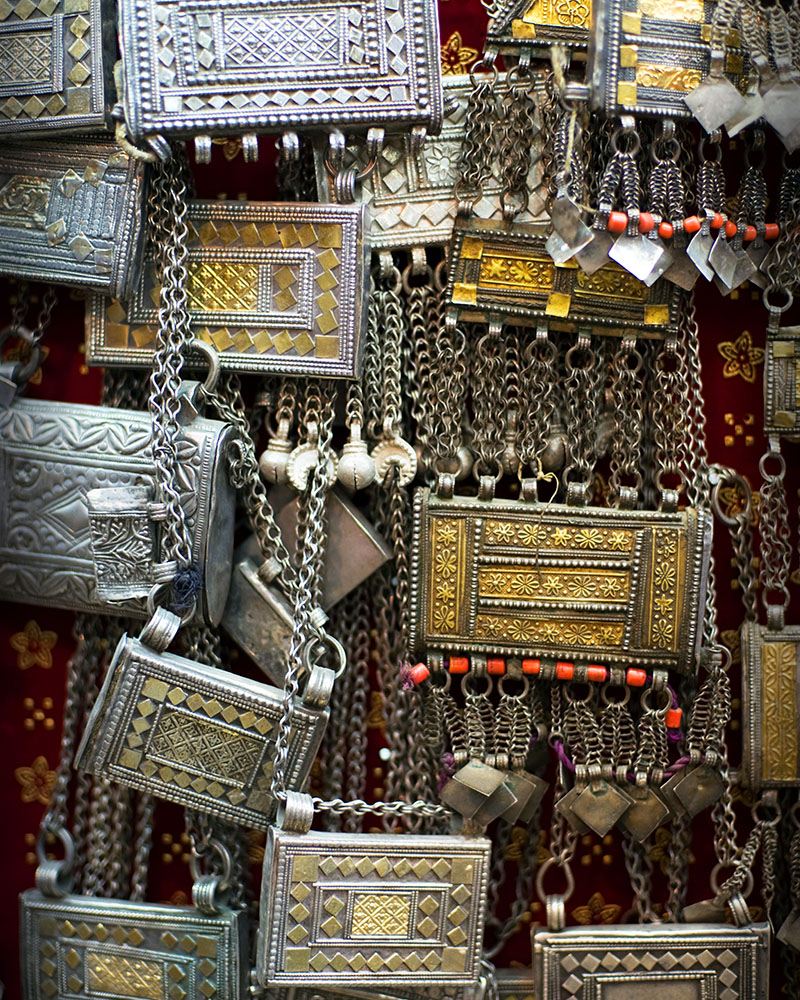
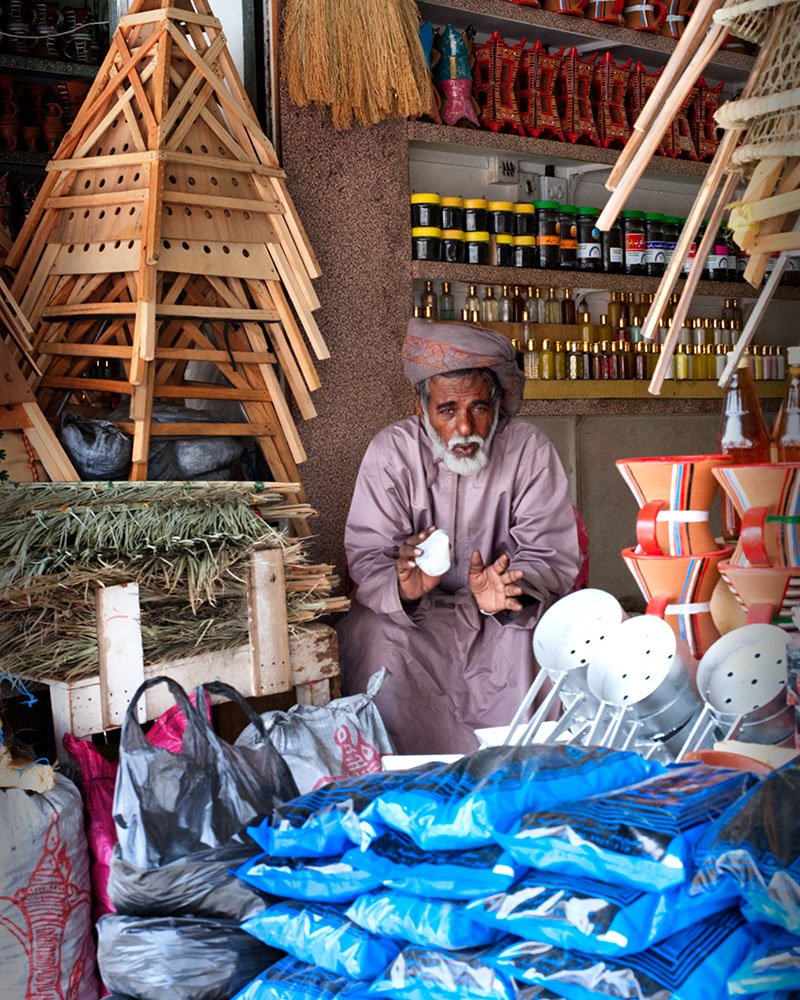
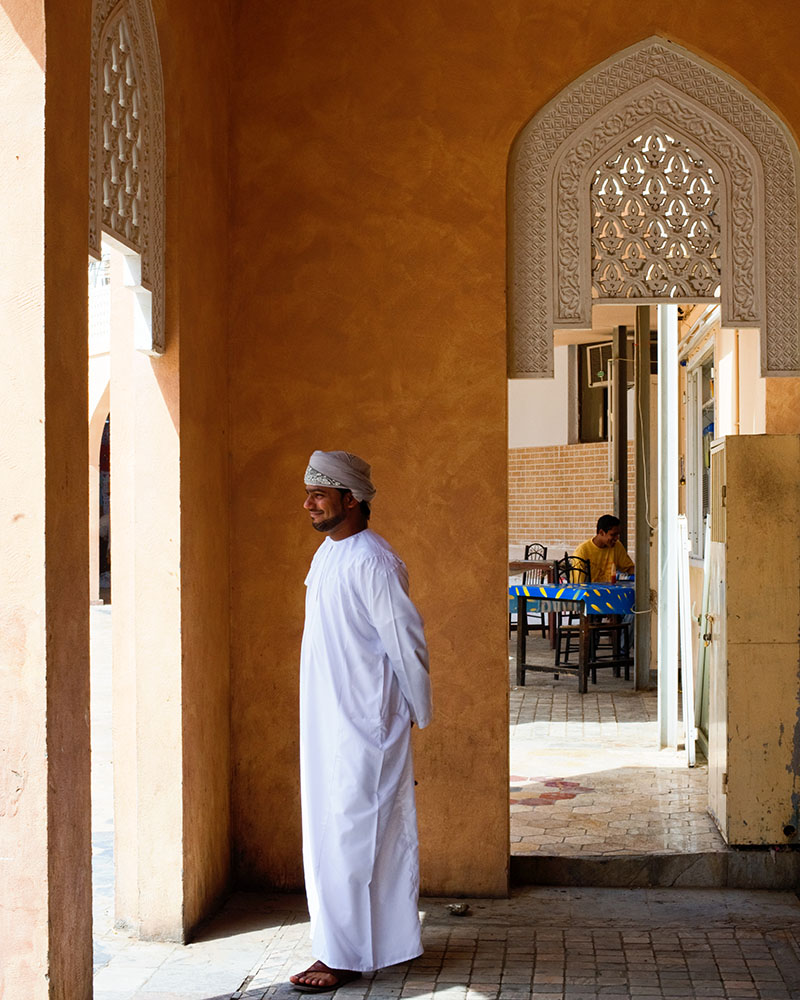
Stalls of rich, earthy spices; an entire hall dedicated to mounds of sweet, sticky dates; and tiny shops laden with silver jewellery – Nizwa Souk is far from your average market. Situated by a famous seventeenth-century fort and the ancient walls of Nizwa, a city 140-kilometres from Muscat and country’s former capital, the souk is living history and should be considered must-do during any trip to Oman.
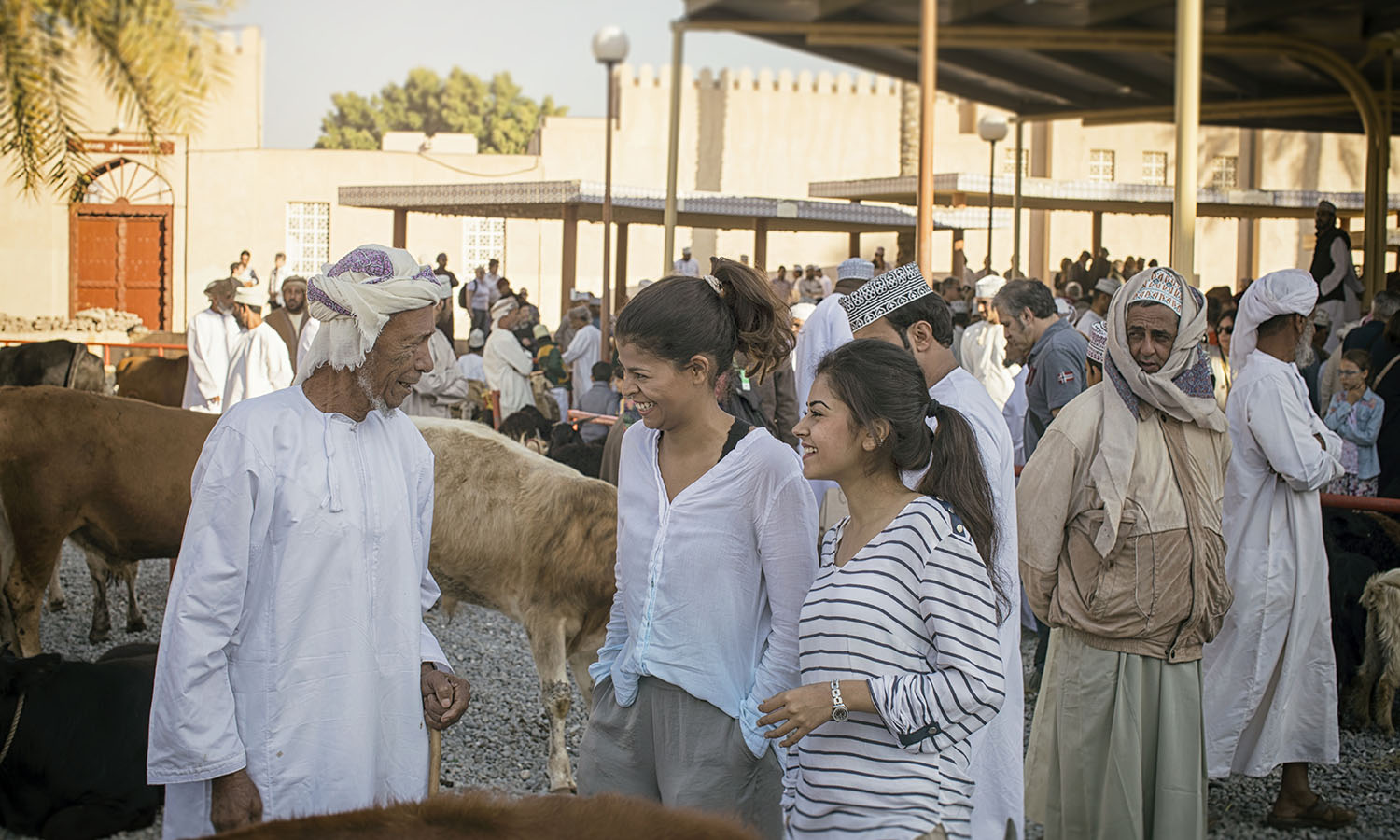
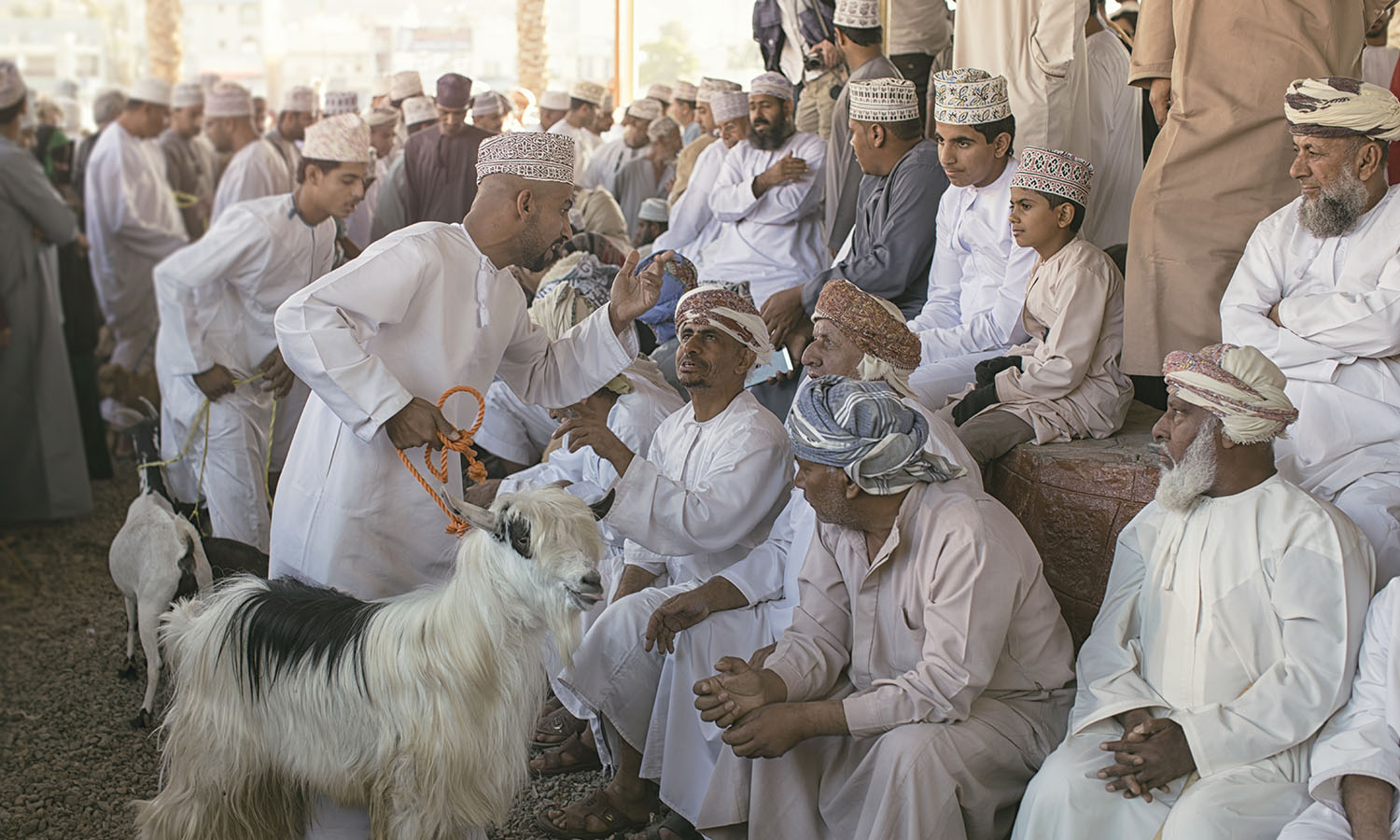
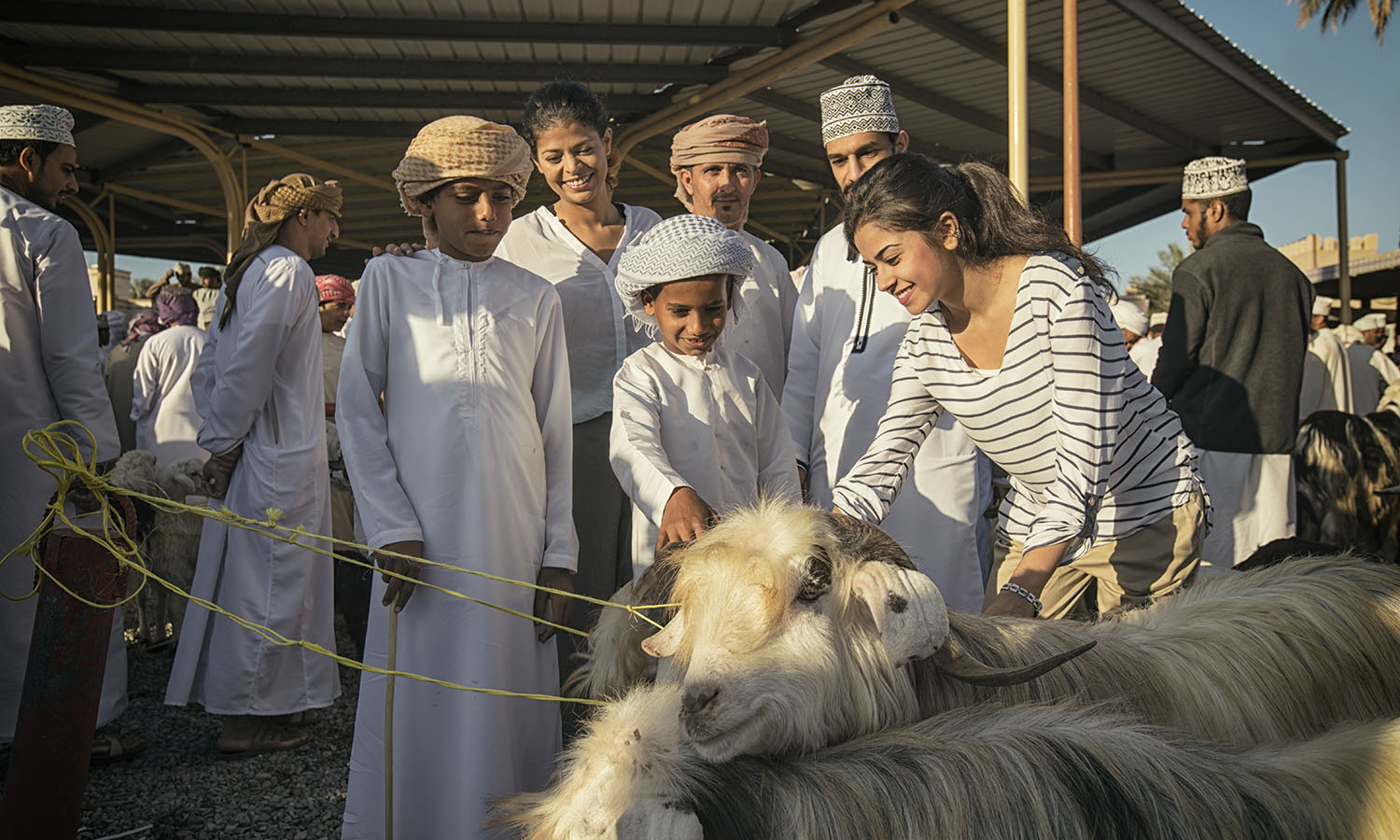
Most sellers proffer wares daily, but the best time to go is between 7am and 9am on Friday mornings, when the livestock portion comes to life and bleating goats, flocks of sheep and cattle are sold, occasionally alongside a haughty camel. Watch as sellers parade animals past prospective buyers and then put them up for auction, just as it’s been done in these parts for centuries.
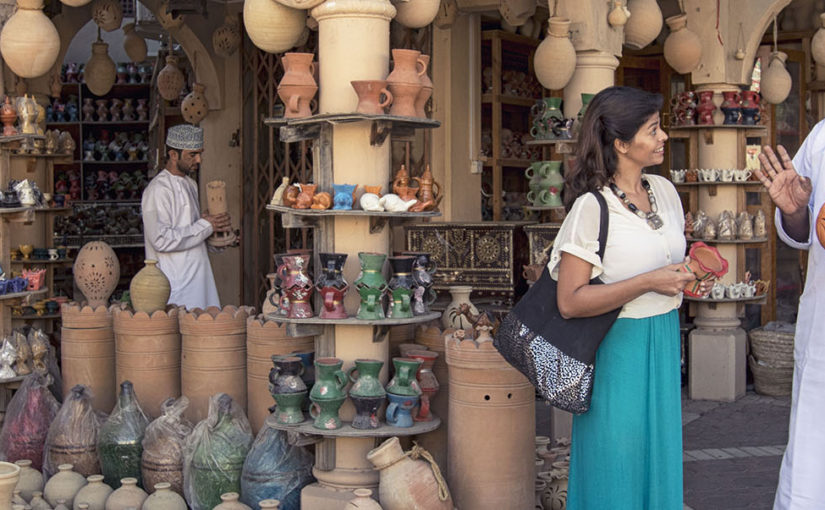
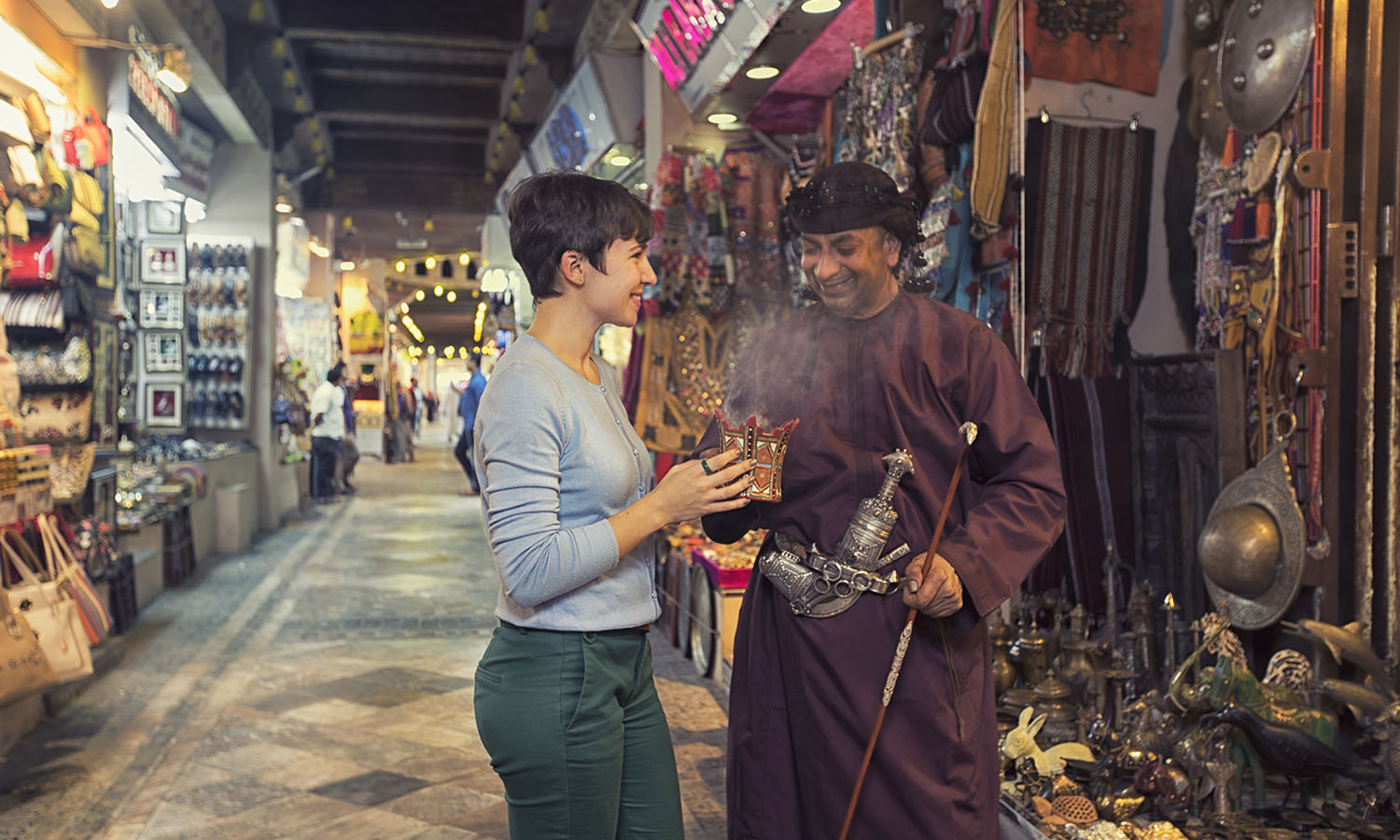
Next, peruse tailors’ shops, eyeing the fabrics laid out in a technicolour palette. Wander through the square of pottery, where curvy terracotta pots and ceramic vases huddle on the street and dangle from doorways. Run your fingers over the delicate patterns on khanjars (traditional daggers) and choose an ornate coffee pot to take back home.
After snacking through the produce stalls, finish your visit to Nizwa Souk at Al Saifi. Here you’ll choose between metal pots of halwa, a local dessert made with ghee, rosewater, sugar, saffron and slivered almonds. This sweet, gelatinous treat is served all around the country to accompany ever-flowing pots of cardamom-infused kahwa (coffee), and Al Saifi is known far and wide as a producer of some of the country’s finest.
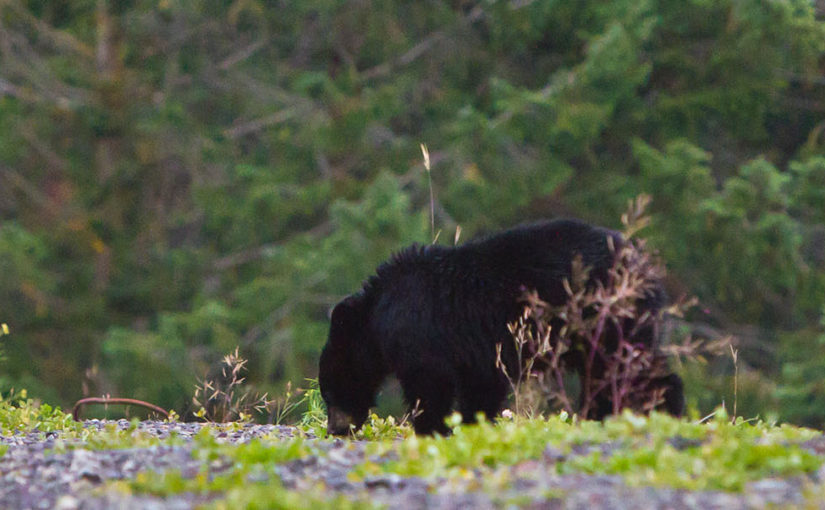
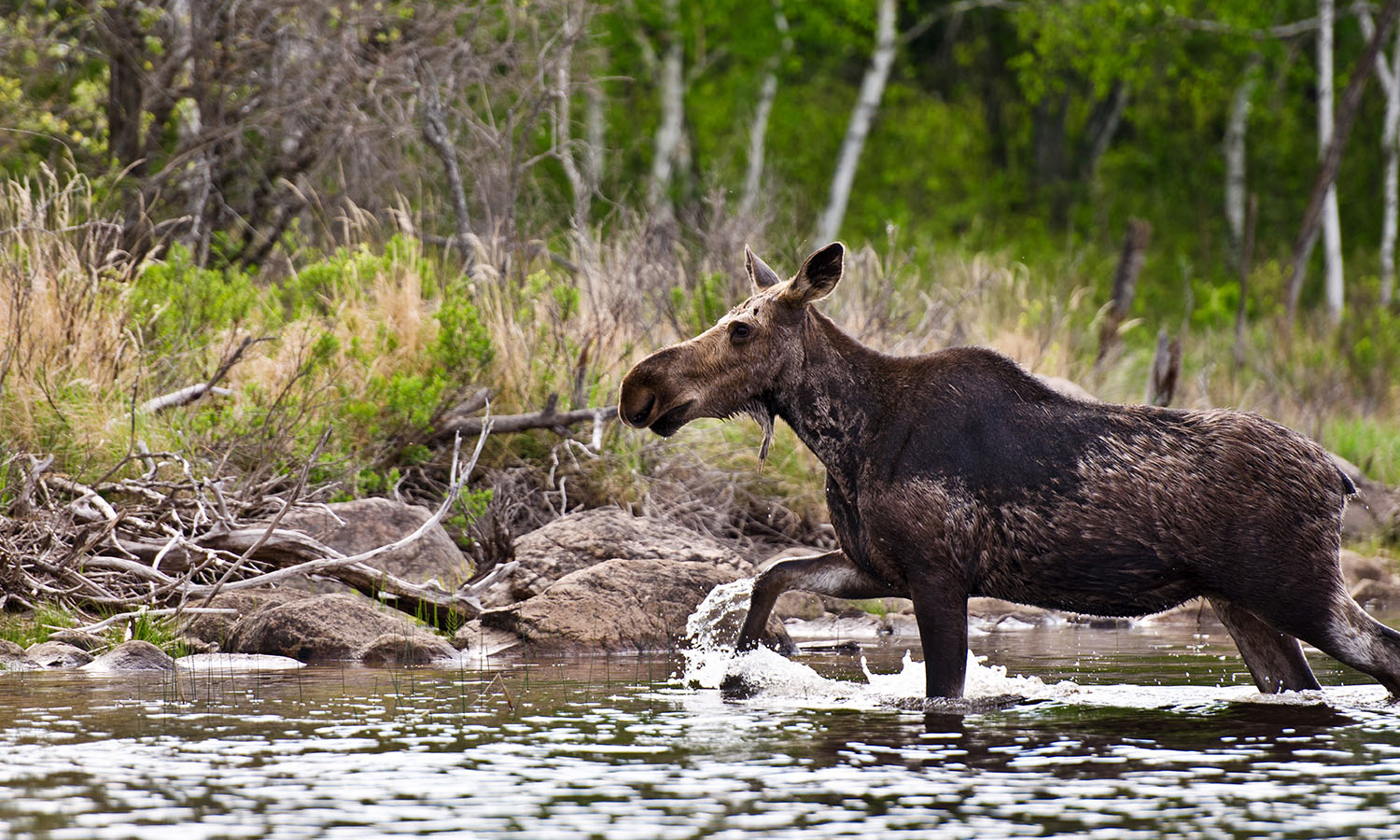
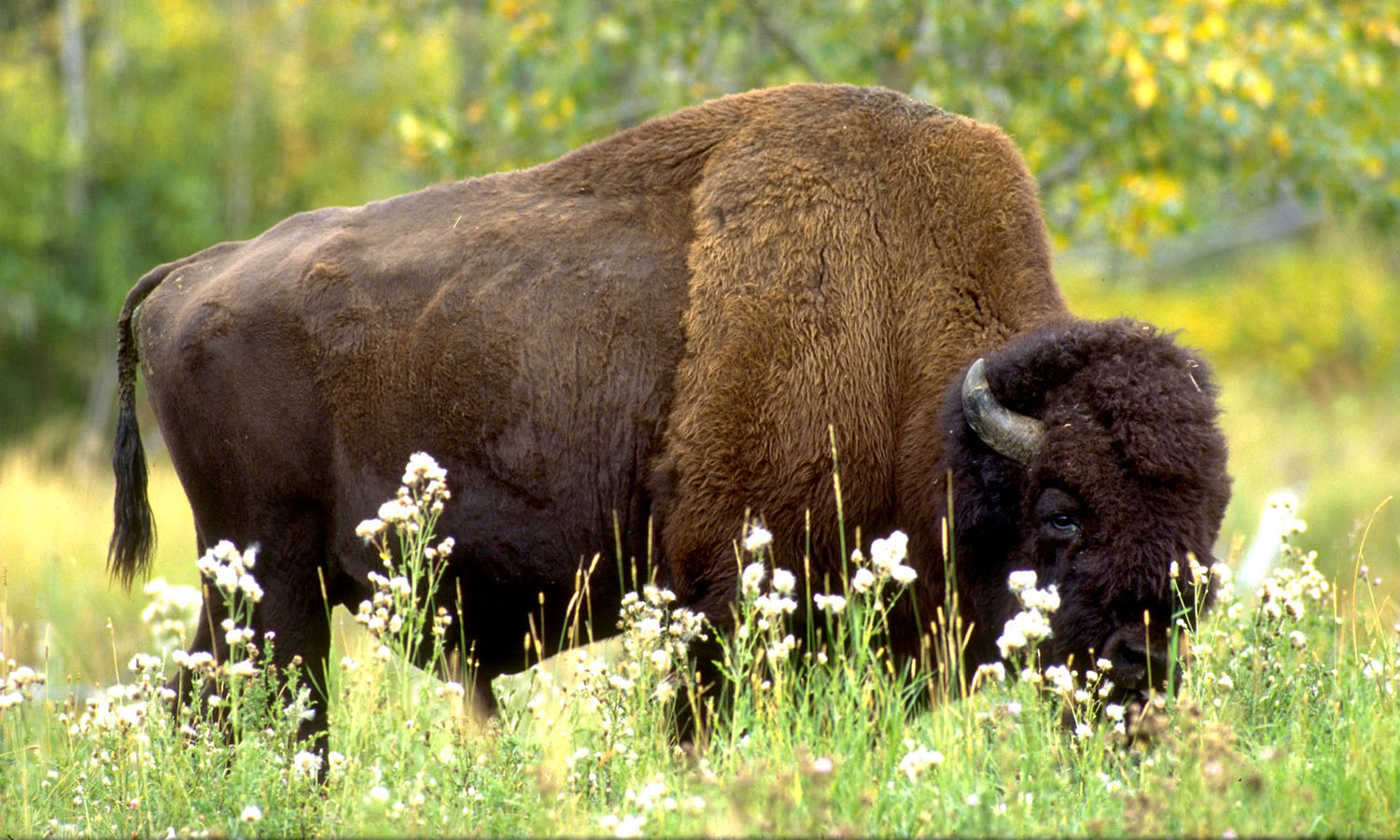
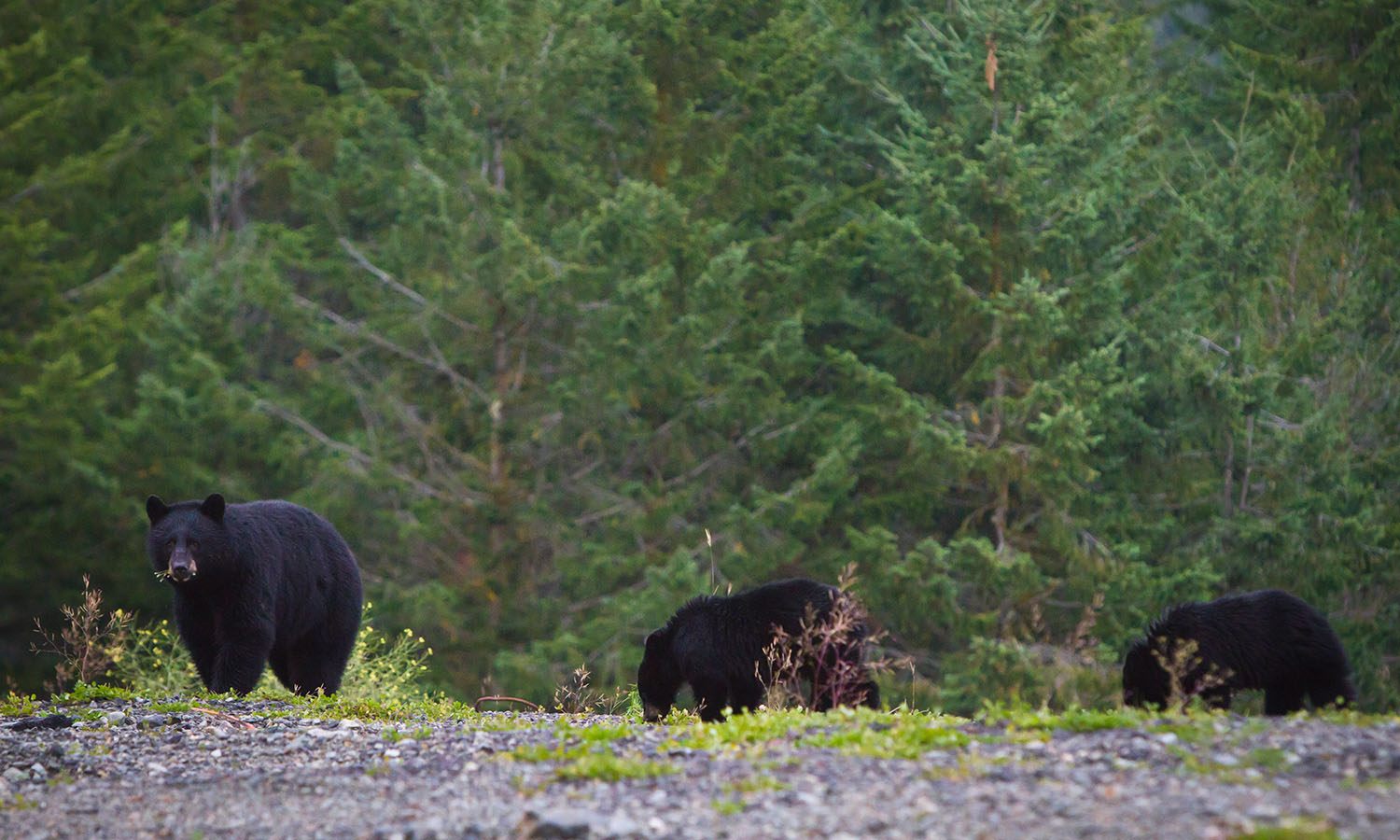
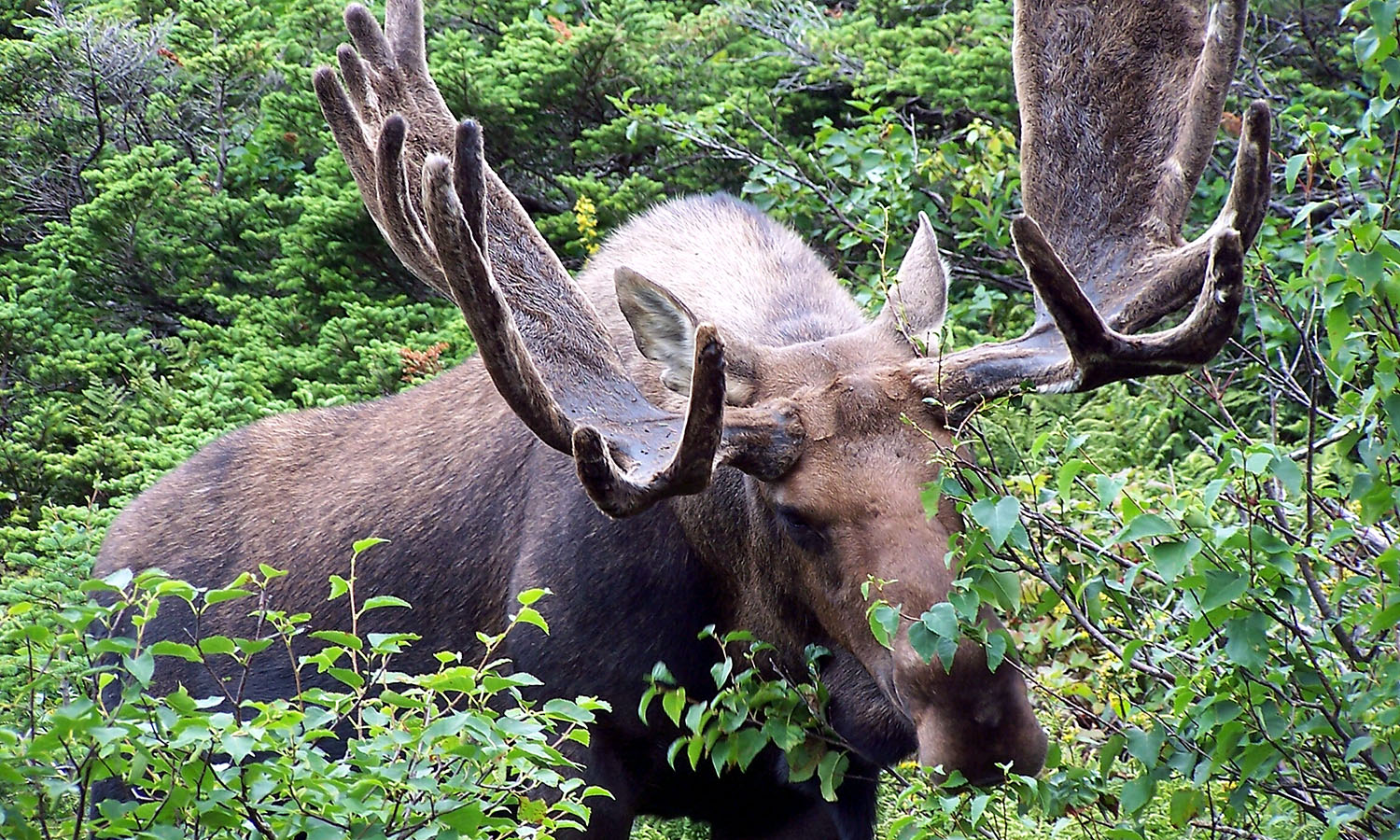
Turns out the big five isn’t limited to the African plains after all. For an altogether different style of safari turn your attention to the Canadian Prairieland of Manitoba, which boasts five rather large mammals of its own. From the coniferous forests, grasslands and marshes of Riding Mountain National Park, which harbours black bears, moose and bison, to the barren surrounds of the Arctic Hudson Bay town of Churchill, where polar bears prowl and beluga whales feed in the waters.
There are plenty of ways to observe the local fauna too. On Rail Plus’ eight-day safari guests will jump aboard a giant tundra buggy to bowl over the subzero landscapes to spy on local bears with a naturalist on board; they’ll career around northern boreal forest on a dog carting excursion; and they’ll bounce over the white-crested waters of Hudson Bay on a Zodiac to look for the rubbery white bodies of Beluga whales.
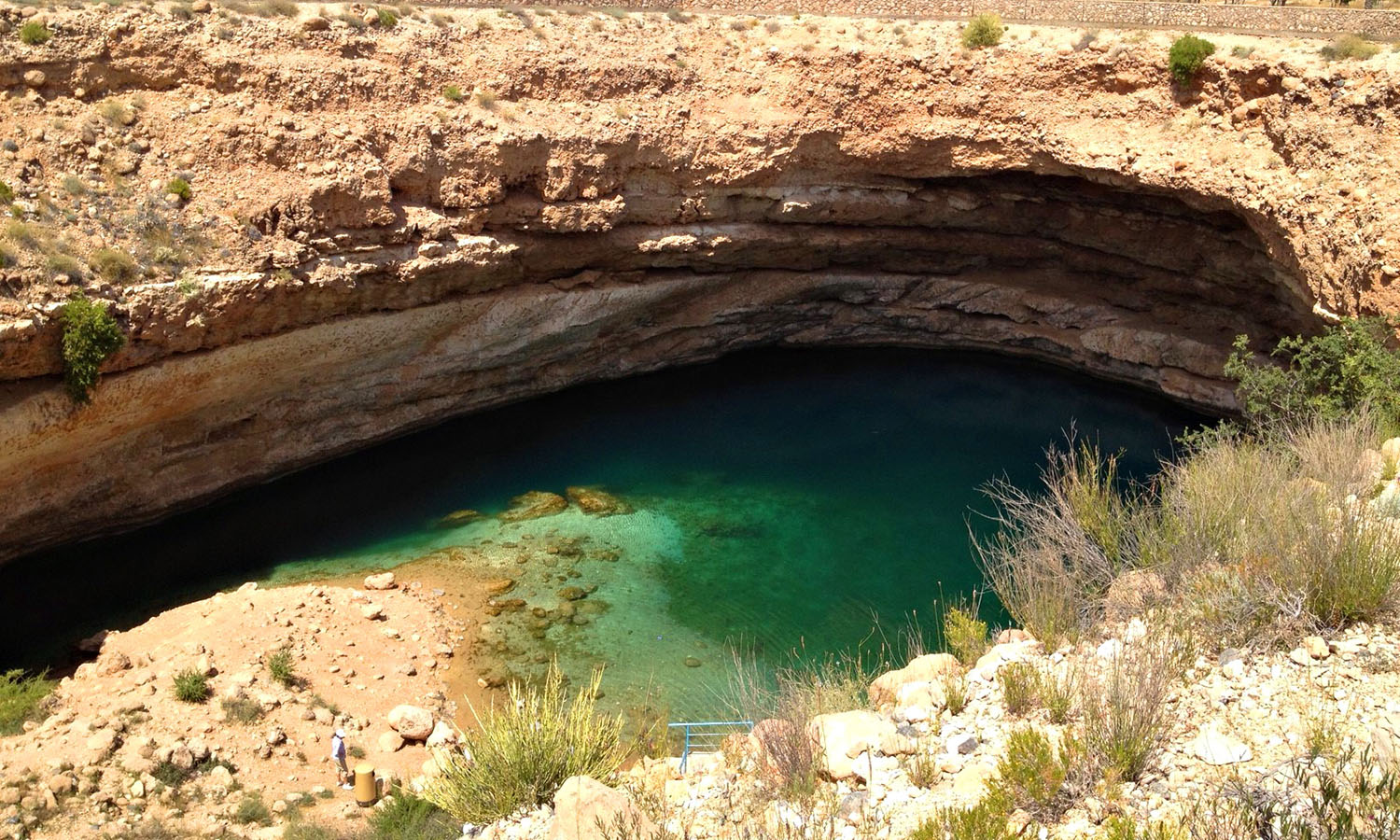
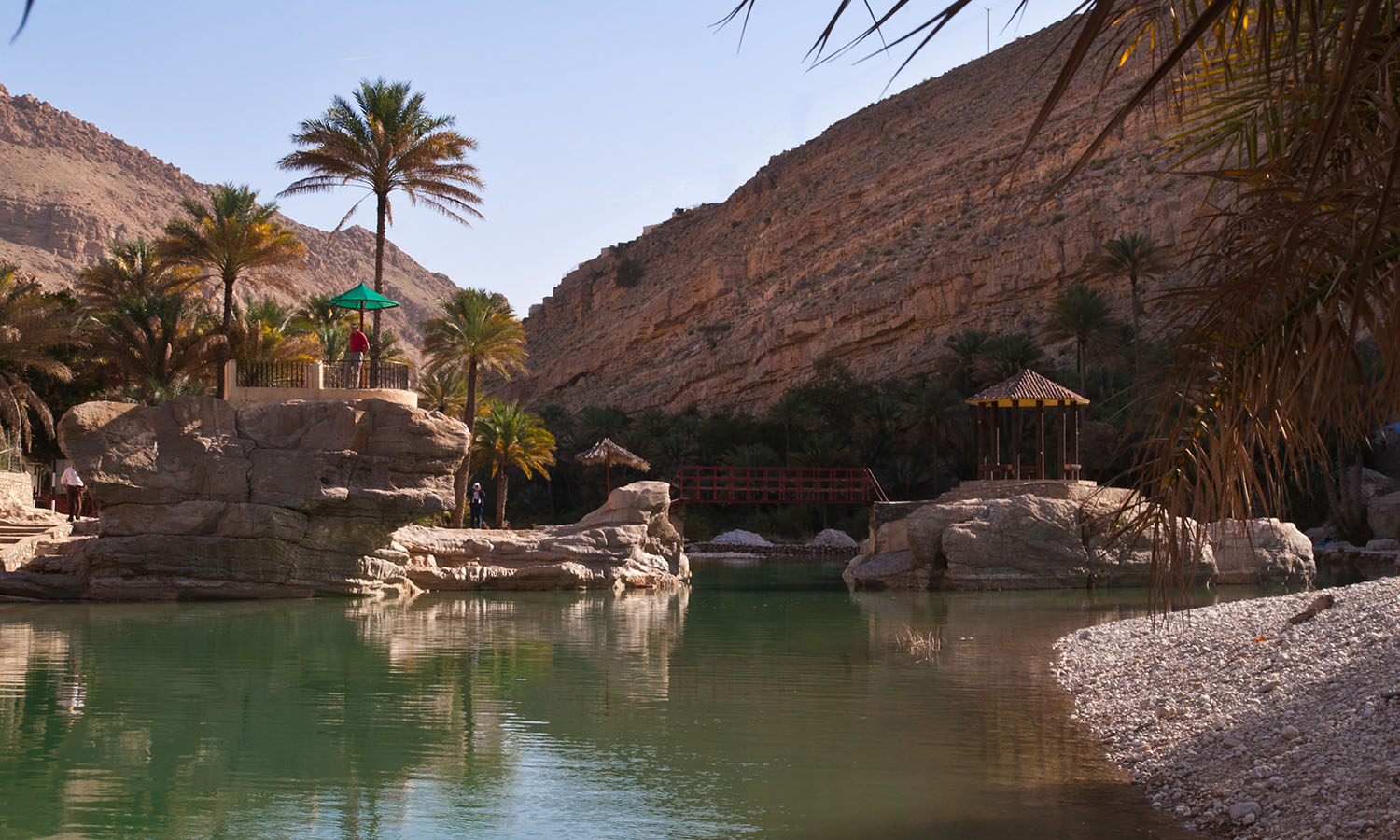
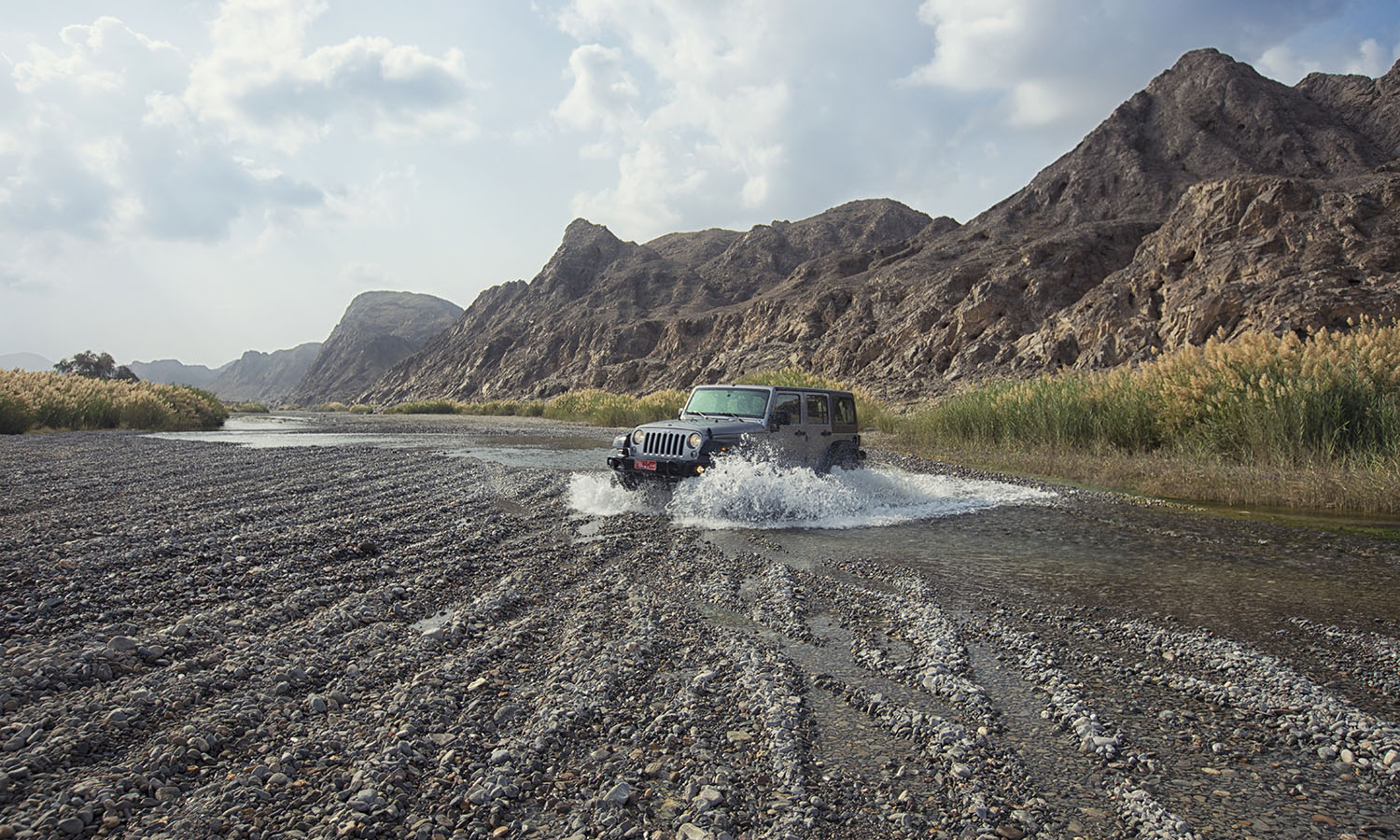
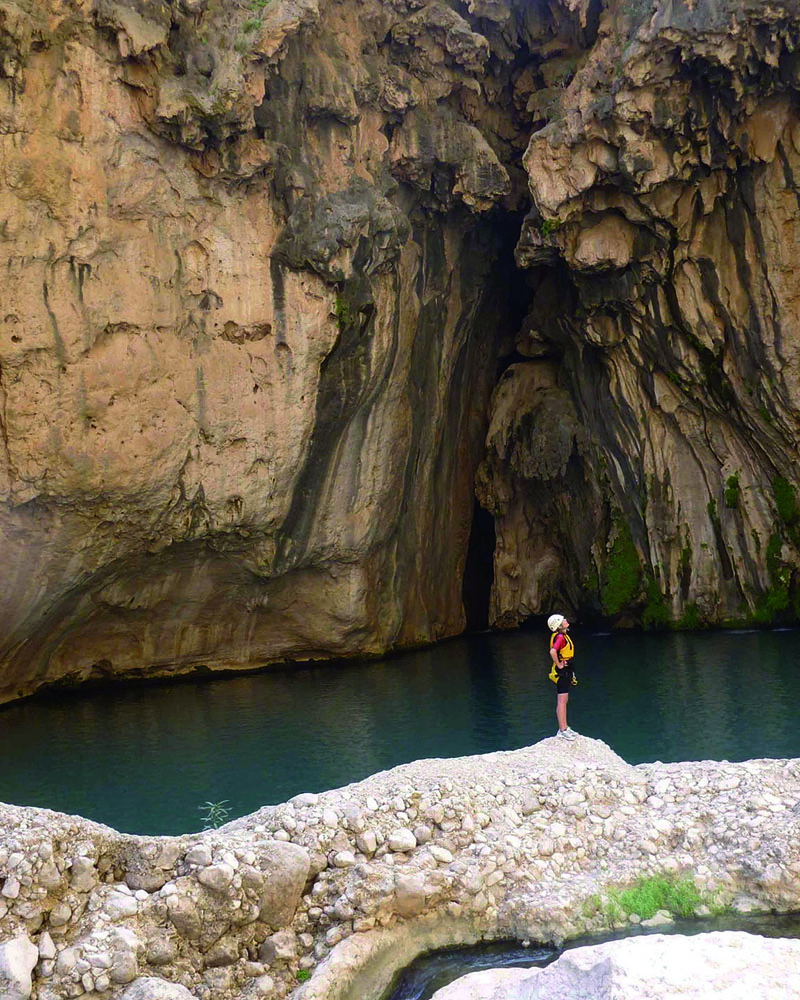
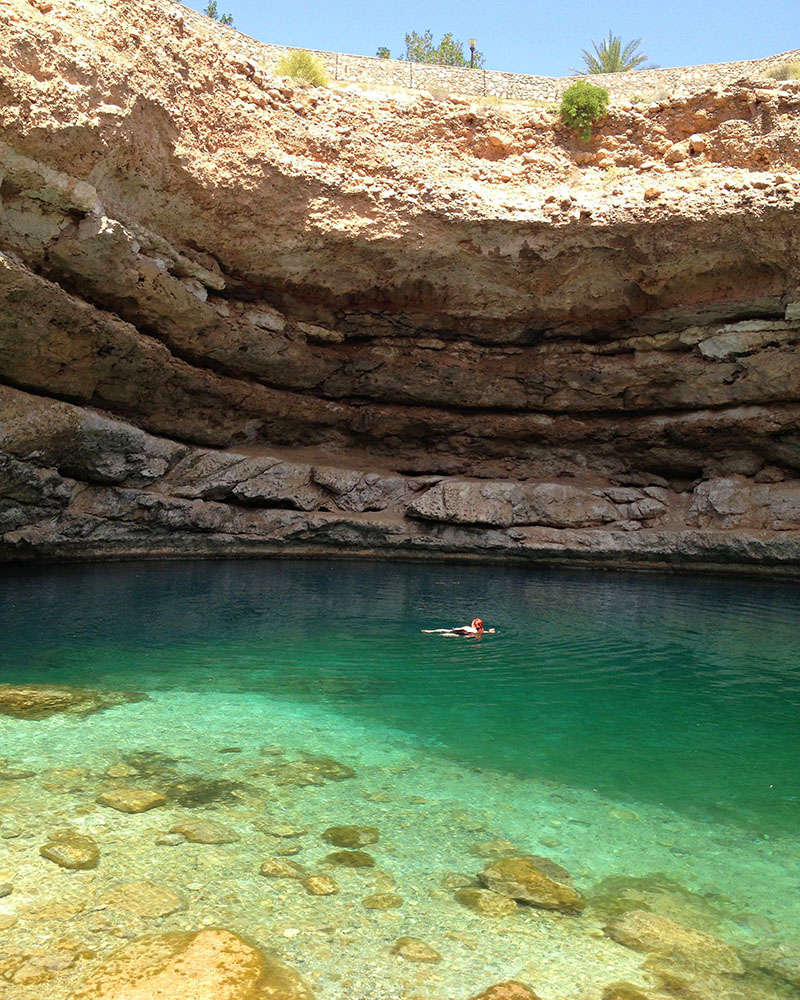
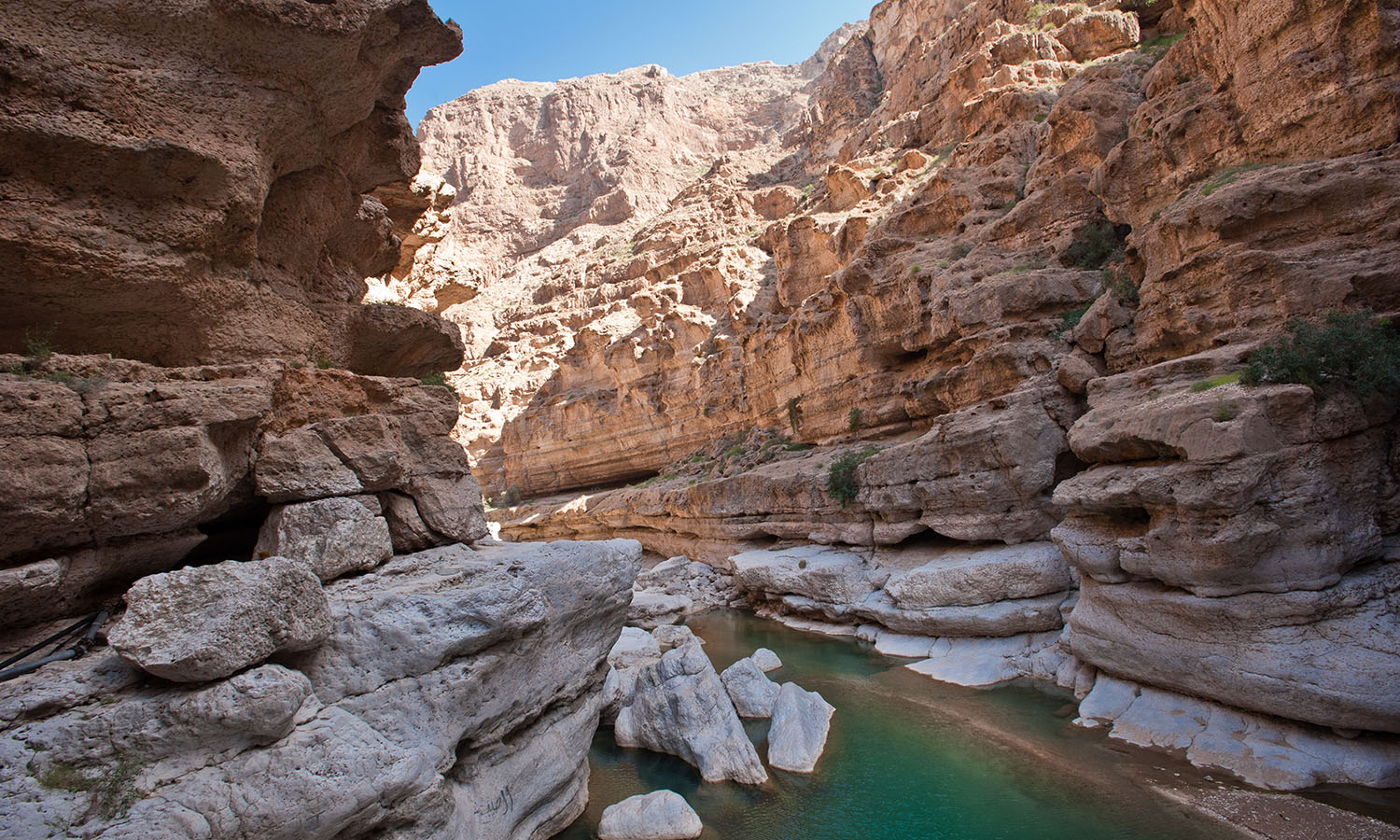
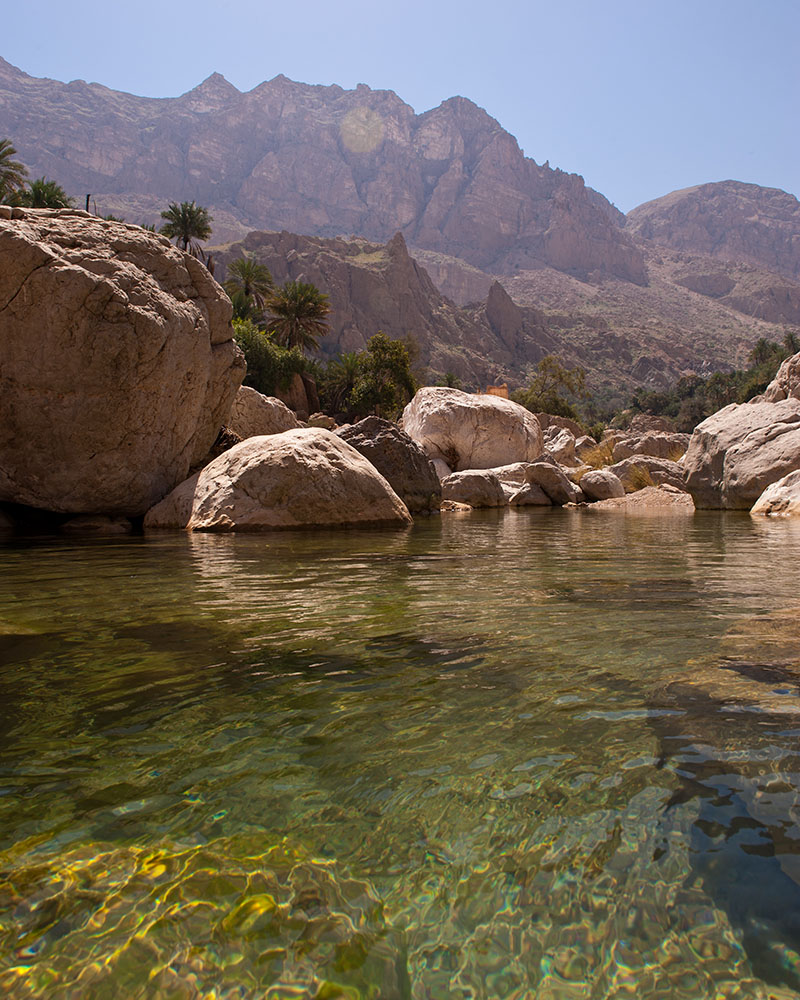
In many minds Oman is synonymous with endless, arid landscapes and fluted, rose gold sand dunes. But this Arabian nation, which is four times bigger than neighbour UAE, not only features more than 2000 kilometres of coastline, but also a bounty of hidden waterholes to boot.
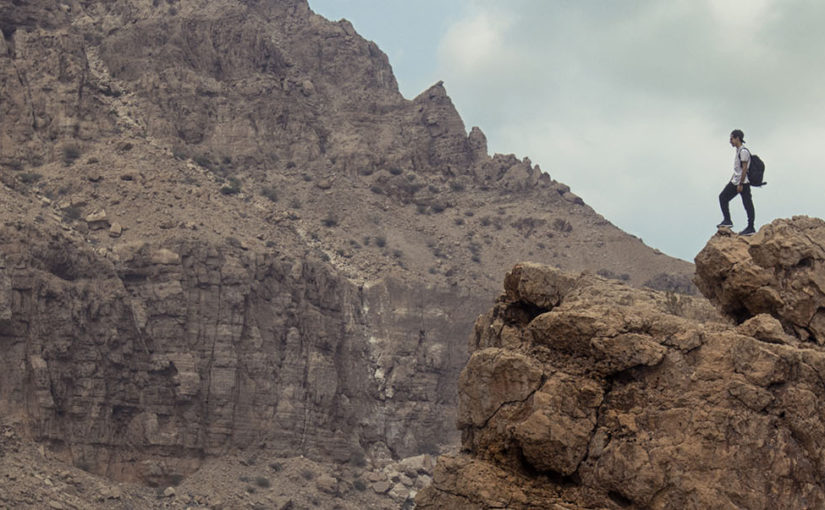
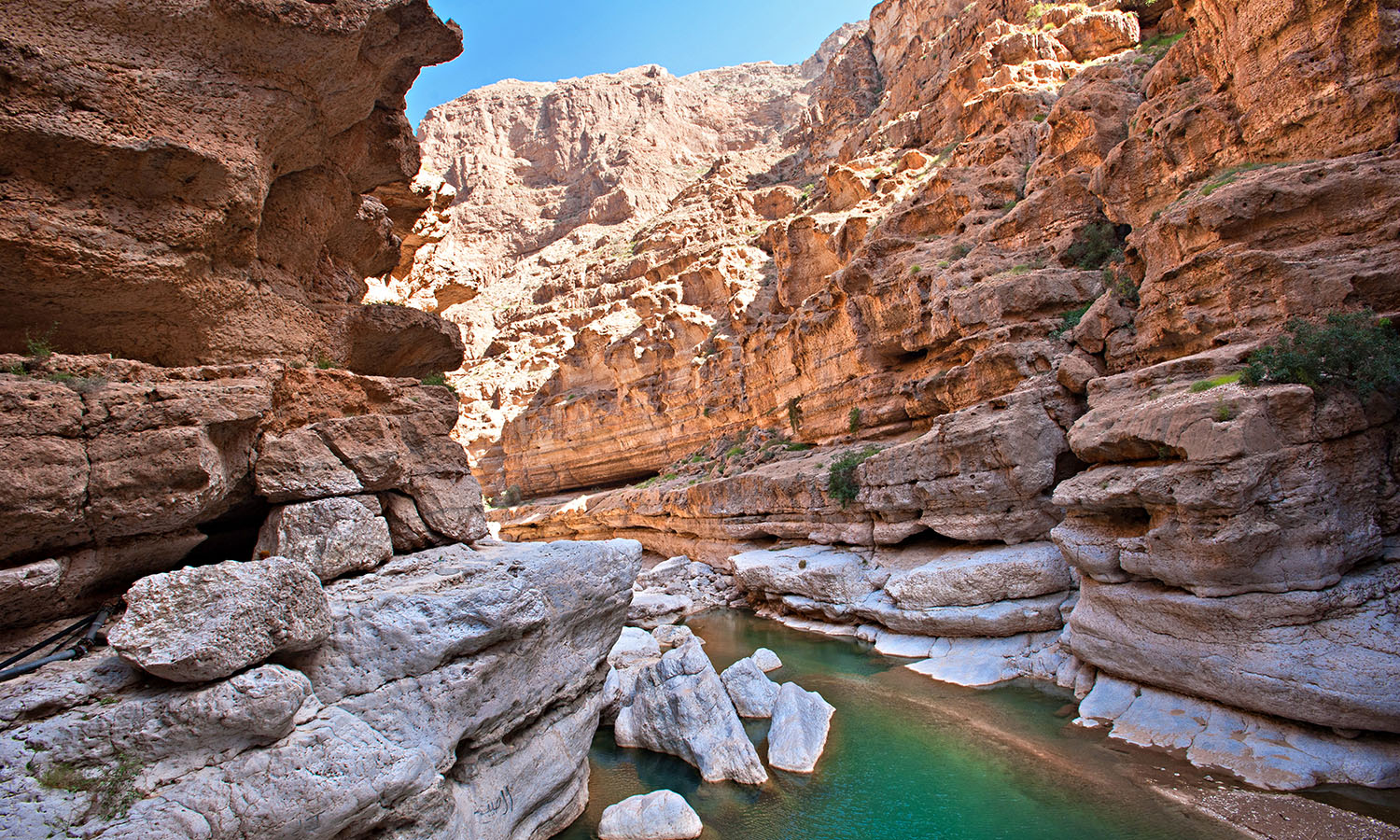
Wadi Shab is one such dreamlike spot. Bathe in Tiffany-blue waters in the upper reaches of this “gorge between cliffs”, as the name translates. Trek in dry heat to waterfalls rushing in secret caverns. And wander rugged, rocky paths in search of kingfishers perched on palm fronds and pops of pink from oleanders in bloom.
The coast road that leads to Wadi Shab is speckled with fishing villages built upon crescents of sand, and numerous other wadis nestled into the hinterland. Wadi Bani Khalid is arguably Oman’s most celebrated natural pool. After ascending through the Eastern Hajar Mountains, Wadi Bani Khalid spills out in front of the eye like a Fear and Loathing in Las Vegas-induced mirage. If the shamrock-green water doesn’t beckon (though it most likely will) then there’s plenty of waterside space to idle away the afternoon with a picnic.
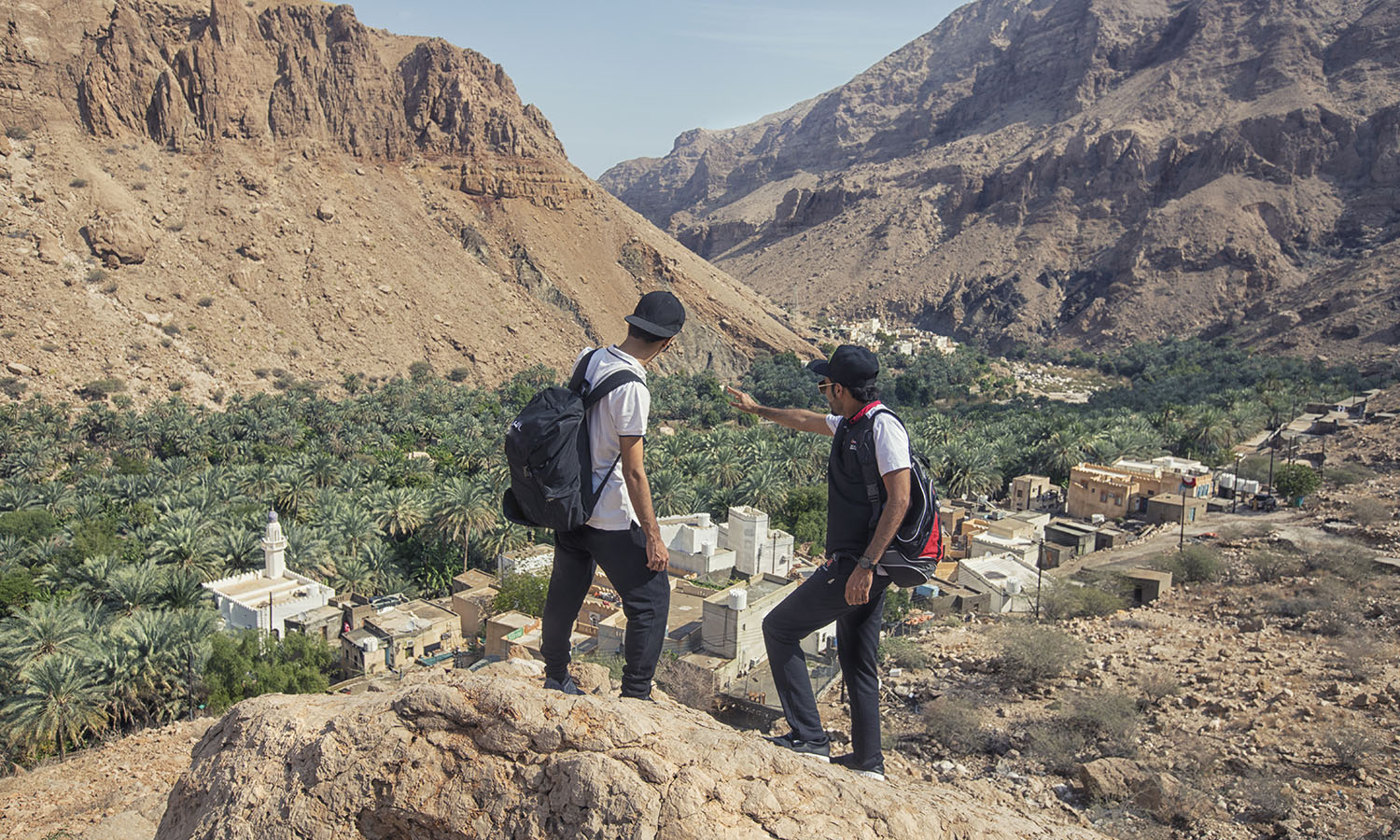
Lesser-known cousin Wadi Tiwi is just as much of a scene-stealer, and not only for its crystalline swimming holes: Tiwi is also known as the Wadi of Nine Villages, which offer an abundance of great village-to-village walking trails. The area also boasts aflaj – ancient irrigation channels dating as far back as 500 AD, some of which are even UNESCO-listed World Heritage Sites.
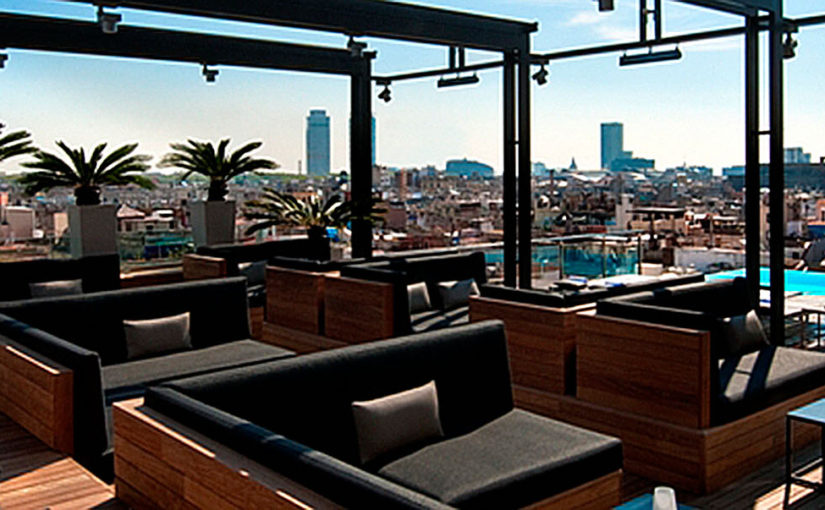
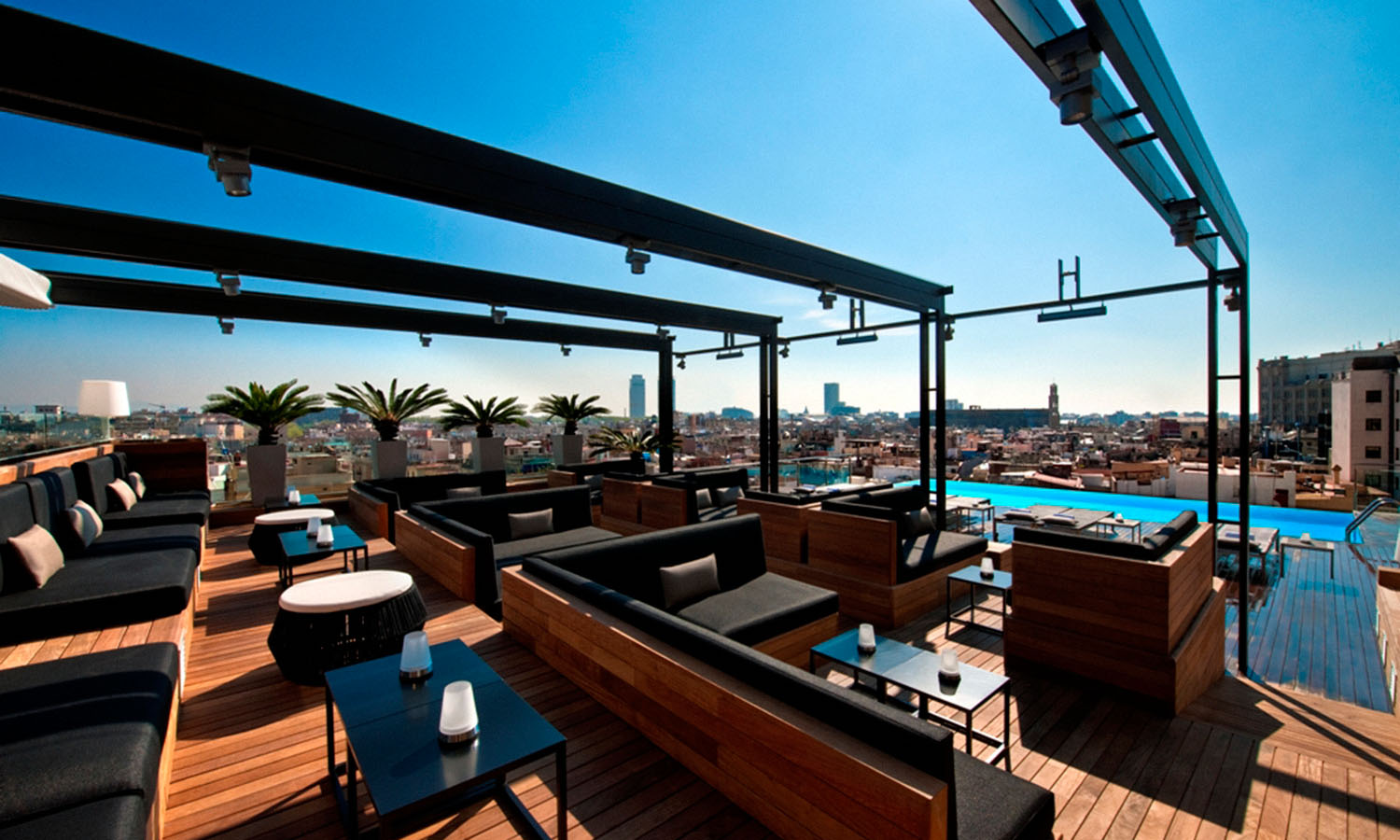
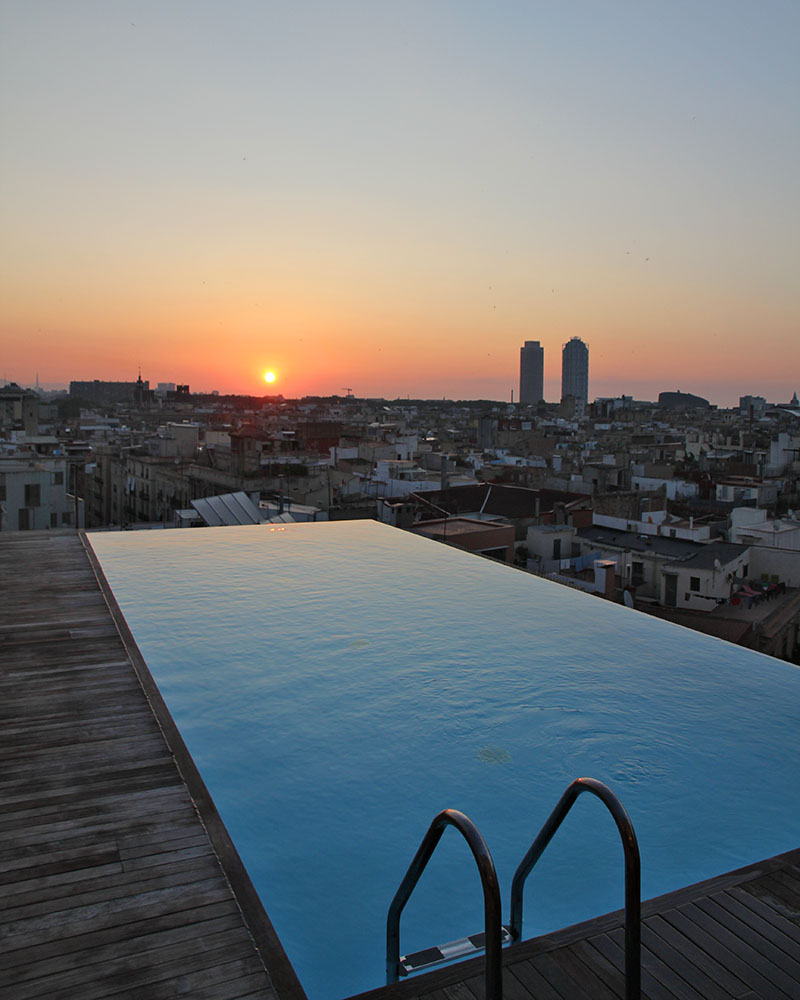
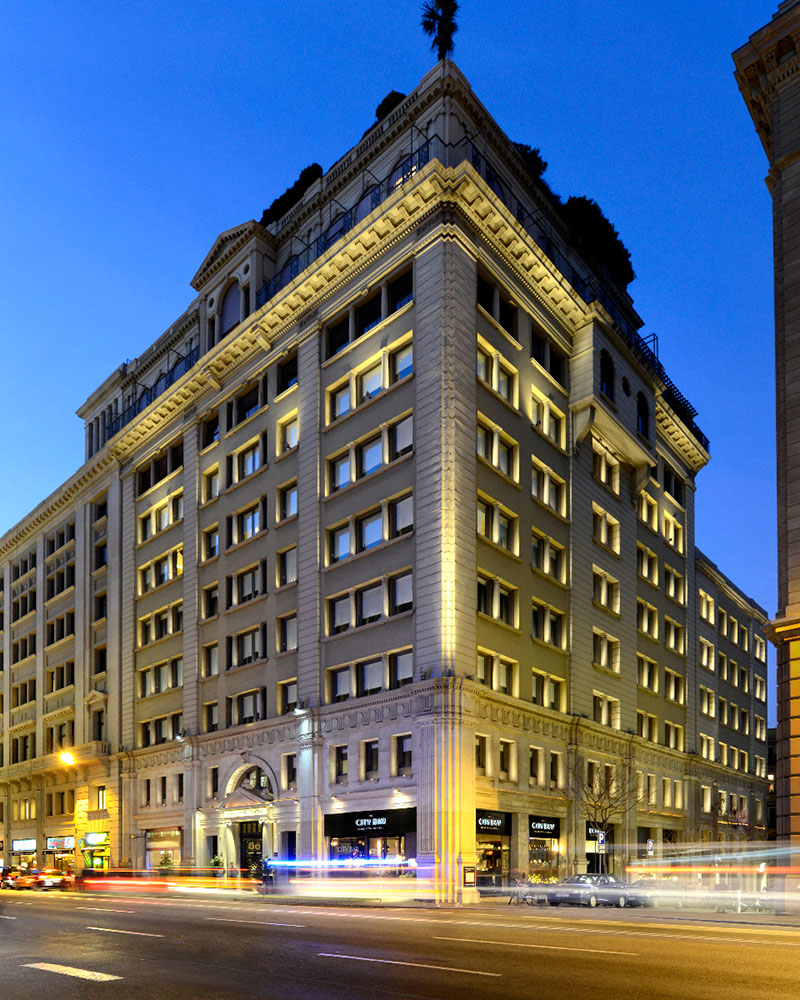
If you want to experience Barcelona’s unique blend of medieval and modern, there’s only one place to stay. The Grand Hotel Central stands in the centre of the city’s vibrant El Born district, just steps from the picturesque Gothic Quarter. Recently renovated, the building retains the stately charm of 1920s neoclassical architecture, fused with sleek modern design elements and amenities.
Browse the in-house art gallery or order a cocktail from the rooftop SkyBar to sip while basking poolside. Hungry? The bar serves light Mediterranean snacks, but for something more substantial, head down to the City Bar & Restaurant for award-winning Catalonian classics, like gazpacho and sausage. Benvinguts a Barcelona!
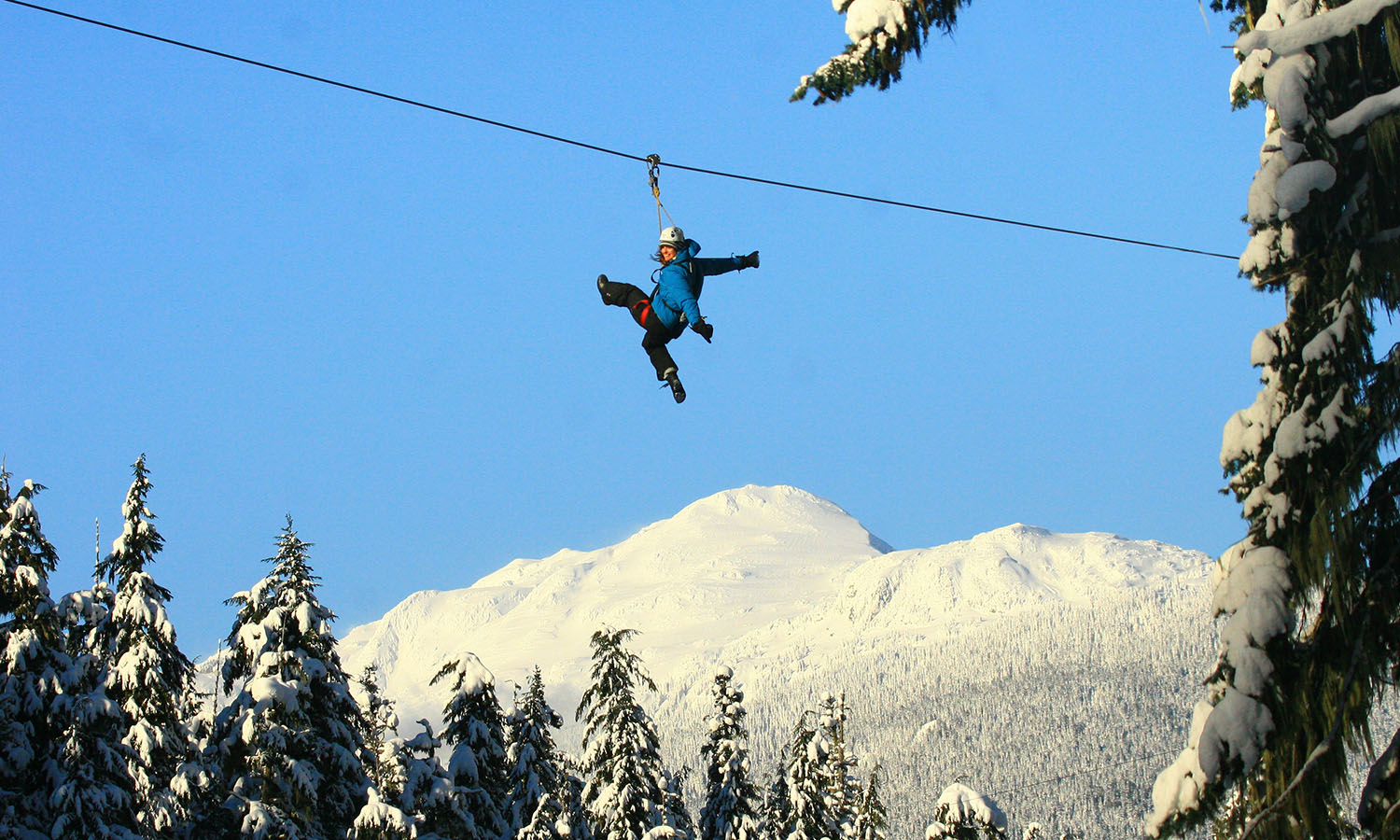
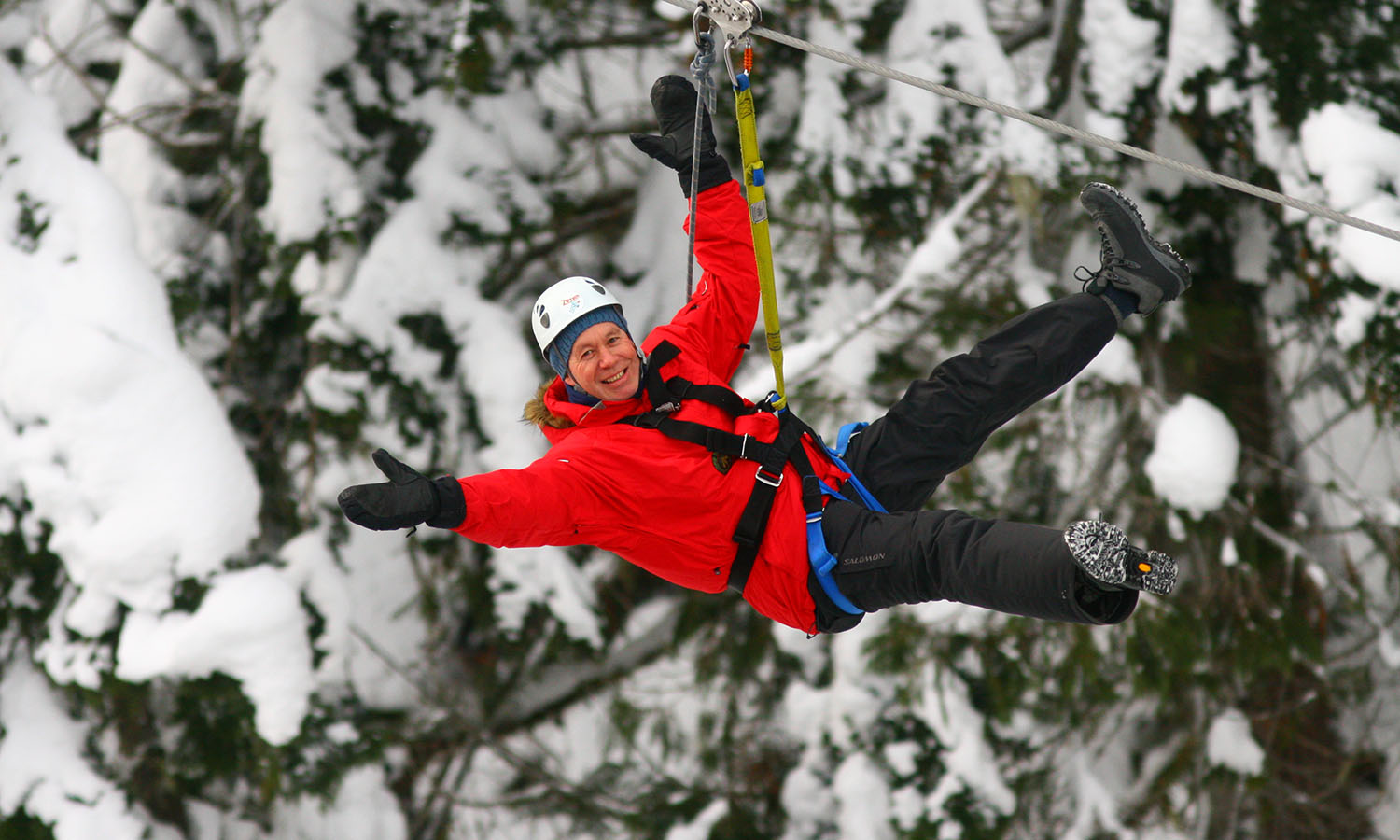
Australians flock to Whistler to zoom down its slopes, but if you thought the landscape was magnificent from the ground, imagine taking it all in from the sky. In winter the Ziptrek Eagle Tour whisks adventurers across five lines in a setting of frosted pines, with soaring mountains as a backdrop and a marshmallow terrain below. In summer it’s all babbling brooks and green as far as the eye can see. If the old-growth rainforest in Fitzsimmons Valley wasn’t enough to make this trip unforgettable, hurtling 30 storeys down the tour’s new 730-metre line is sure to do it. The three-hour escapade ends right in Whistler Village, so hit the hills once you’re done or head straight to a bar for après.
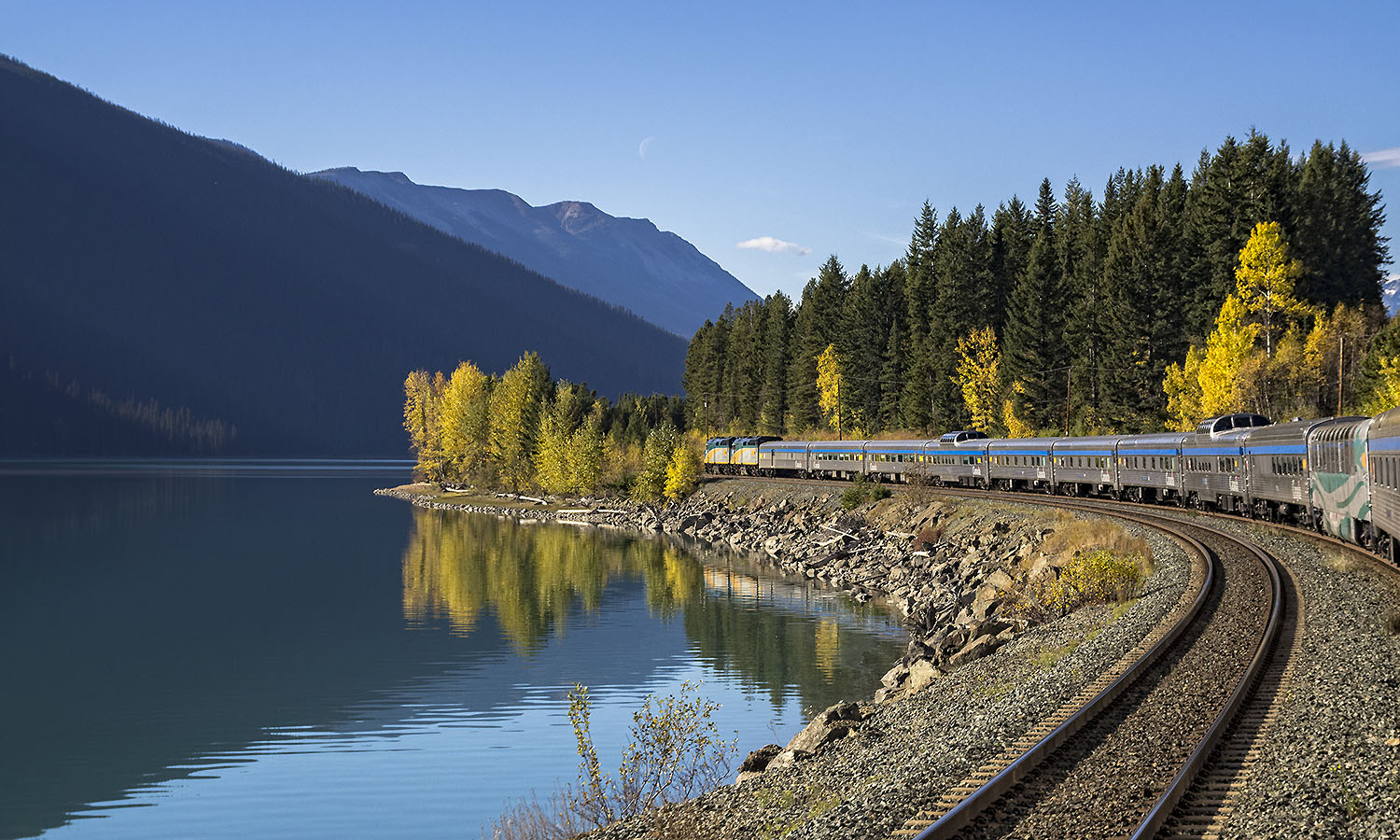
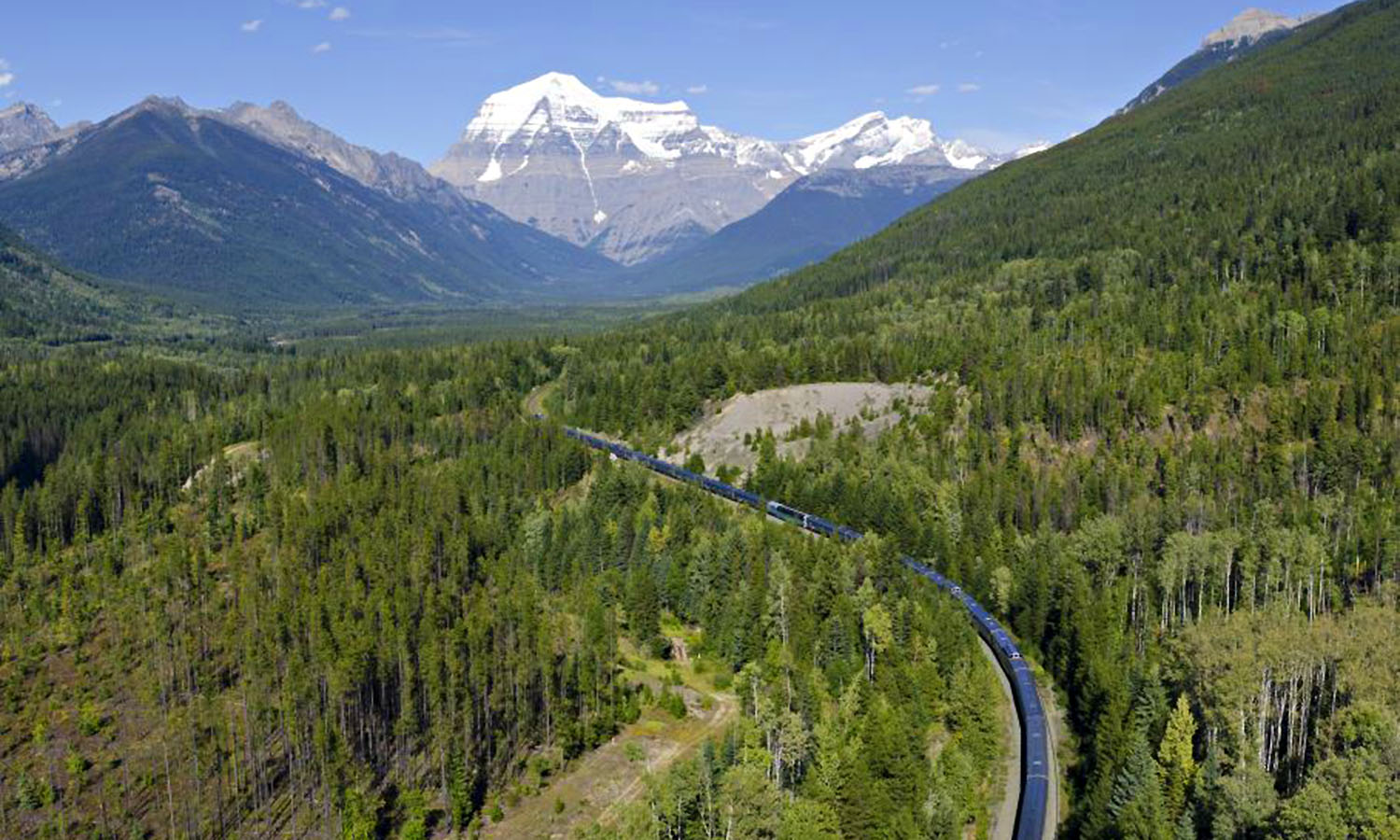
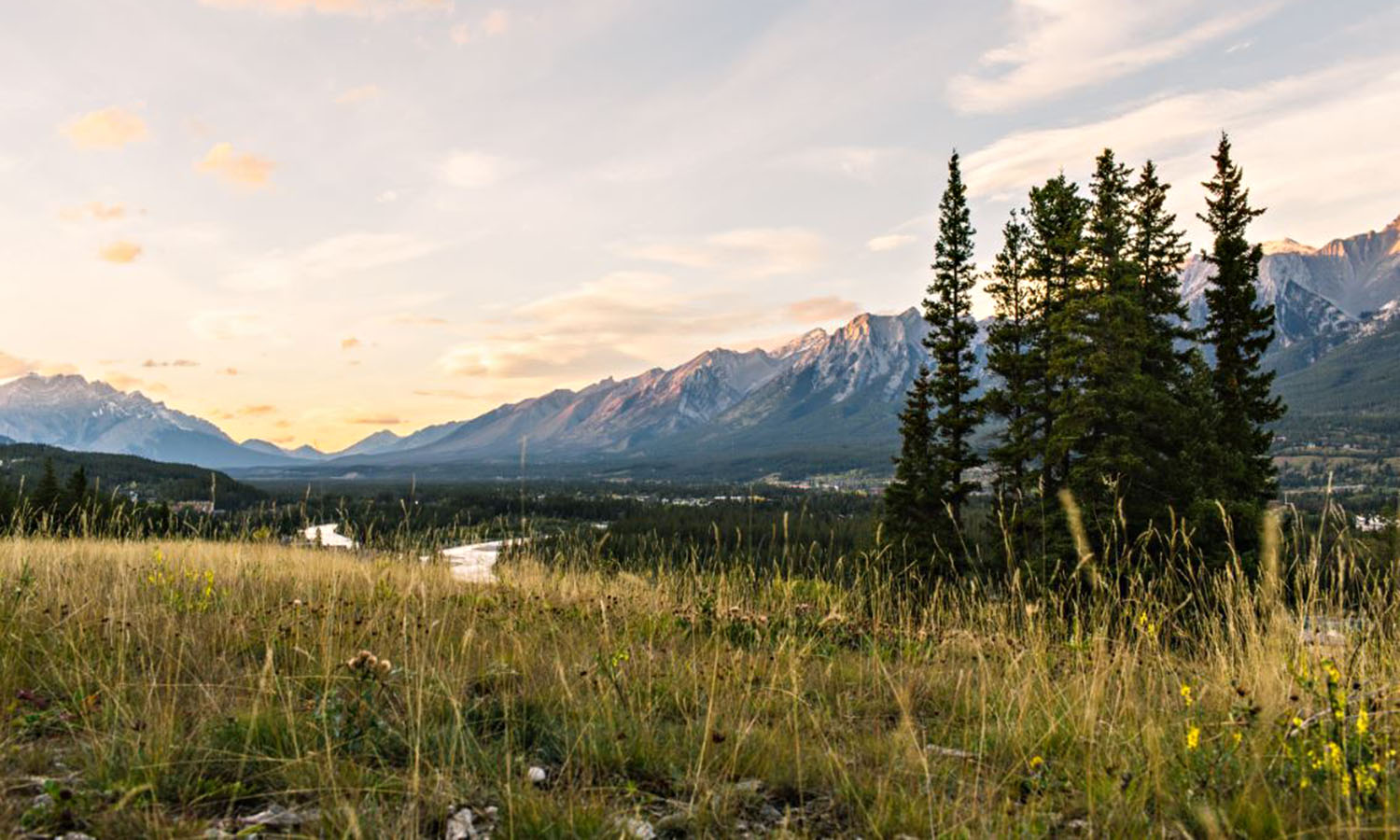
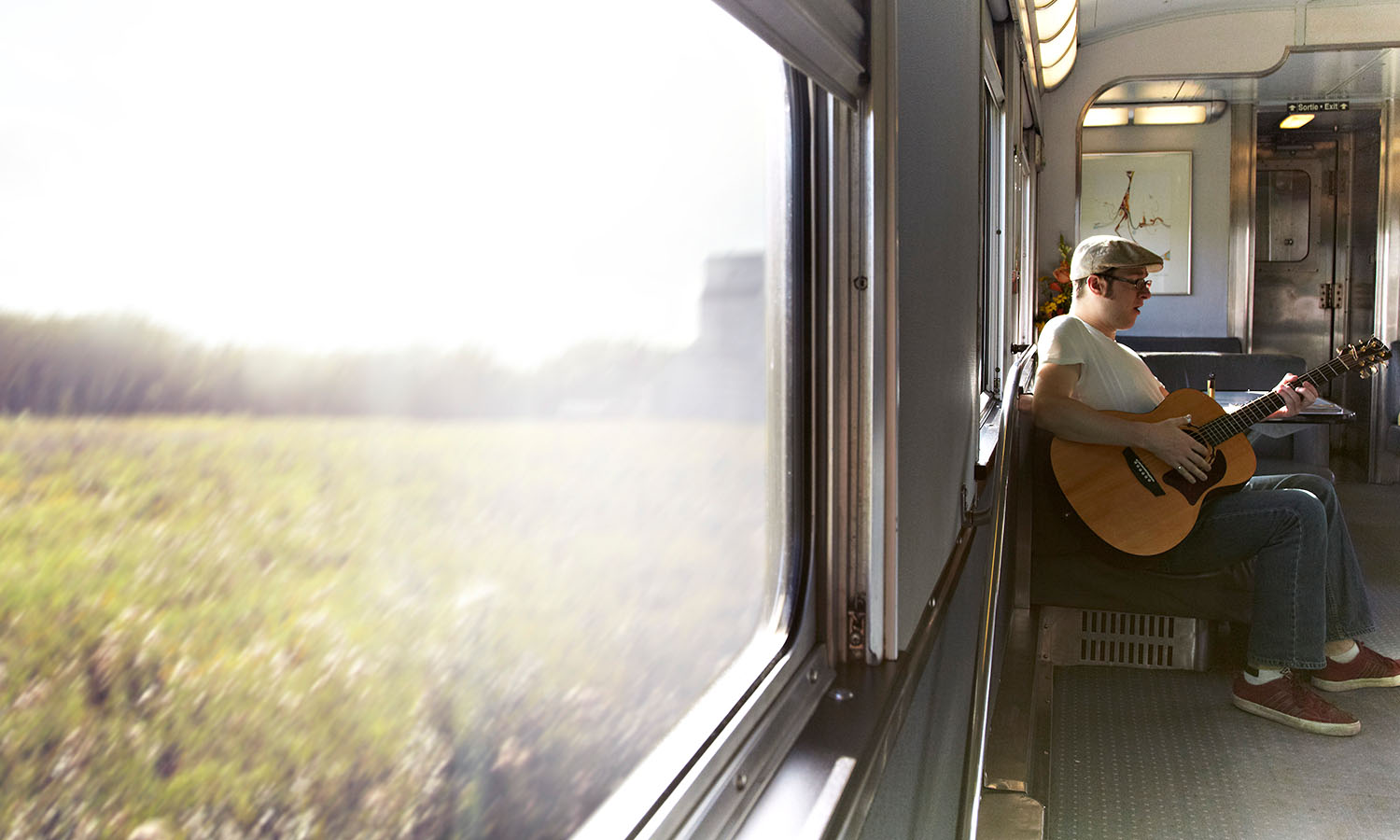
Watch Canada’s wildly diverse landscape materialise before your eyes from the comfort of a cosy train car, as you journey across the world’s second largest country. You’ll take in Canada’s five most southern provinces – British Columbia, Alberta, Saskatchewan, Manitoba and Ontario – as you travel from east to west (or vice versa) on board The Canadian. From the buzzing harbourside metropolis of Vancouver through the heart of the rugged Canadian Rockies and onto the multicultural mecca of Toronto, this epic journey encompasses many of the natural, urban, cultural and historical contrasts that make Canada such a beguiling nation to visit.
Those that opt for the full transcontinental shebang will roll a whopping 4,466 kilometres across the country, spending four nights and three days aboard. That leaves plenty of time to sample the local Canadian fare served up in the dining car while admiring the scenery. And should you tire of the landscapes rolling by (unlikely), then there are plenty of wine tastings and musical performances to keep you entertained.
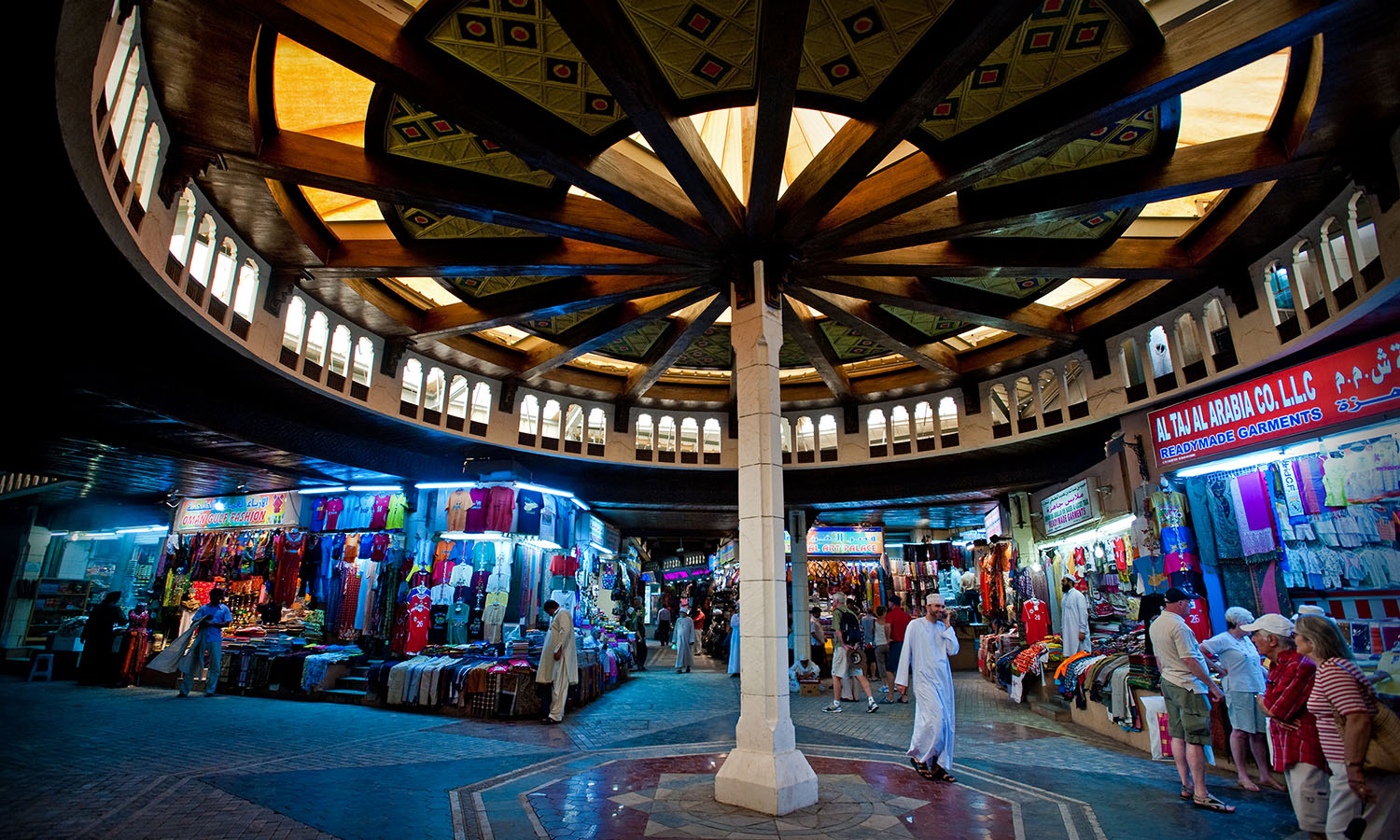
Walk through clouds of frankincense, pass by clutches of locals bargaining as if their life depended on it and eye alcoves gleaming with precious metals. Said to be one of the oldest markets on the Arabian peninsula, Mutrah Souk is arguably the biggest draw for those visiting capital Muscat, if not the entire country. Its tangle of narrow alleys is filled with colourful, matchbox-sized shops selling anything from kumas (traditional hats) to hand-painted incense burners.
Shops are grouped according to their wares, and one cluster of passageways and stalls is so tightly jammed together that sunlight can’t seep through, inspiring the souq’s local nickname Al Dhalam, meaning “darkness” in Arabic. To say that Mutrah’s heaving arteries are confusing to navigate would be an understatement: a local tour guide can help make sure you don’t get too lost and point you in the right direction of your own personal Aladdin’s Cave.
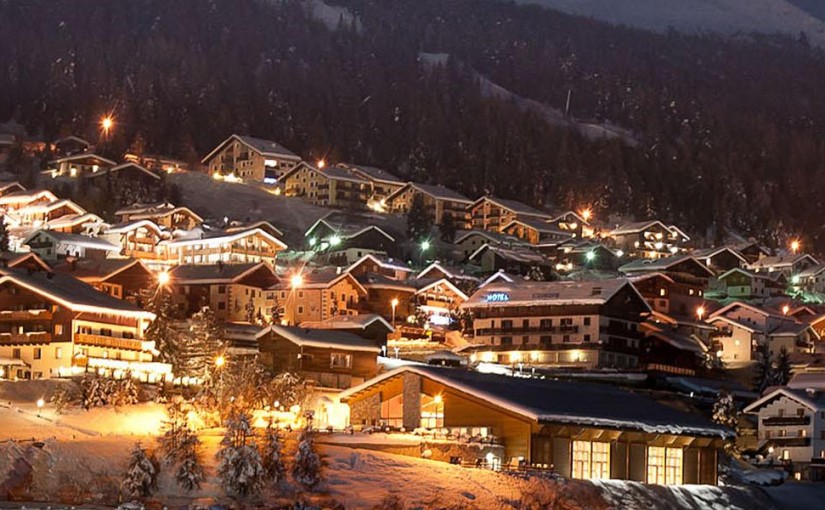
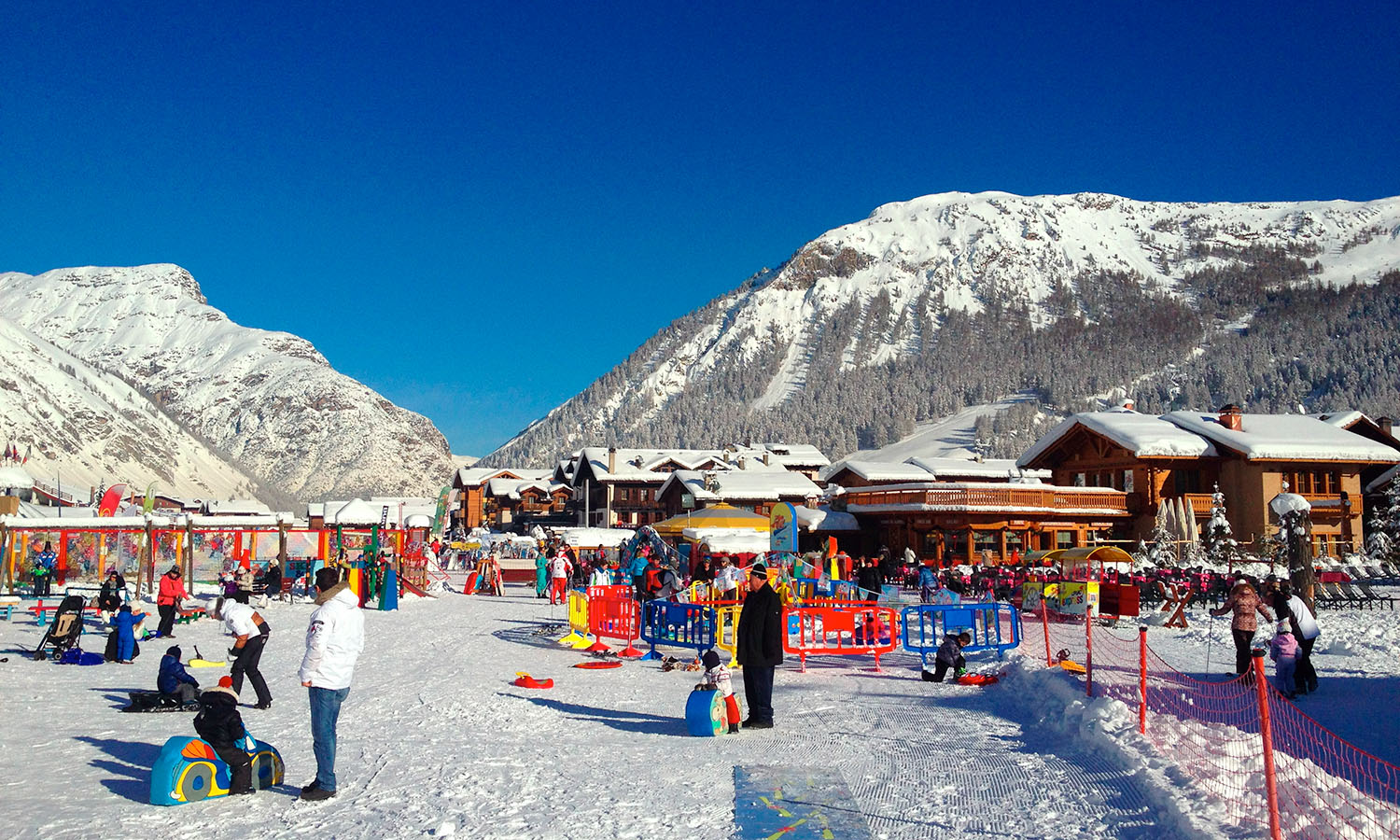
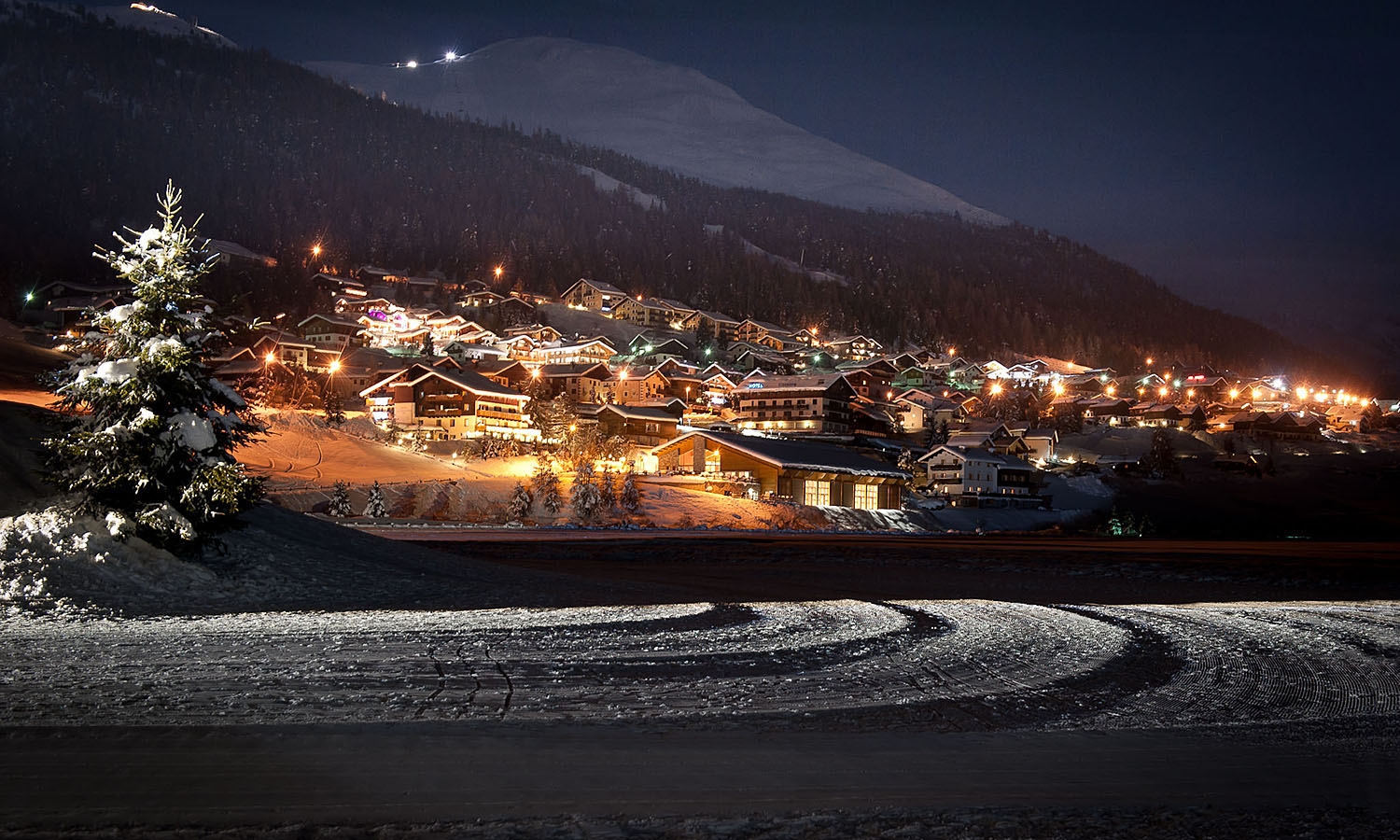
Before the sun sets on the Italian resort town of Livigno all the action takes place at the base of either the Mottolino or Carosello 3000 lifts. Here you’ll find Stalet, where skis are dislodged and dancing and drinking commence.
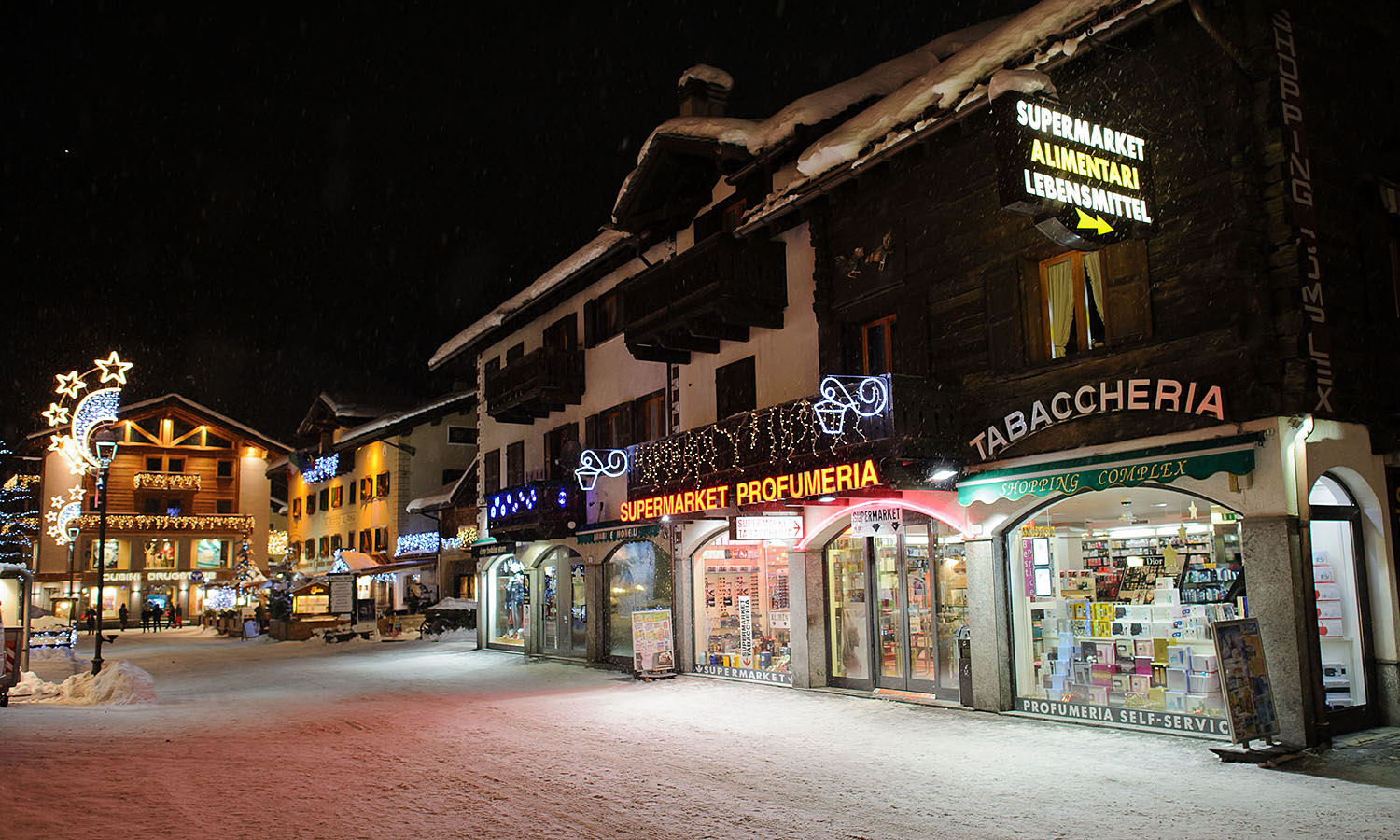
If that all gets too wild, head into town where there are about 140 bars. We know it’s never about quantity over quality, but most of these are quite small places and many have unique offerings: Jpioca does cocktails, the Echo Pub is attached to a microbrewery, the Kuhstall downstairs at Hotel Bivio is the spot for live music, and Kokodi is number one for late-night dancing divas.
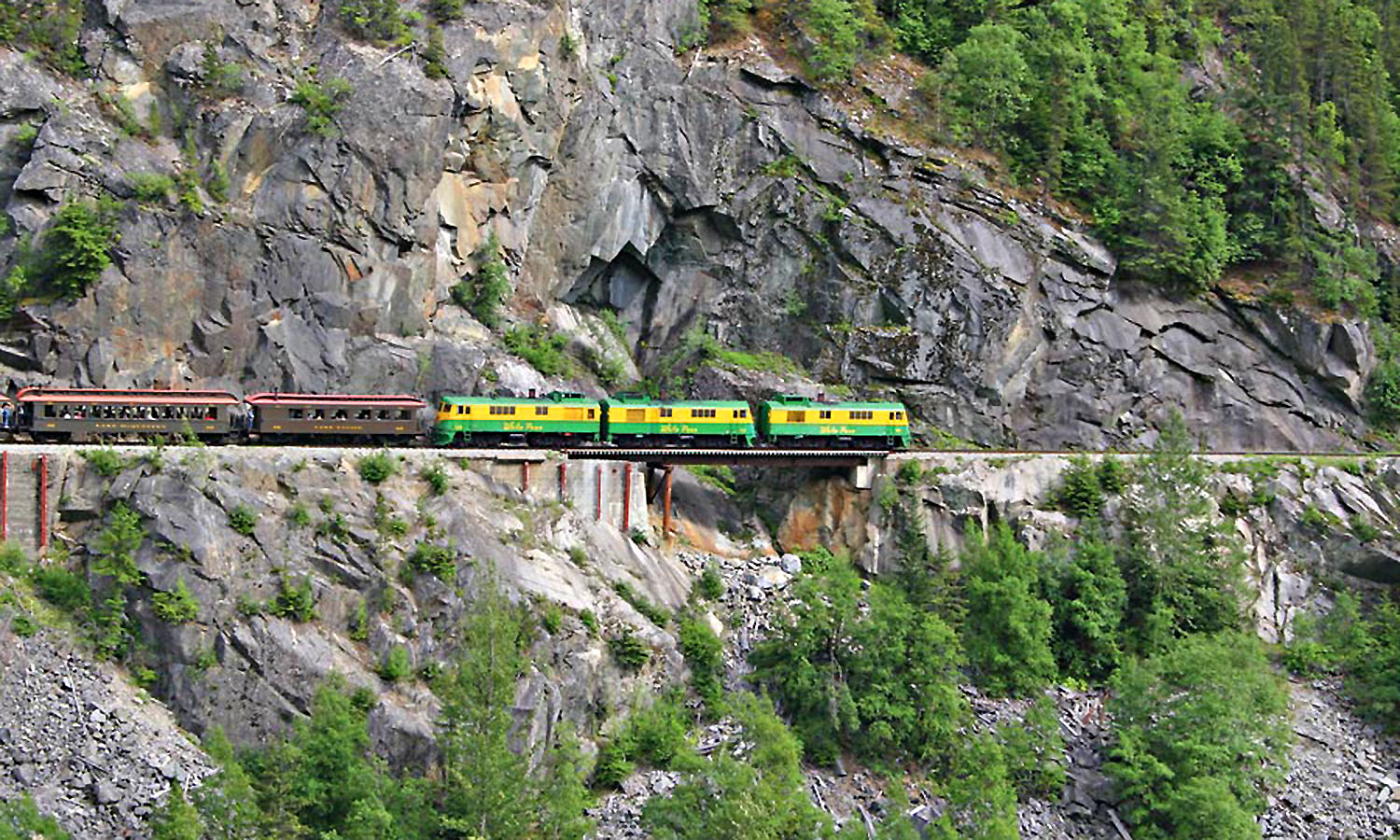
Ever wondered what it would be like to follow in the footsteps of the Klondike stampeders? Well this is your chance to live like it’s the 1890s and do exactly that. Travelling over 100 kilometres north from Skagway, Alaska, today you will wind up in two countries, crossing from the USA into Canada’s Yukon territory and back again.
Unlike the prospectors of yesteryear you will thankfully not be attempting the treacherous mountain passes ill-equipped and by foot. Instead, my friend, you will watch the glaciers and gorges roll by your cosy train carriage window, before taking a lunch break at the scenic gold rush town of Bennett. You’ll also break from the White Pass and Yukon Route Railroad to take a quick detour to the famed Klondike Highway.
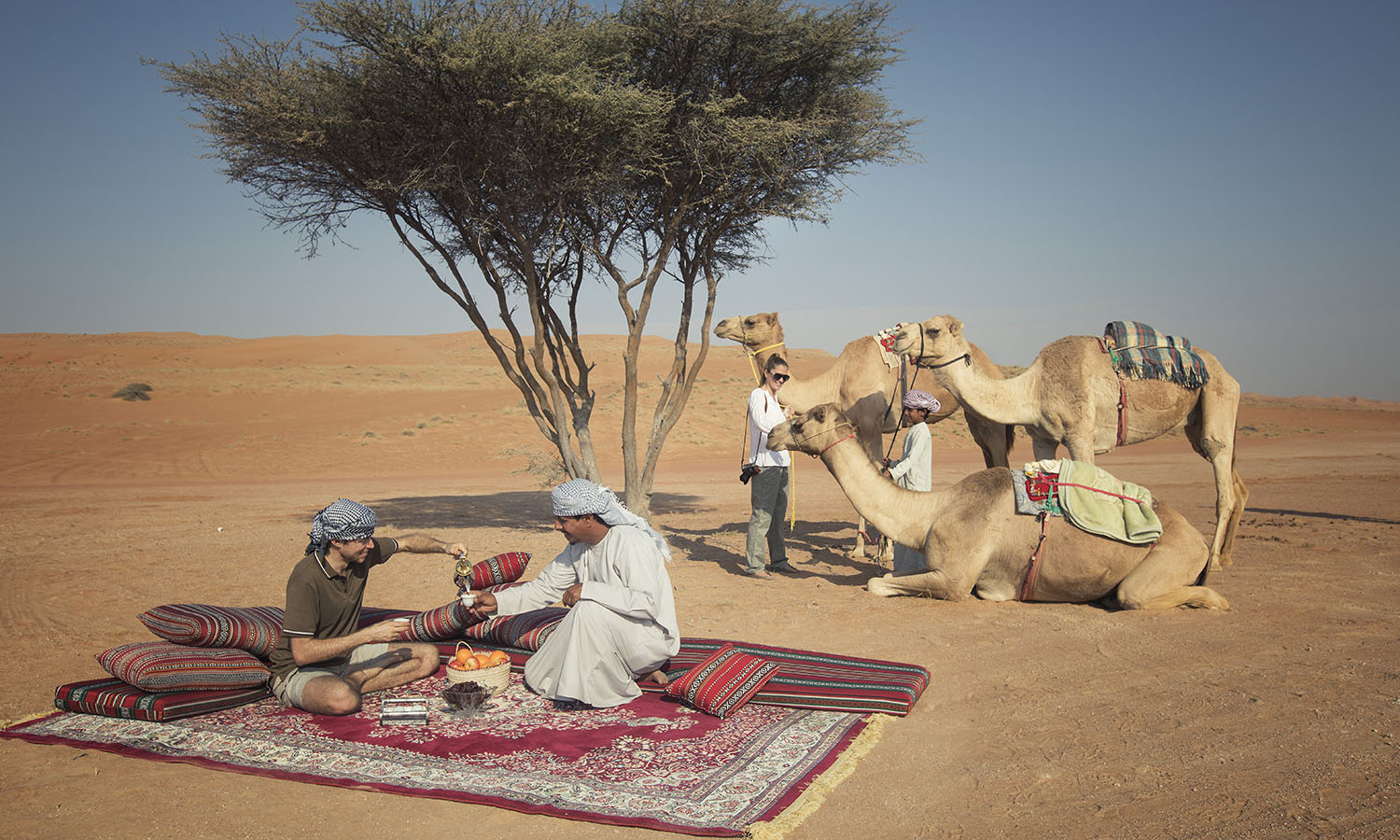
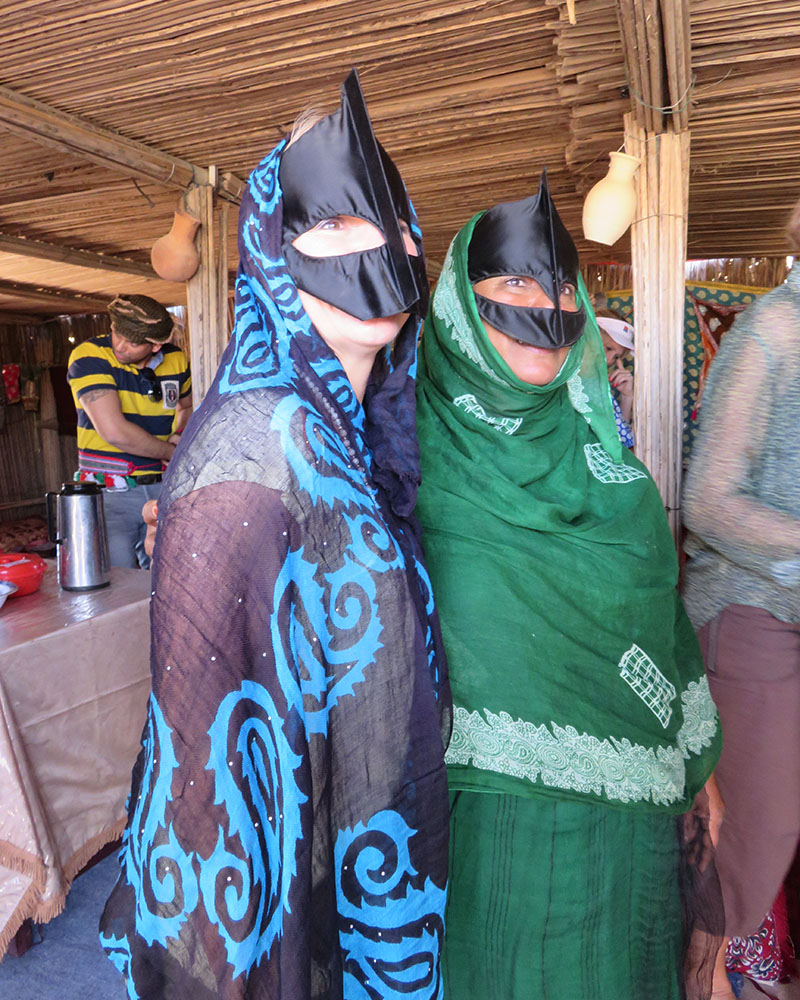
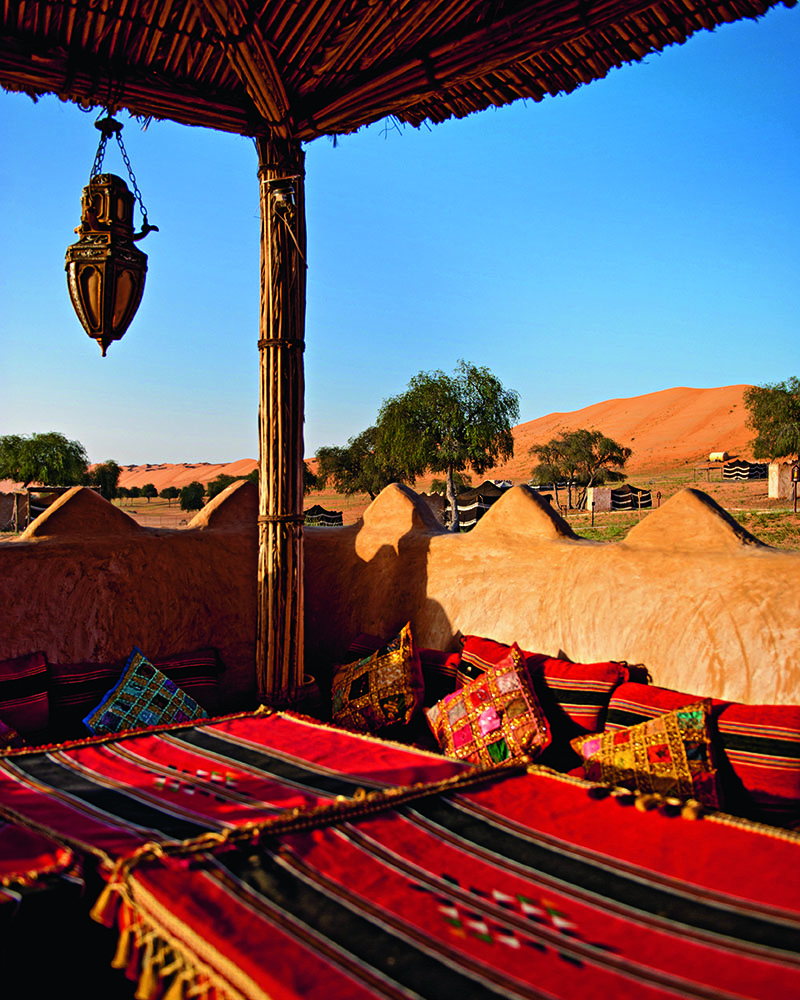
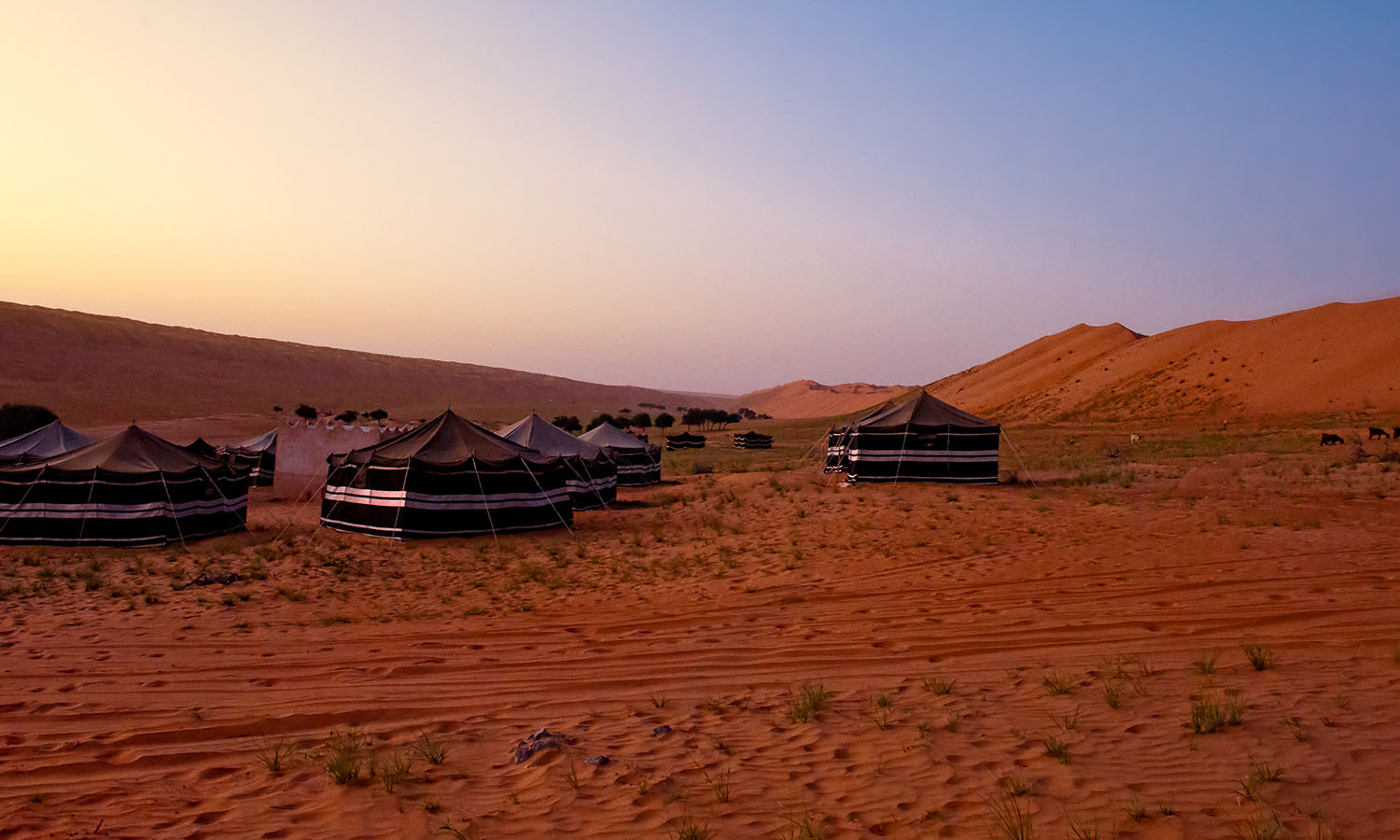
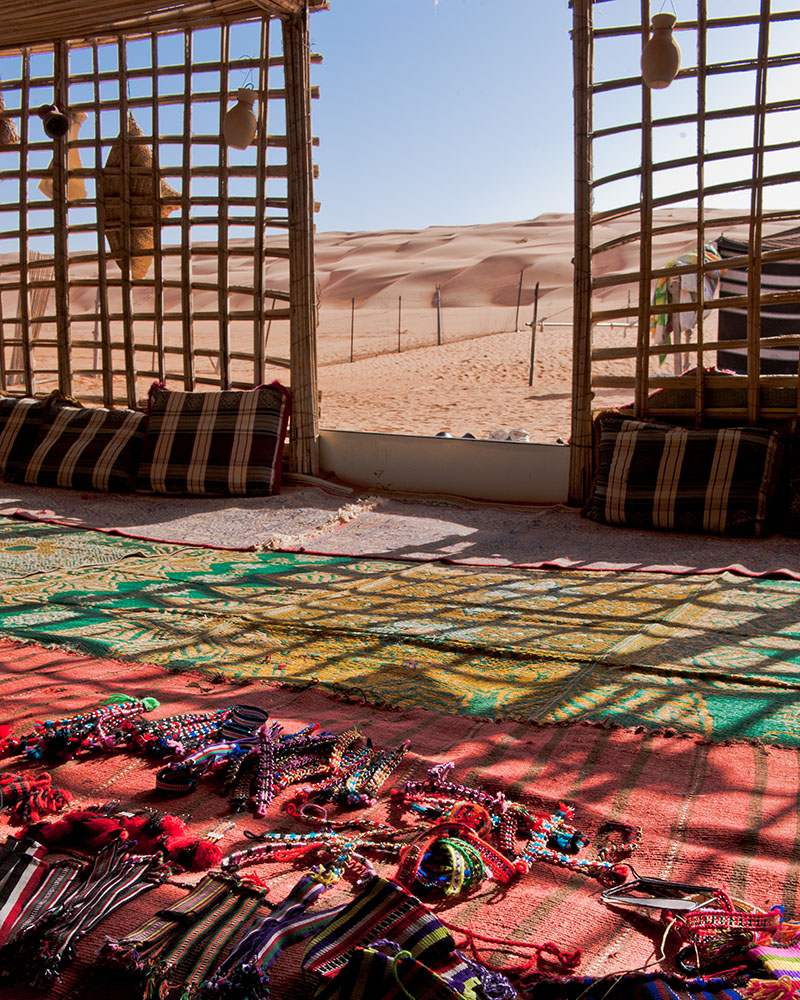
Deep in the vast Sharqiya Sands, in Oman’s north-eastern corner, lies a community that has lived in much the same way for centuries. The Bedouins of this remote desert region herd, farm and fish their way to survival, bedding down in makeshift tents woven from goat’s hair that rustle in the desert breeze. Most locals reside near Al Huyawah, a natural oasis near the border of the desert, where tribesmen gather during late summer to pluck ripe yellow dates from palms.
Experiencing the famed local hospitality first-hand can be hard without an invite, but on some tours – such as Swagman’s Deluxe Oman – it’s part of the deal. You’ll break unleavened Omani bread with a nomadic family, enjoying a lunch cooked over licking flames that’s as delicious as it is simple. Often nothing more than coarse sea salt coats whole fish or plump chickens, though some dishes can be more intricate: saloonat, for example, is a stew of fragrant spices, lime, chicken and vegetables. Drink bitter coffee from small cups and scoop up hunks of fish and pilaf with your fingers, while admiring the golden emptiness beyond the tent’s tarp.
 (
(