Hot 5 Bars Made Famous by Famous People

BOOZER HOMAGES

The bars made famous by those who made them famous.

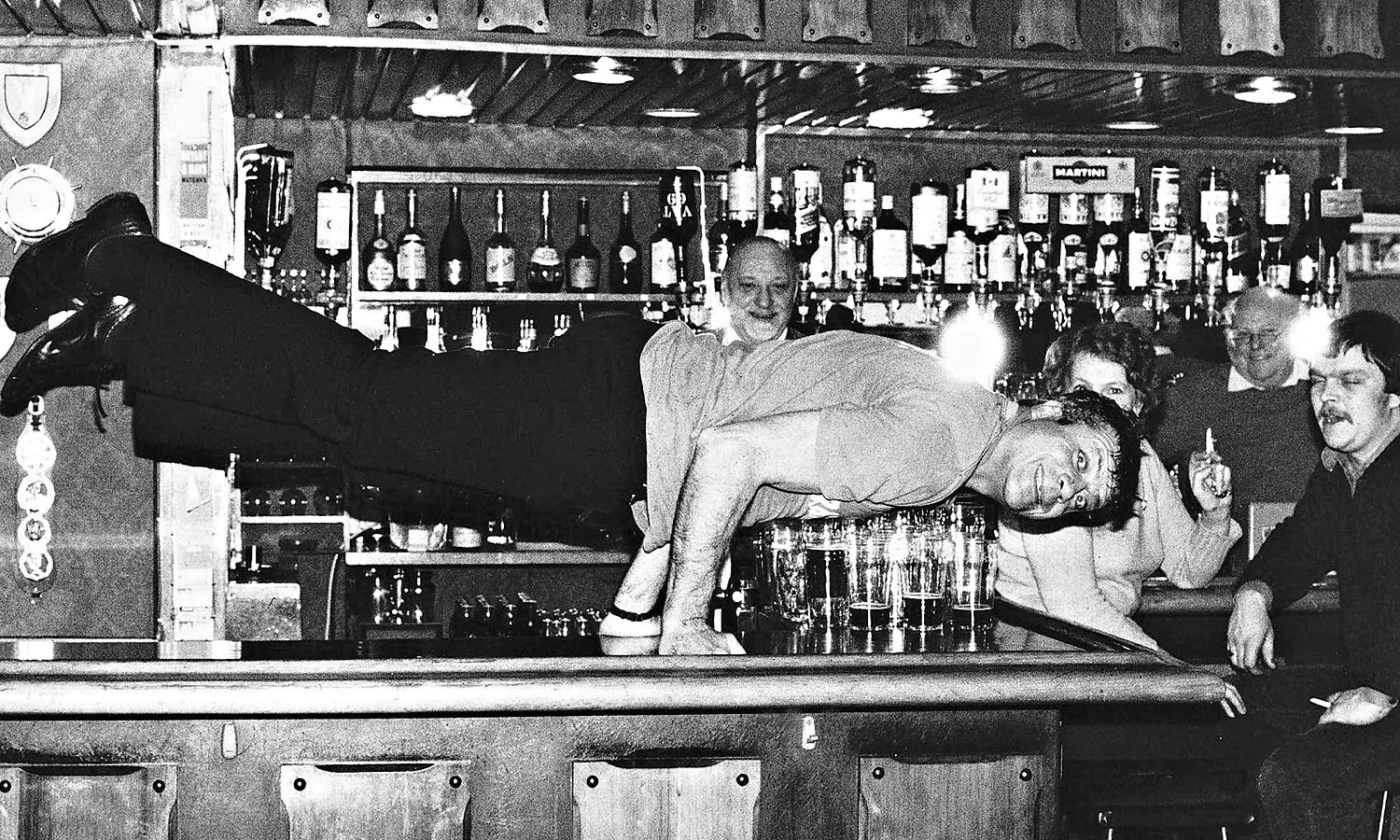
It was Ernest Hemingway who decreed “write drunk, edit sober,” a mantra which must have been true for most musos or creative types in the early 20th century who not only thrived, but built their entire careers and produced literary or musical masterpieces all while propped up against a dimly-lit bar, filled with cigar smoke and the stench of sweat and aged liquor. It’s hard to picture Justin Bieber or Cardi B doing the same in 2022.

If you’ve ever wanted to pay homage to these iconic celebrity writers, poets, actors or musicians you need to start with these five classic drinking spots. But be careful, some of these booze hounds even died in these bars at the bottom of a pint …

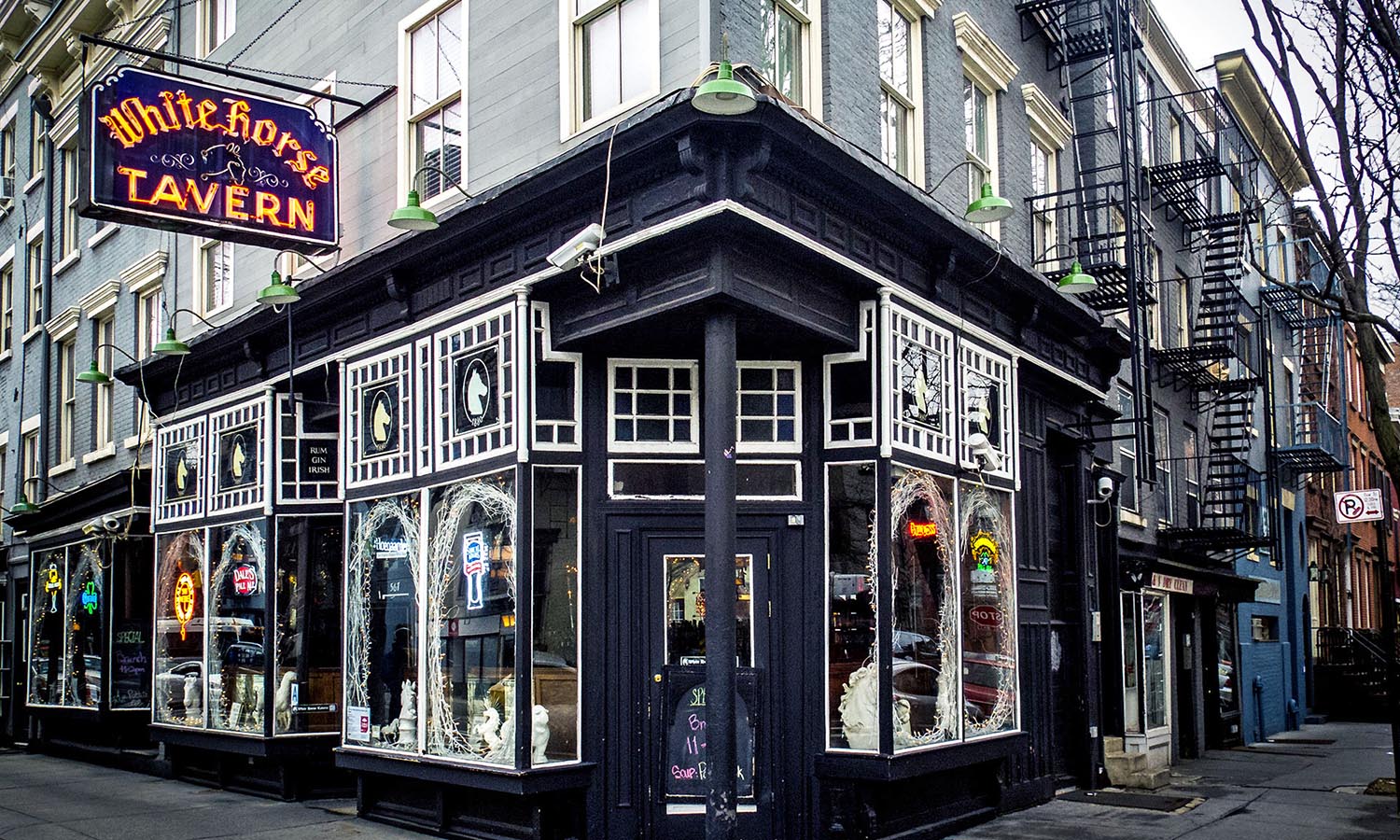
WHITE HORSE TAVERN
567 Hudson St, New York, NY 10014, USA

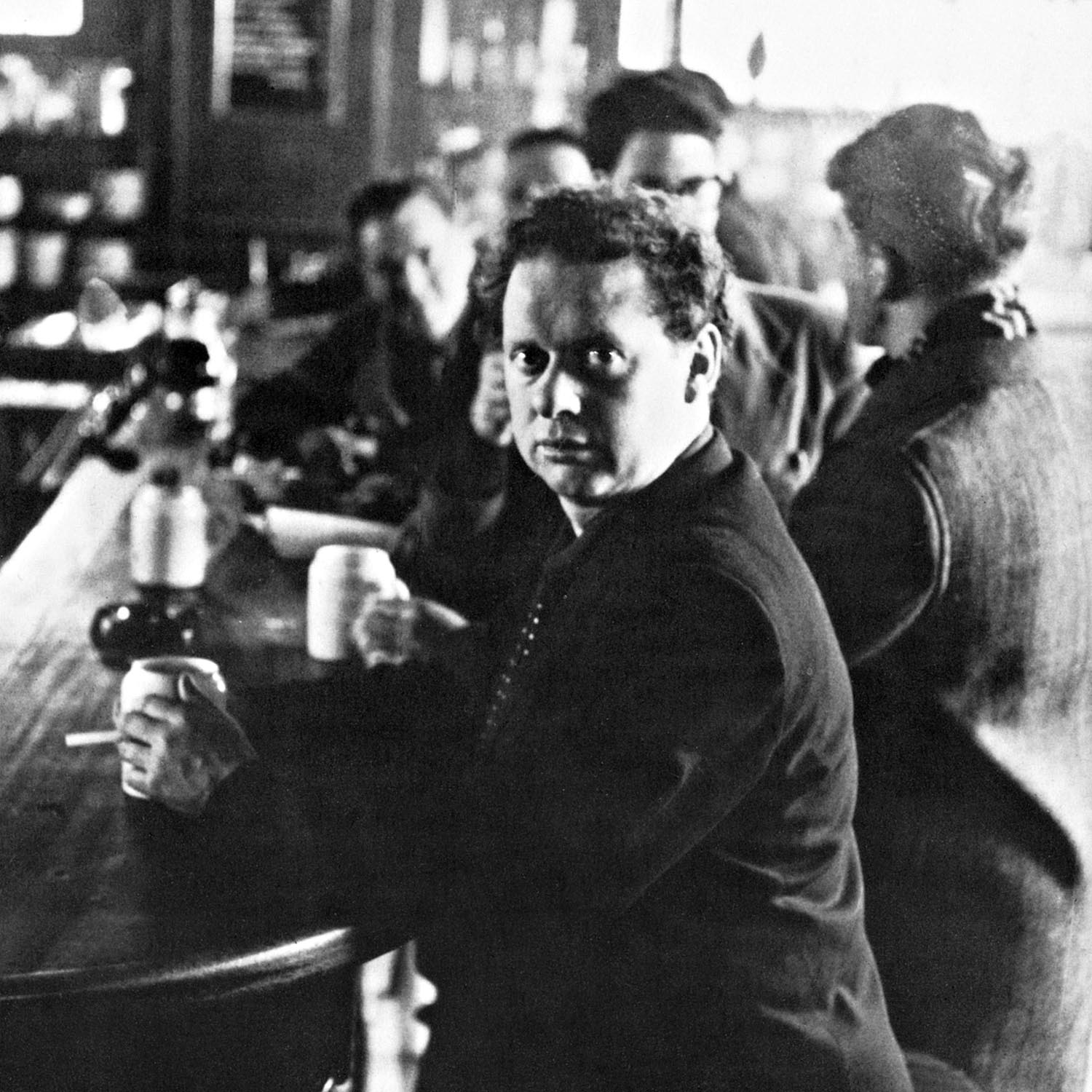
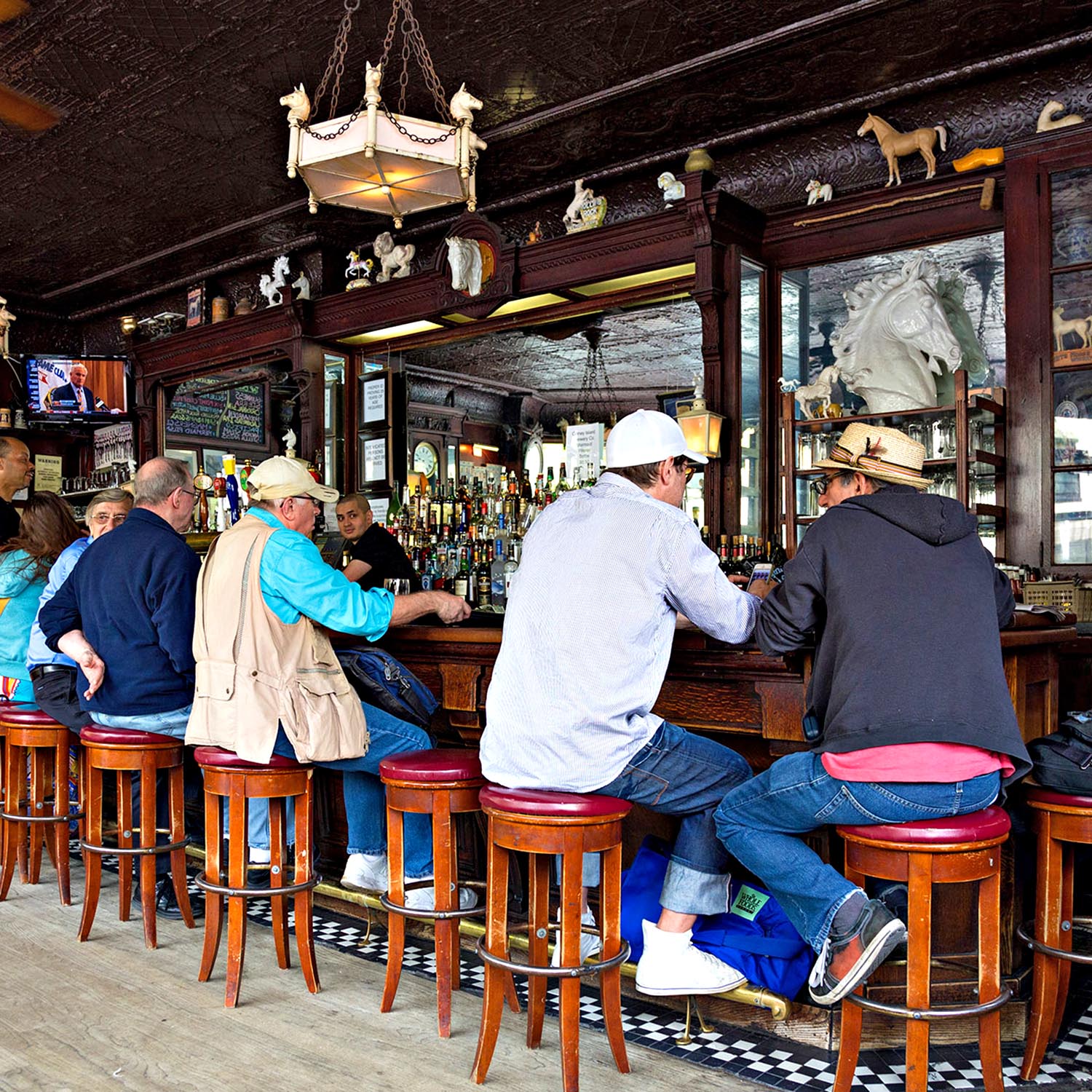
Once the preferred watering hole of James Baldwin, Jack Kerouac and Bob Dylan, these three legends aren’t even the most famous wordsmiths to have graced the bar of the White Horse Tavern in Manhattan’s West Village. Instead, it’s the revered Welsh poet, Dylan Thomas who held court over this space until his death in 1953. There’s a photo of Thomas still sitting pride of place where he would’ve penned his most famous poem, “Do not go gentle into that good night.” The White Horse is one of New York’s oldest continually operating bars since it opened in 1880 and it underwent a significant renovation with its new owners in 2019.

Click here to STOP HORSING AROUND

Click play to watch

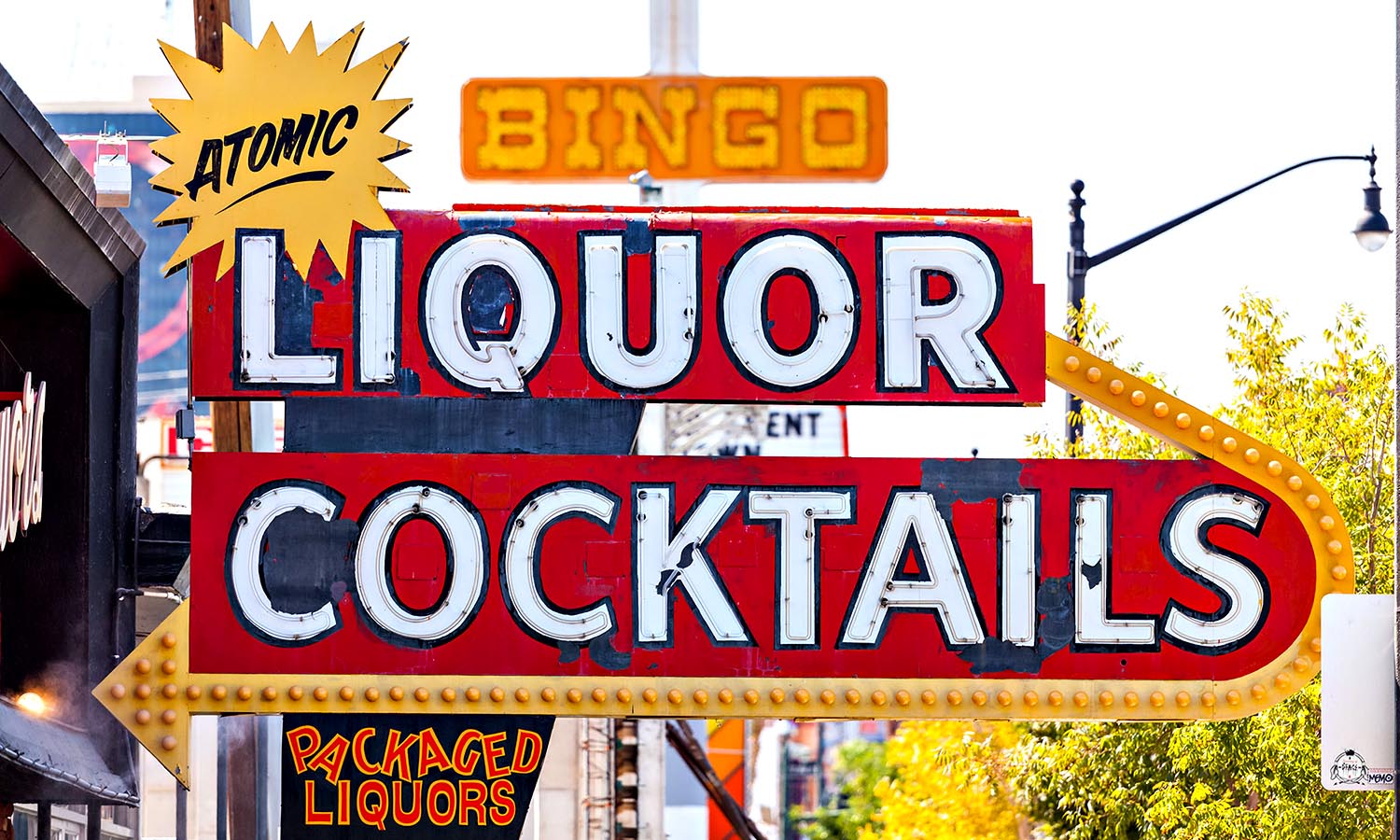
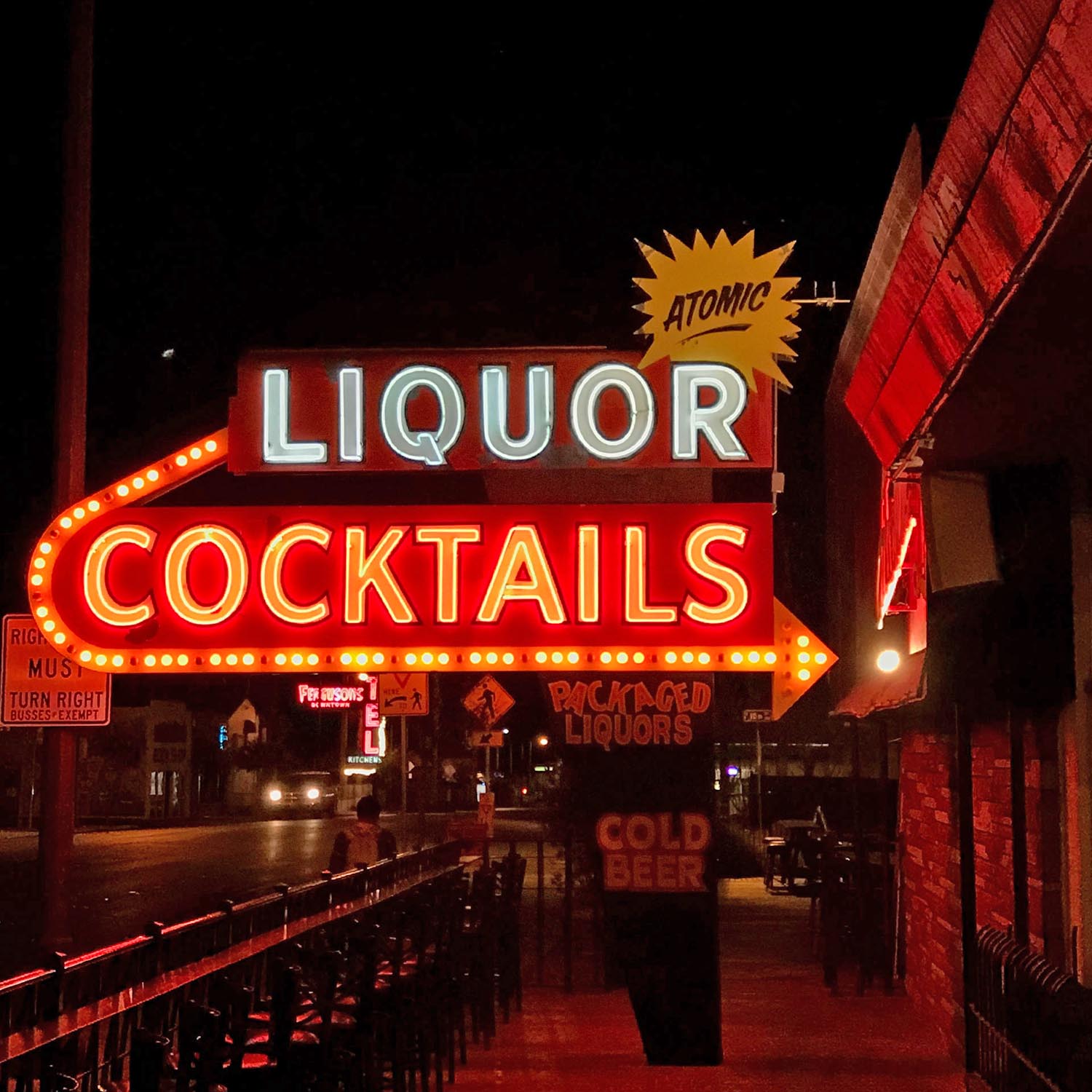
ATOMIC LIQUORS
917 E Fremont St, Las Vegas, NV 89101, USA

Built in 1952, Atomic Liquors is Vegas’ oldest freestanding bar and to this day, it is still one of the city’s most popular watering holes, with more than 20 microbrews on tap. The bar (allegedly) received its name from the former owners and its regular patrons who would watch atomic bombs being set off at a nearby test site from the rooftop. But there was nothing nuclear about the ultra suave clutch of celebrities that used to drink here in their heyday after a night of performing on The Strip. The Rat Pack (Frank Sinatra, Dean Martin, Sammy Davis Jr., Joey Bishop and Peter Lawford) were known to get up to plenty of mischief here. This was also one of Clint Eastwood’s favourite places to drink and play pool when in town.

Click here for BOMBS AWAY

Click play to watch

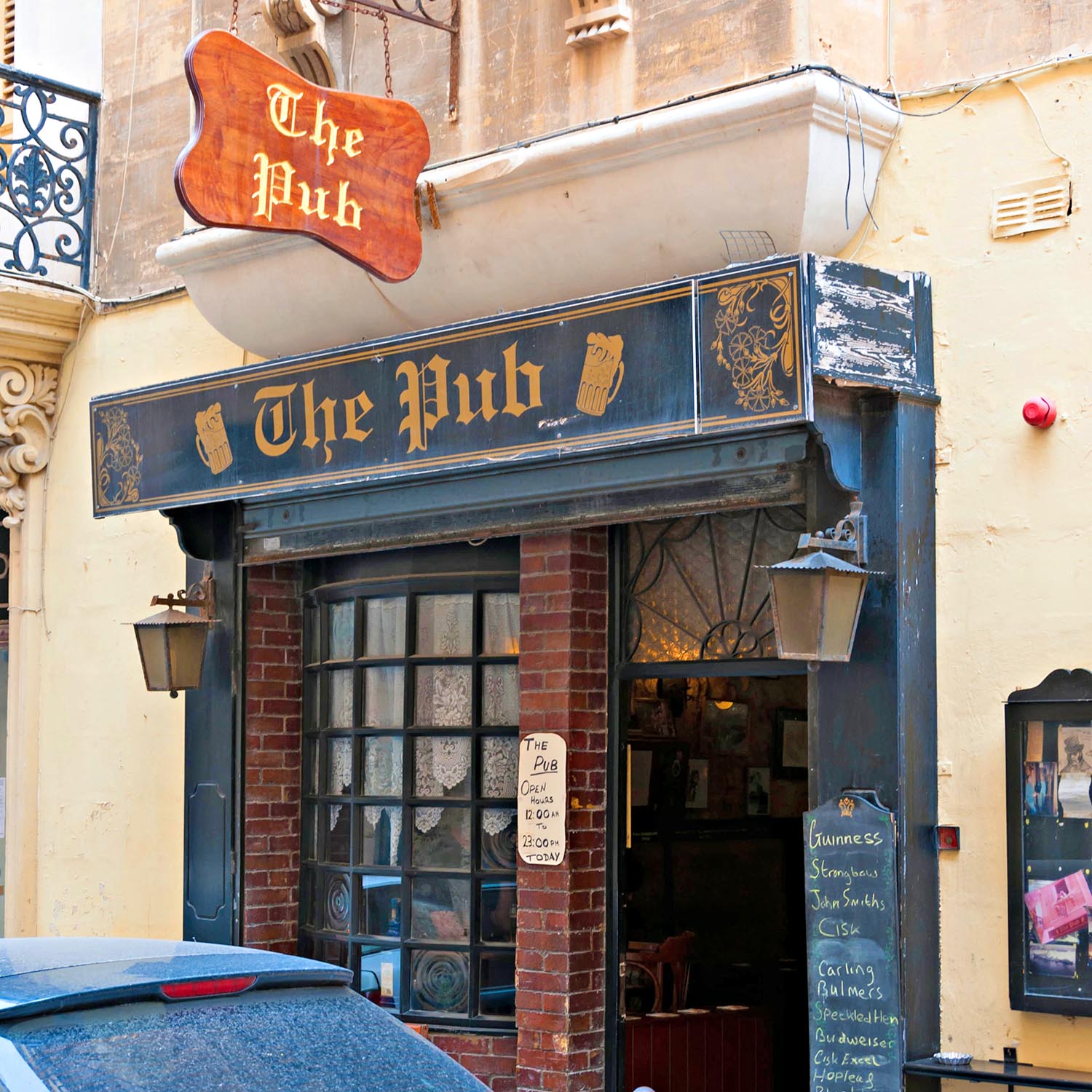
THE PUB
136 Archbishop St, Valletta, Malta

During a break from filming Gladiator with Russel Crowe in 1999, actor Oliver Reed headed to The Pub in the Maltese city of Valletta for a couple of quiet pints … and never returned. Things obviously escalated when he met a group of young British sailors on shore leave from HMS Cumberland. After challenging them to several arm-wrestling matches (and winning), Reed suddenly collapsed and was rushed to hospital. But it wasn’t the arm wrestling that got him; he is said to have consumed eight pints of beer, a dozen double shots of rum, half a bottle of whisky and a few chasers of cognac that night. To use a fitting famous quote from Maximus (Crowe) in the Gladiator film, “What we do in life, echoes in eternity.”

Click here to ask ARE YOU NOT ENTERTAINED?

Click play to watch

THE EAGLE AND CHILD
49 St Giles’, Oxford OX1 3LU, United Kingdom

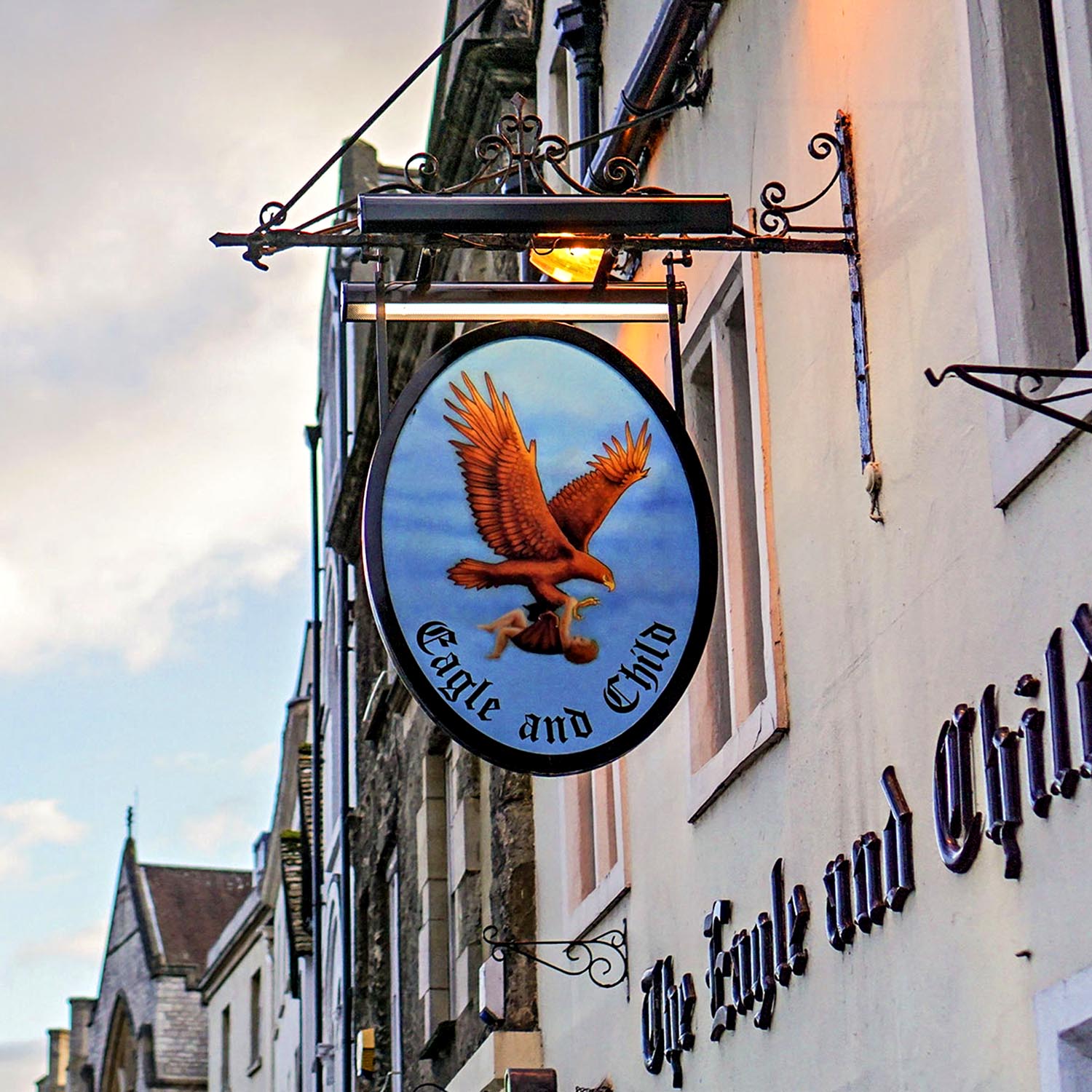
C.S Lewis and J.R.R Tolkien must’ve been half a dozen pints deep each week they met in a back bar called the ‘Rabbit Room’ at The Eagle and Child when discussing their manuscripts. We love that both Narnia and The Lord of The Rings weren’t possible without some serious pub sessions here. Also known to local students in Oxford as ‘The Bird and Baby’, these four walls have been gracing hop hounds since the late 17th century, so safe to say it’s seen its fair share of boozy history. It is temporarily closed for renovations while its upstairs rooms are converted into a boutique hotel. Better known as ‘The Inklings’ the fantasy literary duo were eventually booted from the pub after (allegedly) spending too much time in the Rabbit Room with the door closed. So, they packed up their books and quite literally moved across the road to The Lamb and Flag to drink in private. That’s commitment to their craft (beer).

Click here to go DOWN THE RABBIT HOLE

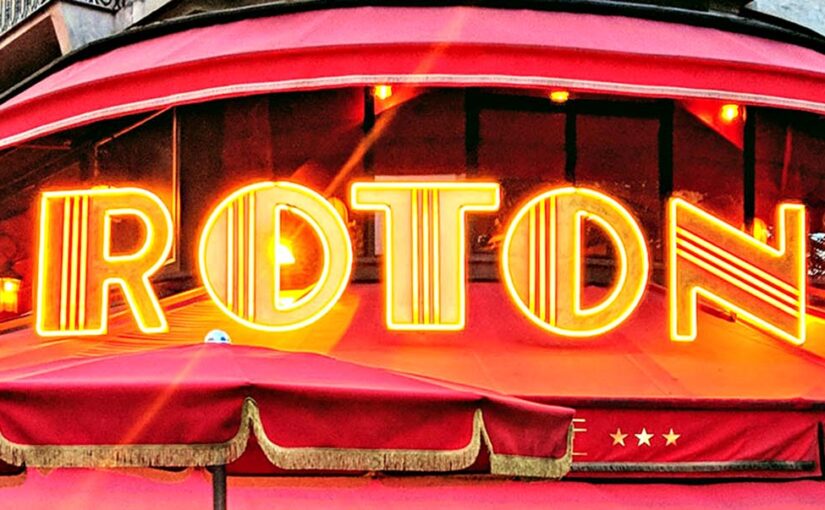
CAFE DE LA ROTONDE
105 Bd du Montparnasse, 75006 Paris, France

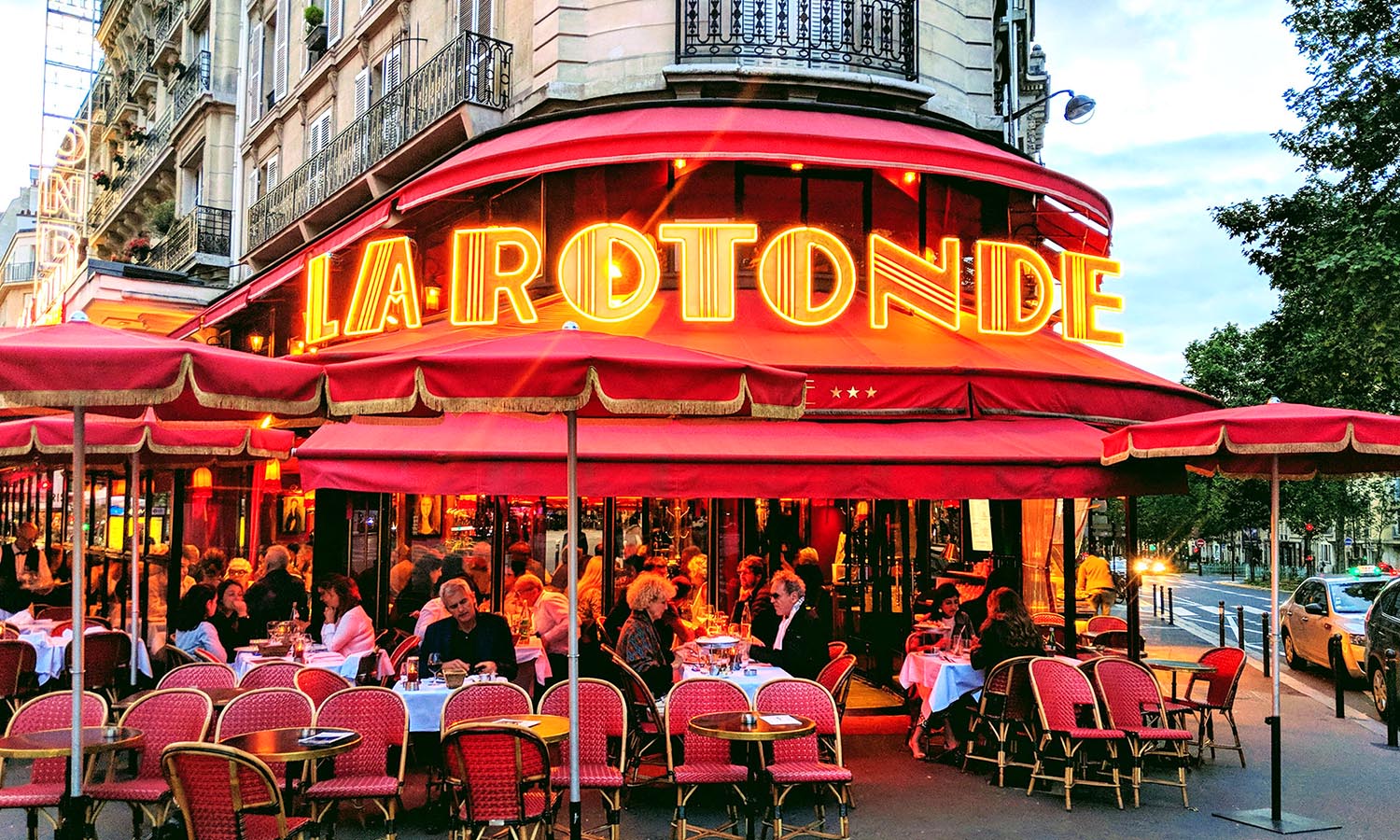
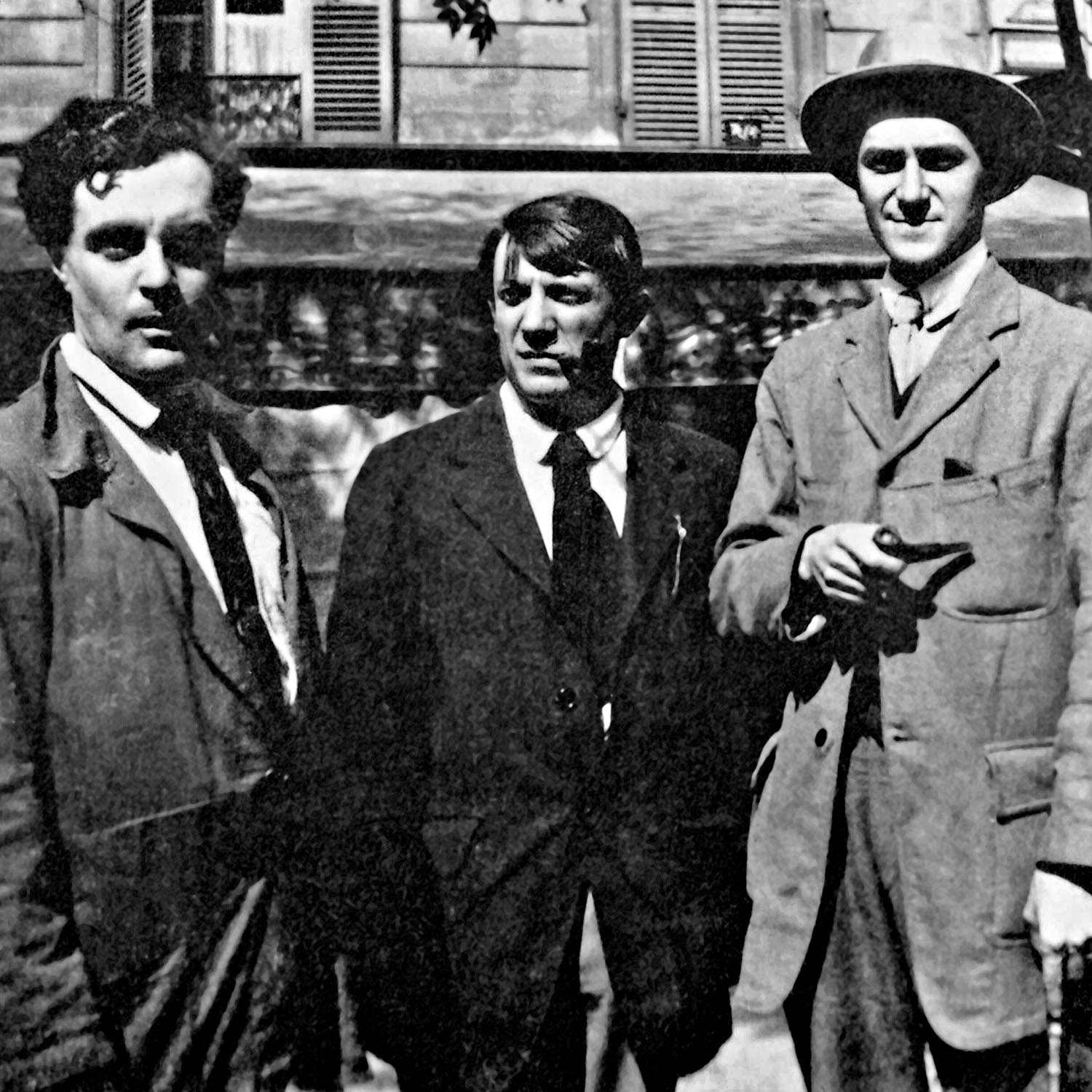
“No matter what cafe in Montparnasse you ask a taxi-driver to bring you to from the right bank of the river, they always take you to the Rotonde,” Ernest Hemingway writes in his book, The Sun Also Rises. F. Scott Fitzgerald and T.S. Eliot were regular drinking buddies alongside Hemingway at the famous Cafe De La Rotonde. The bar and restaurant played a central role in the careers of writers, intellectuals and modernist painters of the early 20th century. Back then the owner Victor Libion, would happily accept sketches on napkins in exchange for a coffee or drinks, which is why the early works of Diego Rivera and Pablo Picasso still line the walls of the iconic cafe today. The joint is also a favourite of current French president Emmanuel Macron, so much so he used it as the celebration headquarters after his 2017 election win.

Click here to BE SEEN NEAR THE SEINE

get in the know Russel Crowe won a Best Actor Oscar for his performance in Gladiator, alongside Oliver Reed.

Mountain High Magic

There's an evil-looking horse that stares you down as you flee Denver Airport right after you land. It’s the sort of statue that immediately makes you rethink your decision to visit Colorado at the peak of the COVID-19 pandemic.

My friends all gave me strange looks when I told them I was travelling.

“You mean, like, out of the house?” they said to me. My mother actually stopped talking to me when I told her, and after just a few days away, I could sense she was sitting next to the phone in a semi-manic trance waiting for my call.

All the signs – including the horrific sculpture of an iron horse from hell – were telling me that coming to the mountains of Colorado was a bad idea.

Although I did enjoy this horrified drama from my loved ones, the illusion of danger quickly melts away once you’re in the Mile High City.

Denver is a bright, clean place with a pleasant mix of history and modernism. My city hotel is in the Cherry Creek neighbourhood, which by all accounts is corporate but not sterile, with cheerful beer halls and an upmarket shopping district. My first stop is downtown, where I’m greeted by the majestic Union Station in the heart of the city, a landmark which once stood as the launching pad for brave settlers heading west.

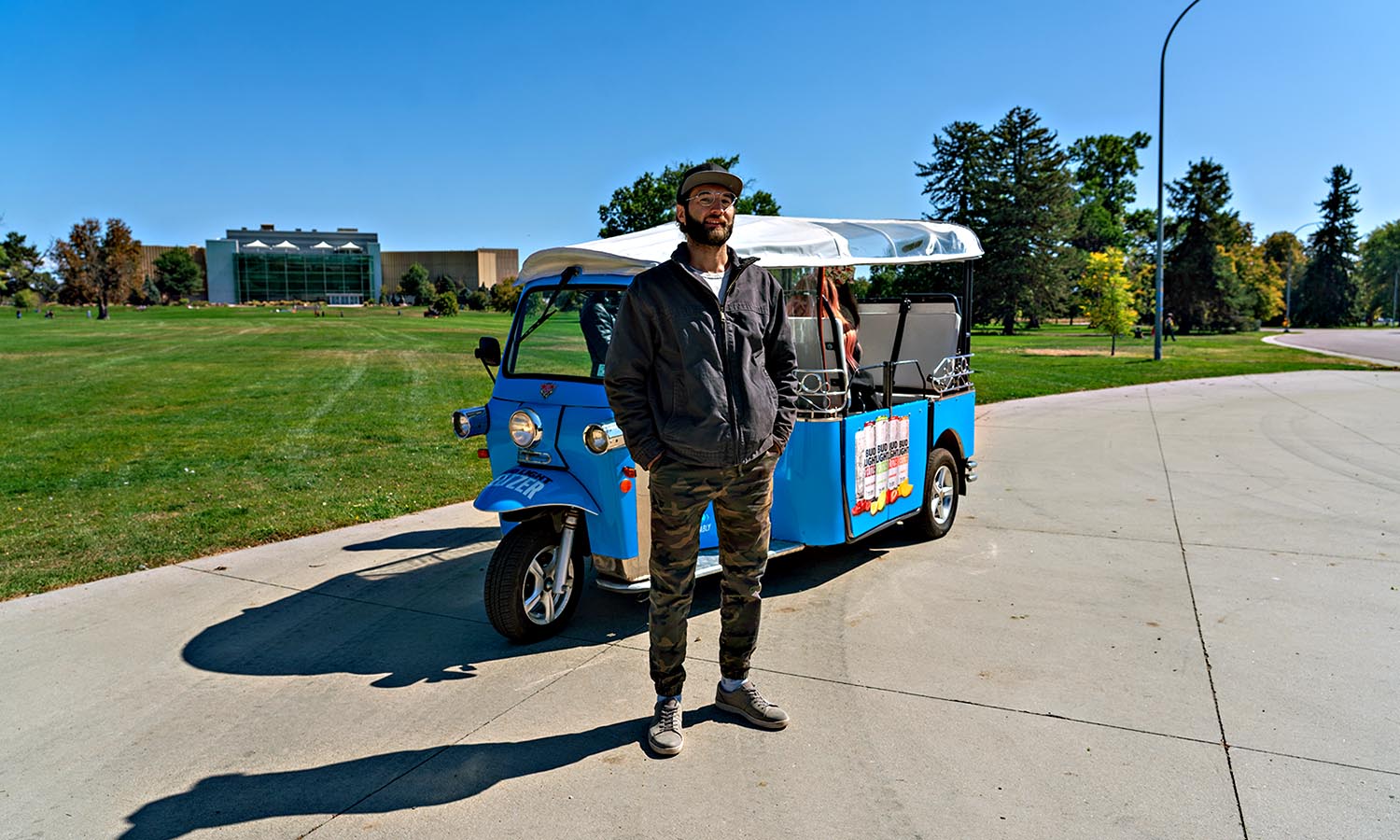
In a move that couldn’t be more contrasting, I hop in an ‘eTuk’, which is Denver’s new answer to clean tourism and COVID-19-friendly transportation. These open-air electric tuk-tuks zip around the city offering a far superior view then any tour bus. What’s more, your guide knows all the sweet spots and local lore to get your mind salivating about diving deeper into this unclaimed jewel of the west.

Small and zippy, these little pregnant rollerskates zip through traffic like it doesn’t exist, and I find myself seeing the best that Denver has to offer at almost light-speed. I visit the Brown Palace, which is a regal old dame of a hotel that has a functional artesian well you can actually drink from. I get lost in City Park with its 1.2 square kilometres of greenspace, and I’m introduced to the hip RiNo (River North Art) district of the city, which is covered in street art and rife with hip eateries that I wish I had more time to see.

But there’s not enough time in the world because Colorado is big. Damn huge. And because I’ve been stuck in the house in lockdown for six months straight and I’m now free to travel, I naturally make my way toward the cool mountain air around Aspen, to see what the rich and famous claim is America’s answer to St. Moritz.

Aspen is the personification of affluence in America. But it’s also a place laden with art, culture and fine food. On the way to my hotel, I pass the famous Anderson Ranch Arts Center, where some of the best and brightest artists from around the state come to nurture their passions. Then I cruise downtown, gazing up at the famous Little Nell Residences where you can ski from your bedroom onto the slopes.

But it’s in the Bauhaus-inspired Aspen Meadows Resort that I find myself not so much staying in a resort but more sleeping in a philosophy. If you can imagine that the best hotels in the world think of every detail as something to inspire an emotion or an experience – then dial that up to max volume – you start to understand the sublime feelings you succumb to while staying here.

While on the surface the Meadows can seem to be a bit out of place in this town, its celebration of farm-to-table dining and world-class shopping definitely still fits the mould of a town that strives for excellence at every corner.

Excellence is what I found that night at Bosq: a funky eatery with mad-scientist-slash chef Barclay Dodge at the helm, who turns out exquisite dishes that inject intense global flavours into these remote mountain peaks. “This is a special corn that I got from a farmer in a small town in Mexico,” he tells the table. “It doesn’t exist anywhere in the United States, and because there was a frost coming, we had to harvest it.

So this is the first and last time we will ever eat this dish here.” Needless to say, I chewed it very slowly.

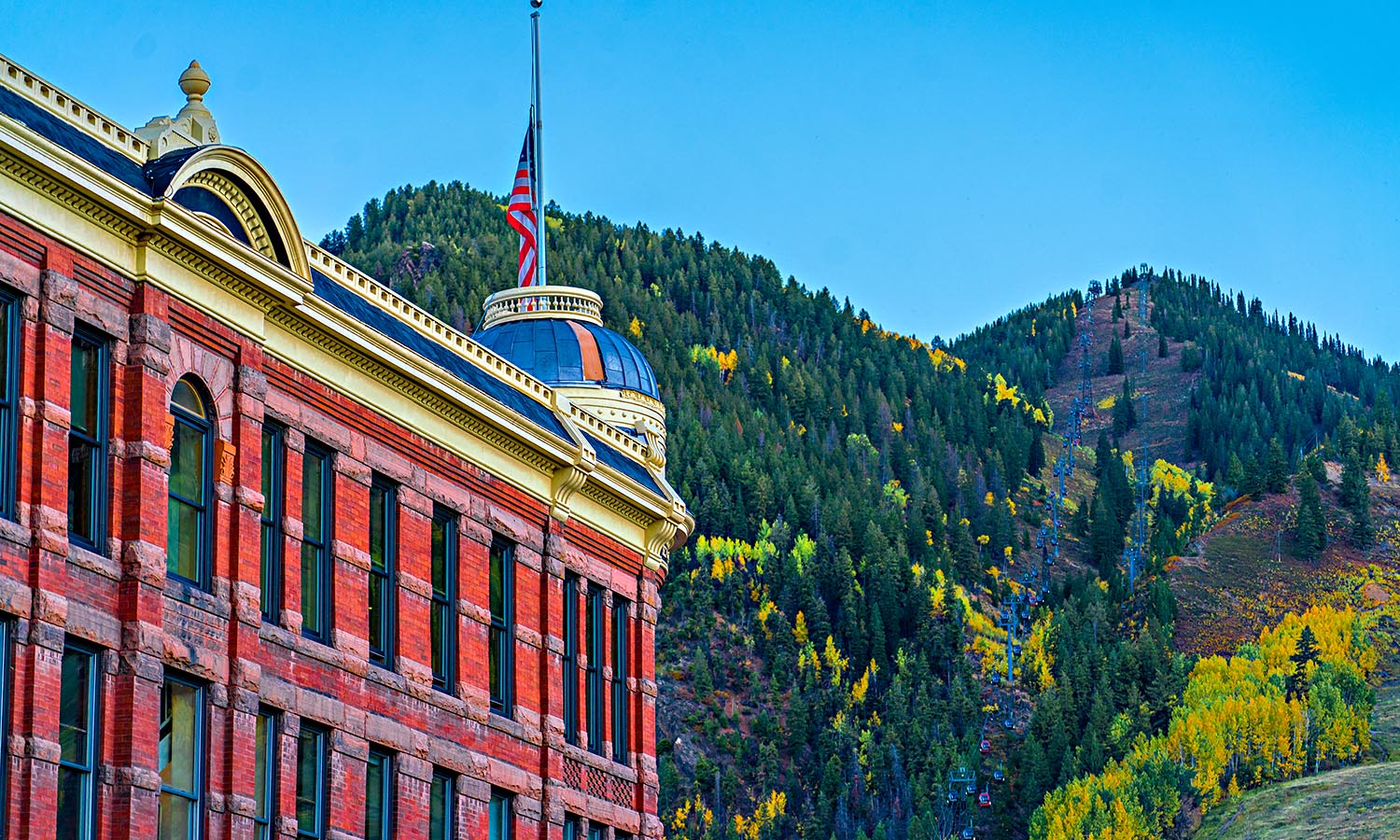
As delightful as Aspen is, the call of Colorado had me hitting the road early the next morning to reach Telluride. Both Telluride and Aspen attract big names and big money, but the truth is that the two towns couldn’t be more different.

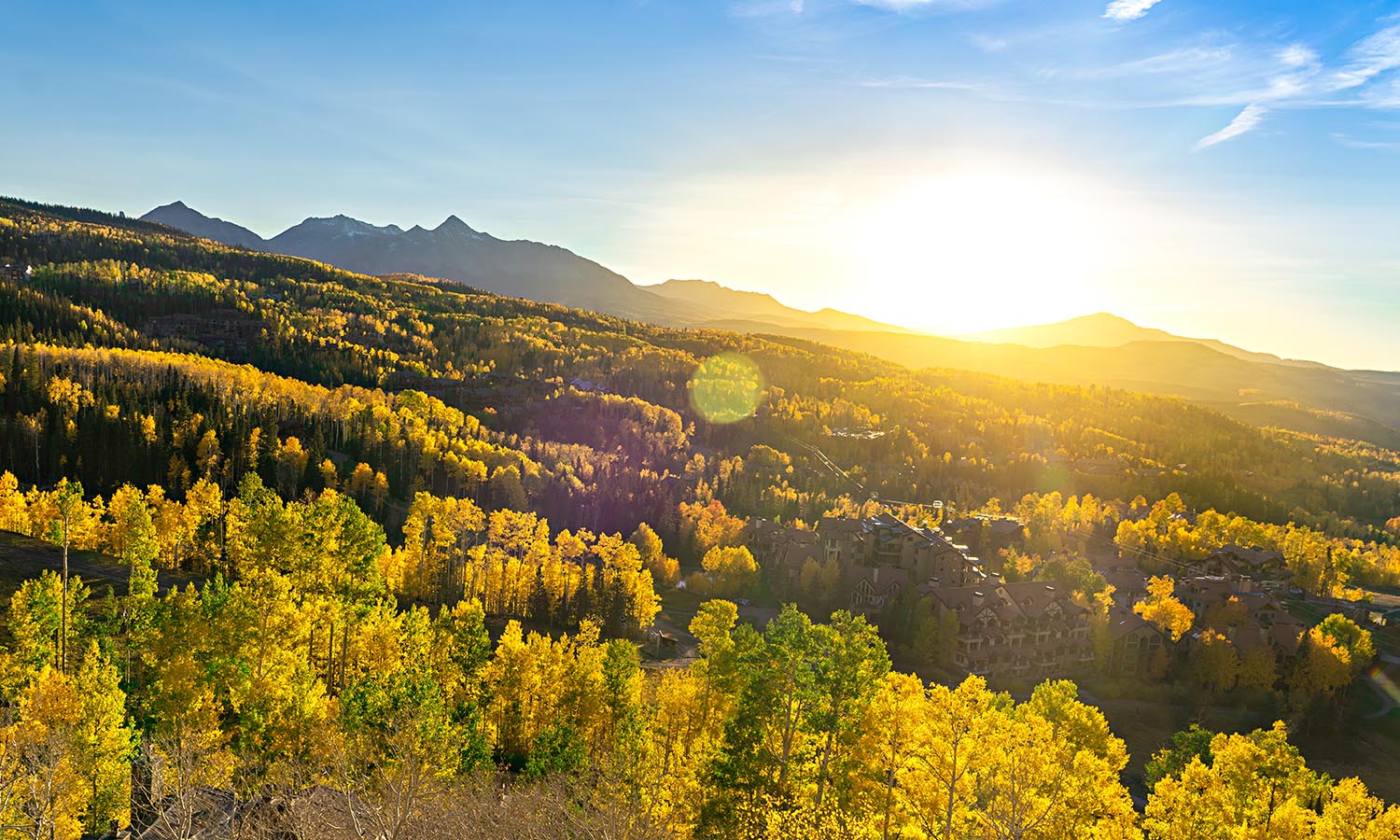
Telluride resembles an old mining village inside a deep gorge, with houses lined up symmetrically as though on a Monopoly board, all surrounded by impossibly tall mountains. The people (and personalities) that call Telluride home are as tall as these mountains. Enter ‘Telluride Tom’, who is the unofficial mayor of this snow-capped canyon hamlet.

Telluride Tom has a mess of white hair and a voice that is both velvet and Gatling gun at the same time. Like an old frontier cowboy, he doesn’t walk but rather slides through town, usually with a drink in hand or on the way to get one.

Tom would be my spirit guide while I’m in Telluride and on our first meeting he hands me a Chair Warmer, which is basically a shot of locally-made peppermint schnapps. “This will make the day settle in better,” he tells me.

Now that I’m inoculated against the cool mountain air, together we meet with Pete Wagner who crafts legendary custom skis in a handsome shop in Mountain Village. Mountain Village is the other town here, and the special hack that gives Telluride its unique character. It’s in this town – rather than Telluride – that you’ll find all the burger joints, chain restaurants, familiar resorts, and family fun that isn’t permitted in the picture-perfect postcard town in the valley below.

“You know how we keep out the big chains?” Tom asks me with his crooked smile. “We have a law [in Telluride] that doesn’t permit large signage. Corporations can’t handle it. Imagine a Starbucks without a sign? You can’t, neither can they.”

The gondola gently lowers us to Telluride in just eight minutes.

Once below, I find a vibrant city, full of little bars, hip local restaurants, and locals that truly love their town. The energy in Telluride is electric. Immediately I want to get lost in the summertime fray, but Tom insists that we must go do the Via Ferrata first.

“Trust me, you’ll earn your drink, and you’ll feel better,” he says.

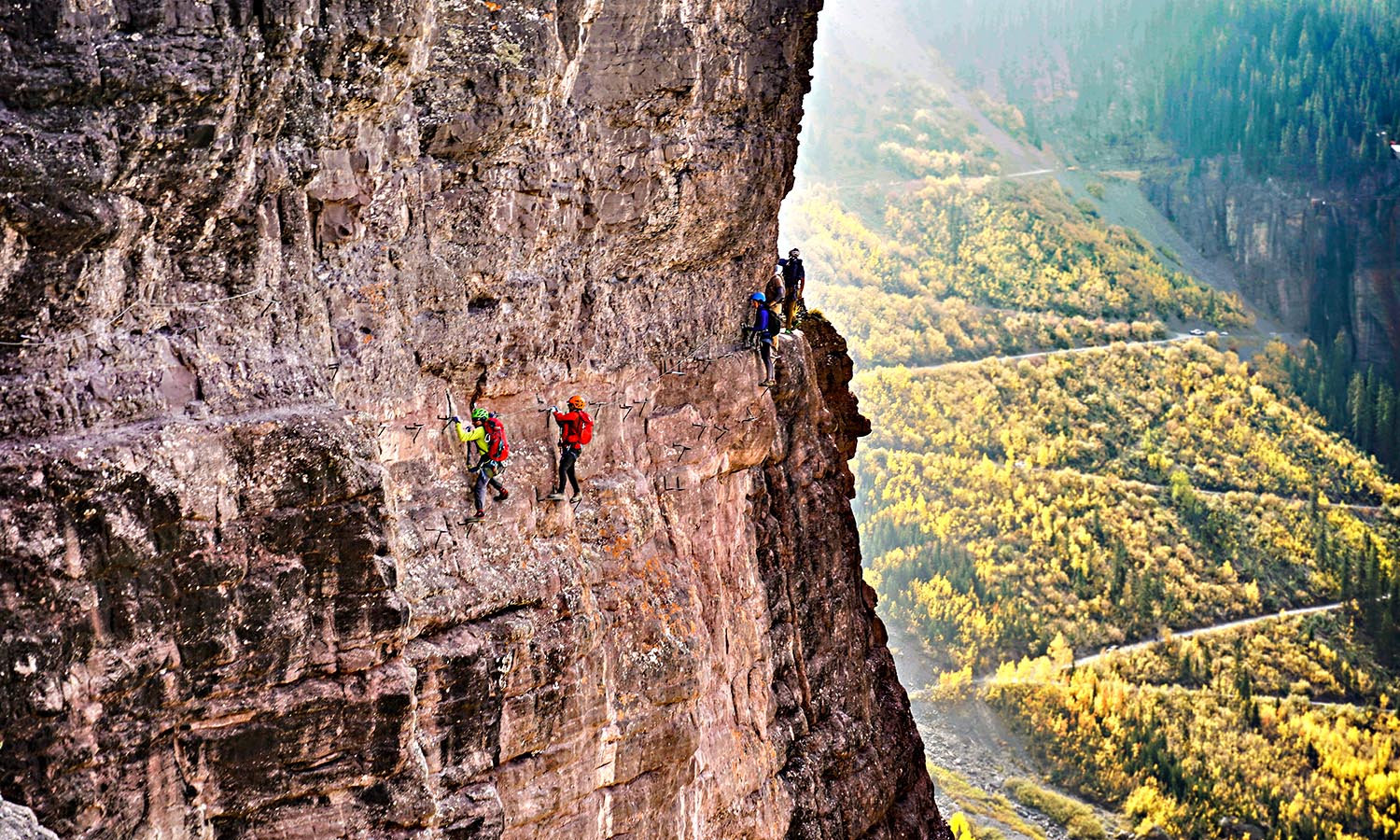
Living in Manhattan I’m used to heights. That being said, I found myself soon appealing to a God I didn’t believe in as I precariously dangled off the sheer face of a cliff about 300 metres off the ground, with nothing below me below me but a thin metal rung that someone put there half a century ago.

“Um, are you sure this is rated for Italians? We’re dense people,” I ask our guide of my perilous footing.

I’m assured it is impossible to fall while strapped into the dubiously thin safety cable. The Via Ferrata is a hiking trail that runs horizontally across a rock wall. These were originally invented in the Dolomites of Italy to quickly move troops through the mountains, but some genius thought it was a hoot to put one here in Colorado for tourists.

I’ve jumped from planes, zip-lined in the Philippines, and even risked a tattoo in a Shanghai bar, but nothing ever made me feel like this. The combination of terror, adrenaline and views were unlike anything I’ve ever witnessed before.

About an hour later, back on terra firma, I’m in a bar called the Fat Alley with Tom.

“Here, put this in ya,” Tom says as he slides over a greasy shot glass filled with bourbon and topped with a piece of bacon. “It’s called a Mitch Morgan and it’ll straighten you out.”

I’m told that the trick to drinking a Mitch Morgan is that you really have to concentrate to pick up the grease-lined glass (which does calm your nerves) just as much as the fat from the bacon blocks your arteries to slow down your heart rate.

Doctor Tom was right again – one gulp and my faith in life was restored. Now elated to be alive, I finally start to understand the magic of this tiny mountain town. “You see,” Tom said sliding deep into his chair. “People go to Aspen to be seen, they come to Telluride to hang out.”

It was then I realized that the evil hell horse at the airport isn’t there as a warning for incoming visitors – it’s there to warn you that you’re leaving paradise. 

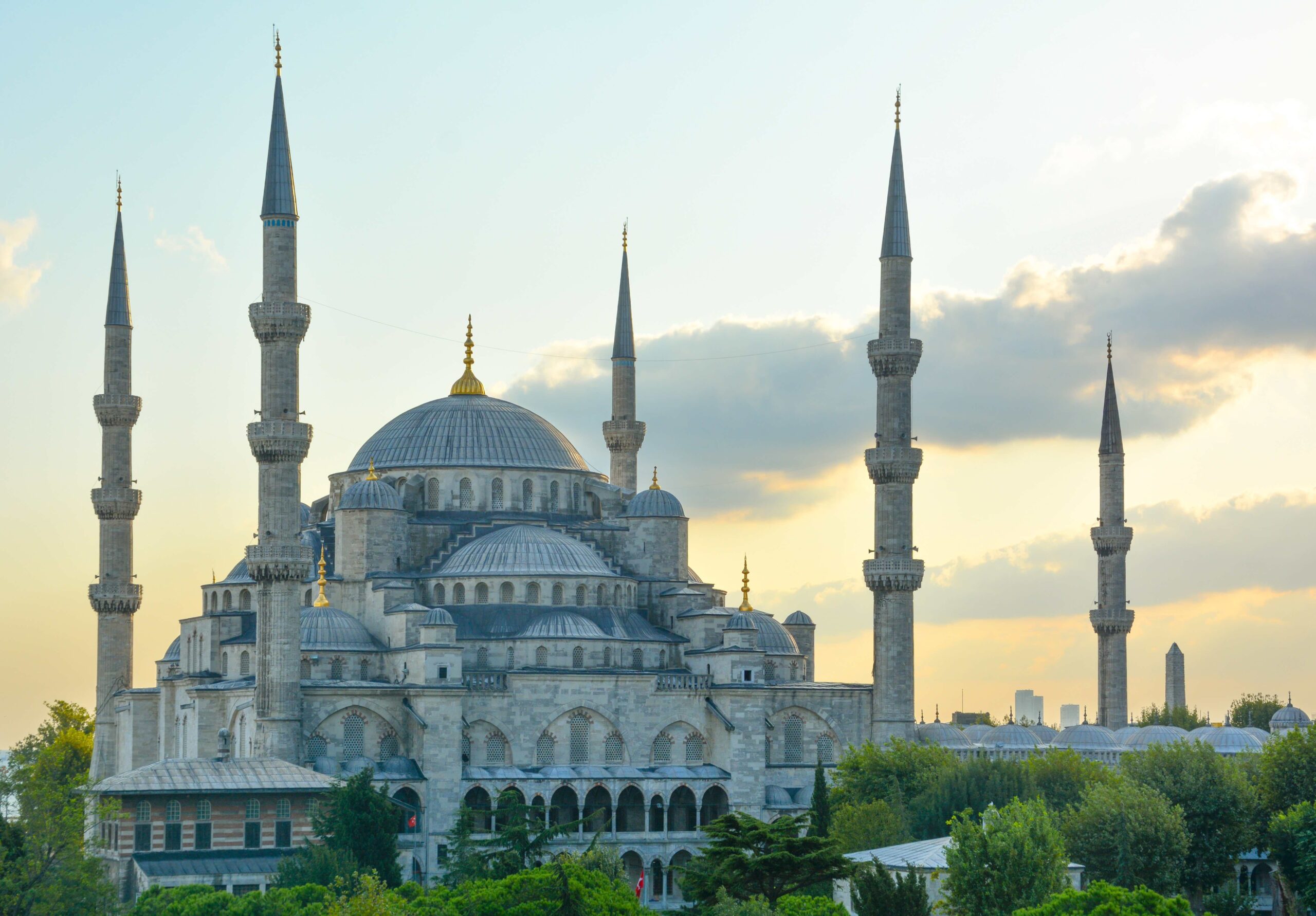
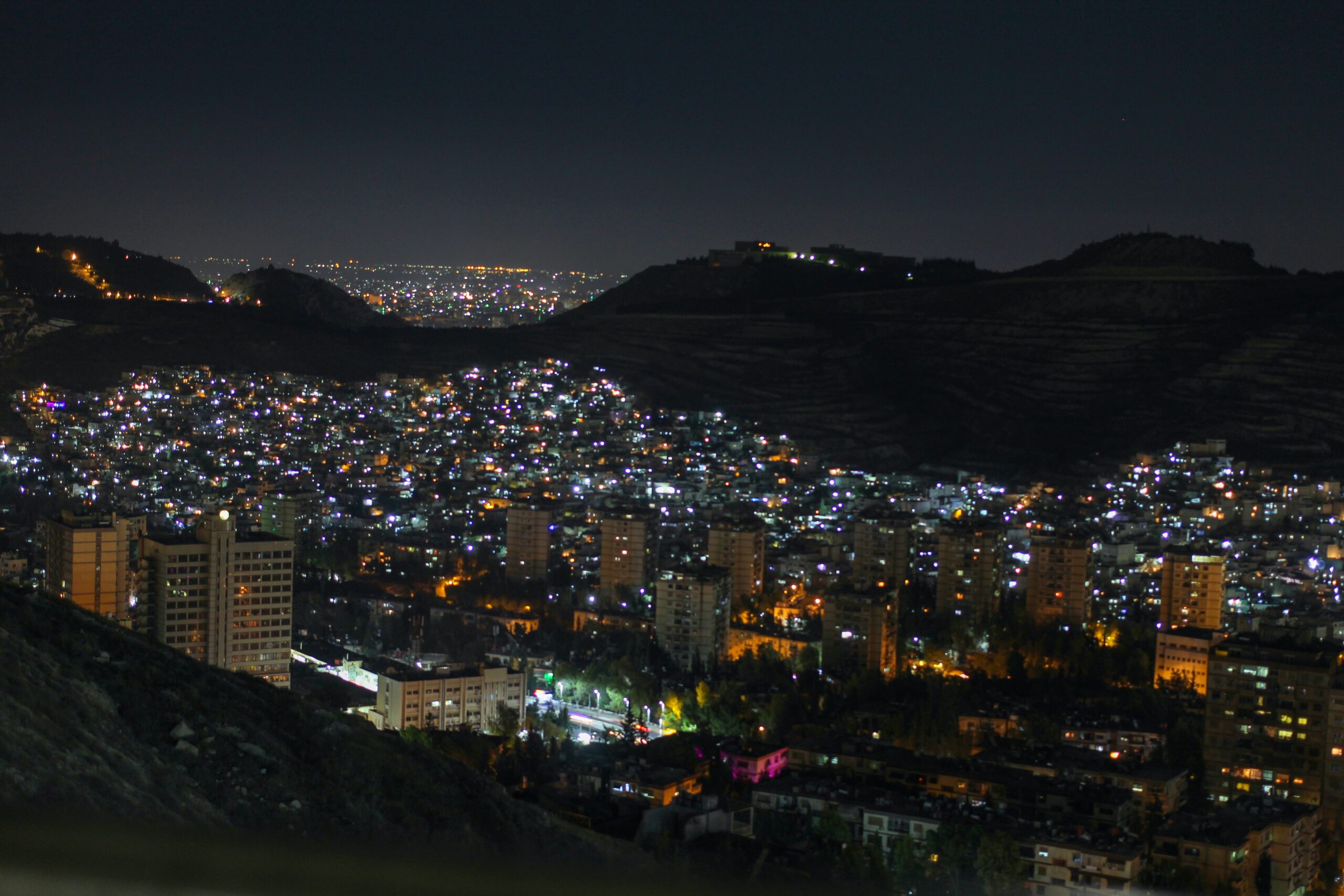
Syria and Turkey: How you can help

The Syrian and Turkish earthquakes of 2023 has left thousands of families without homes, food, and basic necessities.

As travellers, w’re aware of how fortunate we are to be able to explore different parts of the world and experience different cultures. We also know the importance of giving back to the communities that welcome us.

Many people have lost their loved ones and homes, and are in dire need of assistance. As travellers, we can make a difference by donating to organisations that are working tirelessly to help those affected by the earthquake.

There are plenty of organisations, on the ground and from afar, that are doing ripping work to assist with things.

Turkish Red Crescent

On the front lines of providing aid and support to those affected by the earthquake in Turkey.

Donate here. 

Syrian American Medical Society

A non-profit organisation dedicated to providing medical assistance to those affected by the earthquake in Syria.

Donate here. 

Islamic Relief USA

Global humanitarian organisation working to provide long-term support to those impacted by the earthquake.

Donate here. 

UNICEF

The United Nations Children’s Fund is working to provide immediate assistance to children and families affected by the earthquake.

Donate here. 

Mercy Corps

An organisation providing humanitarian assistance in the form of shelter, food, and water.

Donate here. 

The ever vending story

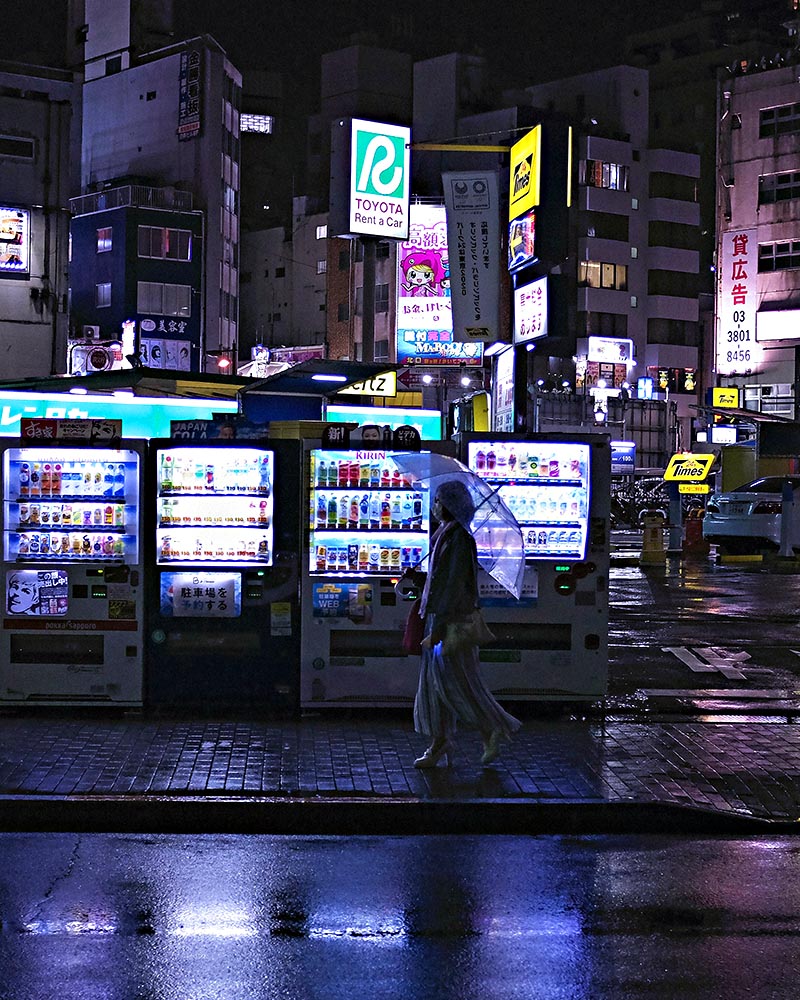
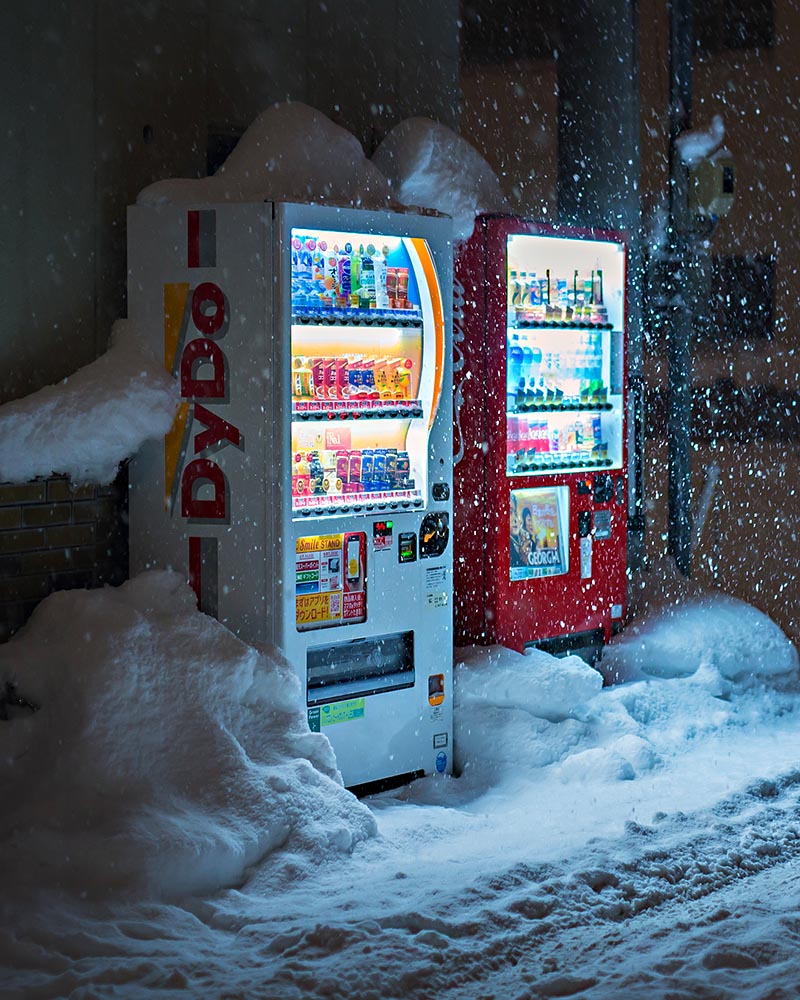
Outside the ryokan (traditional hotel) where I’m staying, a fluorescent phalanx filled with food beckons me.

Telepathically, I receive the jidohanbaiki’s (vending machine’s) inscrutable sales pitch and, instinctively, feed one with some shiny Yen.

It knows what I need before I know that I need it. Apparently, I have strange needs indeed.

In the cities of geographically-challenged, gadget-smitten Japan, five million jidohanbaiki colonise every recess and lurk in every lobby, ready to dispense the most phantasmagorical treats imaginable, from hornet lava in soy sauce to canned bread.

This ubiquitous 24-hour robo-buffet is not just a goofy affectation of kitsch capital Tokyo. Vending machines follow me down even the shadiest back alleys on my peregrinations around Tohoku’s regional cities. Legend has it that a human can exist purely off their rich, diverse bounty. So, in the name of culinary travel science, I decide to dine exclusively on the contents of jidohanbaiki for an entire day. Enthrallingly, my inability to read Japanese means that I am entirely at their mercy.

Vending machines are Japan’s great caffeine custodians, even if it’s not the ‘Joe’ you know. My first canned coffee – a Milky Coffee (actual name) – promises java utopia, emblazoned with scenes of salubrious beans sliding into a cappuccino cornucopia. Unfortunately, toothpaste has more kick in it than this toddler-strength mudslide.

Undeterred and deluged with a hot or cold choice, I flit from one robot barista to the next, like a hyper-caffeinated Japanese butterfly. Finally, I settle on my favourite, a bottle of robust yet refined Boss Silky Black, festooned with a pipe-smoking Hemingway silhouette.

Its slogan, however, is a barefaced lie: “Keep[s] you relaxed” my arse!

For a late brekky, I shun yet another green tea soft serve for a classic jidohanbaiki soup. The can of Pokka Sapporo in a cream-of-corn flavour presents me with a manic montage of the preternaturally yellow vegetable living its best life.

As if by some sort of vending machine voodoo, the can is blissfully warm on my cold paws yet its contents are an even hotter ‘soup-able’ temperature to stuff down the hatch. Accepting chunks of food through a hole I associate with fizzy lolly water takes a few mouthfuls to get used to, but culturally sanctioned slurps help.

Later, I find the soupy grail in a spooky shopping mall where jidohanbaiki far outnumber humans. To start, I purchase a pop-top oden-in-a-can (fish soup) – complete with a toothpick to spear the fish balls, radish and whatever-in-God’s-blue-sea those spiky white things used to be. This is followed by a sweet, hot red-bean soup for dessert.

From my experience, the best traditional savoury snacks tend to assemble around transport hubs; presumably catering to swollen-eyed, meal-skipping workaholics. Pork bun jidohanbaiki are on trend here. Although no English subtitles mean that ‘pork buns’ often turn out to be cheese or indistinct curry buns. Luckily, there are no losers in this particular flavour lottery.

Bus station onigiri (rice balls) are top-shelf, too, even if eating a salted salmon version from a vending machine seems treacherously counterintuitive. A courageous attempt at vending machine tuna sashimi follows, only thwarted by the fact that what came out of the machine was a creepily life-like fridge magnet.

A distractingly loud J-Pop soundtrack summons me to a burger jidohanbaiki, robust enough to fit an actual chef inside (hmm, suspicious). Aesthetically, my item is a meaty doppelganger of its sampuru (plastic display model), right down to the jaunty lettuce placement. Even if it is probably cooked by a 3D printer, the flavoursome burger far surpasses its mechanical heritage.

I forego a sugar-free Pokémon barley tea to pair my burger with a ‘yogurt water’ from the machine next door. Every time I try an unlikely amalgam like this, it goes something along the lines of: “Wow, it actually tastes like yoghurt and water. Wow, it’s not disgusting. Probably won’t buy it again, though.”

Jidohanbaiki sweets have their own formula: the more ludicrous the mascot, the tastier the treat. A jaundiced Humpty Dumpty, who looks like he’s being tasered after a 48-hour bender, is the calling card for a scrumptious mini caramel cheesecake-flavoured pack of s’mores. No matter how hard I try, though, I never find tasered-Humpty again.

Designated fresh banana and sliced apple jidohanbaiki stand no chance next to this procession of processed perfection. Why would I want a plastic-sheathed fruit waxwork for twice the price of Humpty? For pre-dinner re-caffeination, I select Miracle Body V. It touts itself as a ‘new age’ energy drink and it tastes like equal parts orange Gatorade, tropical punch and cough suppressant.

Next, I betray jidohanbaiki for their bricks-and-mortar equivalent: 7-Eleven. Japan’s convenience stores are a honeypot for curious, wayfaring foodies. And 7-Eleven’s pre-packaged ramen options are overwhelming; from assemble-your-own to restaurant-quality, ready-to-microwave creations (my choice).

I nuke and slurp my 800-calorie chashu (pork belly ramen) in-house. The sublimely seasoned, supremely fatty pork broth high jumps my low expectations. Its noodles squeak triumphantly, its sprouts and cabbage crunch in chorus.

Hotel-bound, alcohol-filled vending machines have the digestifs sorted: filled with mainstream beers, Japanese goon (tetra-brick sake) and alco-poppy uppercuts from Strong Zero (nine per cent rice liquor).

Buzz on, belly full, I realise my vending safari can only truly end on the other side of customs. Just like The Matrix, in Japan, jidohanbaiki looks for you and it will find you – if you want it to. 

Harbour master

I turn up the collar on my jacket to fend off the North Sea breeze. It has a chill to it, but as the Norwegians say, “there’s no such thing as bad weather, just bad clothing”.

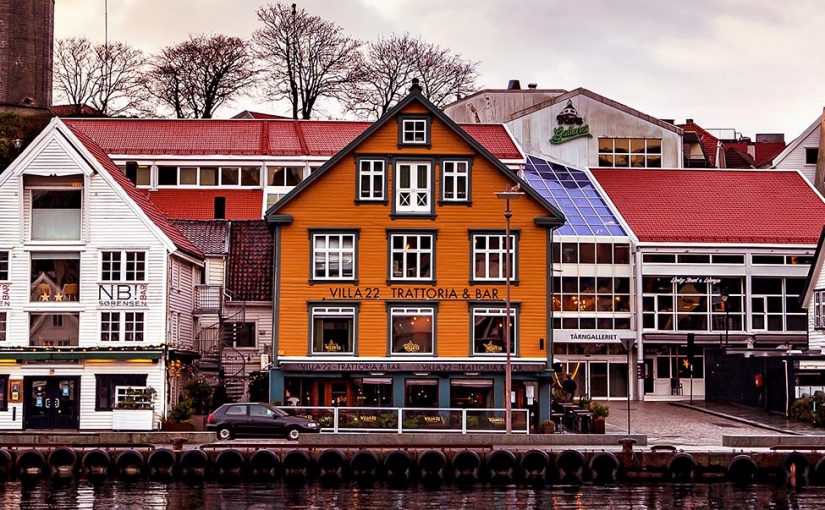
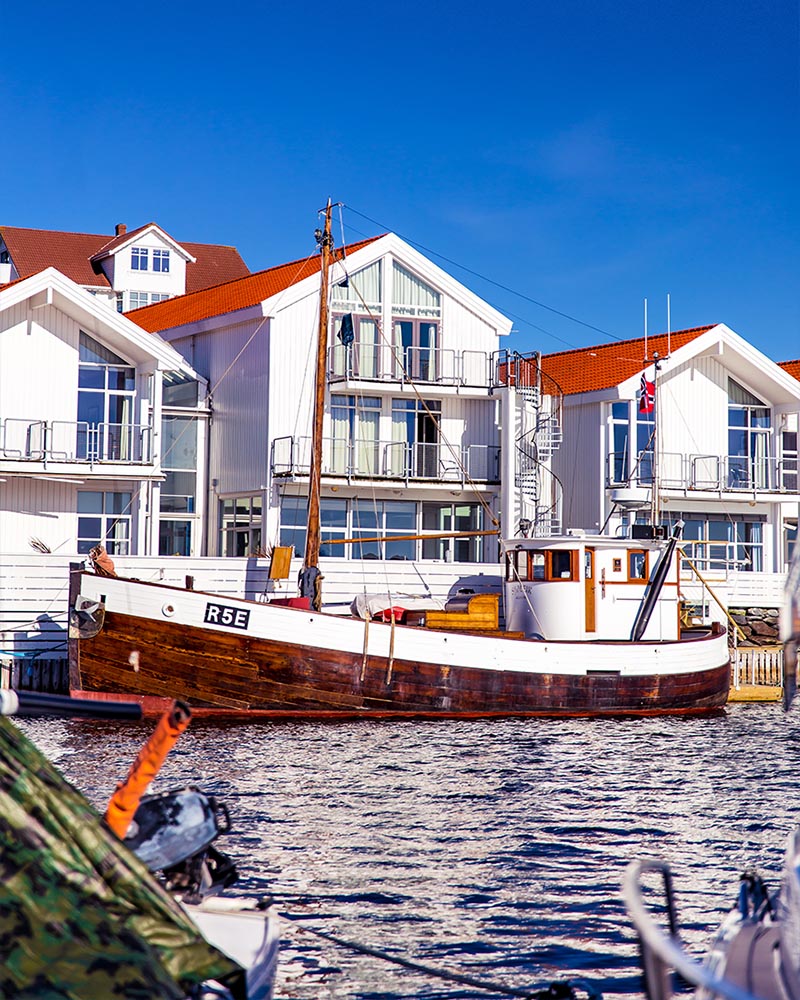
It’s noon on a Wednesday, and I’m making the most of a rain-free day by getting out and exploring Stavanger – the city I’ve called home for the past four months. I make my way around the mirror-like harbour, past the city’s iconic row of waterfront heritage buildings, and enter the charmingly haphazard maze of streets that make up its heart.

Historians will tell you that Stavanger was classified as a city as early as 1226, but this vibrant hub in the southwest of Norway didn’t spring to life until the great oil boom of 1969. Striking black gold a mere 300 kilometers off the mainland was the catalyst for the city’s growth, and the resulting influx of people and industry earned it the title of the ‘Oil Capital of Norway’.

They’re unapologetically proud of their drilling history in Stavanger. It’s the lifeblood of this city, and it’s there for all to see, immortalised in the surprisingly fascinating Norsk Oljemuseum. But, Stavanger is a city with so much more substance than oil.

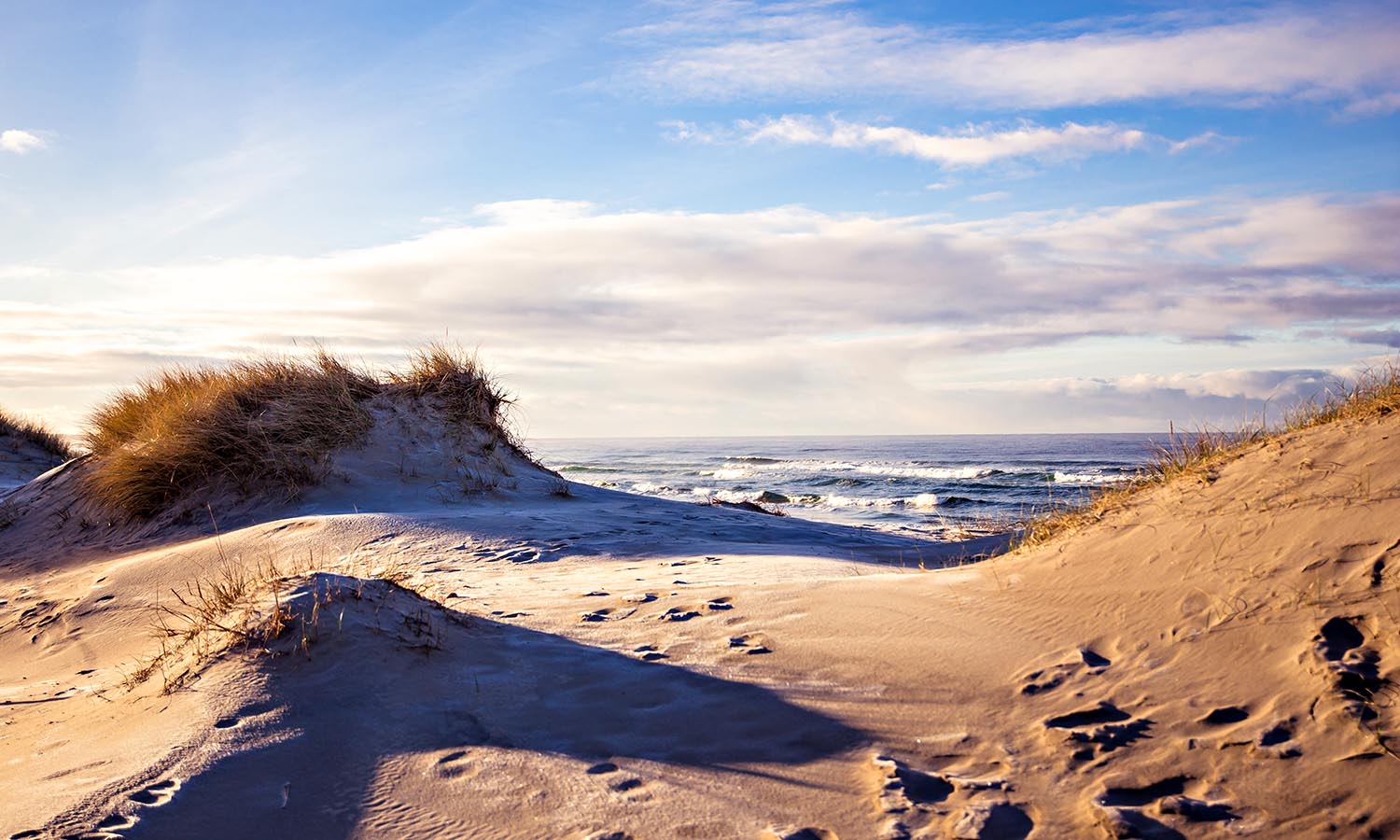
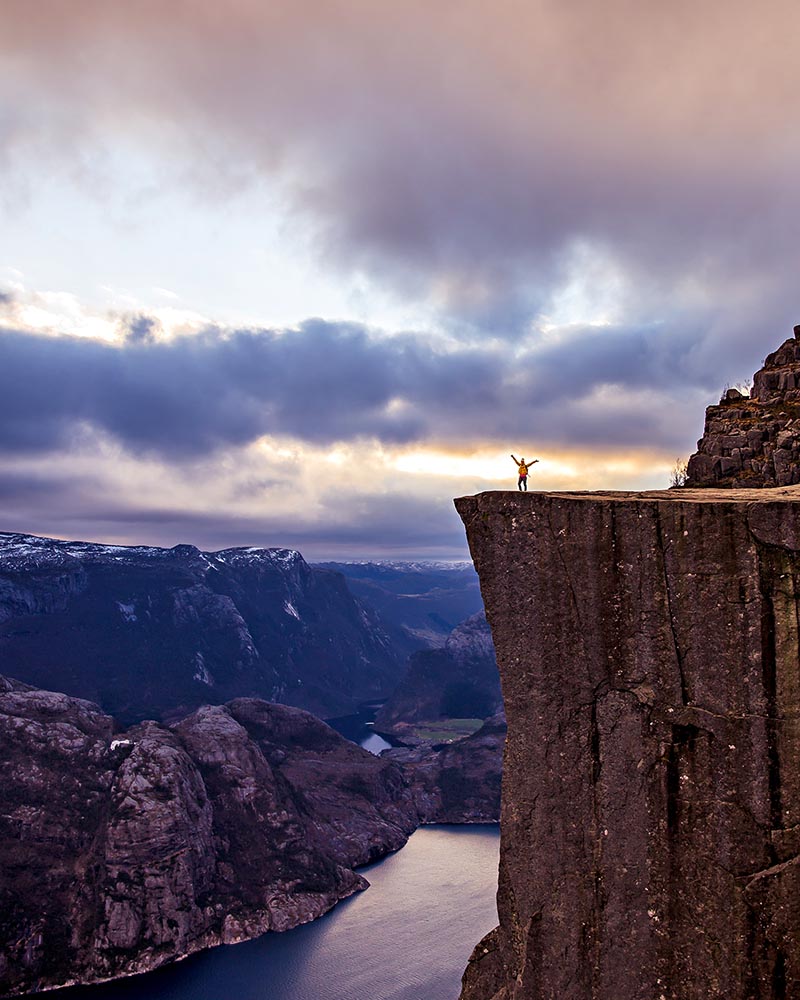
Beneath its industry, the city is a natural beauty. Within half an hour’s reach of the CBD you’ll find Borestranda, a sandy stretch of beach known for its pumping surf break and buzzing seasonal campsite. By contrast, the tiny, ex-monastic island of Mosterøy offers a coastline that’s rugged and wild, framed by the towering cliff line of Mastrafjorden. But no cliff line is as epic as that of nearby Lysefjorden. This gaping fjord is home to the famed Preikestolen, a 600-metre-high, flat-top cliff (perfect for hiking) with panoramic views seemingly pulled straight from a Hollywood blockbuster.

On a quest for the best view within the city’s bounds, I climb up the small but steep hillside to Gamle Stavanger, a protected heritage precinct perched above the main harbour. It’s the epitome of a fairy tale village: warm and charming, lined with quaint, uniformly white wooden cottages that hark back to the 18th and 19th centuries. If Gamle Stavanger is the grand old dame of town, then the rainbow row of shopfronts at nearby Fargegaten is indeed its rebellious little sister.

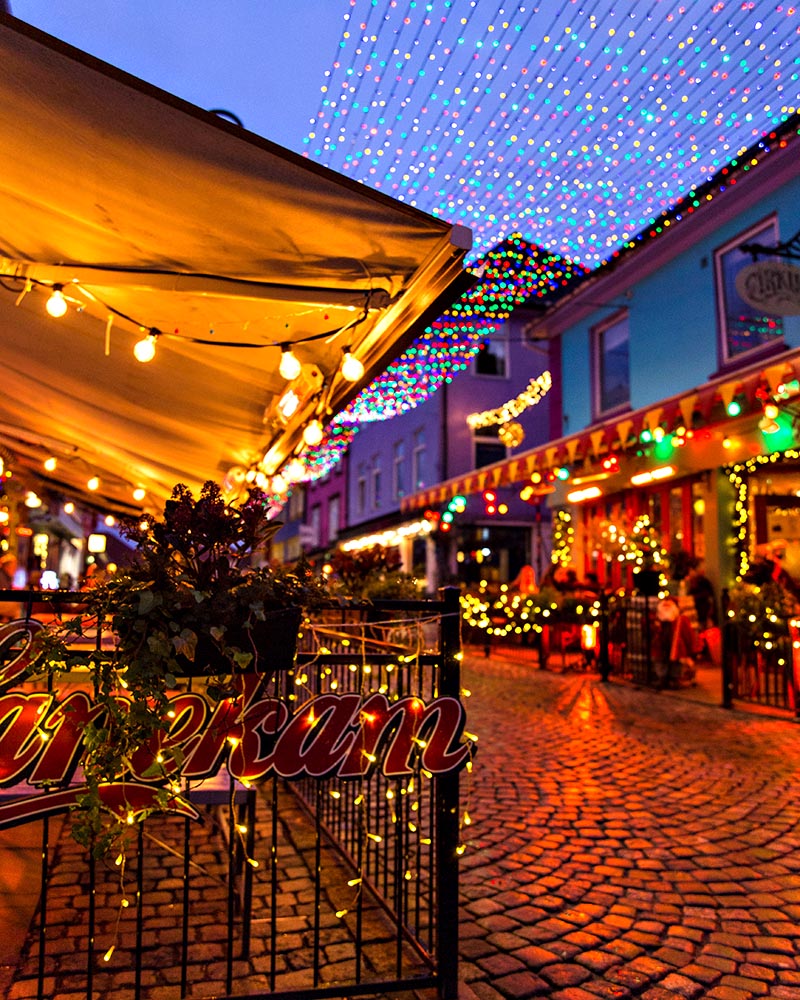
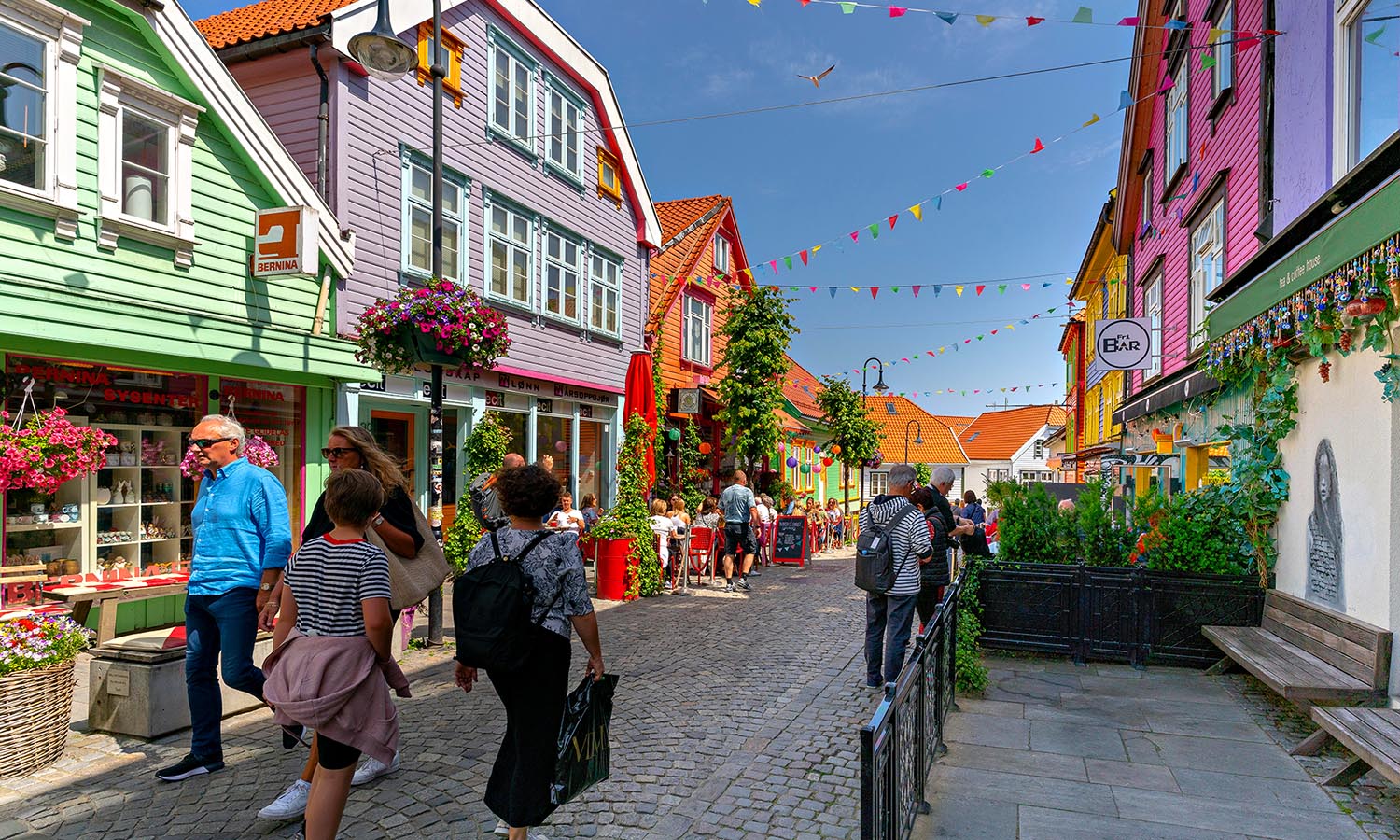
Directly translated as ‘colour street’, this short pedestrian mall is an eclectic mix of brightly painted cafes, bars and retailers. Here, I rifle through the racks of pin-up style dresses at Syvende Himmel; sip on a coffee and bury my nose in a secondhand book from the cafe-turned-bookstore, Bøker og Børst; and settle into one of the brown leather booths at Stavanger’s favourite craft beer venue, Cirkus, with a syrupy dark ale in hand.

On a warmer day, utepils (which translates to ‘drinking beers in the sun’) would have been on the cards. Being a much-loved Norwegian pastime, Stavanger isn’t short on places to enjoy outdoor beers. The recently opened Lervig Local is the urban outpost for the city’s largest local brewery, who have taken over the green parkland adjacent to them with picnic tables. Just a short drive out of town and Tananger’s Hummeren Hotel, and the beachside Sola Strand Hotel, serve utepils and seafood-forward fare with a side of water views.

But, it’s the beer gardens at Hansenhjørnet, Beverly Hills Fun Pub, Oven Paa and Proud Mary Pub that you’ll want to patronise on a Wednesday or Thursday. They’re all friendly neighbours in a row of harbourfront heritage buildings, and are the driving force behind the city’s busiest public street party, Fjåge i Vågen. It’s utepils on steroids; a street-closing celebration of afternoon sunshine, lager and local live music.

As noon nears, my growing appetite leads me to Olive Tree, a cosy Italian restaurant and bar that opened its doors just as Norway was thrown into lockdown. It’s one of many Italian restaurants in the city. Still, none are quite as popular as the multi-level Villa 22 that dishes out bubbly-based woodfired pizzas and bittersweet negronis from its prime waterfront location. Just like its party-throwing neighbours on the harbour, Villa 22’s popularity isn’t so much a case of totally groundbreaking fare as it is location, location, location.

A five minute stroll away is the lively Mexican joint, Harry Pepper. People come for the blackened lamb and build-your-own-fajitas menu, but stay for the collection of more than 50 mezcals and tequilas. Seafood lovers needn’t wander much further, with Fisketorget, the local fish market known for its creamy, catch-of-the-day fiskesuppe (fish soup), just around the corner.

Walk a little further afield, and you’ll find the tiny but mighty 10-seat Sabi Omakase, the second-ever restaurant in Stavanger to attain Michelin star status. The first was the much-lauded RE-NAA, a fine-dining experience serving up a grand total of 22 courses, each one spotlighting hyper-local Stavanger produce.

As I wind up my day of exploring and make my way back home, I smile to myself; I’ll never be a local in this city, but, for now, I’m happily soaking up every last bit of Stavanger’s cultural vibrancy and small-town feel.

Take A Hike

What are the top three things that pop into your mind when thinking of Utah?

As a travel agent I have the unique opportunity of speaking with hundreds of travellers as well as my social media followers, giving me a real sense of public opinion on travelling through the Beehive State. Unsurprisingly Mormons, desert and national parks topped the list of interests.

But while Utah certainly has an abundance of all those things, there is so much more on offer here, making it (in my opinion) one of the most underrated frontier states in all of the U.S.

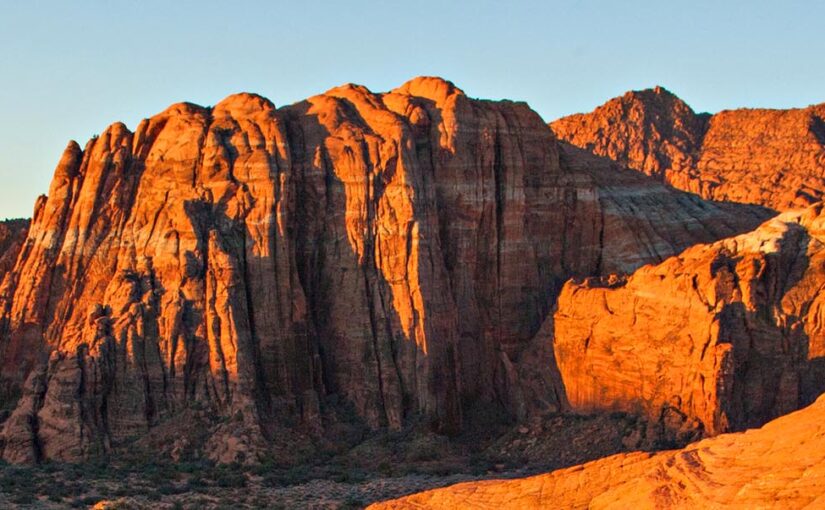
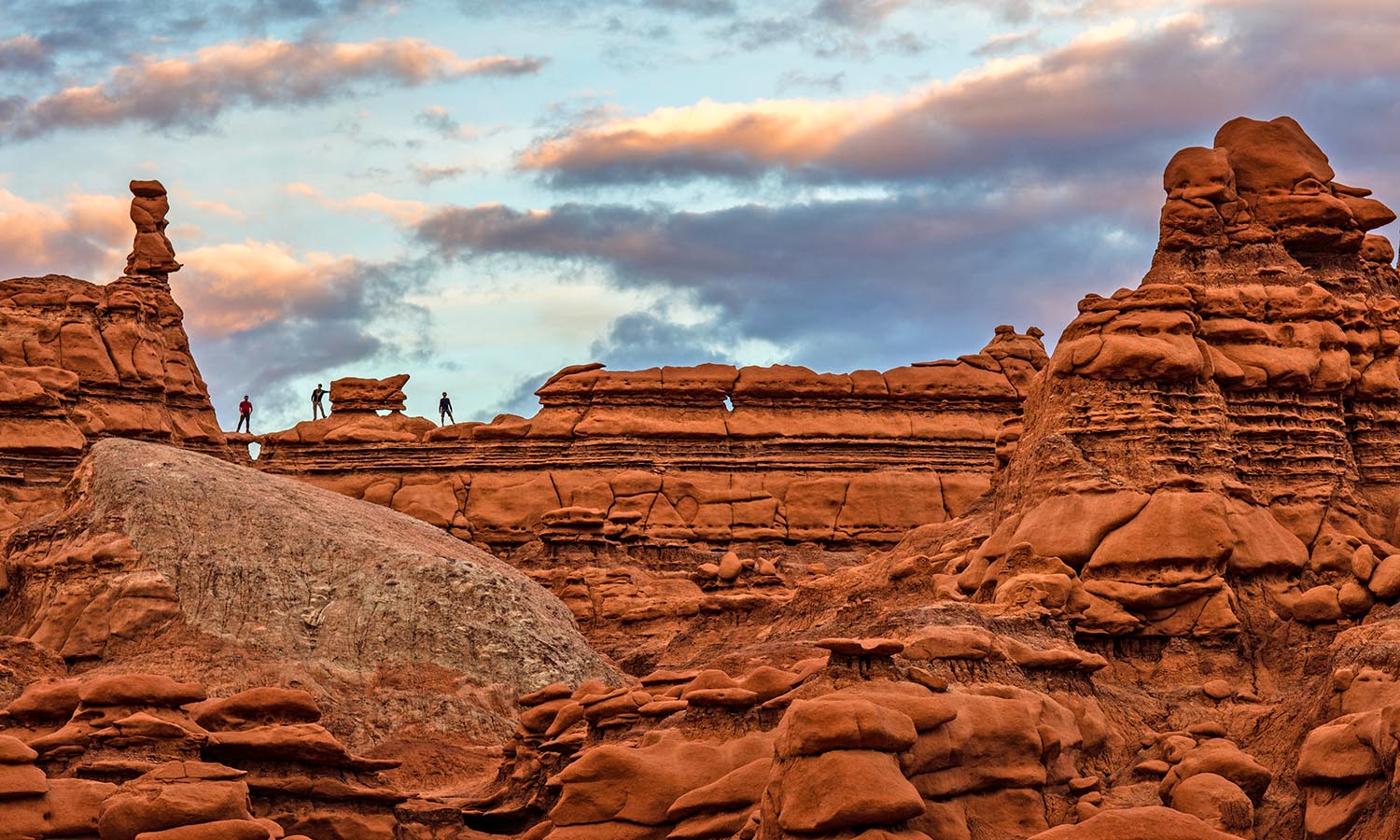
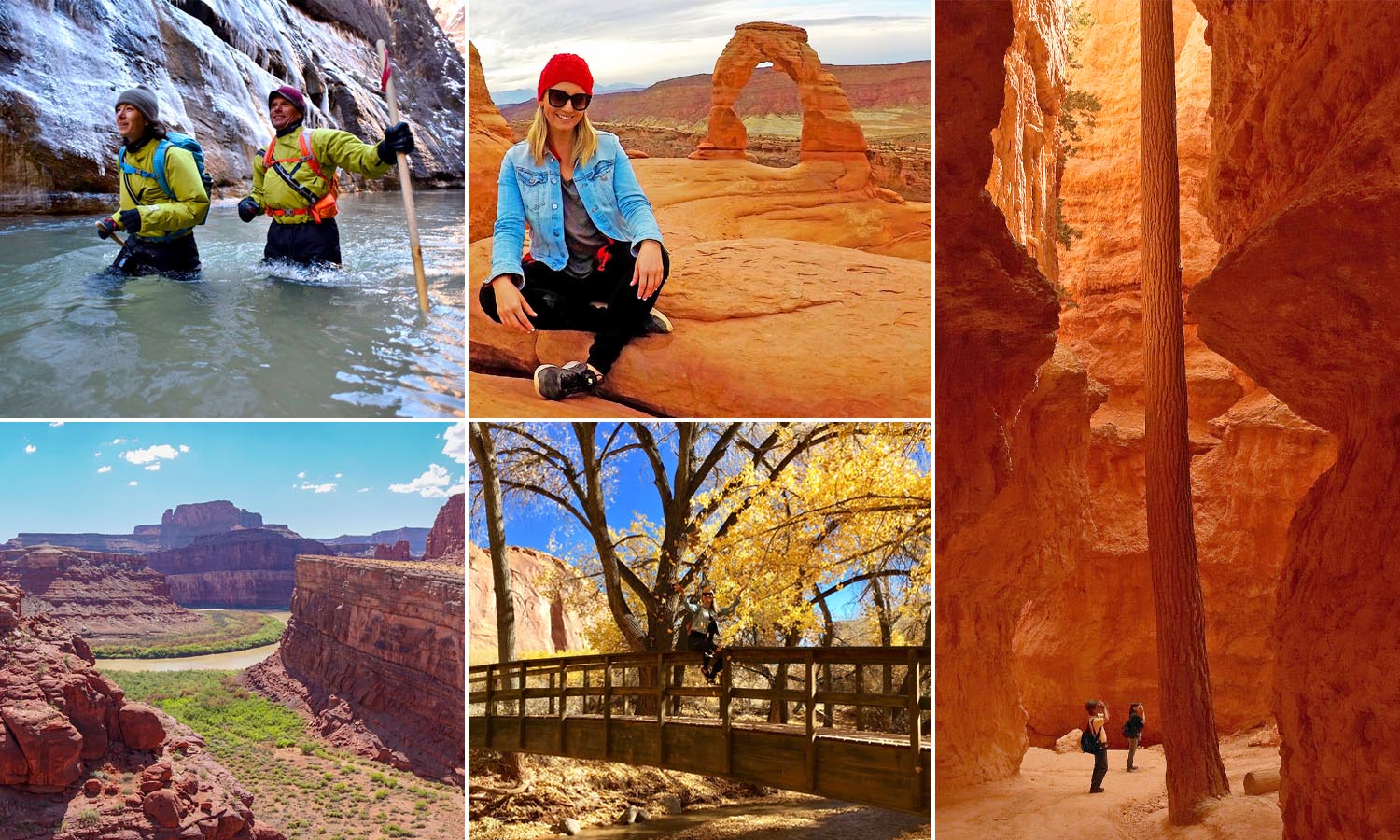
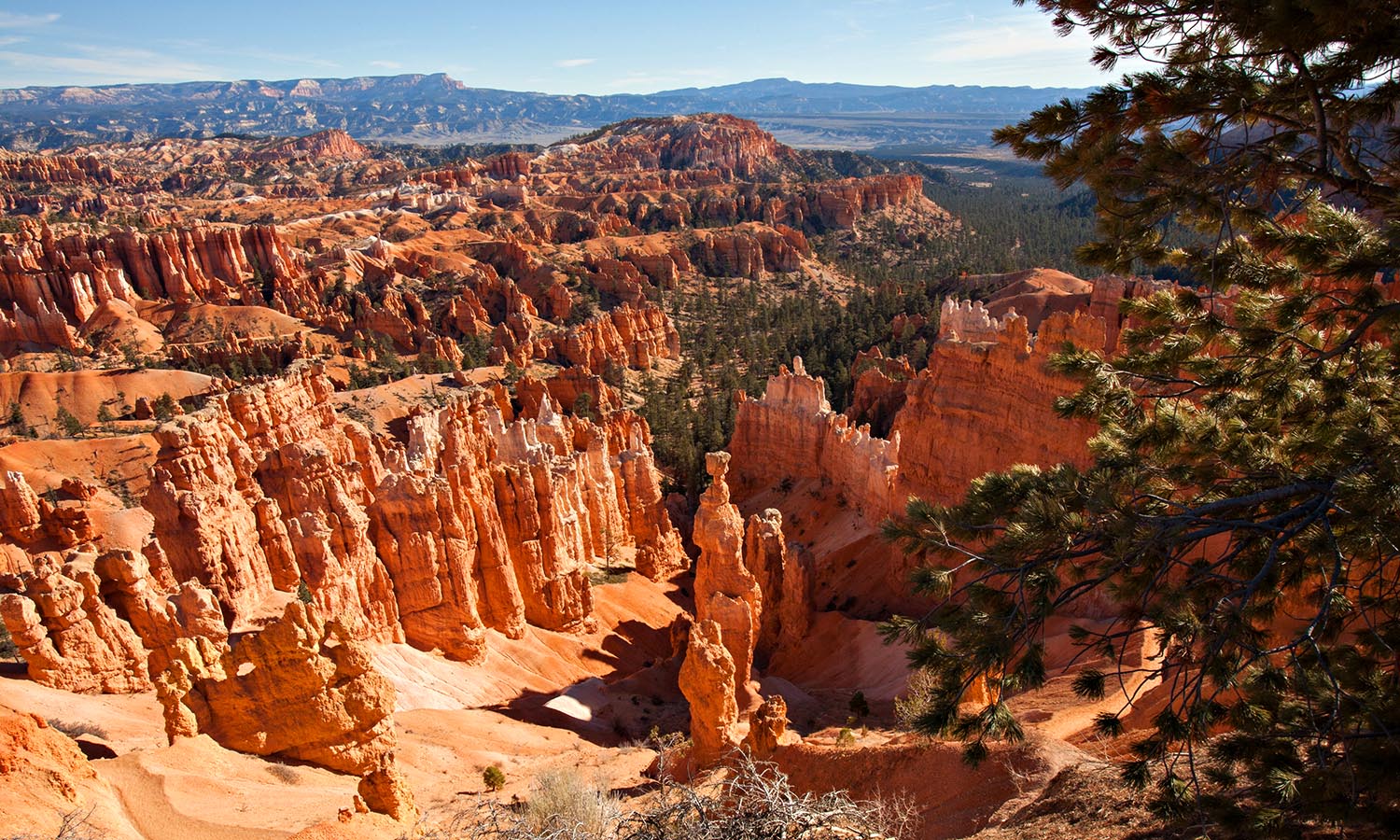
The most surprising thing about Utah – aside from the fact it has the third largest number of national parks in any U.S. state – is that the is that the sheer number of state parks and national monuments are so impressive they rival any of the Mighty Five® which the state is better known for; these are Zion, Arches, Canyonlands, Bryce Canyon and Capitol Reef national parks.

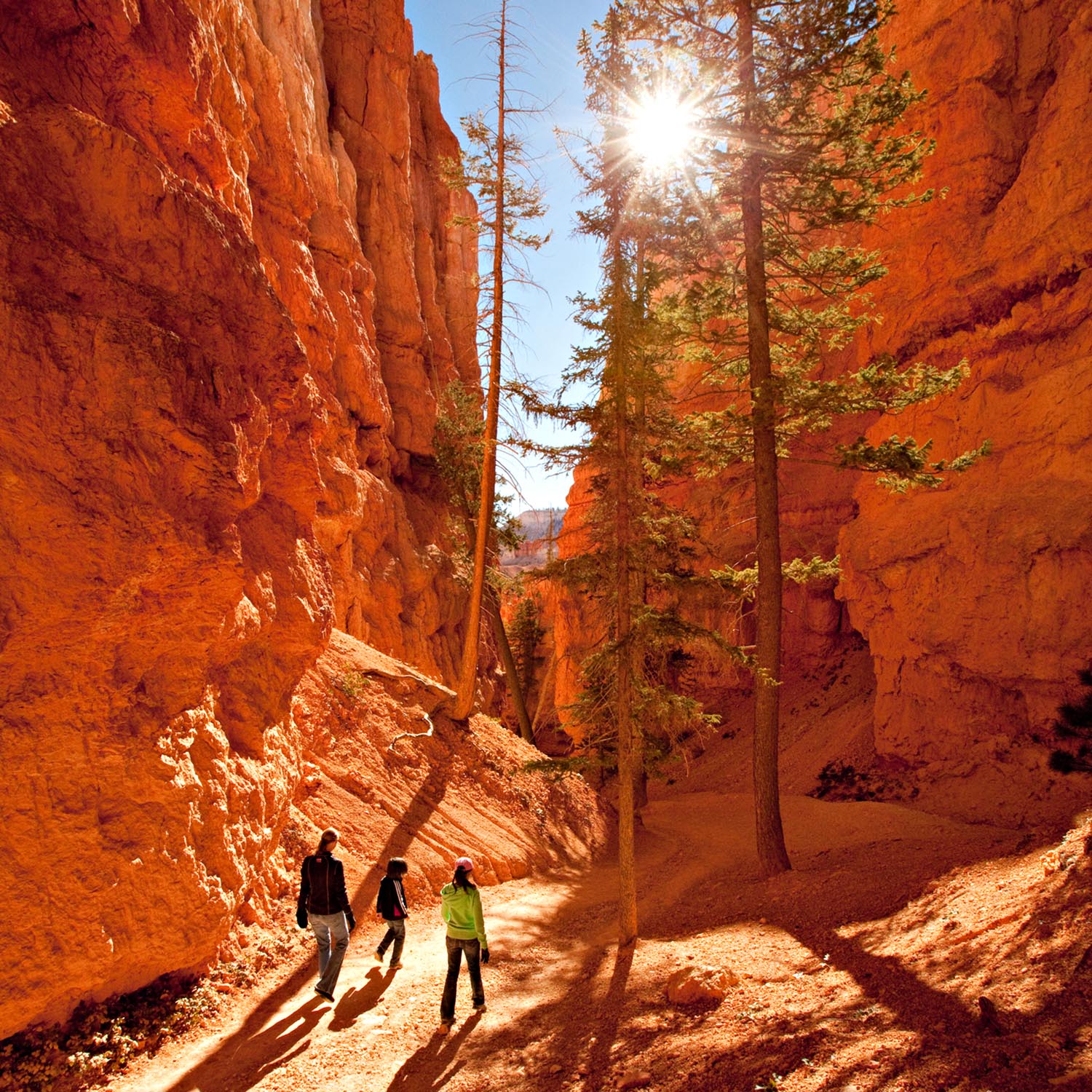
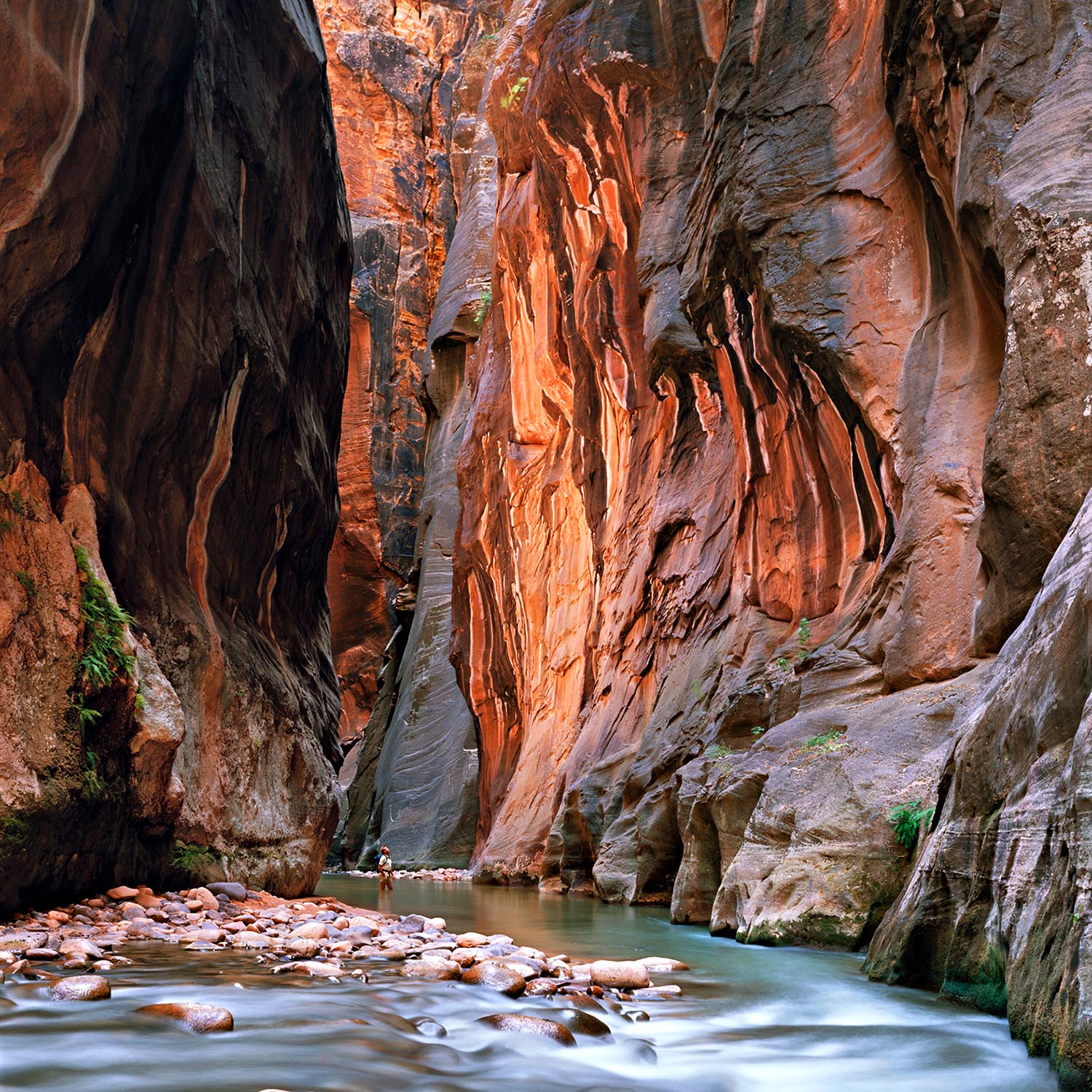
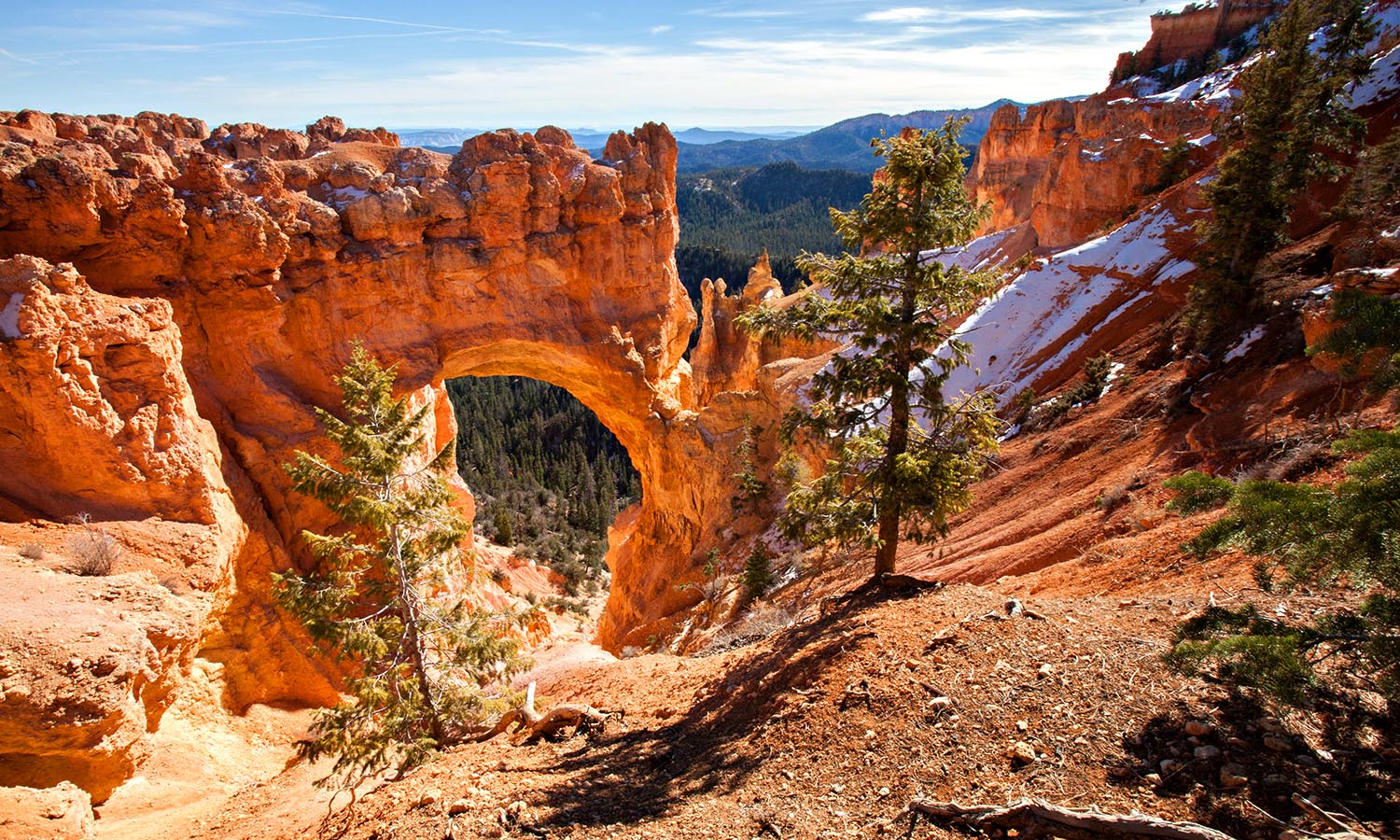
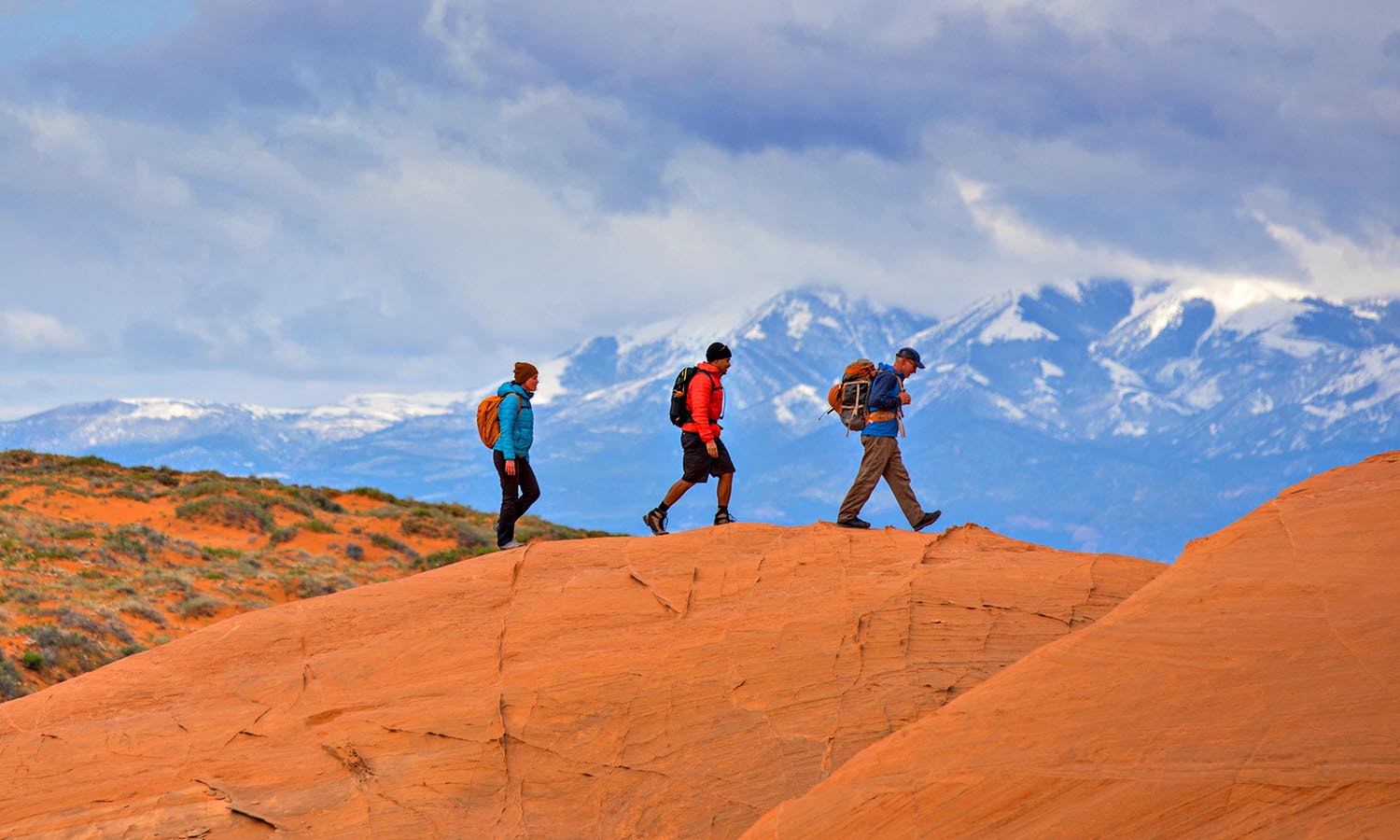
If you’re an adventure lover and a fan of the great outdoors, there really is no other place on the planet quite like Utah. One hour you can be swiftly pedalling down ruby red-coloured slick rock, the next you’re wedged between a towering slot canyon, waist deep in crystal clear water. You could be cruising down world-class ski slopes in the morning, and hiking through a wonderland of hoodoos (columns of weathered rock) and pine trees that same afternoon.

Utah shines in every season, with 238 days of sun a year (well above the national average) so when you visit really depends on what you’re hoping to experience. For snow lovers, mid-November through to April is best, especially in January to March if you’re craving deep pow. For hikers, look at the seasons of Spring (March to May) and Autumn (September to November) for comfortable conditions. The summer months (June to August) are best for alpine hiking and water sports.

BOOK HERE

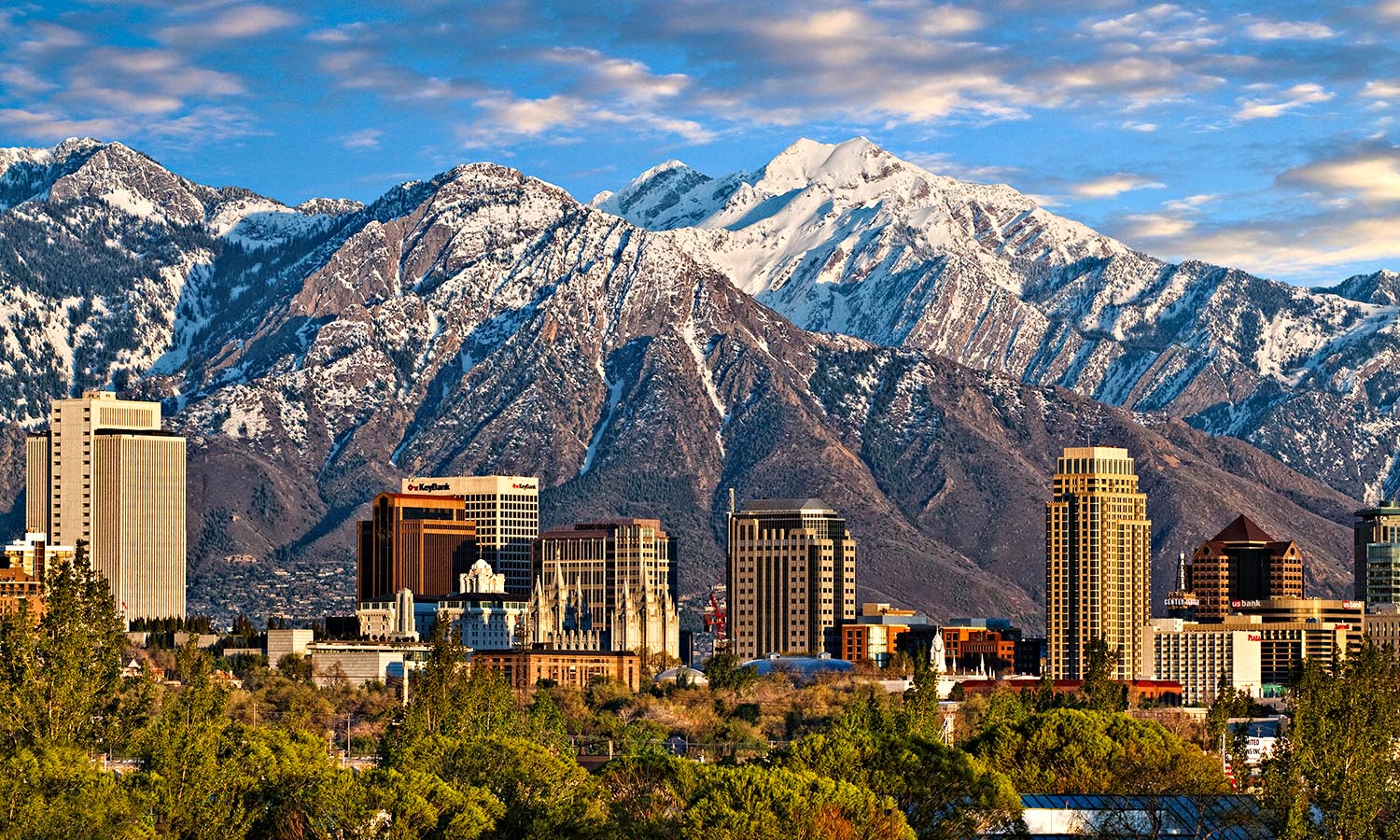
We laced up our boots in the capital, Salt Lake City, to kick off a monumental road trip. You can take a hike from day one on your visit by heading out to the Great Salt Lake or acquaint yourself with the state’s fascinating Mormon roots by checking out the Temple Square complex. The Utah State Capitol building and the National History Museum are also well worth some time while you’re still in the big smoke, and if you can catch the Utah Jazz basketball team at home, it’s game on!

We ventured through rocky desert landscapes, pristine forests, glistening waterways, and the wild west ...

From Salt Lake City, we ventured through rocky desert landscapes, pristine forests, glistening waterways, and the wild west, all the way down through the deep south of Utah, to Las Vegas, Nevada.

While hiking and landscapes were what we were originally craving on this visit, we found ourselves smiling from ear to ear with charming locals, falling in love with quirky desert towns, and having foodie experiences that still make my taste buds moist at the memories.

If I had to sum up Utah in an elevator pitch, I’d say it’s like a game of pass the parcel. When the music stops and you rip off the next layer of wrapping paper, you’ll be squealing with delight and it’s one of those games where Mum and Dad have packed an epic present in each layer.

Camel up, it’s time to live life elevated.

DANA’S TOP FIVE EXPERIENCES
Here’s five epic recommendations, a detailed road trip itinerary from our creator and the best way to discover (and book) the real Utah with get lost:

1. HIKING THE MIGHTY FIVE®

It’s not a cliche: it should be a God-given right for everyone to have the opportunity to experience the magic and diversity that Zion, Arches, Canyonlands, Bryce Canyon and Capitol Reef national parks offer. It still blows my mind how different each of these parks are, yet they’re so easily accessible to navigate within a week.

TAKE A HIKE

The AU$115 America the Beautiful pass, gives you access to all federally managed land units (national parks, national forests, national monuments, etc.) It’s good for a year from the month of purchase. You can pick one up at any national park entrance station.

Click here to LEARN MORE

2. NAVIGATING MOKI DUGWAY

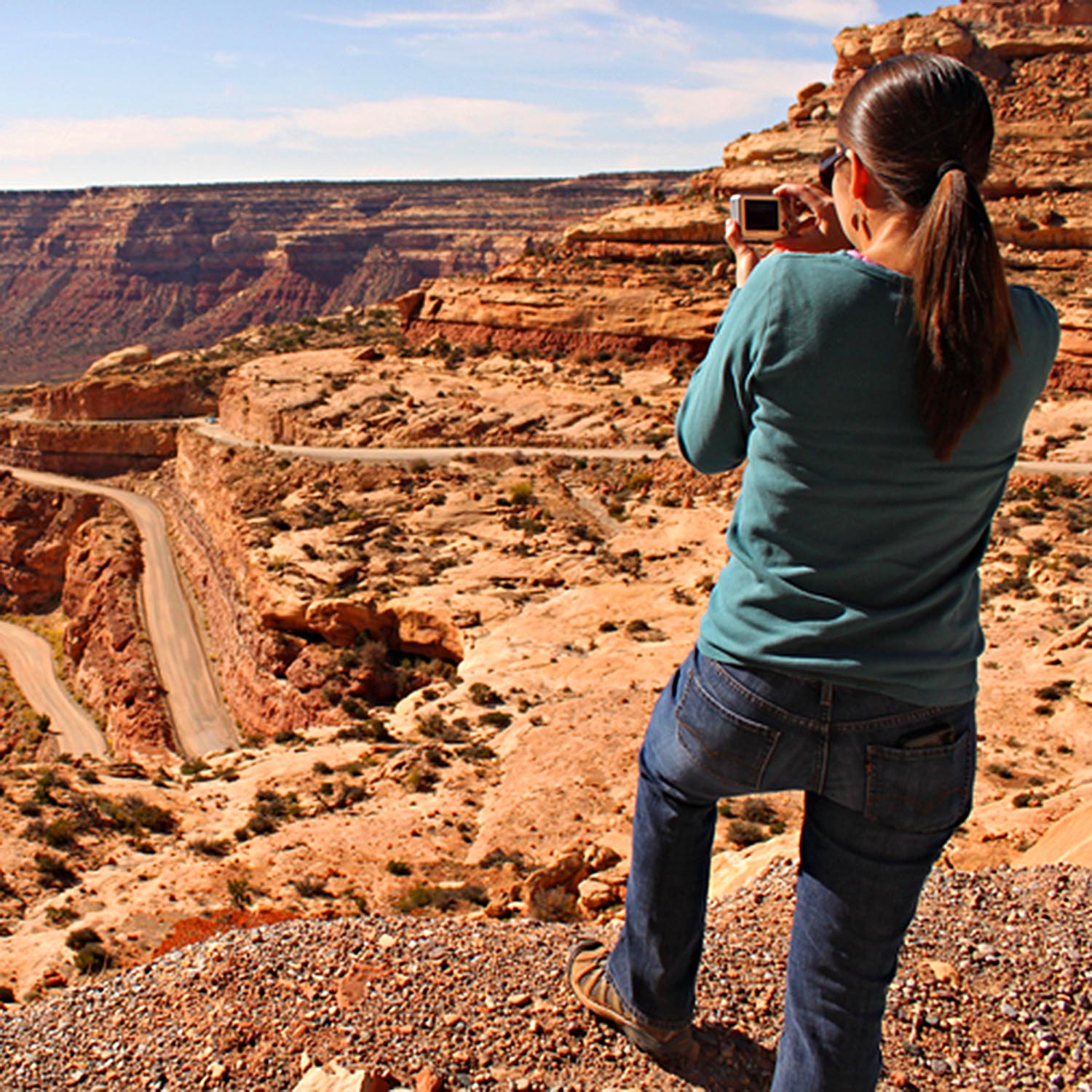
Part of the ‘Trail of the Ancients’, this national scenic byway is a roadway that drastically switches back and forth on itself at a mind boggling 11 percent grade, carved into a cliff face. You breathe in while you’re driving this stretch of road simply as a natural protection instinct from the sheer drop. Yet, the views over San Juan River Canyon will balance your adrenaline. It is simply stunning at the top. It was a combination of both these elements that made me really feel alive.

TAKE A HIKE

FREE

Click here to LEARN MORE

3. LEARNING THAT A STATE PARK IS NOT SUB PAR

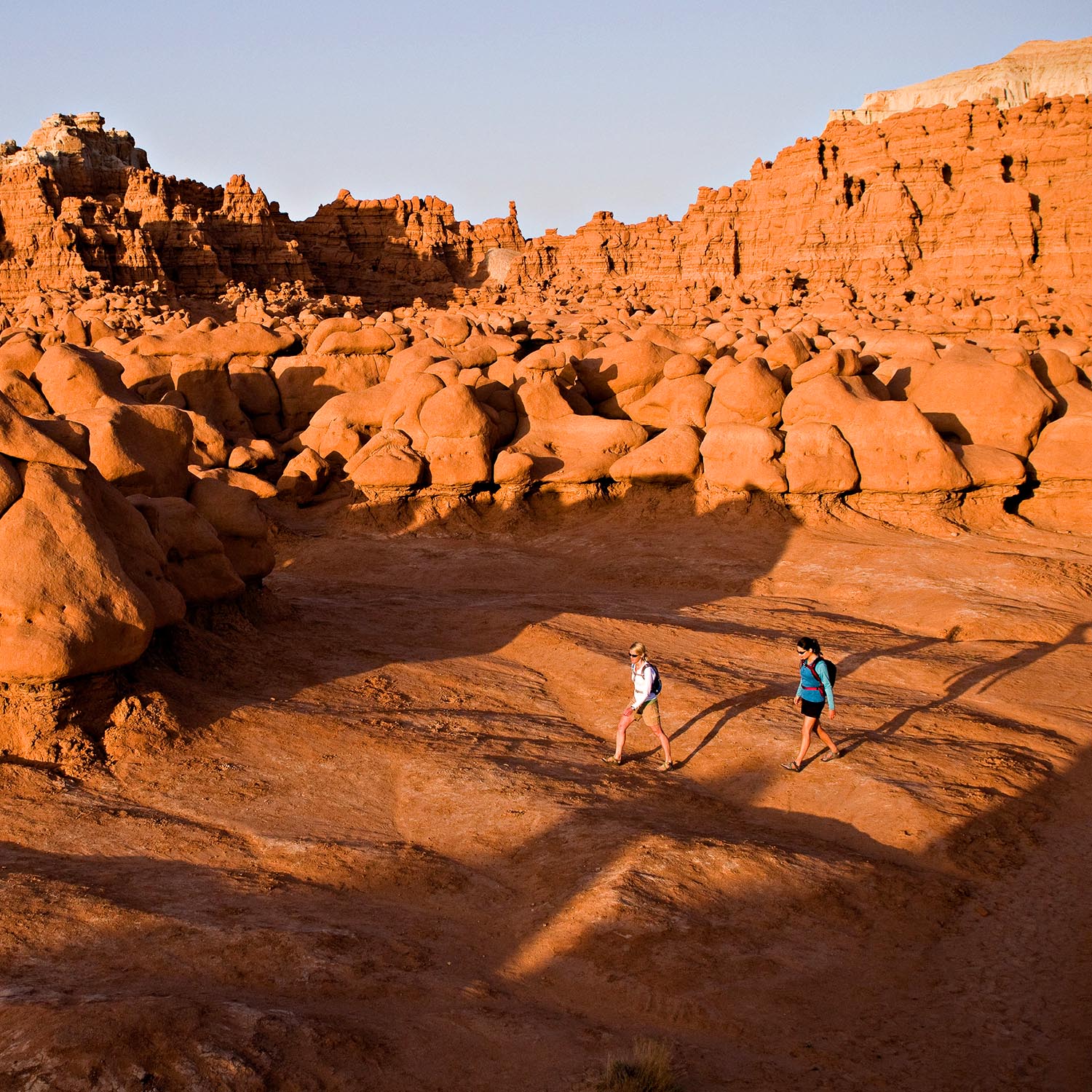
I went all gung-ho to tick off the Mighty Five® national parks. And while they are certainly pretty epic in their own right, I was floored by how insane the lesser known parks were. I was questioning how they could not be honoured with the same national park status? There are 44 state parks, 9 national monuments, and several other areas defined as really cool landmarks. At this point, I decide that I need to move to Utah to visit each and every one.

TAKE A HIKE

AU$108 for an annual State Park Pass which is a no brainer if you’re visiting a few. They can be around AU$15 per park if you pay individually.

Click here to LEARN MORE

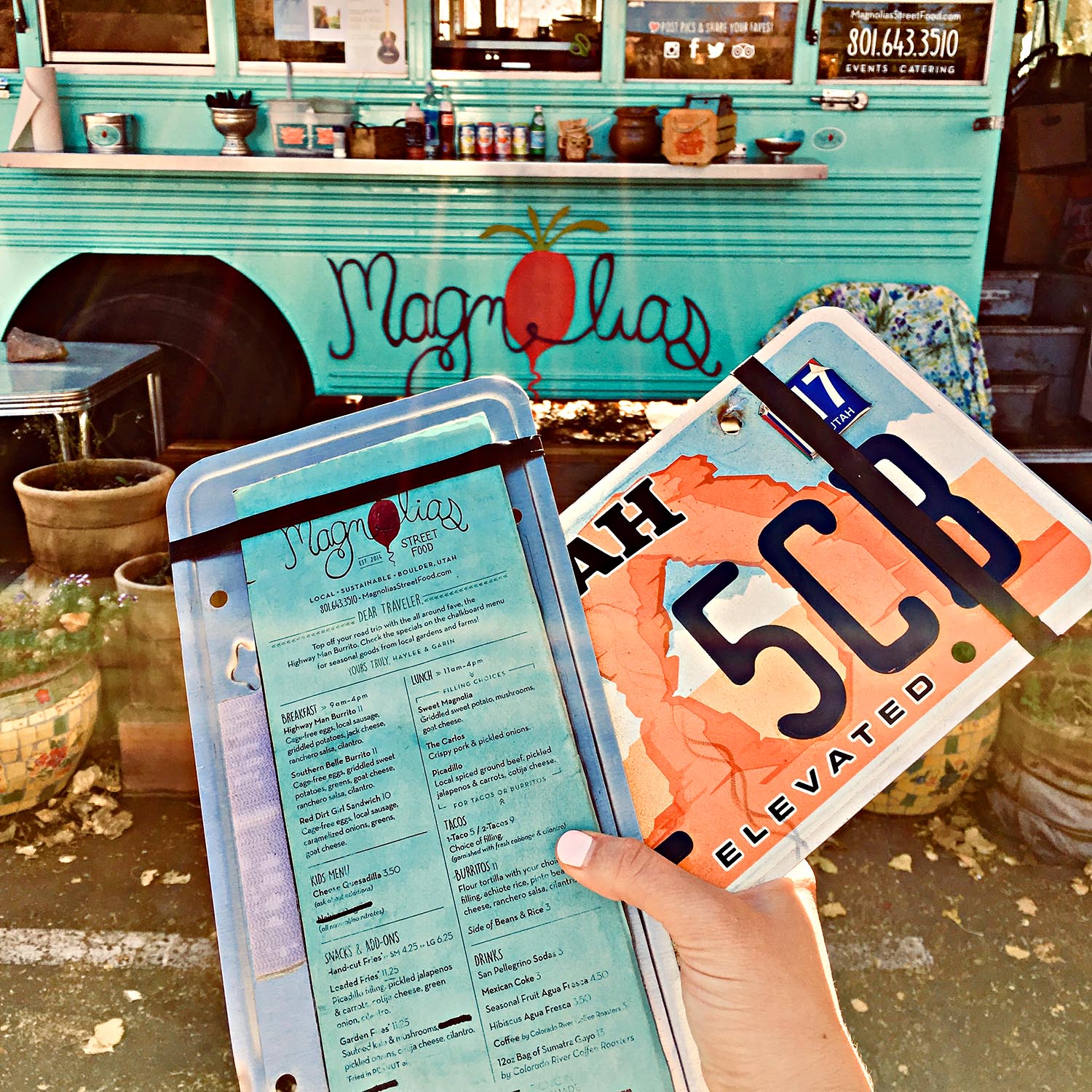
4. MAGNOLIAS STREET FOOD TRUCK

If the aqua coloured truck doesn’t stop you in your tracks as you pass by the town of Boulder, the scent of perfectly cooked Mexican wafting through your window will have you parked up in no time. Sit under the cottonwoods to enjoy their fare, and take some extra away with you to fuel you on your next hike.

TAKE A HIKE

Soda AU$4, taco AU$8, burrito AU$20

Click here to LEARN MORE

5. THRILL SEEKERS REJOICE

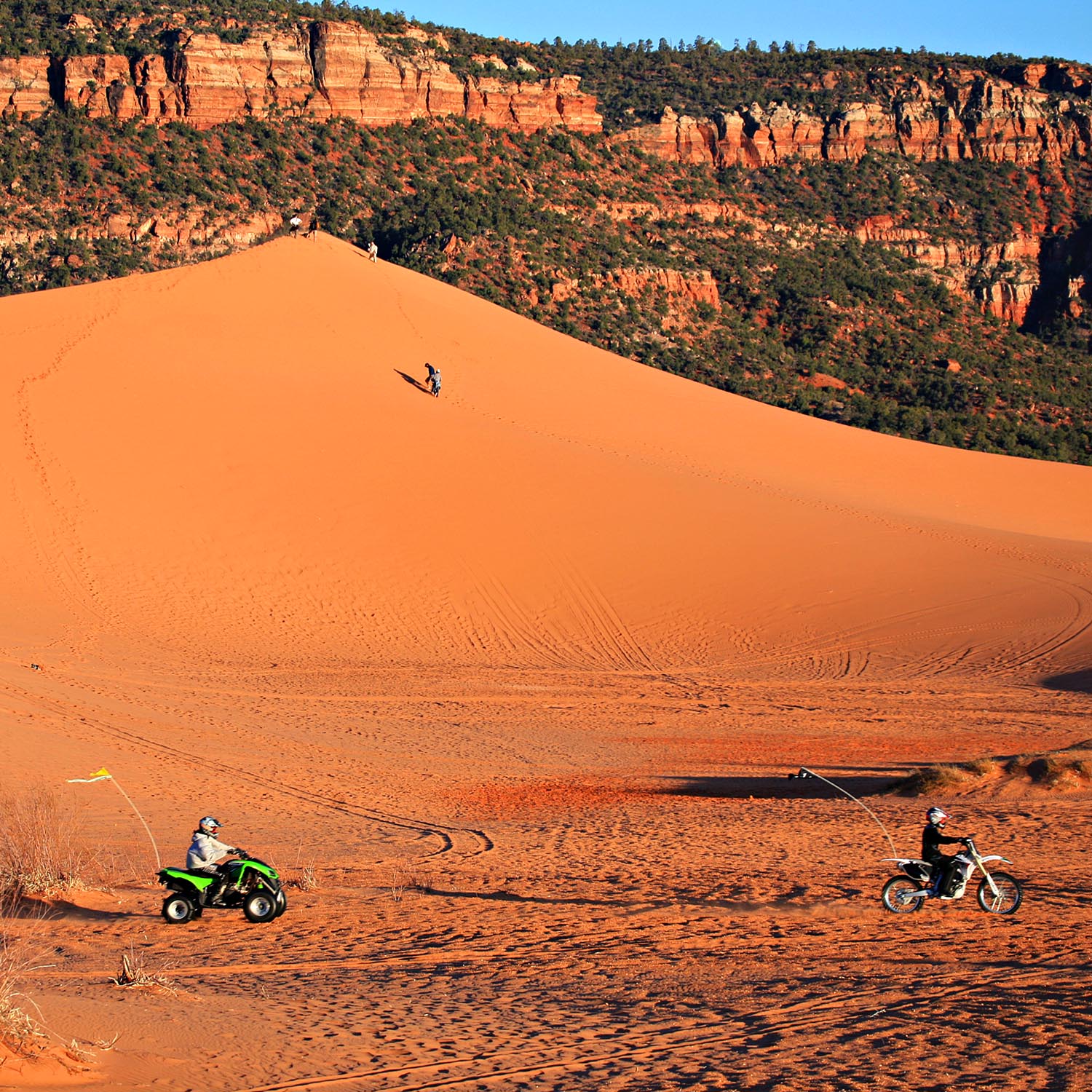
You’re in the most adventurous state in the U.S, so it’s time to try something new. Challenge yourself on a higher graded hike, mountain bike, canyoning adventure, bouldering ledge, rock climb, fly fishing trip, ATV, jet ski, water ski, snow ski, snowboard or slackline. If you’ve ever wanted to try something new that will really get your heart racing, Utah is calling your name.

TAKE A HIKE

Choosing to get out of your comfort zone = priceless

Click here to LEARN MORE

MORE INFO:

GET LOST’S NINE-NIGHT UTAH ITINERARY

DAY 1 SALT LAKE CITY
DAY 2 SALT LAKE CITY TO GREEN RIVER
DAY 3 THE FIRST OF THE MIGHTY FIVE
DAY 4 THE WILD WEST
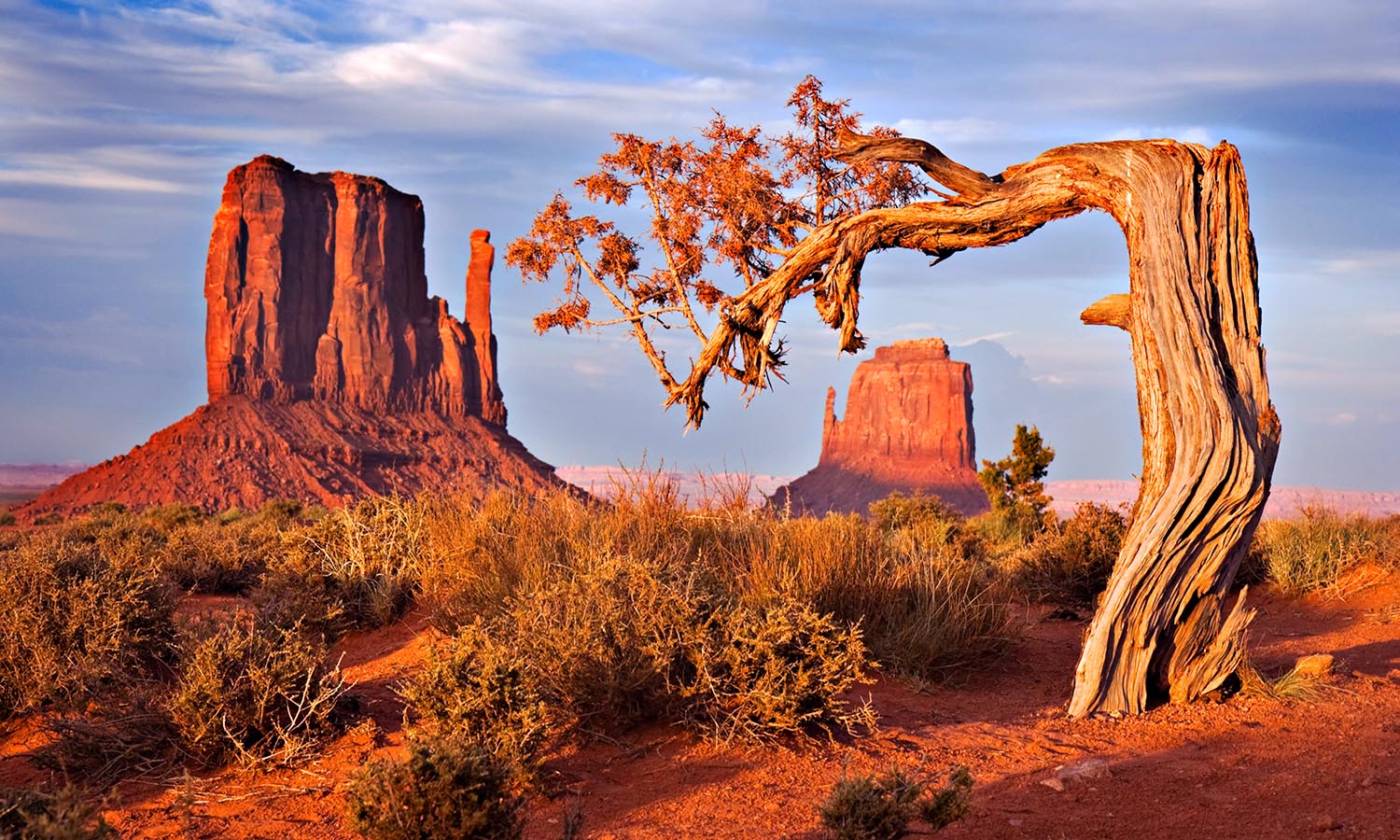
DAY 5 MONUMENT VALLEY TO CAPITOL REEF NATIONAL PARK
DAY 6 WORKING ON THAT MIGHTY FIVE
DAY 7 BRYCE CANYON TO KANAB
DAY 8 THE FINAL FIVE
DAY 9 ZION TO CEDAR CITY
DAY 10 CROSSING THE FINISH LINE

Click here to DOWNLOAD A DETAILED PDF

Click here to BOOK NOW

get in the know // Utah man Walter Frederick Morrison invented the frisbee in 1948. It was originally called the Pluto Platter.

Eden Found

It’s been a while between drinks…

International trips have been few and far between for me in recent years, and the need to hand over a passenger arrival card to a smiley customs officer at Nadi Airport in Fiji catches me off guard.

In a fluster, I apologetically rummage through my carry-on bag. Before my flight, I was told patience is a virtue which all Fijians are born with. They commonly refer to this trait as ‘Fiji Time’ and in what feels like actual slow motion, I finally locate my immigration card, scrunched up in my back pocket.

The officer scrutinises it for only a second, then his face lights up once he learns where I’m headed. “My friend, you’re about to experience the real Fiji,” he says.

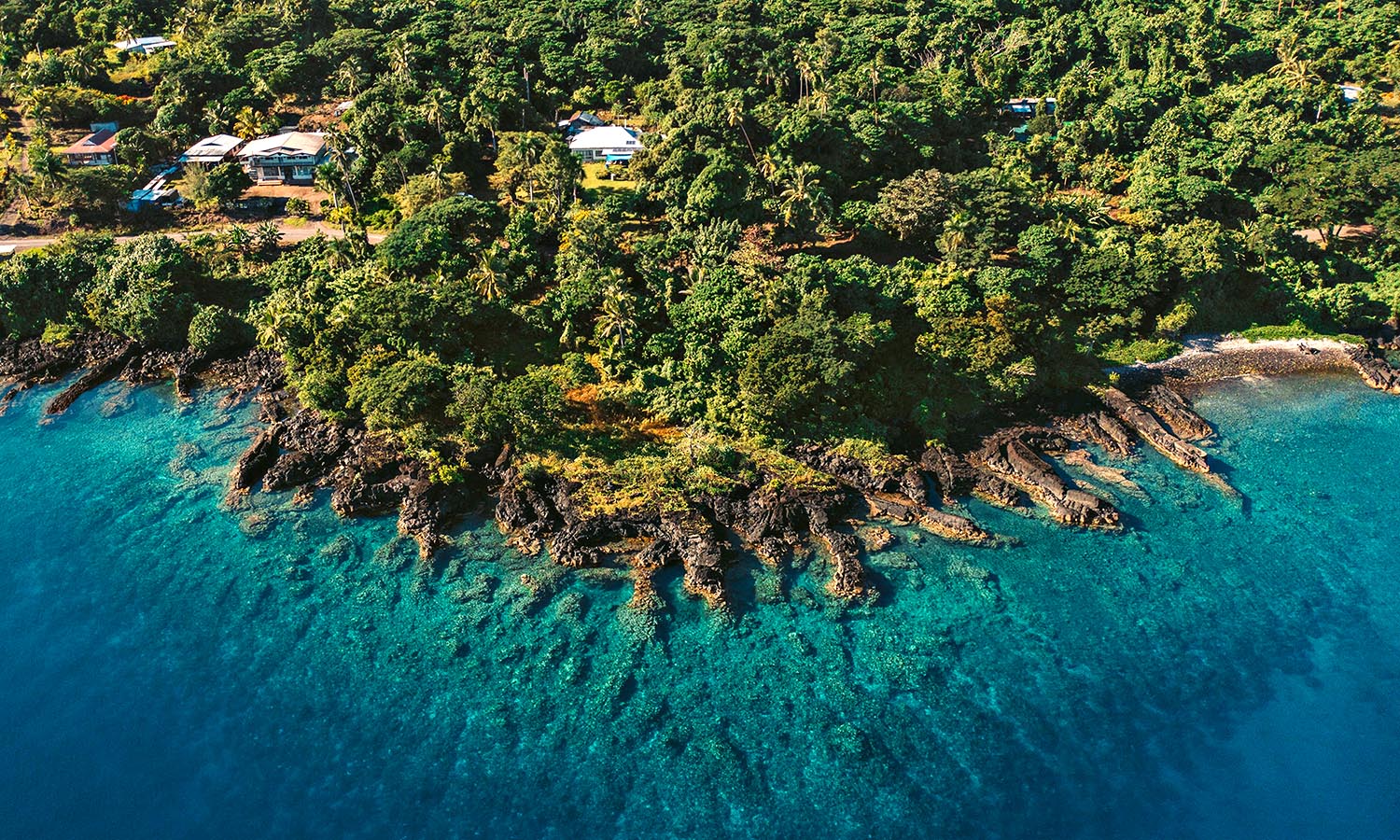
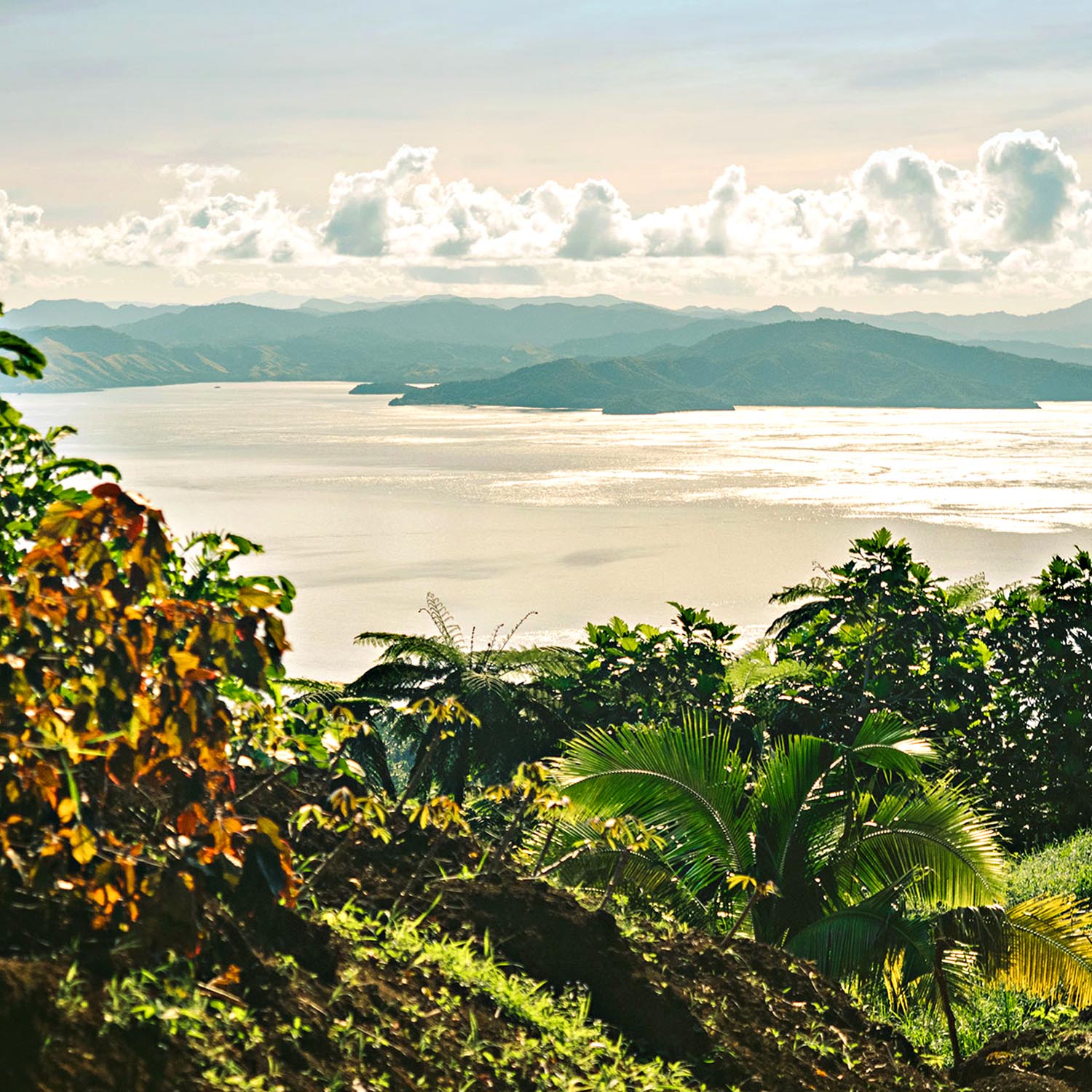
It’s mind-blowing to think that Fiji, a mere smudge in the South Pacific, is actually an archipelago of more than 330 different islands. The Vanua Levu group, which borders the Koro Sea in the South Pacific, makes up only eight of these, but is home to some of the most spectacular coral reefs and rainforests.

This micro archipelago boasts a colourful Fijian culture which I’m told by ‘Mr Customs’ I will fall in love with.

Vanua Levu attracts a passionate diving community, and with some of the best marine parks in the world, why wouldn’t it? For this cautious adventurer, who’s barely ventured more than a metre below sea level, I’m determined to uncover what else the region has to offer.

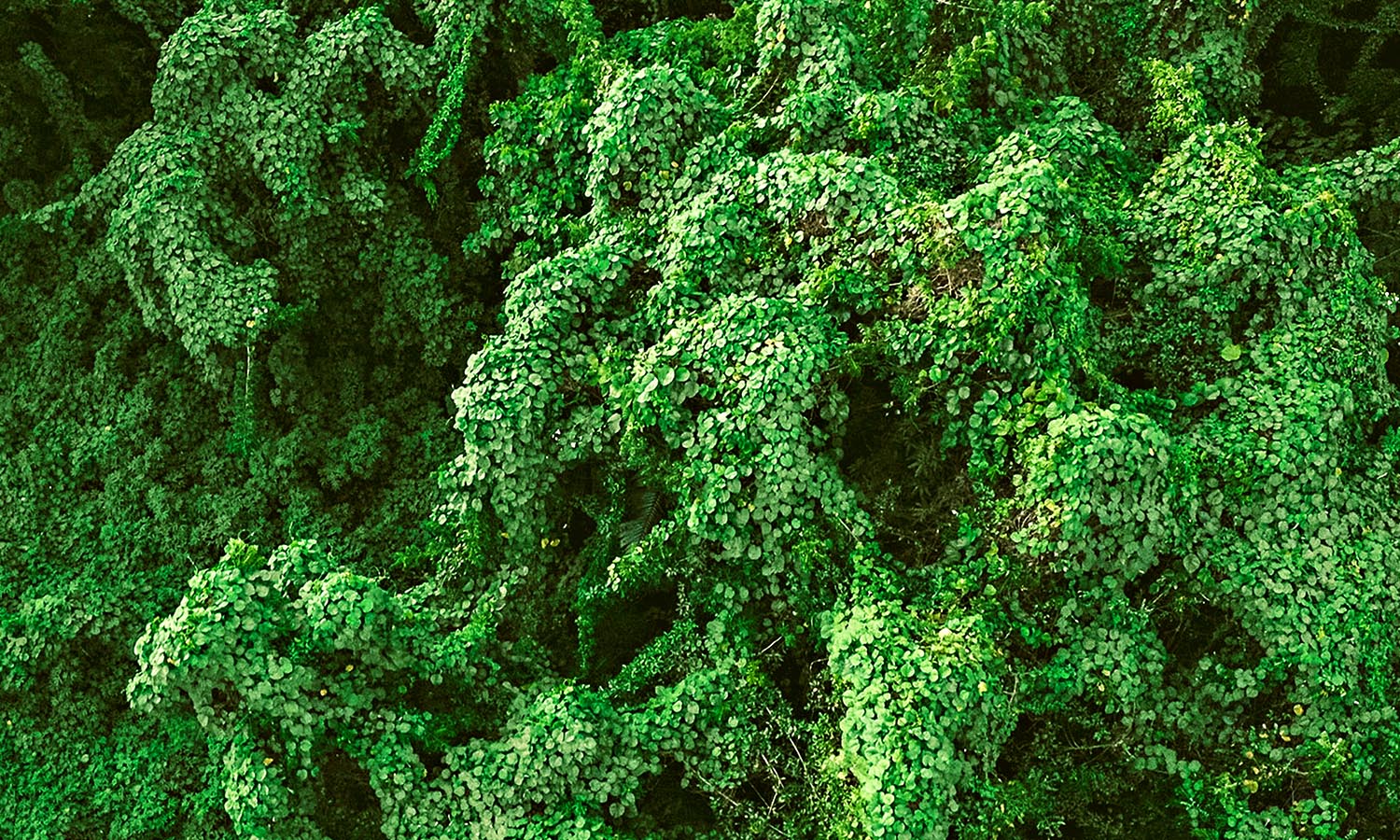
It’s now 5:30am, and the breathtaking sight of first light peeks above the horizon and bathes the unmistakable Vanua Levu landscape in a warm glow. My first stop is Taveuni Island, Fiji’s third-largest island, often referred to by its other name, ‘Garden Island.’ An enormous range of tropical plant species found here makes Taveuni the envy of any indoor houseplant enthusiast. Palms, ferns, hibiscus and Devil’s Ivy – something that you’d pay just shy of AU$100 a pot in a Toorak plant store – seem to blanket the entire Taveuni landscape.

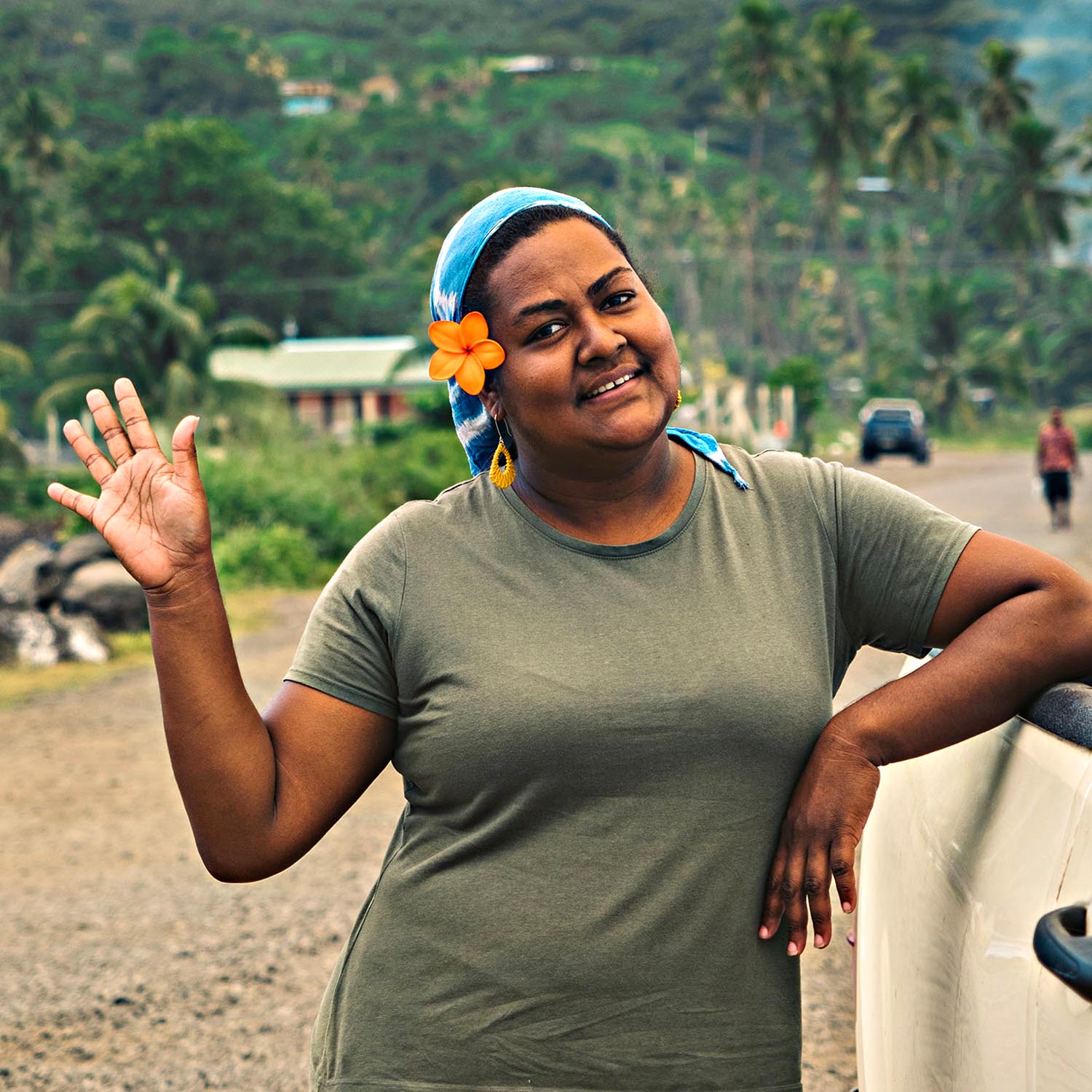
As we traverse the island’s rugged roads, I’m fortunate to be joined by a local, Akanisi. She was born and raised on the Island and handles a 4WD with rally-like precision as she races up the steep terrain leading to Bobby’s Farm.

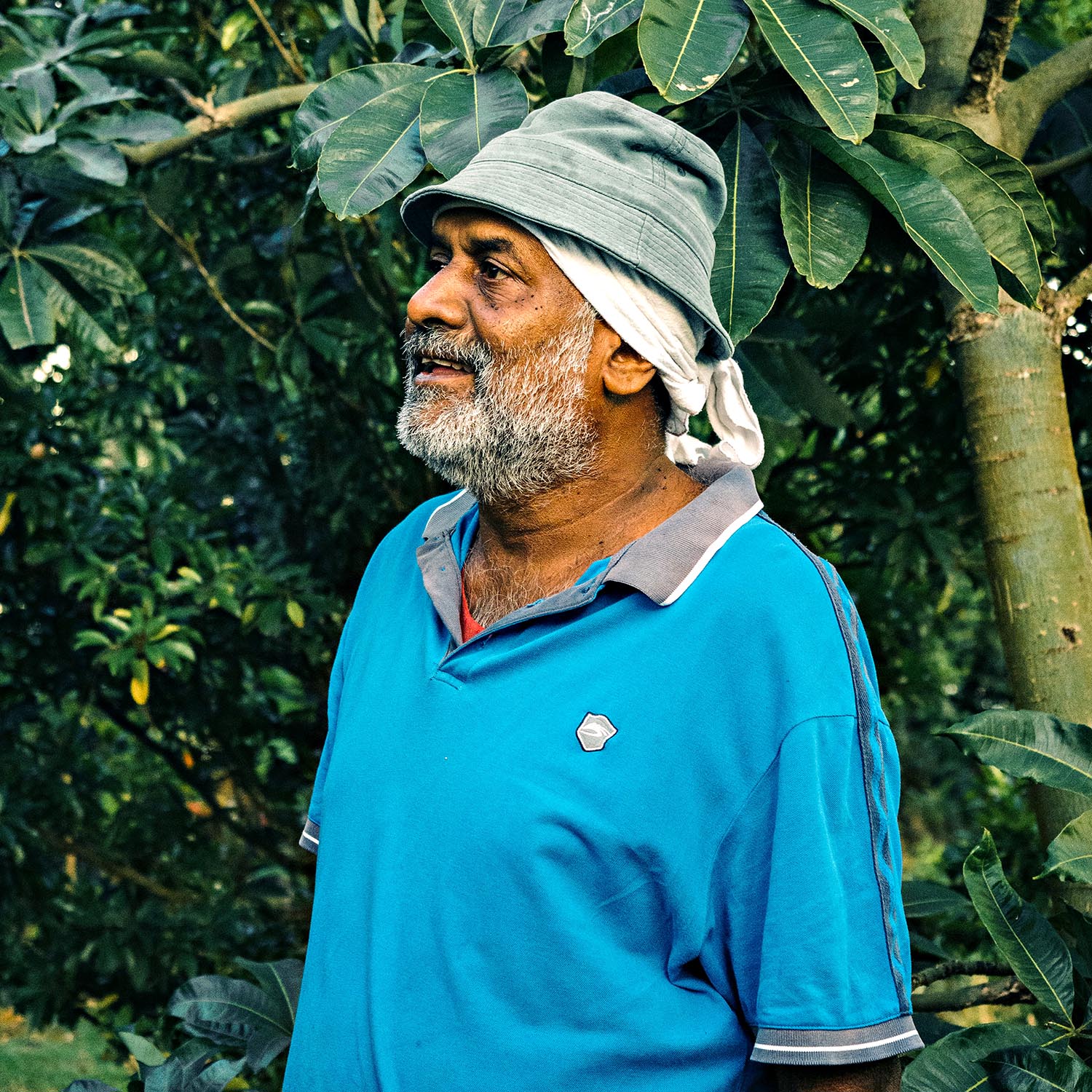
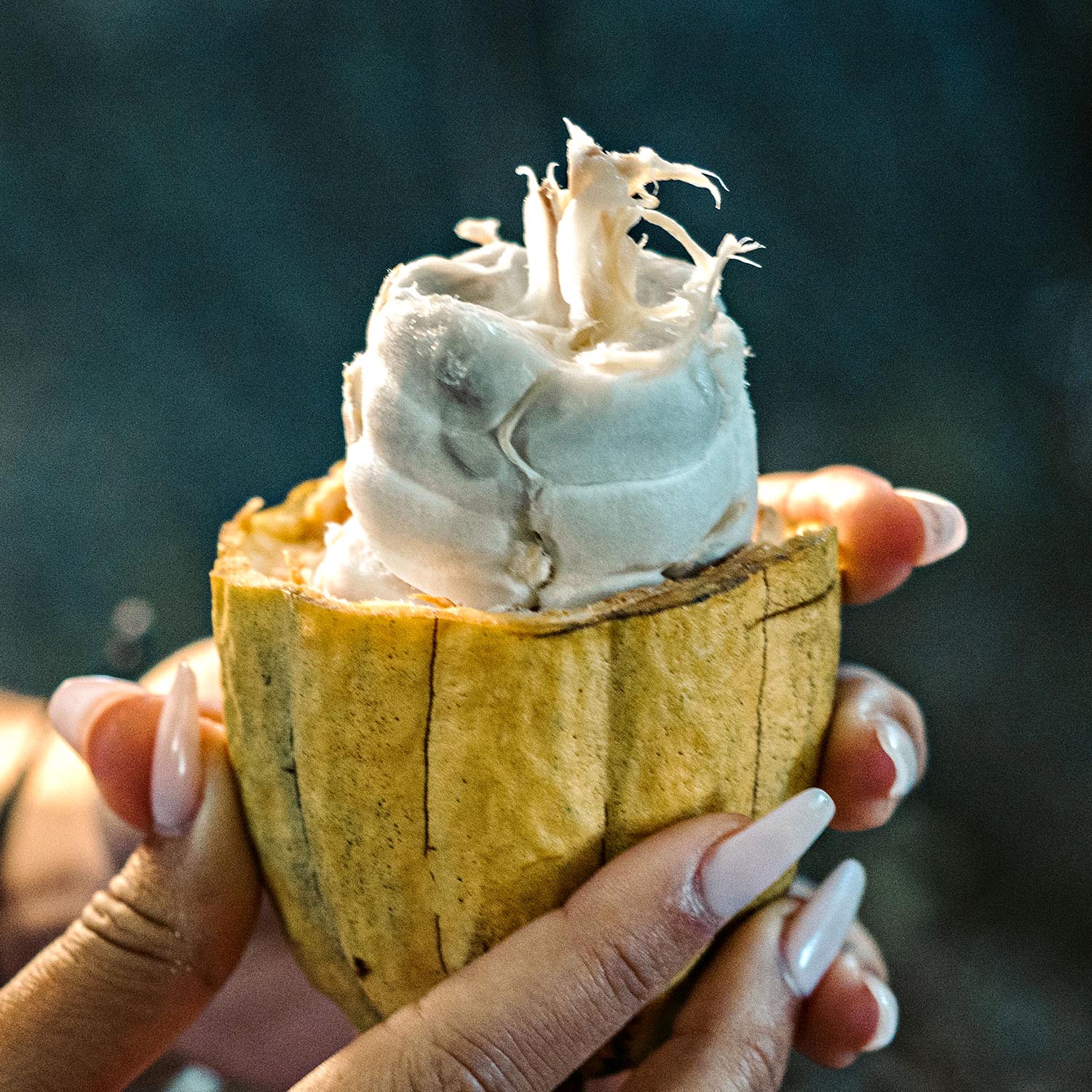
Bobby is a conservationist on his 100-hectare property, which manages to pack in a rainforest, a farm and marine park. He runs agritourism adventures that he assures me will engage all my senses today. Bobby has a deep connection to the land. Whether sucking on fleshy cocoa seeds, munching on a germinated coconut, or rubbing leaves to create a soapy lather, the aim of his tours is to link Fijian culture and nature. This isn’t difficult – the two seem to go hand in hand.

I’m still rubbing my eyes awake one early morning when Bobby points, hawk-eyed and alert, at a seemingly innocuous tree. I do a double-take. “That dove can’t be orange?”

He smiles. The orange dove is endemic to Vanua Levu and to catch a glimpse of one is a rare and beautiful experience.

The Tagimoucia flower is another unexpected sighting. I’m told that the only place in the world where this crimson and white blossom grows, is on Taveuni’s highest peak, Des Voeux Peak (which is also Fiji’s second highest mountain). It blooms between October and December.

The elevation of Des Voeux Peak is close to 1,200 metres above sea level and offers spectacular 360-degree views of the island. A four-hour hike to the peak amongst machete-toting farmers and a few opportunistic Fijian street dogs makes for a livelier than usual hike. Des Voeux Peak now has a dirt road for the less agile, thanks to a phone tower installation; however, the drive is not for the faint-hearted.

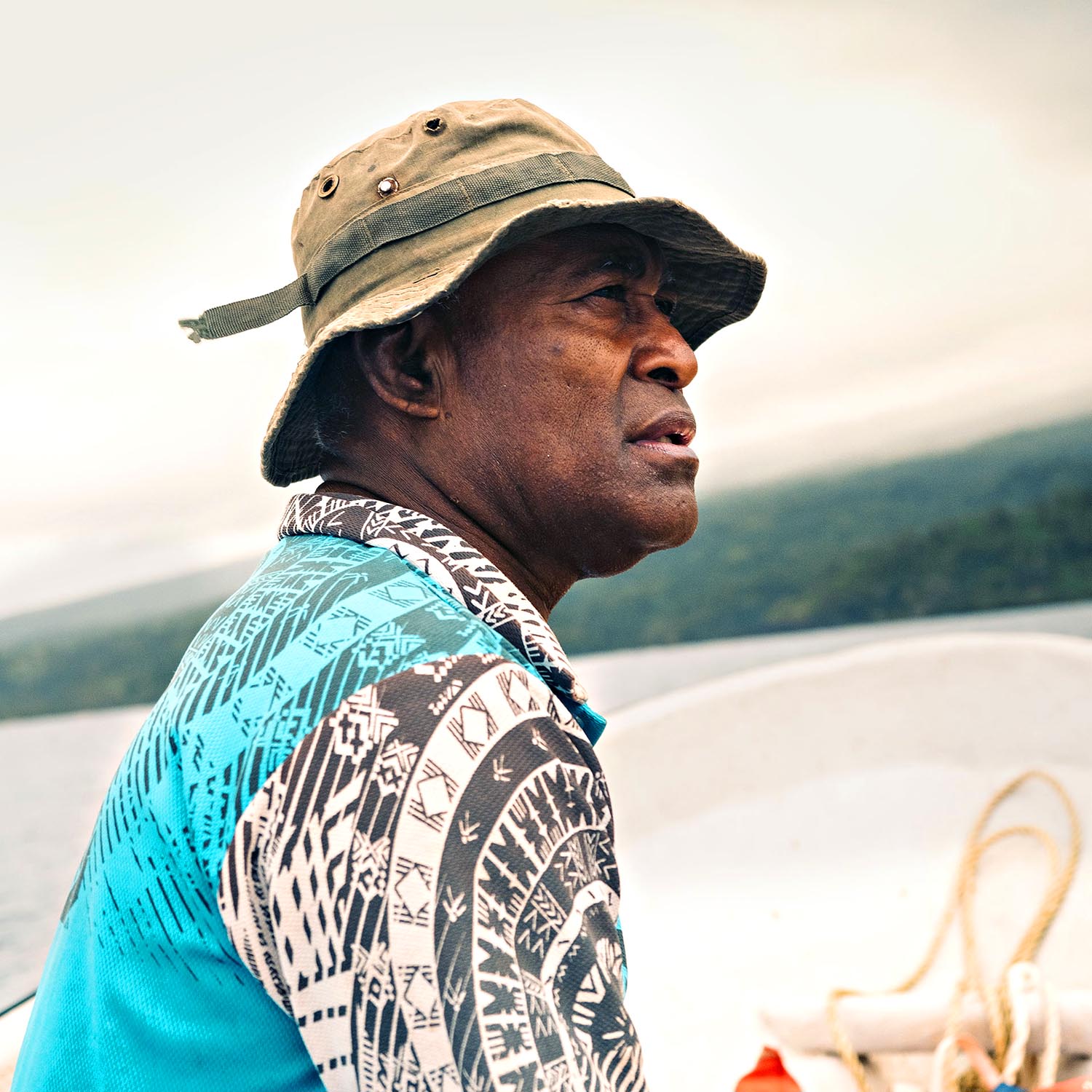
On this trek, I learn of a local in the village of Lavena who takes tourists out waterfall spotting on a small fibreglass fishing boat. Simi, the Taveuni native, is part of a small community run business called Lavena Ecotourism Tours which offers waterfall adventures along the Lavena Coast and can be organised through any resort in Taveuni.

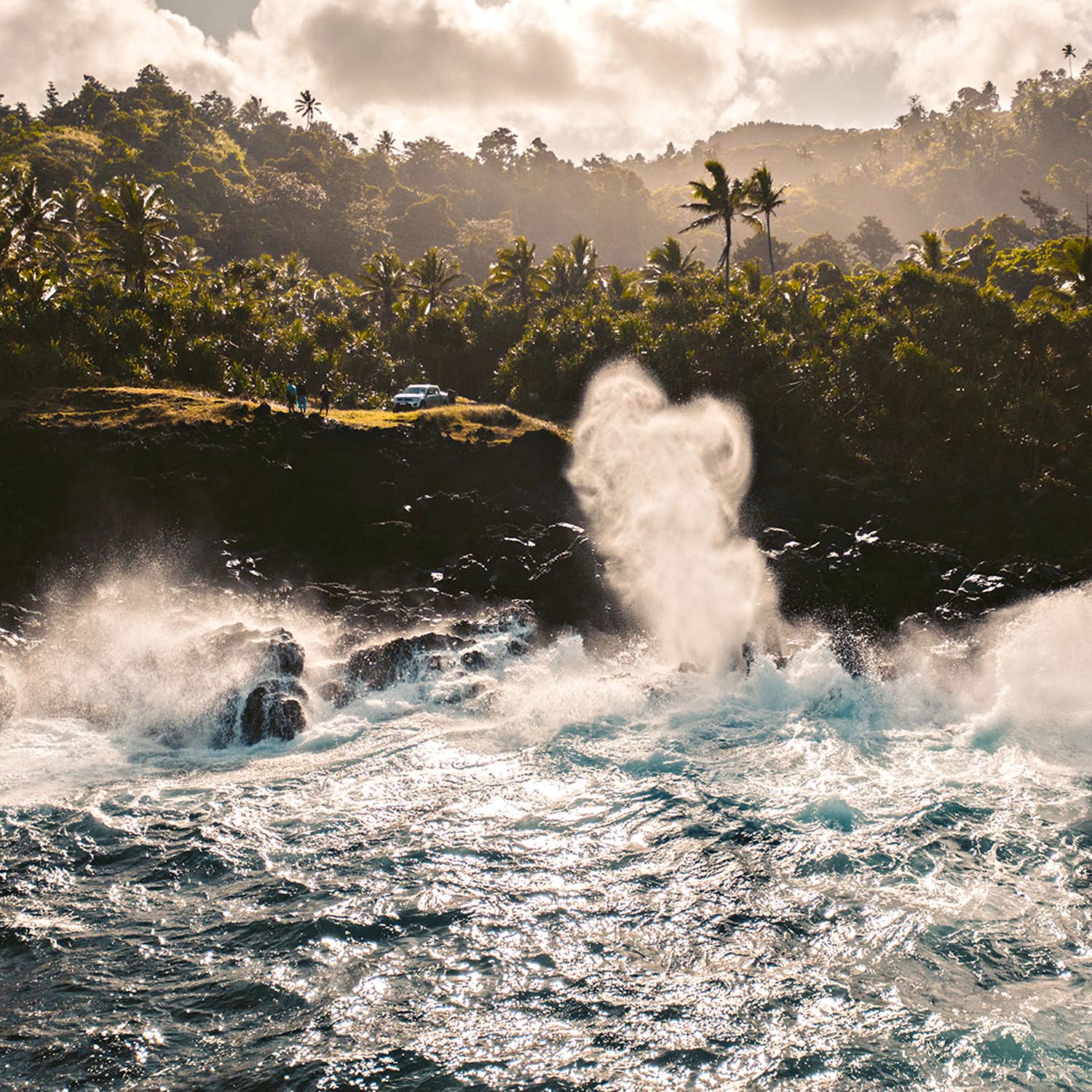
Most locals on Taveuni know Simi’s number and within moments of my brief phone call to Simi, I’m on the water exploring the southeast side of Taveuni, unreachable by land.

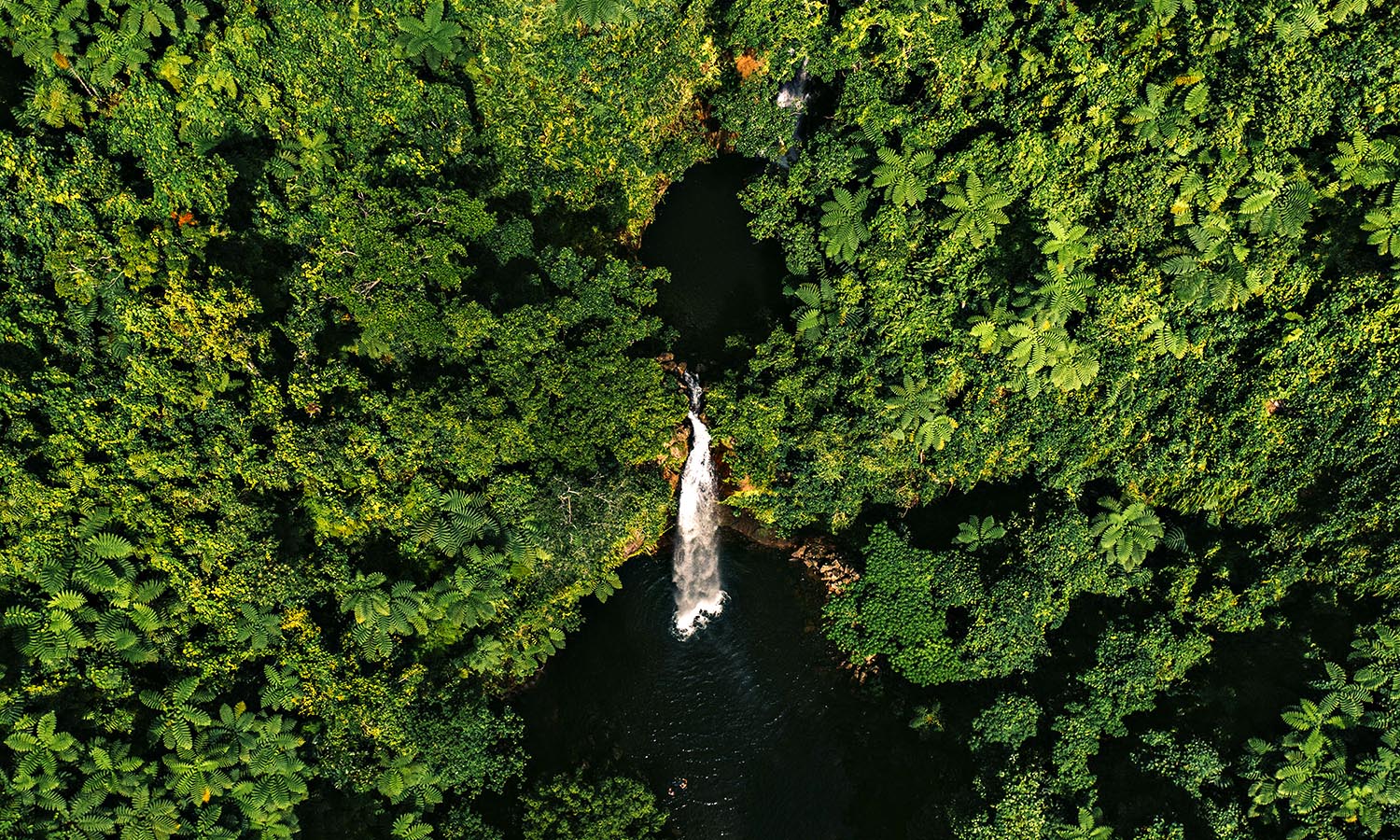
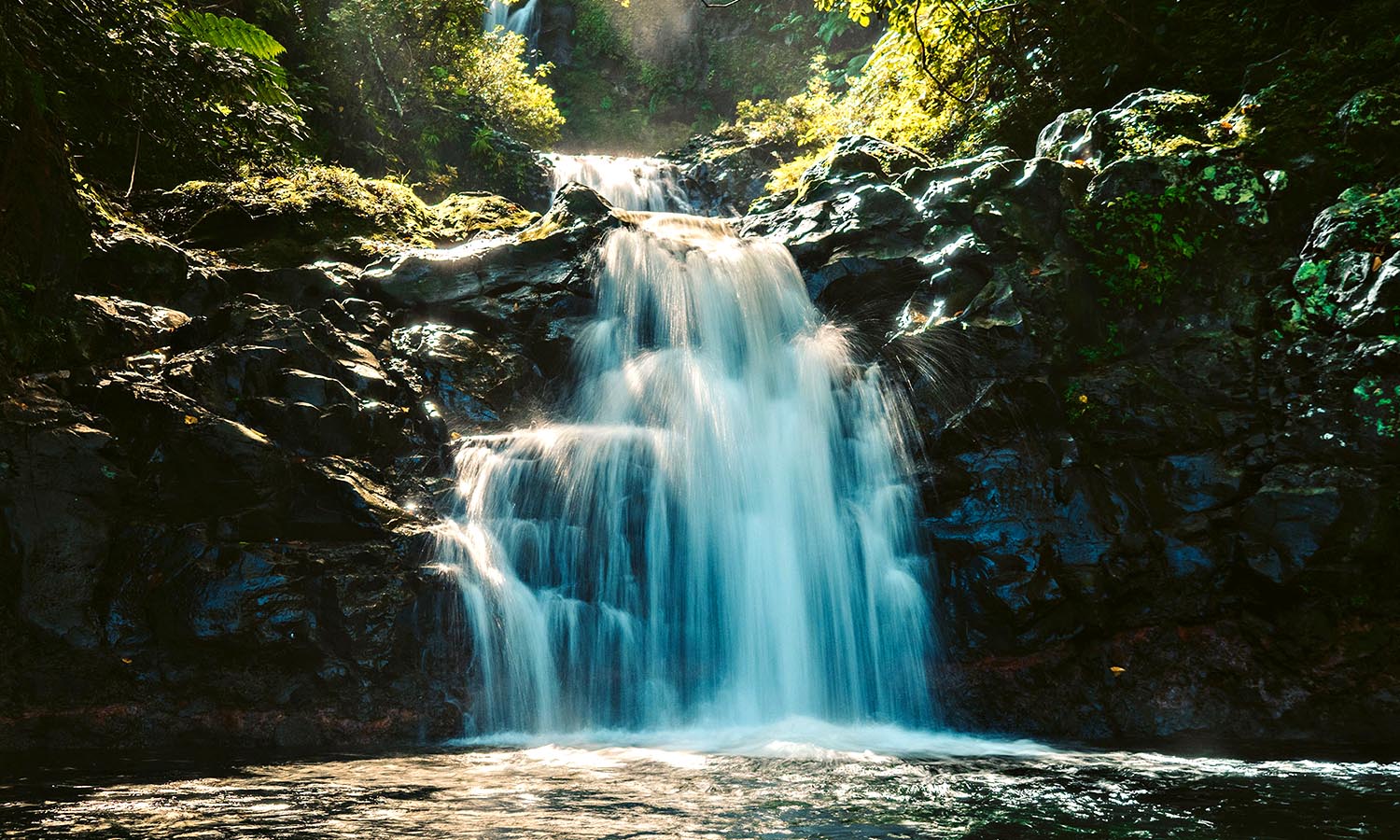
Ducking and weaving through mangroves, we reach Wainivakaca Falls, a three-tiered waterfall cascading from the spectacular mountains of the lush Bouma National Park. I’m ready for a dip. As hundreds of freshwater fish swim rampantly through my legs, I take a moment to appreciate this remote paradise, far away from reception, Wi-Fi, traffic or troubles.

As hundreds of freshwater fish swim rampantly through my legs, I take a moment to appreciate this remote paradise.

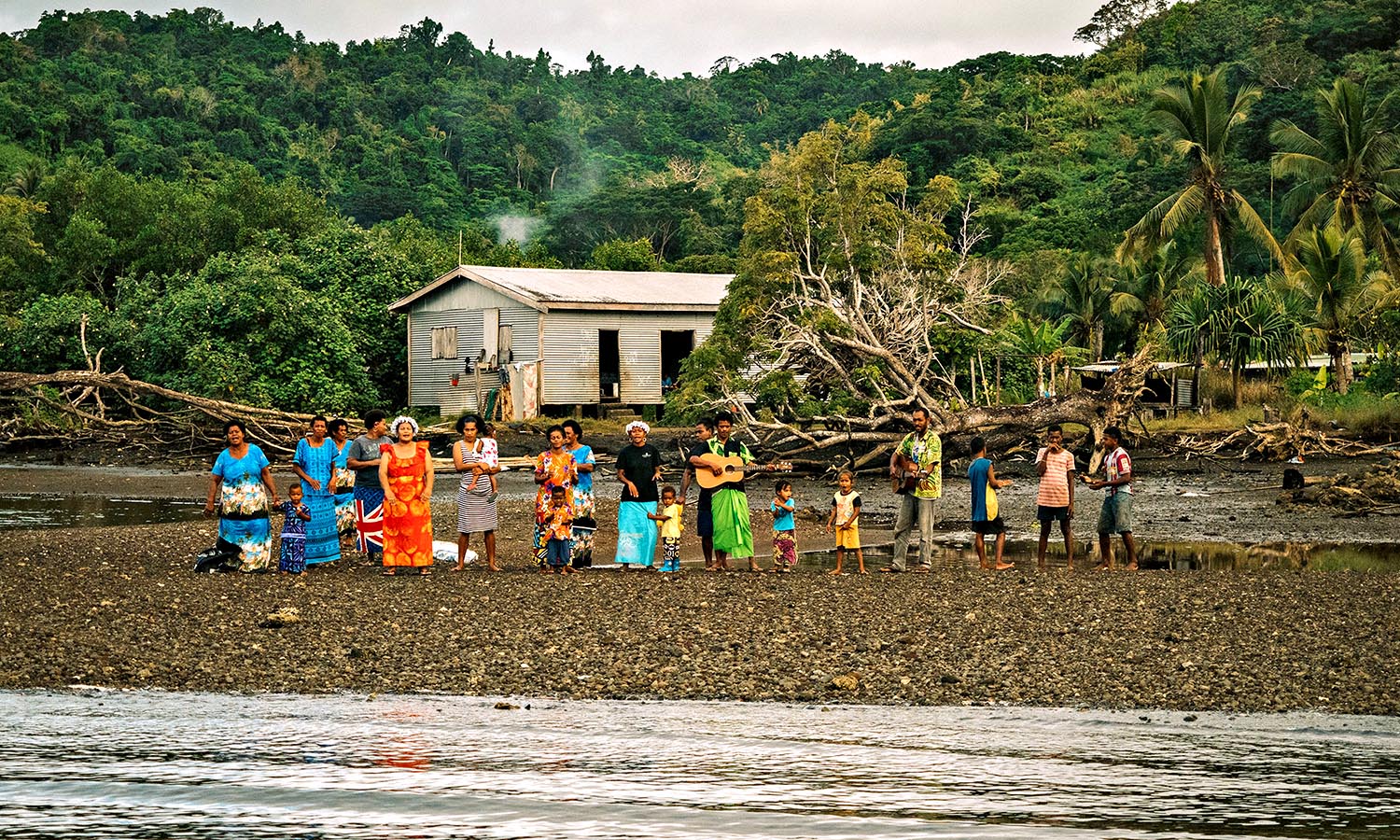
I take a quick ferry ride (and I use the term ‘ferry’ very loosely) across to mainland Vanua Levu, this time finding myself in the charming village of Vunikura. The locals gather shoreside to greet us with a welcome song and an enthusiastic, “Bula!” This is the second time this has happened today already, but goosebumps still shoot down my now tanned arms as I listen to locals sing and strum their ukuleles with glowing smiles.

Tradition dictates something known as a ‘Sevusevu’ to be performed before visitors can enter a village. It involves a presentation of a bundle of Kava roots to the village chief. It’s a gesture of respect and establishes a meaningful relationship between the host and visitor. With the chief’s blessing, I’m swept up by the village locals, eager to show me around their home.

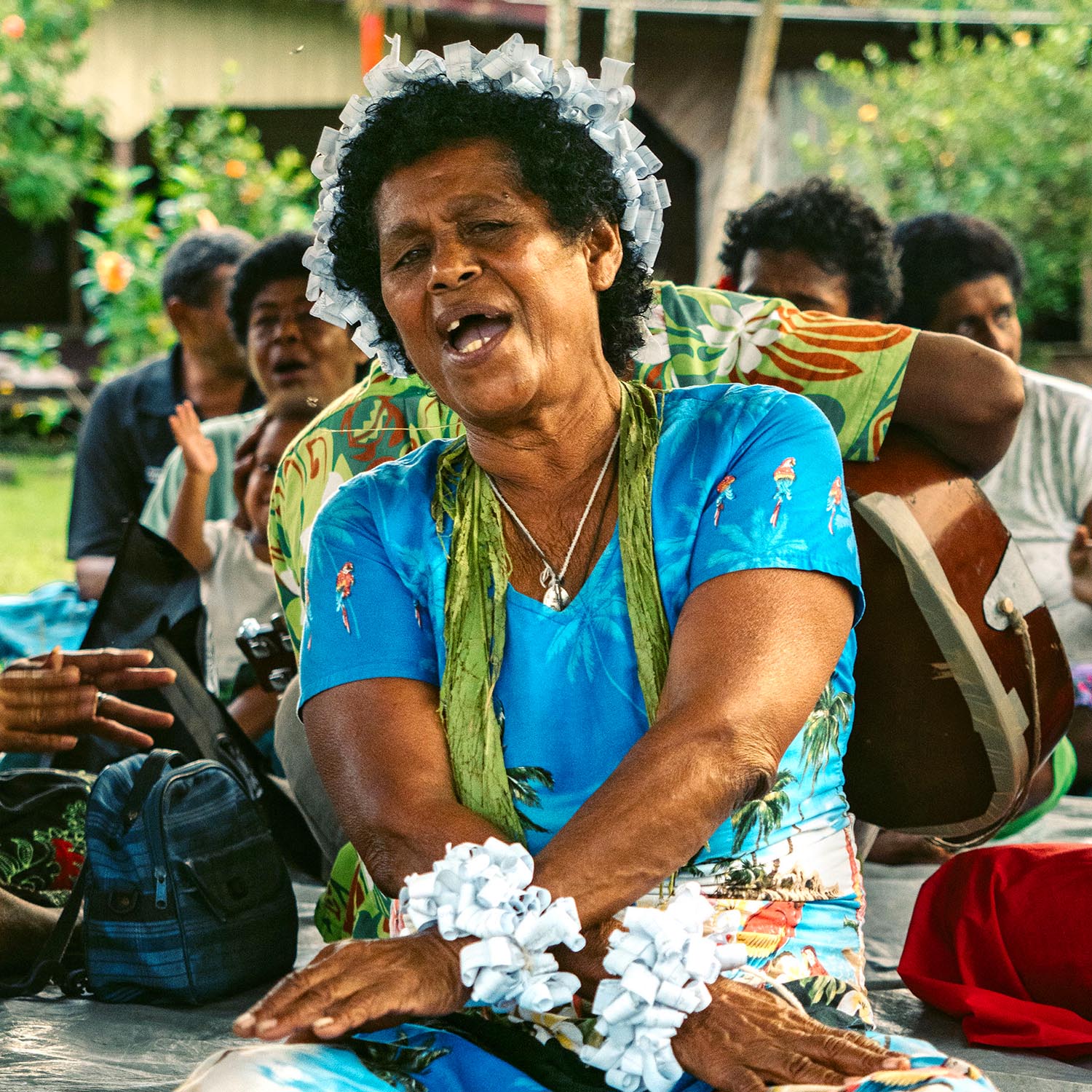
By the time we reach a small community shelter, the entire village has congregated in traditional Fijian dress to perform a traditional Fijian folk song and dance. It seems all Fijians are born with the gift of music and dance, a trait made only more impressive to someone who inherited two left feet and a tuneless singing voice.

The music ends and the high tide still hasn’t arrived to take our humble fishing boat home, and I’m again reminded by the locals of ‘Fiji Time.’ And what else does one do when waiting on Mother Nature’s Uber in Fiji? Bring out the kava bowl, of course. The bowl is used for mixing a sedative drink made from the kava plant’s roots. It’s the perfect end to a rigorous day and the perfect way to forget about time.

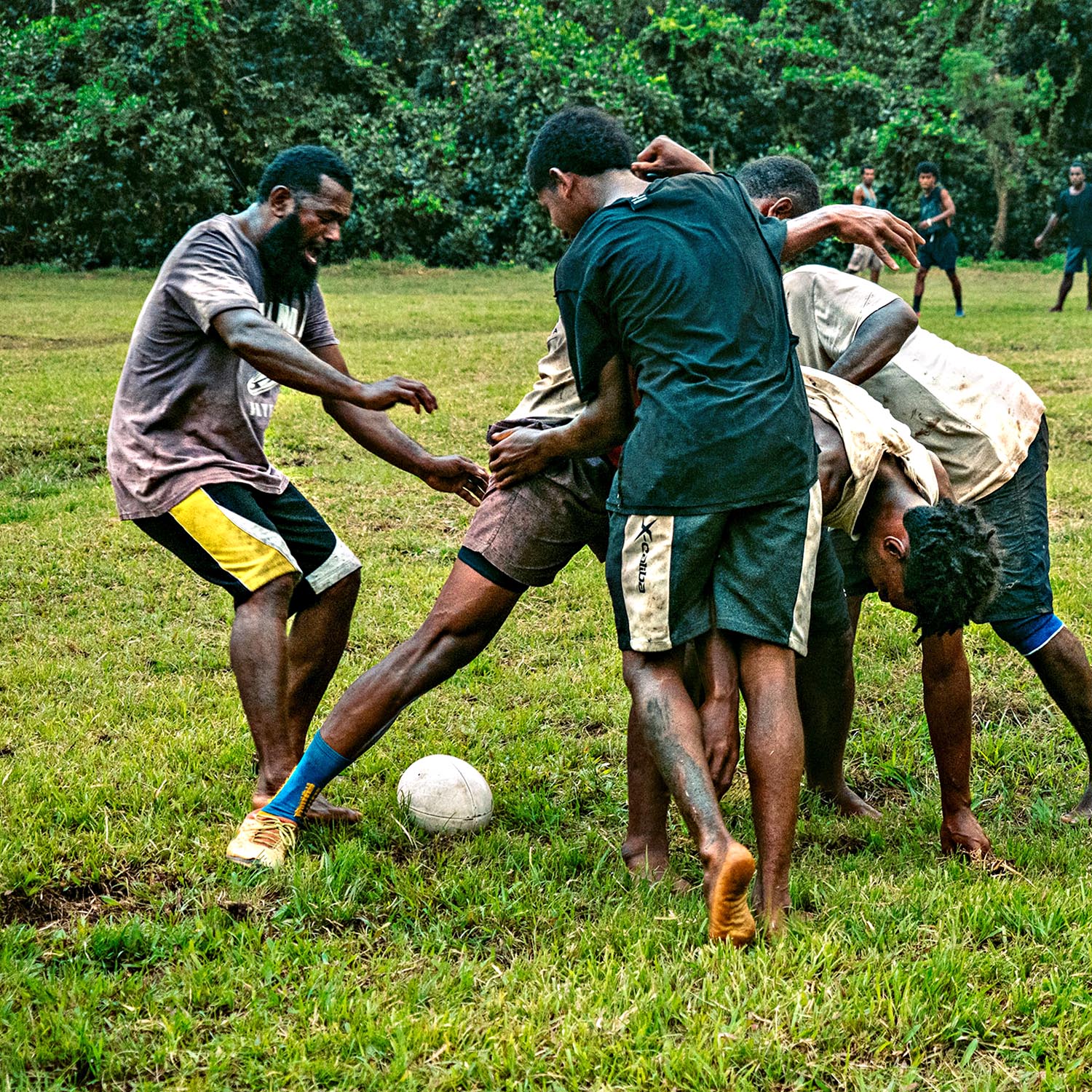
As the villagers pass around a coconut cup filled to the brim with kava; the local joy for life once again becomes apparent. Local crooners now serenade us with smooth, contemporary Fijian love songs whilst children play rugby on the village pitch.

It is all infectious and heartwarming. And as the last light dips below Buca Bay (while I’m still drinking kava and waiting for my boat) I realise that Fiji is not just about the sea, the sun or the sand; it’s about joy, its people and their own sense of time.

get in the know Vanua Levu was once known to European traders as Sandalwood Island for its abundance of the handy timber.

FROM HAWAII WITH LAVA

I NEVER WAS MUCH FOR THE OCEAN AT NIGHT. I find the overwhelming deafening silence terrifying, especially for a kid from Queens, where the city is a perpetual night light filled with sirens.

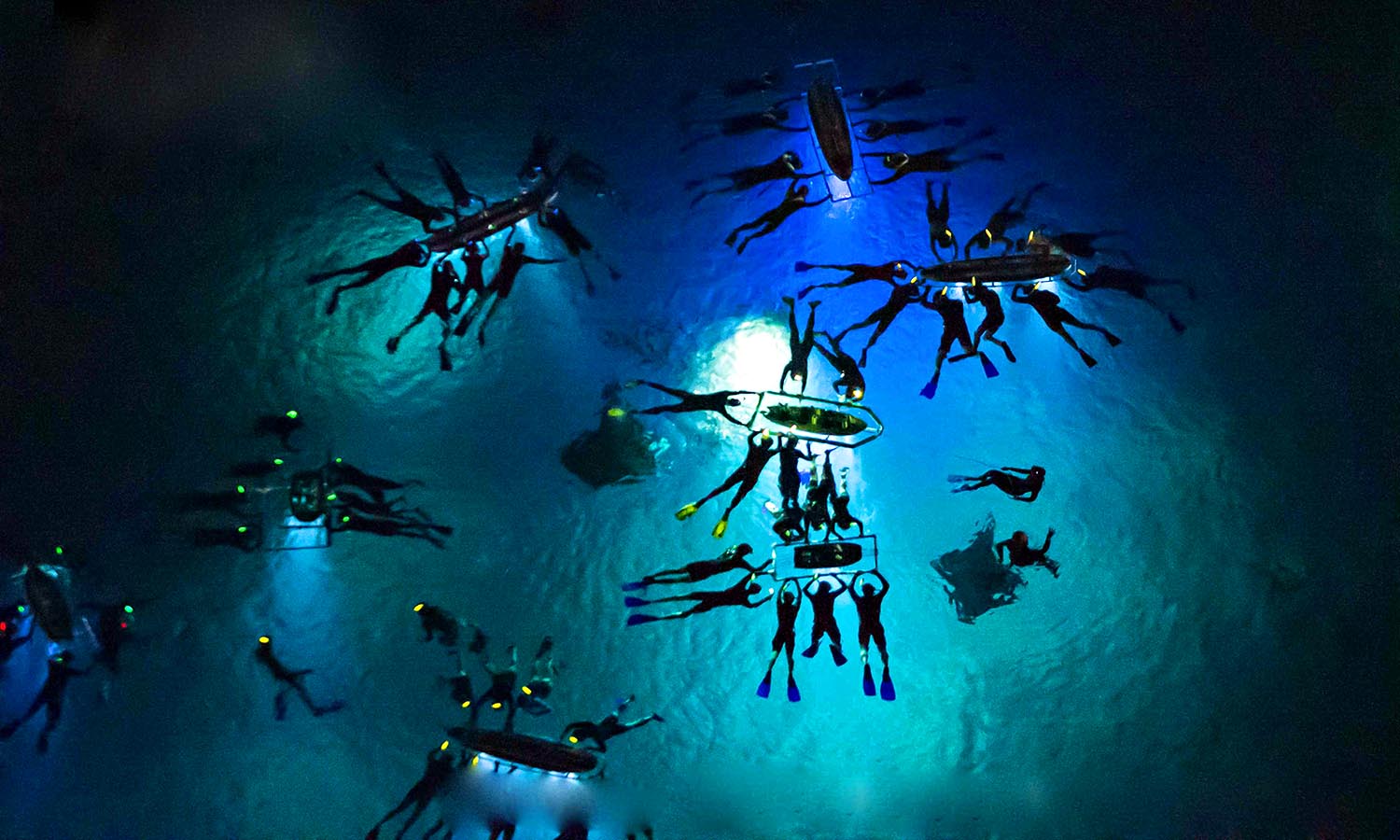
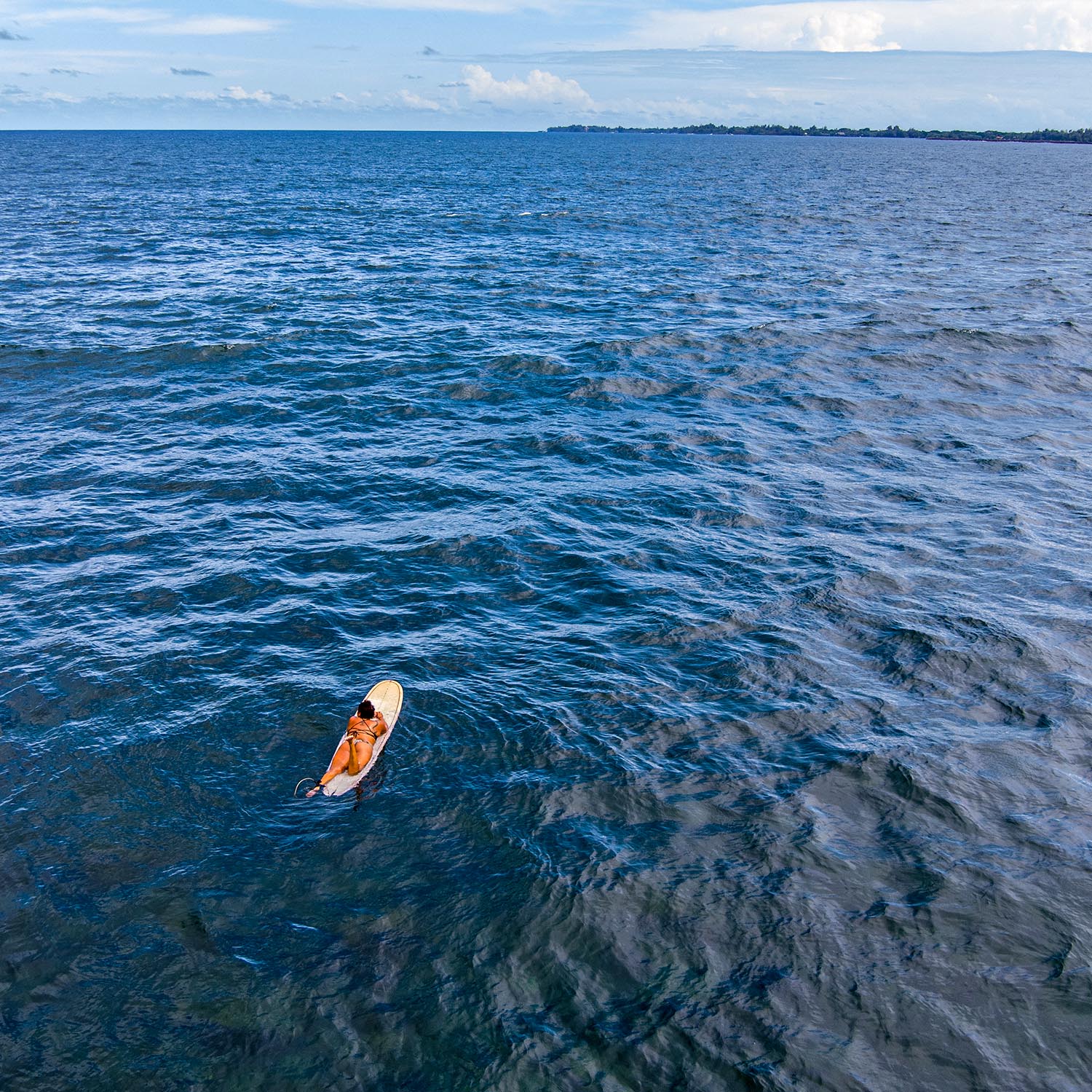
As we round the familiar silhouetted Kona-coast, I see a cluster of similar dive boats to mine, all bobbing in the water surrounding giant, illuminated lily pads (which I would later realise are just stand up paddleboards) all filled with snorkelers and divers. My fear immediately turns to wonder.

“Alright! Let’s get in!” my dive instructor commands.

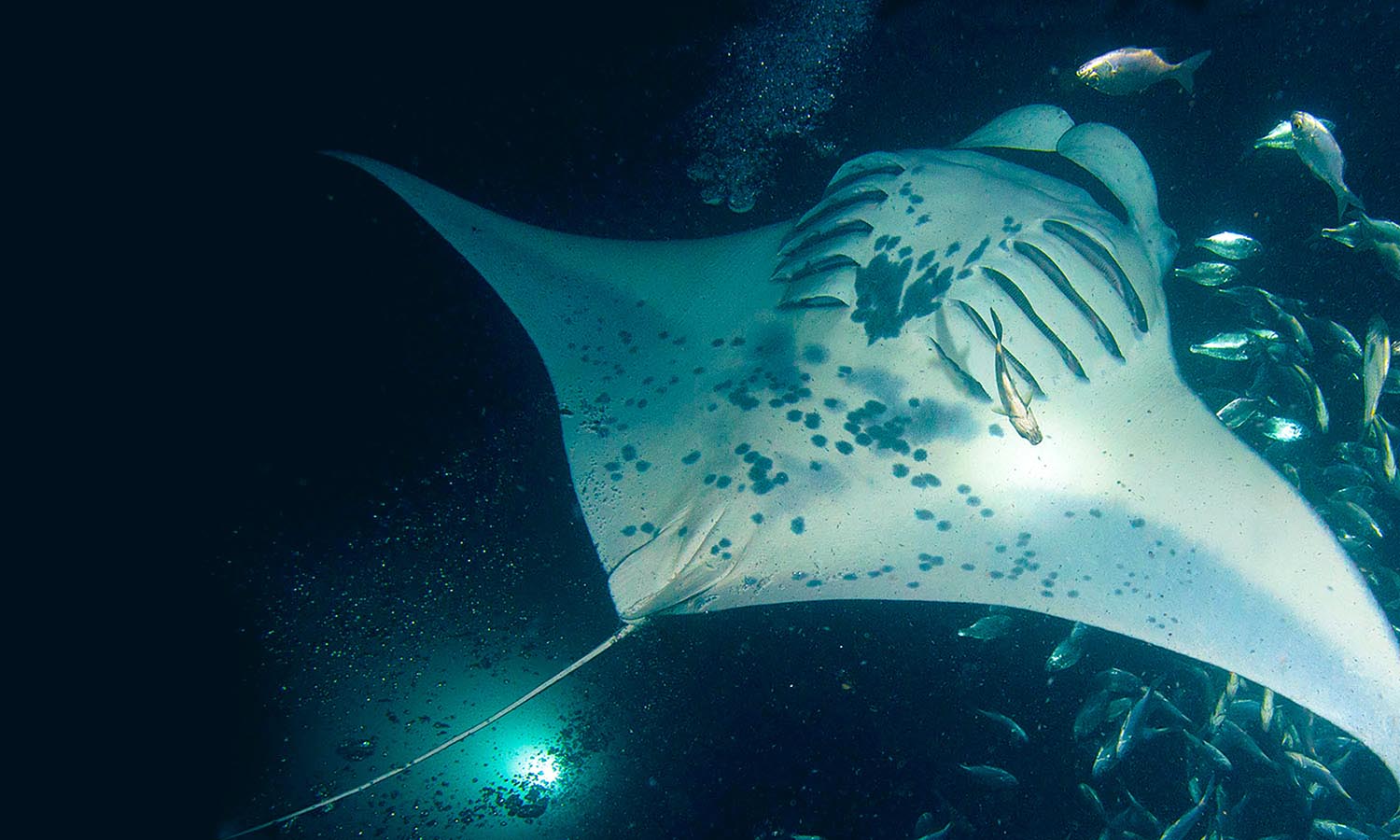
As I slip into the fresh (and unnervingly warm) Pacific ocean off the coast of the Island of Hawaiʻi, I grab a handful of rope around one of the paddle boards which also has a high powered LED light attached to it and is pointing straight down into the pitch black abyss below. I put my head under the water and almost swallow my snorkel mouthpiece, as three massive Manta rays do acrobatic flips inches away from our faces in our spotlight.

Night diving and snorkelling is one of the truly unique experiences that the Jack’s Diving Locker does exceptionally well. The learning curve to get into the water is only minutes long, and the resulting experience is unlike anything I have ever seen before. The lights attract plankton, which in-turn attracts giant Manta ray which in-turn attracts us divers. They are otherworldly, beautiful and as jaw dropping as an underwater Cirque Du Soleil show from another planet.

Click play to watch

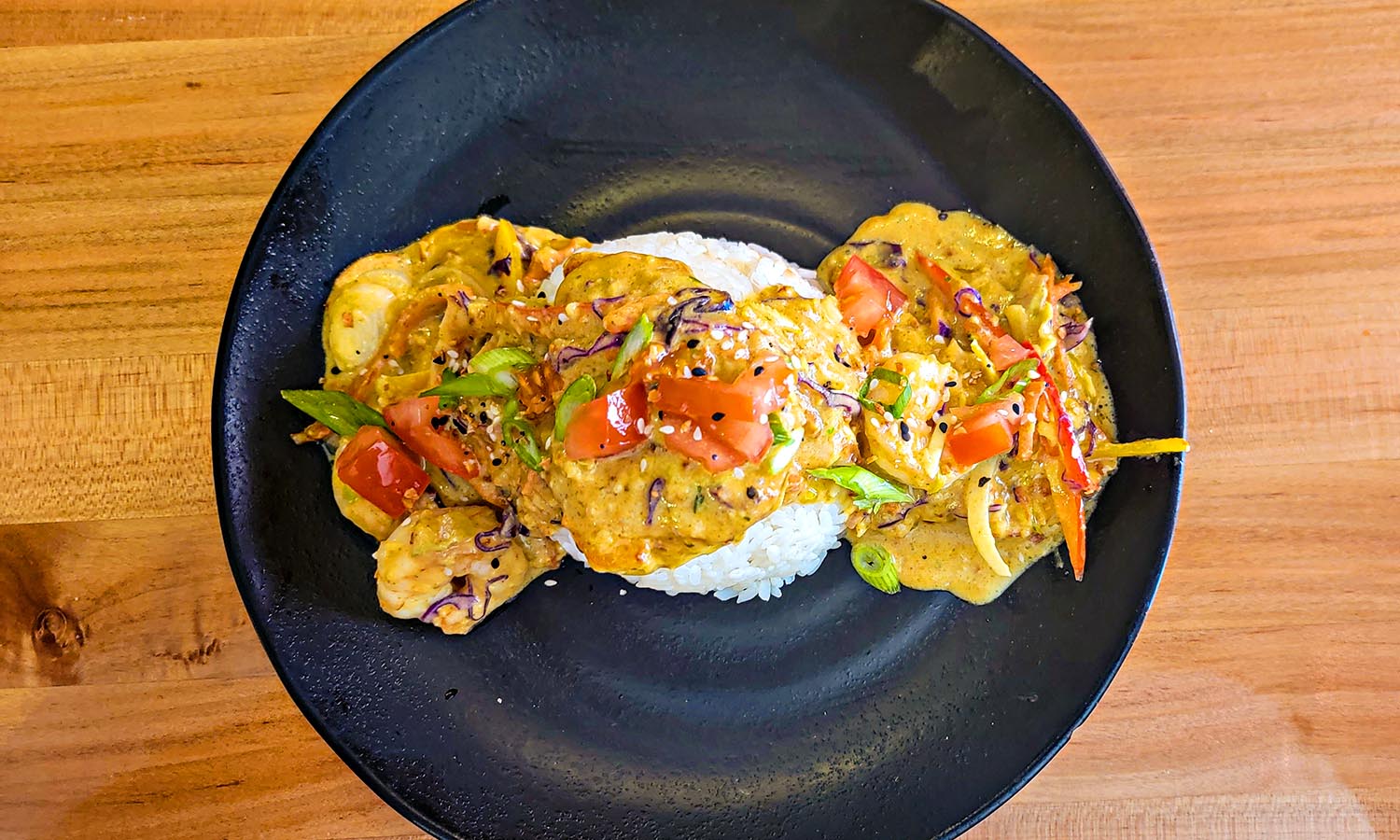
Having your mind blown works up a surprising appetite, so back in the tranquil town of Kailua-Kona I make a dash for dinner at a restaurant called Umekes, where a ravenous long line of people has already formed outside. In a place like Umekes, it’s quite difficult for a foodie to order. Taro leaf roasted coconut oysters, fresh Ahi fish belly with unagi glaze, and a dish simply called ‘Get In My Belly’ which is too decadent to even try to describe in a story like this. It’s a symphonic menu and I hold myself back from ordering everything.

“Don’t think, just do it,” says Chrissi, my all knowing bartender as she slides two shot glasses stealthily with a sideways squint.

“Left, then right. Left … then right,” she repeats to me with determination. I do as she says for fear of upsetting her and I smash the liquid down my throat in its prescribed order. Immediately my mouth starts doing the electric slide.

“That’s buffalo trace whiskey, and that’s a house made mango pickle shot. We call it a Buffalo Soldier. Together, they make decisions here easier to make,” Chrissi says with a wink and smile.

I think to myself, what a novel cure for the indecisive folk.

In Hawaiʻi, there is only nature, her needs, and your desire to fulfil them. Once you come to realise that on your next visit to Hawaiʻi, you’ll get the holiday from yourself that you never knew you needed.

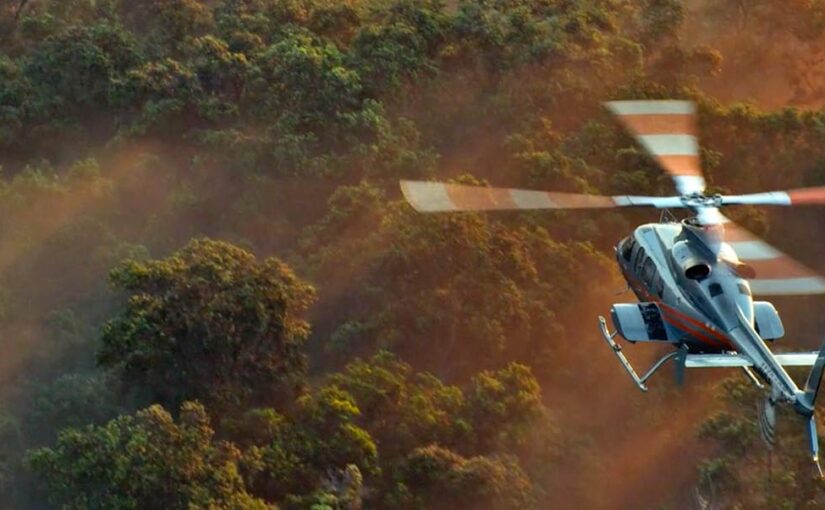
At the crack of dawn, still sporting a Buffalo Soldier hangover, I shoot across the Jurassic-era like centre of the island in my hire car on Route 200, destined for the city of Hilo on the island’s east coast. I arrive at the city’s charming little airport that resembles a ramshackle bus stop, anchored in the middle of paradise and minutes later I’m walking on the palm tree-lined tarmac towards my helicopter. As I climb aboard the shiny Bell 407 chopper and strap myself in, fear catches up to me and I realise there’s no doors. Immediately my terror-inducing experience of diving the ocean at night wasn’t that scary after all. Now I’ve got to fly over the mouth of a couple active volcanoes without any doors.

Hanging out of the helicopter, now suspended over a lava-filled active volcano, I witness the raw and powerful nature that makes this chain of islands so special, peering into the spewing, molten guts of Mother Earth. A full hour passes while I’m looking down the lens of my camera and we’re back on terra firma, safe and sound, but apparently I wasn’t done flying for the day.

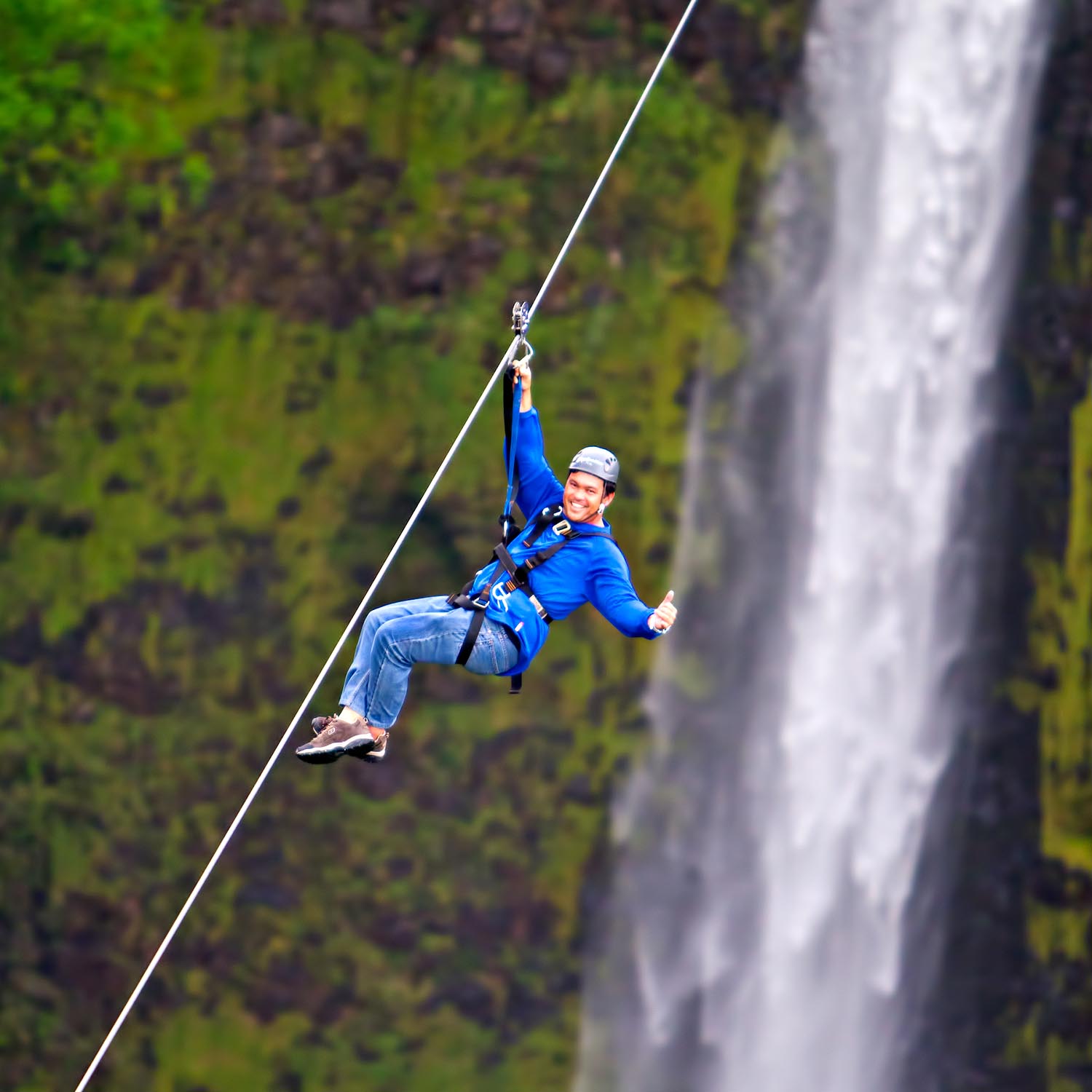
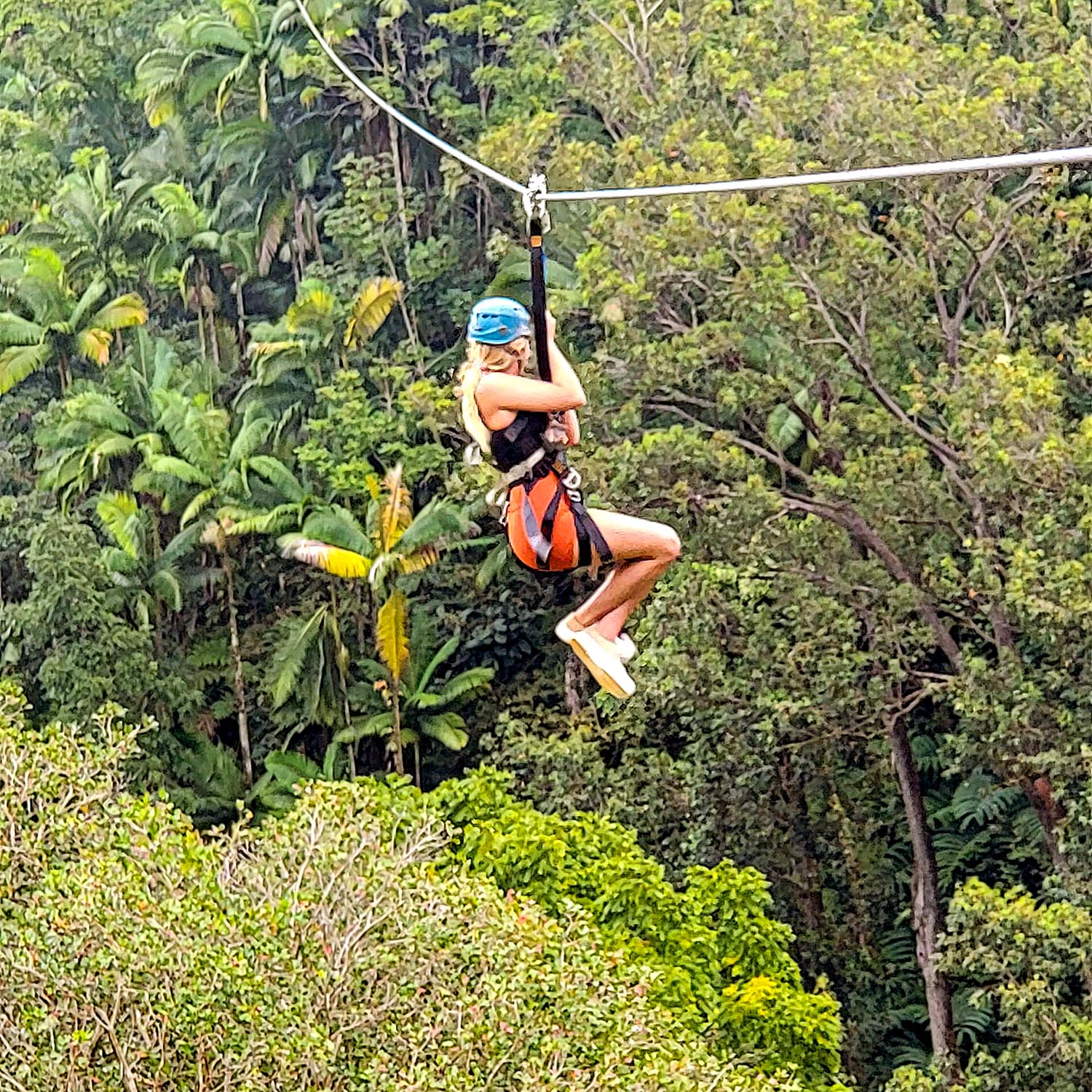
Hawaii Zipline Tours is just a half hour north of Hilo and is the best example of what a ziplining adventure through a tropical jungle can be. I’m driven up to a stunning, working plantation where I’m placed on a short zipline just a foot off the ground to get the initial feel of soaring through the air only tethered to a line. There are about a dozen lines here, each getting progressively more intense. And as I zip through the farm, trying each line, I learn about the various types of vegetation, food, fruit and history that this part of the island holds sacred. I even pick bananas and other local treats right off the vine as a snack as I wait my turn or as I sail by.

This corner of the island is so idyllic, mountainous, lush and picturesque that I almost miss that now I’m on the last line, I’m sailing hundreds of metres above the ground flying at 65 kilometres per hour across a deep gorge.

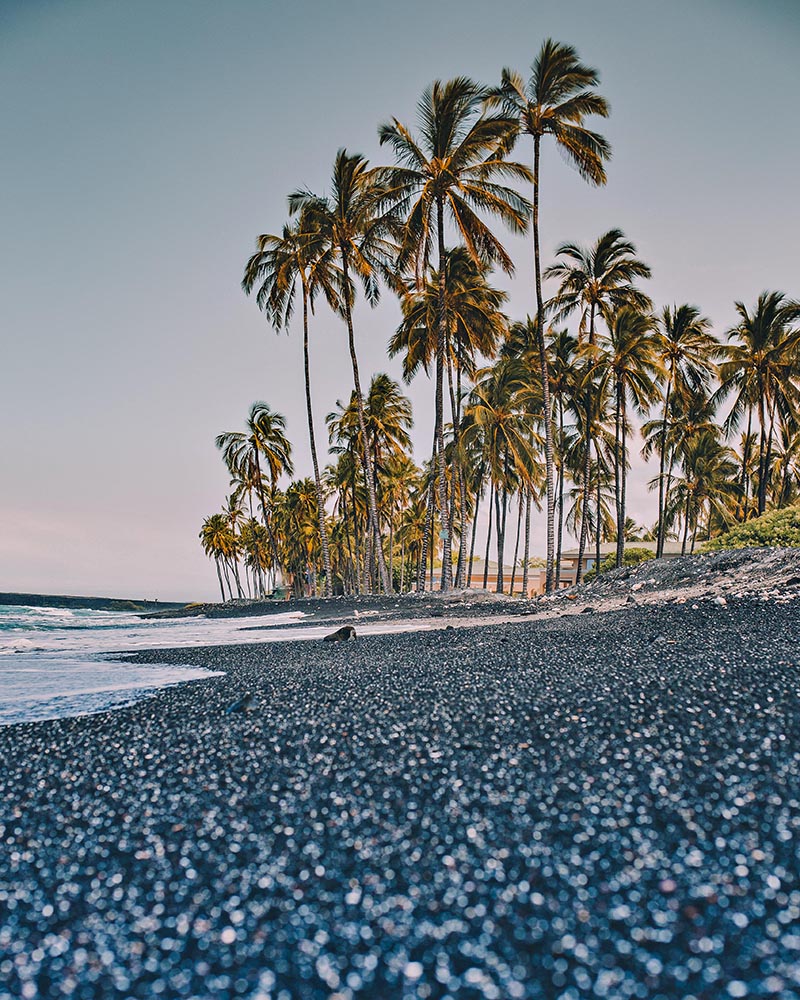
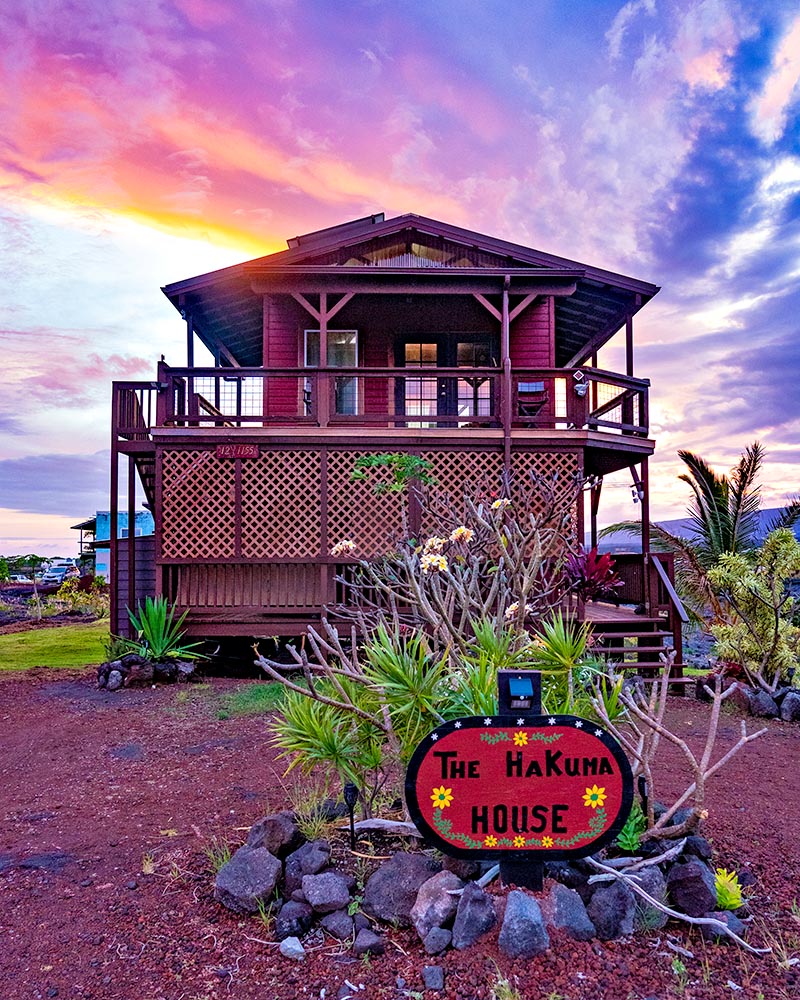
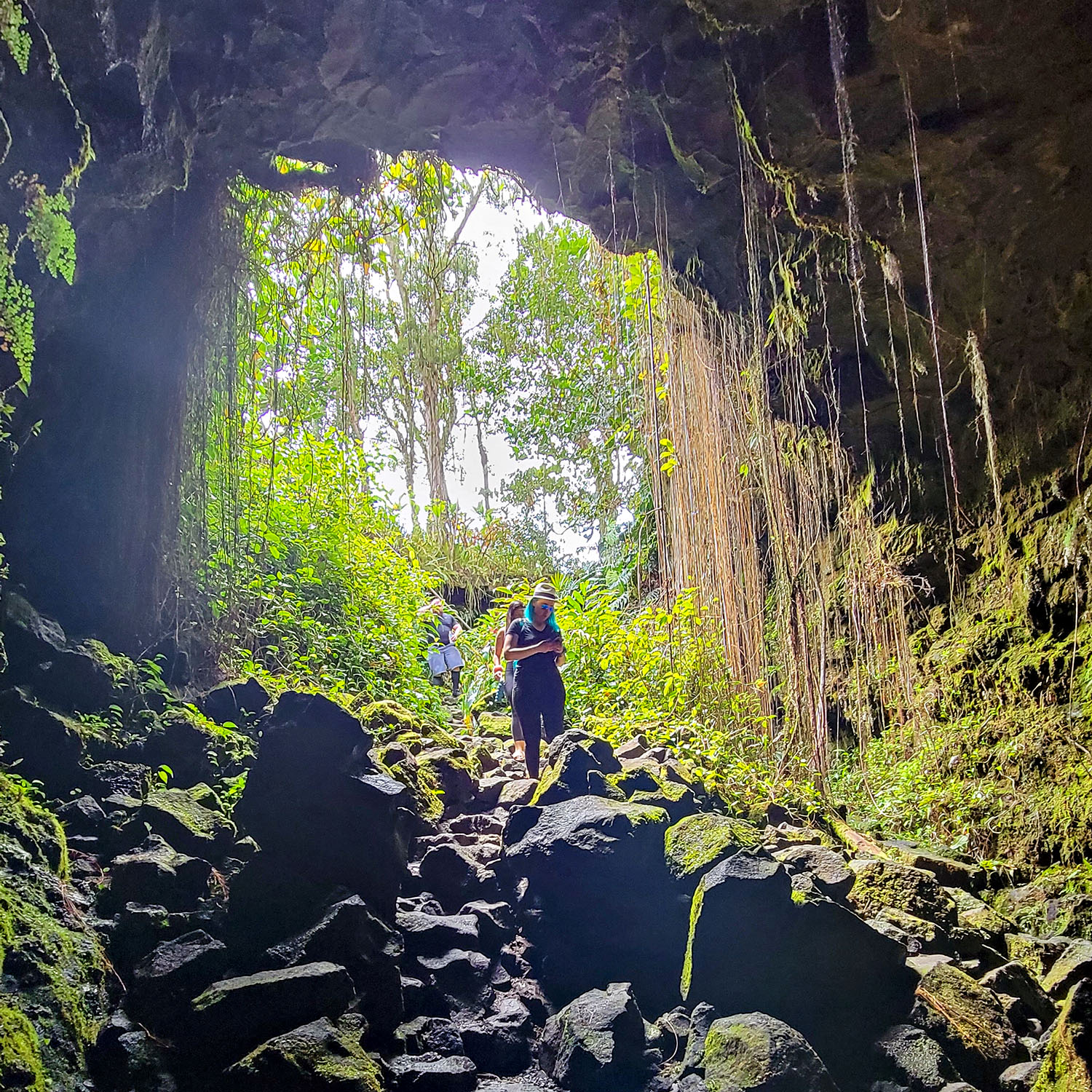
Having had my fill of flying for just about a lifetime, I start my journey south. Route 130 would take me to the lava fields, which as it sounds, is a barren, unearthly place devoid of any vegetation unlike the rest of this idyllic place. As the highway turns to a single lane paved road, then into a pure gravel path, I instantly think to myself that I probably should’ve taken the extra insurance out on the hire car. After a good 30 minutes pushing my poor Toyota across what looks like a Martian parking lot, I finally reach my final place of rest: Hakuma House.

It may be odd to travel to see nothing, but that is exactly what an overnight adventure to Hakuma House is; nothing. The lodging is a modest, two level timber home that sits atop a massive lava flow. As I stand at the edge of my abode for the evening, around me there is absolutely nothing. No grass, no trees, no water, no mountains, no sound. It’s blissful nothingness. Tonight I’m sleeping on what is the world’s freshest skin and it’s an experience like no other.

As the sun sets, I draw a bath in the outdoor clawfoot iron tub and put a bit of shampoo in to make it feel fancy. I extinguish the deafening sound of running water and slip into the tub looking out into the void of an ashen black lava flow horizon, where the only sign I’m not just floating in outer space is the complete lack of stars hidden from the fluctuating weather patterns.

For just a minute of soaking in my private bath, I completely forget where I am and I let the emptiness fill me in a wonderful way. For a brief moment, I think I understand what it is like to live here, to be Hawaiian, where nature consumes you and is such a protagonist in everyday life. The things you would worry about in other places don’t apply here because it is like another world.

In Hawaiʻi, there is only nature, her needs, and your desire to fulfil them. Once you come to realise that on your next visit to Hawaiʻi, you’ll get the holiday from yourself that you never knew you needed.

MEXICAN BORDER CROSSING

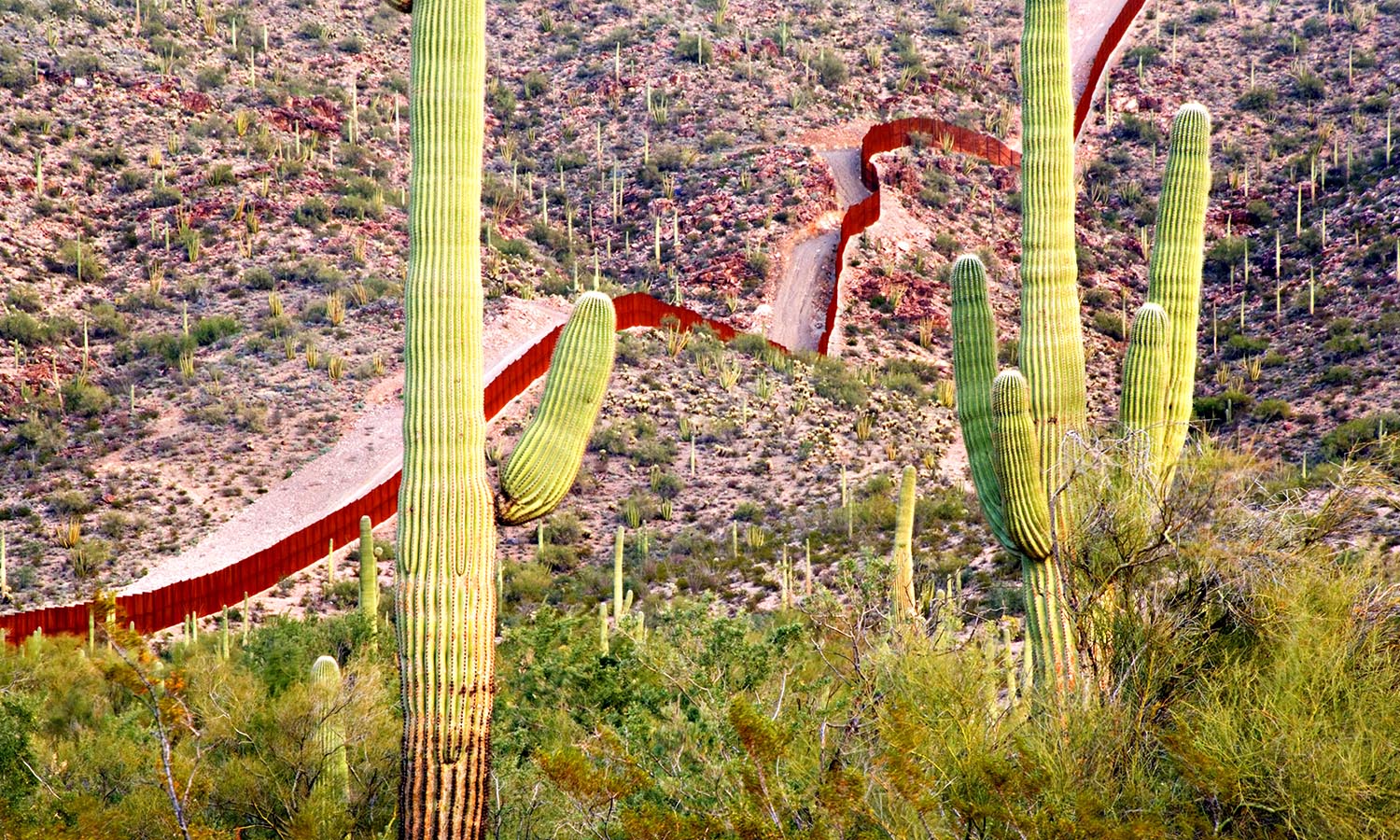
Have you ever wanted to simulate the finer points of an illegal border crossing – that is, being shot at, verbally abused, told to get on your hands and knees and running for your life?

No, we haven’t either. But like you, we’re curious. Caminata Nocturna (The Night Walk) is the experience that simulates the dangers of crossing that famous dotted line between Mexico and the United States.

The dangers are real for those that try to cross each year (an extraordinary 1.6 million arrests are made at the Mexico/U.S. border each year). For takers of this night tour, it is an adrenaline-inducing glimpse into another world, perhaps reminding us of the luck in our corner that this ‘simulation’ has never been our reality.

GO BORDERLINE INSANE

THE GATES OF HELL

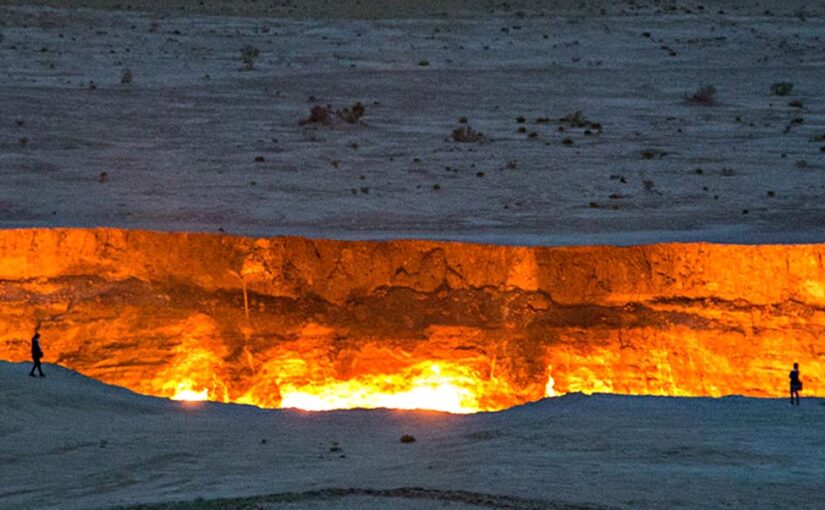
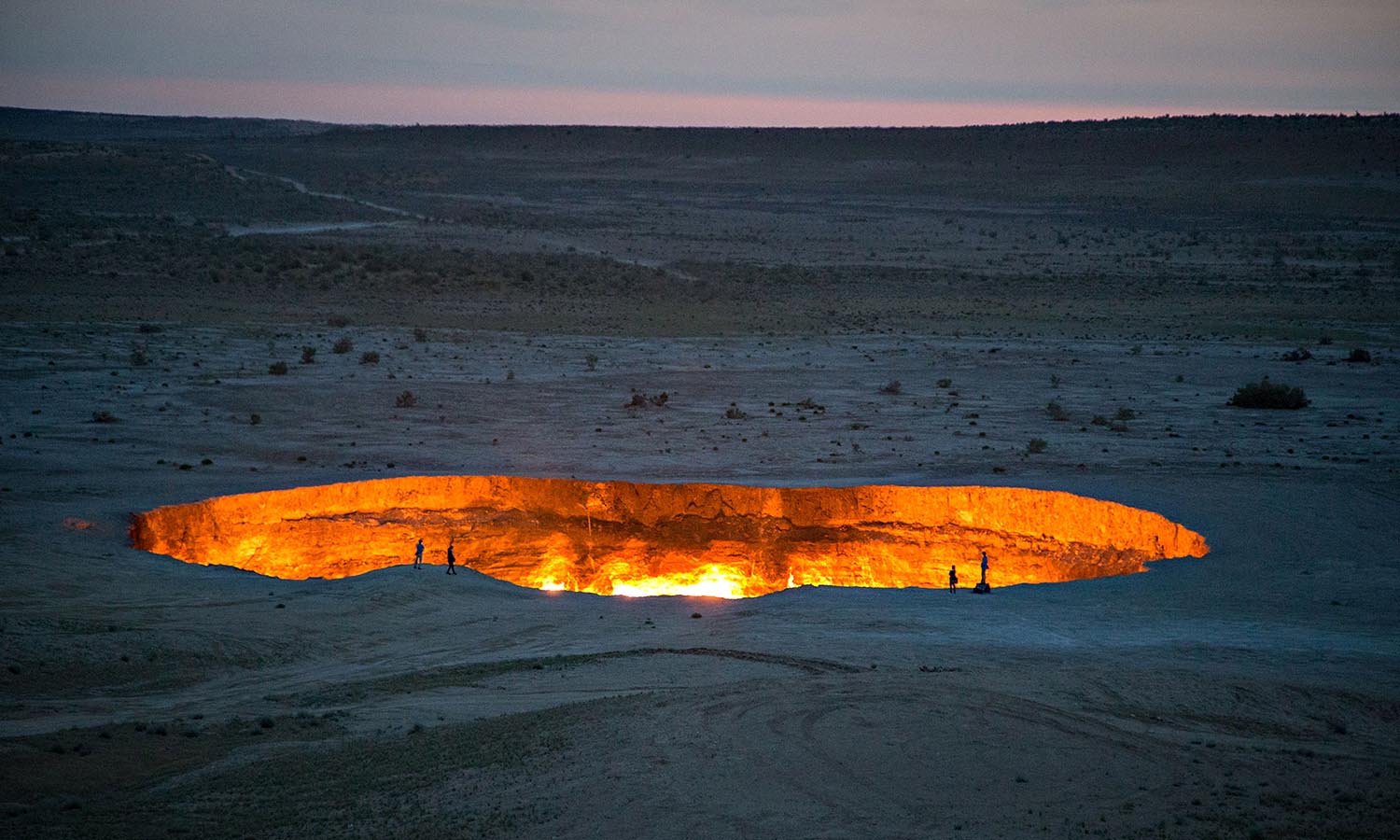
In the middle of the Karakum Desert in Turkmenistan is a big, fiery crater. And no-one really knows how it got there.

The Davaza Gas Crater, or the ‘Gates of Hell’ as its been called, is likely the remnants of a Soviet experiment gone wrong. It’s a collapsed natural gas field which has been burning for over 50 years.

Nowadays it’s a popular day-trip or overnight camping spot. It’s an extraordinary sight – a great ball of fire burning in the ground, with nothing but desert surrounding as far as the eye can see. We guarantee you won’t find anywhere else like this in the world, although you might want to get there soon: Turkmenistan’s President Gurbanguly Berdimuhamedow visited the site early in 2022, and asked for scientists to seal off the area to prevent the spread of unhealthy gases (he did do the same in 2010 though, but hasn’t yet found a way to get rid of it).

GO TO HELL

DOPE TOURS IN JAMAICA

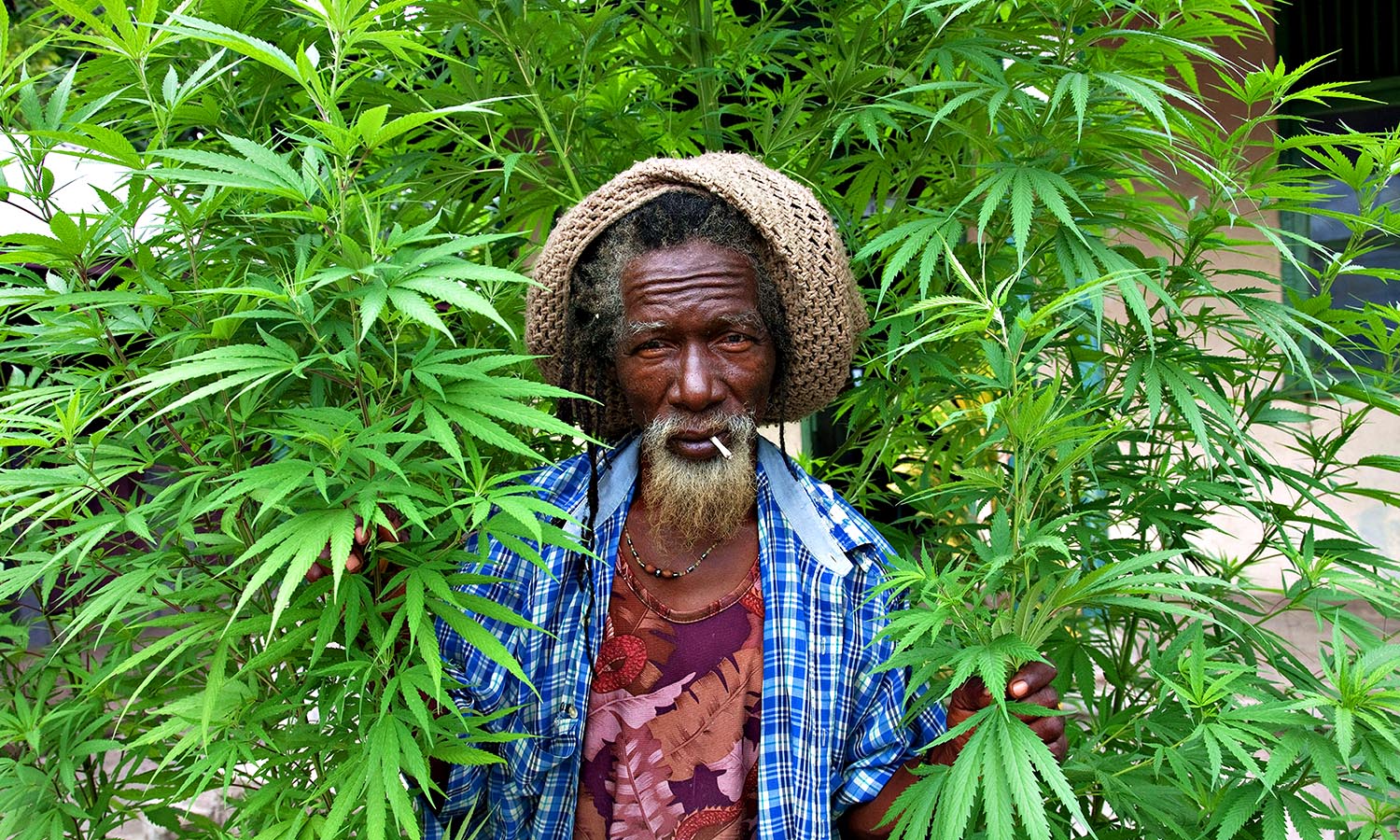
It’s 4.20 all day every day in Jamaica, freely as weed grows on the idyllic Caribbean island.

Embrace your inner Bob Marley for a day with one of a number of different experiences that you’re unlikely to find anywhere else: a ganja farm tour where you get high … up the mountainside, explore plantations and learn how to roll a Rasta-worthy joint. There’s morning goodies in the form of the ‘Wake & Bake’ tour or a sunset cruise with snorkelling, plus unlimited spliff, muffins that aren’t muffins, and more.

There are even ganja resorts for you to spend a couple of weeks, if you want. Take it easy, mon.

BLAZE AWAY

A KILLER TOUR

When it comes to darkness, Dark Tourism probably doesn’t get much darker than serial killer tours.

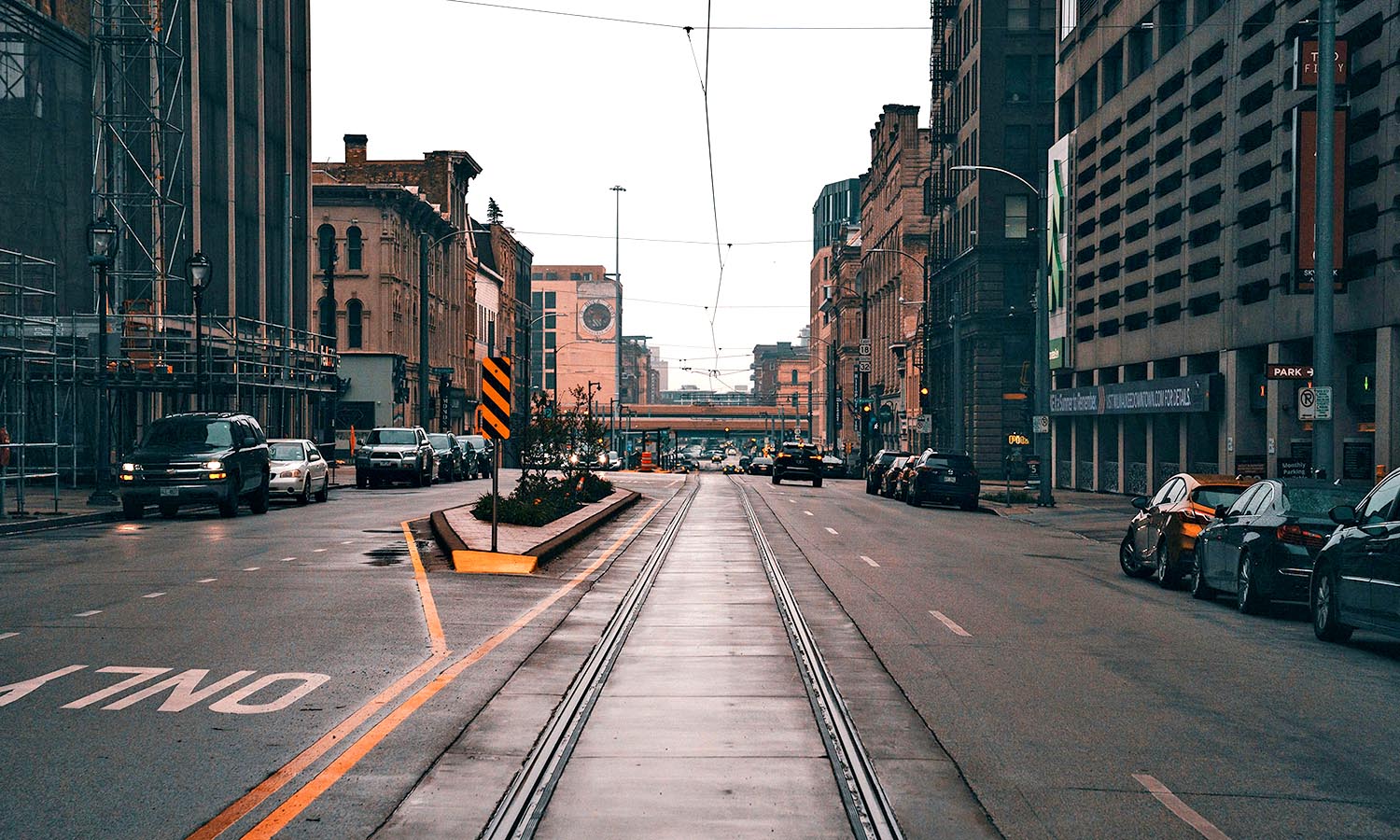
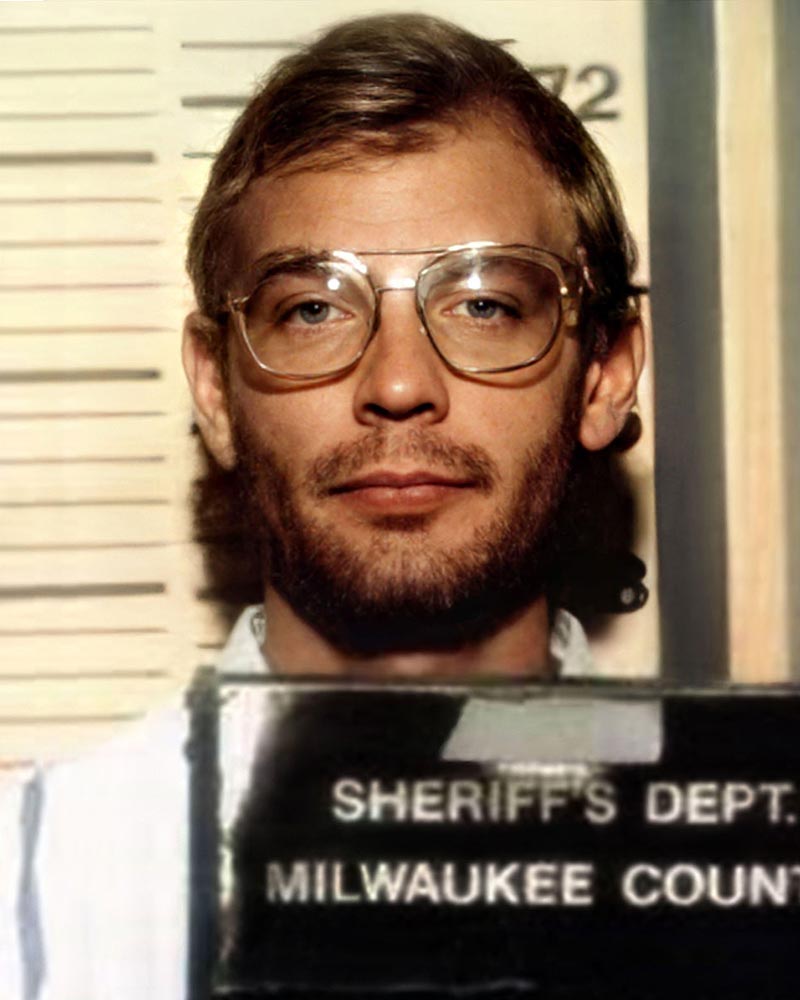
Jeffrey Dahmer murdered at least 17 people in unfathomably gruesome fashion from the early 1980s through to his capture in the early 1990s. Now, he has a tour dedicated to him: the Cream City Cannibal Tour retraces his steps around Milwaukee for seven of the murders.

Finding interest in where a serial killer conducted their worst business occupies an especially strange corner of the human brain. Whatever your opinions on it, it has morphed into a semi-popular form of tourism, explored in depth by Kiwi journalist David Farrier on Netflix’s Dark Tourist series.

DARKEST TOURISM

FLOAT WITH THE DEAD ALONG THE GANGES

Most of this planet tries to hide from death. Not in Varanasi, India.

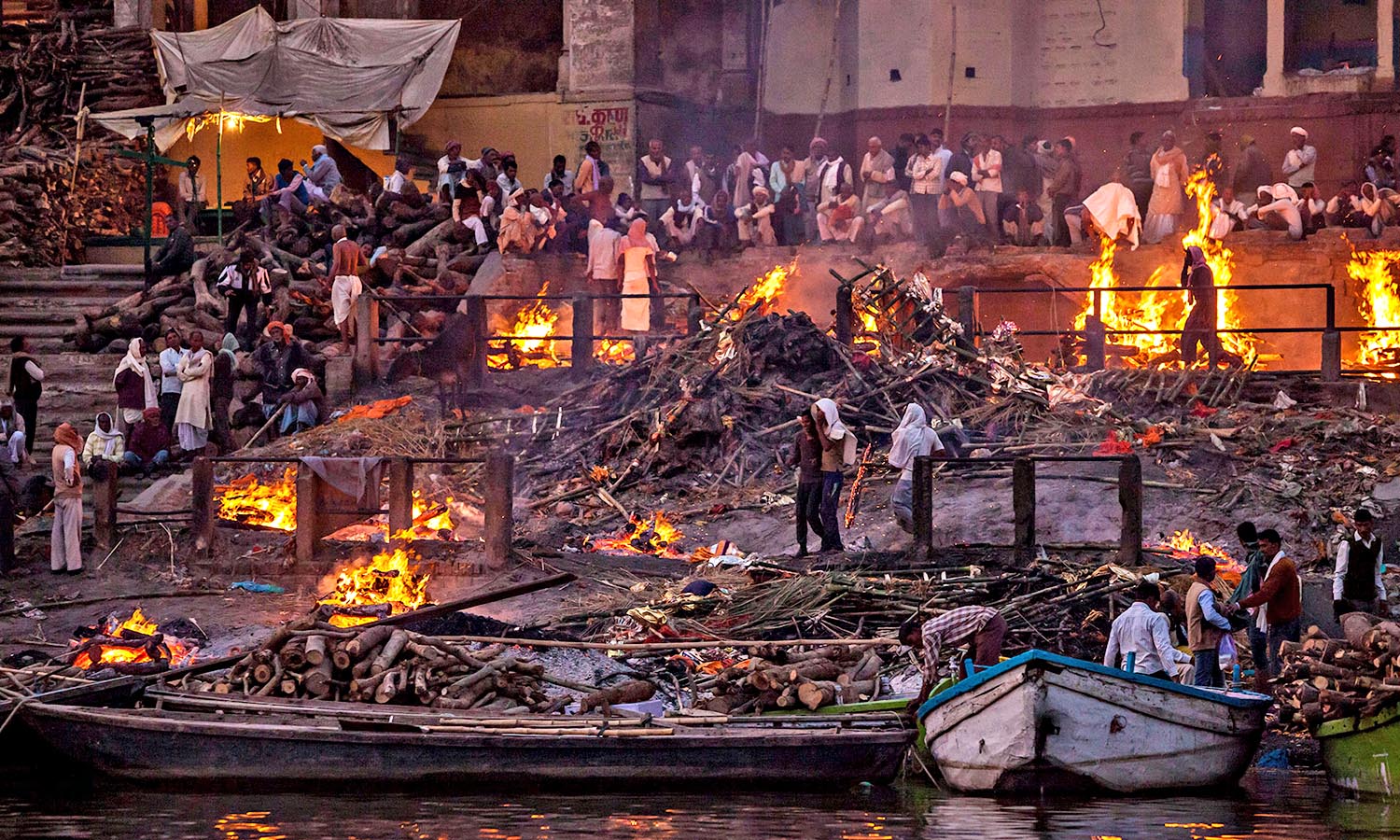
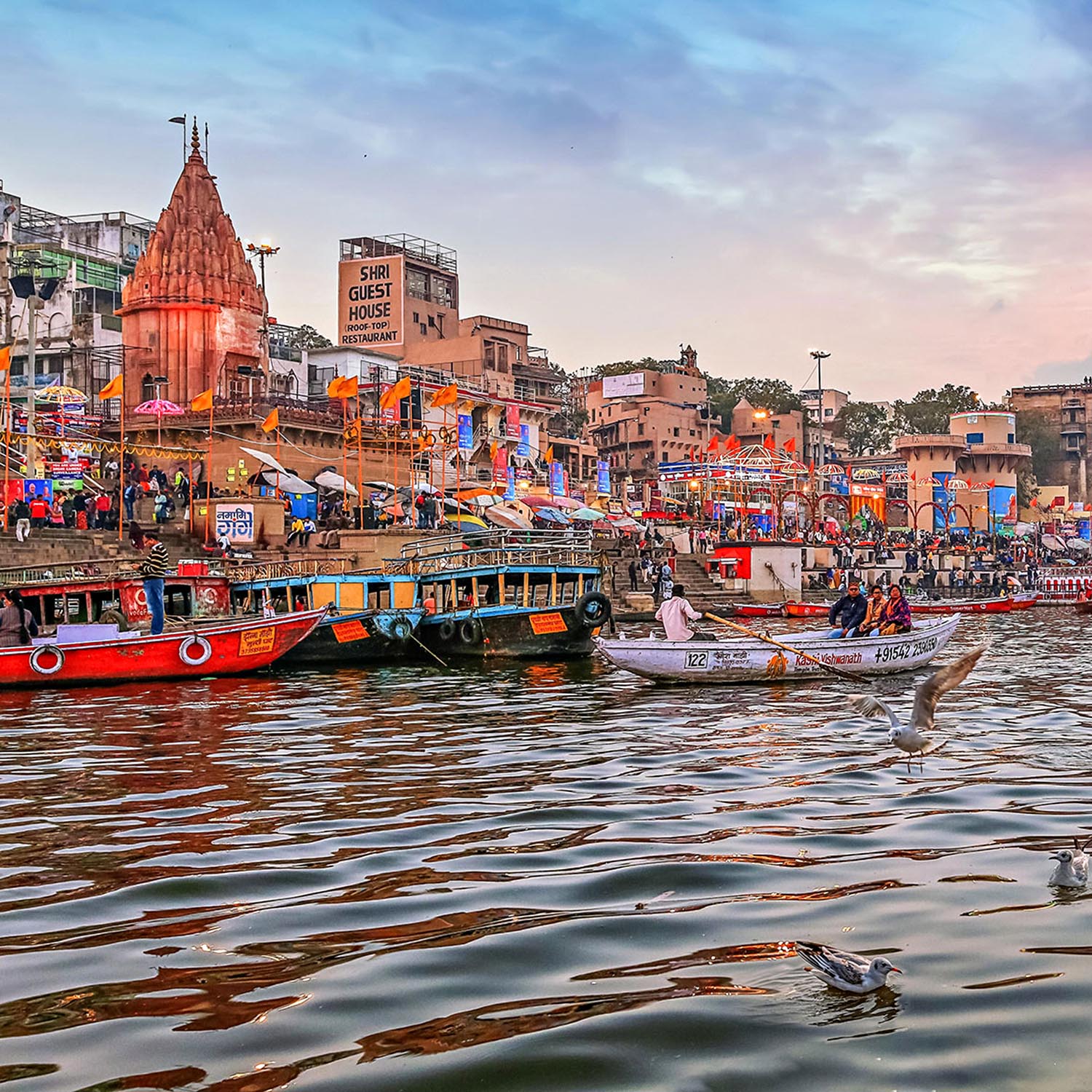
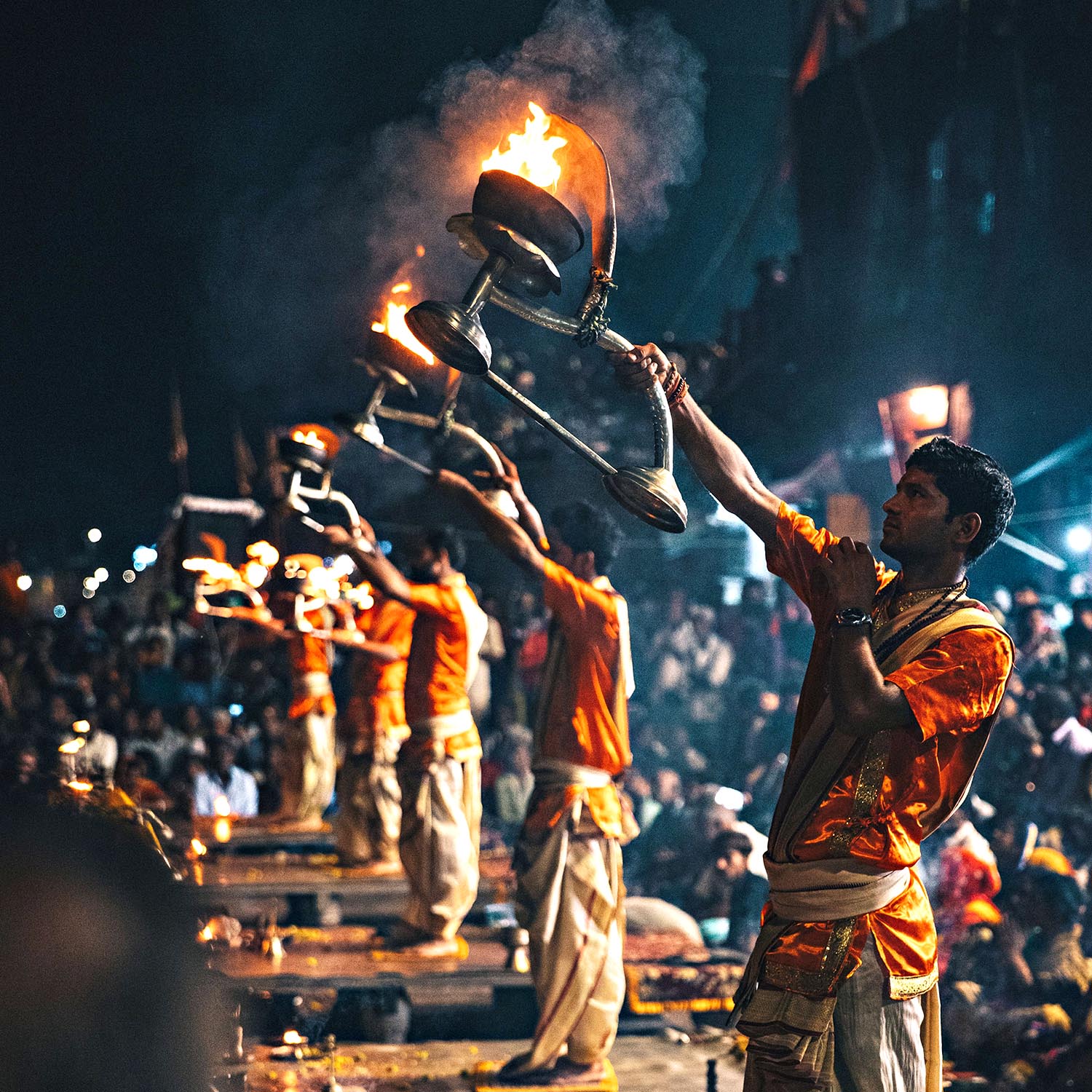
Two ceremonial cremation ghats are open 24/7 along the Ganges river in Varanasi, and burn hundreds of bodies every day in plain sight for everyone to see. The belief is that if a departed’s ashes are laid in the Ganges at Varanasi, holy place that it is, their soul will be transported to heaven and escape the cycle of rebirth (and thus coming back as a cricket or a fly).

While this might sound a little gruesome, it is impressive how openly the people here welcome death. A sunrise float down the Ganges in a little row boat may well be the most spiritual thing you ever do.

Estimates say 100,000 bodies – either fully or partially cremated – are tossed into the river each year. Don’t fall in.

FLOAT ALONG IN LIFE (AND DEATH)

GOOD GORGED

We uncover a side of Canada for the goosebumps and the tastebuds.

Canada is the type of destination that reaches into your soul.

Its mind bending landscapes are otherworldly and the diversity of experiences right across the country’s massive compass can make a traveller feel like they’re in ten different countries, not ten different provinces.

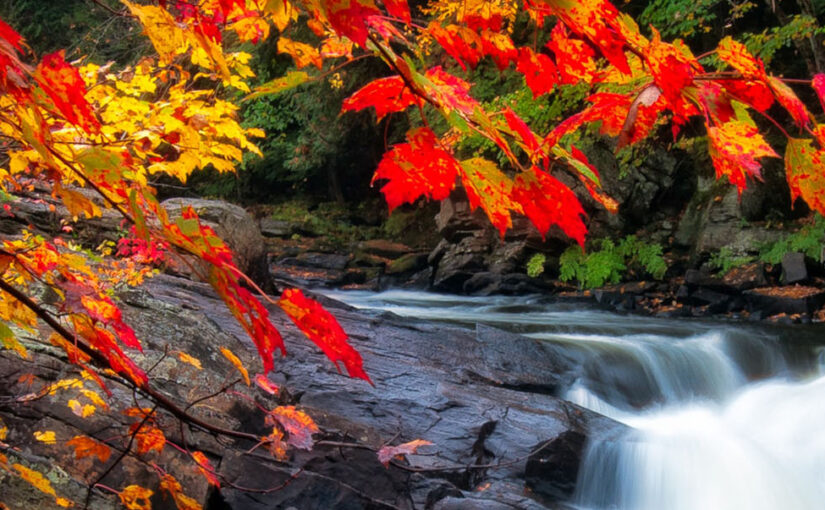
But what makes the second largest country in the world extra special? It’s because with every gorge, canyon, turquoise lake, snow-capped mountain range and waterfall, likewise its historic cities are equally filled with hyper-local, gastronomic adventures to tickle your tastebuds.

Have you ever been drunk on beers made from icebergs? What about an adventure searching out the best Poutine in all of Montreal? Did you know Vancouver’s coffee scene now rivals that of Melbourne, Australia?

For food, fun and frivolity all in the one adventure, Canada has it all. Here’s just a handful of provinces and territories where you can absolutely lose yourself in nature, a food coma, or at the bottom of a pint glass.

1. BRITISH COLUMBIA

BIG GORGE

On Vancouver Island you can ride on six zip lines through the ancient rock canyon of the Winchee (Kennedy) River. An eco-adventure not to be missed, pair this wild adventure with a stay on a remote floating lodge. Knight Inlet lodge is an awesome place for grizzly bear spotting in the summer.

BE GORGE-D

For a nice cup of Joe, look no further than the cobblestoned streets of Gastown, Vancouver. Cute, stylish and modern takes on the world’s favourite caffeinated drink are literally on every corner. The coffee culture here rivals that of Melbourne and Milan. But for something a little extra, why not try Nemesis where your barista will happily pair your coffee with a complimentary cookie. Delish.

2. ONTARIO

BIG GORGE

Canada’s capital is home to the famed Rideau Canal which connects the city of Ottaway to Lake Ontario and the Saint Lawrence River at Kingston. At 202 kilometres long, you can hire kayaks or canoes and explore Ottawa’s historic locks on the city’s outskirts. In winter, the canal transforms the world’s largest ice skating rink.

BE GORGE-D

With its cool climate and some of the highest snowfall of any country Canada wouldn’t be anyone’s first thought when choosing a wine destination. Yet, Ontario is developing a reputation for producing excellent quality wine, with their own unique specialty – Ice Wine (Eiswein). Ice Wine is made from grapes that were frozen before being harvested. We recommend a Cabernet Franc from Peller Estates Winery, best enjoyed on a lounge carved out of ice at the same winery’s igloo-like 10Below Icewine Lounge.

3. MANITOBA

BIG GORGE

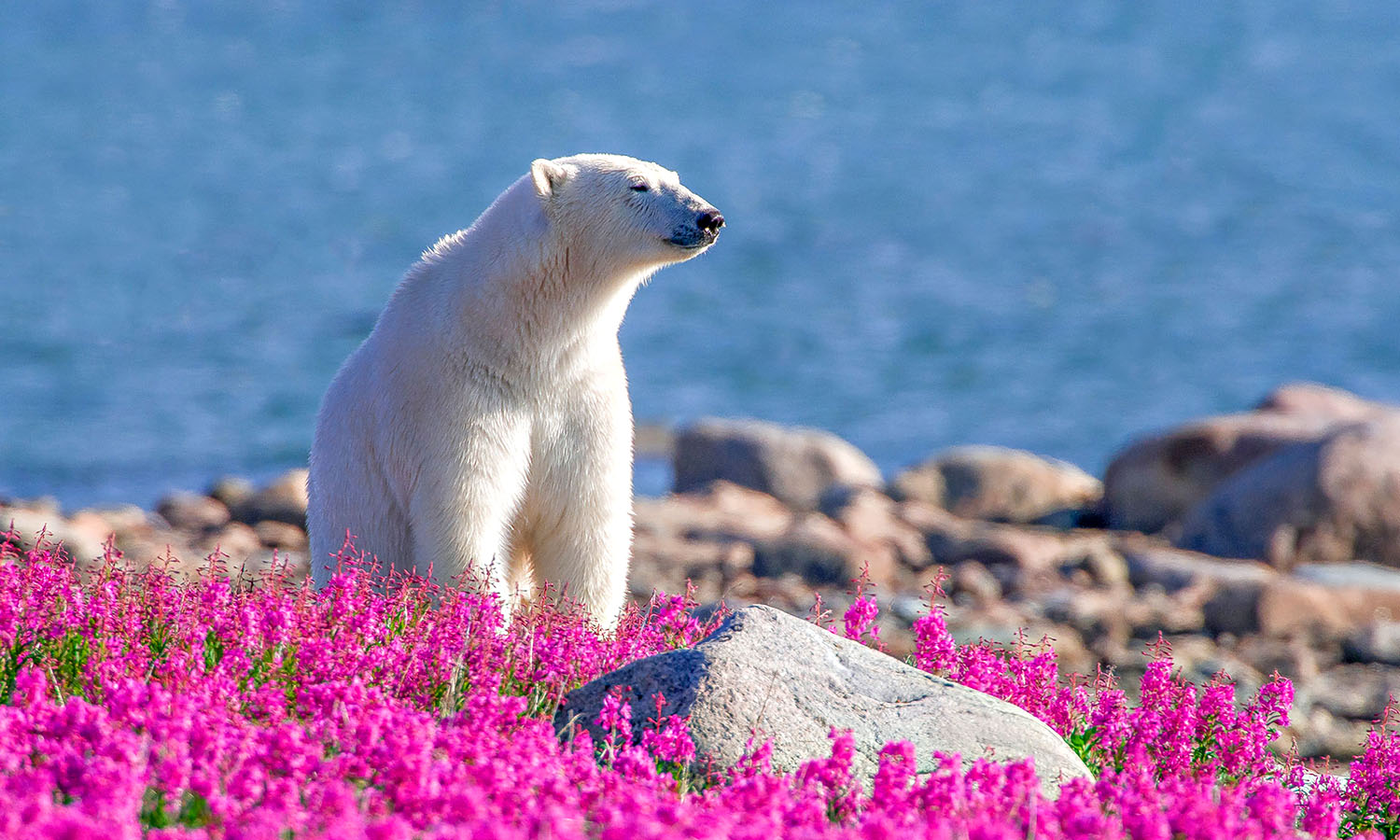
Enjoy a trek across the arctic tundra and tucked up against a log fire at the Seal River Heritage Lodge in Churchill during this epic summer safari through Manitoba. Summer in Churchill is the best time to see beluga whales and polar bears who have just come off the ice.

BE GORGE-D

Could Winnipeg be home to the best curry and Roti in the world? Travellers to Famena’s Famous Roti & Curry in the city centre seem to think so. This low-key eatery in the city centre is seriously hyped up on Google reviews and serves up Caribbean roti-wrapped curries that melt in your mouth. Sit at the circular counter, or do what lots of locals do and simply stand outside at the kitchen vents to take in the spiced aromas.

4. NEWFOUNDLAND

BIG GORGE

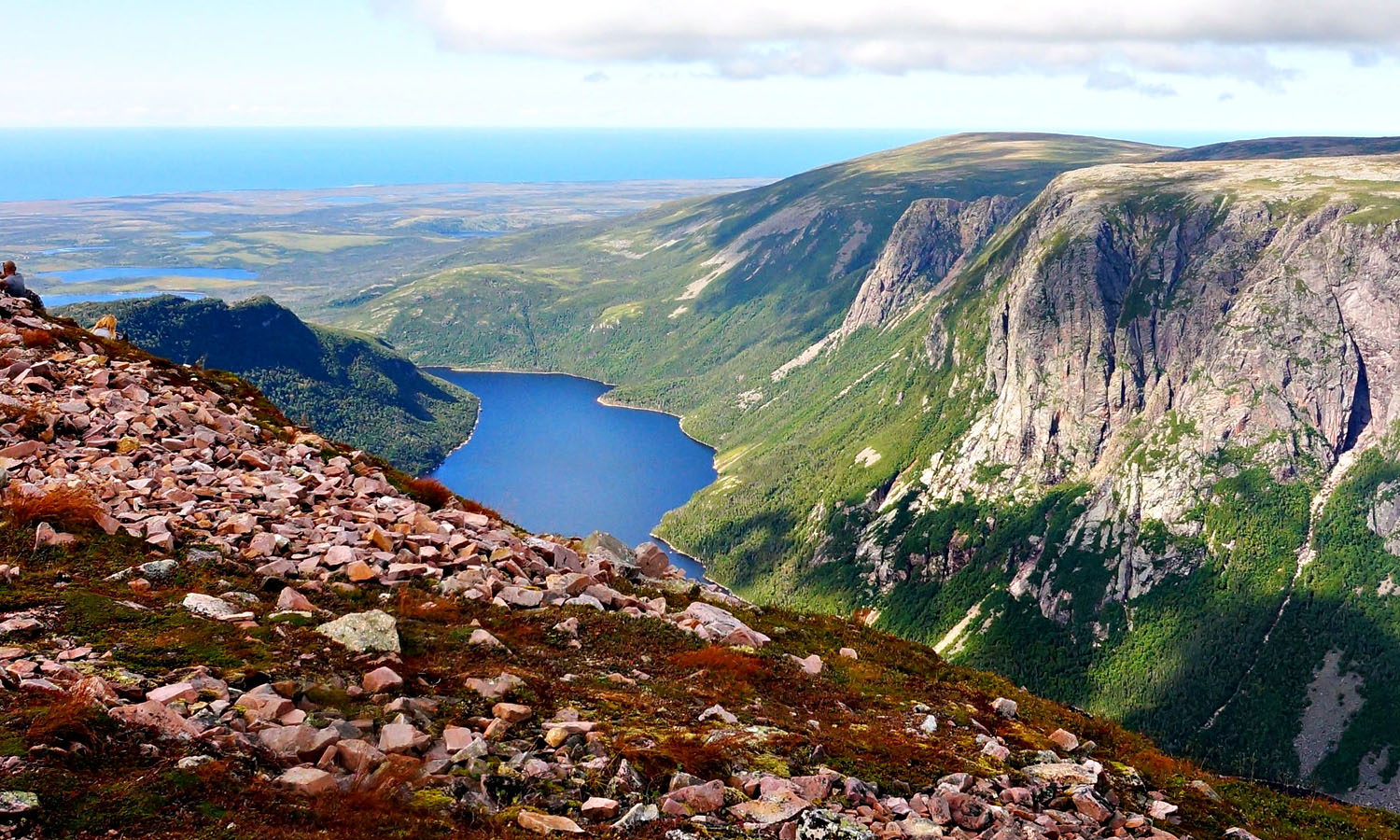
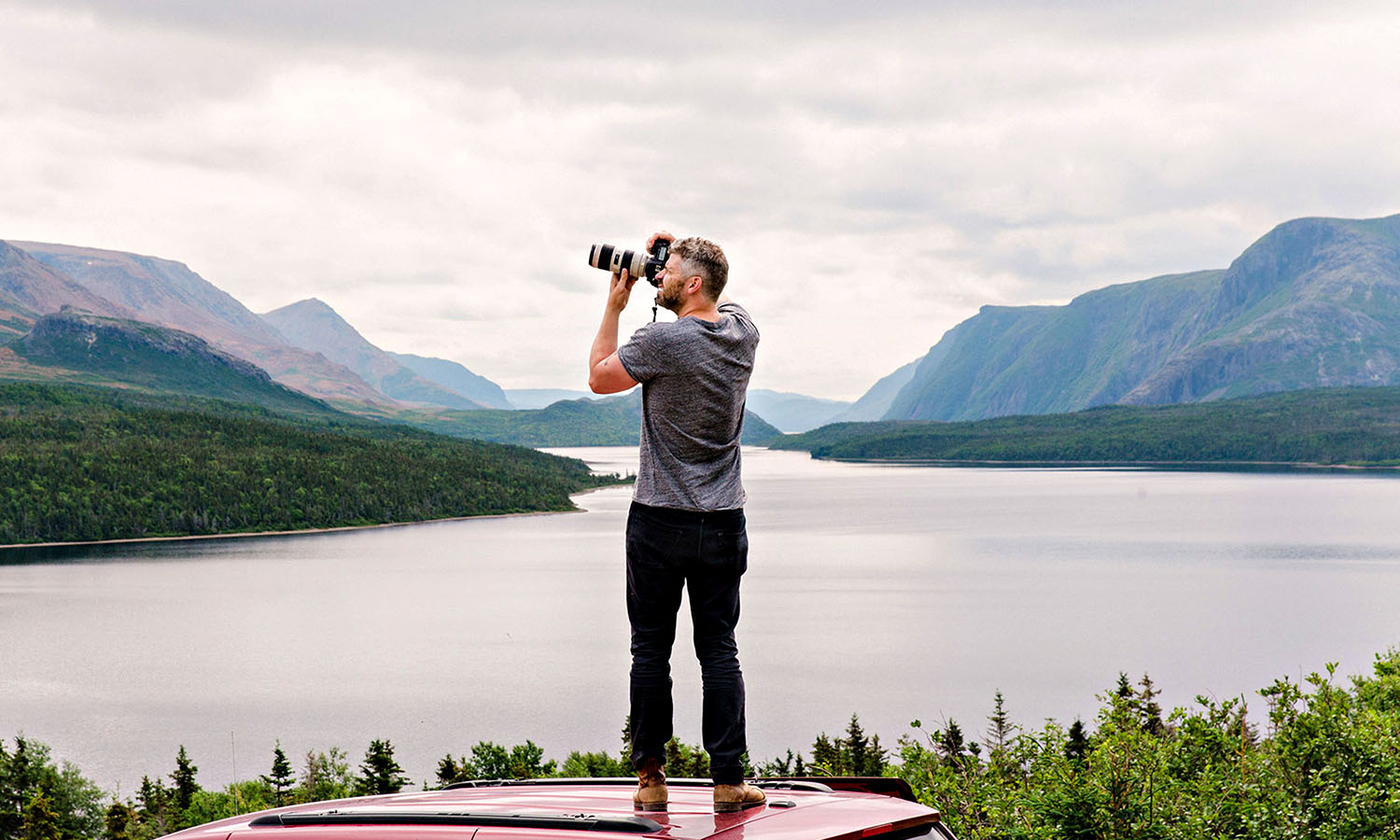
A UNESCO World Heritage Site covering 1,805 square kilometres Gros Morne National Park on Newfoundland’s wild west coast is about as big and gorgeous as it gets on Canada’s eastern seaboard. Hike to the top of the 10 Mile Pond Gorge for the sort of views that will take your breath away. Just a three hour drive north, you’ll also find L’anse aux Meadows Historical Site which is a Norse (Viking) settlement dating to approximately 1,000 years ago.

BE GORGE-D

Amongst the cobblestoned streets and delightful jelly bean-coloured houses of St John’s (the capital city of Newfoundland) are a smattering of beautiful, modern restaurants exemplifying the island’s farm-to-table approach and its epicurean capabilities. Perch yourself up at Chinched Restaurant, which is a deli-cum-bar serving mouth watering charcuterie boards, sausage platters, local oysters and arguably the best cocktails in all of Canada.

5. QUEBEC

BIG GORGE

Get vertical and climb high above the Gros Bras valley on the Mont-du-lac-des-Cygnes Via Ferrata. One of the biggest Via Ferrata courses outside Europe, this is an experience not for the faint of heart.

BE GORGE-D

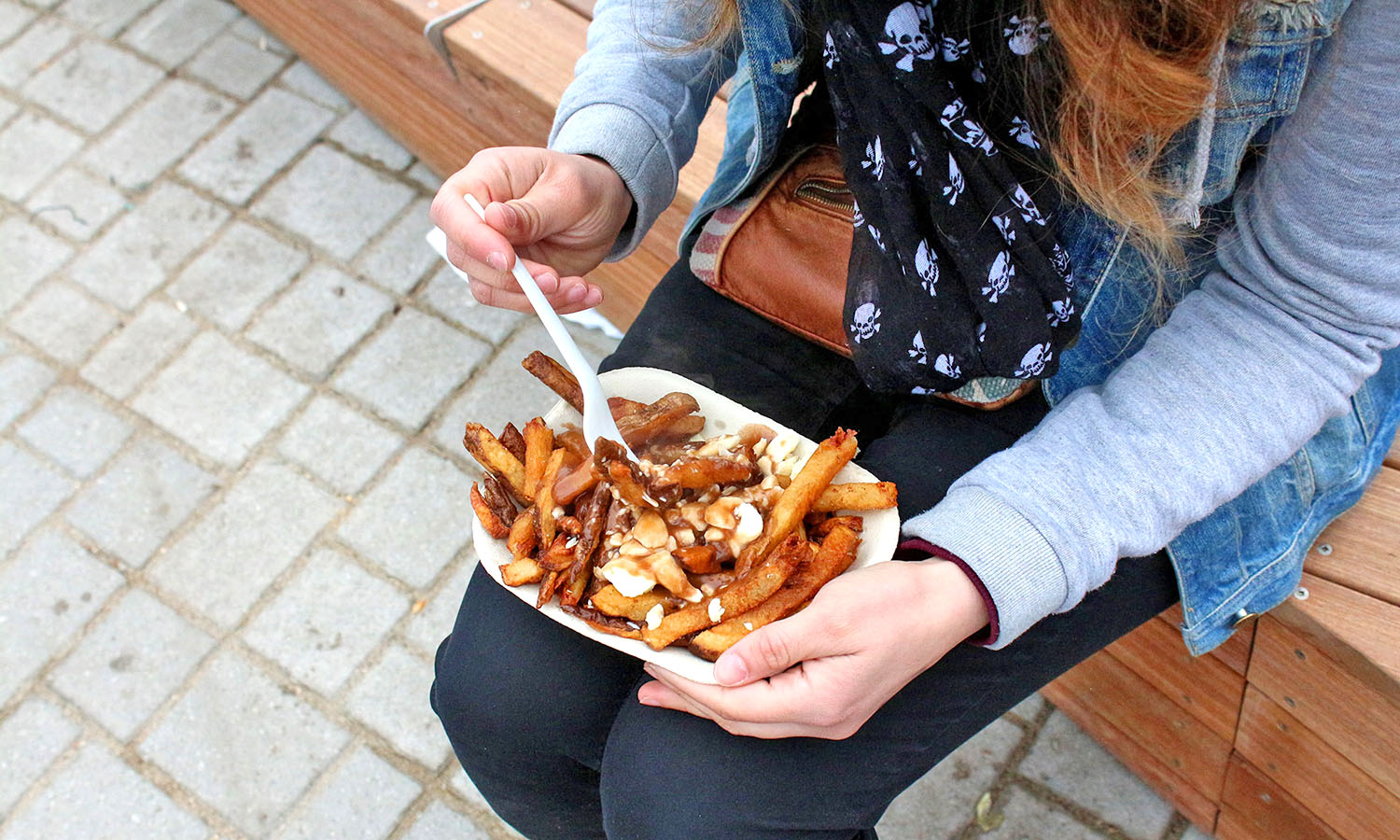
‘Poutine’ is Quebec slang for “a mess” and if you’ve seen a typical appropriation of this iconic dish in Montreal, it’s not too far from the truth. And there’s no better place than Montreal to try your first ever poutine (a dish of hot chips and cheese curds topped with a brown gravy). But not all poutines are created equal and no visit to this city is complete without a late-night line up (usually a little tipsy) outside La Banquise. With 30 different types of poutine on offer, there’s also craft beer on tap here to wash it all down.

get in the know Canada has less gravity than anywhere else in the world, which means you’ll be lighter here than anywhere else. Space for another round of poutine then!