A tale of culture, community and conservation in Sarawak.
“I know most of you want to see three, four, maybe even five orangutans, but remember, seeing one is better than none.”
These words were ringing in my ears as I patiently waited for one of the Semonggoh Wildlife Centre’s regular primates to make its way to feeding platform number 2.
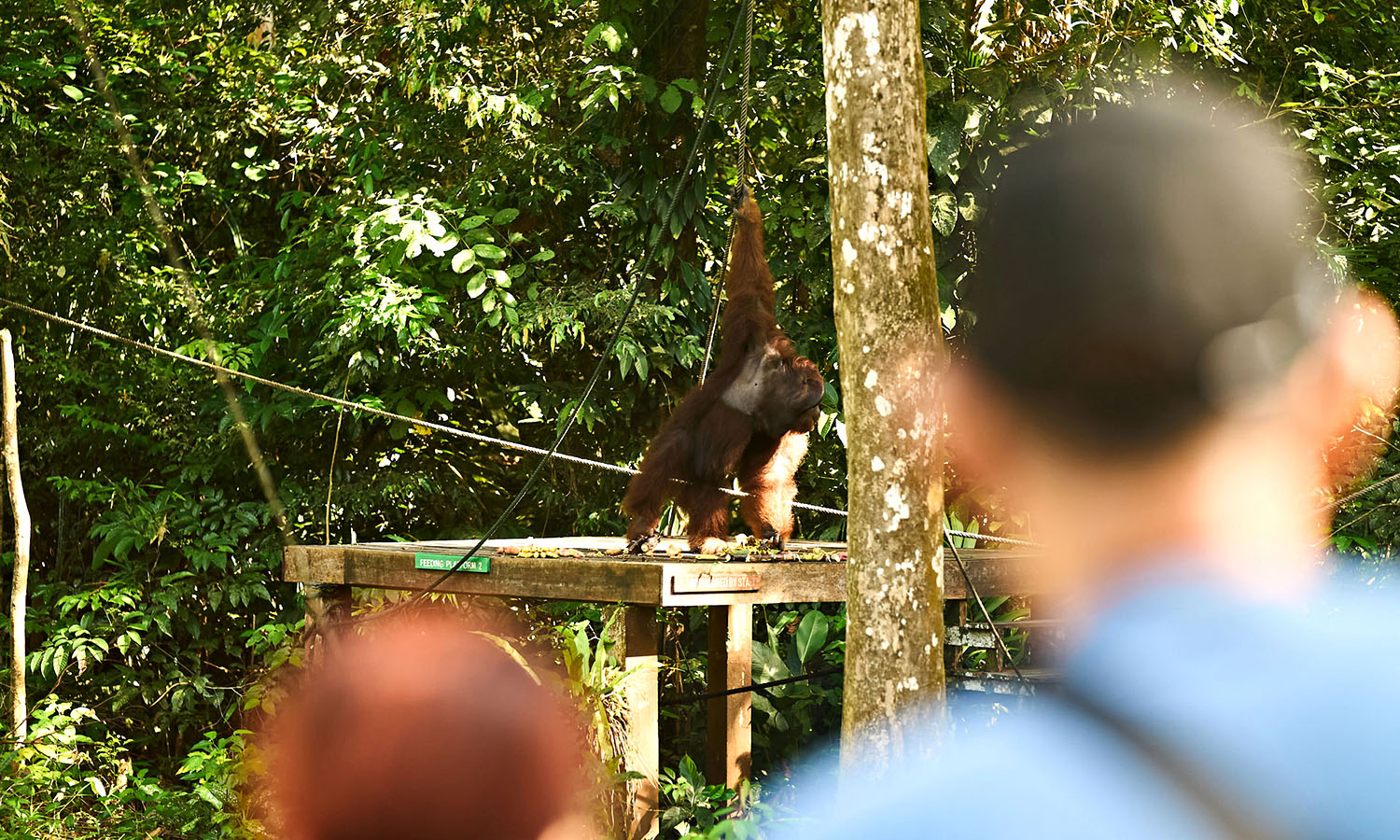
Thankfully, I didn’t have to wait long. Anaku, a 19-year-old male orangutan who’d only recently started developing his cheek pads, came into view. Swinging from branch to rope and back again, he slowly made his way to where a host of bananas, bamboo and mangosteens begged to be his breakfast.
The fourth largest orangutan in the area, Anaku is a big boy. We’re talking ‘it takes 8–10 grown men to control him’ kinda big. Daredevilish by nature, he’s part of the third generation of orangutans to be born in the Semonggoh region—a place where rehabilitation is key to keeping these gentle giants swinging through the trees.
And man, was I glad to see him.
Click play to watch
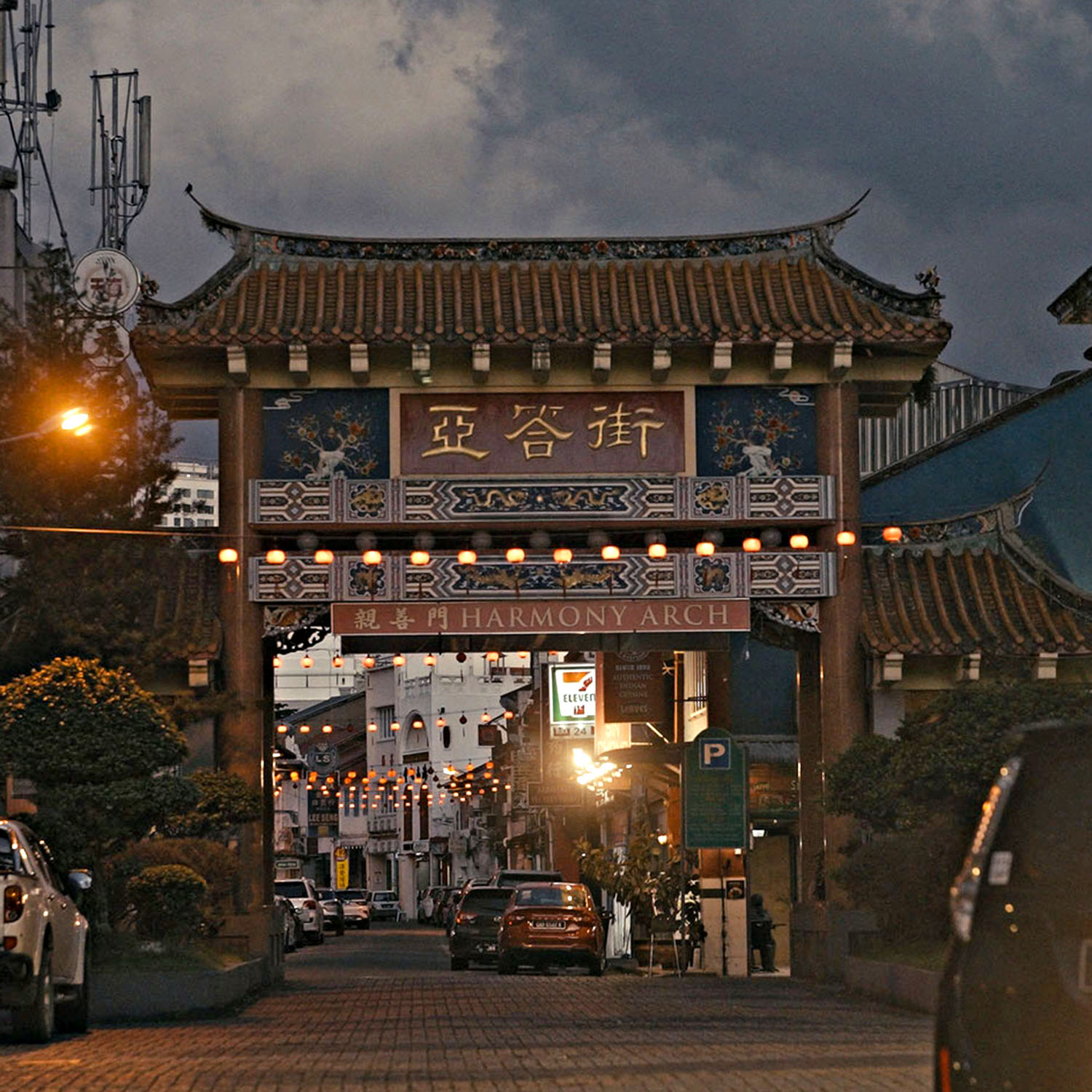
But let’s rewind. We’d landed in the buzzing city of Kuala Lumpur and immediately had a plan: check into the Moxy in Chinatown. Drop off our bags. Head to the rooftop and order a cocktail. So that’s exactly what we did.
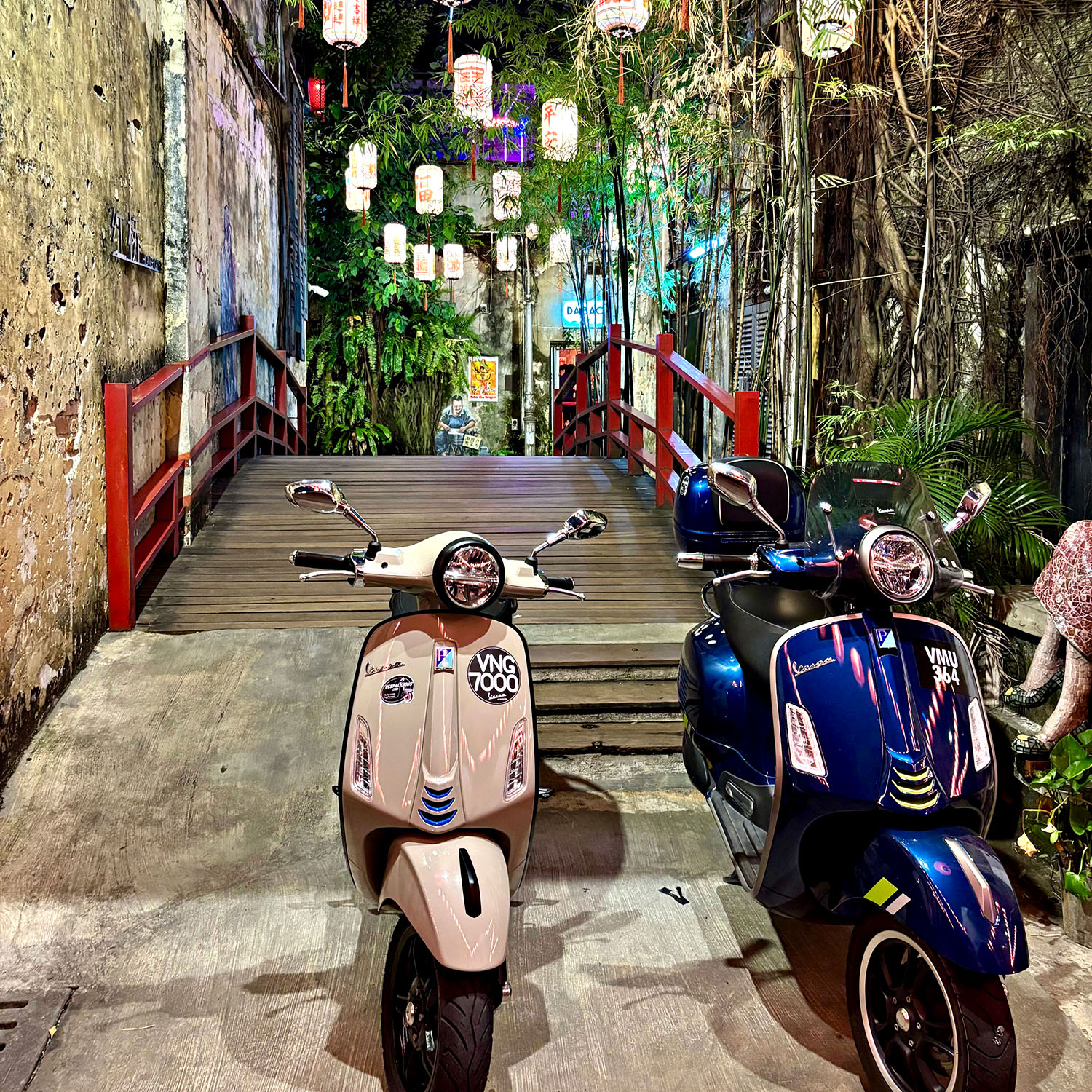
We had just enough time to check out the hotel and enjoy the pool surrounded by the city’s skyscrapers before joining a food tour that would wind us through the backstreets of Chinatown’s best (and most local) food stops… by Vespa.
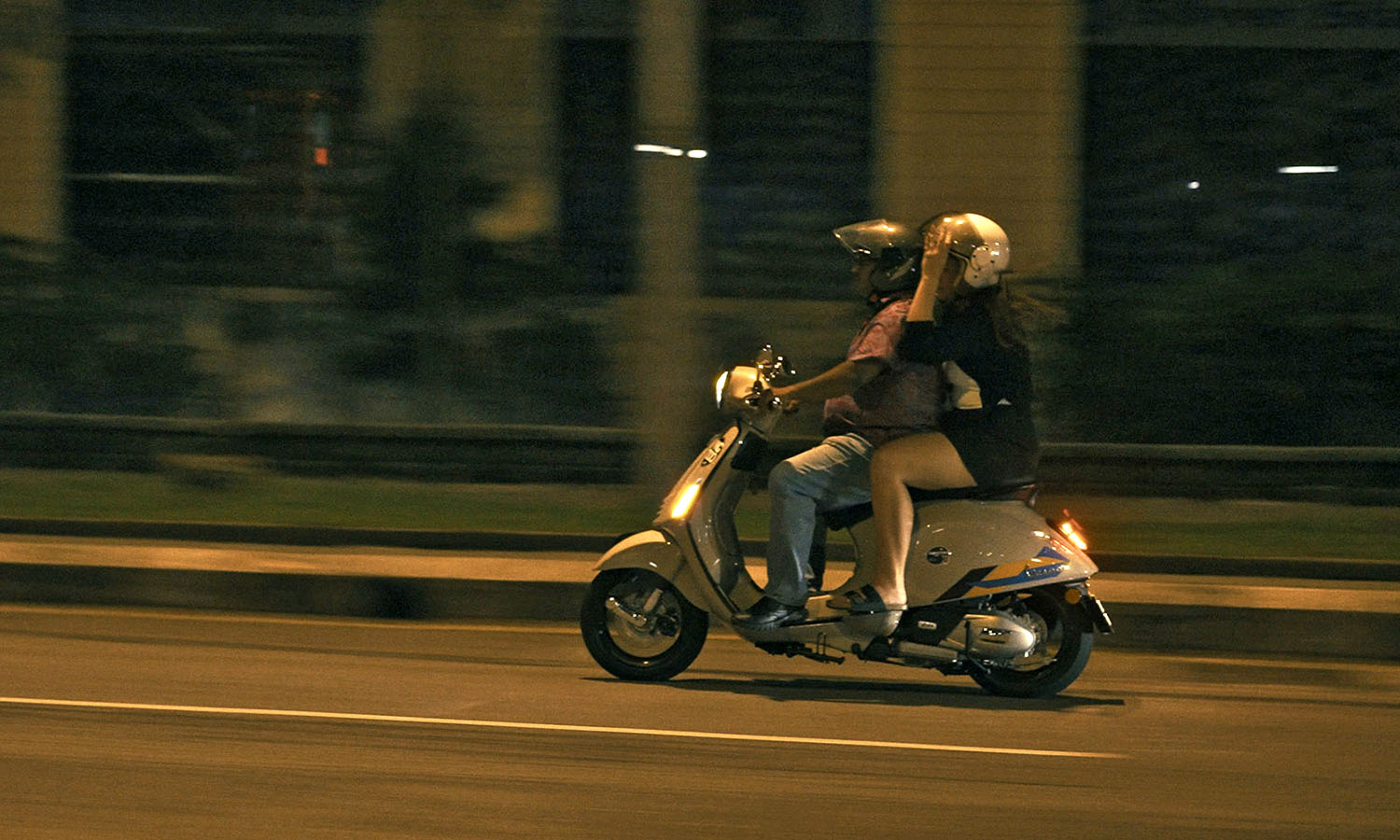
Funnily enough, I didn’t know you could fall in love with a city from the back of a Vespa, but there I was—gripping onto our guide Dass for dear life, completely googly-eyed for Kuala Lumpur as it whizzed by at an alarming pace.
The Vespalicious ‘Kuala Lumpur by Night’ tour is explicitly designed to make you feel like a local, and it delivers. Big time.
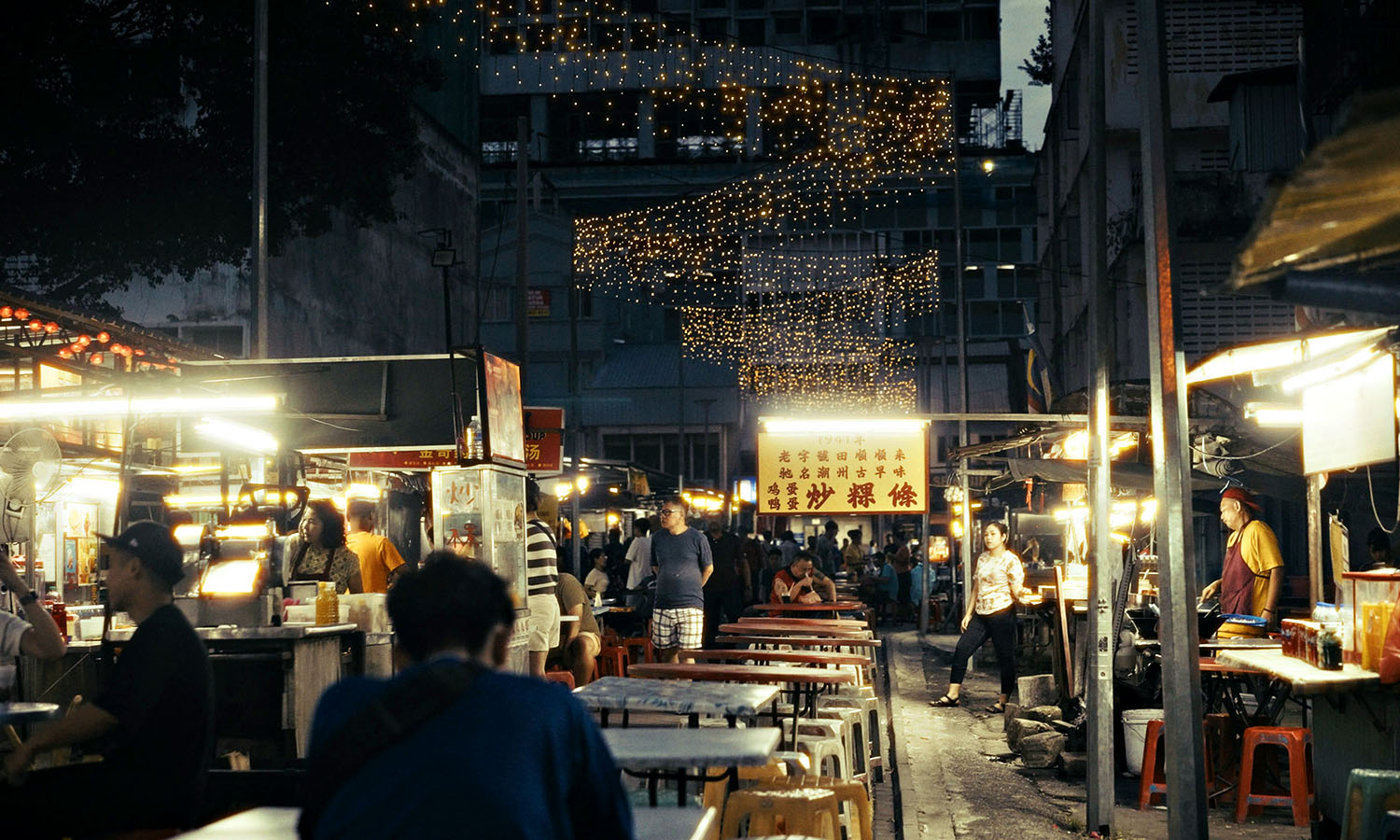
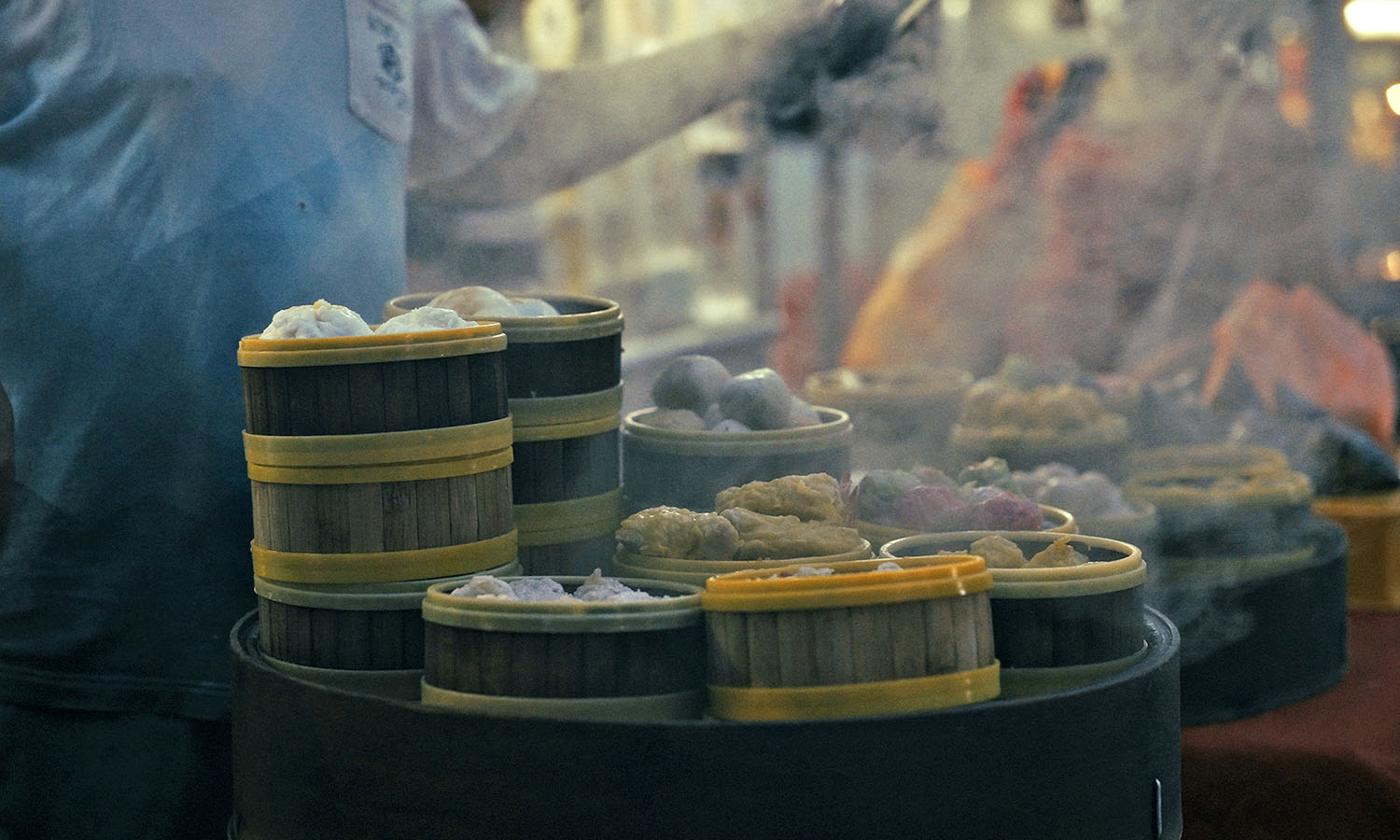
Our first stop was a busy street lined with food stalls serving all kinds of glorious things: dumplings, Hakka noodles, char kuey teow, and a brothy pork soup so good you could easily go back for seconds (and then thirds). It wasn’t long before I realised I was going to have serious trouble getting on and off the Vespa with all the food rolling around in my stomach.
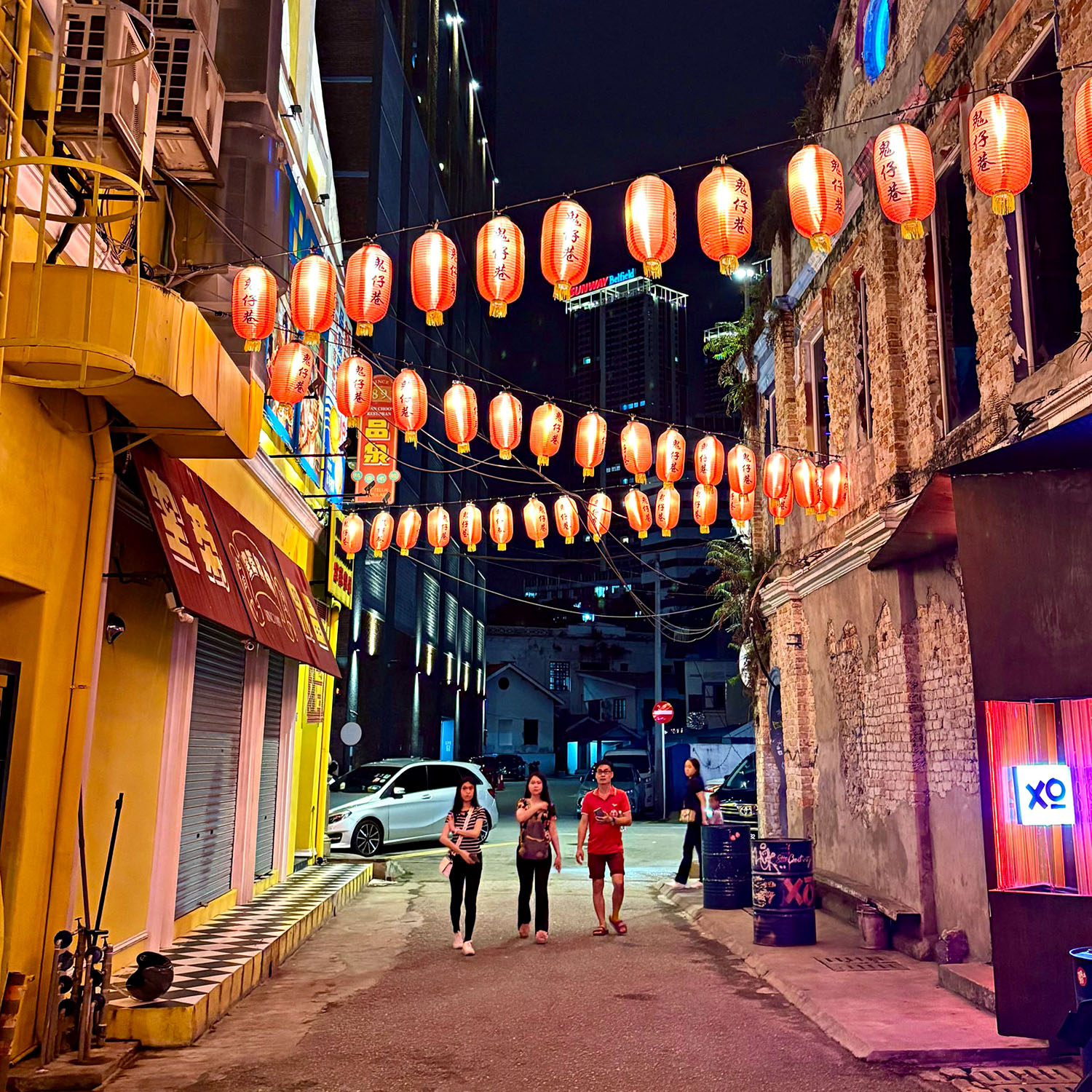
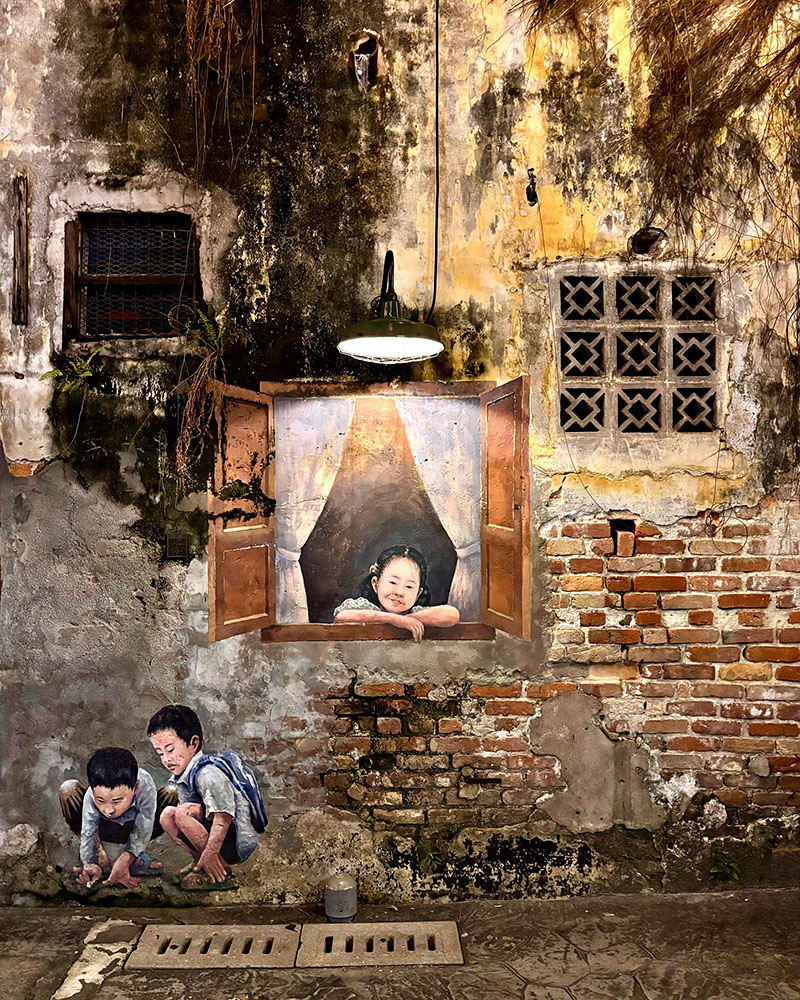
Mercifully, Dass zipped us to BookXcess, a dreamlike bookstore hidden inside an old cinema, full of winding staircases, hidden nooks, and a loooottt of crannies. I could’ve moved in, but the Vespa was beckoning, and soon we were cruising through mural-filled, lantern-lit alleyways in Chinatown. We managed a quick hydration break at a hidden speakeasy masquerading as a toy shop before it was time to eat again—this time Indian. Think kuttu paratha, roti tissue, and some seriously good masala chai.
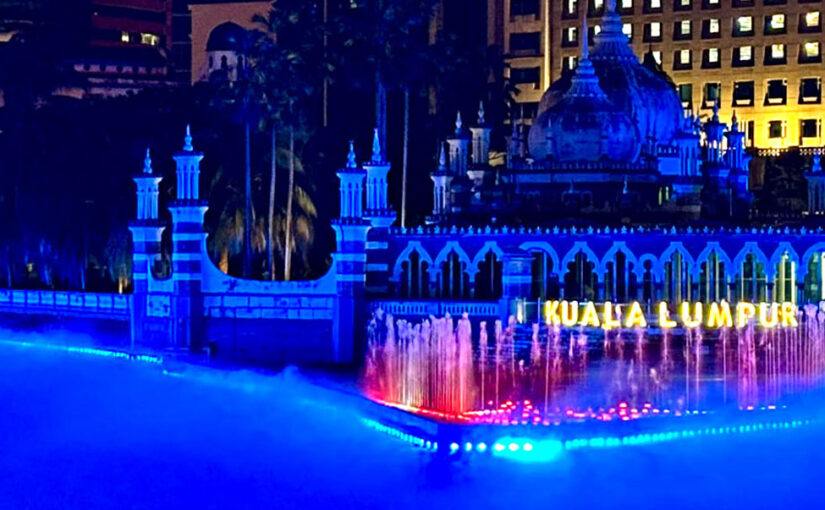
Our final stop was the River of Life. The fountains danced, the KL sign glowed, blue light lit up the scene, and for a moment, everything felt perfectly, ridiculously cinematic. If this is what the rest of Malaysia is like, I thought, then I’m in for a real treat.
And the treats kept coming; this time, we were headed to Sarawak.
Sitting pretty on the island of Borneo, Sarawak is where rainforest royalty (read: orangutans) reign supreme, and where you’ll almost definitely have the best laksa of your life.
But first, we had to check out the state’s riverside capital city.
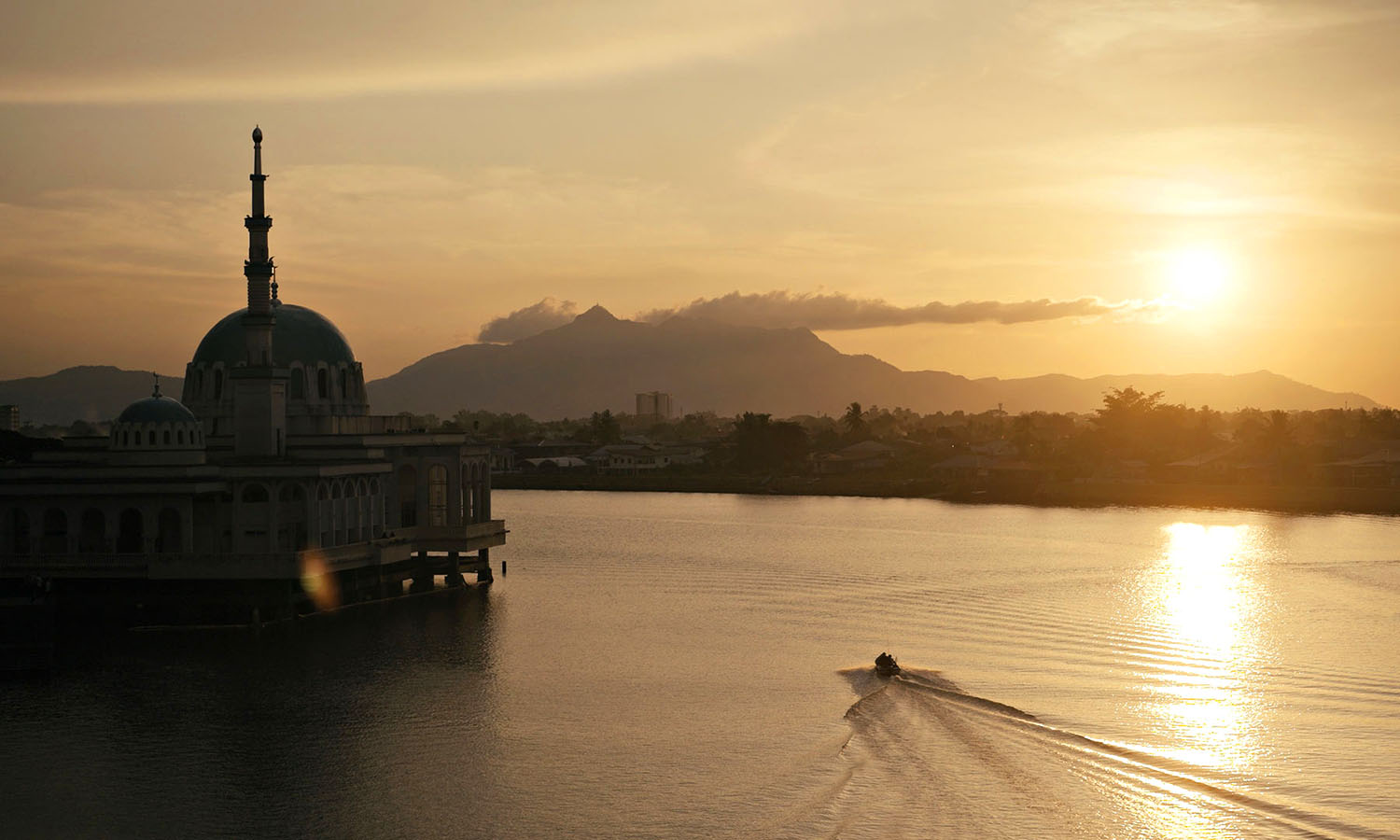
Kuching is one of those cities that sneaks up on you—charming, laidback, and just underrated enough to be unforgettable. We wandered its riverfront and stumbled upon (and by stumbled, I mean it was happening right outside our hotel’s front door) the Gawai Dayak Parade: a glorious riot of feathers, drums, and Dayak pride marching straight through town.
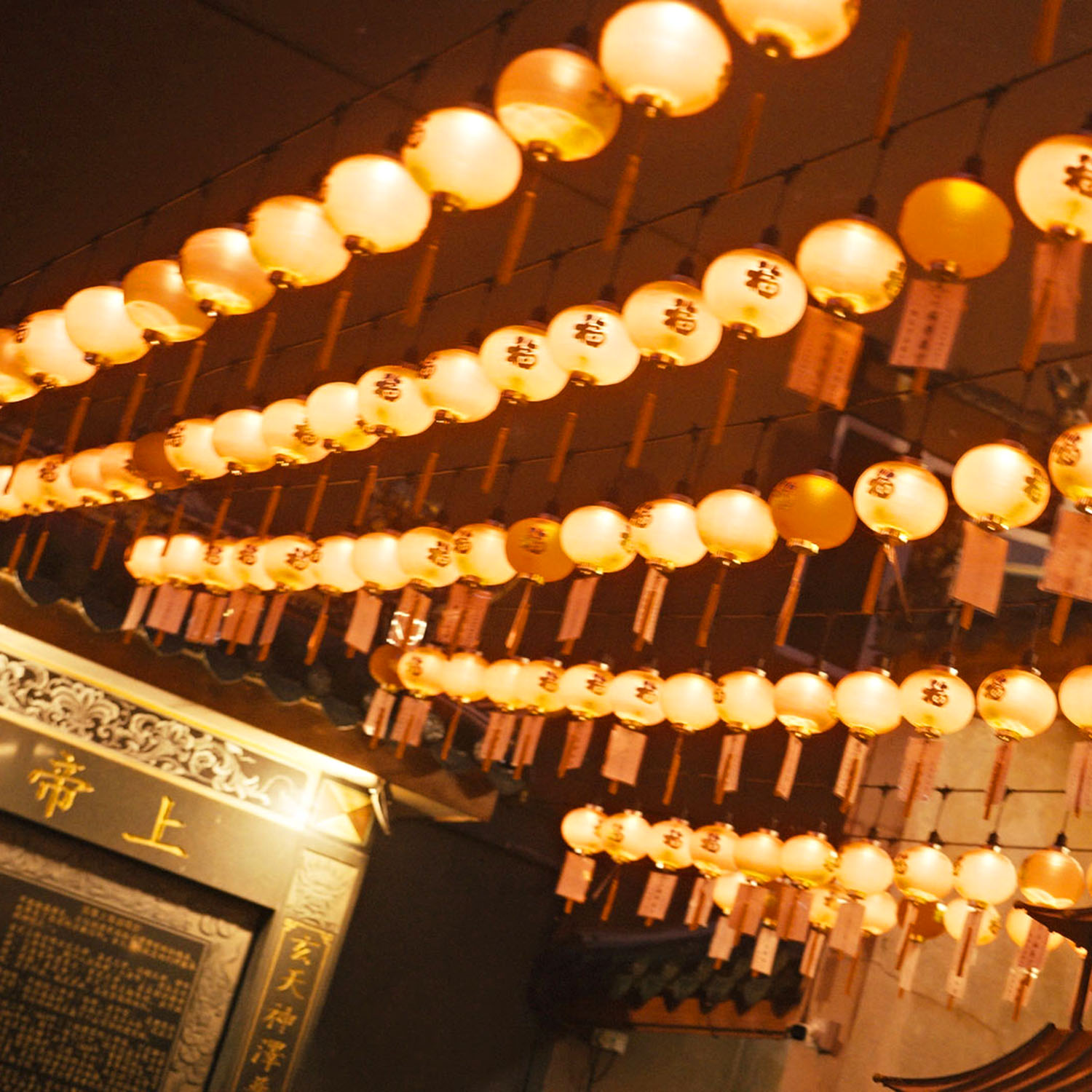
Later, we ducked down a side street and found a temple cloaked in incense and mystery, with dragons curling up the roof and lanterns swinging gently in the breeze.
But while I loved exploring Malaysia’s cities, it was time to go deeper. Like, way deeper.
We were picked up by Lemon, our Borneo Adventure guide/living legend, and soon we were headed out. Roughly four hours from Kuching, the Batang Ai river system is where the road ends, and the adventure begins by boat.
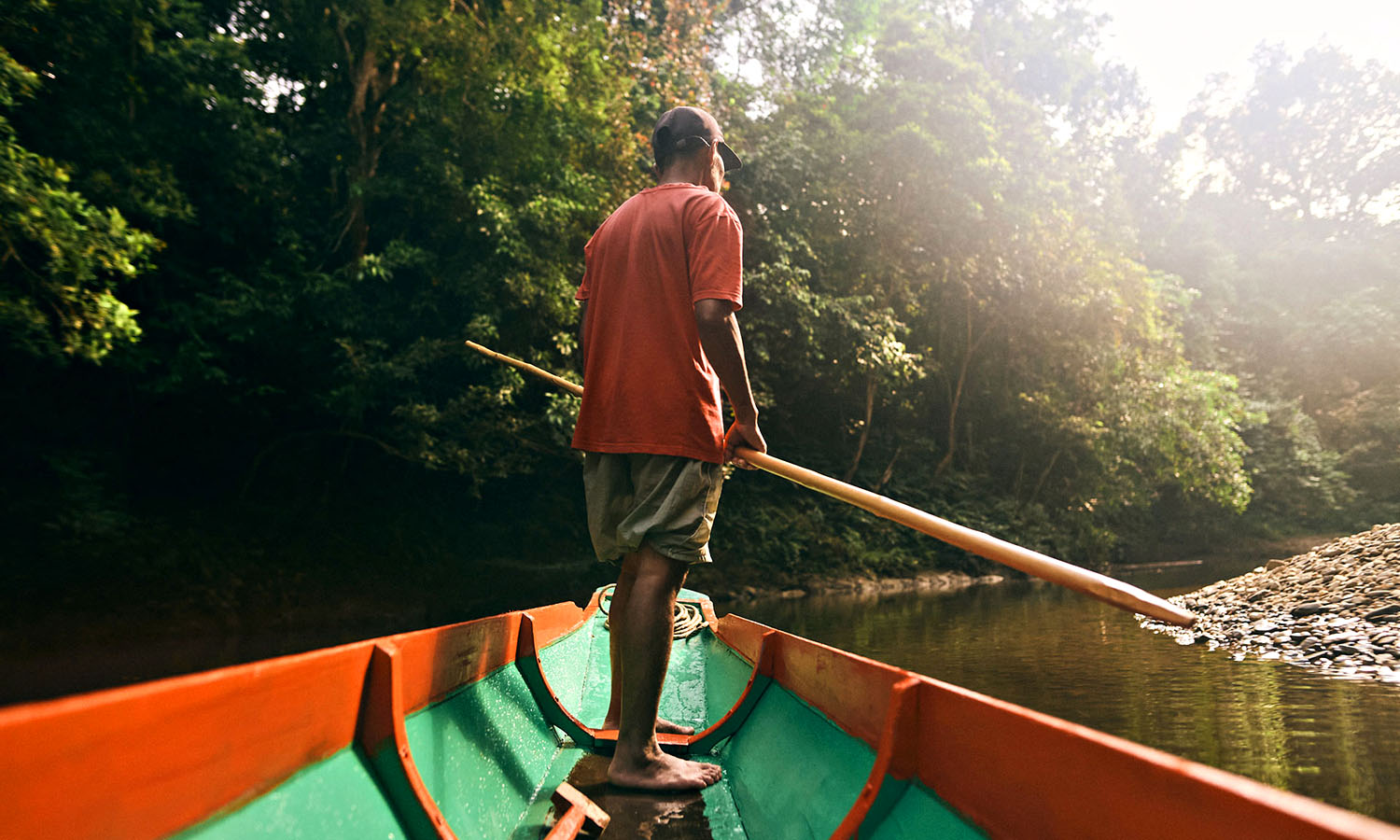
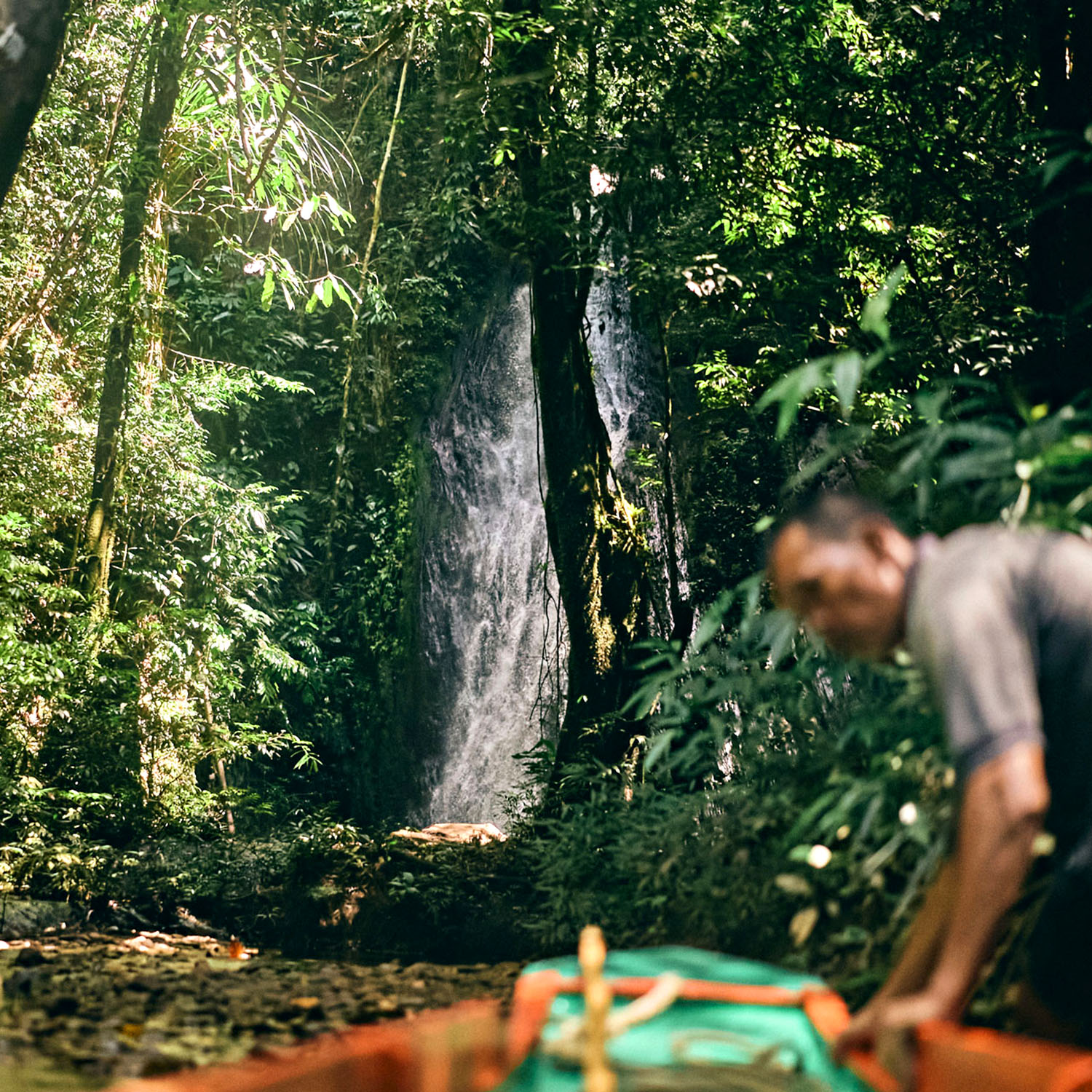
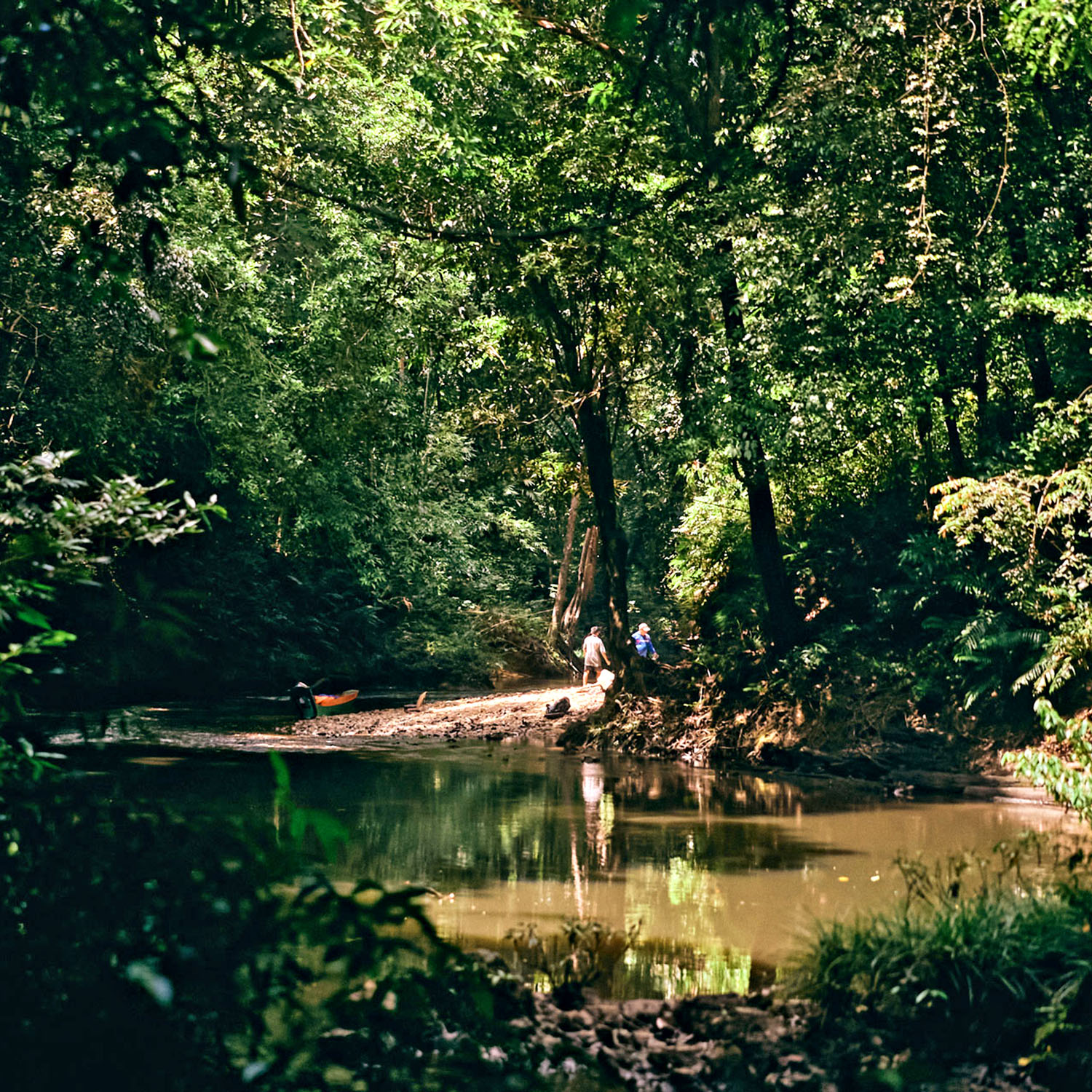
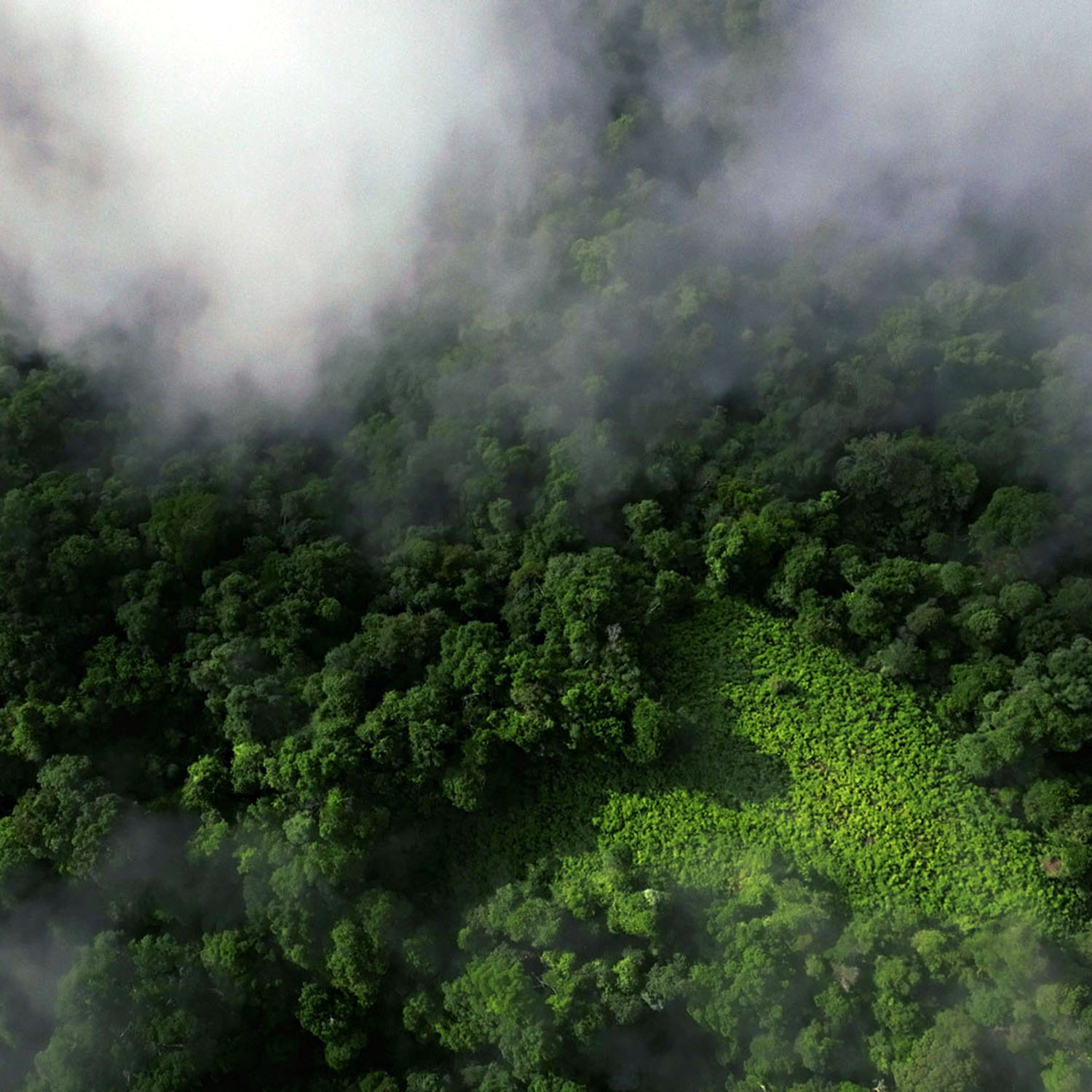
We motored deep into the jungle, slicing through narrow river channels flanked by overhanging trees, kingfishers flitting past, and water the colour of sweet tea.
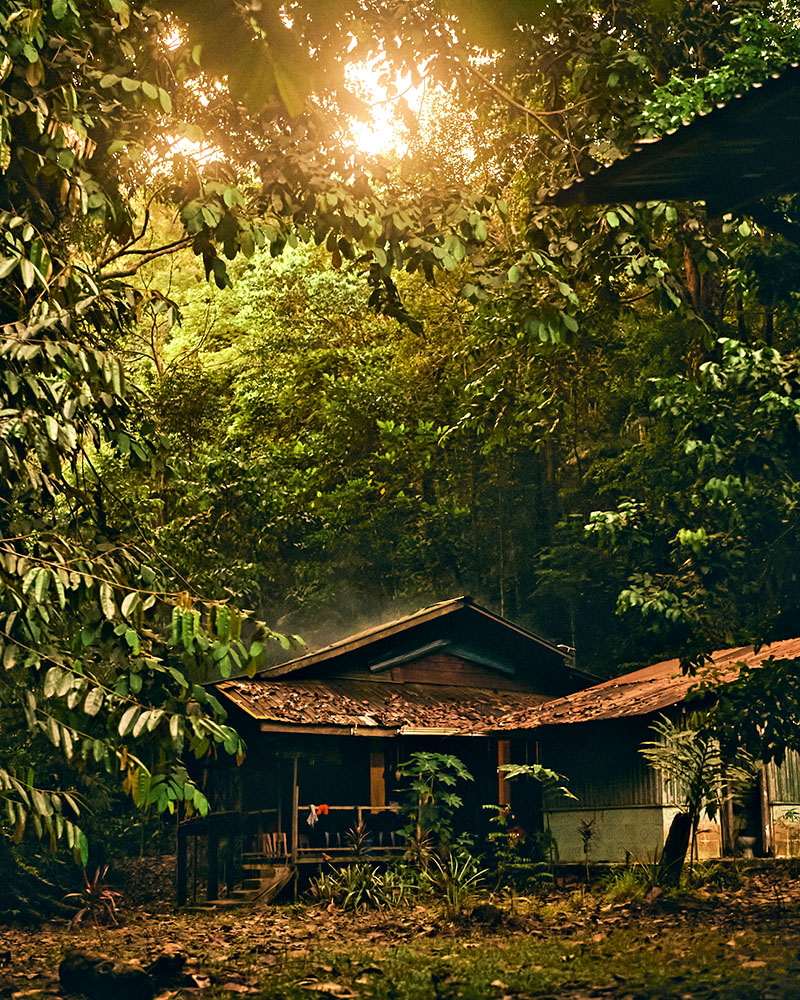
Our first stop was Nanga Sumpa Lodge, nestled by the river and just a stone’s throw from an Iban longhouse. That evening, we sat cross-legged on woven mats with the village headman, who presided over us while our guide shared stories of how the Iban have lived in harmony with this land for generations. We drank some rice wine and, after a few spooky stories about headhunting (Google it), we called it a night.
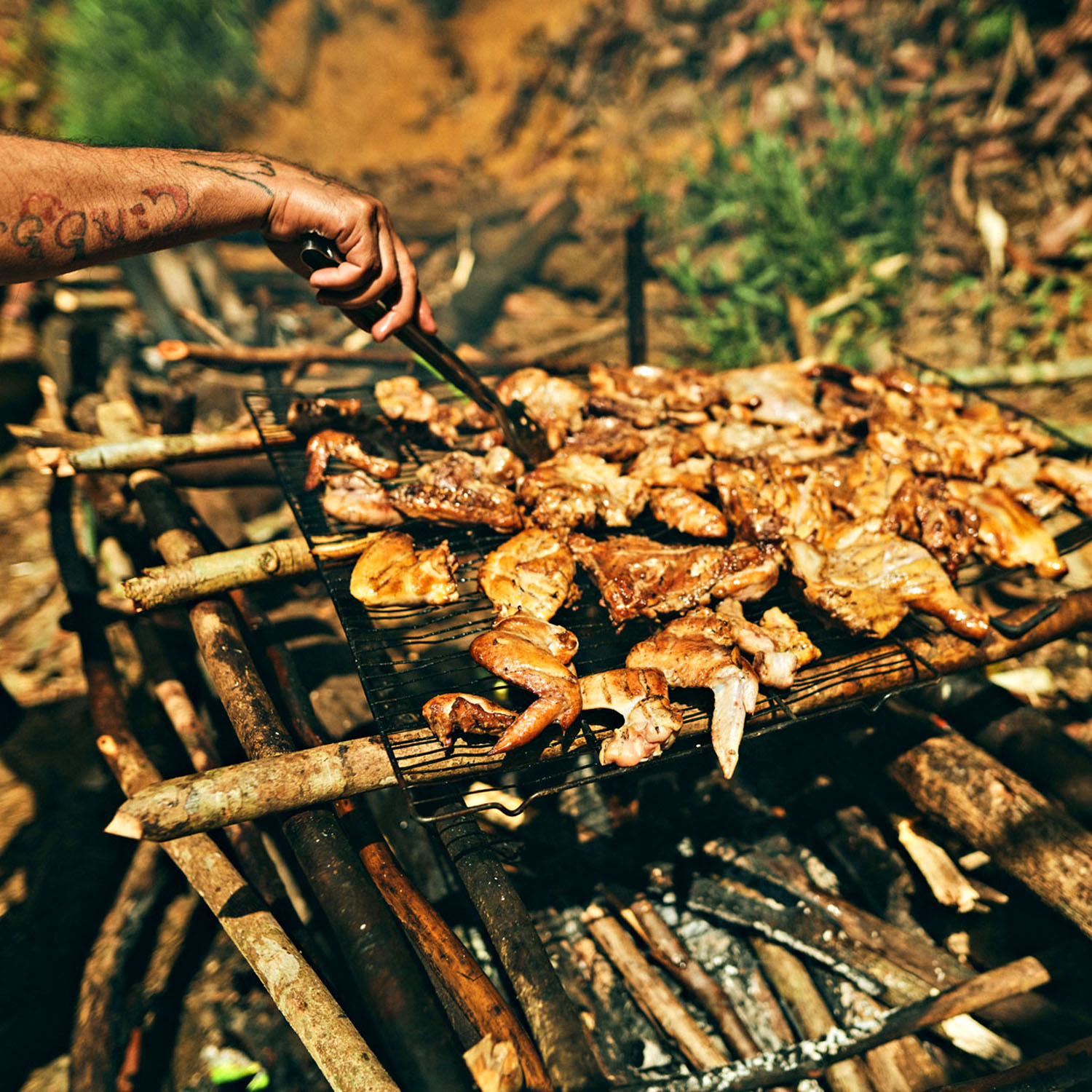
The next day, we hiked to Enseluai Waterfall, which looked like it had been plucked straight out of a shampoo commercial. We swam just long enough to work up an appetite for our jungle BBQ lunch—so smoky and satisfying it felt unfair.
Full and sun-drenched, we cruised further upriver to Lubok Kasai Jungle Camp, our hideaway for the night. No frills, no electricity, just jungle sounds and more stars than I’d seen in years.
While we didn’t spot any wild orangutans during the trip (they’re notoriously afraid of humans and the jungle is… large), the journey and the experience itself were the reward. There’s a kind of deep, primal peace that settles into your bones out there, far from screens and urban noise. You notice things you forgot mattered: the crunch of leaves underfoot, the rhythm of cicadas, the feeling of your own heartbeat syncing with the jungle’s pulse. Out there, you don’t scroll—you look.
It’s a kind of magic that’s hard to find anywhere else. It’s in the Batang Ai river system, an almost tangible feeling you get as you take in the pristine beauty of the lush canopy above from your perch in the middle of a longboat. It’s in the face of your captain, a local headman who’s been navigating these waters for decades. It’s even in the small fruit bat flapping around your room at 3:30am (although, admittedly, I could’ve done without that last one).
But it’s the idea that you have to completely surrender yourself to the jungle that hooks you; surrender to its animals, its history, and its legends. There’s no Wi-Fi, and there’s barely even running water. And yet, it’s hard to find anyone who focuses on that because what you’re surrounded by is ten times better than being able to post a TikTok or have a warm shower.
“Not many people experience this. It’s almost like a place for meditation,” Lemon told us as we trekked through the jungle’s undergrowth. And he’s right. You feel closer to a purpose out here, to reflecting on what really matters. To the idea that protecting these pockets of untouched nature is perhaps more important than you ever realised.
Yes, the chance of glimpsing an orangutan in the wild might be what initially draws you to the jungle of Sarawak, but you’ll quickly learn that it’s the cultural heritage and serene natural environment that keep you entranced.
Call it the final frontier, or call it a warning: some places are just too rare to take for granted, and Sarawak is full of ‘em.
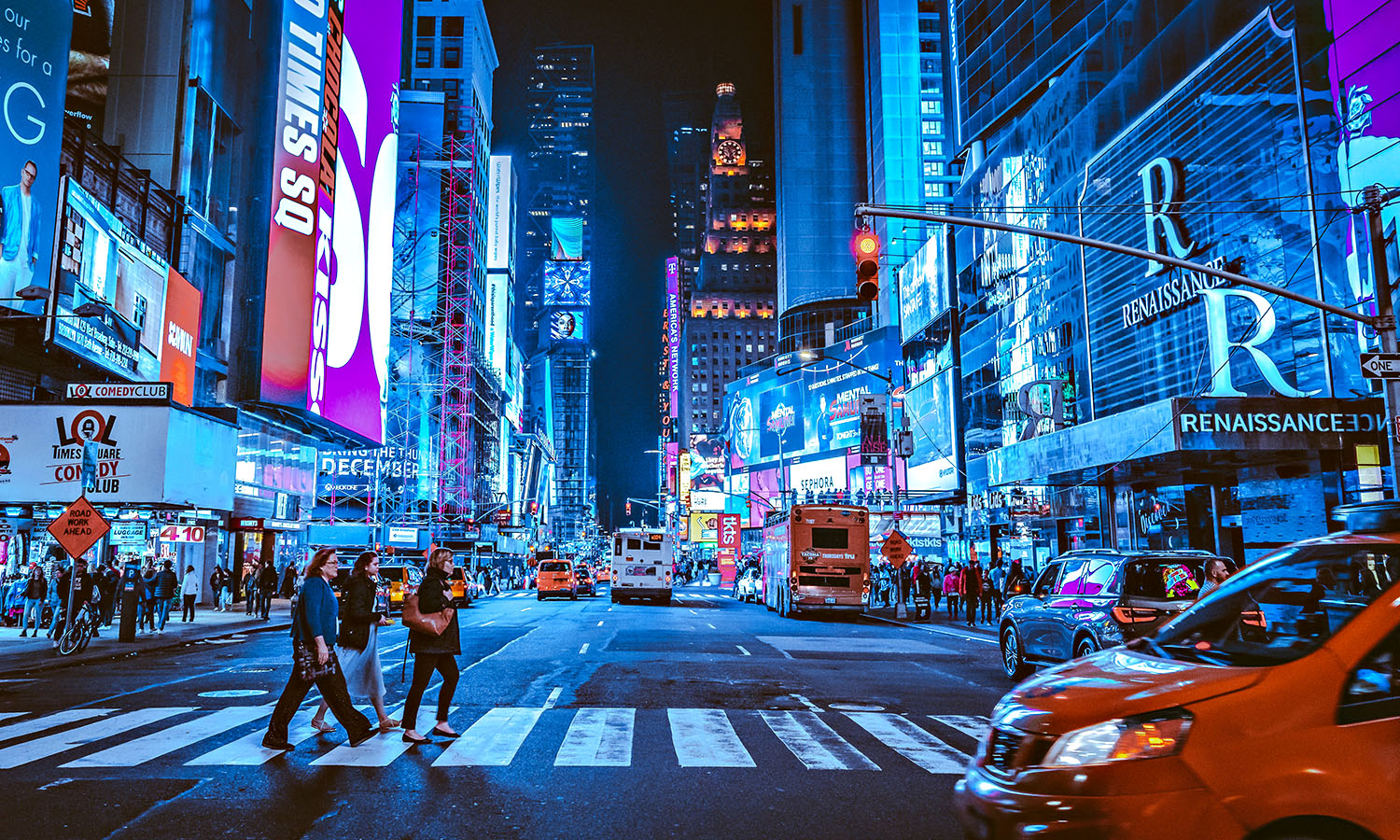
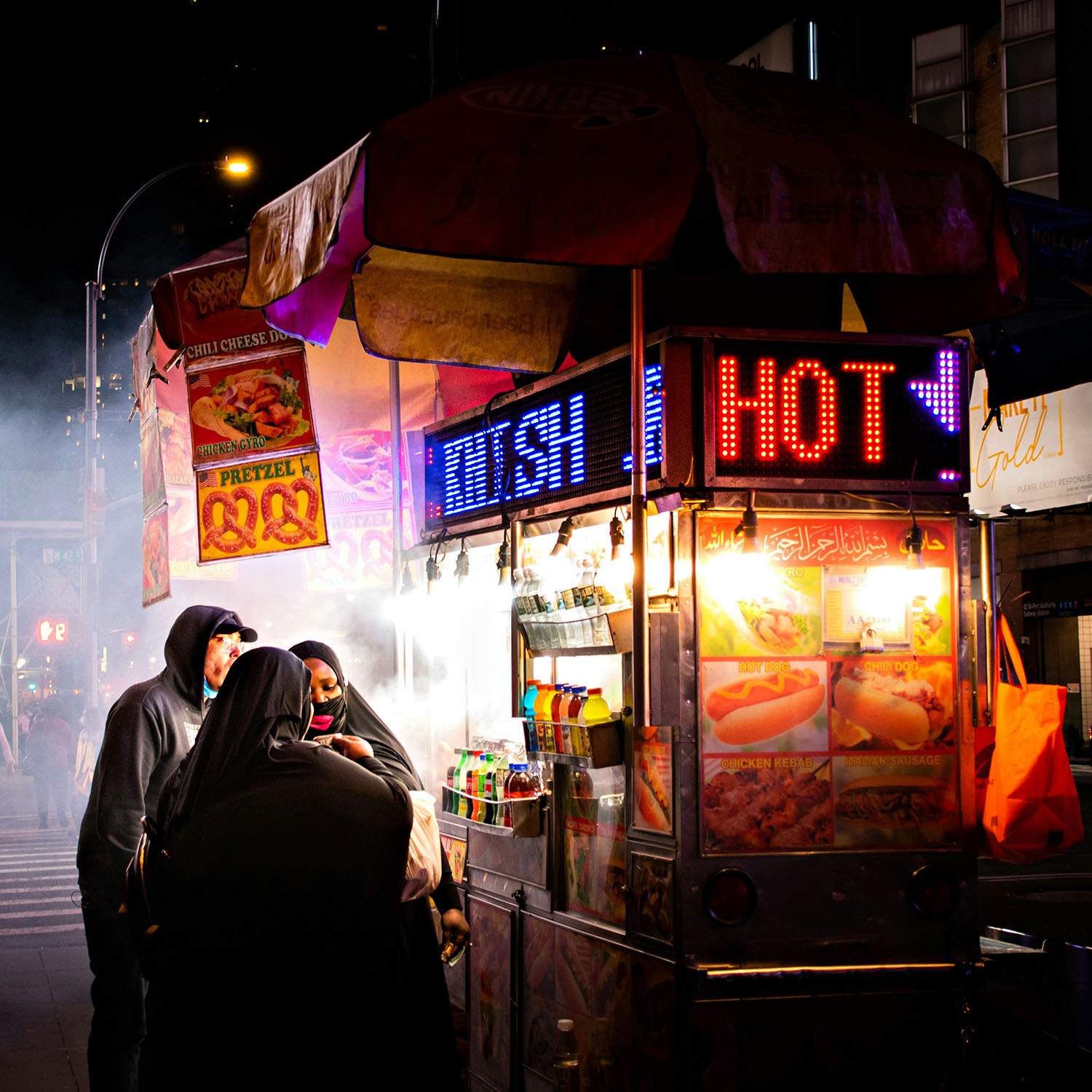
New York City is a delicious melting pot (literally) with more than 160 languages, a population of snack-obsessed locals, and enough street food smells to have your mouth watering for days.
From Jackson Heights’ kebab-scented sidewalks to Astoria’s secret speakeasies and Long Island City’s rooftop bars, this city doesn’t do subtle. It’s loud, it’s proud, and it’ll feed you ‘til you can’t stomach another mouthful. So, loosen that belt and grab a MetroCard – we’re eating, drinking, and talking our way through five days of Zohran Mamdani’s favourite NYC haunts. Pro tip: Bring your appetite.
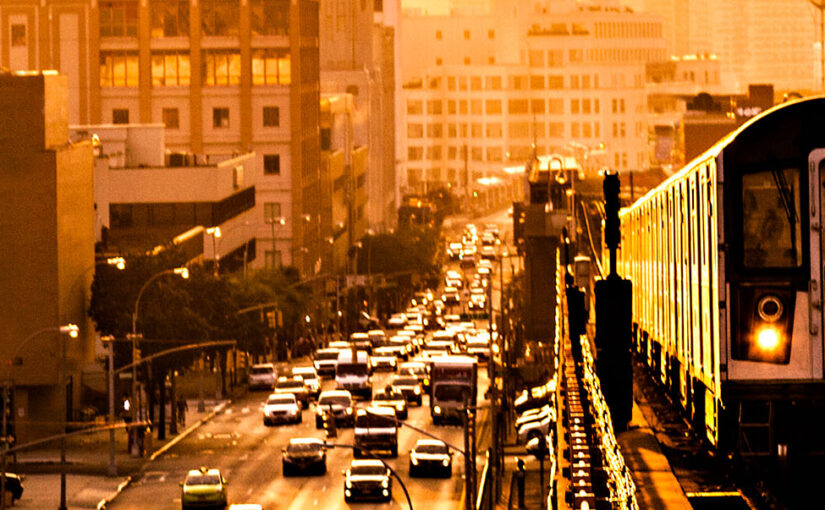
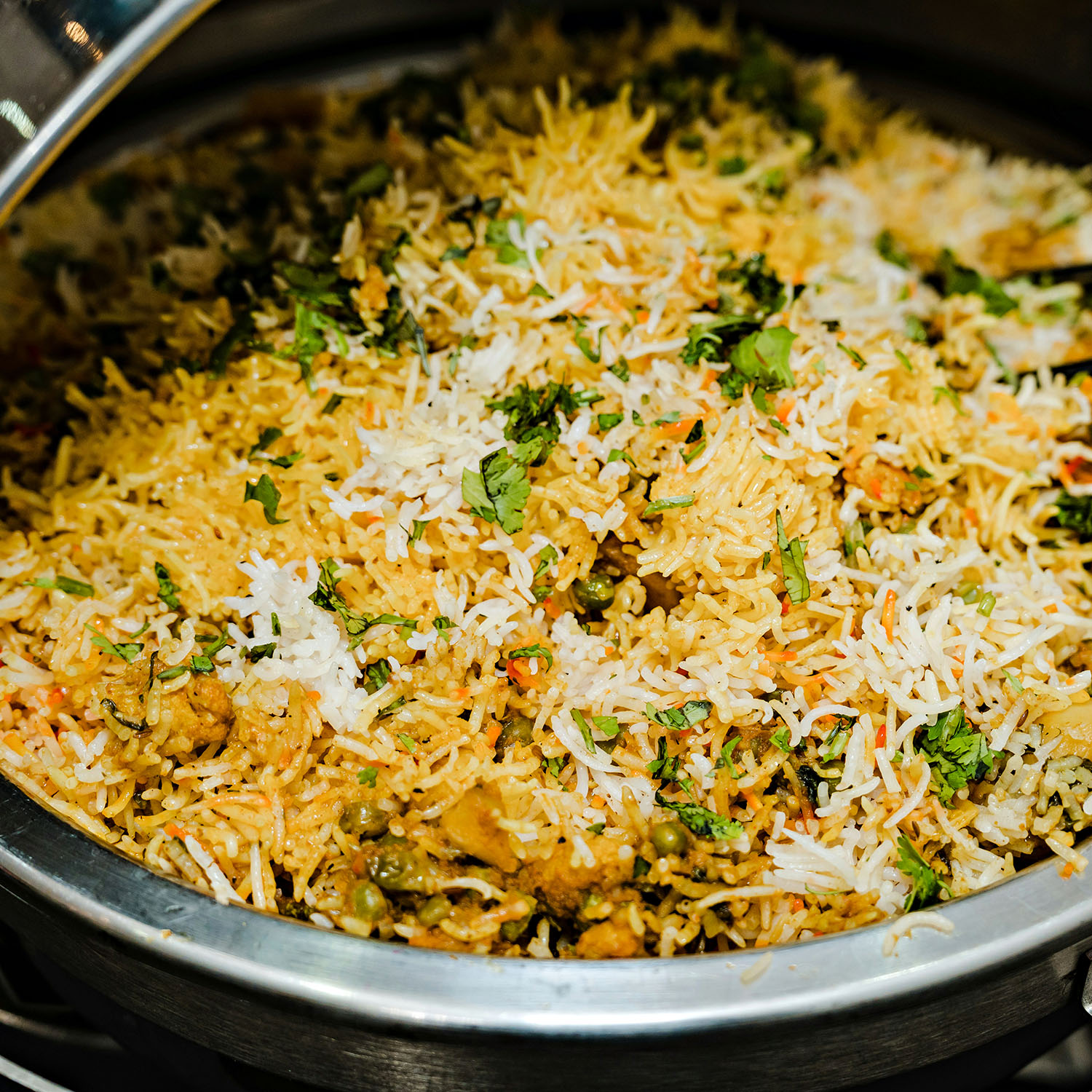
I land in New York, bag dragging behind me and head straight for the borough where Mamdani’s tastebuds run wild: Queens. My first stop is Kabab King in Jackson Heights – one of his top choices because, biryani.
Rice layered like a spicy lasagne, steam rising, flavours sneaking up behind you. I plunge in, hands acceptable (per his protocol), plunging spoon & fingers into the mix. Then I roam Jackson Heights, taking in colourful murals and halal carts while listening to people chatter in a dozen tongues.
The evening’s agenda is to grab a drink at a local dive (ask for the house pour), people-watch from a stoop, digest the biryani and the city’s noise.
Lunch: at Pye Boat Noodle in Astoria (per Mamdani’s list). He raves about the koy nua (Thai raw-beef salad) which means I too shall plunge into slices of beef, chili, lime, overjoyed by the shock of flavour.
The afternoon’s mission is to find a hidden gem. Maybe a tiny neighbourhood bookshop, or a botanica tucked behind a barbershop. Catch sunset by the waterfront at Astoria Park and watch Manhattan sparkles across the river like a distant star.
Dinner: explore a Greek taverna (Astoria has choices) for simplicity: olive oil, grilled fish, no fuss. Then maybe a craft beer bar where the jukebox doesn’t play chart pop.
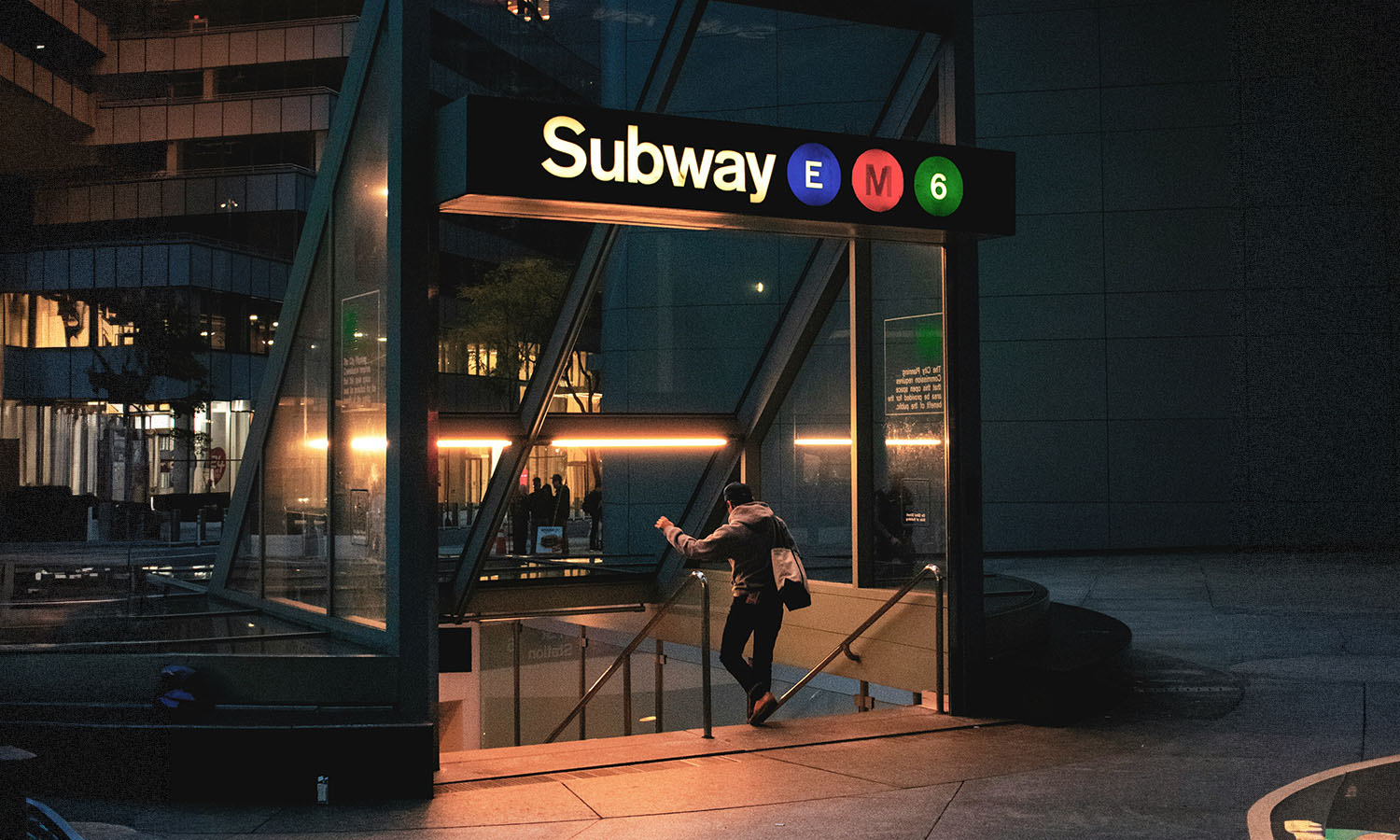
Mid-morning: hop on the subway (feel the rumble, smell the earnestness) into Long Island City (LIC).
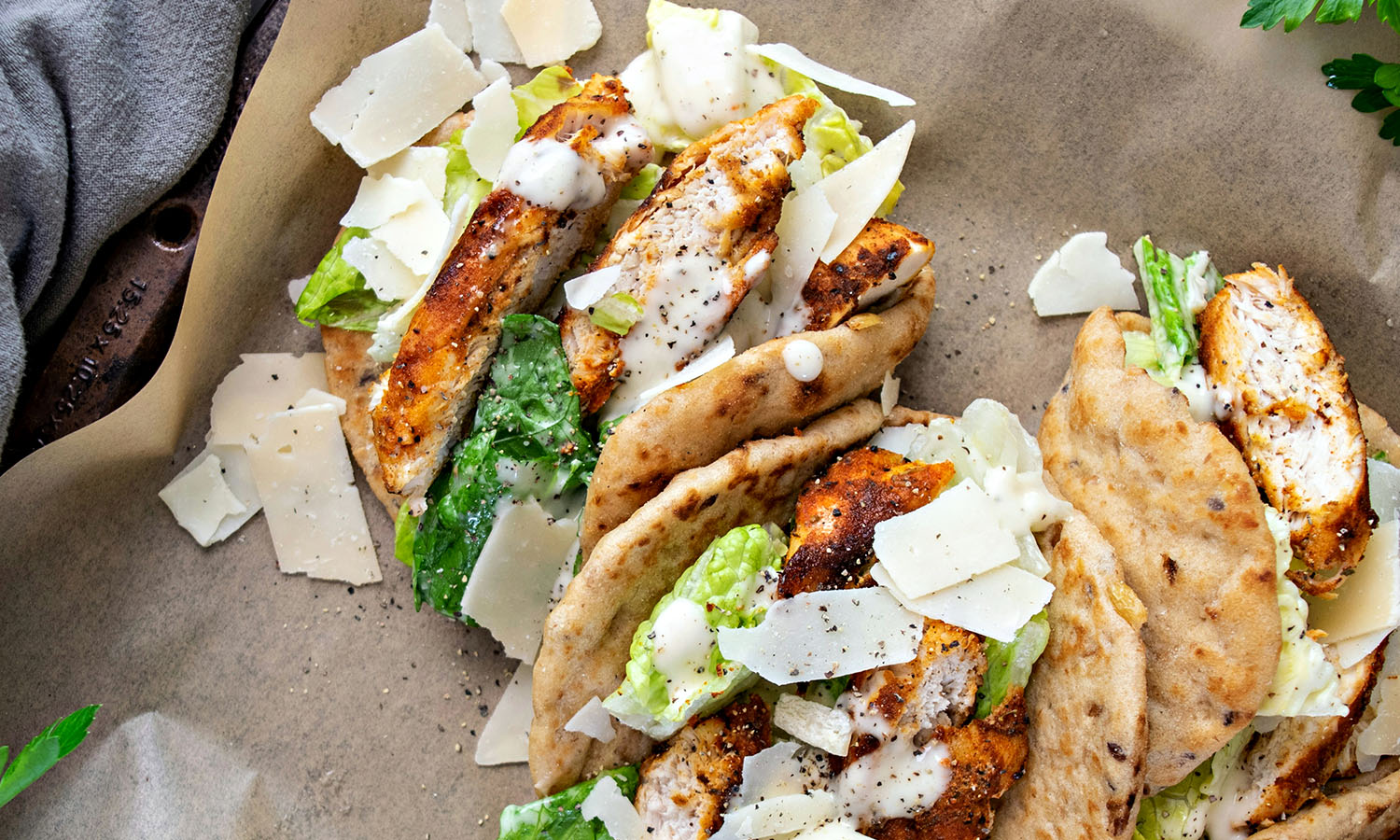
Today, I want to emulate Mamdani’s third go-to spot – Zyara. Lamb adana laffa wrap, hummus, mint lemonade. It’s simple, street-food rough-charm meets Mediterranean flavour.
Afternoon: LIC has become another hidden-in-plain-sight zone. Rooftop views, industrial-chic cafes, and less tourist-saturated than Manhattan. I explore an art gallery or two, then take a waterfront stroll with Manhattan glimmering across the East River.
For dinner I plunge into Queens nightlife where I wanna find a cocktail lounge down a half-lit corridor or a speakeasy behind a bookstore and sip something smoky while I reflect on how food is culture and identity (yes, I’m channeling Mamdani’s vibe).
Okay, I cheat and stray into Manhattan (because you’re in NYC, you have to). But I keep it off-beat: breakfast tacos in the East Village, follow the smell of coffee and doughnuts.
Late morning: visit a lesser-known museum. Maybe the Tenement Museum or something quirky in Lower Manhattan and for lunch, discover a tiny immigrant-run diner or a Caribbean spot in Harlem (because Queens wasn’t the only borough with rich food).
Afternoon: wander through unknown streets – alphabet blocks, local corner stores, street art, the weird things that don’t appear in every guidebook.
Evening: head back into Queens for dinner. Find a Colombian-Peruvian fusion spot in Jackson Heights, maybe. Keep it grounded, keep it real: neighbourhood tables, big flavours, local chatter.
And if you’re after a nightcap, perhaps a Jamaican rum bar with reggae, laughter, and no dress code.
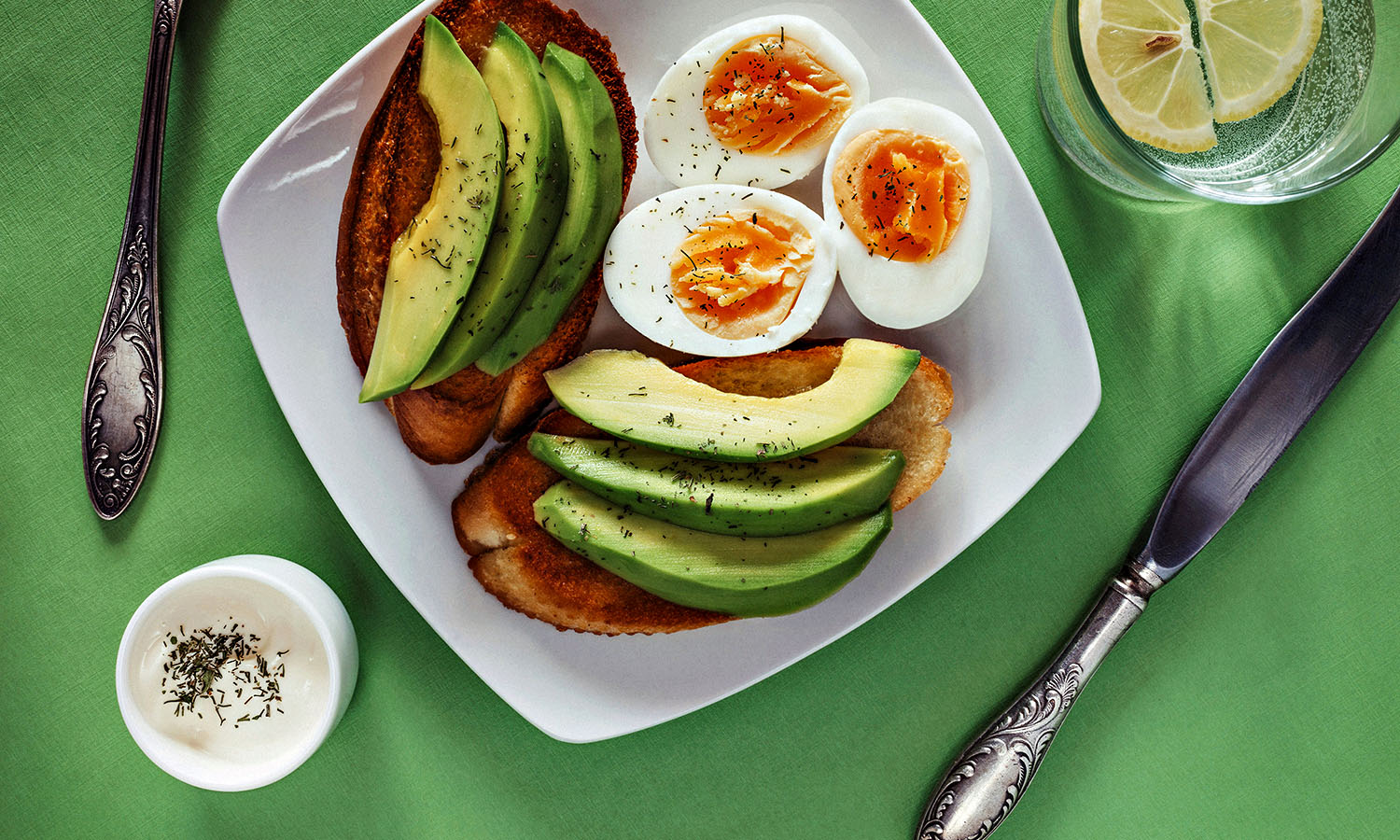
Brunch time: slide into Brooklyn (Williamsburg or Bushwick) for a patio brunch. Think avocado, eggs, kale (sob) but with a local twist and coffee so strong that you’re instantly awake.
Around midday, I returned to Queens for a farmer’s market/street-food fair. I really wanted to taste something weird. Maybe a dumpling-sandwich hybrid? Something fermented? Or pickled? Boom, check it off the list.
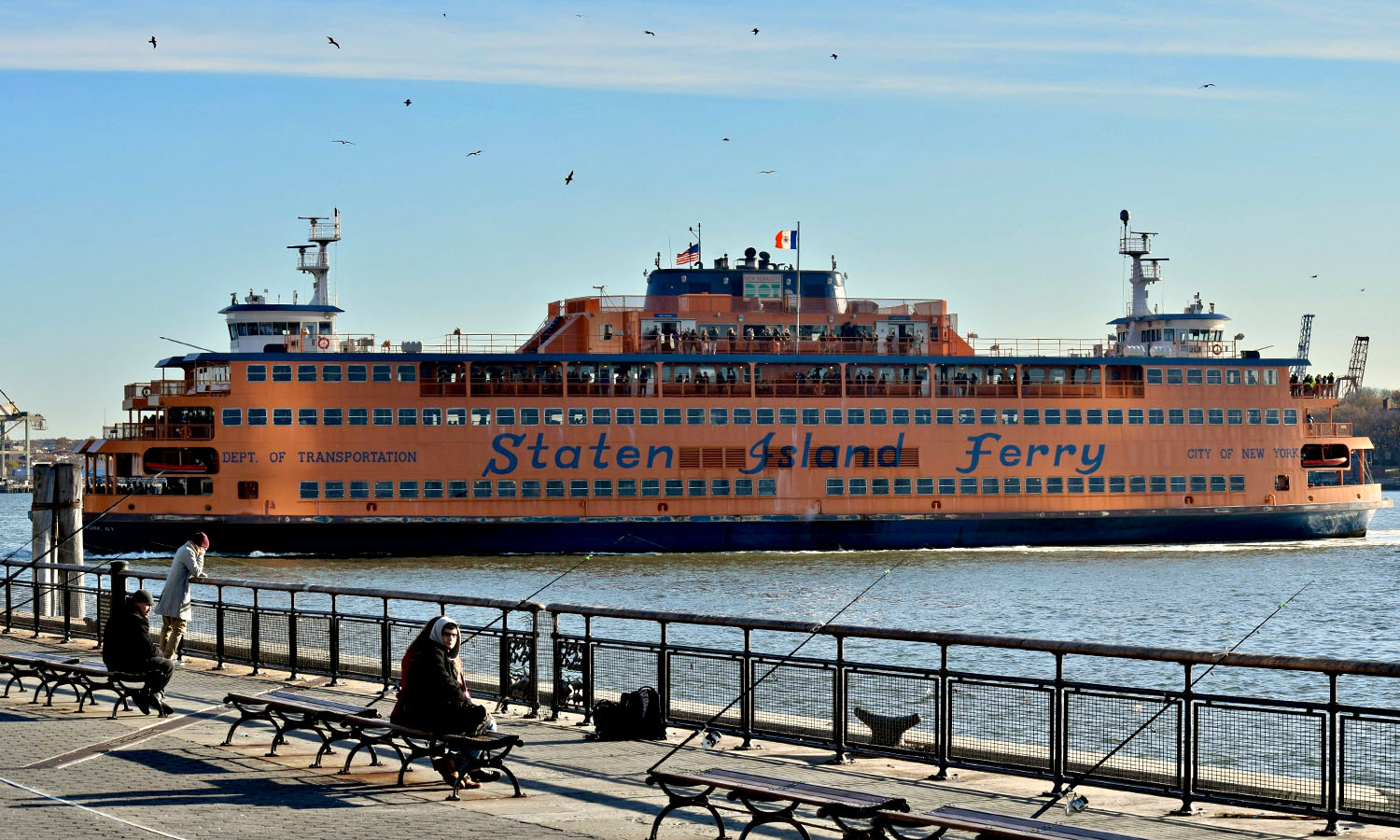
The afternoon bought a meander through the boroughs one last time. I even indulged and caught a ferry ride back to Manhattan, skyline glinting, the wind funny in my hair.
For dinner, I opted to go big but keep in character. If you’re keen too, choose a restaurant that is stylish but not slick, perhaps a Brooklyn brownstone converted eatery, or a Manhattan rooftop with city-noise as soundtrack. Toast with a local craft beer or a natural wine. Then head to a rooftop bar for the skyline one-last time.
Late night: sit on a bench by the river, listen to the hum of the city, reflect that you ate like the mayor’s tastebuds: diversely, unapologetically, across boroughs. And yes, you got lost in the best possible way.
Quiet streets, steamy baths, and more ramen than your heart can handle, this is Japan off the beaten path.
I’ve been to Japan before; the usual suspects, Tokyo’s neon maze and Kyoto’s temple trails. But Kyushu? That felt different. As soon as I landed on Japan’s southwestern island, I could sense it. The pace dropped a notch. The air felt cleaner. The smiles lingered longer. This wasn’t a place built for ticking boxes or selfie queues; it was a place to slow down, eat well, and soak in a culture that hums quietly beneath the surface.
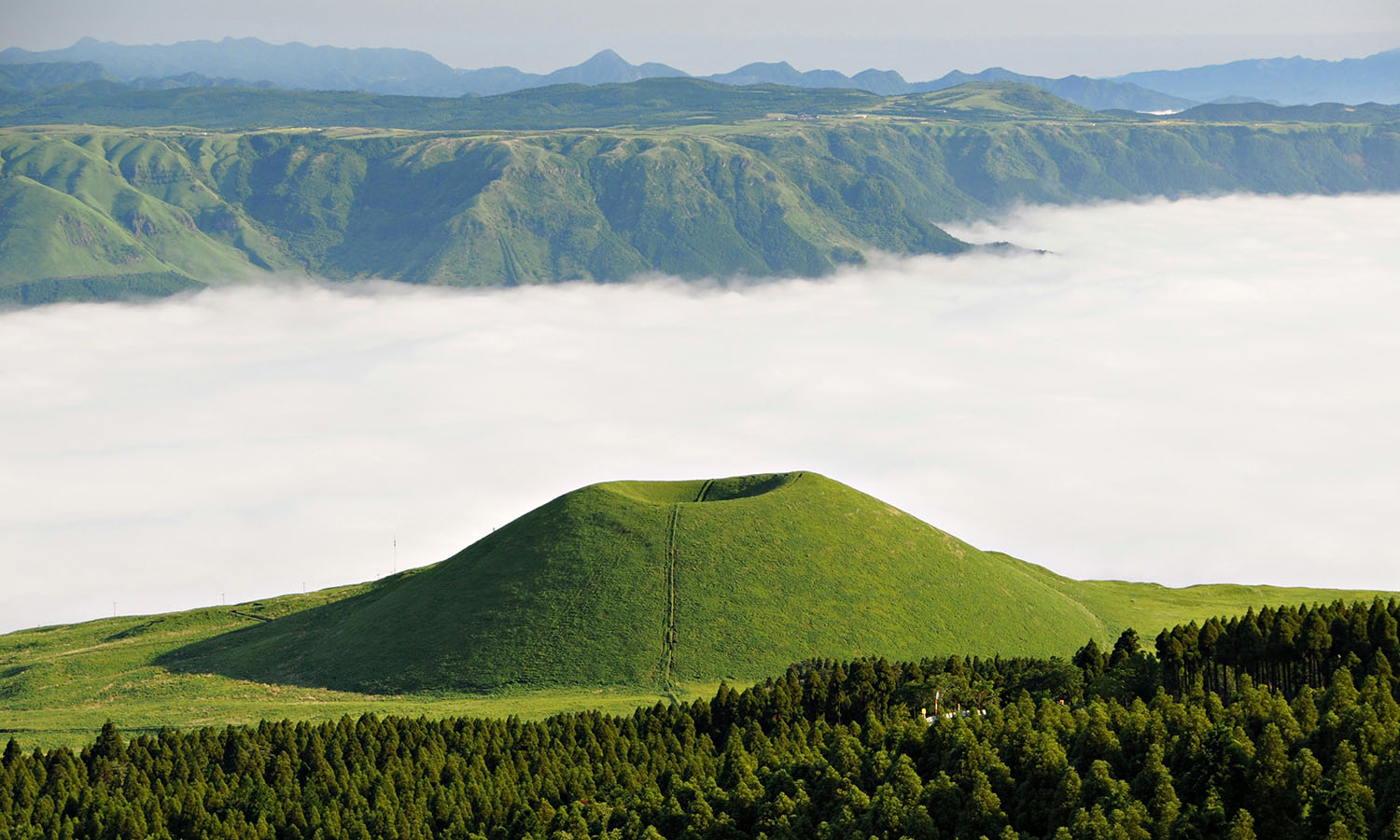
Far from the crowded tourist circuits, Kyushu offered the kind of travel that sneaks up on you. Dramatic volcanoes one day, steaming hot springs the next, and as a food lover, this was heaven – fresh seafood, sizzling wagyu beef, hearty tonkotsu ramen, and plenty of unique local specialties. I’d come for a glimpse of Japan’s “deep south” and left wondering why more people don’t.
My journey wound through five prefectures – Nagasaki, Saga, Fukuoka, Oita, and Miyazaki – each one with its own quirks, flavours and rhythm.
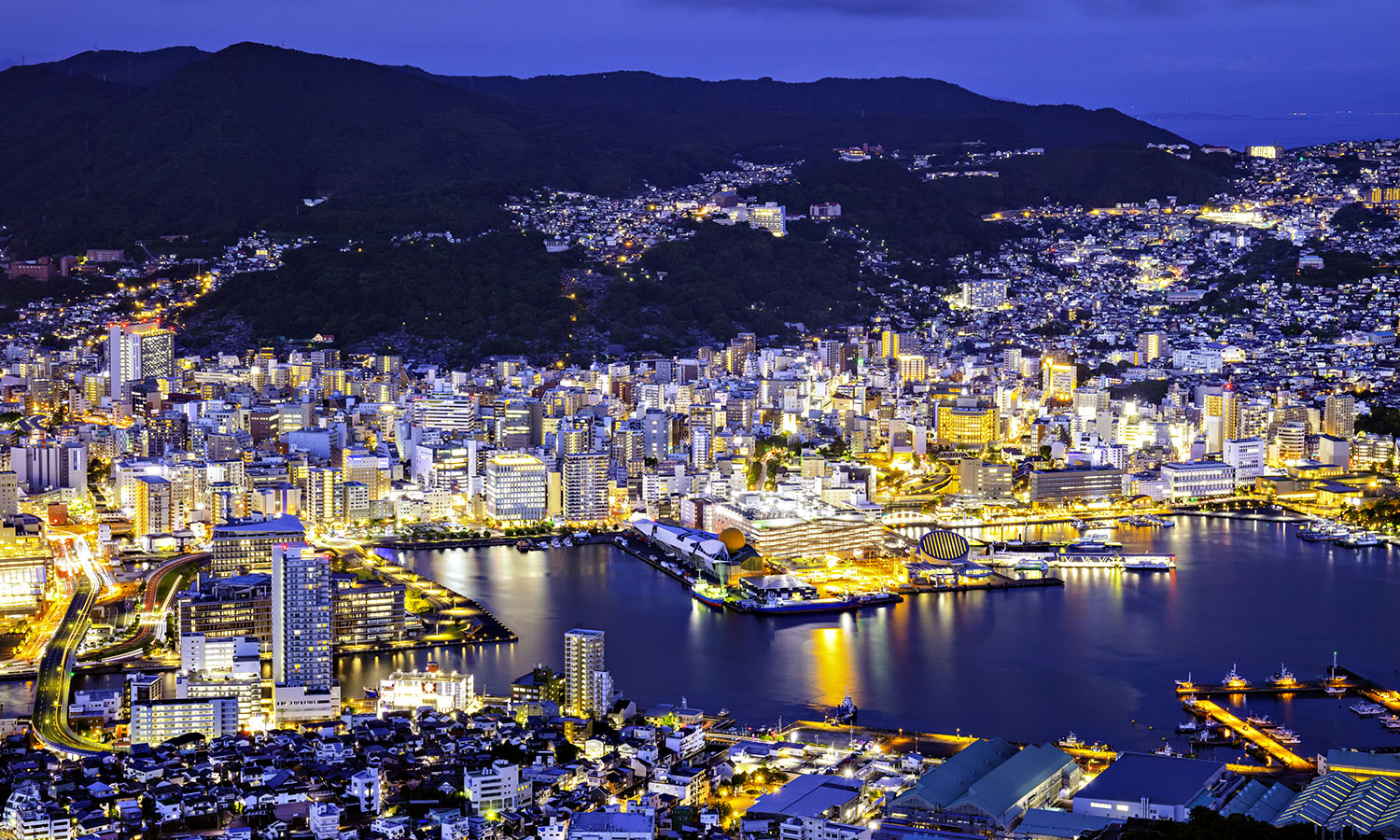
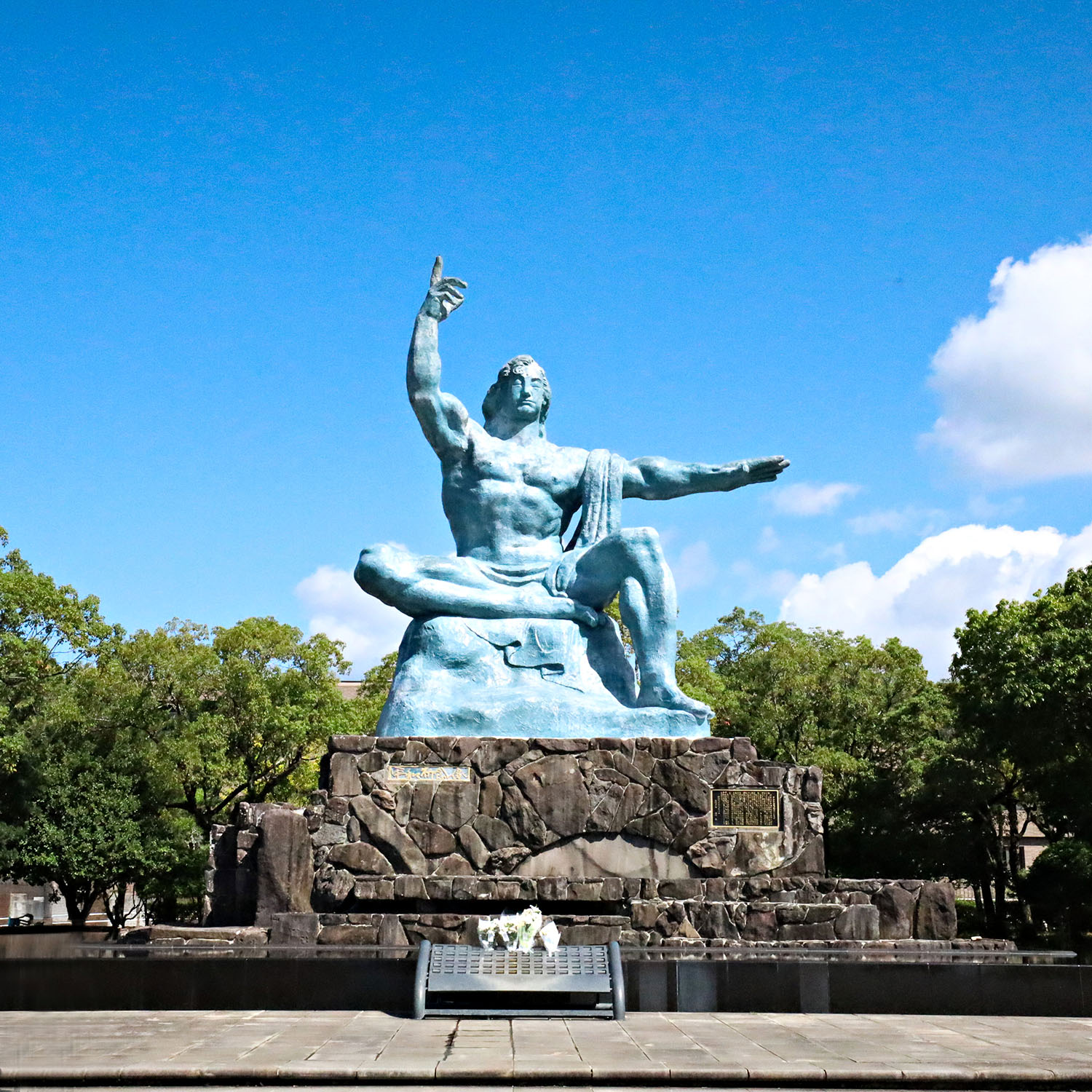
It began in Nagasaki, a city where East and West have been mingling for centuries, sometimes gracefully, sometimes not. You can feel history here in the air, softly at the Peace Park, where past and hope coexist in the same breath, and loudly on the steep climb up Mount Inasa, where the city spills out below in glittering perfection.
Lunch was at Bistro Bordeaux, where I ordered something called Toruko Rice, a baffling but brilliant combination of rice, pork cutlet, and spaghetti that somehow works. Only in Nagasaki could such a cultural mashup feel completely normal.
At Dejima, the old Dutch trading post that was once Japan’s only window to the West, I wandered through reconstructed wooden buildings imagining the merchants who once called this tiny island home. Over at Glover Garden, perched high on the hill, the Meiji-era mansions offered a different perspective – Europe by way of Asia, complete with sweeping harbour views and architectural flair.
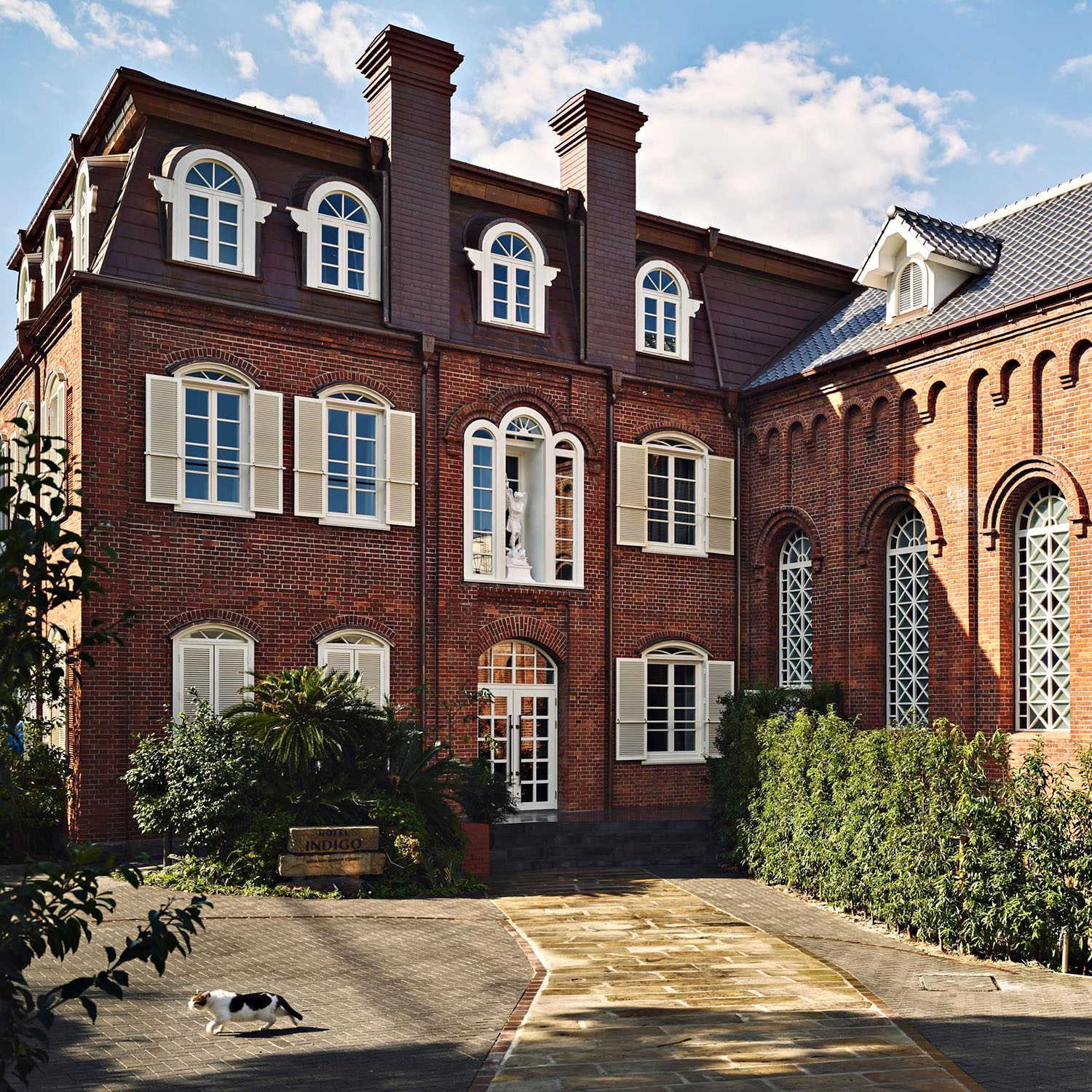
I checked into Hotel Indigo Nagasaki Glover Street that night, perfectly positioned to soak up the city’s layered history. After one of the best sleeps ever (exploring will do that to ya), I squeezed in a stop at Spectacles Bridge, where the double arches mirror perfectly in the river below. It’s the kind of quietly beautiful moment that Nagasaki does best – history and harmony, side by side.
I was soon heading to Saga, and it was the reset button I didn’t know I needed. Where Nagasaki buzzes, Saga breathes. I started the day wandering through Keishuen Garden, a calm patchwork of seasonal colour that instantly lowered my heart rate.
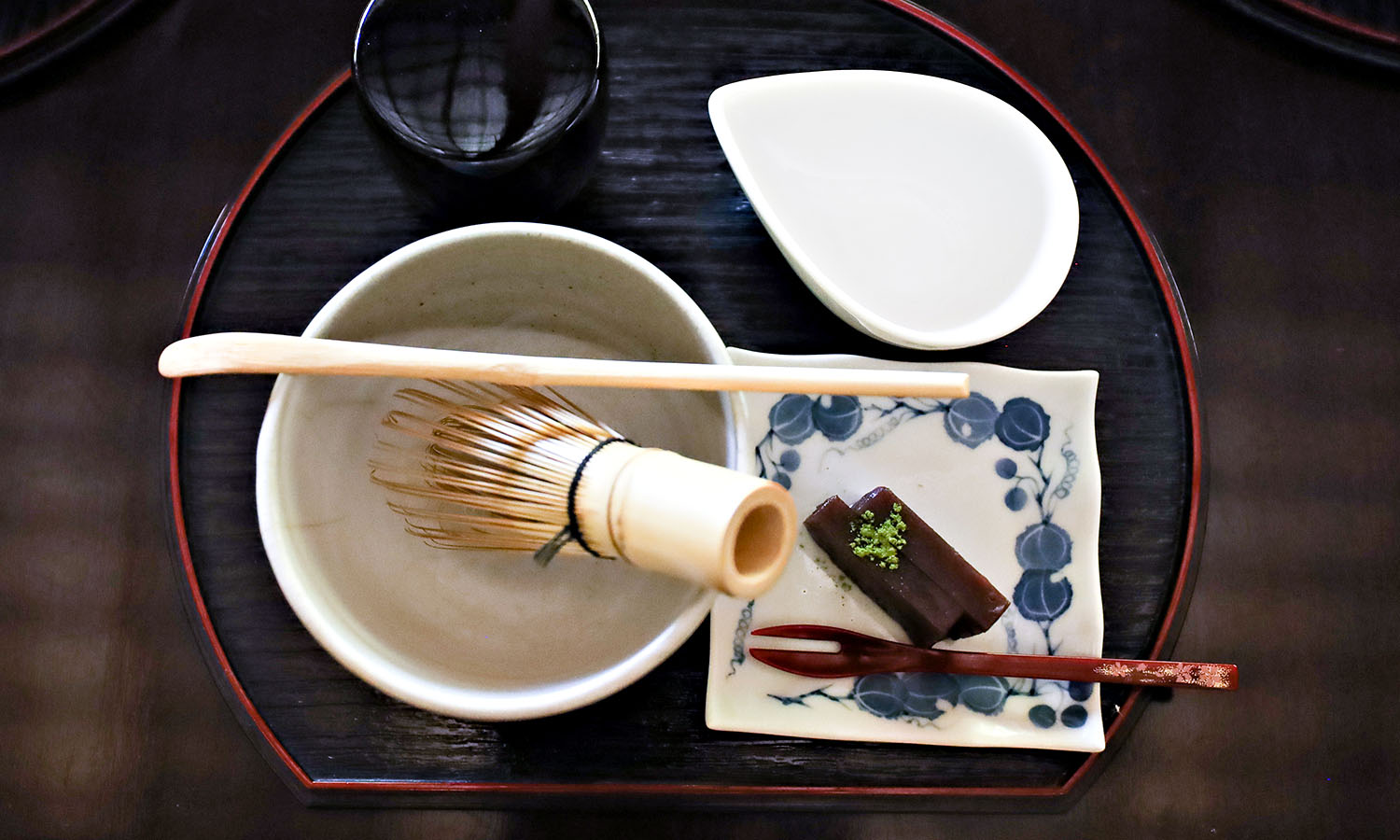
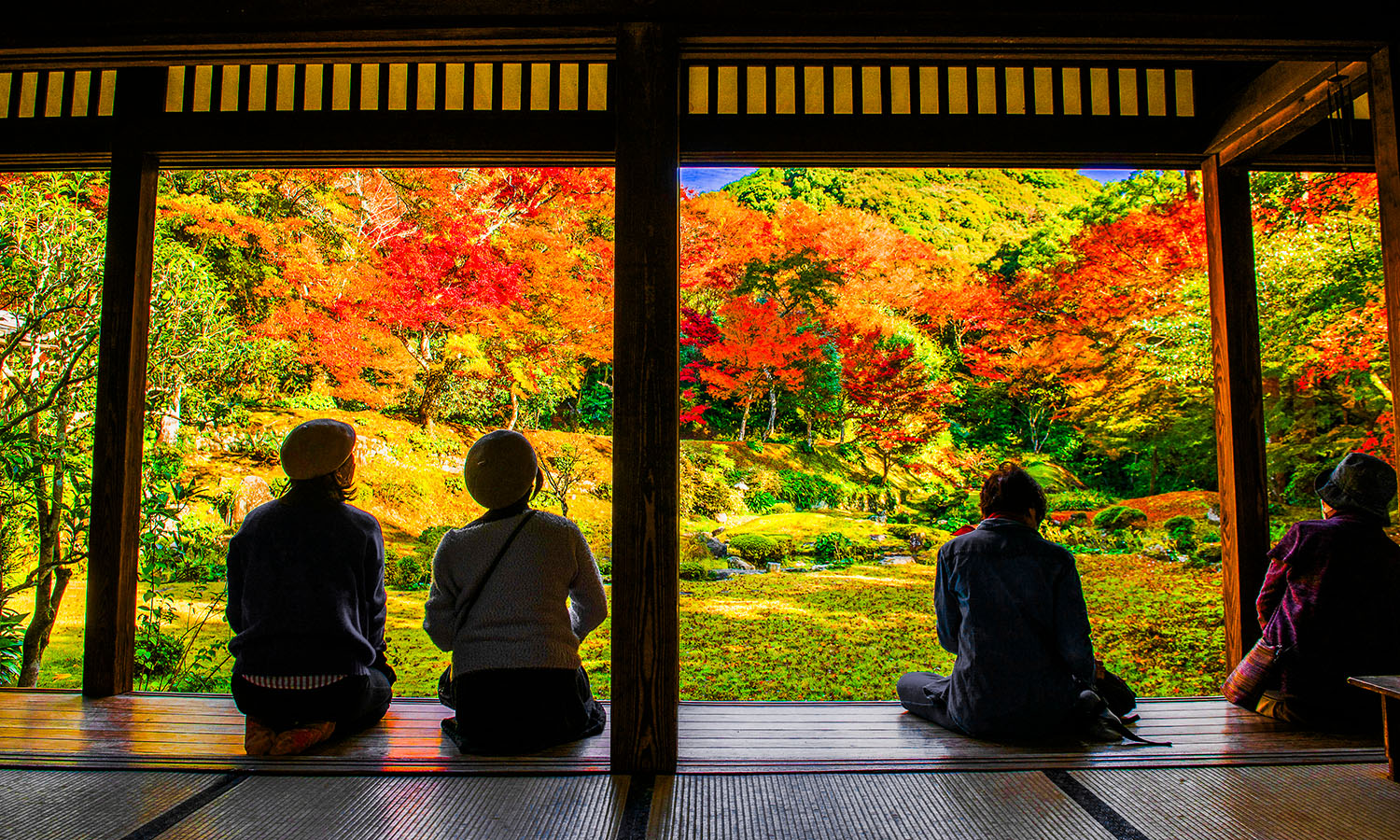
Before long, I settled into the traditional tea ceremony room, where I whisked my own bowl of matcha while gazing out at the carefully composed landscape. There’s something meditative about preparing tea yourself – the precise movements, the bitter-sweet first sip, the way it forces you to be present.
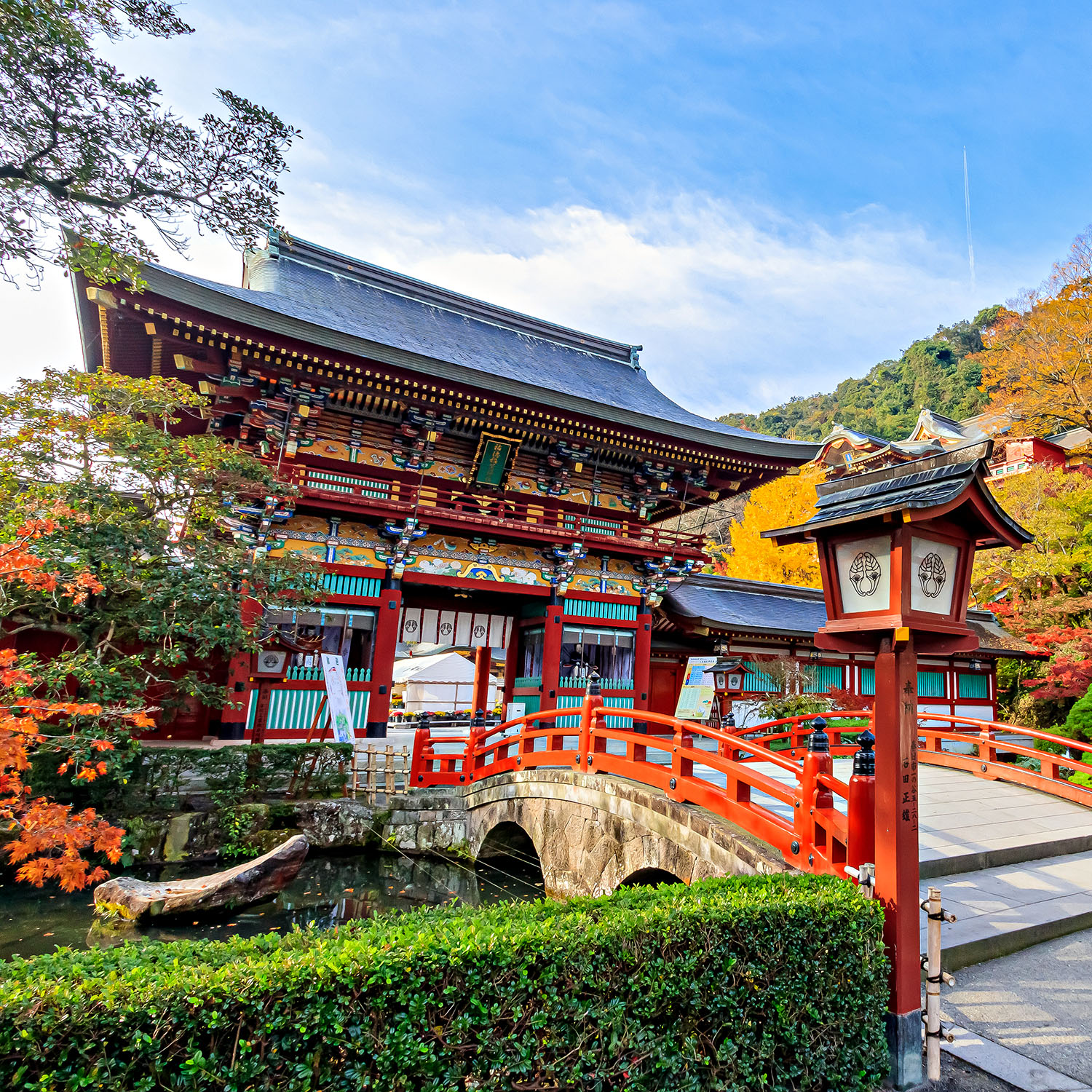
Then came Yutoku Inari Shrine, where I participated in a miko (shrine maiden) dance and worship ceremony at the main hall. Watching the shrine maidens perform their graceful ritual movements and taking part in the traditional prayers offered a genuine glimpse into Japanese spiritual culture that felt both ancient and alive. And I was obsessed.
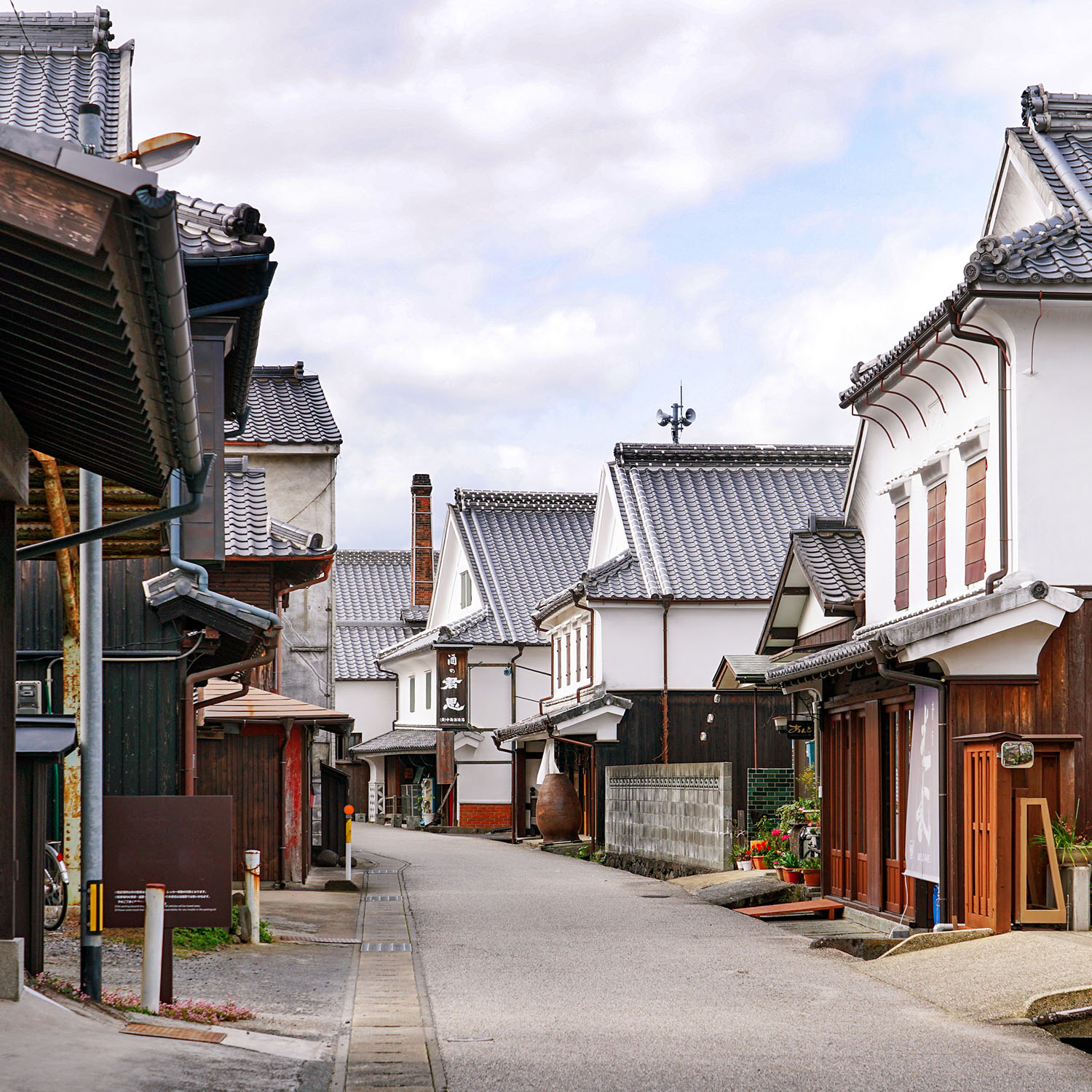
Later, in Hizen Hama, I wandered narrow streets lined with traditional sake breweries. This area is designated as an Important Preservation District for Groups of Traditional Buildings, and you can feel the weight of history in every weathered beam and tile. Each brewery carried a distinct aroma of rice and fermentation. The brewers were happy to pour samples and stories in equal measure, but thankfully I know my limits.
That evening, I slid into the silky waters of Ureshino Onsen – a hot spring famed for its skin-softening magic – and instantly understood the hype. Emerging an hour later, I felt reborn, or at least extremely well-steamed. I stayed at Yadoya Uchiroji, a charming ryokan where everything, from the tatami mats to the gentle clink of teacups, seemed designed to lull you into serenity. Dinner at Hanano sealed the deal – fresh, seasonal, and perfectly balanced.
Before leaving the next morning, I stopped at Chaoshiru to learn the fine art of brewing green tea. I’ll be honest: I’ve been making it wrong my entire life.
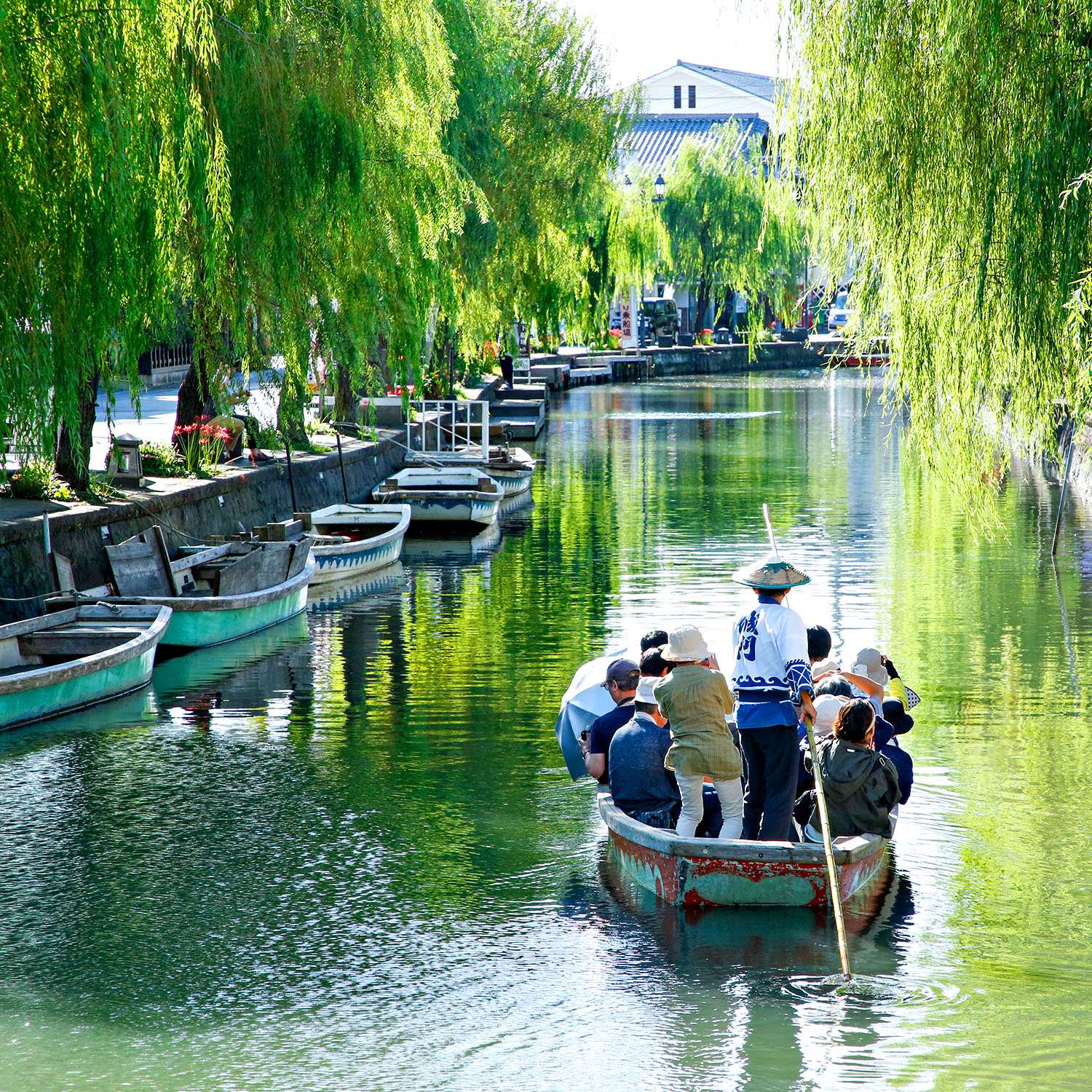
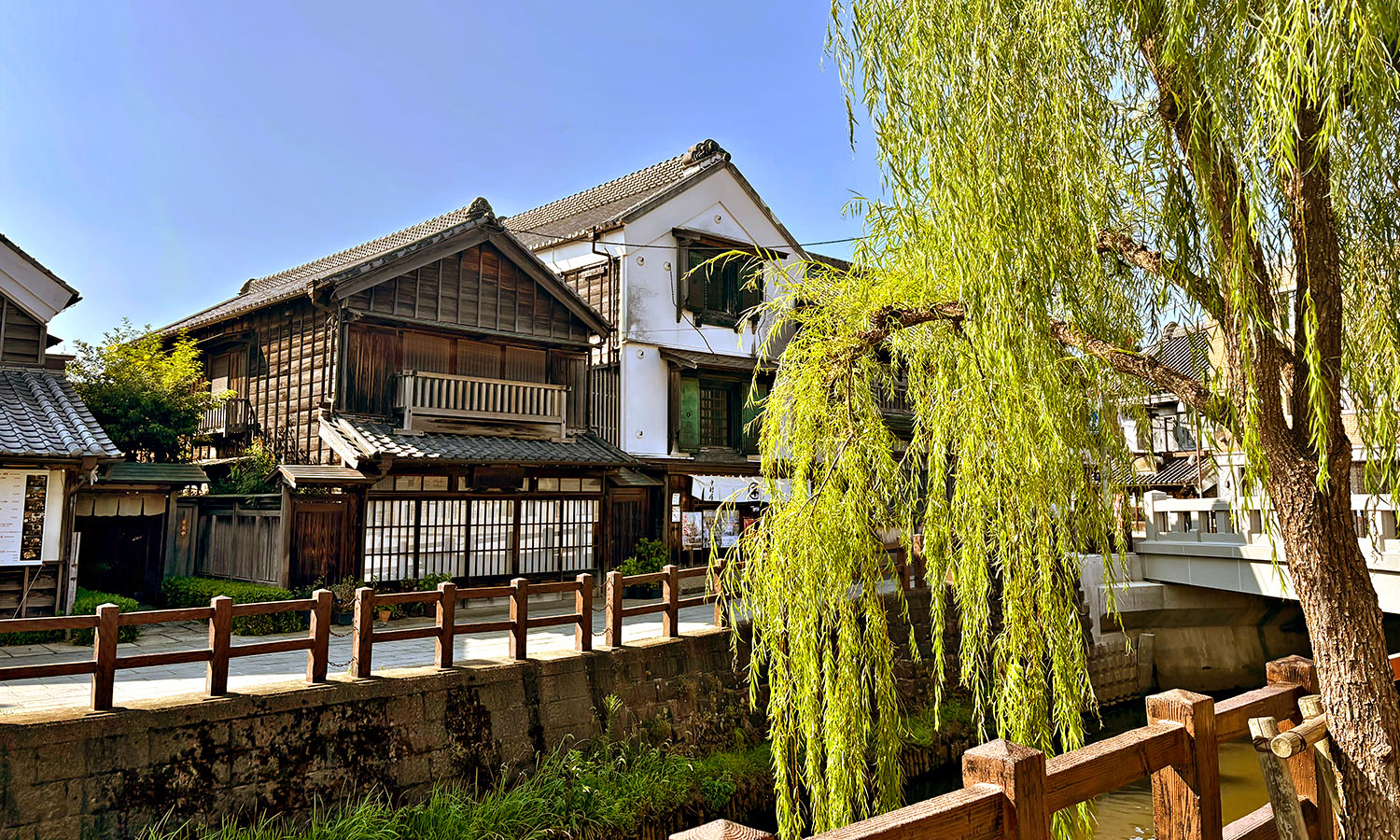
Fukuoka was next, a city that somehow balances modern buzz with centuries of tradition. In Yanagawa, I hopped on a slow-moving riverboat that glided through old canals flanked by willows and Edo-era houses. The pace was hypnotic, broken only by the rhythmic singing of the boatman. Lunch at Fukusensou was a highlight: perfectly plated local specialties that were almost too pretty to eat. Almost (read: I devoured every last bite).
That night, I checked into Ohana, a ryokan that once belonged to a samurai family, all sliding doors and quiet grace. The 18th generation head of the Tachibana family, who once ruled this Yanagawa area, actually still serves as the representative today, and if you’re lucky, you might be able to hear stories about the Tachibana family directly from her. But as I was lying in bed, I thought “It’s impossible not to slow down here”.
Fukuoka’s craft culture shines in its small towns. In Miyama, I found peace at Kiyomizu-dera Temple, tucked in misty forested hills. In Yame, I tried my hand at bamboo blind-making (badly) and learned about the intricate weaving of Kurume Kasuri, Japan’s oldest indigo textile. The locals’ quiet pride at my attempt was contagious.
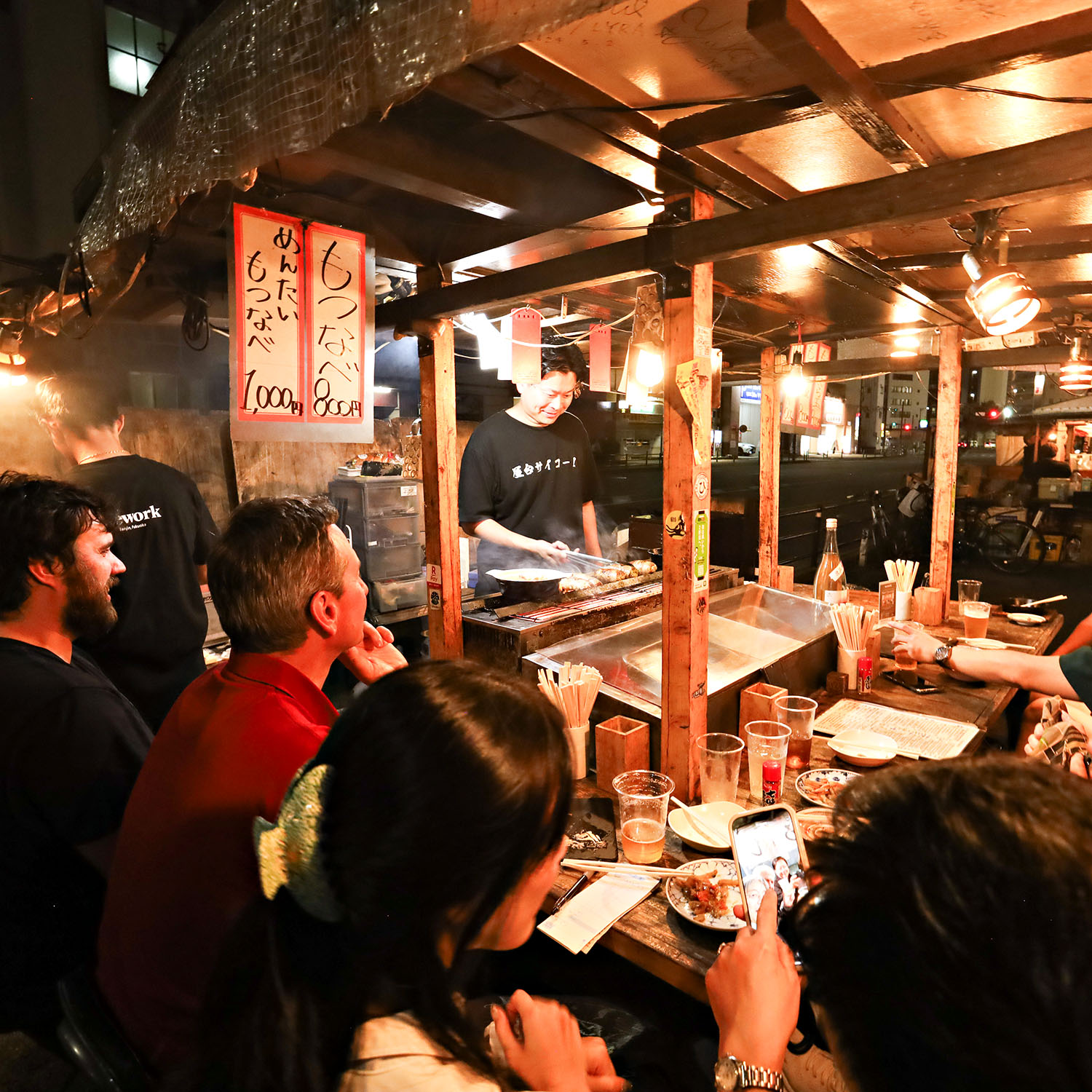
By nightfall, I was at Hiroshi, one of Fukuoka’s famous yatai: open-air food stalls where strangers become drinking buddies within minutes. Elbow to elbow with locals, slurping ramen under the glow of paper lanterns, I felt that satisfying travel truth – connection really doesn’t need a translation.
The next day, I dipped into Fukuoka’s modern side, with plant-based meals at & S Organic and Soy Stories proving that innovation and tradition can happily share a table.
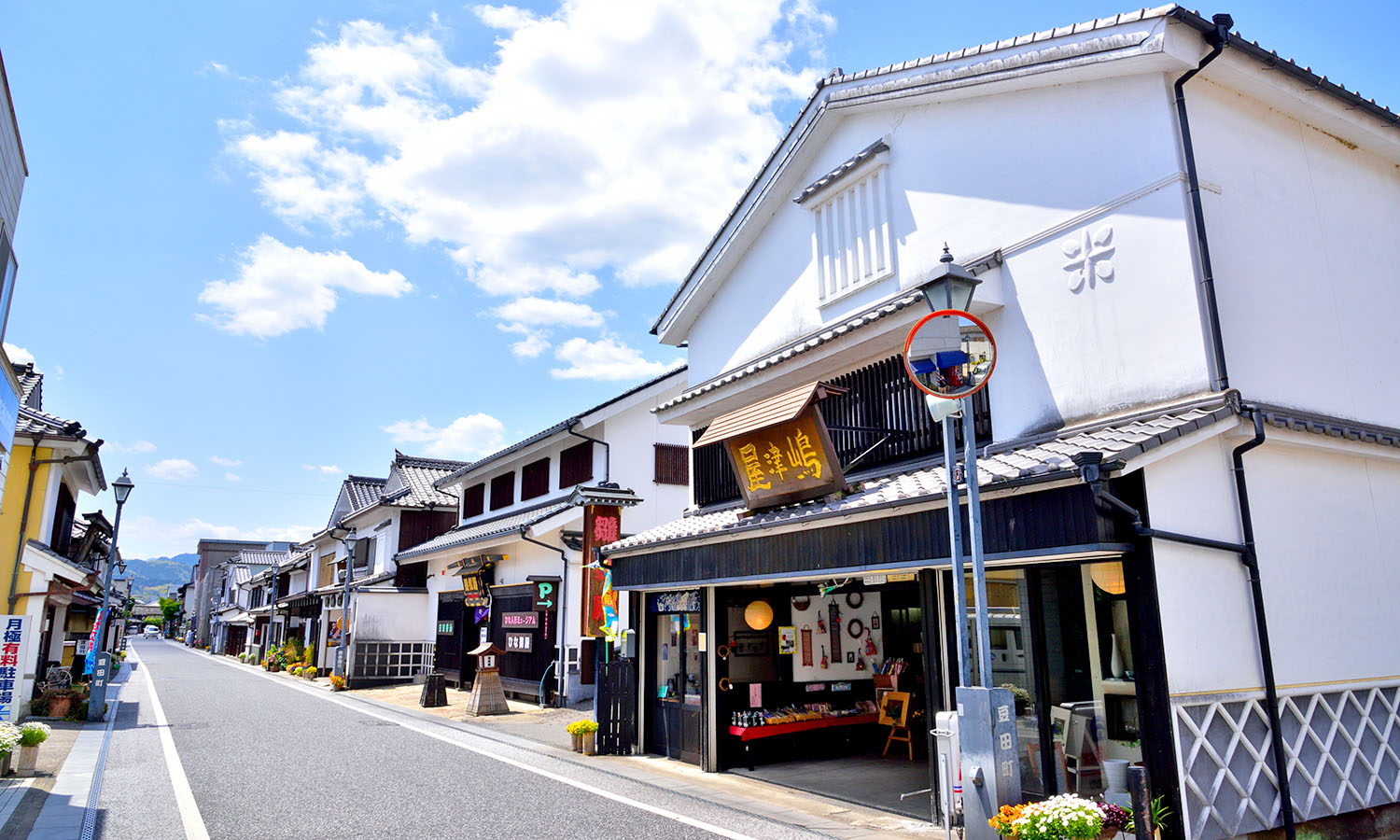
Then came Oita, a prefecture that feels like Japan pressed “relax.” I started in Hita, wandering the beautifully preserved Edo-era district of Mamedamachi, where the wooden shopfronts looked as if they hadn’t changed for centuries. I stopped for Hita Yakisoba, crispy, smoky, glorious noodles that ruined all others for me (especially my beloved 2-minute noodles from back home).
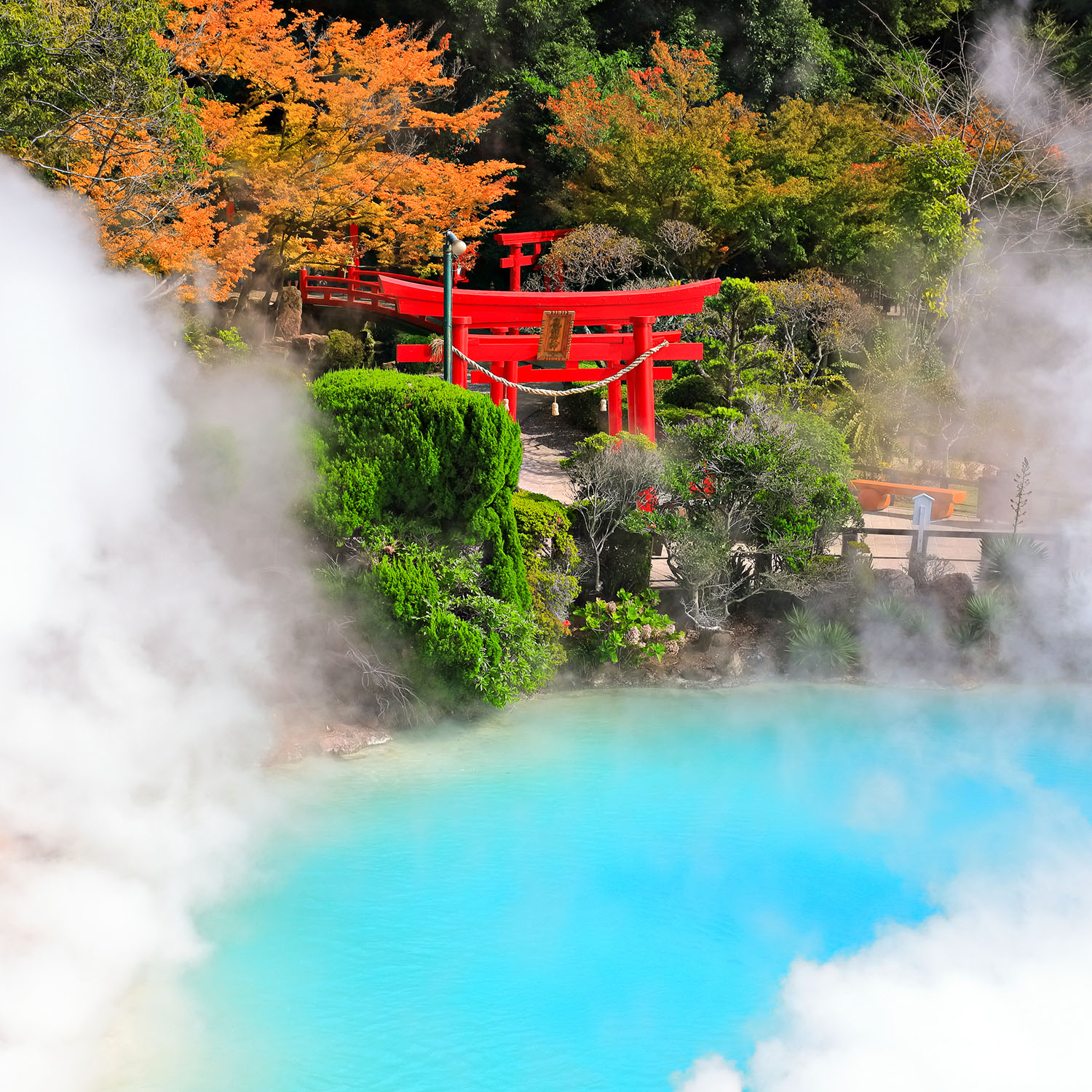
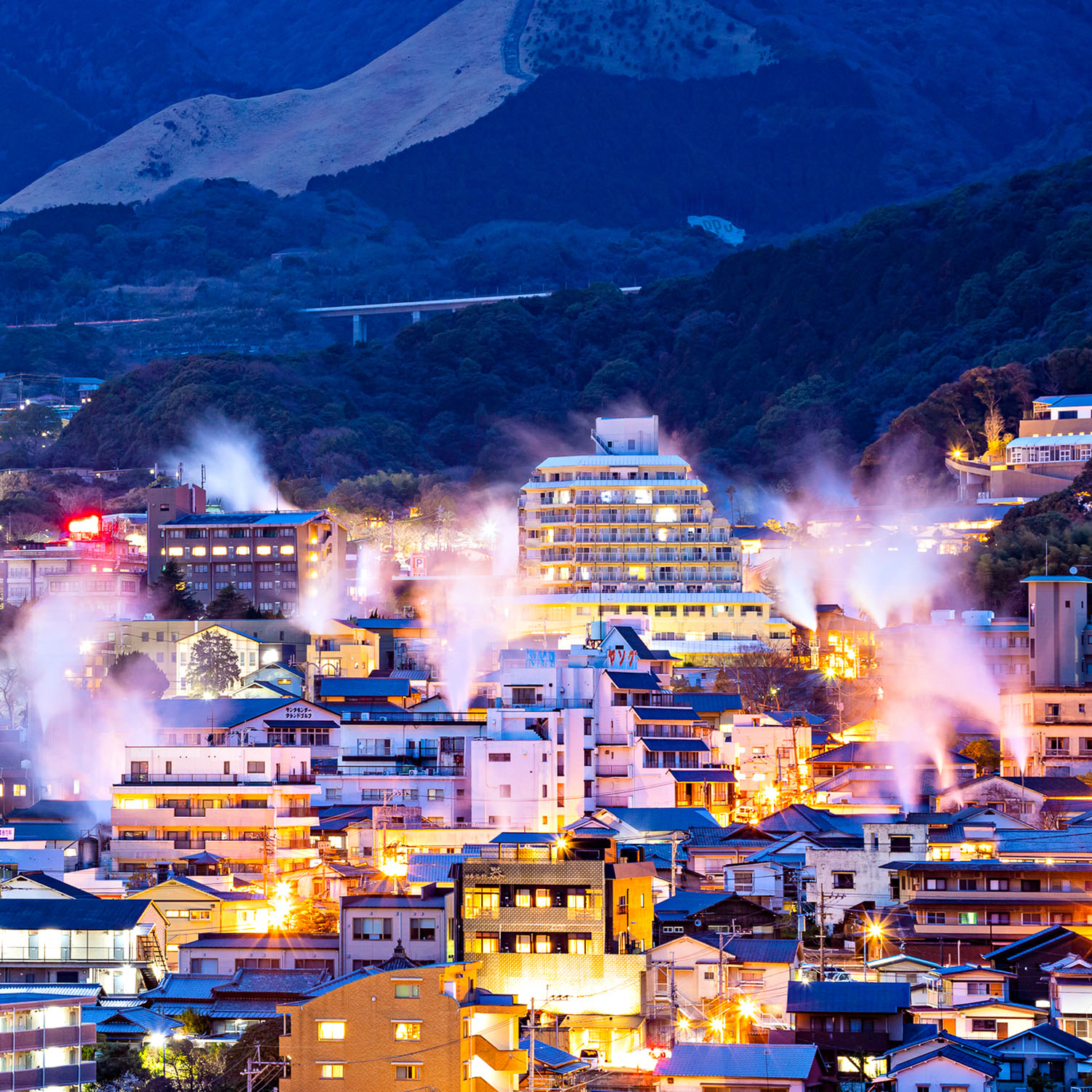
At Ajimu Winery in Usa, I sampled local wines surrounded by green hills and thought: why is no one talking about this place? In Beppu, I joined the famous “Hell Tour” – a collection of hot springs so vividly coloured they look photoshopped. There’s the cobalt-blue Sea Hell, the rust-red Blood Hell, and several others that burble and hiss like something from another planet.
To balance all that inferno energy, I soaked in the therapeutic waters of Kannawa Onsen—the kind of steamy, old-school bathhouse that melts your muscles so completely you wonder if they’ll ever tense up again. I stayed at BEPPU FUGA, a minimalist haven where soft lighting, impeccable service, and an onsen view did unspeakable things to my stress levels.
The next day took me to Saiki, where I started at Taiyo Farm. I got to try my hand at crafting some wooden chopstick holders and had a chance to taste their delicious roasted nuts. Later, at the Saiki City Historical Museum, I traced the region’s fascinating maritime heritage and samurai past through well-curated exhibits that brought centuries of local life into focus.
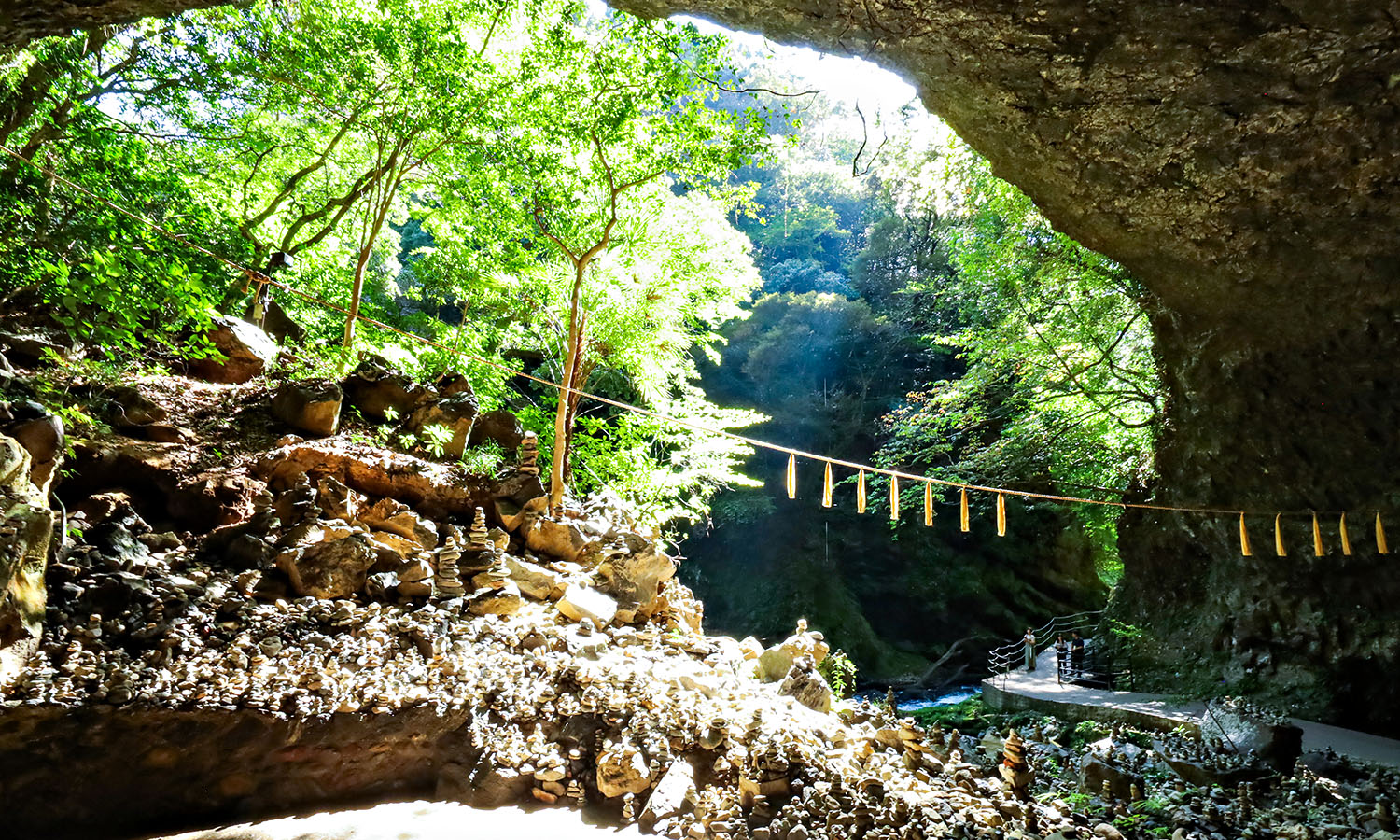
Finally, I arrived in Miyazaki – the wild heart of Kyushu, where mythology and nature blur together. My first stop was Amanoiwato Shrine, believed to enshrine the cave where the sun goddess Amaterasu-Omikami once hid, plunging the world into darkness. Near the shrine lies Ama-no-Yasukawara, a mystical riverside cave where, according to legend, eight million deities gathered to discuss how to lure Amaterasu back out. Whether or not you buy into the legend, standing in these sacred places feels deeply spiritual.
Later, I joined a Kappo-dori cooking experience to learn the local art of preparing chicken using traditional bamboo cooking methods. The chicken is grilled inside lengths of fresh bamboo over charcoal – a technique that infuses the meat with a subtle, earthy fragrance. Yes, it’s a simple method but my god was the end result absurdly delicious.
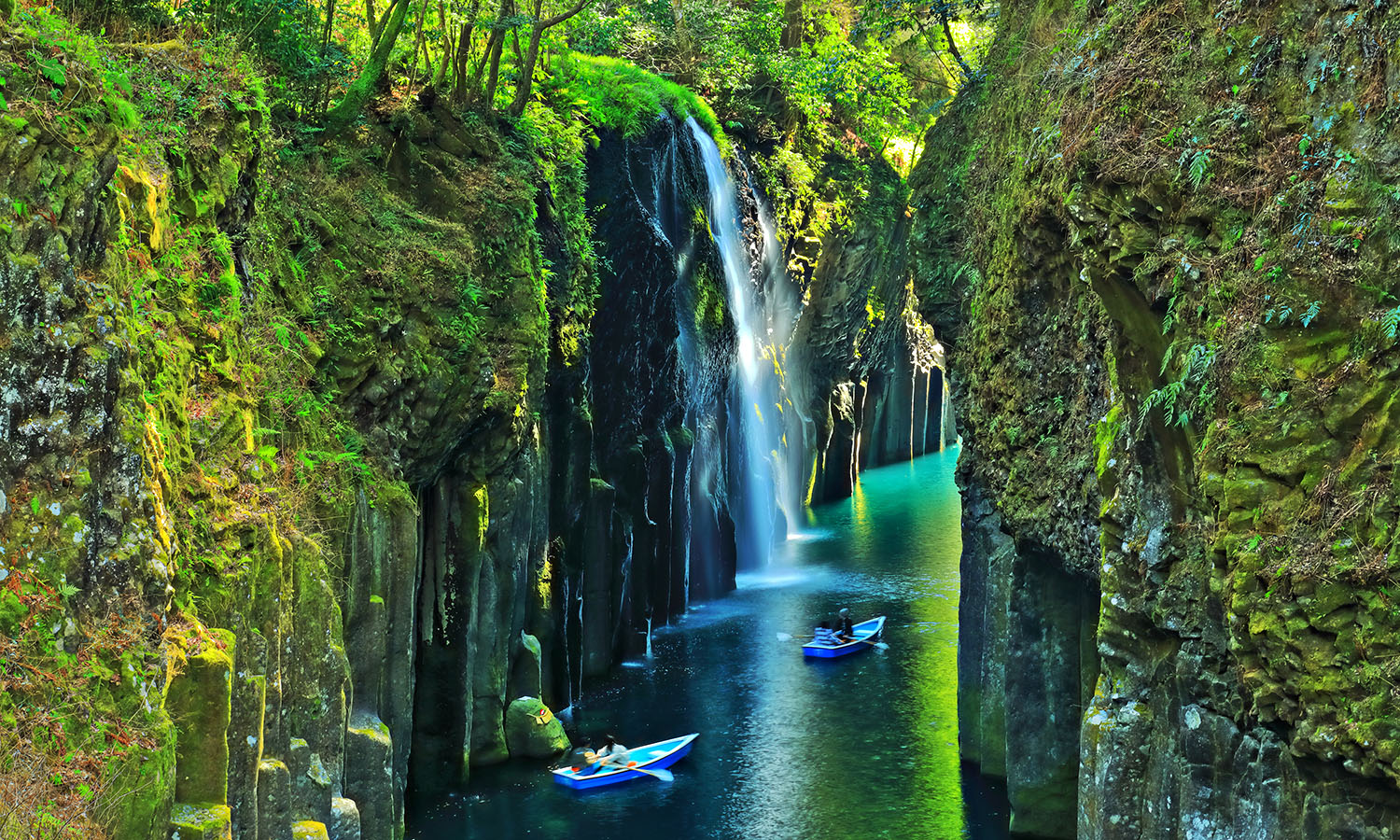
At Takachiho Gorge, I stood on the edge of cliffs carved from ancient lava flows, looking down at emerald-green water so still it mirrored the sky. The waterfall misted my face, and for a moment, time felt irrelevant. That night, I stayed at the Art Hotel Miyazaki Sky Tower, where the beds were soft, the views wide, and the Miyazaki Wagyu (Japanese beef) dinner downright indecent.
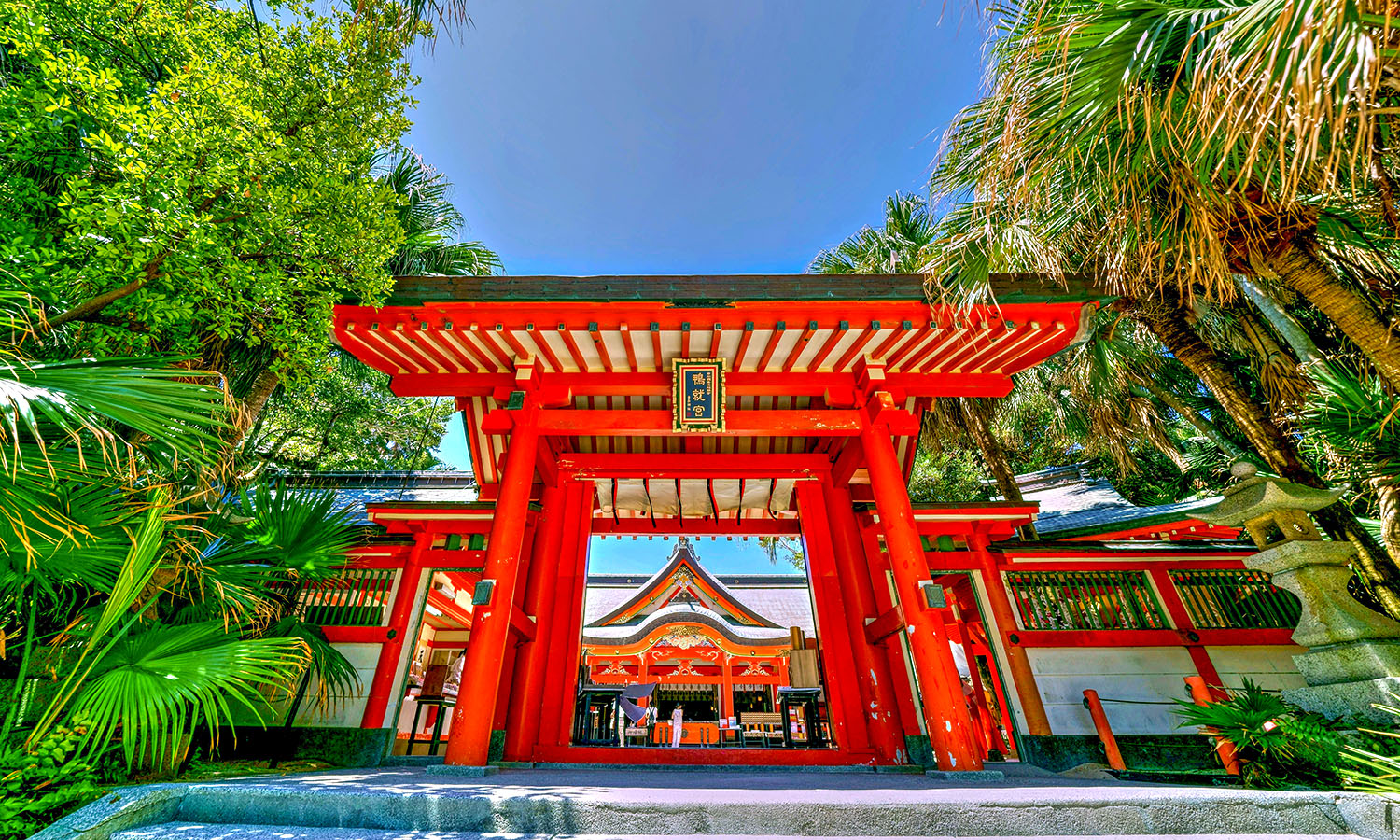
On my final morning, I followed the coastline south, stopping at Horikiri Pass to stare out over the Pacific. The ocean stretched forever. At Aoshima, I walked across the famous “Devil’s Washboard” rock formations to a tiny island covered in lush palms and home to a tranquil shrine. It was the perfect finale, a reminder that sometimes the best places aren’t loud about their beauty.
Kyushu has everything Japan does best; food that makes you want thirds, nature that humbles you, and hospitality so genuine it feels like a hug. But what sets it apart is its soul. Every prefecture tells a story, every encounter lingers.
If you think you’ve “done Japan,” think again. Down south, in Kyushu, the real magic is still hiding in plain sight.
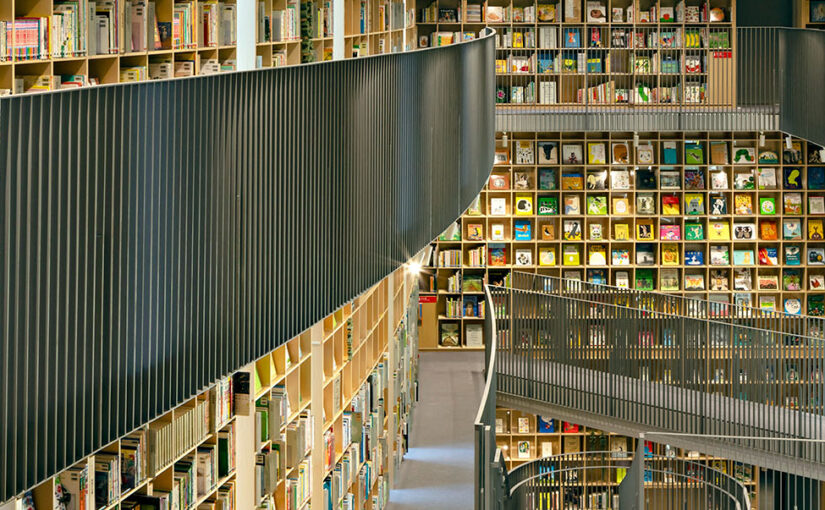
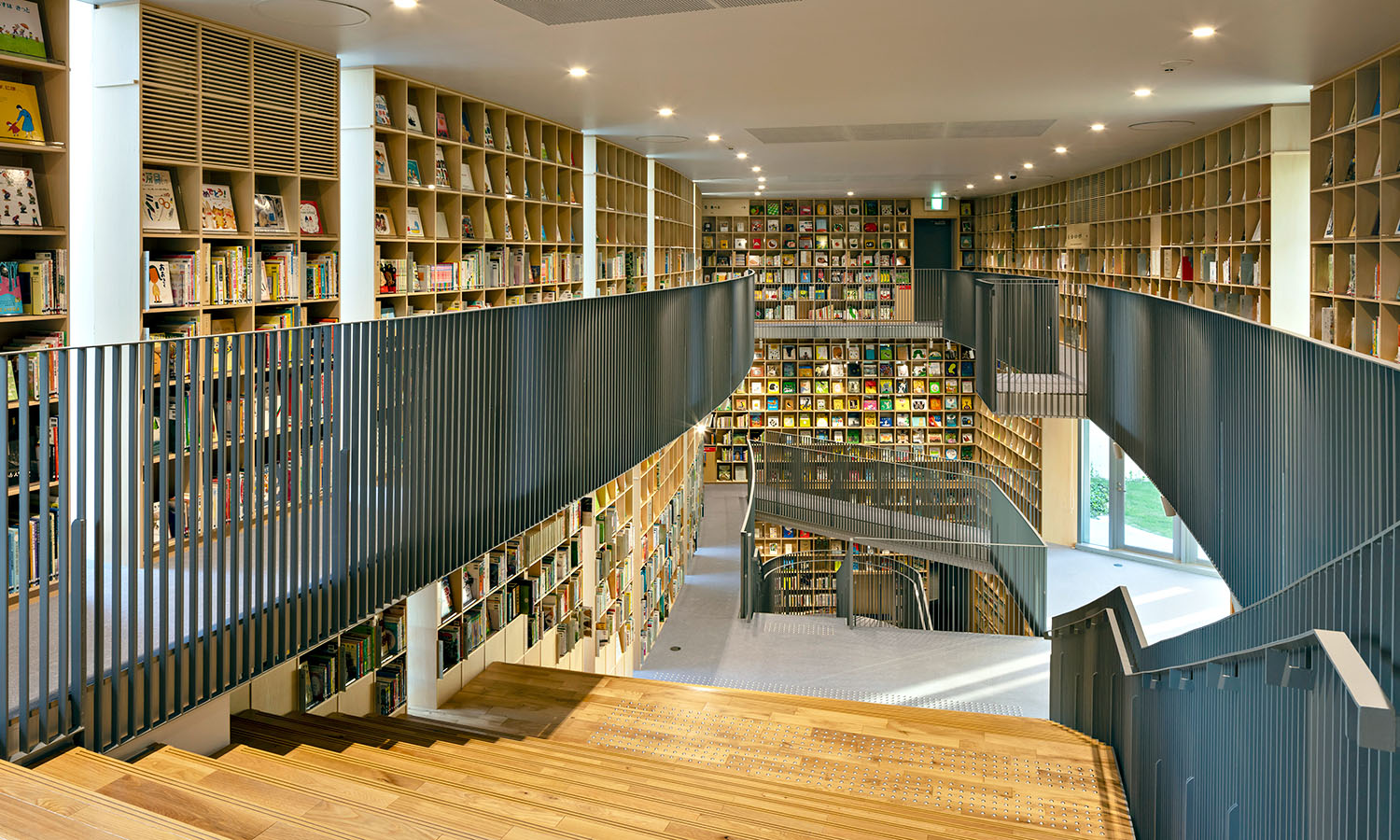
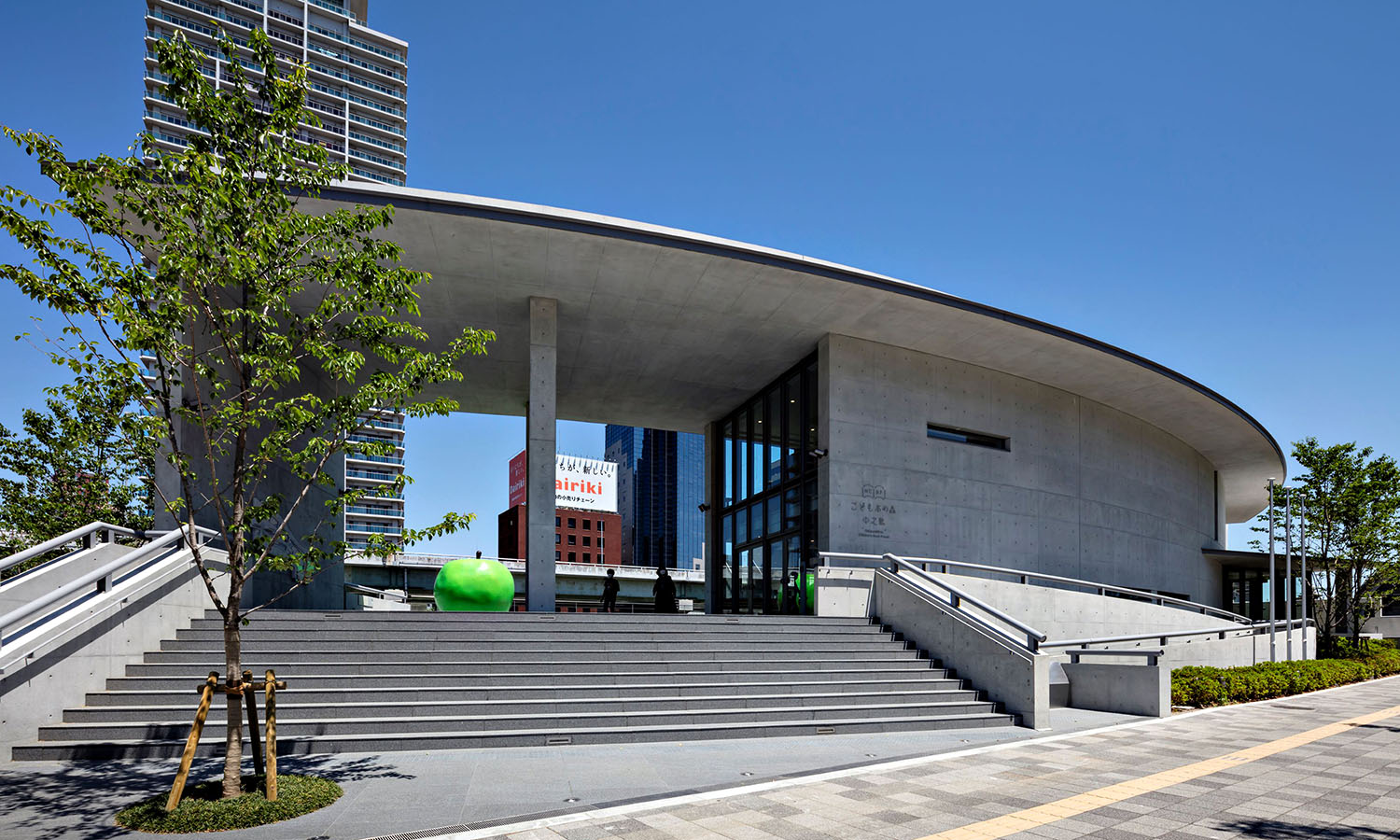
Because art appreciation should start young, local starchitect Tadao Ando created this dreamy space for kids (and nostalgic adults). The multi-level library is wrapped floor-to-ceiling in books (over 20,000 of them) themed around everything from nature to the future. You’ll need a reservation, but it’s worth it just to wander through Ando’s serene concrete world and pretend you’re eight again.
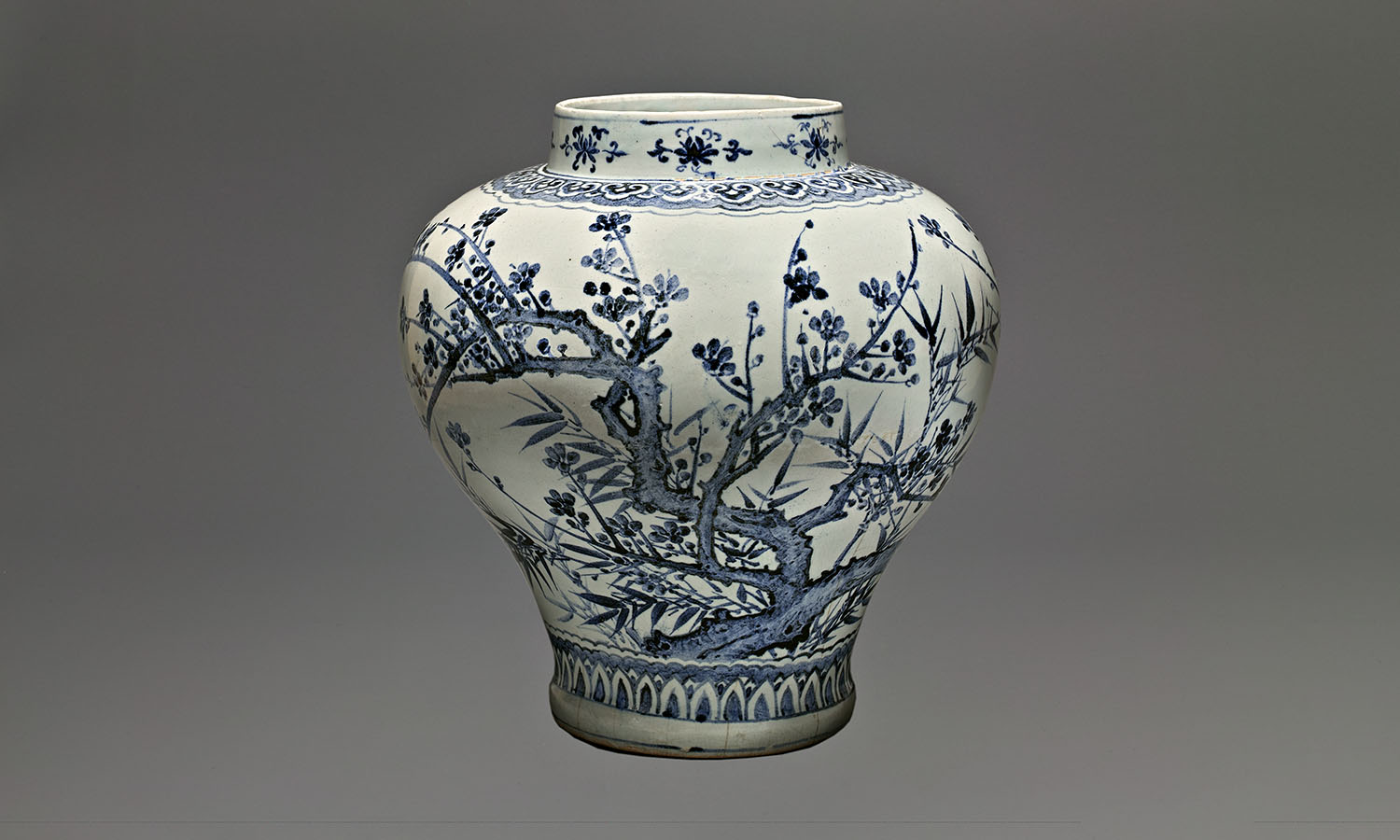
After a glow-up that took nearly two years, this long-loved museum reopened in 2024 with a slick new glass entrance and the same world-class collection of East Asian ceramics that made it famous in the first place. Over 1,000 pieces from China, Korea, and Japan sit under one roof as part of the legendary Ataka Collection gifted by the Sumitomo Group back in the day. Even if you don’t think ceramics are your thing, the craftsmanship will have you astounded.
Because art appreciation should start young, local starchitect Tadao Ando created this dreamy space for kids (and nostalgic adults). The multi-level library is wrapped floor-to-ceiling in books (over 20,000 of them) themed around everything from nature to the future. You’ll need a reservation, but it’s worth it just to wander through Ando’s serene concrete world and pretend you’re eight again.
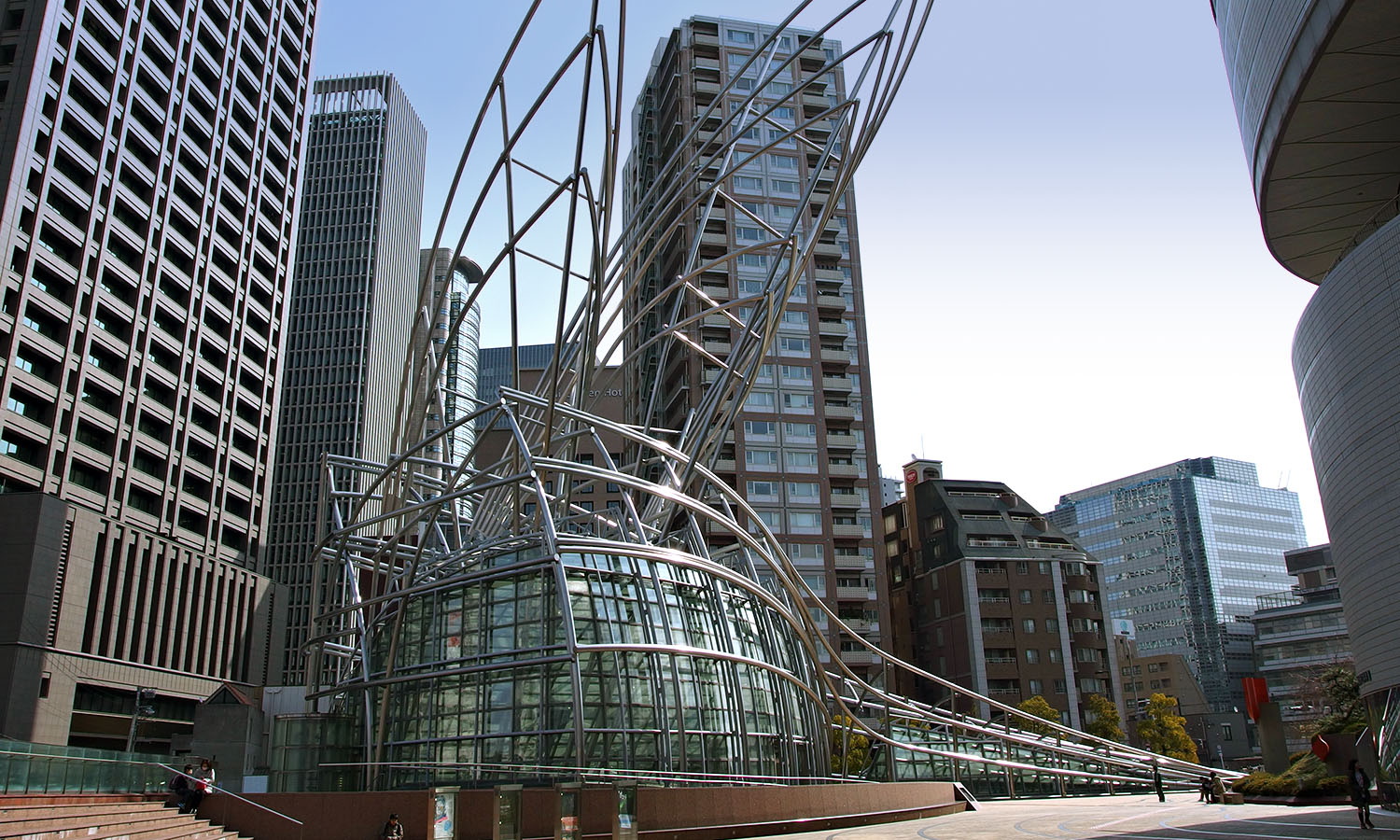
Right across the road (because convenience is art too), The National Museum of Art is mostly underground, literally. It dives three floors beneath the surface, hiding one of Japan’s biggest contemporary collections. Think Joan Miró, Alexander Calder, Yoshihiro Suda, and a few thousand other big names, all tucked away under Osaka’s concrete jungle.
After a glow-up that took nearly two years, this long-loved museum reopened in 2024 with a slick new glass entrance and the same world-class collection of East Asian ceramics that made it famous in the first place. Over 1,000 pieces from China, Korea, and Japan sit under one roof as part of the legendary Ataka Collection gifted by the Sumitomo Group back in the day. Even if you don’t think ceramics are your thing, the craftsmanship will have you astounded.
Because art appreciation should start young, local starchitect Tadao Ando created this dreamy space for kids (and nostalgic adults). The multi-level library is wrapped floor-to-ceiling in books (over 20,000 of them) themed around everything from nature to the future. You’ll need a reservation, but it’s worth it just to wander through Ando’s serene concrete world and pretend you’re eight again.
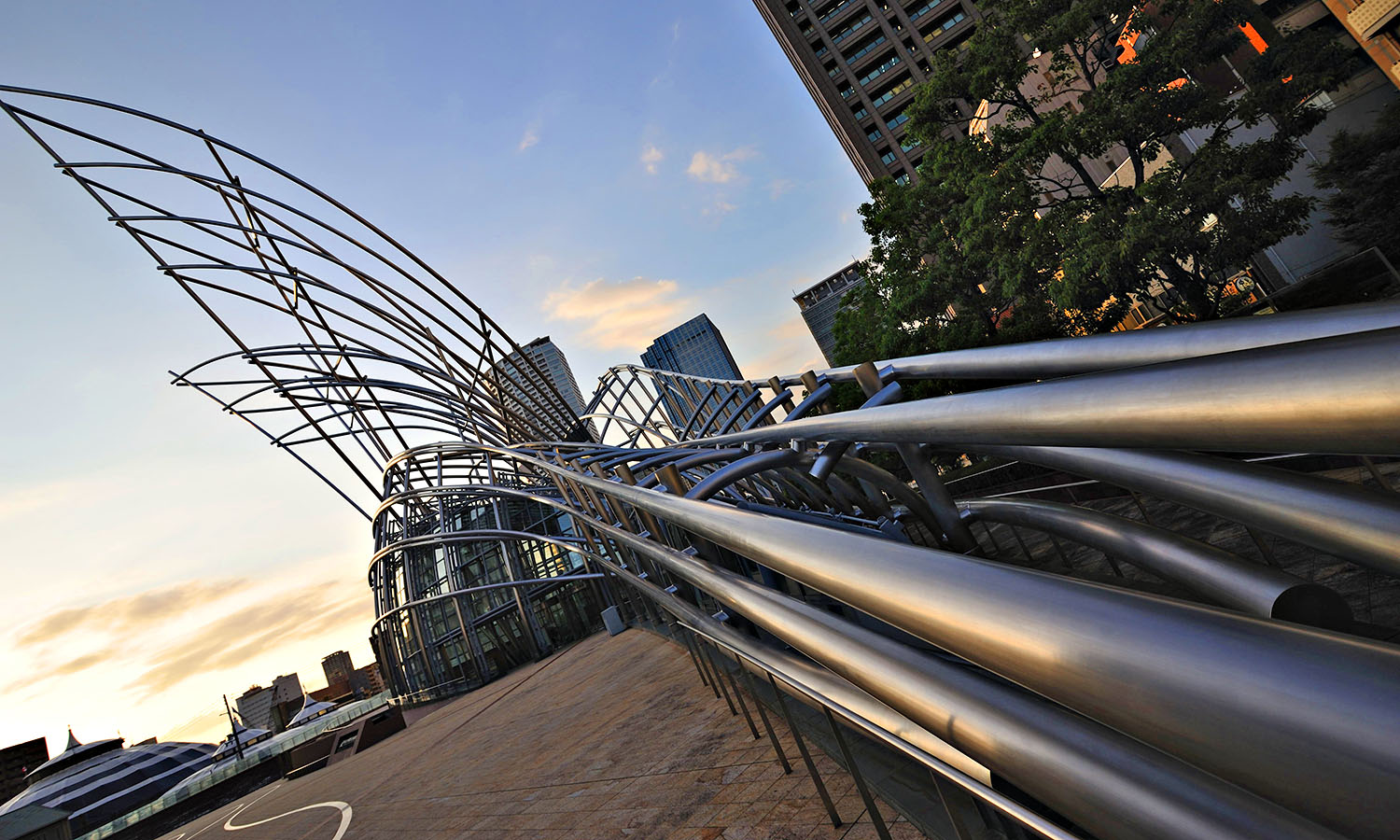
Once known mostly for takoyaki, neon, and a healthy disregard for subtlety, Osaka’s quietly built itself a serious art cred. Nowhere is that more obvious than Nakanoshima, a skinny sliver of island wedged between the Tosabori and Dojima rivers.
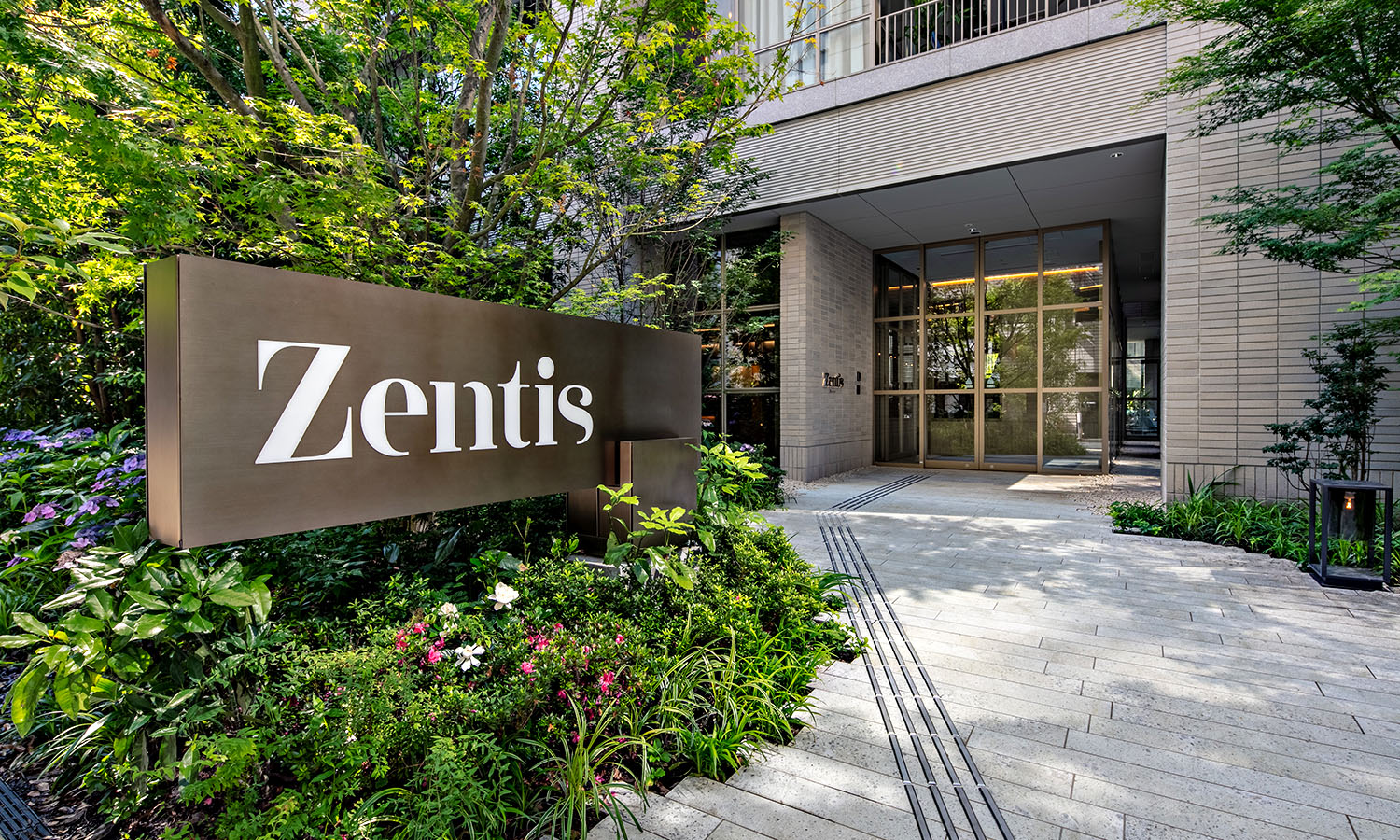
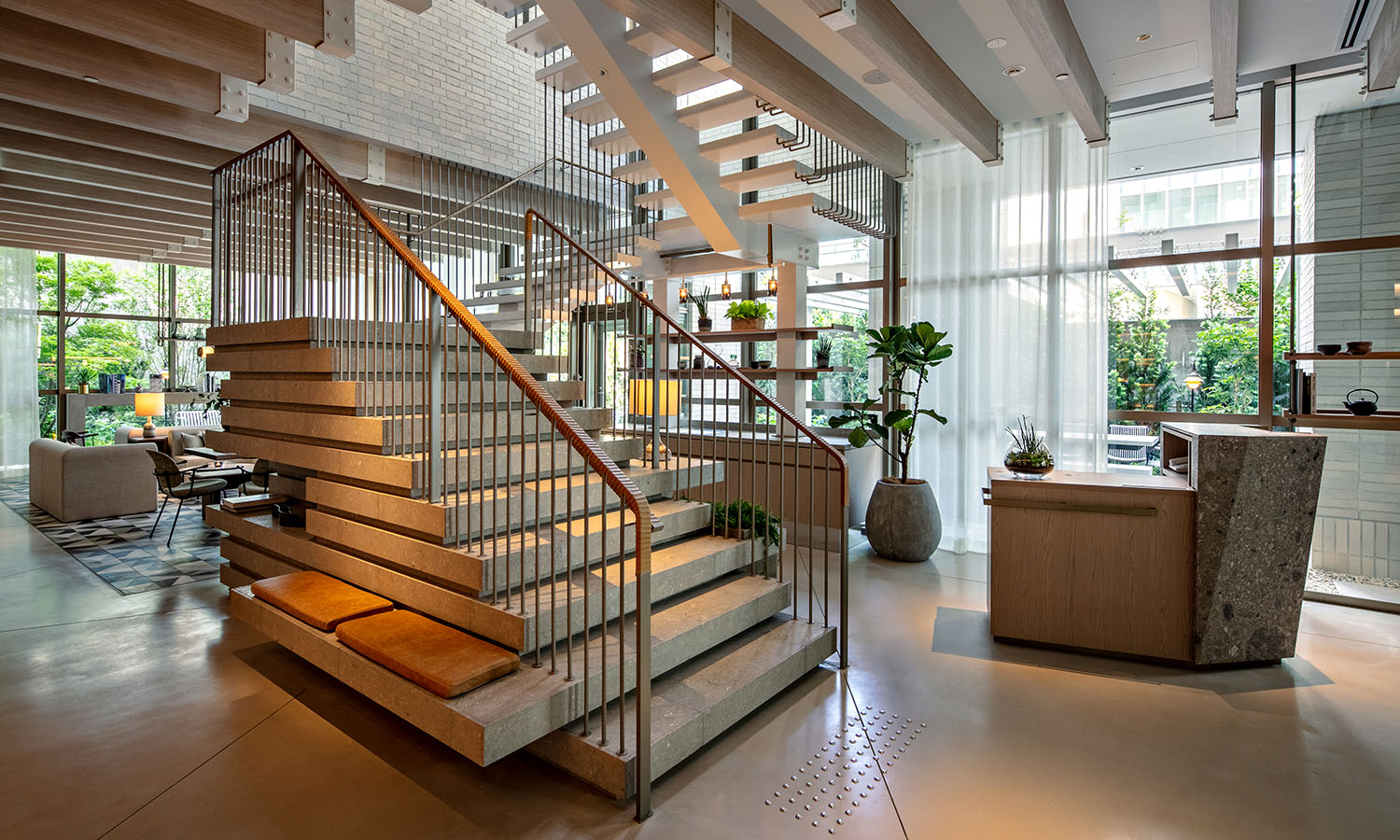
Once full of offices and government buildings, it’s now morphing into the city’s cultural heart – a three-kilometre stretch of sleek museums, design spaces, and arty haunts. Base yourself at Zentis Osaka, the city’s only Design Hotels member and a destination in its own right. Its interiors were dreamt up by British designer Tara Bernerd, who’s also behind swanky spots like SIXTY SoHo in New York and The Hari hotels in London and Hong Kong. The look? Polished, tactile, and cool without trying too hard which is basically how you’ll feel after a night here.
Here’s the 4 museums the Zentis crew sends their art-loving guests:
1. Nakanoshima Museum of Art, Osaka
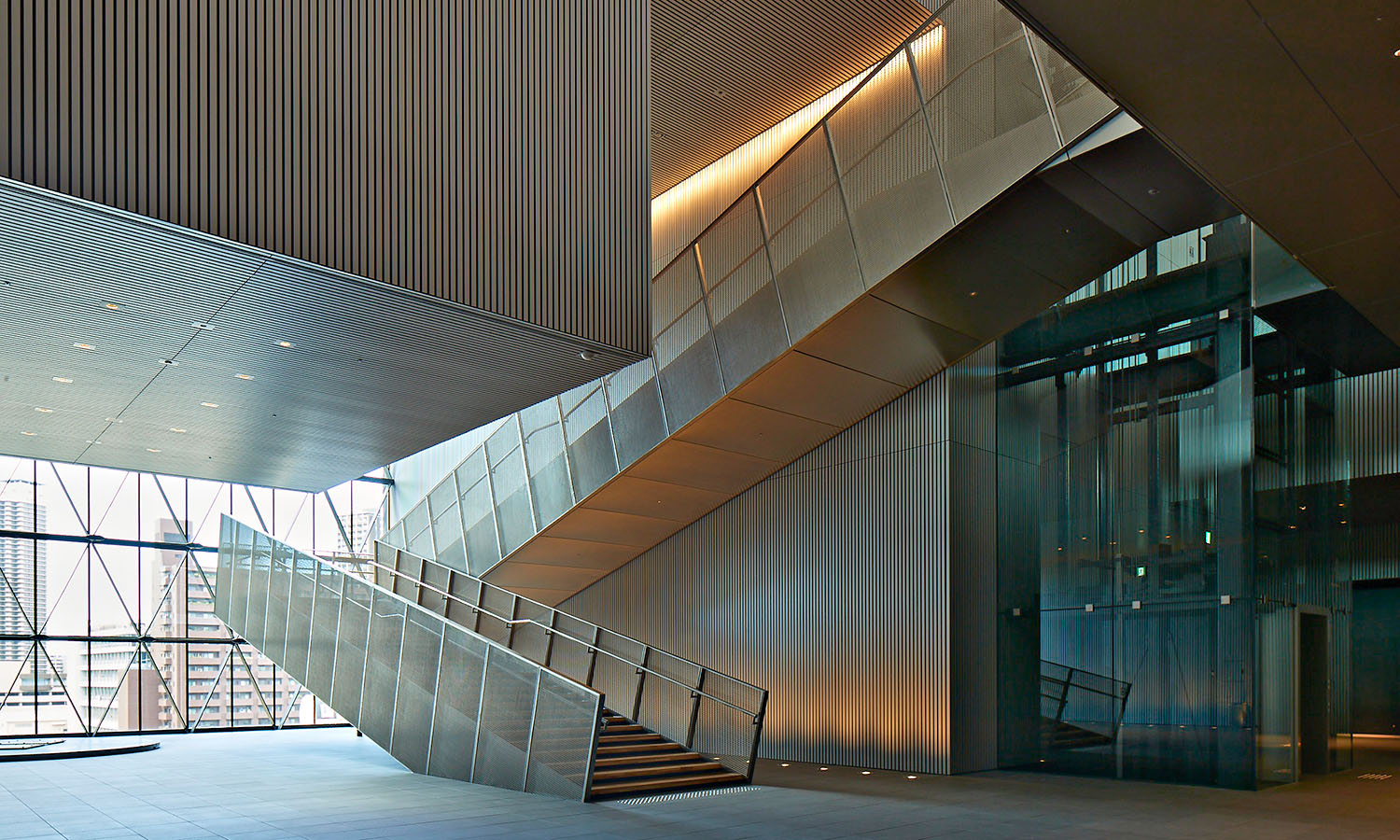
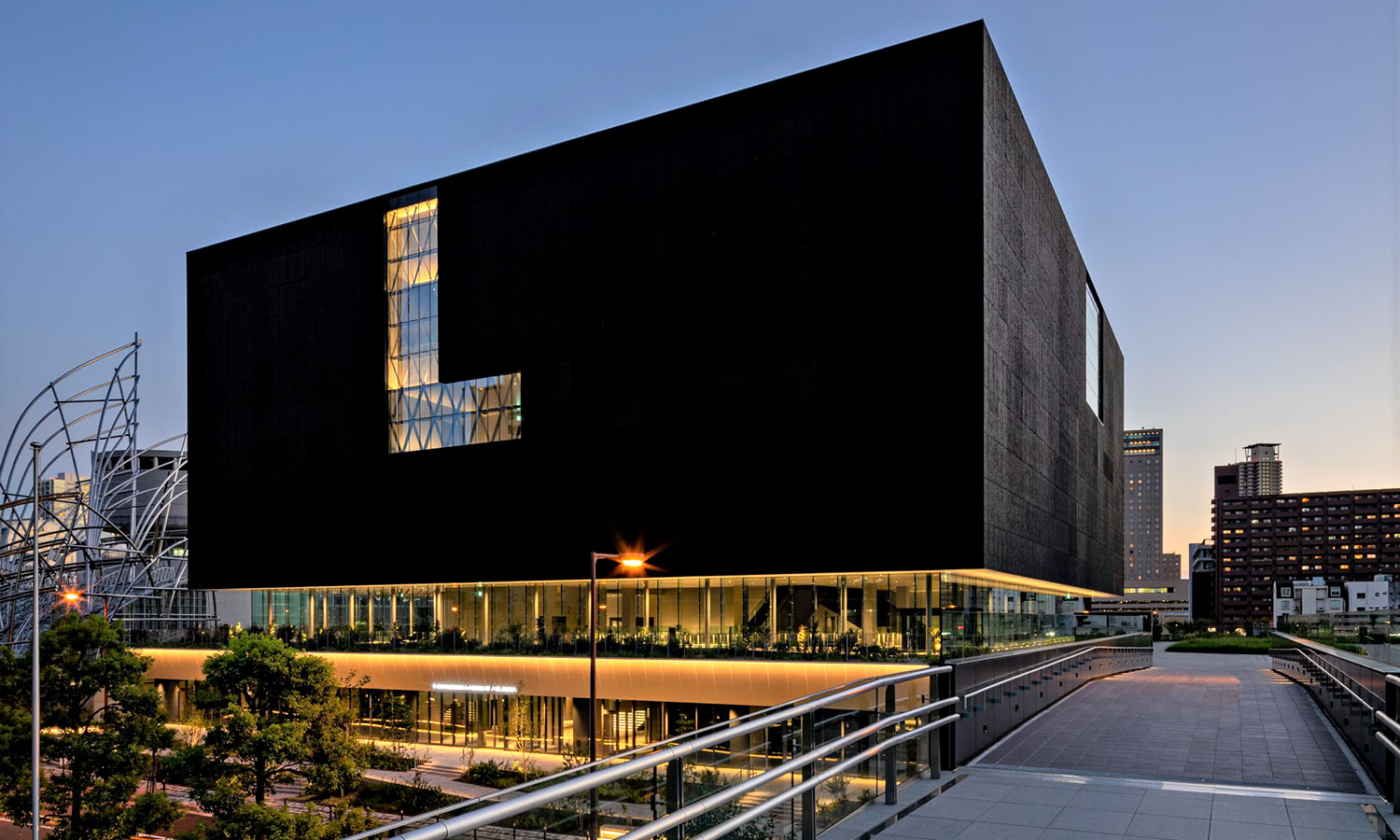
Thirty years in the making, this black cube of a museum finally opened in 2022. And it was absolutely worth the wait. Inside, it’s all brushed steel, polished concrete, and over 6,000 works covering everything from 19th-century Japan to today’s global scene. Keep an eye out for pieces by local legend Yuzo Saeki, a Modigliani nude, and rotating exhibitions that give Osaka’s creative pulse the attention it deserves.
Right across the road (because convenience is art too), The National Museum of Art is mostly underground, literally. It dives three floors beneath the surface, hiding one of Japan’s biggest contemporary collections. Think Joan Miró, Alexander Calder, Yoshihiro Suda, and a few thousand other big names, all tucked away under Osaka’s concrete jungle.
After a glow-up that took nearly two years, this long-loved museum reopened in 2024 with a slick new glass entrance and the same world-class collection of East Asian ceramics that made it famous in the first place. Over 1,000 pieces from China, Korea, and Japan sit under one roof as part of the legendary Ataka Collection gifted by the Sumitomo Group back in the day. Even if you don’t think ceramics are your thing, the craftsmanship will have you astounded.
Because art appreciation should start young, local starchitect Tadao Ando created this dreamy space for kids (and nostalgic adults). The multi-level library is wrapped floor-to-ceiling in books (over 20,000 of them) themed around everything from nature to the future. You’ll need a reservation, but it’s worth it just to wander through Ando’s serene concrete world and pretend you’re eight again.
Groundwater turns the Gold Coast into a boot-stomping, beer-slinging celebration of all things country.
I checked into The Star Residences on a sun-splashed Friday morning, the kind of Gold Coast day that makes you want to ditch your to-do list for a swim and a schooner. The Star sits right in the middle of Broadbeach, sleek and glassy with that polished-but-relaxed vibe the Coast does so well. From the 26th floor, the ocean stretched out like a blue-screen fantasy and the hum of the city below was already warming up for the weekend. It was perfect festival positioning. Close enough to walk everywhere, far enough to retreat when my dancing legs inevitably gave up (a little foreshadowing for ya).
The apartment I was staying in was all marble and light with a balcony that practically begged for pre-festival drinks. I unpacked my boots, dropped my hat on the counter, and poured something sparkling before heading out the door. The Groundwater Country Music Festival had officially kicked off, and the streets of Broadbeach were alive with the sound of steel guitars, laughter and the faint, unmistakable twang of an Aussie-ish southern drawl.
What’s wild about Groundwater is that it takes everything you think you know about country festivals – dust, paddocks, hay bales, beer cans – and drops it smack-bang on one of Australia’s glitziest beaches. Instead of a sea of caravans and cowboy hats in the outback, you get cowboy hats wandering past high-rises and surfboards. The juxtaposition shouldn’t work, but it absolutely does. Country music with a sea breeze? Yes please.
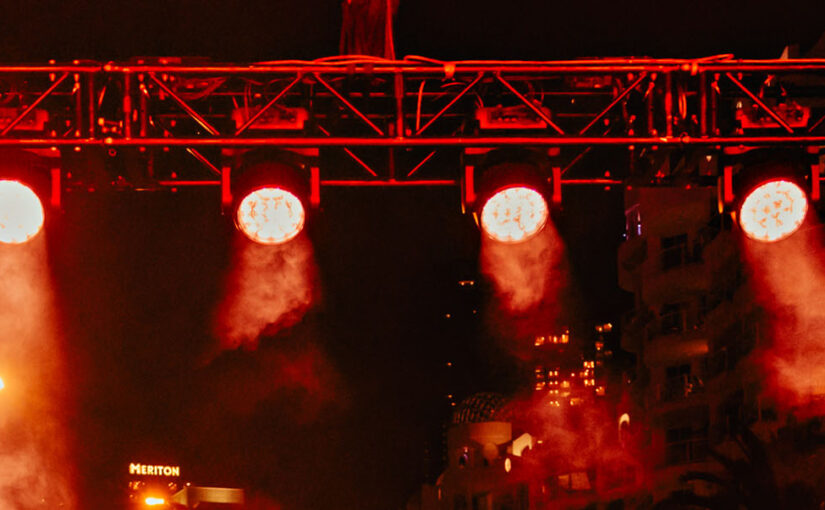
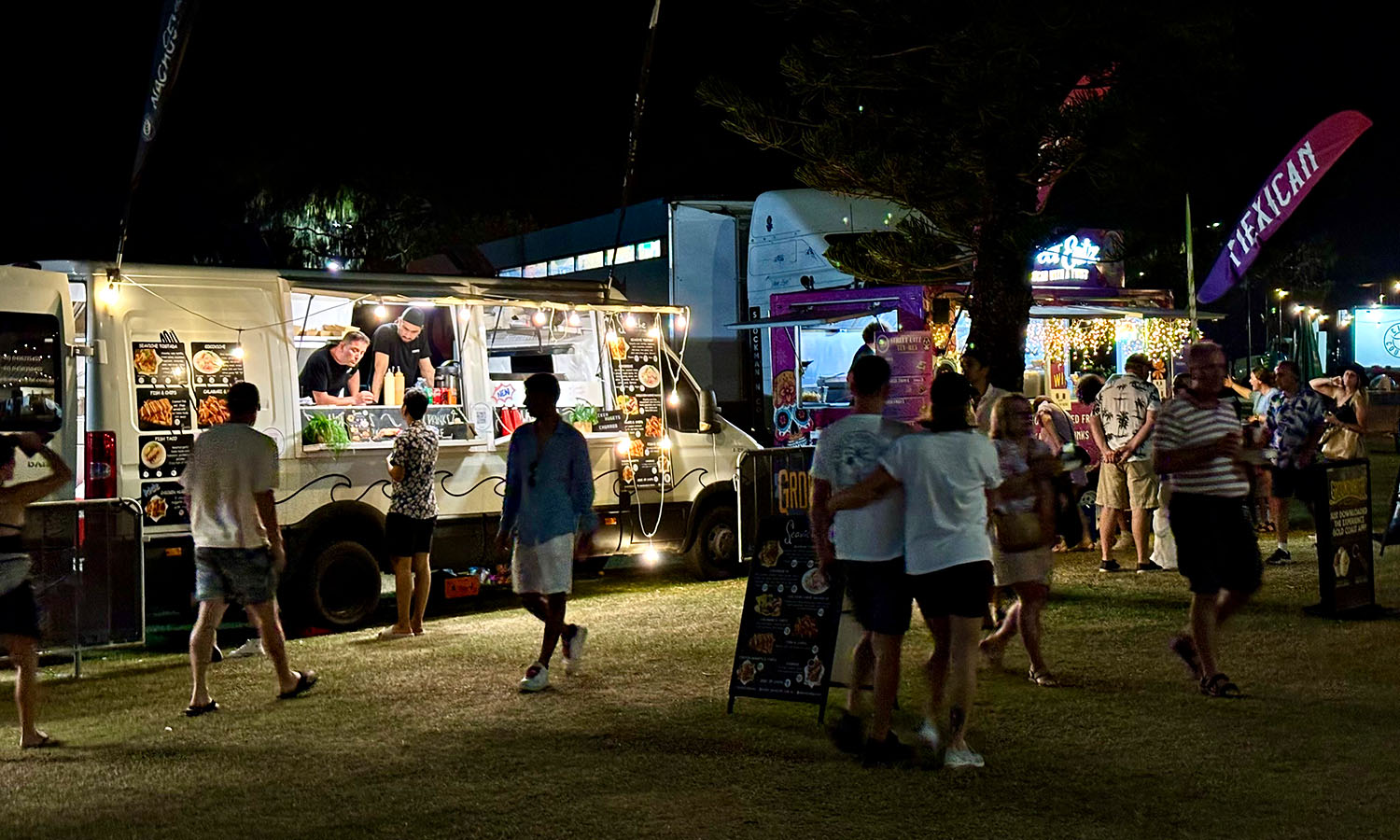
I started at the main precinct in Kurrawa Park when the sun went down, where the smell of barbecue smoke drifted through the air. Market stalls lined the grassy edges, selling everything from hand-tooled leather belts to sequined cowboy hats, pearl snap shirts, and boots so sharp they could cut glass. There was even a stand offering custom belt buckles that could double as small dinner plates. Nearby, the food trucks were going hard — slow-cooked birria tacos, cheesy quesadillas, crispy fish & chips, churros, and (because this is the Gold Coast) a stall selling ceviche for anyone pretending to be healthy between beers.
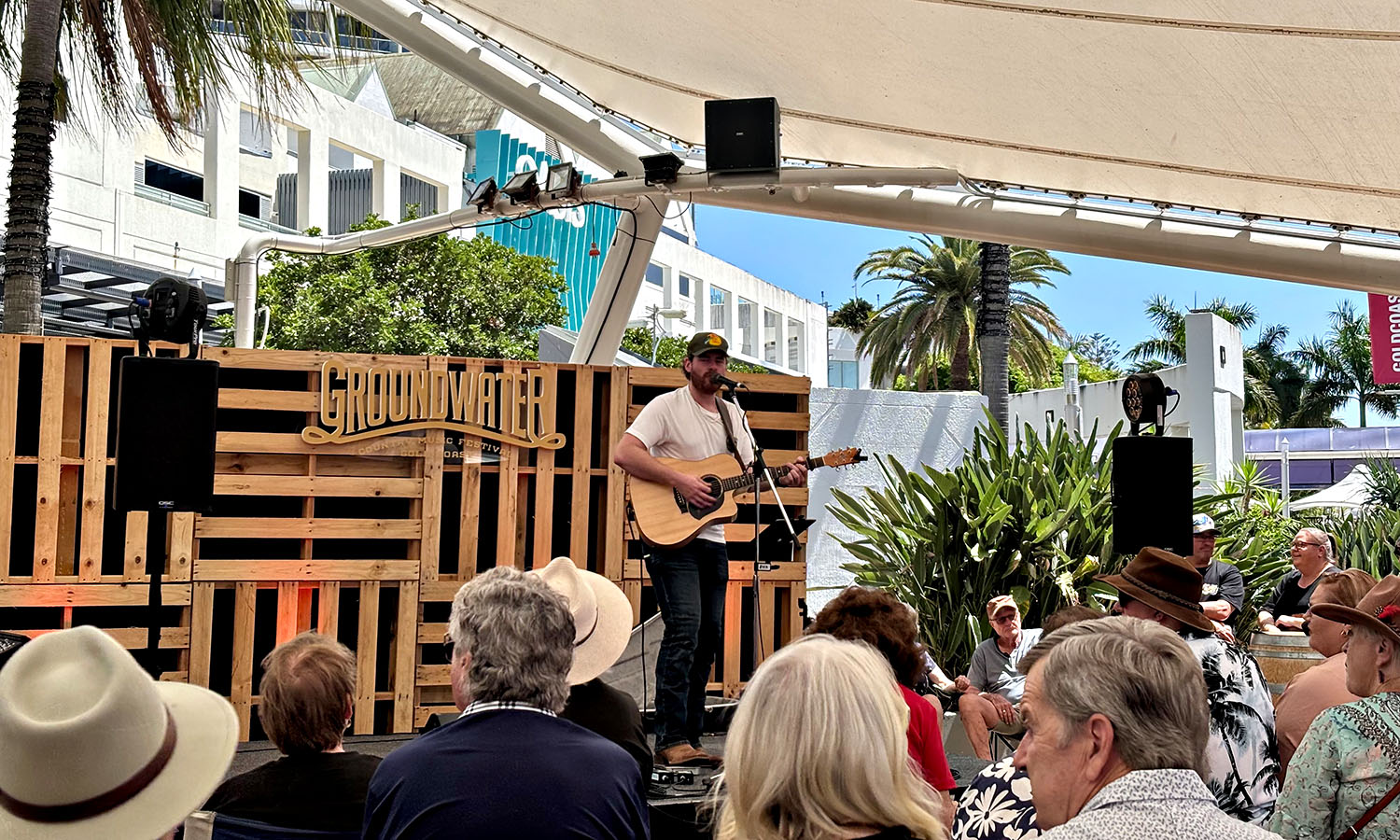
One of the best parts about Groundwater is that it’s completely free and spread out across the whole of Broadbeach – you can wander from Kurrawa Park to the Surf Parade strip, catching different acts at every turn; a musical treasure hunt if you will, where every street corner has its own rhythm. I drifted between stages, cold drink in hand, as Casey Barnes played a set that hit like a heartbroken road trip, followed by the smooth, soulful grit of Michael Honan. Both were pure proof that Australian country is in a very, very good place.
By the time I wandered back to The Star that night, the elevators were full of festivalgoers in boots and hats, still buzzing, still humming snatches of whatever song had been stuck in their head for hours. I poured another glass, kicked off my shoes, and watched the glow of the city lights bounce off the ocean. You couldn’t ask for a better view. Or a better bed to collapse into after a day of dancing, eating, and (possibly?) mild dehydration.
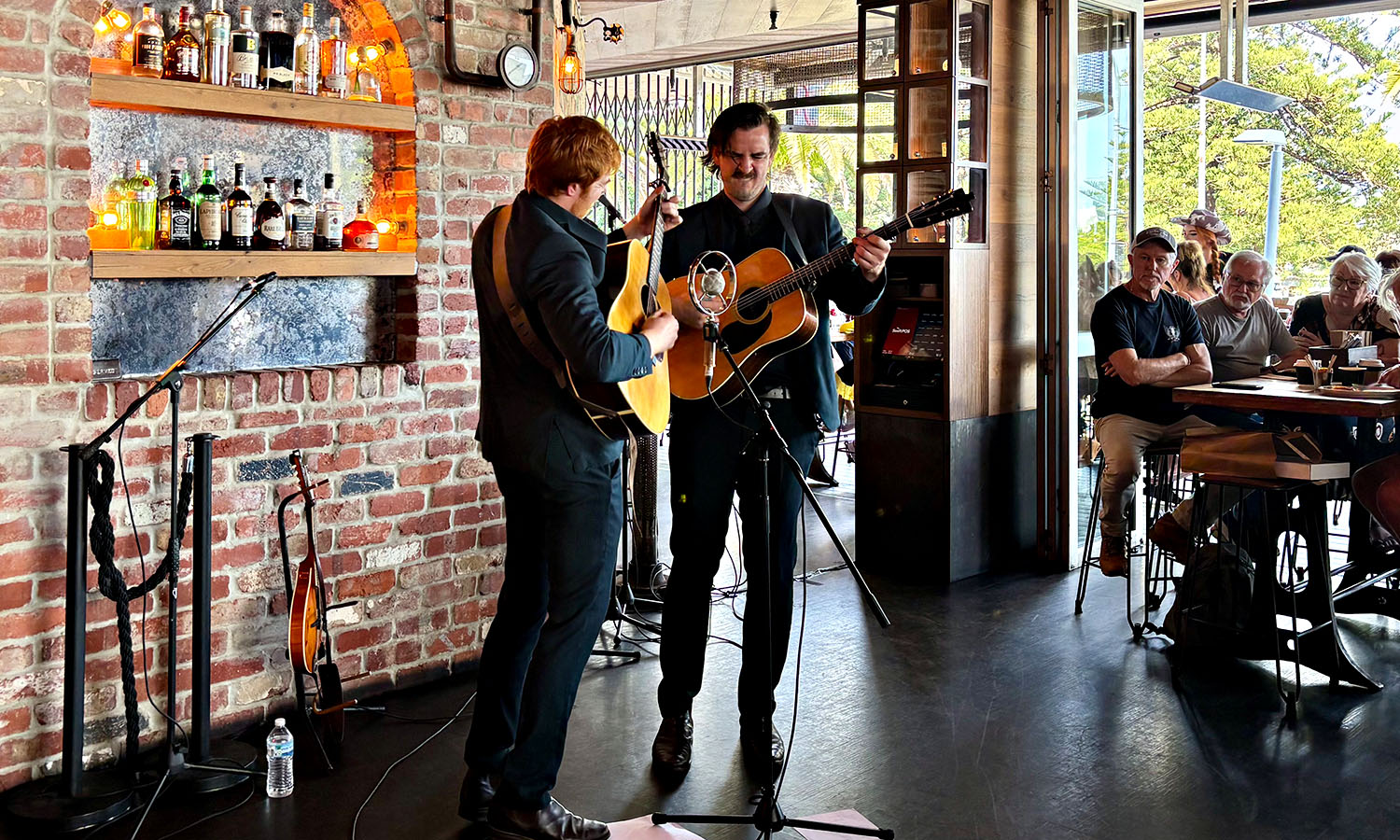
The next morning started early. The Loose Moose was hosting its now-legendary Bluegrass Breakfast with Huxley & Friel, and I wasn’t about to miss the chance to eat bacon while listening to live mandolin before 9 am. The place was absolutely buzzing. Like, it was impossible not to grin as the duo jammed away, the crowd clapping along between bites of eggs benedict. There’s something deeply satisfying about that combination – coffee, comfort food and twangy tunes – especially when you know you’ve got another full day of festival chaos ahead.
From there, the day blurred into a glorious rhythm of sun, sound and movement. The beauty of Groundwater is that there’s always something happening within walking distance — one moment you’re at a laid-back songwriter session, the next you’re surrounded by a crowd losing their minds to a big stage act. I caught Michael Honan (because once isn’t enough) as he lit up the Broadbeach Mall Stage, then drifted to see Aaron D’Arcy at Oracle Boulevard. Every performer seemed to feed off the crowd. The energy was high and the smiles were so genuine.
Somewhere in between sets, I found myself back at the main area, eyeing off a pair of boots that I definitely didn’t need but almost certainly deserved. Around me, families sang together and couples slow-twirled. It’s what I love about this festival, it’s not pretentious, not polished within an inch of its life. It’s just good people, great music, and a ridiculous amount of happiness.
At one point, I stumbled into a crowd gathered around the Beach Deck, where Chris Watson was leading a line-dancing class. Now, I’m not exactly the coordinated type, but there’s something disarming about a group of strangers moving in perfect sync (or, in my case, trying to) with the ocean as your backdrop. The steps were easy enough, the vibe infectious, and the laughter came faster than the rhythm. Even if your boots aren’t made for dancing, they’ll sure be sliding by the end of it.
By Saturday night, Broadbeach was officially transformed. The streets were packed, balconies filled, and every open space had become a makeshift dance floor. The Wolfe Brothers brought the kind of energy that made the whole crowd forget the concept of personal space, and Nikki Lane (making her first Australian appearance in over a decade) reminded everyone exactly why she’s one of the coolest voices in country. The music spilled out of every corner and the atmosphere was so alive you could almost bottle it.
But Sunday rolled around far too quickly. I dragged myself out of bed and wandered over to the Kurrawa Big Top catch a quieter, more intimate session with local songwriters. The slow start felt right – reflective, a little emotional, the calm after the storm. But of course, the calm didn’t last. The afternoon built into one final surge, with The Buckleys bringing their infectious energy and Troy Cassar-Daley wrapping it all up in style. His set felt like the perfect full-stop to three days of music, movement and pure coastal chaos.
As the final chords rang out over the Surf Parade Stage, the crowd erupted; a sea of boots, hats, and sunburnt smiles under a sky blushing pink with the last of the light. I stood there, dusty and happy and absolutely spent, watching as people hugged, cheered, and promised to come back next year. And honestly? I’m right there with them.
As I took one last stroll back to The Star, boots scuffed, voice gone, and spirit full, I couldn’t help but laugh at how perfectly it all fit together; country and coast, sand and steel, music and mischief. Groundwater might not be your typical country festival, but that’s exactly why it works. It’s the Gold Coast with a southern accent, and I’ll happily check back in next year to hear it sing again.
When you ditch the clichés, you’ll find the Goldie’s real buzz hiding just beneath the surface.
There’s something about the Gold Coast that makes you brace for impact. Maybe it’s the blinding high-rises, the flashing theme-park billboards, or the faint smell of fake tan and nostalgia wafting from Surfers Paradise. It’s a place most Australians think they know—inevitable sunburn, meter maids, and the eternal promise of “world-class thrills.”
But spend a little time looking past the neon and novelty, and you’ll find a side of the Goldie that hums to a quieter rhythm. Turns out, it’s not just a playground for adrenaline junkies and schoolies. It’s a place where nature, culture, and a good cocktail can peacefully coexist (the trifecta).
I’d been to the Gold Coast before and liked it well enough. This time, I arrived with low expectations and an open mind…and left with sore legs, a full stomach, and that half-salty, half-sweet feeling you only get from a trip that genuinely surprises you.
The first surprise came inland, at a place called The Historic River Mill. It’s tucked away near Mount Nathan, where the air smells like gum leaves and creek water instead of sunscreen. The site itself dates back to the early 1900s, once serving as a sawmill and now doubling as a riverside café, animal sanctuary, and the starting point for the Scenic Farm Ride.
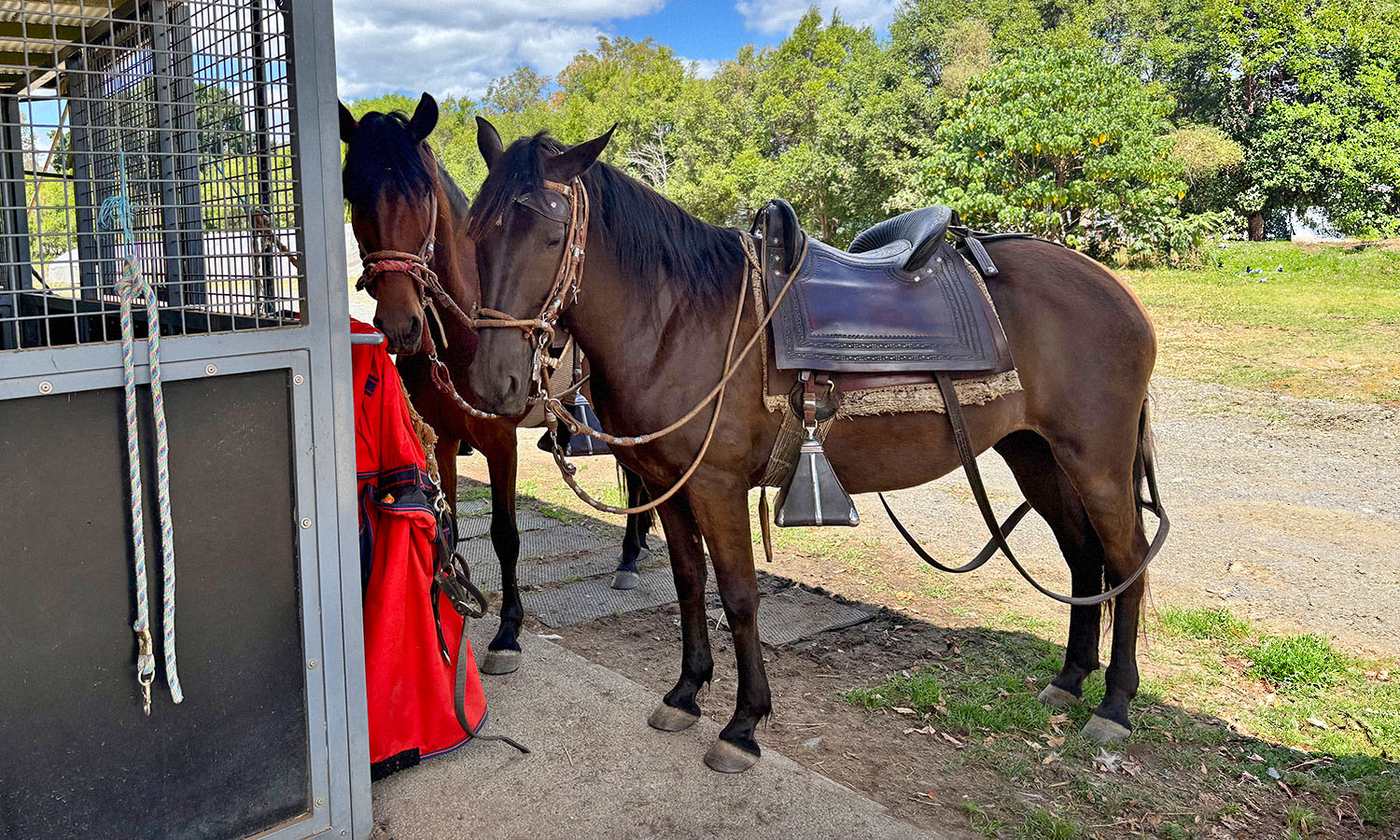
Now, I’m not what you’d call “horsey.” My equestrian résumé is limited to one pony ride at age seven and a brief crush on Heath Ledger in A Knight’s Tale. But while the horses here are spirited, they’re also calm, smooth, and almost unnervingly intuitive.
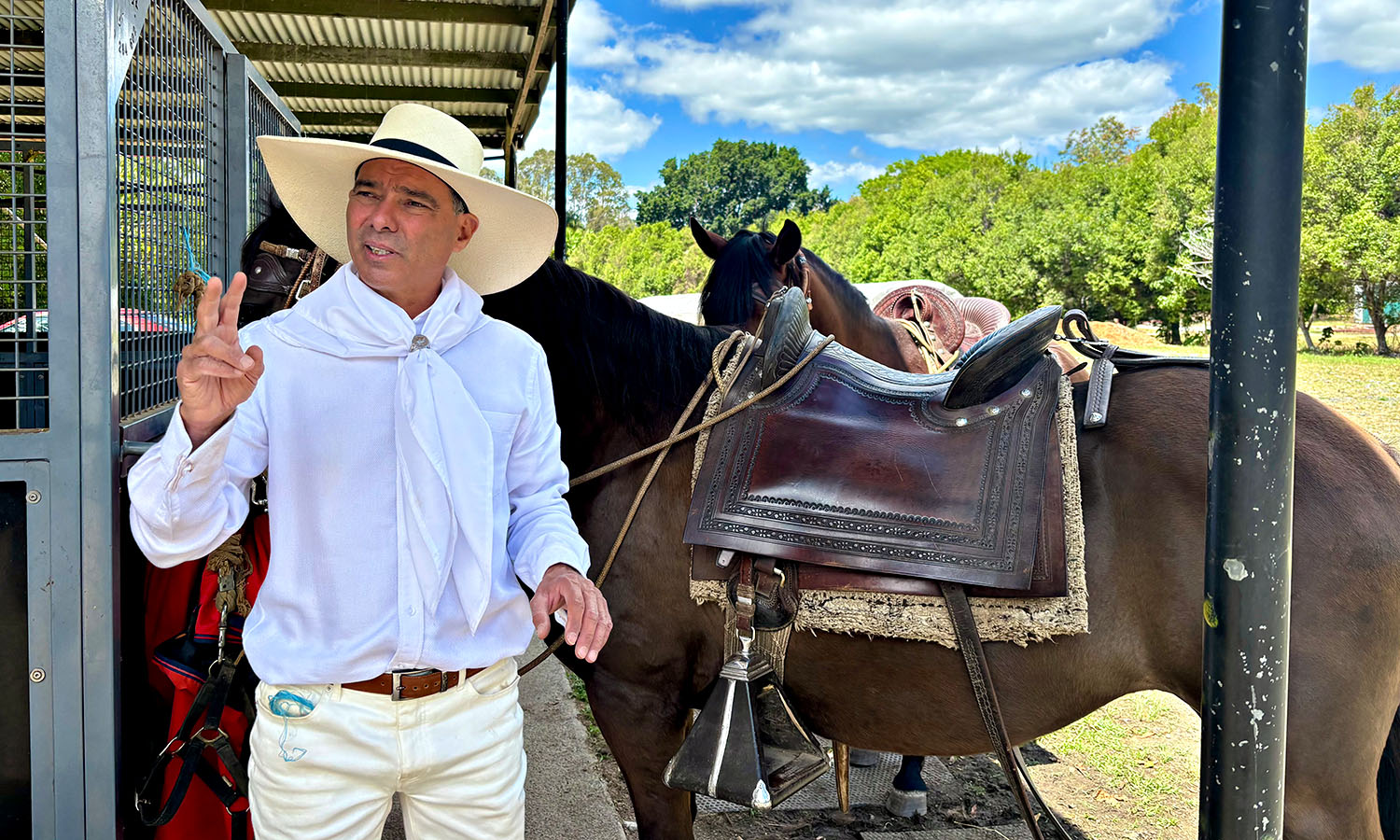
I was matched with a chocolate-coloured Peruvian beauty named Rafael, who happened to be the tallest horse they have (just my luck). Together, we followed our knowledgeable guide, Rodrigo, and meandered through bushland, under almost-flowering jacaranda trees, and past ancient gums that looked like they’d been keeping secrets for centuries.
The pace was relaxed: slow in a way that makes you exhale properly for the first time all week. By the time we looped back to the mill, I felt a weird mix of grounded and giddy, like the hour we’d spent in nature had quietly recalibrated my brain. Not bad for a morning that started with me wondering how on earth I was even gonna swing my leg up and over Rafa’s saddle.
From the hinterland, it’s about half an hour to Burleigh Heads, where the pace quickens, and the salt air gets under your skin in the best possible way. The Tropic, perched at the edge of the Burleigh Pavilion, is a restaurant that makes you momentarily believe your life could be a lifestyle shoot. Think Mediterranean-inspired dishes, sea breeze on the balcony, and a soundtrack of clinking wine glasses and low conversation.
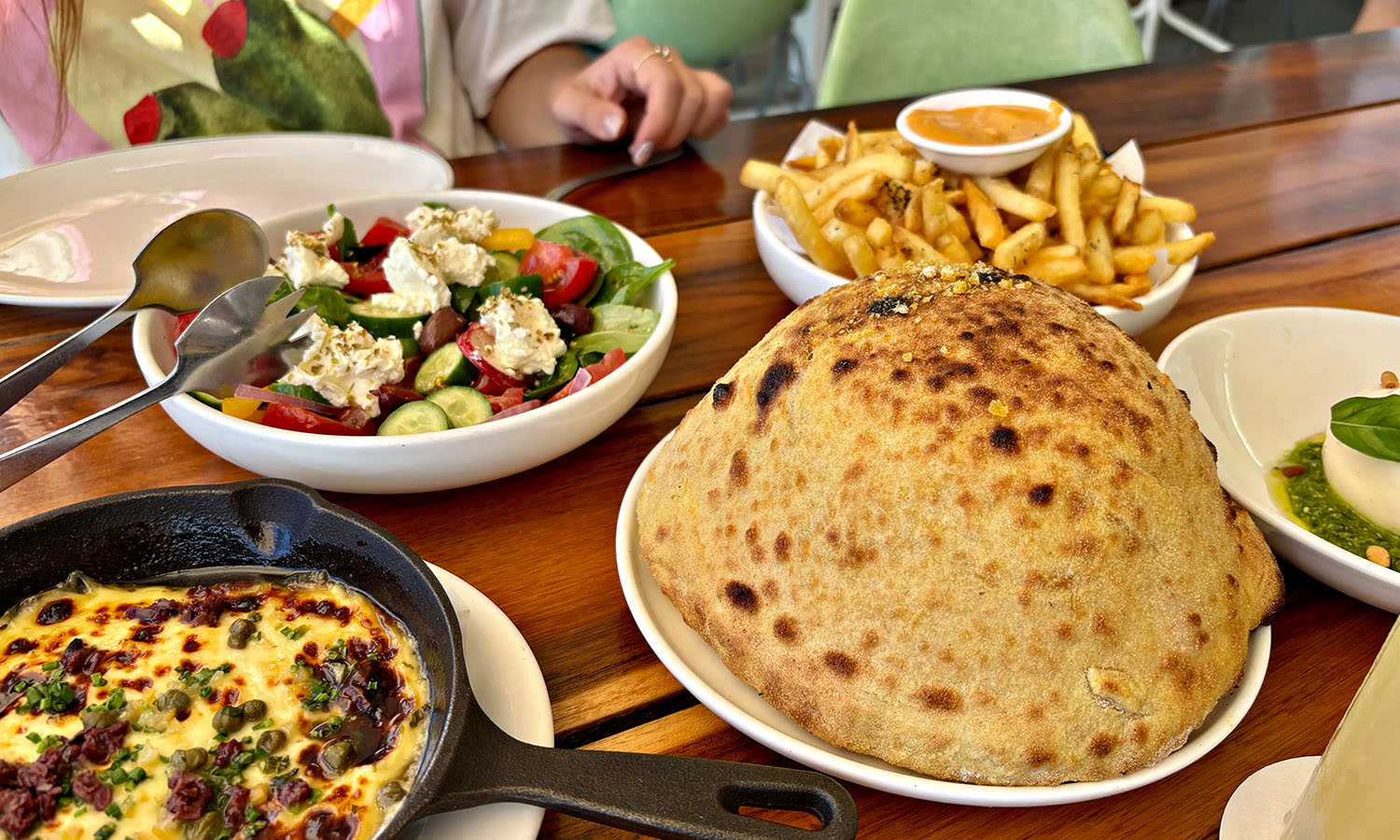
I ordered a bunch of things starting with the burrata (because I’m not a monster) and finishing with a fresh greek salad, perfectly grilled halloumi (you can never have too much cheese) and some of their famous puffed spiced bread. From my table, I could see surfers carving up the point break and tourists pretending to be casual about spotting them.
The Gold Coast looked so much cooler than I remembered it. There’s something about good food and a sea view that resets your mood. And by the time I’d drained my Tease No. 2 cocktail (a concoction of tequila, mezcal, elderflower and pineapple), I’d started to suspect the Coast’s bad rap was entirely undeserved.
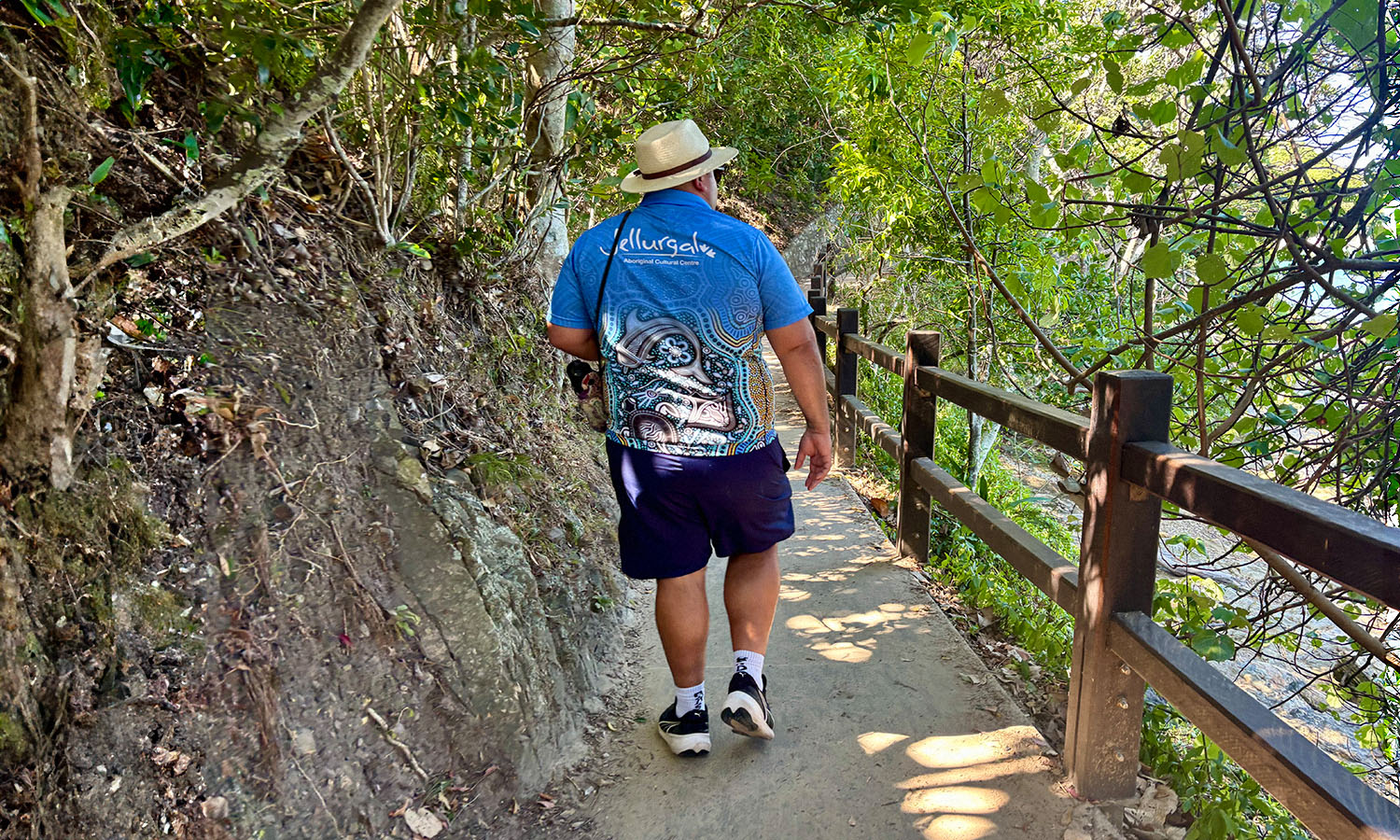
That afternoon, at the Jellurgal Aboriginal Cultural Centre (located at the foot of Burleigh Headland), I joined a guided walk led by a Yugambeh storyteller. If you’ve ever walked the Burleigh trail and thought, “Nice trees, cool coast” you’re missing the point. This land has stories older than the ocean itself; of spirits, ancestors, and deep connections.
As we wound through the coastal bush, my guide spoke of the Dreaming, traditional fishing practices, and the enduring significance of this sacred site. He pointed out shell middens older than most European cities and plants once used for medicine and food. It was humbling, grounding, and exactly the kind of cultural depth that gets lost behind the rollercoasters and skyline selfies. By the end, I felt both smaller and more connected, like I’d been properly introduced to a place most people already think they know.
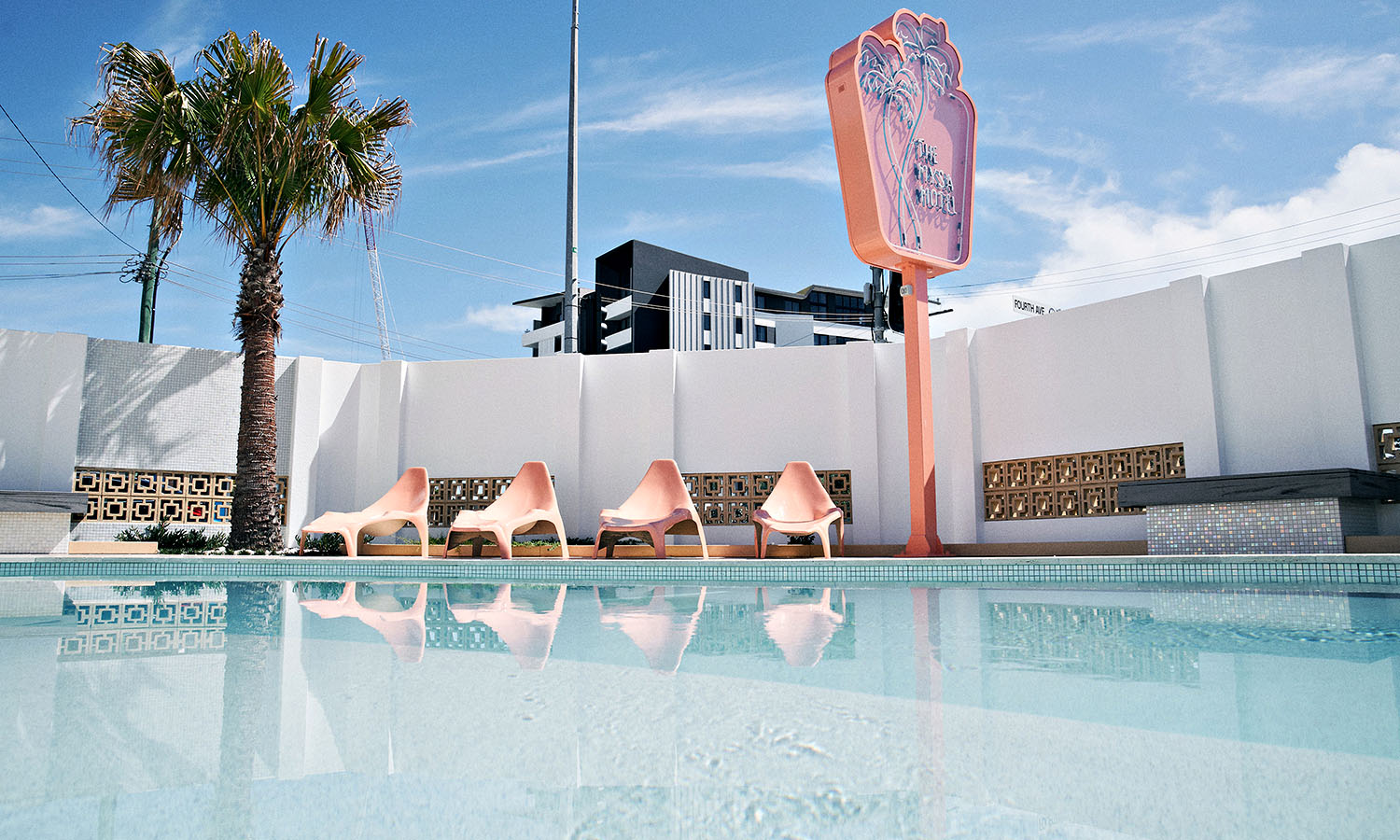
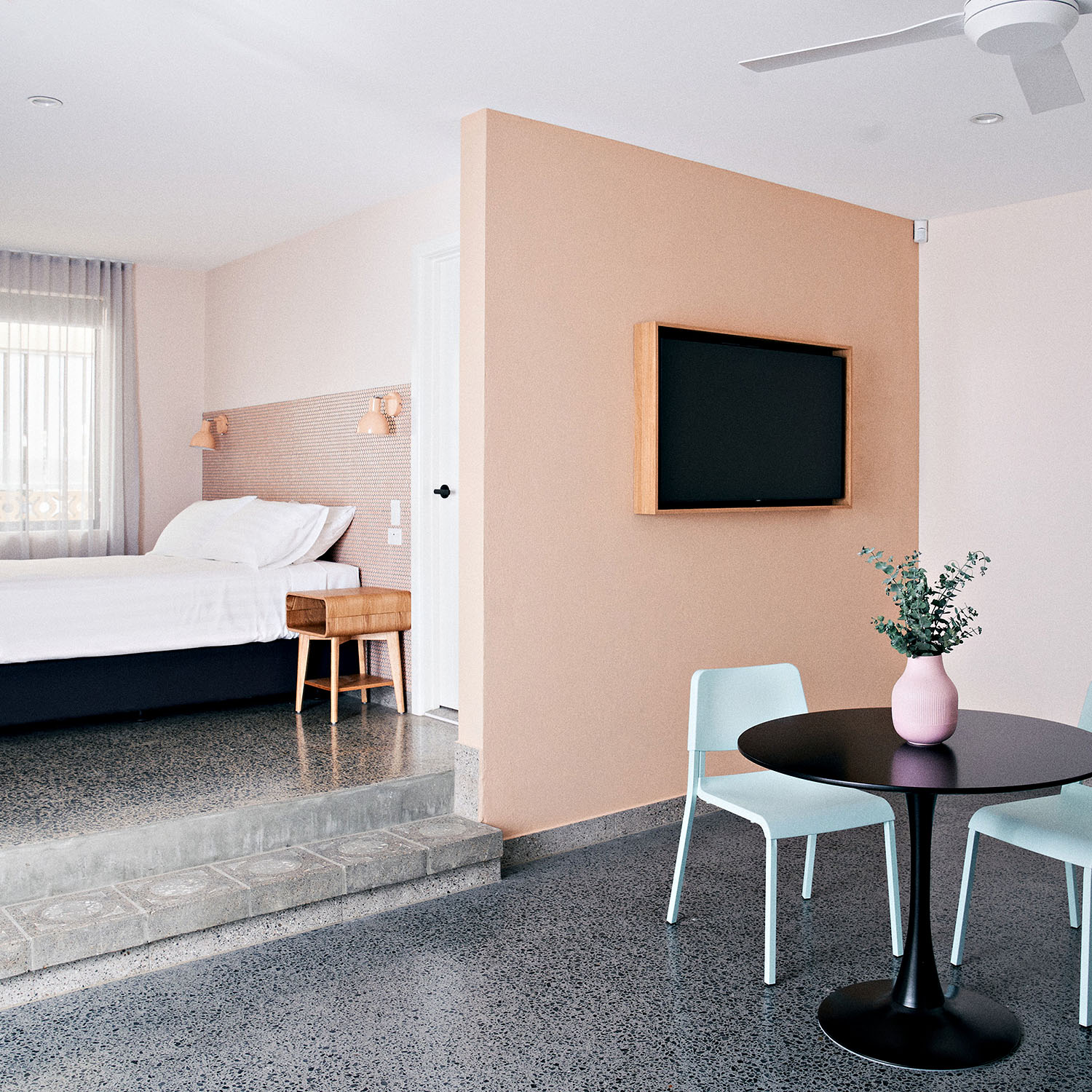
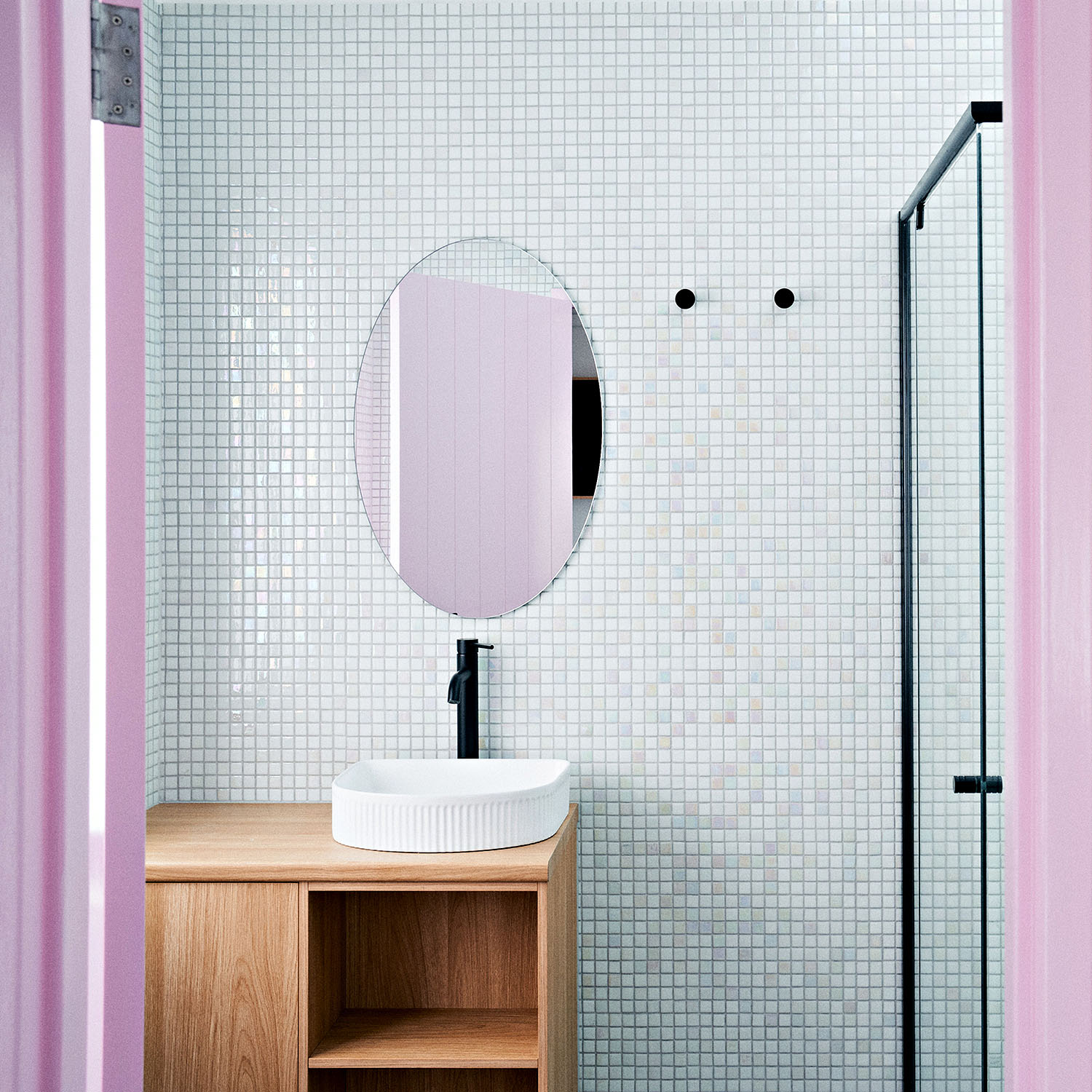
After all that walking, I headed back to my accommodation for the night: The Mysa Motel at Palm Beach, which boasts a vibe that’s both retro revival and pastel fever dream. Think ‘50s-style architecture, terrazzo tiles, pops of mint green and pink, and a magnesium pool that looks straight out of a Slim Aarons photograph.
It’s boutique in all the right ways—locally run, sustainably minded, and small enough that you start greeting other guests by name. My room had recycled timbers, handmade ceramics, and super soft linen.
I spent the rest of the afternoon horizontal by the pool, alternating between chapters of a book I was really getting into (any ACOTAR fans out there?) and quiet appreciation of how much fun I was having.
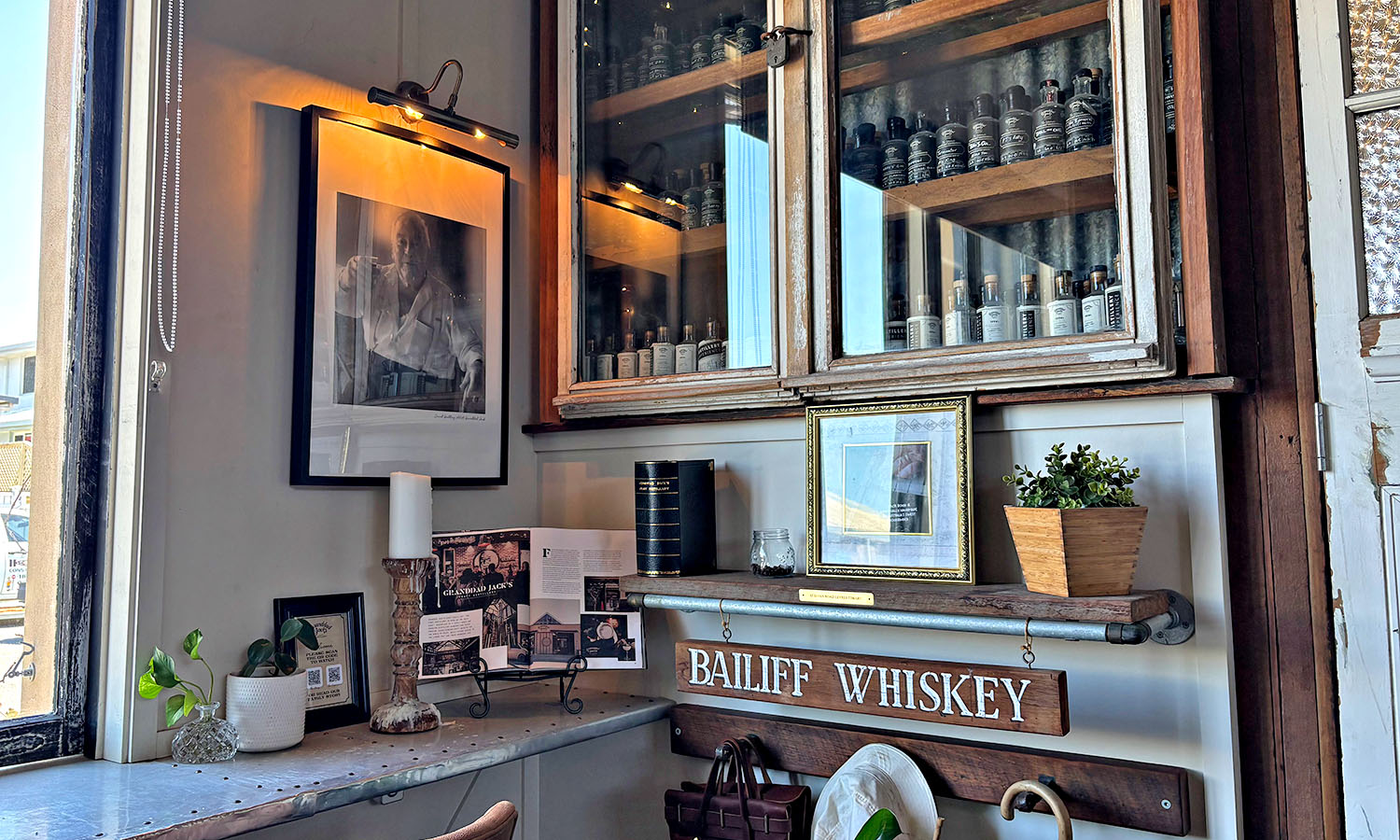
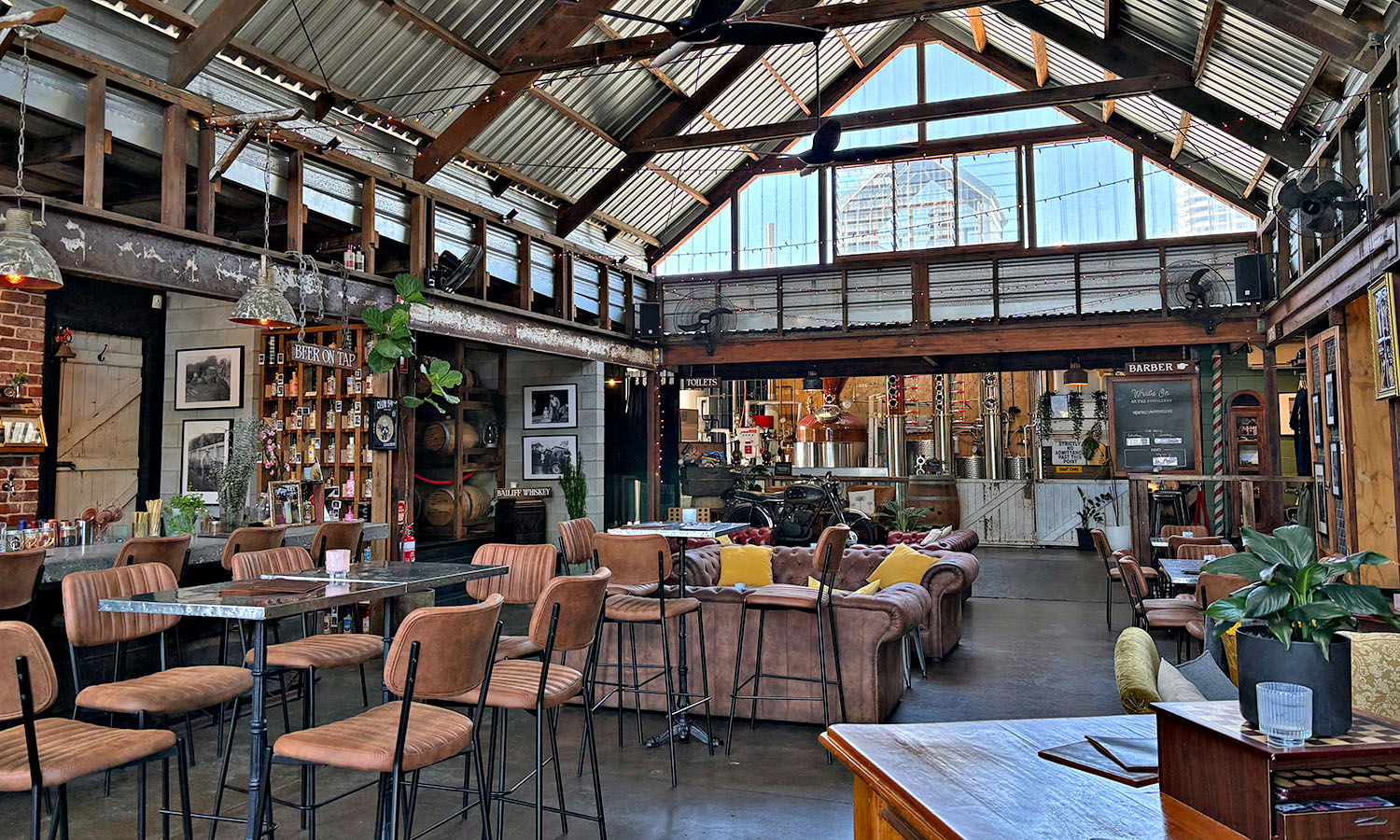
But the fun wasn’t over. The next day I found myself in Miami, ready to learn all about Granddad Jack’s Craft Distillery, a family-run operation that somehow manages to feel both nostalgic and rock ’n’ roll at the same time. The tour kicked off with a story about the real Granddad Jack—a straight-talking barber with a fondness for good whisky and better company.
You can feel the lore pulsing through this place. You can also literally see it. Each corner of the warehouse-style tasting room is packed full of knick knacks from Granddad Jack’s life; the pole he put outside his barber shop every morning, the walking stick he used later in life, his picture is even plastered behind the bar.
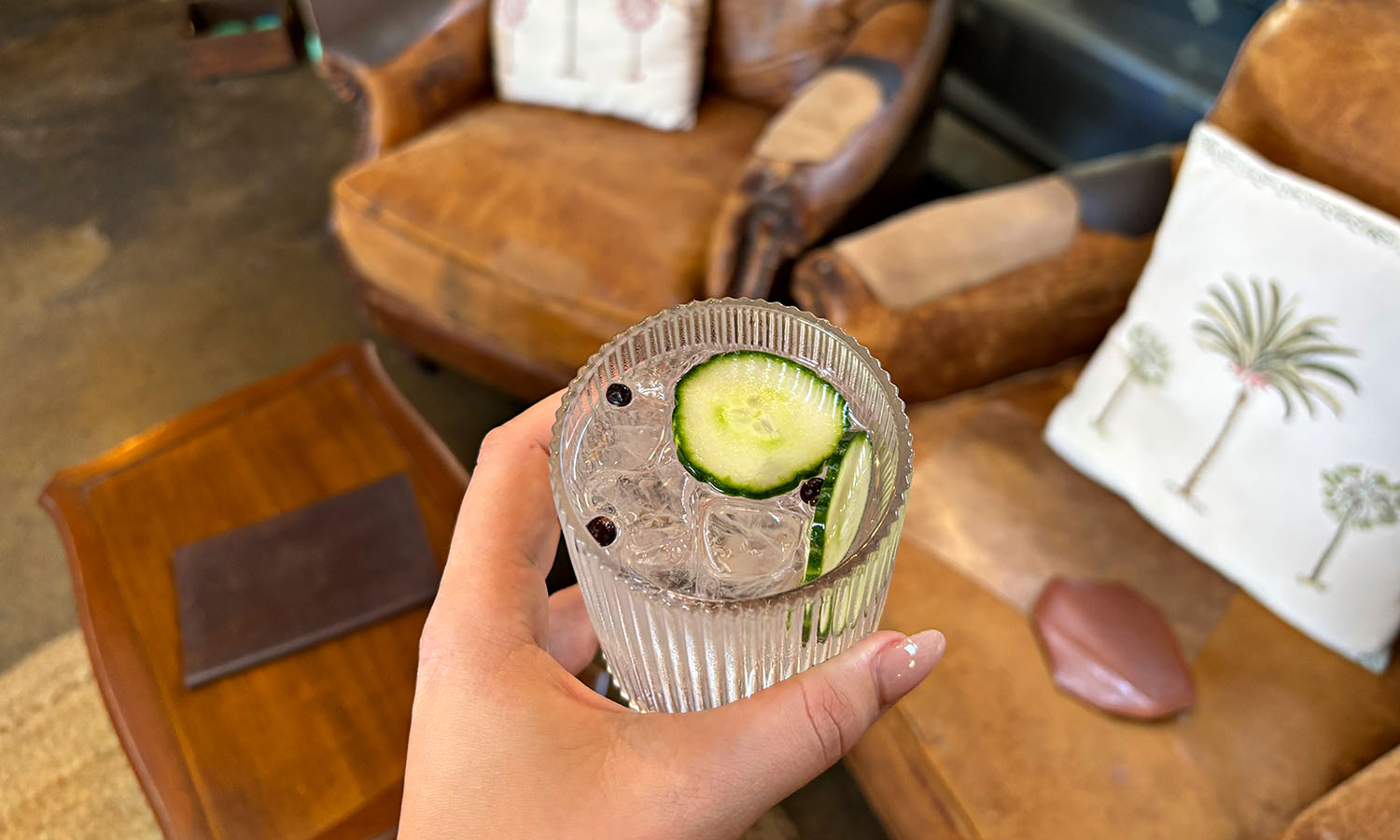
I sipped my way through a gin flight that went from citrusy and bright to downright dangerous…and quick. We’re talking glasses of their famous Greenhouse Gin, their Two Pencils Gin and my personal favourite, their Albion Gin. I stayed longer than I meant to, and somehow walked out with my own bottle to take home, but that warm, fuzzy afterglow from good gin and good company followed me all afternoon.
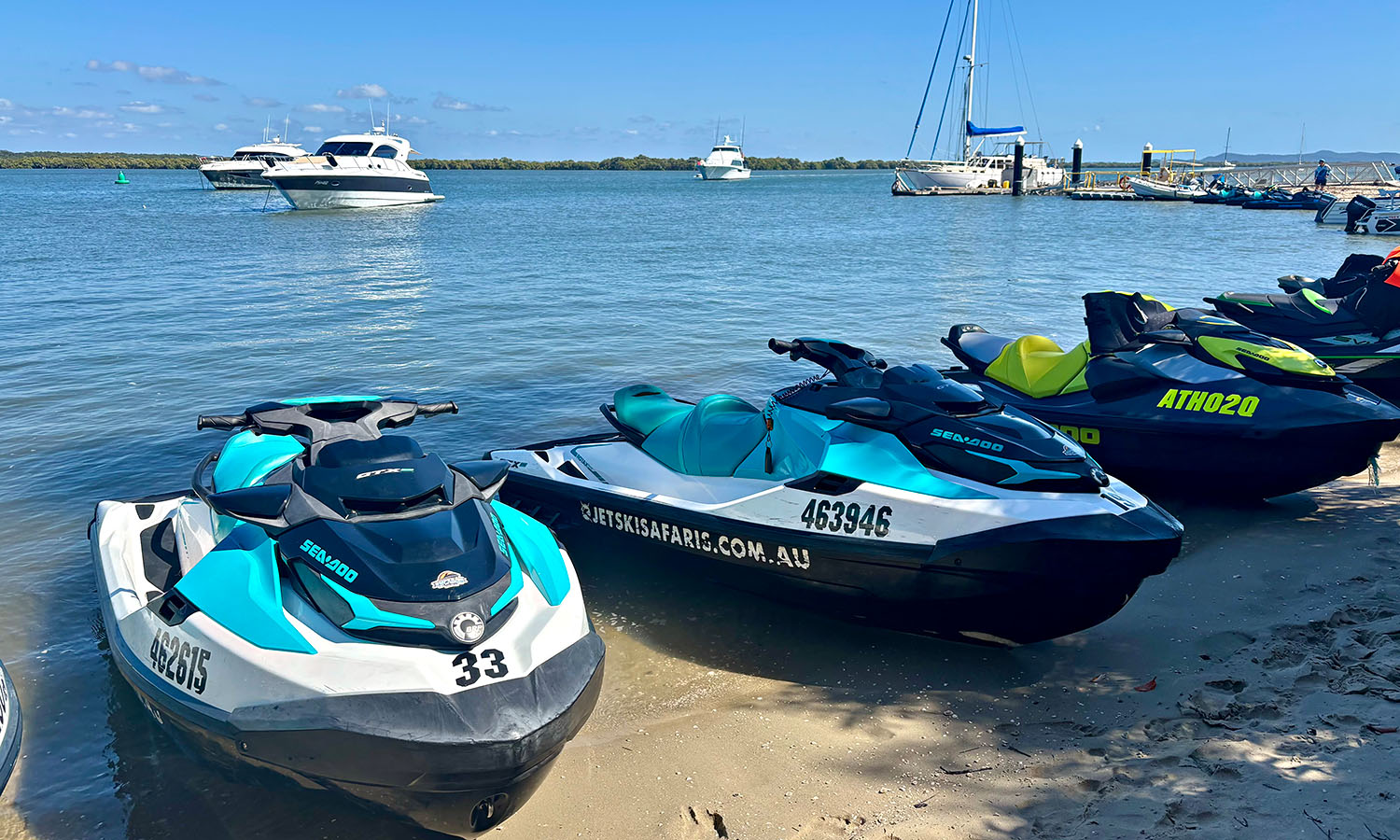
The next morning, I swapped the serenity for something louder. Jet Ski Safaris, operating out of Main Beach, promised adventure and they delivered.
I hopped on the back of a jet ski and soon we were snaking through the Broadwater, salt spray hitting my face and my sometimes unhinged, terrified laughter bouncing off the water. We zipped past mangroves and sandbanks, and somewhere between the high-speed turns and the sun glittering on the water, I realised this was the Gold Coast at its best—wild, playful, alive. It’s not about the rides you line up for, but the ones you find when you wander away from the tourist trail.
When most people picture the Gold Coast, they see the postcard version, Surfers, skyscrapers, suntans. But there’s another layer beneath the gloss. It’s in the quiet of the hinterland trails, the laughter over shared plates, the deep pulse of Country, and the clink of a glass in good company.
The Coast isn’t trying to be anything it’s not; it just needs you to look past the clichés long enough to see it properly. And once you do, you’ll probably never see it the same way again. I know I don’t.
Forget Kyoto’s crowds and Osaka’s neon, this is where Japan really breathes.
I’ll be honest, when the idea of a famil trip to the Kii Peninsula floated into my inbox, I had to do a quick Google search. I knew Kyoto with its temples, Osaka with its food and neon, even Nara with its cheeky deer. But to me, the Kii Peninsula sounded like something you’d order at an izakaya after three too many sakes.
Turns out, it’s an entire swathe of Japan jutting out into the Pacific, south of all the usual tourist suspects, and it’s got enough natural beauty and cultural quirks to keep you busy for weeks. And the best part is that hardly anyone bothers to go there (for now).
While the temples of Kyoto heave under selfie sticks and Osaka feels like it’s running on permanent high volume, the Kii Peninsula is a deep breath you didn’t know you needed. And it’s the sort of place where you can have some of Japan’s most memorable experiences without being elbowed out of the way by a tour group in matching hats.
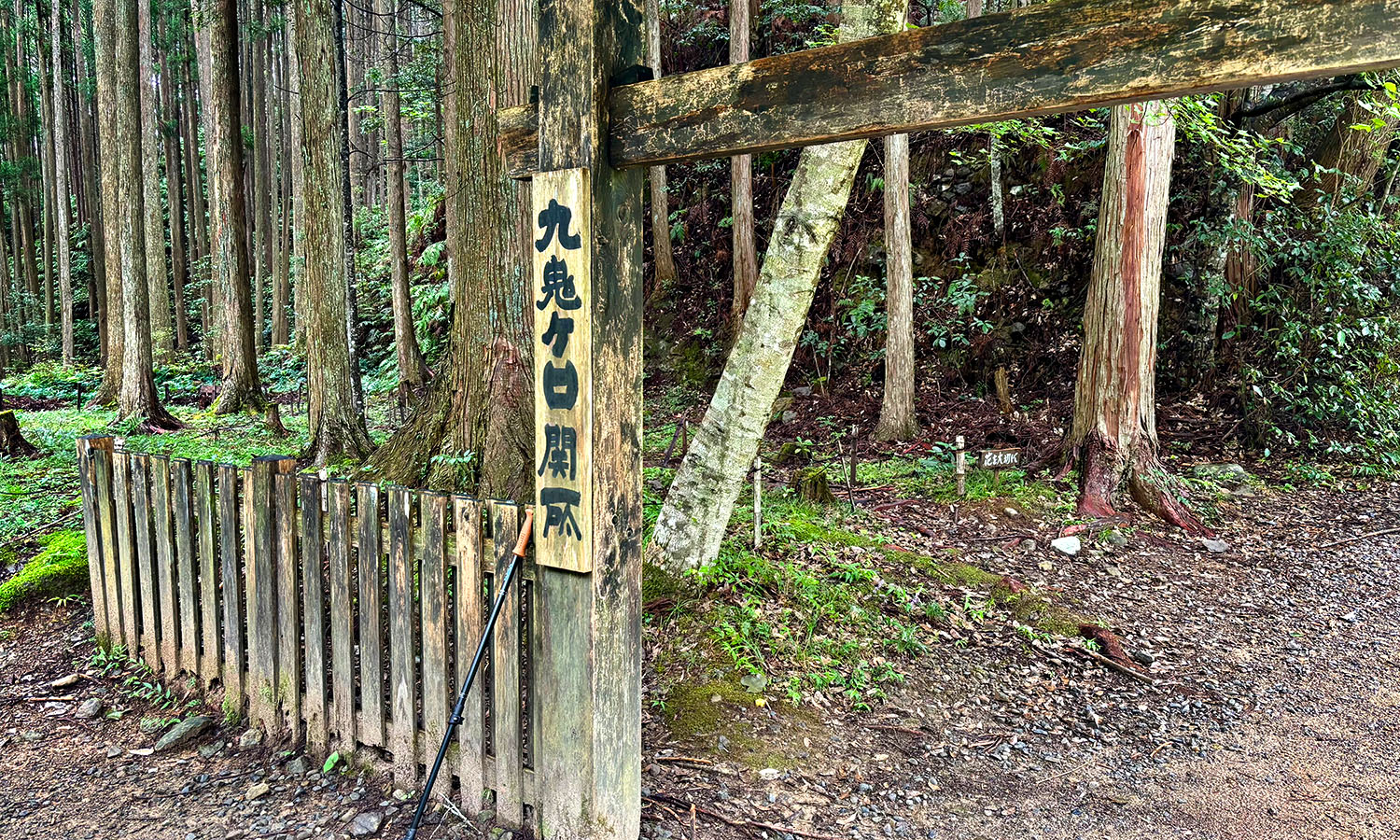
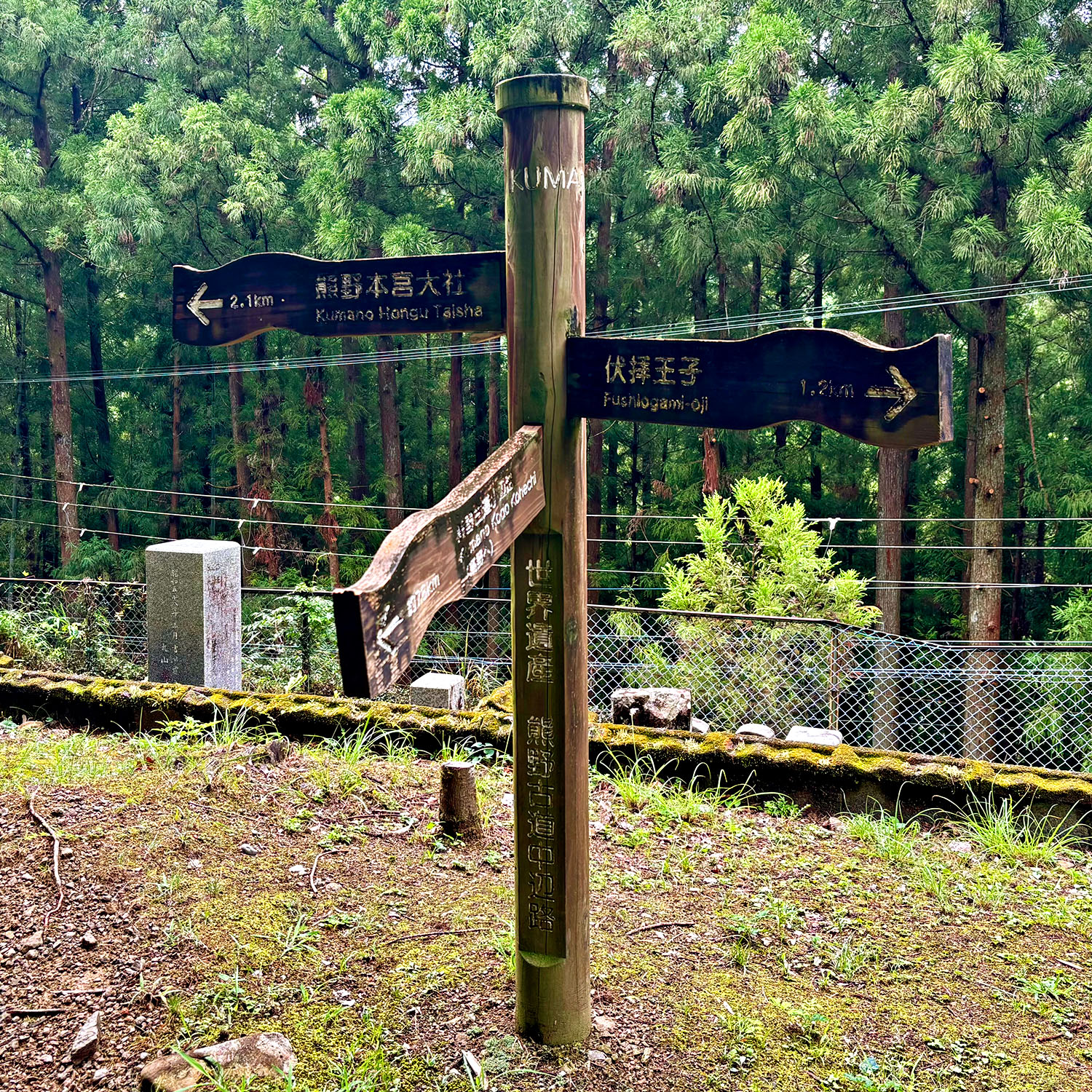
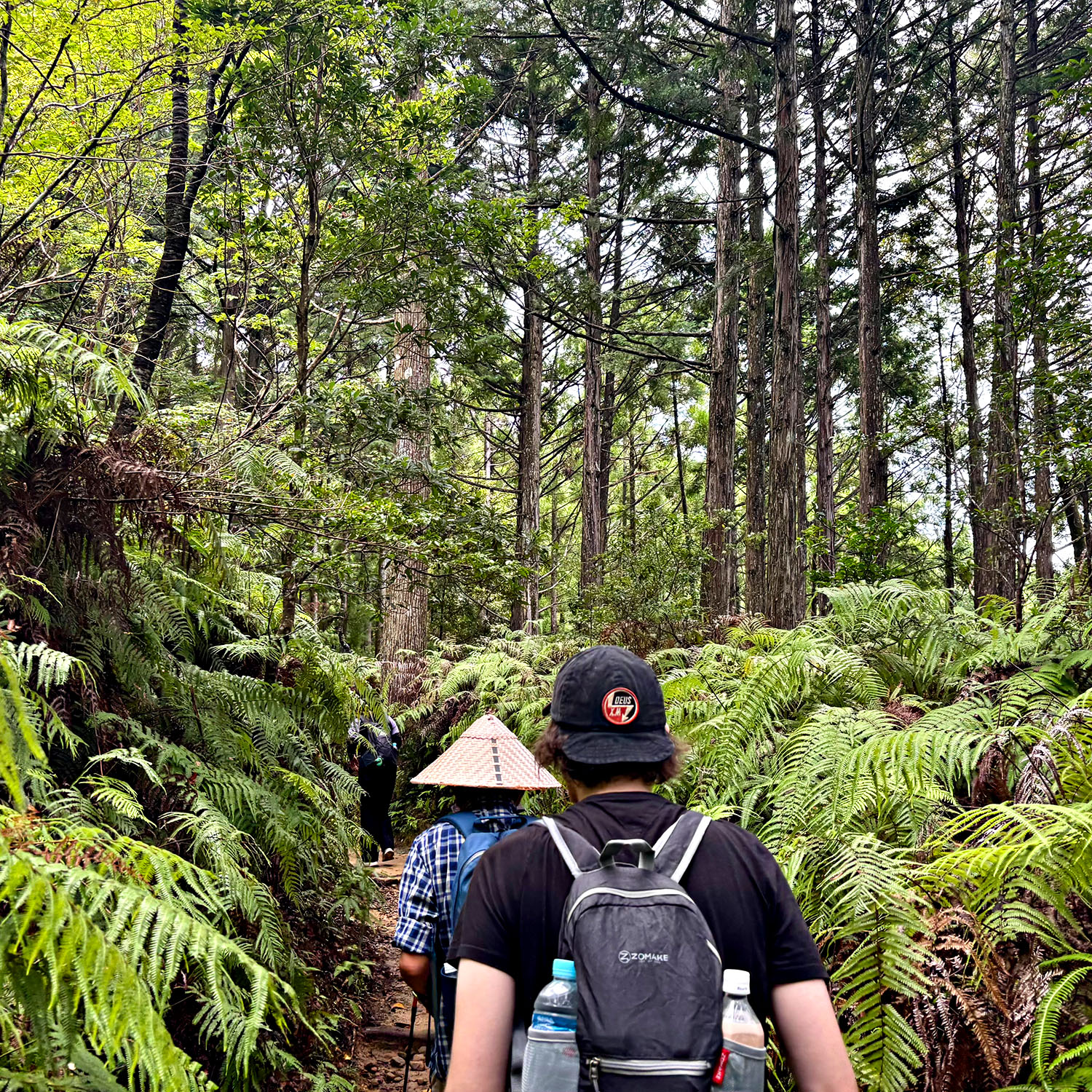
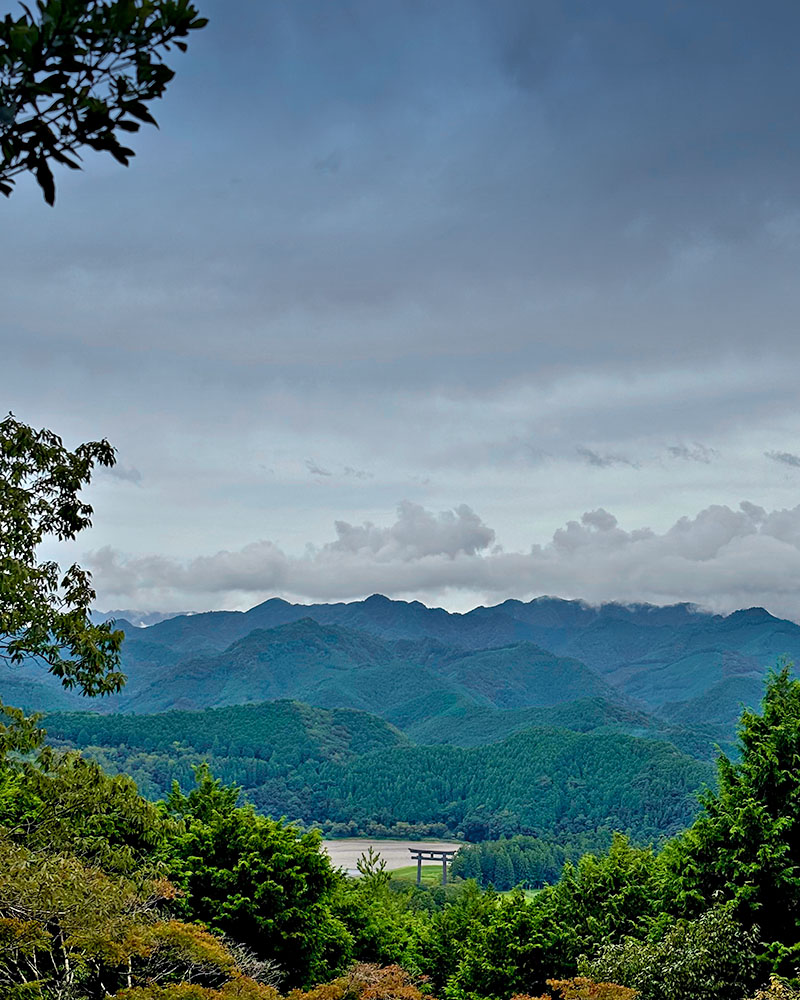
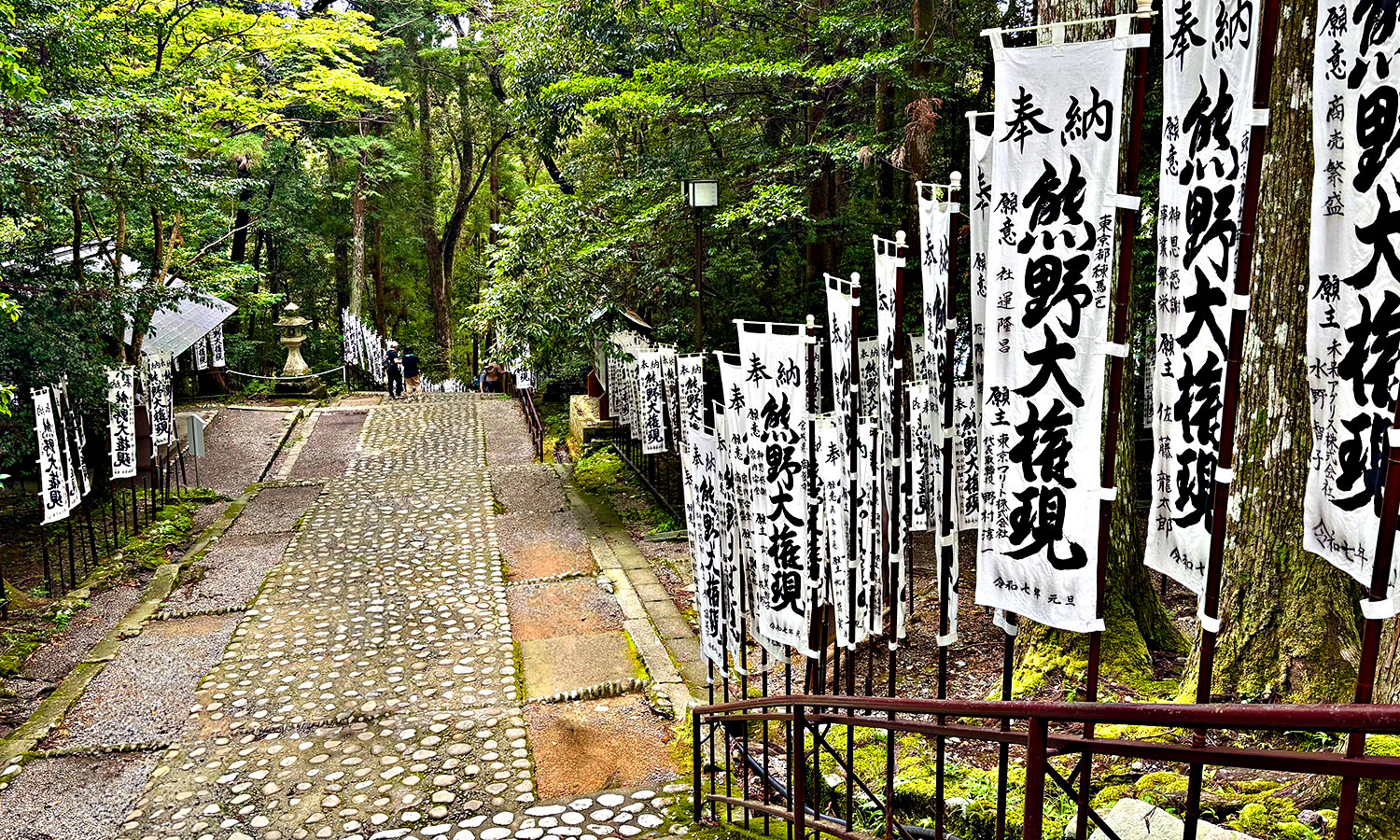
My initiation came on the Kumano Kodo, the network of ancient pilgrimage trails that crisscross the peninsula. These routes have been walked for more than a thousand years by emperors, priests, and people with much better stamina than me. My group of fellow travel writers joined a section of the trail, winding up through cedar forests that were as old as they looked, the air sharp with the smell of moss and earth.
Walking the Kumano Kodo is tough on the ol’ legs and lungs, but it’s not just about the exercise. It’s about slipping into a slower rhythm, the kind where you can hear the crunch of your own footsteps and notice the way the light changes between the trees. We barely broke the trail’s surface, but around 30 minutes in, I realised I hadn’t spared a single thought for the emails I knew were piling up, for deadlines, or for life admin. It was so peaceful, almost as if you could feel the heaviness of the trail’s history with each step. Not enough to overwhelm you, but enough to remind you of the sacredness of the route.
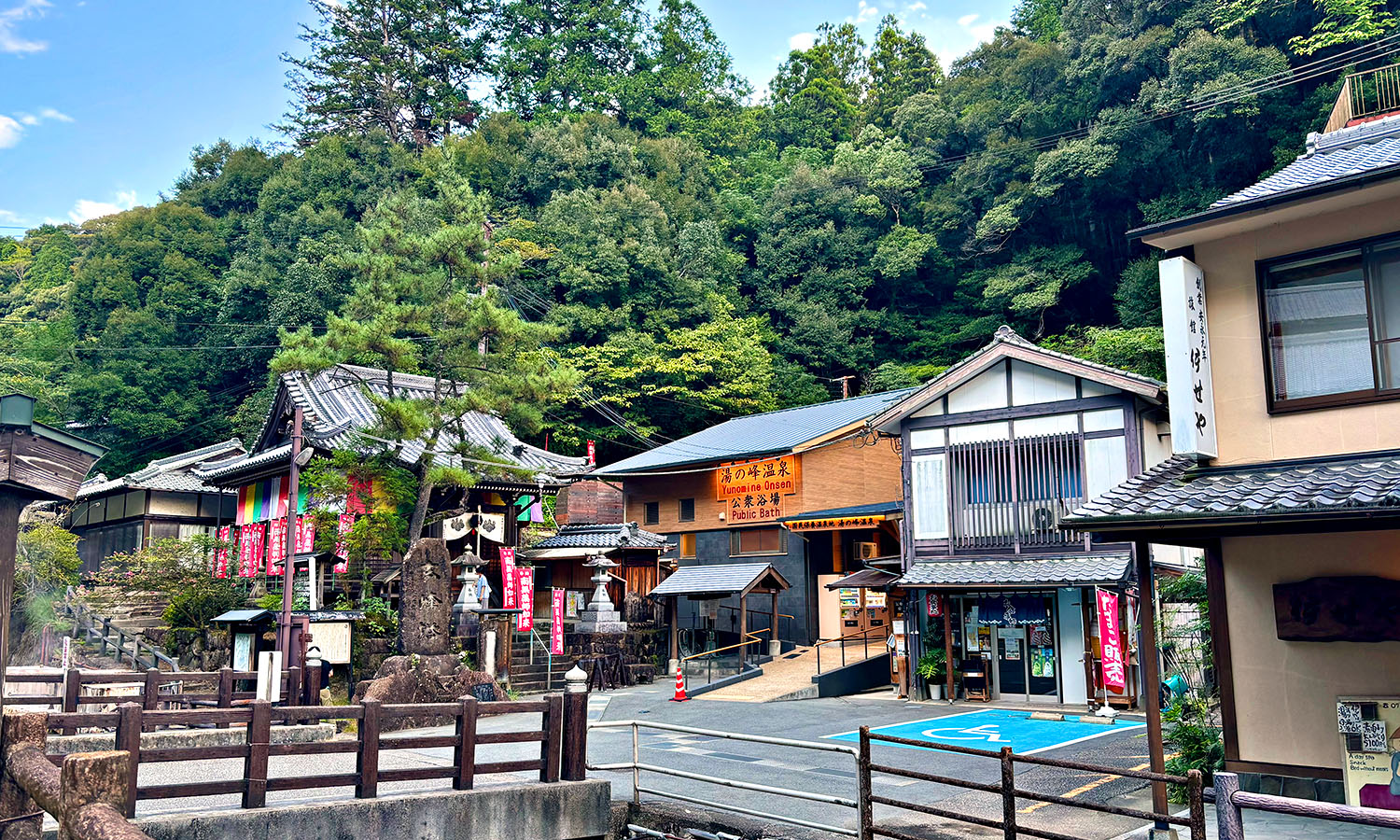
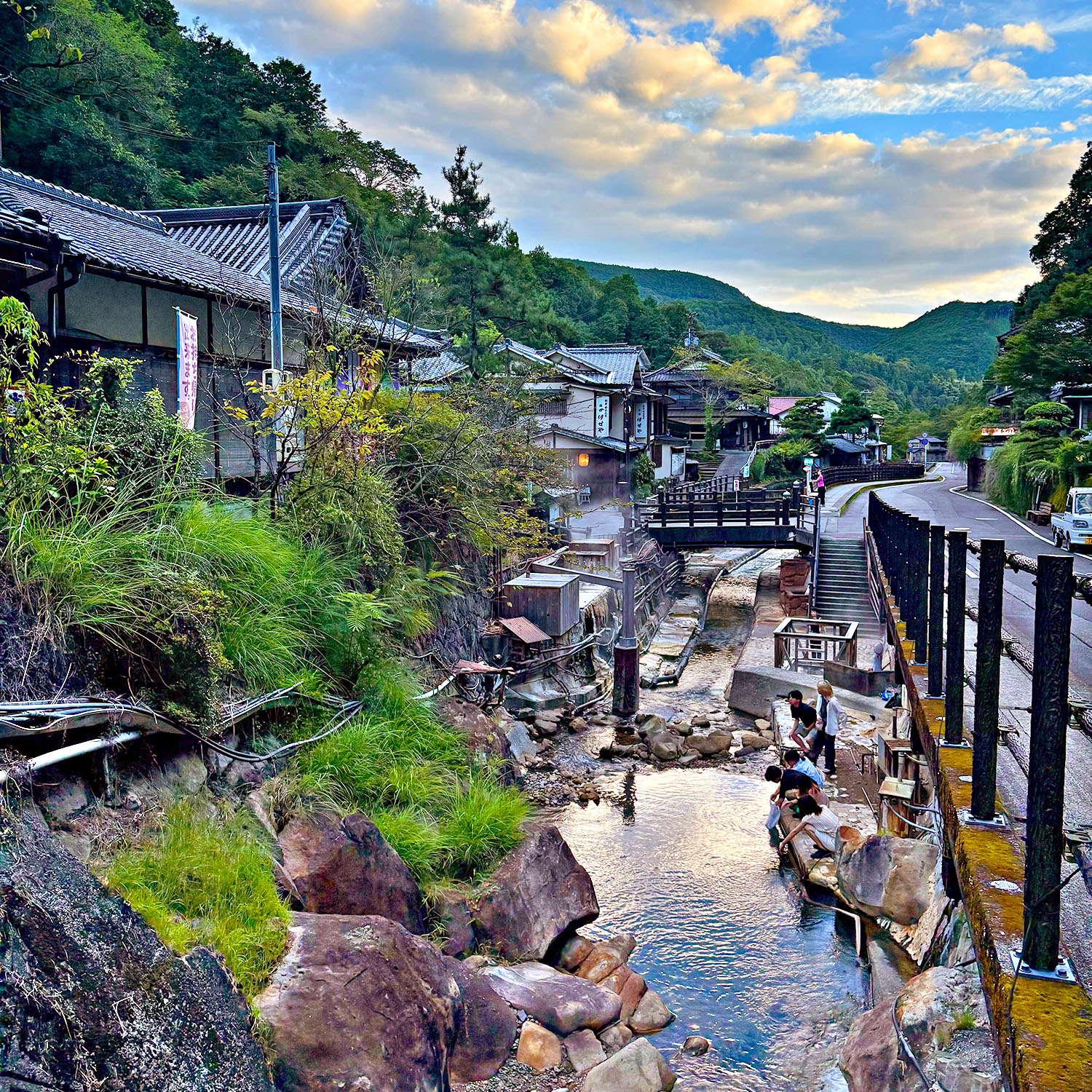
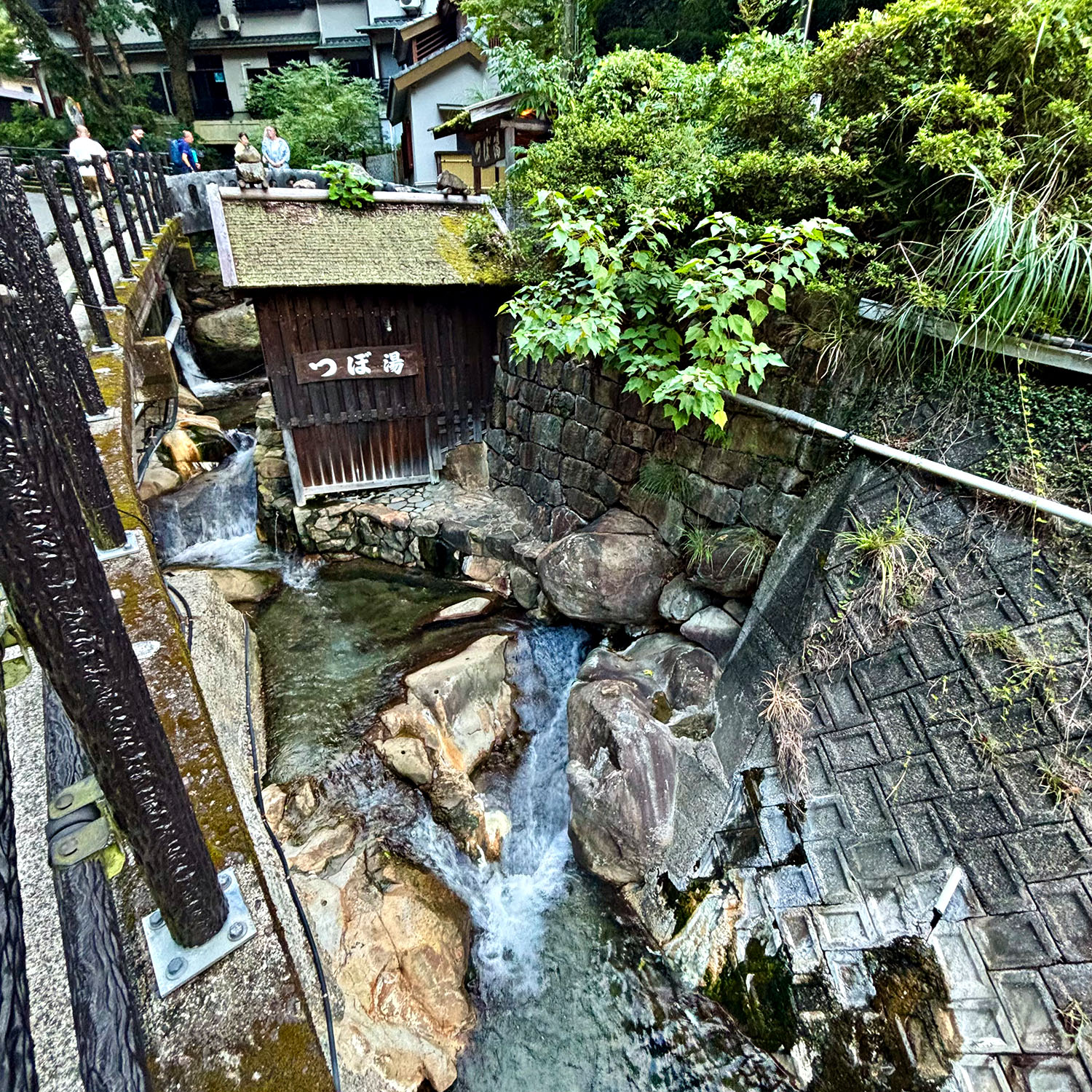
But of course, walking all day makes you crave a soak, and the Kii Peninsula delivers this in spades. In Wakayama, we landed in an onsen town right on the Oto River. Imagine steaming outdoor baths perched beside a rushing river, where you can sit submerged up to your chin in hot spring water while the current hurries by just a few feet away.
If you’re lucky, steam rises off the river itself, making the whole scene look like a special effects department went overboard. I slid into the bath, let the heat unknot my legs, and briefly considered never leaving. Forget five-star hotels, this was five-star geology, and I was loving every second.
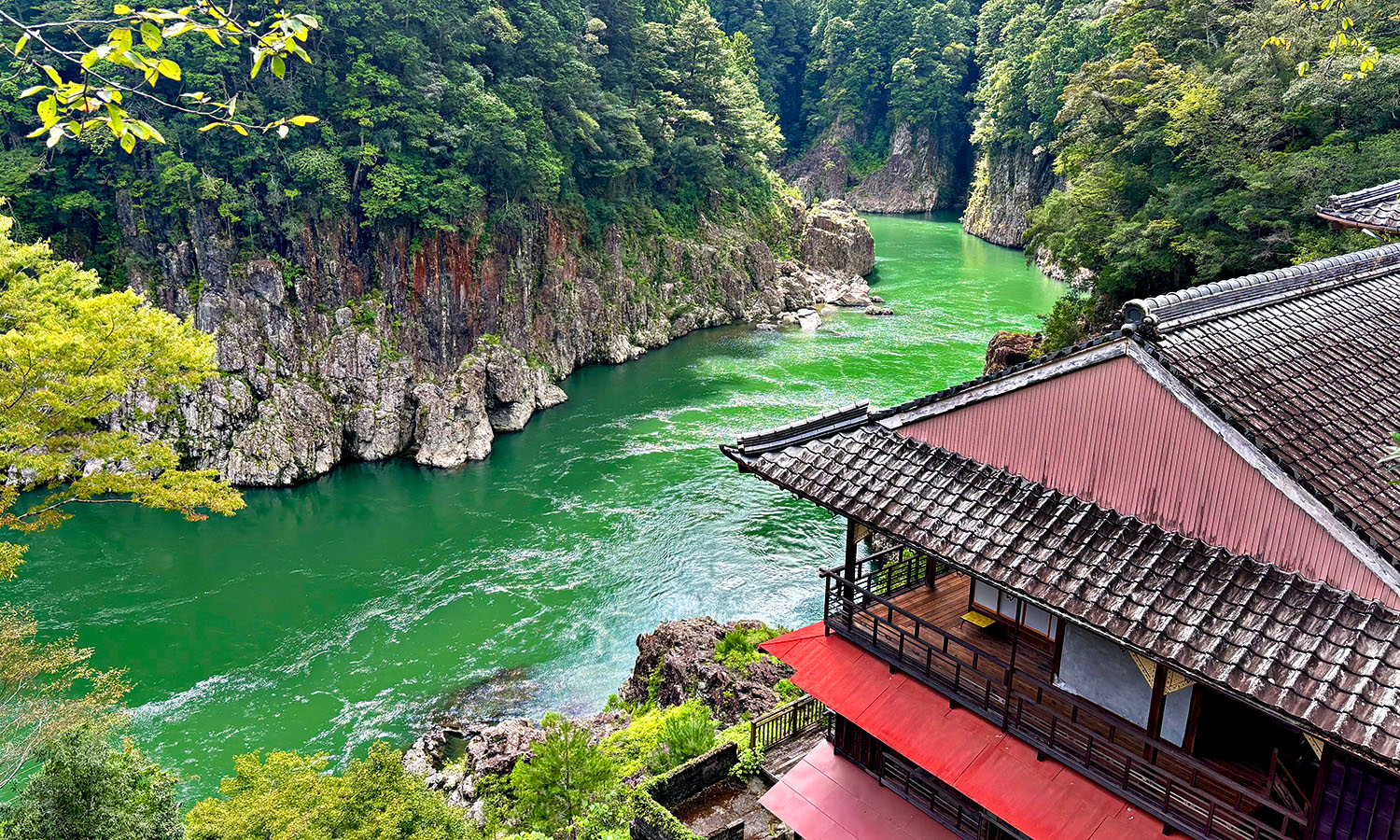
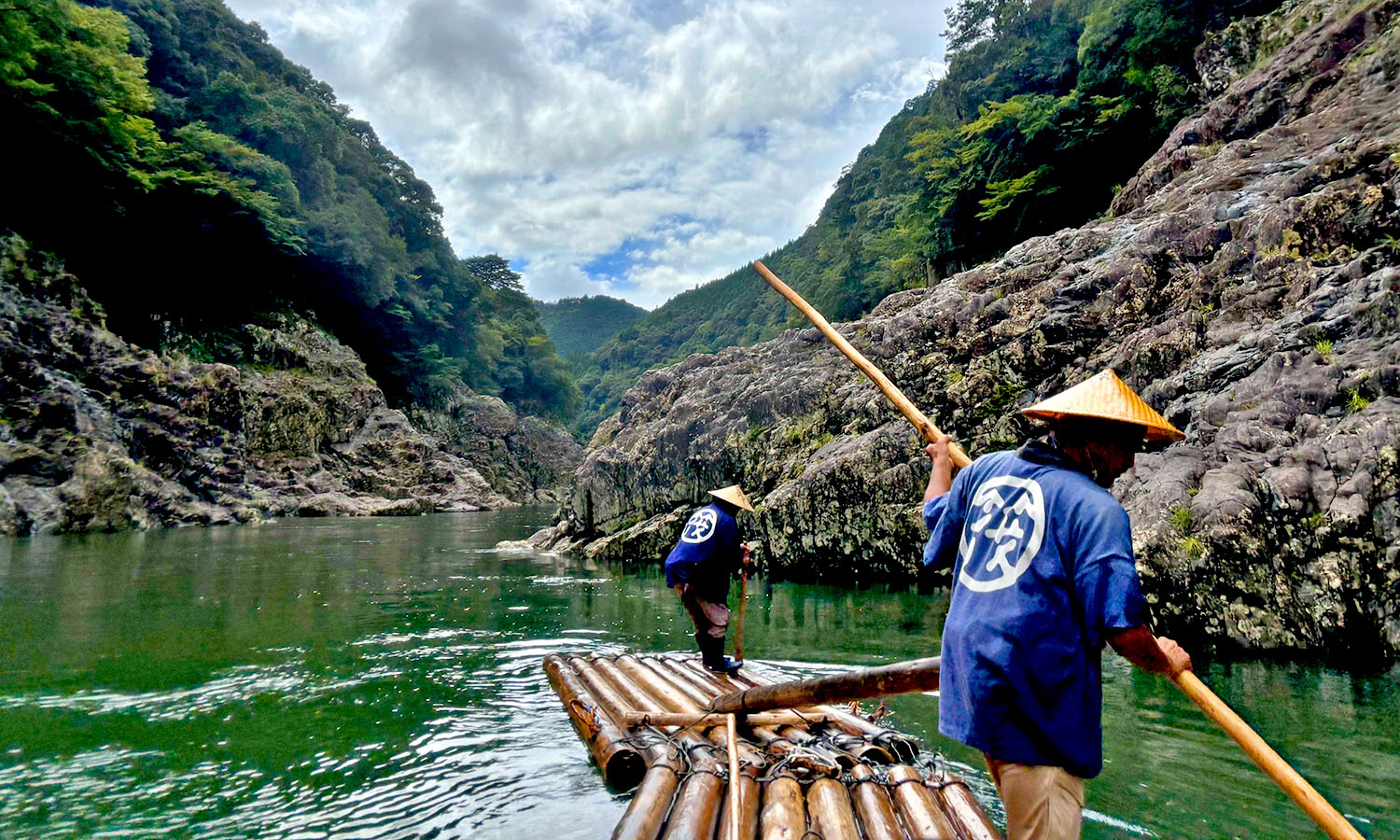
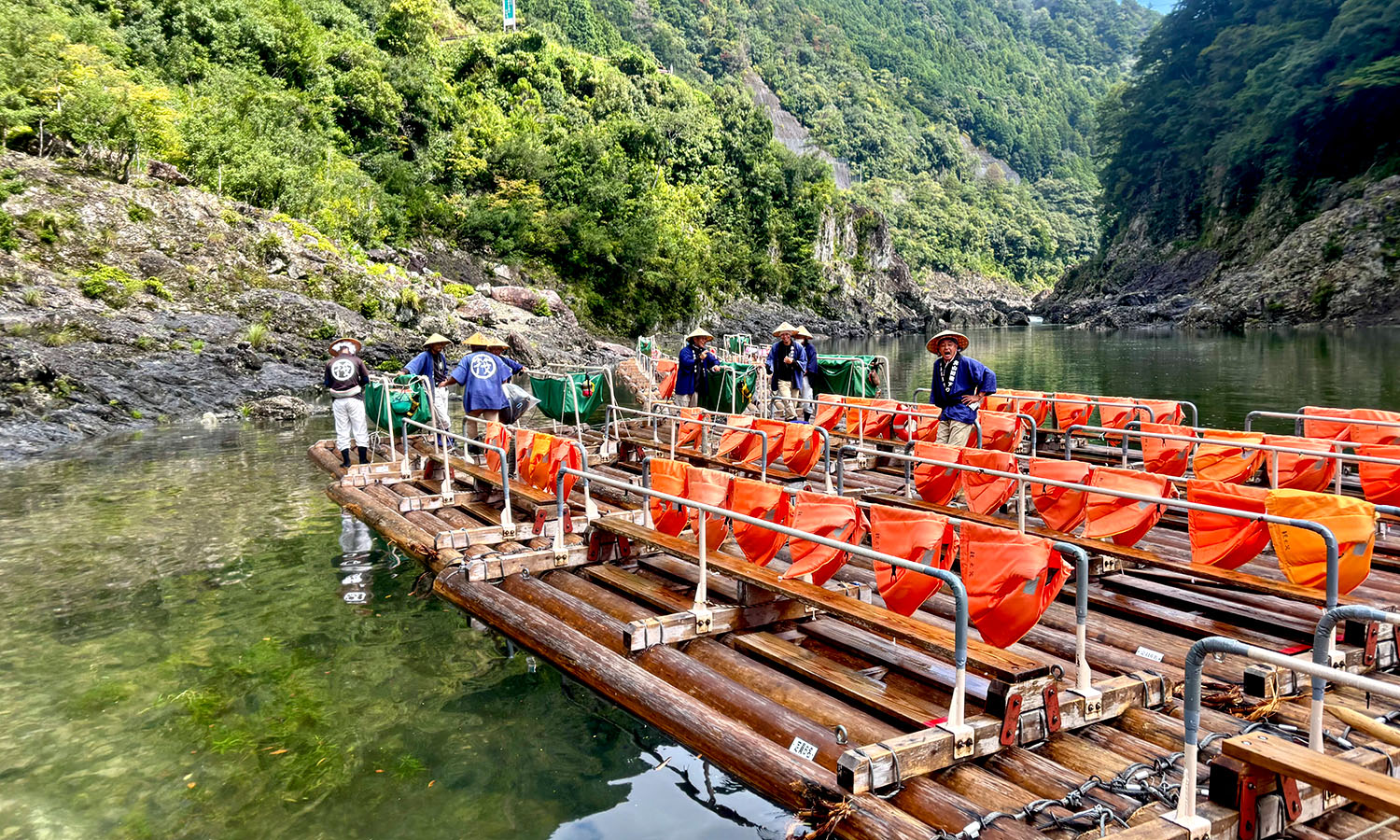
And then, just when I thought the Kii Peninsula couldn’t surprise me again, I found myself clinging to a raft of logs in Dorokyo Gorge. Yes, log rafting. Not the genteel “let’s float downstream with a picnic” sort, but a traditional activity where you ride a bundle of tree trunks lashed together as it hurtles down the Kitayama River.
This was once how the locals transported lumber; now it’s how they make travellers fall in love with the landscape. I laughed, I stood up (don’t worry, we were supposed to), I got drenched with clean, icy water, and when it was over, I wanted to do it all over again. It was exhilarating, kinda ridiculous, and one of those experiences that makes the trip that much more memorable.
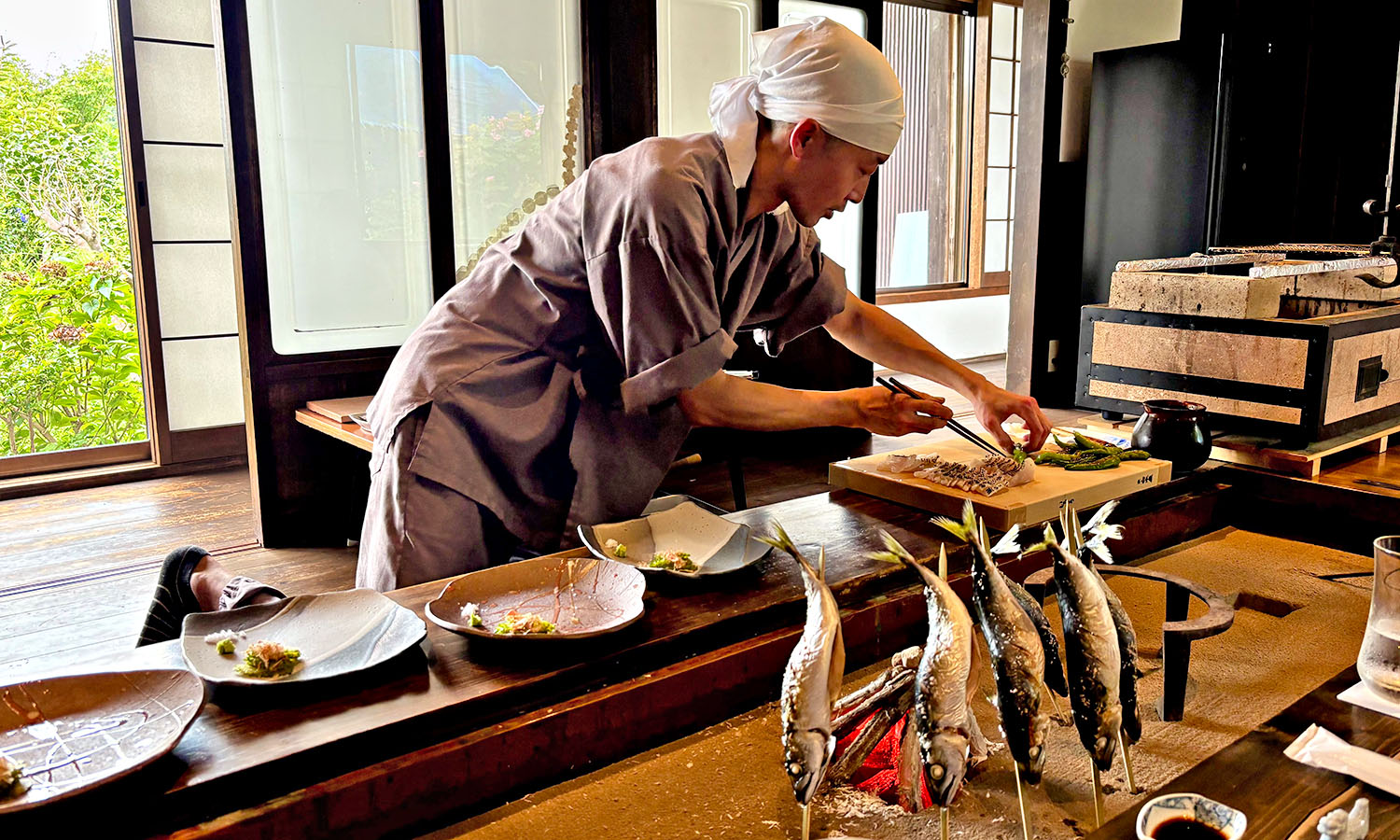
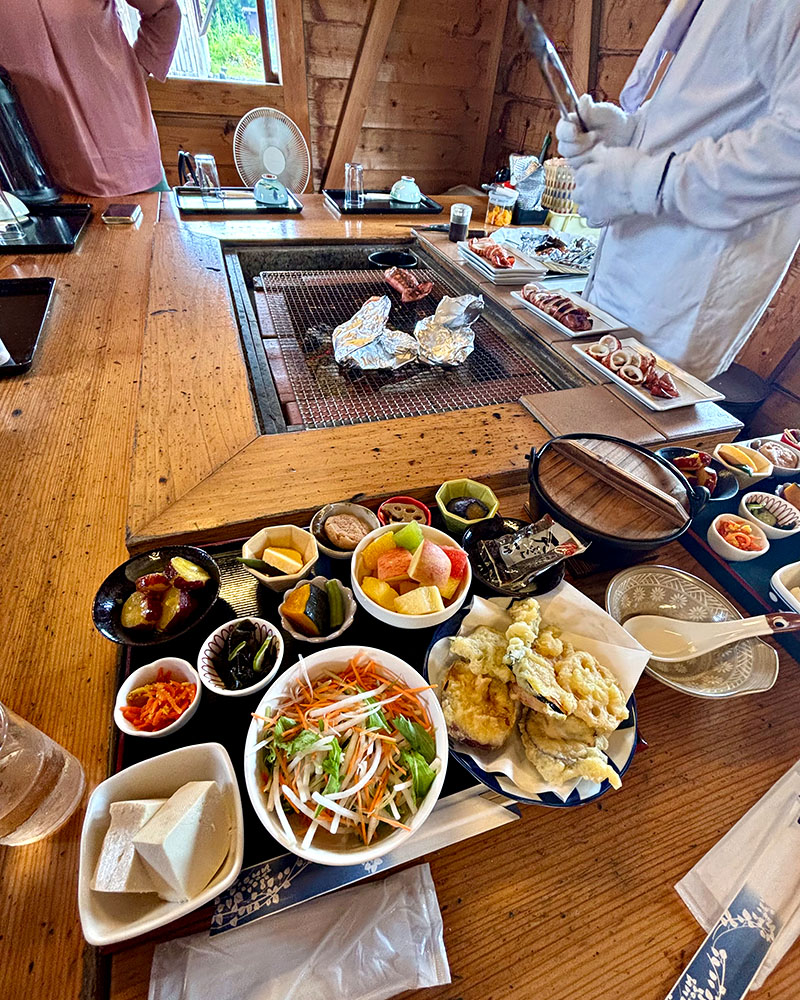
By this point, I was both starving and buzzing, which is a dangerous combination. Luckily, the Kii Peninsula knows how to feed you well. Fast forward a day or two, and we were sitting in Toubeya, a quaint, old Japanese house that’d been turned into a lunchtime restaurant. But not just any restaurant. One that cooked each ingredient over charcoal.
And I mean everything – fish, vegetables, beef, even tofu – was kissed by smoke until it became something my tastebuds couldn’t wait to devour. The chef treated charcoal like his own musical instrument, coaxing flavour out of embers with a flick of the wrist. I don’t usually wax lyrical about lunch, but this one deserved sonnets.
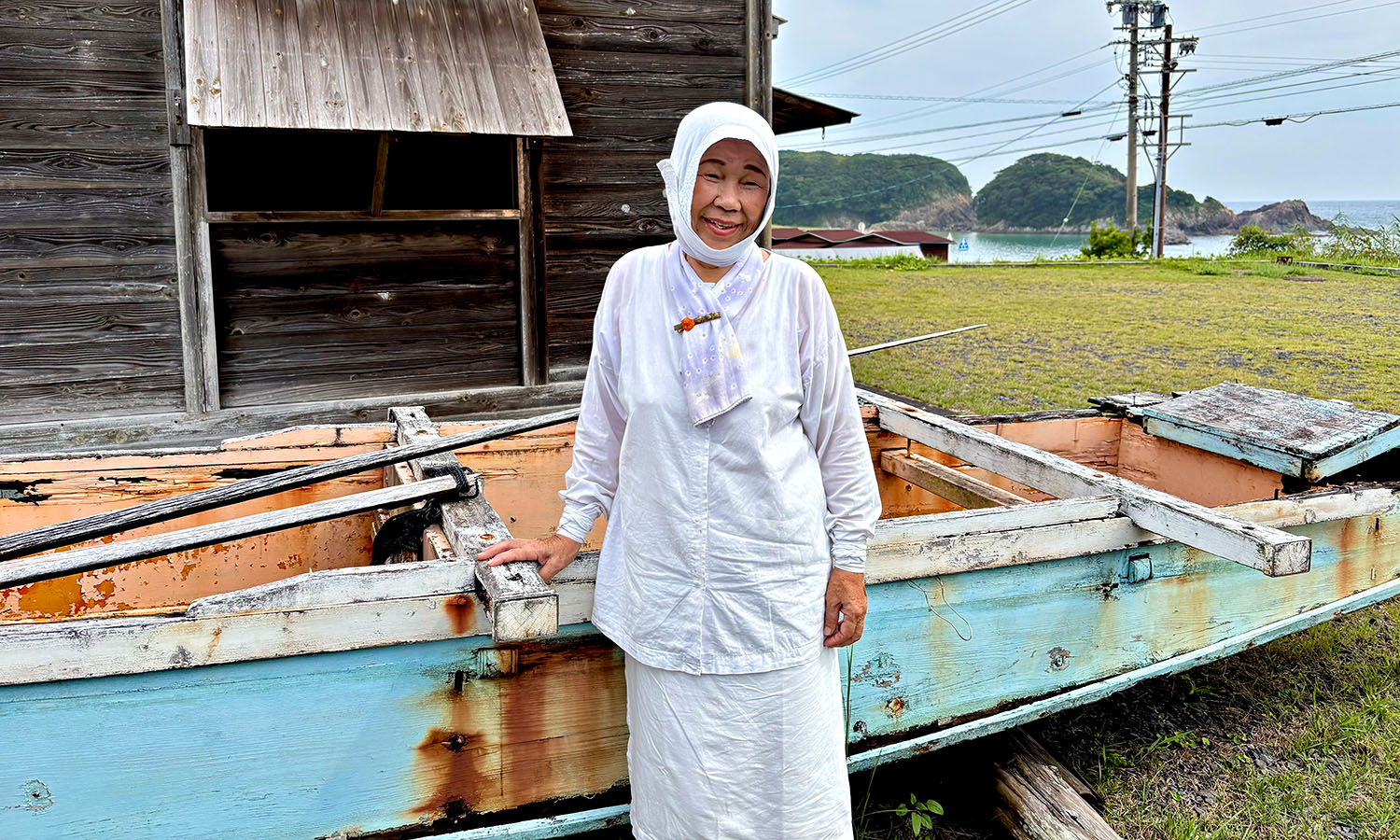
But if Toubeya was refined fire magic, Satoumi-an was its chaotic cousin. Here, we ate a meal cooked by ama divers – the legendary women who free-dive for shellfish and seaweed along Japan’s coasts. Our cook/ama diver, Hayashi Kimiyo, grilled our food over charcoal in a rustic hut while telling stories in Japanese that made our translator and local guide, Yuko, laugh while retelling them.
It was smoky, hearty, and punctuated by the squeals of trying things we’d never eaten before – turban shells, anyone? I’ve had fancier meals in my life, but few that felt as alive as sharing space with women who spend their days in the ocean and their evenings around the fire.
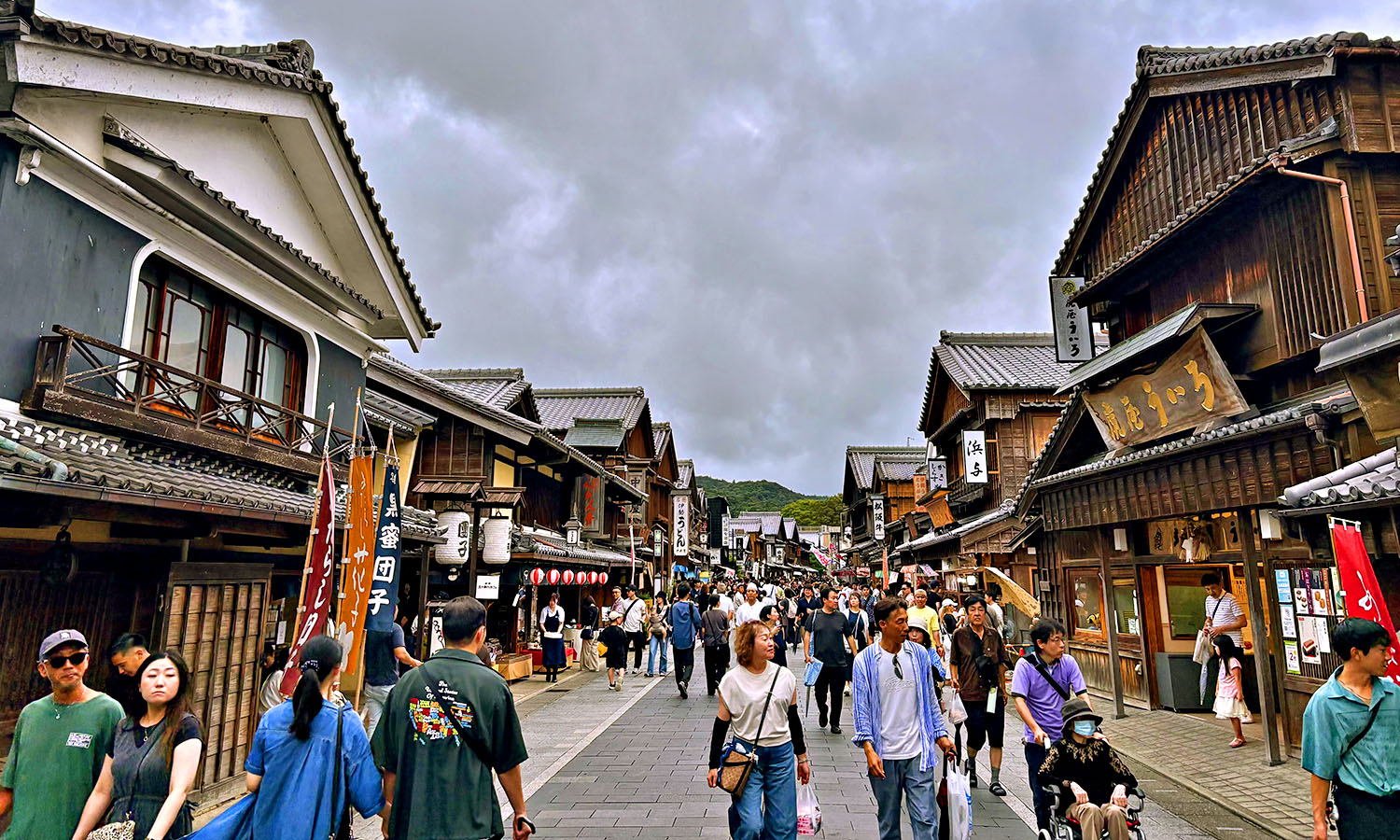
Of course, not everything in the Kii Peninsula is about rivers, trails, or charcoal. Sometimes you just want a bit of human buzz. That’s where Oharaimachi comes in, the lively street that runs up to Ise Grand Shrine.
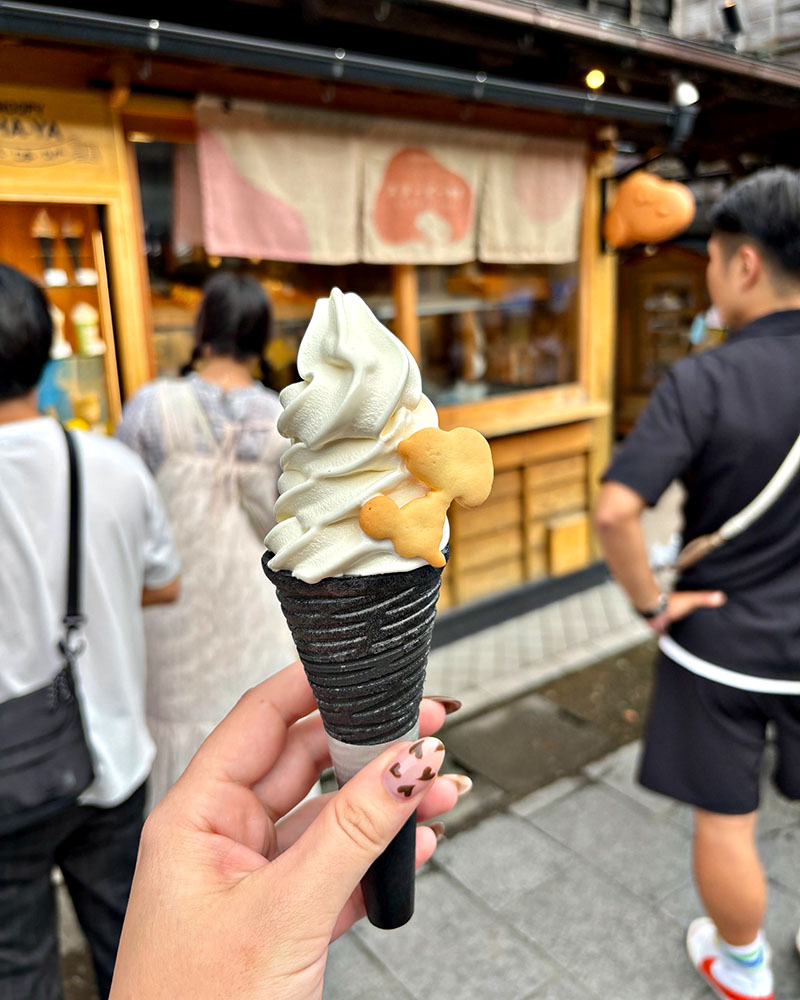
It’s packed with traditional shops, food stalls, and enough people-watching opportunities to keep even the most distracted traveller entertained. I wandered past vendors selling mochi skewers dripping with sauce, ducked into stores selling everything from pottery to local sake, and resisted the urge to buy Snoopy plush toys for every single family member back home. Compared to Kyoto’s crowded shopping districts, Oharaimachi felt festive rather than frantic, a street alive with chatter, but not a mob scene.
The thing about the Kii Peninsula is that it never lets you get bored. One moment you’re walking in the footsteps of pilgrims, the next you’re steaming in a riverside bath, then suddenly you’re clinging to a raft of logs.
In between, you’re eating meals that smell like smoke and history and wandering lively streets and resisting the urge to buy a set of personalised chopsticks you know you’ll never use. It’s a region that insists you try a little of everything, and the more you say yes, the more it rewards you.
Don’t get me wrong, Japan’s big cities are brilliant in their own ways. But if you want to see a place that breathes a little slower and where time stands still, the Kii Peninsula is where you go. It’s not the easy option, it takes a bit more effort to reach, and it’s not plastered across every guidebook, but I think maybe that’s the point.
After all, travel isn’t about ticking off the most obvious stops (well, it can be), but sometimes it’s about wandering down the side roads, following the trails less travelled, and letting a whole peninsula full of hot springs, fire-grilled feasts, and ancient shrines remind you why you came to Japan in the first place.
Why this so-called “airport town” is secretly a crash course in Japan, even if you’ve only got a few hours.
If you’re like me, you’ve probably seen Narita’s name on your boarding pass and thought, “Ah yes, Narita – the airport.” The place where you slurp down one last vending-machine ramen, buy a packet of KitKats in a novelty flavour you’ll regret later (Wasabi? Seriously?) and brace yourself for the long-haul flight home.
But it turns out, Narita is not just the airport. Shocking, I know. The city itself – yes, there’s a whole city – is a pocket-sized crash course in Japan. If you ever find yourself here with a few hours to kill between flights, or maybe even a cheeky overnighter, you can squeeze in a cultural hit that’ll make you feel like you’ve done more than loiter in the fluorescent lights of Duty Free.
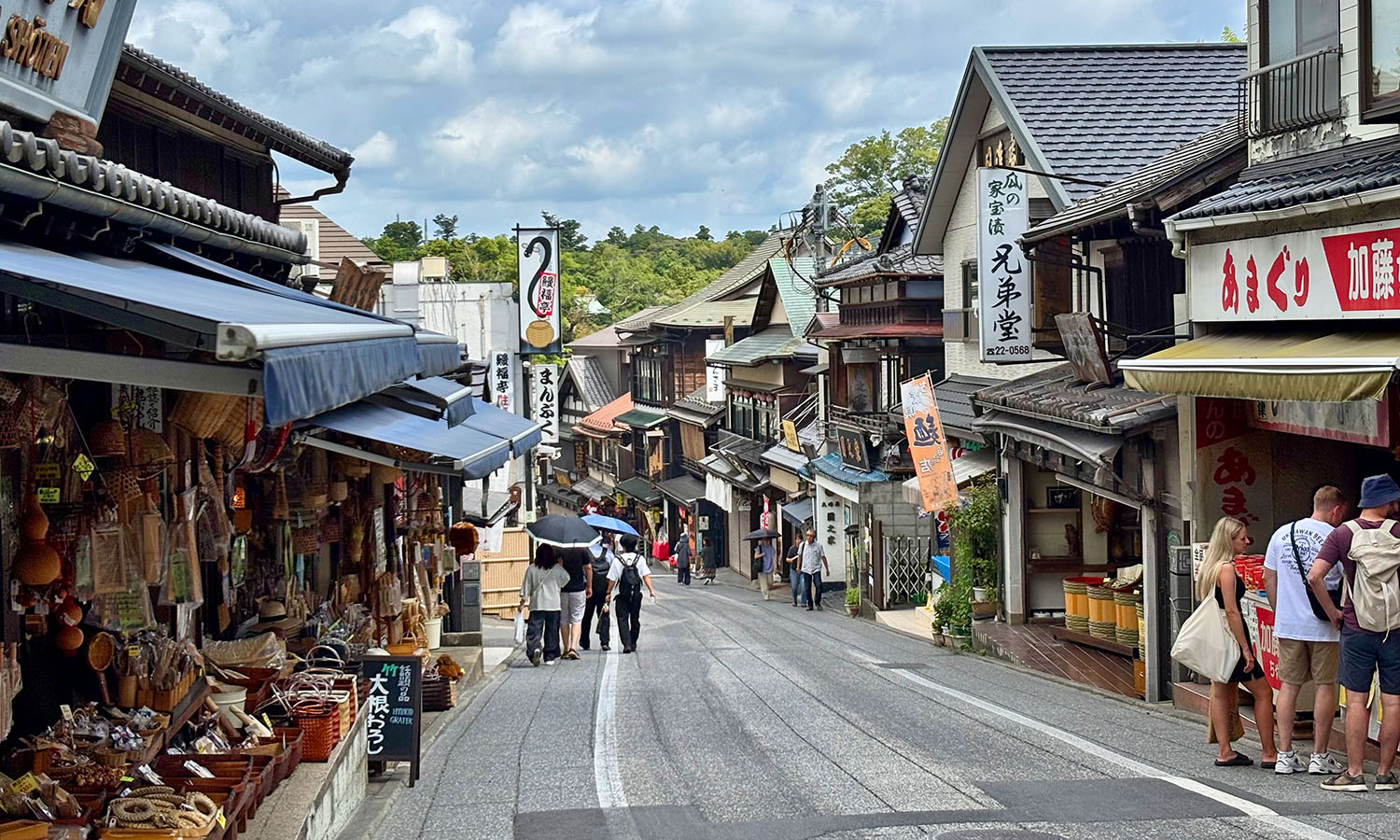
Narita is only a 15-minute train ride from the airport, and once you step outside Narita Station, you’re suddenly in the old part of town, walking along Narita Omotesando, a street that feels like someone pressed pause on the modern world.
Wooden shopfronts lean companionably against each other, lanterns sway gently in the breeze, and the air smells like soy sauce and sweet smoke. Every other doorway seems to hold a shopkeeper beckoning you inside, whether they’re selling handcrafted clogs, lucky charms, or incense. The sort of place where “just popping out for a stroll” quickly becomes an hour of poking your head into little shops and wondering how much space you’ve got left in your carry-on.
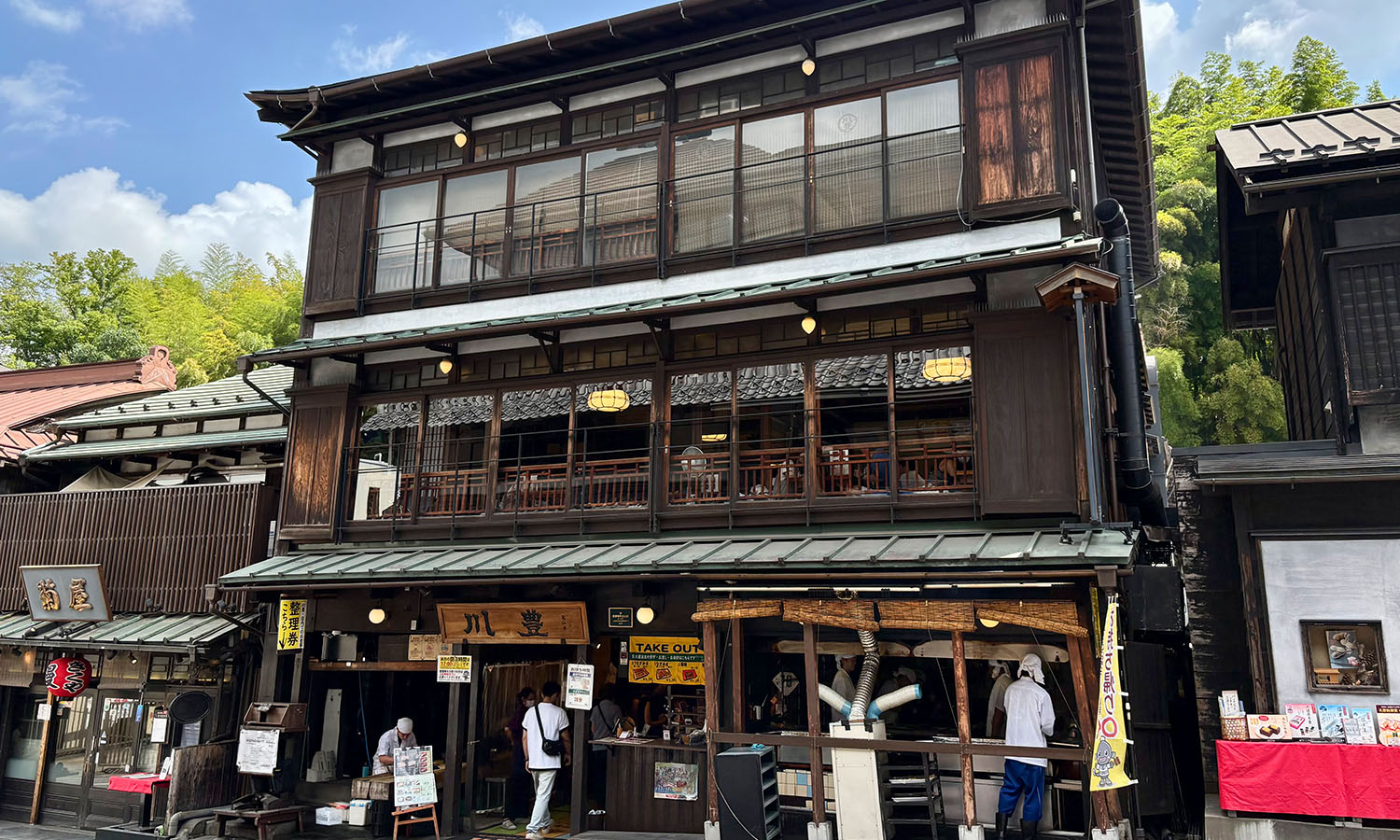
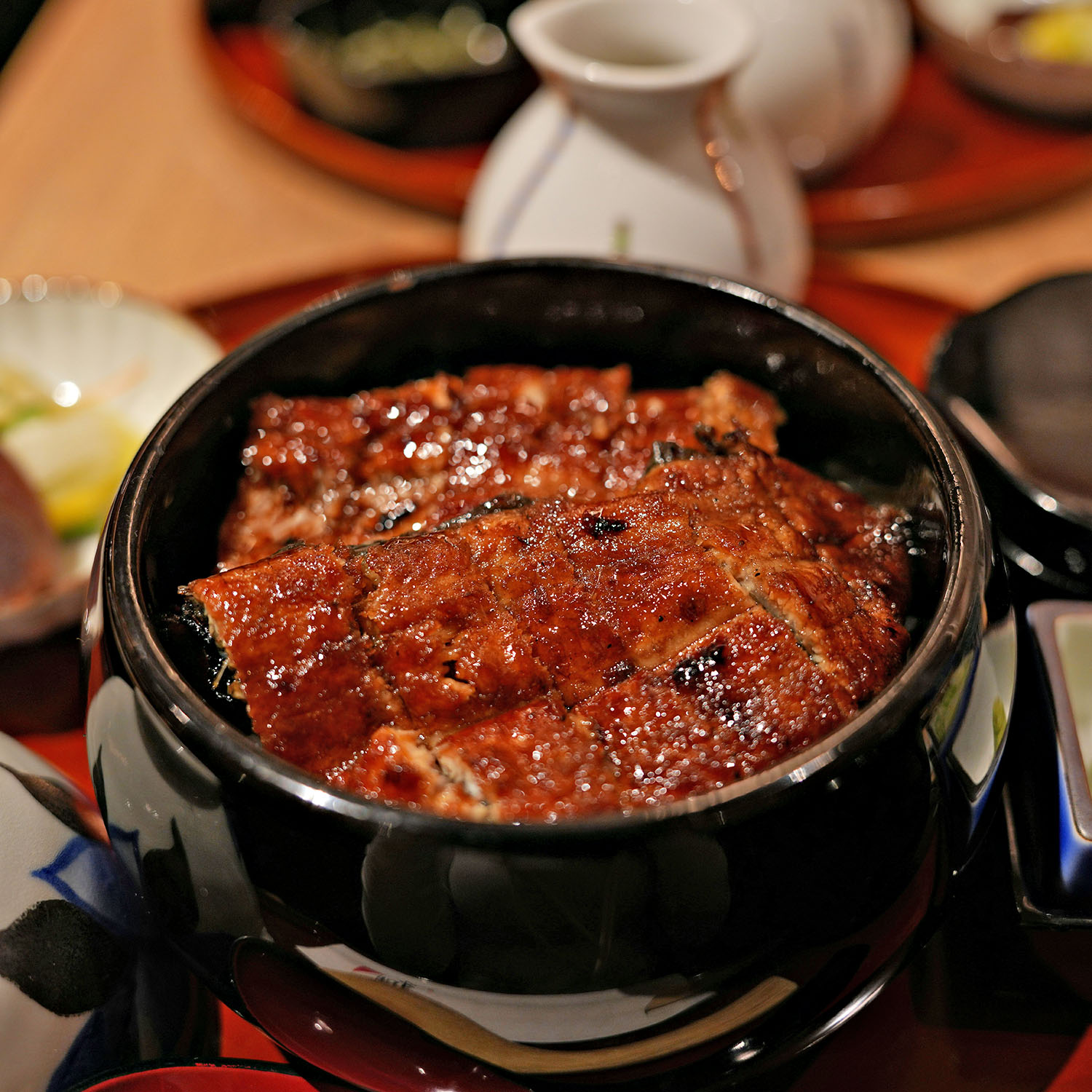
But the real star here is the food. Narita is famous for eel, which is one of those dishes you either eagerly embrace or watch with wary fascination. On Omotesando, chefs prepare it right in front of you, the whole messy, slippery process on display, and then grill it over hot coals until it turns golden and smoky.
But watching something wriggle one moment and then smelling it caramelise under a brush of sweet soy sauce the next is confronting, so I skipped it this time, and let my travelling companions taste the rich, buttery Unagi.
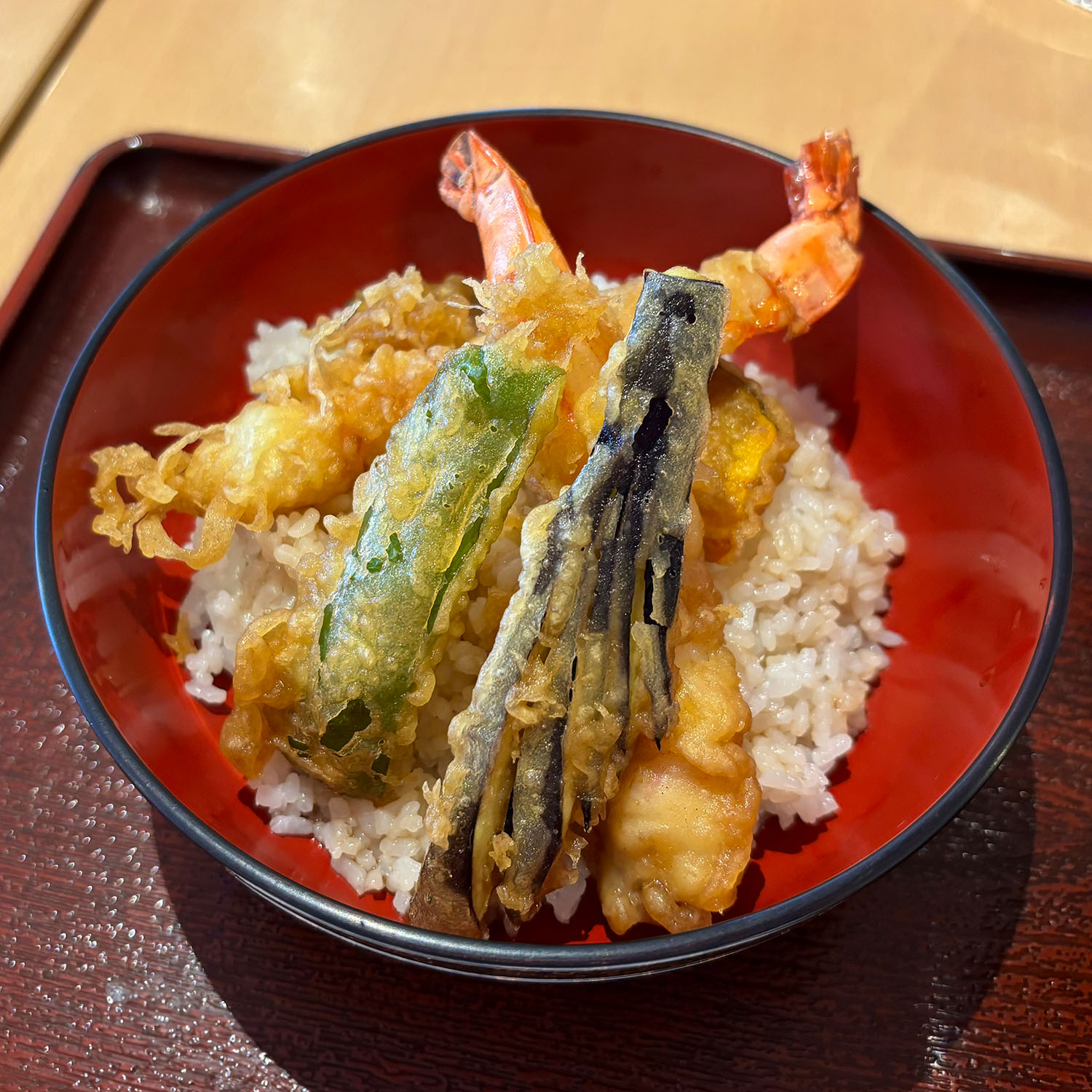
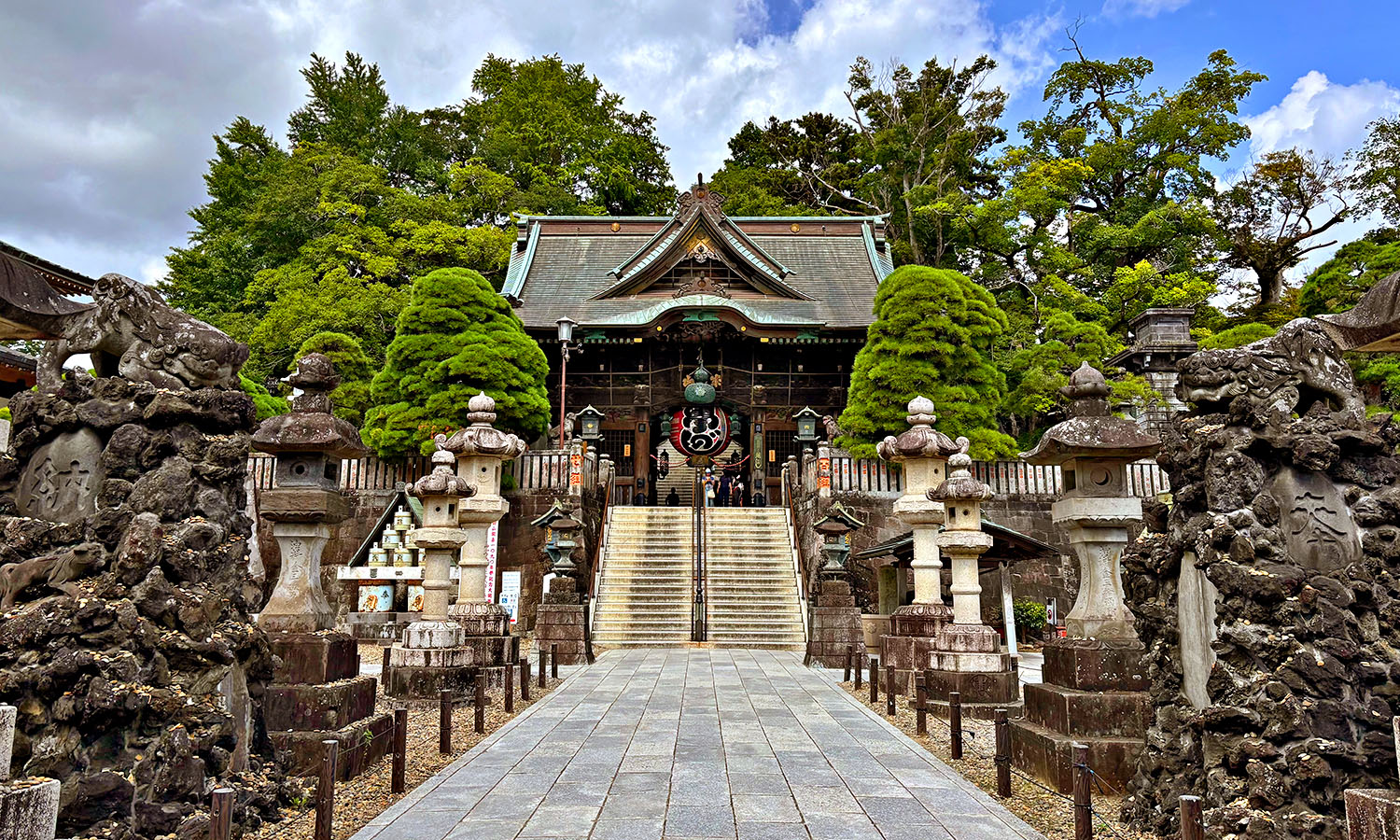
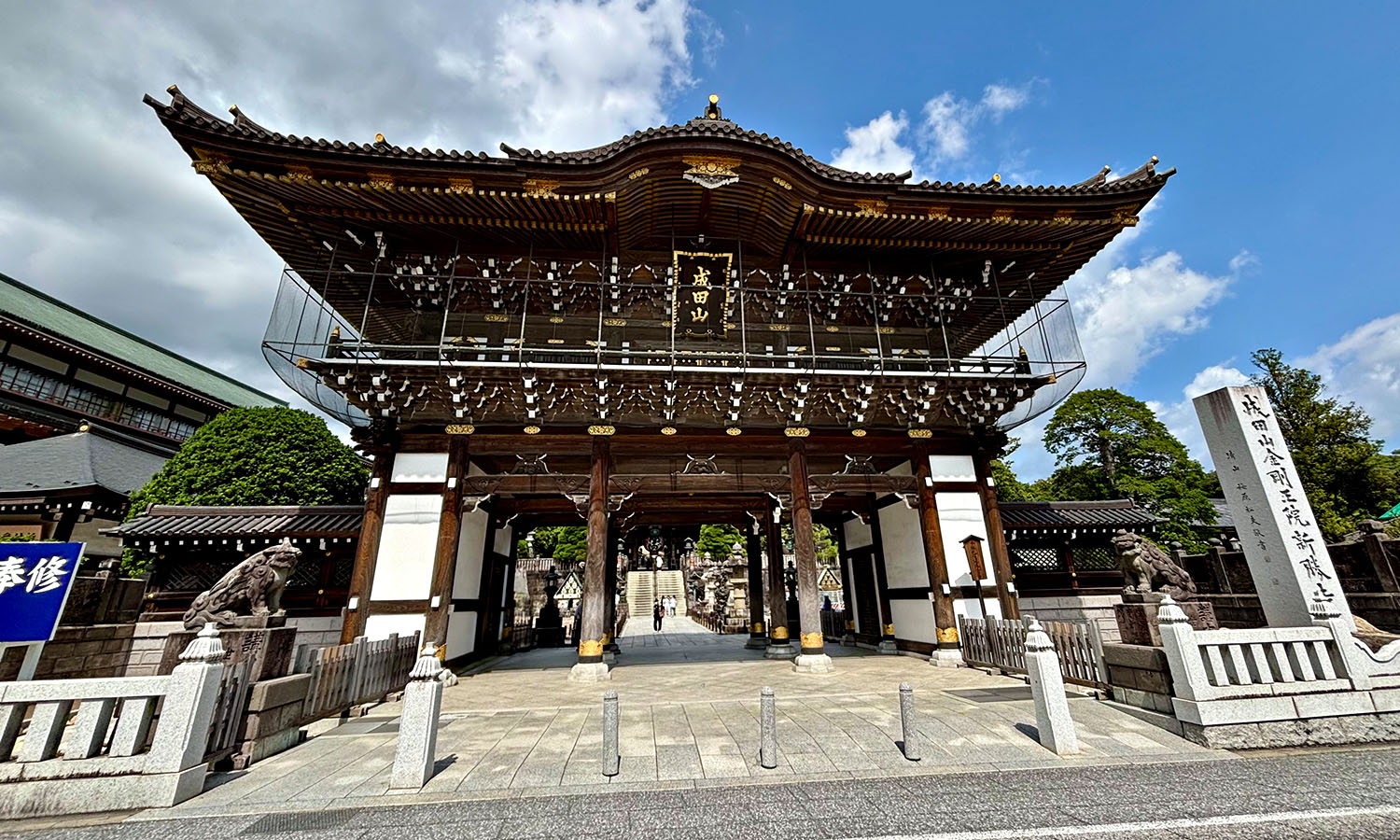
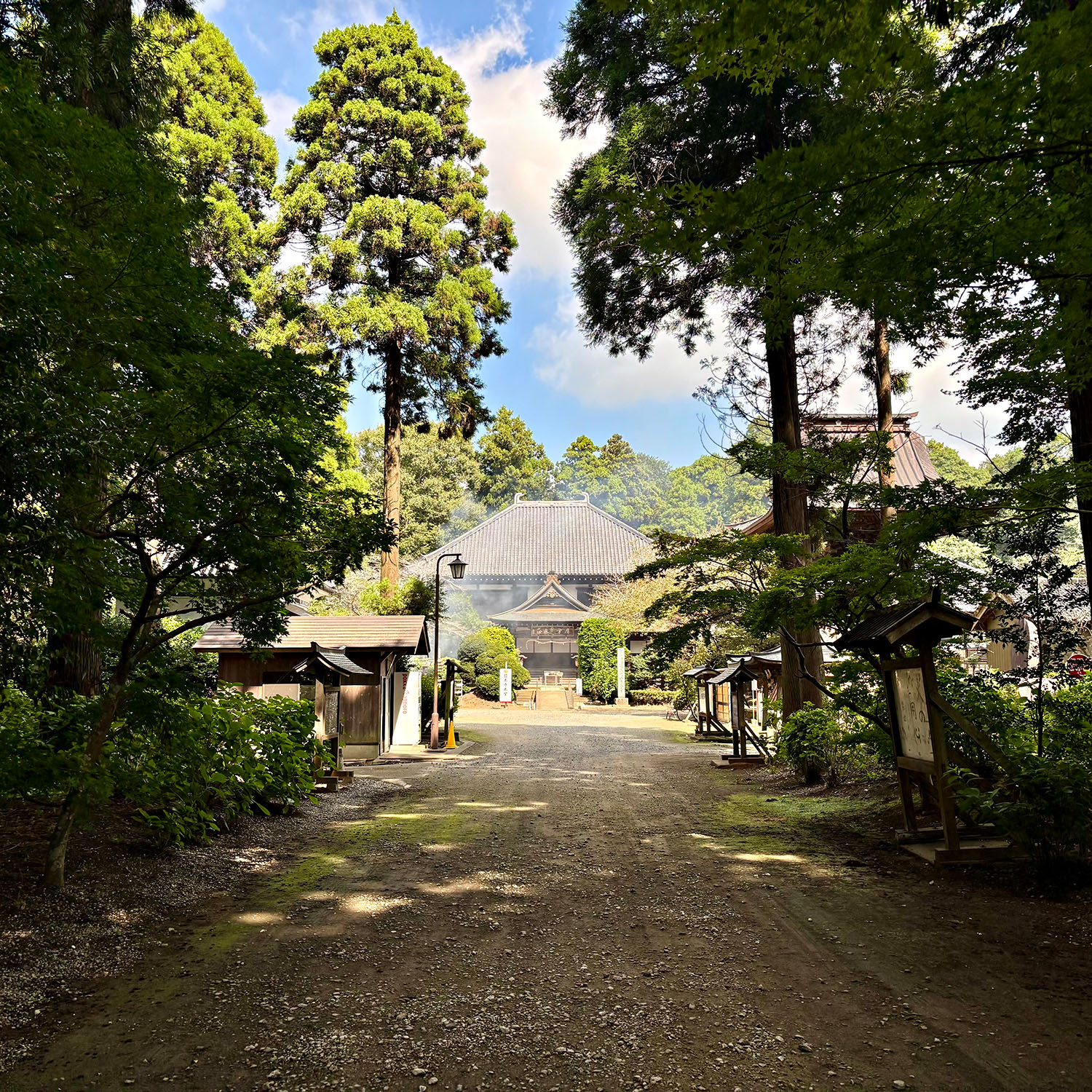
Fuelled by a bowl of vegetable tempura on rice instead, we wandered up to Naritasan Shinsho-ji Temple, the city’s crown jewel and a thousand-year-old Buddhist complex. The entrance gate is enormous, a structure that makes you instinctively straighten your spine as you pass beneath it.
Beyond that, the grounds unfold in a series of pagodas, gardens, and incense-heavy halls that feel both grand and strangely calming. Even if you’re not usually a temple-goer, this place is something else. We wandered through manicured gardens, watched koi the size of small house cats glide through ponds, and stood in front of ancient wooden halls, wondering how many travellers had paused here before us.
At this point, most people would head back to the airport, satisfied that they’d had a quick-fire intro to Japanese culture. But if you can stretch your stopover, the countryside around Narita offers even more.
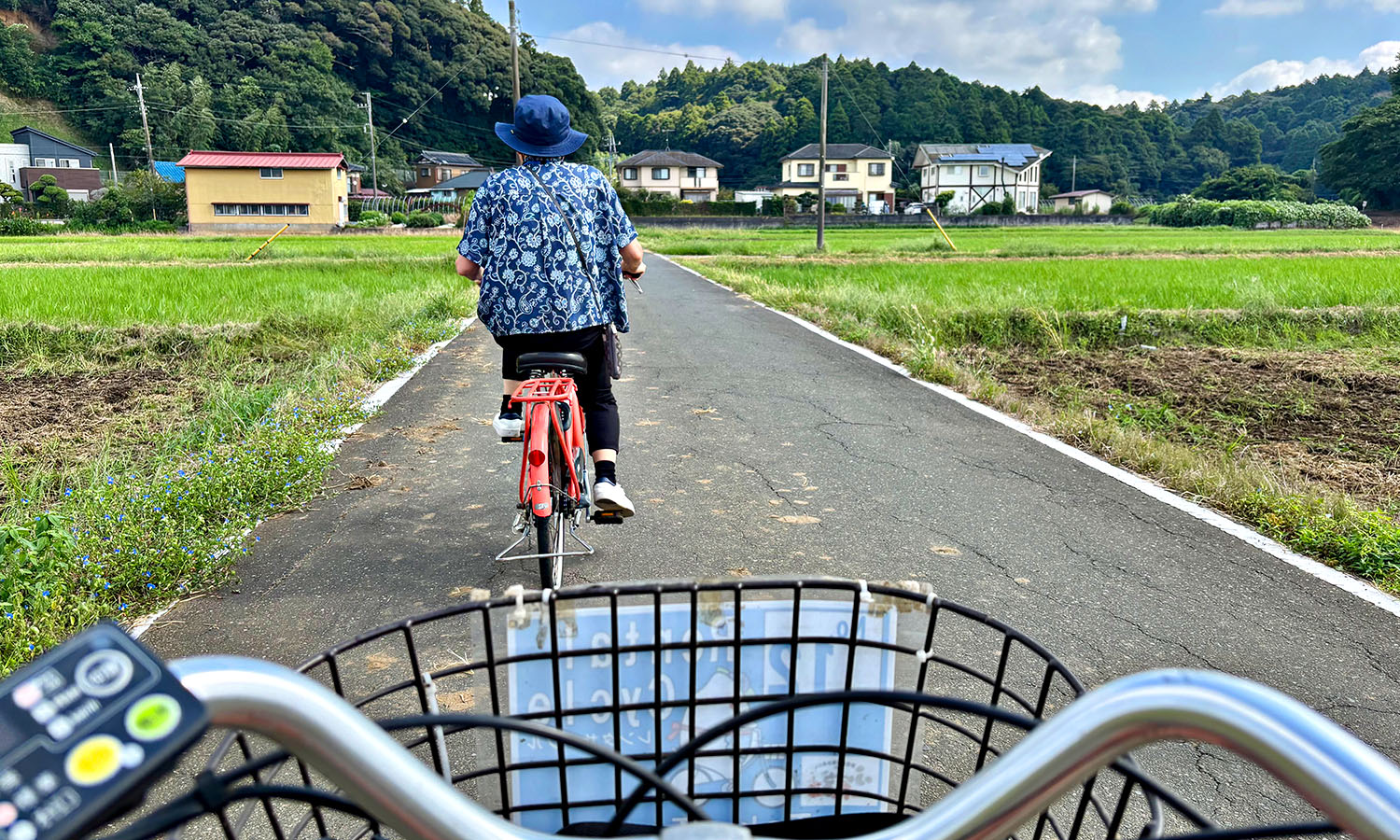
We stopped at Tako (located in the Chiba prefecture), about half an hour away, for a cycling tour. Now, I’m not usually a fan of group rides – too much Lycra, too many competitive dads – but this was different.
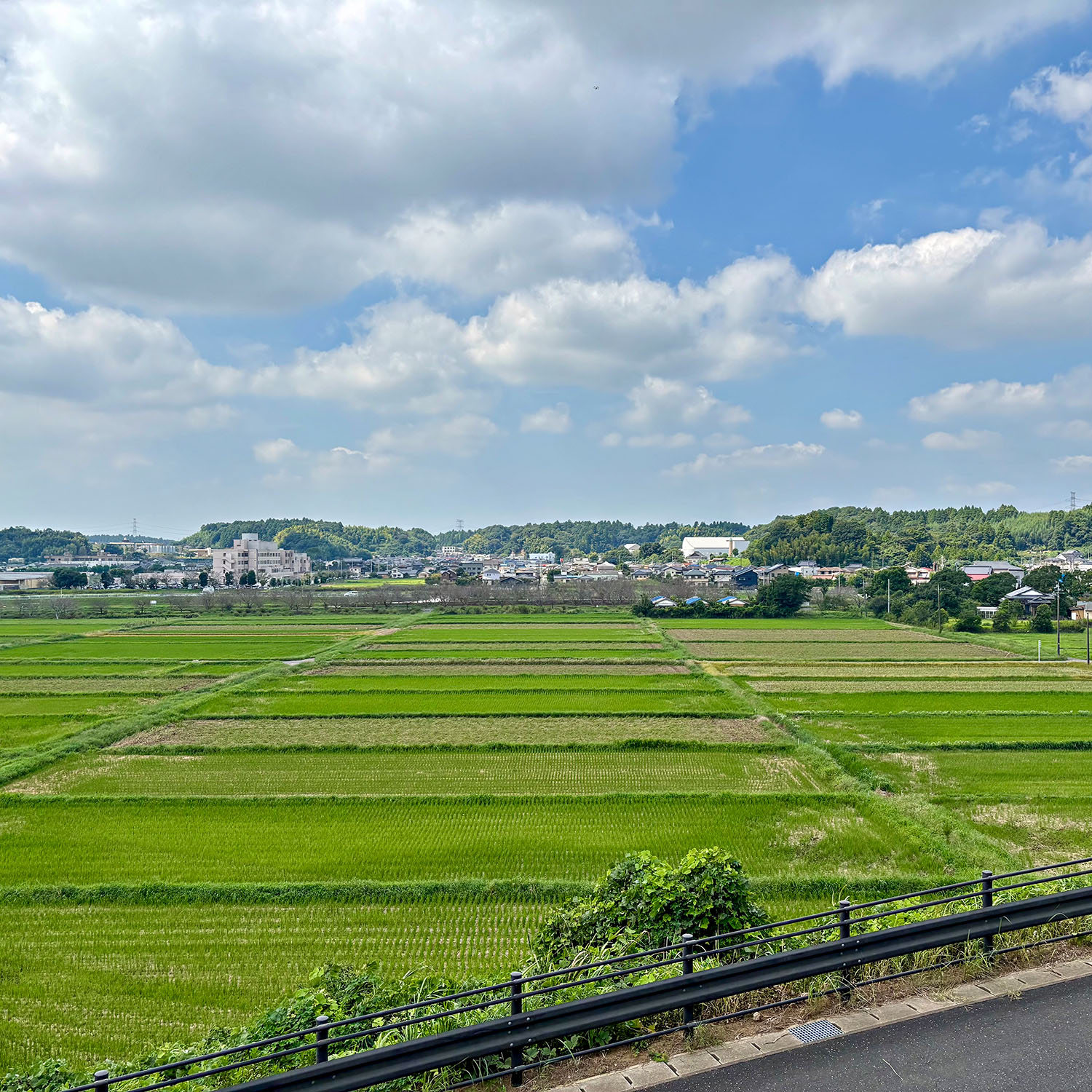
We pedalled gently past rice fields and wandered around a peaceful (and completely empty) shrine. The air smelled clean and earthy, the fields glowed green, and there was enough time to actually take it all in without gasping for breath. But that might have been because the bikes were electric.
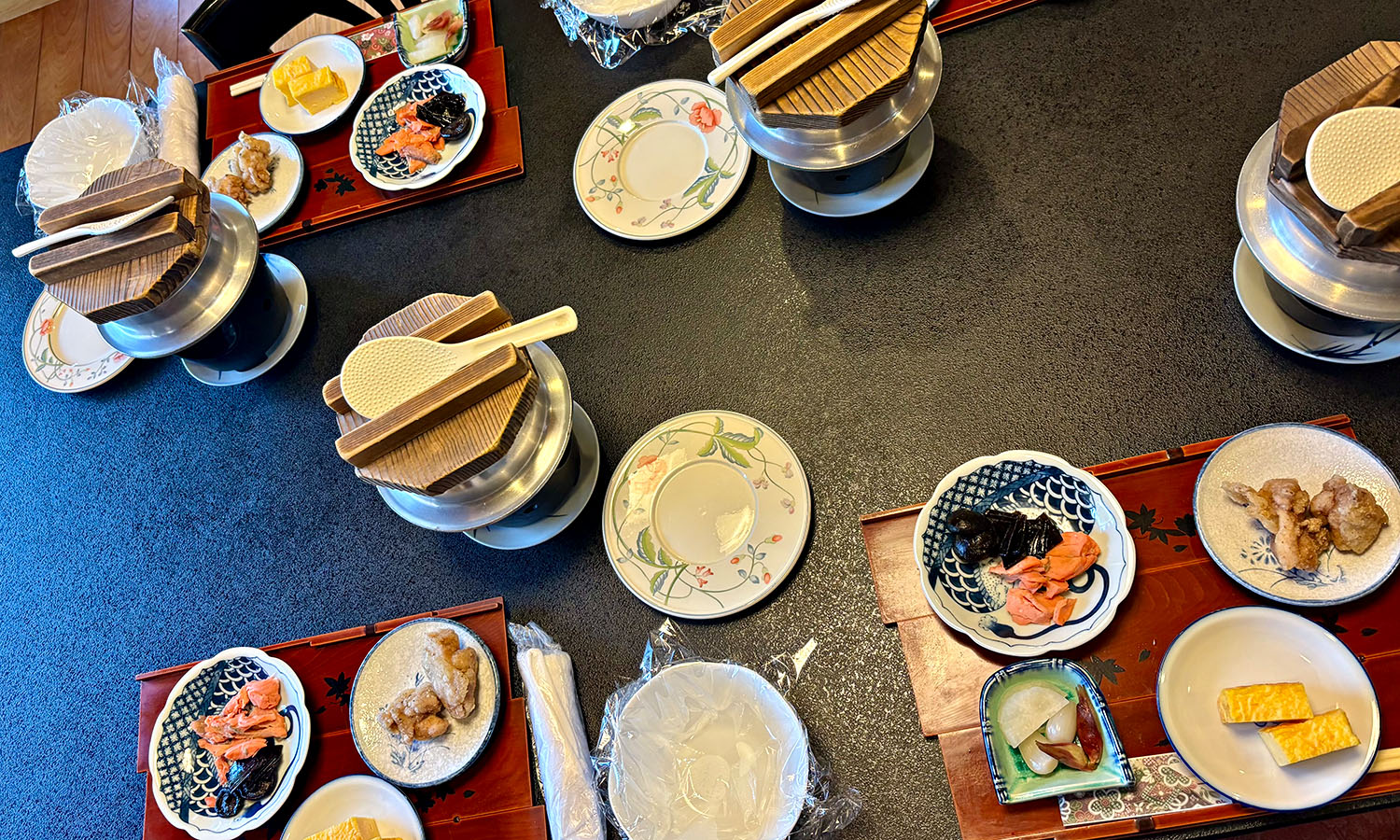
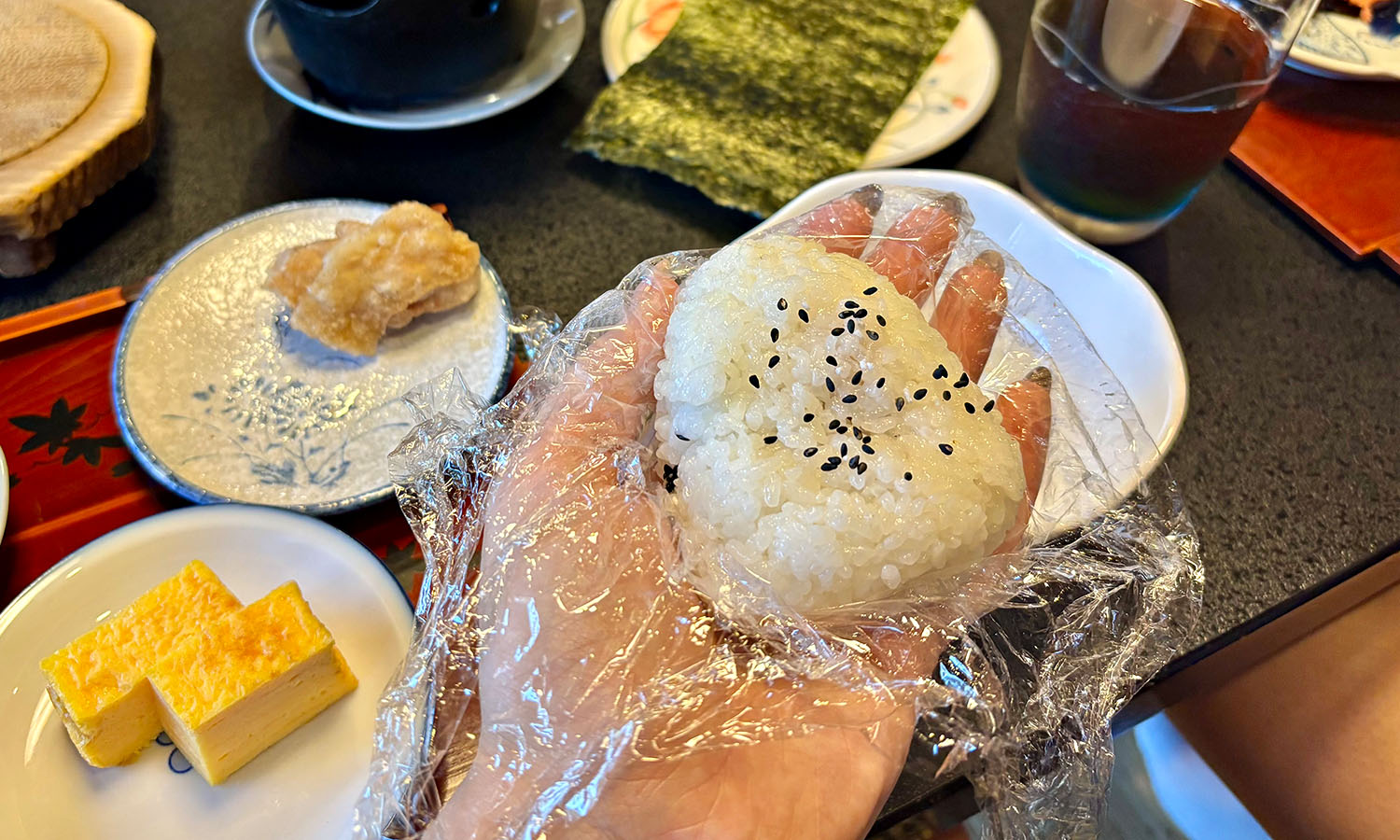
And because rice deserves more than just admiration from the saddle, we ended up at Masugataya Ryokan, a traditional inn that runs onigiri-making classes. Onigiri, for the uninitiated, are Japan’s iconic rice balls: simple, triangular parcels wrapped in seaweed and stuffed with everything from salmon to fried chicken.
How hard could they be? Very, as it turns out. My first attempt stuck to my hands like glue and collapsed into something that looked more like a sad snowball than a rice ball. But with some gentle coaching, I eventually produced something edible. And then, of course, I ate it. And then another. Onigiri are addictive, and learning to make them in a tatami-floored inn, surrounded by sliding paper doors, felt like a travel memory worth bottling.
So, next time you see Narita on your itinerary, don’t roll your eyes and resign yourself to airport purgatory. Step outside. Even if you’ve only got two hours, you can wander Omotesando and sneak a peek at the temple.
Four to six hours, and you can add in eel, maybe a bit of shopping. A full day? Get yourself to Tako and pedal through the countryside before rolling rice balls at Masugataya.
Narita may look like just an airport town from the sky, but on the ground it’s Japan in miniature – compact, fascinating, and far tastier than anything you’ll find in a departure lounge.
Discover WA’s secret coastlines, from stingray hangouts to shell-strewn shores
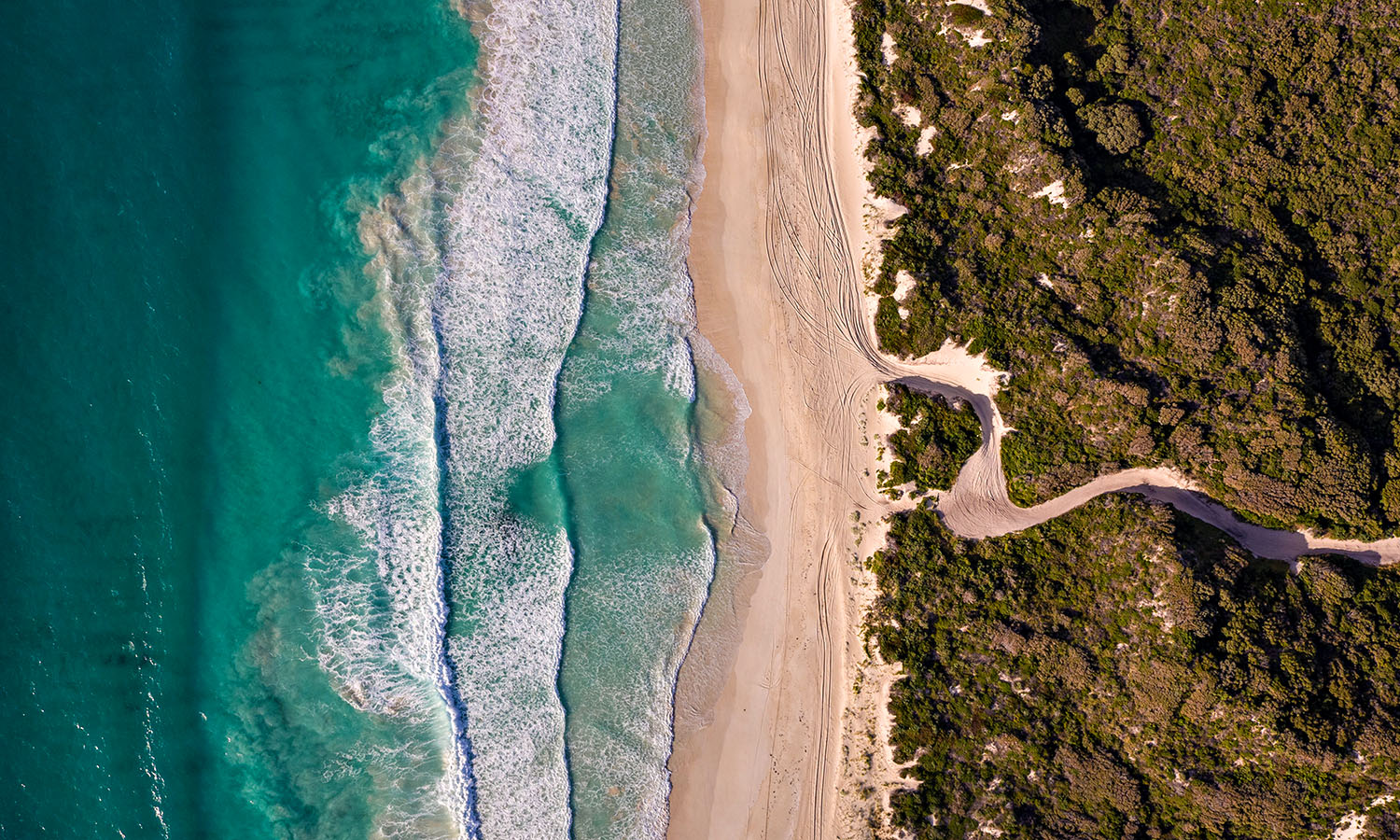
Western Australia has more than 12,000 kilometres of coastline, which is basically a fancy way of saying: there are a lot of beaches. Sure, everyone knows about Cottesloe and Cable Beach, but the best beaches in Western Australia aren’t always the busiest. Hidden bays, shell-strewn stretches, and stingray hangouts are quietly waiting for anyone willing to wander a little further (or at least ChatGPT a little harder).
If you’re searching for the best hidden beaches in WA – spots with turquoise water, wildlife encounters, and scenery that could make even your Instagram filters a non-thing – here’s a roundup that’ll keep your beach towel busy.
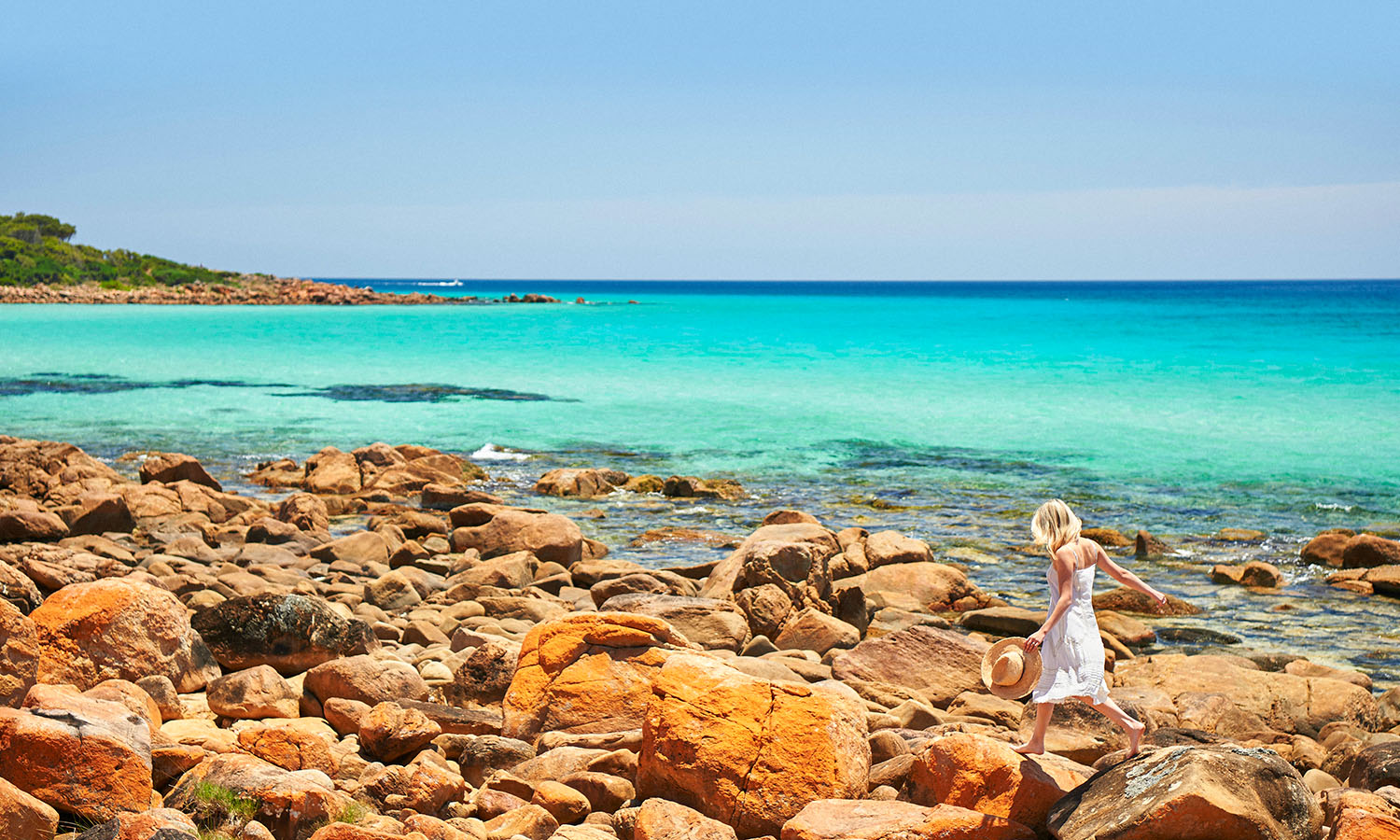
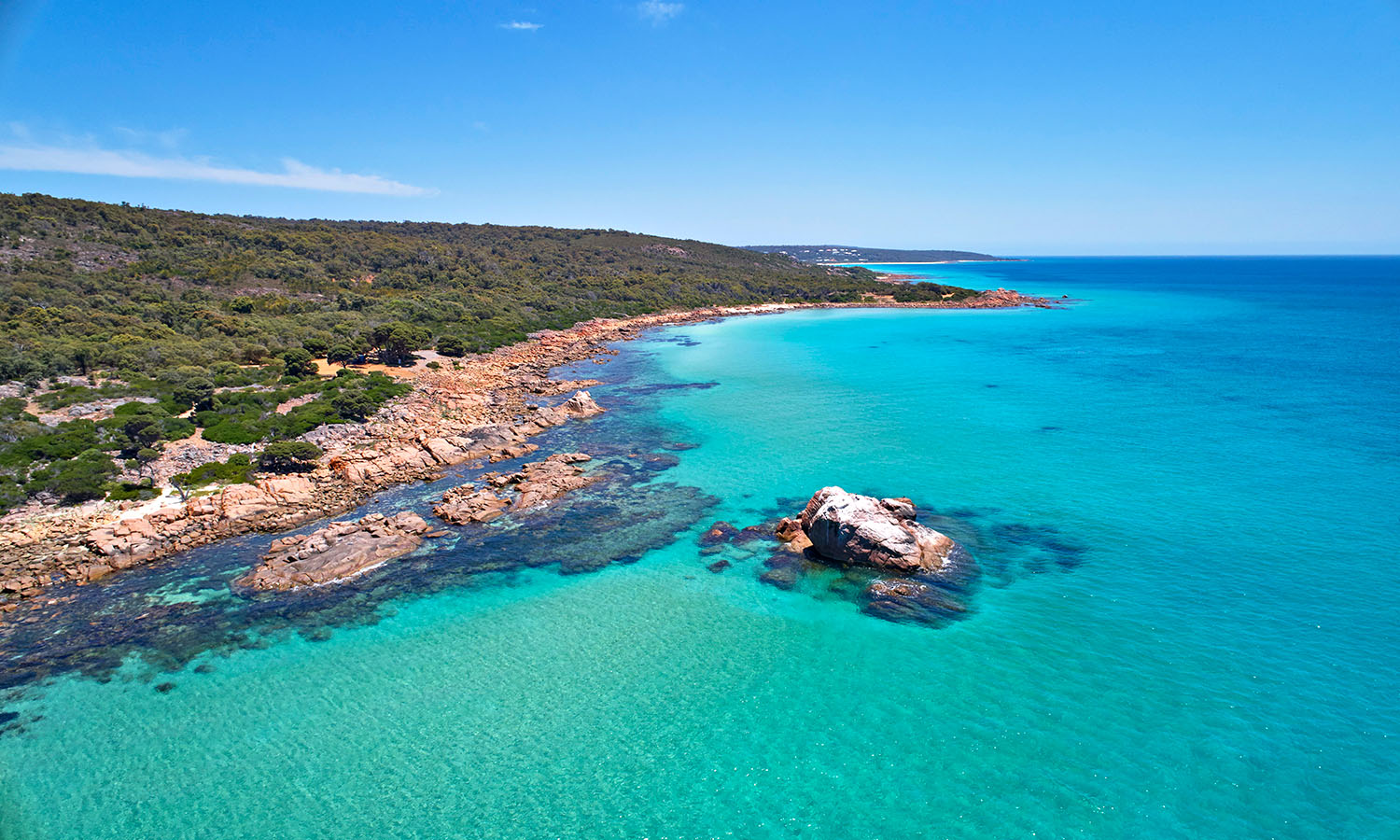
Meelup Beach is one of the most beautiful beaches in Western Australia’s Southwest. Think powdery white sand, calm turquoise water, and bushland bursting with wildflowers in spring. It’s also one of the few north-facing beaches in WA, which means the sun hits it just right all day long. Swim, paddle, picnic, or if you’re lucky, spot migrating humpback whales off the coast.
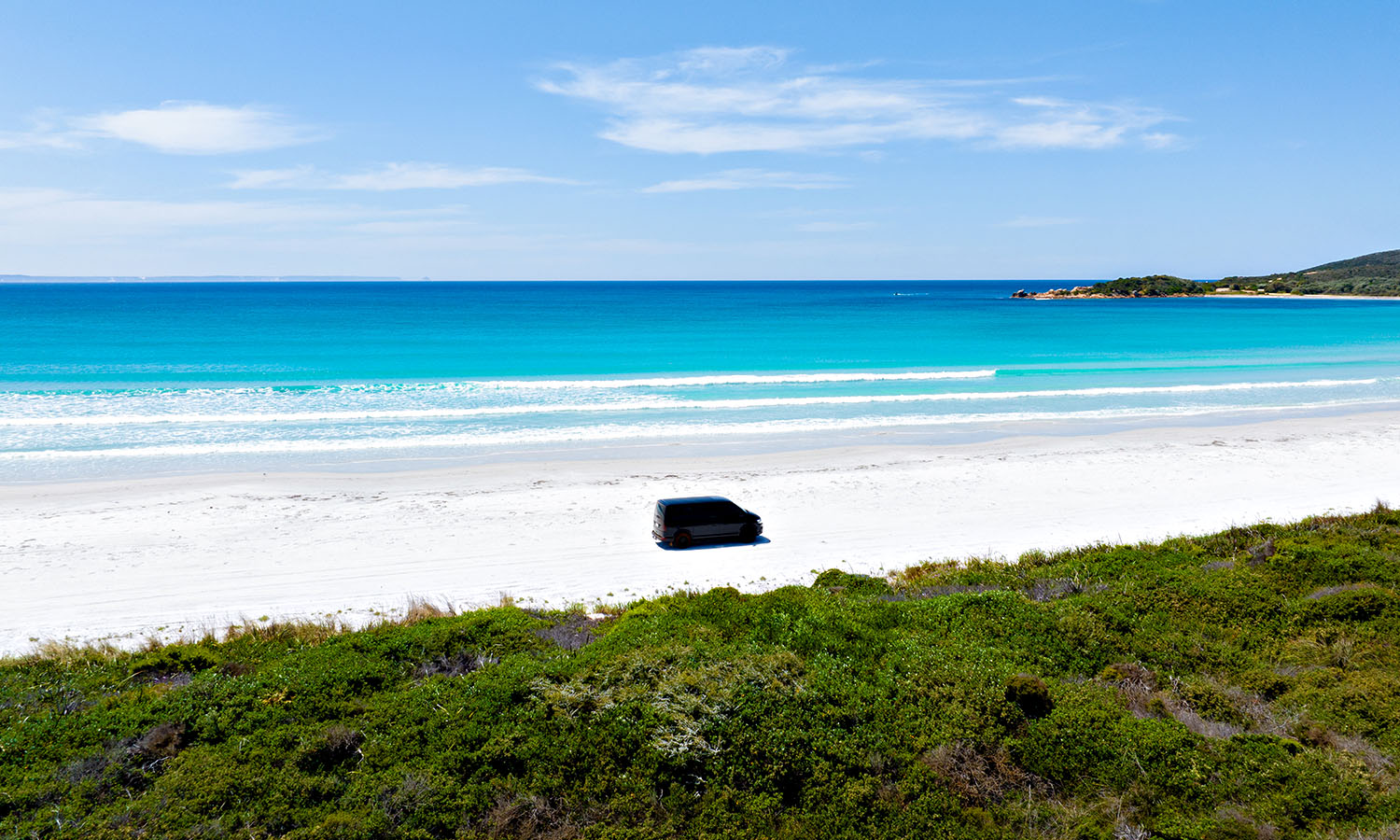
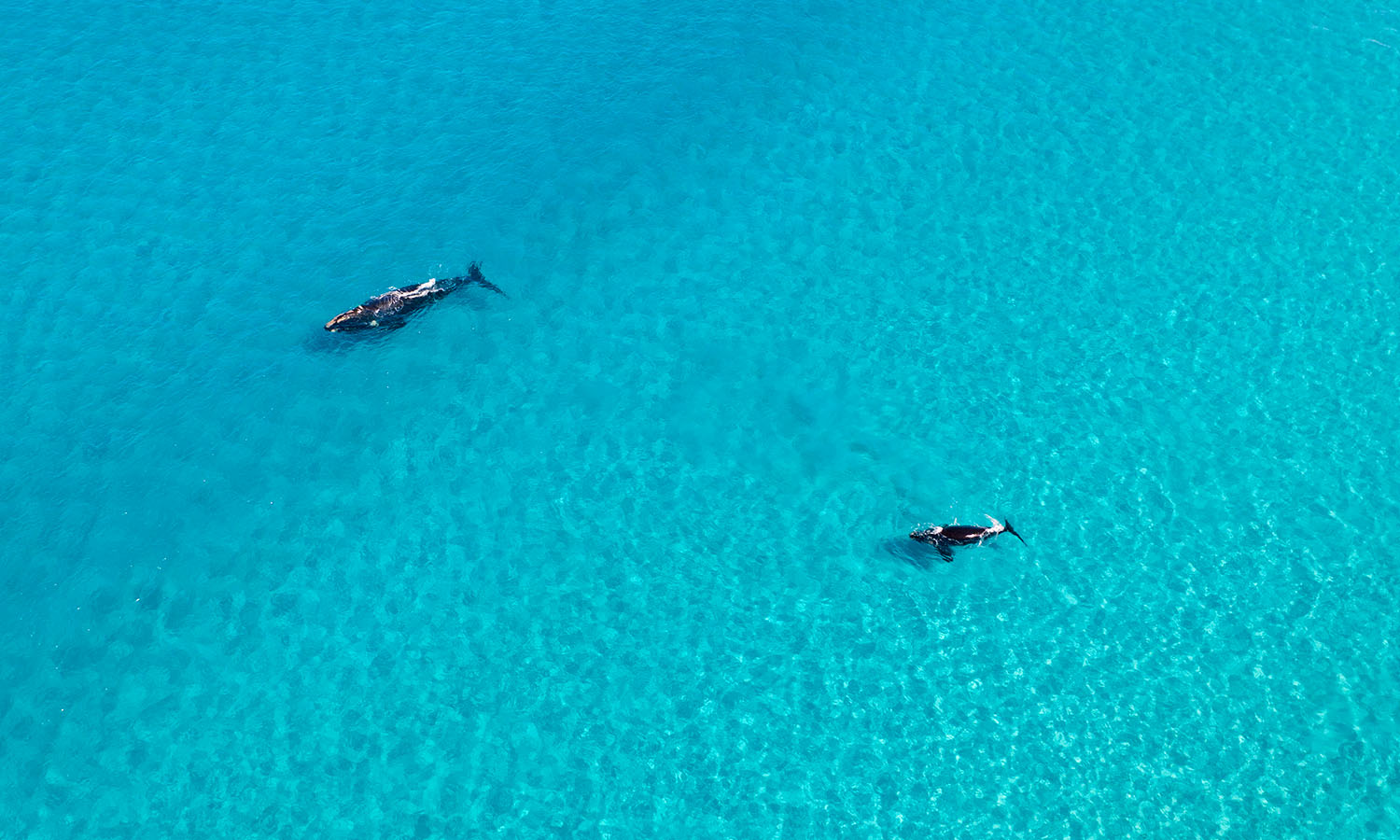
Bremer Bay might be six and a half hours from Perth, but it’s hands down one of the most rewarding coastal adventures in Western Australia. Located near Fitzgerald River National Park, this hidden beach paradise offers surfing, fishing, swimming, and some of the most diverse flora in the state. Between July and October, Bremer Bay is also a hotspot for whale watching, so yes, before you ask, it’s worth packing binoculars alongside your bathers.
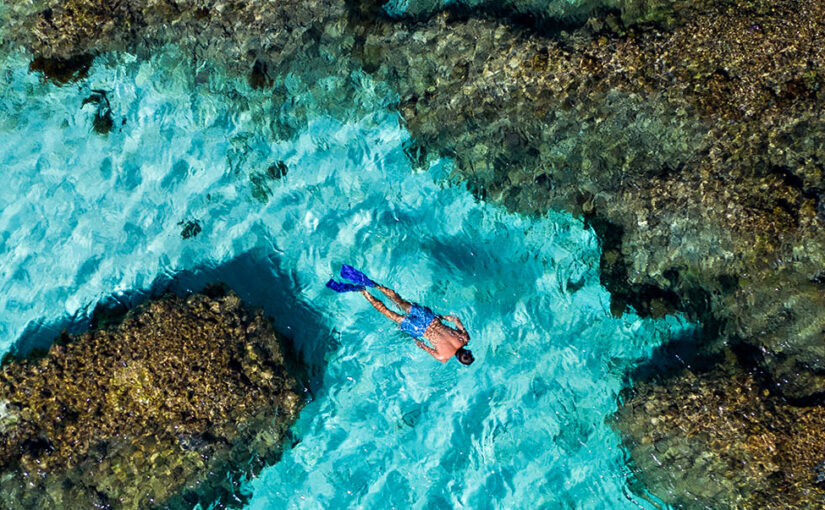
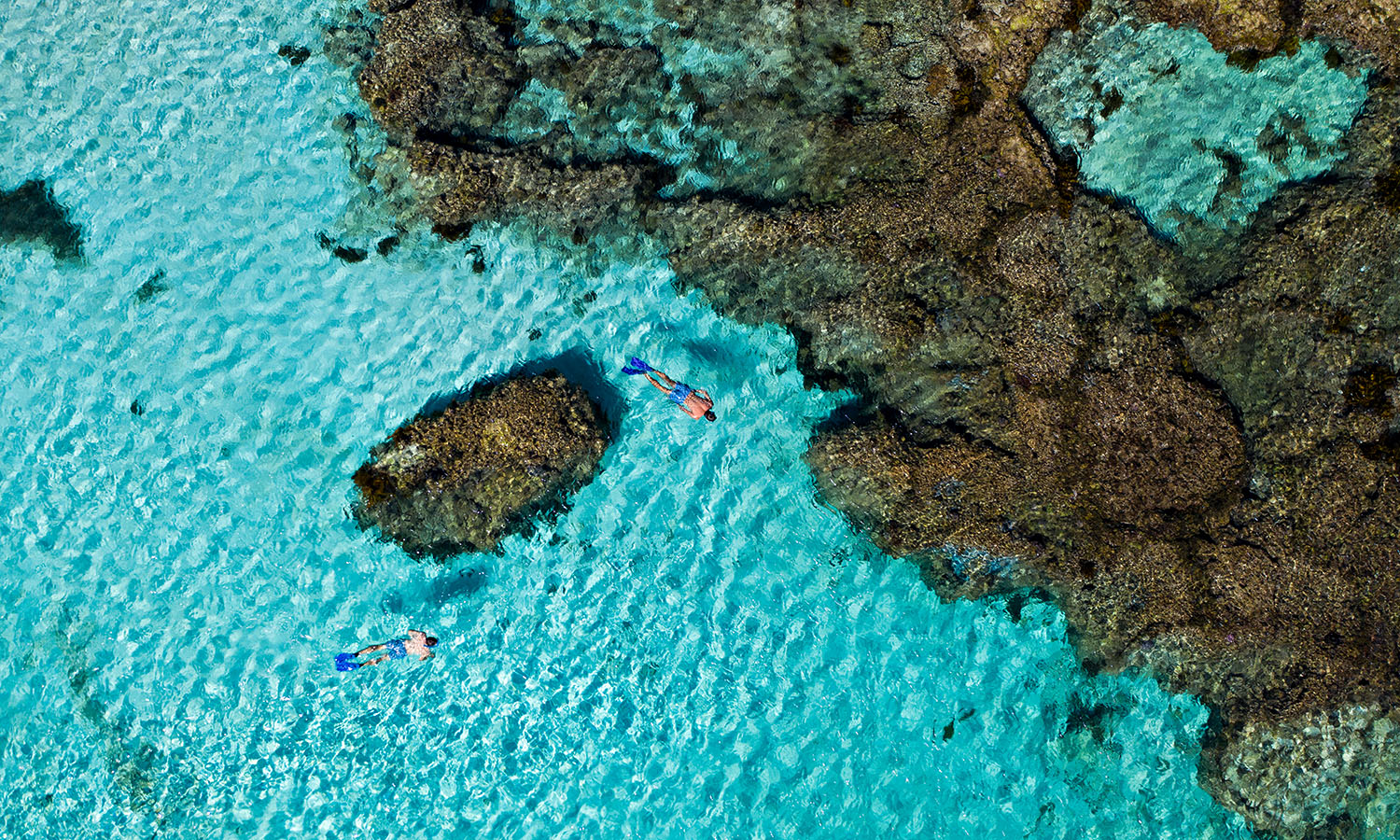
If you’re looking for a beach experience with a side of wildlife, Hamelin Bay is your match. Famous for its friendly stingrays that cruise the shallows, this beach is a magnet for snorkellers and photographers. The underwater scenery boasts colourful fish, plant life, and even old shipwrecks, making it one of the most unique beaches in Western Australia’s Margaret River region.
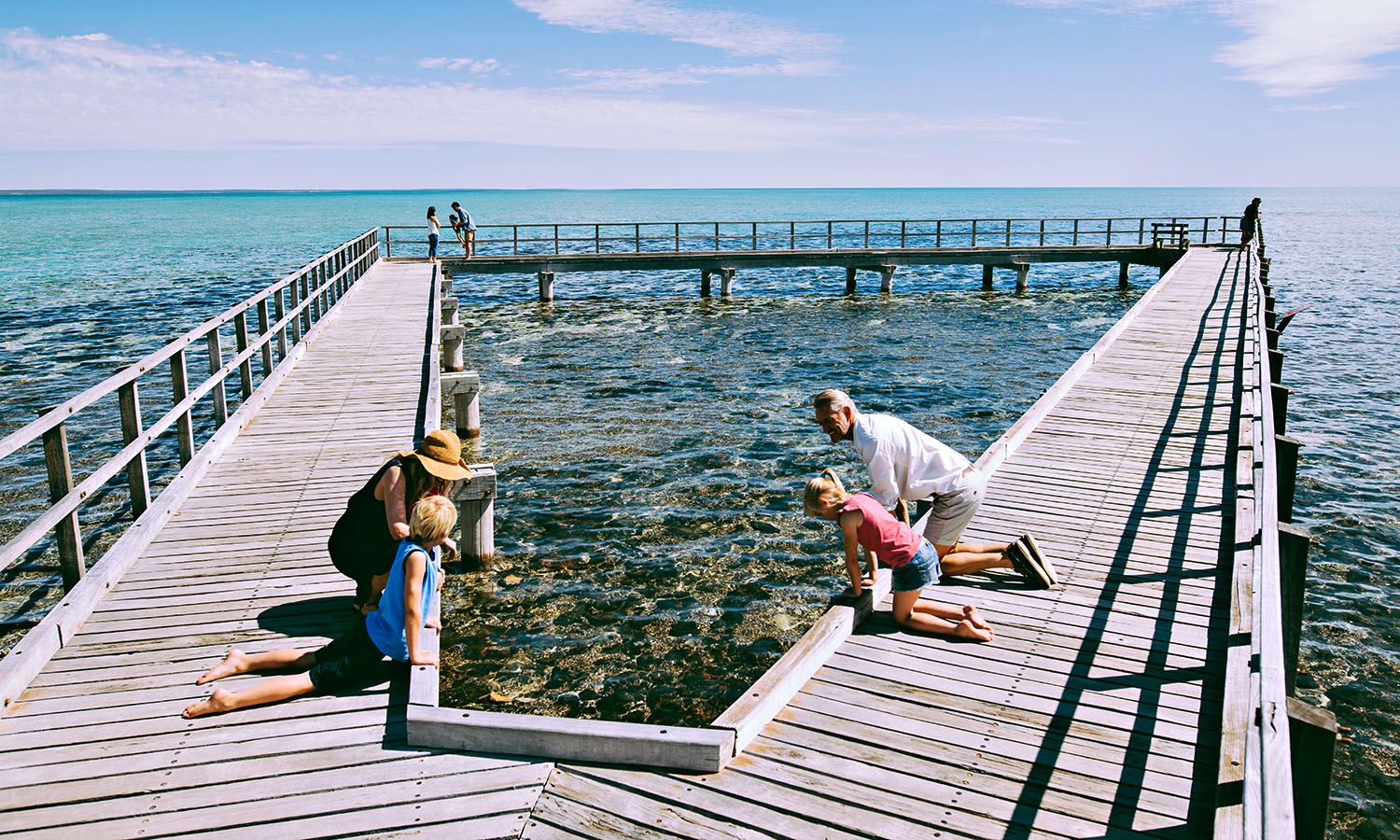
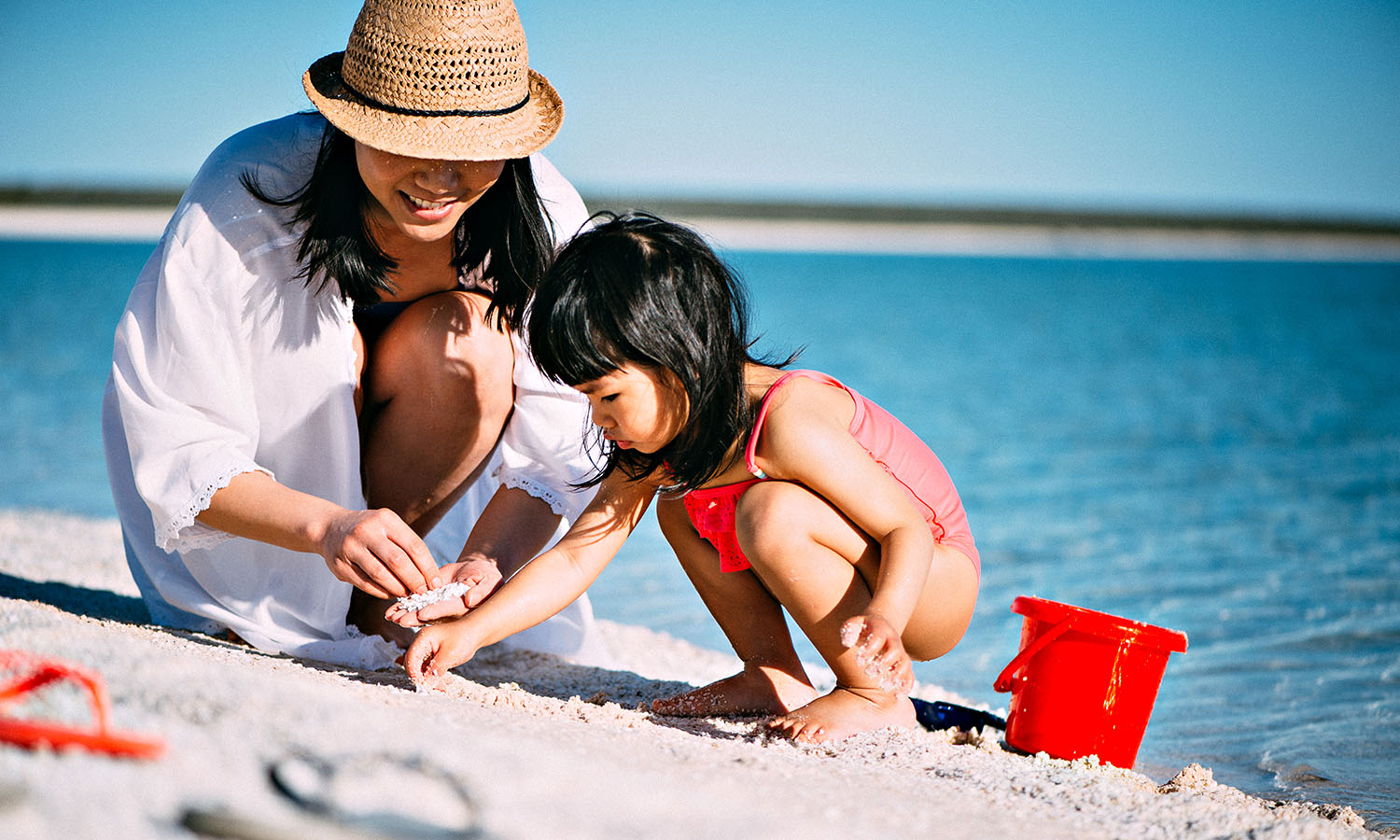
Shell Beach is exactly what it sounds like, except a thousand times better. Stretching over 100 kilometres, this spot in the Shark Bay World Heritage Area is made entirely of tiny shells instead of sand. The water here is incredibly salty, which makes floating effortless, and the crunch of shells underfoot is oddly satisfying. It’s one of only a few beaches in the world like it, which instantly makes it one of WA’s most unique natural wonders.
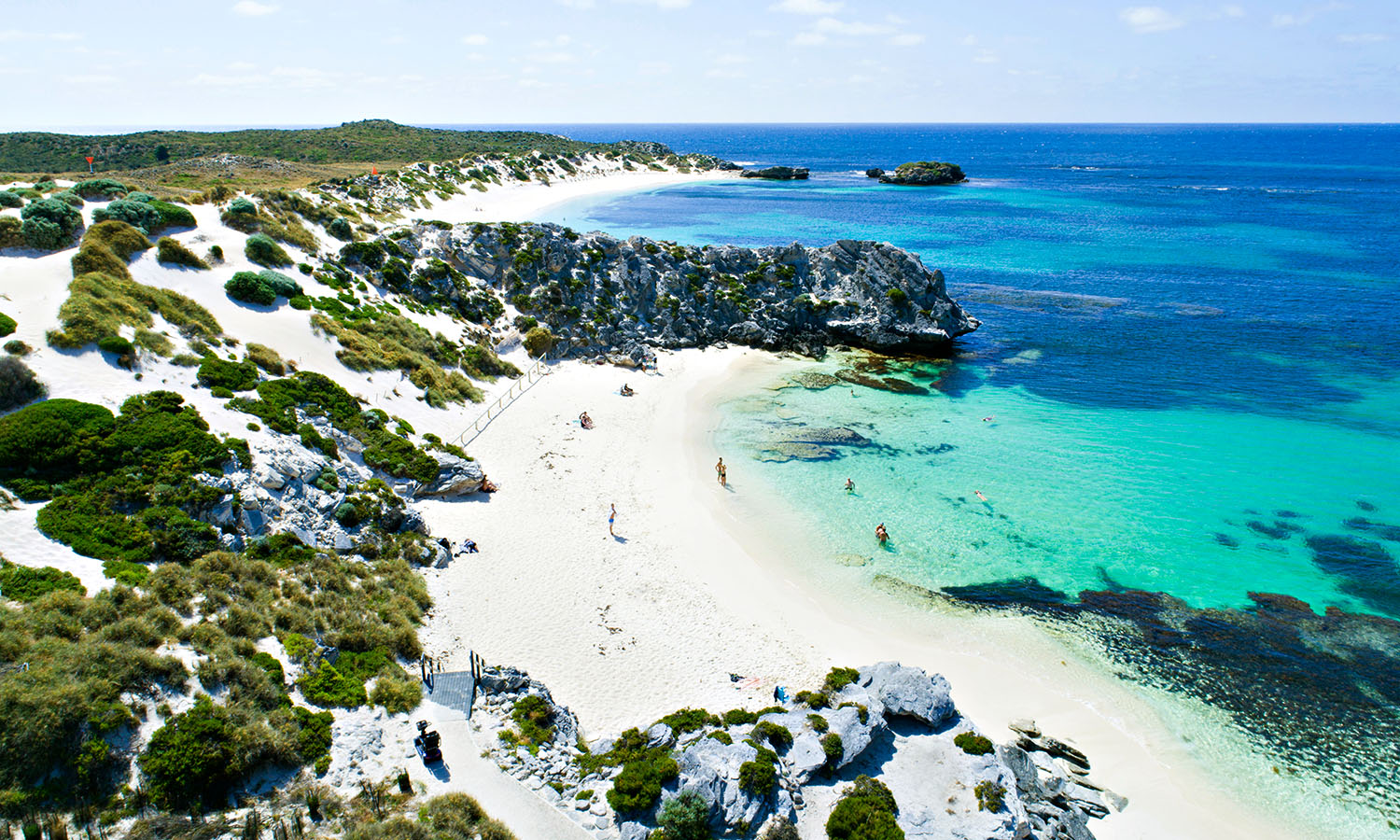
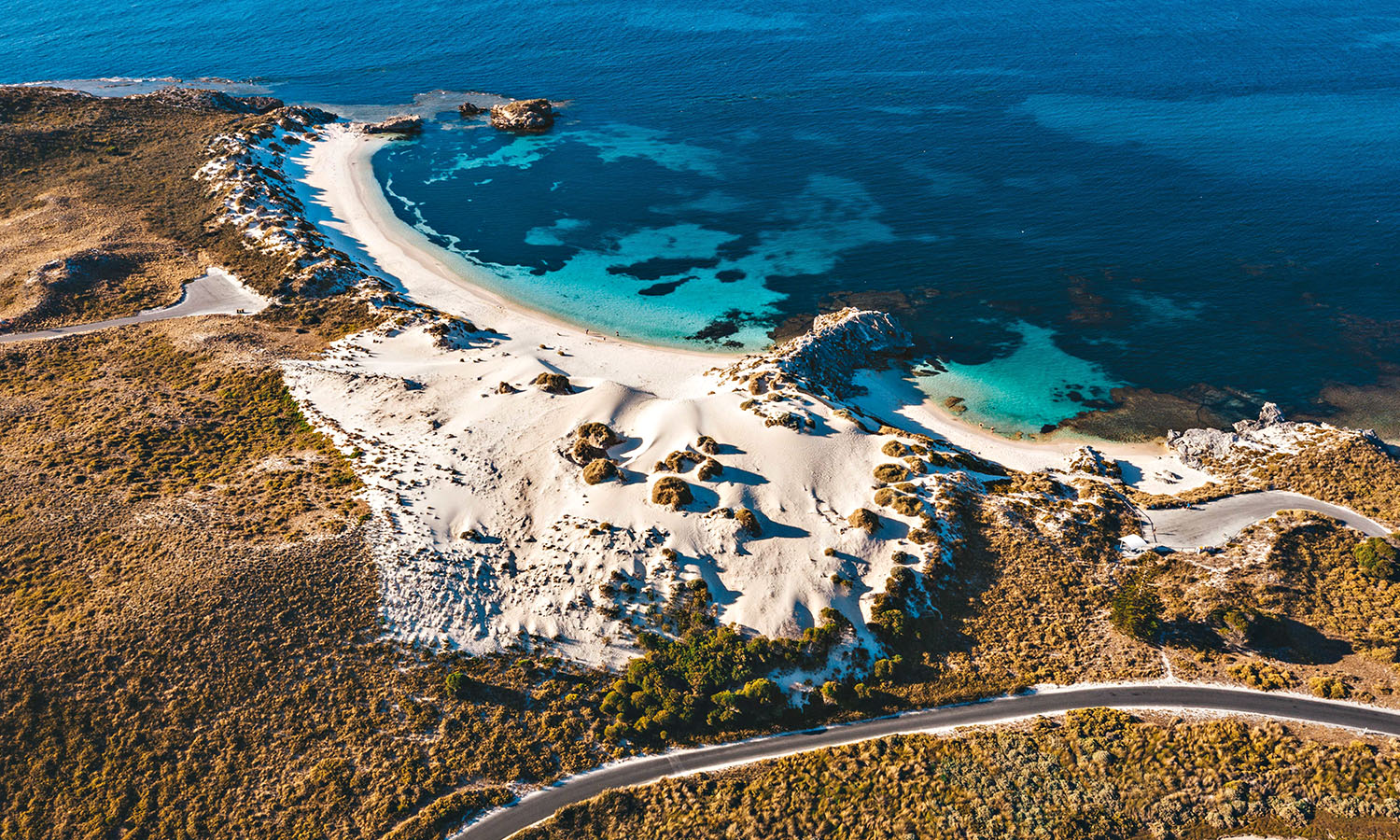
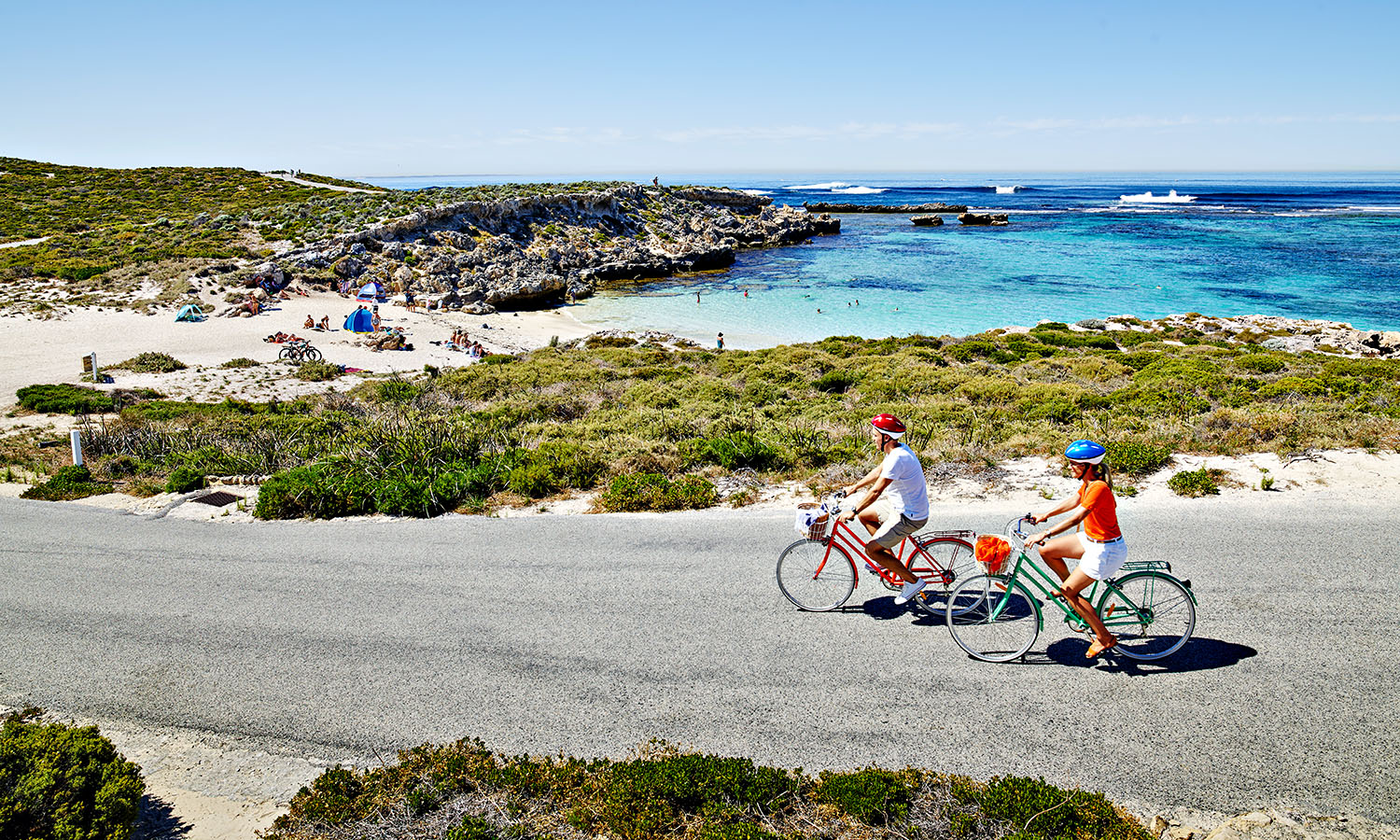
While most visitors to Rottnest Island flock to The Basin or Pinky Beach, those in the know slip over to Little Parakeet Bay. Sheltered by rocky outcrops, this calm bay is perfect for swimming, snorkelling, or simply stretching out on the sand with fewer people around. It’s a quieter alternative to Rottnest’s busier beaches and there’s quokkas (enough said)!!!
Another Rottnest gem, Little Salmon Bay is a snorkeller’s dream. The water is crystal clear, the sand is soft, and beneath the surface you’ll find colourful marine life and coral gardens. It’s small, sheltered, and has all the ingredients of one of the best snorkelling spots in Western Australia.
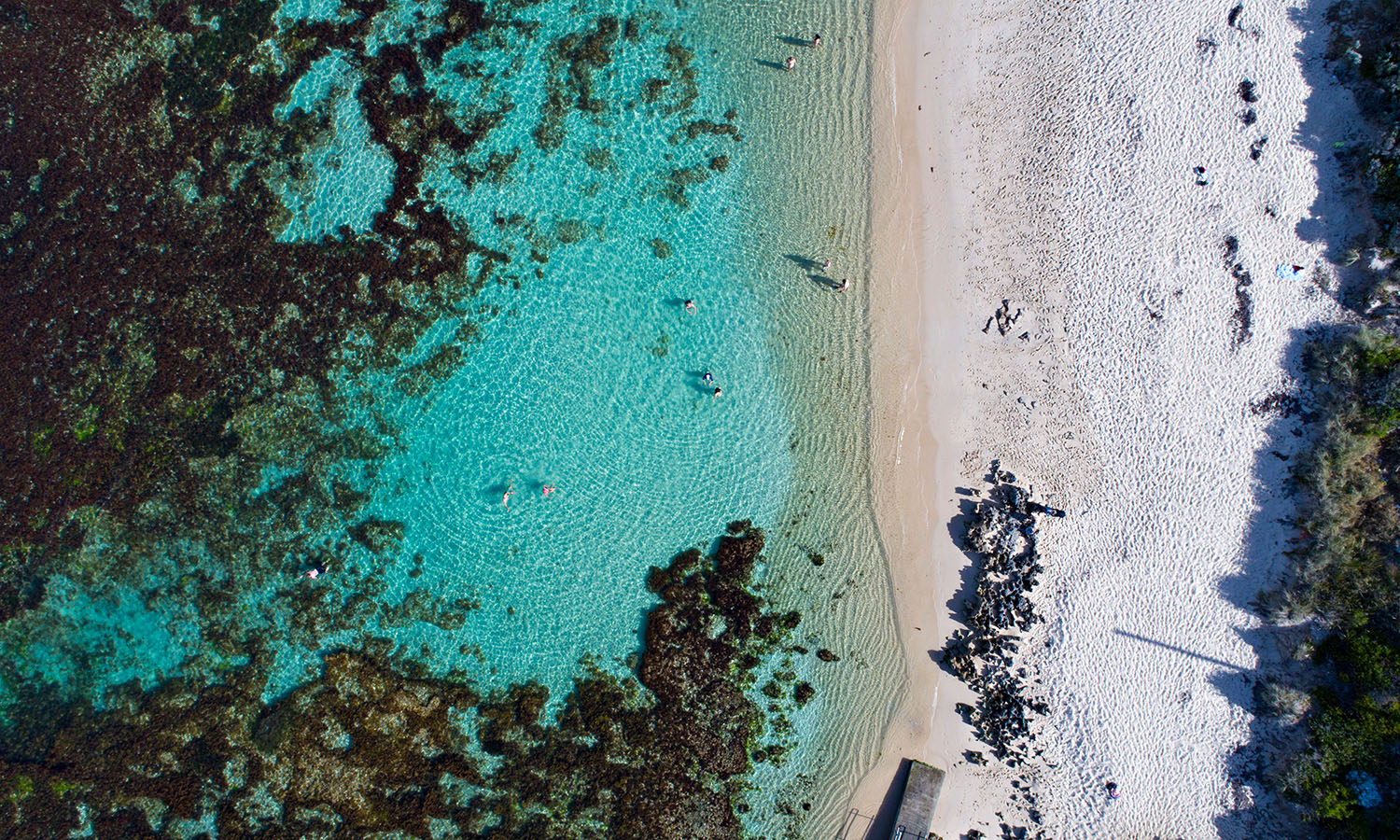
Just a short drive from Perth CBD, Mettams Pool is proof that you don’t have to travel far to find one of WA’s best swimming spots. This natural rock pool is protected by reefs, making the water calm and shallow, perfect for families and beginner snorkellers. Early mornings and weekdays are best if you want the place (almost) to yourself.
8. Little Beach, Nanarup (Two Peoples Bay Nature Reserve)
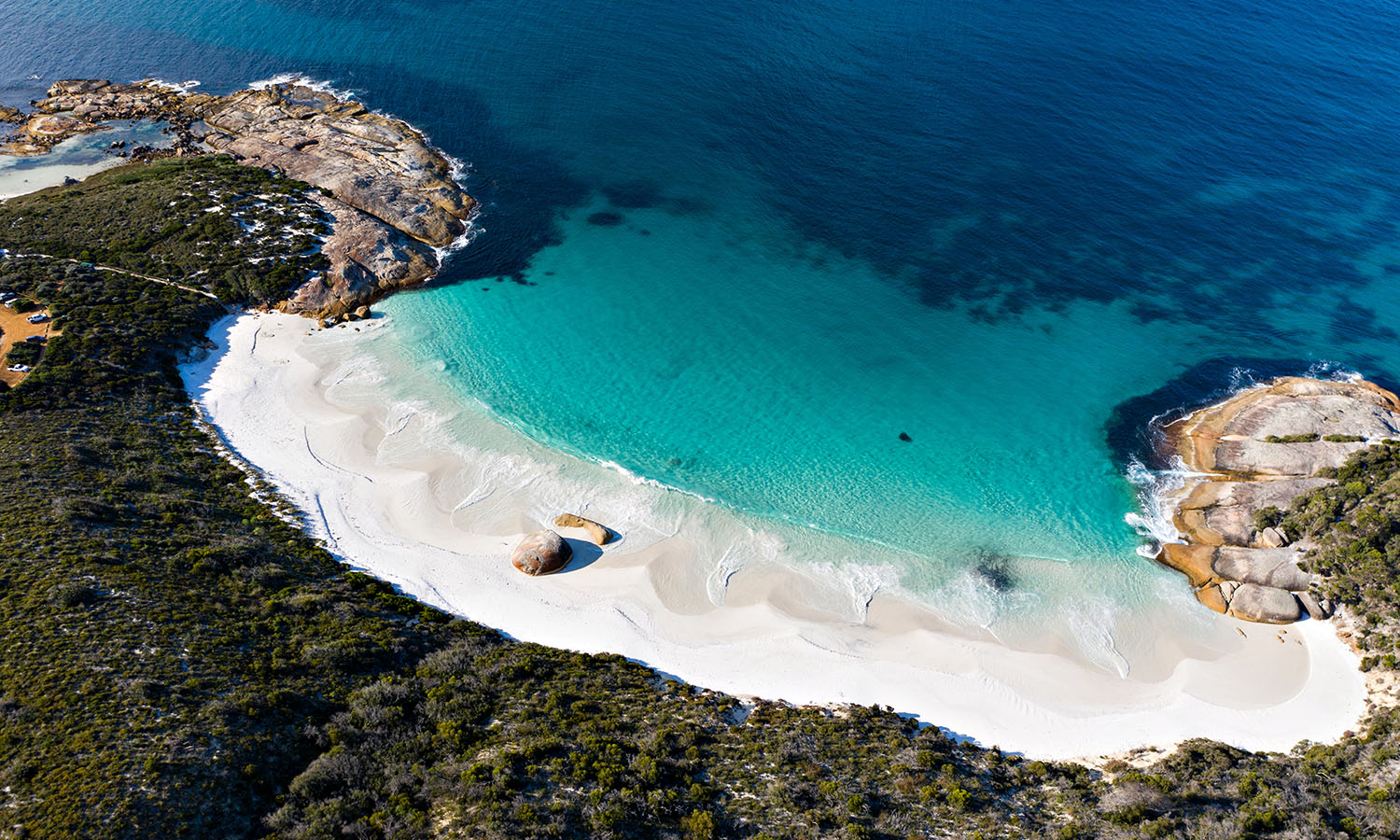
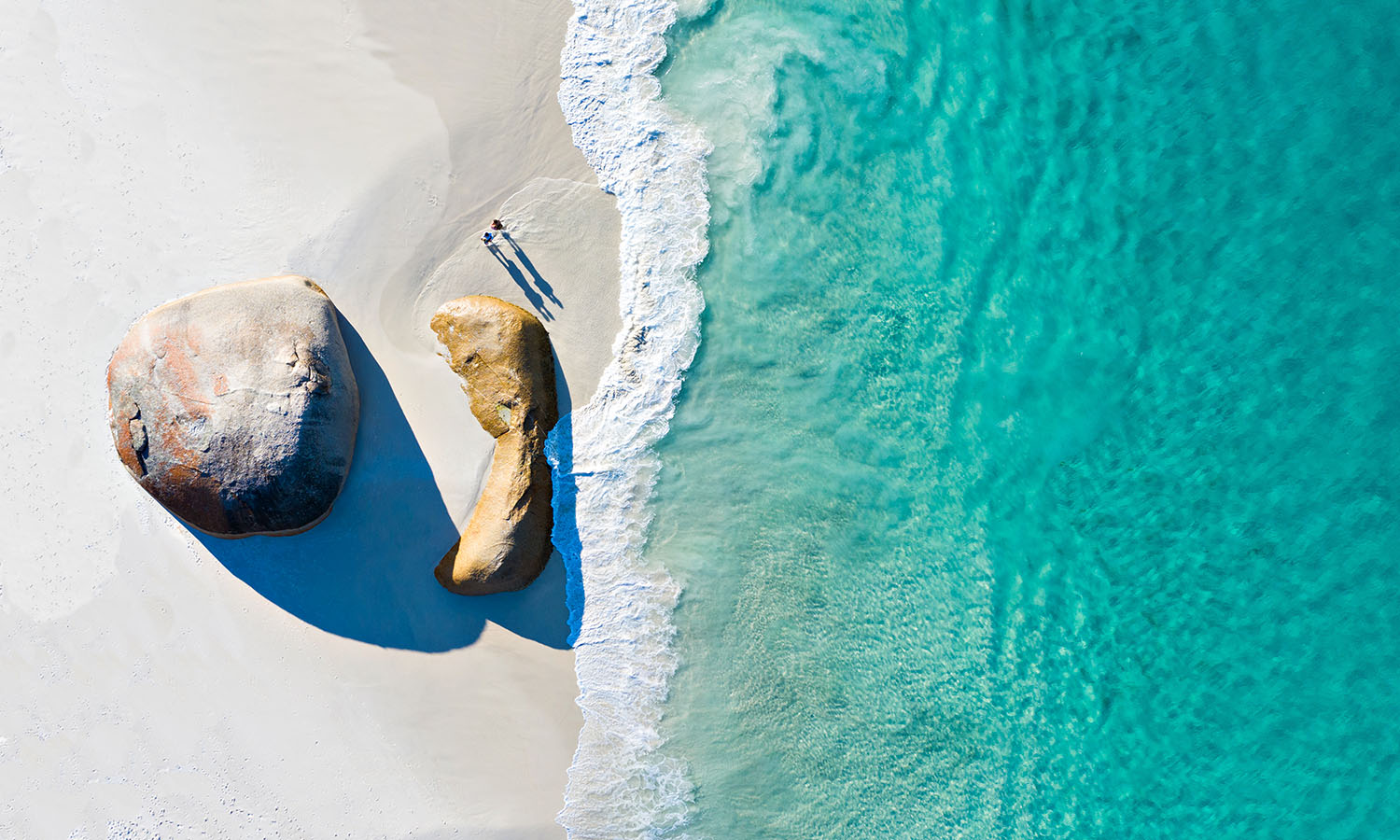
Little Beach near Albany is the kind of place that travel brochures dream about. Turquoise water, pure white sand, and massive granite boulders that look like they’ve been strategically placed by an overachieving landscape designer. The surrounding Two Peoples Bay Nature Reserve also offers walking trails with sweeping views, making it a must-visit for anyone exploring WA’s south coast.
From stingray encounters at Hamelin Bay to shell-covered shores in Shark Bay and the snorkel-friendly bays of Rottnest Island, Western Australia’s hidden beaches are as diverse as they are beautiful. Whether you’re based in Perth, road-tripping the Southwest, or venturing north, these secret coastal gems are proof that WA isn’t just big, it’s endlessly spectacular.
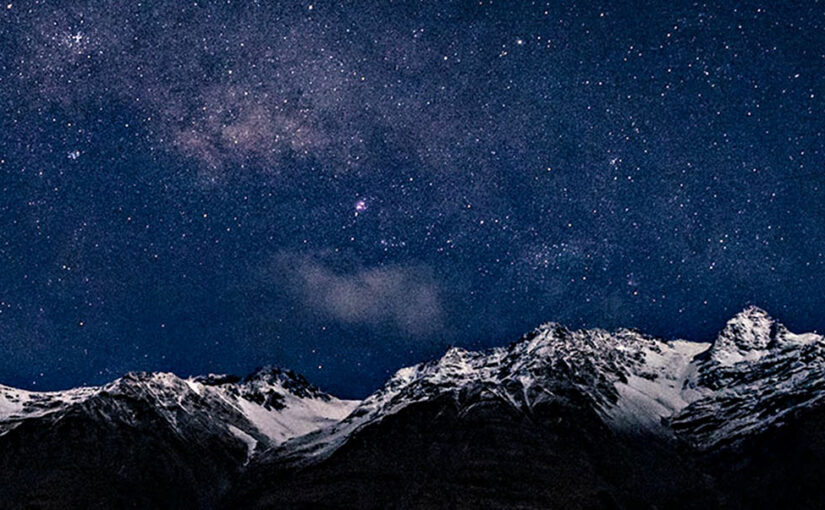
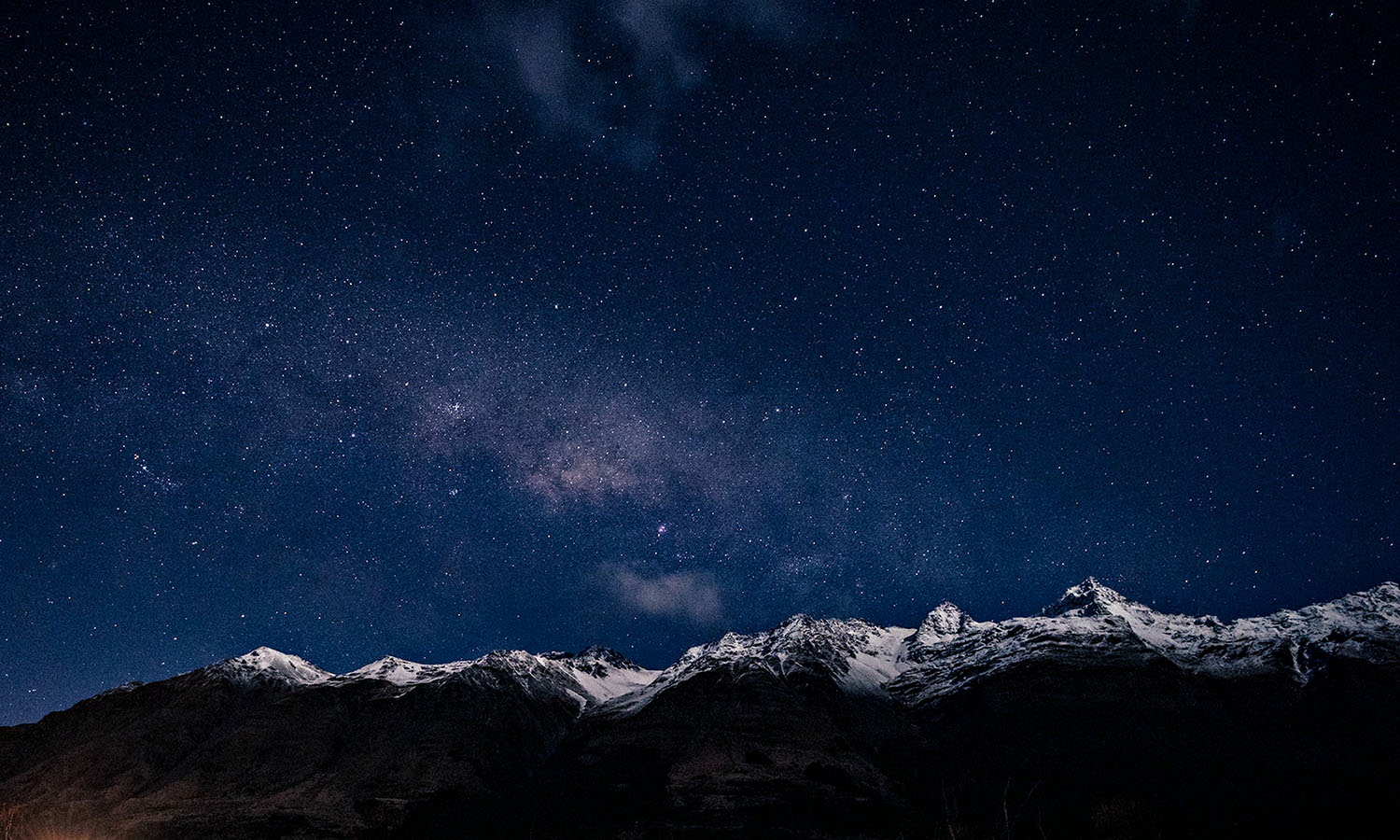
Yep, astrotourism is booming, and it turns out the best place to indulge your inner galaxy geek is just across the ditch. The Kiwis have turned their absurdly clear skies into a tourism industry, mixing science, Māori star lore, hot chocolate, and the kind of luxury eco-lodges that make you feel guilty for ever booking a chain hotel.
Here’s where to bed down, look up, and lose yourself in the cosmos.
Tekapo’s Dark Sky Project – The OG Stargazer’s Playground
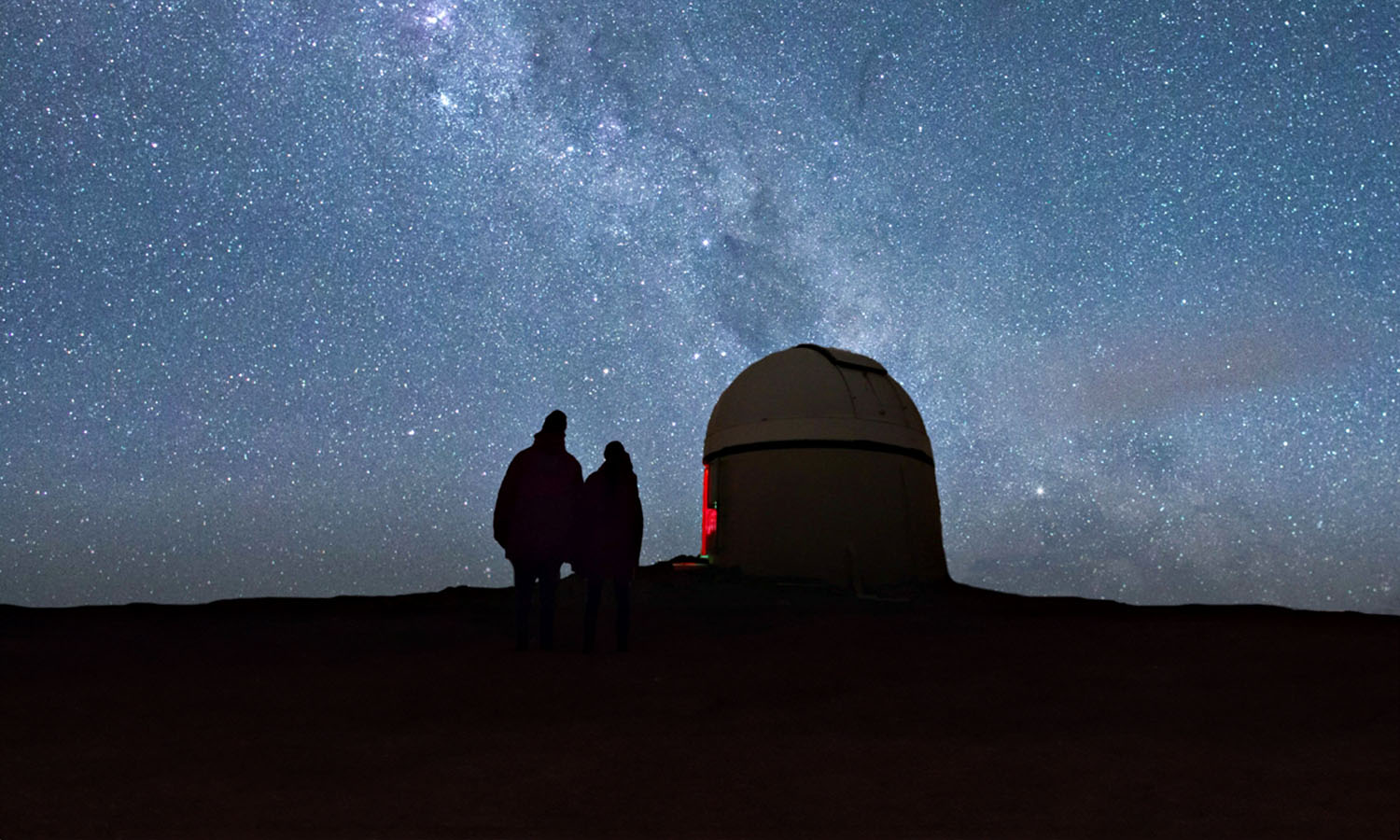
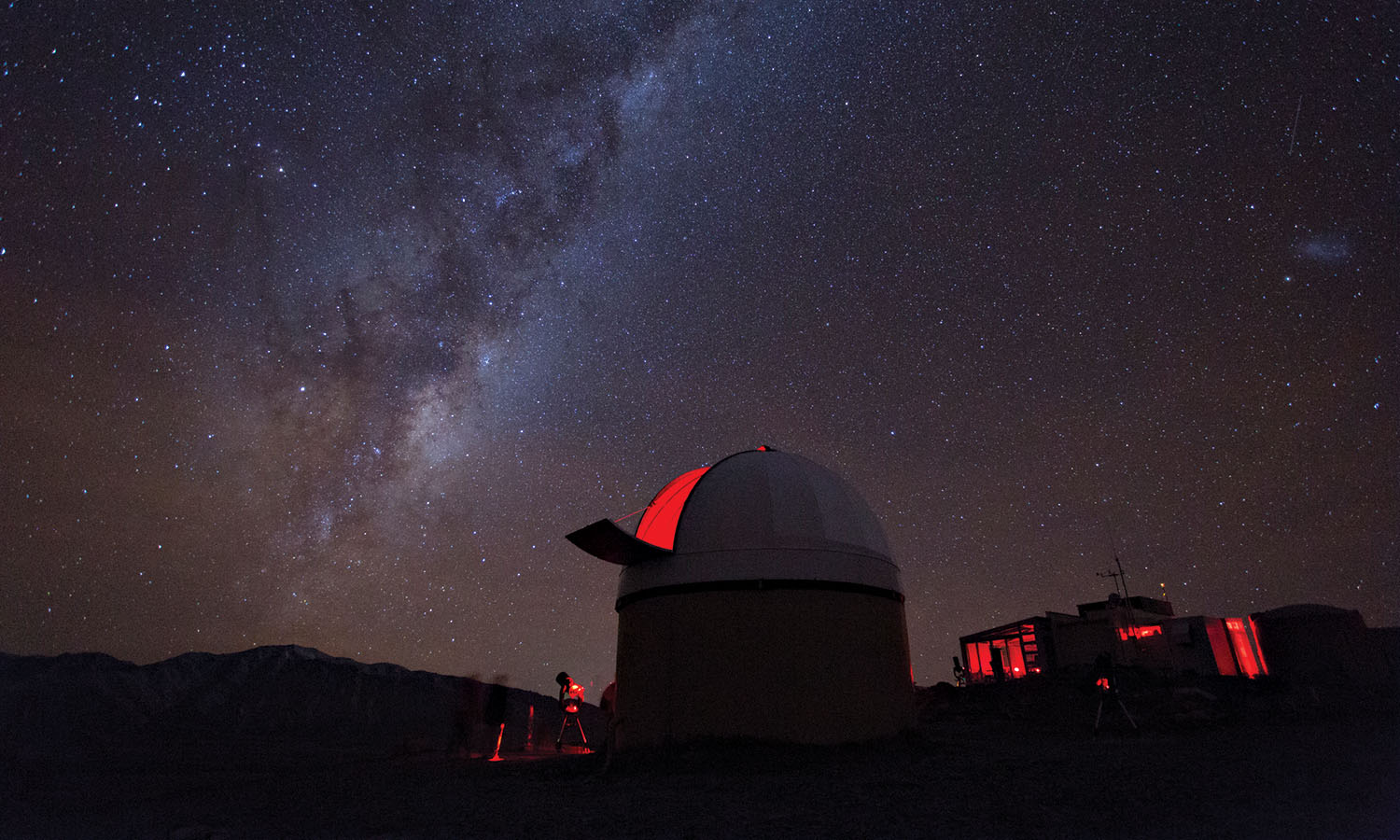
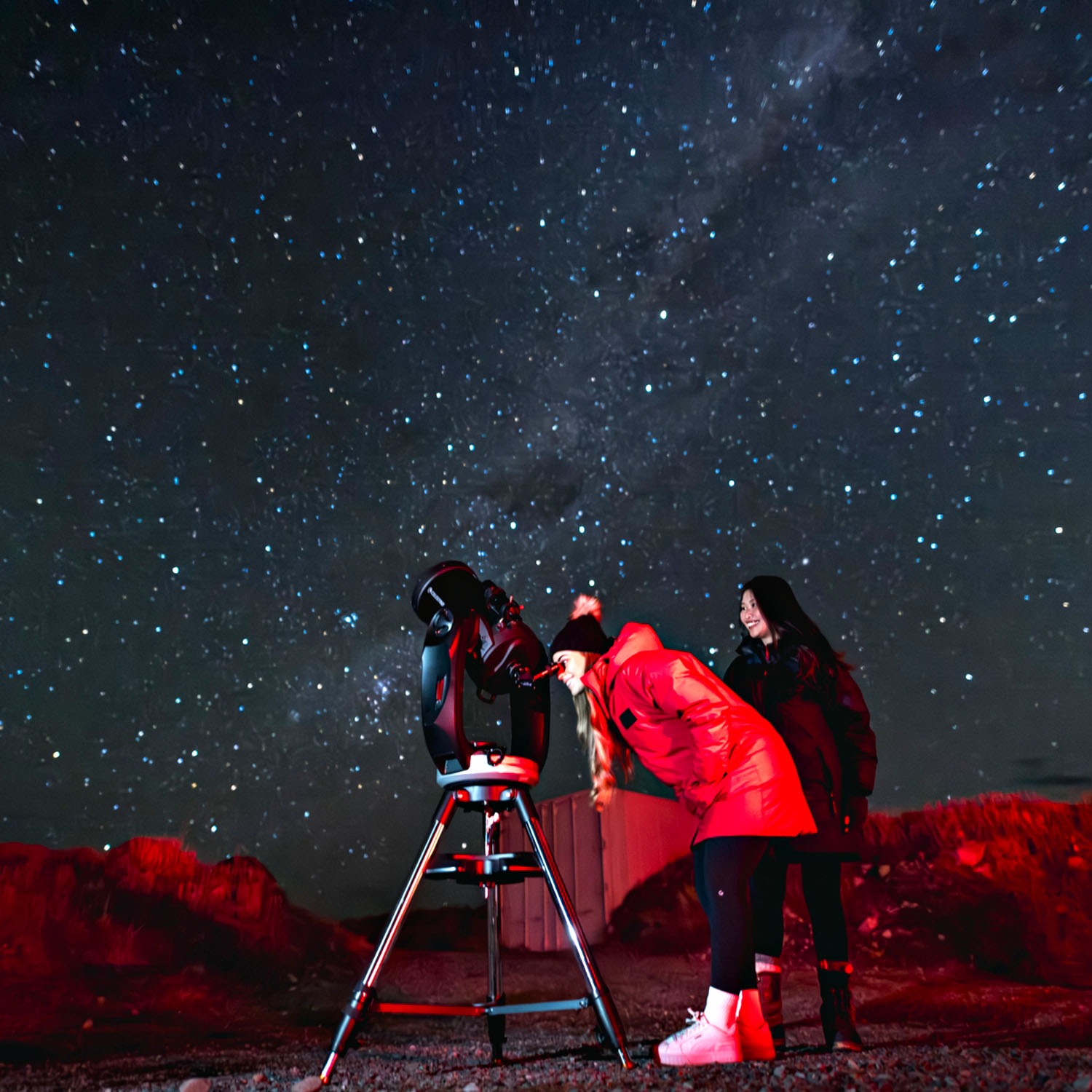
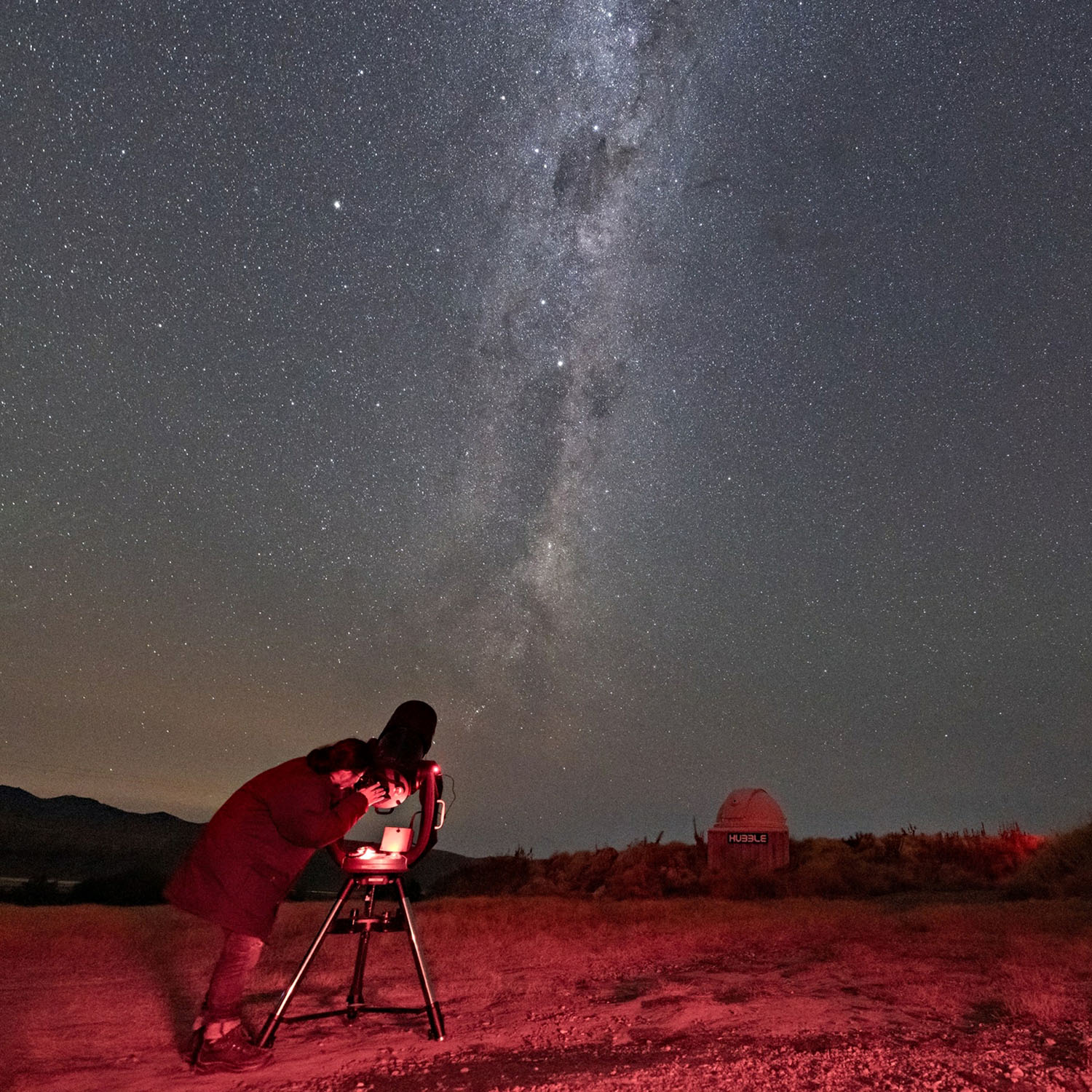
If stargazing had a spiritual home, it’d be Takapō (Tekapo). For 20 years, the Dark Sky Project has been luring people up Mount John, 1029 metres above sea level, to peer through monster telescopes at galaxies far far away.
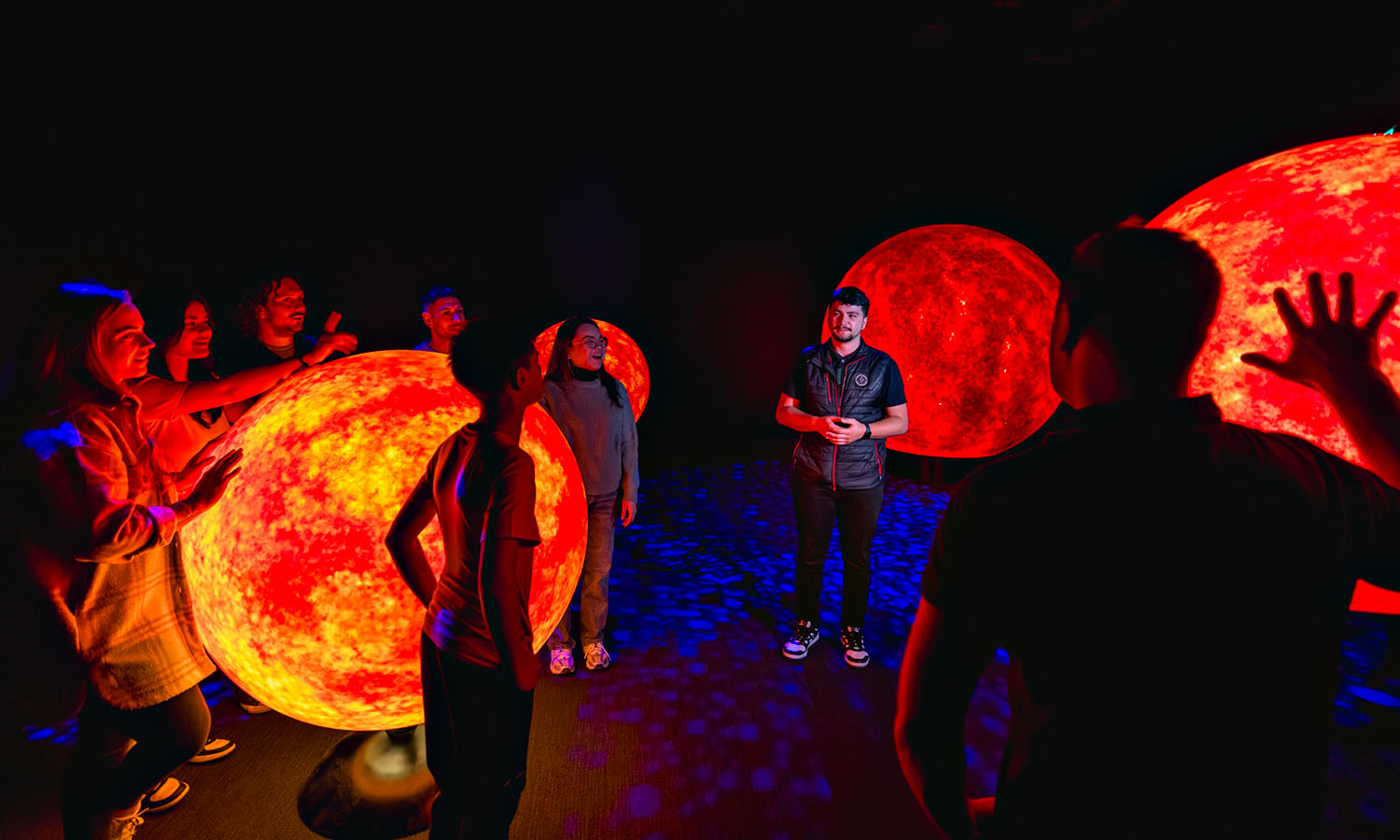
But this isn’t just about ticking off Saturn’s rings or the Orion Nebula. The guides here weave in Ngāi Tahu Māori star lore, mapping out how Polynesians navigated the Pacific using nothing but whetū (stars) and courage. It’s a cultural and scientific mash-up.
Hot Tip: How Not to Embarrass Yourself at a Stargazing Session
1. Don’t ask the astronomer if they’ve “seen ET.” 2. Orion’s Belt? Everyone sees it, champ. 3. That blinking dot? Jetstar. Calm down.
Over 45,000 people make the pilgrimage each year, and it’s not hard to see why. Where else can you be simultaneously humbled by the size of the universe and taught how to read it like a map by people who actually crossed oceans with it?
Headwaters Eco Lodge – Stars, Soup, and Serious Luxury
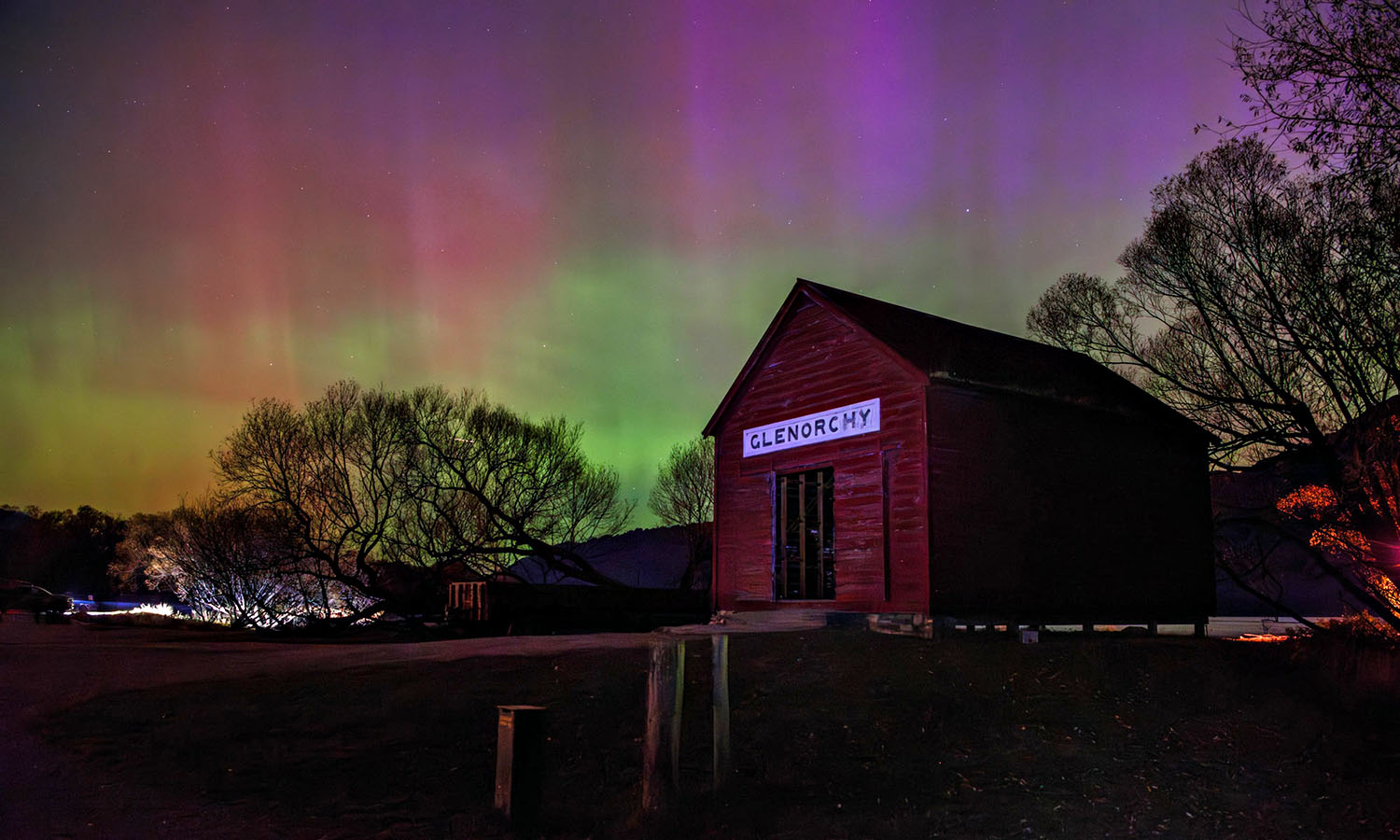
Down south in Glenorchy, the Headwaters Eco Lodge has pulled the ultimate trump card: it sits inside the Tāhuna Glenorchy Dark Sky Sanctuary, one of only 23 on the entire planet. That’s rarer than finding a decent coffee in the US.
The new hosted stargazing sessions here are equal parts astronomy lesson and indulgence. Imagine tucking into a chef-prepared dinner, then stepping outside to sip hot chocolate while the universe puts on its nightly laser show. Telescopes are set up for up-close gawking, and the mountain air is so clean you’ll almost have to squint.
By the time you roll back into your eco-chic suite (we’re talking hand-built with local timber, heated with solar power) you’ll feel smug knowing you’ve just saved the planet.
Best Post-Stargazing Drink in Glenorchy – A silky Central Otago pinot noir. It’s the kind of wine that makes you forgive sheep for being everywhere.
Fiordland Eco Retreat – Stargazing with No Kids Allowed
Not all heroes wear capes. Some just say “no children allowed” and build a luxury retreat on the shores of Lake Te Anau. Opening in Spring 2026, the Fiordland Eco Retreat is the future of astro-luxury.
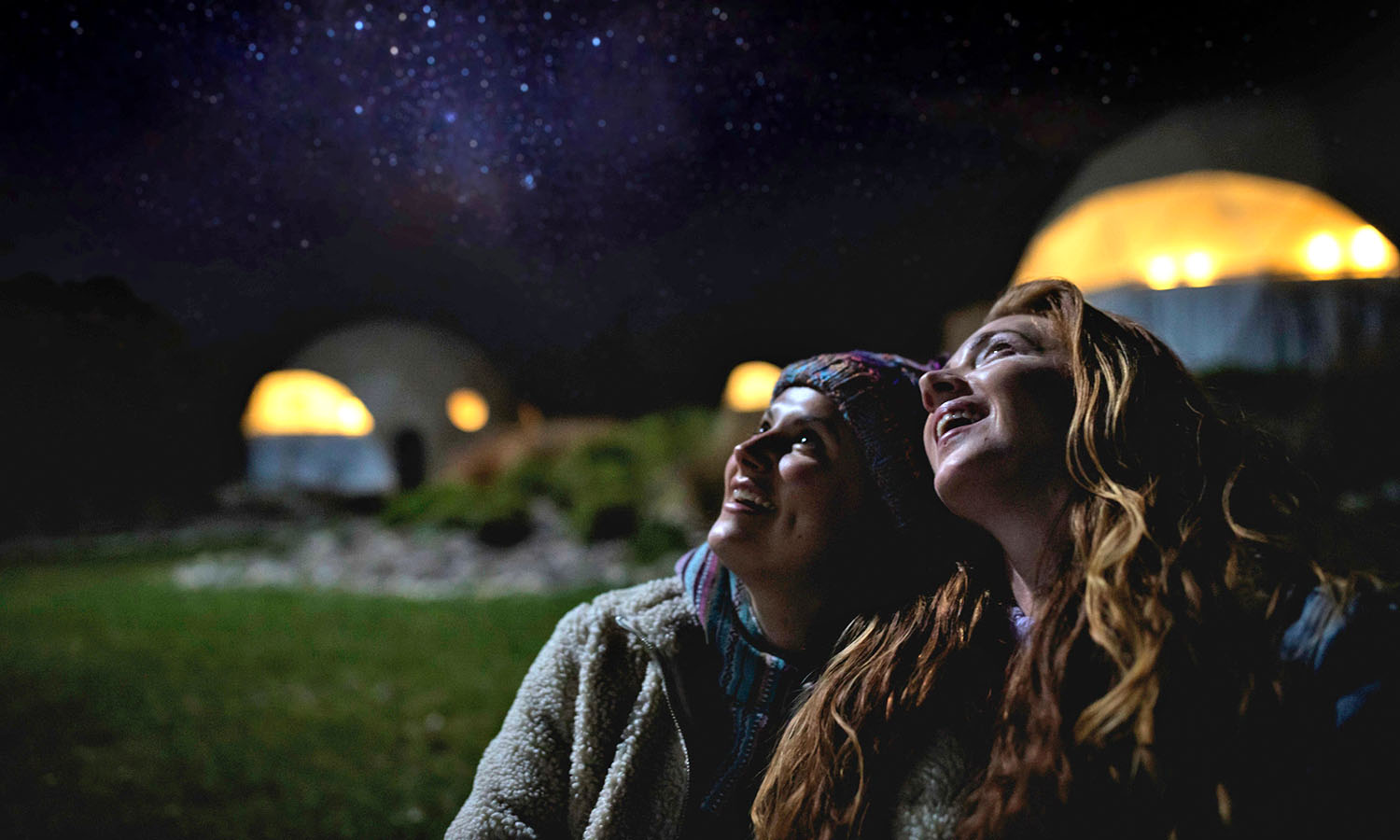
The design brief? Adult indulgence with a celestial twist. Think outdoor stone baths where you can soak under a billion stars, rooms with stargazing windows angled perfectly toward the Milky Way, and nightly sessions with a bona fide Dark Sky Ambassador who’ll point out constellations without once calling them “those three stars that look like a saucepan.”
It’s eco-friendly, it’s indulgent, and it’s unapologetically adult. So leave the kids at home, grab a glass of Otago pinot, and prepare to toast the universe.
So why fly three hours instead of just craning your neck in the backyard? Because New Zealand doesn’t just dabble in astrotourism, it’s perfected it. Clear air, low light pollution, and a cultural backbone that sees the night sky as something more than just wallpaper make it one of the best stargazing destinations on Earth.
Starry-Eyed Stats to Impress Your Friends
• Tekapo skies = 5,000 stars visible to the naked eye. (Sydney? Maybe three.) • Only 23 Dark Sky Sanctuaries exist worldwide. Glenorchy bagged one. • Māori call the Milky Way Te Ikaroa – “the long fish.” Drop that on your next fishing trip.
On 7 September, when the lunar show kicks off, there’s only one sensible place to be: lying in a steaming bath, glass of red in hand, letting the Milky Way remind you just how tiny, and lucky, you are.
Star-Crossed Lovers Tip: Propose under the Tekapo stars and you’re guaranteed at least one yes. From your partner or the heavens. (Odds are better than on Tinder.)
 (
(