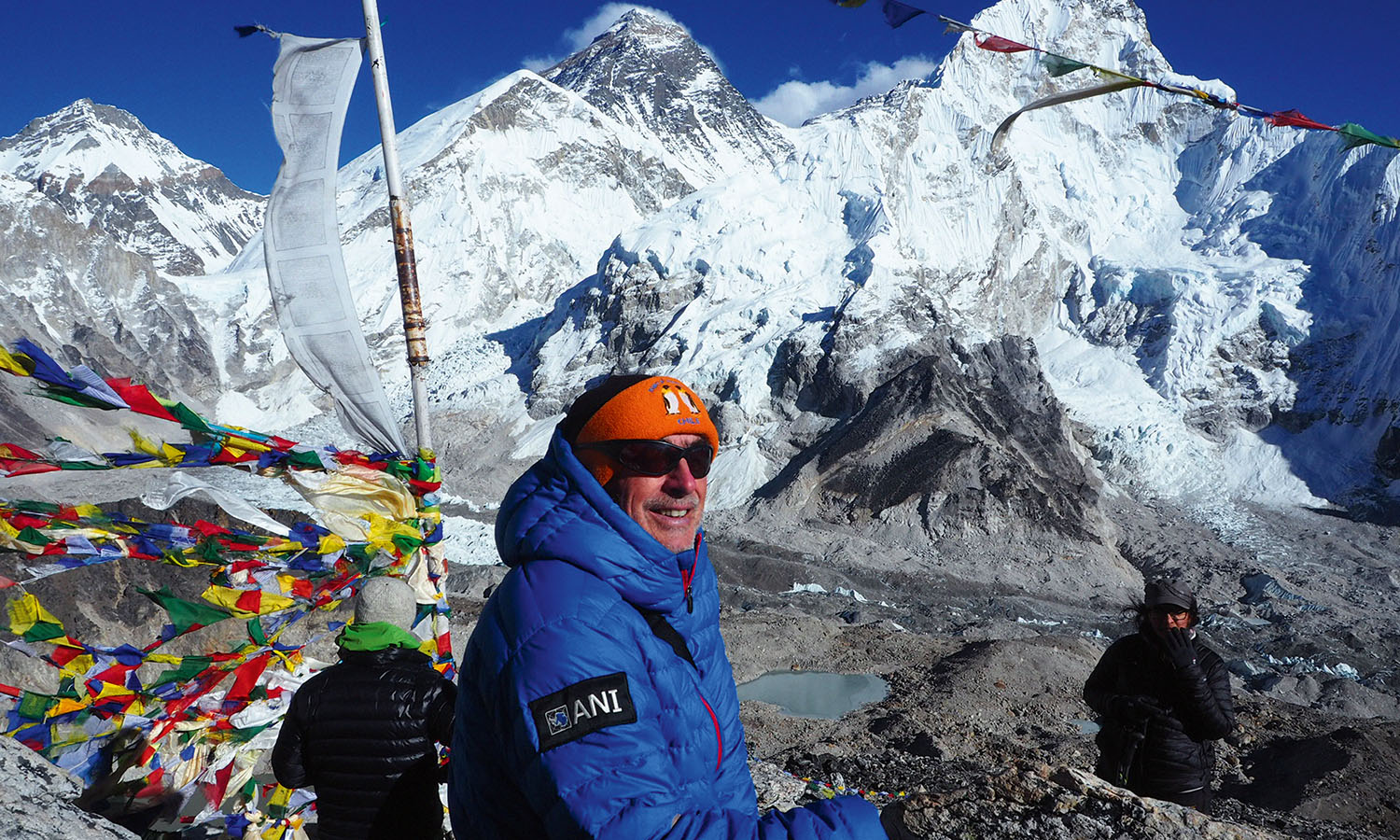
It’s early morning in the tiny Himalayan village of Machermo, and Dr John Apps is leading one of the weirdest patient transfers the world has ever seen. With him are a few Nepalese porters, a large but ever-depleting canister of oxygen, and one extremely sick man being carried down the mountain in a wicker basket.
Every time John tries to ease off the oxygen, the patient gets closer to death. The UK-born, New Zealand-based doc knows the man, who’s suffering from a bout of pneumonia made worse by the 5000-metre altitude, will only survive if this unlikely troop makes it to the nearest hospital, which is several hours away. It’s a race against the clock and the elements, but thankfully this kind of environment is where John does his best work.
“We couldn’t get a helicopter because of the weather conditions,” John recalls of the dramatic morning, “so the only option was to carry him down to the local clinic at Kundi, just near Namche Bazaar.
“We were just legging it down the trail as fast as we could go,” he adds. “It was quite amazing; we dropped about a thousand metres in altitude and the guy just suddenly woke up.”
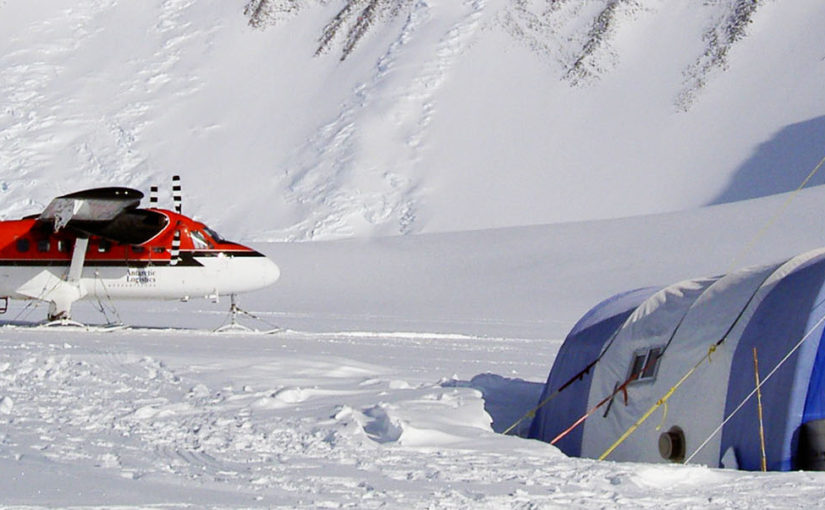
John has spent nearly 25 years of his career practising medicine in harsh, isolated environments like this, where improvisation and survival know-how are as important as medical skill. While on the job he’s climbed glaciers, weathered tent-flattening Arctic storms, and learned to build a mean snow shelter. He’s even run extreme marathons – through the Everest region and across the freezing plains of Antarctica – as the medic responsible for the health of his fellow competitors.
The adventure began in 1992 when John, a former full-time GP who still practises rural medicine in New Zealand about 90 days a year, took time off from his UK job to do a three-month stint in Svalbard, Norway’s northern archipelago. A few years later he quit the rat race to go freelance, enabling him to blend work, travel and adventure into one unusual, ever-changing lifestyle.
That decision has resulted in nine seasons providing medical support in Antarctica, a stint with the British military in war-torn Afghanistan, journeys through the untamed lands of Tanzania and countless expeditions as a wilderness doc in the Nepali Himalayas – the unifying factor being his love for “mountains and snowy places”. Of all these locations, the most isolated stands out as John’s favourite to work.
“I think Antarctica’s probably the number one; it’s just such a unique environment, and also such a unique bunch of folks who go there to work or to visit,” he says. “What’s really different down there is that virtually everyone has such a positive, can-do attitude, which is such a contrast to a lot of the places you work in, where there’s always folks who try to see the negative in everything. It’s just an absolute joy to go to.”
Living the dream comes with its challenges, but the freedom to travel and immerse himself in some pretty wild places has been worth it for John: “I suppose if you put the sensible hat on it seems pretty daft to walk away from a very well-paid, secure job, into essentially, the unknown. But I always take the philosophy that when you close one door about three other doors open.”
While the transition was difficult at times, preparing financially over several years helped John and his wife find their feet once they moved away from full-time work.
“The first thing is to plan ahead and get some money saved up,” he advises anyone considering a similar career shift. “Trim your expenses back, so if you’ve got an expensive car or something, get rid of it. Just go minimalist, so that if you don’t work for a couple of months, it’s not a concern. It might be a little painful, but it’s no big worry.”
Nowadays, John imparts his wilderness medicine knowledge to other intrepid doctors through his role as an instructor for World Extreme Medicine, a global organisation that trains ordinary docs to become survival specialists. Along with several colleagues, he delivers polar medicine courses in the mountains of New Zealand’s South Island, as well as high-altitude training in the Himalayas. Part of that role is reacquainting experienced doctors with the basics of medicine when there are no nurses to do it for them.
“Time and time again the hospital docs say, ‘I would do this,’ and we say, ‘Well, get on and do it,’ and they’re absolutely lost because they expect someone else to provide or do it,” John says.
While his marathon-running days are probably behind him, the adventure is far from over. John has his sights set on Mongolia, Ukraine and Namibia for future journeys, although they’ll probably be for leisure rather than work.
His final piece of advice for those looking to integrate travel into their career? “Get used to the idea of improvising and – my favourite bit – don’t be afraid.”
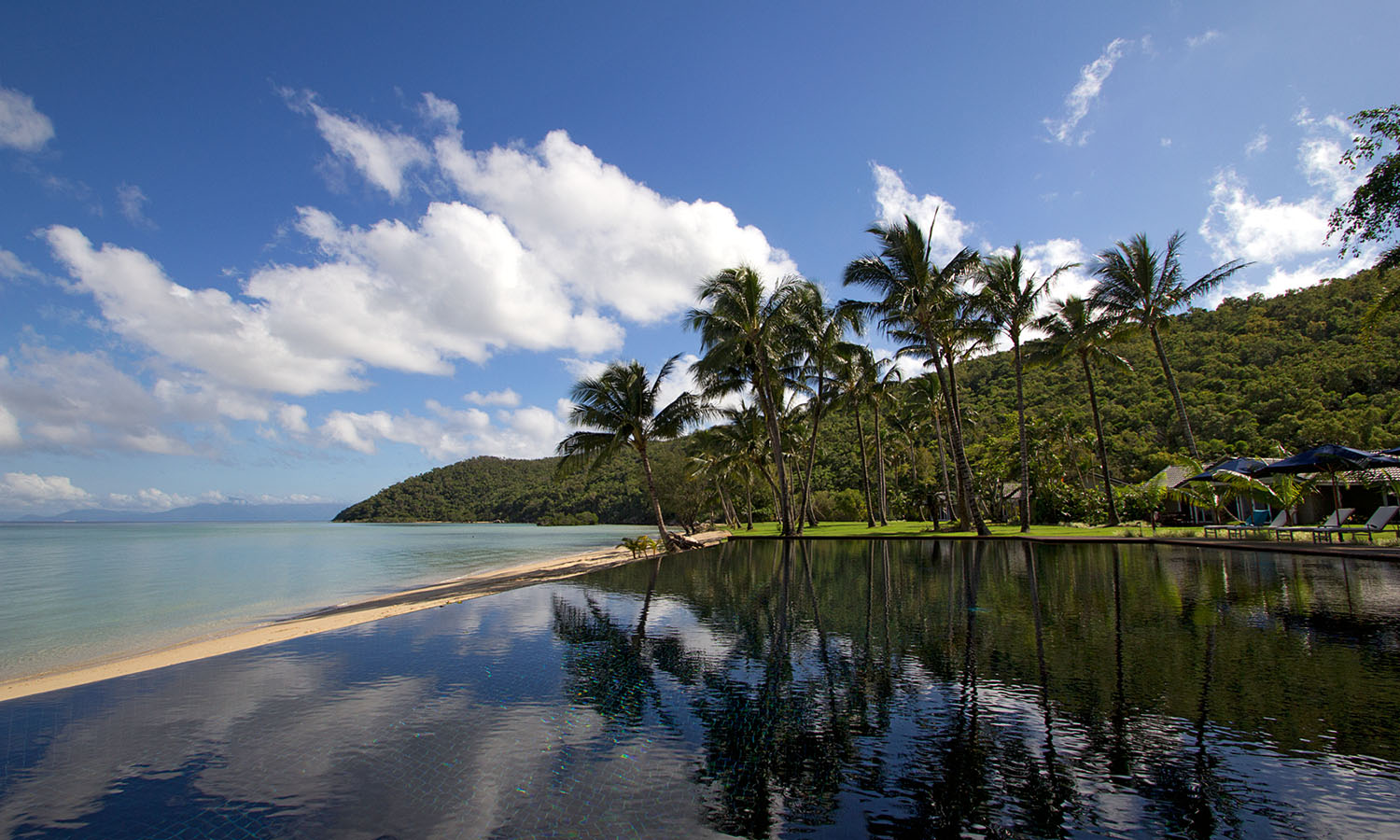
The helicopter skims across the bright waters of the Coral Sea, revealing a chain of emerald islands at my feet. Untrammeled nature lies in every direction, from golden sands to coconut palms and coral reefs – the embodiment of tropical north Queensland. Shadows of a couple of large late-afternoon clouds pour over the ranges like spilt paint, as an island of considerable size (the second-largest in the Palm Island group) comes into view.
Orpheus Island, where I’m about to land, is located in a region of Australia shrouded in as much mystery as there is history. It’s 80 kilometres north-west of Townsville and a 10-minute chopper ride (or 20-minute boat trip) from Palm Island, which was described as an ‘open-air jail’ for Indigenous Australians during much of the twentieth century. Between both islands lies Fantome Island – a secret leper colony right up until the end of the 1970s.
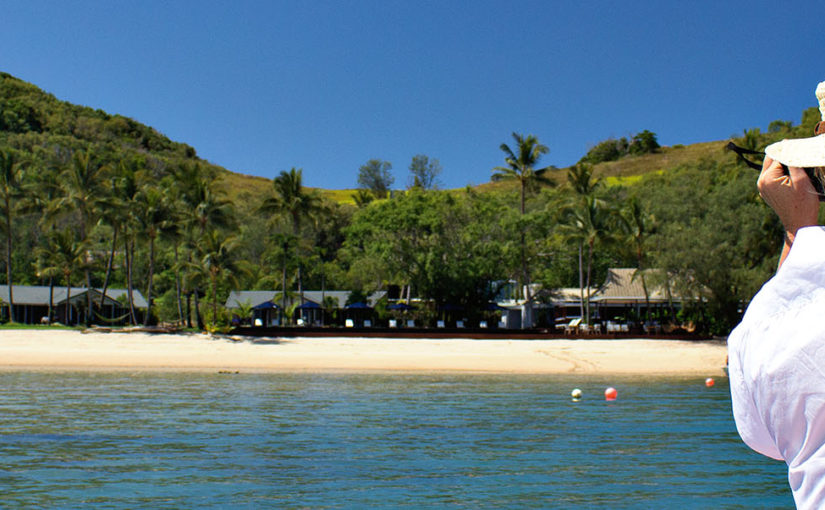
As I step out of the chopper, I’m thankful that tourism has never really taken off in these parts. A national park and a Great Barrier Reef sanctuary, Orpheus has just one boutique resort, catering for up to 34 guests on the whole 1300-hectare island. Walking across its pretty, manicured lawn, the wind sings a light melody and there’s not a souvenir seller or cork hat in sight.
Whereas XXXX Gold-guzzling Aussies flock to Magnetic Island, or ‘Maggie’, the seclusion of Orpheus has attracted the likes of Elton John, Vivien Leigh and Mickey Rooney. But don’t let that fool you into thinking this place is only for the exceedingly well heeled. Food is delivered here once a week by barge, so at other times you’re expected to get down and dirty with the cooks and catch it.
“Take a look at this!” yells Arie, a fine-dining chef from Melbourne who’s only been on the island for three weeks, yet hops around the rocks, spear in hand, like a pro. It’s been a couple of hours since my arrival and the tide is low. All the dinghies that were earlier bobbing happily in the water now look like they’ve been washed up onto the moon.
I pad after him along the shore, struggling to carry a bucket of the biggest oysters I have ever seen. “Stingray for dinner,” he says, smiling at his prize as he holds it high in the air with one hand, the bloody spear in the other.
Later that night, at a candlelit table on the deck of the outdoor restaurant, I’m thankful the Queensland heat permits me to wear a loose dress. The feast that’s laid out before me – oysters baked in sesame crust, seared Harvey Bay scallops, Burgundy-style crayfish, snapper ravioli, kangaroo fillet with smoked potato puree, and banana curry – would surely break top, middle and bottom buttons.
I pull up a log on the beach next to the campfire and take some time out to digest with the handful of other guests. We chat, laugh, drink far too many lychee martinis and watch as the sky turns a kaleidoscope of red, pink, mandarin and golden yellow. I feel a galaxy away from city life.
I wake early to the trill of little birds and rainbow lorikeets dancing in the trees. Eager to learn more about the origins of the area, I join another guest and take a 10-minute boat trip over to Fantome Island for a walk with Tom, a local guide from Palm Island.
Fantome is a startling mix of tropical paradise and prison. A leprosarium for Indigenous Australians, it was run by nuns from 1939 to 1973 and kept secret by the state government. Queensland’s answer to stopping the disease was to take Indigenous Australians from their families and confine them to this lonely outpost. When it was closed, it was purged by fire. Later it became the site of more than 200 graves.
“My grandmother is buried on this island,” Tom tells me, looking away, like he’s plucking up the courage to share what he says next. “I like to come here camping with my daughter because, on a clear day like today, you can hear all the old people talking. It was scary at first, but now it’s nice and soothing and you know they’re looking after you.”
We walk through the waist-high grass, down the ‘High St’, past an abandoned tin shed and bits of corrugated iron – remnants from Cyclone Yasi last year. We follow the bleating of goats and their little tracks in the sand. We stop every couple of strides as Tom points out a plant, tree or flower that has some important purpose, like Chinese apple trees (a sign of early Chinese settlers in the 1900s) and wild lemons. “Good for cooking – and hangovers,” says Tom, as he collects some for Arie and I pocket some for later.
Back on the boat, as we begin to head out to sea, a group of turtles joins us in the spray. A slight taint of turquoise indicates shallow water where, to our delight, they perform a ballet, while white eagles circle overhead.
Our skipper, Paul, takes us out to Coral Garden – one of his favourite reefs and a popular spot for divers. “Just remember I can marry you at sea,” he hollers above the engine as he puts the boat in full throttle and I lunge for the side rope. “Or bury you.”
We approach ‘the green zone’, a protected part of the Great Barrier Reef, pull on our masks and fins and slip off the edge into the 28-degree water. I take a breath and then swim down, kicking to the bottom and gliding over the coral-strewn seabed, as tiny, multi-coloured fish dart out of my way.
The next couple of hours somehow meld into the next couple of days. I snorkel an area inhabited by hundreds of giant clams, take a sunset cruise and watch for manta rays and humpback whales. I explore Yanks Jetty and pretty pockets of secluded beach, where guests picnic and goannas are said to stroll. Then finally, I swap flippers for flopping and perfect the art of dozing in a hammock, fruity cocktail in hand.
I’ve spent a lot of time travelling and trying to avoid the tourist traps and crowds. And in the space of just a few days I’ve discovered that the best spots are often hidden in the most unlikely spots – not too far from home.
Rio de Janeiro, Brazil’s sexy seaside city, is celebrated for its sandy beaches, samba and sensational futebol skills. Cariocas, as Rio’s residents are called, spend their days worshipping the sun in the surf or on the sand. Yet they love their evenings equally as much. They easily while away an entire night, bouncing between neighbourhood botecos and samba bars. So I, too, decide to give it a go.
5.00pm
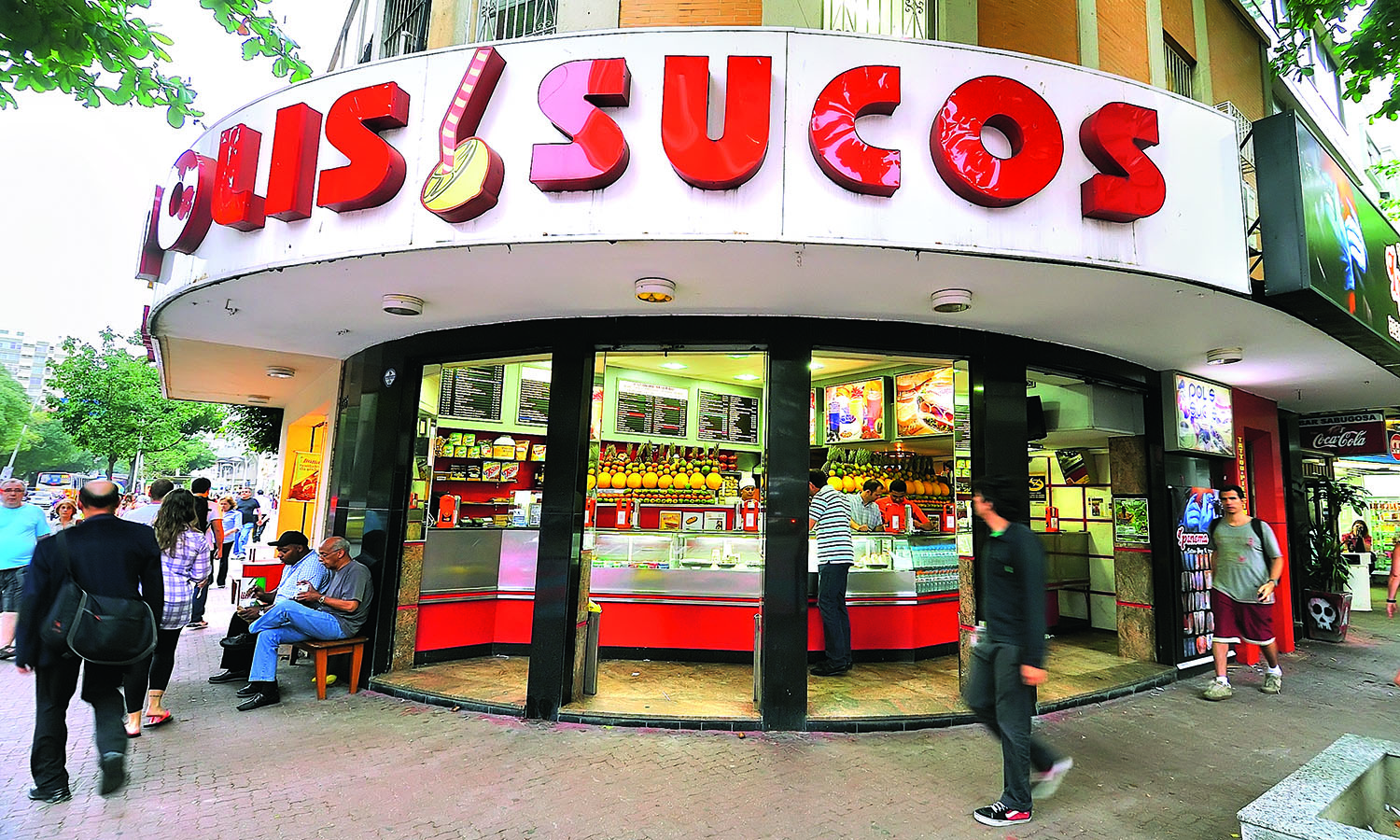
The cariocas’ energy is legendary. Their nights end late, but their days begin early. The secret to surviving the long day and night? An energy-packed, vitamin-laden juice known as a suco. Sipping a suco on one of the beaches – Copacabana, Ipanema or Leblon –is a twice-daily ritual for many locals. Almost every block has a juice bar with glass counters decorated with colourful displays of fruit and menus listing countless varieties of freshly squeezed juices and blends. The most popular drink is a vitamina – a thick smoothie of juice, milk or yoghurt, honey, wheat grass and guarana (a Brazilian caffeine berry). I knock mine back at one of Ipanema’s most beloved juice spots, Polis Sucos, opposite the Nossa Senhora da Paz (Our Lady of Peace Church). I’m not Catholic, but I cross myself after I down the drink, praying that it gets me through the long night ahead.
Polis Sucos
R. Maria Quitéria, 70, Ipanema, Rio de Janeiro polissucos.com.br
5.30pm
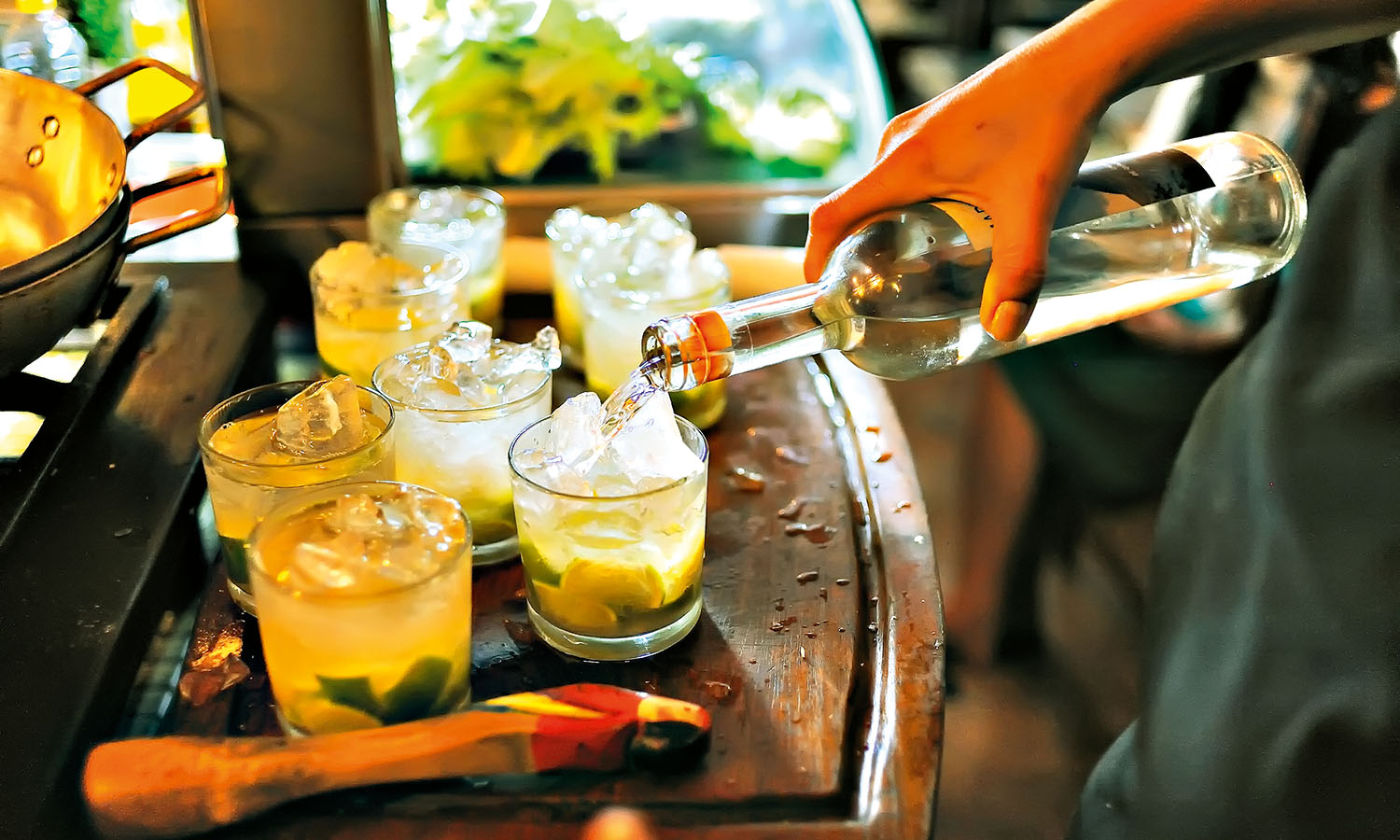
It’s hard to decide whether Brazil’s national drink is coconut water, sipped from a straw in a freshly cracked coconut shell, or the caiparinha cocktail, which is a mixture of fresh lime, sugar and cachaça: the potent Brazilian sugarcane spirit. Both are sold for a couple of dollars from the tiny bars dotted along Ipanema’s beach. I order one, then pull up a plastic chair to watch the sky turn pink, peach and tangerine as the sun goes down and my night begins.
6.00pm
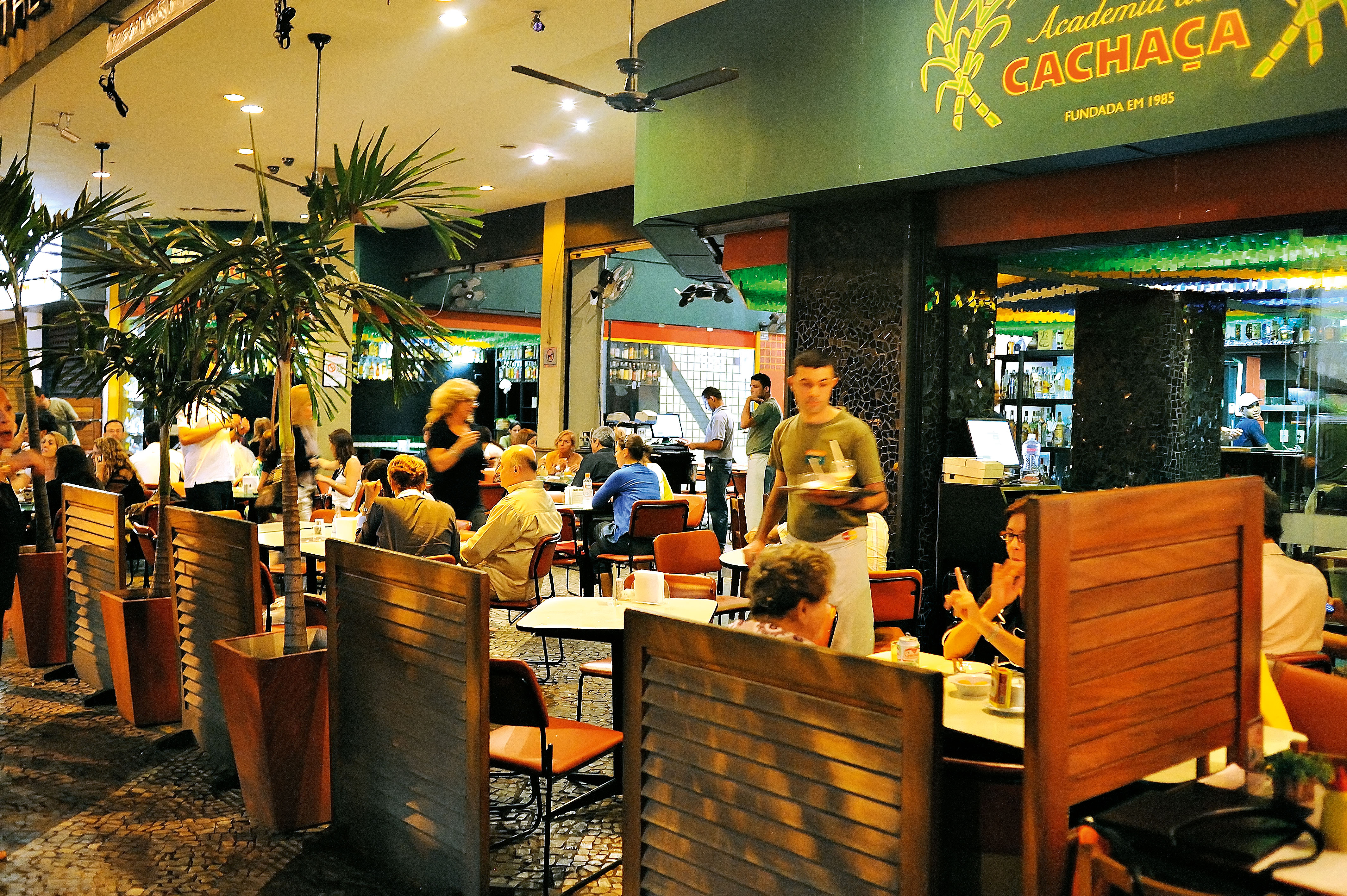
Caiparinhas are definitely more-ish. I stroll down to nearby Leblon to the Academia da Cachaça – a bar that has shelves weighed down by dozens of different types of cachaça bottles, most of which are unavailable outside Brazil. The Academia serves up more creative concoctions, such as pineapple, orange and passionfruit caiparinhas. Cachaça comes infused with everything from cashew to cinnamon. I try one of the juice-based cocktails, the cocada geladinha, made from coconut, coconut juice and cachaça, of course. I also order some scrumptious hot snacks, including bolinho de quejo (cheese balls) and queijo coalha asado (roasted curd cheese), both which are considered an excellent hangover prevention – or cure.
7.00pm
It’s no surprise that Brazilians are passionate about futebol (soccer). The most exciting game is a clássico or derby between rival clubs such as Flamengo and Fluminense. I head to a clássico between Botafogo and Vasco de Gama at São Cristóvão Stadium. There are 20,000 people in the stadium, though this isn’t much for Rio – the largest match, between Flamengo and Vasco at Maracana stadium, attracted close to 80,000 fans. The tension, nevertheless, is palpable. In the lower seats behind the goalkeepers, organised groups of hardcore fans motivate us as much as the players. They beat drums and chant songs, and the fans surrounding me soon join in. Throughout the game, they cheer, scream, applaud, hug each other, dance and leap into the air mid-song. The atmosphere is electric.
10.00pm
In need of some respite, I flag down a taxi to take me to the posh residential neighbourhood of Urca. Bar Urca is situated at the end of the quiet peninsula. There’s a seafood restaurant upstairs, but it’s the simple bar below and peaceful waterfront location that attracts most cariocas. I do as the locals do and buy a bottle of cheap cold beer, which the bartender tops with plastic cups. I cross the road to find a space on the crowded wall. Friends sit cross-legged and chat, while couples swing their legs and sip beers in between kisses and cuddles. I watch the planes fly in over the still waters of tranquil Guanabara Bay.
11.00pm
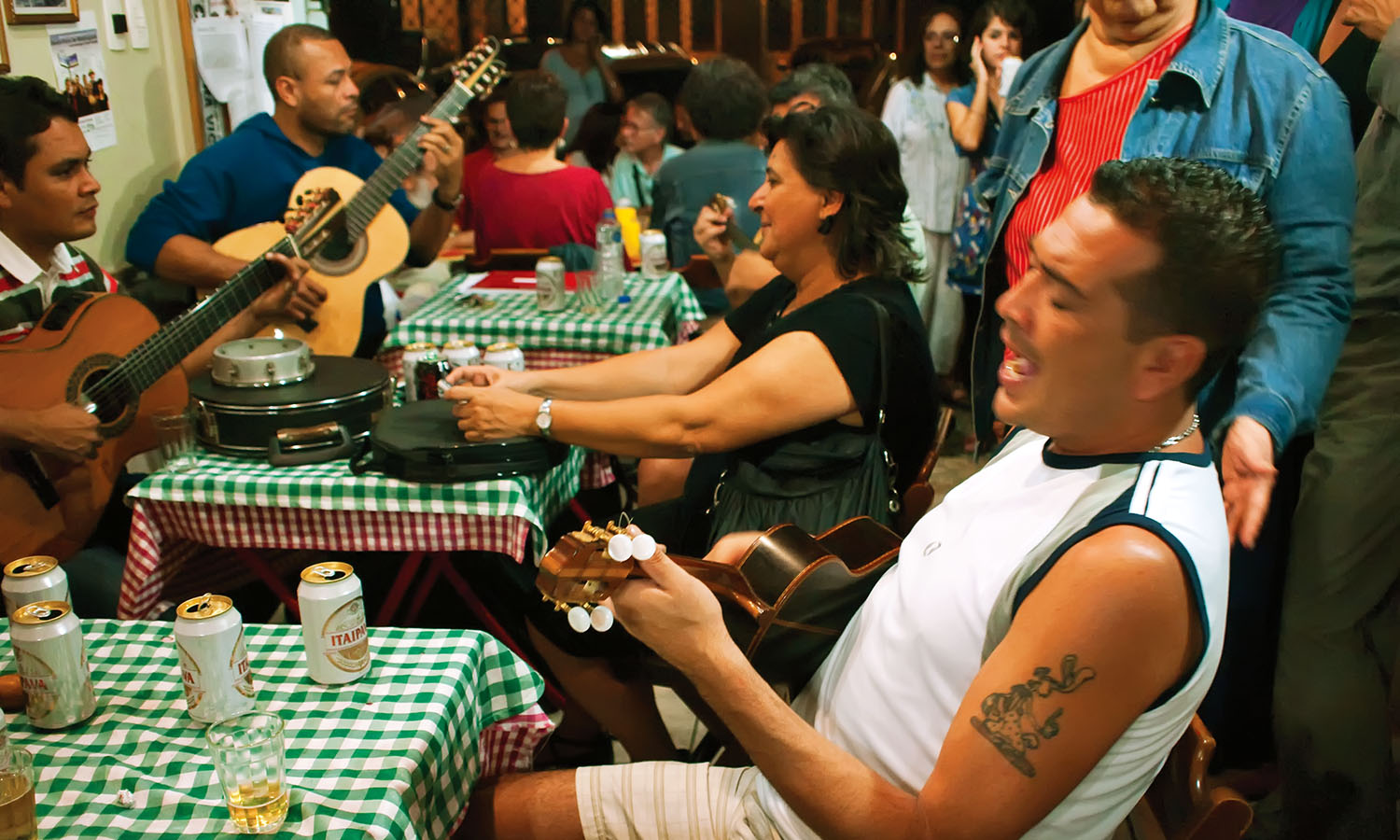
Ready for some music now, I head out in search of samba. While I could probably dance the rest of the night away at one of Rio’s popular (albeit very touristy) spots like the colossal Rio Scenarium, I opt instead for Bip Bip: a compact backstreet Copacabana botequim or neighbourhood music bar. I sway my hips to the beat of the cuica, a Brazilian drum that sounds like a cross between a monkey and a car horn, and help myself to beer from the fridge at the back of the bar. The bar operates an honour system where you pay for what you drink on the way out.
12.30am
I’m hungry, so I make a beeline for bohemian Santa Teresa. Bar do Mineiro is hidden around the bend from a handful of more expensive restaurants that the guidebooks recommend. With fluoro lights and walls covered with black and white photos, the white-tiled eatery is packed with locals. I’m tempted to try the restaurant’s specialty – the traditional feijoada – a bean and pork stew, but the more-than-ample-sized dish will probably make me want to head home to bed. Instead, I order baskets of Brazil’s national snack, delicious bolino de bacalao (cod balls).
Bar do Mineiro
Rua Pascoal Carlos Magno, 99, Santa Teresa bardomineiro.net
2.00am
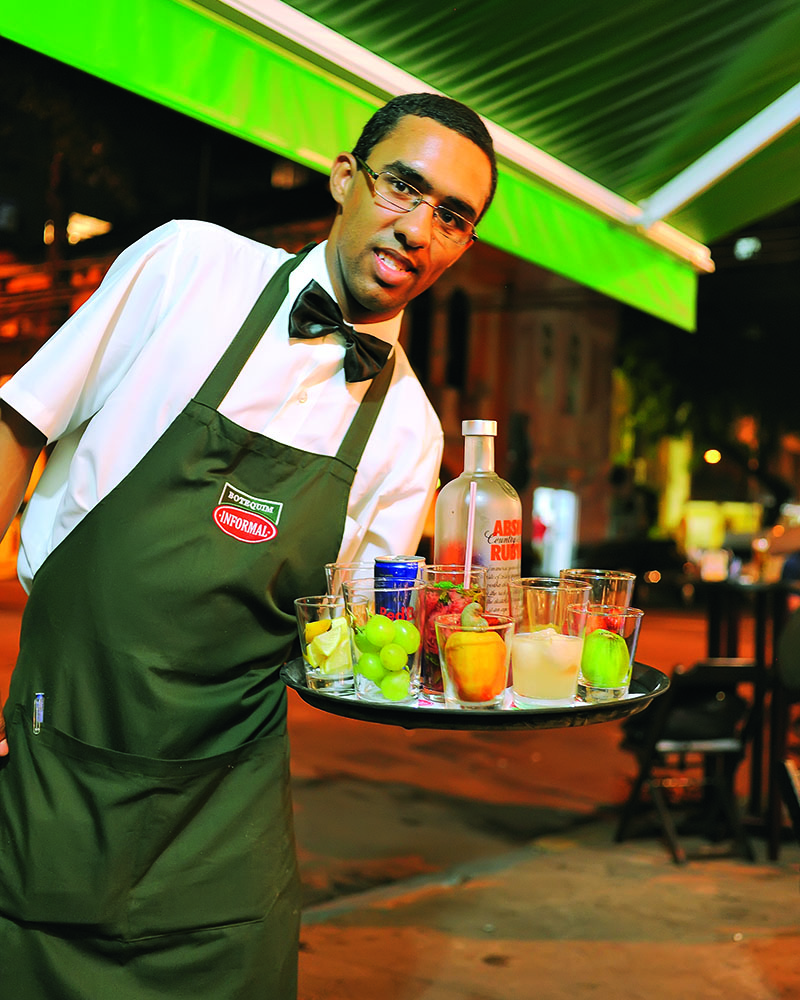
With my stomach lined, it’s time to begin the popular Rio ritual of the boteco hop or bar crawl. Botecos are local neighbourhood bars – simple places with stainless steel counters, rickety wooden chairs and retro menu boards. Full of atmosphere, they’re often packed with locals, young and old, until the wee hours. First, I head for the street of Rua Visconde de Caravelas in Humaitá. There are a dozen botecos here. The Botequim Informal has footpath seating, friendly waiters and just a few foreigners, and Cobal do Humaita is a fruit and vegetable market with outdoor plastic tables and chairs. The guidebooks recommend Espirito do Chopp, but I wait for a table at Joaquina, where all the cariocas are.
Botequim Informal
Rua Visconde de Caravelas, 123, Humaitá
Cobal do Humaitá Rua Voluntários da Pátria, 446–8, Humaitá
3.30am
I take a taxi back to Leblon, but before I wind up the night there’s a couple more botecos to try. Bar Jobi and Bar Bracarense haven’t changed their decor in 50 years. At Bar Bracarense, I start to feel weary among the tables of young friends. Yet, I still spy some sprightly, silver-haired seventy-somethings chatting animatedly as they sip their beers. It must be those vitamin-laden sucks.
Bar Jobi
Av. Ataulfo de Paiva, 1166, Leblon
Bar Bracarense Rua José Linhares, 85, Leblon
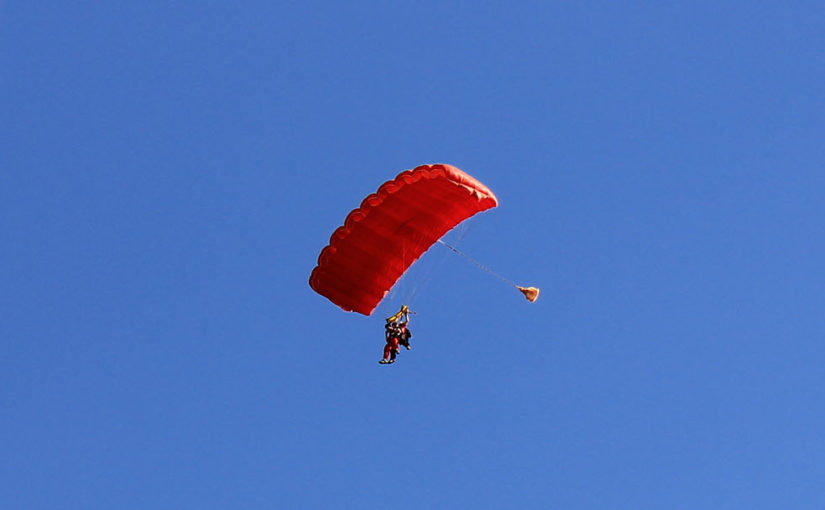
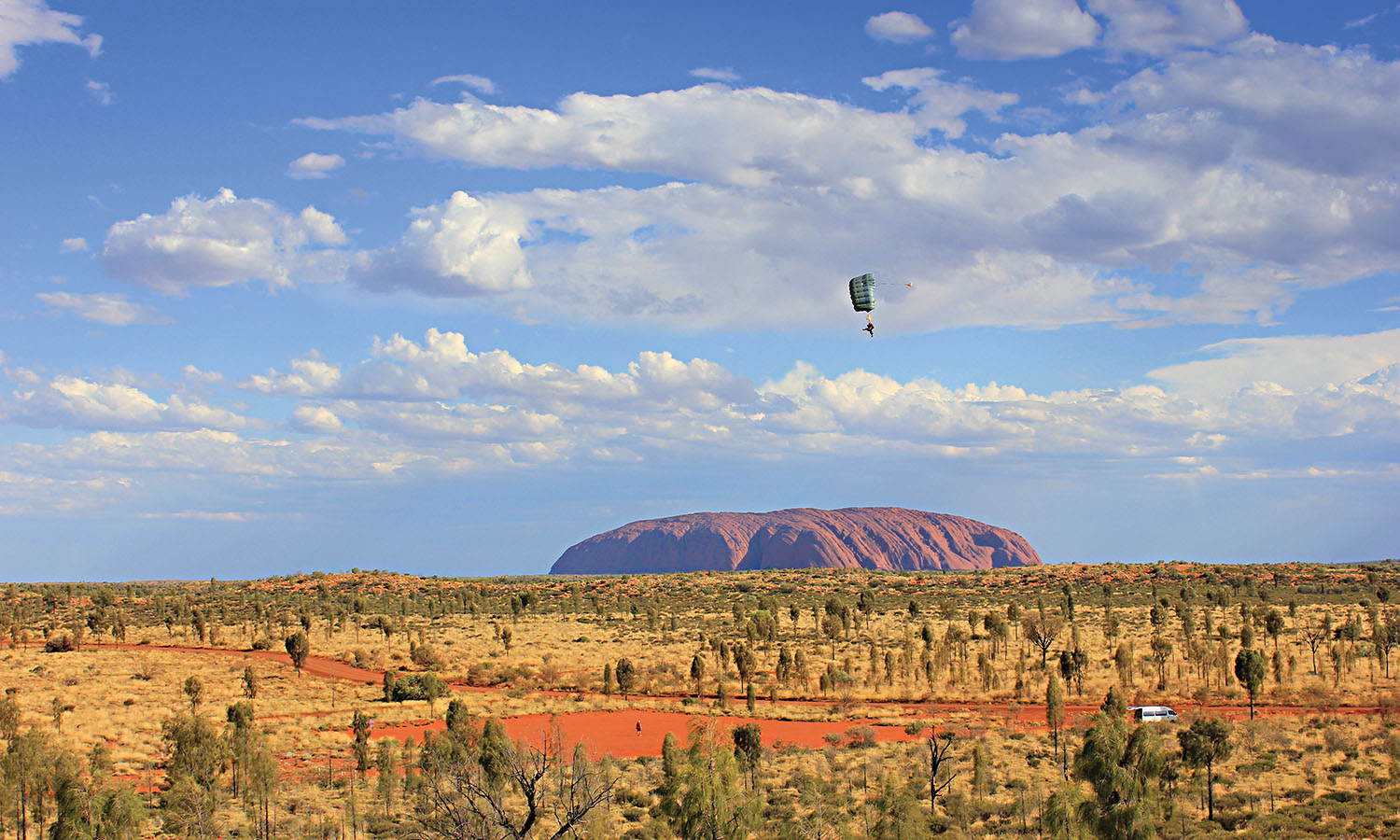
On a scale of get-me-out-of-here white and I’m-going-to-be-ill green I’m presenting somewhere in the middle. It’s no surprise really, because I’m on the floor of a tiny tin can, 1500 metres up in the air and strapped to my back is a man with a proven track record of hurling himself out of planes. With each clip locking us together capable of lifting a truck, escape is unlikely. “It’ll either be the longest or the shortest 30 seconds of your life,” Sam, my human sinker, chuckles into my ear. “Now,” he says, “do you remember the banana position?”
On the ground, before we hurtle along the tarmac and rattle into the thick Northern Territory air, we practise curling our legs under our torsos and tilting heads towards the sky. All while wearing a pair of baggy red pants over our own – insurance perhaps, in case we make a mess in the first set. Once our banana poses – the stance we’re to hold seconds before tumbling from the plane – pass Sam’s test, a baby-faced senior pilot unshackles the plane from its parking spot at Uluru Airport and we were on our way.
At the halfway mark the mugginess dissipates and the cool air wicks away the worst of the nerves, though my mouth still feels as parched as the desert. From here Uluru, taller than the highest skyscraper in the Southern Hemisphere, rests on the rusted soil like a crumpled blanket. In the distance the boulders of Kata Tjuta erupt from the earth but it’s the ridges snaking like veins across the skin of the land that are the most striking.
Over the hammering engine Sam explains that more than 300 million years ago salt water pooled over this part of Oz, depositing coral and marine fossils into layers of soil. It’s the type of wet that explorer Captain Charles Sturt went searching for when he set off from Adelaide back in 1844, carting a whaleboat and 200 sheep on his now infamous expedition – a voyage that started millions of years too late. The dunes we see from our little plane have existed this way for the past 30,000 years, with just their crests wandering in the desert.
Our pilot, also sporting a parachute “just in case”, twirls up higher and higher. Perspective disappears. The scene below appears like a page from a map with the horizon smudging into pale blue haze. I begin to see why Sam repeats this trip time and again. Well, that and the freefall, he says. With 5000 jumps on his tally, a newbie would have to dive every day for the next 13.5 years to clock up the same lofty number.
At 3600 metres we reach altitude – high enough to plummet for 30 seconds before a parachute sprouts open and slows us to a graceful descent. Flying this high, Uluru looks unnaturally small. I’m about ready for a closer look.
My stomach is queasy. A mixture of excitement and motion sickness churns my insides as our boat, the Ocean Whisperer, lurches over a rather innocuous swell. We haven’t travelled far but I’m both regretful for the third glass of champagne at breakfast and thankful for passing on the fourth.
We’re in the Maldives, staying at the luxurious Anantara Kihavah resort, which sits just off the shores of a tiny jungle island. With private white sand beaches, a moonlight cinema and an underwater restaurant that’s so cool Leonardo DiCaprio left his own resort to check it out, Kihavah ticks all the boxes of decadence. It probably holds the Maldivian record for the most used screensaver with its obligatory overwater bungalows. I never want to leave.
We’re not here for the champagne, lobster barbecue, oysters on tap and muscle-melting spa treatments, though. The boat is taking us about an hour southeast towards Hanifaru Bay, where we’re looking to meet the manta rays that congregate en mass when the full moon draws a cloud of plankton into the protected bay. Bo, the hotel’s resident marine biologist, gives us a run down of the do’s and don’ts.
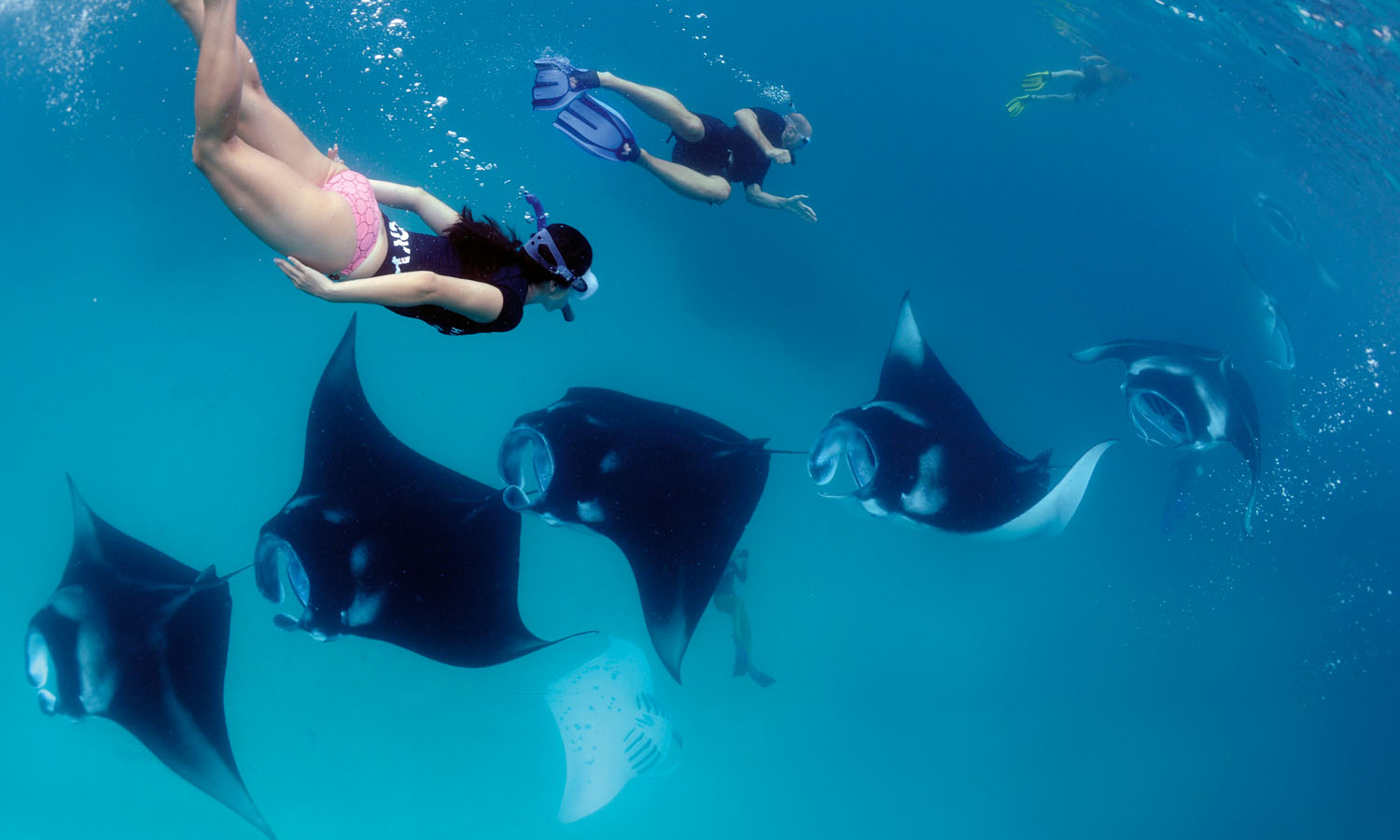
“Don’t touch them,” he tells us. “If they come right at you, stay still and they’ll glide around you. Swim with them and under them if you can hold your breath long enough.” I mentally accept his challenge and my excitement starts to take over the champers-induced nausea.
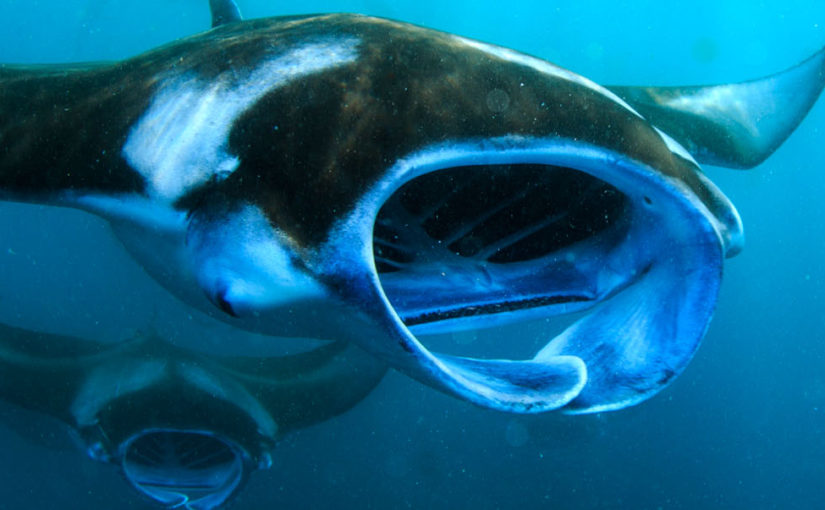
There is some debate over the collective noun for manta rays, also known as devilfish – they’re either a squadron or a fever – but whatever you call them, nothing quite prepares you for the moment ten horn-shaped cephalic fins glide out of the dark blue ocean in almost perfect formation, with gaping mouths wide enough to swallow a small child. The visibility isn’t great for this first sighting; the plankton has clouded the normally gin-clear waters, but it’s a small price to pay to be surrounded by so many mantas at once.
It takes a few minutes to gather my breath but I’m up to Bo’s challenge and dive below the devilfish, gazing up at their white bellies. They’re oblivious to our small group of six. I continue to swim with the fever until there are just four left. I float on the surface of the water, watching as they backflip below in slow circles and then disappear into the depths.
Back on the boat, the exhilaration is fever pitched. Each one of us is lost to the experience and we all have a story to tell, our faces beaming. The trip back to Kihavah is a blur, but the air is filled with the sound of storytelling-chatter. As stars blanket the night sky, I fall asleep quickly with the help of the memory of slow waving manta wings, which are far more sleep inducing than counting sheep. Only, I’ve fallen asleep on a beanbag in the moonlight cinema, woken suddenly by my cocktail spilling onto my chest.
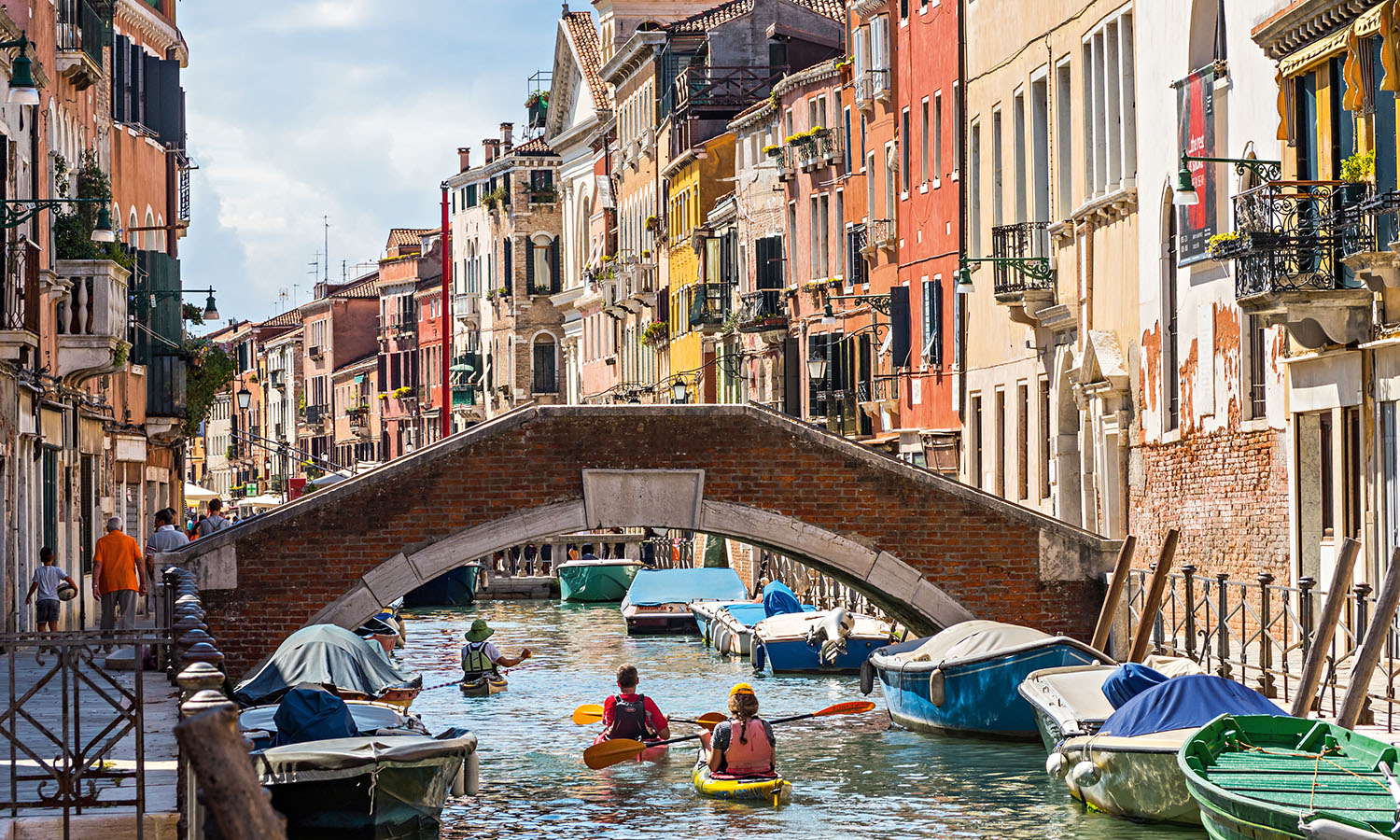
There’s no land in sight, just thick fog. Like us, it is a reluctant morning riser. Soft yet firm, it nestles on the eerily calm Adriatic around our kayak. Only the trains roaring along the causeway to our right give us some assurance we aren’t lost.
We just have to believe Venice is out there. Clearly rubbish paddlers, nothing we do stops the boat going left, towards Slovenia. Maybe we should have joined the gondola hordes after all?
Half an hour’s hard exercise later, the mist lifts and our doubts vanish. As we twist clumsily into the glinting Rio di San Girolamo, I feel proud. We’ve made it into the soporific Monday morning waters of the Ghetto. Locals unloading goods from their boats stop and stare. Then the first tourist shutter clicks. Oh, it makes you feel smug.
What a wonderful, sun-bathed morning to be a traveller. There’s an exhilarating freedom gliding across these ancient waters, taking whatever back stream we want. A wonderland of weatherworn masonry, mysterious windows and colourful vessels unfurls alongside us. We are masters of our ship.
We drift south, through the dank arteries of Rialto. We sneak the wrong way up a one-way canal to poke our noses into the Grand Canal. The traffic is scary, but we can soak up the scene from the sidelines, clutching onto one of those barber-shop mooring poles. We have no rope, after all, and can only guess at the parking rules.
Thus the relay-style refreshment stop that follows. I hold on to a rusty ring on the steps beneath the Ponte San Provolo while my paddling companion Susan sources a take-away plate of cicchetti (snacks) from Bacaro Risorto. Then we each run for a welcome drink at the public fountain on nearby Campo San Zaccaria.
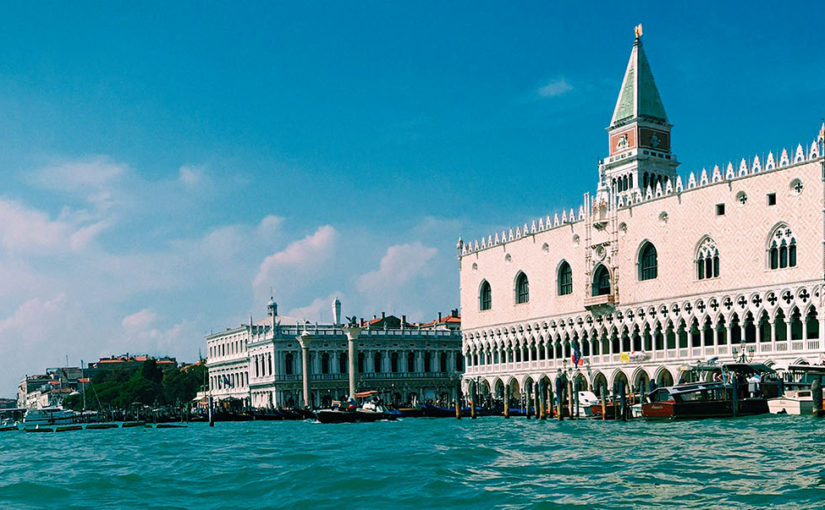
Fortified, we tackle the open sea again. The vaporetto (water taxi) hub outside St Mark’s makes paddling a perilous, iPhone-threatening game. We quickly salute the majestic piazza, and St Theodore and his crocodile, then plunge under the Bridge of Sighs into the water alleys behind the basilica. There, we earn a place in more Chinese holiday albums as we try not to bash and scratch the laden gondolas coming the other way.
But road rage is scarce. More likely a cheery ciao and smile. Only one gondolier gets stuck in, saying we simply aren’t allowed. And maybe we aren’t. My advice? Kayak Venice before the fun police move in.
A few days before I jet off for Japan, I receive a mildly alarming email regarding possible apocalyptic weather conditions at my destination.
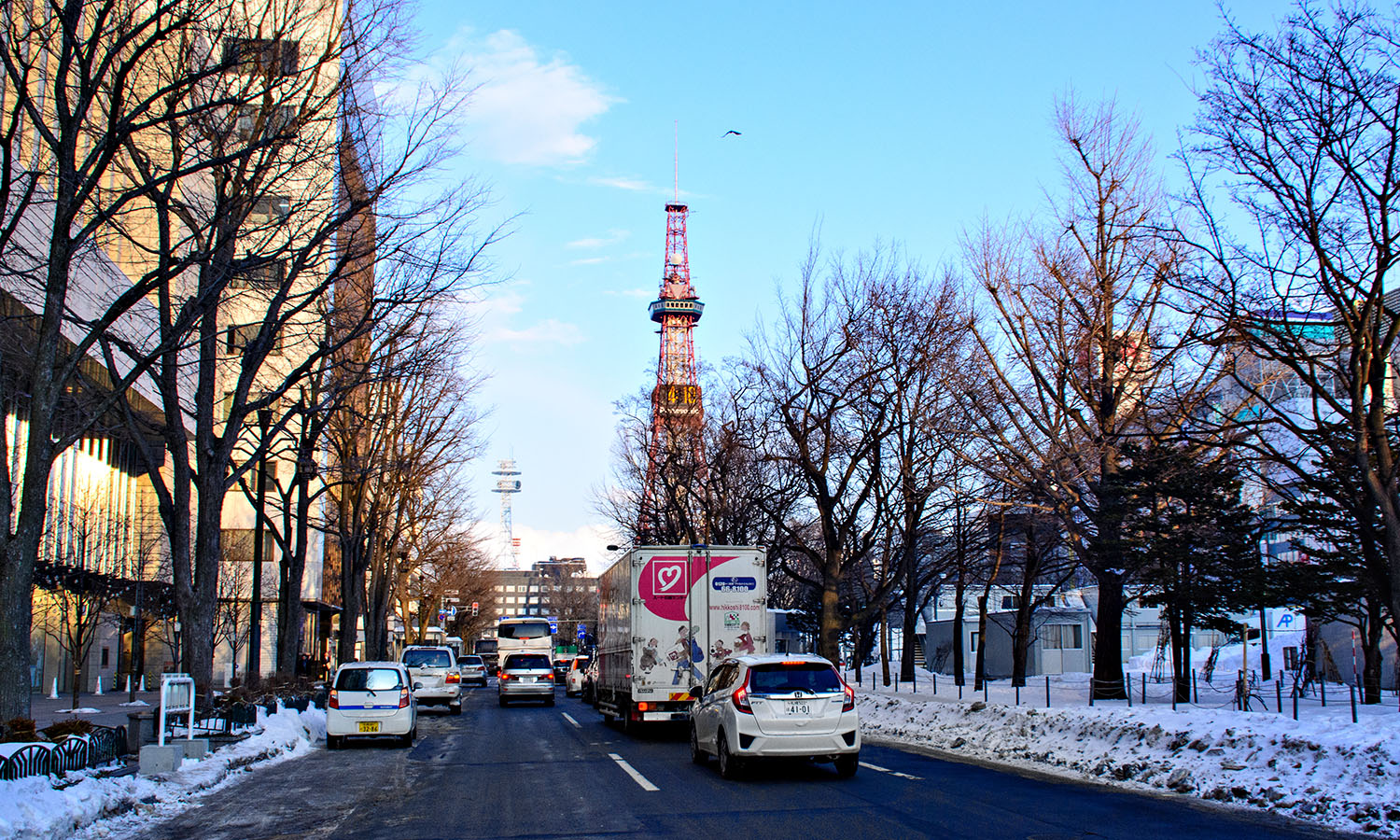
I’m about to fly out to Sapporo, capital of Hokkaido, the country’s northernmost island. It’s mid-February, and Hokkaido is engulfed by the coldest air mass the region has ever recorded. In some spots temperatures have plunged to minus 30 degrees Celsius. “Please take steps to protect yourself,” the email advises gravely. “Activities might be cancelled due to snowstorms”.
Things are so bad they’ve made international news. TV footage shows the streets of Sapporo, a usually bustling city of two million, completely deserted. Air, road and rail services shutdown. I begin genuinely worrying about my survival. I’m not sure I even like snow? I try to imagine what minus 30 could possibly feel like, but it seems extreme beyond all comprehension.
Just hours before I board my flight from Tokyo to Sapporo, some welcome news comes. The cold snap has ended. Temperatures have settled to a more usual low of minus 10. It’s back to business as usual – and it hasn’t put off the tourists.
Blessed with bountiful snowfall from December through to late May, the region has gained a reputation for possessing some of the most perfect powder ski slopes on the planet. Three hours south of Sapporo, is Niseko, a world-renowned winter sports mecca. This time though, I’ve left the skis at home.
A mini-van has been arranged to take me around town. The city streets are buried beneath several inches of snow and I’m sceptical about whether it’ll be up to the task. The driver assures me my anxiety is unfounded. The soft snow in Hokkaido has far more grip than the icy slush that forms in most other places. Here, the air temperature is so consistently frigid, the snow never gets a chance to melt into perilously slippery ice.
We make our way through the suburban outskirts of Sapporo, sheer white curtains of snow falling around us. Every few minutes, a small fleet of trucks trundles past, each vehicle hauling a 10 ton heap of freshly ploughed snow.
In Hokkaido snow removal team works around the clock, saving the city day after day from coming to a grinding halt. While at first, the operation strikes me as comically futile, I soon realise that without these winter warriors, suburban streets would turn to cross-country skiing trails, roofs would regularly collapse over families at the dinner table, and residents would open their front doors only to be greeted by an impenetrable wall of ice.
Despite its harsh weather and relative isolation, today’s Sapporo is a surprisingly cosmopolitan and creative city, but it wasn’t always so appealing.
Sapporo started out as a tiny fishing village, but the search for resources like coal and oil turned it into a small city by the 1900s. It wasn’t until after the war that heavy industry really ramped up and Sapporo experienced a development boom. Today, like many cities advancing out from their industrial past, Sapporo has made a decisive switch towards technology, tourism and environmental restoration.
What kickstarted this movement, changing the city forever in the process, was a park.
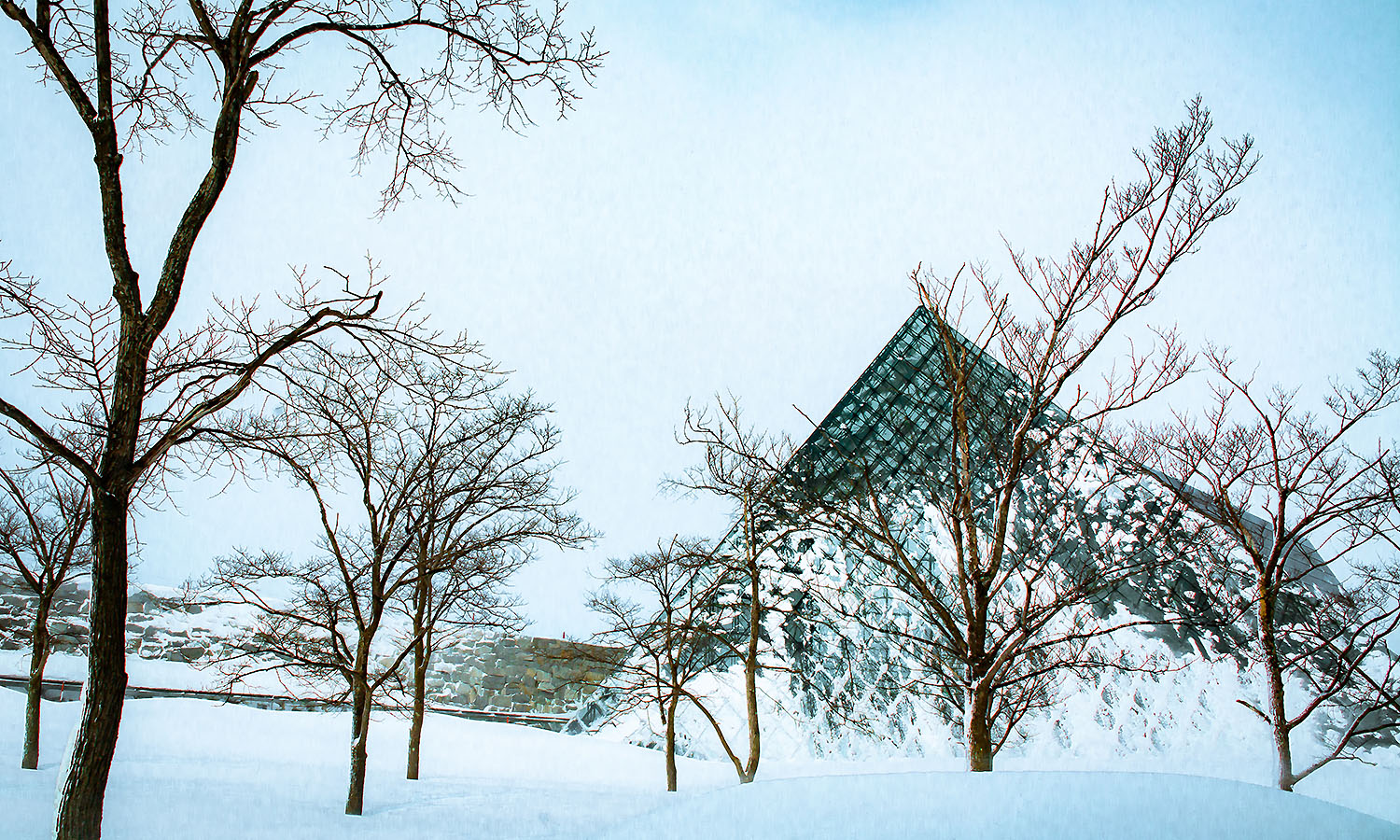
Walking in Moerenuma Park in winter is a novel, if slow-going activity. We frequently lose sight of the footpaths, and our feet sink effortlessly into knee-deep powder, so soft even our footsteps leave no sound. In fact, the snow in Moerenuma is so good that a huge hill in the middle of the park has become a miniature downhill ski-slope and toboggan run – totally free for everyone, provided they can make the steep, 15 minute climb to the summit.
The 400-acre Moerenuma Park is the centrepiece of Sapporo’s ongoing urban greenbelt project. A former landfill site, Moernuma’s dramatic transformation began in 1982 under the direction of celebrated Japanese-American landscape designer, Isamu Noguchi.
Turning a toxic waste dump into what would become one of Japan’s most visually stunning urban playgrounds would prove to the most ambitious undertaking of Noguchi’s career.
A brilliant example of design-led urban renewal, Moerenuma is a fusion of the futuristic and the traditional, drawing inspiration from Zen Buddhist architecture to create man-made environments in harmony with the natural world.
Among the dozens of Noguchi pieces scattered around the park is a geometric modern art installation that doubles as a children’s playground. The playground features a spiral slide, which Noguchi hoped would awaken in kids both an appreciation for sculpture and the laws of physics.
What I’m most keen to see though, is the park’s fabled pyramid. Eventually, I glimpse eyes on the massive, triangular summit of the monument. All mathematically-calculated angles and hard surfaces, it’s a cutting contrast against a downy landscape of smooth valleys and pillowy peaks. The 32-metre high pyramid’s glass panels perfectly reflect the blue sky in summer and the dazzling white backdrop of winter. In the warmer months, it becomes a unique performance space, playing host to concerts and art exhibitions.
Before it was buried by the city’s waste, this place was a lush, ancient wetland, encircled by a natural water course that is now once again pristine. In the language of Hokkaido’s indigenous Ainu, Moerenuma means ‘slow flowing river’.
Noguchi died in 1988 before he could see through the completion of his work. So meticulous, and so grand in scale was his vision, that the park wasn’t officially opened until 2005.
Its success marked a turning point in Sapporo’s 30 year effort to transform its image from obscure industrial outpost to a year-round magnet for visitors.
In summer, it is alive with joggers, cyclists and families picnicking beneath late-flowering Hokkaido cherry blossom trees. But today it is shrouded in deep, penetrating silence.
Spectator Sports at Sapporo Wholesale Market
For some reason, I’d agreed to be dropped off the next morning at the Sapporo Wholesale Market at 5:30am. It’s pitch black, and bitterly cold.
I’m met by a fresh-faced employee, who preps me on what I’m about to see when we reach the main trade floor. I’m half asleep, but the market has been thronging with activity for hours. There are inspectors in lab coats assessing the morning’s goods with scientific precision, while pickers and packers zip across the market floor in the market’s iconic barrel-shaped, flatbed turret trucks.
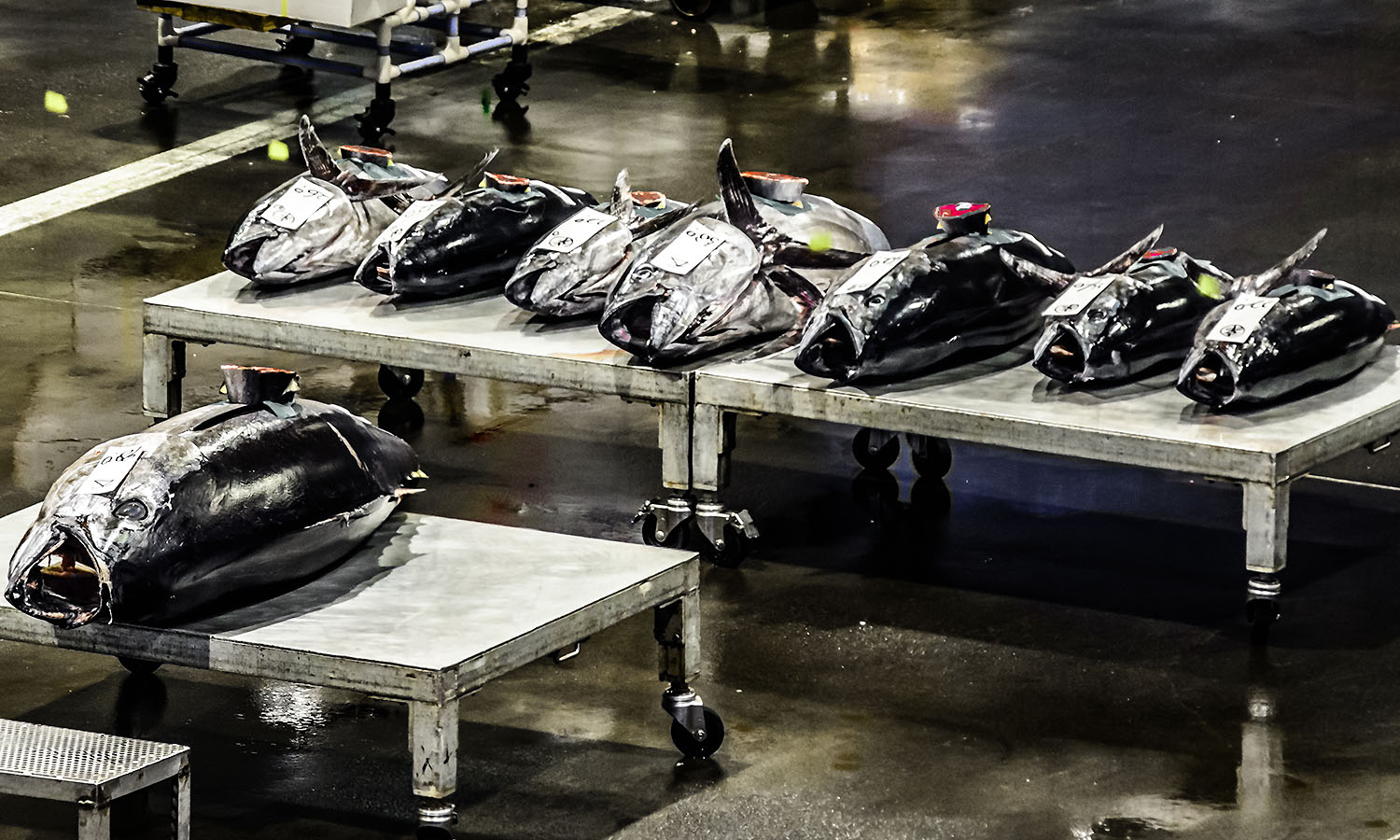
I’m taken to an observation deck on the second floor of the hanger-sized fisheries building. A large group of people make their way towards a series of wooden tables, where several colossal fish carcasses are on display. Eight blue fin tuna, the most prized fish of all, will be auctioned off, bringing fortune to some, and dashing the hopes of others.
Only staff and buyers are allowed on the auction floor, but the observatory deck has an uninterrupted view of the entire ground floor sales operation. Crowds are non-existent, giving you the best chance of witnessing the legendary hybrid of business, gambling and performance that is a Japanese tuna auction.
There’s a sudden commotion as a group of about a dozen people start to converge beside the tuna table. Sapporo Wholesale Market runs like a well-oiled machine, but when there’s tuna on the line, orderliness flies out the window.
Tuna auctions are a kind of ultra-high stakes game of charades, in which buyers employ hand signals to place rapid fire bids, until a loud yelp from the auctioneer announces the end of the bidding war.
Registered buyers in colour-coded baseball caps form a scrum around the auctioneer, who announces the proceedings through a highly animated language of whooping and yelling.
A high pitched yowl echoes through the market. All 12 tuna brokers are hot out of the gate. They frantically punch air to assert their offer, with only a split second before they must make their next move. The auctioneer rattles off bidding prices in a rhythmic sing-song call that spurs on the buyers. The action appears to be speeding up. I see several hands go down and stay down, and more than one dejected face. The whole affair is loud, frantic and for me at least, almost impossible to follow. It looks like about half the competitors are still in the race. Suddenly, the auctioneer gives out a loud bark and the crowd immediately disperses. About 60 seconds have past. I’m not sure who’s won. I scan the faces of the buyers for a smile of satisfaction, but I can’t get a reading. I figure these guys must be the real pros.
By the time a buyer is considered experienced enough to compete on the auction floor, he is an expert in both seafood and business, and a steely-nerved gambler to boot. The tuna business is a big-time hustle (earlier this year, a 277 kilogram tuna at Tokyo’s Toyosu Fish Market went for a record-breaking US$3 million plus). In a few hours’ time, they’ll be on-selling the morning’s spoils to upscale retailers and fancy restaurants.
If Sapporo has one worldwide claim to fame, it’s undoubtedly the locally brewed beer that bares the city’s namesake.
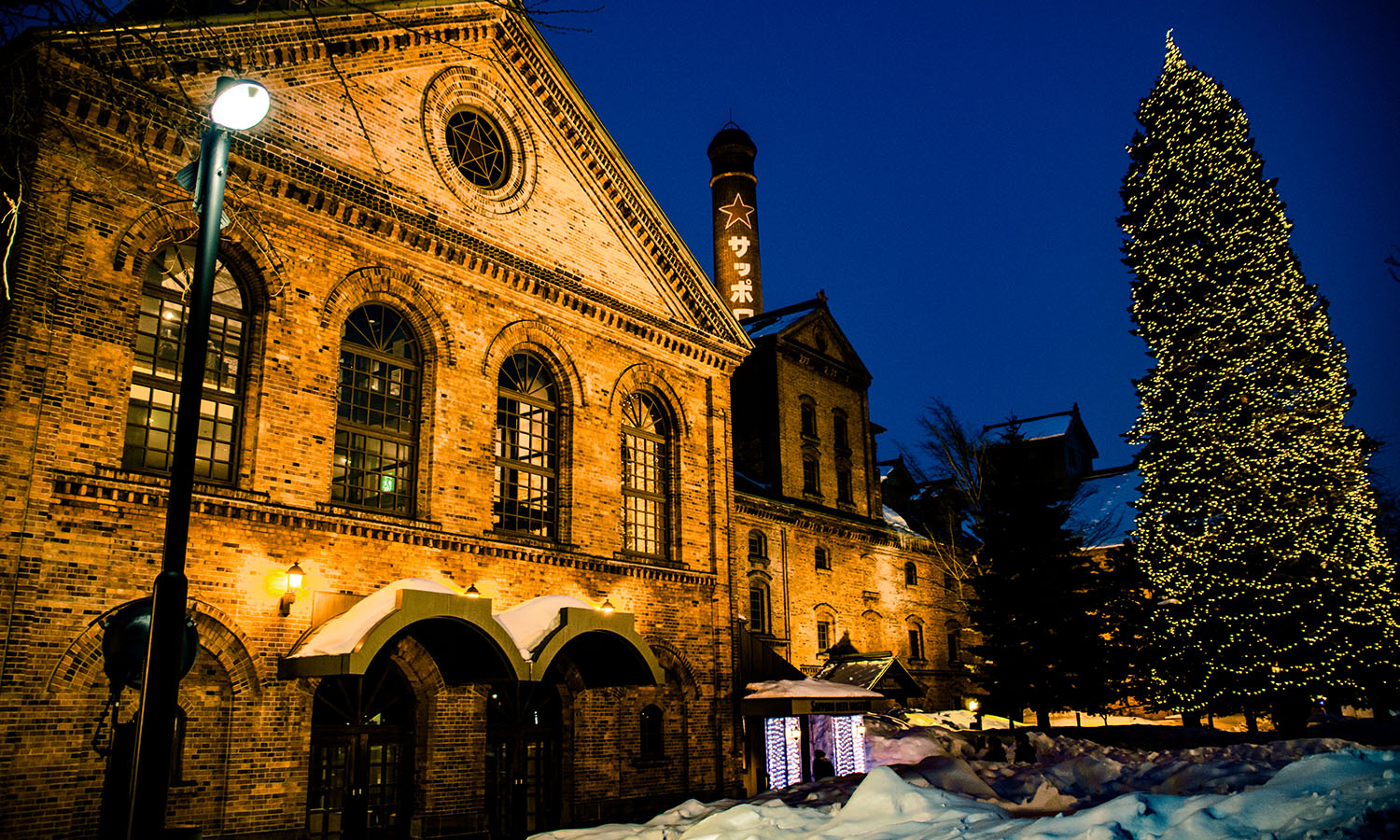
Sapporo is the oldest beer brand in Japan, and its longest-operating brewery. A handsome, European-style redbrick building dating to 1890, it’s visible from streets away by the chimney stack baring the brand’s trademark red polar star.
While brewing operations have since been shifted elsewhere in Hokkaido, the historic factory is still the spiritual home of the much-loved lager. Since being reinvented as the Sapporo Beer Museum in 1987, it’s become a place of pilgrimage for beer enthusiasts the world over.
Dominating the museum’s interior is the massive copper brewing kettle standing several stories high. Guided tours are available to walk you through the brewing process and the history of beer-making in Japan. There’s also a collection of vintage Sapporo ads, including some rather disturbing examples from the early 1900s which appear to be marketed towards mothers and babies.
Learning about beer would be much less fun if you didn’t get to drink it afterwards. Luckily there’s a giant German-style beer hall onsite where steins of Sapporo find the ultimate match in copious servings of smoky, fatty, barbecue grilled meet.
The restaurant serves a speciality, the ‘Genghis Khan’. A similar concept to a typical Japanese or Korean barbecue restaurant, the meat is brought out raw and cooked at the table communal style on dome-shaped metal hot plates. I can’t resist ordering a pinto of the Sapporo Five Star, a more full-bodied lager than the regular stuff, available exclusively at the Beer Museum.
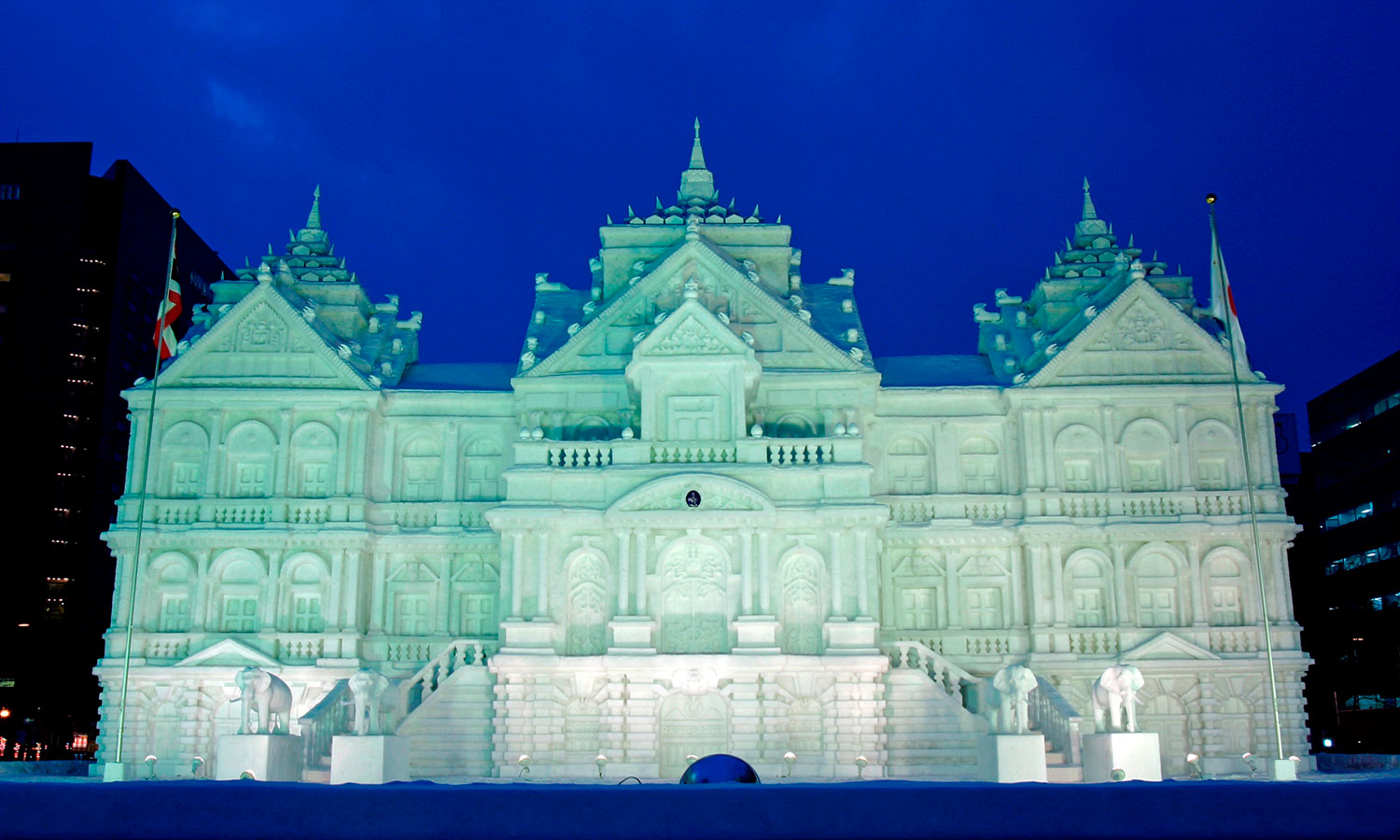
After the all-you-can-eat meat extravaganza, I do my best to walk things off a little with a stroll through the city’s downtown. Along a main street, I spot several excavators rolling down the footpath. They’re busily demolishing what on closer inspection appears to be the remains of near life-sized replica of a medieval castle, carved out of translucent blocks of ice.
Sapporo’s Snow Festival (and why you shouldn’t miss it)
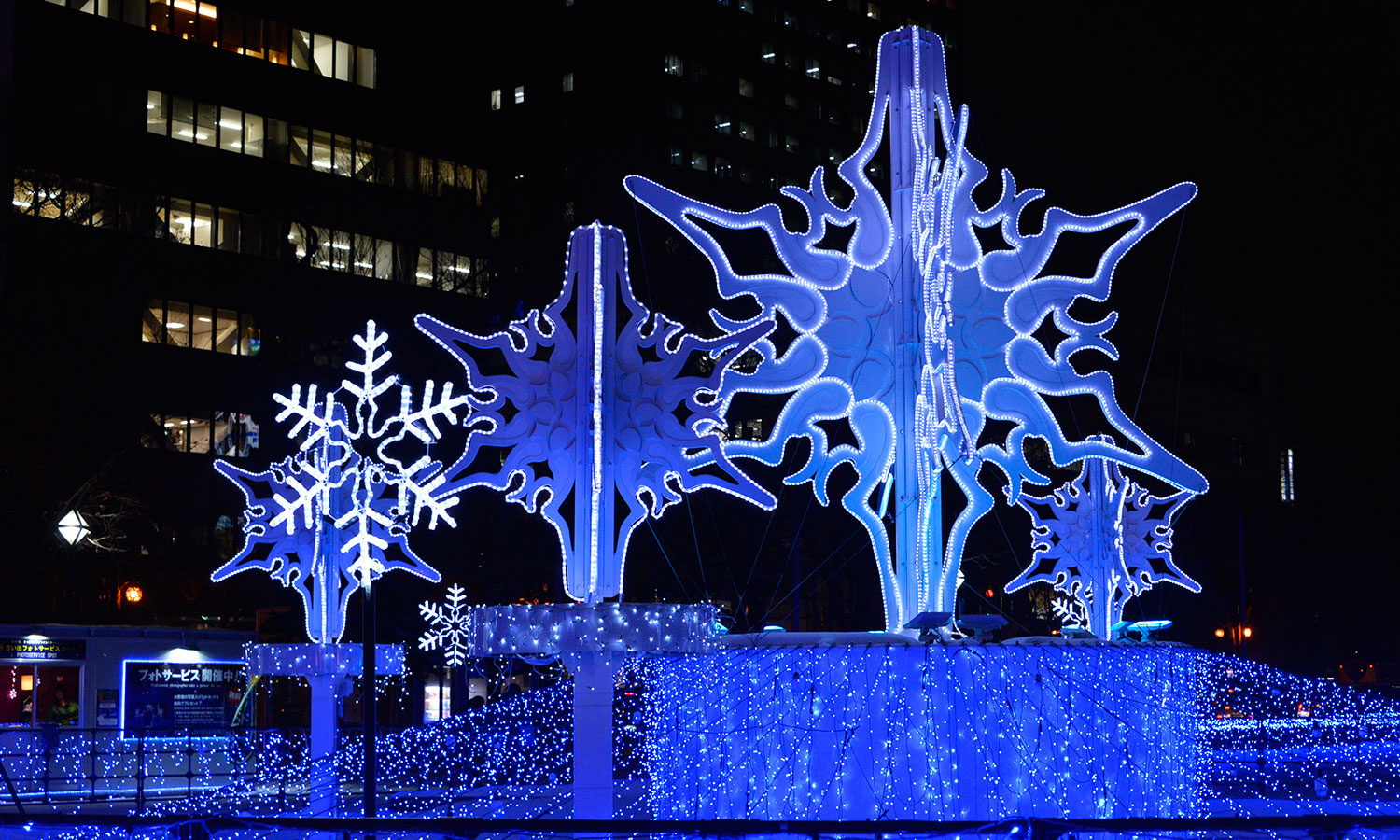
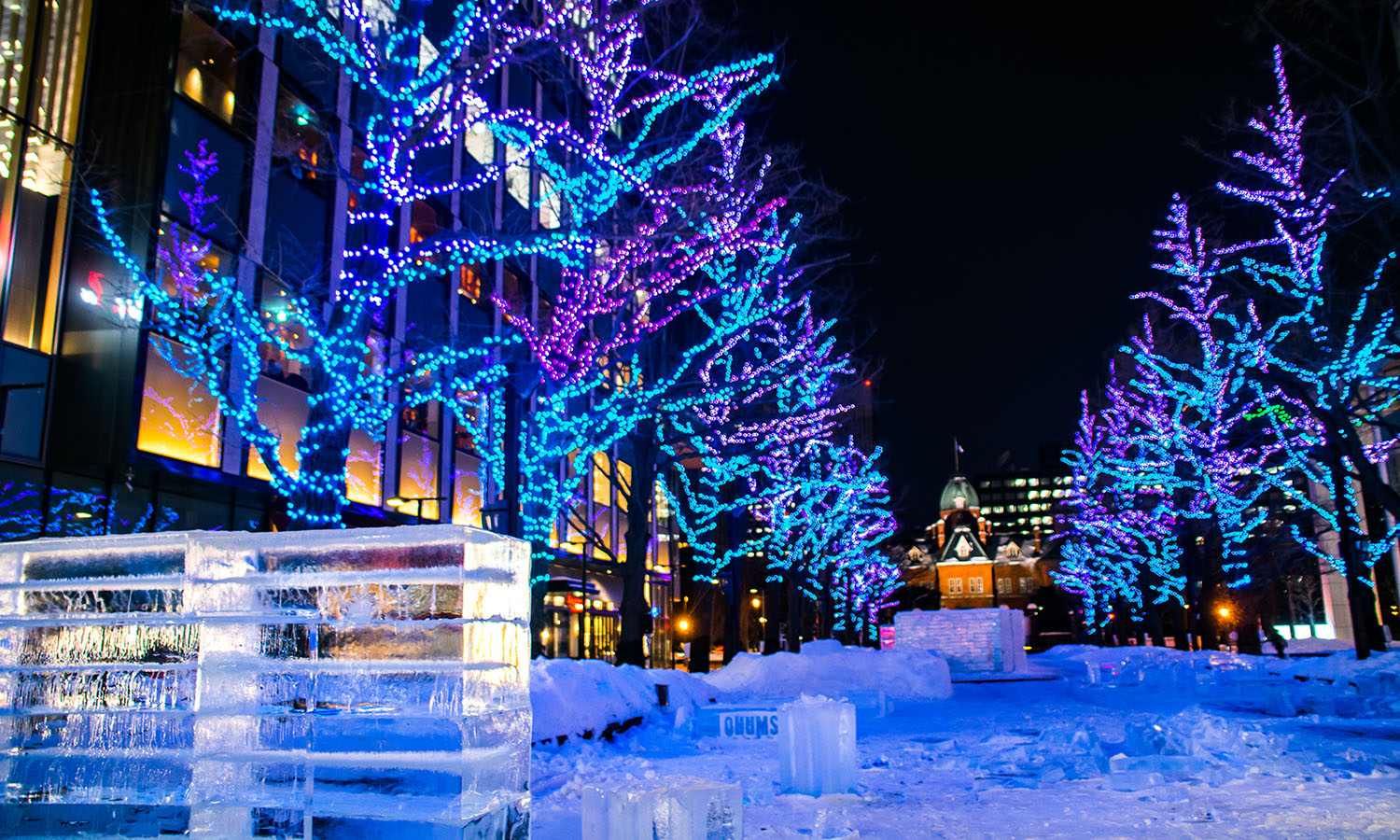
Every year in early February, Sapporo hosts its largest and most spectacular event, the Sapporo Snow Festival. Sapporo in winter has an undeniable air of magic, which the festival aims to celebrate by illuminating the city streets, setting the evenings aglow with millions of multi-coloured LEDs and kaleidoscopic light projections.
The highlight of the festival is the snow sculpting competition where highly skilled teams from around the globe carve extraordinarily complex and detailed sculptures out of ice and snow. Past entries have included a 10-metre high T-Rex, an astonishingly intricate Taj Mahal, and a life-sized reproduction of the Grand Central Hall of Nara, one of Japan’s most magnificent temples.
Multiple sculptures standing several stories high have transformed this square into a gaudily enchanting, artificial-lit fairy land. After being painstakingly created over several weeks, they’ve been bulldozed into rubble in a matter of hours.
Even without the snow festival, Sapporo has worked its winter charms on me. Until now, I had never seen a city completely blanketed in powder so thick, so soft and so dazzlingly white. I had never seen snow that glowed crystal blue under the pooled light of city streetlamps or formed glittering incandescent icicles beneath window eaves and clustered along the branches of pines. These were scenes I’d only ever seen in the picture books and TV special Christmas movies I fantasised about as a kid.
It’s my last night in Hokkaido. I shake off the feathery dusting of snowflakes settling on my shoulders, breathe warm vapour into my hands and let it all sink in.
Here I am, a self-professed cold weather wimp in the second snowiest city on earth (only another Japanese city, Aomori, cops even heavier falls). My take: winter isn’t beautiful everywhere, but it is here.
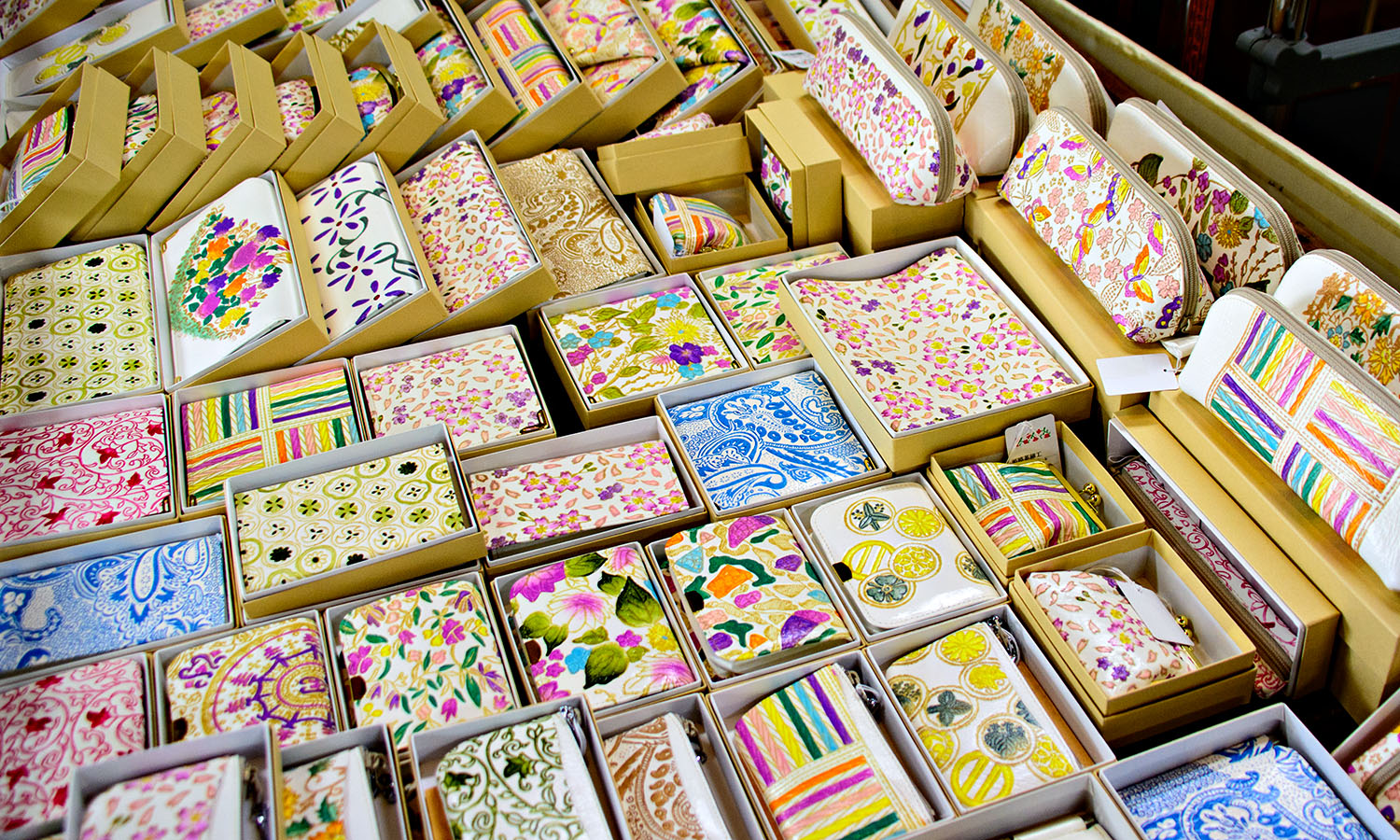
Millions of tourists come to Japan with shopping high on their agenda. Whether you’re into traditional crafts, high fashion, or anime action figures, it’s easy to exceed your luggage limits with items almost impossible to buy back home.
Beyond the flashy malls and touristy shopping districts are communities of craft makers who have preserved the ways of their forefathers, carrying on the time-honoured traditions. Tracking them down can be an adventure in itself.
When I was invited to meet some of Japan’s premier craft makers and designers, I was able to get a tiny taste of the nation’s handmade artisan treasures.
If like me, your Japanese skills don’t extend past first grade level, you’ll need to enlist the help of a local guide who can lead you to troves of art found only in unmarked galleries, factory showrooms and places where one-off pieces are purchased direct from the creators themselves.
Talking to the craft makers I met on this trip, I was struck by how religiously many stuck to historical processes, some even refusing to work with computers and modern machinery. In Japan, small manufacturing businesses often run in the same family for generations, and breaking with tradition is rarely met with approval.
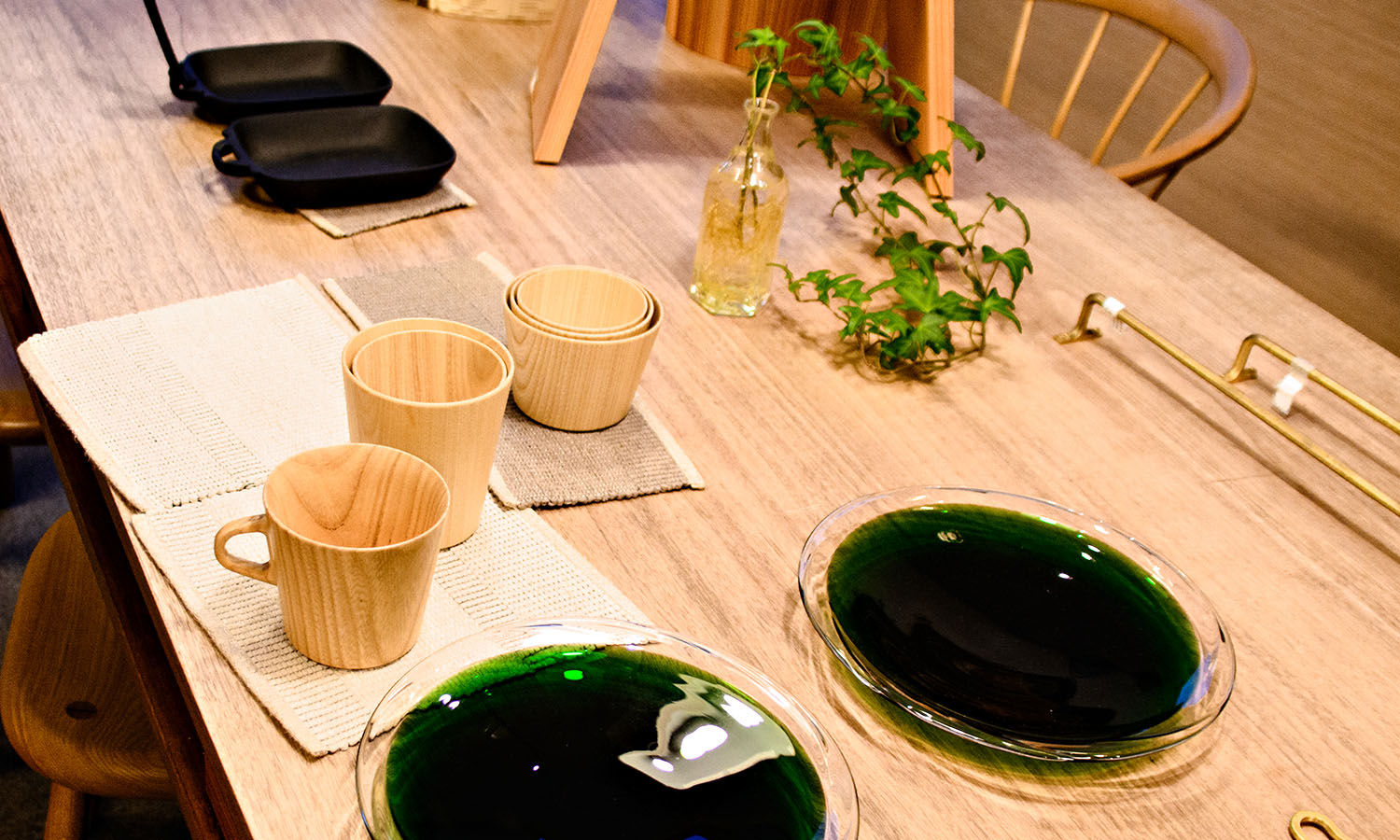
One of my first stops was the Kanata art shop in the bustling far-northern city of Sapporo. Sporting an elegant, minimalist interior design, the shop houses a small collection of homewares, furniture and art pieces, each one personally selected by curator Chiemi Hiratsuka from the workshops of Hokkaido’s finest woodworkers, potters, metalworkers, weavers and sculptors.
The handmade pieces are a mixture of traditional and contemporary styles. Among the most striking are the feather-light yet sturdy drinking cups carved from kami (Japanese paper wood), a vintage-style clock with a face made from amazingly soft, supple deerskin leather and a series of hand-brushed ceramic plates.
But it’s how Kanata’s customers discover these gallery-worthy works that fascinates me. To find the entrance my guide and I make our way six storeys up an utterly ordinary, unmarked commercial building, where the shop is tucked away in a small, converted corner office. There are no signs to point the way, and to all but those in the know, Kanata is all but invisible. There is an online store, but not all products are available and going into the store is all part of the experience. When I quiz Chiemi on how her customers find her, she simply says, “they just know”.
Chiemi is a designer herself and well-respected in certain art circles, and most of her customers are keen collectors who track her down through their connections. Of course, anyone is welcome to find a local guide who can take them to this extraordinary hidden treasure trove.
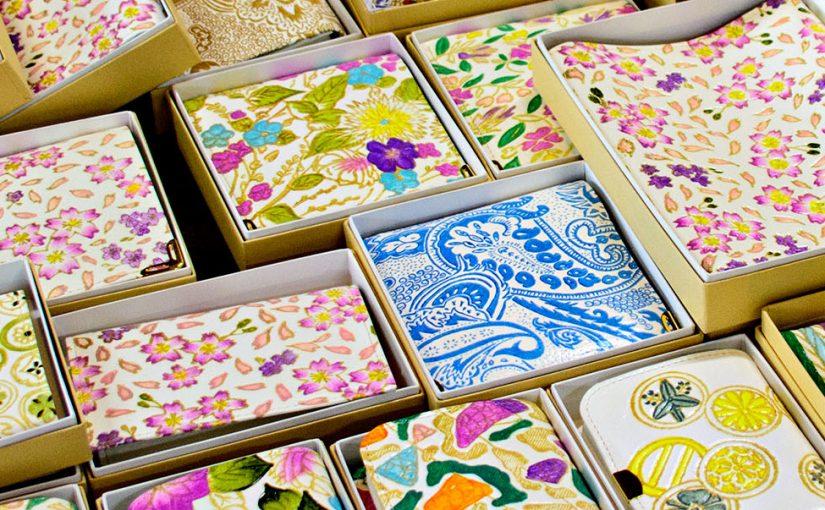
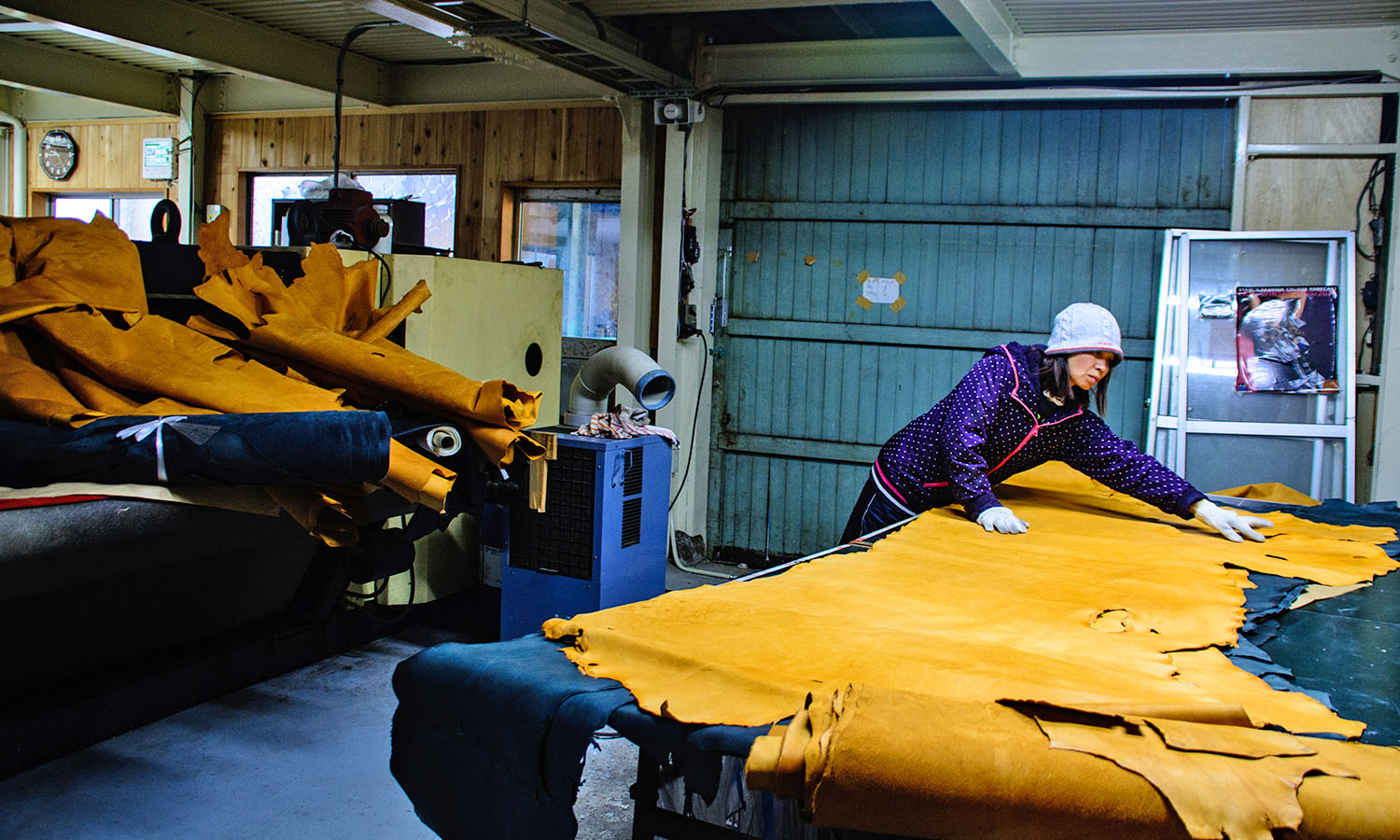
From Sapporo, I take a two hour flight to Kobe, followed by an hour’s bus ride to the ancient town of Himeji, renowned for its 17th century samurai castle, one of the finest in Japan. I’m here to discover a slice of Himeji’s heritage even more ancient that its famous castle – the city’s 1000 year old leatherwork tradition. Once upon a time, Himeji’s master tanners and leatherworkers would fashion armour for the samurais, and craft saddles and harnesses for their horses.
I’m surprised to discover that Himeji is one of the few places able to produce natural white leather. The most commonly available white leather is usually the result of bleaching or dying, but Himeji’s tanners discovered that soaking cattle hides in the local Ichikawa River could produce organic leather in pure whites and creams, thanks to the Ichikawa’s unique mineral properties and natural softness.
Today news of Himeji’s mythical white leather has captured the attention of a few big players in the haute couture studios of Europe. One leathermaker in particular, Masamichi Ogaki, even had a contingent of French designers fly out and inspect his work.
Ogaki heads up the fifth generation of his family business, the Daisho Leather Company. As I tour the surprisingly compact Daisho Factory, Ogaki talks enthusiastically about how he flew to France to show off his wares at Paris Fashion Week. Now, he supplies his top quality leather goods to the likes of Hermes.
Should you find yourself in Himeji, drop into the Daisho outlet store and pick up an exquisite deerskin purse, an elegantly supple handbag or a sturdy wild boar skin belt (a product fairly unique to Himeji). The shop also runs hour-long leatherworking classes for beginners. Even without Japanese, I find the workshop easy enough to follow, although my first attempt at making a leather coin purse is a little on the crooked side.
In the commercial shopping precincts of Kyoto, things are far more tourist-accessible. Yet businesses here share the same belief of inherited values as their more isolated counterparts.
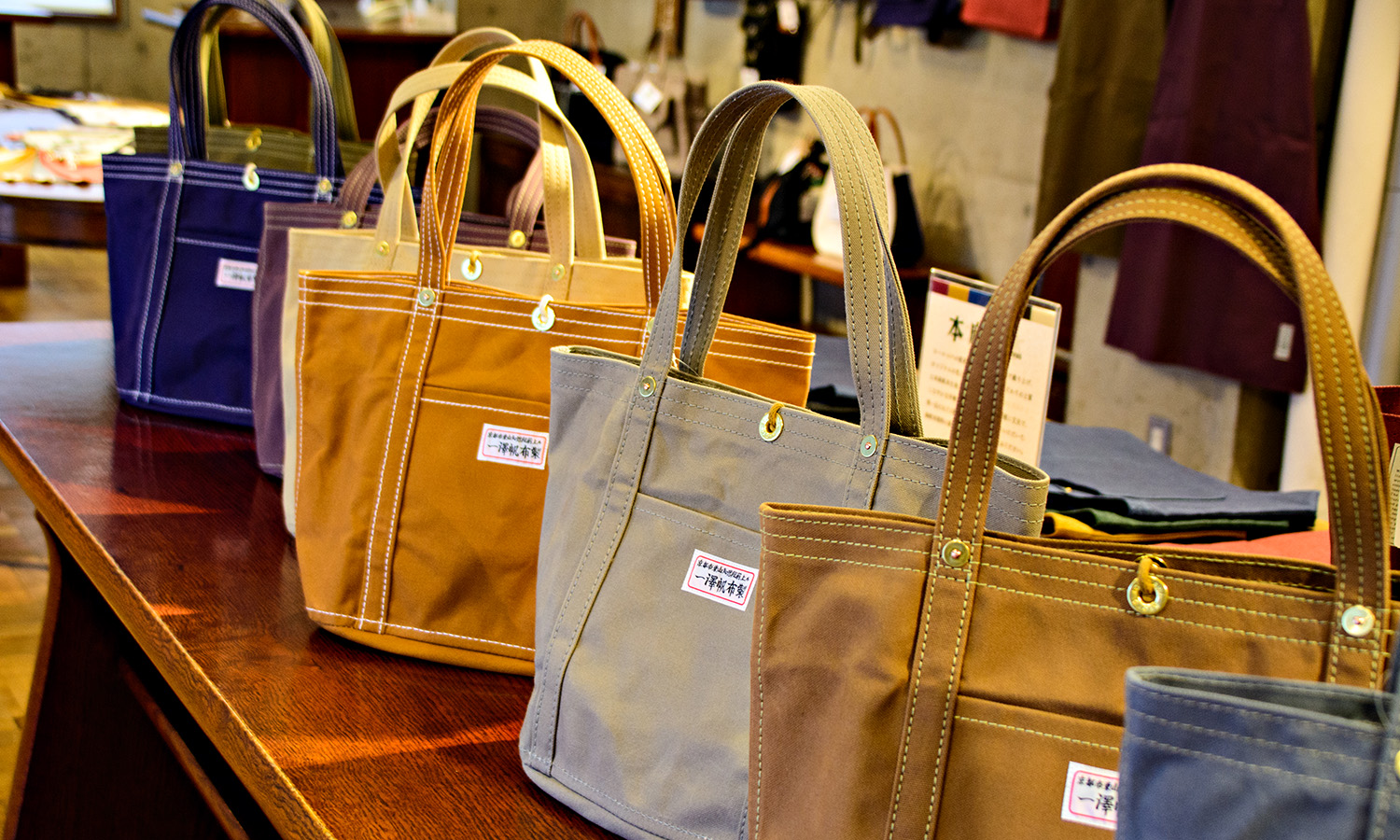
Ichizawa Shinzaburo Hanpu, in the upscale shopping precinct of Kyoto’s Higashiyama district, is far from a secret. When I arrive at the store, plenty of customers are milling about the two-storey showroom admiring the wide range of canvas bags on display, all brightly coloured, with old-fashioned buttons and chunky stitching. Loved by locals, and sought-out by tourists, Ichizawa is one of the most famous boutiques in Kyoto. The company has been making its distinctive canvas bags by hand since 1905, and while it has moved away from making sturdy tool bags to more fashionable totes and shoulder bags, the production process has changed little.
Owner Shinzaburo Ichizawa says unlike something mass-produced, a handcrafted item is special because of the place it was made, and the people who made it. To preserve the intrinsic value of such an item, its sale should be a direct transaction between customer and creator.
Ichizawa doesn’t sell its products online or distribute them to department stores. The only place in the world you can buy an Ichizawa bag is here.
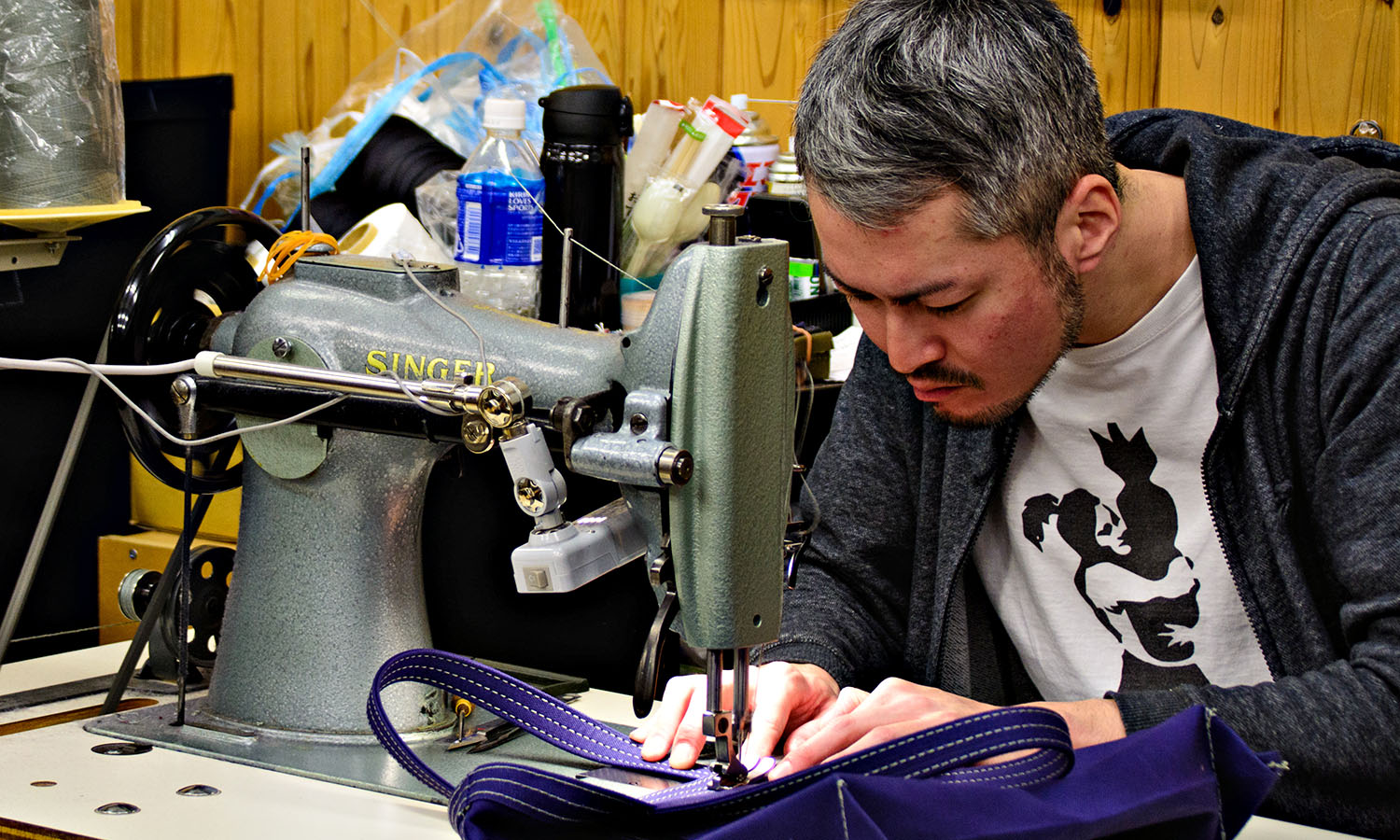
The factory is small, with maybe 40 people working at one time. There are no computers in sight. Everything is cut from hand-drawn patterns. The staff use ancient manual sewing machines. A couple of their vintage Singers have been thudding away for over 70 years. Ichizawa adheres to the traditional idea of the craftsman as artist. The makers are also the designers, and no bag is the same. Ichizawa bags are often handed down for generations. For overseas buyers, it’s a one-of-kind souvenir of Kyoto that also happens to be extremely fashionable.
With some background on each region’s most renowned traditional crafts, and a little (OK, quite a lot) of inside knowledge, I was able to track down amazing pieces of art, and even experience the great privilege of meeting their makers.
By turning shopping in Japan into a cross-country adventure, I came home with a few special somethings – one-off treasures that would never see the inside of a chain store.
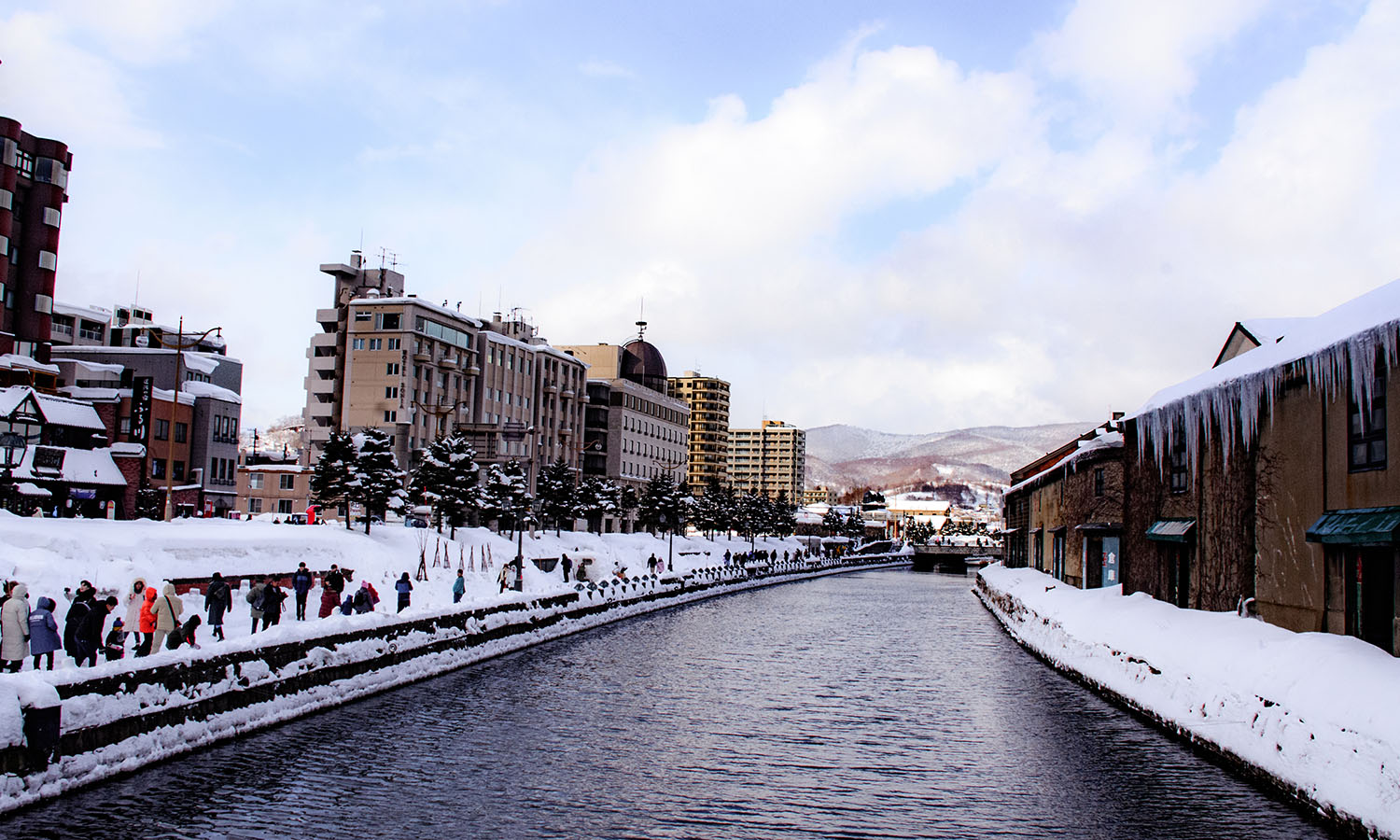
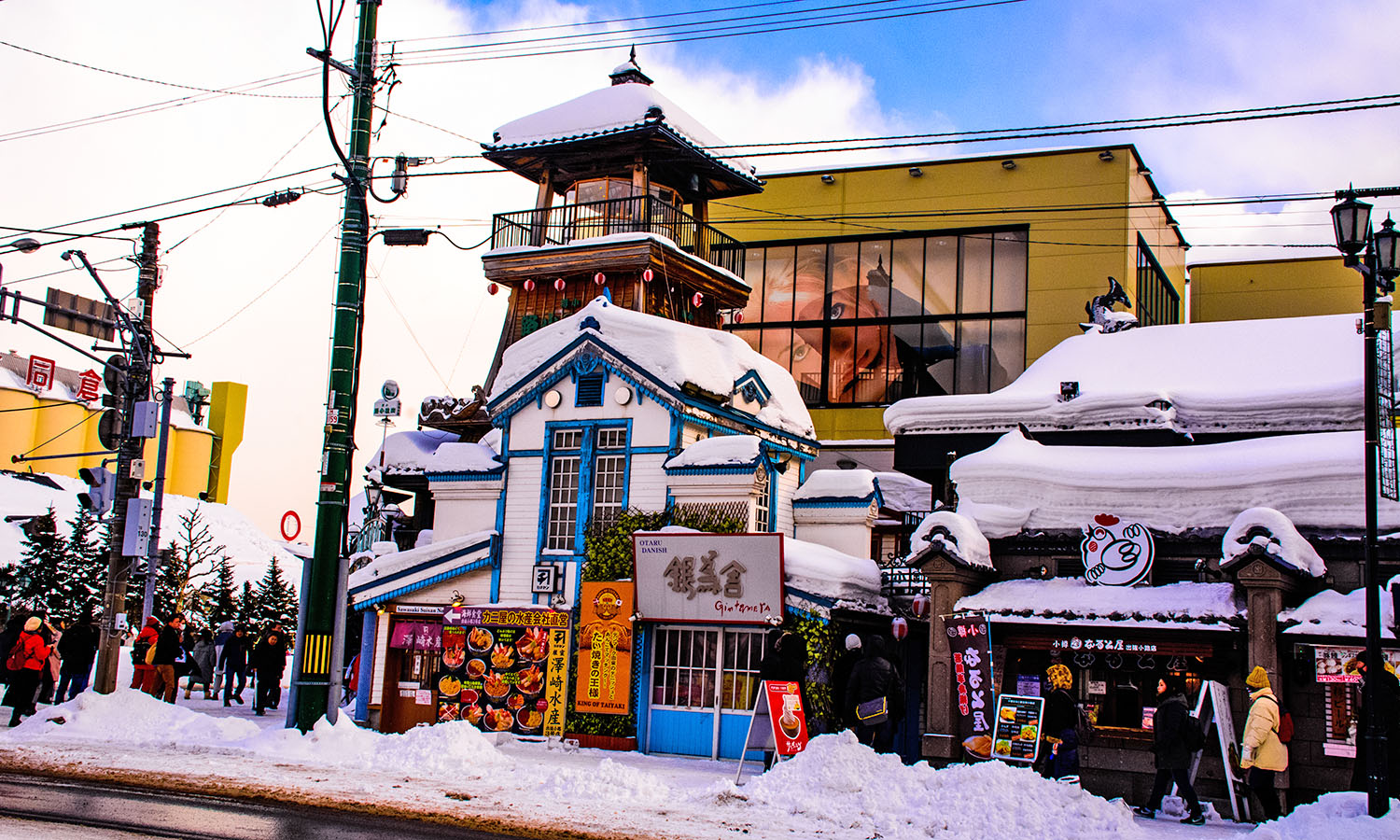
It’s mid-February and my first sight of Otaru is through a filter of feathery white snowfall. In the centre of town, hundred-year-old warehouses line the banks of a wide canal.
An old stone bridge is set against a backdrop of forested mountains, branches bare from the winter freeze. Across the road stands a cluster of gingerbread wooden cottages, sloping roofs coated with thick layers of icing sugar snow. Further along the main street are the town’s major landmarks – a grand Renaissance-style bank building and an antique steam clock tower. But this isn’t a quaint European village, it’s a small town in Japan.
Hokkaido’s Hidden Gem
Take a train journey north-west of Sapporo and as the concrete sprawl fades into the distance, the scenery opens up to reveal the wide expanse of Ishikari Bay. It’s along this coastline that you’ll find the picturesque port town of Otaru.
I’ve arrived on a day trip from Sapporo. Only 30-minutes from the city, the route passes some of the renowned ski resorts which have made Hokkaido, Japan’s northernmost island, a mecca for winter sports enthusiasts.
Most foreign tourists pass straight by Otaru for the ski slopes, but I discover a place lively with visitors seeking the enchantment of wandering through a real-life snow globe city.
Otaru started out as a remote fishing village and became a thriving financial hub by the early 1900s, whose harbour served as the gateway to Europe and Russia for Japan’s lucrative grain and rice trade. European influences extend to the colourful shopfronts, French-style patisseries and Victorian-style street lamps which line the central thoroughfare. Running alongside it is the Otaru Canal, built in 1923, when at around 300,000, Otaru’s population was twice what it is today.
The former Bank of Japan building, with its grand, Grecian-style columns and vaulted ceilings, stands as a stately reminder of Otaru’s prosperous glory days. Today, the bank has been converted into a museum tracing the history of Japan’s currency system. It’s free, extremely in-depth and surprisingly fascinating. I opt to also check out the Otaru Music Box Museum situated in a year-old heritage mansion. It’s one for fans of lovingly curated niche museums. With a collection of more than 3000 music boxes, many of them astonishingly beautiful, I don’t doubt its claim to be the largest museum of its kind in the world.
A steam-powered clock tower marks the end of Sakaimachi Street, the main shopping district. On the day of my visit, the strip is bustling with kids building snowmen on the sidewalks, and tourists going shop-to-shop sampling local delicacies. Most famous of all is the Hokkaido double fromage cheesecake. Completely different to dense, heavy European cheesecake, the Hokkaido variety is miraculously light and airy, yet velvety rich and creamy. It’s ridiculously good.
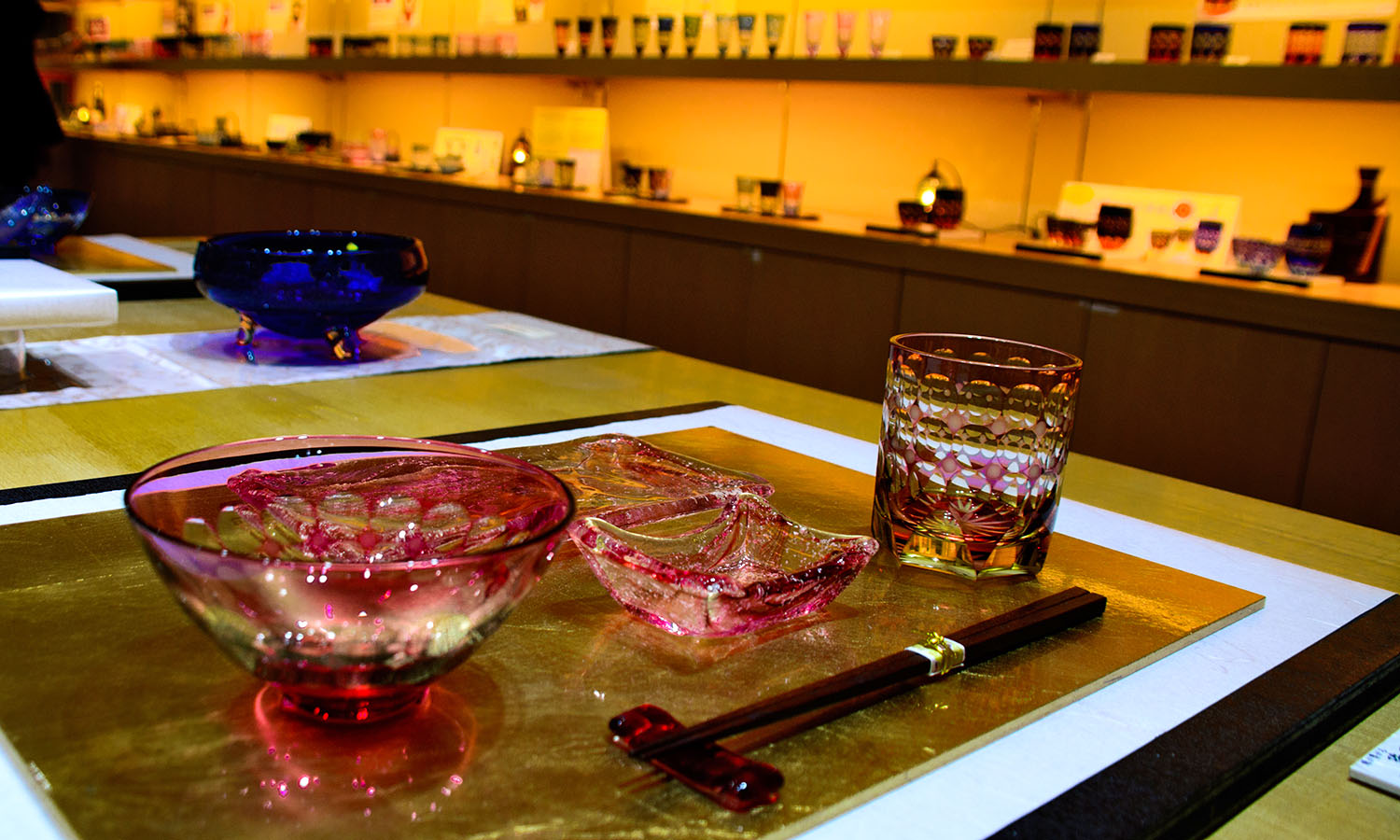
Almost every small town in Japan is associated with a type of craft deemed to be its speciality. The many stores and showrooms dedicated to handmade glassware clearly advertise Otaru’s claim to fame.
Glass blowing was first introduced to Otaru by Dutch traders. The Dutch were some of the first foreigners on the scene, and had set up trade here in 1852 when Otaru was still just a tiny fishing hamlet. The locals’ interest in glassmaking was piqued when they discovered hollow glass spheres made perfect floats for their twine fishing nets. Soon, a small industry sprang up around making glass floats to supply Hokkaido’s fishing trade.
As a market for more luxurious goods arose, Otaru’s master glass blowers began putting their skills towards more ornamental creations, and Otaru became known nationwide for the quality of its coloured glassware.
The most impressive of several outlets of the esteemed Kitaichi glassware chain covers two stories of a 100-year-old warehouse on Sakaimachi Street. The showroom is stacked with stunning handmade wares I wish I could take home, from delicate tea and sake sets to extravagant vases and traditional stained glass oil lamps.
Winter Warm-Ups at Nikka Whiskey Yoichi Distillery
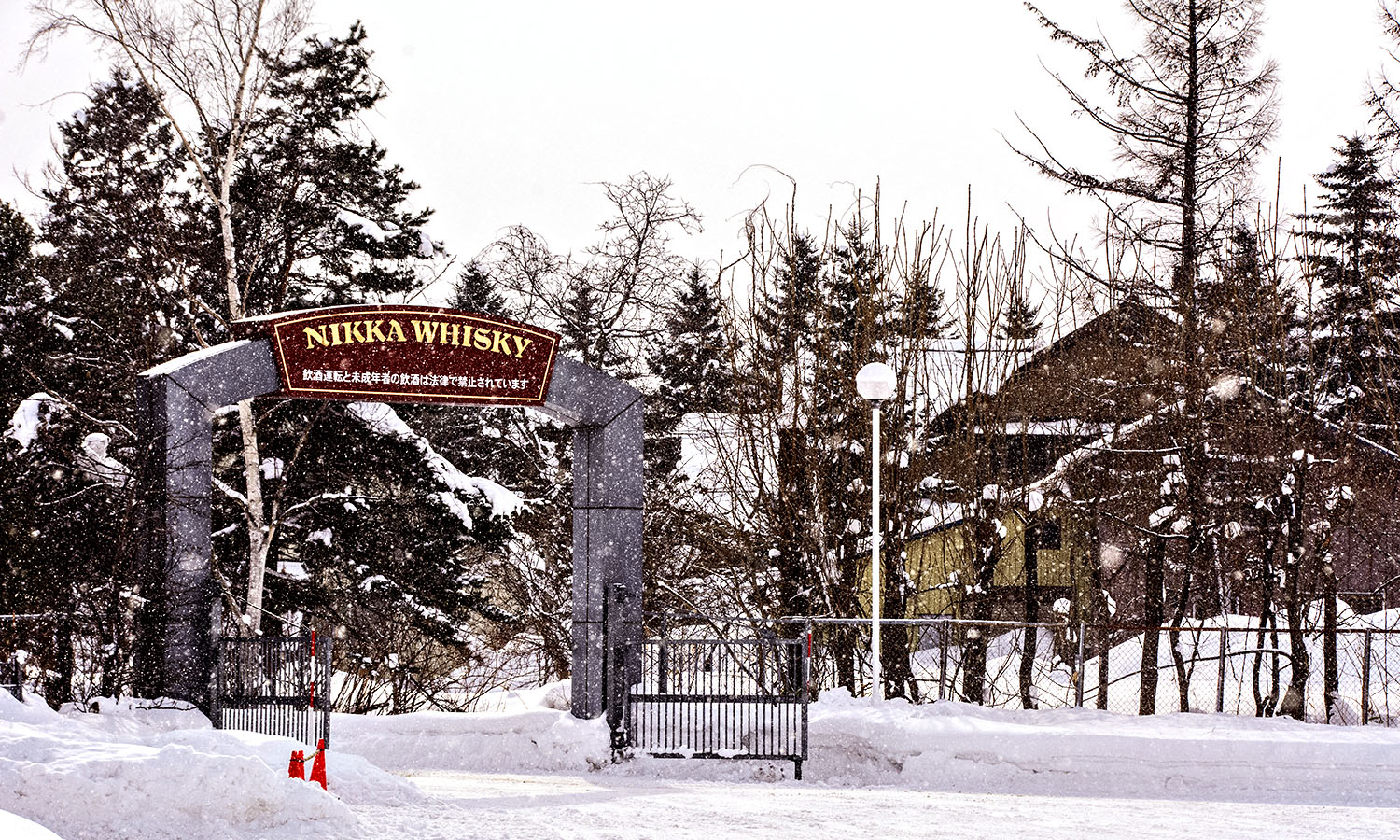
I decide to combine my daytrip with a visit to the historic Nikka Whisky Distillery in the nearby town of Yoichi.
Of all the European imports adopted by Hokkaido’s industries, whisky is undoubtedly the most prestigious.
While I’m far from a whisky expert, I’m still well aware of Nikka’s reputation for single malts, which some connoisseurs say easily rival the Scots.
Japanese whisky first received international acclaim in 2001, when Nikka’s 10-year-old Single Cask Malt Whisky Yoichi won Best of the Best at an esteemed event by the Whisky Magazine of Britain.
Although the tourist experience at Yoichi Distillery is most definitely a casual, neophyte-friendly affair, I still feel like a bit of an interloper, a tequila-drinking savage on holy ground devoted to the most elegant and refined of spirits.
Still, I’ve always wanted to gain a better understanding of whiskey, if only to appear more sophisticated at dinner parties, so I opt to join in on an hour-long guided tour.
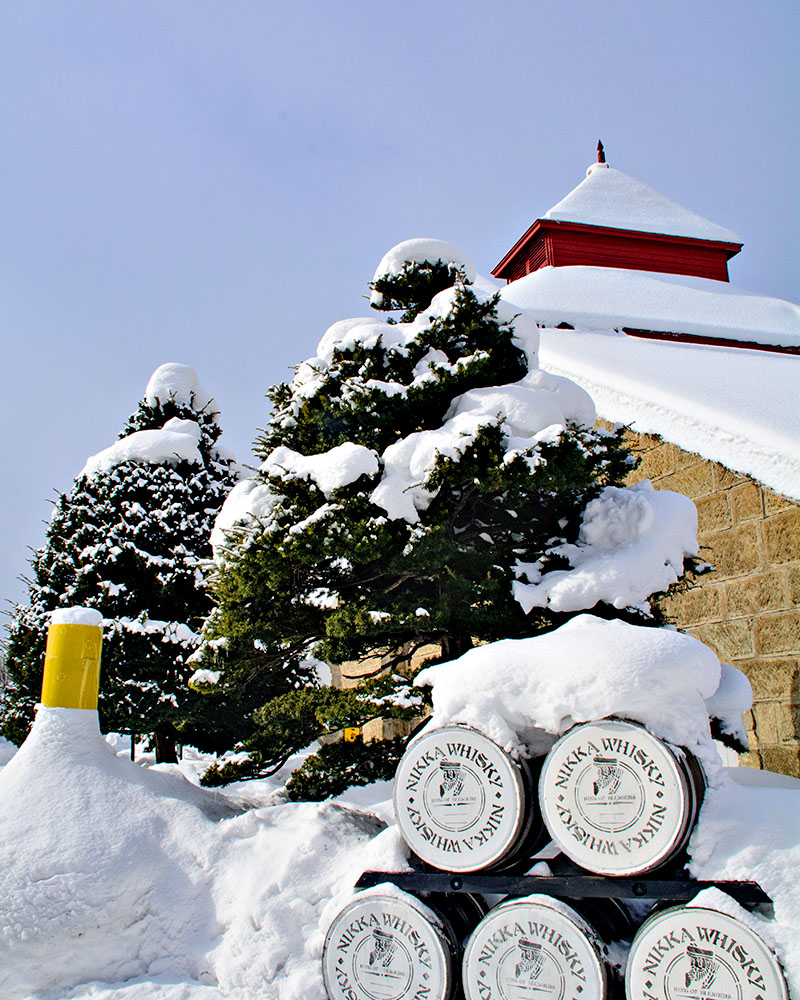
The tour provides an insightful, stage-by-stage explanation of the lengthy manufacturing process. Nikka’s top single malts are matured in barrels for 10 to 20 years, with their development overseen by a master taster. According to our guide, the master taster has several disciples to whom he passes on his wisdom. Should the master die before the batch is completed, a new master is appointed to carry on the work of his esteemed teacher.
An onsite museum is dedicated to the life and achievements of Japan’s master of whisky, Masataka Taketsuru, the complex and brilliant son of a sake brewer with an uncannily heightened sense of taste and smell.
Taketsuru learned the art of crafting authentic single malt whisky during his years of studying in Scotland. With the knowledge he brought back, he opened Japan’s first distillery in Yoichi, due to its climactic similarities to the Scottish Highlands. The grounds feature distinctly un-Japanese, vaguely castle-like architecture, reflecting the nostalgia Taketsuru felt for the distant lands where his love for whisky, and his Scottish-born wife first arose.
Tour complete, I head to the tasting hall with a newfound appreciation of the incredibly intensive labour, instinct and skill involved in the creation of this precious, and pricey, liquid gold.
Unfortunately, only the more common Nikka varieties are available to sample in the tasting hall. Still, I’m impressed with the smooth, delicately woody, faintly fruit-tinged flavour of the Yoichi Single Malt. It’s nothing like the fiery throat-punch of smoke and peat I’ve long associated with Scotch whisky. I think I may have found my go-to drop at last, so I pick up a couple as classy souvenirs from the gift shop.
While most tourists come to Japan for the ancient temples and the bright lights of the cities, in Otaru and Yoichi, I’ve found an altogether different side of Japan. These places are no less authentic than the 1000 year old shrines of Kyoto, but simply shaped by distance and divergent histories.
Between the stunning surrounding scenery of snow-swept mountains and coastlines, the atmospheric charm of Otaru and the educational and sensory experience of visiting the Nikka Distillery, my time in this hidden-away pocket of Hokkaido has been eye-opening, endearing and surprisingly delicious.
For someone about to undergo one of the most intensely relaxing experiences imaginable, I’m feeling a little on edge.
Soon, I’ll be partaking in one of Japanese’s societies most revered and beloved past times – soaking half-submerged in the near-scalding, mineral-rich waters of an onsen, or hot spring bathhouse.
As a first timer at Arima Onsen, I’ve been issued a list of numbered instructions and advice on behavioural etiquette. In my travels so far, I’ve largely experienced Japan’s traditional customs as a mere spectator. During my time in Arima, my aim is to become a participant.
I’m spending the night in the palatial Arima Grand Hotel, where I’ll eat a lavish kaiseki dinner that’s part ritual, part culinary adventure. I’ll seek to restore body and mind in healing hot springs and sleep on woven tatami floor mats.
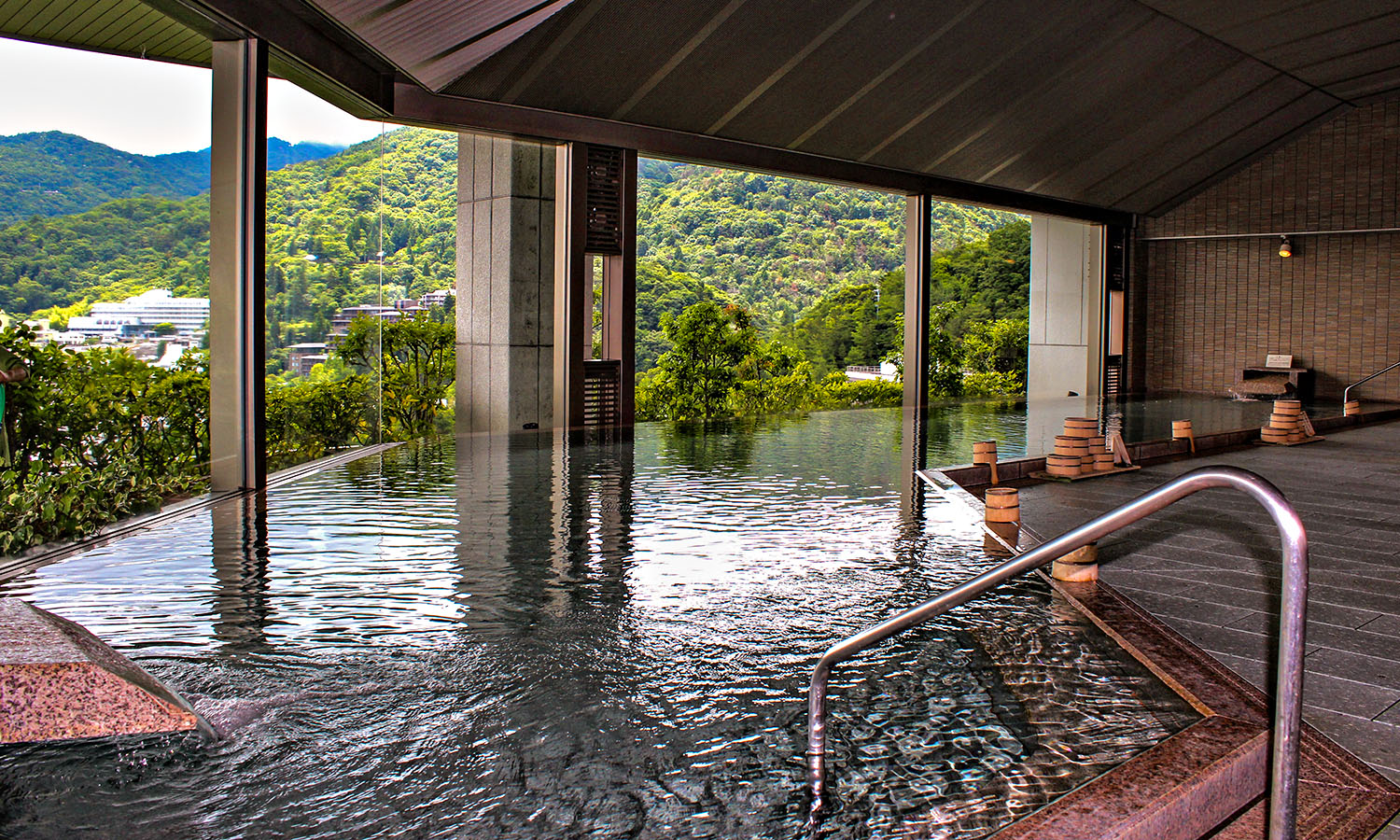
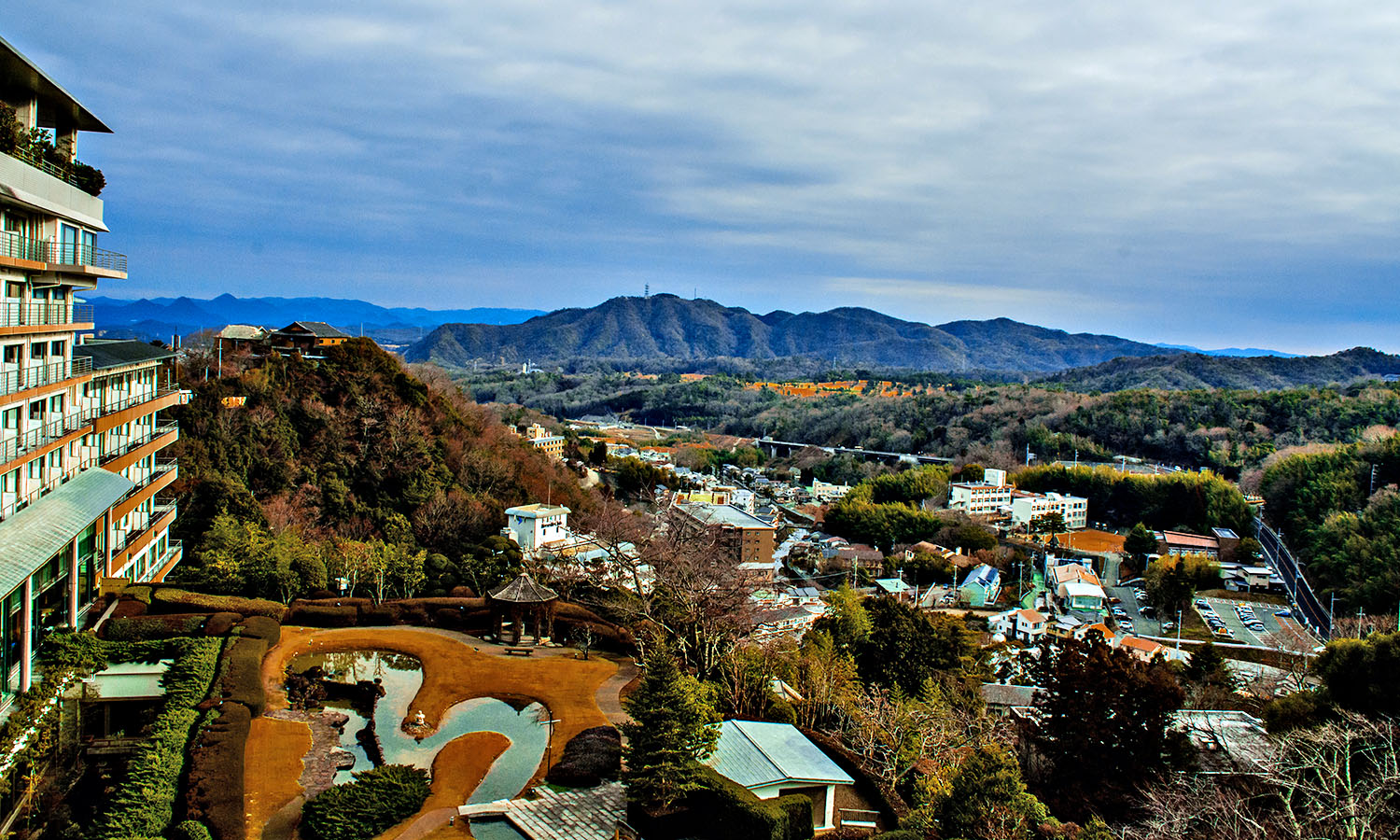
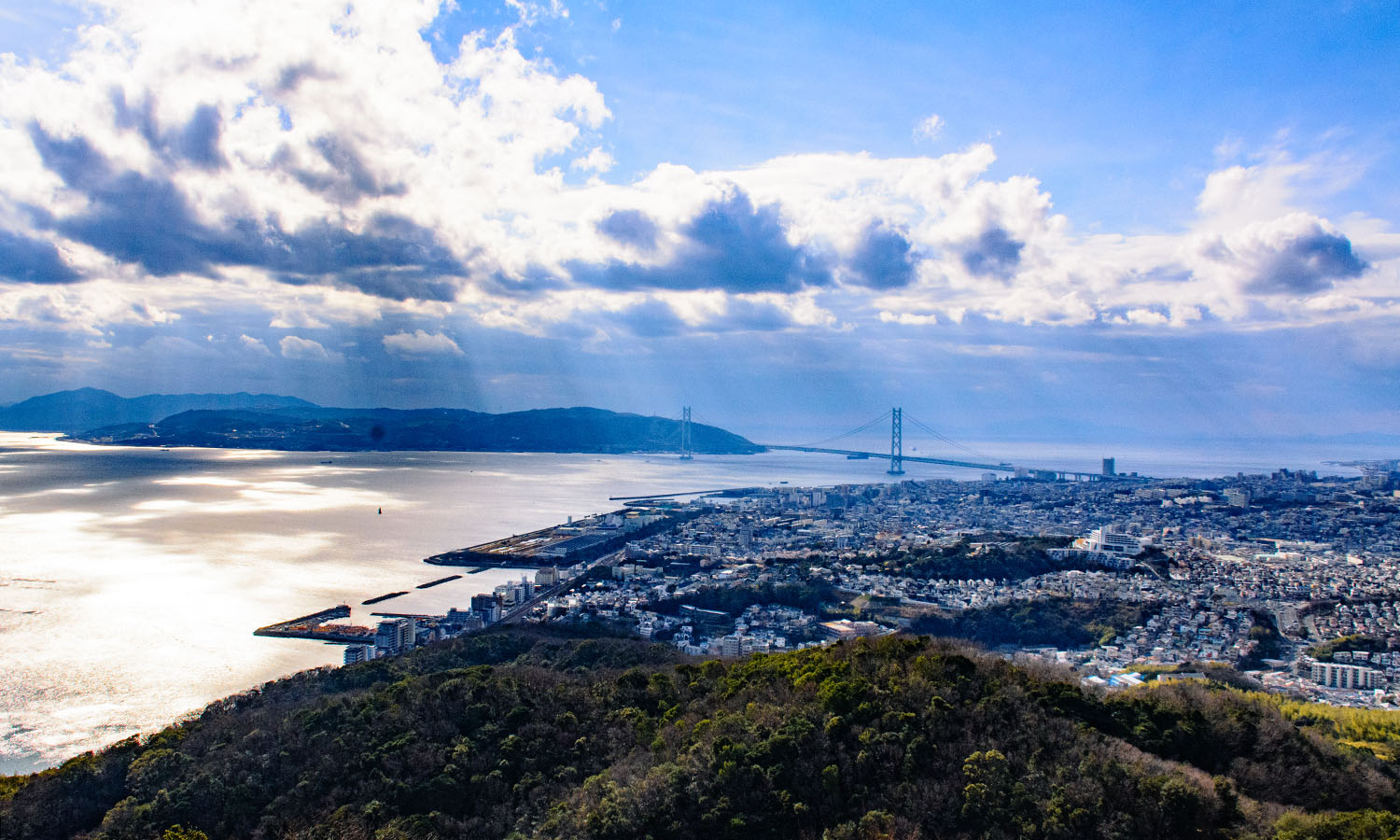
Looming large on the outskirts of a sleepy township, the Arima Grand is the poshest hotel in town, but is also a magnet for locals, who come to enjoy the public onsen on the hotel grounds. One of the most luxurious onsens in Japan, the enormous bathhouse is situated on the hotel’s rooftop, capturing a stupendous view over the forested ridges of the nearby Mt Rokko range.
Still, my excitement is tempered with a twinge of hesitation. Most establishments have separate bathing areas for men and women, since being completely nude is a strict requirement. It’s not the nudity that’s worrying me per say, but the possibility that in my highly exposed state, I might misinterpret a rule, or make some other cultural faux-pa, arousing the silent ire of a bunch of naked strangers.
To a first-timer, this staunch regard for rules might seem a little intimidating, but it’s important to understand this integral part of Japanese culture stems from ancient, deeply spiritual roots.
The Birthplace of Onsen
Where onsen culture first emerged isn’t entirely agreed upon, but many believe ritual bathing originated here in Arima. Arima is renowned Japan-wide as one of the oldest onsen towns in the country, yet despite being just 30 minutes from Kobe city, it remains largely under the radar of foreign visitors.
Onsens certainly aren’t difficult to find in Japan. Thanks to its volcanic geography more than 3000 are scattered in mountainous regions across the archipelago.
The first people to have stumbled upon a natural hot spring would have discovered a hidden paradise. Shrouded in sulfuric vapour, these strange smelling, yet mysteriously inviting pools of vivid turquoise, jade green and rich copper, bubbled to the surface in the crevices of mountains and deep within forested valleys. These oases were believed to have mystical healing powers and were treated with great veneration.
It’s said that emperors, nobles and samurais first visited the hot springs of Arima 1300 years ago, when bathing in natural pools was incorporated into Shinto purification rituals.
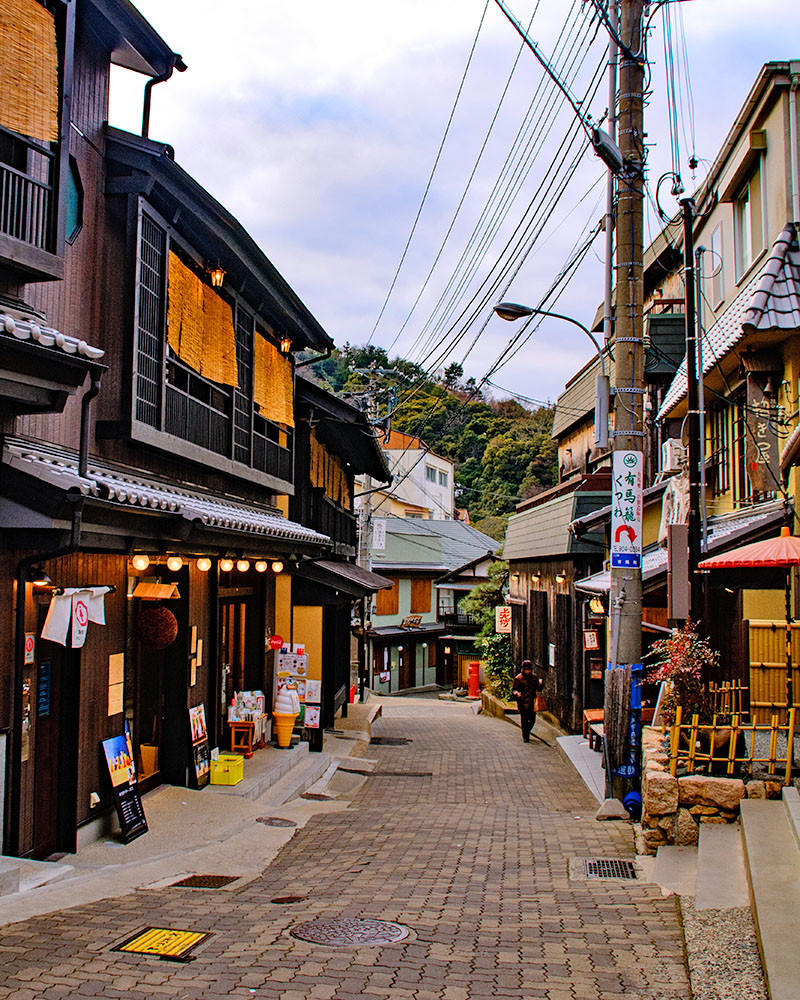
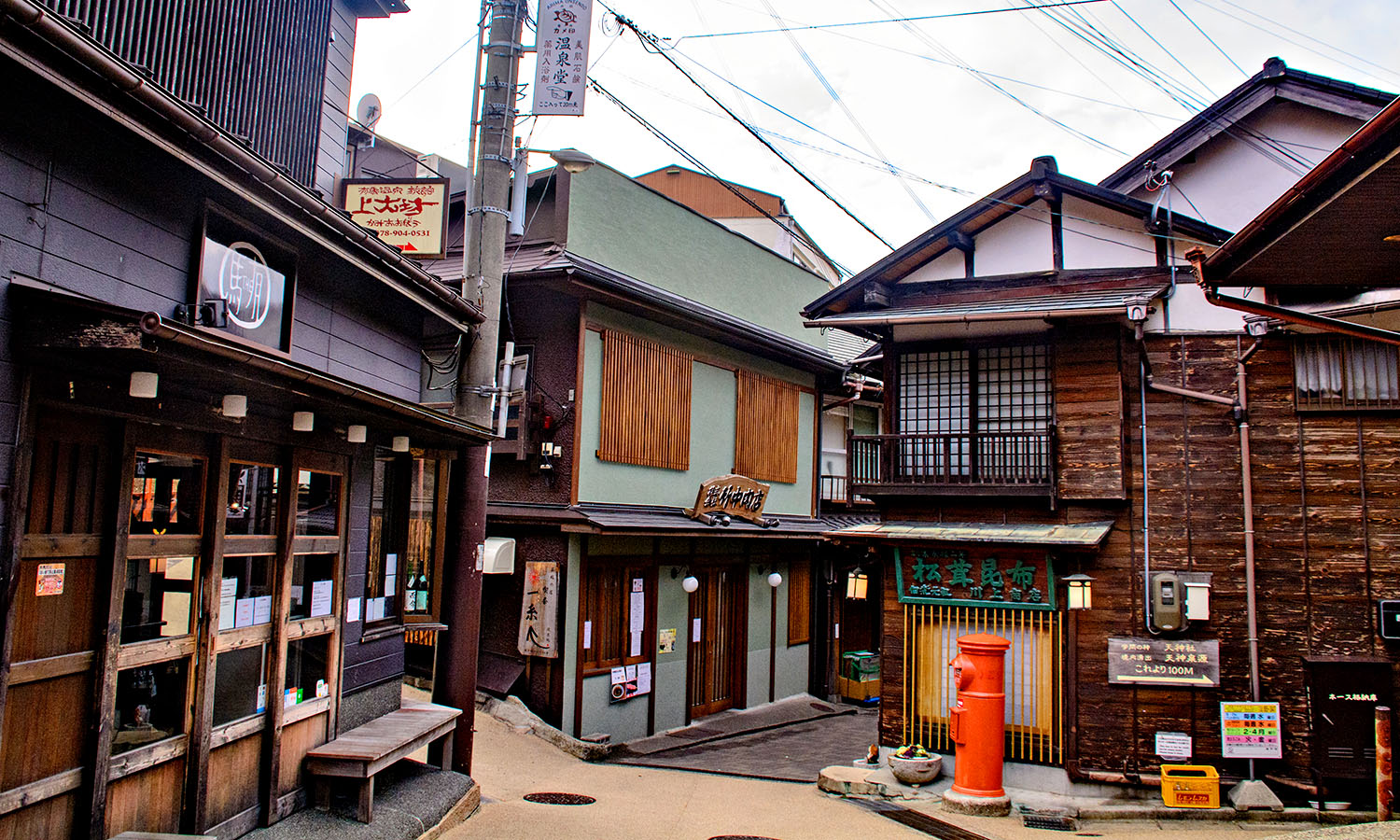
Arima is a charmingly serene little town, with the Arima River gently burbling through its compact centre. Radiating from the town square are a series of narrow, winding alleyways, lined with picturesque wooden shopfronts and meticulously-kept traditional homes.
I spend a few hours strolling the town’s steep, hilly streets, confident that any travellers’ aches and pains will be washed away by the therapeutic waters of the onsen.
History runs deep in this sleepy mountain village. Wedged between stores hawking soda biscuits and sparkling drinks made from carbonated spring water, are artisan craft shops, selling delicate bamboo calligraphy brushes, a 1000-year-old speciality of Arima’s craftsmen.
After dark, the town is virtually asleep. Most overnight visitors retreat to one of Arima’s many ryokans. These highly traditional inns, known for their extraordinary hospitality, are usually small, family-run establishments and a common feature of onsen resort towns.
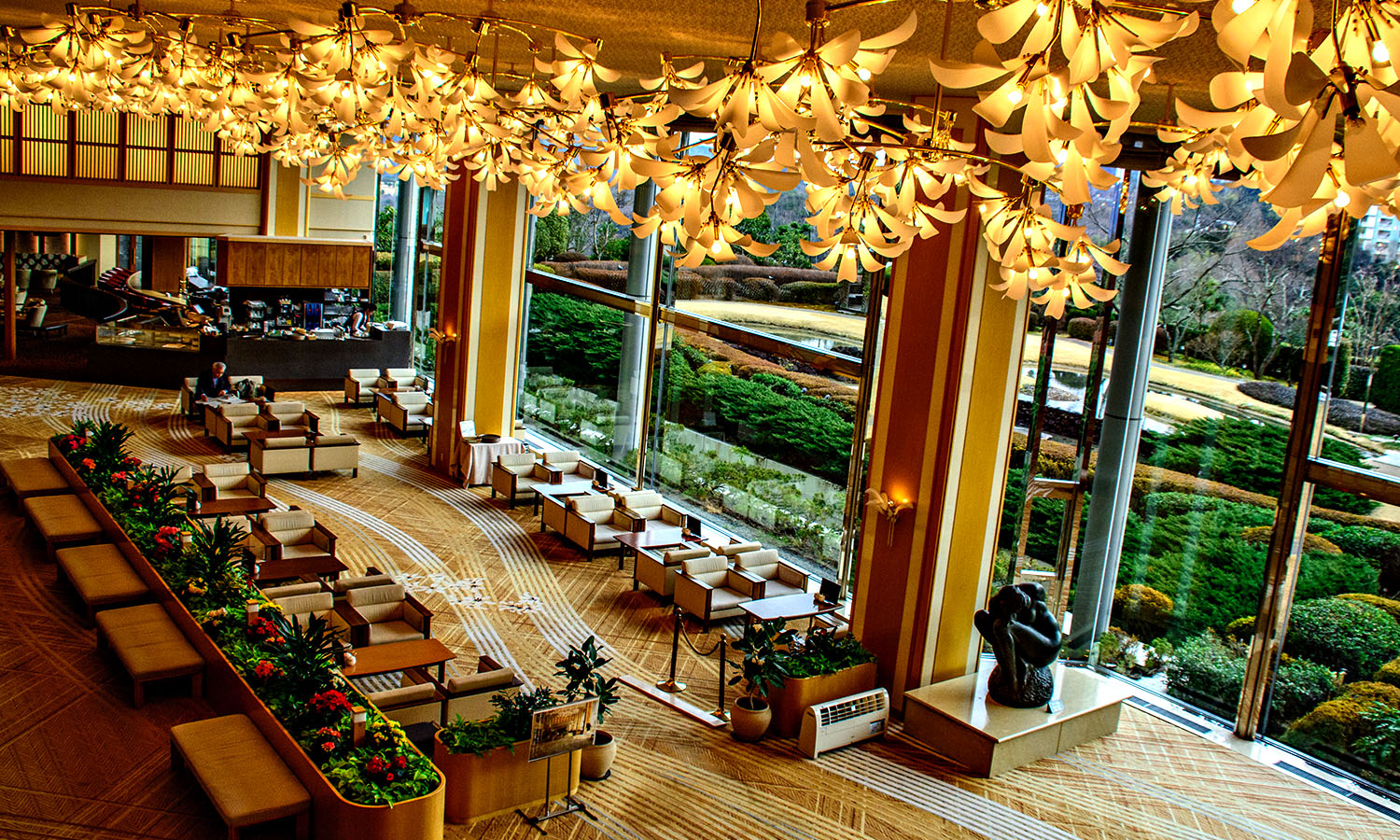
My lodgings for the night are slightly fancier, but I’m assured the Arima Grand Hotel still offers an authentic cultural experience. The king-sized suites include both ryokan-style tatami rooms and western-style bedrooms. Of the three on-site restaurants, one is dedicated to the most noble of Japanese culinary traditions – kaiseki.
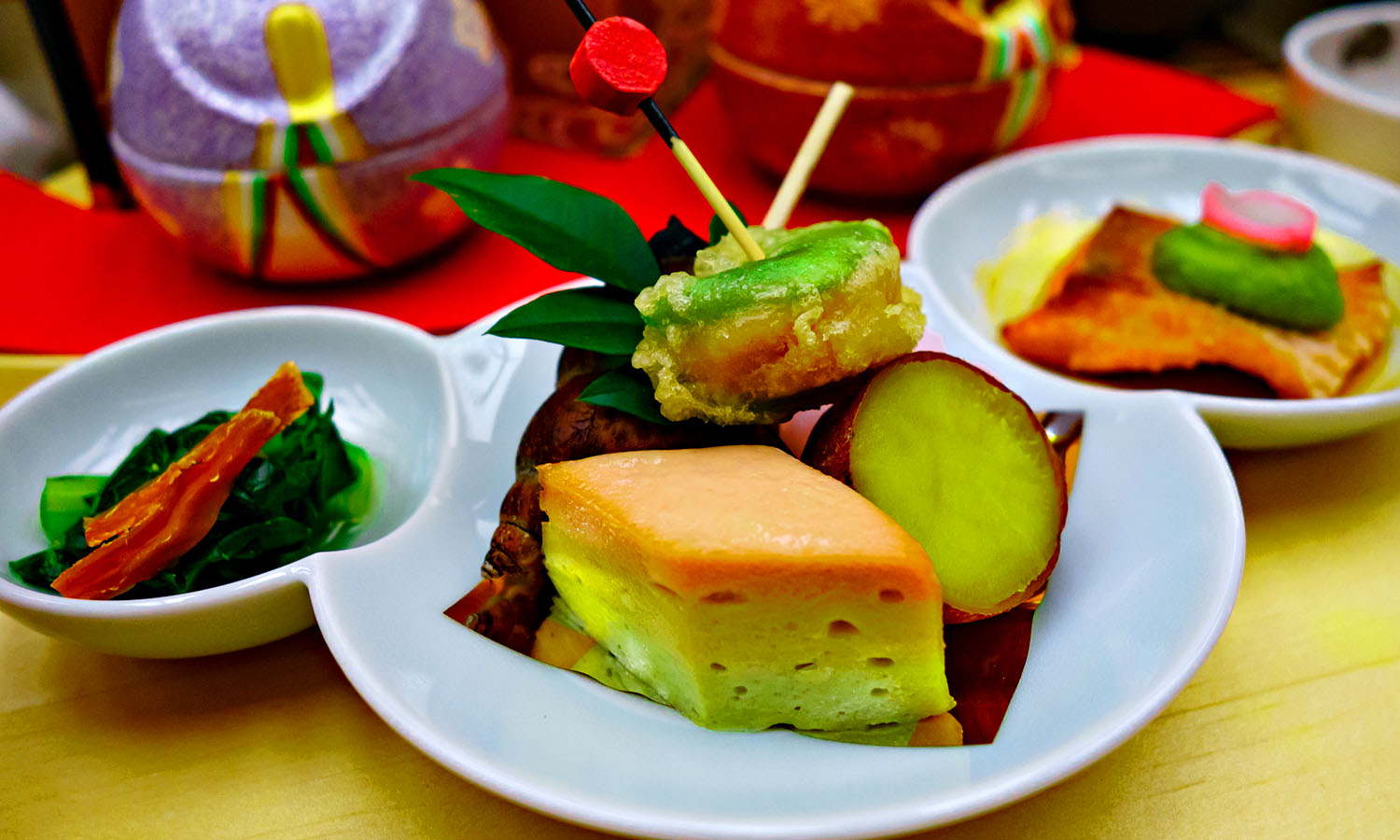
The pinnacle of Japanese fine dining, kaiseki is an elegant and extravagant affair, fusing masterful cooking with visual artistry, ceremonial flair and deep hospitality. A meal consists of dozens of intricately arranged individual dishes. Each course arrives on its own unique earthenware plate, brought out one-by-one in a carefully choregraphed progression.
My travel companions and I are seated on floor mats in a private dining room and waited on throughout the night by an incredibly attentive, kimono-clad host. Our 16 course banquet includes local delicacies like grilled river trout, sea cucumber and of course, world-famous beef from Kobe, cooked at the table in your own personal hotpot.
Kaiseki is a highly formal experience, but it’s also an incredibly intimate one. The sake flows and the night is punctuated with celebratory kampais.
The Holy Grail of Spa Culture
My kaiseki meal has shed some insight into the significance of ritual in Japanese culture, but I’m yet to experience the real reason I’ve come to this historic, hillside retreat.
In a perfect world, every person’s initiation into the world of onsen culture would be a near-transcendental experience. In reality, many onsen first timers find themselves battling with a niggling self-consciousness. I pore over the guidelines one more time. Before I can move between my hotel room and the bathhouse foyer, I’ll need to don the hotel’s supplied yukata, a cotton kimono.
If like me, you’ve never put on a kimono before, the most important rule is once the kimono is over your shoulders, the left side of the garment must be crossed over by the right. The only time a kimono should be wrapped the opposite way is when it’s being worn by a deceased person at their funeral.
Apart from this one custom, most onsen rules are pretty logical, mainly concerned with hygiene and respect for your fellow bathers. Take a shower first. Don’t let hair or towels touch the water. Don’t eat, drink or splash about. While there is a social element to visiting, generally, the experience is a private one, allowing bathers to relax in meditative silence and contemplate the beauty of their natural surroundings.
There are many onsens in amazing locations all over Japan, built into the sides of mountains or nestled in exquisite gardens. Having one on a 10-storey high hotel rooftop is far less common.
The design of the Arima Onsen accommodates bathing both indoors and out. Guests can move between more than a half dozen baths with differing temperatures, mineral compositions and therapeutic properties. From its lofty vantage point, the rugged splendour of Arima’s volcanic ranges are spread out in full, panoramic glory. A full-length wraparound glass wall encloses the indoor bathing area, framing views of the fabled Arima Three Mountains, the age-old mythological guardians of the city.
After a through scrubbing off in the shower, I enter the sanctuary of the bathhouse itself. The few other guests barely register my presence, already lounging away, eyes shut.
Arima is famous for two unique types of natural spring water piped from the mountains – ginsen (silver spring) and kinsen (golden spring). I head first for the shoulder-deep, swimming-pool length indoor ginsen. It shimmers with a crystal clear, near-colourless liquid. A sign explains its appearance is due to high carbon dioxide levels, as well as the presence of radon (in amounts small enough to be inconsequential). Each type of hot spring is said to have unique healing properties, suitable for treating different ailments.
I slide in, and in the few seconds it takes to submerge myself neck-deep in the slightly below scalding water, a wave of relaxation washes over me and I’m enveloped in a warm liquid hug that soaks through my muscles and into my bones.
This was the moment my body had been waiting for.
I spend the next 40 minutes hopping from one bath to the next. The outdoor ginsen baths prove to be the most exhilarating. With the outside air temperature hovering around zero, the sensation of plunging into steaming, 42-degree liquid causes a breath-catching moment of fairly extreme physical shock.
The key is to stick it out. For some, the first few minutes can be uncomfortable, but as the minerals soak in, the heat warms your core and the muscle aches start to melt away. The mind begins to quieten.
Purported curative benefits aside, as a temporary stress reliever, it is pretty hard to beat and it’s little wonder so many Japanese visit them religiously.
Although it can be a little confronting at first, an onsen is a profound sensory experience, and one of the most unique and authentic activities a foreign visitor can readily enjoy in Japan. And, if you want to guarantee your first experience will be truly unforgettable, you certainly won’t regret the journey to Arima.
 (
(