The air is crisp, the vistas are breathtaking, and adventure is as natural as breathing. Welcome to Tirol, the crown jewel of Austria.
Click PLAY TO WATCH
Cradled by ridiculously attractive Alps, Tirol is one of the nine federal states of Austria and borders Germany, Italy, and Switzerland. And yeh, we get it – Tirol’s rep is a winter playground, where slopes and après are hit equally hard. Yet the region’s natural wonders, adrenaline-fueled activities, and unique culture offer genuine year-round adventure – there is no off season.
We’re in love with this place if you can’t tell, and found it very easy to find 11 epic reasons why we do:
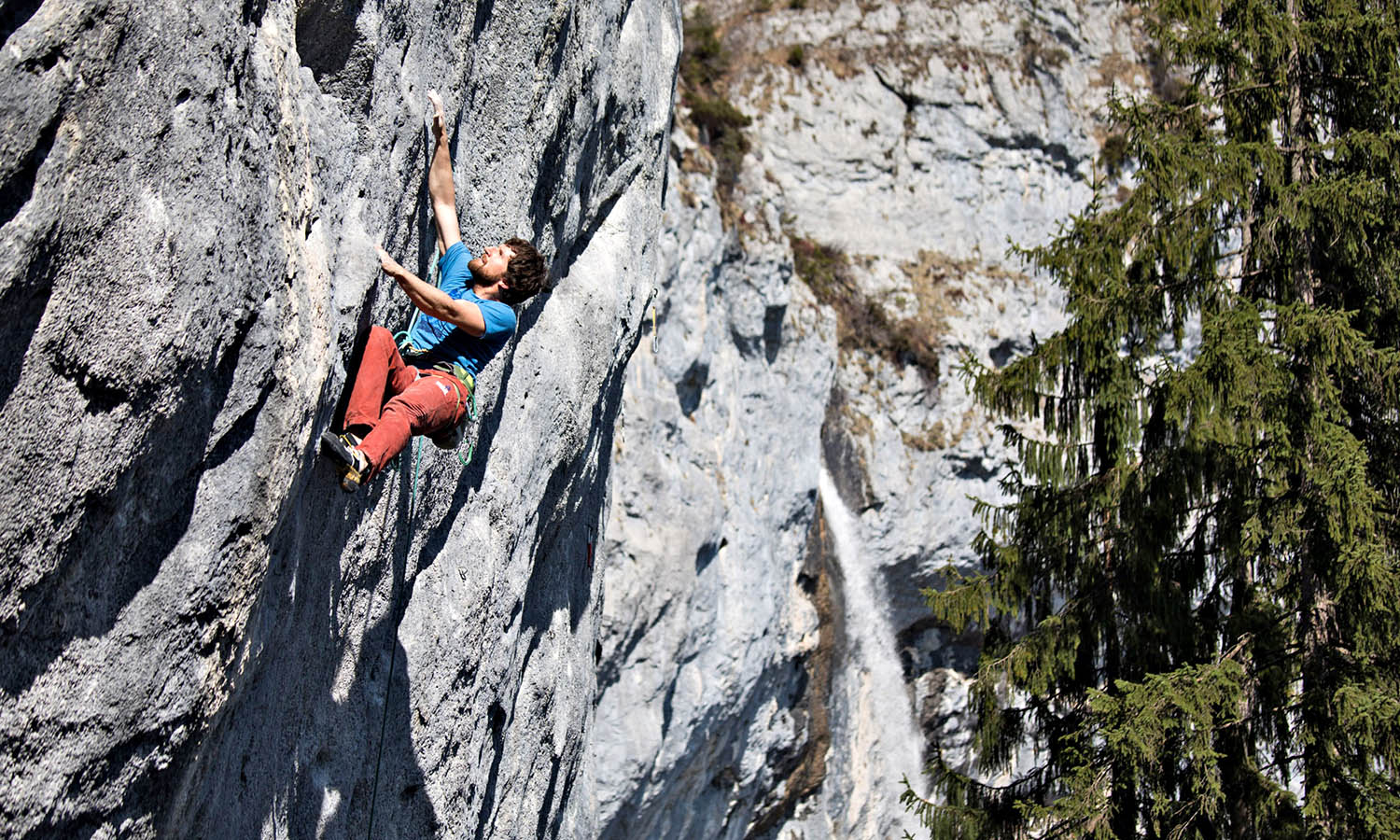
Diehard rock climbers speak in hushed tones of the Schleier waterfall – the epicentre of some of the world’s toughest climbing routes.
What makes the area so special is not just the knee-trembling vertical cliff faces and severe overhangs but the 60-metre waterfall that cascades over the rock spur. The falls spectacular natural veil (‘schleier’ in German, pronounced shh-layer, like you’re encouraging your best friend who just went and said hi to a member of the opposite sex) provides climbers with a cooling mist and rumbling soundtrack.
If you don’t have the skills required to tackle the Schleierfall, you can still marvel at the heart-stopping rock ballet performed by the extreme climbers and free climbers from the safety of the bathing lake at the base of the picturesque falls.
It’s difficult to cram Austria’s incredible variety of awe-inspiring panoramas, alpine pastures, serene forests and rich cultural heritage into one experience but the Eagle Walk comes close.
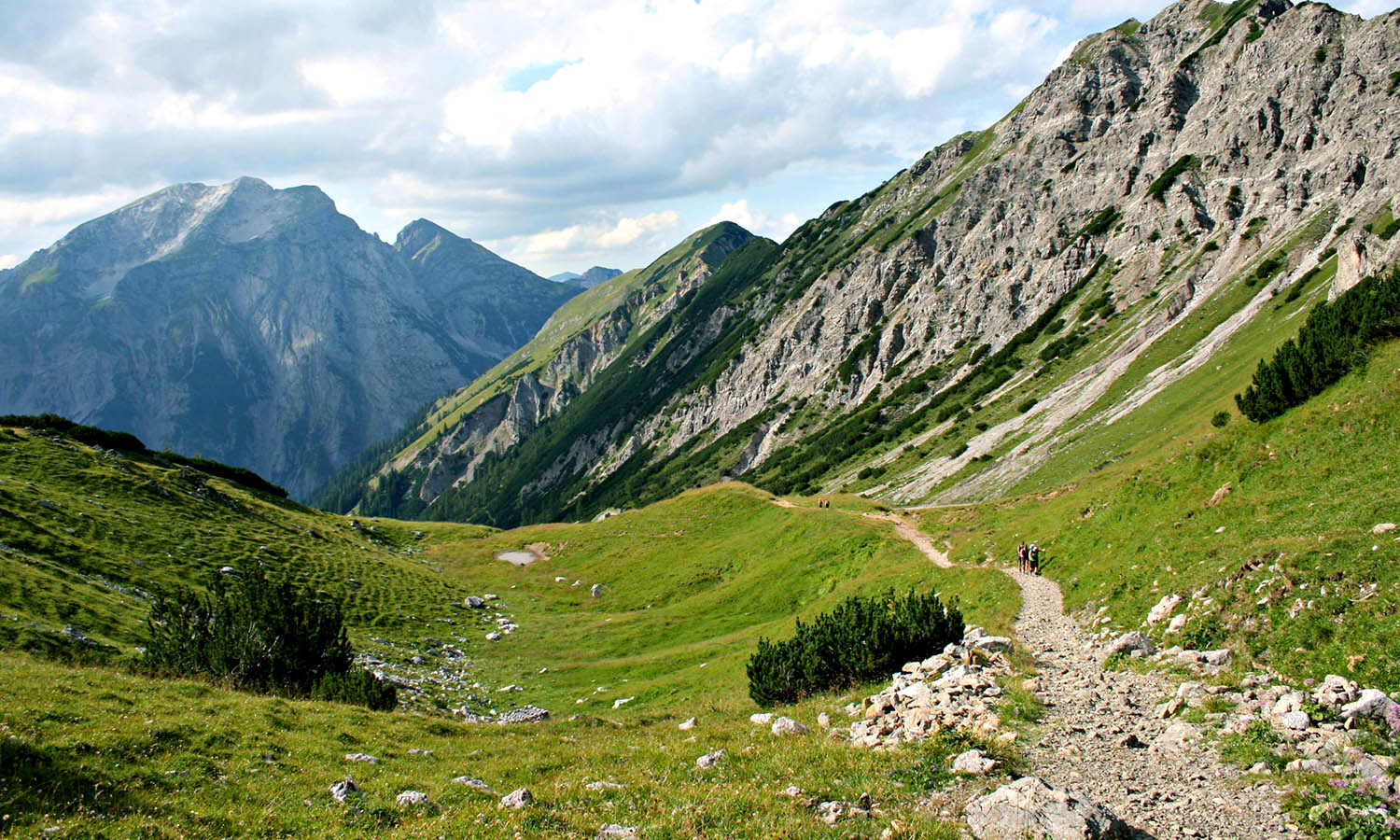
The majestic 413km climb through Tirol is the crème de la creme of long-distance walks. From above, the route looks like an eagle spreading its wings across the breathtaking Austrian landscape, so the name checks out. The hike is split into no less than 33 stages, with trails varying in difficulty and length.
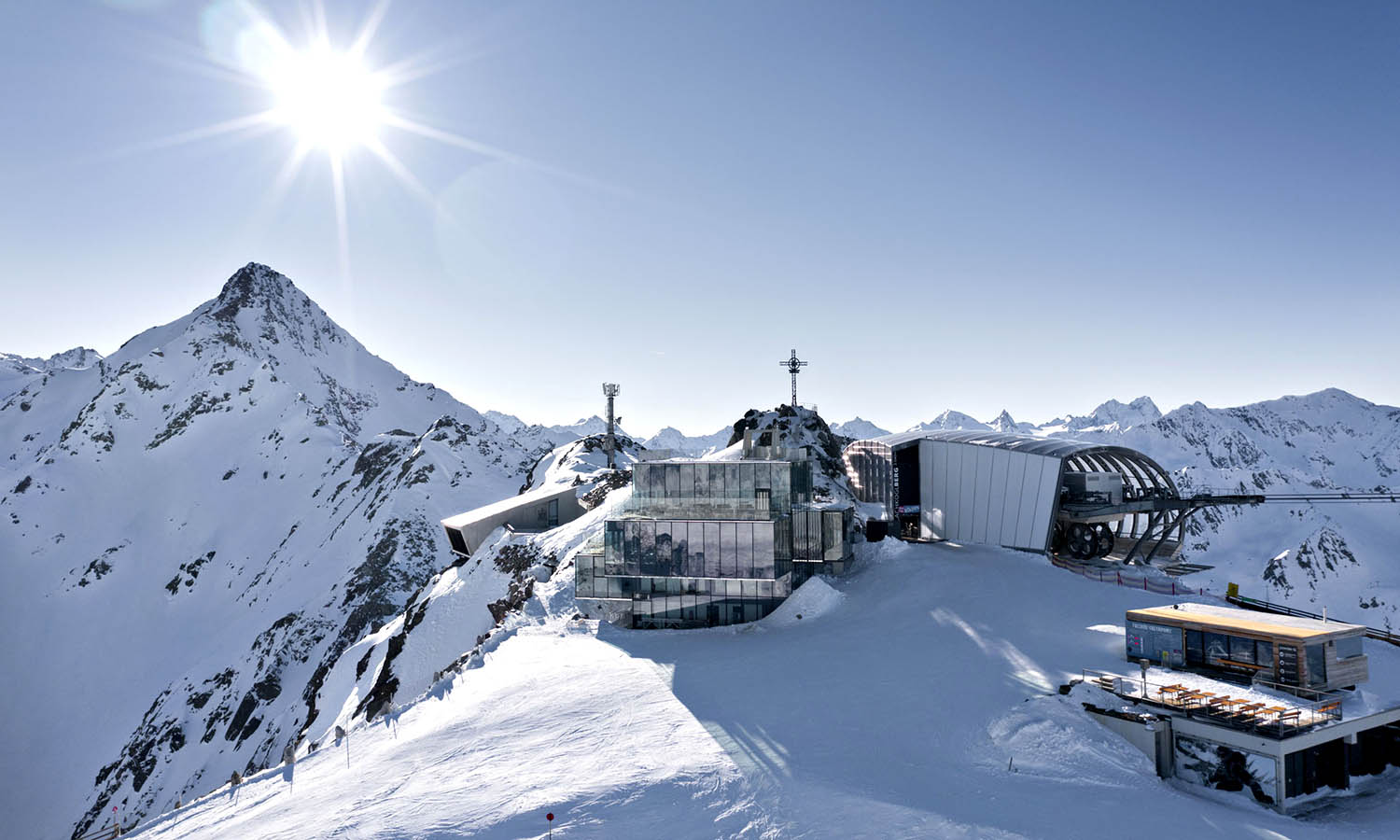
Sam Mendes wanted Bond, James Bond-worthy locations when he began work on the 2015 installment film Spectre, and he found it on the Gaislachkogl Mountain in Sölden, Tirol.
In the movie, the location is an uber expensive health resort that serves green smoothies rather than martinis. In real life there’s none of these horrors — ice Q is a gourmet restaurant with a wine and tapas lounge that gives patrons a license to drink.
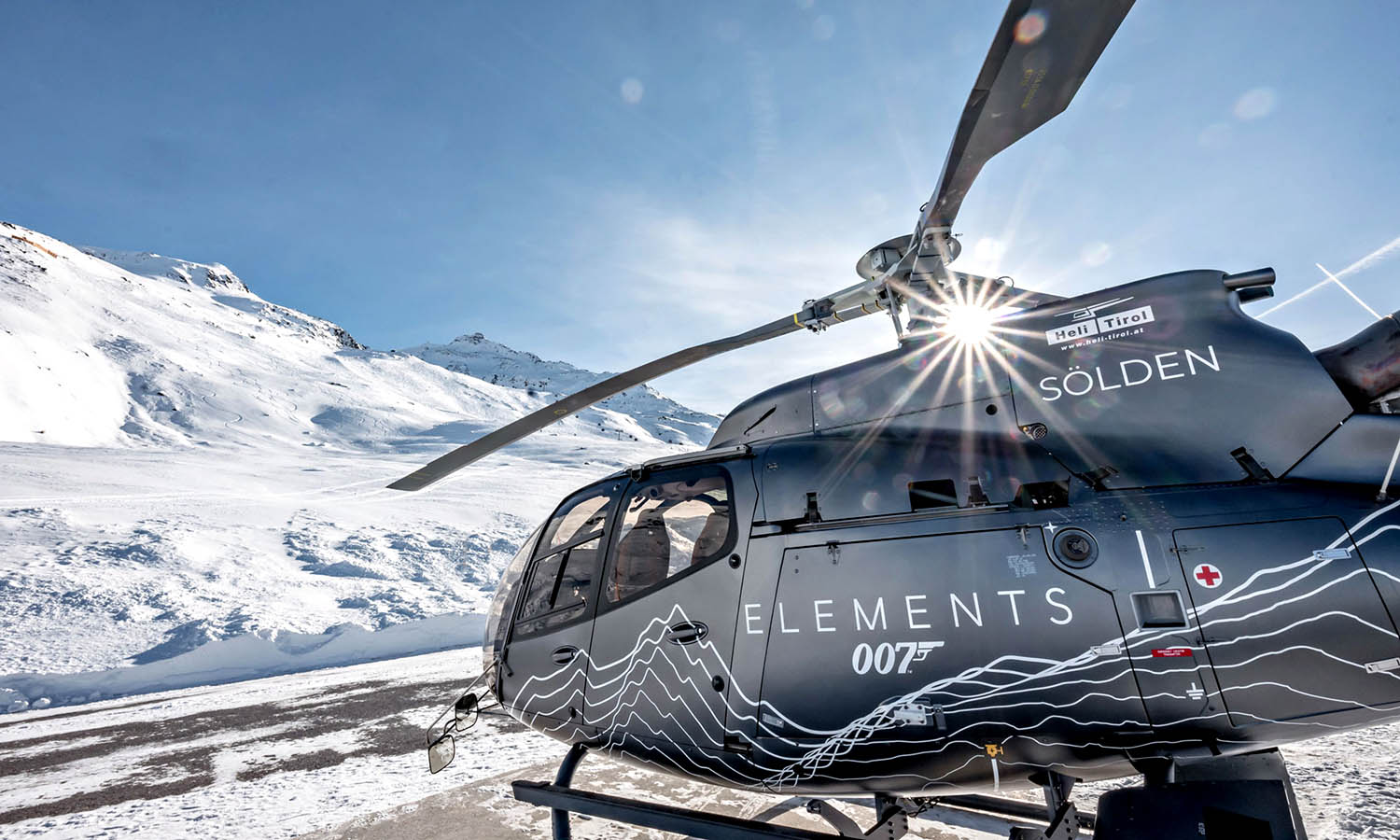
Leveraging from the location’s starring role, a futuristic building has been built into the mountain to house 007 ELEMENTS (which is written in capitals, we checked… and presumably shouted). There are interactive displays and behind-the-scenes looks at the filming of the franchise’s over-the-top stunts, including the action sequence that saw Bond bring an airplane to a car chase.
If watching hardy climbers tackling Schleierfall has given you adventure envy, Tirol has an (arguably) chiller way to enjoy the same thrills and views ‘via ferrata’, which means ‘iron path’ in Italian.
Via ferrata gives you the freedom to climb to dizzying heights, traverse ladders and bridges with the backup of a harness clipped to a safety wire. Think of it as an exhilarating cross between hiking and climbing. Routes are rated from easy A to extreme E.
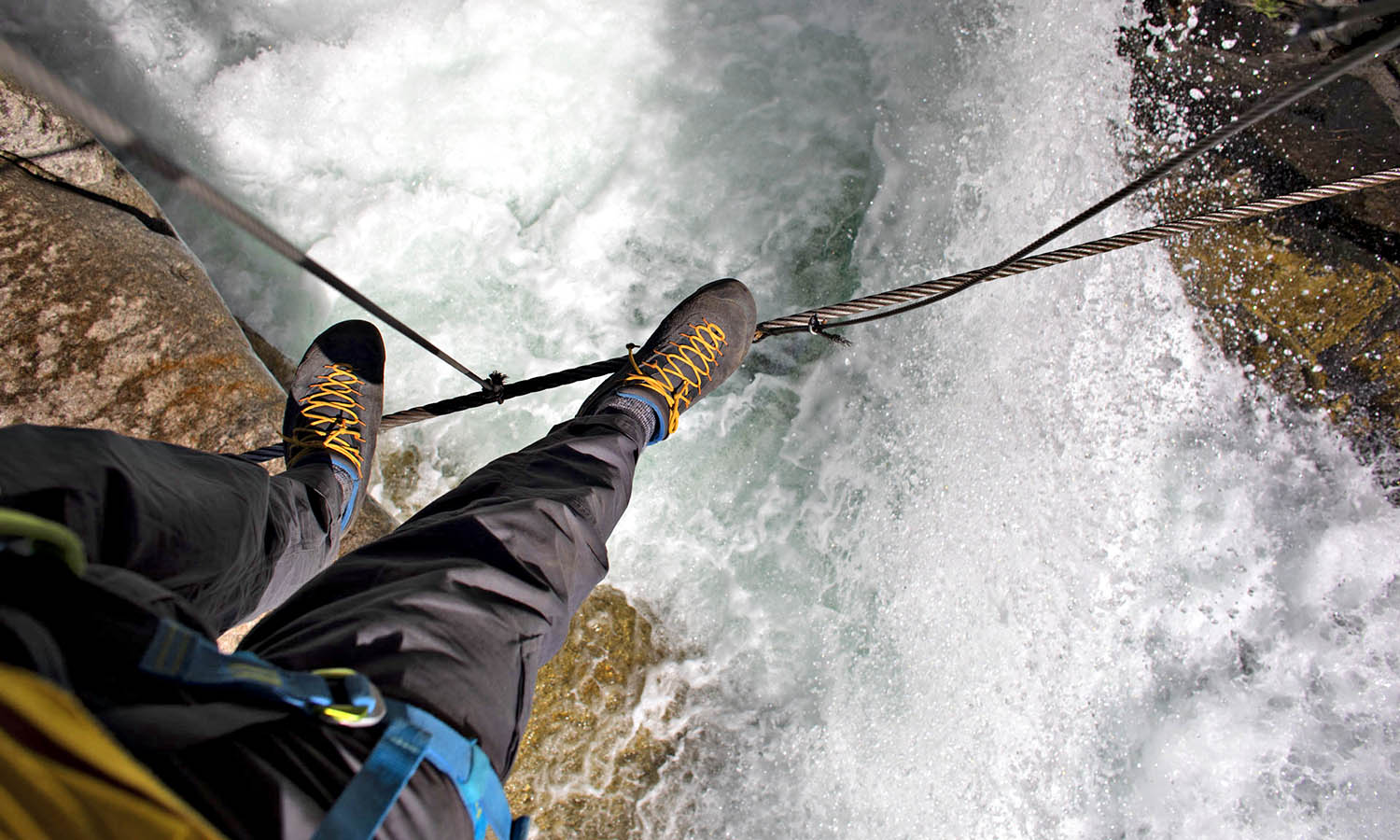
The Stuibenfall Via Ferrata in the Ötztal Valley will get your blood pumping, enabling you to climb the tallest waterfall in Tirol. If you’re feeling confident, you can tackle the rope bridge that spans the Stuibenfall, keeping a close eye on the roaring waters below. There are easier options if that route is literally a bridge too far.
Is your partner taking a little too long to ask that question?
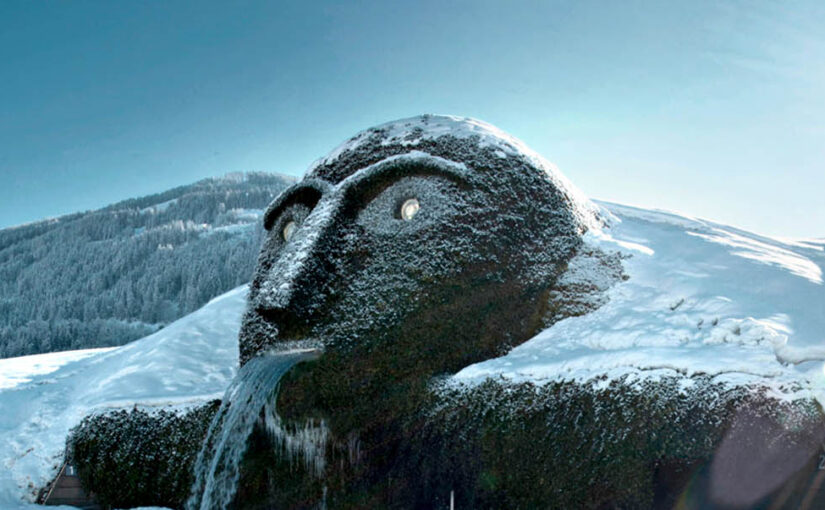
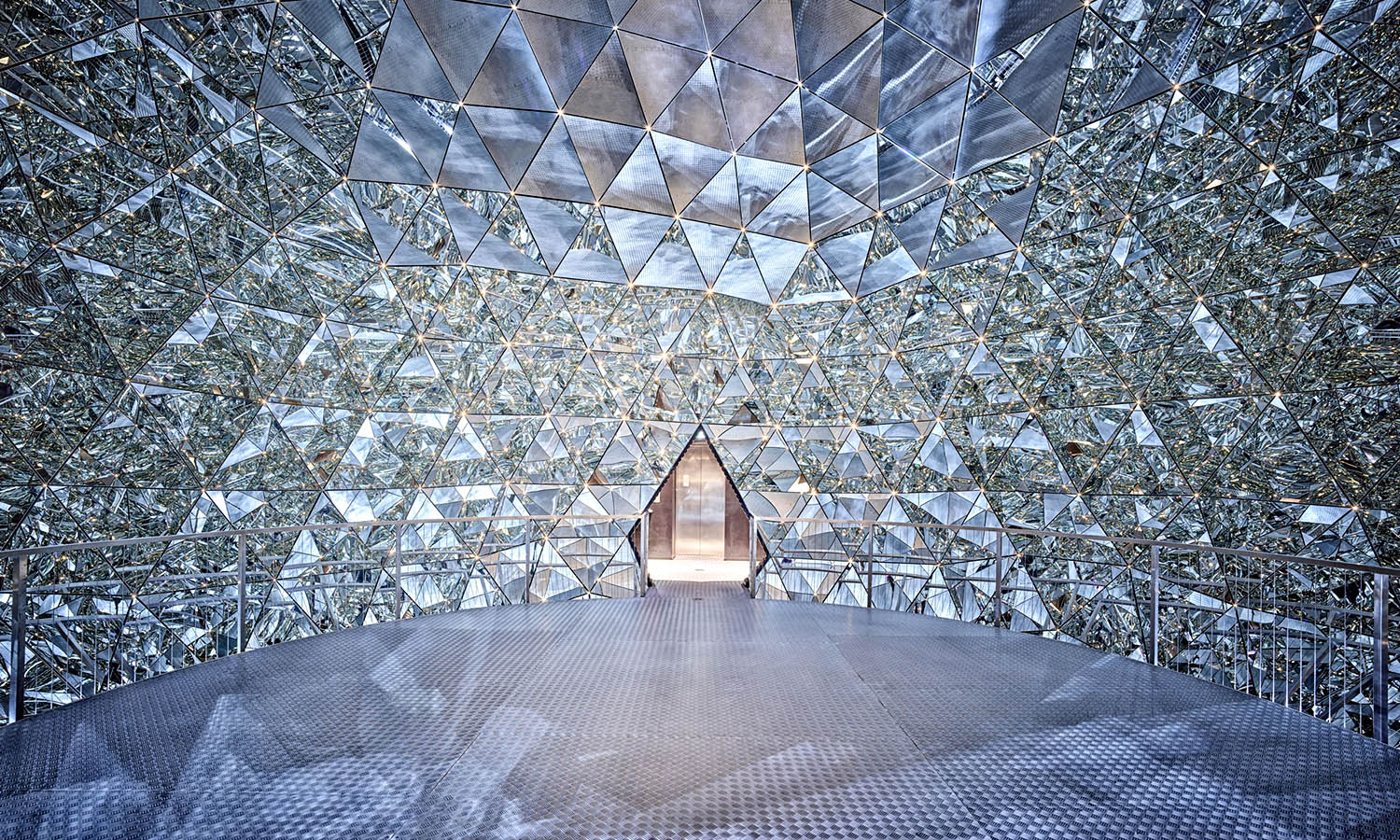
Tell them you’re taking them to Austrian Disneyland (doesn’t exist) and then ACTUALLY bring them here instead — Swarkovki Crystal Worlds, where a massive giant guards the entrance to a crystal universe with 18 underground chambers of installations made from Swarovski crystals.
There’s also a cloud of 800,000 hand-mounted crystals floating above a black mirror pool. The place is sick even if you aren’t waiting to get hitched. And if you are? A little nudge, nudge never hurt anyone.
Ever thought you could crack the mysteries of the universe, if only you had the right gear?
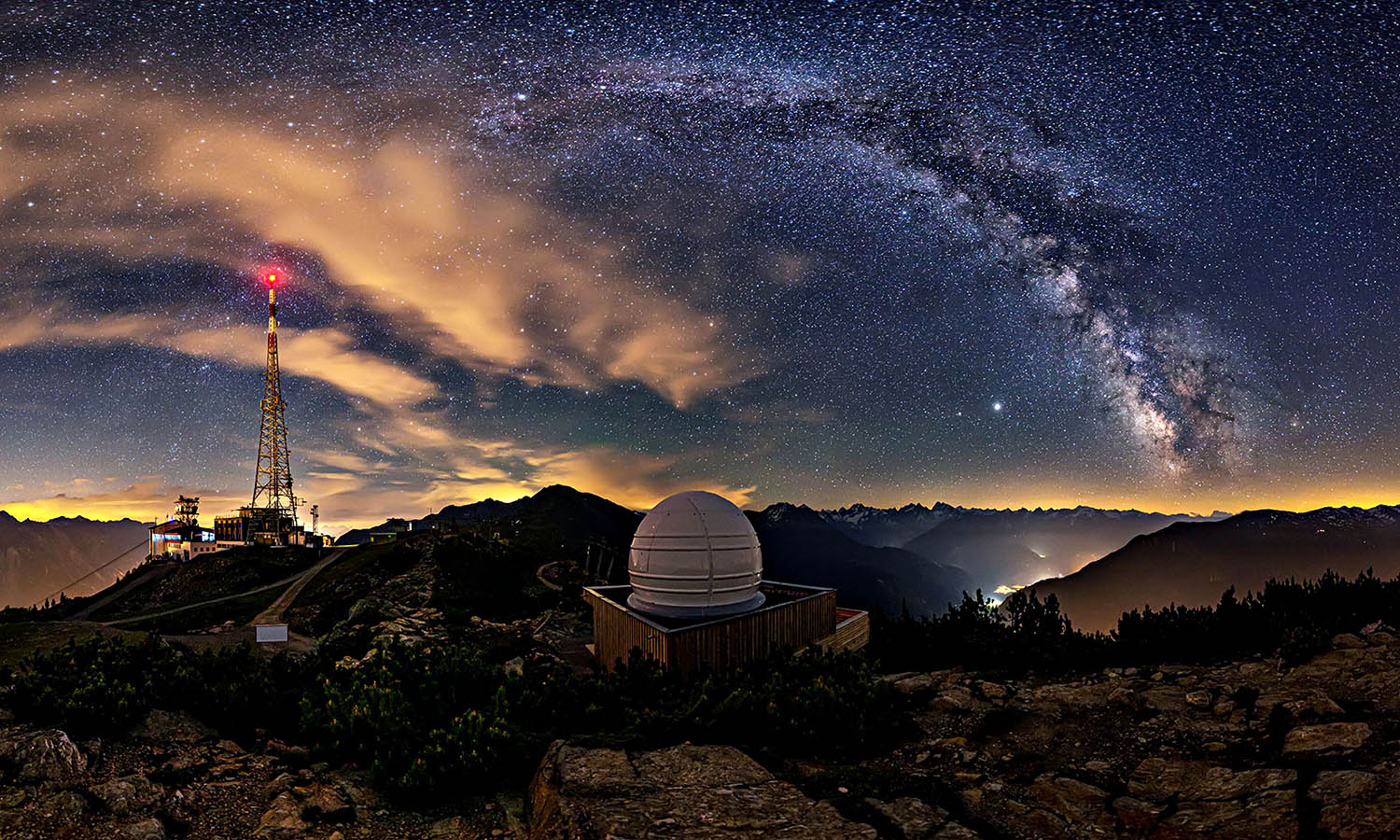
Venet Star Gazing Park can hit you up. The scenic Venetbahn cable car will deposit you at the top of Venet, 2,212 metres above sea level, next to Tirol’s only public observatory. The stunning alpine landscape will tempt you to explore hiking trails, but keep your eye on the prize — the observatory’s incredible telescopes.
By day, filters on the telescopes allow you to take a rare close and safe look at Big Yella and its bright gas clouds, known as ‘solar prominences’. As night falls, the lack of light pollution brings the Milky Way, constellations, and random meteor showers into sharp focus. Book ahead.
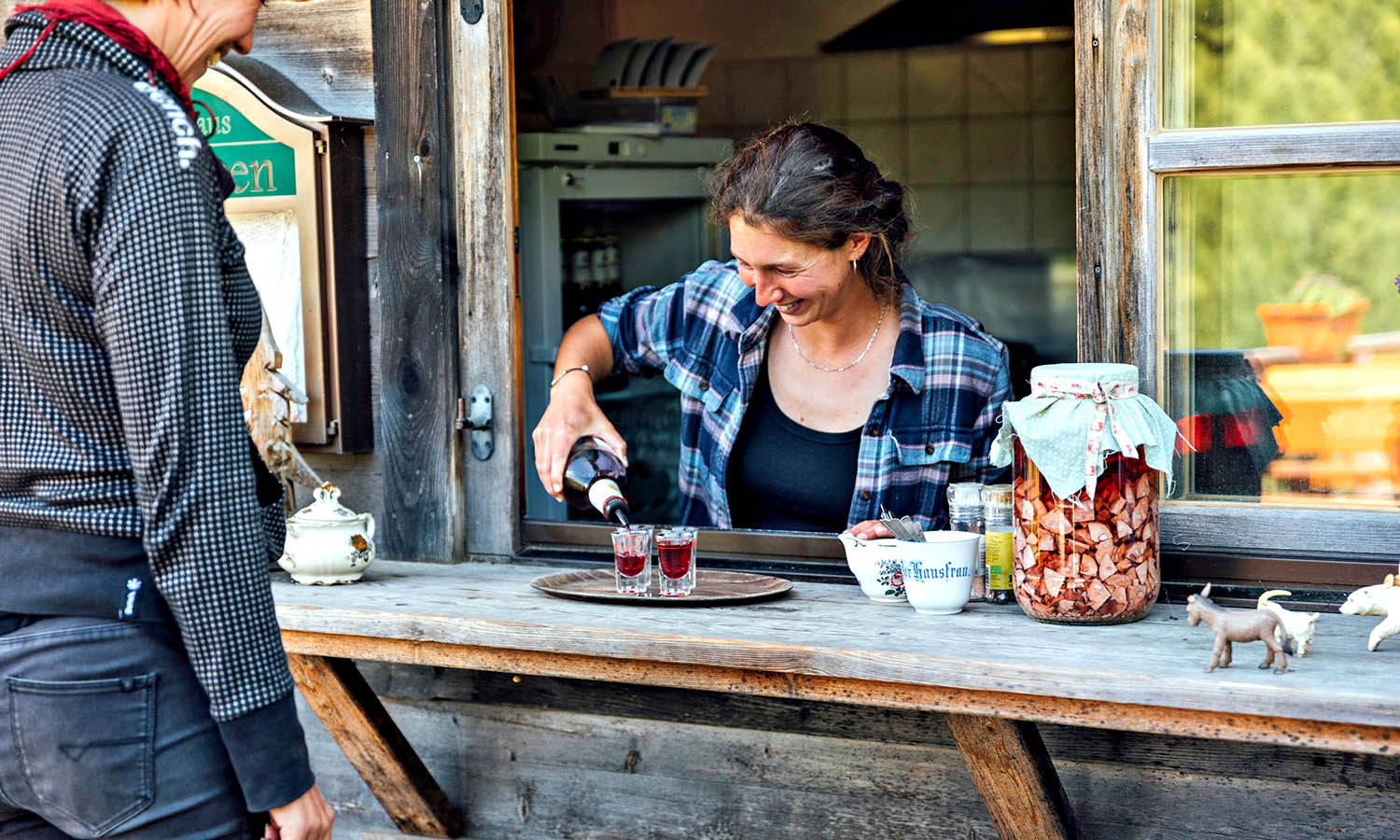
The Tyrolean Schnapps Route is a cultural experience that includes alcohol. Say no more fam.
Austrians have been fermenting fruit to make a type of high-proof distilled fruit brandy since the 1700s, so it’s a deeply ingrained part of their culture as well as a tasty and highly alcoholic bevo. An estimated 2,500 private distilleries throughout the Tyrolean region use a variety of fruits and herbs to create their own special brew.
There are a number of Tyrolean ‘Schnapps Routes’ that provide meandering (stumbling) tours of local distilleries where you can taste the unique character and flavour profiles of various schnapps, from a crisp apple schnapps in Kufsteinerland to a robust plum brandy in Zillertal.
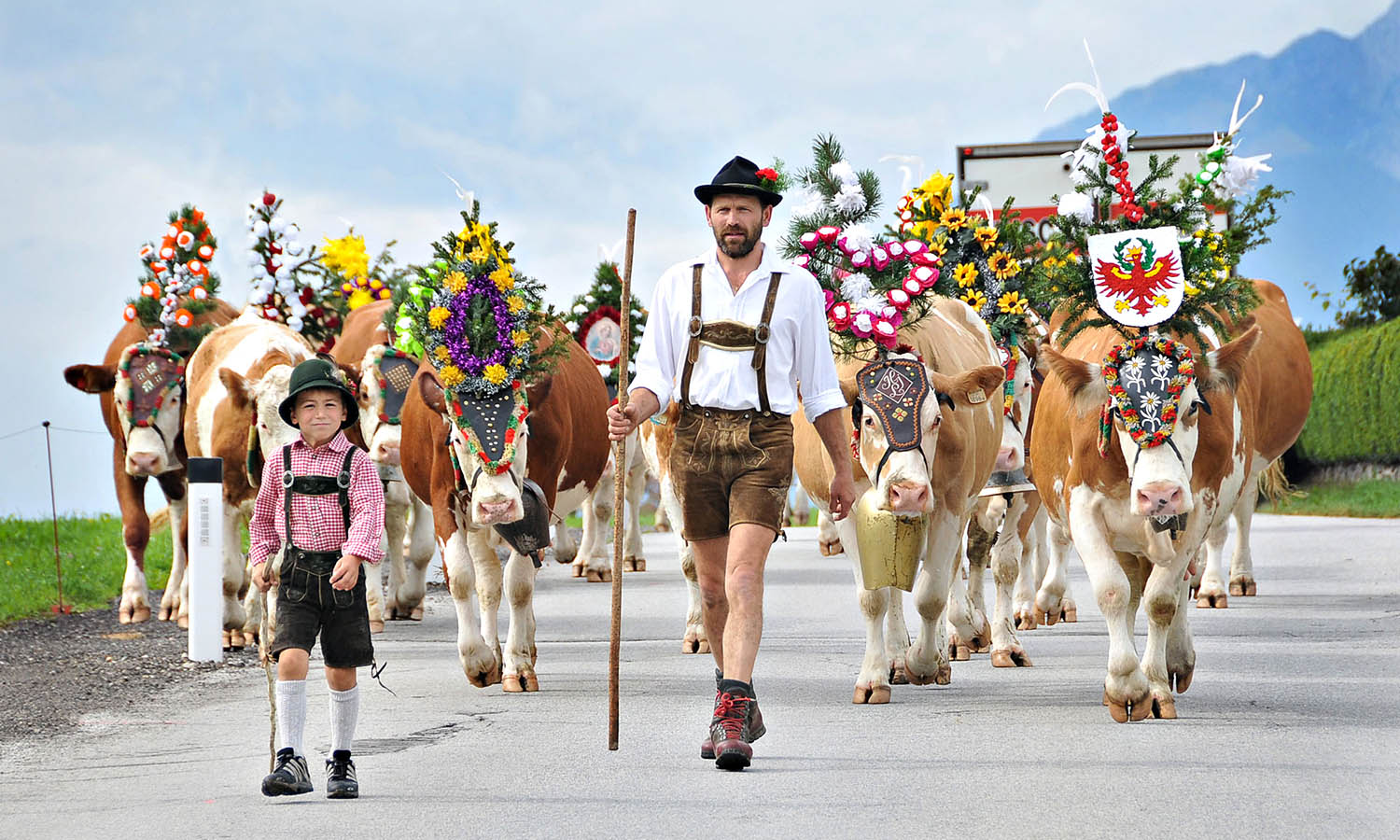
Making sure you look your best when returning home after a summer spent in the mountains is not so unusual. In Austria, cows do this too.
Almabtrieb festivals, when farmers herd their cattle, sheep and goats back from the mountain pastures where they have been grazing over summer, are celebrated throughout Tirol. The ‘homecoming’ celebration is a big deal, with cows decked out in elaborate headdresses, bells, and flowers for a procession celebrated by locals and tourists alike. Many villages milk Almabtrieb as an excuse for a folk festival with local food and drink, music and dances with their own local flavour.
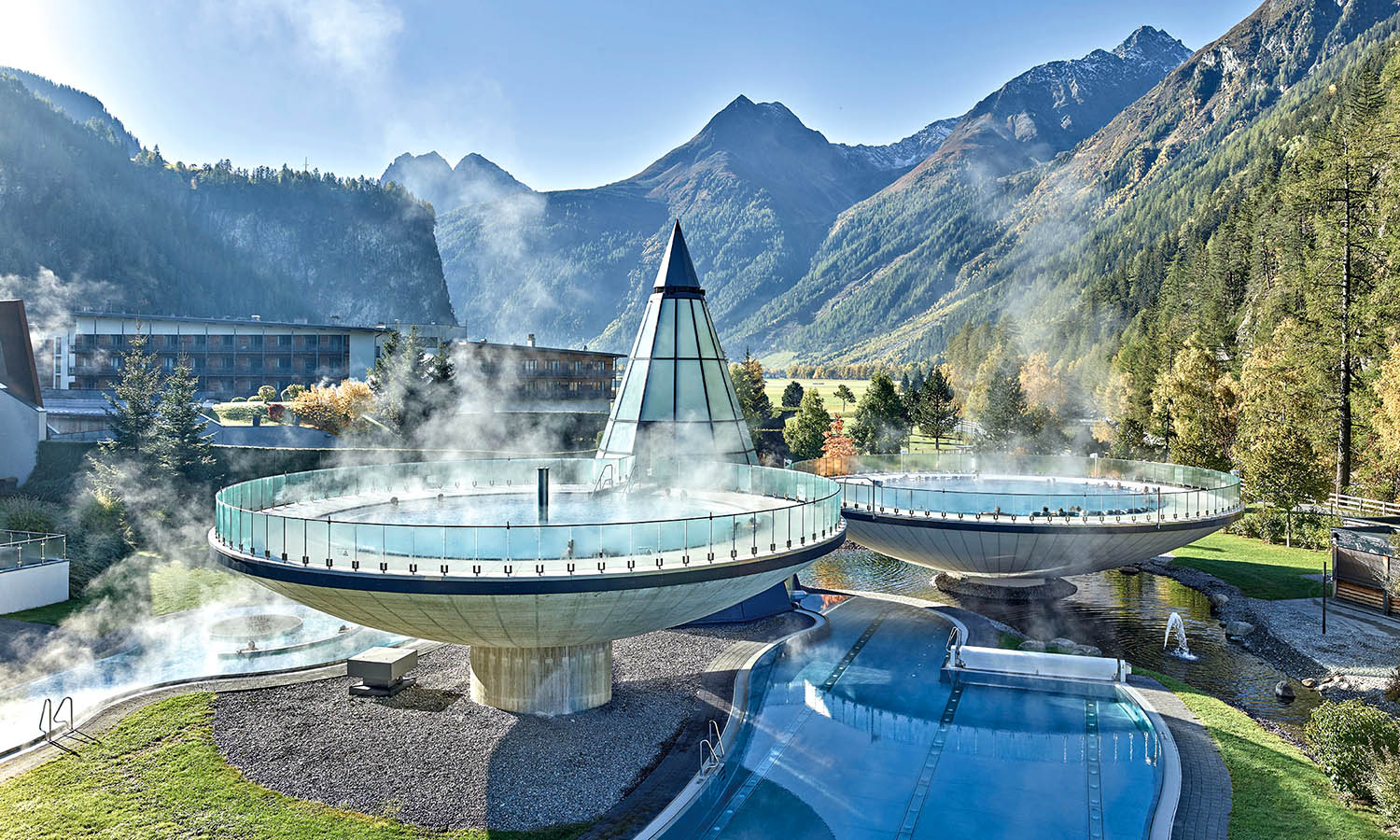
Imagine floating weightlessly in a salt water thermal spa at night, the stars rolling out across the sky above you, bookended by three-thousand-metre-high alpine peaks, as steam from the 35-degree Celsius water encircles you.
Sold? Then head to the Aqua Dome Thermal Baths in the Ötztal valley. The Aqua Dome is a cool name, and the 22,000 square metre wellness resort and hotel is surrounded by the snowcapped Austrian alps. Its stunning thermal spas have been designed to mimic a pod of UFOs hovering above the valley floor.
Tyrolean cuisine is hearty and robust, often featuring meats, cheeses, and breads – all the good things.
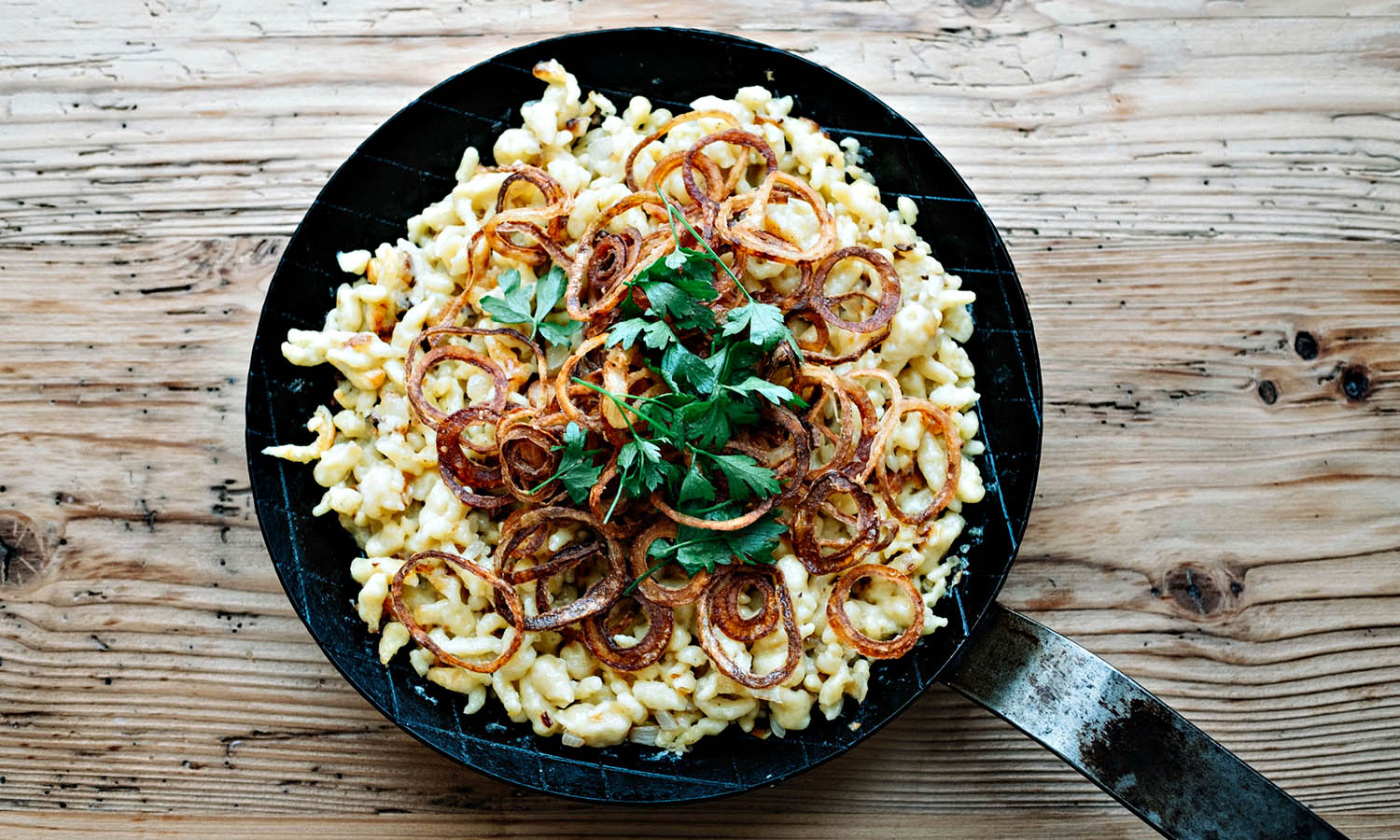
Put your stomach in the hands of a local foodie on the Innsbruck Food Tour and you’ll be introduced to things like ‘Käsespätzle’, a type of soft egg noodle, or dumplings smothered in melted cheese and often served topped with crispy onions (OMG stop).
Be sure to leave room for dessert — you may get to try Kiachl, a traditional Tyrolean pastry, fried in hot lard and served either sweet with cranberry jam or savoury with sauerkraut.
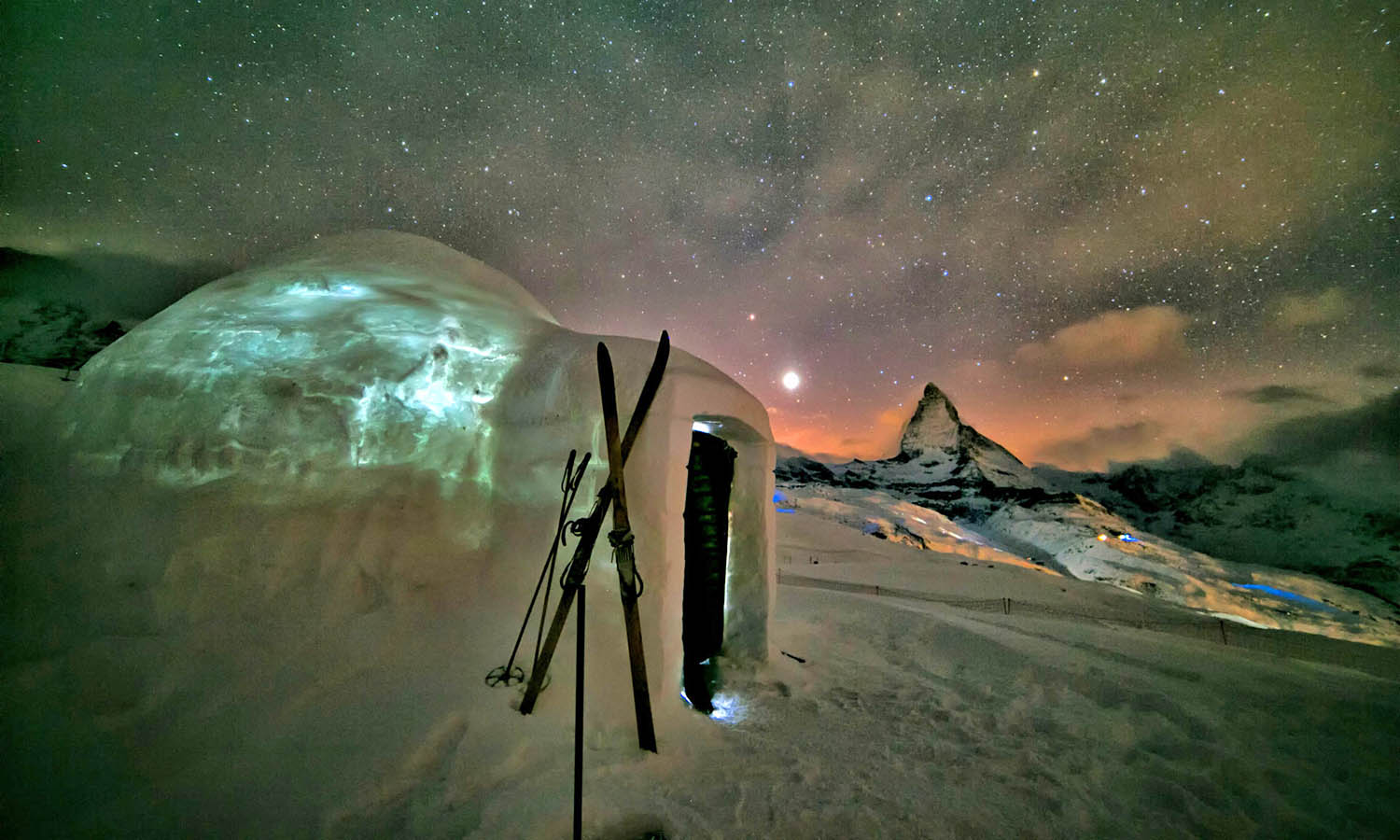
Know anyone who has warmed up after a bit of snowshoeing under the starry alpine sky by drinking mulled wine, or glühwein, in a bar made of ice, then slept in an igloo and enjoyed a sauna before breakfast? No? Well, you can be that person.
Iglu-Dorf Kühtai by Innsbruck is a hotel made of snow and ice and decorated with artwork carved right into its walls.
If you are staying overnight, you’ll be relieved to know your bedding includes an expedition sleeping bag rated to minus 40-degrees Celsius. If an igloo stay isn’t on your bucket list (and really, we all know it should be) just enjoy the all-you-can-eat mountain cheese fondue at the bar before skiing back down the mountain on a torch-lit run in the company of an experienced guide. Experienced skiers only — and go easy on the glühwein.
If award-winning photographer and filmmaker Patrick Trefz’s day-to-day life were to be represented through a Venn diagram, he would be the union of circles titled surf, travel and food.
Click PLAY TO WATCH
He’s somehow managed to combine all three parts of this enviable cross-section into his new book Ode to Travel, available for pre-order ahead of its actual release in February 2024.
His work documenting the farm-to-table movement and championing traditions of regional cuisine is captured in Ode to Travel, which includes 35 recipes from the places Trefz has come to know intimately; each recipe representing an invitation to experience local communities through their flavours and traditions.
The 236-page, part recipe book, part travel memoir, includes contributions by land artist Jim Denevan, three-star Michelin chef and Manresa restaurateur David Kinch, and Voyage of the Cormorant author and Surfboards California owner and craftsman Christian Beamish.
We’ve scored an excerpt from Ode to Travels from Trefz’s time in the Azores, a Portuguese archipelago in the mid-Atlantic, where the surf disappointed, but the food did not.
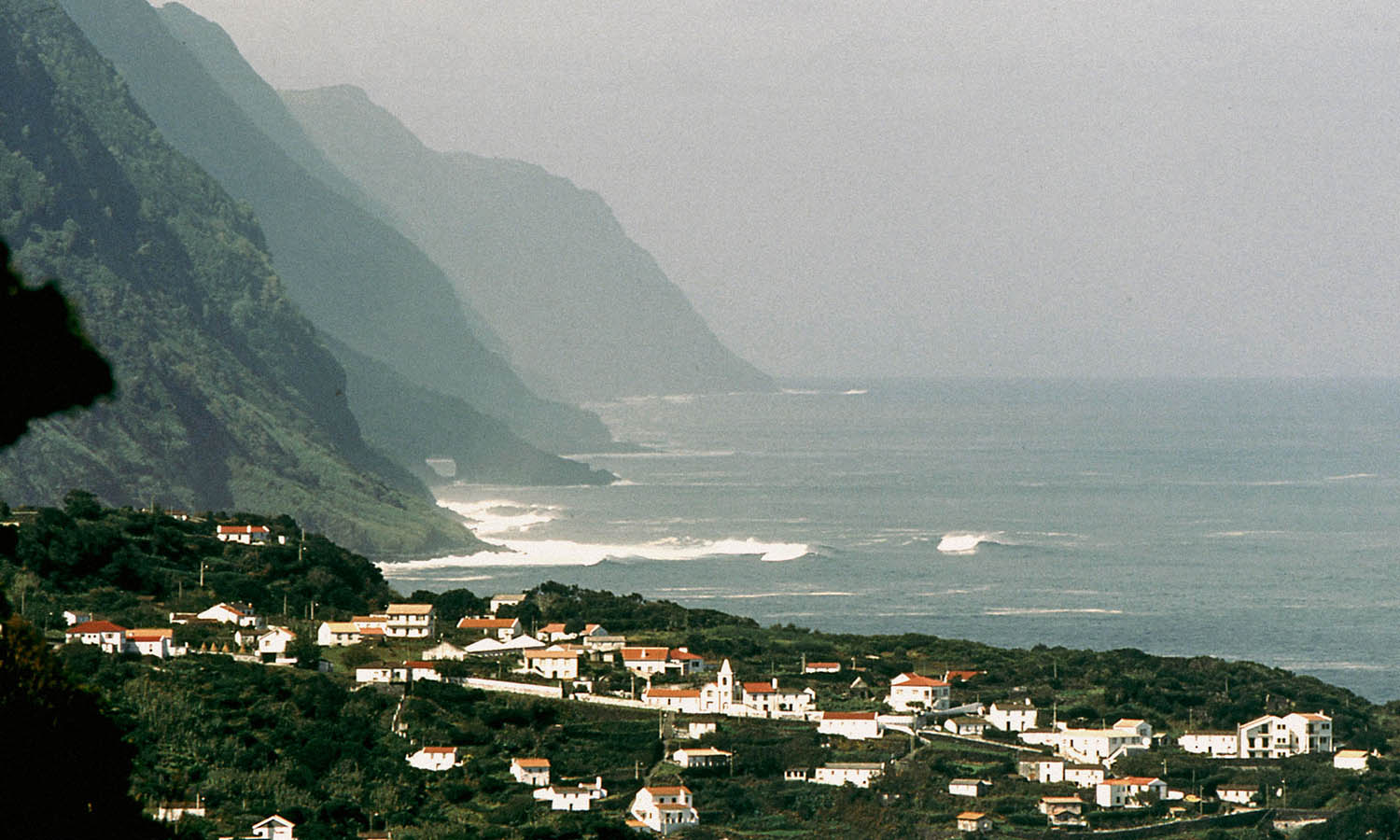
The rugged tips of nine underwater mountains rupture the North Atlantic Ocean, two-thirds of the way from New York to Lisbon. The Açores (Azores), a volcanic archipelago, rise into a swirling mist and straddle the Eurasian, North American, and African tectonic plates.
The islands’ early inhabitants likened the ceaseless, violent volcanic eruptions that decimated their villages to the wrath of angry gods—penance for the sins they brought with them. Like the Earth’s arrhythmic heartbeat, maybe the constant ripple of tremors across the islands—27,000 within only a few months in 2022 after decades of silence—signals a cycle of destruction and rebuilding, year after year.
Ancient poets like Homer and Horace sang of the Fortunate Isles in the Western Ocean, an earthly paradise for those pure enough to enter the Elysian Fields following three reincarnations. Following Plato, the lost remains of Atlantis could have been found in the hot springs, towering peaks, and lush, fertile soils of the Açores. No people or animals populated these tiny atolls of black lava until 15th-century Portuguese explorers first docked their caravels and other small sailing vessels along the shores of Santa Maria and São Miguel—or so people say. But recent studies have unearthed evidence of agriculture and livestock up to 700 years prior to Portuguese presence—perhaps a vestige of the Vikings’ nautical abilities. When Flemish settlers arrived on the island of Faial in the late 15th century, they dried, powdered, and fermented woad, extracting a deep blue dye.
Portuguese fleets returned from India, fusing local foods with cinnamon, nutmeg, allspice, and pepper. During the Spanish occupation, fleets docked in Faial’s ports, where they unloaded galleons flooded with South American gold and Caribbean spices. And in 1939, the first Boeing 314 Clipper four-engine seaplane brought Americans to Horta’s port. One late autumn, my friend Greg and I reached Horta, a port town in Faial. A city of sailors steeped in the traditions of past generations, Horta has become a quick stopover for seafarers and yachtsmen. The people of Earth’s continents converge on this tiny speck of lava-rich land in the middle of the Atlantic. We ventured away from the colourful yachts bobbing in Horta’s marina and sailed between the islands by ferry. Across the archipelago, cliffs collapse into a steep coast, vast craters bubble and boil, and boundless thickets of pastel hydrangeas line seaside roads and crown abandoned Baroque churches like the Earth sealing the scars of its past.
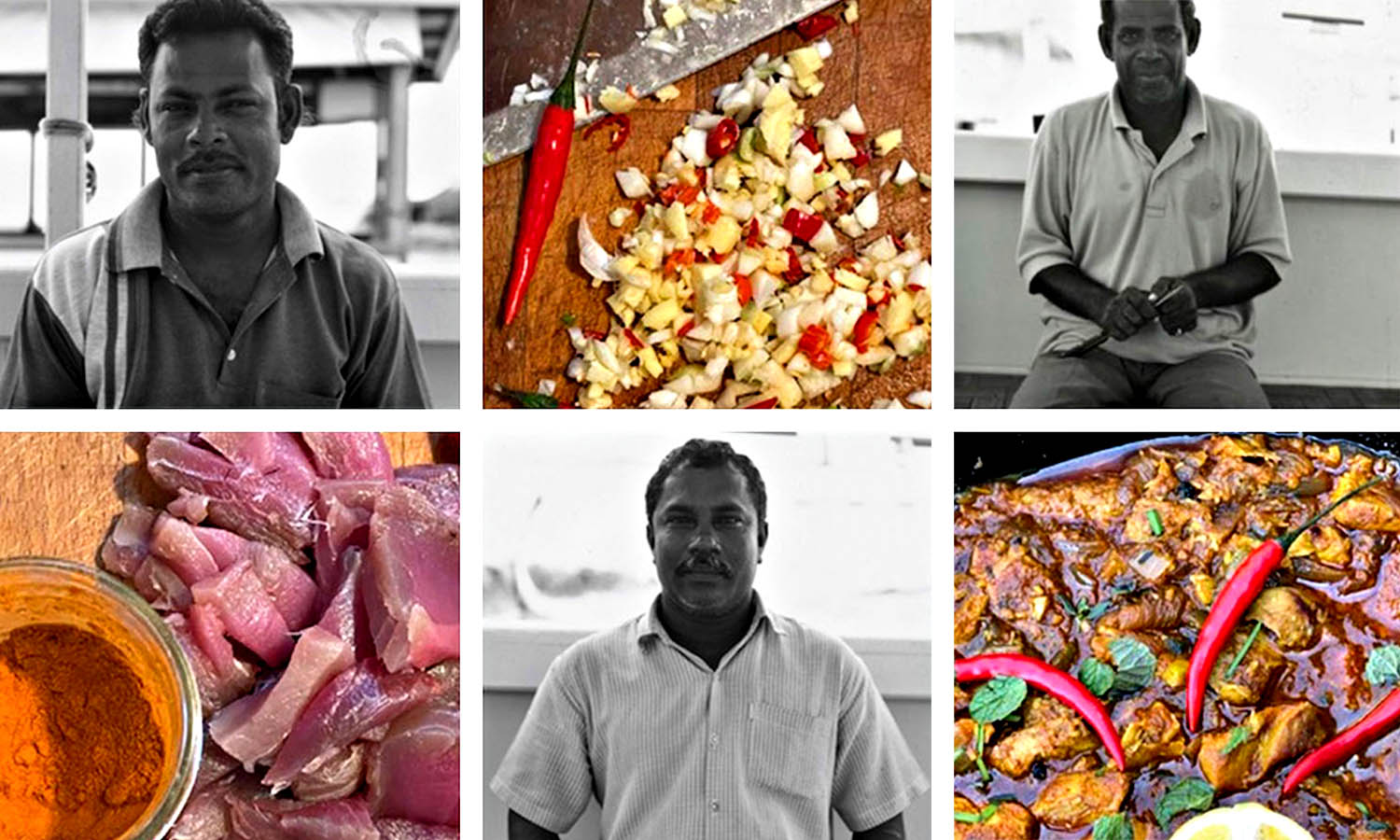
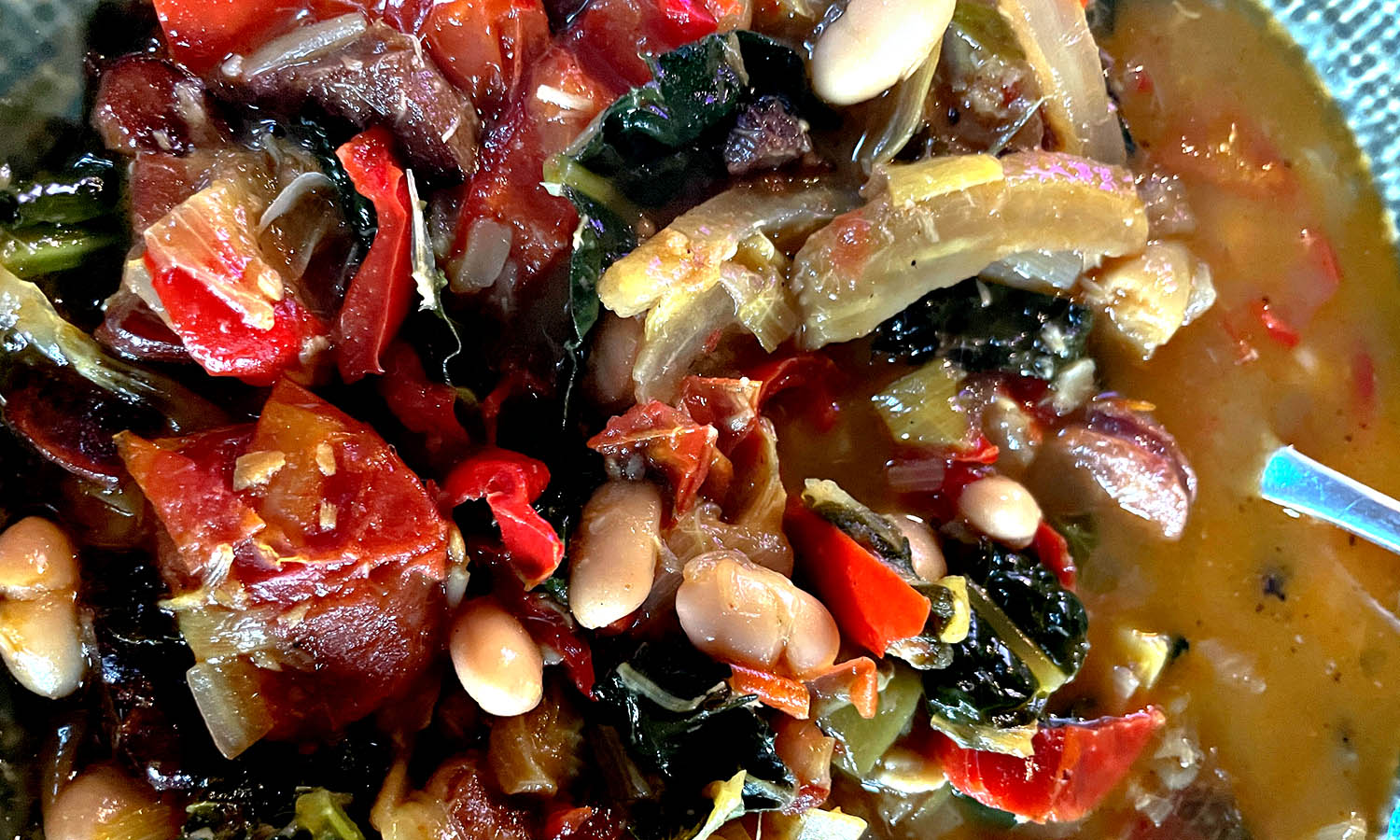
On a remote stretch of one of the outer islands, we searched for a place to stay the night in a small village with ivy‐covered stone houses. With no hotels in sight, a family opened their doors to us, and the father shared moonshine so potent you could run a moped on it. In the kitchen, I could smell the kale, kidney beans, and smoked chouriço sausage simmering in a pot of sopa de couve.
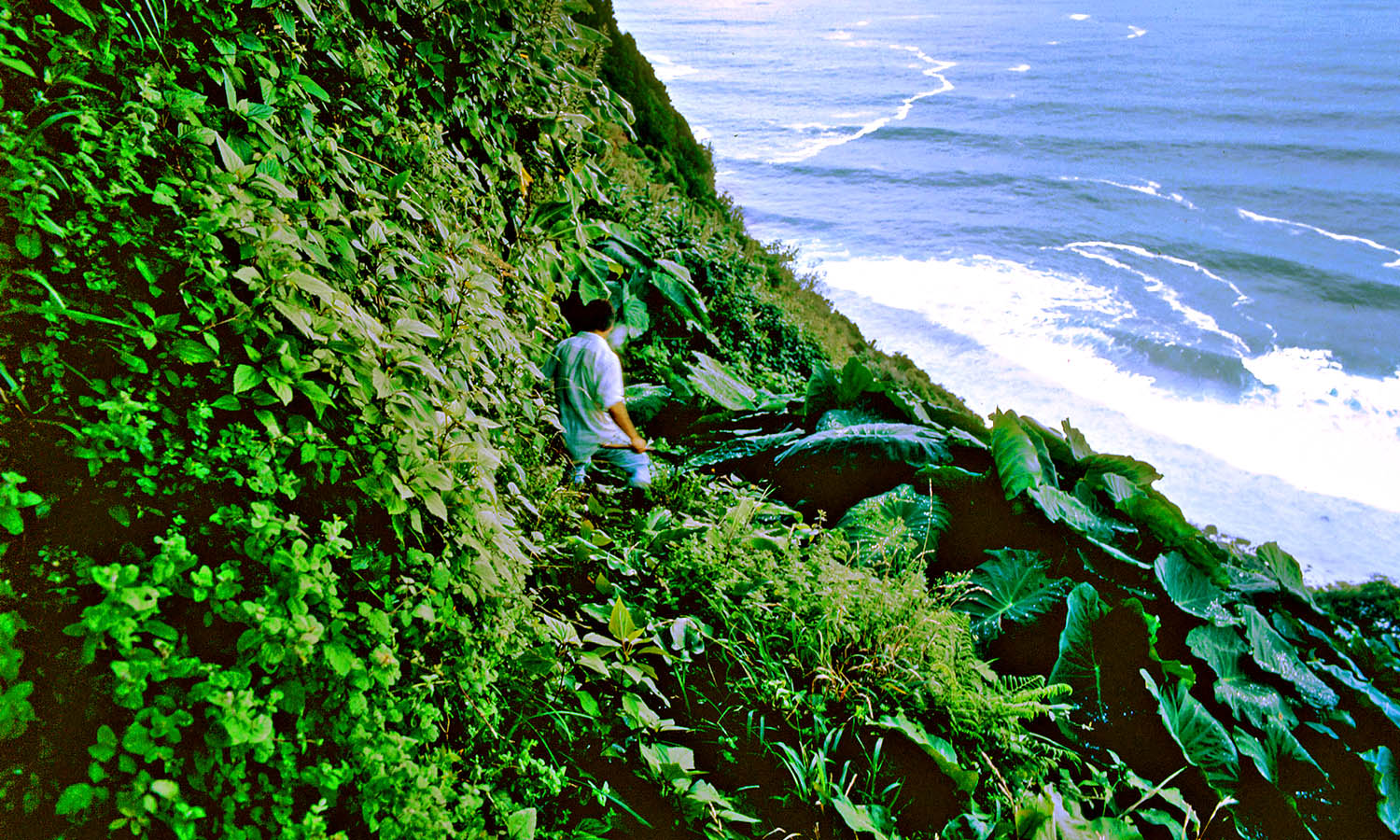
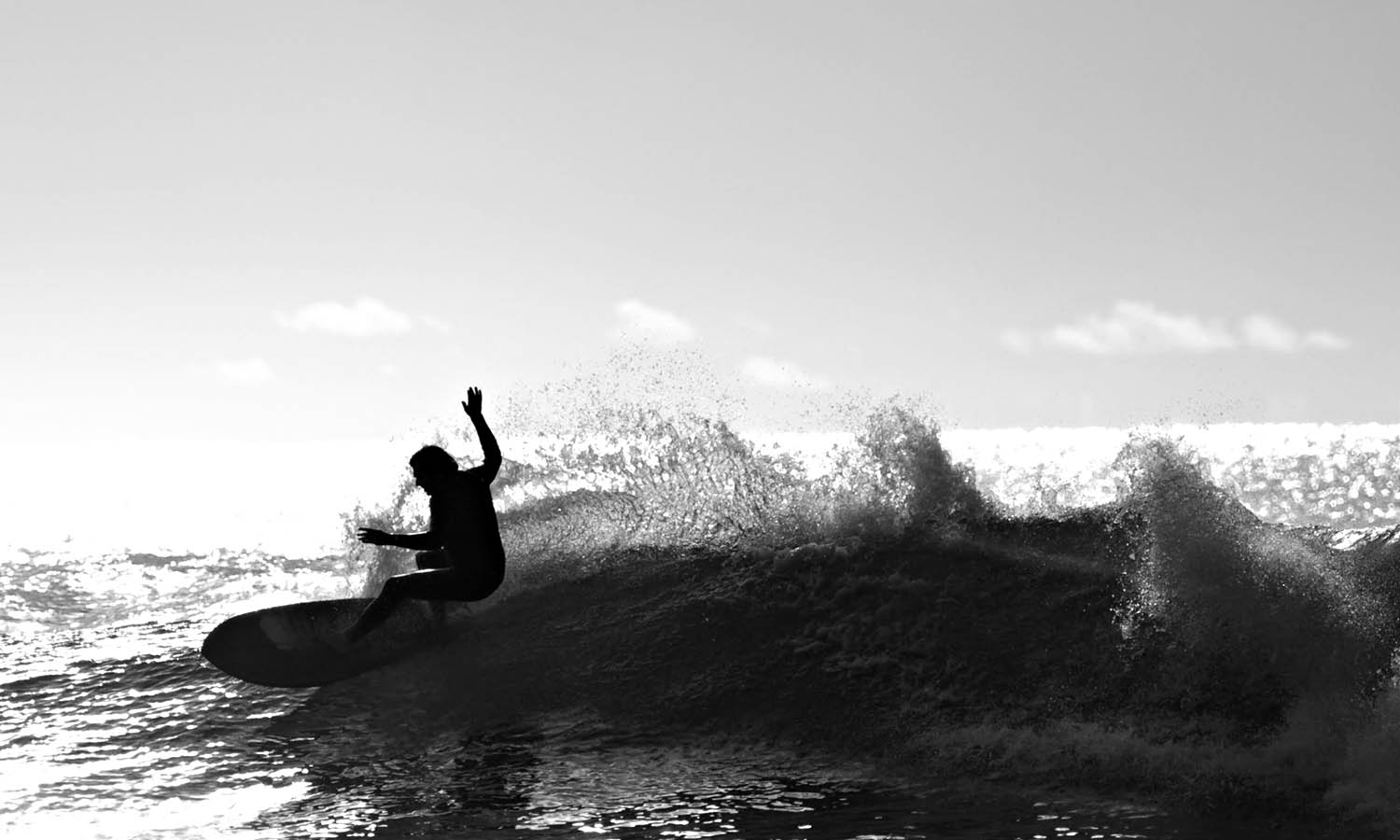
We hired a farmer in town to take us to a wave we’d spotted from way up above. Armed with rubber boots, a pack of cigarettes, and a machete, he sliced through dense brambles to unveil a forgotten goat path. Only one wrong step on this almost vertical cliff could lead to our deaths. After a couple of hours, we made it—only to find the wave blown out by the afternoon trades. The next day the swell had died and the spot was non-existent.
The sea that surrounds these islands shapes the homemade, heart-warming local cuisine. The ocean ushers in garlicky stewed octopus, grilled lapas smeared in musky olive oil, lemon, and parsley, and plates oozing with piles of pastéis de bacalhau, codfish balls made from potatoes, dried cod, onion, and parsley. Fajãs, the flat forelands formed from ancient lava, plunge into the ocean below. The fertility of these fajãs favored agriculture, and settlers once grew yams, maize, tarot, greens, garlic, and figs. Abandoned after successive waves of earthquakes, the overgrown fajãs exist as a reminder of the fleeting nature of human settlement. Pork has become a prized staple on the island.
Every Christmas, families revel in a celebration that spans several days. A pig would be slaughtered and cleaned on the first day, then hung from the ceiling as a symbol of joy and prosperity. Cows also graze in lush green pastures, and as with pigs, Azoreans waste no part of the animal. Tender tripe stewed with white beans and sausage. Chouriço à bombeiro, or the “fireman’s sausage” doused with aguardiente, a potent distilled spirit, and then set ablaze. Rissóis de carne, deep-fried turnovers stuffed with a spicy beef mixture.
We head into town, where a fish market offers eel, barnacles, limpets, and clams. And no other place in town embodies Horta’s sailing tradition like Peter’s Café Sport. For more than eight decades, this family bar has represented a cultural landmark as important as the Caldeira crater or the ruins of a church destroyed in the 1998 earthquake. A hearty dinner of Whale Soup—a beef and vegetable stew—was incomplete without Peter’s house gin. Peter’s Gin do Mar, infused with passionfruit liquor, became popular with the workers from British telegraph cable companies who made landfall in Horta more than one hundred years ago.
Kale soup has its roots in the traditional cuisine of the Azorean people, who relied heavily on agriculture and livestock for sustenance. The fertile volcanic soil of the islands allowed for the cultivation of various crops.
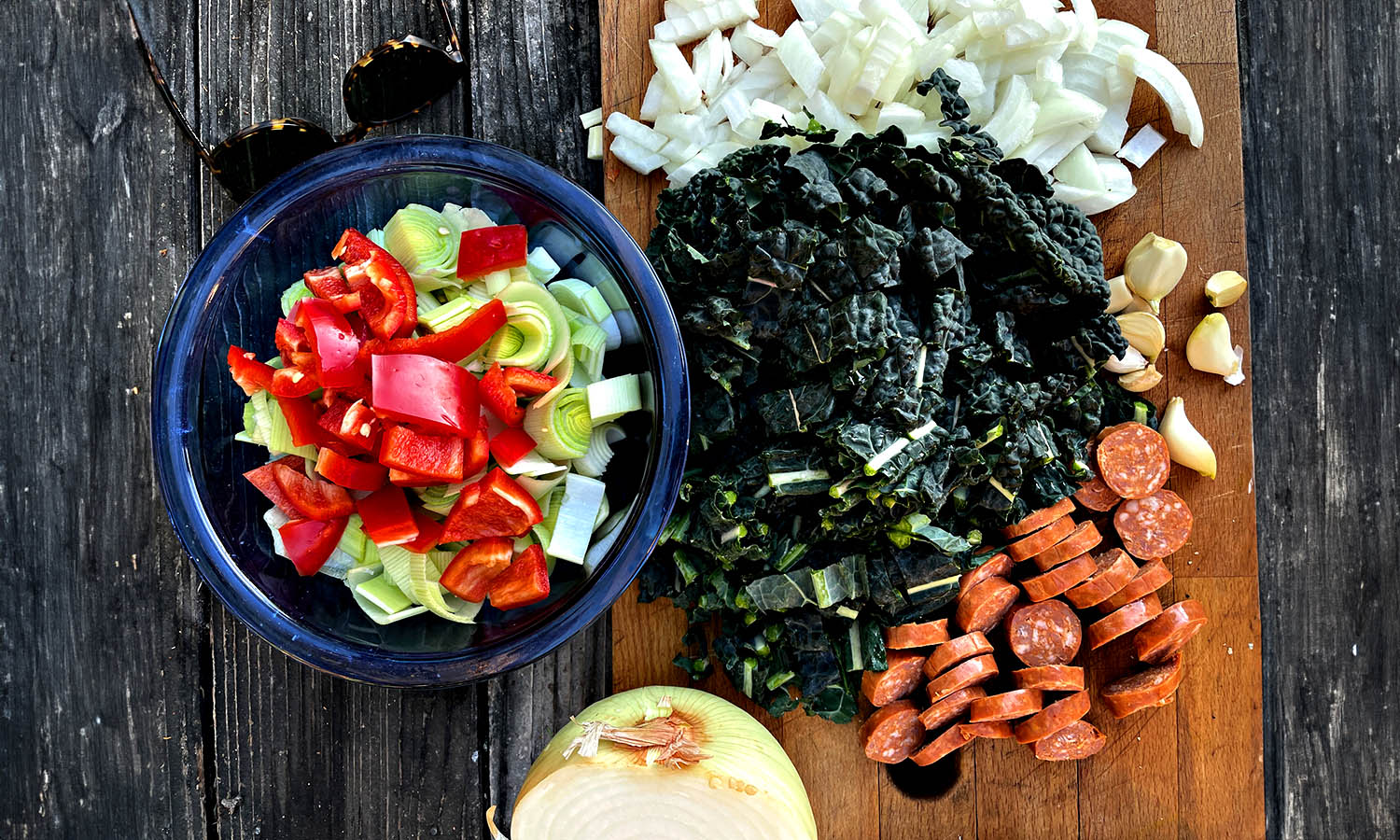
Kale, or couve, is a staple vegetable in the Azorean diet due to its hardiness and ability to thrive in the region’s climate. Enjoy your delicious and hearty sopa de couve from the Azores, made with kale and chorizo, a cured sausage made with pork and spices local to the Iberian Peninsula.
Ingredients
2 tablespoons olive oil
350 grams of chorizo sausage, sliced
1 large onion, chopped
2 garlic cloves, minced
2 medium potatoes, peeled and diced
4 cups chicken or vegetable broth
400 gram can diced tomatoes (alternatively, 4 to 5 fresh diced tomatoes)
1 teaspoon dried thyme
2 x 400 gram cans northern beans or other white beans
1 large bunch of kale, chopped
salt and pepper to taste
Heat olive oil over medium heat in a large pot. Add the sliced chorizo and cook until brown. Then add chopped onion and garlic and sauté until the onions are translucent. Add diced potatoes and stir until they are completely coated with the oil.
Pour in broth, tomatoes, and thyme. Bring the mixture to a boil. Add the two cans of beans to the mixture and stir. Bring the pot of soup to a boil, then reduce to a simmer for about 20 minutes. Add the kale and stir in until slightly wilted and al dente. Serve warm.
While it feels like every square inch of the Earth has been discovered, trodden on, bought and sold, there’s still plenty of real estate left beneath the surface to discover.
We found five of the most extraordinary experiences to be had below the surface.
Click play to WATCH
Travelling can be hard work. From lugging 25kg suitcases up Italian villa staircases to catching colds on long-haul flights, going on holiday can wreak havoc on the body. To cure all that ails you, here’s our top five weirdly therapeutic spa treatments from around the world. They’re an adventure in their own right:
Alright, we get it. A cenote – hardly underground we hear you say. We might get some underground purists (talk about a niche community) turn their noses up at this inclusion, but the facts are, a cenote is a natural pit filled with water, a leftover from the collapse of a limestone bedrock.
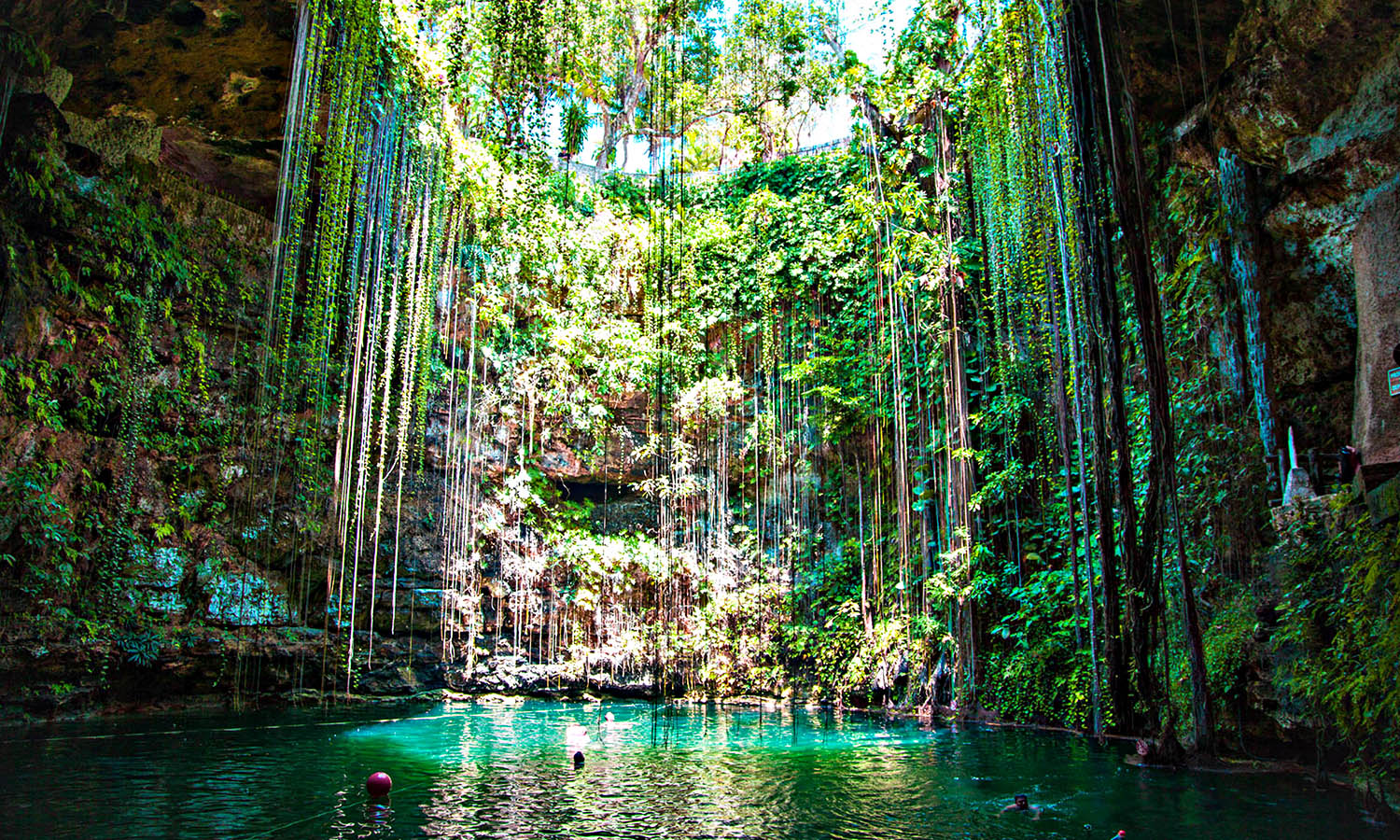
This is more than enough for us to consider them an underground experience. What we already knew is what a glorious feeling it is to swim in cool waters beneath flickers of the Yucatan sun, like at Ik-Kil cenote near the sacred ruins of Chichen Itza, Mexico.
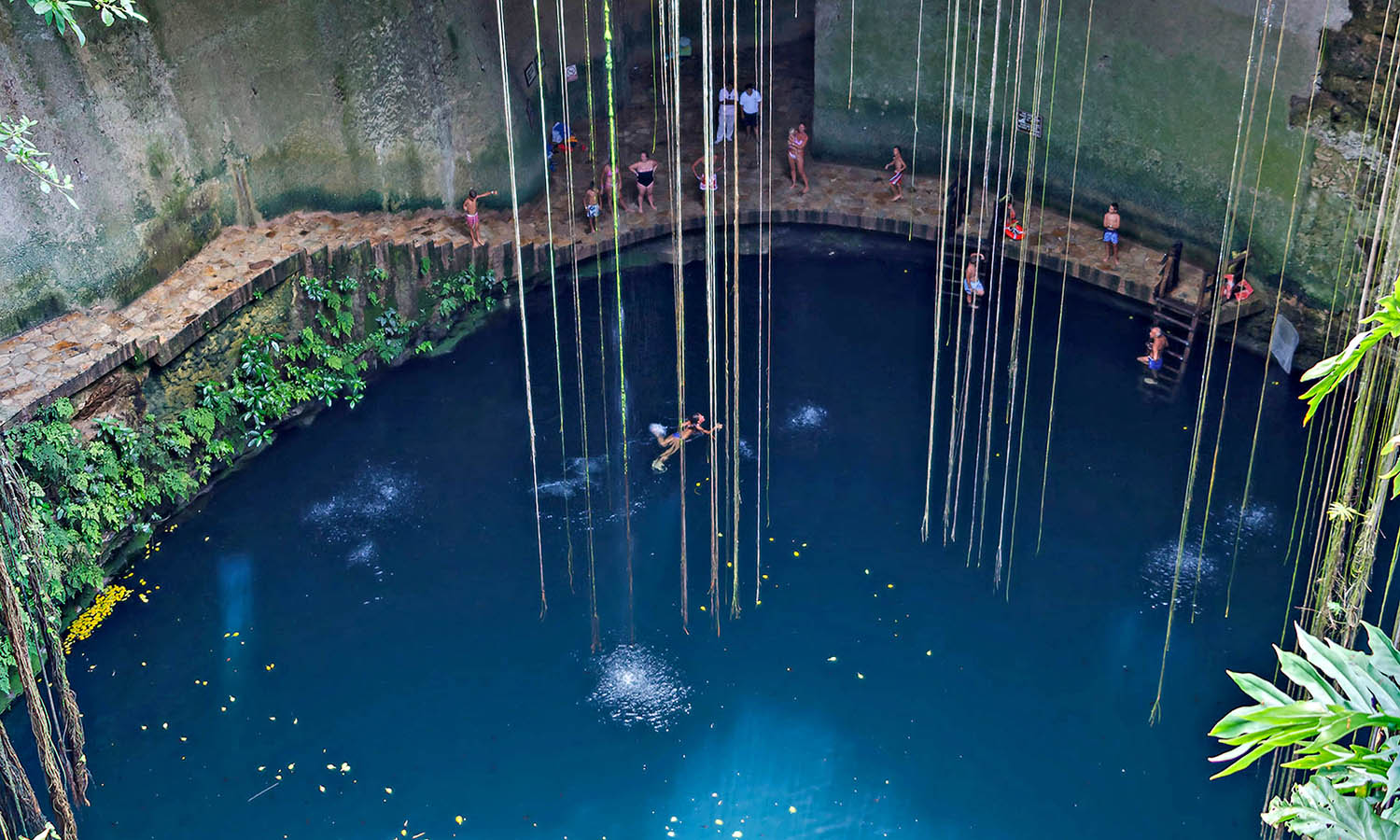
Vines hang loosely and attractively from the top of the sinkhole down to the surface of the water, an inviting shade of blue to dive in and escape the heat. You’ll start swimming at 28 metres underground and then it’s another 40 metres deep after that. Don’t drop your phone, or your GoPro.
Diving into an abandoned mine shaft doesn’t, on the surface, sound like a great idea.
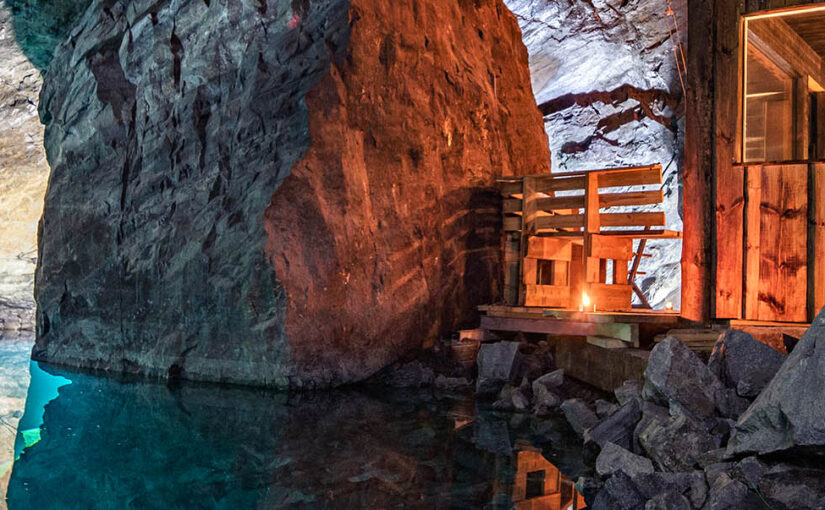
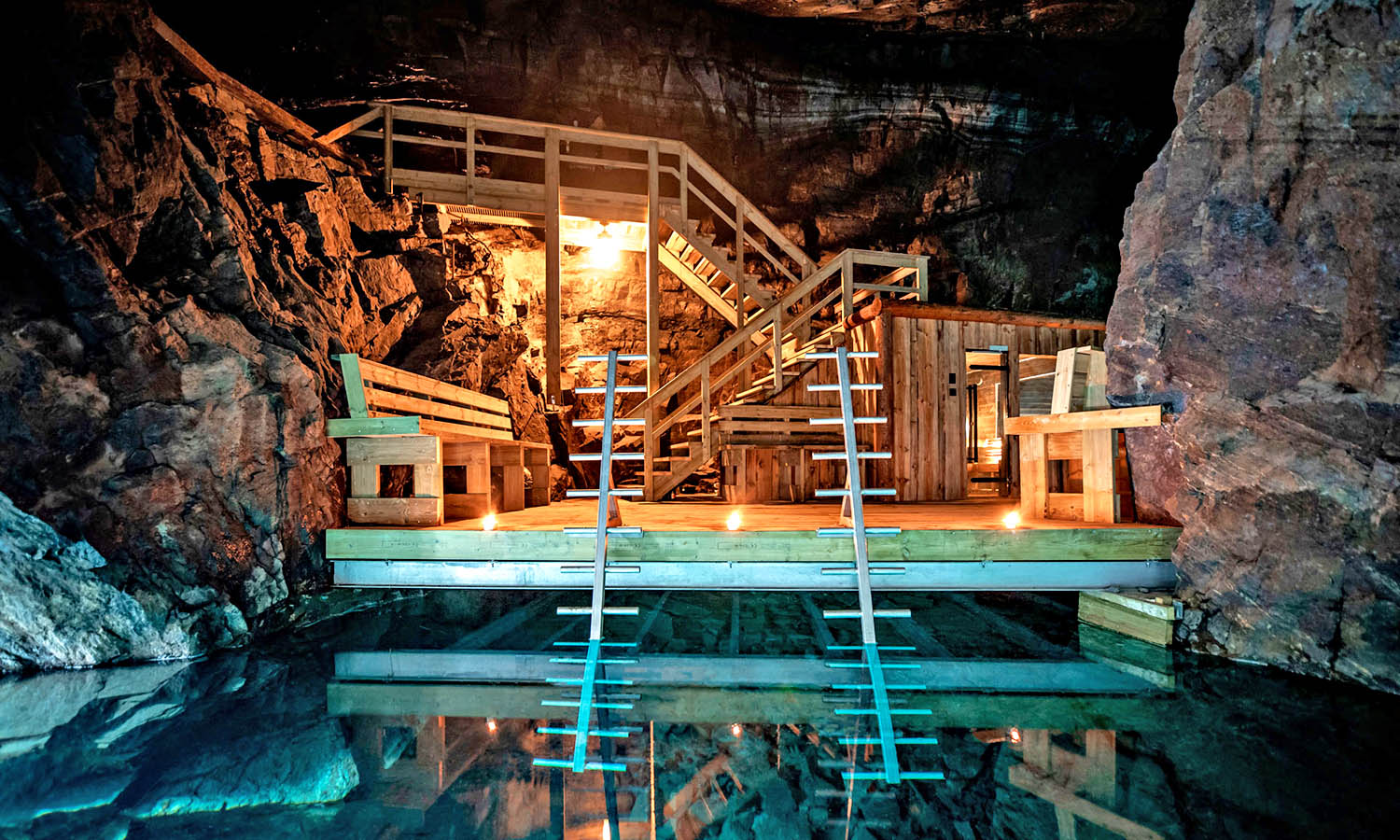
But this article is about what’s below the surface, so that logic doesn’t apply here. For around 400 years the Tuna Hästberg mine in Dalarna, Sweden provided iron ore by the plenty. In the summer of 1968 (one prior to Bryan Adams’) the last shot was fired at the mine, and now water fills where miners once toiled and where explosives once detonated.
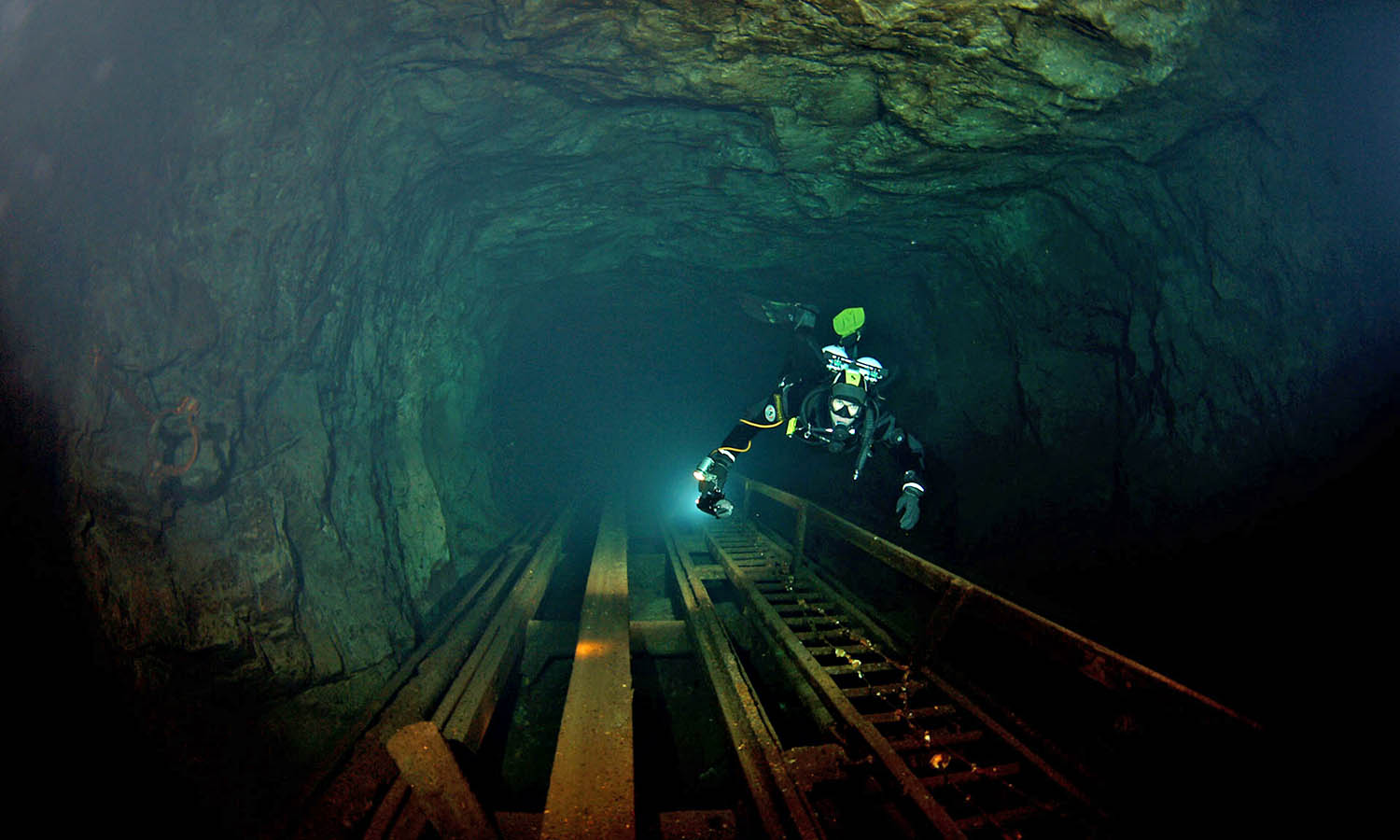
Diving from a depth of 80 metres below ground level (that’s from, not to) dive guides assist in lighting the way down the shaft. Following a network of rail lines, divers navigate through expansive stopes as well as tight rabbit holes, coming across long disused machinery and electrical stations.
There’s no coral reef to marvel at here; just the passage of time and human enterprise. It is eerie, it is unique and it is slightly unhinged.
For the less adventurous (crazy), Tuna Hästberg also offers mine tours by foot, staged gigs that are held 80 metres below Earth, as well as a one-of-a-kind underground sauna—this is Scandinavia, after all.
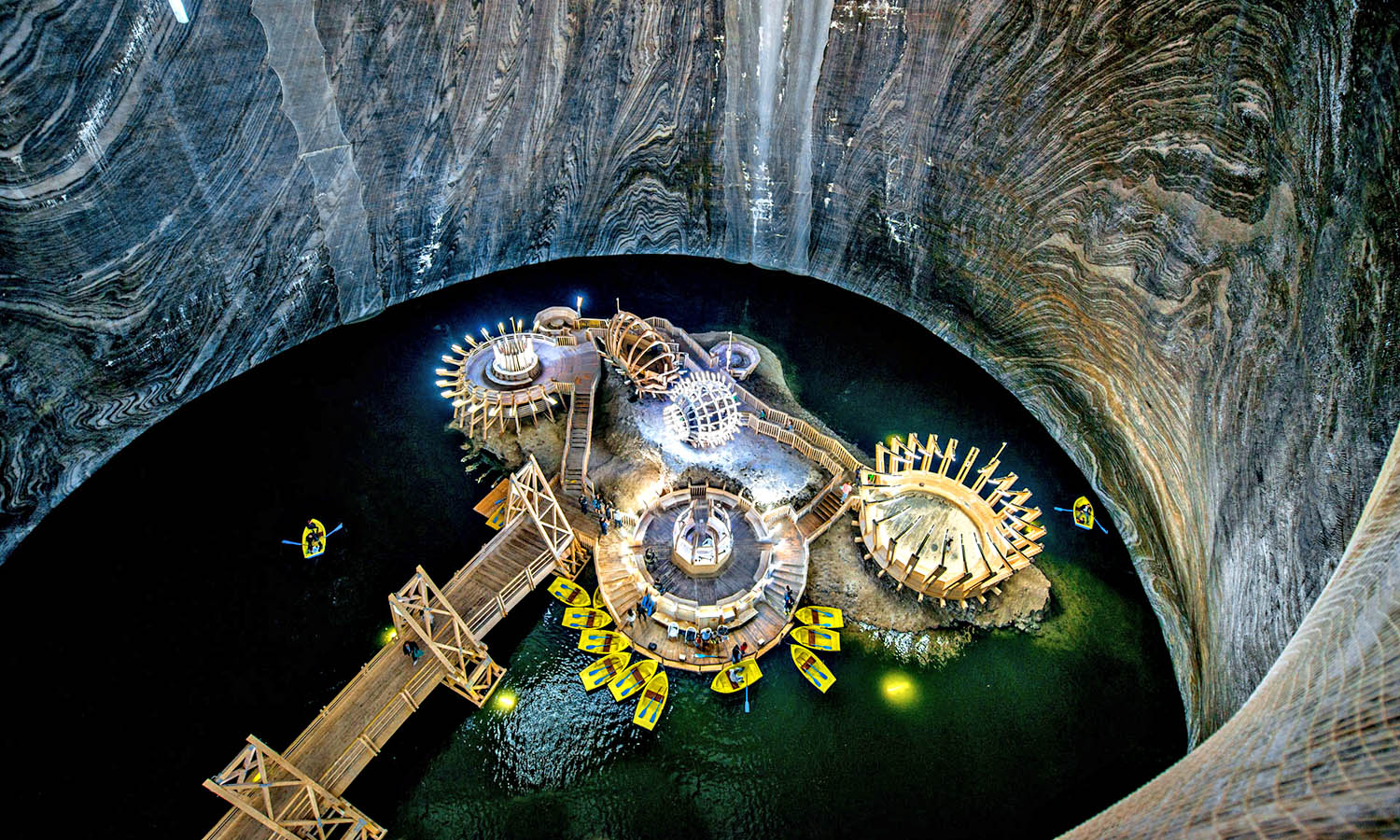
“Let’s put an amusement park inside an old salt mine,” was what one crazy operator presumably said one day, leading to general bemusement and eventually, the Salina Turda Salt Mine that existis today.
Based 120 metres below the turf in Transylvania, Turda Salt Mine was a source of salt for up to 2,000 years. Now described as “the world’s most spectacular natural underground formation,” and we’re not arguing.
Ground level offers no clue to what lies below at this place, located just outside of Cluj-Napoca, Romania’s second largest city. There’s rides, a Ferris-wheel, a sports field, a bowling alley, billiards, an amphitheatre showing films and gigs, and a lake where you can paddle on a boat to a man-made, neon-lit island. Salt waterfalls and stalactites adorn the cavernous walls of each section, giving an otherworldly feeling that makes it very difficult to believe you’re still on the same planet you started on.
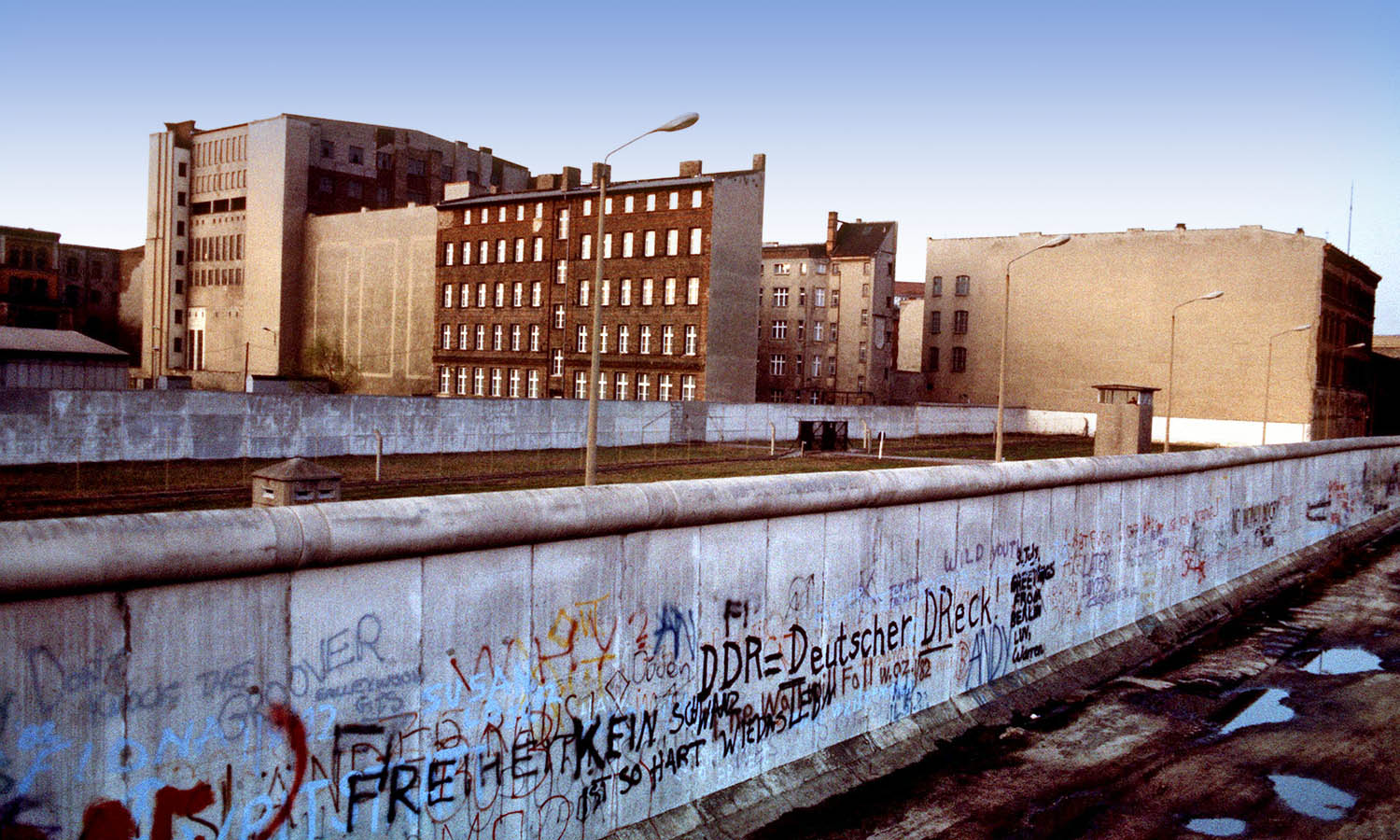
A unique and sombre slice of German history is encapsulated in Tour M, taking trippers down to tunnels dug built by desperate East German citizens hoping to escape to a better life.
Around 70 tunnels were attempted, with only 19 proving successful, this number including sewer systems that were navigated as a means of escaping to freedom.
With the sound of trains rattling by on the U-Bahn overhead, Tour M tells the extraordinary stories of the 300 (possibly more) that made it across the other side, as well as the many, many more that didn’t make it. There’s several replica tunnels that have been recreated to simulate these very short, but incredibly dangerous journeys, but also real tunnels – like one used in the early 1970s which is situated eight metres below the surface of the Earth, and is still in excellent shape.
THE LARGEST AND DEEPEST HOTEL SUITE IN THE WORLD Arizona, United States
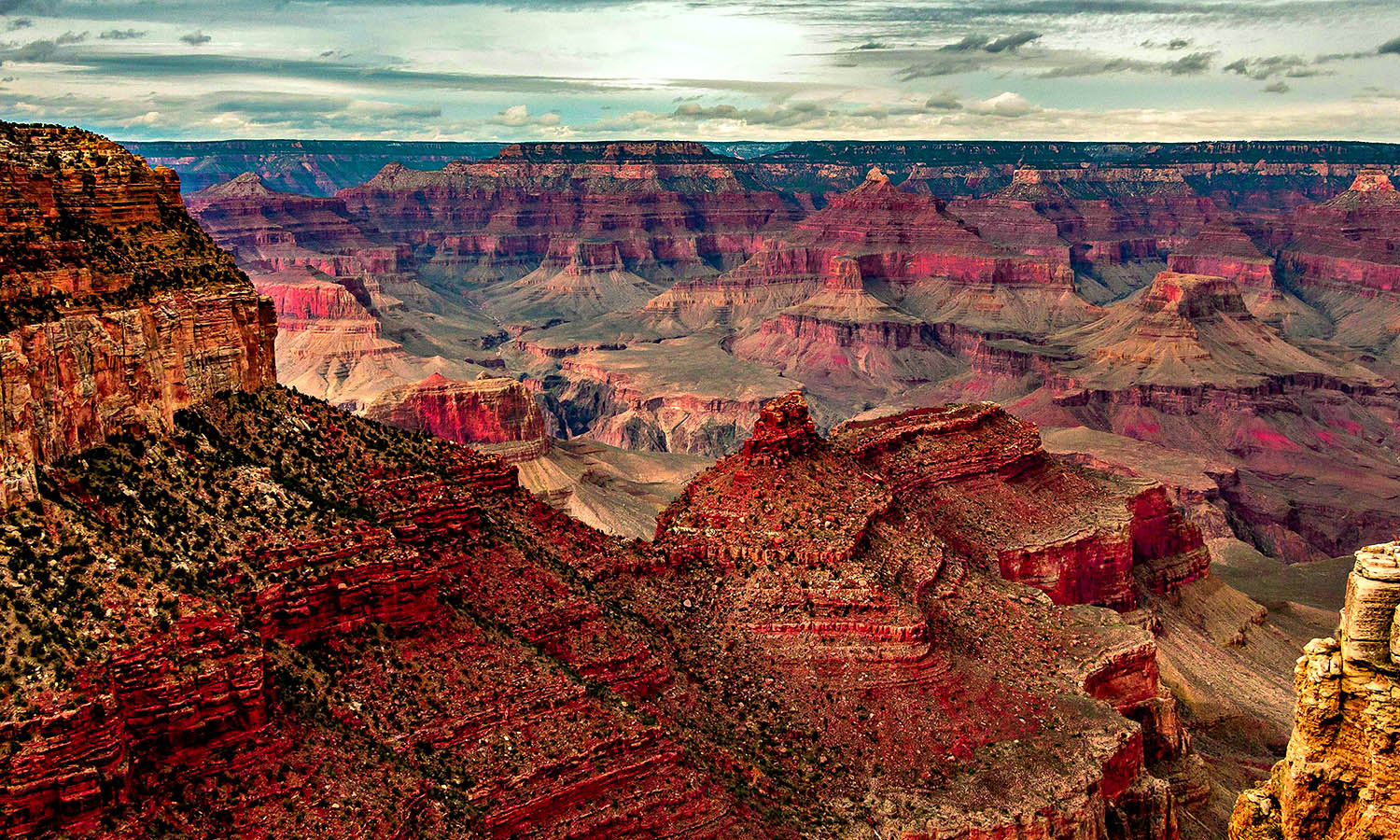
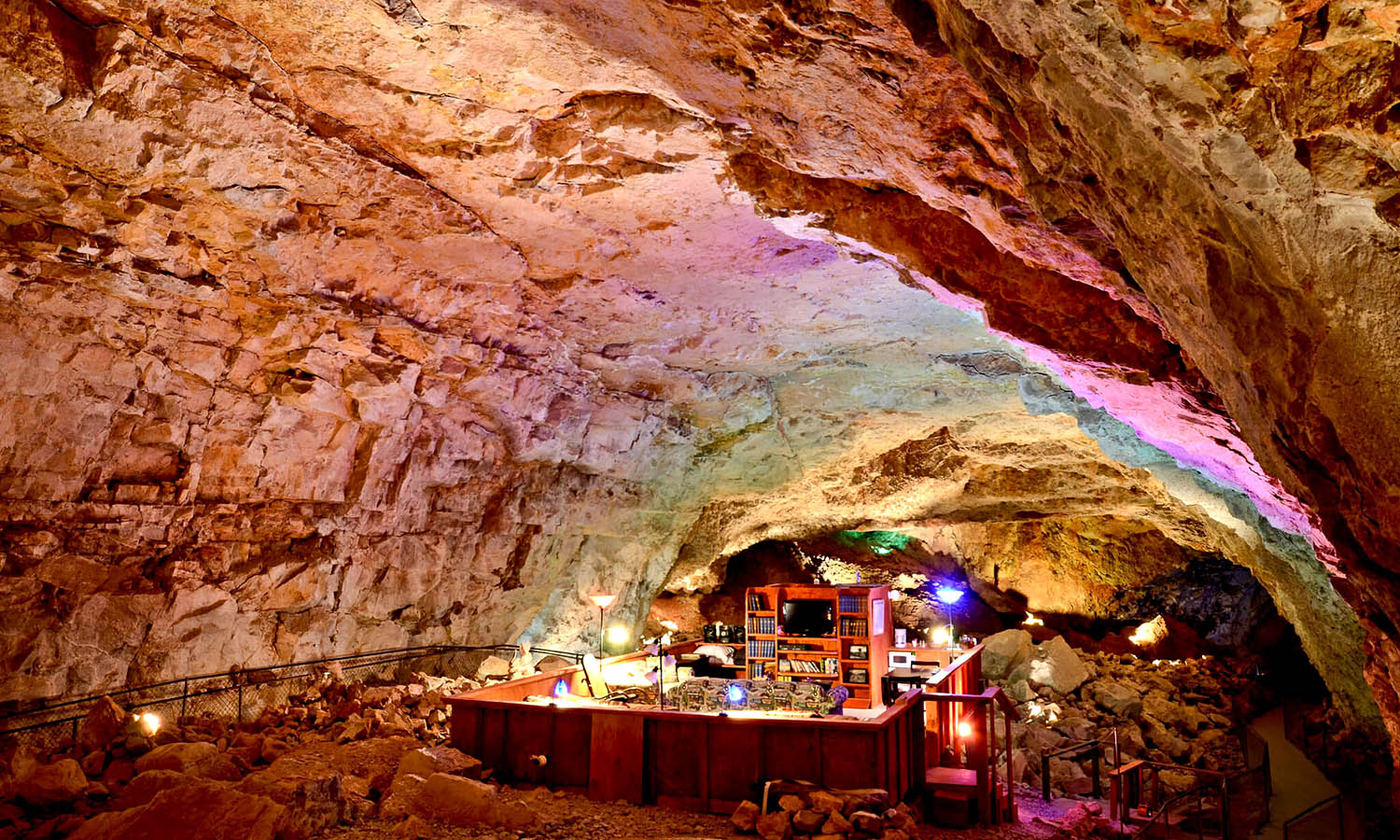
You could advertise the Grand Canyon Cavern as the largest hotel suite in the world, but that would be cruelly robbing it of its other honours, those being the benchmark as the deepest, darkest and quietest hotel suite in the world.
There is only one underground suite at the Cavern, and it’s over 60 metres beneath the Earth, in a 45 million old cave beneath the Grand Canyon. We’re refuting the temptation to describe the room as cavernous, but it certainly is, given the expansions of 67 feet by 122 feet, with a ceiling 21 feet high.
The room itself is tucked into a corner of the cavern, enclosed only by a knee-high, wooden fence, with a library of books to choose from because what else do you do 60 metres below the ground?
Perhaps you could have passionate cavern sex, safe in the knowledge that you can be as noisy as you want given no-one will ever possibly hear you 60 metres below the Earth, although that fact may freak you out slightly and see you return to the surface, where you can see all of the extraordinary natural grandeur of the Grand Canyon.
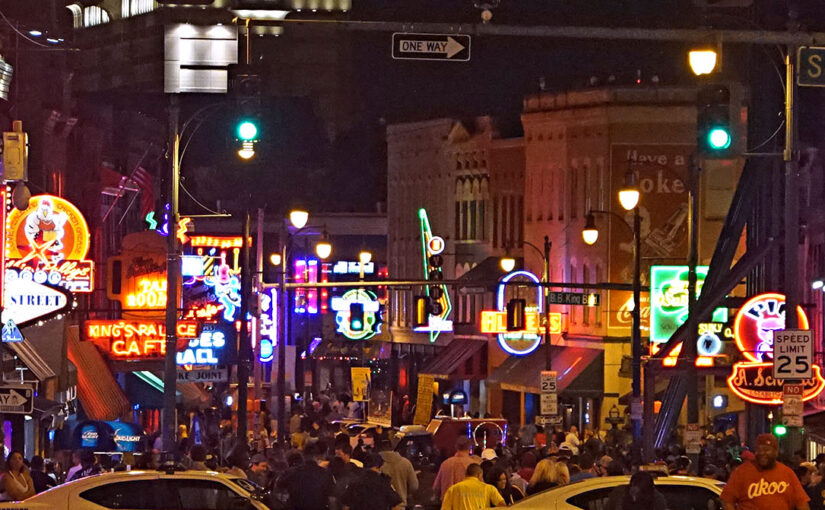
Memphis might be known as the Bluff City, Grind City, Home of the Blues, Birthplace of Rock and Roll, Soulsville U.S.A, River City, American Distribution Centre, The 901, Mempho, City of Good Abode, Soul City, City of Kings, America’s Aerotropolis and the Barbecue Pork Capital of the World, but we’re throwing a new one in there:
The City of Brand-New and Very Cool and Distinct Breweries You Should Probably Take a Look At.
Yeh O.K, we admit: that moniker needs a little work compared to the others.
But the thing is, Memphis really is a city where a lot of brand-new and very cool and distinct breweries are popping up, and you should probably take a look at some of them.
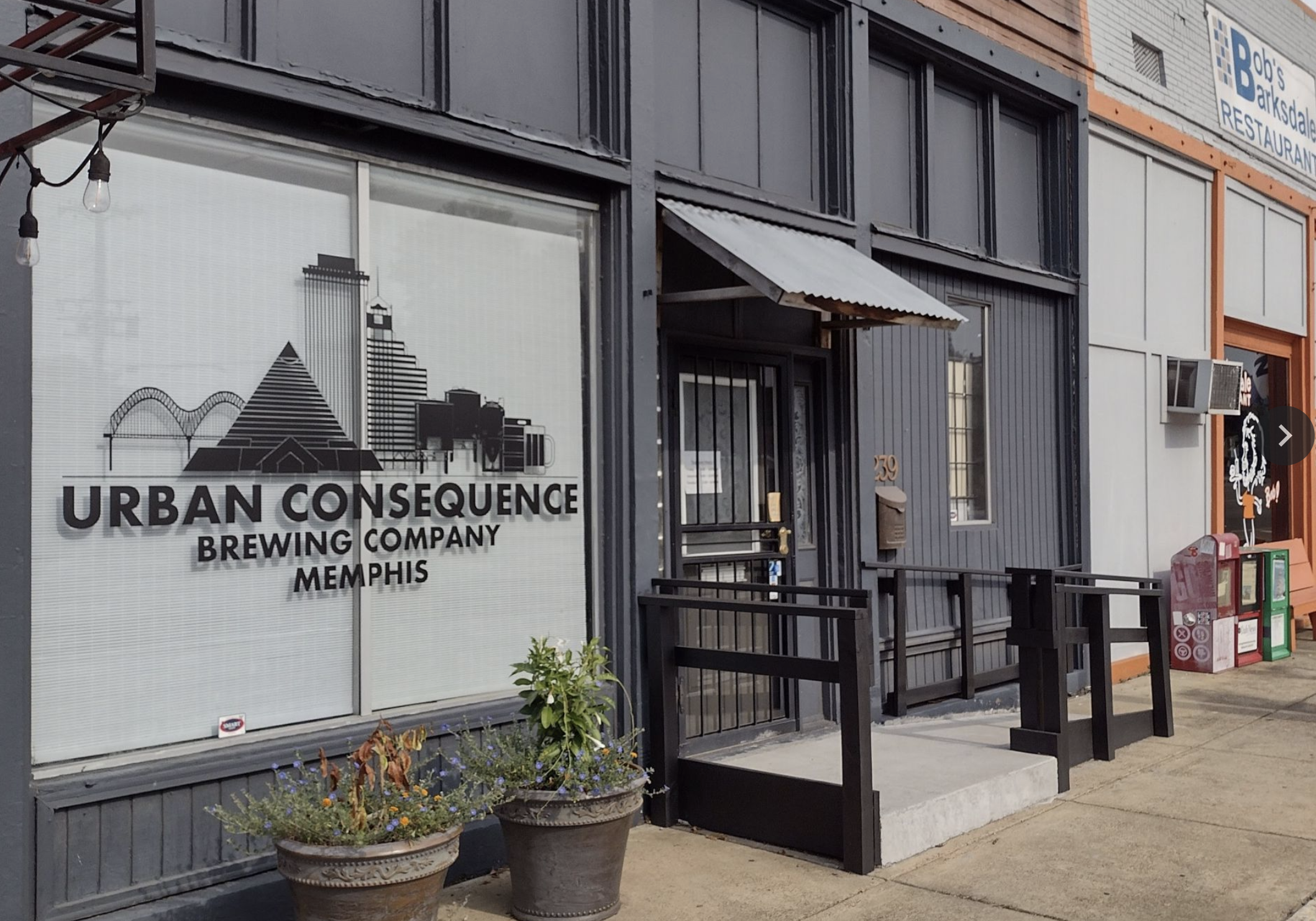
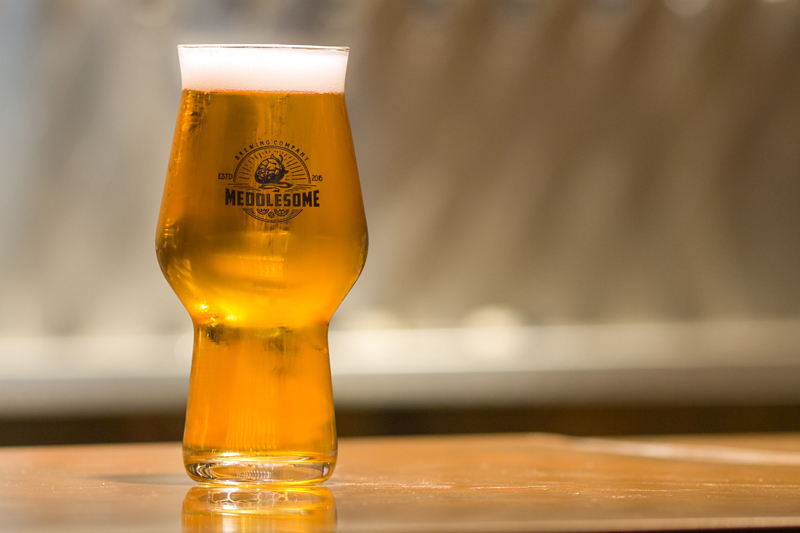
Memphis’ newest brewery opened in March 2024 and offers 8-10 diverse beers, ranging from their traditional Irish red ale to indulgent peanut butter chocolate milk stout. Also pet friendly, so bring your doggo but remember: most dogs can only drink a maximum of two pints before they’re too drunk to drive home (less for smaller breeds like pugs).
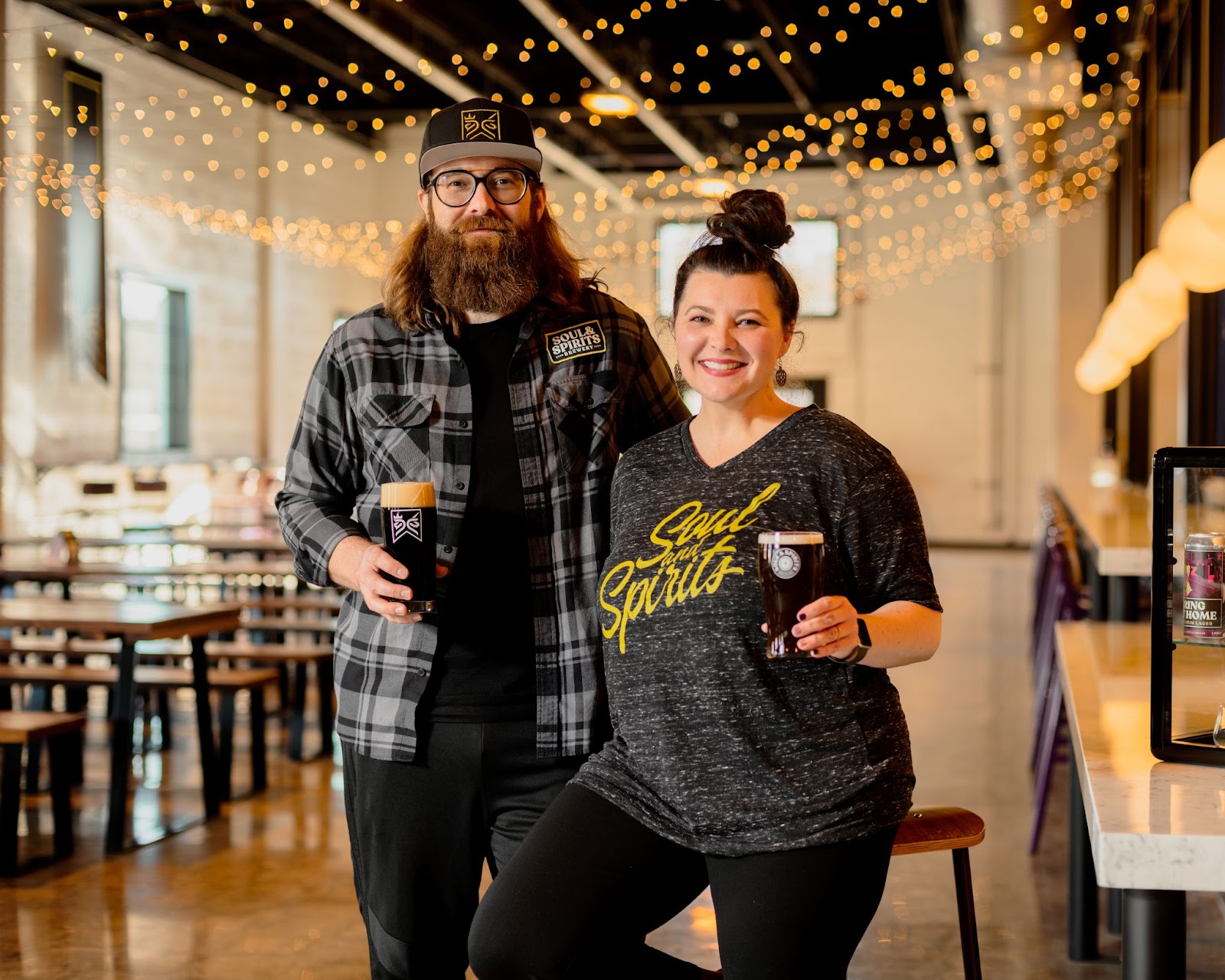
Named Tennessee Brewery of the Year twice, Soul & Spirits Brewery boasts one of the city’s largest beer selections, with dozens of brews on rotation. Pair your cold beer with treats from food trucks or locally sourced snacks like Wolf River Popcorn Co.’s popcorn.
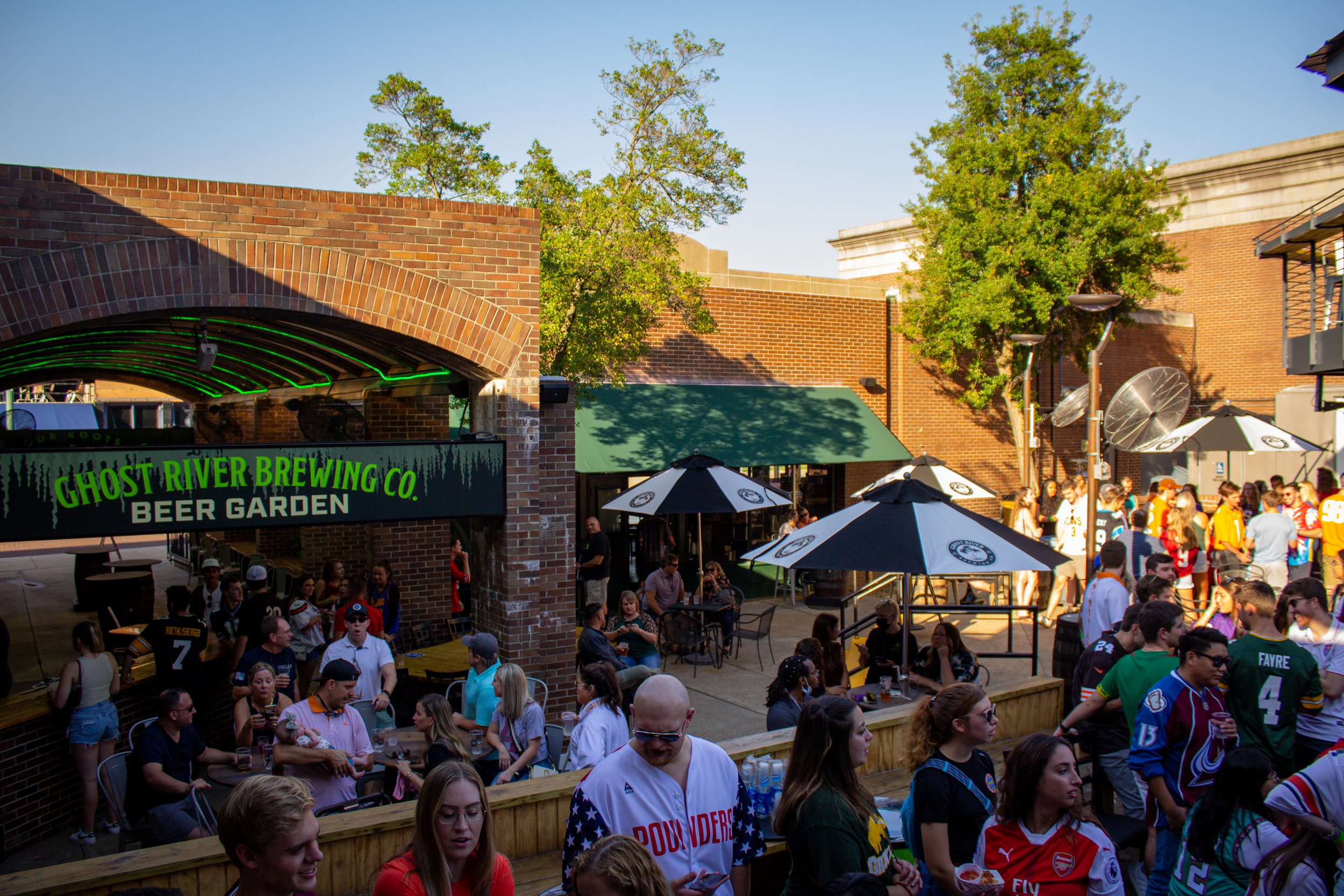
Ghost River Brewing’s Beale Street location is legendary, and conveniently located 100 feet from FedExForum. Conveniently it serves hot wings from an award-winning local food truck New Wing Order (LOVE the wrestling reference), making it an ideal pre- or post-game spot for travellers and locals alike. There’s also the same crew’s original South Main brewery location, which offers a unique atmosphere, and rotating food trucks.
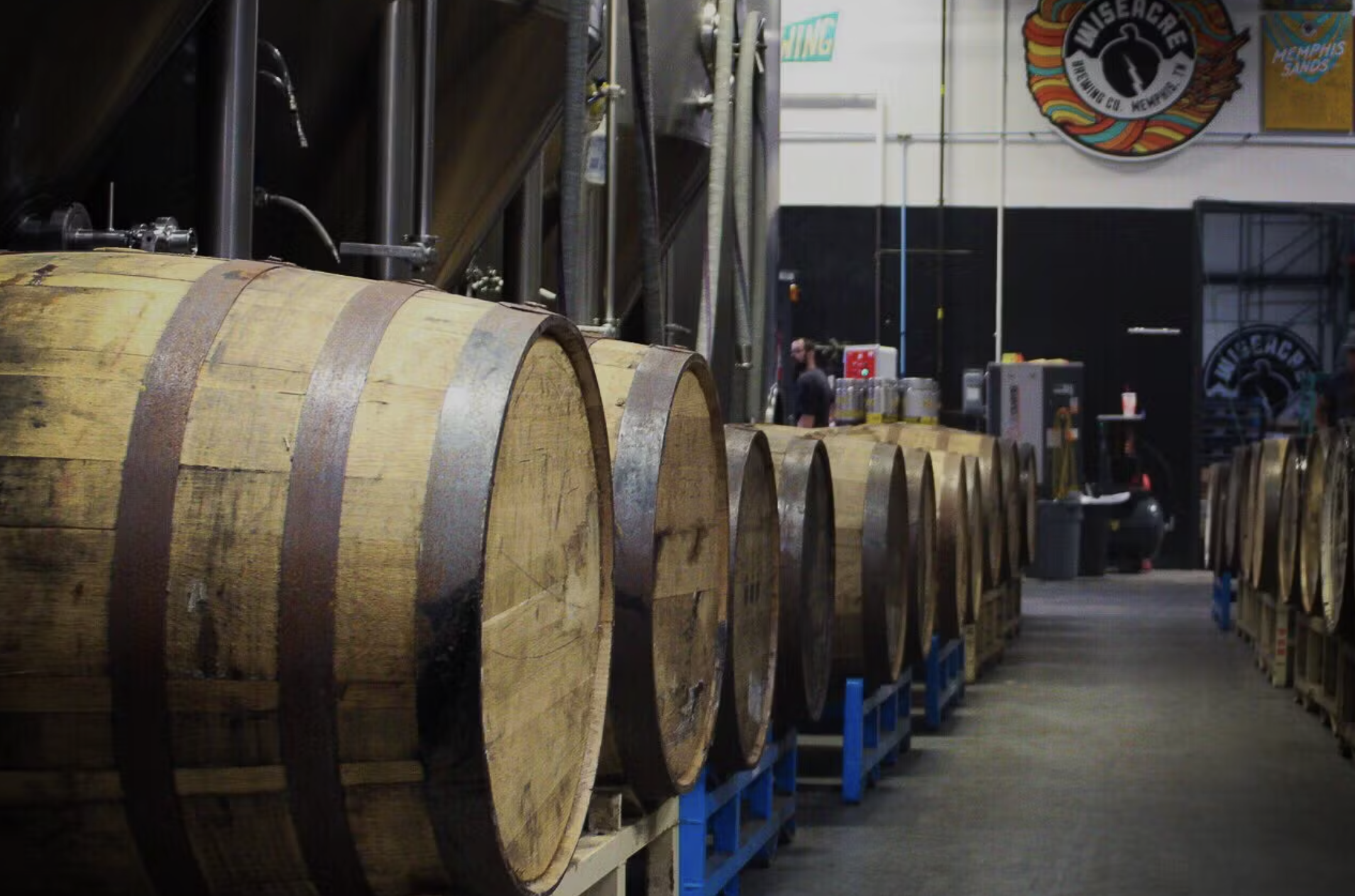
With two unique locations in Memphis, WISEACRE has a plethora of custom IPAs, lagers, and pilsners on tap. Brothers Davin & Kellan Bartosch are on a self-described mission to be the “crunkest brewery in Memphis”.
We’re not entirely sure what that means but come here to get crunk, as well as to get drunk, I guess.
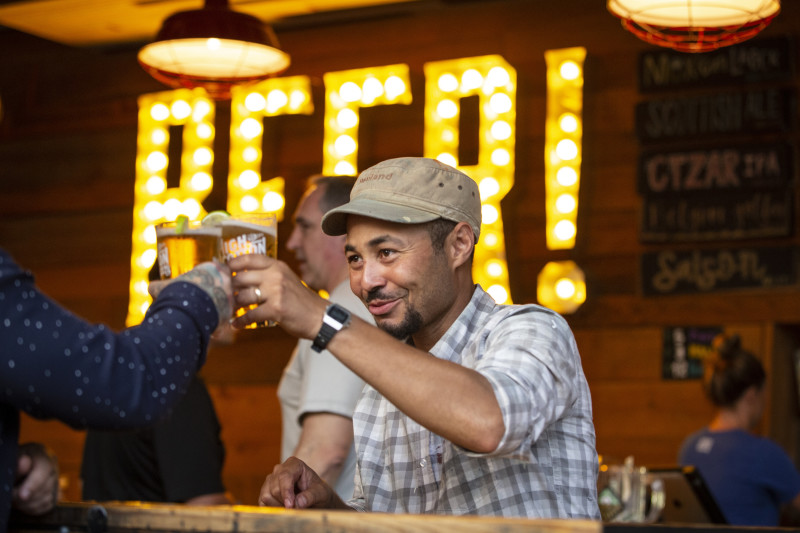
High Cotton serves a HUGE selection of beers, including IPAs like River King, which has an “intense tropical fruit aroma,” and German-style beers like Weizenbock, which has a banana and clove aroma combined with a caramel flavour.
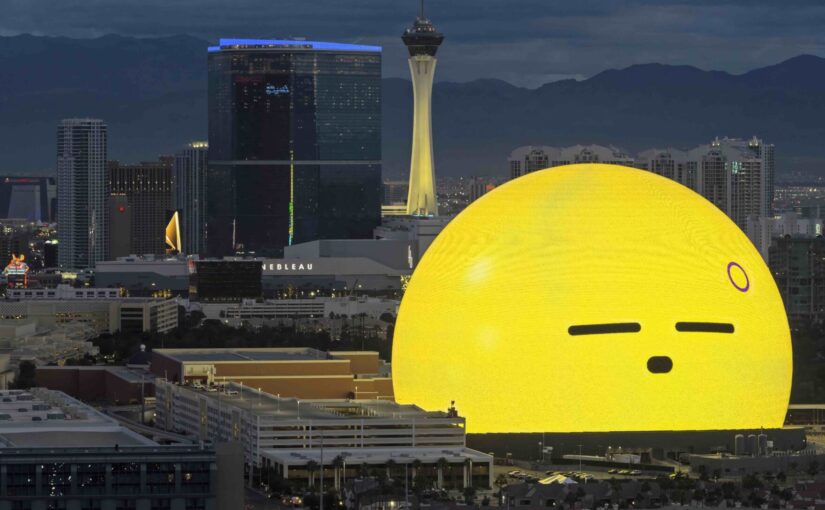
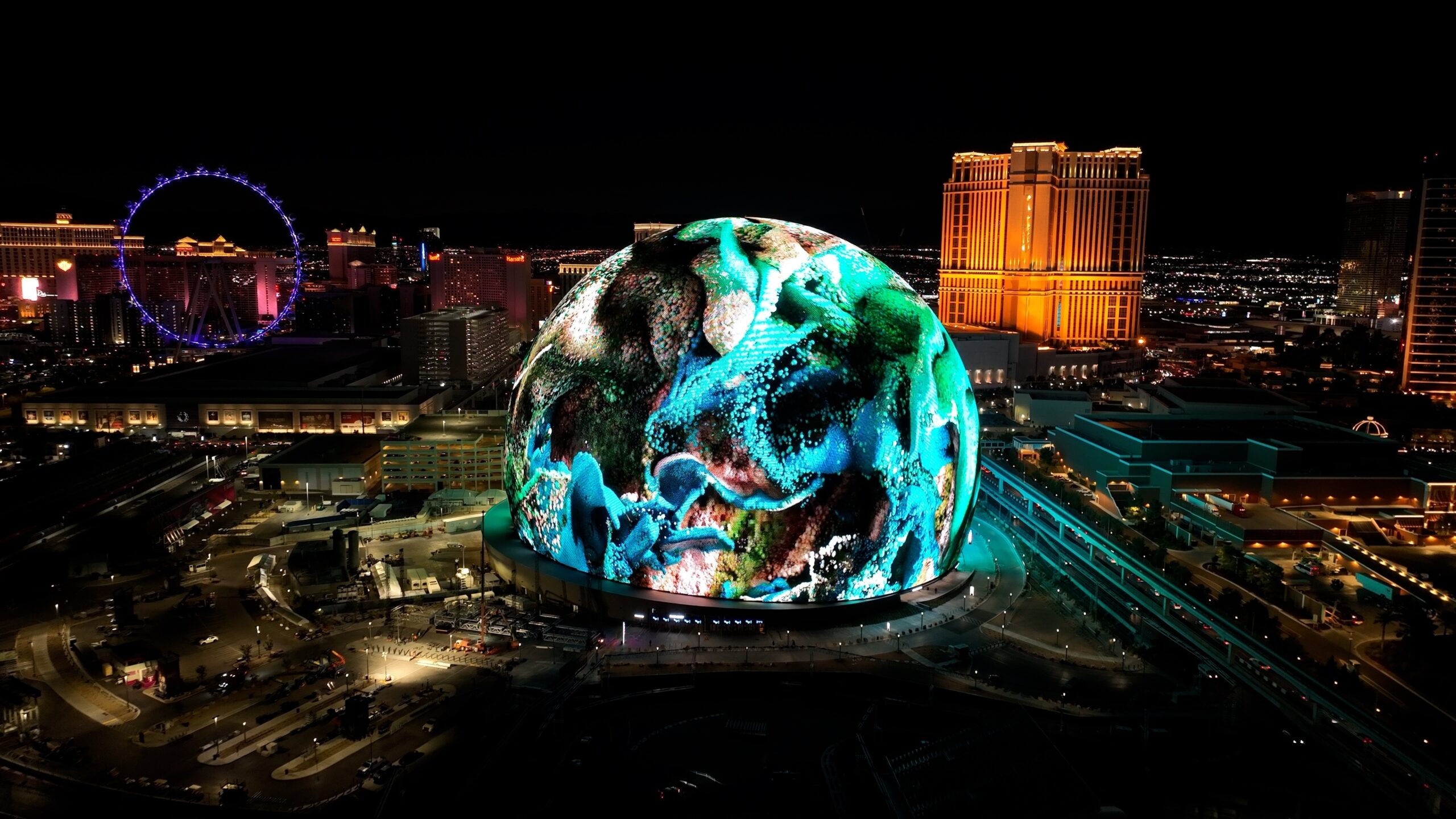
Hold onto your glowsticks: history is about to take place in Las Vegas with the first ever EDM gig at The Sphere.
This feels like more than just any old electronic dance gig; more of a seismic shift in Vegas’ party scene.
The Sphere is the world’s hottest ticket. The $2.3 billion, 17,500-seat live entertainment venue being built just east of The Venetian Expo in Vegas is the largest sphere-shaped building in the world, standing 111 metres tall and 157 metres wide at its widest point.
A laser controlled, consistent and crystal-clear concert-grade audio sound system gives every single audience member the perfect listening experience – whether you’re front row or right at the back. The sphere wraps around to display the most extraordinary visuals ever seen on this planet – think giant eyeballs, life in outer space and immersive new worlds. The Sphere’s modus operandi is immersive experiences and mind-blowing visuals that’ll make you question if you’re even on Earth anymore.What a great place to do mushies.
Anyma is the lucky one they’ve chosen to fill the spherical marvel with beats. The Italian DJ is known for infectious tunes and mind-bending light shows, and has the next six months to work on an A-game to bring to The Sphere. The shows take place in the last week of December – after Christmas and then a huge New Year’s Eve and New Year’s Day show, in what is absolutely the most epic way to bring in 2025.
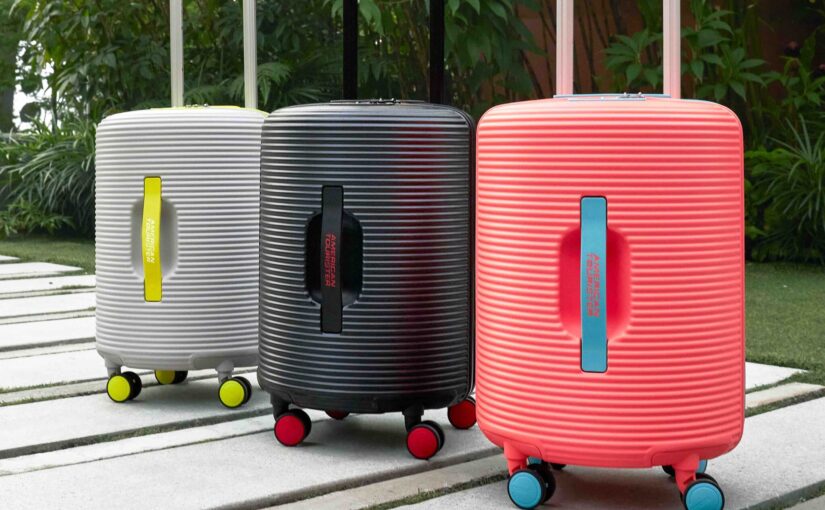
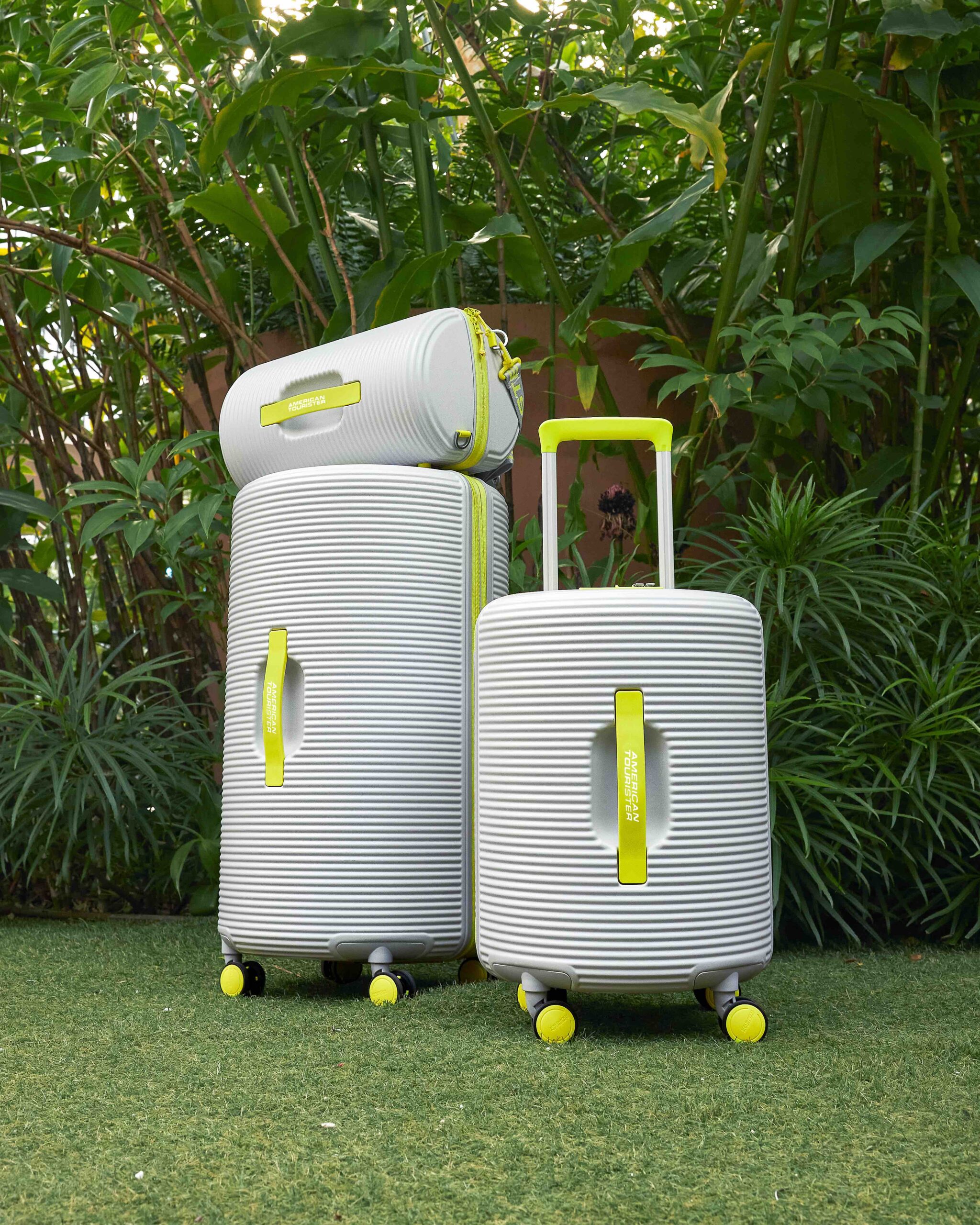
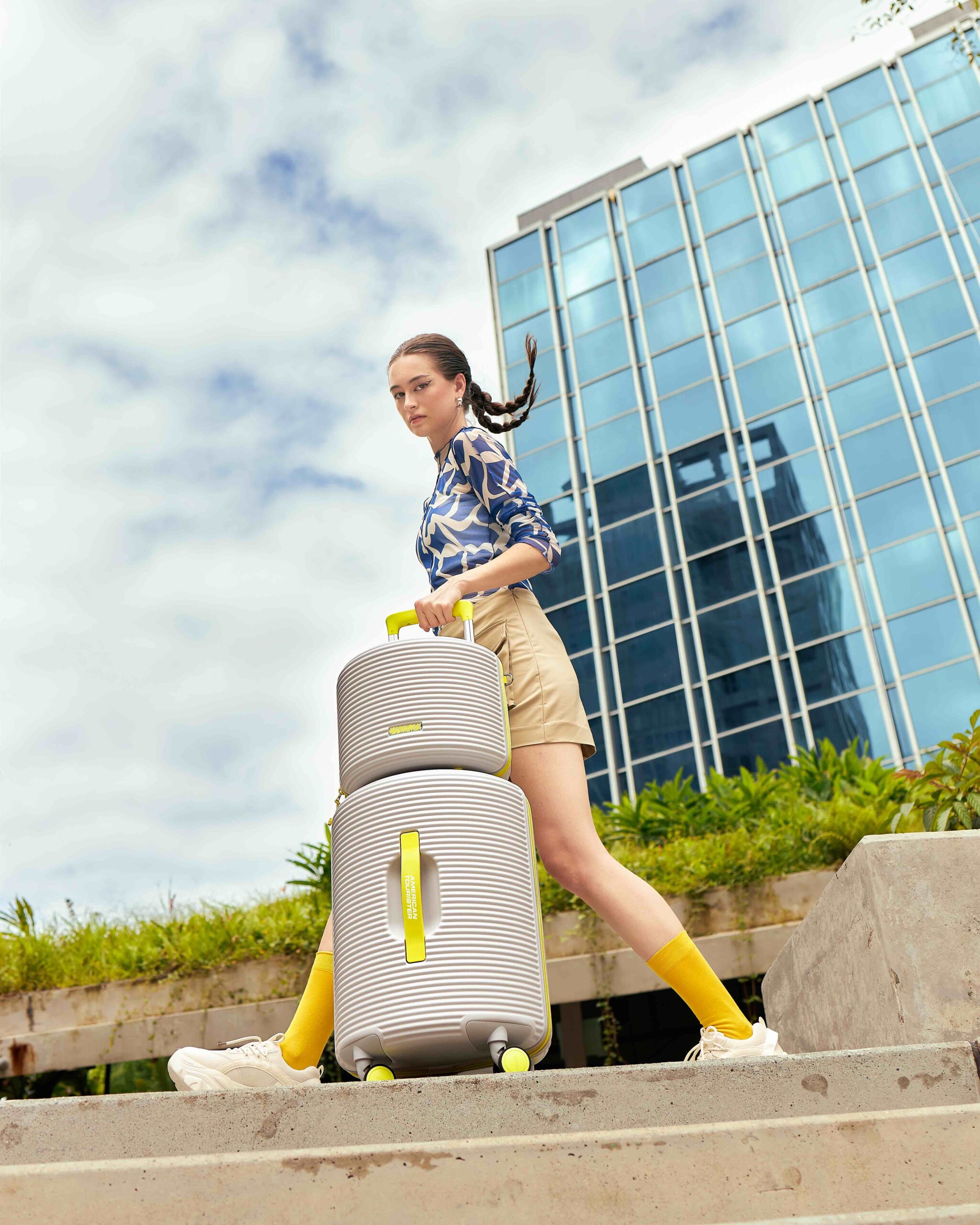
Their recently released Rolio luggage is bold, unique and adventurous, and EVERYONE wants some. We know this because we had a HUGE number of entries to our American Tourister Rolio Luggage competition. Just to remind you, we teamed up with the American Tourister legends to give away $778 worth of luggage – an entire Rolio set!
The Rolio set has a distinctively lit cylindrical shape, designed to capture the spirit of Gen Z authenticity. Its unique shape not only sets travellers apart from the crowd but also offers practicality in wheeling through tight spaces.
Made with aerospace-grade, German polycarbonate, Rollio has heaps of cool shit, including a Duosaf™ security zipper, U.S.-compliant TSA lock and smooth rolling double wheels.
So, bet you’re wondering if you won, huh?
Without further ado. The winner is…
drumroll pls
Grant Sellin
Congratulations Grant! We’ll be in touch you mad dawg, and you’ll be rollin some Rolios around in no time.
Up there with the likes of Vivid in Sydney and Melbourne’s Lightscape, Illuminate isn’t just a snack for the senses, it’s a whole damn feast. From the colourful lights and interactive displays littered along North Terrace to the meticulously designed multi-sensory exhibits dotted around the city’s CBD, this is one innovative spectacle you’ll want to stay out late for.
Illuminate Adelaide will warm you up and ignite your imagination; perfect for solo adventurers and couples wanting to spice up date night.
This weekend is your last chance to see the lights – skip the research and read on for our top 5:
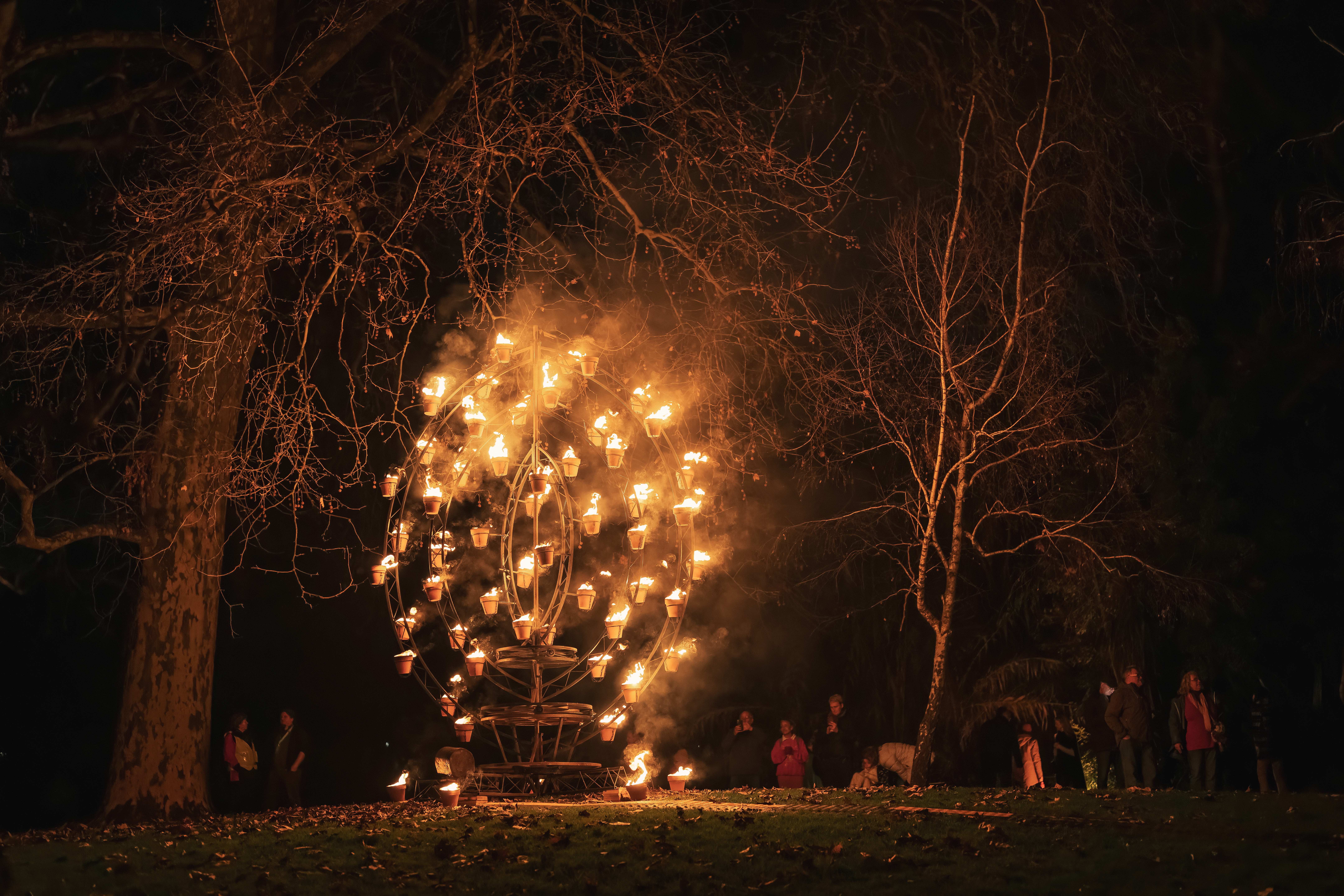
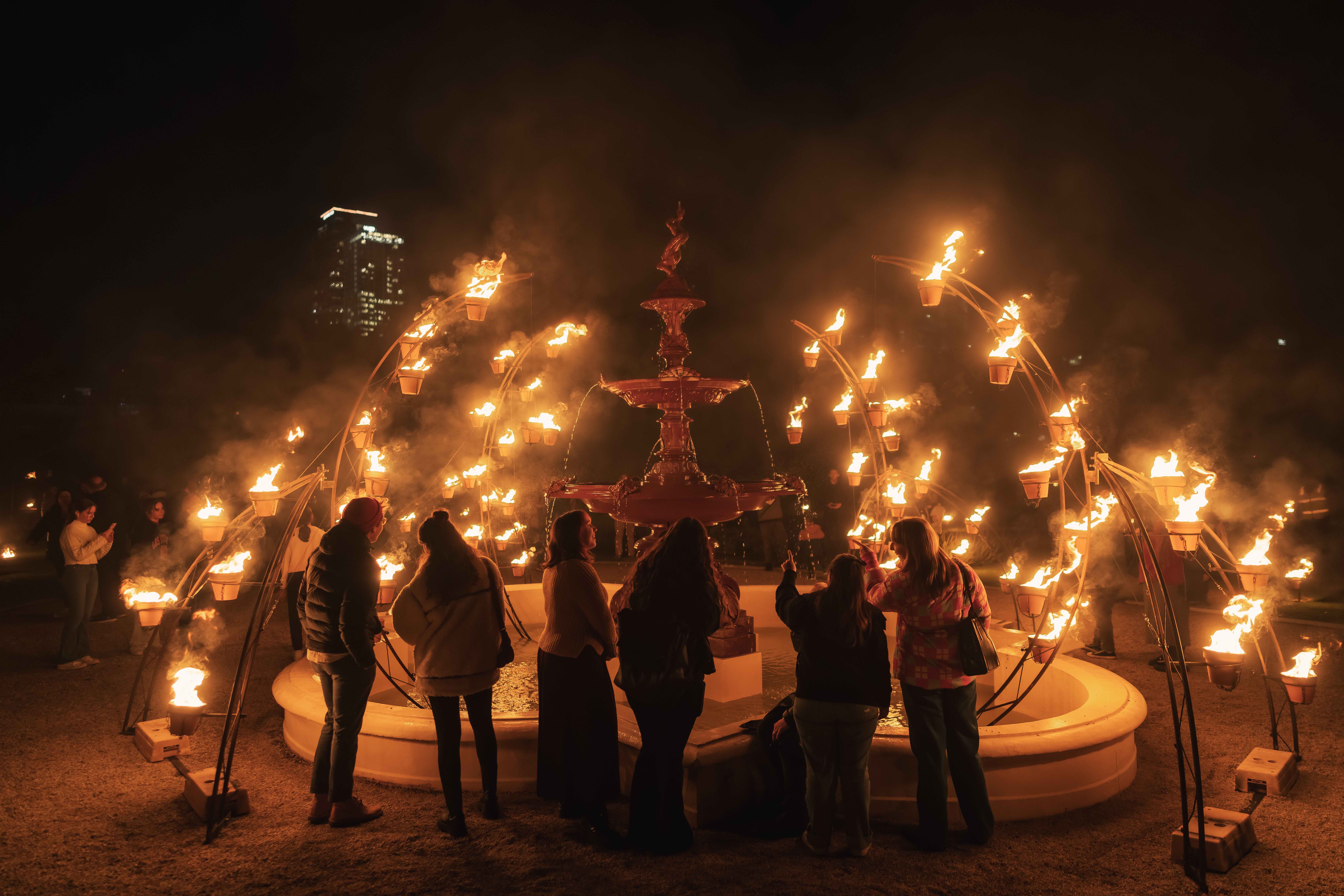
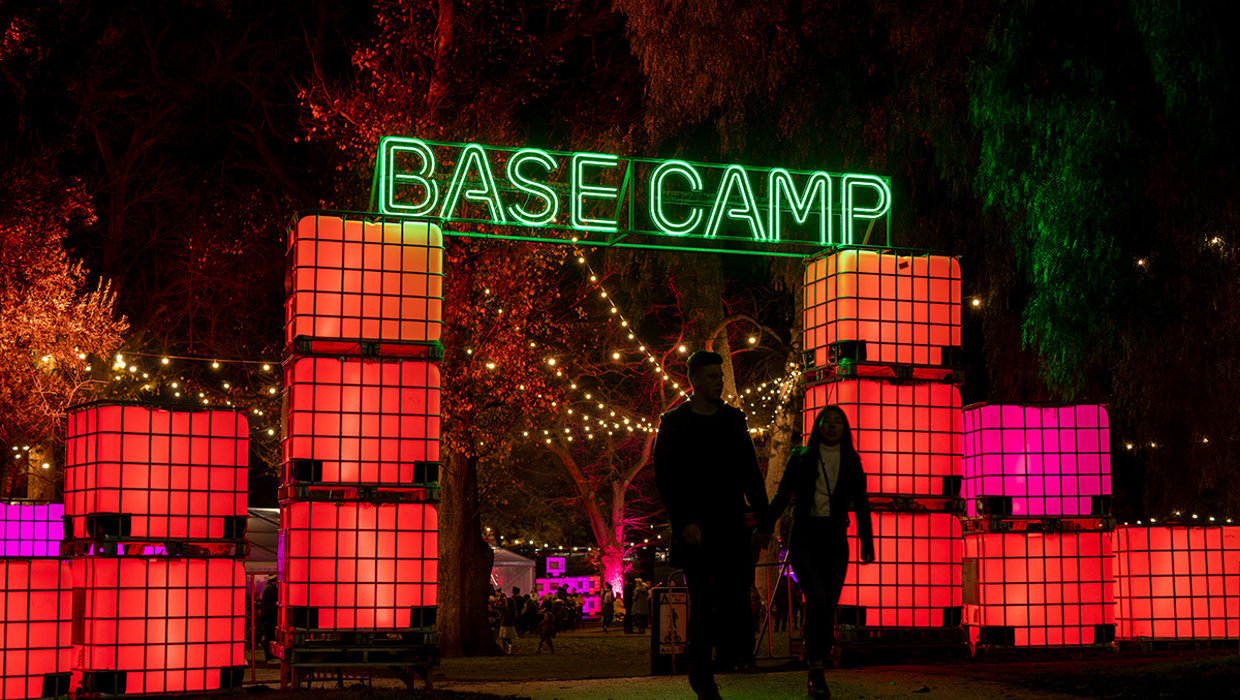
The whole installation gives off major tribal council vibes, so much so that you’ll probably be looking around for Jeff Probst before you’ve even walked through the entrance’s flaming archways. You won’t find him, but you will find around 7,000 giant handcrafted fire pots scattered throughout the Adelaide Botanic Gardens.
They’re everywhere; between the trees, in the middle of lakes, lighting up walkways and coming out of fountains. You can’t wander to one fiery sculpture without spotting several others, encouraging the imagination to run wild with thoughts of celebratory sacrifices and cult initiations – only aided by the ritualistic soundtrack reverberating through the park.
Once the sun sets, these pots are lit up by a team wearing top hats, and while they outnumber humans 456 to 1 (big guesstimation), it only takes around 10 minutes. And they never seem to go out, even in windy or wet conditions. Utter magic.
If you’re looking to get more bang for your buck, do it at City Lights. One, because it’s free, and two, because it’s so freaking cool. Gathering a collection of works by both local and international artists and spreading them into some of Adelaide’s most iconic institutions and in places you’d never think to look, City Lights is full of interactive surprises and hilarious projections.
Like the AI-generated sing-along you’ll find on the Art Gallery of South Australia’s exterior. Taking faces from portraits found inside the Reimagining the Renaissance exhibit and turning them into a choir who sing pop hits and Aussie favourites, this projection makes living in 1599 look fun. And they didn’t even have proper sewerage systems back then.
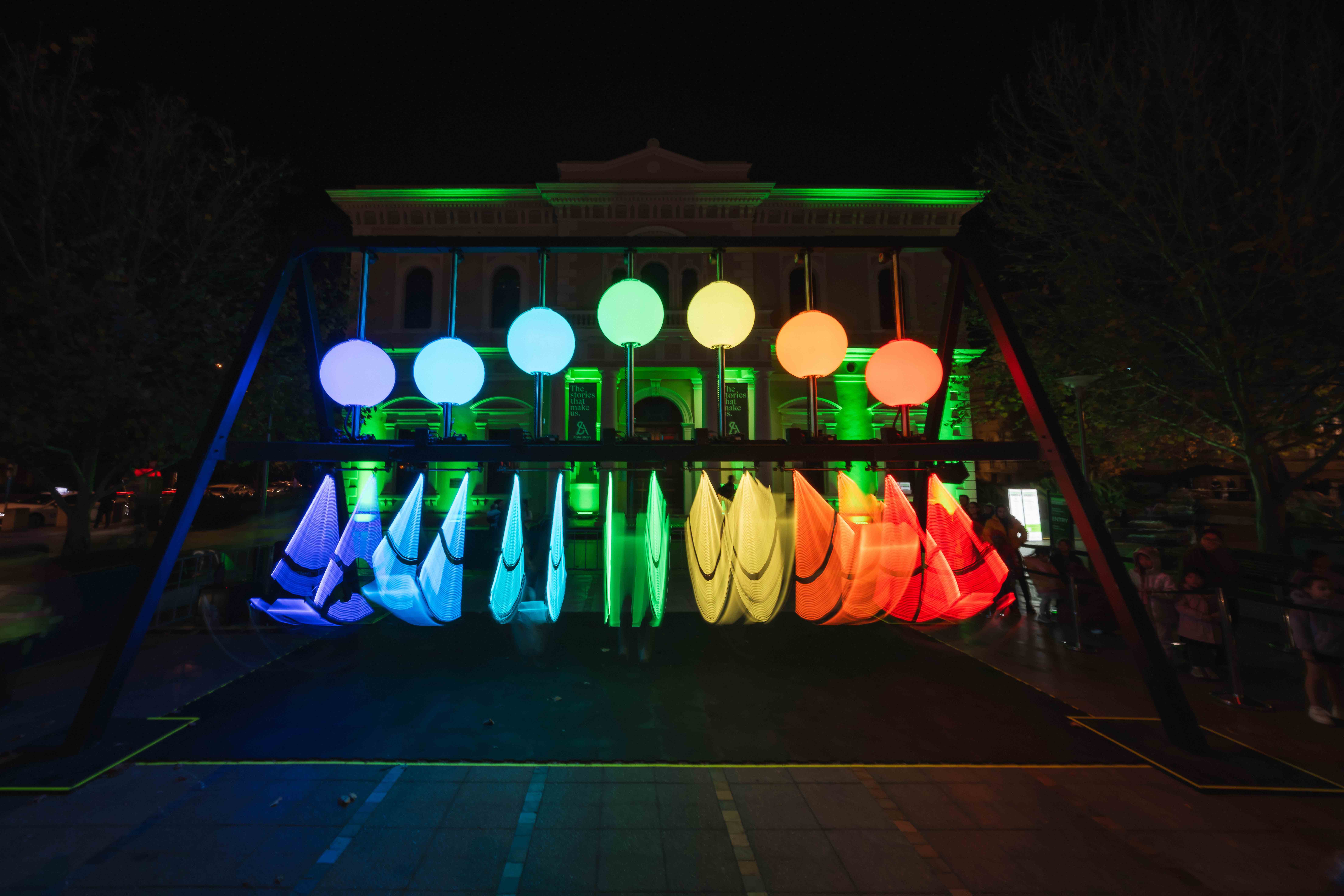
Then there’s a set of swings that emit a musical sound whenever someone launches themselves into the air on them. If your mates all get on a swing at the same time, it creates the perfect harmony, like some sort of giant xylophone. Each swing also has a colour so that the whole installation looks like the emotions from Inside Out. Who wants to be Sadness?
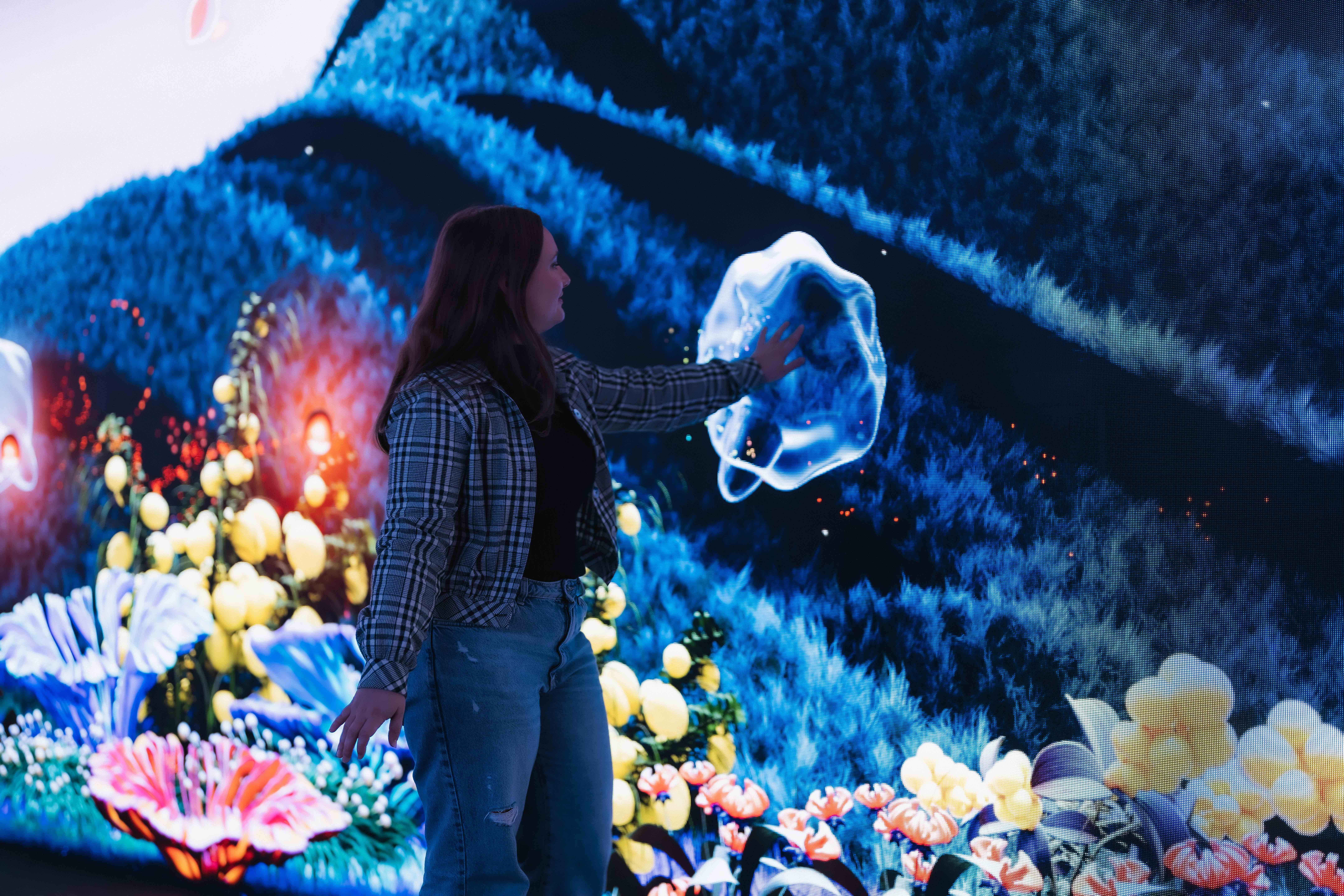
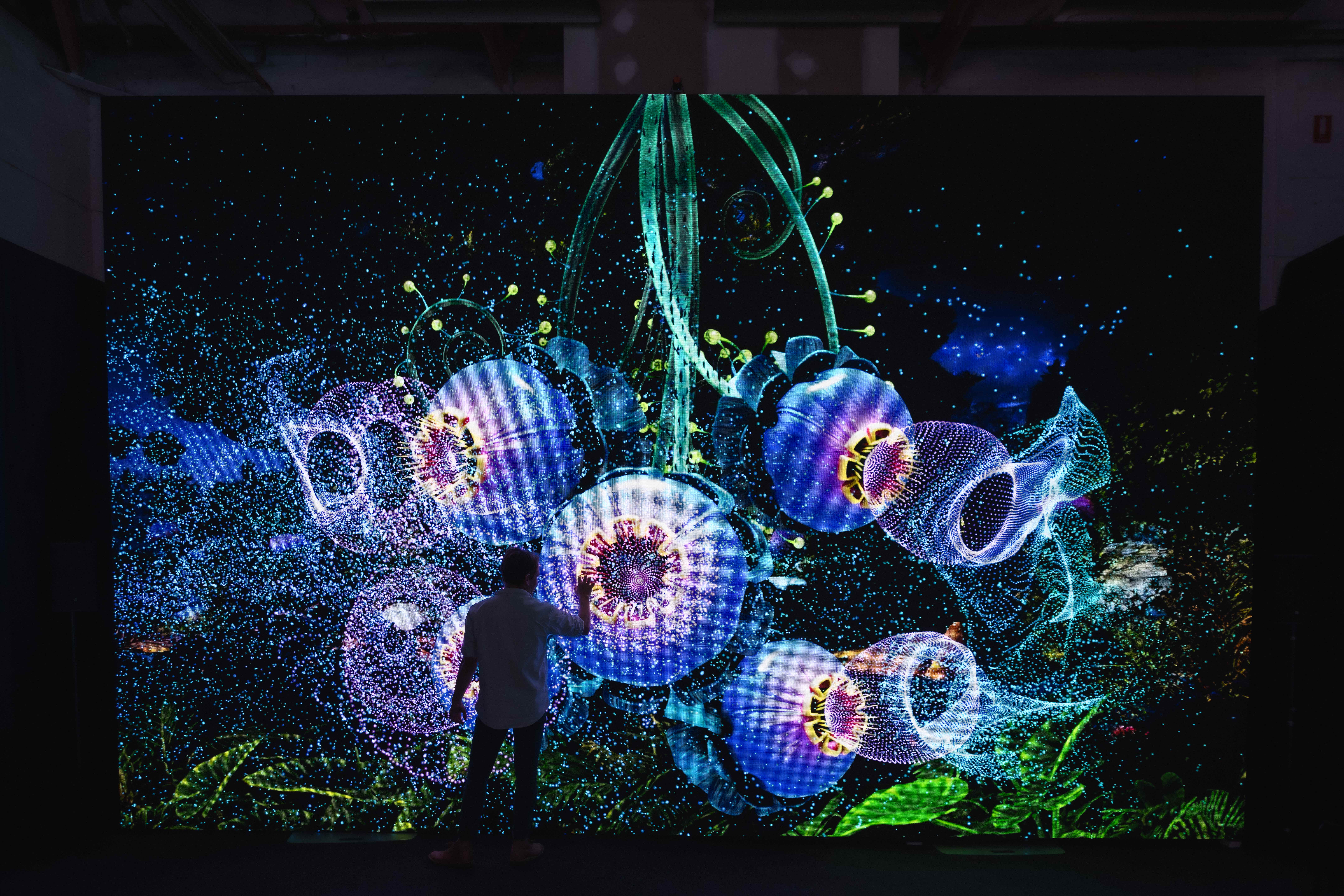
The most beautiful garden you’ve ever seen goes digital at EDEN.
Spanning 150 square metres of LED screens, a garden comes to life at your fingertips and takes you on a journey of growth, curiosity and movement. Watch as the seed you plant gets bigger, transforming into a lush landscape full of colourful flowers, buzzing insects and trickling water.
Move things around, raise plants from the ground and spread light through the garden as everything blooms around you – think pandora on steroids. Perfectly blending the beauty of nature with the creativity of technology, this interactive experience is one you don’t want to miss.
Step into the future at Live @ The Lab where light and sound smash into each other in a series of immersive musical events. Technology, experimentation and a commanding performance from a curated selection of eccentric local and national talents all roll into one in what is guaranteed to be a massive, mind-blowing experience.
But make no mistake, this isn’t the exhibit for a little dignified conversation. The whole time you’re there you’ll be fighting to hear your own thoughts let alone make out what your partner’s trying to say next to you.
Instead of talking about the weather, immerse yourself in the hypnotic rhythm, movement and sound coming from the performer, while also paying attention to the powerful visuals coming out of 50sqm of LED screens. If acid was an arts exhibit, it would be this one.
Luckily, the masterminds behind Illuminate Adelaide figured you would be and created a pop-up village of food trucks, cocktail gardens and live entertainment for you to enjoy pre and post festival activities.
Tuck into a German currywurst sausage from Batlic Fine Foods or smash a chilli cheeseburger from Gang Gang before finishing off with something a little sweeter, some good ol’ hot cinnamon doughnuts from Donut Diner. In need of a refreshment? Head over to Cocktail Bar for a gin & tonic from 23rd Street Distillery or quench your thirst with a beer from Bowden Brewing.
Once all that food and drink is sloshing around your stomach, dance it out to the beats from local DJs including Late Night Lenny and Research Project. Winter blues cured.
get lost were recently in the Malaysian state of Sabah, on the island of Borneo.
Here, orangutans, sun bears, mouse-deer, pangolin, pygmy elephants, leopards, loris, dick-nose (probiscis) monkeys and heaps more live in harmony in rainforests, while there are turtle ‘metropolises’ at easy to access dive sites.
Speaking on 3AW radio on Thursday, Editor Tim McGlone said he believed the destination needed to be considered one of the best in the world when it comes to wildlife.
Tim gave his top three wildlife destinations – click below to find out what made the cut.
What’s the best wildlife or marine life experience you’ve had? Is there one particular creature you need to see?
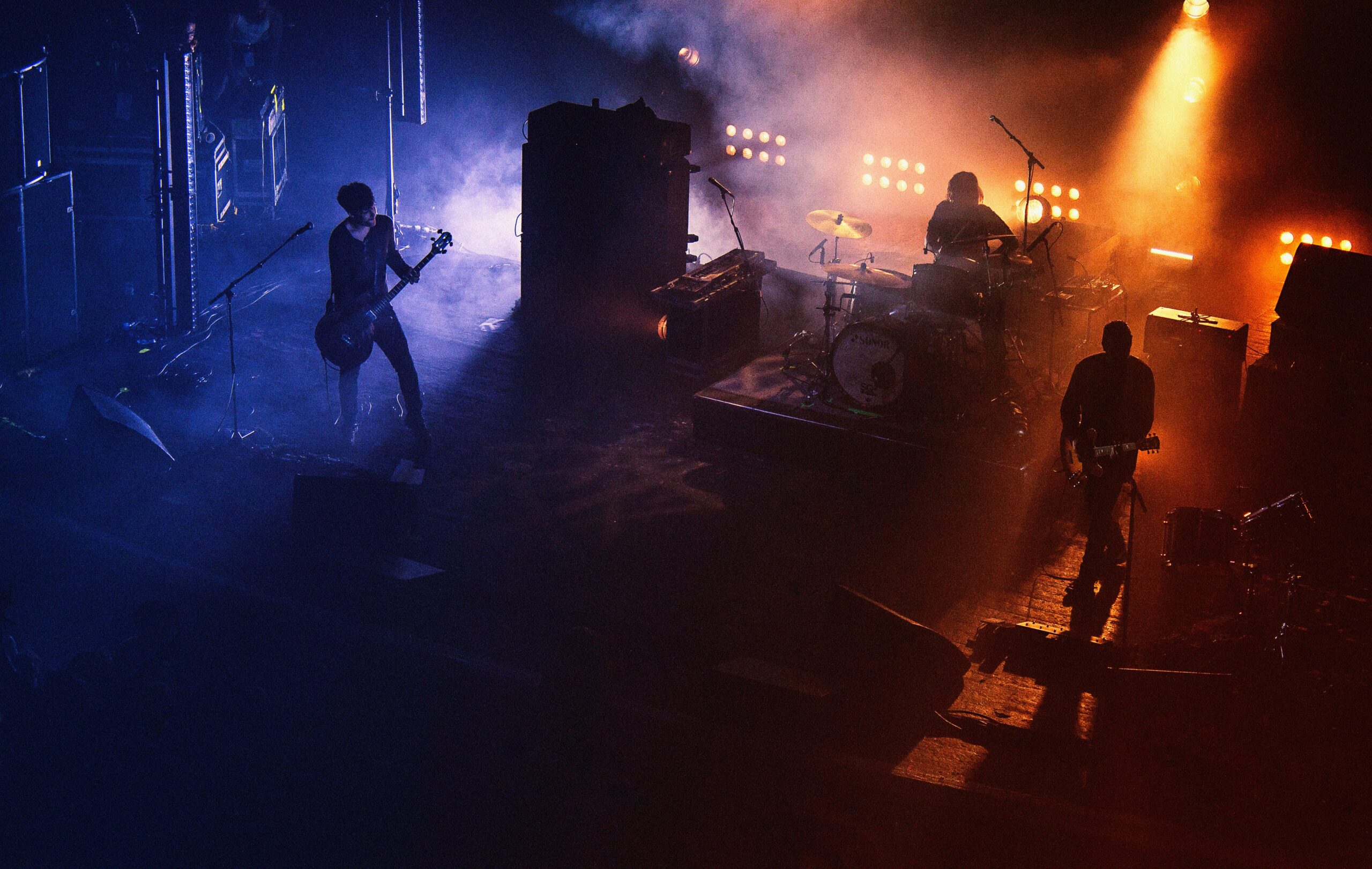
Seeing your favourite band, singer or DJ (or even one you’d never heard before) hits a little different when you’re in a foreign location.
Research from the flight-finding legends at Skyscanner has revealed that 40% of Australians would happily fly overseas, just to see their favourite artist live.
It got us thinking about our favourite gigs that we’ve been to see from around the world. Do you have a favourite? Or would you travel overseas for an artist? Tell us about it – info@getlostmagazine.com
Publisher Justin Jamieson:
A mate and I were making our way through the Southern US States back in 1996 when we saw Ben Harper was playing in Nashville. We scored some cheap tickets and upon arriving at the small warehouse discovered Ben Harper didn’t have much of a following down South.
Our “cheap seats” became front row as Ben Harper and the Innocent Criminals played what was virtually a private gig for two travelling Aussies. We had a few bourbons with the band apres gig and then partied hard in the bars of Broadway street well into the early hours of the morning.
That gig and Neil Young in the Terme Di Caracalla in Rome (wth a guest appearance by Willie Nelson) are pretty hard to top.
Editor Tim McGlone:
I was travelling on a bus from Athens to Budapest, but I cooked the booking in a big way, and a one-hour stopover in Belgrade, Serbia turned into a 24-hour stopover instead. This turned about to be a great mistake.
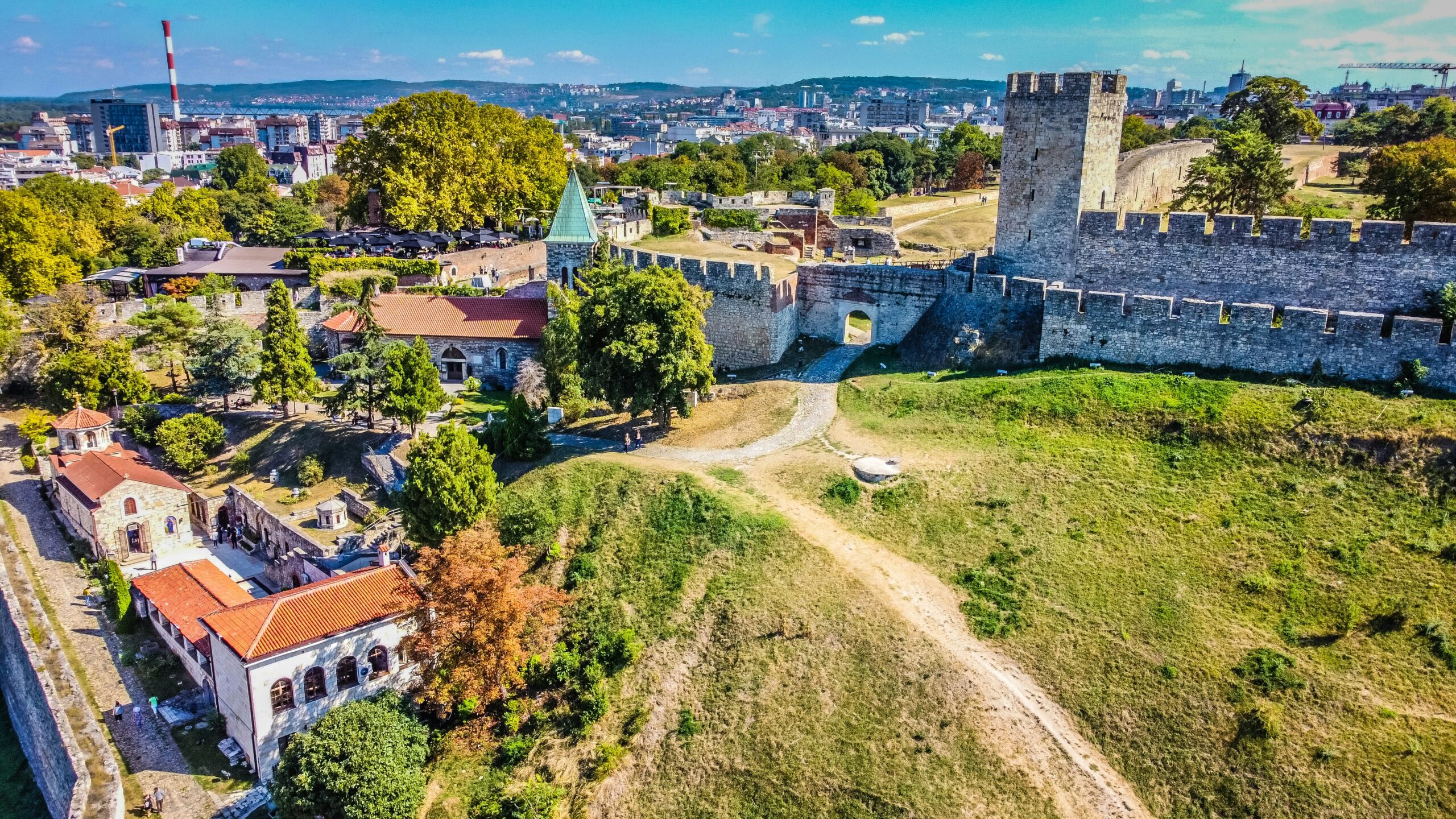
The day included a surprisingly epic walking tour, a hectic Red Star Belgrade football match, bookstores and cafe beers. The night was spent sneaking into the Kalemegdan, a 1,700 year old castle overlooking the city, to watch American band Interpol play a dreamy two-hour set with two Germans and a girl from Melbourne. How many places can you see world class bands play in ancient fortresses? We hit up a few very lively floating discos (known as Splavs) on the Danube River afterward, and I very nearly missed my next bus.
Gigs are partly about the music, but also about the scene, situation and your vibe at the time; this one ticked all the boxes.
Have you ever flown overseas, just to see a band or your favourite artist play live? And if not, would you?
Research from the flight-finding legends at Skyscanner has revealed that 40% of Australians would happily fly overseas, just to see their favourite artist live.
While there’s more than one Swiftie in the get lost office (and probably a few closet ones) as well as stadium gigs, we also fuck with the grimy and the grubby, sticky-floor type pubs, ridiculously elaborate Asian concerts and karaoke, warehouse raves and absolutely any music spot with an open fireplace.
Here are our eight favourite gig cities from around the world. What do you think?
Galway, Ireland
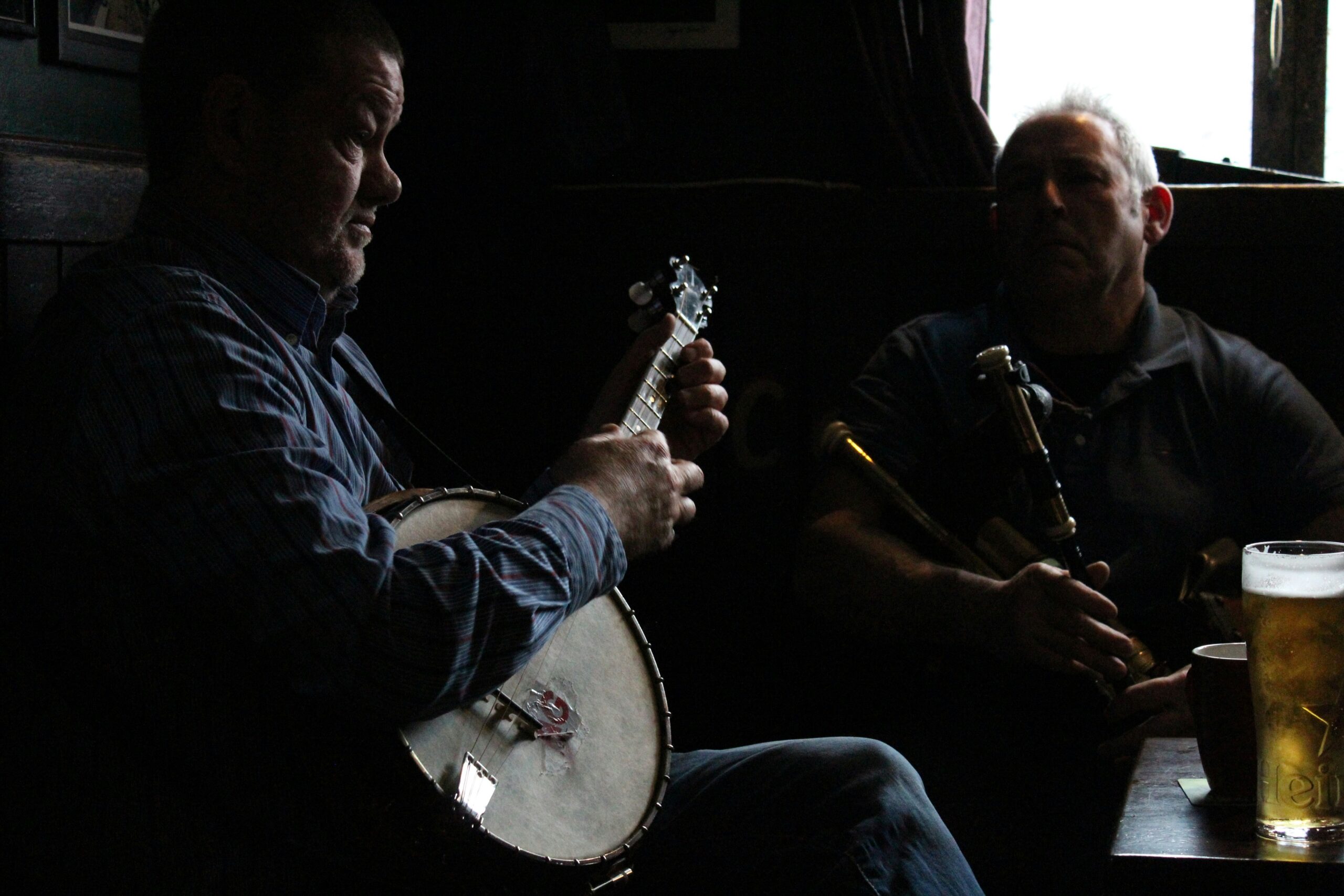
Galway isn’t just about pints and pub crawls; its music scene is the heartbeat of Irish craic. You mightn’t catch Tay-Tay on her world tour here, but you will get lively traditional sessions in snug corners around the heart of the town, fiddles and harps and someone named Conal or Aoibhinn singing a sweet, sweet tune by the fire. Music echoes through the cobbled alleys of this awesome city.
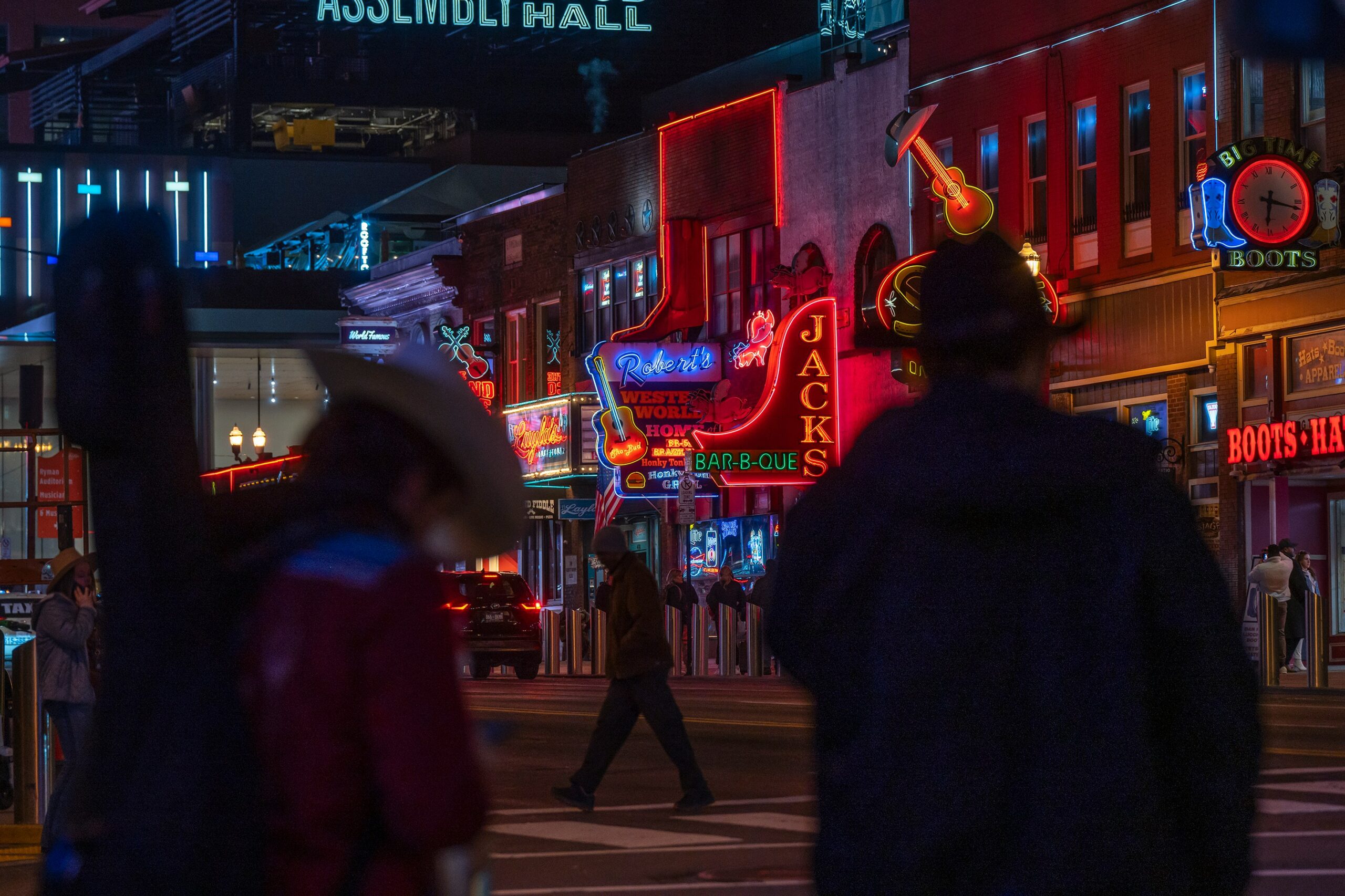
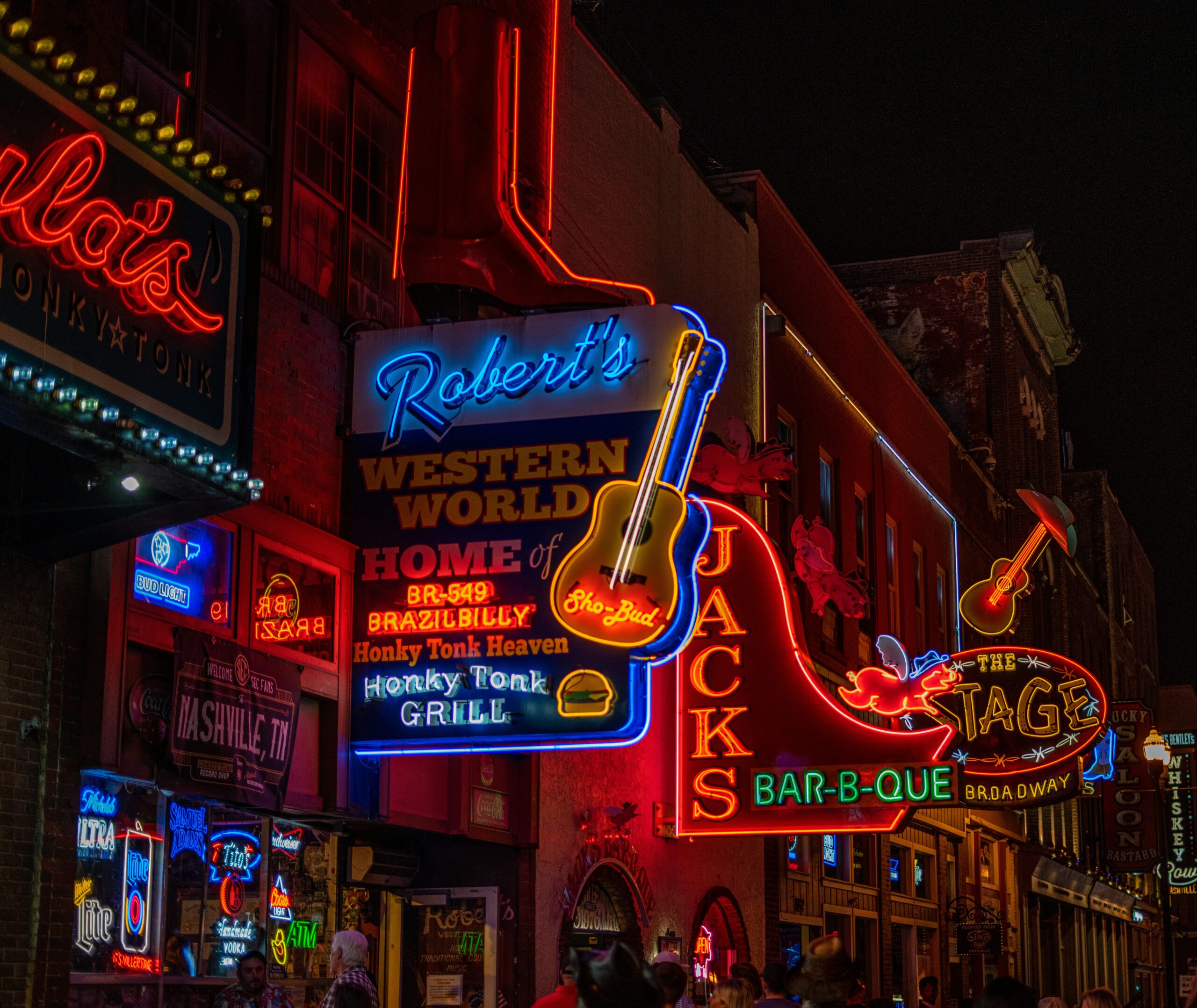
Reminding you why Tennessee whiskey and tunes go hand in hand. Home of honky-tonks and the Grand Ole Opry, Nashville strums its way into music lore, and a list of the best music cities in the world can’t be complete without it.
Old London Town, where The Clash clashed and where Adele rolled in the deep. London’s venues span from the Royal Albert Hall’s poshness to gritty Brixton dives, tiny bars in Camden to the bright lights of Wembley Stadium. It’s a punk, pop, and posh collision. Do football chants count as music?
O.K, this is a different kid of gig town. Seoul tunes into a dial that no-one else does. K-Pop billboards, Hongdae’s neon lights, Gangnam’s slick beats, underground punk gigs in cramped basements and futuristic EDM in towering clubs – this is a city pulsing with musical chaos. Plus, if you go to Seoul and don’t end up belting out karaoke to friends and strangers at 3am, did you really even go?
5. Berlin, Germany
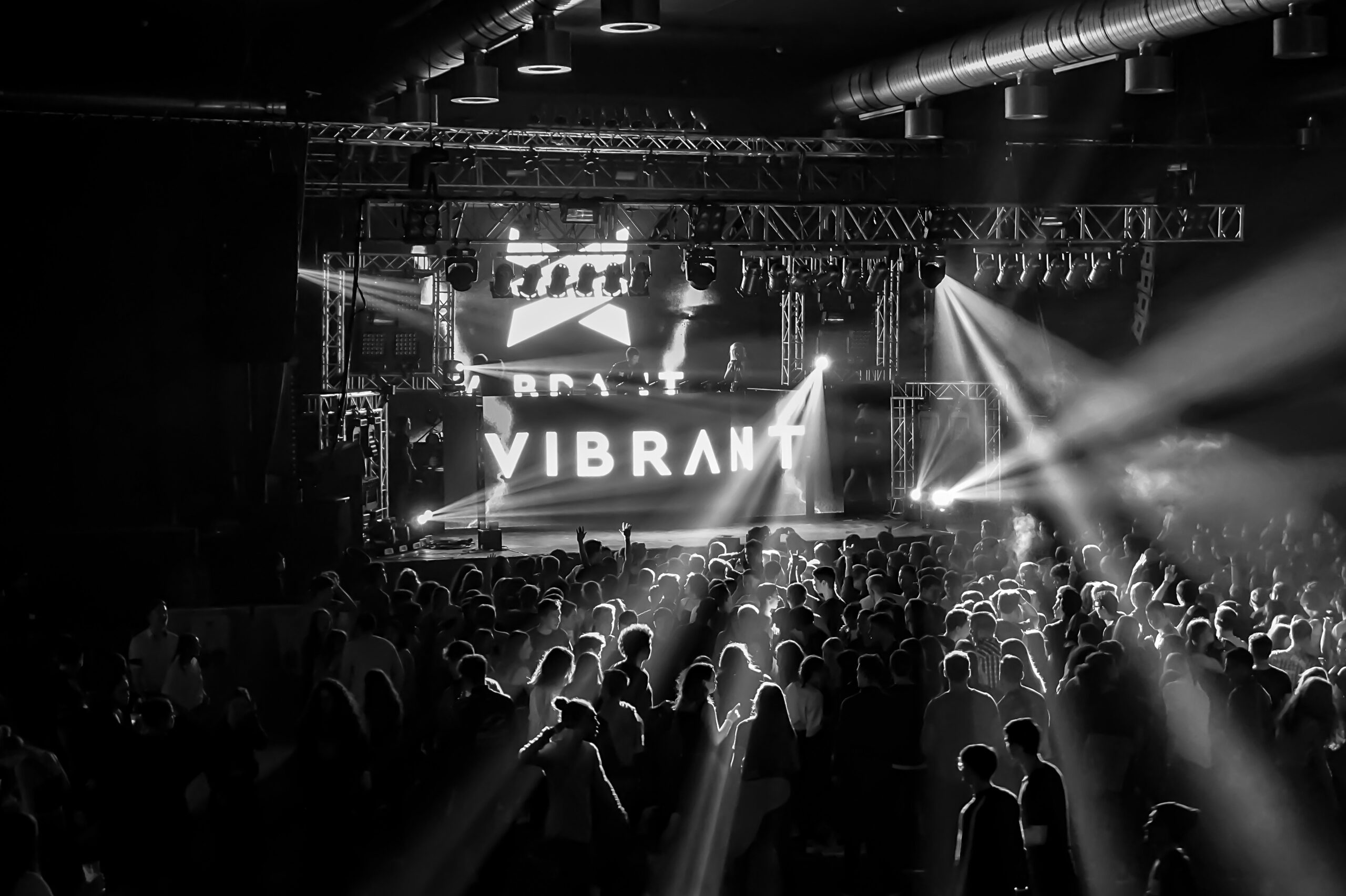
Pay homage at the Techno Mecca, where beats thump in abandoned power stations. Berlin’s clubs have redefined (and continue to redefine) western nightlife with DJs spinning till sunrise, and people expressing themselves in a way they probably can’t anywhere else. Currywurst on the way home.
6. Havana, Cuba
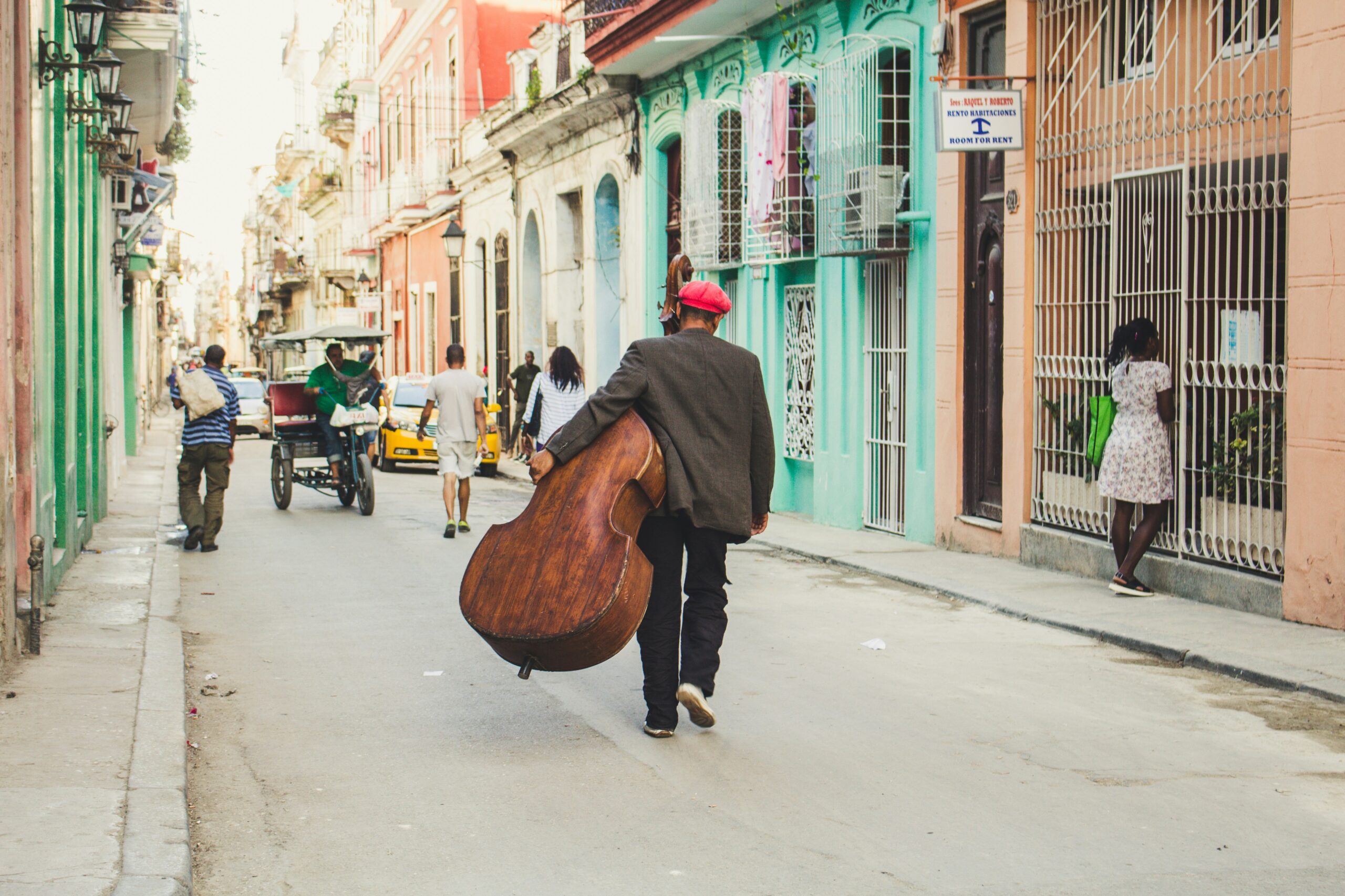
Rhythms of salsa and son permeate Havana’s sultry nights. Buena Vista Social Club is a major player, but this city’s music spills onto Malecón’s seawall and into mojito-fueled jam sessions.
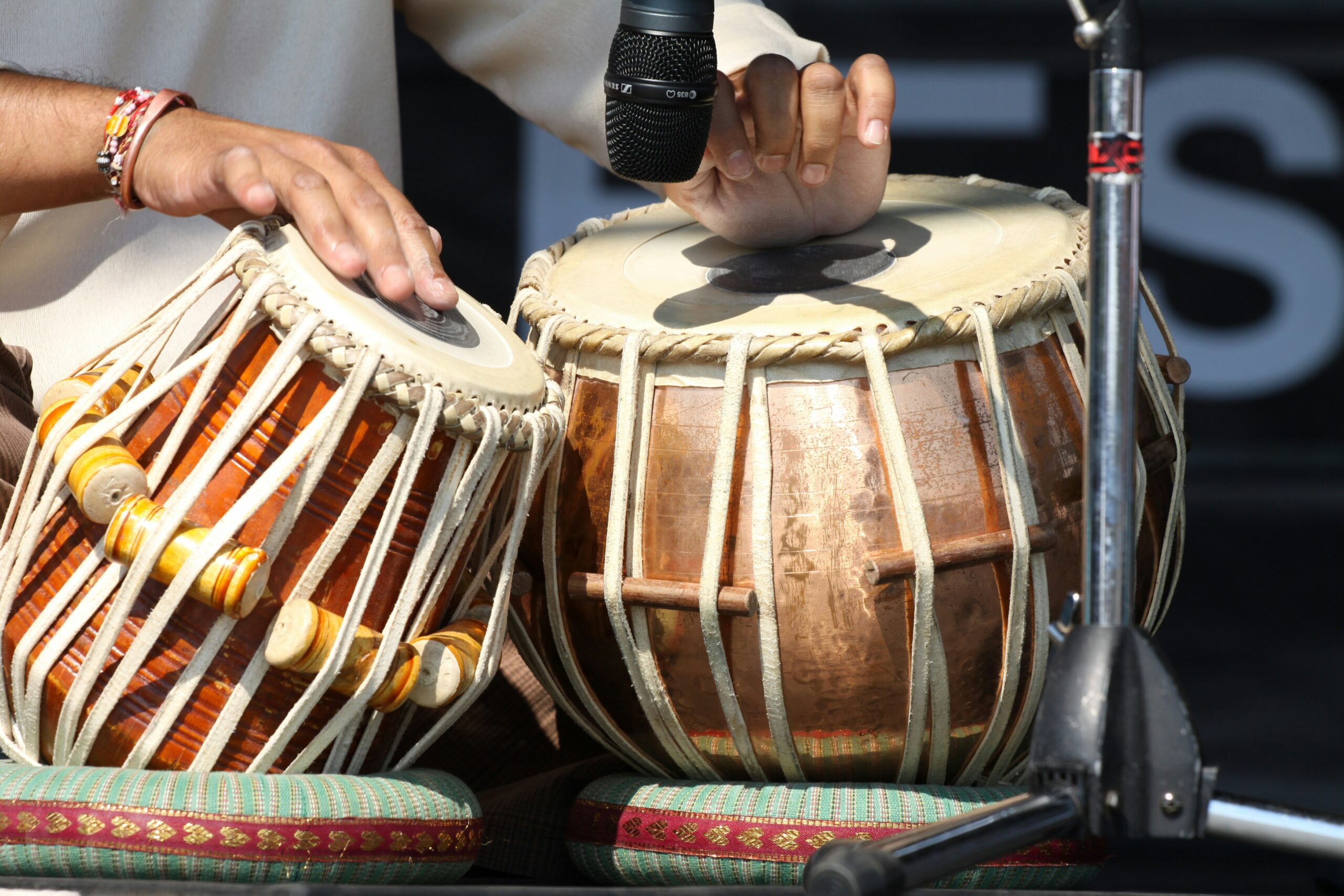
The Afro Beat hits hard here. Music permeates through this city; every single person here seems to move like they’re in Lil Nas X latest video clip. Rhythm can be found on dusty street corners in Soweto as much as at glitzy upmarket clubs in Sandton, where well-dressed club goers party LATE into the night. JoBurg is the biggest example of why music is for anyone and everyone; whether you’re cashed up or you’ve not got a brass razoo to your name, you’ll be able to find a rhythm here.
8. New York, USA
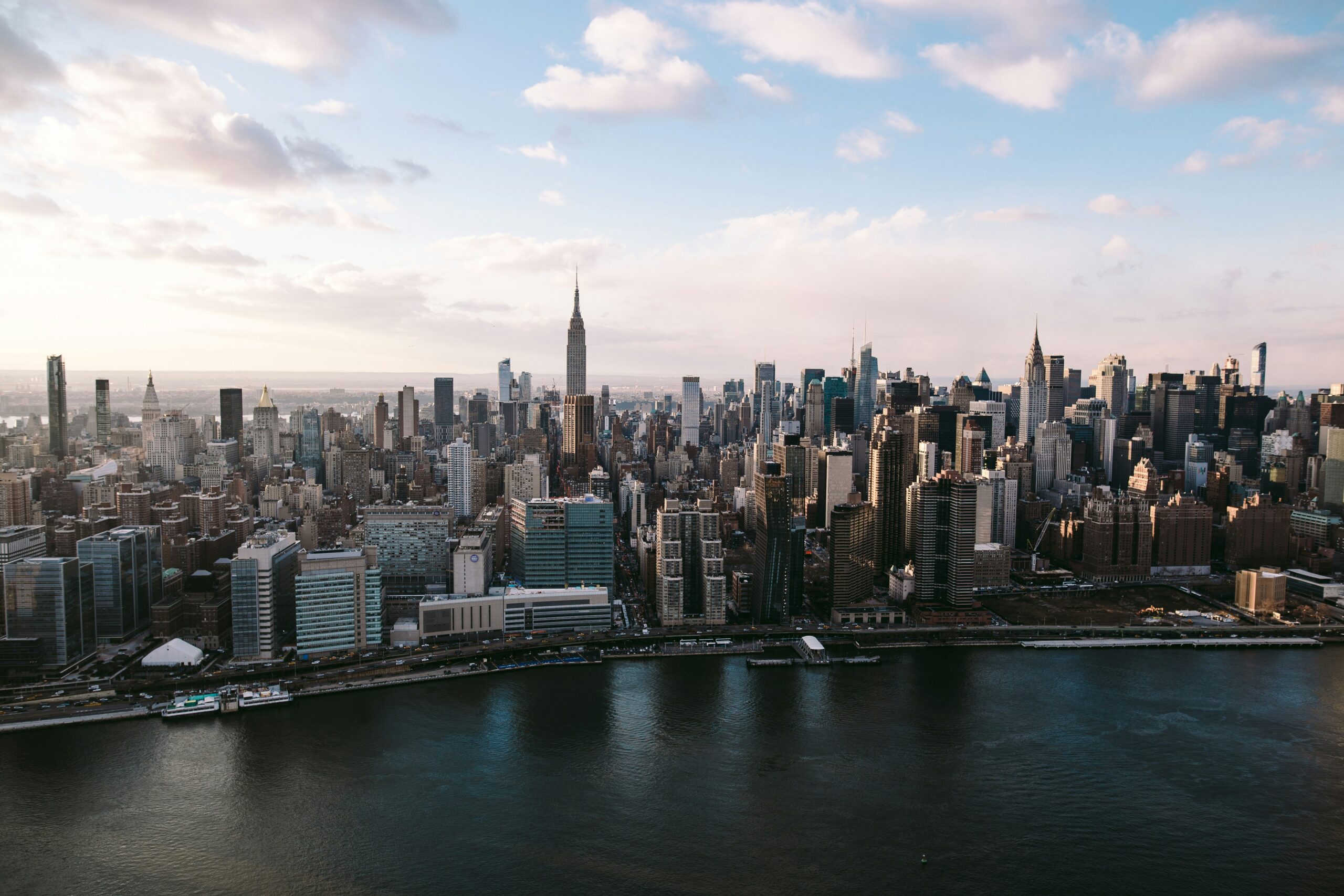
A concrete jungle where dreams are made of, and where gigs happen every single second of every single day. The biggest of all gigs happen at Maddison Square Garden, but you’ll also find dive bars in the Village, abandoned warehouses hosting raves, and heaps more. New York lives, breathes, and probably sweats music.
 (
(