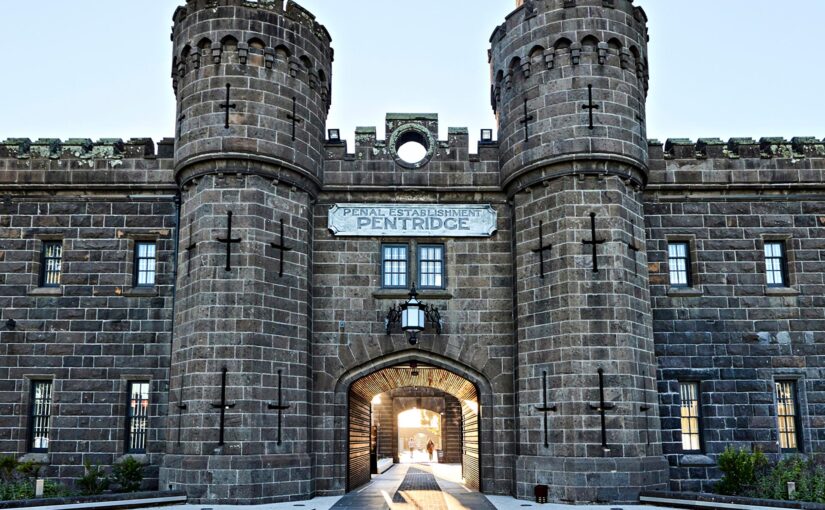
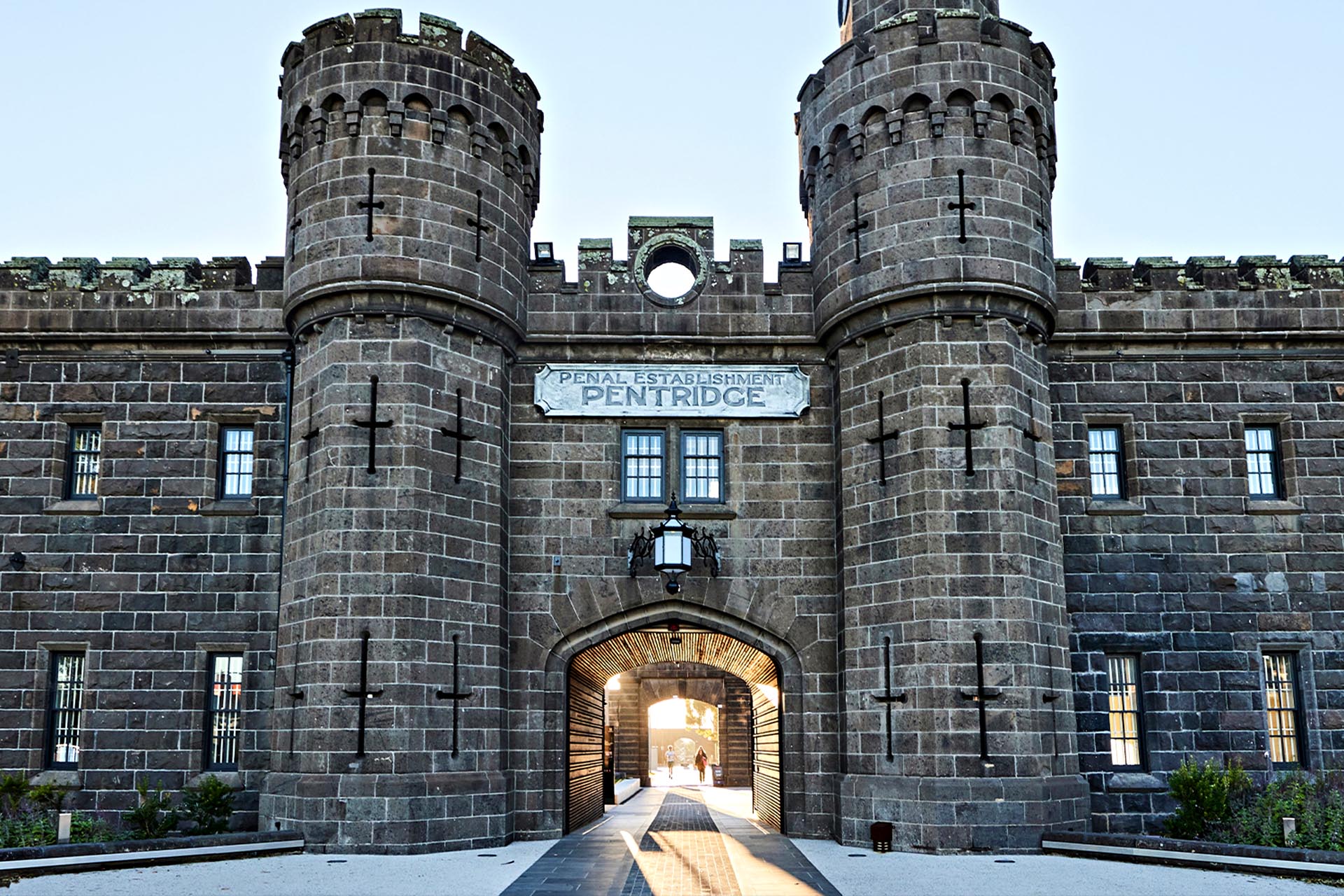
It rises high in the sky, just as I remember it. In fact, most Victorians would recognise it’s façade. The blue stone competes with the blue sky, and dominates. My husband and I find our way to the reception of The Interlude Hotel. We are going to enjoy a night in the plush surrounds of this unique, amazing accommodation. You might know it by its other name… Pentridge Prison.
My anticipation is a mixture of history (both mine and the building’s) and the reinvention of a space. Have they managed to incorporate luxury into something which, in its pure identity, was the antithesis?
This place closed as a working prison in 1995. Unlike many who I hope will go to enjoy this unique experience, I liken it to an old slipper finally found and slipped on. I called the prison system home most of my life. Dad was a prison officer, and so my family lived inside prison grounds between 1956 to 1980. Prisons that were and still are dotted around Victoria. He was stationed at Pentridge in the 1960’s and then returned in the 1980’s as Governor of the now infamous Jika Jika precinct.
My memories are very clear of the building in the 1960’s, including the Ronald Ryan period. The building itself impressive. Dad, as handsome as ever, would come out at the end of his shift as he started it. Spotless, full uniform, silver braid on cap and silver buttons. Shining symbols of seniority. I understand he was considered hard but fair.
I ponder on the name they chose for this Hotel; its definition means “a space in time”. Once upon a time this definition spelt misery, cruelty and despair for many.
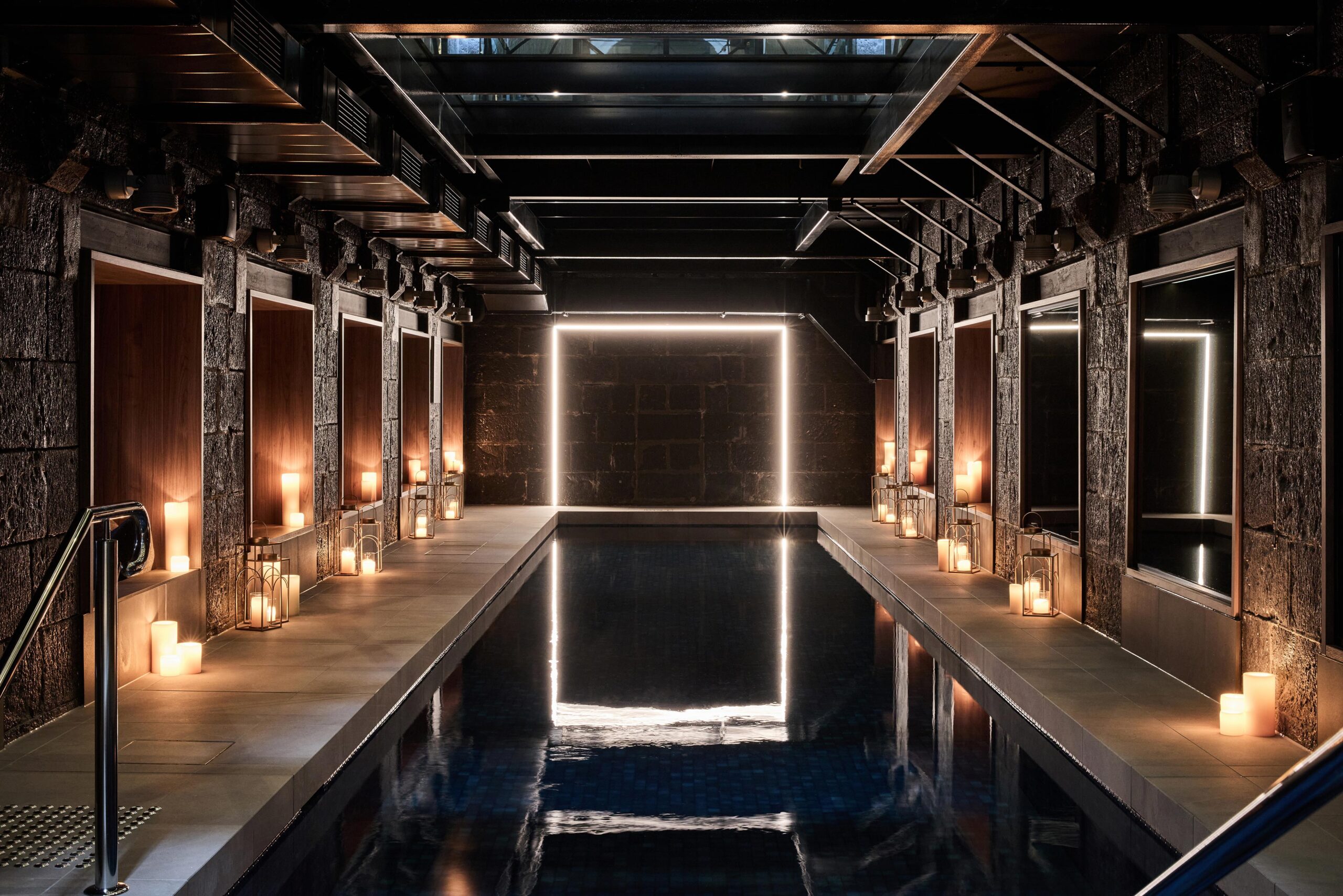
We enter the building from the side where H division once stood. When we arrive we are greeted with a glass of champagne (not sure Ned Kelly got this when he arrived) and are ushered to a casual seating area now occupying what was B Division. An extraordinary indoor pool glistens below us within the original spaces (not sure Chopper ever had a dip in this).
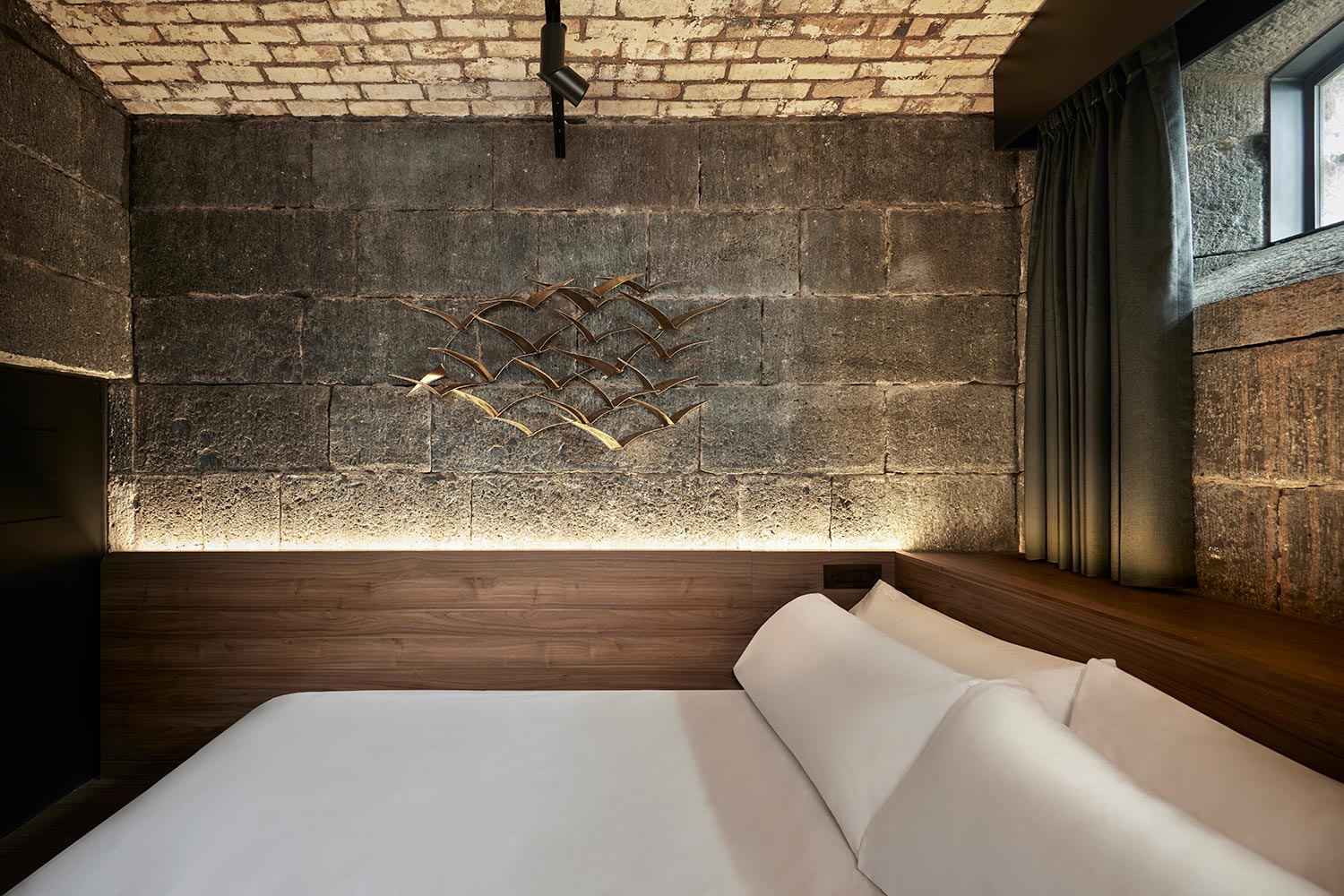
Our room for the night is made up of three combined cells, retaining many of the original features. Bars on the windows and the three heavy iron doors reminds us of where we are. The luxurious bedding and beautiful amenities, however, transforms this into an indulgent area. A complete metamorphosis. Yes, the bluestone adds a moody reflection. I look up to the windows They are the same ones where thousands of prisoners would have looked out to the blue sky of the free world, their only luxury.
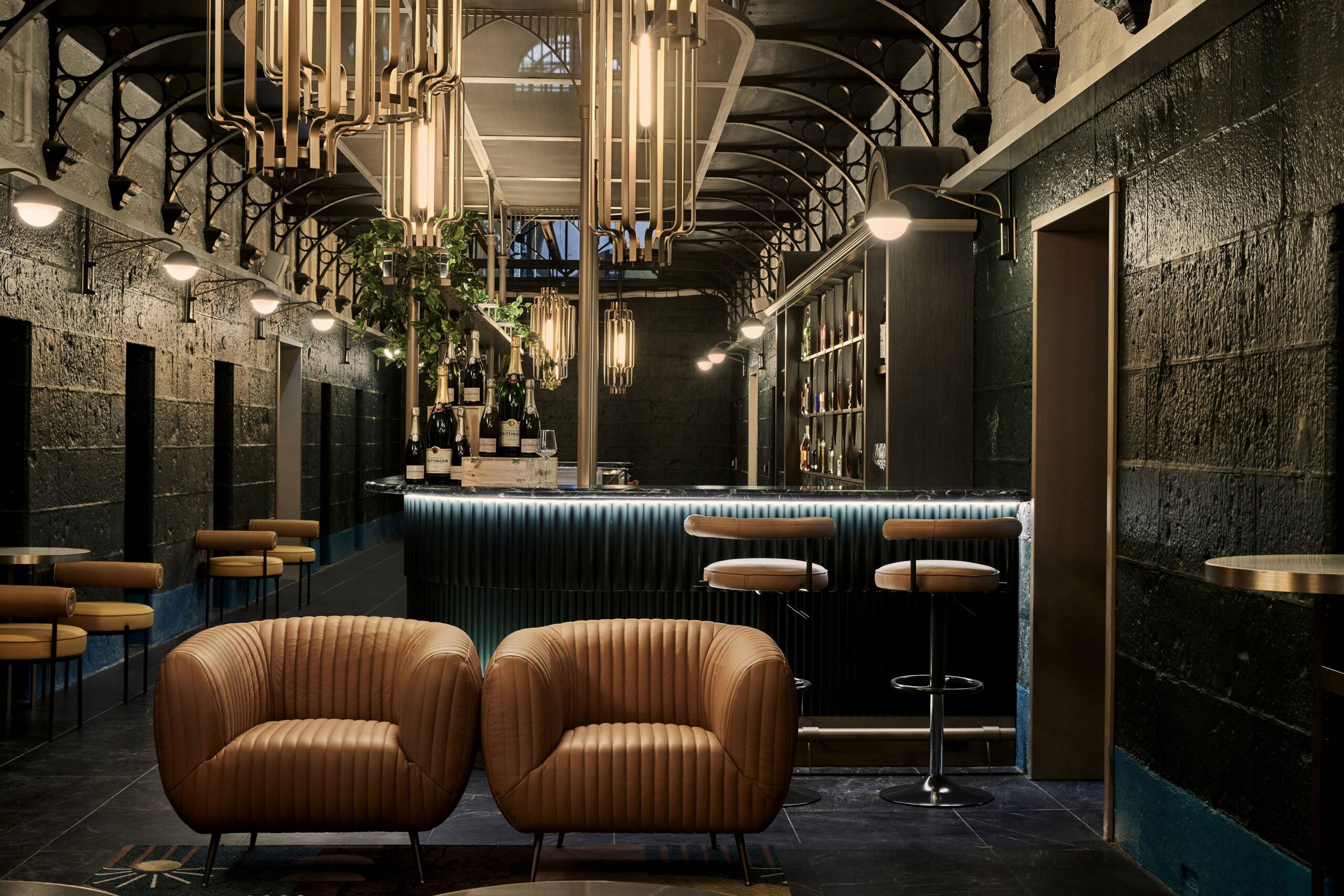
The other areas of B division, especially the wine bar, are so cleverly incorporated into the cells. It provides an intimate area for a drink or a unique catchup for groups sanctioned off amongst the bluestones.
History isn’t ignored here. It is a reminder of our very origins as a country, founded on the very premise of what this building stood for…punishment. It is one of the few remaining examples of the “panopticon” style of a disciplinary penal concept. There are only eight left in the world. Designed to separate and be always seen by warders.
These buildings are difficult places to re-invent. Both costly and tricky to entice the greater public to embrace a space where there was so much misery and despair. Prisons are always going to be a contested conversation. Everyone is entitled to their own personal thoughts. These prisons are dotted around the country. Some of course still working prisons and others left standing as sentinel to a harsher time lost.
The Interlude did not disappoint. Staying true to its name, it is a beautiful space that offers guests respite. A new ‘system’ offering connection and peace instead of separation and silence. This is the biggest change of all.
The word ‘diversity’ in 2024 is probably most used by big consulting companies; in reports where they make promises to have more of it in senior management (lol).
In Malaysia’s eastern state of Sabah though, diversity refers to rainforests where orangutans, sun bears, mouse-deer, pangolin, pygmy elephants, leopards, loris, dick-nose (probiscis) monkeys and heaps more live in harmony. A week-long trip was enough for this writer to encounter creatures he didn’t even know existed – looking at you, Red Flying Squirrel.
It refers to the most multiethnic state in Malaysia; home to no less than 32 tribes, 55 languages, and around 100 dialects.
There’s 450 islands – give or take a few pretty big sand banks – diverse and beautiful in canopy and colour.
The state shares the incredible island of Borneo with Indonesia and Brunei. From a ‘turtle metropolis’ to island-hopping incredible deserted islands, there’s some genuinely extraordinary experiences to be had in Sabah. Here’s six:
1. Join the turtle club
The most extraordinary population of hawksbill and green sea turtles can be found cruising gently through the waters of the Semporna region.
They’re everywhere, as are a wild range of fish, some neat coral and some wrecks to dive.
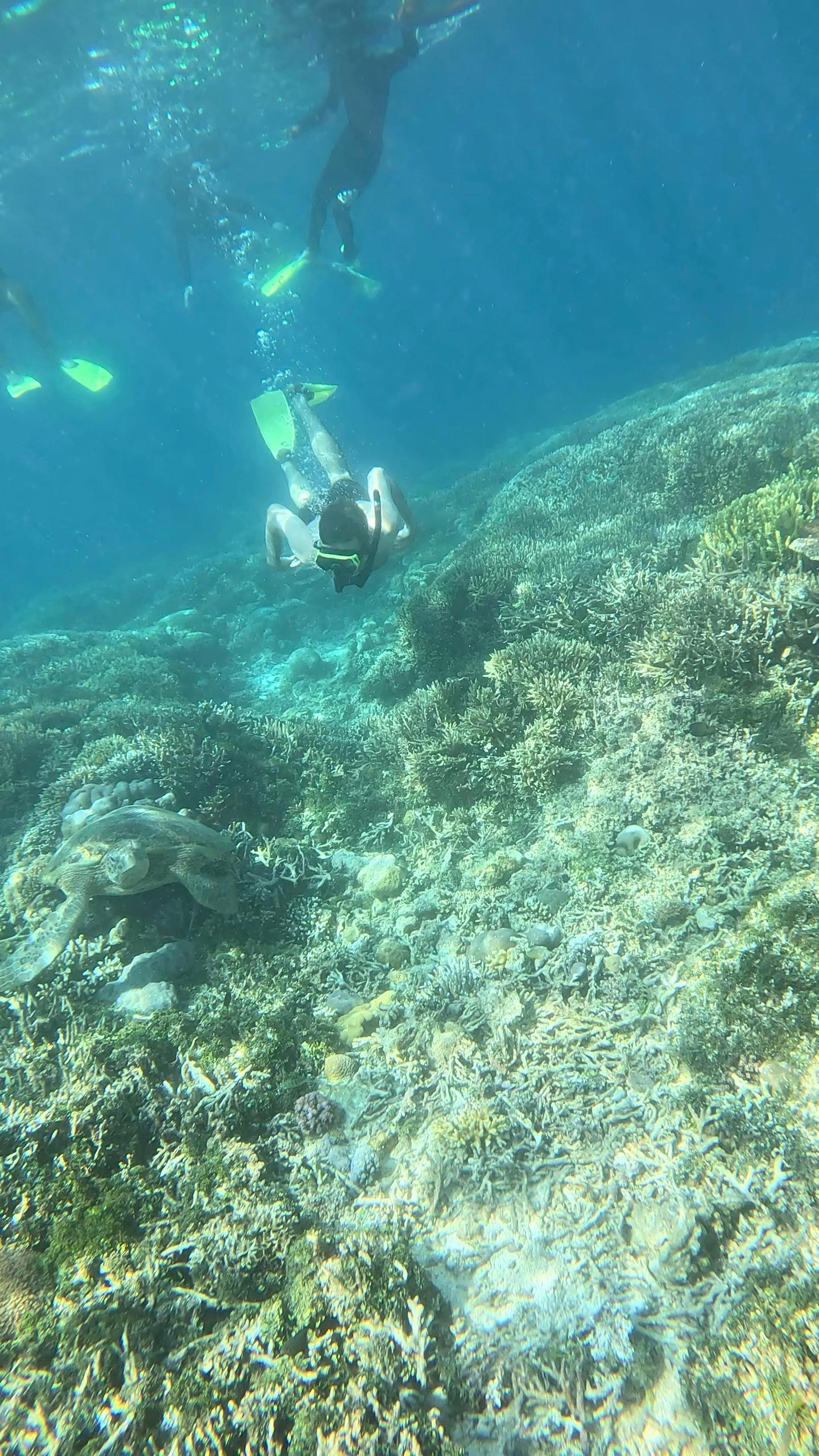
But it was the turtles for us. They’re easily accessed with a snorkel, but we recommend strapping an oxygen tank on and getting a bit deeper, so you can chill with these little legends for longer. You can dive up to ten metres without a PADI certificate.
Arcadia Beach Resort is a beautiful resort on tiny Pandanan island, and they know all the best spots. Get them to take you out.
2.Hit up deserted islands
Off the north-east coast of Borneo there’s a stack of islands and sand banks, all seemingly blessed with astonishing good looks. Hop on a boat and dart the short distances (in placid bays) from one to another, and wear a bib to wipe the drool from your chin when you come across paradise after paradise.
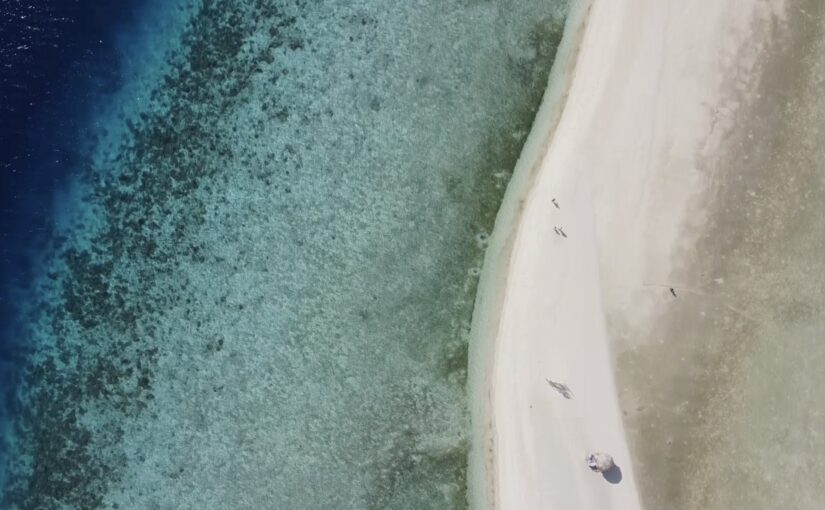
My favourite was Timba Timba – a thin sliver of uninhabited sand with only a jetty and a small hut selling drinks. Sunbake, swim, get a drink. Repeat.
Most accommodation in the area will offer island hopping excursions.
***
3.Go face-to-face with orangutan
Standing at the edge of a viewing platform, we were told to move back for our own safety.
“Why” I wondered silently; the mother orangutan and her child were feeding about 20 metres away. More than safe.
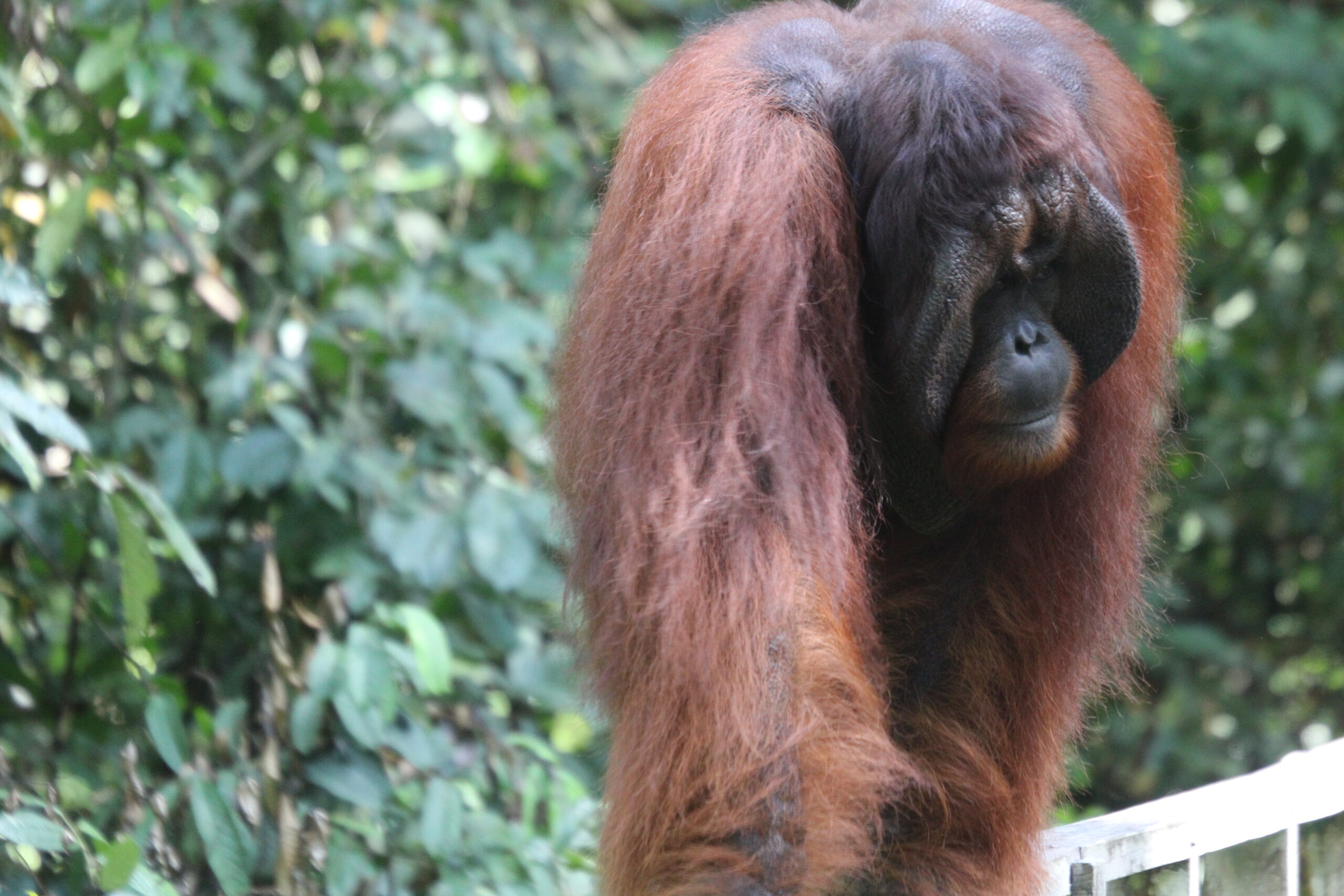
Seconds later, a gigantic male orangutan – Big Papi – walked nimbly across the very wooden bench I’d previously been resting my arms on. I hate to be cliché but nothing prepared me for what a fully-grown orangutan would be like up-close. I could not – still can’t – believe the size of this guy.
Seeing these apes up close in the Sepilok Rainforest, their home, is an extraordinary treat. Float between the viewing deck and the interior section where you view baby orangutans from behind glass. The little ones are a lot more playful and funnier – think stealing each other’s bananas, wrestling – while the adults are a lot bigger, and majestic in their own way.
Established in 1964, the Sepilok Orangutan Rehabilitation Centre was the first place in the world dedicated to the rehabilitation of orangutans. To come here is to support the protection of these beautiful, hilarious beasts. Big win-win.
4. Smash local cuisine
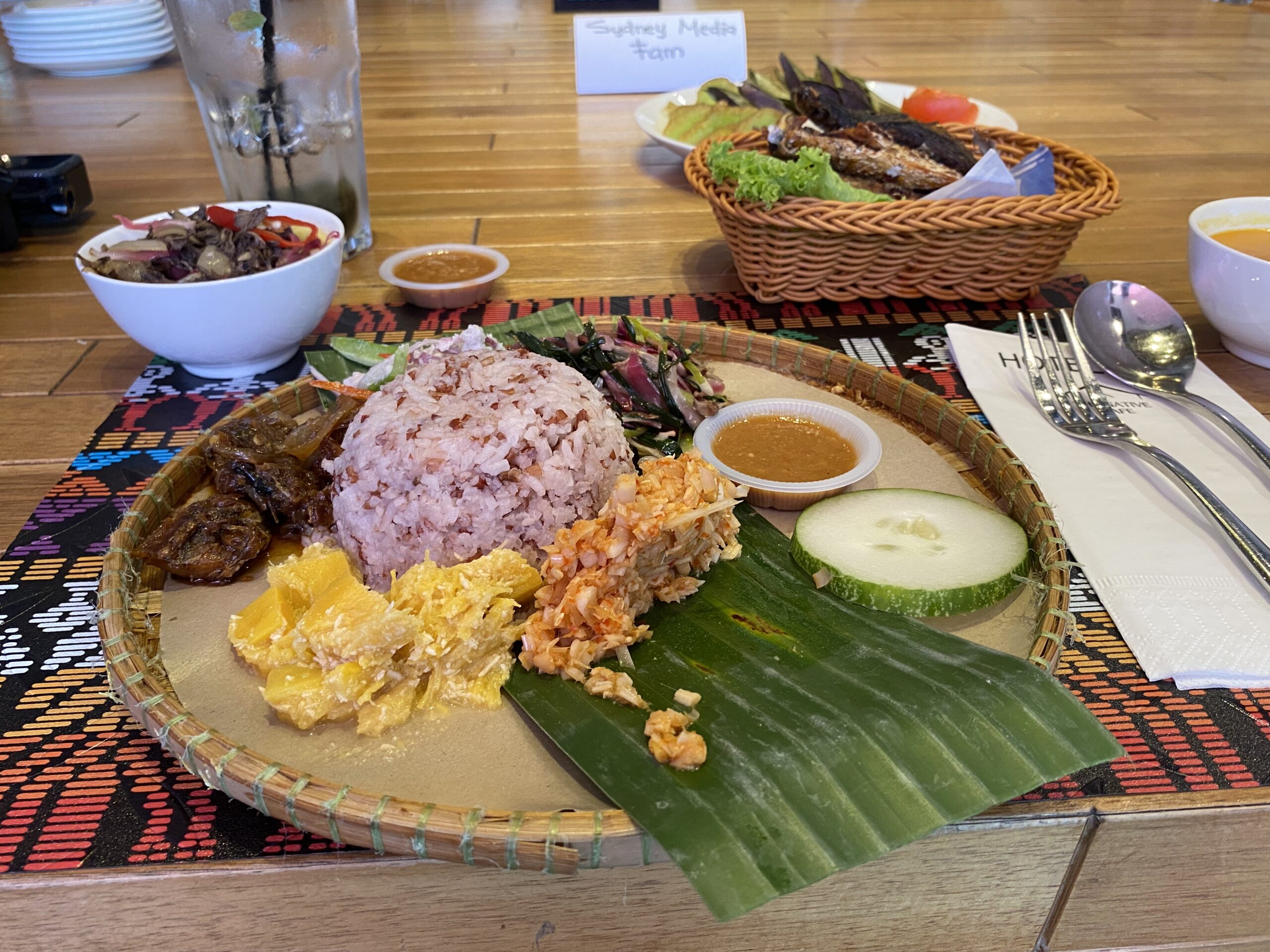
With so many different ethnic groups comes a whole lot of different cuisines. Fresh fish is on the menu plenty of the time, and our favourite form came in the form of Panasakan Basungan – a traditional Dusun dish of braised basung fish, mixed with takob akob – which is a kind of fruit. Sweet and delicious.
Honourable mention goes to My Native Sabah restaurant in Kota Kinabalu, who served up a plate of fried basung and rice, spicy sambal and this thing called ‘wild mango pickles’ (pictured below) which was as tasty and wild as it sounds. Hook it to my veins.
Dishonourable mention to the same restaurant, who served Pizza Butod…that is, a basic pizza topped with bush grubs. You can even pick out your preferred, still-moving grubs in the restaurant.
5. Conquer Bohey Dulang
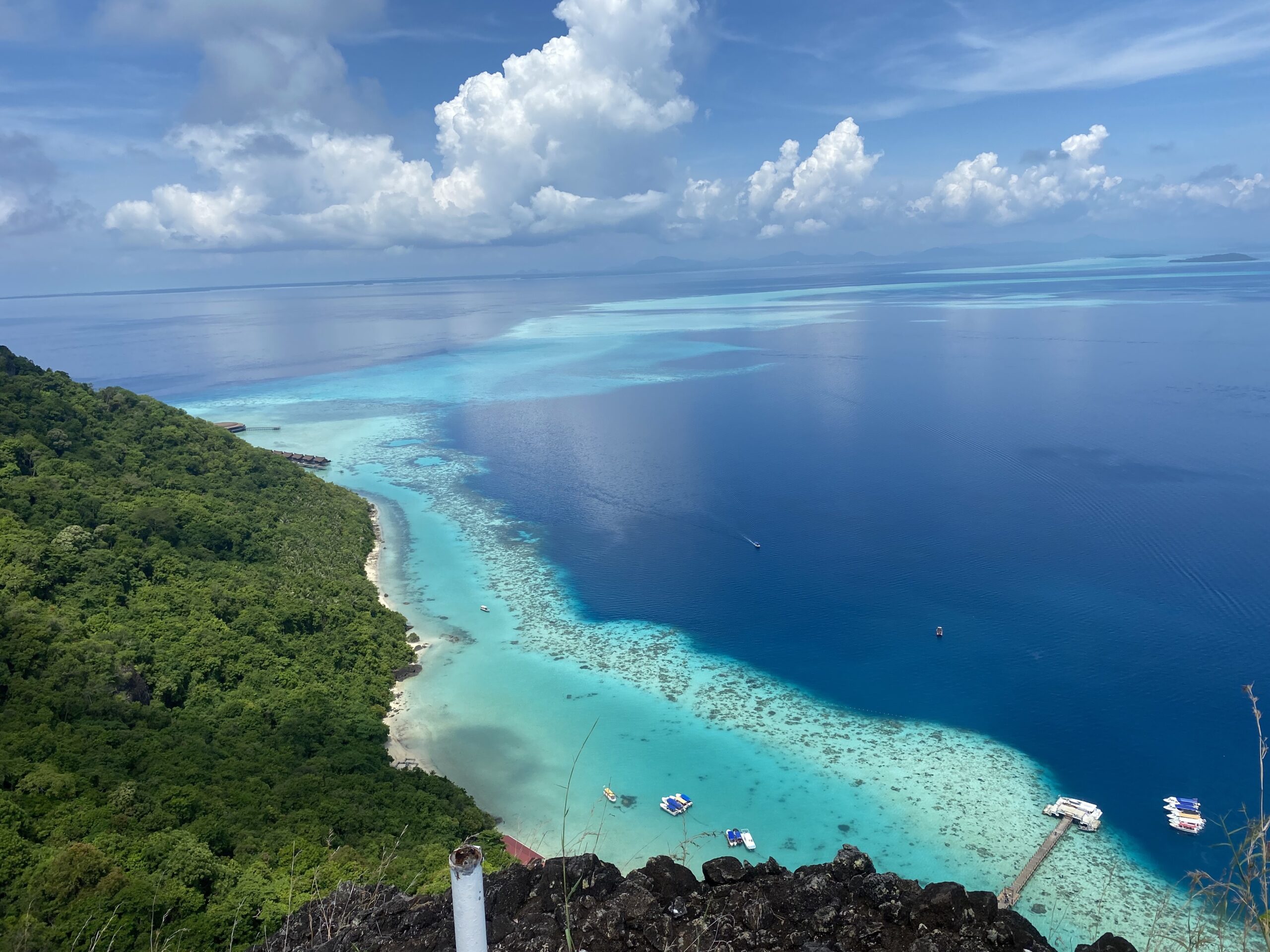
Bohey Dulang is an island located in the Sakaran Marine National Park area. Look, 650 metres doesn’t sound like much, but it’s a bloody steep 650 metres, a hike that is almost as high as it is long.
Once at the top you’ll be afforded the most majestic views over the marine park, taking in an epic array of colours and sections with names like Big Boy Reef. If you’re staying nearby, work up a sweat doing this in the morning, and then fall into the ocean after that – has to be in that order, as it gets very hot here.
6. Here comes the sun…bear
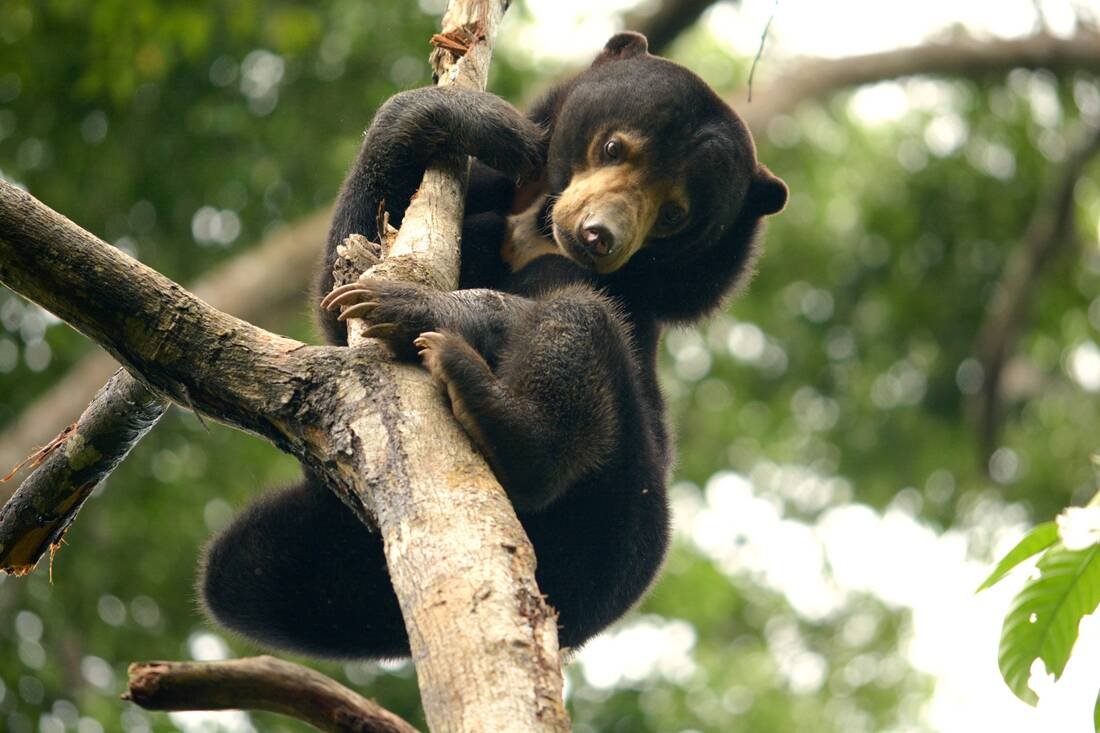
The Sepilok Rainforest is frequented not just by orangutans. Sun bears are the smallest bears in the world and are found only in Southeast Asia, and they’ve had a rough time of it as late, being kept cruelly as pets and suffering from forest degradation. The Bornean Sun Bear Conservation Centre are doing some incredible work to look after these cute, industrious things.
I say industrious because a mere 15 minutes of watching ‘Noah’ the sun bear was enough to see him attacking a tree for stingless bee honey, play fight with one of his friends and get down and dirty with another. Talk about productive.
7. Wander through the culture jungle
Imagine this: you’ve met a girl and you’re mad for each other, ready to spend the rest of your life together. You’ve paid the bride well which is customary for your culture, and now the only thing left to do is to solve a small puzzle, to prove you are smart enough to take care of a family.
It’s lucky I’m not in the Lundayeh tribe, I’d be single for life. After spending 30 futile minutes attacking a simple but impossible puzzle, I kept moving through Mari Mari Cultural Village, a series of stations in the jungle that describe the life and traditions of the five major ethnic communities in Sabah: Bajau, Lundayeh, Murut, Rungus and Dusun.
Go for the culture, rice wine, honey and welcoming ceremonies; stay to see if you can do the puzzle.
Waking on the beach, I discover a fat-clawed crab has clipped itself to my lip. I sit up, detach the pincer from my pucker, and cough a mouthful of sand into the little skiff I was sleeping beside. My beachy keen surroundings are familiar, if not altogether immediately recognisable.
I still have my camera slung around my neck, and am wearing the same clothes I had on last night – an unbuttoned gingham shirt, khaki shorts and, luckily, my ultrafino montecristi, a precious defence against the sun’s dark arts. My sandals are nowhere in sight, likely lost at sea with my pride. Mystery clouds my mind.
From the calm chromatic water, a tall, sinewy man appears. Long, heavy dreadlocks flecked with brown and grey swing under a leather cowboy hat; his muscles ripple as he fights the friction of the sand. He walks towards me, offers his hand, and pulls me to my feet. “Looks like you had a good time at Moonsplash,” he says, pulling down his shades to wink at me. “Did you put anything good on that camera?”
Moonsplash. My camera. Of course! The clues I need to unlock the mystery. Suddenly I remember where I am (on Anguilla’s Rendezvous Bay) and who this is (Bankie Banx, Anguilla’s legendary folk son).
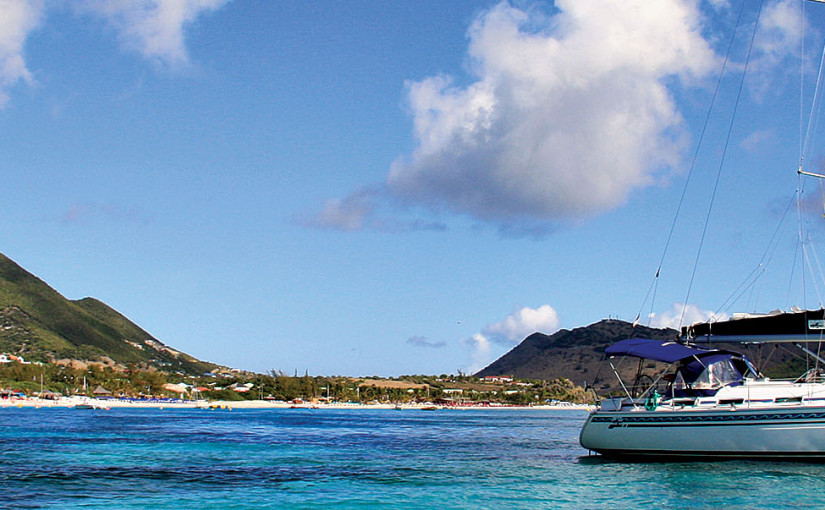
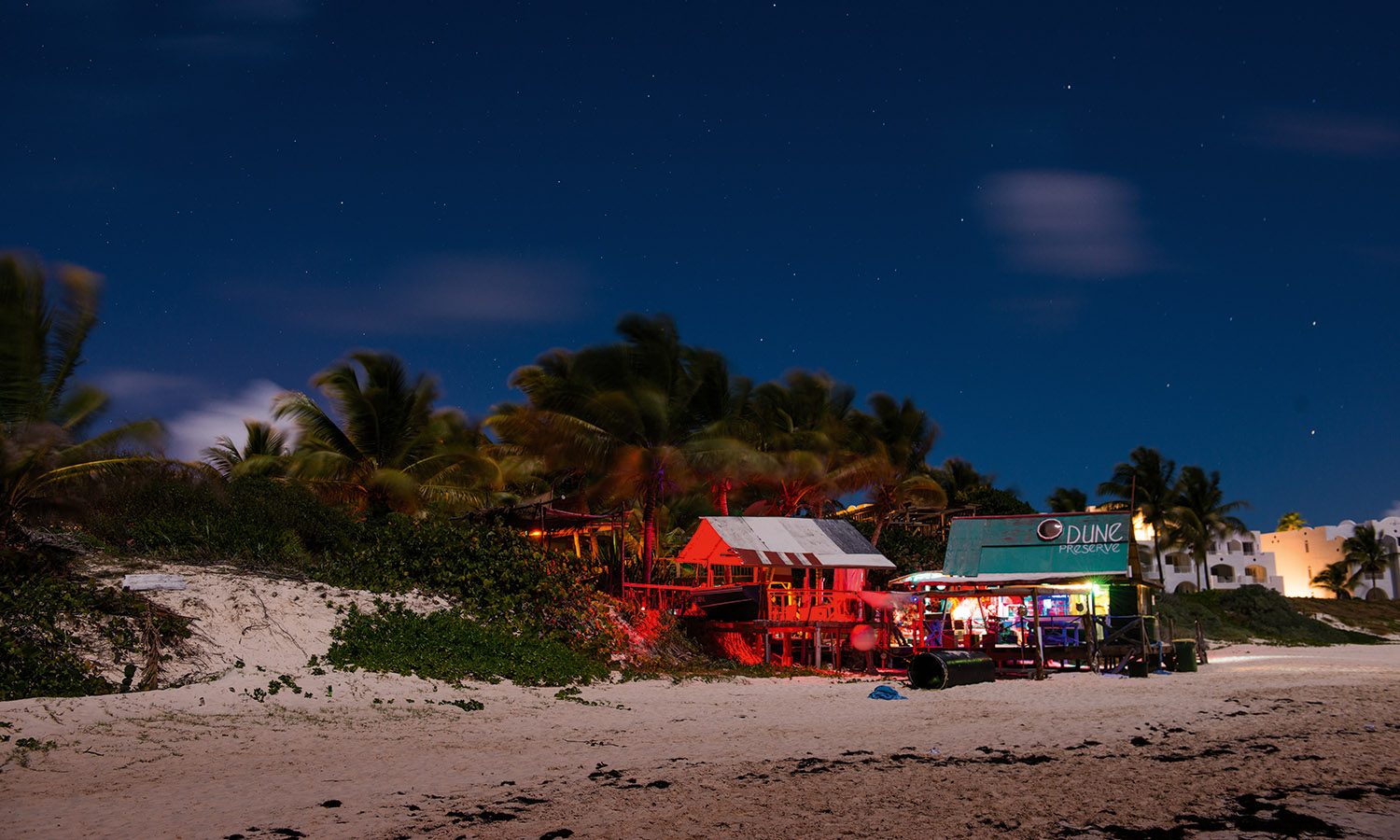
I scan backwards through the images on my camera; the final photo was taken sometime after 5am right here on the beach, with the full moon illuminating the sand and St Maarten across the bay, a few dozen folk dancing to whatever act was still on stage. The image is as fine a representation of the Moonsplash Festival as there ever was, and slowly my memories are becoming mine again.
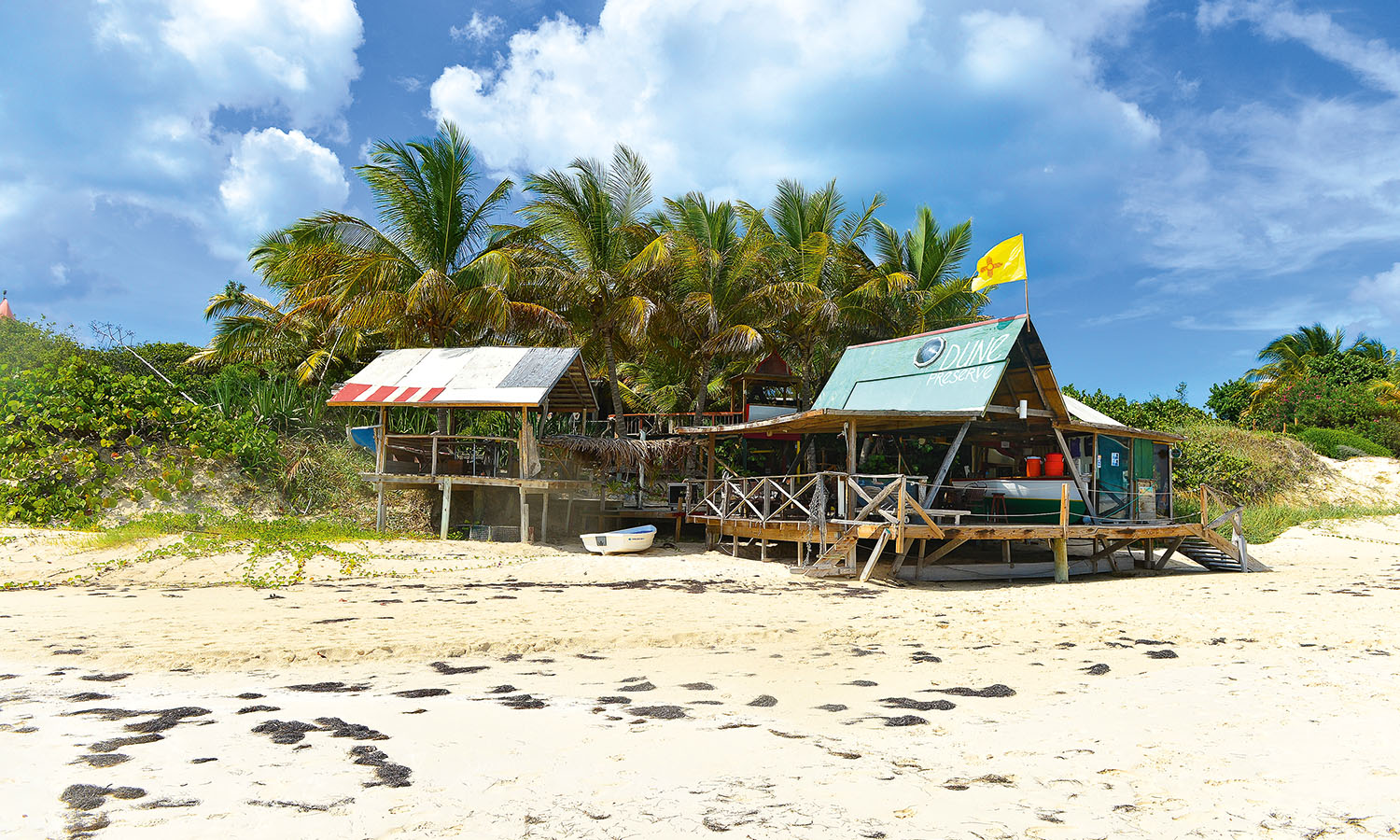
Bankie is gone in a flash, tucked back into his wondrously ramshackle Dune Preserve, the beach bar-slash-music club that has played permanent host to his festival since 1995. I scroll further back through time, through the first impressions, through the acts, through the VIP treatment, all the way back to my first few moments on Anguilla, when I dug my toes into the sand, ordered a frozen mojito from the beach bar, and soaked up the sun.
Less than 24 hours prior I had checked into my plush seaside digs at the CuisinArt Golf Resort & Spa to begin my tour of Anguilla’s culinary landscape courtesy of executive chef Jasper Schneider. I’d come to Anguilla in order to become a gastronomic swashbuckler, but in less than a day I turned into a certified reggaephile. The Caribbean’s best music festival has that sort of transformative power. If I didn’t have the photos, I’m not sure I would believe any of it happened.
It was the prospect of relaxation rather than transformation that brought me here, but as I flip through my images I realise my fundamental concept of island escapism has changed overnight. The visual evidence spoke to the sort of essential cultural experience I’d expect to have someplace else, not on a tiny island largely known for pretty beaches, sweet rock lobster and high jinks on the high sea.
Memory lane delivers me to a set from Sheriff Bob Saidenberg, the new-wave bluegrass twanger who co-founded Moonsplash with Bankie (born Clement Ashley Banks) back in 1991. Sheriff Bob’s countrified sensibilities – a cagey blend of Pete Seeger and Jim Cuddy – may seem out of place at a reggae festival, but on Anguilla eclectic line-ups have become something of a Moonsplash Music Festival hallmark: Jimmy Buffet played the Dune Preserve a few years back, while John Mayer took the stage with Bankie in 2011.
Yet there’s no denying the reggae vibe rules the roost; I caught Gershwin Lake & Parables whipping the crowd into a frenzy, and spent a little time on the main stage with Jamaica’s Chronixx as he played to every set of hands on the island raised through a raucous rendition of ‘Here Comes Trouble’. I took about a hundred photos of Omari Banks, progeny of Bankie, the West Indies cricket star-cum-Caribbean sonic barometer.
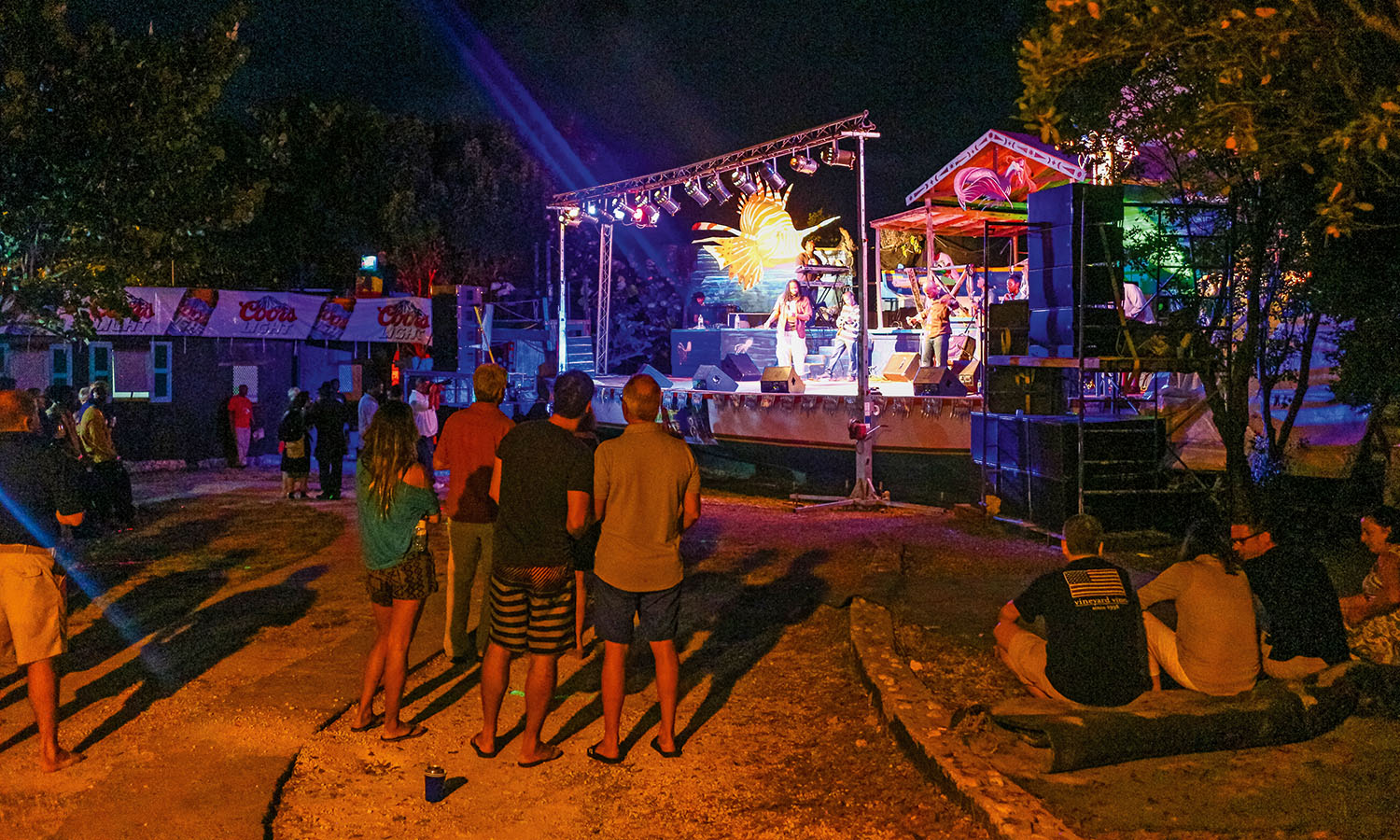
Like his father, Omari is of regal bearing and fully commands the space between himself and his audience. Under the watchful gaze of the great wooden lionfish and a facsimile of King Poseidon – local artwork has plenty of space to shine at Moonsplash – Omari opened with an acoustic rendition of “Jehovah Message” from his Move On album. Twenty minutes later Bankie was on stage backing his son, and Anguilla was on fire.
I flip through an embarrassing plethora of selfies, shot from the stage, the crowd and the elevated VIP deck (how I was granted access remains a mystery). Up on the deck I had bumped into an overjoyed Omari, and mined him for a bit of Moonsplash Festival gold.
“I have the honour of saying I was here from the beginning,” he told me of the festival. “I first took the stage with my dad when I was five years old and, ever since, Moonsplash has given me the opportunity to perform and share my music.”
Omari’s humble nature is striking considering most of the locals think of him as their favourite artist, while the foreign folk have come from half a world away to hear him play. Omari and Bankie are the kings of Anguilla’s music scene, and the stage, made from salvaged ship parts cast onto the beach by one hurricane or another, is their throne.
Yet I can’t help looking at those last late-night images from the beach, when the Dune Preserve was at my back, the music was all around me and the island seemed like the most remarkable place on earth. Under the full moon, Moonsplash’s ethereal nature is unrelentingly alluring.
I’d come to Anguilla in order to become a gastronomic swashbuckler, but in less than a day I turned into a certified reggaephile. The Caribbean’s best music festival has that sort of transformative power.
With the sun high in the sky on my brand new day, I push memory from my mind and set out to explore Anguilla. I visit CuisinArt’s Tokyo Bay and stuff some king crab robata, rock shrimp tempura and a bottle of red wine into a dry bag next to my camera, then make haste for Sandy Ground. Tucked into a Sea Pro kayak courtesy of Captain Wayne, I set off to explore shipwrecks and the rugged coast, but even on the open water I bump into Moonsplashers.
A snorkeller spends every spare breath talking about the time he saw Bankie climb the scaffolding 15 metres above the stage so he could see everyone in attendance; a pair of passing paddleboarders wax lyrical over the aural horseplay displayed during Chronixx’s set. I’m sure I even hear a starfish singing a Sheriff Bob song, but I digress.
I go lobster tasting on secluded Sandy Cay, golfing on the CuisinArt greens, and cruising between food trucks in the Valley, and never once escape talk of Moonsplash. Visitors are jealous I bumped into Bankie, while the fella in charge of my saltfish patty at Papa Lash’s food truck hums Omari’s “Let It Go” while he works the grill. Moonsplash is connected to the cultural core of Anguilla, and woven into the national identity so tightly it’s nearly impossible to separate one from the other.
I spend the rest of my Sunday afternoon at the Moonsplash Beach Party on Rendezvous Bay, the annual wind-down that features low-key sets from some of the festival’s top acts. This is a family-friendly event on the Caribbean’s most family-friendly island, and brings out mum, dad and the two-and-a-half kids to chill with the rest of the festival crowd, contributing to the overall conviviality of the event.
I whip back and forth between the CuisinArt Beach Bar and the Dune Preserve with arms wrapped around frosty cocktails and rum and raisin ice-cream sandwiches, poke around the lobster, prawns and ribs on the oil-drum grills, and ask Omari to teach me the first few chords to ‘Let It Go’ for the next time I’m quizzed on my Moonsplash knowledge. I even manage to capture a few moments on my camera, because as we all know, if there’s no picture, it didn’t happen.
I always get excited when I see an email from my editor about a new travel assignment.
My mind races; perhaps I’ll be experiencing ancient tea ceremonies in the Bhutanese mountains or forging an Arctic path in a luxury icebreaker. There have even been hushed talks of Virgin Galactic taking adventurous journalists on missions to space. Texas, however, is not what I consider an exotic destination. And Grapevine, frankly, sounds like a fake place.
So when I’m invited to journey to the small Texan town of Grapevine to cover a wine festival, I have to read the email twice. Grapevine, Texas. Alas, I’m indeed going to a small intersection between Dallas and Fort Worth that is—apparently—going to knock my socks off. Skeptically, I begin to pack.
As a proud cityslicker from the Yankee part of the US, Texas is quite far off my radar. I’m not into trucks, boots, guns, or livestock, so I normally opt for the saucy Barcelona subculture or the untread beaches in the Marquesas. But all cynicism melts away as I get into my Uber and am met with a warm Texan welcome.
“Oh man, you’re going to GrapeFest? I’m so jealous,” the ridiculously chipper driver, named Shannon, says with genuine excitement. “I’m driving all morning to make some extra cash so I can get down there myself and have-a-time!” According to Shannon, Grapevine—and GrapeFest—is kind of a big deal.
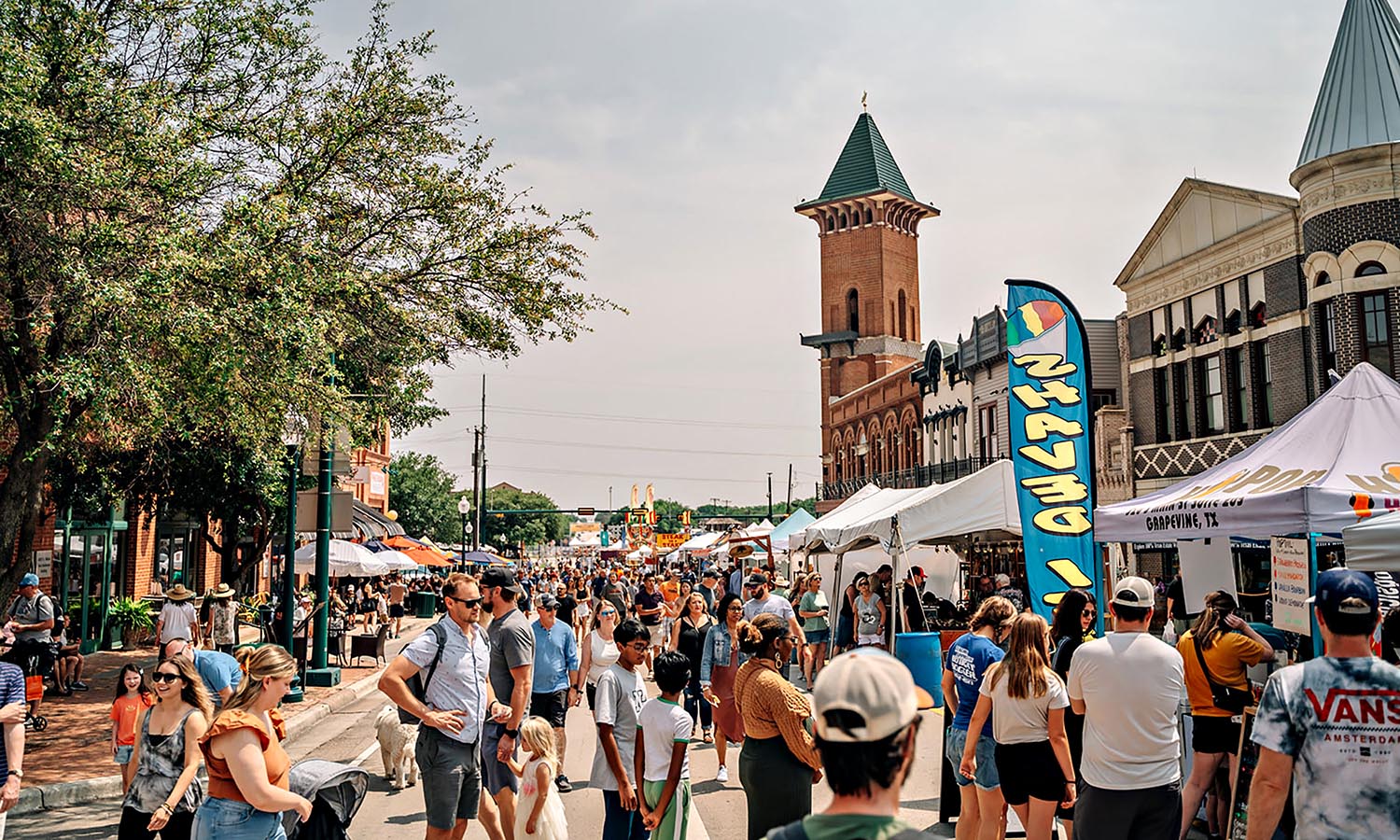
Shannon drops me at the end of Grapevine’s Main Street and that’s when I realise just how big of a deal it is. As far as the eye can see, Bacchanalian revellers are pouring through the barriers and into GrapeFest. I take a deep breath and enter the beautiful chaos.
Surprisingly, Texas is the fifth largest wine producer in the US and GrapeFest is one of the largest wine festivals in the world. What can you find here? Magical bubble lounges where you can sip on sparkling wine while being serenaded; the People’s Choice Award where you can sample over 100 local wines and submit your vote for the best of the bunch; and the famous grape stomping competition (which is harder and just as fun as it sounds).
Click play to watch
With or without this lively wine festival, Grapevine is a charming, somewhat magical town. Home to a classic Main Street with kitsch eateries, store owners who welcome you with “howdy!”, and a Glockenspiel clock that features an animatronic gunslinger shoot-out when it strikes 12; kids run free without worry, and adults sit in the shade talking about how lovely the weather is. People smile here.
I was wrong about Texas—it’s very exotic, and a welcome departure from the more dismissive American states.
Grapevine was founded in 1844 a year after General Sam Houston made a peace pact with 10 of the Indigenous native tribes—making it one of the earliest settlements in the country. Since then it has been the cantaloupe capital of the world (albeit briefly), home to Bonnie and Clyde, and a world-class wine hub.
Whether you’re a vino amateur, a wine enthusiast or a fully-fledged sommelier, there’s something for everyone here. After a few hours of drinking, I need a food break so I jump into a charcuterie board design class where we, yes, learn how to zhush up our house party offerings. I then stop by a wine glass workshop where I get the lowdown on what wines should be served in which glasses. Hint: full-bodied white wines, like aged chardonnay or viognier, are better in a large bowl because it emphasises the creamy texture. Honestly, this blows my mind—the glass shape changes the taste significantly.
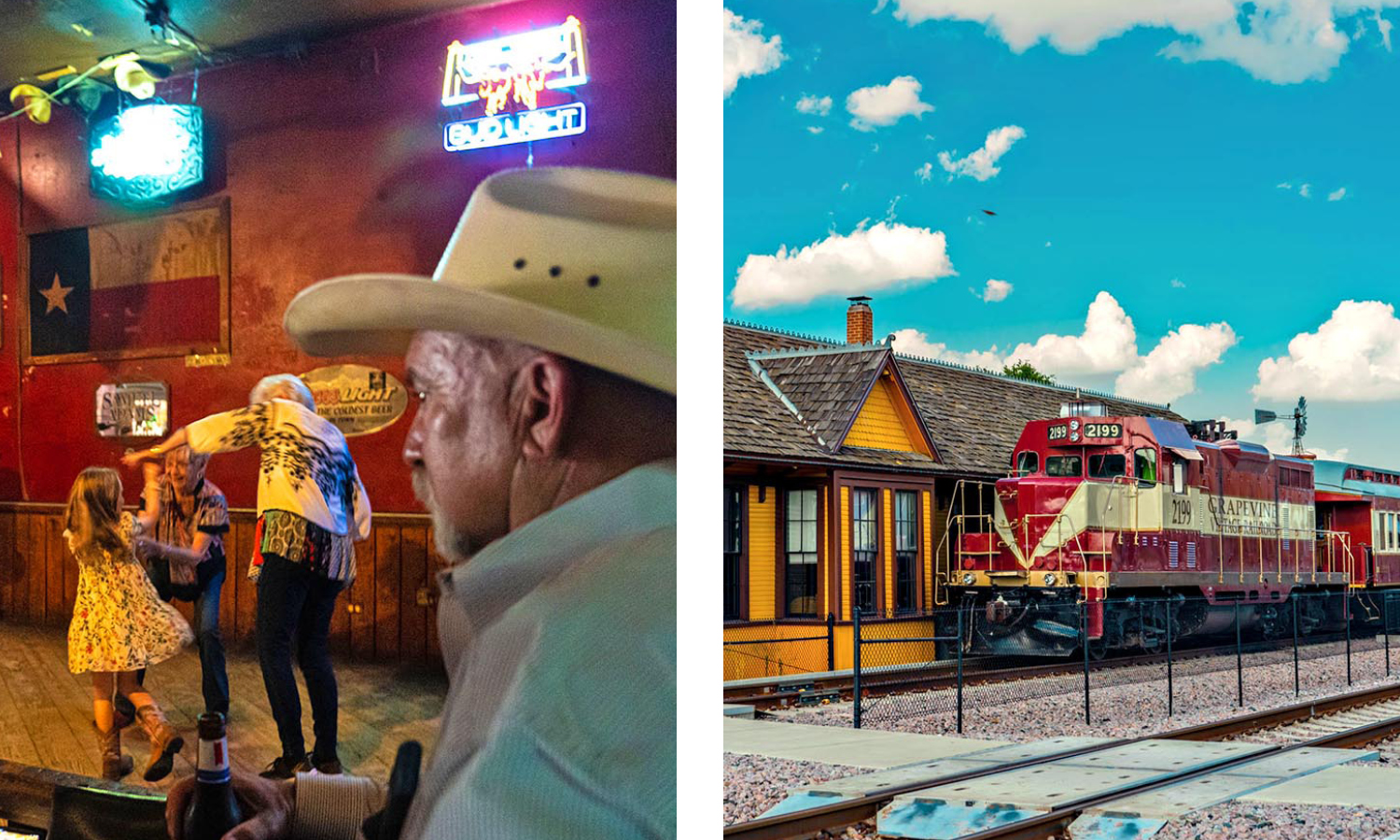
Besides all the drinking, eating is also somewhat of a religion in Grapevine. I discover that a stop by the Grapevine Main train station is a must-do if you want epic views and a first-class food haul. You can even jump on stage for some live band karaoke, which is more than we can say for most train stations. Later I join the party at Esparza’s for authentic Tex-Mex that will satisfy even the biggest southern food connoisseur. I think I’m officially a Grapevine convert.
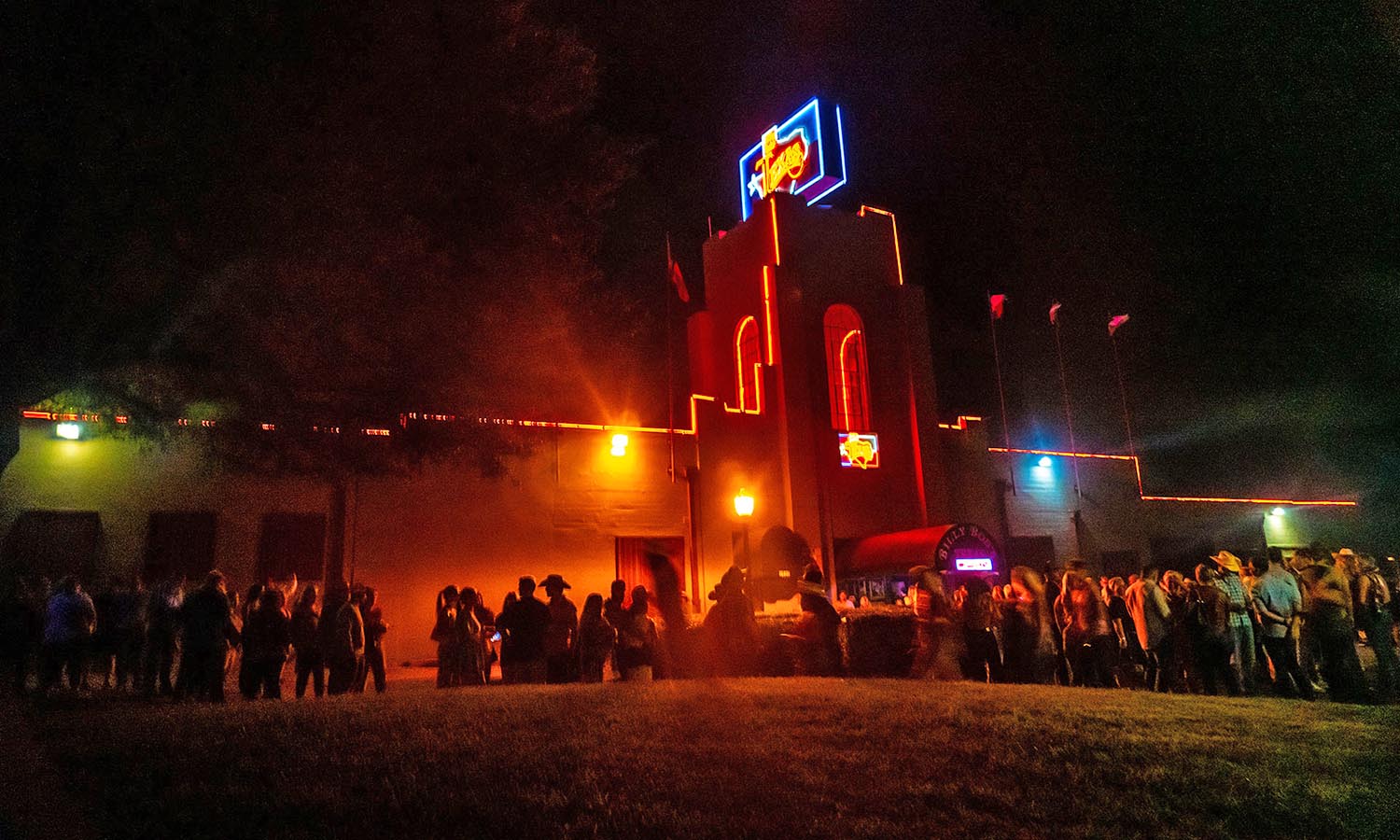
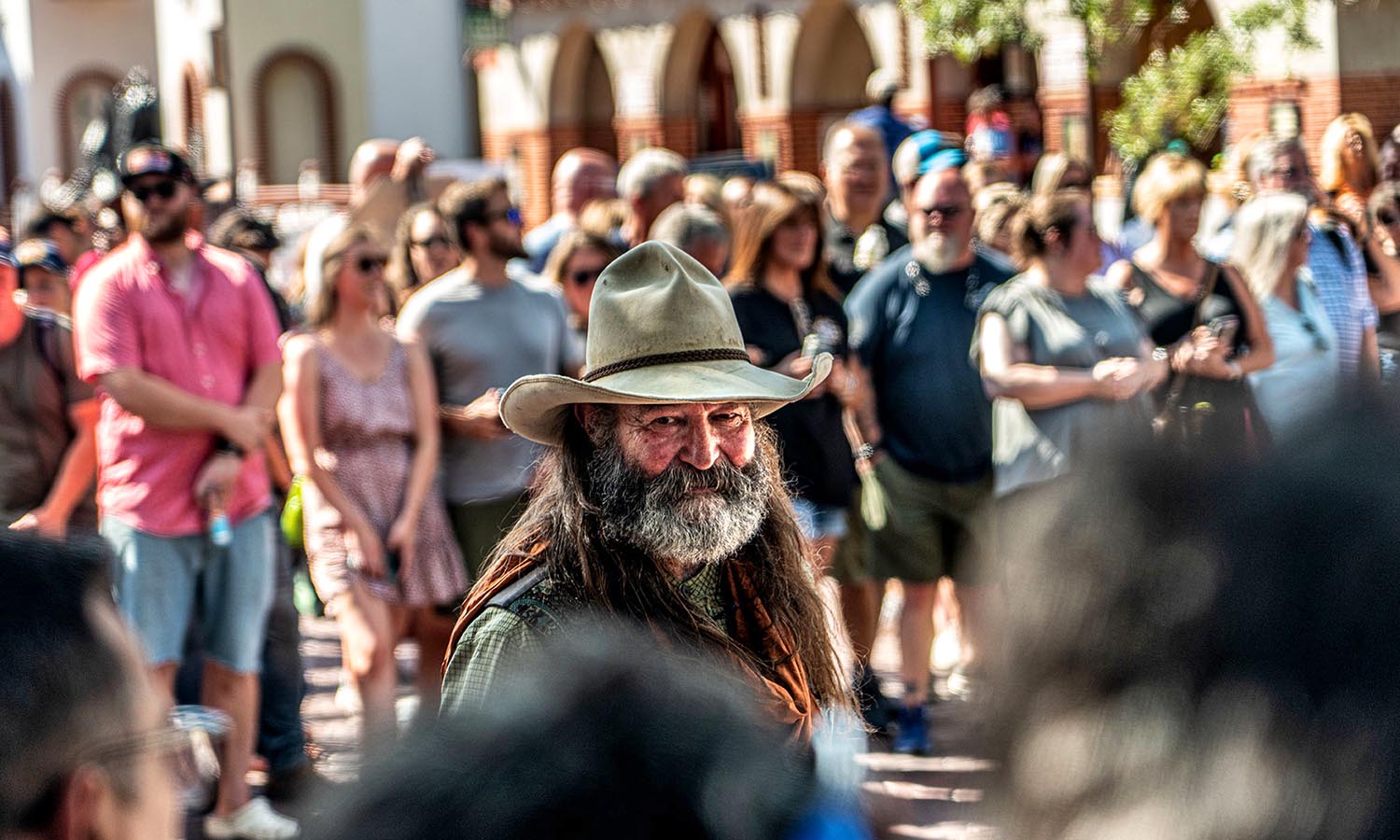
But what makes this place so unique is its perfectly preserved small town vibe. Walking down main street is like stepping back into a bygone western. Fancy trying your hand at a bona fide turn of the century printing press? You can do it at the Grapevine Historical Museum. Really into rodeos? Come see one of the longest running rodeos in the state. Love a honky-tonk? Billy Bobs Texas is the world’s largest. The streets here are a livewire of energy and are packed with characters that bring this western town to life.
It’s rare to find a place with such genuine hospitality. It’s like the entire town is a Disney set—that’s how welcoming Grapevine is. And while this small pocket of Texas wasn’t on my radar before, it’s definitely on my travel recommendation list now. Especially for all the wine lovers out there.
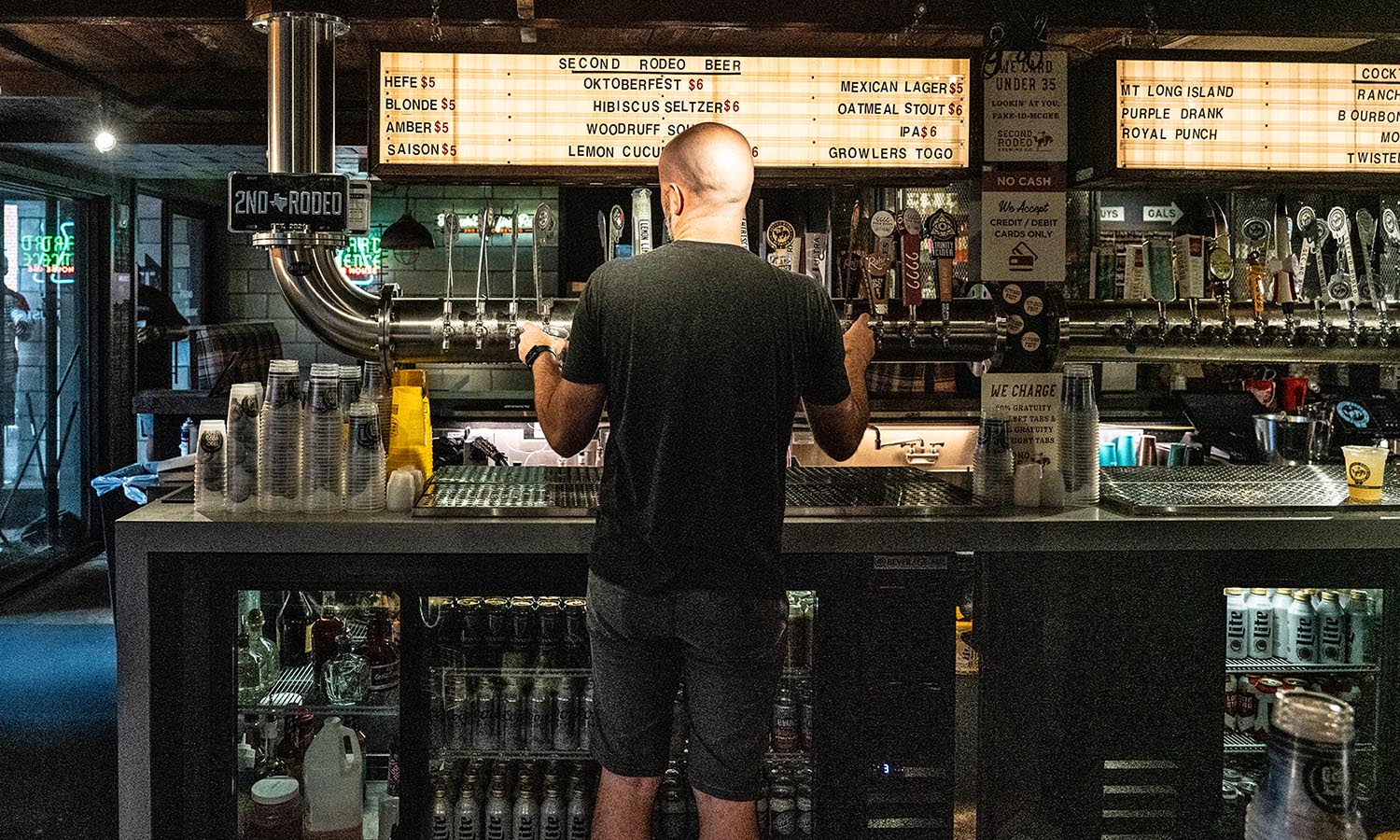
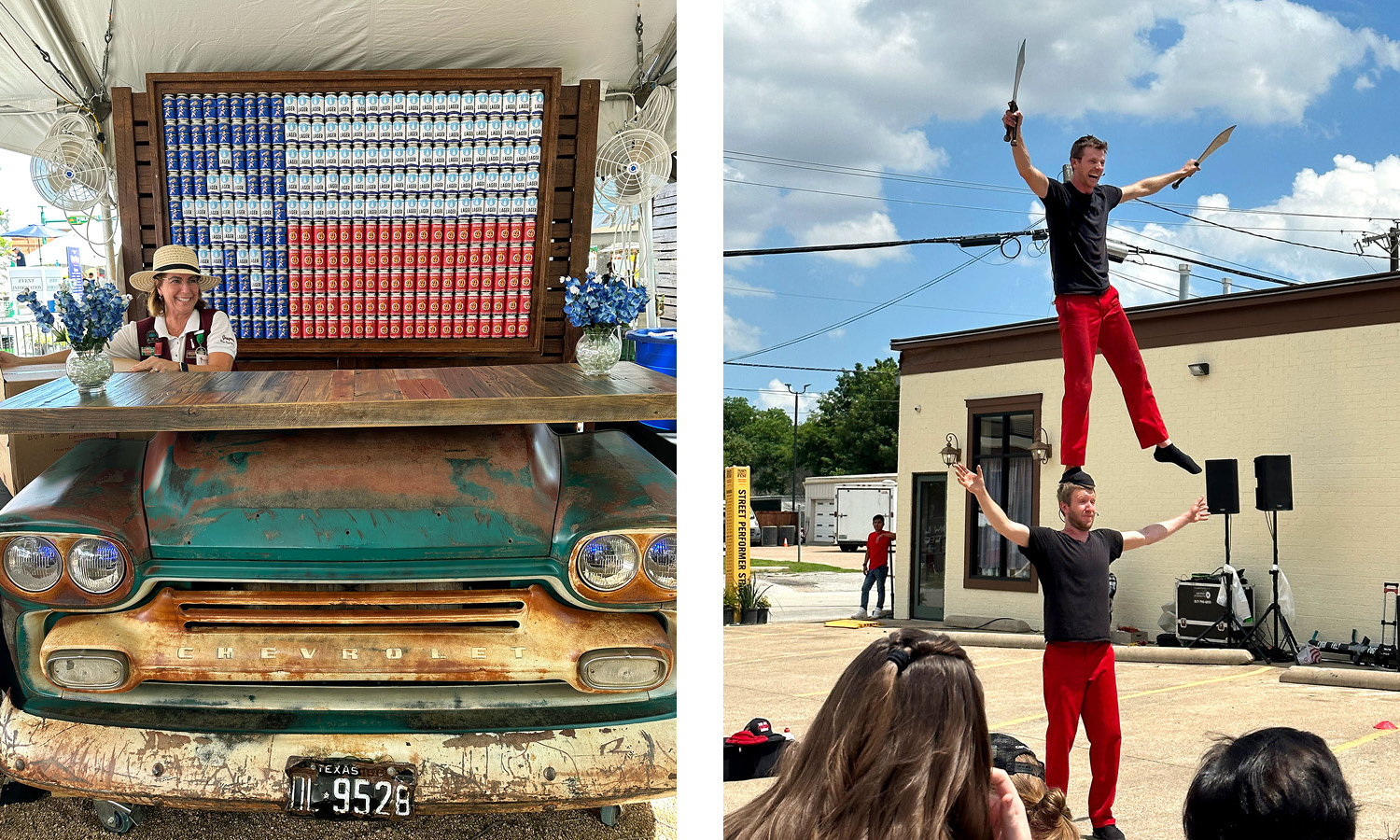
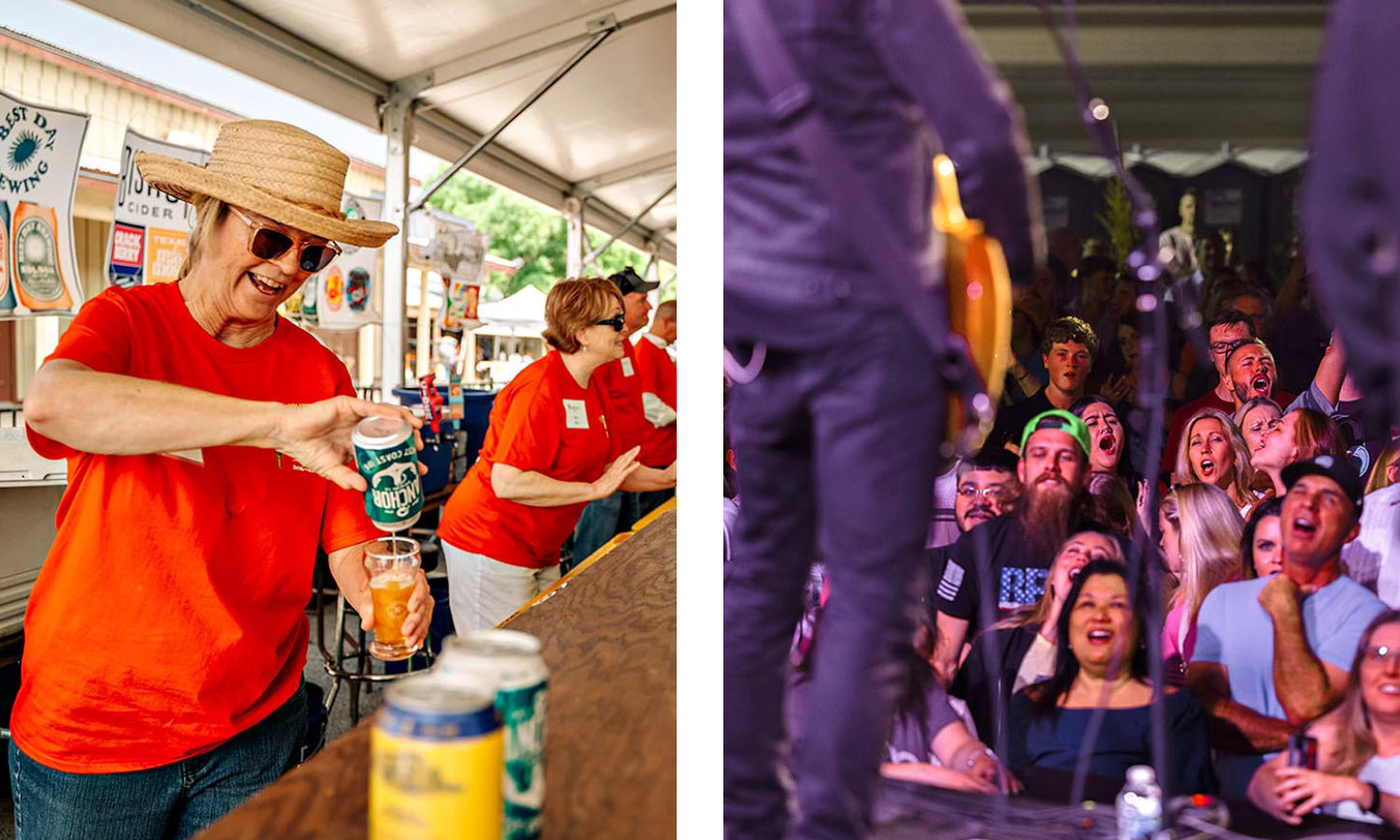
With live music, acrobatic buskers, an amusement park, beer nosh and over 150 breweries showcasing their craft, Grapevine well and truly converts to Hopville.
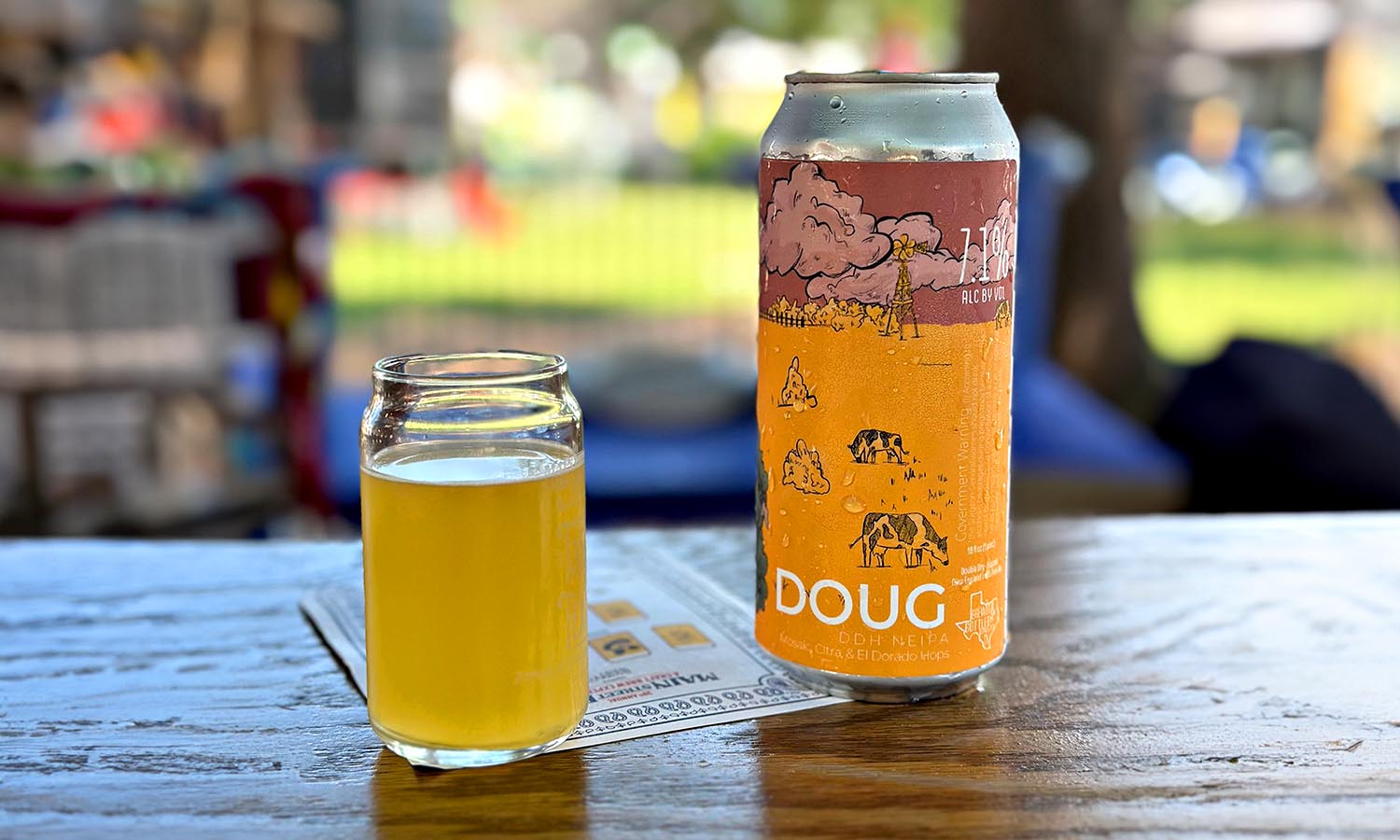
We begin our day at the Tastes of Texas, a cordoned off zone with over a hundred different brews from fifty Texan craft geniuses. Brunch begins with a can of Doug, a delicious DDH NEIPA from Dallas’s Outfit Brewing. Doug has some kick at 7.1% and it’s a big day ahead so I decide to stick with the smaller taster glasses. Nine tasters later I tell everyone within earshot I’m moving to Texas.
It’s time to eat and we amble up Grapevine’s main street, now teeming with beer lovers. A guy driving and playing a piano on wheels cruises past and a busker in the distance looks to be standing on his partners head. I question whether the beer is making me see things.
There are food trucks parked down the centre of the street handing out all kinds of festival grub. We opt for the VIP Brews and Bites experience, an eight course beer and food matching extravaganza from the team at Shannon Brewing Company. There’s an educational side to it all but to be honest by the fourth taster my attention span is limited.
This year is also the inaugural Craft Brew Experience, a marquee with over one hundred more breweries from around the USA showing off their best. It’s been a pretty solid start to the day already, but we’re in Texas where everything is bigger so after a pickle shot at legendary Grapevine bar AJ’s I enter the fray like a drunken kid in a candy store.
I’m joined by Neil a qualified Cicerone, or “beer sommelier”. Neil’s beer palate is educated but when he suggests a sour my experienced palate takes over and I lose him quickly. I vote a hazy pale ale named Pseudo Sue from Toppling Goliath Brewing Co in Iowa my beer of the day, but let’s be honest after AJ’s pickle shot nothing really tastes the same.
I’m up early the following morning with a haze in my head no where near as pleasurable as Pseudo Sue. I have a vague recollection of drinking a martini in a speakeasy bar hidden behind a phone booth. My GoPro is nowhere to be seen and my Instagram has a story I have no recollection posting. I look damn happy though, arm in arm with Neil singing along with Little Texas, the headline band, rocking out on the main stage. It is exactly what a beer festival should be.
Footnote – GoPro was returned with even more unusual footage.
GRAPEVINE’S 30th ANNUAL MAIN STREET FESTIVAL
A Craft Brew Experience
May 17, 18 and 19th May 2024.
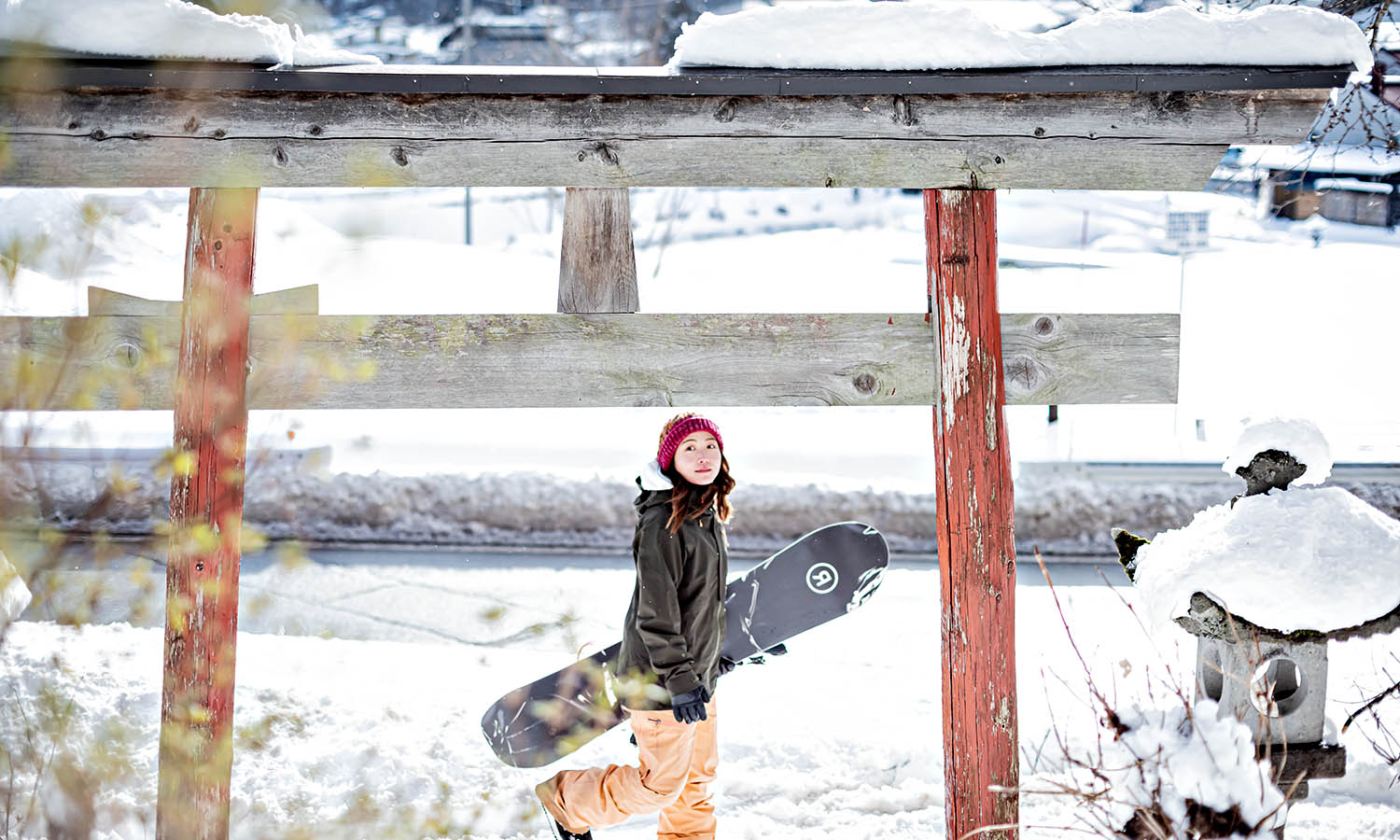
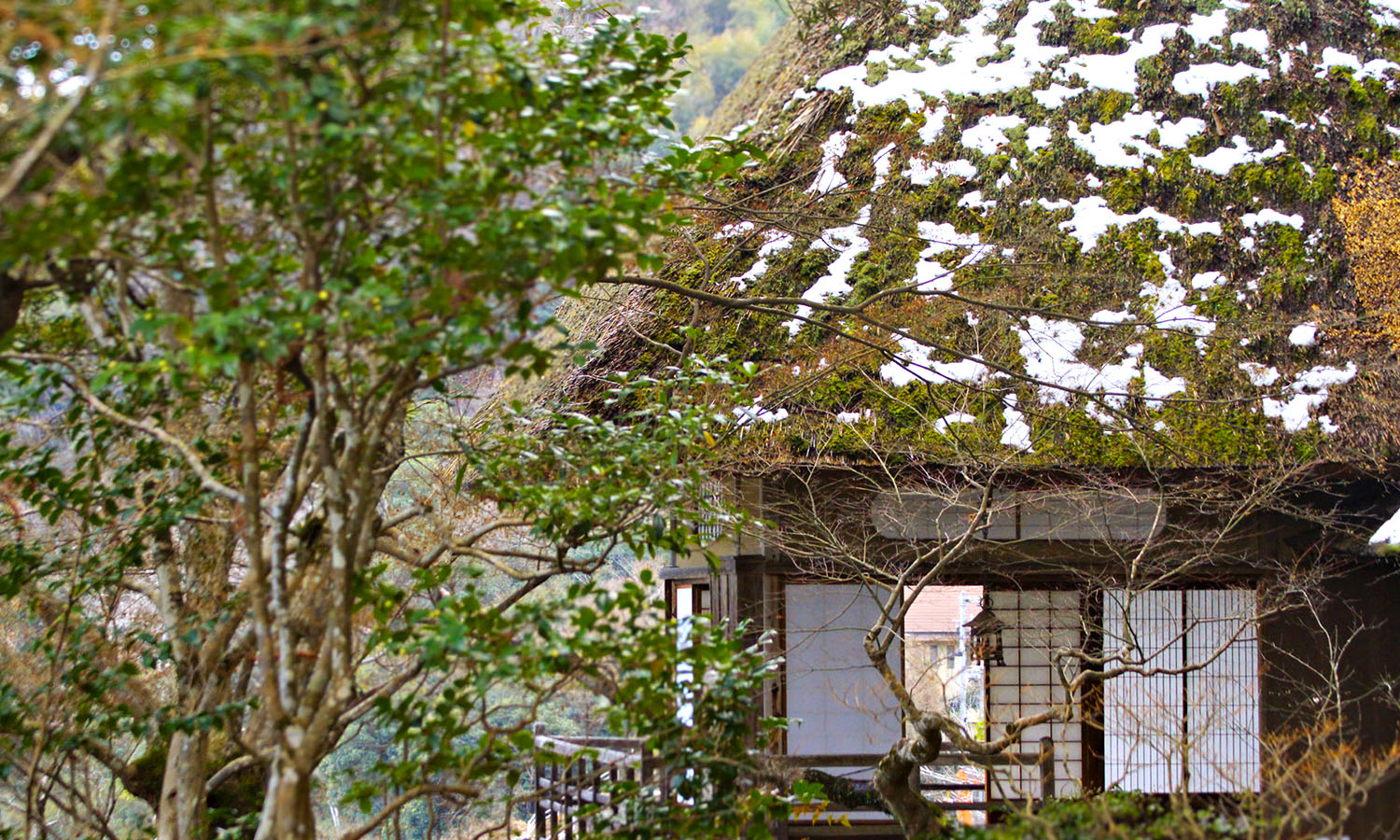
Not all activities in Hakuba Valley revolve around the snow. The area is rich with non-skiing activities that can give you a taste of the real Japan, such as shrines and Buddhist temples.
If shopping is more your choice of off-piste activity, Hakuba Valley has a good selection of shops, including multiple outdoor gear shops, including famous brand outlets.
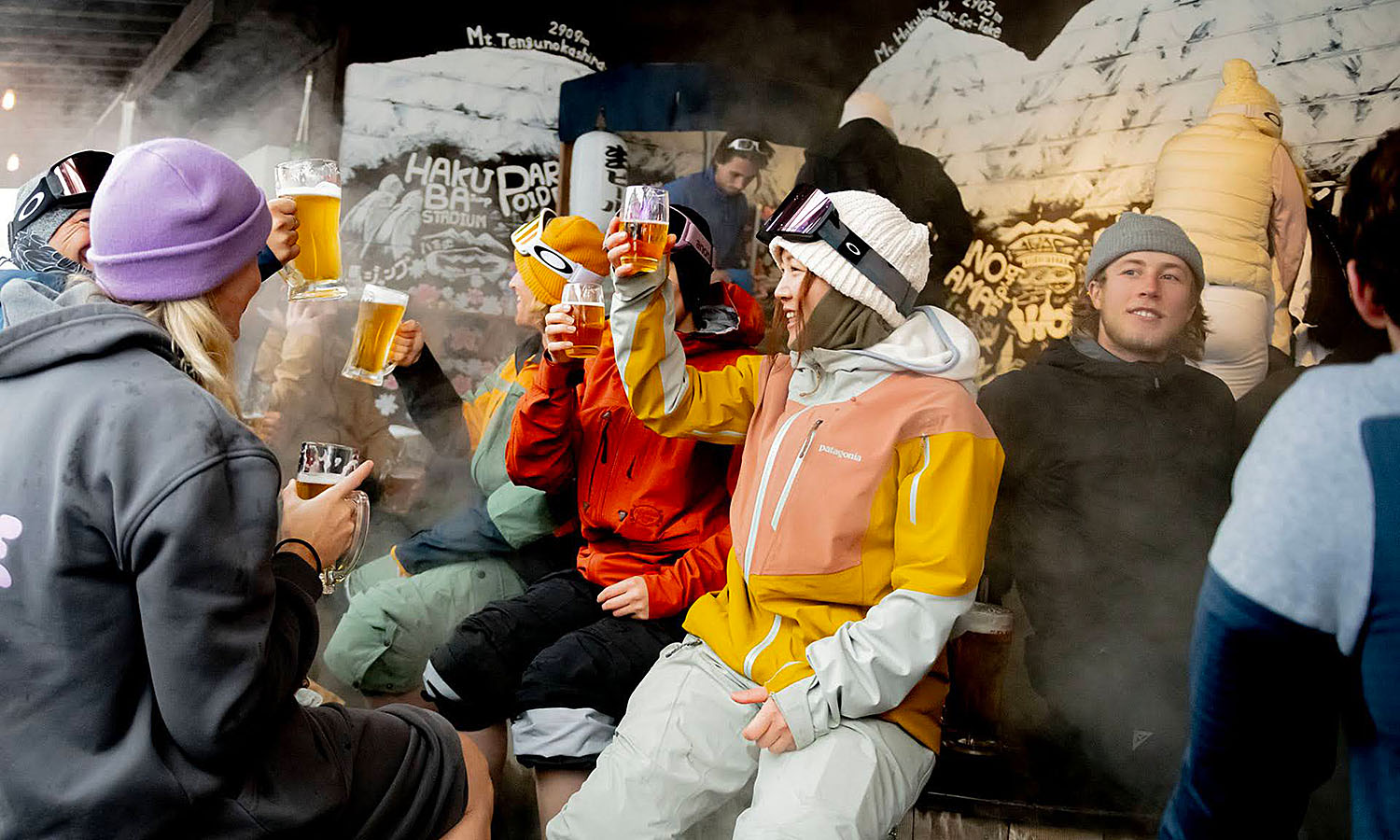
Echoland, which sits between Hakuba 47 and Happo-one Snow Resort, has a vibrant 500-metre long main street bustling with a broad selection of restaurants and bars. Japan makes a fine range of beers, but don’t forget to give sake a go. It can be drunk warm, to help defrost after a day on the mountain.
Hot tip: Check whether the night shuttle bus is running so you can let your hair down and really enjoy the après ski scene.
Hakuba Valley’s accommodation options range from traditional Japanese inns to private chalets and high-end luxury apartments and hotels that can organise your ski hire. For those who prefer ski-in, ski-out options, several on-mountain options can accommodate you.
Not all activities in Hakuba Valley revolve around the snow. The area is rich with non-skiing activities that can give you a taste of the real Japan, such as shrines and Buddhist temples.
If shopping is more your choice of off-piste activity, Hakuba Valley has a good selection of shops, including multiple outdoor gear shops, including famous brand outlets.
Echoland, which sits between Hakuba 47 and Happo-one Snow Resort, has a vibrant 500-metre long main street bustling with a broad selection of restaurants and bars. Japan makes a fine range of beers, but don’t forget to give sake a go. It can be drunk warm, to help defrost after a day on the mountain.
Hot tip: Check whether the night shuttle bus is running so you can let your hair down and really enjoy the après ski scene.
Hakuba Valley’s accommodation options range from traditional Japanese inns to private chalets and high-end luxury apartments and hotels that can organise your ski hire. For those who prefer ski-in, ski-out options, several on-mountain options can accommodate you.
Not all activities in Hakuba Valley revolve around the snow. The area is rich with non-skiing activities that can give you a taste of the real Japan, such as shrines and Buddhist temples.
If shopping is more your choice of off-piste activity, Hakuba Valley has a good selection of shops, including multiple outdoor gear shops, including famous brand outlets.
Echoland, which sits between Hakuba 47 and Happo-one Snow Resort, has a vibrant 500-metre long main street bustling with a broad selection of restaurants and bars. Japan makes a fine range of beers, but don’t forget to give sake a go. It can be drunk warm, to help defrost after a day on the mountain.
Hot tip: Check whether the night shuttle bus is running so you can let your hair down and really enjoy the après ski scene.
If a day on the slopes is not enough to work up a healthy glow, head to the areas throughout the three municipalities to indulge in steamy onsens — hot springs with highly alkaline water and natural cleansers that will exfoliate the most snow-crusted skin.
Explore outdoor baths that provide views of the snow-covered landscapes, so you can relax your muscles and sightsee whilst experiencing the benefits of the hot springs minerals.
Legend has it that the hydrogen in the water has anti-aging properties.
Hakuba Valley’s accommodation options range from traditional Japanese inns to private chalets and high-end luxury apartments and hotels that can organise your ski hire. For those who prefer ski-in, ski-out options, several on-mountain options can accommodate you.
Not all activities in Hakuba Valley revolve around the snow. The area is rich with non-skiing activities that can give you a taste of the real Japan, such as shrines and Buddhist temples.
If shopping is more your choice of off-piste activity, Hakuba Valley has a good selection of shops, including multiple outdoor gear shops, including famous brand outlets.
Echoland, which sits between Hakuba 47 and Happo-one Snow Resort, has a vibrant 500-metre long main street bustling with a broad selection of restaurants and bars. Japan makes a fine range of beers, but don’t forget to give sake a go. It can be drunk warm, to help defrost after a day on the mountain.
Hot tip: Check whether the night shuttle bus is running so you can let your hair down and really enjoy the après ski scene.
If a day on the slopes is not enough to work up a healthy glow, head to the areas throughout the three municipalities to indulge in steamy onsens — hot springs with highly alkaline water and natural cleansers that will exfoliate the most snow-crusted skin.
Explore outdoor baths that provide views of the snow-covered landscapes, so you can relax your muscles and sightsee whilst experiencing the benefits of the hot springs minerals.
Legend has it that the hydrogen in the water has anti-aging properties.
Hakuba Valley’s accommodation options range from traditional Japanese inns to private chalets and high-end luxury apartments and hotels that can organise your ski hire. For those who prefer ski-in, ski-out options, several on-mountain options can accommodate you.
Not all activities in Hakuba Valley revolve around the snow. The area is rich with non-skiing activities that can give you a taste of the real Japan, such as shrines and Buddhist temples.
If shopping is more your choice of off-piste activity, Hakuba Valley has a good selection of shops, including multiple outdoor gear shops, including famous brand outlets.
Echoland, which sits between Hakuba 47 and Happo-one Snow Resort, has a vibrant 500-metre long main street bustling with a broad selection of restaurants and bars. Japan makes a fine range of beers, but don’t forget to give sake a go. It can be drunk warm, to help defrost after a day on the mountain.
Hot tip: Check whether the night shuttle bus is running so you can let your hair down and really enjoy the après ski scene.
Hakuba Valley has several resorts that cater for families and groups with diverse abilities.
The cafe, THE CITY BAKERY at HAKUBA MOUNTAIN HARBOR, is famous for its panoramic views of the Northern Alps from an altitude of 1,289 metres. Warm up with hot coffee and pastries while enjoying the breathtaking views and take advantage of the private sessions and lessons tailored for adults and children. (International schools are available for non-Japanese speaking guests.)
5. CLEAN OFF IN AN ONSEN
If a day on the slopes is not enough to work up a healthy glow, head to the areas throughout the three municipalities to indulge in steamy onsens — hot springs with highly alkaline water and natural cleansers that will exfoliate the most snow-crusted skin.
Explore outdoor baths that provide views of the snow-covered landscapes, so you can relax your muscles and sightsee whilst experiencing the benefits of the hot springs minerals.
Legend has it that the hydrogen in the water has anti-aging properties.
Hakuba Valley’s accommodation options range from traditional Japanese inns to private chalets and high-end luxury apartments and hotels that can organise your ski hire. For those who prefer ski-in, ski-out options, several on-mountain options can accommodate you.
Not all activities in Hakuba Valley revolve around the snow. The area is rich with non-skiing activities that can give you a taste of the real Japan, such as shrines and Buddhist temples.
If shopping is more your choice of off-piste activity, Hakuba Valley has a good selection of shops, including multiple outdoor gear shops, including famous brand outlets.
Echoland, which sits between Hakuba 47 and Happo-one Snow Resort, has a vibrant 500-metre long main street bustling with a broad selection of restaurants and bars. Japan makes a fine range of beers, but don’t forget to give sake a go. It can be drunk warm, to help defrost after a day on the mountain.
Hot tip: Check whether the night shuttle bus is running so you can let your hair down and really enjoy the après ski scene.
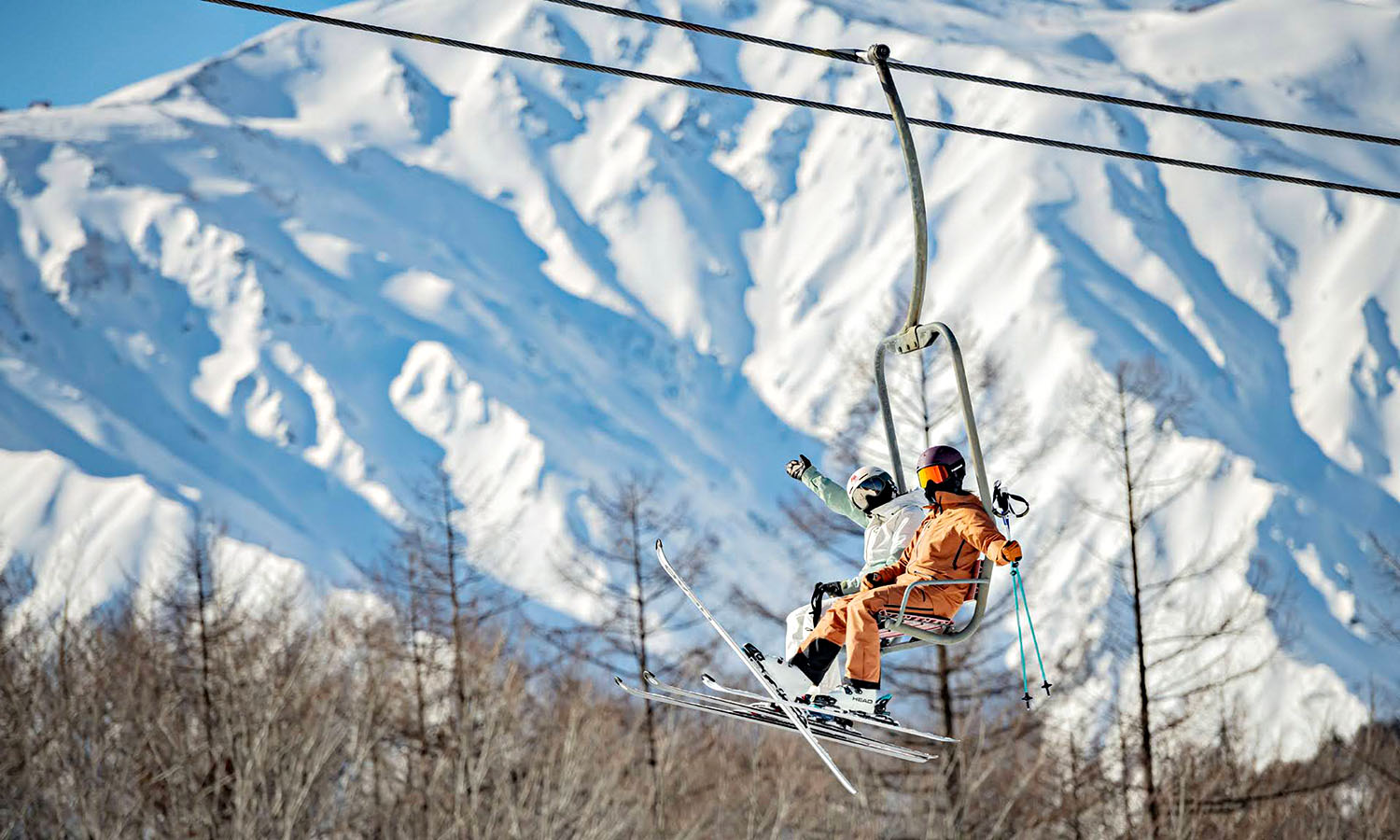
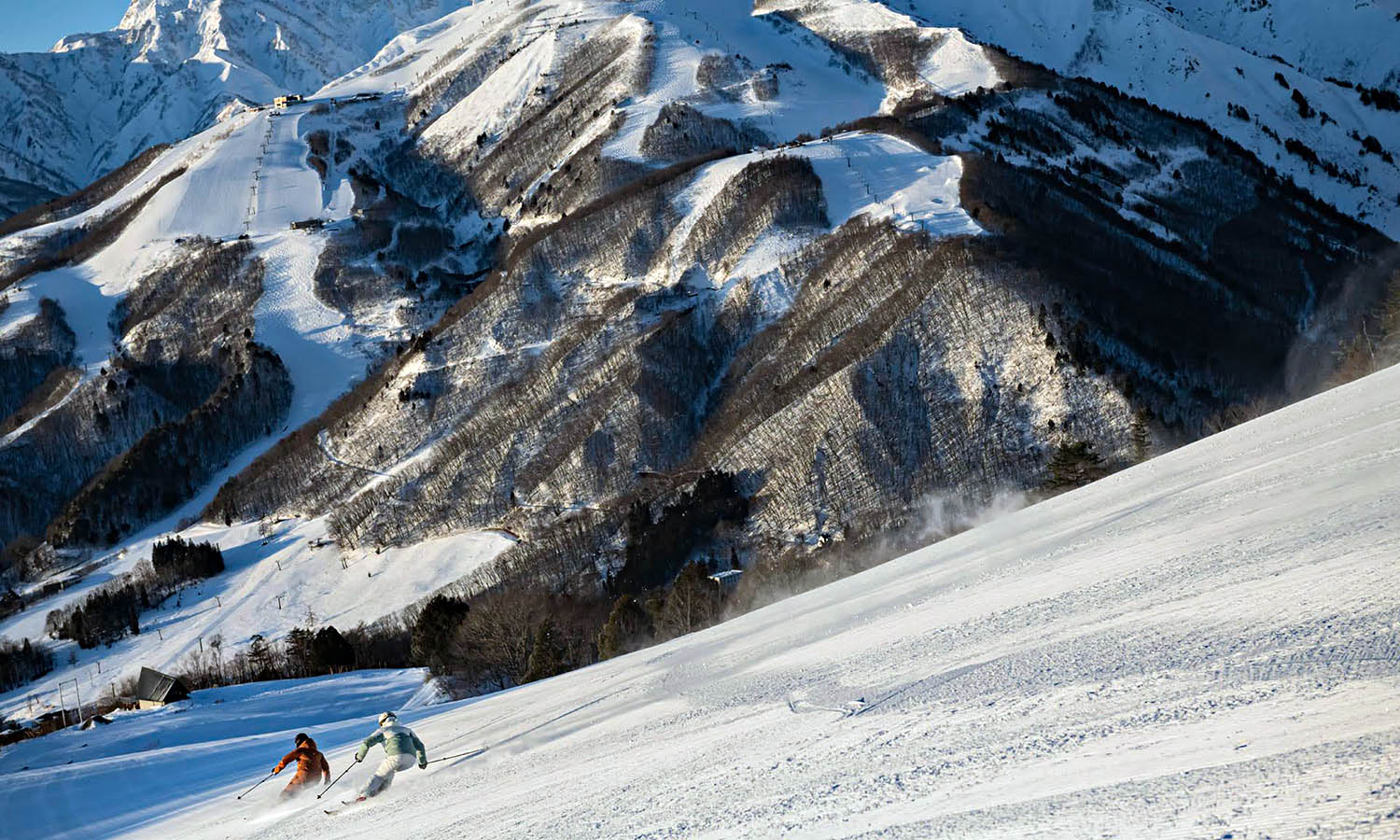
The snow resorts in Hakuba Valley offer all levels of ski and snowboard terrain with more than 120 trails and some of the longest vertical skiing in Japan, 92 lifts and abundant snowfall averaging 11 metres a season.
Discover the magic of night skiing in Hakuba Valley. Tree riders can experience the delicious thrill of carving fresh tracks through virgin snow as they negotiate the picture-perfect, white-barked deciduous trees thanks to illuminated slopes.
4. TRAVEL WITH THE FAMILY
Hakuba Valley has several resorts that cater for families and groups with diverse abilities.
The cafe, THE CITY BAKERY at HAKUBA MOUNTAIN HARBOR, is famous for its panoramic views of the Northern Alps from an altitude of 1,289 metres. Warm up with hot coffee and pastries while enjoying the breathtaking views and take advantage of the private sessions and lessons tailored for adults and children. (International schools are available for non-Japanese speaking guests.)
5. CLEAN OFF IN AN ONSEN
If a day on the slopes is not enough to work up a healthy glow, head to the areas throughout the three municipalities to indulge in steamy onsens — hot springs with highly alkaline water and natural cleansers that will exfoliate the most snow-crusted skin.
Explore outdoor baths that provide views of the snow-covered landscapes, so you can relax your muscles and sightsee whilst experiencing the benefits of the hot springs minerals.
Legend has it that the hydrogen in the water has anti-aging properties.
Hakuba Valley’s accommodation options range from traditional Japanese inns to private chalets and high-end luxury apartments and hotels that can organise your ski hire. For those who prefer ski-in, ski-out options, several on-mountain options can accommodate you.
Not all activities in Hakuba Valley revolve around the snow. The area is rich with non-skiing activities that can give you a taste of the real Japan, such as shrines and Buddhist temples.
If shopping is more your choice of off-piste activity, Hakuba Valley has a good selection of shops, including multiple outdoor gear shops, including famous brand outlets.
Echoland, which sits between Hakuba 47 and Happo-one Snow Resort, has a vibrant 500-metre long main street bustling with a broad selection of restaurants and bars. Japan makes a fine range of beers, but don’t forget to give sake a go. It can be drunk warm, to help defrost after a day on the mountain.
Hot tip: Check whether the night shuttle bus is running so you can let your hair down and really enjoy the après ski scene.
The snow resorts in Hakuba Valley offer all levels of ski and snowboard terrain with more than 120 trails and some of the longest vertical skiing in Japan, 92 lifts and abundant snowfall averaging 11 metres a season.
Discover the magic of night skiing in Hakuba Valley. Tree riders can experience the delicious thrill of carving fresh tracks through virgin snow as they negotiate the picture-perfect, white-barked deciduous trees thanks to illuminated slopes.
4. TRAVEL WITH THE FAMILY
Hakuba Valley has several resorts that cater for families and groups with diverse abilities.
The cafe, THE CITY BAKERY at HAKUBA MOUNTAIN HARBOR, is famous for its panoramic views of the Northern Alps from an altitude of 1,289 metres. Warm up with hot coffee and pastries while enjoying the breathtaking views and take advantage of the private sessions and lessons tailored for adults and children. (International schools are available for non-Japanese speaking guests.)
5. CLEAN OFF IN AN ONSEN
If a day on the slopes is not enough to work up a healthy glow, head to the areas throughout the three municipalities to indulge in steamy onsens — hot springs with highly alkaline water and natural cleansers that will exfoliate the most snow-crusted skin.
Explore outdoor baths that provide views of the snow-covered landscapes, so you can relax your muscles and sightsee whilst experiencing the benefits of the hot springs minerals.
Legend has it that the hydrogen in the water has anti-aging properties.
Hakuba Valley’s accommodation options range from traditional Japanese inns to private chalets and high-end luxury apartments and hotels that can organise your ski hire. For those who prefer ski-in, ski-out options, several on-mountain options can accommodate you.
Not all activities in Hakuba Valley revolve around the snow. The area is rich with non-skiing activities that can give you a taste of the real Japan, such as shrines and Buddhist temples.
If shopping is more your choice of off-piste activity, Hakuba Valley has a good selection of shops, including multiple outdoor gear shops, including famous brand outlets.
Echoland, which sits between Hakuba 47 and Happo-one Snow Resort, has a vibrant 500-metre long main street bustling with a broad selection of restaurants and bars. Japan makes a fine range of beers, but don’t forget to give sake a go. It can be drunk warm, to help defrost after a day on the mountain.
Hot tip: Check whether the night shuttle bus is running so you can let your hair down and really enjoy the après ski scene.
Winter is peak season for adventure seekers in Hakuba Valley, which experiences snowfalls of over 11 metres.
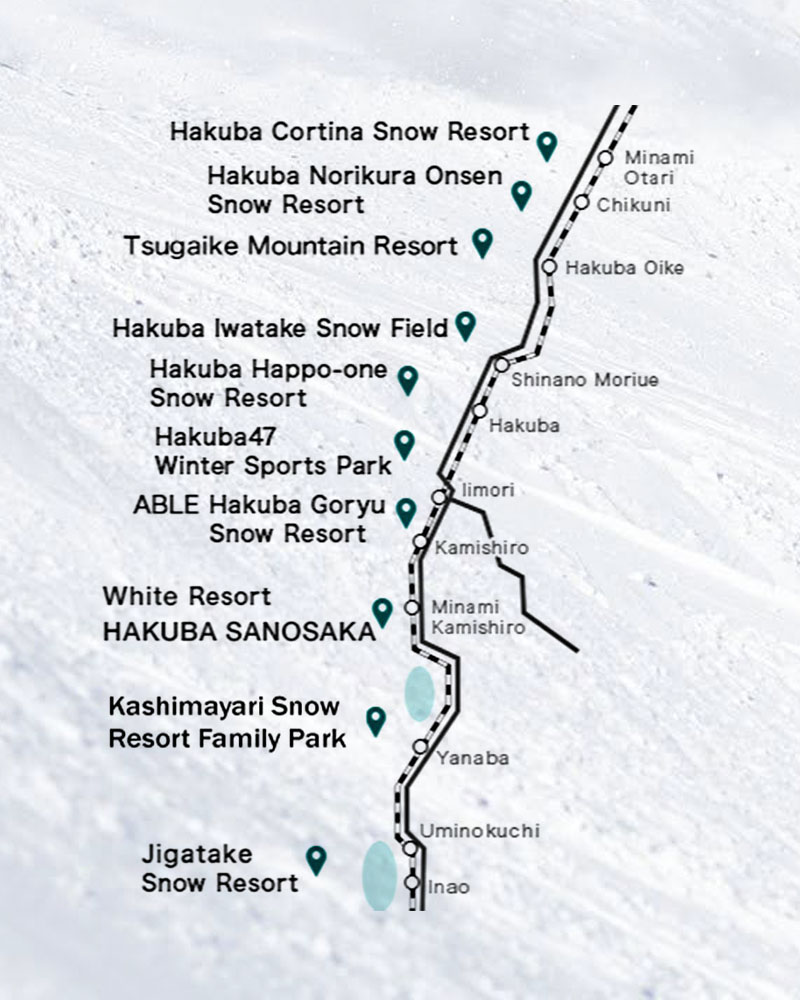
The valley, which is made up of three municipalities Hakuba, Otari, and Omachi, boasts 10 snow resorts, each with their own unique offerings. If you can’t choose, snap up a day or season Hakuba Valley Lift Pass.
The cost-effective pass gives you access to all 10 resorts across, and you can use the free shuttle buses to move between them based on the weather conditions or your preferences.
You can also buy and use the international Epic Pass at Hakuba Valley. The valley has been a partner of the snow resort alliance Epic Pass since the 2018-2019 season, giving skiers the opportunity to lock in discounted access, food and lodging at world-class resorts throughout Japan, North America, Australia, and Europe.
The snow resorts in Hakuba Valley offer all levels of ski and snowboard terrain with more than 120 trails and some of the longest vertical skiing in Japan, 92 lifts and abundant snowfall averaging 11 metres a season.
Discover the magic of night skiing in Hakuba Valley. Tree riders can experience the delicious thrill of carving fresh tracks through virgin snow as they negotiate the picture-perfect, white-barked deciduous trees thanks to illuminated slopes.
4. TRAVEL WITH THE FAMILY
Hakuba Valley has several resorts that cater for families and groups with diverse abilities.
The cafe, THE CITY BAKERY at HAKUBA MOUNTAIN HARBOR, is famous for its panoramic views of the Northern Alps from an altitude of 1,289 metres. Warm up with hot coffee and pastries while enjoying the breathtaking views and take advantage of the private sessions and lessons tailored for adults and children. (International schools are available for non-Japanese speaking guests.)
5. CLEAN OFF IN AN ONSEN
If a day on the slopes is not enough to work up a healthy glow, head to the areas throughout the three municipalities to indulge in steamy onsens — hot springs with highly alkaline water and natural cleansers that will exfoliate the most snow-crusted skin.
Explore outdoor baths that provide views of the snow-covered landscapes, so you can relax your muscles and sightsee whilst experiencing the benefits of the hot springs minerals.
Legend has it that the hydrogen in the water has anti-aging properties.
Hakuba Valley’s accommodation options range from traditional Japanese inns to private chalets and high-end luxury apartments and hotels that can organise your ski hire. For those who prefer ski-in, ski-out options, several on-mountain options can accommodate you.
Not all activities in Hakuba Valley revolve around the snow. The area is rich with non-skiing activities that can give you a taste of the real Japan, such as shrines and Buddhist temples.
If shopping is more your choice of off-piste activity, Hakuba Valley has a good selection of shops, including multiple outdoor gear shops, including famous brand outlets.
Echoland, which sits between Hakuba 47 and Happo-one Snow Resort, has a vibrant 500-metre long main street bustling with a broad selection of restaurants and bars. Japan makes a fine range of beers, but don’t forget to give sake a go. It can be drunk warm, to help defrost after a day on the mountain.
Hot tip: Check whether the night shuttle bus is running so you can let your hair down and really enjoy the après ski scene.
It may have been the 1998 Winter Olympics that put Hakuba Valley on the map, but it’s the inviting powder snow, stunning landscapes and authentic Japanese culture that have kept it there.
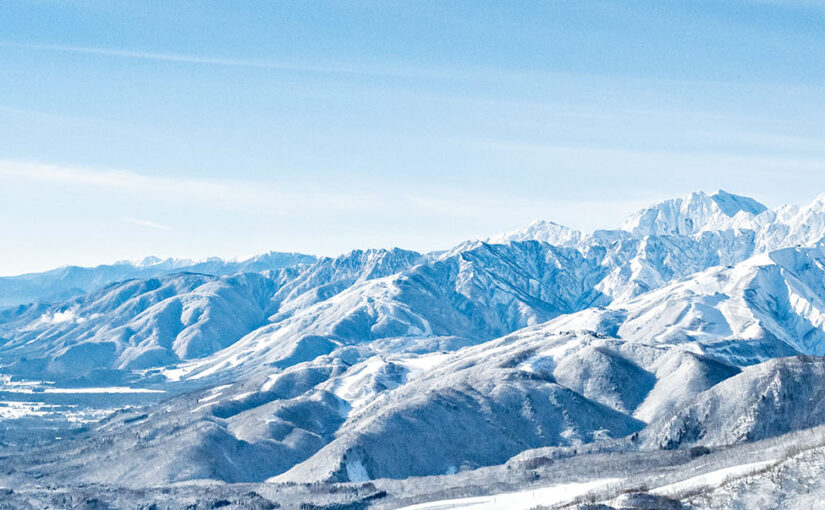
The Japanese Northern Alps are a group of mountains over 3,000 metres high, extending to the Sea of Japan, creating a natural adventure playground in the process.
So, if you’re into snow, adventure, food, culture, or all of the above, head to Hakuba Valley for these 7 must-do activities.
1. VIST WINTER OLYMPIC GAMES SITES
It’s no exaggeration to say hosting the 1998 Nagano Winter Olympics was a gamechanger for the Hakuba Valley. When the game’s global audience caught a glimpse of the valley’s phenomenal snow conditions, its reputation as an international snow destination was cemented. A surge of visitors eager to experience the area’s pristine slopes and vibrant winter sports culture soon followed.
You can visit the iconic Olympic ski jump that launched Hakuba Valley on the world stage, and check out the panoramic views of the stunning valley from the 90-metre and 120-metre jumps. Take a moment to reflect on the courage and skill of the athletes who launched themselves down the ramps and into the history books, including the two Japanese gold medal winners.
Winter is peak season for adventure seekers in Hakuba Valley, which experiences snowfalls of over 11 metres.
The valley, which is made up of three municipalities Hakuba, Otari, and Omachi, boasts 10 snow resorts, each with their own unique offerings. If you can’t choose, snap up a day or season Hakuba Valley Lift Pass.
The cost-effective pass gives you access to all 10 resorts across, and you can use the free shuttle buses to move between them based on the weather conditions or your preferences.
You can also buy and use the international Epic Pass at Hakuba Valley. The valley has been a partner of the snow resort alliance Epic Pass since the 2018-2019 season, giving skiers the opportunity to lock in discounted access, food and lodging at world-class resorts throughout Japan, North America, Australia, and Europe.
The snow resorts in Hakuba Valley offer all levels of ski and snowboard terrain with more than 120 trails and some of the longest vertical skiing in Japan, 92 lifts and abundant snowfall averaging 11 metres a season.
Discover the magic of night skiing in Hakuba Valley. Tree riders can experience the delicious thrill of carving fresh tracks through virgin snow as they negotiate the picture-perfect, white-barked deciduous trees thanks to illuminated slopes.
4. TRAVEL WITH THE FAMILY
Hakuba Valley has several resorts that cater for families and groups with diverse abilities.
The cafe, THE CITY BAKERY at HAKUBA MOUNTAIN HARBOR, is famous for its panoramic views of the Northern Alps from an altitude of 1,289 metres. Warm up with hot coffee and pastries while enjoying the breathtaking views and take advantage of the private sessions and lessons tailored for adults and children. (International schools are available for non-Japanese speaking guests.)
5. CLEAN OFF IN AN ONSEN
If a day on the slopes is not enough to work up a healthy glow, head to the areas throughout the three municipalities to indulge in steamy onsens — hot springs with highly alkaline water and natural cleansers that will exfoliate the most snow-crusted skin.
Explore outdoor baths that provide views of the snow-covered landscapes, so you can relax your muscles and sightsee whilst experiencing the benefits of the hot springs minerals.
Legend has it that the hydrogen in the water has anti-aging properties.
Hakuba Valley’s accommodation options range from traditional Japanese inns to private chalets and high-end luxury apartments and hotels that can organise your ski hire. For those who prefer ski-in, ski-out options, several on-mountain options can accommodate you.
Not all activities in Hakuba Valley revolve around the snow. The area is rich with non-skiing activities that can give you a taste of the real Japan, such as shrines and Buddhist temples.
If shopping is more your choice of off-piste activity, Hakuba Valley has a good selection of shops, including multiple outdoor gear shops, including famous brand outlets.
Echoland, which sits between Hakuba 47 and Happo-one Snow Resort, has a vibrant 500-metre long main street bustling with a broad selection of restaurants and bars. Japan makes a fine range of beers, but don’t forget to give sake a go. It can be drunk warm, to help defrost after a day on the mountain.
Hot tip: Check whether the night shuttle bus is running so you can let your hair down and really enjoy the après ski scene.
Midway through another suspiciously brightly coloured, but yet again delicious delight, something out the window catches my eye.
It’s a little girl about four-years-old, standing with her mother and 20 other smiling Japanese people, waving as the train pulls away from the first station.
“Are they being paid by the railways?” I ask my friend Hanako.
“No,” she says. “They’re residents. They know the timetable of the train and they come out to wave it off, if they can manage it.”
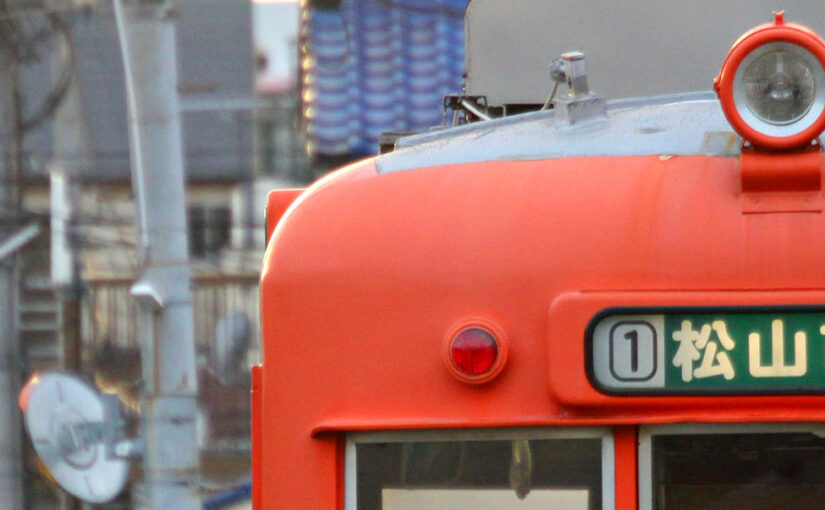
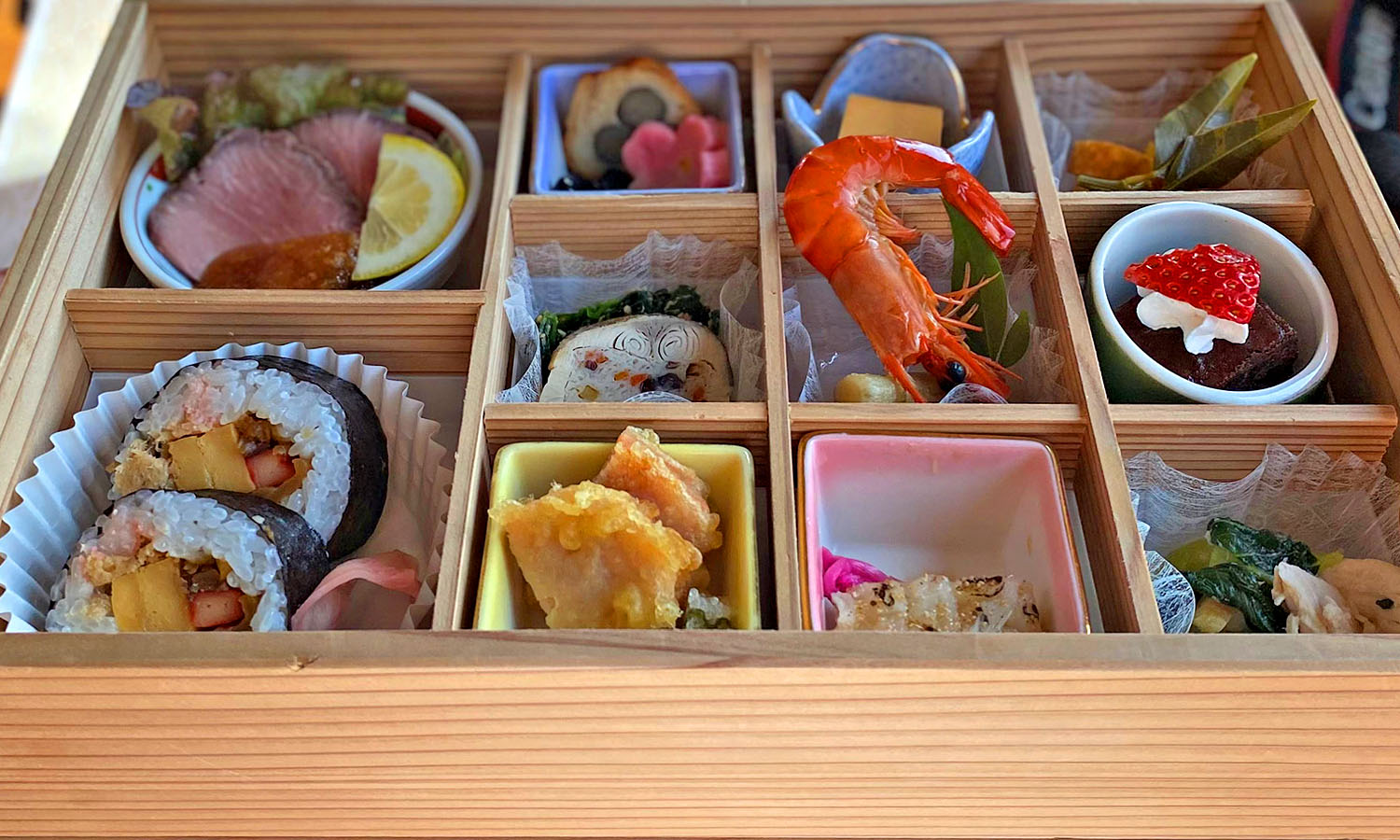
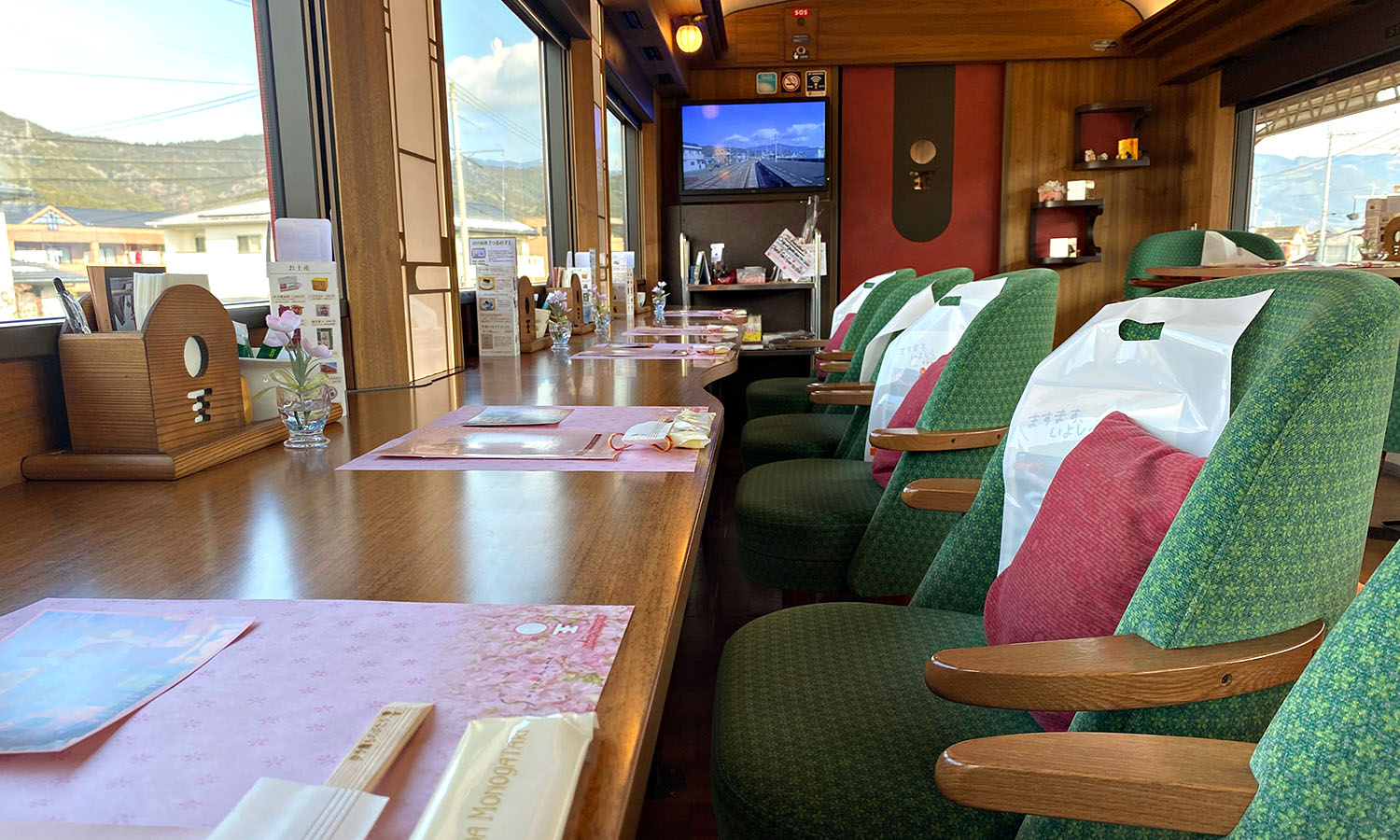
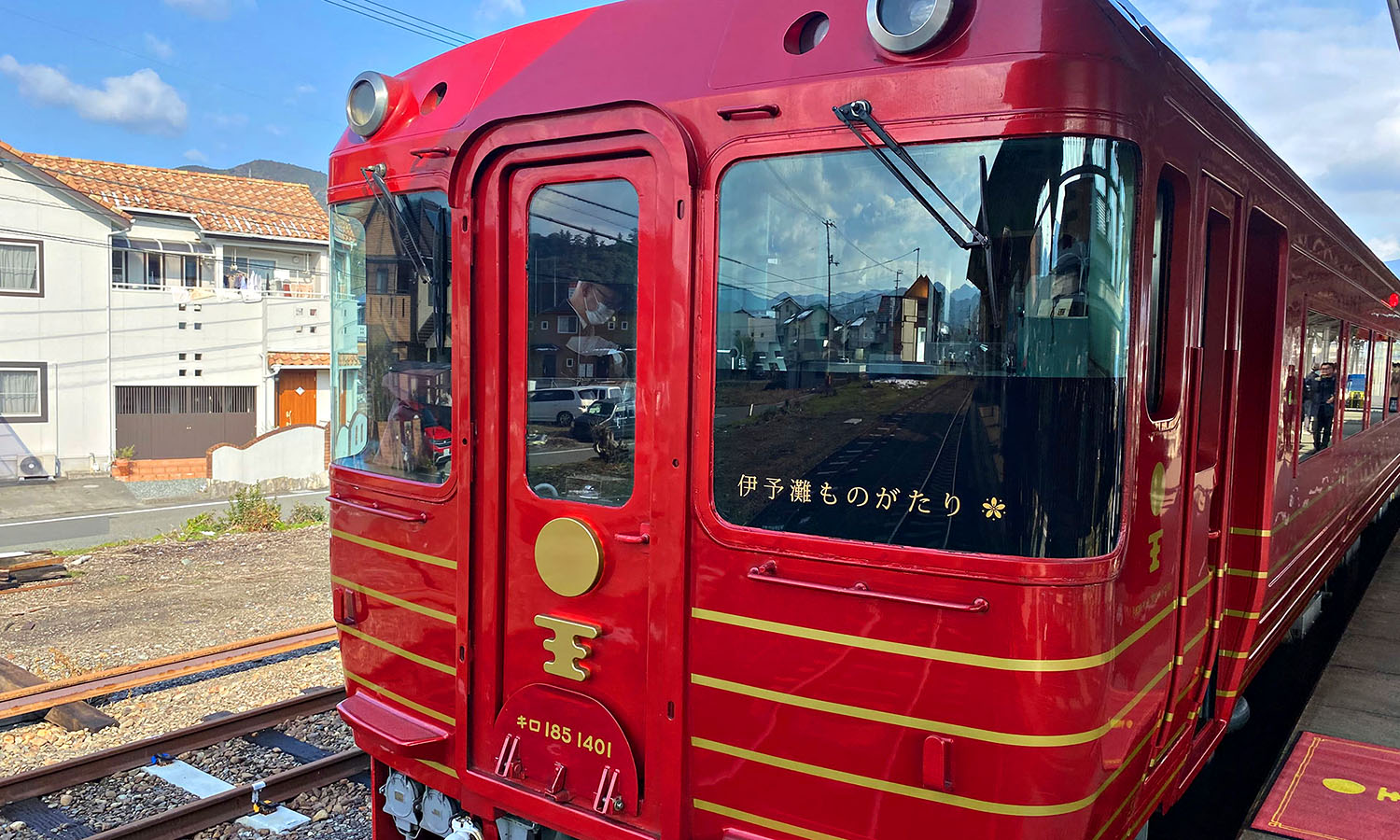
The train is the Iyonada Monogatari, heading from Ozu to Matsuyama in the Setouchi region of south-west of Japan. It goes along the Seto Inland Sea, and you are served properly local and properly delicious fare in an ornate train that gives off Oriental Express vibes.
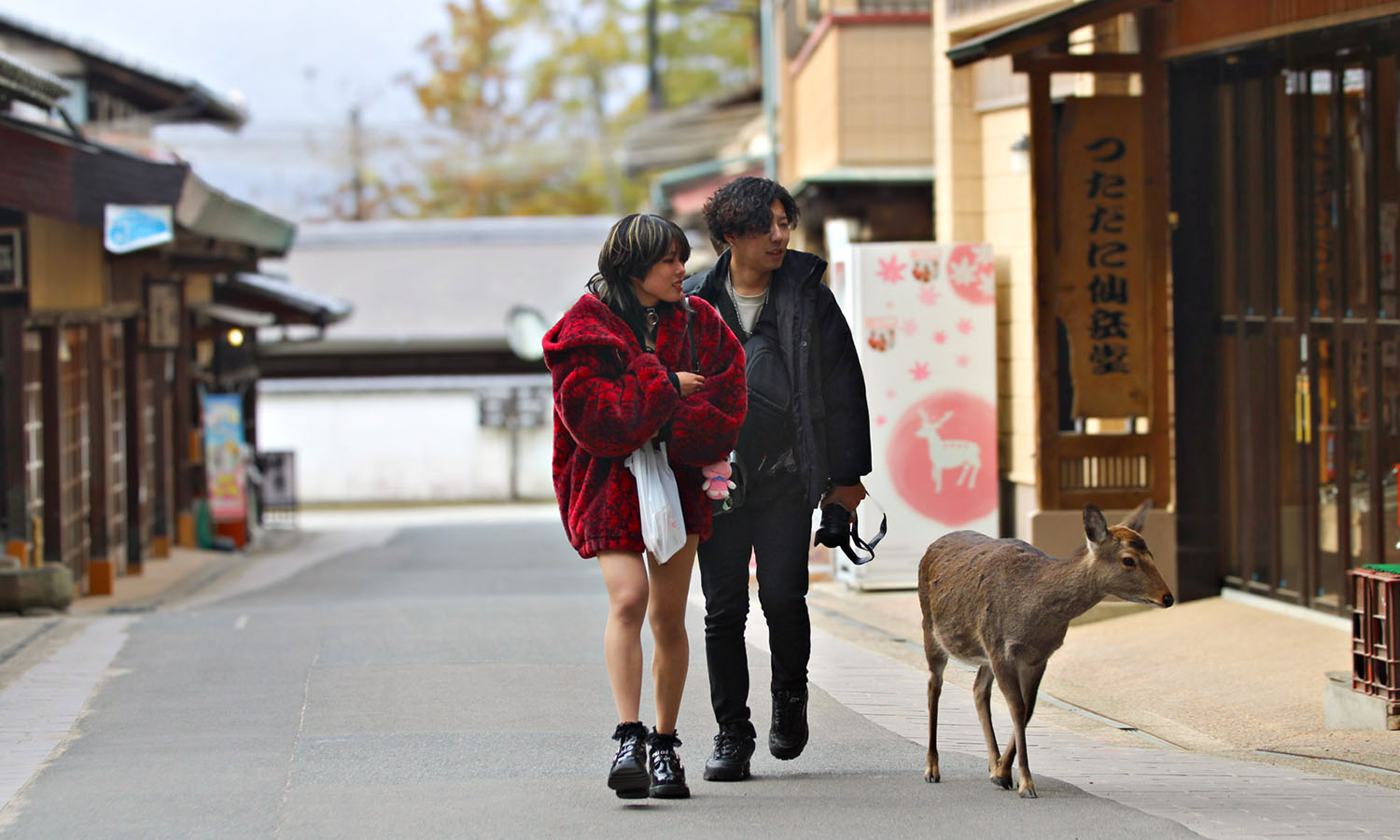
We chug along past little villages dotted along the coast, residents enthusiastically waving us off as we go. Hanako points out Aoshima in the distance, where I am told there are 206 residents—200 cats and six humans.
We reach Iyo-Kaminada Station where apparently a dog is the station master. Again, the people from this little town wave us off and I am stunned to find my four-year-old friend here as well, having chased us down in a blue Toyota with her mother. I make the heart symbol and she makes it back, and when we repeat this interaction once more further down the line my heart melts completely.
This tells you everything you need to know about this area and the people living here. I like to think I’m a nice guy in Australia, but this is another level.
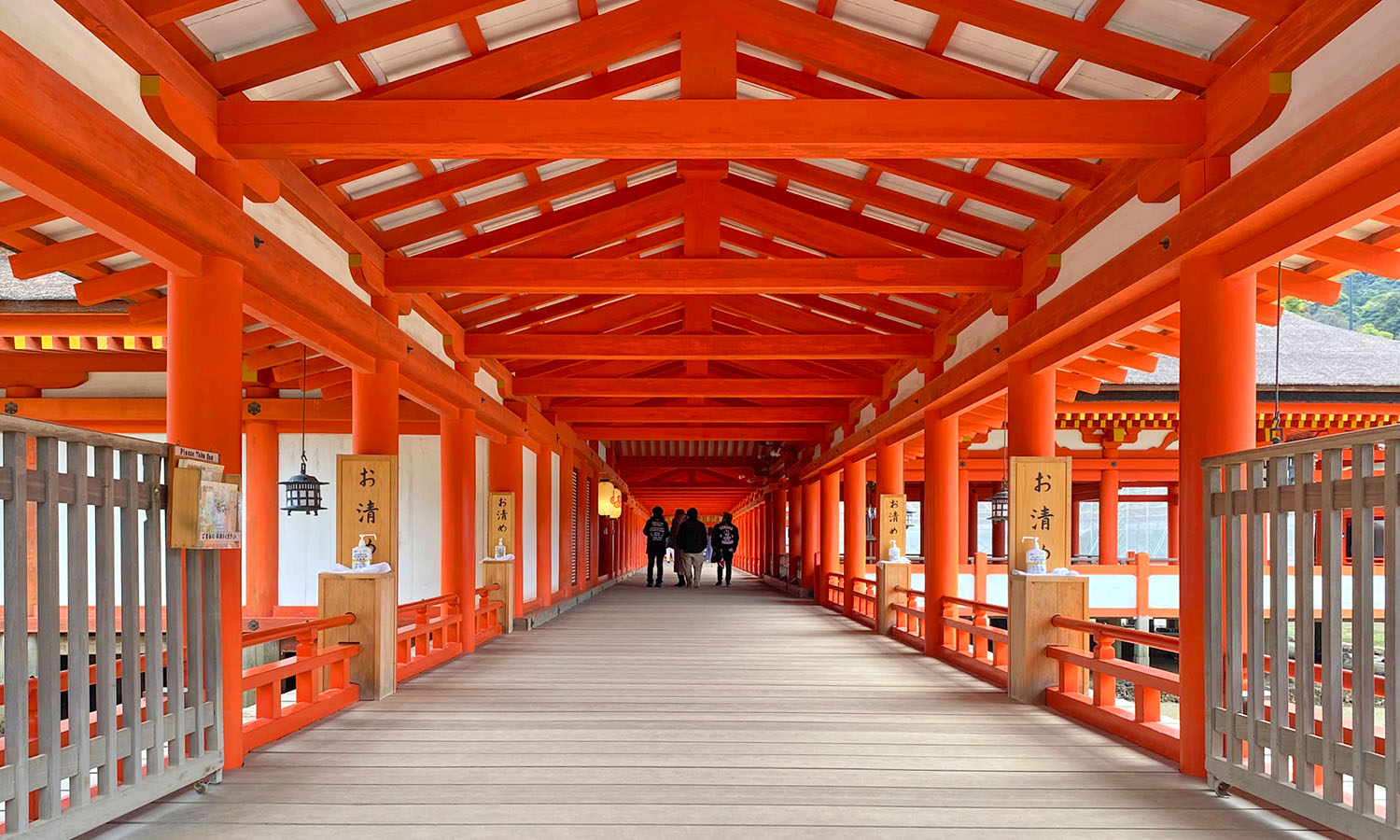
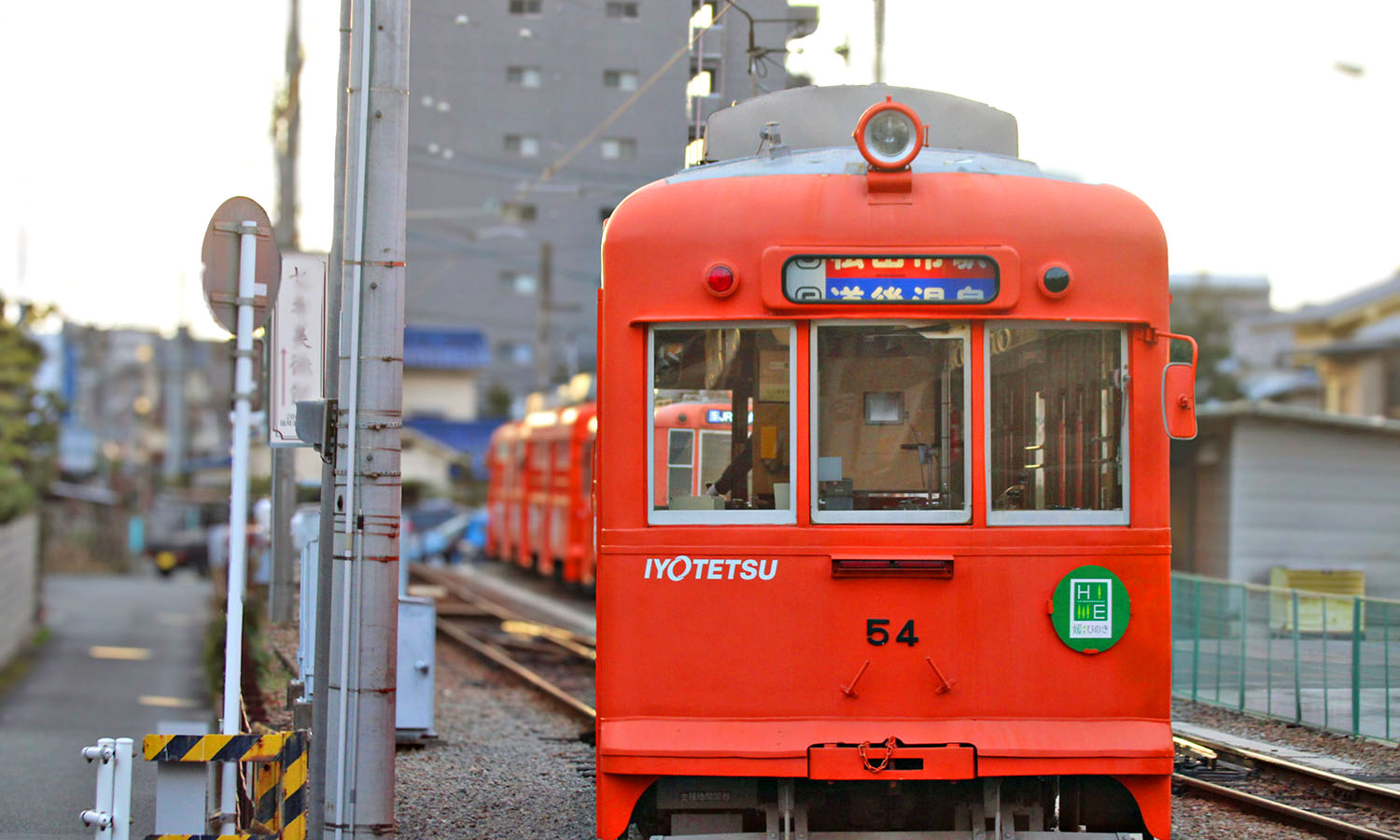
The Seto Inland Sea is located in the central part of Japan, surrounded by three major islands: Kyushu, Shikoku, and Honshu, which is the main island of Japan. In between are around 3,000 islands of extraordinary beauty and undiscovered Japanese culture. These islands and the surrounding coastlines of the larger islands are considered to be in the Setouchi Region.
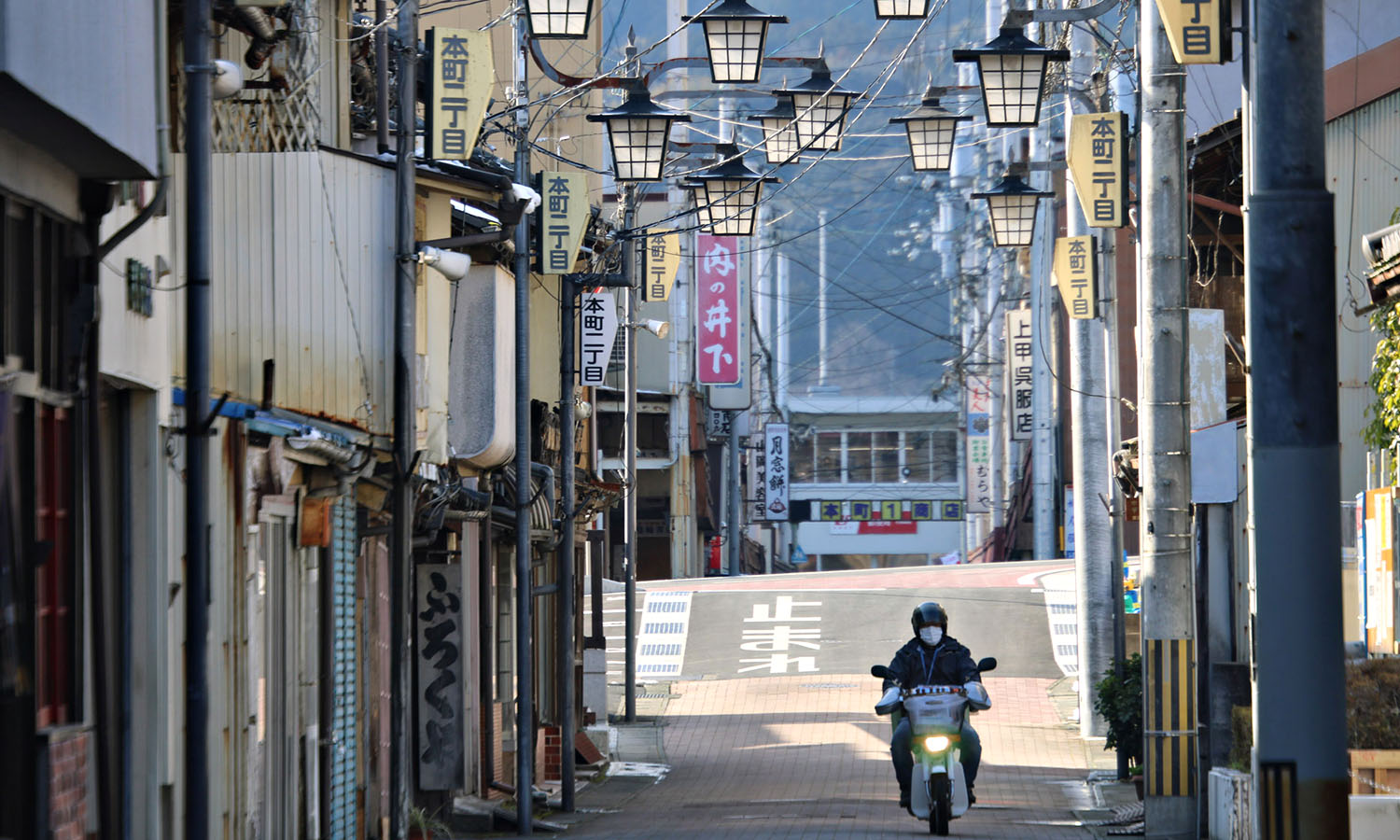
If you read a lot of travel media you will be well-versed with the term ‘untouched’. While the Setouchi region has excellent infrastructure and is reasonably densely populated, it feels genuinely untouched when it comes to food, architecture and the vibe of residents, all of which feel Japanese beyond belief.
Aside from my travelling party I don’t spot another western traveller in a week; the feeling of unfamiliarity, a surprising experience in a world where almost any corner of the globe is a mere scroll away, is a breath of fresh air.
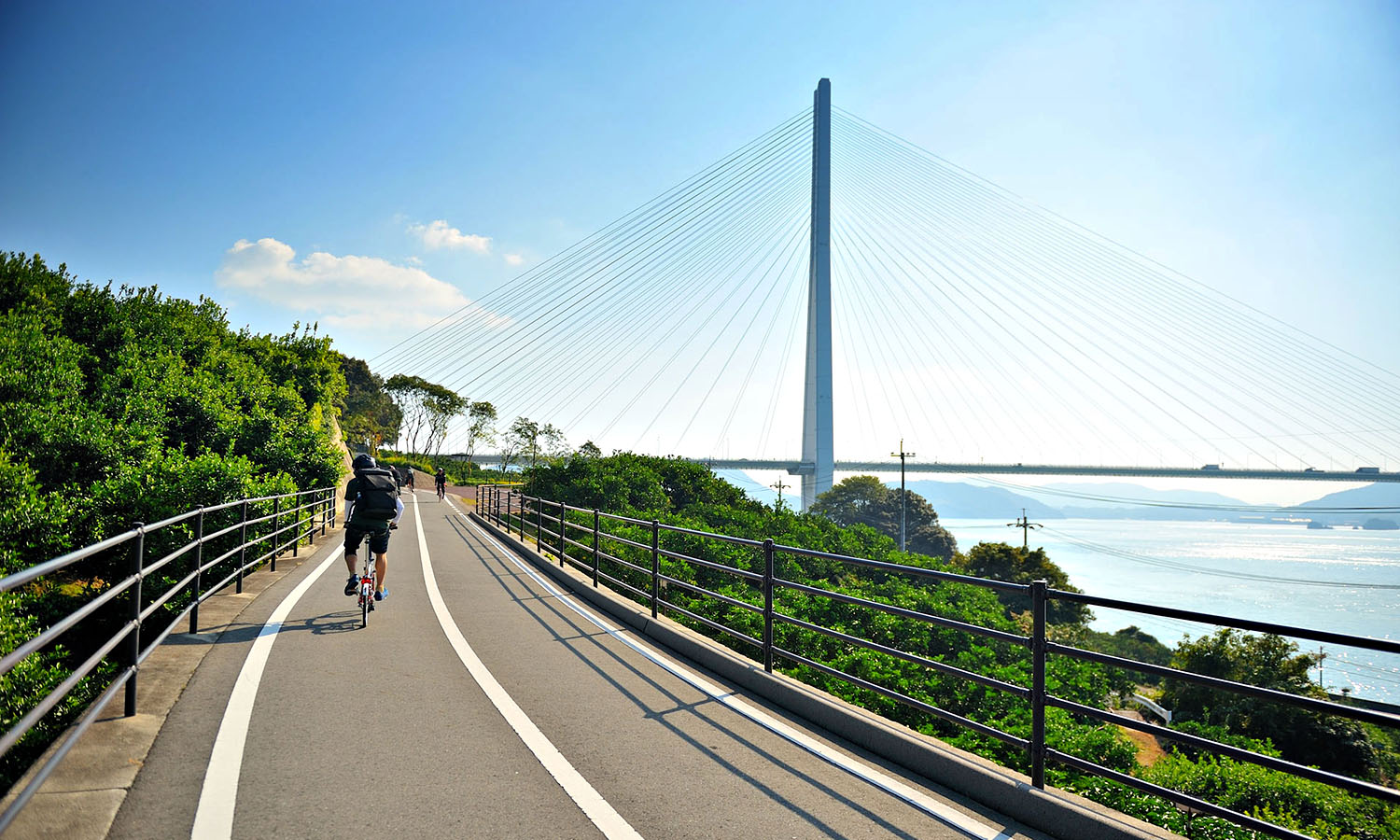
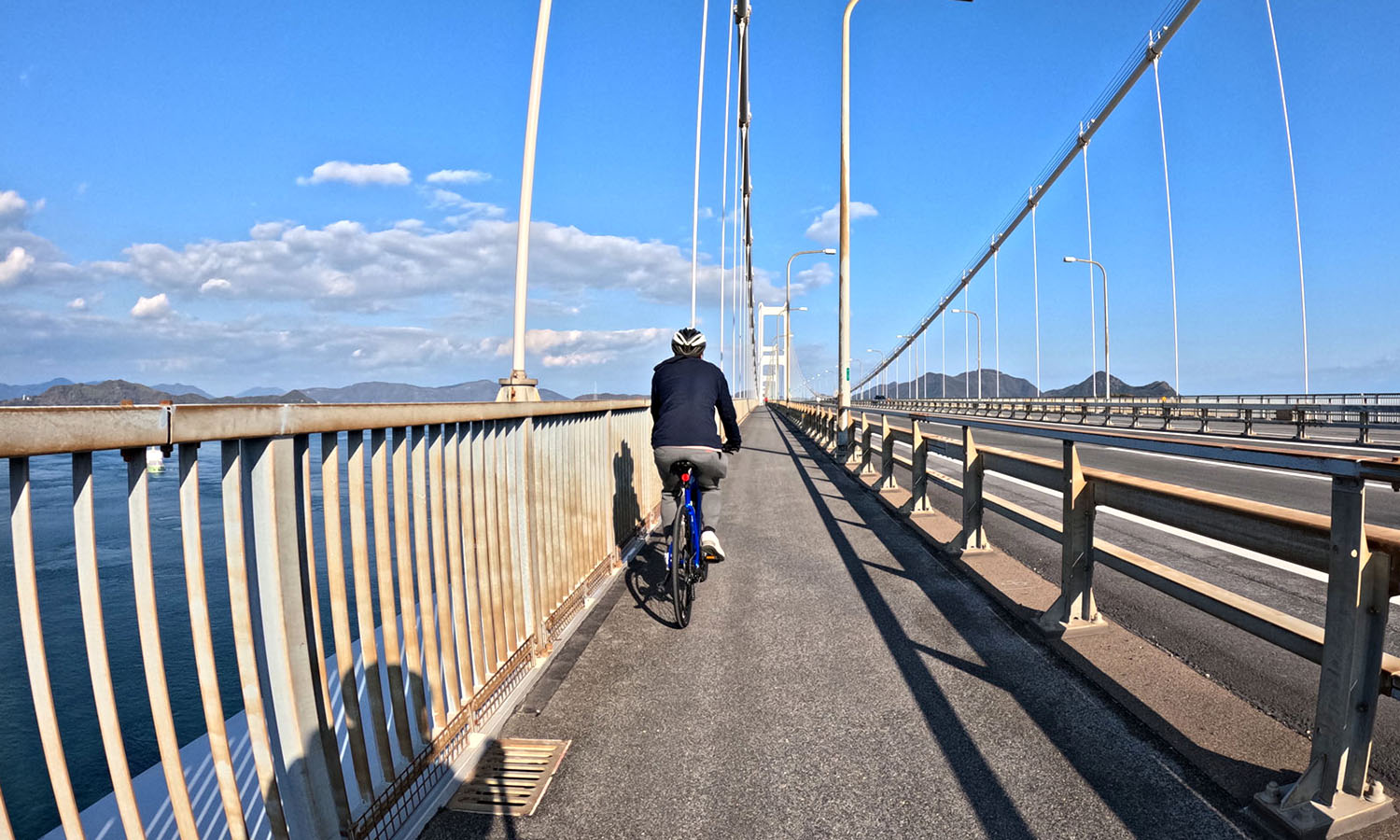
We ride along the Shimanami Kaido, a stunning cycling track of approximately 70 kilometres which links Shikoku with the mainland via six islands, connected by seven bridges (do the math). The bridges are new and epic pieces of architecture, like six Golden Gates in a row. The air is fresh and the endorphins are ample.
You can cycle the track in a day, or two days in an amble. The islands are at their best in autumn (September to November) when crisp, golden leaves line the route, but it’s beautiful at any time, like when we did in winter.
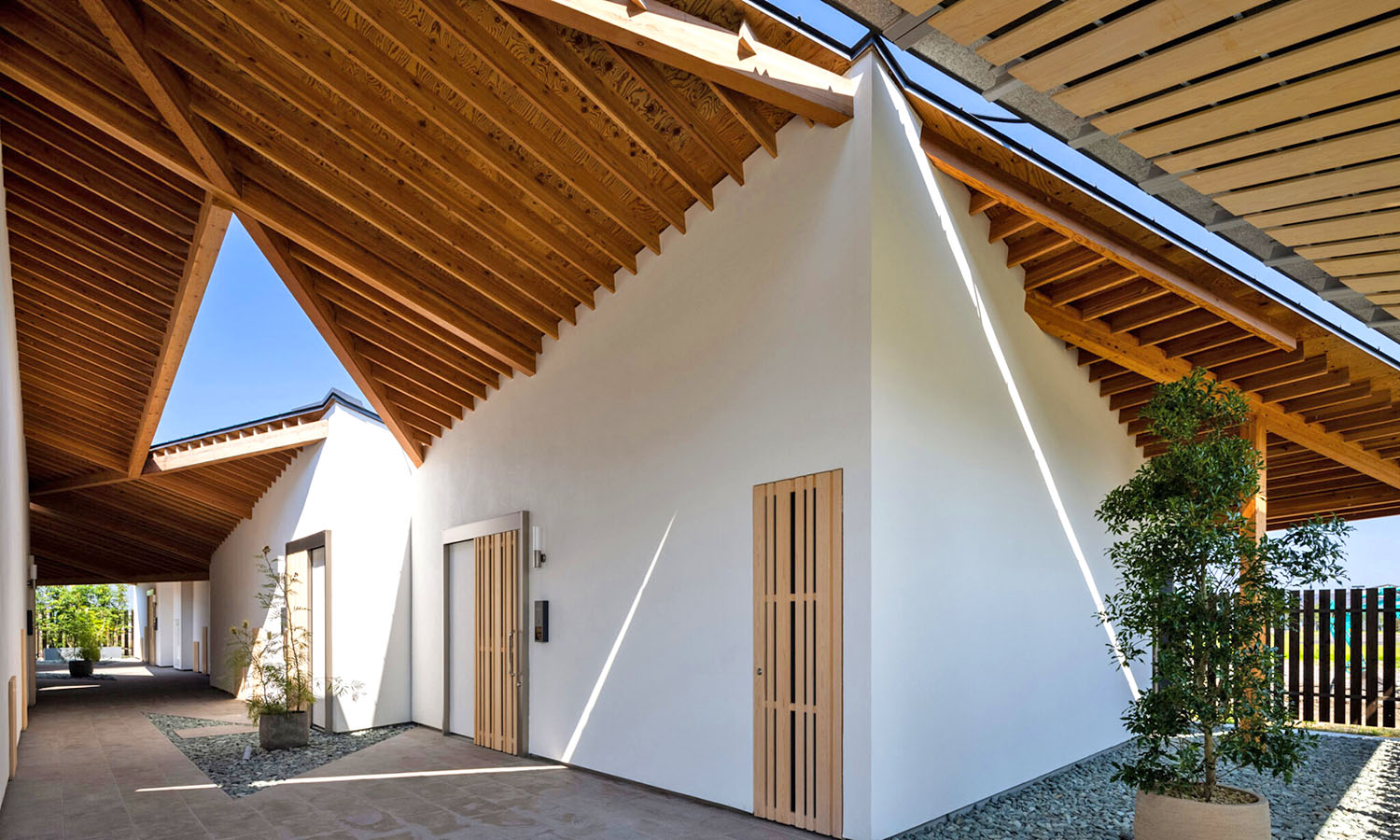
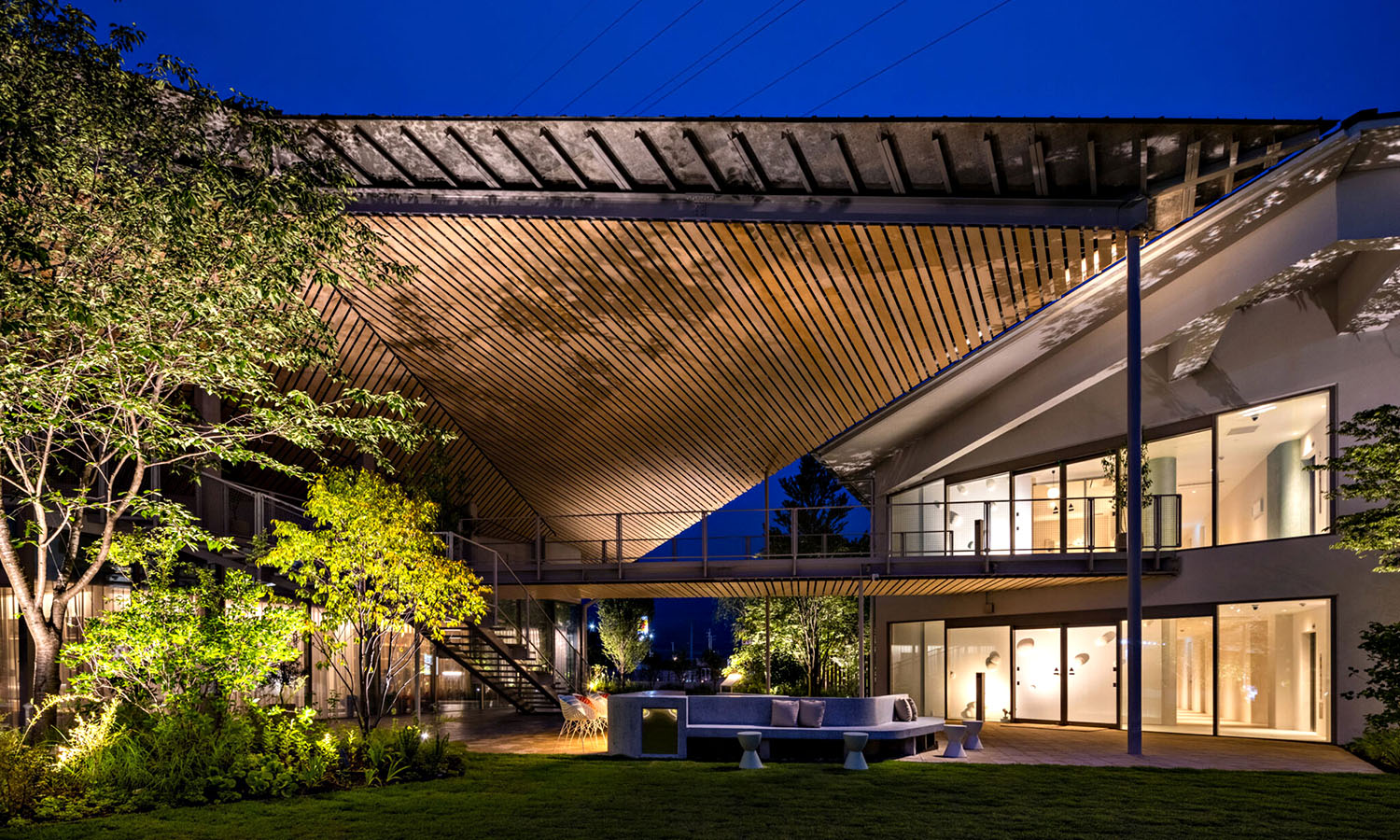
The towns of Imabari and Onomichi are the starting and finishing lines, depending on the direction you take. Around 45 minutes by car away from Imabari (an 60 minutes on the world’s most immaculate public transport system) is the Itomachi Hotel 0 in Saijo, designed by legendary architect Kuma Kengo, who is responsible for buildings like the Olympic Stadium in Tokyo, and The Exchange in Sydney.
The hotel’s vision comes from the statistic that of all buildings, hotels have the second highest electricity usage per metre of space, behind only restaurants. Opened in 2023, Itomachi has reduced electricity usage to an absolute minimum and when it is needed, its generated only by the army of solar panels located on the roof.
The hotel is almost like a contemporary art installation that leaps into the future. In the hotel’s garden, there is a fountain that wouldn’t look out of place at MONA and the cool fresh water spilling out, is from the underground Uchinuki natural spring. As I’m handed a cup I realise I’m drinking from an art installation, which is a first for me.
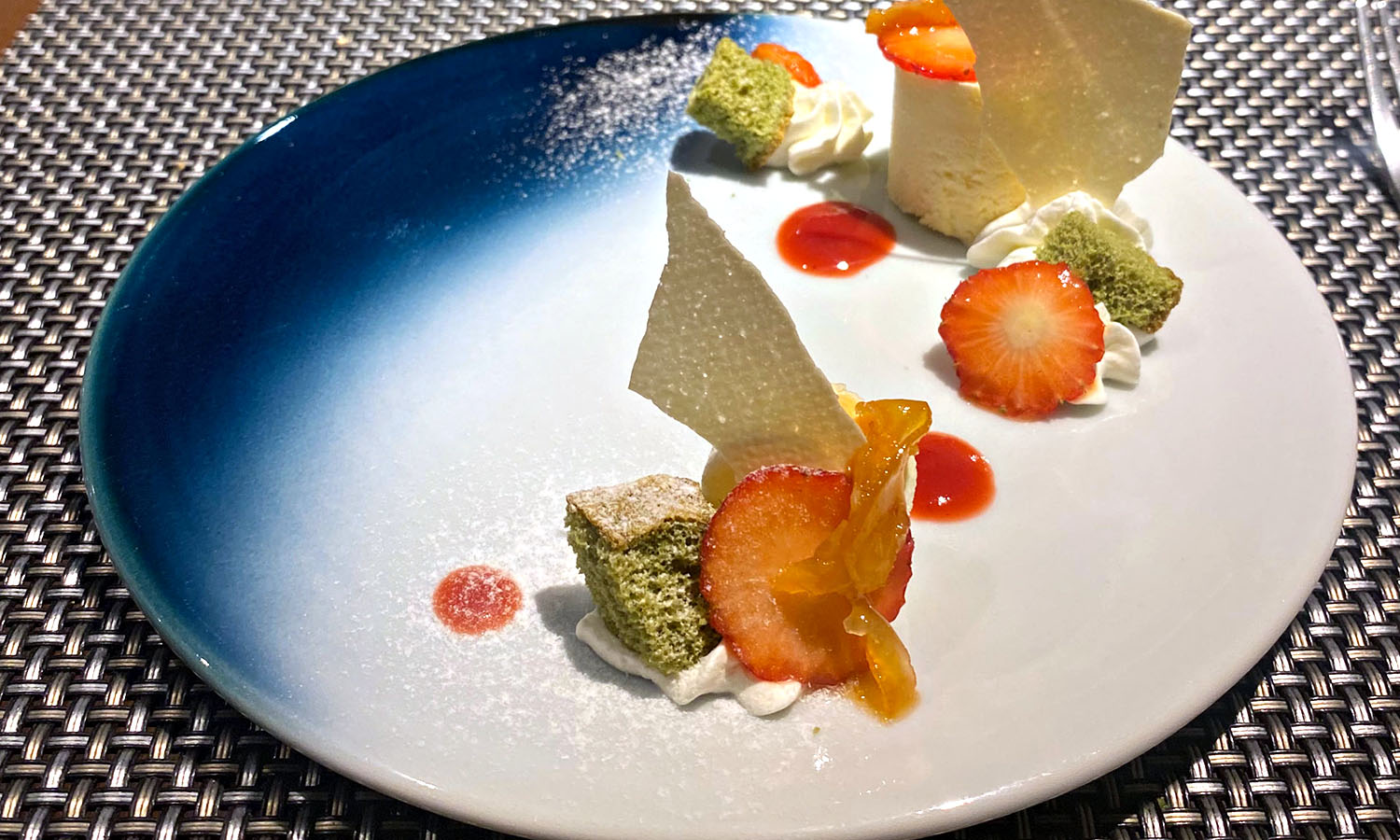
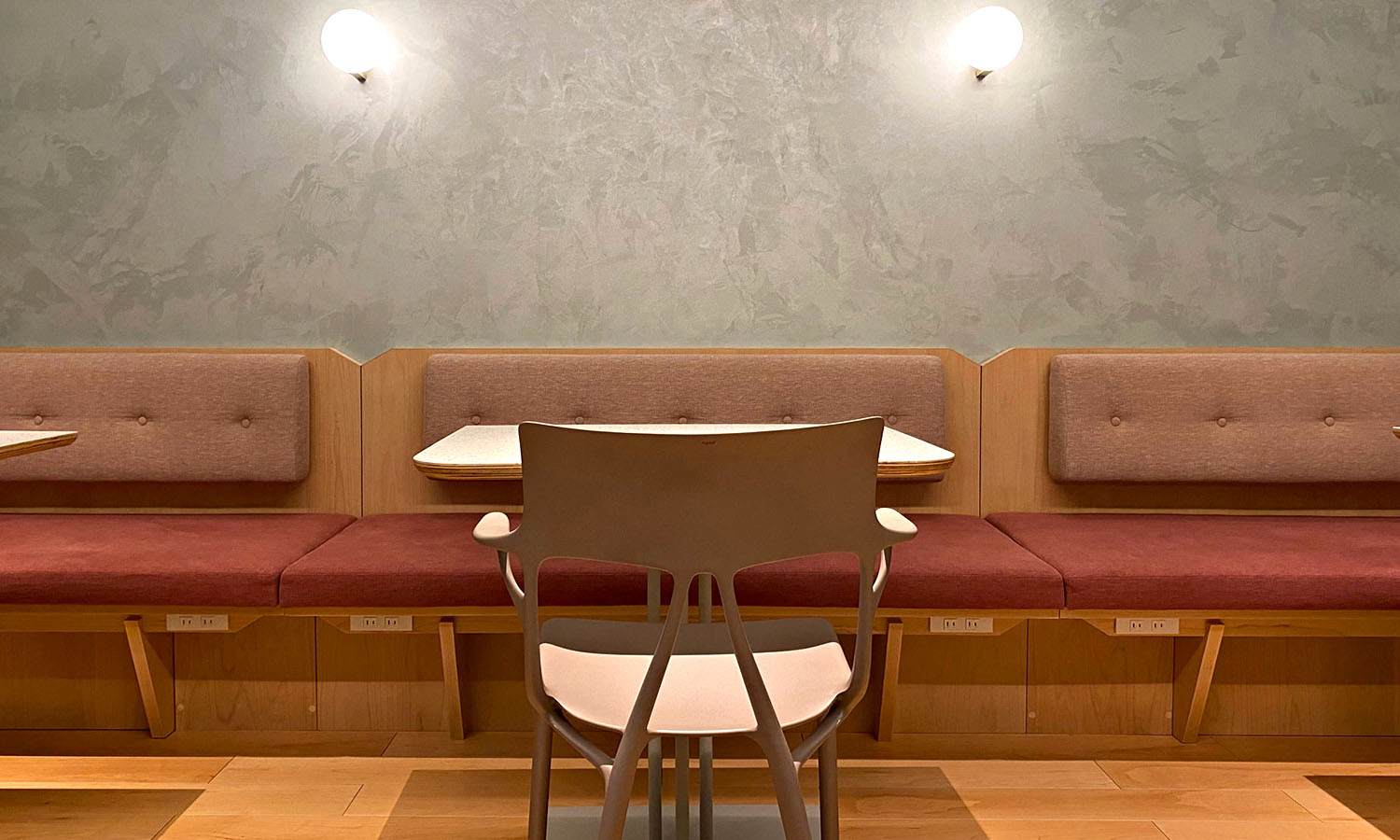
The Iyo Blue Stone used throughout the hotel Wes Anderson-style, is a light green colour, despite what its name would suggest. It has been used in this region for thousands of years – an ancient stone that is so hot right now.
Beds are laid down next to each other, sometimes as many as four in a row, like a gigantic mega-bed. There are wall-mounted bike racks in each room, and a space to service and maintain your bike, should you wish to continue cycling.
Kengo’s influence is everywhere, like in the post-modern-weirdness of the water taps, which swirl upwards and then downwards in 360-degree motion. The hotel is a futuristic glitch in a region which is otherwise old-world Japan, a bright, glowing, eco-friendly speck among Shinto shrines and the tiled roofs and sliding doors of old homes.
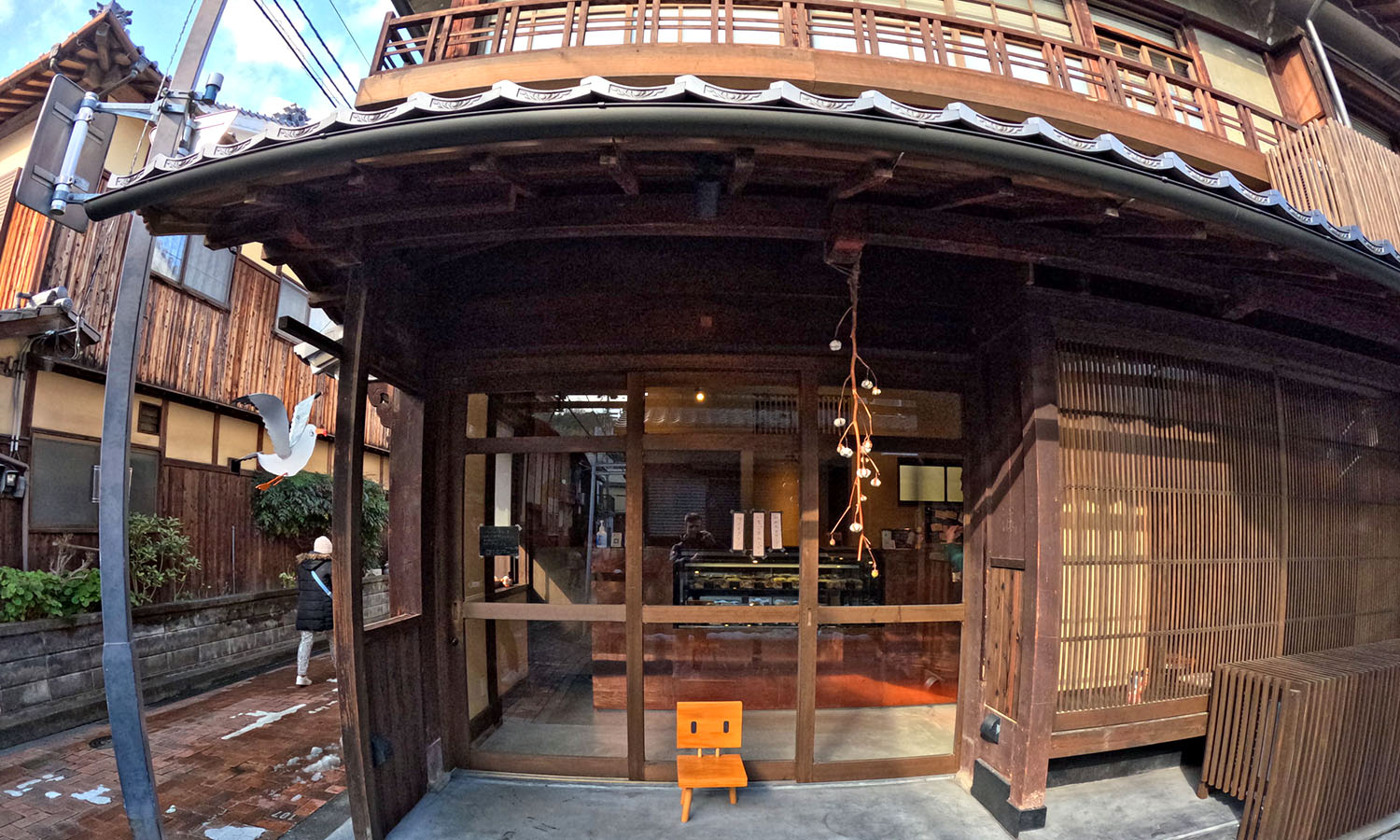
Nearby Ozu is another of the remnants of the old world, a town which was once a big deal through the production of wax in the 19th and early 20th centuries, and a slew of beautifully ornate homes were built during this period. Edison inventing the lightbulb more or less fucked that and the town headed toward a slow dilapidation over the course of 100 years, and abandoned houses began popping up everywhere.
A project to restore the abandoned homes has begun, so far yielding epic results. I walk through an old maternity hospital, which is now a high-end fashion store. There are 26 hotels in town, all traditional homes and with only a few rooms each, offering the unique chance to stay in a place that has housed the same family for generations. They are beautifully furnished, with cedar bathtubs and comfy beds.
I spy a wax candle and I decide to use this for light for shits and gigs. I crack open a Sapporo and watch the snow fall softly outside from the comfort of the tub, and it’s only the presence and occasional beep from the tub’s bamboozling array of buttons that remind me I’m in 2024 and not 1824.
Thinking about a road trip? If you’re in Australia, you need to hit up Camplify.
They’re sick at hooking road trippers up with the perfect vehicle for whichever trip they’ve got planned – from backpacker-level vans through to the most elite motorhomes.
We teamed up with these legends to give away a $500 voucher through our Instagram, helping a lucky traveller or two get on the road.
The winner? Well, that’d be…
CHLOE JONES
Are you Chloe? OMG congratulations!!
And if you’re not, don’t stress. Keep planning that road trip – follow our Instagram for the latest in travel inspiration, or check out our article on five of the most epic road trips from around the world (#1 may surprise you).
The day-long tour has barely begun but already our guide Nilio, stinks.
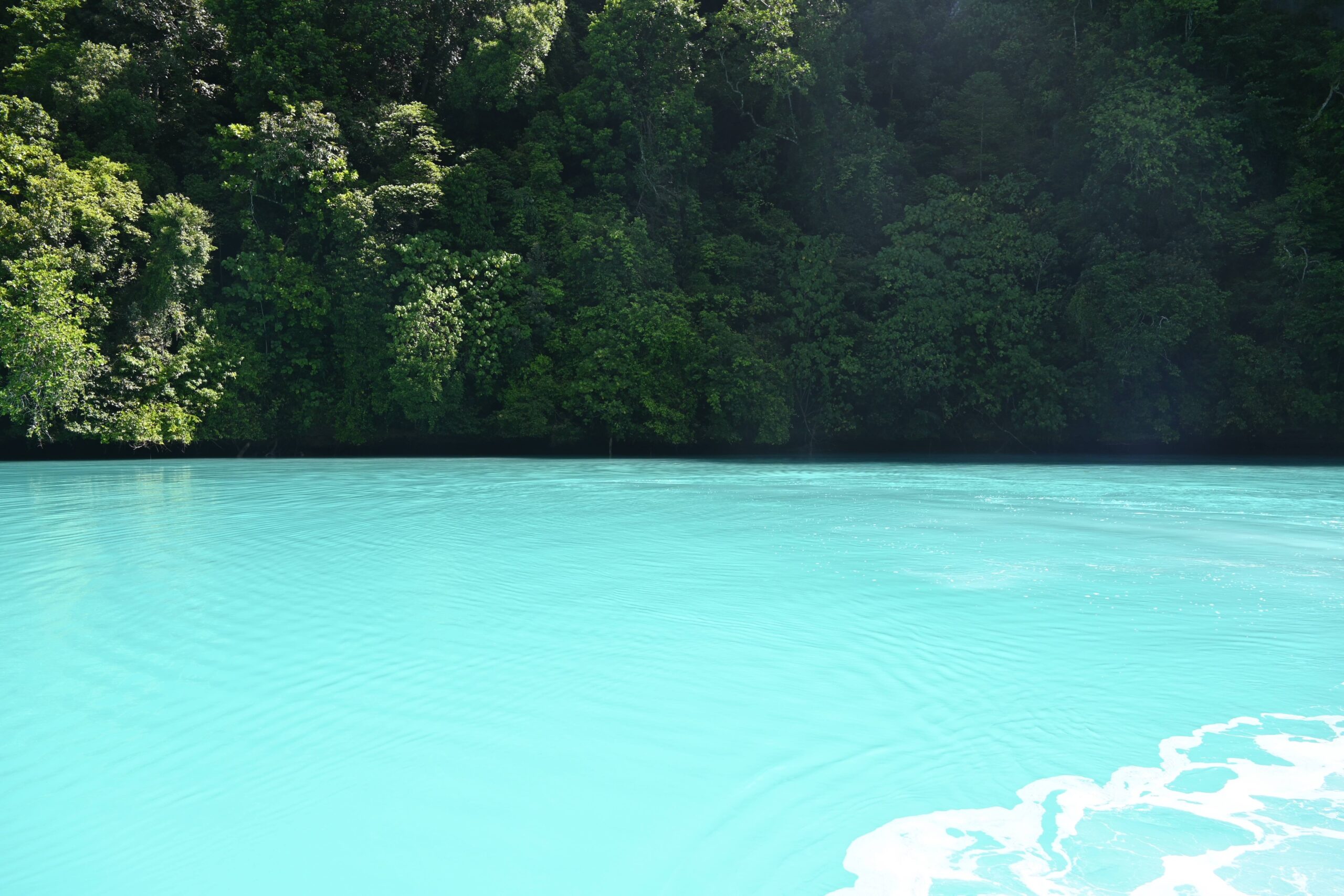
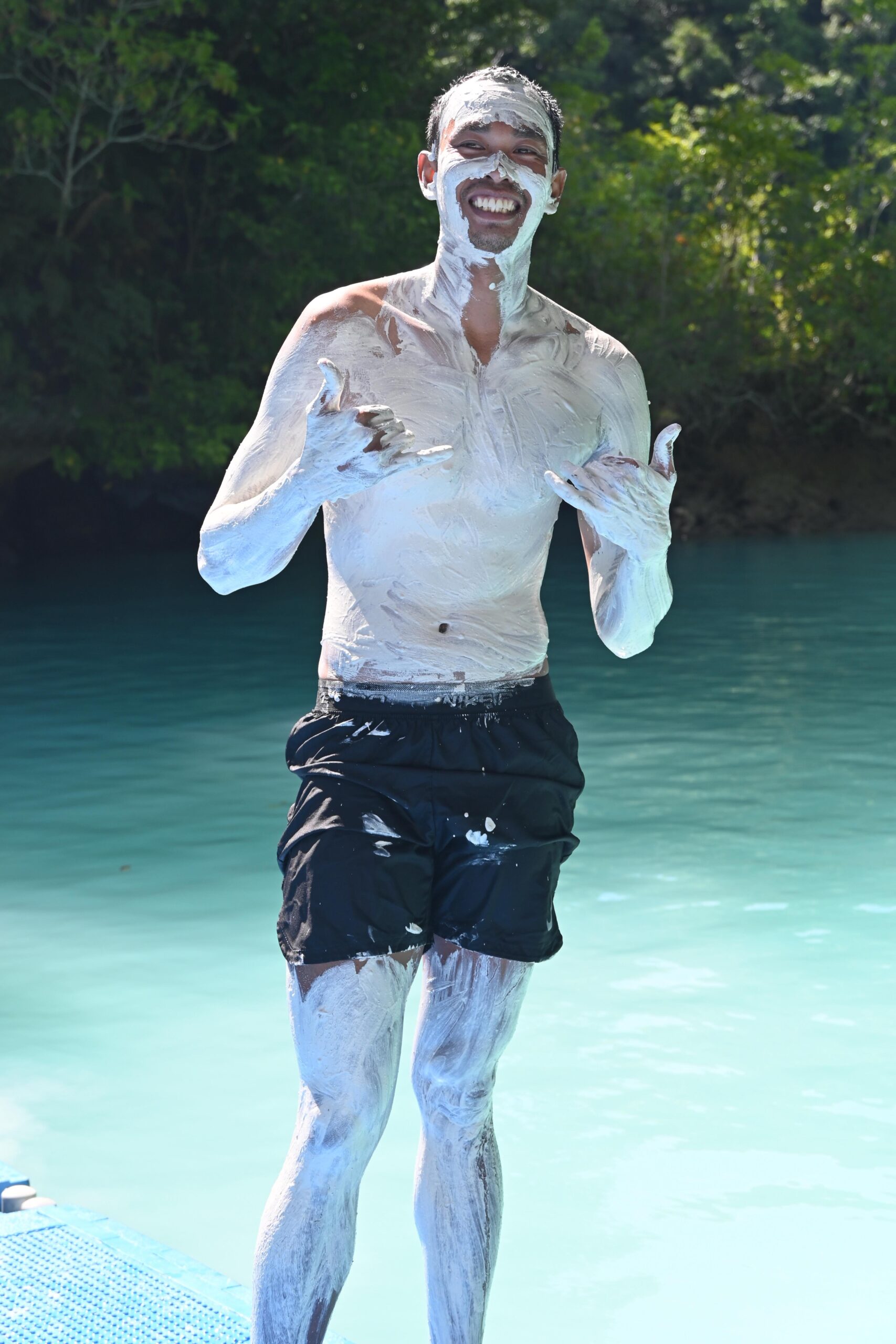
Literally stinks. He’s diving deep into the turquoise waters of The Milky Way, a lagoon nestled in Babeldaob Island, Palau, and bringing up smelly mud from the bottom to pile high on a boogie board.
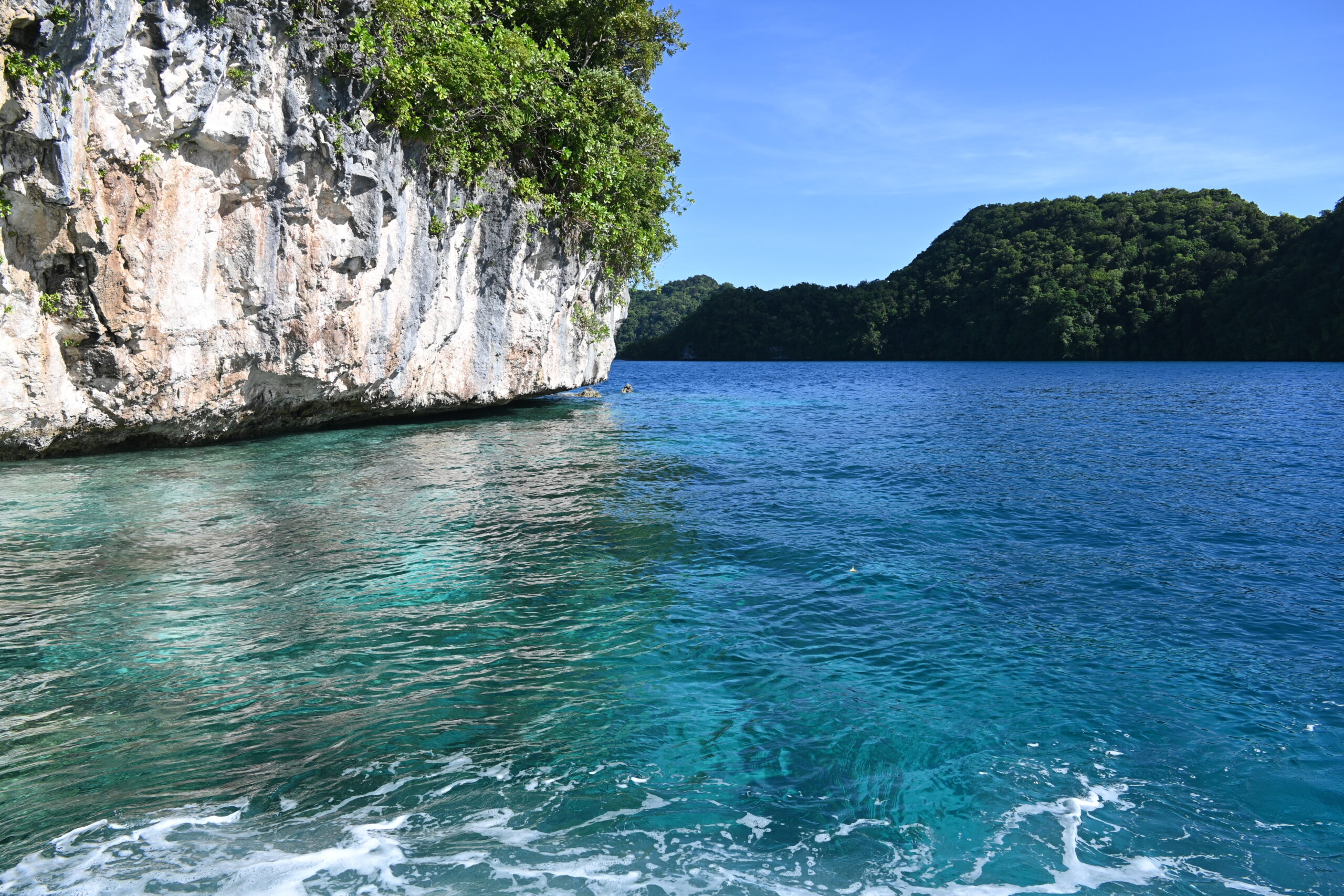
Babeldaob is one of UNESCO World Heritage Listed Rock Islands, a stunning archipelago of hundreds of small, forested limestone isles fringed by coral and teeming with fish and sealife. But, even amongst this overwhelmingly beautiful landscape, the Milky Way is special. From the entry to the lagoon, the change in the water colour is dramatic, turning from the aqua of the inner reef to the unique, opaque blue that earned the Milky Way its name.
Nilio assures me this place is a natural spa and that the limestone sludge will make me look 10 years younger. He needs to sell it. It has the strong sulphur smell of the deep. I slather it on, waiting a few minutes for the heat of the day to cake it dry before washing it off with the bath warm water that is milky enough to do Cleopatra proud.
I don’t have a mirror, but once I wash off the mud, my skin does feel silky smooth. I’m hoping he’s right about making me look younger because I fear our next dip —at Jellyfish Lake—could age me.
The last time I swam with jellyfish it wasn’t planned and it didn’t end well. It involved searing pain and an unhygienic injection of pain medication from someone I hope was a doctor, so the idea of voluntarily plunging into a lake filled with jellyfish doesn’t immediately appeal. However, being a travel writer isn’t all massages and cocktails by the pool so, here I am, standing on a platform on the edge of a beautiful but very dark lake fringed by mangroves. A lake that is home, I’m told, to thousands of harmless jellyfish who have lost their sting after being isolated from the rest of the ocean—and predators— by an act of geology.
It’s a trust game as I pull on my snorkel and flippers and edge out to the side of the platform and slide under the water. It’s dark. A strange, eerie kind of dark, interrupted by spears of sunlight that pierce the surface to play a flickering show.
Immediately, despite the low visibility, I see multiple jellyfish. Not thousands — the numbers are down this year — but, somehow, that makes the sightings more impressive. They glide under and next to me like ghosts, the light making them glow as they pulse with life.
I return to the platform, unscathed, and strap my snorkelling gear back onto my lifejacket to keep my hands free for the short, but strenuous, climb up and over the island back to our boat for our next stop. Ngermeaus Island.
Ngermeaus is a caricature of a Pacific island. The sort of thing you’d draw as a child. Pristine white sand that slides into the translucent waters that gently lap the shore. Palm trees swaying in the slight breeze. You get the picture. It’s stunning.
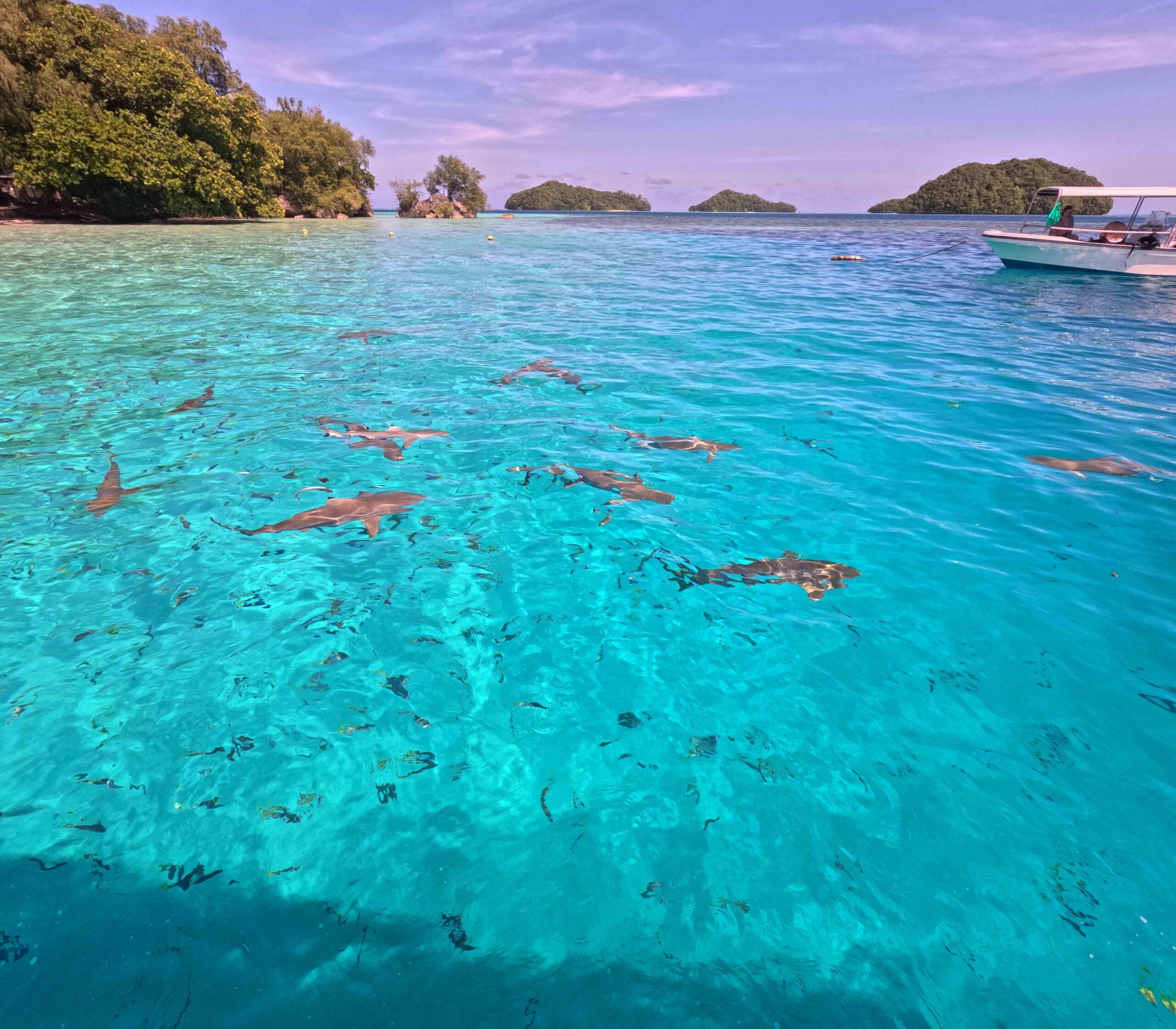
After a delicious lunch, I head back to the boat to get ready to switch swimming companions. Instead of jellyfish we’ll be sharing the water with the reef sharks I can already see circling the boat.
Knowing reef sharks don’t usually eat people is one thing, believing it is another, but I’m amazed to discover I’m completely at ease. Wonder is the main emotion. They are incredible. Close enough to touch, the sharks weave their way around our party with two small thin fish, who take care of shark hygiene issues, clinging to their sides. It’s an amusing sight as they follow an invisible track through the water, as if they are on their own Tour de Palau with the sharks taking the lead as their domestique.
More independent fish join the tour, with a strange heaving mass of fish forming a ball close to the sea floor. It’s fascinating and I don’t want to leave. None of us do. We all pretend not to hear Nilio calling us back to the boat.
But it’s lucky he manages to finally round up my party or we would have missed Clam City, and the opportunity to eyeball the biggest clams I’ve ever seen. In fact, the biggest clams most people have seen and some of the largest of the region, weighing over 110 kilograms. Water distorts but some of the Tridacna clams look to be a metre long. They are like something out of a Pirates of the Caribbean set, with huge wavy mouths covered in green vegetation. The clams don’t look real until you see them open and shut. Just like in the movies. Incredible.
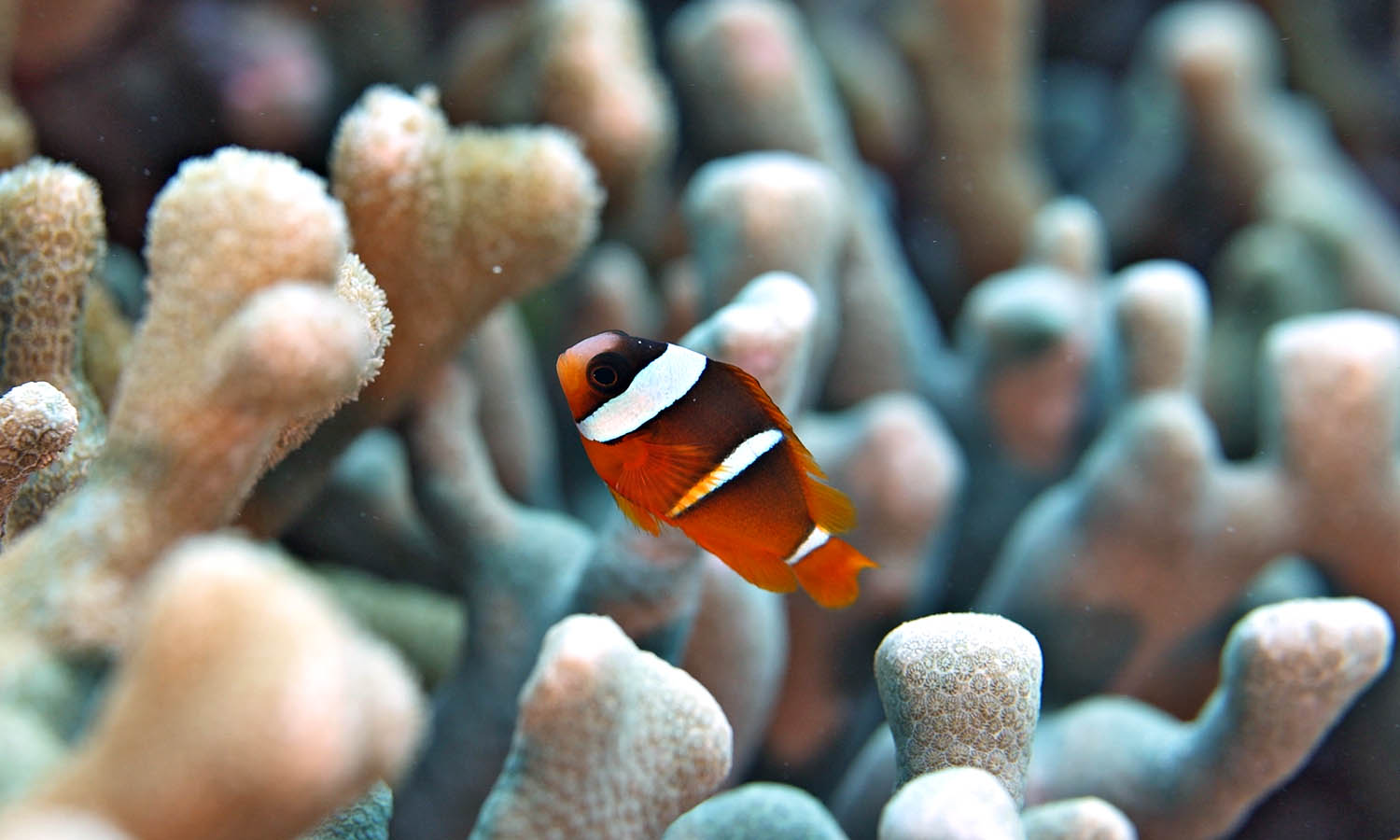
Then, the final stop is upon us. Fantasy Reef. I drop into a world of coral teeming with fish in water so clear it’s like swimming in an aquarium. Zebra fish (okay, a type of Surgeonfish if you’re a tropical fish nerd) dart by, big fish, small fish, all different colours and shapes. And then we hit the mother lode — a colony of Nemos, their fluorescent striped clownfish collars glowing white against their orange and black bodies.
Here, the snorkelling is incredibly easy. The saltwater is so buoyant there’s no need to kick. You can just zone out, and let the gentle waves push you to explore new parts of the lush coral and the fish that lurk in the deeper water where the reef suddenly drops away. Magic.
Back in the boat and we head for a quick group pic at the Natural Arch where nature has sculpted a doorway to this water paradise and peppered it with Kur, a pretty white flowering plant that is only found in Palau.
The trip back to town is an adventure of its own. The boat zooms over the waves, the hull thudding against the water, the swell cooling us with a refreshing spray. It’s a hell of a fun ride. Tired but exhilarated I disembark and walk down the wharf to a very conveniently located bar. We finish our day’s activities with a cold one, against the backdrop of a stunning limestone island, and toast the end of an incredible day’s adventuring with glowing skin and not a painkilling needle in sight.
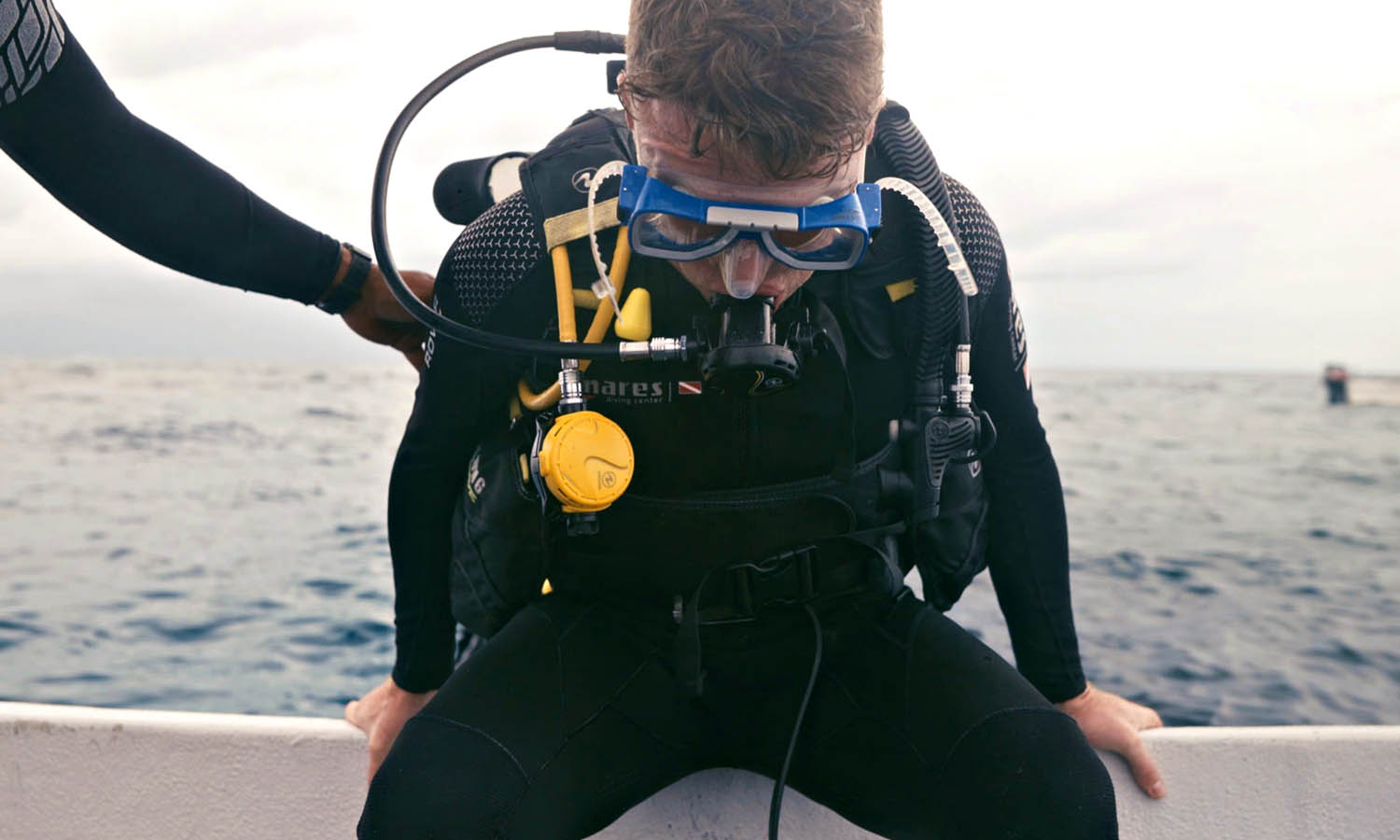
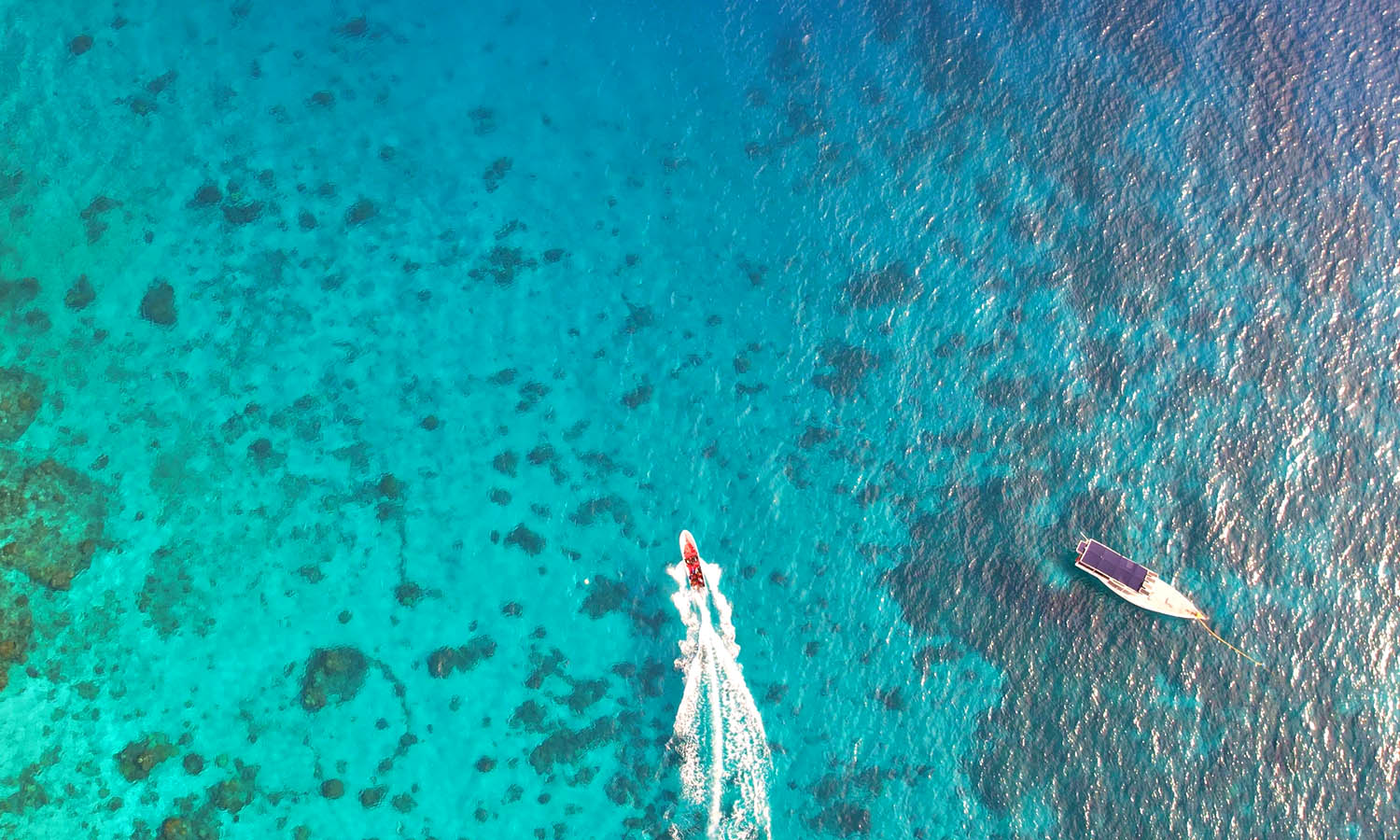
I'm in a small dinghy off Kuata, a small island in the Yasawa Island group, north of the Fijian mainland. I’m about to dive into the Yakawe Reef where a shiver of roughly 10 hungry bull sharks are waiting. It’s my first dive... ehrm, ever. This is diving in the deep end.
There are only a handful of places around the world that offer this experience, and Barefoot Kuata, on the tiny island of the same name in Northern Fiji’s Yasawa group, is the only place in the world you can dive with these sharks without being a PADI-certified diver.
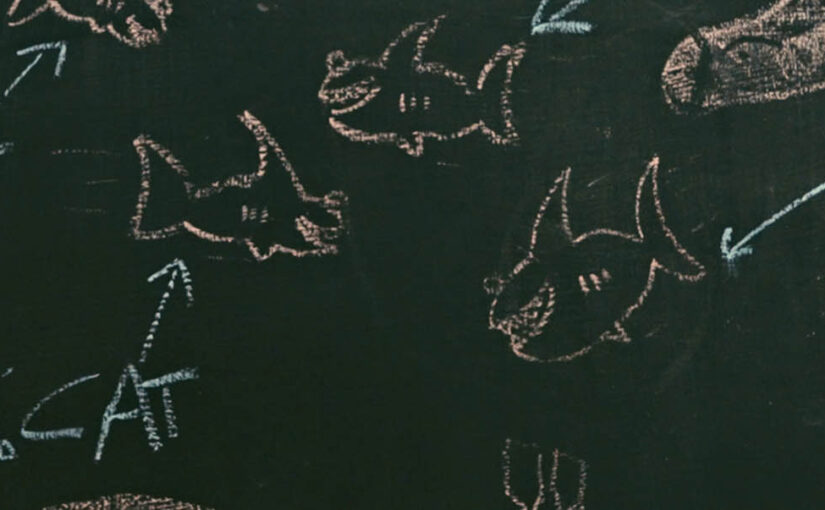
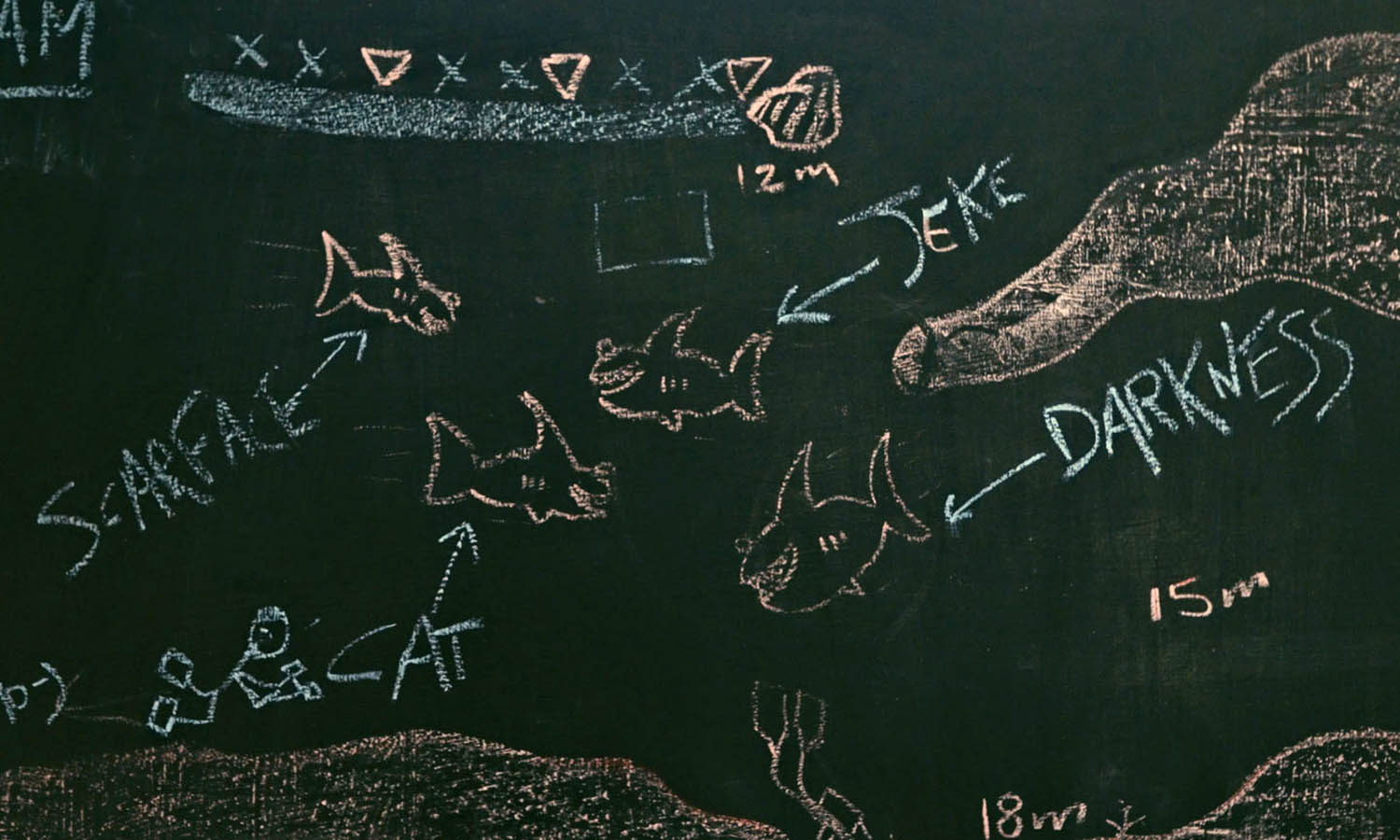
Barefoot’s classroom is a blackboard on the beach, and the Pacific Ocean. After a brief, but thorough, education in the art of breathing underwater, we’re on our way in a dinghy.
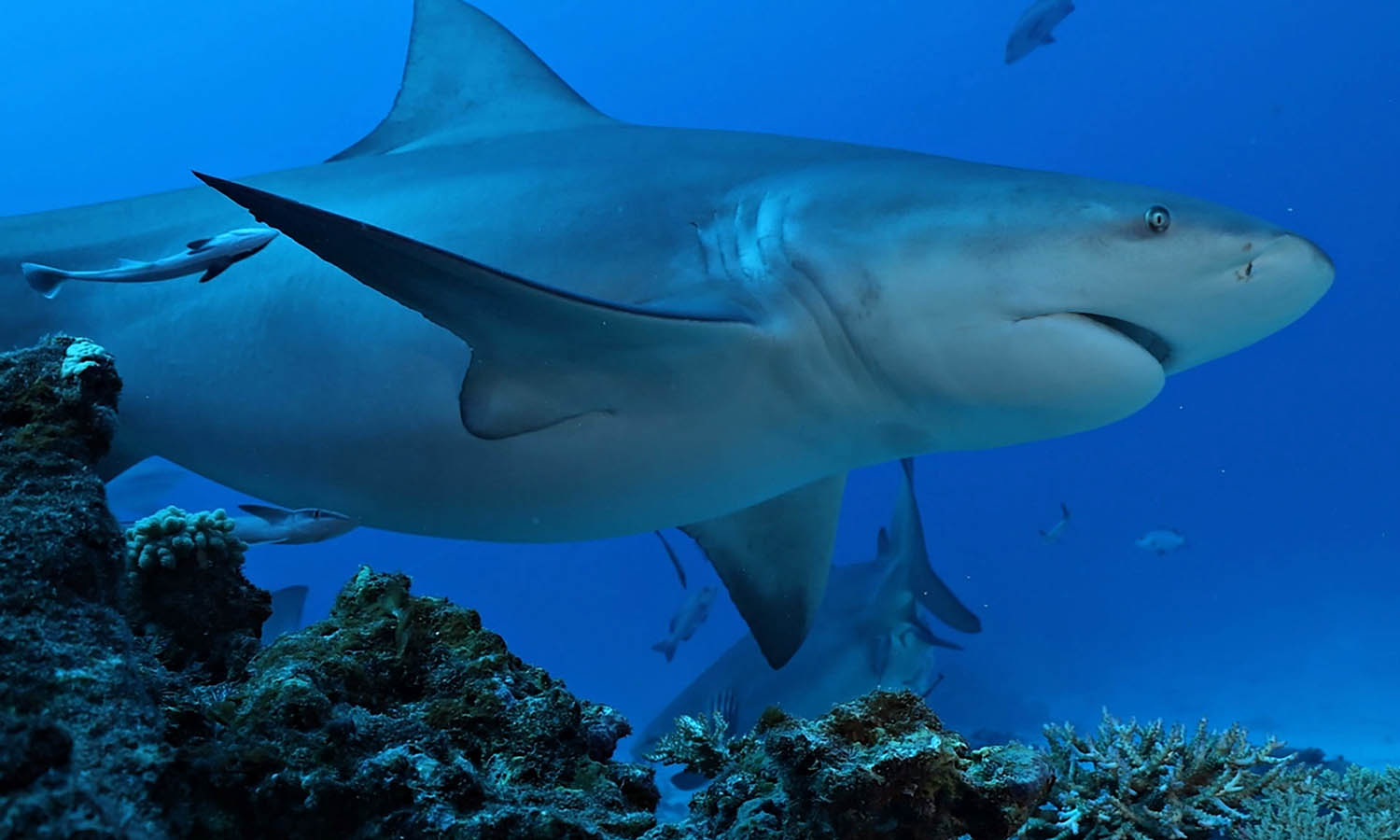
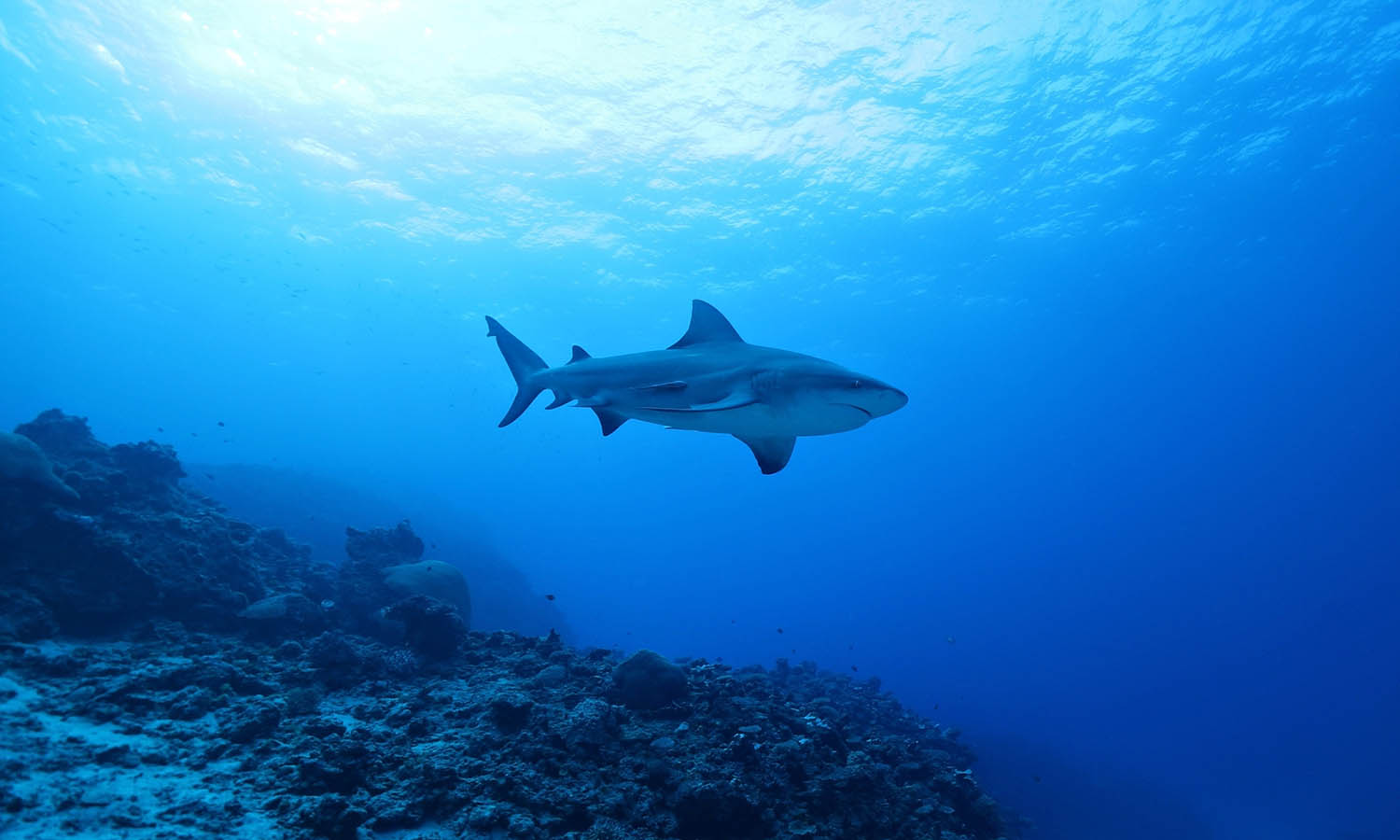
Having your first dive with a species of shark that are “aggressive and unpredictable” according to a Google search beforehand actually removes at least one element of trepidation of this experience. I spend the time before the dive anxious about things like equalizing and maintaining pace of breath. When I sight my first bull shark, long and grey with darting eyes and an ominous snout, I forget the anxieties about breathing very quickly.
Click play to WATCH
Sharks. Jaws, Open Water. Hollywood and the mainstream media will have you believe these are ruthless killing machines. We sit on the ocean’s floor roughly 10 metres below the surface of the water, behind a natural coral wall which would be more symbolic than practical if push came to shove. There is no cage, nothing at all separating us from these beasts who glide around in the space that they own.
I’m not sure when, but an interesting thing happens; fear turns to awe. These creatures are beautiful. A giant, pregnant bull shark munches tuna heads like they’re going out of fashion. A tawny nurse shark drifts past ethereally, unlike any creature I have ever laid eyes on.
Like that grumpy neighbour that lives down the road in Home Alone, these sharks aren’t to be feared once you understand them.
They are extraordinary beasts, and critically important to the local marine ecosystem of the Yasawa Islands, according to Luisa Lewaqai, a marine biologist based on-site at Barefoot Kuata.
“When you have an apex predator in the food chain, it pushes the marine life, the smaller marine life to reproduce,” she explains.
“Having the bull sharks in there also controls and balances the fish population, because when there is more of the prey that the bull sharks feed on, they will feed on the reef fish, and when there’s less reef fish, there’s an imbalance between the coral and the algae, and you have the coral slowly decline.
“You can see it when you are there, the corals are thriving, and there’s so many fish.”
Luisa also explains how the economic benefits of tourism also benefit the reef.
“This area is a marine protected area. From the shark diving and tourism we have economic benefits which generate employment opportunities for the locals and also, the tourism has helped us establish educational programs for the kids in the area.
“We visit schools and educate them on the importance of protecting the reef.
“For islanders, the treasure is the ocean. They own that. Having this education around having a marine protected area makes sure that future generations will have this treasure too.”
Bull sharks are up to 3.5 metres long. The largest are the two pregnant sharks in our group, and easily the most determined at snapping up the snacks Barefoot’s dive crew are dishing out.
Luisa tells us how sharks have an extra sense that we don’t have, sensing organs called ampullae of Lorenzini. It means they can sense the electric current of nearby heartbeats in the water.
Here, I imagine the sharks being overloaded when divers like me initially descend to the coral wall, heart pumping, before the electrical impulses become quieter and quieter as we become more acclimatised to our friends.
It is not the season for Manta Rays, but we see a few anyway. Luisa takes us out to see reef sharks, who are much smaller, friendly and curious, mirroring the locals. At night we are treated to a fire show, and then dancing.
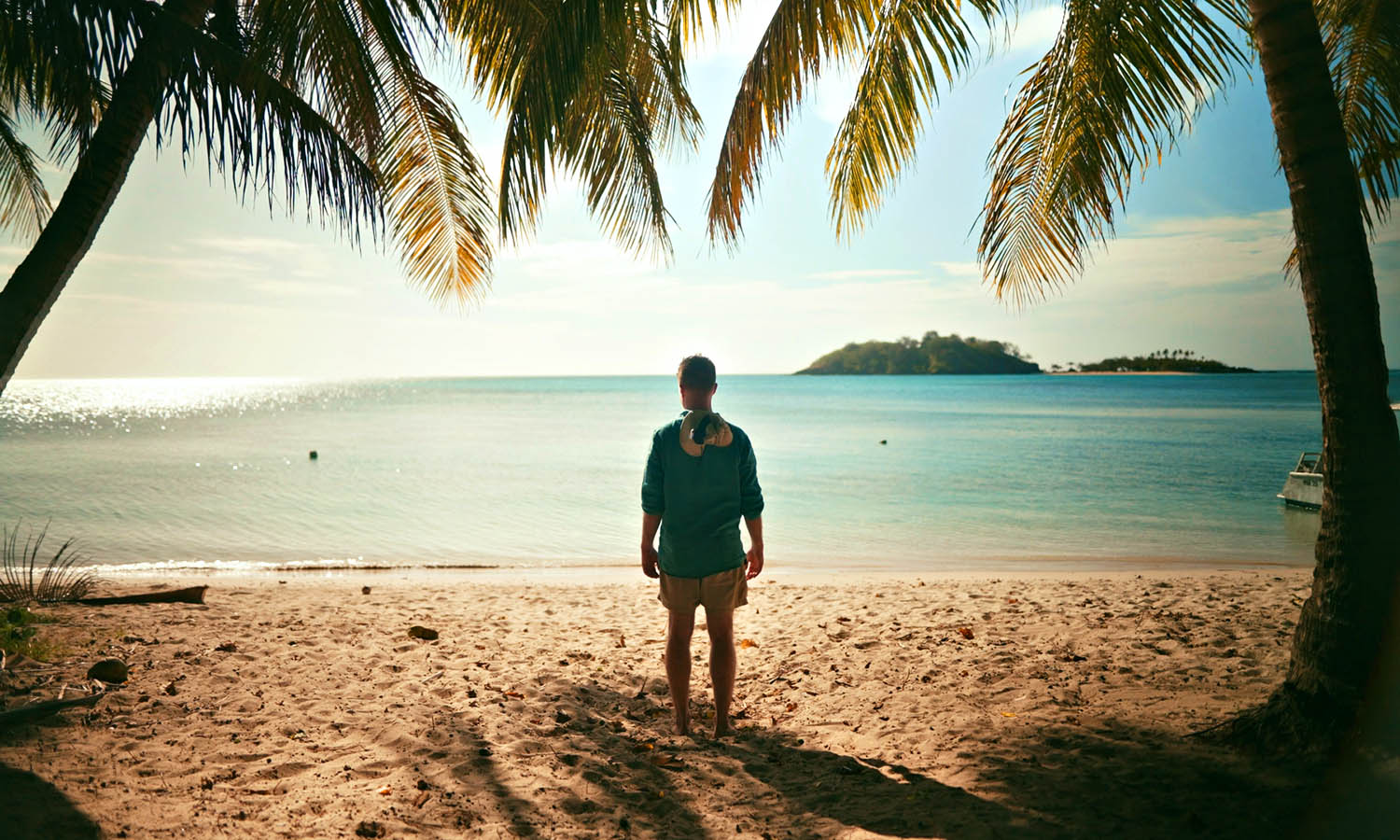
North of Kuata is Nacula Island, where impossibly cute villas sit metres from the ocean at Oarsman’s Bay Lodge. I count 14 steps to the water from my front door – give or take a few steps here dependent on your proximity to 178cm.
Click play to WATCH
We rise at 5am and climb to a peak…and then another peak. Both of these are fake peaks, according to our new friend Ben. The ‘real’ peak offers majestic vistas of this island and the ones next door. We walk along the crest of the hilly island, which Ben says school kids take most days to get to class. Life in the Yasawas is spent outdoors – playing rugby, walking through jungles and of course, underwater.
It is easy to sit by the pool and drink cocktails when you go to Fiji, wake up with a hangover and do even less the next day. Instead, when you charge peaks at 5am and get out on the water on a paddleboard, or go diving, you end up in bed at night with that wonderful feeling of pleasant exhaustion so familiar with the best travelling. I prefer this.
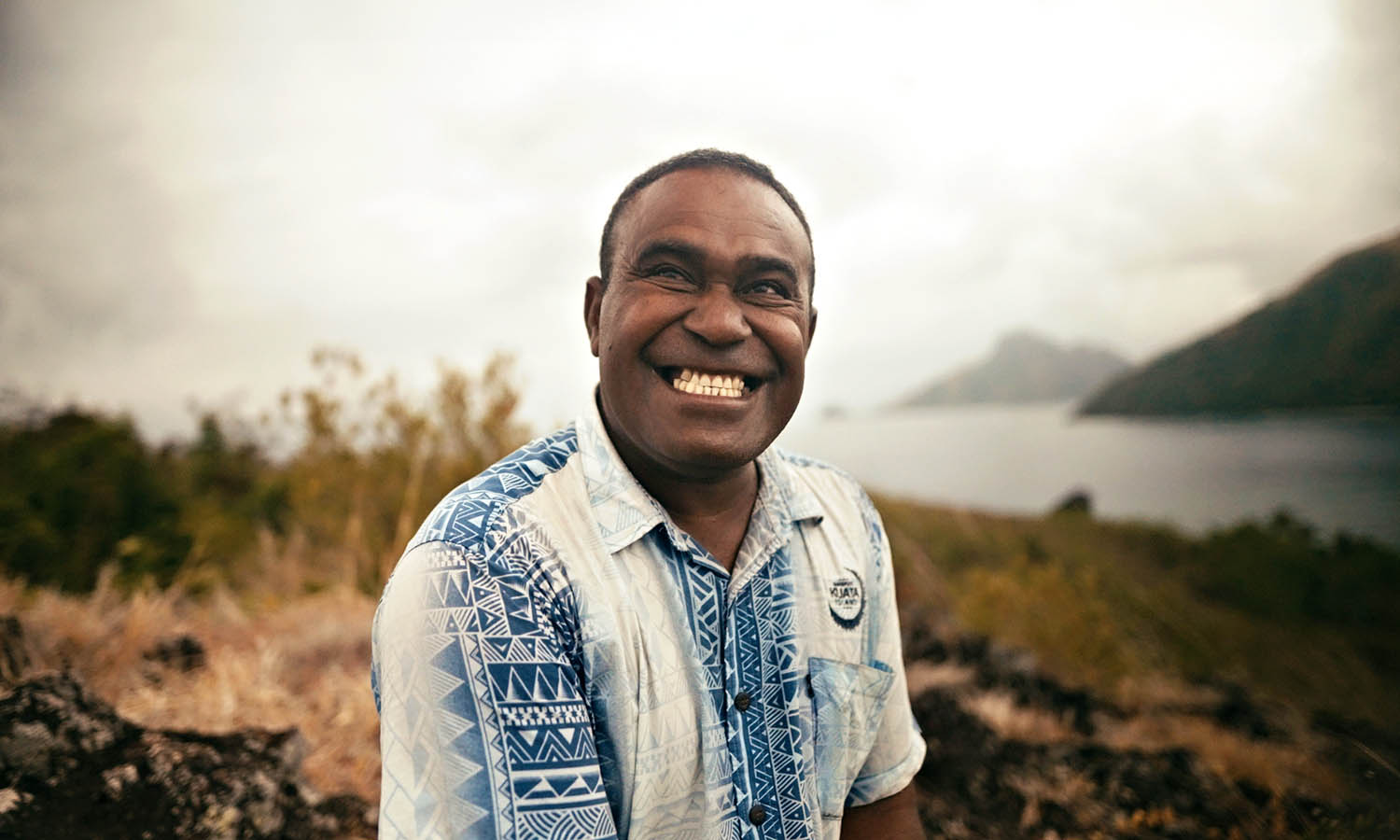
Joka is a big, burly man, with an impossibly high-pitched giggle for his size. He sports a relaxed, jovial demeanour as he takes us around Nacula Village, where about 150 people live in traditional thatched-roof bures. People eat fruit and shout to each other from their doorways; Joka slaps handshakes and throws banter, giggling all the time, until he suddenly becomes serious.
“Brother, you need to take off your hat,” he says firmly, although still relaxed. It is 28 degrees and sunny. I oblige and he breaks back into a big smile.
“Thank you brother. In Nacula, we have a rule that only the chief wears a hat,” he explains.
The village is all coconut trees and pandanus plants, the latter used to weave baskets, bracelets, and kava mats, among other things, and historically important to the economy of the village. Casawa, bananas, jackfruit, papaya grows along the path we take, which leads us around from the village, to the mountain-flanked school, and back out to the gorgeous beach we arrived at.
Mantaray Island Resort on Nanuya Balavu Island is in the southern part of the archipelago, not far from Kuata. It is famed as one of the premier places to dive with manta rays in Fiji. A gentle current offers an easy way to float gently from part of the island to the next, where solid diving exists right off the shore.
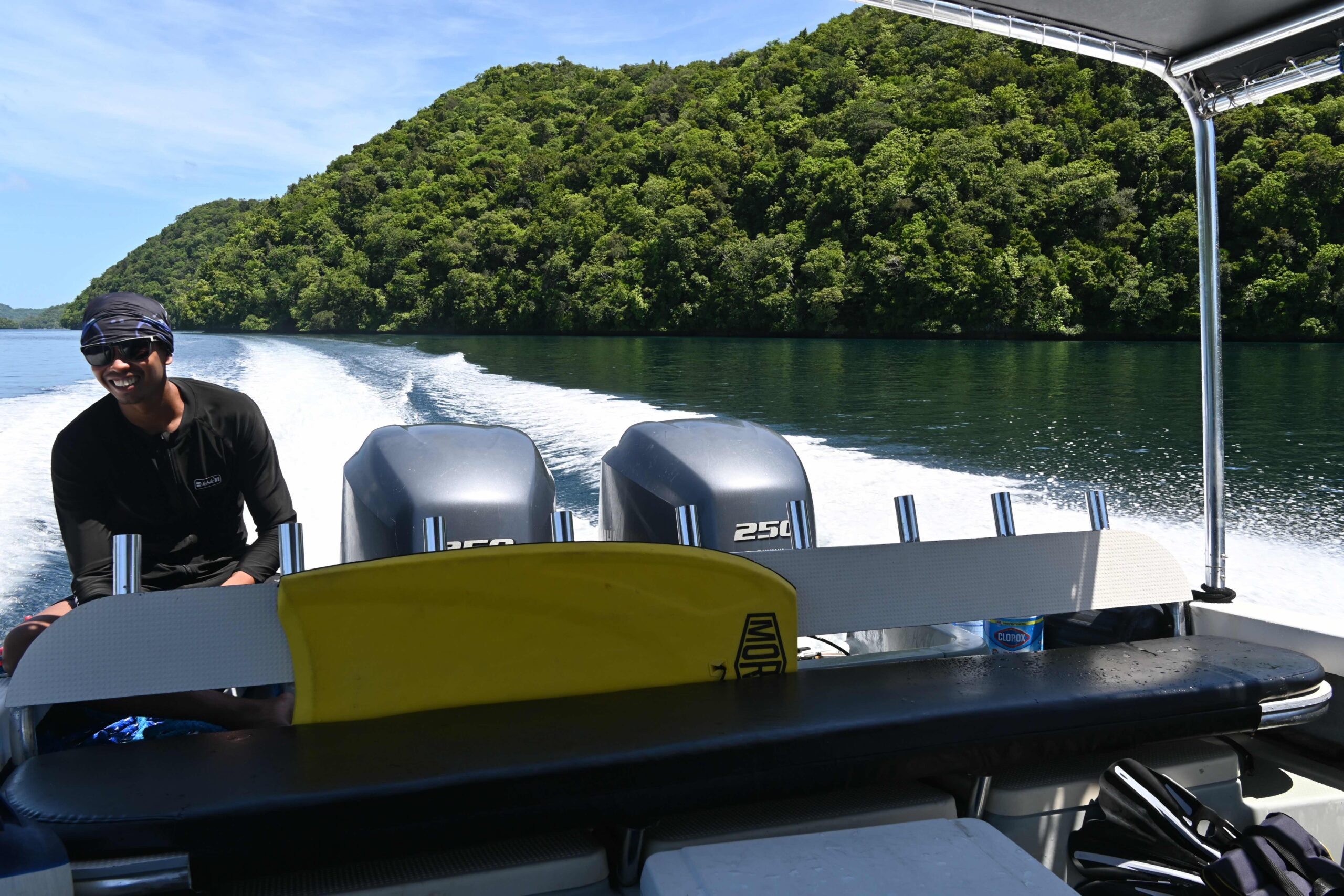
We catch dinghies from island to island, the captains always the same; mixing ridiculously laidback with assured competency. It is glassy most of the time, but on the day we charge to Nanuya, it is a windy day, and the water is choppy. In between skilfully navigating the boat over the waves, our man is pretending to be a jockey, riding the waves like they are a horse, and cackling.
The Yasawa Flyer is also a sound choice (and the most popular) for island-to-island transportation, a high-speed catamaran going to and from Port Denaru and most islands in the archipelago.
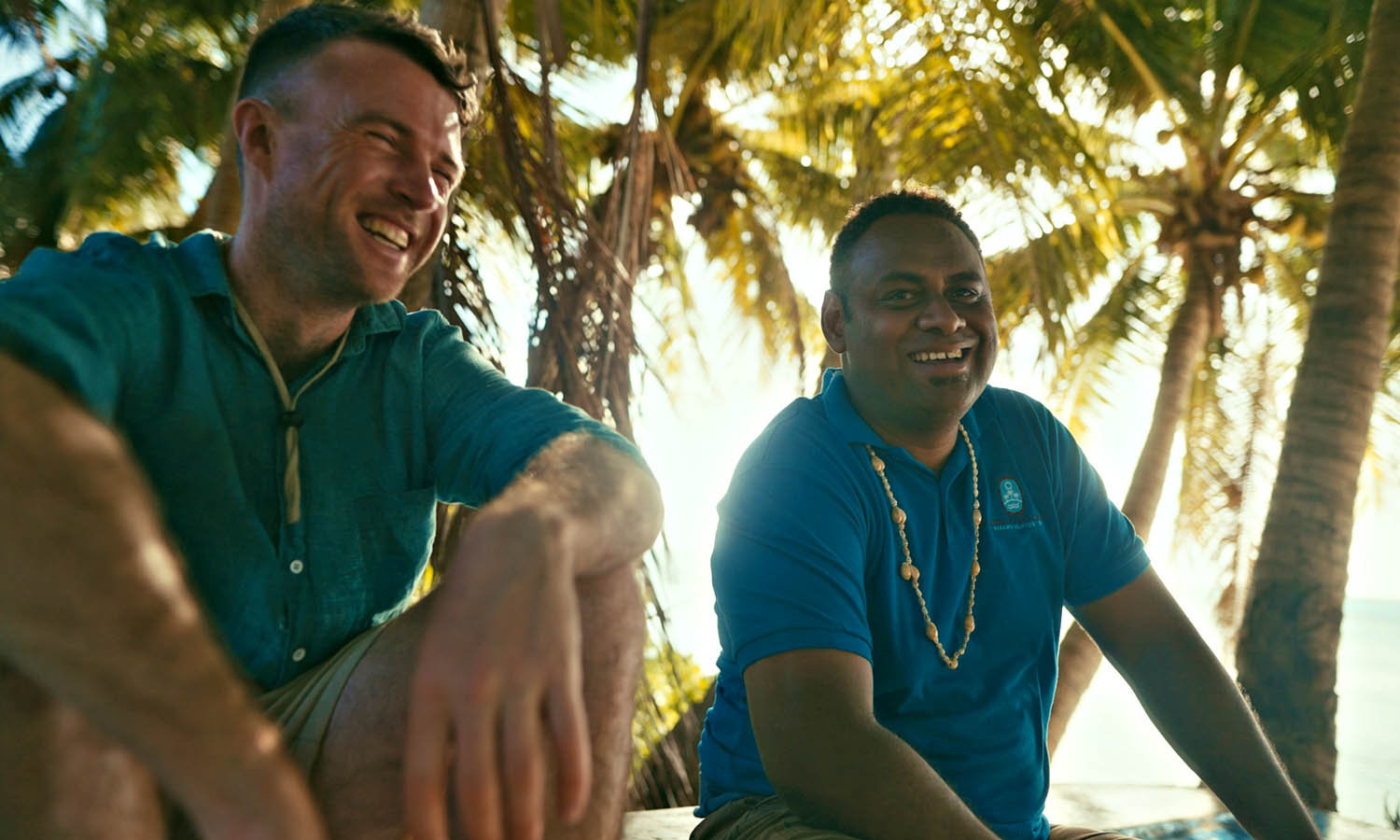
Hearty laughter follows us everywhere, from the boat to the bure, in the bar and on the water. Even underwater I’m pretty sure I can see the divers cracking jokes to each other.
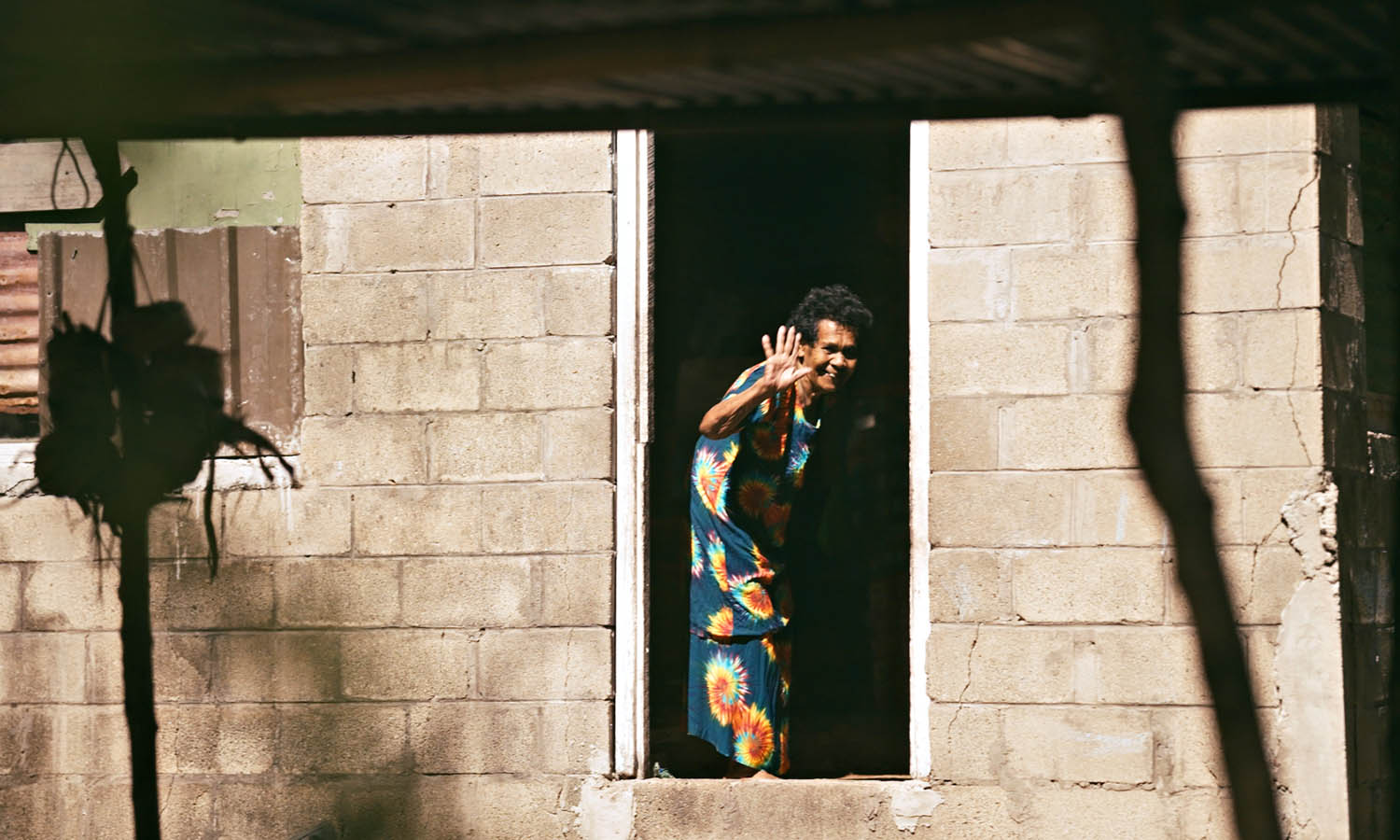
We take off from Nanuya back to the mainland on a chopper, affording a birds eye view of this archipelago kissed by the Gods. The rotor blades roar into life and we lift off from the beach, and I can see the locals waving goodbye, and laughing. Obviously.
 (
(