(
(

Japan
Japan
What Fukushima did next
In 2011, the Japanese province of Fukushima hit the headlines for all the wrong reasons: earthquake, tsunami, nuclear reactor meltdowns. It sounds more like a blurb for a horror movie than a holiday brochure. But with the 15-year anniversary looming, a visit to Fukushima is a masterclass in grit, determination – and incredible food...
Click to view gallery

I’m standing in Futaba. Current population 198. Down from 7,000 before the 2011 disasters. Small before, it’s tiny now with its streets missing houses like teeth. Those that remain have been decontaminated. The others demolished with the radioactive debris taken away.
Pre-meltdown, Futaba was proud to be a nuclear power plant town. It even had a sign hanging over the main street declaring ‘Atomic energy for the bright future’. Ironic when the Daiichi Nuclear Power Plant meltdown made the town uninhabitable until 2022.
Futaba would have the air of a ghost town, if not for the bright, welcoming murals featuring locals. Splashed across multiple buildings, the artworks make it clear the town is down but not out. One mural stands out, depicting the Japanese saying: ‘Get knocked down seven times, get back up eight’.
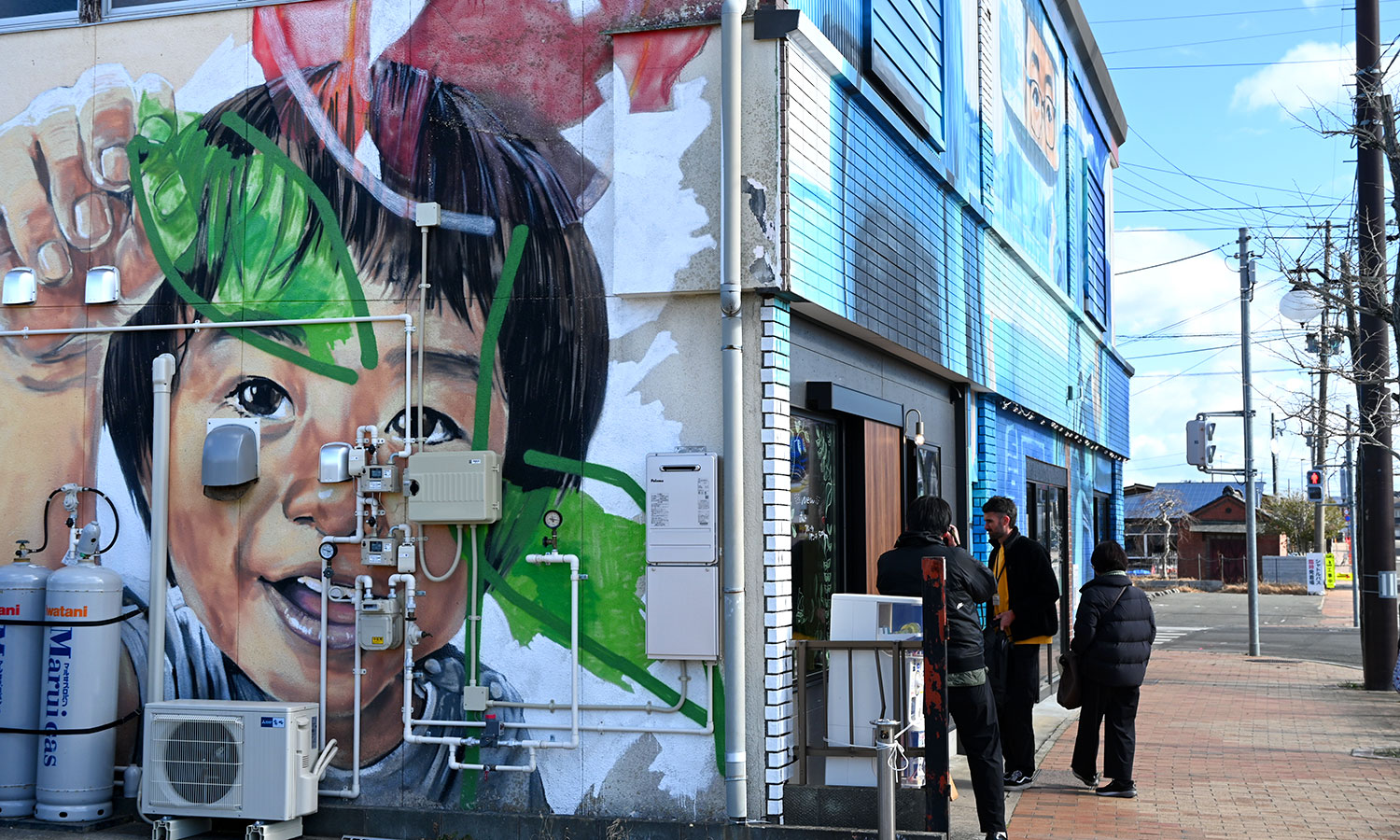
Fukushima is the embodiment of that saying – I’ll soon learn the mural project is just one of the many innovations the courageous residents are using to attract visitors to the area – not to rubber neck, but to understand their loss, better prepare for disasters, and enjoy the natural beauty and culture of the home they love.
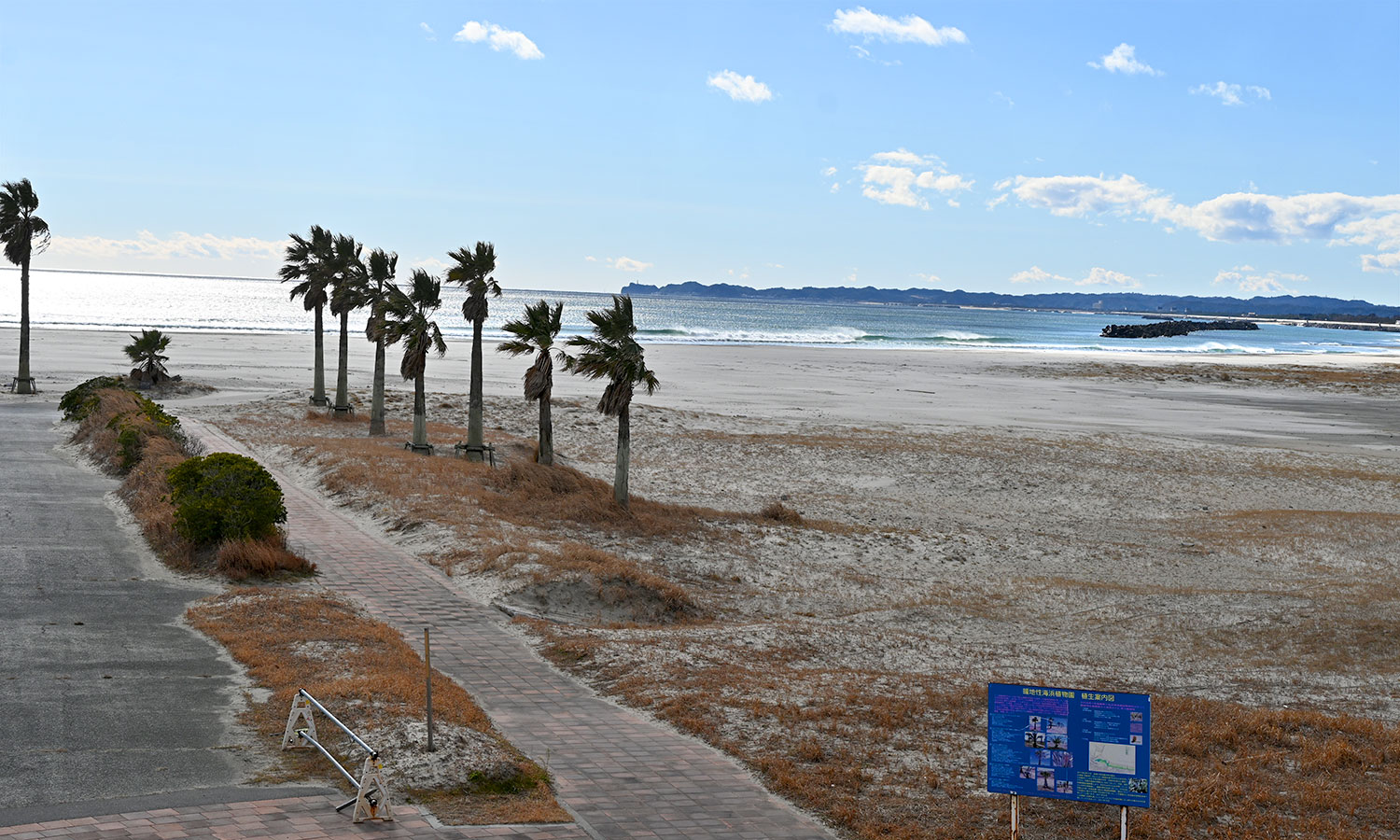
Fukushima prefecture has always been the road less travelled. It doesn’t have the glam of Tokyo, the beauty of Kyoto, or the nightlife of Osaka. But it’s natural beauty lures lovers of nature and more immersive travel. North of Tokyo, a spine of mountains separates the Hamadori coastal region from the rest of Fukushima, plunging to a flat range that runs into the clear waters of Pacific Ocean. Dotted with fishing ports, surf beaches, and hiking and cycle trails, it’s a seafood lovers’ paradise and a traditional food bowl for the rest of Japan.
But what makes it so stunning also helped it earn the unwelcome title of the only place in the world to have survived a clusterfxxk of an earthquake, tsunami, nuclear disaster and reputational damage caused by misinformation and fear.
Even for a country as hardened to earthquakes as Japan (which averages 1,043 quakes a year), the level nine Great East Japan Earthquake was officially the mother of all quakes.
It sparked a massive tsunami that slammed the coastline, making a joke of the existing sea defences and inundating the electricity plant that cooled the Daiichi nuclear reactors. The resulting explosions released radioactivity throughout the prefecture and beyond.
Click to view gallery
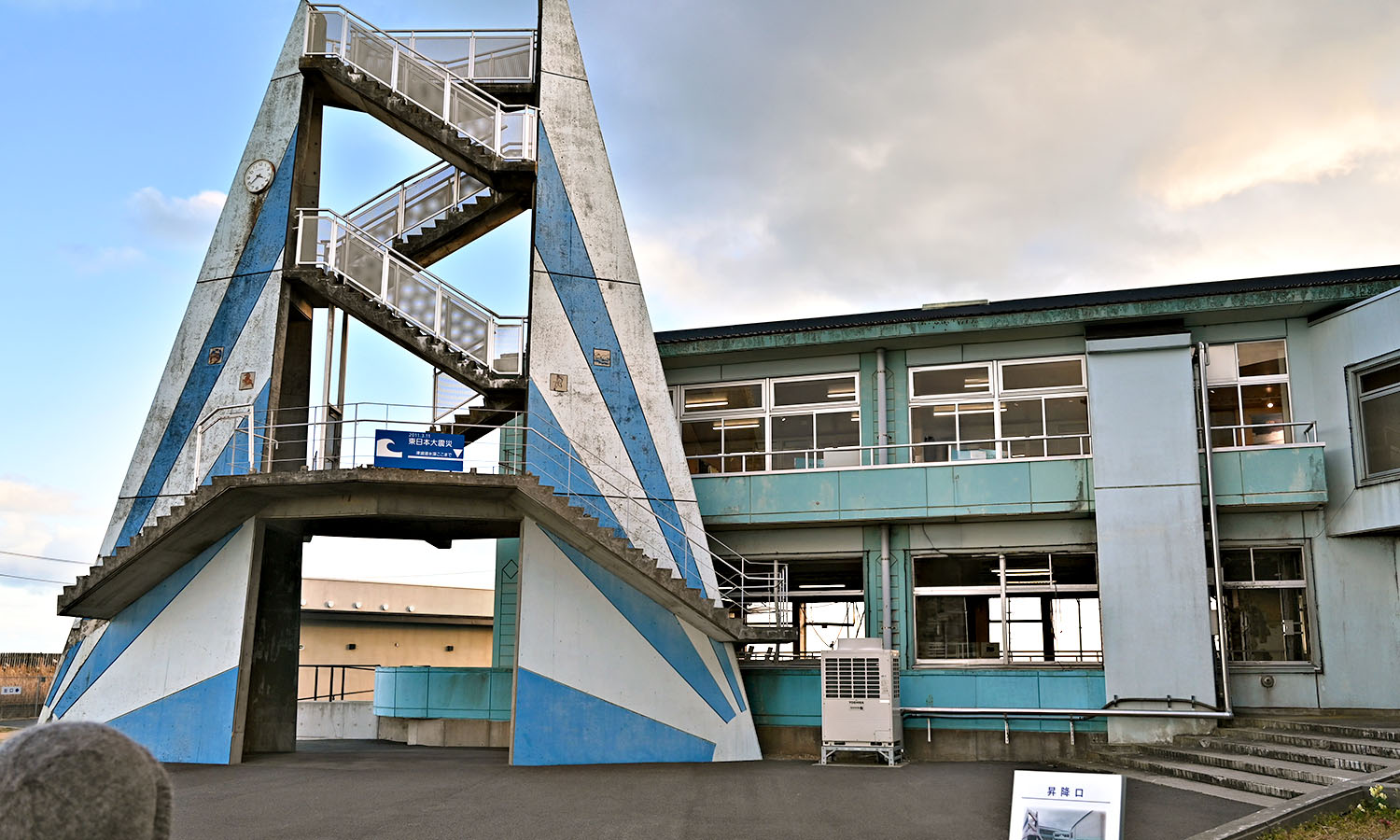
Ukedo Elementary School is only 300 metres from the ocean, which gave teachers and students little time to flee to the mountains before a 15.5-metre-high wall of water smashed into the building. The school is now a trashed shell… windows and walls blown out and drinking taps misshapen by the force of the water.
Remarkably, they all survived, only be evacuated when the first of the three reactor explosions began the next day.
Now the town is back in business, its fishing port has reopened and, on a calm day, it’s hard to imagine the horror of it all. Which is one of the reasons the school remains, as a warning and reminder to reflect on what, and who, is important.
The Great East Japan Earthquake & Nuclear Disaster Memorial Museum provides a gripping blow-by-blow account of the events. The stats are overwhelming: More than 164,000 residents were evacuated throughout Fukushima following the 2011 disaster as radiation levels rose, with 12 per cent of the prefecture declared off limits. As at August 2023, more than 4,000 people had died either directly, or indirectly, as a result of the disasters.
Now, if that hasn’t got you searching for your passport, this should: Tourists have always been fascinated by the end of civilisations, the Mayans, Pompeii, Easter Island. But Fukushima’s story did not begin and end in 2011. It continues as an inspiring example of resilience and reinvention.
The recovery effort has been impressive. By 2023, only 2.2 per cent of Fukushima was off-limits and 138,057 of the evacuees had returned.
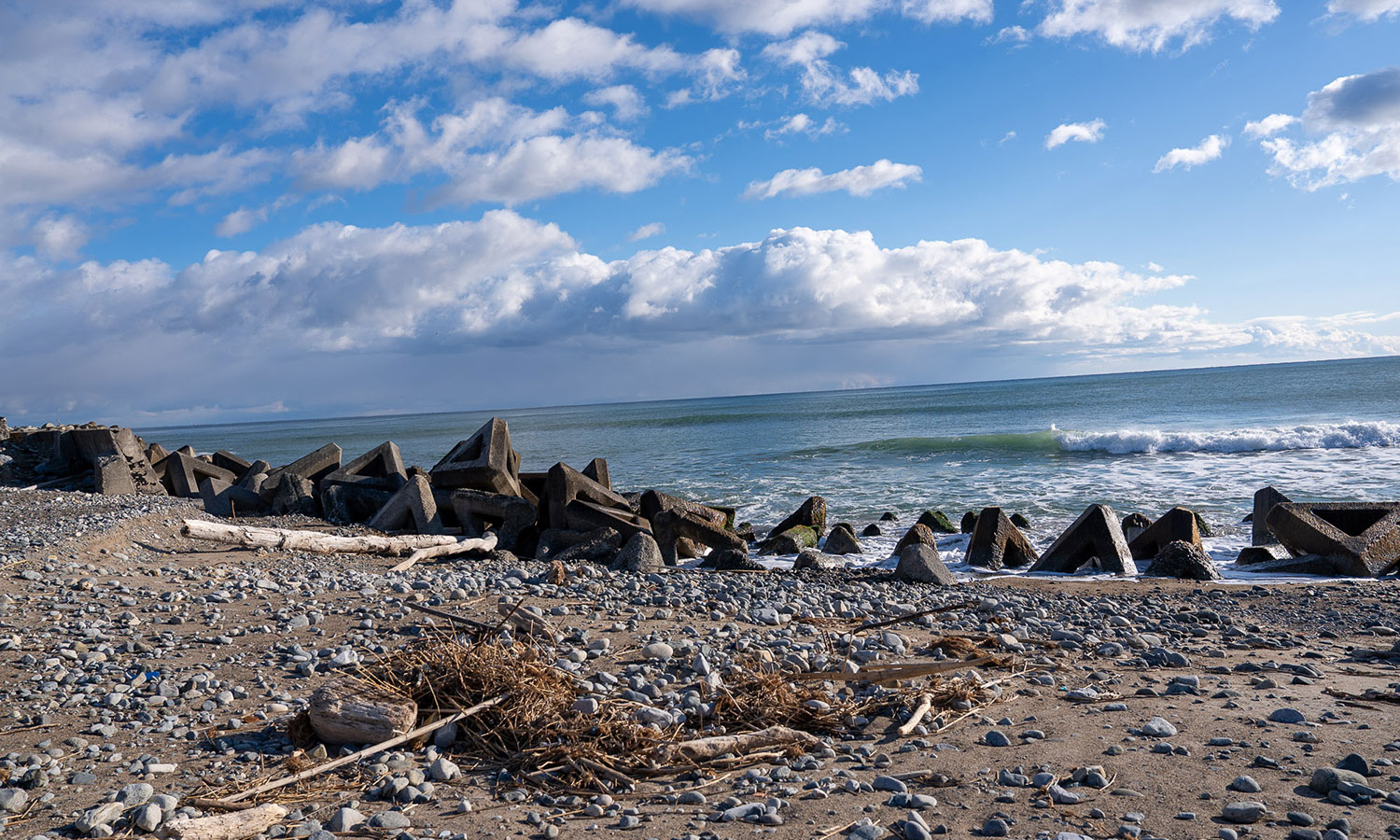
Destroyed or uninhabited homes have been replaced by banks of solar panels, higher and stronger seawalls have been built, topped by roads and paths to ensure the region’s iconic views are enhanced, rather than obstructed. And with fewer people than Japan’s overwhelmed tourist hotspots, the friendly locals go out of their way to ensure you are welcomed and have a great time.
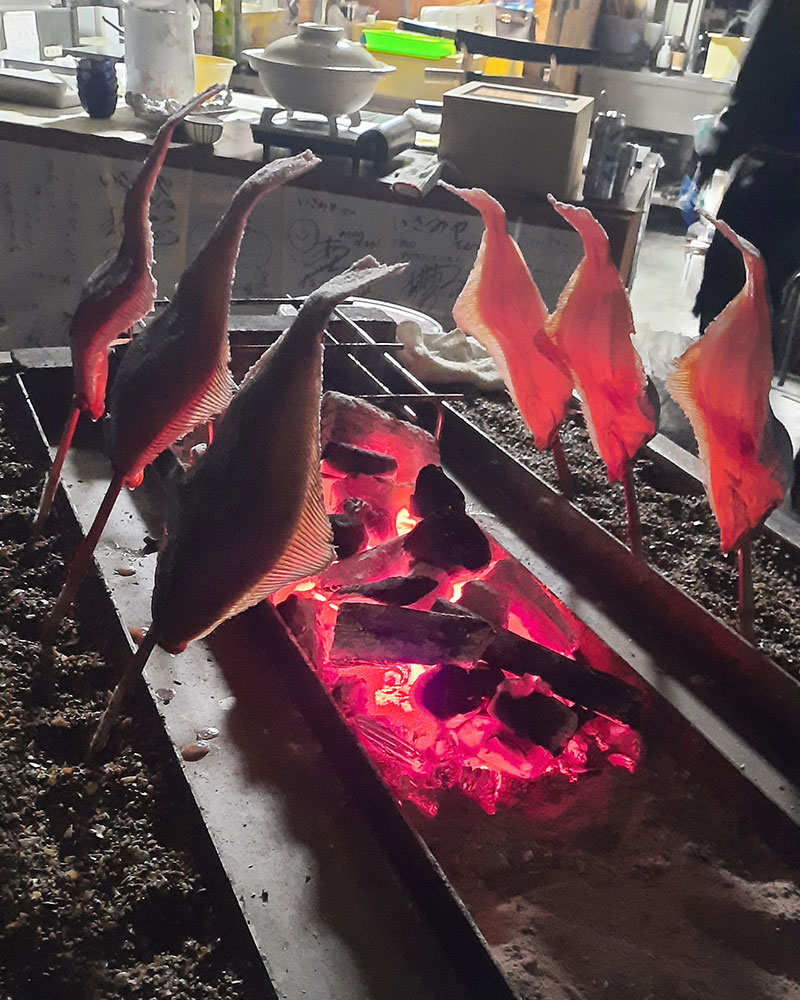
In Soma City, that includes providing a traditional Hamayaki experience – grilling fresh seafood over charcoal. I’m told to select a fish and plunge a skewer through it in a way that has it mimic dancing, before lining it up next to the coals. The biggest surprise, apart from the comedy of one of the chefs donning a samurai wig and brandishing a katana (sword) whilst cooking tempura, was discovering how delicious the local seaweed is fried. Who knew?
Samurai warrior culture is big in Soma, which boasts a 35th generation OG samurai as a local. Each year, hundreds of mounted participants reenact battles and race horses whilst wearing samurai armour during a three-day festival.
Click to view gallery
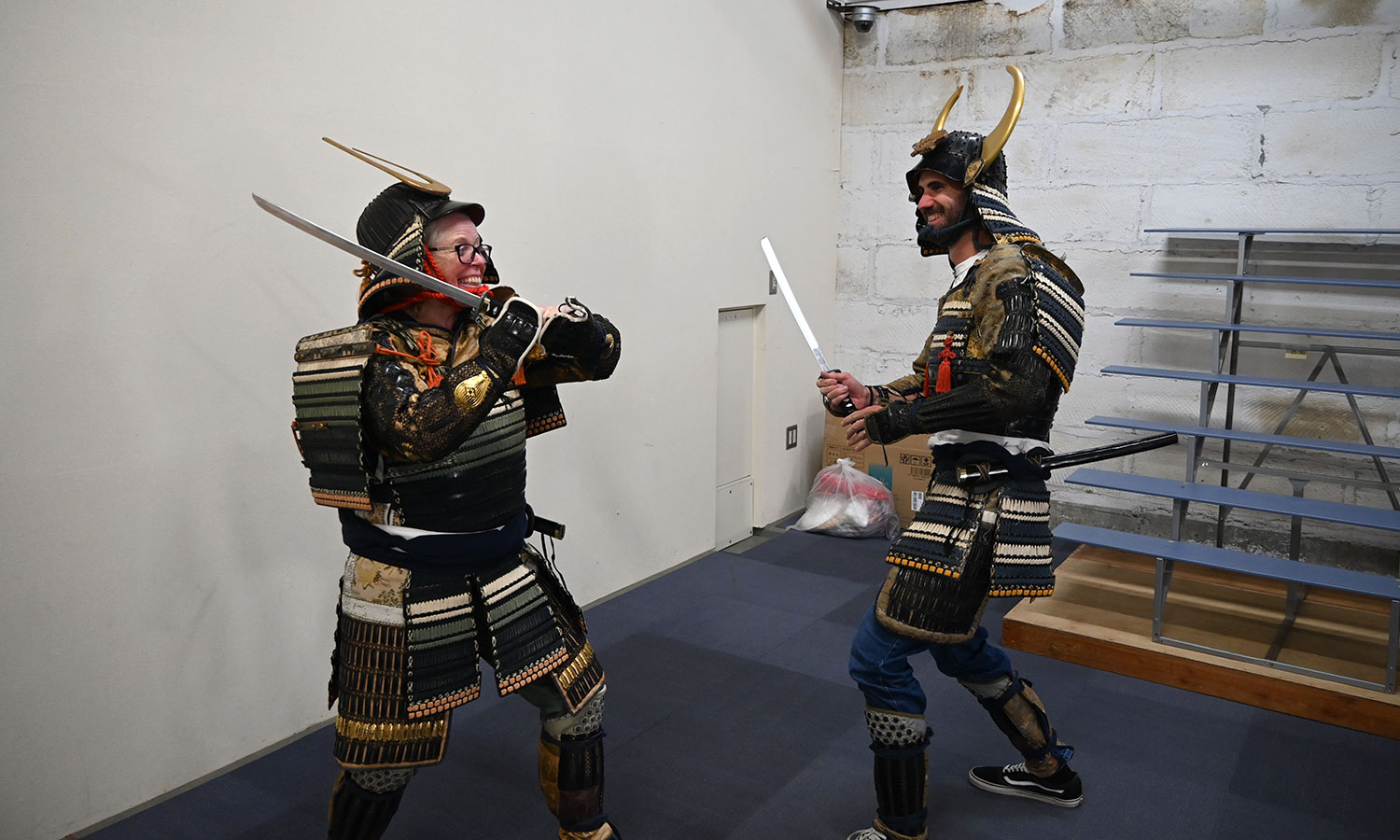
Fun? Yes. Difficult? No doubt. I stand nervously whist three women dress me in Samurai armour for a cosplay experience. I’m warned it weighs 20kg, and I definitely lose a few centimetres of height when the final touch – a helmet – is strapped on. Walking in a straight line is a struggle, so getting on a horse would definitely be a challenge. The thick fabric is dotted with metal, so it’s not only heavy but constrictive. So much so, I need assistance to pull out my katana during a mock battle. Spoiler alert, I lose. Brutally.
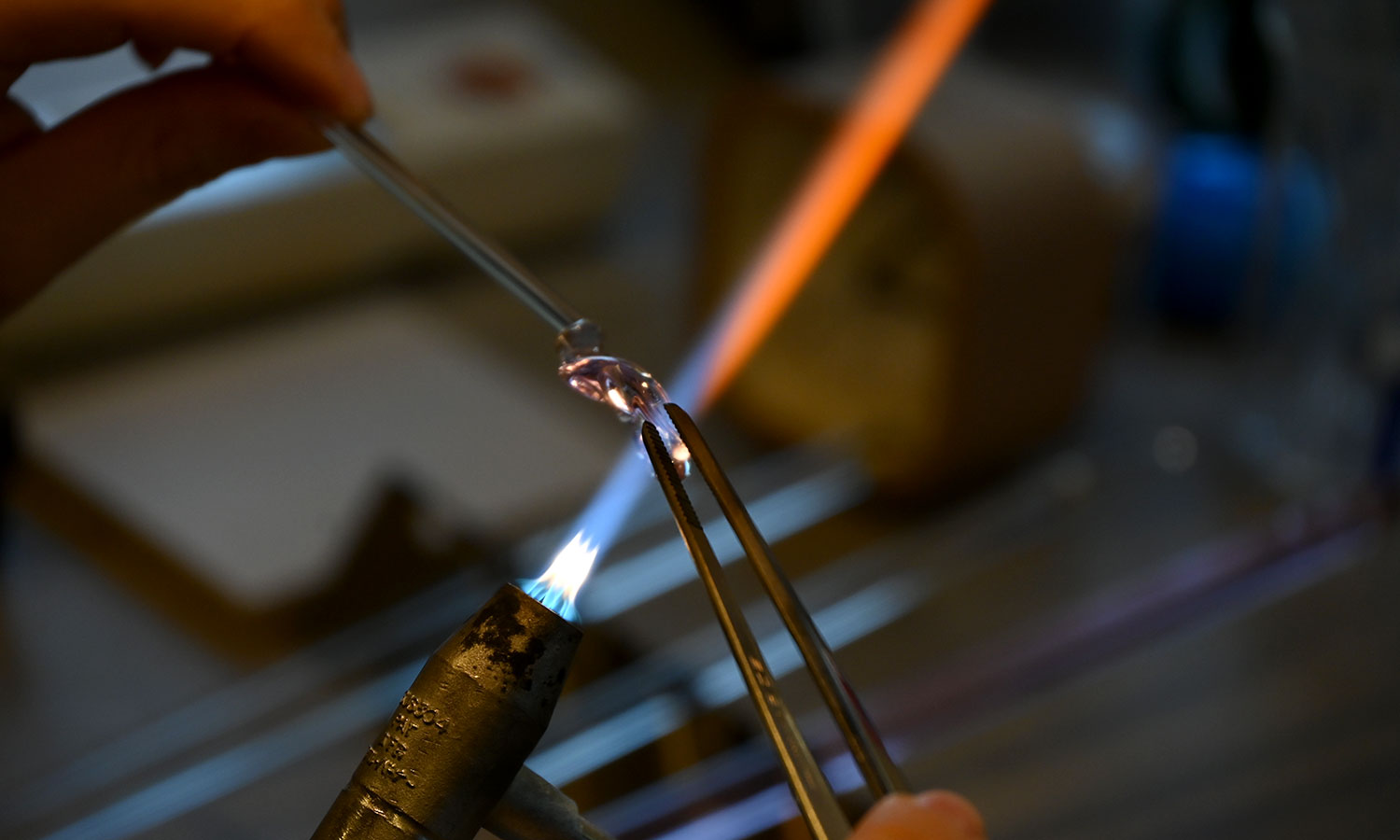
Minamisoma City is a fascinating hub of innovation sparked by the need to revive an economy that was once heavily reliant on the nuclear plant. The new businesses include Iriser, a studio where you can create your own glass jewellery under the guidance of female glass artisans. My supportive artisan shows me how to heat glass rods to melting point over a blue flame, each hand rotating different colours before mixing them together. It’s like tapping your head and rubbing your stomach at the same time. So, the cute green blob I end up looks nothing like the glass leaf necklace I was initially aiming to replicate, but you can’t be good at everything...
More polished local products can be bought at the local train station office, which has been transformed into a market and kombucha brewery that also offers sake tastings. TBH, sake has never been my liquor of choice, so my hopes aren’t high, but I’m pleasantly surprised. Craft sake brewer haccoba’s addition of a unique infusion, which includes beer hops, has changed the flavour profile to add subtle and delicious flavours of fruits, herbs and spices. I’m sold.
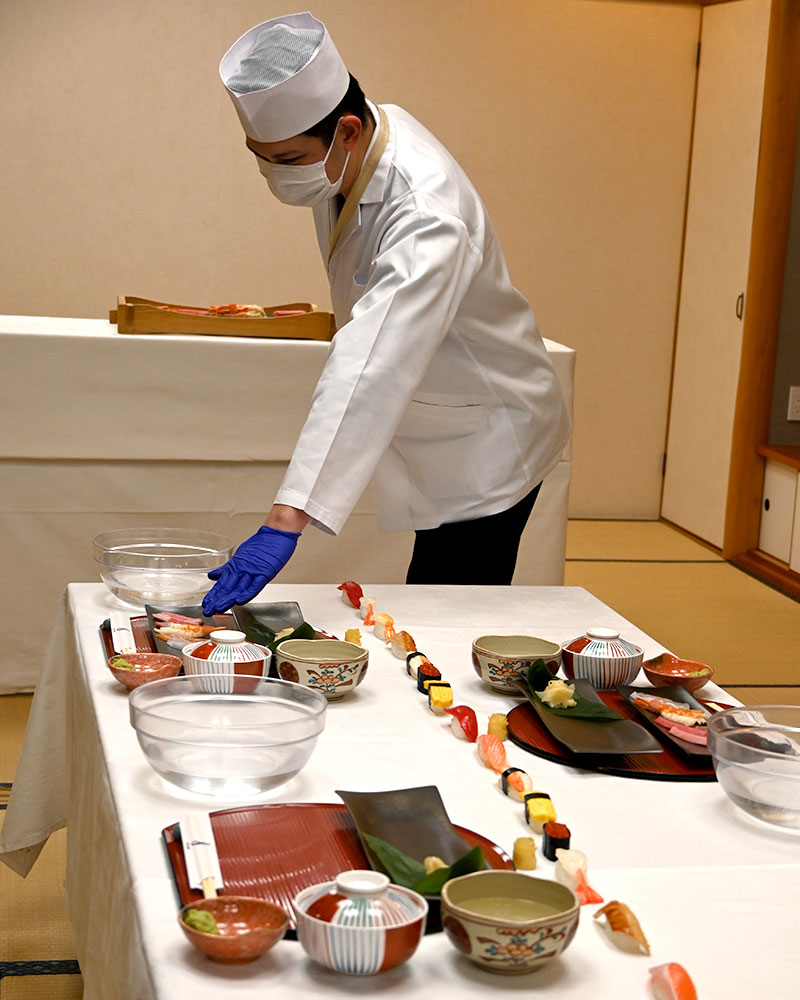
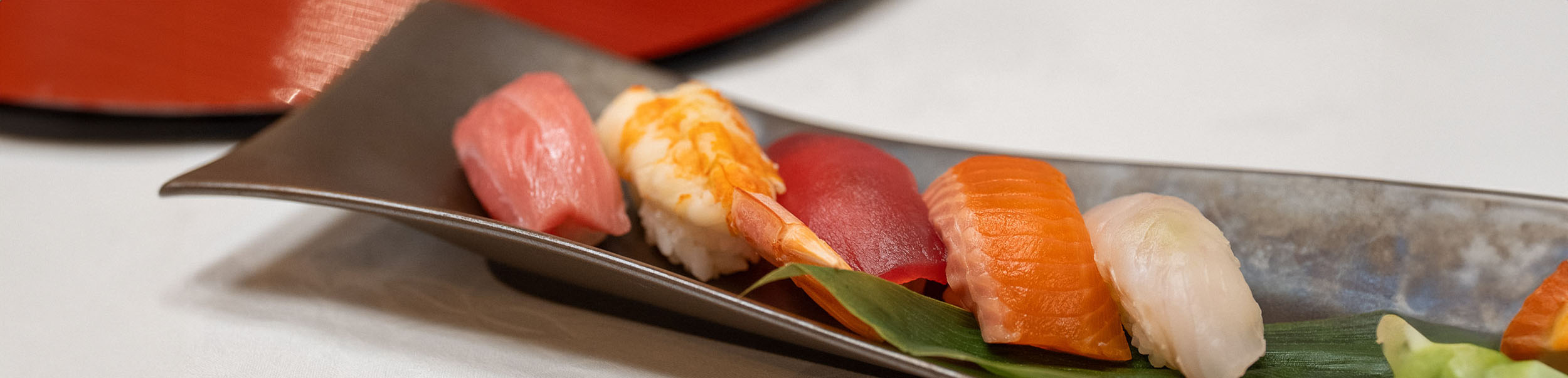
At J-Village, a national sports training centre and hotel, we sit on a tatami mat, ready to learn the art of nigiri sushi-making (that’s bite-sized, hand pressed sushi in case you weren’t aware). The sushi chef shows us how to ball up rice before adding wasabi and strips of seafood then plating them artfully-ish. Hot tip: coat your hands in the vinegar to stop the rice sticking to your hands.
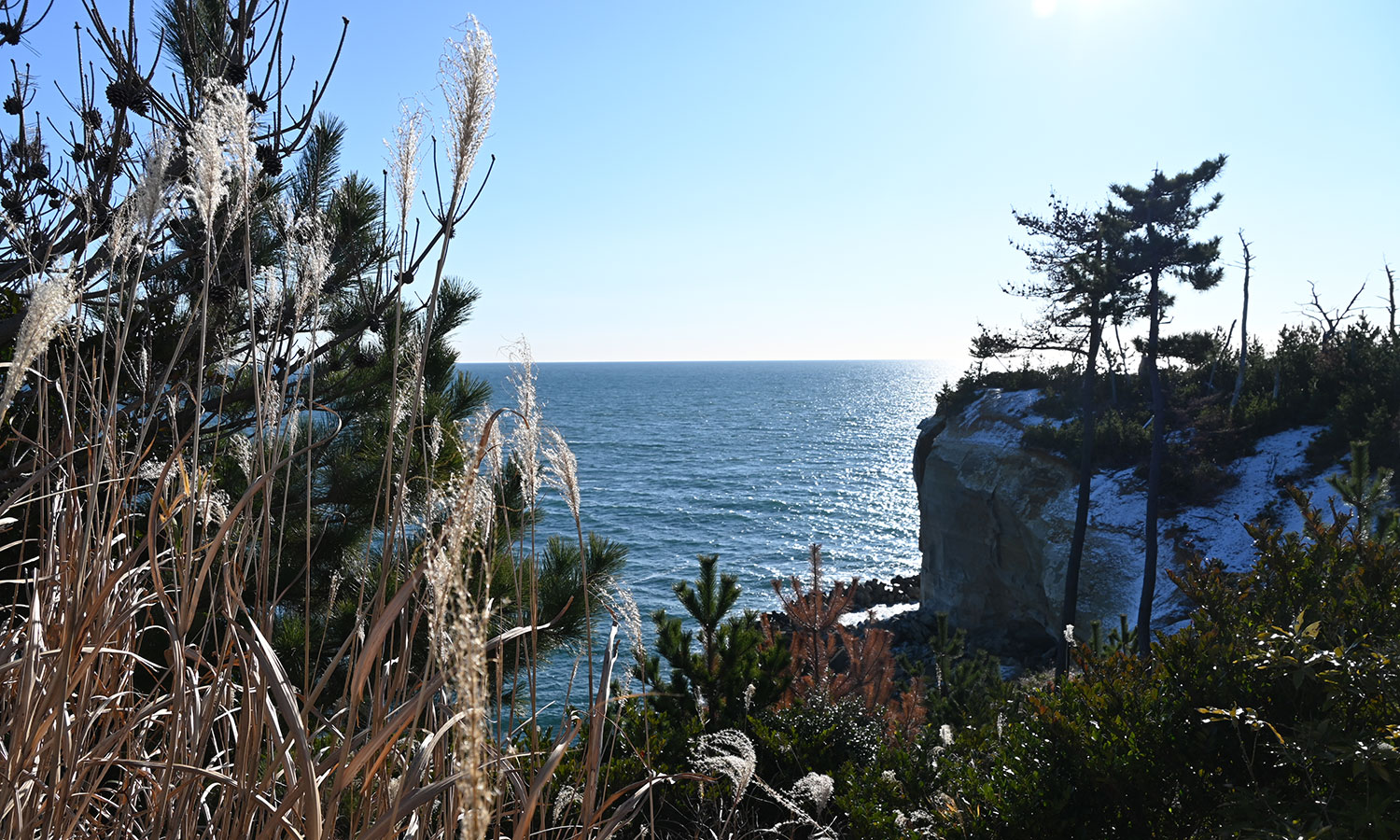
I welcome the opportunity to work off some of the incredible food by sampling the new 200 km Fukushima Coastal Trail, which connects with the 1,000 km Michinoku Coastal Trail - one of the 10 Long Distance Nature Trails of Japan. The trail hugs the coast and heads inland to provide a kaleidoscope of views, from beaches to volcanic ranges and farms, as well as opportunities to learn more about the post-disaster recovery.
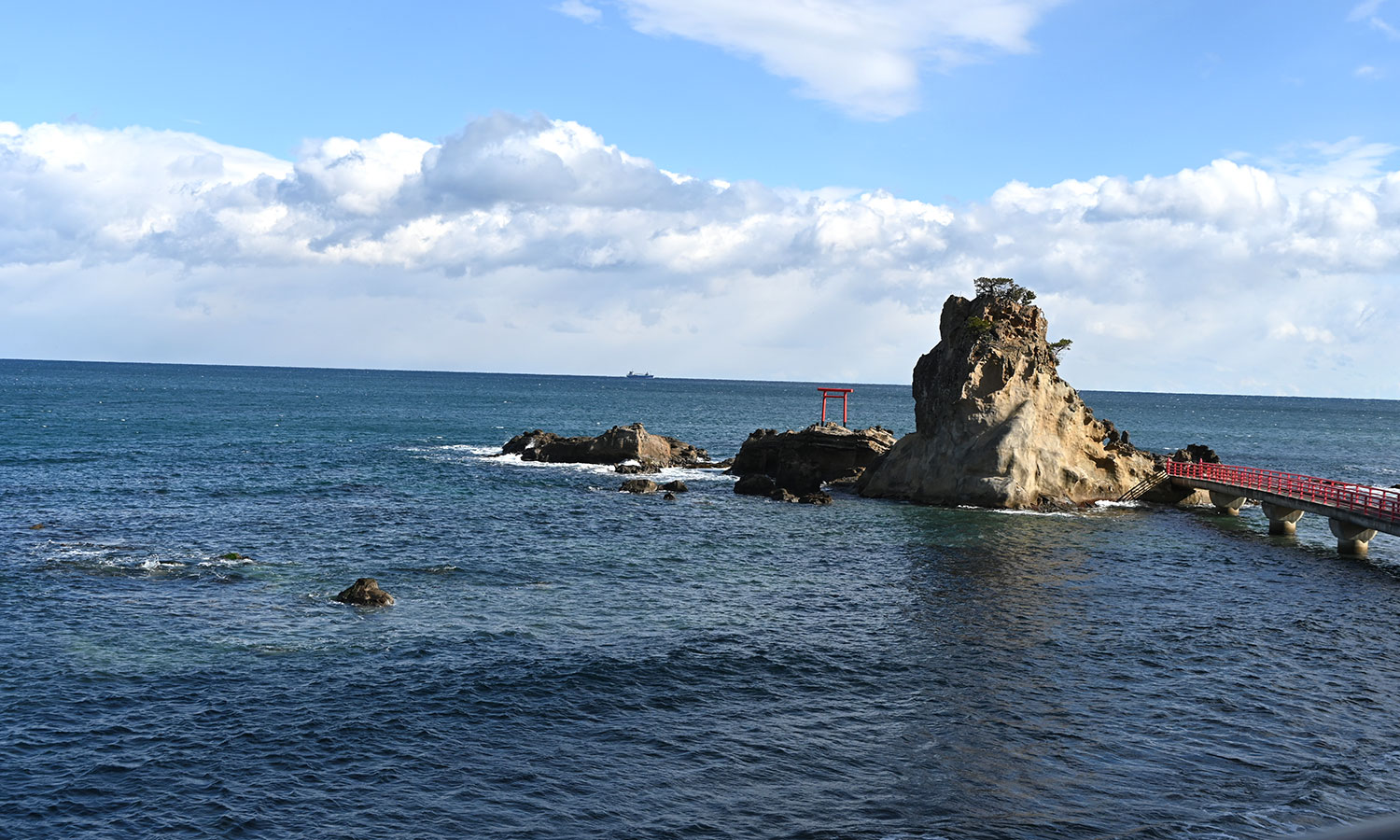
Our faces whipped by the salty air, we hop on ebikes to enjoy a cruisy ride along the coast, through tunnels and over seawalls, stopping at a cute Shinto shrine on a tiny standalone limestone outcrop. Remarkably the shrine’s red Tori gate survived the tsunami, whilst the connecting bridge was destroyed. During a coffee stop, we learn hopes are high for the trail to be recognised as a national cycling route.
At Iwaki City, Aquamarine Fukushima recreates the journey of evolution, from simple organisms to sea creatures with lungs and spines. It’s an impressive display but the biggest impact comes via the view from the third floor, where staff sheltered in place when the tsunami hit.
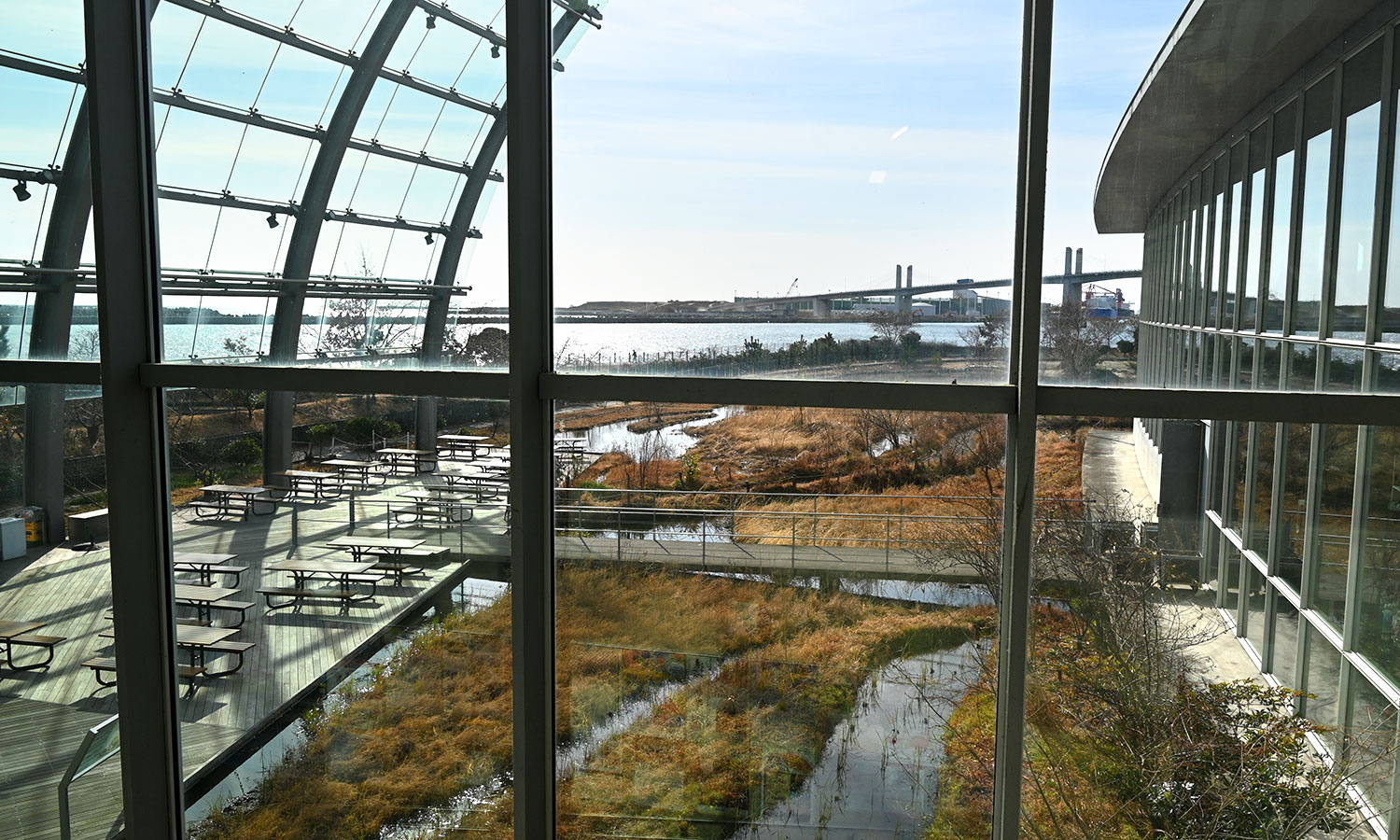
The glass building offers uninterrupted view of the Pacific Ocean, and a guide confides she was terrified as they watched the wall of water barrelled towards them.
Click to view gallery
There have been other damaging quakes since 2011, including 2021 and 2022, and there is no doubt there will be more. It is Japan after all. So, it surprises me that she is willing to continue working and living in the area. But her explanation is simple, if a disaster of that scale was to hit Japan again, Fukushima would be the best prepared to handle it.
That’s an embodiment of the region’s inspiring samurai spirit right there, and is exactly why, despite your mum’s fears, you’ll want to add Fukushima to your itinerary.
Answers to your mum’s FAQs:
About 12% of Fukushima Prefecture was declared unsafe as a result of the reactor explosion. Now it is around 2%.
Fukushima’s food produce is checked to ensure it is safe.
Decommissioning work on the destroyed reactors continues.






While you're here

If 2026 is the year you want to finally hit the slopes then the Ikon Pass has...
If 2026 is the year you want to finally hit the slopes then the Ikon Pass has your back -...

Calling all shutterbugs, storytellers, and video visionaries, Fujifilm’s...
Calling all shutterbugs, storytellers, and video visionaries, Fujifilm’s GFX Challenge...

SHIZUOKA, JAPAN
You, a flurry of pink petals, and landscapes so breathtaking they look...
You, a flurry of pink petals, and landscapes so breathtaking they look straight out of...

TOKYO, JAPAN
First there was Squid Game and now, after the resounding success of...
First there was Squid Game and now, after the resounding success of Netflix’s latest...