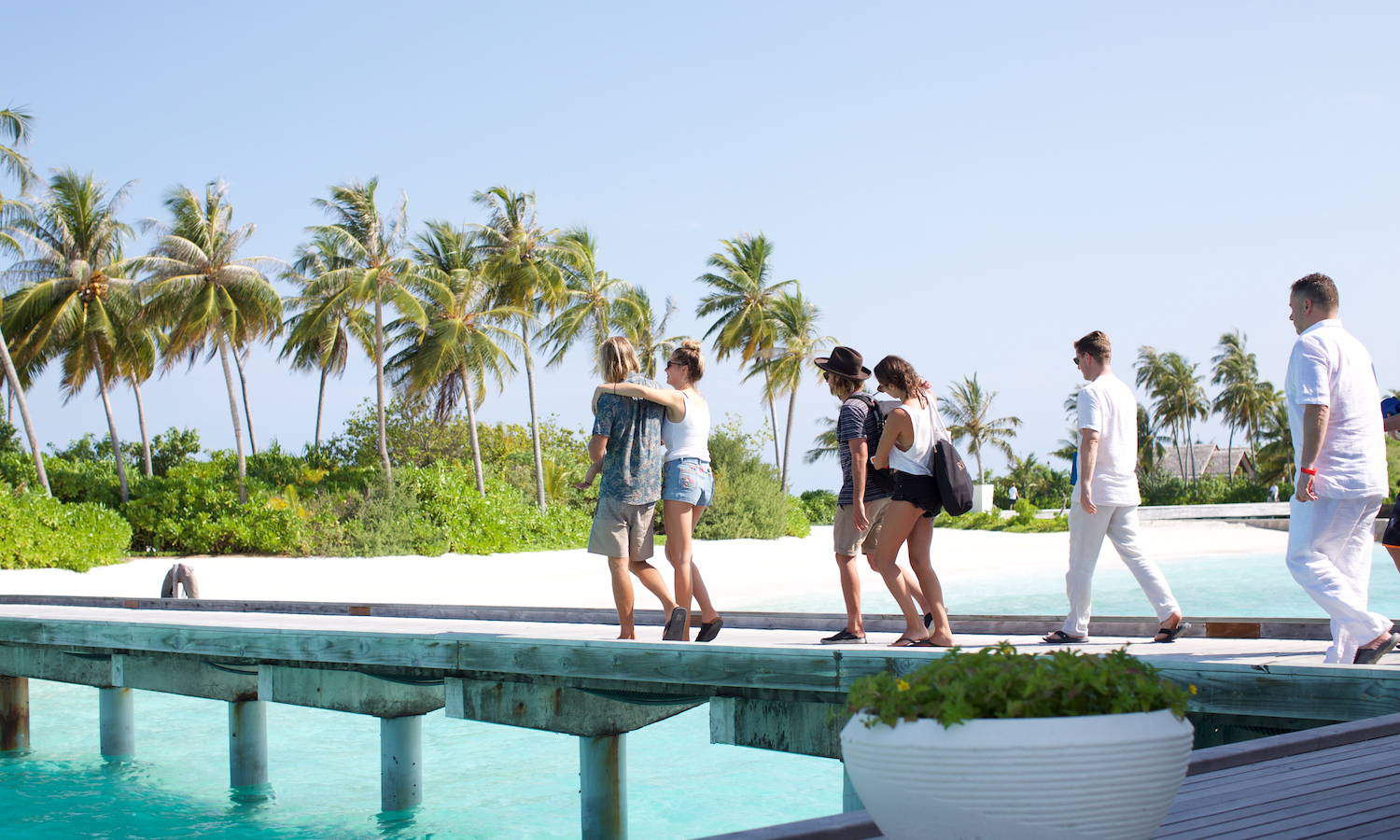
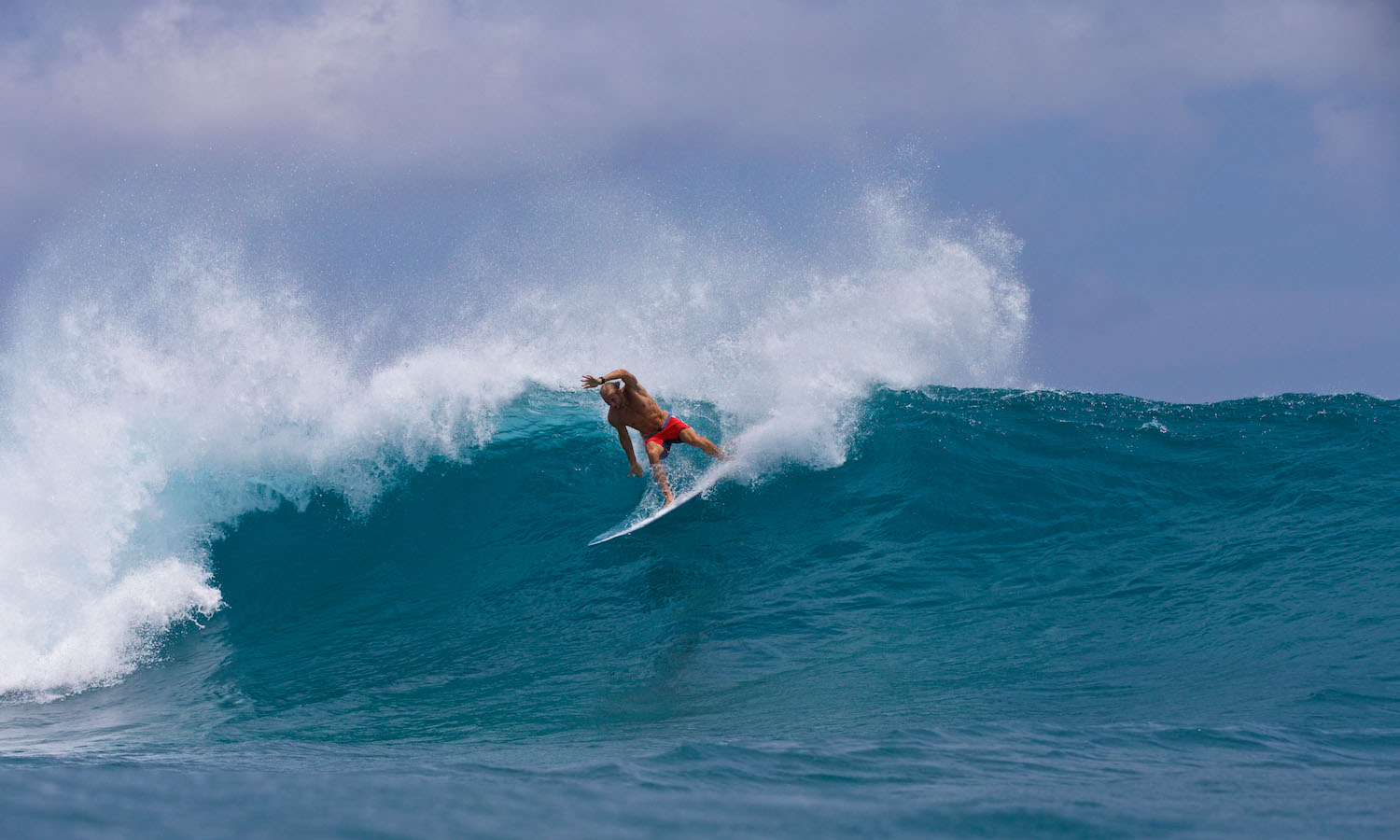
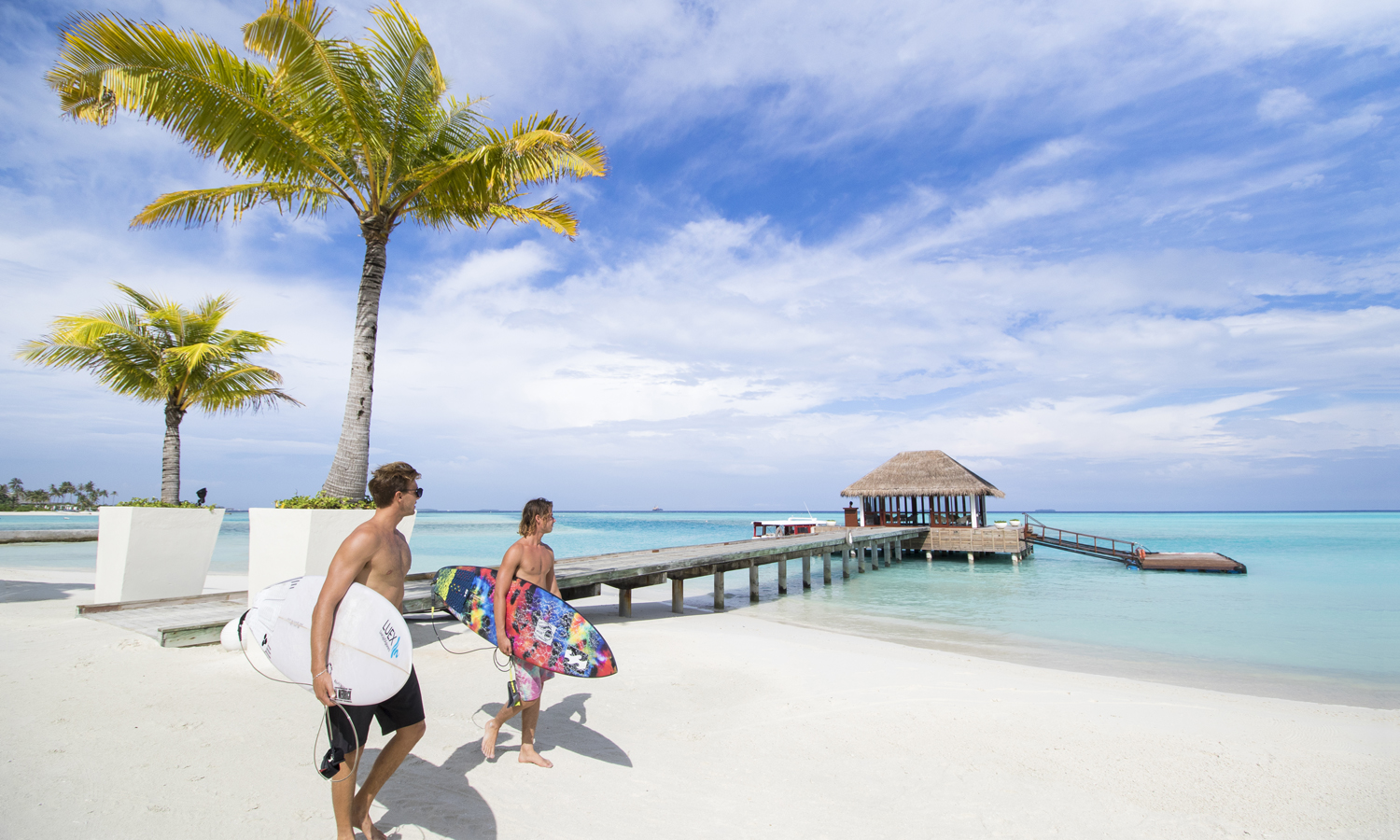
There are few places where you can surf straight off the beach in the Maldives, and the number where you can enjoy pure luxury when you’re not on those waves is even smaller. The break at Vodi Point, on Niyama’s southwest tip, is a long, mellow lefthander perfect for intermediate surfers or those with more experience who just want to nip in and catch a wave without any hassle. Those committed to staying dry and, instead, wetting their whistle can watch the action from the Surf Shack, where the beers are on ice.
Niyama isn’t only for surfers, though. It’s actually made up of two islands – Play and Chill – with a huge selection of activities and, because you’re on holiday, places to eat. Snorkel with turtles on the reef, get your dive license, fly over the waves on a jet ski, sail way on a dhoni cruise or ease weary muscles in the Drift Spa. And that’s just the start. Throughout the day, feed a hunger at African-inspired restaurant Tribal or take on the teppanyaki at Nest. It wouldn’t be the Maldives without an amazing underwater restaurant and Subsix will fulfil all your Aquaman fantasies as you dine on pan-seared sea bass while watching moray eels emerge from the coral.
As far as accommodation goes, the outdoor showers, plunge pools, lounging areas and contemporary interiors do little to detract from the glittering ocean just a few metres away. If you’re really treating yourself, upgrade to one of the overwater bungalows, each with their own private sun deck and pool.
A few days before I jet off for Japan, I receive a mildly alarming email regarding possible apocalyptic weather conditions at my destination.
I’m about to fly out to Sapporo, capital of Hokkaido, the country’s northernmost island. It’s mid-February, and Hokkaido is engulfed by the coldest air mass the region has ever recorded. In some spots temperatures have plunged to minus 30 degrees Celsius. “Please take steps to protect yourself,” the email advises gravely. “Activities might be cancelled due to snowstorms”.
Things are so bad they’ve made international news. TV footage shows the streets of Sapporo, a usually bustling city of two million, completely deserted. Air, road and rail services shutdown. I begin genuinely worrying about my survival. I’m not sure I even like snow? I try to imagine what minus 30 could possibly feel like, but it seems extreme beyond all comprehension.
Just hours before I board my flight from Tokyo to Sapporo, some welcome news comes. The cold snap has ended. Temperatures have settled to a more usual low of minus 10. It’s back to business as usual – and it hasn’t put off the tourists.
Blessed with bountiful snowfall from December through to late May, the region has gained a reputation for possessing some of the most perfect powder ski slopes on the planet. Three hours south of Sapporo, is Niseko, a world-renowned winter sports mecca. This time though, I’ve left the skis at home.
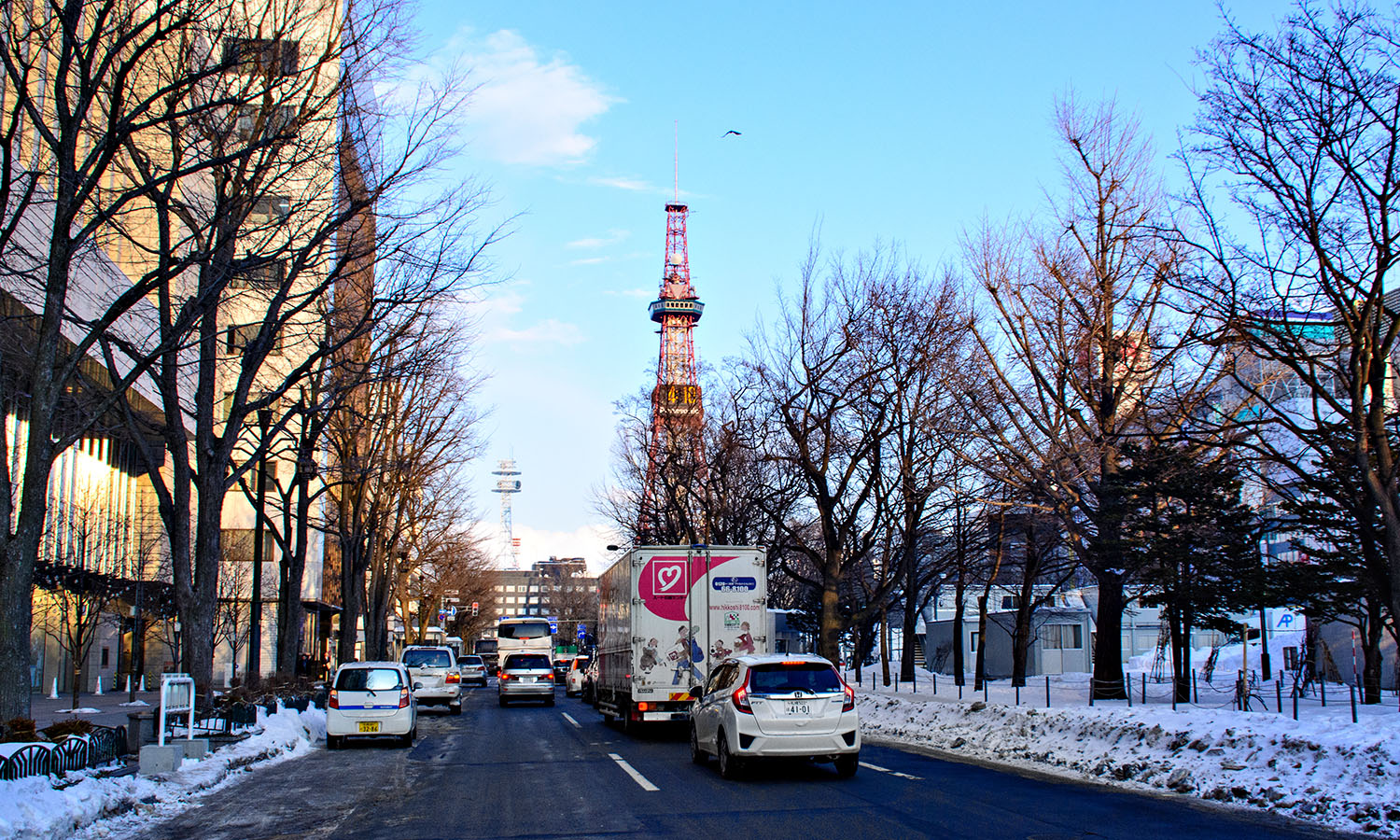
A mini-van has been arranged to take me around town. The city streets are buried beneath several inches of snow and I’m sceptical about whether it’ll be up to the task. The driver assures me my anxiety is unfounded. The soft snow in Hokkaido has far more grip than the icy slush that forms in most other places. Here, the air temperature is so consistently frigid, the snow never gets a chance to melt into perilously slippery ice.
We make our way through the suburban outskirts of Sapporo, sheer white curtains of snow falling around us. Every few minutes, a small fleet of trucks trundles past, each vehicle hauling a 10 ton heap of freshly ploughed snow.
In Hokkaido snow removal team works around the clock, saving the city day after day from coming to a grinding halt. While at first, the operation strikes me as comically futile, I soon realise that without these winter warriors, suburban streets would turn to cross-country skiing trails, roofs would regularly collapse over families at the dinner table, and residents would open their front doors only to be greeted by an impenetrable wall of ice.
Despite its harsh weather and relative isolation, today’s Sapporo is a surprisingly cosmopolitan and creative city, but it wasn’t always so appealing.
Sapporo started out as a tiny fishing village, but the search for resources like coal and oil turned it into a small city by the 1900s. It wasn’t until after the war that heavy industry really ramped up and Sapporo experienced a development boom. Today, like many cities advancing out from their industrial past, Sapporo has made a decisive switch towards technology, tourism and environmental restoration.
What kickstarted this movement, changing the city forever in the process, was a park.
Walking in Moerenuma Park in winter is a novel, if slow-going activity. We frequently lose sight of the footpaths, and our feet sink effortlessly into knee-deep powder, so soft even our footsteps leave no sound. In fact, the snow in Moerenuma is so good that a huge hill in the middle of the park has become a miniature downhill ski-slope and toboggan run – totally free for everyone, provided they can make the steep, 15 minute climb to the summit.
The 400-acre Moerenuma Park is the centrepiece of Sapporo’s ongoing urban greenbelt project. A former landfill site, Moernuma’s dramatic transformation began in 1982 under the direction of celebrated Japanese-American landscape designer, Isamu Noguchi.
Turning a toxic waste dump into what would become one of Japan’s most visually stunning urban playgrounds would prove to the most ambitious undertaking of Noguchi’s career.
A brilliant example of design-led urban renewal, Moerenuma is a fusion of the futuristic and the traditional, drawing inspiration from Zen Buddhist architecture to create man-made environments in harmony with the natural world.
Among the dozens of Noguchi pieces scattered around the park is a geometric modern art installation that doubles as a children’s playground. The playground features a spiral slide, which Noguchi hoped would awaken in kids both an appreciation for sculpture and the laws of physics.
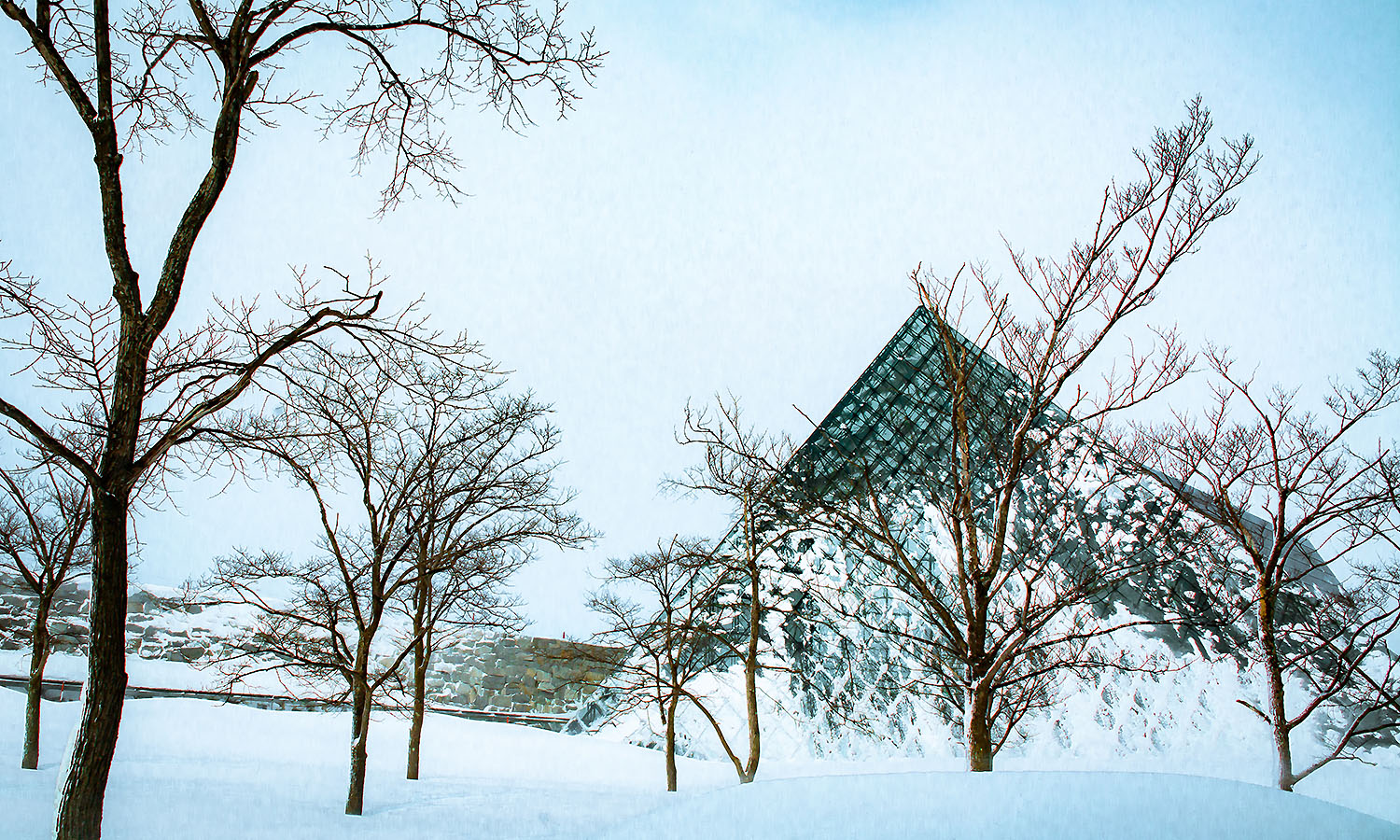
What I’m most keen to see though, is the park’s fabled pyramid. Eventually, I glimpse eyes on the massive, triangular summit of the monument. All mathematically-calculated angles and hard surfaces, it’s a cutting contrast against a downy landscape of smooth valleys and pillowy peaks. The 32-metre high pyramid’s glass panels perfectly reflect the blue sky in summer and the dazzling white backdrop of winter. In the warmer months, it becomes a unique performance space, playing host to concerts and art exhibitions.
Before it was buried by the city’s waste, this place was a lush, ancient wetland, encircled by a natural water course that is now once again pristine. In the language of Hokkaido’s indigenous Ainu, Moerenuma means ‘slow flowing river’.
Noguchi died in 1988 before he could see through the completion of his work. So meticulous, and so grand in scale was his vision, that the park wasn’t officially opened until 2005.
Its success marked a turning point in Sapporo’s 30 year effort to transform its image from obscure industrial outpost to a year-round magnet for visitors.
In summer, it is alive with joggers, cyclists and families picnicking beneath late-flowering Hokkaido cherry blossom trees. But today it is shrouded in deep, penetrating silence.
Spectator Sports at Sapporo Wholesale Market
For some reason, I’d agreed to be dropped off the next morning at the Sapporo Wholesale Market at 5:30am. It’s pitch black, and bitterly cold.
I’m met by a fresh-faced employee, who preps me on what I’m about to see when we reach the main trade floor. I’m half asleep, but the market has been thronging with activity for hours. There are inspectors in lab coats assessing the morning’s goods with scientific precision, while pickers and packers zip across the market floor in the market’s iconic barrel-shaped, flatbed turret trucks.
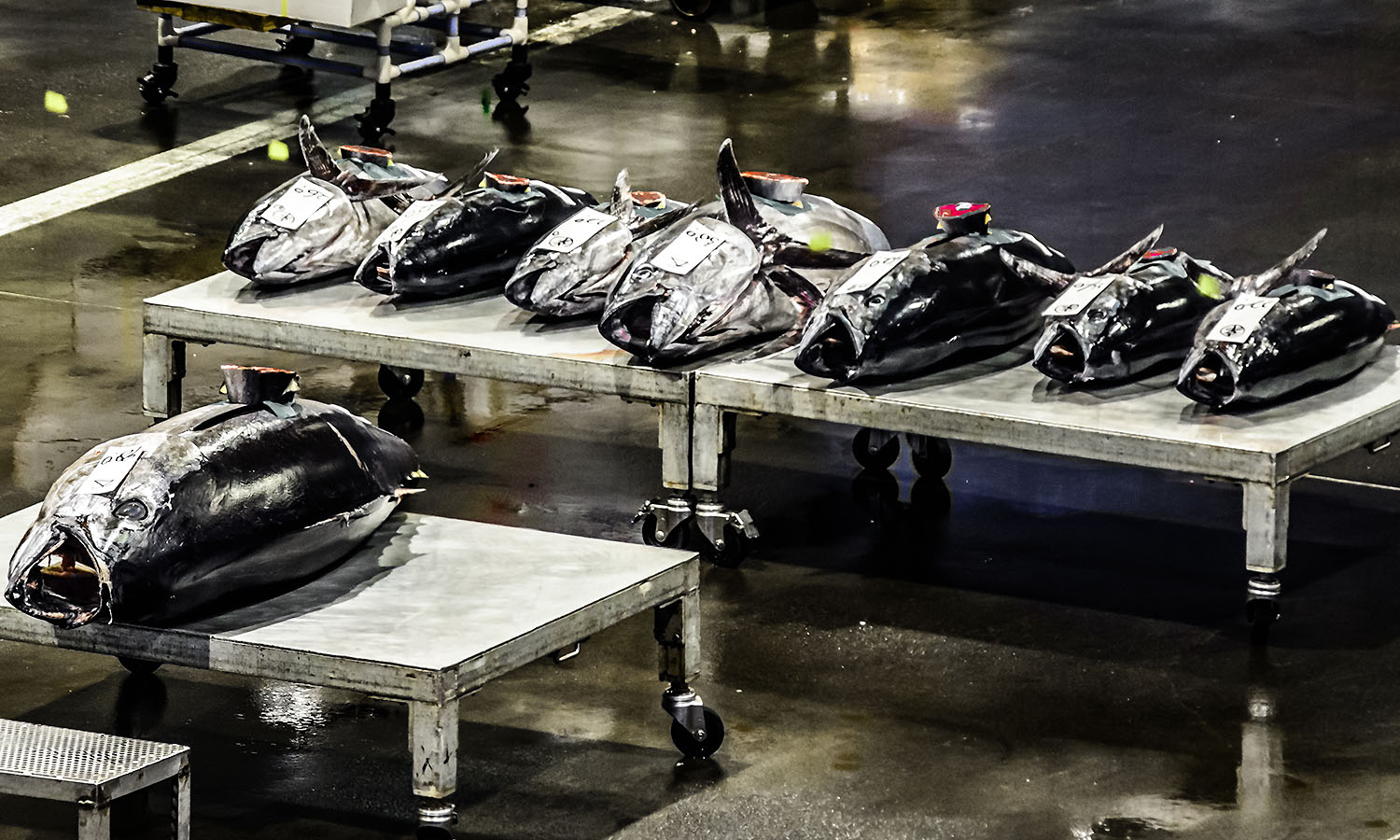
I’m taken to an observation deck on the second floor of the hanger-sized fisheries building. A large group of people make their way towards a series of wooden tables, where several colossal fish carcasses are on display. Eight blue fin tuna, the most prized fish of all, will be auctioned off, bringing fortune to some, and dashing the hopes of others.
Only staff and buyers are allowed on the auction floor, but the observatory deck has an uninterrupted view of the entire ground floor sales operation. Crowds are non-existent, giving you the best chance of witnessing the legendary hybrid of business, gambling and performance that is a Japanese tuna auction.
There’s a sudden commotion as a group of about a dozen people start to converge beside the tuna table. Sapporo Wholesale Market runs like a well-oiled machine, but when there’s tuna on the line, orderliness flies out the window.
Tuna auctions are a kind of ultra-high stakes game of charades, in which buyers employ hand signals to place rapid fire bids, until a loud yelp from the auctioneer announces the end of the bidding war.
Registered buyers in colour-coded baseball caps form a scrum around the auctioneer, who announces the proceedings through a highly animated language of whooping and yelling.
A high pitched yowl echoes through the market. All 12 tuna brokers are hot out of the gate. They frantically punch air to assert their offer, with only a split second before they must make their next move. The auctioneer rattles off bidding prices in a rhythmic sing-song call that spurs on the buyers. The action appears to be speeding up. I see several hands go down and stay down, and more than one dejected face. The whole affair is loud, frantic and for me at least, almost impossible to follow. It looks like about half the competitors are still in the race. Suddenly, the auctioneer gives out a loud bark and the crowd immediately disperses. About 60 seconds have past. I’m not sure who’s won. I scan the faces of the buyers for a smile of satisfaction, but I can’t get a reading. I figure these guys must be the real pros.
By the time a buyer is considered experienced enough to compete on the auction floor, he is an expert in both seafood and business, and a steely-nerved gambler to boot. The tuna business is a big-time hustle (earlier this year, a 277 kilogram tuna at Tokyo’s Toyosu Fish Market went for a record-breaking US$3 million plus). In a few hours’ time, they’ll be on-selling the morning’s spoils to upscale retailers and fancy restaurants.
If Sapporo has one worldwide claim to fame, it’s undoubtedly the locally brewed beer that bares the city’s namesake.
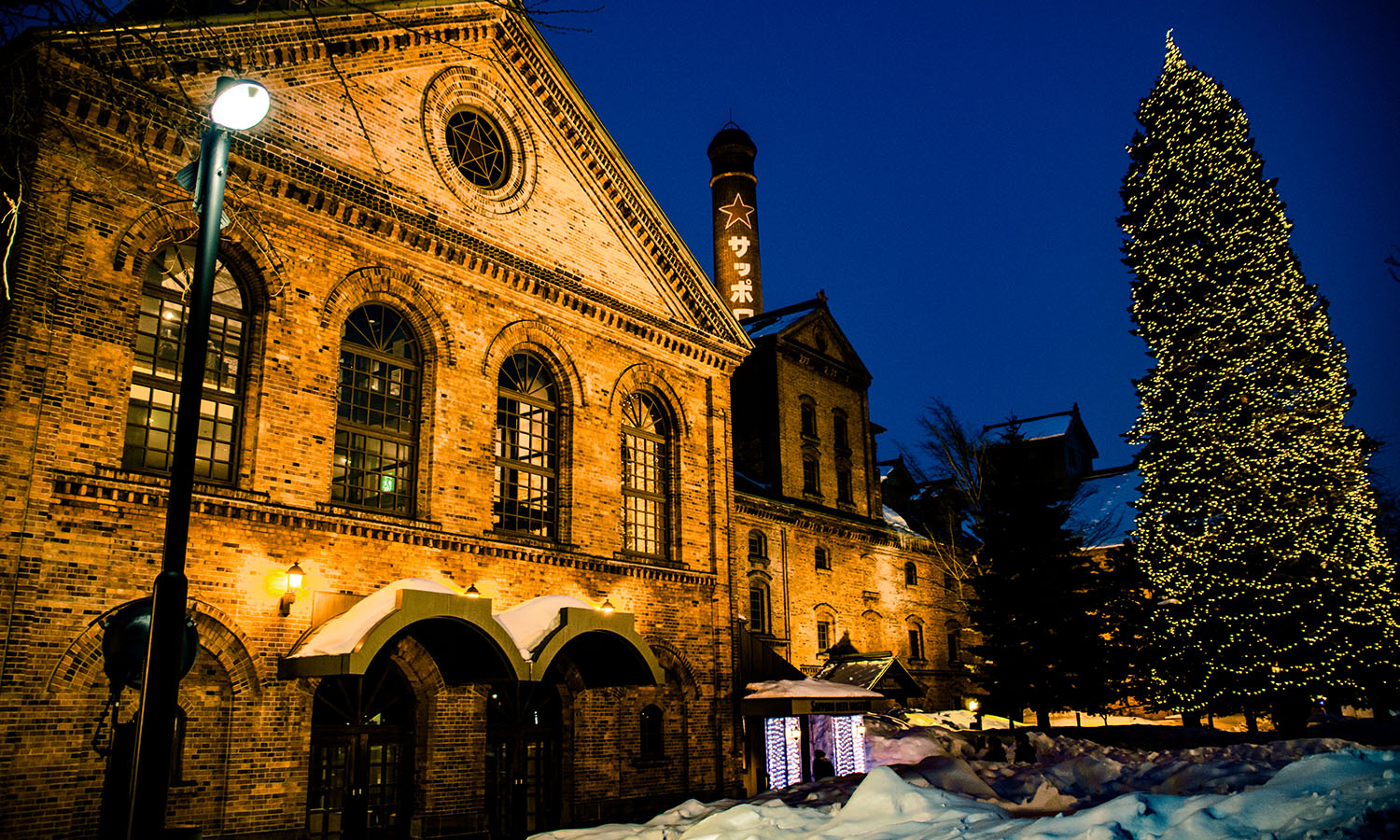
Sapporo is the oldest beer brand in Japan, and its longest-operating brewery. A handsome, European-style redbrick building dating to 1890, it’s visible from streets away by the chimney stack baring the brand’s trademark red polar star.
While brewing operations have since been shifted elsewhere in Hokkaido, the historic factory is still the spiritual home of the much-loved lager. Since being reinvented as the Sapporo Beer Museum in 1987, it’s become a place of pilgrimage for beer enthusiasts the world over.
Dominating the museum’s interior is the massive copper brewing kettle standing several stories high. Guided tours are available to walk you through the brewing process and the history of beer-making in Japan. There’s also a collection of vintage Sapporo ads, including some rather disturbing examples from the early 1900s which appear to be marketed towards mothers and babies.
Learning about beer would be much less fun if you didn’t get to drink it afterwards. Luckily there’s a giant German-style beer hall onsite where steins of Sapporo find the ultimate match in copious servings of smoky, fatty, barbecue grilled meet.
The restaurant serves a speciality, the ‘Genghis Khan’. A similar concept to a typical Japanese or Korean barbecue restaurant, the meat is brought out raw and cooked at the table communal style on dome-shaped metal hot plates. I can’t resist ordering a pinto of the Sapporo Five Star, a more full-bodied lager than the regular stuff, available exclusively at the Beer Museum.
After the all-you-can-eat meat extravaganza, I do my best to walk things off a little with a stroll through the city’s downtown. Along a main street, I spot several excavators rolling down the footpath. They’re busily demolishing what on closer inspection appears to be the remains of near life-sized replica of a medieval castle, carved out of translucent blocks of ice.
Sapporo’s Snow Festival (and why you shouldn’t miss it)
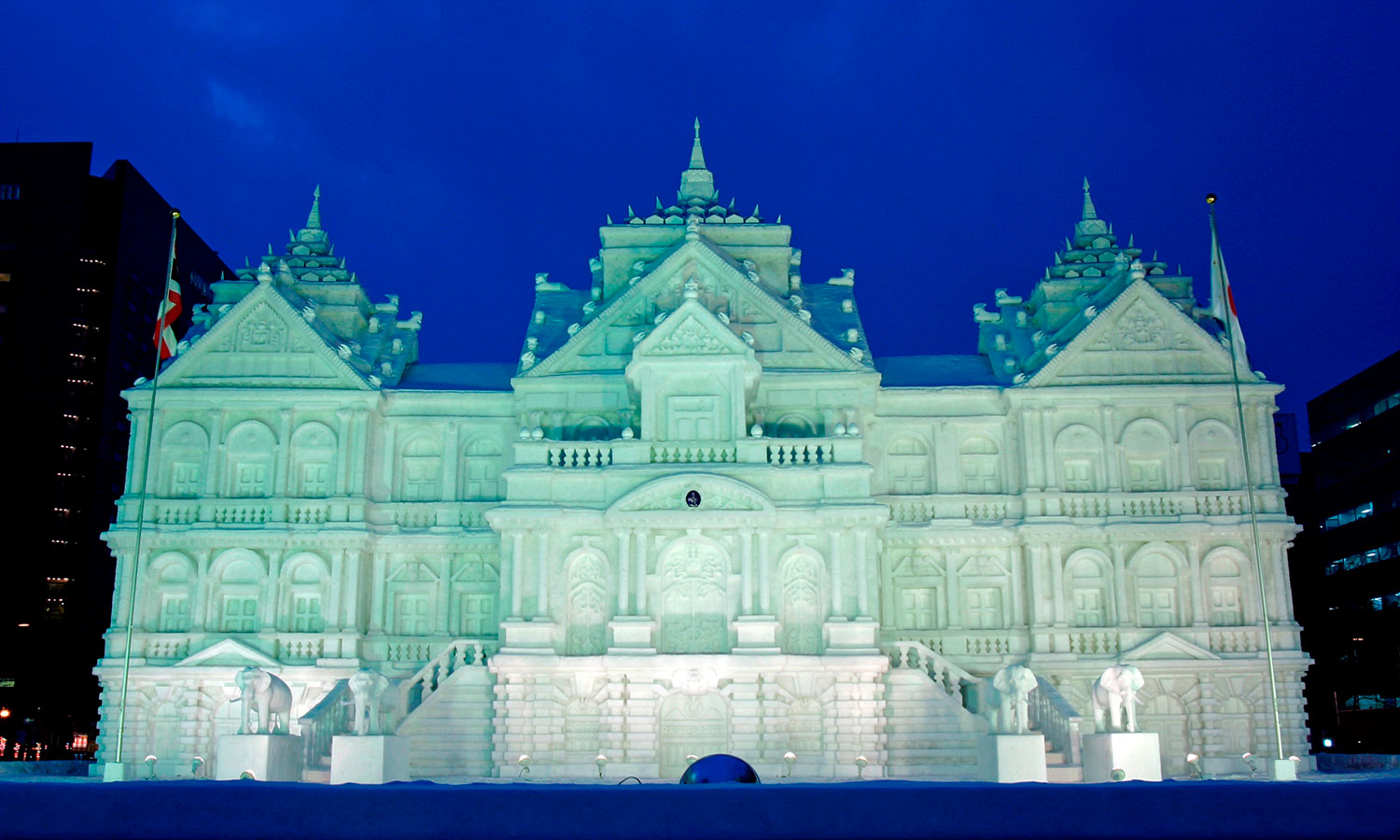
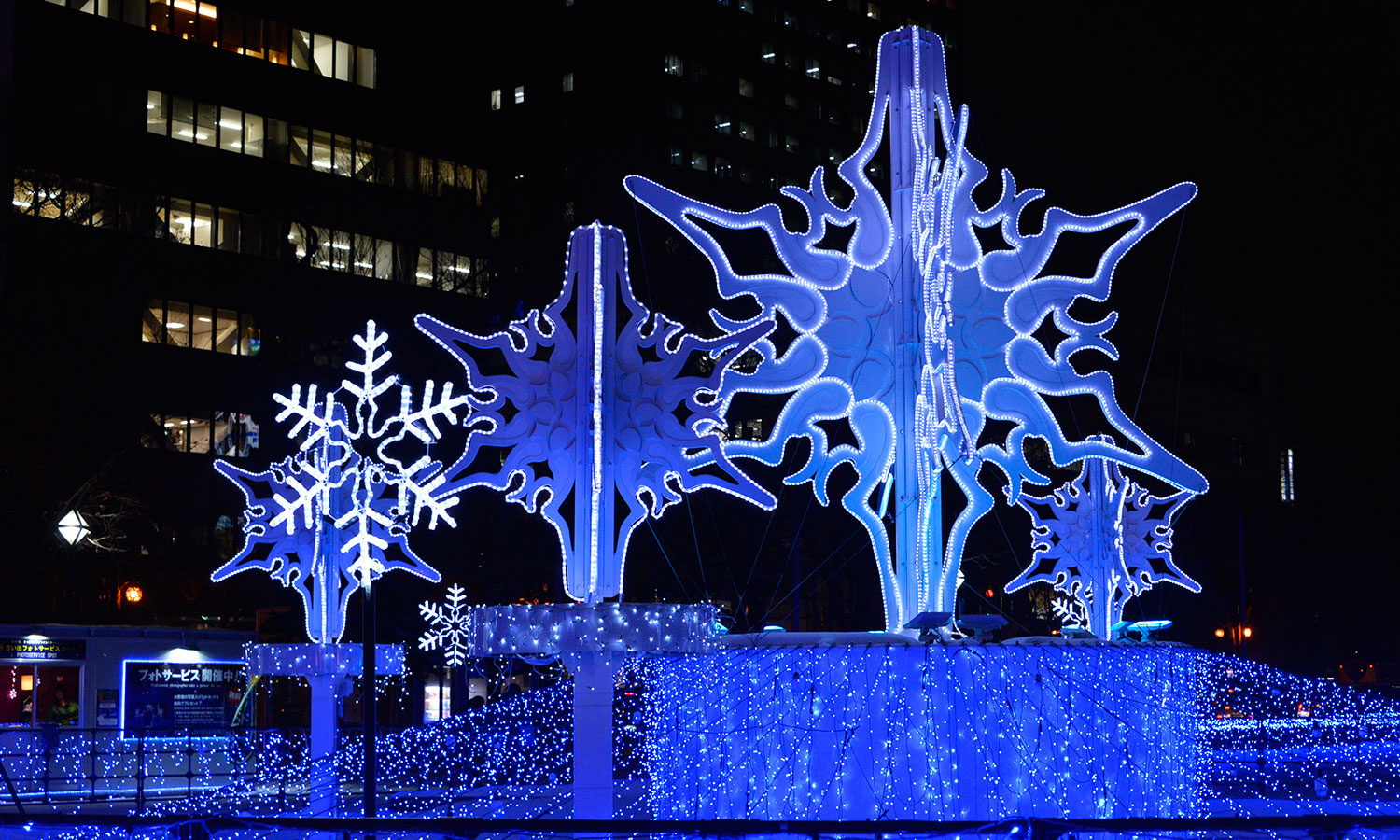
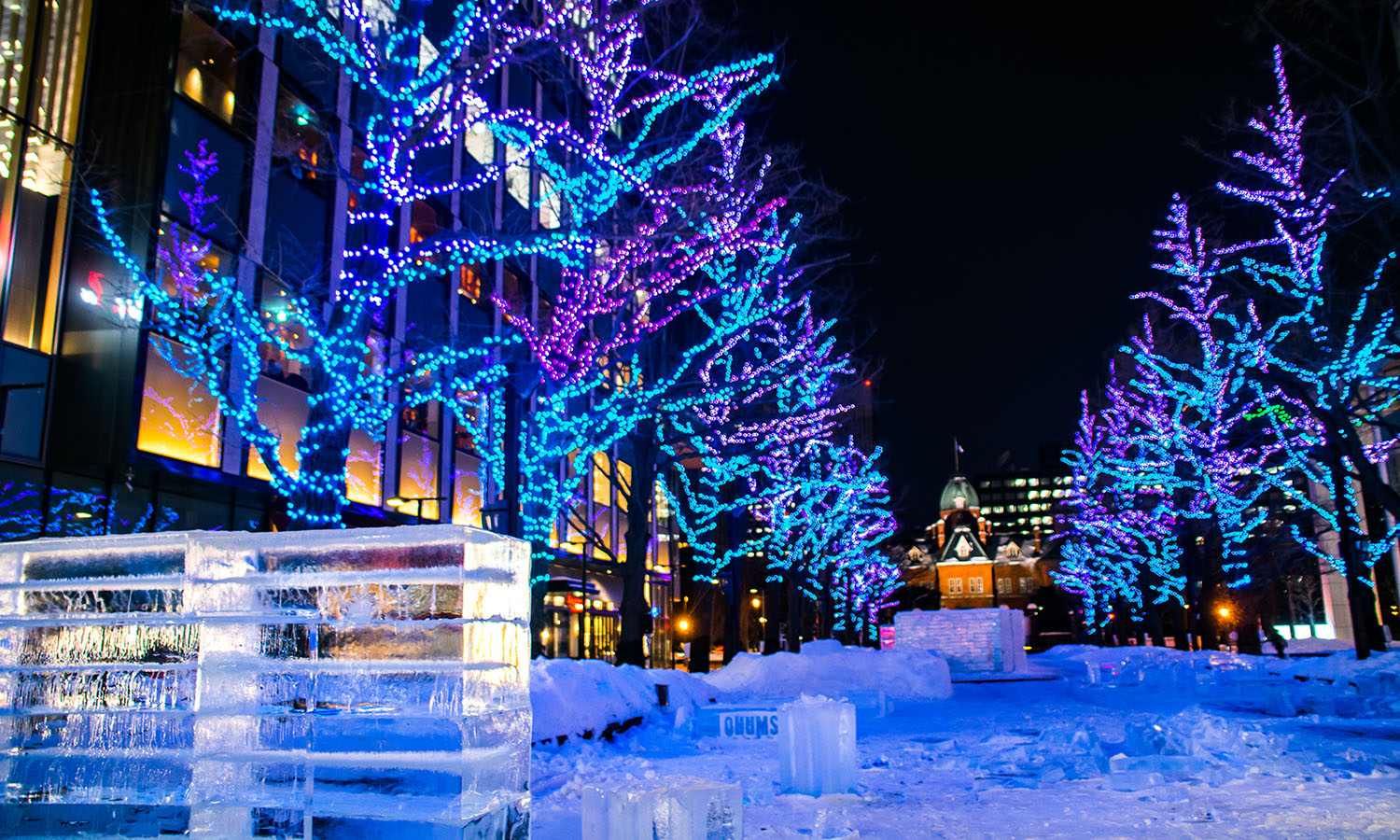
Every year in early February, Sapporo hosts its largest and most spectacular event, the Sapporo Snow Festival. Sapporo in winter has an undeniable air of magic, which the festival aims to celebrate by illuminating the city streets, setting the evenings aglow with millions of multi-coloured LEDs and kaleidoscopic light projections.
The highlight of the festival is the snow sculpting competition where highly skilled teams from around the globe carve extraordinarily complex and detailed sculptures out of ice and snow. Past entries have included a 10-metre high T-Rex, an astonishingly intricate Taj Mahal, and a life-sized reproduction of the Grand Central Hall of Nara, one of Japan’s most magnificent temples.
Multiple sculptures standing several stories high have transformed this square into a gaudily enchanting, artificial-lit fairy land. After being painstakingly created over several weeks, they’ve been bulldozed into rubble in a matter of hours.
Even without the snow festival, Sapporo has worked its winter charms on me. Until now, I had never seen a city completely blanketed in powder so thick, so soft and so dazzlingly white. I had never seen snow that glowed crystal blue under the pooled light of city streetlamps or formed glittering incandescent icicles beneath window eaves and clustered along the branches of pines. These were scenes I’d only ever seen in the picture books and TV special Christmas movies I fantasised about as a kid.
It’s my last night in Hokkaido. I shake off the feathery dusting of snowflakes settling on my shoulders, breathe warm vapour into my hands and let it all sink in.
Here I am, a self-professed cold weather wimp in the second snowiest city on earth (only another Japanese city, Aomori, cops even heavier falls). My take: winter isn’t beautiful everywhere, but it is here.
Millions of tourists come to Japan with shopping high on their agenda. Whether you’re into traditional crafts, high fashion, or anime action figures, it’s easy to exceed your luggage limits with items almost impossible to buy back home.
Beyond the flashy malls and touristy shopping districts are communities of craft makers who have preserved the ways of their forefathers, carrying on the time-honoured traditions. Tracking them down can be an adventure in itself.
When I was invited to meet some of Japan’s premier craft makers and designers, I was able to get a tiny taste of the nation’s handmade artisan treasures.
If like me, your Japanese skills don’t extend past first grade level, you’ll need to enlist the help of a local guide who can lead you to troves of art found only in unmarked galleries, factory showrooms and places where one-off pieces are purchased direct from the creators themselves.
Talking to the craft makers I met on this trip, I was struck by how religiously many stuck to historical processes, some even refusing to work with computers and modern machinery. In Japan, small manufacturing businesses often run in the same family for generations, and breaking with tradition is rarely met with approval.
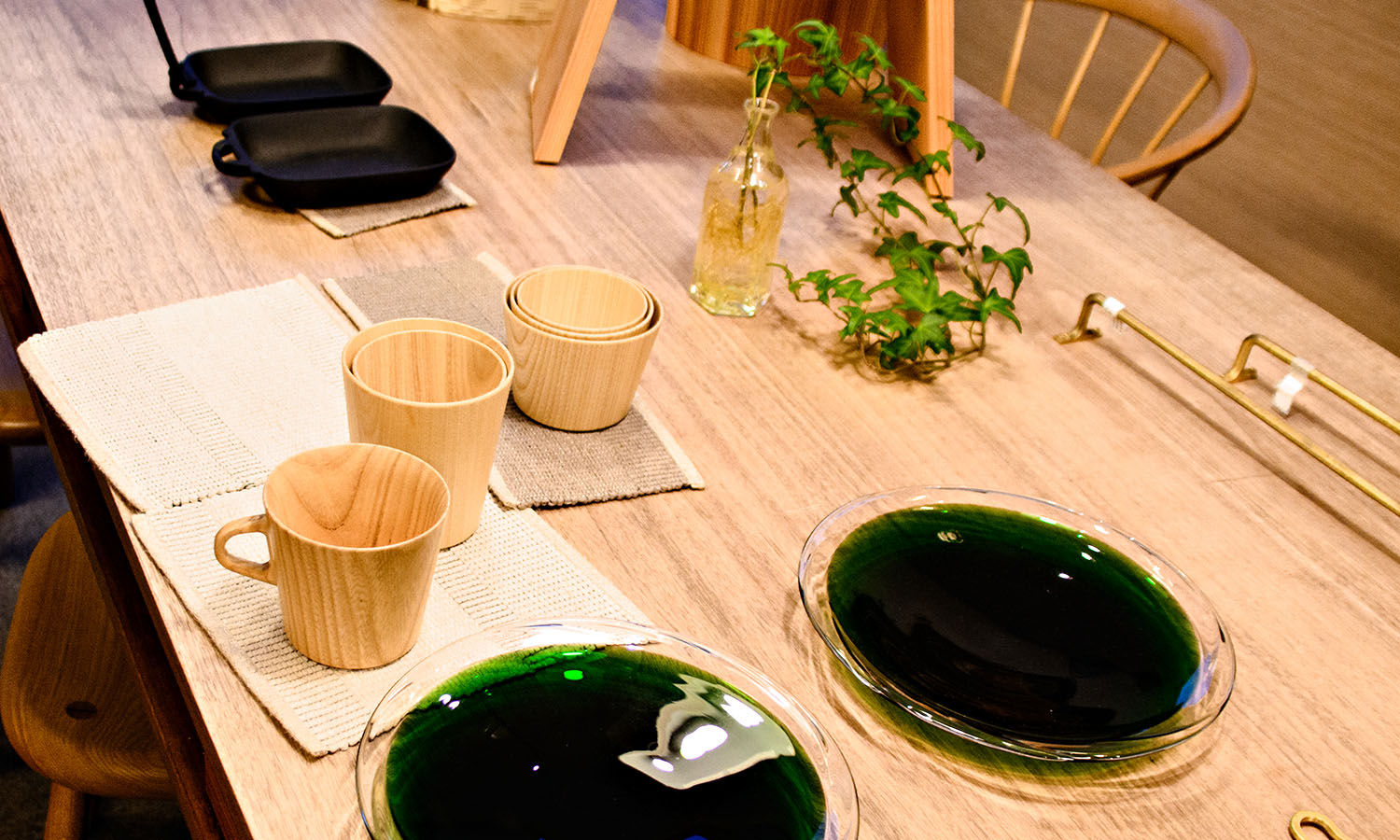
One of my first stops was the Kanata art shop in the bustling far-northern city of Sapporo. Sporting an elegant, minimalist interior design, the shop houses a small collection of homewares, furniture and art pieces, each one personally selected by curator Chiemi Hiratsuka from the workshops of Hokkaido’s finest woodworkers, potters, metalworkers, weavers and sculptors.
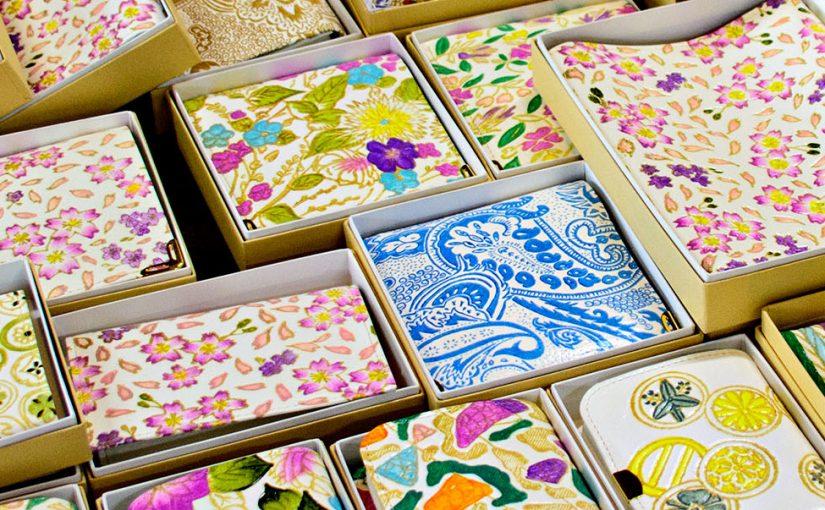
The handmade pieces are a mixture of traditional and contemporary styles. Among the most striking are the feather-light yet sturdy drinking cups carved from kami (Japanese paper wood), a vintage-style clock with a face made from amazingly soft, supple deerskin leather and a series of hand-brushed ceramic plates.
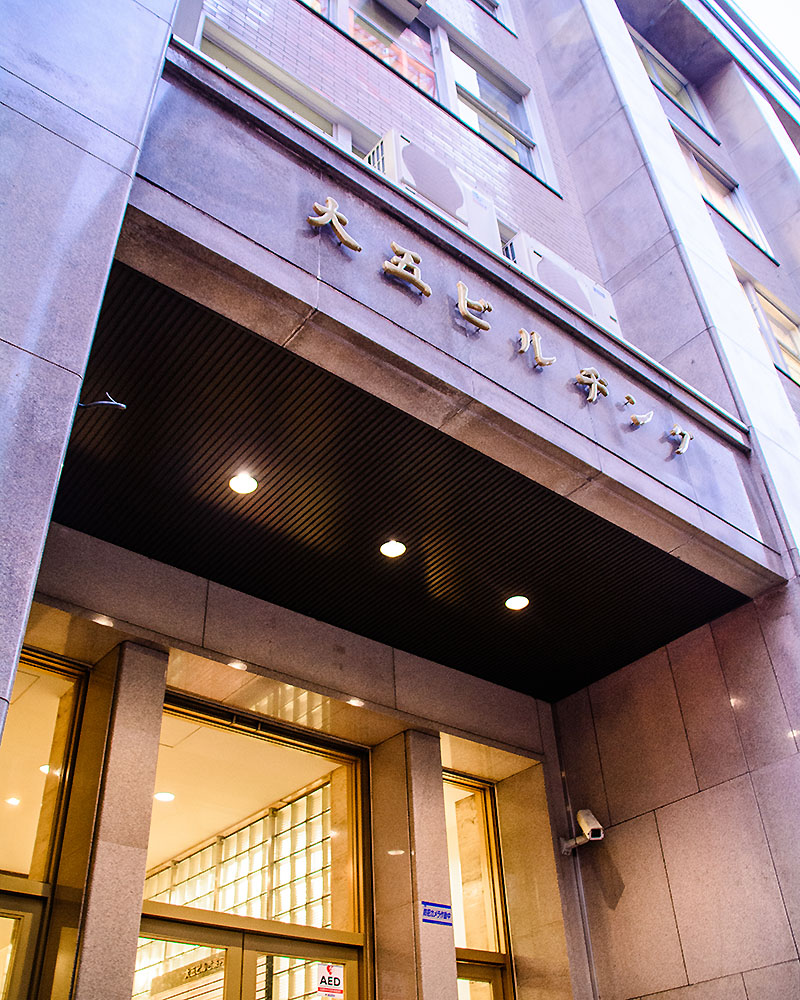
But it’s how Kanata’s customers discover these gallery-worthy works that fascinates me. To find the entrance my guide and I make our way six storeys up an utterly ordinary, unmarked commercial building, where the shop is tucked away in a small, converted corner office. There are no signs to point the way, and to all but those in the know, Kanata is all but invisible. There is an online store, but not all products are available and going into the store is all part of the experience. When I quiz Chiemi on how her customers find her, she simply says, “they just know”.
Chiemi is a designer herself and well-respected in certain art circles, and most of her customers are keen collectors who track her down through their connections. Of course, anyone is welcome to find a local guide who can take them to this extraordinary hidden treasure trove.
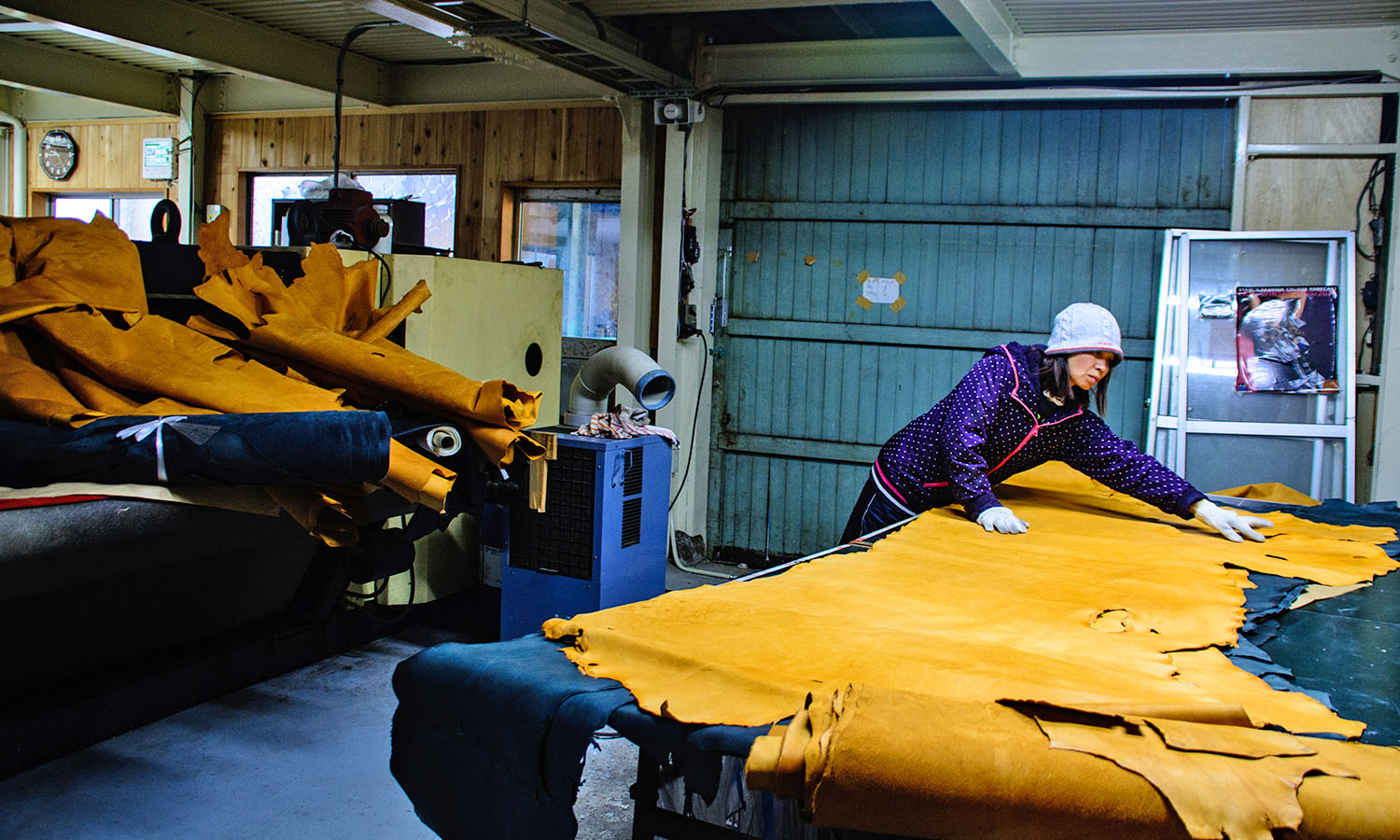
From Sapporo, I take a two hour flight to Kobe, followed by an hour’s bus ride to the ancient town of Himeji, renowned for its 17th century samurai castle, one of the finest in Japan. I’m here to discover a slice of Himeji’s heritage even more ancient that its famous castle – the city’s 1000 year old leatherwork tradition. Once upon a time, Himeji’s master tanners and leatherworkers would fashion armour for the samurais, and craft saddles and harnesses for their horses.
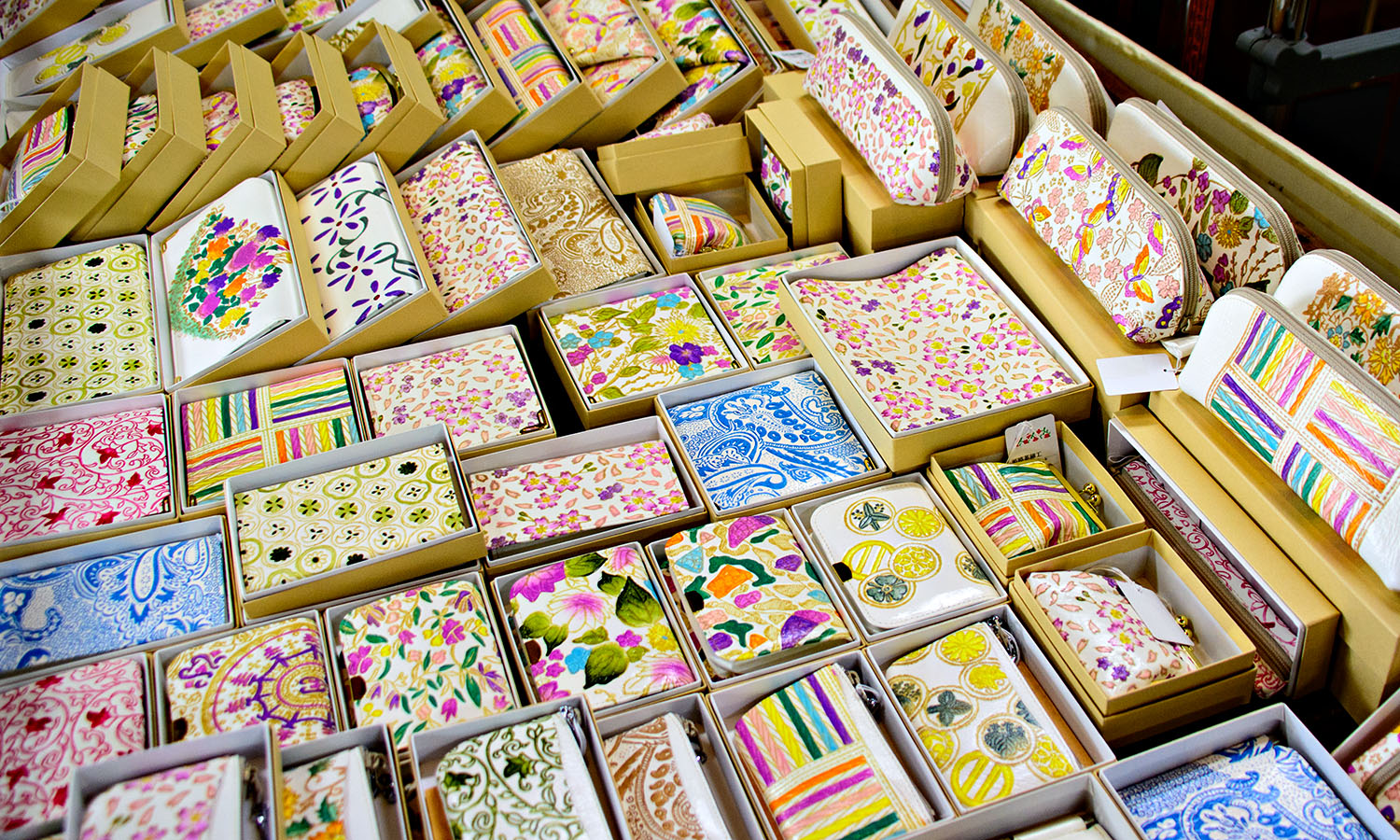
I’m surprised to discover that Himeji is one of the few places able to produce natural white leather. The most commonly available white leather is usually the result of bleaching or dying, but Himeji’s tanners discovered that soaking cattle hides in the local Ichikawa River could produce organic leather in pure whites and creams, thanks to the Ichikawa’s unique mineral properties and natural softness.
Today news of Himeji’s mythical white leather has captured the attention of a few big players in the haute couture studios of Europe. One leathermaker in particular, Masamichi Ogaki, even had a contingent of French designers fly out and inspect his work.
Ogaki heads up the fifth generation of his family business, the Daisho Leather Company. As I tour the surprisingly compact Daisho Factory, Ogaki talks enthusiastically about how he flew to France to show off his wares at Paris Fashion Week. Now, he supplies his top quality leather goods to the likes of Hermes.
Should you find yourself in Himeji, drop into the Daisho outlet store and pick up an exquisite deerskin purse, an elegantly supple handbag or a sturdy wild boar skin belt (a product fairly unique to Himeji). The shop also runs hour-long leatherworking classes for beginners. Even without Japanese, I find the workshop easy enough to follow, although my first attempt at making a leather coin purse is a little on the crooked side.
In the commercial shopping precincts of Kyoto, things are far more tourist-accessible. Yet businesses here share the same belief of inherited values as their more isolated counterparts.
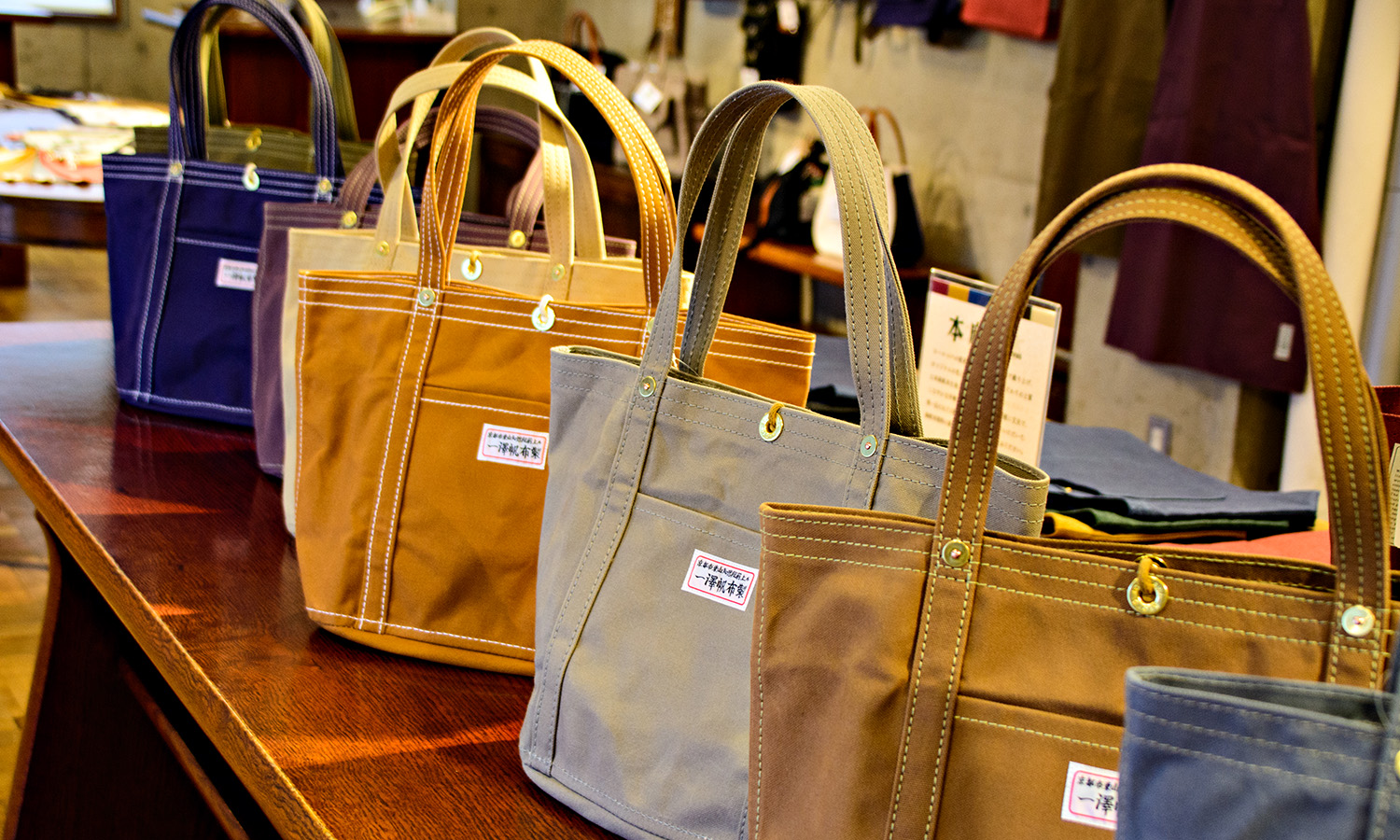
Ichizawa Shinzaburo Hanpu, in the upscale shopping precinct of Kyoto’s Higashiyama district, is far from a secret. When I arrive at the store, plenty of customers are milling about the two-storey showroom admiring the wide range of canvas bags on display, all brightly coloured, with old-fashioned buttons and chunky stitching. Loved by locals, and sought-out by tourists, Ichizawa is one of the most famous boutiques in Kyoto. The company has been making its distinctive canvas bags by hand since 1905, and while it has moved away from making sturdy tool bags to more fashionable totes and shoulder bags, the production process has changed little.
Owner Shinzaburo Ichizawa says unlike something mass-produced, a handcrafted item is special because of the place it was made, and the people who made it. To preserve the intrinsic value of such an item, its sale should be a direct transaction between customer and creator.
Ichizawa doesn’t sell its products online or distribute them to department stores. The only place in the world you can buy an Ichizawa bag is here.
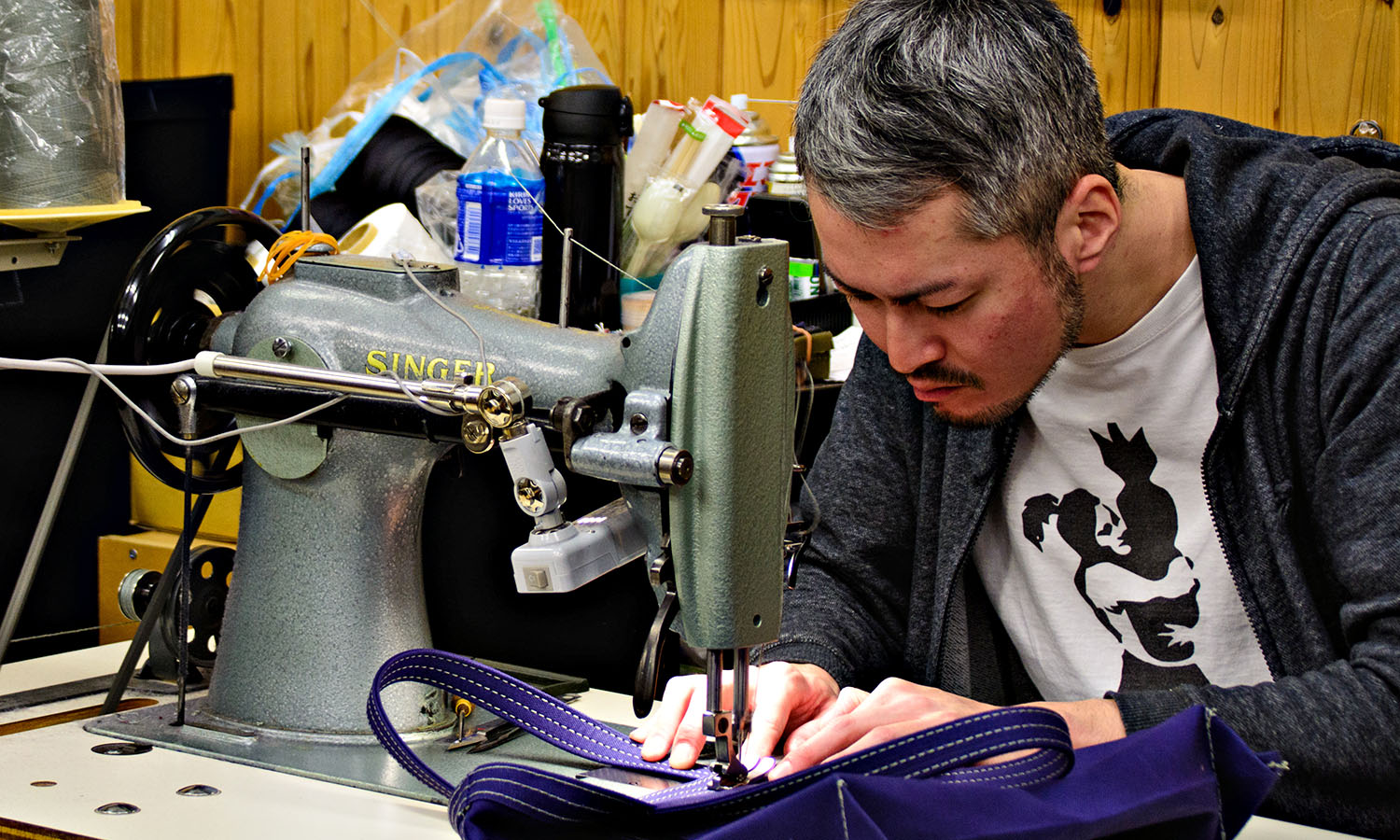
The factory is small, with maybe 40 people working at one time. There are no computers in sight. Everything is cut from hand-drawn patterns. The staff use ancient manual sewing machines. A couple of their vintage Singers have been thudding away for over 70 years. Ichizawa adheres to the traditional idea of the craftsman as artist. The makers are also the designers, and no bag is the same. Ichizawa bags are often handed down for generations. For overseas buyers, it’s a one-of-kind souvenir of Kyoto that also happens to be extremely fashionable.
With some background on each region’s most renowned traditional crafts, and a little (OK, quite a lot) of inside knowledge, I was able to track down amazing pieces of art, and even experience the great privilege of meeting their makers.
By turning shopping in Japan into a cross-country adventure, I came home with a few special somethings – one-off treasures that would never see the inside of a chain store.
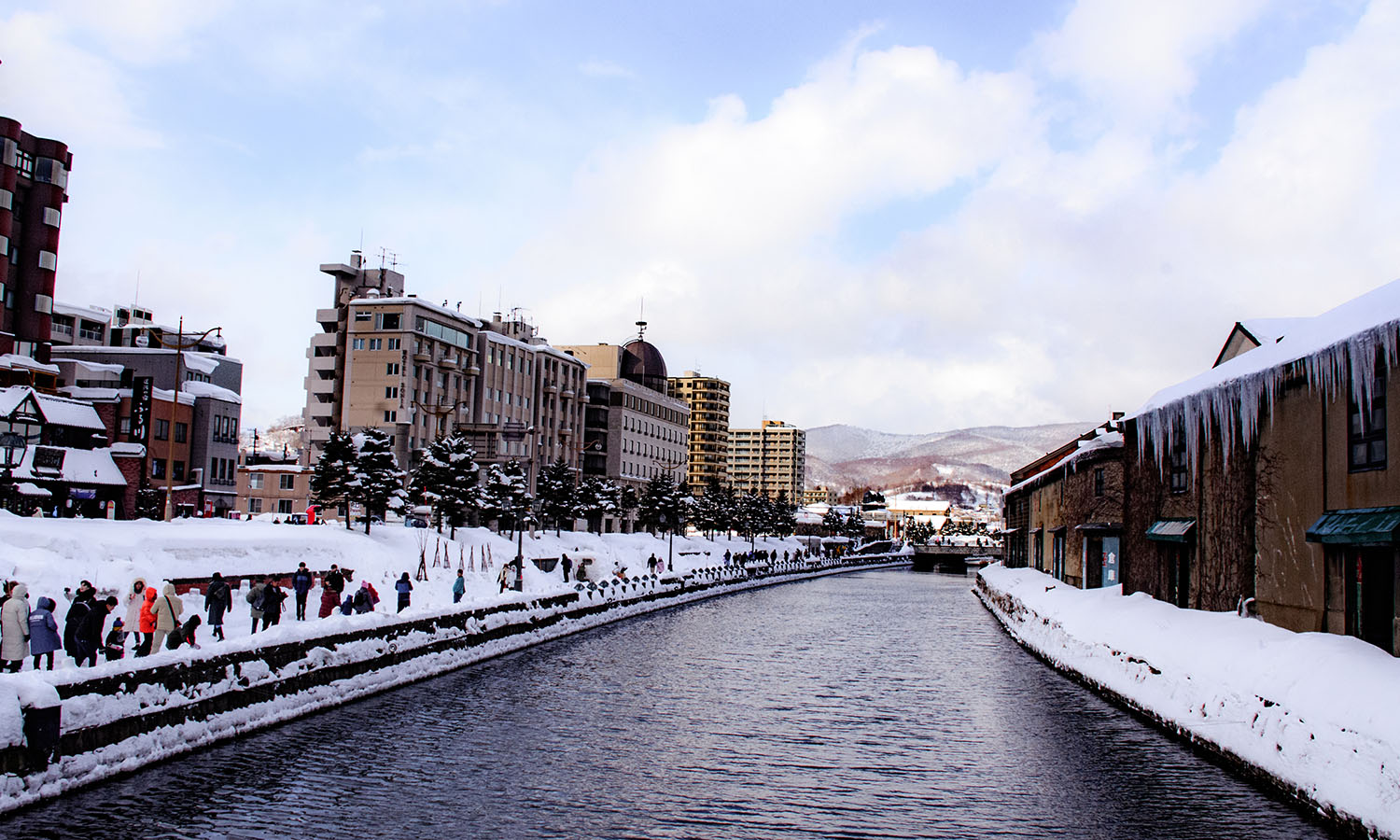
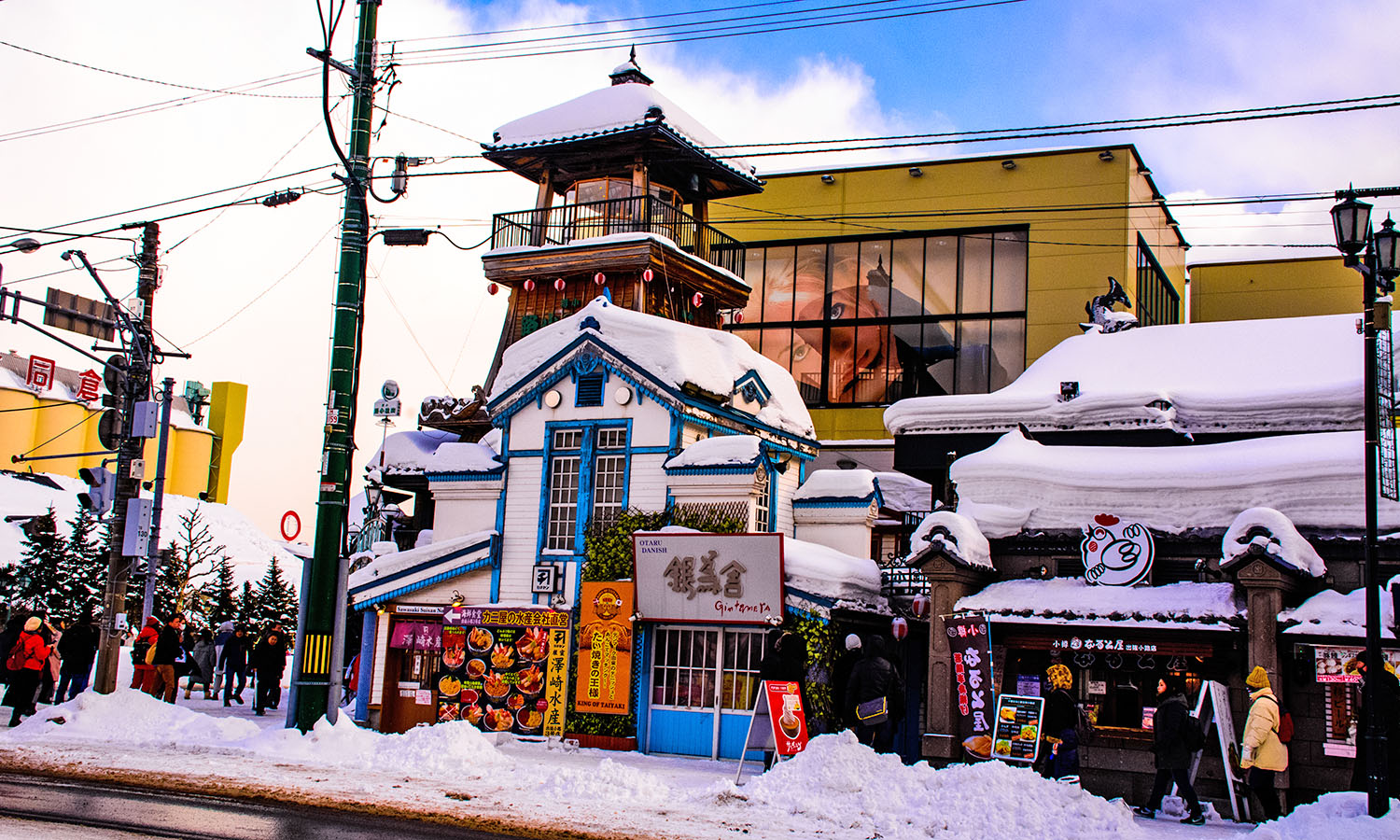
It’s mid-February and my first sight of Otaru is through a filter of feathery white snowfall. In the centre of town, hundred-year-old warehouses line the banks of a wide canal.
An old stone bridge is set against a backdrop of forested mountains, branches bare from the winter freeze. Across the road stands a cluster of gingerbread wooden cottages, sloping roofs coated with thick layers of icing sugar snow. Further along the main street are the town’s major landmarks – a grand Renaissance-style bank building and an antique steam clock tower. But this isn’t a quaint European village, it’s a small town in Japan.
Hokkaido’s Hidden Gem
Take a train journey north-west of Sapporo and as the concrete sprawl fades into the distance, the scenery opens up to reveal the wide expanse of Ishikari Bay. It’s along this coastline that you’ll find the picturesque port town of Otaru.
I’ve arrived on a day trip from Sapporo. Only 30-minutes from the city, the route passes some of the renowned ski resorts which have made Hokkaido, Japan’s northernmost island, a mecca for winter sports enthusiasts.
Most foreign tourists pass straight by Otaru for the ski slopes, but I discover a place lively with visitors seeking the enchantment of wandering through a real-life snow globe city.
Otaru started out as a remote fishing village and became a thriving financial hub by the early 1900s, whose harbour served as the gateway to Europe and Russia for Japan’s lucrative grain and rice trade. European influences extend to the colourful shopfronts, French-style patisseries and Victorian-style street lamps which line the central thoroughfare. Running alongside it is the Otaru Canal, built in 1923, when at around 300,000, Otaru’s population was twice what it is today.
The former Bank of Japan building, with its grand, Grecian-style columns and vaulted ceilings, stands as a stately reminder of Otaru’s prosperous glory days. Today, the bank has been converted into a museum tracing the history of Japan’s currency system. It’s free, extremely in-depth and surprisingly fascinating. I opt to also check out the Otaru Music Box Museum situated in a year-old heritage mansion. It’s one for fans of lovingly curated niche museums. With a collection of more than 3000 music boxes, many of them astonishingly beautiful, I don’t doubt its claim to be the largest museum of its kind in the world.
A steam-powered clock tower marks the end of Sakaimachi Street, the main shopping district. On the day of my visit, the strip is bustling with kids building snowmen on the sidewalks, and tourists going shop-to-shop sampling local delicacies. Most famous of all is the Hokkaido double fromage cheesecake. Completely different to dense, heavy European cheesecake, the Hokkaido variety is miraculously light and airy, yet velvety rich and creamy. It’s ridiculously good.
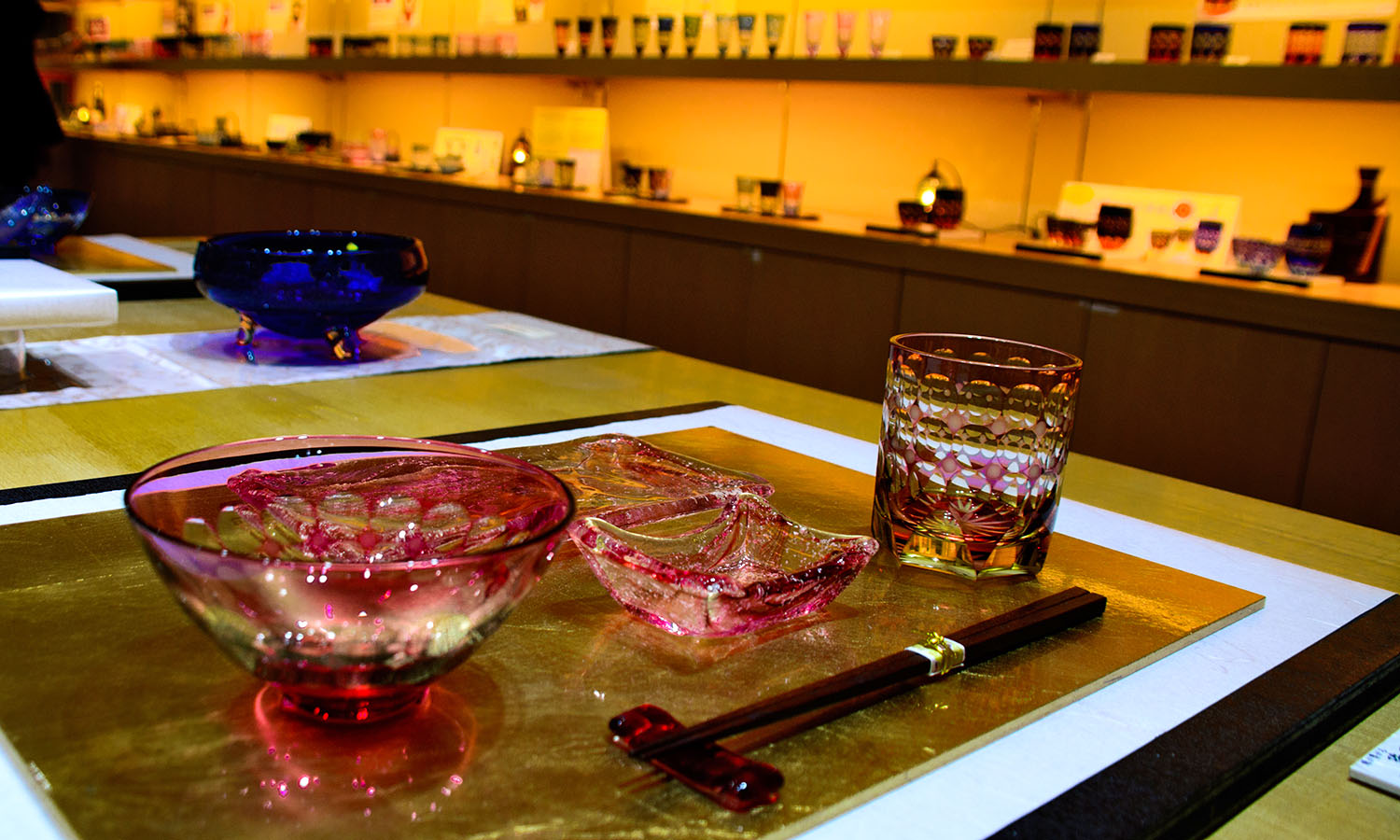
Almost every small town in Japan is associated with a type of craft deemed to be its speciality. The many stores and showrooms dedicated to handmade glassware clearly advertise Otaru’s claim to fame.
Glass blowing was first introduced to Otaru by Dutch traders. The Dutch were some of the first foreigners on the scene, and had set up trade here in 1852 when Otaru was still just a tiny fishing hamlet. The locals’ interest in glassmaking was piqued when they discovered hollow glass spheres made perfect floats for their twine fishing nets. Soon, a small industry sprang up around making glass floats to supply Hokkaido’s fishing trade.
As a market for more luxurious goods arose, Otaru’s master glass blowers began putting their skills towards more ornamental creations, and Otaru became known nationwide for the quality of its coloured glassware.
The most impressive of several outlets of the esteemed Kitaichi glassware chain covers two stories of a 100-year-old warehouse on Sakaimachi Street. The showroom is stacked with stunning handmade wares I wish I could take home, from delicate tea and sake sets to extravagant vases and traditional stained glass oil lamps.
Winter Warm-Ups at Nikka Whiskey Yoichi Distillery
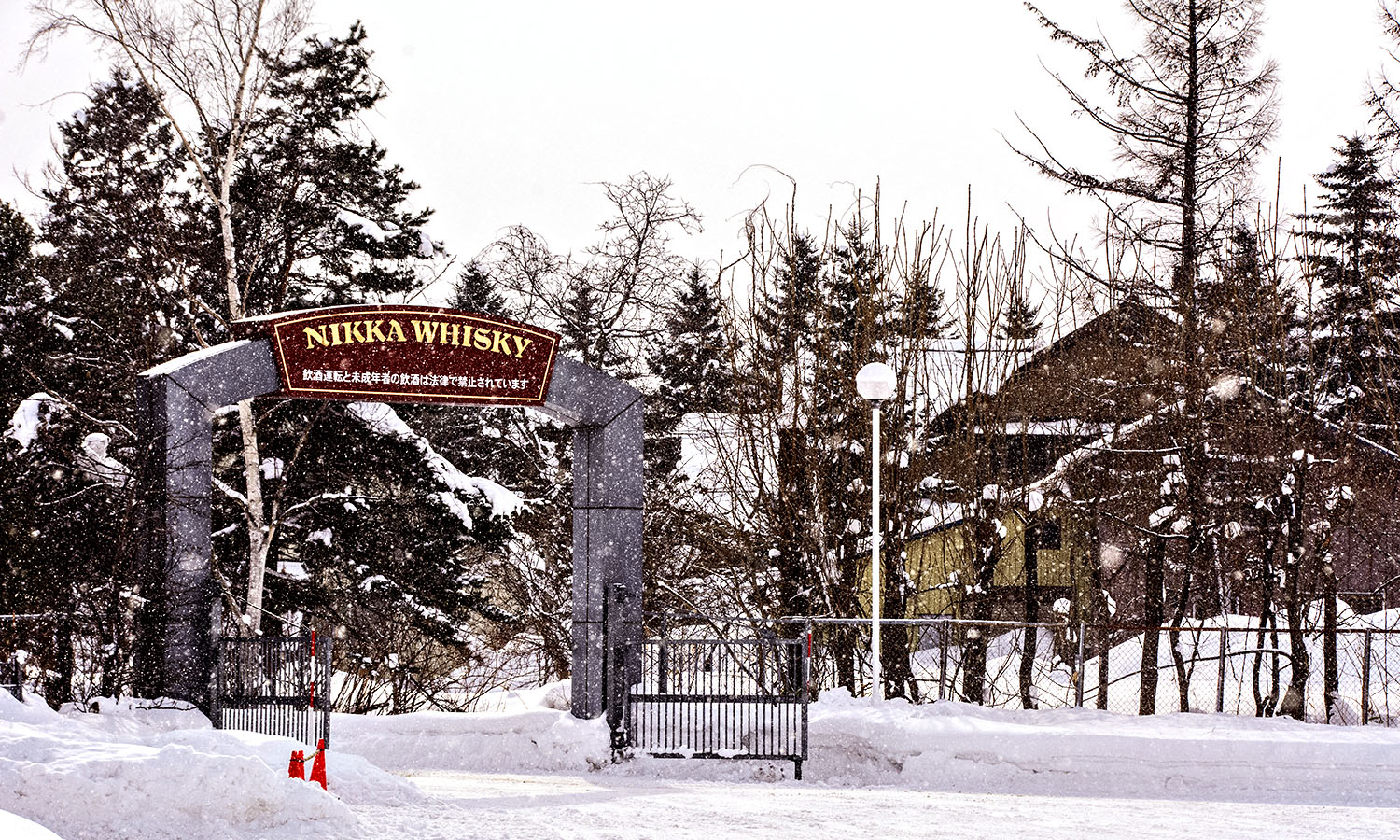
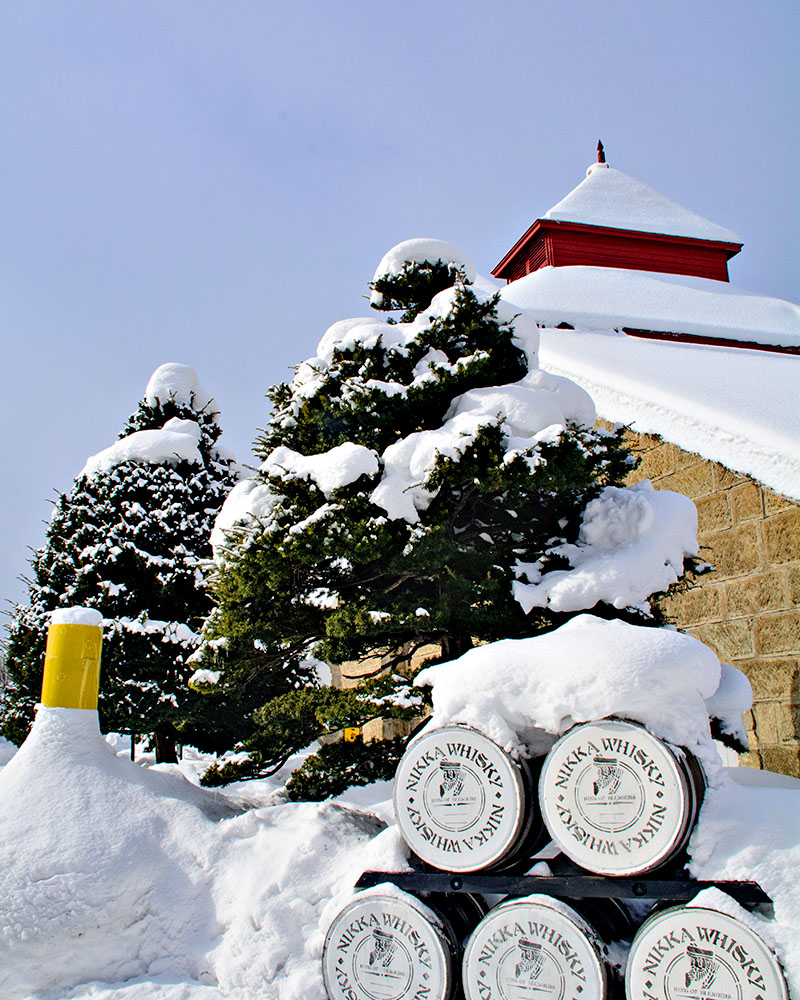
I decide to combine my daytrip with a visit to the historic Nikka Whisky Distillery in the nearby town of Yoichi.
Of all the European imports adopted by Hokkaido’s industries, whisky is undoubtedly the most prestigious.
While I’m far from a whisky expert, I’m still well aware of Nikka’s reputation for single malts, which some connoisseurs say easily rival the Scots.
Japanese whisky first received international acclaim in 2001, when Nikka’s 10-year-old Single Cask Malt Whisky Yoichi won Best of the Best at an esteemed event by the Whisky Magazine of Britain.
Although the tourist experience at Yoichi Distillery is most definitely a casual, neophyte-friendly affair, I still feel like a bit of an interloper, a tequila-drinking savage on holy ground devoted to the most elegant and refined of spirits.
Still, I’ve always wanted to gain a better understanding of whiskey, if only to appear more sophisticated at dinner parties, so I opt to join in on an hour-long guided tour.
The tour provides an insightful, stage-by-stage explanation of the lengthy manufacturing process. Nikka’s top single malts are matured in barrels for 10 to 20 years, with their development overseen by a master taster. According to our guide, the master taster has several disciples to whom he passes on his wisdom. Should the master die before the batch is completed, a new master is appointed to carry on the work of his esteemed teacher.
An onsite museum is dedicated to the life and achievements of Japan’s master of whisky, Masataka Taketsuru, the complex and brilliant son of a sake brewer with an uncannily heightened sense of taste and smell.
Taketsuru learned the art of crafting authentic single malt whisky during his years of studying in Scotland. With the knowledge he brought back, he opened Japan’s first distillery in Yoichi, due to its climactic similarities to the Scottish Highlands. The grounds feature distinctly un-Japanese, vaguely castle-like architecture, reflecting the nostalgia Taketsuru felt for the distant lands where his love for whisky, and his Scottish-born wife first arose.
Tour complete, I head to the tasting hall with a newfound appreciation of the incredibly intensive labour, instinct and skill involved in the creation of this precious, and pricey, liquid gold.
Unfortunately, only the more common Nikka varieties are available to sample in the tasting hall. Still, I’m impressed with the smooth, delicately woody, faintly fruit-tinged flavour of the Yoichi Single Malt. It’s nothing like the fiery throat-punch of smoke and peat I’ve long associated with Scotch whisky. I think I may have found my go-to drop at last, so I pick up a couple as classy souvenirs from the gift shop.
While most tourists come to Japan for the ancient temples and the bright lights of the cities, in Otaru and Yoichi, I’ve found an altogether different side of Japan. These places are no less authentic than the 1000 year old shrines of Kyoto, but simply shaped by distance and divergent histories.
Between the stunning surrounding scenery of snow-swept mountains and coastlines, the atmospheric charm of Otaru and the educational and sensory experience of visiting the Nikka Distillery, my time in this hidden-away pocket of Hokkaido has been eye-opening, endearing and surprisingly delicious.
For someone about to undergo one of the most intensely relaxing experiences imaginable, I’m feeling a little on edge.
Soon, I’ll be partaking in one of Japanese’s societies most revered and beloved past times – soaking half-submerged in the near-scalding, mineral-rich waters of an onsen, or hot spring bathhouse.
As a first timer at Arima Onsen, I’ve been issued a list of numbered instructions and advice on behavioural etiquette. In my travels so far, I’ve largely experienced Japan’s traditional customs as a mere spectator. During my time in Arima, my aim is to become a participant.
I’m spending the night in the palatial Arima Grand Hotel, where I’ll eat a lavish kaiseki dinner that’s part ritual, part culinary adventure. I’ll seek to restore body and mind in healing hot springs and sleep on woven tatami floor mats.
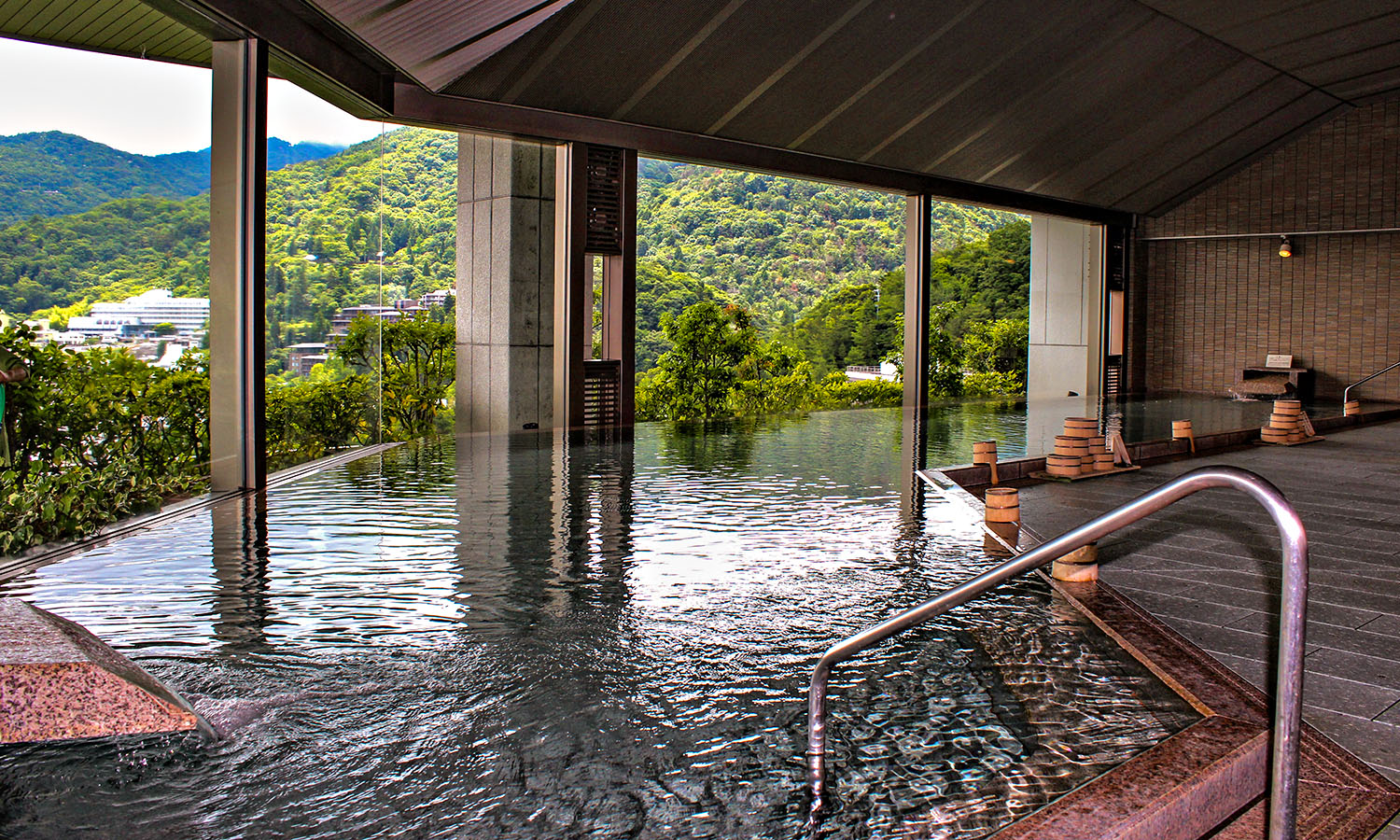
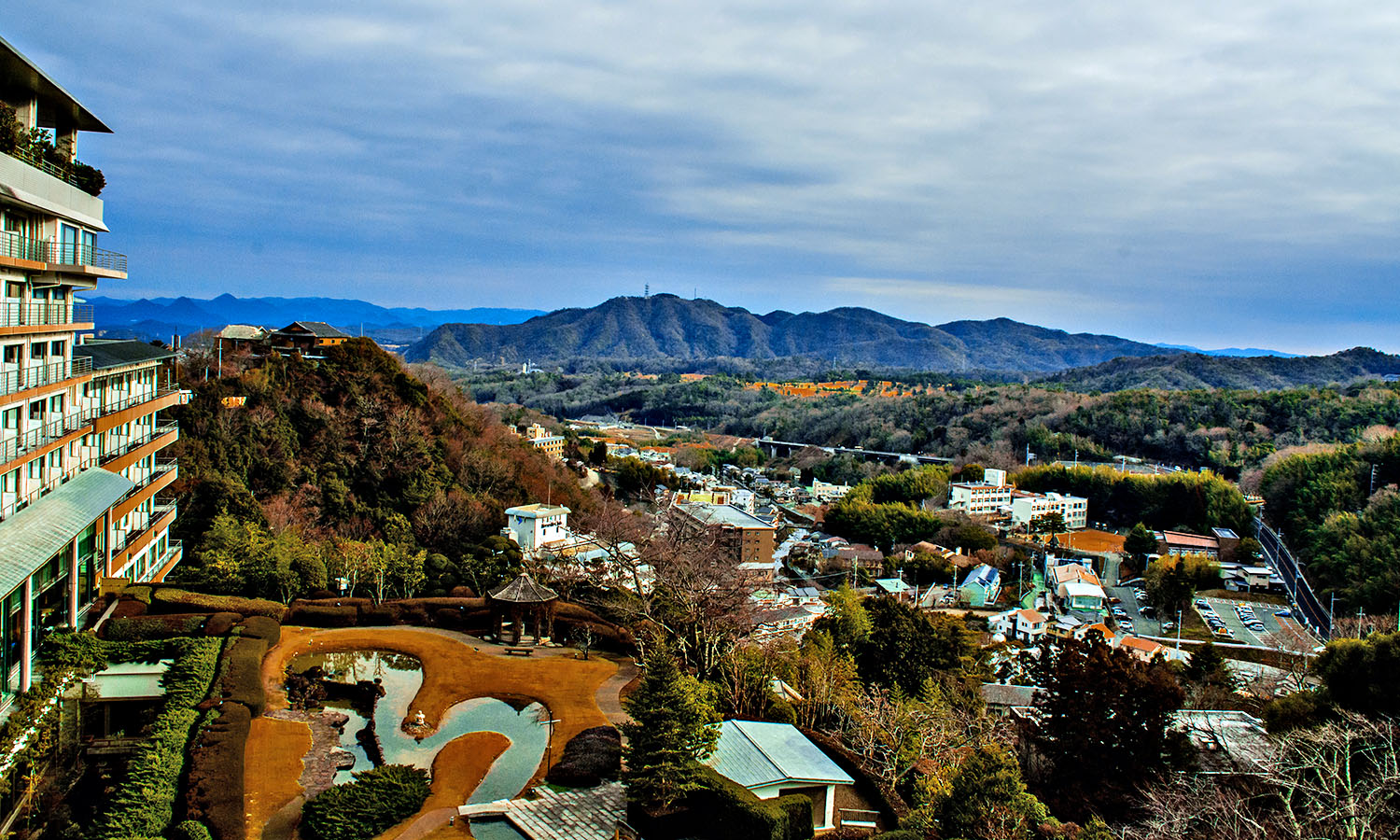
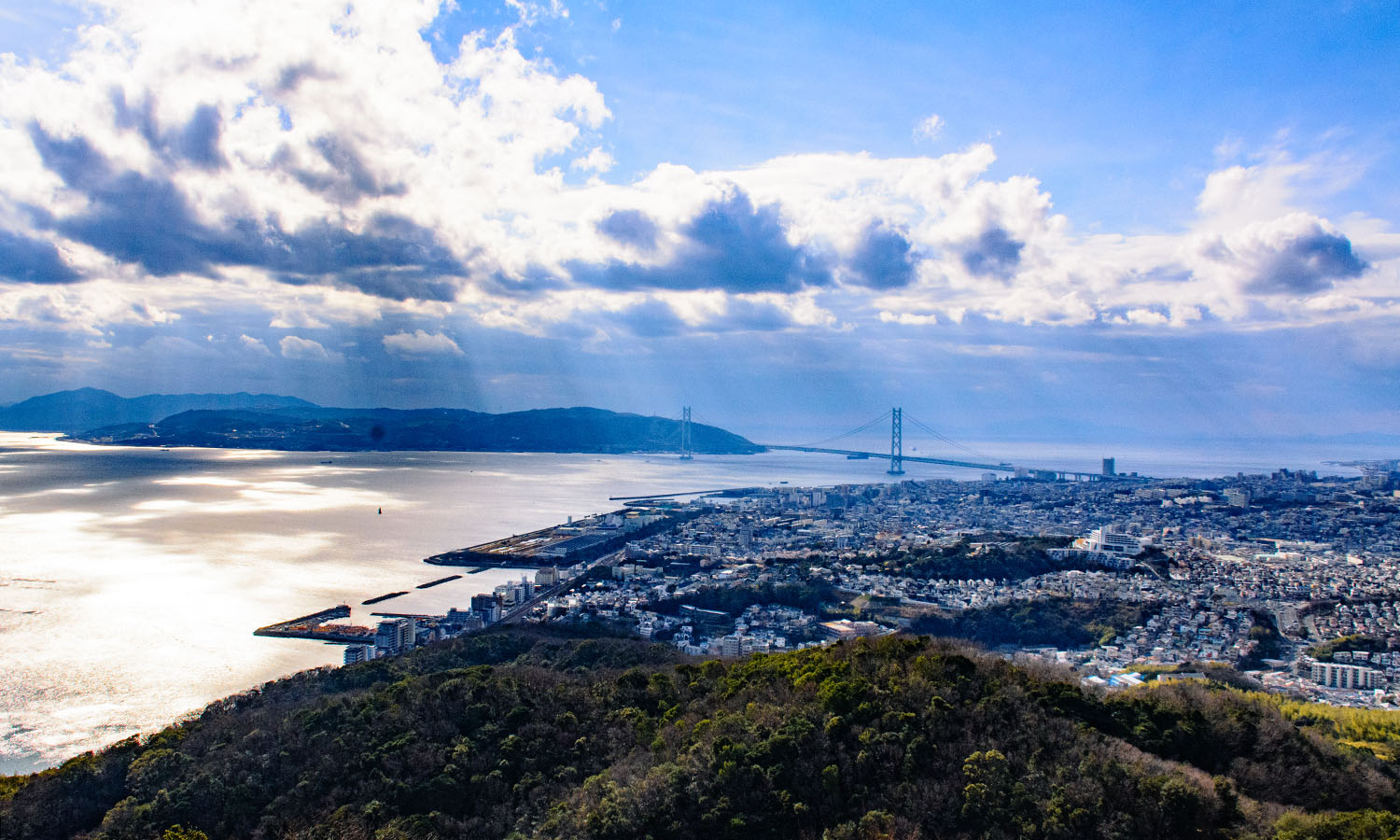
Looming large on the outskirts of a sleepy township, the Arima Grand is the poshest hotel in town, but is also a magnet for locals, who come to enjoy the public onsen on the hotel grounds. One of the most luxurious onsens in Japan, the enormous bathhouse is situated on the hotel’s rooftop, capturing a stupendous view over the forested ridges of the nearby Mt Rokko range.
Still, my excitement is tempered with a twinge of hesitation. Most establishments have separate bathing areas for men and women, since being completely nude is a strict requirement. It’s not the nudity that’s worrying me per say, but the possibility that in my highly exposed state, I might misinterpret a rule, or make some other cultural faux-pa, arousing the silent ire of a bunch of naked strangers.
To a first-timer, this staunch regard for rules might seem a little intimidating, but it’s important to understand this integral part of Japanese culture stems from ancient, deeply spiritual roots.
The Birthplace of Onsen
Where onsen culture first emerged isn’t entirely agreed upon, but many believe ritual bathing originated here in Arima. Arima is renowned Japan-wide as one of the oldest onsen towns in the country, yet despite being just 30 minutes from Kobe city, it remains largely under the radar of foreign visitors.
Onsens certainly aren’t difficult to find in Japan. Thanks to its volcanic geography more than 3000 are scattered in mountainous regions across the archipelago.
The first people to have stumbled upon a natural hot spring would have discovered a hidden paradise. Shrouded in sulfuric vapour, these strange smelling, yet mysteriously inviting pools of vivid turquoise, jade green and rich copper, bubbled to the surface in the crevices of mountains and deep within forested valleys. These oases were believed to have mystical healing powers and were treated with great veneration.
It’s said that emperors, nobles and samurais first visited the hot springs of Arima 1300 years ago, when bathing in natural pools was incorporated into Shinto purification rituals.
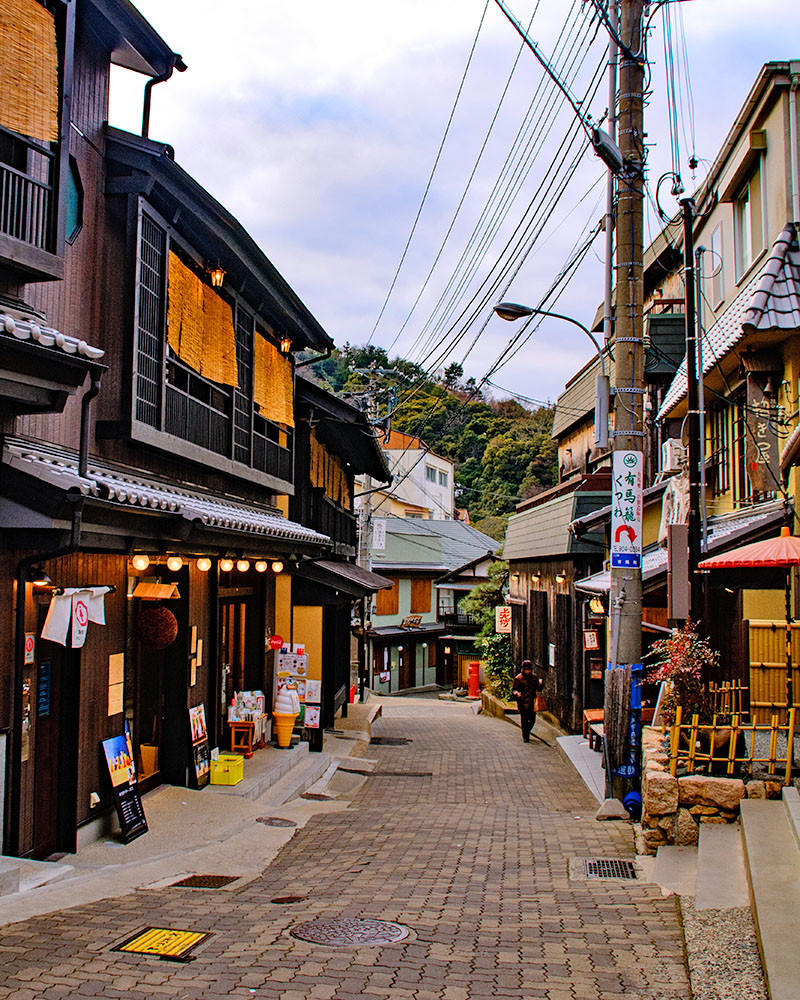
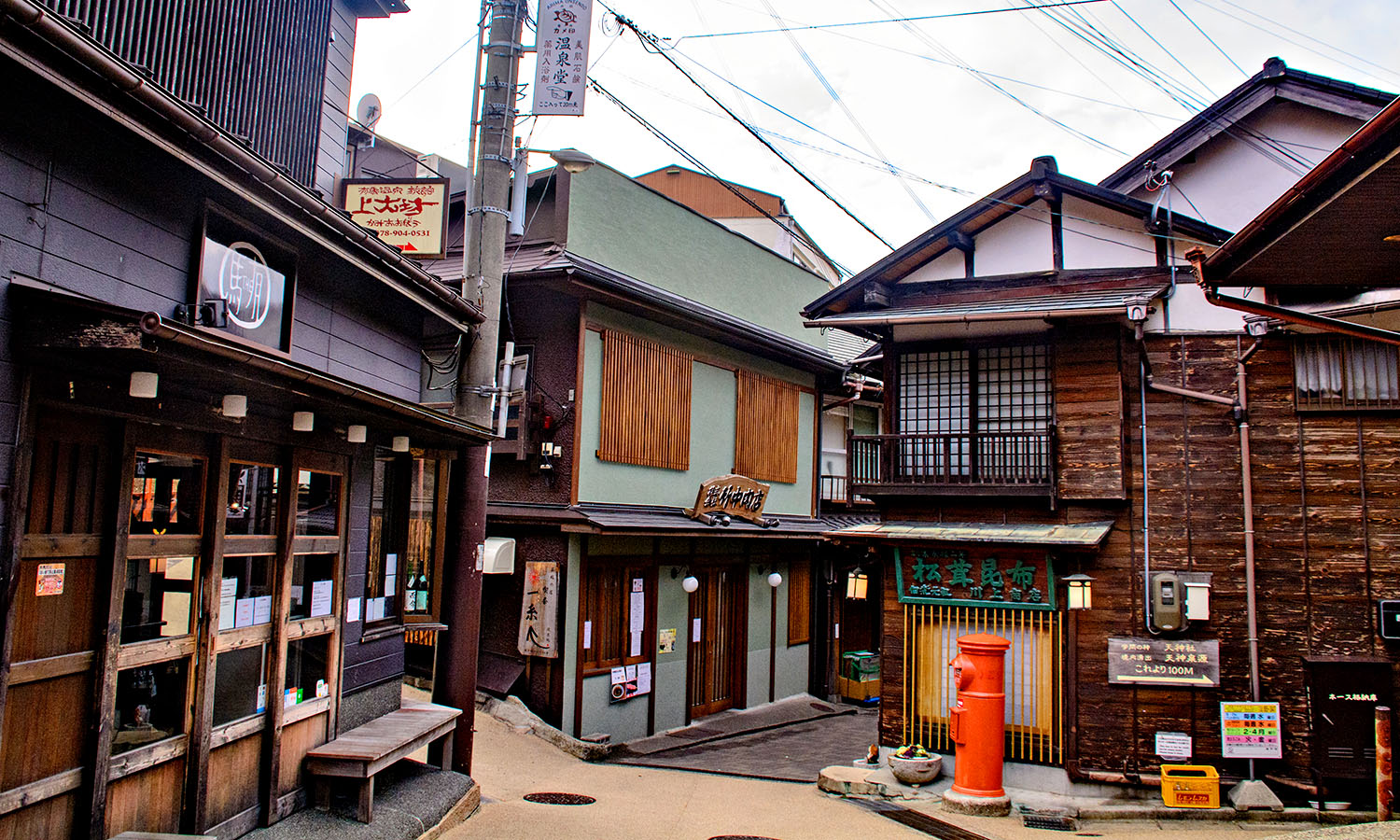
Arima is a charmingly serene little town, with the Arima River gently burbling through its compact centre. Radiating from the town square are a series of narrow, winding alleyways, lined with picturesque wooden shopfronts and meticulously-kept traditional homes.
I spend a few hours strolling the town’s steep, hilly streets, confident that any travellers’ aches and pains will be washed away by the therapeutic waters of the onsen.
History runs deep in this sleepy mountain village. Wedged between stores hawking soda biscuits and sparkling drinks made from carbonated spring water, are artisan craft shops, selling delicate bamboo calligraphy brushes, a 1000-year-old speciality of Arima’s craftsmen.
After dark, the town is virtually asleep. Most overnight visitors retreat to one of Arima’s many ryokans. These highly traditional inns, known for their extraordinary hospitality, are usually small, family-run establishments and a common feature of onsen resort towns.
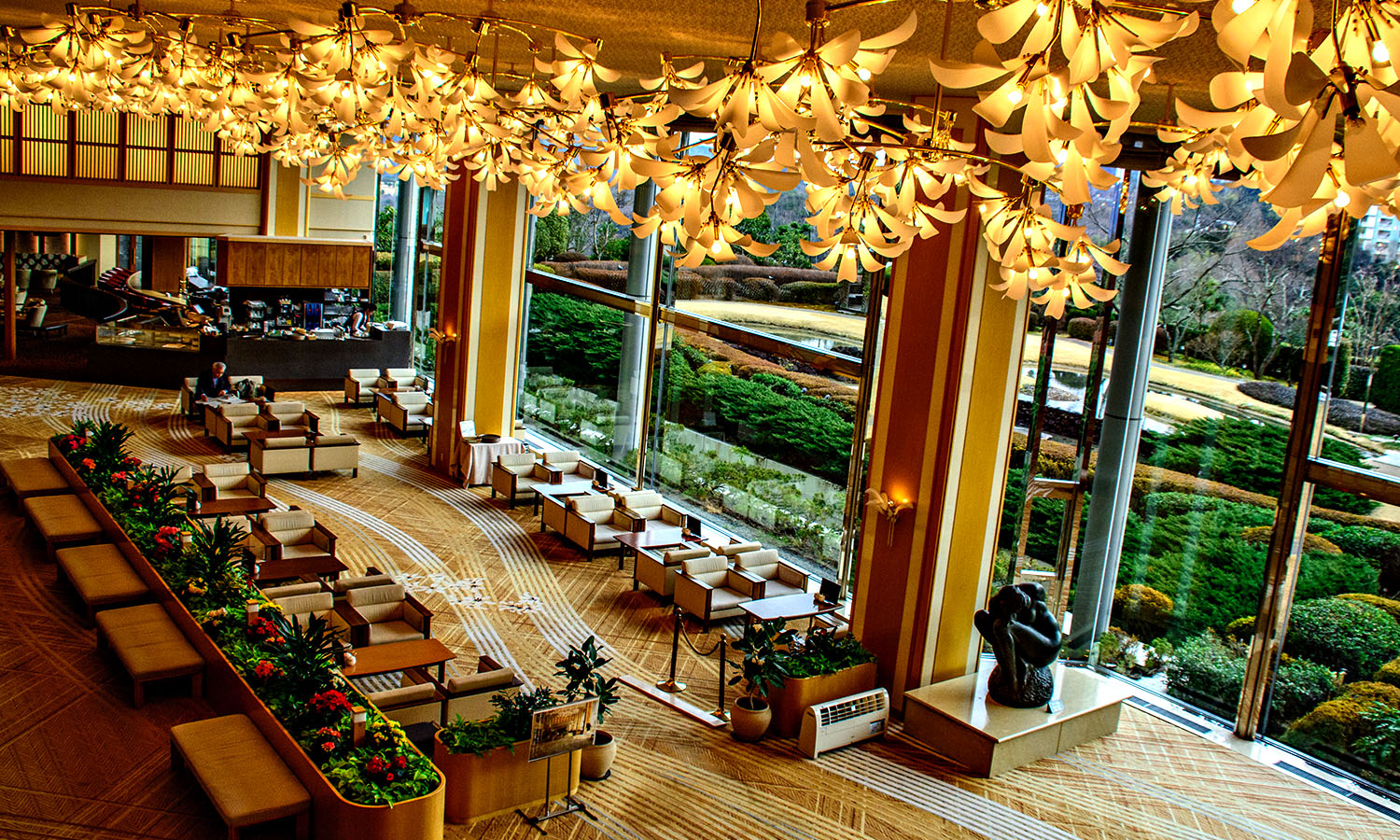
My lodgings for the night are slightly fancier, but I’m assured the Arima Grand Hotel still offers an authentic cultural experience. The king-sized suites include both ryokan-style tatami rooms and western-style bedrooms. Of the three on-site restaurants, one is dedicated to the most noble of Japanese culinary traditions – kaiseki.
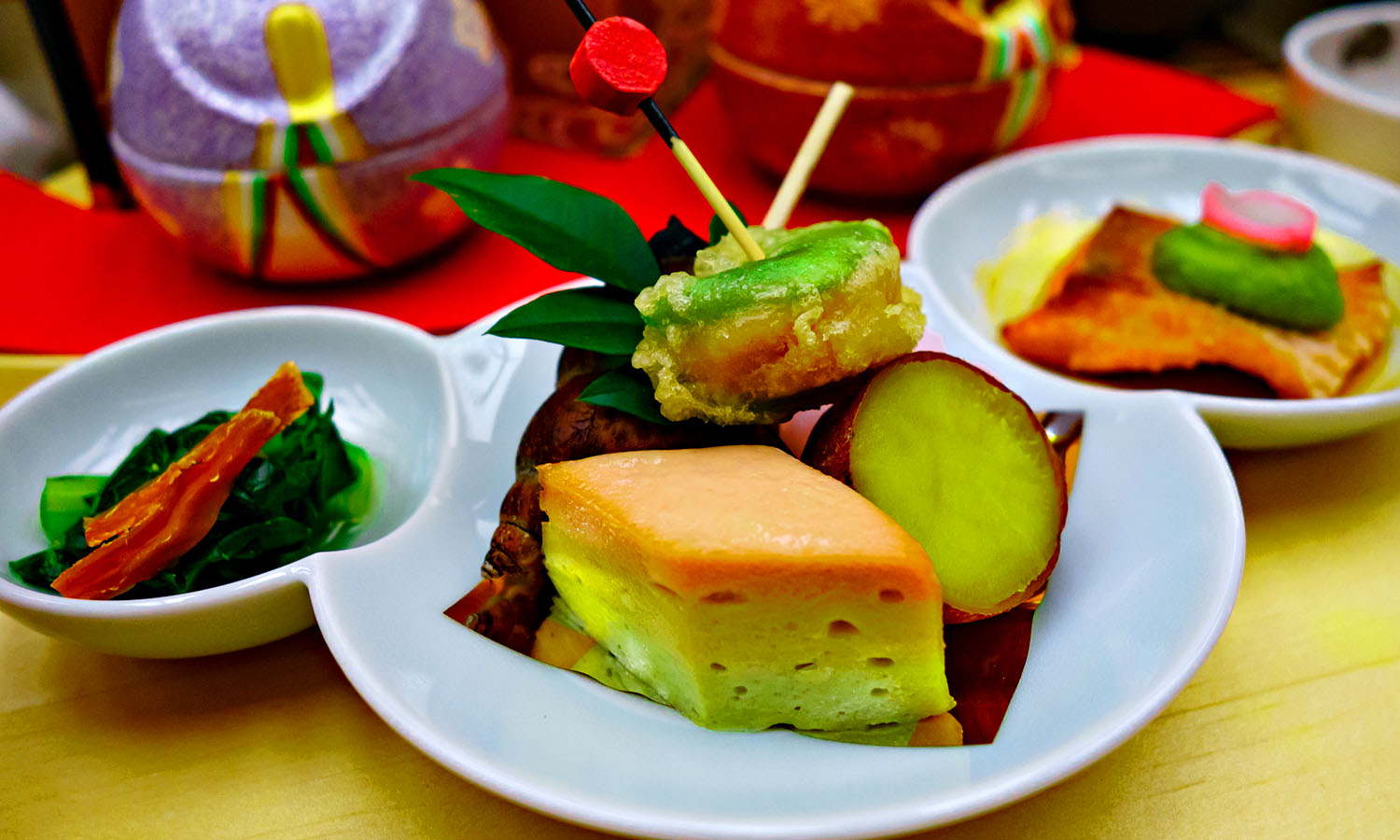
The pinnacle of Japanese fine dining, kaiseki is an elegant and extravagant affair, fusing masterful cooking with visual artistry, ceremonial flair and deep hospitality. A meal consists of dozens of intricately arranged individual dishes. Each course arrives on its own unique earthenware plate, brought out one-by-one in a carefully choregraphed progression.
My travel companions and I are seated on floor mats in a private dining room and waited on throughout the night by an incredibly attentive, kimono-clad host. Our 16 course banquet includes local delicacies like grilled river trout, sea cucumber and of course, world-famous beef from Kobe, cooked at the table in your own personal hotpot.
Kaiseki is a highly formal experience, but it’s also an incredibly intimate one. The sake flows and the night is punctuated with celebratory kampais.
The Holy Grail of Spa Culture
My kaiseki meal has shed some insight into the significance of ritual in Japanese culture, but I’m yet to experience the real reason I’ve come to this historic, hillside retreat.
In a perfect world, every person’s initiation into the world of onsen culture would be a near-transcendental experience. In reality, many onsen first timers find themselves battling with a niggling self-consciousness. I pore over the guidelines one more time. Before I can move between my hotel room and the bathhouse foyer, I’ll need to don the hotel’s supplied yukata, a cotton kimono.
If like me, you’ve never put on a kimono before, the most important rule is once the kimono is over your shoulders, the left side of the garment must be crossed over by the right. The only time a kimono should be wrapped the opposite way is when it’s being worn by a deceased person at their funeral.
Apart from this one custom, most onsen rules are pretty logical, mainly concerned with hygiene and respect for your fellow bathers. Take a shower first. Don’t let hair or towels touch the water. Don’t eat, drink or splash about. While there is a social element to visiting, generally, the experience is a private one, allowing bathers to relax in meditative silence and contemplate the beauty of their natural surroundings.
There are many onsens in amazing locations all over Japan, built into the sides of mountains or nestled in exquisite gardens. Having one on a 10-storey high hotel rooftop is far less common.
The design of the Arima Onsen accommodates bathing both indoors and out. Guests can move between more than a half dozen baths with differing temperatures, mineral compositions and therapeutic properties. From its lofty vantage point, the rugged splendour of Arima’s volcanic ranges are spread out in full, panoramic glory. A full-length wraparound glass wall encloses the indoor bathing area, framing views of the fabled Arima Three Mountains, the age-old mythological guardians of the city.
After a through scrubbing off in the shower, I enter the sanctuary of the bathhouse itself. The few other guests barely register my presence, already lounging away, eyes shut.
Arima is famous for two unique types of natural spring water piped from the mountains – ginsen (silver spring) and kinsen (golden spring). I head first for the shoulder-deep, swimming-pool length indoor ginsen. It shimmers with a crystal clear, near-colourless liquid. A sign explains its appearance is due to high carbon dioxide levels, as well as the presence of radon (in amounts small enough to be inconsequential). Each type of hot spring is said to have unique healing properties, suitable for treating different ailments.
I slide in, and in the few seconds it takes to submerge myself neck-deep in the slightly below scalding water, a wave of relaxation washes over me and I’m enveloped in a warm liquid hug that soaks through my muscles and into my bones.
This was the moment my body had been waiting for.
I spend the next 40 minutes hopping from one bath to the next. The outdoor ginsen baths prove to be the most exhilarating. With the outside air temperature hovering around zero, the sensation of plunging into steaming, 42-degree liquid causes a breath-catching moment of fairly extreme physical shock.
The key is to stick it out. For some, the first few minutes can be uncomfortable, but as the minerals soak in, the heat warms your core and the muscle aches start to melt away. The mind begins to quieten.
Purported curative benefits aside, as a temporary stress reliever, it is pretty hard to beat and it’s little wonder so many Japanese visit them religiously.
Although it can be a little confronting at first, an onsen is a profound sensory experience, and one of the most unique and authentic activities a foreign visitor can readily enjoy in Japan. And, if you want to guarantee your first experience will be truly unforgettable, you certainly won’t regret the journey to Arima.
Like so many other visitors to Japan’s former imperial capital, I am captivated by Kyoto. Getting lost in this city is one of the world’s great travel experiences.
The centuries of history and culture emanate from the lantern-strung streets of the old districts, where the discovery of a wooden geisha house in a cobbled back alley evokes a sense of wonder about the fabled goings-on within. A visit to one of Kyoto’s many temples during early morning prayers is both an awe-inspiring and serenely contemplative experience.
I’ve done all these things, conscious that I observe them as an outsider. As a casual visitor, I know will never grasp the depth of tradition that has made Kyoto Japan’s ancient spiritual and cultural centre. But beyond the typical temple tours, Kyoto offers opportunities to dig a little deeper, and get hands on with some of Japan’s most celebrated customs and traditions.
Glimpsing the Zen Mindset Through Miniature Gardening
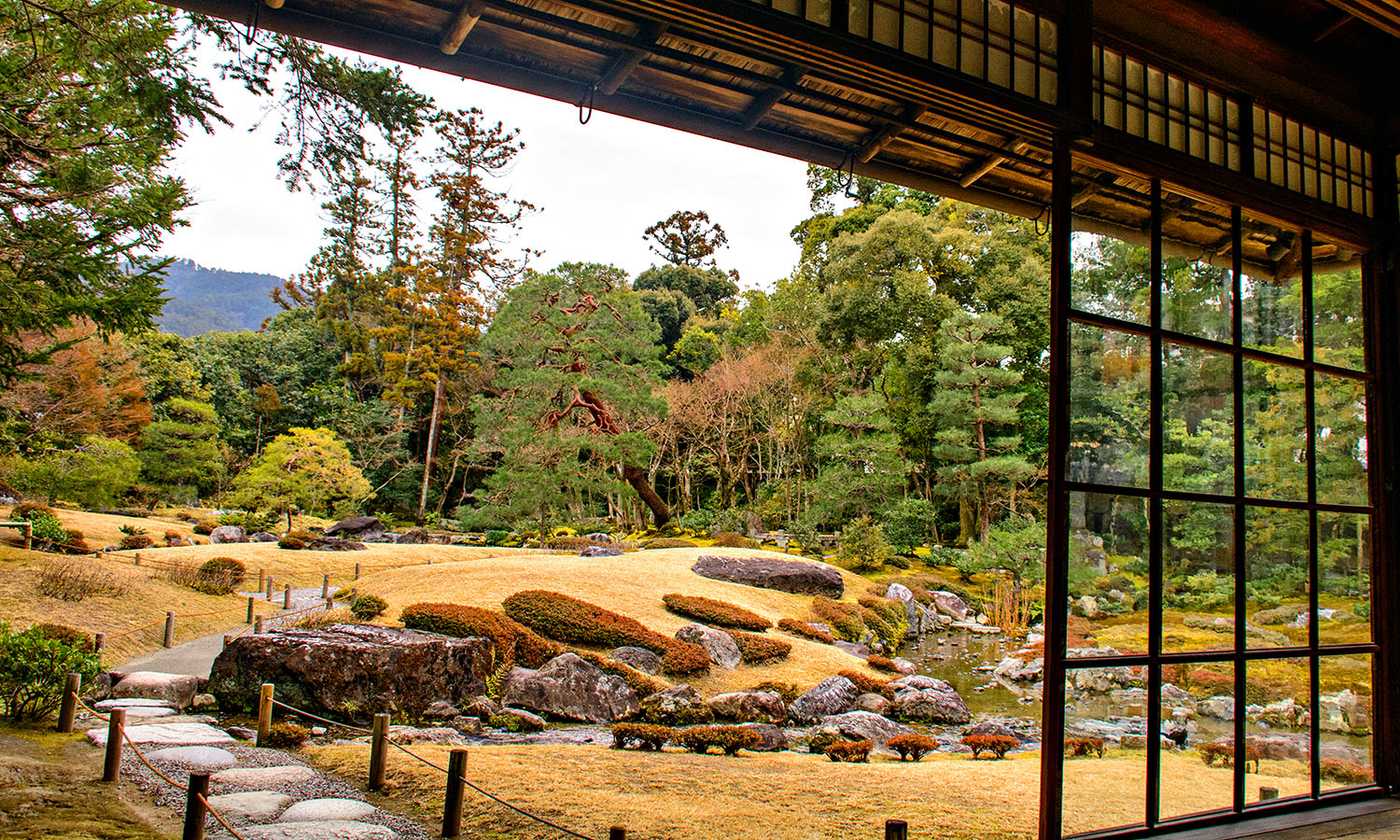
Kyoto is home to dozens of Japan’s most beautiful gardens, some dating back 550 years or more. By contrast, Murin-an in Kyoto’s Nanzen-ji neighbourhood is a young garden, which was built between 1894 and 1896 as the private residence of a prominent political statesman. Today, the garden is open to the public, maintained and operated by the Ueyakato Landscape Company.
On a quiet winter’s morning, I’ve arranged a guided tour of Murin-an to learn a little about the overarching aesthetic philosophies of designing a moss garden as a place of meditative reflection. On this intimate journey through Murin-an’s feather-soft moss beds, its stone-crossed streams, bridges and waterfalls, our guide shows us how to interact with the space for maximum enjoyment, stopping at its most inspiring viewpoints to admire the skilful vision of its creator. The most spiritual practice of all is said to be the tending of the garden itself, devoting oneself to its care, and lovingly attending to even the tiniest details.
Armed with these insights, our group is lead to the workshop where we’ll attempt to build our own miniature Japanese garden within the confines of a Perspex box. Using real moss, gravel, rocks and model trees, our creations have the potential to be small in size but spectacular.
Japanese gardening is all about applying thoughtfulness to every decision and employing careful consideration to the shape of an individual rock before finding its meaningful place in the landscape as a whole.
I find myself completely absorbed in contemplating the placement of a stone stack, and in raking gravel paths into perfect geometric formations. Despite coming into the workshop feeling inspired and ambitious, my garden doesn’t turn out quite like the exquisite work of art I’d envisioned. But I’m at peace with my attempt. It’s getting into the meditative creative mindset that makes the experience such a satisfying one.
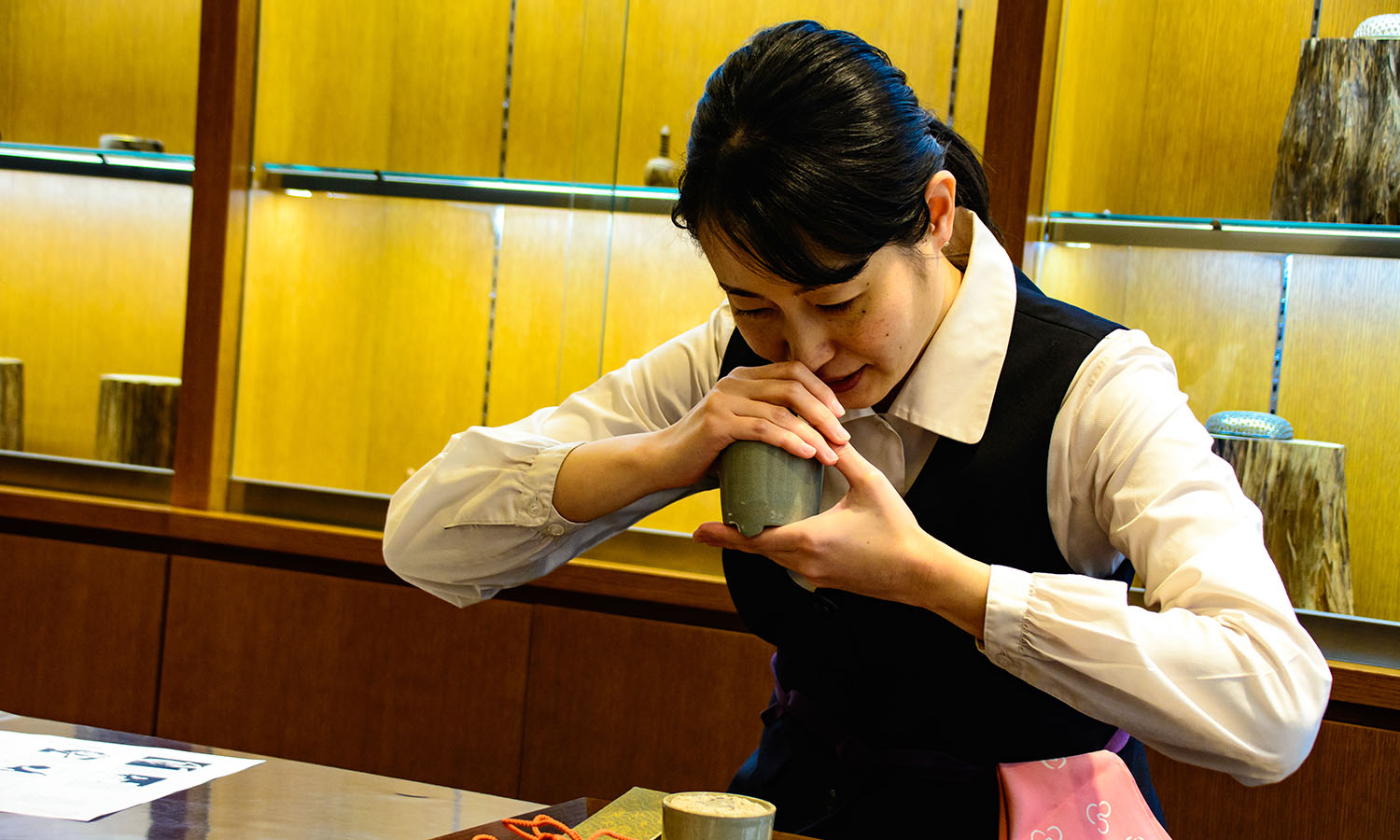
The next activity on my itinerary is intriguingly titled “incense listening workshop”. We head to a private room in the Yamada Matsu Incense Company’s store, where we novices will be trained in the ancient art of monko. Literally “listening to incense”, monko is the practice of focusing on the properties of a particular fragrance. By deeply concentrating the senses on a singular task, the listener enters a heightened state of mindfulness.
The listening experience takes the form of a traditional game. Our host passes around three separate, ceramic holders, each with a fleck of incense burning atop a mound of ash. We each take turns cradling the holders, breathing in each one intently and trying to burn its fragrance into our memories. To win, you must identify which of the three scents were different and which were the same. But, our host explains, monko is not about winning, it’s an exercise in deepening one’s appreciation and awareness.
Despite being a beginner’s class, our host conducts the exercise as a genuine act of ceremony. Monko is a revered art, steeped in ritual and codes. The ceremonial tools of monko are handled with exquisite care. Before the burners can be passed around, our host etches sacred geometric patterns into the mounds of ash on top of which the incense will be lit.
As well as being a genuinely fun spot of friendly competition, monko proves to be an intriguing demonstration of the sacred rites and rituals that run deep into the heart of the most unexpected places.
The role of ritual in a traditional Japanese tea ceremony is far more well-known than the obscure art of incense listening, but as I discover at the Jinmatsuan tea store and workshop, the two traditions bear many similarities. Just like in the incense ceremony, the instruments used for a tea ceremony are treated with utmost care, and social interactions between participants are punctuated by symbolic gestures of respect.
The most formal Japanese tea ceremony (known as Chanoyu, Sado or Ocha) is an elaborately choreographed and solemn undertaking. Thankfully, the experience at Jinmatsuan is a much more casual introduction to traditional Japanese tea culture.
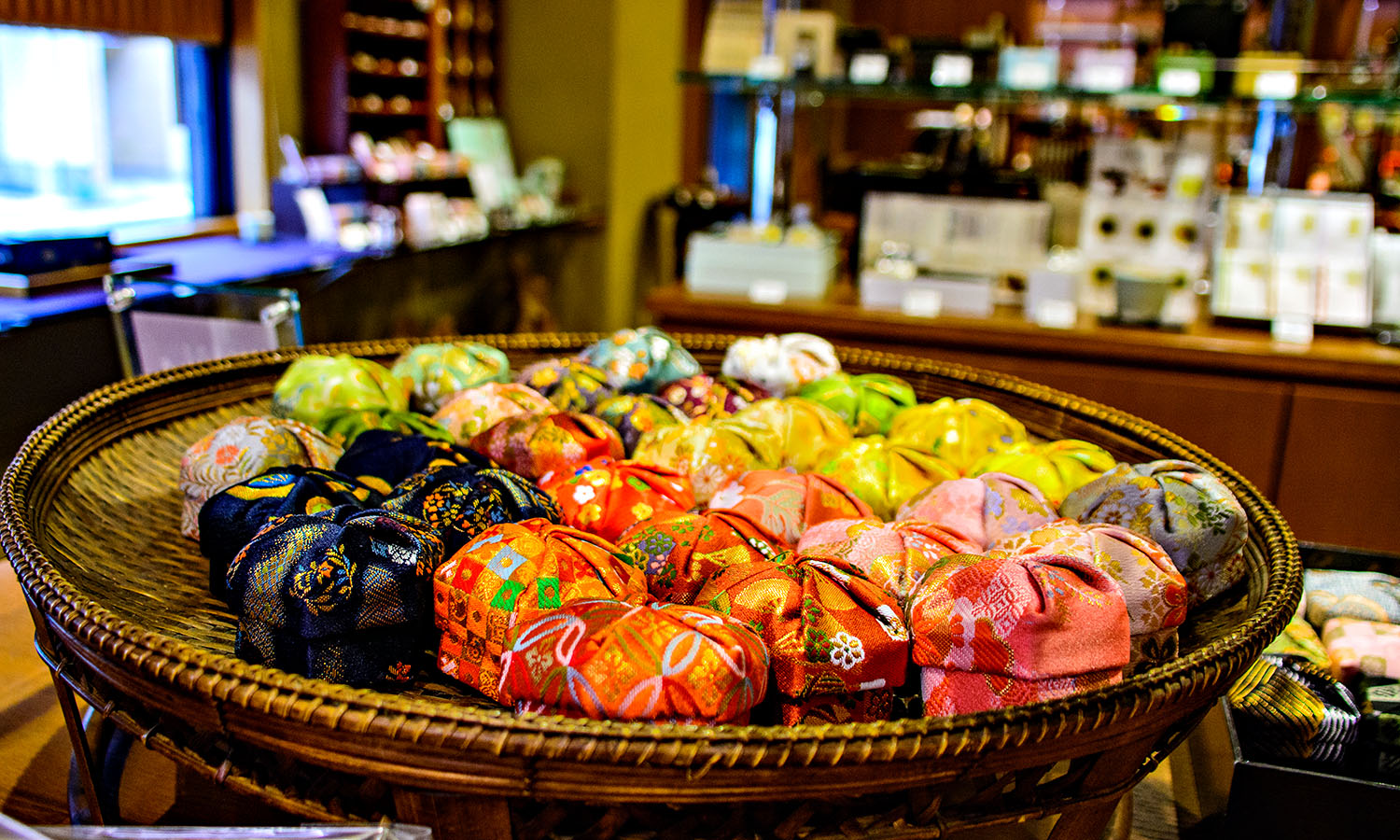
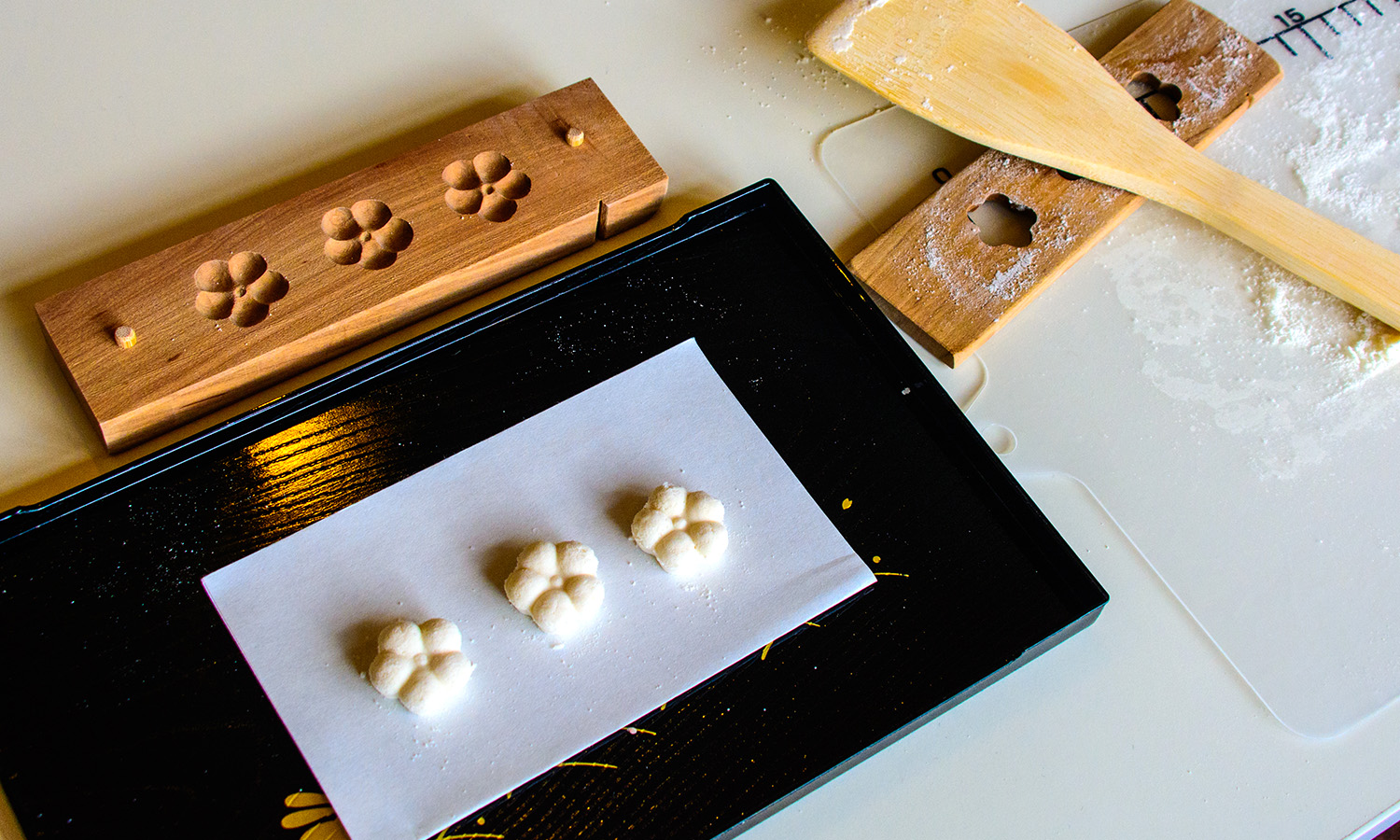
As a matcha enthusiast, the chance to partake in the ancient method of using a heavy grinding stone to crush the tea leaves into fine powder is a treat. Everything is done using the most traditional techniques possible, including moulding the accompanying sweets from now scarcely used wooden moulds.
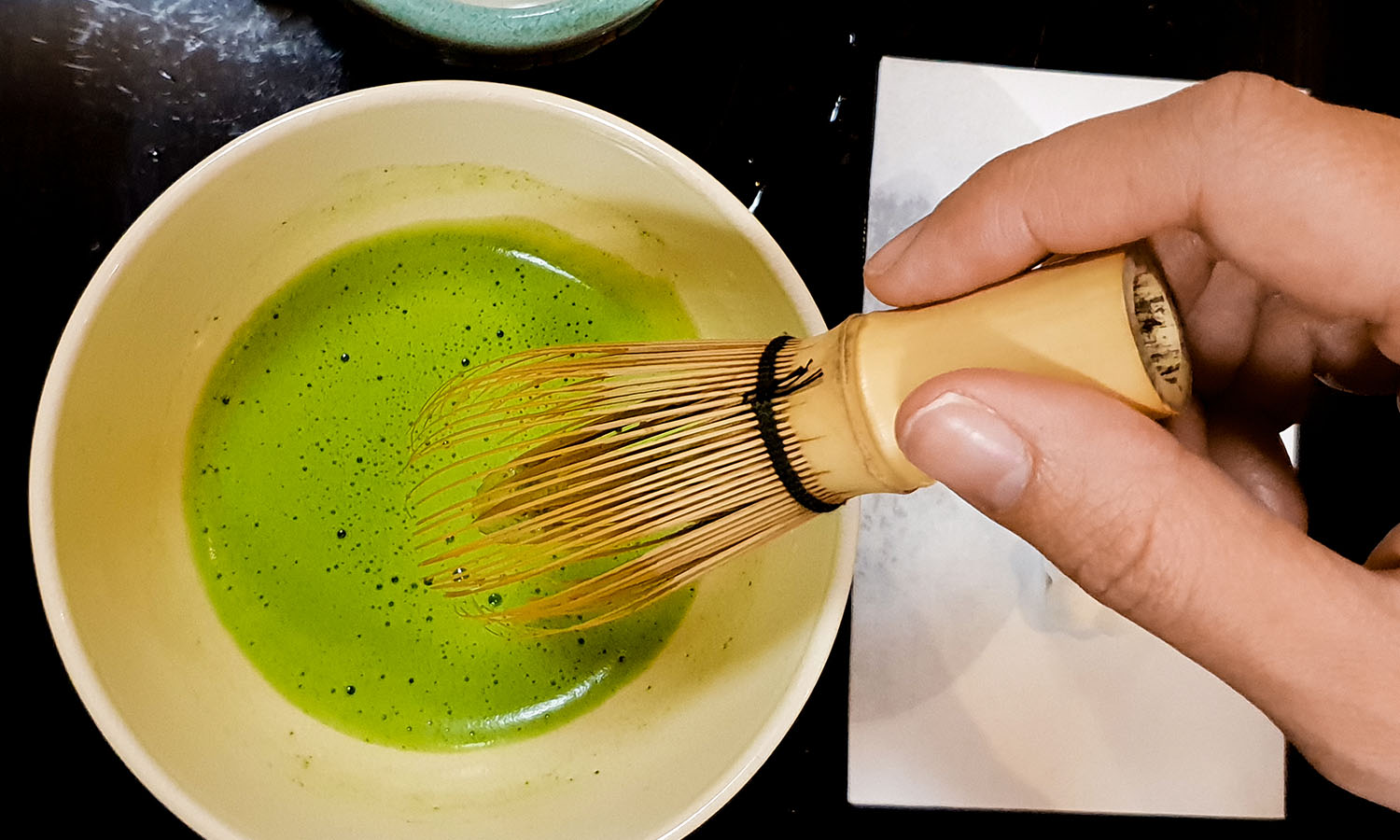
Once the matcha powder is ready, we move to the ceremonial room where we remove our shoes and are seated on woven tatami floor mats. Each of us prepares our own tea in bowls, using bamboo whisks to whip the matcha into a delicately frothy, vivid green liquid. Before we raise our bowls to our lips, some basic etiquette is explained. The simple gestures are the most important to follow, designed to heighten the sensory enjoyment of the ritual, and extend expressions of friendship and goodwill to your fellow guests.
As a novice, I appreciate Jinmatsuan’s easy, non-intimidating introduction into tea culture, and as an added bonus, the matcha is the best I’ve ever tasted.
Experimenting with Tradition at Kyoto’s First Plum Liqueur Workshop
Brewers of umeshu have been making liqueur out of steeping whole ume fruits in alcohol (usually sake or shochu) for well over three centuries. Yet it’s only in the last few years that umeshu has started to attract global attention, increasingly featured on the wine lists of prestigious Japanese restaurants overseas. Now one of the most recognised brands of umeshu, Choya is leading the way at turning foreign tastebuds on to the fragrantly fruity and refreshingly sour flavour sensation that is umeshu.
As we discover at Choya’s Hands On Ume Experience Shop, ume is not in fact a true plum, sharing closer ties with the apricot family. The flavour ume imparts on the final product depends on the stage it’s harvested. To demonstrate this, we’re given a guided tasting session of sugar syrups made from early, mid-season and late harvested ume. Fully ripe, yellow ume has a delicate peach flavour. An unripe, green ume’s sourness is just short of mouth-puckeringly tart, and not bitter in the slightest.
A modern, white minimalist space, with different varieties of ume displayed in test tube-like jars, and a workbench laid out with tools and ingredients, Choya’s Hands On shop feels almost like a tiny science lab. Everyone in our group performs their own experiment, first selecting the fruit of their choice, then combining them with one of several different sugar varieties (from classic cane sugar to more exotic agave syrup) and a choice of gin, vodka, rum or brandy as the additive spirit.
Your custom umeshu can be made from a possible 100 different combinations. If you go out on an experimental limb you might create a sensational new variety, never tasted before. I opt for a little more guidance, and Choya’s umeshu concierges swiftly appear to offer advice. My completed concoction is then securely packed and gift-boxed for the trip home, where it’ll need to ferment for another four weeks.
These are the kinds of souvenirs, I’ve found, to have real value. Why buy something generic and off-the-shelf when you can take home something with a tangible connection to the real and honest experience of the culture you originally set out to discover?
Kyoto will always be a full of mysteries. In my quest to discover hands-on cultural experiences in this city, I’ve discovered that I’ve barely scratched the surface of the rituals embedded in almost every facet of Japan’s most celebrated customs and traditions. What this experience has given me is the opportunity to witness these rituals first hand, and in the process, gain a deeper appreciation of their beauty.
We are standing on the bridge of the Ganges Voyager looking out over a sunlit morning on the sacred river. “When we talk about Mother Ganges we always get sentimental,” Captain Biplob Majumber warns. “It’s because the Ganges River brought us life and she nourishes us. I’ve made this voyage many times but it’s so beautiful and I never get tired of seeing dolphins jumping in the morning.”
Leaping dolphins are not something I had expected on a river infamous as the fifth most polluted on our planet. But this is India’s River of Life after all, and Mother Ganges has a habit of coming up with the unexpected, just as India itself rarely fits into the clichéd pigeonholes that people instinctively try to slot it into: noisy, crowded, impoverished, dusty…
With the great glowing Ganges floodplains spreading endlessly out from the riverbank it seems I can see halfway across India and yet few of those clichés fit the view. It is a perfectly peaceful country morning, with little to break the silence beyond the thrum of the engines. Smoke from a distant hamlet curls into the air like a swaying cobra. While life in these rural villages would be far from luxurious, the rich alluvial land guarantees sufficient food and an agricultural lifestyle that is infinitely less desperate than city life down the river in Kolkata.
Only one of those clichéd adjectives seems to fit the scene: there is dust in abundance. It rises in soft billowing clouds around the legs of oxen as they haul carts along the riverbank and it puffs around the ankles of women as they carry water home. During the monsoons the Ganges carries more water than all the great rivers of western Europe combined, yet it seems impossible there could ever be enough to dampen all this dust. It thickens the air as the gleaming Ganges ripples along its 2525-kilometre journey from the source at what the Hindus call the gomukh (cow’s mouth) to the world’s biggest delta in the Bay of Bengal.
Bikash ‘Vick’ Mehra, one of the guides on the Ganges Voyager, helps to untangle my mental map: “The Hooghly River, which runs through Kolkata, is actually a distributary of the mighty Ganges, but is considered by us Hindus to be part of Mother Ganges herself. We call this state Golden Bengal because these great swaying fields of rice feed most of our country.”
In fact a BBC programme on the river estimated the Ganges supports almost a tenth of the world’s total population. Sunburned crops, shimmering dust, glowing terracotta temples, the orange tint of flame from the cremation ghats (riverside steps) – there could be many reasons why this area is referred to as Golden Bengal.
It is said 30,000 bodies are cremated on the banks of the river each year and that an estimated 200 tonnes of half-burned flesh slips into its waters. It has also been said the man-eating tigers of the Sundarban islands, lying downriver from Kolkata, developed their taste for human flesh courtesy of the rather gruesome barbecues that are prepared on a daily basis in the city of 15 million.
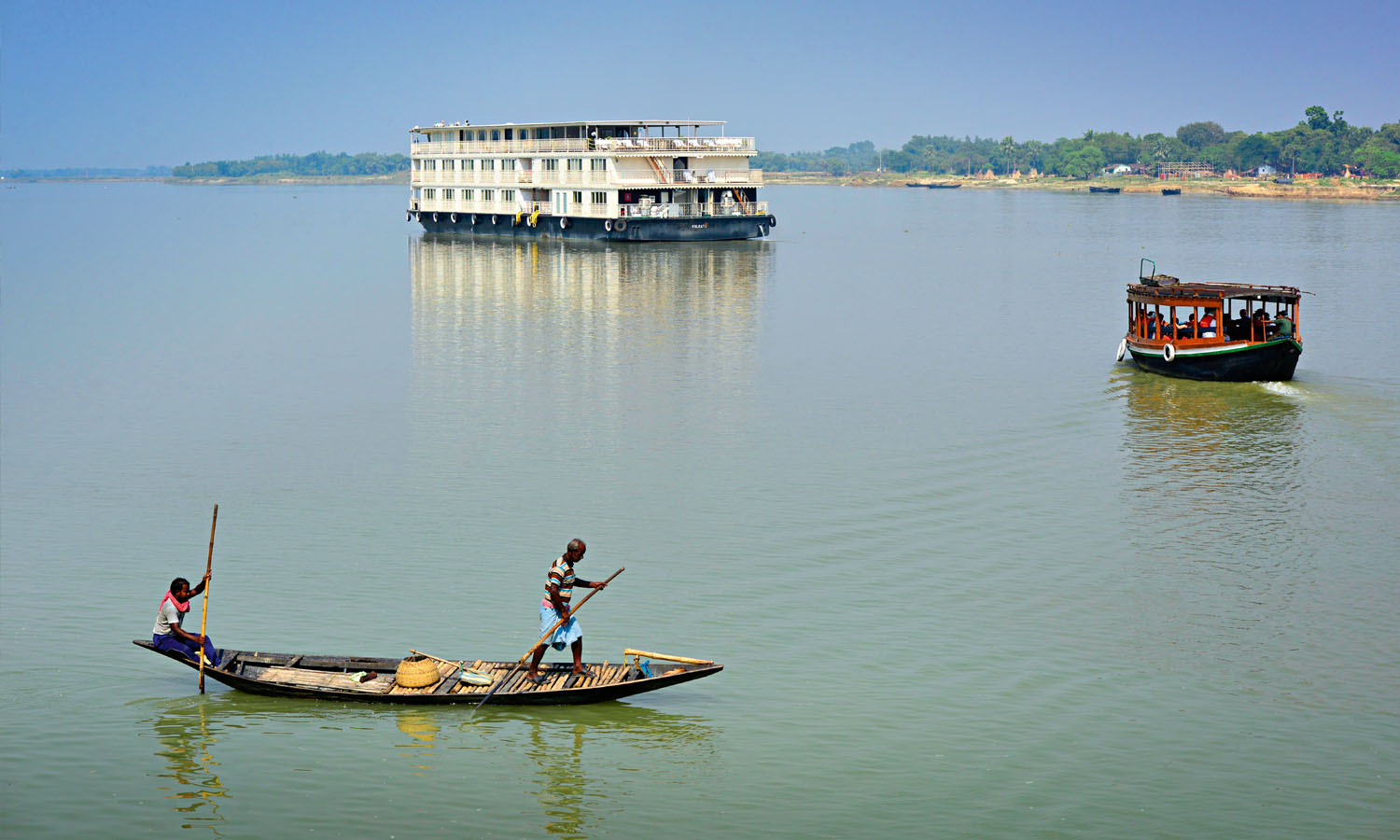
The 56.5-metre Ganges Voyager made her maiden voyage upriver from Kolkata in 2015 and has become a big hit, particularly with discerning Australian travellers looking for a unique insight into India.
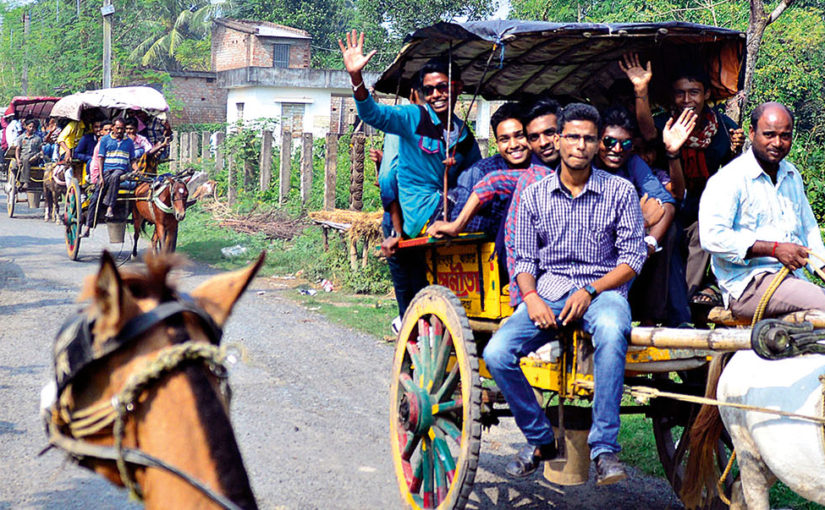
Our guides unravel India’s complex colonial history as we visit the Portuguese stronghold at Bandel (founded some time in the late 1500s) and the French trading post at Chandannagar (1673), and sail past the battleground that saw the rise of the all-powerful British East India Company in 1757. We ride in a convoy of cycle trishaws to the spectacular terracotta temples of Kalna, and in a wagon train of horse-drawn carts to the old mosque at Murshidabad where our guides tell us bloodcurdling legends about the cannibal princess addicted to the livers of small children. We hear other, more recent melancholy tales about the downfall of the great family that owned the Hazarduari Palace with its thousand doors. “The latest descendent of this once-mighty family can now be seen riding his bicycle around town,” says Vick.
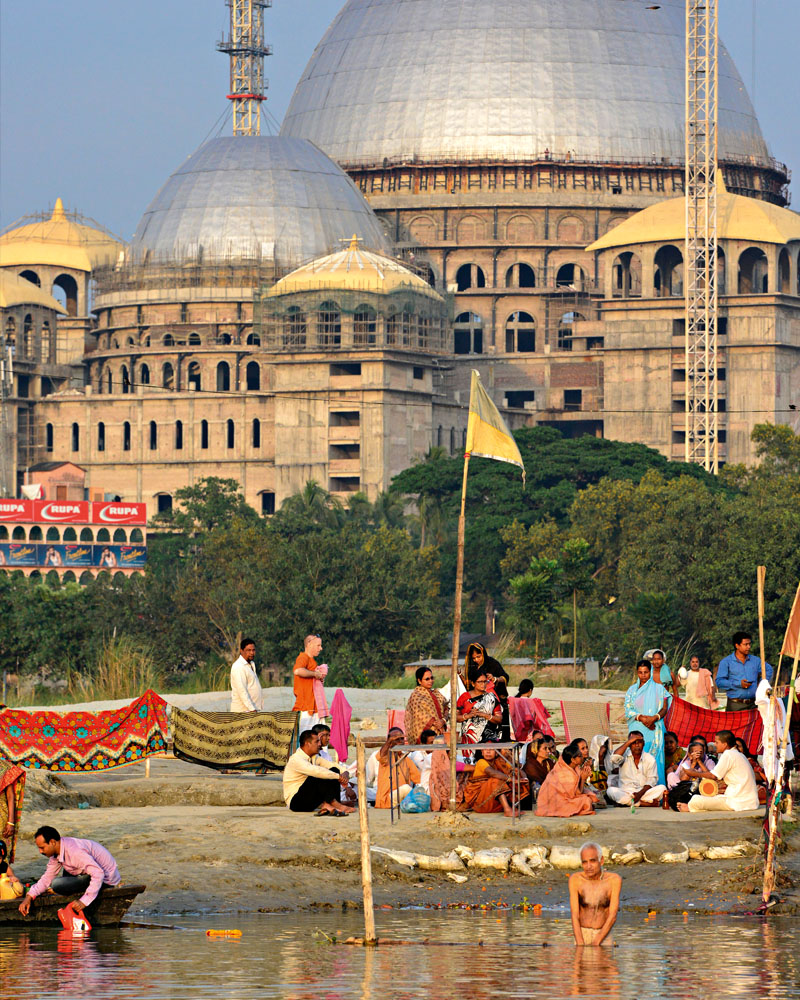
Meanwhile, more recent family fortunes are coming into karmic circulation in West Bengal. At the spot where the Jalangi River flows into the Hooghly, Alfred Ford, great-grandson of Henry Ford, has donated a fair share of his inheritance to what is being heralded as the biggest temple of worship of any denomination in the world. Already a place of pilgrimage for the International Society for Krishna Consciousness – commonly known as the Hare Krishnas – when complete the Sri Mayapur Chandrodaya Mandir complex will rival the Vatican in size. When we arrive at sunset, Indian workers are still hard at it, high above our heads on a dome that already soars to almost one and a half times the height of the Taj Mahal. With jackhammer operators wearing flip-flops, hardhats a rarity and insufficient floodlighting on the 106-metre-high dome, it seems labourers are working around the clock in conditions that might have been considered shocking in the USA even at the time when the great Henry Ford – himself an enlightened industrialist – opened his first production line.
“To us Indians it’s bizarre to visit Mayapur,” one visitor tells me. “Sometimes we come here for a day trip because it’s interesting to see so many white aliens dressed like Indians. As a place of pilgrimage it’s too much like a sort of spiritual Disneyland for our tastes though.”
After the historic sights of the river it seems most of the Ganges Voyager’s passengers feel the same. After each tour the little motor launch delivers us back to a world of chilled face towels, welcome drinks and an opulence that contrasts powerfully with living conditions on the nearby riverbanks. Our suites are as big as the most expansive of hotel rooms and the Governor’s Lounge and observation deck offer ample room for guests to mingle without crowding. The ship’s decor is clearly a nostalgically doffed hat to the colonial era and the meals served in the East India Dining Room are a fusion of Indian cuisine and Western dishes.
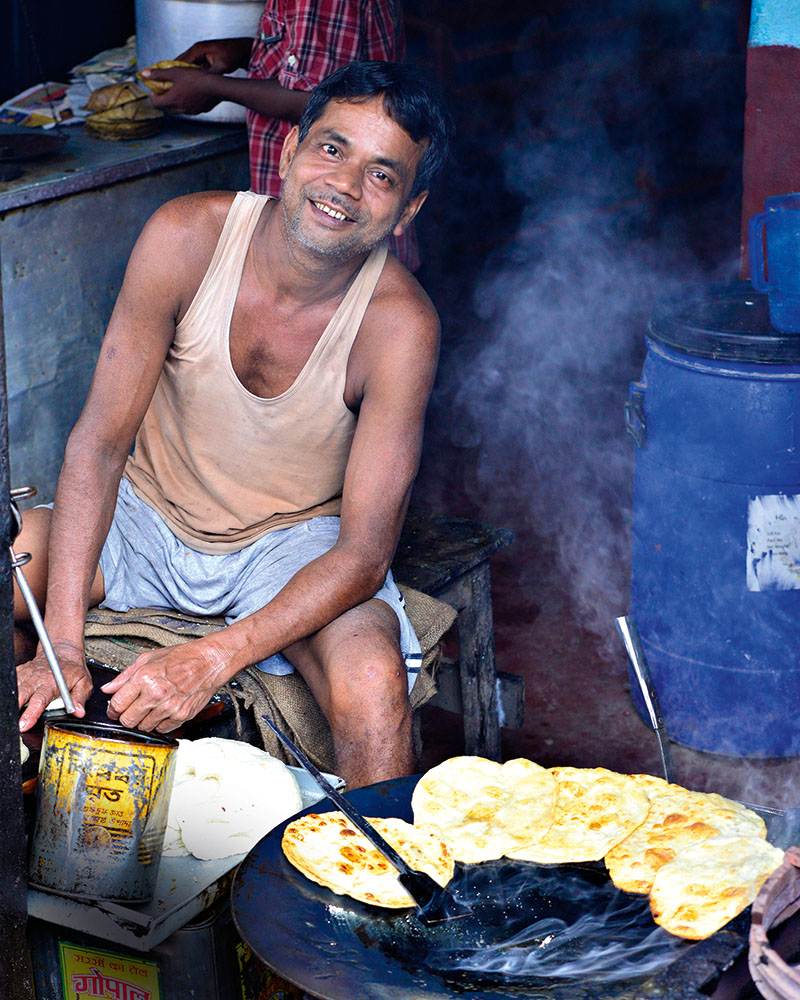
The majority of the guests join both of the daily excursions – unless they’re battling Delhi belly. (Even on the most luxurious of Indian trips, this isn’t an uncommon occurrence.) Since we are divided into two groups, however, it rarely seems as though we move in too much of a crowd. There are occasions when it’s possible to slip away and simply drift through the backstreets of riverside hamlets and marketplaces. We stop to sip chai with old men or to try the irresistible street food that, despite fervent warnings from the crew, is a calculated risk worth taking if you want to get the best out of any Indian trip.
As always, by the time we come to the end of the voyage it is the villages and Indian people, rather than ostentatious monuments, that have most captured our imaginations. At Matiari we walk around a community foundry where villagers work in noisy, dusty, dangerous conditions that bring to mind images of Dickensian London. Near Khushbagh we stroll through agricultural lands rich with rice, corn, eggplant, papaya, banana and more than a hundred varieties of mangoes. Everywhere we are greeted by smiles, words of welcome and countless invitations to drink chai.
After the rural allure of Golden Bengal it’s a rude awakening to sail back into the maelstrom of old Kolkata once again. Standing on the viewing deck, sipping gin and tonic and watching colourful groups of bathing pilgrims, it is certainly easy to understand the sentimentality that Mother Ganges provokes in the hearts of her children.
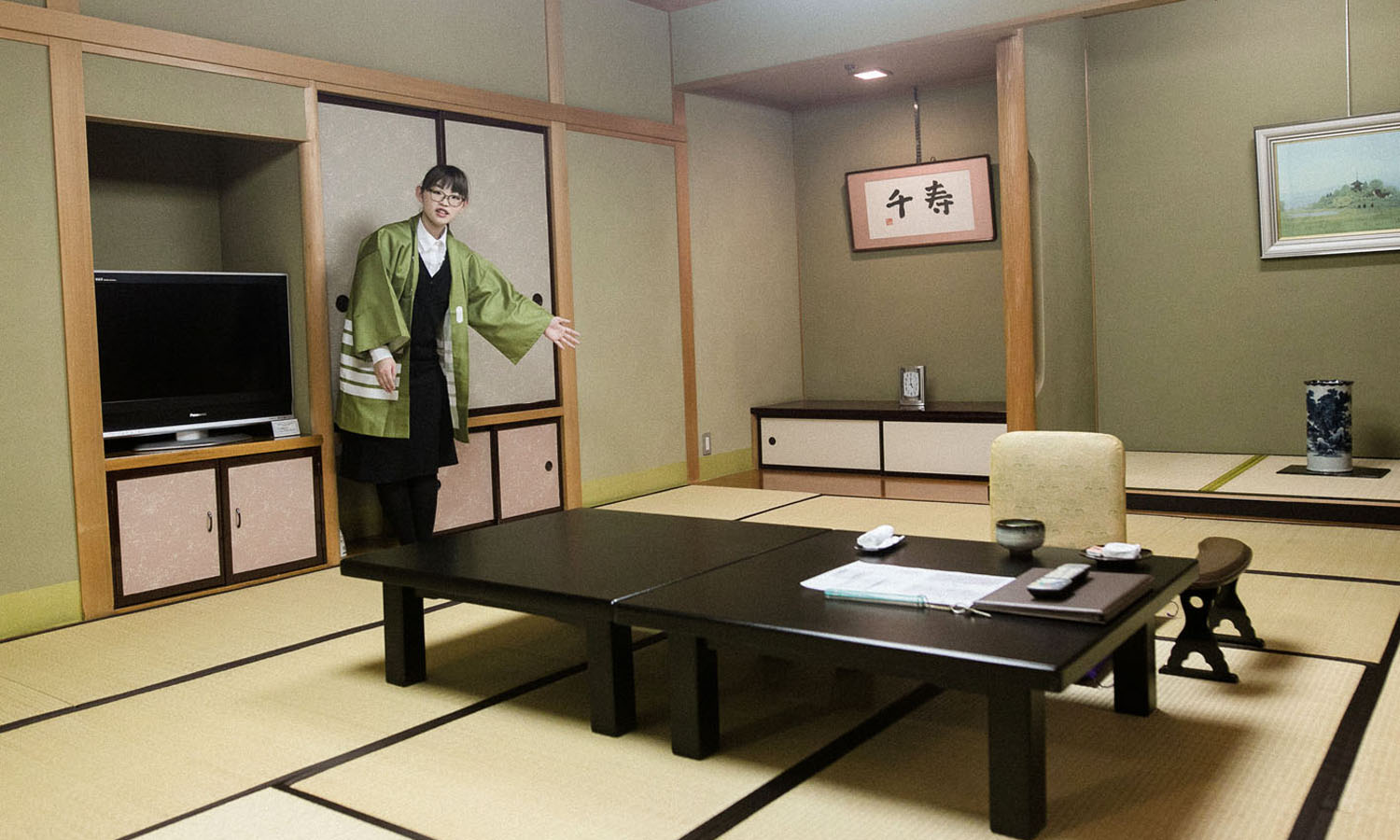
Yuki, a middle-aged Japanese lady beautifully attired in a traditional kimono, shows me to a tatami-matted room and pours a green tea. I open paper-screened sliding doors to reveal a second and then a third room both with sweeping views of snow and mountains.
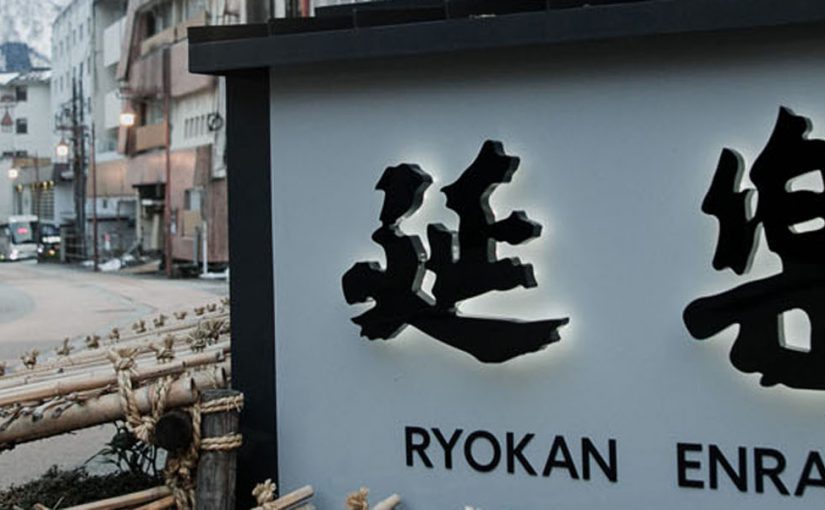
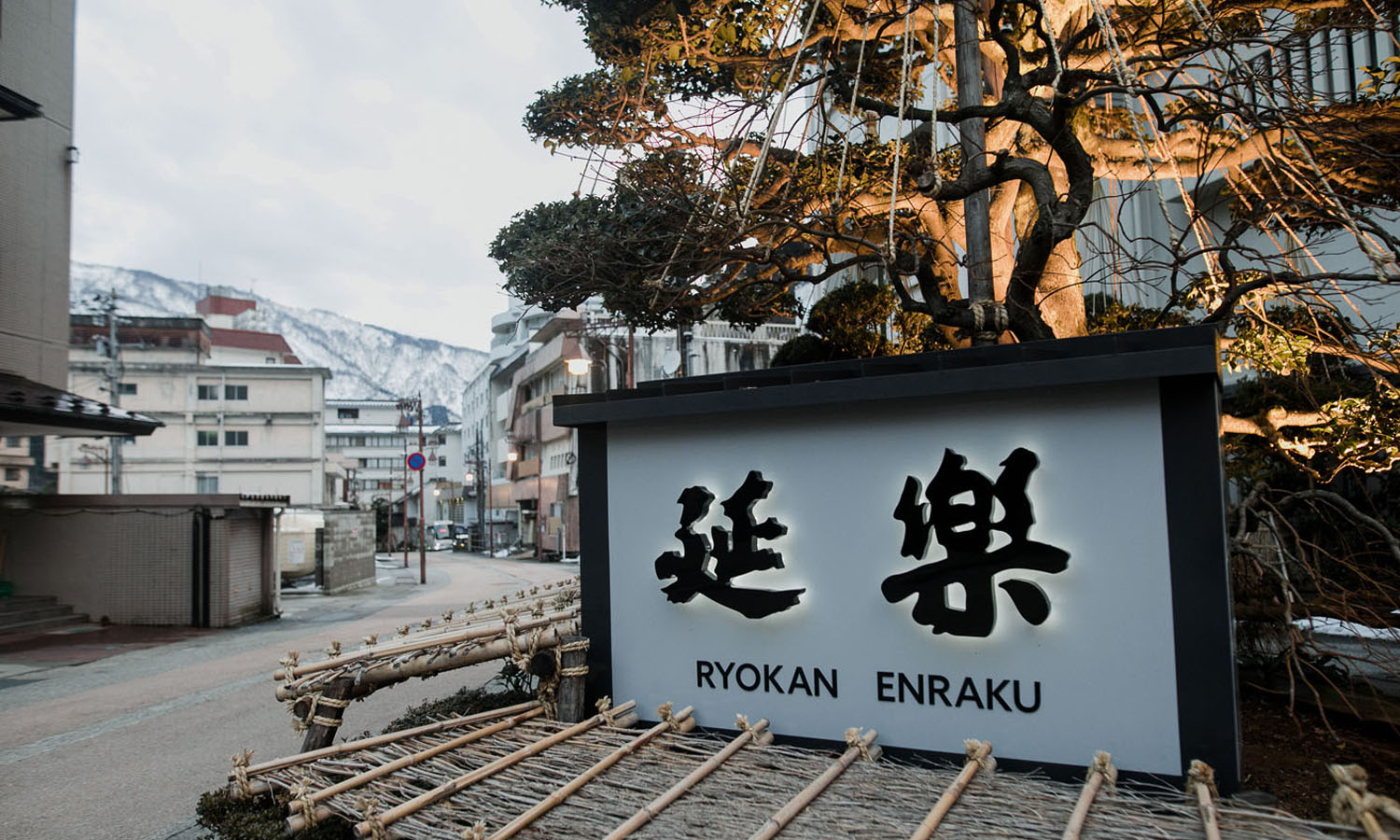
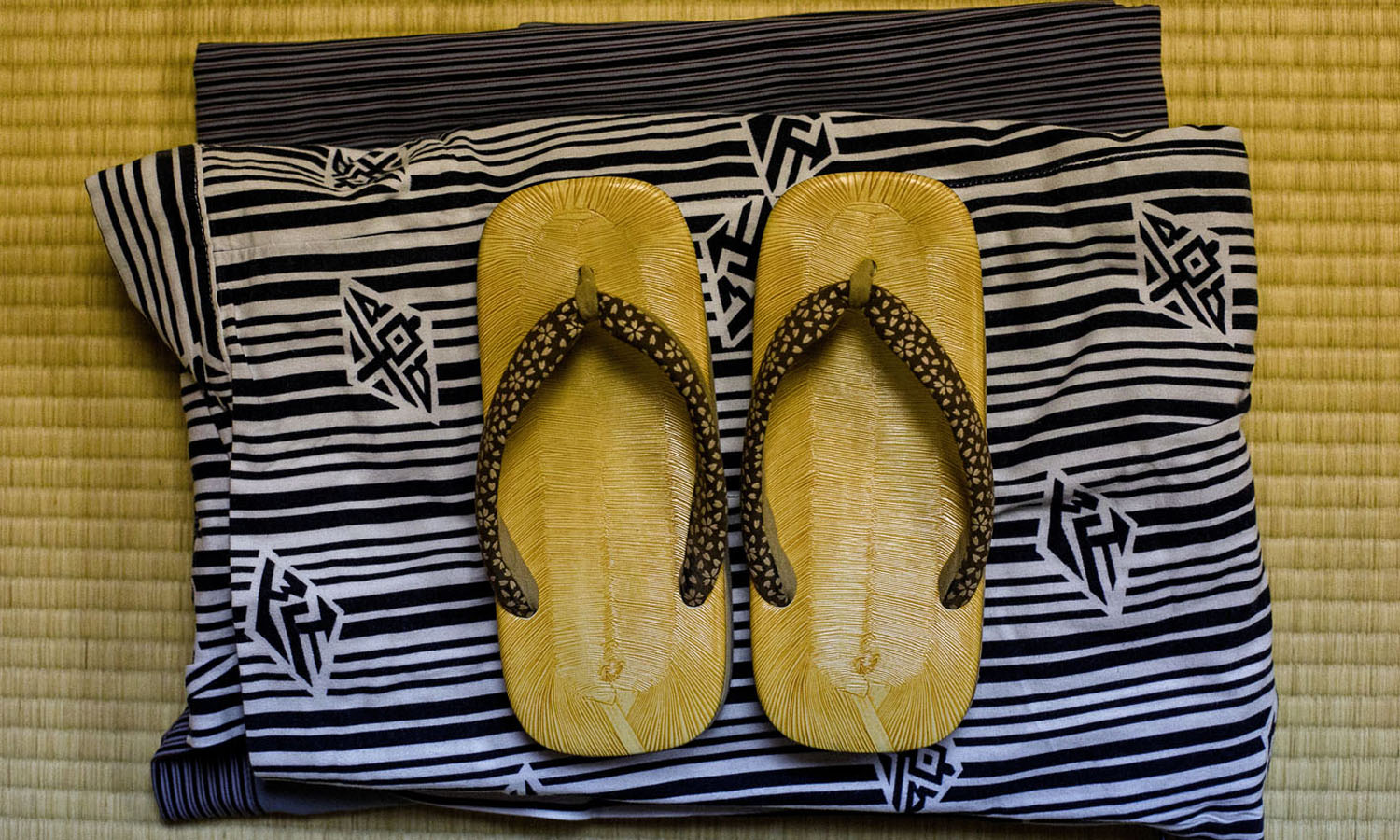
It is my first stay in a Japanese ryokan (traditional hotel) and I’ve landed on my feet. Ryokan Enraku is an upmarket, four star hotel found in the onsen resort village of Unazuki, in the snow-stacked mountains of central Japan. I’m told the Emperor of Japan once stayed here. Perhaps in this very room. The room’s spaciousness is enhanced by an adherence to minimalist design: a small painting on one wall, a ceramic vase and a small table and chair dominate the clutter-free space. I slip into a yukata gown and wooden sandals and descend seven floors to an outdoor onsen by a burbling river. I strip down, wash off the travel grime and join a naked Japanese man in the steaming hot spring. Eye contact is avoided. It doesn’t seem a good time to practice my stunted Japanese, so we sit in silence. The stream burbles, the hot spring steams, tension evaporates.
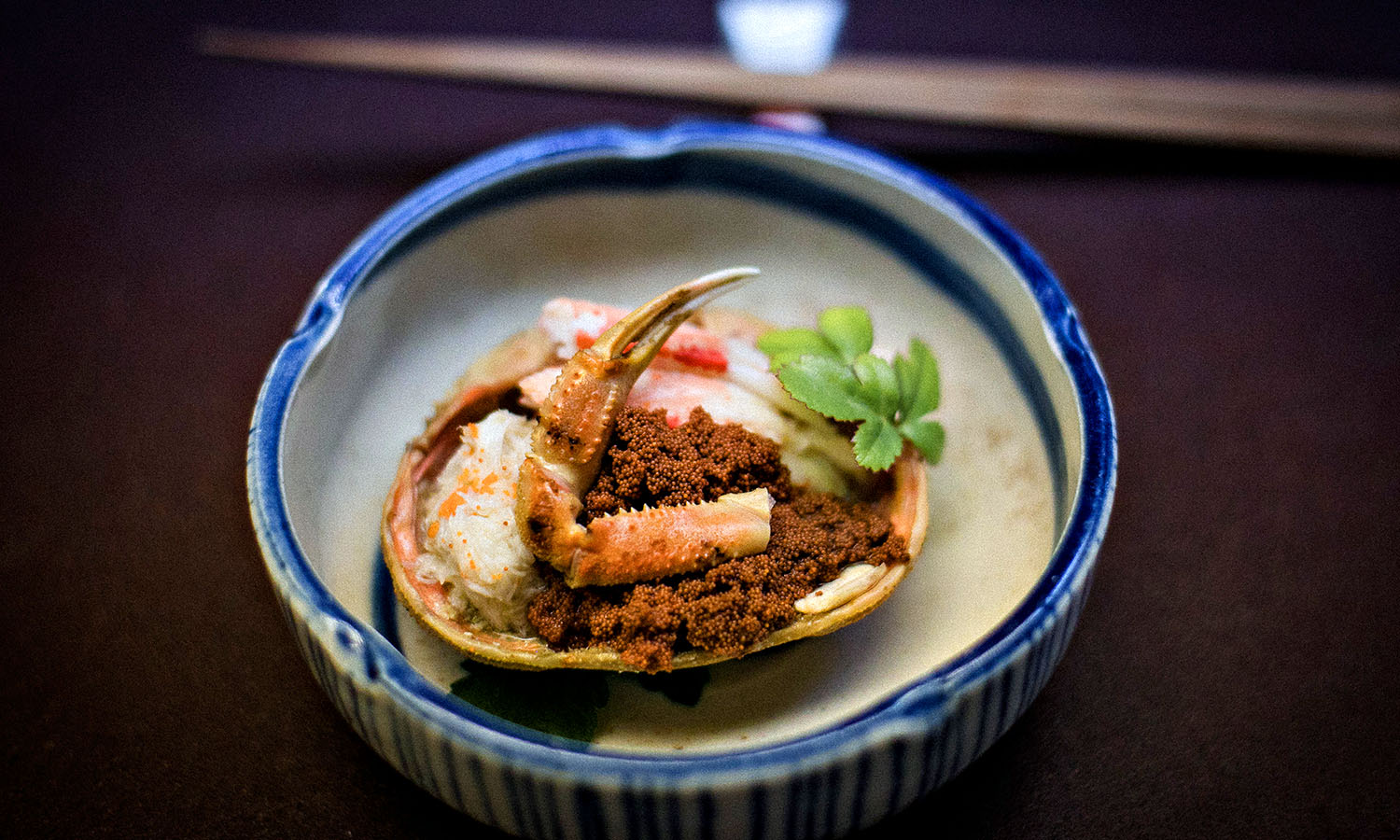
When I return to my room a futon mattress covered in a thick doona has been laid out in its centre. I relax into a massage chair and watch dusk creep over the cold mountains, anticipating dinner. Soon Yuki knocks at my door and guides me to an elaborately laid-out dining area. The food arrives in small, artfully-presented servings: tuna sashimi with boiled down sake, bonito flakes and pickled plum, charcoal-grilled Zuwai crab, grilled himi beef, crab porridge and seasonal pickled vegetables. It is the most exotic meal of my life and it ends, appropriately, with a firework display outside the hotel.
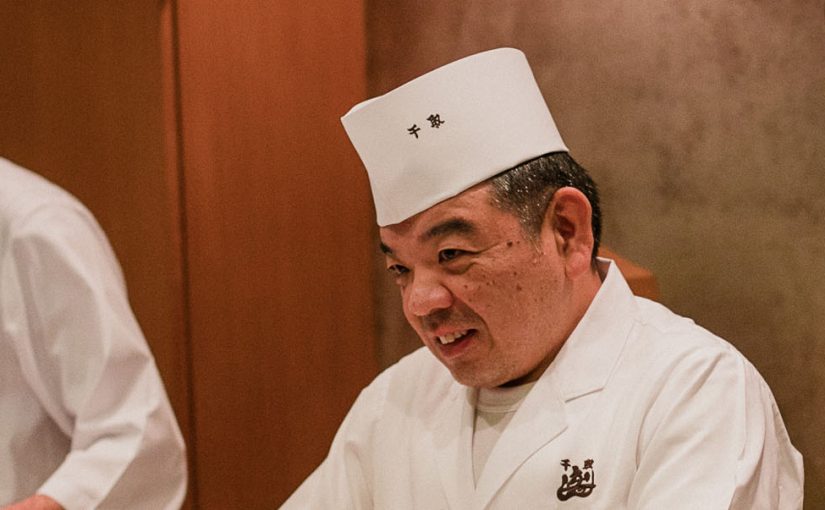
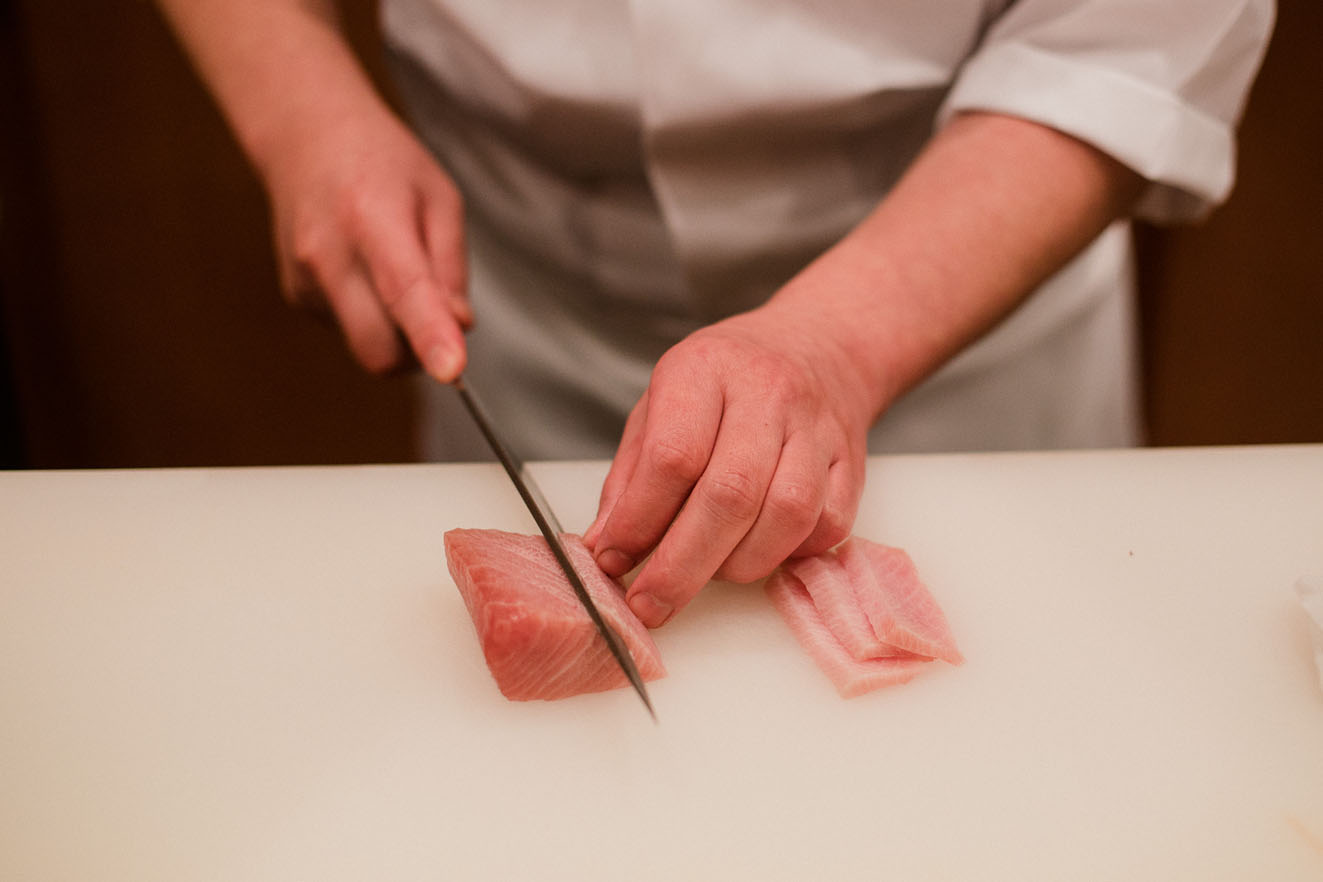
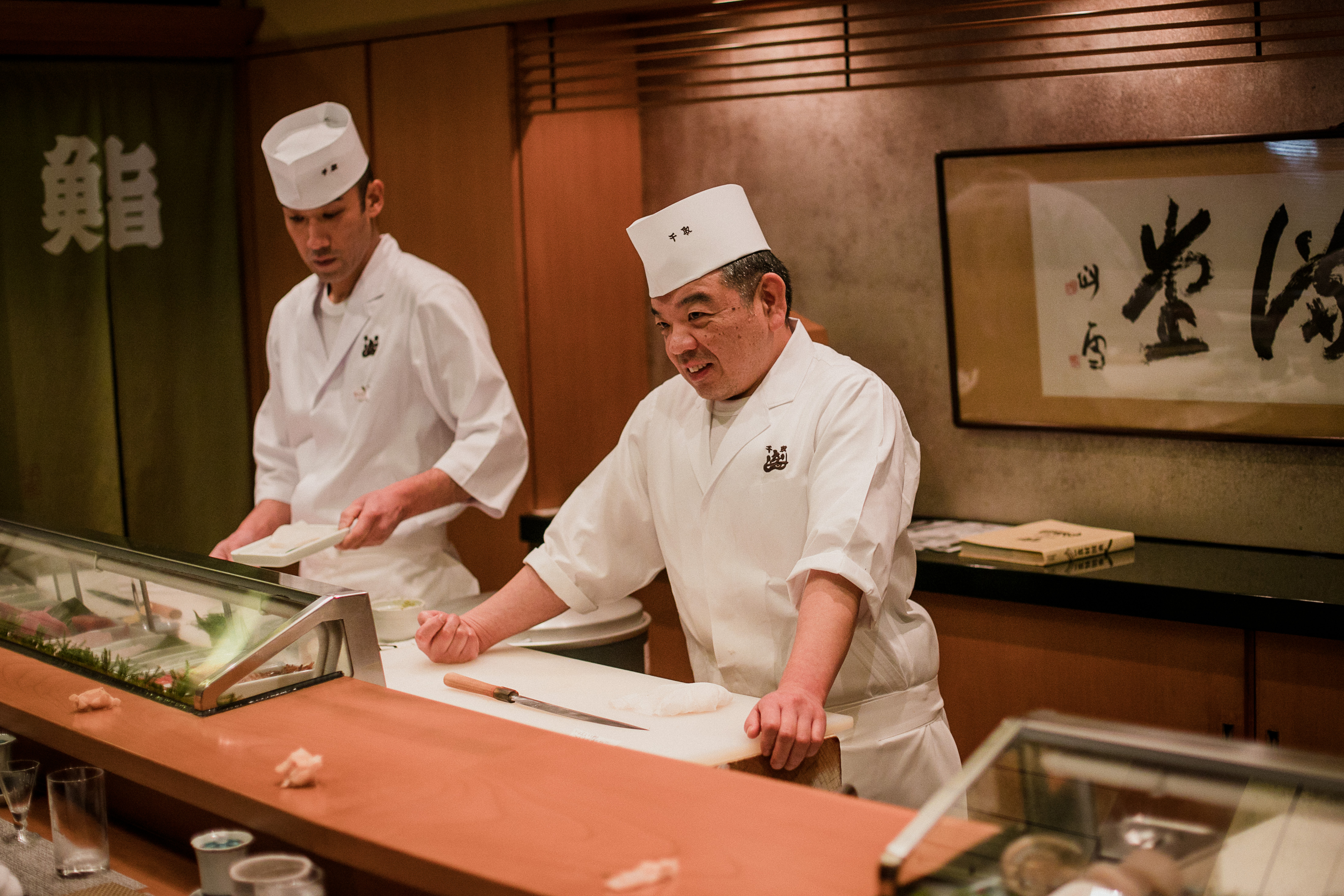
His hands move quickly and expertly dipping into a large dark bowl of soft white rice. A dab of green wasabi is added before he rolls the mixture into a ball in his palm and carefully layers it with a slice of raw pink fish. With a practised flourish he presents it on the bench in front of me. I reach for my chop sticks and am told no. “Use hands. Hands are better. Old way.” I pick up the yellow tail and rice portion, slip it into my salivating mouth and groan audibly.
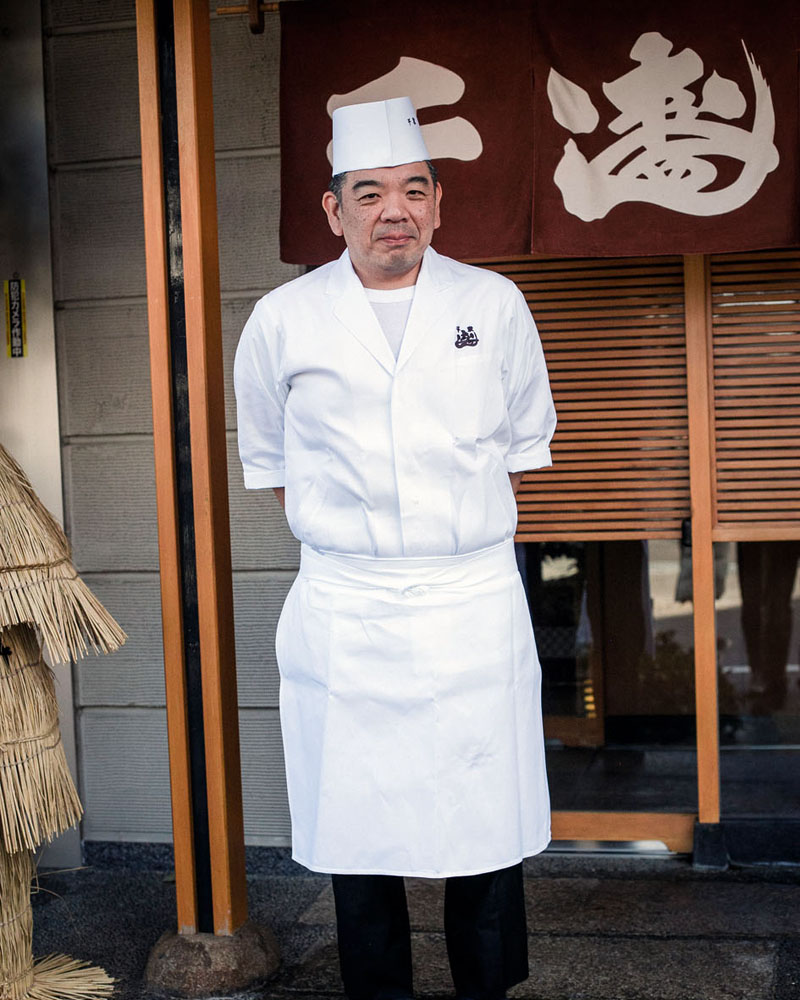
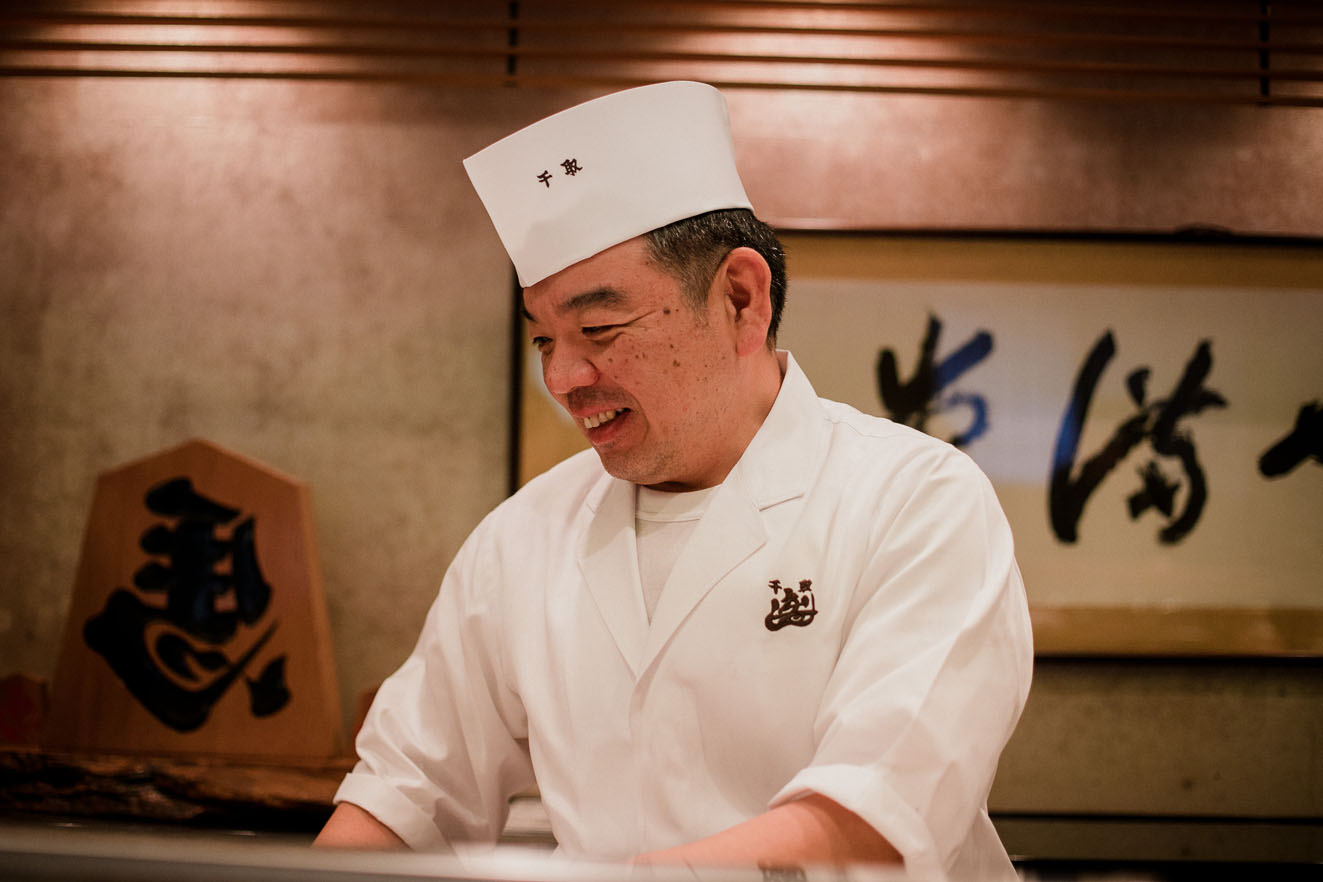
I’m at Sentori Sushi in Kanazawa, central Japan eating the best sushi of my life. Nine more servings follow the yellow tail down my grateful gullet: flounder, shrimp soft roe, bail shell, abalone. My chef, Kazuhisa Yoshida, is the third-generation owner of the restaurant which welcomed its first customer seven years after the war (1952). He’s been to Australia twice and speaks English slowly and thoughtfully. He tells me about the local fish market and his grandfather and his fondness for the Australian artist, Ken Done. I watch him operate his knives and carefully wrap seaweed around another delicacy. This is real Japanese sushi, similar yet so very different from the kind we know in Australia and the USA. There is no avocado, cream cheese or cooked meat and the meal has been paired with a sweet local sake. I sip, eat slowly and smile contentedly.
At the meal’s conclusion I ask Kazuhisa about the secret to great sushi. He thinks on this a while. “Hospitality,” he decides. “Fresh ingredients and good rice are needed. But hospitality and presentation make for the best sushi.” When I leave a waiter appears with my winter coat and helps me into it. Kazuhisa follows me to the door and we thank each other gratefully and sincerely. It is the Japanese way.
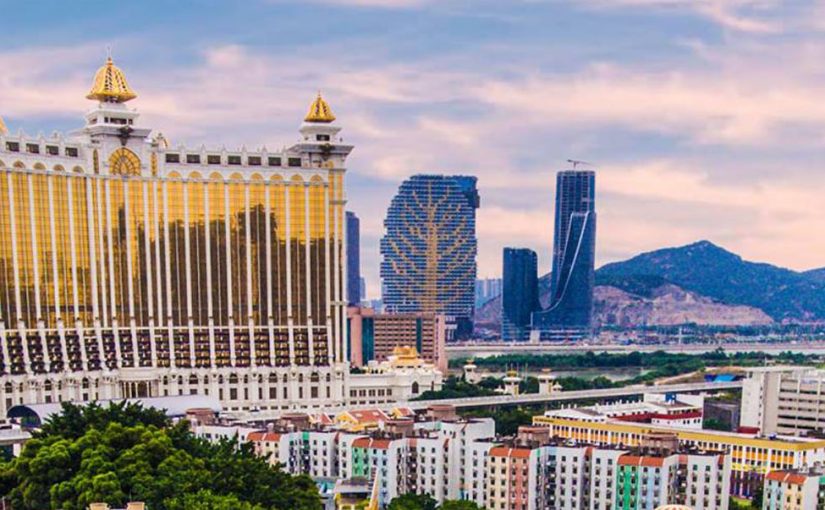
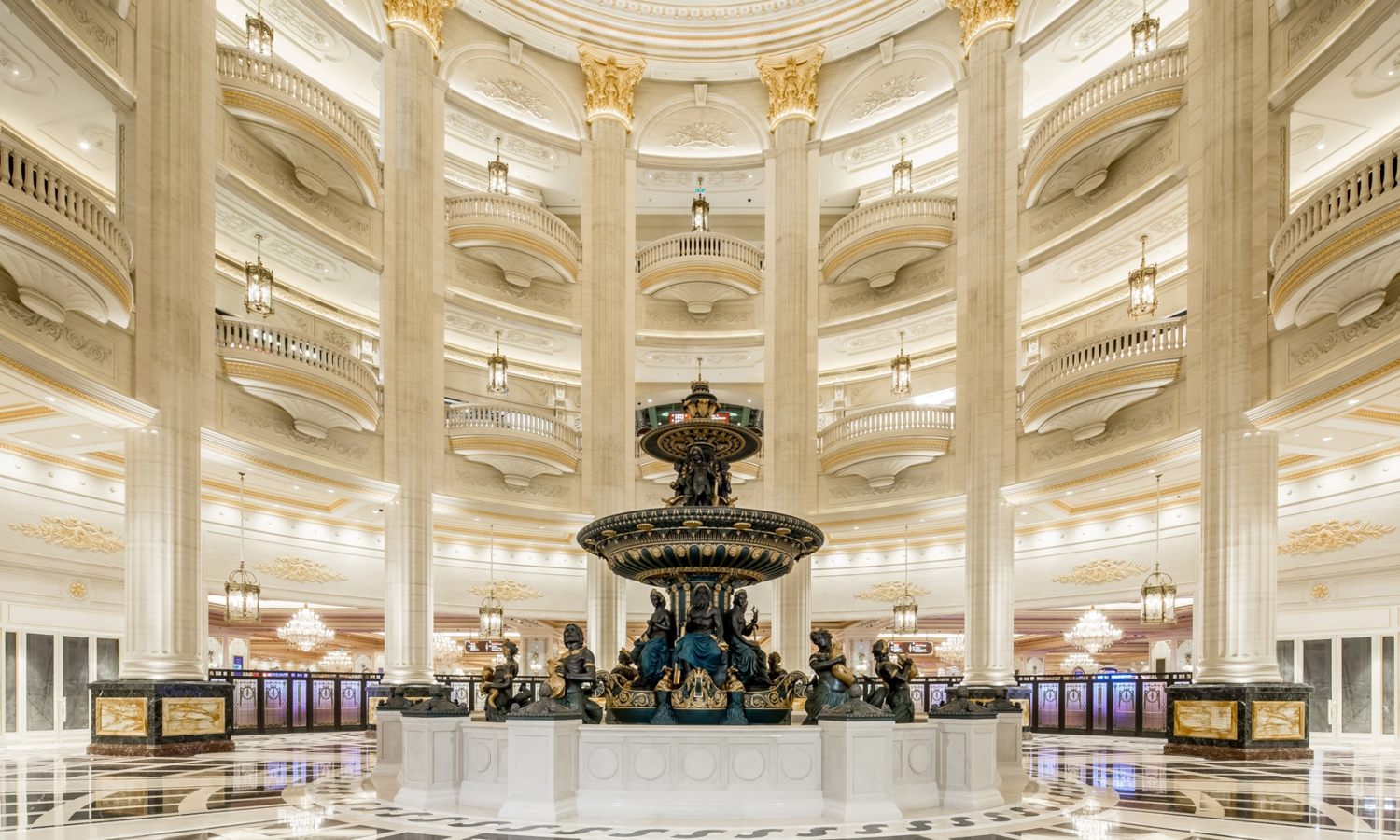
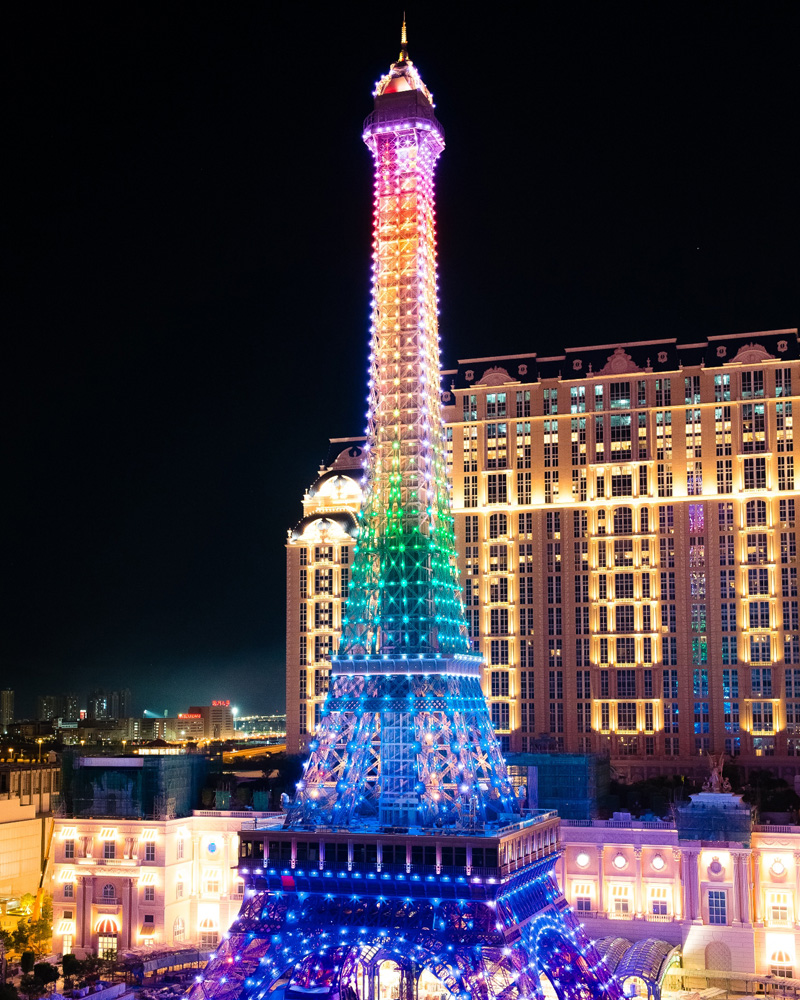
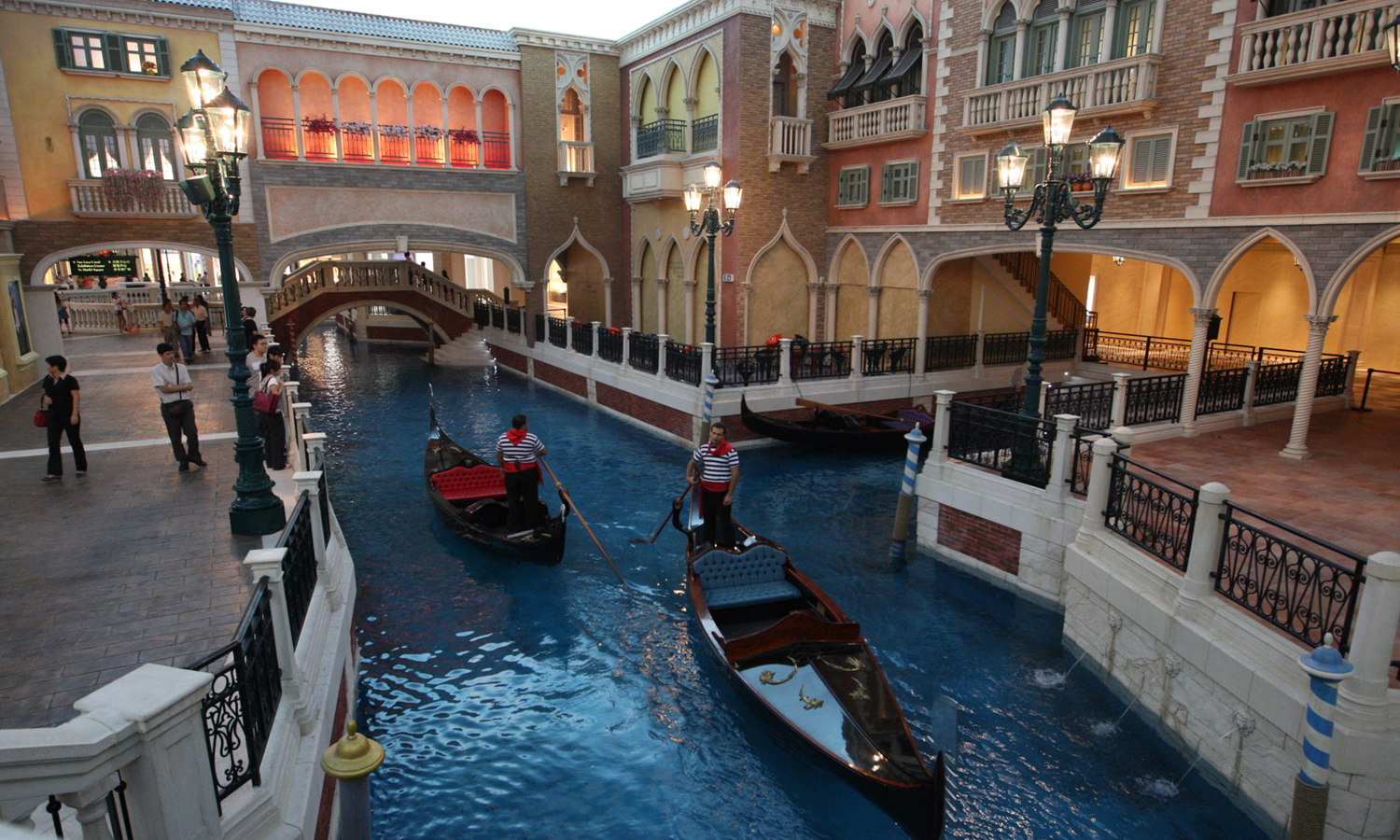
For a city that’s often touted as the ‘Las Vegas of Asia’, it’s no surprise that Macau is jam packed with luxurious and glitzy hotels. Like it’s American namesake, you’ll even find hotels with names like The Venetian. complete with gondola-filled waterways, and The Parisian where a replica of the Eiffel Tower lights up like a Christmas tree every evening in a spectacular light show.
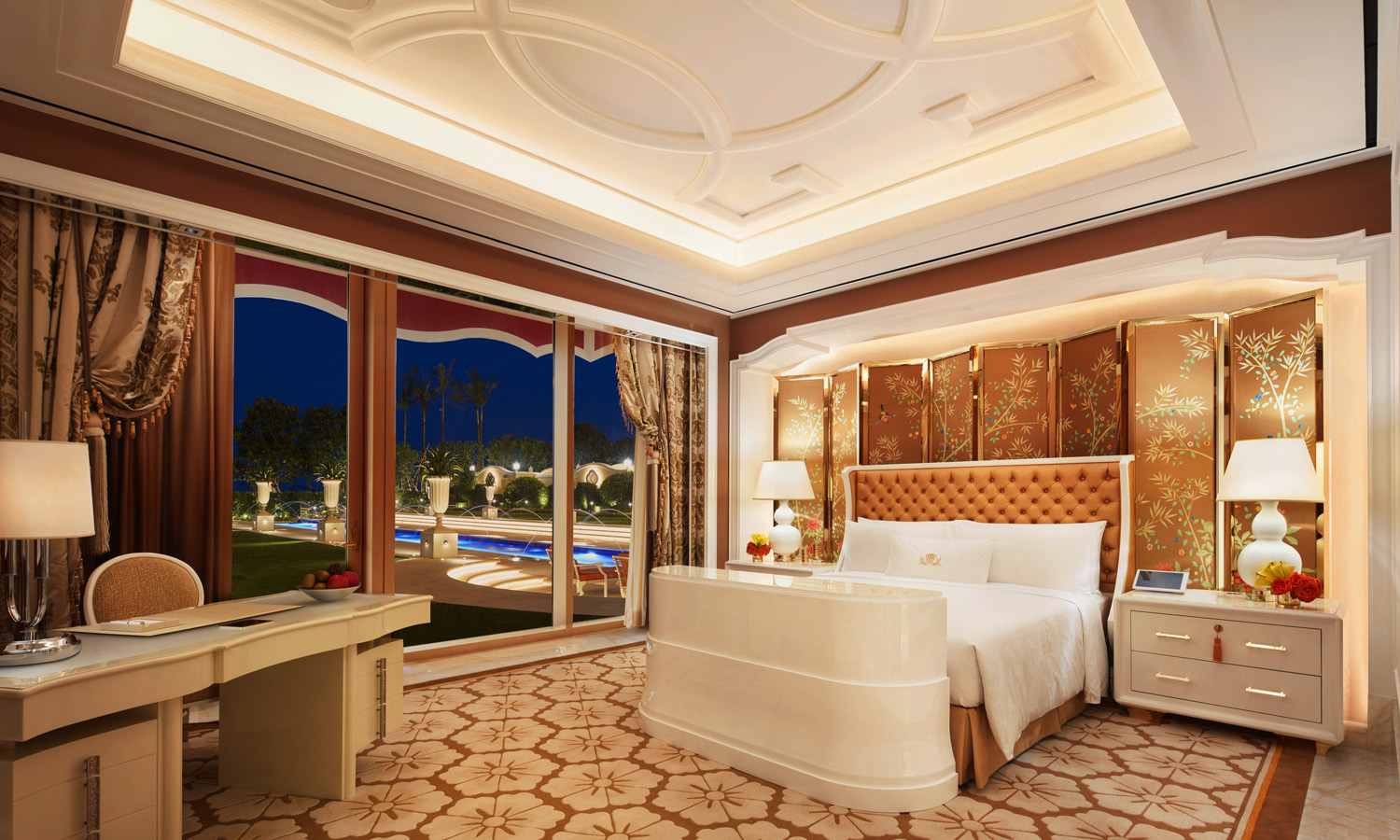
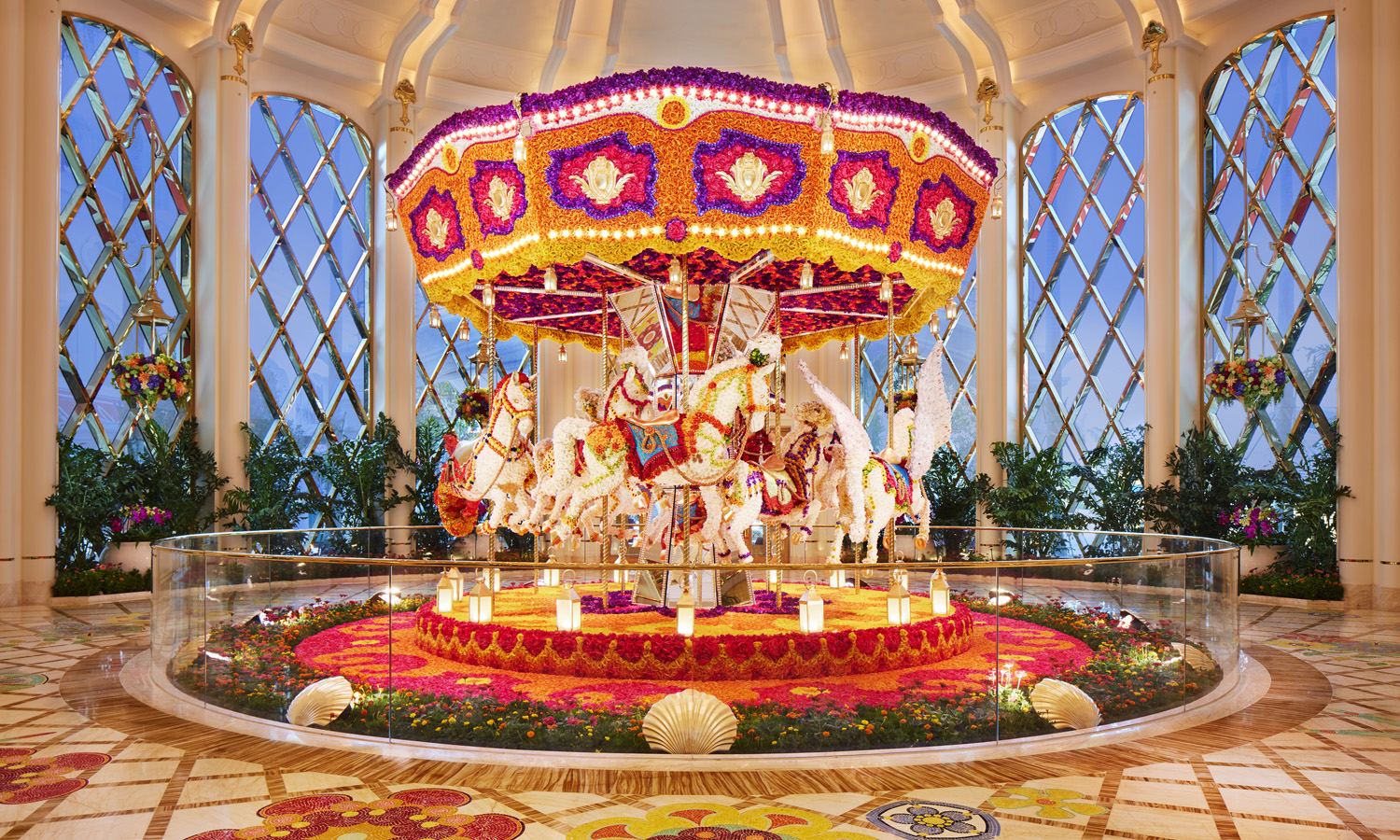
From the long established hotels around the Macau peninsula to the ritzy neon-lit hotels and resorts on the reclaimed land known as the Cotai area, Macau has enough gold, marble and chandeliers to sink a whole fleet of ships. New resorts springing up offer some serious opulence.
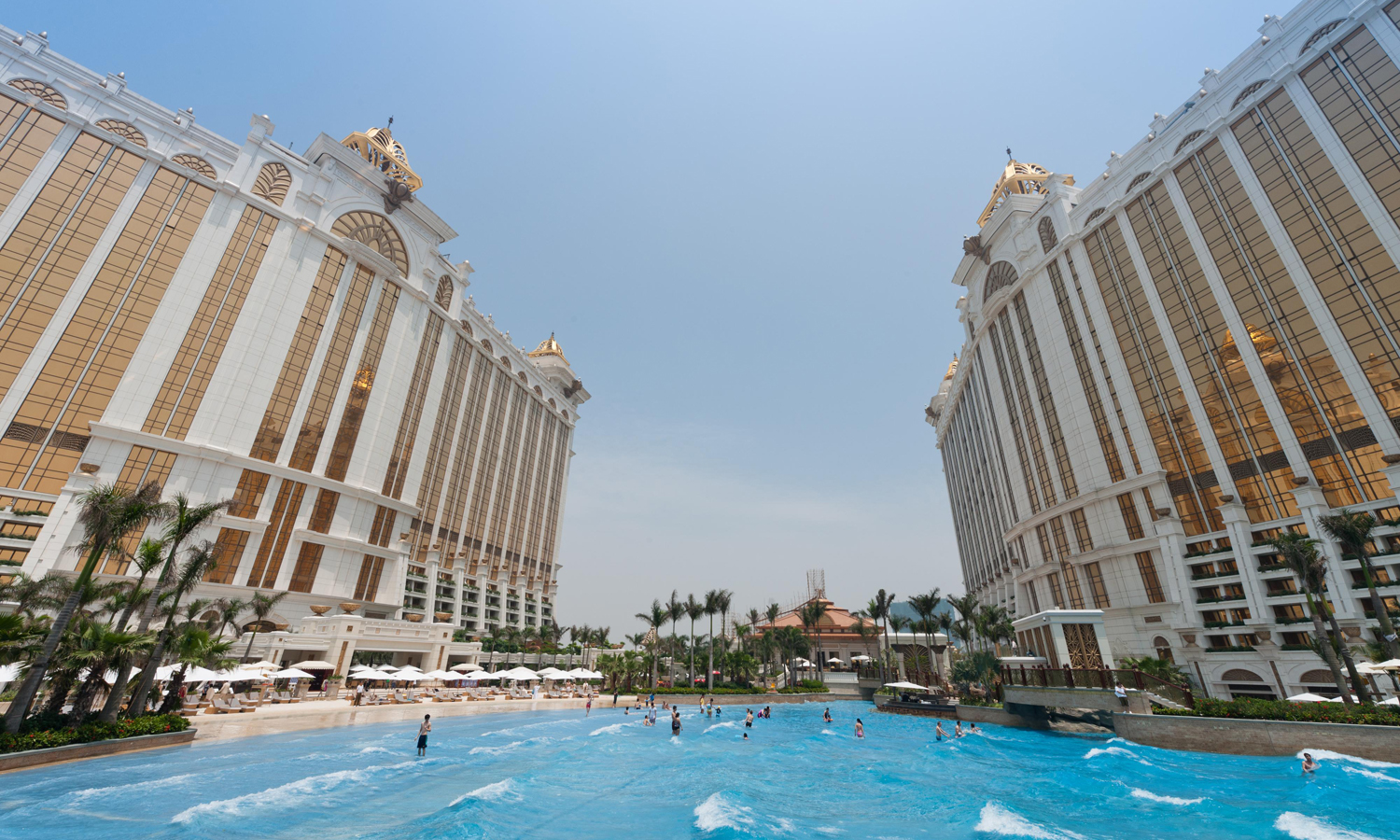
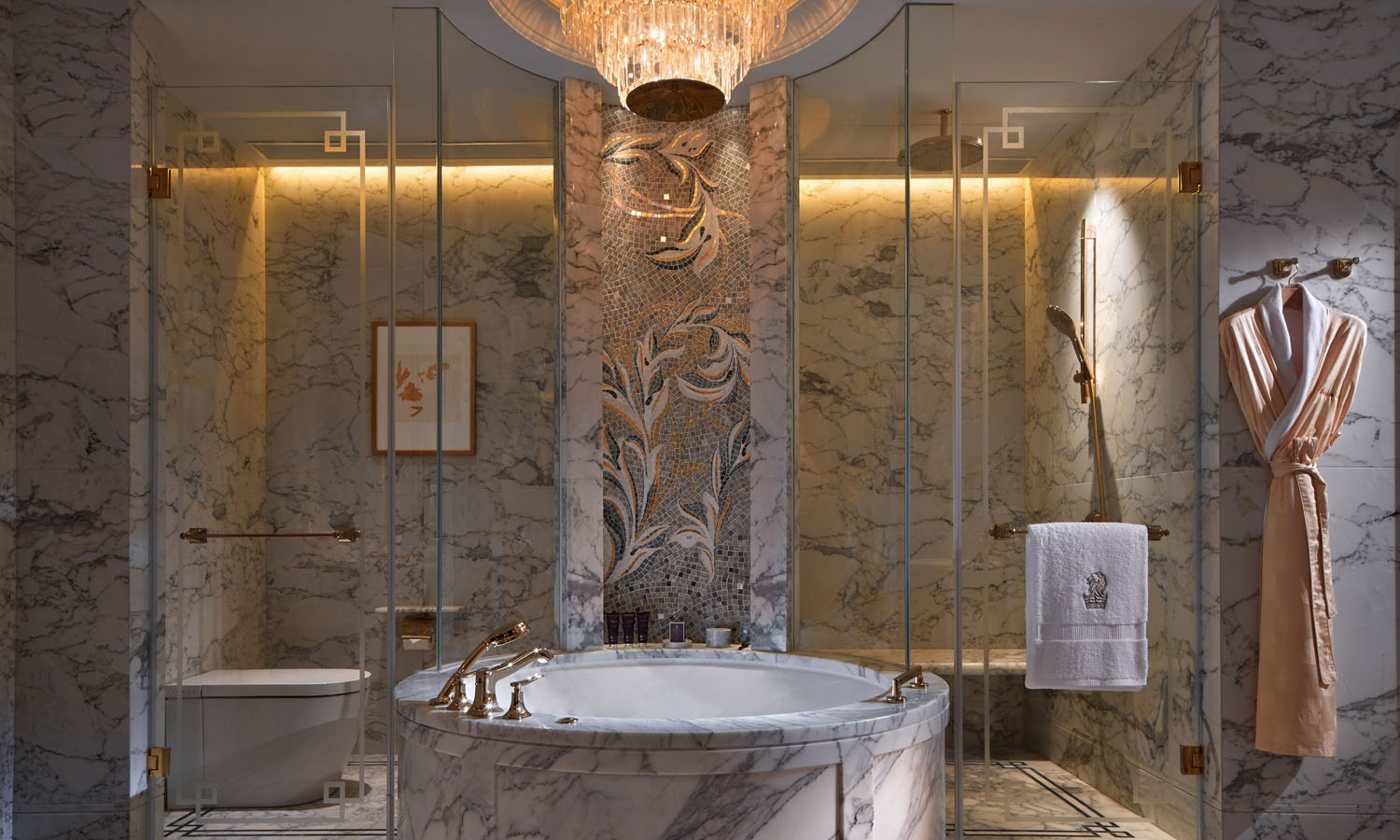
The Galaxy Precinct is a destination in itself. Built at a cost of around US$5.5 billion, it incorporates six world-class hotels (including the all-suite Ritz Carlton), 120 restaurants (eight of them Michelin rated), 200 designer stores and a skytop adventure park. Here you can spend days riding the world’s longest skytop aquatic adventure ride and exploring beach lagoons, rapids, geysers, waterfalls, tropical gardens, waterslides and wave pool.
Developers splashed another $2 billion to create Studio City, a hotel and casino resort with a cinematic theme, and incorporating television and film production facilities. Opened in 2015, its design was inspired by two asteroids shooting through a Gotham City-style building, and the Batman Dark Flight flying theatre attraction is not to be missed.
Style and decor varies with each resort so if you prefer something a little more understated you should still find something to suit.
 (
(