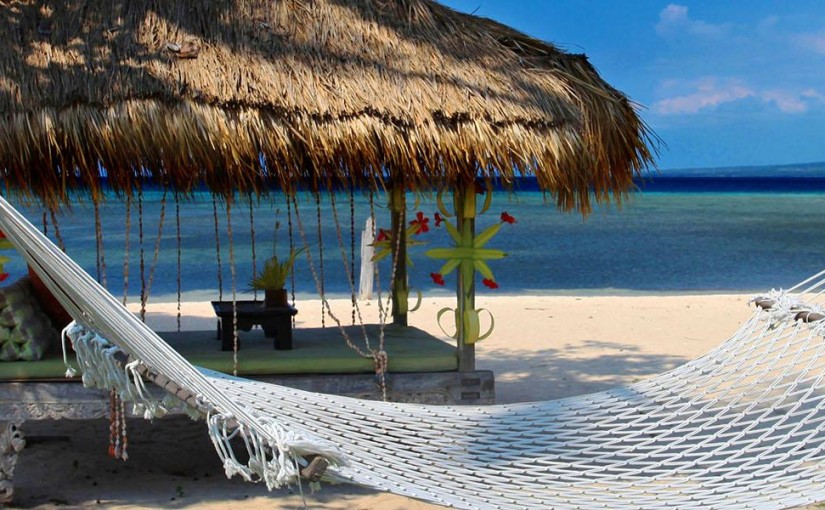
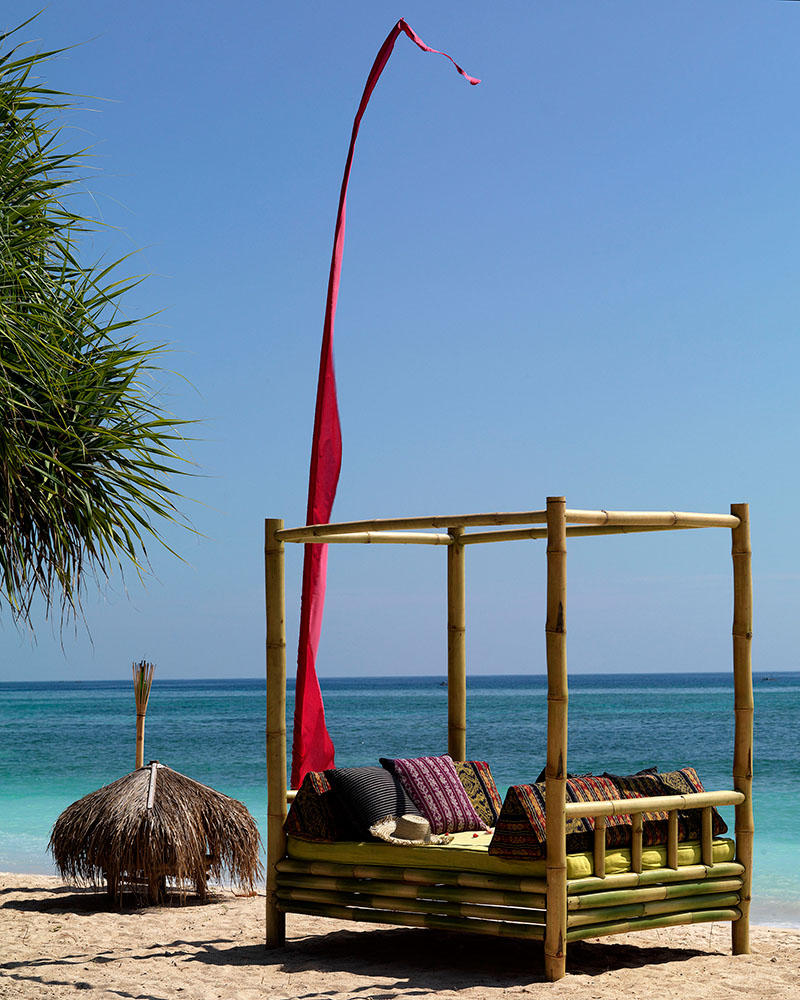
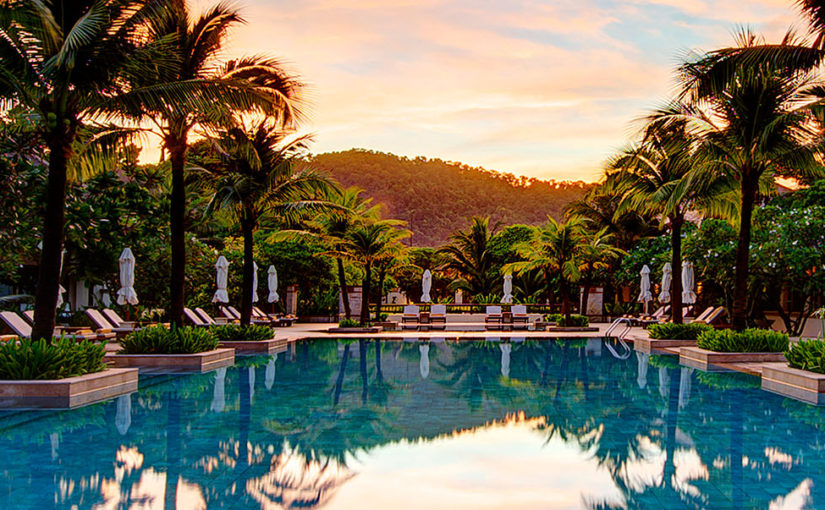
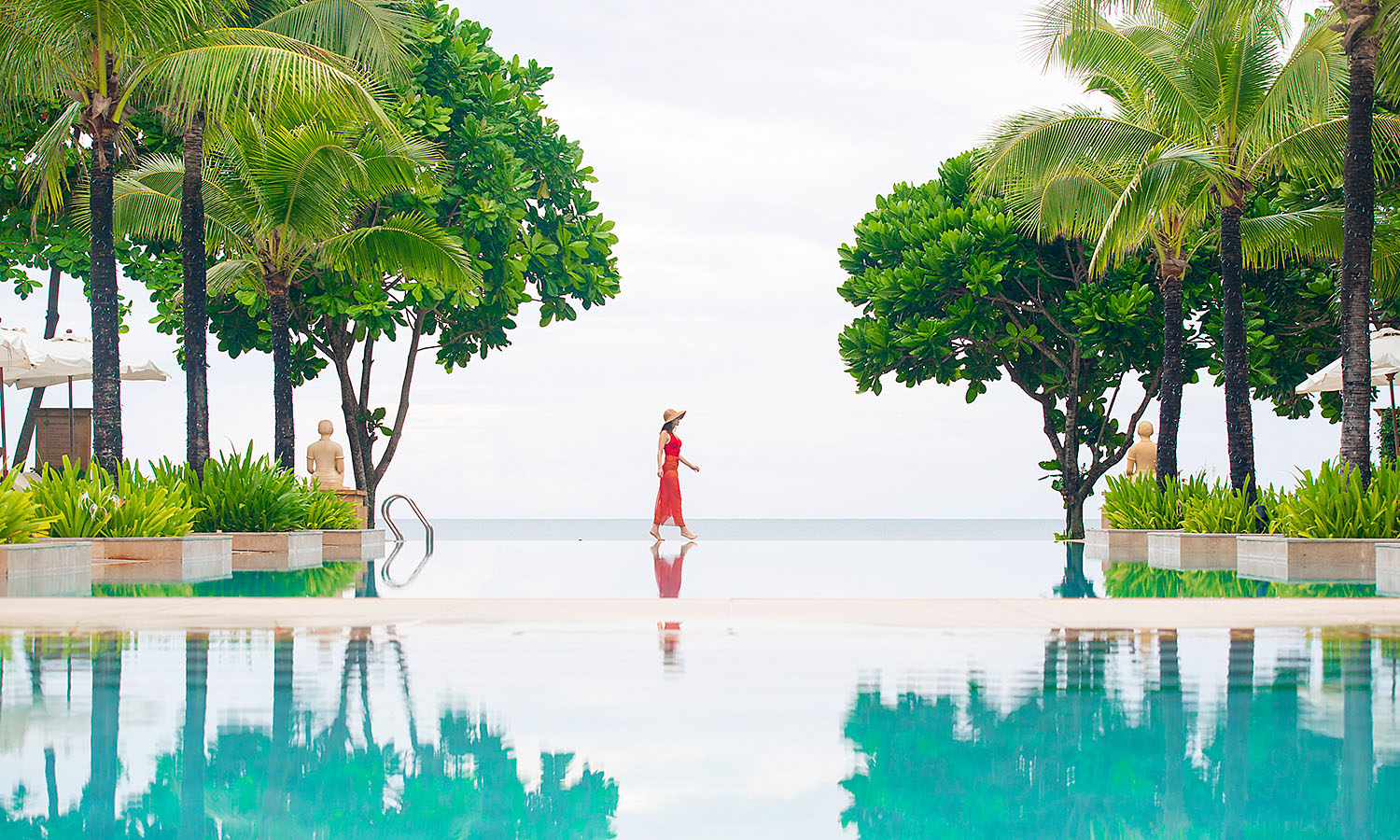
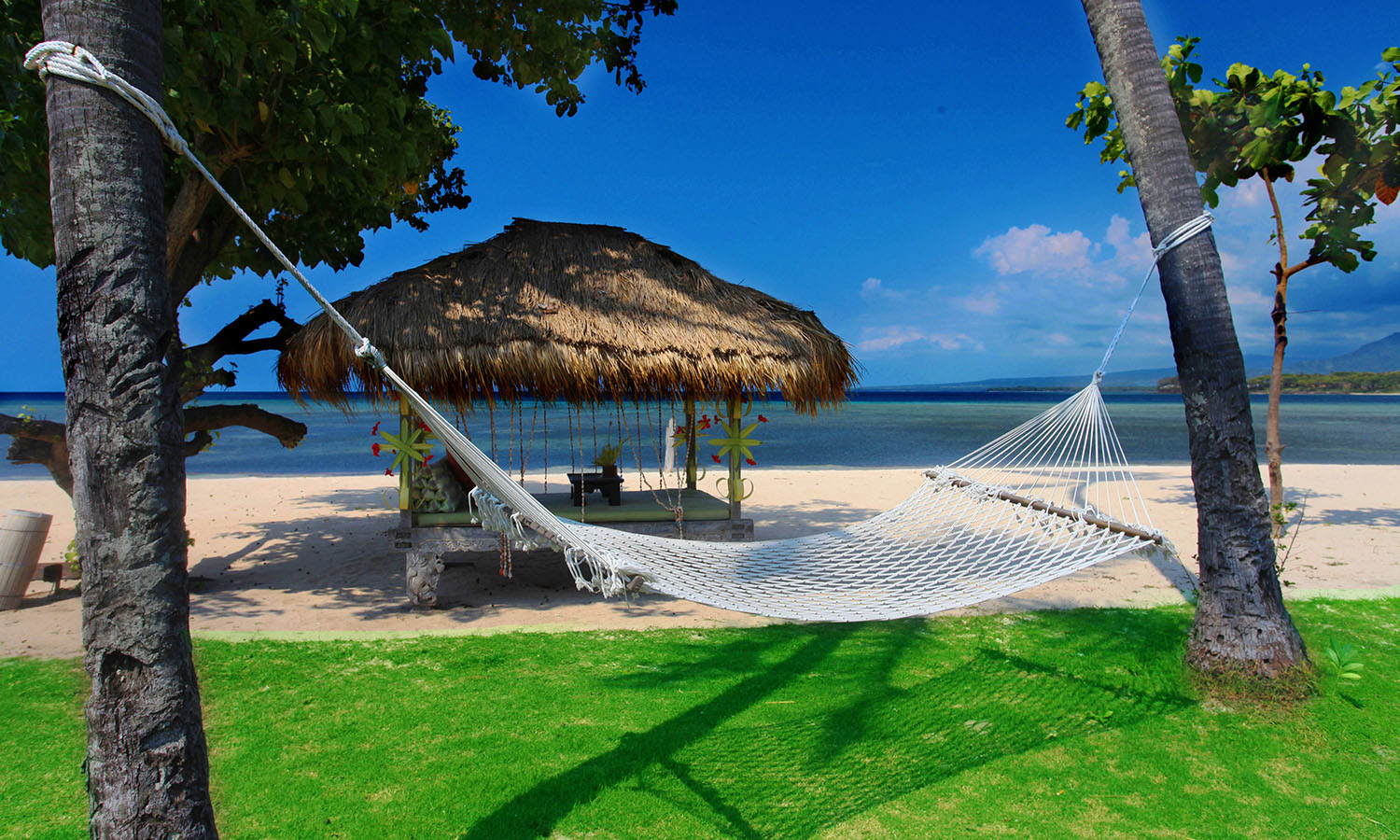
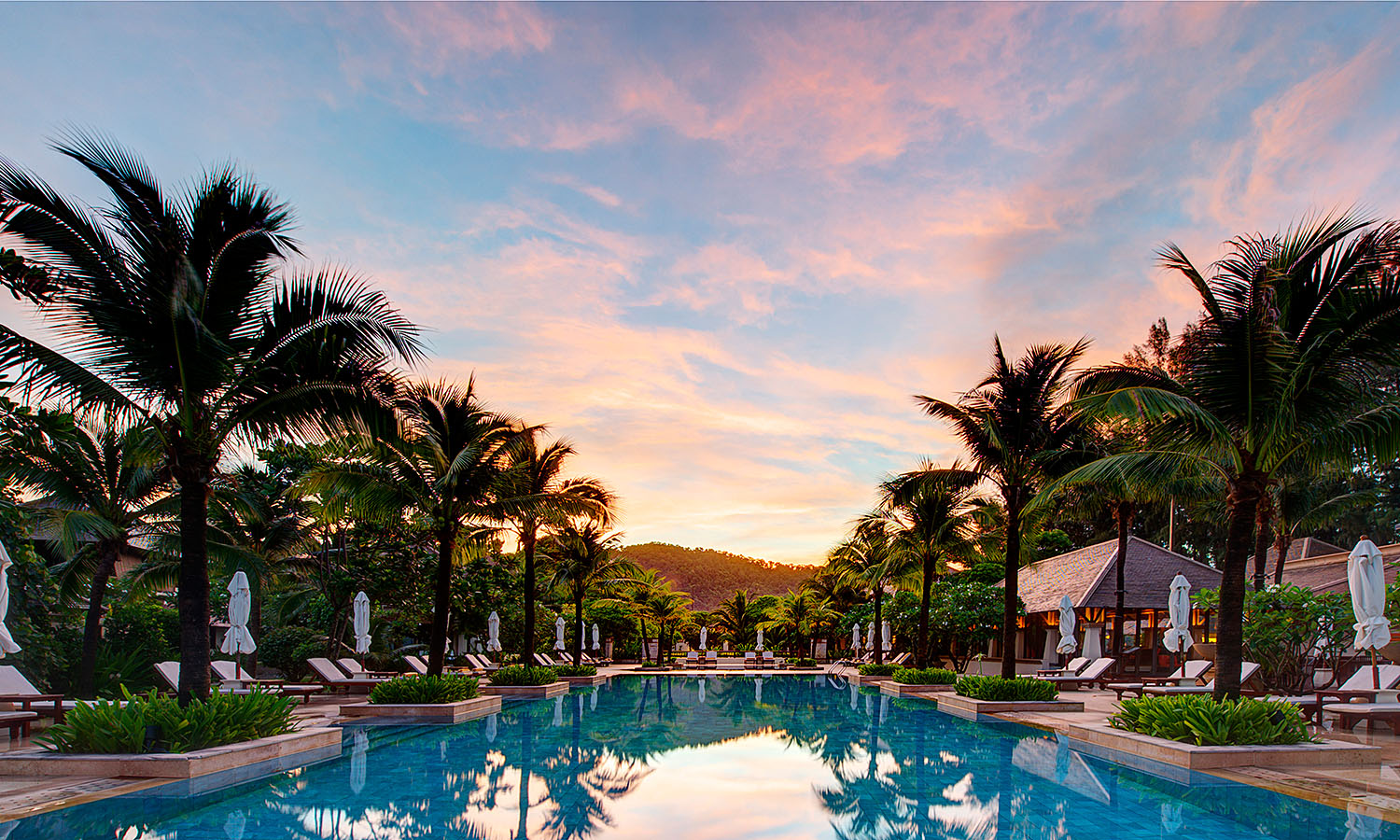
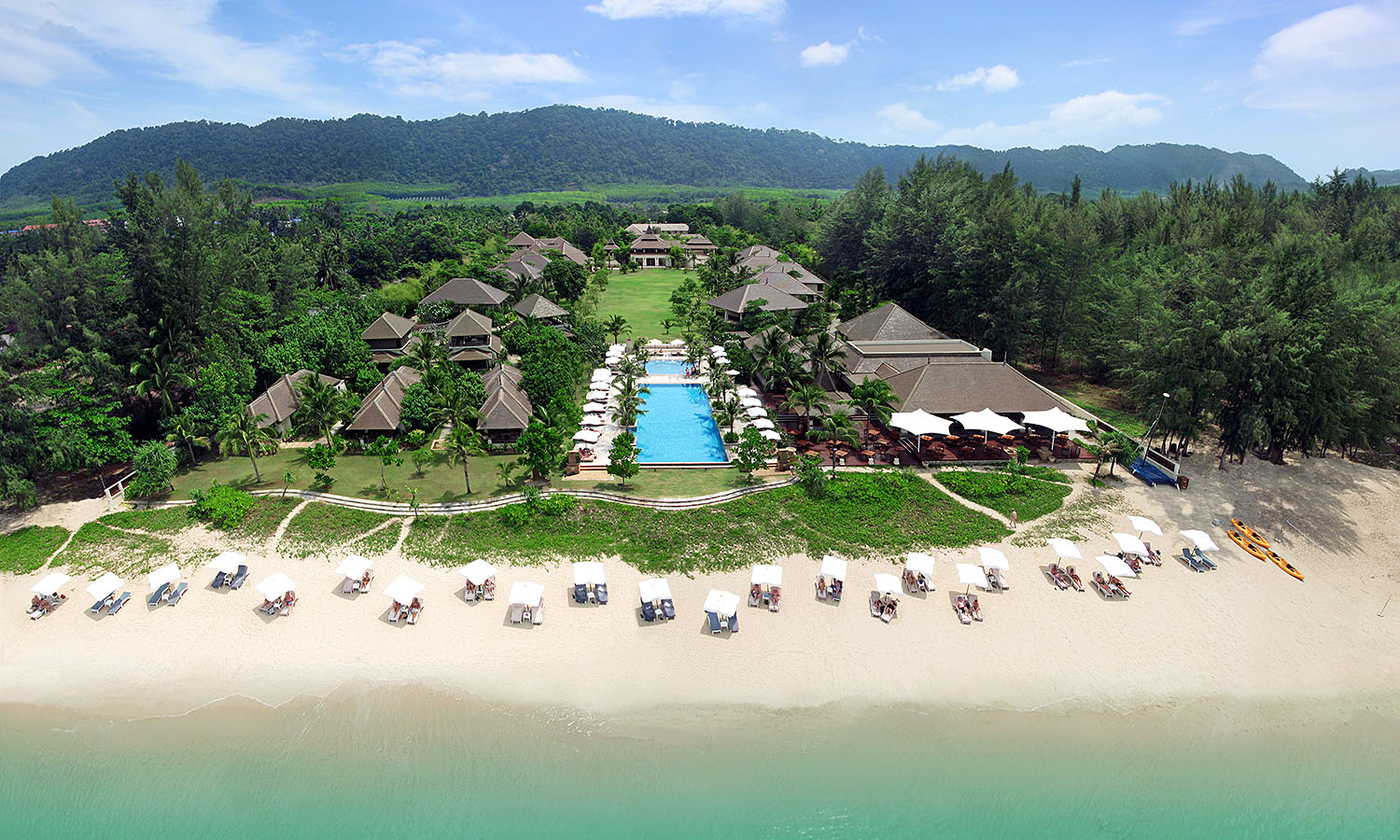
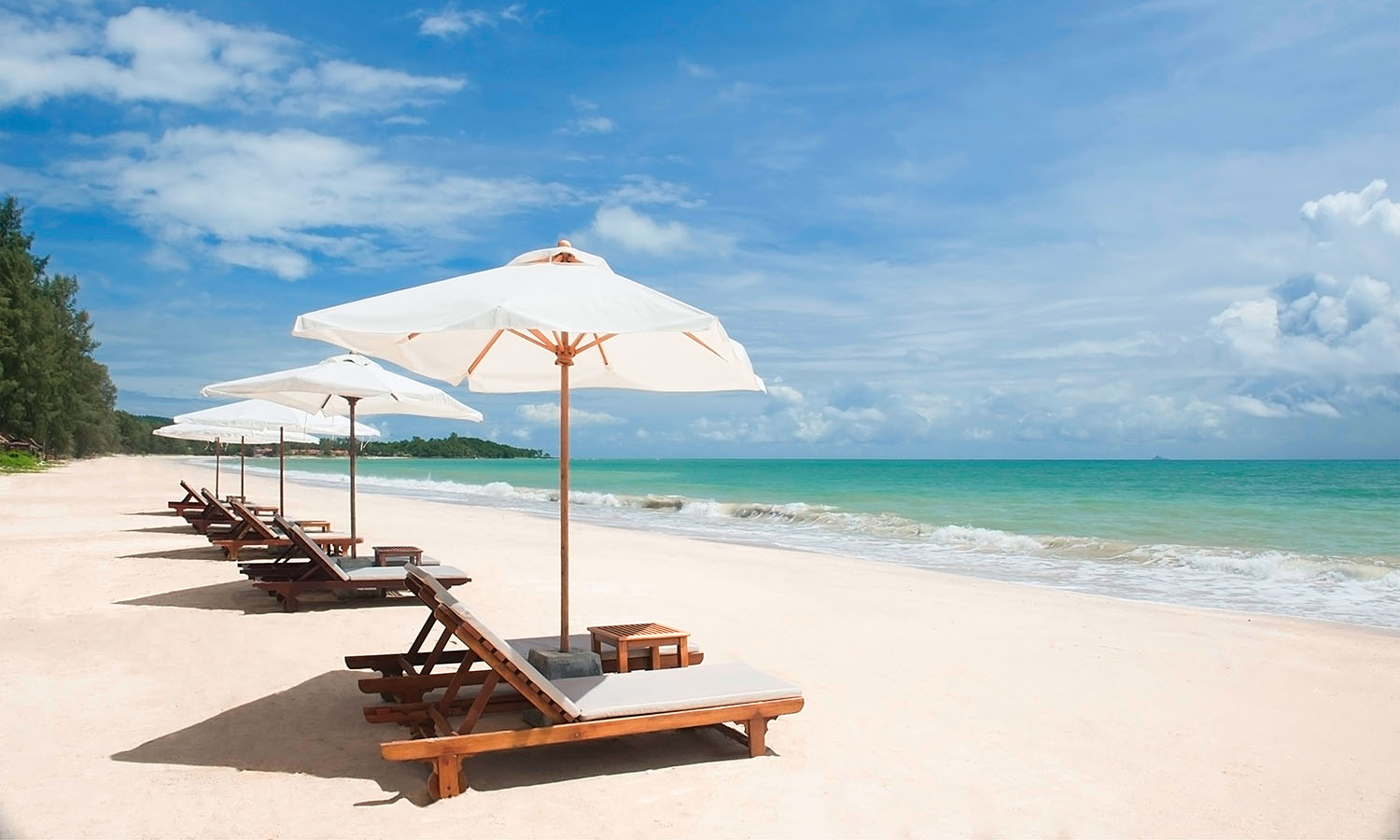
Watch the sun rise over the ocean from your luxurious beachfront retreat on the north-west coast of Lombok. Set amid miles of pristine white sand, Hotel Tugu offers an uber-luxurious escape in the shadow of Mount Rinjani, the second-highest mountain in Indonesia.
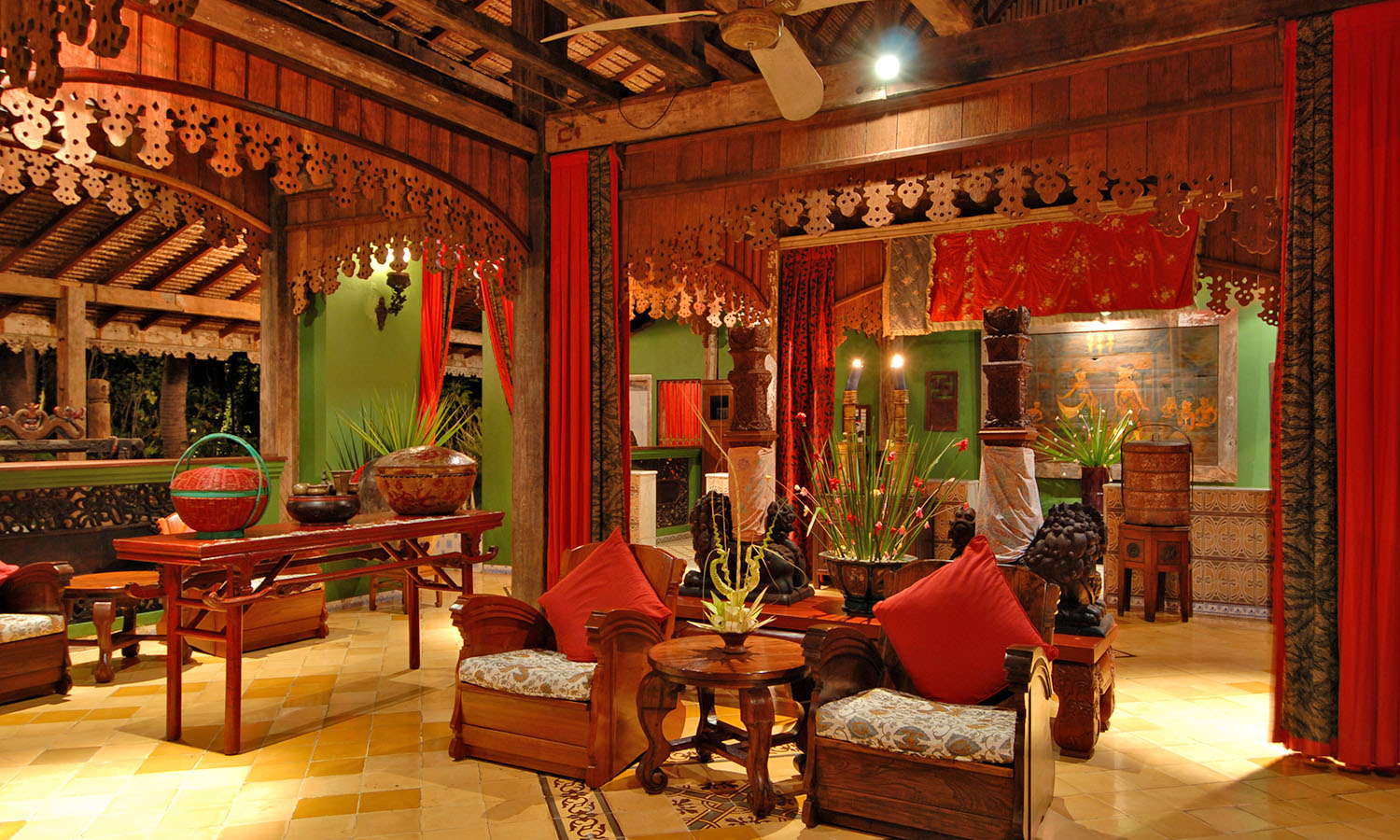
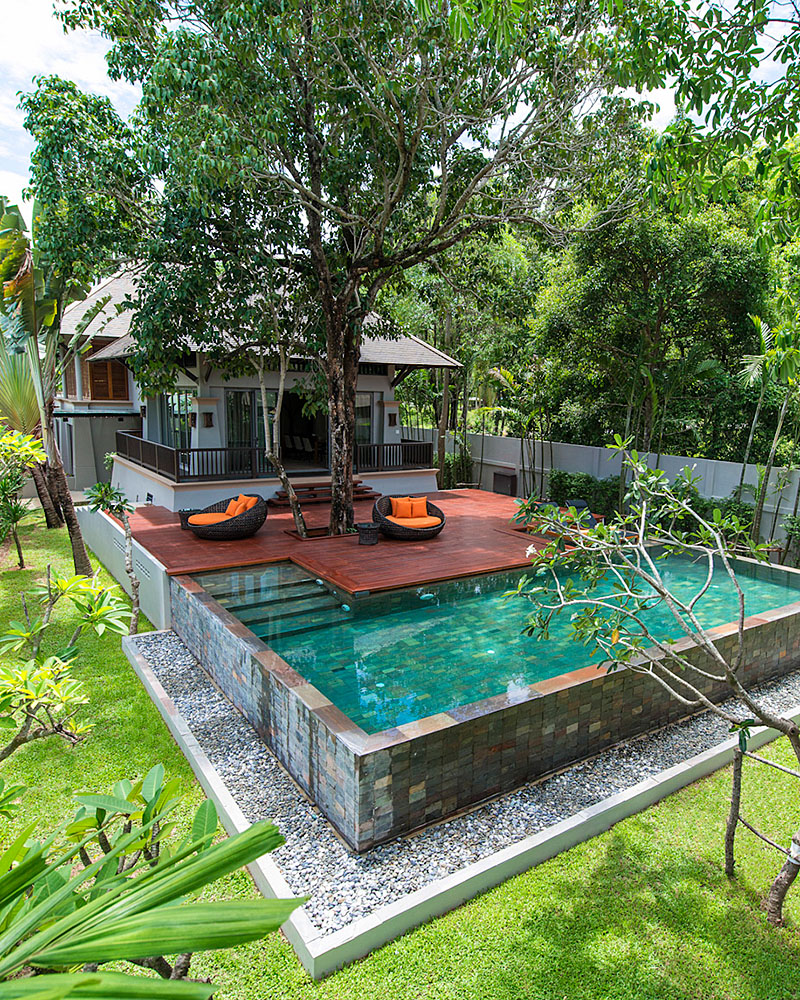
Surrounded by six hectares of palm plantations, this upscale offering features hundreds of original artworks and antiques that pay tribute to Lombok’s indigenous culture. Swim in the clear blue water right at your doorstep, trek to a nearby waterfall, take a yoga class or partake in a barbecue beneath a full moon. Alternatively, relax by your own private plunge pool and forget about the world outside.
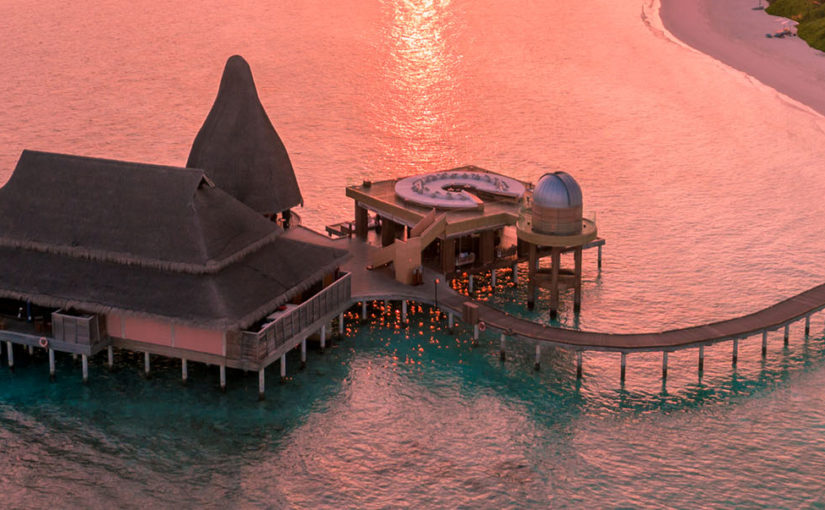
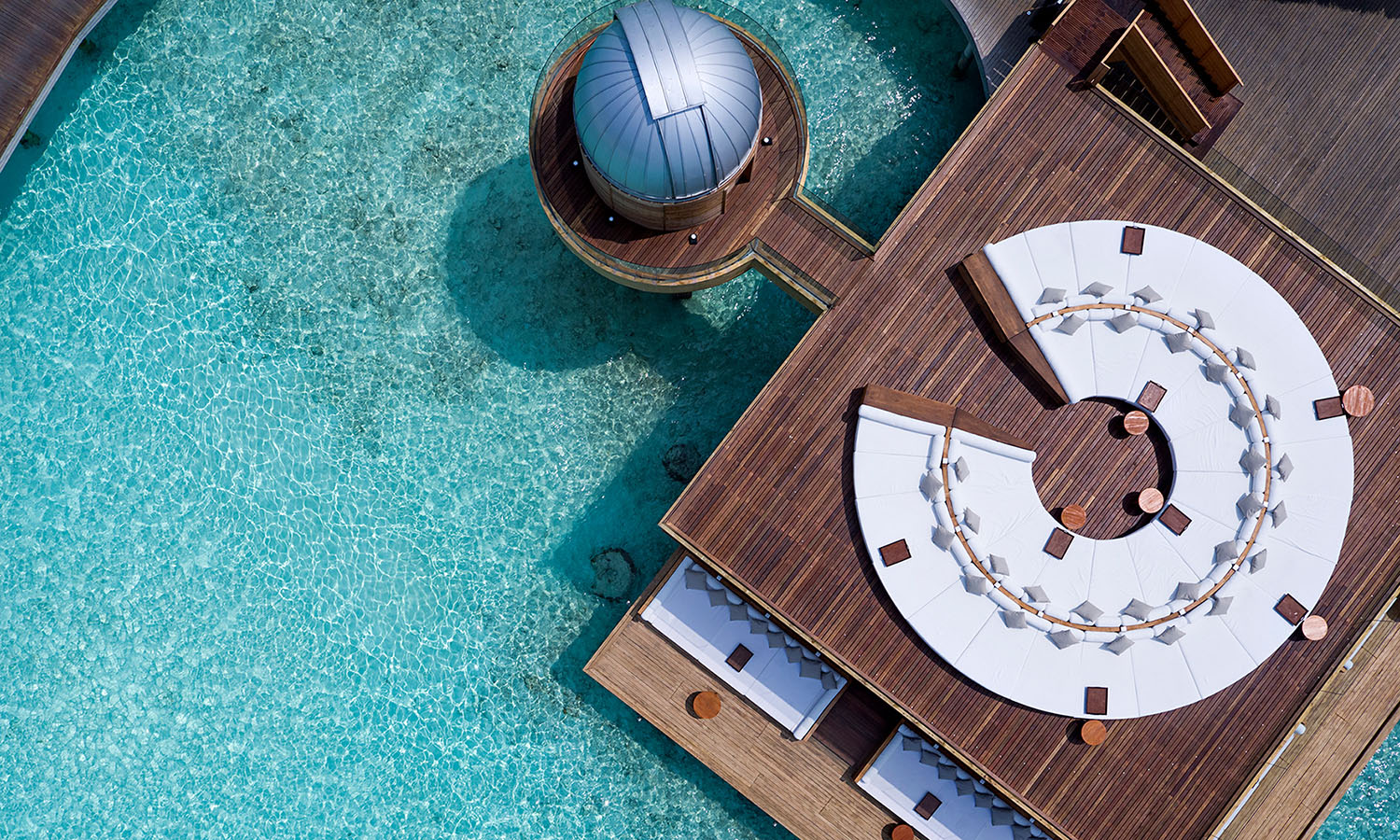
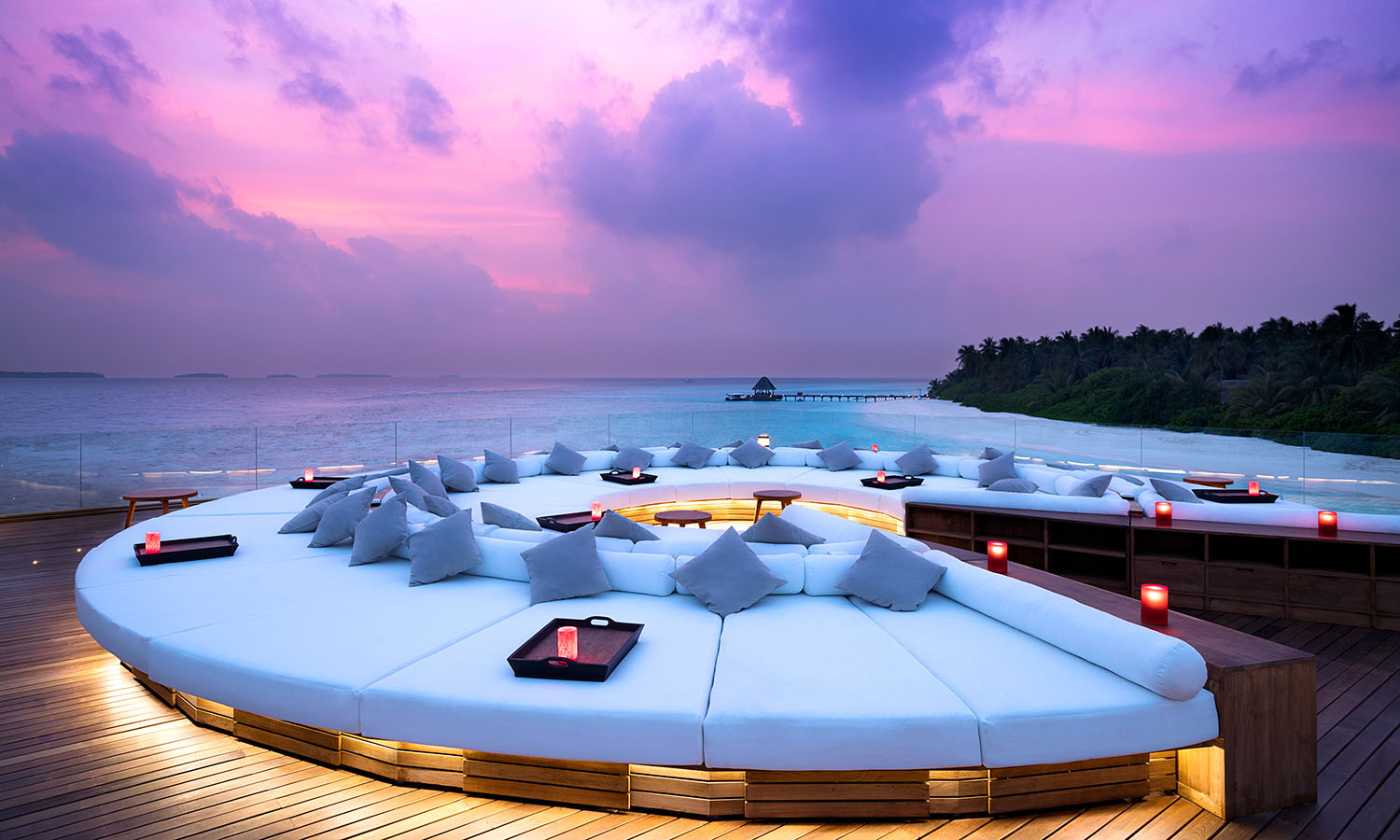
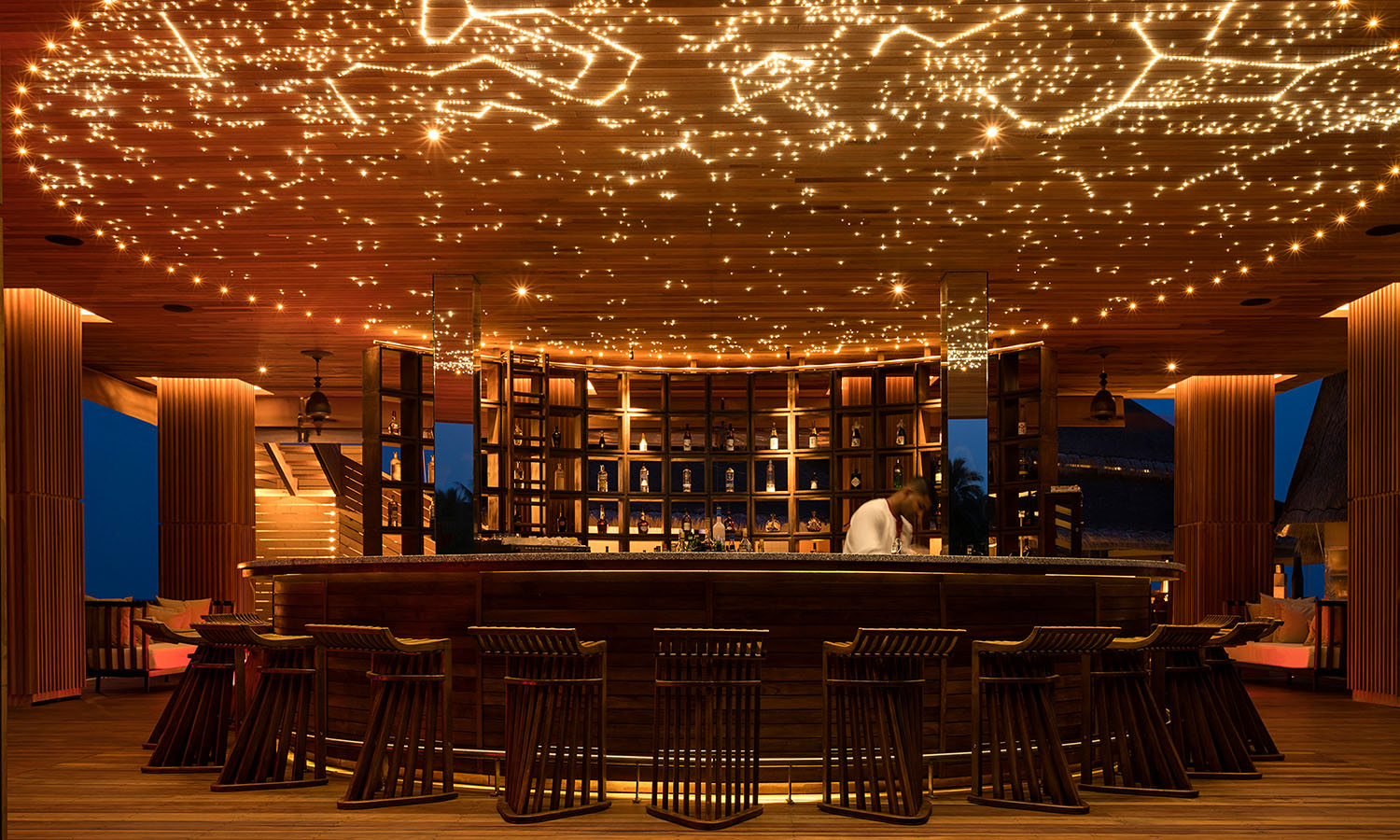
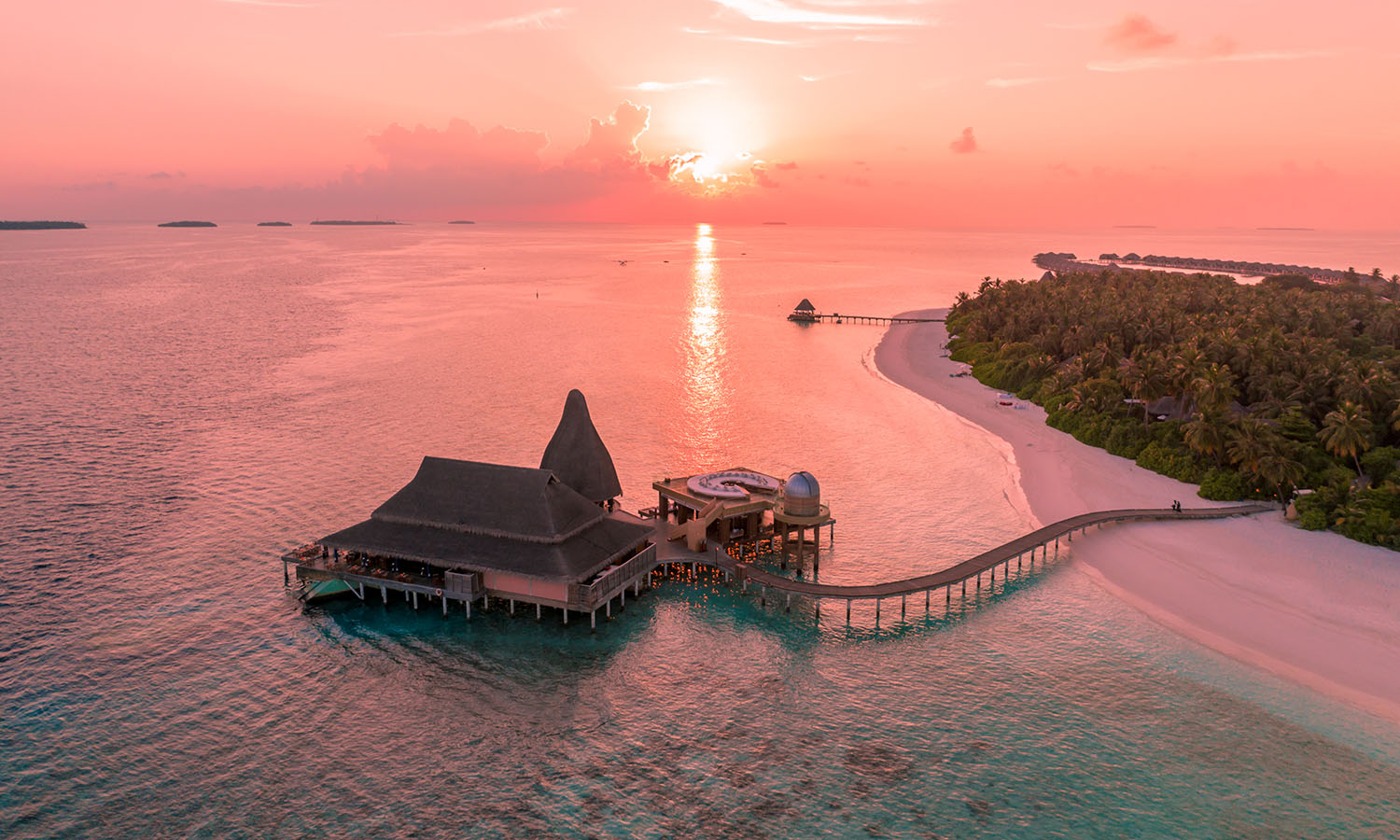
When it comes to an exclusive experience, it’s hard to top the Maldives. Throw in an overwater bar surrounded by crystalline-blue waters and topped with a world-class observatory and you have paradise made manifest: Anantara Kihavah SKY. Part of Anantara Kihavah Maldives resort, this circular bar offers a night of luxury under the stars.
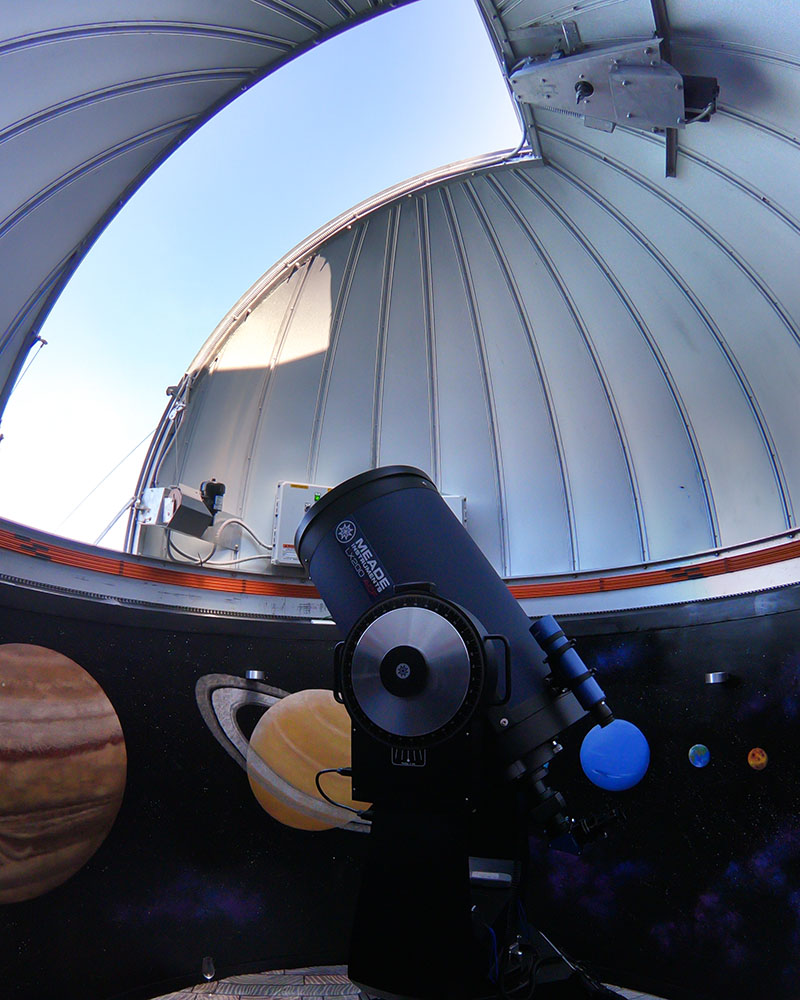
The only observatory in the Maldives, this sky ‘scope is headed up by resident astronomer and sky guru Ali Shameem. Having grown up on a Maldivian island without electricity, he developed a fascination with the cosmos and nurtured this over the years by mapping the constellations. With Shameem’s assistance and expert knowledge, astronomy buffs and stargazing enthusiasts will delight in the viewing the Milky Way from the observatory – fitted with a 3.8 metre Ash-dome – via the powerful research-grade 16″ Meade LX200 telescope. Rotating a cool 360 degrees, the telescope allows guests to experience the sight of outer space in exquisite detail, from the rings of Saturn to Messier 13, a sparkling constellation named Hercules and comprising of more than 300,000 stars. There’s a weekly stargazing schedule x or opt for the more intimate setting and book in for a couples session, toasting with a different kind of sparkle – a bottle of champagne.
Naturally, the cocktail menu is as dazzling as the skies above, so for a little heaven on earth get your lips around one of the bar’s signature tipples, King of The Sky. Drawing inspiration from the ancient Greek story about the creation of the Milky Way universe, the holy bevvy is concoction of toasted sesame bourbon, Havana 7, cream, condensed milk, vanilla and cinnamon dust. Legend has it that Zeus brought his son Hercules to feed from his mother while she slept but when she awoke, startled by their presence, some drops were spilled and thus, the Milky Way was born.
If you’re more of a sun worshipper than a night owl, sink into one of the plush loungers, cocktail in hand, and tune into the mellifluous soundtrack of lapping water and slow beats while taking in the unencumbered views of the Indian Ocean.
Jakarta has an affinity for good libations, and the Smoky Barrel Aged Negroni at Beer Hall in central Jakarta may be the king of drinks. The space is sprawling and modern, the air conditioning is blissfully strong, and the drink itself a feast for all the senses.
Coaxed out of a barrel-aged tap into a crystal decanter (single serve), a mixture of special combustibles is packed into a handheld smoker. Once ignited, a luscious smoke fills the vessel, giving the dark cherry-coloured elixir – a concoction of gin, campari, sweet vermouth and orange bitters – a swamp-like appearance. Capped, it is up to the imbiber to pour their own magic potion. Watch as the smoke and thick drink flow freely from the glittering container into a perfectly cubed glass. The taste is even more sublime then the ritual of making it. Smooth and not too sweet, this negroni may be a long way from home, but it is definitely not one you want to miss.
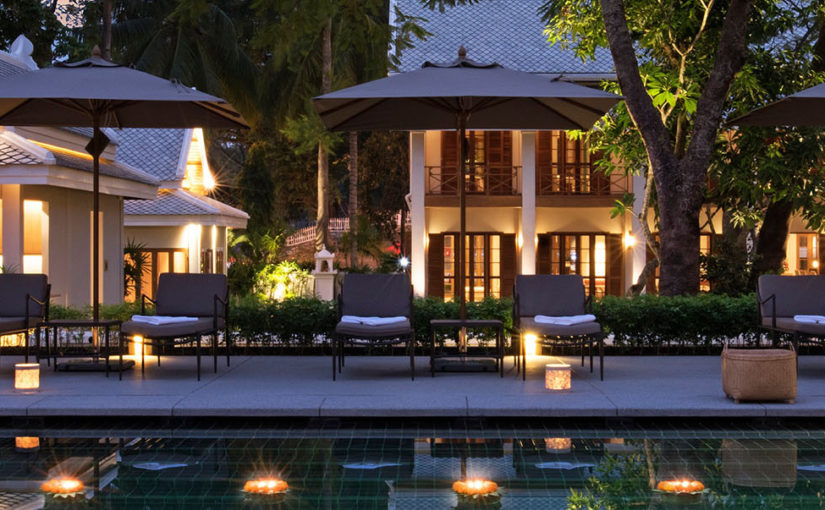
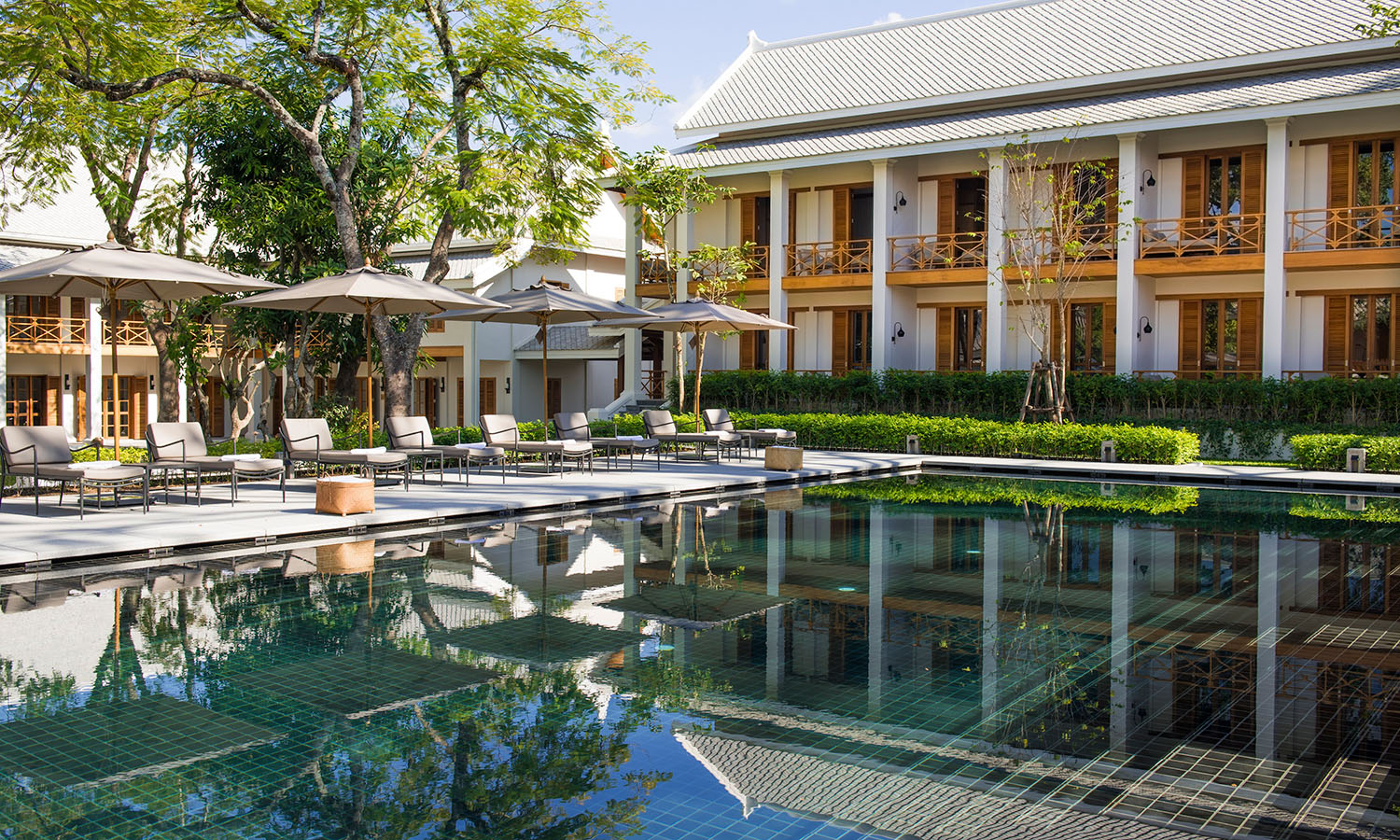
If Laos is the hidden gem of South East Asia, Avani Luang Prabang, the former royal capital’s newest boutique hotel, is its sparkling centrepiece. And when we tell you this dreamy abode is situated in the heart of the UNESCO World Heritage-listed Old Town, we’re not exaggerating. Set to open in March 2018, the 53-room hotel is just a five-minute stroll from the confluence of the mighty Mekong and Nam Khan rivers, colourful cafes and restaurants dotted along the Mekong’s shores, and opposite the city’s famous night market, meaning you’ll quite literally be in the thick of the action.
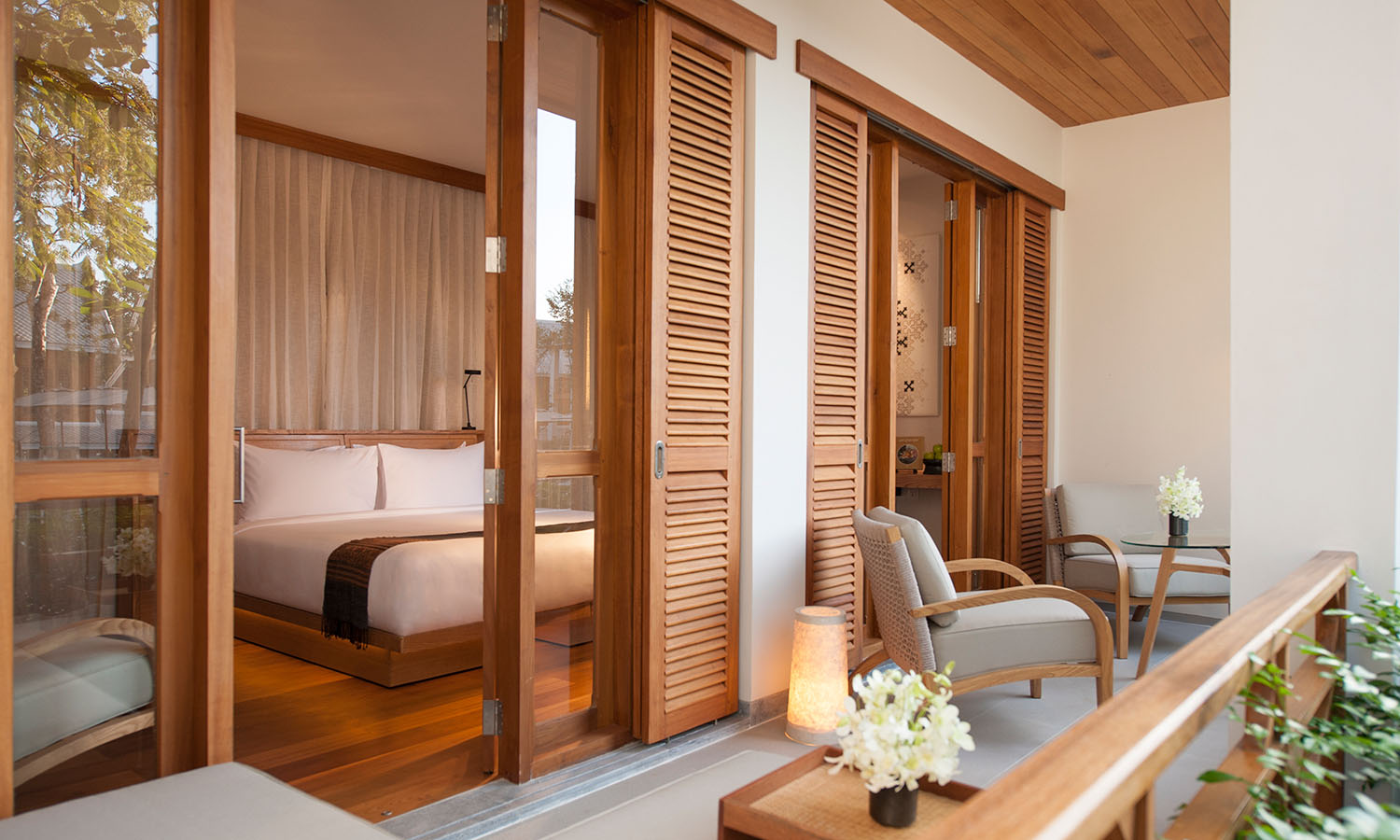
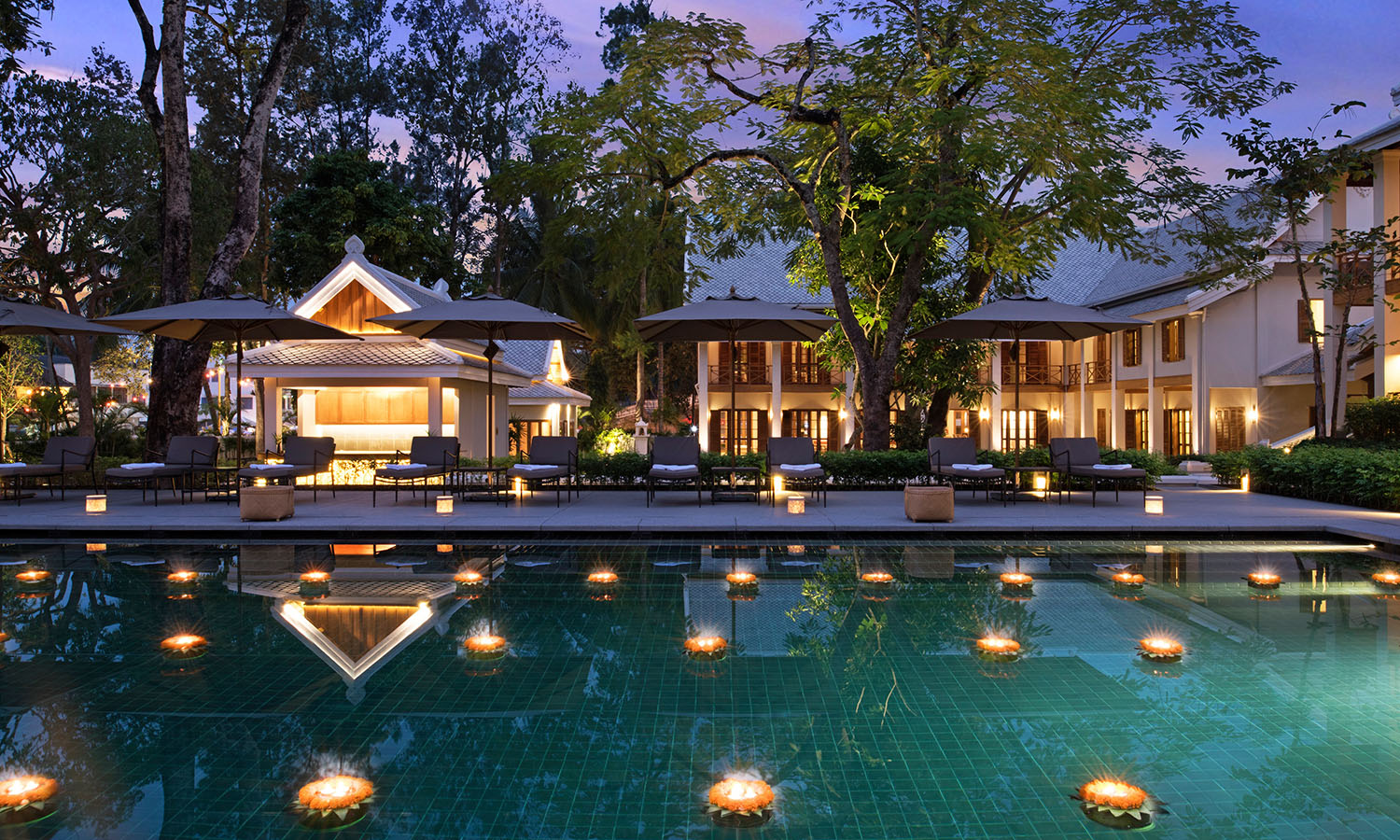
This prime spot is imbued with vestiges of its storied history – the hotel building dates back to 1914 and was once the quarters of French officers – with the design emulating the classic French neo-classical architecture that can be seen around the city. Inside, there are open-plan rooms and suites to choose from, furnished with plush bedding and modern amenities, and louvered wooden doors that open out onto a terrace or balcony. Beyond, you’ll find a gym, swimming pool and day spa to stretch out and relax at after a full day of exploring.
Take advantage of your proximity to everything with a cheeky sleep in or, if you’re an early riser, sneak out of bed in the cool glow of dawn to watch monks make their pilgrimage. Once you’re up, you’ll be spoilt for choice. Set out on a hike up Mount Phousi, embark on a sunset cruise along the Mekong or shop for handicrafts like intricate Hmong batik fabrics, silver jewellery and vibrant lamps in the night market. Whatever you choose, your luxurious abode is just moments away.
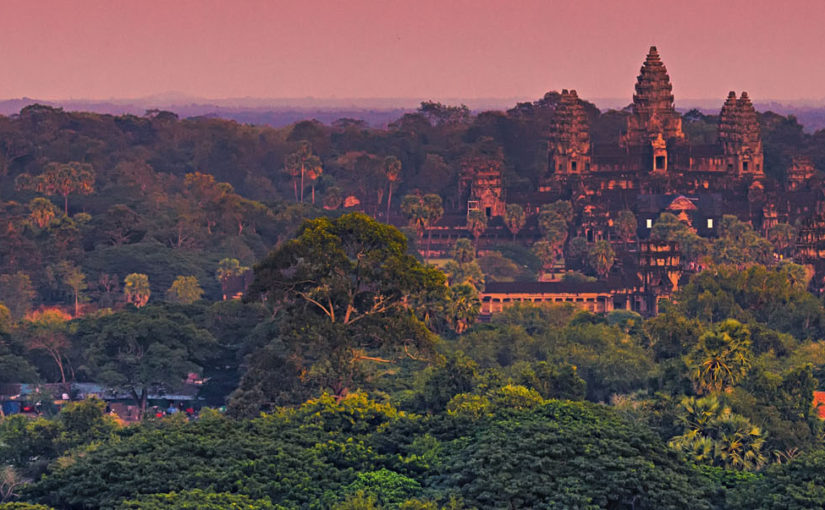
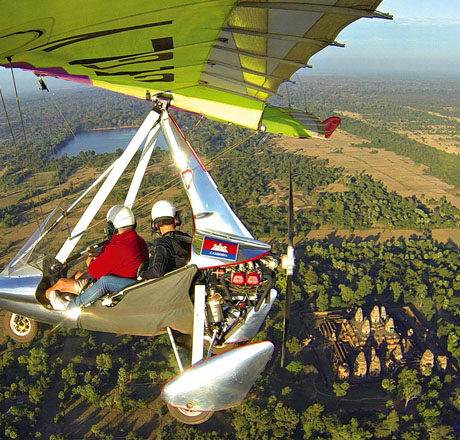
“Clear prop!” The words ring out like a golfer’s “fore” as the microlight’s engine grumbles to life. It’s a sweet sound, made sweeter by the fact that I am about to get a bird’s-eye view of the temples of Angkor.
It’s also my first time back in a cockpit after a four-year hiatus. Since leaving a life of weekend aviation adventures, the only thing I have truly been pilot-in-command of is my laptop. I am playing passenger today, but sightseeing in a microlight on the outskirts of Siem Reap is enough to scratch my flying itch.
American pilot Eddie Smith breaks my reverie and tells me to hop in. Strapped securely in the back seat, I feel like a novice facing the complexities of an aircraft for the first time. There’s no yoke; the simple cockpit is crude and communication with air traffic control is via a handheld radio. It’s a bare-bones plane, somewhat reminiscent of early flying machines and quite fitting for an adventure around Cambodia’s ancient edifices.
With more than 3500 hours on the trike, Eddie accelerates effortlessly down the dirt airstrip, and with slight forward pressure on the microlight’s control bar we break from the ground. After a brief climb to 180 metres, Eddie banks the flexwing east, passing the remnants of an ancient prasat (temple) shrouded by a thick grove of trees.
We press on, cruising low and slow over countryside where the rice paddies form a patchwork of emerald green. As we near Bakong, an imposing pyramid-shaped temple, Eddie launches into a history lesson about the Roluos Group, a set of three Hindu monuments dating from the late ninth century AD. While air law prevents us from flying directly over, we’re close enough to have a spectacular view of what remains of Hariharalaya, the ancient capital of the Khmer empire.
We soon head north towards the splendour of Angkor Wat. Outfitted with only a Plexiglas windscreen between pilot and rushing wind, the microlight offers a gripping perspective of the immense scale and complexity of ancient Khmer civilisation. My scenic tour has effectively become a trip back in time, when kings once ruled, warred and constructed vast waterways and temples.
My head is still in the clouds when the trike’s wheels touch down on terra firma. Eddie shuts down the little beast and asks how my flight was. My response? “We’re definitely doing this again.”
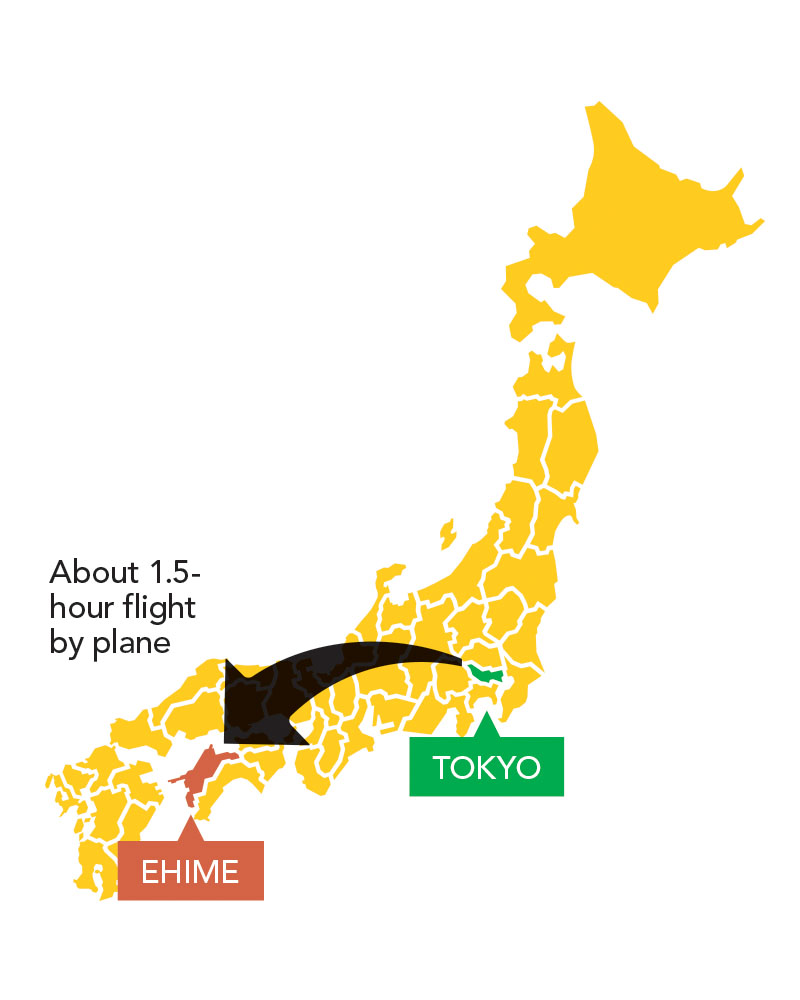
Visit vibrant Tokyo before venturing to little-known Ehime to explore the outdoors and unwind in a traditional onsen.
Explore Tokyo
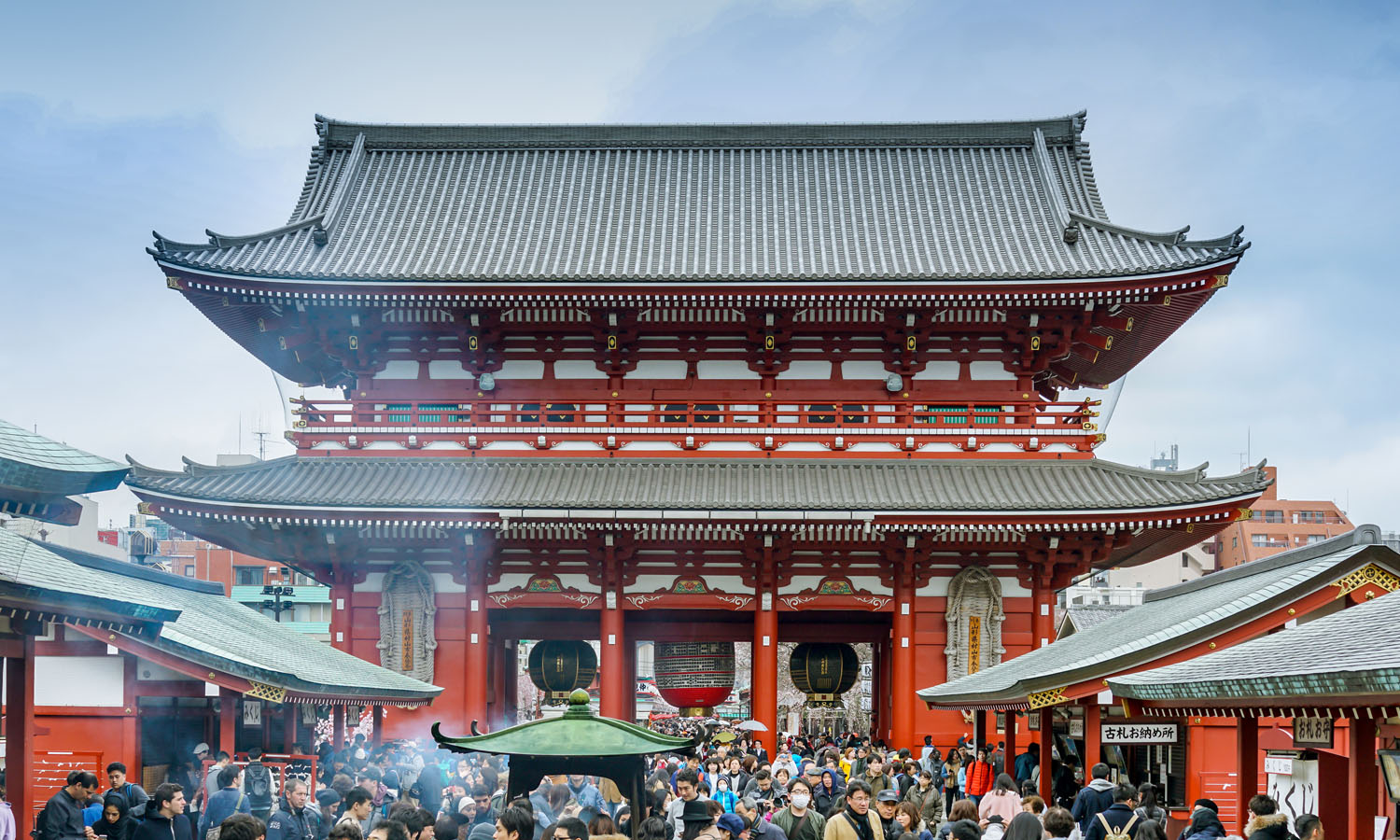
Japan’s eclectic capital is known for its fascinating mix of history and ultra-modernity, all bundled together in one beautiful, bustling city. Uncover living nostalgia in the streets of Asakusa, a shitamachi (low city) district known for its preservation of Tokyo’s past and for hosting a treasure-trove of shrines.
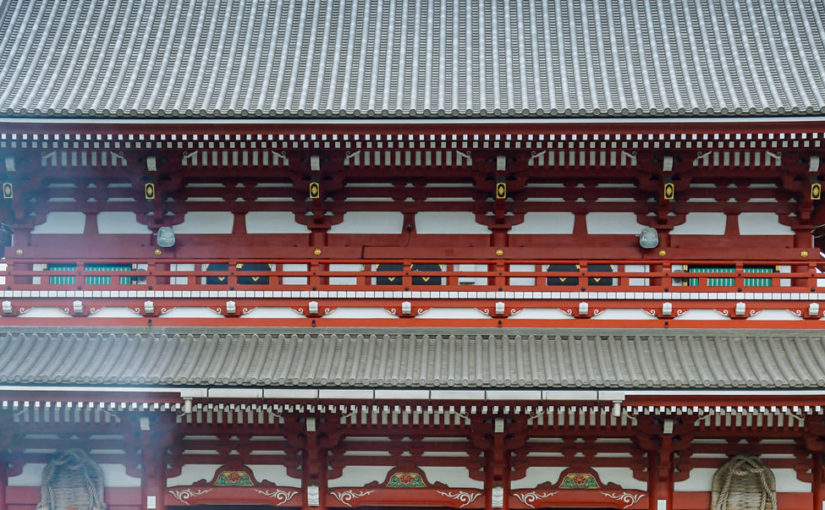
Step back in time at Japan’s oldest temple, Sensō-ji, where the foundations date back to 628AD. Painted in glossy, fire engine red, this ancient Buddhist site is striking by day, but when the crowds depart in the evening and the temple sits illuminated against the night sky, it becomes all the more stirring.
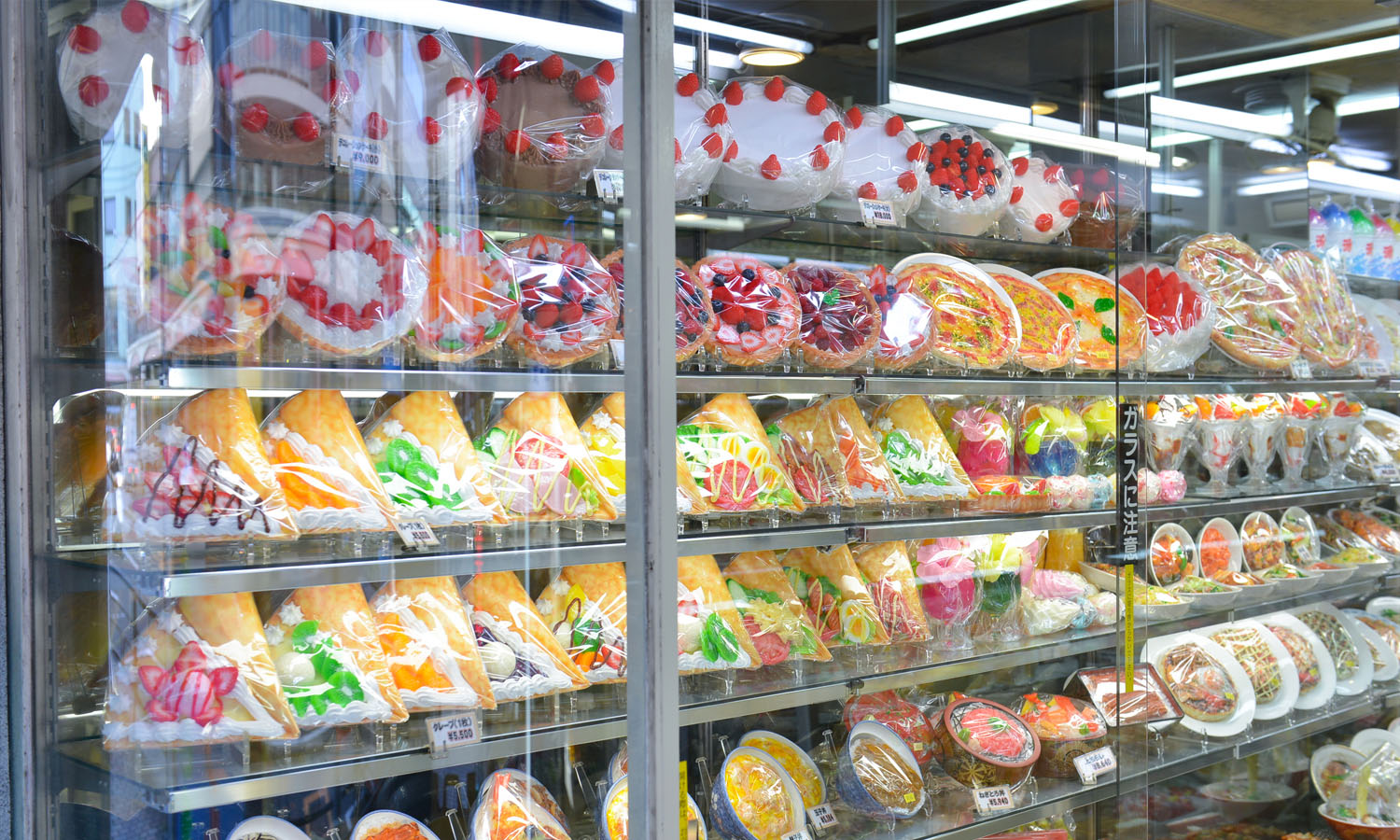
About a 10-minute walk from here is Kappabashi Street, where merchants first gathered a hundred years ago to hawk tools and hardware. Today, more than 170 shops squeeze into the 800-metre-long strip and it’s the best place in Tokyo to find beautiful dishes, lacquerware and any other kitchenware your heart desires – you’ll even spy the plastic food displayed in restaurant windows across the country.
No space goes wasted in this city, and that includes underground. Depachika (food halls) fill the basements of most department stores, serving delicious meals in exquisite arrangements to hungry locals and travellers. Be sure to venture into one of these sprawling subterranean delights before you leave for the south.
No holiday in Japan is complete without a relaxing soak in an iconic hot spring. And one of the best places to unwind is in Ehime prefecture, where you’ll find the country’s oldest spa. Ehime prefecture is less than a 1.5-hour flight from Tokyo’s Haneda Airport, and the costal region’s laid-back atmosphere contrasts with the intoxicating rush of Tokyo.
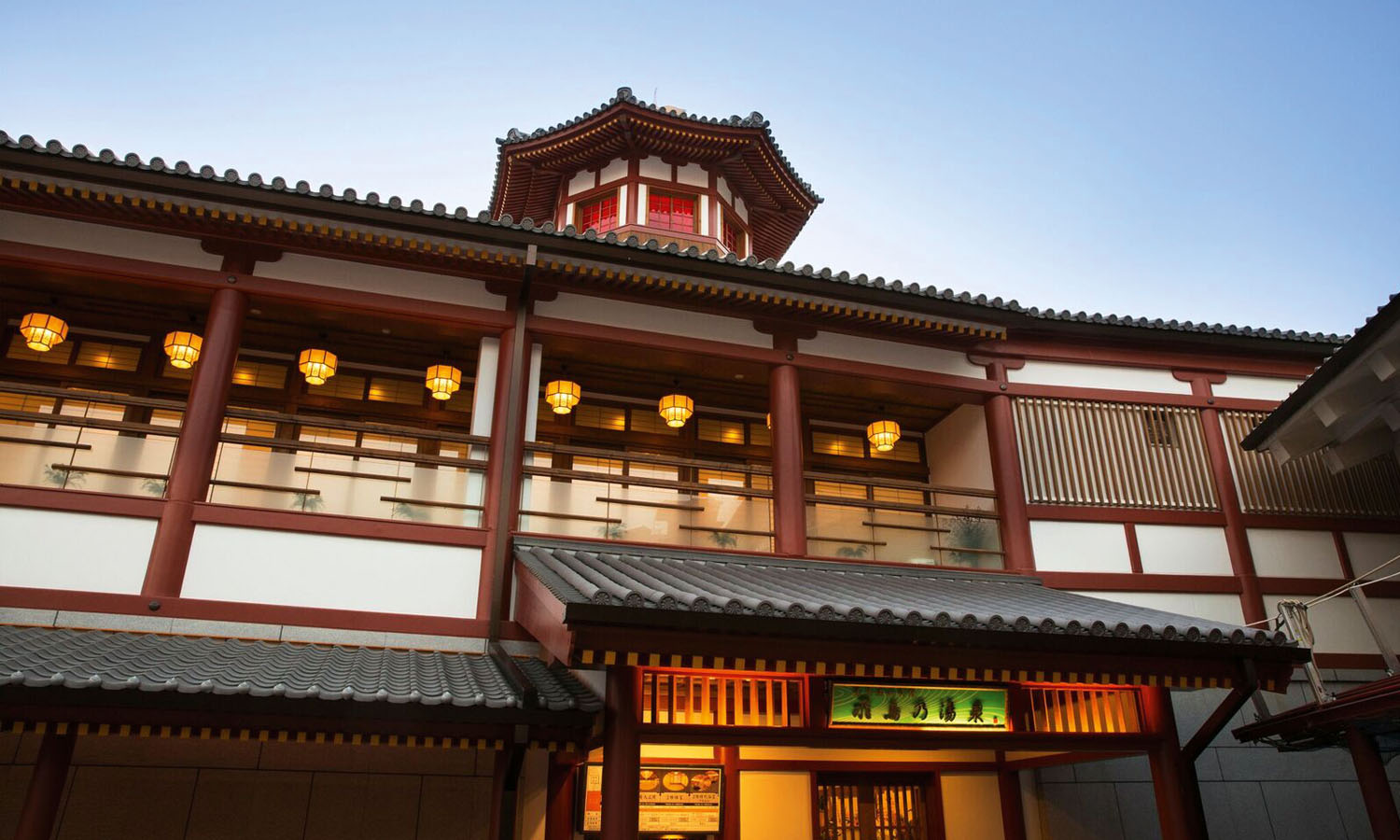
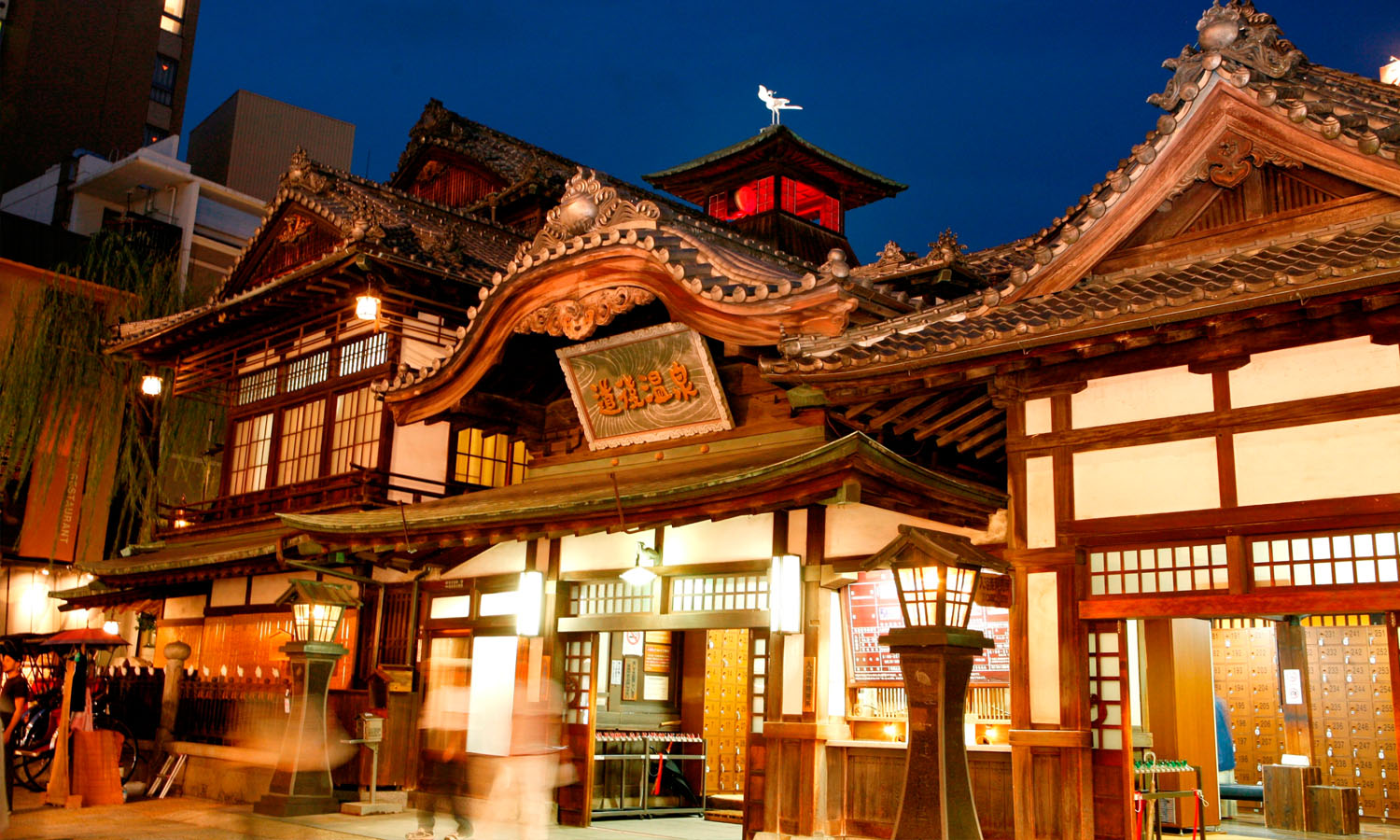
There, in the prefectural capital of Matsuyama, you will find the remarkable Dogo Onsen, the oldest hot spring in Japan. The therapeutic properties of these springs were first discovered 3000 years ago. Enjoy a leisurely stroll in the neighbourhood, passing guests from nearby ryokan (traditional Japanese inns) sporting patterned yukata (robes) and visiting the local shopping arcades and shrines. The bathhouse’s magnificent central wooden building (known as the honkan) was constructed in 1894, and the fine craftsmanship displayed and its historical value led to Dogo Onsen’s designation as an Important Cultural Property – the first public bathhouse in Japan to earn the title. But the onsen boasts more than its original, heritage features: in September 2017 a brand new annex called Asukanoyu opened, and its architecture is being lauded for the unique way it blends the concept of an onsen with art and traditional crafts of the Ehime prefecture. From 14 April, the hot springs will also display a special art exhibition.
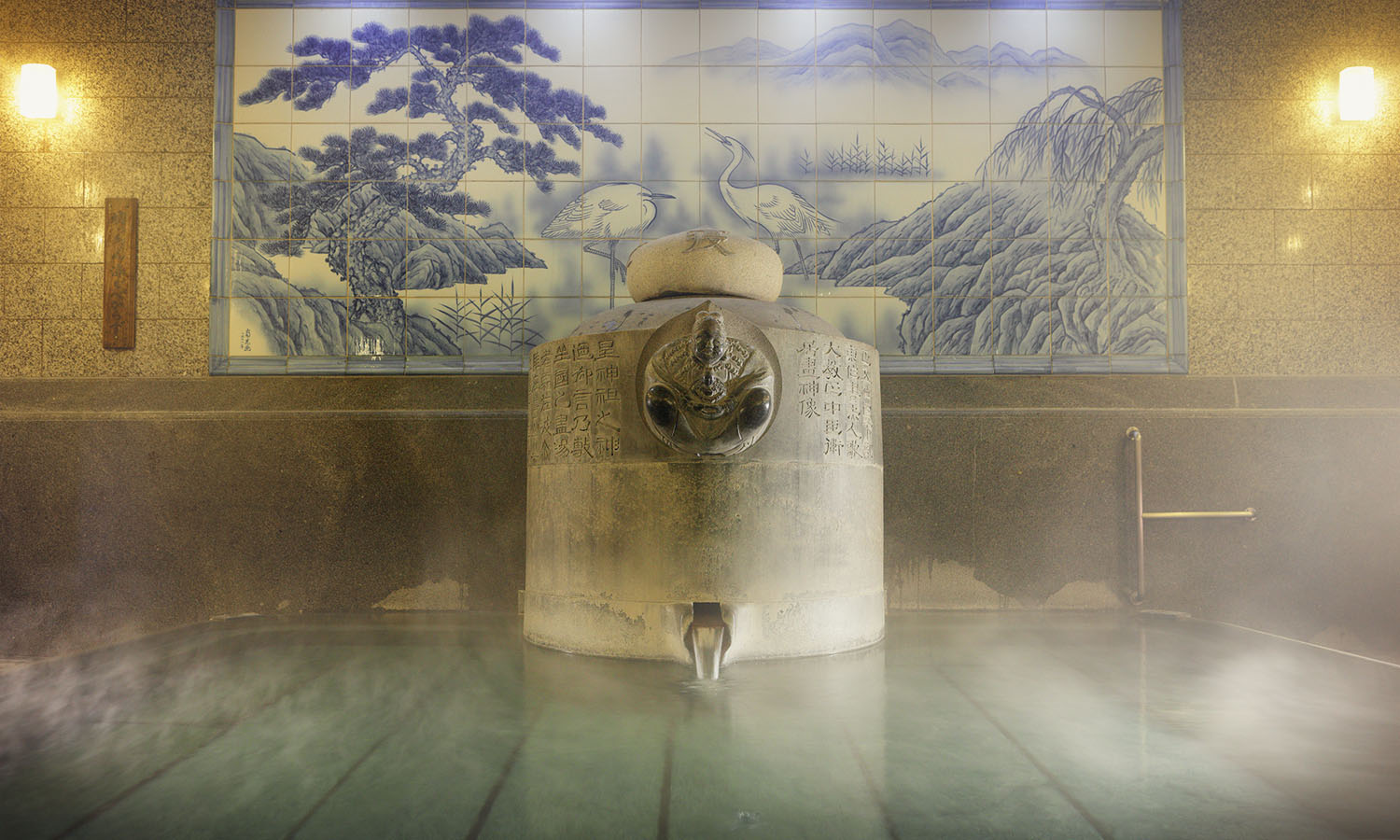
Sink into a soothing, hot pool and when you emerge you’ll notice the slightly alkaline water has left your skin feeling soft and smooth. After your soak, enjoy tea and a snack of sweet, rice flour dumplings or osembei (Japanese rice crackers) in the resting area, before touring the Yushinden – the sumptuously decorated quarters of Dogo Onsen reserved for visiting emperors.
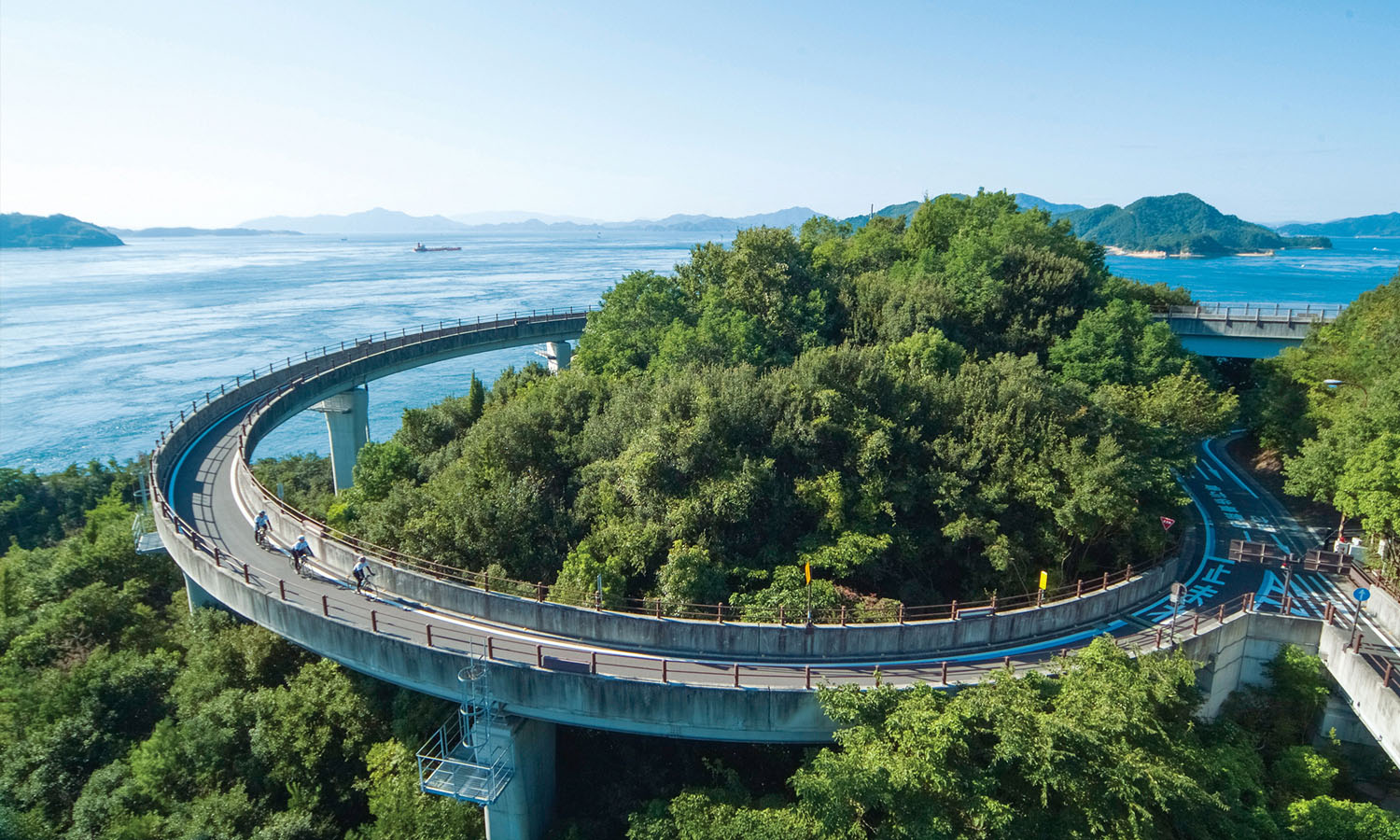
After relaxing in the hot springs, visit Shimanami Kaidō in the city of Imabari, located next to Matsuyama. While away a day travelling along this world-class, 70-kilometre cycling course that connects Shikoku with Japan’s main island of Honshu via six islands and nine spectacular bridges – the only ones in Japan to offer bike paths. Bicycle rental stations are set up along the way, helping travellers to explore the route with ease, and ferries also shuttle between the isles. After a day outdoors admiring the great views of the sea and islands on the Shimanami Kaidō you’ll be ready to stop by the bathhouse once more, or settle in to your ryokan’s private onsen.
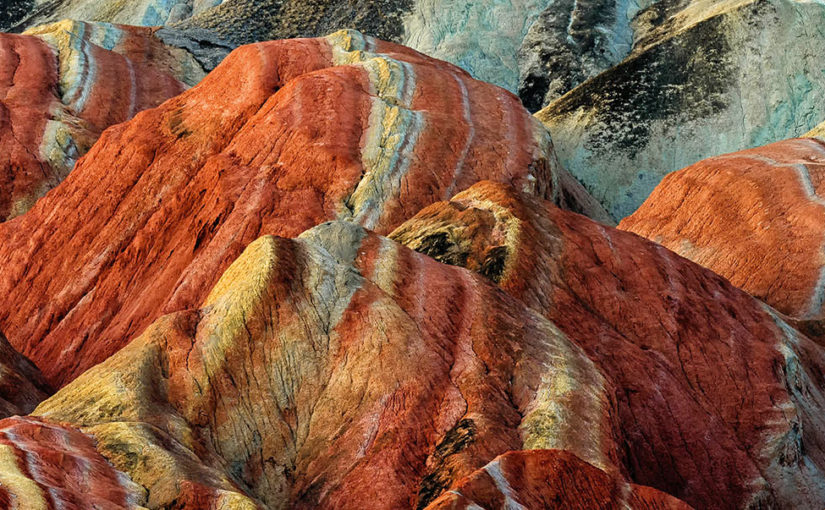
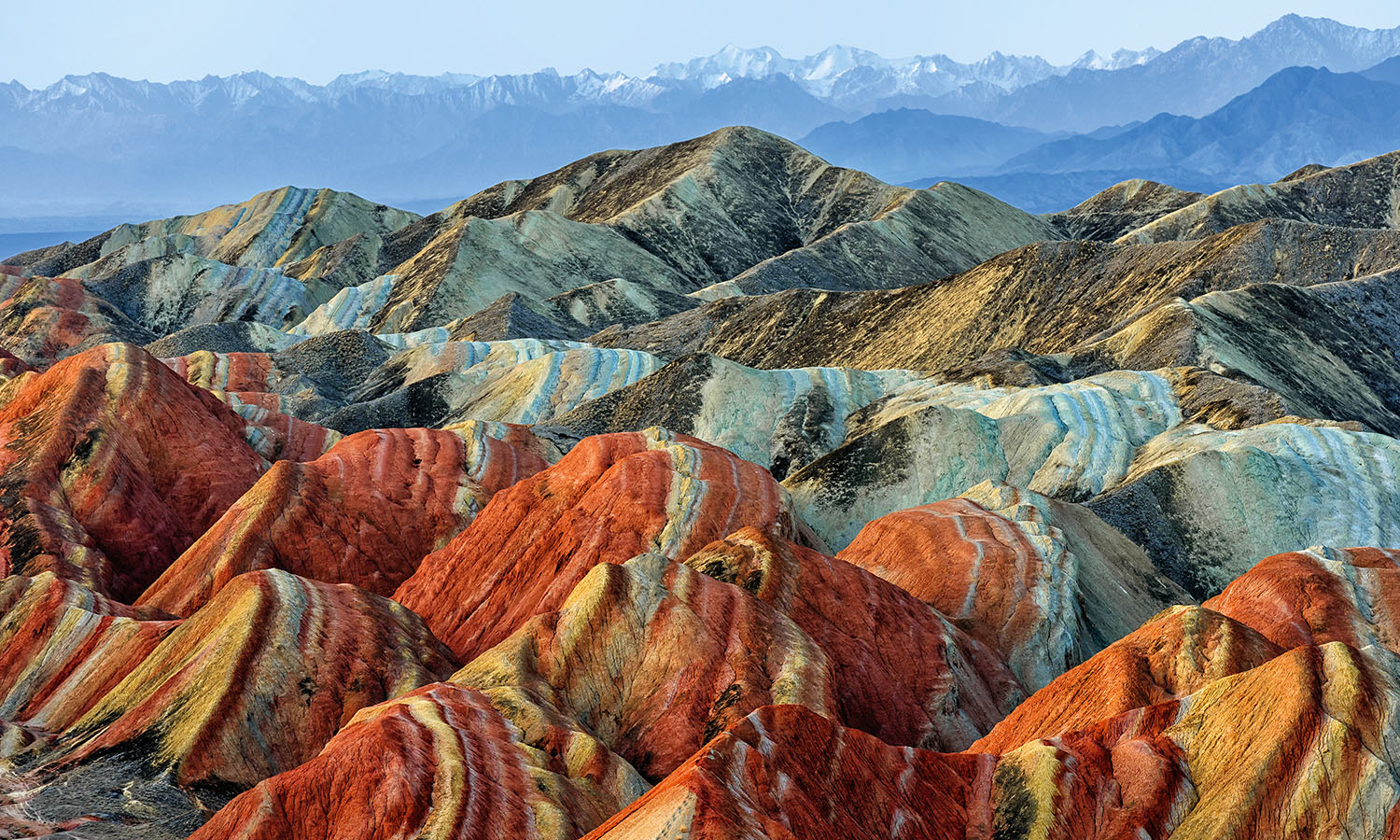
Tucked away in the Gansu Province of north-west China, there’s a rainbow that never fades. Zhangye Danxia Landform Geological Park, also known as the Rainbow Mountains, is a 24-million-year-old formation that trumps the elusive pot of gold every time. Shaped by eons of wind and rain, these sandstone, mudstone and gravel domes in a kaleidoscope of colours reach up to 3800 metres high, and have remained virtually undisturbed by humans.
Drop in on a balmy afternoon during September, when the golden autumn light is strong and the palette of colours – rosy red, blood orange, sunny yellow and even a hint of dusty blue – are at their most vivid. Choose your viewpoint and lose yourself in nature’s psychedelic hills.
Recharge the batteries, unplug the devices and soak up five-star hospitality on one of Thailand’s most picturesque islands in the Krabi Province, Koh Lanta.
Be it a day of kayaking, snorkelling, island hopping, bird watching or a sunset cruise followed by wine tasting and a cooking demonstration: the ways to get lost with Layana Resort & Spa are endless! Winner of some of the most prestigious luxury accommodation awards including ‘Number 1 Top Hotel in Thailand’ at last year’s TripAdvisor Awards, Layana Resort & Spa is undoubtedly one of the most renowned hotels in Thailand…and very well-deserved!
A visit to Layana Resort & Spa has always been designed around the meaning of Layana in ancient Pali Sanskrit, “A Pause in Time”. The resort enjoys a sought-after location on the island of Koh Lanta Yai, part of Koh Lanta, located in the southernmost district of Krabi Province. The island features more than 40kms of coastline and is famous for its scenic hills, forests and its wildlife.
Accommodation is in 57 luxurious guestrooms and suites including Grand Garden Pavilion Rooms, Garden Pavilion rooms, Beach suites, Ocean Deluxe Suites and ‘La Maison’, all impressing in size, style and comfort. Other facilities of Layana Resort & Spa include a library, fitness room, two pools, a Jacuzzi as well as the award-winning ‘Linger Longer Spa’.
Guests can explore the gourmet pleasures of Thailand at Tides Restaurant where they have the choice of a cool interior venue or an al fresco beachside setting. Sundowners Bar is the name of the resort’s beautiful beachfront bar.
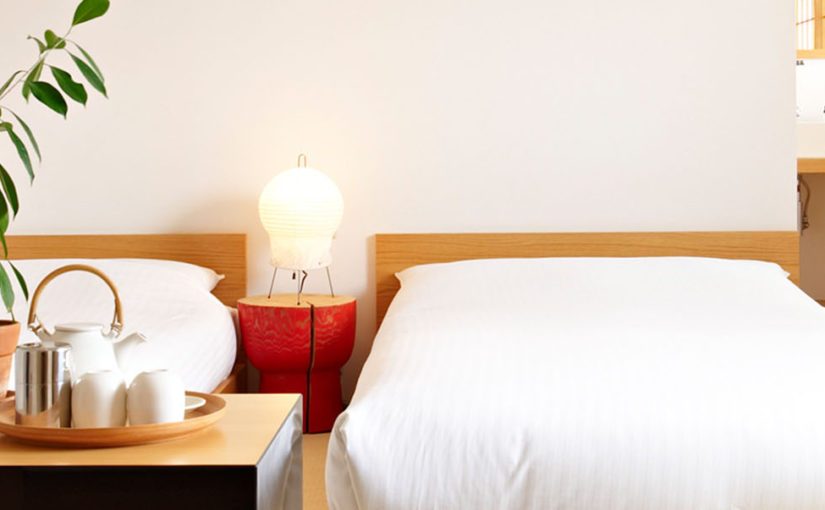
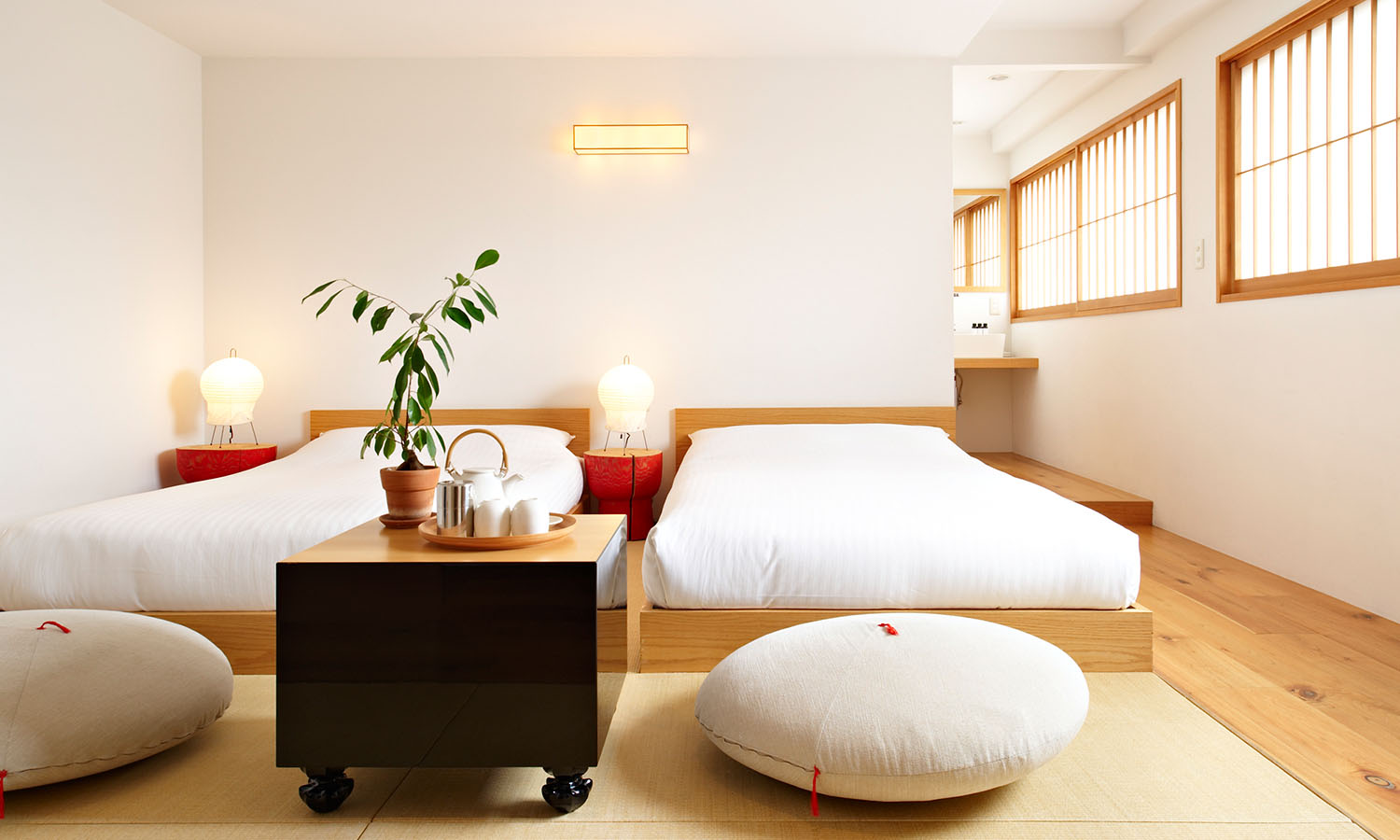
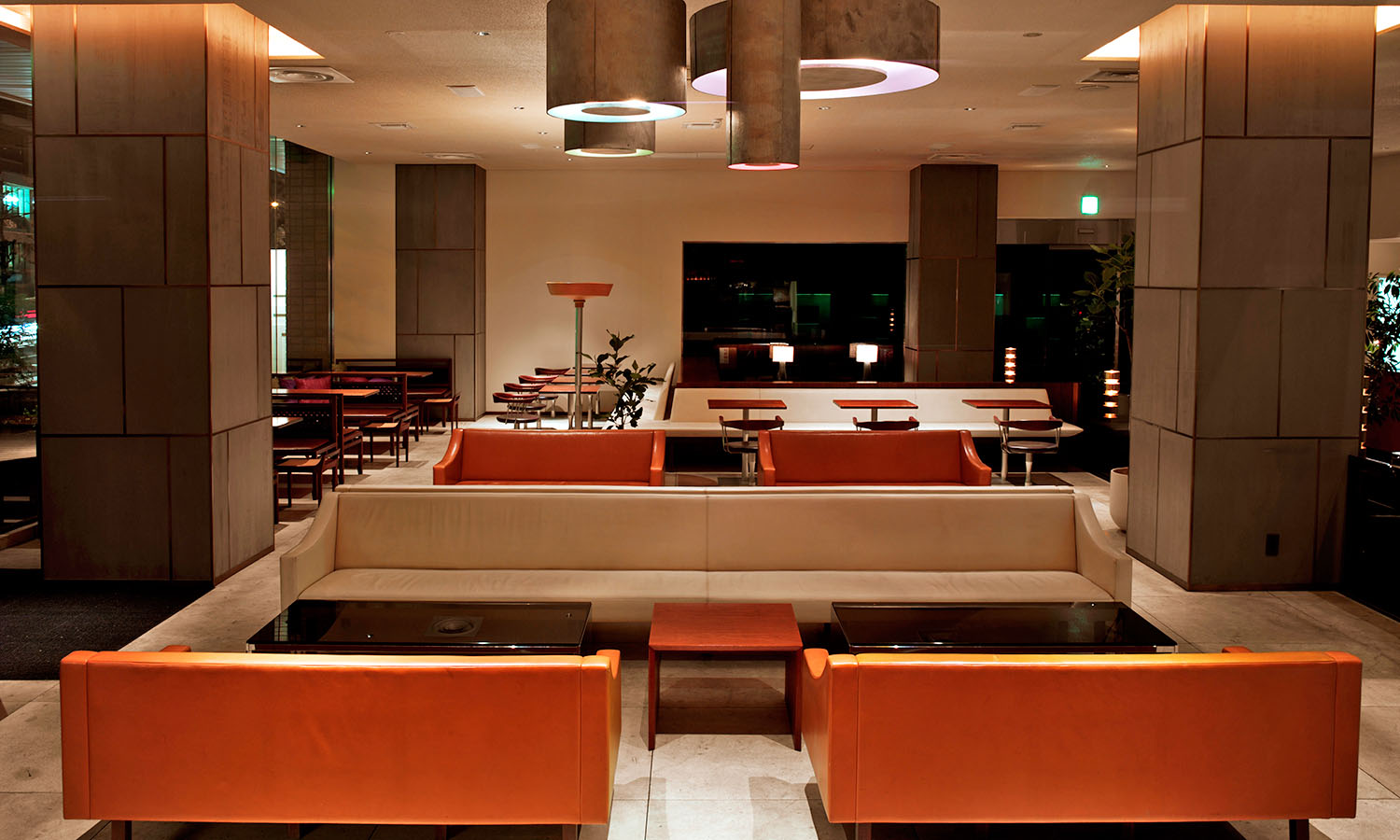
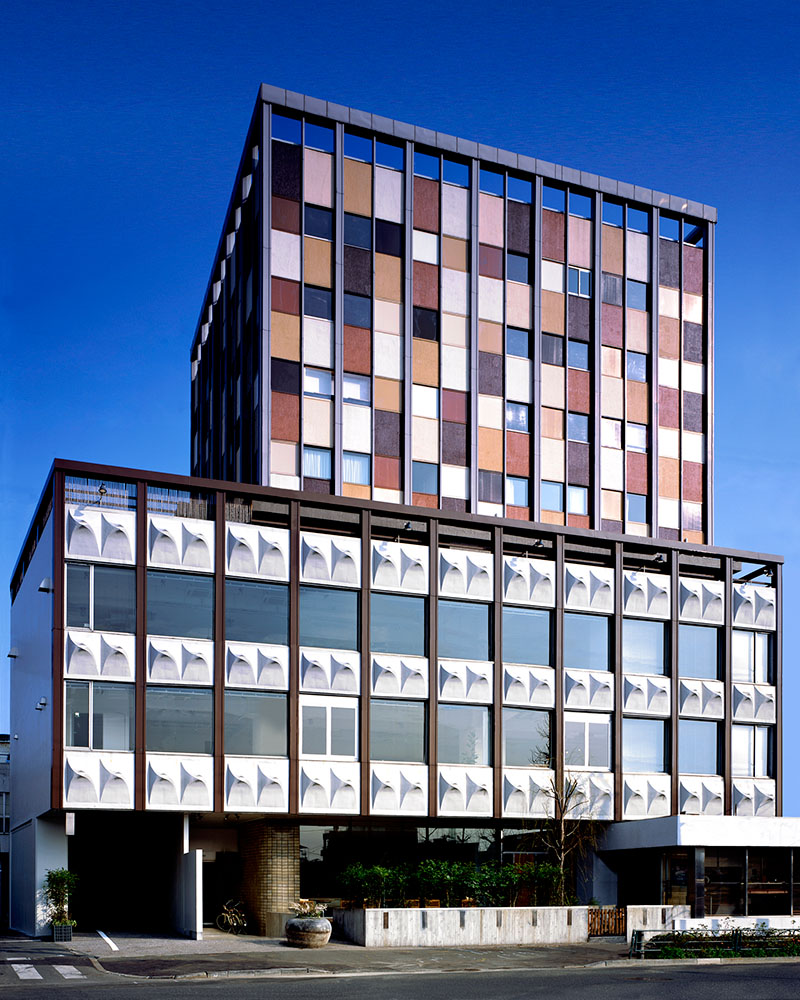
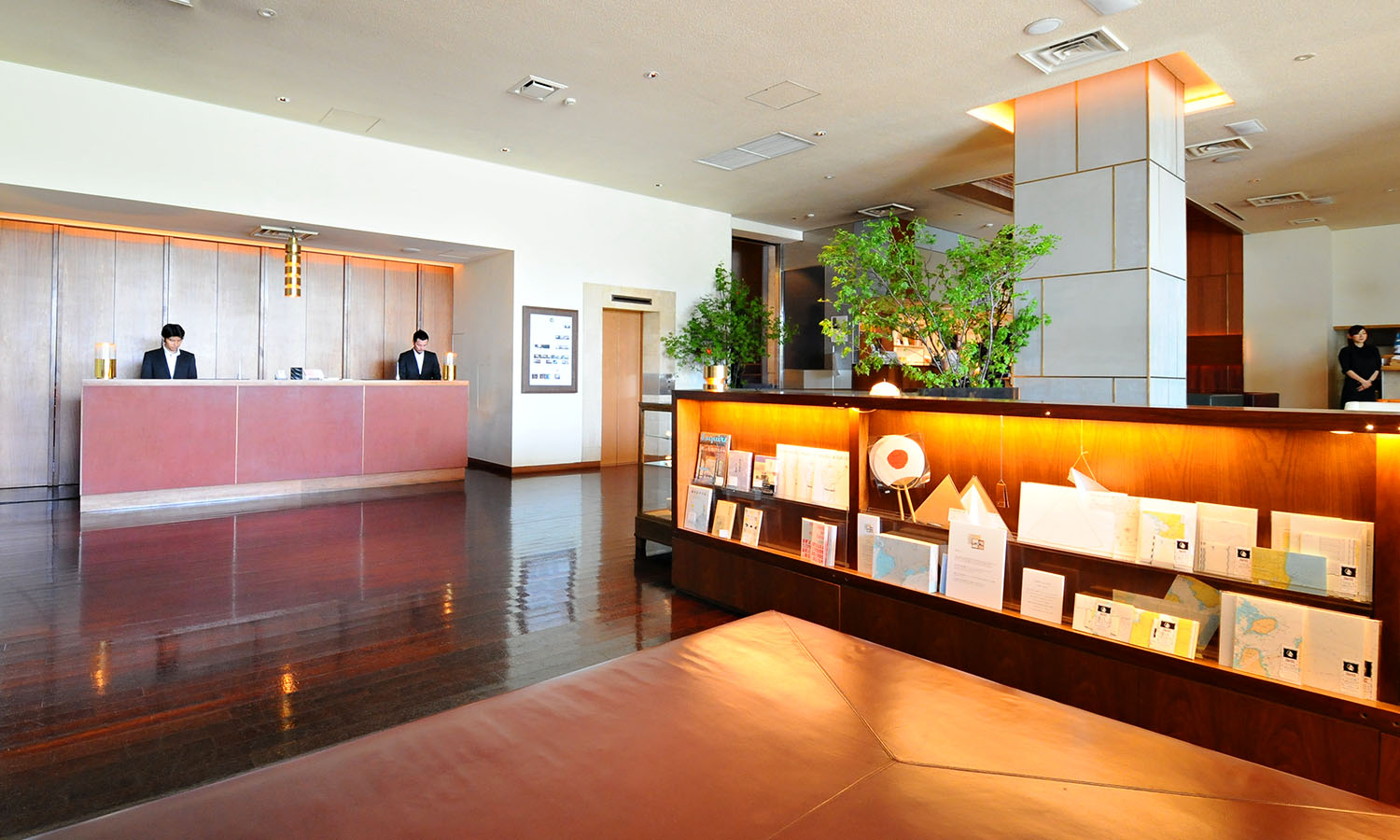
Open since 2003, Claska has been favoured by design lovers on a budget ever since. There are just 20 rooms in a variety of styles, but each has its own minimalist charm and buckets of natural light. Some are furnished in simple tatami, others have carefully selected art and antiques to add an individual touch, while a few of the rooms have been created by local designers and two feature ample terraces.
Downstairs is Kiokuh, a chic cafe and bar that blends French and Italian influences with local produce, as well as Dogman, a grooming salon for the neighbourhood’s pampered pooches, and a gallery and shop called ‘Do’. Admire the Tokyo Tower and Mount Fuji from the rooftop terrace of the capital’s original design hotel or zip off on one of Claska’s custom-made fleet of Tokyo Bikes and explore little-known Meguro. Or hunker down in your huge bed and Instagram the hell out of this uber hip, multi-purpose complex.
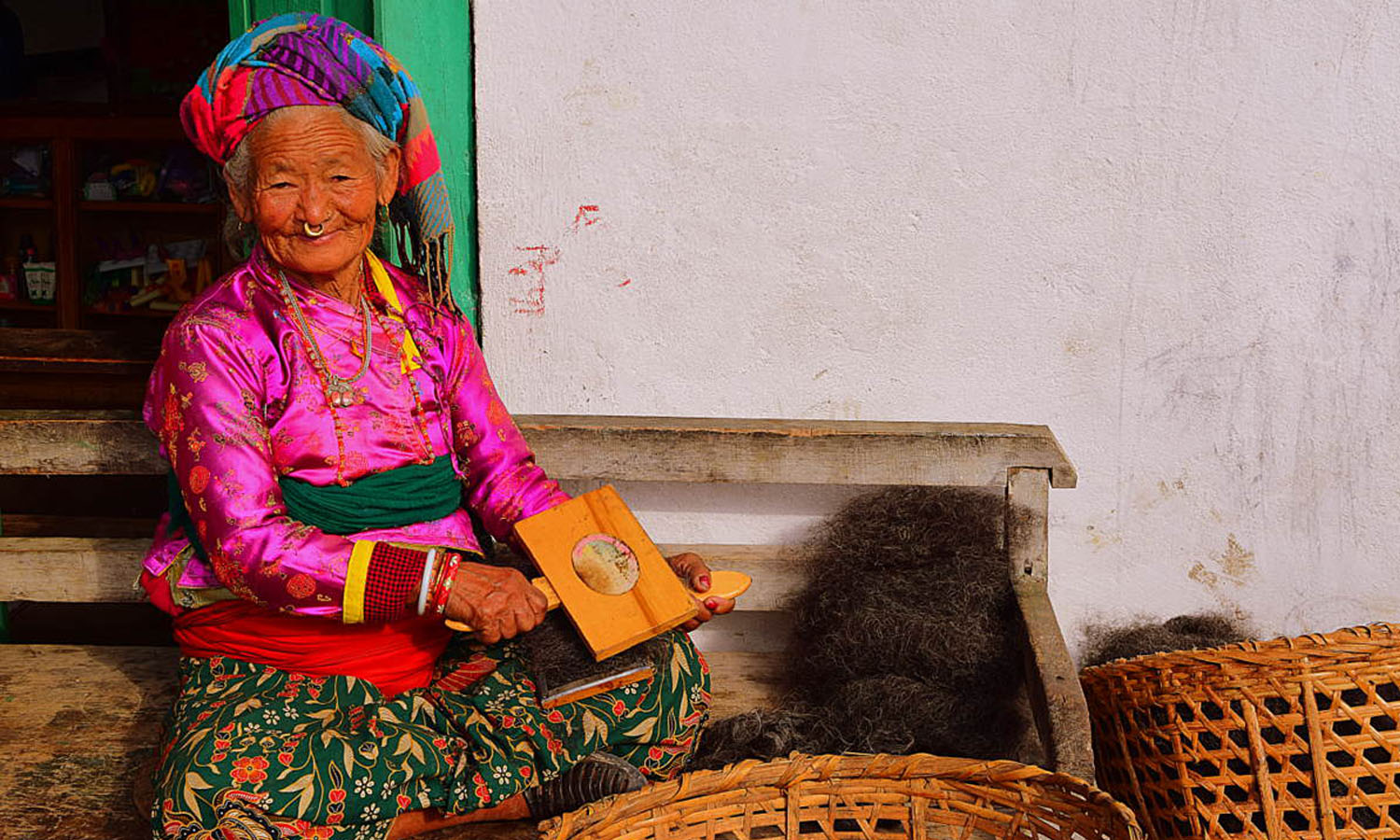
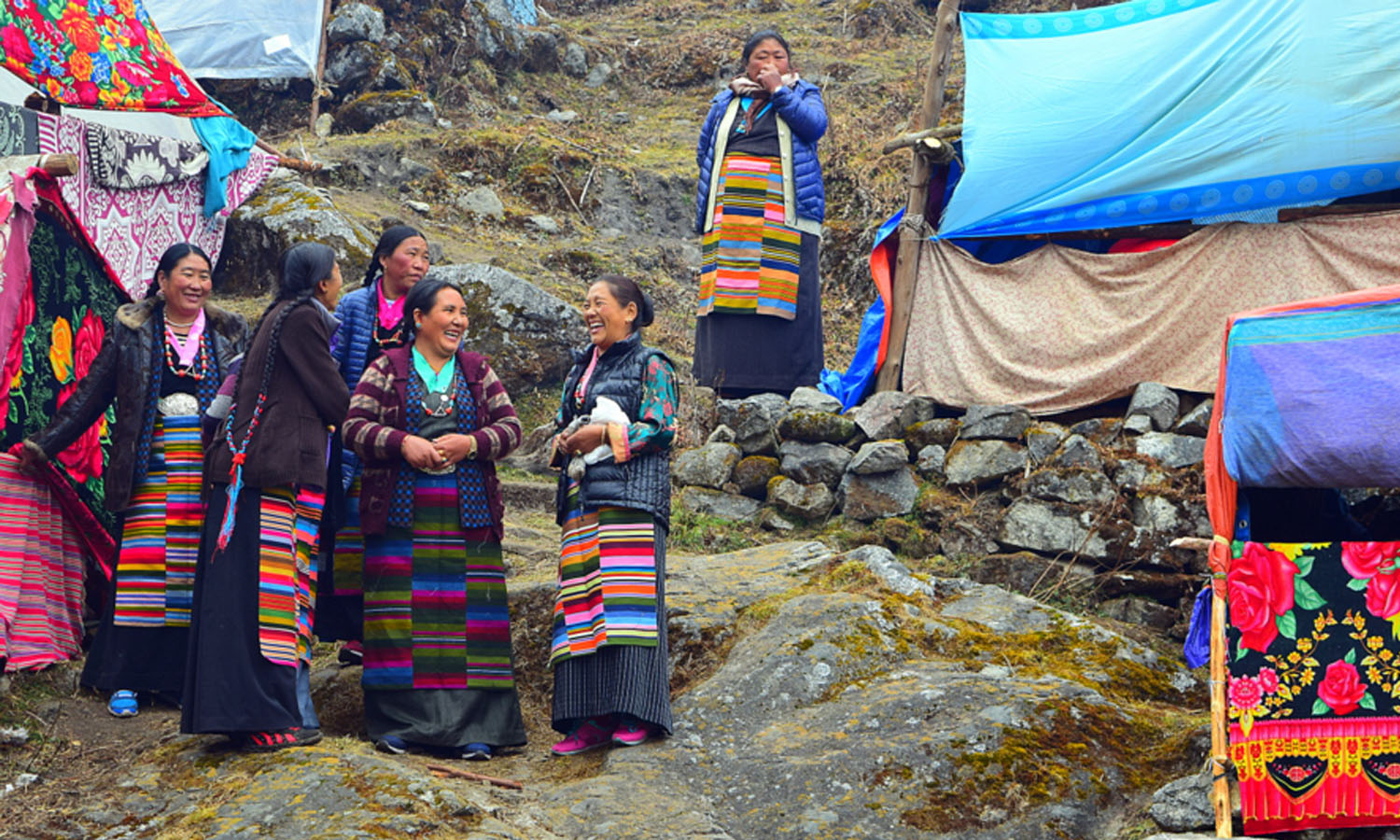
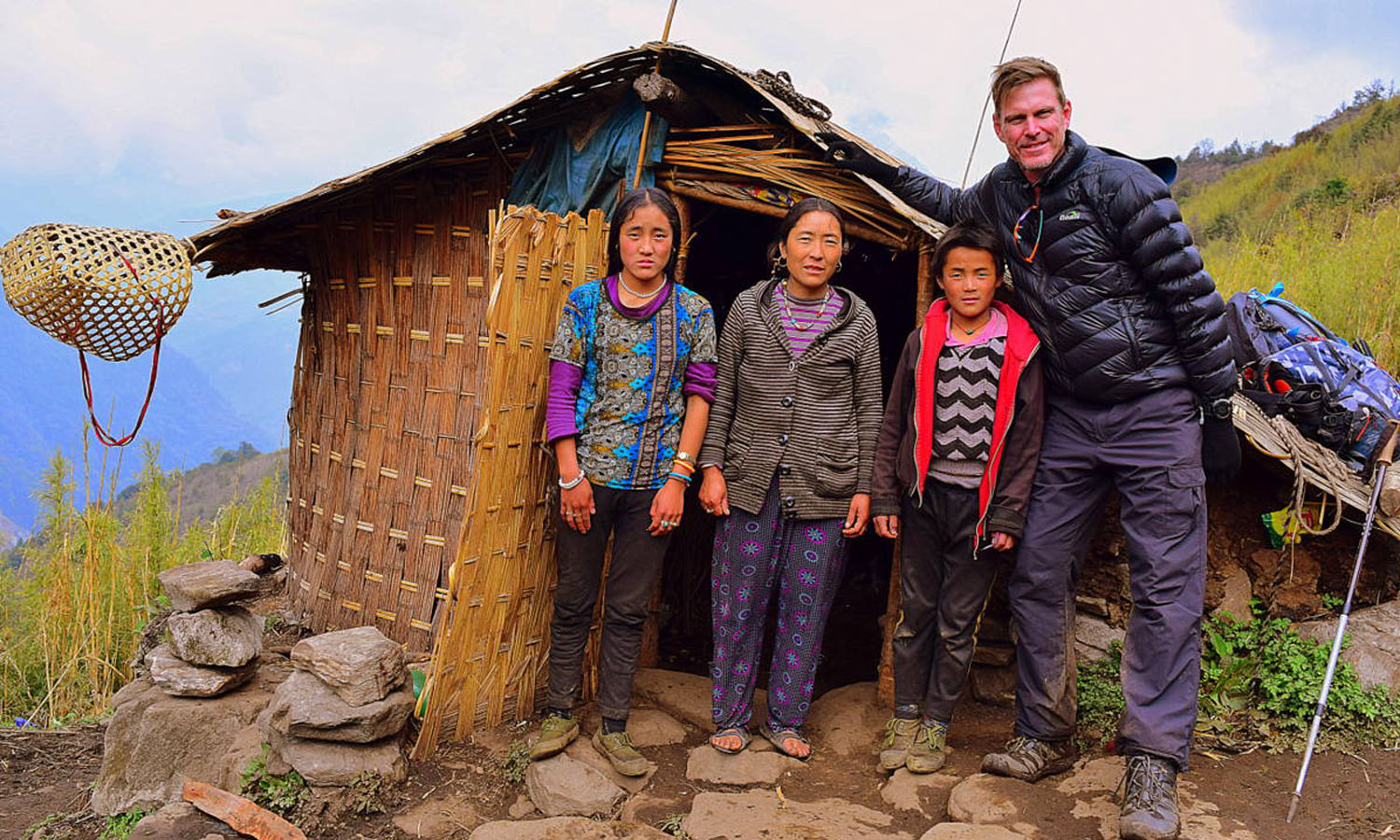
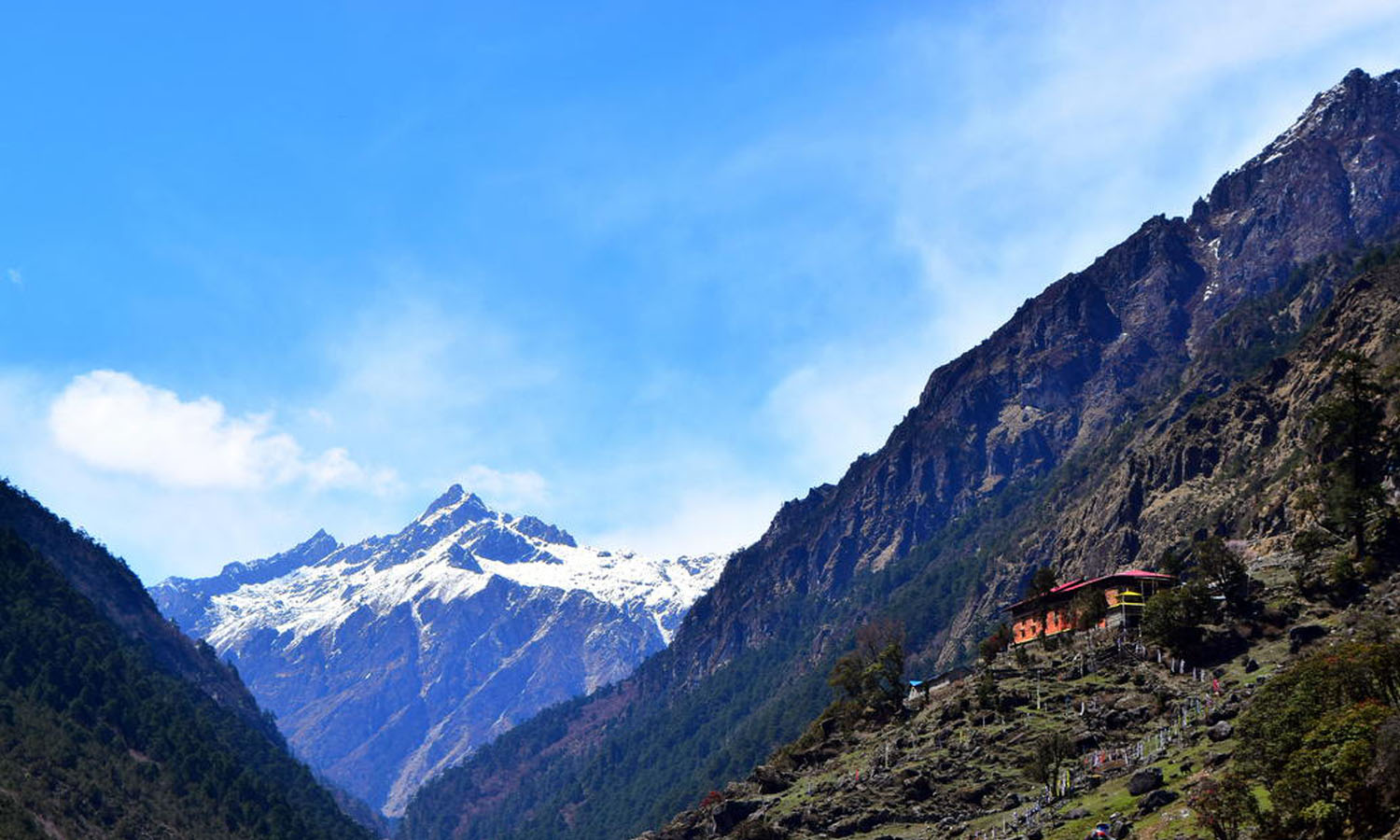
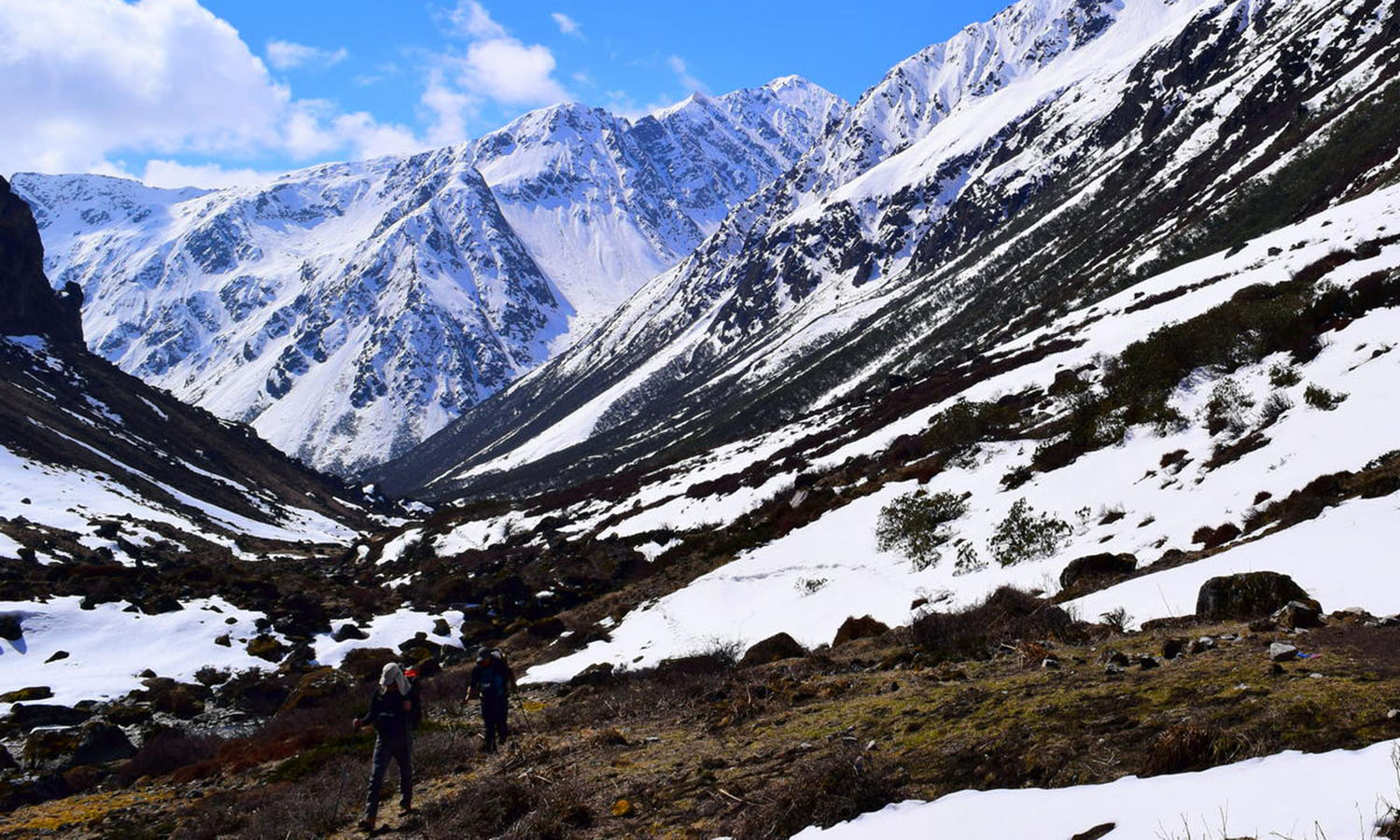
In peak season the famous Annapurna or Everest base trekking routes can feel not dissimilar to the traffic jams of your daily commute. Instead of battling with the crowds, leave the trekking highways behind and head to the remote Eastern Himalayas in the Tibetan borderlands of Nepal. Tour group Whistling Arrow has a new trekking route in the area, Northern Treasures, only accessible because of their personal connections with the villagers of, a traditional weaving community in the area.
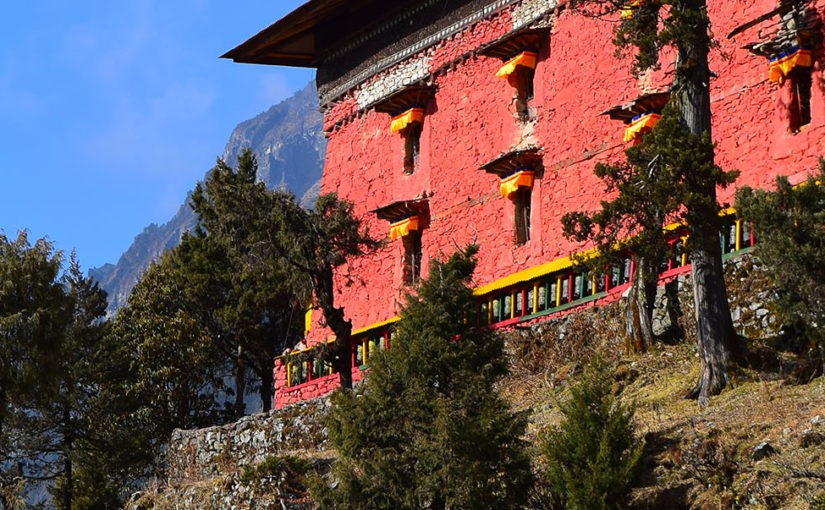
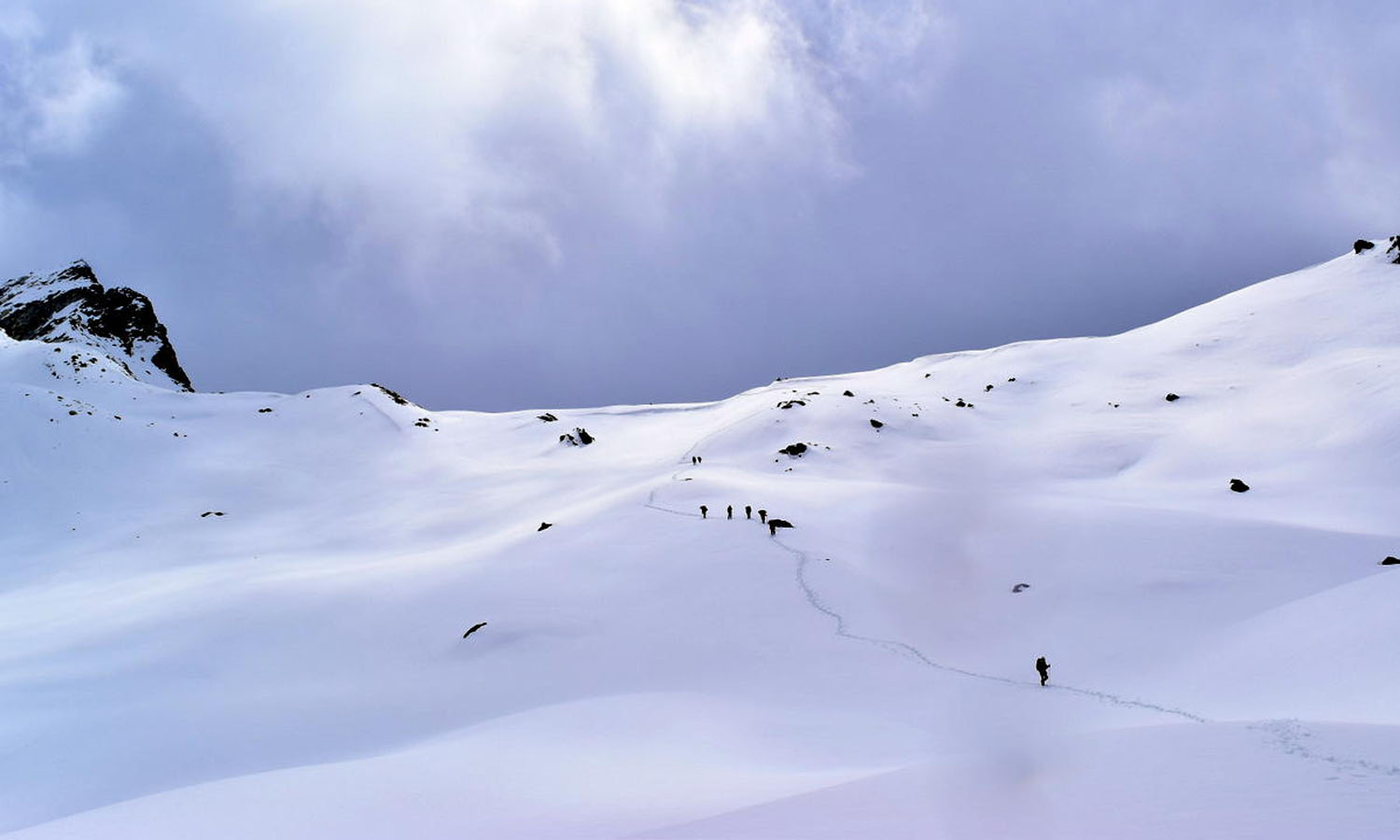
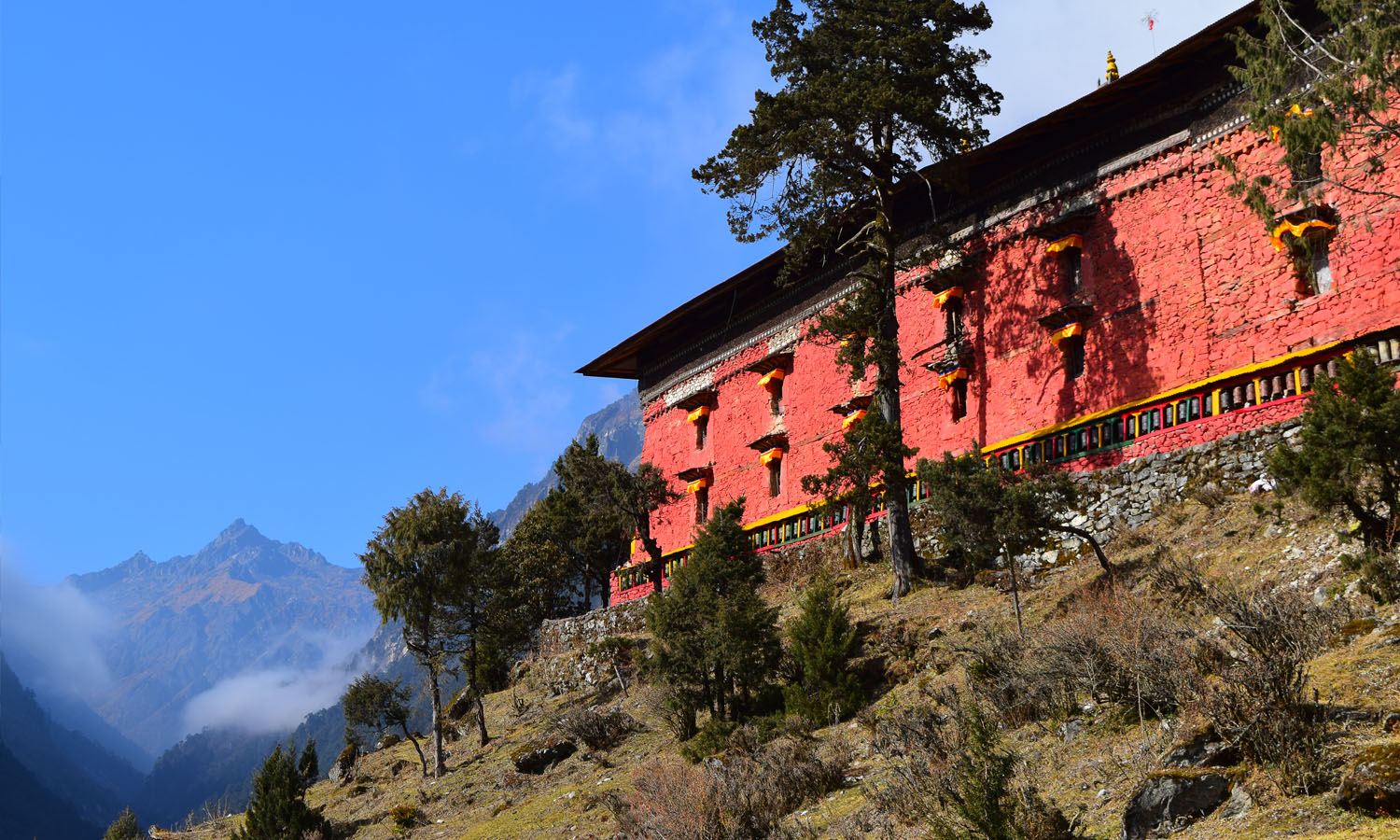
The 20-day Northern Treasures trek takes you through the cardamom-coated Tamor Valley, to remote villages and gompas (Buddhist monasteries) and across Himalayan passes, peaking with the staggering 5160m Lamba Sumba Kharka.
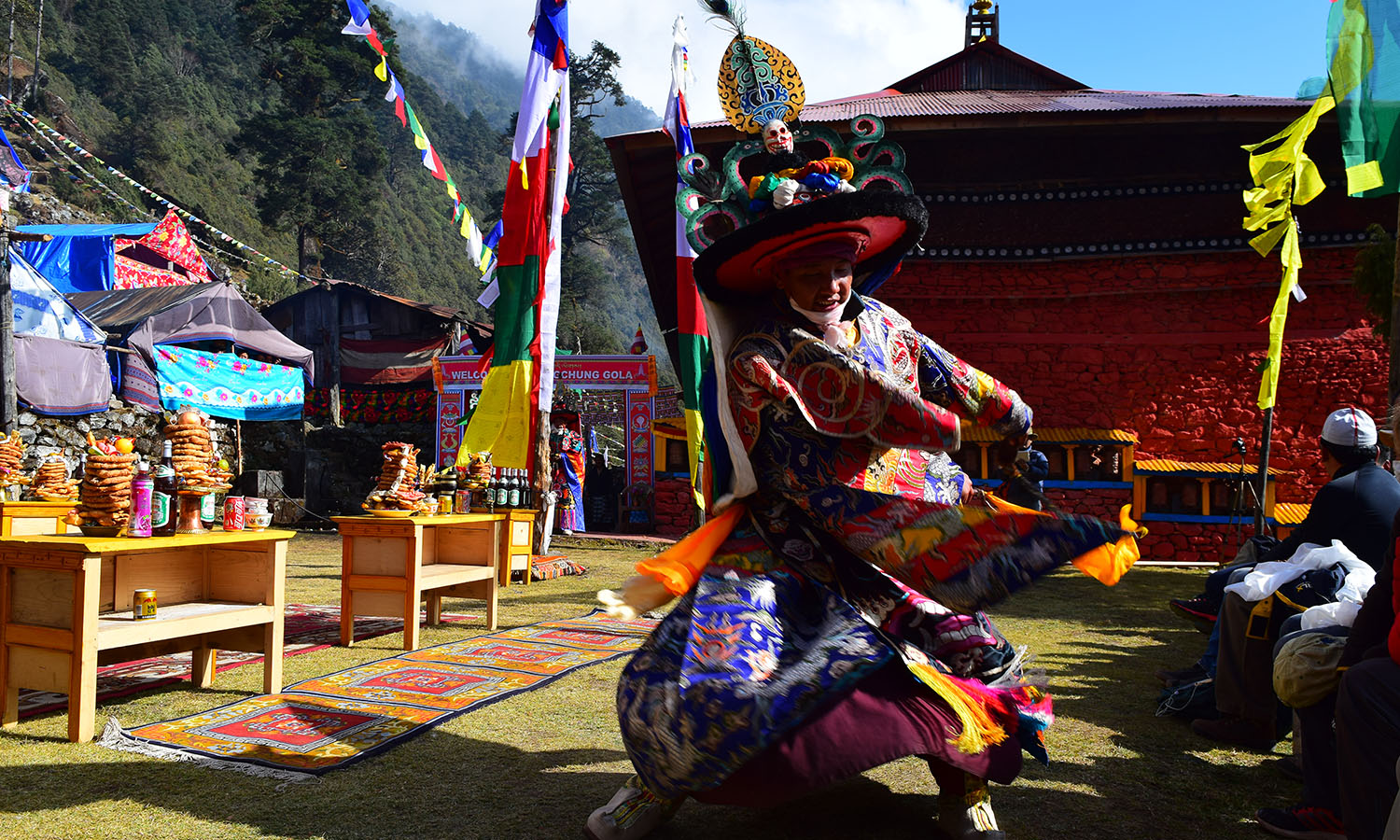
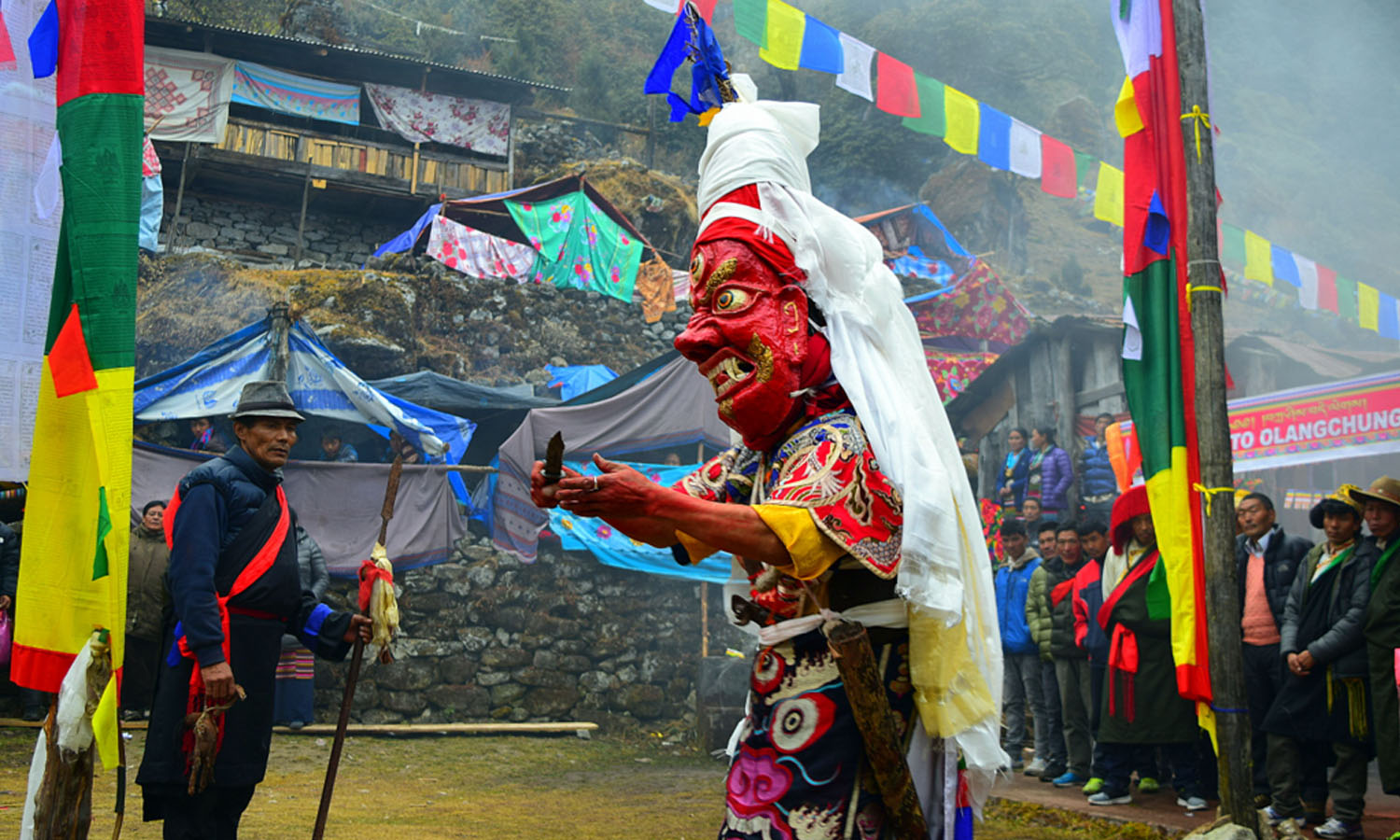
It’s highly unlikely that you’ll see any other trekkers and in your small group of six, you have the rare opportunity to take part in a seldom seen Tibetan Buddhist festival, hosted by a monastery in the Dzogchen tradition. Participating in tantric rituals and watching fiercely masked deities dance against a Himalayan backdrop won’t be a sight you’ll forget anytime soon.
A couple of days later you’ll be guided to a sacred lake, Singjengma Pokhari, that also just happens to be the home of eight wild snow leopards… not kidding. It’s thought that those of strong faith will be able to see their future karmic path reflected in the clear waters of the lake. Whether your faith stands the test or not this Himalayan trek is sure to get you in touch with your spiritual side, as well as your aching quads.
 (
(