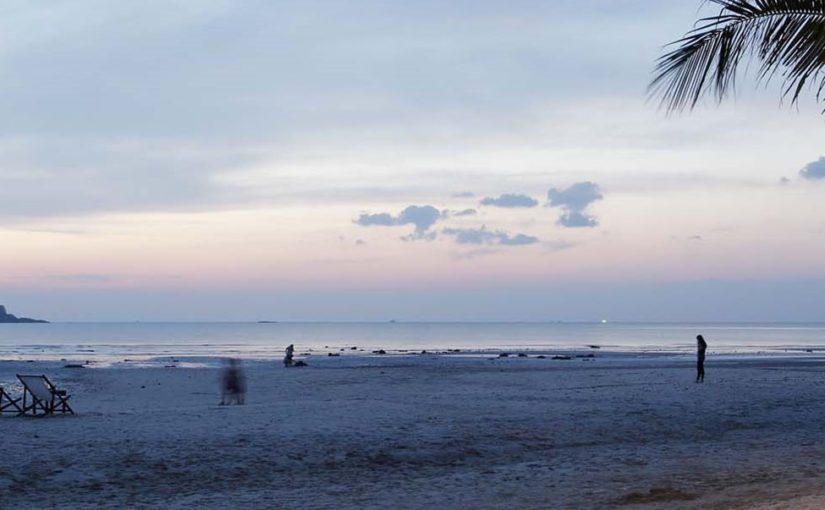
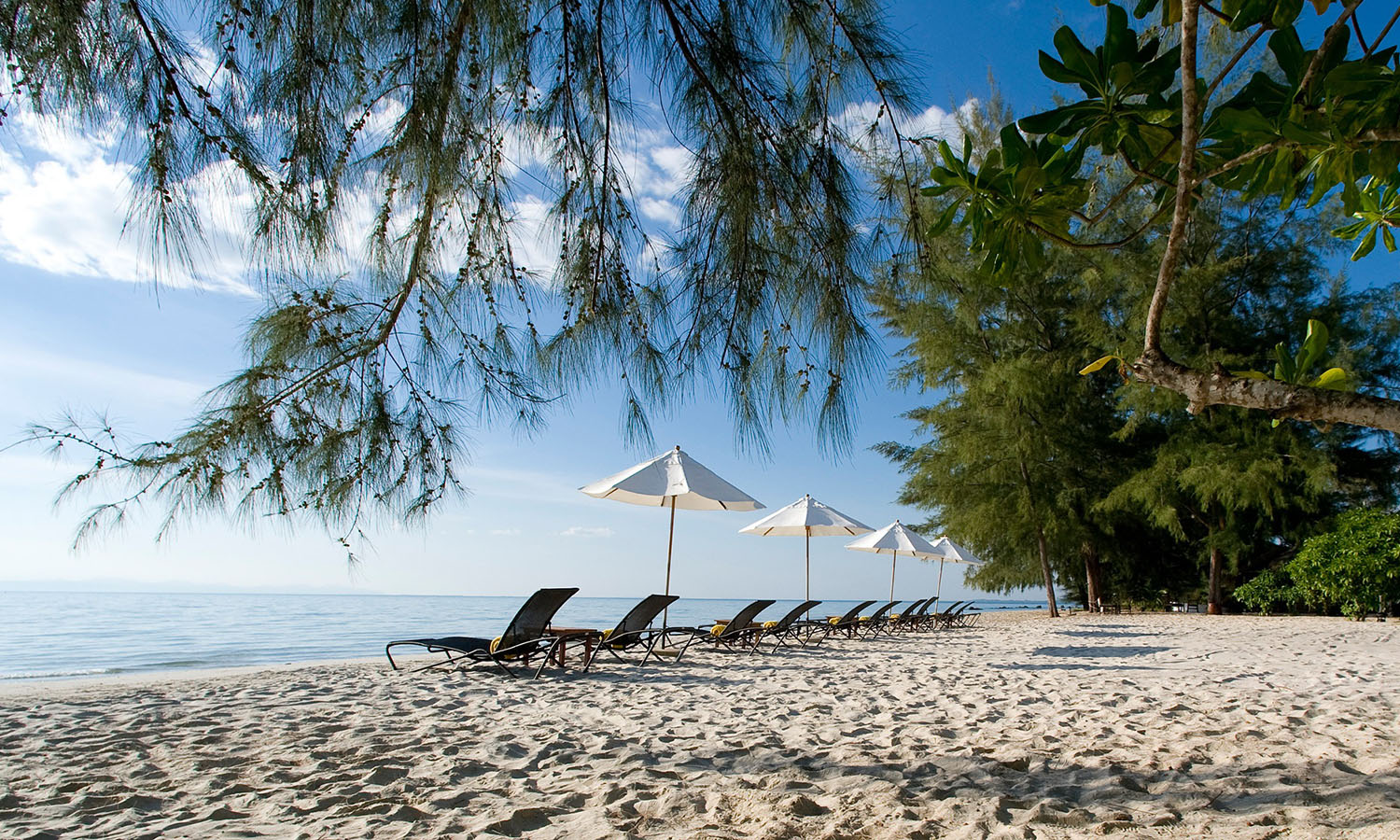
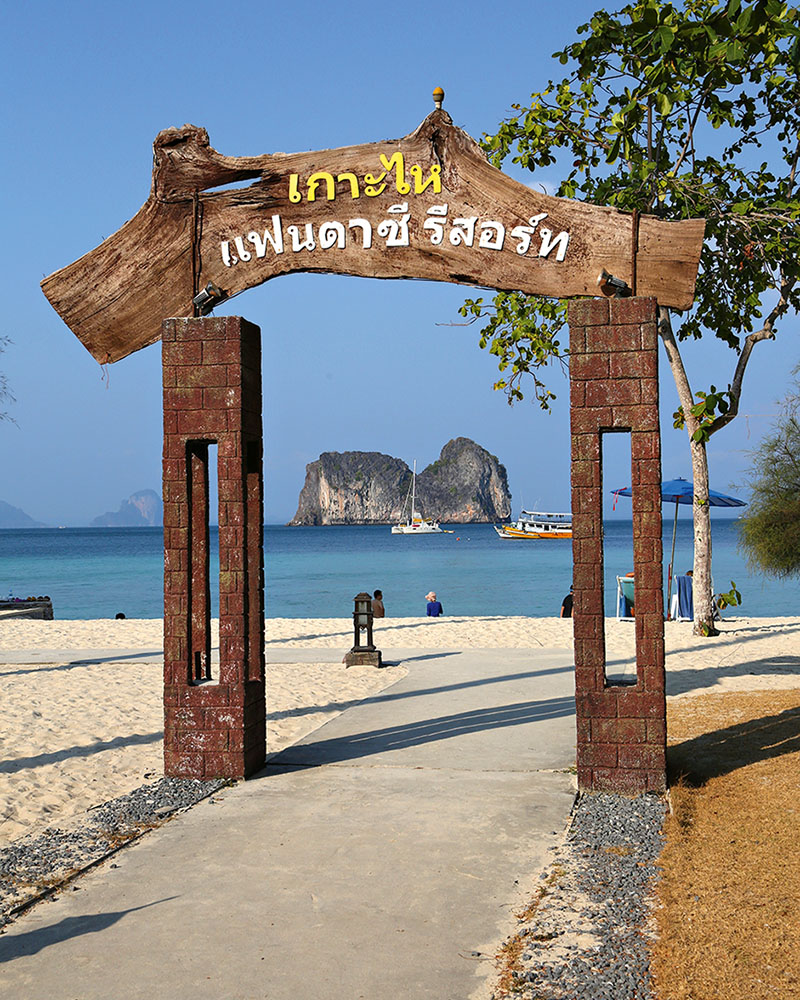
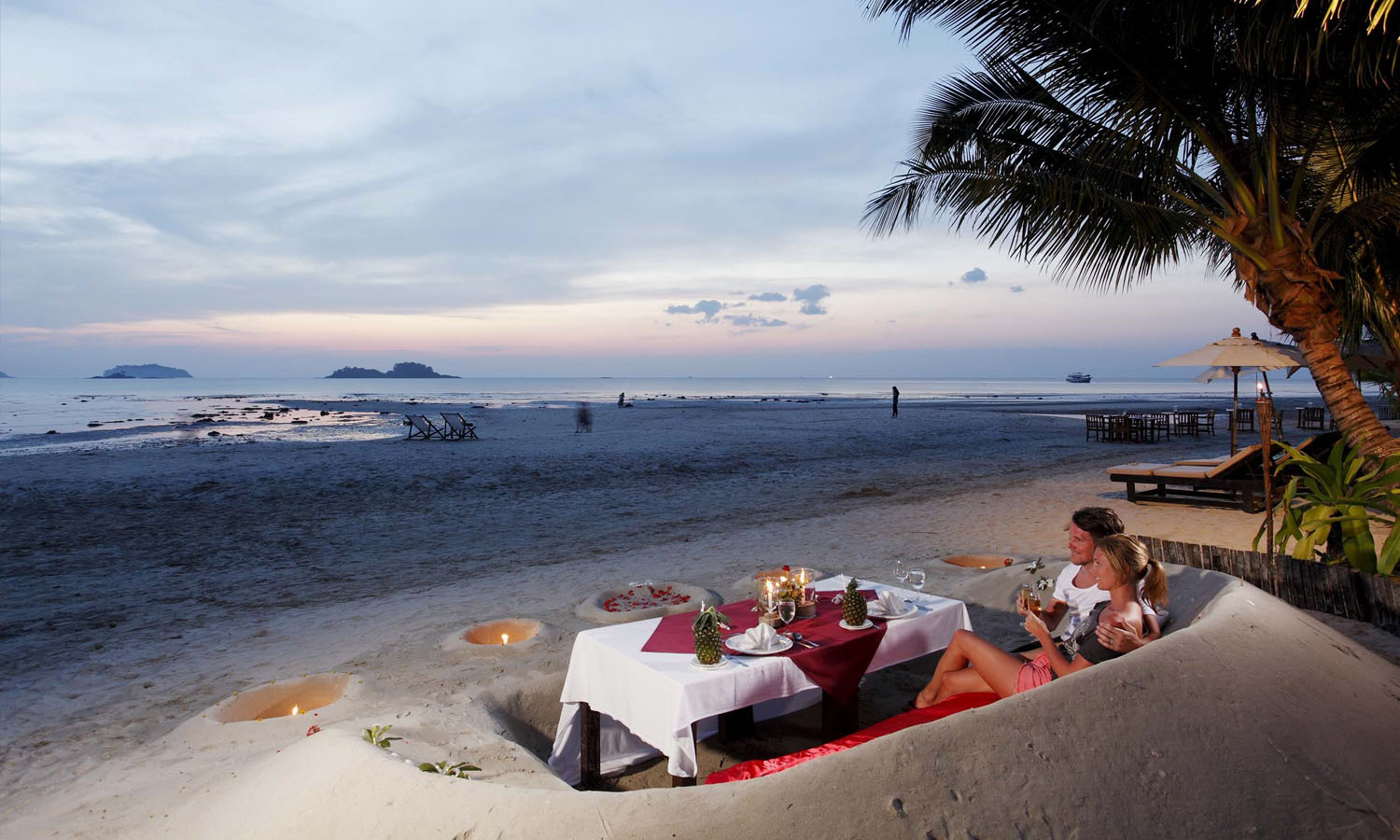
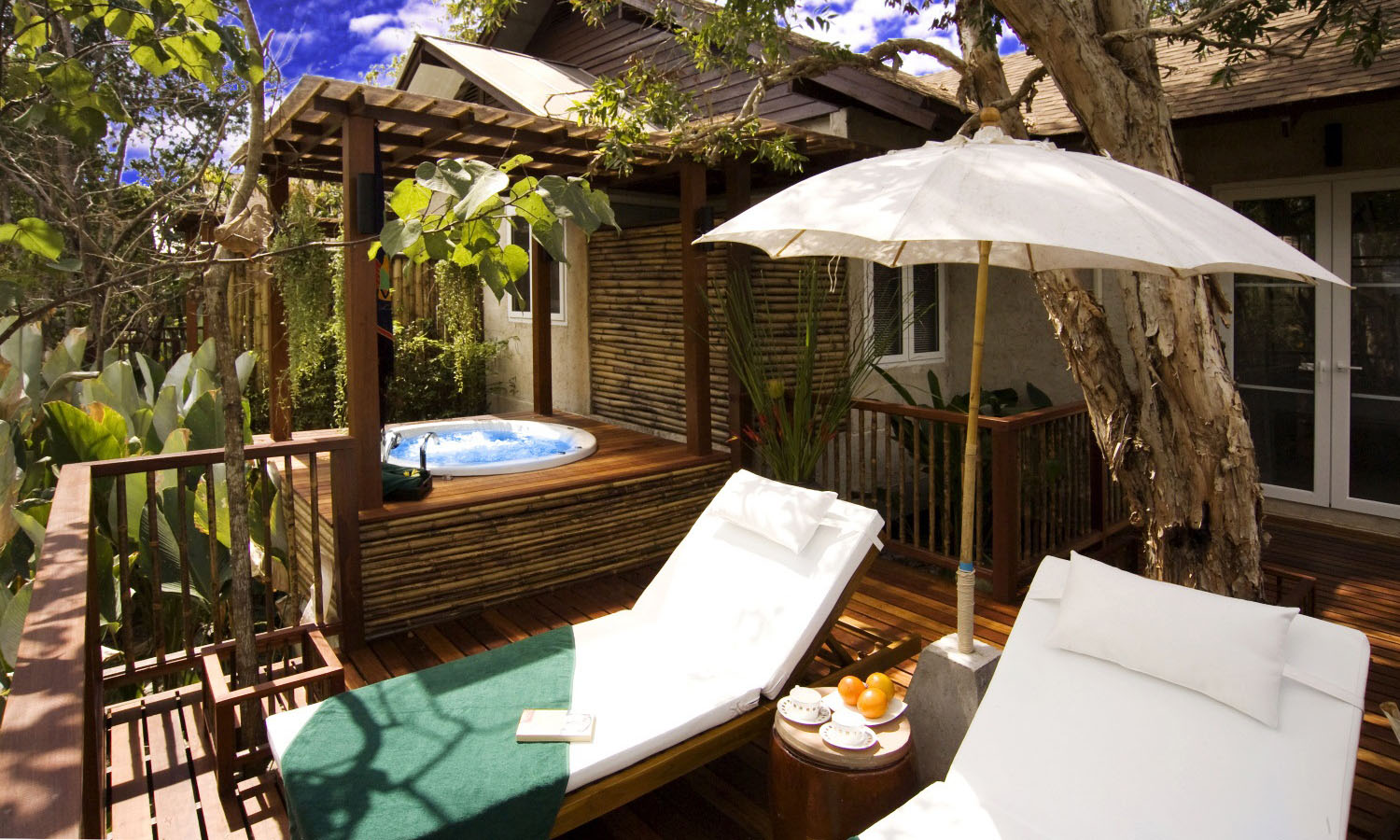
Sneaking off the well-trodden path is not always easy in Thailand, a country where tourism first took off more than half a century ago; yet there are still some secret nooks that escape the hordes. In the country’s southeastern corner, snugly sat on the border with Cambodia, lies Trat. Best known as the gateway to the Koh Chang National Marine Park and its 52 tropical islands, this coastal town also stocks plenty of charm for the more curious visitor. From the creaky wooden shophouses to a market for every reason and season, plus ample opportunity to gorge on local seafood. And you won’t have to share paradise with hundreds of others at Trat’s Centara Chaan Takay Resort & Villas either. A 40-minute drive outside of town, the Chaan Takay Resort has just 44 suites and villas, some with their own private outdoor Jacuzzis. Secluded by pristine jungle on one side and a crescent of ivory sand on the other, this Thai resort boasts oodles of privacy.
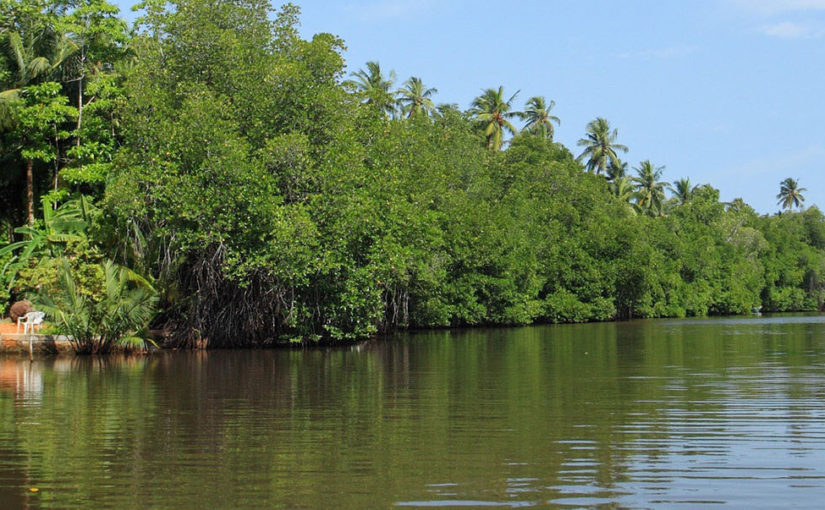
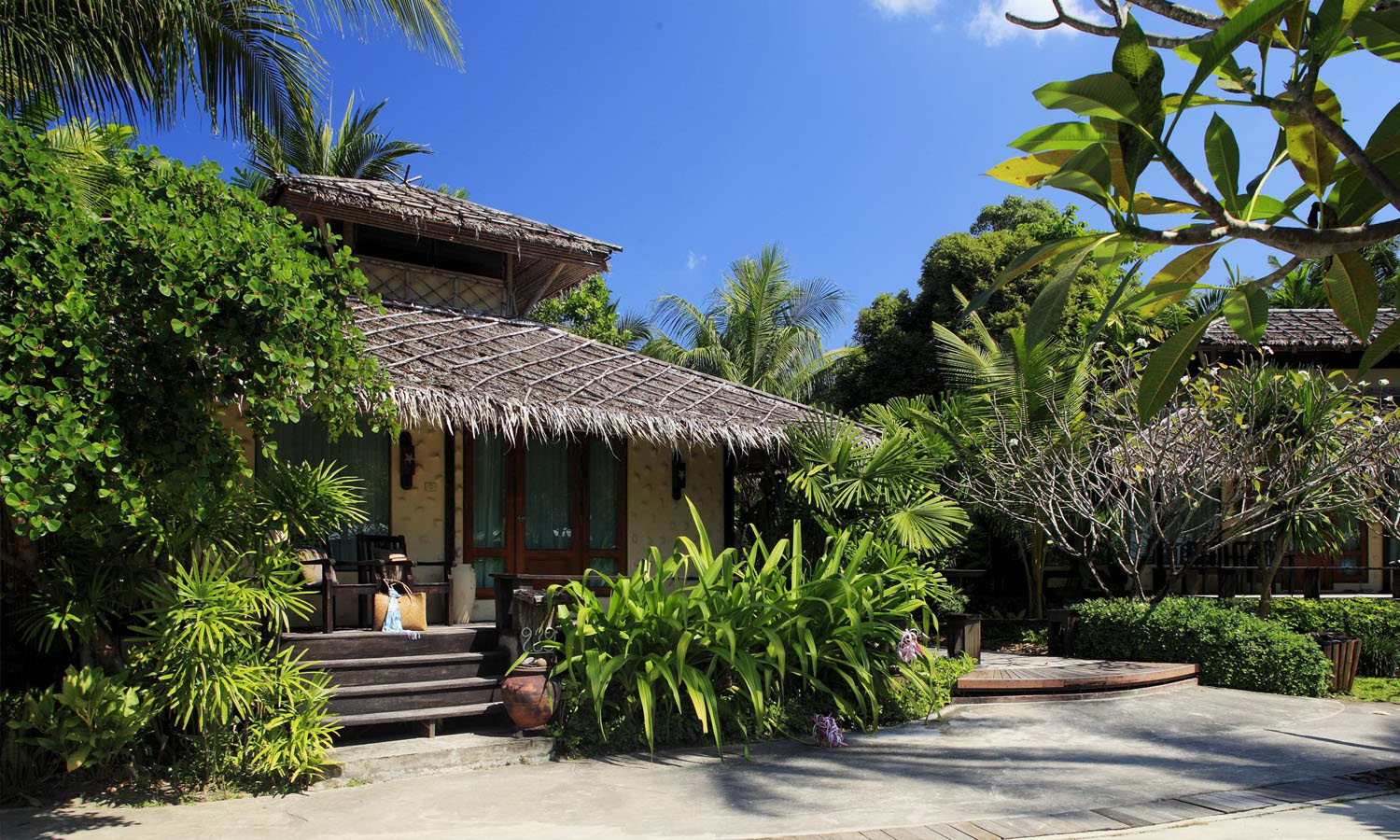
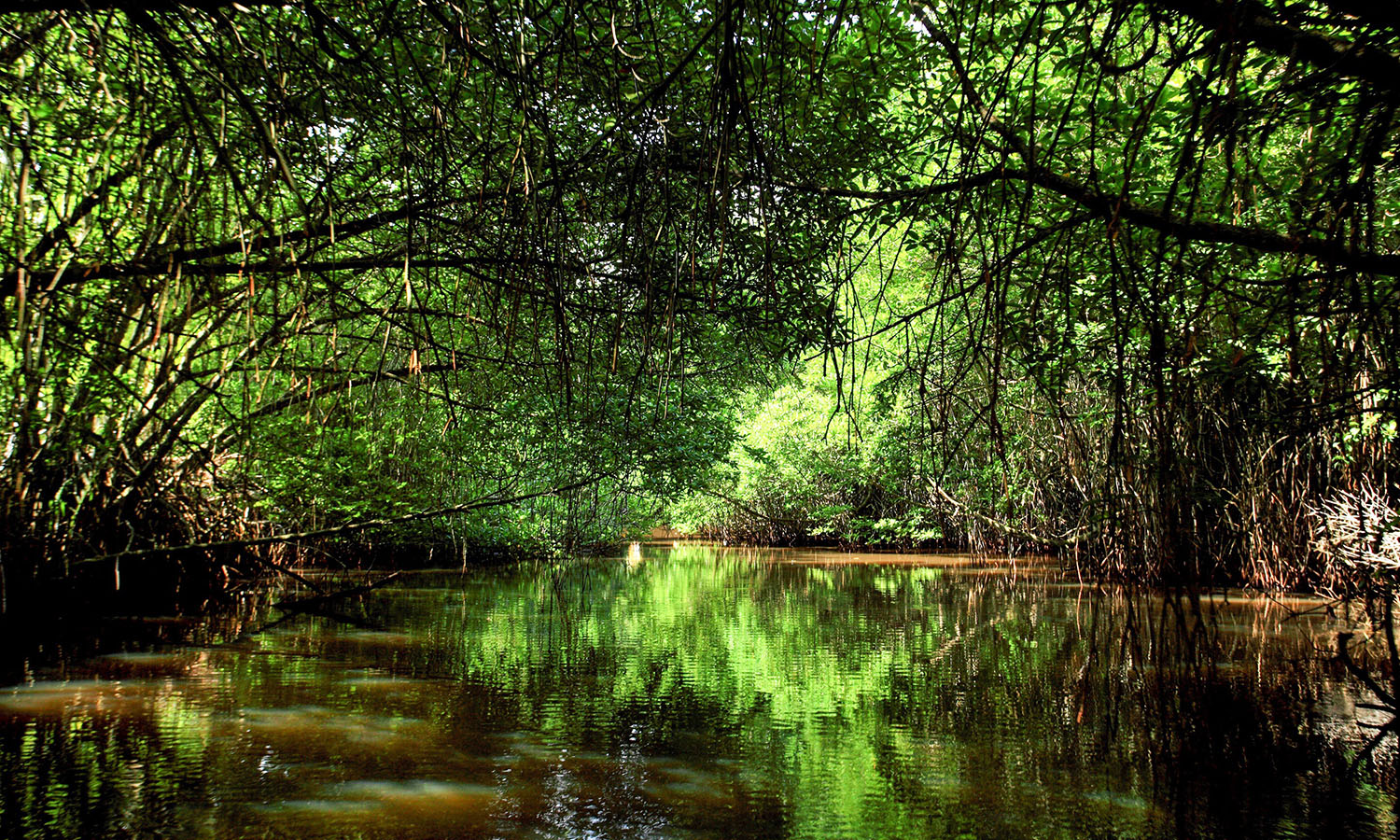
From Trat it’s a mere 30-minute sailing to the jungle-clad crests of Koh Chang. Some pockets of Elephant Island are more developed than others, but as the second largest island in the country there are plenty of slices of beach that haven’t been colonised by tourists. Explore mangroves, fishing villages, hidden waterfalls and seemingly infinite stretches of beach by day, and by night hunker down with a cold bottle of Chang on the terrace of your beachfront cabana at Centara Koh Chang Tropicana Resort. With their thatched roofs, wooden floors and tropical décor Centara’s accommodation offers a local touch but with all the mod cons you can dream up (hello spa, fitness centre and room service). Soak up the tranquility at Tropicana or get out and explore.
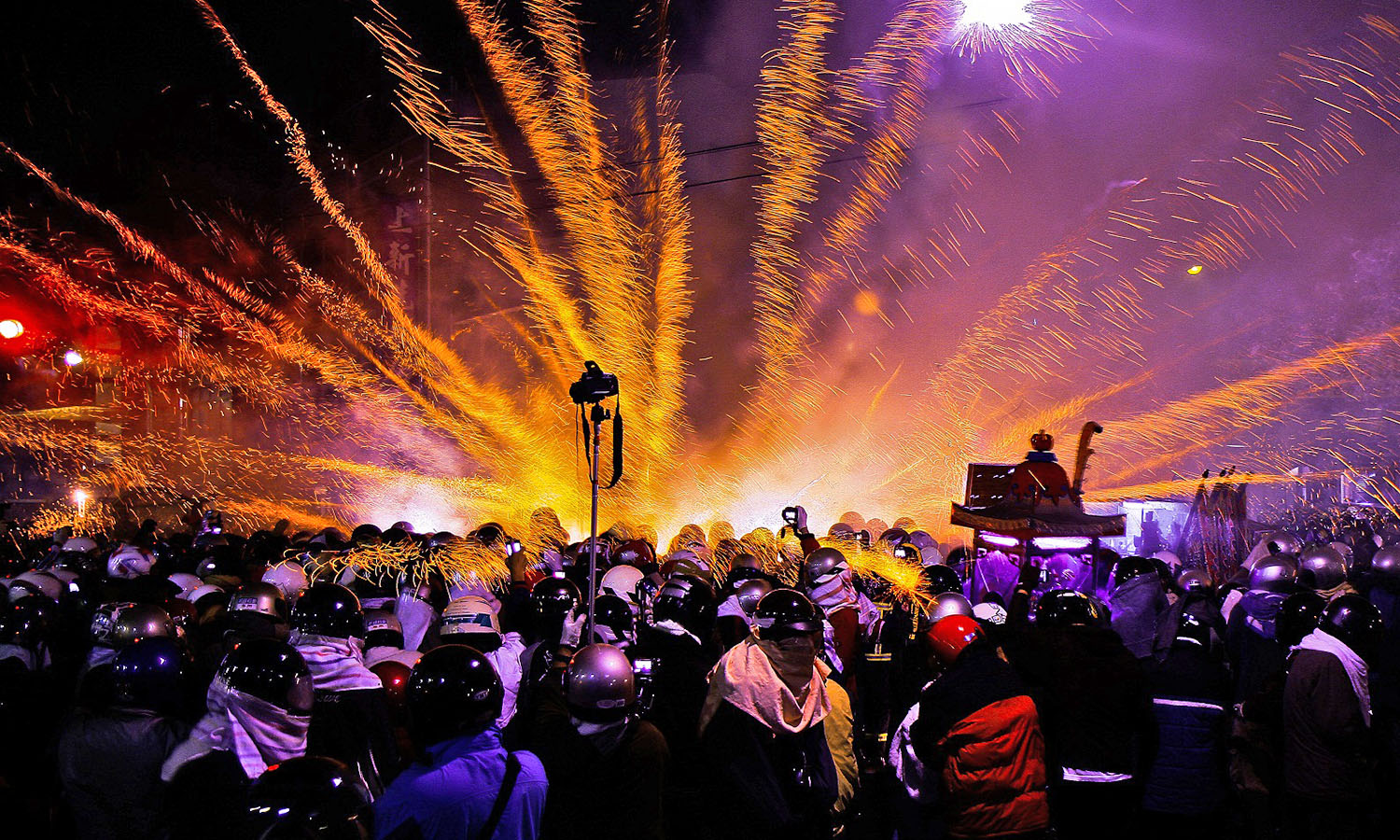
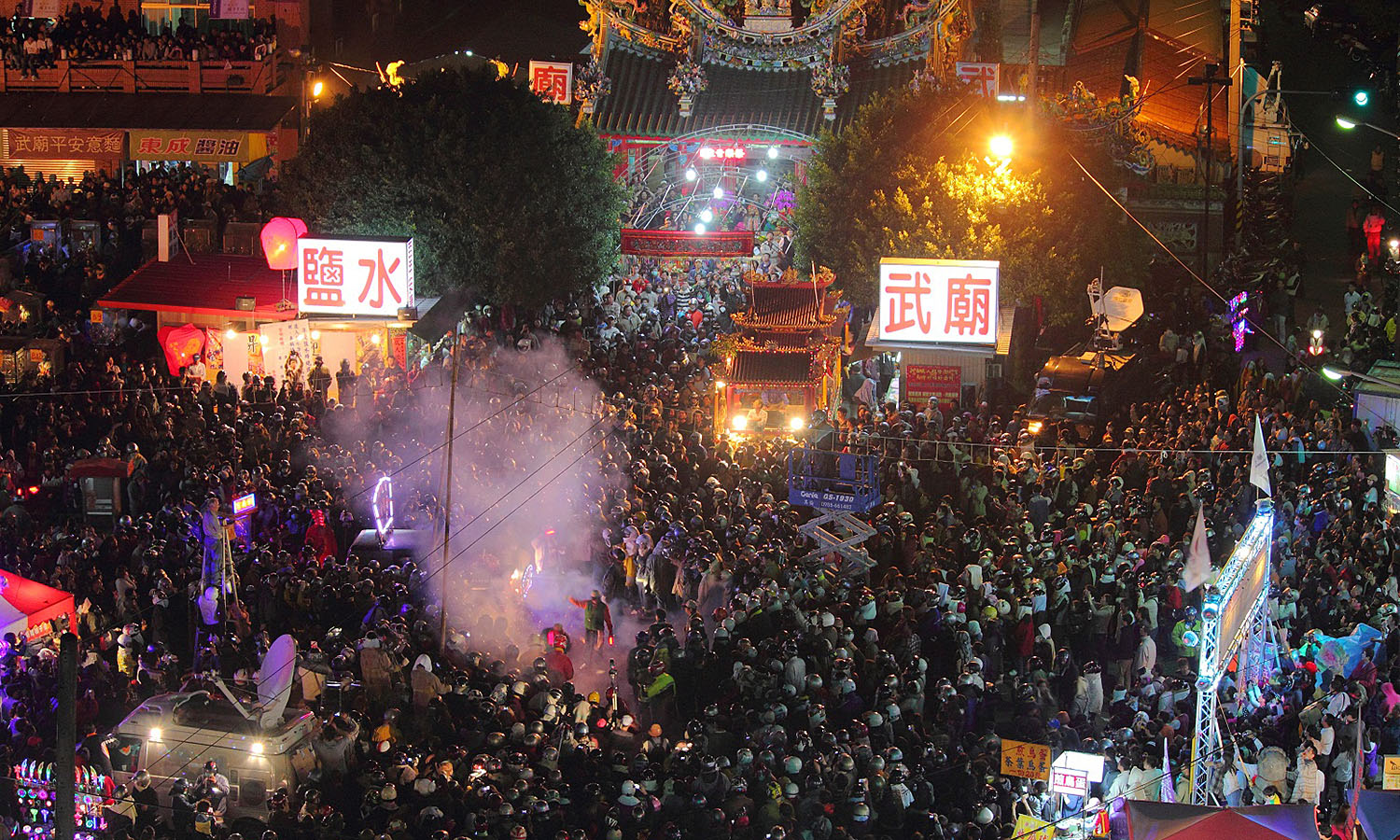
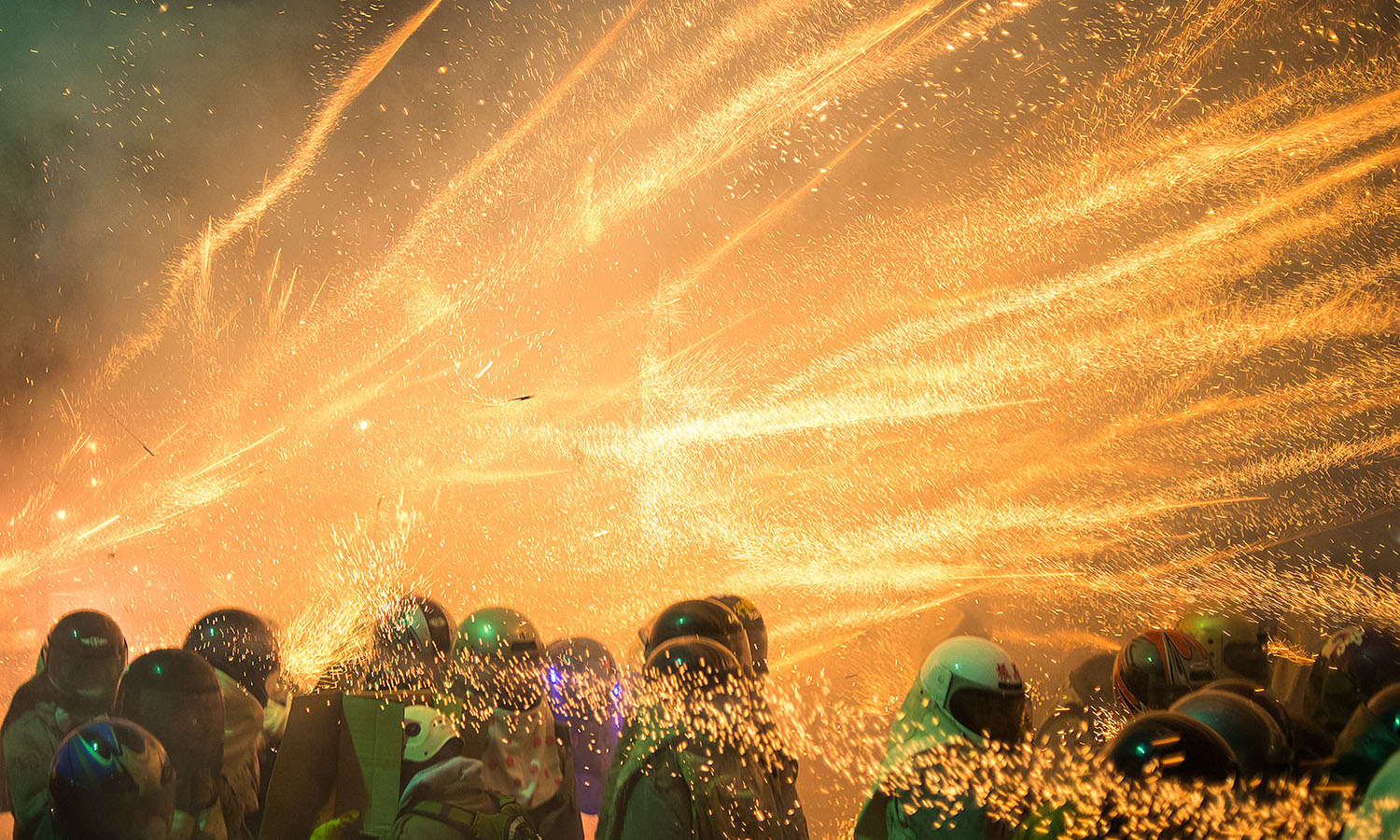
Getting set on fire isn’t everyone’s idea of a party, but this rocket festival attracts tens of thousands to Tainan each year, even though it’s one of the most dangerous parties in the world. Best described as participatory fireworks, the missiles at the Yanshui Beehive Rockets Festival don’t light up the sky – they detonate into the audience.
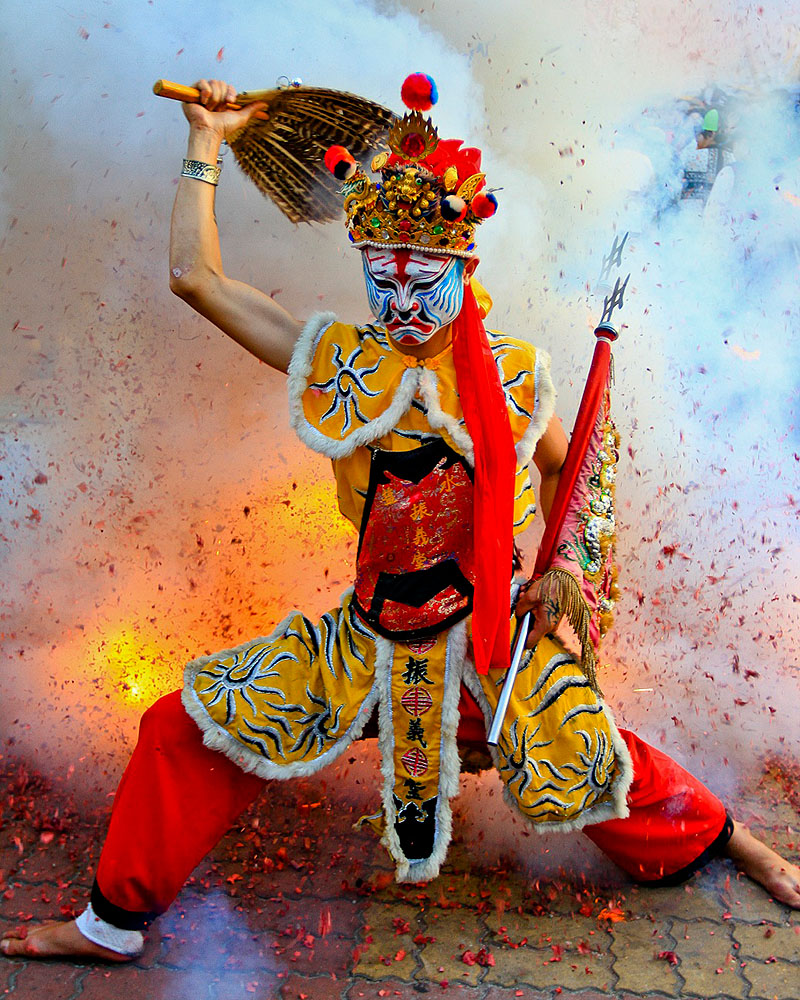
It all began after an outbreak of cholera in 1875 caused the population to waste away. Fearful of the demons believed to have unleashed the epidemic, survivors lit lanterns to welcome Guan Di, the god of war, then added firecrackers to banish the baddies. The illness disappeared and the town continues the fiery festival to keep further catastrophe at bay.
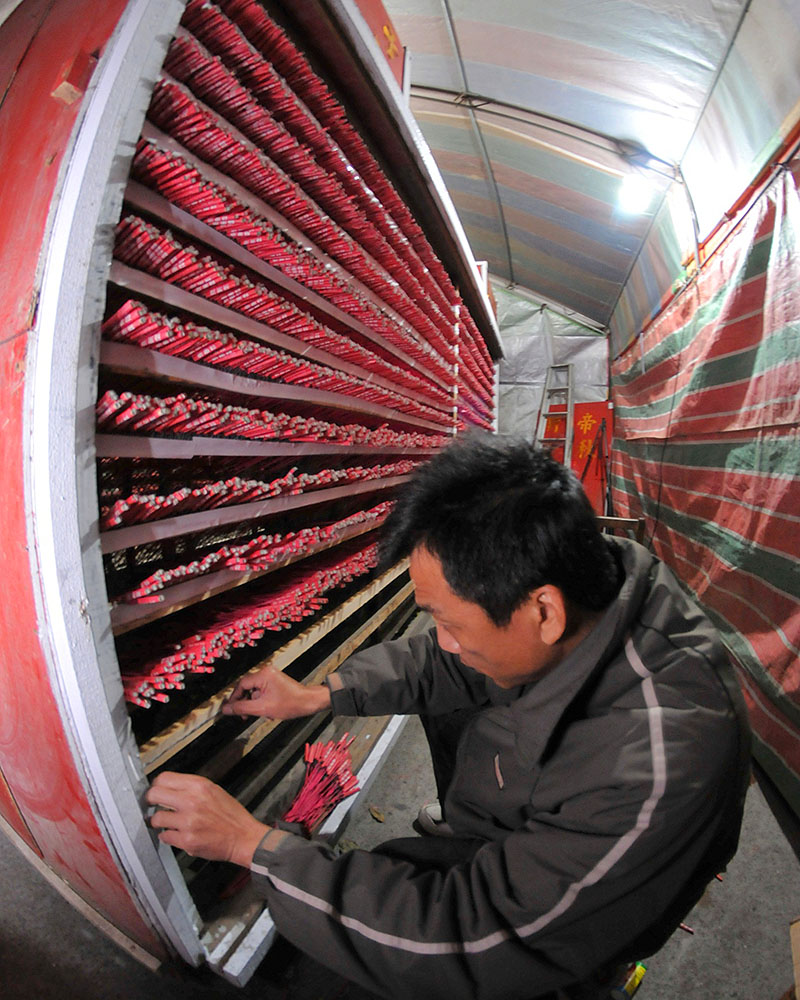
On the fifteenth day of the first lunar month, shelves of the double-storey pao cheng (artillery fortresses) are stuffed with millions of red bottle rockets, ready for action at dusk. Once the sun sets, volunteers carry palanquins sporting deities around the streets, which they rock over fires before lighting the rockets arranged on beehive-shaped launchers.
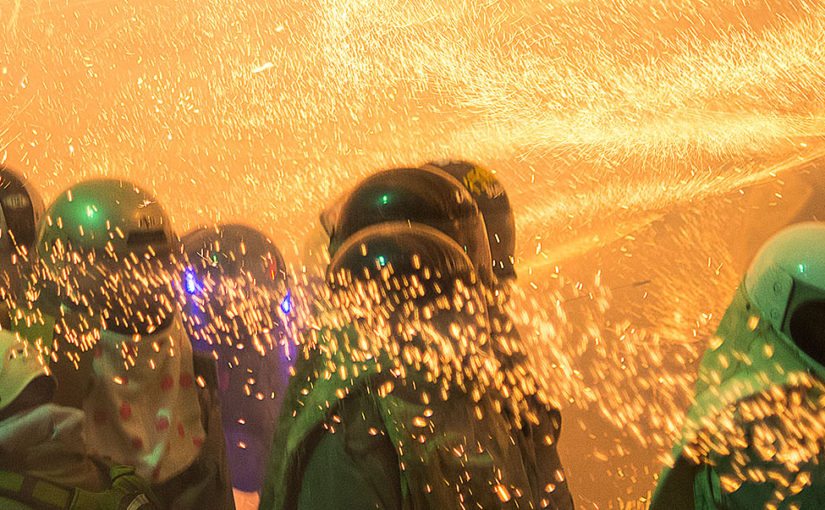
The rockets bite into the crowd and scream past spectators who take to hiding behind cars and buildings. ‘Sensible’ participants dress like astronauts, bundling into non-flammable protective wear, complete with earplugs, gloves and helmets – the rockets may be made of paper but they’re more than capable of leaving a juicy bruise – while the most pious wear nothing but towels and faith for protection. Revellers dance in the ash and slap one another’s backs to shake off smouldering rubble. After counting fingers and toes players either head to a street stall for a beer and a breather or join the mayhem at the next wall and battle on until dawn.
We’re being followed. Fifteen metres below the ocean’s surface, off the Thai island of Koh Kradan, a remora won’t leave us alone. It resembles a tiny upside-down shark, and I first notice it circling my head, body and legs at the start of our dive. As I swim on, sunlight brings out the autumnal colours – yellow, green, brown, orange, red, even purple – of ornate fan corals. Then our aquatic friend is back, vying for attention as we check out a moray eel peeking from a hole. I haven’t seen this kind of persistence from a fish before. Towards the end of the dive, it even gives me a nip.
“Remora fish, or sucker fish, usually attach to sharks or whales or very big fish,” dive instructor Suriya Hadden, who goes by the name Yad, tells me when we’re back on the longtail boat, explaining it’s a symbiotic relationship. “Maybe it thought we were big fish.”
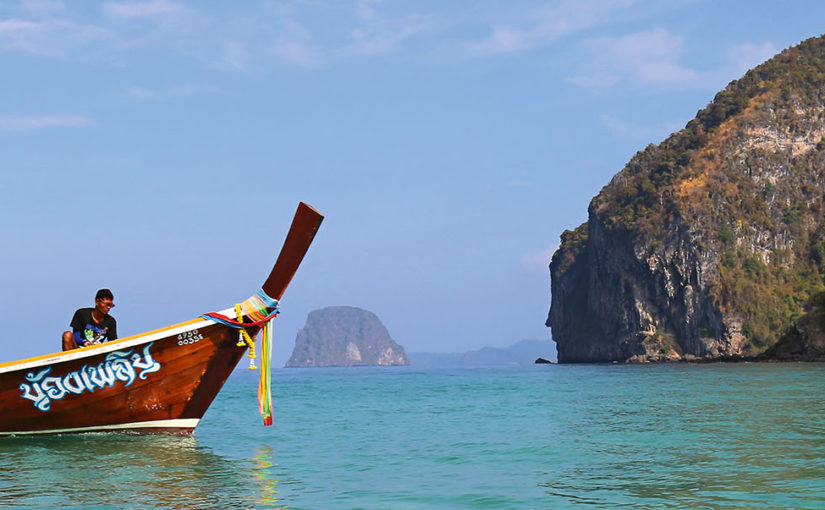
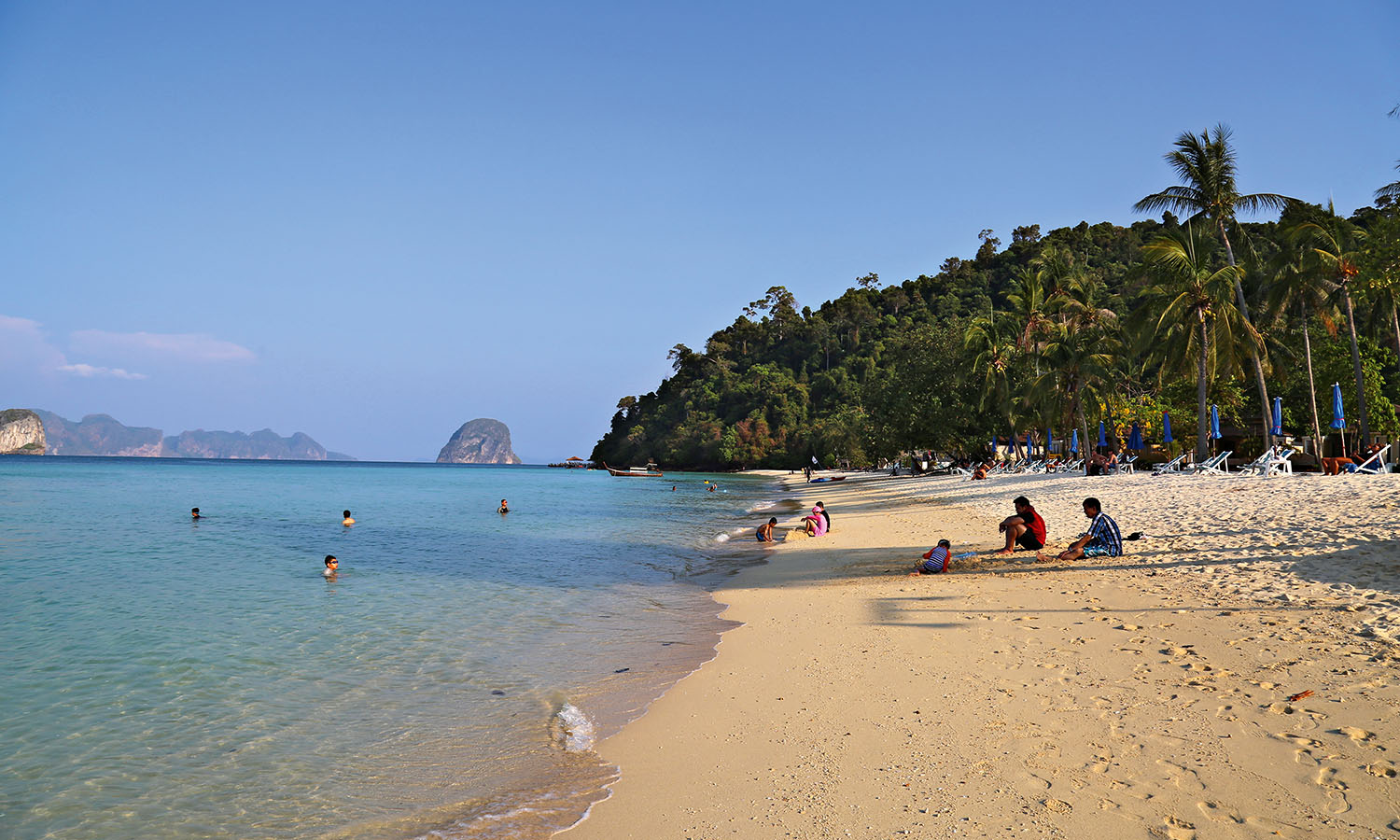
Whatever the explanation, this kind of nuisance behaviour is entirely out of character for Trang, a sprawl of about 44 islands off southern Thailand’s west coast. Normally, on land and in the sea, peace and calm reign. Other Thai islands, from Phuket to Koh Samui and Koh Tao, sometimes feel overrun with the 30 million international visitors who hit Thailand each year, but fewer than 200,000 foreigners come to the little known, sparsely populated Trang Islands. Their residents are largely Muslim and I’d heard the region was more like the Thailand of old, the country as it was 30 or 40 years ago. There are no big chain hotels, no drunken Full Mooners, no stalls selling ‘same same but different’ t-shirts, no sleazy bars. Instead there are just beautiful beaches, forested hills and clear blue seas, as well as one of the world’s largest populations of the endangered dugong. Here, the pace is slower, the prices are (generally) lower and, most appealing of all, there are no crowds.
Unless, that is, you accidentally arrive, like me, slap bang on Songkran. Thai New Year is celebrated across the country from 13 to 15 April each year, and many of the locals take the opportunity to hit the beach. “The Trang Islands are usually very quiet, compared to Phuket or Samui,” local tour operator Ekkachai Binwaha tells me, as, at Pakmeng Pier, we board a boat heaving with celebrating Thais. “We have beautiful islands, but people focus on other places. Many don’t know about Trang.”
One reason Trang isn’t famous, Ekkachai suggests, is because the islands and mainland coastline are a protected part of Hat Chao Mai National Park, meaning it’s difficult to build hotels and resorts. “People come to Trang looking for a quiet place – they don’t like Phuket and crowded places,” he says. “They’re explorers. It’s more adventurous here.”
It’s easy to see the charm of these islands as our boat chugs slowly across the rolling blue Andaman Sea and past longtail fishing boats and limestone karsts jutting from the water. The first stop is one of the area’s most popular day trips: Morakot Cave (also called Emerald Cave) on Koh Mook. There’s a logjam of boats at the entrance, and the cave is suffering the Songkran effect. Tourists form long lines in the water, clutching the life jacket of the person in front, each guide then pulling the human chains of 40 or 50 people through the 80-metre tunnel. It’s dark, crowded and chaotic inside. We reach daylight on the other side, where there’s a small greenish pool walled in by steep cliffs. “Local people come here first for the birds’ nests, which are used for soup,” Ekkachai tells me. “They’re very valuable.”
We rejoin the boat and motor on, stopping to snorkel off Koh Kradan, where the coral swarms with bright yellow, blue and silver fish. But the Songkran effect is here, too, with up to 150 people overloading the small stretch of water.
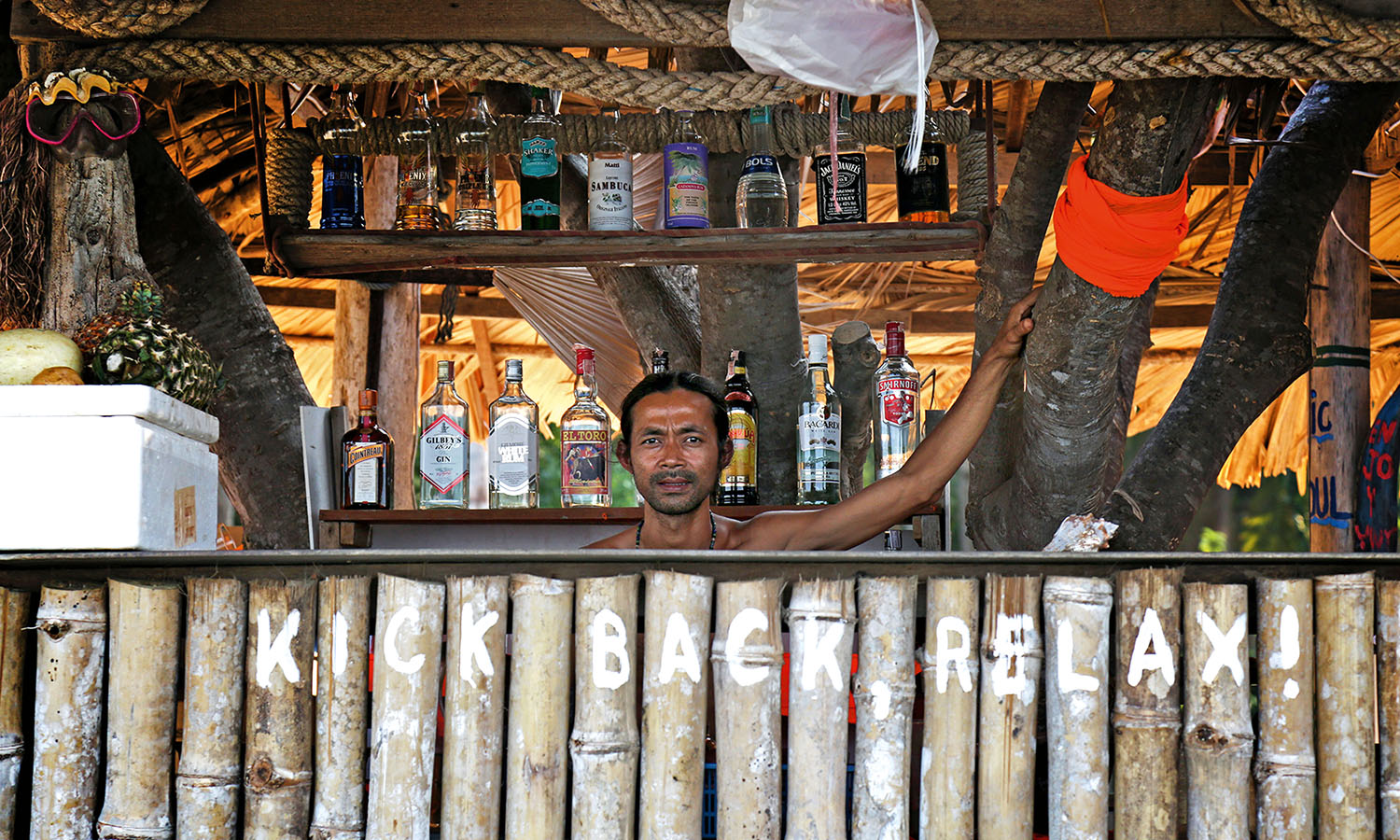
It’s only when the boat drops me at Koh Ngai for the night and the day-trippers head back to the mainland that the islands start to work their magic. I take a walk along the quiet beach in the evening. Resting longtail boats bob in the shallow water. Local men take kayaks out to fish. As the heat and light of the day fade, the sky turns soft pink. A beach bar’s sign reads, “Kick back, relax!” As if you could do anything else.
In the morning, I board a pink speedboat from the beach and race at 30 knots across the ocean to Koh Rok, an island split into two tree-covered sides, with a whole lot of beach on both. “I love this place,” Ekkachai says, smiling. “The water’s so green and so clear.”
We don snorkels on the Koh Rok Noi side of the island and take a leisurely swim over the coral along with fat parrotfish and yellow snapper. Foot-long sea cucumbers rest on the sand far below. The long tentacles of bushy anemones sway on the current.
After lunch onshore at Koh Rok Nok, the other side of the island, I walk the length of the beach. It, too, is popular with Songkran day-trippers, but, with its white sand and warm ocean, it is impossible not to like anyway.
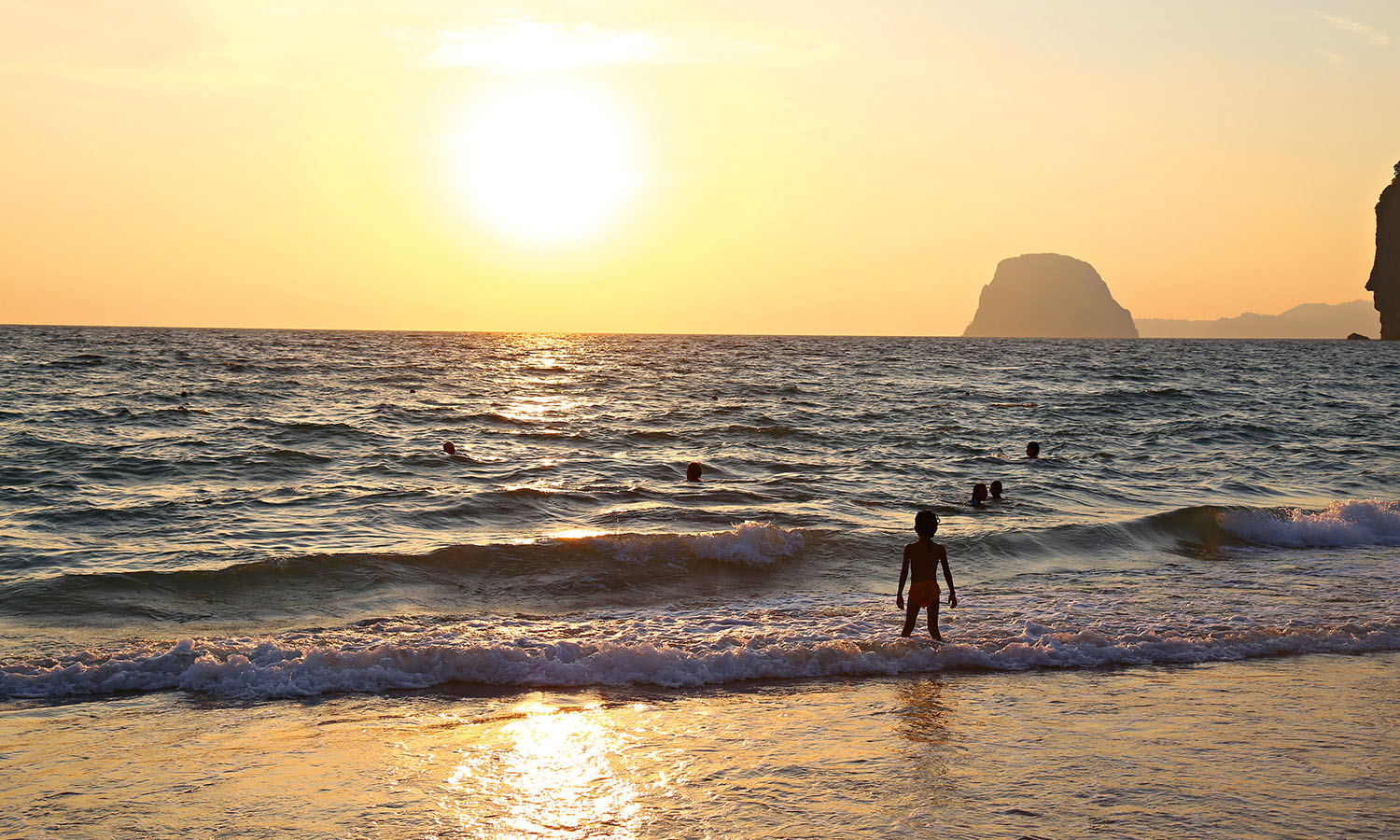
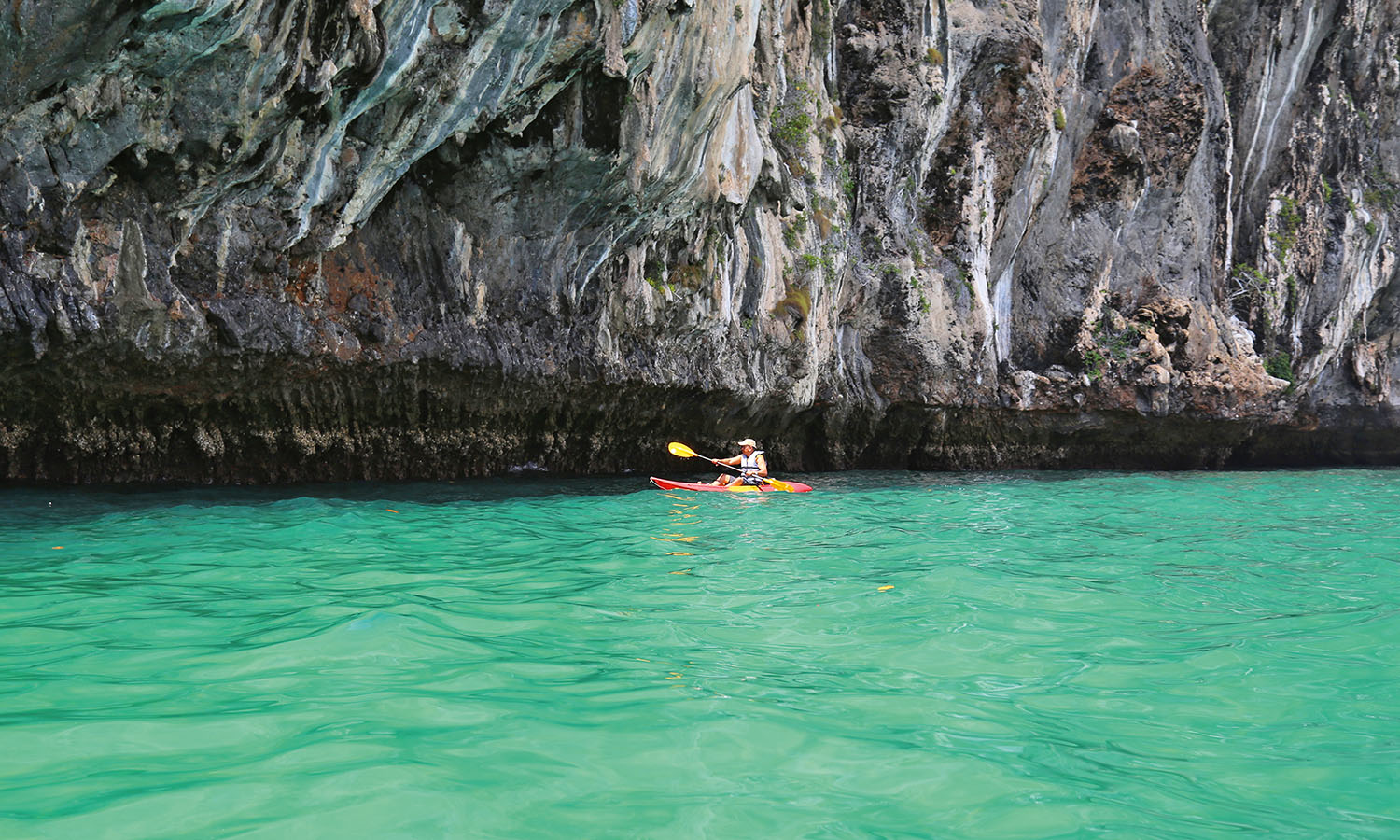
Days here begin to take on a rhythm. Each morning we head out to explore, coming back in the evening to gather with locals and the few other tourists to watch colourful, calming Trang sunsets. A longtail ‘taxi’ takes me across the silvery water to Koh Mook, where I’m met by guide Taord Bangjak, nicknamed Ood. We ride a motorbike taxi across the little island to Farang Beach, pick up a pair of kayaks and head straight out on the open choppy water. “Yesterday we had very big waves: boom, boom, boom,” says Ood. “Today is better.”
Waves bash against barnacle-encrusted rocks as we paddle along the island. We pass the entrance to the Emerald Cave and, further along, empty Sabai Beach. Sun beats down on the island’s limestone crags and forests. Ood seems to know all the local boatmen, stopping often to chew the fat and ‘borrow’ cigarettes.
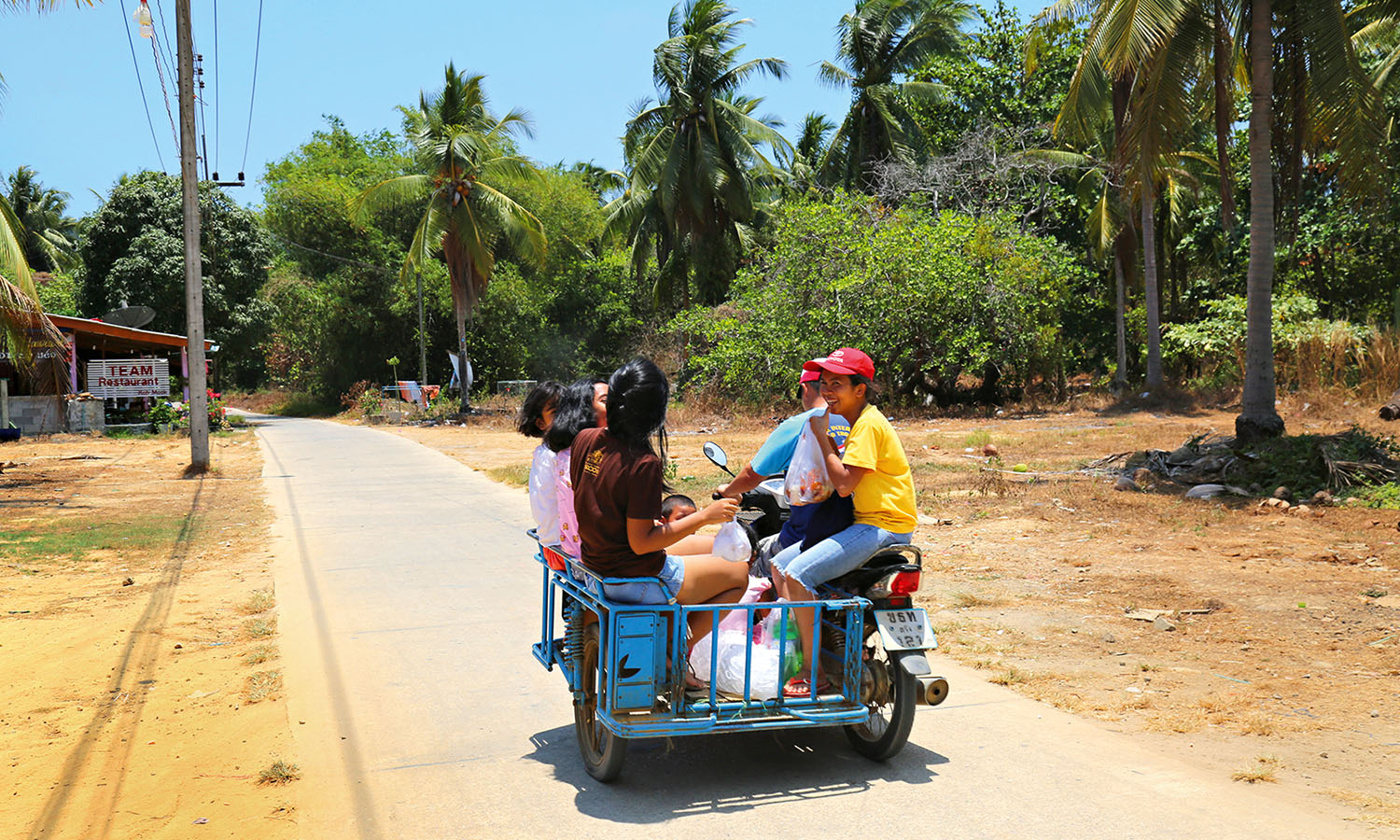
After two hours of paddling, we reach Koh Mook pier and stop for lunch in the little village, which is busy with locals running errands on motorbikes. The women and girls wear headscarves, and the men are in white taqiyah (prayer hats). As we tuck into spicy prawn curry and rice, one of the daily calls to prayer sounds out.
The next day I get a longtail with Yad to Koh Kradan. In the afternoon this is a popular snorkelling spot, but in the morning there are no other boats to be seen. This is no-frills diving; we’ve got a couple of tanks each and just roll into the water, warm enough for a short wetsuit, off the side of the longtail. Long rope-like sea plumes rise up from the ocean floor. We swim over vase corals and fans, startling a stingray that zooms off along the sandy ocean floor. As well as the pesky remora, the water is teeming with colourful residents – there are bannerfish, parrotfish, pufferfish and thousands of small silver fish that look like drops from a heavy rain shower. Yad points out a big stonefish camouflaged against the coral.
Afterwards, we motor across to Hin Nok, the calm ocean mirroring the pale blue of the cloudless sky. Seabirds bob up and down on fishermen’s buoys. Now and then, we pass a longtail boat, but there’s no tourist traffic out here.
We put in the anchor at a cluster of black rocks poking just above the ocean surface, the summit of a coral bommie. Fishermen with multiple rods each sit in a boat nearby, a good sign there’s plenty of fish below. Under the water, a pair of moray eels stares at us from a crack in the coral. I see two big pufferfish and big schools of bannerfish and clownfish (this is definitely the place to find Nemo). Yad points to a large squid hovering in the water – it seems a shame to make fried food from such an elegant creature.
There are no sharks, or any mantas, turtles, octopuses or the other big stuff divers like to tick off. Instead, underwater exploration here is, like the islands, gentle and laid back. There are no other divers at either site – not something you could often say of Koh Tao or many other Thai islands. There’s just a whole lot of fish. The numbers are incredible. Seemingly never-ending shoals of thousands of yellow snapper move along the coral.
It’s mesmerising to watch. And maybe it’s my imagination, but it seems in these waters, where divers are a rarity, the fish are less shy than usual and happy to swim closer. A pair of pufferfish, for example, comes within a metre, almost eyeballing me. “Krabi and Koh Phi Phi, Koh Tao… Places like that are much busier,” Yad agrees, back on the boat. “This is normal here. Very quiet.”
Yad drops me at a small resort of beachfront bungalows on Koh Libong, Trang’s biggest island, where I spend an afternoon reading before joining other travellers and local families on the beach to watch the sun go down over the ocean.
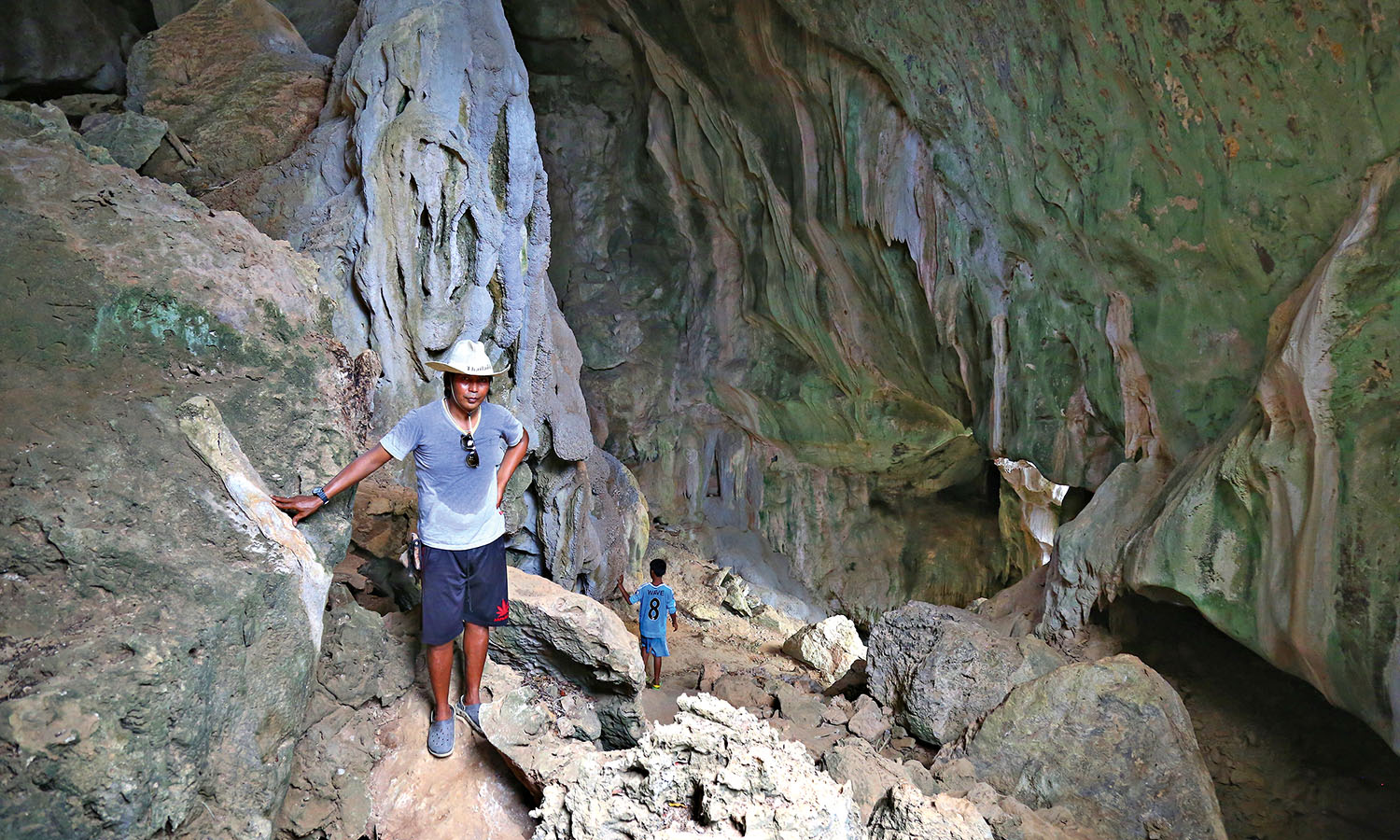
The following morning we hire a couple of motorbikes and set off around Libong, turning off the main road onto a dirt track, following signs for Point Dugong. It’s quite an adventure to get to the top of White Rock (or Batu Puteh). First we hike along a forest trail then through a cave system where the rock walls have turned green with moss, before climbing stairs and ladders up rocky cliffs. “Be very careful. This part is dangerous,” Yad warns me, pointing to the jagged volcanic rock we clamber over on the final section before reaching the wooden viewing platform, 150 metres above the ocean.
From up here, we have a wide view of the sea, the forests covering the island, the pier at Ban Na village jutting into the water, and the surrounding islands like Koh Lao Liang and Koh Petra.
We scour the surface below us. From up here, a lot of dark shapes and shadows on the water seem as though they could be dugongs. “We’re looking for a brown colour, like this,” says Yad, patting the wood of the platform.
The waters of Thailand’s west coast, especially those around the Trang Islands, are one of the best areas in the world to see endangered dugongs. Here, the seagrass on which they feed is plentiful. “There are about 100 dugongs around Libong and the Trang Islands,” Yad says.
Swifts flutter and swoop around the limestone cliffs as we wait patiently at the lookout for about half an hour with no luck. It’s only a minor disappointment; the fun climb and the outstanding view make it time well spent. And like so many parts of Trang, we have the place to ourselves.
We hike down and, unexpectedly, from a ledge at one of the cave openings, Yad spots a dugong far below. From up here, it’s just a brown speck – not exactly the world’s greatest wildlife experience, but a sighting nonetheless.
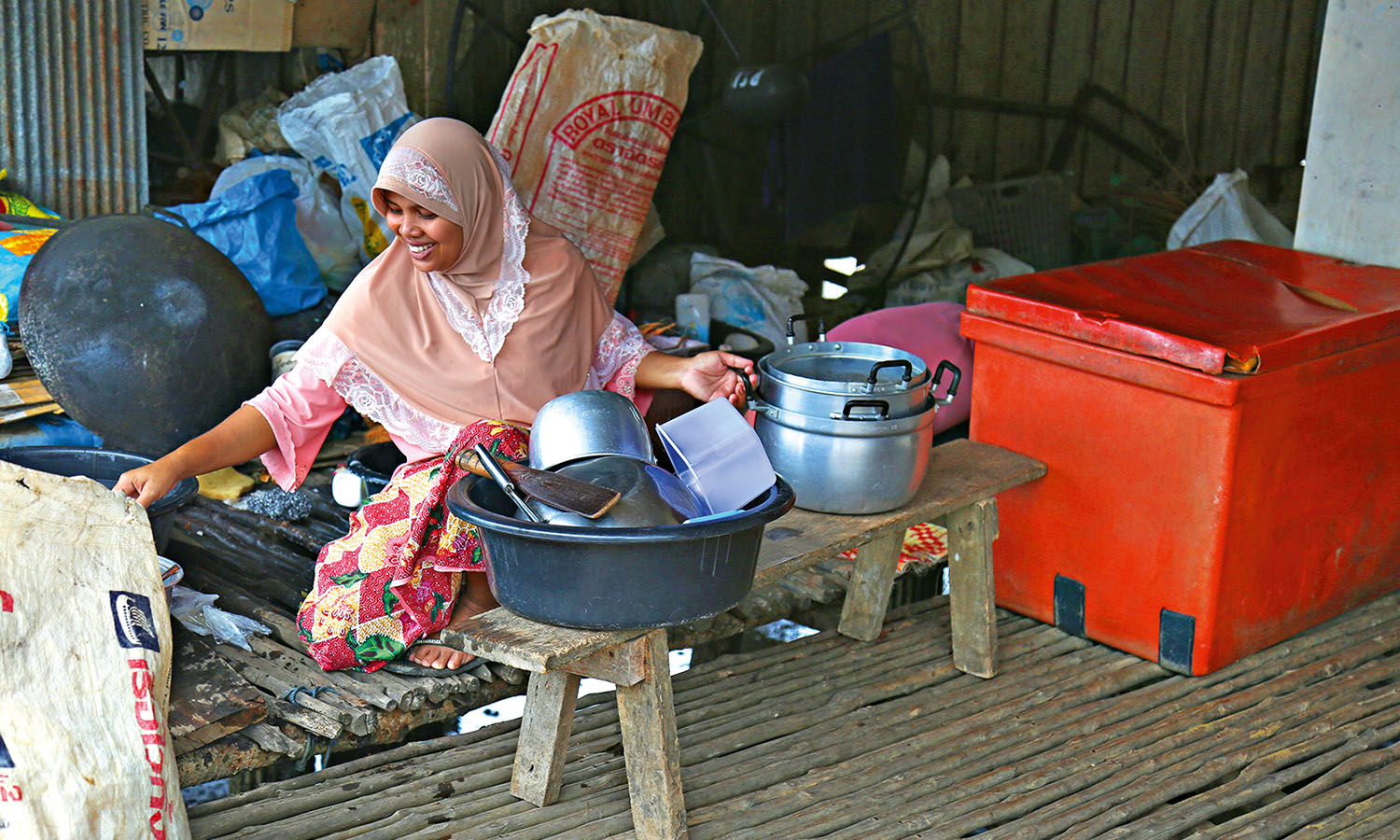
Yad shows me around the rest of the island, riding into the village, with its stilted houses close to the waterfront and local mosque. At the pier, women in headscarves sit shelling tubs of crabs. A thin trail leads through the forest to a ‘secret’ beach. There are a handful of fishing boats out on the water, but the sand itself? Deserted.
The call to prayer goes out in the evening. There’s usually a small gathering of tourists and locals on the beach for sunset, but tonight it’s almost empty. With a nearly full moon out above me, the sky turns pink and red. It’s hard to think of another Thai island I’ve seen this quiet. Tomorrow, I’ll catch a longtail back to the mainland, but I’m going to miss these little islands, where life’s as simple as a cold beer, a good fish curry and the sound of waves breaking softly on the beach. Just like Thailand in the old days.
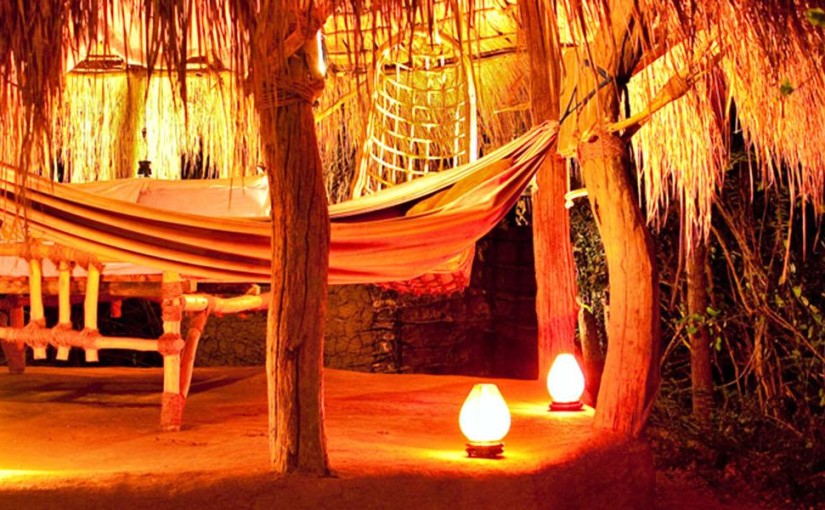
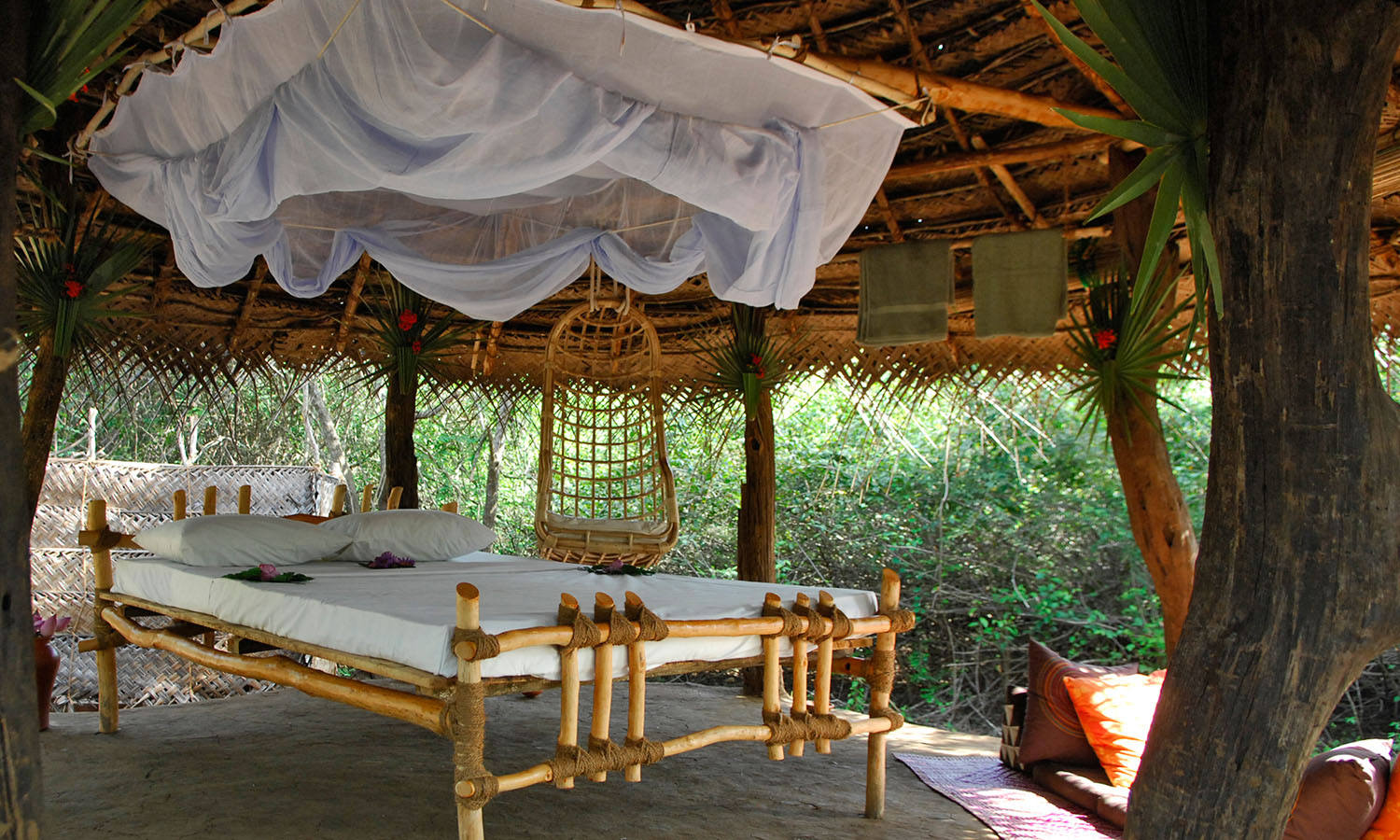
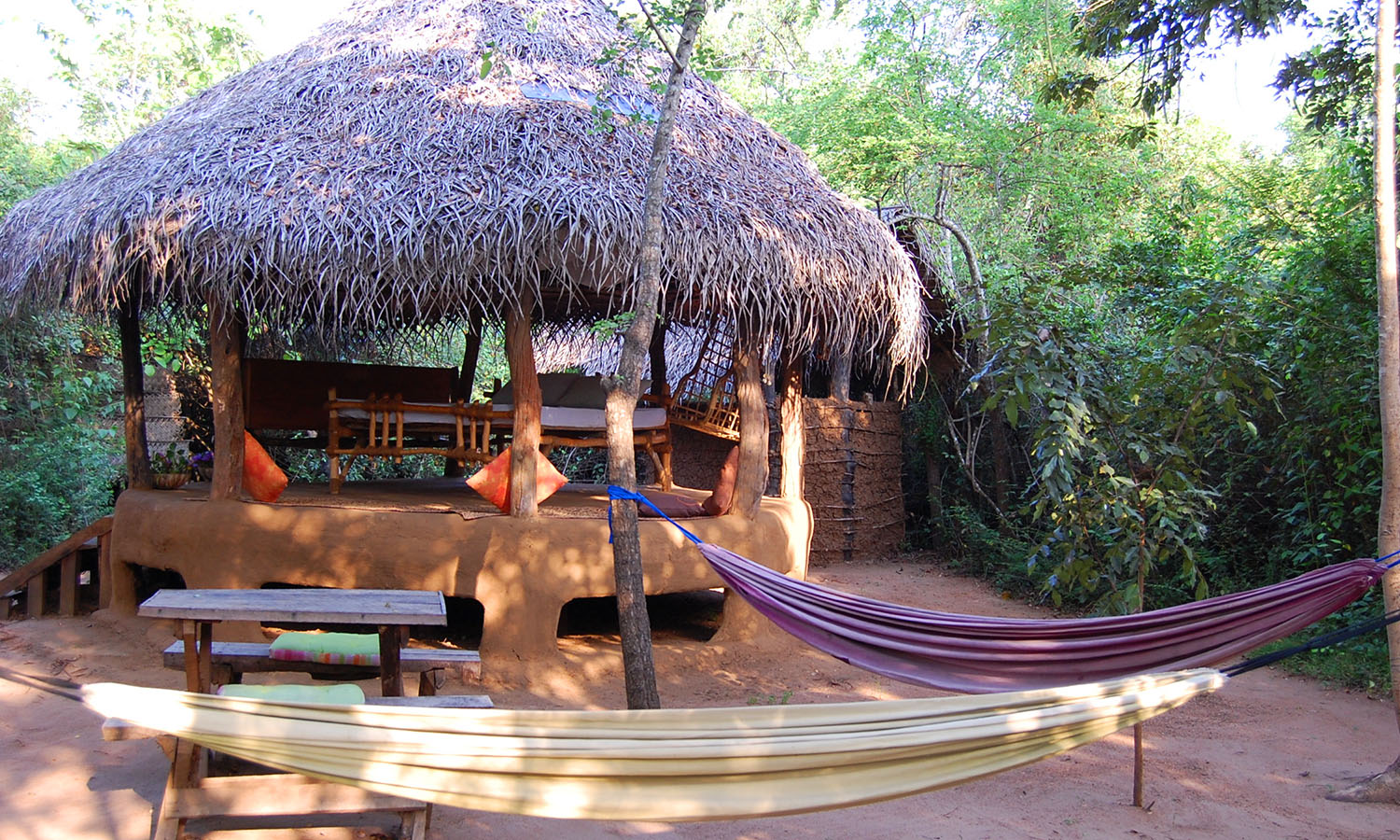
You may be sleeping in a hut made from mud, but the Mudhouse isn’t your typical back-to-basics getaway. Instead this retreat has clusters of beautifully designed huts spread throughout 25 hectares of forest.
The traditional open-sided village huts and treehouses open to the wild surroundings, and all have outdoor showers and indoor bathrooms. Days here are best spent swimming in the lake, cycling, practicing yoga sequences and watching for giant squirrels, wild boar and butterflies. Dinners are a romantic, candlelit affair, as most of the electricity is solar power.
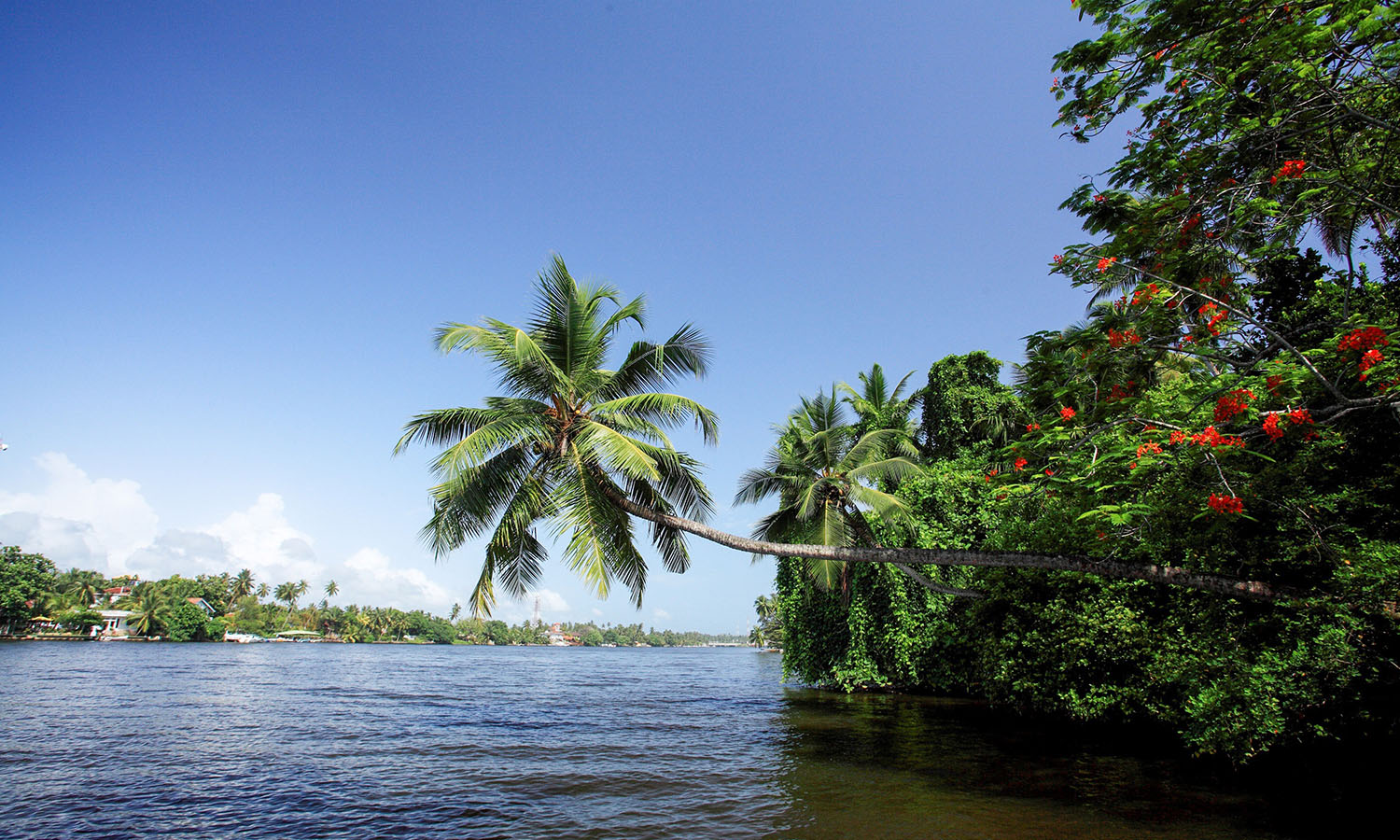
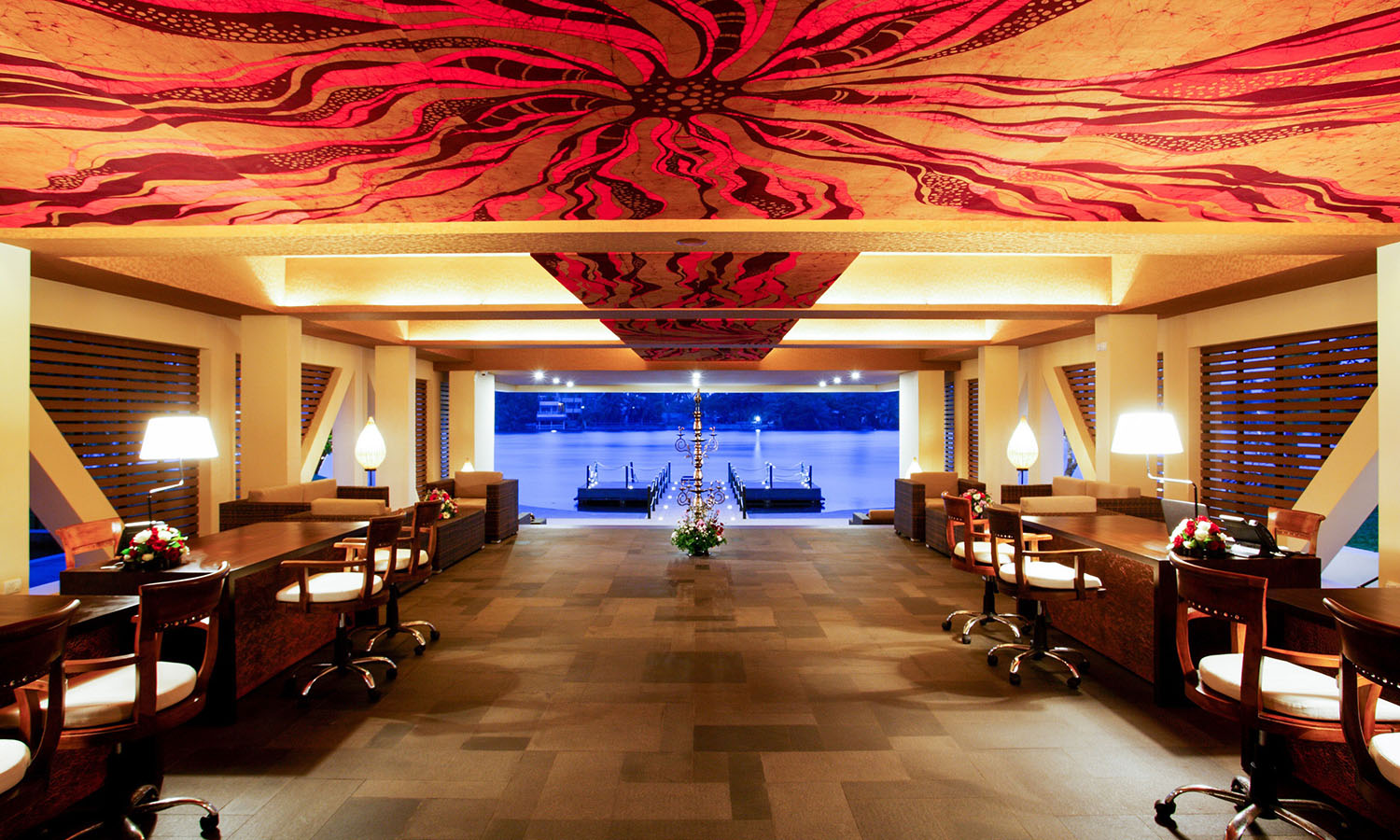
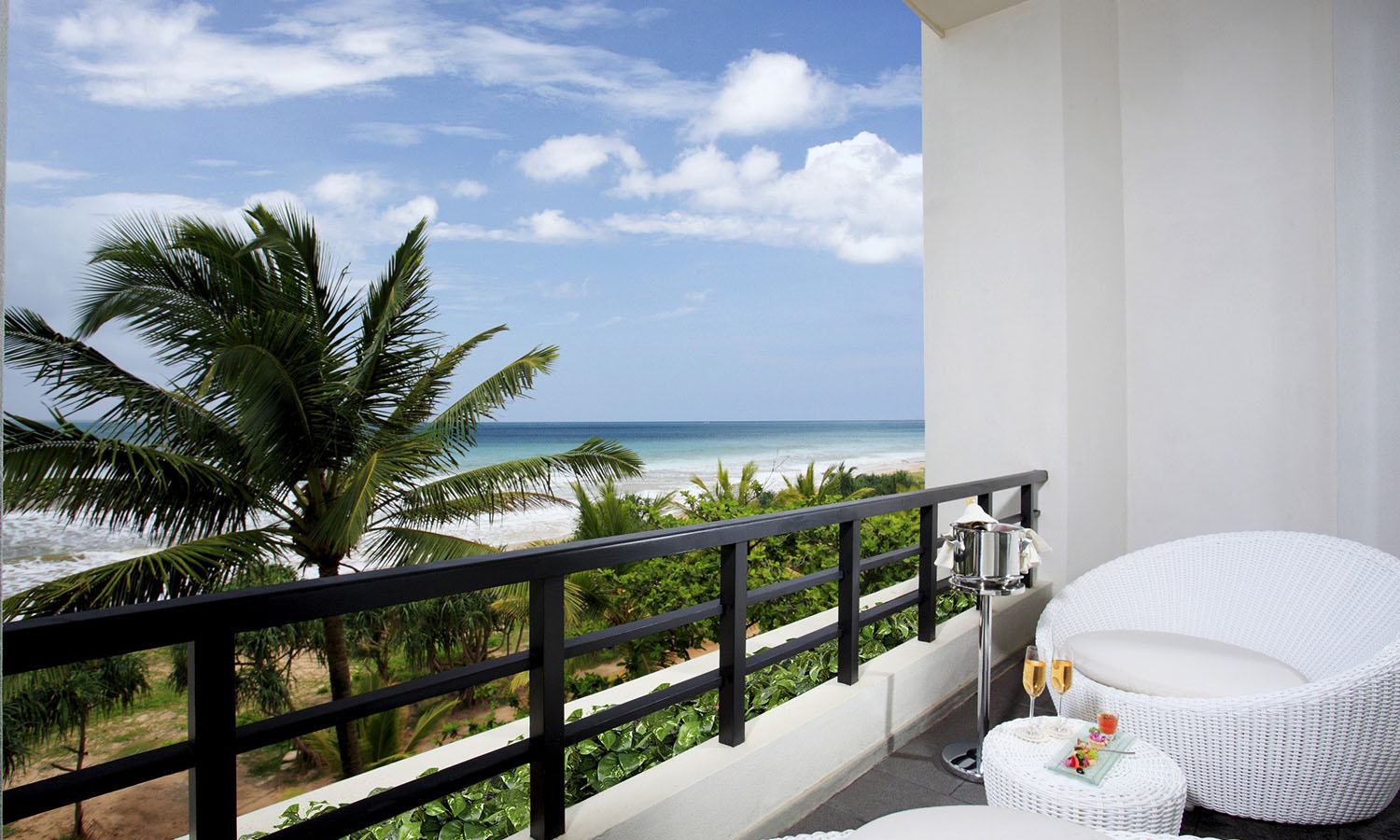
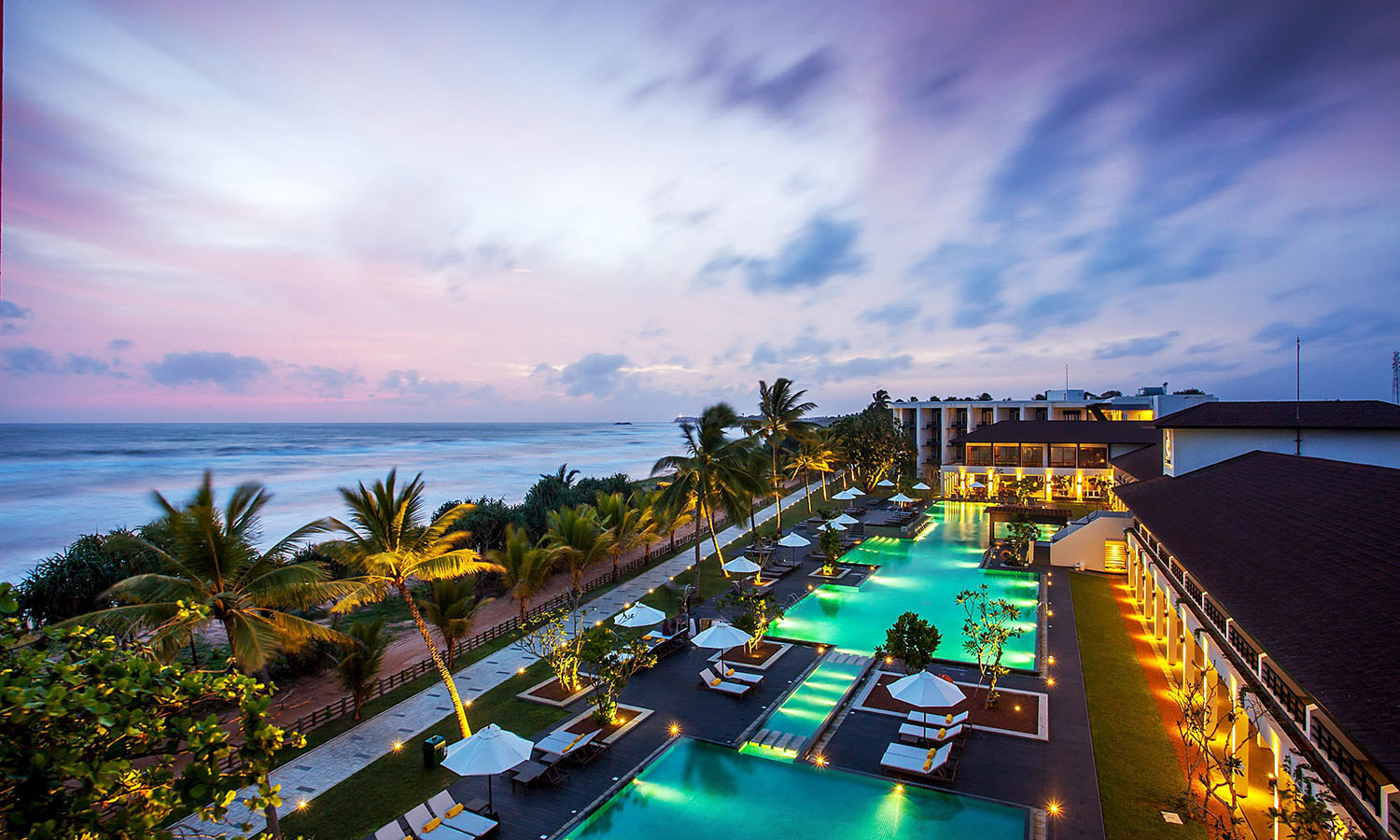
Once in the hands of the Dutch, the British and the Portuguese, it’s not hard to see why Sri Lanka’s beautiful south-western coast entranced so many early explorers. And boasting both a lagoon and prime Indian Ocean beachfront, Bentota is quite possibly the pick of the coastal bunch. Throw in a swim-up pool bar at Centara Ceysands Resort & Spa and water babies may never want to leave town.
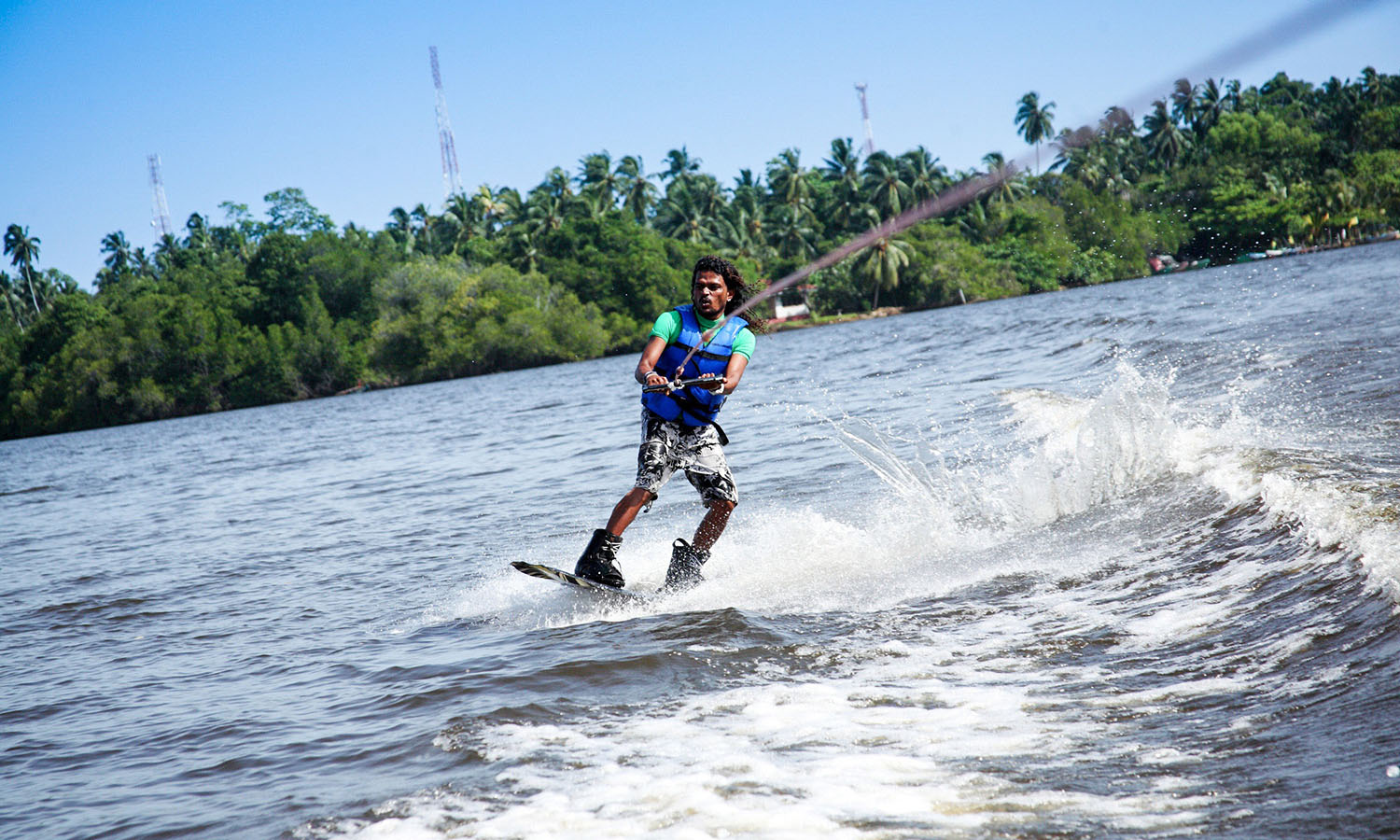
Watch small boats ply the calm waters of the lagoon, and the waves crash onto the golden shoreline from the seclusion of your suite’s balcony at the Centara Ceysands. If lounging by the ocean becomes too pedestrian then you can always get out onto the water instead. At the nearby town of Mirissa jump on a boat and watch blue whales breaching the deep blue. Or if you’re not in town at the right time (November to April is the season) then explore UNESCO-listed Galle Fort or wildlife-rich Yala National Park instead. And once you’ve exhausted the bounty of local jaunts there should still be plenty of time to settle in for an Indian head massage at the hotel’s resident spa.
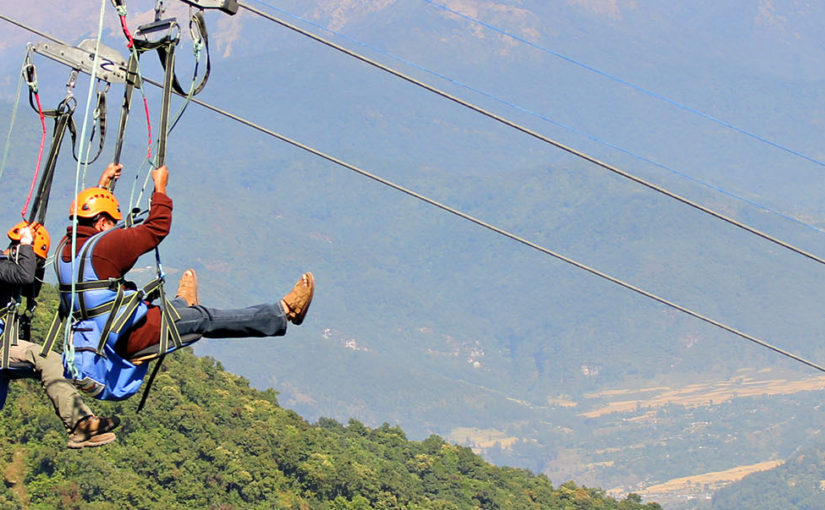
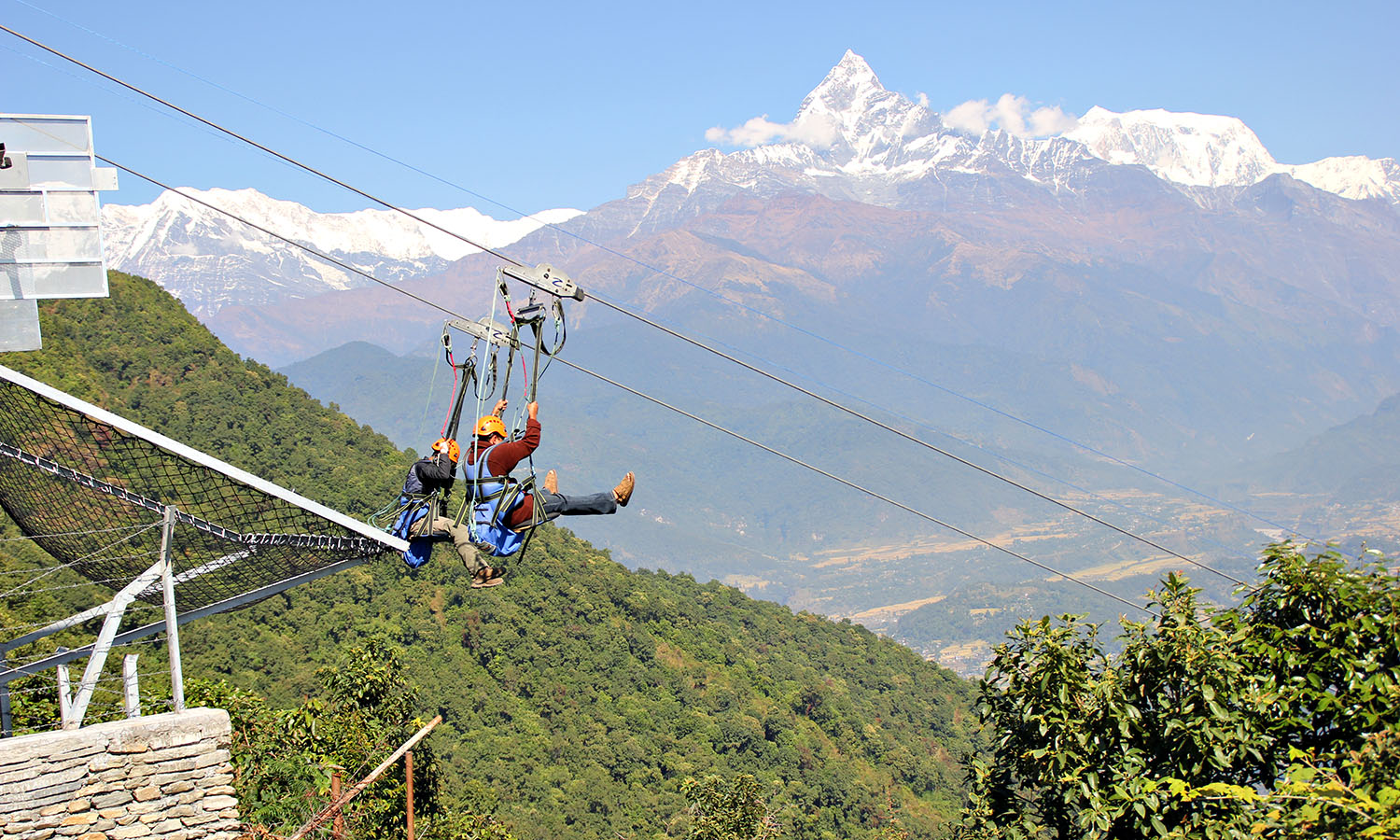
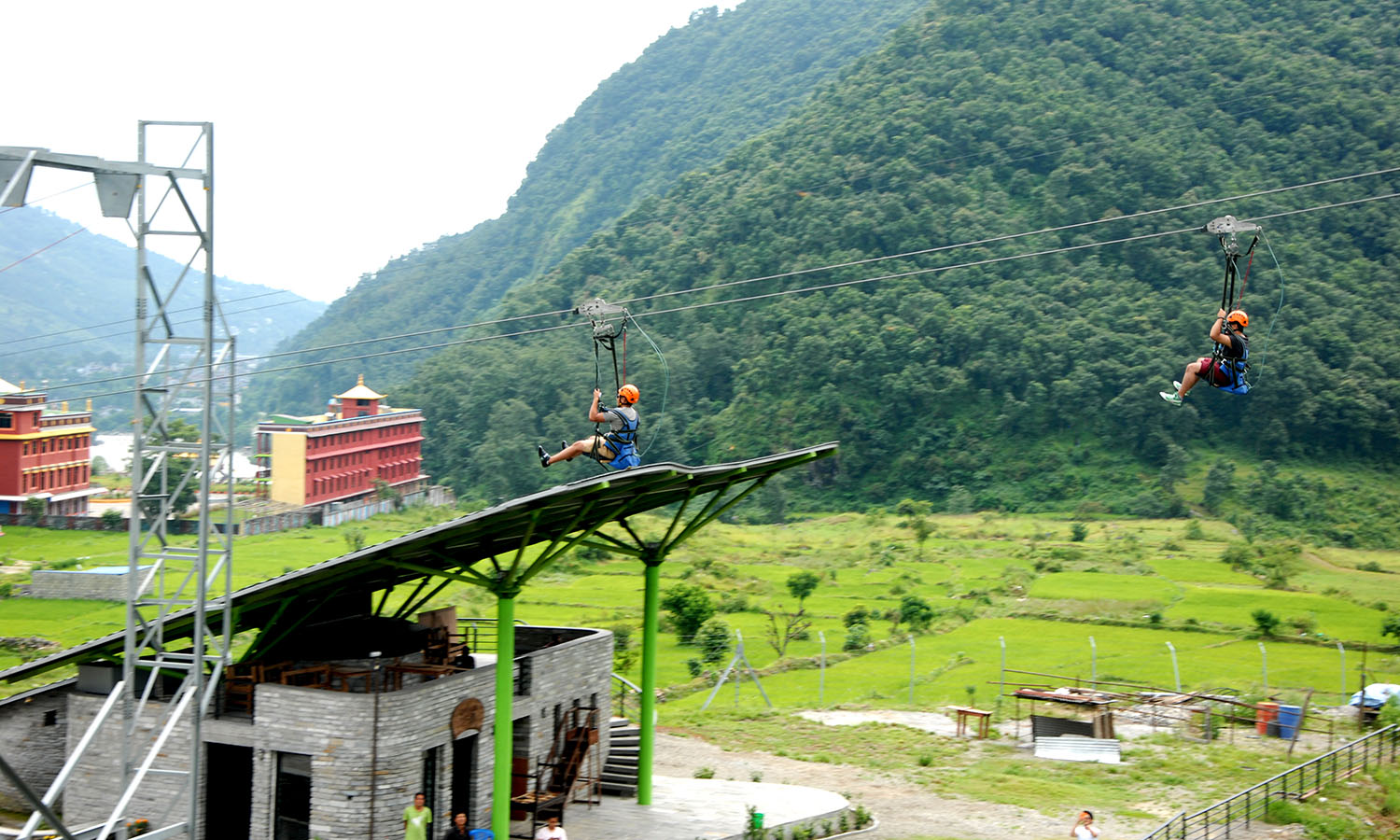
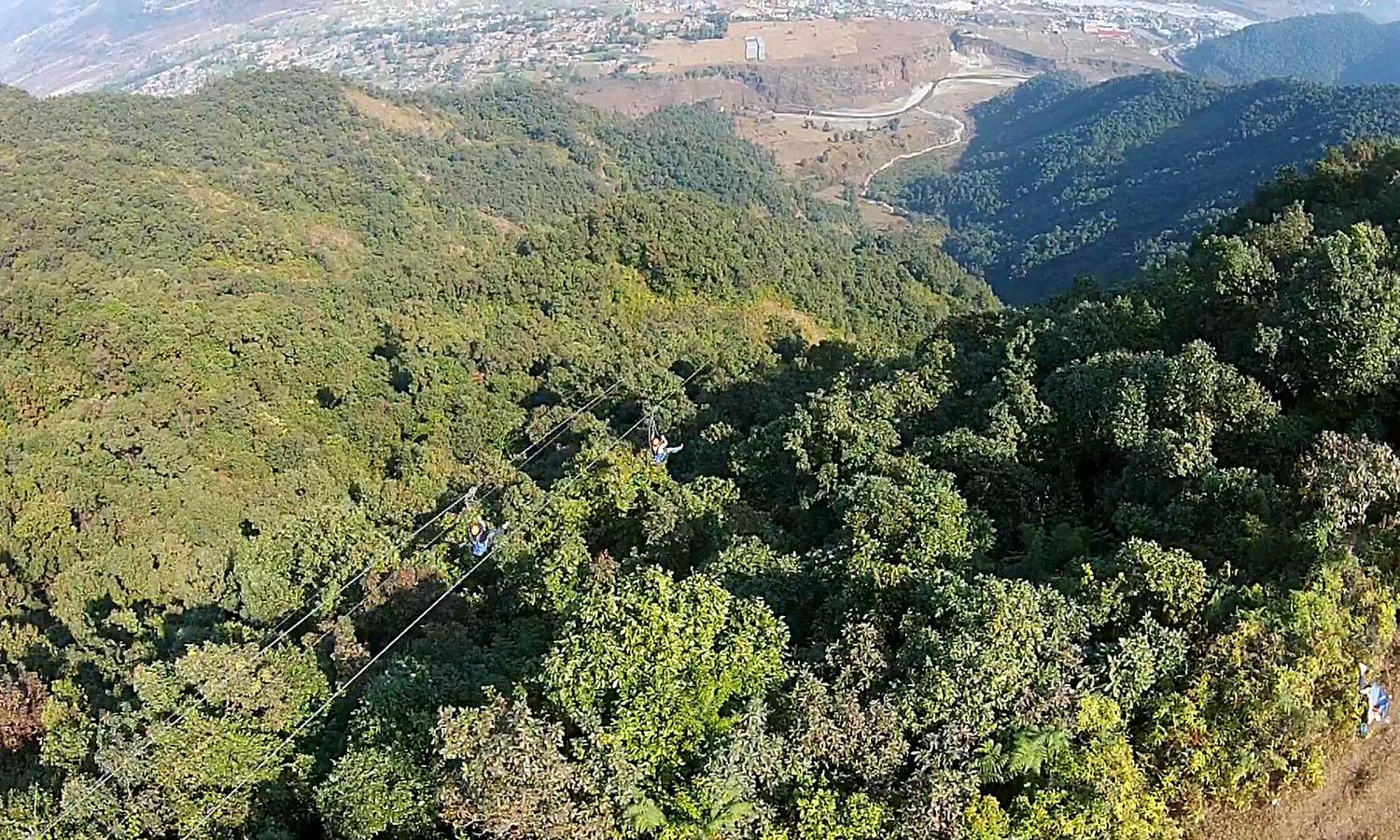
If you’re after a high-altitude experience without the knee-crunching descent of a mountain trek, the Zipflyer is your ticket to the clouds. Located on a hilltop in Sarangkot, this 1.8-kilometre aerial runway drops 600 metres and reaches speeds of up to 120 kilometres an hour. The ride is touted as one of the longest, steepest and fastest lines in the world, but it’s the unparalleled views of Machapuchare (aka Fish Tail) and the Annapurnas that will leave you breathless. It’s a bumpy drive to the launch platform, but that’s soon forgotten as you buckle in and the countdown begins. Embrace gravity’s inescapable tug as you hurtle through the air, feeling awe wash over you as you behold the spectacular panorama of leafy valleys and snow-capped vistas ahead, no trekking boots required.
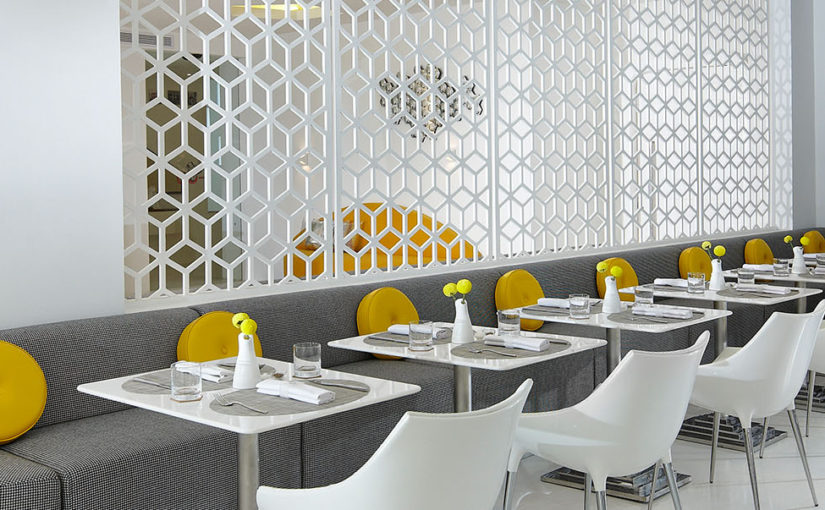
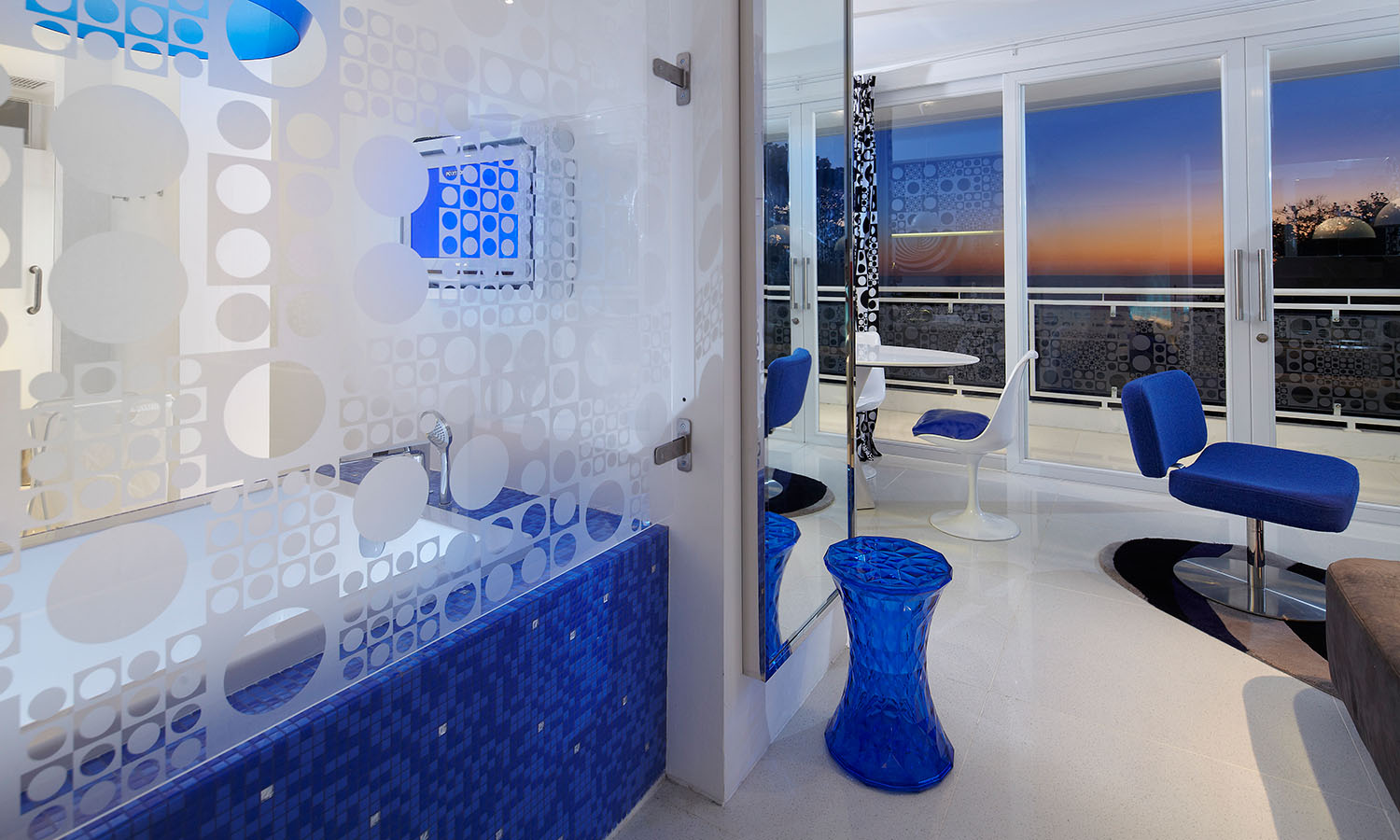
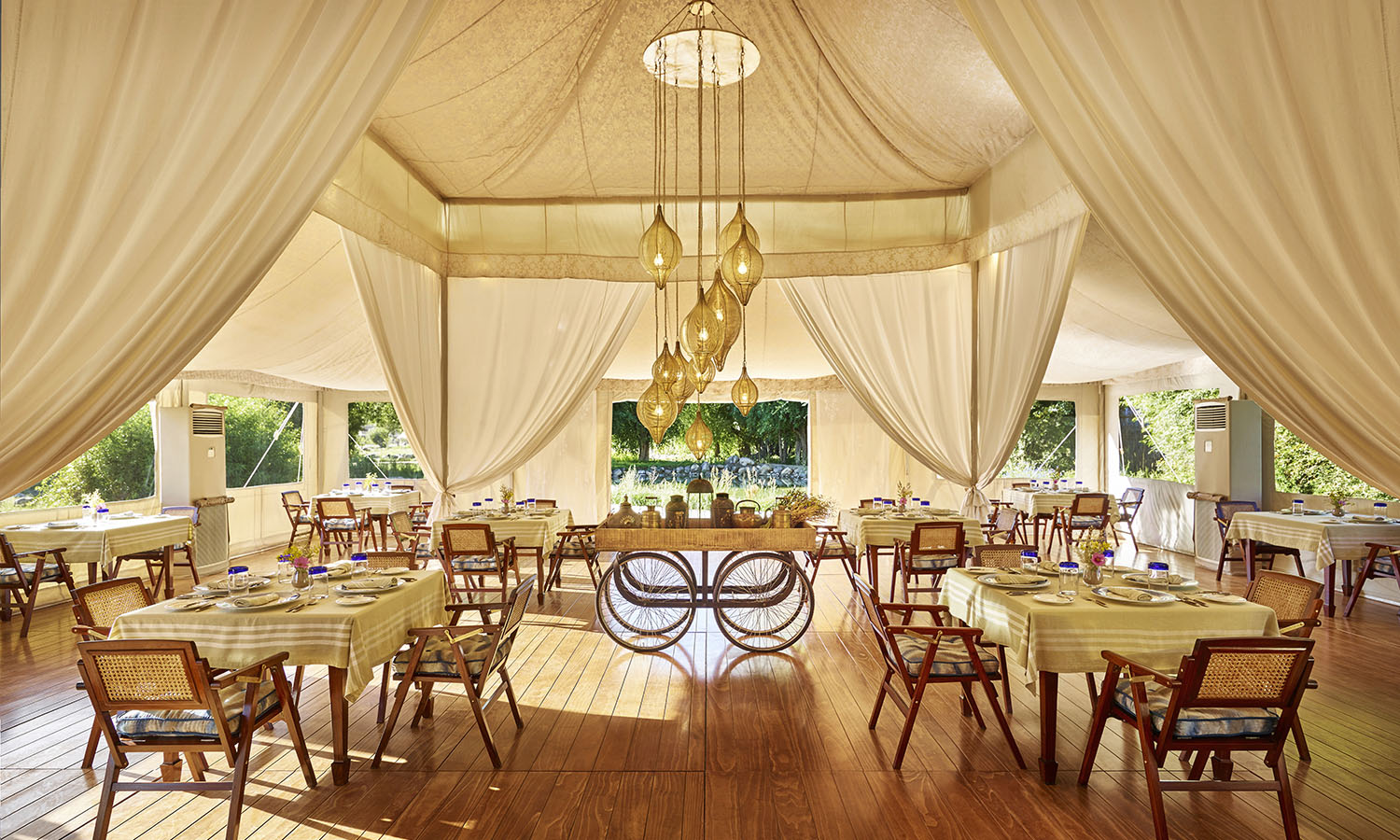
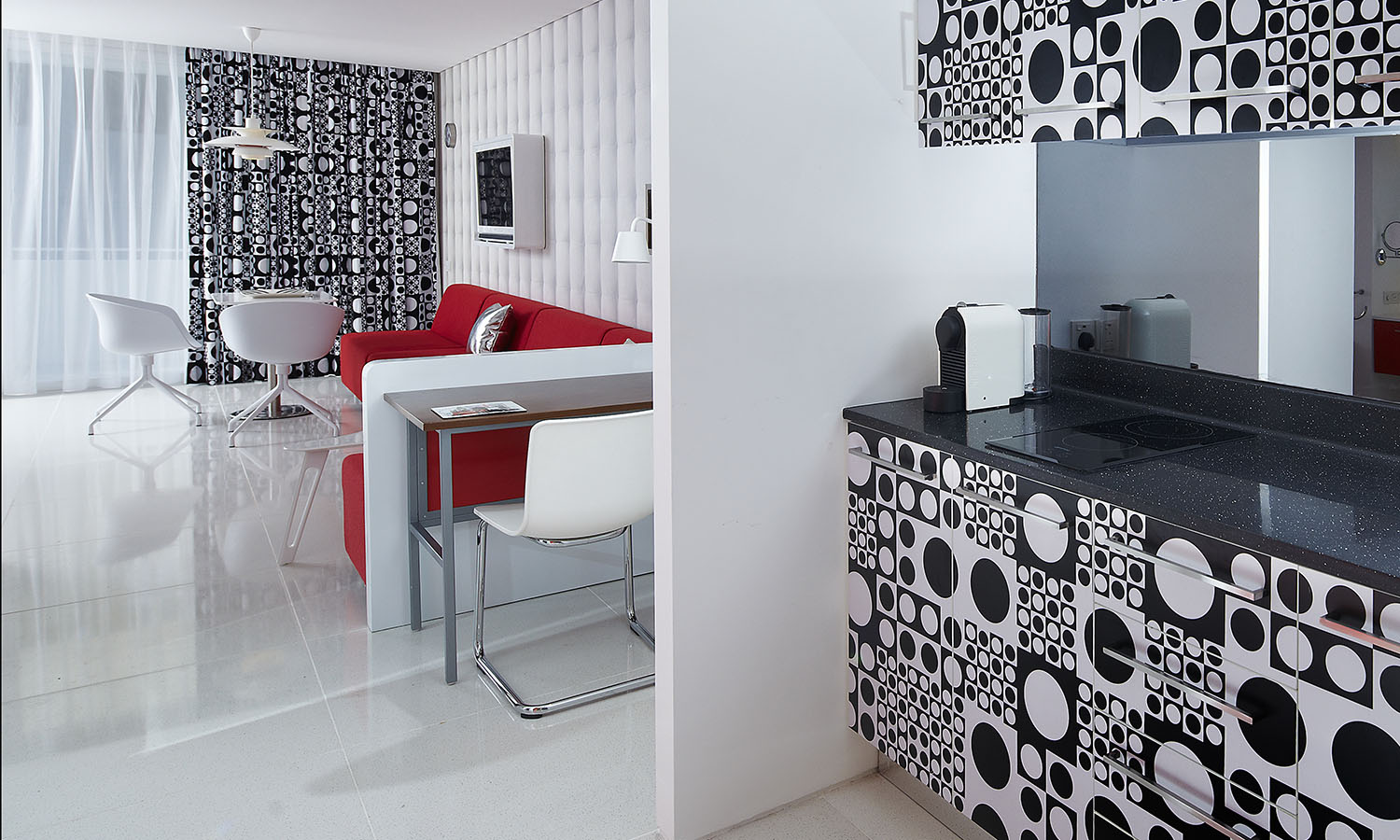
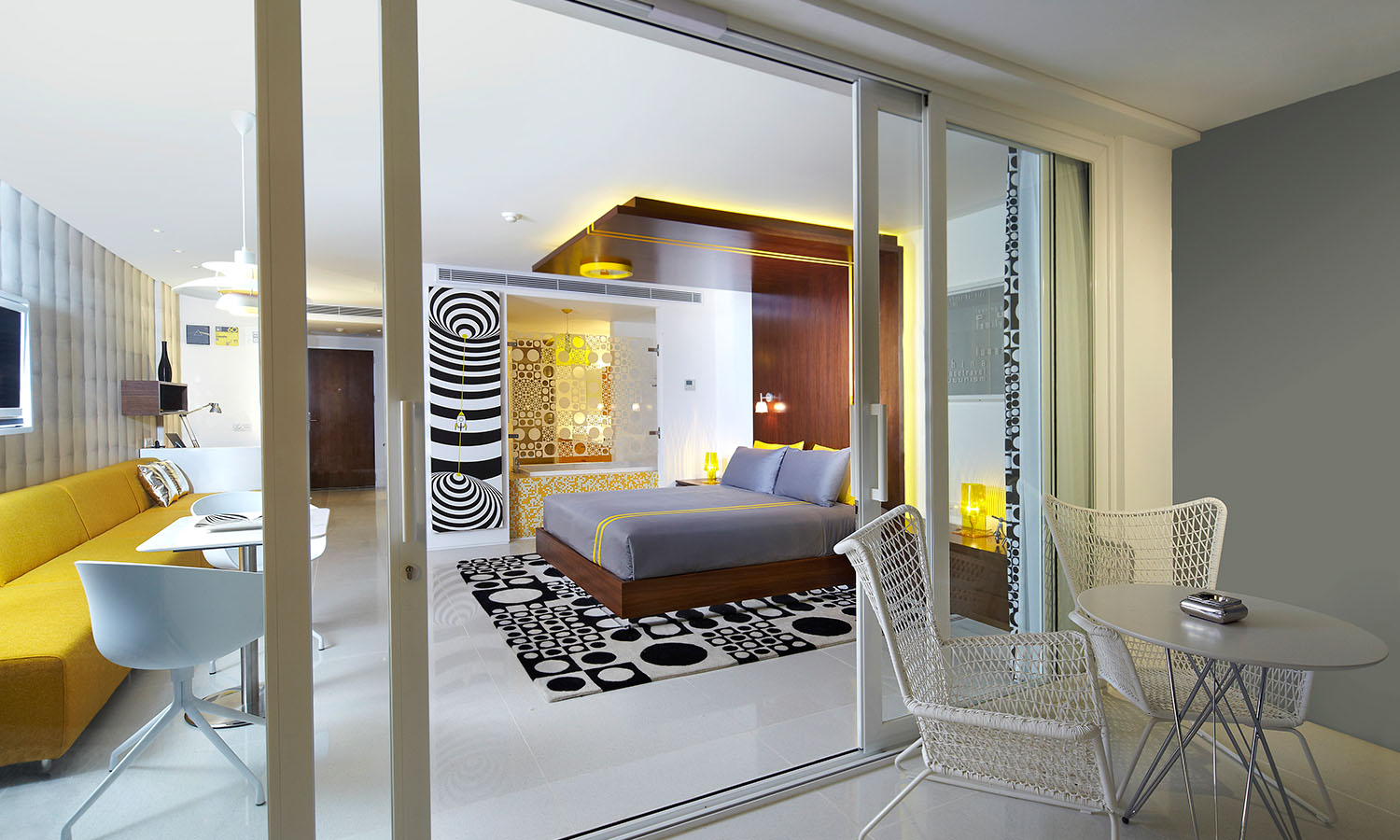
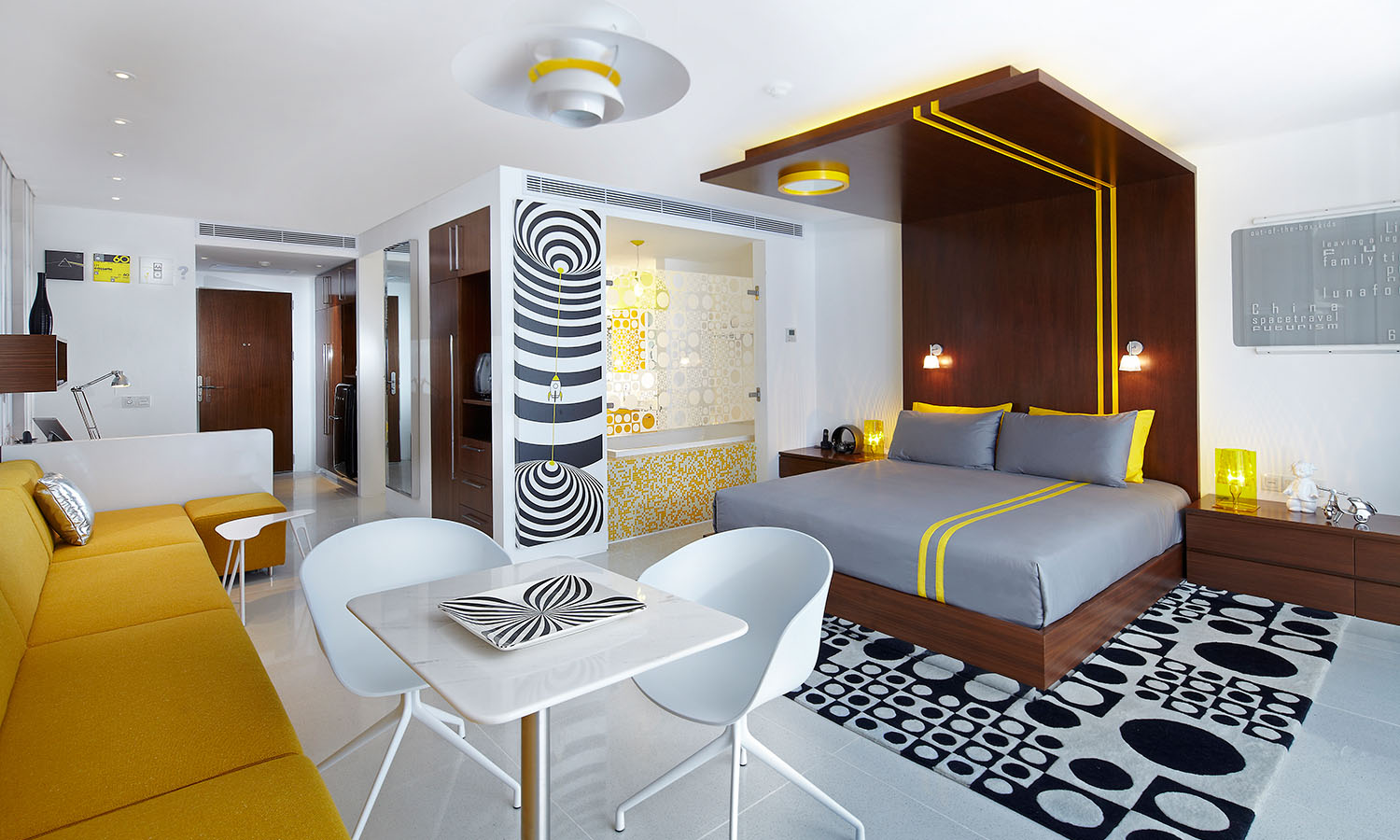
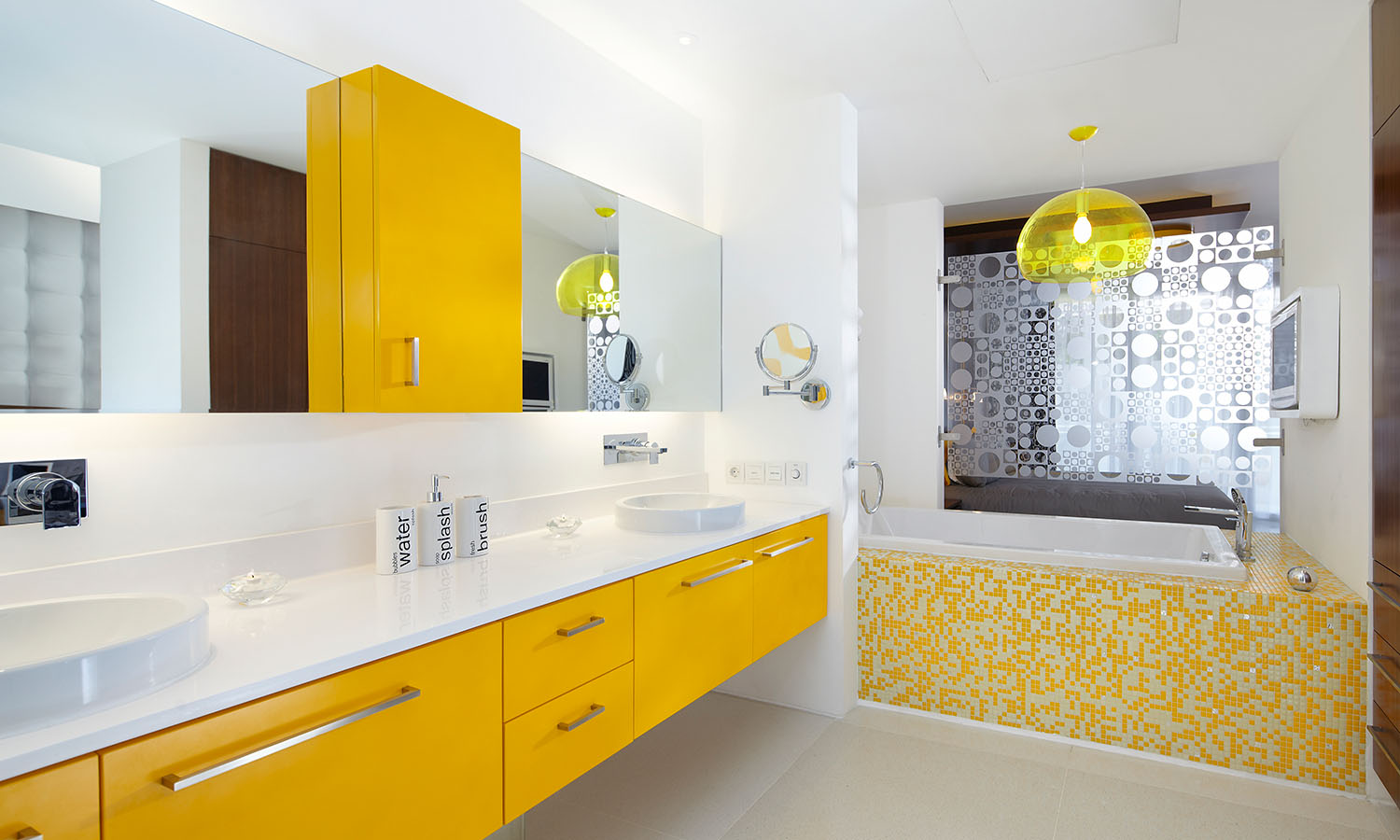
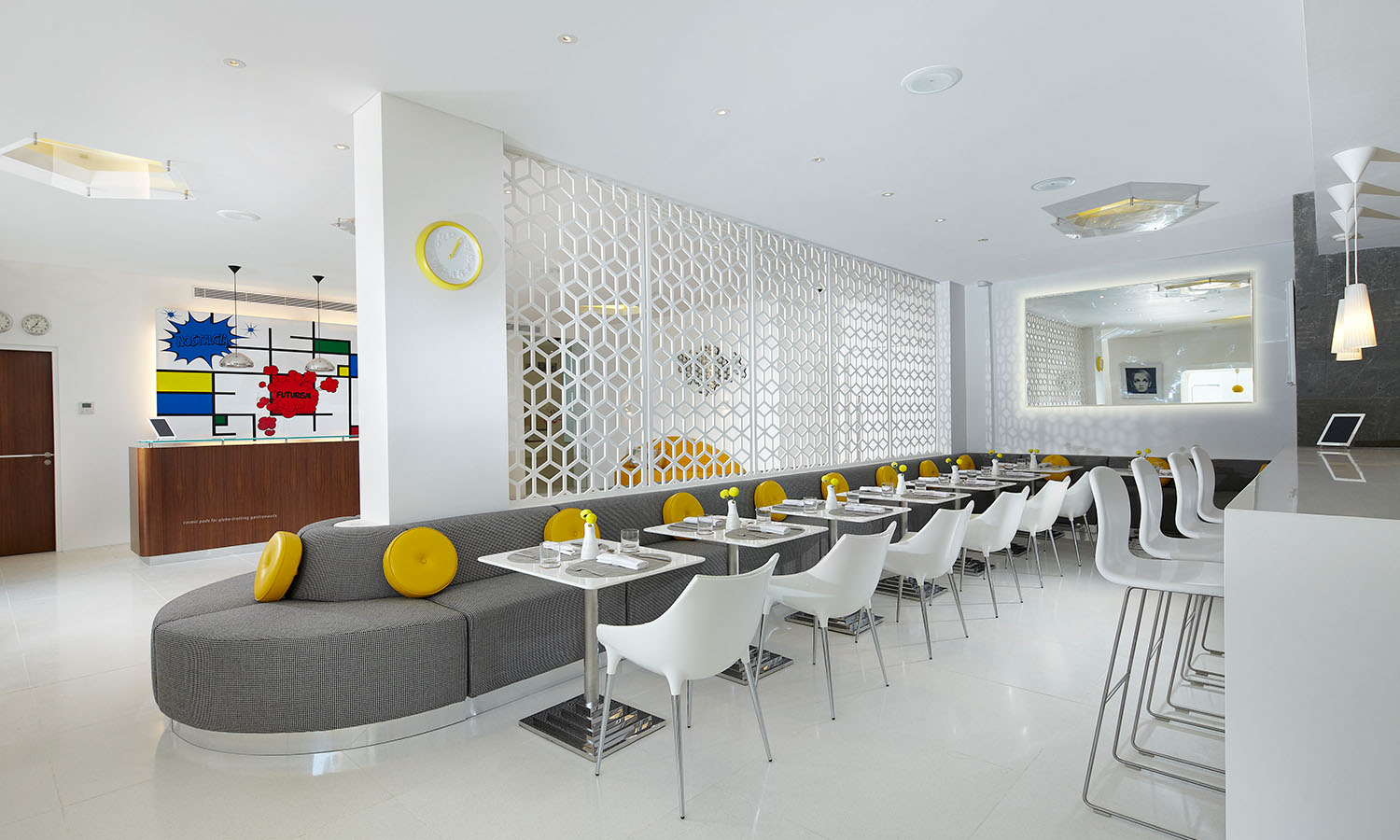
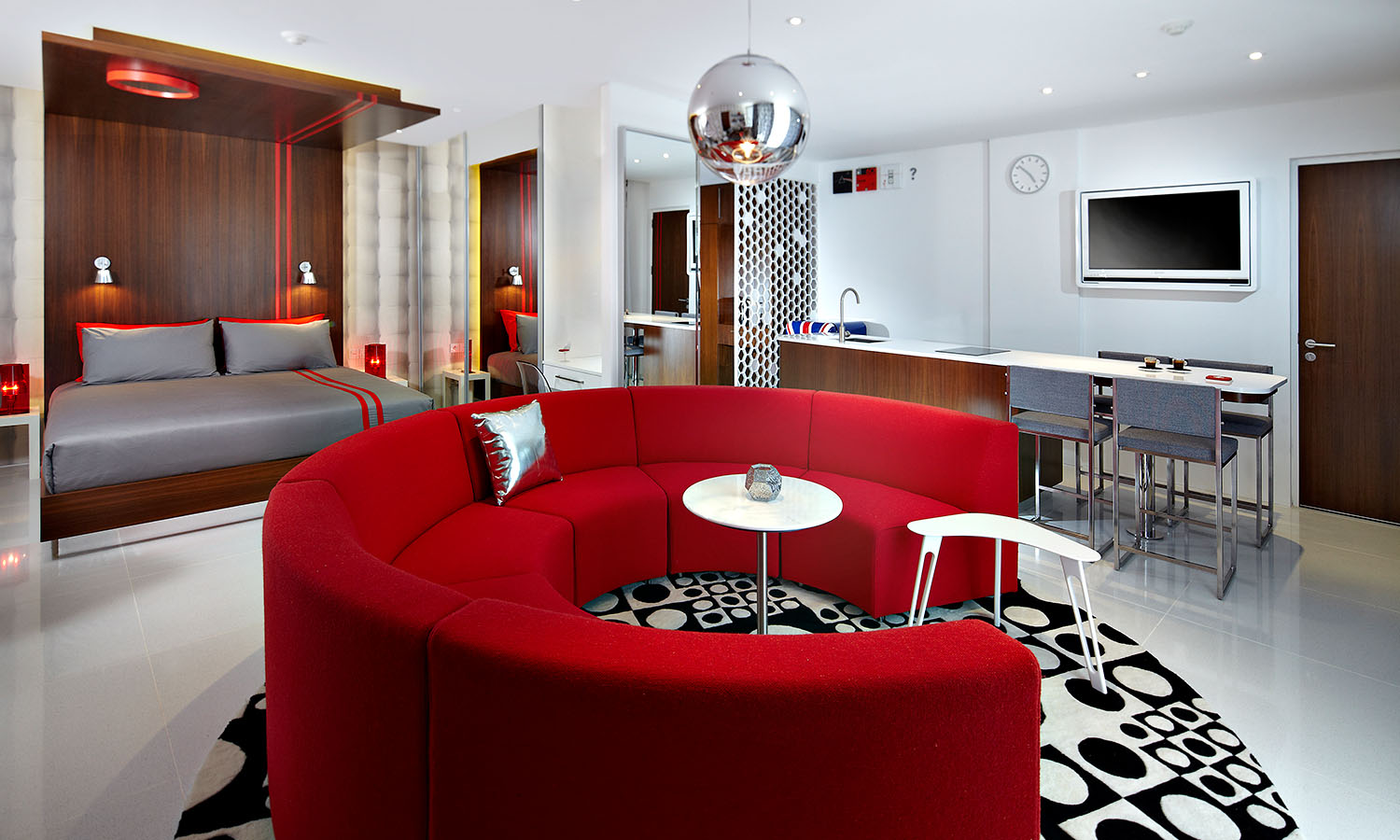
This isn’t really what you expect from a Balinese resort. At Luna2, designer and owner Melanie Hall has given 14 studio apartments more than a dash of pop-art creativity. Each is themed by colour and decked out with groovy art, modernist furniture and eye-popping accessories – think geometric rugs, Philippe Starck chairs and a maxi-bar stocked with Chupa Chups and champagne.
The studios are situated just 50 metres from the beach at Seminyak, but there’s a pool and spa for close-to-home dipping. In fact, the site is so pimped – top-notch food at Orbit restaurant, pumping tunes at the underground Pop! lounge, drinks with a view at the Space rooftop bar, and movies every day at Lunaplex cinema – you may be tempted not to leave at all. But you have to, and some point. And when you do feel up to emerging, give yourself a dose of nature in Bali’s mountains while staying at Sang Giri Mountain Tent Resort.
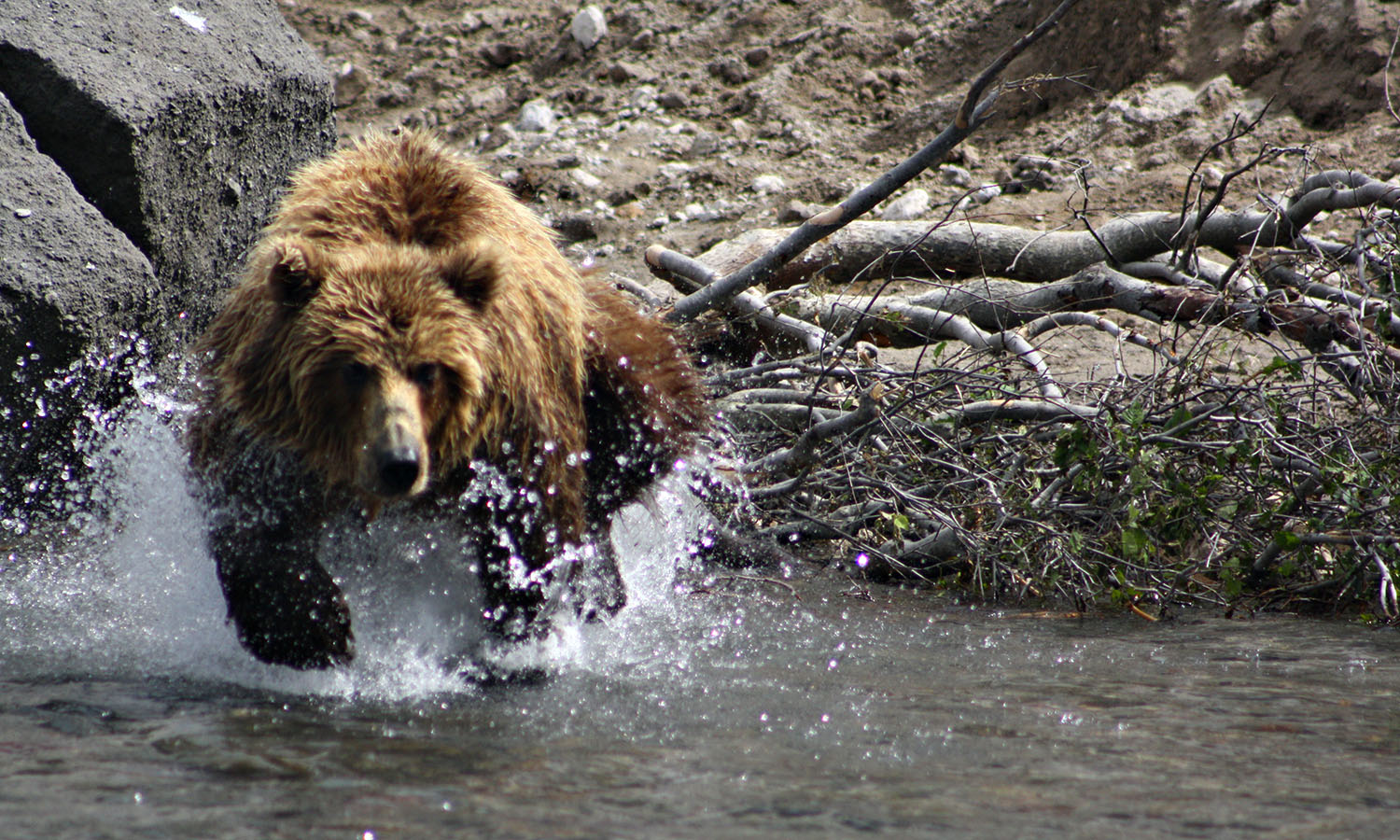
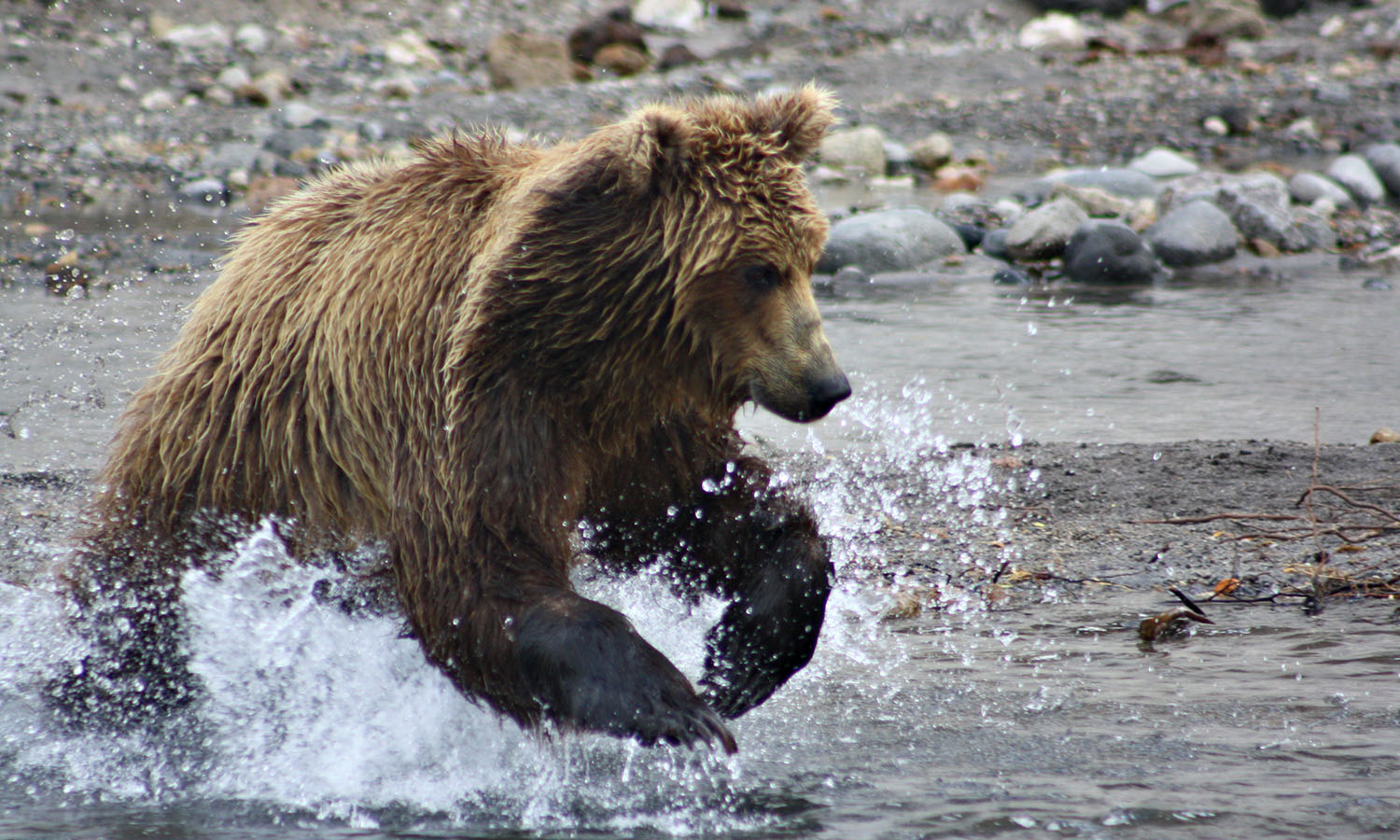
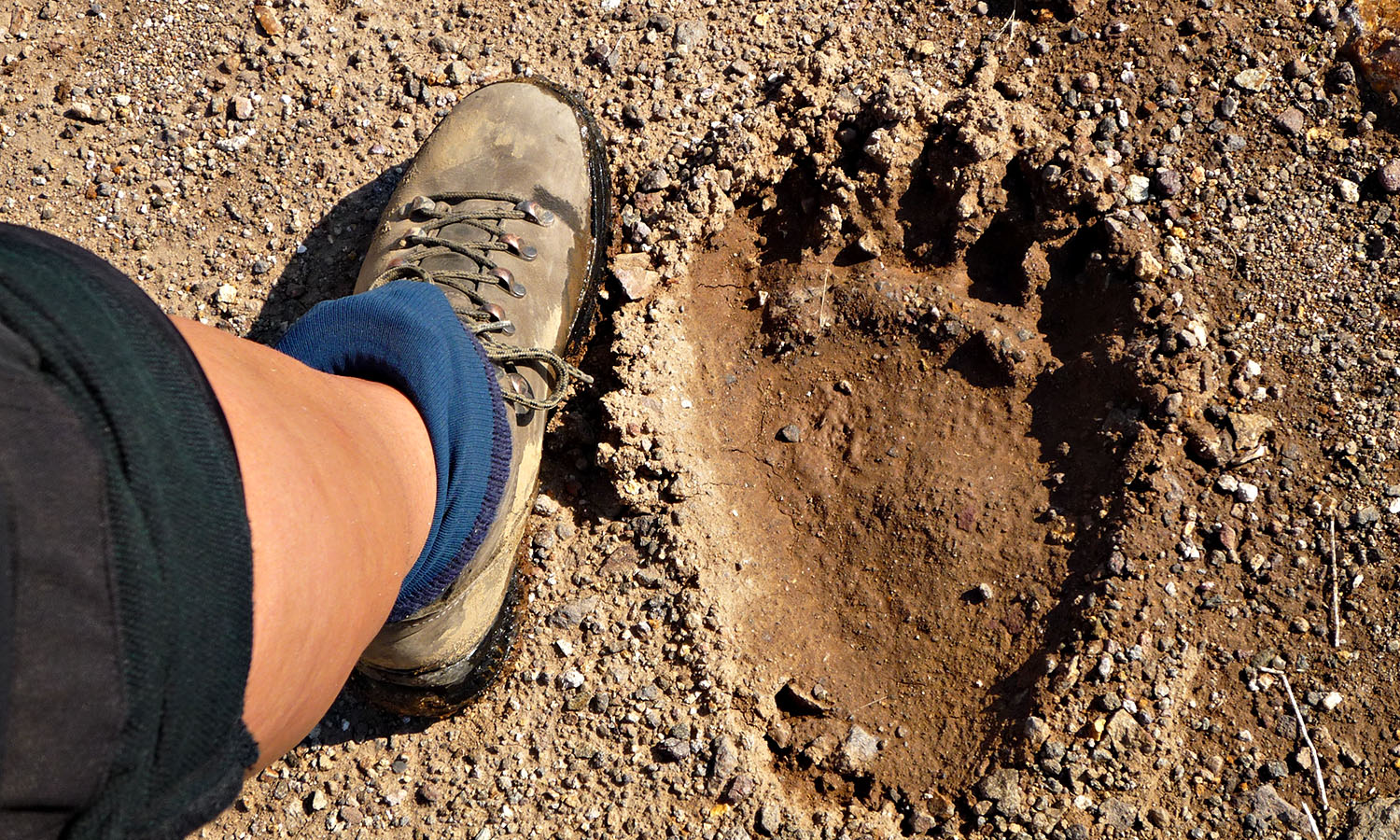
There’s something primal about observing bears in the wild. And witnessing these magnificent creatures in the remote lands of Russia is an experience unlike any other. Grassy Point, a tiny promontory on Kurilskoye Lake, is the largest spawning ground for red salmon in Eurasia, meaning the site is a gigantic bear magnet. Spot hundreds of animals crowding the banks as they hunt for their next meal during a helicopter tour to the region with 50 Degrees North.
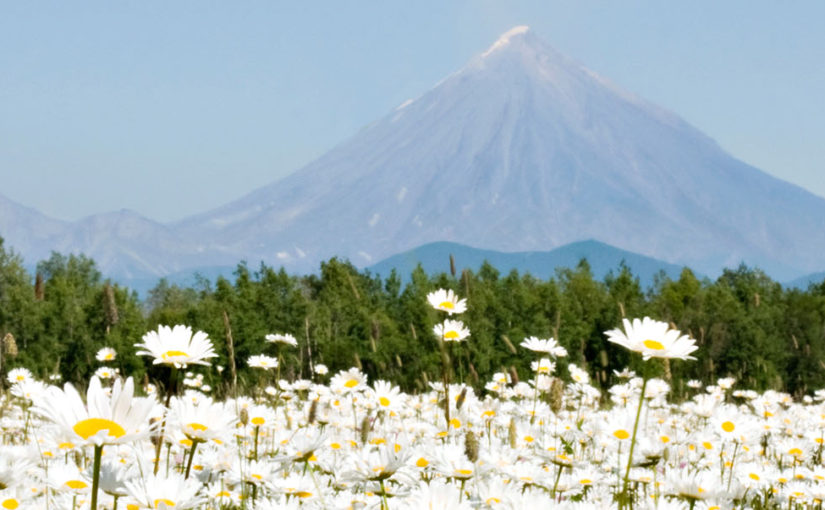
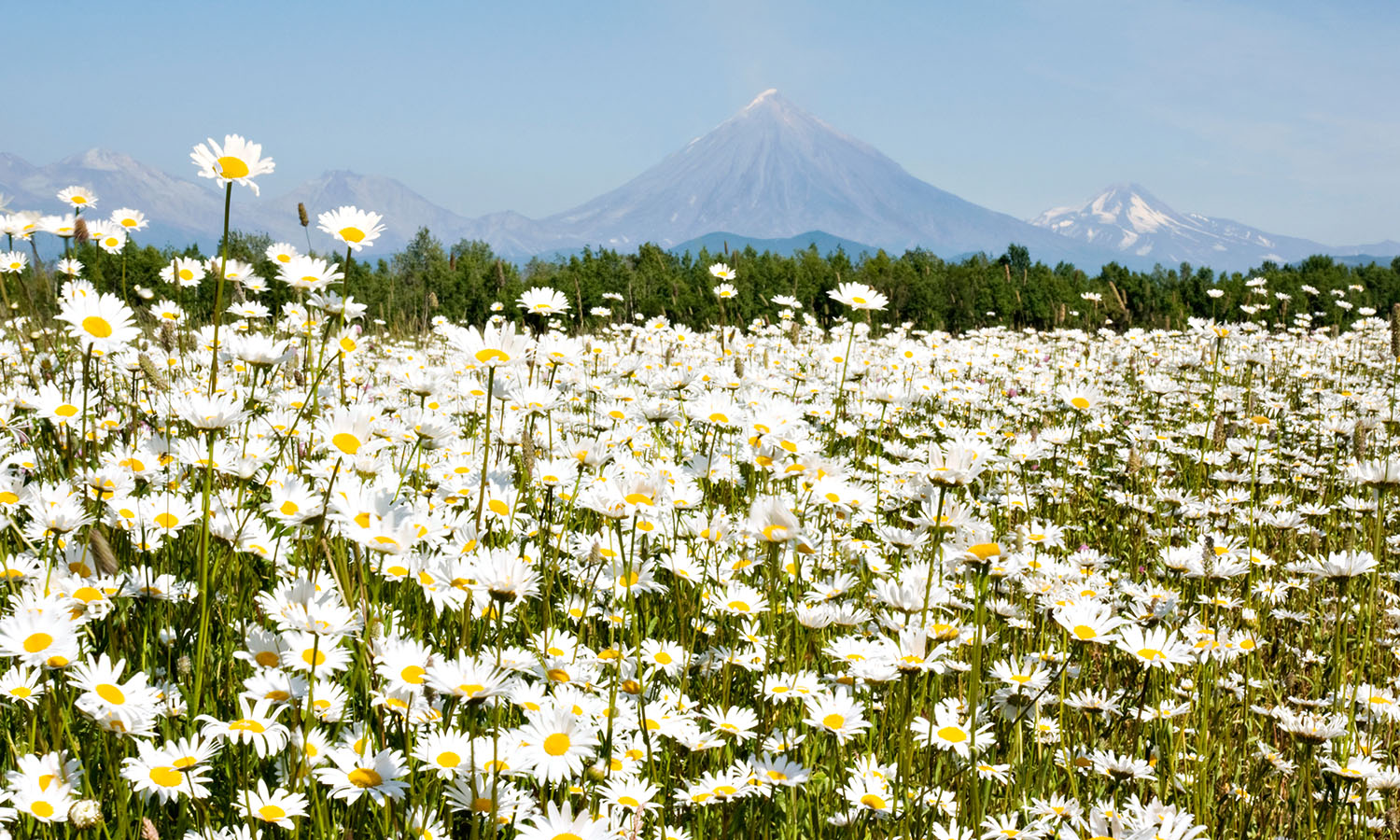
Take in the views from a two-story A-frame timber lodge, complete with dining room and wrap-around verandah. From here, you can observe the graceful symmetry of Ilyinsky Volcano, whose peak touches the sky at 1578 metres, and a dozen other smaller mountains.
Spot bear cubs chasing each other across open meadows while their parents stalk salmon along the lake’s shore.
An African safari it isn’t – there are no jeeps or Land Rovers here. When you’re done animal spotting, a MI-8 chopper will whisk you off to the Gorely Volcano, a massive complex of five overlapping stratovolcanoes with 11 summit craters and another 30 on its flanks.
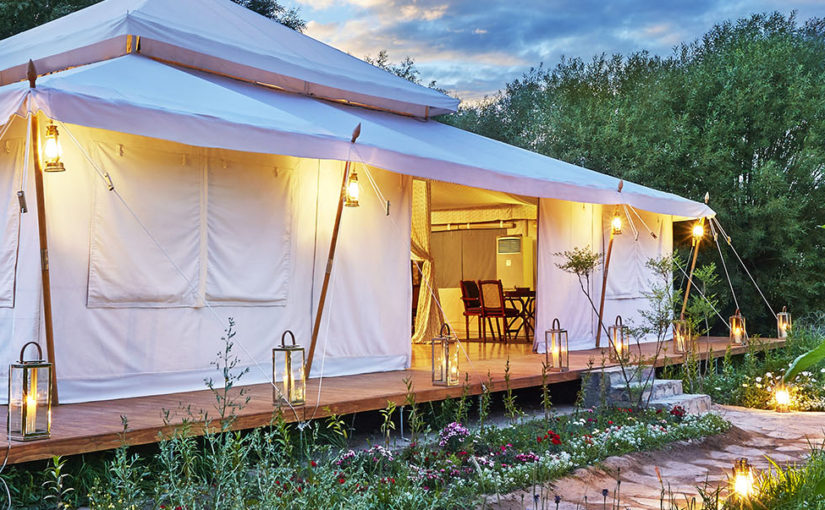
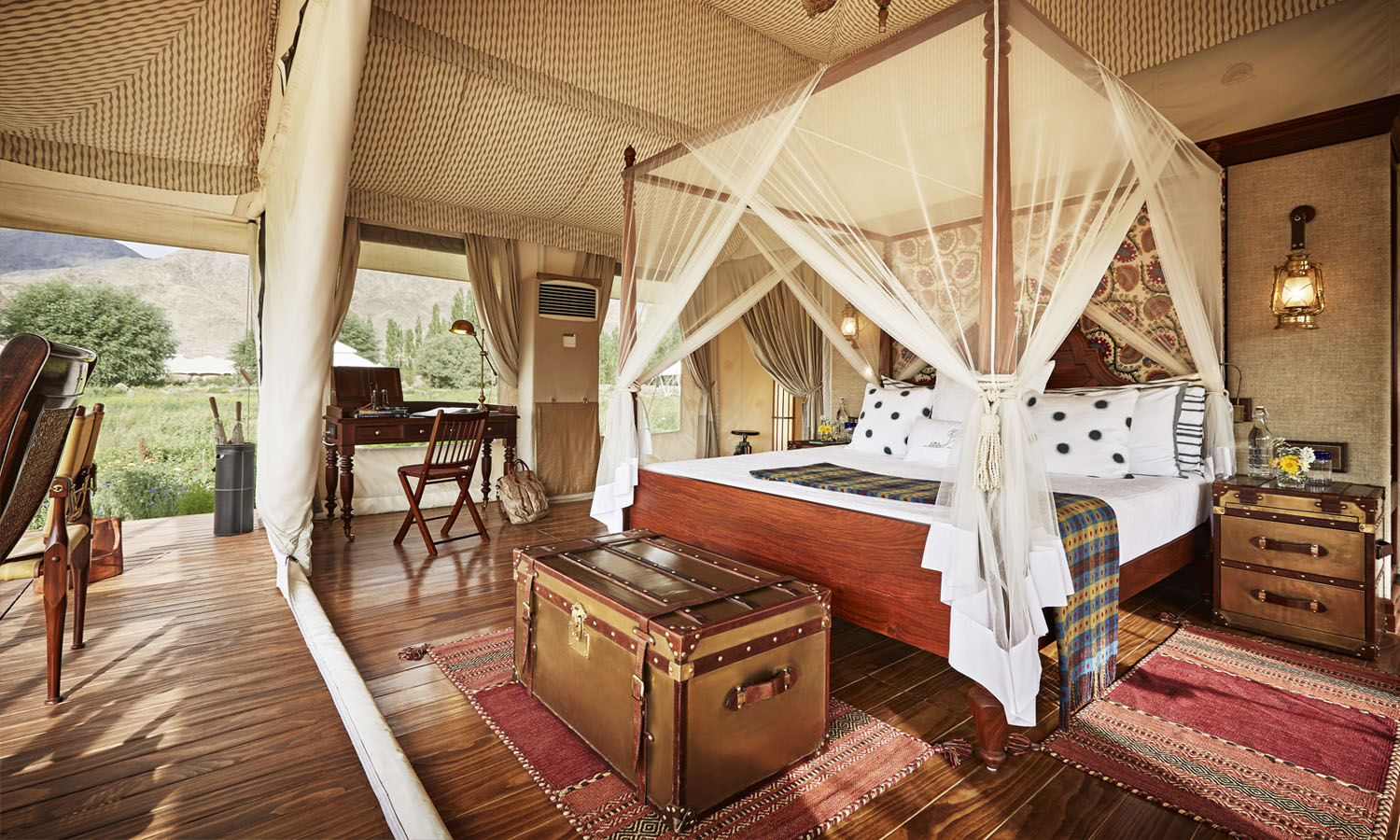
Panoramic views of mystical mountains, a private patio and your very own butler – this is glamping like you’ve never seen before. Chamba Camp in Thiksey sits in the twin shadows of India’s impressive Stok Kangri and the Ladakh mountain ranges and houses travellers in unique, individually designed tents. The camp is located away from the hustle and bustle of tourist trails – but don’t worry there is still plenty of activities to keep you busy and to take you into the heart of India.
Try your hand at archery and croquet or if you’re in the mood for adventure explore nearby villages either on foot or by bike. Bird enthusiasts will delight in the bird watching sojourn and there are many culture tours to embark on including visiting the Leh Palace and walks through ancient trade paths surmounted 108 stupas. You’ll find it almost impossible not to be moved by the chanting of prayers flowing from the nearby Thiksey Monastery. At the end of your jam-packed day enjoy a meal in the dining tent before returning to your own haven for the night. And if you need anything during your stay, just call on your own personal butler.
You’ll hear one phrase again and again in West Bali. Adeng adeng. It means ‘slowly slowly’, but more comprehensively it could be said to sum up a relaxed tropical lifestyle that’s fast disappearing on the rest of the island.
If you drive out this way you’re sure to have had a solid introduction to the adeng adeng philosophy long before you even arrive. If your first introduction to the so-called Island of the Gods was back in the Bintang-and-beach-blanket bedlam of Kuta, there’ll come a point in the three-hour drive when you suddenly realise you’re breathing slower, sinking deeper into the car seat and the tension in your shoulders has eased for the first time since you dragged your kitbag or surfboard off the baggage carousel.
Welcome to West Bali.
Since I first visited this region 14 years ago I’ve driven this road more times than I could possibly count. For me, this ritual adeng adeng moment always arrives when the road curves across the lower slopes of Batukaru.
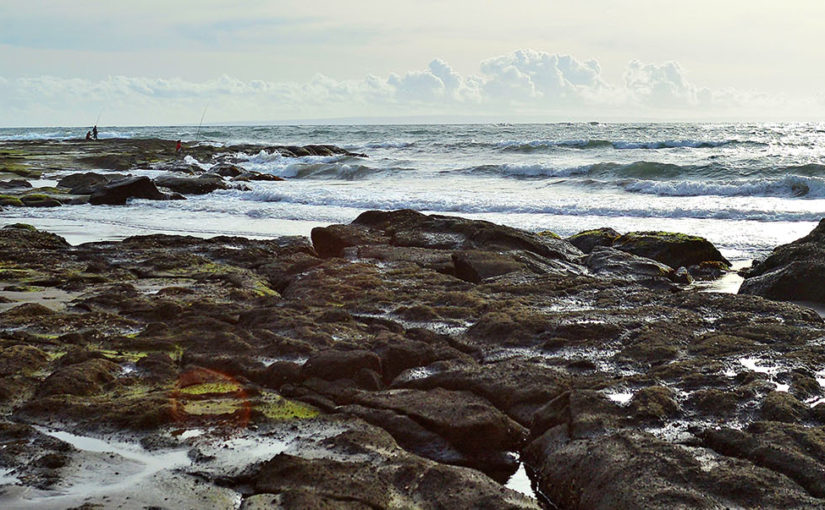
Bali is famous for its paddy fields but there are few other places on the island where such immense rippling landscapes can still be found. The green waves of the paddies descend from the slopes of the volcano until they seem to be on the point of blending with the thundering waves that roll onto the wildest beaches in Bali. Fifty kilometres of unbroken beach lie to the west of this point and, with the exception of a few fishermen, they’re almost completely deserted. Inland from the road, mist-draped rainforests rise in a mountain range that runs all the way to the north coast and remains virtually unknown to all but a few trappers and hunters.
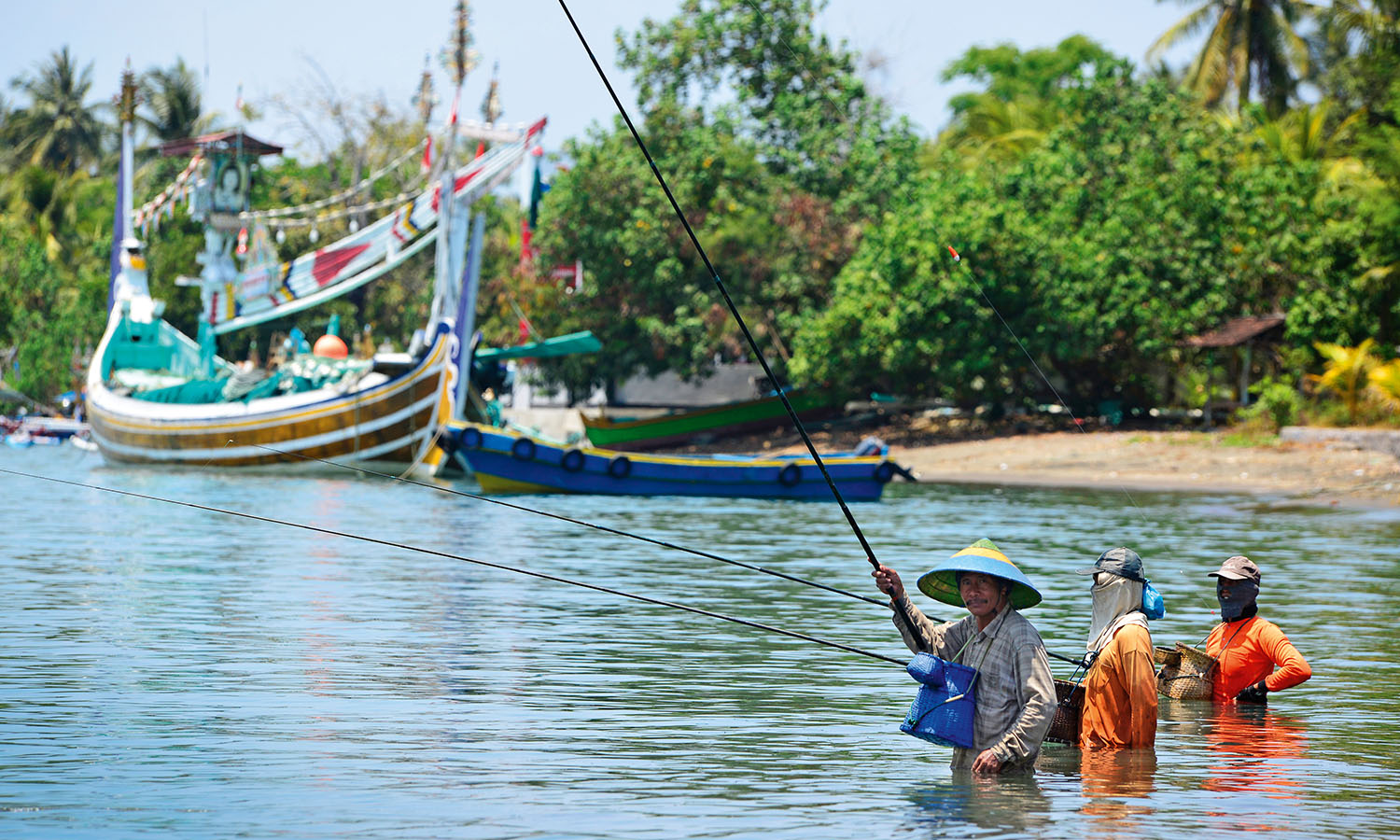
Bali is one of the most densely populated islands in Indonesia, but here a single chain of small villages clings to the coastal plains. A sign in a Balian beach bar – “Attention: You are now entering a flip-flop zone” – epitomises the laid-back beach vibe for which this village has become known. Sleepy as it is, this easy-going little strip is the busiest tourist town on this entire coastline.
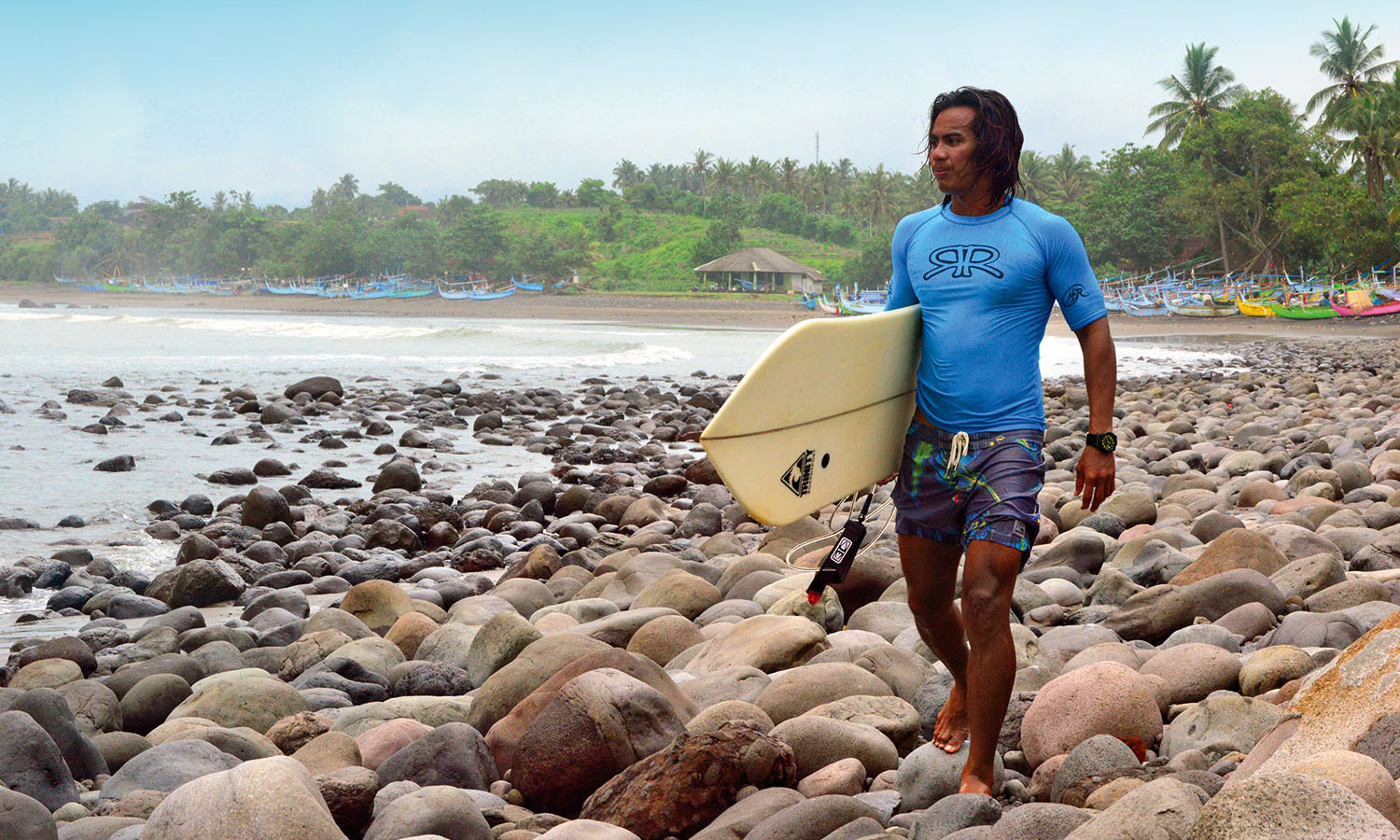
Balian is where the real beauty of rural West Bali begins, yet surprisingly few people take the time to travel any further west, even though Medewi is just 30 minutes away. While Medewi village itself stretches northwards into the paddies, the visitors who do make it here tend to confine their visit to a hundred-metre radius around the beach road. Invariably, they’re charmed by the addictively relaxing and welcoming island way of life that is hard to find anywhere in the world these days. The friendly hot shots of Medewi Boardriders are always happy to share a wave and while there’s zero in the way of nightlife, it’s been said sunset at Made’s Warung, taking in that unforgettable view of the volcanoes of Java, has been a cause of countless abandoned trans-Indonesia travel plans. Stay more than three days in Medewi, catching Bali’s longest wave or working on your yoga moves, and you run the risk of never wanting to leave. I know; it happened to me more than a decade ago.
Medewi is a predominantly Muslim village in an area that is rich in culture, even by Balinese standards. Traditional Hindu villages and temples, like the famous Rambut Siwi, stand side by side with towering mosques. There’s even a statuesque Catholic church that would be considered a cathedral in most areas. Palasari (near Negara, the regional capital) is Bali’s only nominally Catholic village and the Sacred Heart of Jesus church looms like a vision against a jungle backdrop. The huge building seems so out of place I wonder if it is some sort of failed missionary-funded tourist attraction, but local priest Padre Adi Harun claims a congregation that would be the envy of churches everywhere. “We have about 1300 Catholics in the village,” he says, “and each Sunday at mass we receive between 700 and 800 of them.”
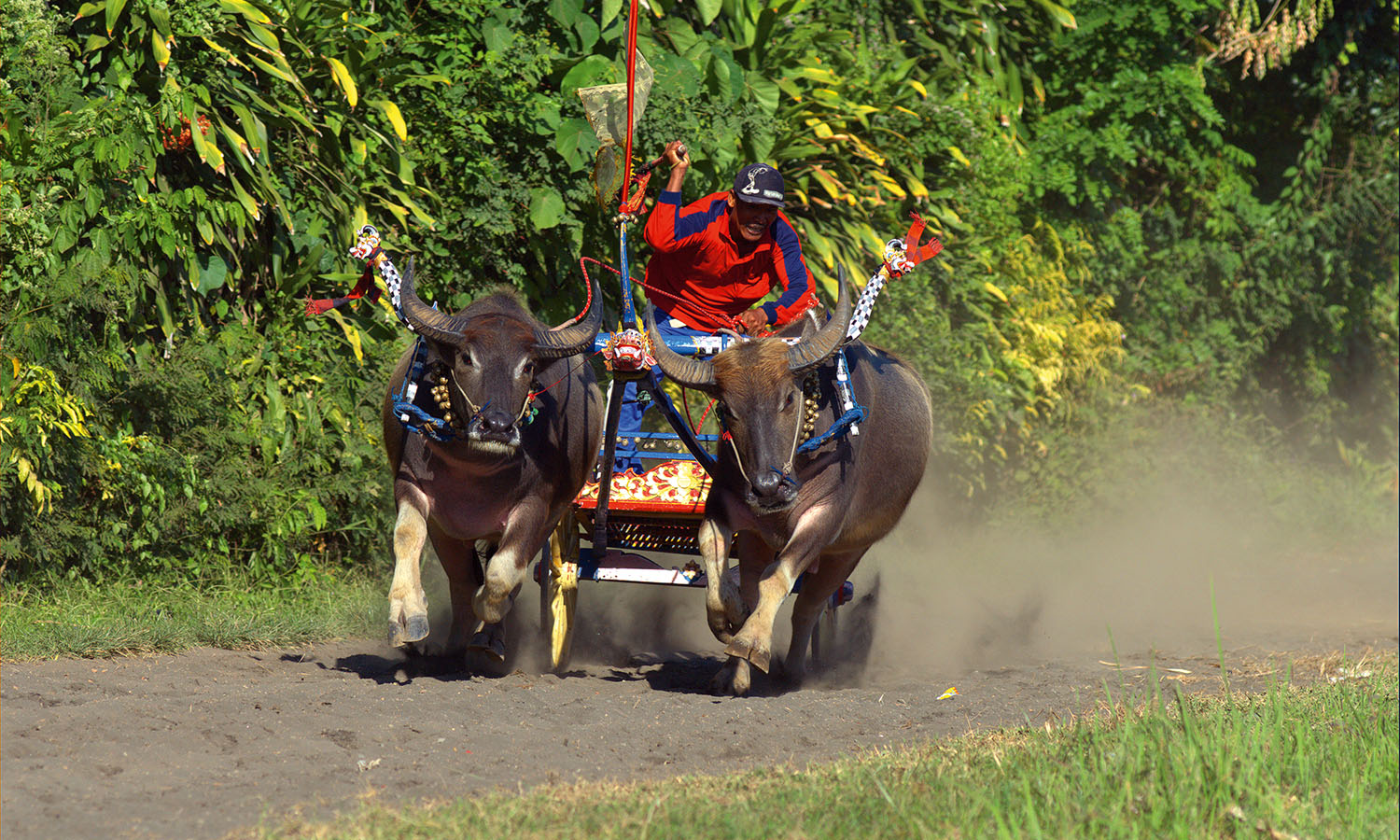
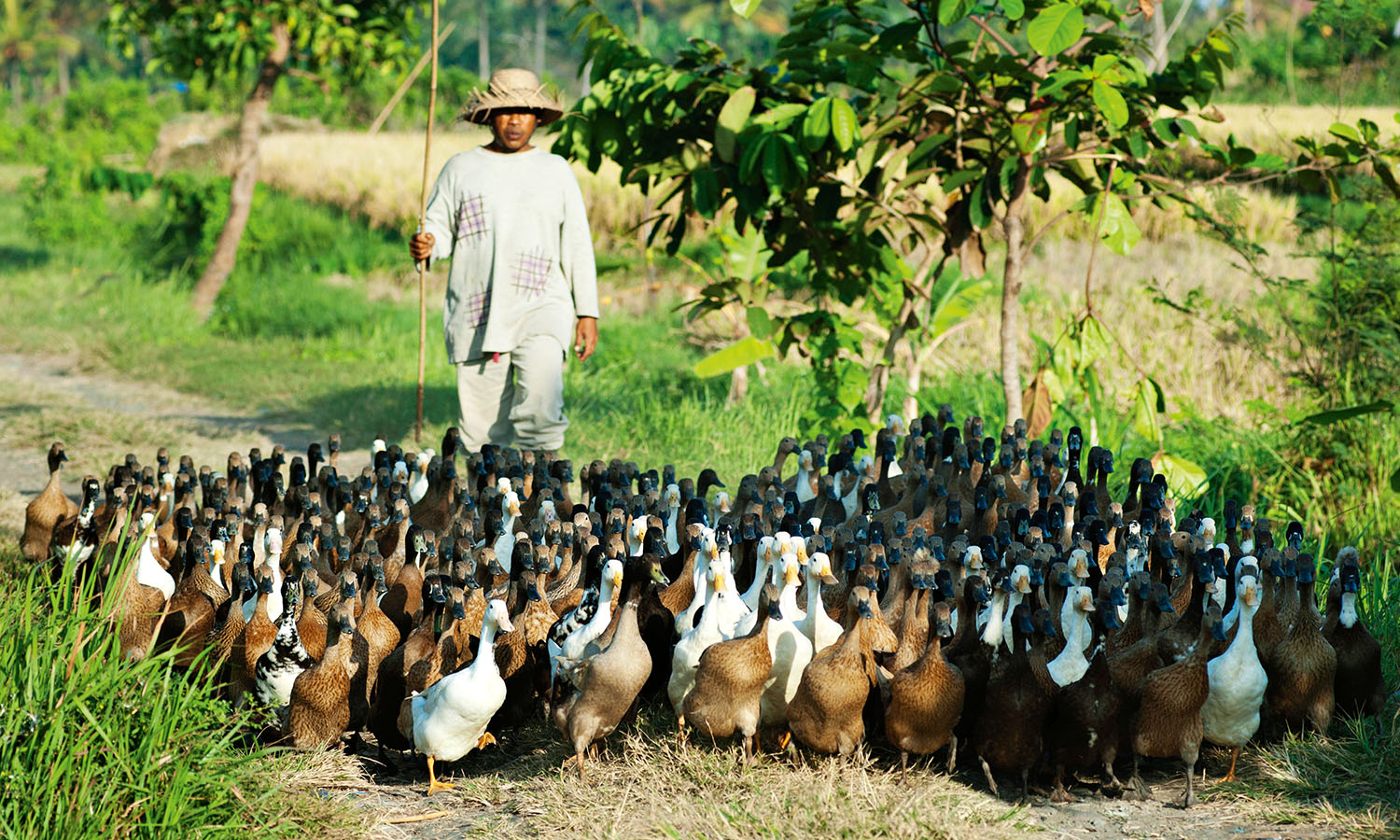
Take a detour off the main coastal road into the great paddy-field hinterland south of Negara city on Sunday mornings and you’re likely to find similar-sized crowds gathering for an even more unexpected activity. This is the venue for traditional buffalo-chariot racing known here as makepung. Pairs of luridly decorated buffalos charge down rutted dirt tracks at speeds of up to 50 kilometres an hour. Crashes are common, with riders, chariots and buffalo somersaulting into the paddies.
Wherever you drive along the southwest coast, a great mass of jungle-clad hills rises from the centre of the island. In 1942 naturalist Charles Barrett wrote of “numerous tigers in the highlands at the western end of Bali, a region covered in dense tropical forest… much of it still unexplored.”
Sadly the last tiger had almost certainly been shot by the time West Bali National Park was founded in 1941, yet, even today, most of those jungle valleys remain unexplored by outsiders. The sheer impenetrability of the forested hills – there are no roads accessing the heart of this wilderness – means the park has remained a safe haven for the monkeys, deer, civets and 160 bird species, including hornbills, living here.
Located at the point where the road finally reaches all the way around to the tranquil waters of the north coast, the Menjangan is a boutique resort set in the national park itself. Standing here on the white coral beach, watching wild deer browsing, it is easy to feel a world away from the typical Balinese holiday.
“More and more Aussies are realising that they don’t need to travel to South America to experience unspoiled tropical wilderness,” says naturalist Ruchira Somaweera, Australian owner of Aaranya Wildlife Odysseys, as the deer move fearlessly past us. “There are hidden places much closer to home. We opt for locations that are overlooked by other operators, and offer a chance to see wildlife away from the crowds in undisturbed places. That’s where West Bali comes in.”
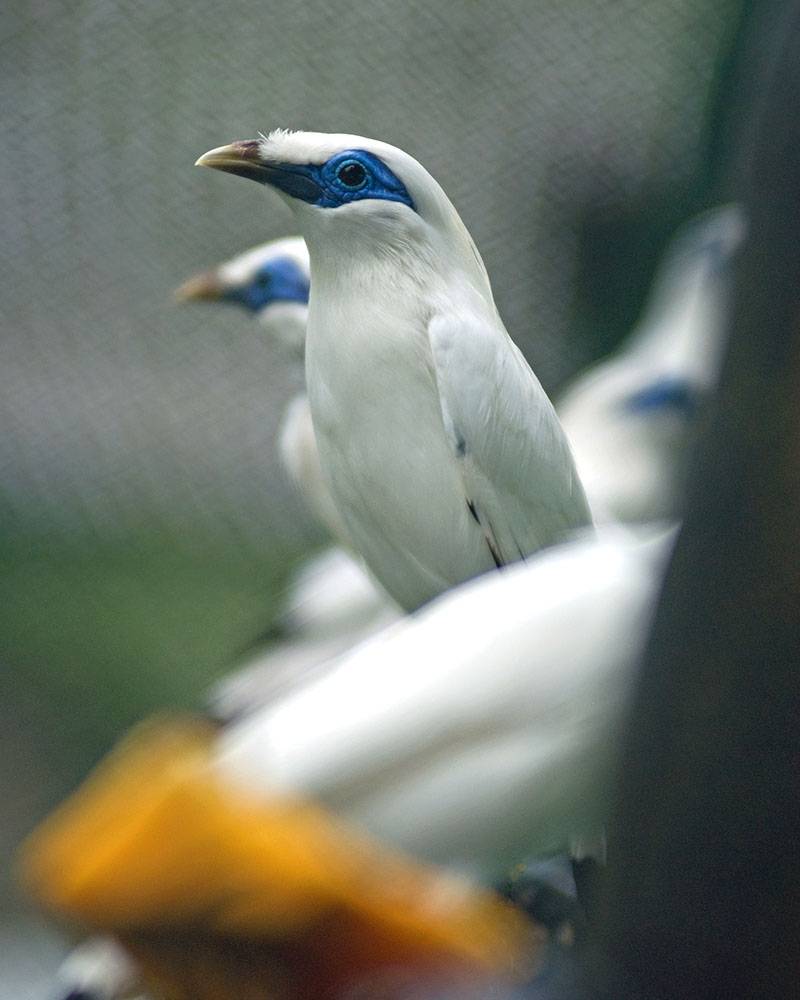
Apart from being one of Bali’s finest eco-resorts, the Menjangan has become famous as a place to see some of the world’s most endangered birds in the wild. An avian gem in gleaming white with a distinctive flash of blue ‘eyeliner’, the Bali starling is the island’s own bird of paradise. The fact it features on the 200 rupiah coin adds to its allure for wealthy collectors who would pay up to AU$2800 for a pair of smuggled birds.
West Bali National Park now represents the Bali starling’s only remaining endemic habitat. The main breeding centre is in a heavily protected fortress – complete with electric fences, watchtowers and Kalashnikov-toting guards – in the jungle. Another small flock still exists in its traditional territory deep in the park. These birds are also under the close eye of rangers.
Menjangan Island, lying just a 20-minute boat ride off the northwest coast, is by far the most popular tourist attraction in West Bali, with boats heading out each day to a reef many experienced divers claim is better than those in Fiji or the Maldives. The waters around Menjangan Island are teeming with kaleidoscopic schools of fish, while turtles, white- and black-tipped reef sharks, manta rays and even whale sharks are often seen near the coral walls.
Thanks to its access to Menjangan and its own offshore reefs, the town of Pemuteran has emerged as Bali’s premier dive centre. Still, it remains idyllically peaceful in a way that few places in central Bali have managed. This northern coast is more arid than the south and the cactus-spiked lowlands give way here and there to vineyards. Pemuteran and Lovina, known for its dolphin watching, are becoming more popular as wonderful rainy season holiday bases.
Just before I arrive in Lovina I accept the fact that I’ve now left West Bali. On the way into the town I spot an unusually phrased street sign, reminding travellers of Indonesia’s zero-tolerance laws. “Hide Drugs,” it says.
My circumnavigation of the west has come to an end and, once again, I’m reassured to see that the bucolic rural lifestyle that charmed the island’s early visitors is not dead. It just went west.
 (
(