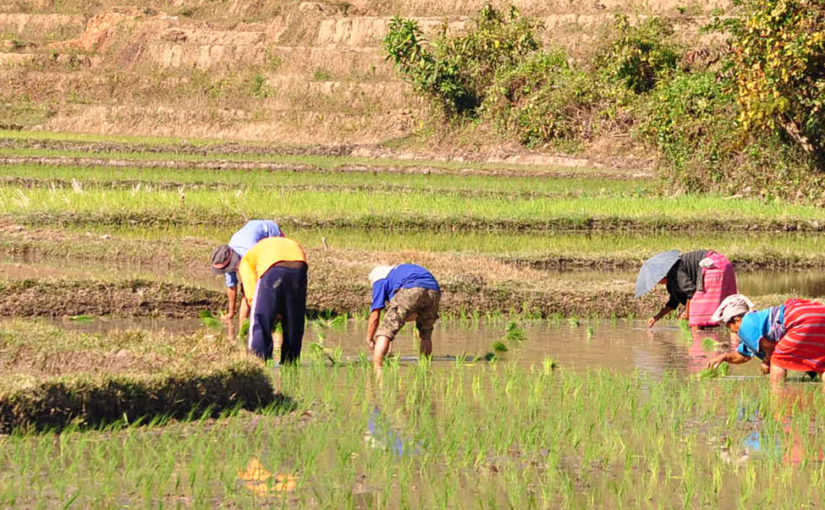
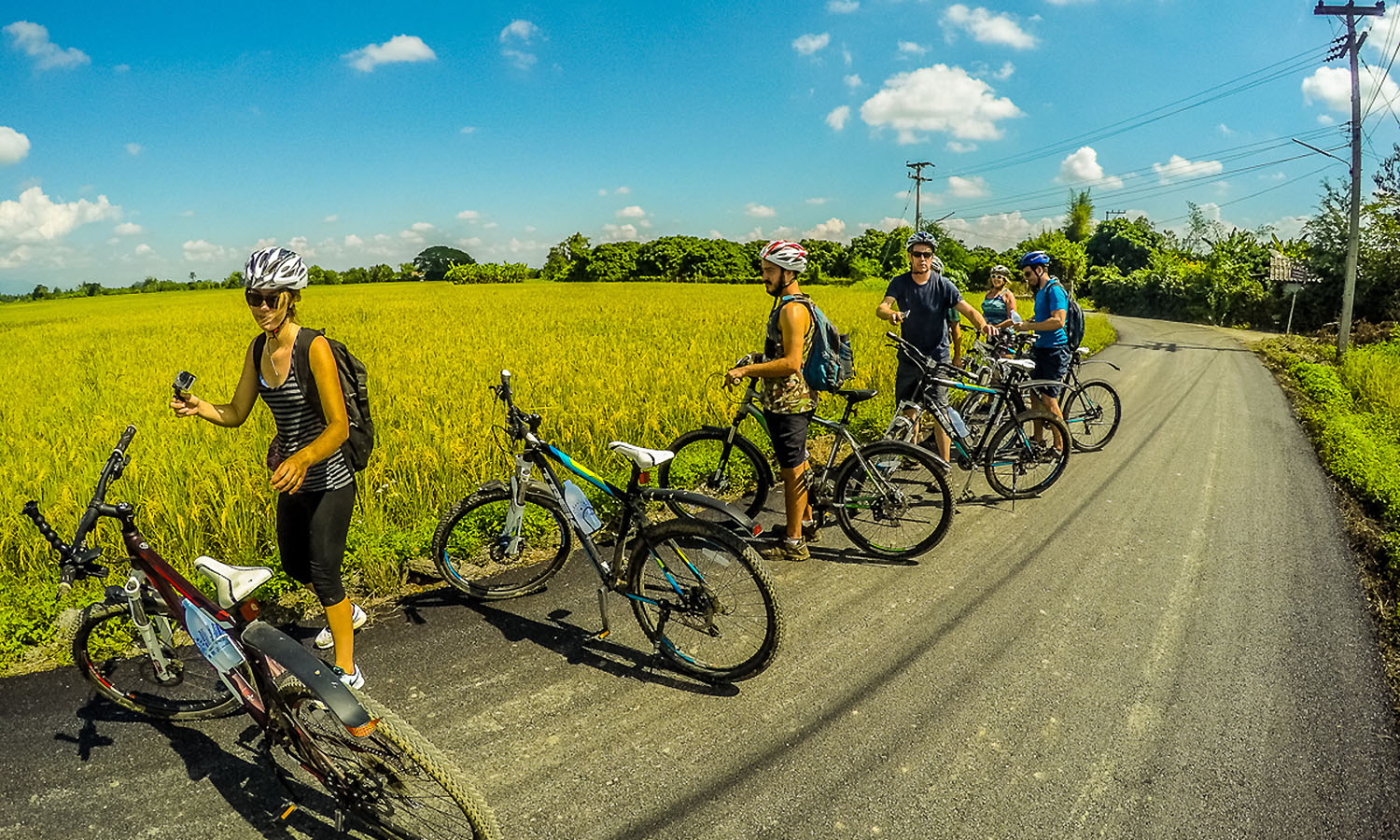
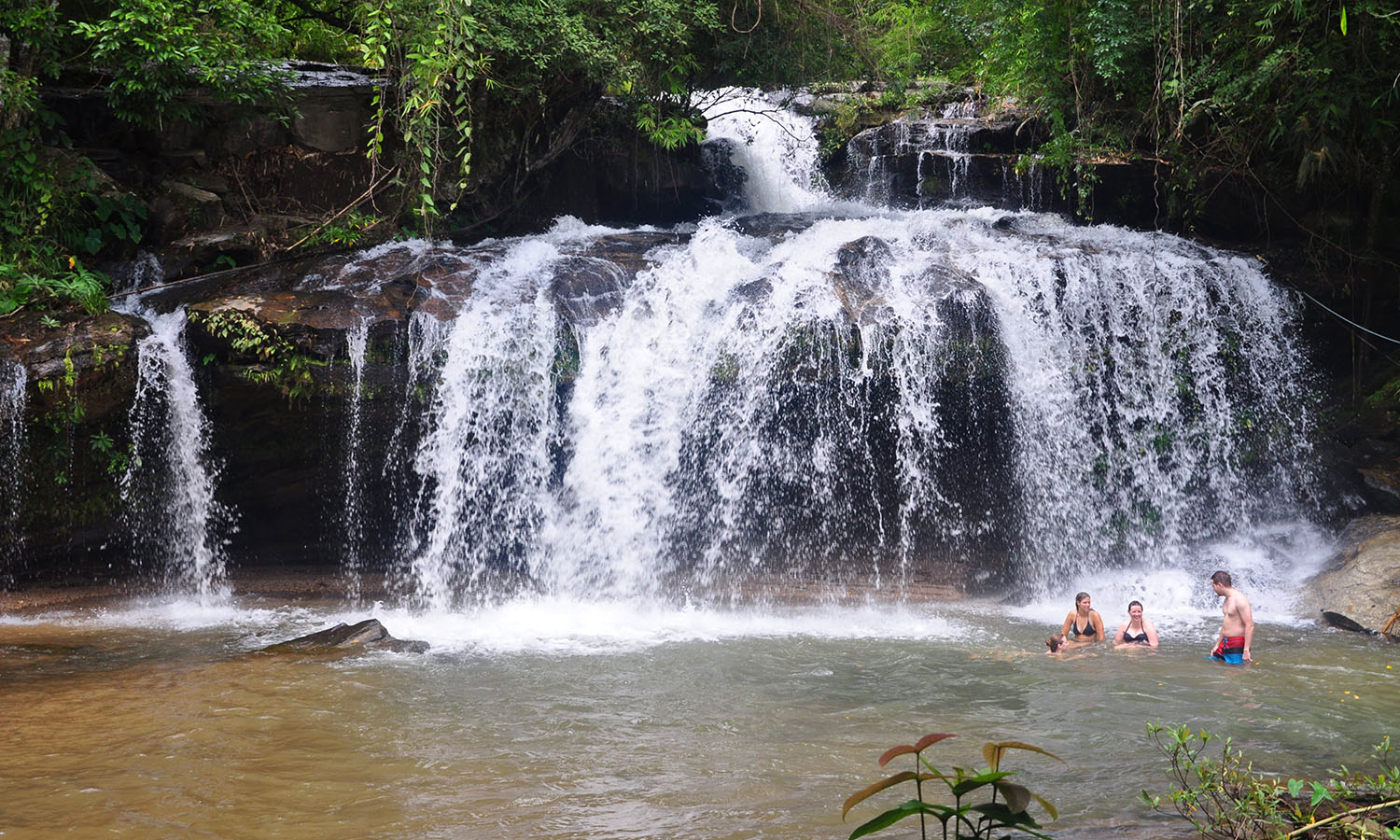
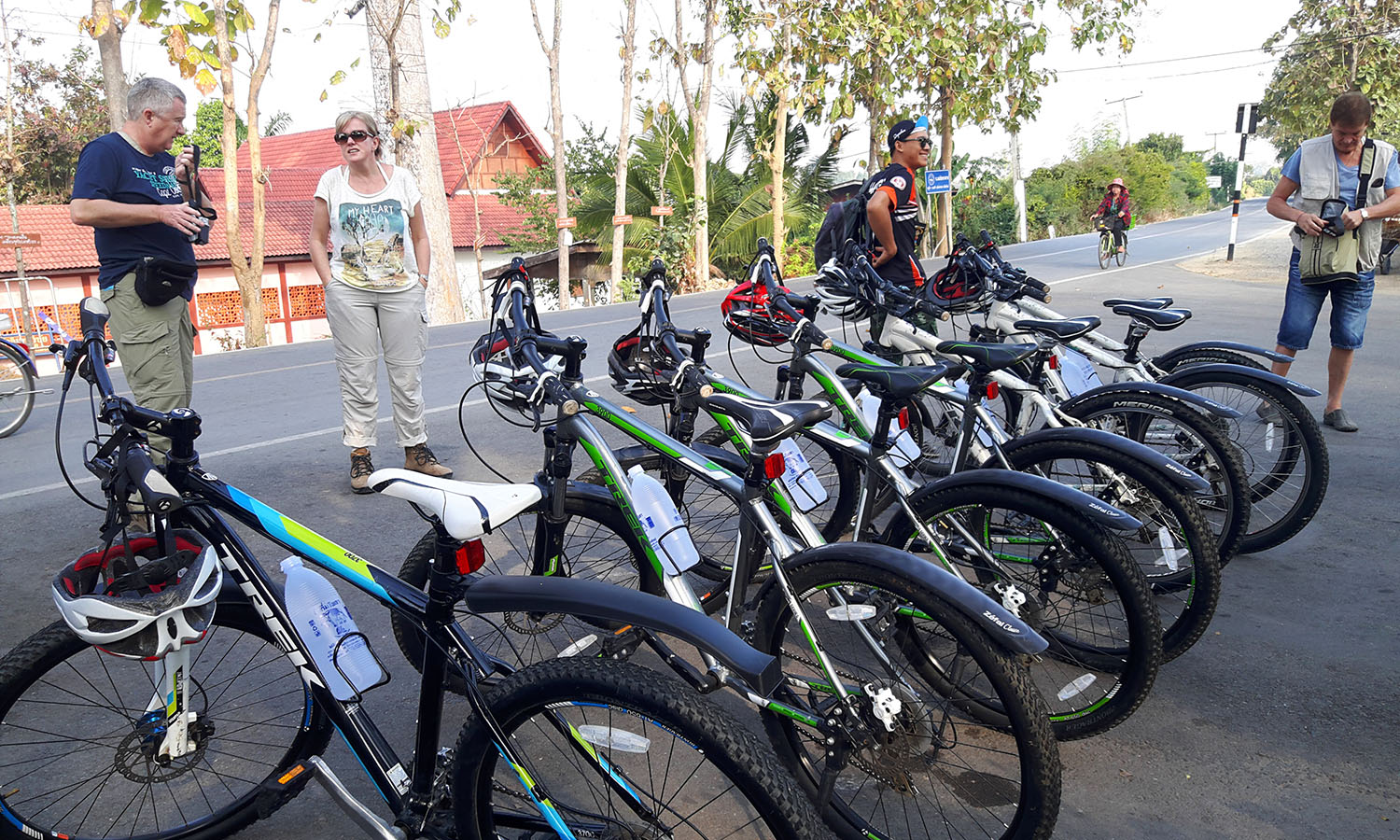
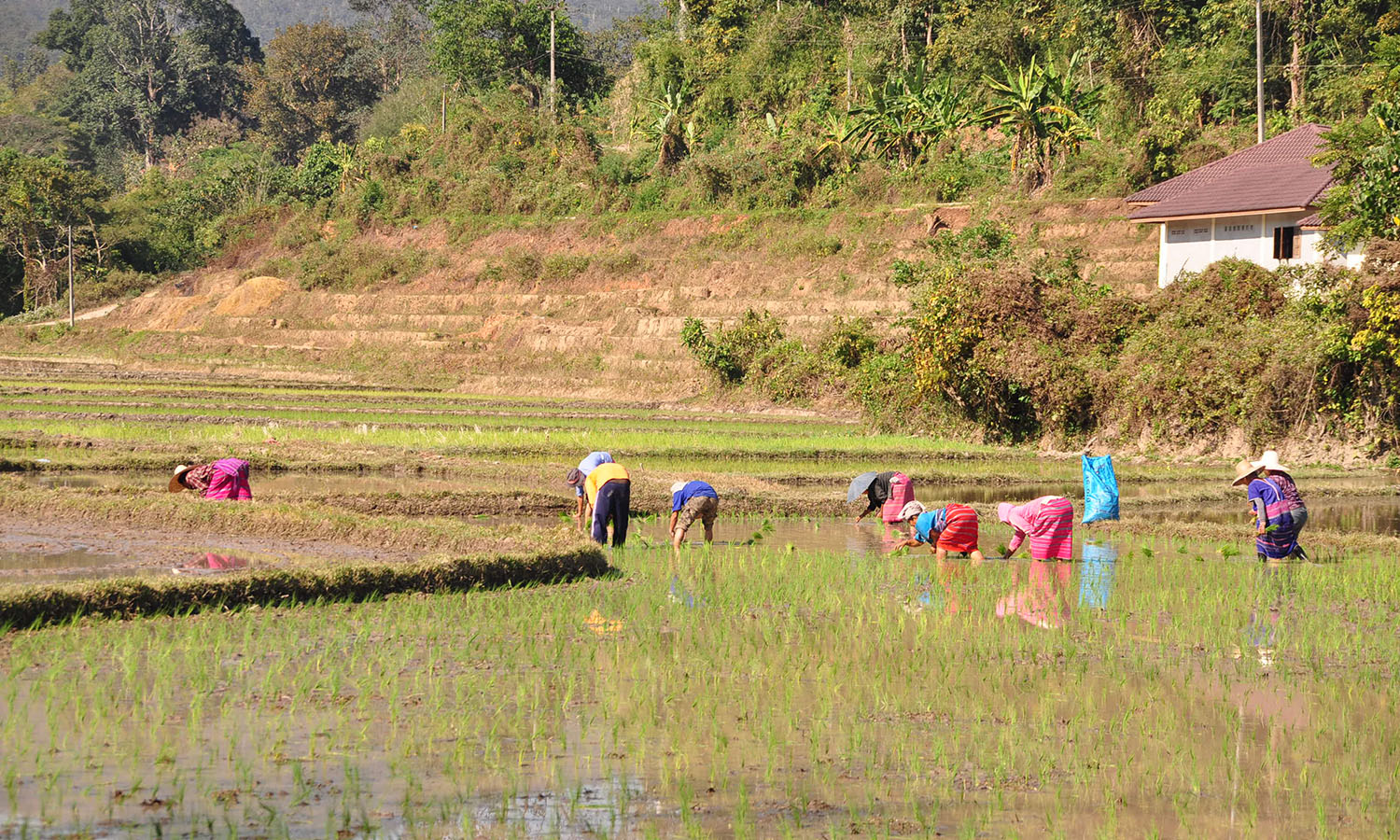
Escape the chaos of Bangkok and go bush in Chiang Mai’s hinterland. Admire Lanna-style temples as you cycle through rainforests and longan plantations, sampling fruit straight from the trees. Take your time pedalling to Wiang Takan, a ruined city that dates back to the twelfth century, and get your blood pumping on an uphill hike before arriving at your first of two homestays in Karen tribal lands.
At dawn, set out for Mae Wang National Park, where you’ll traverse well-trodden paths and overgrown trails, inhaling the fresh scent of ginger and orchids, and meeting locals along the way. On your final day, soak up nature while cruising down the Wang River on a bamboo raft.
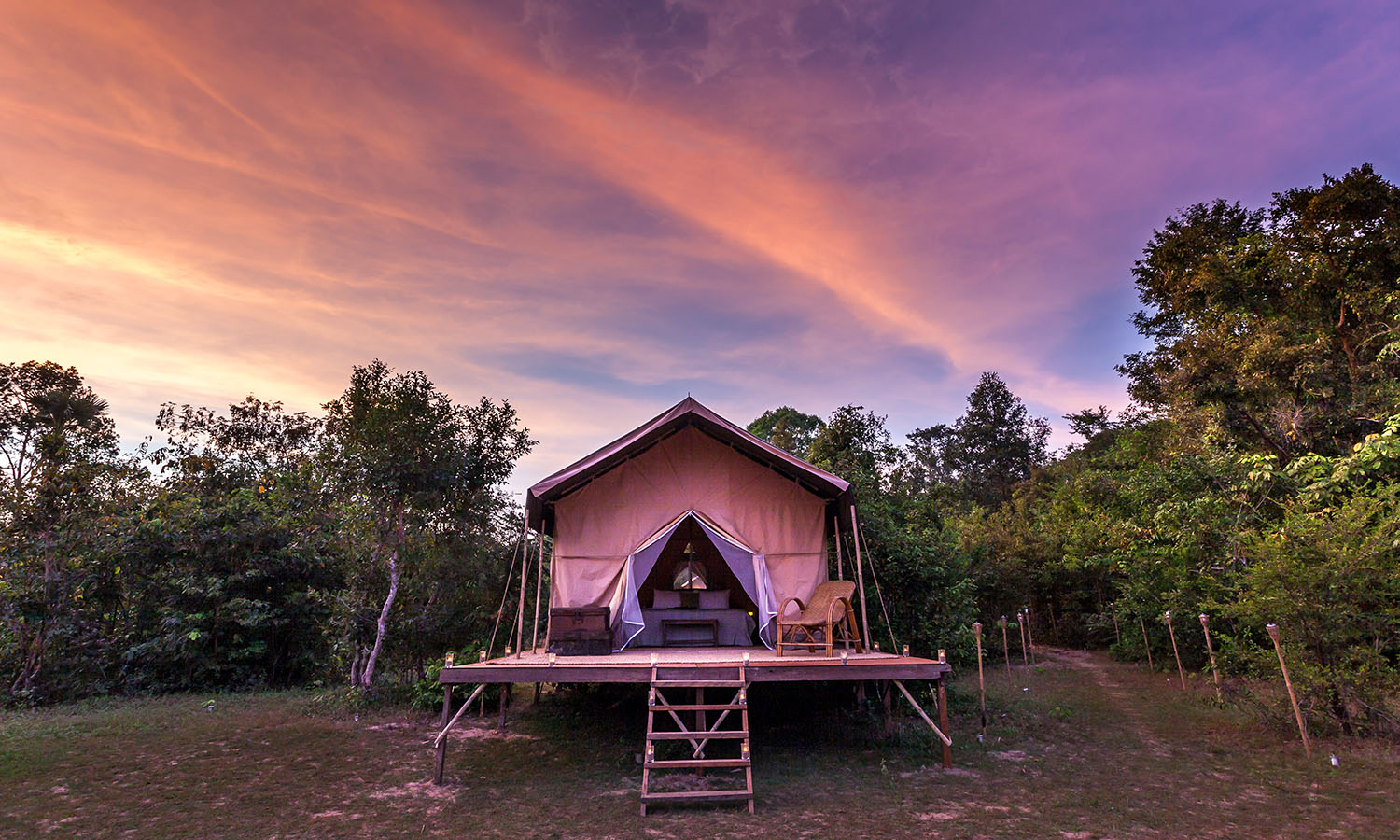
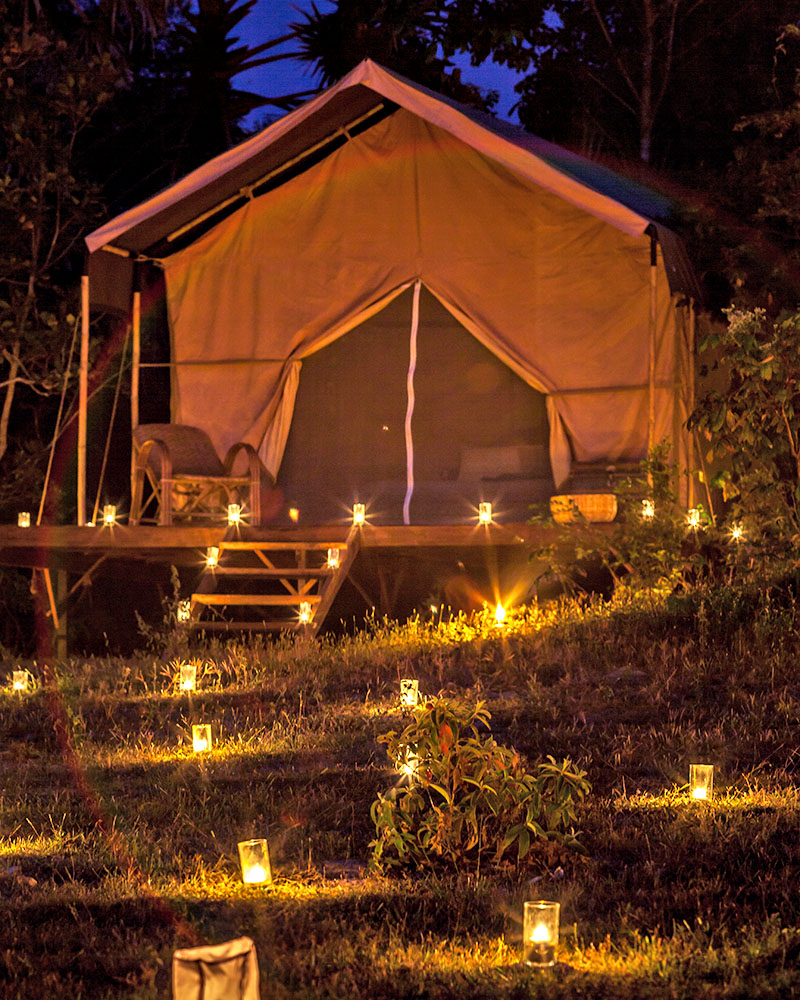
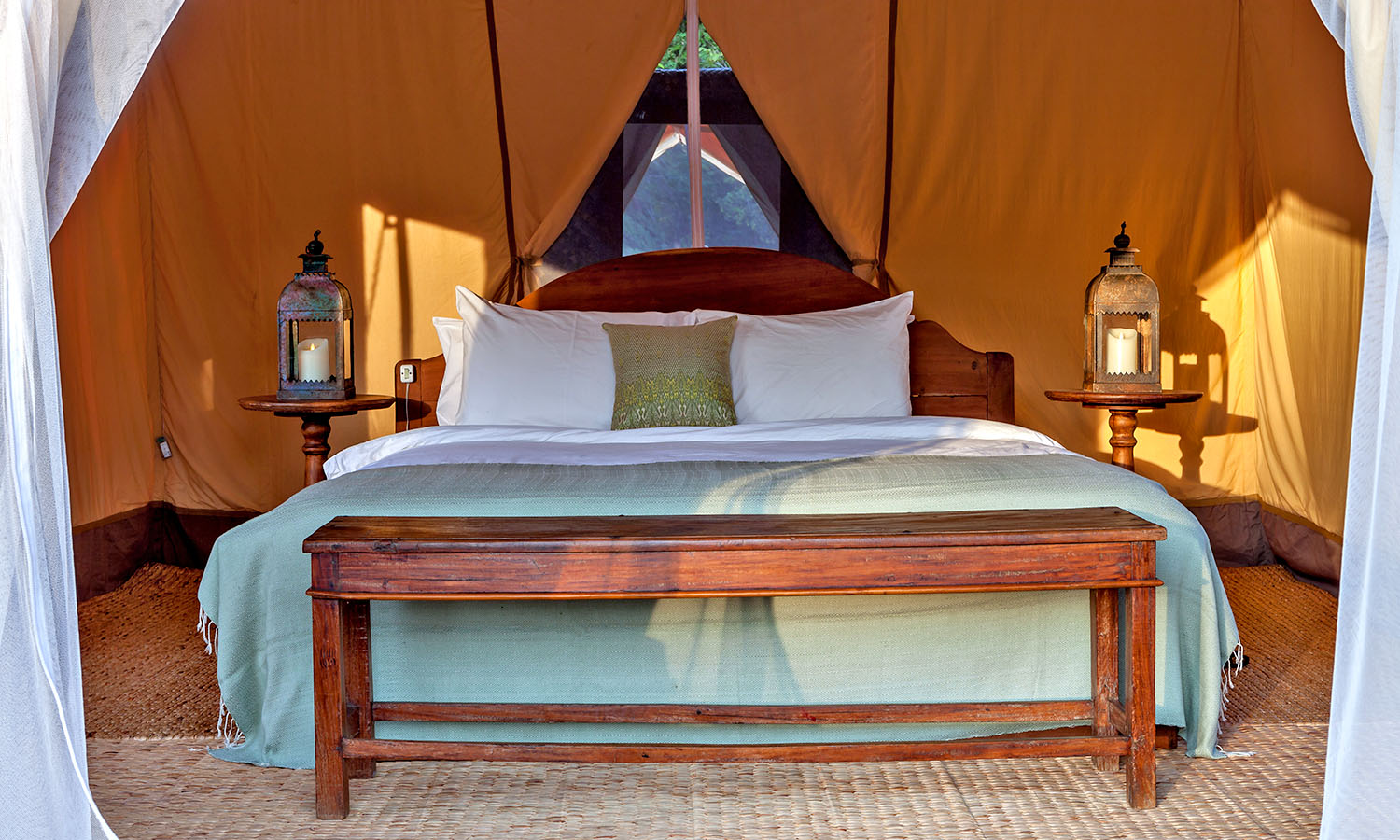
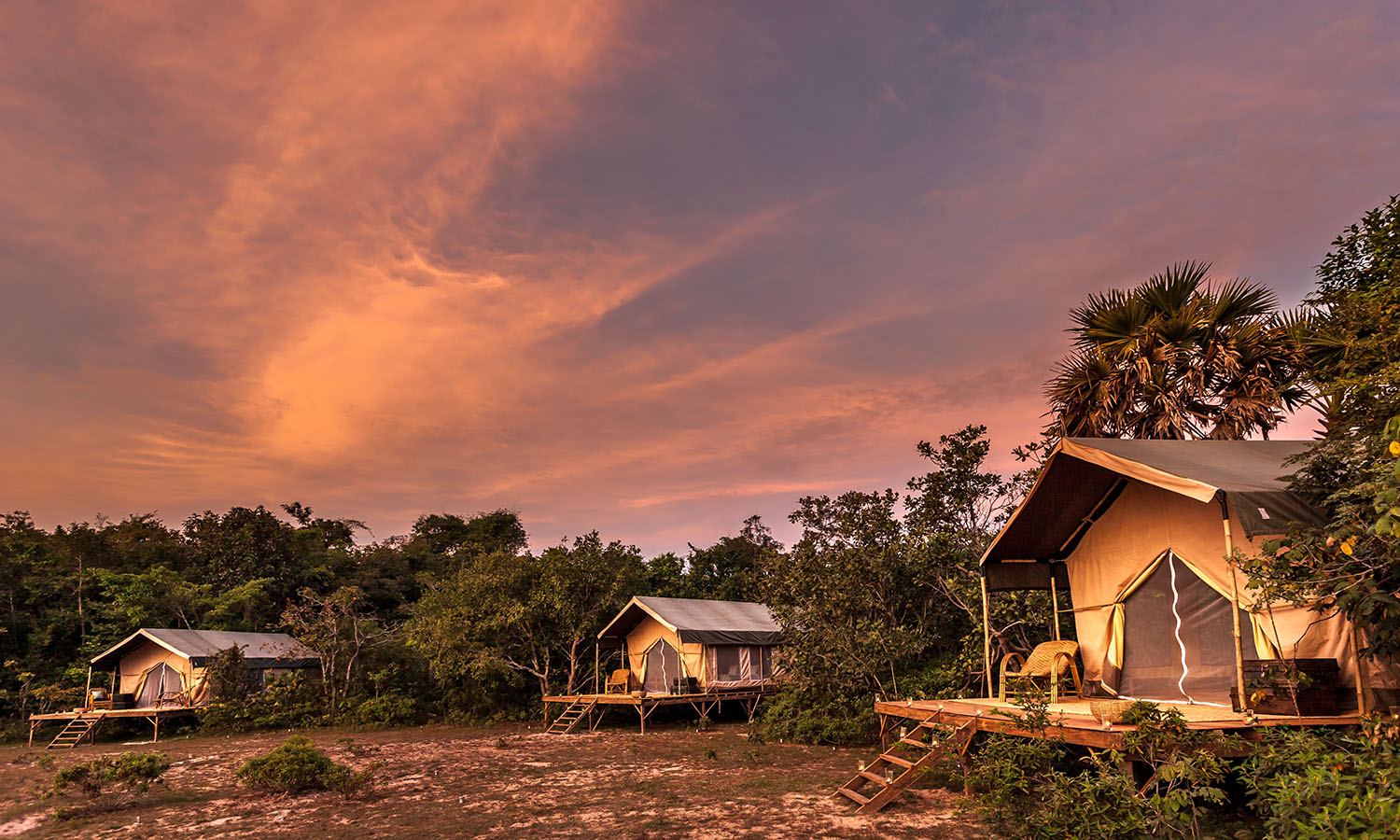
Love the rustic adventures Cambodia has to offer but can’t go without your creature comforts? This exclusive two-day day, one-night glamping trip has you covered. Start your morning with a Jeep expedition through the stirring rural landscape and nearby villages, before arriving at the calming moss covered stone temple of Prei Monti and the tangled vine bound temple of Beng Mealea.
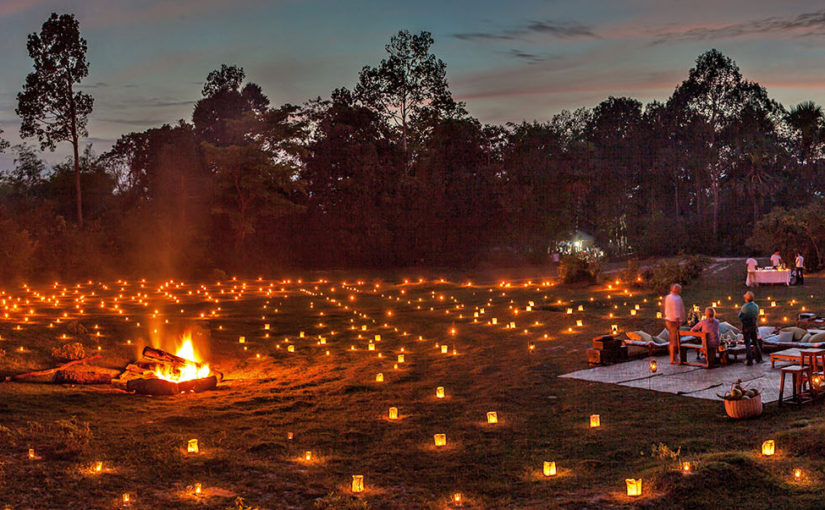
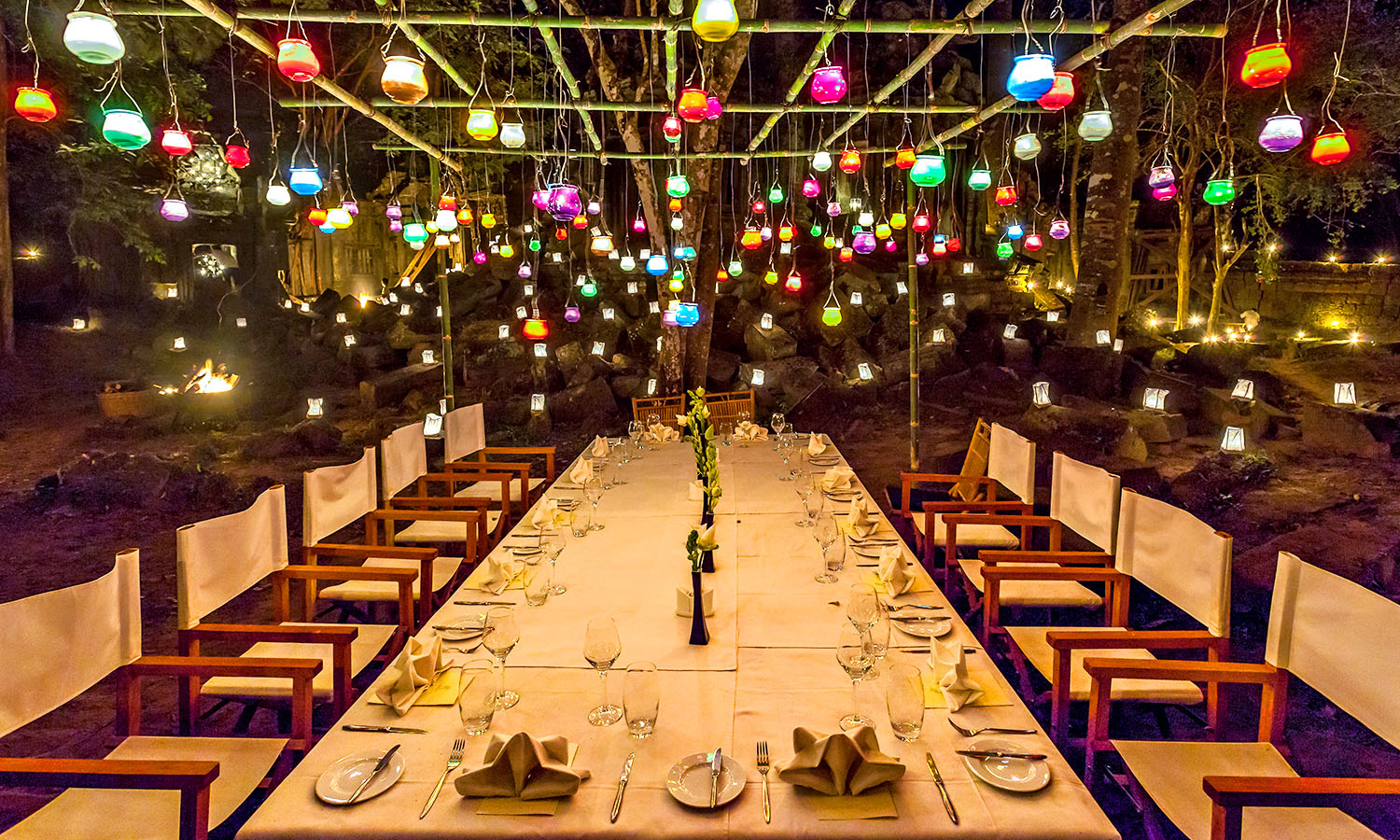
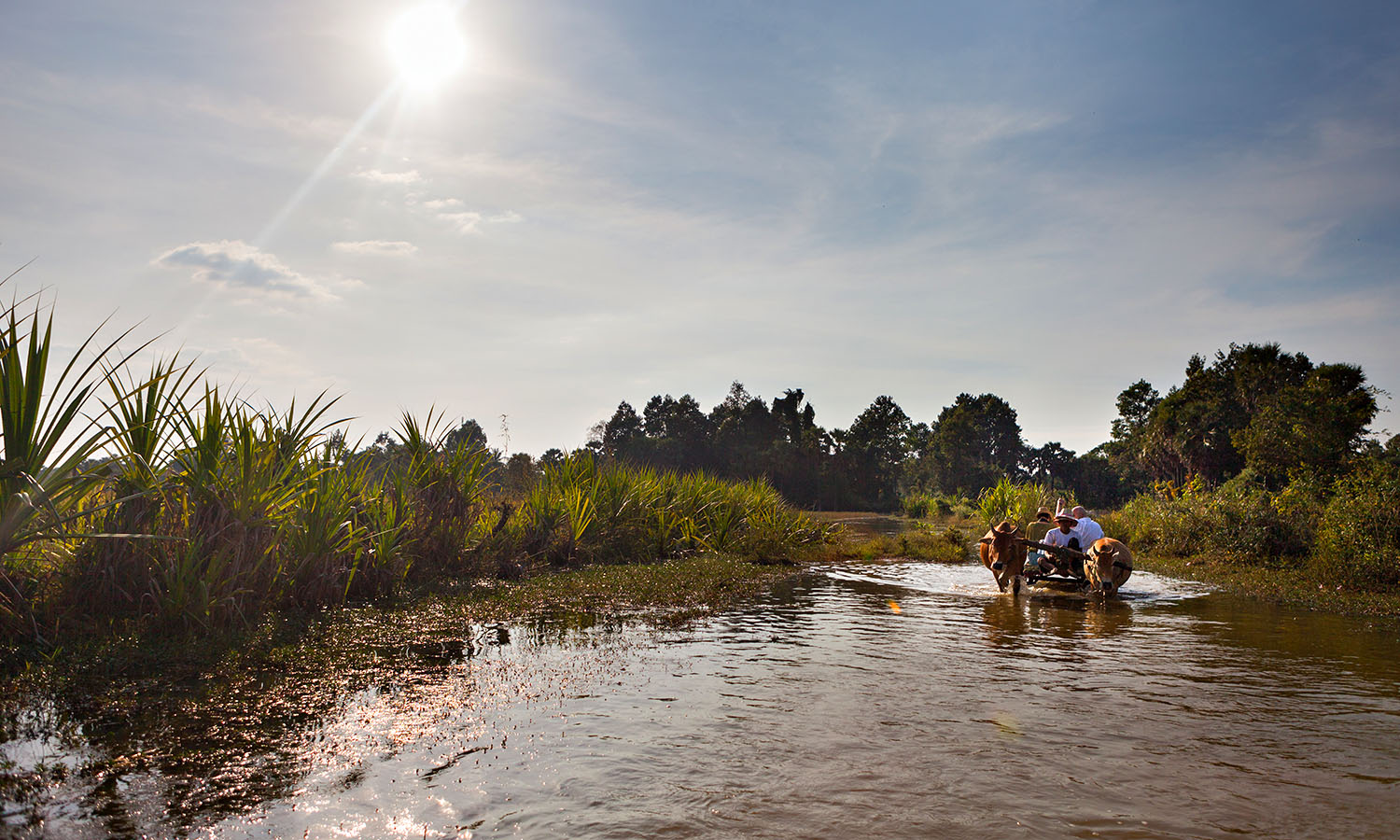
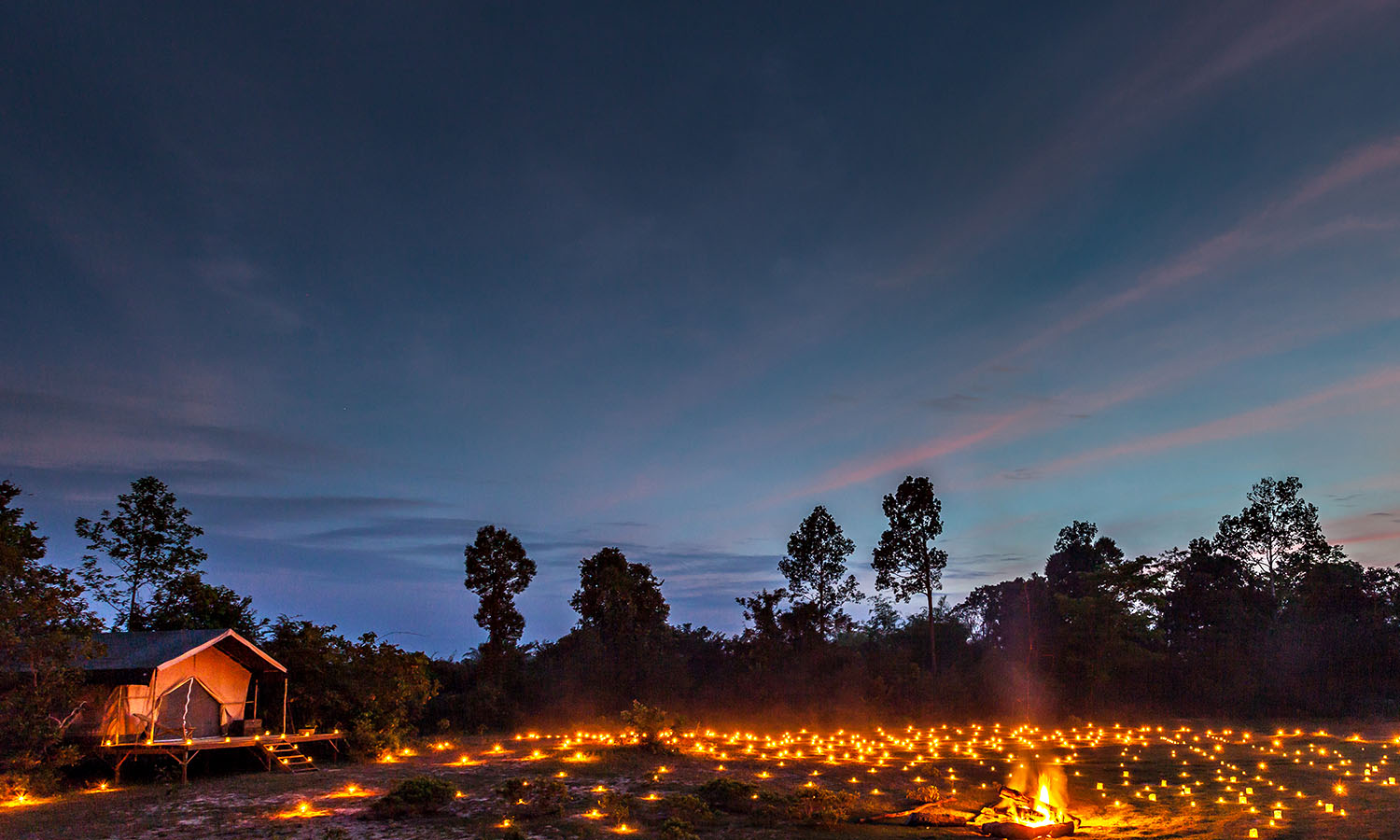
Unwind with a picnic lunch at Poeung Komnou, an ancient sight of intricate Hindu carvings set among green surrounds, then head to the campsite where you’ll be greeted and treated with a chilled cocktail to kick start your evening. After soaking in the comforts of your own private and lavish tent, experience a gastronomic delight with dinner cooked by the Heritage Restaurant team from the Heritage Suites Hotel. This outside dinning is the perfect mix of nature and glamour with hundreds of tea-light candles flickering over your skin that sets the scene for a relaxing evening. Next morning tuck into a huge breakfast spread before stepping back in time with a ride in a traditional ox cart pulled by cattle to explore some local villages.
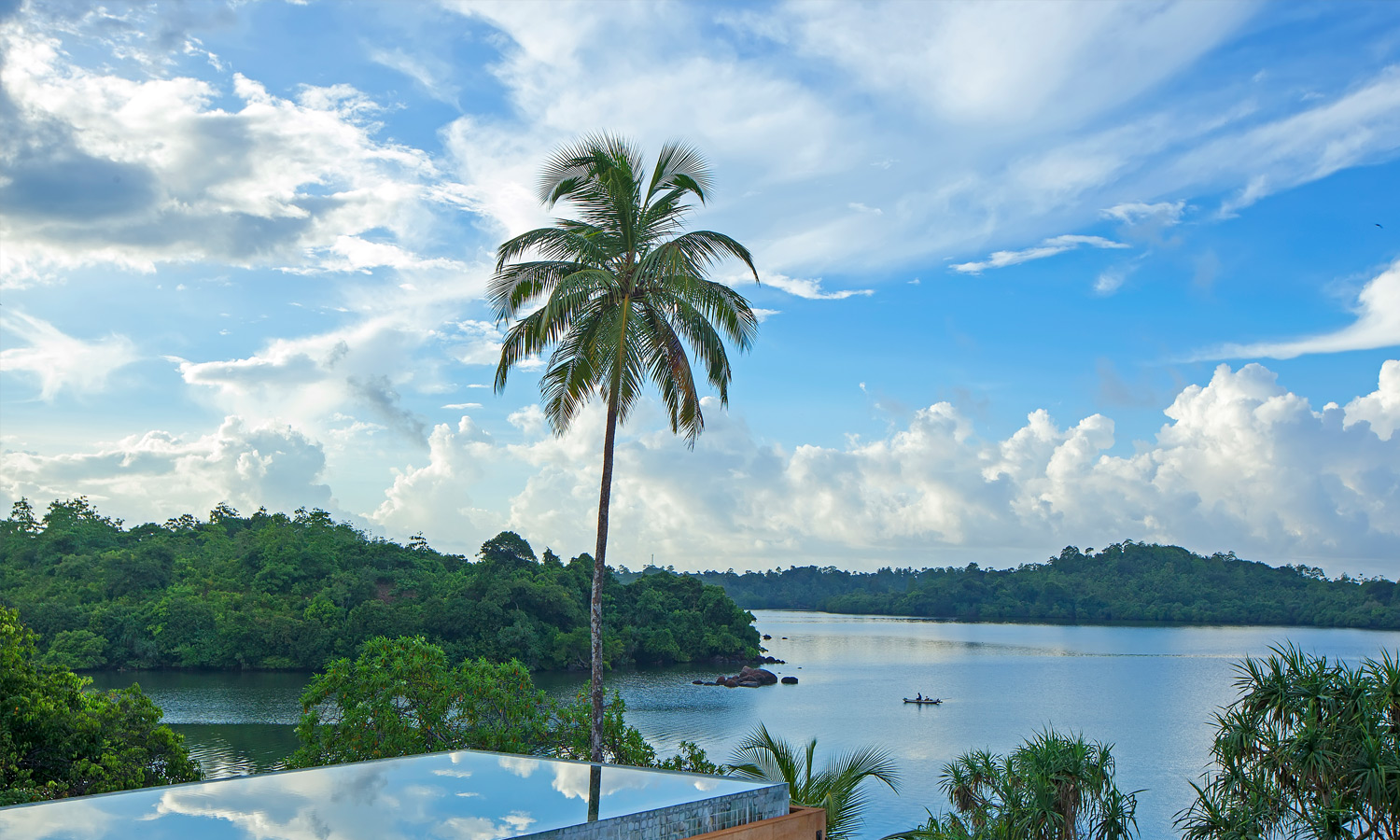
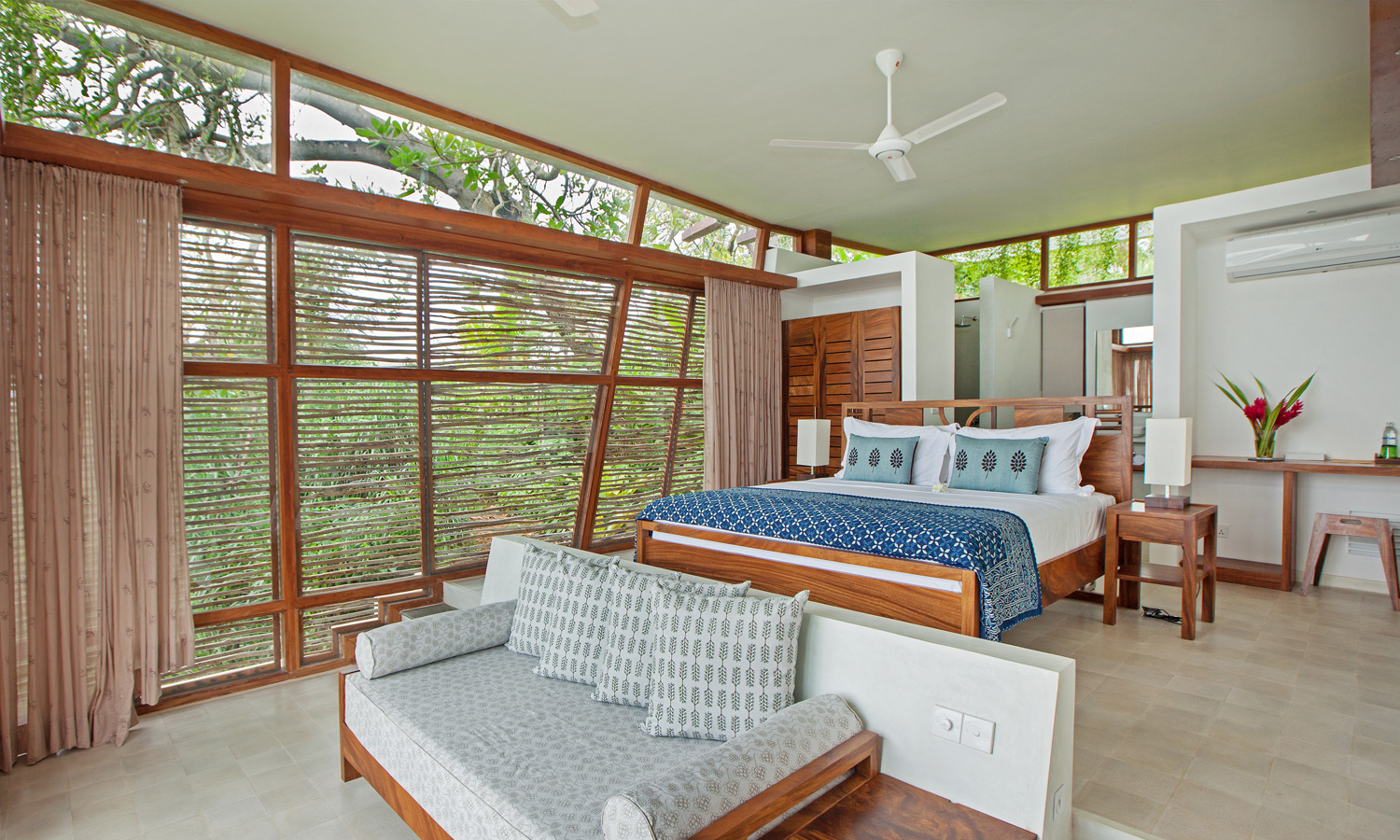
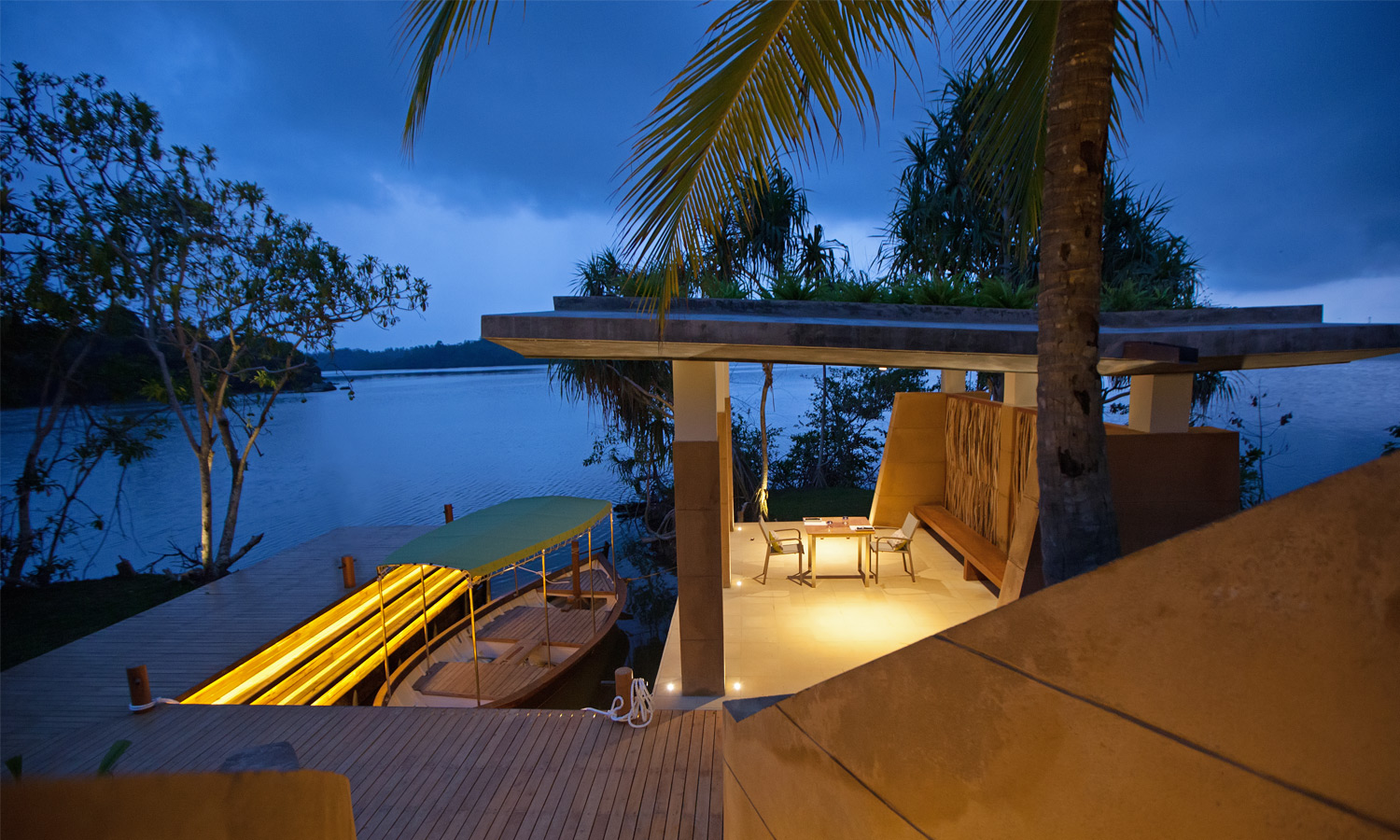
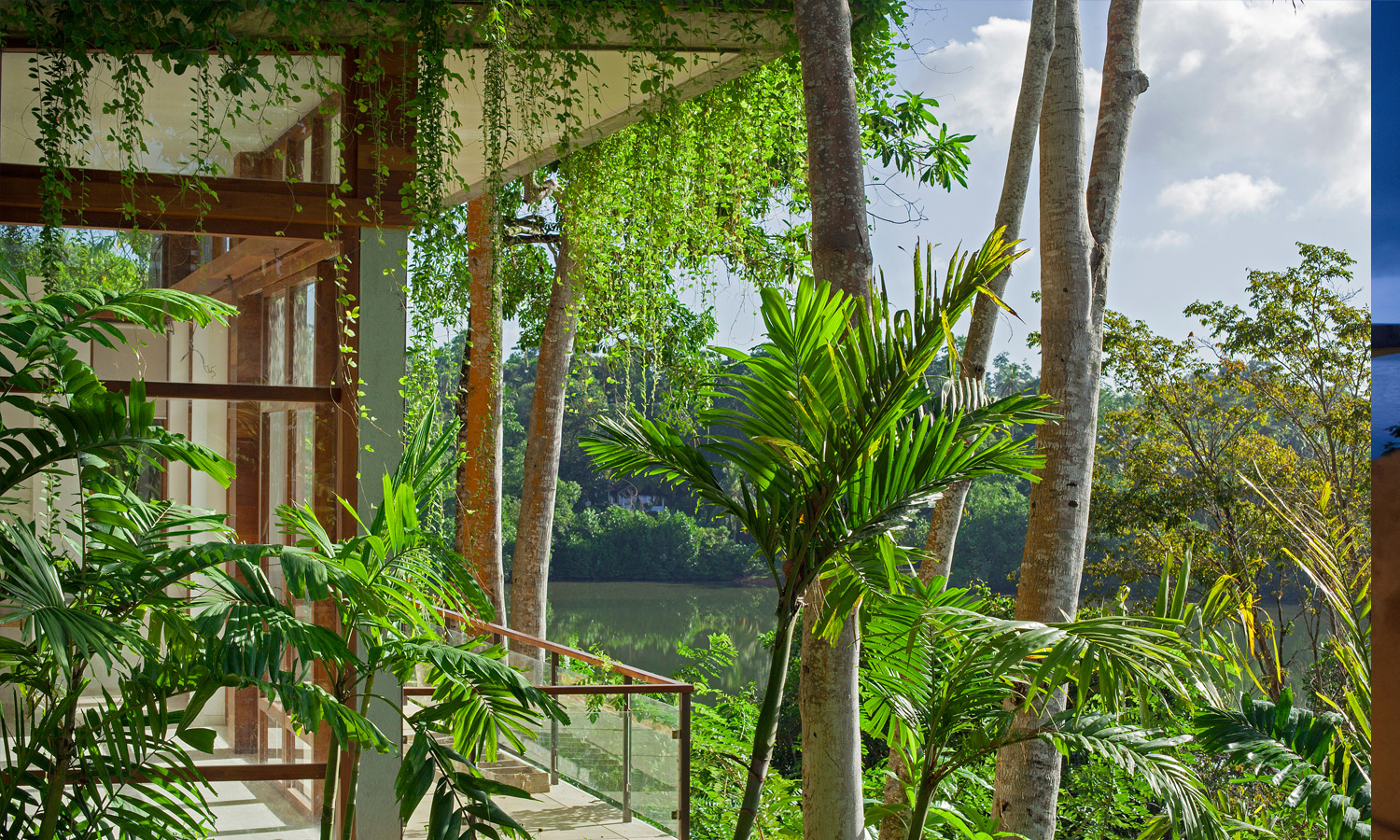
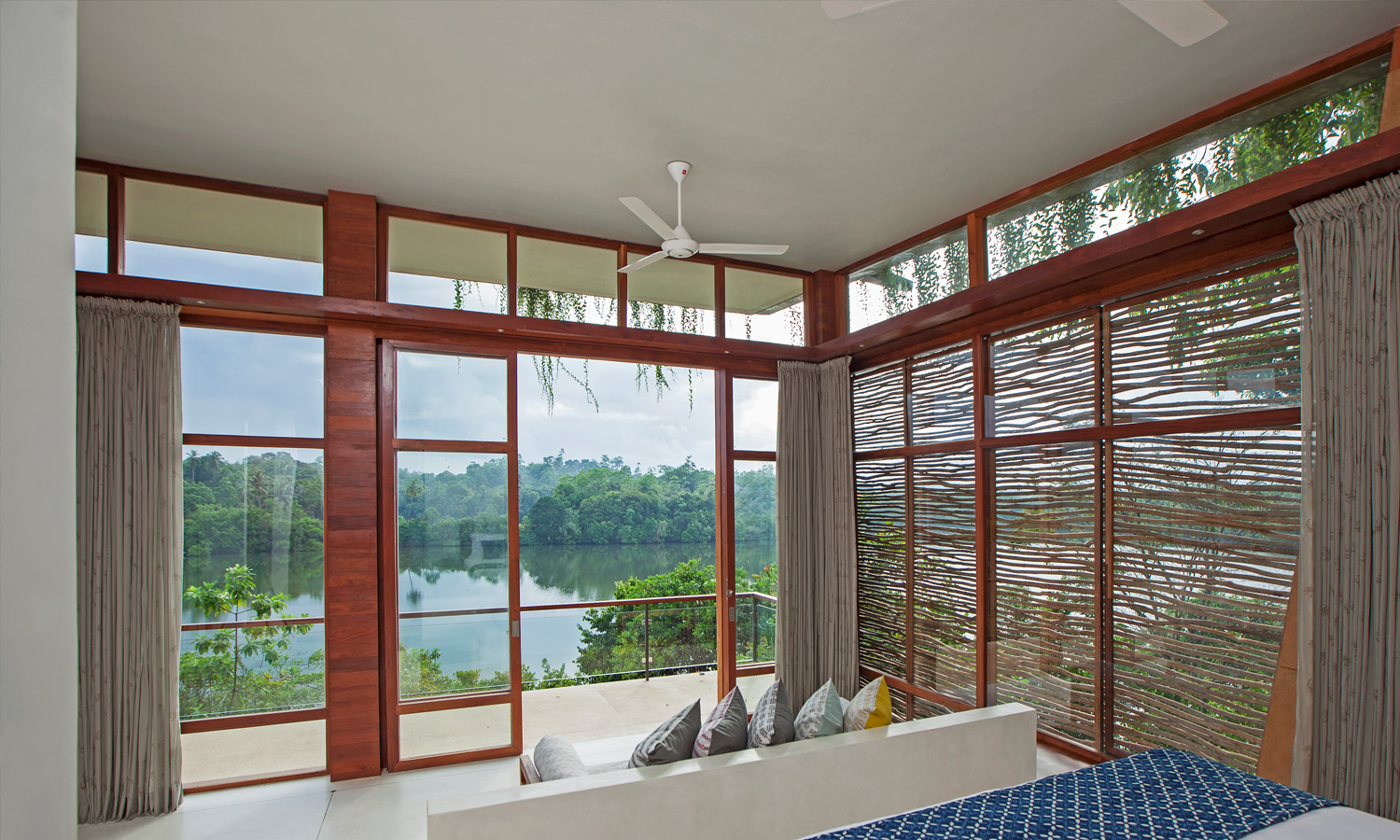
First came the surroundings, then the hotel – although they make such a perfect match it’s hard to imagine one without the other. Set on Koggala Lake about 20 kilometres from Galle, Tri boasts 11 suites created to complement the natural world around them. Eco-friendly design elements go beyond solar power and local material – here, you’ll also find living walls, green roofs and edible gardens abundant with local fruit, herbs and spices, including cinnamon.
Settle down by the cantilevered pool or stretch out in the treetop yoga shala. For something more active, kayak on the lake, go temple hopping or visit the hotel’s private beach just a short drive away. At night tuck into locally sourced seafood and produce and enjoy a sense of living closer to nature.
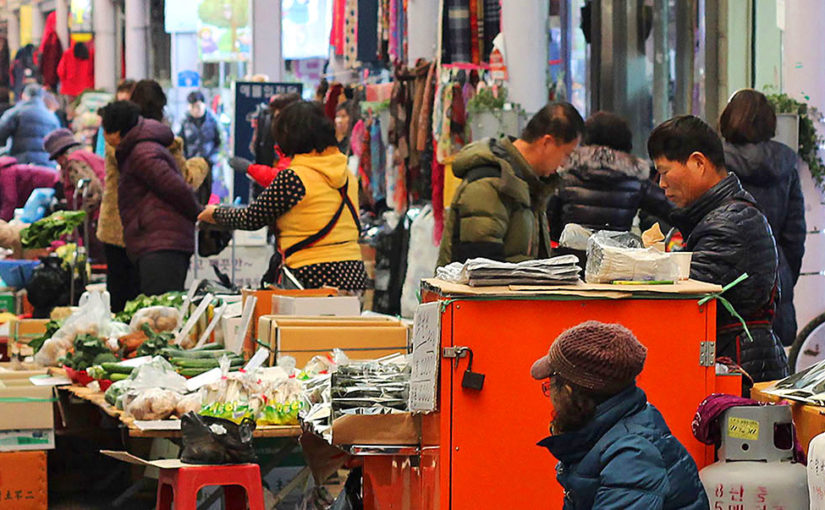
I’m lost in Chungju’s traditional market. The crossroad is a jumble of seaweed, boiling pork hocks, lace underwear and dried fish. A butcher bellows prices, his cleaver filling the air with meaty thwocks. My eyes sting as a cart of fresh ground pepper rolls past, and I pick a direction at random. It doesn’t matter which way I go – in Korea, all roads lead to tteok.
Sure enough, I find what appears to be a Parisian confectionery tucked among the fruit stands and chicken feet vendors. I ogle the rows of coloured bonbons and miniature cakes. There are pastel circles dipped in coconut, tiny flowers coated in jelly, white half-moons with delicate green stripes. Unlike your typical sweet treat, it’s all made of rice.
Tteok is traditional Korean rice cake. As ubiquitous as kimchi, it has a ceremonial weight pickled cabbage just can’t match. Tteok has been part of Korean culture for thousands of years. There are dozens of varieties to mark the journey from birth to death, each for a different life event or season.
Unlike the puffed-air frisbees I’m used to, Korean rice cake is dense and chewy. It clings to my fingers and pulls at my teeth like taffy. School children eat tteok before a big test to help the answers stick in their minds. But it’s also a celebratory food. Football-shaped songpyeon are eaten for the Chuseok holiday. White coins of garaetteok symbolise prosperity at Lunar New Year. My favourite is baekseolgi, a soft, spongy cake that celebrates a baby’s first hundred days.
Tteok used to be made in the home, but nowadays Koreans rely on tteok jibs to keep up with the revolving calendar of holidays. These specialty shops range from hole-in-the-wall kitchens to glossy storefronts. The cakes are made fresh to order and often include delivery. In South Korea’s convenience culture, there’s a tteok jib every few blocks.
I head to Chungju’s Munhwa neighbourhood to meet Hwe Yeong Ju, a tteok chef and jib owner. She’s been making rice cake for 20 years, and the walls of her store are lined with photos and awards. One picture shows her smiling in a white chef’s toque, another in a traditional hanbok (dress). Below the frames is a display case of specialty gift boxes.
The packages are nearly as intricate as the sweets inside.
But my translator is distracted by the window display. “Oh, so delicious,” she whispers, pointing to sesame-dusted injeolmi tteok. A popular festival treat, injeolmi is labour intensive. Its thick, sticky texture is achieved by brute force pounding. In the old days, this was done with man-sized hammers or wooden treadle machines. Just making the rice flour involved stone grinders, massive mortars and pestles, and maybe an ox.
The process was so exhausting it became communal. Extended families worked together to make enough for each household.
I ask Mrs Ju how tteok making has changed, and she leads us to the kitchen. It’s all stainless steel and white tiles. Hefty machines take the floor space, and shiny steamer baskets line the walls. Every aspect of the process is done in-house. First, rice is soaked for six hours, then ground into flour. Most people haul their rice to a miller, but Mrs Ju has her own grinders. There’s an automatic sifter, a machine for pressing injeolmi, and even one that wraps pieces like chocolate bars.
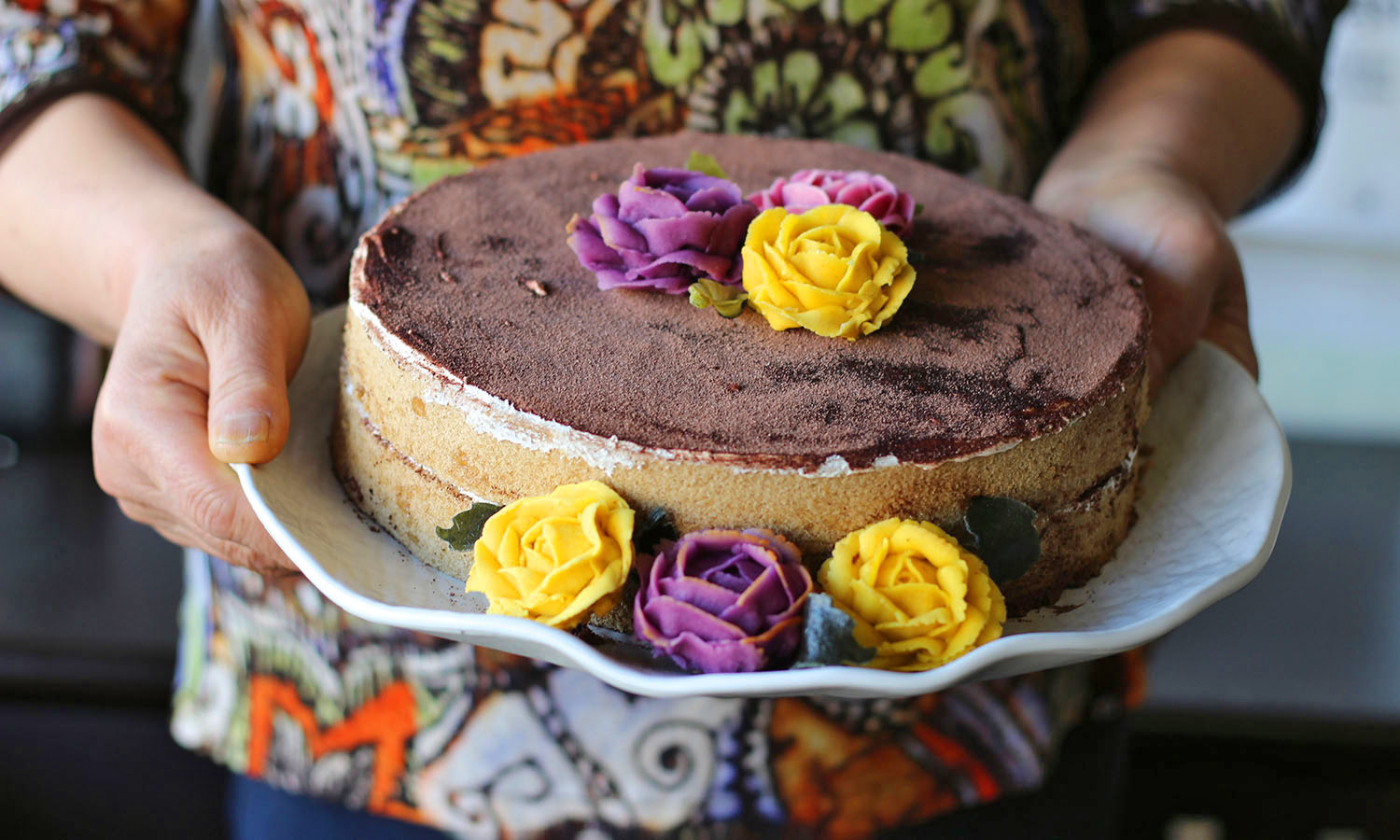
The metal worktable blooms with roses. These too are made of tteok and will decorate a chocolate rice cake. Western tastes and aesthetics have become popular in South Korea, creating demand for fusion recipes, but traditional flavours, like red bean, are still the most popular. The shimmering colours come from natural ingredients: mugwort greens, sweet potato purples, rich pumpkin yellows.
When I ask Mrs Ju about tteok’s shift from home to jib, she cites the economy. The country experienced a massive upswing between the 1960s and ’90s. Within her lifetime, South Korea went from a third- to first-world nation. Rocketing growth had an impact in the kitchen.
“As the economy developed, housewives launched into the world and got jobs,” she says. There isn’t time to make all that rice cake these days, but that isn’t the only factor. “People think making tteok is difficult,” she adds. It’s a perception she’d like to change, so she teaches a tteok cooking course at the Chungju Women’s Center. The students are locals, mostly young mothers and brides-to-be. Among them, I felt like a less-impressive version of Julia Child in France: loud, foreign and way too tall. But enthusiasm overcomes the culture barrier.
I ask one young woman why she enrolled, and the others answer for her: “To help get a husband.” “To impress her future mother-in-law.”
We’re making my favourite, baekseolgi. For a baby’s hundred day party, the cake is pristinely white, but tonight we add sweet potatoes for colour and flavour. The recipe’s surprisingly straightforward. Add potato to the rice flour, sift and steam. Mrs Ju demonstrates a batch, then turns us loose. Muggy clouds roll off our steamers, giving the air a summer closeness. We wilt, fanning ourselves with recipe cards. But our teacher walks the tables in a crisp lab coat, lifting lids, tasting, adjusting, coaching. Tteok is as much art as science.
This is especially true with our homemade rice flour – it’s hard to get the moisture right. She rubs my mix between her fingers, then sluices in more water. She has me feel it. My fingers find a texture like grated parmesan cheese. It clumps when I squeeze it, and she smiles: perfect.
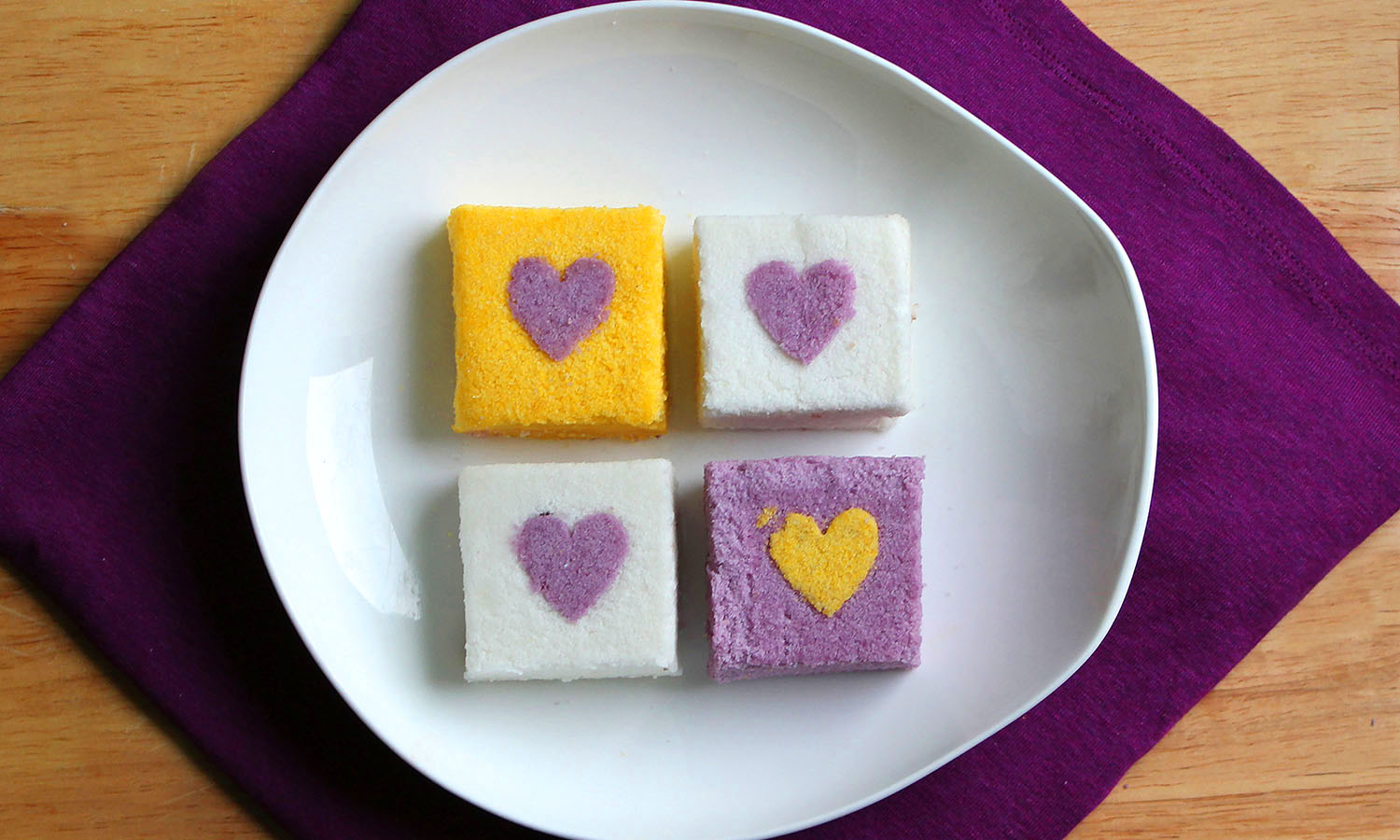
We use both purple and yellow sweet potatoes. Mrs Ju has us layer the colours in the steamer basket, so it cooks in stripes. Then she gives us a pro-tip: cut the tteok before steaming for clean, perfect pieces.
Afterward, we turn our baekseolgi out onto the table. The colours are Crayola bright, and the two-tone squares look like kitchen sponges. Mrs Ju offers plastic bags so we can take our triumph home. By the end of class there’s no need. We’ve eaten it all.
INGREDIENTS
4 cups tteok rice flour (also called glutinous rice flour, available at Asian grocery stores)
1/2 teaspoon salt
1 sweet potato, mashed
1/4 cup caster sugar
METHOD
Line the basket of a 30-centimetre steamer with cheesecloth or baking paper.
Combine rice flour and salt in a large bowl. Rub the mashed sweet potato into the rice flour with your fingers. Sift the mixture through a wire sieve.
The resulting powder should feel coarse, like grated parmesan cheese, and clump together when squeezed. If it doesn’t, add one tablespoon of cold water at a time. Rub it into the powder until you have the right texture.
Sift the powder a second time. Sprinkle in the sugar and mix gently.
Pour the powder into your steamer basket, and smooth the top. Cut the pieces you want, so they cook with clean edges. Steam for 20 minutes and turn out onto a plate to cool.
Tteok tastes best the first day, but it also freezes well. You can substitute squash or cocoa powder for sweet potato, as long as you adjust the moisture accordingly. Spices, nuts and dried fruit are delicious additions as well.
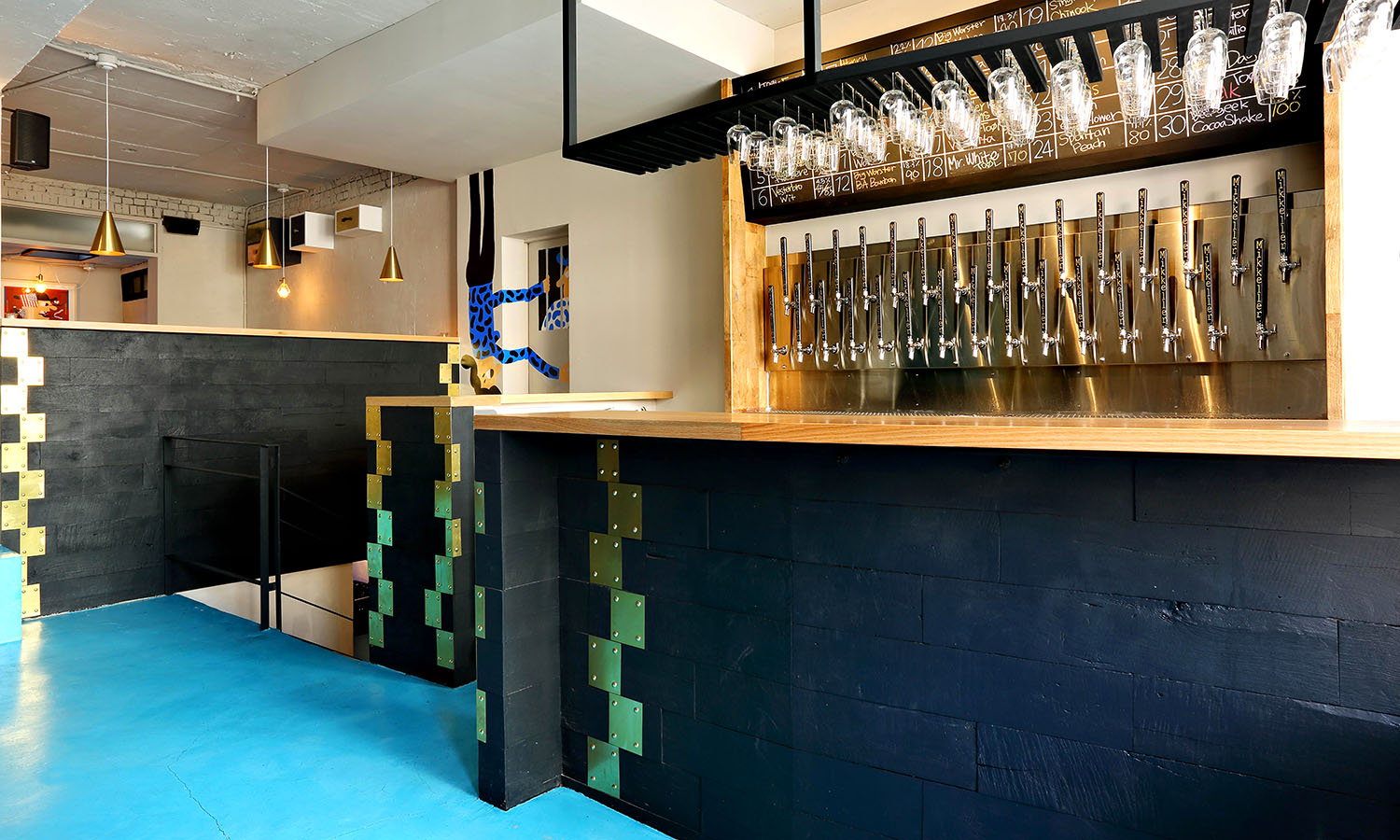
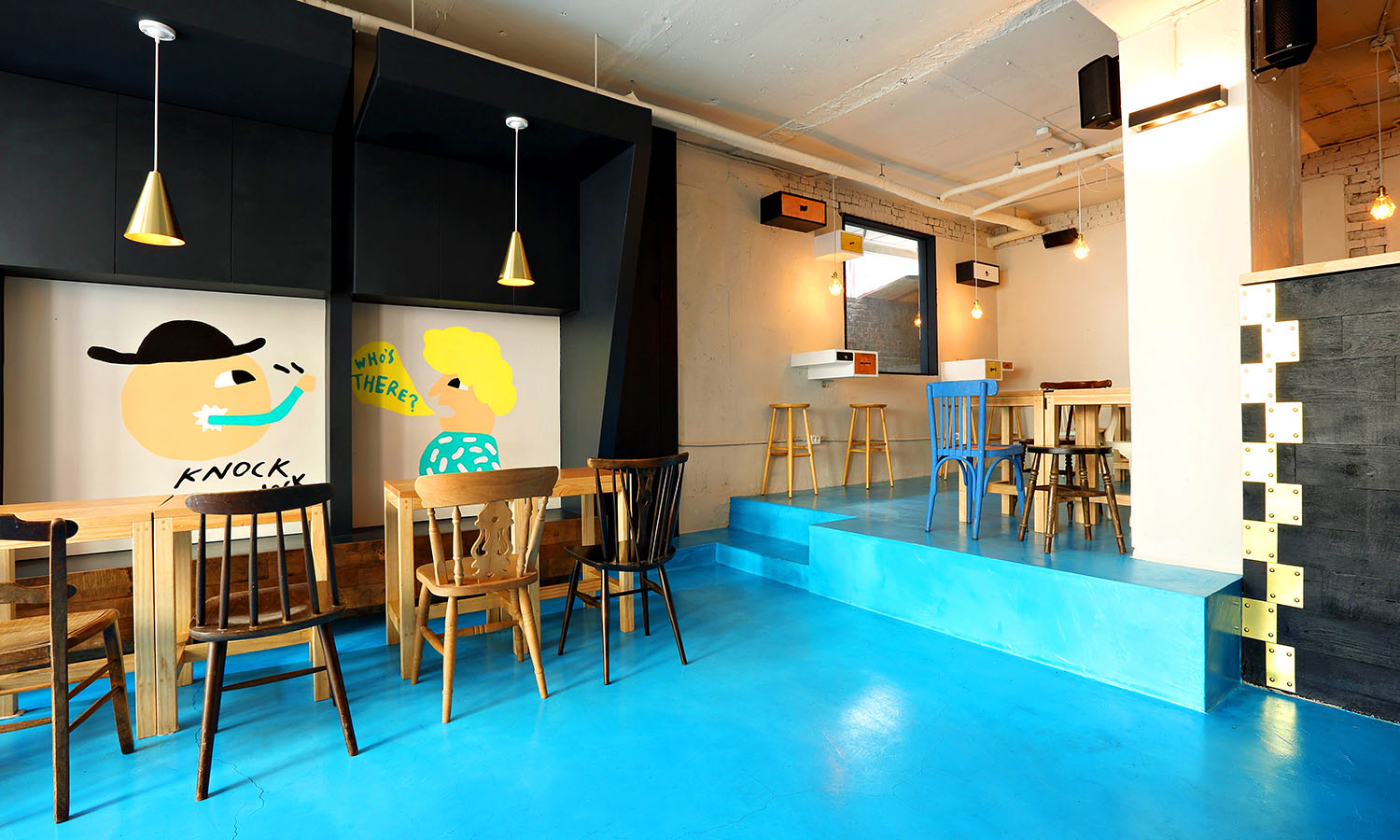
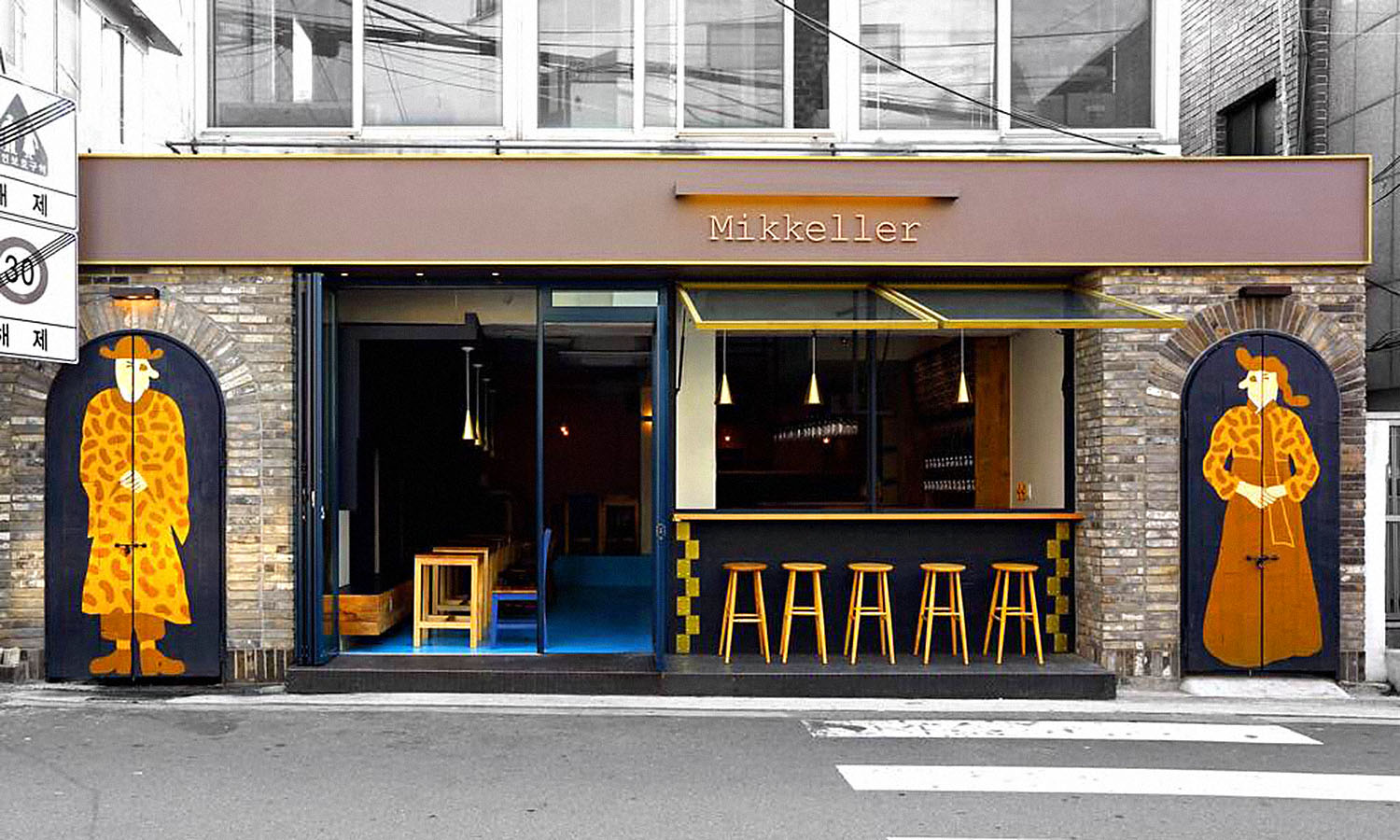
Wander up a back alley in Seoul’s Garuso-gil district and enter Mikkeller, a minimalist craft-beer haven. Laden with bold colour, this stripped-back space is the spot to taste 30 craft beers from around the world. There’s an excellent selection of the company’s own beers, but there are also offerings from breweries like Evil Twin, To Øl and 8 Wired – all of them on tap. Slurp down glasses of tantalising drops with tongue-twisting names like Spontan Watermelon, Crooked Moon Tattoo Stockholm and Wit My Ex while admiring the modernist cartoons scattered around the walls.
Drawing on its Danish heritage (the venue’s one of several offshoots from a bar in Copenhagen that goes by the same name), the fit-out is simple and organic, with a dash of Korean cute – the perfect place to immerse yourself in Asia’s burgeoning craft beer scene.
I began with a simple plan: Get as far away from the city as possible and spend two weeks exploring a side of South Korea few outsiders experience. I bought a ticket on the KTX, one of the world’s fastest trains, and charted a course south toward the cultural core of northeast Asia’s oldest civilisation.
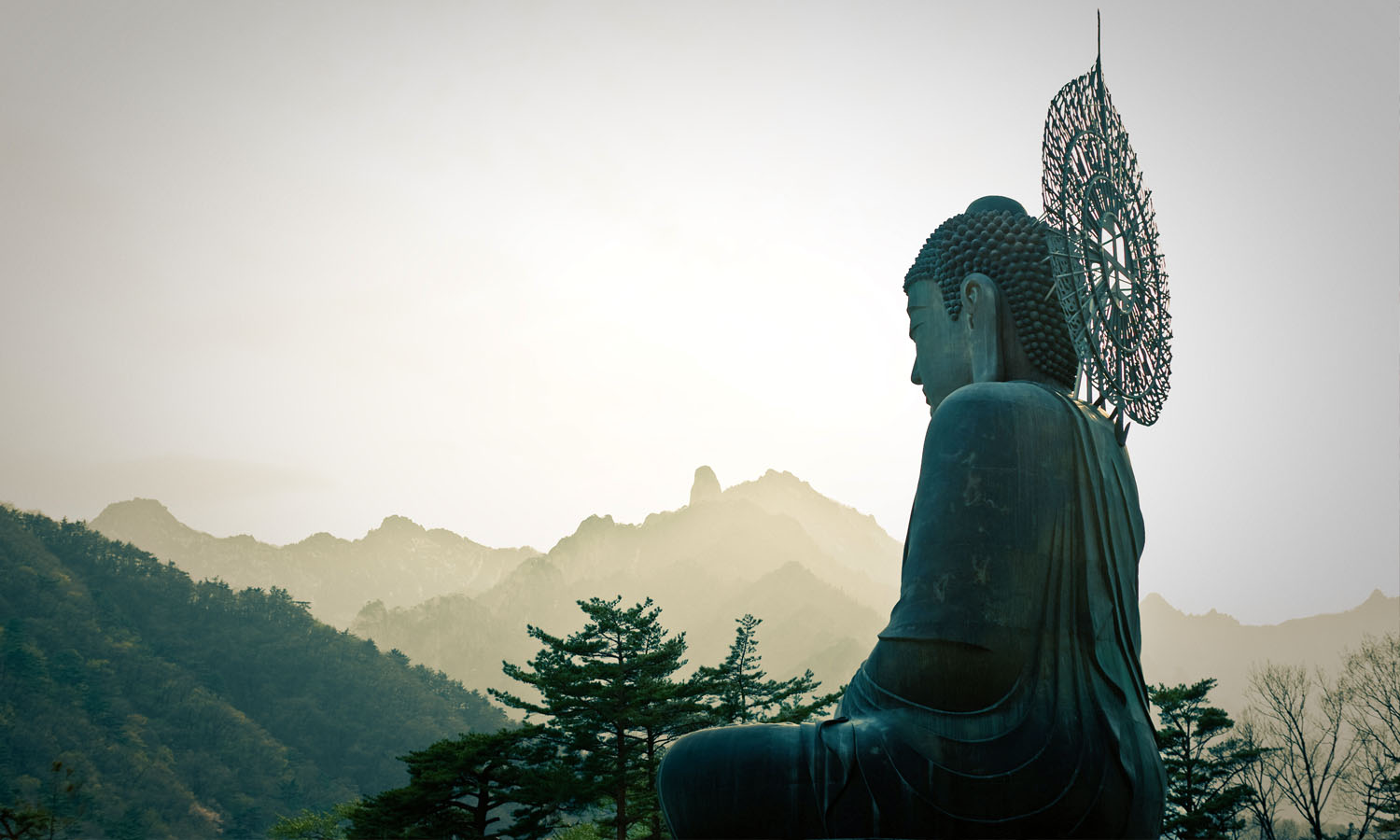
Seokguram Grotto is a holy place and now I’m holed up in it. I hitched, huffed and hiked out this way in the early hours to bask in the beauty of nature, cleanse my soul of the misgivings of Seoul and watch the sun rise. I came to see the understated side of the Land of the Morning Calm, but hours after it should have appeared I’m still waiting for the sun’s grand entrance.
Legends abound on the history of this ancient precipice. The most inspiring suggest that during the summer solstice when the light is right and the stars are aligned, the sun reflects off the Buddha’s third eye and illuminates the tomb of King Munmu in the East Sea. Munmu’s tomb protects Korea from Japanese invaders, the Buddha protects the tomb and a security guard protects the Buddha. With fables in my mind, I sit and watch the thunder clouds move from peak to peak, delivering their payload with unabated enthusiasm. I’m suddenly jealous of friends fond of the meditative life. Here I am in a place where serenity reigns, and all I can think of is moving on and exploring the countryside.
In the gloomy mid-morning, I return from the Seokguram Grotto and make my way to Bulguksa Temple, South Korea’s most venerated national treasure. This working temple is an architectural masterwork, an eighth-century stroke of Silla kingdom genius. Bulguksa contains no fewer than six designated national treasures, including the stone Dabotap and the simple Seokgatap pagodas. Even to an outsider, the beauty of these pagodas is every bit as stunning as better-known temples in neighbouring China and Japan. But unlike Beijing’s Forbidden City, a visit to Bulguksa means you don’t have to fight your way through thousands of camera-toting tourists.
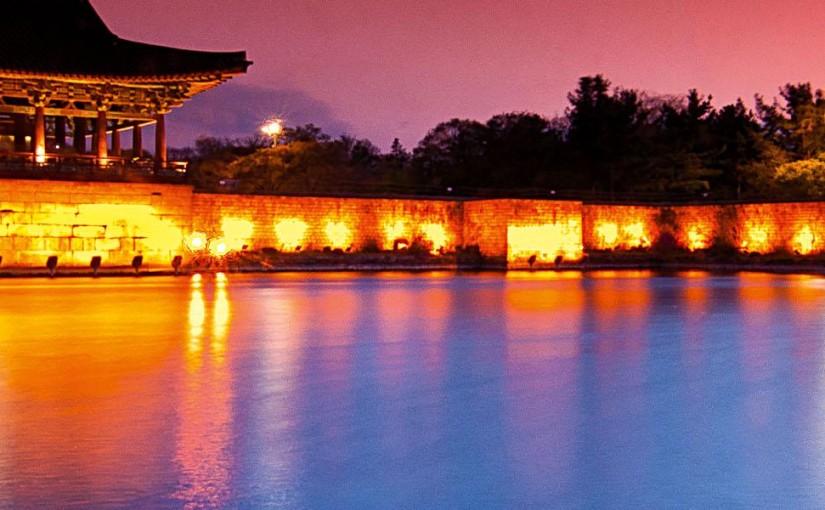
Bulguksa’s walls don’t just drip with history – they are the foundation of history itself. Construction started on the temple as far back as the year 751. This is the Korea that existed before glass and granite. It’s a side of the country I didn’t know existed until now. International travellers flock to the Great Wall of China, smoky warrens of Hong Kong and the temple gardens of Japan. Yet locals know that this is a place worth visiting, and they arrive ready to pay their respects in the shadow of the Toham Mountain among ancient relics.
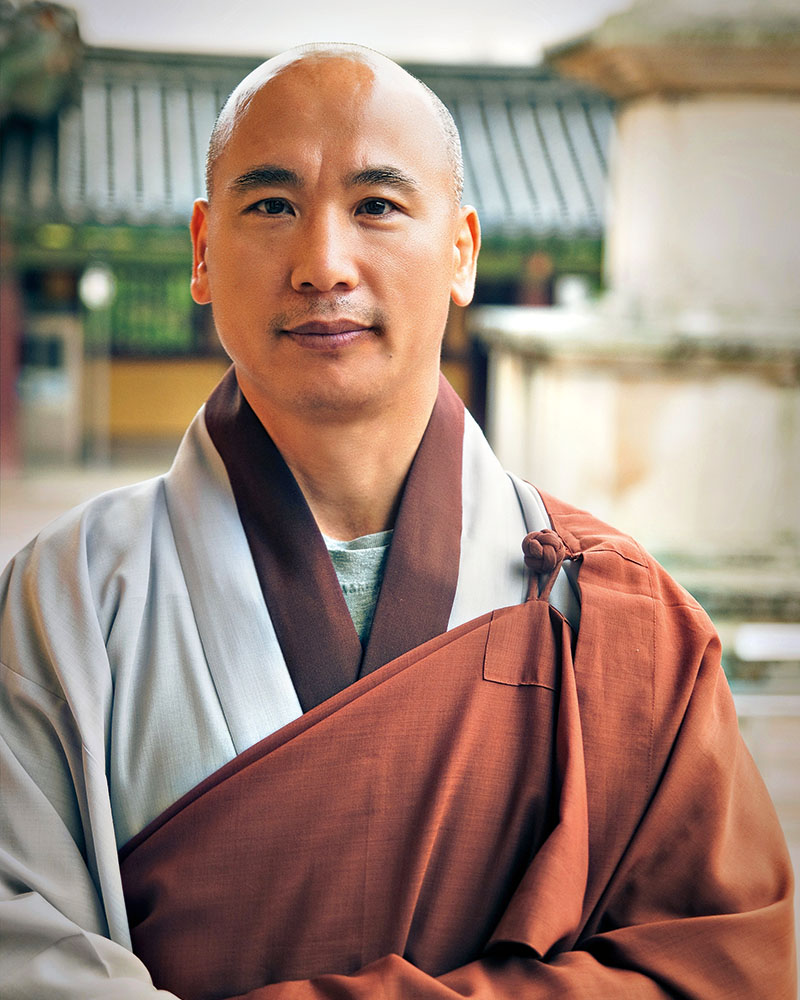
Wandering the grounds at Bulguksa in the pouring rain I’m joined by a monk wrapped in neat mahogany hues and clean shades of grey, a small umbrella balanced delicately over his shoulder. He squeezes some of the water from my dripping sweater, shifts his umbrella from his shoulder to mine and says something that, I guess, could be translated as ‘you smell as though you have been bathing in spoiled kimchi’. He invites me into his chambers for tea and offers me a chance to dry out my clothes. I disrobe and sit cross-legged on a straw mat in nothing but soggy underwear, and accept a cup of steaming green tea. Anywhere else in the world this would seem awkward – embarrassing, even – yet here I’m perfectly content, engaged in conversation. The monk recounts bits and pieces of 5,000 years of antiquity, wrapping my mind in the rich, multilayered tapestry of Gyeongju City.
I’m told about the power of the lotus motif, why gold leaf is edible and what a monk does on vacation. Yet for all the time we spend together, I am affected most by what the monk tells me about travel. “The further you go from Seoul,” he says, “the closer you get to the heart of the country. But you can’t get there alone.” He suggests I visit nearby Busan, to see how history has informed the Korea of today.
The mosaic port city of Busan is a place where decadence and eclecticism mix in unexpected ways. Busan is host to the annual Busan film festival, and home to the global shipping industry’s fifth-largest port, earth’s third-tallest building and the largest department store in the world. This is also a city known for its nightlife, world-class museums, fine dining and proximity to nature. Busan has more layers than an onion, but if you don’t know how to cut into it, it can leave you sobbing. So I turn to a friend for help.
Nathan is an American photojournalist based in Japan, and he’s been around the block. Travelling with Nathan is like dumping a bee hive into your trousers and rolling down a hill: certainly dangerous, but always entertaining. He agrees to meet me in Busan.
I exit the human pinball machine that is Busan Station and make a run for Haeundae Beach, the city’s biggest tourist attraction and a place that can make an overnight millionaire of a sun umbrella salesman.
Nathan is waiting for me, standing out among the crowds in his beige trousers, horn-rimmed glasses and with his battered satchel. “Where do we start?” I ask, pulling my guidebook from my bag. Nathan takes the guidebook from my hands and shoves it deep into his satchel. “Forget it. We’re going to rewrite the book on Busan,” he says.
Our first stop is Busan’s Russian Quarter. Tourists know it as an atmospheric place for a stroll and a great place to find a deal on swag, but locals know better. After dark, the streets here become a labyrinth of pleasure shops; a place where roughnecks from all over the world and sailors from the Korean corps come to blow off steam. I can’t think of a stranger way to spend our time in Korea, so I ask Nathan what we’re doing here.
“We’re getting real travel advice,” Nathan says, accepting an invitation into an uninviting bar.
Two beers are procured for us by an elderly Russian lady. “First you drink,” she says, allowing whatever it is she intends us to do next to hang in the air between us.
Two girls enter from the back room, though between them they’re only wearing enough clothing for one person. One is blonde. Her name is Sasha. The other is blonder. Her name is Nikki. Immigrants from Vladivostok, they’ve been living in Busan for the better part of seven years. “Skip the beach. Everyone goes to the beach,” Nikki says. “And everyone goes at the same time. If you want to see the real side of Busan, you start right here.” Nathan whispers something to Nikki, and Nikki whispers back. I grow increasingly uncomfortable. Sasha reaches into a drawer and comes out with a map and a pen. “You tell your guide book to call me the next time they need an itinerary,” she says, scribbling notes for us. “We are Busan’s best travel agency.” Sasha hands over the map marked with her notes and the girls wave us goodbye.
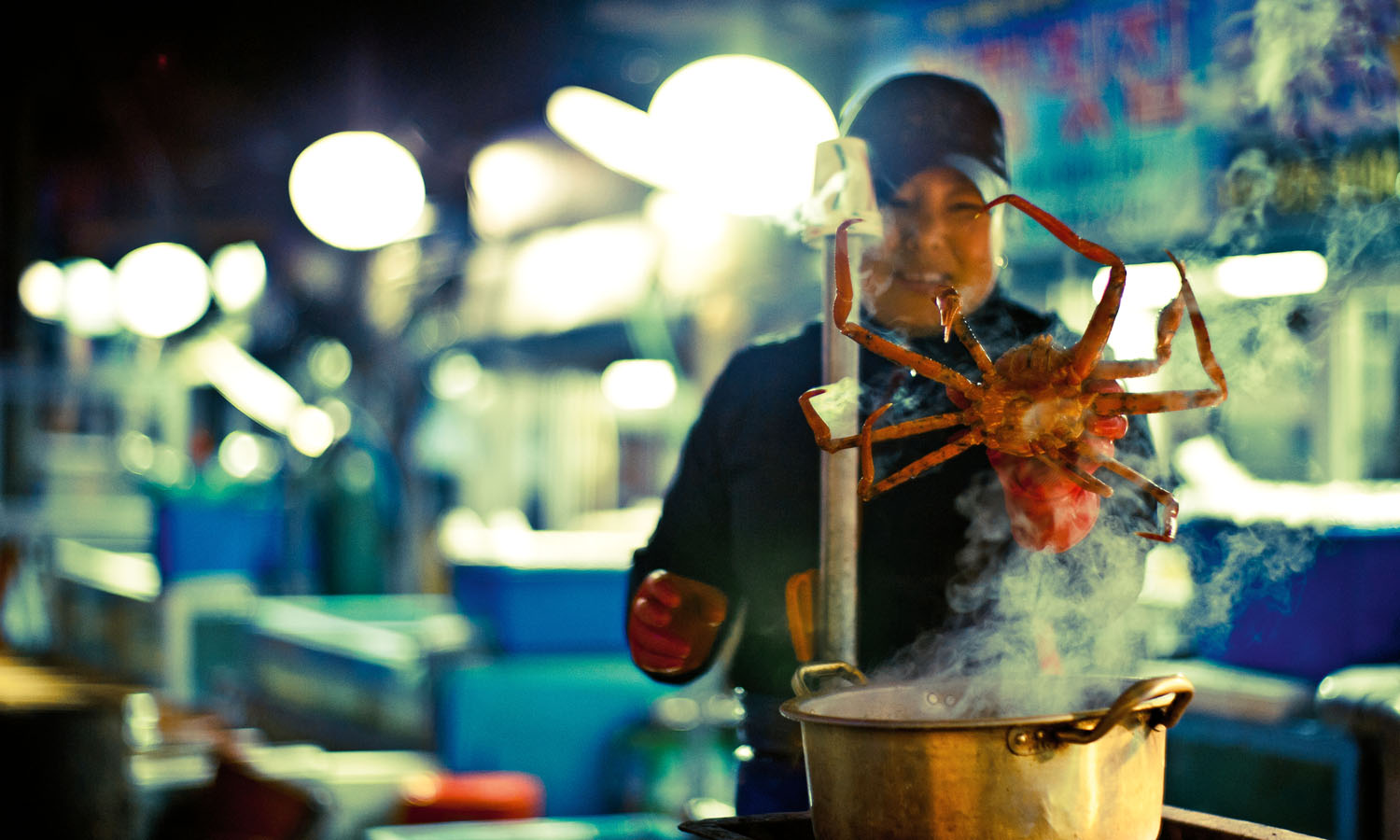
When my heart stops racing I ask Nathan why he brought me down here in the first place. “We could have got that information anywhere,” I say. “Of course we could have,” Nathan says. “But then I wouldn’t have got to see you squirm. Besides, I knew they’d be able to tell us where to go for dinner.” We end up in a small Russian restaurant and spend the rest of the night feasting on pierogi and alternating between shots of vodka and soju while rubbing shoulders with roughnecks and Busan’s party crowd, folks that know the Russian Quarter as one of the best places in town to eat, party and play. To say that I don’t have a great time would be a lie, even if Nathan did get my goat. I ask what else the girls put on our itinerary. “Tomorrow morning we’re going to the fish market,” Nathan says. “But we’ve got to be there early.” Busan’s fish market is one of the largest in all of East Asia, and a great sensory delight. Sasha has told us which vendors sell the freshest mussels, where to find good grouper and how to tell a good blowfish from a bad one. By 7am we’ve met half of the merchants, spent some time on the shipping docks and taken our fresh haul up to the second floor of the market to be cooked in front of our eyes. Between bites of fish, Nathan looks up at me and smiles. “Not a bad way to start our tour,” he says. “We can catch a cargo ship to Russia if we hurry.”
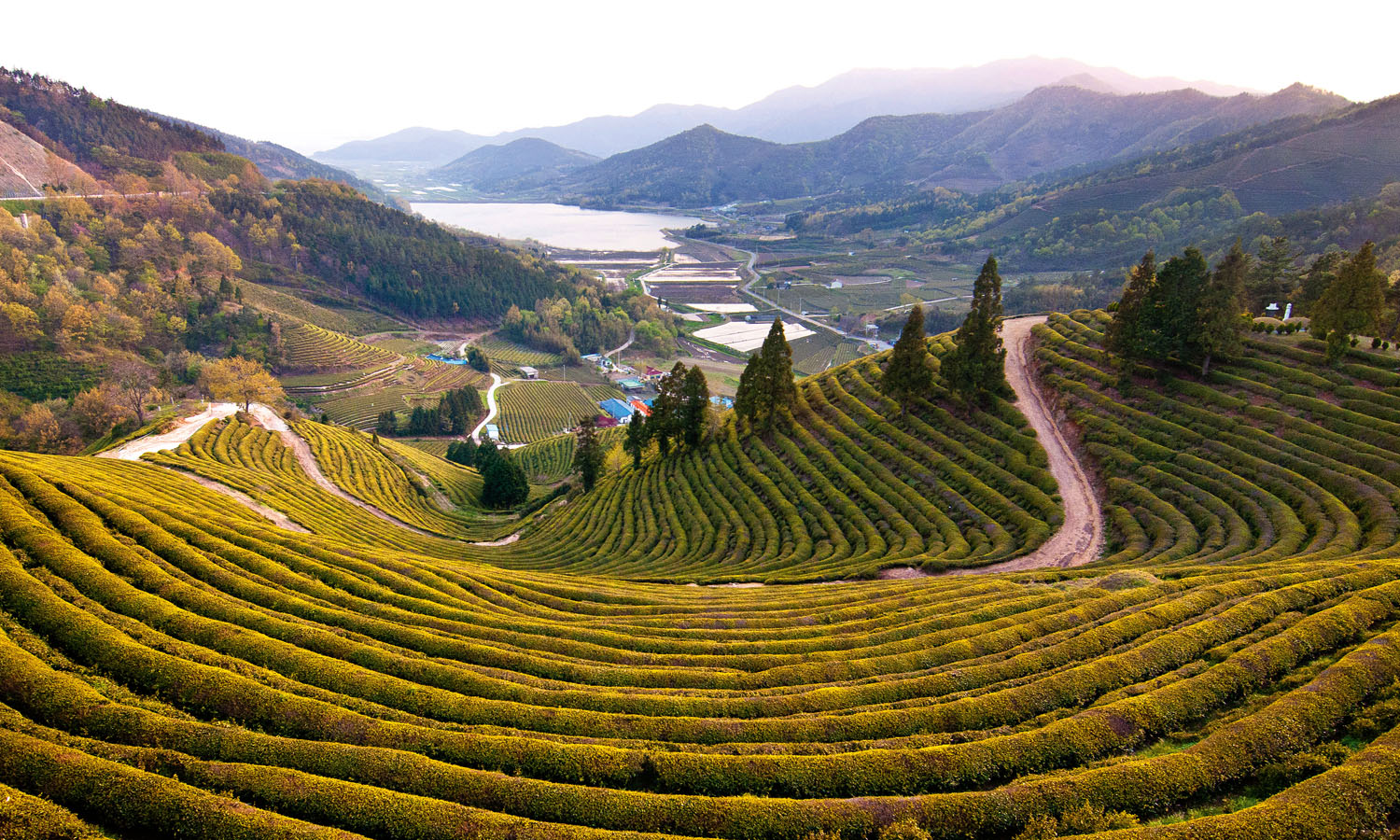
Reluctantly, we leave Busan behind and depart for our next destination. We ramble up and over the waves of green at the Boseong Tea Fields before charting a course to the island stronghold that is Ulleung Island. We scratch our heads at the sight of the Gochang Dolmen – a quizzical landscape of 35,000 Bronze Age stone burial markers – before heading for the northern border and the Seorak Mountain Range, the location of our final pilgrimage.
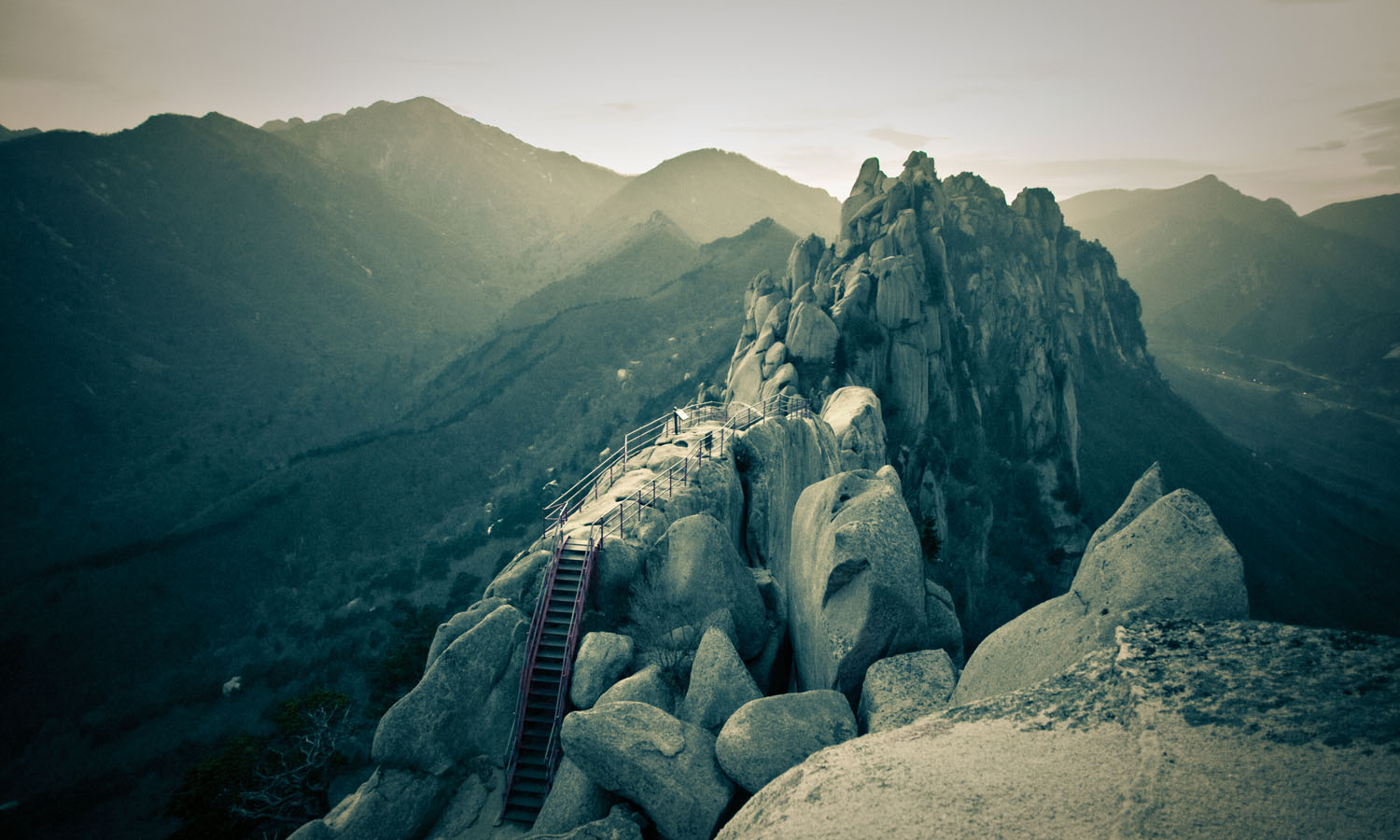
Nothing stirs the national spirit of South Korea like trekking. We decide to get in on the fun and see the sunset from the pinnacle of Seorak Mountain, a granite kingpin that towers over the Sea of Japan, the mysterious hills of nearby North Korea and the picturesque seaside village of Sokcho. We meet all manner of folk coming off the mountain as we begin our ascent, their spirits enlivened by the mountain air, each eager to paint us a picture of what is to come. Halfway to the summit we join a large family for a barbecue. It’s not uncommon to see a portable gas grill and two pounds of fresh pork stuffed into a backpack in the mountains. Later we catch up with a pair of brothers from down the coast and share a bottle of Korea’s ubiquitous national spirit, soju, a distilled beverage commonly compared to vodka. A good day of trekking begins and ends with libation, according to a contemporary Korean proverb. The day wanes as we climb and darkness encroaches. The soju and the crisp mountain air cleared my mind, and I’m wondering if this dark ascent is a good idea. Nathan tells me not to worry.
We make the summit at Daechongbong Peak in a driving wind that threatens to blow us into the valley below. We’re alone now, gazing out over this very alien moonscape, the craggy mountain awash in soft blue light, with squid boats lighting the horizon like an infinite army of stars. Standing among the storm clouds is as much a metaphor as it is a moment.
South Korea is a beguiling and charming nation that reveals itself to travellers in bits and pieces. Korea’s traditionalist dignity, amiable locals and futuristic outlook have thrilled me, surprised me and grown on me. Staring out the window on my train bound for Seoul I can’t help but reflect back on these two weeks fondly. I’ve felt at home here, and understand now what the great wordsmith Robert Haas meant when he said: “Korea becomes a synonym for life”.
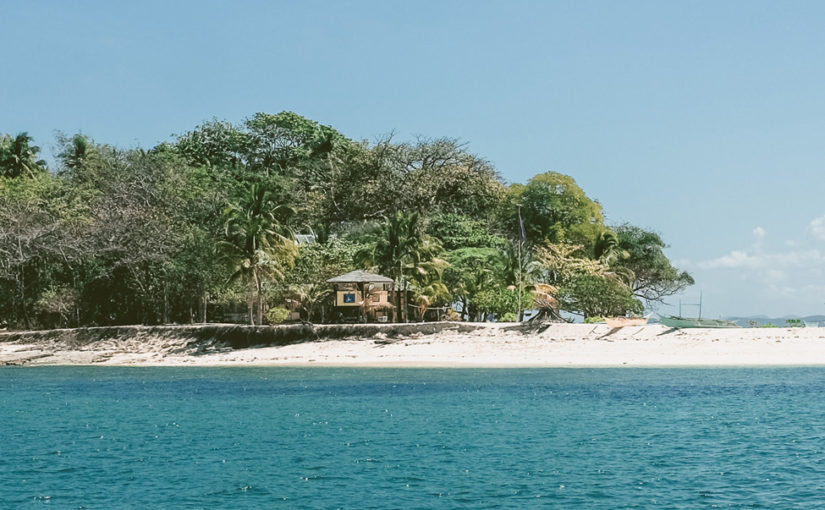
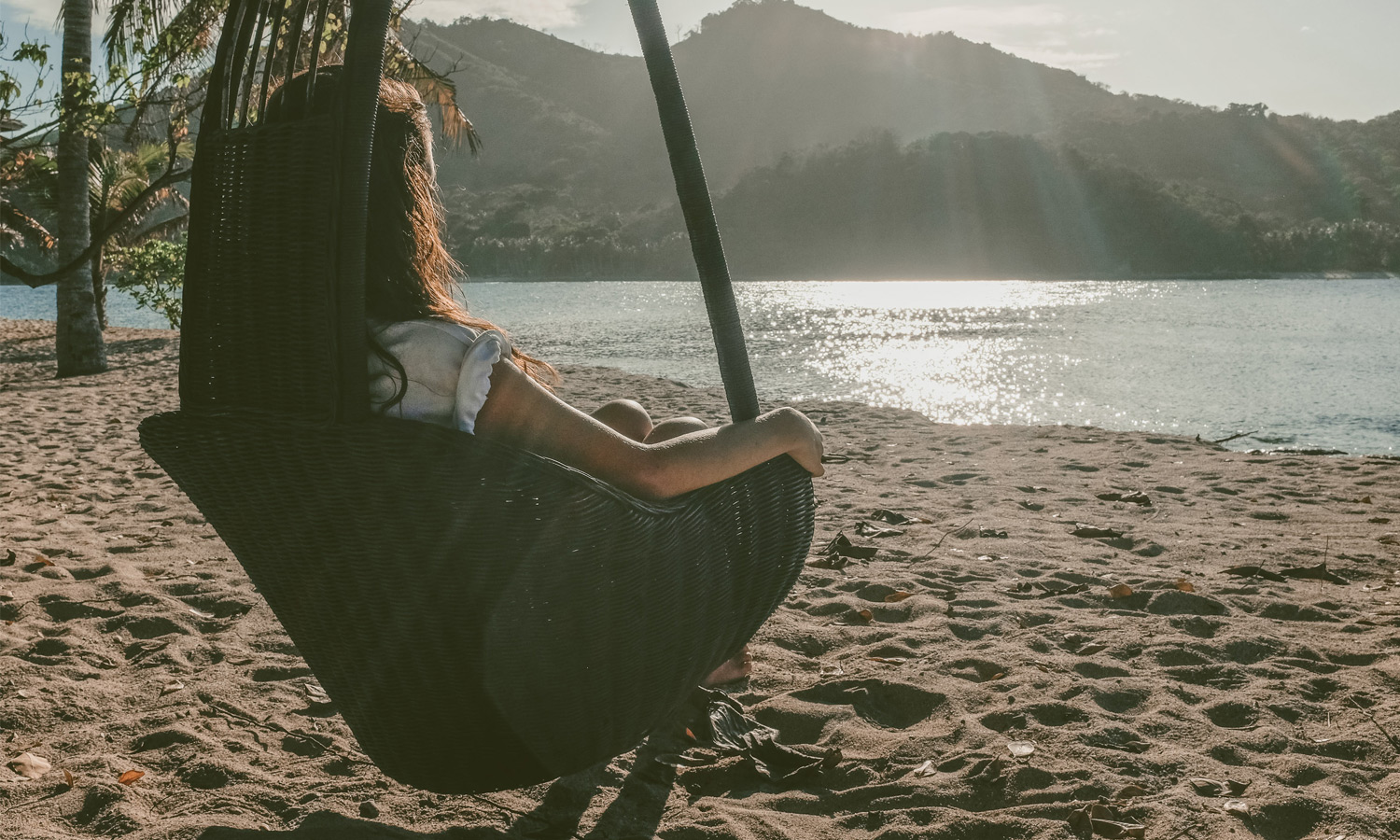
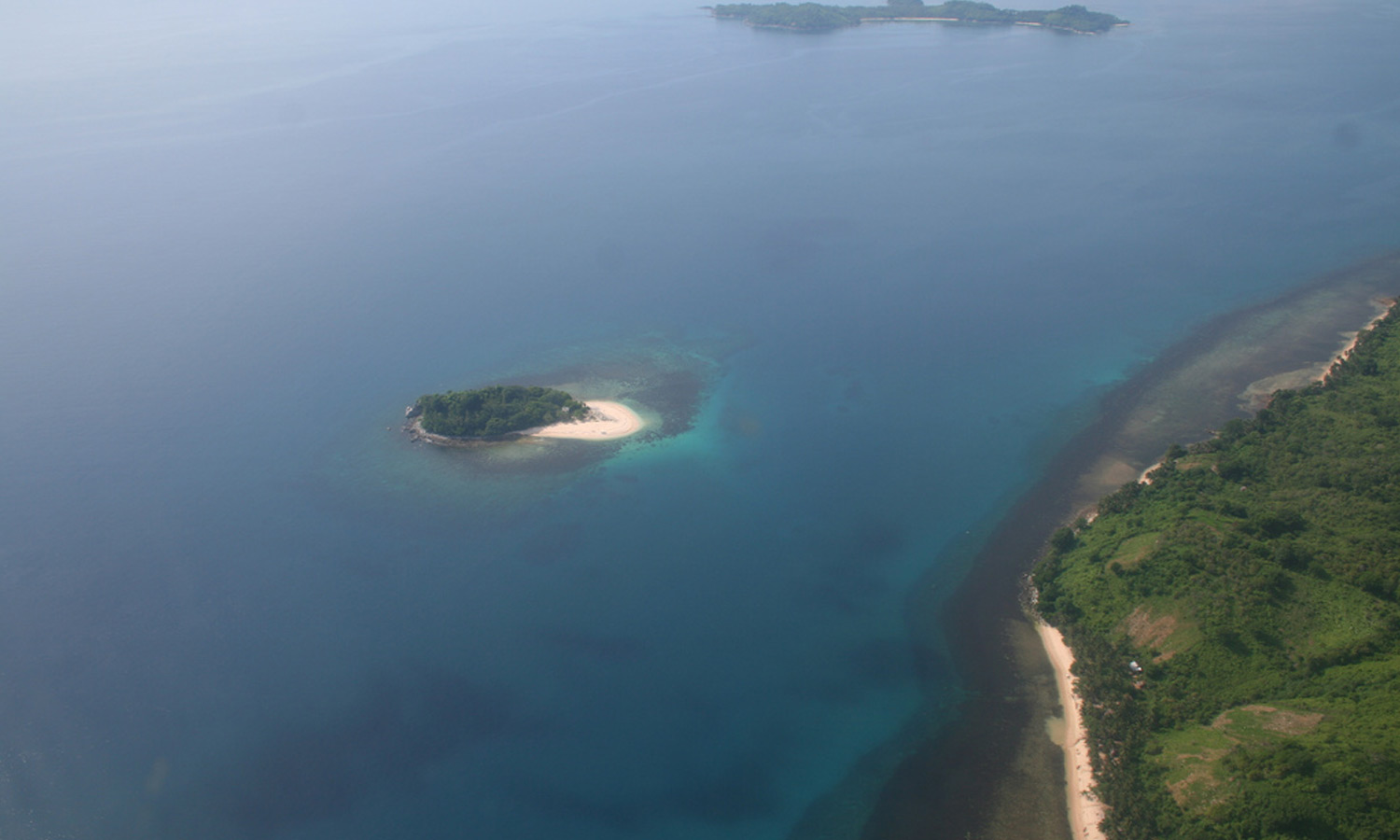
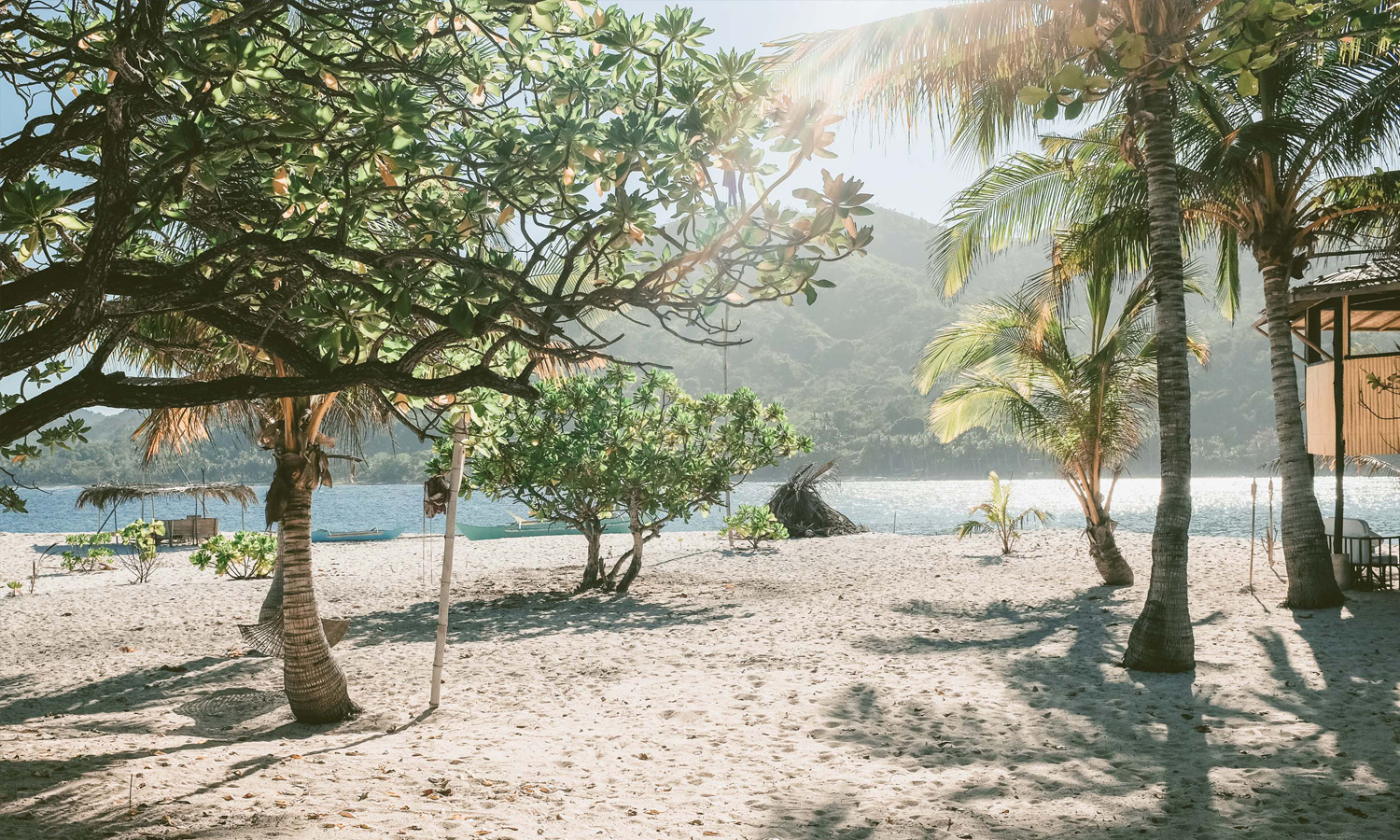
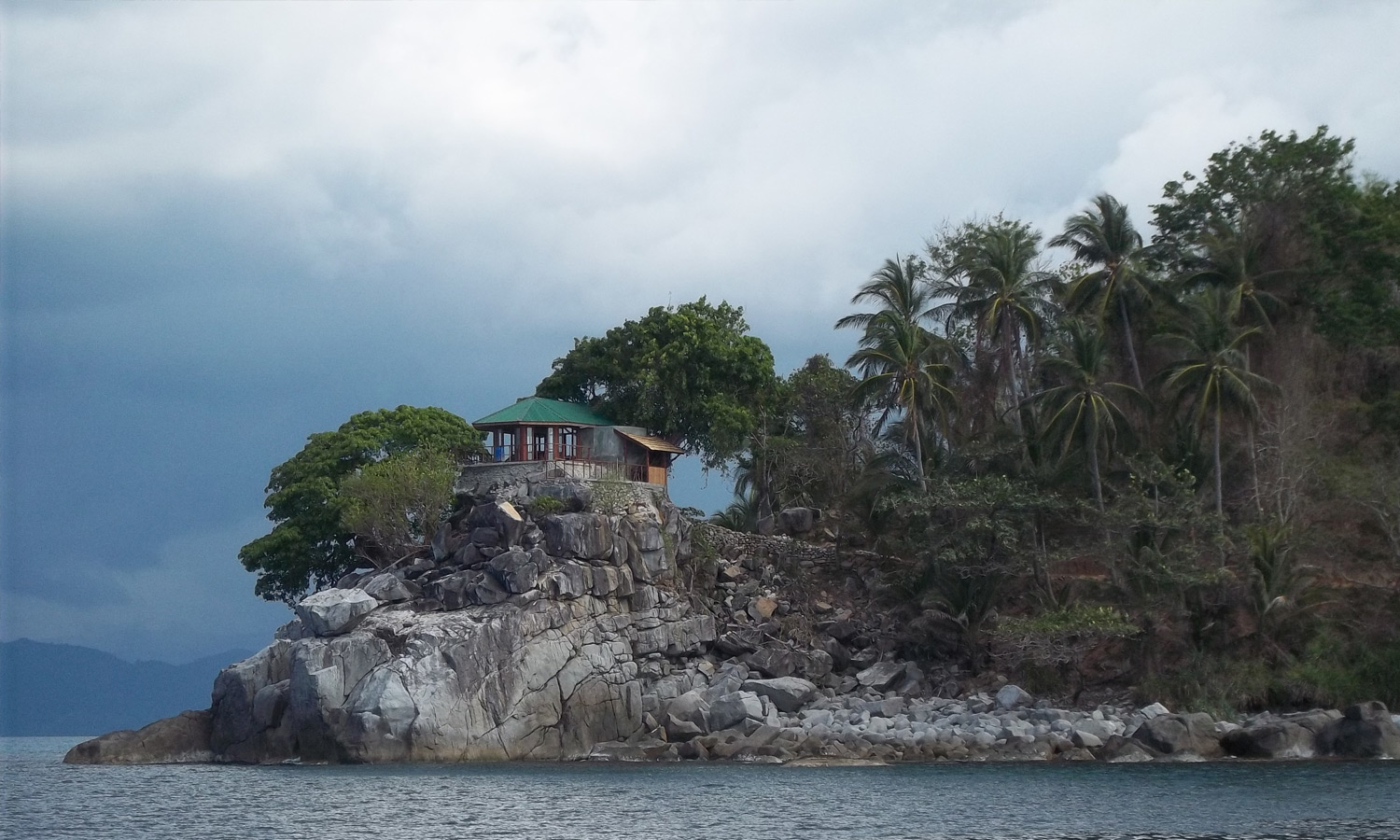
The simple life is waiting. Situated in the Sulu Sea in Palawan, this private tropical island – just two hectares but with an expansive white-sand beach – is a secluded paradise.
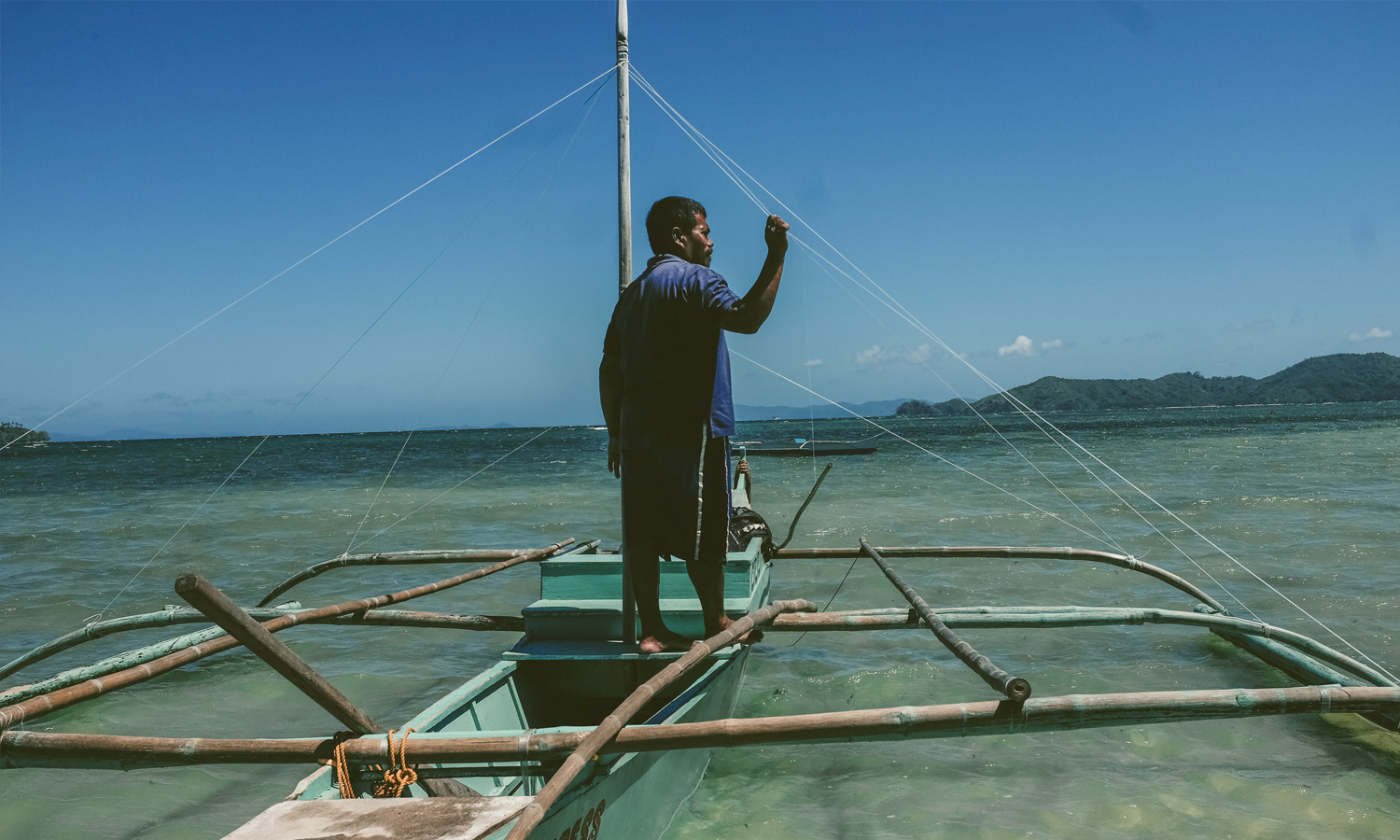
The main house at Brother Island sleeps up to 10 guest and is rustic but comfortable, and the staff members, including a cook who prepares traditional Filipino meals, ensure no guest wants for anything. Chill in hammocks, snorkel on a nearby shipwreck or take an island-hopping excursion.
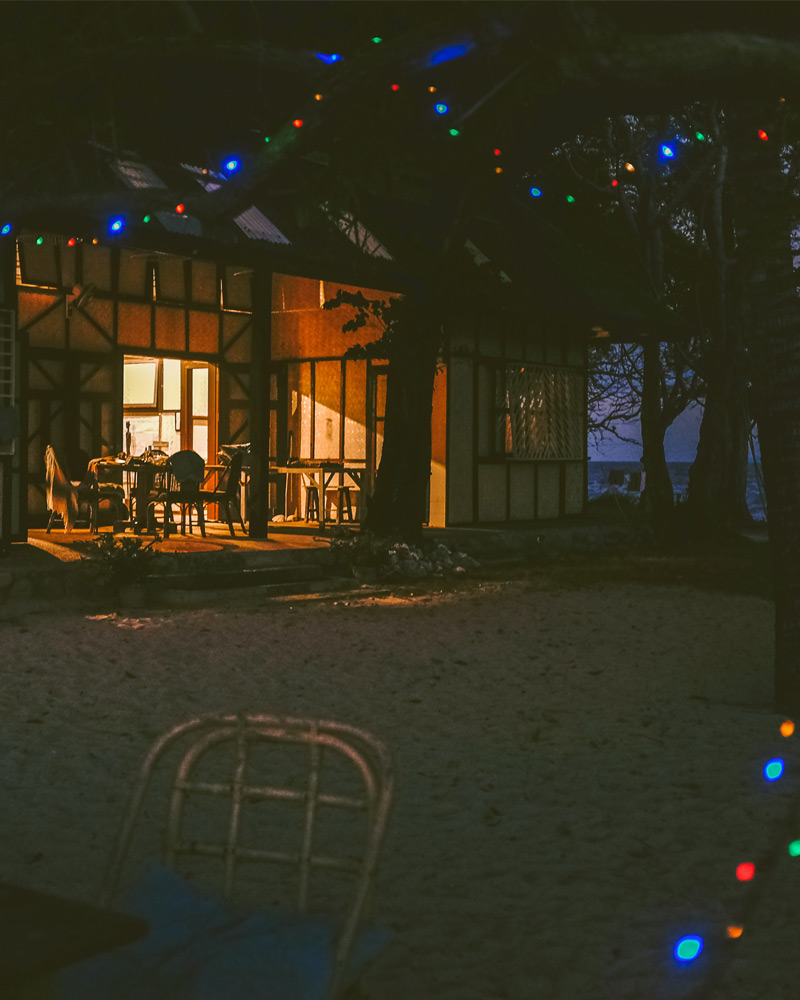
One of the island’s greatest features, though, is its night sky. With no TV to offer distraction, you may find grabbing a beer and staring into the dark quickly becomes part of your nightly ritual.
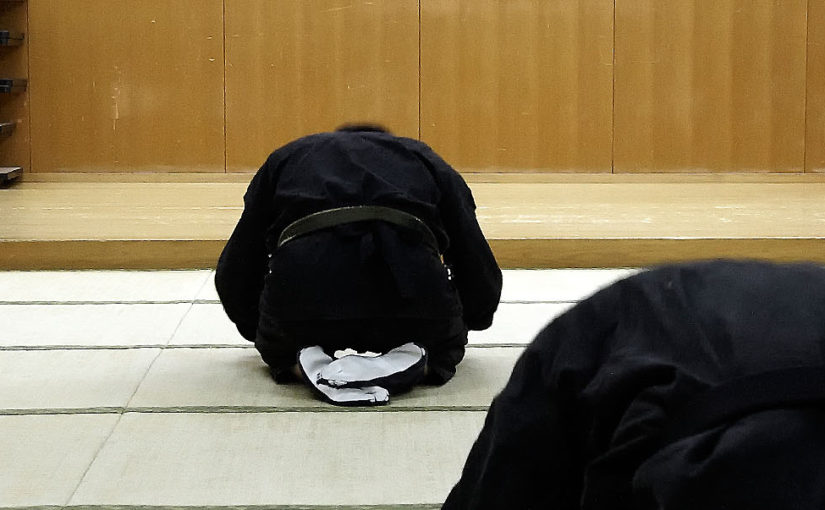
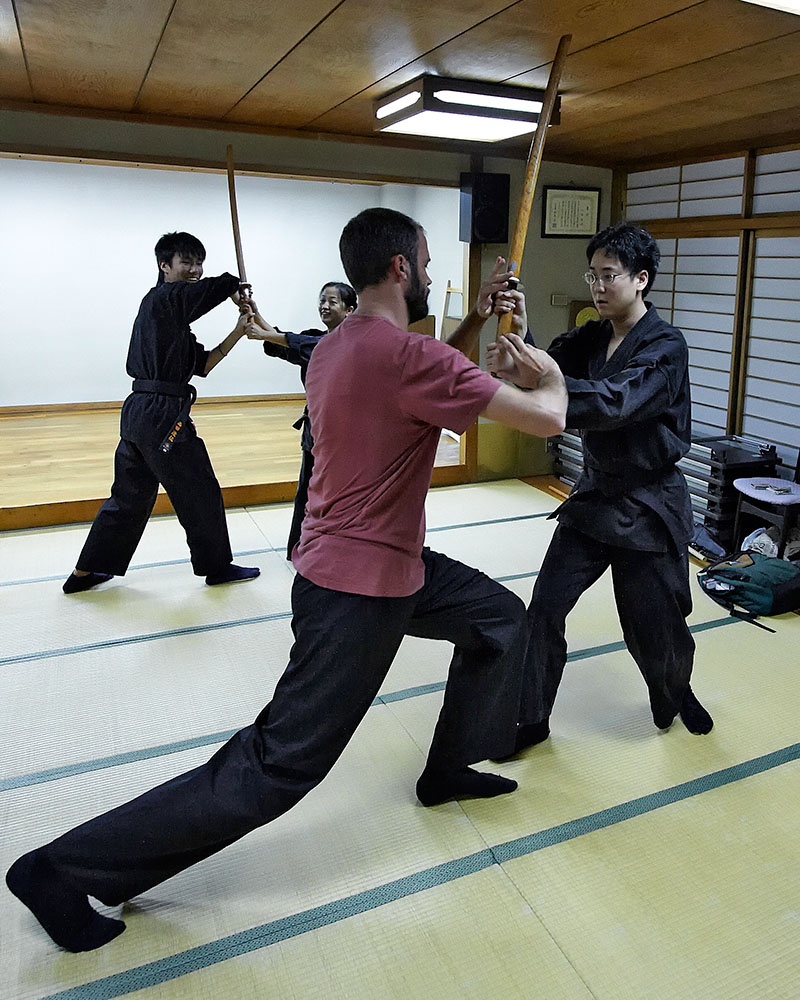
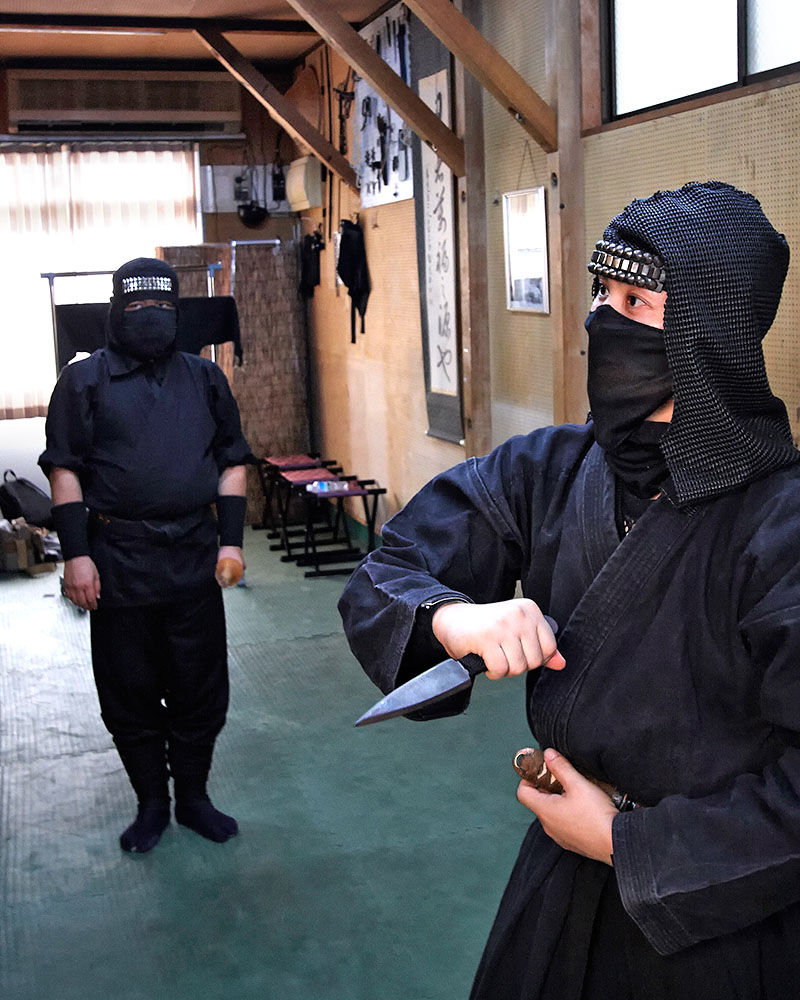
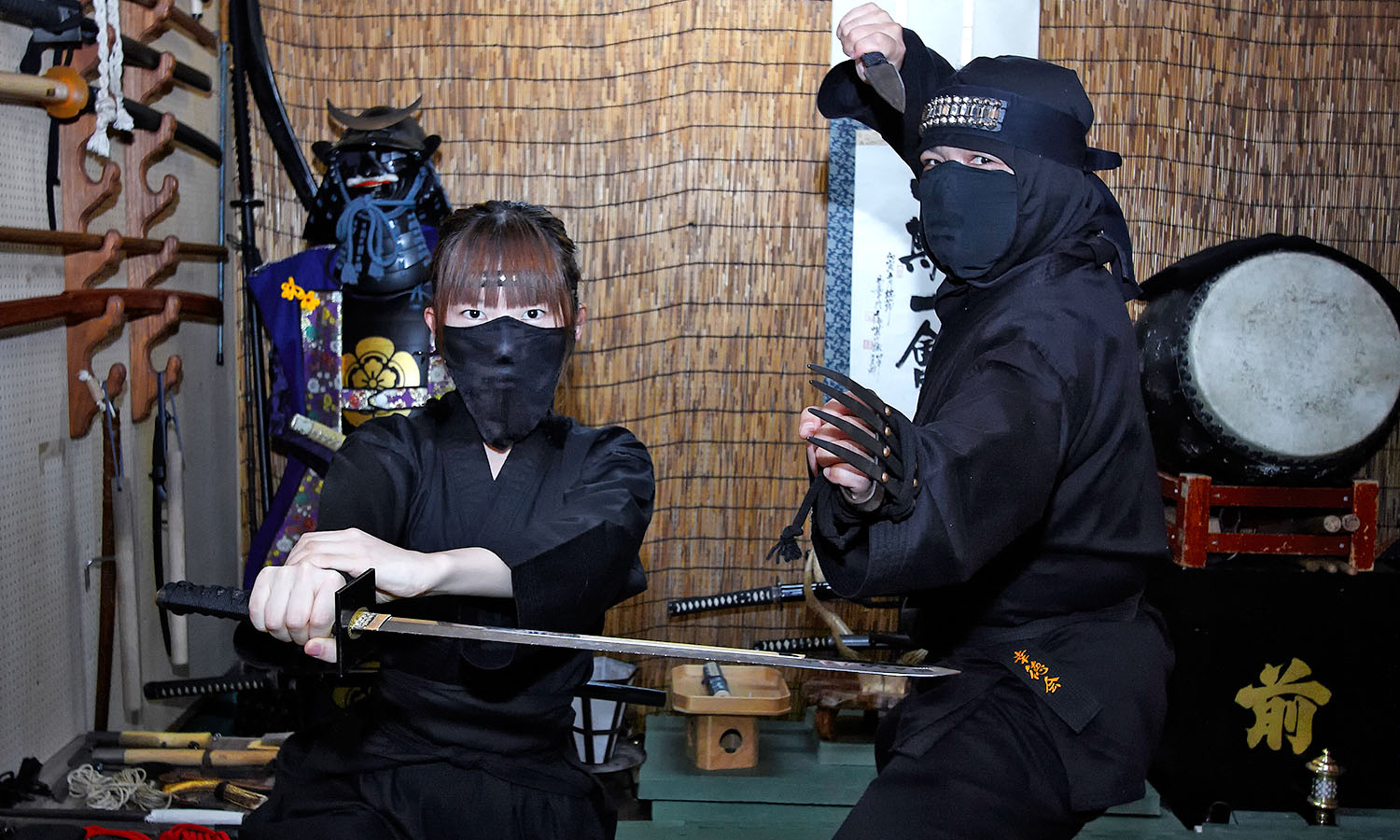
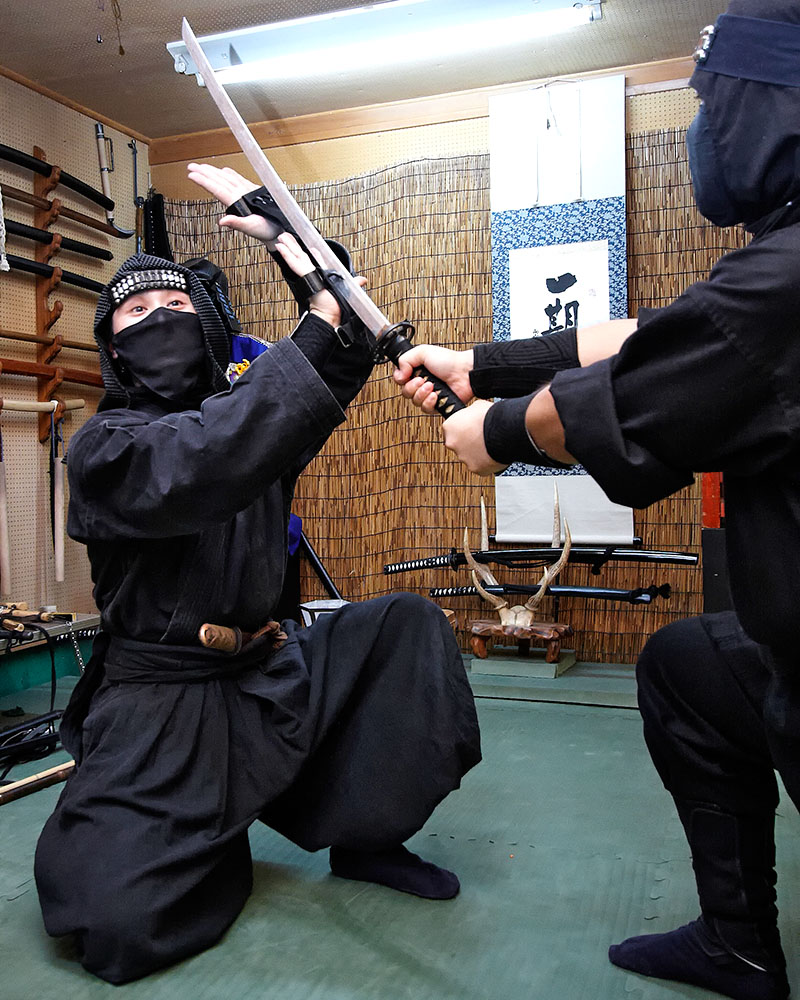
Ever wanted super powers? Get one step closer by delving into the legend of the ninja in Japan. Your first stop is Kyoto, where you’ll learn to use a bow and arrow in an archery class. Next, you’ll study the ancient art of kenbu (sword dancing). In your downtime, explore the city’s temples or visit a tearoom for a warm cup of matcha. Board a shinkansen (bullet train) and zoom to Tokyo where you’ll undertake the ultimate ninja experience: a training session at a dojo with a karate master. Here, your sensei will guide you through various movements and techniques (and hopefully leave you in one piece). After your lesson wander Tokyo’s crowded streets, cutesy toy shops and tiny sushi bars. You might not become Superman, but being a fully fledged ninja will look pretty cool on your resumé.
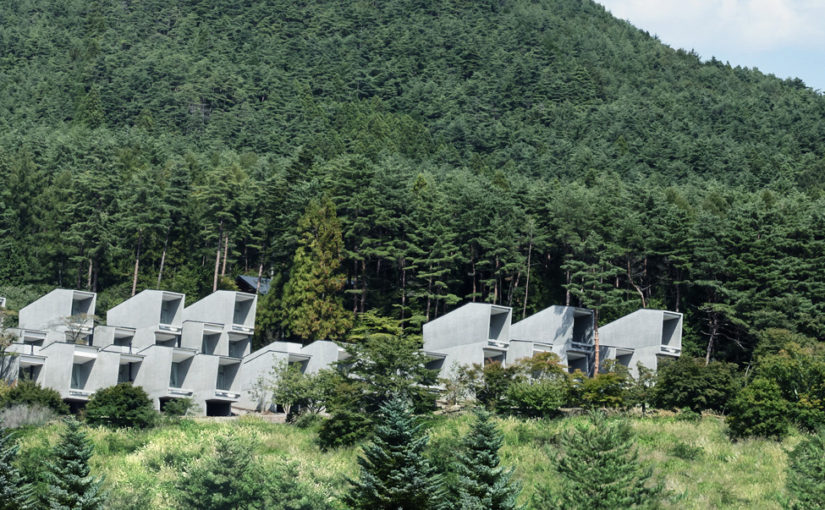
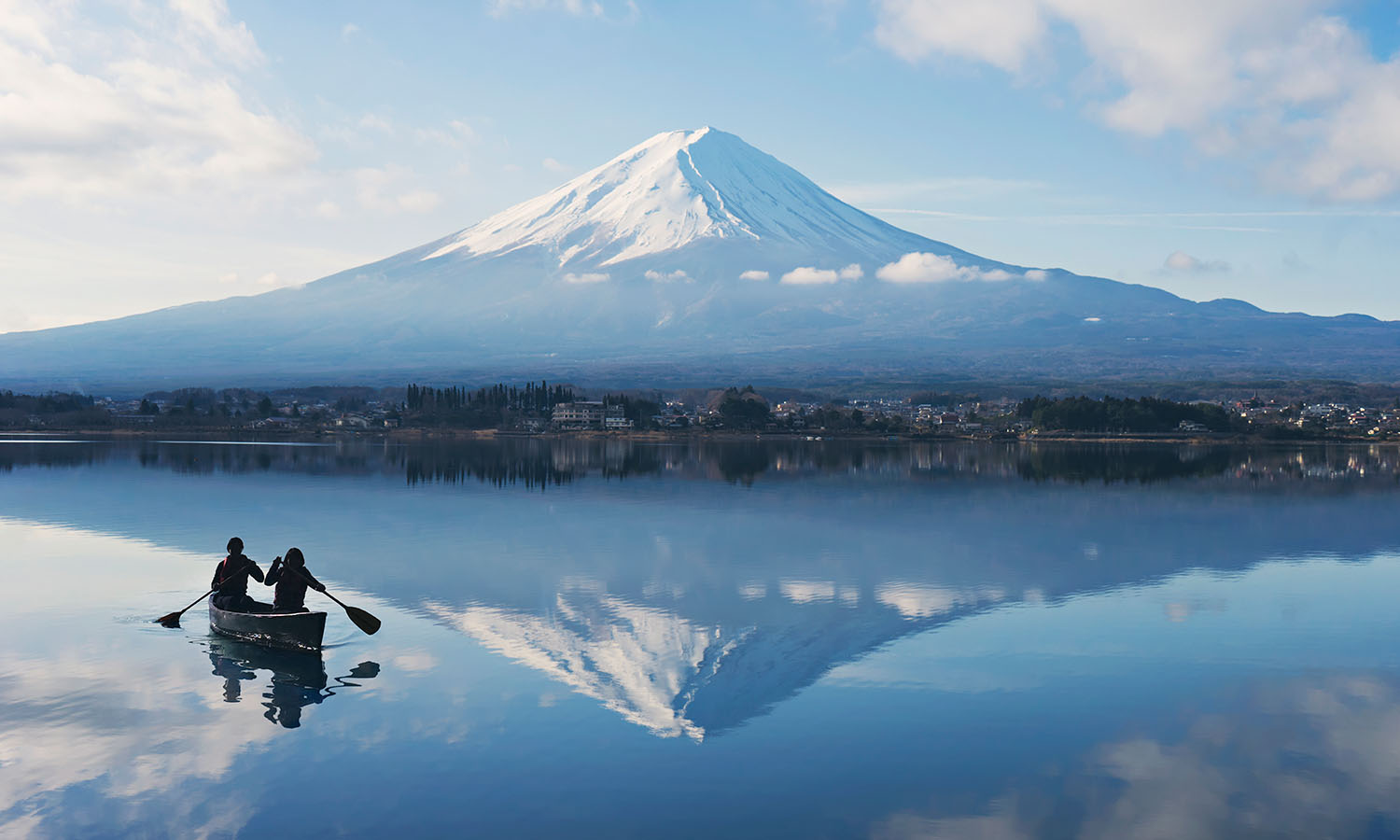
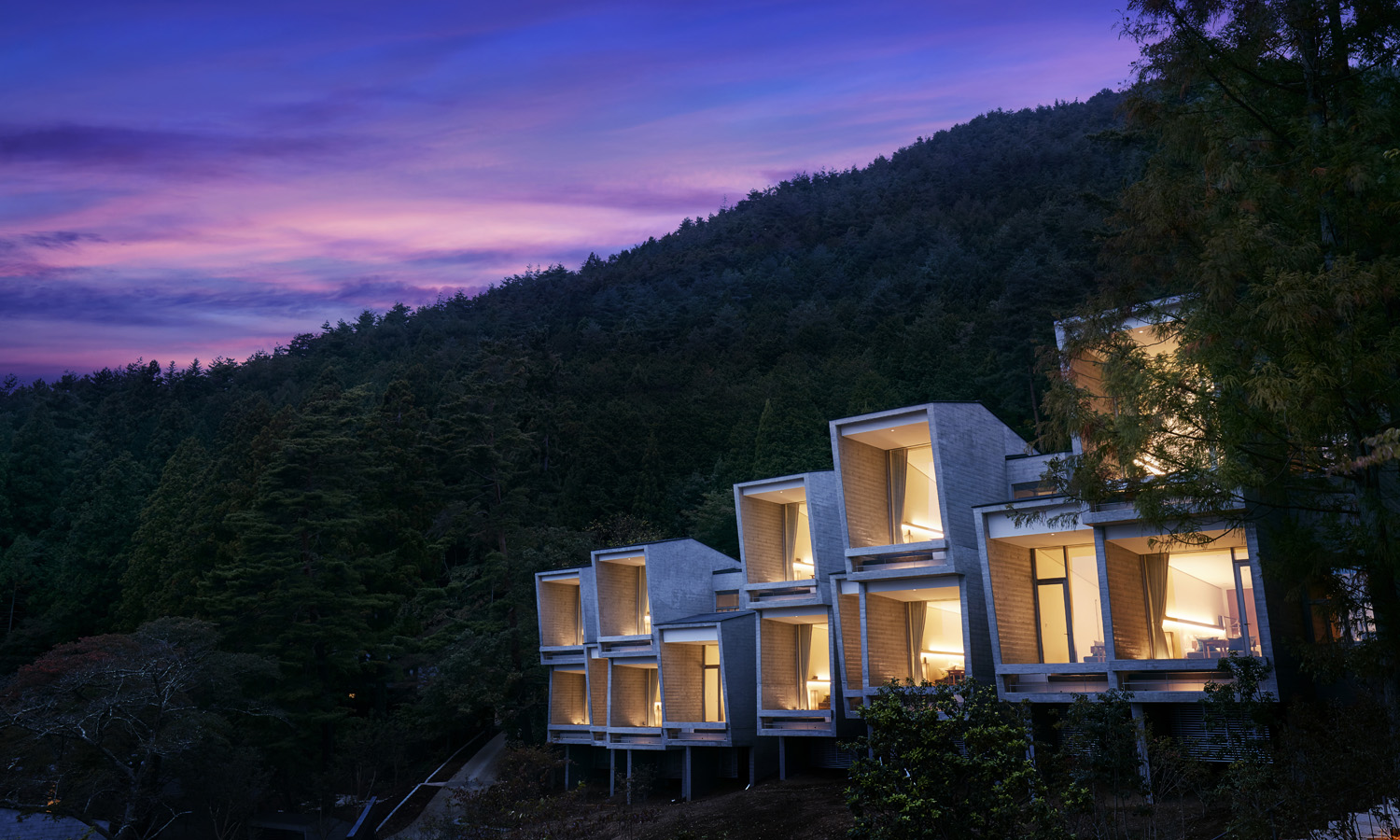
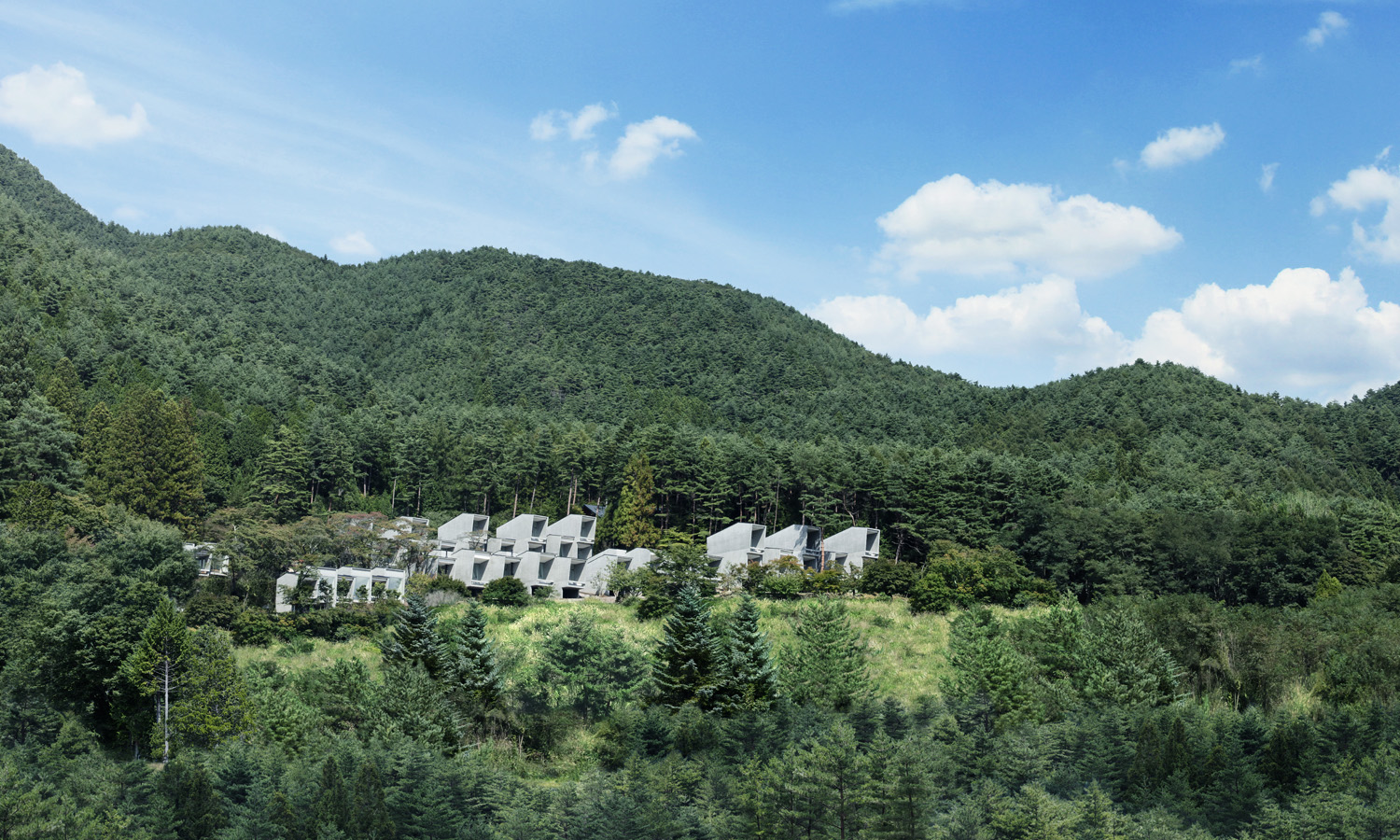
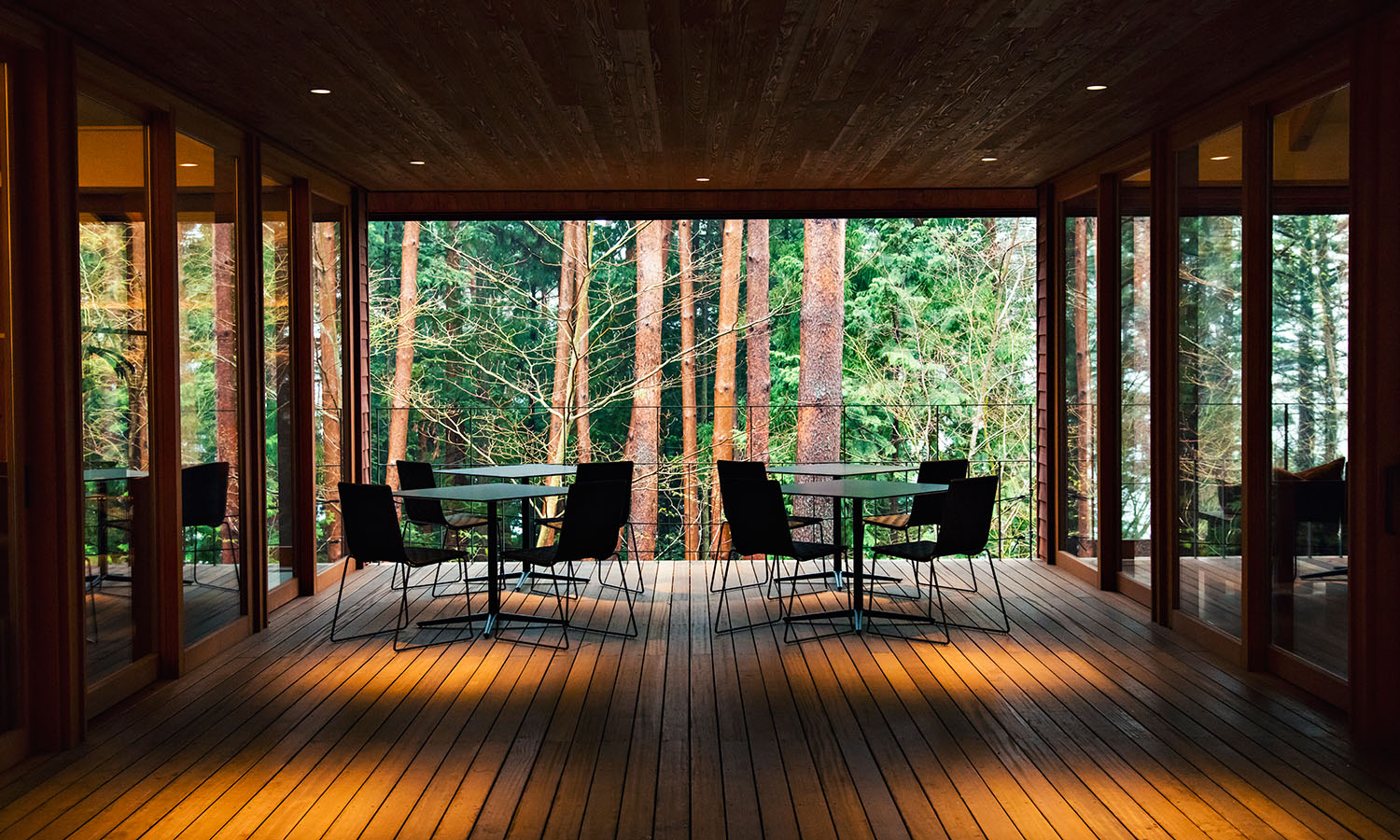
Imagine soaking in a tub and watching clouds unravel from Japan’s most iconic site, the snowy cone of Mount Fuji. Set in a red pine forest marked with craters and ice caves, the concrete cabins of Hoshinoya Fuji blend the worlds of camping and luxury with a minimalist Japanese aesthetic.
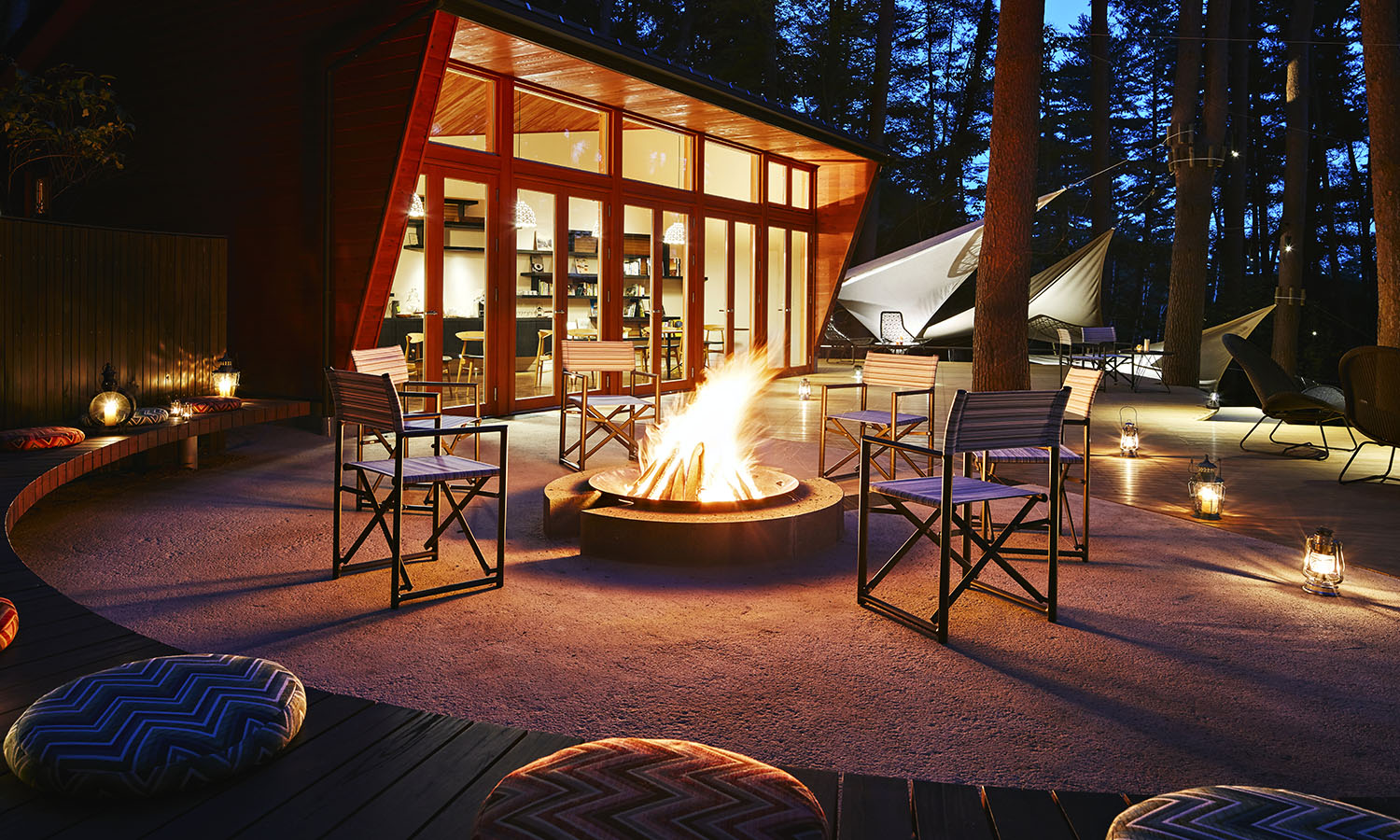
Echoing an American summer camp, the glampsite offers horseback riding, tours through the infamous Aokigahara Forest, star watching and whiskey sipping near the camp fire at night. Rise with the sun and set out in a canoe to paddle Kawaguchi, one of Mount Fuji’s five lakes. If you’re lucky you’ll witness the famous volcano mirrored in the glassy water.
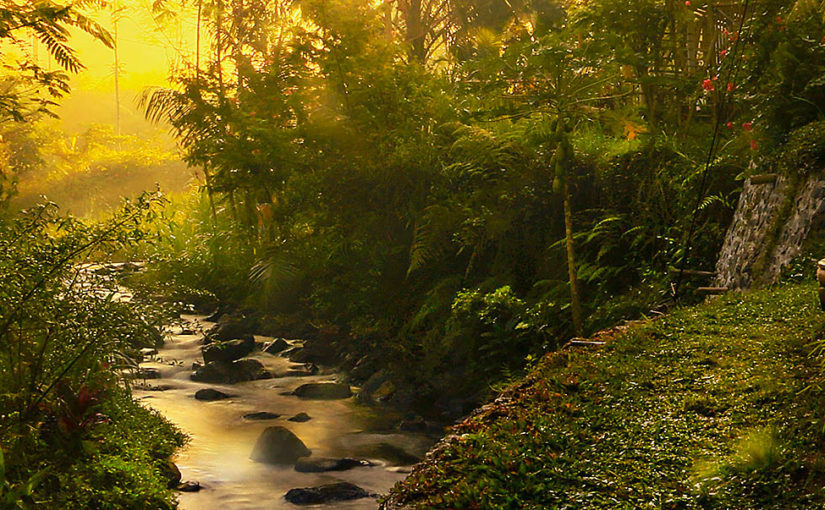
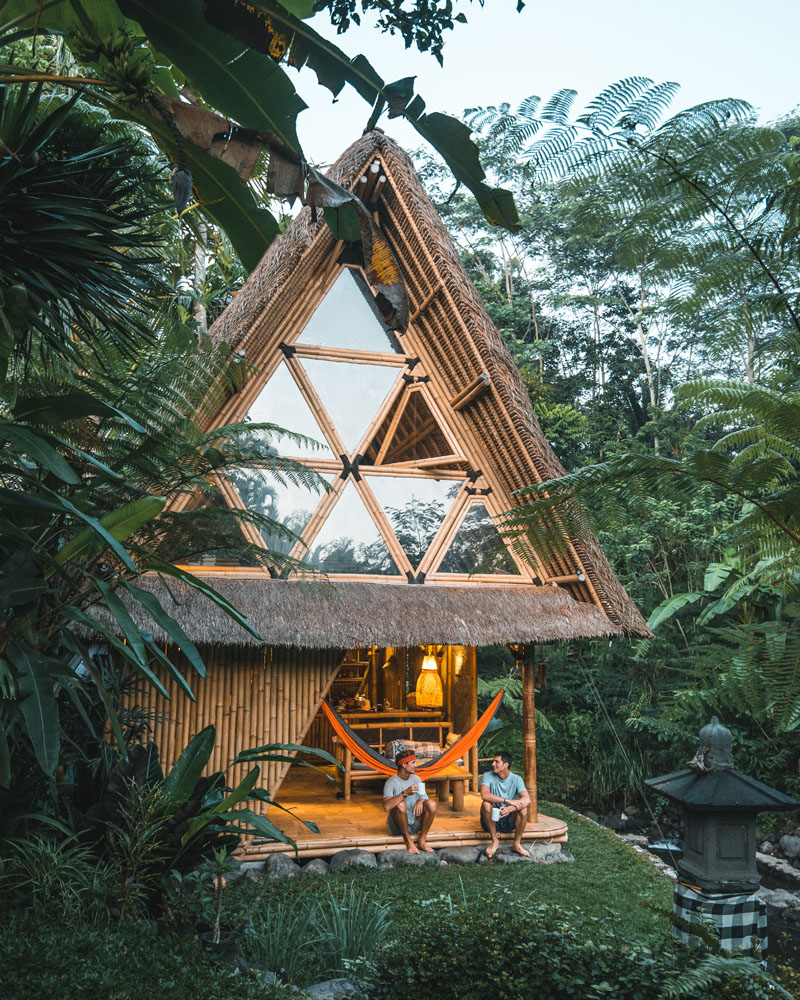
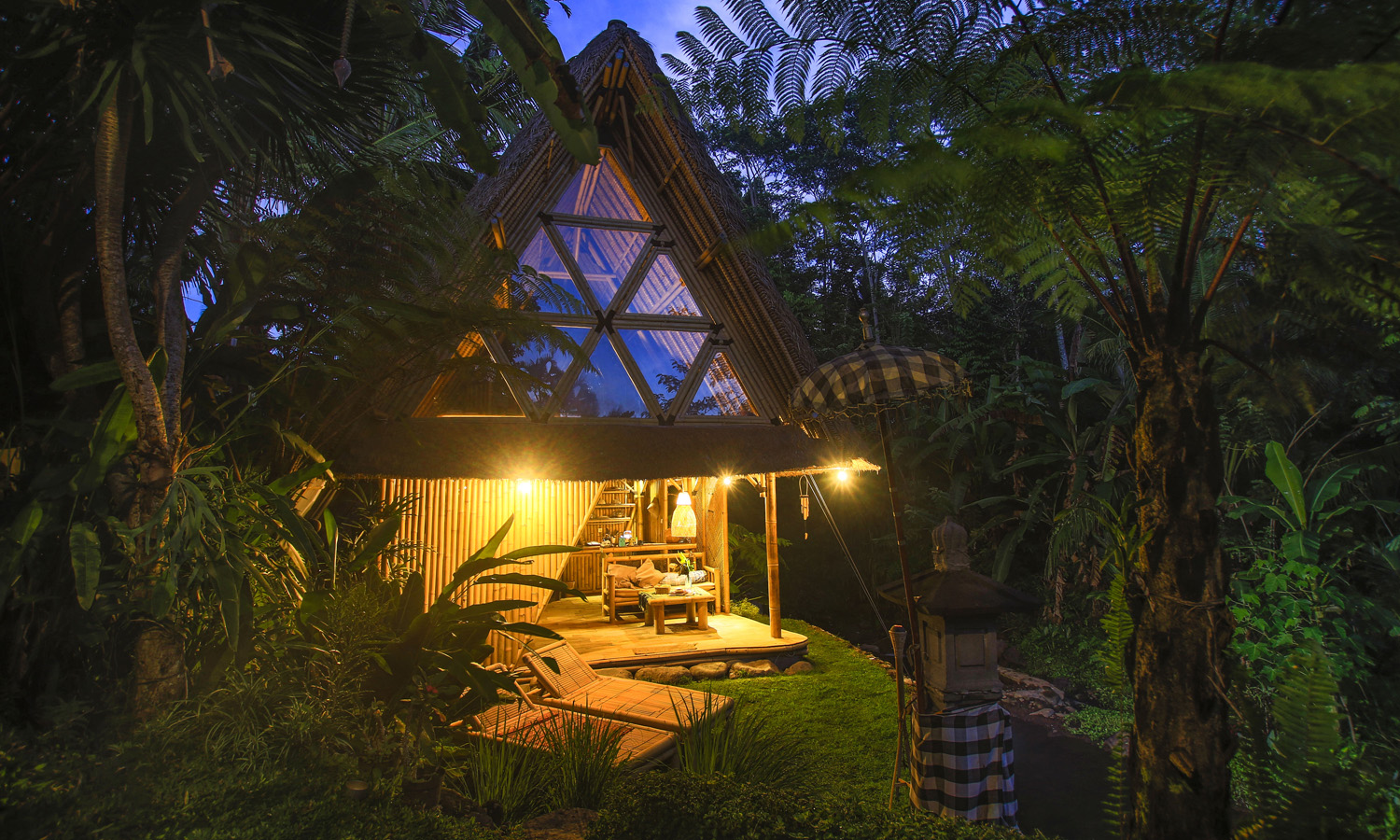
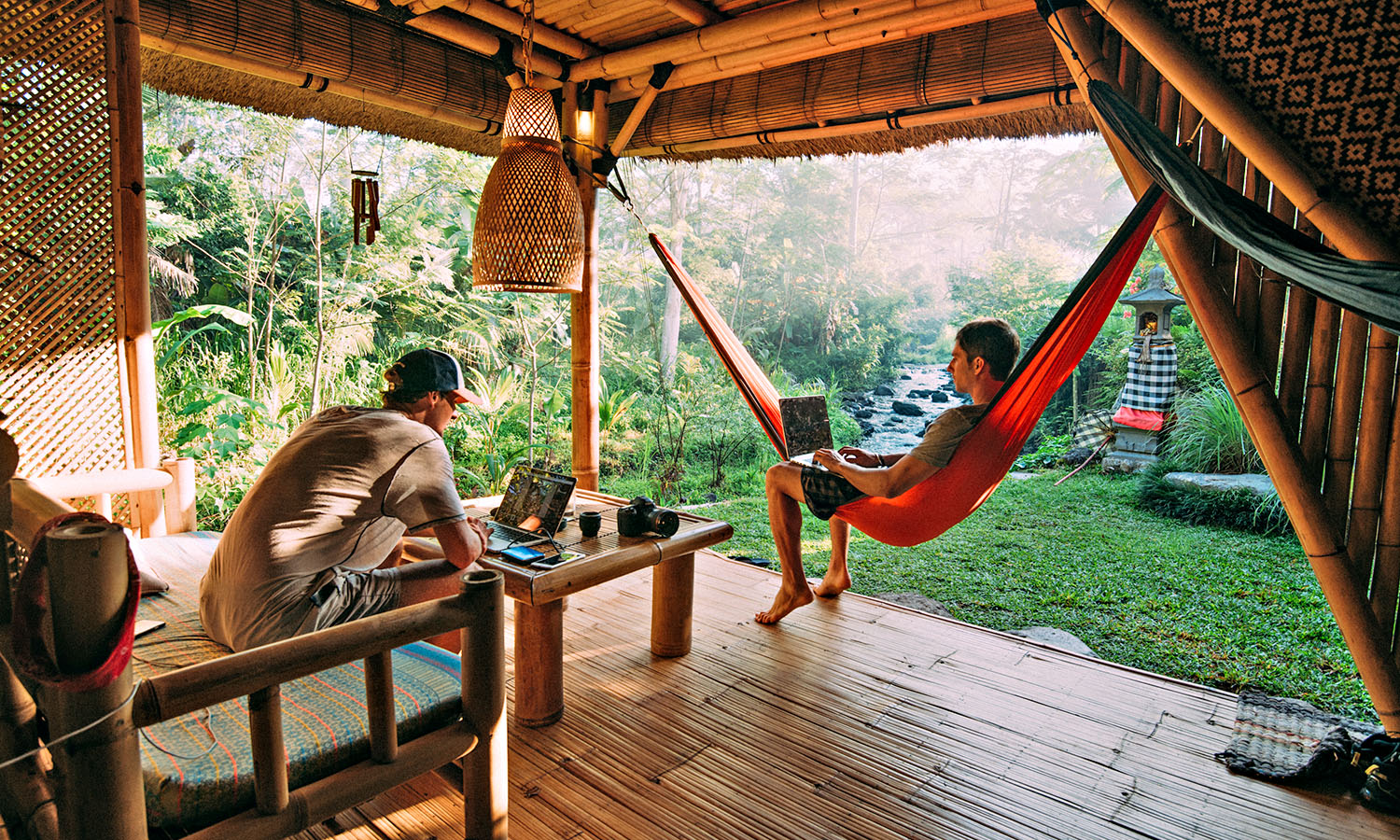
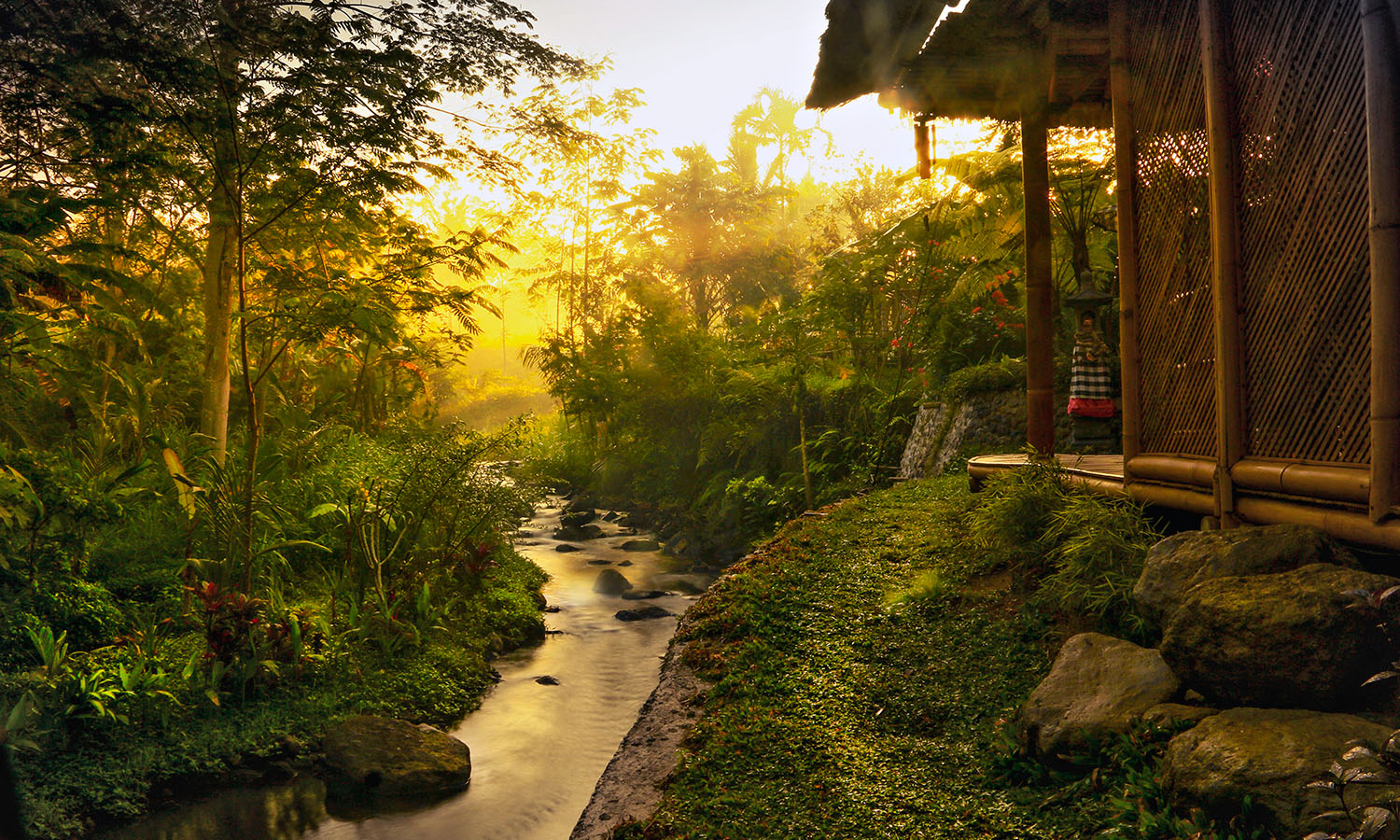
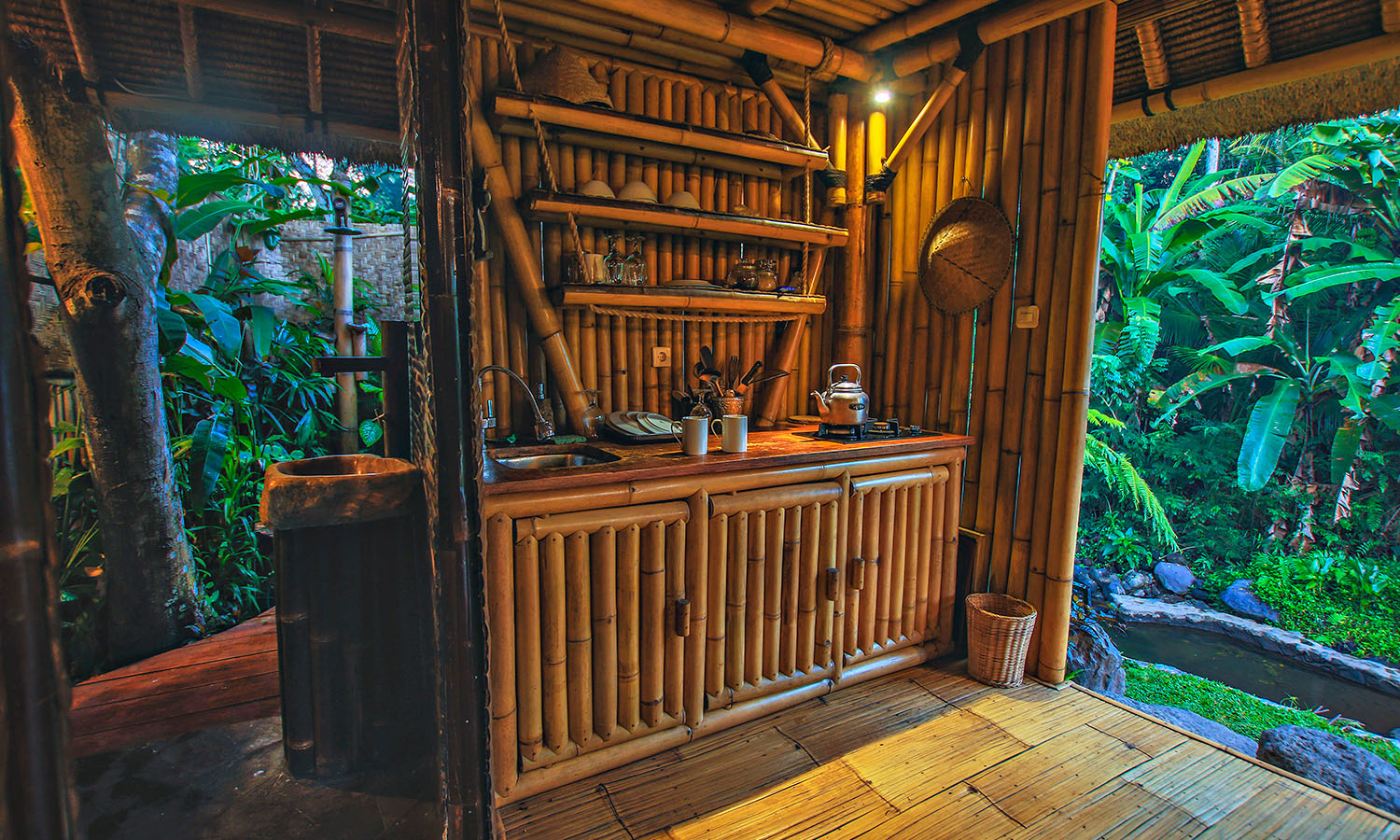
Most presume the Bali of old was sucked into Kuta’s juice bars, but pockets exist that still offer the same magic travellers fell for many years ago. One such place is the Hideout, a double-storey bamboo abode for up to four guests perched between a rice field and a river in the mountains near the Gunung Agung volcano, a 90-minute drive from Denpasar.
Decked out with musical instruments, art supplies and a resident kitty, it is the ideal place to relax and let creativity flow. Cool off in the river with huge butterflies kissing your skin and watch the waterwheel churn to give the Hideout extra electricity. Visit the nearby Campuhan, the sacred confluence of two rivers, where the Balinese go to cleanse body and soul and perform spiritual ceremonies. At night, ride the house’s scooter to a warung (casual restaurant) in a nearby village and return to laze in the hammock, listen to frogs and spot fireflies blazing in the jungle. It’s the ultimate Balinese holiday.
 (
(