There’s a reason why everyone thinks of soft sand, pristine water and blissing out when the Maldives is mentioned. This small archipelagic nation of almost 1200 islands hit the tourism radar in the 1970s and has since become one of the world’s top tropical destinations. In the midst of the Indian Ocean you can swim up to your villa’s balcony, snorkel on some of the best reefs the world has to offer, sunbathe in the never-ending sunshine, and eat the tropical fruits the Maldives are known for.
There was a time – until quite recently, in fact – when tourism was confined to the luxury resorts built on certain islands. Now, however, independent travel on public ferries and staying in local communities is on the rise and it’s one of the best aspects of visiting here. The Maldivians are so welcoming you’ll feel like you’re at your second home by the beach. Don’t miss Eid al-Fitr, the three-day festival that marks the end of Ramadan.
There aren’t many square metres of Kyrgyzstan that aren’t covered by mountains and rolling pastures (called jailoos), so if you’re after late-night action and crazy hook-ups with other wacky backpackers it may not be the place for.
If not though, try to memorise the spelling and get researching, because this Central Asian country may just change the way you travel for good. This is a country where there is little in the way of an infrastructure for visitors – about the only tourists you’ll find are the Russians who drop their towels on the shores of Lake Issyk-Köl in the summer.
Instead you’ll get around as the locals do, enjoying hanging out with families at their homestays. This is a chance to experience Kyrgyz life, stay in a yurt and sample traditional meals. In between, hike in the Tian Shan mountains, see the alpine lakes and go horse riding. If you want to observe an ancient ritual, rock up in March when Nowruz, a celebration of winter’s end, takes place. The highlight is the playing of the Kyrgyzstan national sport, kok-buru. Basically two teams of horsemen compete over a goat carcass, trying to get it in their goal at one end of a playing field. Yep, it’s gruesome.
There are some cities dotted around, but they’re generally just a place to regroup before heading out into the wilderness again. As far as adventures go, it doesn’t come much better than this undiscovered gem.
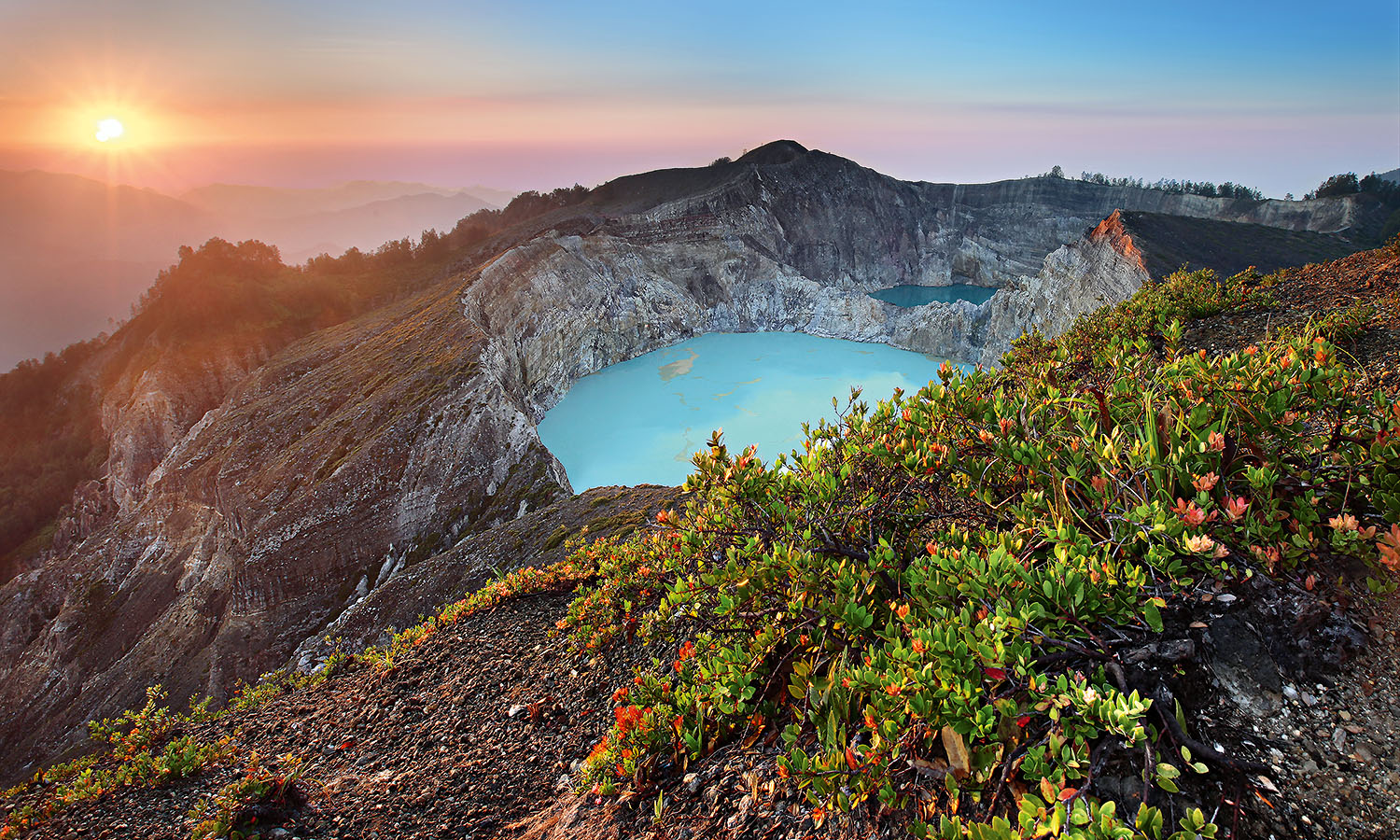
Souls smell like sulphur. Well, rotten souls sure do. We’ve shuffled as close to the lip of the crater as common sense and loose rocks allow when the source of the odour becomes clear: the basin’s plugged with cocoa-coloured water.
“This is for the souls of the bad man, the bad people,” announces Nando, our guide, as we contemplate Tiwu Ata Polo, the “enchanted lake” stewing below.
The image may be macabre, but the setting is almost ethereal. An orb of fire has just split the sky from the earth, drenching the mountain in golden light and revealing the dark pits around us as the jewels of Mount Kelimutu: its three colourful crater lakes. The grand reveal is a worthy reward for rising an hour before dawn to push my sluggish body to the peak of the mountain. Granted, a van did most of the work.
According to the beliefs of the local Lio people, spirits of the deceased flock to this dormant volcano, on the Indonesian island of Flores, to be categorised and stored.
A few months ago the water pooling in Tiwu Ata Polo was the colour of rust. Photos from years past show it glowing aquamarine. I wonder if a new addition of fetid ghosts stained it the darker shade it exhibits today and, if so, what did they do to be exiled here?
Kelimutu’s lakes transform up to three times a year, morphing like mood rings from teal to white to blood red. Some claim the rare phenomenon is an unexplained mystery but scientists – never romantics – attribute it to an ever-changing blend of chemicals leeching from the volcano.
A thin ridge separates the “enchanted pool” from the second lake for the departed. Despite its proximity to the murky liquid of nasty souls, Tiwu Nuwa Muri Koo Fai is a melting bowl of bubblegum ice-cream, swirling milky and blue. It is here, Nando explains, that the innocent spirits of children rest.
But it’s Tiwu Ata Mbupu, the crater for those who aged with kindness, that most intrigues. Nando tells me the pool is black these days and my mind thirstily conjures a bowl of Flores coffee – fresh and restorative, with floral notes.
I’ll have to take his word for it. This morning it’s a foamy cup of milk. Clouds froth up the crater’s edge, keeping the oldies safe from sight – a dignity they’ve no doubt earned.
My foot misses its mark on the descent and I stumble on a wild blueberry bush. Punishment, perhaps, for lusting after caffeine in such a sacred place. My toes smart and it’s hard not to wonder: if the stagger had occurred at the crater’s edge would I have wound up with the tender old souls or been banished to the cauldron of villains?
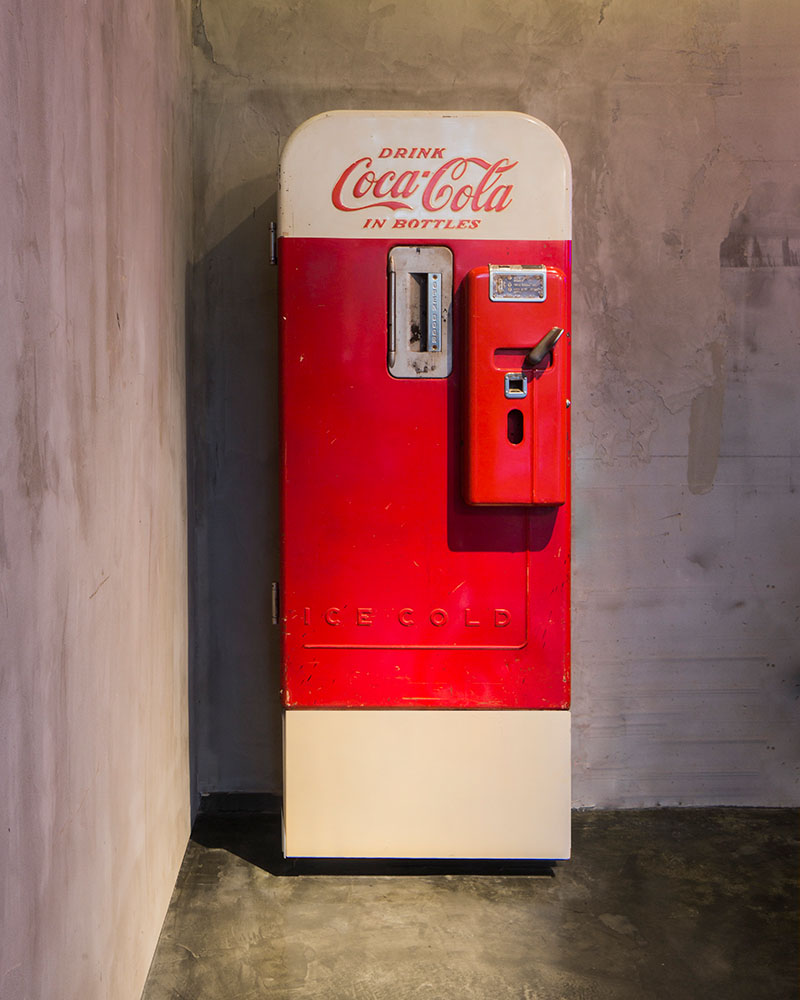
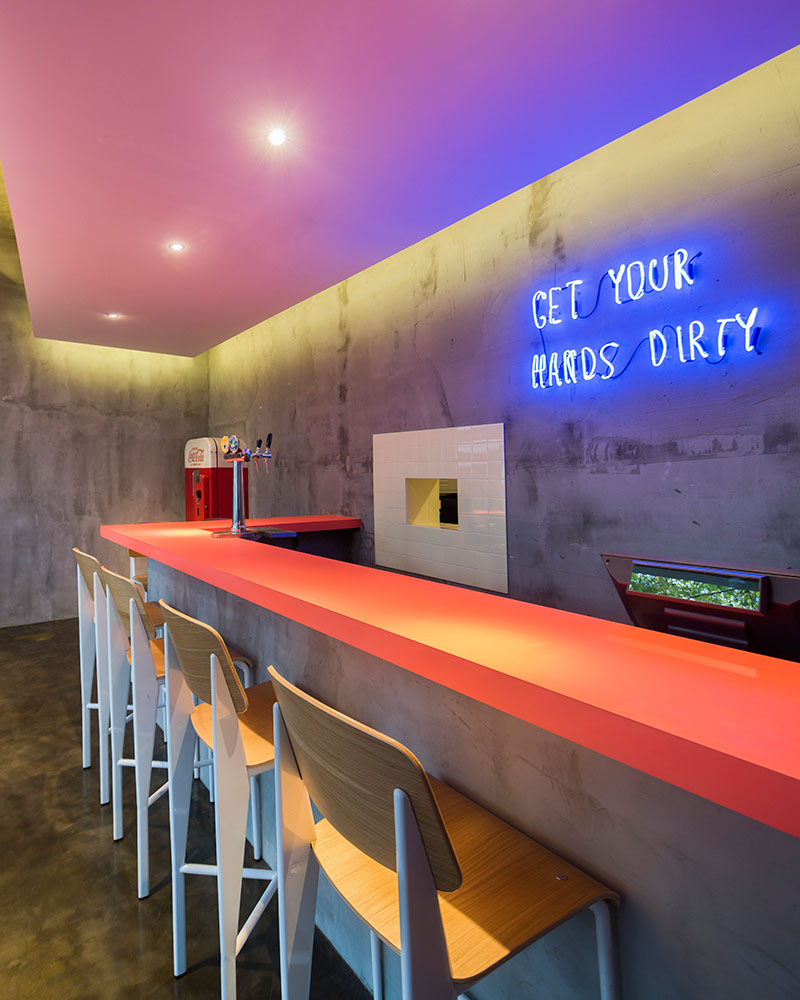
The inconspicuous vintage Coca Cola machine in one corner of Shanghai sandwich shop The Press hides something much more exciting than cans of fizzy drink.
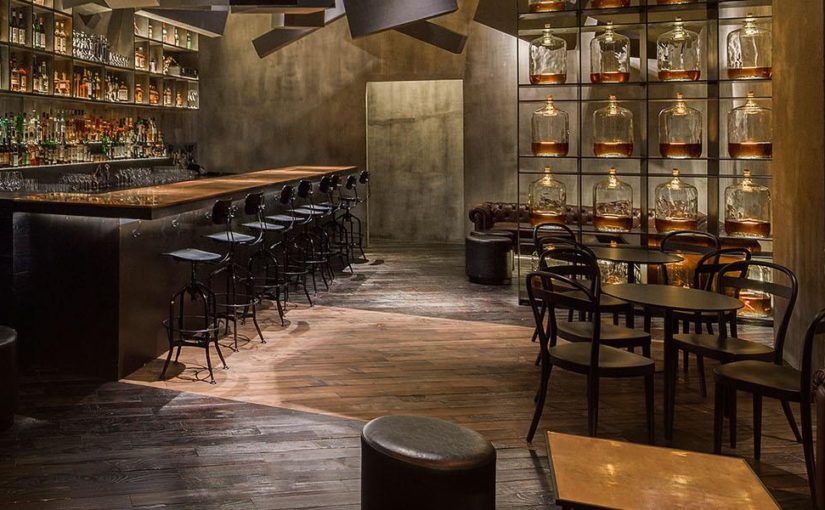
For those in the know, the vending machine swings open to reveal a secret passageway leading straight to one of Shanghai’s best-kept secrets: Flask, a swanky cocktail bar with an effervescent atmosphere.
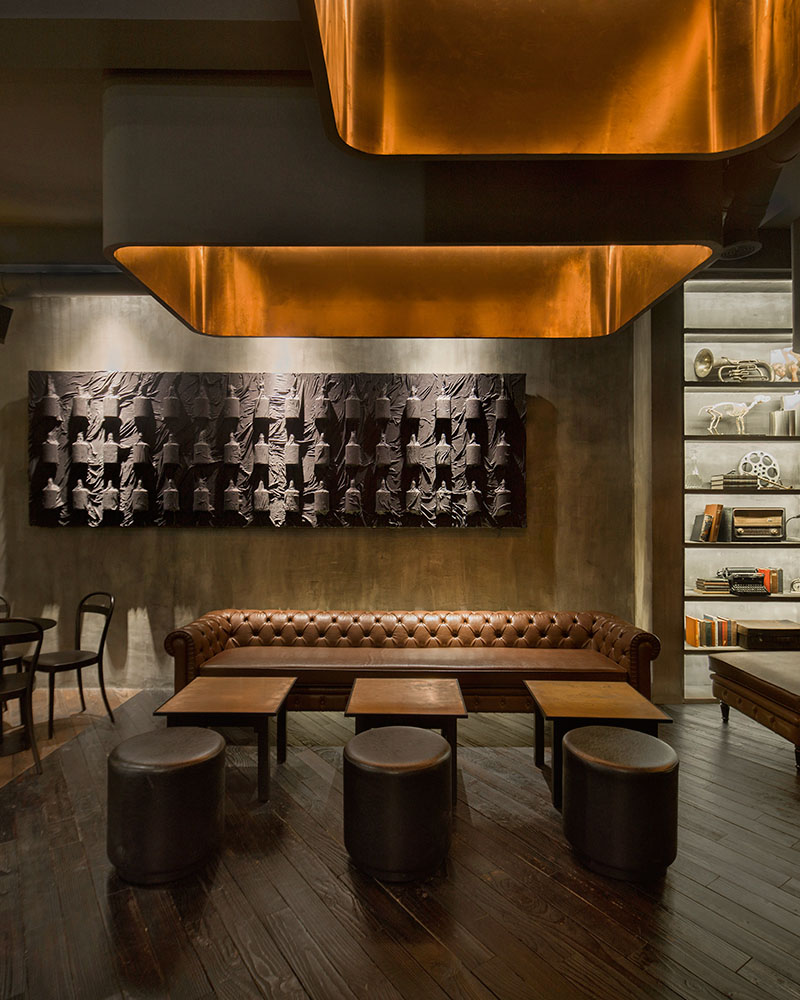
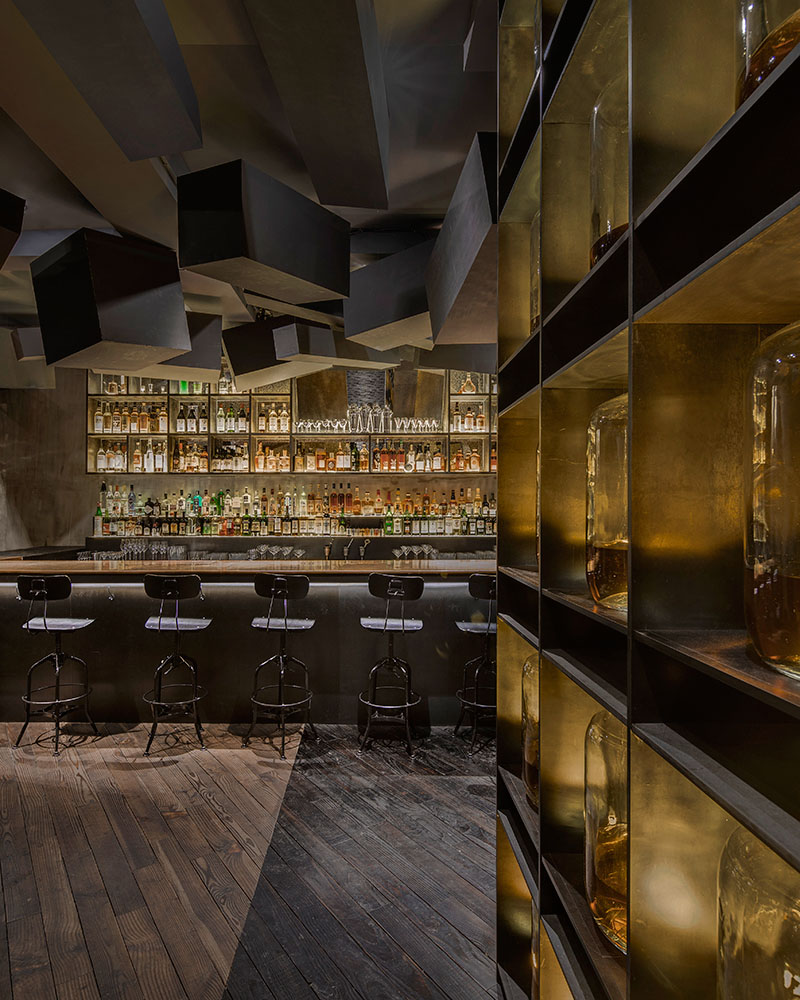
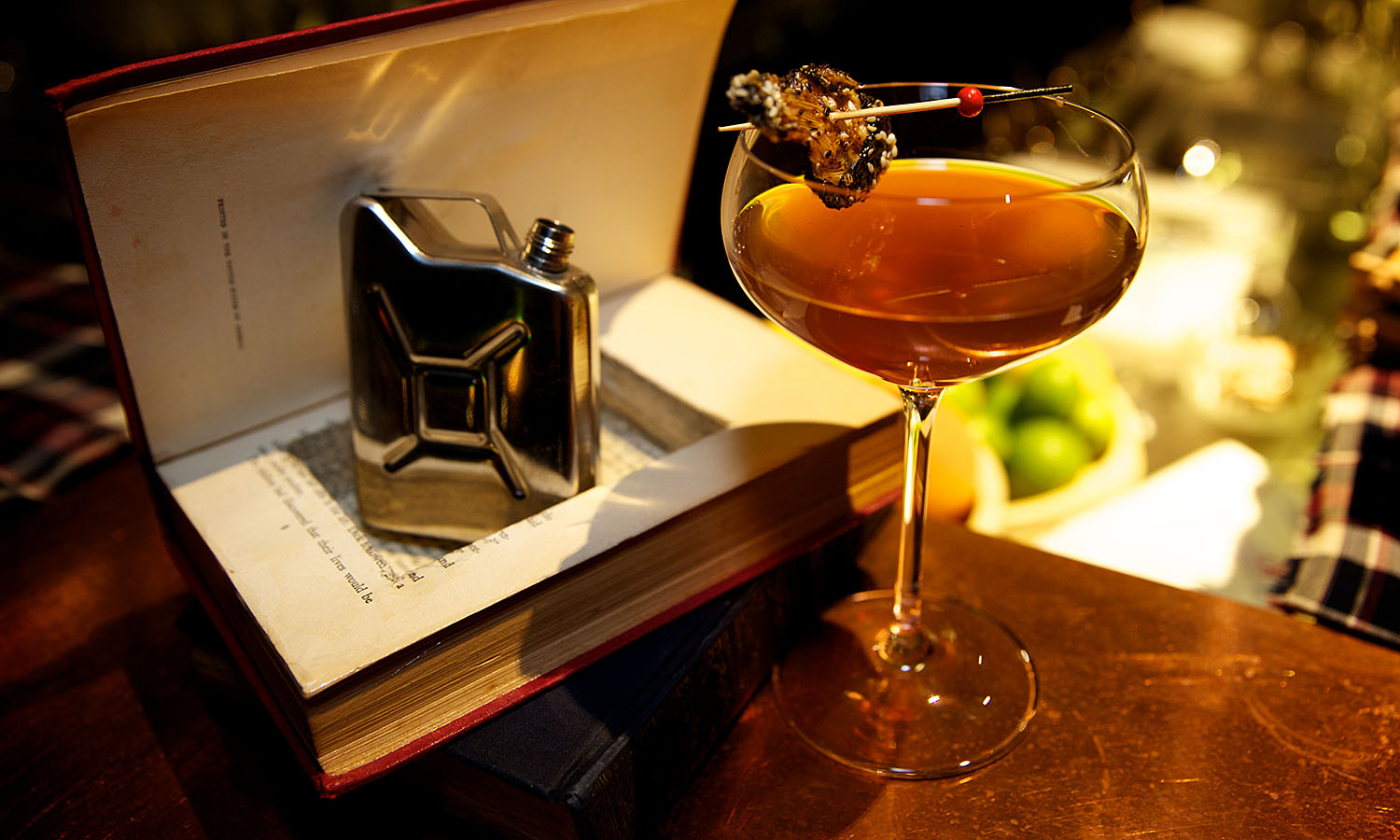
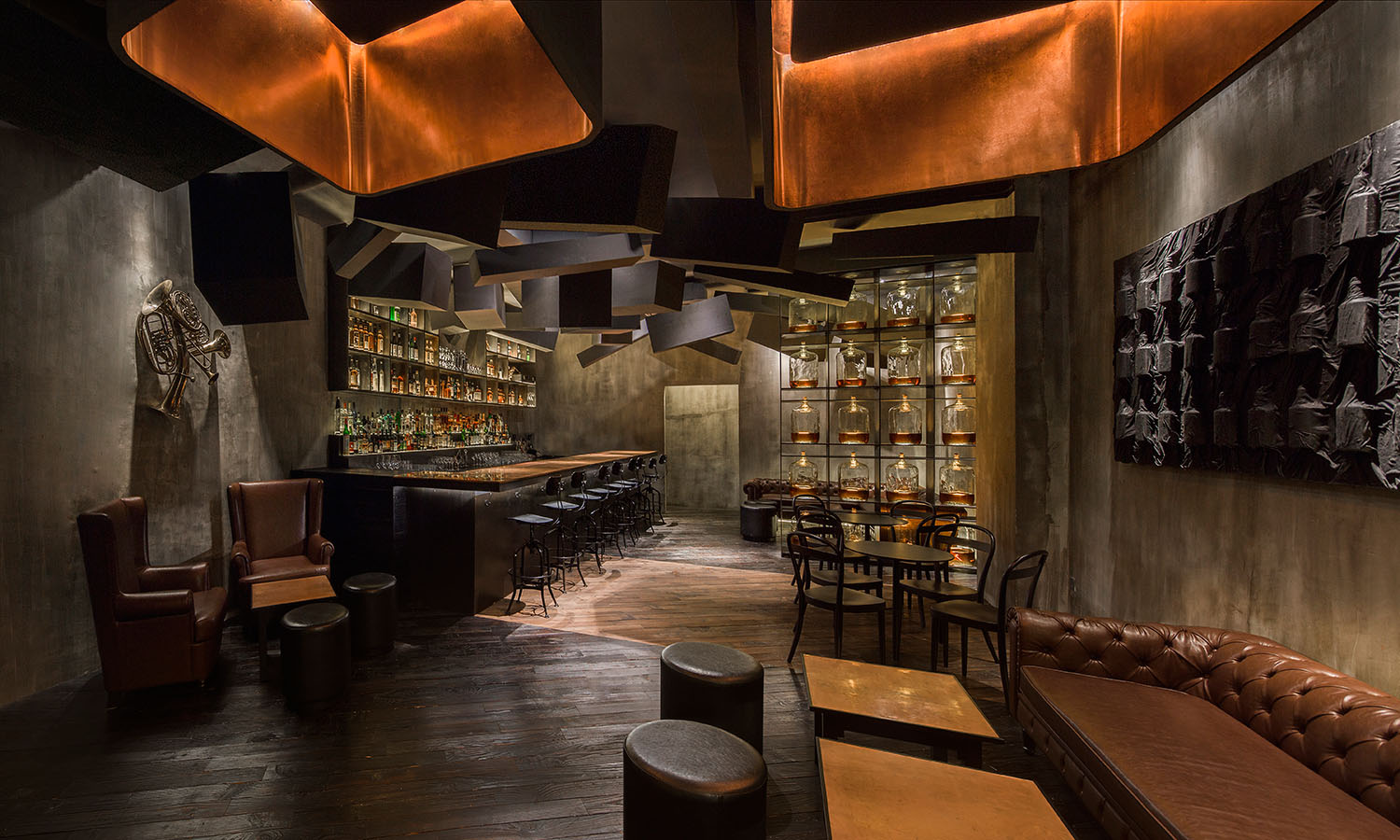
Step down a hallway of black-painted bricks into a lounge area accented by leather upholstery, copper fixtures, dark wooden floorboards and bare concrete walls. Out-there art, light sculptures and fish-eye mirrors complete Flask’s rarefied air. Recline on a vintage sofa or take a seat at the bar, where some of the city’s top mixologists will shake up something just as special as your surroundings.
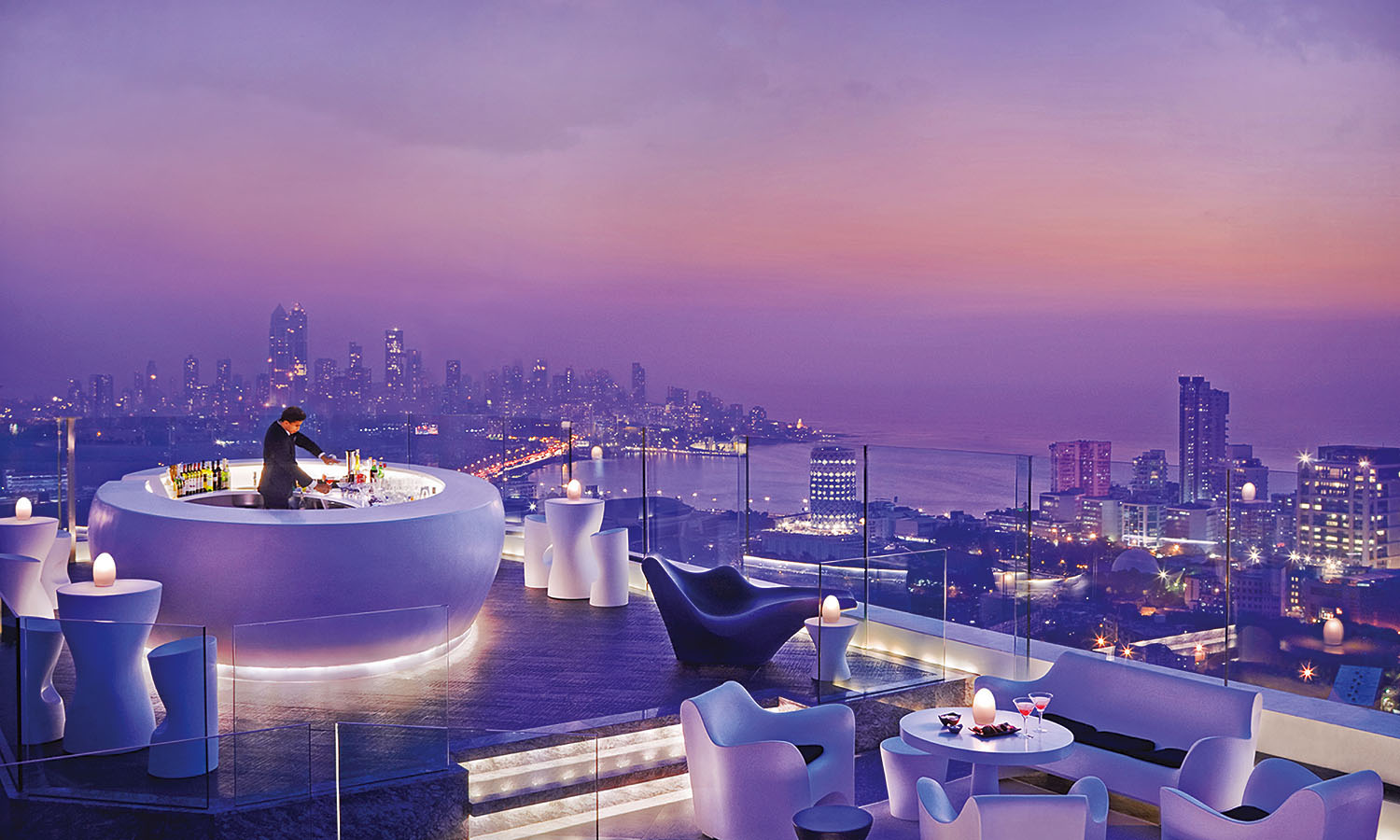
With an open-air bar that looks like a giant gleaming bathtub floating 34 storeys above the bustling streets of Mumbai, Aer is one sexy lady. Ease into the curvaceous white furniture that sparkles like constellations against the Arabian Sea, and gulp down the extraordinary views. Order the signature cocktail – Afterglow (gin, cucumber, coriander and grapes) – and peruse the tapas menu with seductive offerings like goat’s cheese and pistachio truffles. This Four Seasons gem is such a stunner that the hotel imposes a US$37.50 cover charge on Friday and Saturday nights.
Where else would you find a city called Merv, which was once considered the ‘Queen of Cities’ worldwide, and the second most important in Islam. Now, it’s an awesome introduction to the archaeological ruins, culture and secrets of the ancient Silk Road, where exotic silks and spices, tea and gold where carted from the east to the west.
A member of the ‘stan’ community of Central Asian countries (the suffix means ‘land of’), among them Uzbekistan, Tajikistan, Afghanistan and Kazakhstan, the country is almost covered by the Karakum Desert (it takes up more than 80 per cent of the land) with the Caspian Sea forming its western edge. Everyone from the Mongols to Alexander the Great and the USSR has ruled the region and left an indelible mark on the people and landscape.
It may not be five-star, but what it lacks in material creature comforts Turkmenistan almost makes up for with a millennia of history. It’s probable this nation isn’t at the top of (or even on) your bucket list, since it still suffers from the excesses of its former leader President for Life Saparmurat Niyazov, even though he died in 2006. You still can’t, for instance, play video games or have long hair if you’re a man. It’s only really possible to travel here as part of a guided tour, and you’ll be watched diligently by military personnel and the police.
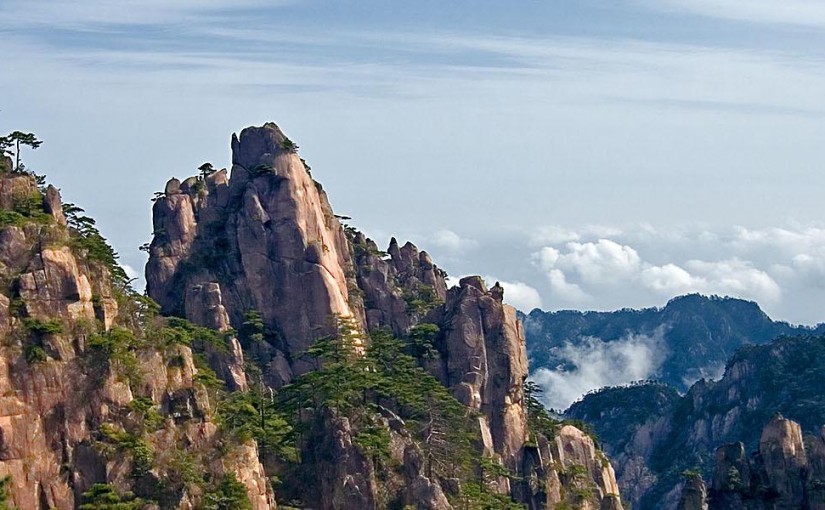
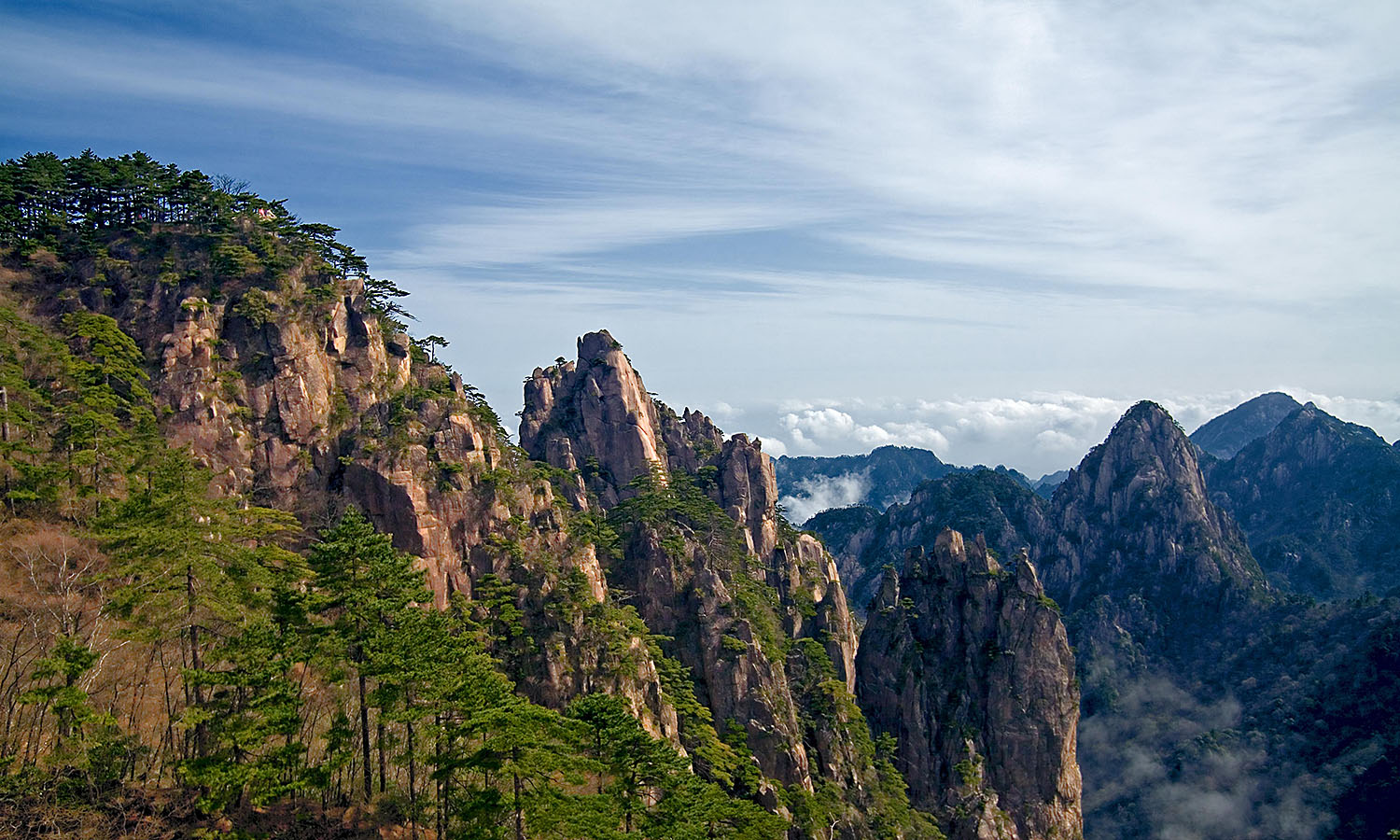
Huangshan, a UNESCO World Heritage Site, was a major inspiration for the fantasy world of Avatar, and no wonder. When shrouded with clouds, the jagged granite peaks look positively dreamlike floating in midair. And this happens pretty often – clouds sink down upon Huangshan roughly 200 days of the year. Hike your way up, stay a night or two on the mountain and feel the scenic bliss descend upon you as you look out over the majestic peaks.
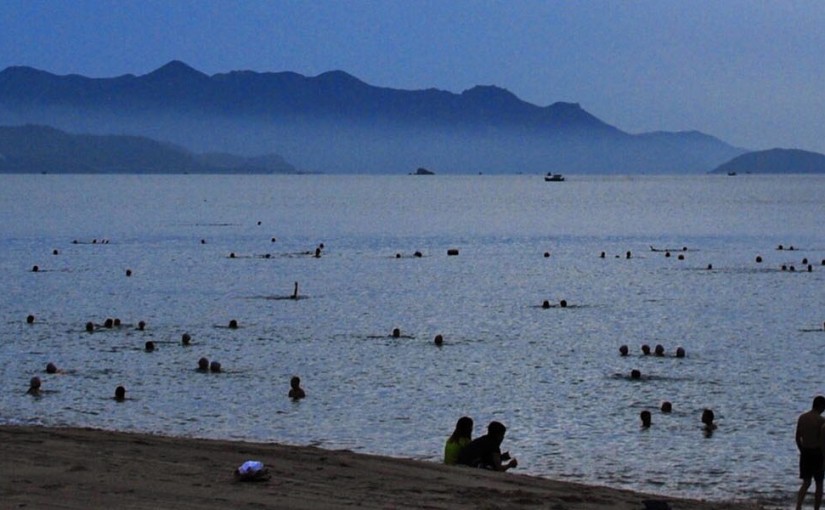
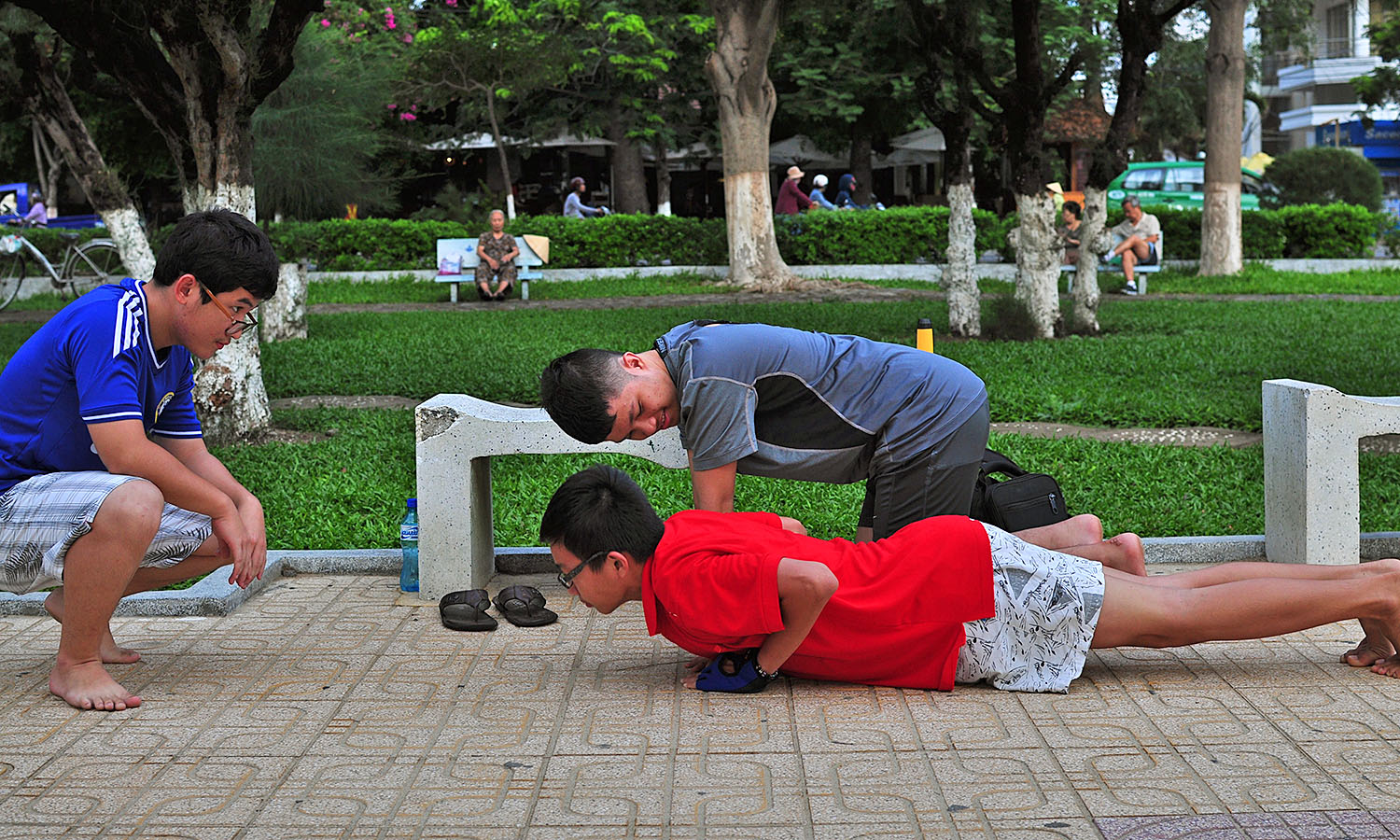
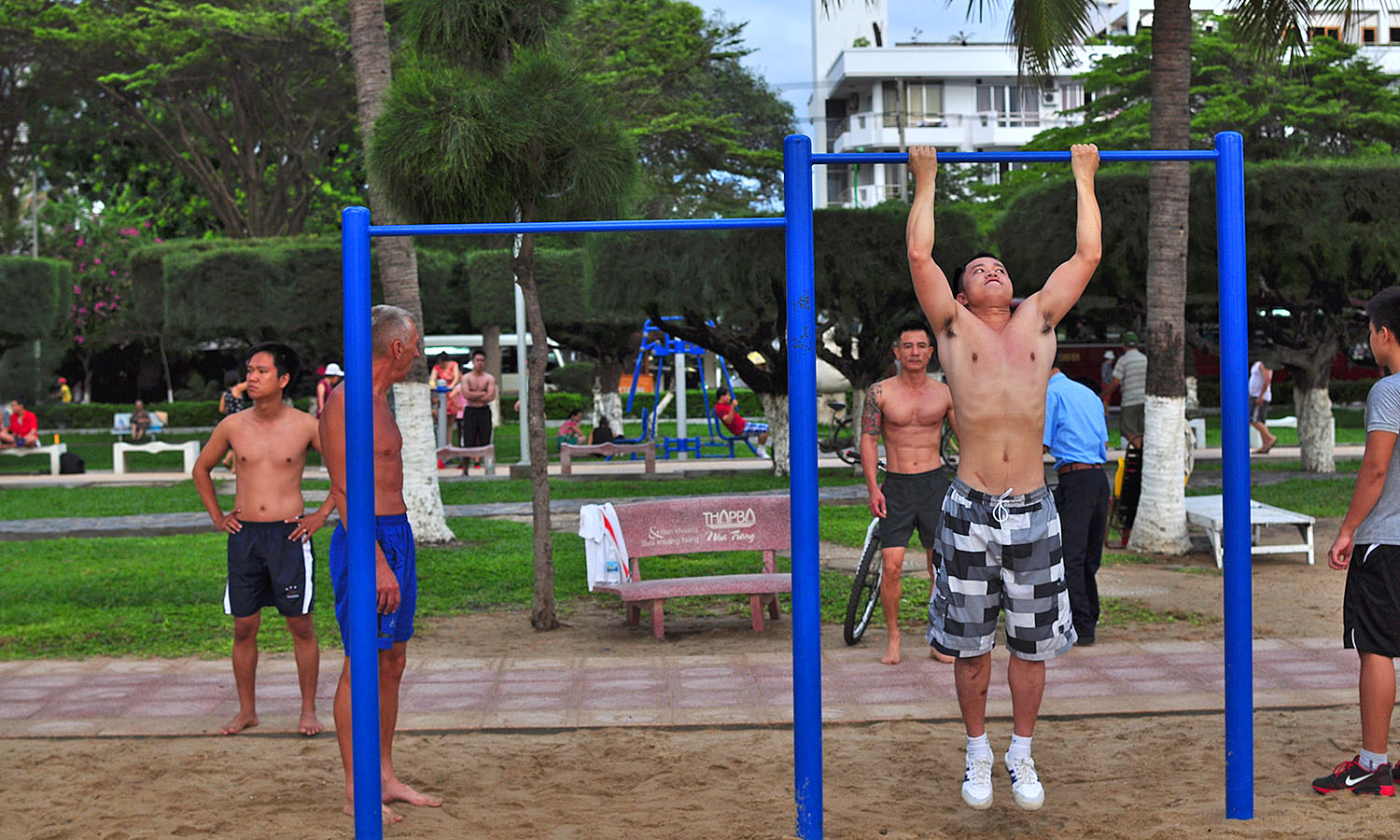
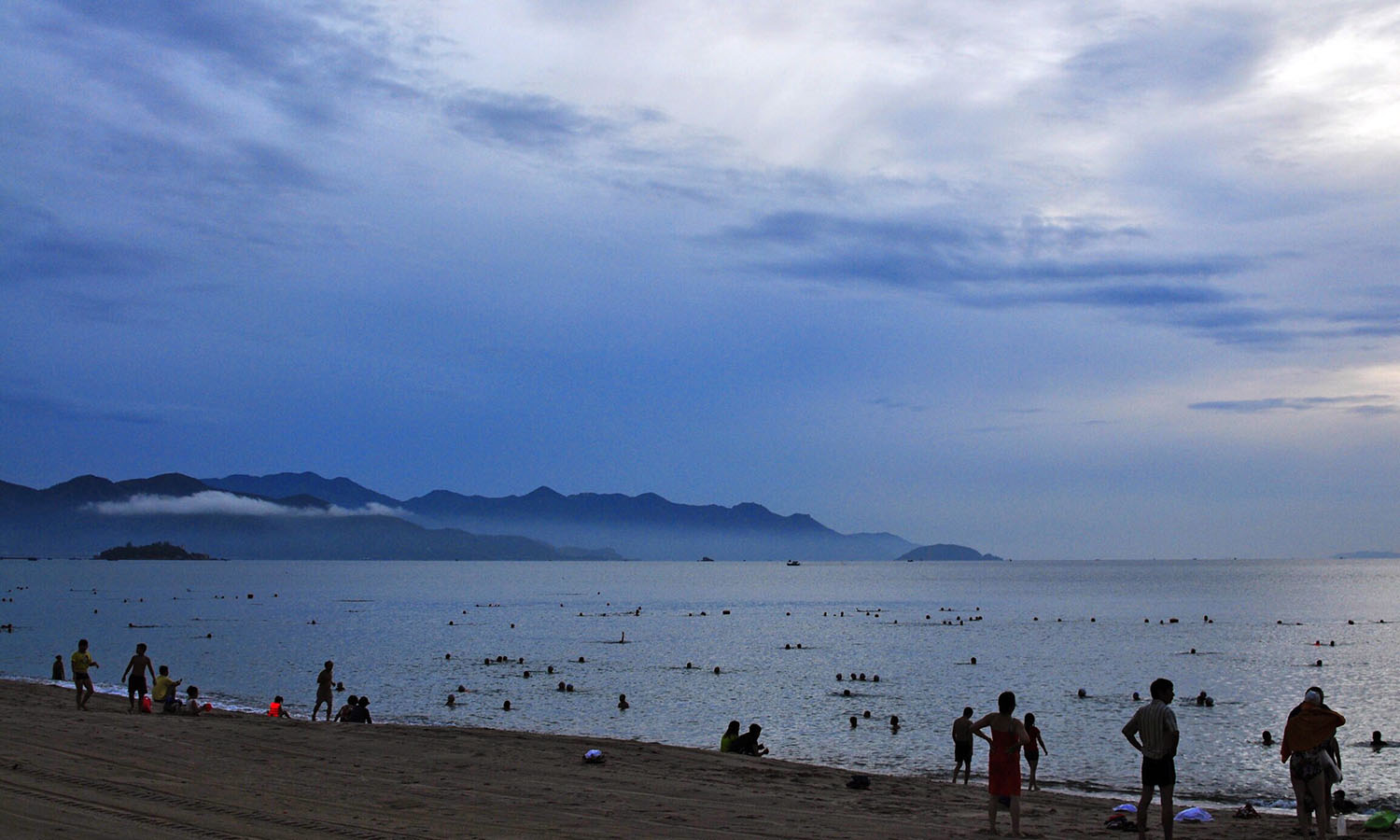
An early wake-up in the Russian holiday hotspot of Nha Trang isn’t necessarily a bad thing. Beat the heat and the tourists by rising at 5am and wandering down to the beach to experience exercise time in full swing. Swim with the locals flocking down for a pre-sun dip, dance in one of the many rotundas with your choice of salsa or techno music, or show off your muscles on one of the many exercise machines. Morning time is exercise time – so flex, bounce, bend and stretch your way around as you watch the sunrise!
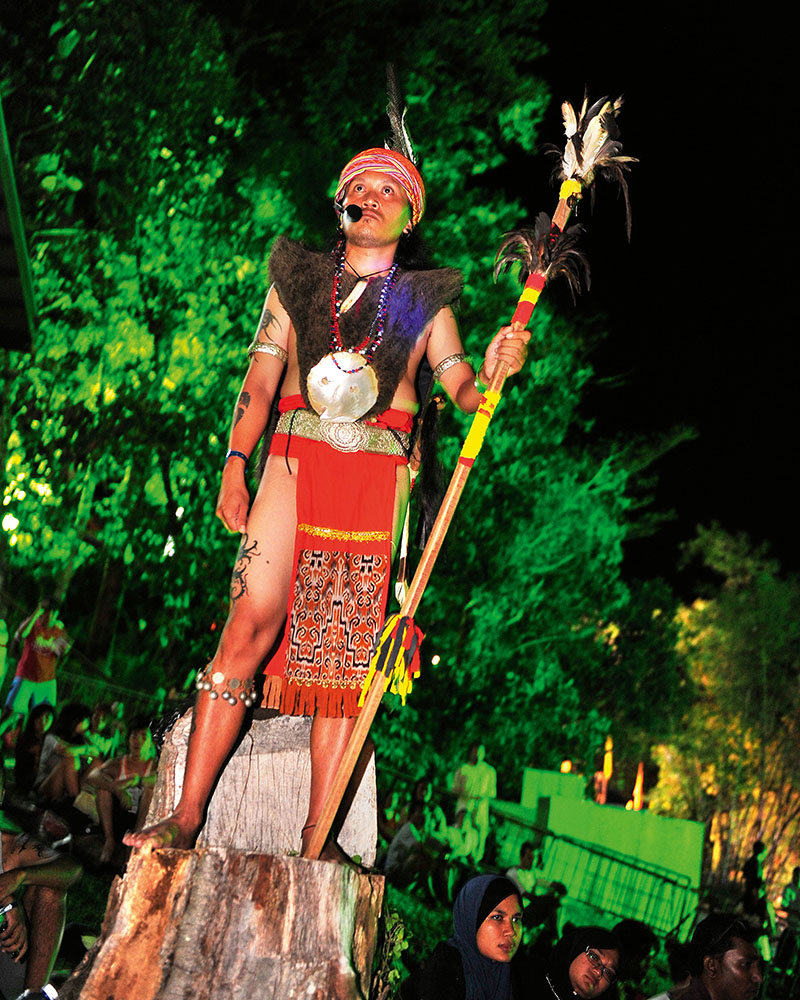
A tattooed Iban warrior, with an embroidered loincloth and brown animal-hide fur vest, stands on a tree stump, divining rod in his left hand, raising a spear to the sky with his right. He’s directly behind me on a small slope in the Sarawak Cultural Village. It’s 11 o’clock at night and most eyes here at the Rainforest World Music Festival (RWMF) are not on the warrior but rather on the main stage, as their hips shake and bodies bounce to the balafon melodies and djembe beats of Burkina Faso’s Mamadou Diabate.
Fans shout for more as the West Africans’ set comes to an end, but then a spotlight shines on the warrior and a hush falls over the crowd, as if word has quickly spread of the ancient taboo against singing on the slopes of Mount Santubong, a prohibition that local trekkers take seriously but which has no hold here in this Borneo jungle clearing.
Borneo. The name itself evokes a sense of mysticism and mystery. This huge island in the South China Sea – once home to the world’s most infamous headhunters, a tropical place where many villages can still only be reached by boat or small plane – has become home to something quite different over the past 15 years: one of the planet’s best organically grown international music festivals.
Behind me, the Iban warrior faces the mountain and chants a blessing in his own tongue:
“Oh Gods of all Gods Look kindly upon us Bless us who gather here Bless the people who come from upstream and the people who come from downstream Let us all have joy together”
The spotlight shifts to an old Bidayuh man dressed in black with a red sash around his waist. He’s standing on a boulder near the back of the crowd, holding a rod with a raffia figure. He chants his own blessing before the spotlight shifts a second then a third time. The four men form the points of the compass and signify the fundamental elements: Fire, Earth, Water and Wind.
It’s 10 years since I showed up at the gates of the Sarawak Cultural Village for my first taste of the Rainforest Festival, but every year I meet people who have been coming here longer than me. The festival has swollen remarkably and now attracts about 20,000 people, including couch surfers, yachters and even a primary school marching band.
Over the course of three days, thousands dance to Mongolian throat singers, swoon to a trio of Palestinian brothers duelling on ouds (a Middle Eastern lute), kwasa kwasa with Congolese legend Kanda Bongo Man and rock out to a Czech band called Cankisou that features a didgeridoo and a homemade flute made from toilet hose and a metal broom handle. And this all takes place against the dramatic backdrop of Mount Santubong – which, viewed from a distance, resembles a pregnant princess laying on her back – though that’s a tale for another day.
“The Rainforest World Music Festival has the most extraordinary setting I’ve seen for a music event, ringed as it is by dense forest and dramatically high and ragged mountains,” says Gerald Seligman, General Director of the World Music Expo (WOMEX), a trade industry event for the world music business.
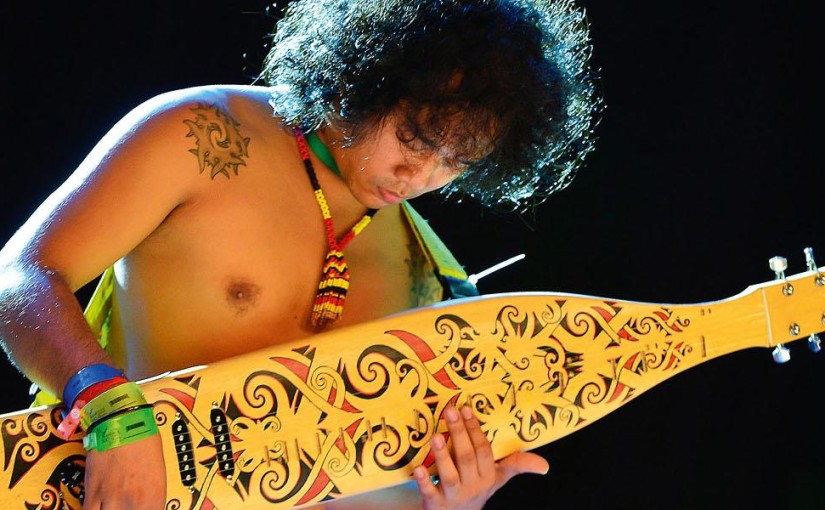
The RWMF was initially the brainchild of Randy Raine-Reusch, a Canadian composer who literally plays thousands of instruments and has recorded with Aerosmith, The Cranberries and Yes. Raine-Reusch was traveling in Sarawak, researching and recording tunes on the gourd organ, when he was enchanted by the beauty of the sape, a melodic four-stringed instrument made from a single piece of carved out wood. Today, no RWMF would be complete without the sounds of the sape, but at the time, Raine-Reusch lamented that Sarawak’s rich musical heritage was in danger of disappearing.
And thus the Rainforest World Music Festival was born to showcase Sarawakian music to the world and bring world music to Sarawak. “Traditional instruments contain a soul, an essence to them,” says Raine-Reusch, who was also the festival’s first artistic director. “They’re the voice of the people and the voice of culture for thousands of years and they have something that touches the human soul.”
It used to be that every band here had to feature at least one indigenous instrument, and there was a time when electrical instruments were totally off limits. Those rules have been relaxed, but the lineup still includes an eclectic mix of musicians from every continent as well as the interior of Sarawak.
Take the performance by Zee Avi, the diminutive Sarawakian singer-songwriter whose compositions have been featured on 21 Jump Street, Parenthood and even in a Johnny Depp movie. Avi could have been considered too pop, too mainstream for the Rainforest festival, but she traded in her guitar for a miniature sape – a sape-lele – and invited two of the Sarawak Cultural Village’s resident musicians, Narawi Rashidi and percussionist Johari Morshidi, to join her band.
“I have two masters playing with me tonight – such an honour!” an ecstatic Avi tells fans during her performance on the first night of the festival.
Instead of singing English songs like ‘Bitter Heart’, perhaps her best-known ditty, Avi instead performs tunes like ‘Mee Kolok Sigek’, which she wrote while sitting along the banks of the Sarawak River in Kuching. While that song is inspired by a popular food (a local noodle dish), her performance includes a folk tribute to Princess Santubong, the spirit in the mountain that forms the backdrop to the festival.
“In every band, the ethnic identity is powerful and dominant,” says Yeoh Jun Lin, a classical musician who rejoined the festival as its artistic director and put together the lineup after a several-year hiatus.
And in an age when most bands are dominated by just a handful of instruments – drums, bass and guitar – I encounter a new way of making music every year at the RWMF. In 2011, women from a village in Vanuatu turned the lake of the cultural village into their instrument, cupping their hands under the water to make booming percussion sounds.
This year, my mouth drops when I see Harkaitz Martinez de San Vicente and Inigo Antonio of the band Oreka TX play the txalaparta, a Basque instrument that nearly disappeared after World War II.
The txalaparta doesn’t really look like an instrument. It’s made from thick planks of wood or lengths of stone laid out one next to the other. Each piece is carved with precision to resonate just the right sound.
It takes two people to play the txalaparta; together they create a single melody. When Martinez de San Vicente and Antonio first explained this to me, I didn’t get it. But when I saw the men playing it together, I understood. For a single person to do this, he would need four arms. “The important thing is the act of sharing the rhythm with the other person,” says Antonio.
Their performance is part music, part story-telling, punctuated by a documentary video that plays behind them, showing them travelling through India and Mongolia searching for new materials to create their music. At one point, they carve blocks of ice into planks for their instrument and use batons of ice to play it.
Like most of the musicians here, Martinez de San Vicente and Antonio perform at least twice during the festival – in a workshop and during the evening concert. The afternoon workshops are more intimate and informal affairs. Percussionists, string players and vocalists from different bands are grouped together to introduce their music. A jam session often results. It doesn’t always work, but when it does, it’s magic.
The late afternoon – in between the workshops and the evening concert – is a time to chill out as a calm settles over the lake in the cultural village and hues of orange and red tint the mountain sky. Some days I exit the festival venue and walk a few minutes to the beach to take a swim in the South China Sea. Others, I check out the longhouses, each one built in the style of a different ethnic group. The newest – the Bidayuh Longhouse – is also the biggest. The round panggah that’s connected to the longhouse traditionally housed the skulls of enemies killed in battle, though here it is used for an art exhibition instead.
While wandering the crafts bazaar and vendor stalls in and around the longhouses, I bump into Zee Avi and her bassist JP Maramba. It’s not unusual to spot the performers in the crowd here, but Maramba stands out this time. One side of his head is shaved with the pattern of a warrior tattoo. Avi encouraged him to do it and he’s happy with the result. Looks good on him, I think as I walk by the hair tattoo tent and consider getting one myself. The idea quickly passes and I opt instead to chill by the lake and enjoy a cold beer.
Unlike other gigs where bands are quickly flown in and out, here the musicians spend as much as a week together, forging new friendships and melodies. The camaraderie spills over to the stage. Late Sunday evening, Zee Avi warmly embraces Ghanaian dancer Paulina Lartey, before the two bust a move together centrestage in the festival finale.
The Sunday finale is not a work of musical genius. The last performer of the evening, Kanda Bongo Man, lays down an upbeat melody as the members of each band that has performed in the three-day festival – followed by the schleppers who carry their instruments, the liaison officers and other volunteers – take to the stage for a last wave. Soon the stage is packed with people, everyone shaking to the soukous beat.
In previous years, Raine-Reusch stood stage right, whistle at the ready, directing each band like a traffic cop at a busy intersection. This year, Yeoh takes a more free-form approach. It’s chaotic and no one knows quite what to do, but as the confetti shoots over the audience, everyone – musicians and fans alike – is clearly having a blast.
I climb onto the stage as well and as I look out over the crowd, my thoughts turn to the coming year. I’ll miss the mountain and the music, but before I depart there’s the afterparty back at the hotel, where Mamadou Diabate pledges to play til dawn. The Brazilians and a French tuba player quickly join in. Every party, I think, should have West African drummers so that, as in the words of the warrior chanters, whether you come from upstream or downstream, we will ‘all have joy together’.
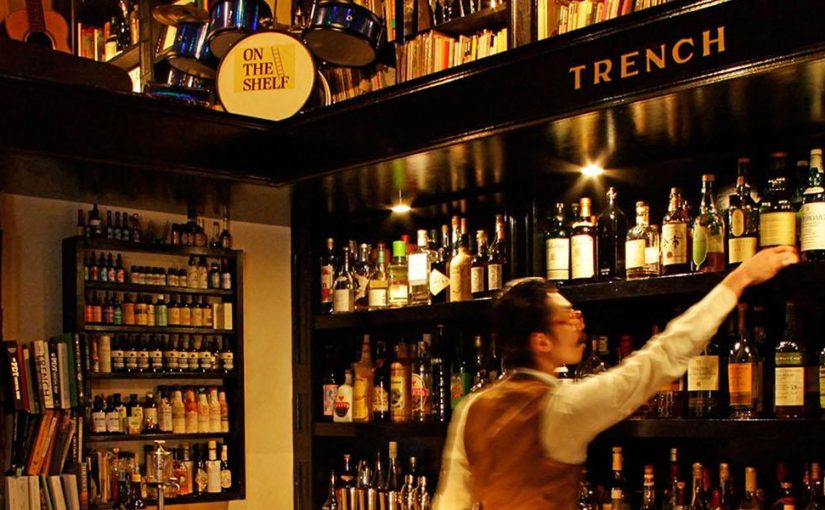
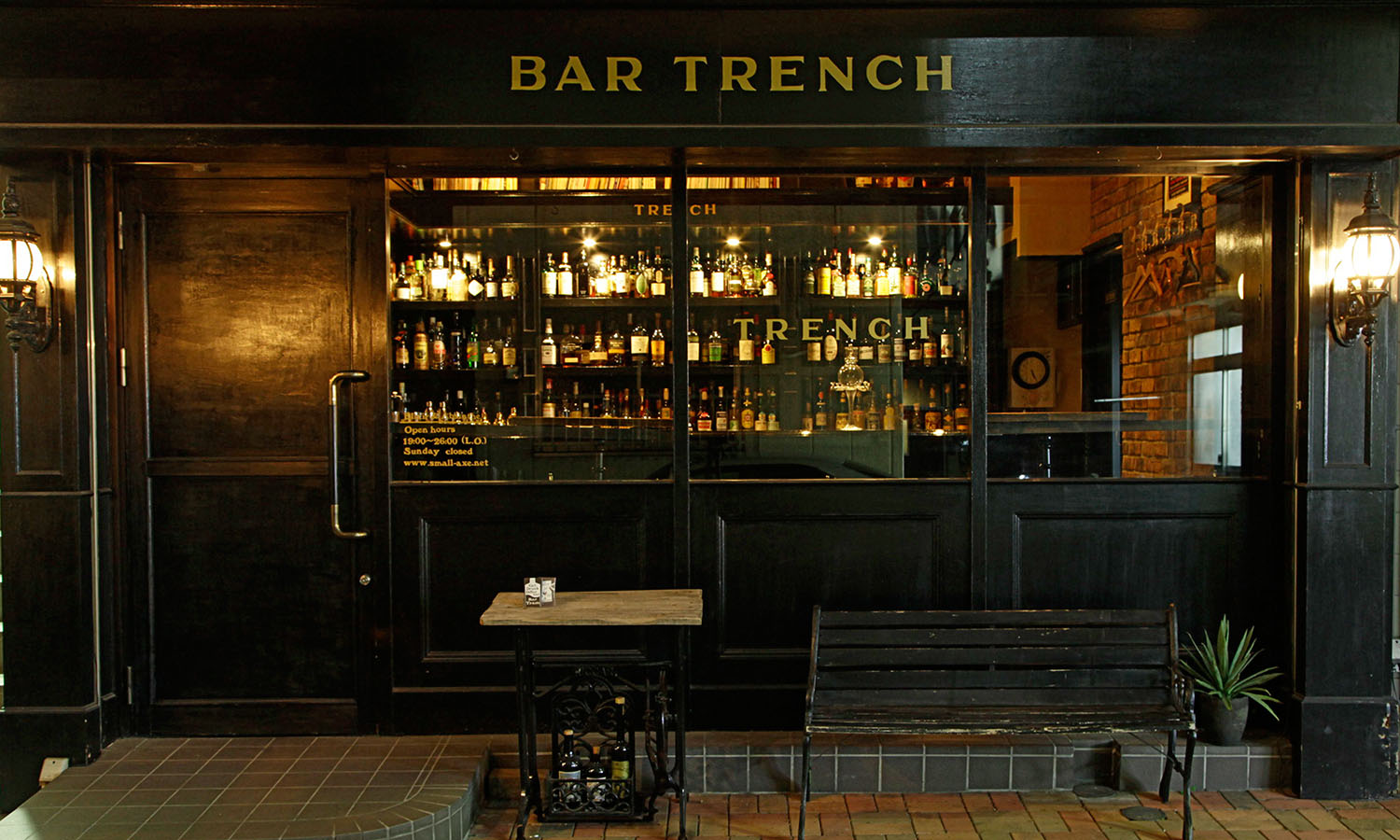
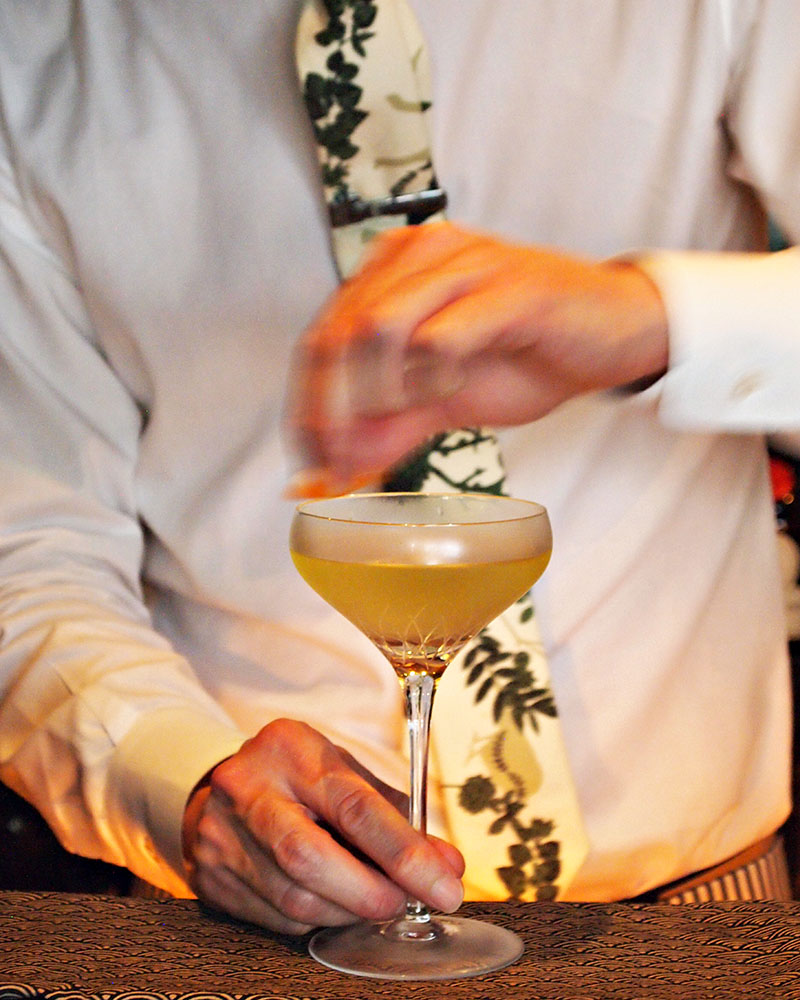
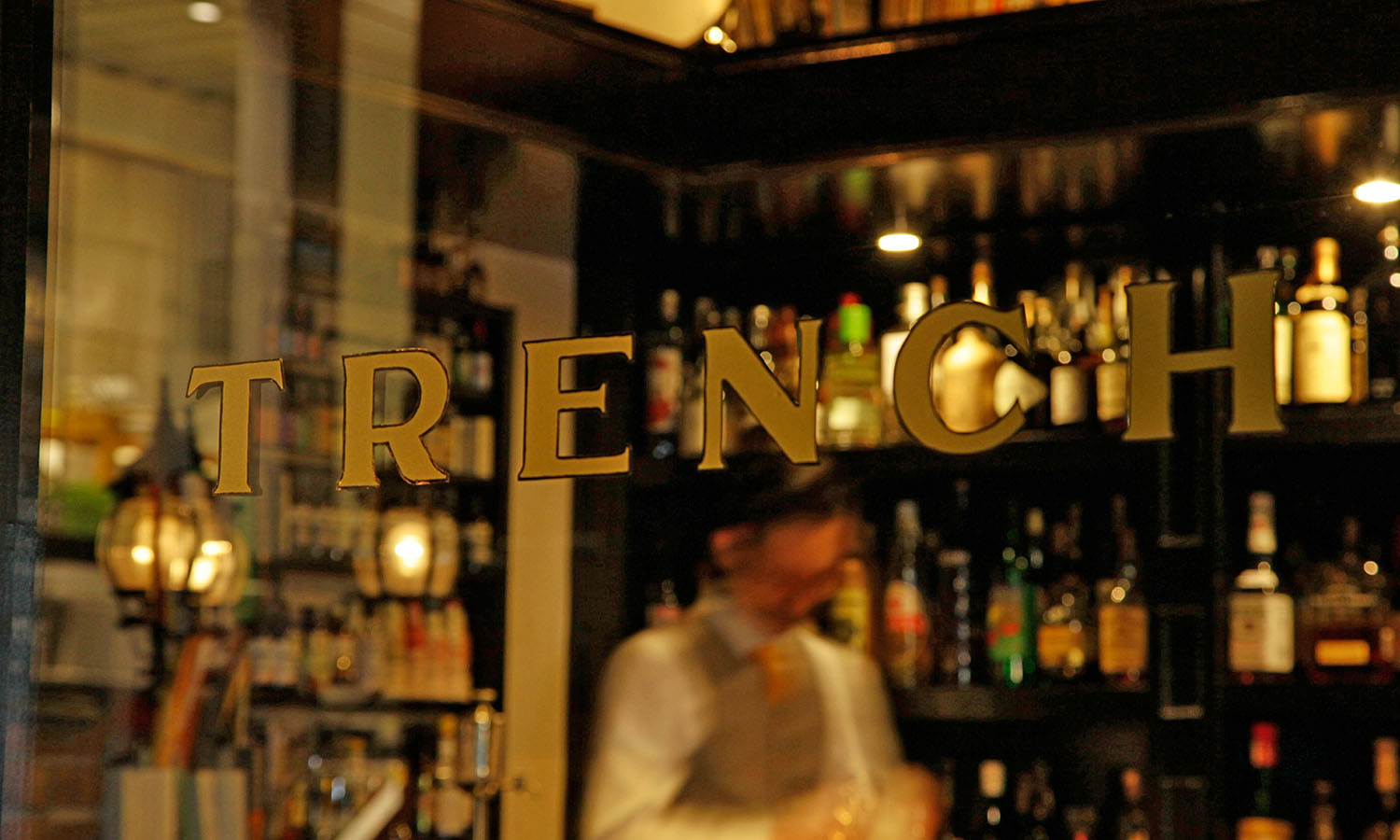
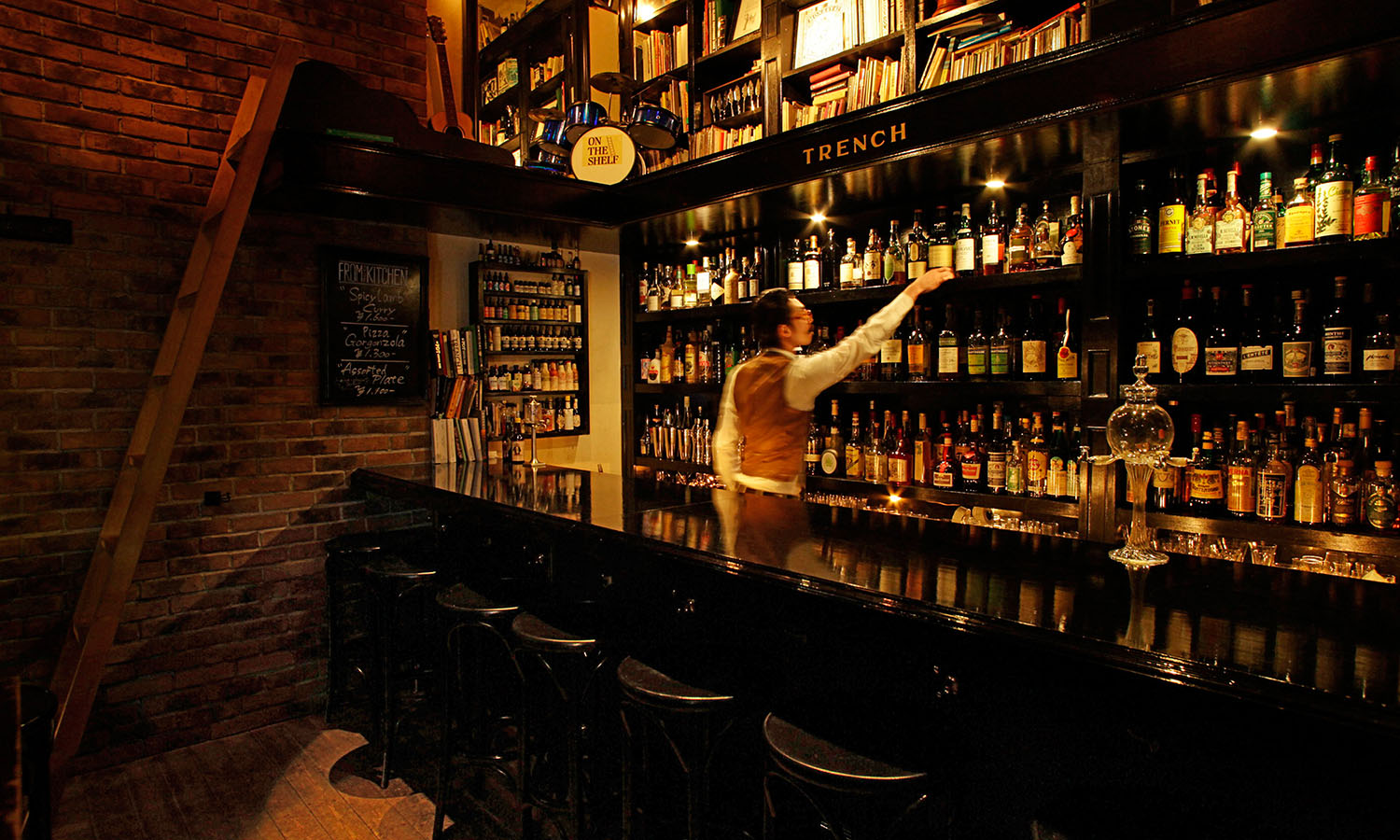
Pull up a stool in this tiny bar and settle into another epoch. Bar Trench has been sliced from turn-of-the-century Paris and grafted into an alley in the Ebisu district of modern-day Tokyo.
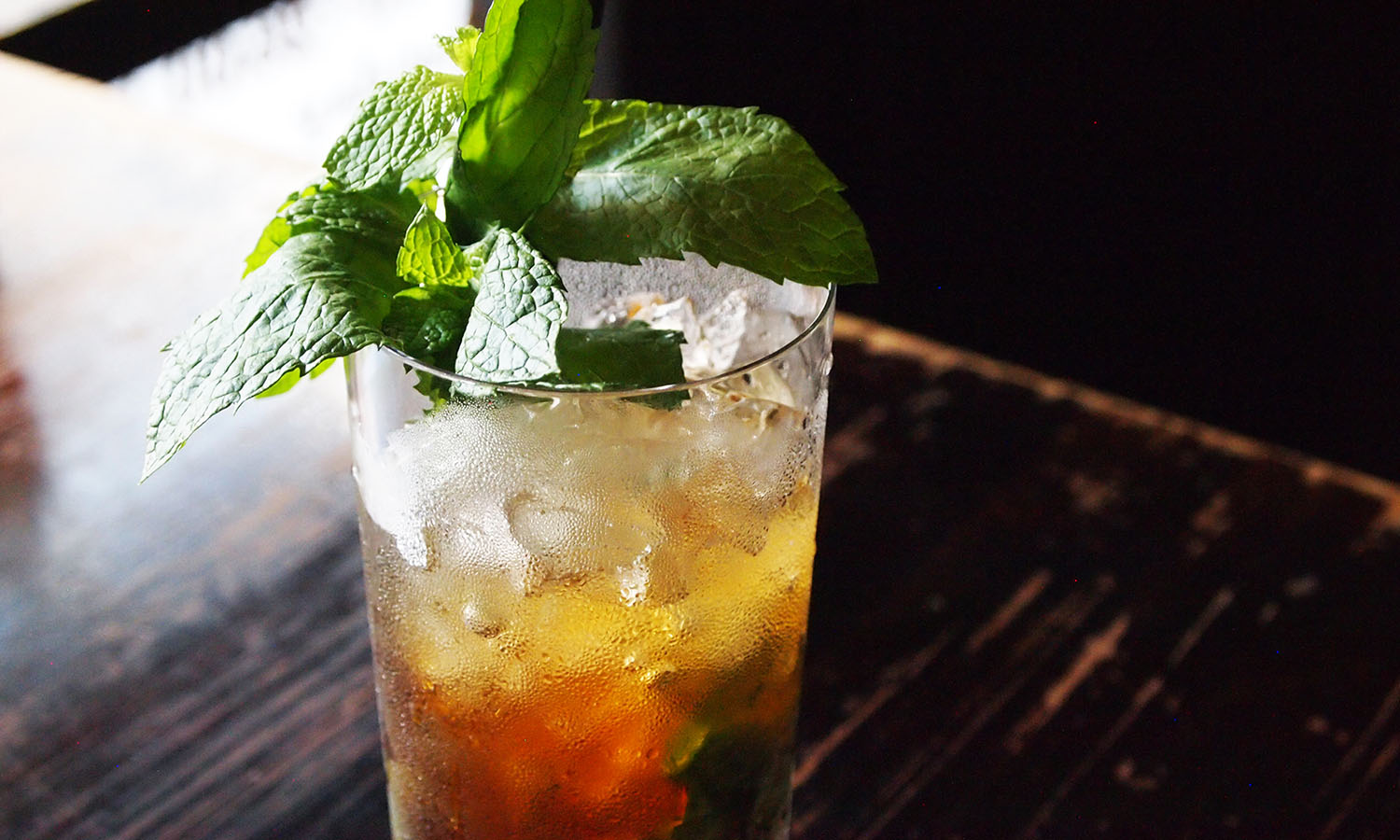
A huge windowpane overlooks an interior of wood, exposed brick and dapper clientele sipping homemade ginger ale, exclusive whisky and finely crafted cocktails – many with an Absinthe bent.
Order an in-house creation – the Go Lassi!!! (a blend of Absinthe Clandestine, lime, dill, yogurt and cucumber) is a must if you’re game – then test your recollection of the classics with boozy quotes from Hemmingway and Sinatra printed on coasters. Best of all is the chance to tap into the mind of the English-speaking Brazilian–Japanese mixologist and owner, who’s happy to share his seemingly endless knowledge of grog.
 (
(