The Library: Singapore’s jazzy cocktail den

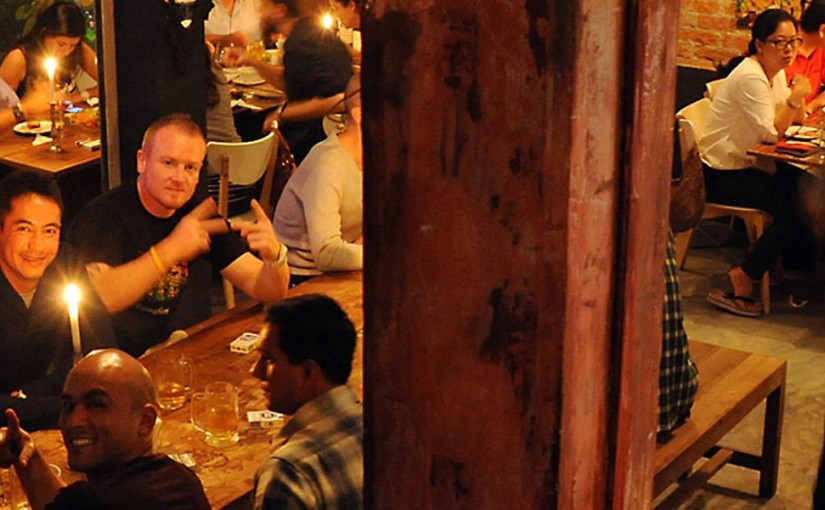
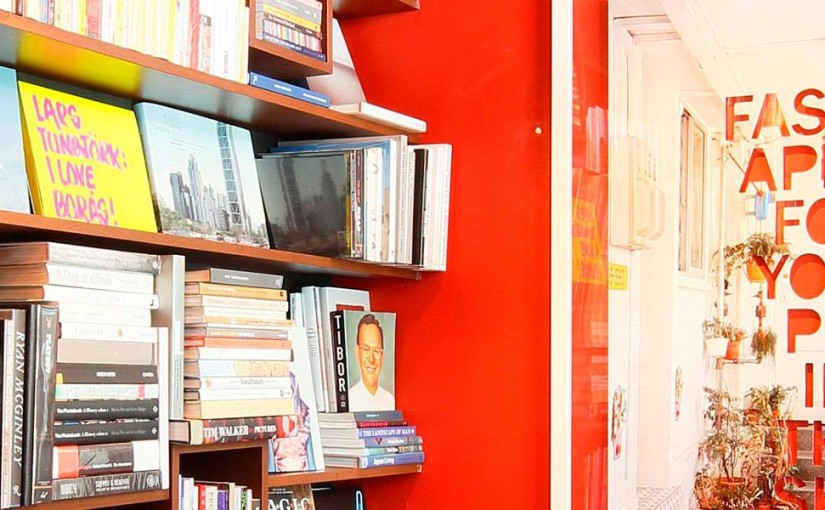
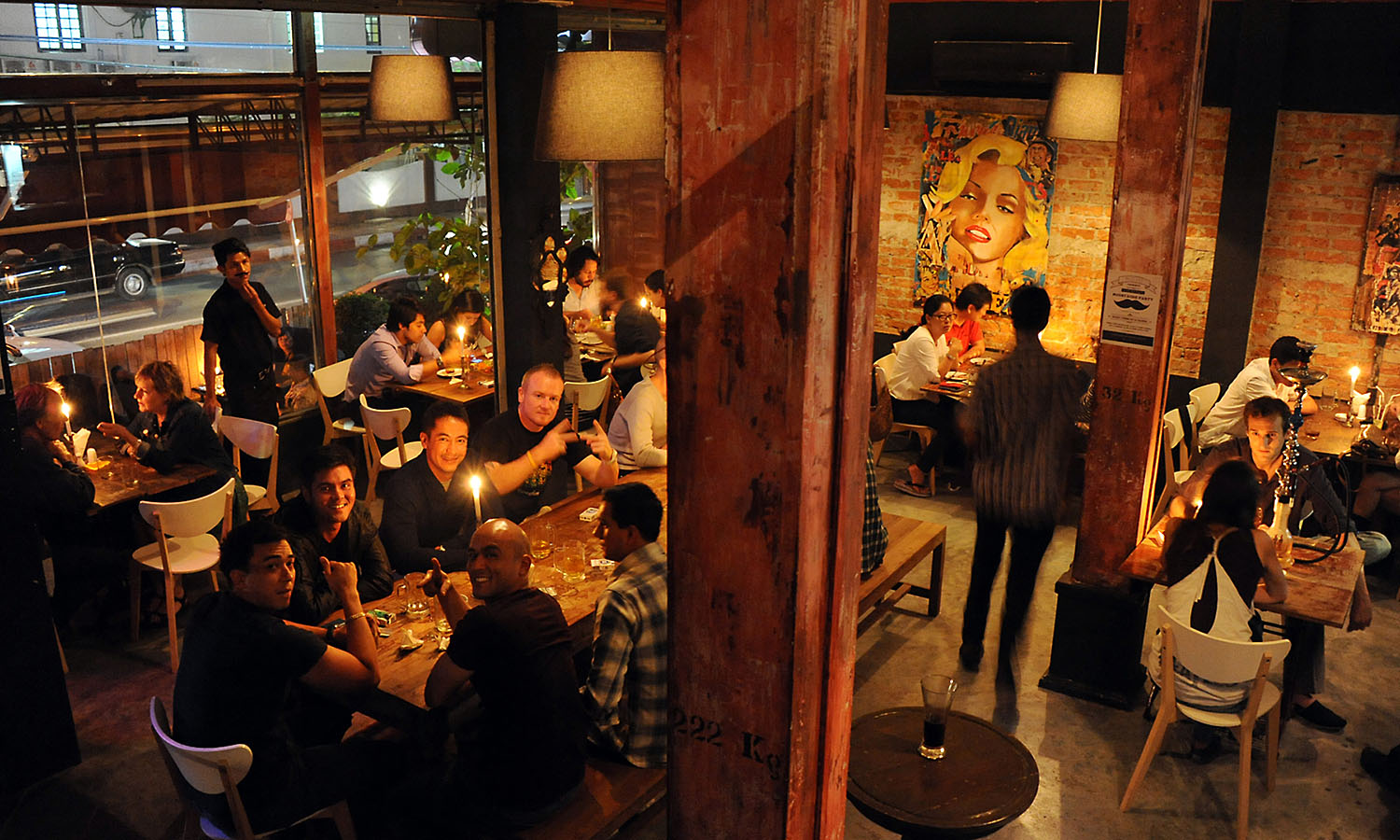
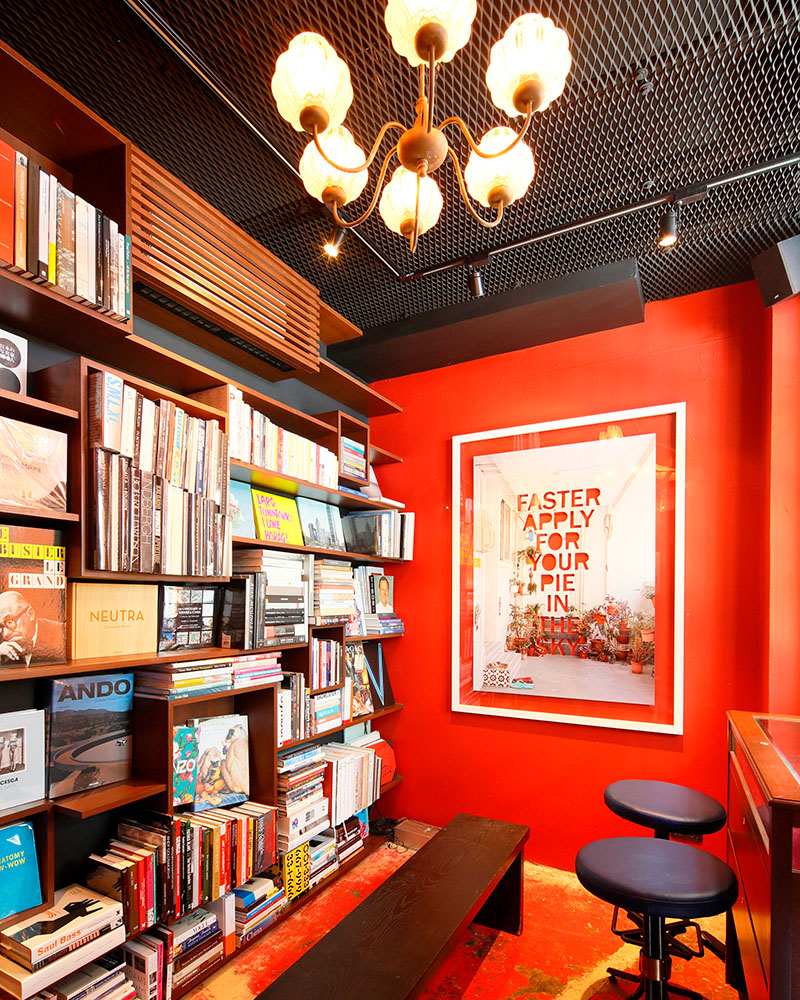
They say knowledge is power, and this speakeasy delivers in spades, serving up potent potions – if you can find it. Hidden among the cosmopolitan hustle of Keong Saik Road, the Library facade is an ever-changing pop-up shop. Whisper the password to the shop attendant (ask at the Study next door for the magic words) and step through a secret mirrored door into a clandestine wonderland. Let waves of moody blues and jazz wash over you as you take in the wall-to-wall display of liquor.


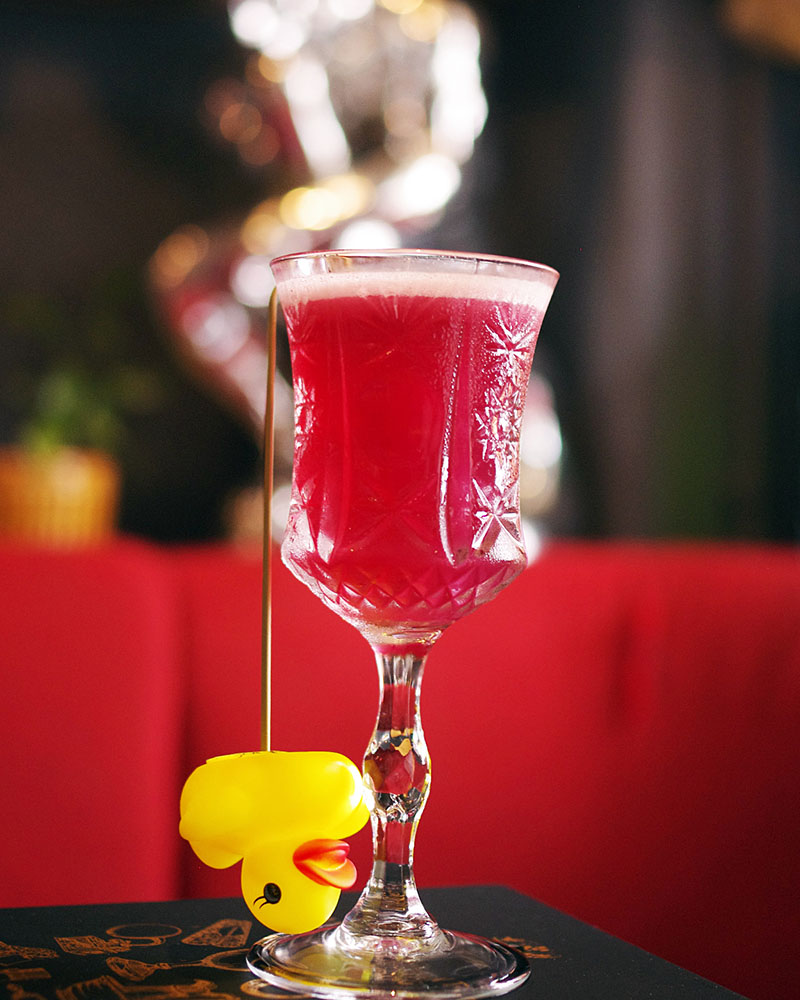
Here, cocktails aren’t the average fare – wildly imaginative and handcrafted to precision, they’re dazzling and delicious to boot. Get splashin’ with Shrub-A-Dub-Dub, a bubbly concoction of Ford’s gin, Amaro Montenegro, peach puree, lemon, ginger shrub, Moroccan bitters and a dash of Moscato D’Asti, served in a miniature bathtub (rubber ducky included). Drinks are hard on the wallet at around US$15 a pop, but who can say no to a tipple in a tub?

Paradise at Cinema Paradiso

I’ve a feeling we’re not in Kansas anymore. And you’ll be feeling it too when you enjoy a classic flick over the lagoon on the idyllic Thai island of Koh Kood. Forget sticky seats and carpet that smells like last year’s popcorn, Cinema Paradiso is just as the name implies – big screen movies in our kind of paradise. Soneva Kiri resort plays Hollywood classics nightly in its open-air, jungle-enshrouded cinema, dubbed mother nature’s amphitheatre.


Sink into a cushioned lounge seat with a cocktail and gourmet snacks and relive the silver screen hits of yesteryear beneath a tropical canopy of stars.

Hit the Surf in Sri Lanka

The sleepy fishing villages of Sri Lanka’s east and south coasts were ravaged by the infamous Boxing Day tsunami of 2004. The damage was extensive, but even in the most hard hit areas, the laidback strip of restaurants and hotels have bounced back, welcoming growing numbers of visitors.

Tourists from around the world are increasingly heading beyond the well-established tourist resorts of the west coast to discover places such as Arugam Bay on the east coast with its mesh of brightly coloured fishing nets and rows of shacks serving up freshly cooked seafood from bubbling metal pots, sourced directly from the fishermen that haul their nets back to the shore on their wooden boats each morning.

But keen surfers are also making up a large number of the visitors to these thanks to the bay’s break, highly regarded during the monsoon season which produces some consistent waves along the east coast between May and September.

The Farm at San Benito

When the frenetic pace of city life has you feeling like a battery hen, it’s time to put yourself out to pasture. Check yourself in at the wholesome hideaway that is the Farm at San Benito and begin your personalised journey of transformation, whether you’re after the detox, stress management or wellness options.

While the term ‘holistic wellness’ is used loosely and liberally by any resort that boasts a spa and a gym, this Philippines establishment is the real deal. A team of doctors is on staff and your arrival begins with a rigorous health assessment to map out a course for achieving a new and improved you. You can expect to undergo colonic irrigation, reiki and possibly an intravenous vitamin infusion or a liver and gall bladder flush.

That’s the icky bit, now the indulgent bit: there’s a full suite of spa therapies to enjoy, from body scrubs and massages to facials and steam therapy. The retreat is tucked within 10 hectares of lush landscaped gardens in the foothills of Mount Malarayat and organic produce is all grown on site.

Forget about a Big Mac, meals here are vegan and served raw, using specially designed dehydrators to lock in the natural nutrients and enzymes that make your body sing. By day take part in yoga, meditation, boot camp, calisthenics or trampoline dance, and at night enjoy a moonlight massage, before retreating to your luxurious villa for your makeover’s most important ingredient – a restful night’s sleep.

Wash Away Stress with Surfing

Picture a holiday in India and you usually envisage crowded streets, incredible forts and the bustle of daily life, but at the Ashram Surf Retreat near Mangalore, on India’s south-west coast, you’ll find an experience far removed from the madding crowd. Take to the water and make the only barrel in your life the one you ride, rather than the one clinging to your waistline.

Choose your fitness weapon – surfboard, bodyboard, wakeboard or stand- up paddle board – and reinvigorate your body in the sun and surf. If you’re a novice, join the surf school and learn to master the swell, or opt for a sea kayaking adventure, snorkelling or meditation and yoga sessions. Delicious vegetarian meals are served twice a day, and you can eat your fill of coconuts and fruit.

Bali boot camp

Cast away that bottle of Bintang, scrap sun-baking on the beach and get your blood pumping at a Balinese wellness retreat.

Located at the heart of the island at a village outside of Ubud, a restored Balinese bungalow will be your home as you spend a week working out. You’ll earn that sweat streaming down your back getting active in the ‘jungle gym’, where the trainers utilise coconuts, bags of rice and bamboo apparatus.

Other sessions involve jungle runs, crawling through muddy rice paddies and hauling logs upstream. Rise at 3am to trek Mount Batur by torchlight, summiting its peak as the first rays of light catch a wisp of volcanic smoke. The early start is rewarded by a trip to natural hot springs to soothe those weary muscles. There’s also plenty of down time for massages, reading, napping and shopping in Ubud, and the meals are prepared using the freshest local produce. And, yes, you can have banana pancakes for breakfast.

Get Kung-Fu savvy

Learn how to bend an iron bar and smash bricks with a single fist studying the ancient ways of the Shaolin kung-fu masters.

Always wanted to master the martial arts? The Maling Shaolin Kung Fu Academy in China exposes students to the 1500-year-old traditions of kung-fu with an intense training regimen that subscribes to the ‘no pain, no gain’ principle.

Whether you’re an experienced martial artist or just opening up to the challenge, the academy will help you realise your dreams of becoming a great kung-fu master.

The humble ways of the Shaolin are entrenched in the experience, which is based on ancient Chinese tradition. After months of training, students learn the Mandarin language and graduate to other types of martial arts, including weapons training and sanda (Chinese kickboxing).

Kamalaya Koh Samui

When modern-day life is getting you down, it’s time to retreat. At Kamalaya Koh Samui, a luxury spa retreat on the popular Thai island, take a step back, indulge in holistic healing treatments and come out the other side feeling like a new you.

Kamalaya has a number of programs designed to help overcome stress and burnout, but we love the sound of Asian Bliss – when in Rome, after all. For between five and 10 nights, turn off your gadgets then exercise, eat well and be nurtured by treatments taking in Chinese Traditional Medicine, Ayurvedic practice and traditional Thai therapies.

Each day there’s a schedule of complimentary yoga, pilates and tai chi classes, plus there’s a fitness centre, swimming pool and steam cavern if you want to stretch out on your own.

Feel like you’ve got stress levels under control? There’s a whole raft of wellness programs including detox, weight-loss, exercise and yoga programs. As far as the resort goes, the entry-level rooms are cosy and chic and surrounded by trees; others overlook the ocean, some have private plunge pools or there’s the opportunity to book a beachfront villa. Just those views are likely to make knotted muscles unwind.

New Majestic Hotel

Nestled among the alleyways of Singapore’s old red light district in Chinatown, the New Majestic is a one-of-a-kind hotel with rooms given names such as Pussy Parlour and Fluid.

Each of the 30 rooms – some individually designed by emerging artists – is just as wacky and risqué as its name suggest. Think ‘floating’ beds, high ceilings, bold murals and art installations, cast-iron garden bathtubs and rain showers, as well as an eclectic mix of vintage and designer furniture.

Tear yourself away from your room for a dip in the pool and peek at diners in the restaurant below through the porthole windows.

Philippines’ magic island

My young Filipino guide, who a few moments earlier had been full of jokes, lowers his voice as we approach the oldest balete (banyan) tree on the island of Siquijor.

“Local people never point straight at the tree,” he tells me gravely. “And they always ask the spirits for permission before they touch 
its bark.”

It’s not hard to see how such a huge and knotted tree, its tangles of roots dangling like a witch’s hair, could become the focus of superstition. Even the way the sunlight filters through those roots is somehow sickly, like a scene from a horror movie, the one just before the doomed teens enter a cabin in the woods.

Fittingly, I’d first heard about this island a couple of months earlier when watching a Filipino film called Siquijor: Mystic Island, a rather tacky affair involving curses, plenty of fake blood and acting that was more wooden than the balete.

Of all the 7000 islands in the Philippines, the small island province of Siquijor in the Central Visayas region has the most persistent reputation as a place where witches roam and spirits hold sway. As I travelled through the country, several people warned me in all seriousness about Siquijor. If I really had to visit, they said, I should make sure that it was only during daylight.

All this had piqued my interest in the mystical island, even if I didn’t really put much stock in the tales of black magic rituals amid the palm trees, or curses invoked by wizened sorcerers. What I did know was that people travelled to the island from around the country in search of traditional remedies, potions and amulets. I heard about a rare technique called bolo bolo in which the healer blows through a straw into a glass of water held close to whichever part of the patient’s body is troubling them. As the liquid grows mysteriously dark, the sickness is supposedly extracted.

Surprisingly, most of the island’s traditional healers consider themselves to be devout Catholics. Brought to the archipelago by the Spanish in the sixteenth century, Catholicism is as deeply rooted in Siquijor as anywhere else in the country. Early in my tour around the island, I had visited what is claimed to be the oldest convent in the Philippines. A long, squat building on the main road that runs through the dusty southern town of Lazi, it was constructed in typical Filipino fashion, with stone used for the ground floor and wood on the first floor. Its huge corrugated iron roof was coated in decades of rust.

In keeping with their mix of Catholic faith and older folk beliefs, the high point of the Siquijor magicians’ calendar is Easter weekend, when spirits are said to walk the earth during the time between Christ’s death and his resurrection. Sorcerers and healers converge on the village of San Antonio on Good Friday, and spend the next couple of days mixing up sumpa (potions) in cauldrons. The ingredients are straight out of a gothic horror tale and include insects and wax collected from church candles. The resulting potions are said to be particularly potent and are treasured by Filipino visitors.

Outside of Holy Week, you need to make an effort to seek out healers if you want to experience their work – despite the island’s reputation, you don’t just see magicians hanging around in the street. Out of interest, I made casual inquiries at my hotel, on the northern Sandugan Beach, and the best they could offer was a traditional massage. The small number of foreign tourists that make it to Siquijor tend, on the whole, to be more interested in the island’s beaches and its scuba diving than any local magic.

Diving had been the first thing on my own agenda when I had arrived on the island a couple of days earlier. I’d only recently received my PADI Open Water certification in Boracay, the most famous holiday island in the Philippines, and I was enthusiastic about getting some more experience. I’d never been anywhere near a wreck, though, so I was slightly apprehensive as we headed out to dive around a Japanese ship that had been sunk by the US army during WWII.

As we descended from the surface the water was much murkier than I had experienced so far in the Philippines. I had just come from nearby Apo Island, where the wall diving was truly world-class and the visibility was phenomenal. Here, thanks mostly to run-off from rivers churning things up, I could see only a short distance ahead of me.

As I followed the outline of the dive master into the gloom, it was clear that sorcery wasn’t necessary for things to get a little spooky, and I could barely make him out as we progressed slowly along the sea bed. And then, seemingly out of nowhere, loomed the skeletal form of the shipwreck. As a beginner, I didn’t enter the wreck, but swimming over the rusted and coral-encrusted ribs of the hull watching out for lionfish – their beautiful fans of spines bearing a potent venom – was a distinctly eerie experience.

Back on dry land, Siquijor has plenty of appeal as a beach break destination, with some lovely stretches of sand – some developed and others pleasingly untouched – along the island’s 100 kilometre coastline. Most of the tourist accommodation is either dotted along the west coast, where Paliton Beach is a peaceful highlight, or on Sandugan Beach, where I’m staying. In the southeast, Salagdoong Beach is popular with day-tripping families and local teens flinging themselves into the sea from the rocks.

The road around the island is well surfaced by provincial Philippines standards, so hiring a motorbike to explore is a popular option. Local tricycle drivers also arrange tours, doubling up as guides, and that’s how I decide to get around. Taking the main road down the east coast, we pass vivid green rice fields dotted with scarecrows made from palm branches. Several appear to be wearing orange jumpsuits, giving the slightly odd impression that escaped convicts are watching over the crops.

We stop for a few minutes at a spot overlooking a rickety old wooden house, which my guide says is the oldest building of its kind on the island. The owner lives alone and there are rumours, apparently, that she has supernatural powers. She sits rocking in her chair on a balcony overlooking the sea, while I watch from the road and try to imagine how the place might appear creepy under the right conditions. The pink flowers growing outside the house, together with the bright sunshine, make it difficult.

Deep in thought, I’m startled when an elderly farmer, standing unnoticed right behind me, greets us in the local language of Cebuano. He looks stern and I think we’re being asked to move along, but actually he is welcoming us to the island. It’s only later, when looking at photographs, that I realise he was wearing a baseball cap bearing the logo of a school just a few miles from where I grew up in the UK. It must have been part of a charity package or the rejected product of a Filipino factory; just a coincidence, of course…

I spend the day visiting beaches, swimming beneath waterfalls and exploring the convent – and an accompanying coral-built church – in the town of Lazi. The last stop is the old balete tree, where, in hushed tones, my guide tells me about some of the creatures linked to such trees. According to Filipino folklore, there’s a panoply of malevolent entities waiting to prey on the unwary. Among the most feared is the aswang, a shape-shifting vampire that preys upon unborn children.

Of course, our guide says, he doesn’t believe in such stories. Not really. He’s a young, modern man. And of course, if we wanted to stand inside the hollow of the balete tree, to get the full benefit of its spooky atmosphere, then we could. But he’s not going to do that himself and, besides, it’s getting dark and shouldn’t we get going?

It’s true – the light is growing dim. All the way round my guide has been hinting that it would be a good idea to be on the west coast by sundown, and now he’s getting positively insistent. As we race towards Paliton Beach it becomes clear why, with the sky starting to take on the most phenomenal, fiery orange and red that I’ve ever seen. The sky, the sand and the sea all morph into glorious technicolour. This Mystic Island, it turns out, is truly bewitching.