Roses are red, violets are blue, to have a drink at this pub, you’ll need to give up a shoe.
That’s right. Dulle Griet, located in Ghent’s famous Vrijdagmarkt square, demands beer-seekers take off one of their shoes in exchange for a 1.2-litre glass of their house beer, the Max.
To stop you from doin’ a runner with the glass, they hold your shoe hostage, place it in a basket and hoist it to the ceiling. They only give it back to you once you’ve drained every last drop of the flavourful frothy stuff.
Don’t get too carried away though. If you break the glass, it’ll set you back 90 euros (AU$146). That’s one expensive beer. And they only take cash.
We’re used to putting our best foot forward, but this isn’t the place to debut the new shoes you just spent your hard-earned pocket money on. Or to care about the germs and general stickiness that usually grace the floor of any decent drinking establishment.
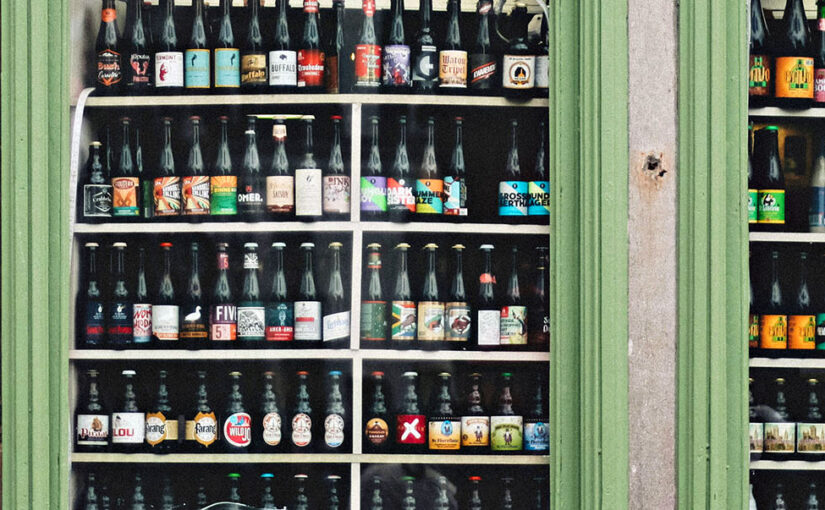
It’s still worth a visit though. More than 500 different types of beer line the pub’s dusty shelves, from traditional blonde abbey ales and full-bodied quadrupels to dark Trappist beers you’ll definitely feel in the morning.
Not a huge beer drinker? Go for the vibes.
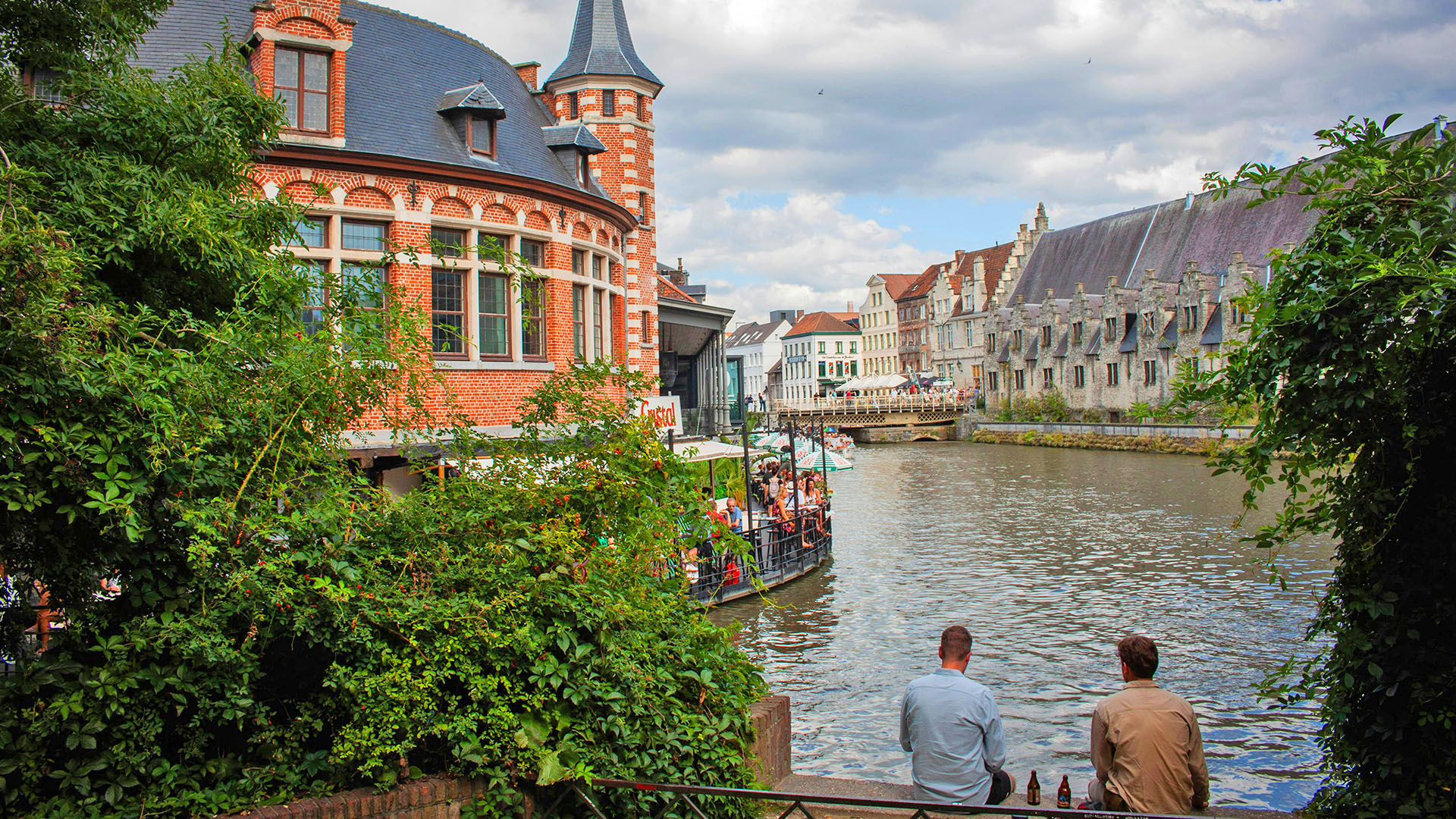
The pub’s delightful décor features wooden beams, beer barrels, church decorations, old alcohol ads, dolls, cart wheels and pig bladders (not weird at all). They even have outdoor seating for those brew-tiful sunny Belgium days. See what we did there?
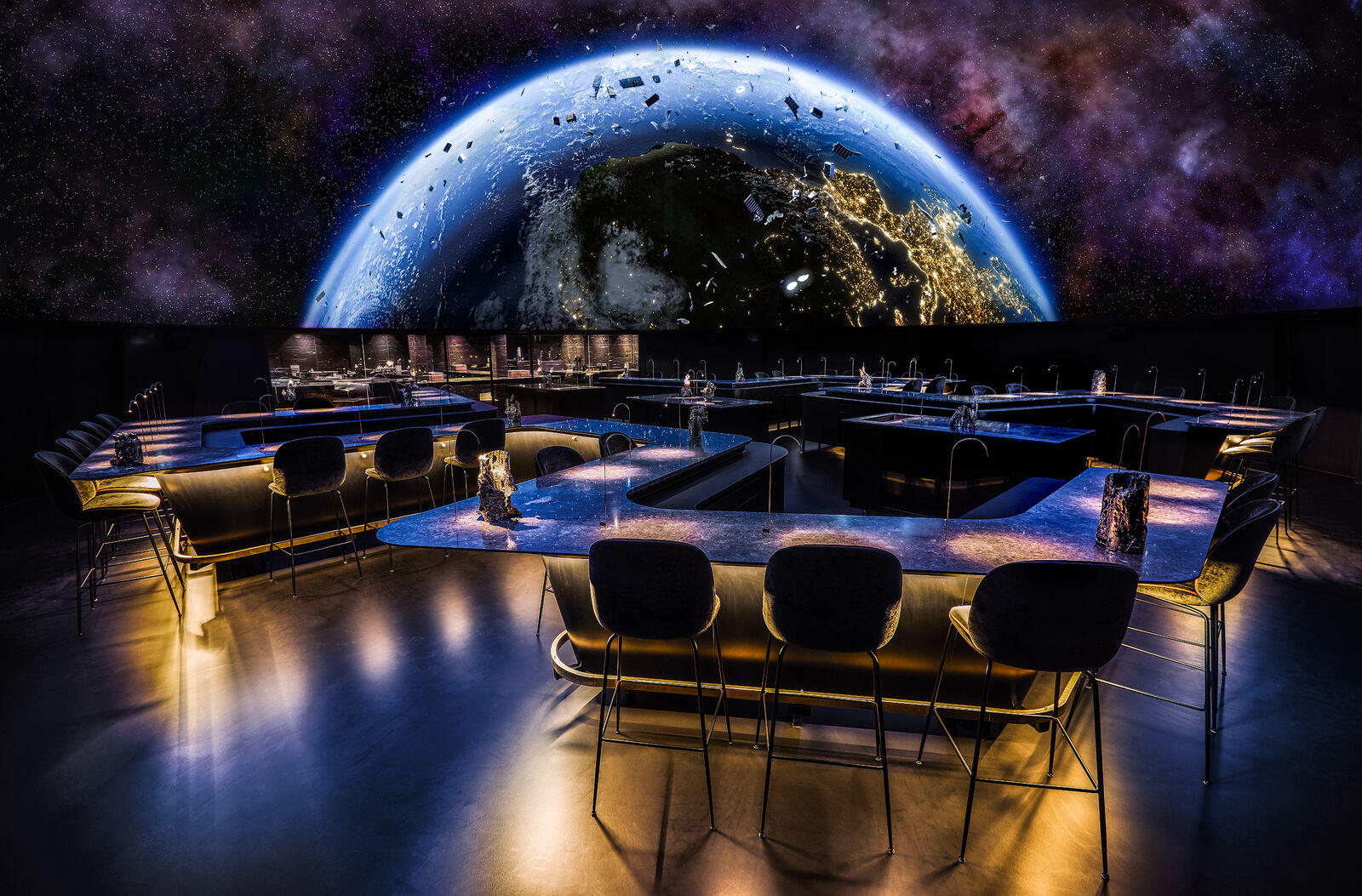
Living up to every inch of its fantastical name, Copenhagen restaurant Alchemist promises an unforgettable culinary experience – probably unlike any other restaurant you’ve been to.
Born from the imaginative and boundary-pushing mind of head chef Rasmus Munk, and considering the restaurant’s three stories and mid-meal interactive performances, it’s little wonder it placed so highly on the World’s 50 Best Restaurant list.
Eating here is actually a minor part of the experience.
Art. Theatre. Science. Technology. No, we’re not listing all your most hated high school subjects. Alchemist draws on these elements to redefine dining and transcend physical surroundings.
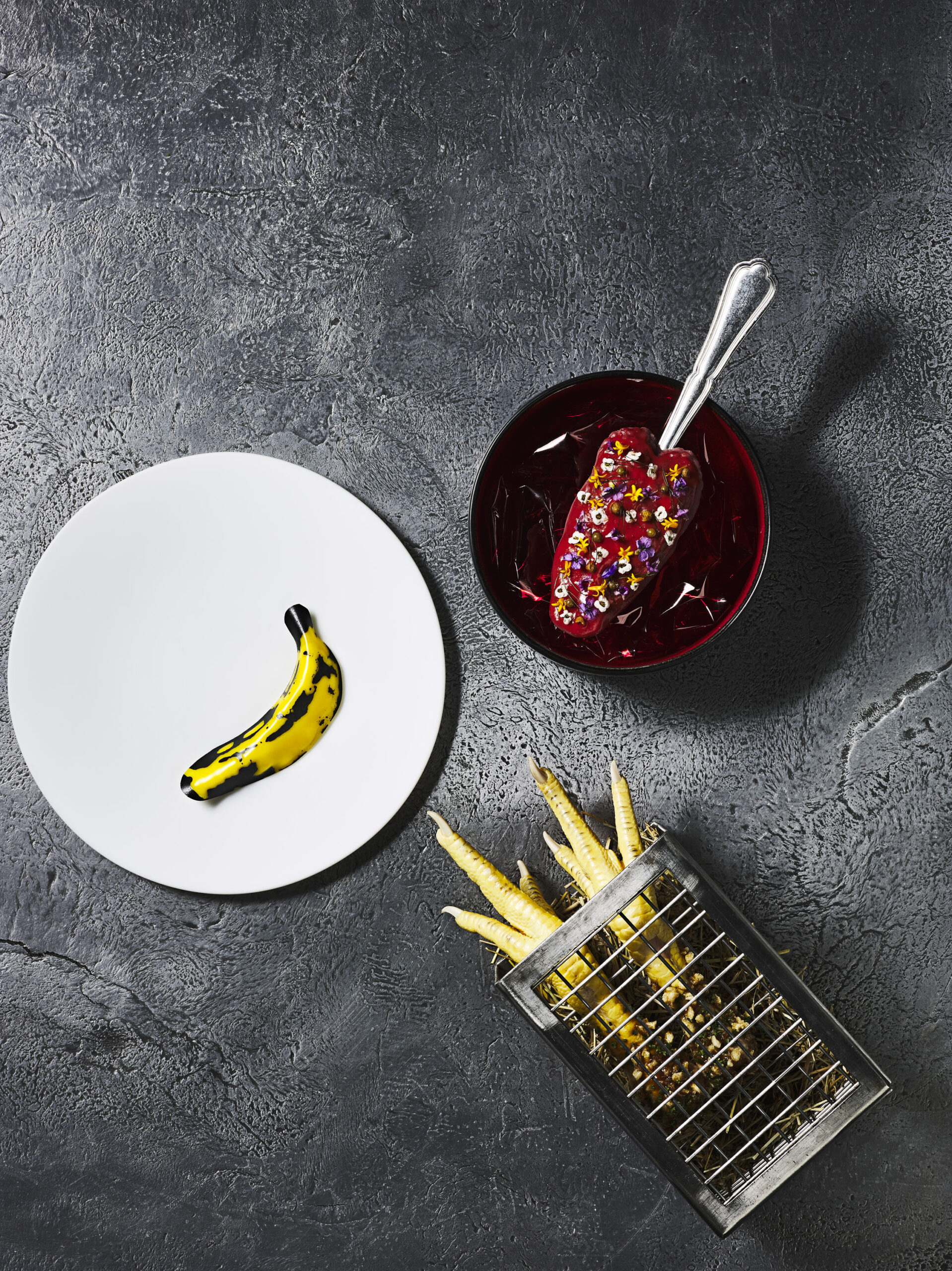
You’d be forgiven for thinking it’s more art exhibition than restaurant. With fascinating projections lighting up the dining room’s domed ceiling (think floating jellyfish and the northern lights) and a seemingly endless parade of tasty treats to try (50 to be exact), a night here will put your IKEA dining table and homemade spag bol to shame.
A reservation isn’t for the faint of heart though.
Not only do you have to ‘buy tickets’ three months in advance, but each sitting lasts between 4-6 hours, so it’s not quite the scene for that awkward first date you have coming up or the important business dinner you’ve been putting off. It’ll also set you back a minimum of AU$1,173. And that’s without the wine pairing option.
Our advice? Bring an open mind, a stacked wallet and a healthy appetite.
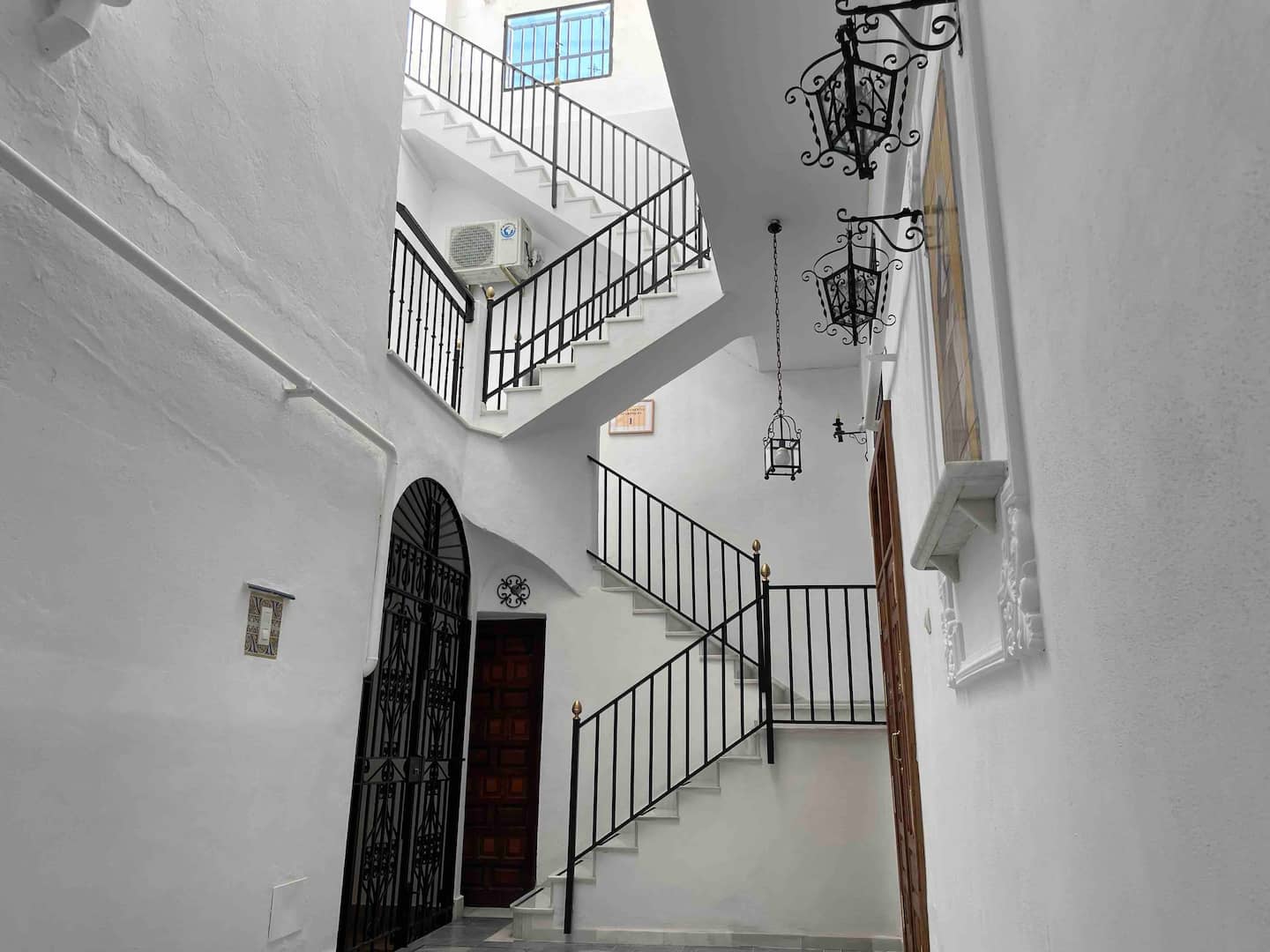
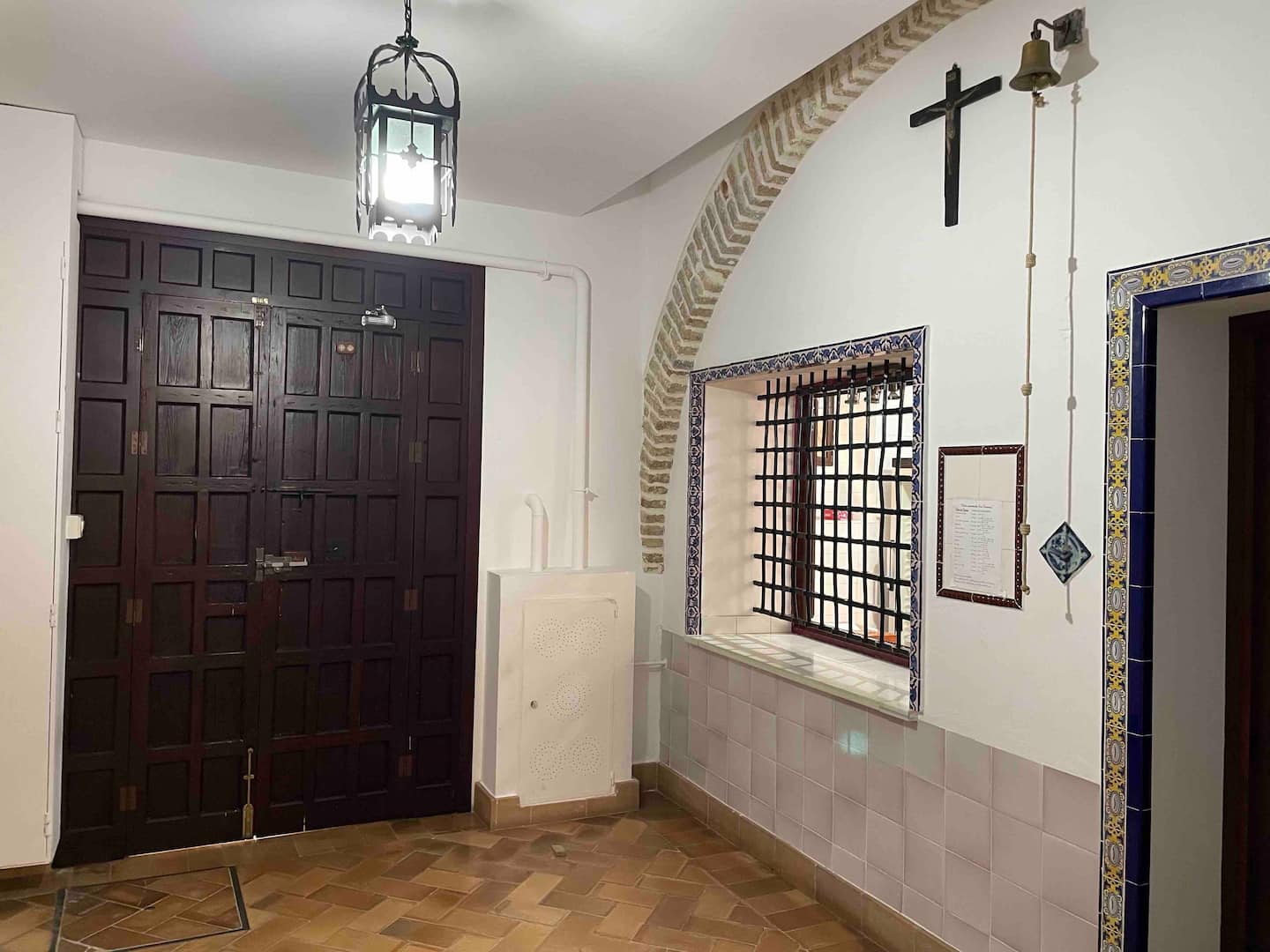
This is the order of the Order of St Clare, who have responded to rising costs that were affecting their pastry business by renting out rooms as AirBnBs in their 16th century convent.
In the description, “peace… light and calm” are all offered from a stay at Convent of Saint Mary of Jesus Airbnb.
We don’t expect this one to be a raucous party accommodation, and we’d advise getting your sins out before you stay, which means no profanities and certainly no orgies.
The convent is still the same one the nuns sleep and work in from day-to-day, although the apartments are based in a different block.
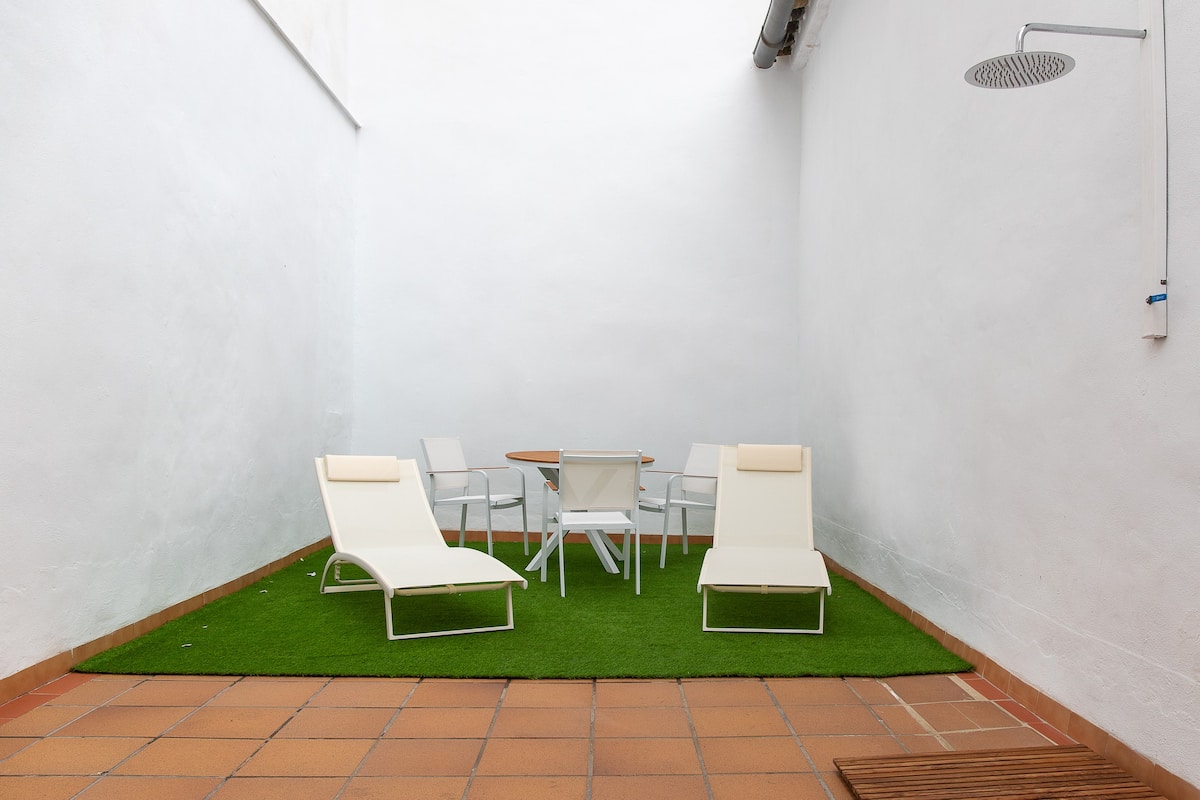
These is hardly the humble abode of those devoted to a life of religion; a large private patio allows you to take in the blue Seville sky, and there’s a coffee maker, orange juicer, water heater for infusions, big T.V and even an outdoor shower, which is kind of niche and unexpected.
The convent is based in the ridiculously attractive city of Seville, in the southern part of Spain, which is a huge plus.
Pronounced: FLOKE-HIT-NAH. Yep, the entire Norwegian language is just an outrageous tangle of consonants and vowels to an outsider.
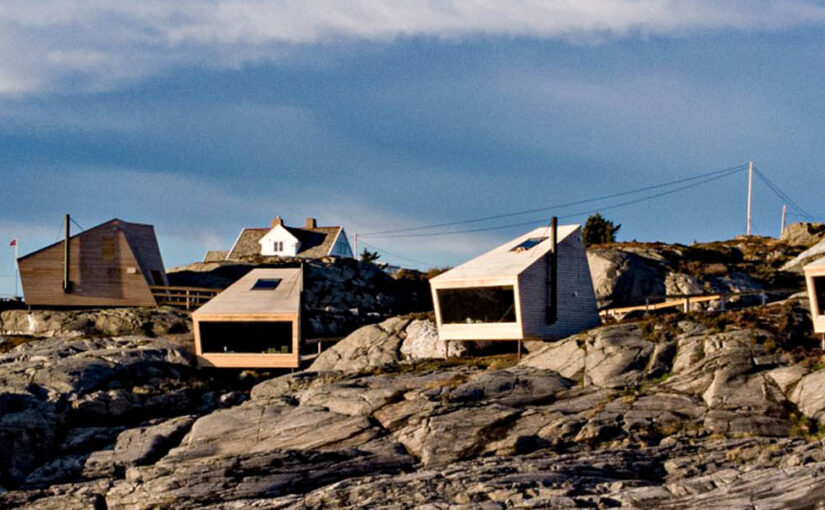
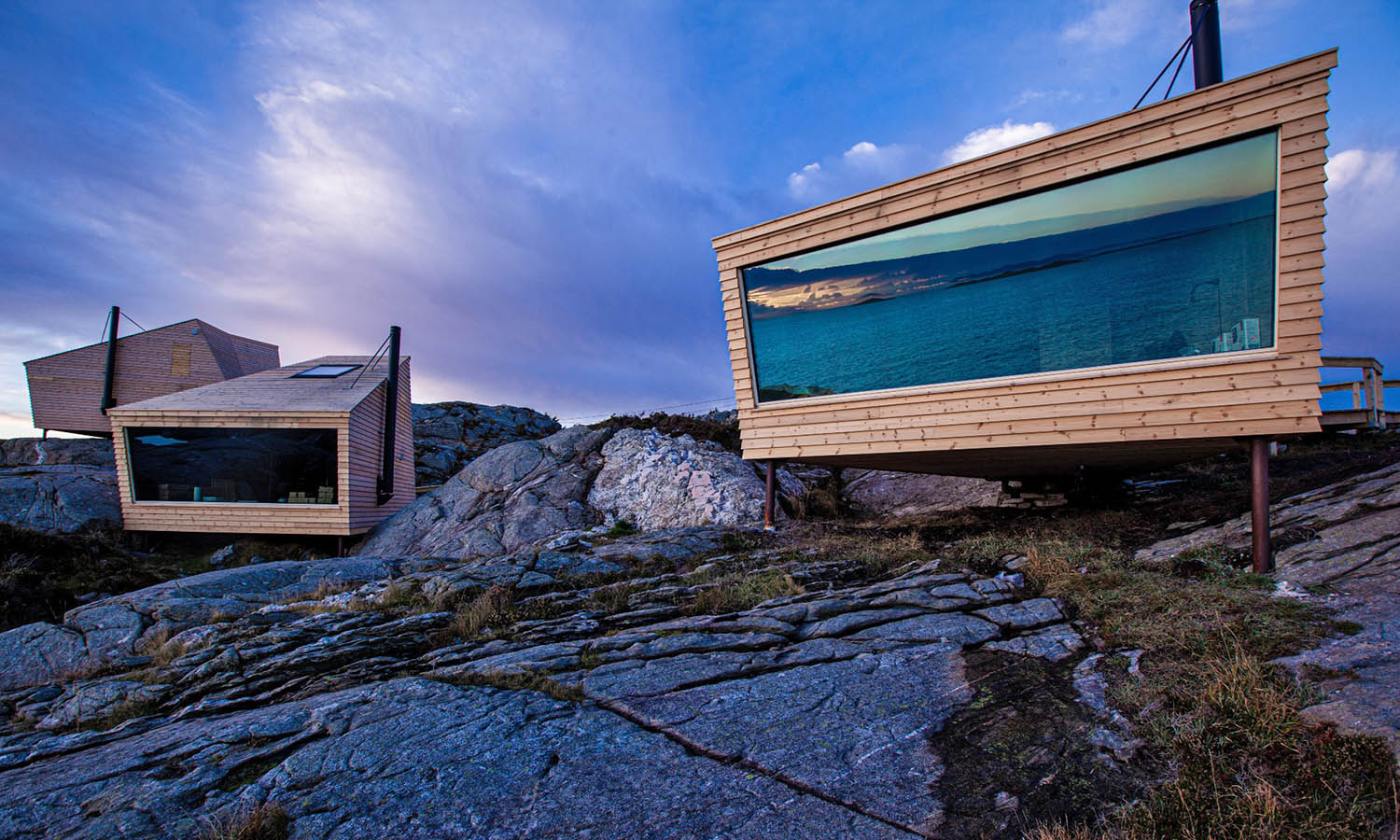
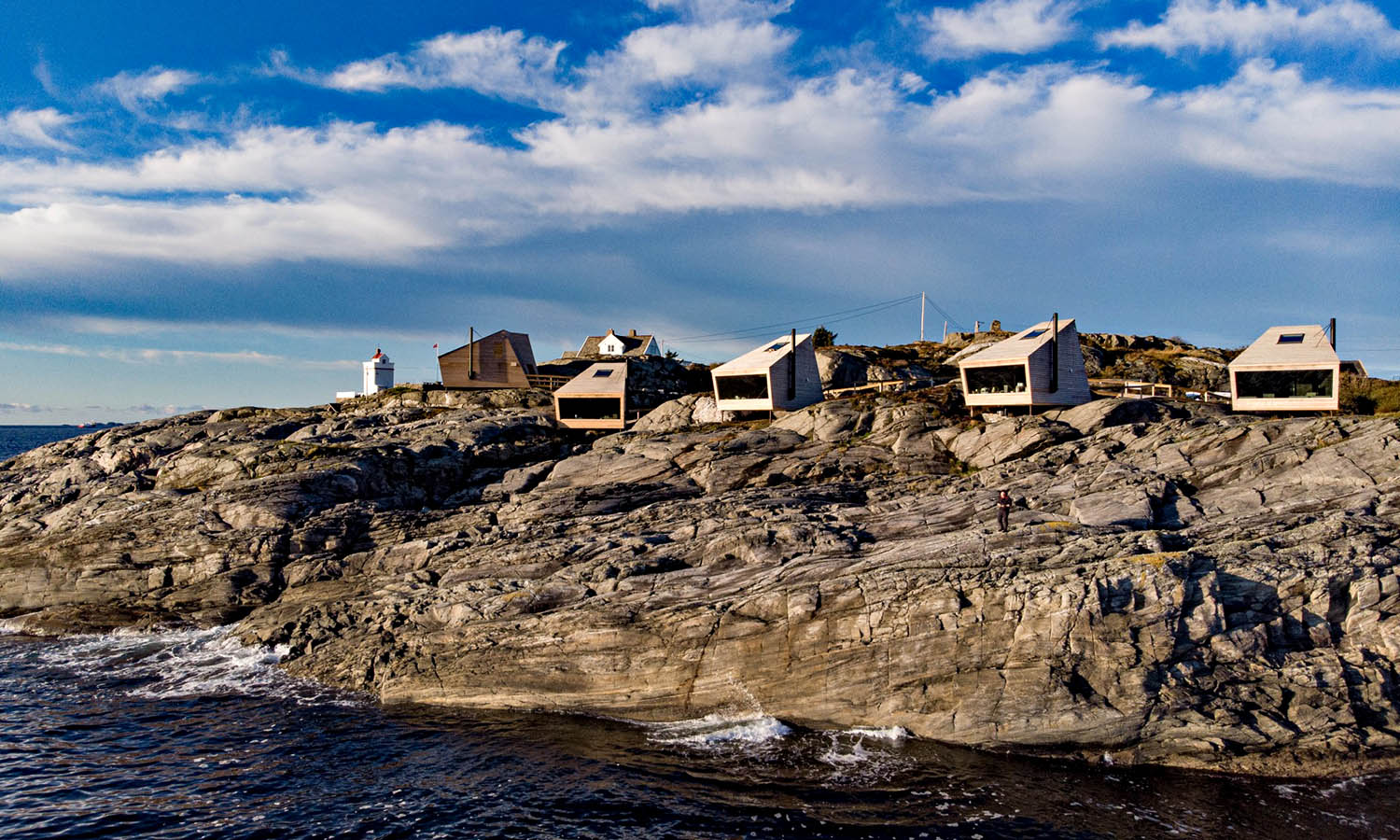
Hello to these small cabins situated in Sveio, at the edge of Norway’s mighty west coast, just south of Bergen. Flokehyttene translates to ‘The Tangle Huts’, but these are hardly a tangle.
This part of the world is blessed with extraordinary beauty and these incredible installations (built in typical northern minimalism) let the location do all the talking.
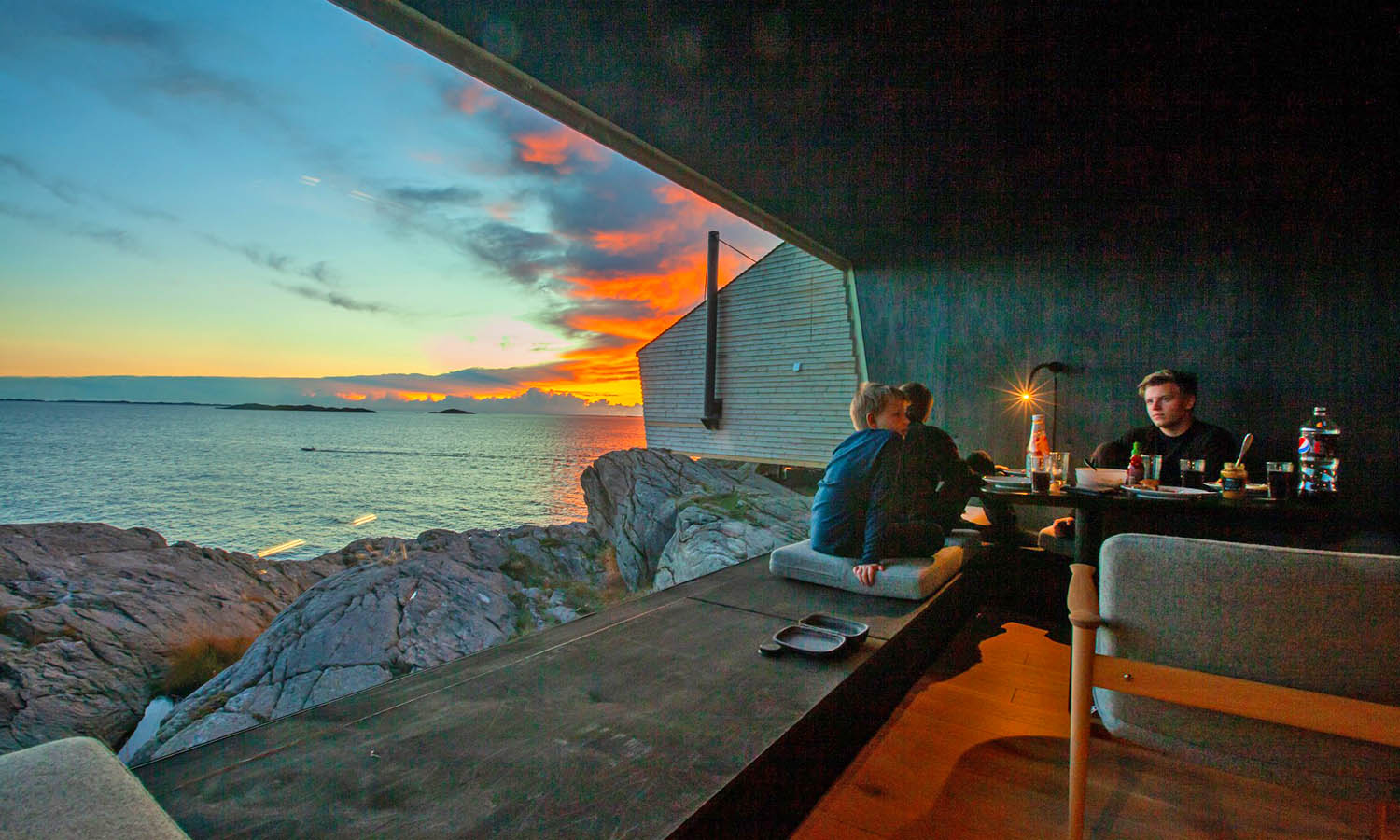
Panoramic windows offer glorious views to the outside world—wild winds whipping the sea into a frenzy. And you’re watching it all from the comfort of your little cabin, coffee in hand.
When you think of Greece, it’s usually the white of Santorini and the blue of the ocean. You think of destroying gyros after gyros, day after day. You think of paying five euro to sit in a beach lounge on Ios because your hangover cannot deal with the blazing Greek sun.
But the home of the Olympics is actually quite a mountainous place too; 80% of it in fact, is considered mountainous, with the famed Mount Olympus, in the country’s far north. Down the other end is Manna, nestled above the village of Arcadia.
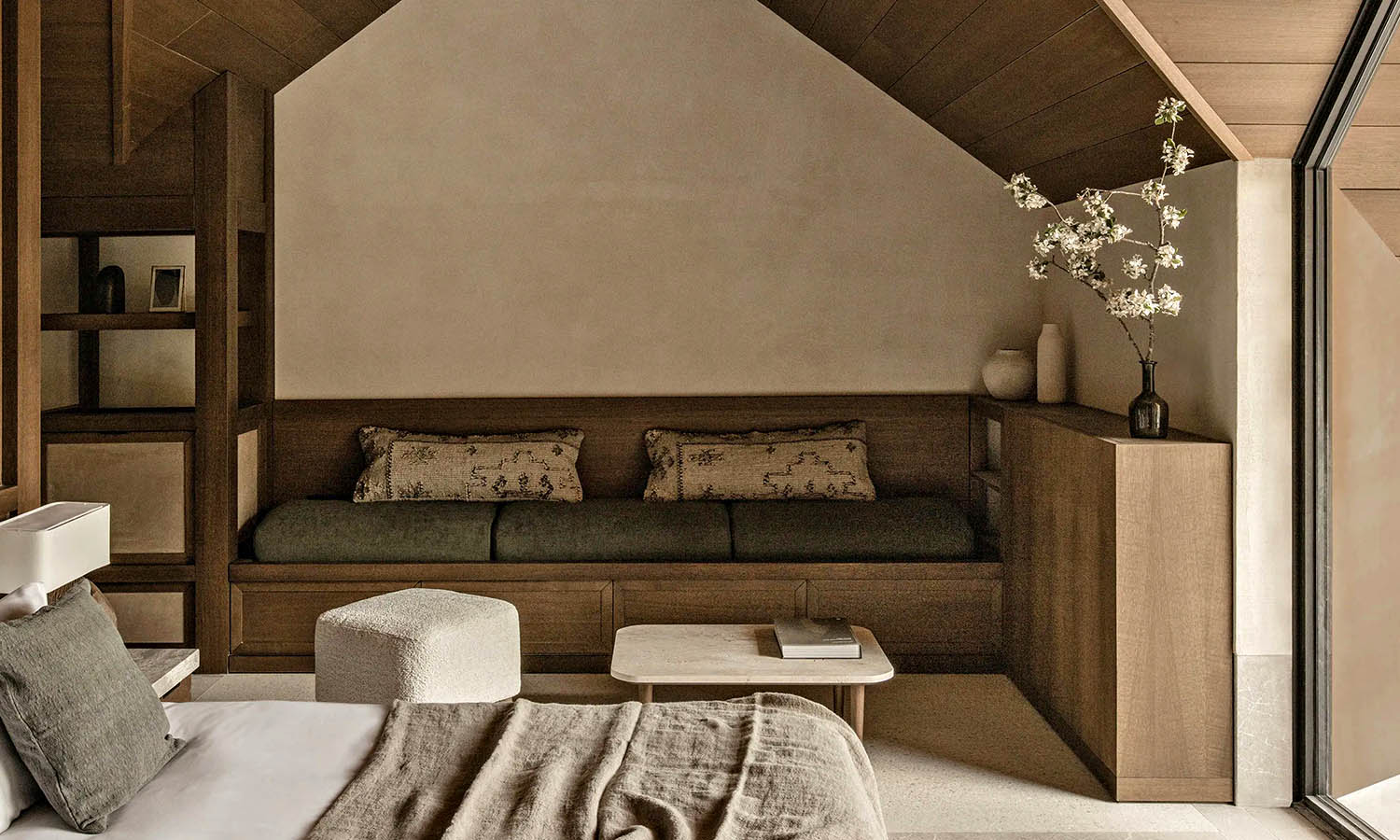
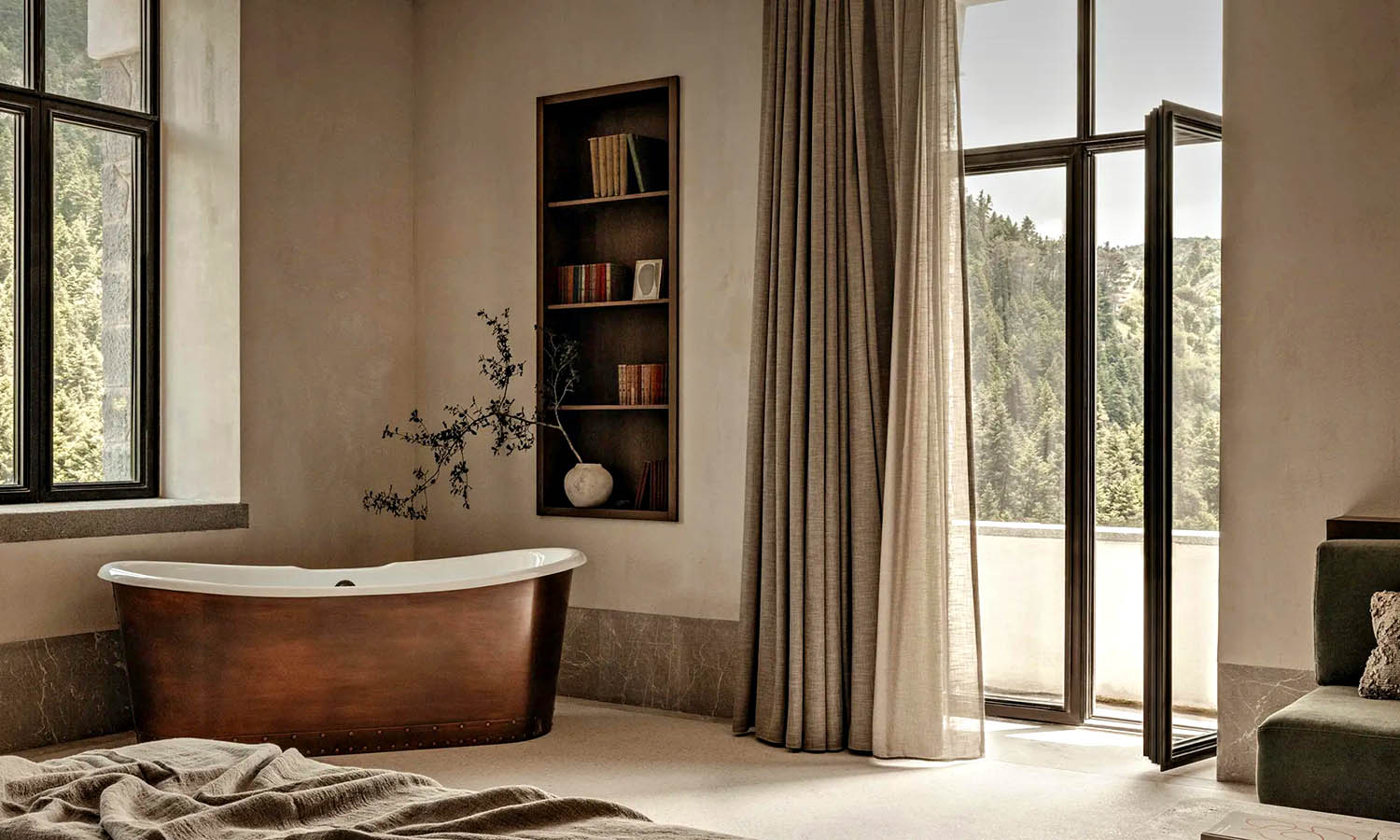
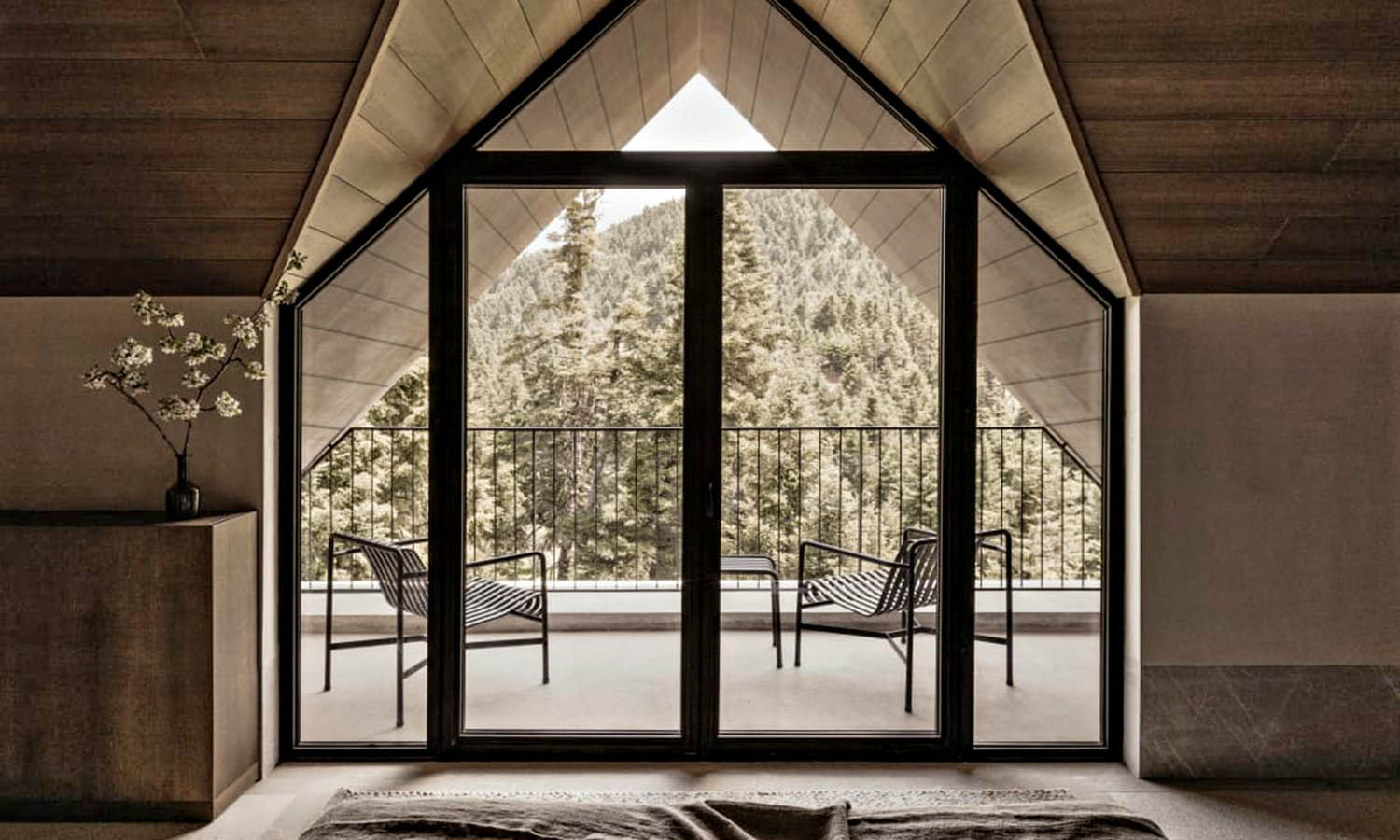
This is a hotel which was once a sanatorium for people with chronic illness. It’s now a luxury mountain sanctuary, but it’s easy to see why this was considered a good place to heal what ails ya. Really, really old trees surround you at all times, whether you’re chowing down gourmet gyros or taking a bath. Maybe you’re doing both at the same time. There’s no room to be bored: hike, ski, cycle, hunt for mushrooms in the forest, hunt for gyros in the forest, or just chill with a gyros.
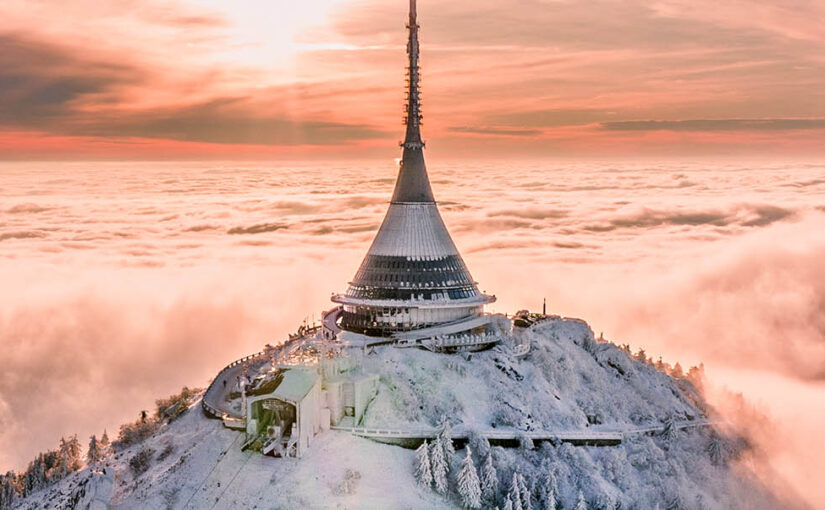
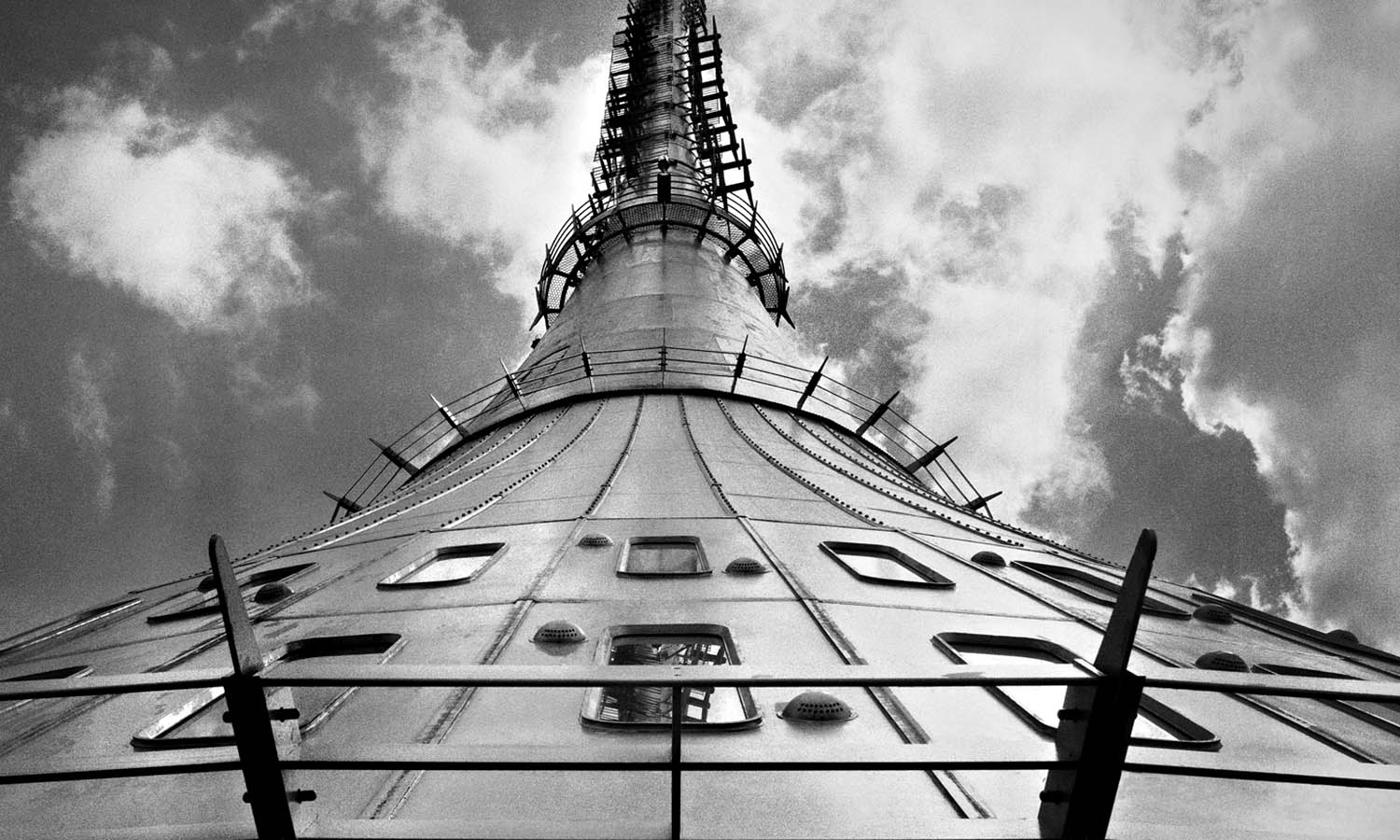
Ještěd Tower is probably the most impressive TV antenna in the world.
It’s a 94-metre behemoth perched on top of Mount Ještěd, which is already at an altitude of about 1,000 metres. When lit up at night this colossal bit of construction gives the impression of a UFO perching precariously on the mountain top.
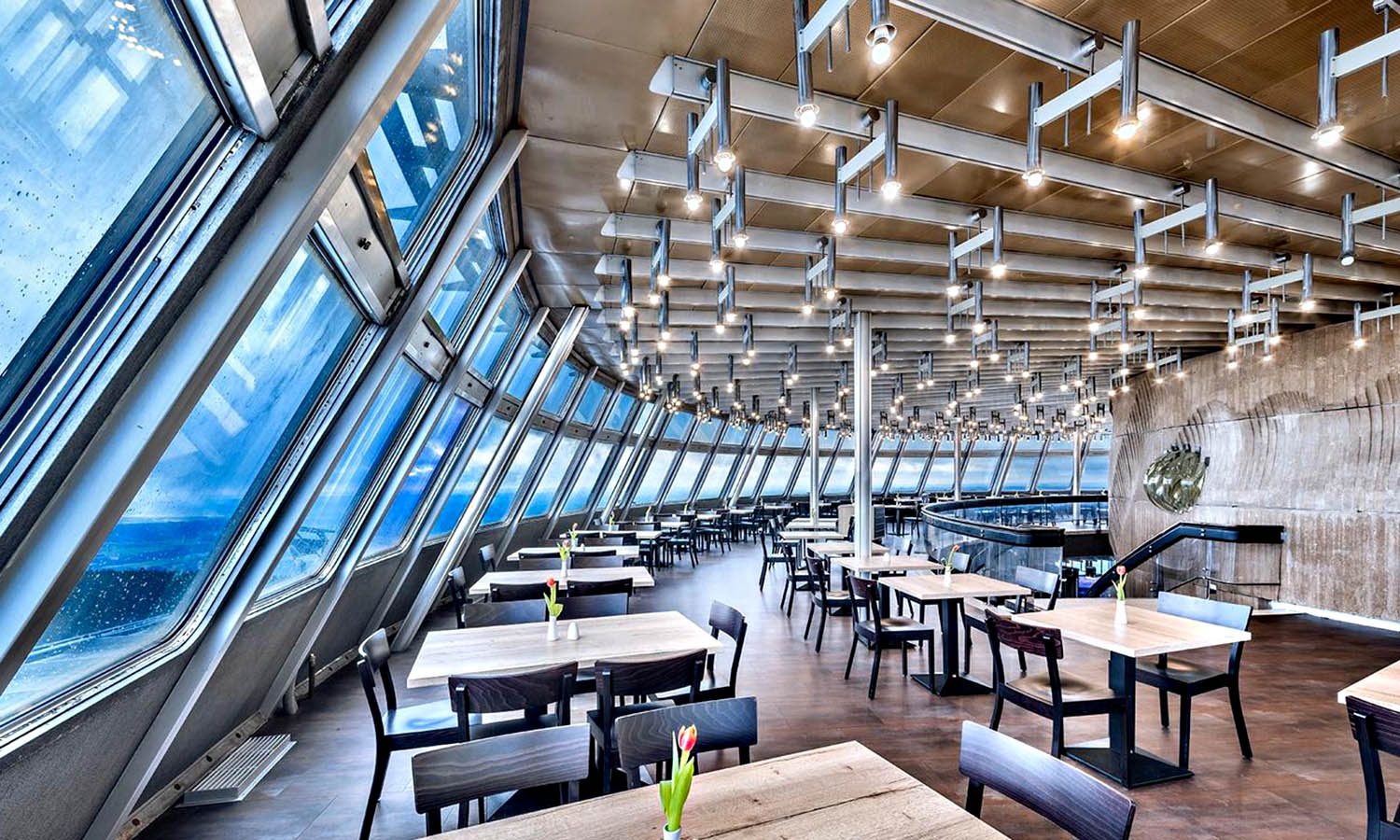
And if you’re an alien popping in from another galaxy (which apparently is commonplace nowadays), we can absolutely see why you’d land here—the vantage point offers extraordinary views of Bohemia. Both Poland and Germany are visible from Hotel Ještěd, which is in the cone-shaped building beneath the tower itself. Open since 1973, the once-futuristic and now retro-feeling aesthetic is unique: we’re calling it E.T. chic.
It’s affordable too: staying in a UFO with some of the best views in Europe for less than 50 Aussie bucks a night sounds pretty good to us.
She’s a beauty, to be sure. But this island is more than just a pretty face and a set of rolling hills. A trip to Ireland can be heart-filling, soul-warming and full of ‘good craic’ if you do it right. To help ya have the grandest time, we’ve handpicked nine of our favourite adventures:
‘Craic’ is an almost indefinable part of the Irish spirit. It’s good natured fun; it’s the local gossip in town; it’s the quintessential Irish sense of humour. Best served with other people, whether down the local pub or at an ancient festival. Basically, good craic is a good time.
1. DISCOVER PUCA FESTIVAL
Take everything you know about Halloween (ie. bags of candy and trick or treating) and forget it.
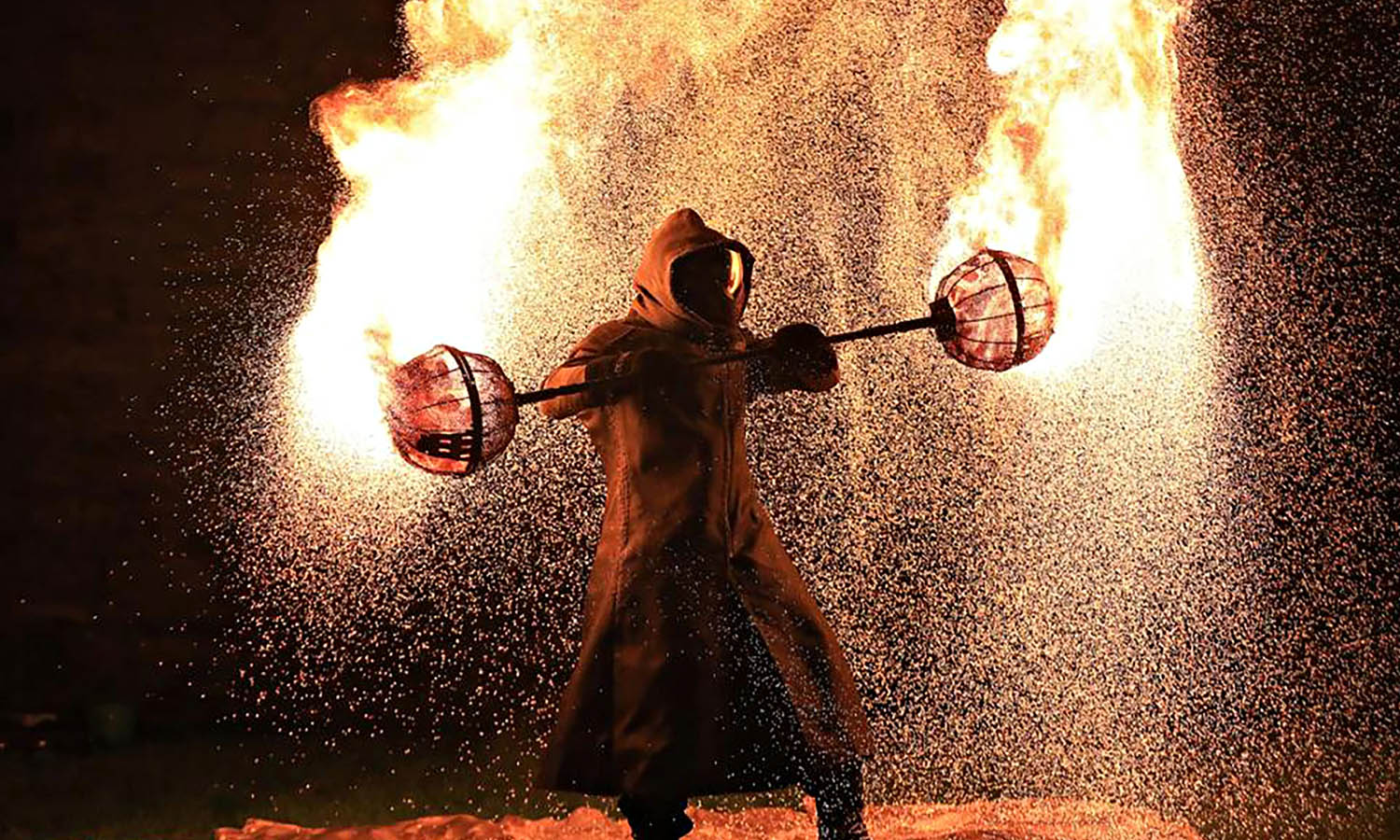
Because Ireland’s ancient pagan celebration of Samhain, in particular its Púca Festival, is where it’s at. Púca is all about welcoming some of the more strange, wonderful, very mischievous creatures that come into the world during the Celtic New Year. How do these creatures get into the world? Through the chasms of space and time at places like the Hill of Ward. Ceremonial, celebratory craic. Highly recommend.
Whether you’re an equestrian expert or just a regular horse enthusiast, galloping your way along Ireland’s west coast is an adventure and a half.
The lovely folk at Island View Riding Stables will take you out for a day (or days, plural) on one of their very noble, and very friendly, steeds. Walk through water, trot along hilltops, take in the epic Wild Atlantic Way. You’ll be gifted lungs full of fresh Irish air, and a whole lot of funny Irish banter from your local tour guides. Craic at a canter. Lol.
Know what really enlivens the spirit? A seriously cold plunge in the seriously cold Irish Sea. It’s a seriously good time.
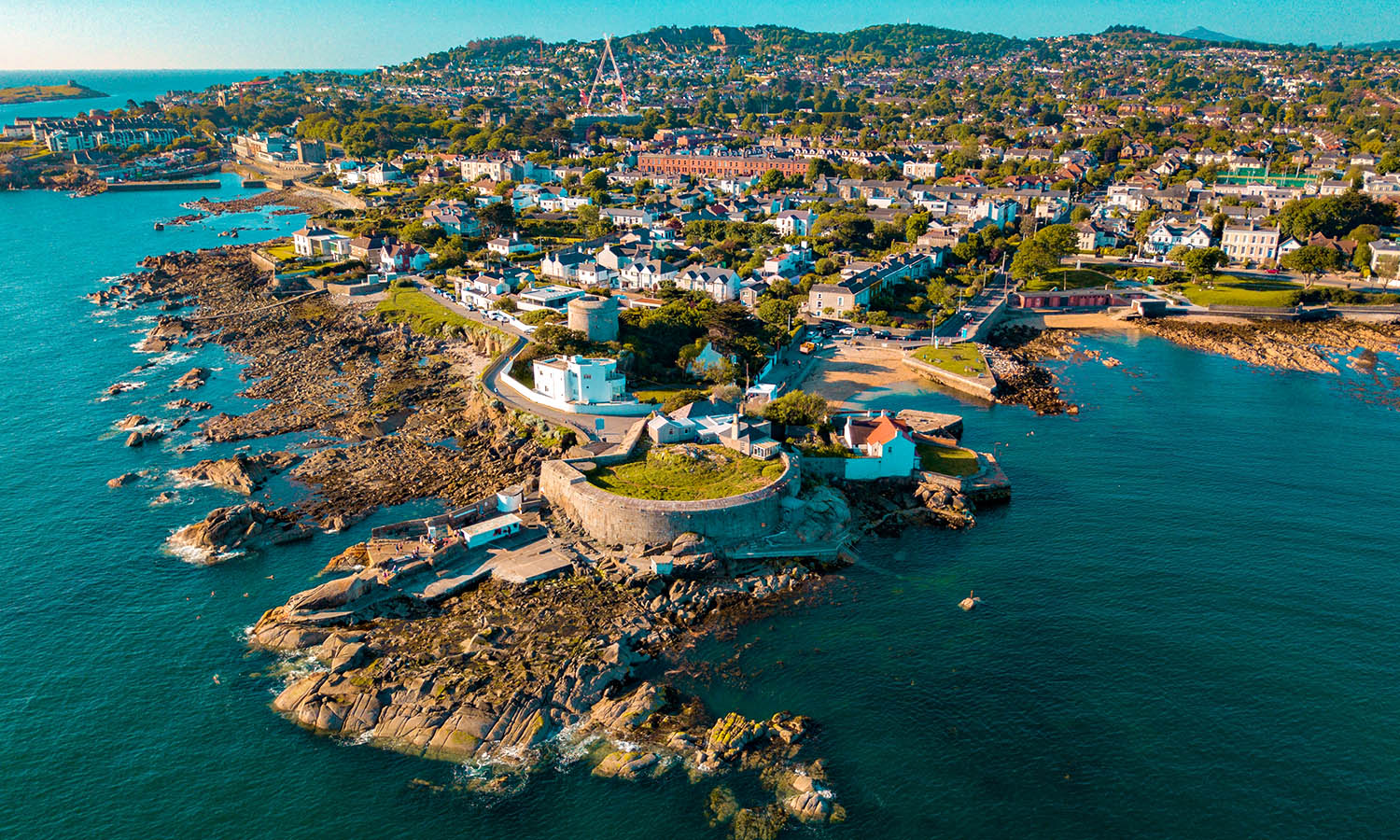
People have been swimming this spot at Dublin Bay for over 250 years now, sharing the waters with herons and cormorants and the occasional seal. It’s an all-season, all-weather activity, and a time-honoured Christmas day tradition for locals. So go on, join ‘em for a cold swim and a shot of endorphins. Don’t chicken out, or they’ll think you’re no craic at all.
Cead Míle Fáilte is Gaelic for “a hundred thousands welcomes”—and if that doesn’t sum up the warmth of this place, we don’t know what does. A trip to the Emerald Isle isn’t complete without a heartwarming convo or three with some bona fide locals. If you’re up for a chat, here’s how to find it:
4. GO ON A PUB CRAWL IN DUBLIN
Now, this is not your average tipple trail. A night out is only as good as the people you’re with; fortunately there’s plenty to work with in this regard in Dublin.
Roaring fires, Guinness, trad music and most importantly, a series of tall tales which get taller and taller as the night wears on. We recommend the a literary pub crawl celebrating Ireland’s star-studded line up of writers, from Wilde to Rooney. It’s street theatre meets drinking meets learning.
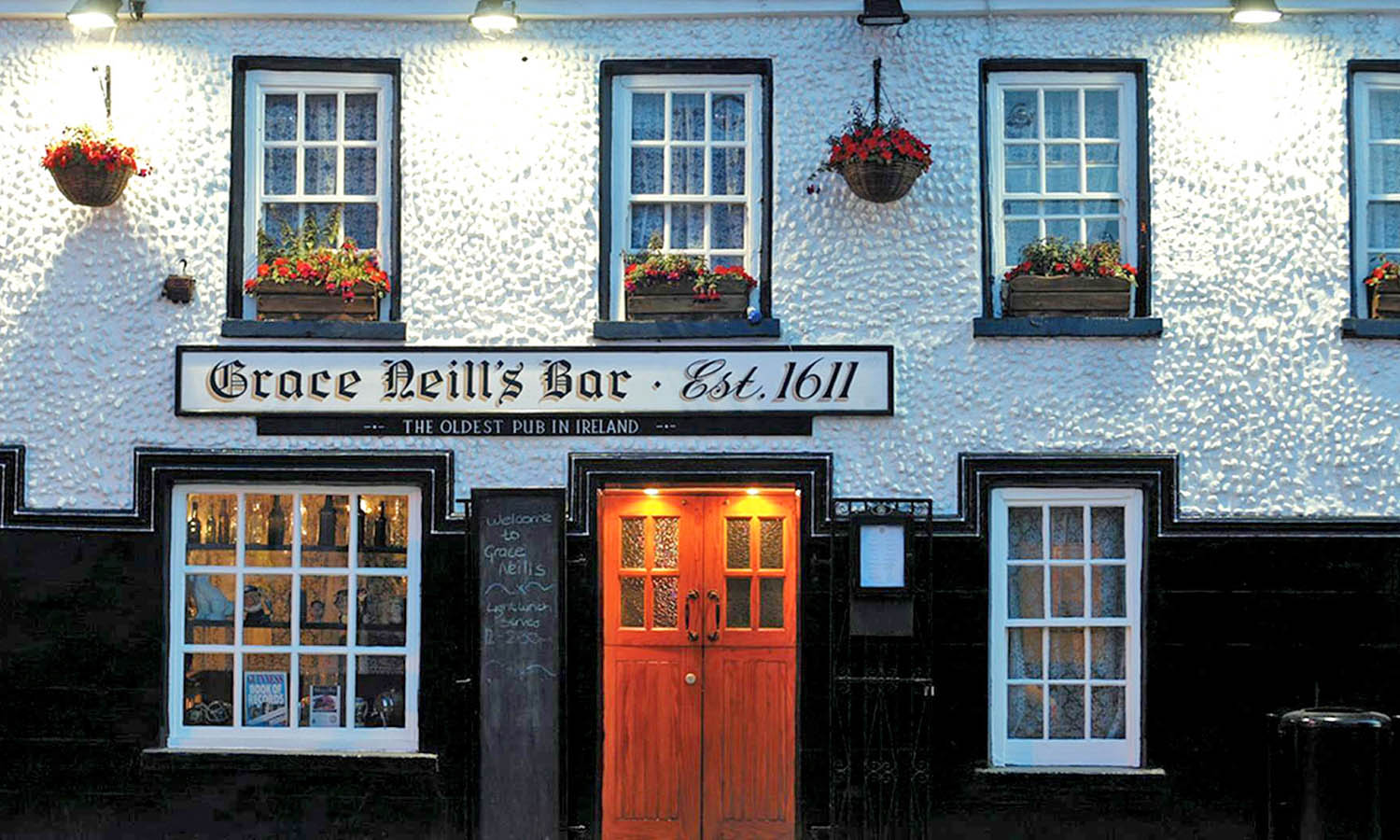
Yeah, you read that right. Grace Neill’s is a 410-year-old pub in Donaghadee, County Down that’s home to a few ghostly inhabitants.
Apparently the supernatural presence is so strong here that the pub’s been visited by quite a few paranormal TV crews and ghost hunters. Which means it must be legit. These ghosts aren’t just your regular ghosts either—they’re smuggler and pirate and sailor ghosts who have all frequented this Northern Irish gem from time to time. Don’t expect eerie vibes though, this is still very much your cosy Irish pub with trad music and tasty grub. Find out about them over a yarn with some locals.
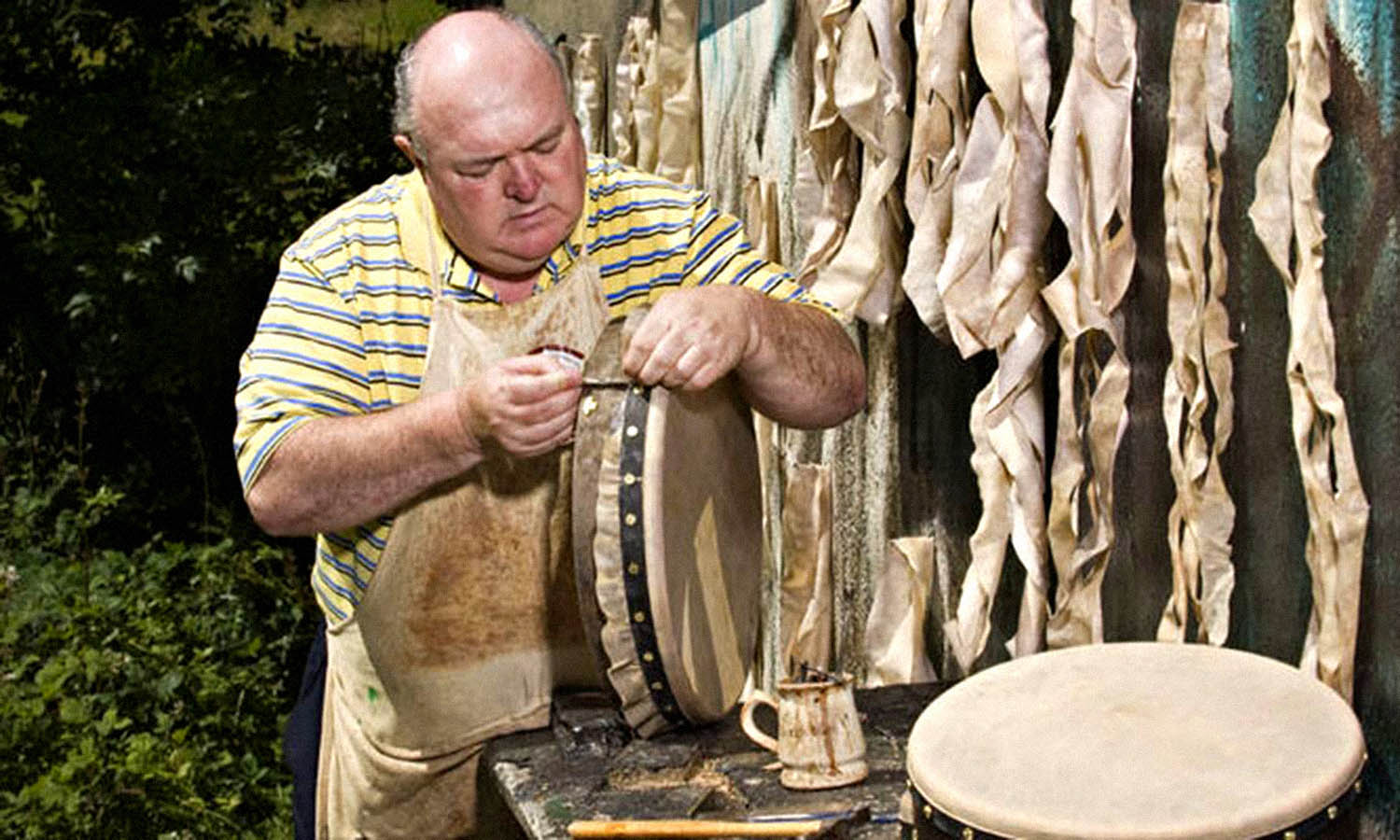
Music is a big deal in Ireland, especially their traditional music. And Malachy Kearns (or Malachy Bodhrán as the locals call him) is a big deal in traditional drumming.
Malachy has been hand making all the bodhráin for Riverdance for nearly three decades, and if you fancy yourself a drummer (or a craftsperson) you can join him for a lesson in making one of Ireland’s oldest instruments. You can even paint your family crest/football team on if you’re feeling particularly patriotic.
Ireland is an island, remember. Which means it’s home to a shit-tonne of drivable/swimmable/Instagrammable coastline – over 1,450 kilometres of coast, in fact. Whether you’re a road tripper, ocean swimmer or Instagrammer, there’s a little something seaside to suit all travellers:
7. ROAD TRIP GIANT'S CAUSEWAY COASTAL ROUTER
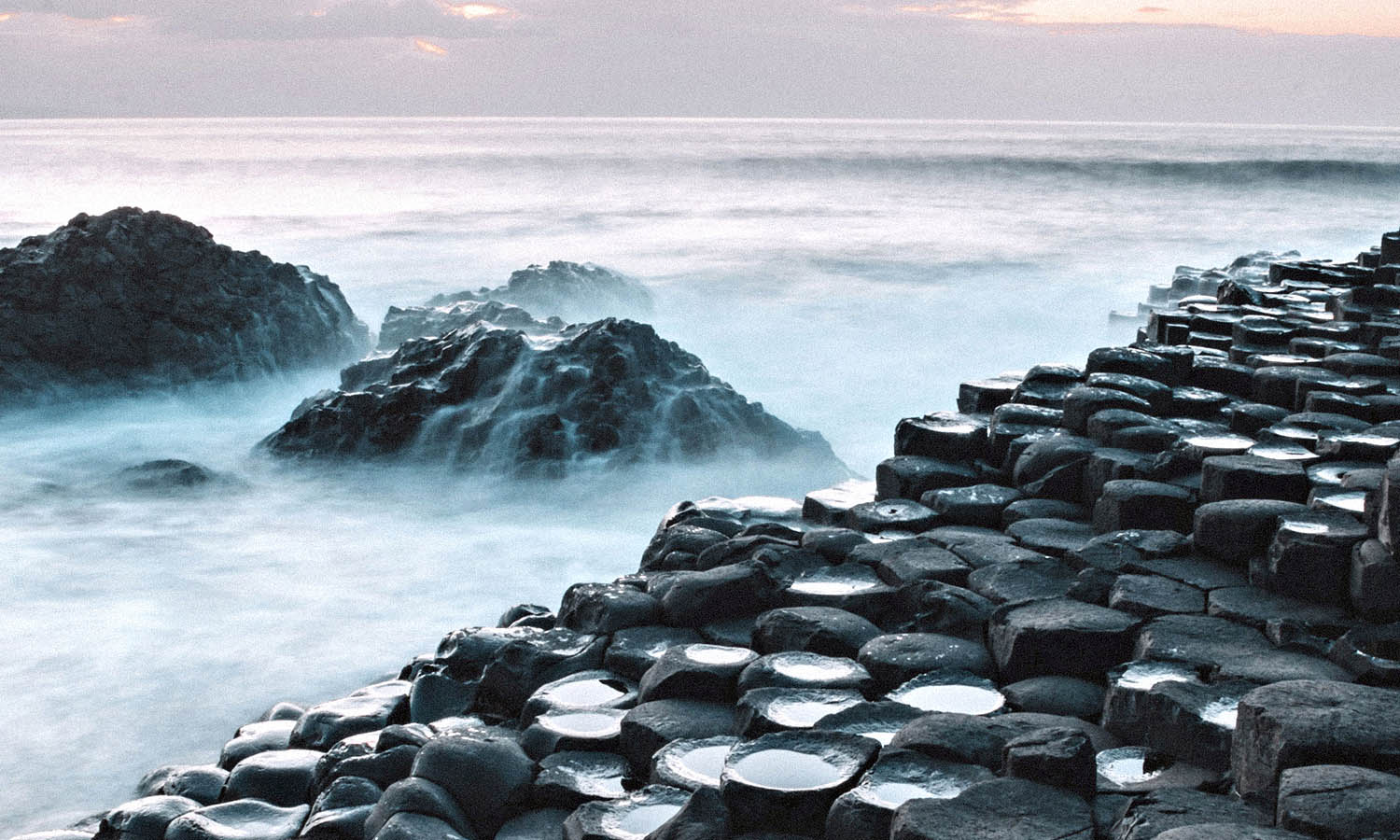
Ireland has got UNESCO World Heritage sites coming out of its … isle. Giant’s Causeway in Northern Ireland is one of these. It’s home to otherworldly, hexagon-shaped rocks, thanks to a volcanic eruption back in the day. Very cool.
Local legend reckons a giant, named Finn MacCool, built the causeway when he wanted to cross the channel to battle another giant. Mucho MacCool. We recommend jumping in the car and driving the full 313 kilometres of pristine coastline, stopping by beaches, small seaside villages, local pubs and, of course, Game of Thrones locations.
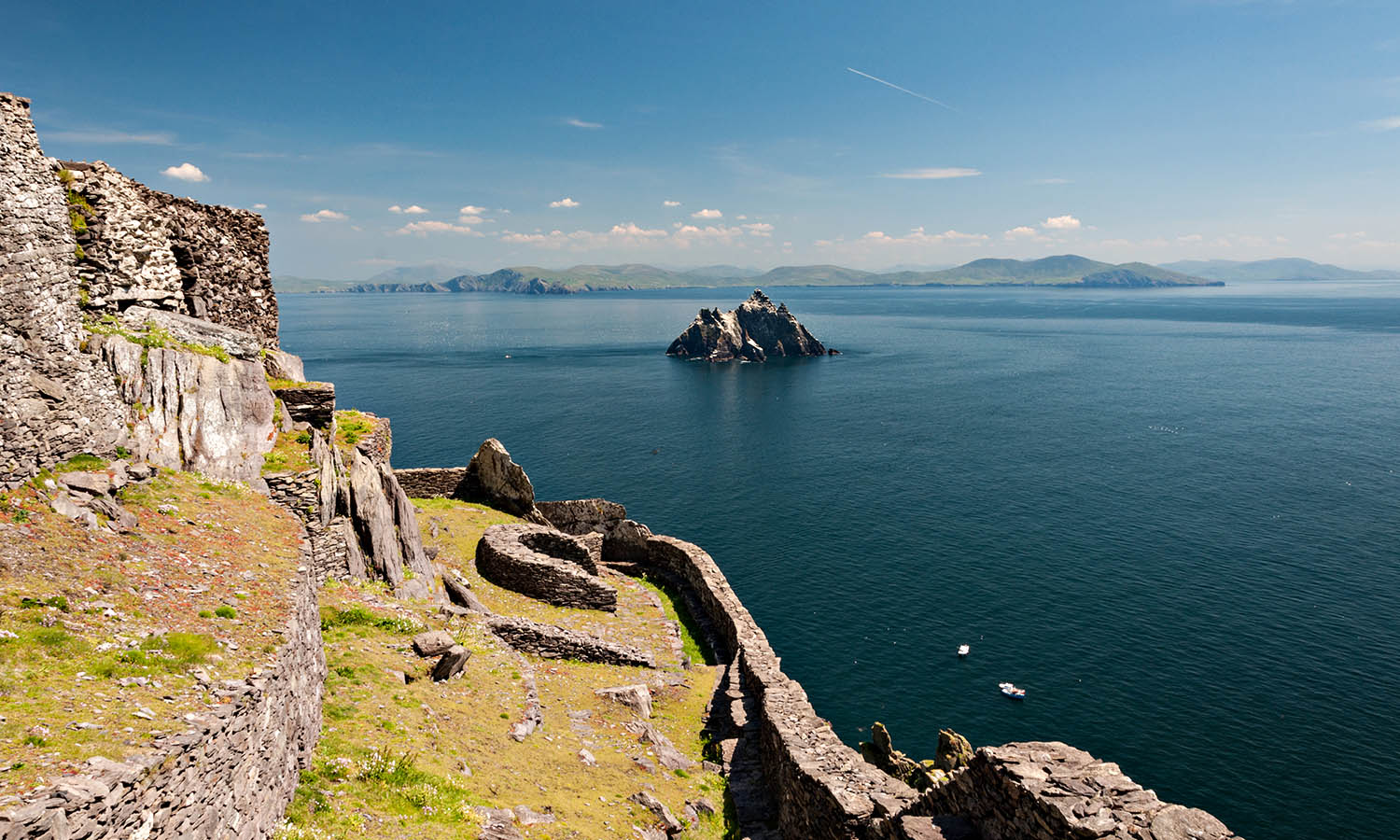
Yep, this super dramatic, isolated island off the coast of the Ring of Kerry was one of the epic locations in both Star Wars: A Force Awakens and Star Wars: The Last Jedi.
Not into pop culture? All good, you don’t need the force to appreciate the beauty of this extraordinary place. Go hiking, check out an ancient monastery or peep a nest of puffins (they’re birds, FYI). But you gotta book those boat tickets ahead of time, as only a handful of people are permitted to visit the island everyday. It’s a blessing (no crowds) and a curse (if you’re not an organised traveller).
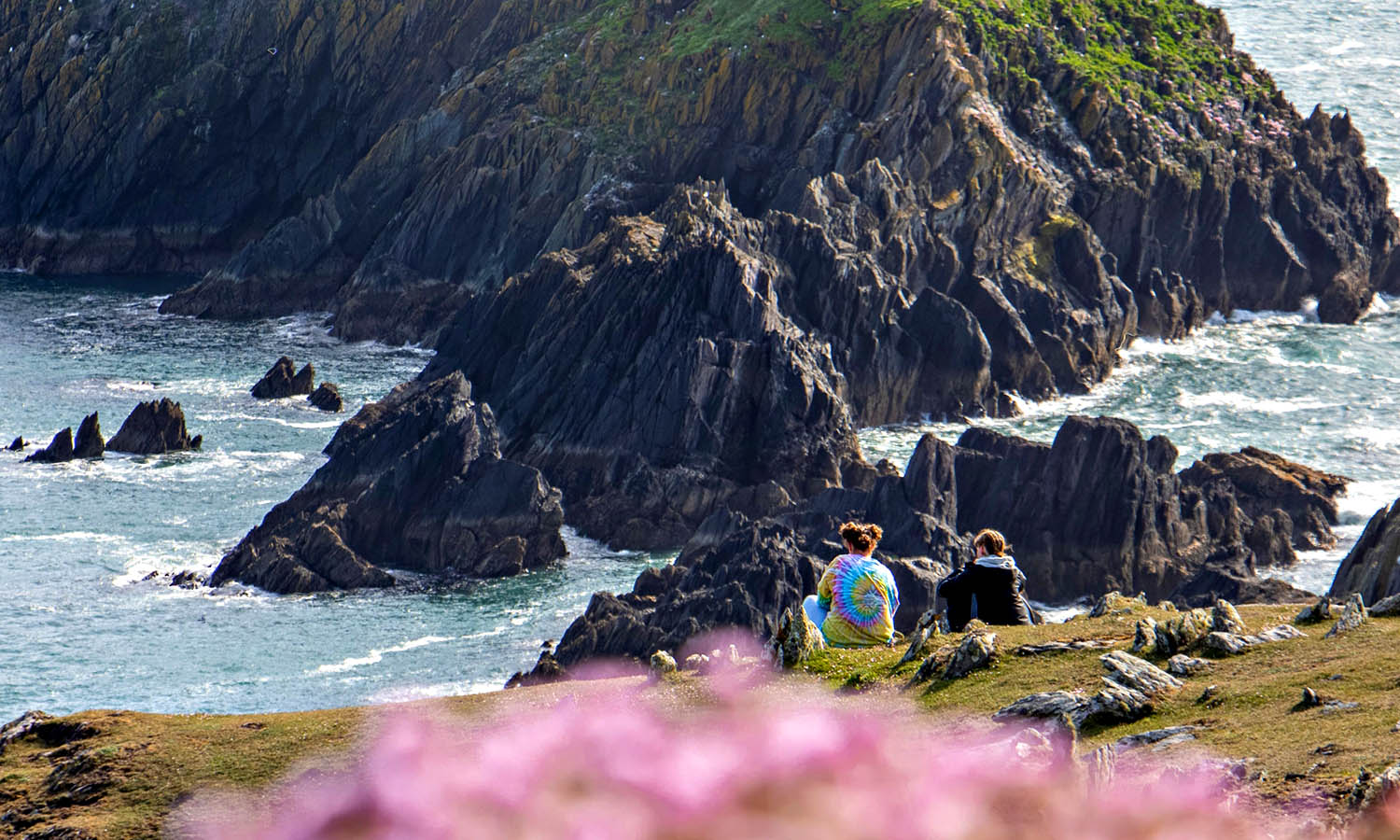
More into trekking? We (and Ireland) have got your back. Our choice of ocean-side amble is the splendiforous Dingle Way, a trail that follows the entire 180 kilometre Dingle Peninsula Coast from Dingle Town to Tralee.
Honestly, the scenery is just epic—from swathes of sand to the Slieve Mish Mountains. The full trek will take you roughly a week to conquer. BYO boots and a little flask of whisky to really complement the Irish vistas.
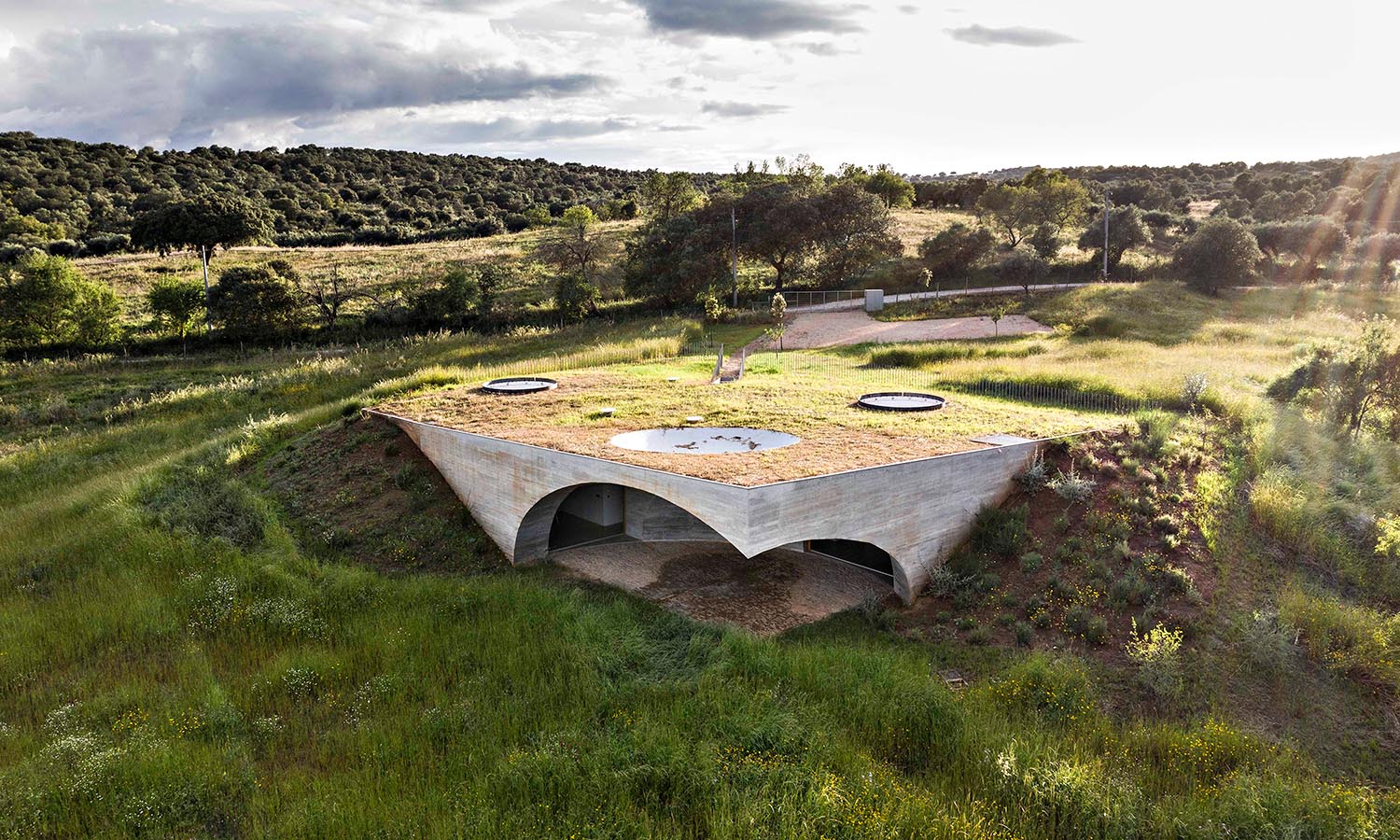
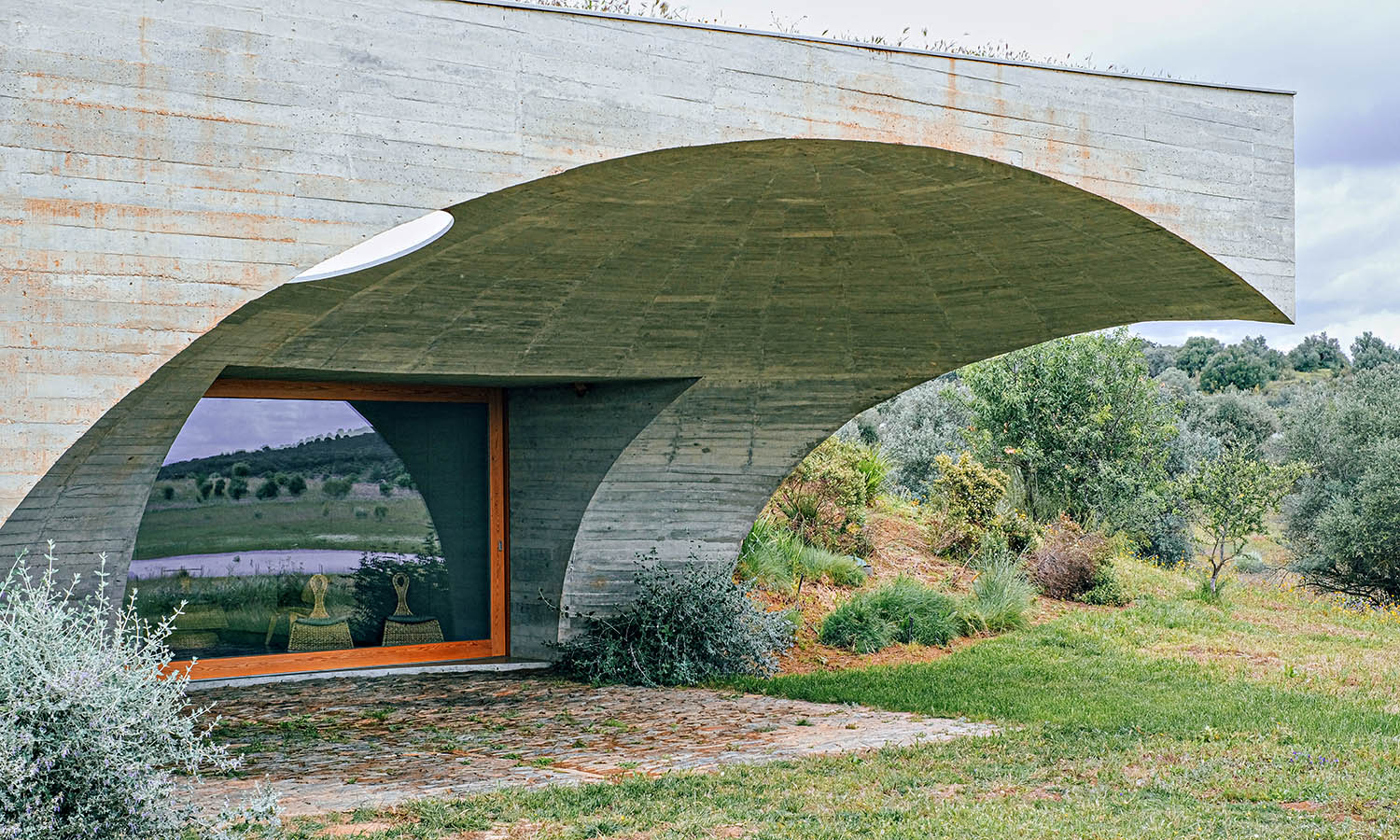
Going underground is generally synonymous with fugitives on the run or sheltering from a bomb threat.
But here at Casa na Terra, it’s a place you go willingly. And you never want to leave.
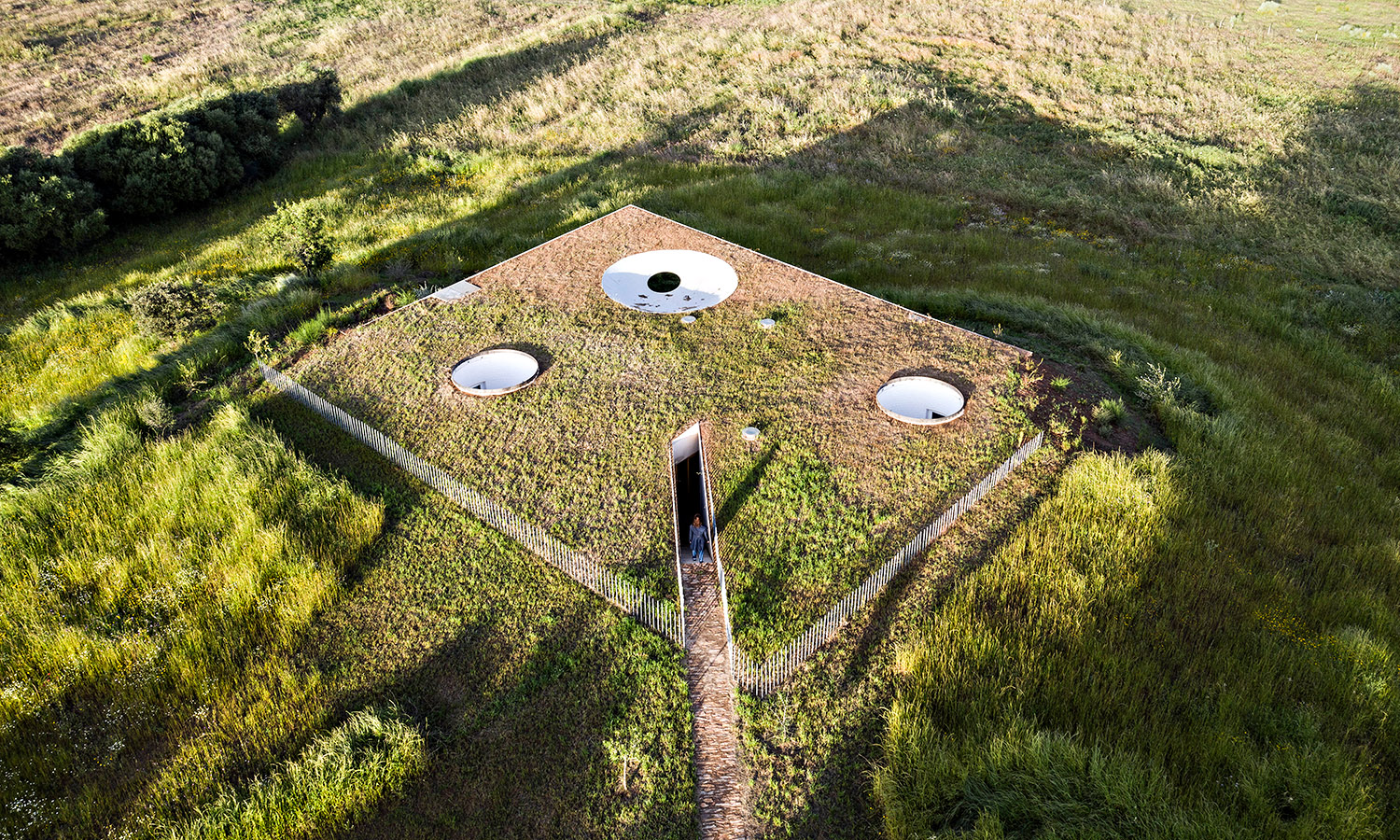
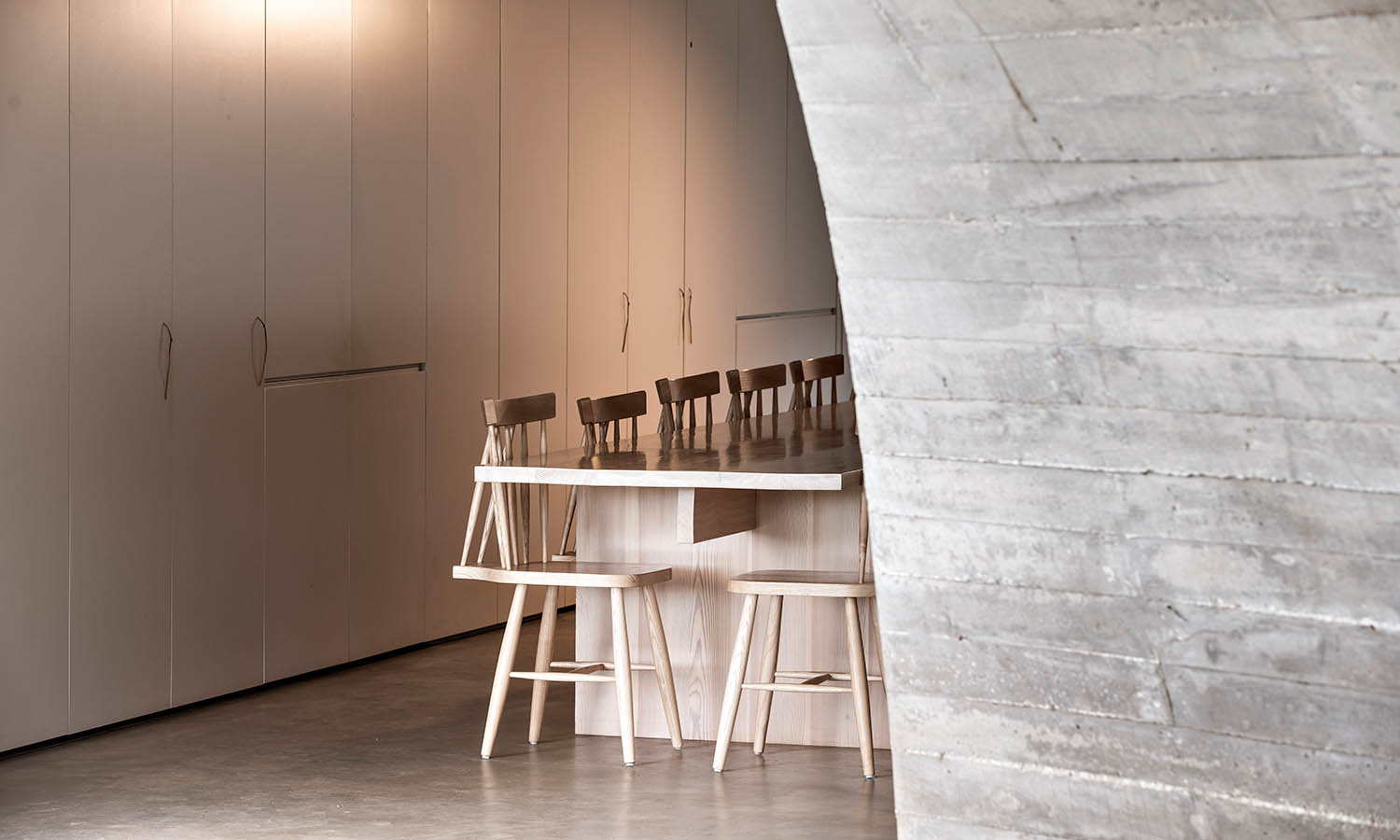
The house blends naturally, almost seamlessly into the Portugese landscape. So seamlessly it’d be understandable if nearby animals and humans didn’t even know the place exists. Looking for privacy? This place is on another level.
This subterranean lair is definitely up there on the architectural genius scale, but the main brilliance of Casa na Terra is it’s total originality. It might just be the most beautiful bomb shelter ever made.
To stay at one of the many old school, but newly renovated, European castles on the market, you usually need to be prepared to leave with a wallet considerably lighter than the one you took in.
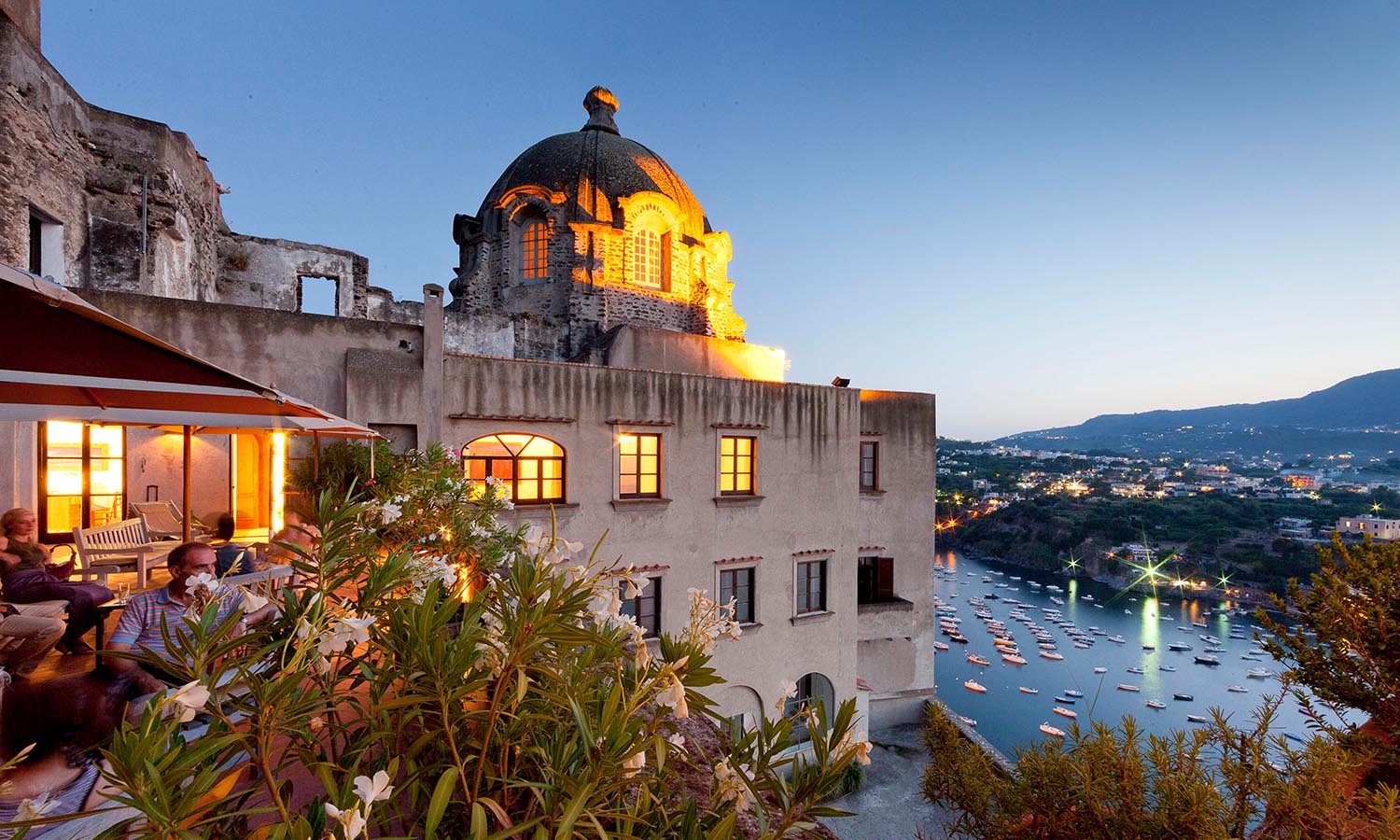
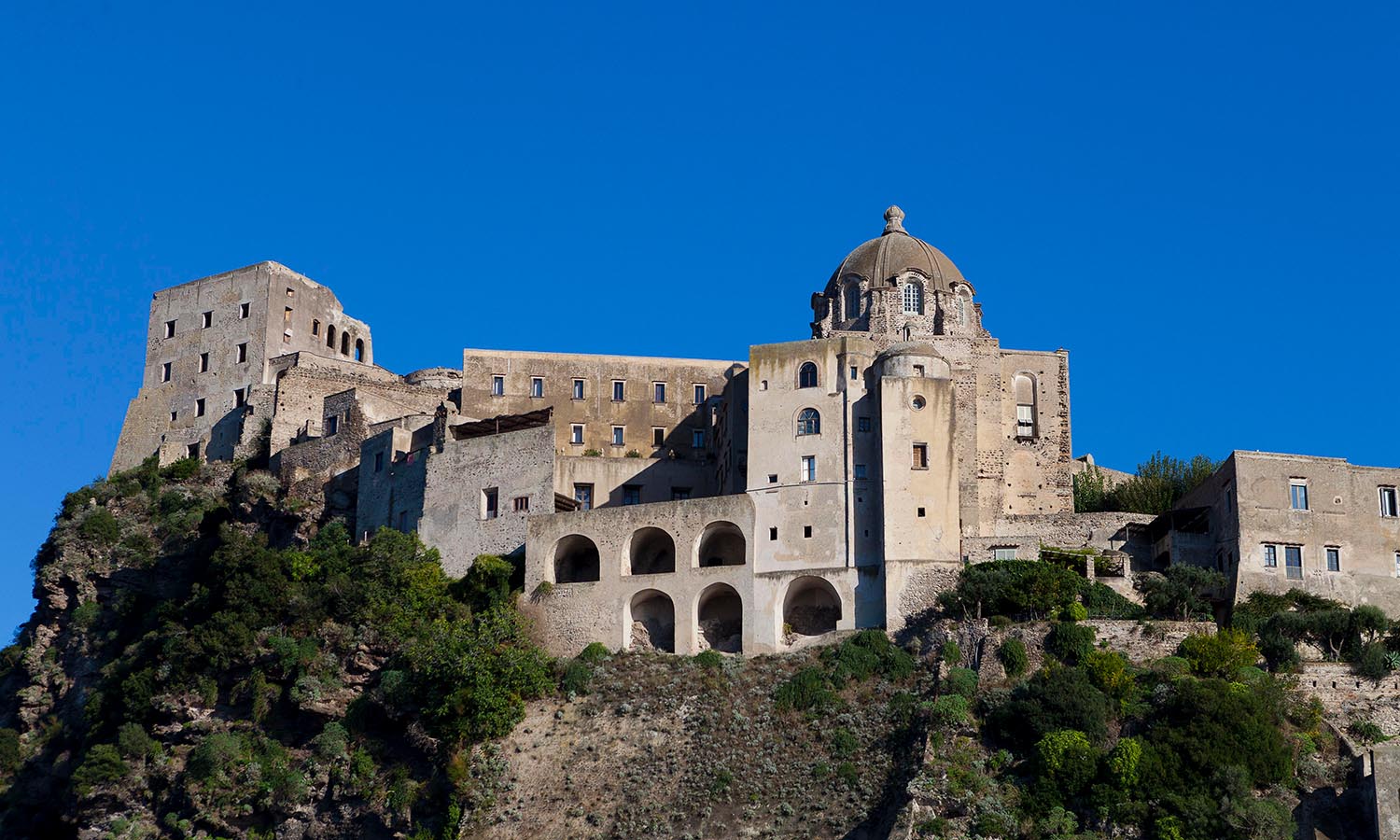
Not here though. Albergo Il Monastero is the achievable European castle stay; a former 16th century convent with room starting at just AU$215. Bargain.
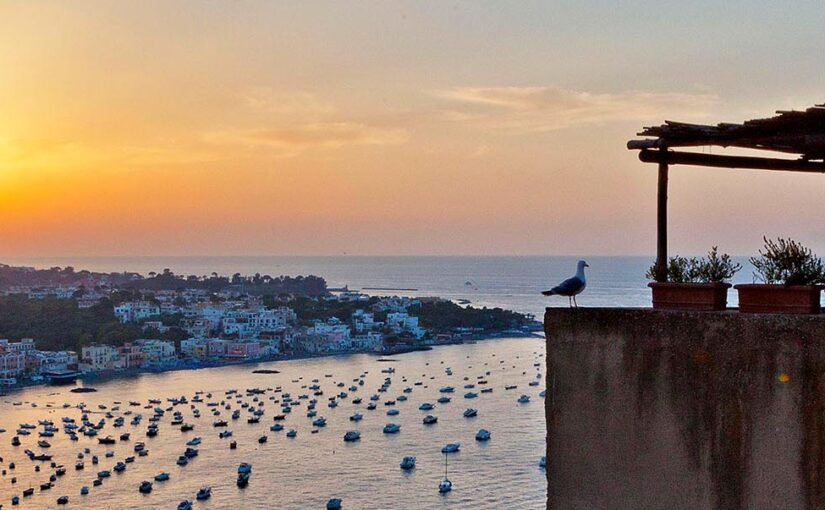
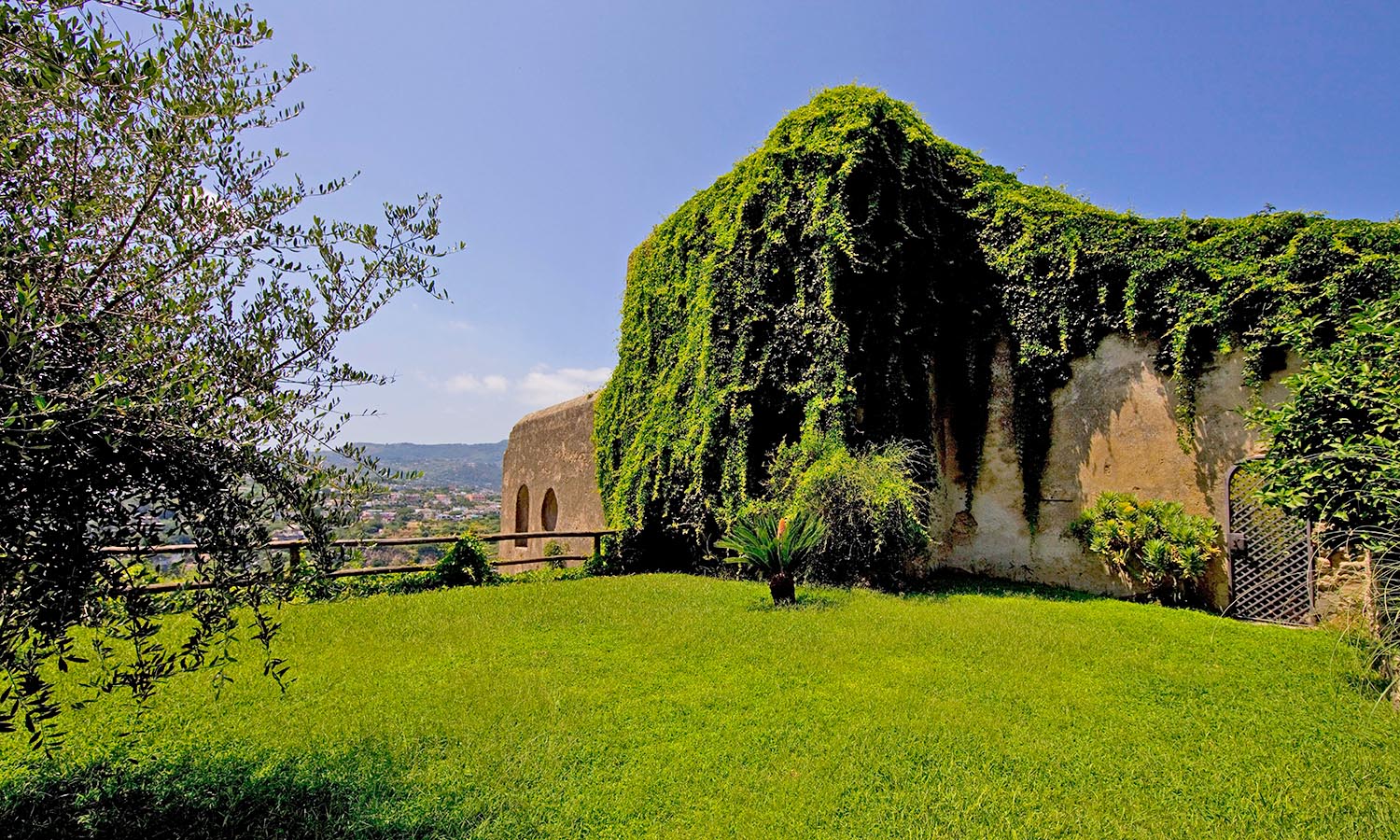
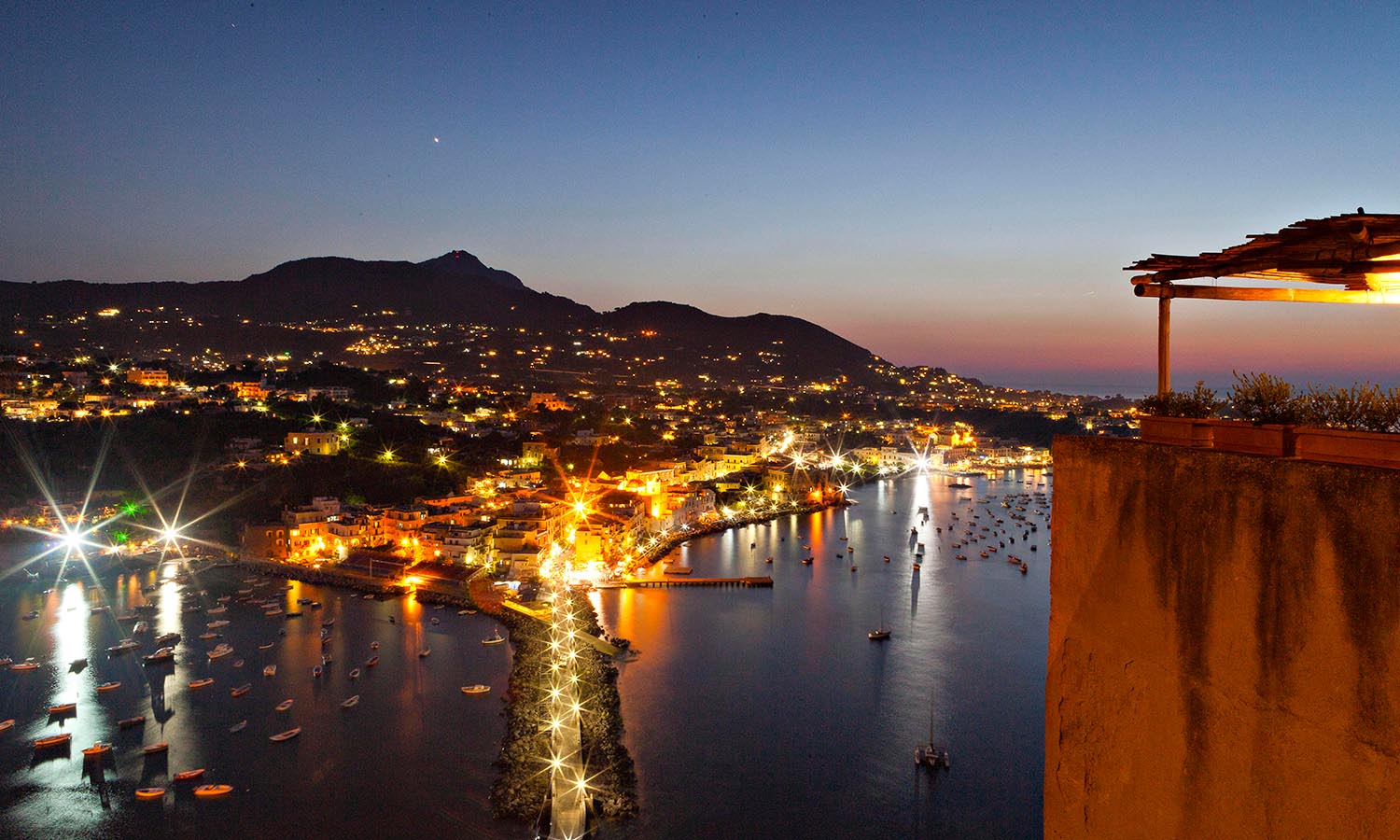
Albergo is a restored stone beast perched high up on the Island of Ischia, just off the Italian south coast. From this vantage point you can sit on the castle’s terrace at night and admire the lights on the fishing boats as they bob gently up and down in the Gulf of Naples, catching fresh seafood for your next day’s dinner.
Across the way is the hullabaloo of Naples, but that’s well in the distance; here you’re ambling about with a vino from the on-site vineyard, at complete ease with the world. #CastleLyf is pretty sweet, if you can afford it.
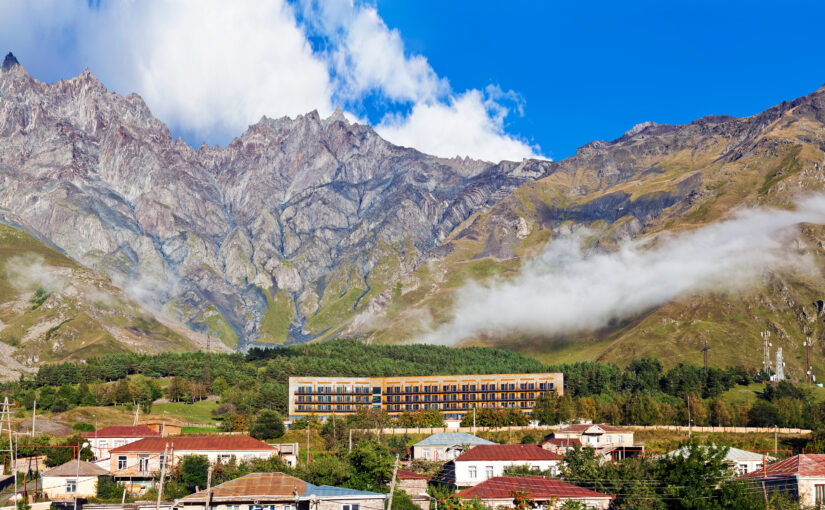
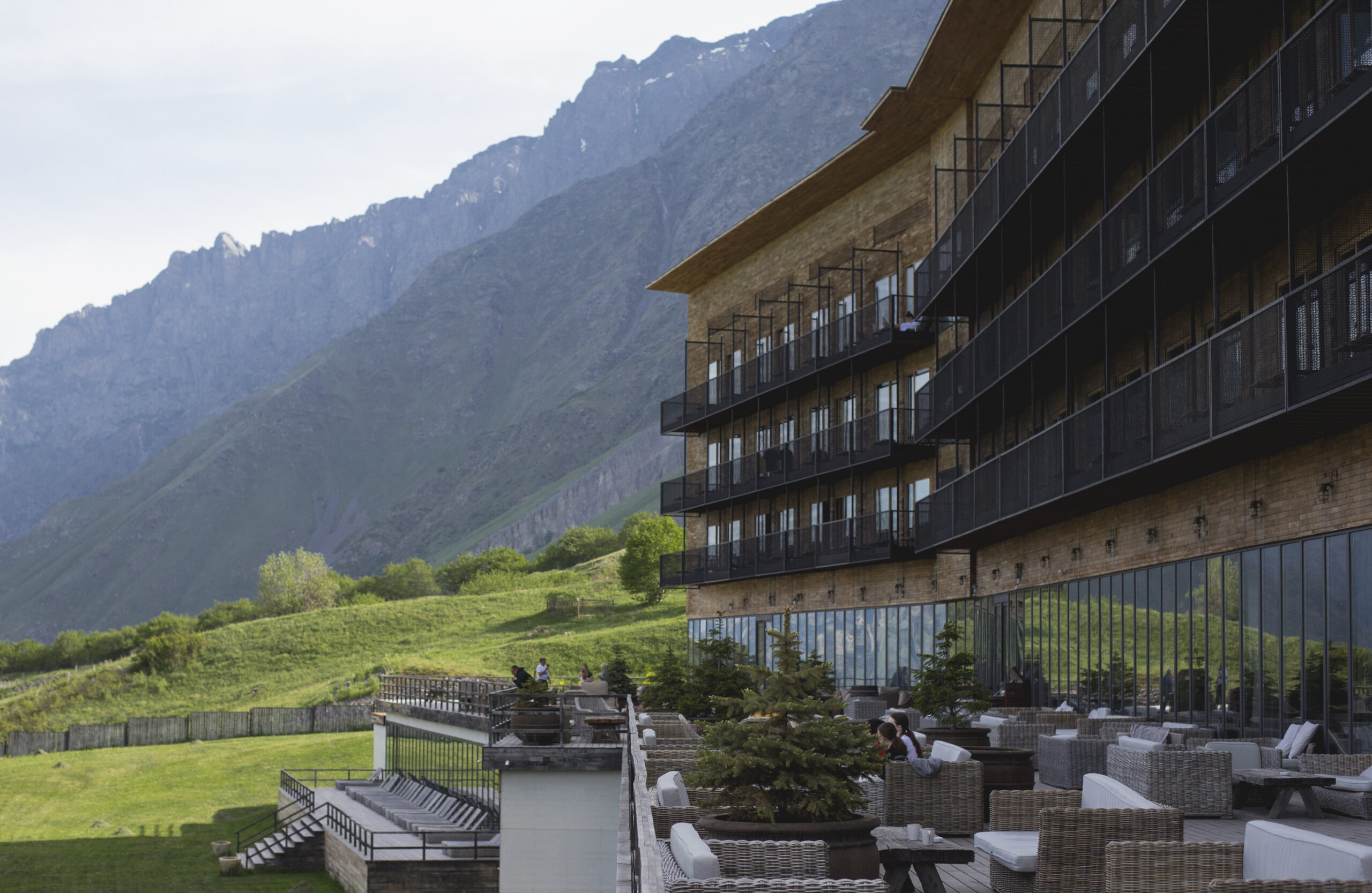
Staying at the Rooms Hotel Kazbegi, in Georgia’s incredible northern region, sort of feels as if you’re sat on some shoulders at a gathering of the giants.
With the awe-inspiring Caucasus Mountains looming as a shadow, the hotel would have looked impressive had it just put a tin shed. As it is, the building is a typically Soviet symmetrical thing of beauty, curving slightly if viewed from side on.
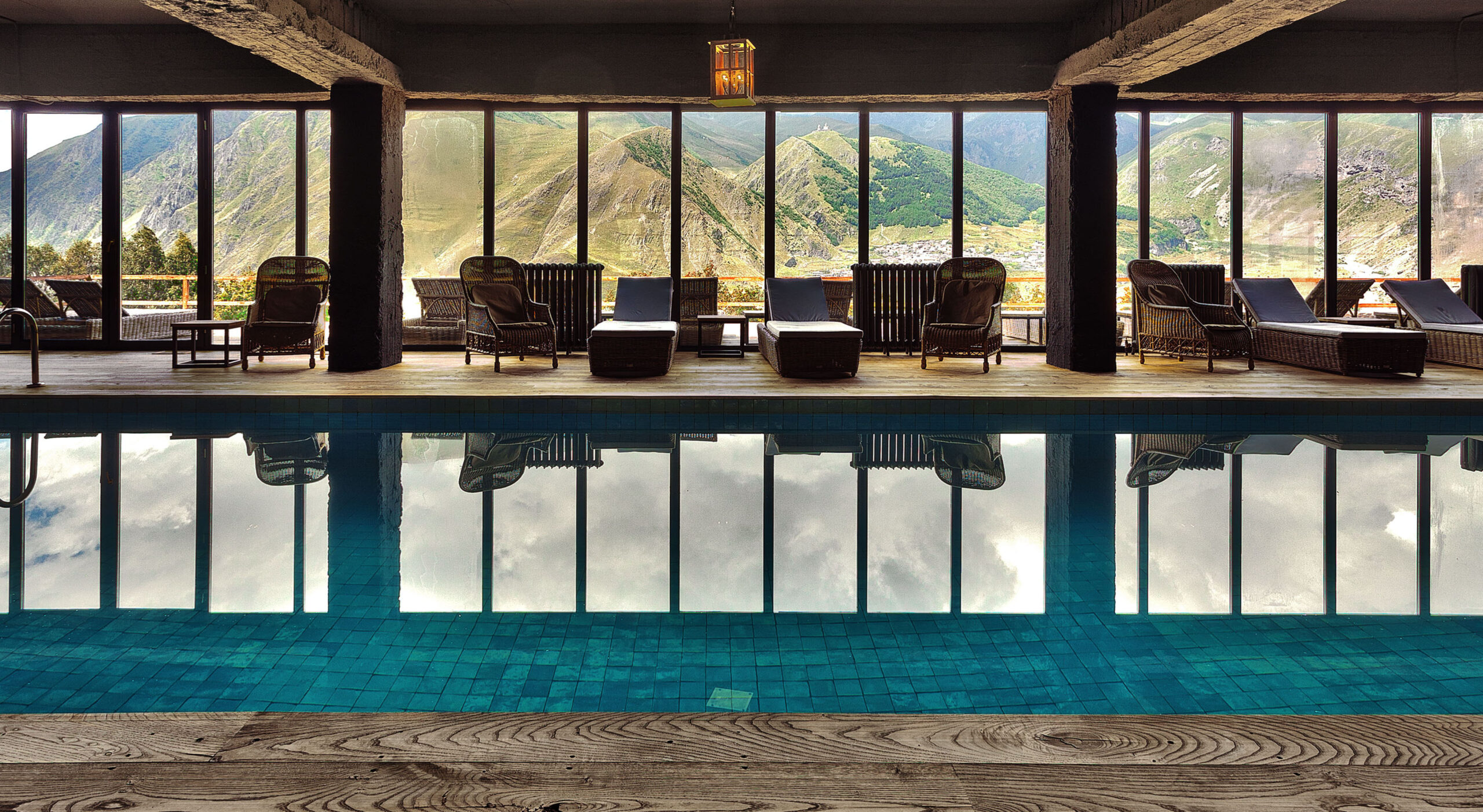
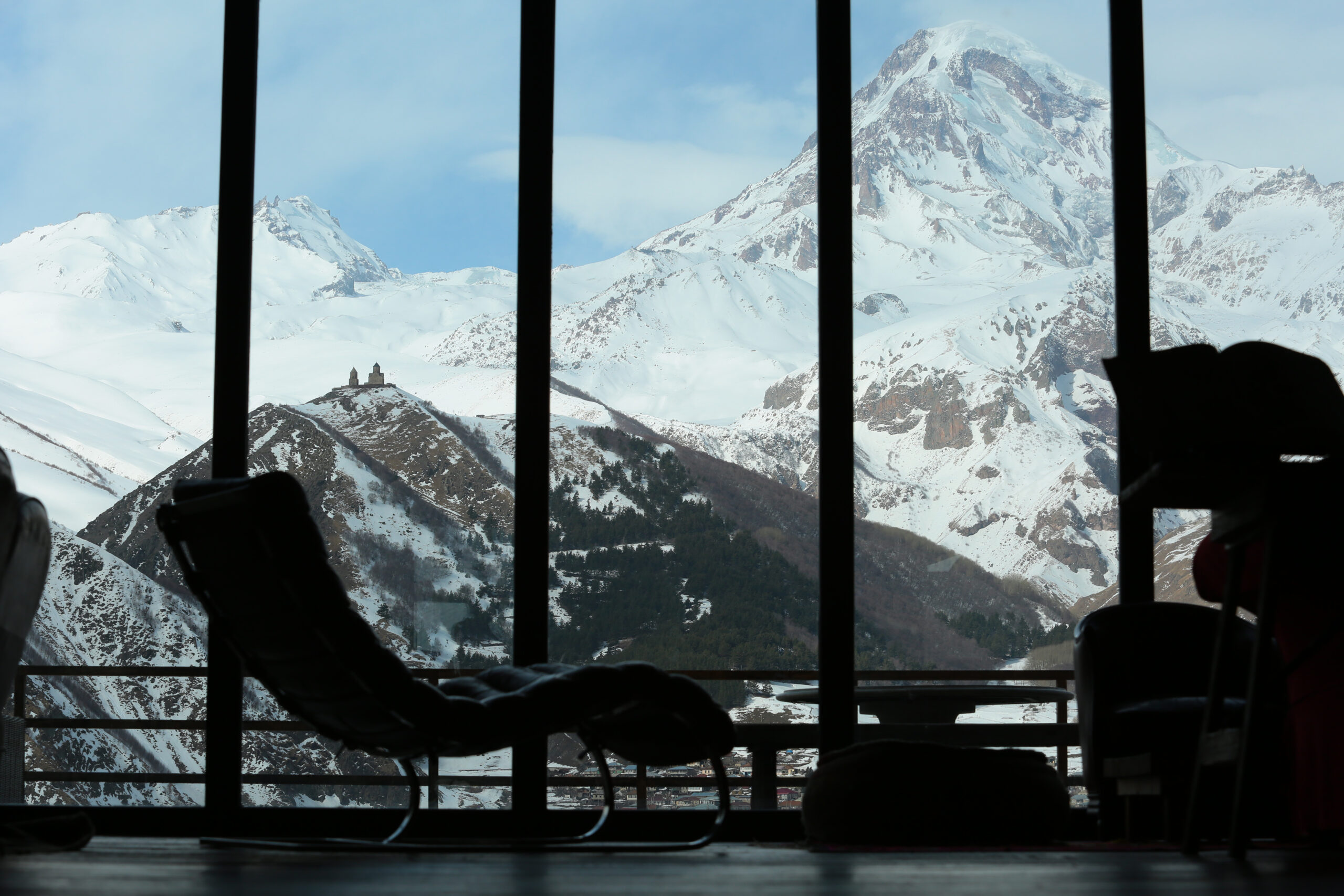
There’s a swimming pool for the ages, where you can swim in heated goodness while watching snow doffs the mountain peaks around you through floor to roof windows. There’s fireplaces, leather couches, wooden floors and stylings that reflect Georgia’s unusual place in the world, as a gateway between Europe and Asia.
This is some of the best hiking country in the world in summer, and the trekking – either by foot or by horse – is some of the best you’ll ever do.
The Russia-Georgia Friendship Monument is within reach from here – a very Instagrammable spot, even if Russia and Georgia aren’t always the best of friends.
The rooms at Rooms are plush – ideal for corpsing after a mammoth day of scaling the giants . Georgian recipes handed down from generation to generation are served here – if you’ve never had Georgian food, you’re in for a treat (and some carbs).
The air is clean in this part of the world, so make sure you go out at night and take a big long look at the stars. Some cheeky vodka will warm you up, and word is they roll cigars for you at the lobby if requested. This is living.
 (
(