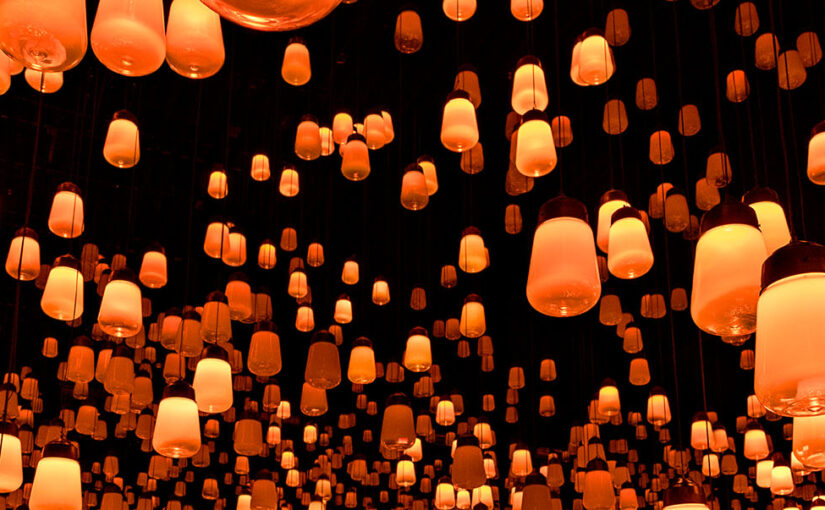
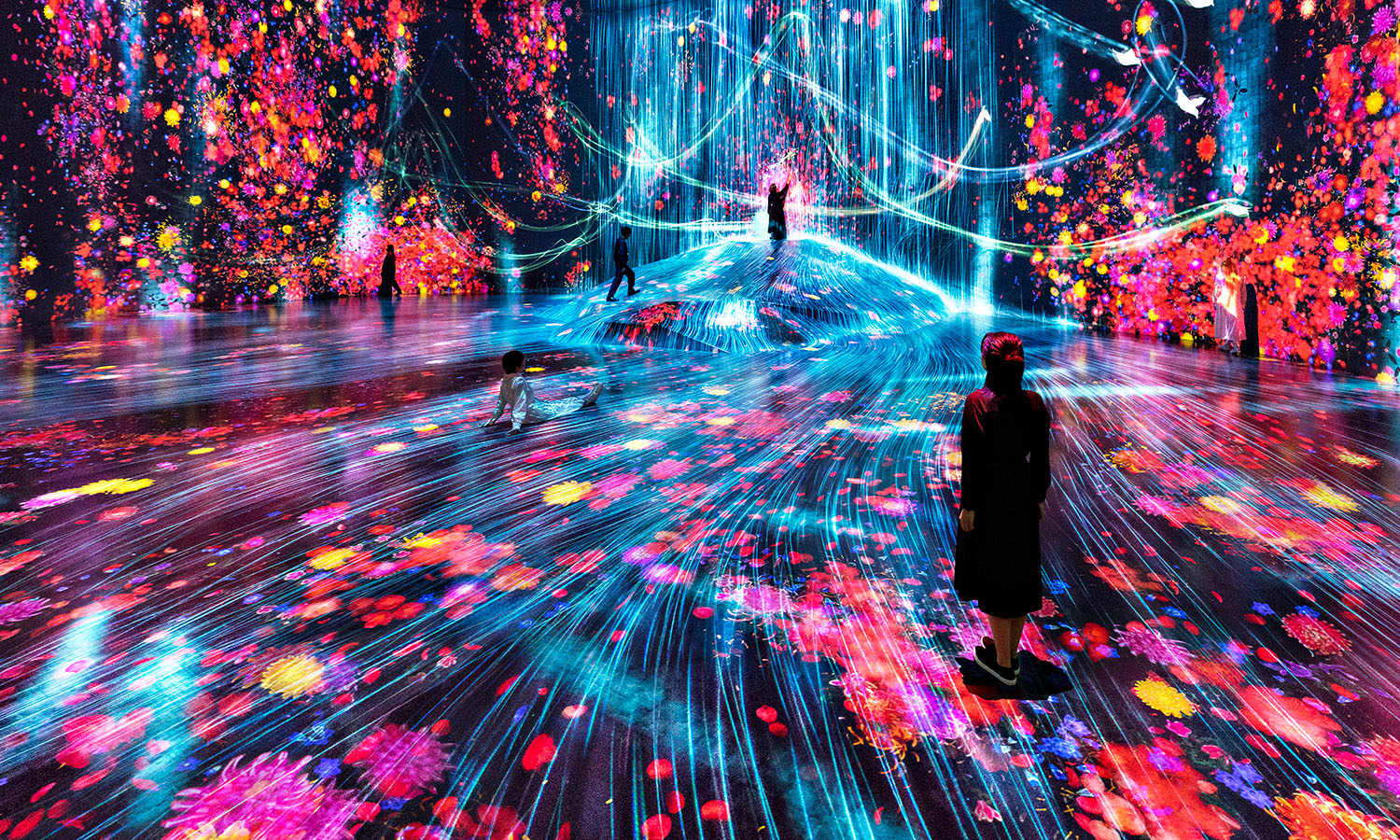
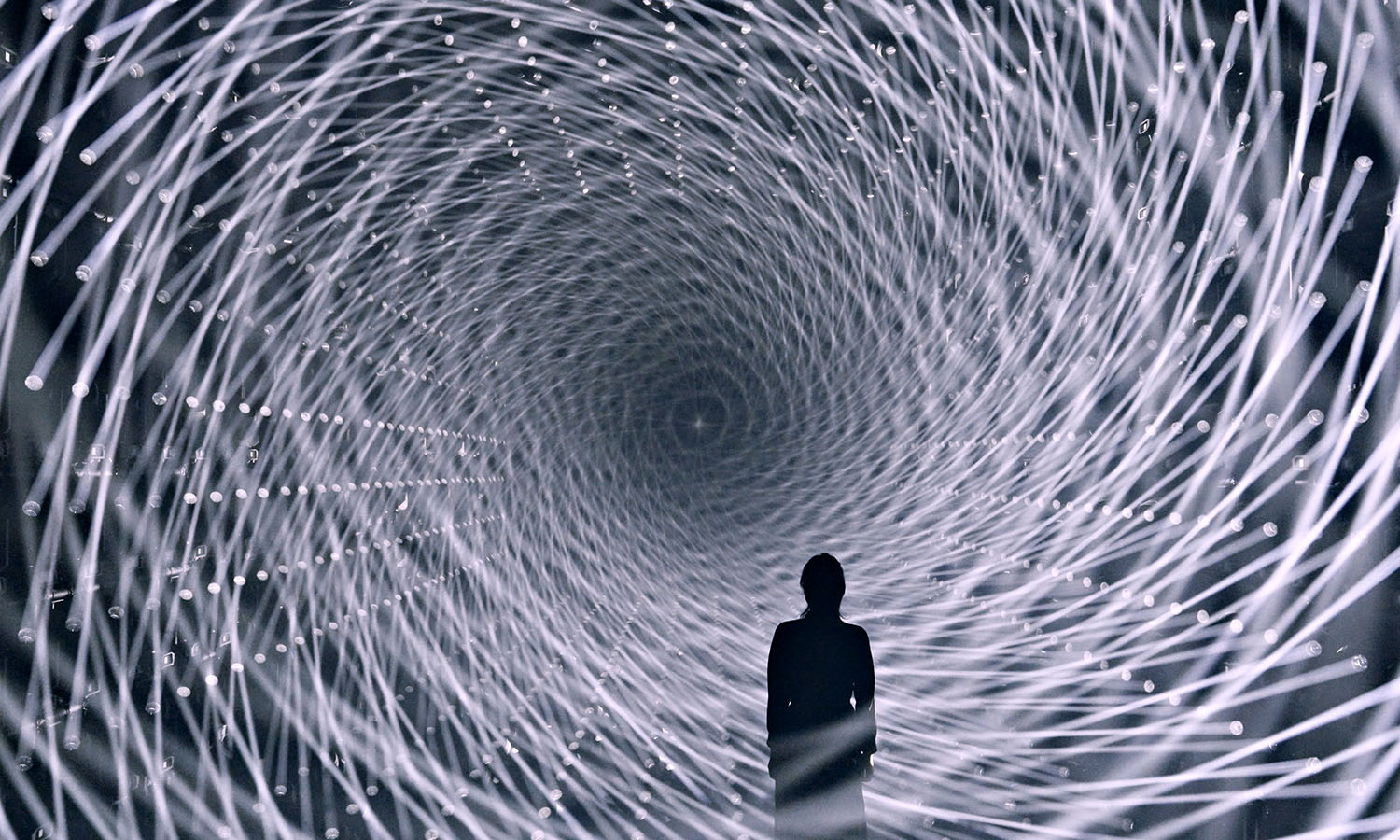
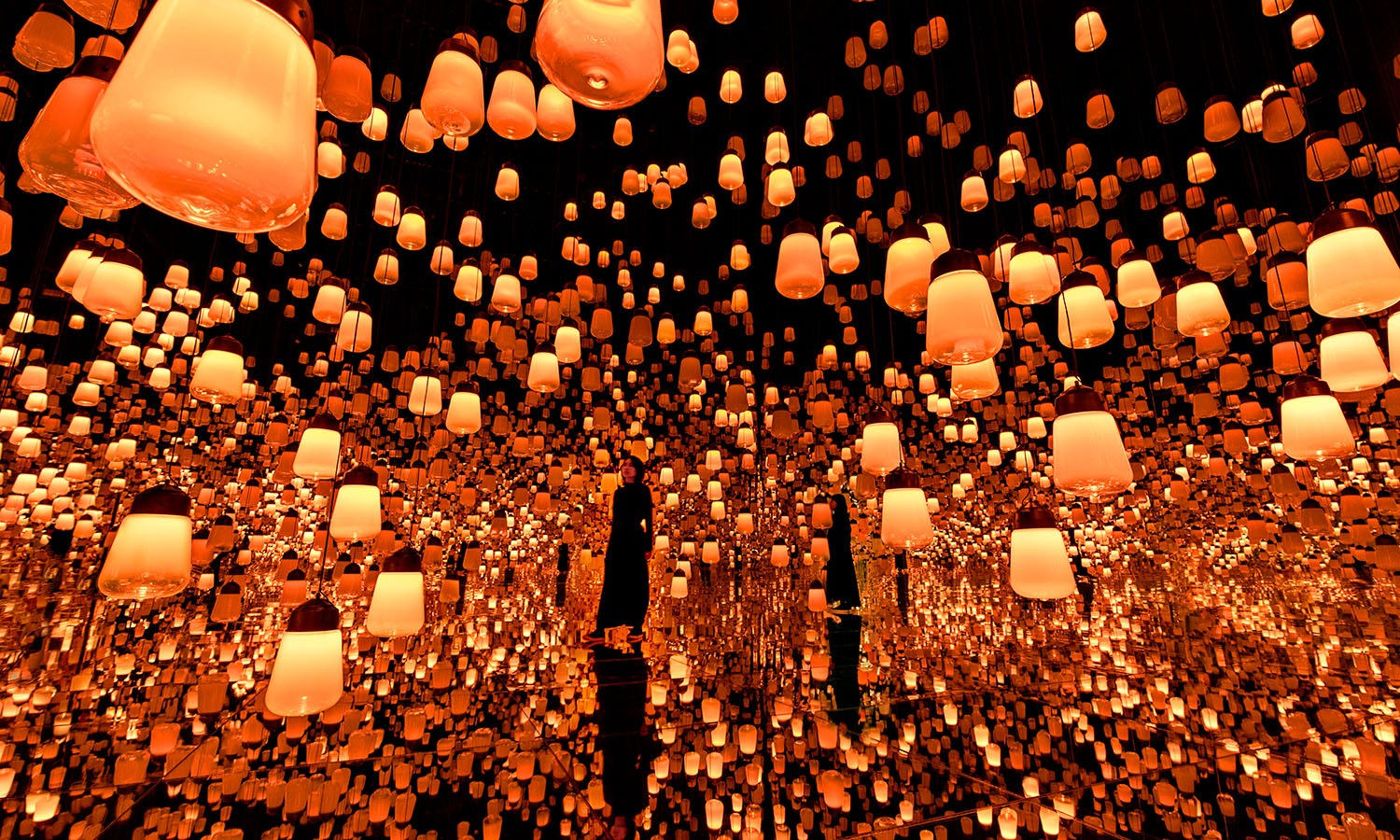
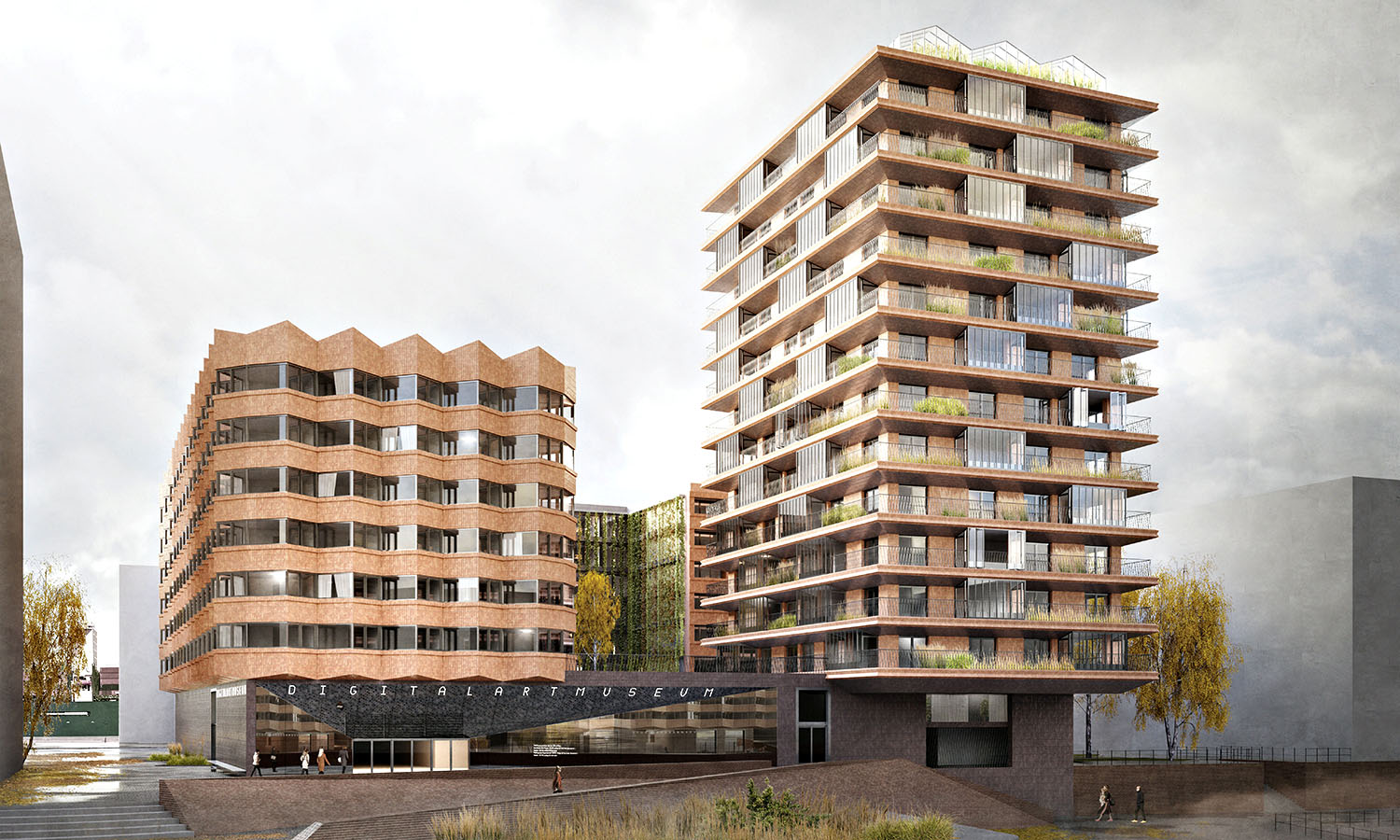
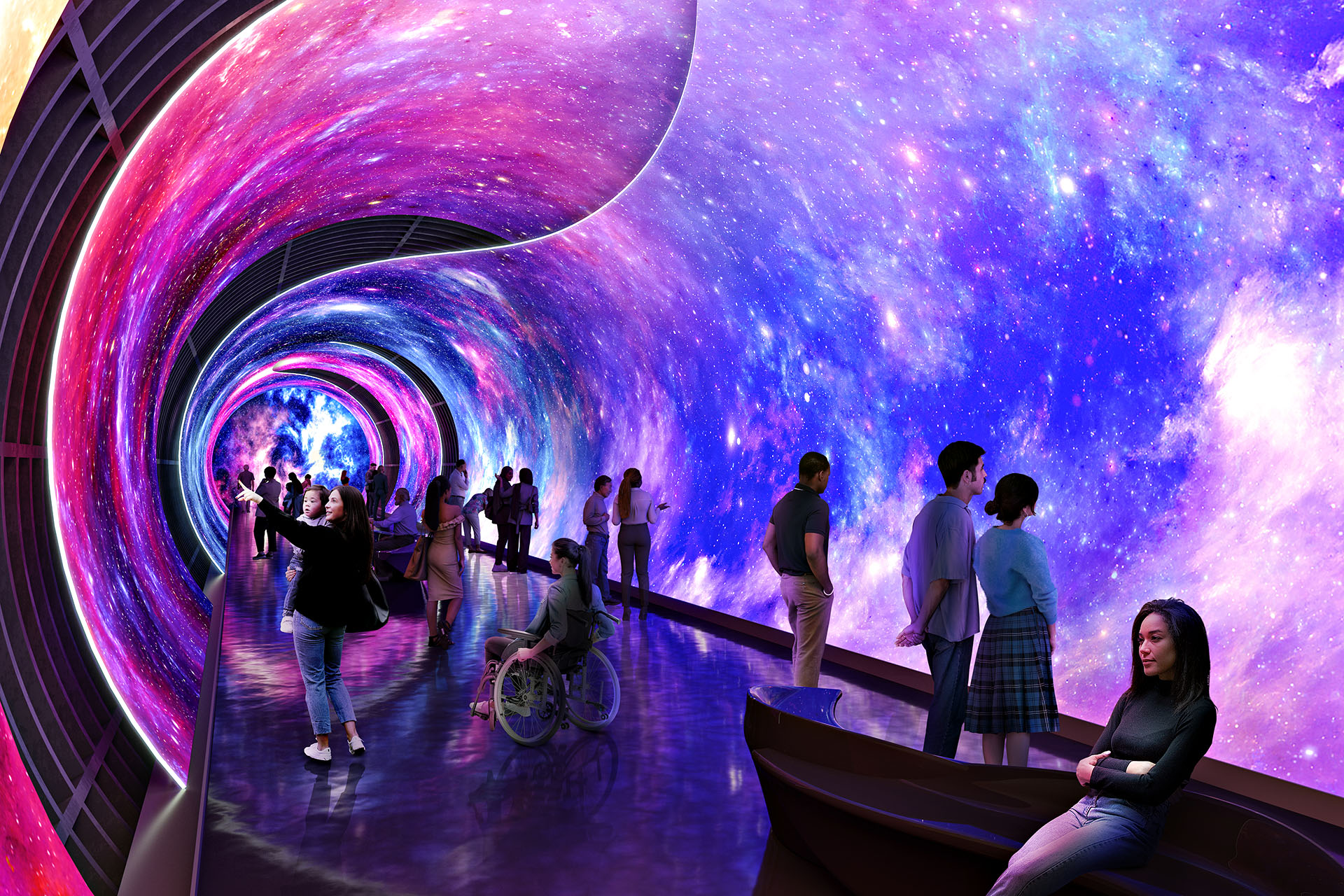
Forget everything you think you know about museums; you know, the stiff silence, velvet ropes, and the security guard sitting down in the corner of every room. Hamburg’s UBS Digital Art Museum is smashing all that with a pixel-powered wrecking ball when it opens its neon-soaked doors later this year.
This isn’t a place where you look at art. It’s a place where art looks back at you and then follows you around. The museum’s crown jewel is a full-blown immersive takeover by Japan’s teamLab Borderless – those digital wizards who turn rooms into kaleidoscopic, interactive wonderlands where flowers bloom around your feet and waterfalls rearrange themselves as you walk through.
Set in HafenCity and billed as Europe’s largest digital art museum, this 6,500-square-metre dreamscape is what happens when tech, creativity, and just the right amount of ambition get together for a late-night brainstorm. And yes, your phone’s camera roll is about to suffer (in the best way).
But this isn’t just an art-fuelled fever dream, it’s also climate-neutral. Because why not save the planet and blow people’s minds at the same time? So, if you’ve ever wanted to stroll through a living canvas or just need somewhere better than your living room to take a dramatic selfie, this one’s for you.
One man’s mission to survive Innsbruck’s beer, schnitzel and snow.
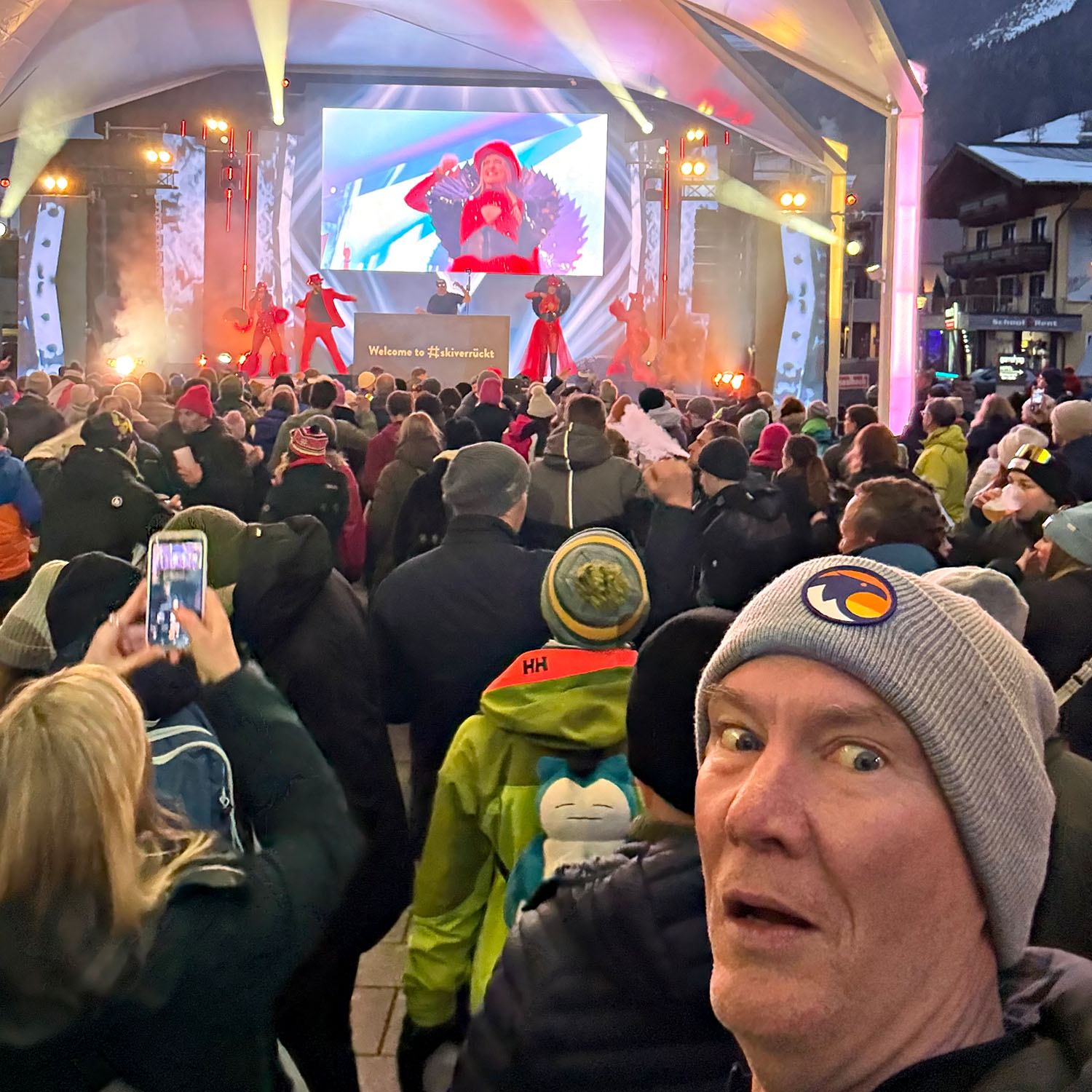
I’m dragging my hungover carcass through the medieval alleyways of Innsbruck. This is a city where baroque opulence collides with snow-covered adrenaline. Did I mention the hangover? The kind of hangover that only comes from partying with Austrians during the Downhill World Championships in Saalbach the night before. Austrians plus snow plus a world-class event equals real partying. We’re talking schnapps-fuelled, lederhosen-wearing, après-ski mayhem that makes Ibiza look like a book club.
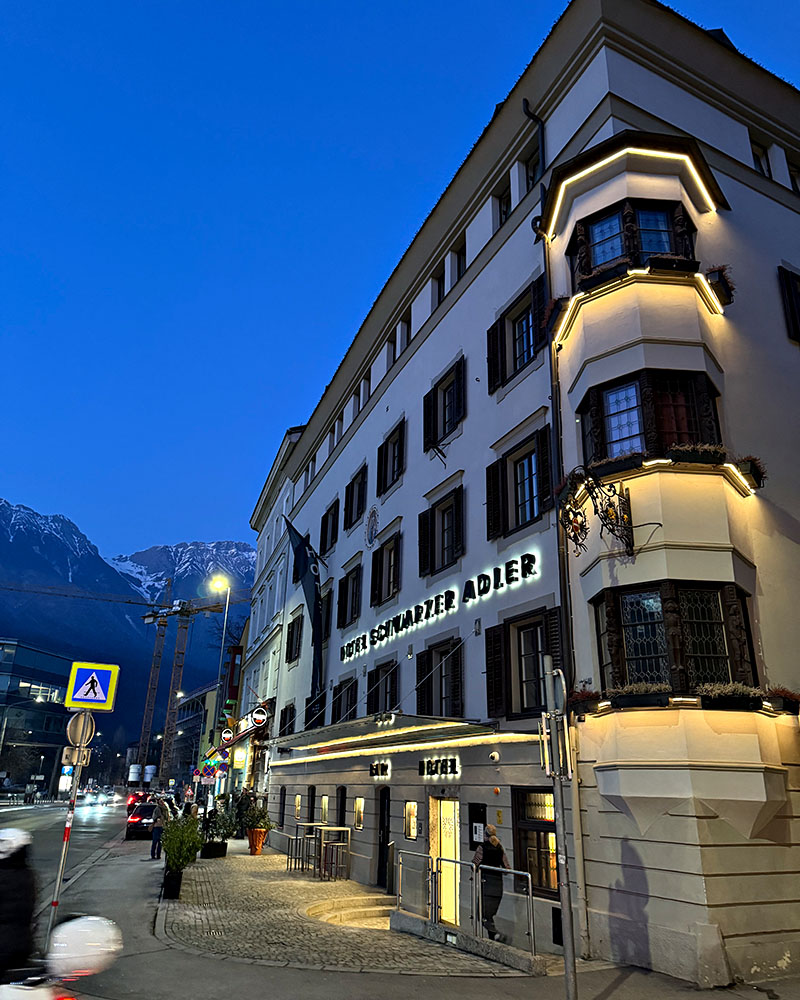
I’m extremely thankful for the warmth of an early check-in at the Hotel Schwarzer Adler, a hotel 400 years older than my own country. I wonder if Mozart himself ever wandered the hallways. I check in and collect my Ski Plus City Pass. This little card is the golden ticket to Tyrolean fun, giving me access not just to ski lifts in nearby Kühtai, but also to city attractions, public transport, museums, and even Swarovski’s shimmering fever dream of a museum. I do what any responsible journalist would do: go find some crystals.
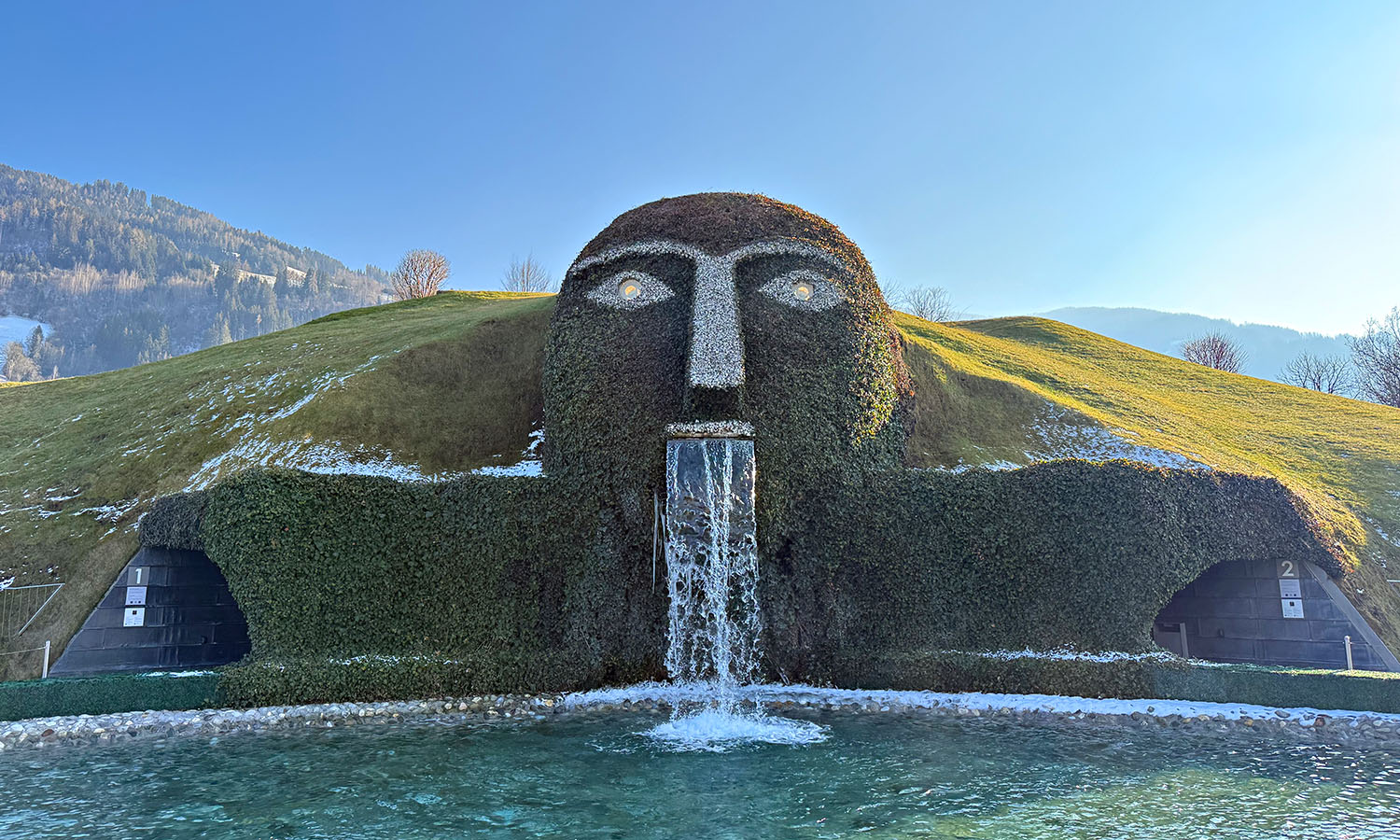
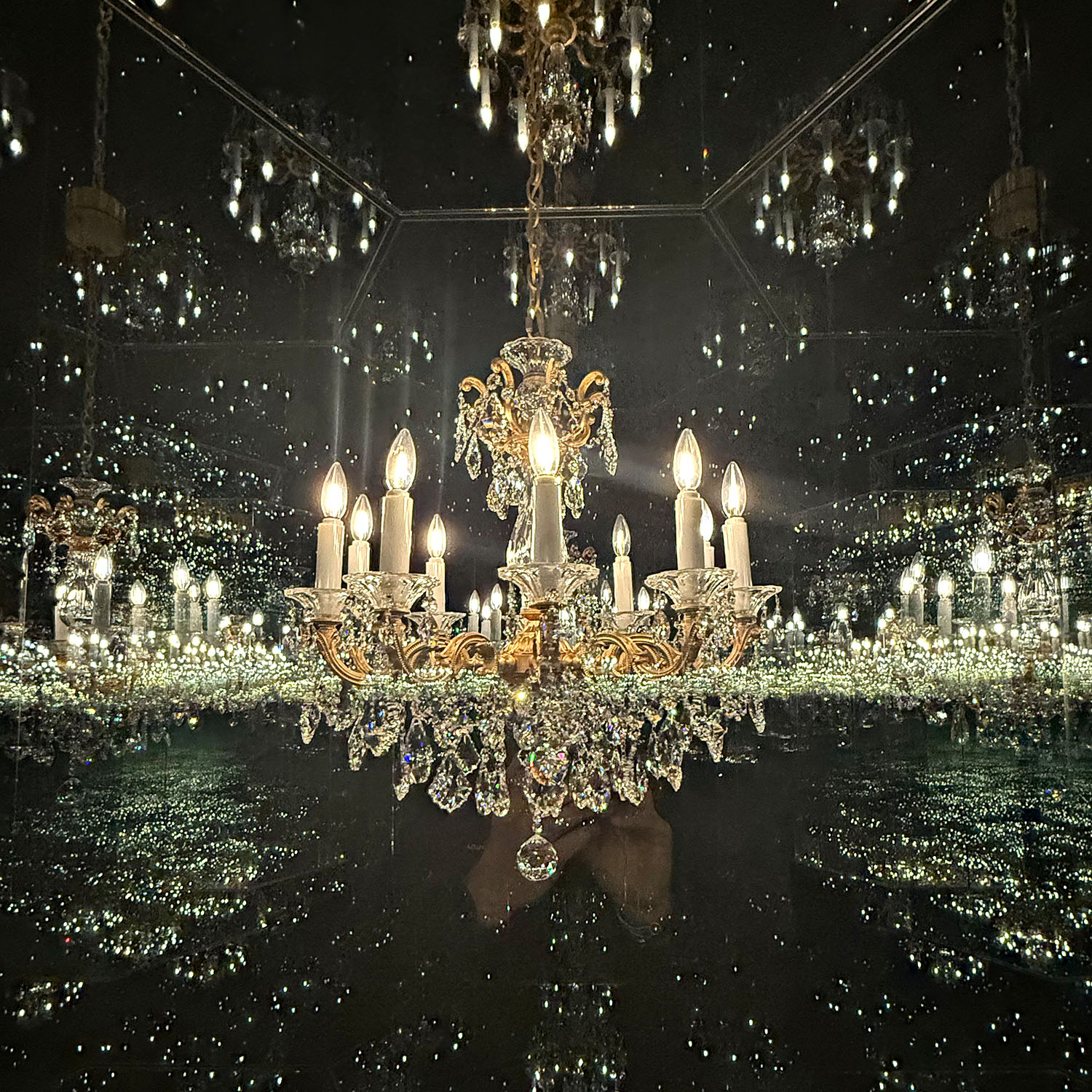
Swarovski Kristallwelten is like falling headfirst into a glittering fantasy land. The entrance is a grass-covered giant’s head with crystals for eyes. It’s actually more like a Bond lair than a museum. Inside, rooms explode in light, mirrors, and existential sparkle.
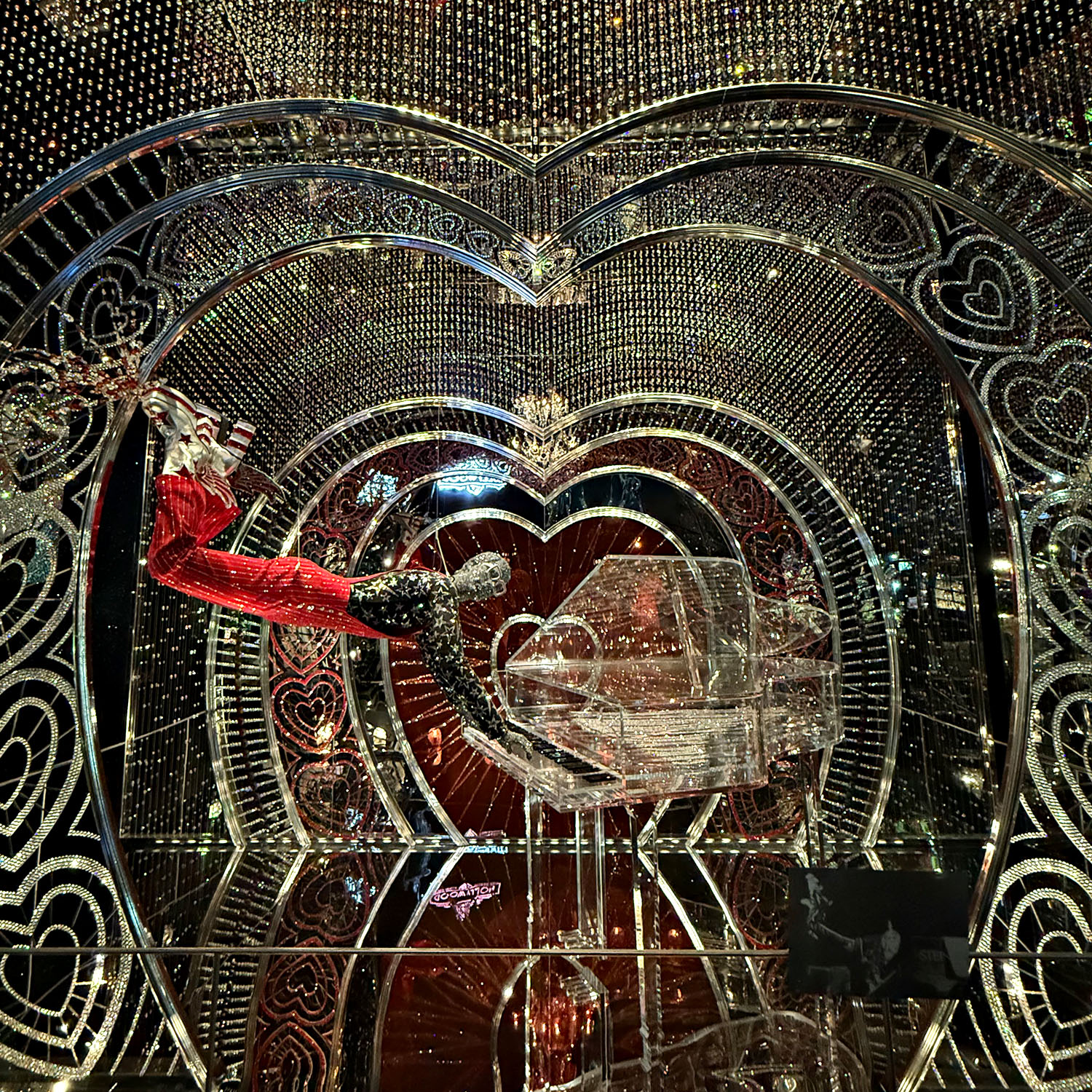
One gallery casually displays the number of Swarovski crystals embedded in celebrity costumes over the decades, which is frankly obscene. Elton John, unsurprisingly, leads the charge. His outfits shimmering with enough bling to light a runway you can see from space. There’s a mechanical birdcage, a silent snowstorm that never ends, and a room of music-playing crystals that feels like Brian Eno went on an acid bender at a jewellery store. The highlight is a walkway with a roof of hundreds of crystal speakers, each one speaking to you as you walk underneath; languages from all over the world. It’s truly surreal.
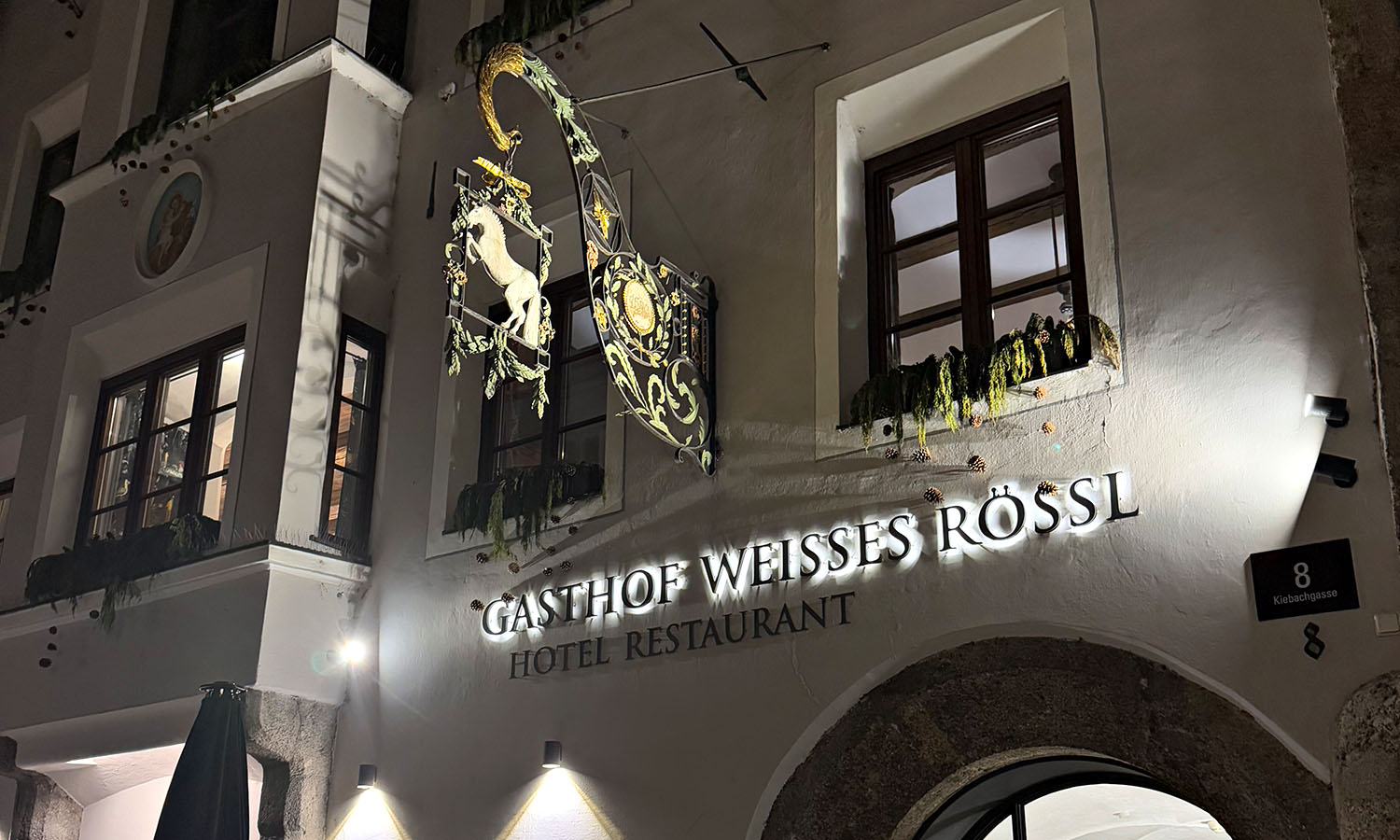
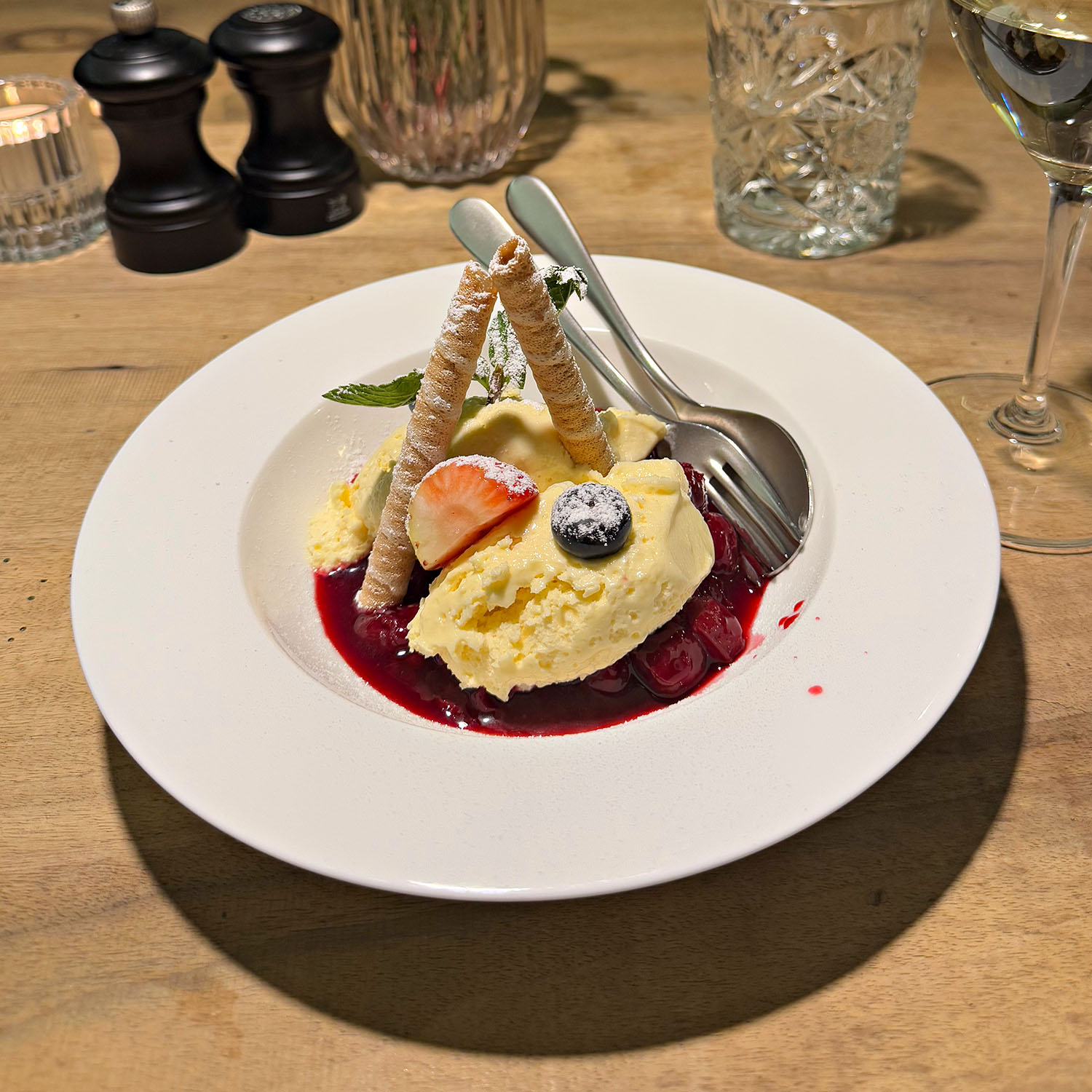
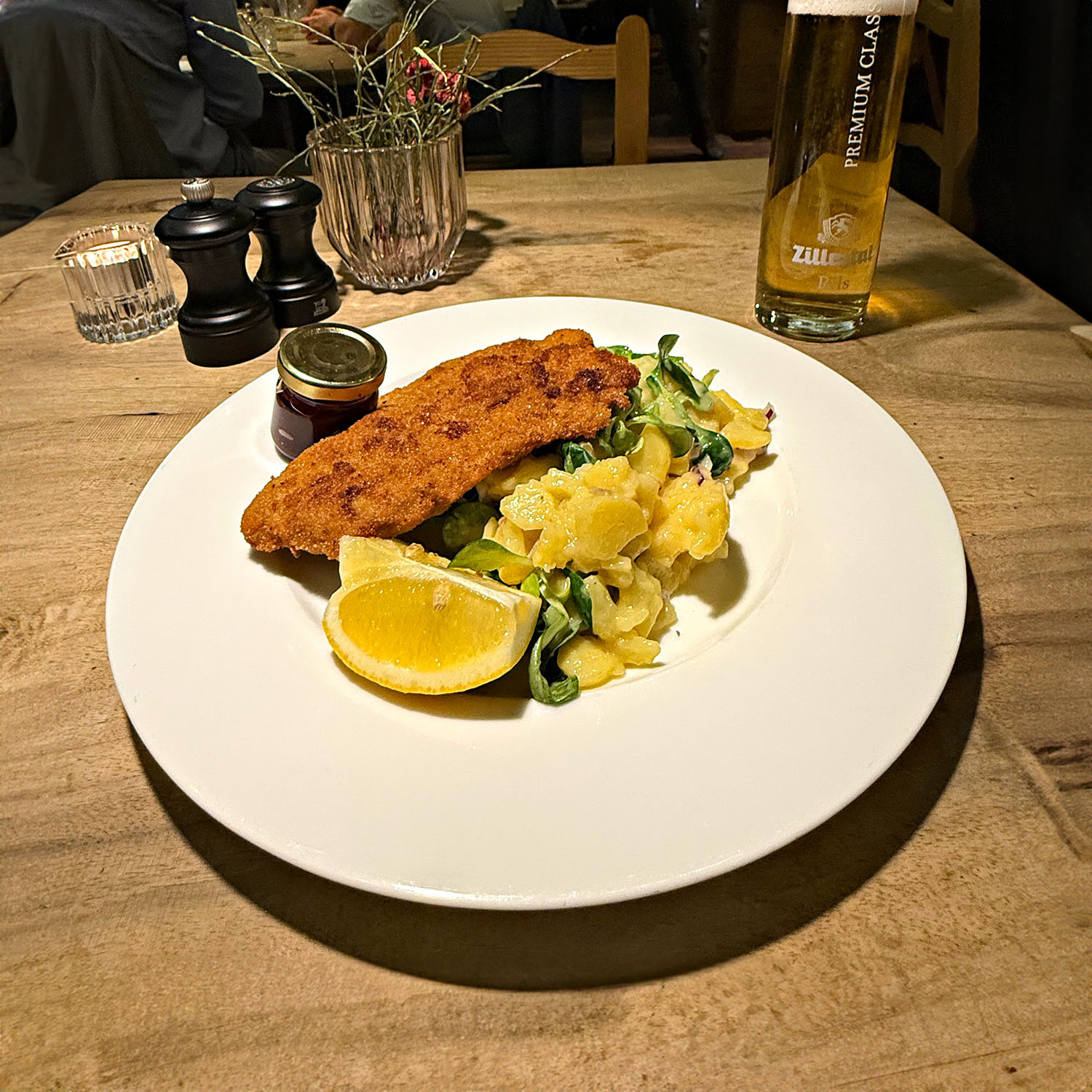
I go full Austrian for dinner with a hearty plate of Tiroler Gröstl and a schnapps at Weisses Rössl, one of Innsbruck’s most traditional inns. It’s all low timber beams, candlelit corners, and centuries of Alpine gemütlichkeit (that’s friendliness). The waitstaff wear dirndls like they mean it, and the menu reads like a greatest hits of Austrian comfort food. I ordered the schnitzel, because you have to. What arrives is a golden, perfectly crisp, pan-fried miracle roughly the size of a snowboard. It crackles under the knife and melts like butter in the mouth. It is easily the greatest schnitzel I’ve ever eaten.
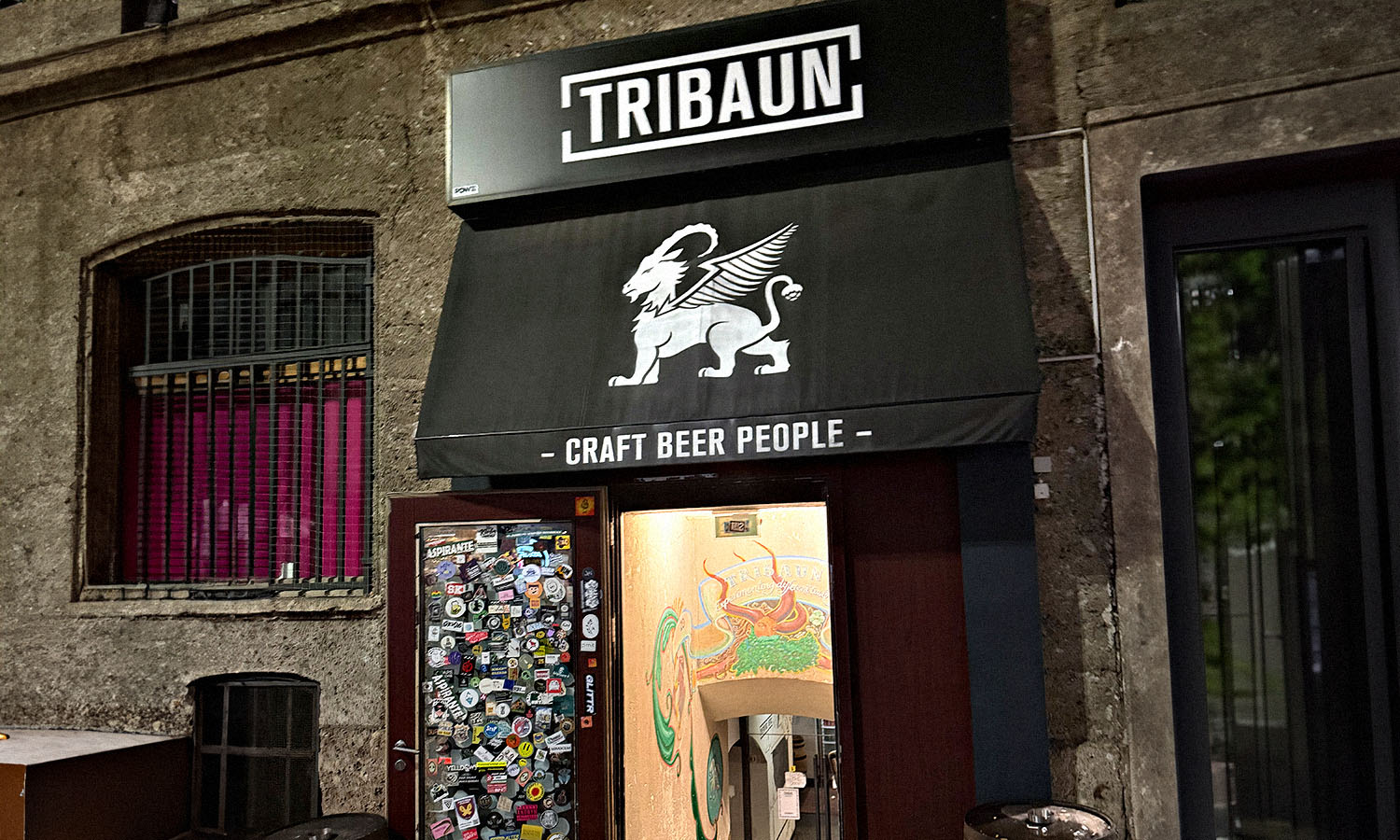
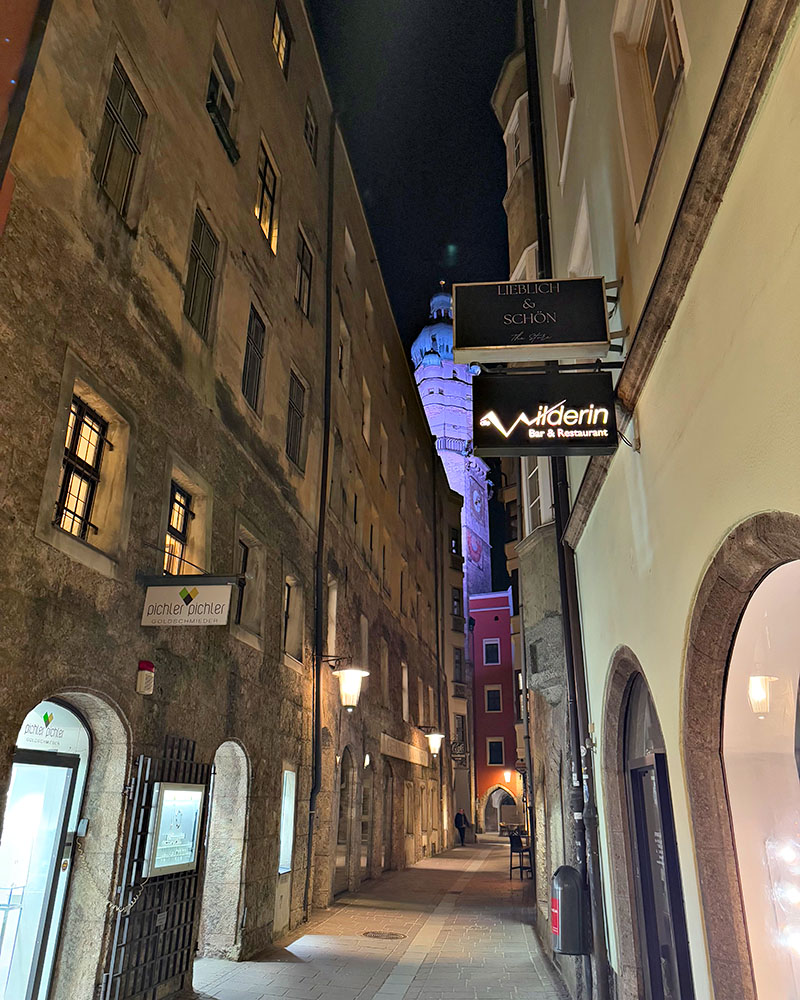
After dinner, I wander slowly and bloated through the backstreets in the moody glow of gaslights and gothic arches. It’s here, happily lost in the old town of Innsbruck, that I stumble upon Tribaun.
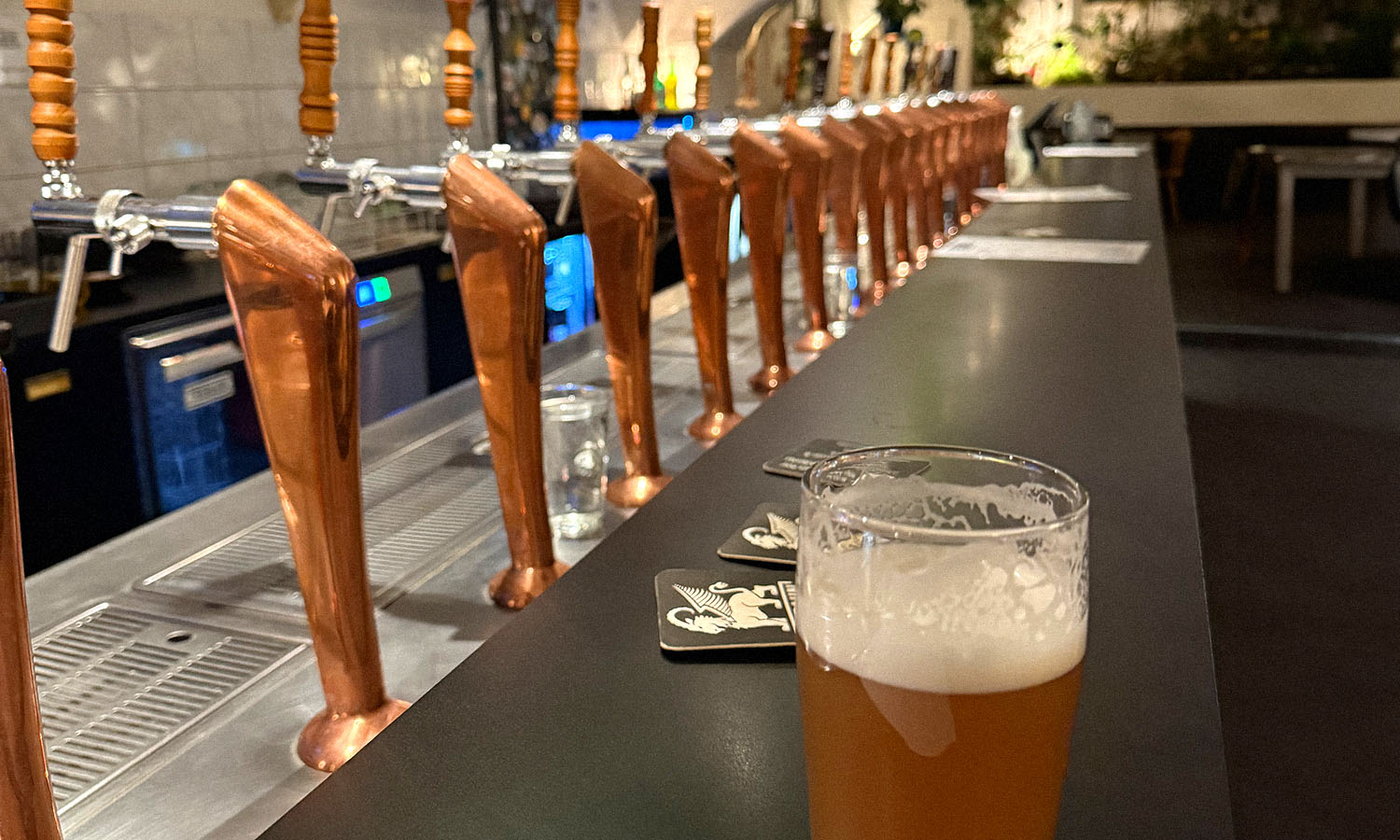
It doesn’t look like much. Just a door. But down the steps is a den of hops-fuelled sin. Craft beer from all over Europe, tattooed bartenders with opinions, and a crowd that looks like they argue about fermentation methods for fun. I fall in with some locals who pull me into a “shout”, an endless cycle of buying and consuming increasingly aggressive beers. One hazy IPA hits like a freight train of citrus, pine, and regret. I think I’m winning until I try to stand up.
Morning. Kühtai. A yodelling demon pounds timpani drums in my skull. My ski instructor sizes me up like a butcher choosing which bit to cut first. I’m pale, I’m trembling, but I’m committed.
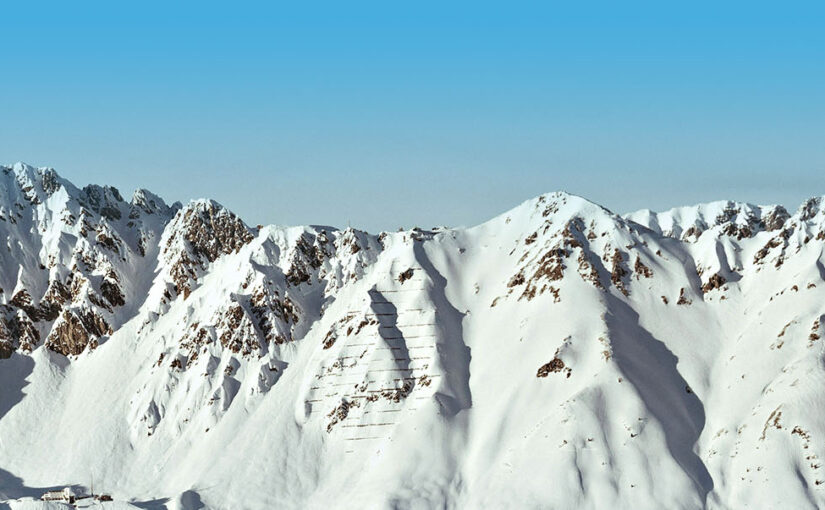
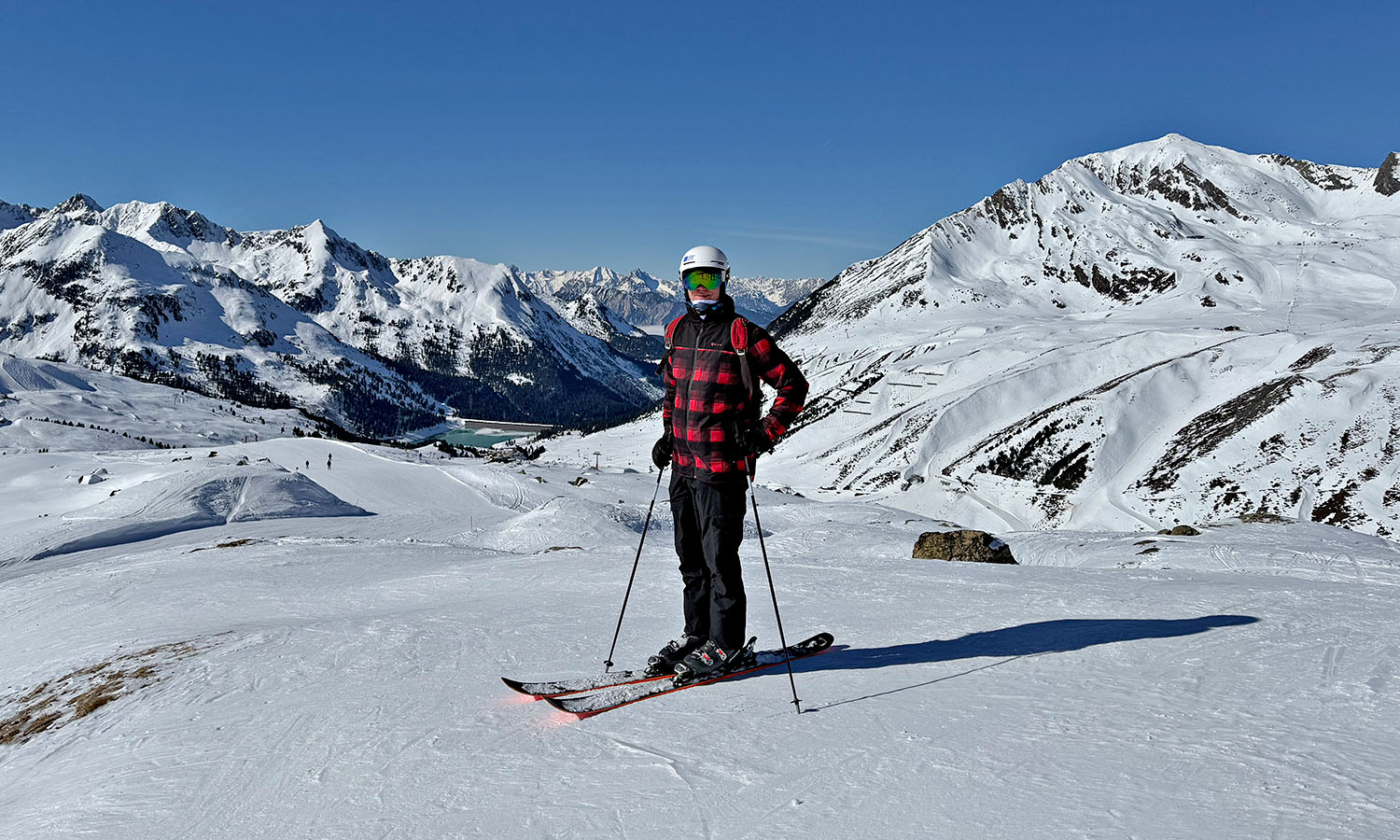
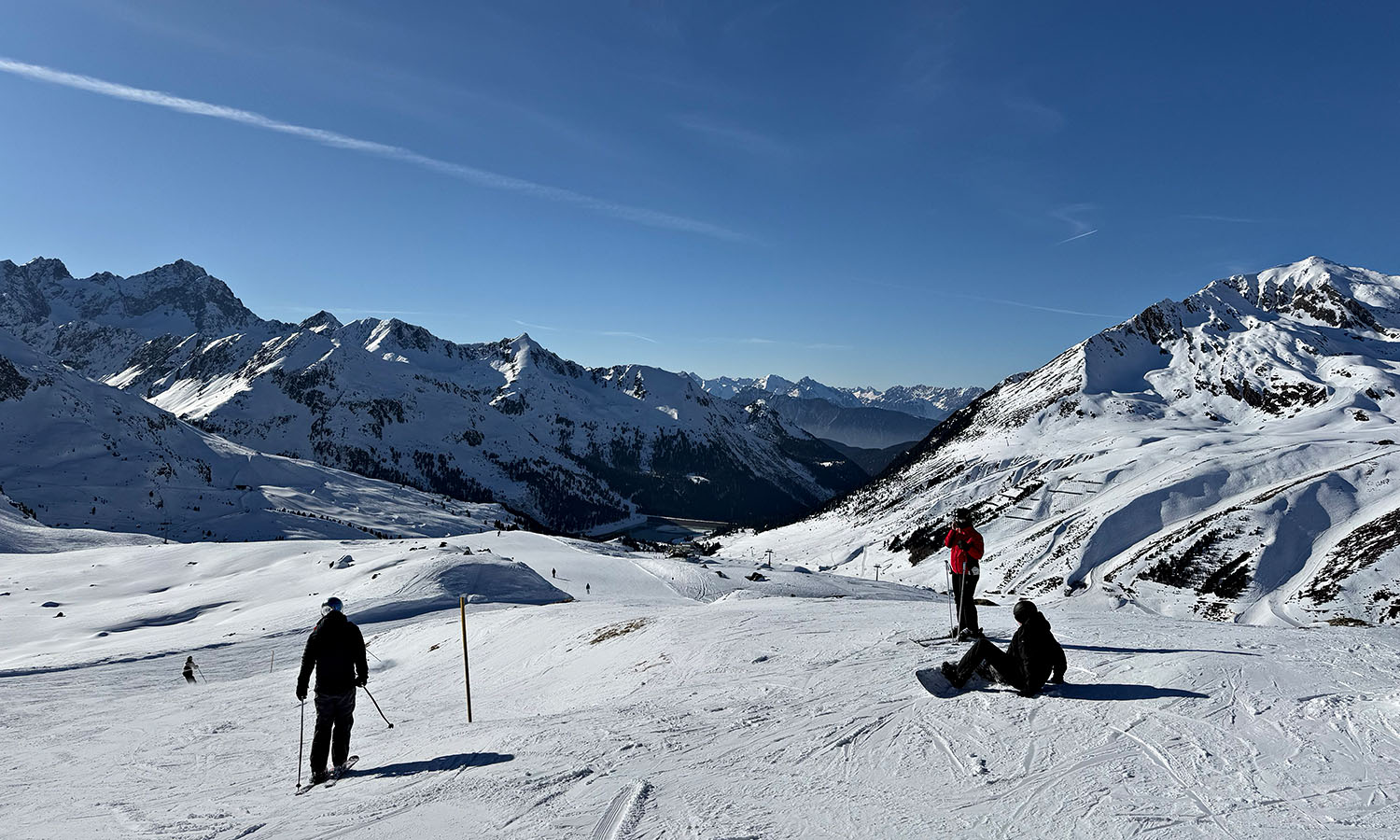
Kühtai is Austria’s highest ski village, perched at over 2,000 metres, which means snow is pretty much guaranteed. The drive up from Innsbruck is a leisurely forty minutes with increasingly stunning views as you wind up through villages and into Kuhtai. The slopes here are a glorious patchwork of wide cruisers and narrow chutes, flanked by rugged peaks. There’s something for everyone here, easy-going blues that lull you into confidence, and then out of nowhere, sneaky reds and aggressive blacks that demand respect (and functioning knees).
I start with a gentle run to test the structural integrity of my head. It’s going well until I hit an icy patch, and I’m suddenly skiing backwards. Still, my instructor is encouraging, or at least I think that’s what he’s saying in thick Tyrolean dialect while trying not to laugh. We traverse tree-lined paths, open powder bowls, and even flirt with a mogul field. The stunning views make it hard to concentrate on the snow in front of me. The snow is perfect, the air is merciless, and gravity is no longer my friend. I wobble, I slide, I survive. Just.
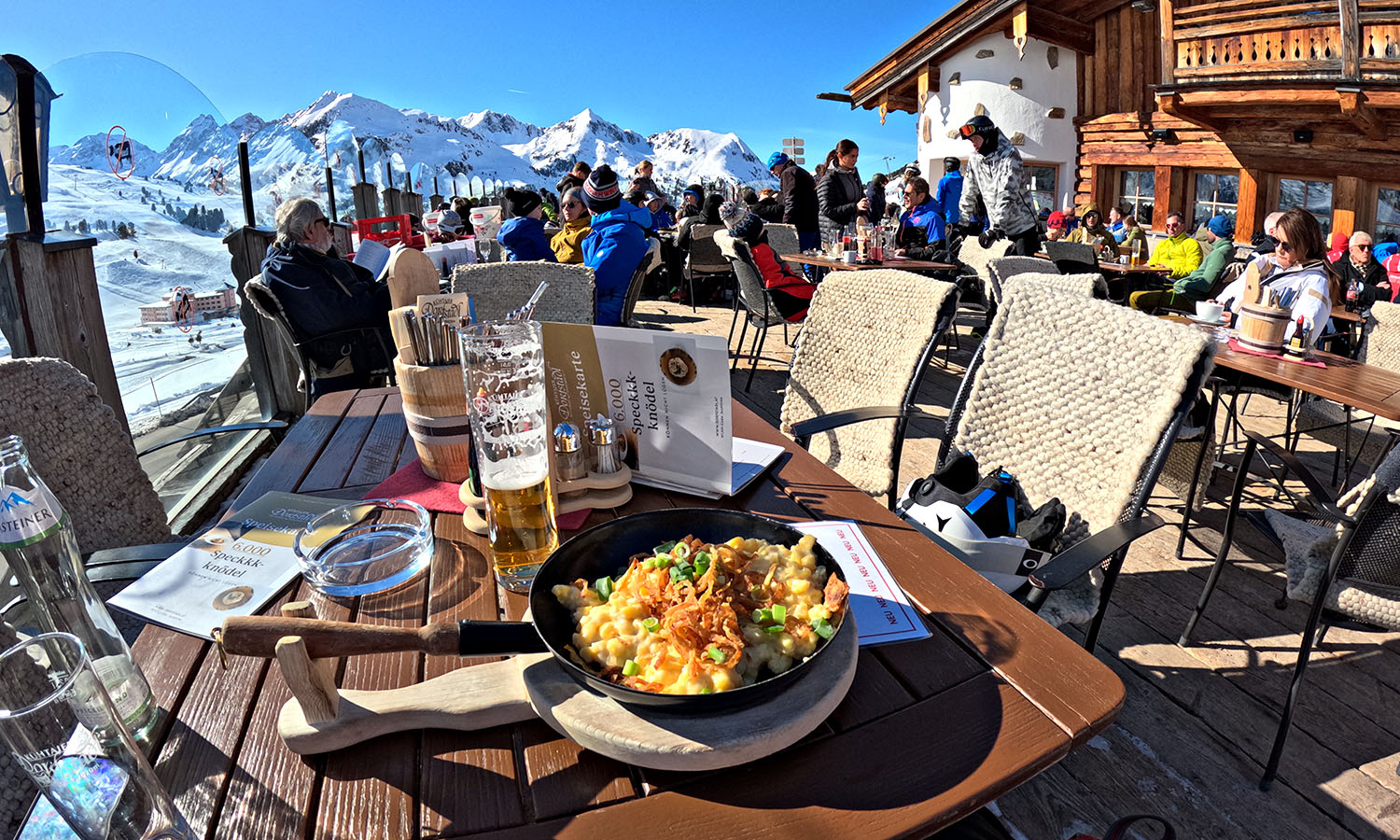
Lunch saves me. At Kühtaier DorfStadl, out on the deck, I devour a heaving plate of Käsespätzle (think cheese, pasta, bacon, delishessness) and a crisp pilsner, and I’m back! I emerge from my hangover cocoon, part man, part dairy product, but ready to return to the slopes.
Back in Innsbruck, the Old Town waits like a storybook villain: pretty, polished, and probably dangerous. I wander past Rococo buildings, duck into the Hofburg Palace for a hit of imperial delusion, then lose myself in AUDIOVERSUM, a science museum about sound where my battered ears get one last chance at redemption.
Dinner at Wilderin is everything you want a final supper to be. This place is uber local, seasonal and paired with just enough wine to forget the hangover but remember the fondue. I sit up at the bar and befriend the owner, Michael, whose passion for sustainable cuisine is remarkable. He convinces me to try the Austrian specialty, Beuschel. He refuses to disclose the ingredients, and I trust him. It’s delicious. And even after Michael explains that it is a traditional Austrian “grandmother” specialty stew of lung, spleen and heart, I mop up the stringy bits with bread. It’s that good.
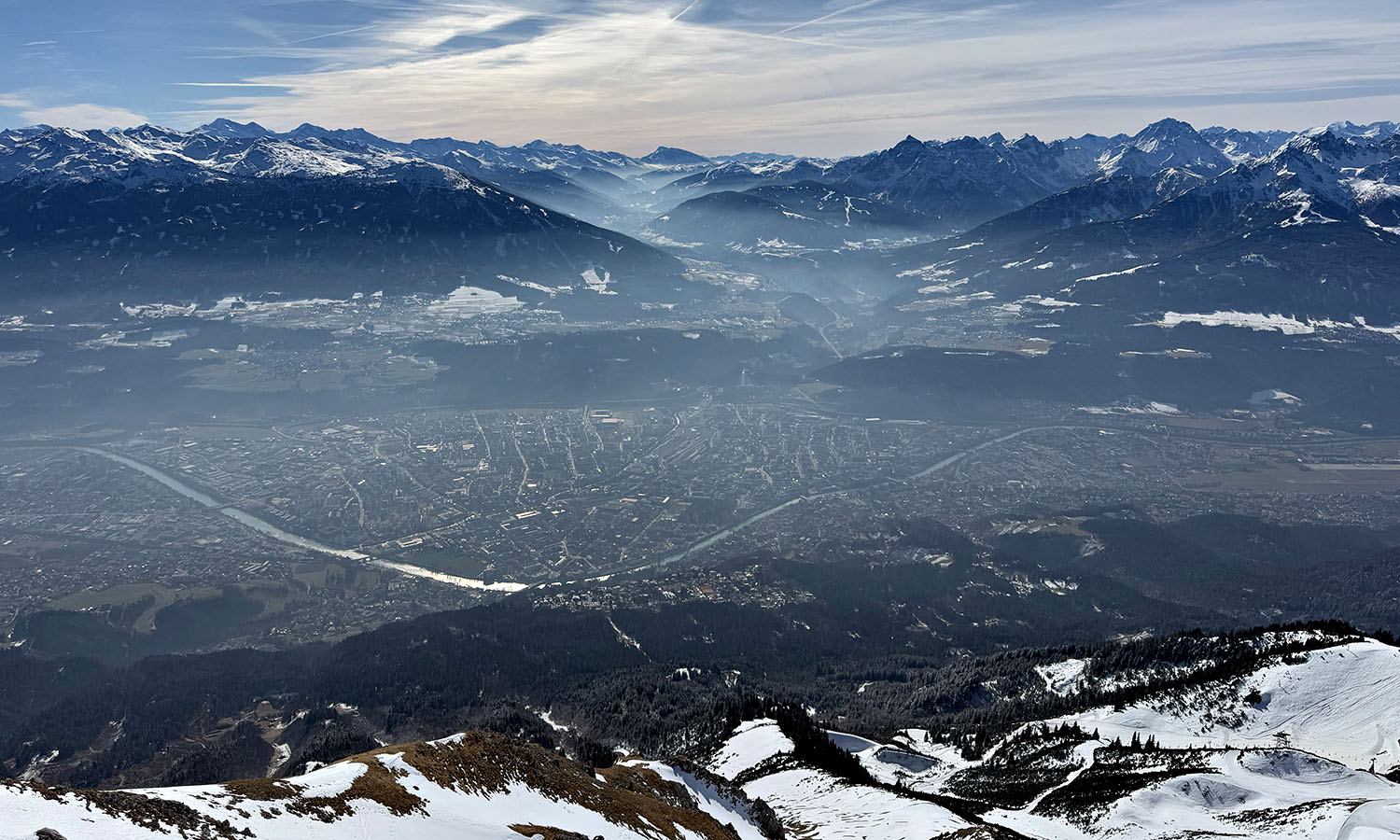
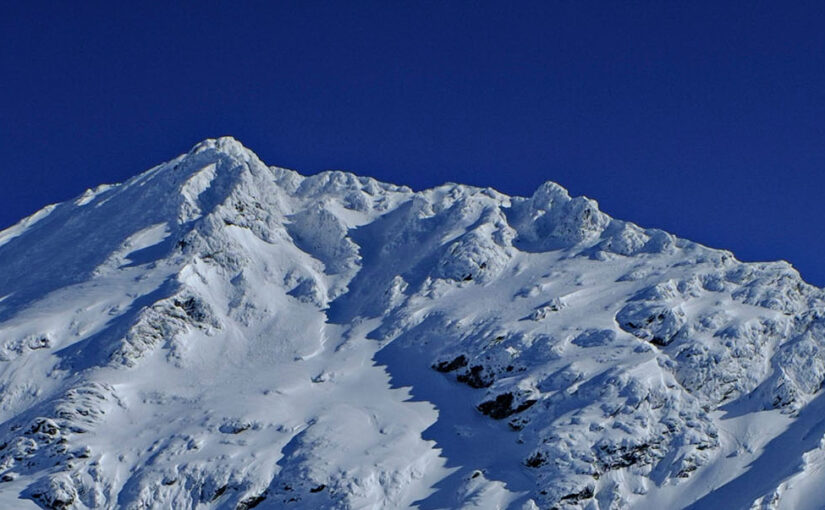
On my last day, I head up to Nordkette. It’s three cable cars to the top, each one peeling back layers of the city until all that remains is air, snow, and ego. At the final stop, Hafelekar, I lace up my boots and take the short, snowy hike toward the famed peak, the Top of Innsbruck. It’s not a long walk, but every step carries the weight of 2,300 metres of altitude and the kind of drop-offs that inspire awkward laughter and sweaty palms. One small slip here and I genuinely believe I could slide all the way into Germany, passport-free, face-first, and screaming.
The view is outrageous. On one side, Innsbruck spreads out like a gingerbread model city: spires, pastel facades, and neatly squared-off streets framed by the Inn River. Spin around and you’re staring into the raw, jagged Alps and beyond, the valleys of Bavaria. It’s like standing on the edge of two countries, one foot in Austria, the other dangling temptingly toward a bratwurst-fuelled future. The wind bites, but the scenery punches harder. It’s the kind of panorama that makes you whisper-swear in amazement.
Innsbruck sprawling below, mountains all around. “Fark.”
At lunch, I toast the Tyrol with a glass of something cold, stare into the endless white, and feel like I’ve survived something.
Then, of course, there’s time for one last hurrah. With my train departing in the early evening, I have just enough time for one last visit to Tribaun. The bartender gives me a knowing look and pours another hazy IPA. I raise my glass to Innsbruck, the city that broke me, rebuilt me, and broke me again.
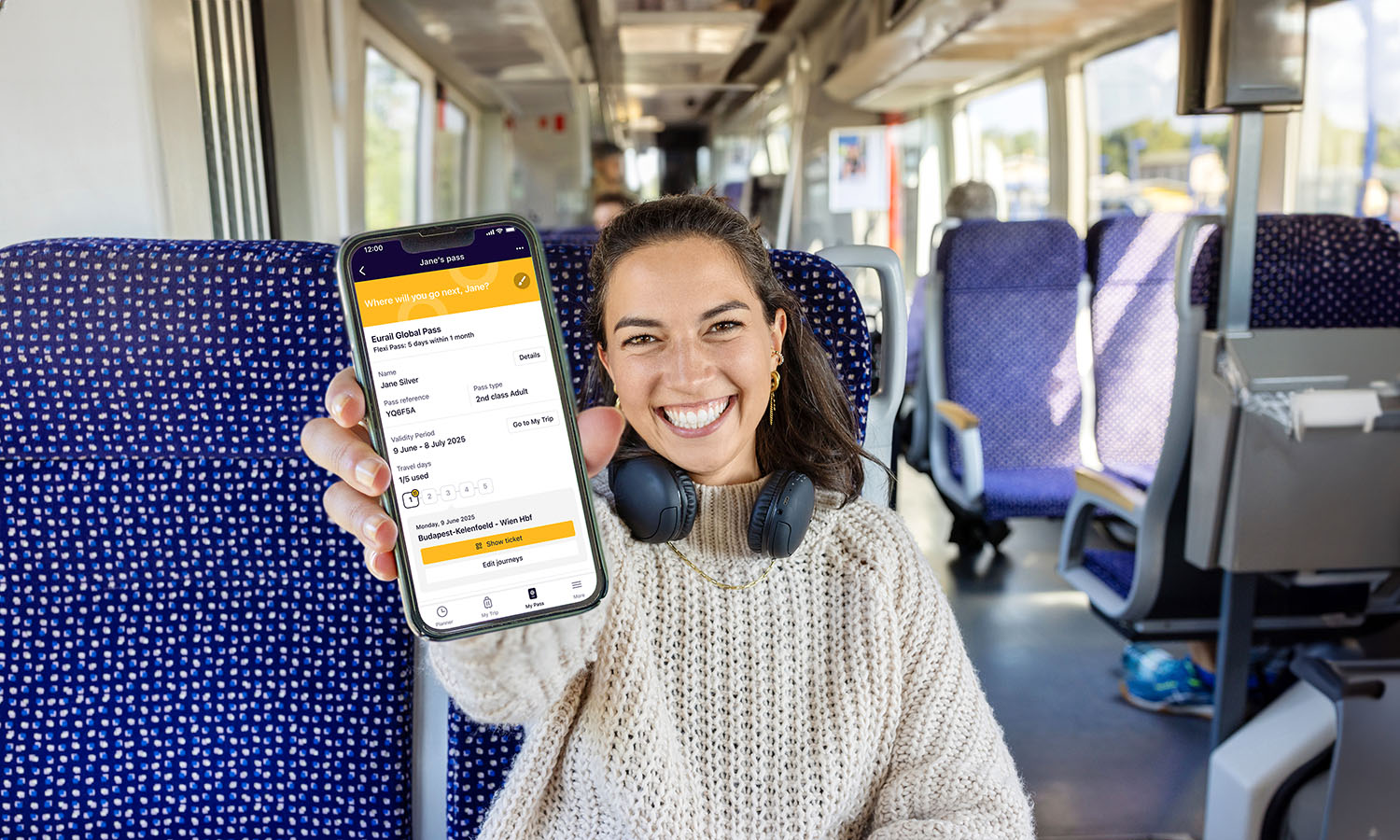
Craving Europe but allergic to queues, sweaty crowds and paying €12 for a sad gelato? Eurail’s whispering sweet savings in your ear with 20% off all Global and One Country Passes – if you’re smart enough to travel after the summer madness.
From 1 September, you can gallivant across 33 countries, blissfully free of selfie-stick mobs and sunburnt tourists yelling in caps lock.
But why now? Because Eurail wants to curb overtourism and gently nudge Aussies into shoulder season travel. Turns out 37% of us descend on Europe during its busiest months – July especially – causing gridlock in Venice and major heartbreak for introverts everywhere.
So, let’s lay it out: book your pass before 3 July 2025, and travel from 1 September onwards. You’ll get perks like uncrowded piazzas, autumn wine harvests, cherry blossom-lined canals, and actual breathing room in museums (but they still can’t guarantee you’ll be able to get close enough to the Mona Lisa to get a half-decent pic).
A top-tier three-month 1st class pass drops from AU$2,149 to AU$1,719.20 – that’s enough savings for 17 Aperol Spritzes (just) and a guilt-free pistachio binge in Sicily.
Plus, seniors and youth score extra discounts, and you have 11 months to activate your pass – perfect for commitment-phobes or the ‘I’m just gonna wait ‘til the flights drop a bit’-ers.
In other words, ditch the summer scramble. Take the train. Save some coin. And remember that sunshine in Europe doesn’t magically vanish after August. You can thank us later.
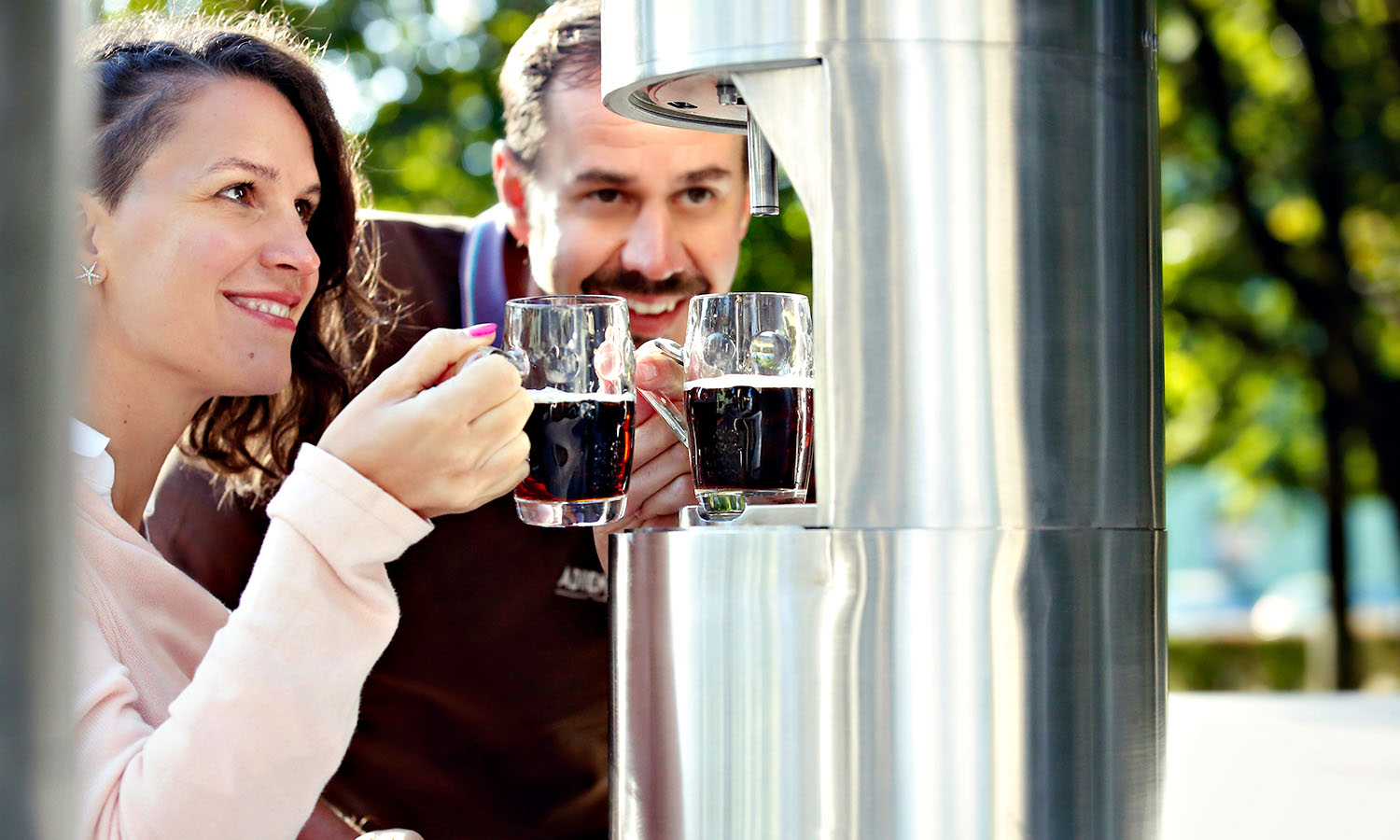
I’m standing in the middle of a Slovenian town, holding a sleek little glass with a microchip in it, and I’ve just poured myself a beer, from a fountain.
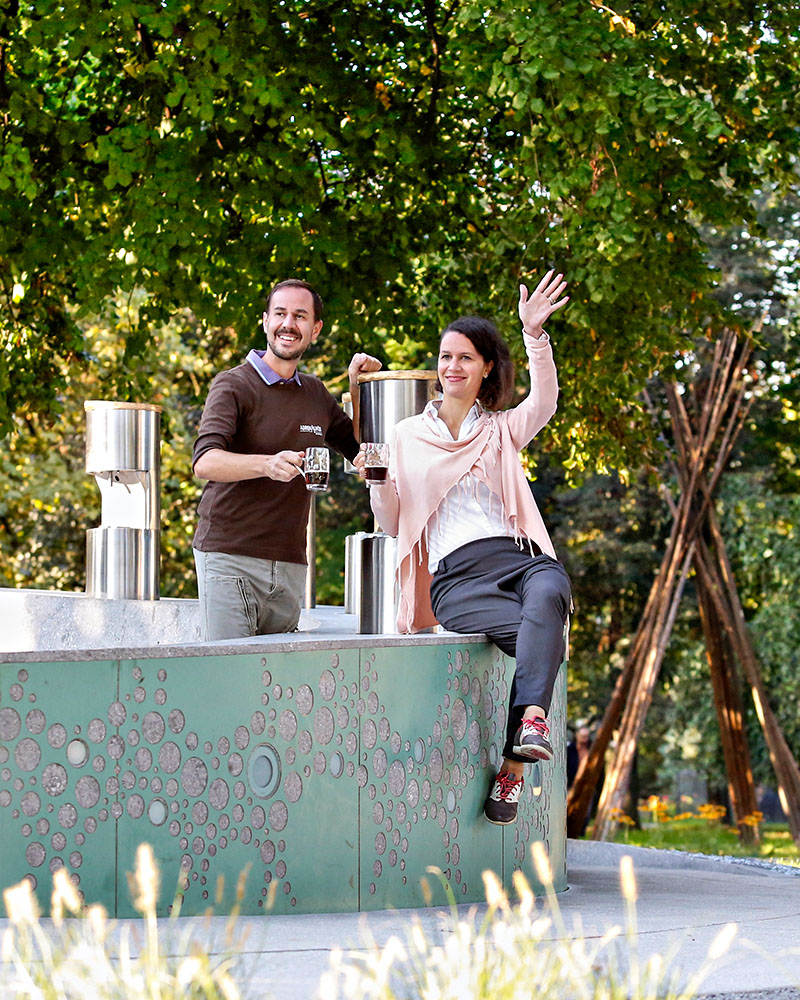
Let me repeat that slowly for those at the back still sipping lukewarm lager from a can: A beer fountain. In a public park. Flowing not with water, but with glorious, hoppy, golden nectar straight from the taps of local Slovenian breweries. Žalec, you beautiful, boozy genius.
Why every town on Earth hasn’t adopted this idea is beyond me. Libraries? Nice. Museums? Great. But a communal beer-dispensing installation in the local park? Now that’s culture.
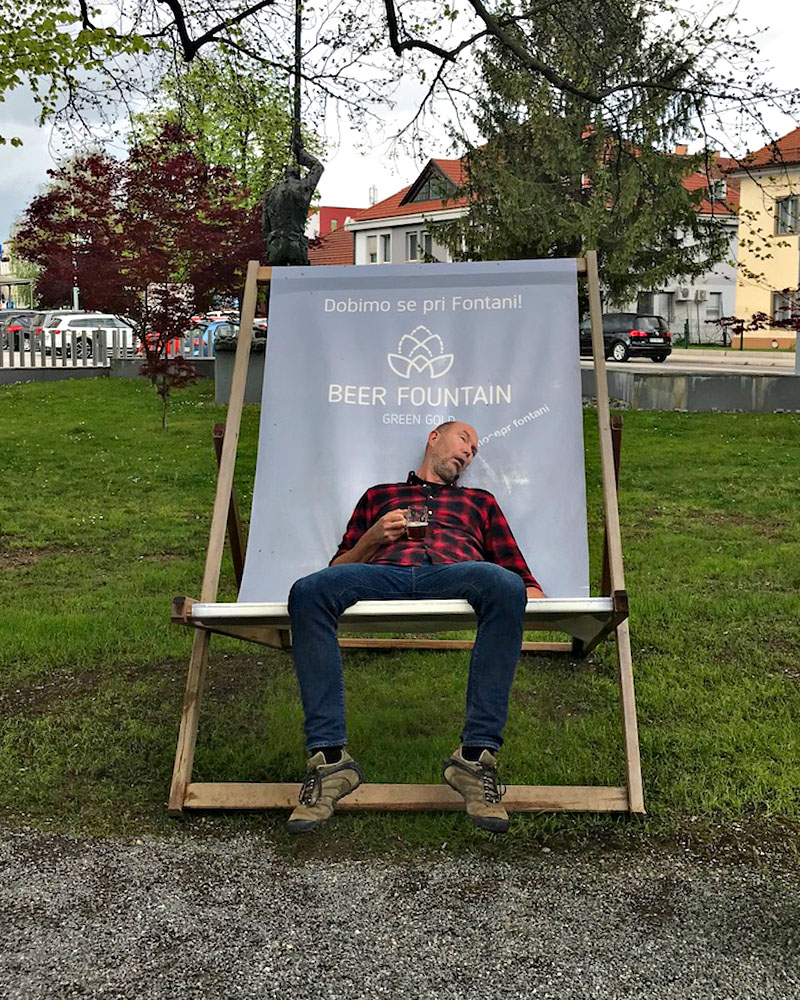
They call it the Green Gold Beer Fountain, which sounds like something a leprechaun might bathe in, but it’s actually a tribute to the hops that grow in abundance in this region. The Styrian region of Slovenia has been growing hops since the Middle Ages, and Žalec, the self-proclaimed hop capital, thought: “You know what this history needs? A public drinking installation.”
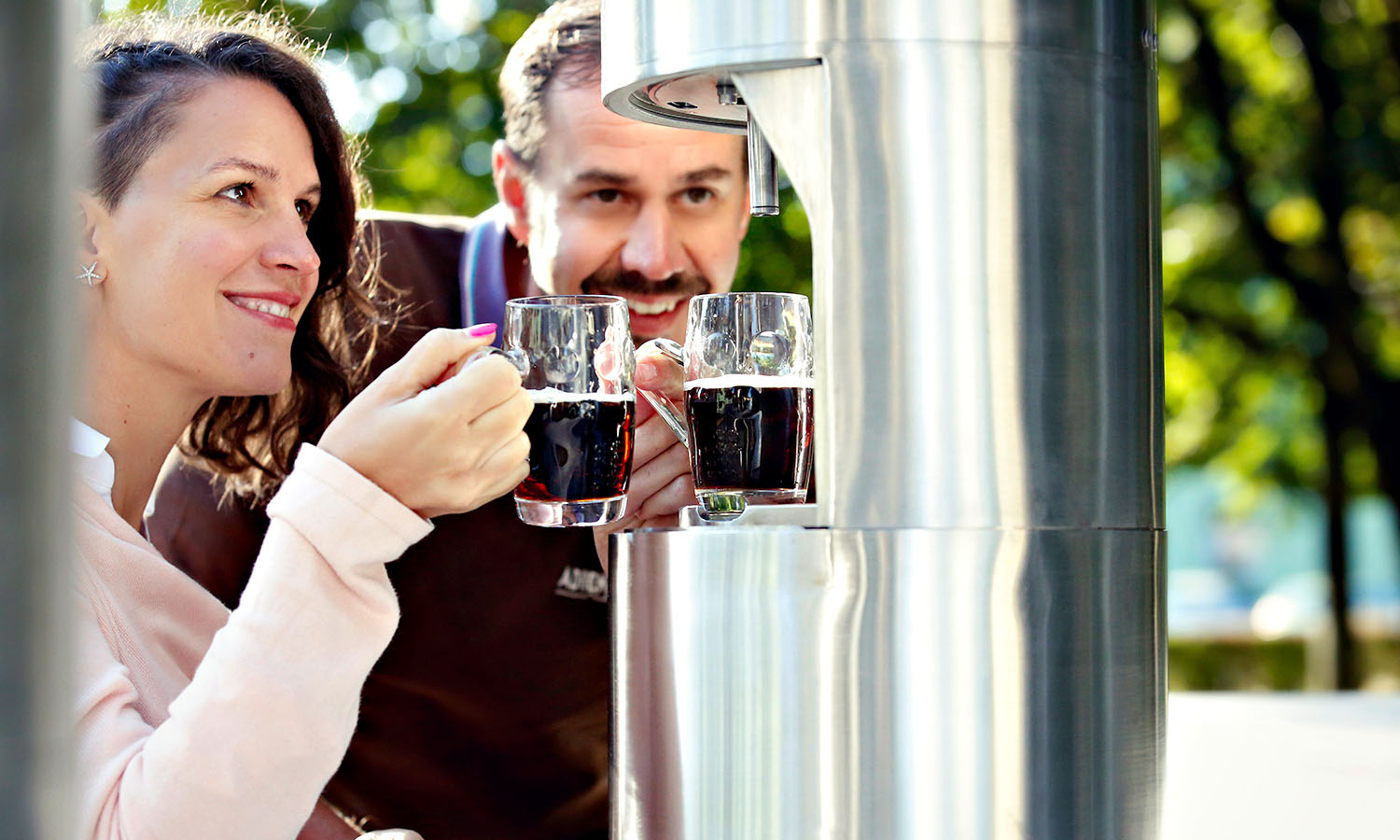
You pay a few euros for this specially designed glass with a built-in chip (because it’s 2025 and even your pint glass is smarter than you), and you get six pours of different local brews straight from the futuristic beer taps poking out of polished steel columns. It’s like a high-tech pagan shrine dedicated to lager. I bow.
First pour: a crisp pilsner that makes my tastebuds do a little jig. Second: a punchy IPA that drops a hop bomb bigger than David Hasslehoff! I’m only two drinks in and already questioning everything I know about urban planning (in all honesty I don’t know much). Why do we have public fountains spitting out chlorinated water when they could be gently burping out craft beer instead?
The locals stroll past like this is the most normal thing in the world. There’s a pensioner reading a newspaper on a bench while a couple in matching Lycra refill their glasses post-bike ride. A man walks his dog with one hand and pulls a lager with the other.
“Respect!” I say, raising my glass to cheers him. He gives me a look as if to say “another overexcited tourist.”
Of course, I try them all. One beer has hints of caramel and smoke. Another is so light and citrusy I swear I hear tropical birds chirping in my ears. This isn’t just a gimmick, it’s seriously good beer. By my fourth pour, I’m contemplating buying real estate in Žalec. By the fifth, I’ve decided to start a grassroots movement to install beer fountains in every city back home. Imagine knocking off work on a Friday, strolling into the city square, tapping your glass to a gleaming steel column, and pouring a fresh lager straight into your soul. Heaven. Urban bliss. Social cohesion, one pour at a time.
By my sixth (and tragically final) beer, I’m genuinely emotional. I mean, sure, Paris has the Eiffel Tower, Sydney has the Opera House, and New York has almost everything (I love New York), but Žalec? Žalec has a beer fountain, and frankly, it wins. Every town deserves this. Every town needs this. Forget potholes and traffic congestion—give the people what they want: beer on tap in the heart of the city. A place to gather, to taste, to toast, and to tell your mates, “You’ll never believe what I found in Slovenia…”
And then, with a sly grin and a clink of your chipped-glass goblet, you tell them: “It was a beer fountain.”
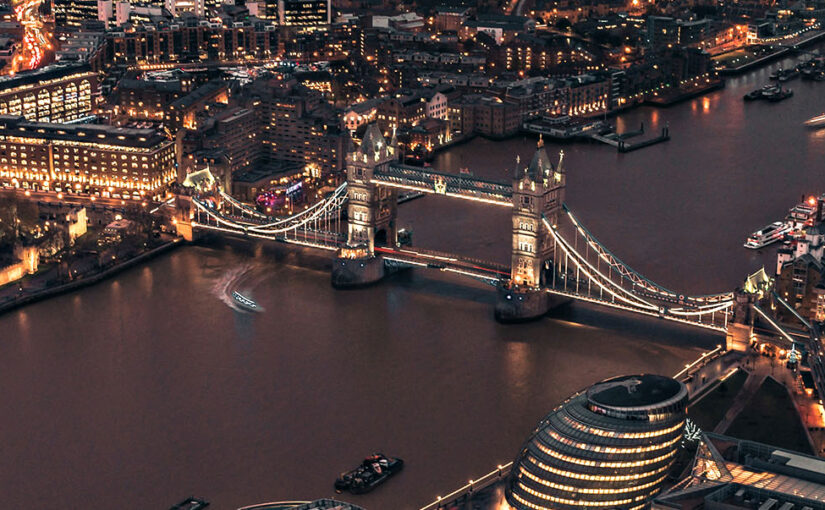
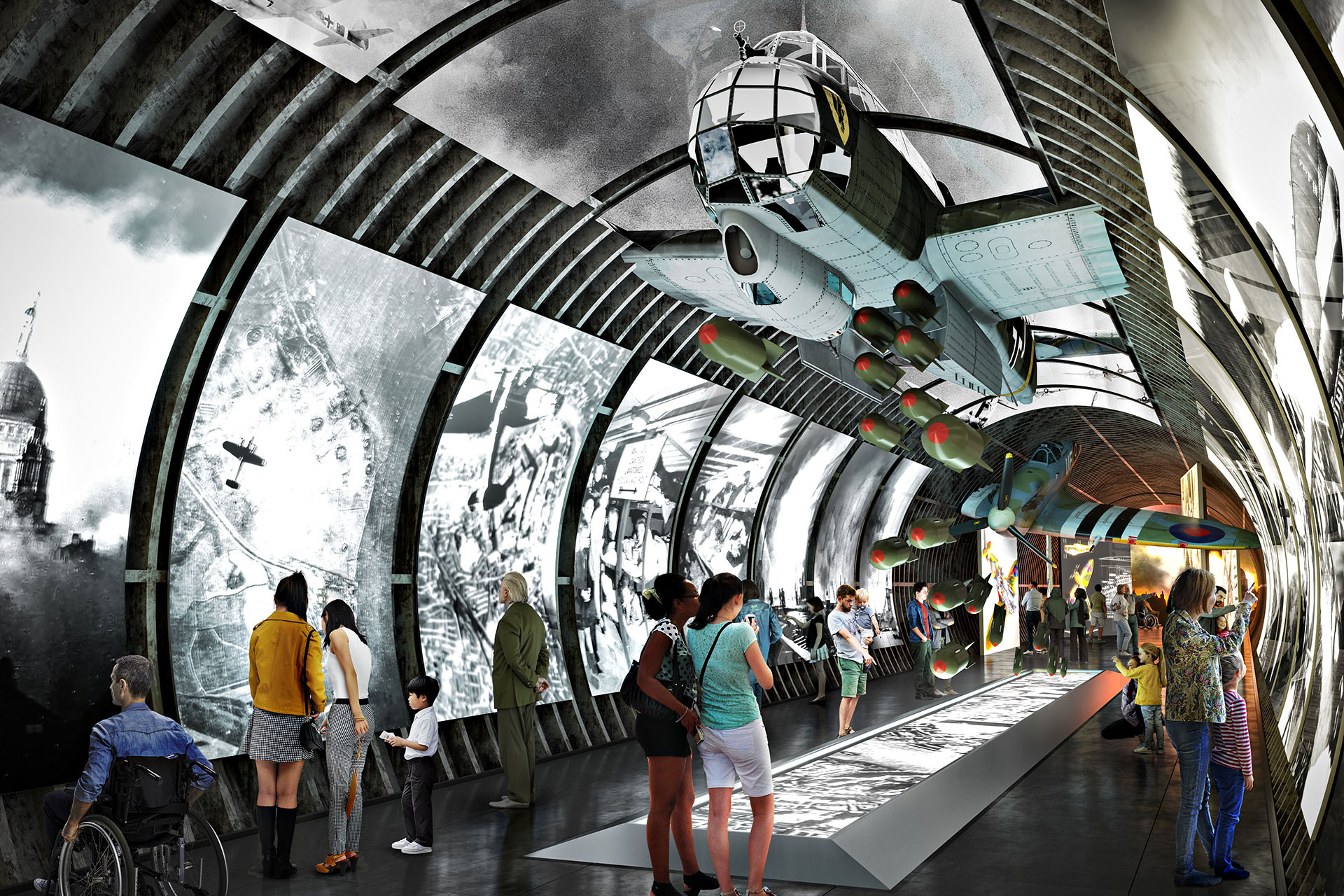
Deep beneath the streets of London lies a vast warren of tunnels that have seen more drama than a West End soap opera. Originally built during World War II as air-raid shelters, because getting bombed from above was very inconvenient, these tunnels quickly pivoted into something far more James Bond-esque.
They became the HQ for the Special Operations Executive, the ultra-secret wartime group responsible for all sorts of sneaky espionage. Later, the tunnels were used as a Cold War telephone exchange, featuring a direct hotline between the White House and the Kremlin; nothing says “world peace” like a little subterranean chit-chat.
Now, after decades of being forgotten like an old pair of socks behind the sofa, these tunnels are finally getting their glow-up. Soon, they’ll be transformed into London’s newest must-see attraction, complete with immersive historical exhibits, high-tech digital experiences, and – wait for it – an underground bar. C’mon, who doesn’t want to learn about history and sip a cocktail at the same time? Especially when it’s 30 metres below street level.
This attraction is the perfect chance to explore a part of London that’s been off-limits for years, and let’s be honest – who doesn’t want to feel like a spy creeping through secret tunnels?
So, whether you’re a history buff, a thrill-seeker, or just someone who likes their drinks served in ridiculously cool locations, the London Tunnels are about to become the place to be…in 2028.
I’m standing in the middle of a Slovenian town, holding a sleek little glass with a microchip in it, and I’ve just poured myself a beer, from a fountain. Let me repeat that slowly for those at the back still sipping lukewarm lager from a can: A beer fountain. In a public park. Flowing not with water, but with glorious, hoppy, golden nectar straight from the taps of local Slovenian breweries. Žalec, you beautiful, boozy genius.
Why every town on Earth hasn’t adopted this idea is beyond me. Libraries? Nice. Museums? Great. But a communal beer-dispensing installation in the local park? Now that’s culture.
They call it the Green Gold Beer Fountain, which sounds like something a leprechaun might bathe in, but it’s actually a tribute to the hops that grow in abundance in this region. The Styrian region of Slovenia has been growing hops since the Middle Ages, and Žalec, the self-proclaimed hop capital, thought: “You know what this history needs? A public drinking installation.”
You pay a few euros for this specially designed glass with a built-in chip (because it’s 2025 and even your pint glass is smarter than you), and you get six pours of different local brews straight from the futuristic beer taps poking out of polished steel columns. It’s like a high-tech pagan shrine dedicated to lager. I bow.
First pour: a crisp pilsner that makes my tastebuds do a little jig. Second: a punchy IPA that drops a hop bomb bigger than David Hasslehoff! I’m only two drinks in and already questioning everything I know about urban planning (in all honesty I don’t know much). Why do we have public fountains spitting out chlorinated water when they could be gently burping out craft beer instead?
The locals stroll past like this is the most normal thing in the world. There’s a pensioner reading a newspaper on a bench while a couple in matching Lycra refill their glasses post-bike ride. A man walks his dog with one hand and pulls a lager with the other.
“Respect!” I say, raising my glass to cheers him. He gives me a look as if to say “another overexcited tourist.”
Of course, I try them all. One beer has hints of caramel and smoke. Another is so light and citrusy I swear I hear tropical birds chirping in my ears. This isn’t just a gimmick, it’s seriously good beer. By my fourth pour, I’m contemplating buying real estate in Žalec. By the fifth, I’ve decided to start a grassroots movement to install beer fountains in every city back home. Imagine knocking off work on a Friday, strolling into the city square, tapping your glass to a gleaming steel column, and pouring a fresh lager straight into your soul. Heaven. Urban bliss. Social cohesion, one pour at a time.
By my sixth (and tragically final) beer, I’m genuinely emotional. I mean, sure, Paris has the Eiffel Tower, Sydney has the Opera House, and New York has almost everything (I love New York), but Žalec? Žalec has a beer fountain, and frankly, it wins. Every town deserves this. Every town needs this. Forget potholes and traffic congestion—give the people what they want: beer on tap in the heart of the city. A place to gather, to taste, to toast, and to tell your mates, “You’ll never believe what I found in Slovenia…”
And then, with a sly grin and a clink of your chipped-glass goblet, you tell them: “It was a beer fountain.”
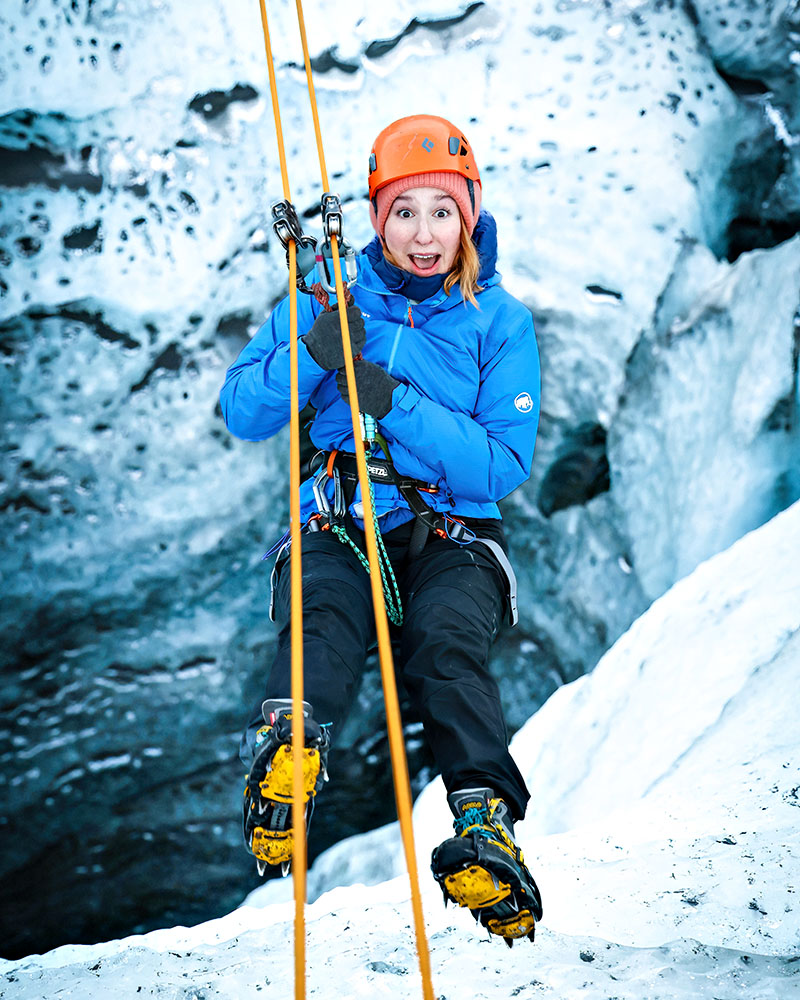
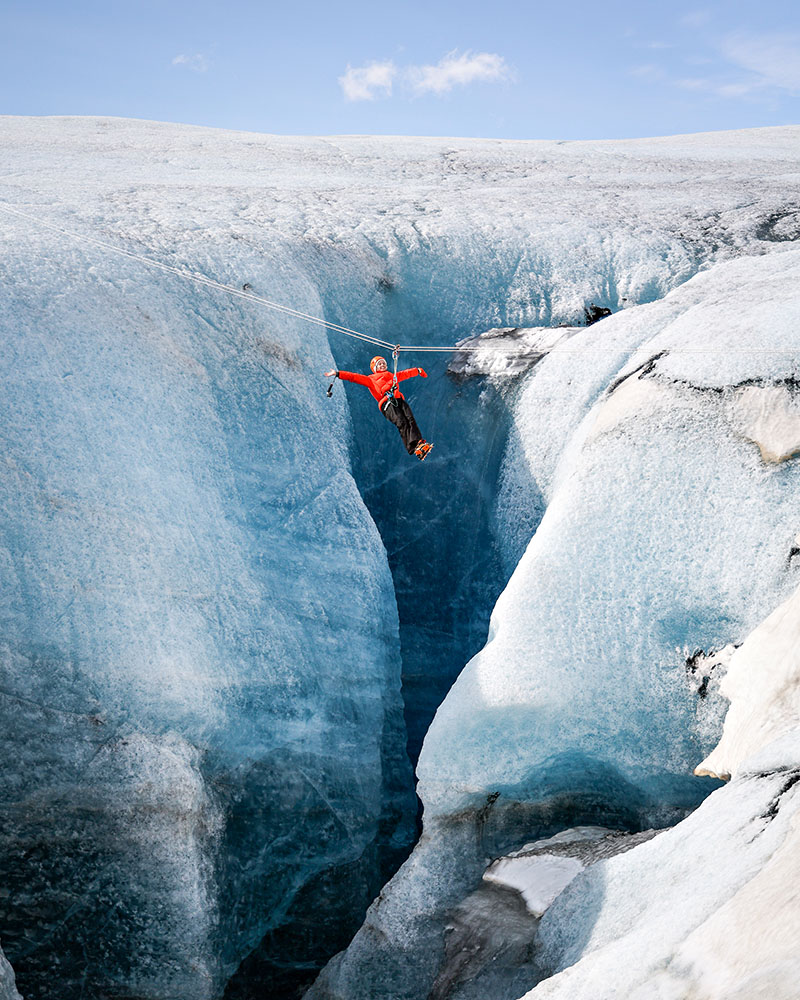
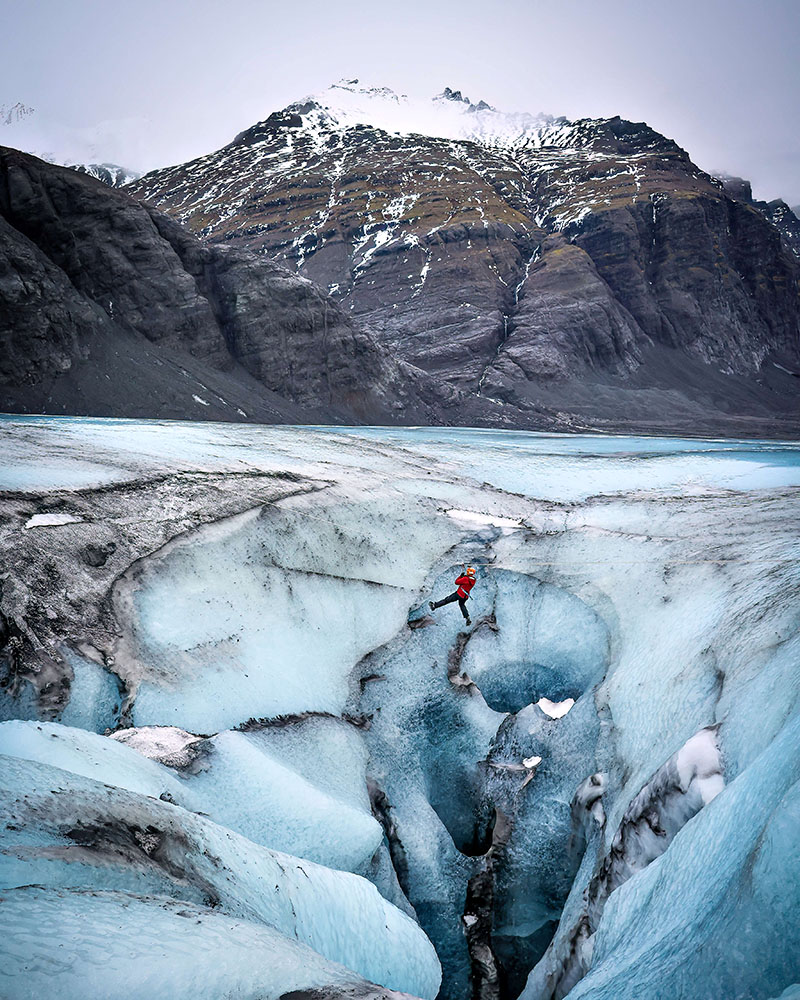
Ever fancied zip-lining over a glacier like a caffeinated Arctic tern? Well, Ice Pic Journeys has just the adrenaline cocktail for you with their Glacier Zip Line + Ice Cave Adventure. It’s the world’s first and only glacier zip line, because why not combine icy thrills with gravity-defying antics?
Your escapade begins at the Glacier Lagoon parking lot in Vatnajökull National Park. After meeting your guide (who’s almost definitely part sherpa, part photographer) you’ll hop into a 4×4 vehicle that laughs in the face of paved roads. A 20-30 minute bumpy ride later, you’ll arrive at the glacier’s edge, ready to channel your inner explorer.
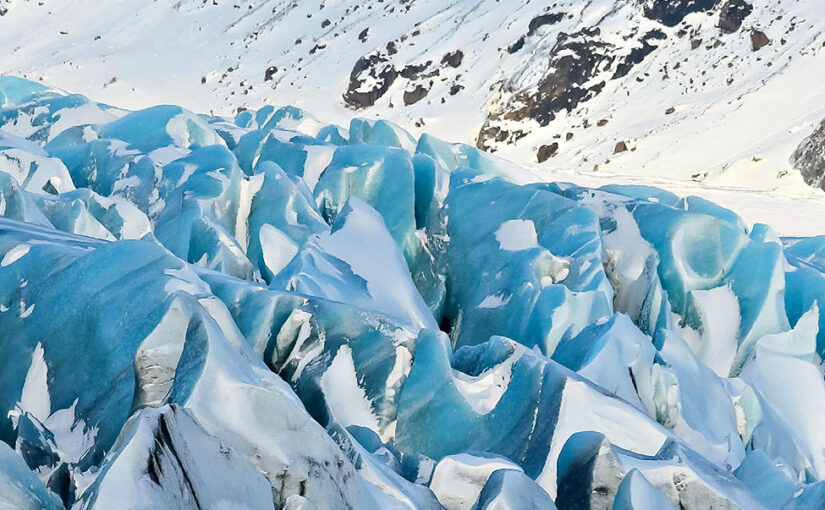
But first up, the Crystal Ice Cave; Iceland’s largest and bluest naturally formed glacier cave. Imagine walking into a sapphire where the walls are so blue, even your Instagram filters will feel redundant. You’ll spend about an hour here, marvelling at nature’s frozen architecture and posing for photos that will make your friends question why they’re not here with you.
Then, it’s time for the main event: the Glacier Zip Line. Strap in and prepare to soar across the glacier, over a vertical ice cave (fancy term: moulin), with panoramic views that scream “I’m thriving in 2025!” Feel the wind in your face as you glide above the frozen expanse, but be warned, absolutely nothing you do from this point forward will ever compare, even just a tiny bit, to this feeling.
So, if you’re looking to add a frosty feather to your adventure cap, Ice Pic Journeys has got you covered, just don’t forget to bring your bravado and maybe an extra pair of thermal socks.
Fancy dining with a chef so tiny, he could sauté a single pea in a thimble? This is Le Petit Chef at The London Cabaret Club, where your dinner companion stands a whopping 6 centimetres tall (proof that size doesn’t matter, especially in the kitchen).
Born in Marseille in 2015, this minuscule maestro has been wowing taste buds worldwide with his exceptional French cuisine. But don’t let his stature fool you; Le Petit Chef brings big flavours and an even bigger personality to your plate.
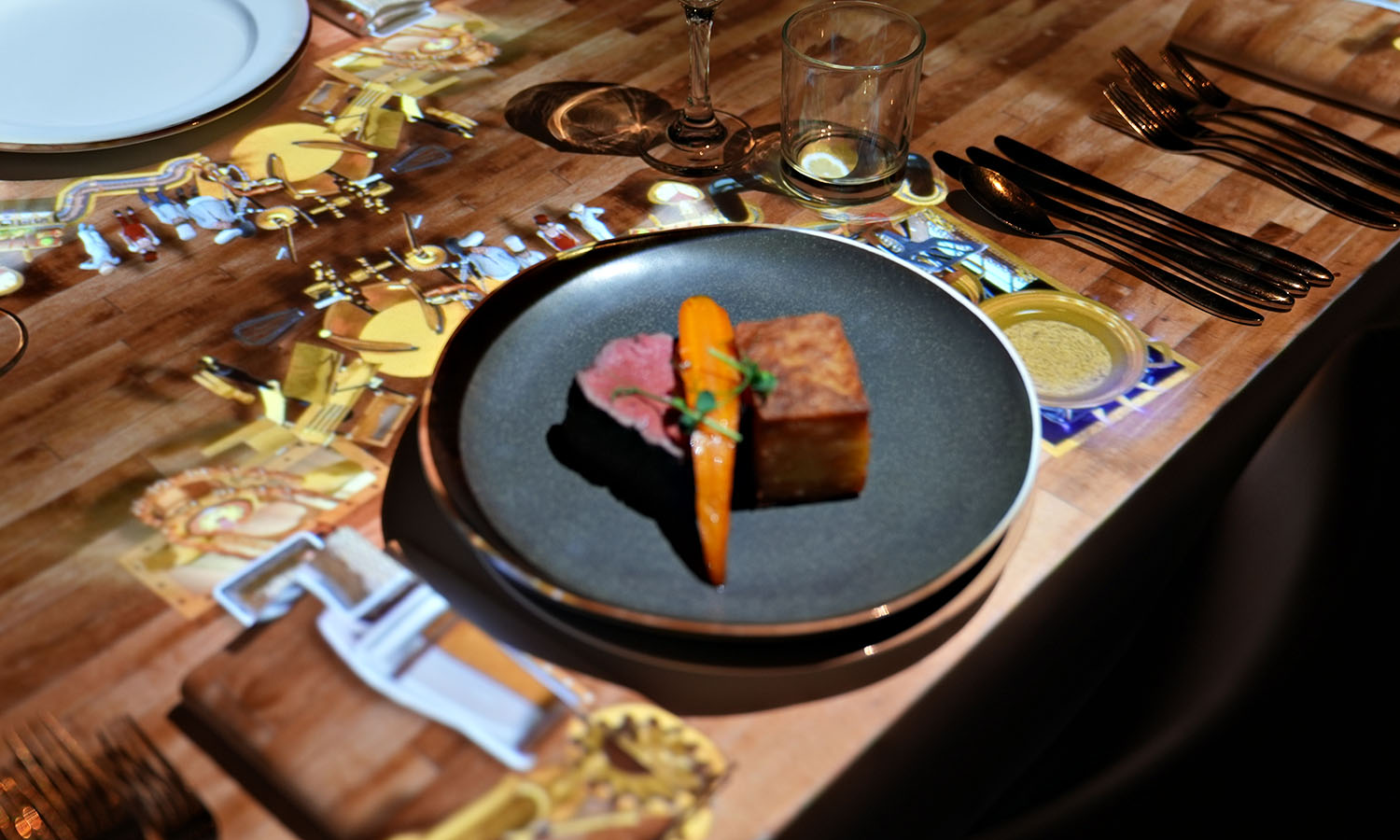
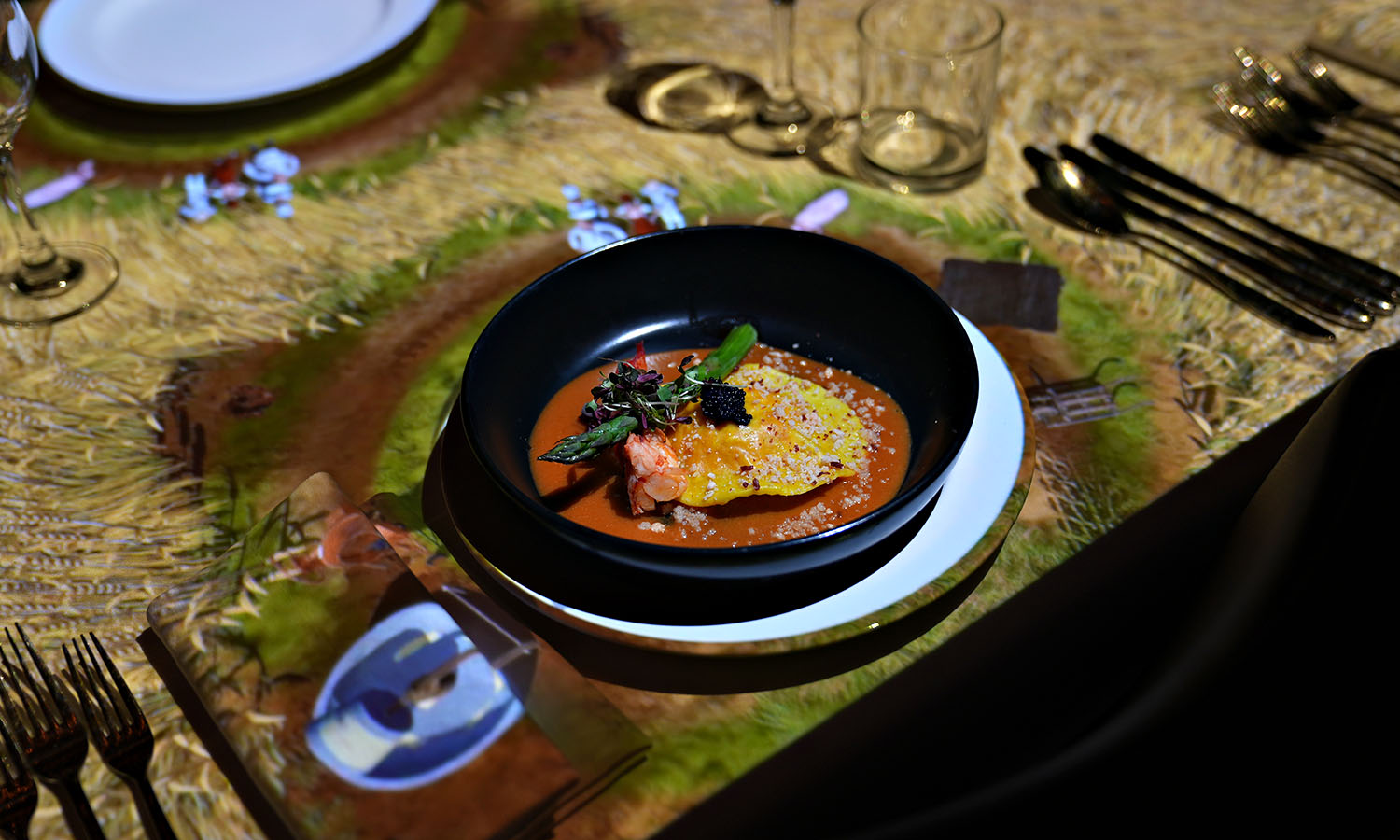
Using 3D projection mapping, this bite-sized buddy is projected onto your table, embarking on culinary escapades that would make even Gordon Ramsay blush. Watch in amusement as he battles lobsters and plays whack-a-mole with pesky intruders. It’s dinner theatre meets tech wizardry, with a dash of “Honey, I Shrunk the Chef.”
As you chuckle at his antics, your real-life courses arrive, mirroring the tiny chef’s virtual creations. Opt for Le Petit Chef & Friends Premium menu, and you’ll indulge in a four-course feast featuring delights like a basil and tomato salad, lobster ravioli, succulent beef tenderloin, and a matcha cheesecake that’ll have your tastebuds begging for more. And if you’re a vego, no problem. There’s a menu for you too, because even tiny chefs know the importance of inclusivity.
Put aside everything you thought you knew about a typical restaurant experience because this is definitely not that. It’s an immersive culinary adventure that combines art, technology, and a sprinkle of mischief.
So, if you’re ready to be entertained by the world’s smallest chef with the world’s biggest ego, book your table at the London Cabaret Club. Just be prepared to share the spotlight – and maybe your dessert – with a chef who proves that great things come in the finest of packages.
You don’t have to be a rocket scientist to figure out how to get into space – Zephalto’s done it for you. But you do have to have a looooot of money (we’re talking AU$280,000 per flight kinda money).
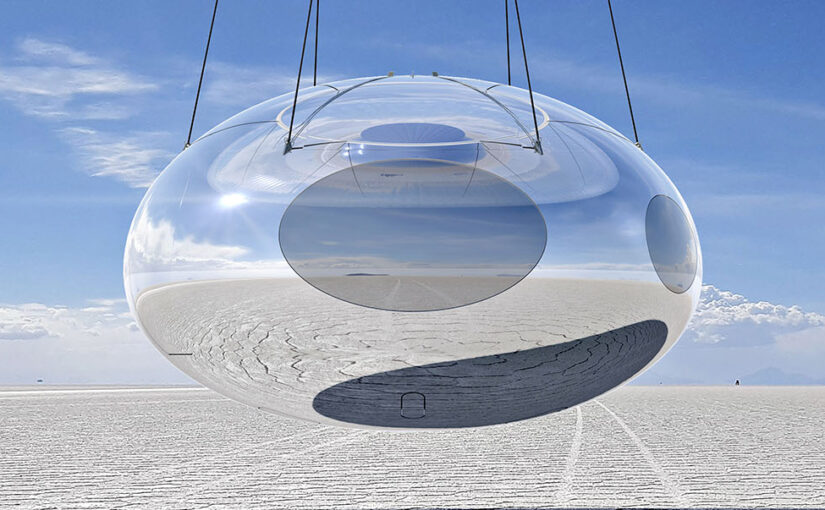
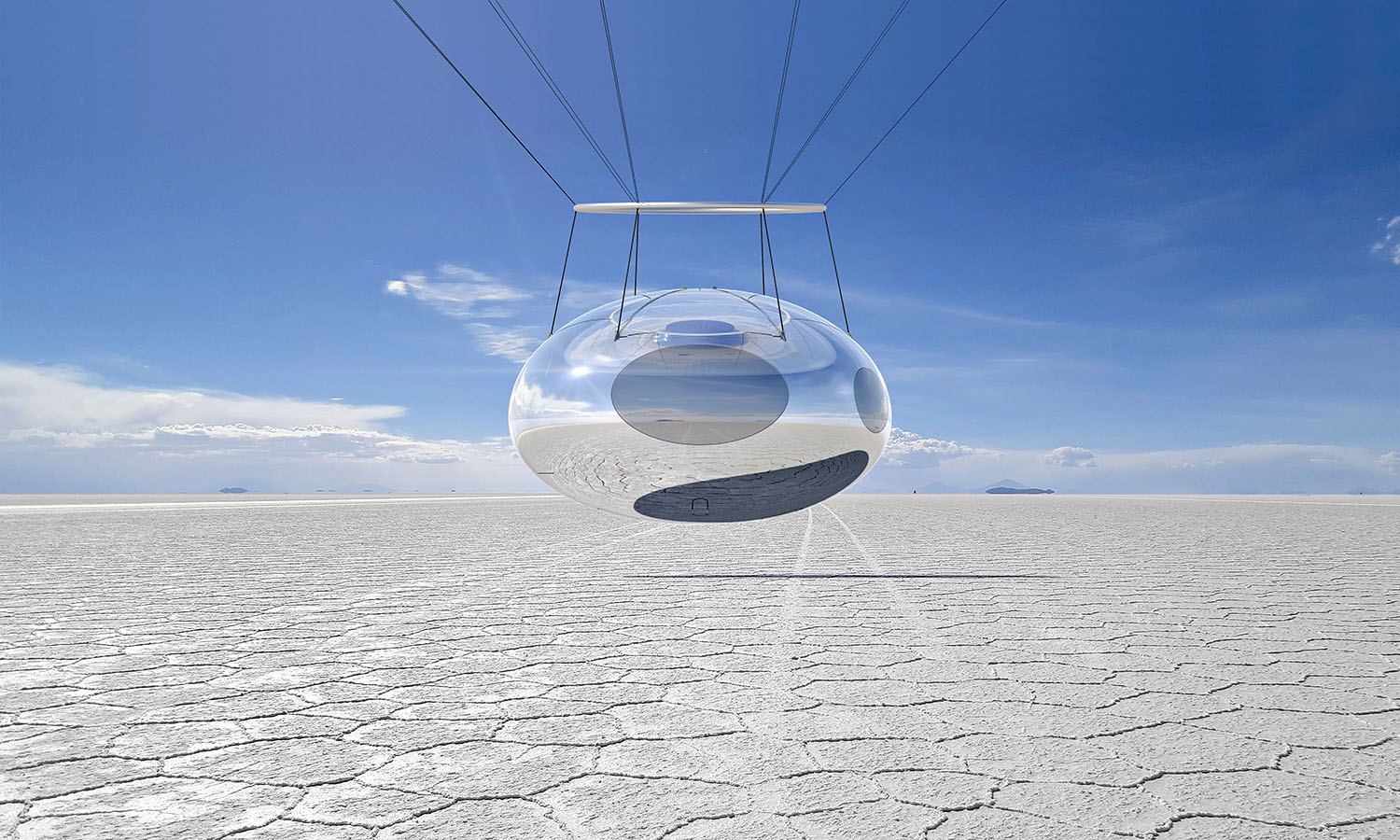
Founded by a bunch of forward-thinking folks who decided, “Hey, why not ditch the traditional spacesuit and board a glorified hot air balloon for a stratospheric adventure?”, this company is all about making space travel more accessible (for the wealthy), but with a twist of elegance and a dash of whimsy.
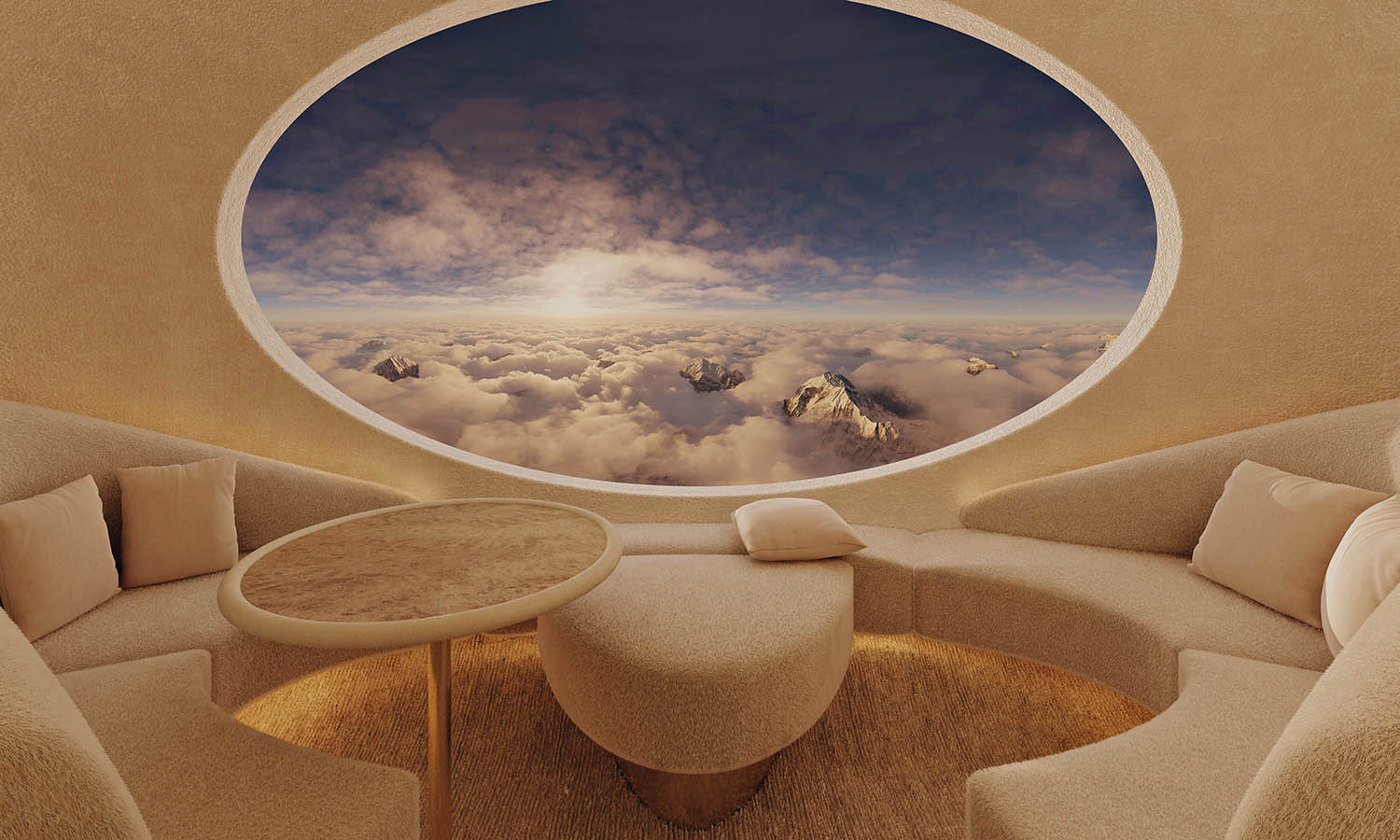
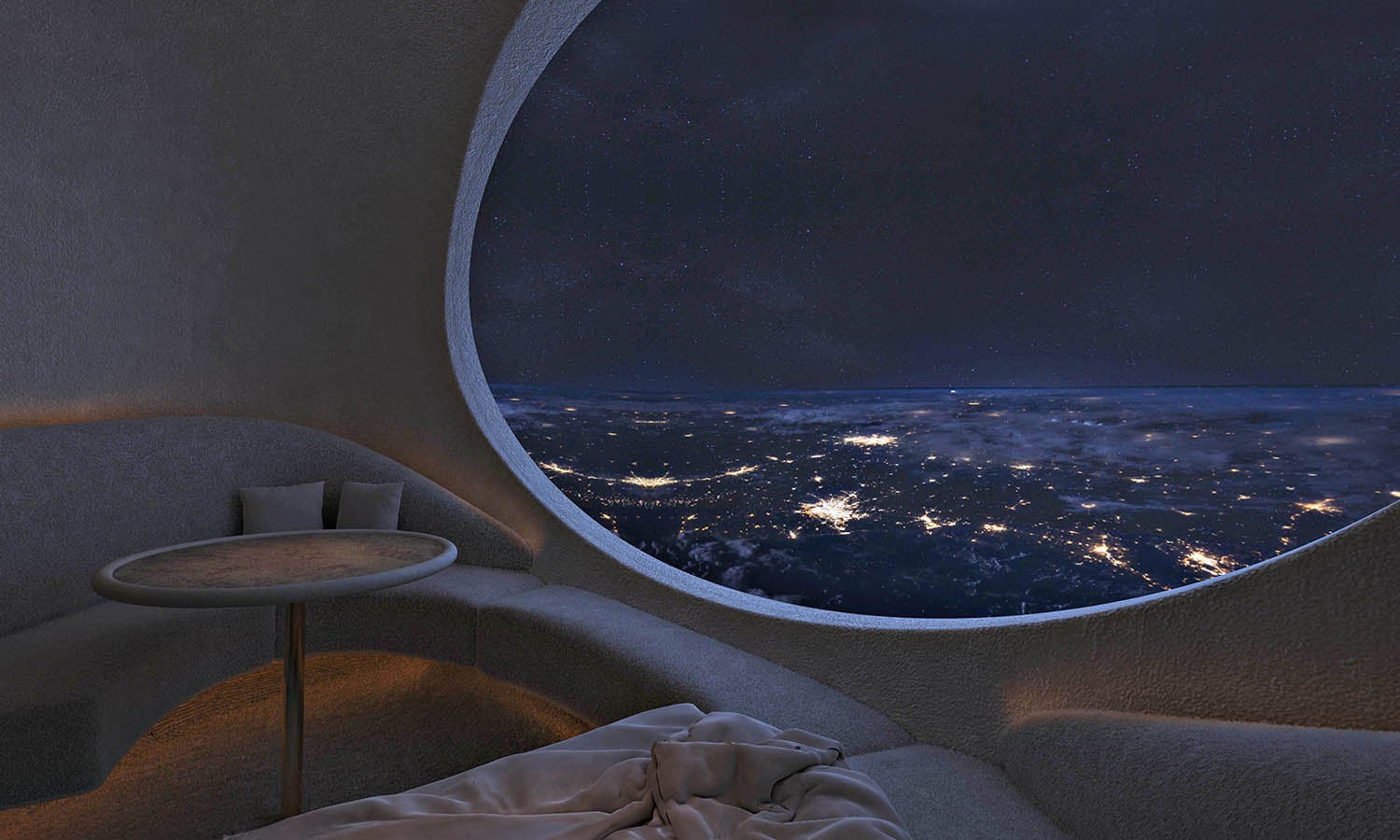
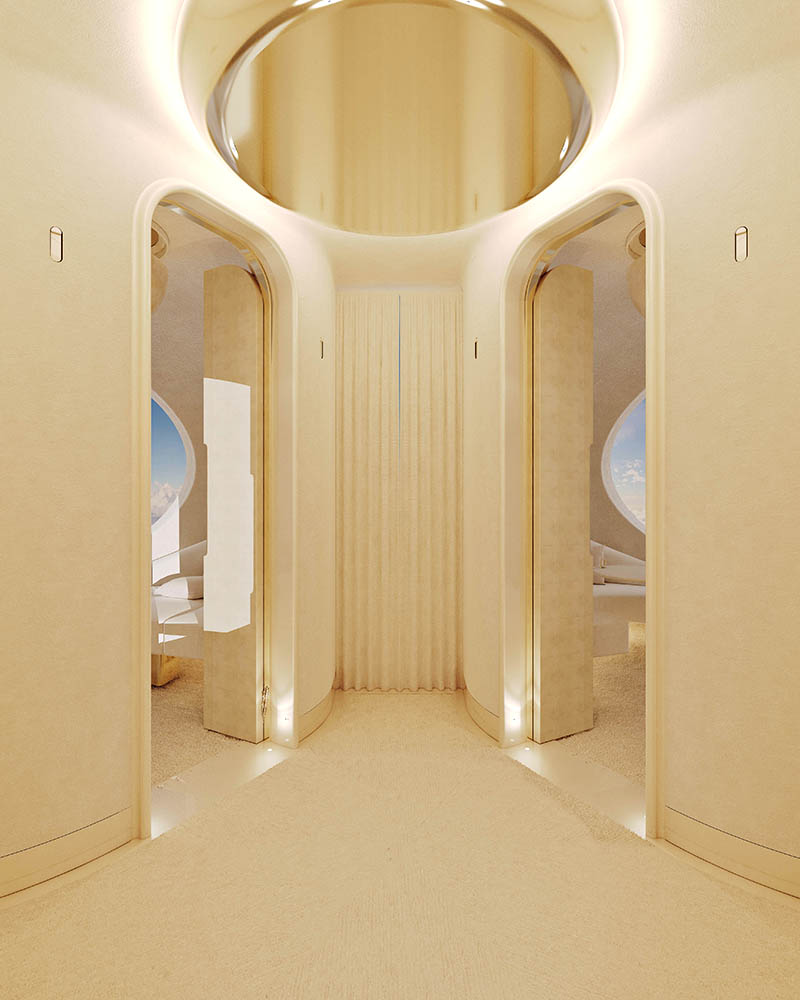
Forget the claustrophobic cabin of a spaceship. Zephalto’s Celeste experience lets you gently float to the edge of space, sipping champagne while the Earth shrinks beneath you.
Like, imagine casually gliding up to 25 kilometres above the Earth for a second, and marvelling at a view so stunning that even your Instagram feed will look weak in comparison. Other people have to spend years in school to learn how to do this stuff, and all you have to do is sell a kidney.
The view is like your own personal Instagram filter, but better because it’s real. You’ll feel weightless, see the curvature of the Earth, and come back with a story so epic that it’ll make your friends’ overseas holidays look like a weekend getaway spent camping.
Zephalto’s Celeste isn’t just for thrill-seekers; it’s for anyone who wants a taste of space with none of the rocket-fuelled chaos. So, why not ditch the regular skydiving and try the ultimate high? The only thing more ridiculous than the idea is how amazing it actually is.
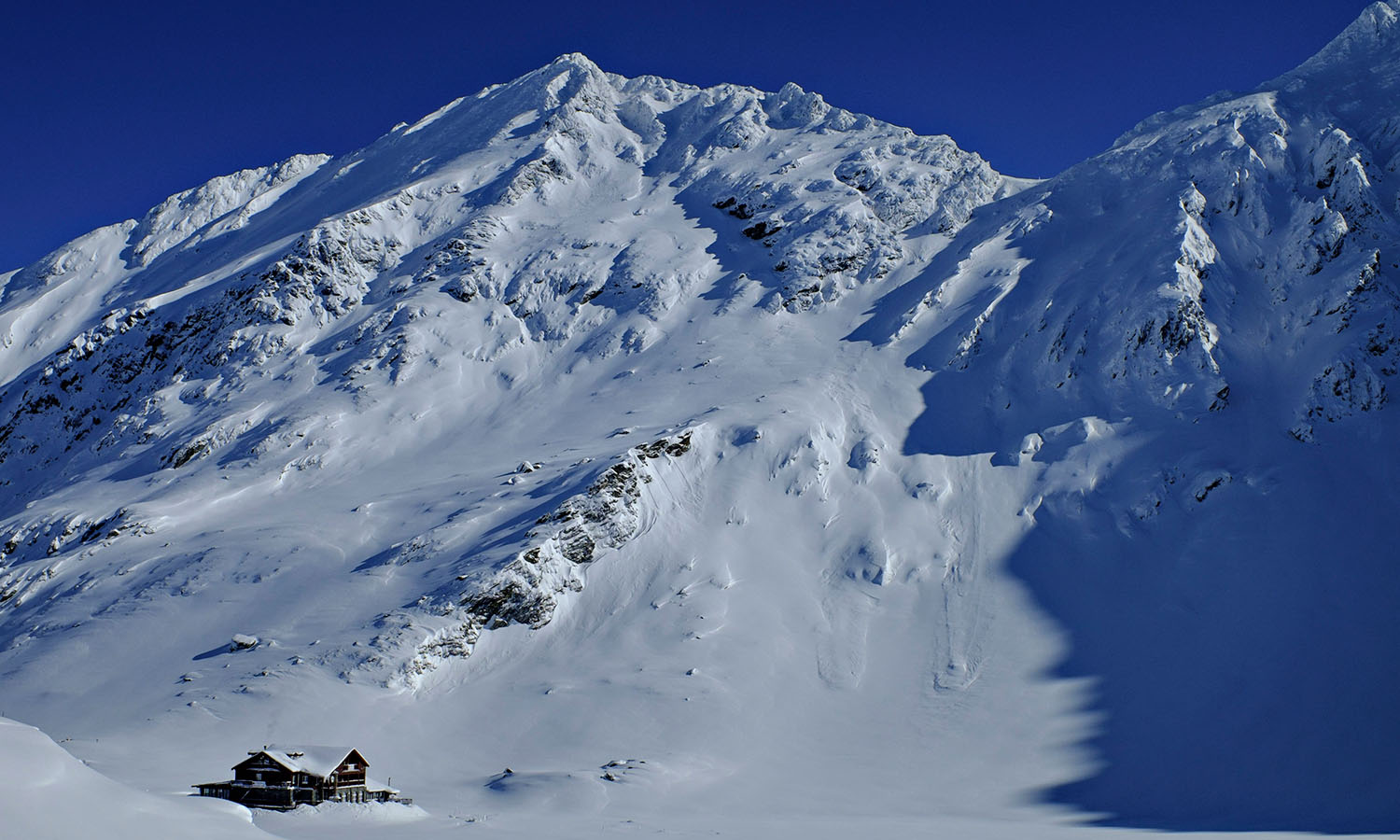
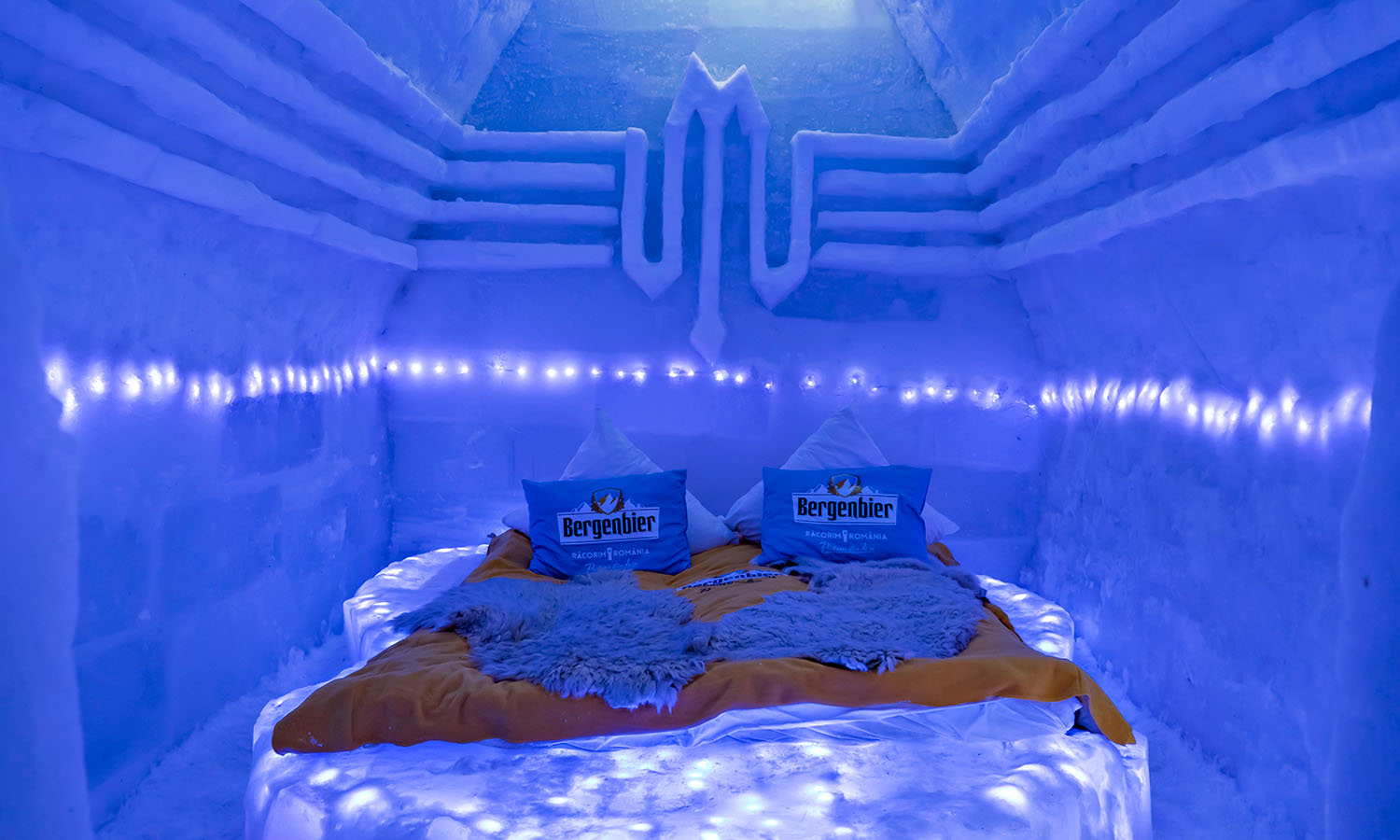
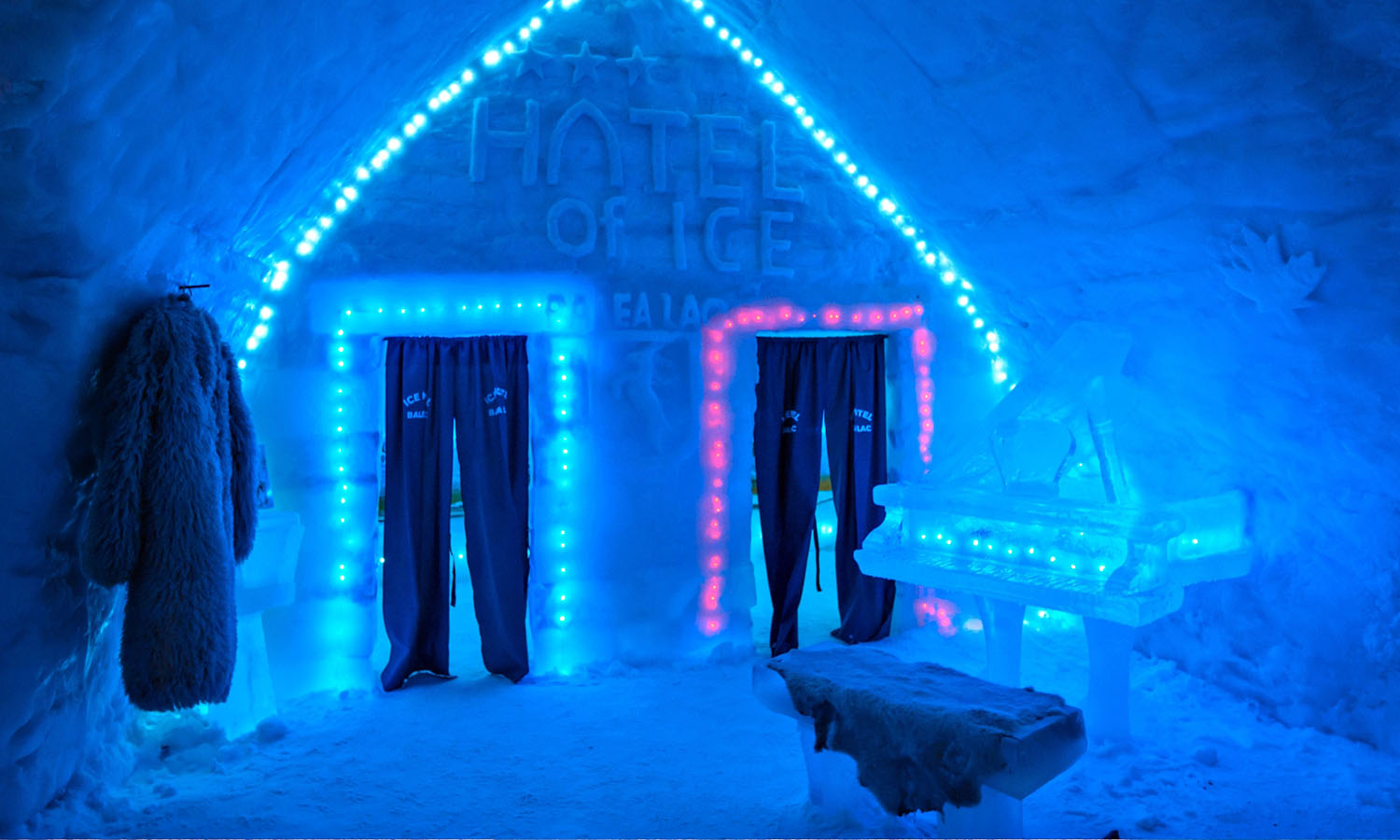
Alert the polar bears and grey wolves, the Hotel of Ice in the Transylvania region of Romania is back for the 2025 season, and this year, it’s hitting all the right notes with a musical theme.
Each of the 12 igloo rooms is dedicated to a legendary composer or conductor, from Beethoven to Mozart, with ice sculptures and bas-reliefs that bring their musical genius to life. It’s like spending the night inside a symphony but, like, with more frost and fewer sheet music.
Getting there is one of the coolest (literally) things about it; it’s just a casual cable car ride over 2,000 metres up in the Făgăraș Mountains. It’s not for the faint of heart (or for those who are even remotely scared of heights), but if you’ve ever wanted to feel like a true adventurer – this is your ticket. No shuttle buses here, just an icy journey to your cool destination.
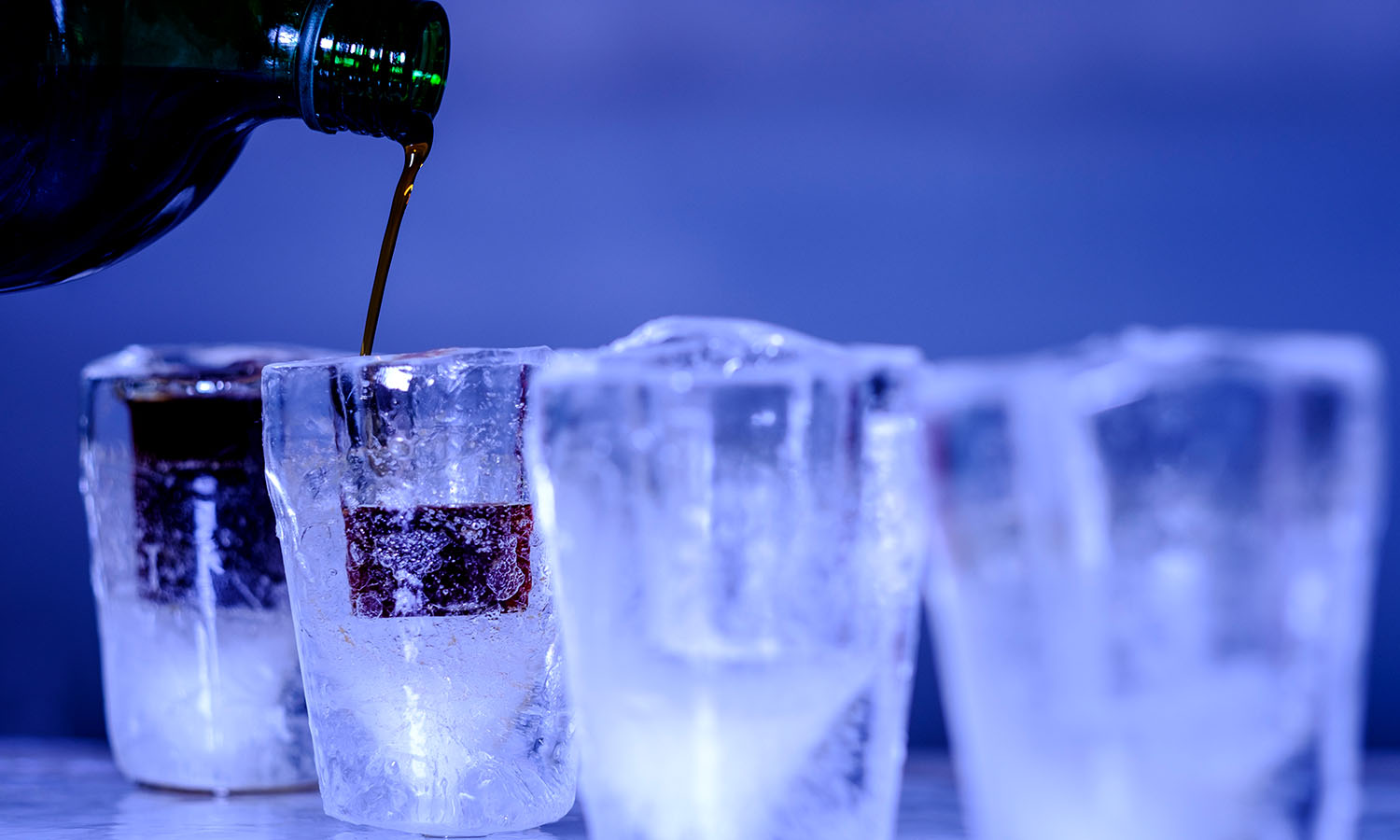
And once you arrive, you’ll be greeted by all the icy wonders of the hotel, with features that include a cosy restaurant and a bar, both carved entirely from ice. You’ll dine on reimagined ancient Transylvanian dishes served on ice plates and sip cocktails at the Sub-Zero Ice Bar.
Staying here might seem a little crazy – especially for those of us who hate the cold – but when are you ever going to get the chance to sleep in a room dedicated to your favourite composer, eat food on ice, and drink at a bar where the glasses freeze your hand (wear gloves)?
It’s truly an experience like no other, blending art, music, and the chill of Transylvania’s finest icy peaks together to make all of your frosty dreams come true.
 (
(