Perth’s craft brew pit stop

One minute I’m eating breakfast in the offbeat cultural hub of Northbridge on the edge of Perth’s CBD. Twenty-five minutes later – no speeding involved – I’m in the Swan Valley wine region, the West Australian capital’s answer to Melbourne’s Yarra Valley or Sydney’s Hunter Valley, except closer. In fact it’s practically a suburb, albeit a rural one.

The scene here is all storm-grey eucalypts and red dirt mixed with luminescent green vines that march in military-straight lines through rectangle-cut acreages. Mission-brown brick homes, a nod to the area’s southern European immigrant history, add an urban twist to the farmhouse setting. The region’s Food and Wine Trail is a navigational cinch. The major road does a 32-kilometre loop around the region’s 40 wineries and 70 or so restaurant and food venues. It’s well signed so you can follow your nose rather than a GPS.

What it lacks in vineyard stereotypes – rolling landscapes and rusticity – it makes up for in earthy Aussieness. The pretty colonial town of Guildford, the gateway to the region, has a main street of antique shops and cafes shaded by bull-nosed verandas. There’s a little church, heritage-coloured pub and other old colonial buildings clustered along the railway line. Nearby, the rotted gums and dried mud on the banks of the Swan River conjure scenes from a Tom Roberts painting. Add dry heat and WA’s big blue skies to the mix and there’s no wine region quite like it.
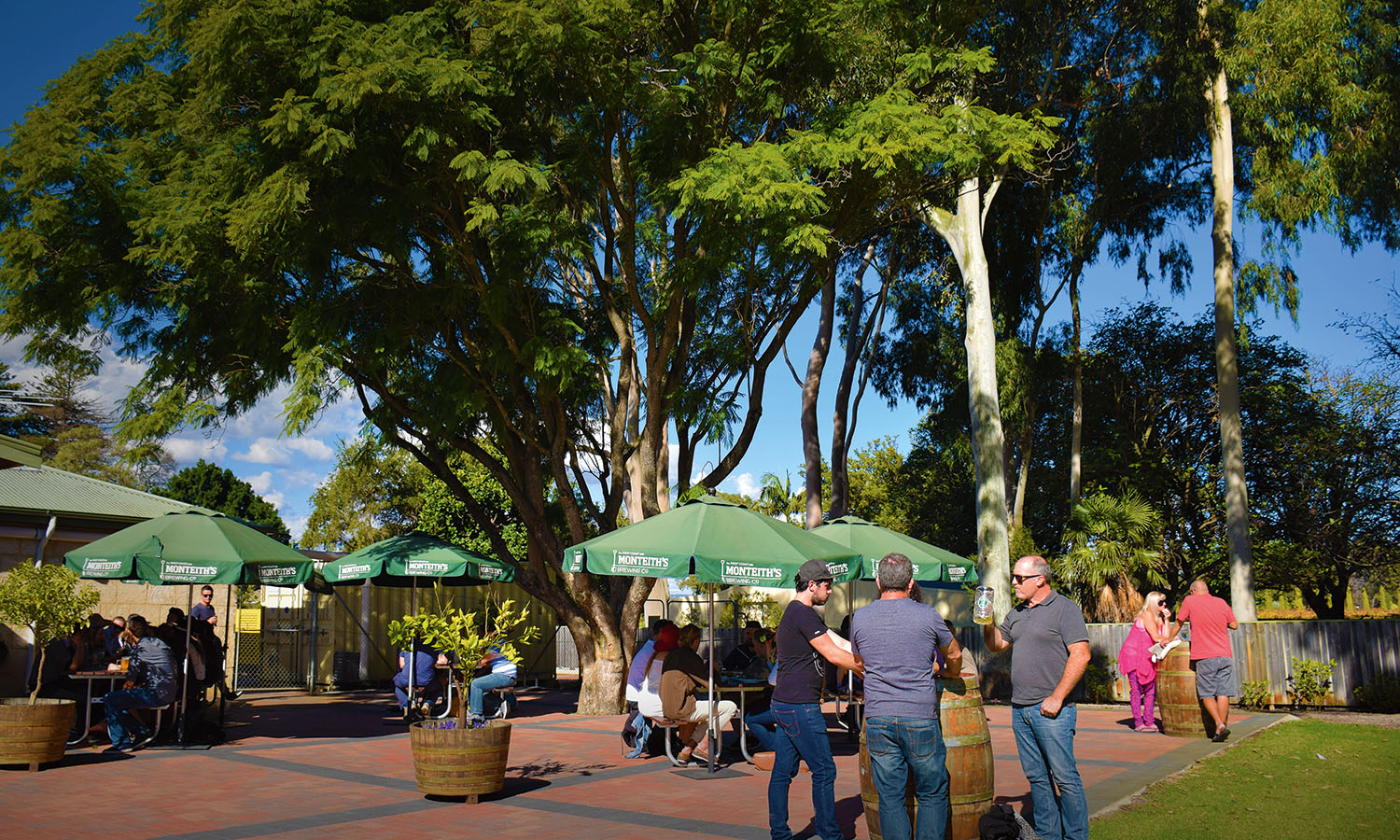
While there’s chilled verdelho aplenty in the Swan Valley, I can’t help thinking the mid-summer heat calls for a cooling ale. Happily, and somewhat quirkily, Perth peeps, who think nothing of a casual trip to the Swan Valley, don’t mind mixing their drinks. The region, in step with the craft beer trend, now has six breweries. While I can tell a riesling from a chardonnay and shiraz from pinot noir, I’m less sure of my witbiers, IPAs (India pale ales) and stouts. With the help of an abstaining driver, I’m pit-stopping around the region to see if I can’t convert.

If you want to know how hops got hip in Australia, WA is the place to start. The state’s craft brewing goes back about 30 years, beginning with the opening of Sail and Anchor, the first brewpub in Fremantle. Since then local microbreweries such as Matilda Bay and Little Creatures (despite recent sell-offs) have set the stage for the raft of brewpubs and newcomers that have made craft beer more or less mainstream.

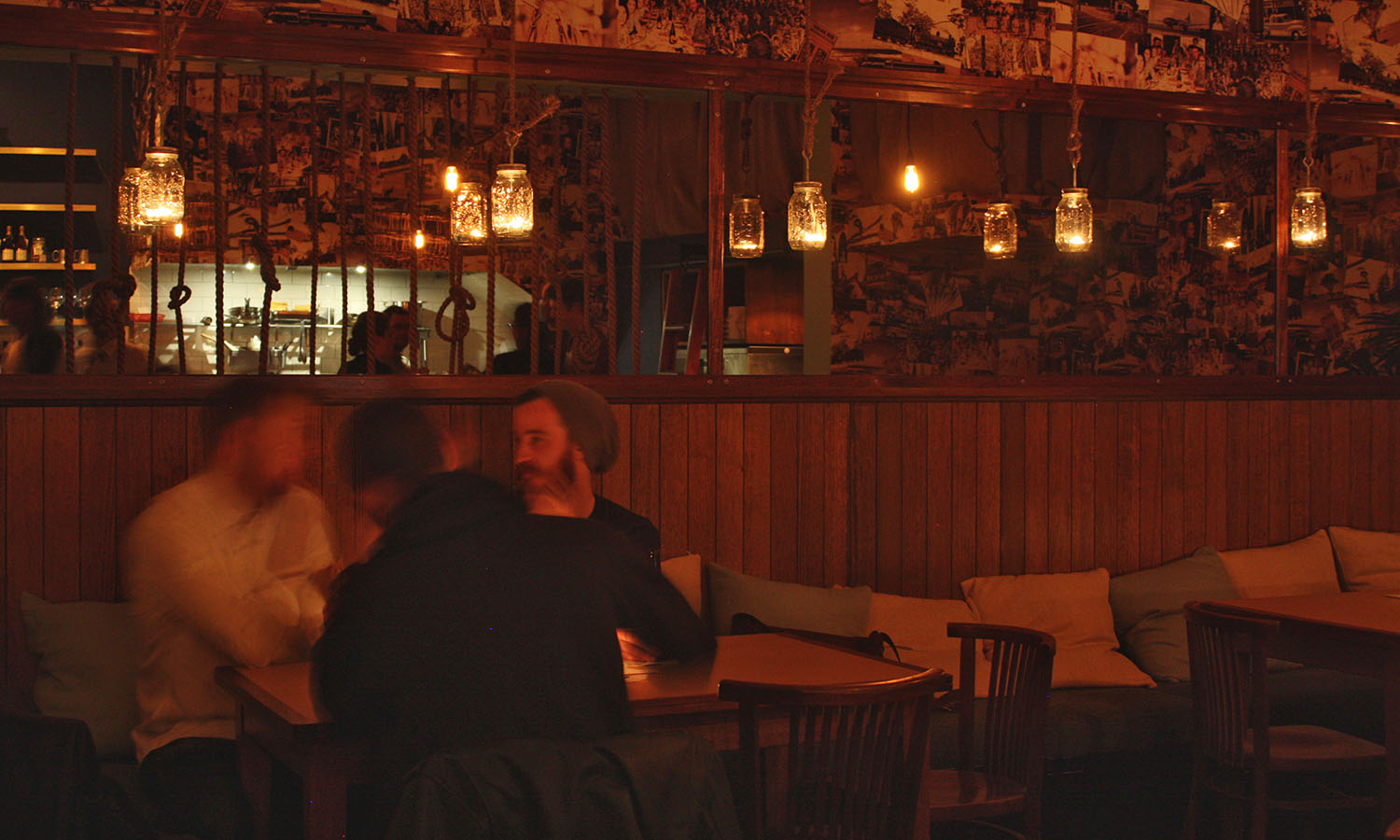
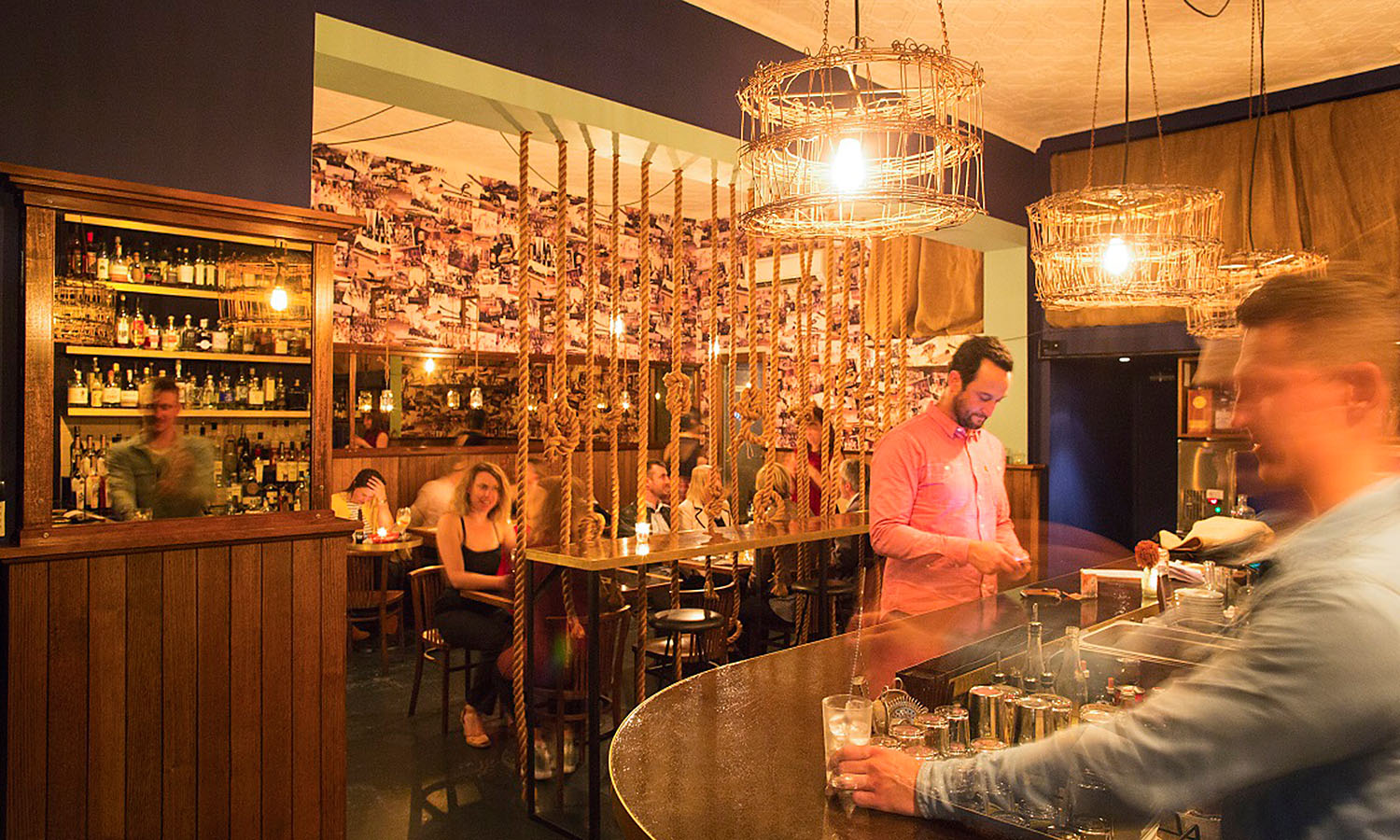
The Swan Valley’s breweries – like its wineries – are a mix of styles. You can go for a pub atmosphere, German beer hall or a traditional vineyard setting. The proximity to the city makes it an accessible place for a drink or meal. The result is lots of people and lots of fun.

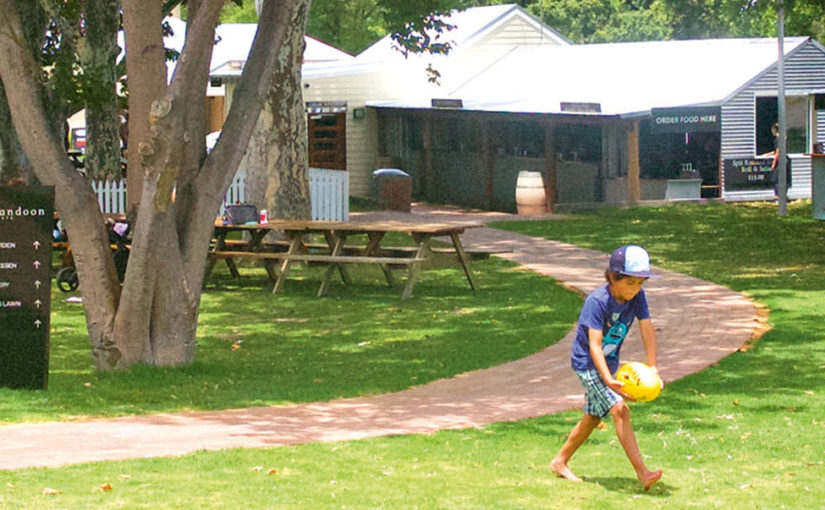
Superlatives abound at my first stop, Mandoon Estate’s Homestead Brewery. Mandoon is the darling of Swan Valley, with contemporary wood and corrugated-iron buildings, an awesome deck and beer garden with manicured lawns and vineyard views.

I plonk myself down inside at the big shiny bar, the Kaspar Schulz German-engineered kettles gleaming silver behind glass. It’s early for beer drinking so I have hospitality manager Gavin Fyffe’s full attention. He tells me the owner is a Swan Valley local of 50 years who lives down the road. The family started producing wine in 2010 and the restaurants and eating areas followed.
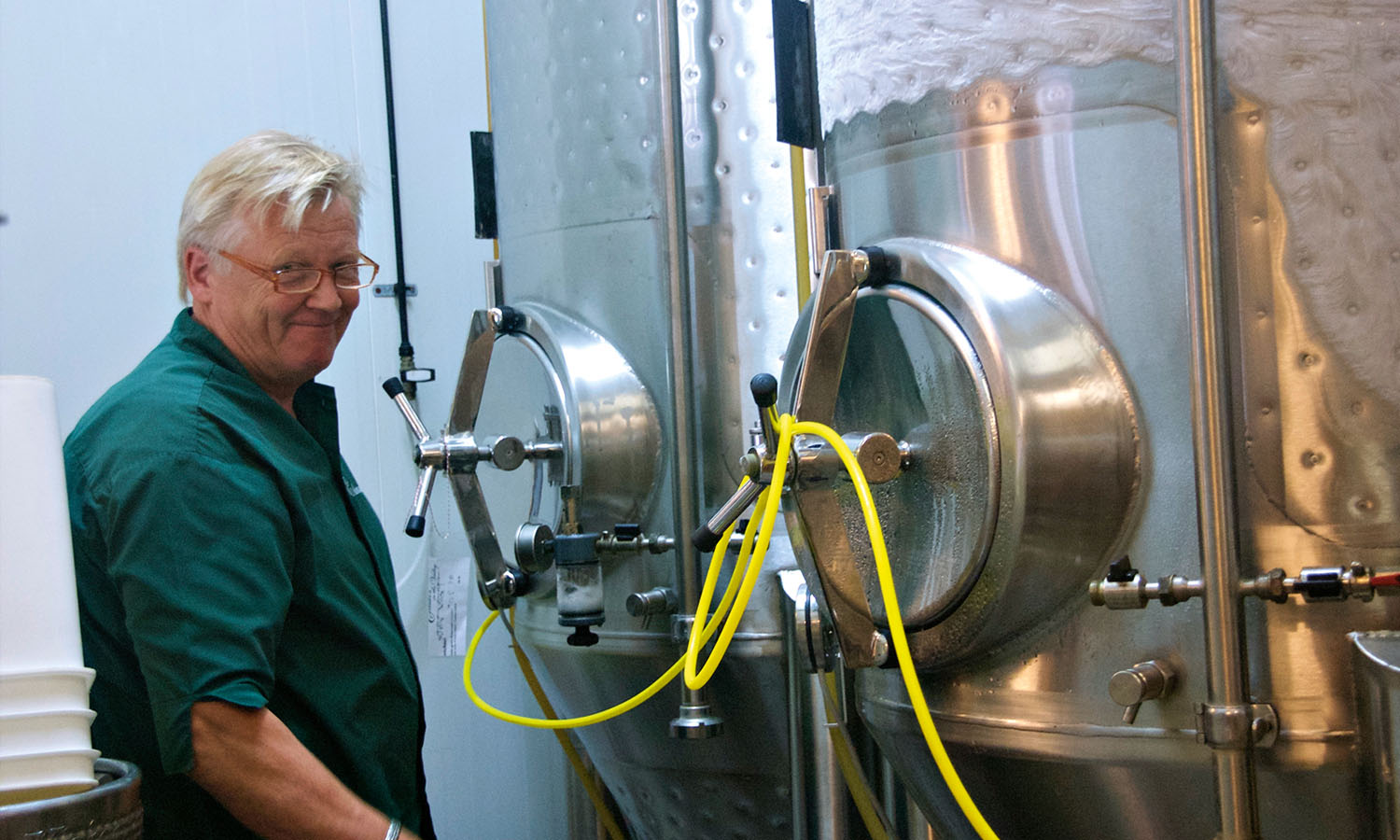
“Beer was always part of the big picture, but the brewery opened only 12 months ago,” he says. In that time, the number of beers brewed has gone from four to 10.

My Number 1 Belgian-style pale ale is served in a fine-lipped glass, chilled to the touch. It’s a good start to the day. I can detect the smooth malt, biscuit and fruit tastes I’m supposed to, if not the peppery finish.

“We really made this beer to check out how the brewery system all worked, but it turns out we liked it and started selling it,” says Fyffe. “In the first six months it was our number-one selling beer and one year down the track it’s still on tap.”

At the other end of the palate spectrum is the Velvet, a black cherry sour. Matured in old oak barrels from the winery, it has a stewed fruit flavour with cinnamon and chocolate thrown in. I also try Kaiser’s Choice. This German-style wheat beer with banana and clove notes was a gold medal winner at the Australian International Beer Awards last year.

Awards matter in beer circles, as I find out at Mash Brewery, which has a wall of them decorating the main bar. Mash is a modern establishment kitted out like an American roadside bar, with tunes, cool art and a vibe that feels like a party warming up. When I arrive, just before midday, the trestle tables are filling with punters ordering buffalo wings and other mouth-watering bar food. Enormous stainless-steel beer kettles fill the room, and there’s a queue at the bar. Behind it, Joshua Banks, a craft-beer nut, tells me Mash is almost nine years old, its success largely attributed to two master brewers who have collaboratively brought home the wall of awards.

Mash’s champion beer is Copy Cat IPA, an American-style India pale ale with a “tropical, piney, resinous hop bitterness and aroma”. Banks tells me the beer initially had a mixed reaction from the makers who didn’t want to replicate the style: “They said, ‘We’ll only do it if we call it Copy Cat.’ It went on to become the Australian International Beer Awards 
champion beer in 2014.”
Even for a novice, Copy Cat is easy drinking. Not so the experimental Cold Brew Coffee is the New IPA. Apart from a name that’s a total mouthful, this black, malty Scottish ale has a creamy caramel flavour and a coffee finish. It’s an intriguing on-trend concoction developed at Mash’s sister venue, 3 Ravens brewery in Melbourne.

“We put non-roasted coffee through a gravity filter with cold water (not hot), which extracts fruit, so there’s a hoppy flavour instead of roasted bitter flavour, but a) you gotta like beer and b) you gotta like coffee,” says Banks.

Happily I can tick both these boxes, although in this case one is more than enough.

By the time I get to Elmar’s in the Valley I feel like I’m getting a handle on at least a few of the 20 or so craft brews on offer in the region. Cue my next drink – a one-litre stein of Ein Stein Pilsner, a malty, hoppy, easy-drinking brew with honey notes. It’s Elmar’s most popular beverage and, for a little extra, you can buy the famed oversized drinking vessel.

Ten-year-old Elmar’s is owned by Elmar and Anette Dieren, a German couple, who, when missing their homeland cuisine, opened a German smallgoods store in Perth. When Elmar suggested opening an authentic German brewery, Anette intoned, “You can’t have beer without food.” The restaurant now serves gutsy dishes – pork knuckle with sauerkraut, grilled bratwurst, cheese kransky and its own beer bratwurst – that pair perfectly with a pint of the good stuff.

Gleaming copper kettles stand behind the main bar. As I’m snooping around them, oxygenating hops hissing, I meet Elmar himself. He’s a kind of Boris Johnson type – big with white hair and rosy cheeks. “The hops, the malt, the process,” he tells me, beaming excitedly, “everything is imported from Germany. Germans visit and they think the beer here is more authentic than the beer at home.”

I take the rest of my stein outside to the grassed area shaded by gum trees where a local informs me this is the biggest licensed beer garden in the southern hemisphere. 
“It goes off during Oktoberfest,” he says.

I’m not sure I can handle another stein, but there’s one more stop that comes recommended: Feral Brewing. When we pull up into the red dirt car park I know why. It’s in a building that looks like a cross between an unassuming farmhouse and an outback pub, with veranda seating and a beer garden crowded with market umbrellas.

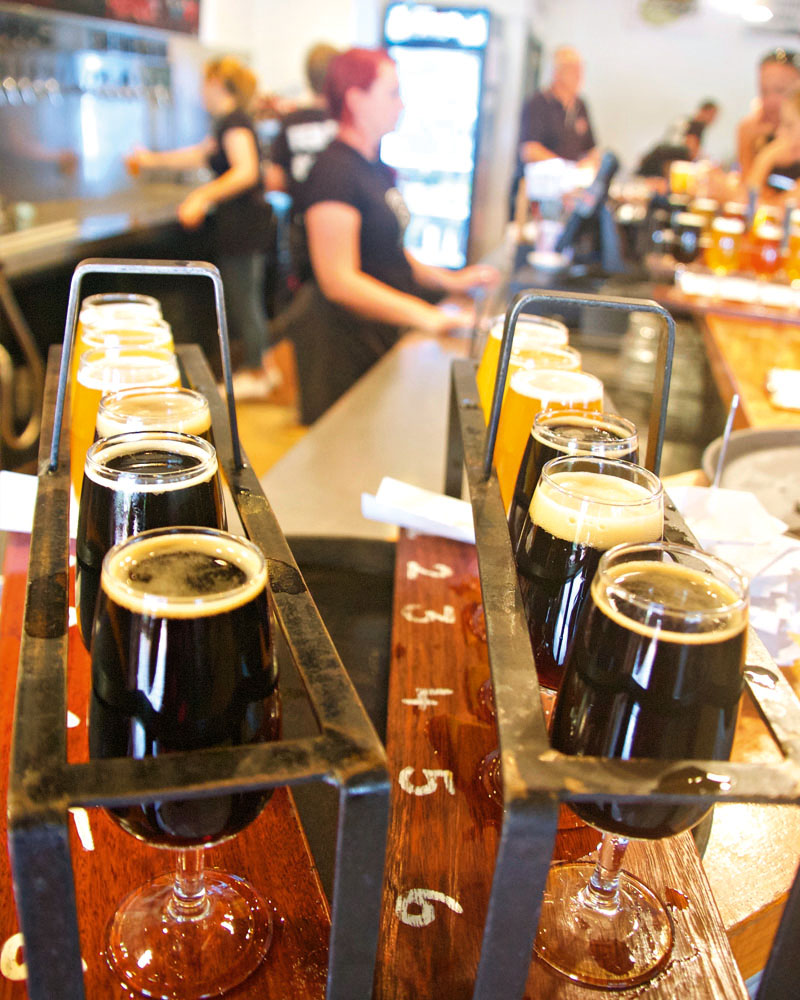
Feral is by far the most serious about educating its guests. The creative brews – from citrusy lagers to Belgian sours – can be tasted from small glasses on wooden paddles. In 2015 Feral’s Watermelon Warhead, a light, sour German wheat beer brewed with half a tonne of local watermelons, was awarded Champion Beer at the Australian Craft Beer Awards. But the drop that gets the most attention via word of mouth and on Facebook pages such as Perth Beer Snobs is the Hop Hog American IPA. My tasting notes point out lemon and pine and a slightly sweet taste “which makes it a perfect drink for newbies to the IPA style of beer”.

I’ll drink to that.
Surf’s up in Savai’i

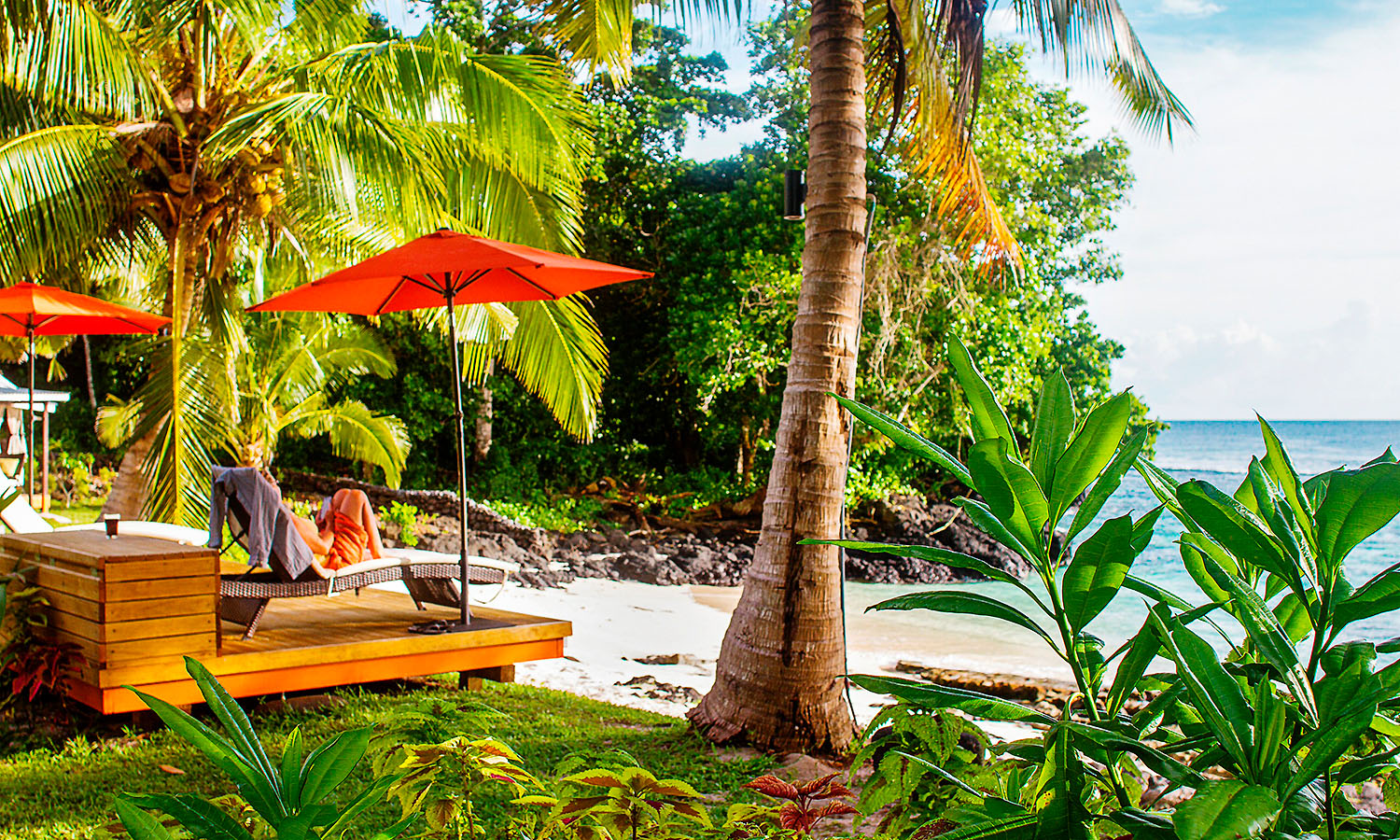
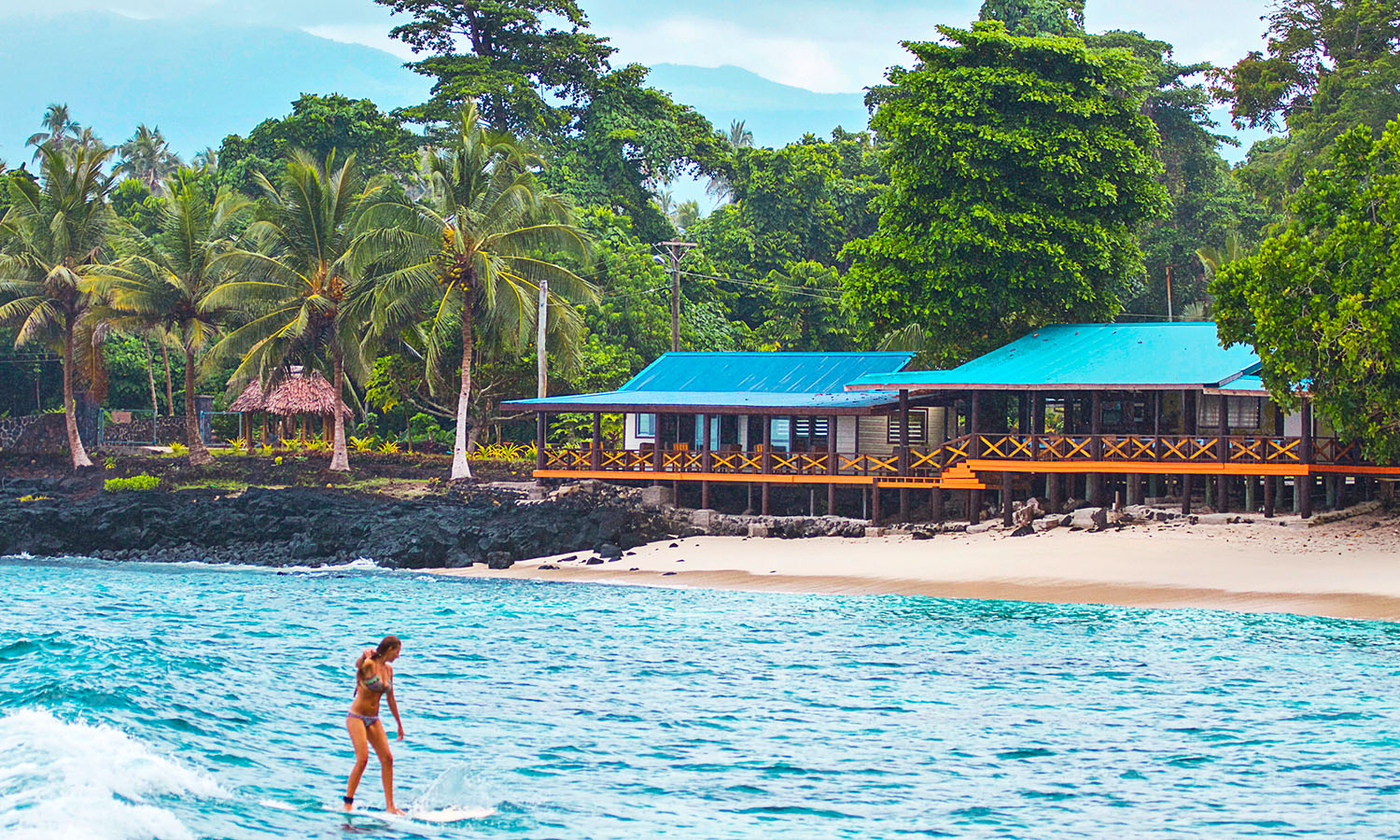
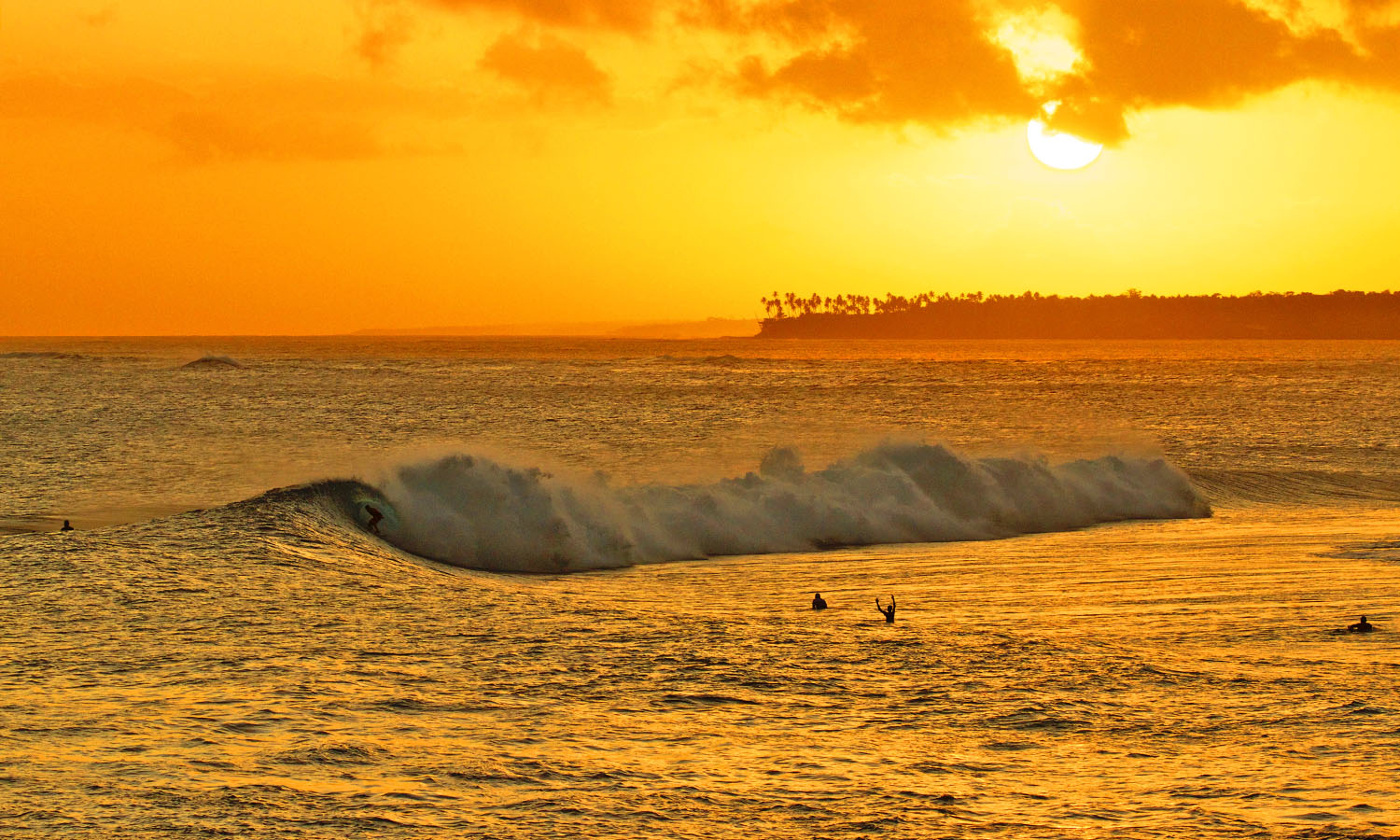
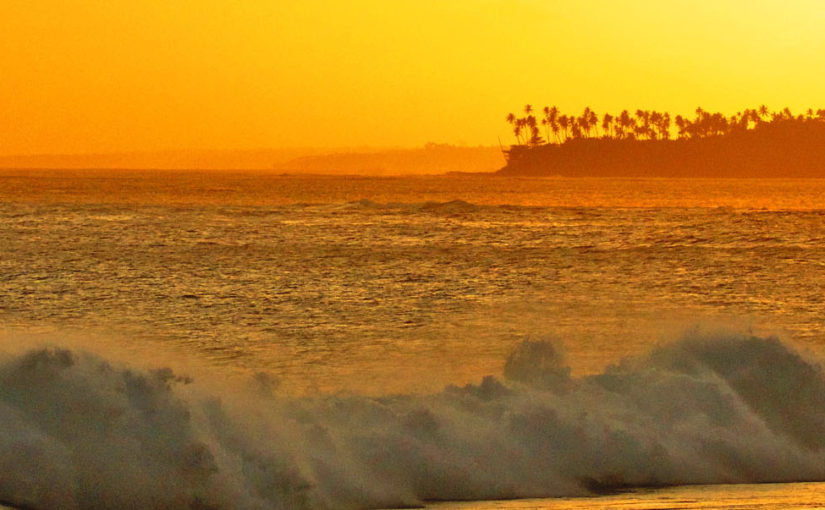
Catch world-class waves without the crowds in a Polynesian paradise. Despite being the largest island in Samoa, Savai’i and it’s impressive breaks are still something of a secret. At Aganoa Lodge you’ll have exclusive access to a beach sheltered by a barrier reef. High tide brings Little Left, the only beginner’s wave on the island, which breaks on the edge of the lagoon. For something more challenging, just ask the lodge’s experienced guides. They’ve got the drop on the island’s other breaks – there are right- and left-handers pumping at between two and 14 feet – and can usually get you there within 30 minutes (the furthest is an hour’s drive). When you’re not paddling out, go hiking to waterfalls, pull on a snorkel or try your luck catching dinner. In the evening, retreat to the deck for a cold one as the sun goes down.
Bad Frankie

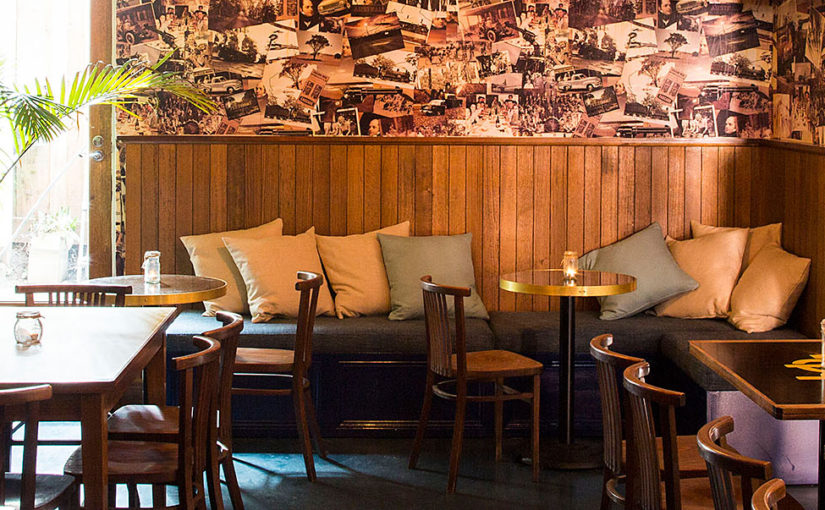
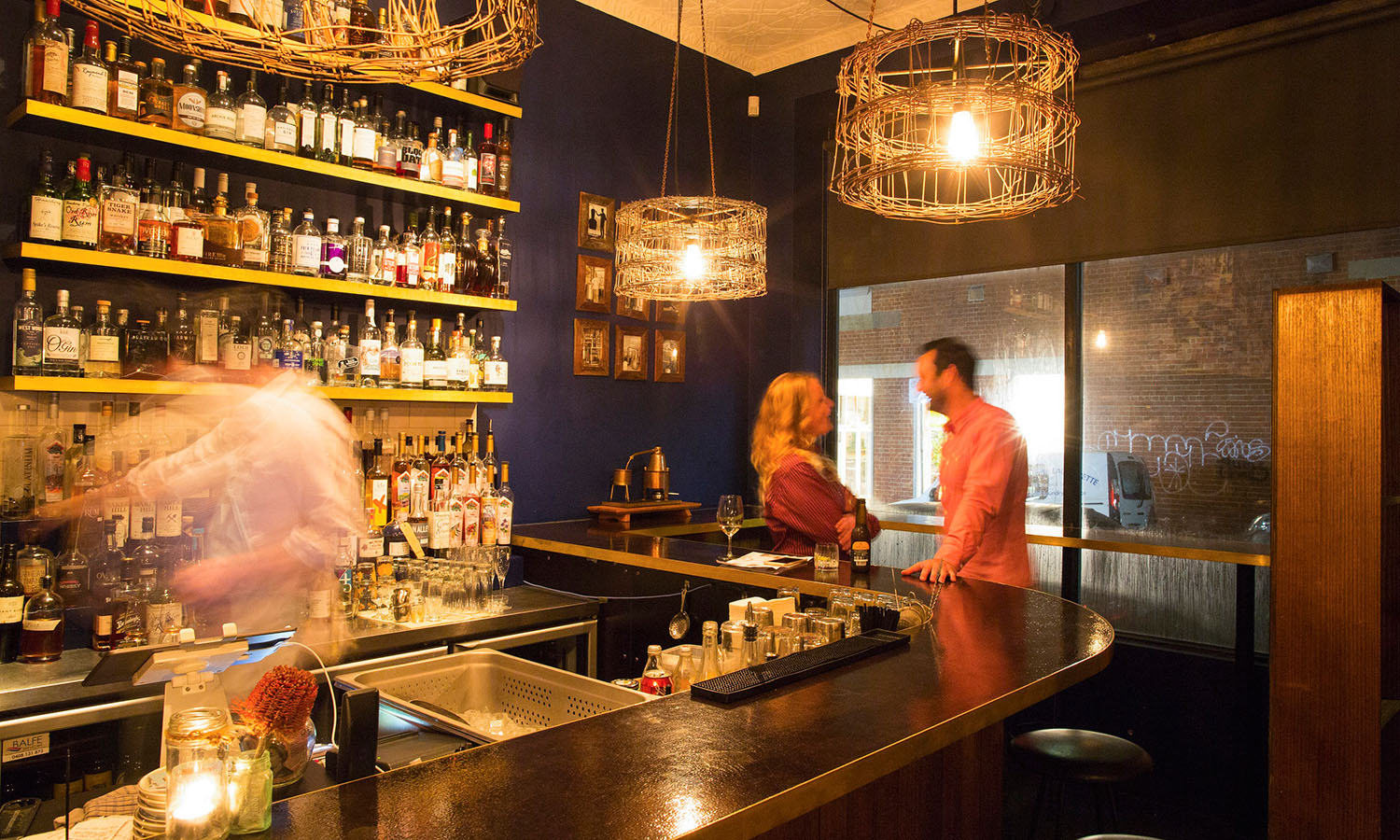
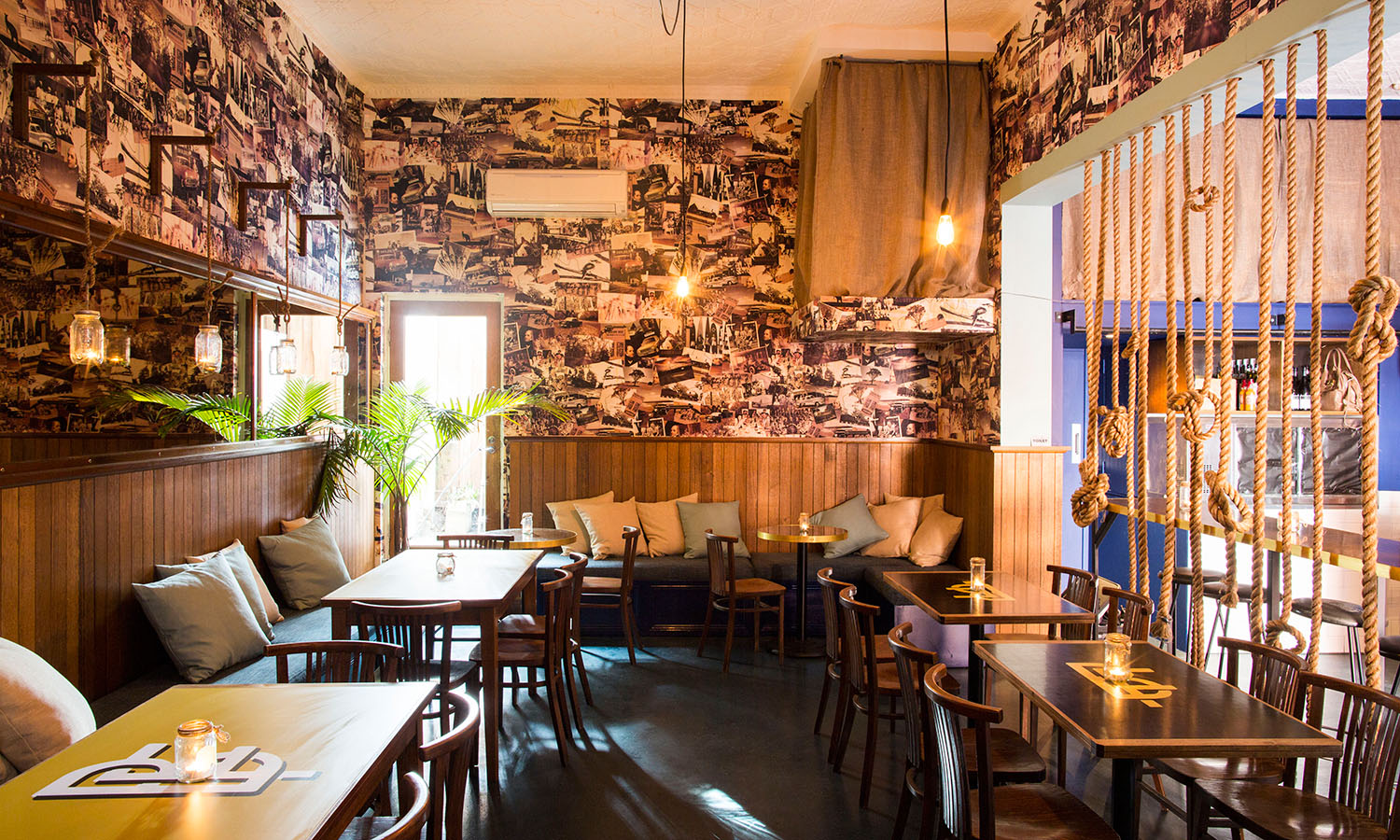
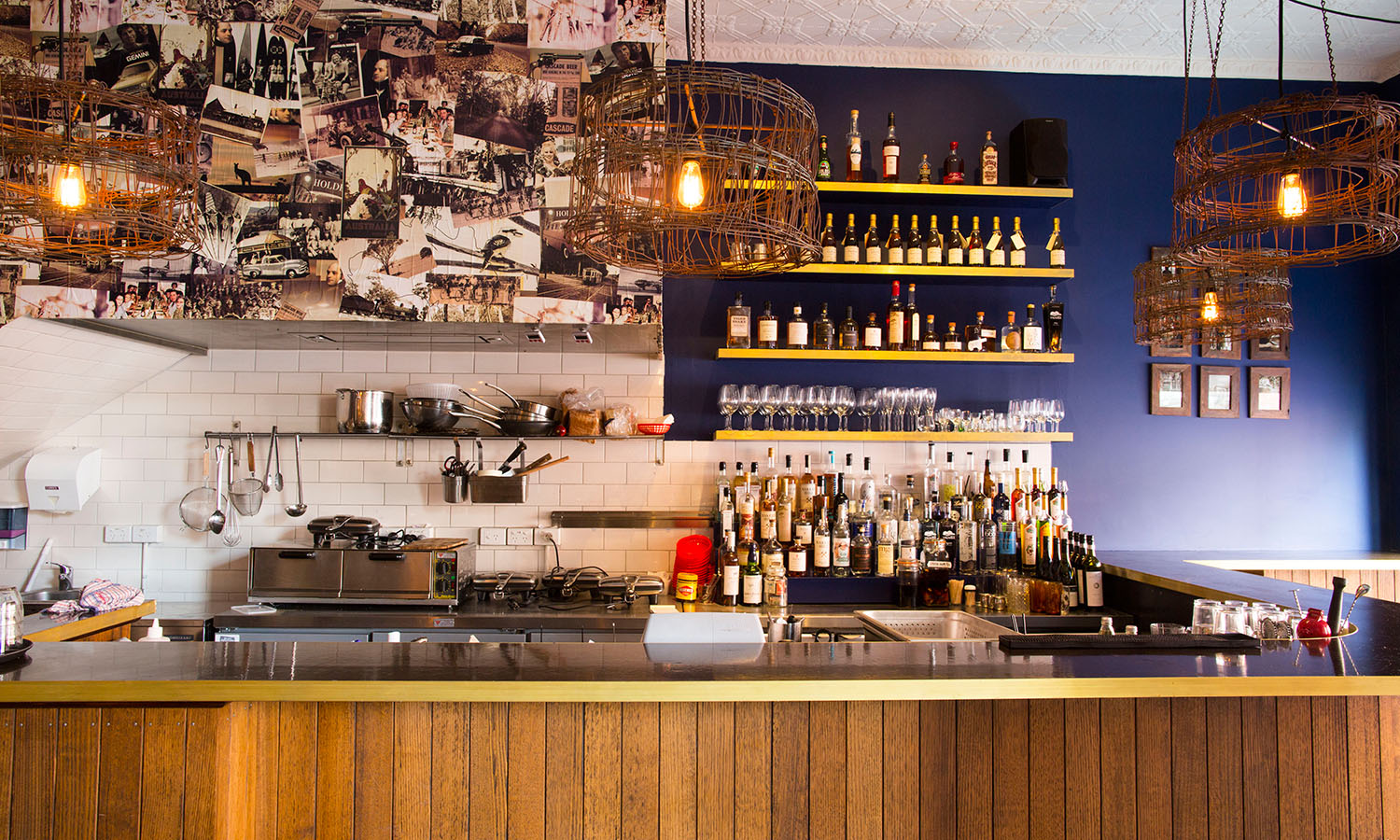
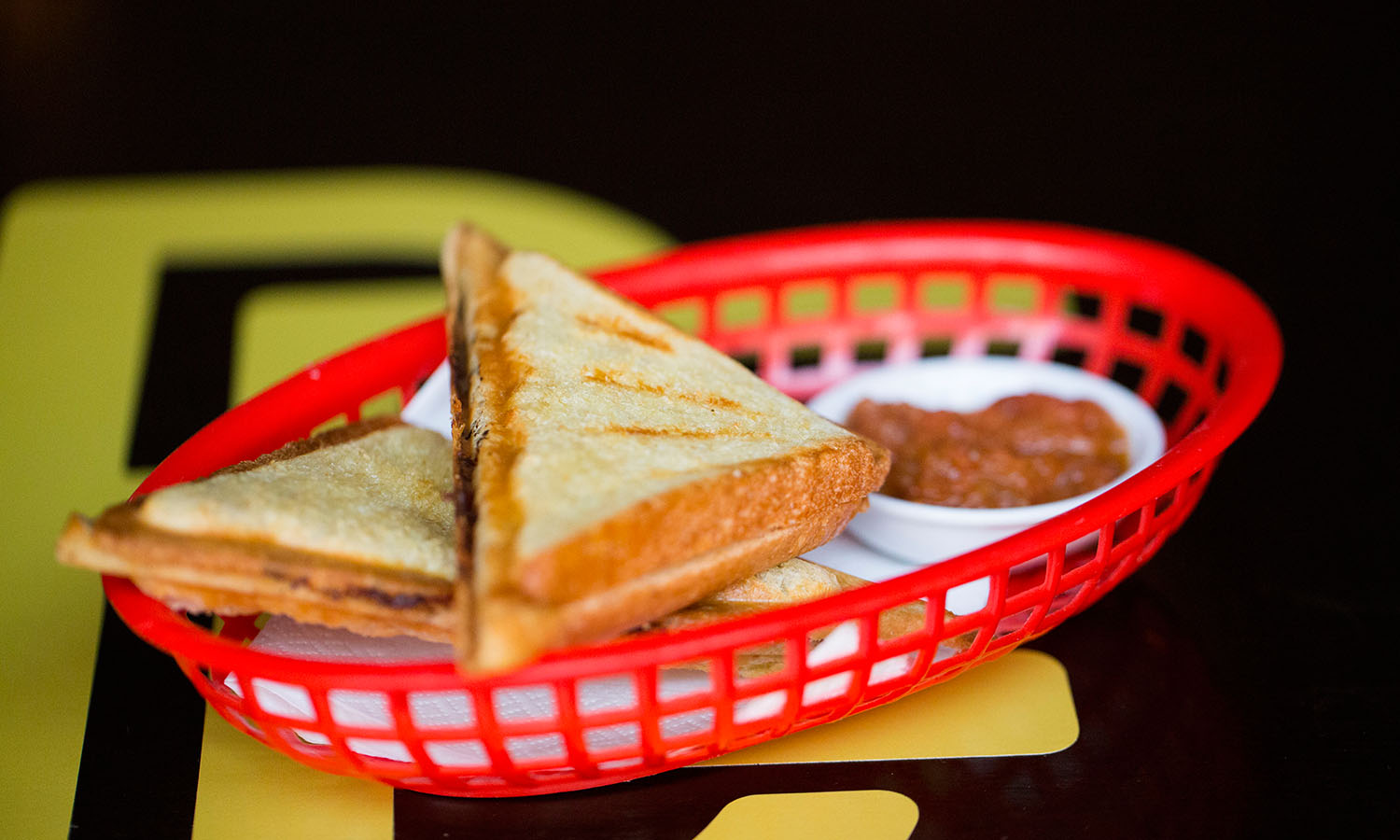
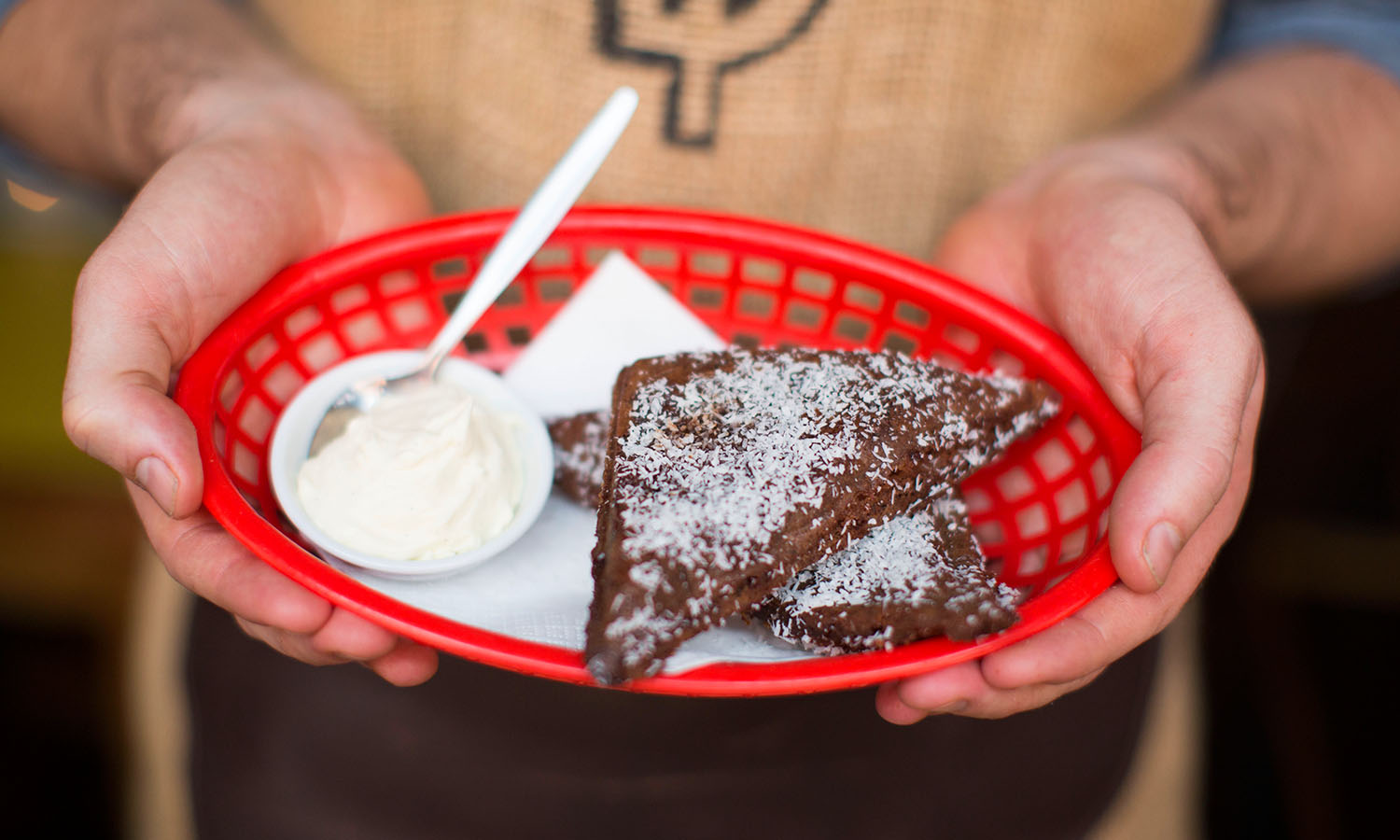
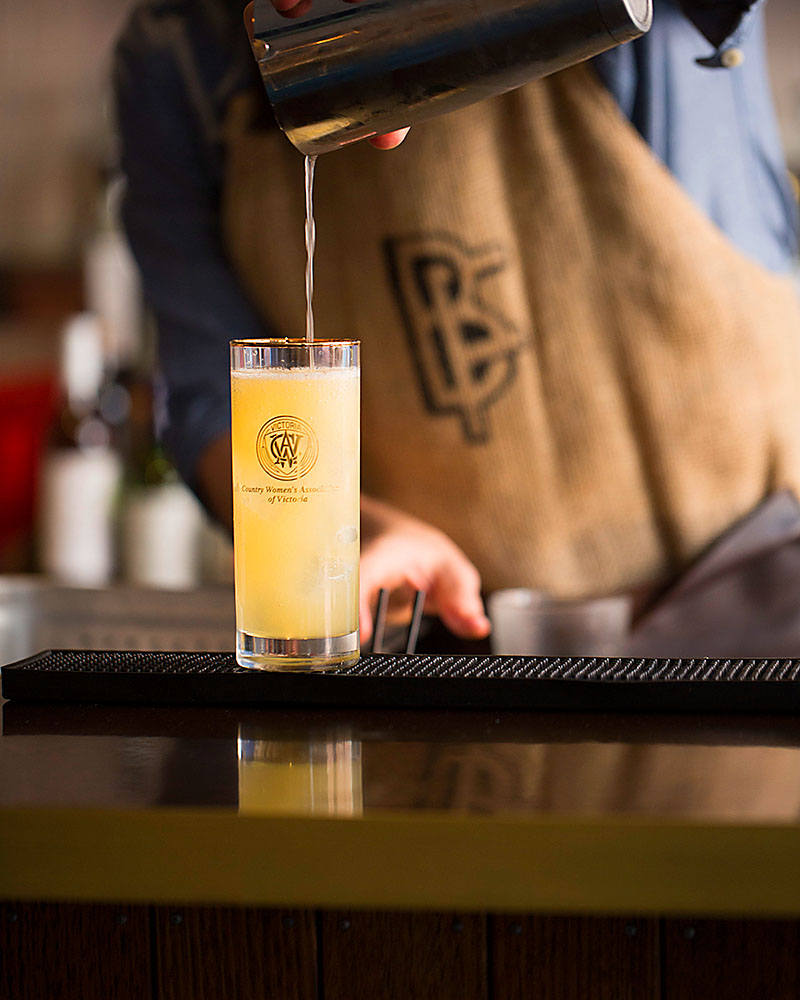
When John Franklin, the governor of Van Diemen’s Land, outlawed small pot stills in the early nineteenth century he crippled the distilling industry. It wasn’t until the 1990s that this law was overturned and Aussies once again began to brew their own spirits. At Bad Frankie, in Melbourne’s inner north, punters can celebrate the emancipation of local liquor and choose from hundreds of Australian whiskeys, rums, vodkas and gins. There’s even local absinthe for those disposed to a little adventure. But it’s not just the alcohol here that burns the tastebuds – it’s also the piping-hot jaffles. Bad Frankie serves nine different types, including two dessert versions. These more-ish, home-grown parcels include the Classic, stuffed with vintage cheddar and ham off the bone, and the Shroom, which packs garlic, spinach, fetta, and red wine and thyme mushrooms between slices of wholemeal.

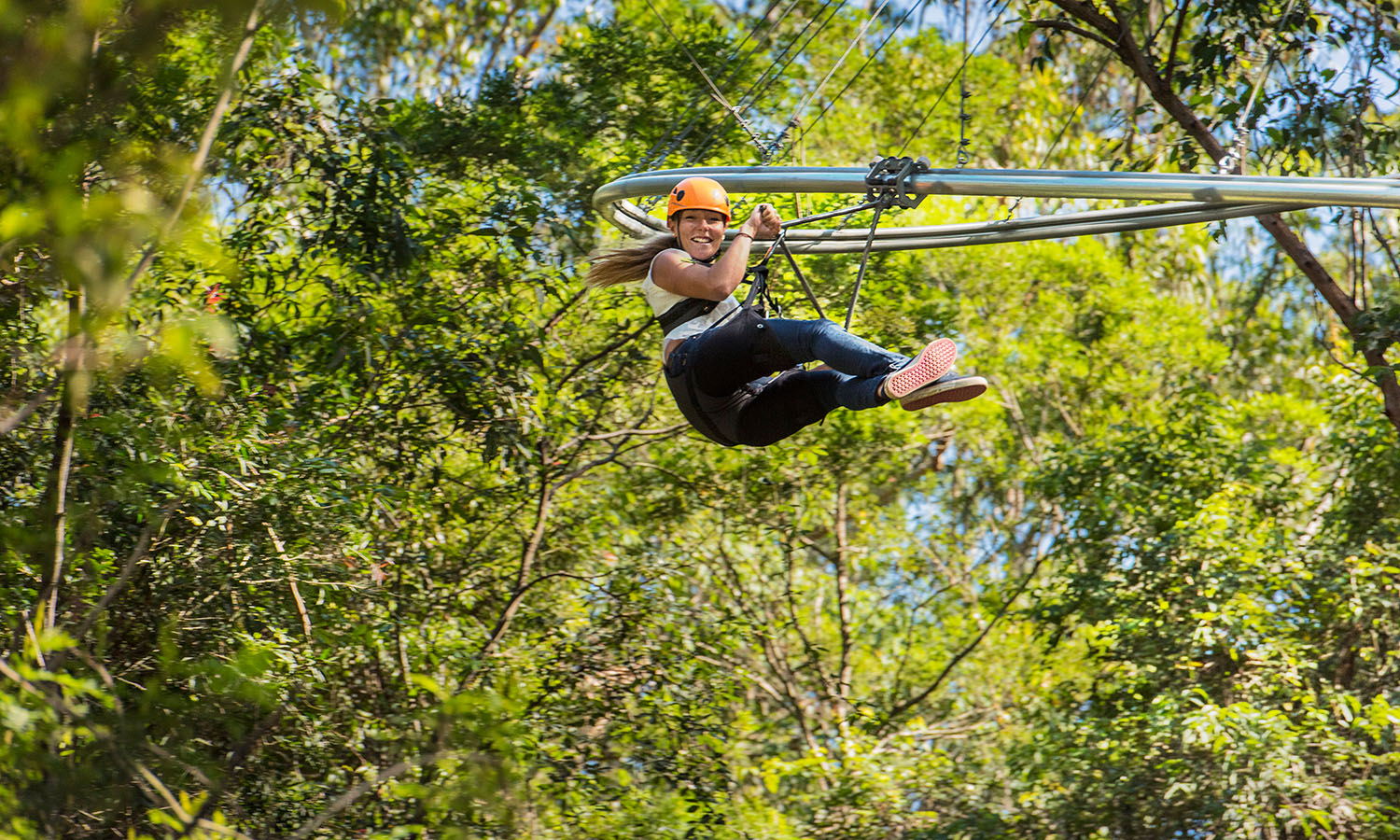
Soar through the trees on the Crazy Rider Xtreme

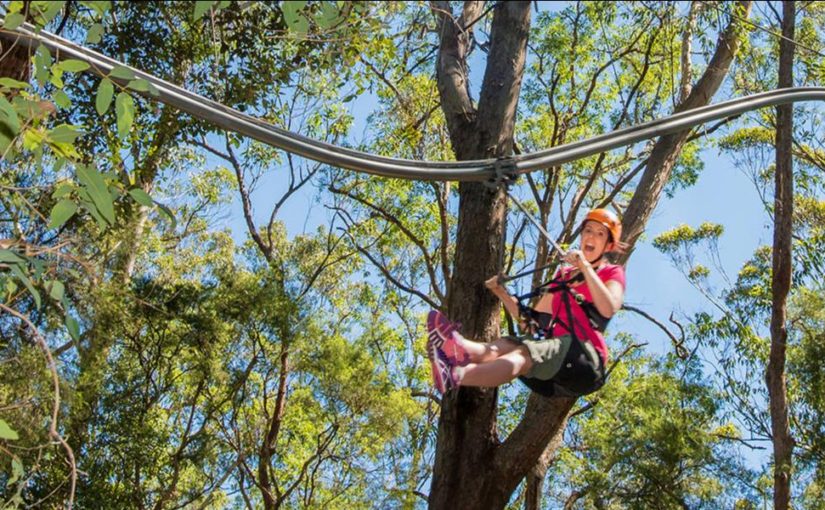
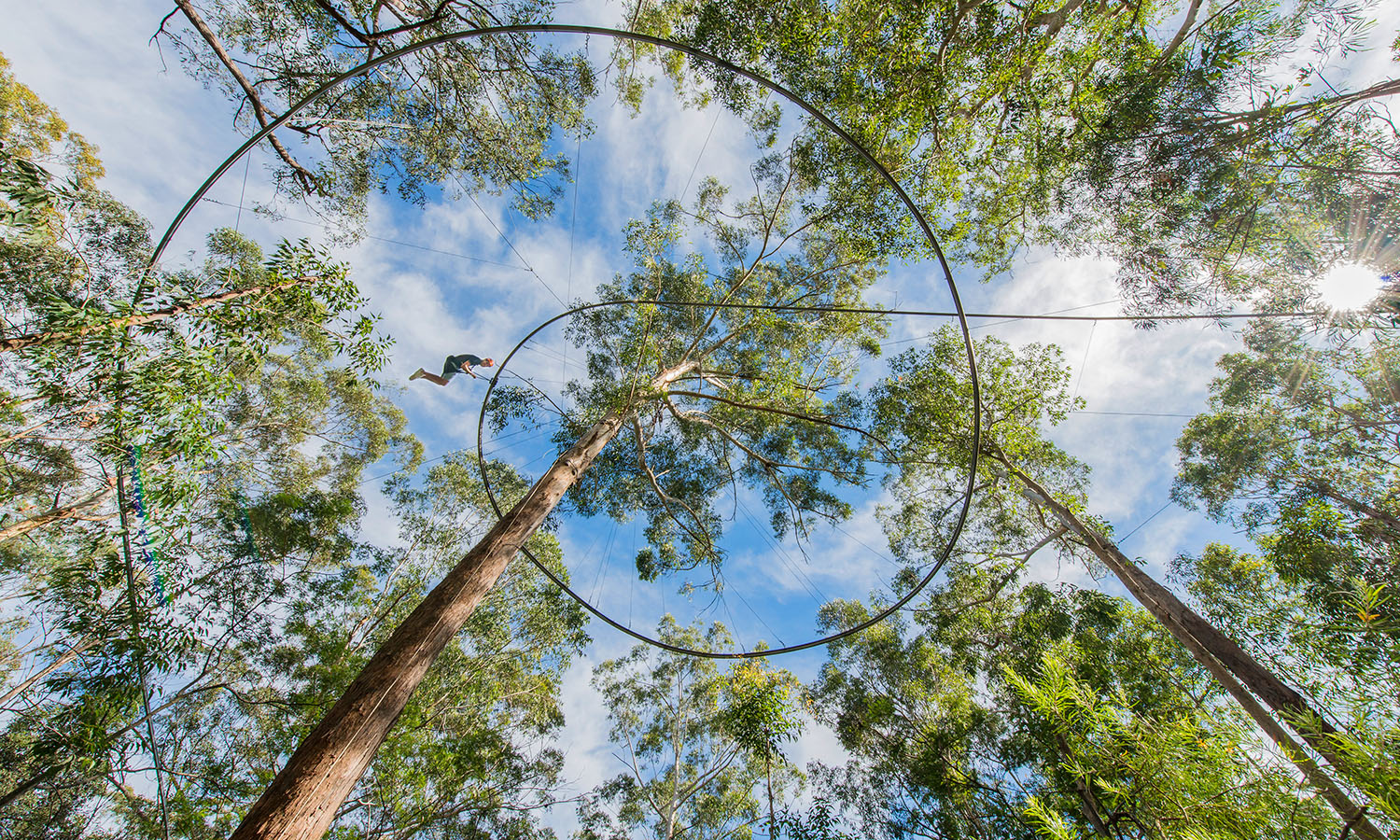
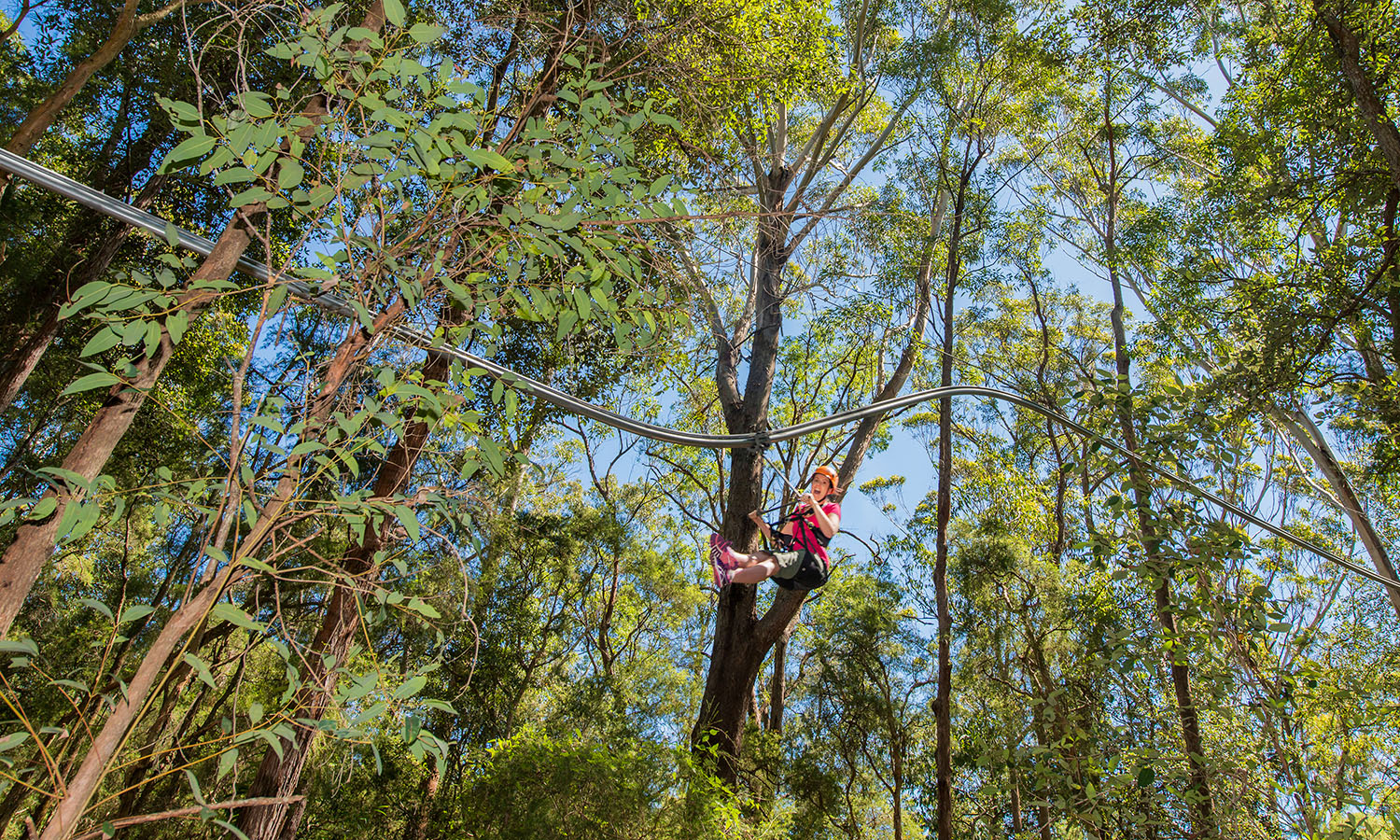
Introducing the Crazy Rider Xtreme, hailing from the next gen of zip-lines. Located in Ourimbah State Forest at TreeTops Adventure Park, a one-hour drive from Sydney, this ride combines the thrills of a roller-coaster with the flying sensation of a zip-line. Creating the structure wasn’t an easy feat – 2000 hours were spent on development and the ride took a staggering 5000 hours to build – but, by gosh, it was worth it.

At one-kilometre long, the Crazy Rider Xtreme is among the longest zip-lines in the world and during your five-minute ride you’ll zigzag your way through the trees, conquering 40 twists and turns and three 360-degree loops. If that isn’t enough, they’ve also thrown in a 540-degree whorl. Not sure your stomach is up to the extremity of Xtreme? Try the Crazy Rider Pioneer, a six-storey-high, 90-second ride with 10 twists along the way.

Palau

Palau is to diving what France is to wine – straight up heaven. It’s the main reason most visitors drop by this cluster of 250 or so islands about 700 kilometres east of the Philippines. And it’s easy to see why, with pristine reefs, spectacular drop-offs, shipwrecks from World War II and drift dives accessible as day trips from the main island of Koror. The Blue Holes comprises four vertical shafts that open on to a reef. The Chuyo Maru, a Japanese freighter sunk in April 1944, is covered in hard and soft coral and loads of lionfish at a depth of 11 to 40 metres. There’s also the awe-inspiring German Channel, which is famous for its population of manta rays.

Even if you don’t fancy strapping on an air tank, there are plenty of excellent snorkelling spots, including Jellyfish Lake, which is filled with millions of golden jellyfish that migrate across the water’s surface.

Most of Palau’s population lives on Koror, and it’s the centre for tourists, too. From here you can organise all your diving and snorkelling tours, as well as hiking, guided excursions to World War II sites and ATV adventures. Best of all, it’s the jumping off point for the Rock Islands, some of the most beautiful islets you’ll ever lay your eyes on, whether you choose to lie on the beach or explore the diverse underwater world.

Rafting the Upper Navua River

While the white-sand beaches of Fiji’s islands take up most of the attention, there’s a little secret lurking in the middle of the main island.

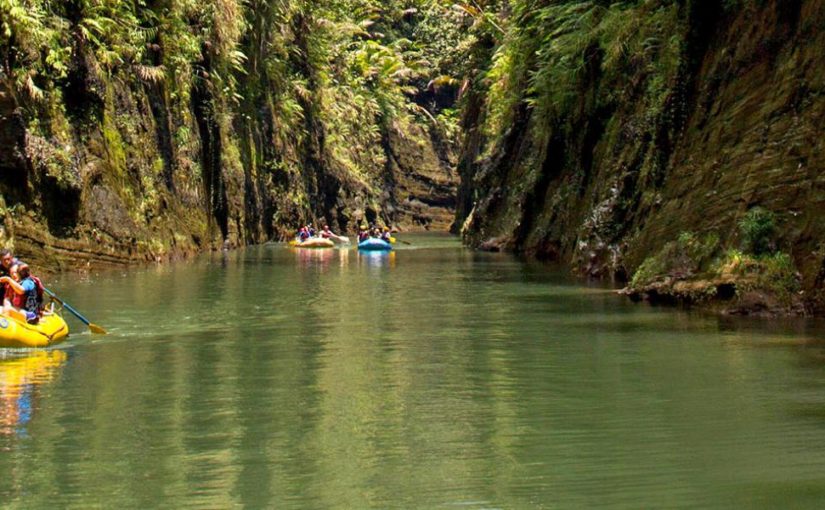
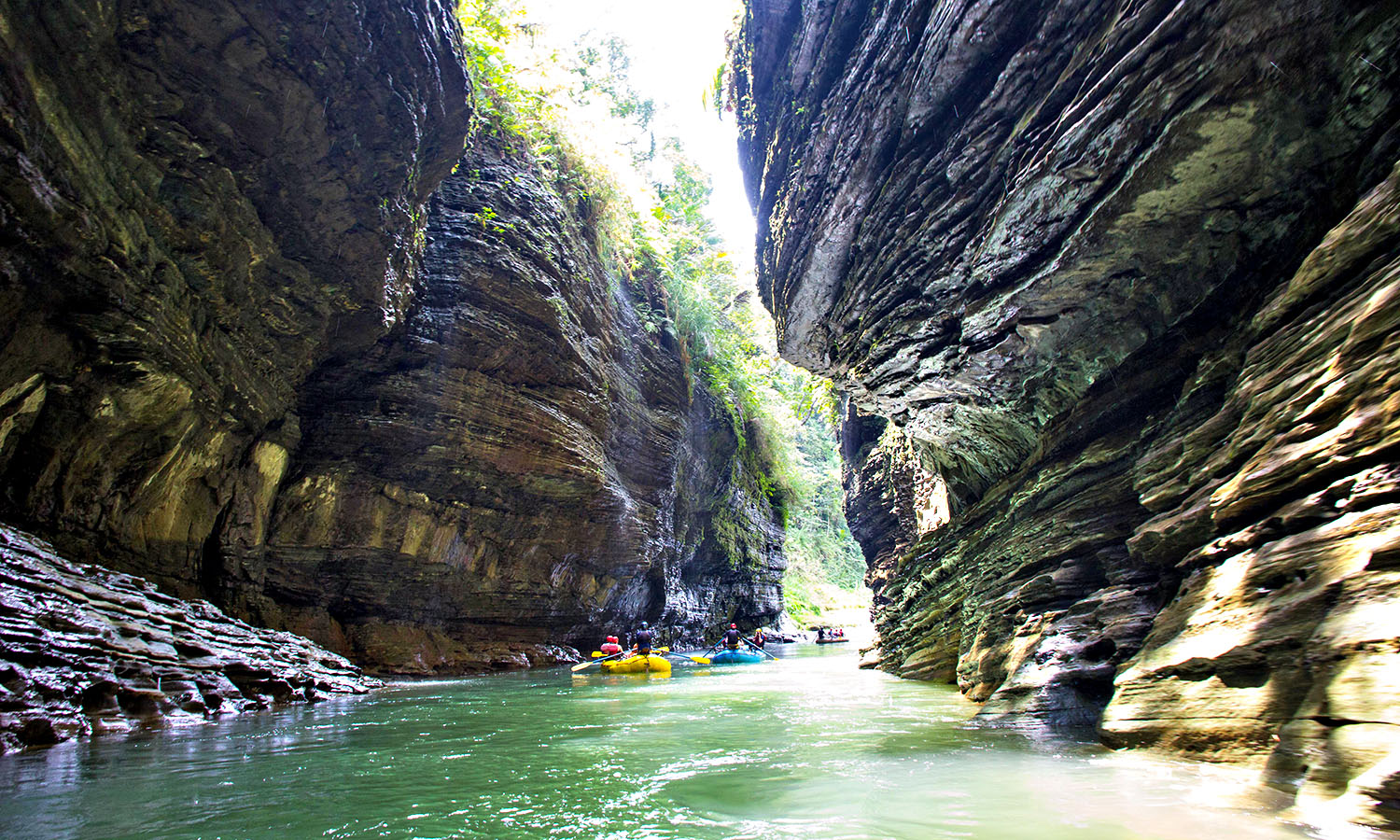
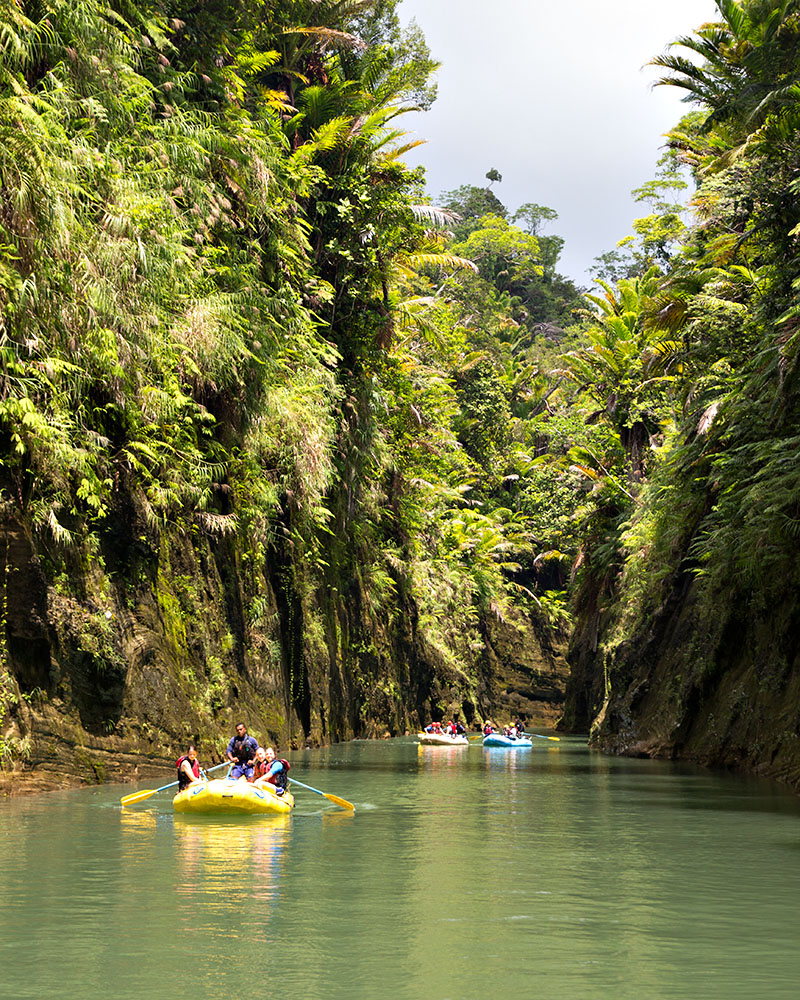
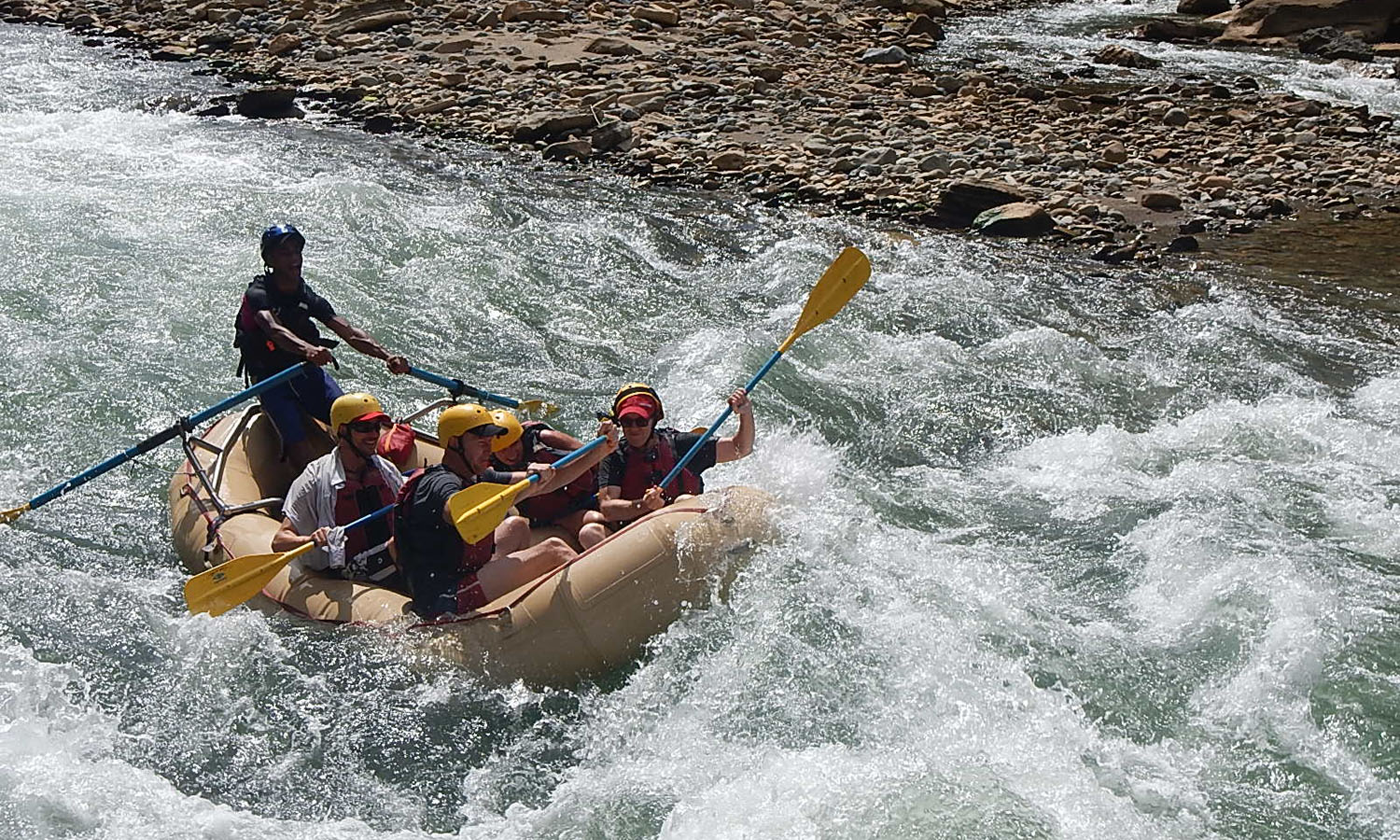
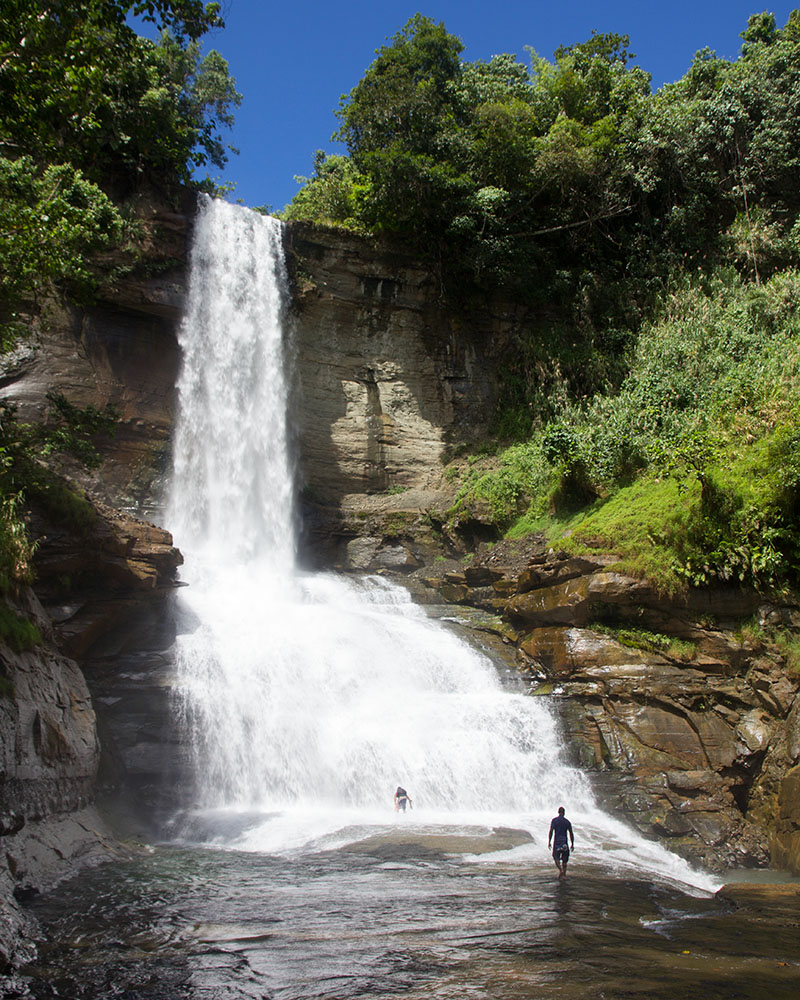
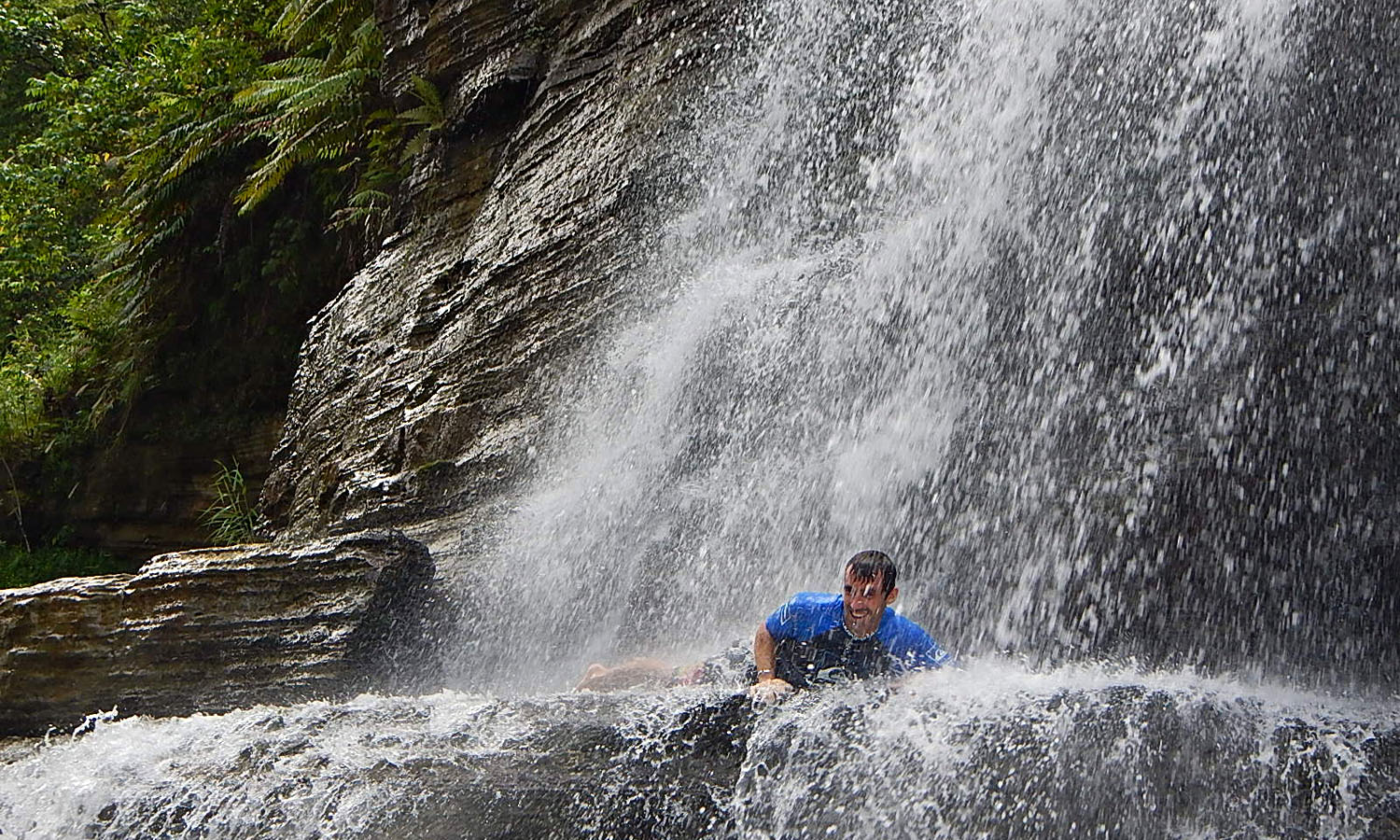
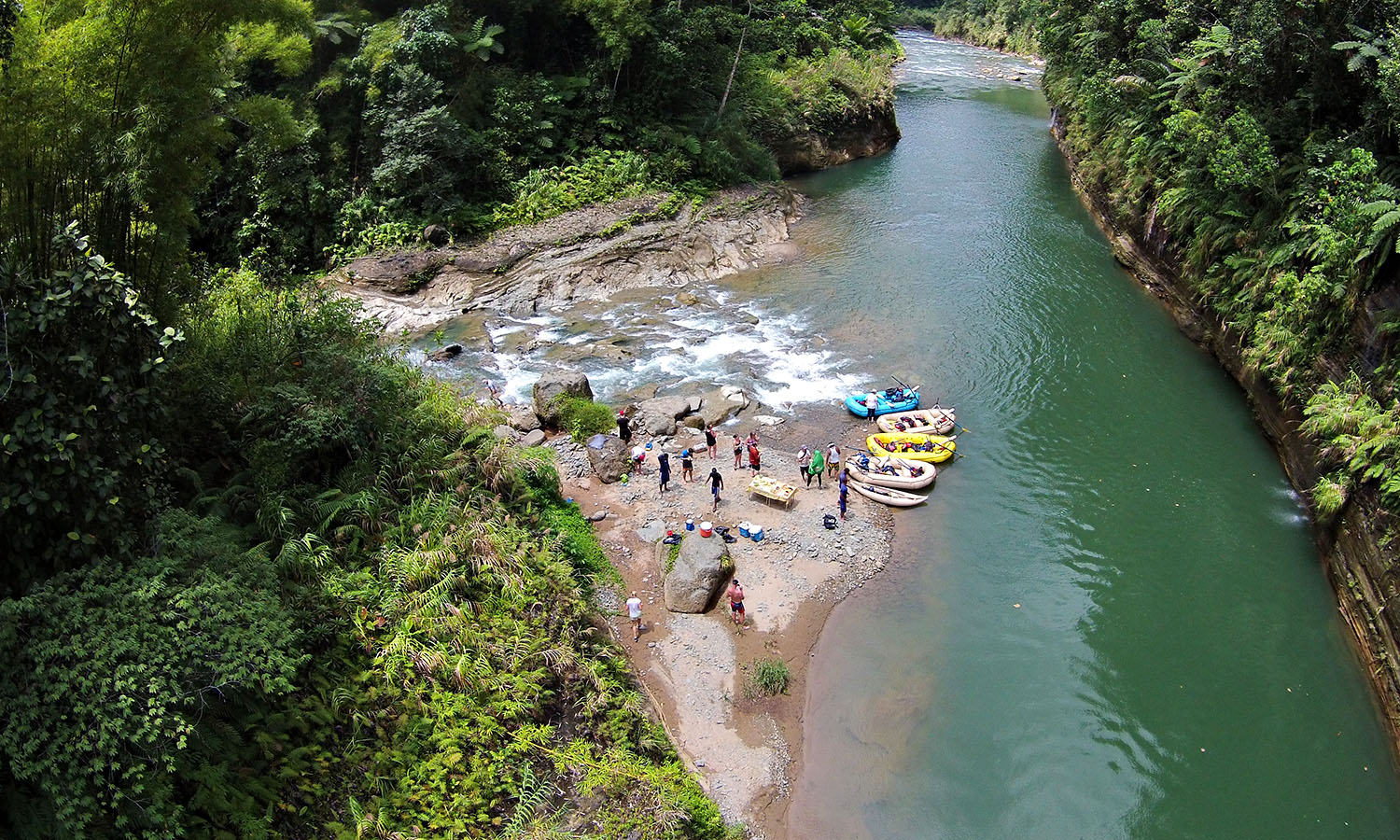
The Upper Navua River is one of the more remarkable river journeys in the world, with rapids propelling you through winding gorges and past a cascade of waterfalls along the way. The rapids aren’t too testing, but they’re not the main reason to be here; it’s the ever-changing landscape through the gorges that keeps your eyes wide open.

It is an overnight journey and you camp on the banks of the river. Drink kava with the locals and sleep soundly to the sound of the running Navua.

Traditional villages, an abundance of waterfalls and the exuberant guides from Rivers Fiji all make this trip an absolute must. And, best of all, at the end of the day you’ve earned a Fiji Bitter much more than the beach junkies.

Watch this video. Seriously. It is awesome.

Island Duel

Duels. There’s something wonderfully straightforward and final about them. Whether it’s cowboys drawing pistols at high noon, or kids straightening out an argument with a simple game of rock paper scissors, a duel is a no-nonsense way to settle a score between two warring parties.

Yet duels have become something of a lost art. When disputes occur in our lives these days, they are far more likely to end up in a courtroom, or at the very least, with an exchange of strong words. But do these methods really do anything to address the anger and malice involved? Probably not.

However, on Santa Catalina – a tiny island in the far east of the Solomon Islands – the idea of the duel and dealing with grievances is alive and well. Out here in the Pacific it is the old-fashioned spear that’s used for resolving disagreements.

While I’d heard small tidbits of information about the customs on Santa Catalina, neither I, nor any of the 10 or so other visitors who arrived by dingy in this remote part of the Solomons, knew the extent of what we were getting ourselves into. We all knew spear fighting was supposed to be a big spectacle, and we knew it was an important part of the island’s culture, but little else.

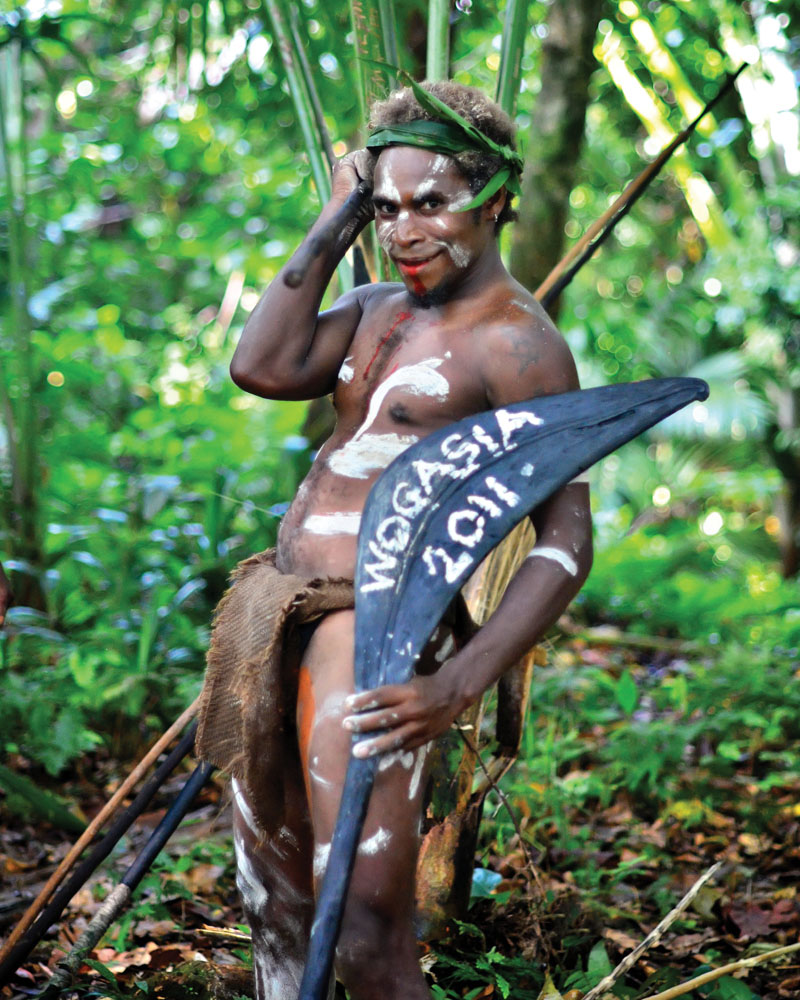
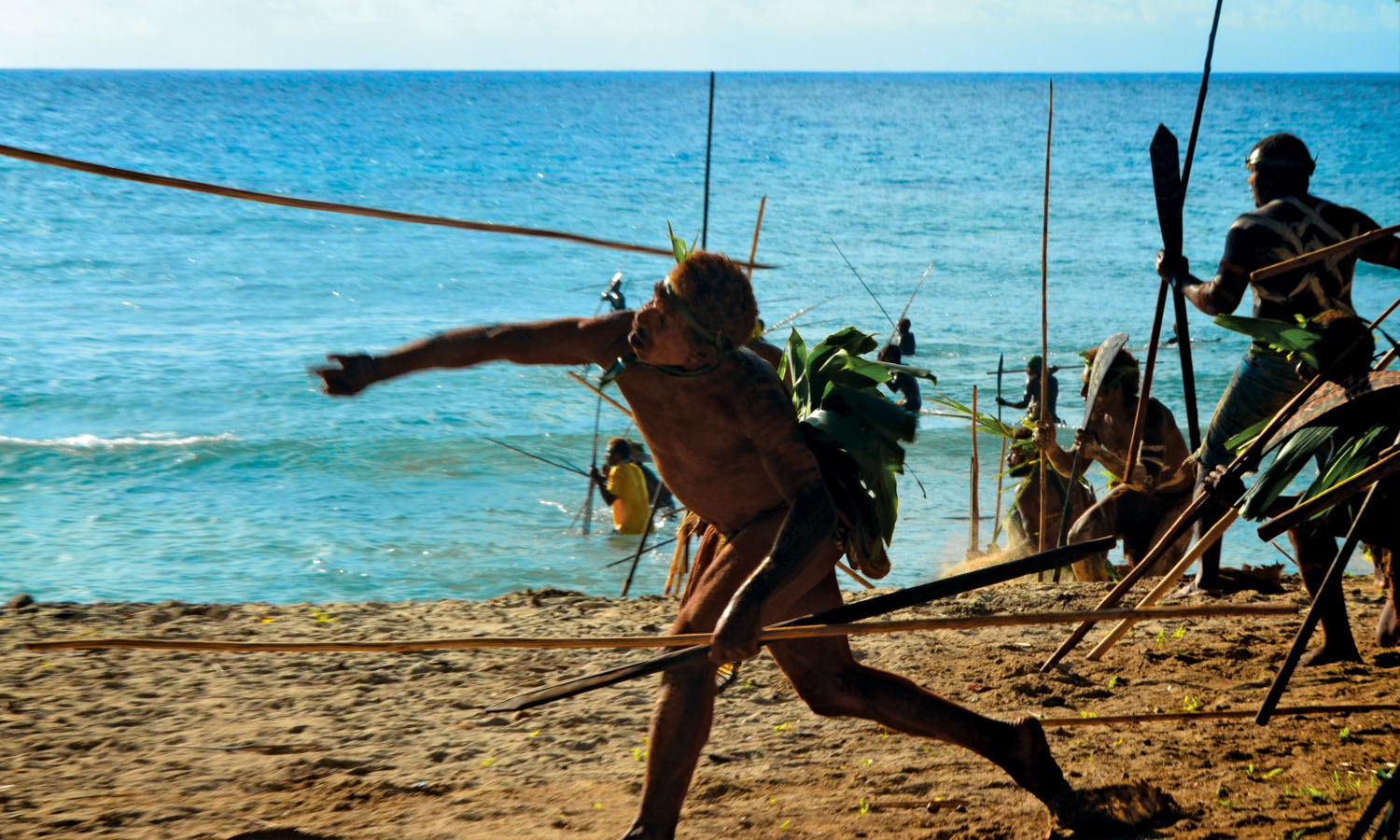
At the Spear Fighting Festival (known locally as Wogasia) the men of the island’s two tribes, the Amuea and the Ataua, meet on the beach at dawn and at dusk to lob sharpened sticks at each other. This is to sort out their disagreements from throughout the year – such as an unreturned household item, a broken marriage or a land dispute.

While spear fighting is obviously central to this event, the Wogasia goes well beyond the fight and the need to resolve differences. It is a three-day festival of complex rituals aimed at purging the community of the problems and frustrations of the previous year and, in doing so, set up the island for a solid root crop harvest. The festival formally starts with the ceremonial washing of a conch shell (selected from hundreds of shells by Santa Catalina chiefs), before the islanders meet at midnight to begin an all-night procession of chanting and conch shell blowing.

Wogasia is a three-day festival of complex rituals aimed at purging the community of the problems and frustrations of the previous year and, in doing so, set up the island for a solid root crop harvest.

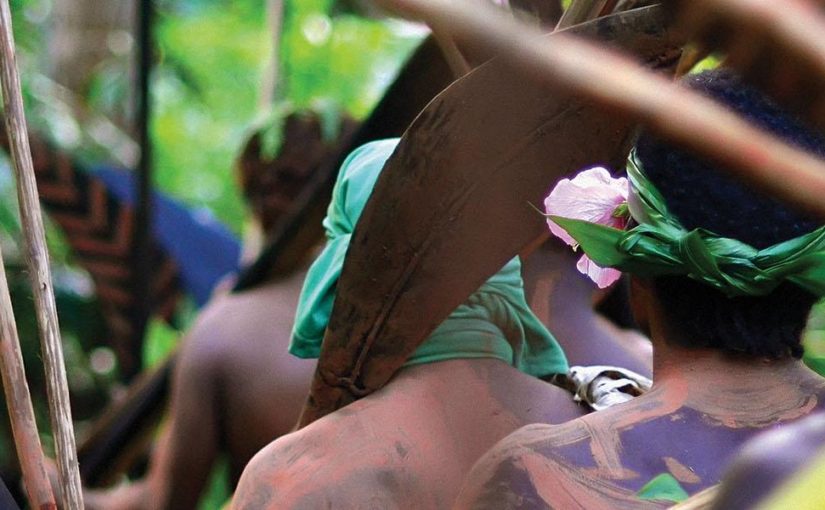
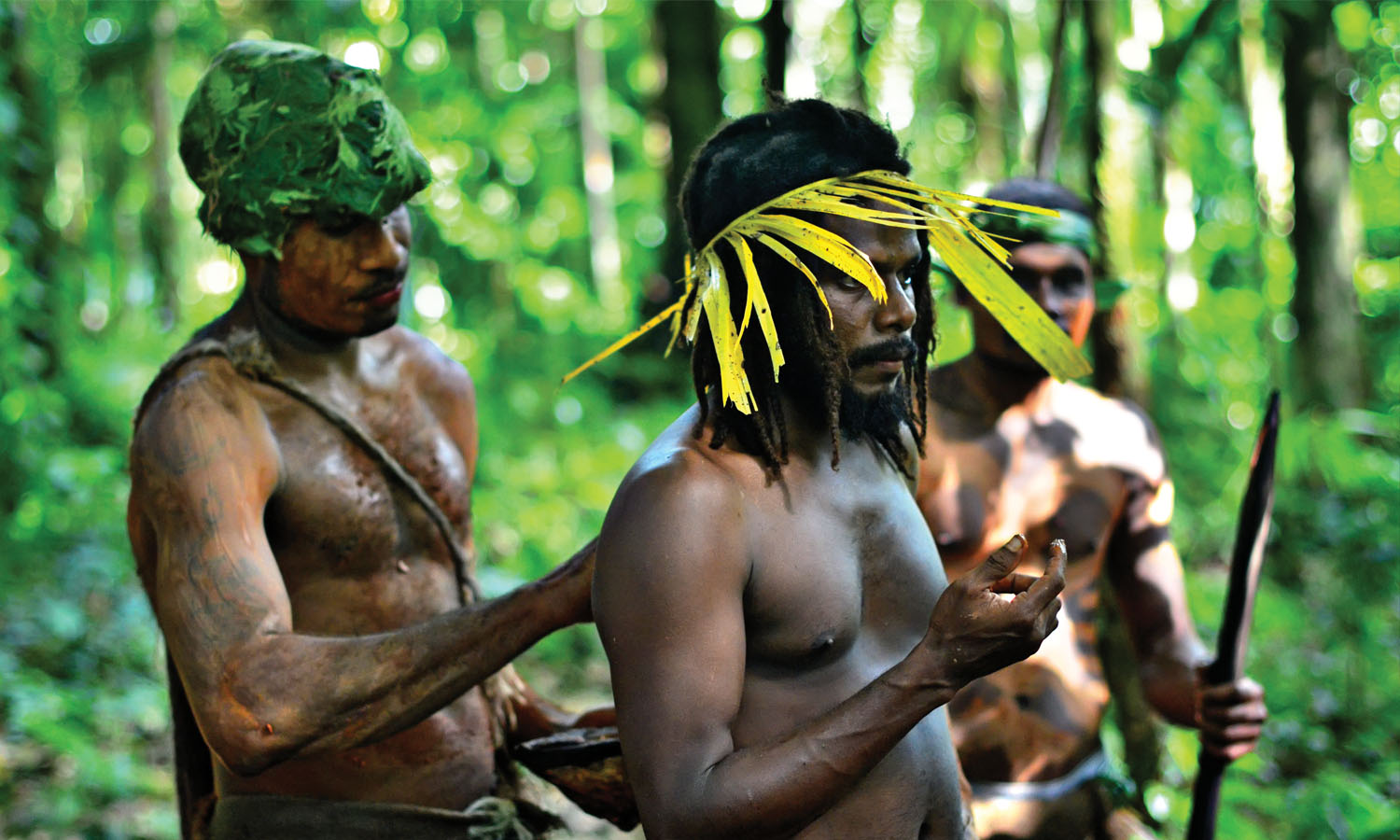
One of the best things about the Wogasia is that the few visitors there for the festival are well and truly involved in the action. I spend much of the event side-by-side with my host, Edward Wasuka, immersed in the festival’s traditions. I am taught everything from throwing and blocking a spear, to chewing betel nut and blowing a conch. I even learn the best designs to smear on my body as I cake myself in mud.

At 2am on the night before the spear fight, the Santa Catalina women lead a frantic sprint through the villages, beating the ground with fire-lit coconut palms to drive disease and demons from the island. It’s wild, uninhibited stuff. The fronds crack loudly as they are smacked into the ground, sparks fly, children scream and elderly women stand in their doorways throwing buckets of dirty water and fish guts at those running past.

Later in the night as Edward and I are sitting down for a pre-festival coconut and some betel nut, I ask him what he is expecting from this year’s event. “I’m just looking forward to fighting,” he says, with a wry smile, clearly indicating that there are some issues he is looking forward to resolving. After days of build-up and a sleepless night of chanting, conch blowing and much talking, I can appreciate Edward’s keenness to get out on the beach and start throwing some spears.

As the sun rises on the festival’s big day, two of the Aumea tribe’s toughest warriors, painted in mud and wrapped in branches, commence proceedings by heading to one end of the beach. They dance in the shallows, bang their spears and wooden shields together, and scream the names of their enemies down the beach. Two warriors from the other tribe then emerge to lead the opposing charge, as more and more join the line-up on each side. Both groups move closer towards each other, howling, kicking water and stamping spears into the ground, before a lone fighter – the ‘chief of warriors’ – runs through the shallow water to the front, signals out his enemy and goads him from just metres away. The first spear is thrown (it is deflected with a swift move of a shield), the island’s chiefs nod the all-clear. From that moment, it’s on.

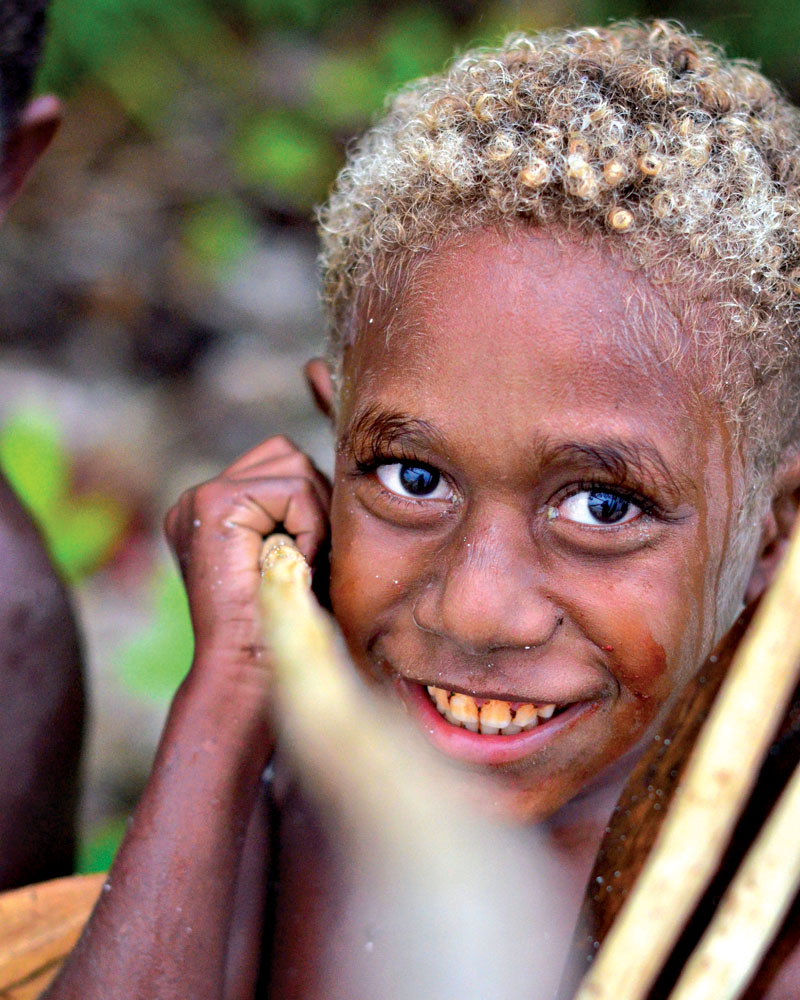
Up to this point, I’d enjoyed the bravado of the whole event, with constant talk of the spear fight, the kids threatening the visiting ‘whiteman’ with half-hearted jokes. But as a roar sounds down the beach and the two tribes begin their fighting, with spears flying in all directions, any sense of playfulness I’ve had about the event evaporates. A stray spear lands with a thud in the sand just centimetres from my feet, and I stumble back into a group of elders standing behind me. It occurs to me that despite my few hours of learning how to throw and block a spear, I am way, way out of my depth and I’d best stand back.

The sound of spears hitting shields fills the length of the beach. It’s a surreal event to witness so closely. Some spears travel frighteningly fast at their targets, hitting legs and grazing arms, others wobble through the air and fall far short. Supporters stand behind the fighters, collecting stray spears and passing them back to combatants. Families yell their support, while a group of island elders adjudicate proceedings from the safety of the dunes. I watch Edward charge his way into the fight. As he takes on two men at the opposite side of the battle, I wonder what it was that he did during the year to warrant a two-on-one fight.

After less than five minutes, it’s all over. The elders run down the beach calling an end to the fight. Spears are laid down and, within seconds, hands are shaken, smiles return to faces. It’s like a spear was never thrown. Friends and families from both tribes converge on the beach, and I see Edward and his two foes smiling and slapping each other on the back. Fighters who minutes earlier were launching spears at each other walk ceremonially together under a rokbonaparagu vine, signifying their unity and the end of their grievance, before everyone heads home to laugh and swap stories from the battle.

Having stood a little too close to the fight, I can attest that this is no theatre spectacle. These are actual spears thrown with real power at real people. There is genuine danger involved in the whole event. I saw at least five direct spear hits to legs or hips, two that resulted in fighters having to be carried away mid-fight. And the people of Santa Catalina still talk of the infamous 1974 fight, where one unlucky warrior lost an eye after a spear went into his eye socket.

With that said, island elder Chief Gordon Raroinamae emphasises that there have never been any deaths from the event – at least not in living memory. “The purpose isn’t to kill or harm your opponent; it is a test of his courage,” he says when we sit down for a long chat afterwards. He tells me that Kastom beliefs also play an important role in keeping the fight fair. Should a fight get out of hand, or a spear be thrown with bad intent, then there are three or four senior women on Santa Catalina who have the power of a secret chant that can redirect a spear from its target, or even shatter it mid-air.

On the afternoon before the final spear fight, the women head to Faraina, the island’s highest point, to cut banana leaves and chant cheeky insults at the men.

All the men join the women on top of the hill, where we cover ourselves in aranpagora, the island’s sacred orange mud, before wrapping ourselves in ferns and marching back down. We ceremonially yell out to the women below at each break in the trees, before storming through the village, stamping our spears on the ground and separating into respective sides for the next spear fight. As the first spear is thrown, I’m proudly still there, ready to get among it. But despite my enthusiasm, Chief Gordon pushes me away from the pack with a friendly smile and tells me, “Maybe you should just watch.” I half-smile and thank him for saving me the embarrassment of a certain stray-spear injury.

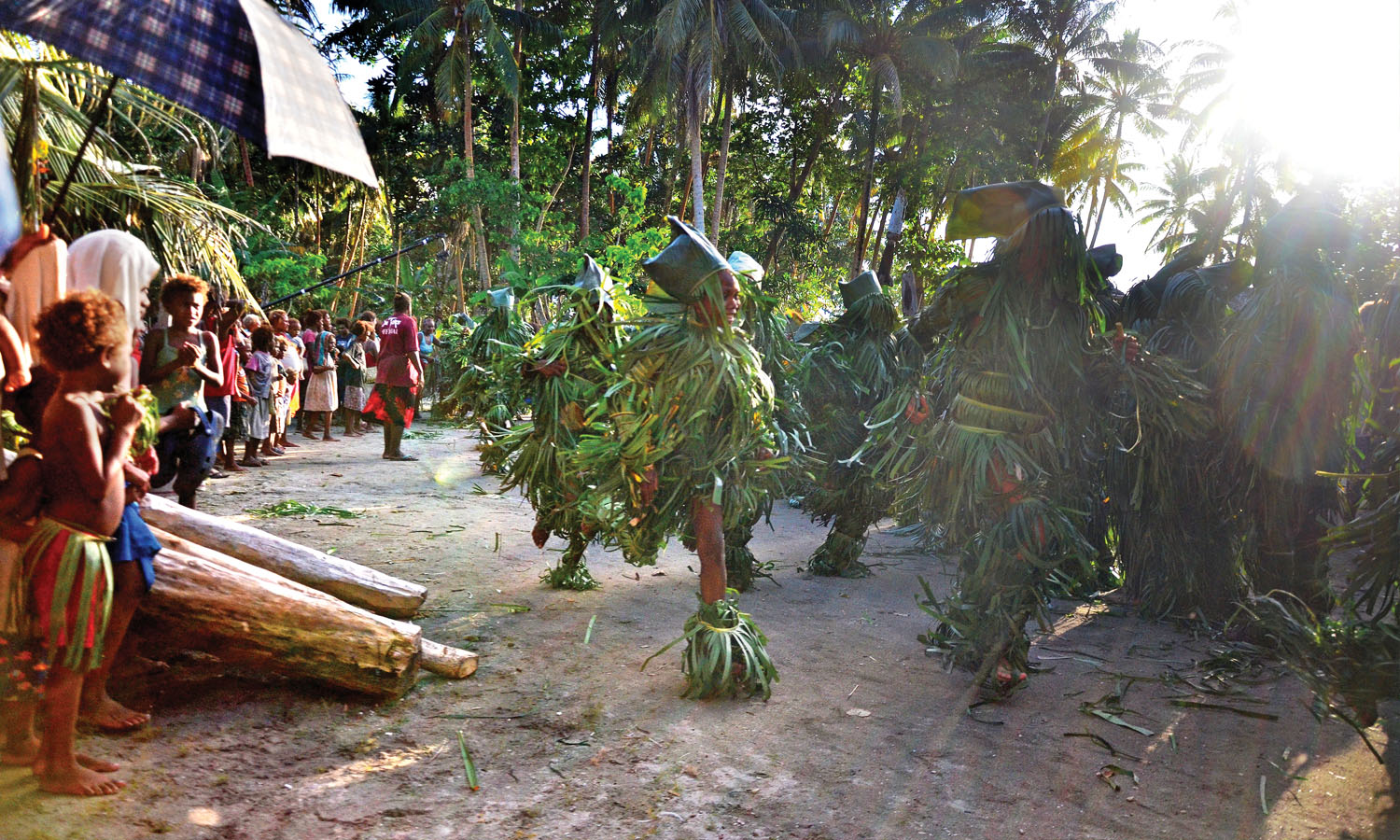
The women are covered in mud and dressed head to toe in banana leaves, resembling an army of walking trees. They line up and throw stones at the men, before sprinting into the ocean, where they stand proudly half-naked in the shallows as the sun goes down on the festival’s final afternoon.

It is a manic end to a wild few days that, in an odd way, celebrates conflict. But Wogasia makes people confront their grievances and addresses them publicly to ensure issues don’t fester and grow into something worse. So with that in mind, the next time someone throws a spear at you – whether literal or metaphorical – why not thank them for considering your long-term wellbeing?

THE RULES OF THE GAME
The rules of the Spear Fighting Festival, according to Chief Gordon Raroinamae:
1. Fight only with someone who has made you angry or caused you distress.
2. If you are fighting a member of your family, you can only fight a brother or a cousin – never your father or an uncle.
3. If an issue has been ‘formally’ reconciled (through compensation payments), but the grievance is still in your heart, then you are encouraged to fight to resolve it.
4. If your spear hits the wrong person, expect to pay them compensation after the fight.

Tonga

Ko e ‘Otua mo Tonga ko hoku tofi’a. It means ‘God and Tonga are my inheritance’, and anyone who’s visited this kingdom in the South Pacific will no doubt agree. The Friendly Islands number 176 in total, but only 40 of them are inhabited. Regardless of which ones you visit, you’ll soon feel as though you’re a part of the community.

This a traditional culture that has embraced contemporary ways of life to a certain extent. As a visitor, you’ll find good food, lovely hotels and action aplenty – there’s kitesurfing, diving, surfing and plenty more things to do – but at the same time there’s a dedication to family, Sunday is for church (at all times visitors should dress conservatively), and kava and dance rituals are still practised.

The main island of Tongatapu is where most visitors start. Visit the market, check out the blowholes in the reef on the southwest side of the island or hire a sea kayak and paddle to deserted islands and sand spits, stopping to snorkel along the way.

The Vava’u group of 61 islands in the north is a popular spot for yachtsmen, who anchor in protected coves to enjoy the exquisite beaches and turquoise water. Fishermen and divers are also lured by the marine life (and the latter by excellent visibility that generally sits at about 30 metres), but this location draws the most visitors between June and November, when migrating humpback whales come to the calm waters with their new calves. There are a number of operators who offer boat trips to view and swim with these gentle giants, but book early.

For a taste of truly authentic Polynesian life, head to the volcanic isles of Ha’apai or the country’s oldest island, ‘Eua, which has some fantastic hiking through its dramatic landscape.

An Instant Itinerary for Fiji

Almost 700,000 people visit Fiji every year, but the vast majority sees only two parts of the country: the airport and whichever resort was bundled into their holiday package. Make the slightest deviation from the well-worn tourist trail though, and you’ll quickly discover there’s a whole lot more to Fiji than can be seen from the edge of a swimming pool. As an added bonus, it’s as cheap as chips. Our 11-day exploration of Viti Levu, the Mamanucas and Taveuni is rich in experience but low in cost, and it’s worth noting that all our accommodation options have dorms if you’re travelling on your own.

MAMANUCAS – THREE NIGHTS
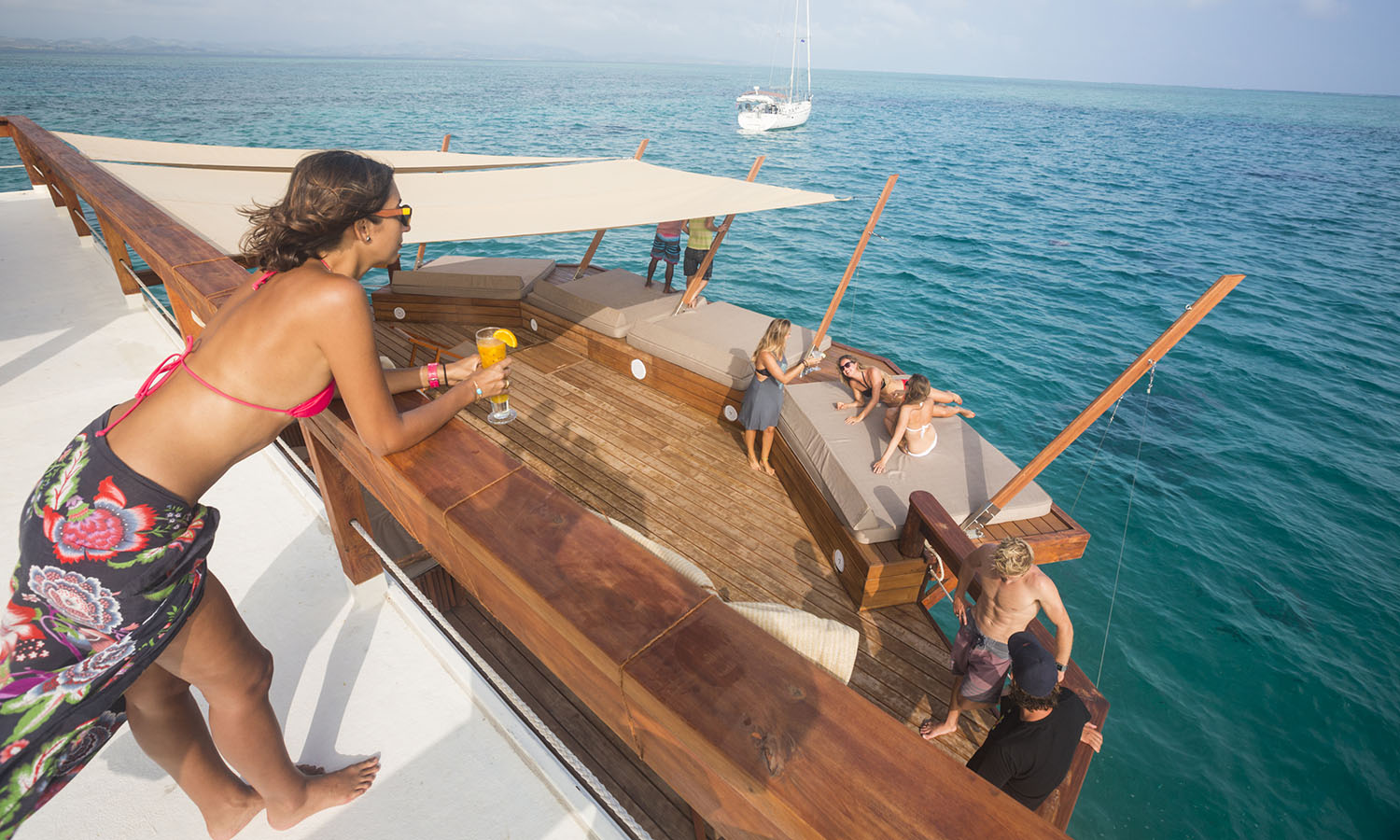
After touching down at Nadi Airport, catch a free coach transfer to Port Denarau and jump on the Malolo high-speed catamaran. It’ll take you to Malolo Island, one of 20 sun-kissed jewels comprising the Mamanuca Archipelago. Spend the night bar-hopping your way around the half-dozen resorts while acclimatising to the heat and the unhurried way of doing things – known around here as Fiji time. The following day, take a 10-minute boat ride to Cloud 9, a floating day club set in the translucent blue waters of Ro Ro Reef. Australian co-owner Bar’el can usually be found blending cocktails behind the bar or mixing tracks on the decks, while his Fijian partner Tony rustles up pizzas in the wood-fired oven. Spend the next couple of days snorkelling, wind-surfing, hiking, stand-up paddleboarding, kayaking or just working on your tan on Malolo Island.

NAUSORI HIGHLANDS – THREE NIGHTS
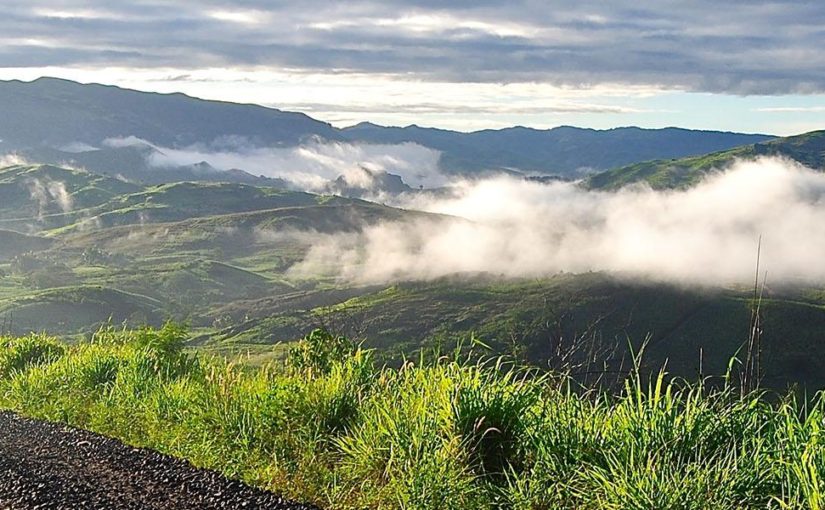
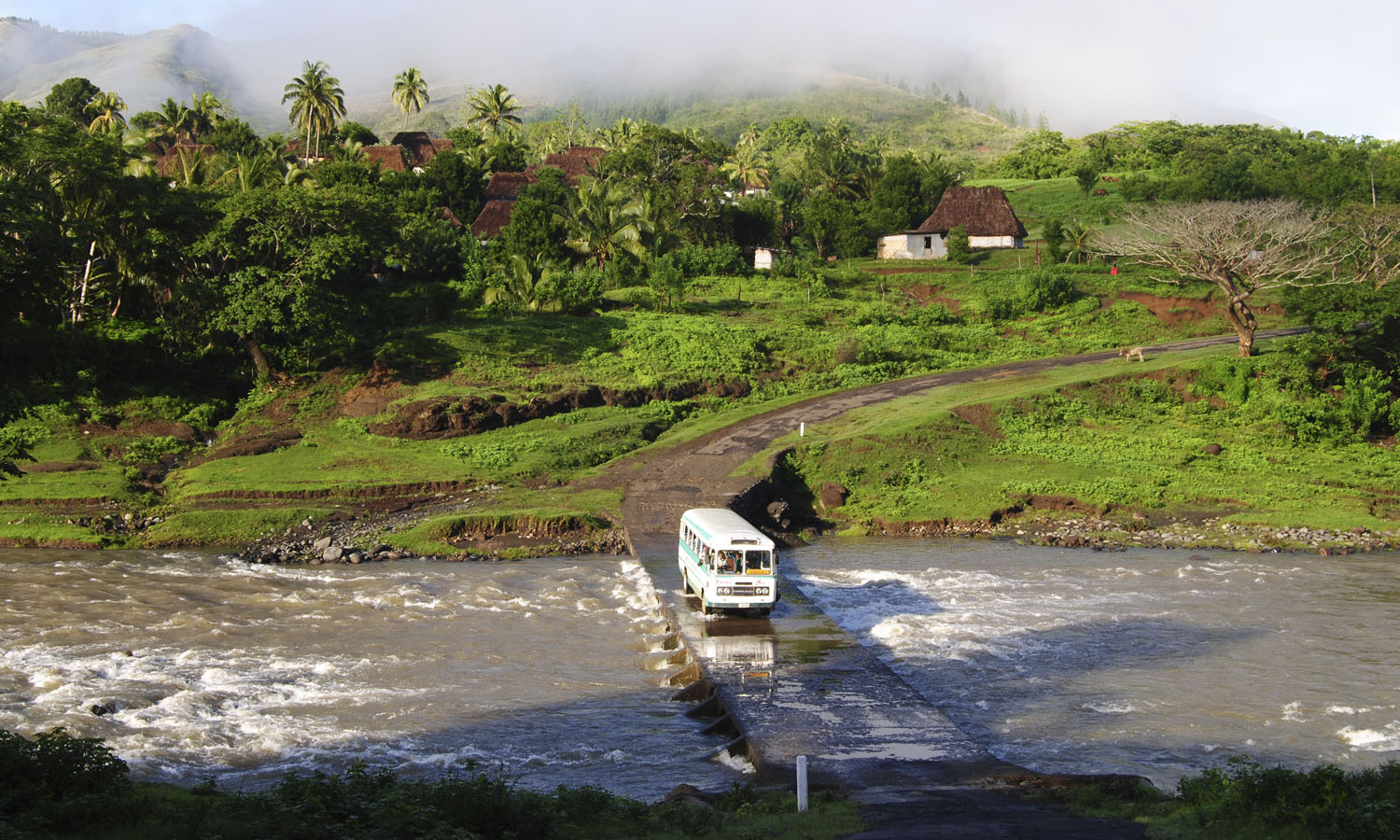
Catch the 4pm catamaran back to Denarau then the courtesy coach to Wailoaloa Beach, the island’s backpacker HQ. Rise early the next day, catch a cab to Westside Motorcycle Rentals and get ready for adventure as you ride through the Nausori Highlands. Your route will take you north along the coast past the Indo-Fijian towns of Lautoka and Ba before detouring inland along a gravel road that cuts through rolling, green countryside and sugarcane plantations. This is a devastatingly beautiful place that will redefine your conceptions of Fiji: it looks like Nepal, the climate is cool and the villagers are mostly descendants of Indian labourers brought here by the British during the nineteenth century. Spend the night at Navala, the only village on Viti Levu where all the houses are built in the traditional bure palm-thatch style, before continuing south on a trail that passes through rivers, drops into valleys and climbs mountains enveloped in mist before terminating at Sigatoka on Viti Levu’s south coast. The next morning, follow the coast back to Nadi, drop off your motorbike and catch a cab to the airport.

TAVEUNI – FOUR NIGHTS
Passing over dizzying mountain peaks, vast river deltas and enormous fringing reefs, the flight from Nadi to Taveuni is an adventure in itself. It’s a fitting introduction to the final leg of your trip on the velvet green paradise of Taveuni, aka the Garden Island of Fiji. Spend your first full day here exploring Bouma National Heritage Park, where a two-hour walking trail leads to the Tavoro Waterfalls, the largest of which is 30 metres high. The following day, catch a local bus to Taveuni’s east coast for the Lavena Coastal Walk. Think friendly Fijian villages, turquoise lagoons edged in powder-white sand and waterfalls that cascade straight into the ocean. On day three, catch a bus along the west coast to the Waitavala natural waterslide. Formed by molten lava that poured down the faces of Taveuni’s 150 now extinct volcanoes, the slides and freshwater swimming holes form a playground cut straight out of the Garden of Eden. On your last full day in Fiji, go diving or snorkelling at Rainbow Reef. Consistently ranked among the top five dive sites in the world, it’s home to the Great White Wall, a sunken escarpment blanketed in glowing white corals the locals call Fijian Snow.


The Pieman’s Promise

In the northwest corner of Tasmania, the Tarkine rainforest is primed for battle. In one trench, the Tasmanian government has recently approved leases for several new mines. In the other, environmentalists are threatening to turn the world’s second-largest intact temperate rainforest – a place scientist and environmentalist Tim Flannery has described as “perhaps the least disturbed forest in all of Australia, the closest thing our continent offers to a true wilderness” – into a Franklin River–style blockade.

At the forest’s edge, however, in the former gold-mining settlement of Corinna, politics is another world. In fact, the rest of the world is another world. Cottages at the only accommodation inside the Tarkine have no TVs, no radios, no internet access and no phone reception. 
In the ever-connected modern world, it’s a place almost as primeval as the rainforest itself.

By Tasmanian standards, Corinna and the Tarkine are about as remote as it gets – this is the island state’s damp outback. To get here from Hobart, I drive for five hours, crossing the Pieman River on a vehicle punt – affectionately known as the Fatman Barge – to officially enter the forest that spreads across about seven per cent of Tasmania’s land mass.

On the northern bank of the Pieman sits Corinna, a smattering of gold-rush-era buildings and updated cottages nestled in the rainforest. The bedroom and deck of my cottage peer straight out into the forest canopy – into celery top pine, myrtle beech and laurel – and it feels as though I could be sleeping in a tree house. It is restful and tranquil, but I’m not here to simply hang out in a room.

Outdoor attractions are plentiful, with a web of trails and activities ranging out into the forest and along the Pieman River, which forms the southern border of the rainforest. Even in a place so dense with plant and animal species, there are standout stars. Centuries-old Huon pines – among the oldest trees in the world – hang over the river. The Tasmanian devil population is healthy and free of facial tumour disease. Freshwater crayfish have created a mini-metropolis of chimney-like mud burrows behind one line of cottages. And on my first morning at Corinna I set out early on foot through the forest to the Whyte River in hope of sighting a platypus.

The walking trail begins about six steps from the door of my cottage, diving immediately into the rainforest, which is an orchestra of birdsong. The forest drips with overnight rain and on the bank of the river I stop and watch as a white-faced heron swings downstream, and an azure kingfisher skims low over the water. For a time the only other movement is the splashing of rain on the taut river surface, but then a small brown body glides along the opposite bank, the platypus’s bill searching the water as fervently as did the gold miners who worked these rivers more than a century ago.

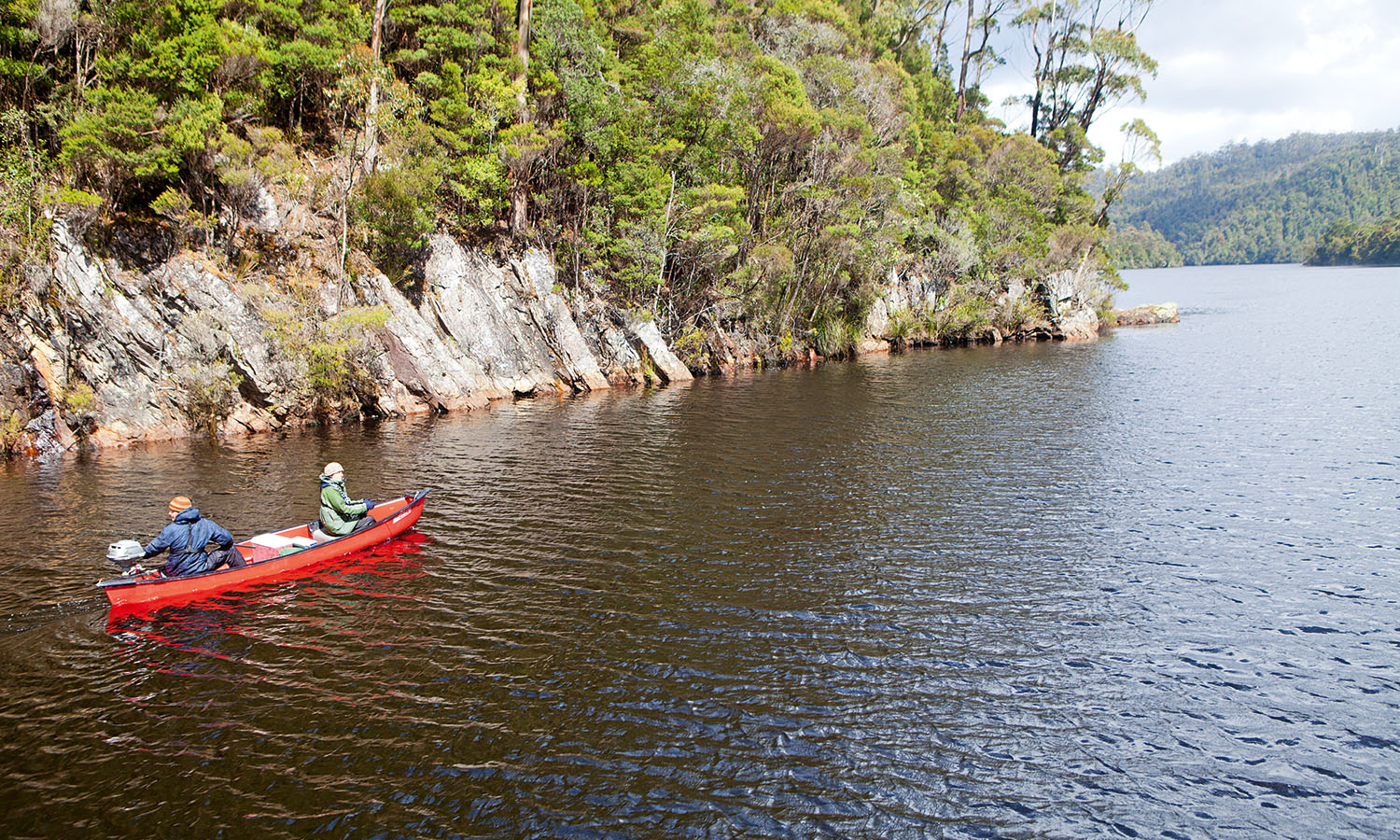
In the early morning, the Pieman river is mirror-still, its tannin-stained water as dark as the rainforest floor. Ancient Huon pines, bearded with lichen, jostle for prominence along the banks.

Gold was discovered in the Tarkine – in what is now Middleton Creek, just a few kilometres from Corinna – in 1879. By gold-rush standards, what eventuated was more a gold stroll, although by July of that year there were 400 people seeking golden dreams along the Tarkine’s southern waterways.

In January 1881, a store was built on the banks of the Pieman, and Corinna was founded. Two pubs – one on each bank of the river – arose, along with a blacksmith, baker, slaughterhouse, butcher and bootmaker. Within 40 years the town would be all but abandoned, leaving behind what’s now billed as the only surviving remote-area historic mining settlement in Tasmania.

In Corinna’s heyday, steamships brought supplies and miners up the Pieman, carrying out holds full of Huon pine. Today, Huon pine still floats daily down the river, though now it is in the shape of the Arcadia II, the only Huon pine-built river cruiser still operating in the world.

Since 1970, the one-time WWII-armed supply ship has been running visitors from Corinna to Pieman Heads – the mouth of the Pieman River – near the point where Australia’s highest wave (19 metres) was once recorded. It’s a place so wild that three ships were wrecked here in 1867 alone.

The contrasts are extraordinary. In the early morning, the Pieman is mirror-still, its tannin-stained water as dark as the rainforest floor. Ancient Huon pines, bearded with lichen, jostle for prominence along the banks.

“This would be the most intact Huon pine forest in the world,” skipper John McGhee tells me. “There are still 1000-year-old trees along the Gordon River, but you have to look hard to find them. Here, you see them every 10 to 15 feet.”

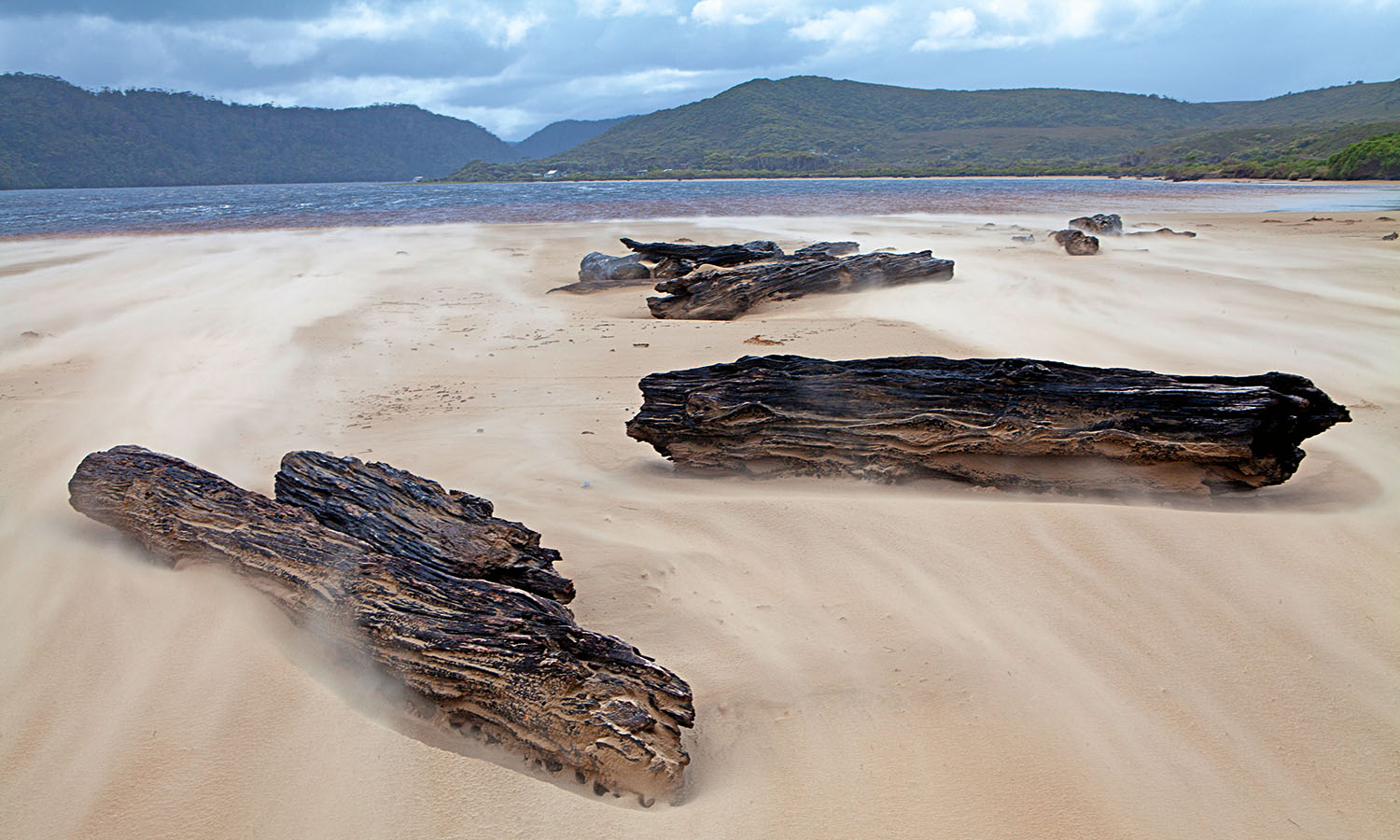
Even on this benign day, however, it’s the literal Wild West out on the coast, where six-metre swells thunder ashore at Pieman Heads. Wind scours the beach, driving sand through a graveyard of logs and driftwood. I continue to hear the roar of the ocean from kilometres away.

The next morning I return to the Pieman River, this time in a kayak. Once again the river is motionless, and I paddle across the reflected glory of the rainforest. My destination is the natural feature that’s arguably the brightest of Corinna’s many stars: Lovers Falls. Accessible only by water, it’s a hidden wonderland, just a few steps from the Pieman River.

“I’ve always thought that if Tinkerbell and Peter Pan were real, they would be living up there,” McGhee had suggested the previous day. “It’s quite magical.”

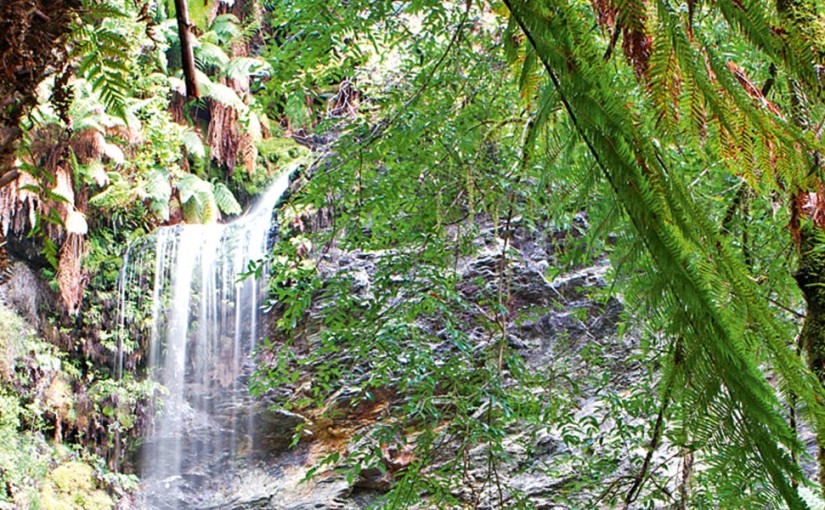
Inside its gully, green light filters through a forest of man ferns standing up to 10 metres high and thought to be among the oldest in the world. At the head of the gully, water pours over a 30-metre drop into a virtual sinkhole – it’s one of the most idyllic scenes in Tasmania, well deserving of its quixotic name.

As I paddle back to Corinna, I detour briefly into the Savage River. A short distance upstream is the sunken steamship SS Croydon, its metal bow peeping out of the water. Australia’s furthest inland shipwreck, it sank in 1919 while winching Huon pine logs.

As I paddle over the ship, its winches visible through the stout-coloured water, there’s an eerie, almost ghostly feeling to the scene. The tangled riverbanks squeeze the river tight, and there’s not another person for kilometres. As I sit over the wreck, hanging onto its bow, rain begins to fall. I paddle across to the riverbank, sheltering beneath a myrtle beech tree as the forest drinks up the rain that has made this a place worth fighting for.