A lot can be understood about a country just by reading its national carrier’s in-flight magazine.
If it’s slick and polished and filled with ads for expensive watches, it’s a safe bet you’re about to land in a middle-of-the-road tourist zone. On the other hand, if there’s no magazine to speak of, you may be entering a war zone. But if you happen to pull a flimsy little publication from the back of the seat in front of you, one that is enthusiastically slapped together with a minuscule budget – with typos, grammatical errors and cliché-heavy prose on every page – you’re in for a holiday treat. The country you’re about to land in has reached a wondrous midpoint in its evolution. Every spelling mistake spells good times ahead. Every ‘tropical paradise oasis’ promises that the water will, indeed, be warm and lovely.
With this in mind while reading Solomons magazine during a flight to the Solomon Islands, I’m given every reason to be hopeful for a rather special holiday. This proud little publication goes to great efforts to make its point very clear. Crystal clear, in fact.
“Is it compulsory to wear a seatbelt here?” I ask the taxidriver when I arrive in Honiara, the capital of the Sols.
“Yes, it is compulsory, but nobody wears one,” he tells me.
“When people come here, mostly from Australia,” he continues, “they always wear the seatbelt. But soon they don’t wear the seatbelt. And when they take the taxi to the airport for going home, they never wear the seatbelt.”
Feeling every bit the amateur tourist with my seatbelt on, I sit back for the ride from the international to domestic airport. Approximately 23 seconds later we arrive. Feeling every bit the amateur tourist having just paid for a 150-metre taxi trip, I check in for the flight to Munda, a town in the Western Province, and the start point of my Solomon Islands adventure.
I have no agenda for my few days in Munda. I wake early to the sounds of women with palm-frond brooms sweeping the earth. I walk in the morning warmth and discover the countryside, collecting sights like they’re knick-knacks in a souvenir store. At night I cool off with a few cold SolBrew beers and lie beneath a fan to read about Tetepare, where I am headed next.
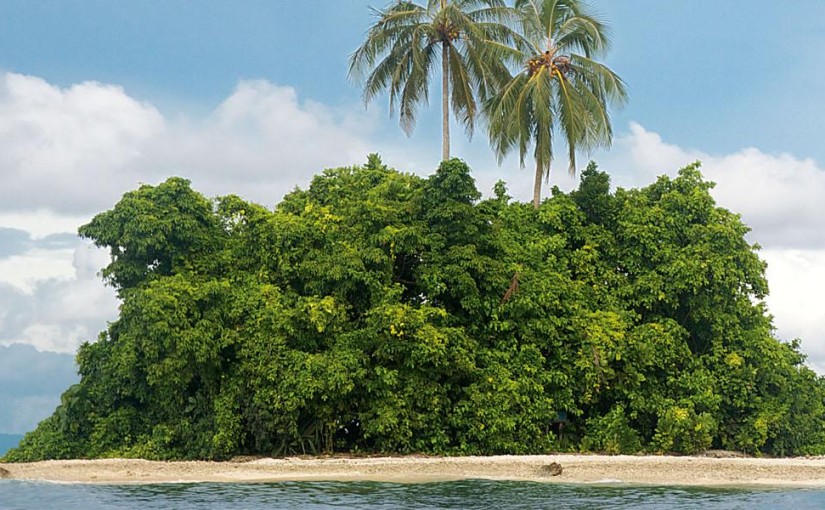
Tetepare Island is the largest uninhabited island in the South Pacific. At 27 kilometres long and seven wide, it’s a rugged, wild place, steep and unforgiving. The local story goes that about 150 years back this diverse island was invaded by a nasty spiritual force, driving the population to death or to flee for other islands. Historians argue that it wasn’t the devil but disease that did the harm. Either way, Tetepare was left untouched, sparing it from development and from the vicious teeth of the loggers’ saws.
But in a country where felling timber has gone on unchecked and untenable for far too long, Tetepare’s old growth forests, some of the last in the Solomons and the wider Pacific Ocean region, eventually became the target of the insatiable logging consortiums.
A campaign ensued, with the 4000 or so descendants of Tetepare banding together to agree that their ancestors’ island was worth more intact and upright than in a foreign sawmill. The process of getting consensus on this, in a country where familial land rights are impossibly complex and where conservation for many is a white fella concept, was a giant achievement. Ultimately, in what is a rarity anywhere in the world, long-term benefits were chosen over immediate gain. Tetepare was saved – by the people, for the people.
But the win came with conditions. The Tetepare Descendants’ Association was obliged to put in place a program and prove that their win would bring greater benefits to their people than logging. Tourism was central to this plan.
After a few days in Munda, I’m ready to take the boat to Tetepare. At the jetty I meet Allen, a Kiwi volunteering at Tetepare, who has come across to Munda for few days R&R.
“You’re going to love it, mate,” he tells me. “This place is second only to the Galápagos Islands. Without the boats and tourists, of course.”
On the two-hour trip across the glassy lagoon, I get to thinking about Tetepare’s need for tourists to survive.
Sustainable travel is a complex beast. Some might argue it’s an outright oxymoron. While there is genuine and growing concern for the future of the places travellers love to visit, and ‘green’ travel is undoubtedly a booming sector, it is all too often heavy on feel-good tokenism (green towel policies, organic soap and the like) and very light on significant action.
Tourism unquestionably brings with it some massive economic benefits, but it’s an uncomfortable reality that jetting off to far away places causes negative environmental side effects.
For an eco-conscious person with a love for travel, this is a constant conundrum to face. To go or not to go?
“Perhaps our greatest distinction as a species,” wrote Jared Diamond, a scientist and bestselling author, “is our capacity, unique among animals, to make counter-evolutionary choices.”
Like a food fanatic knowing his arteries are getting clogged or a sun lover knowing her tanning causes cancer, sensible and rational action is not always the first choice we humans will make. So, instead of taking up a diet of salad greens or avoiding the sun, we opt for lowfat cheesecake and SPF50+ sunblock. Sustainable travel, it could be argued, is the Diet Coke of tourism. It’s far from healthy, but it’s a start to keeping the waistline in check.
Tetepare, however, seems to defy all this. It’s an authentic eco experience if there ever was one. The very act of going to visit this island is key to its survival.
After an hour or so, the boat rounds a corner and I sight Tetepare lurking in the lagoon like a lazy crocodile. It’s a magnificent looking spot. As I arrive, other guests who’ve been here for a few days greet me at the jetty. Island veterans, they tell tales of the things they’ve seen and what I should do with my time here.
“Hey, Dad! Shark!” yells a young kid snorkelling just off where the boat is tied.
“Good one, mate,” his dad replies, as casual as can be.
Tina, one of the local employees on the island, takes me up to my thatched hut accommodation and gives me the rundown on the rules.
“This is a wild island, yeah,” she explains. “we have some dangers.” Tina then lists all the hurty and bitey things I might encounter during my stay. At the top of the list is the crocodile. I’m told that one in particular (of the 14-foot-long variety) resides in the lagoon.
“Swimming is always OK,” says Tina, “but not after 5pm.”
“Does this crocodile operate on Solomons time?” I ask.
Before coming to the Solomon Islands, I was told to take care factoring Solomons time into any plans I was making. I rarely pay heed to this type of clichéd counsel, but I was warned on many occasions that people in the Solomons take non-punctuality to world-beating heights. They can be early, late or never. One can never quite know.
The Hon. Manasseh Sogavare, a former PM, described Solomons time quite neatly when he said in a newspaper interview: “According to our way of thinking, things continue to happen along the span of time irrespective of how long it takes.”
If humans here are prone to such loose interpretations of time, I feel certain that hostile reptiles will have even less regard for the clock.
Tina deftly ignores my question and begins talking about stinging nettle. I decide not to swim after 4pm just to be safe.
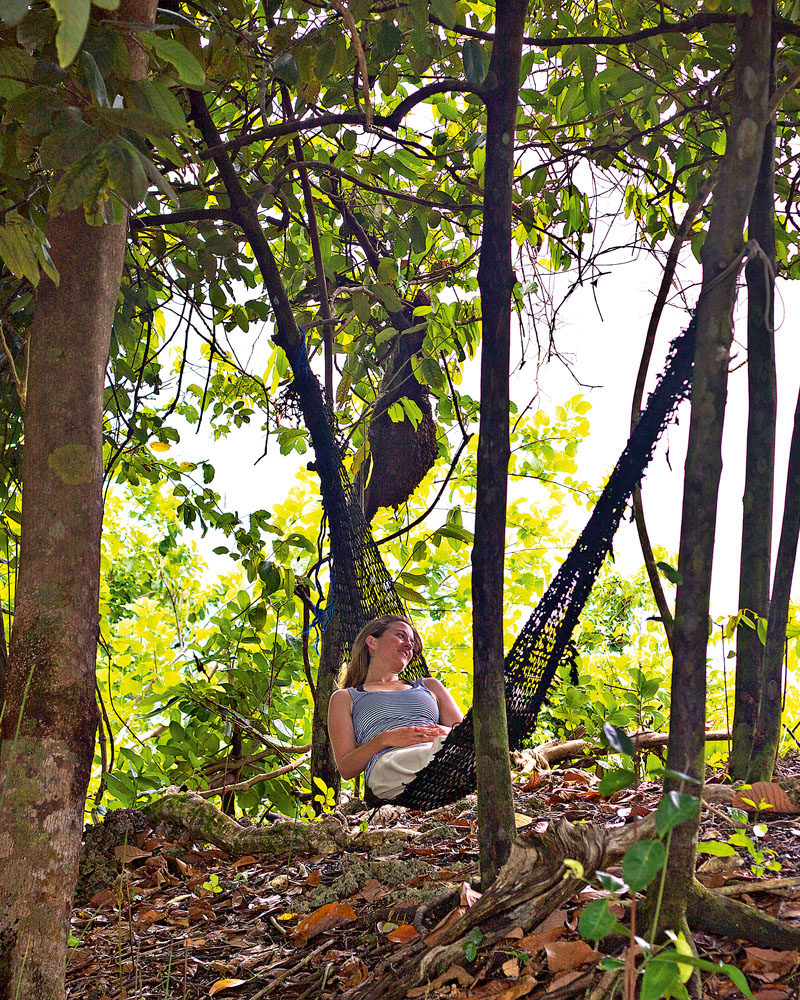
Each day on Tetepare is equal parts laziness and adventure. Between hammock time and sharing meals with guests at a long table, there’s hiking, snorkelling, fishing and boating to be done. The local guides, or ‘rangers’, are on call all day long to accompany visitors on any activity they choose. The whole operation feels very ad hoc, as if anything goes.
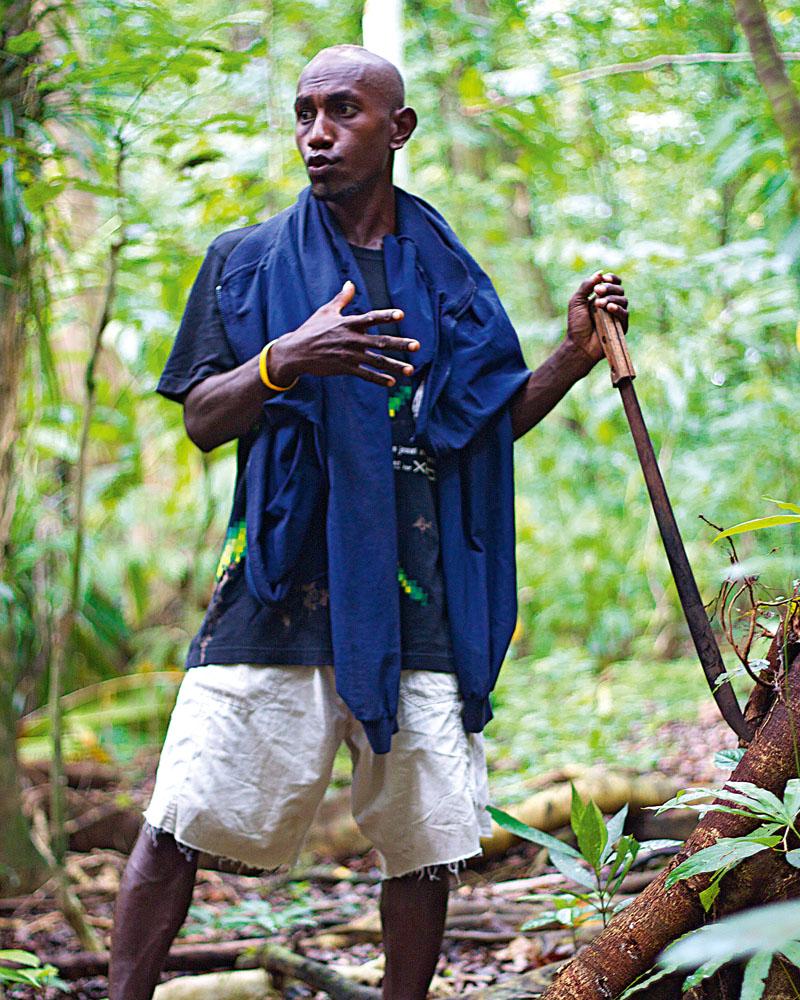
“Do you love snakes?” asks Nelson, one of the young guides on a hike into the forest. “Sometimes they will be in your room,” he informs me, matter of factly.
The first night’s plan is to sleep on the beach along with a leatherback turtle monitoring team. The leatherbacks, once a delicacy for the locals, are now fully protected. We arrive at Turtle Beach by boat, the waves crashing heavily onshore. Several of the guides dive in and swim for land. It appears they’re going to ‘catch’ our boat when it comes in. There are no seatbelts here. The driver waits just beyond the suck of the surf for a break in the sets then guns it for the sand. I put our chances of drowning under the boat at 50/50. In spectacular fashion we plunge onto the beach and scramble onto the sand before the next wave. We make it out alive.
Unfortunately, we don’t see the critically endangered giant leatherback that night, but it’s a lovely time under the stars.
Over the next days on Tetepare I settle into island life. This is a truly wild place. Rampant jungle and colourful reef become my very own playground. The sense of anything-goes adventure suits my style exactly. This is not a slick resort, with a PR person and a polished front-of-house team. It’s as back-to-basics and informal as it’s ever going to get. It’s ecotourism as it should be.
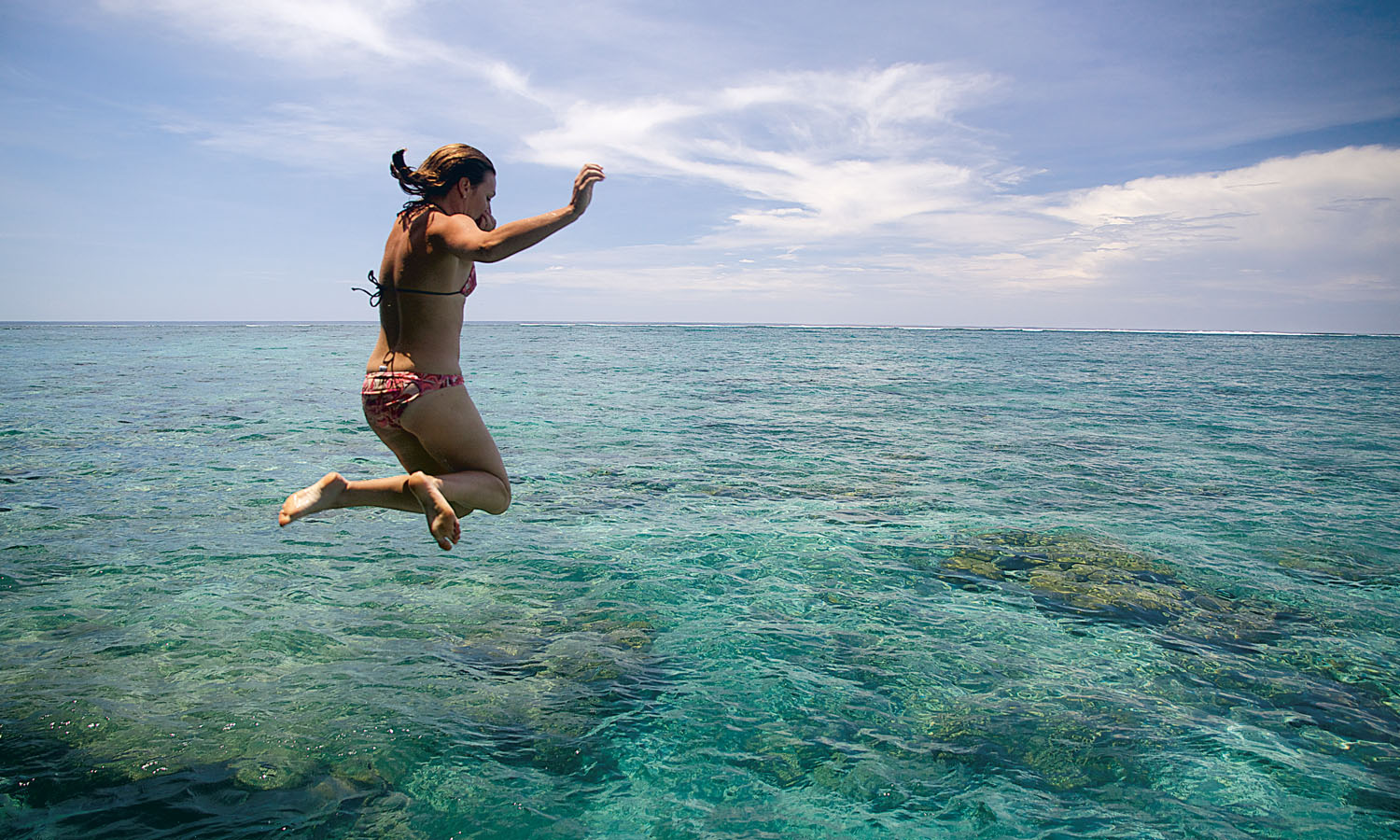
Each day I swim with sharks and reef fish and turtles. Before breakfast, I snorkel alongside a pair of dugongs munching happily on a seagrass meadow. I hike through the jungle, primordial and crowded, and learn a little about bush medicine and survival. On an around-the-island boat trip, I see the whole forest for what it is – an immense swathe of green matter draped over the land, right down to the aqua edge of the lagoon. Thankfully, I don’t encounter a crocodile.
At night, Roy, one of the rangers, takes me to find some endangered giant coconut crabs in the bush. He manages to grab one that’s the size of a basketball. I ask him if he likes to eat them.
“No, not any more,” he says. “I actually don’t eat the turtle or the crab or anything like this. We’re trying to be conservationists here. Before, nobody knows what is conservation, but slowly, slowly they know. And they want to make conservation for the future.”
In a spiel that comes from the heart, not the company memo, Roy tells me that in some villages in the Solomons there are kids who have never seen a once-prolific leatherback turtle. He hopes his work will change that.
“I am happy that the visitors come here,” he says, while measuring and recording the size of the crab. “I think the tourist people can help.”
In a destination that has a reputation as a honeymoon hot spot, it came as quite a surprise to learn there was a cave called the Hidden Vagina right next to the little runway that our twin-prop bug basher had bounced down upon earlier that afternoon.
But the Cook Islands are full of surprises, particularly the outer isles. They’re full of caves too as it turns out, many of which are, in turn, full of dead bodies. Again, not what I’d expected from a love-by-the-lagoon-style luxury location. But I haven’t come here with a new wife – or any wife for that matter – and I like surprises.
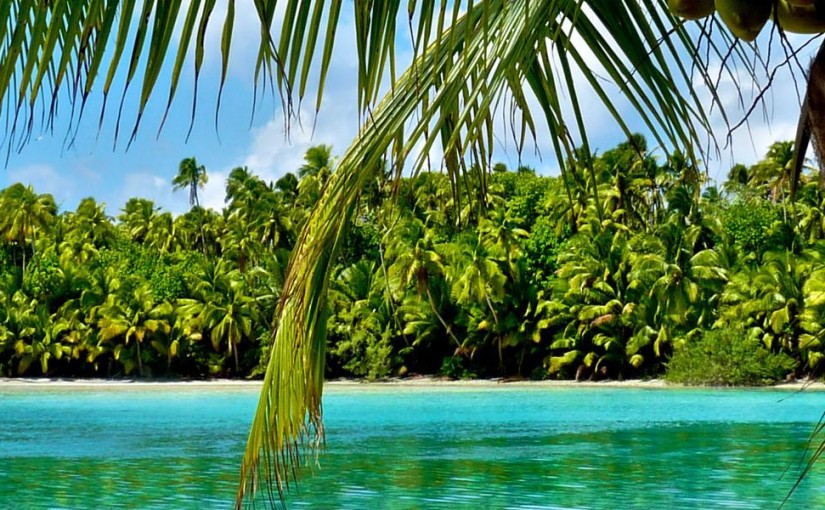
Gilt-edged by beaches and fringed with coconut trees, Rarotonga – the main island of the scattered group of 15 that make up the Cooks – is ringed by a coral reef that provokes breakers on one side and protects a placid lagoon on the other. It’s the epitome of a tropical island.
Aitutaki, the second-most-visited island in the group, is arguably even more breathtaking, with its ridiculously idyllic lagoon. Tony Wheeler – founding father of Lonely Planet – recently spruiked it as “the world’s most beautiful island”.
But if you’re looking for an experience that goes beyond beaches and doesn’t involve hanging with honeymooners, the outer islands offer a taste of the Cooks which, like a bowl of ika mata (fish salad), is all the better for being raw.
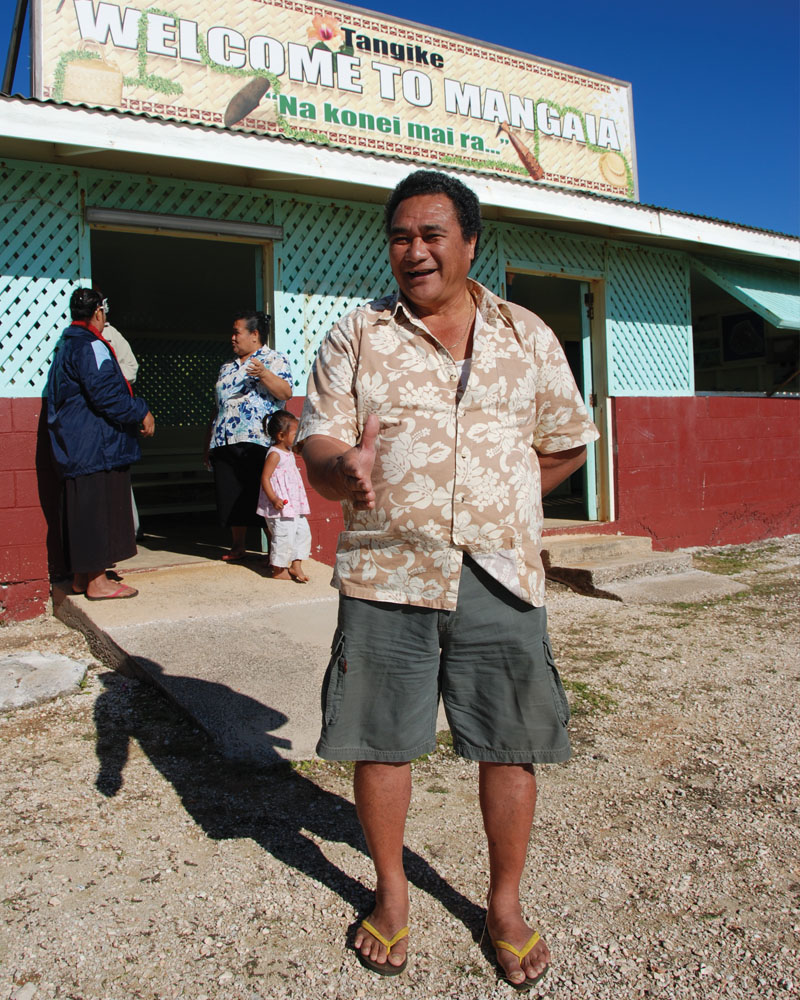
So little-visited is the island of Mangaia, that the island’s mayor turns up to welcome us at the airport, and later I’m told the chief of police has taken the next morning off to accompany me fishing.
Actually, I get it from good authority (everyone else I meet from the island’s 700-strong population) that Aerenga Matapo – the more senior of Mangaia’s two policemen – spends most of his mornings fishing. But then, what else would he do?
“We did have a prisoner here for a while,” recalls Aerenga, proudly. “We haven’t got a jail though, so we got him to do hard labour, cutting roads through the makatea.”
Mangaia is shaped like an orange juicer. The high point in the centre of the island is circled by fertile lowland, where pigs and goats graze and the ubiquitous taro plant grows. This, in turn, is looped by a raised doughnut of makatea, fossilised coral that once formed a submerged reef around Mangaia, until volcanic eruptions in Rarotonga, 177 kilometres away, raised the height of the atoll.
Like a medieval city wall, the ring of makatea stands protectively between the ocean and the three village settlements that lie in the middle of the island. Jagged makatea also defines Mangaia’s coastline, creating a surreal lunar-like landscape in parts. There are no golden beaches here, but when the tide retreats you can snorkel in natural swimming pools that are alive with trapped tropical fish.
In a culture where writing is a relatively new concept, stories are everything, and one local tale tells of how a Mangaian tradition was saved by a young man who lived among the makatea.
Rori, the hermit, fled to the coast and set up camp amid the coral after being routed in a battle. Shortly afterwards the missionaries arrived and, in the process of stamping out cannibalism, tribal war and pagan worship, also squashed many cultural traditions in the Cooks. Years later, when Rori finally rejoined society, he alone retained the island’s traditional woodcarving skills, which survive to this day.
It’s possible to visit the remains of Rori’s camp. I’m keen to go, but the island’s other policeman is the only person who can guide me there – and he’s out fishing.
Instead I tour the island in a 4WD, meeting happy gangs of local kids playing with homemade kites in the church field, listening to local legends and then, finally, exploring Mangaia’s underbelly.
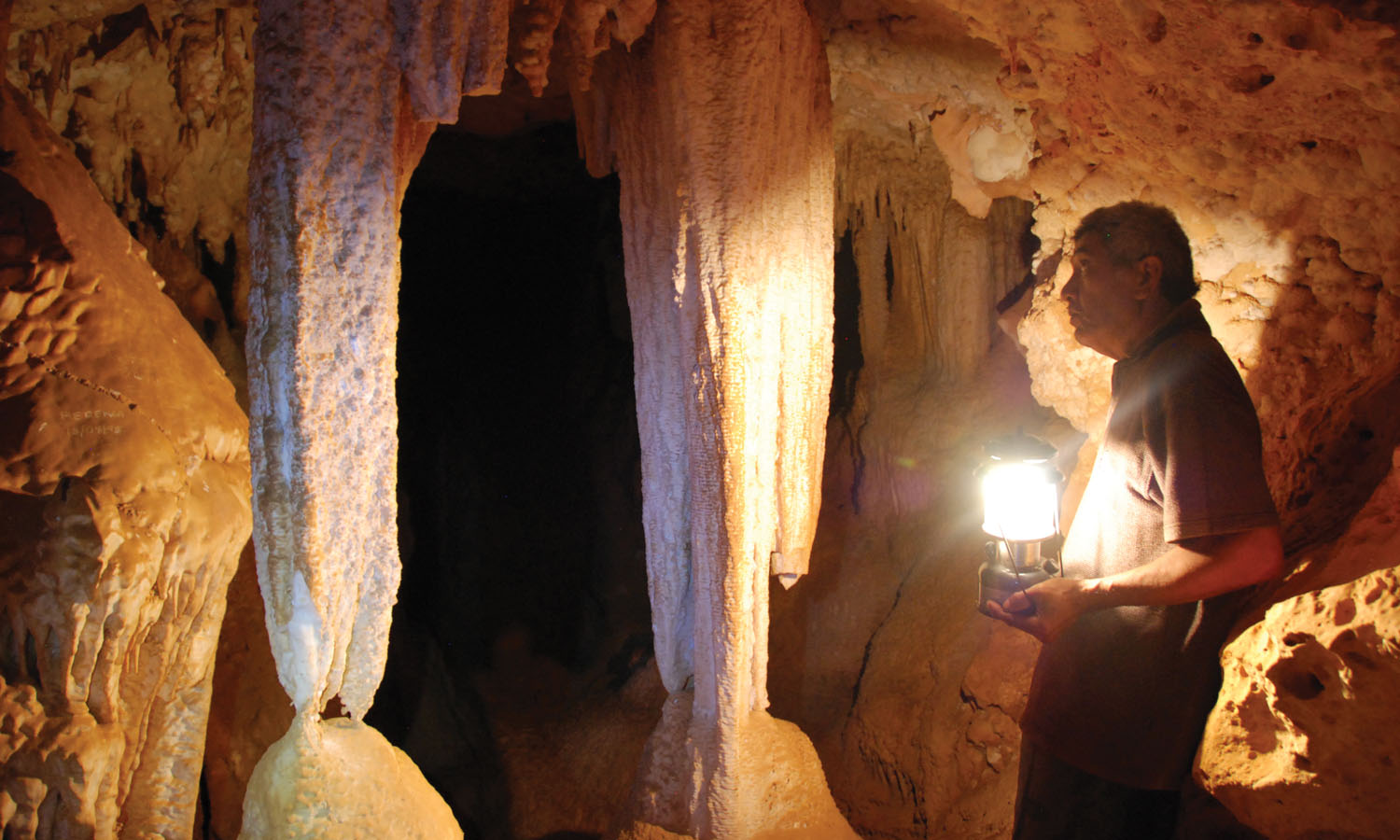
The island’s makatea wall is catacombed with caves and tunnels, many of which can be explored if you know the right people. You can visit burial caves elsewhere in the Cooks – most notably on Atiu – but none of these experiences are quite like Maui Perau’s cave tour.
At times during this three-hour point-to-point scramble through the crust of the island, I feel like I’m going to end up as a pile of bones, just like the ones we pass at the entrance.
Only family members are allowed to show people caves on their property, and the human remains within them need to be treated with respect. Unfortunately, however, no one has told Maui this last bit.
“Hello bro!” he shouts, grabbing a skull and patting the top of its cranium. “Haven’t seen you for a while!”
In a burial cave on Atiu, I’d been told cautionary tales about terrible curses that had afflicted people who’d messed around with the bones, so Maui’s comical routine alarms me a bit. Still, they’re his ancestors.
During the journey we squeeze and climb though tortured and twisted tunnels, past shimmering walls and armies of stalactite sentries. In a nanny world, Maui’s approach to health and safety is impressively hands-off, and there are plenty of opportunities for curse-induced calamity here.
My luck holds, though, right until the very end, when, as I climb up a 10-metre banyan root to emerge back into daylight, my camera tumbles back into the jaws of the cave and explodes. Ah well. As curses go, that’s not too bad. I’m still alive.
“The sea is not happy today,” observes Aerenga when we meet on the harbour wall the next morning as arranged. He has a point. A sizeable swell agitates the harbour’s water and sets of ever-angrier waves are charging up the boat ramp with increasingly cruel intent. Maybe the curse hasn’t finished with me yet.
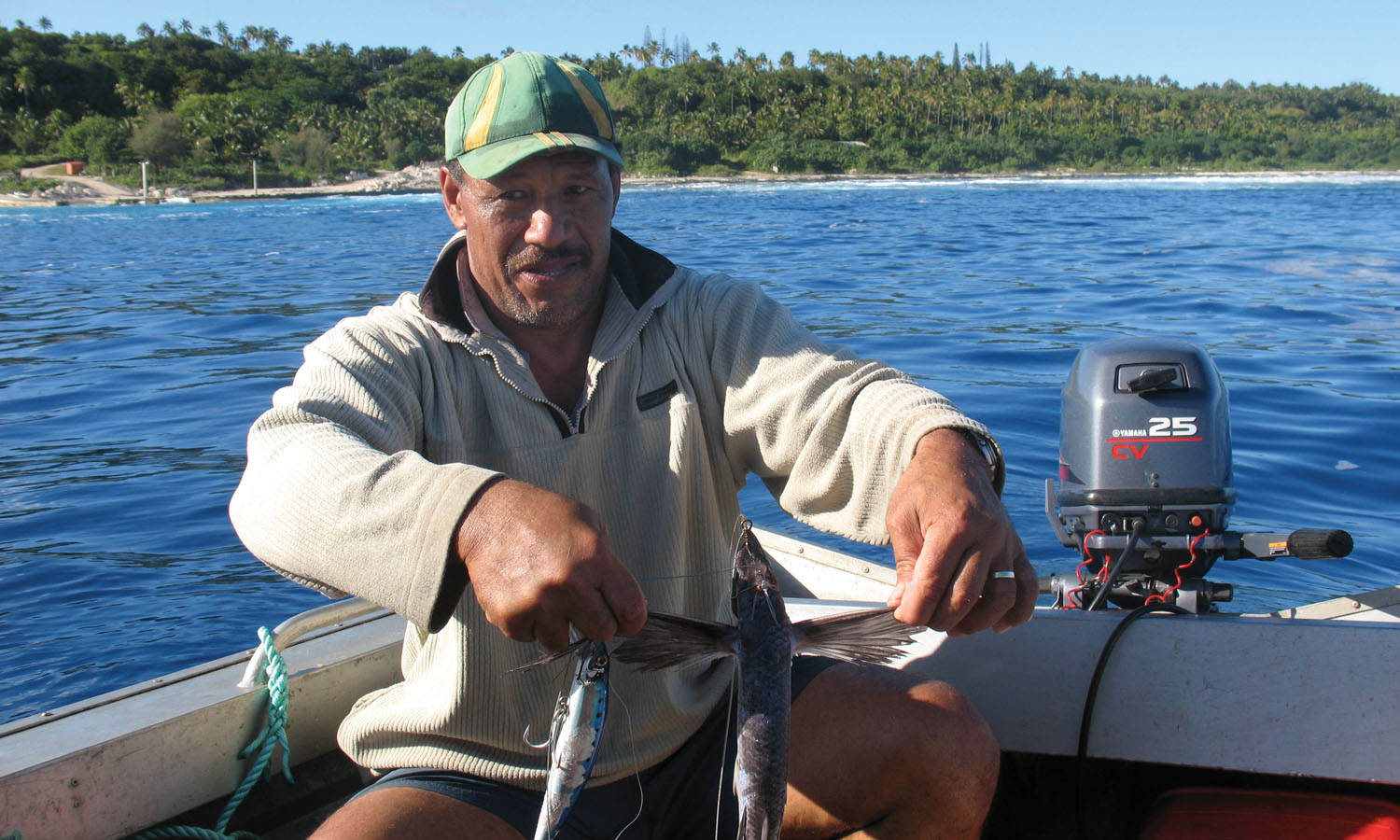
As we assess the situation, another fisherman appears on the ocean. He’s in a heavy wooden outrigger equipped with an outboard motor that’s the boat of choice around here – a modern variation on a theme that’s been in fashion on these islands since the vakas first brought people here. The fisherman counts the waves, picks his moment carefully and shoots into the mouth of the harbour with impeccable timing.
Aerenga chats to his mate as he helps him drag his boat to safety. The two of them shoot me a look. He’s done this a thousand times on his own, but I’m not sensing much faith in the abilities of his new crewmate. His copper’s nose can smell a non-fisherman a mile off.
Still, he’s a man of his word and we’re soon punching our way through the waves. Before leaving the safety of the reef, however, Aerenga clasps his hands together and murmurs a prayer, asking for our safe return and adding a side request for some luck with the hook and line while we’re out there.
Heading out to open ocean, I suffer a sudden pang of unexpected agoraphobia. These islands really are just peaks of submerged mountains, whose steep sides plunge to unimaginable depths just a few hundred metres from the shore. Below lies the abyss, and all around us nothing but a blanket of blue water stretching to the horizon on all sides, with the little island of Mangaia offering a solitary punctuation mark in the immensity of the Pacific.
I feel a little like Jann Martel’s protagonist in The Life of Pi, but fortunately I am not adrift on the ocean with a huge angry allegorical tiger. No, Aerenga is more like a big bear. As he tells me how he once landed a 235-kilogram marlin on a handline, I notice that his toenail has been smashed to bloody bits during our launch and he’s bleeding all over the bottom of the boat. He doesn’t appear to feel it though, and gets on with the business of spearing a flying fish with a hook as big as my hand.
“What are we actually trying to catch here?” I ask, as Aerenga passes me the rod and sends the bait overboard on its last ever flight. “I heard reports in Raro that the whales are back in town, we’re not after one of them are we?” Before he has a chance to answer, my line goes tight and all hell breaks loose.
Aerenga is shouting at me from the other side of the boat and waving his arms around. Obviously he wants me to do something urgently, so I flick the first thing I see on the reel, which stops it turning instantly and snaps the heavy gauge line as though it was a piece of cotton. What can I say? I am to deep-sea fishing what Rex Hunt is to rhyming slang.
I learn fast, though, and the next time my line goes taut I correctly interpret my instructor’s excited instructions to mean: ‘Do absolutely nothing’. I reel it in and Aerenga demonstrates some truncheon-swinging skills on the unfortunate wahoo, which reveals why there is no crime problem on Mangaia during his shift.
My trophy catch is a fraction of the size of one that got away, apparently, but it’s still the biggest beast I’ve ever hauled from the ocean and I’m quietly proud of it. And at least we’ll have something to eat tonight, which is good because the mayor is coming over for dinner.
Despite the grins that welcome us back into the harbour with our fish, my relief at having provided something to put on the table for tonight soon multiplies by a million as Taoi Nooroa, Mangaia’s tourism officer, meets the boat and takes me to one of the oldest settlements on the island.
At Tangata-Tau rock shelter, Taoi shows me walls blackened from ancient cooking fires and explains how anthropologists have discovered many artefacts here, like fishhooks and the remains of 36 human beings. “It seems they were killed in this sacred place,” says Taoi. “And then cooked and eaten.”
Before our wahoo feast, I explore another cave, this time led by Clarke Mautairi, a local mechanic who is next in line to become chief of his clan. Clarke hasn’t taken anyone else here for three or four months, but he knows the honeycomb lair like the back of his oily hand. Which is lucky because, as far as anyone knows, it’s an infinite hole in the ground.
Last year Clarke and an American cave specialist walked into this cave in one direction for four hours – only turning around when their torches began to die.
At the furthest point, Clarke says, “the air was thin and the water dripping from the ceiling was salty, from the ocean.”
To this day, no one has ever been right to the end. “Maybe it doesn’t end?” says Clarke. Perhaps, but unfortunately my time on the island does.
As my plane clears Mangaia’s mud runway, I realise that I never got to explore the cave whose name provoked my schoolboy smirks when I first learnt of it. Oh well, you can only tempt a curse so far. And I’m sure my wife wouldn’t be impressed if I went and got lost in the Hidden Vagina.
I’ve never been one for public displays of nudity, but the ancient customs of Vanuatu have me entranced and I’m fighting a compulsion to tear my clothes off, surrender my inhibitions to the island breeze and dance like it’s raining yams.
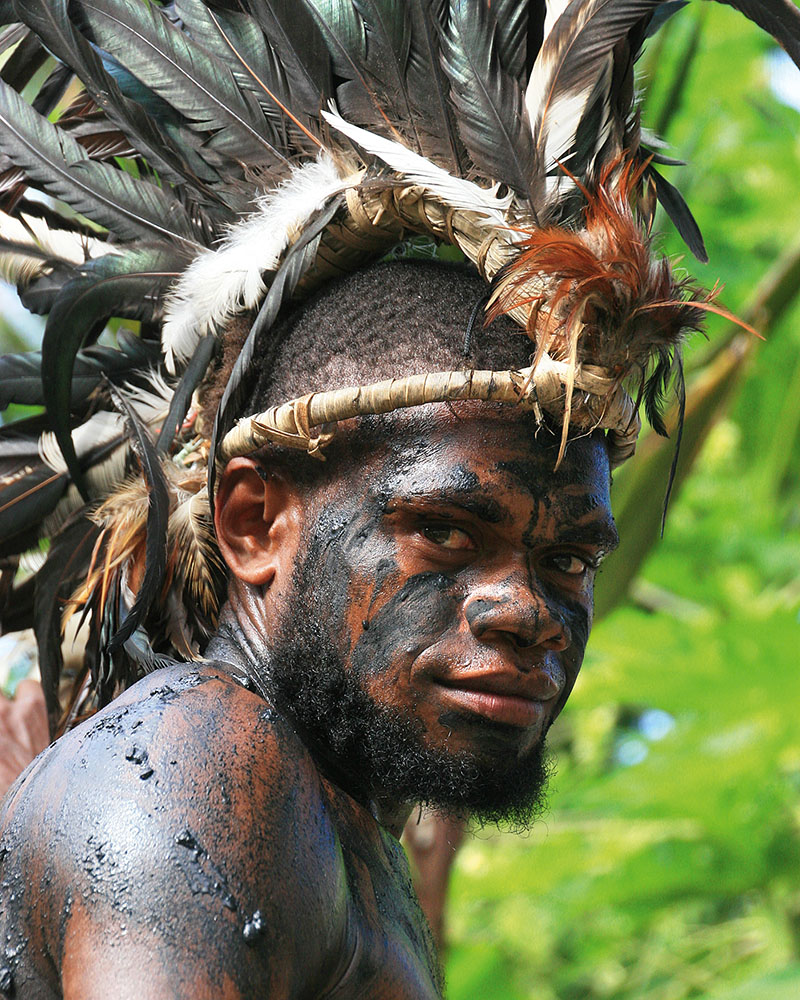
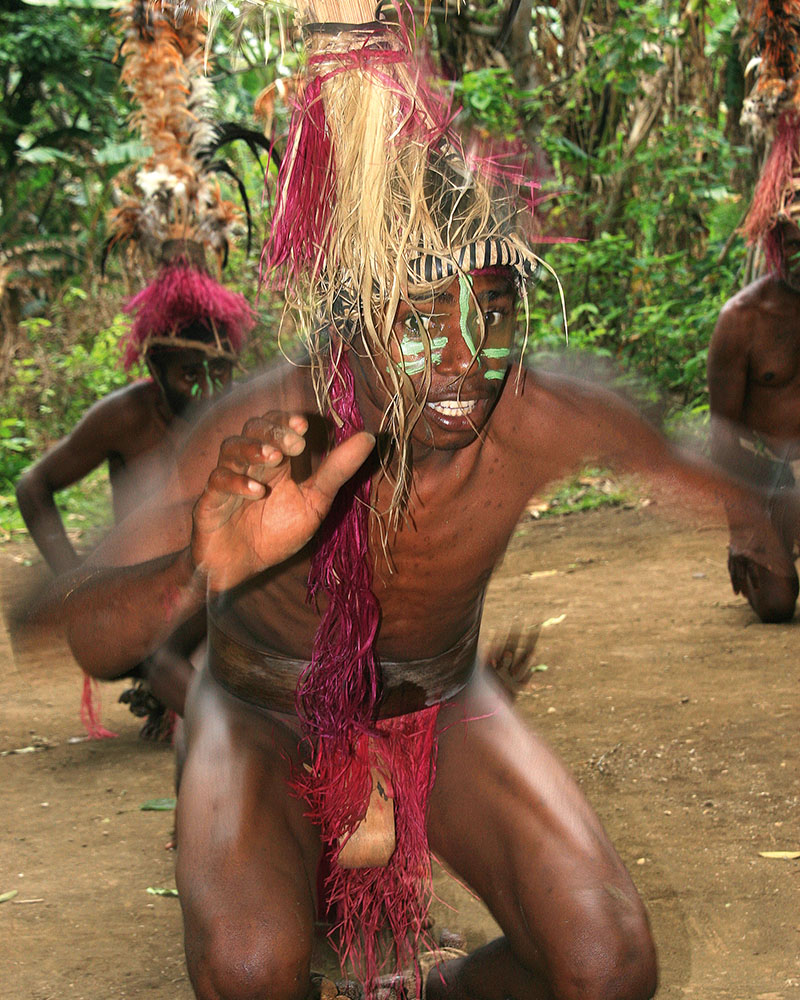
All around me, villagers stomp, sway and chant to the beat of the tam-tam (slit drum) in a hypnotising riot of colour, movement and sound. Palm leaves secured into penis sheaths jiggle up and down in tempo with bouncing bare breasts, naked toddlers clutch at pandanus ribbons fraying from their mothers’ skirts, and ghoulish clay faces leer out underneath plumes of rooster feathers.
It’s a dizzying swirl of human flesh and foliage, steeped in centuries of tradition. These are the Small Nambas, a people unique to the remote island of Malekula, who are keeping alive the custom dances and ceremonies passed down by their ancestors.
I have come to Malekula searching for the real Vanuatu. I’ve seen countless brochures of airbrushed newlyweds on golden beaches, and luxurious hotels transplanted onto lagoon fringes, like barnacles on steroids, but I’m yearning for a more authentic experience.
Malekula is a 50-minute flight from Port Vila, but light-years away from the commercialism of Vanuatu’s bustling capital. I touch down at the Norsup airstrip and alight on the tarmac next to the burnt out shell of the airport. It looks like I have arrived in a war zone. A local tells me the airport was destroyed by feuding families embroiled in a land dispute. Ten years on, two dilapidated sheds suffice, with hopes the airport may eventually be rebuilt next year.
My backpack is bundled into the back of a ute as menacing clouds swell overhead like a deep-tissue bruise. Malekula is the second largest of the 83 islands that make up the independent republic of Vanuatu. The island is shaped like a sitting dog and I have arrived on the scruff of the beast’s neck, on the north-east coast.
Some 32 kilometres north is the village of Vao. It’s a bumpy 1.5-hour journey that cocktail-shakes my intestines as the gravel road carves a gulf through palm tree plantations and jungle, like the exposed flesh under a pair of unbuttoned army fatigues.
When I arrive it’s nightfall and my host, Anemone, takes me on a tour of the local kava bars. Electricity is a rarity here and the kava shacks materialise out of the darkness as I stumble across the dirt paths connecting the bamboo and palm frond huts that make up the village.
Our kava madam, Yacintha, pours two coconut shells of her murky potion, a drink traditionally imbibed only by men. It’s probably best that I can’t see what I’m drinking because it tastes like dirt and coats my mouth with viscous tannin.
After a few more kava shells and a dinner of freshly prepared octopus, I hit my bungalow. My tongue is thick and numb, like I have been sucking on an industrial-strength lozenge, and sleep comes swiftly in the embrace of a mosquito net, as the lapping water whispers a gentle lullaby.
Shortly before 6am a rooster shrieks and I’m awake. And cold. In Vanuatu? It’s unseasonably overcast and gloomy. In the past 20 days there have only been three days of sunshine, I’m told, and the tourist operators are ready to throw spears at the weather gods.
In the dawn light, silhouettes of outrigger canoes float across the water from Vao Island, threads of smoke unravel in the distance and crabs skitter across the rocky shoreline. A canoe pulls up and a man and women disembark. They greet me with broad, toothy smiles that almost glow and tell me they’re off to work – planting taro and other root vegetables. Time has stood still for centuries here.
There’s a French couple staying at the bungalows, but when I meet the Small Nambas I’m the only foreigner. “Do you see many tourists here?” I ask local guide, Pierrick. “Yes, we have many tourists, last week we have two,” he responds enthusiastically. I note in the accommodation guest book that I am only the 27th visitor this year. The book dates back 12 years and only six pages are filled.
In the afternoon I travel 20 minutes south to the village of Wala, where my host Etienne operates a basic guesthouse under a traditional palm-thatched roof, replete with a cold shower and a generator that roars to life at dusk for a few short hours. The bungalow is high on a rocky outcrop overlooking the sea, with superb views of Wala Island.
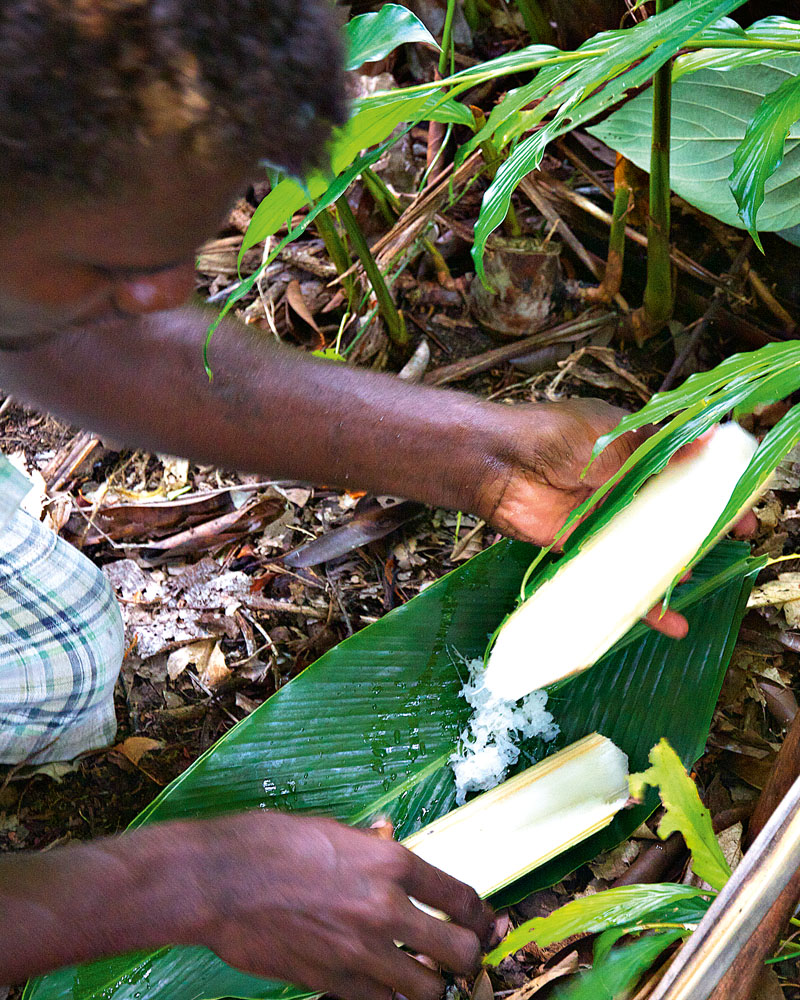
Within walking distance is another Small Nambas troupe, who entrance me with dances that hark back to cannibalistic rituals and tribal battles. The women demonstrate how they weave various palm leaves into mats, roofs and food baskets, before preparing laplap – a staple food made from yam mush and coconut milk. The gooey concoction is rolled in a natangora (palm) leaf, threaded through bamboo and cooked over hot coals. Fifteen minutes later it slithers out like an anaemic, gelatinous snake. It tastes a bit like porridge, with the texture of gluggy gnocchi.
It must be good sustenance because the male Nambas sport a fine, muscular physique, and I need to remind myself it is culturally improper to perve. But surely there’s invitation when the ethnic group is named after the bits between their legs and, well, their size. Their penis sheaths are called Nambas. The unfortunately titled Small Nambas wear just a flap of leaf, while the Big Nambas, populating Malekula’s north-west, pad their man-tools with a generous pouch of intricately braided threads of pandanus.
When I visit the Big Nambas I am again the sole spectator and am in no doubt that this Pacific island backwater is off the tourist track.
Etienne opened for business in 2005, relocating his parents to make way for tourists, but it was two years before the first guests came. “In 2005 nobody is arriving, and in 2006 nobody, and he (my father) is asking me ‘What are you doing, what is this plan?’” he says.
The trickle of foreigners who come to Malekula seem to be largely European, and mostly French, which is not surprising given Vanuatu’s history.
Mapped by Captain Cook in 1774 and named the New Hebrides, Vanuatu came under French and British rule until gaining independence in 1980. Missionaries are credited with ending cannibalism and tribal fighting and today much of the population is devout Christian. It’s a cultural evolution that rests uncomfortably with Etienne, who mourns the loss of his people’s customs and traditions.
On a guided tour of Wala Island, Etienne shows me the sacred Naserah – or centre of the tribe – a clearing in the forest under a giant banyan tree, where his people traditionally gathered for ceremonies, including for yam harvest, circumcision and marriage celebrations.
The most sacred ceremony is that of the Namagi – when powers are bestowed on the tribal chief. The ritual often involves years of preparation and is marked by the killing of pigs – sometimes hundreds – which are given to the chief to slay in order to bolster his authority.
The centerpiece of the Naserah is two hollow wooden tam-tams with painted carved faces. Beside them are rows of stone slabs representing every generation of each family.
Etienne points out his family’s stone. It’s been 200 years since his people held a Namagi and he laments the substitution of traditional practices for those of the church. Historically, the chief was the birthright ruler of the tribe, and the breakdown of authority has bred disputes among some tribes, Etienne says.
“We’re lost because every time we had a dispute we referred to the Namagi,” he says. “In the custom you’re not the chief because you didn’t pay the way (by killing pigs).”
We emerge from the forest, the clouds part and the sun’s fingers paint the water an iridescent turquoise. I have the entire beach to myself, and I snorkel in delightful solitude.
Leaving Malekula, I contemplate the impact of the white man on Vanuatu. Not only did white settlers impose their beliefs and values on the people, but also their wars. During WWII the neighbouring island of Espiritu Santo housed the second-largest American military base outside the US, and the island still bears the battle scars. Santo is peppered with the wrecks of fighter jets and bombers, but the most remarkable legacy of its wartime effort is under water.
After the war, US forces – put out by the condominium government’s refusal to buy its abundance of surplus equipment – unceremoniously dumped the lot in the sea. Cranes, trucks, tanks, forklifts, bulldozers and other military hardware were condemned to a watery grave in the Segond Channel in an area since dubbed Million Dollar Point. In today’s currency, billion dollar point would be a more accurate moniker.
The area has become a scuba diving mecca, but when I don fins and tank there is only a small handful of other divers. Below the surface it’s like an extraterrestrial behemoth has regurgitated Guantanamo Bay. It’s a mass of hulking, rusted machinery, tyres and tangled military entrails – indistinguishable behind a green veneer. I’m like a kid at a carnival. I sit in the driver’s seat of a bulldozer and shift gears, push brake pedals and turn steering wheels, as schools of silver baitfish dart past like shards of glass.
Nearby, the luxury liner-turned US troop carrier, the SS President Coolidge, lies on her side after being scuttled by a ‘friendly’ mine in 1942. Considered the largest and most accessible dive wreck in the world, the 20,000-tonne vessel lies 50 metres offshore in just 20 metres of water at her bow. She is an eerie sight. We descend at the anchor chain by the three-inch guns, hovering to pick up an ammunition cartridge the length of my arm. I peer into the inky belly of the cargo hold and then explore the starboard side, finding a drum containing a size 31 shoe, a comb and a sight from a sniper rifle. There’s a medical supply room, swimming pool and engine room to explore and all their watery treasures. So much to see, so little air.
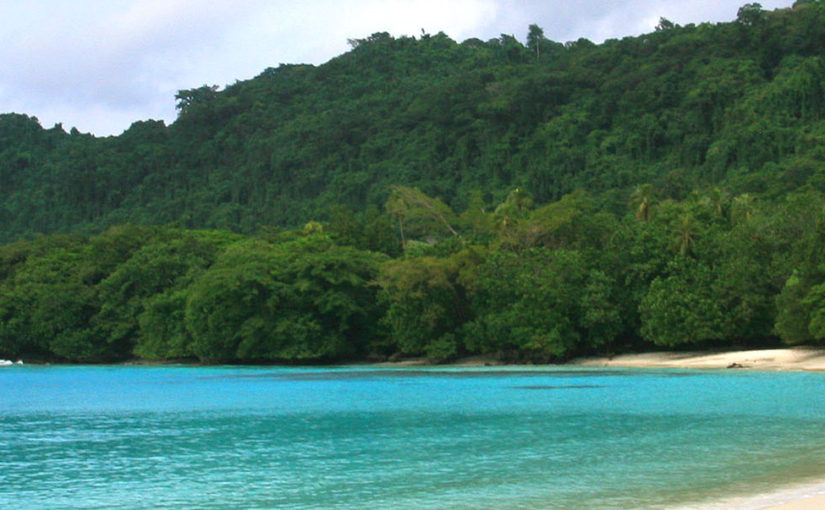
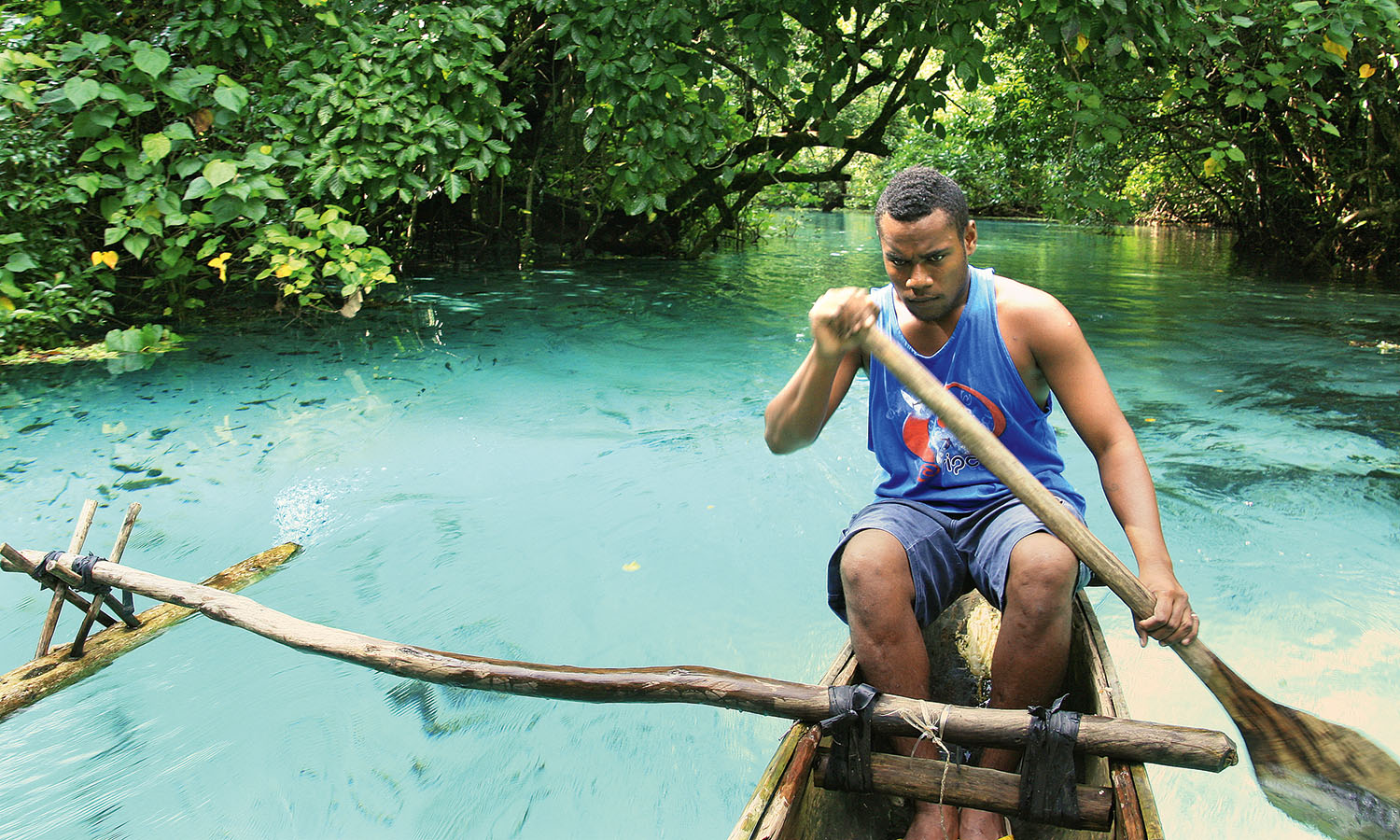
Later I travel to Champagne Beach, where the Americans celebrated the end of the war, and squelch through powder-white sand. I’m all alone. The next day I paddle with a guide in an outrigger canoe to one of the freshwater blue holes. That behemoth has been here, too, upending a giant bottle of blue curacao – or so it would seem. The water is a luminous blue, hemmed by jungle, tree roots and vines. It’s a tropical Eden, and again, I’m the only visitor.
If Malekula is the cultural heart of Vanuatu, then Santo is the adventure capital, packed with its own compelling history. What unites the two is a distinct lack of tourist hordes and the warmth of the people, their generosity of spirit and welcoming embrace of strangers.
I leave Vanuatu with coconut leeching from my pores, salt on my lips and the rhythm of the tam-tam beating in my chest. I have found the true spirit of Vanuatu. And there wasn’t a honeymooner in sight.
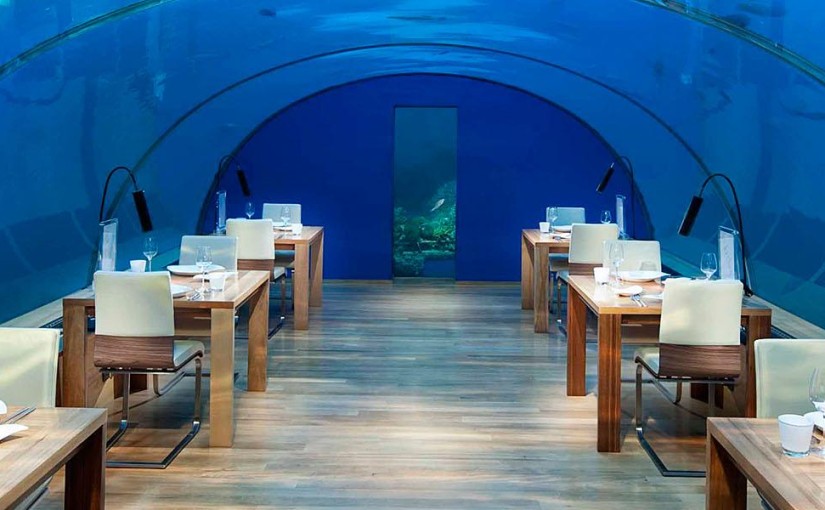
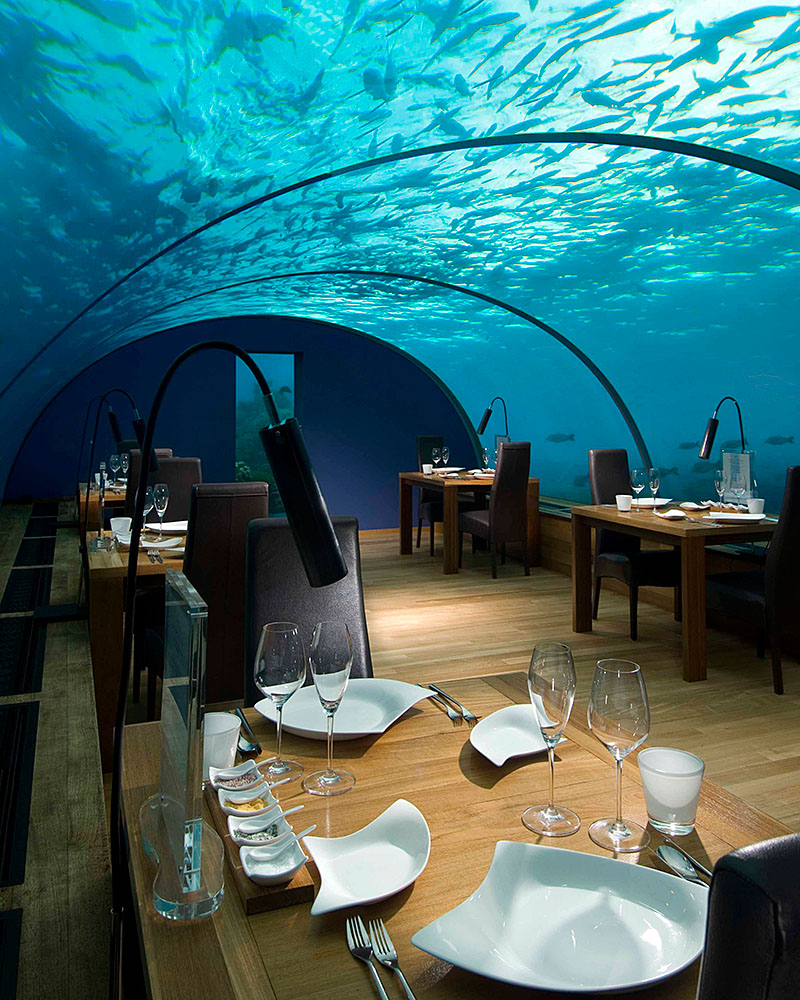
Take dining to a whole new level at Ithaa Undersea Restaurant, the world’s first all-glass underwater restaurant. One of 12 restaurants at the Conrad Maldives Rangali Island resort, it’s located five metres below the surface and has panoramic views of the surrounding coral gardens.
Wrap up (the aquatic tunnel can get chilly) and munch through the tasting menu while schools of clownfish dart just beyond the glass. Dine at night on the six-course prix fixe menu featuring contemporary European cuisine and watch as bigger fish and predators arrive. Just try to ignore that Patagonian toothfish eyeing you off – you’re probably eating his cousin.
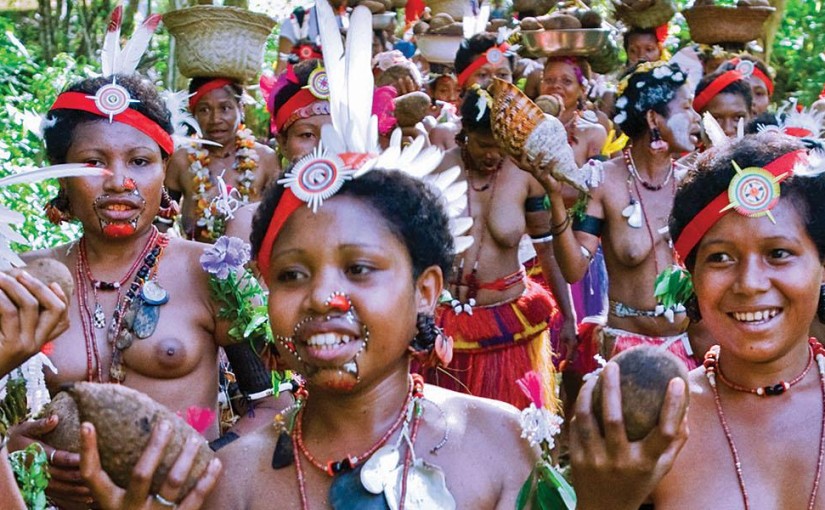
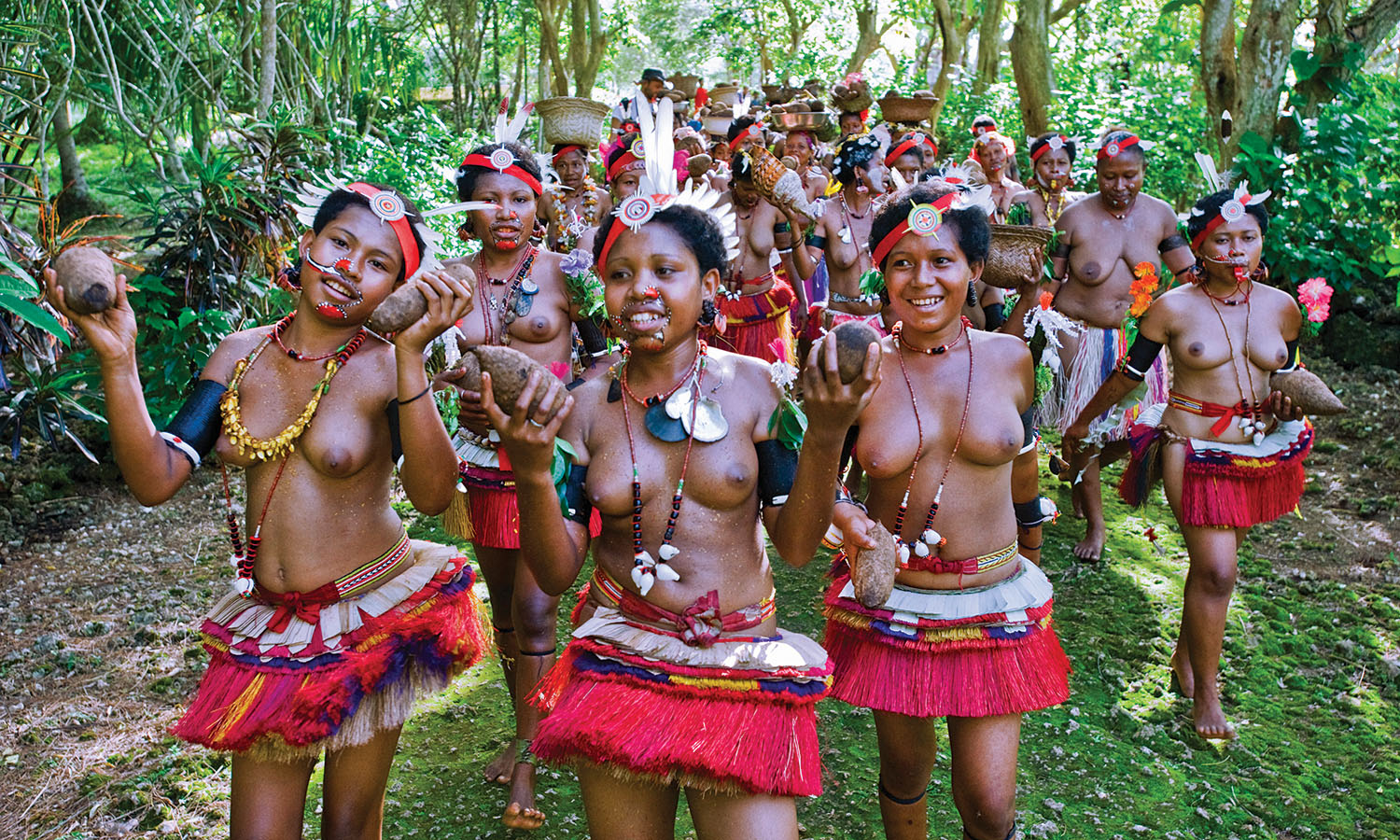
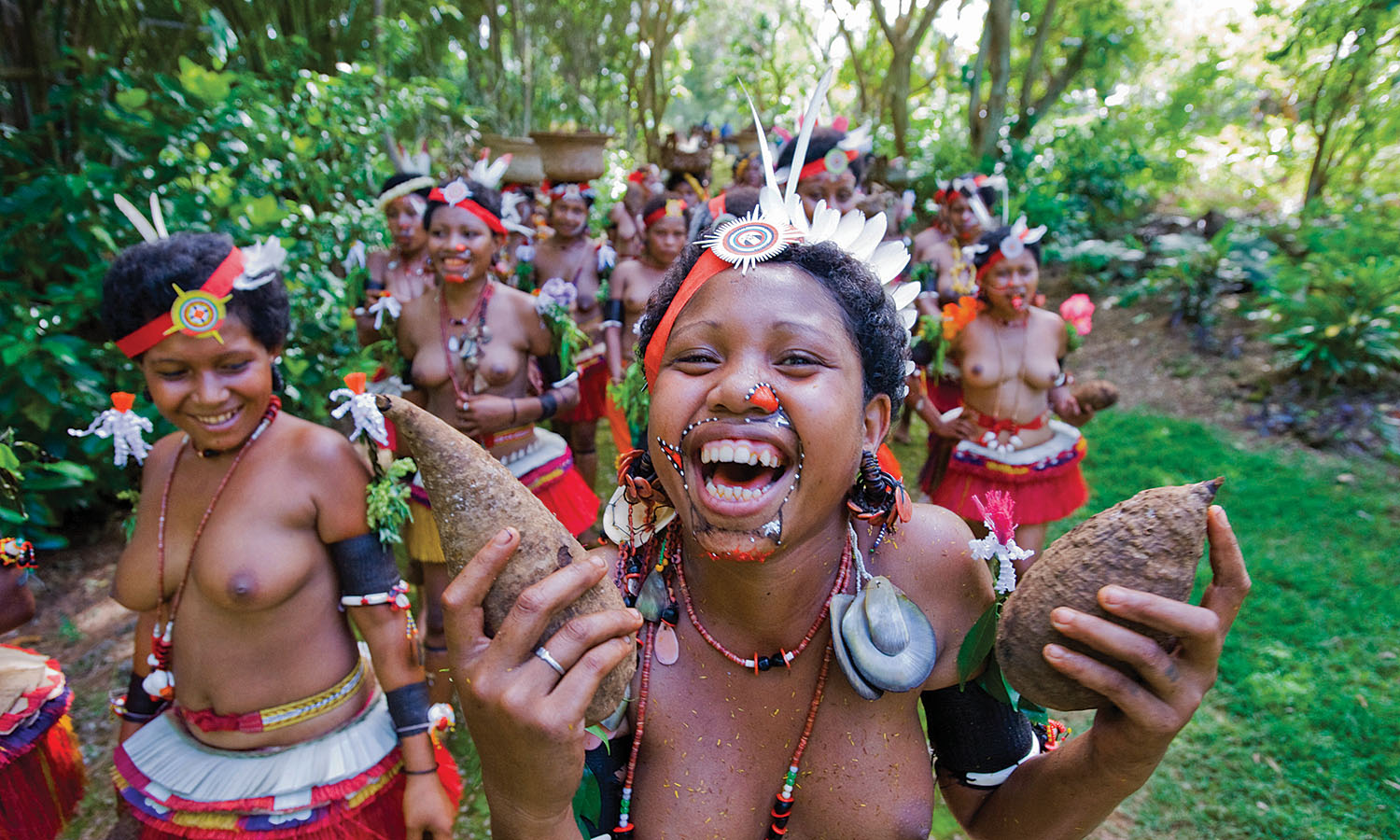
If there’s one thing the locals of Papua New Guinea’s Trobriand Islands are mad about it’s cricket. But be prepared for an unconventional contest. Trobriand cricket – introduced by Christian missionaries back at the beginning of the twentieth century to discourage ritual warfare (and the copious fornication the islanders are still renowned for) – involves chanting, dances, traditional dress and modified bats and balls.
A six is scored by hitting the ball over a tree, bowling is always underarm, the umpire comes from the batting side, and the home team puts on a feast at the end of the game. Some would say that’s just not cricket, but we think it’s a hoot.
For a quick look at their interpretation check this out:
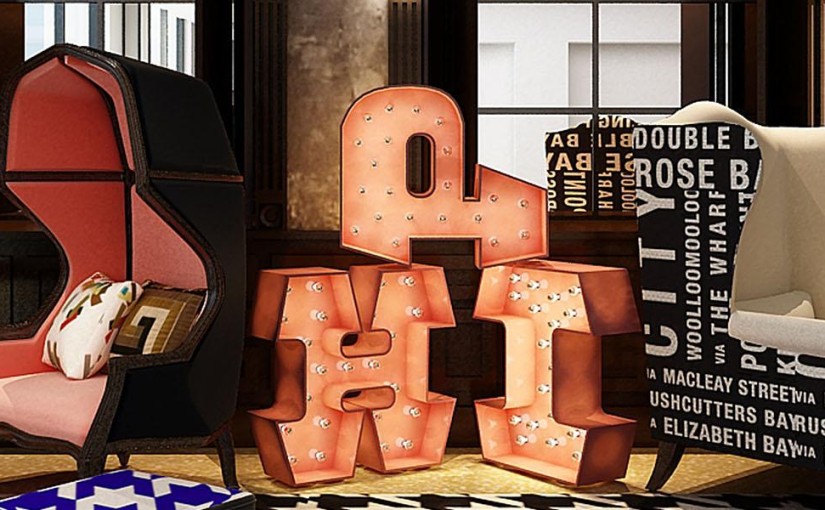
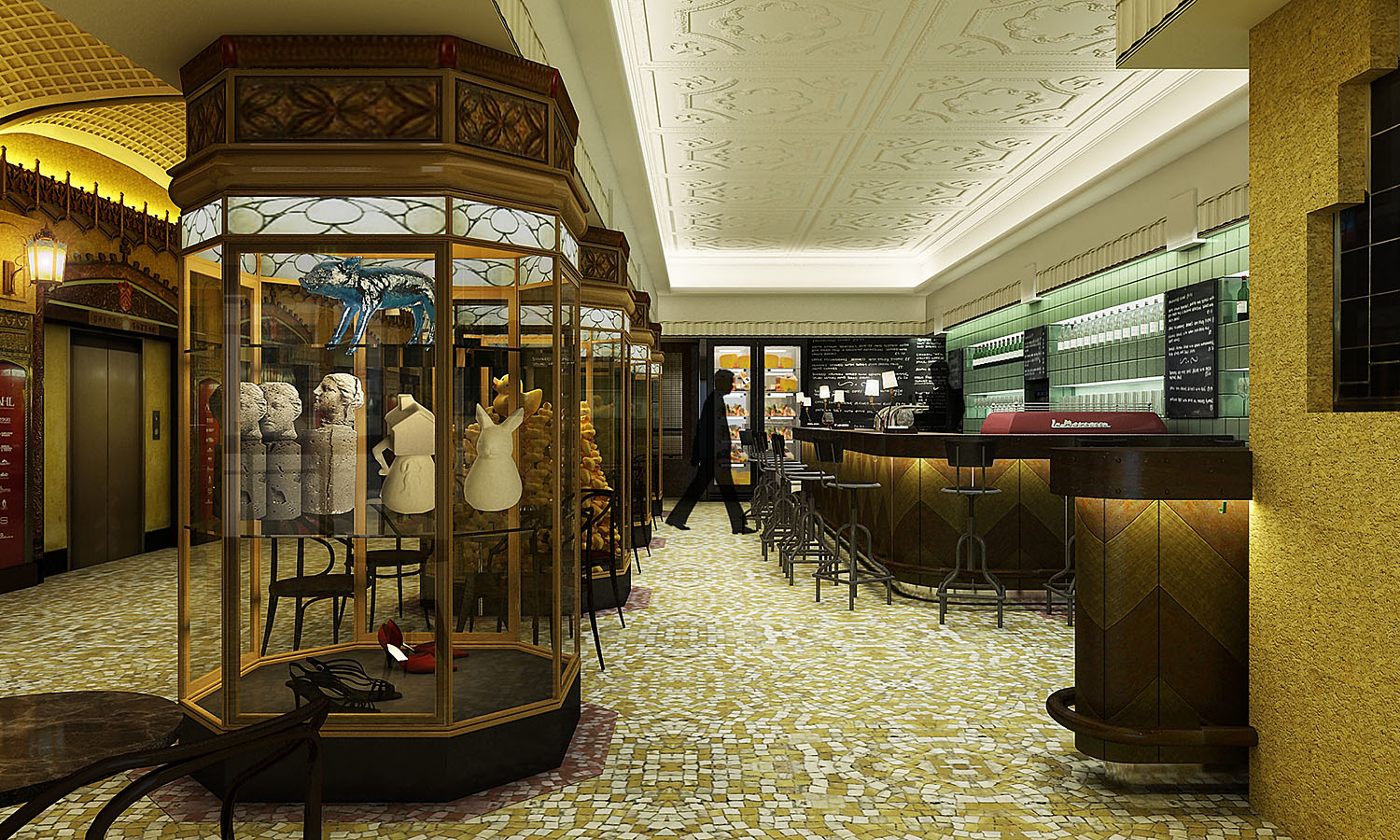
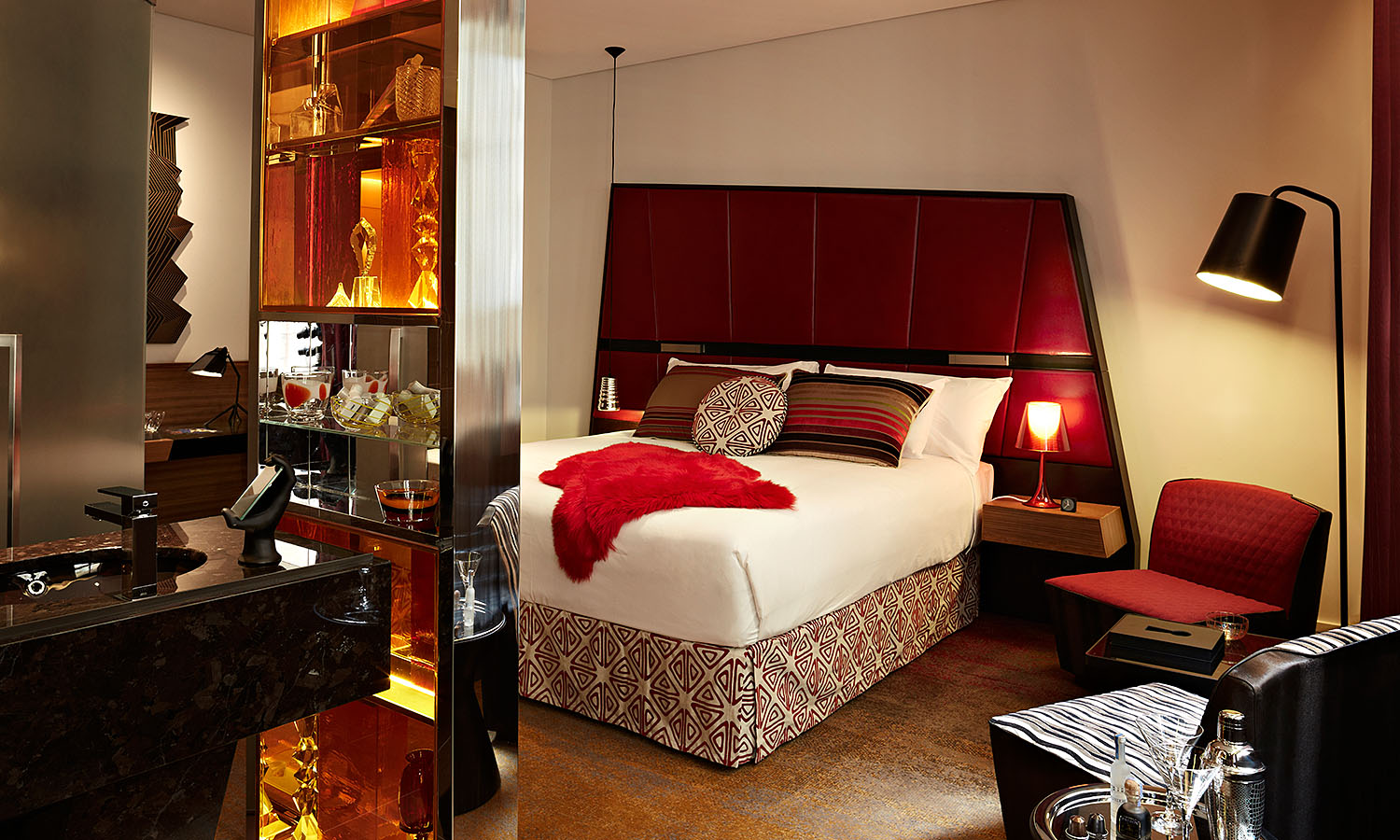
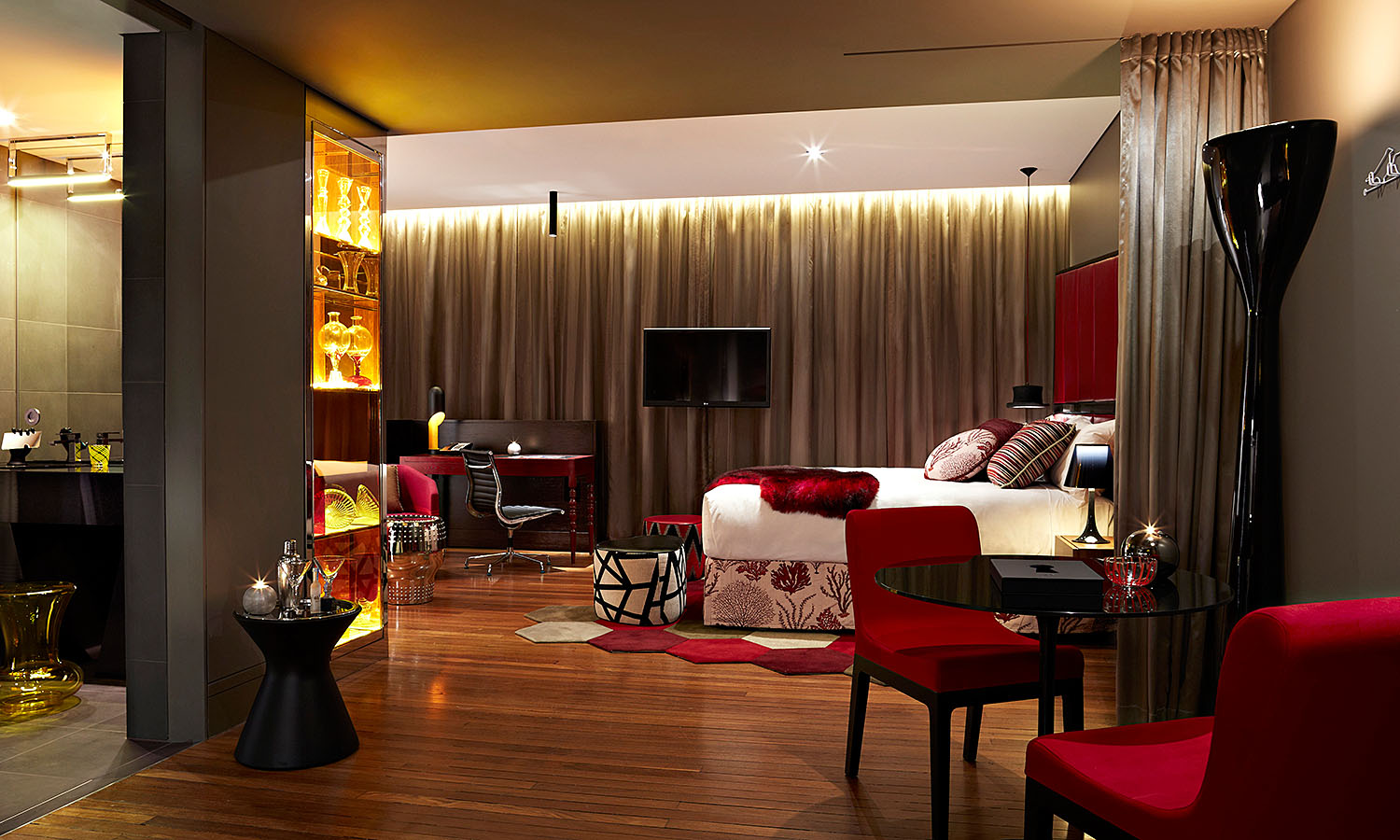
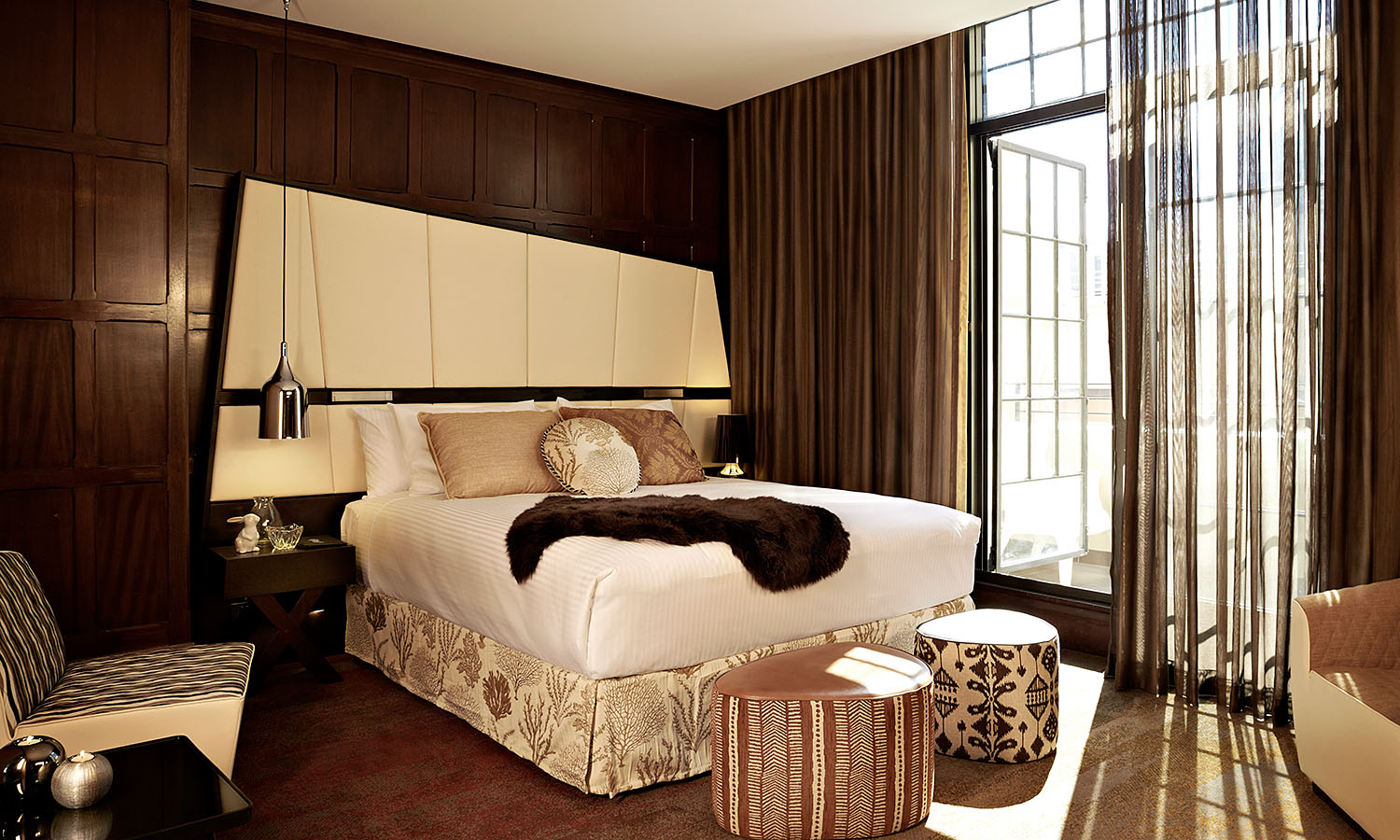
Slip between the sheets of homegrown beauty QT Sydney, an uber-cool hotel that stretches across two landmark buildings, the State Theatre and Gowings, in the heart of the CBD. Think speakeasy charm fused with geometric rugs, objets d’art – including a gown made entirely from undies – and a costume-clad host called the ‘director of chaos’. The lift serenades couples with love songs, groups with party beats and solo travellers with tunes about loneliness. Start the day with coffee at Parlour Roasters, rest your weary bones at the excellent spaQ (some of the treatment rooms feature gorgeous, original lead lighting), get a trim at the Barber Shop and, when you’ve returned from a day exploring the city, head downstairs to the cool Gowings Bar & Grill for a late-night tipple.
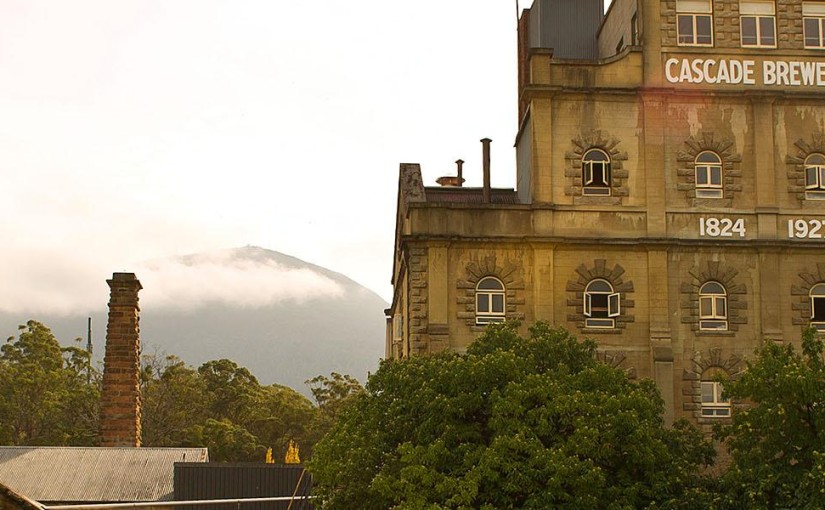
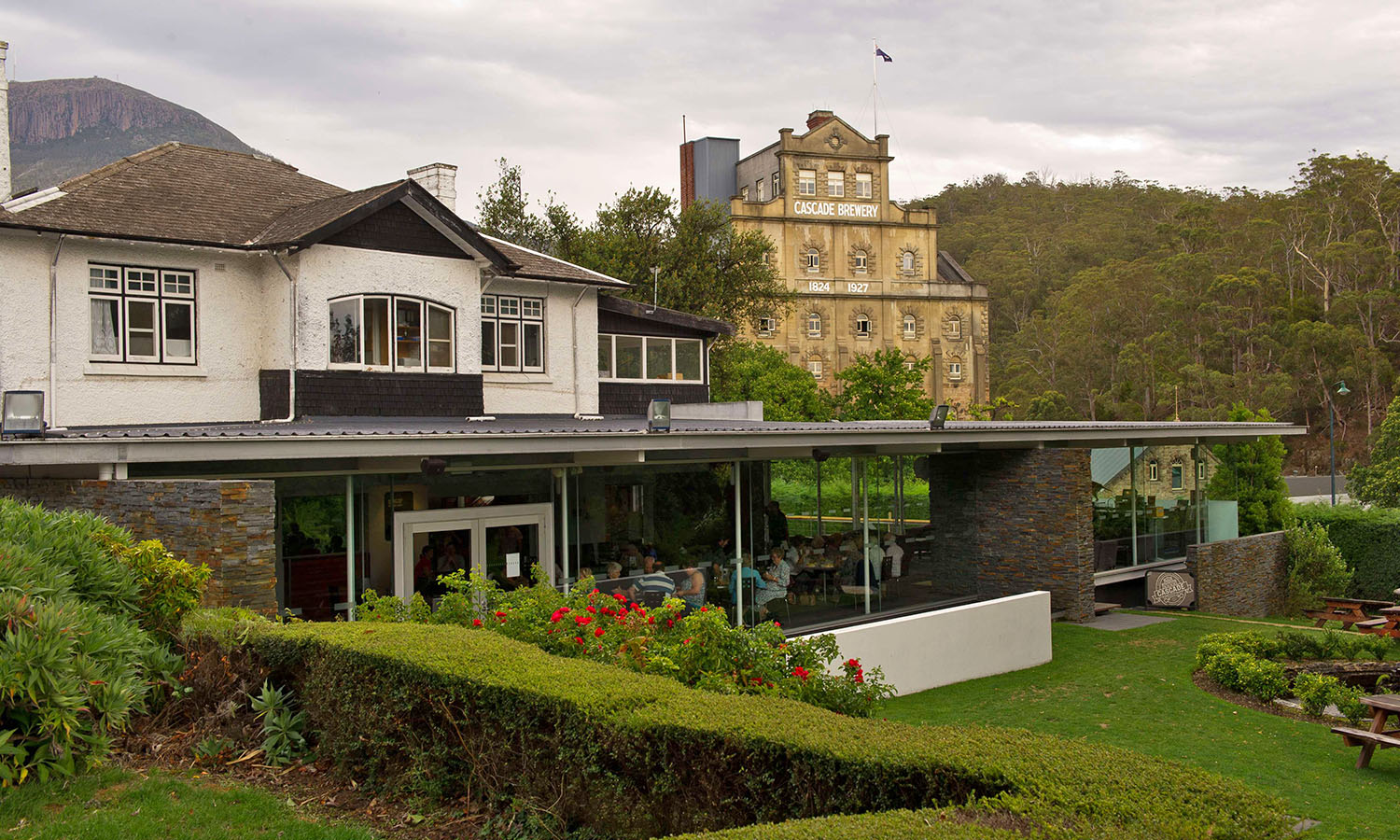
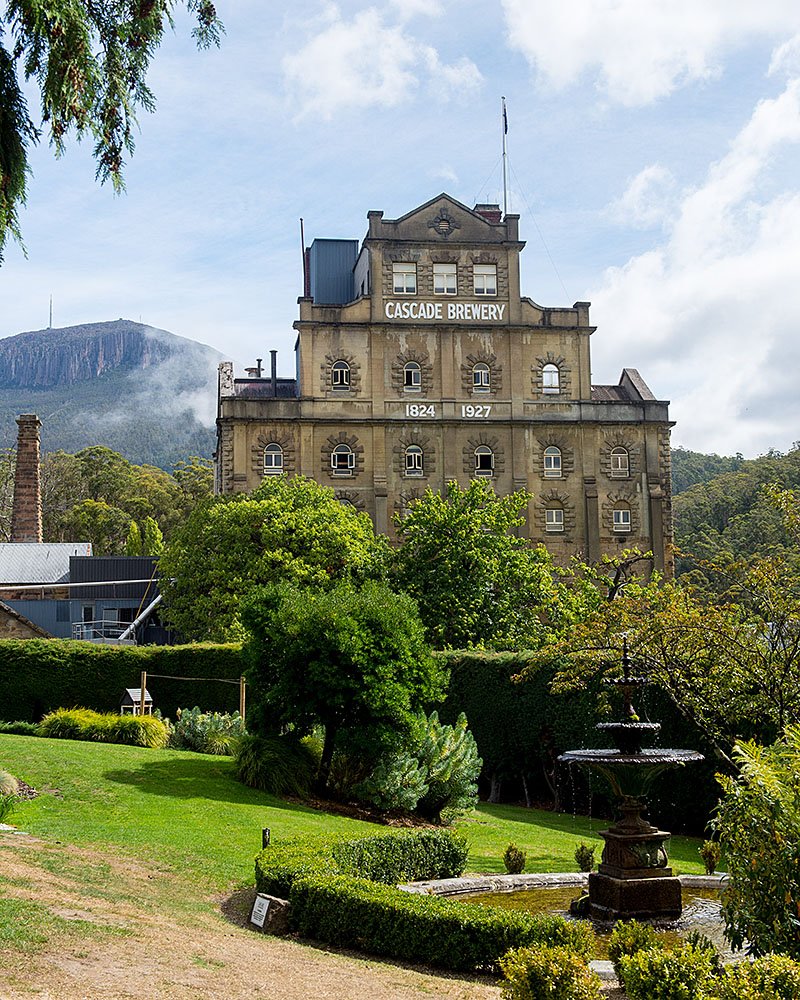
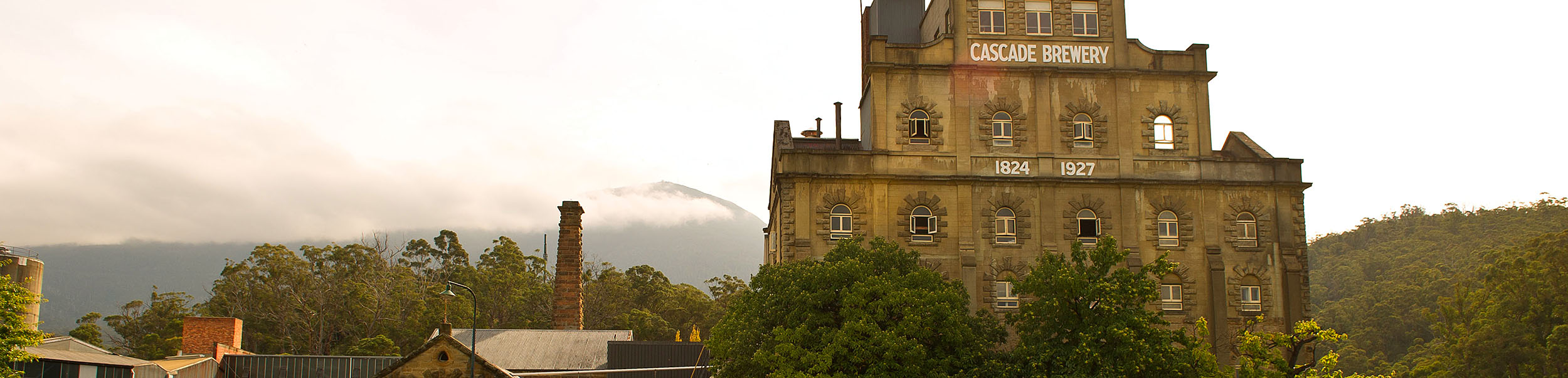
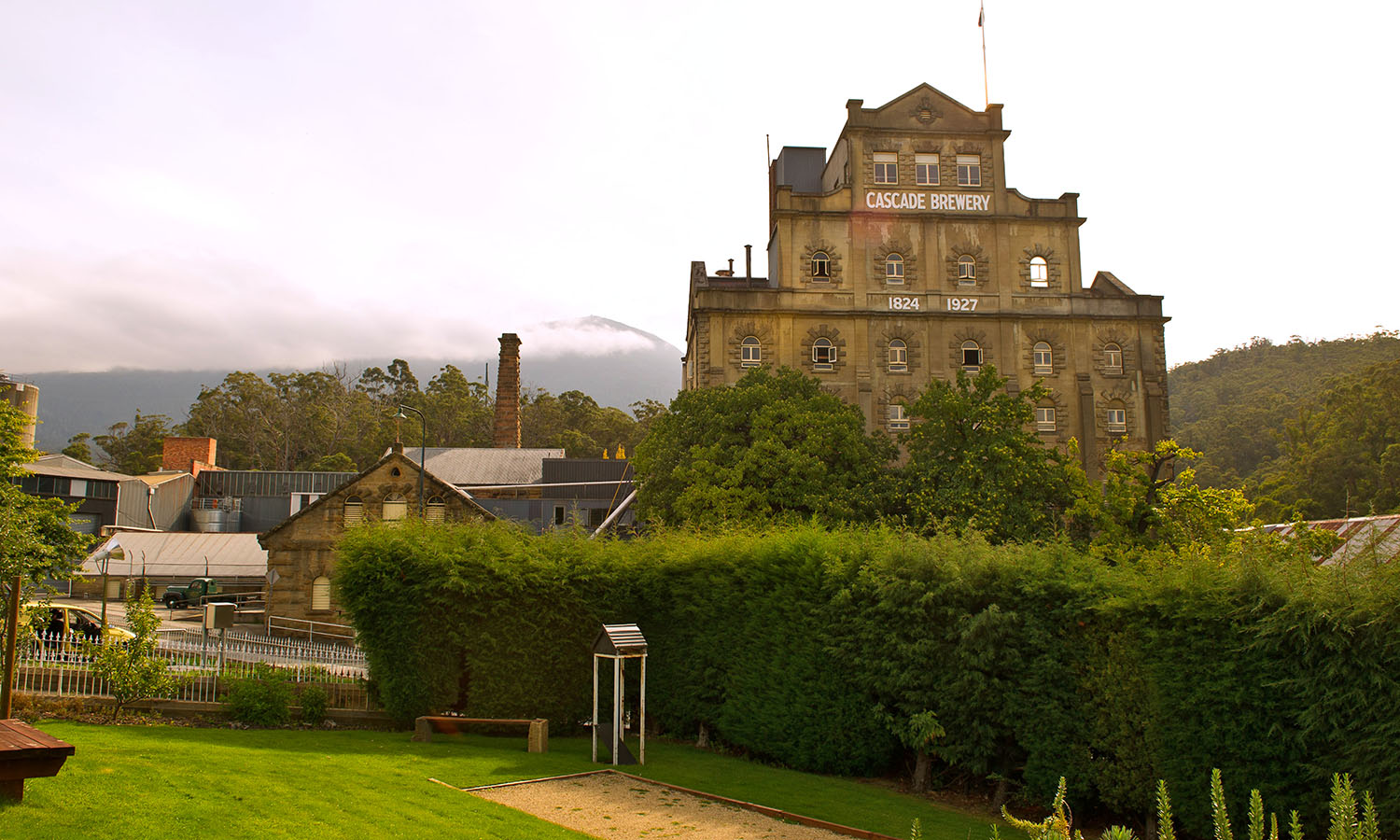
It started as a dream concocted in a cell in the old Hobart Gaol, back in the 1820s. Today it’s one of the world’s most beautiful brewing establishments, crafting draughts, lagers and stouts with waters sourced from Tasmania’s Mount Wellington.
Take a tour of the gothic sandstone establishment – more a castle than a factory – and learn all about ex-con Peter Degraves and his brother-in-law Major Macintosh who made it their business to supply Australia’s island state with a generous supply of beer. After uncovering the brewery’s history, including the great fire that burned Cascade into an ashen shell back in 1967, and hearing how the beverages are made, you’ll shrug off your hi-viz vest and sample four different refreshing ales and ciders.
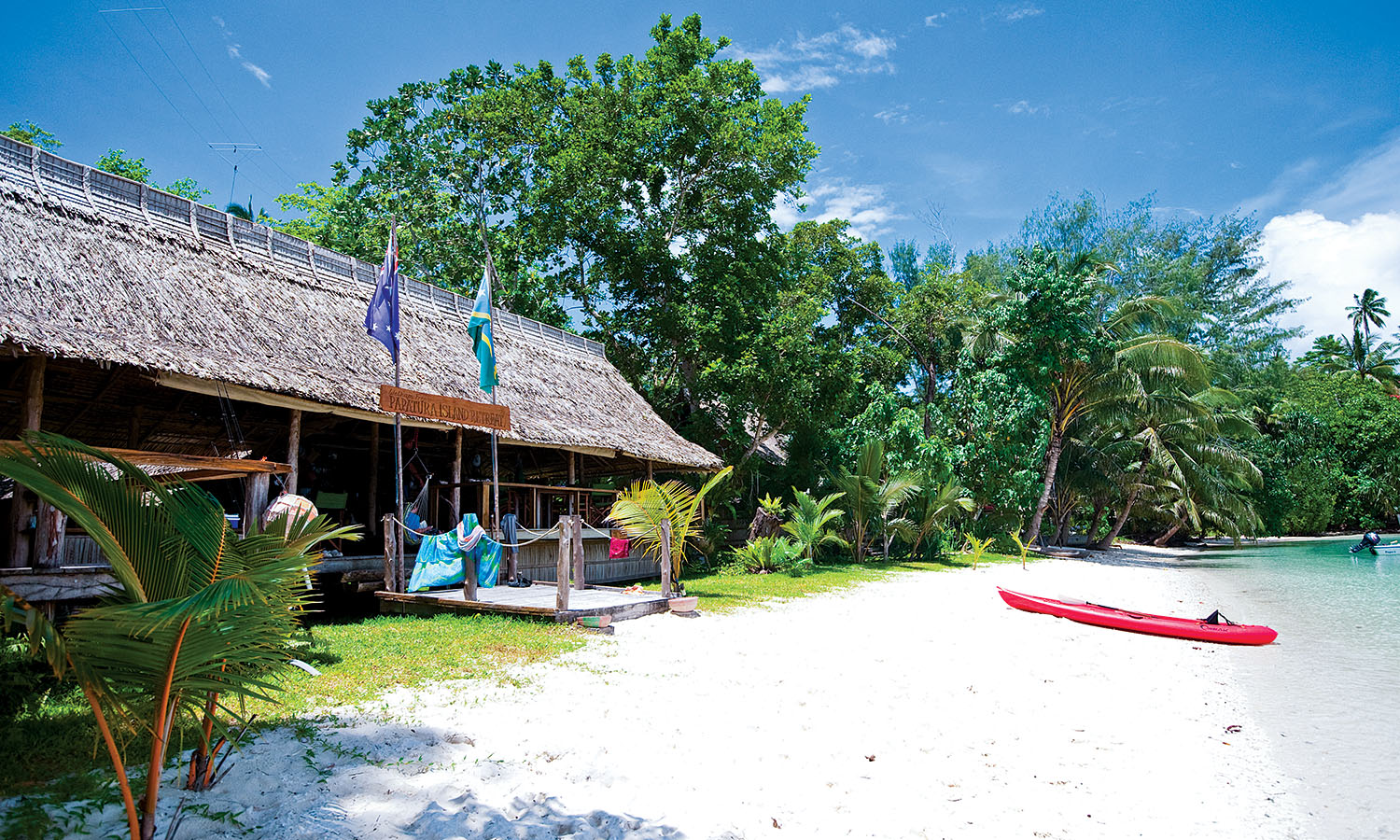
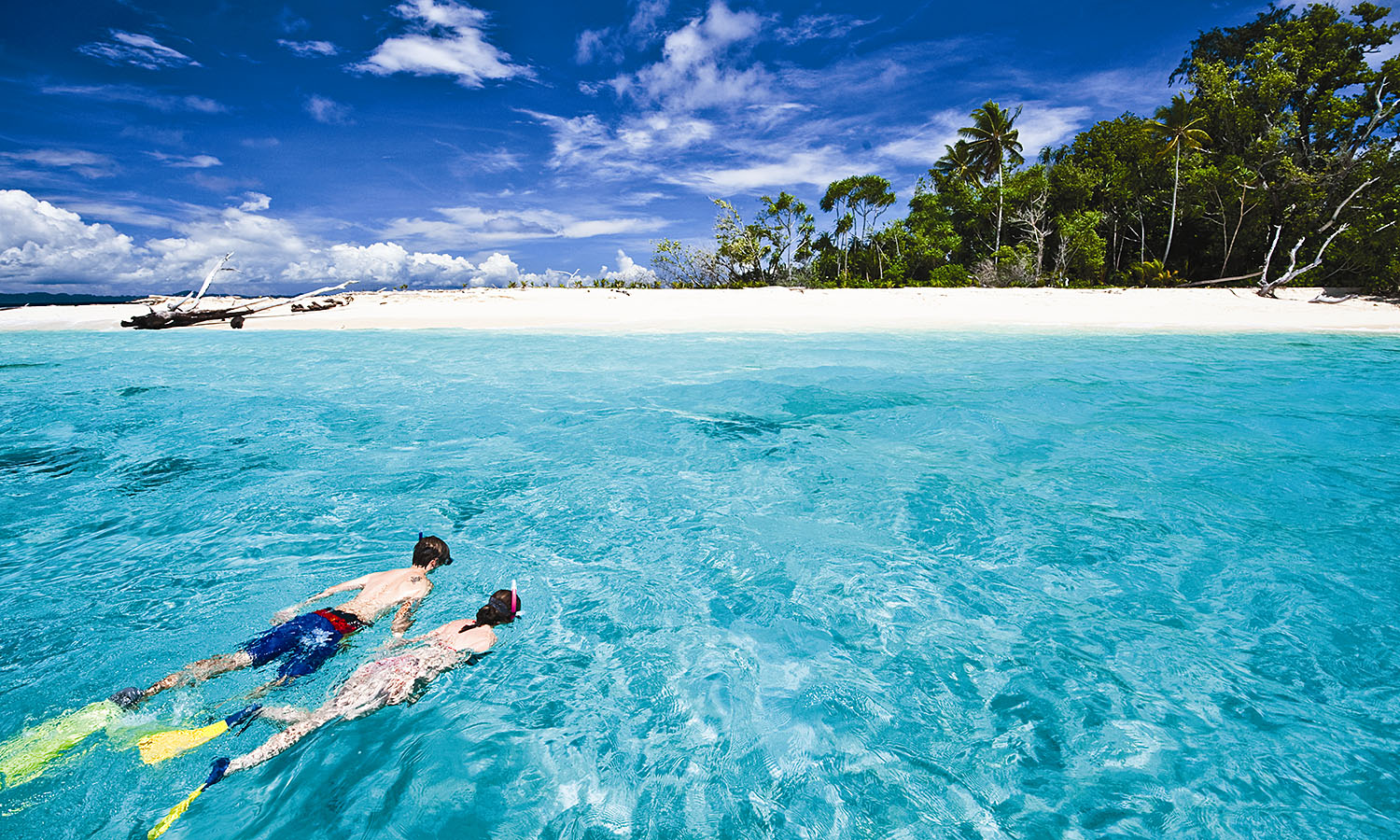
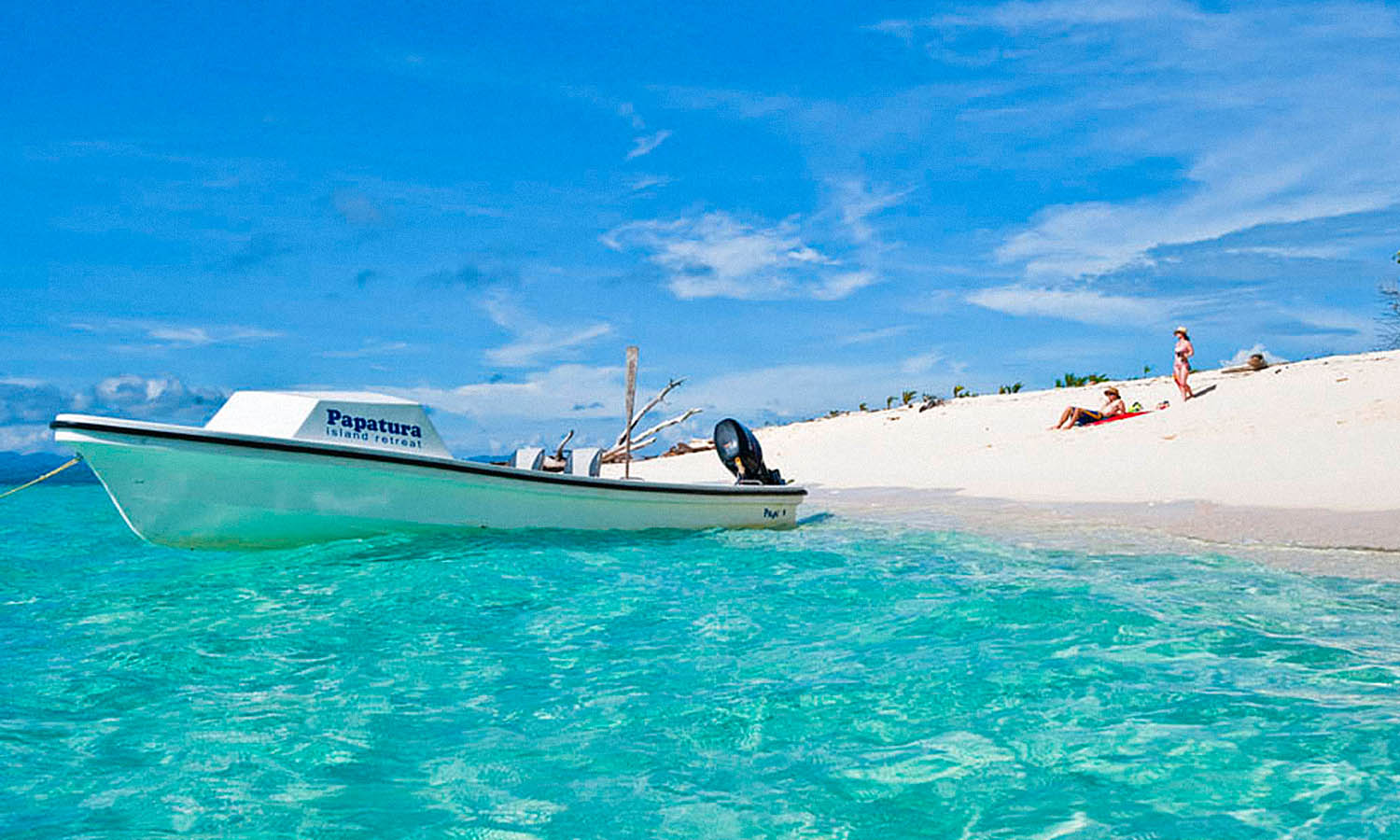
The owners of Papatura Island Retreat fell in love with the Solomons on a trip one year and then took 20 years to find the perfect location for their retreat. There are four types of rustic bungalows, including ones perfect for families and even honeymooners.
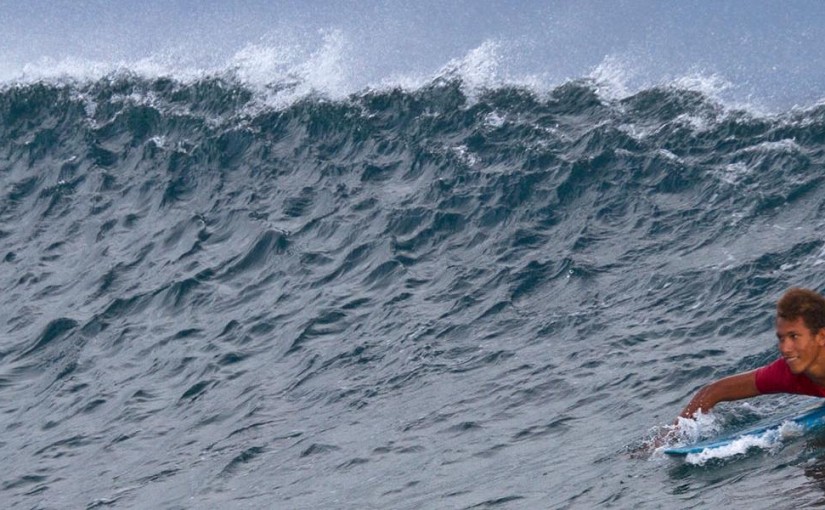
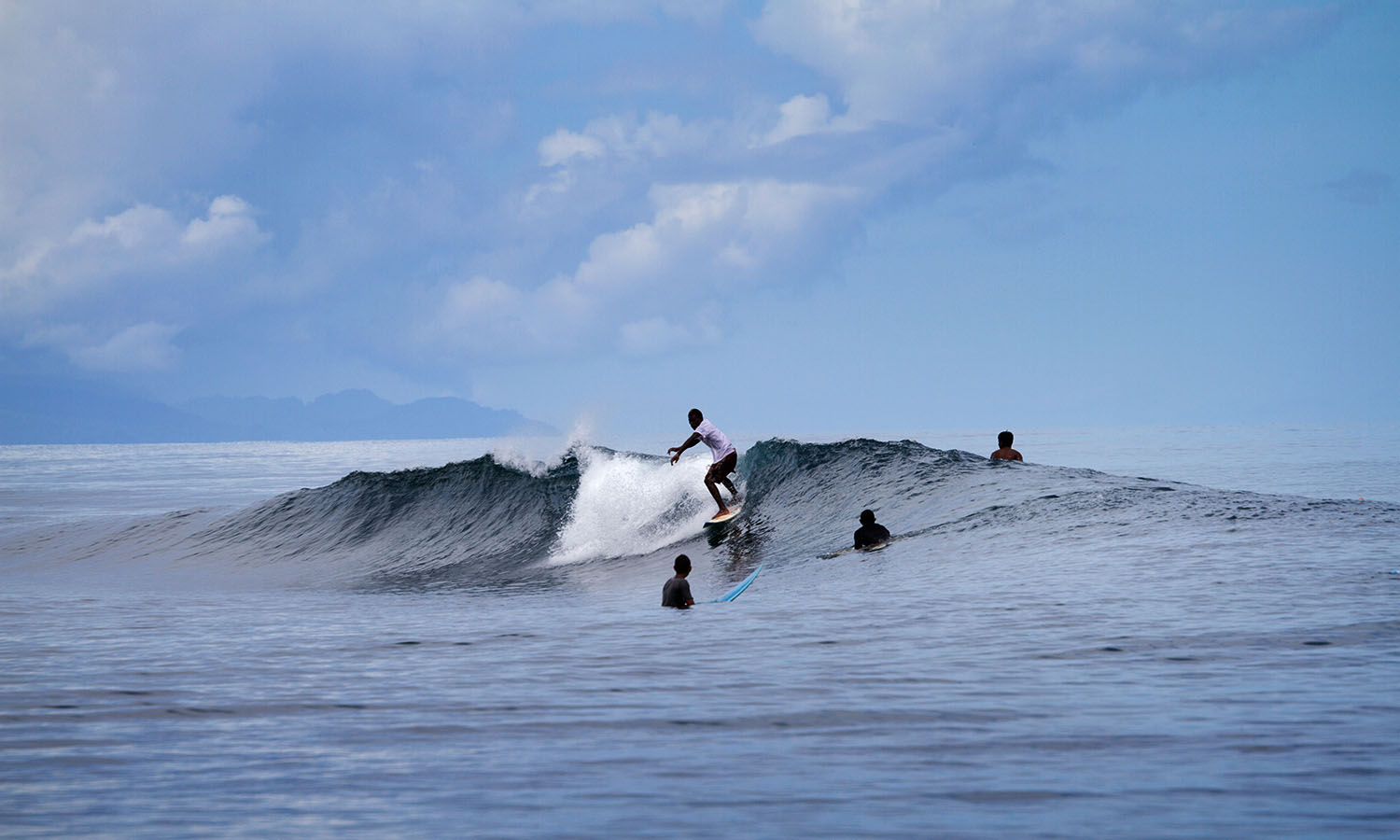
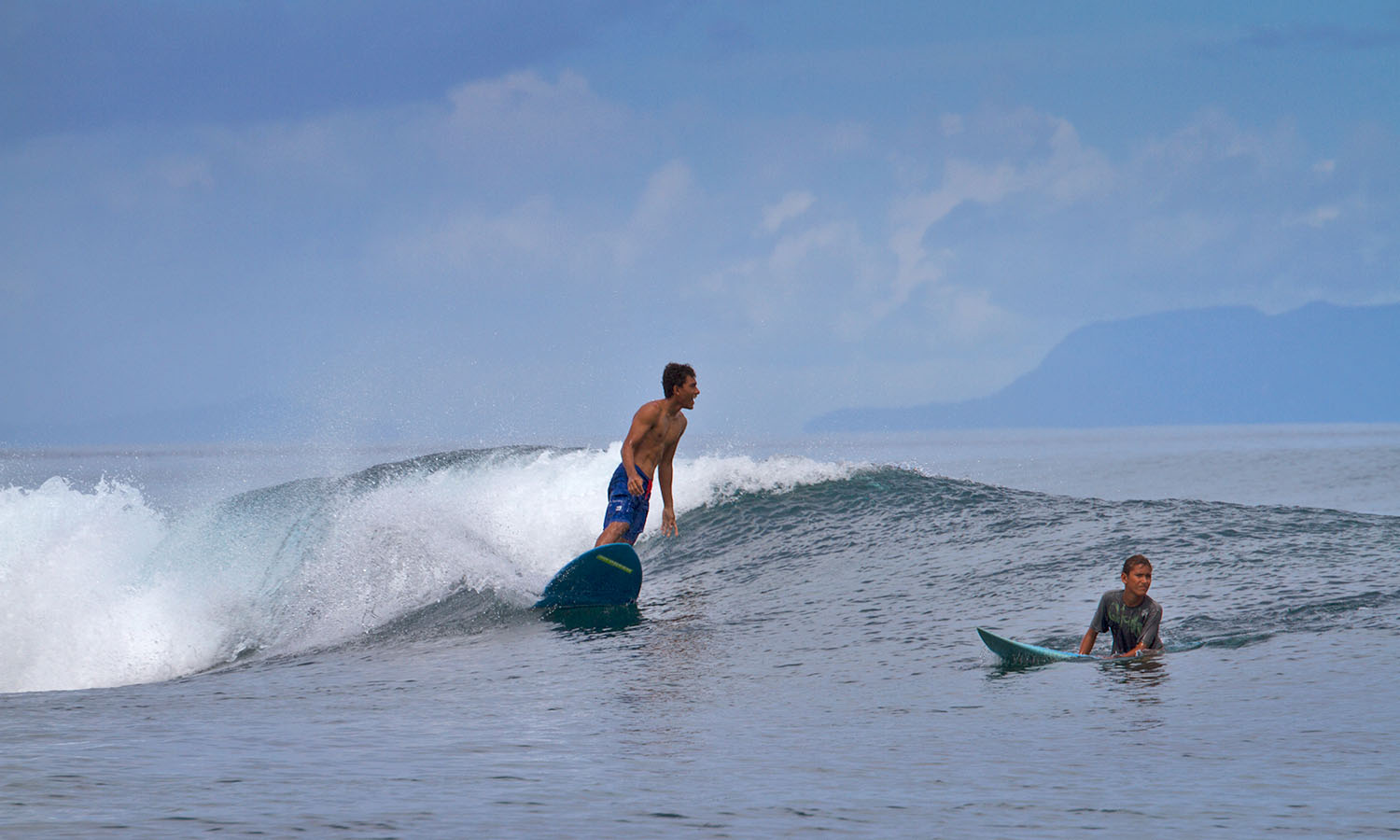
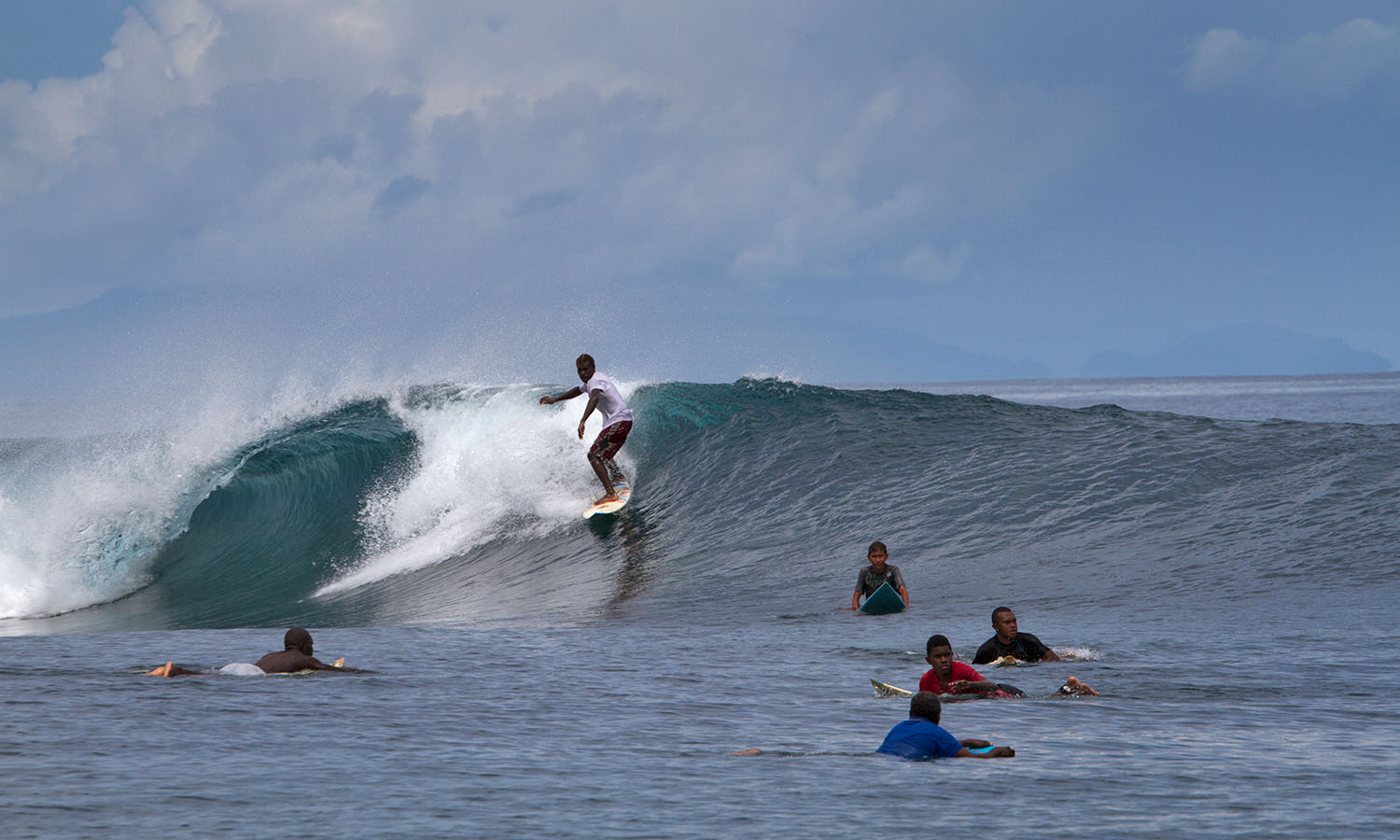
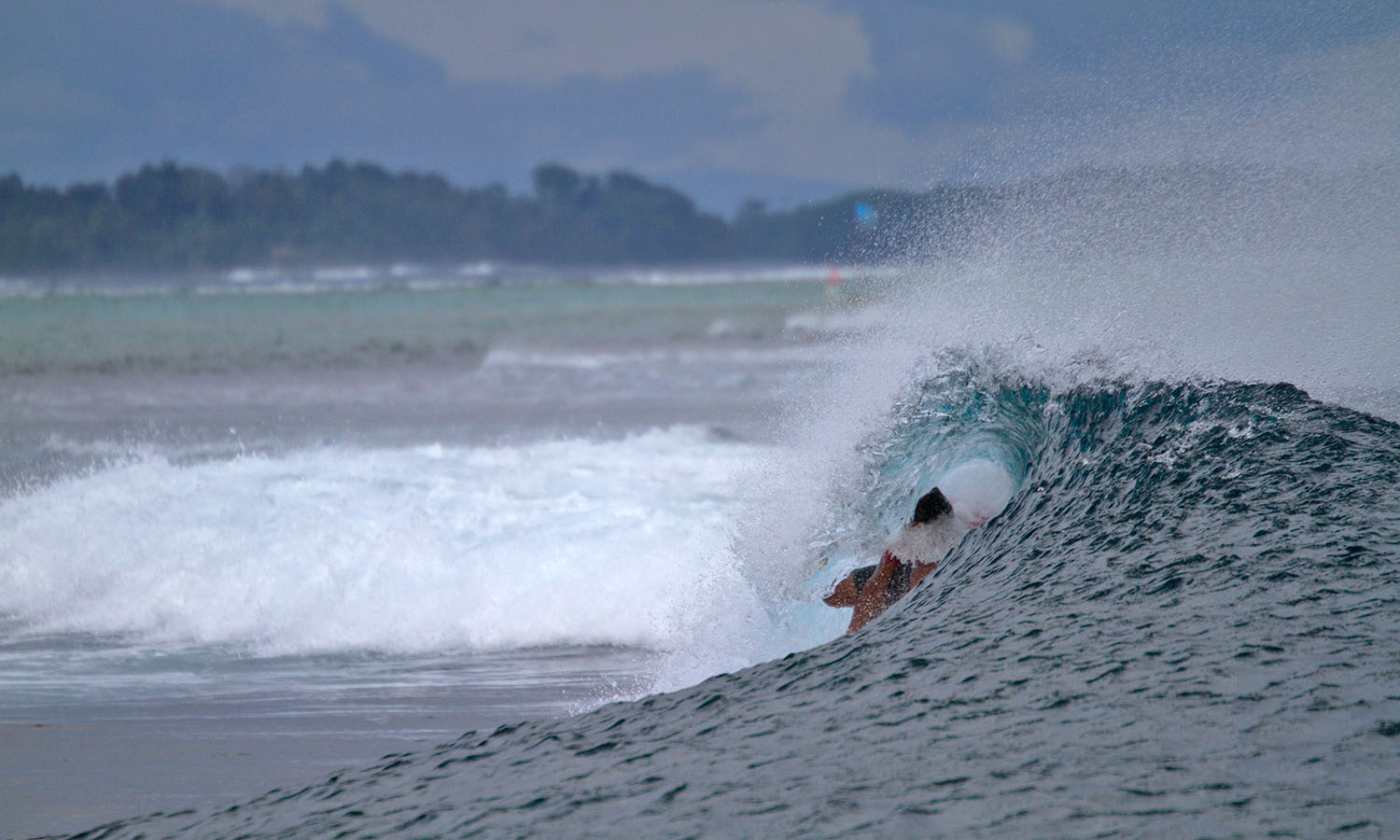
There’s great fishing and snorkelling, but the surfers really love it here. There are more than 10 reef breaks – the furthest is just a 20-minute boat ride away – and none of them is ever crowded. The resort has plenty of boards, including SUPs, available for use by guests. The locals also benefit from your stay, as the resort pays for the privilege of using the local waterways.
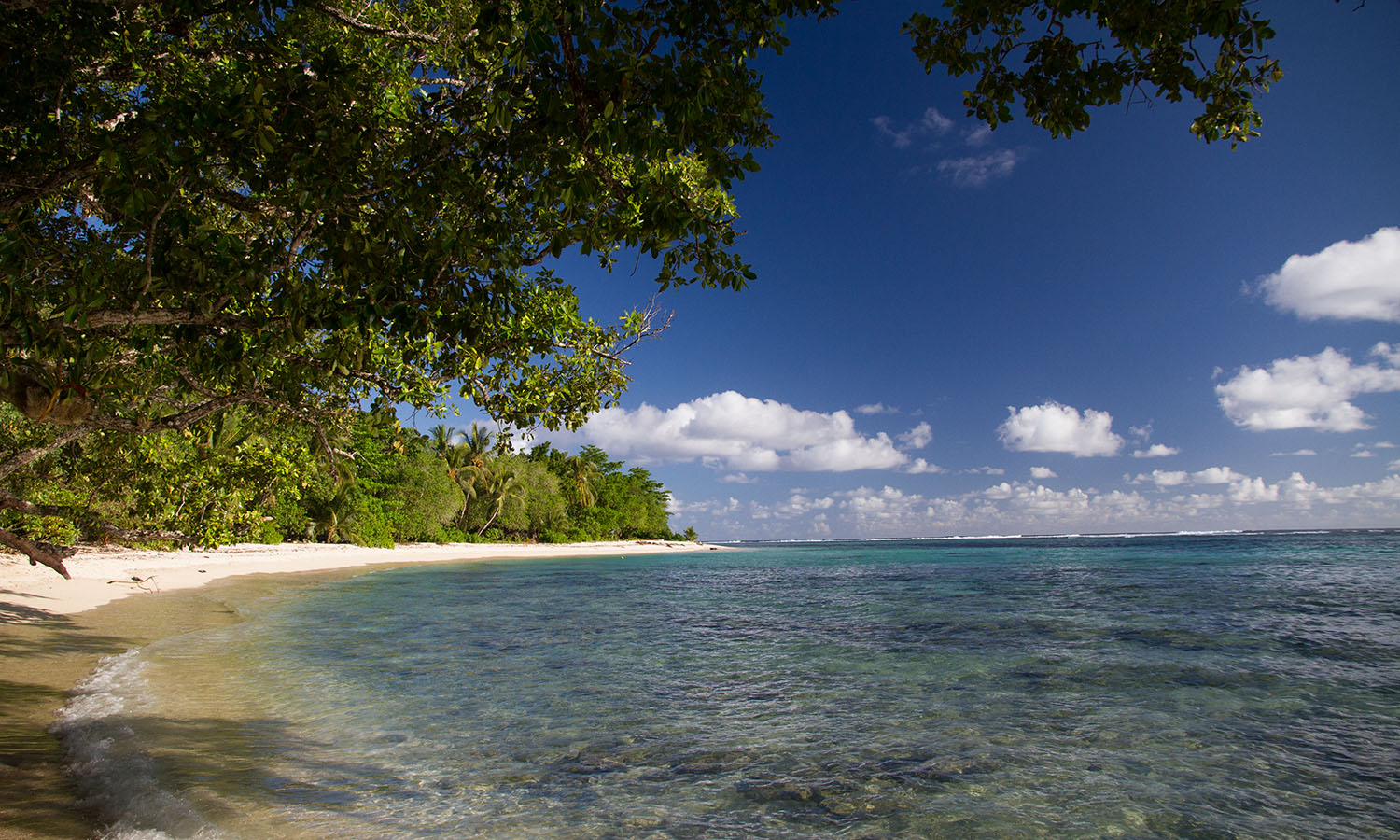
Only a short drive from Gizo and a quick paddle off a postcard-perfect, white sand beach is Titiana surf break, a gentle right hander that breaks over a deep reef.
If you’re lucky you might share the break with a few of the local villagers, but more than likely you’ll have it all to yourself. The water is perfectly clear and warm enough that wetsuits are never needed.
The mental mix tape that pops into my mind whenever I think about the time I spent in New Zealand begins with ‘Why Does Love Do This To Me’ by the Exponents, a song repeatedly played at Danny Doolans along Auckland’s Viaduct Harbour, followed by Liam Finn’s ‘Second Chance’. It always ends with ‘Catch The Light’ by Fly My Pretties.
Those were the songs I came to love in 2007, when I lived in Auckland for six months. Back then I knew nothing about the connection between these artists and their homeland. Their songs seemed to be random tracks on an equally random soundtrack. But ultimately, that Kiwi mix tape launched me on a journey into New Zealand music – a journey that has unveiled a strong relationship between Aotearoa and its artists.
The journey starts in K Road in Auckland, where, sitting at a table at Alleluja Café, Mikee Tucker and LA Mitchell introduce me to the world of Fly My Pretties. The project, rather than a band, is more of an ever-changing collective of artists from all over the country who meet to play and record songs every couple of years. Always live. None of their four albums has been recorded in a studio, a peculiarity that makes each one an intense, bold experiment. Each album is also a unique tale: Fly My Pretties III (A Story) focuses on the need to preserve the environment; while the newest release, Fly My Pretties IV, mixes art, fashion and music to portray contemporary New Zealand. All together, the four albums create a macro-narrative, where history, the environment and the arts come together to give a humble, blooming and colorful portrait of the Land of the Long White Cloud.
From the cultural hub of K Road I walk along Great Northern Road and down Bond Street to end up in Auckland’s second cultural hub, the hip neighbourhood of Kingsland. Home to the Kingslander pub, this ’burb is also the headquarters of Amplifier.co.nz, the website you want to bookmark to keep up to date with the latest news in Kiwi music. Here, I meet Richard Setford, aka Bannerman. With two albums and an EP under his belt, Richie draws inspiration from movies and writes songs that sound like John Steinbeck landscapes.
“People talk about how we get some things last,” he answers when I ask him whether it’s the isolation that makes New Zealand’s music so special. “We have to think for ourselves. Or maybe we are like a filter. From where we are, we get bits from here, bits from there and then we’ve got the time and the location to work with that.
“There’s a certain type of New Zealand music that connects to a really big part of the culture and that’s the reggae/dub/roots music driven mostly from Wellington. I don’t know why, but I have a feeling that maybe, because of its geographical situation, it is central to both islands. And, if you’re travelling through the South Island – slow journeys through those farm landscapes and hills – it seems to get along very well with reggae/dub/roots music.”
The same happens with Bannerman’s music as I drive from Christchurch to Lake Tekapo and back. His two extremely diverse CDs (Dearly Departed and The Dusty Dream Hole) manage to express, in 24 folkish and stripped-bare songs, the variety of landscapes peculiar to New Zealand.
Even rock music seems to be influenced by the Kiwi landscape. After 18 months in England, Sven from the Checks came back to Auckland and discovered it was easier to write music in a familiar environment. It’s something he continues to do in his Kingsland apartment, even after the band split up in August 2012. Barefoot, with a cup of coffee in his hand, a Dr Dre album on his stereo and a photo of the Huntly power station hanging on his wall, he reflects upon the fact that, no matter what, in New Zealand artists can’t take themselves too seriously.
Nick from Cut Off Your Hands agrees, adding: “If you act like a star, people are going to laugh at you.” It’s a surprising revelation considering that Cut Off Your Hands are very popular in the UK and US.
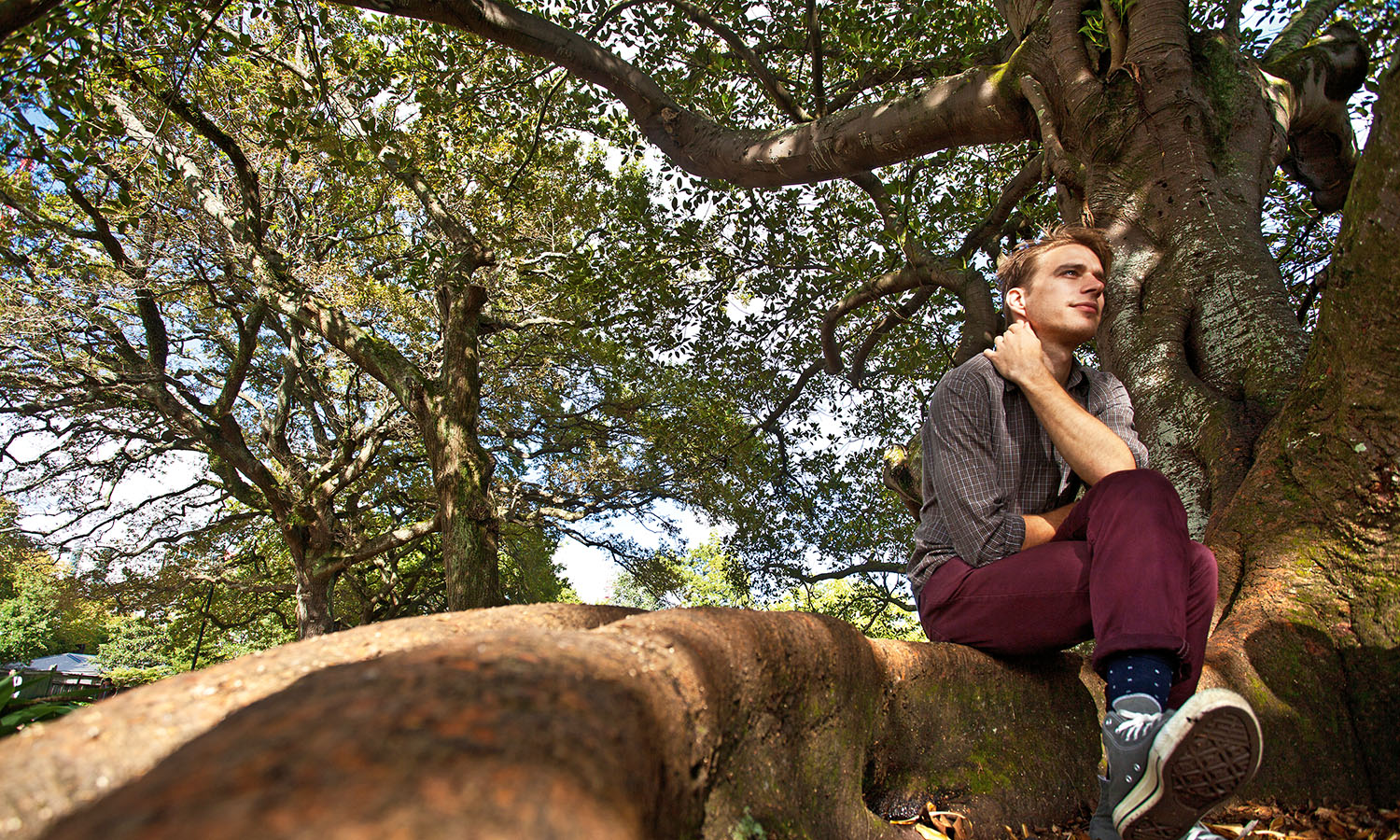
LA Mitchell’s words, Sven’s bare feet and Nick’s way of nestling himself on one of the trees of Albert Park in Auckland reveal a discreet but ever-present awareness of the surrounding environment.
This Kiwi peculiarity becomes Dudley Benson’s distinctive feature. Based in Dunedin but a native of the Canterbury region, this singer-songwriter crafts songs connected to Papatuanuku (Mother Earth) and has released two albums: The Awakening (2008), “a song cycle that weaves together memories of New Zealand’s colonial past with a personal and emotional nostalgia for childhood”; and Forest (2010), “that, recorded almost entirely with only the human voice and sung largely in te reo Ma¯ori, tells the stories of New Zealand’s native birds.” In his music, hip-hop, folk and a cappella mix together to re-create the feeling I experienced several times when confronted by some of New Zealand’s stunningly beautiful landscapes, including Cape Reinga, Milford Sound and Franz Josef Glacier.
No matter where they live, New Zealand’s artists are fully aware that they occupy an environment that is isolated and fragile in one sense, yet domineering in another. Every one of them seems so serenely aware of their place in the world, as if they’re living out the Maori proverb ‘land is permanent, man disappears’.
Selected discography Fly My Pretties IV – Fly My Pretties Dearly Departed – Bannerman The Awakening / Forest – Dudley Benson Deadly Summer Sway – The Checks Hollow – Cut Off Your Hands I’ll Be Lighting / FOMO – Liam Finn
 (
(