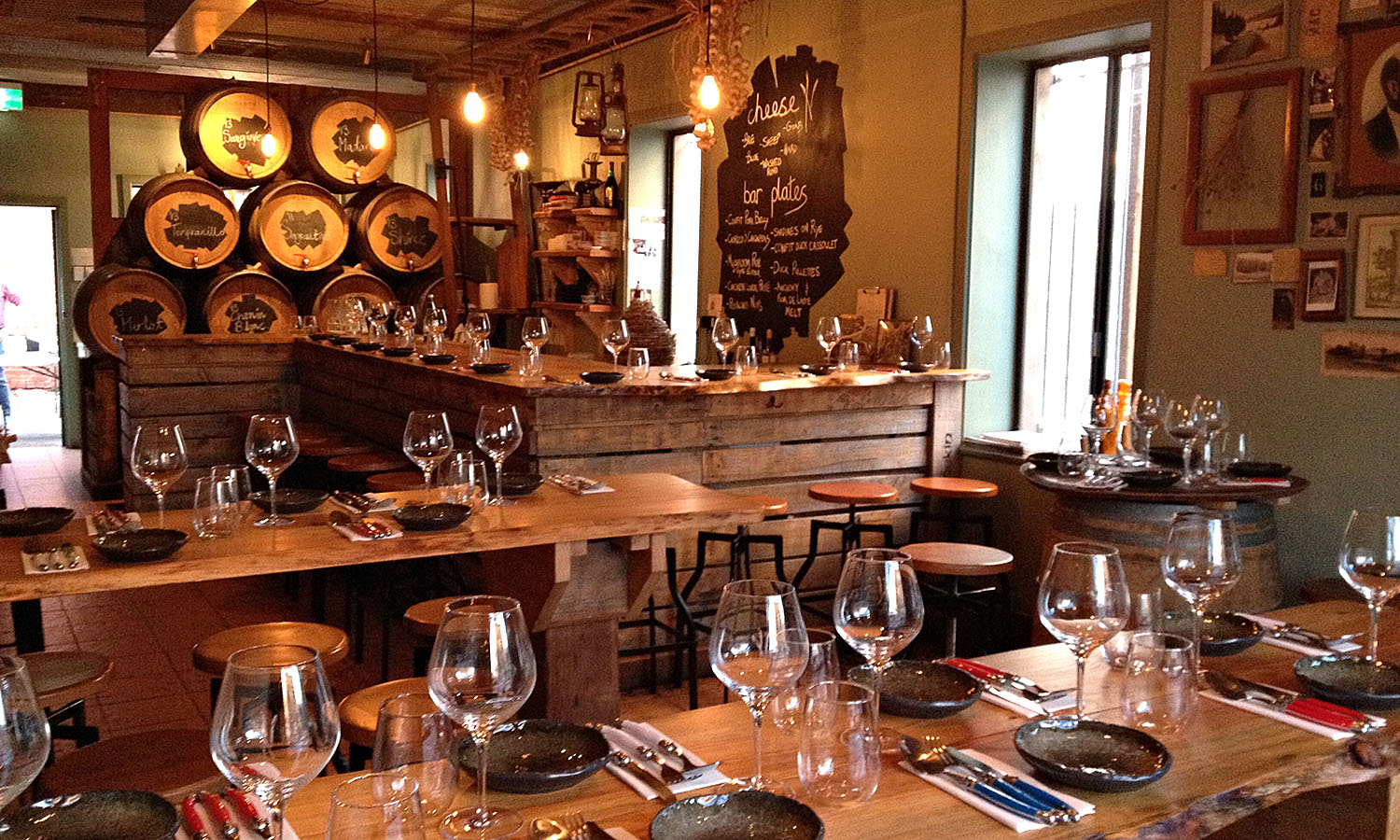
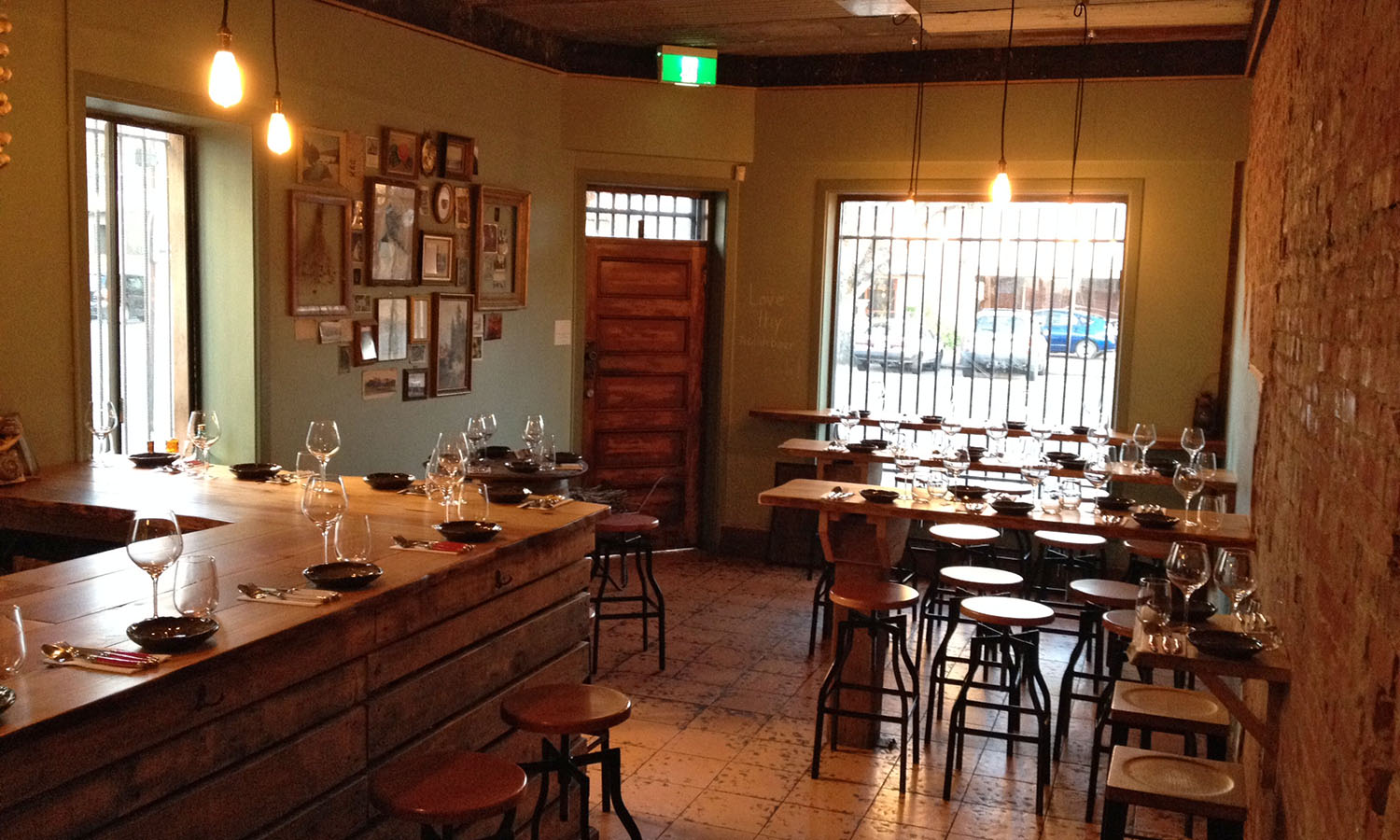
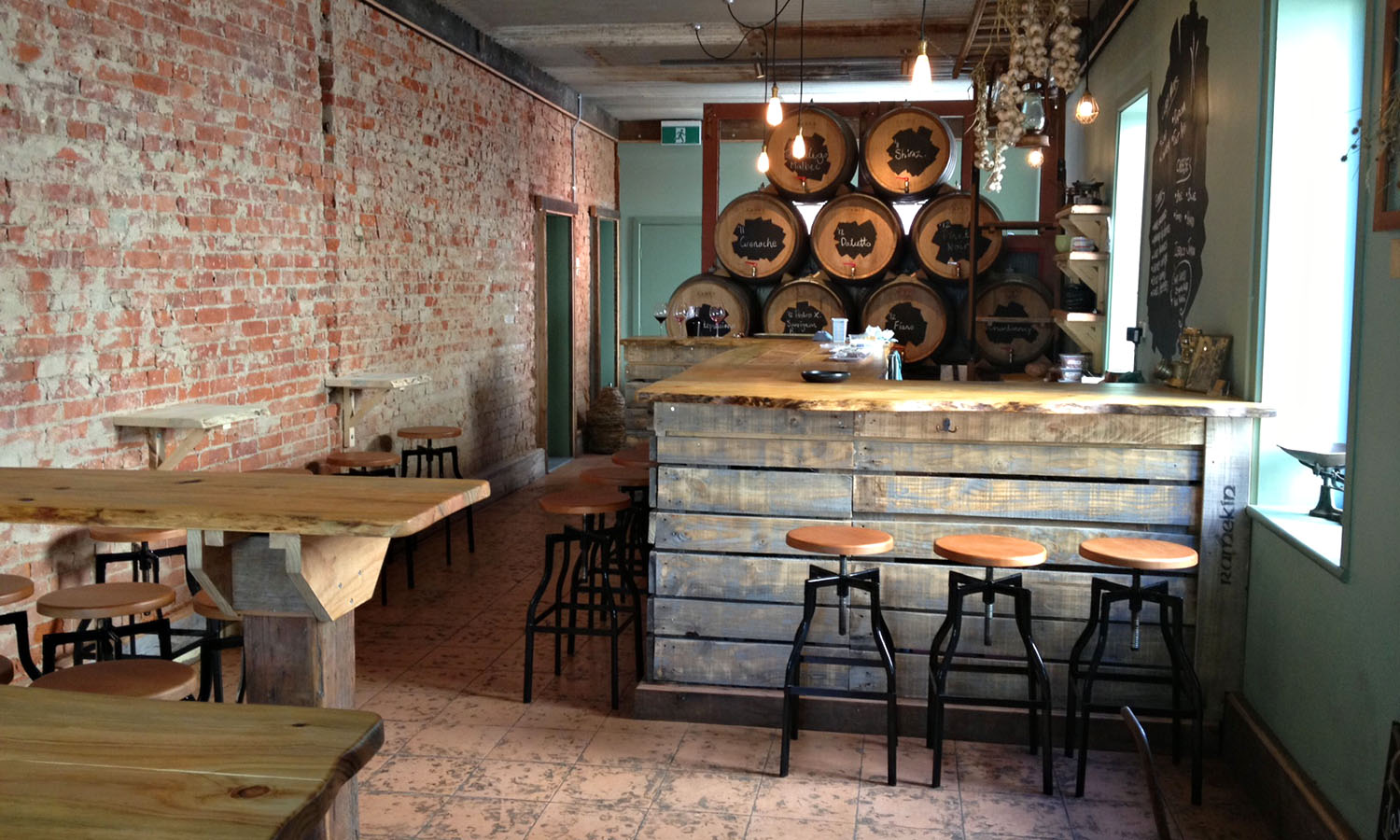
It’s always wine o’clock in Adelaide, and this unique establishment demonstrates why. Created by a trio of mates, including a local winemaker, food expert and coffee connoisseur, Cantina Sociale serves small-batch and one-of-a-kind wines sourced directly from the vineyard.
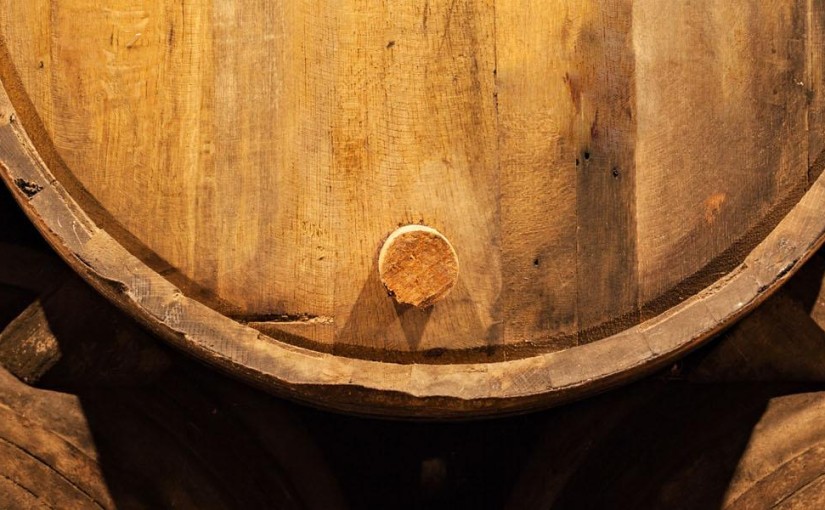
From barrels behind the bar, the staff pours drops – ones you won’t find on other wine lists or at the bottle shop – from McLaren Vale, the Adelaide Hills and further afield. Choose a glass, indulge in a carafe or opt for a flight. Keep yourself nicely satisfied with a selection of snacks from the kitchen including truffle oil popcorn, lamb ‘lollipops’ and platters of pintxos (Spanish snacks of anchovies, marinated capsicum and peppers on bread). By the end of the night you’ll have a party on your palate.
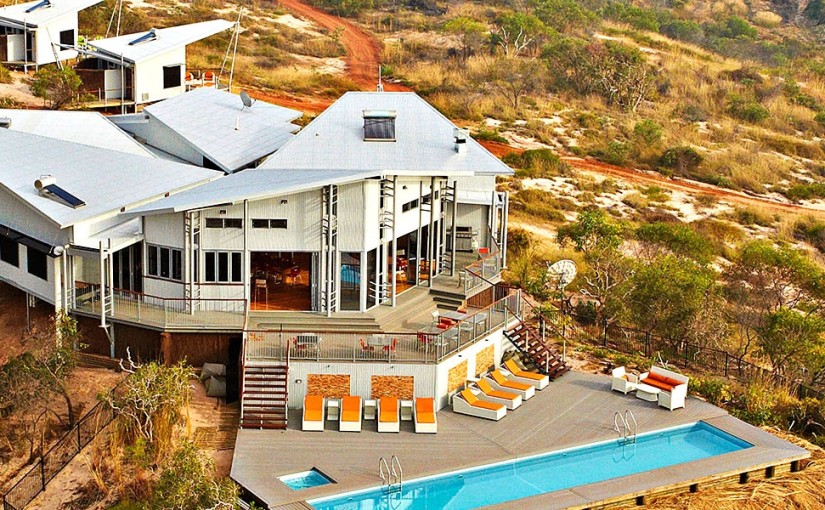
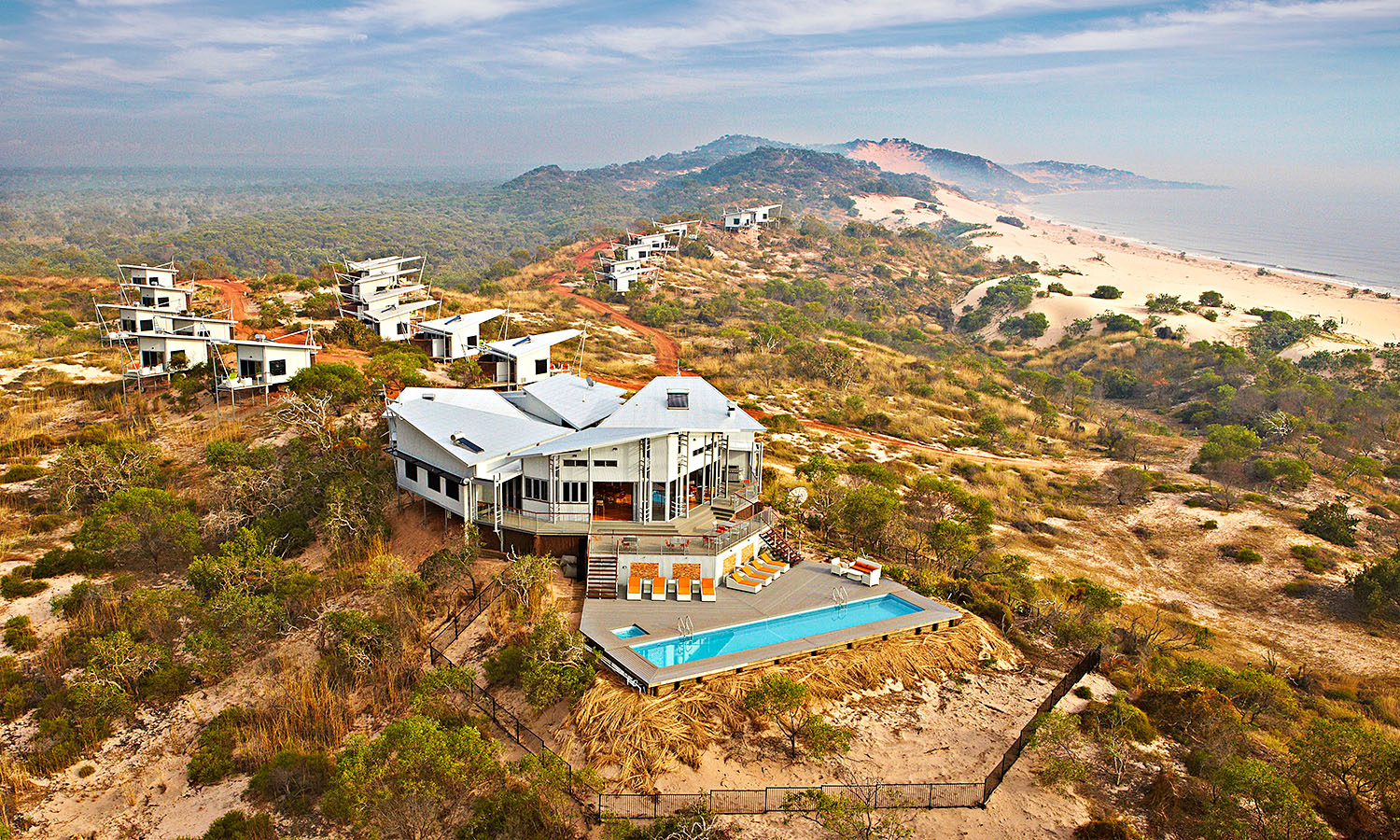
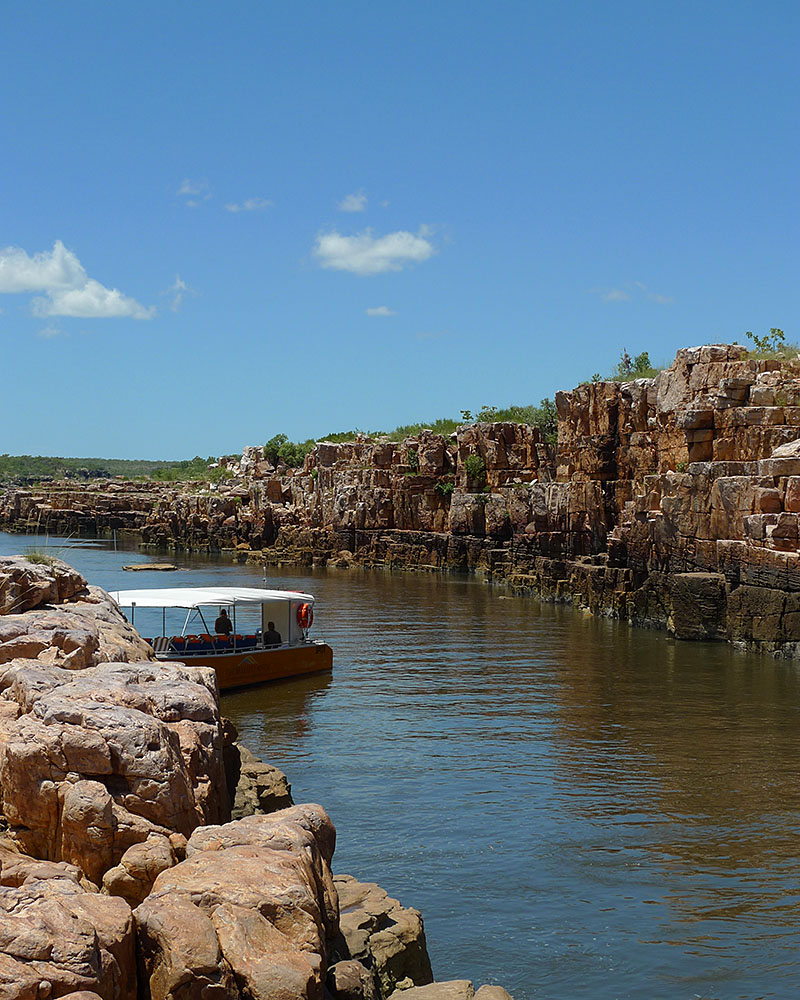
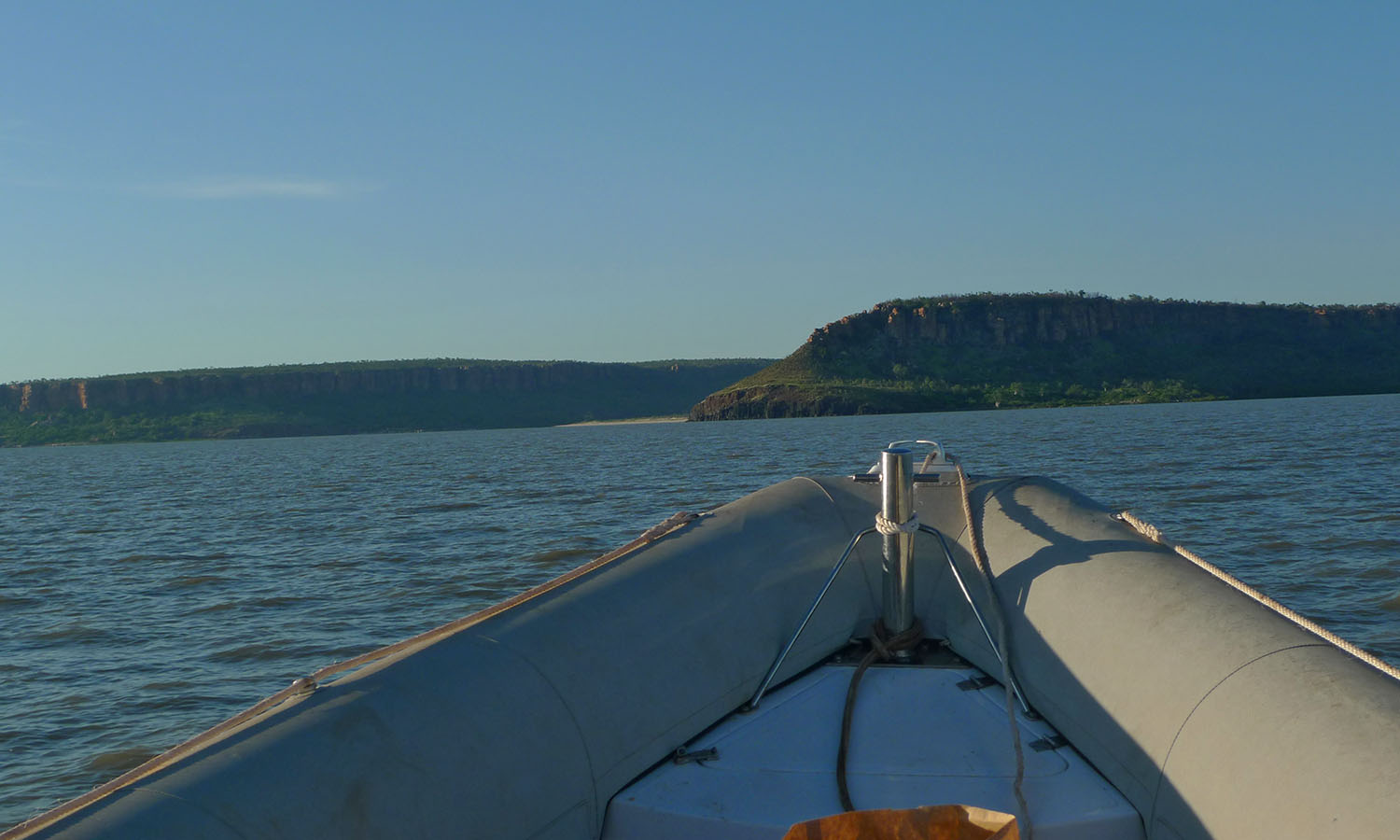
Early mornings are all part of the experience at this understated luxury getaway on the Joseph Bonaparte Gulf in remotest Western Australia. The heat makes the hours just after dawn the most comfortable for the activities: driving along beaches looking for turtle tracks, fishing for barramundi on uncharted estuaries or for GT and Spanish mackerel out to sea, taking the boat along the coastline spotting local residents from saltwater crocs to dugongs, or cruising over the dramatic landscape in a helicopter.
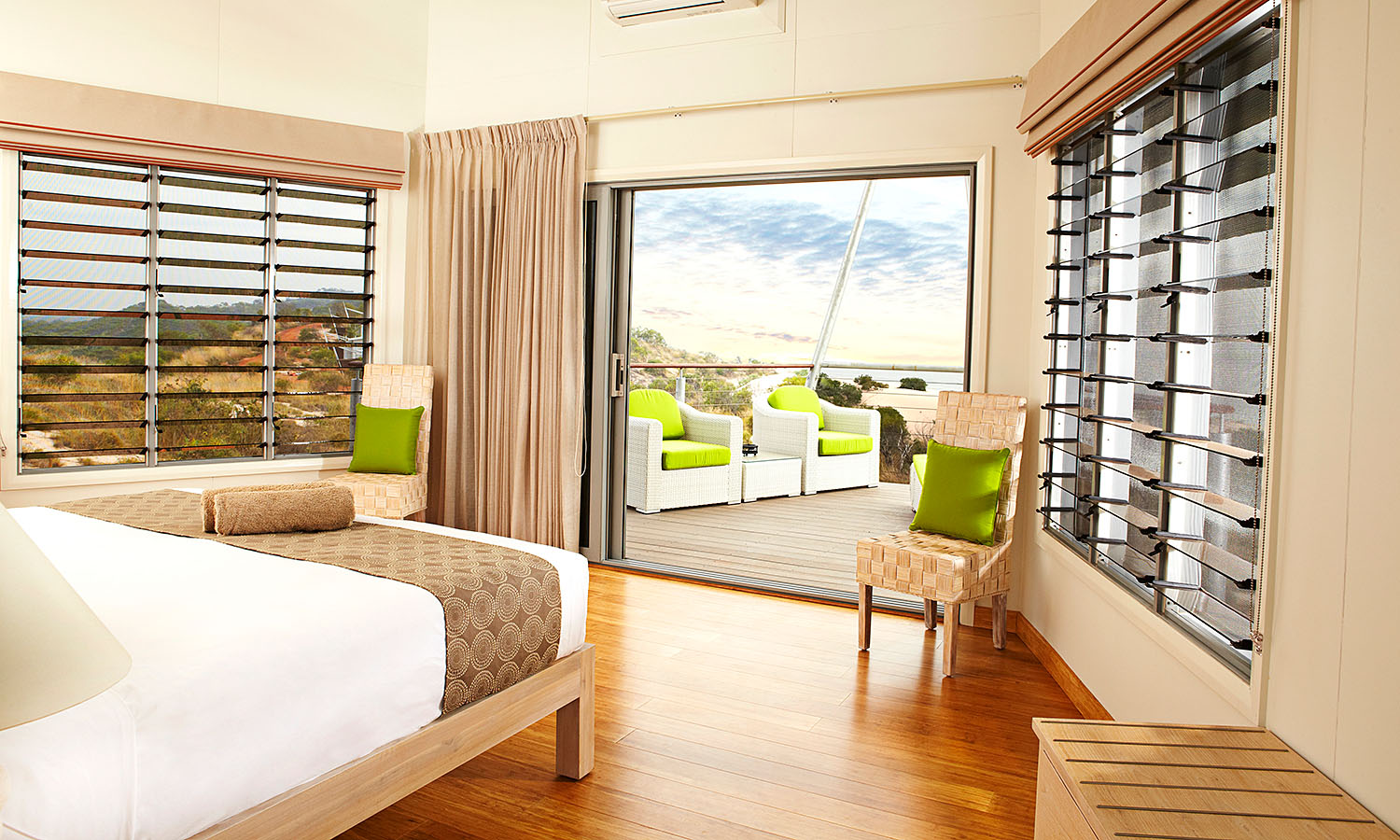
Twenty individual lodges are built along sand dunes. Each is decorated with restrained elegance, and has its own sensational outdoor bathroom. The views out over the ocean are stunning, and, when the sun is high in the sky, beneath the shade cloth on the private balcony reading or contemplating the wilderness is the place to be. There’s a pool at the main lodge, where meals created from the best ingredients sourced from around the world are served.
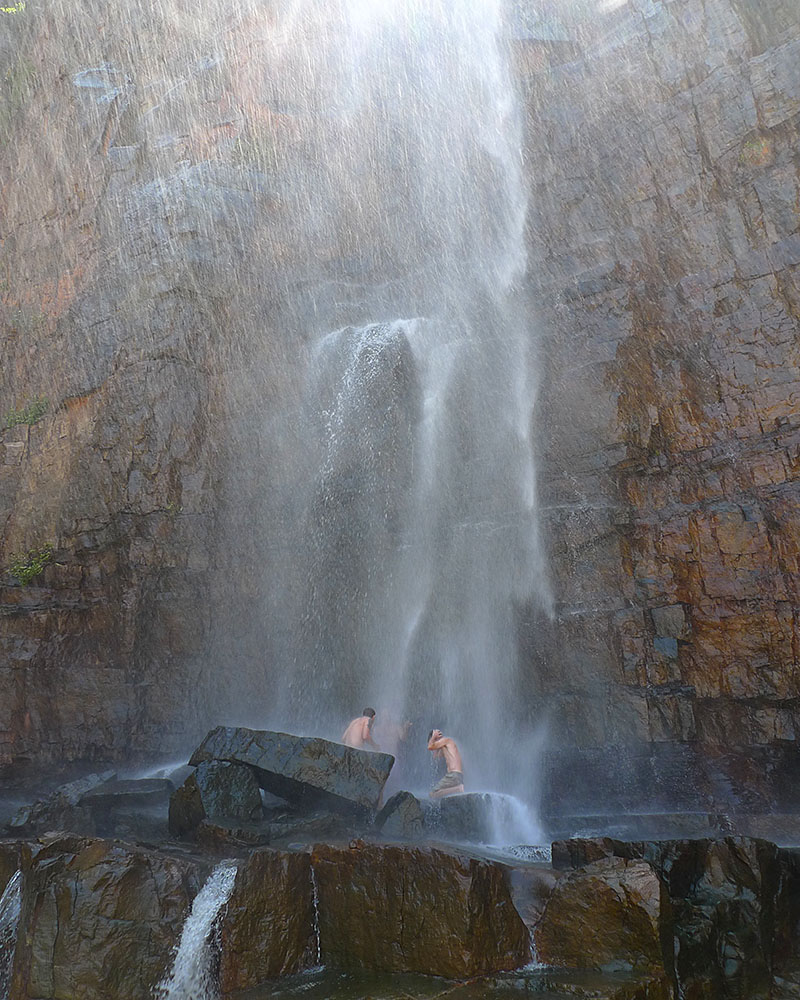
The highlight of any trip to the lodge – if you take away the seaplane transfer from Kununurra – is the river cruise that meanders between soaring red cliffs to Casuarina Falls, where guests can step out on to the rocks and under the torrent of water to cool down.
I’ve met a bird travelling and I’m smitten. She has exquisite brown eyes, a goth-black pecker, voluptuous bust and a body that feels like heaven’s velvet.
“Look how calm and content she is with you,” local guide Kenny says, sensing the chemistry between us. I almost don’t hear him. We’re sharing a moment, locked in a delicate embrace that elicits the kind of first-date goosebumps you get when two souls connect. It doesn’t matter that it’s raining buckets. Thick pellets whip my face, others detonate on my raincoat, finding chinks in my waterproof armour and seeping through to my skin. It’s a total whiteout but I’m completely oblivious.
I’m on Lord Howe Island and the bird that has won my affections is a providence petrel – a rare seabird that breeds nowhere else on Earth. I’m not a twitcher and you’d never catch me stalking out a hide in a camouflage vest and explorer hat – binos at the ready – but this experience has really moved me.
We’ve come to the base of Mount Lidgbird, one of the dramatic twin peaks symbolic of Lord Howe, to witness a rare and extraordinary weather event. A cyclonic-force low on the mainland has dumped 230 millimetres of rain in two days, transforming the volcanic rock faces that loom over the island into spectacular silvery cascades. Being here for this spectacle, on an island renowned for its mild climate, is akin to watching waterfalls tumbling off Uluru. But getting close to the action is going to involve getting wet. We stomp through mud, wade through shin-deep water and negotiate a knee-high crossing powerful enough to sweep the feeble-footed out to sea. The track burrows through tunnels of forest turned into gushing rivers, the overhead foliage blunting the force of the rain until we arrive at a grassy headland, hemmed in by the brooding Tasman Sea on one side and the basalt escarpment of Lidgbird on the other.
There’s an auditory deluge as the distant waterfalls compete with the thumping downpour on the hood of my raincoat. But there’s another sound too, the squawking of black-boomerang silhouettes circling overhead. It’s late afternoon and the curious petrels are coming home to roost. They respond to noise, and soon I’m cooing and howling like a banshee, calling the birds down. They literally drop out of the sky, one then another – gently carpet-bombing the ground until there are half a dozen clumsily flapping at our feet.
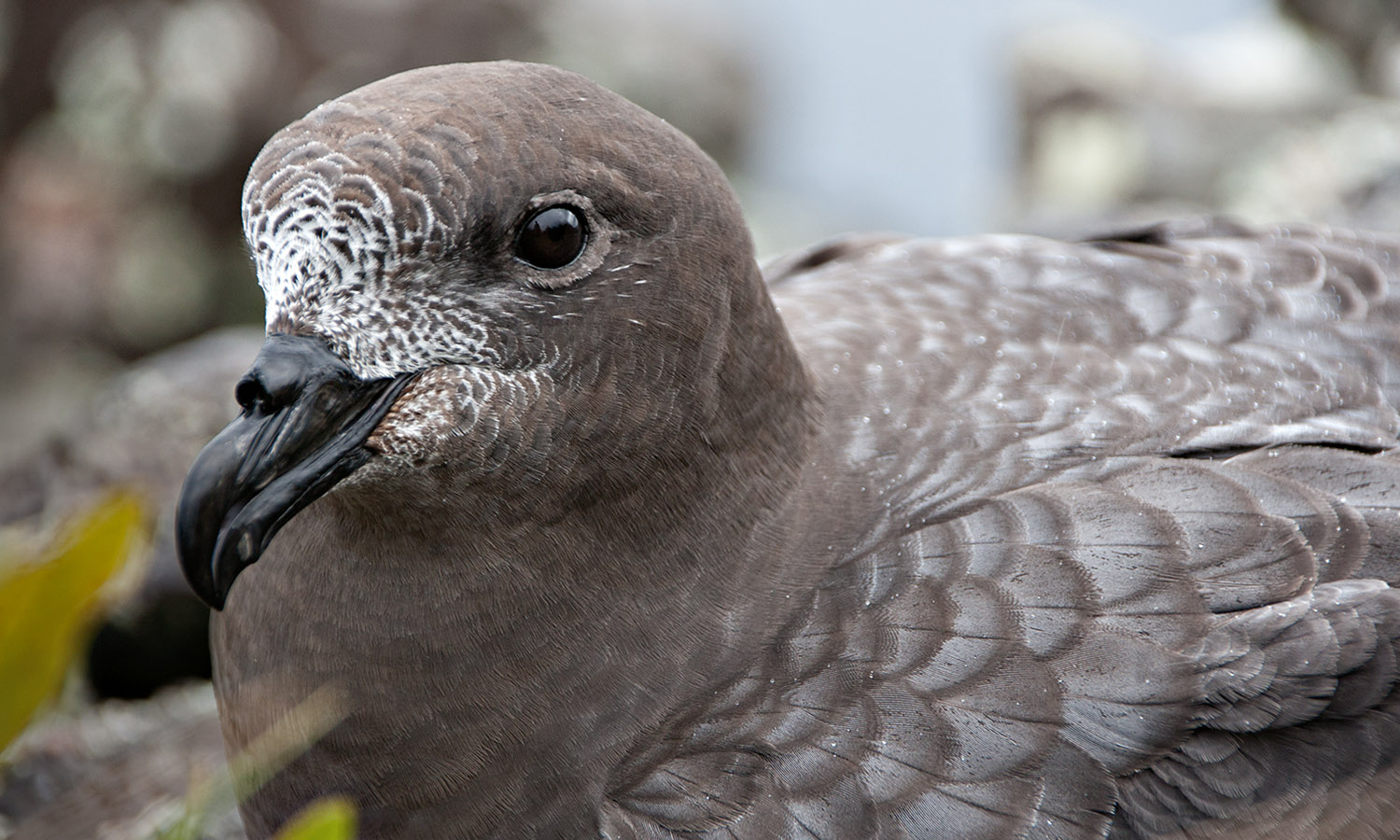
Our guides encourage me to pick one up. It’s not normally the done thing interacting with wildlife like this, but I really want to. I have to. I delicately slip my fingers under a bird’s ribcage and tuck it into the crook of my arm against my tummy. Its little webbed feet retreat under a plumage of fine brown-grey feathers in trustful submission. I stroke its chest, a little heartbeat pulsing against my fingers, and study the white-scaled pattern around its face and the rain droplets, forming like tiny diamantes, on the crown of its head. The bird is so relaxed it’s almost in a trance-like state. That’s what happens when you inhabit a remote island largely isolated from human contact. Birds have no fear.
Being here for this spectacle, on an island renowned for its mild climate, is akin to watching waterfalls tumbling off Uluru.
Lord Howe is the Galapagos of Australia, renowned for its proliferation of wildlife and plants, including many rare and endemic species. Thrust out of the Tasman Sea by volcanic eruptions almost seven million years ago and sculpted by molten rock and erosion, the island – a speck 600 kilometres off the NSW coast of Port Macquarie – nurtures a unique biodiversity that earned it world heritage status in 1982.
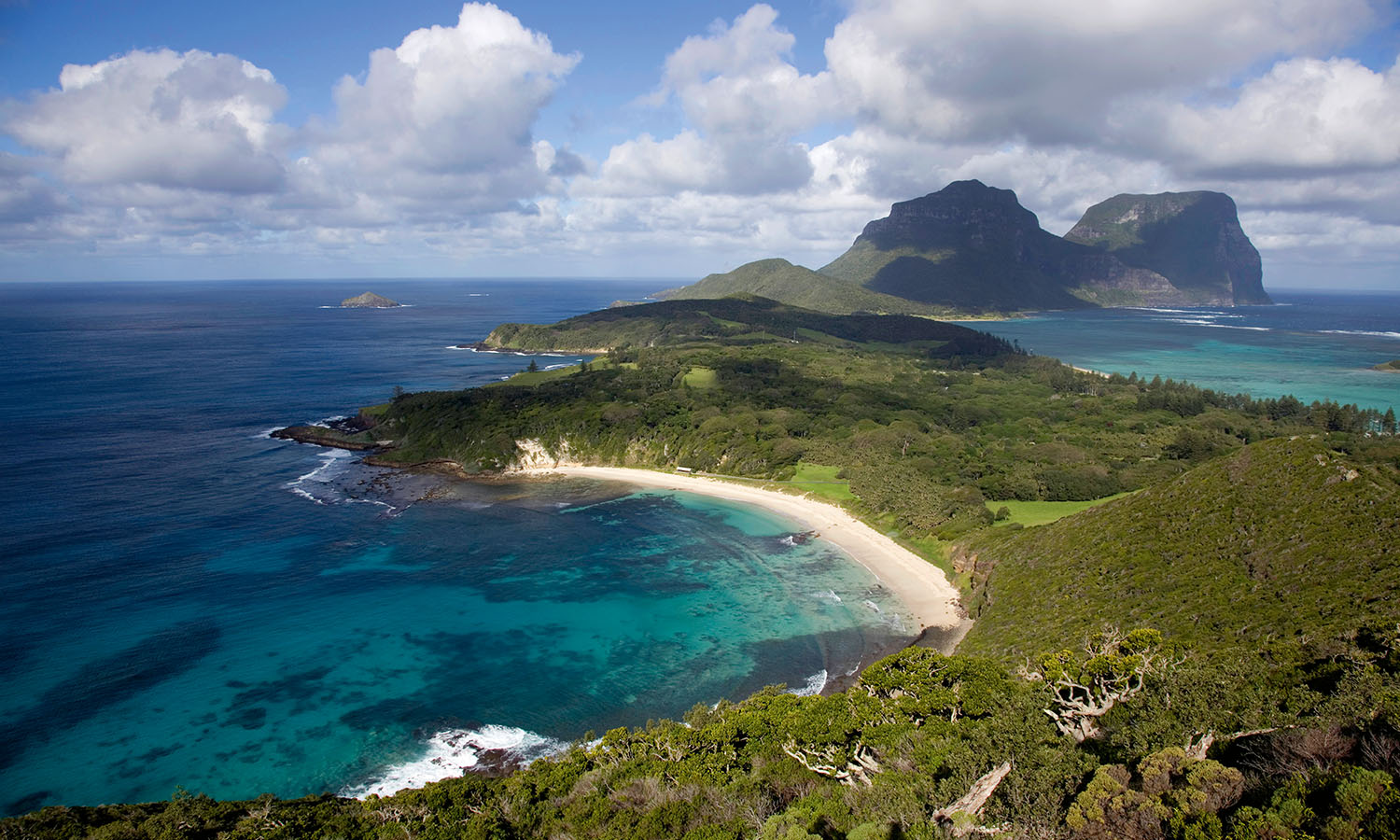
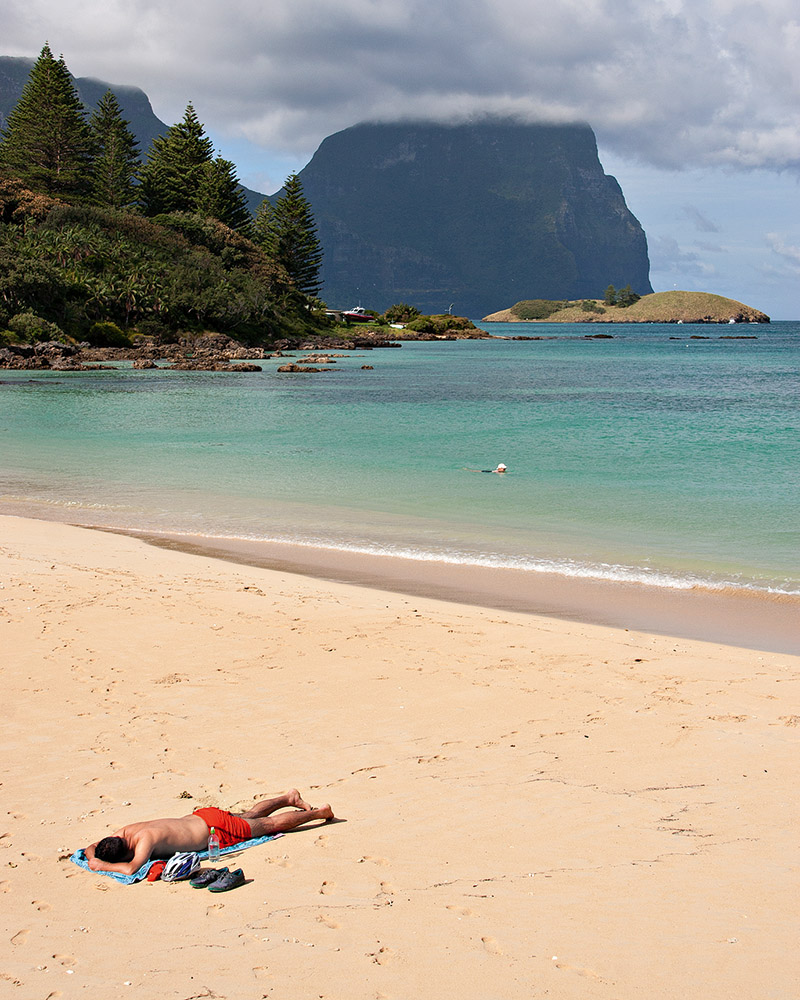
The island’s topography is staggering – 1455 hectares of subtropical rainforest and volcanic rock, fringed by white-sand beaches, grottoes, a sapphire lagoon, the world’s southernmost coral reef and sheer basalt cliffs. Not bad considering 97.5 per cent of the island is below water; in another 200,000 years it will all be submerged. On high ground, the interior is a veritable greenhouse of pandanus, banyan trees, ferns and kentia palms (once the lifeblood of the island). This is a remarkable habitat where the animal kingdom is, well, king. With a permanent population of just 350 people and visitors capped at 400, Lord Howe sees to it that humans are dramatically outnumbered. There are more than 300 plant species, a third of those endemic, and 166 types of birds (but only one mammal – a bat). This is all bookended in the north by the Admiralty Islands and in the south by Mount Lidgbird and Mount Gower – imposing humpback peaks visible from almost anywhere on the island. Except when the weather is foul.
When I visit, the small Dash-8 aircraft that service the island are grounded for two days, cutting Lord Howe off from the world, and Gower (a tantalising 875-metre hike) retreats behind a veil of mist, then disappears altogether. The lagoon turns from translucent to opaque and the entire island hums to the patter of rain – a regenerative force that keeps the landscape green – and the guests watered. A couple of weeks before my arrival, two months had passed without rain and the polite suggestion to limit showers to five minutes became a fervent request. Now Pinetrees Lodge – the oldest and biggest guesthouse on the island, situated on a lowland flat – is running pumps to keep rooms dry.
“This is almost miserable,” co-owner Luke Hanson says with a grin. He’s wearing his “wet-weather uniform”, a Gortex jacket and bare feet, and is armed with a cloth. “You don’t think this is miserable?” I respond. “No, no, this in mid-winter, day four with a howling southwesta, that’s miserable.”
Staring out over the island, the peaks of Gower and Lidgbird dominate the horizon, each topped with a beret of white cloud.
I could think of worse places to be stranded. Even in the wet Lord Howe is captivating – a true wilderness with a dramatic landscape reminiscent of Hawaii, and unbridled adventure opportunities. I’m ostensibly here for an organised walking and photography week, though I’m not sure my photos will do the island justice.
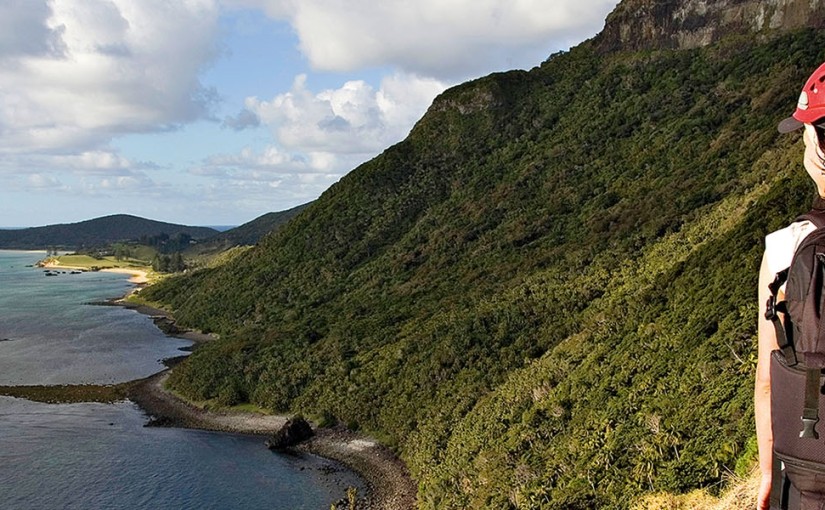
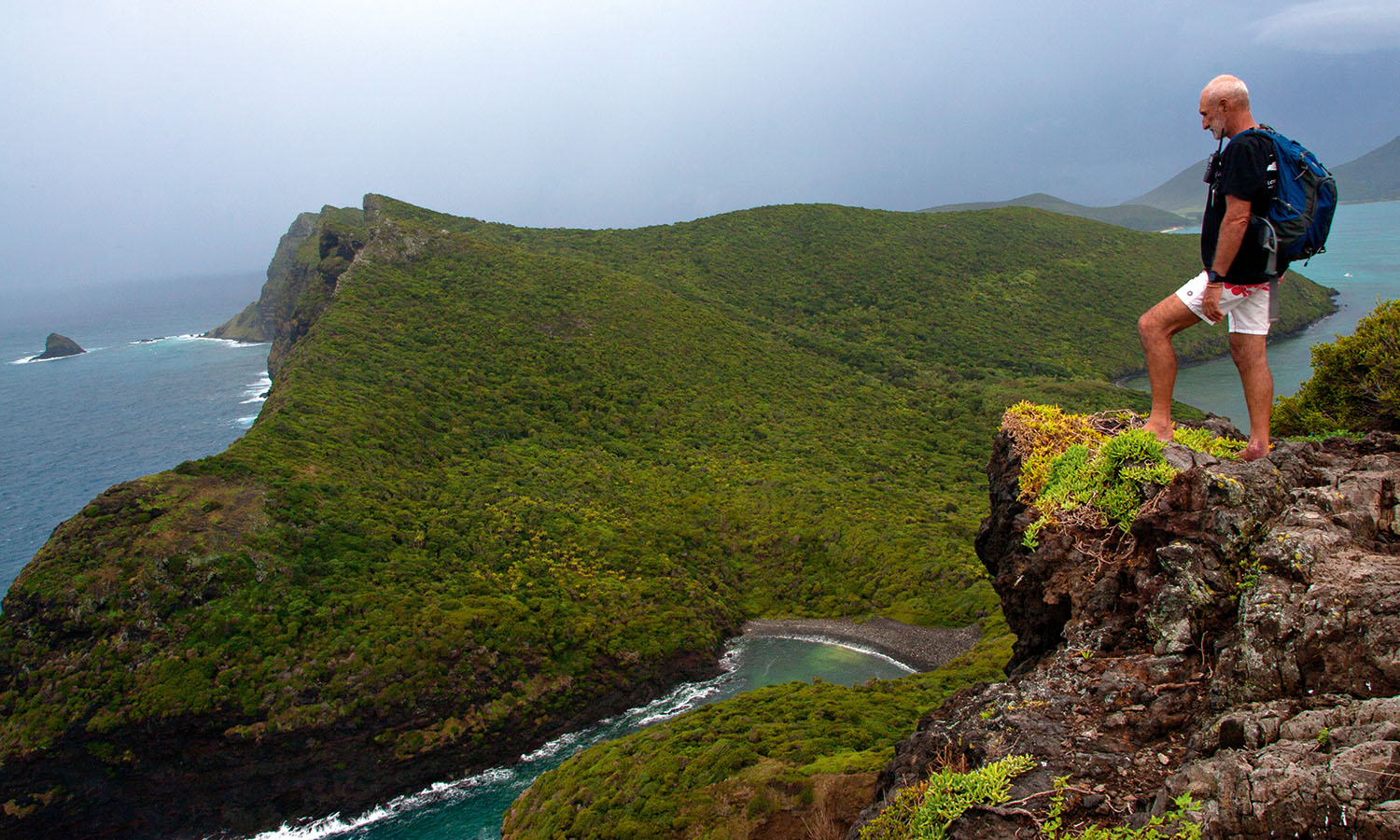
When the rain eases we take a boat over the glassy lagoon to North Bay, a postcard cove that in summer teems with 100,000 pairs of sooty terns nesting in the sand. We climb to the top of Mount Eliza, the north-westernmost point on the island, and watch as cobalt ribbons of water smash into the cliffs and volcanic dykes below. Staring out over the island, the peaks of Gower and Lidgbird dominate the horizon, each topped with a beret of white cloud. Another hike takes us to neighbouring Kim’s Lookout and along a ridgeline to Malabar Hill, where we spy in the rock crevices red-tailed tropicbird chicks.
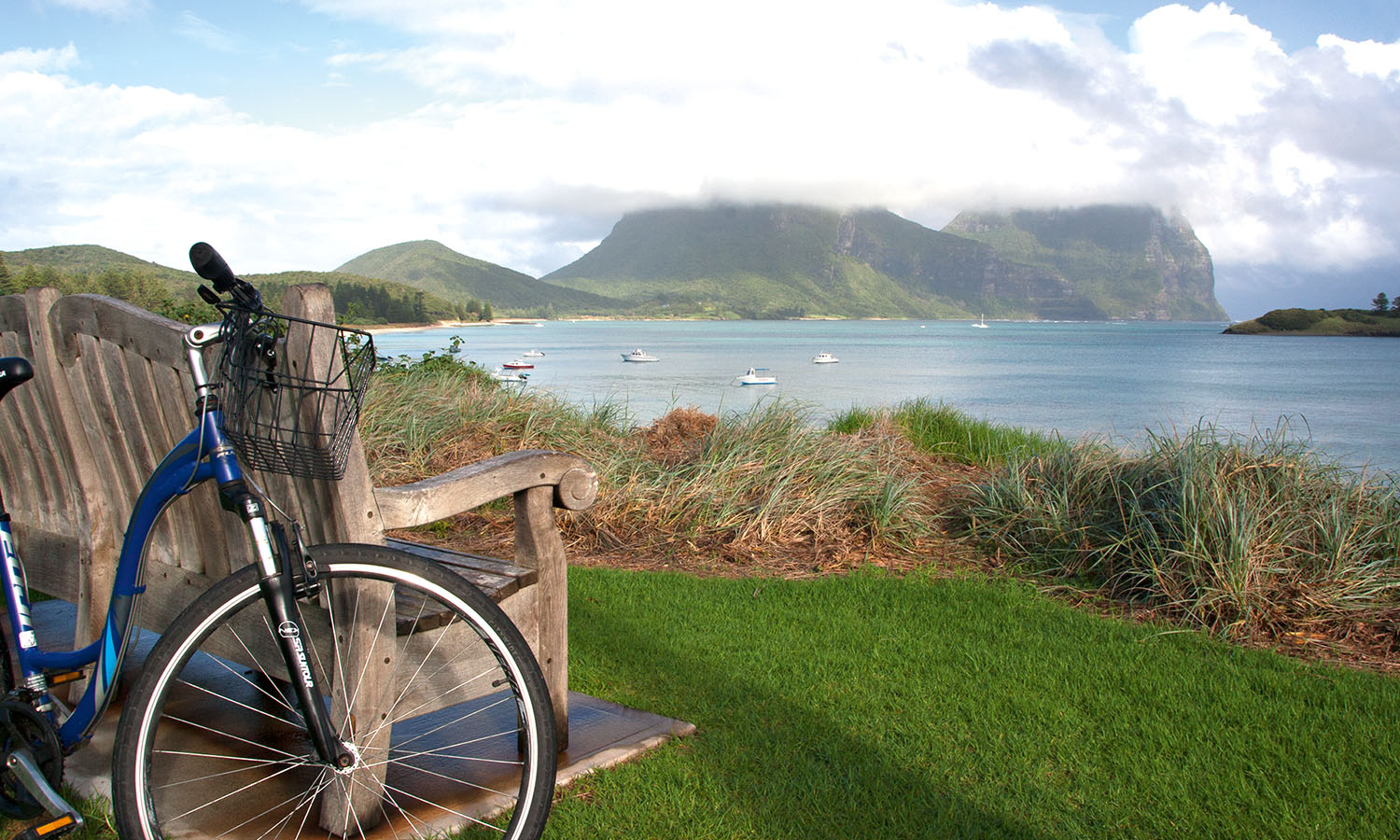
Lord Howe is a chameleon, and one morning I wake to blazing sunshine. I hire a bike (the primary mode of transport on the island) and ride through the sleepy blink-and-you’d-miss-it centre of town to Ned’s Beach, a horseshoe alcove on the northeast coast. There’s a rustic shelter with tubs of snorkelling gear and an honesty box, as well as an old-school gumball machine that dispenses fish food pellets. I put in $1 and crank out a handful to take to the beach. I’m instantly accosted by dozens of mullet that almost suck the ends off my fingertips. A big bluefish swims up for a nibble, grazing my finger with its teeth, and I spot a beautiful trumpet fish floating past like a colourful piece of driftwood.
Some 100 varieties of coral and 500 species of fish populate the sublime waters of Lord Howe thanks to a warm North Queensland current that flows easterly from the mainland. Snorkelling in North Bay, I glide over coral gardens festooned with marine life and heaving with colourful fish. On the boat journey back three green turtles float to the surface, momentarily poking their noses out of the water. This island is such a tease.
Gower has been beckoning all week but is off-limits given the recent weather conditions. Even local guide Dean Hiscox, who with his daughter and a mate went canyoning in the valley between Gower and Lidgbird at the height of the downpour, is cautious. “Gower will be an adventure… possibly life threatening,” he says, deadpan.
Instead I recruit Kenny Lees, a local photographer who has been leading our activity week, and the two of us set off for a plateau on the shoulder of Lidgbird. We retrace the path we took earlier in the week and my shoes, still damp, are soon sopping. When we get to the grassy headland where we encountered the petrels we keep going, bounding over boulders before disappearing into the forest. A 100-metre elevation climb using guide ropes takes us to a rock overhang lined with palm trees. From here we edge across a narrow pass, the cliff dropping away beside us into the ocean. (On the way back a rock will come crashing down near me and I’m petrified of a landslip. It doesn’t help when Kenny tells me he’s never experienced a close call like it before.)
Soon we are off the path and freestyling – scrambling up over mossy rocks, lichen-covered branches and noodles of browned pandanus leaves that act as booby-traps hiding ankle-twisting cavities. It’s raining and I think we’re lost. Kenny mumbles something about looking for a tree. He finds it and we step out onto a plateau, dodging webs of golden orb spiders to stand on the precipice – it’s breathtaking and we’re not even half the height of Gower. I experience a moment of vertigo as we take in the sweeping panorama. Then I spot the familiar silhouette of petrels in the sky. I funnel my fists to my mouth and summon them down. Within minutes one sits dutifully in my hands. Others watch on quizzically, perhaps waiting for their turn.
Before long I’m getting cosy with another big bird, only I’m not so enamoured with this one. It has twin propellers, fixed wings and roaring engines, and is shunting me back to the mainland. And I’m not quite ready to leave.
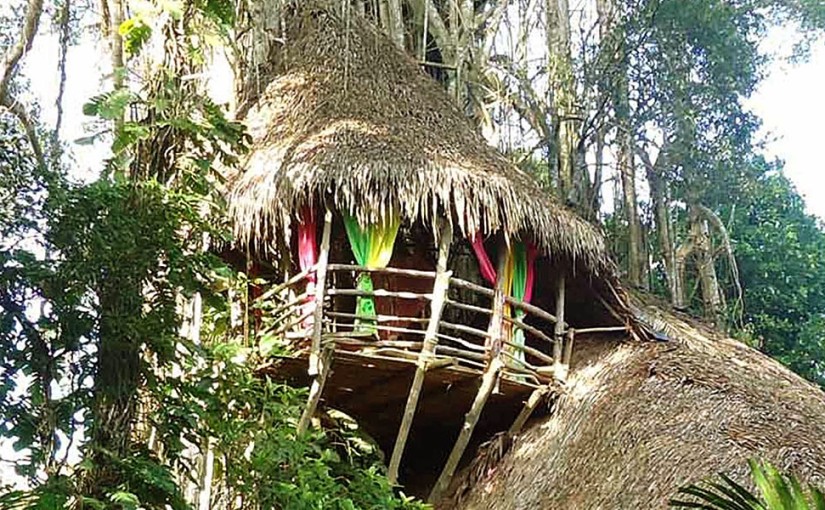
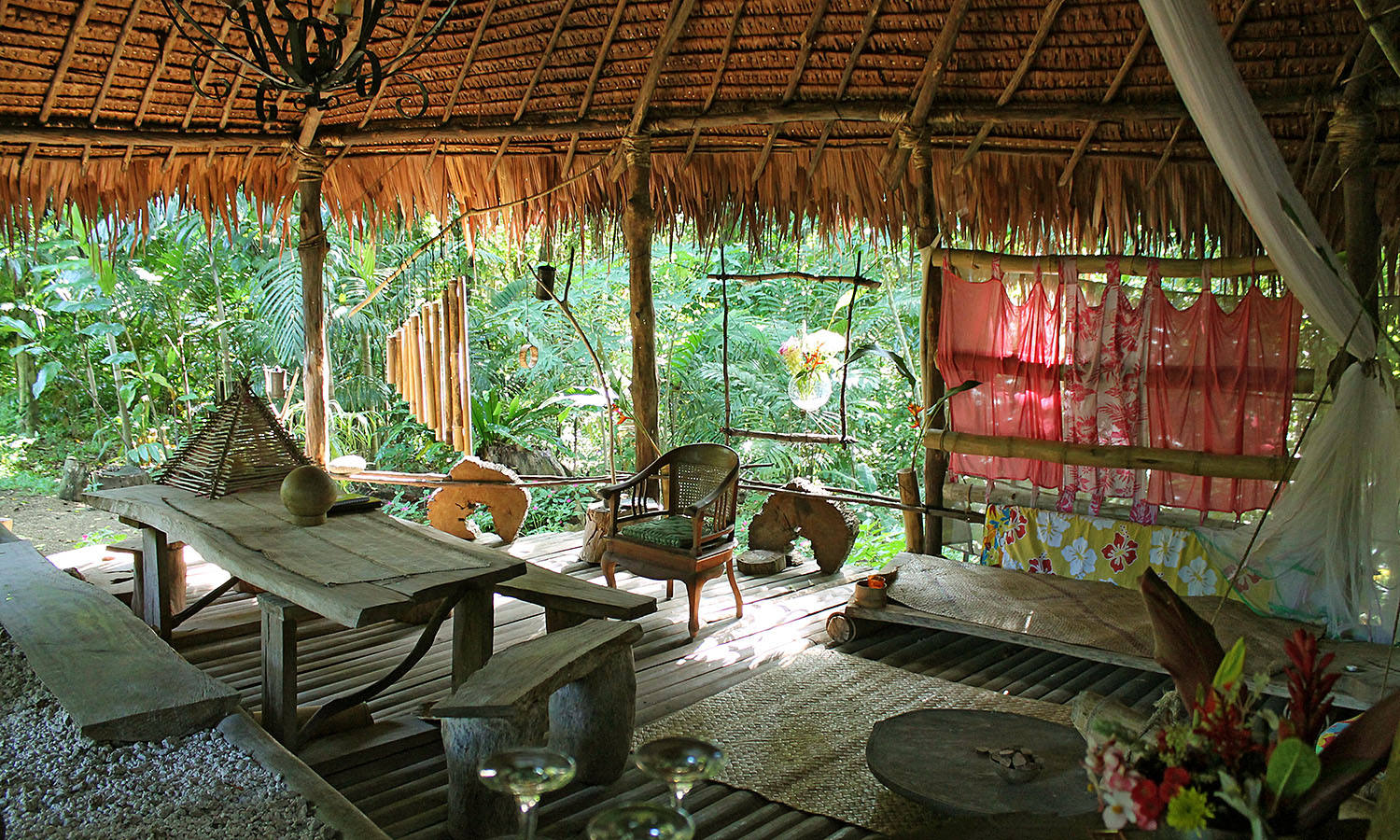
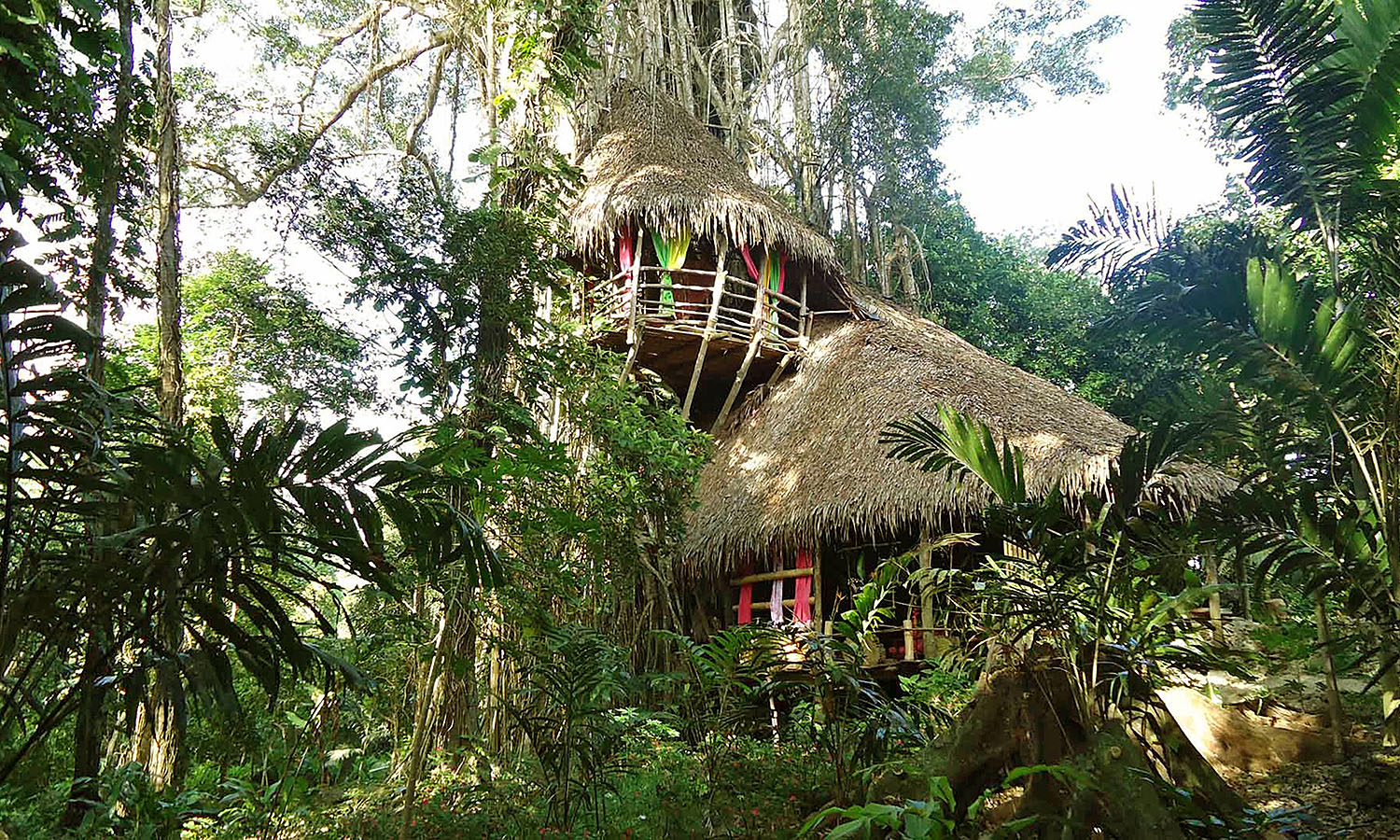
Robinson Crusoe eat your heart out. This enchanting tree house, 10 kilometres from Vanuatu’s capital, Port Vila, is an architectural wonder that seamlessly blends island living with the natural environment. The house is built in and around a giant banyan tree and is furnished with home comforts made exclusively from natural materials and fibre.
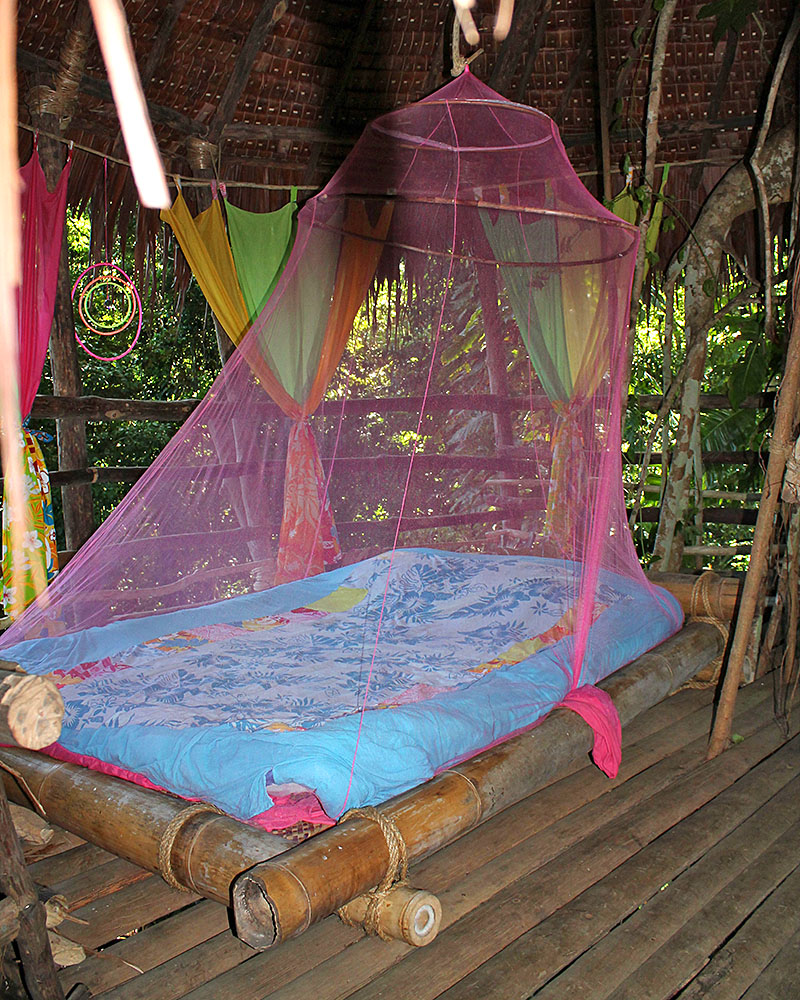
Take a swing in a hanging bamboo chair and climb a ladder to the loft bedroom, where you’ll wake to birdsong under a canopy of natangora leaves. Feast on a breakfast smorgasbord of fruit and freshly laid eggs, courtesy of the rainforest garden and its resident chickens.
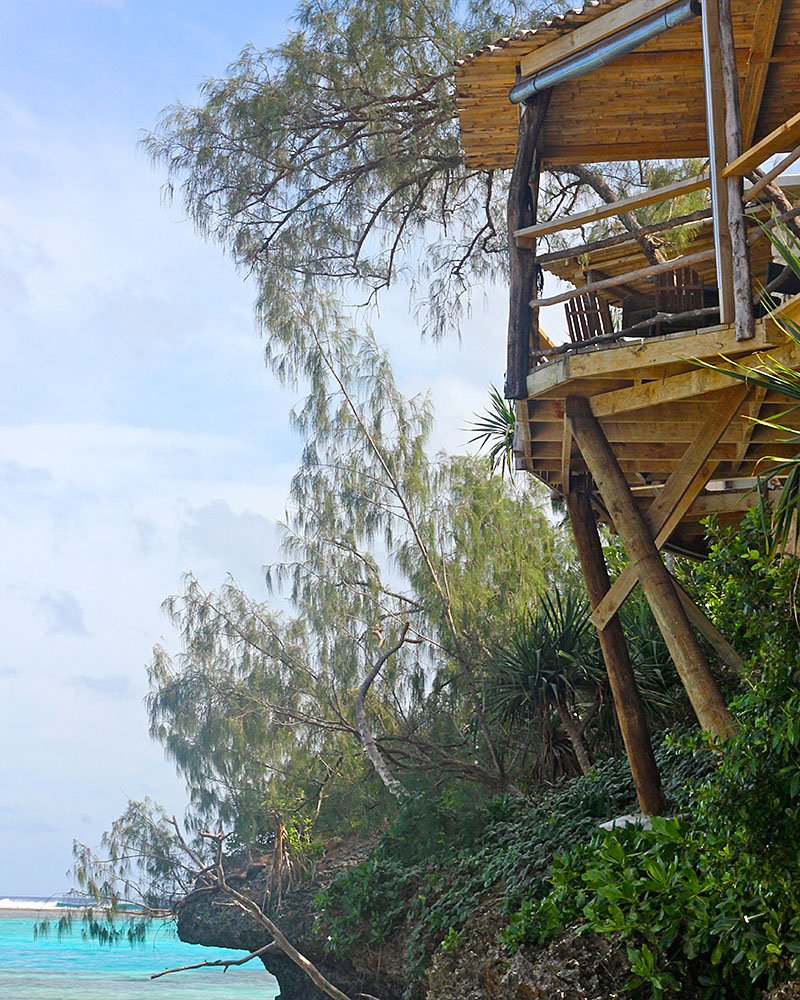
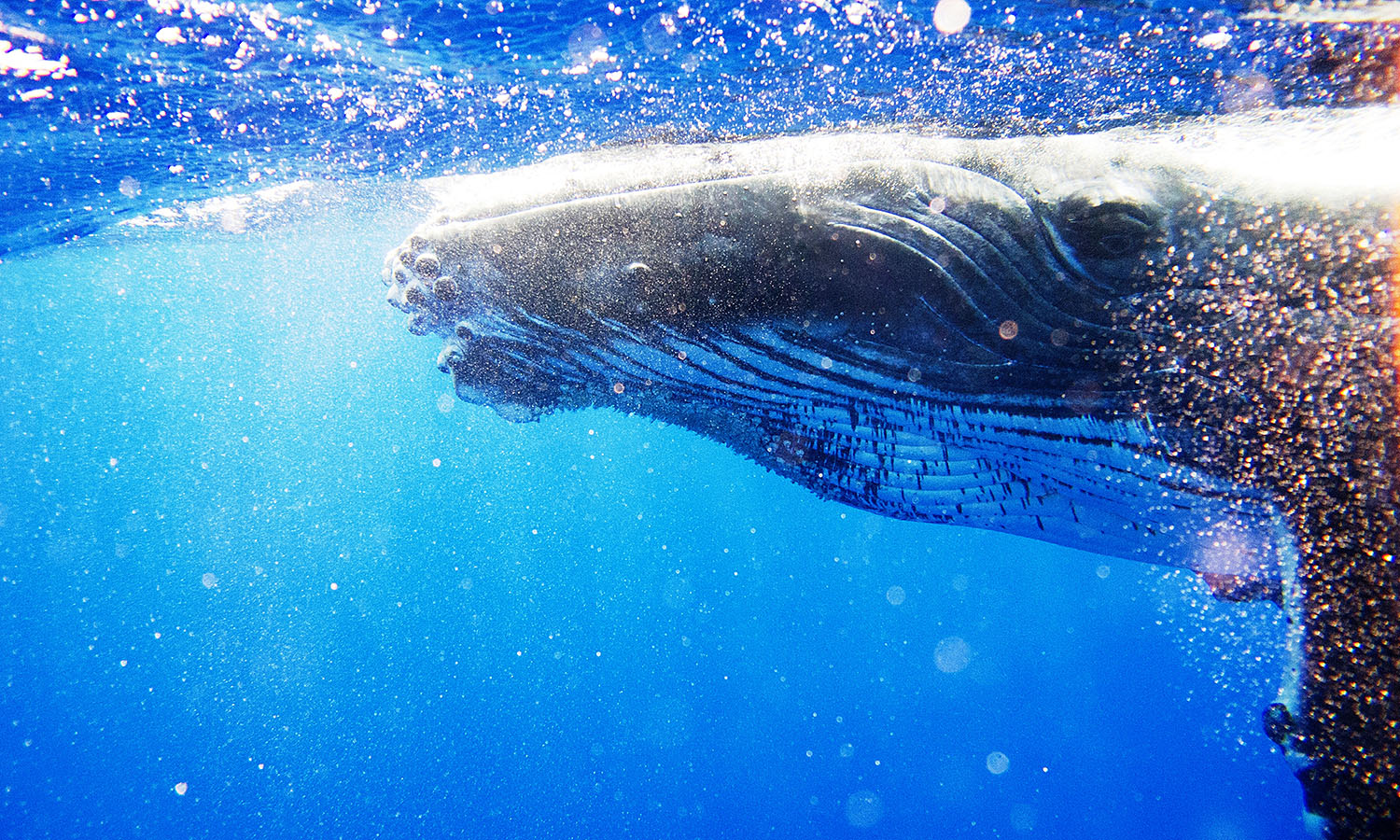
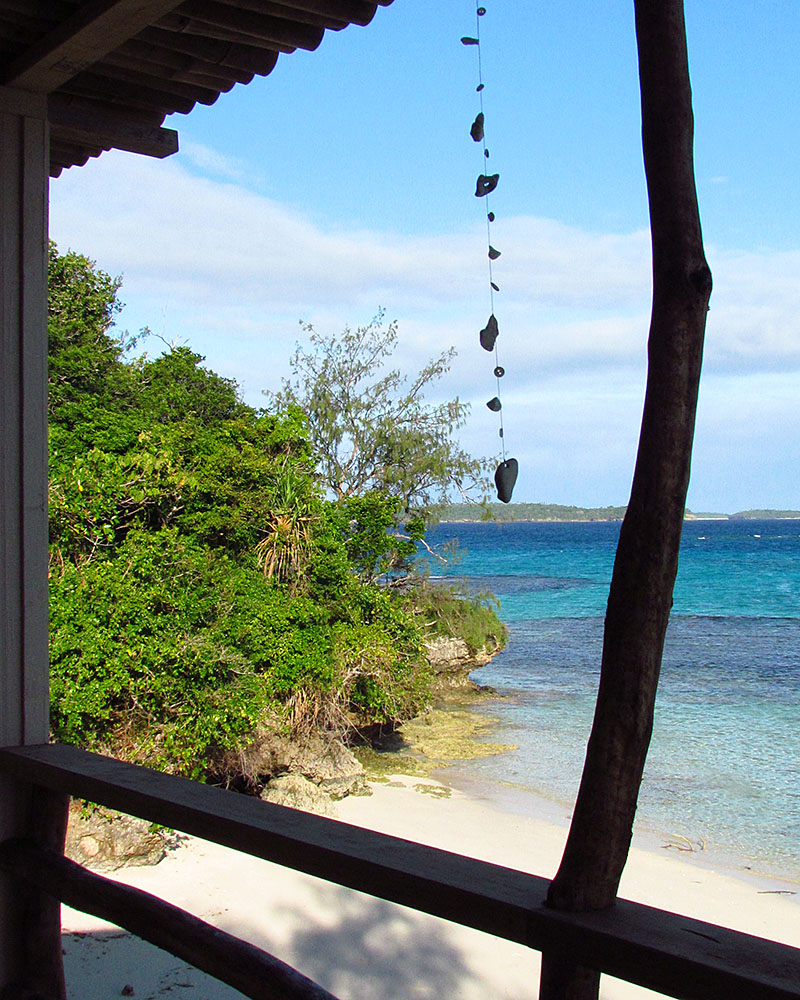
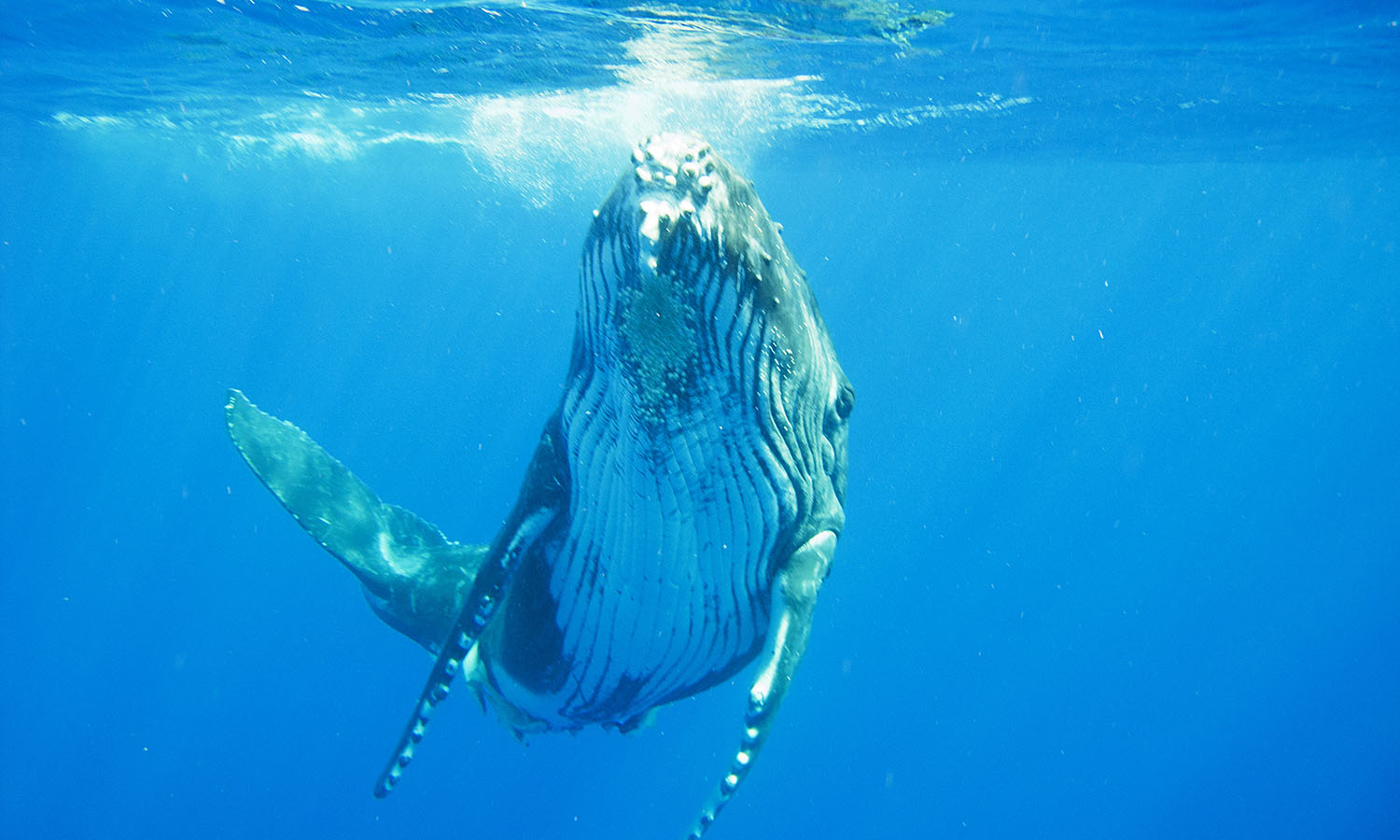
Ever dreamed of downing your morning coffee with a whale frolicking in the foreground? That can be your reality when you wake up at this secluded gem. Tiny but beautiful Fofoa Island, part of the Vava’u group, plays host to The Beach House, an eco-friendly bungalow that sleeps up to five people in two bedrooms, each with its own private balcony.
In the evening, cook up the catch of the day and eat on the overwater deck as the sun goes down. The house is a 45-minute boat ride from the main town of Neiafu and overlooks the Blue Lagoon. While you’re there, jump in with or watch humpback whales (the season lasts from July to October), spot turtles, join a Tongan feast, go fishing and kayak to uninhabited sanctuaries.
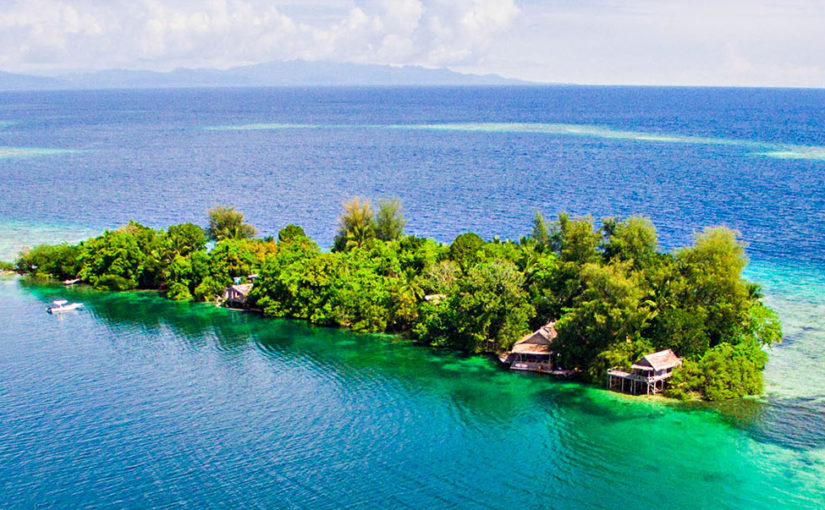
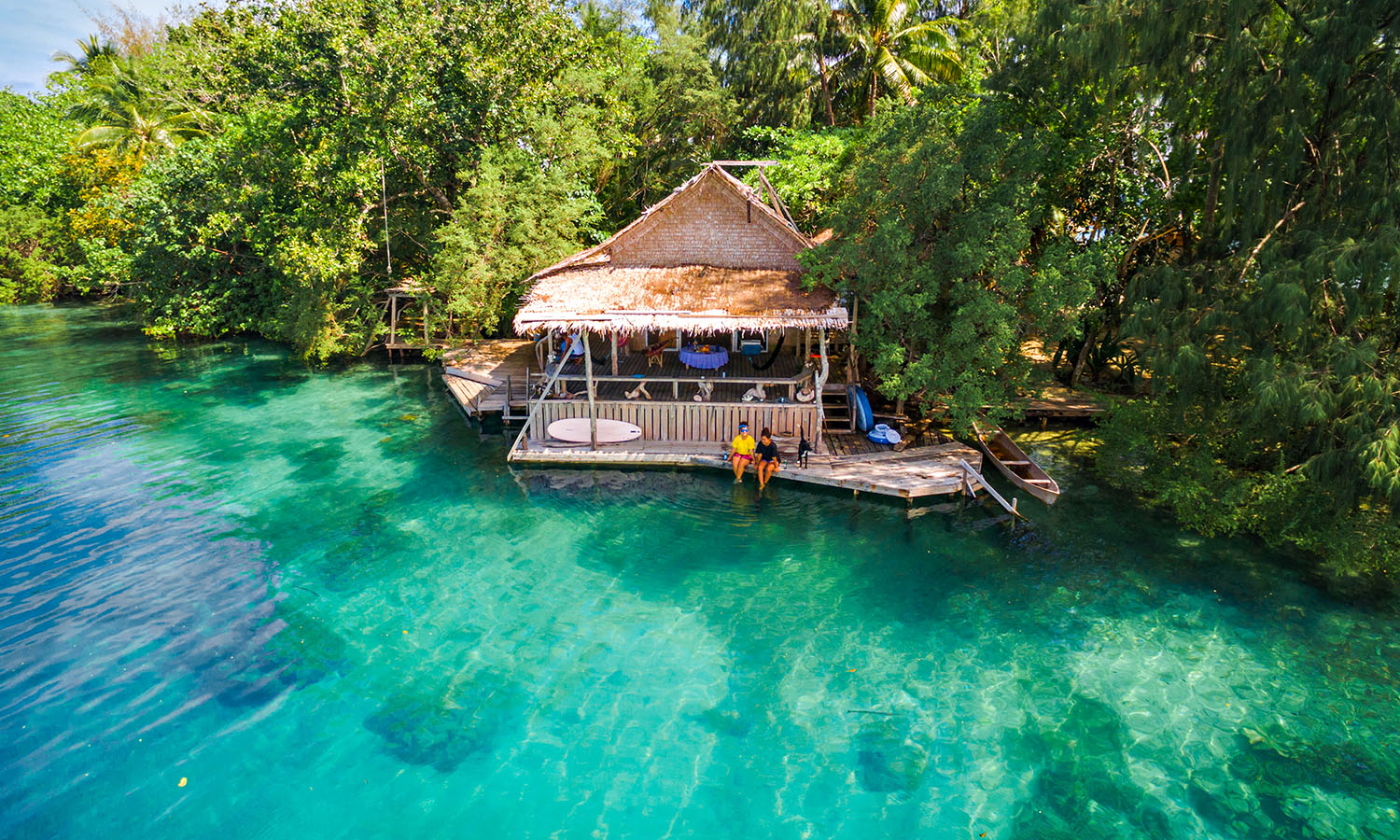
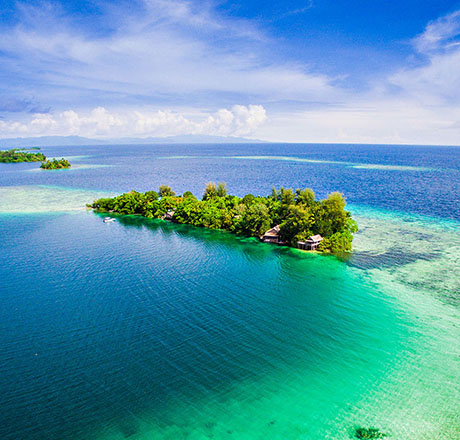
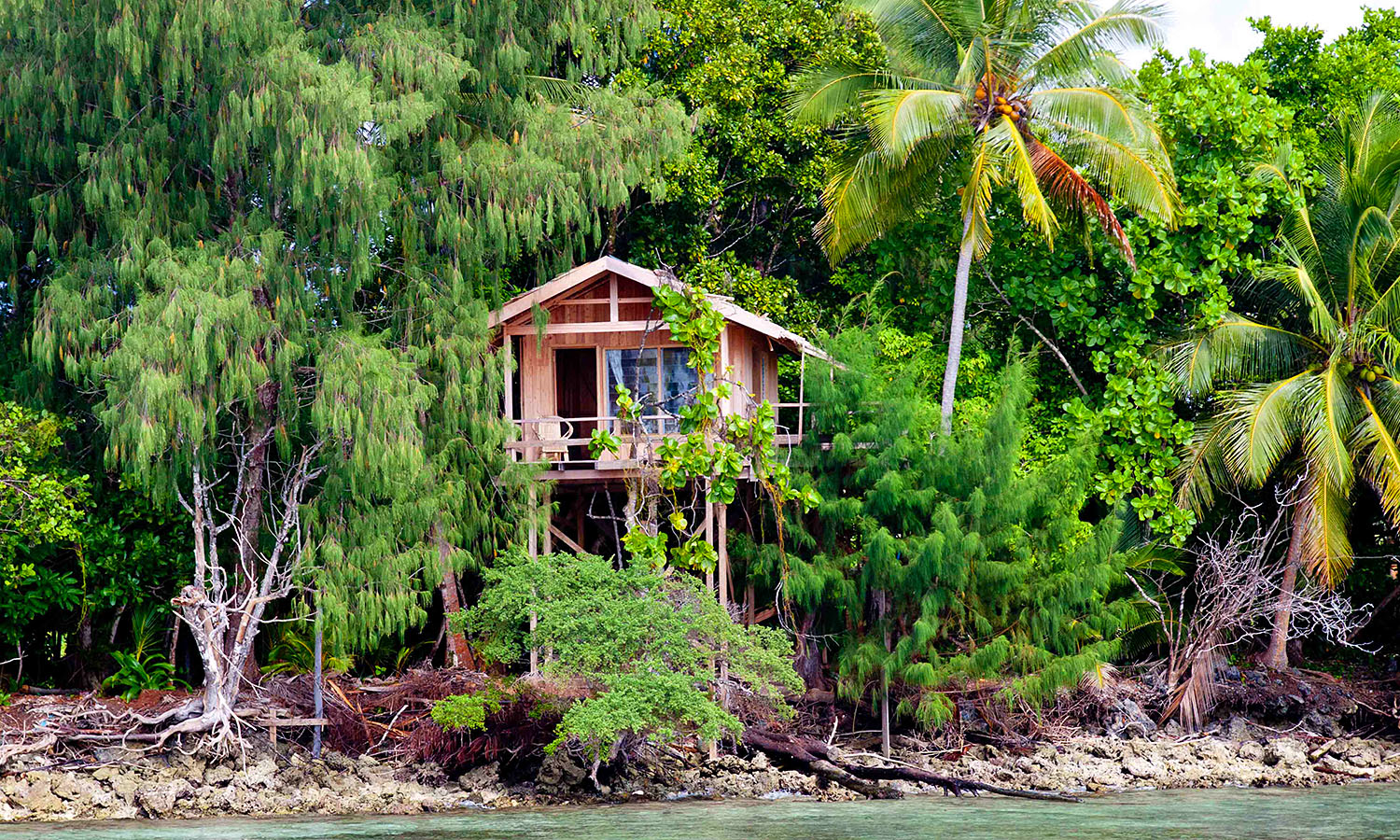
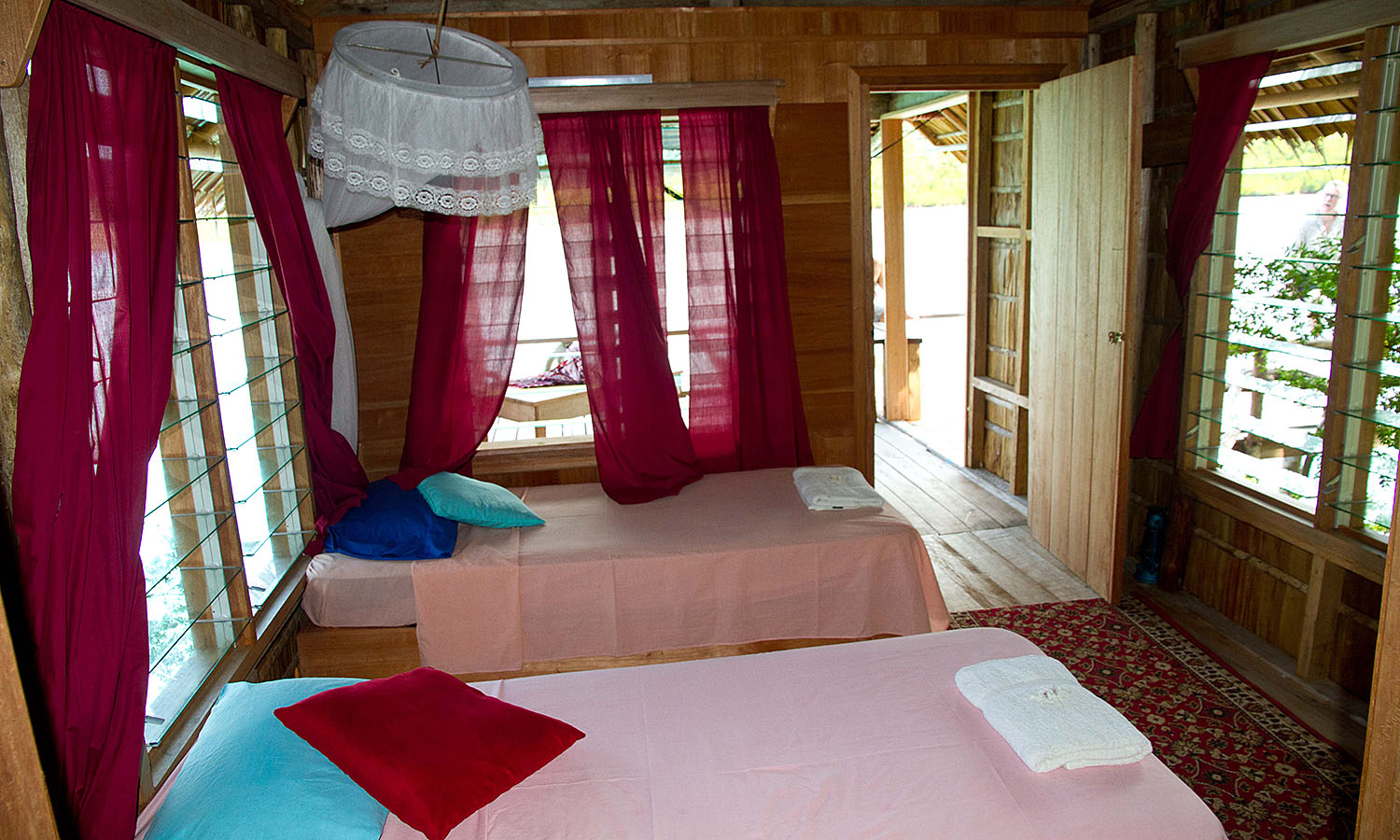
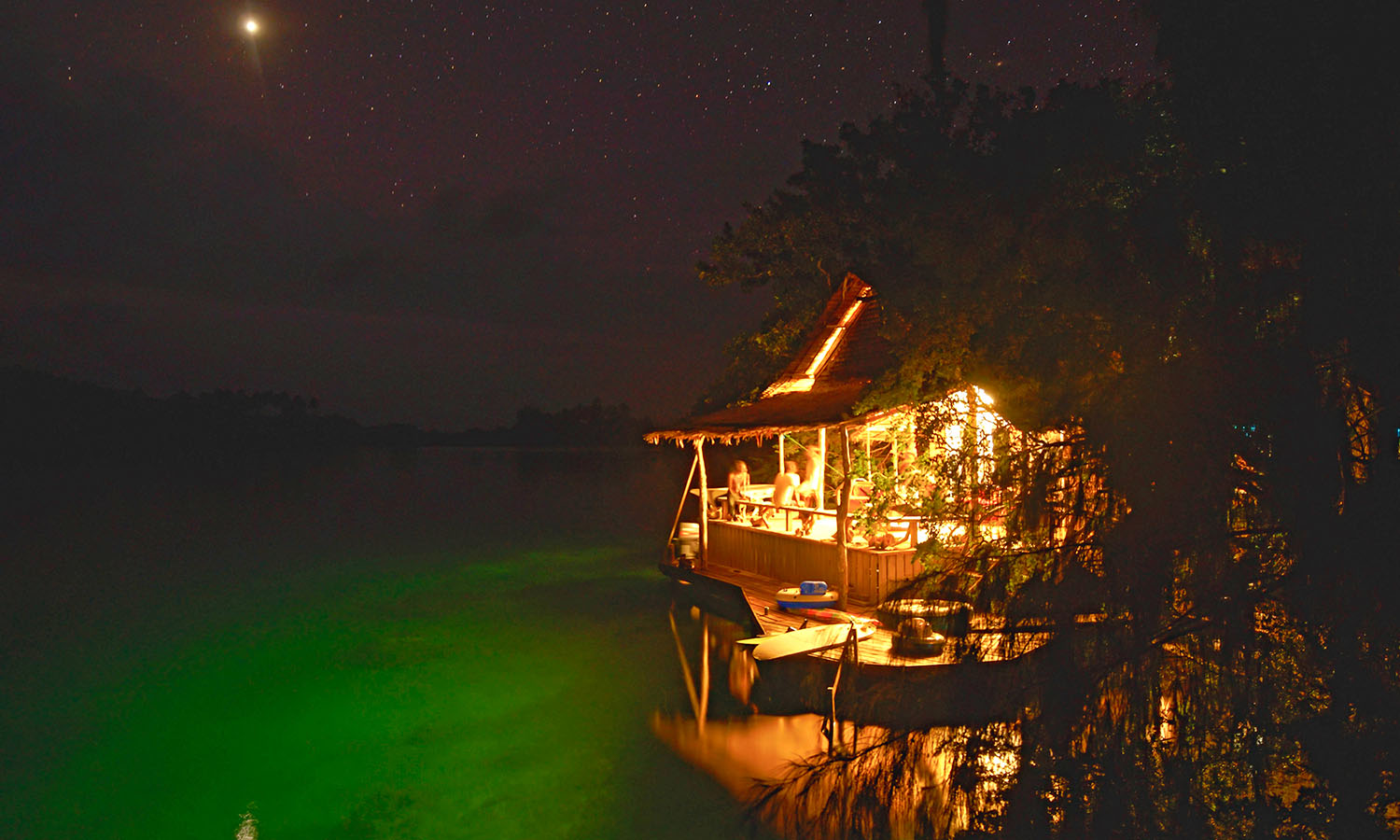
If you’ve ever dreamed of disappearing to your own Pacific island with just the sound of lapping waves accompanying you, then Oravae Cottage could be for you. Perched on the edge of a tiny island about 20 minutes by boat from Gizo, these three gorgeous cottages offer the chance to really get away from it all.
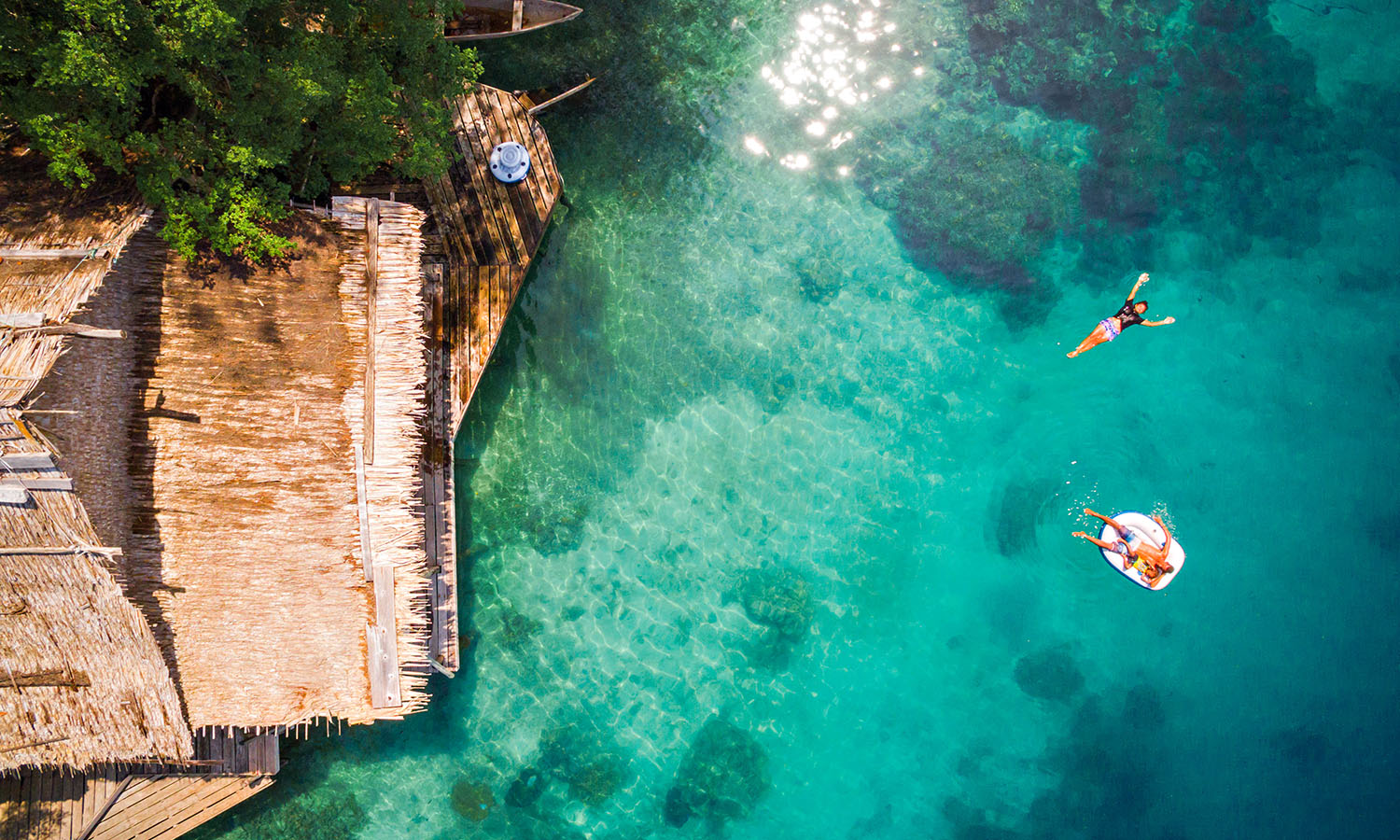
The main cottage has a double bedroom and up to five single beds, while a small kitchenette allows for coffee-making and snacks. The main living area spills onto an overwater deck with perfect views of the lagoon and the setting sun.
Spend the days as you please. Whether it be plunging off the overwater veranda into the vodka-clear lagoon, or simply sitting back sipping a lagoon-clear vodka, the choice is yours. You can arrange fishing, diving, surfing and trekking all from the comfort of your hammock, or simply jump off the deck and snorkel the day away.
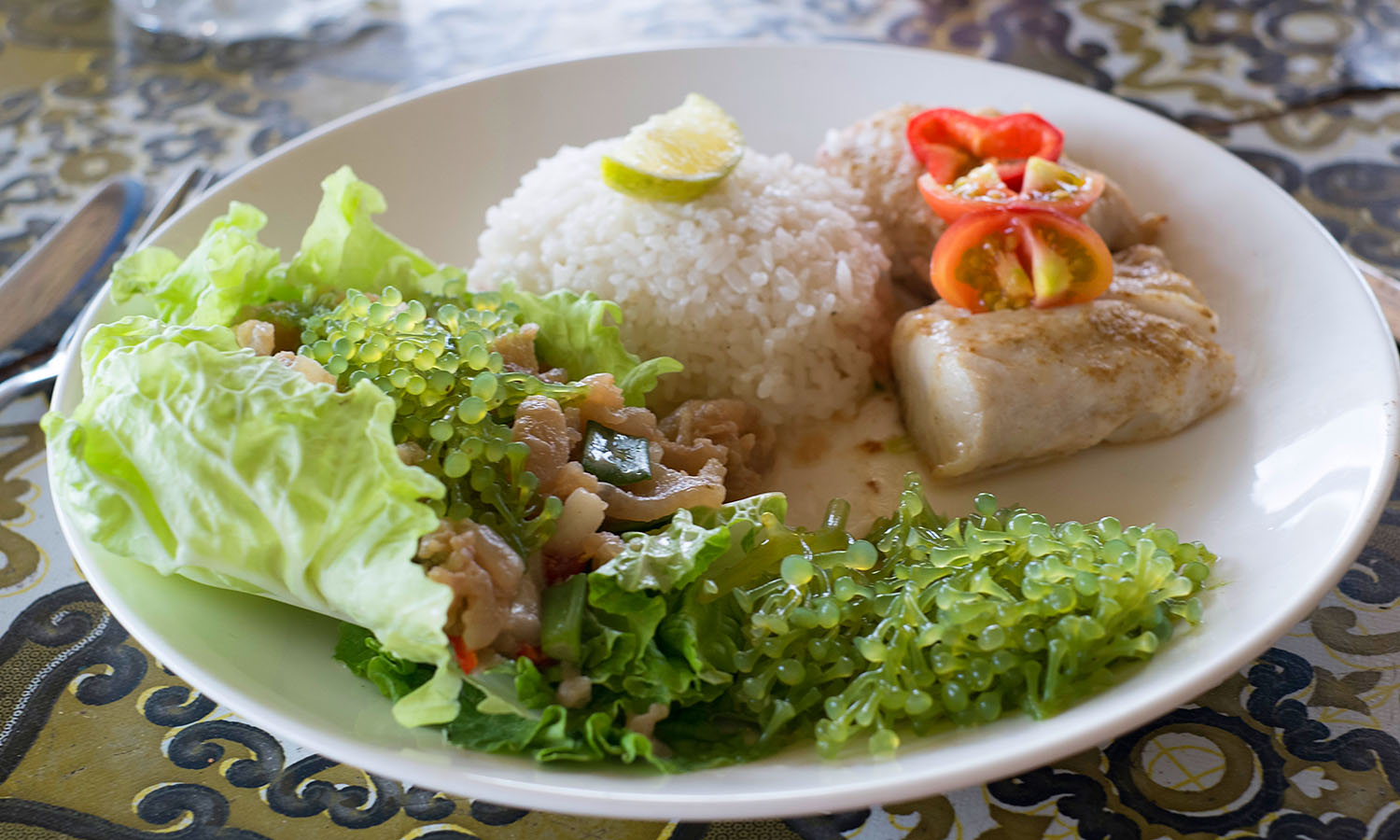
The local owners live on the opposite side of the island and spoil you with three delicious meals a day. Pick up a freshly caught tuna at Gizo market and dine on ceviche or tuna steaks that evening. Oh, ask for the coconut crab curry; it’s simply stunning.
Whatever you decide to do, you’ll be stunned that for as little as US$150 per person you can have your own island in paradise to yourself. This becomes clear as the sun goes down and the rest of the world seems non-existent.
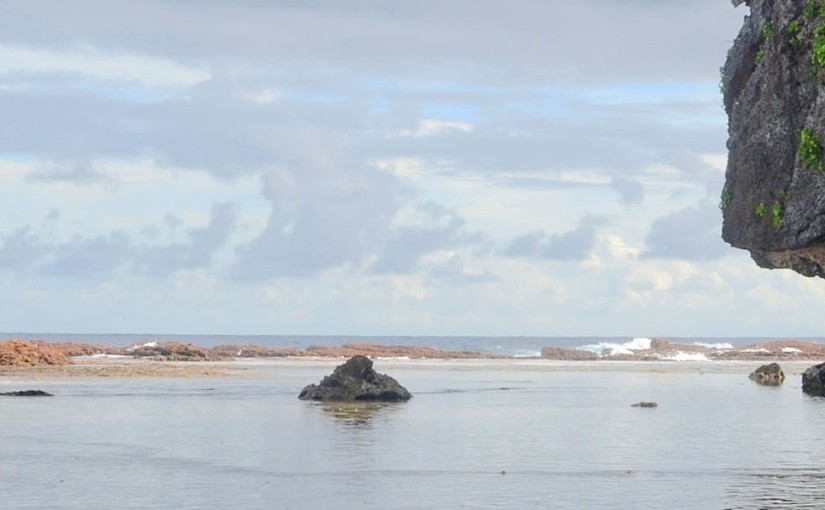
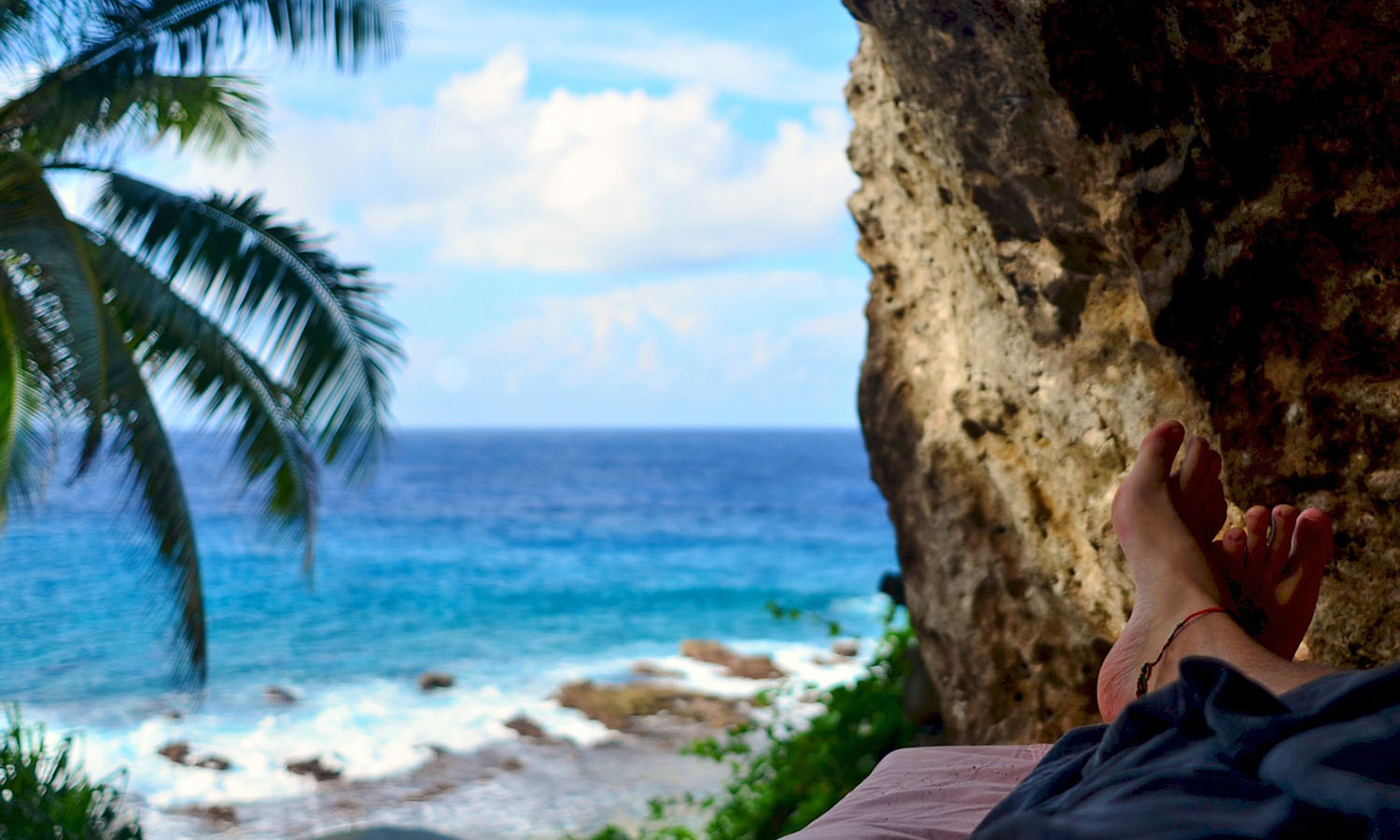
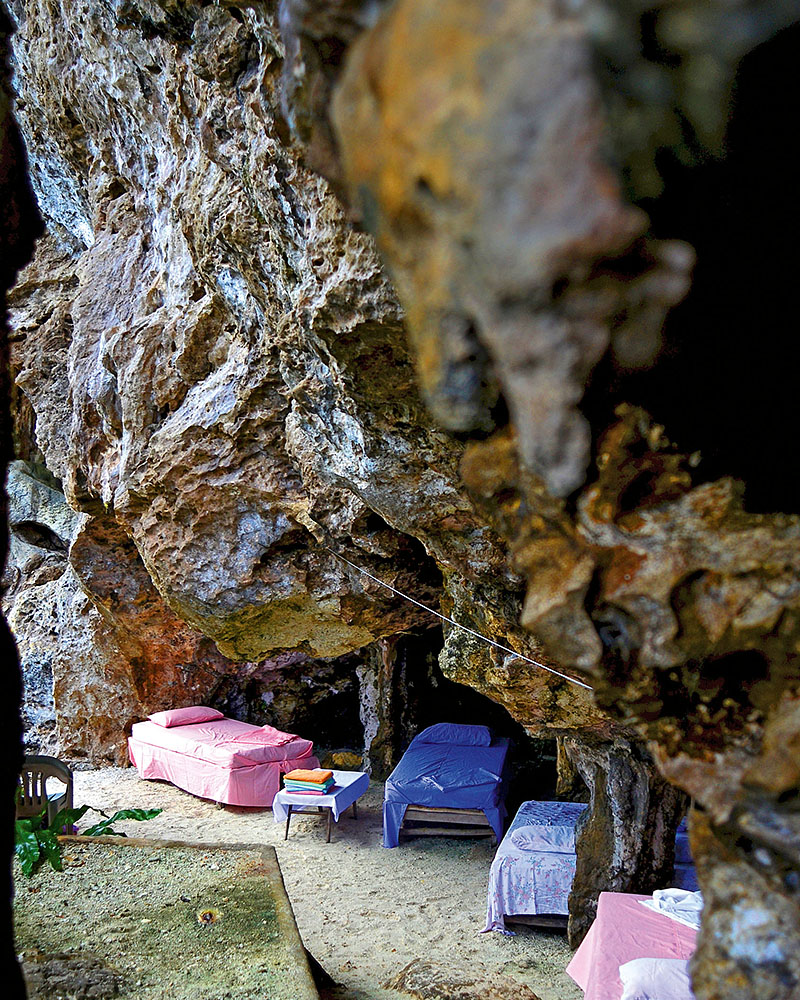
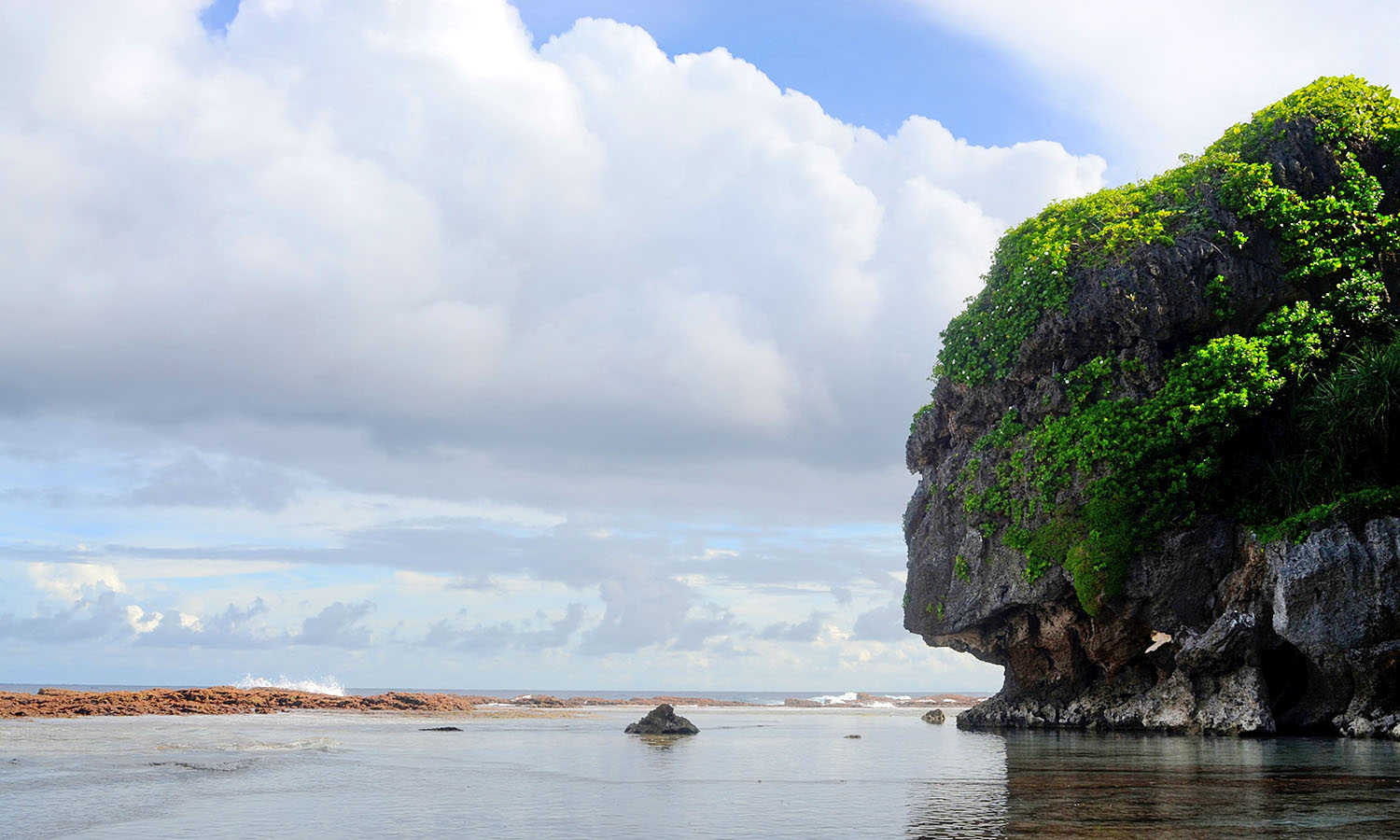
Enjoy a memorable night as you sleep in a natural cave halfway down a cliff face in the Solomon Islands. Aotaha Cave Lodge on Bellona Island gives a new meaning to the concept of getting away from it all, with its isolated location and alfresco atmosphere providing a unique experience.
Watch the sunrise from the mouth of the cave each morning, hunt for coconut crabs and try your hand at fishing. Local families will cook your catch for your dinner. Crayfish, anyone?
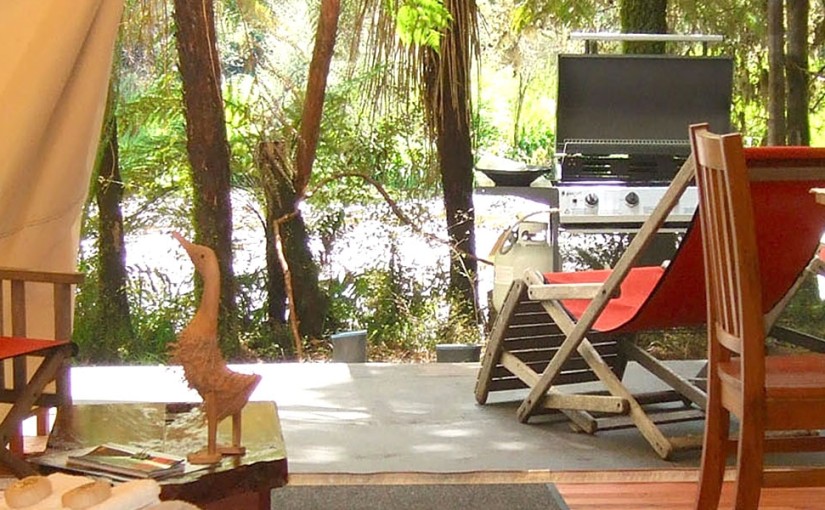
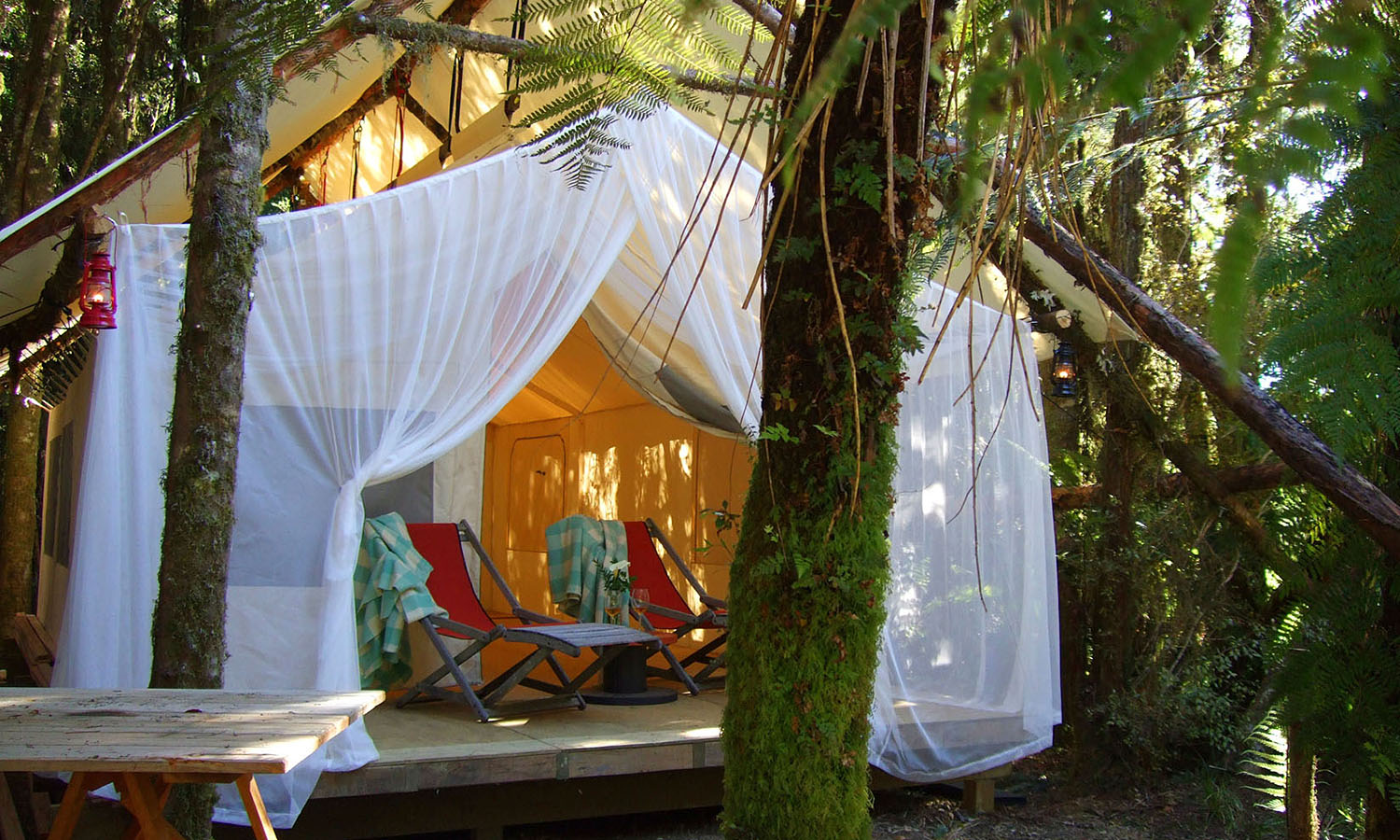
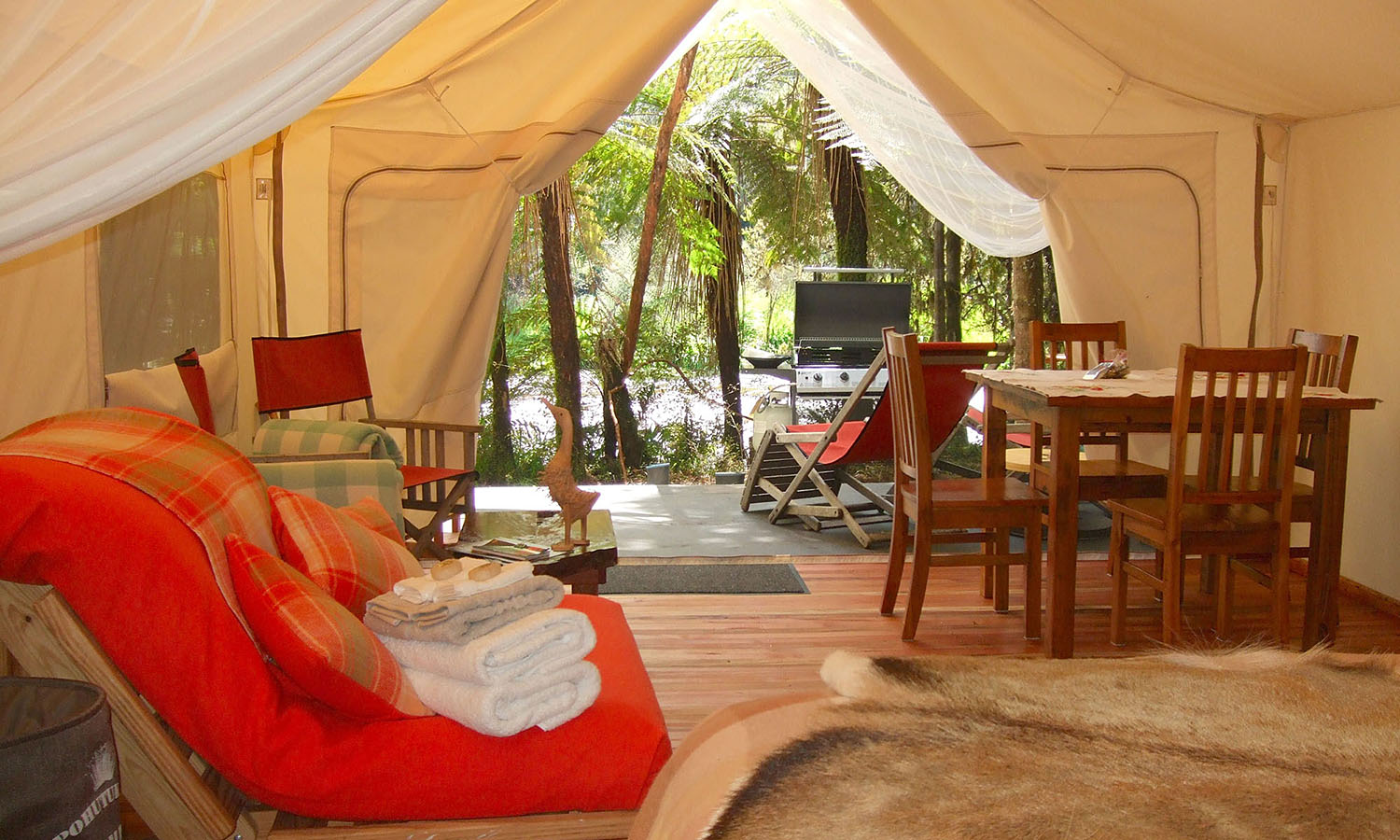
There’s just one tent Hurunui Jacks’ amazing property, which forms part of the wild and remote west coast of New Zealand’s South Island. The closest town is Hokitika, a link in the chain of the best coastal drives in the world, and you can break up your tour with a couple of nights at this getaway, which appears rustic but has every creature comfort you could imagine, from an outdoor bathtub to a special heater that keeps the canvas cosy. It’s completely surrounded by bush brimming with robins, fantails and wood pigeons, and a stream flows just metres from the tent, making for a natural lullaby after the sun goes down.
Grab supplies on the way, and cook meals in the fully equipped camp kitchen or over the open fire. During the day, hike through the bush or, if you’re feeling a little more daring, take one of the mountain bikes out for a spin – you’re right on the West Coast Wilderness Trail. Visit the 12-hectare property’s lake, which brims with rainbow trout.
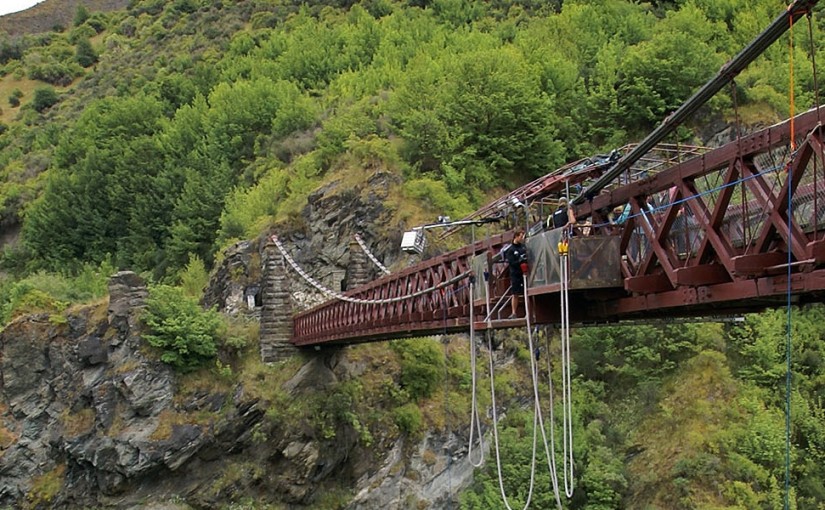
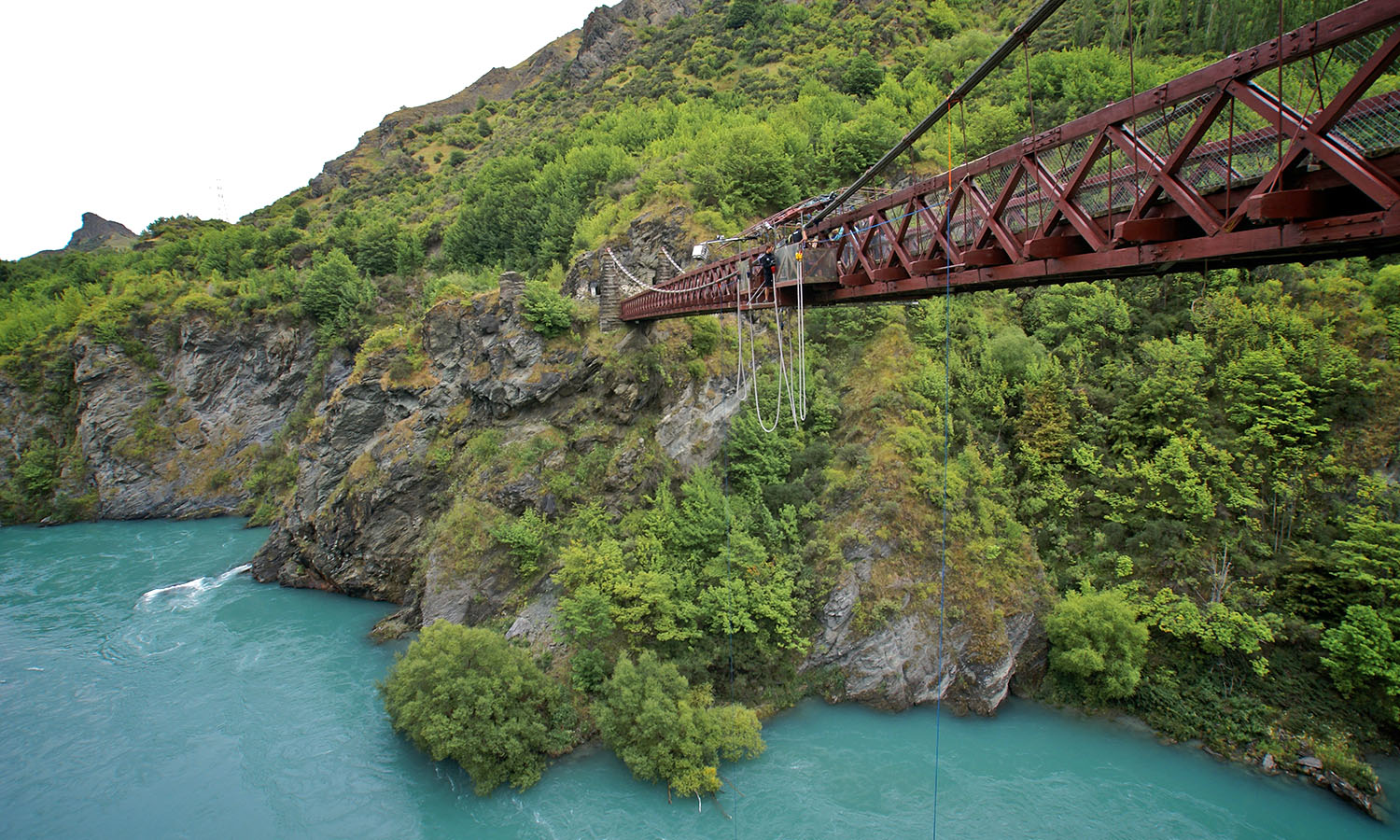
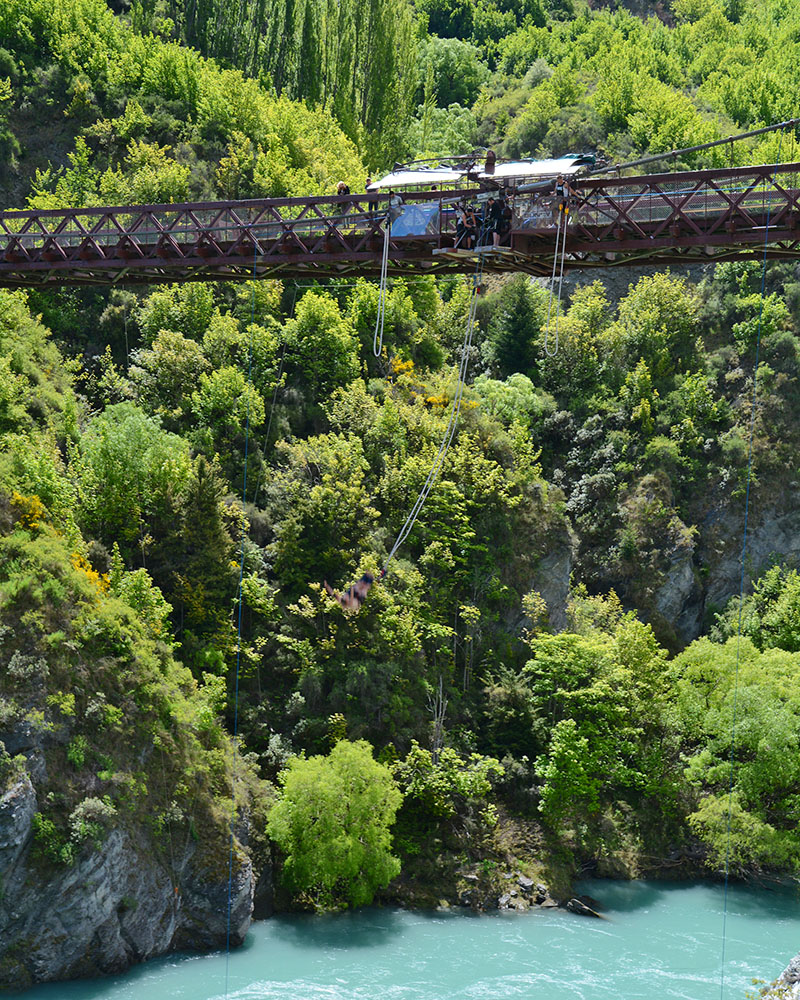
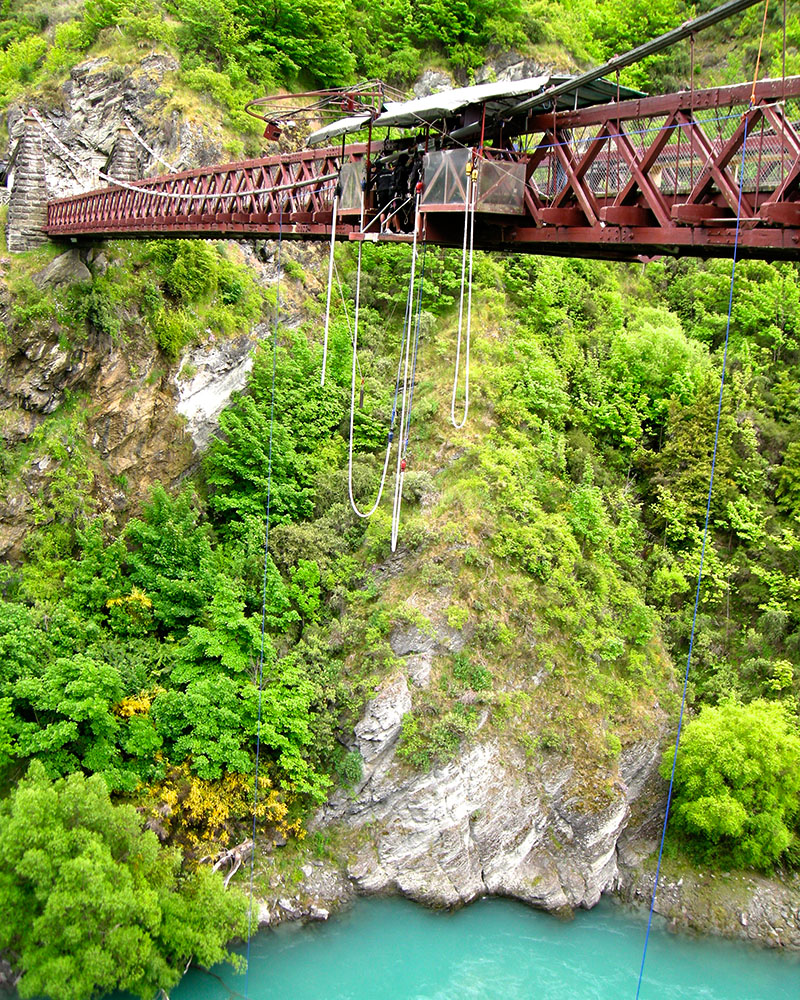
Since some crazy souls decided that throwing themselves off a bridge tied to a piece of string sounded like a good idea, bigger bungees have thrown down the challenge all over the world. But this is where it all started, on a bridge outside of Queenstown in 1988, thanks to AJ Hackett and Henry van Asch. Kawarau Bridge, 43 metres above a river of the same name, was the world’s first commercial bungee jump and still attracts thrill-seeking punters from around the world.
Today you can even choose to do a water touch, take a mate on a tandem dive or strip down to your birthday suit. Although we can’t imagine the sort of friction caused by harness meeting bare skin…
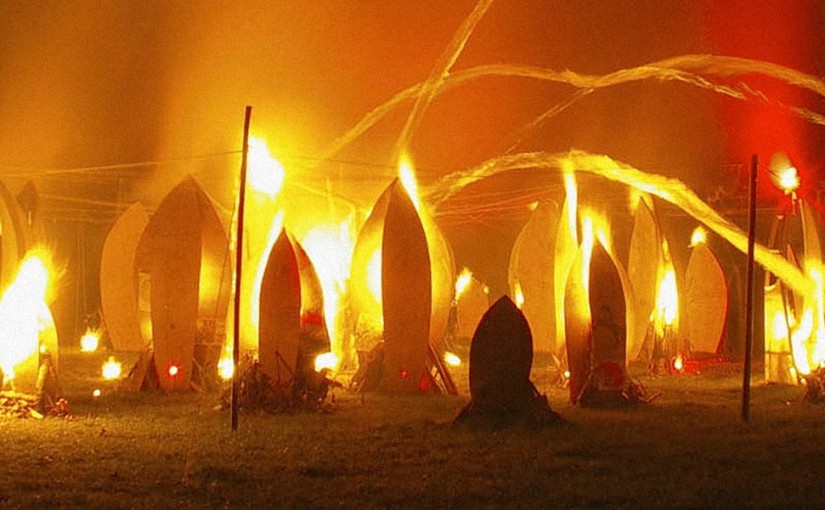
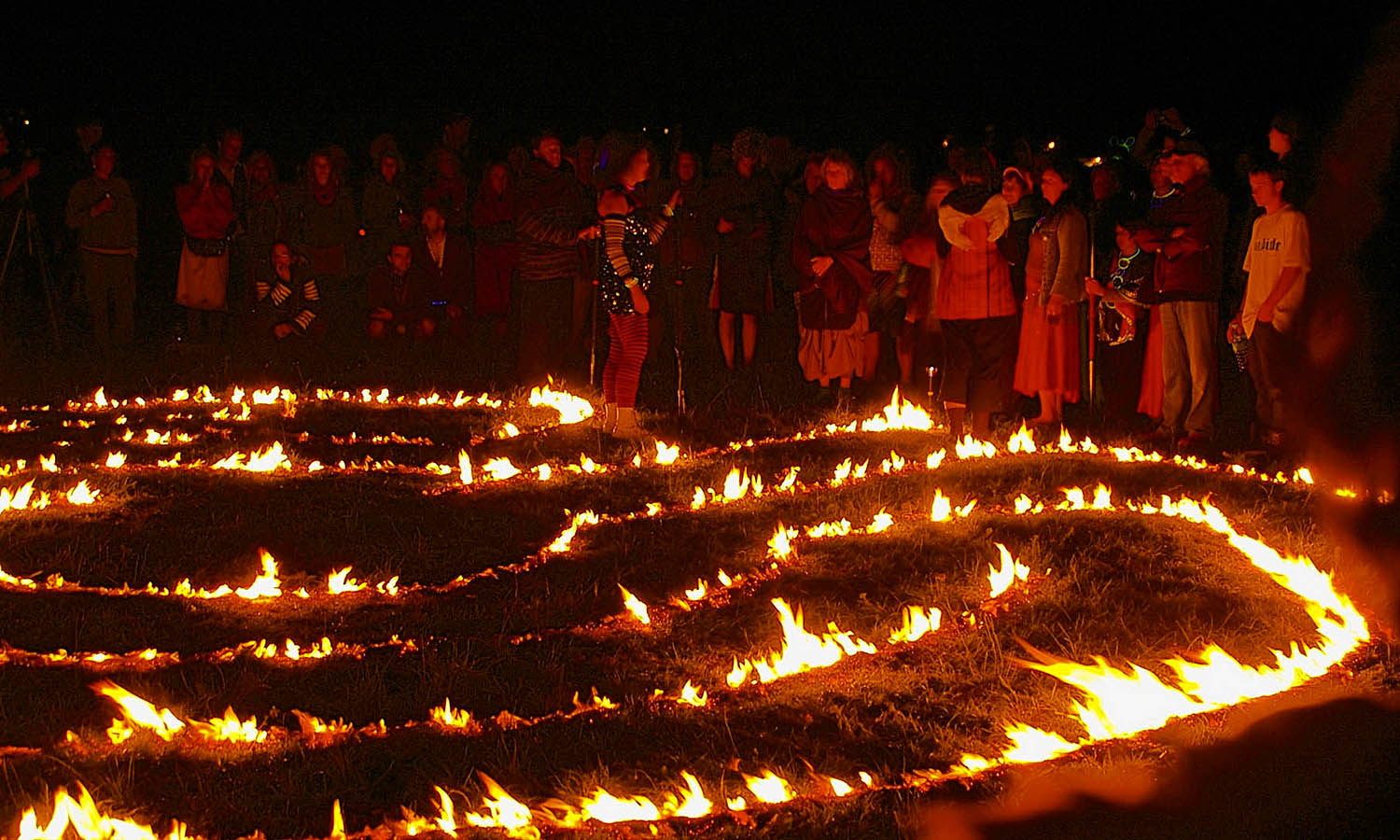
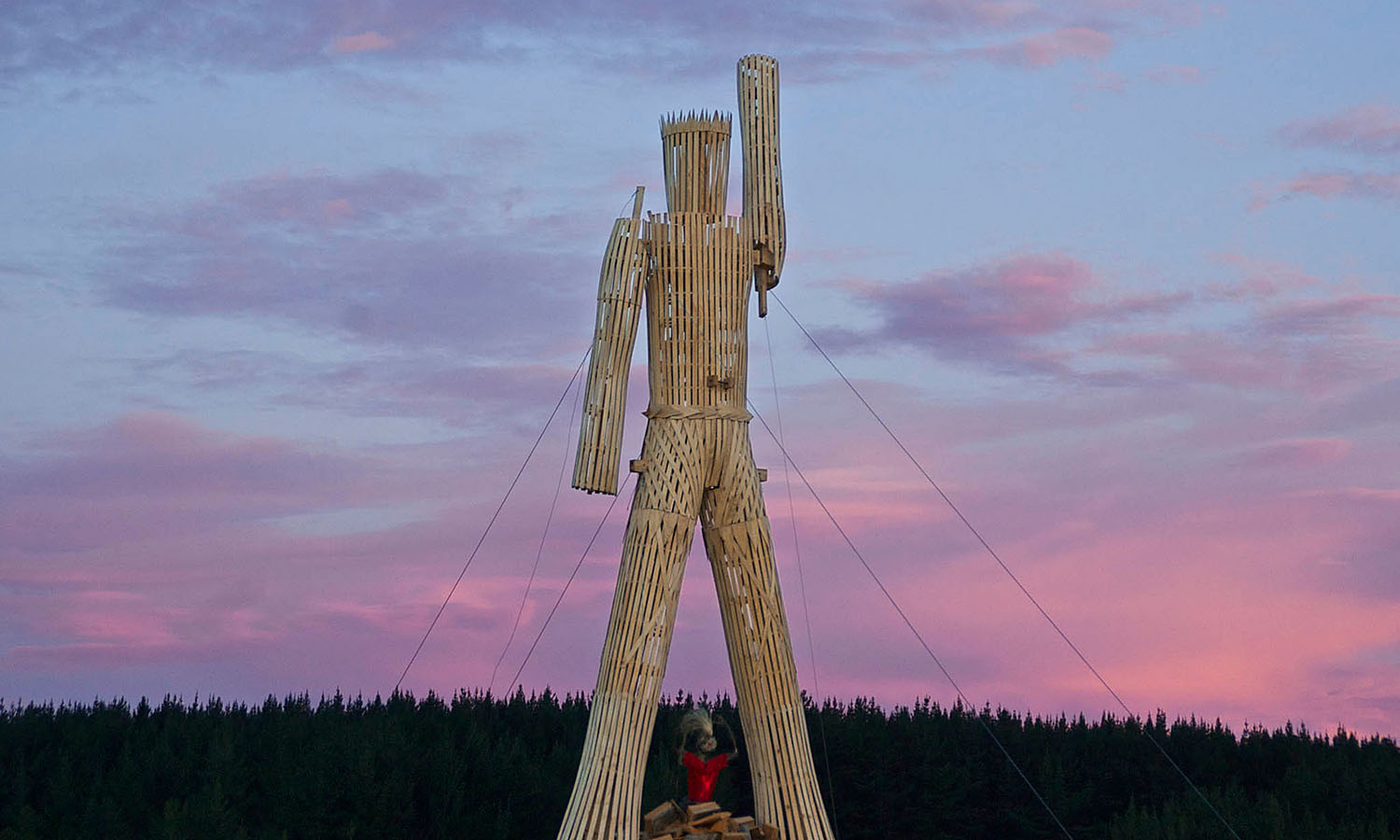
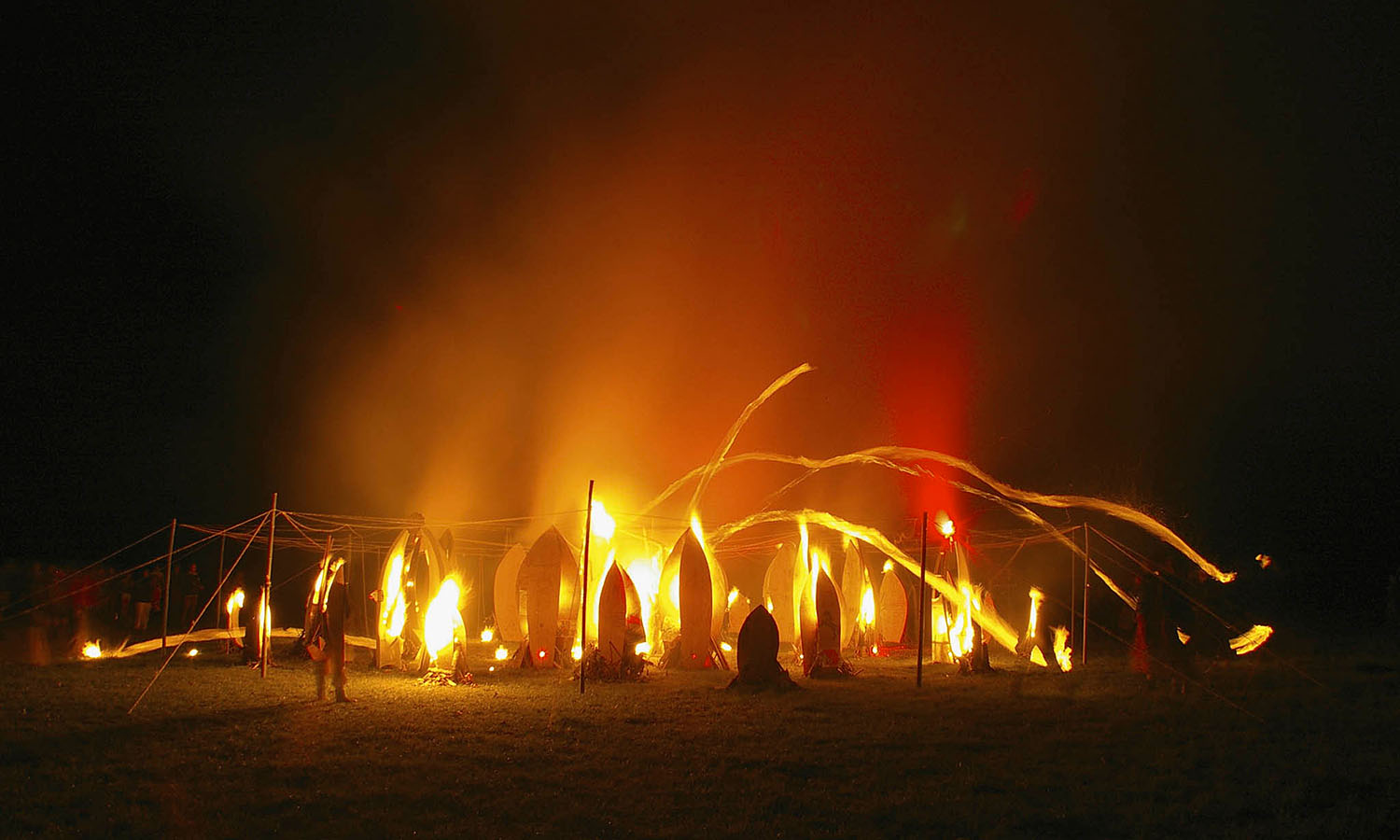
New Zealand’s answer to Burning Man is all about self-exploration, collective living, creativity and, well, burning things. This eco-friendly paddock party is full of free spirits, art installations and nude strangers happy to share a hug. You’re sure to have your fair share of hippie-inspired conversations as you mingle with the festival’s open-minded crown. Who knows, you might even find the answer to all the world’s problems while staring into the flames.
 (
(