(
(
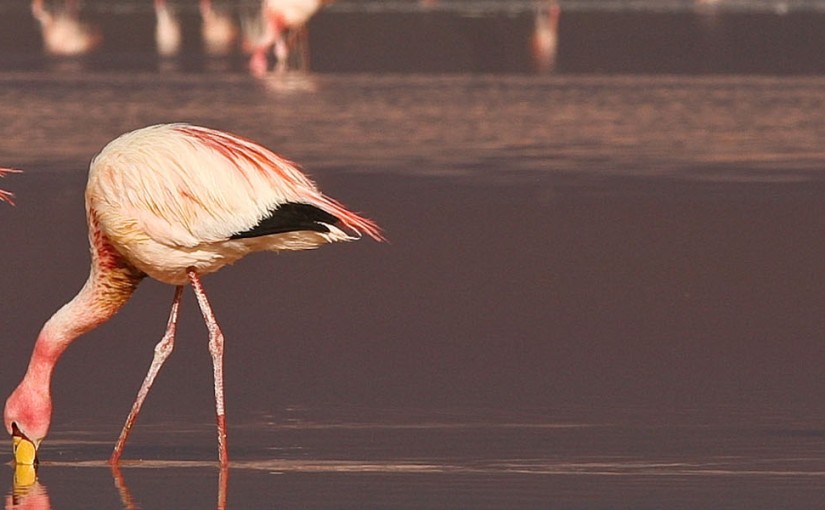
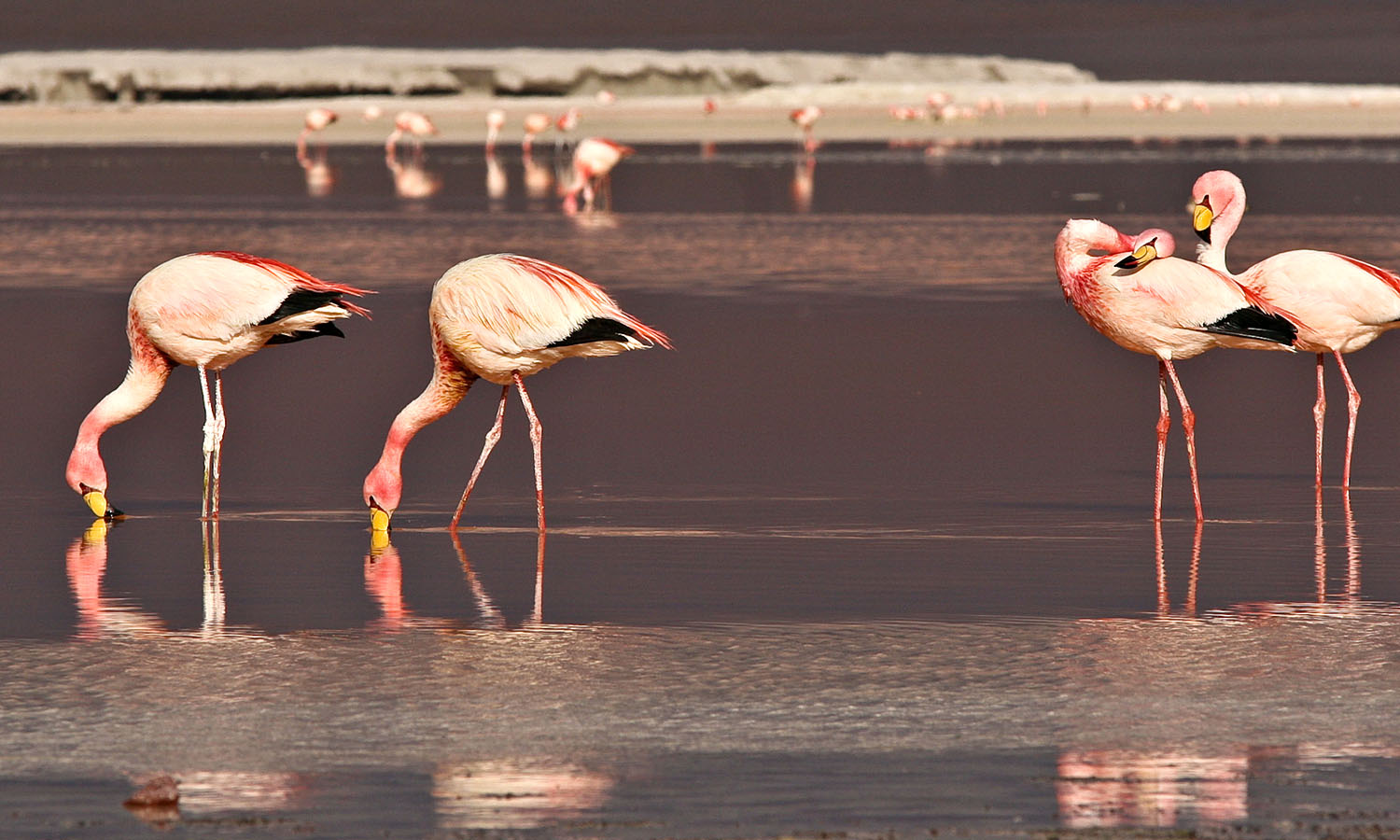
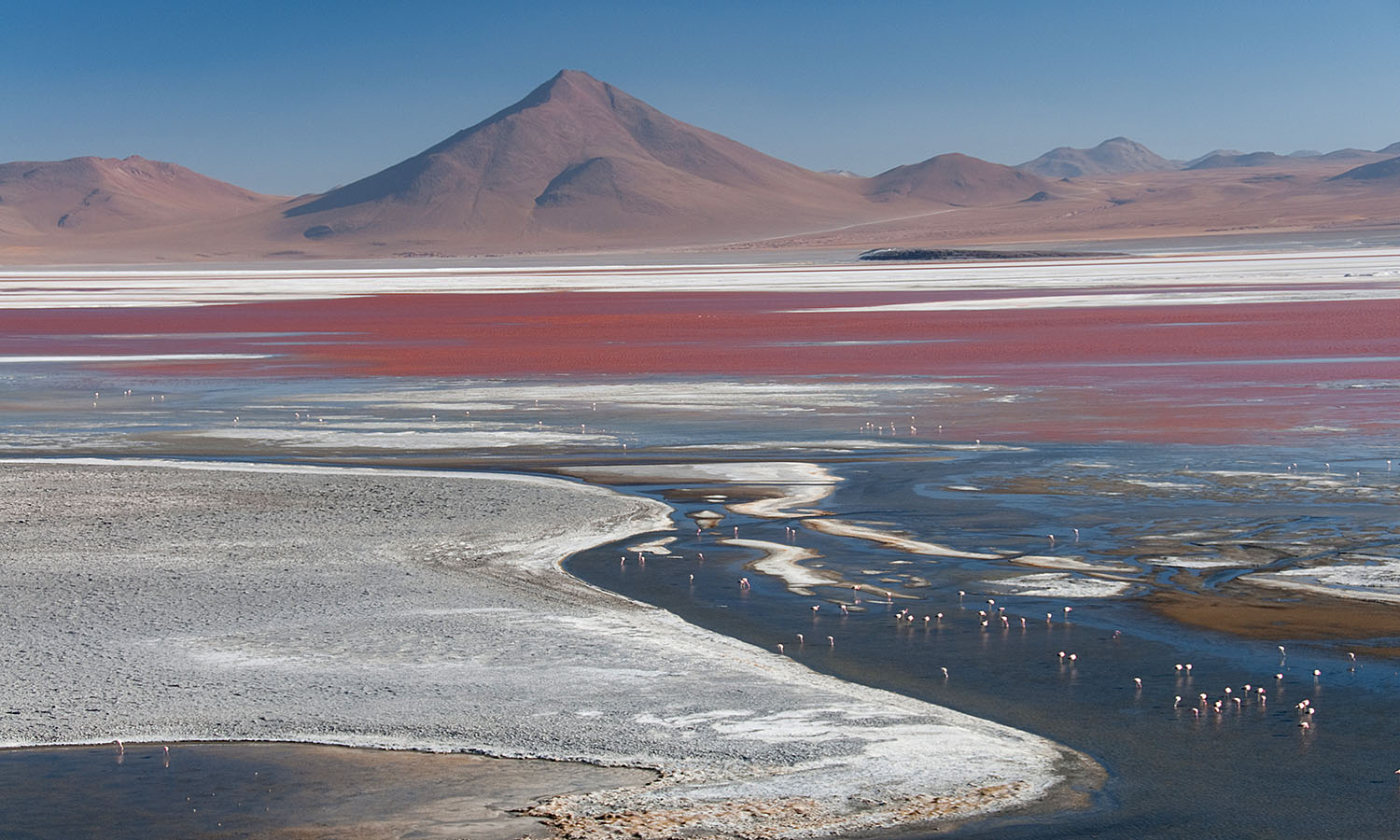
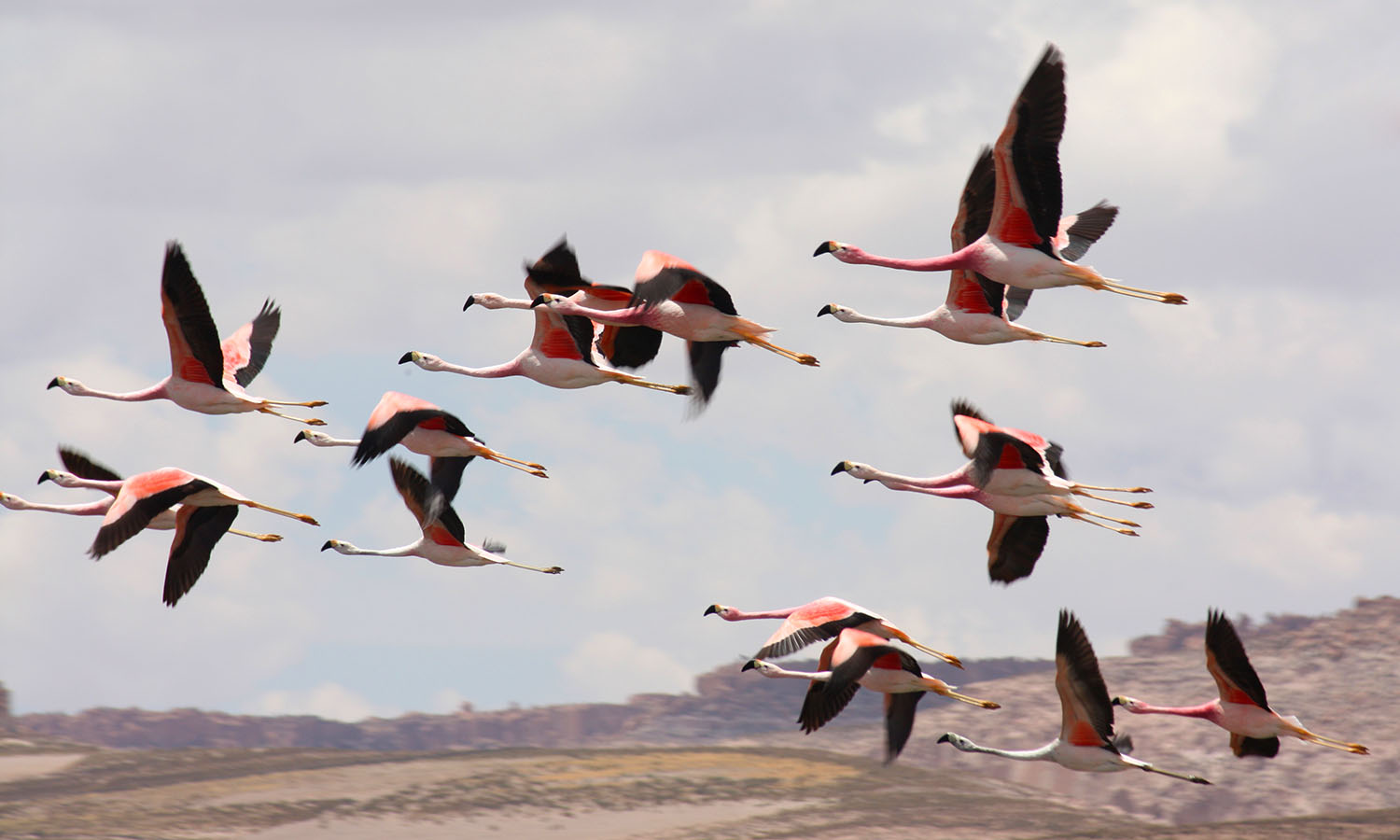
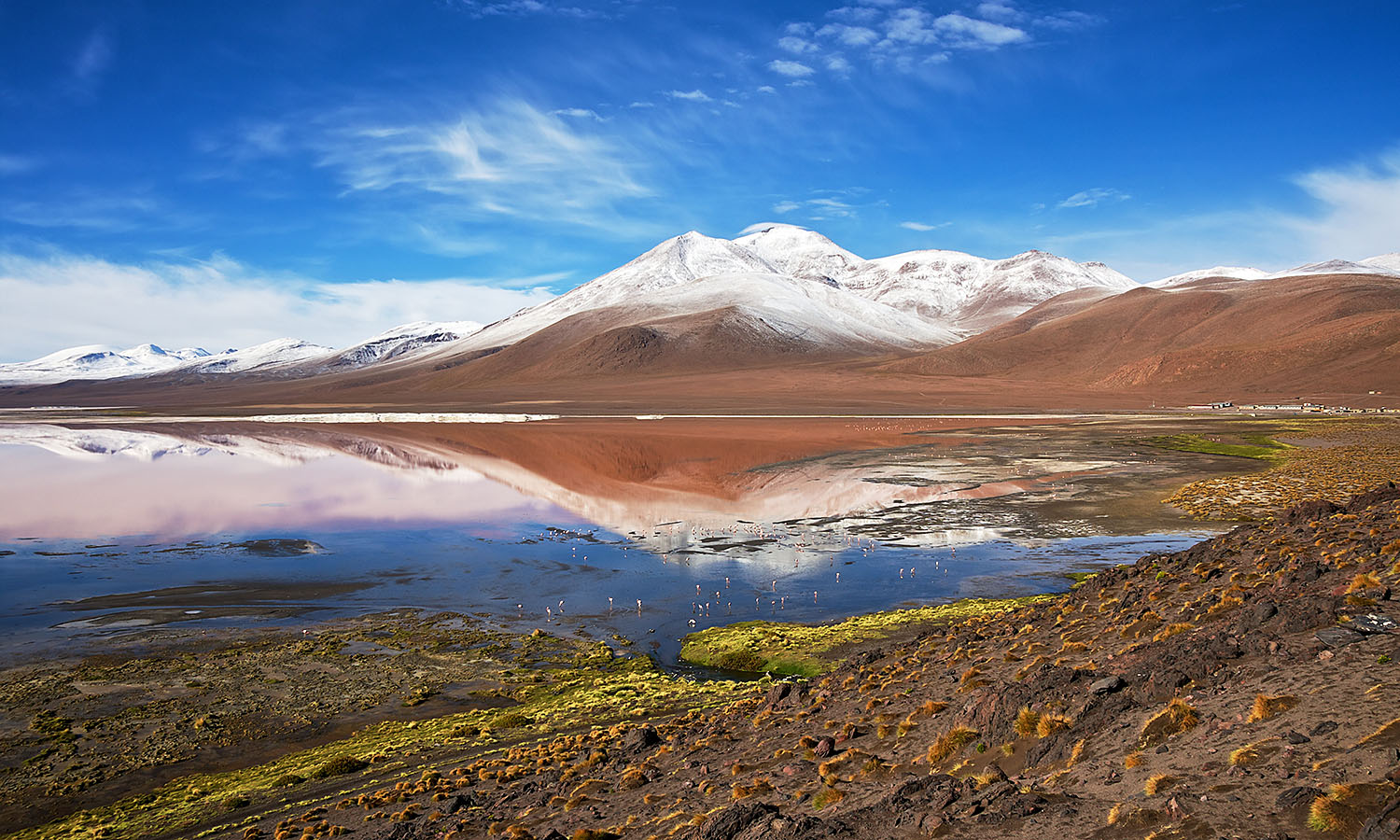
Welcome to a natural landscape that appears positively extraterrestrial. Laguna Colorada, meaning red lake, is a shallow salt lake in Bolivia’s Altiplano (high plains), more than 4,260 metres above sea level. The lake is less than a metre deep and owes its unusual colour to red minerals and algae, which lure flocks of rare species of flamingo.
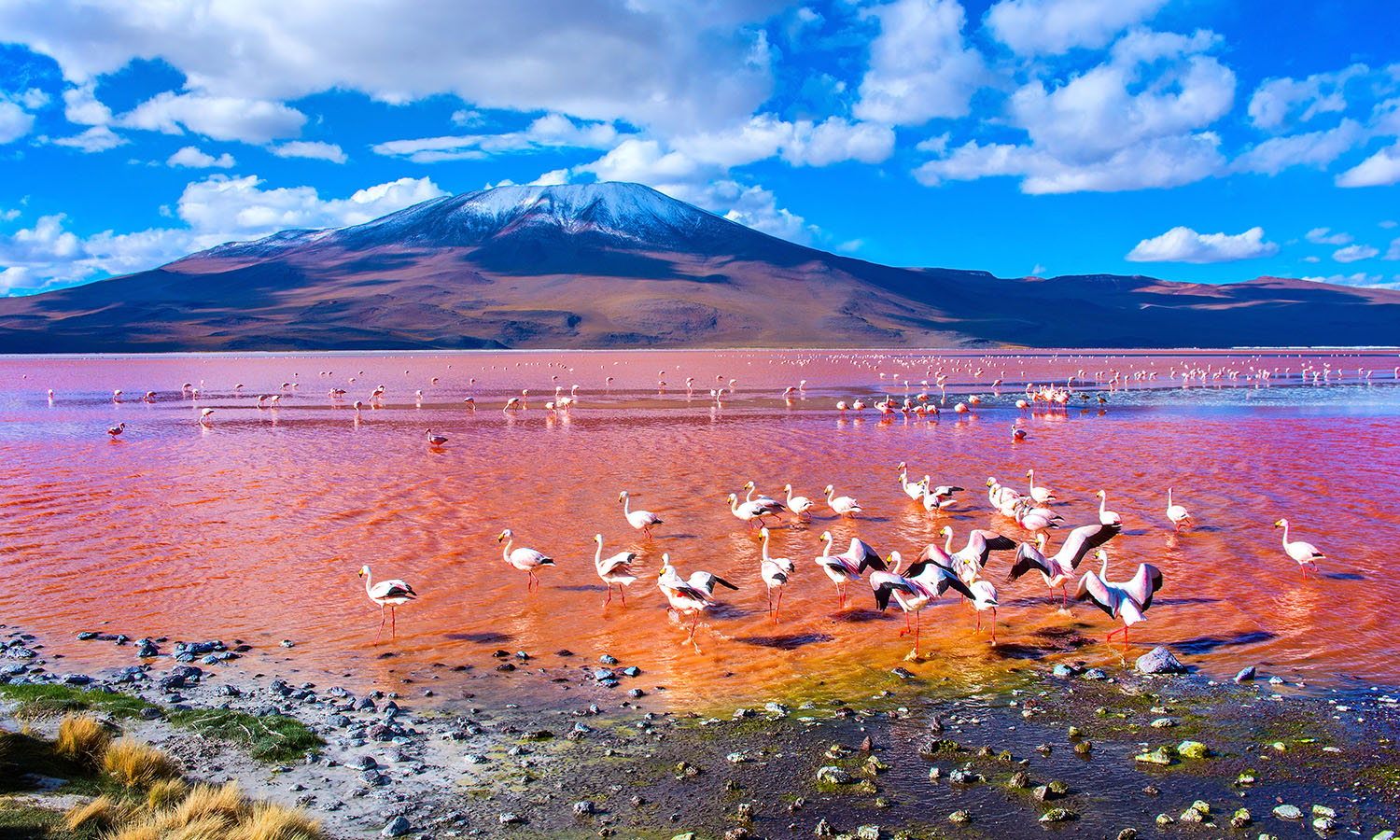
The name is no exaggeration – the water ranges from hues of salmon pink to blood red, which, when contrasted with the white borax islands, snow-capped Andes in the distance and vivid blue sky, creates a magical effect. Come here for a close-up look at the distinctive landscape and to snap brag-worthy photographs. No filter required.
region: South America
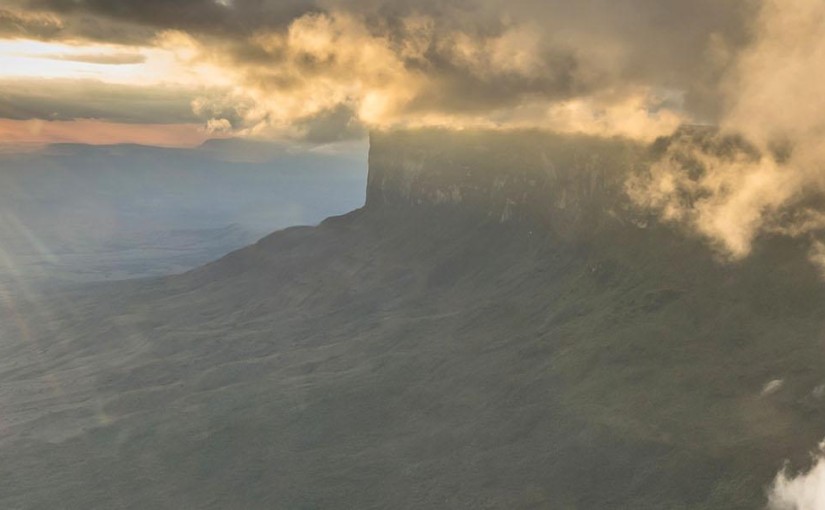
Climb the colossal Mount Roraima
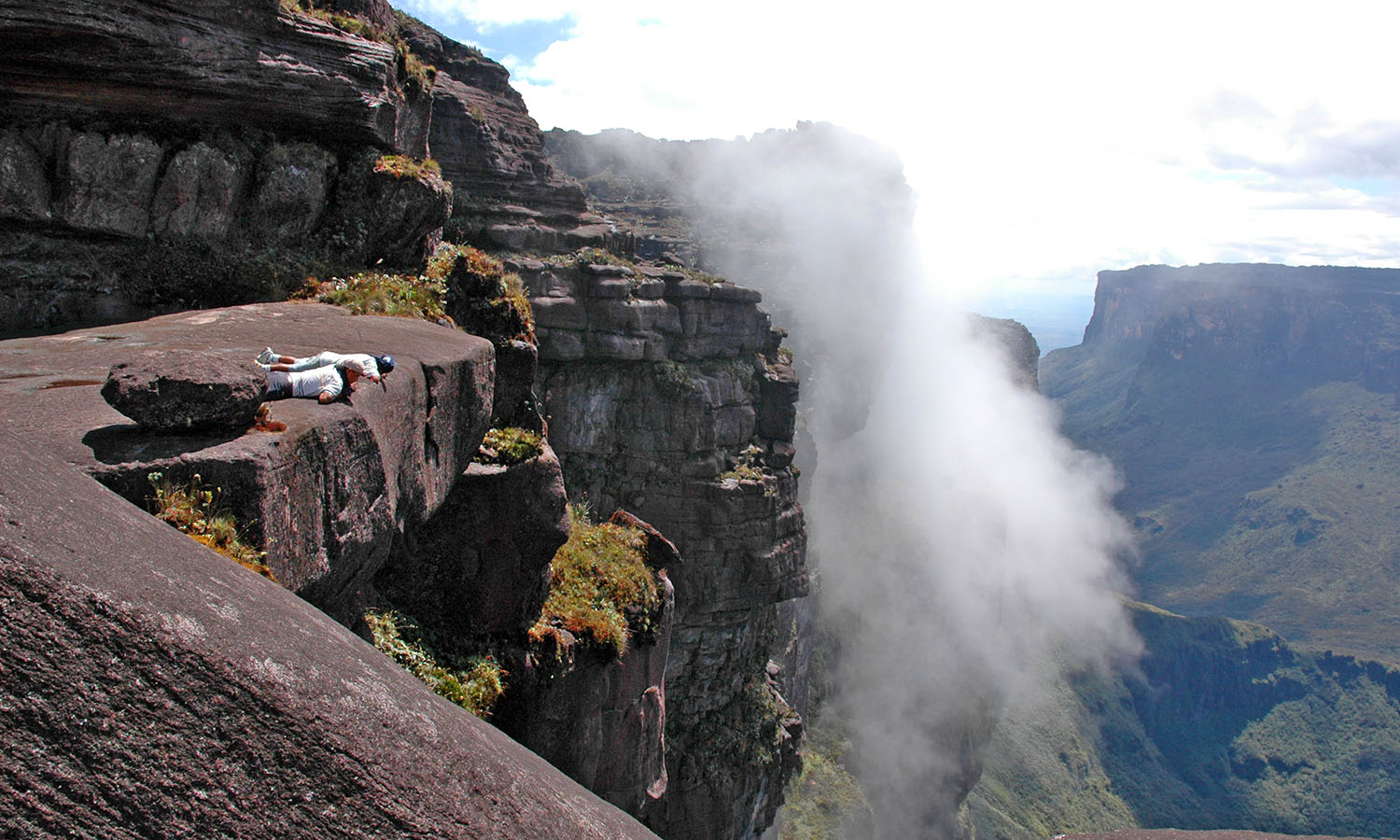
A colossal tabletop mountain that broke through the earth’s crust two billion years ago, Mount Roraima looks like something from an Avatar set. With a 2,810-metre summit surrounded by 400-metre sheer cliffs, Roraima forms one of South America’s most striking landscapes. And you can climb it. The mountain crosses the borders of Venezuela, Brazil and Guyana, but is most often tackled from the north-west in Venezuela.
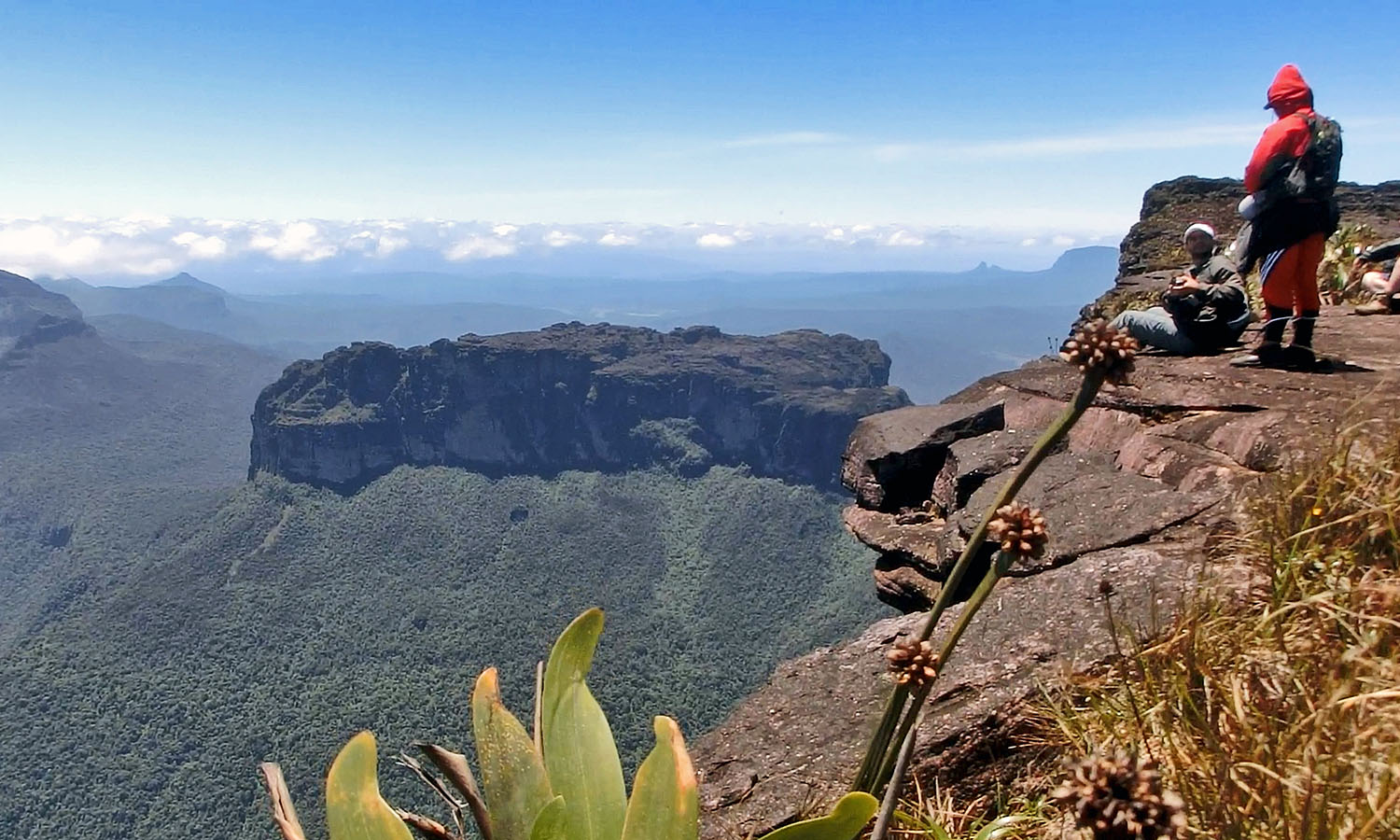
The trek begins in Pareitepuy, where you traverse open savannah landscape, crossing rivers and fields of orchids, before climbing through a cloud forest and ascending a natural staircase up the cliff face. Once on the plateau, pray for a clear view (the summit is usually cloaked in cloud), but don’t be dismayed if it’s a whiteout as there’s plenty more to see. Explore curious rock formations, caves, gorges and waterfalls, and keep your eyes peeled for black frogs and carnivorous plants.
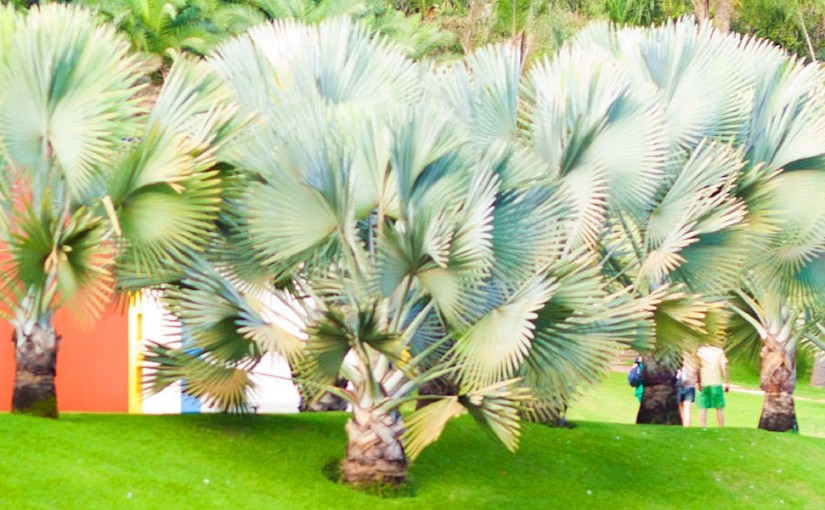
Brazil’s colossal Inhotim Art gallery
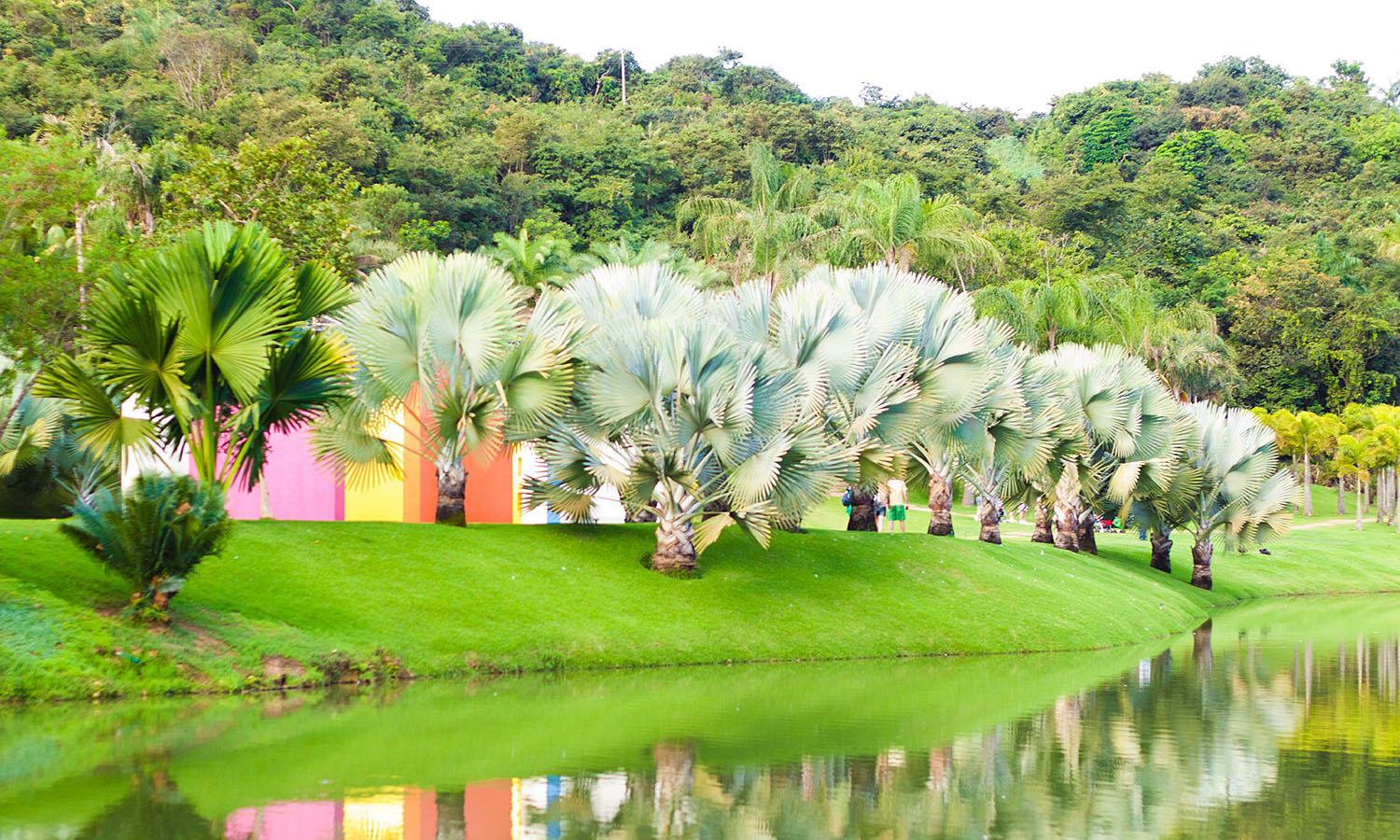
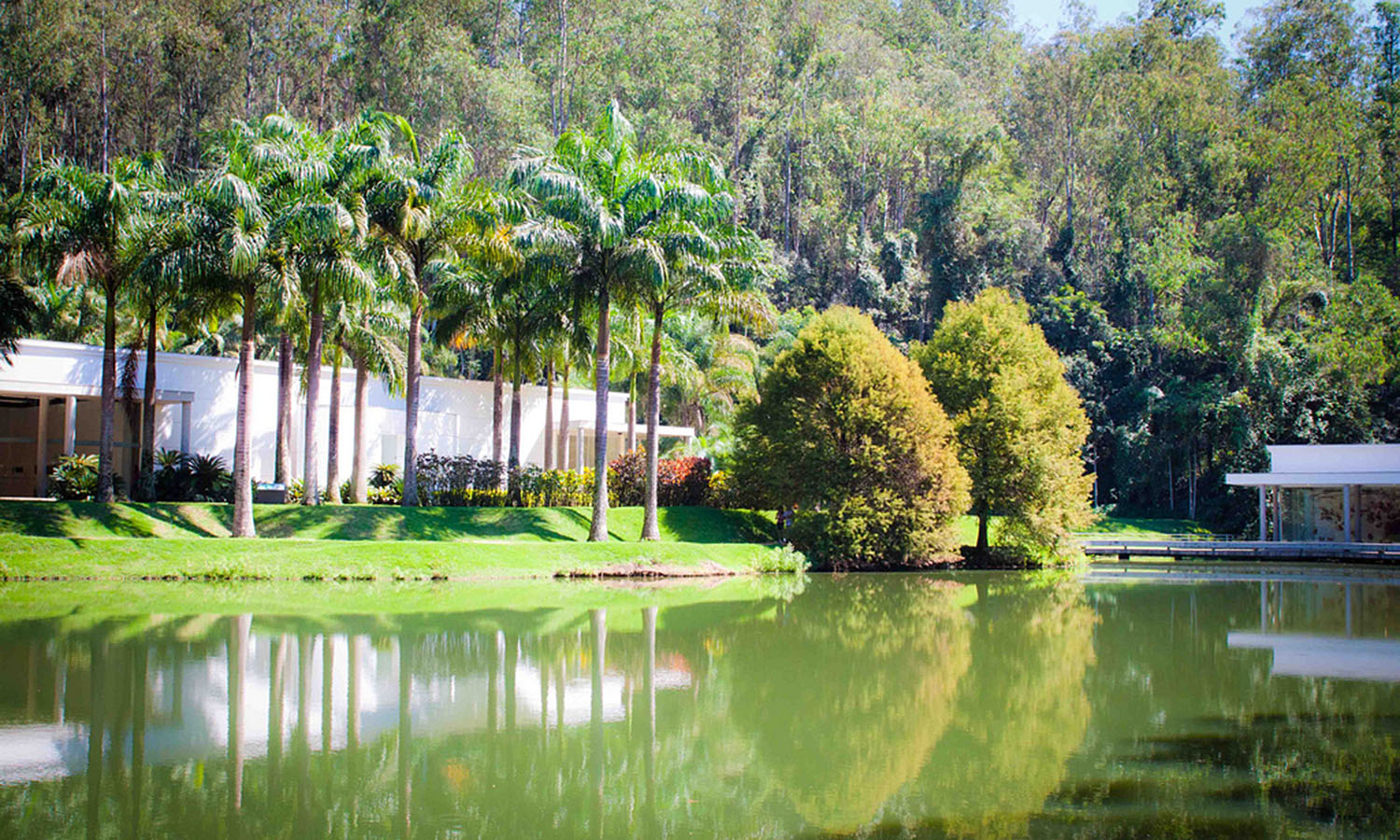
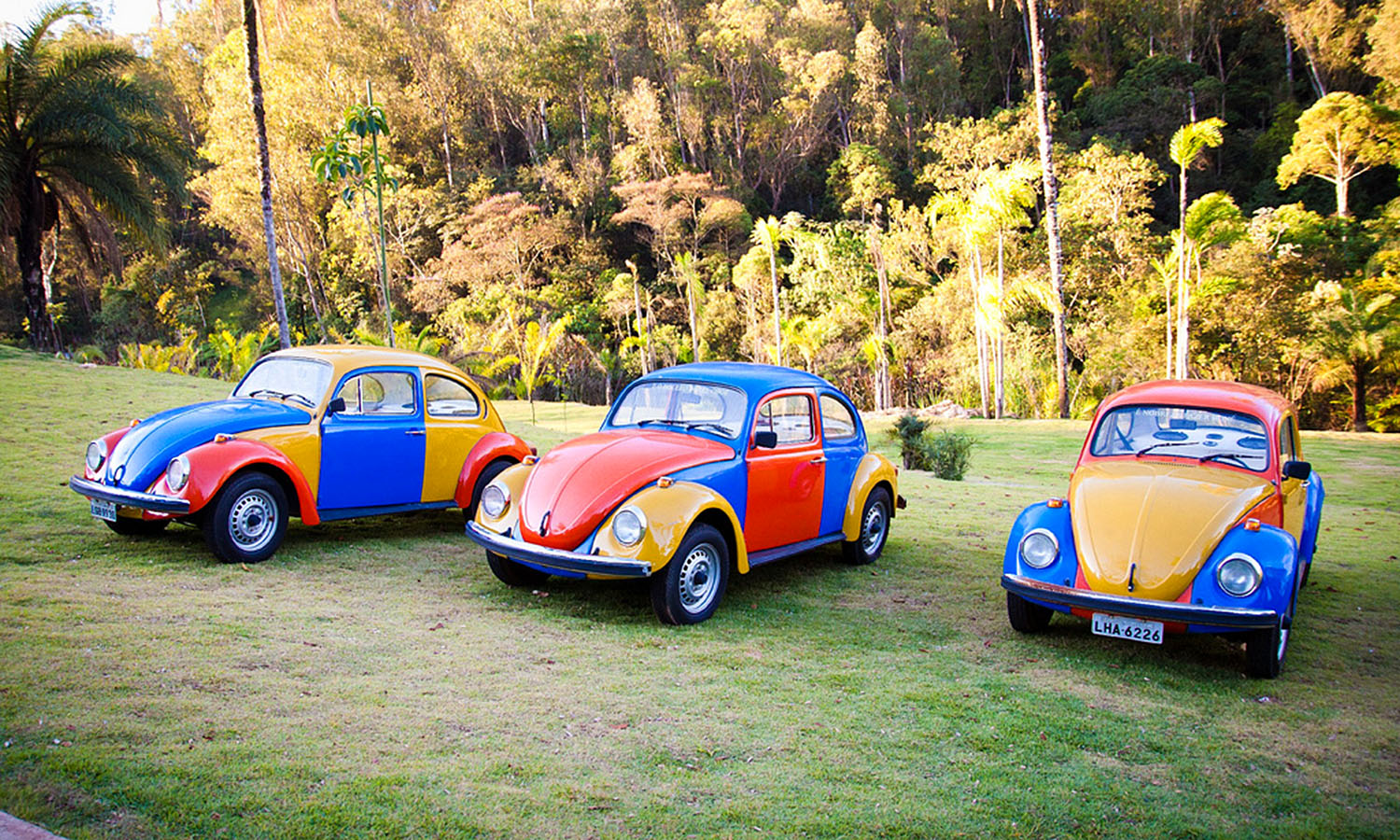
Where can you find outdoor sculptures, art pavilions and more than 4000 plant species all in one place? At Inhotim. Sprawled across more than 140 hectares of botanical gardens in south-eastern Brazil, this colossal open-air art gallery and contemporary museum is a world unto itself. Pick up a map, choose your route and lose yourself in an aesthetic wonderland.

The gallery features notable artists from Brazil and around the world, with each installation showcasing a unique perspective of the relationship between art and nature. Many of the pieces are interactive, and you’ll find yourself wandering through interpretive forests, lakes and valleys. The gallery’s size almost guarantees a second visit, since it’s impossible to see everything in one day (multi-day passes are available). Explore on foot, join a tour or, for about AU$10, cruise around in a chauffeur-driven golf cart.
La Paz’s Witches’ Market
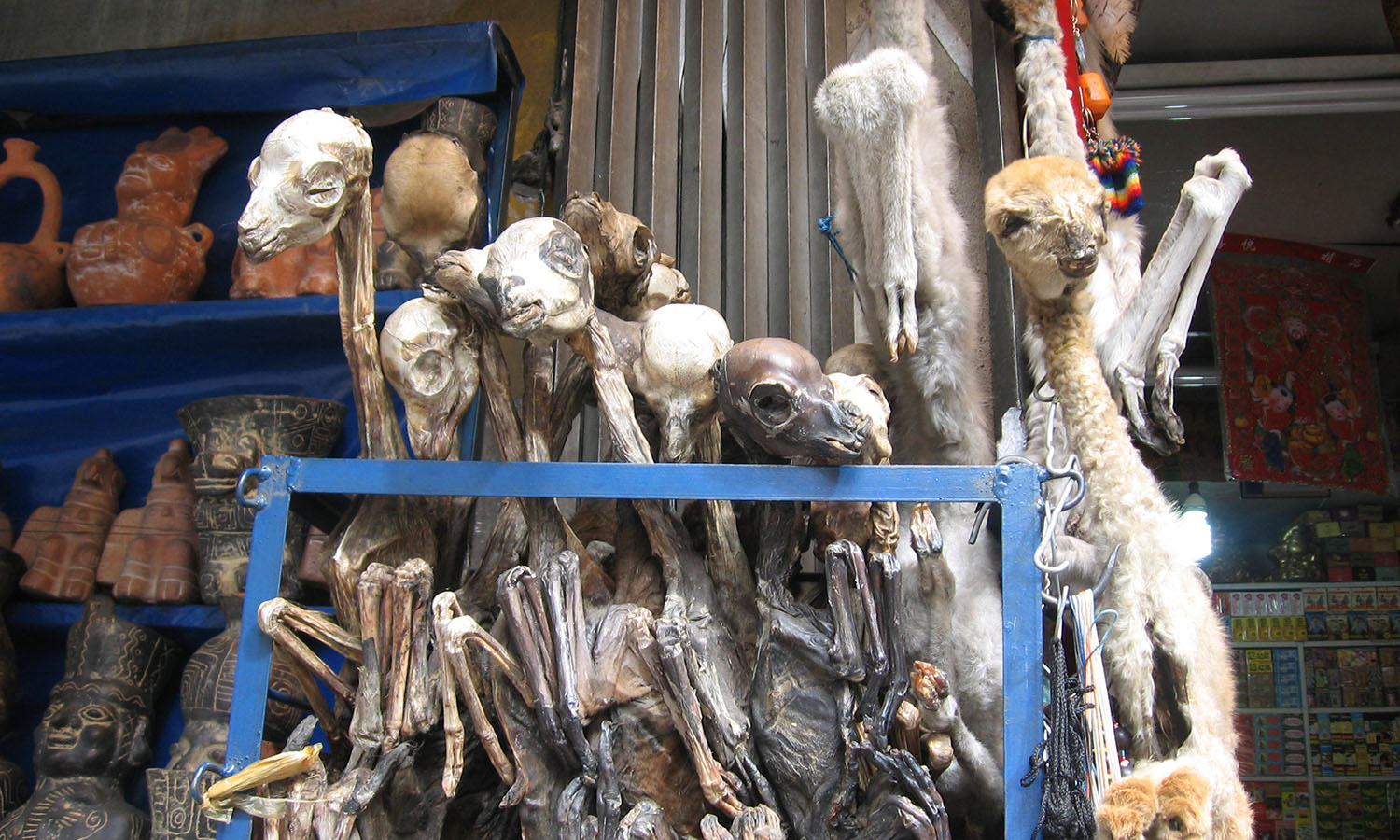
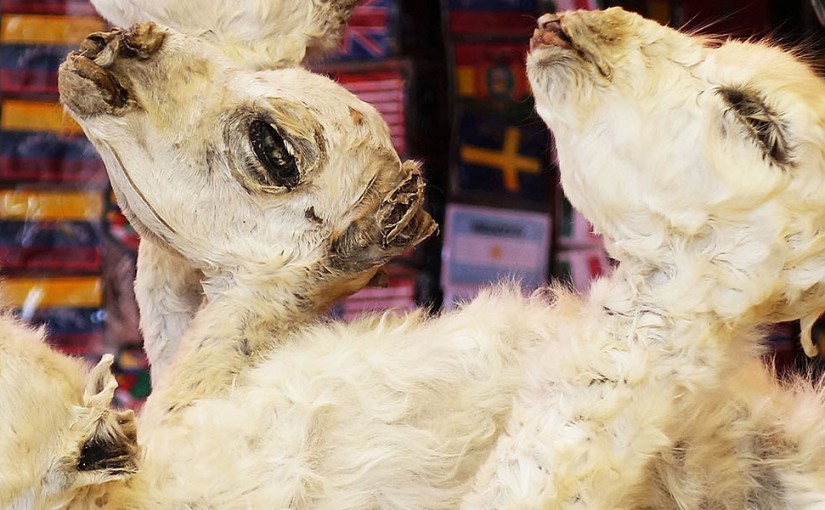
Love, money, luck: everything you could possibly want can be summoned at La Paz’s bustling Mercado de las Brujas – for a price. Take a stroll down the cobbled streets of the Old Quarter for a fascinating insight into Aymara religious traditions that remain alive and well in Bolivia today, in the form of love potions, spiritual readings and spells.
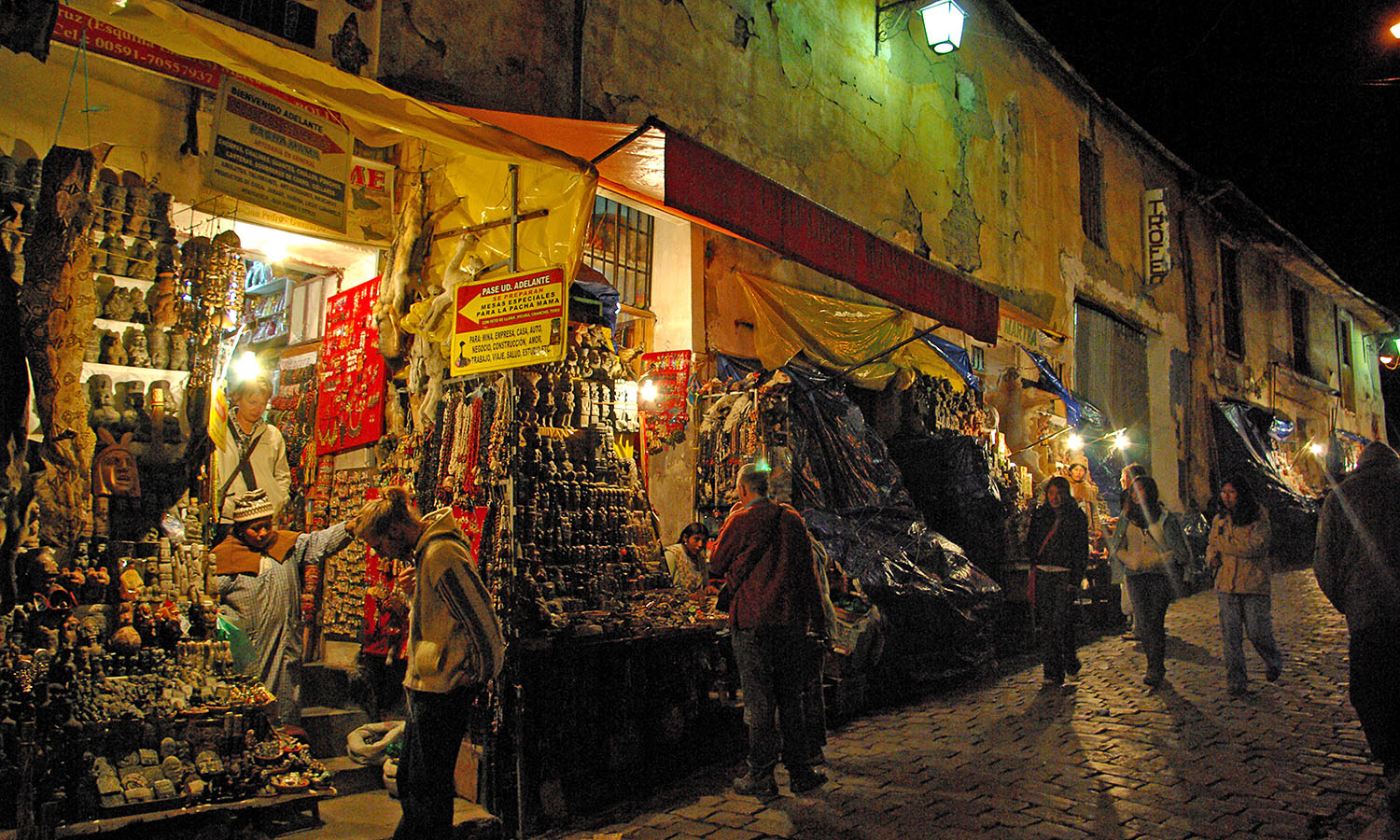
Just a word of advice – eat lunch well in advance. Along with soapstone amulets, ceramic figurines and penis candles, black-hatted yatiri (witch doctors) also purvey dried snakes, turtles, armadillos and llama foetuses. It’s an urban shopping adventure that’s definitely not for the faint of heart or the weak of stomach.
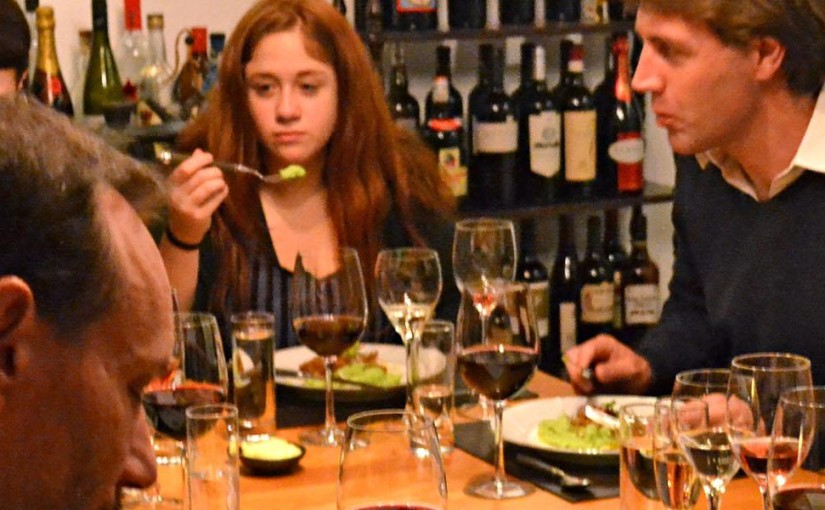
Degustation at Casa SaltShaker
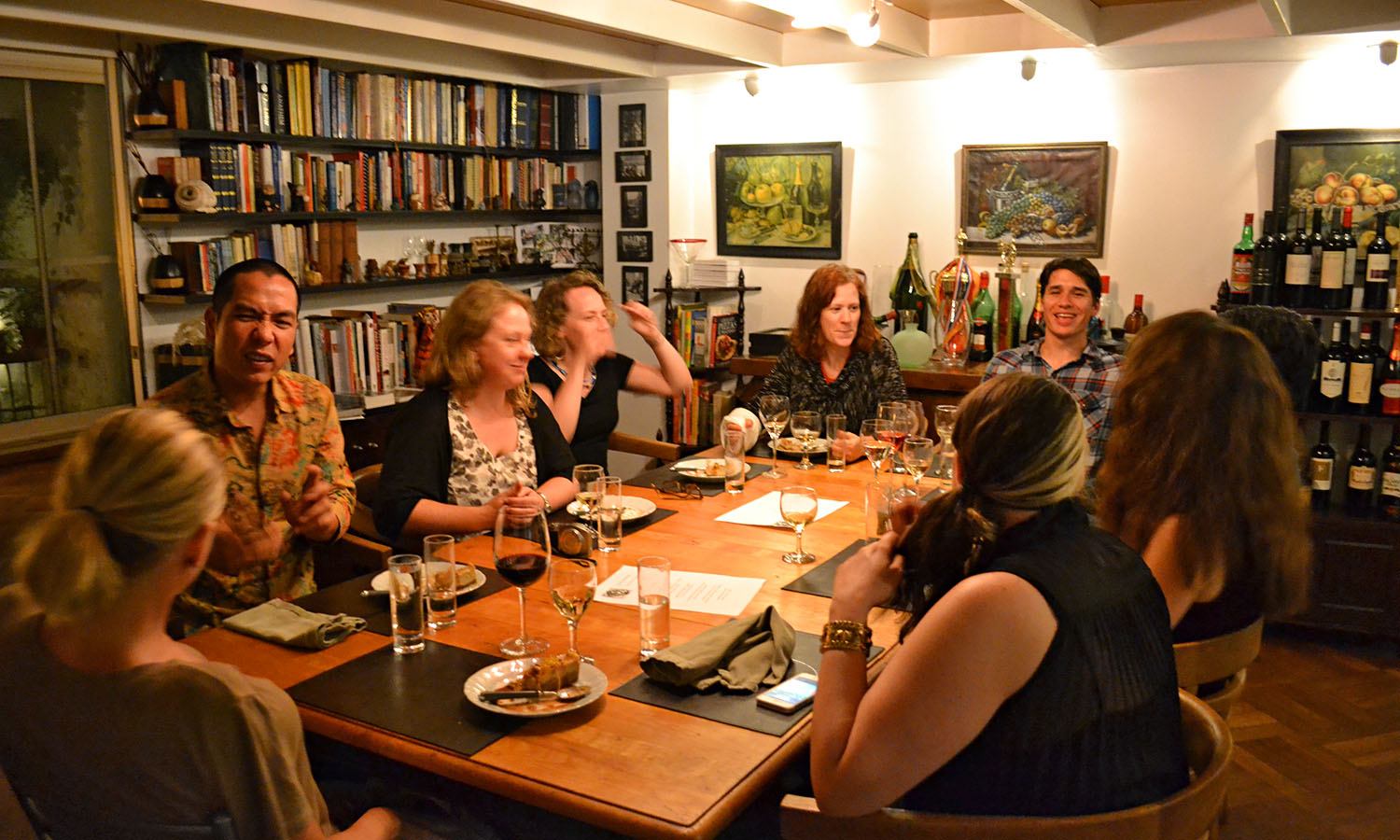
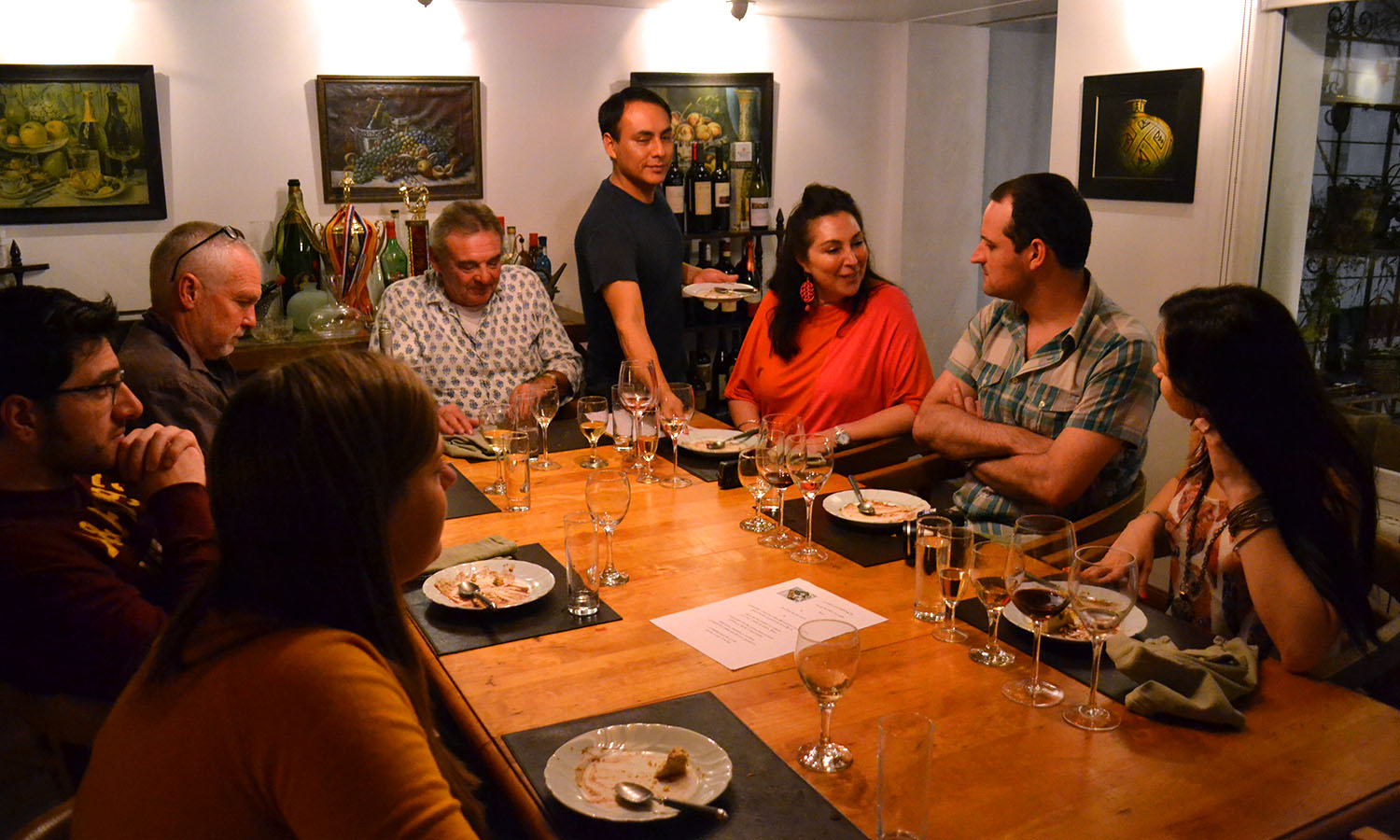
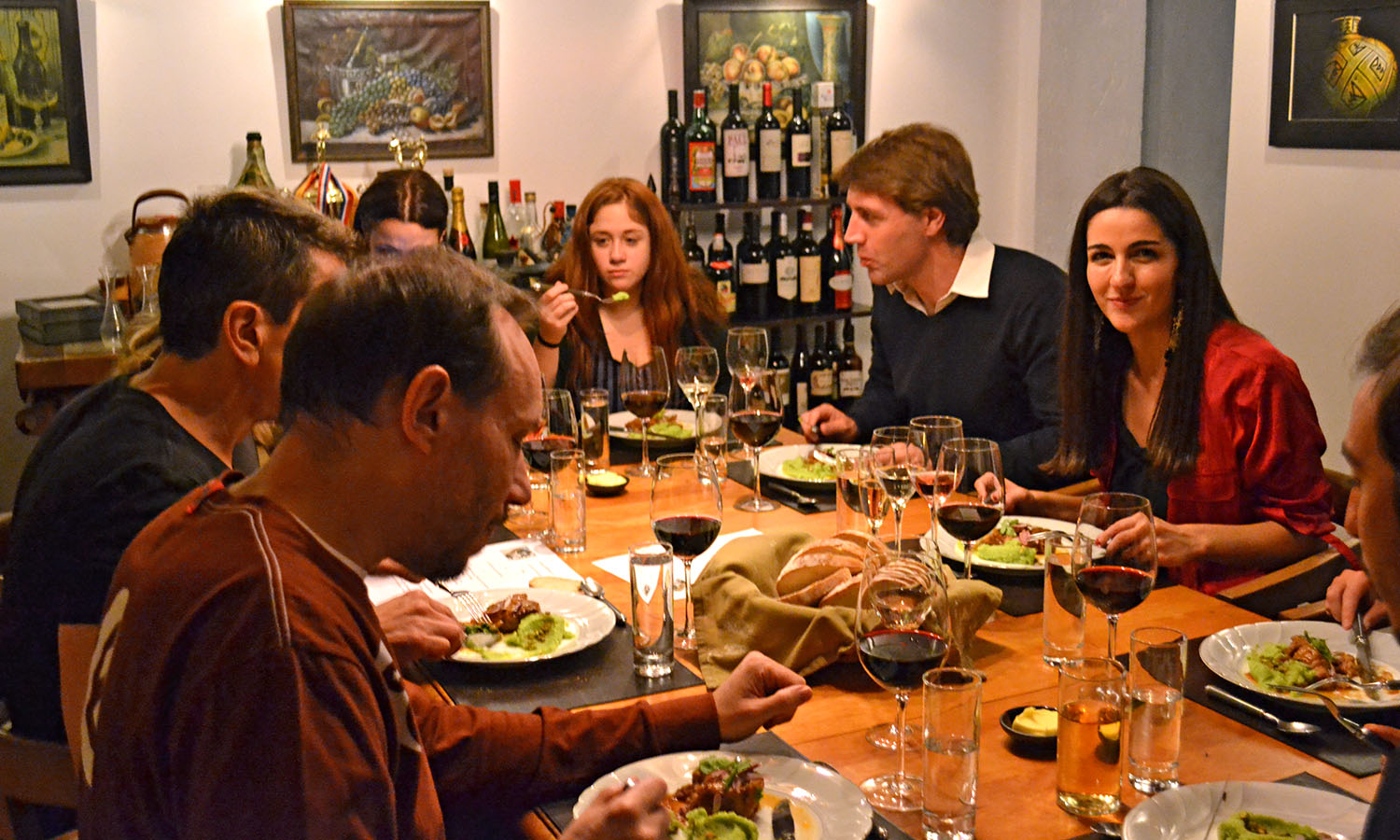
Big on eating out, but short on amigos? Casa SaltShaker in Buenos Aires has you covered. The in-home private dining restaurant in the upmarket Recoleta neighbourhood serves up exquisite Andean-meets-Mediterranean cuisine, prepared by USA-born chef and sommelier Dan Perlman.
Puertas cerradas (closed-door restaurants) are big in BA and Casa SaltShaker’s five-course tasting menu paired with wine is a winner.
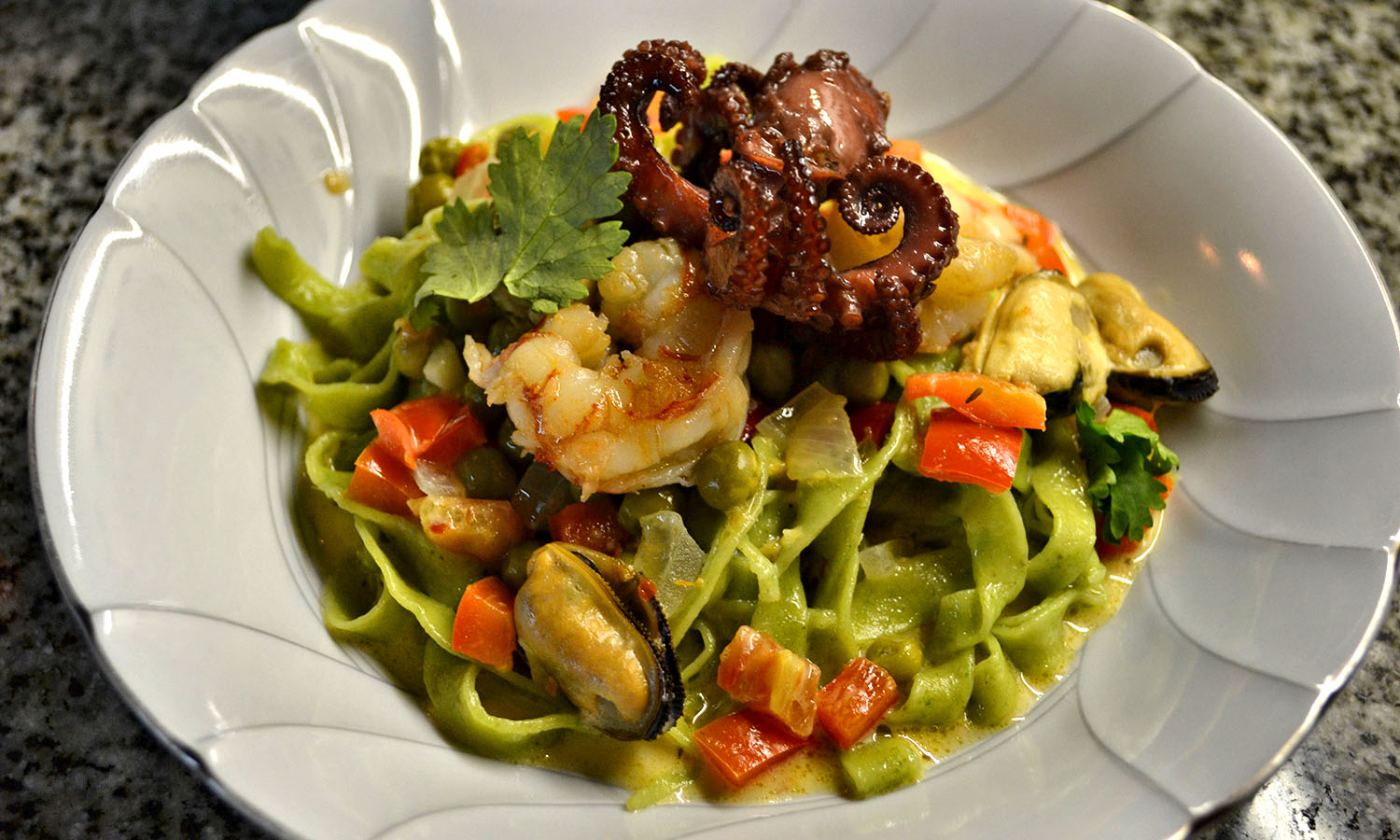
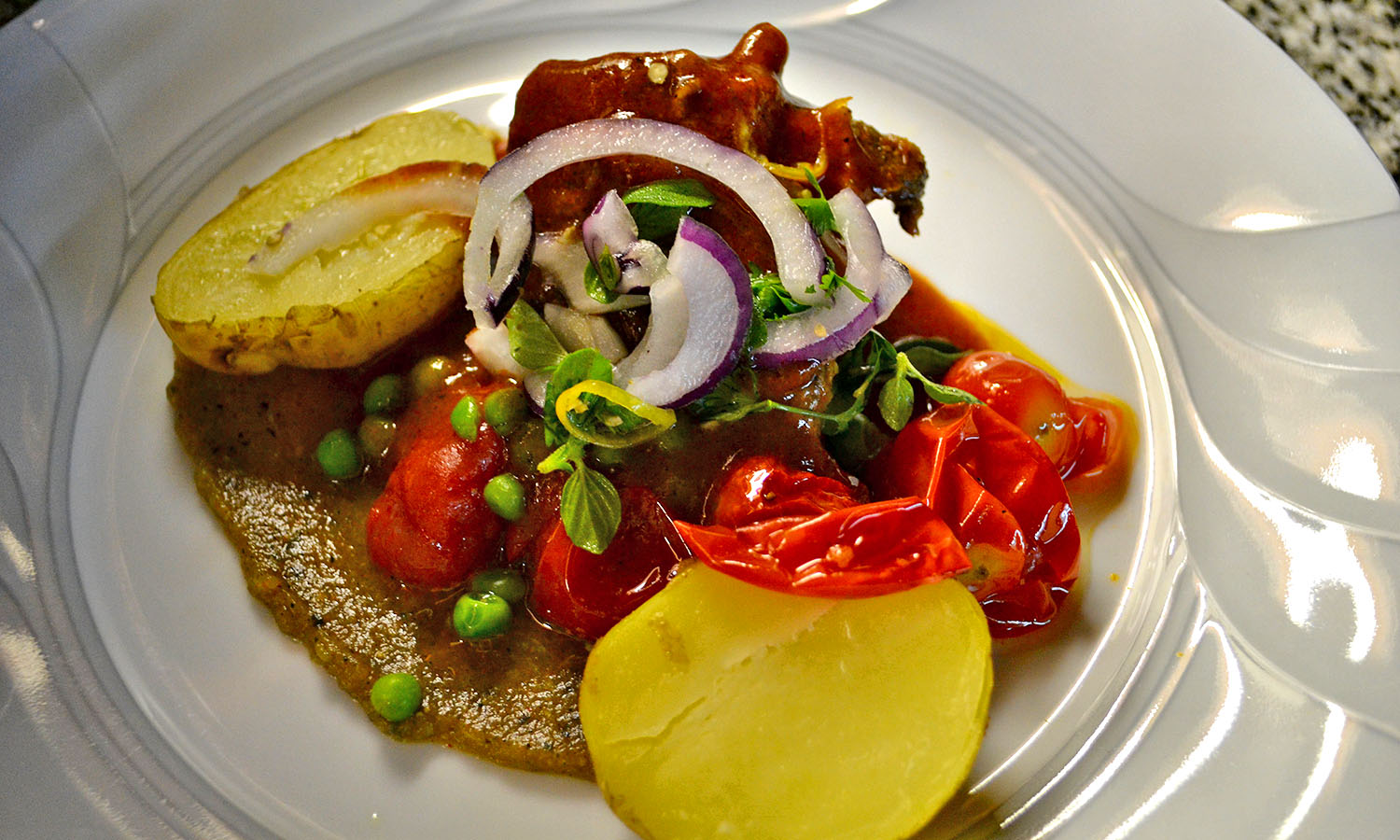
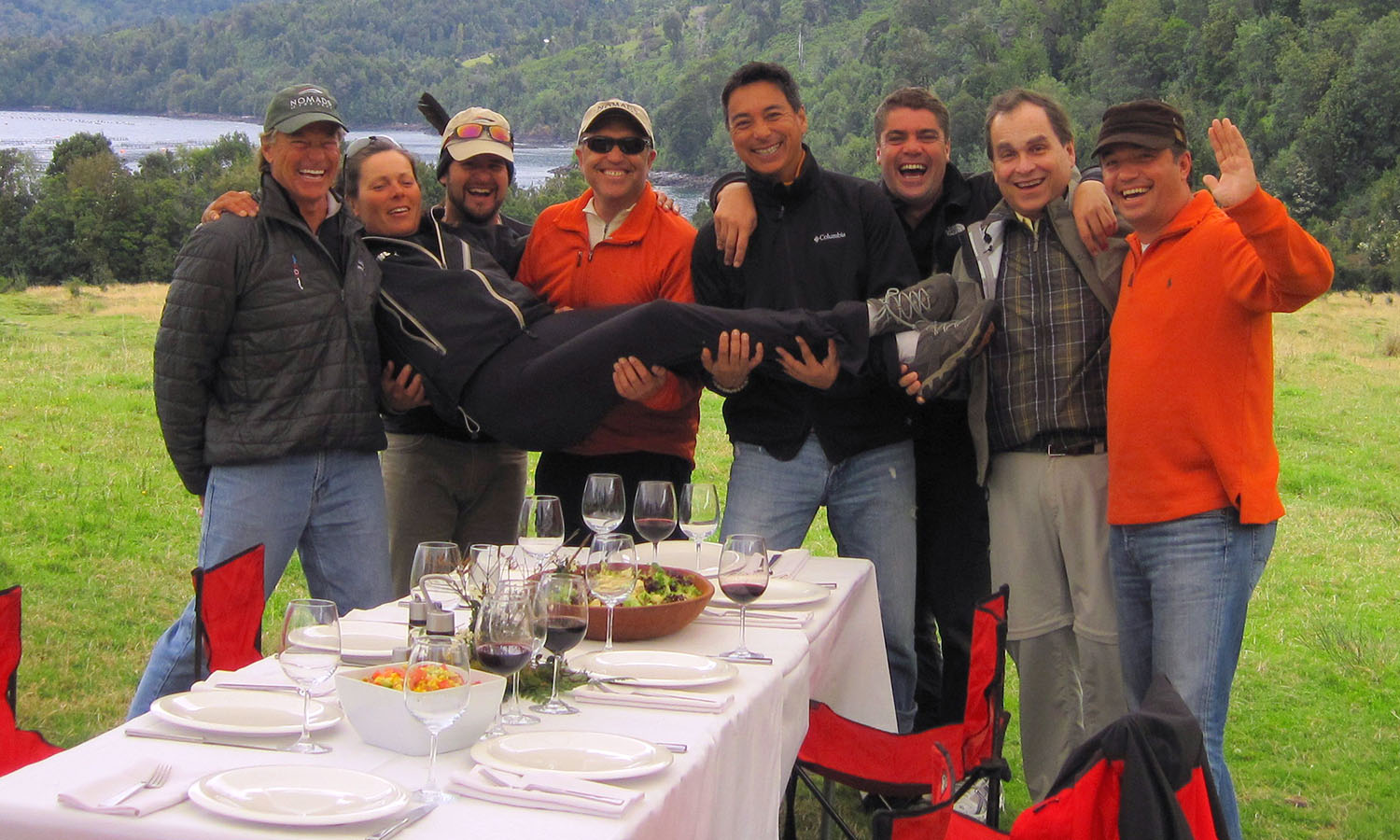
Take a seat at the communal dining table with nine of your soon-to-be best mates and tuck into mouthwatering dishes like matbucha (tomatoes and roasted capsicum with spicy coriander sauce), braised pork shoulder with smoked eggplant puree, and chocolate star-anise cheesecake.
The food is guaranteed to please, but it’s the intimate setting and conversation we love the most.
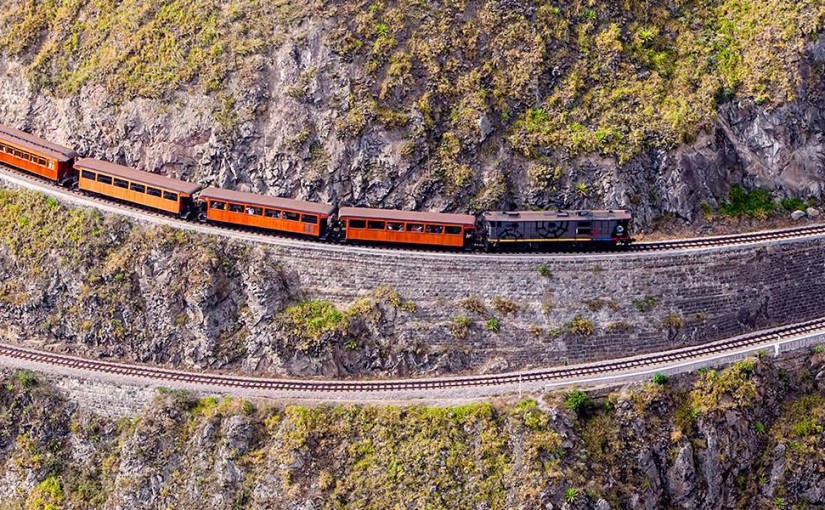
Ride the Devil’s Nose
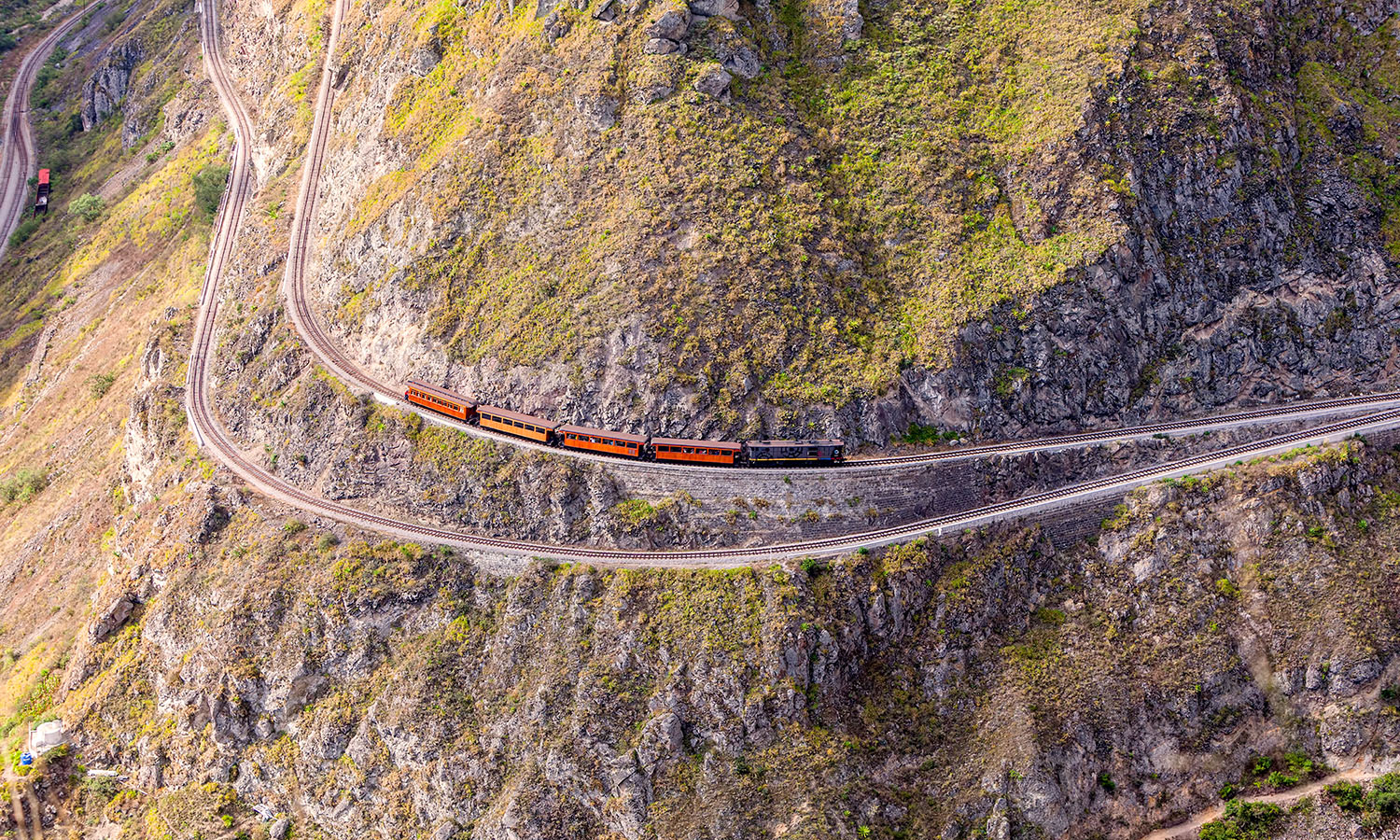
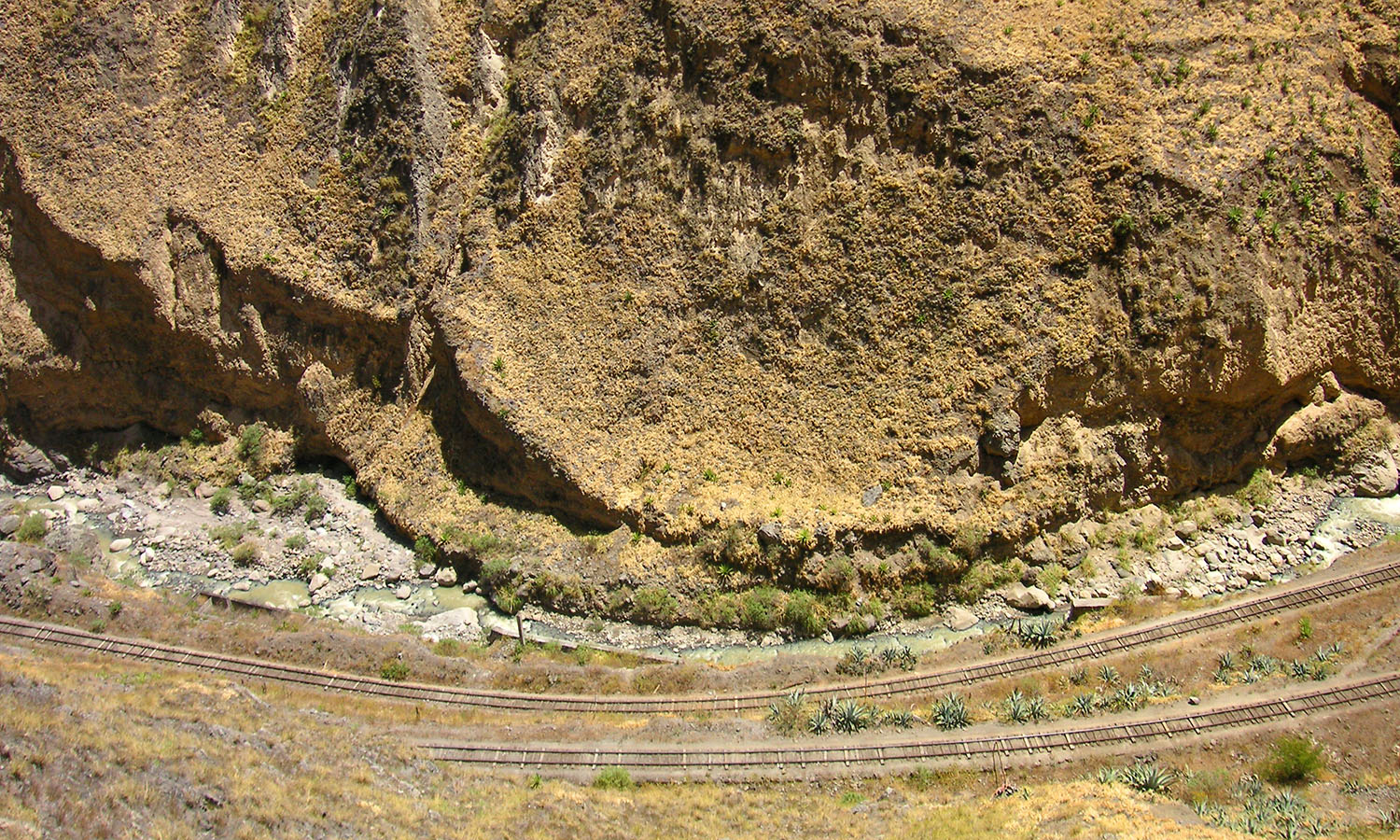
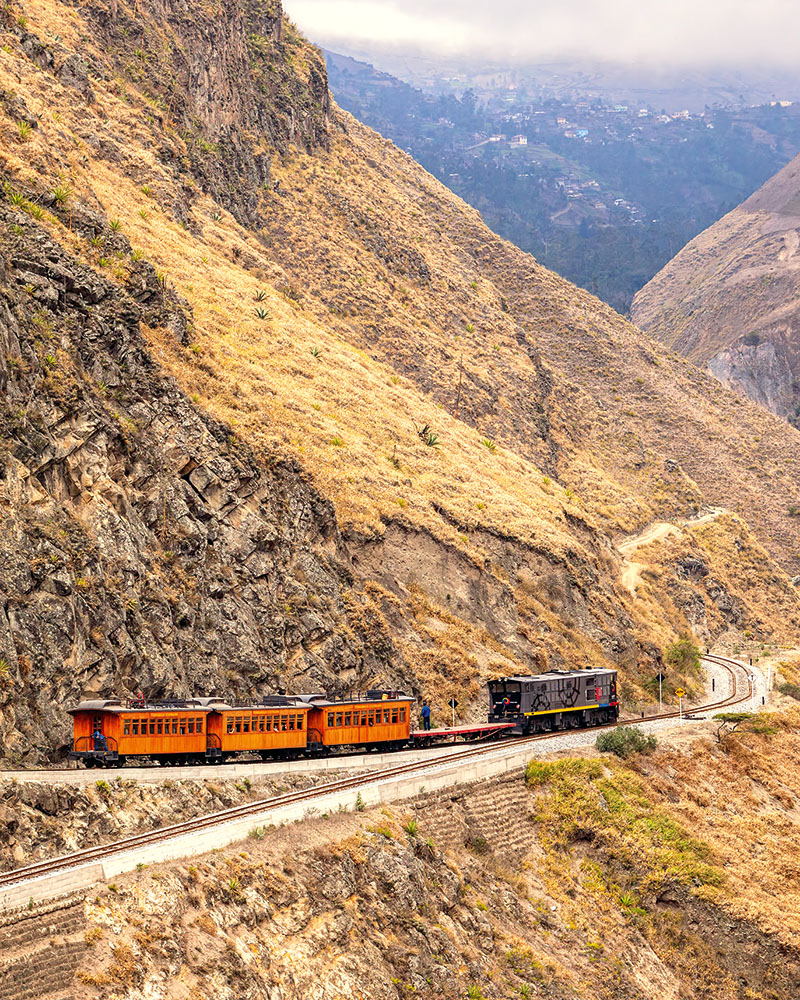
For the engineers tasked with building a train line between Quito and Guayaquil at the beginning of the 20th century, the mountainous terrain of the Andes presented a challenge. The completed route traverses gorges, rivers, forests and a particularly harrowing mountainside descent known as the Devil’s Nose, where more than 2,000 workers died during construction. The train winds down a sheer, rocky slope, travelling more than 500 vertical metres in a 12-kilometre journey, during which passengers are treated to breathtaking views of what is known as the Condor’s Aerie.
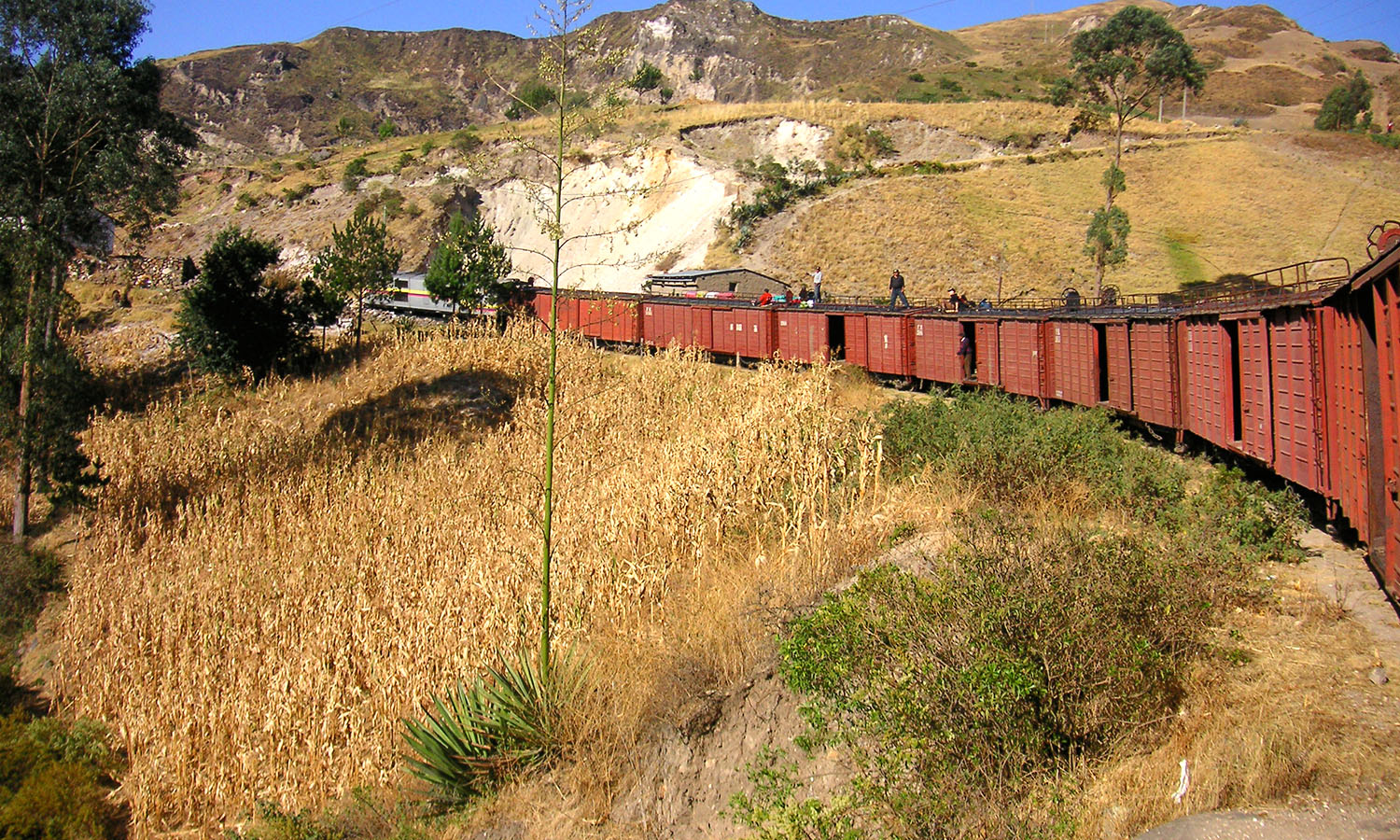
In case the idea of riding a century-old train route down what is essentially a cliff makes you shudder, don’t panic – the tracks and carriages have been refurbished, so you can white-knuckle your way down the mountain in comfort.
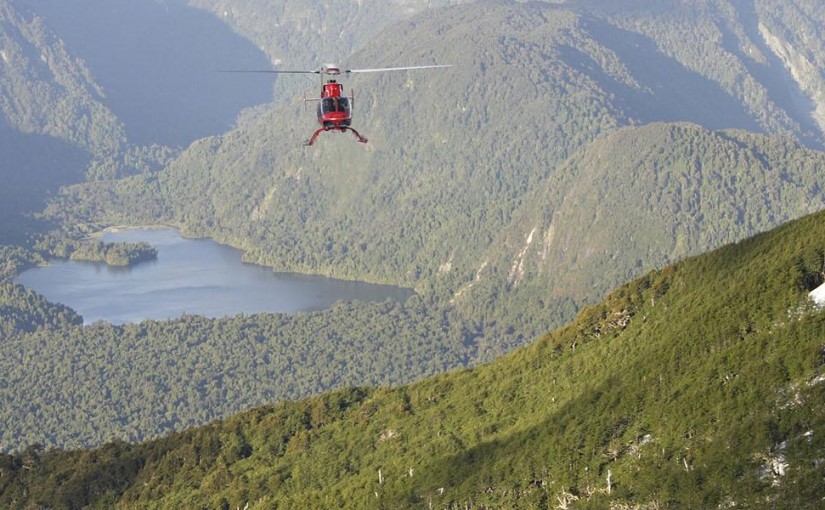
Heli-ski Patagonia from a luxury yacht
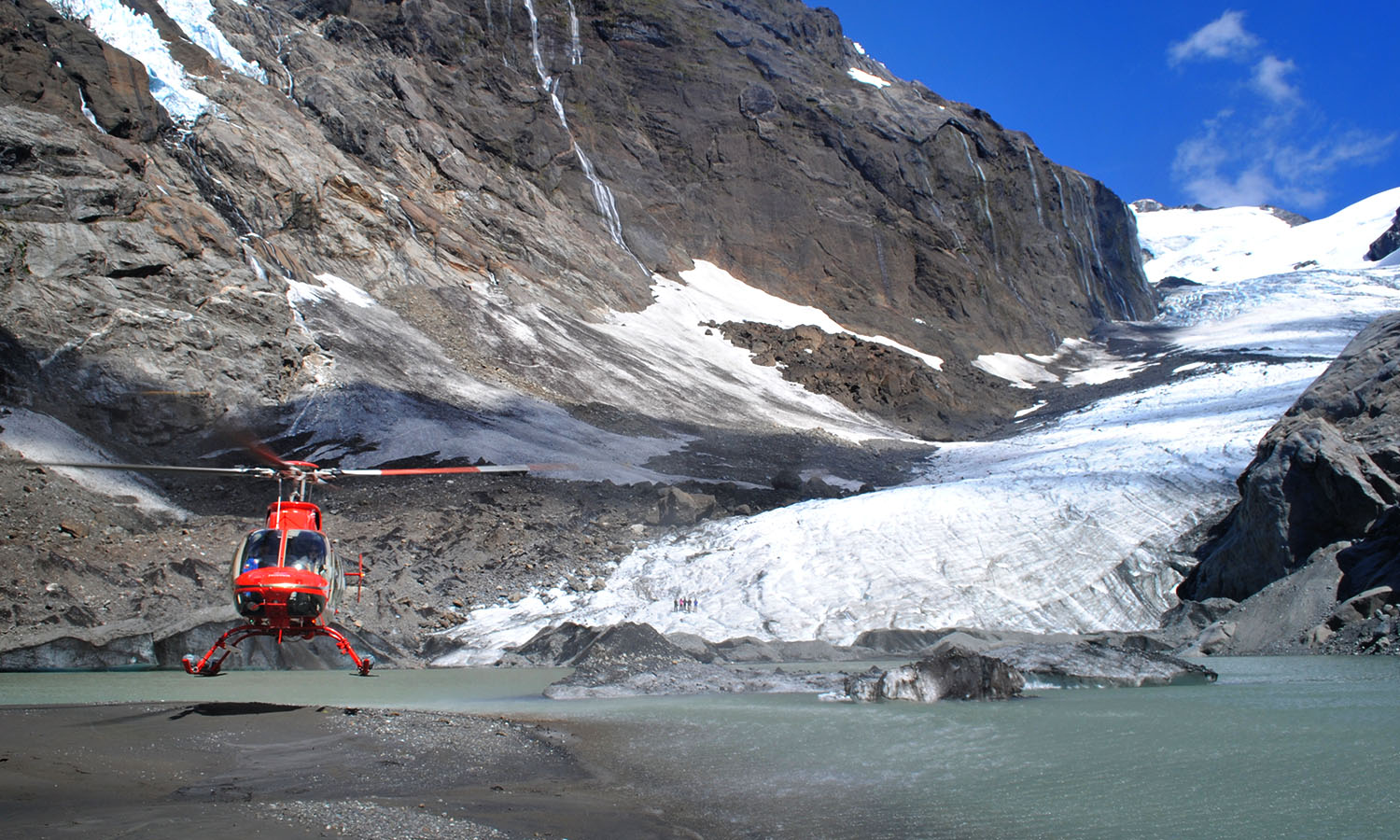
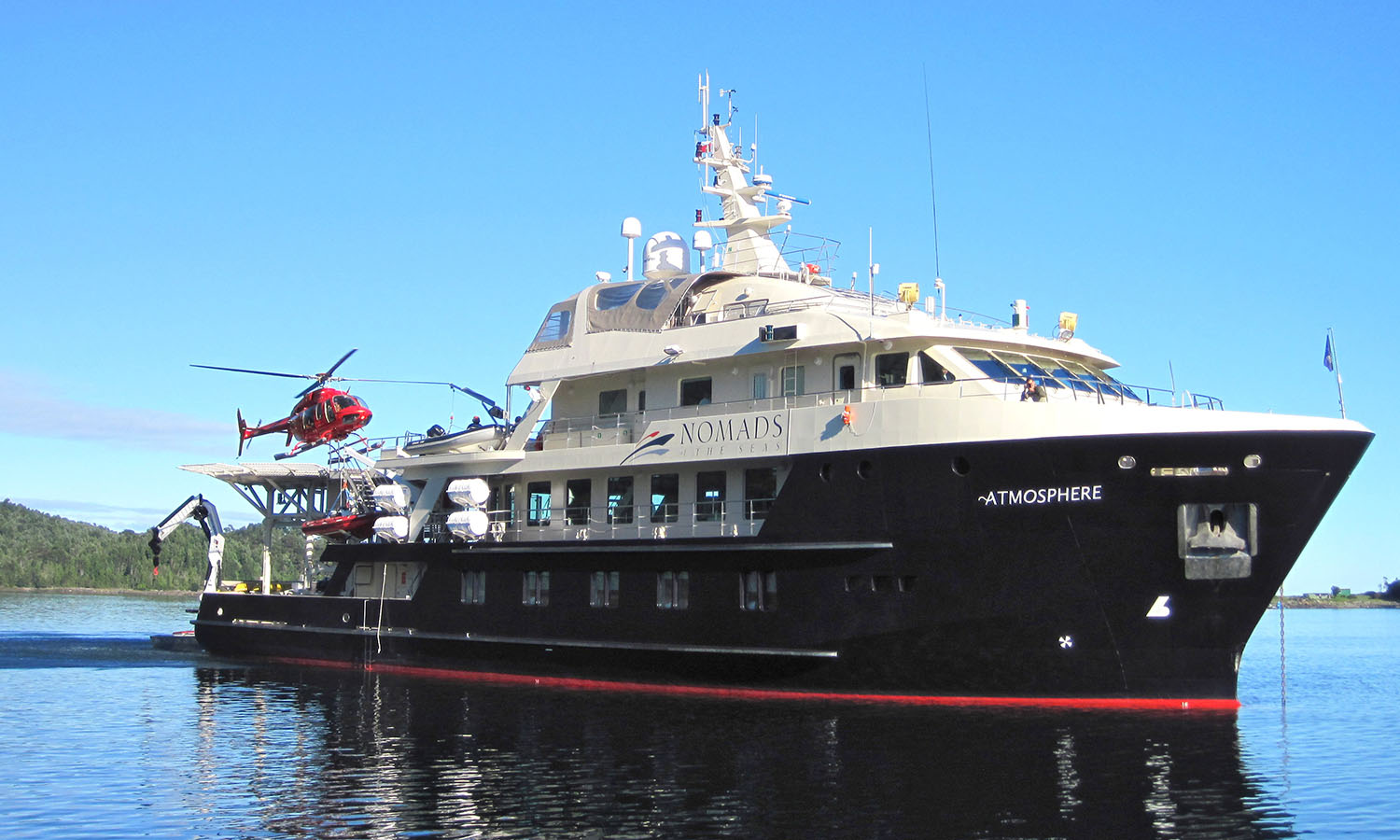
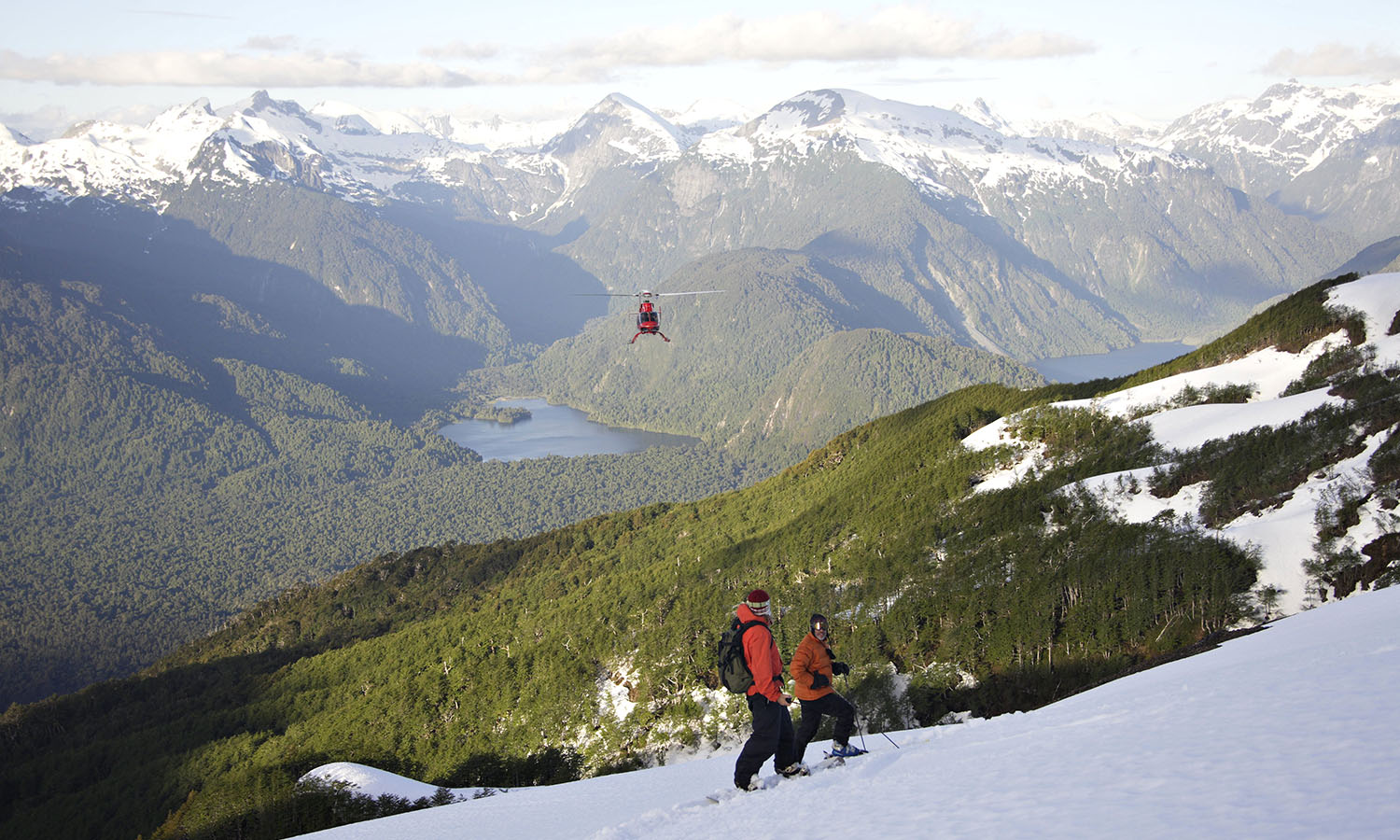
Heli-skiing on remote slopes is one of the coolest things you can do on snow. Throw in a luxury yacht and a crew at your beck and call, and you’ve got a seafaring, sky-scraping, snow-slicing adventure unlike any other.
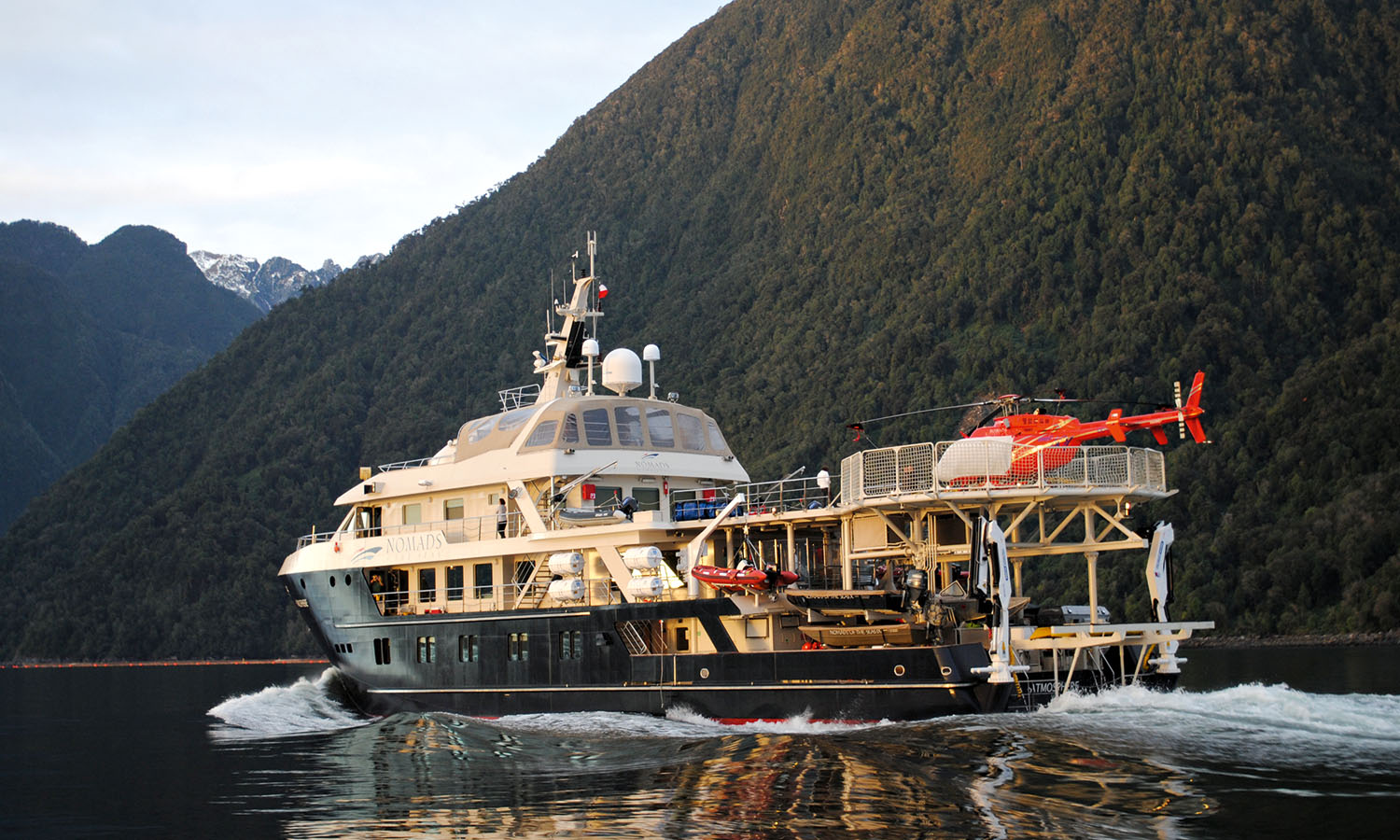
Imagine cruising the wild waters of Patagonia with 32 staff at your disposal and two choppers waiting to whisk you off to play with snow on untouched mountains.
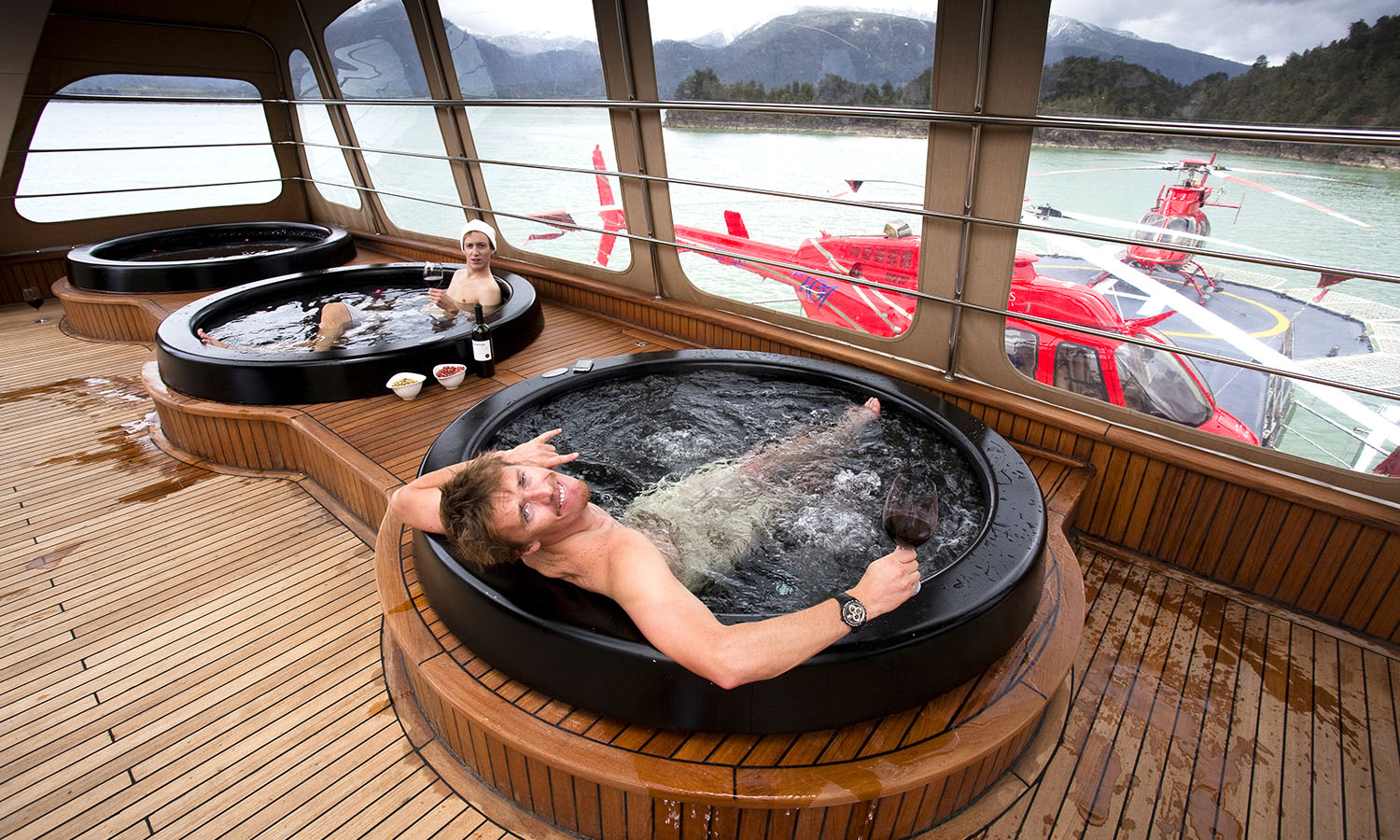
Your luxe vessel, Atmosphere, comes with hot tubs, private chefs and an open bar. When you’re done exploring the digs, jump in a zodiac for an aquatic expedition, go on a guided wildlife adventure and make your mark in fresh powder.
Celebrity spotting at The Maze Inn
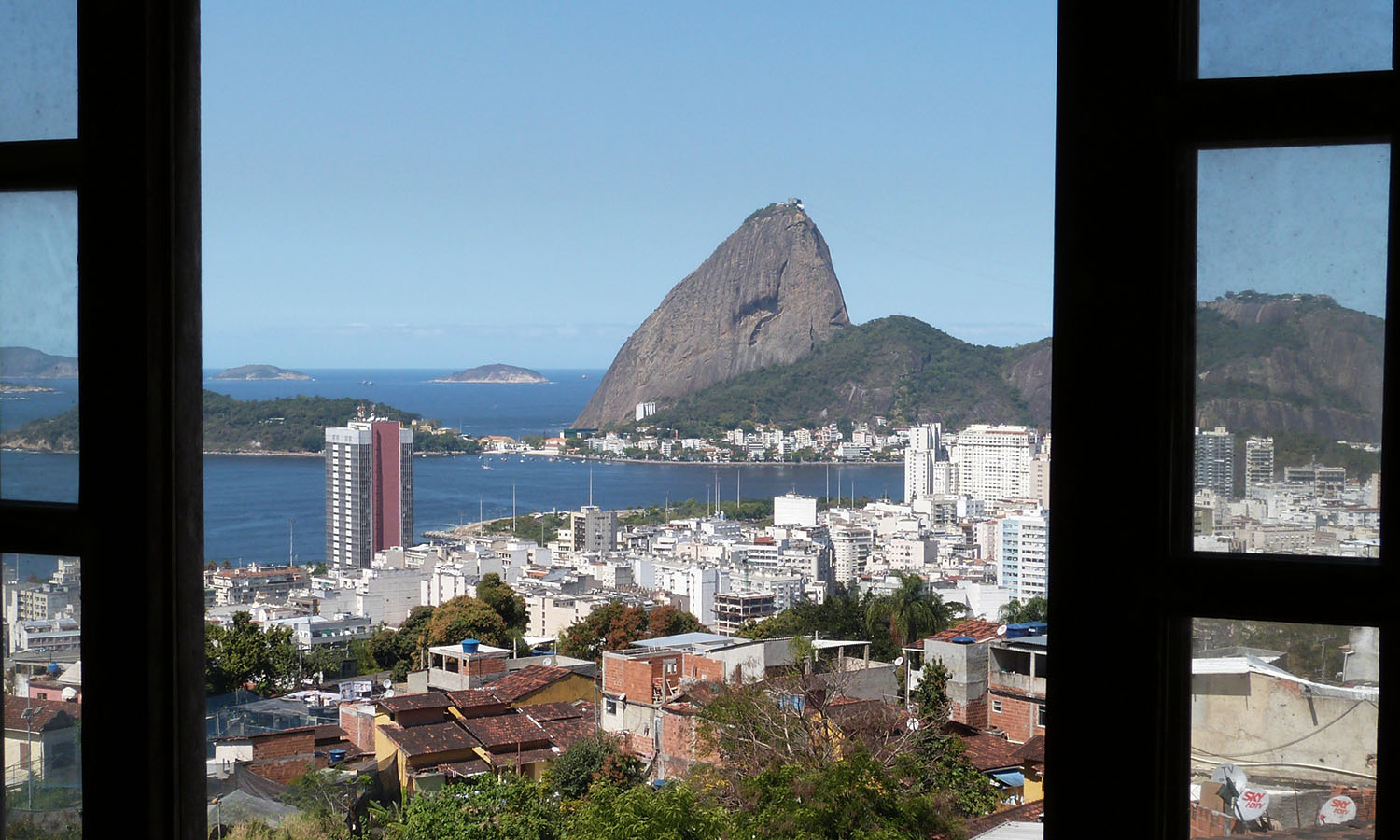
There’s no better view in Rio than at The Maze Inn, and we’re not
just talking about the over-balcony vistas. The bar and inn is a hit with Hollywood celebrities, including Sylvester Stallone and Edward Norton (Snoop Dogg was also a guest), providing plenty of star-spotting opportunities.
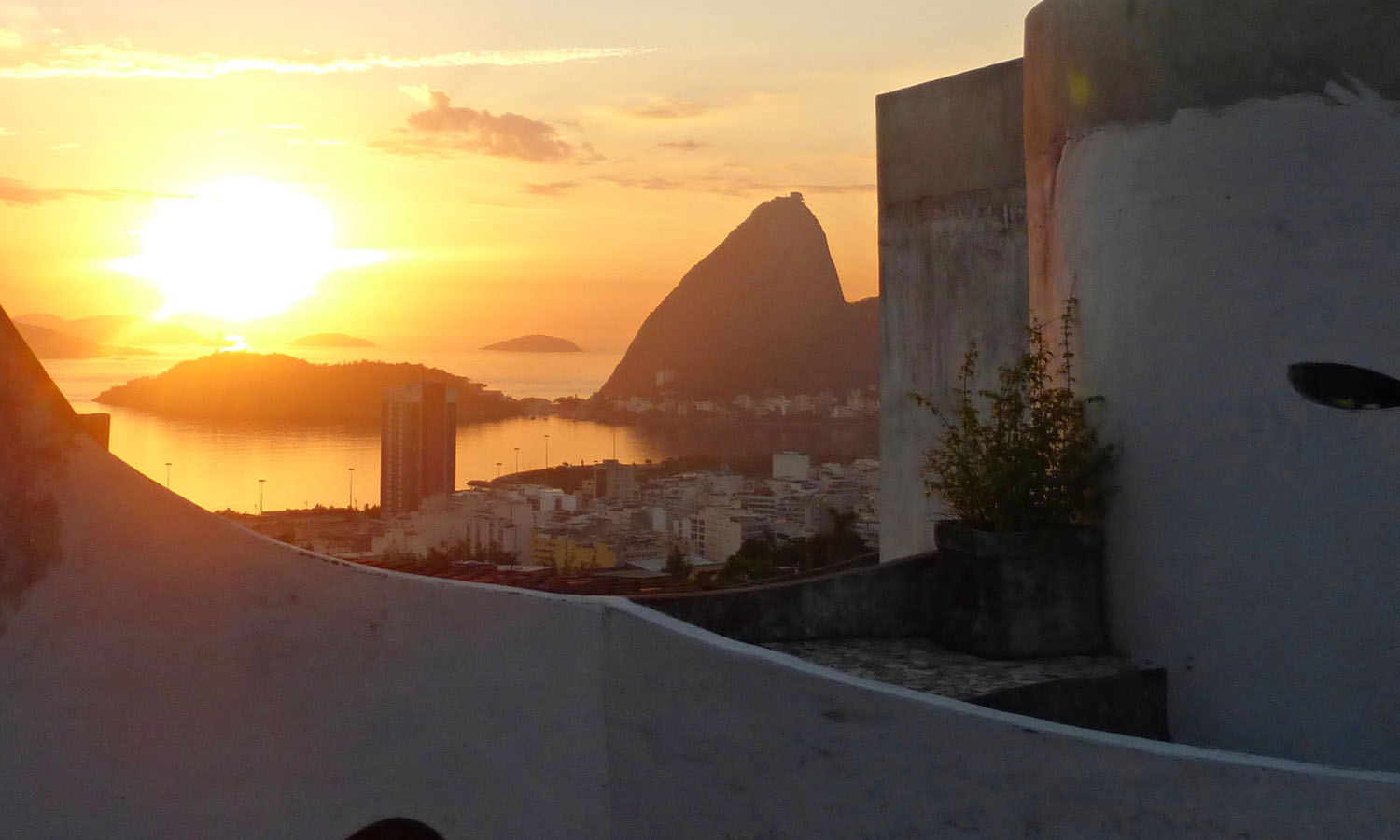
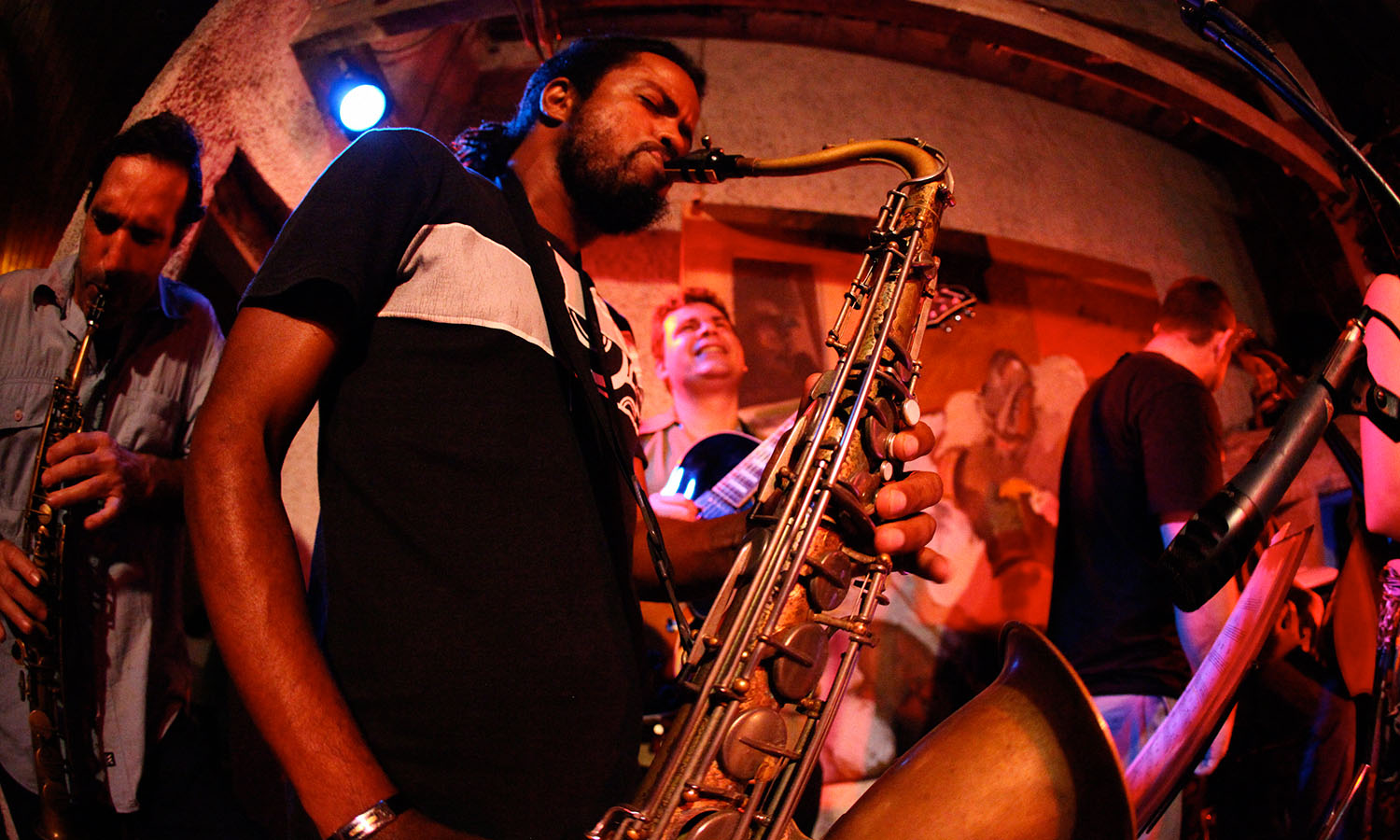
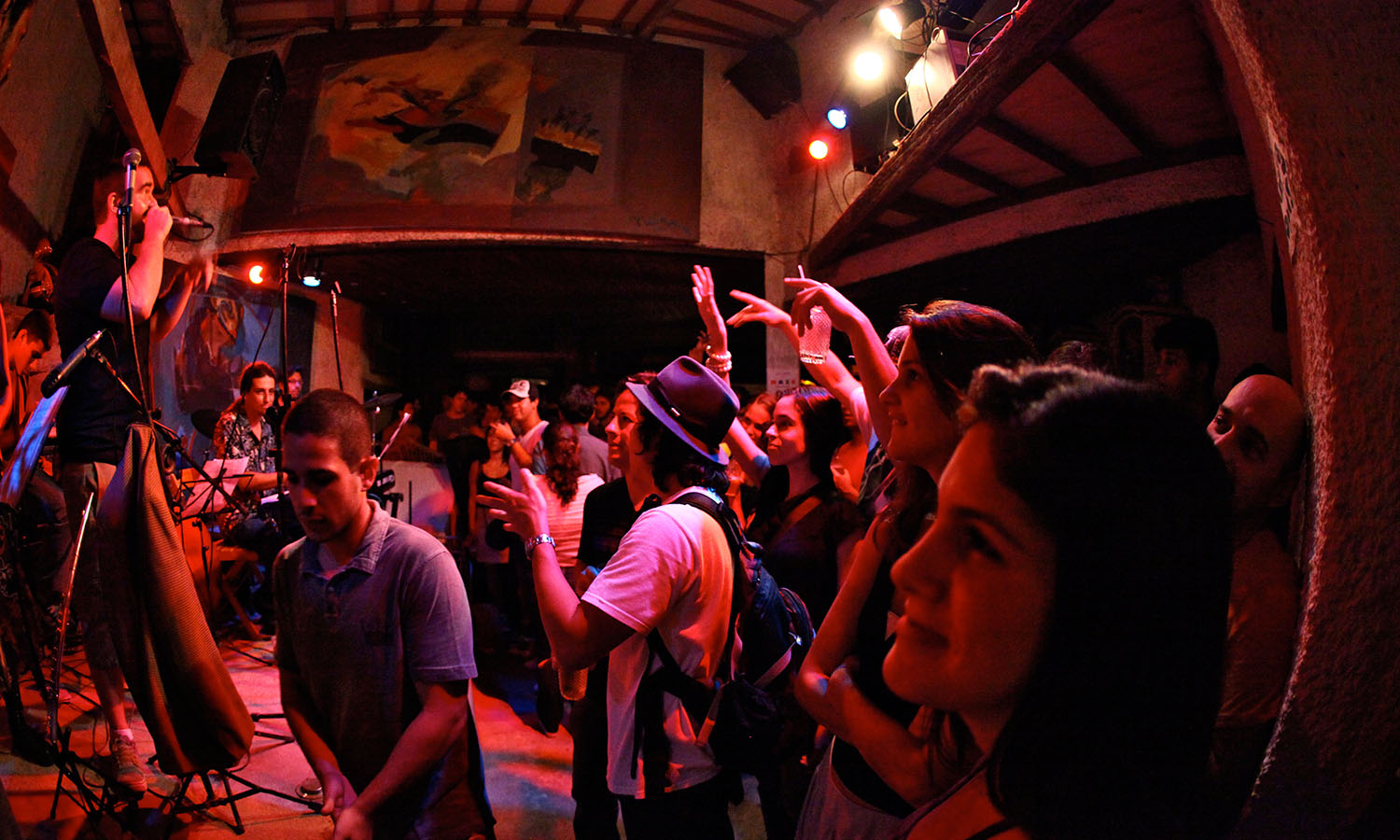
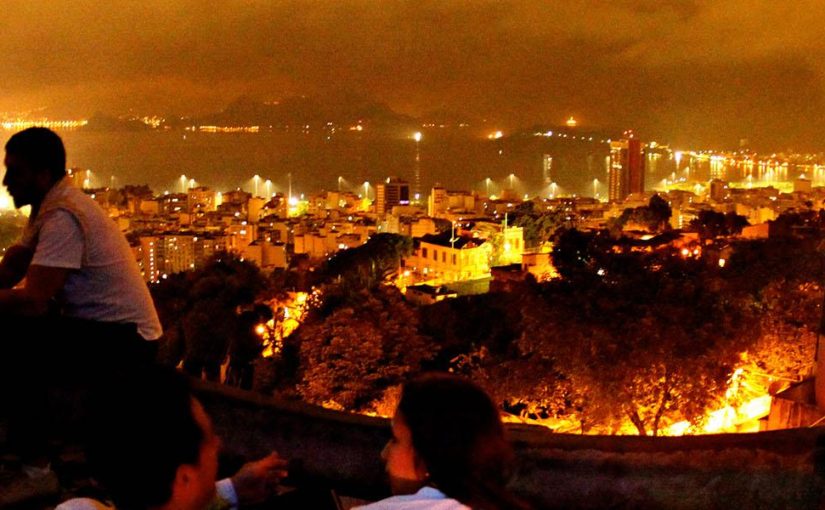
Nestled among the alleys of Tavares Bastos, Rio’s first favela guesthouse is also a world-class jazz venue, with a terrace boasting incredible views of Sugarloaf Mountain, the city and Guanabara Bay.
The first Friday of every month is party time, attracting talent and crowds from all over the world, so keep your celebrity radar finely tuned – you might find yourself rubbing shoulders with a screen legend letting their hair down during a break in filming. Plonk yourself on the terrace with a caipirinha while a saxophone tootles in the background and watch the cable cars weave their way up Sugarloaf like fireflies.
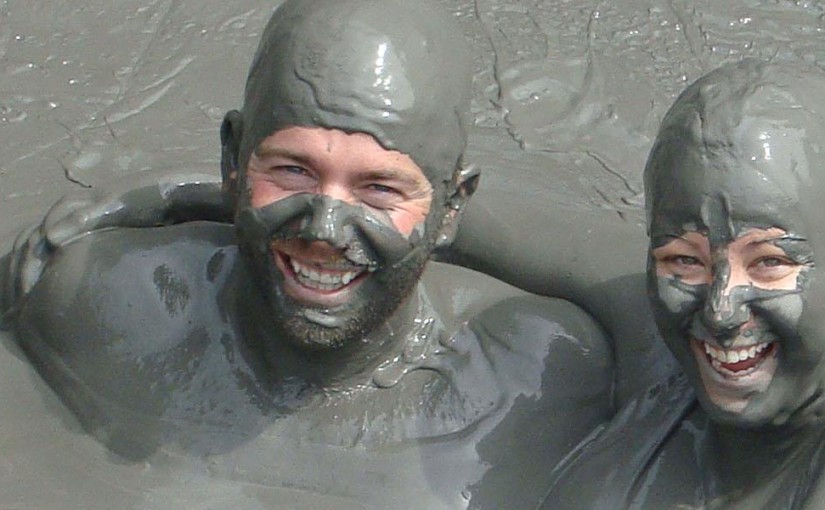
Immerse yourself in mud at El Totumo
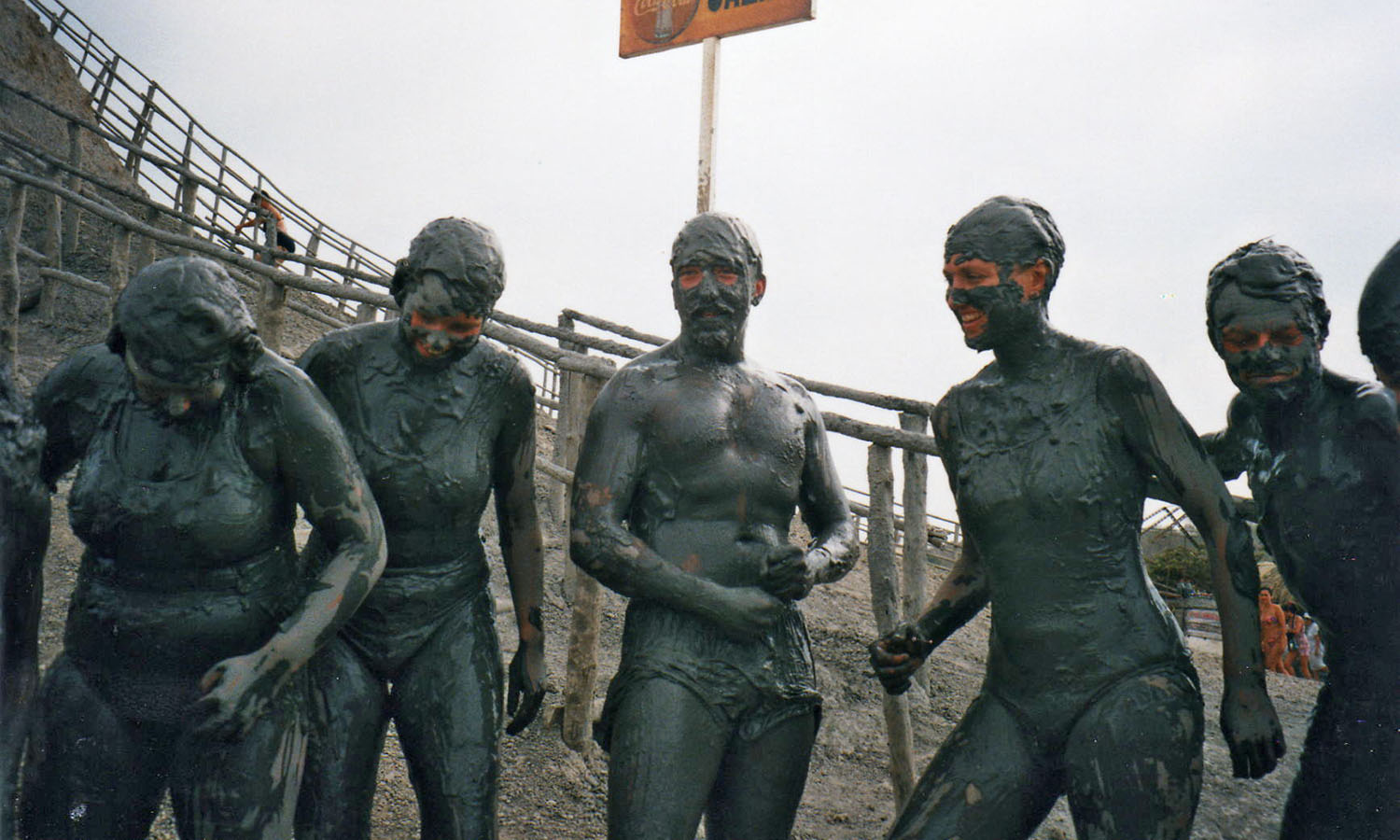
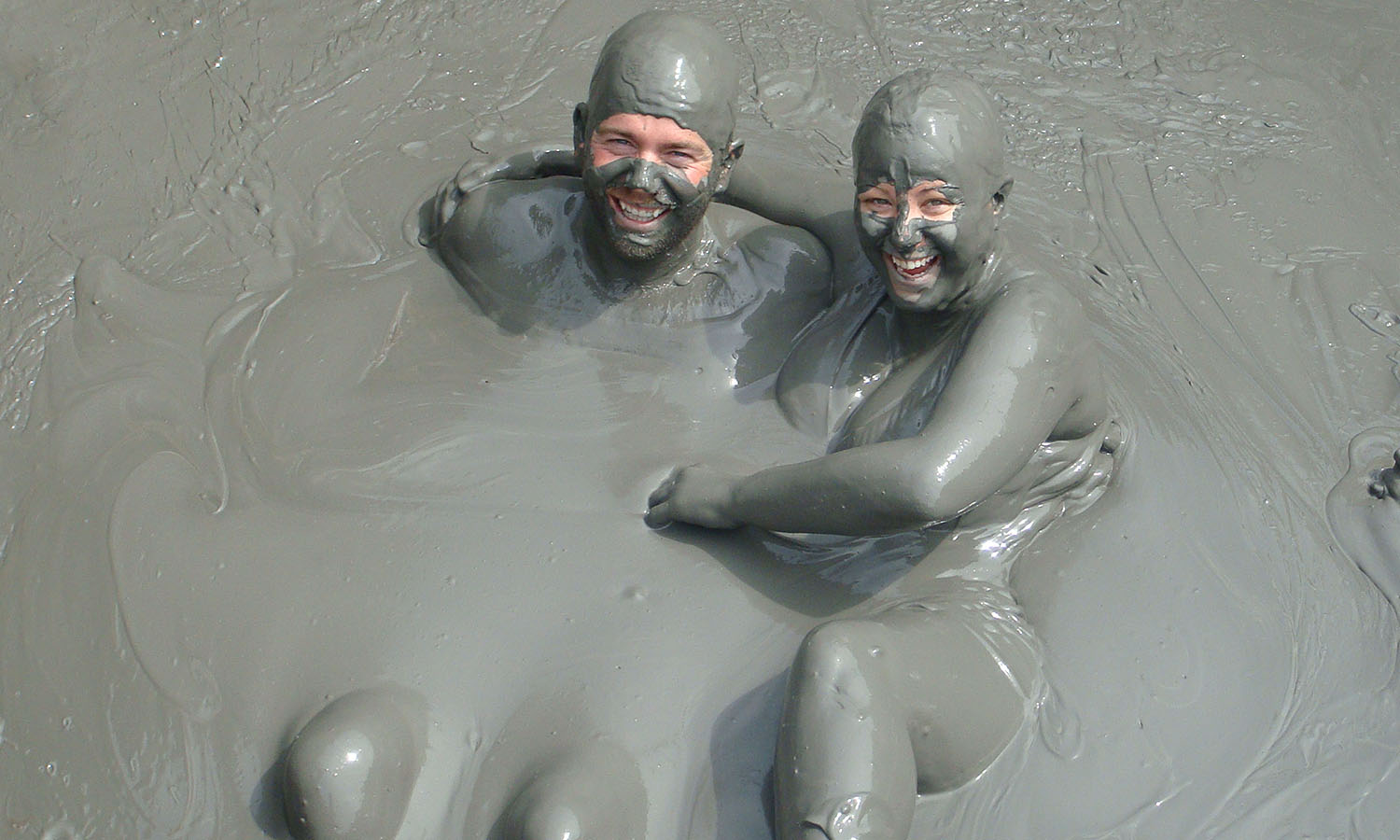
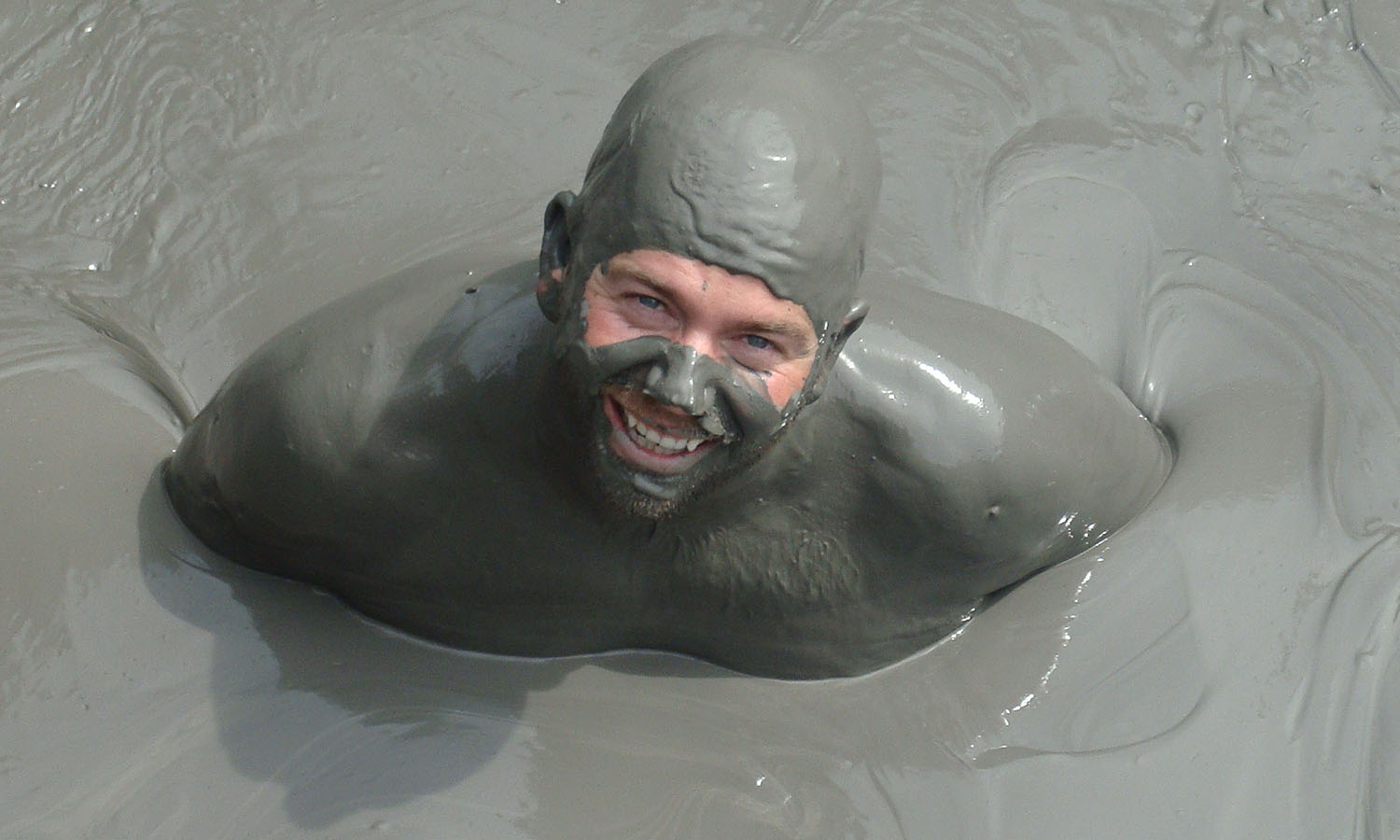
Squelch mud through your fingers and feel it ooze between your toes inside Colombia’s El Totumo volcano. About an hour’s drive from Cartagena, this pillar of goop promises a soothing and somewhat bizarre activity for travellers willing to slither into its embrace. To give it a go, cough up some pesos, strip to your togs and clamber up a rickety wooden ladder to the top of the volcano’s cone. Once you are immersed in the warm slop, a masseuse will offer to pummel your shoulders and massage the sludge into your scalp, all in the name of relaxation.
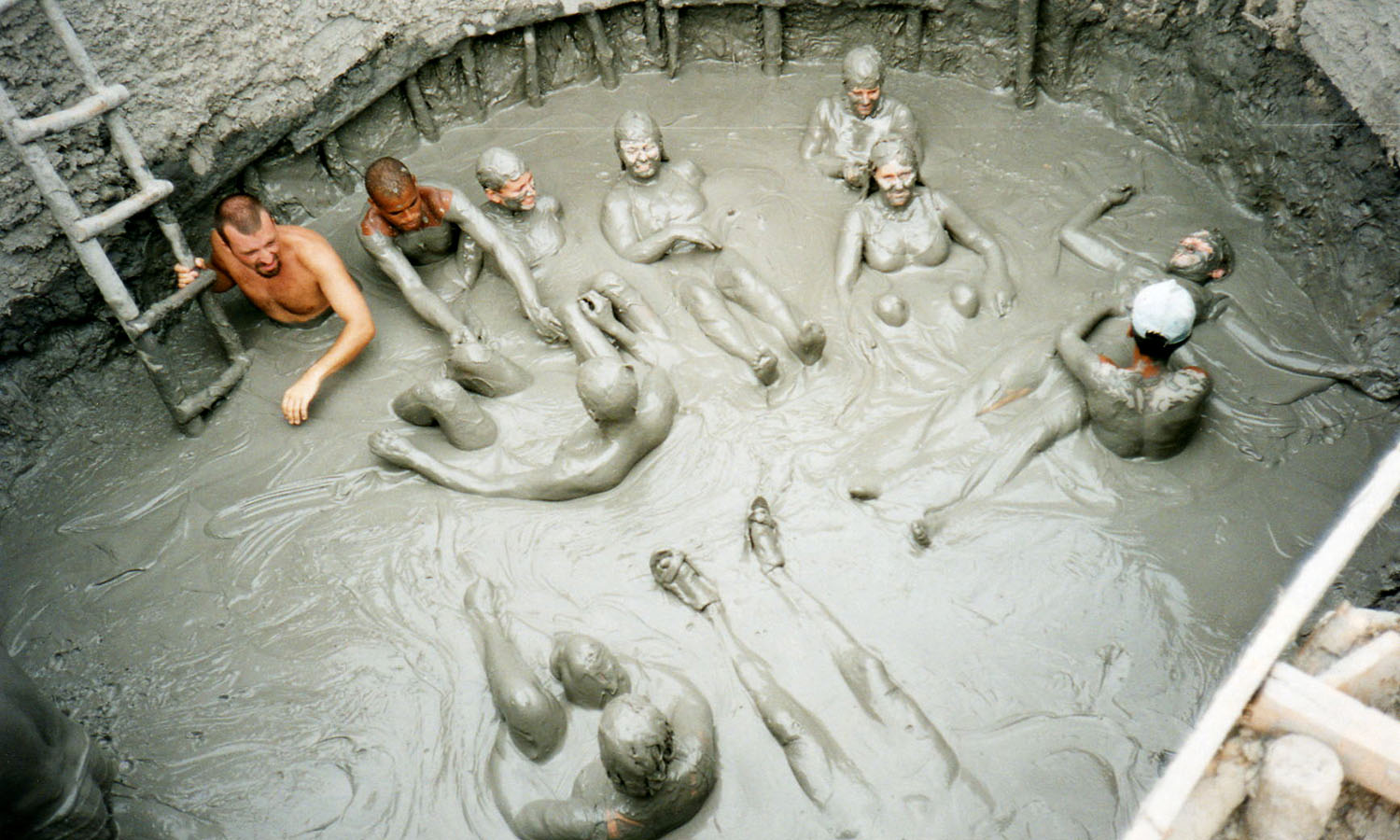
The experience doesn’t end when you emerge resembling a concrete-clad monster. Hand yourself over to one of the local ladies, who’ll scrub you squeaky clean in the nearby lake. Just get ready to temporarily part with your swimsuit; the women are very, very thorough.
Nothofagus Hotel
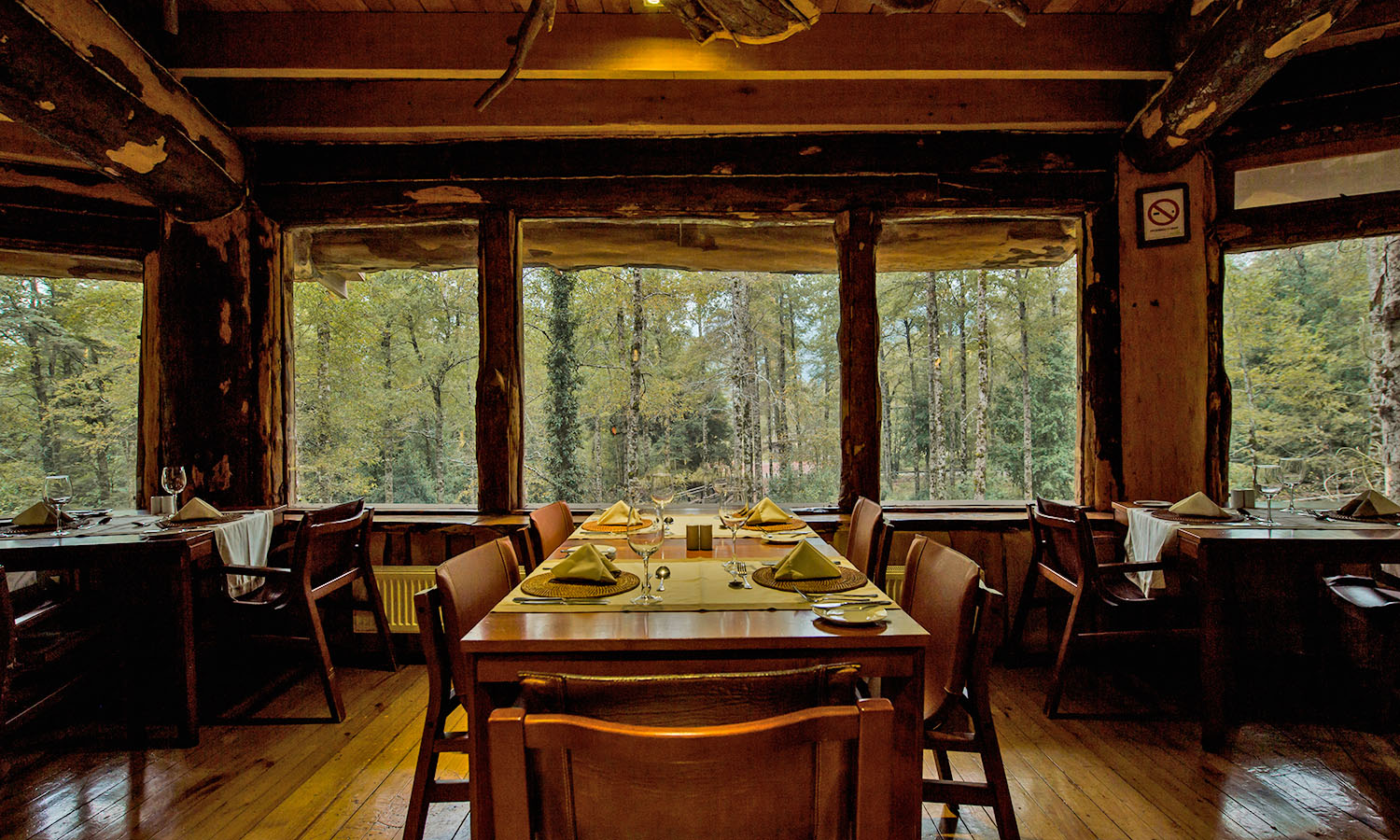
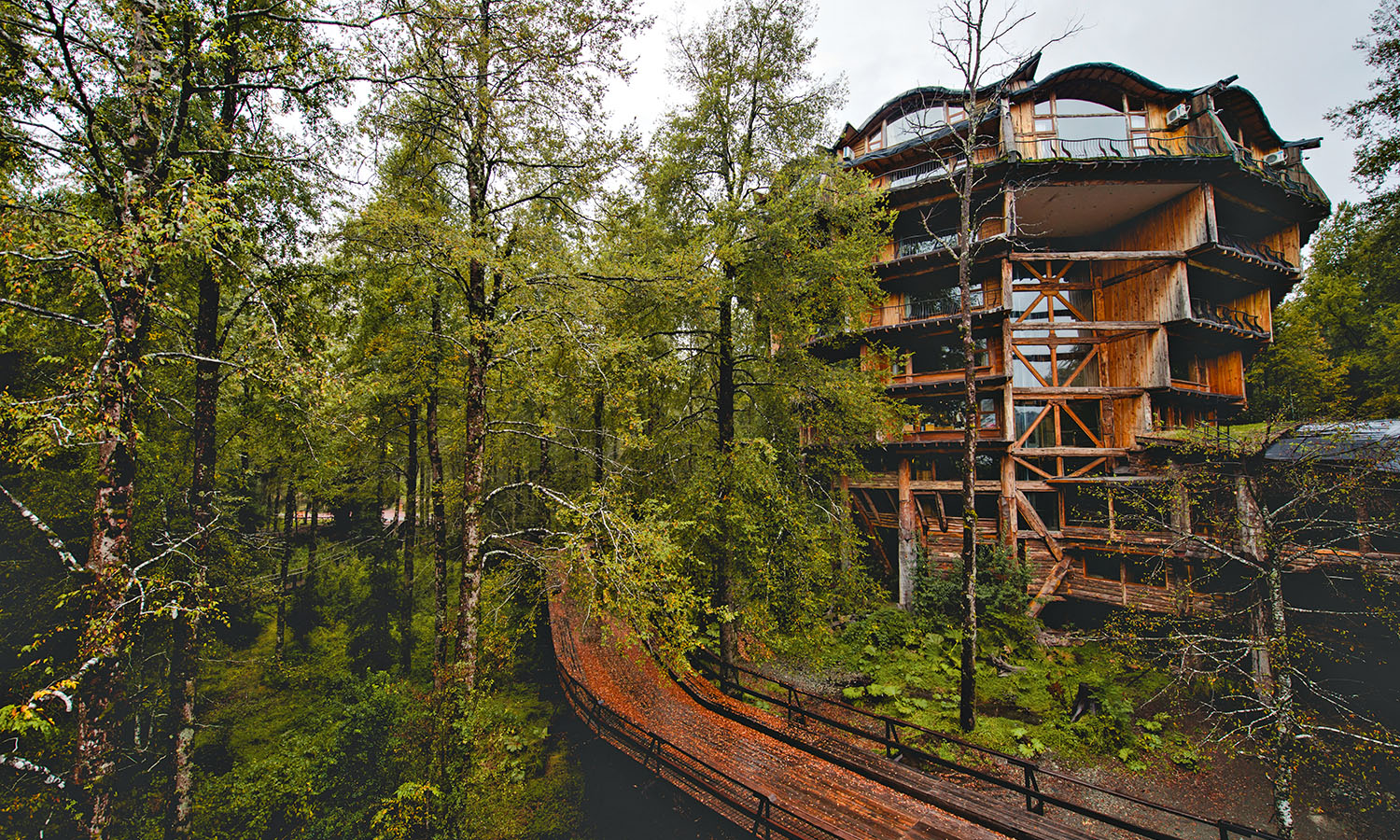
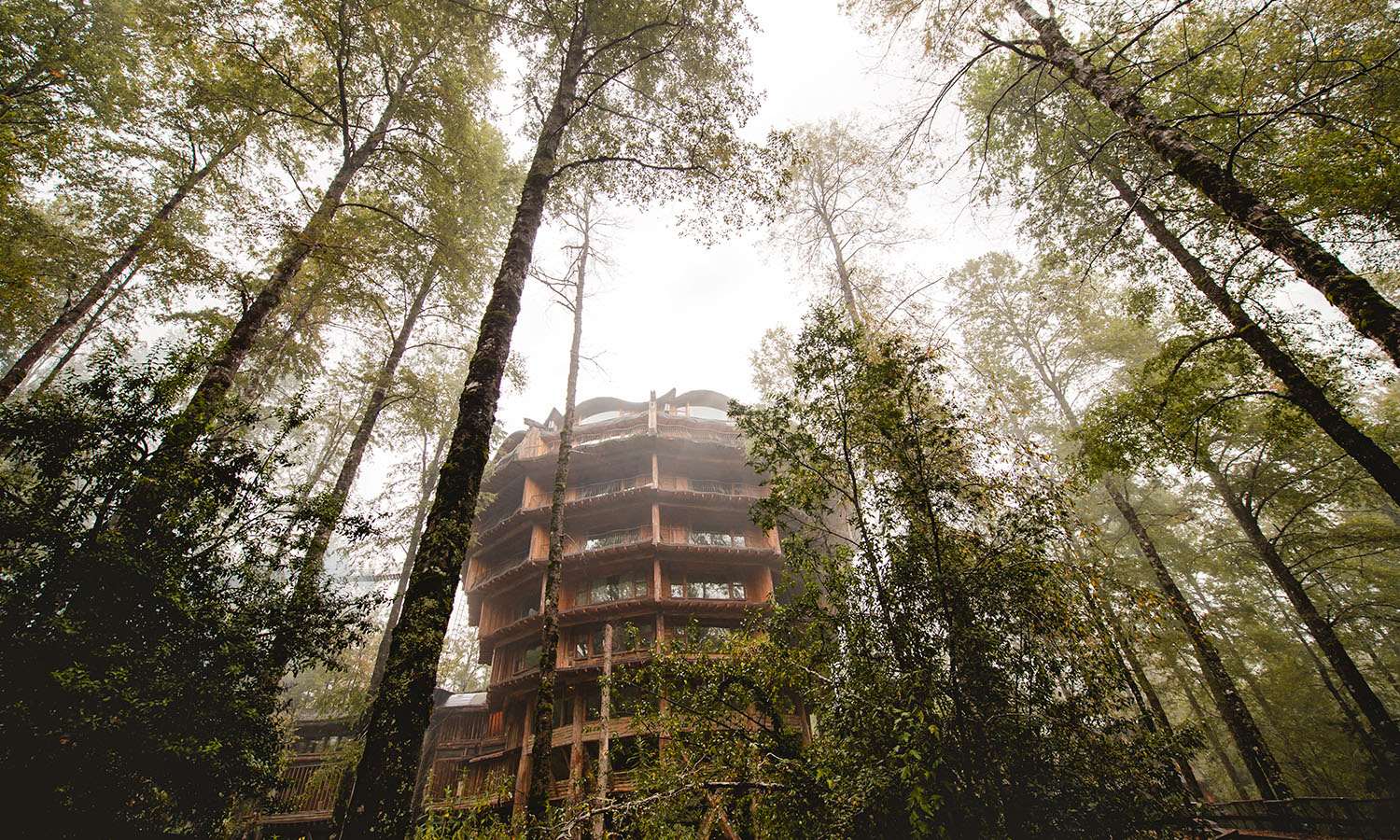
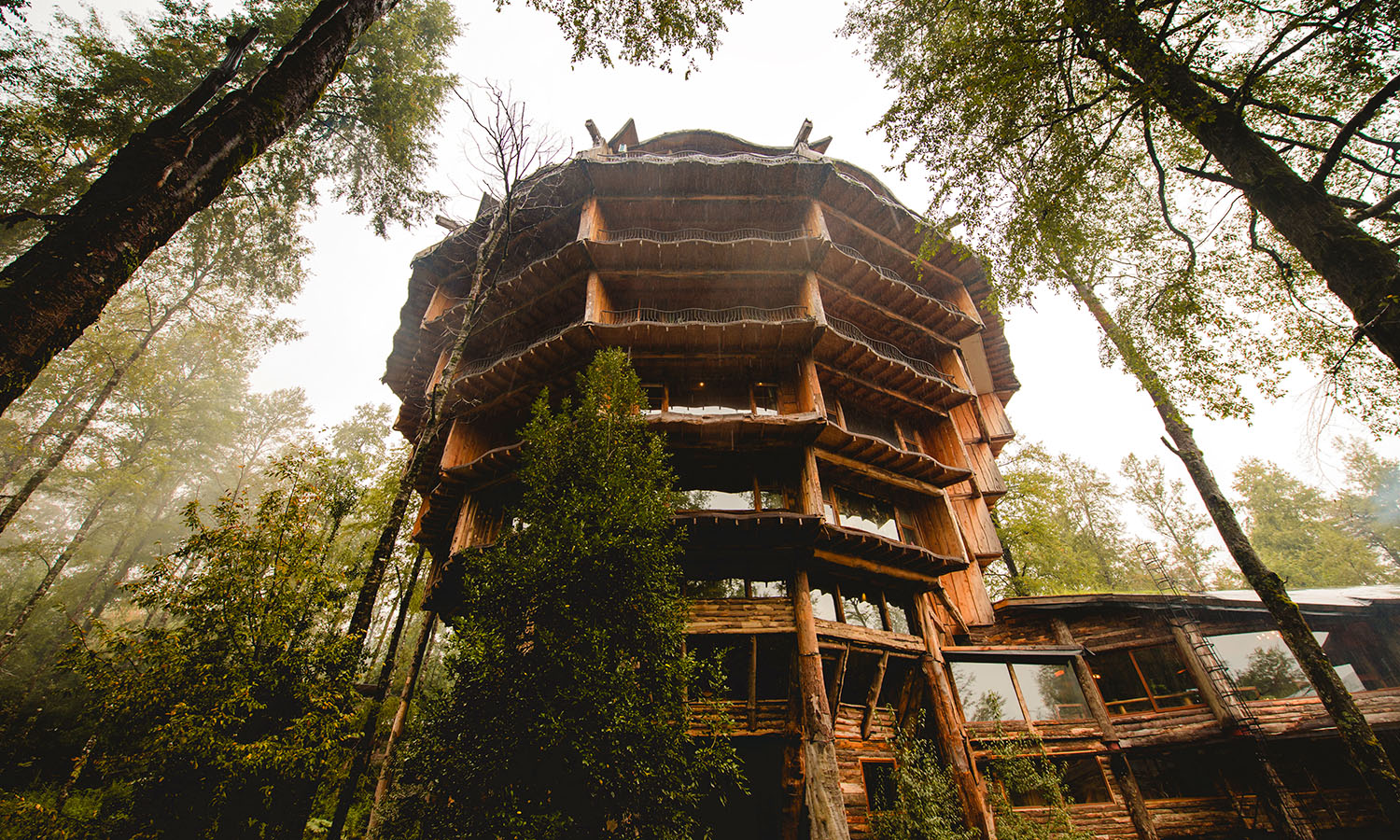
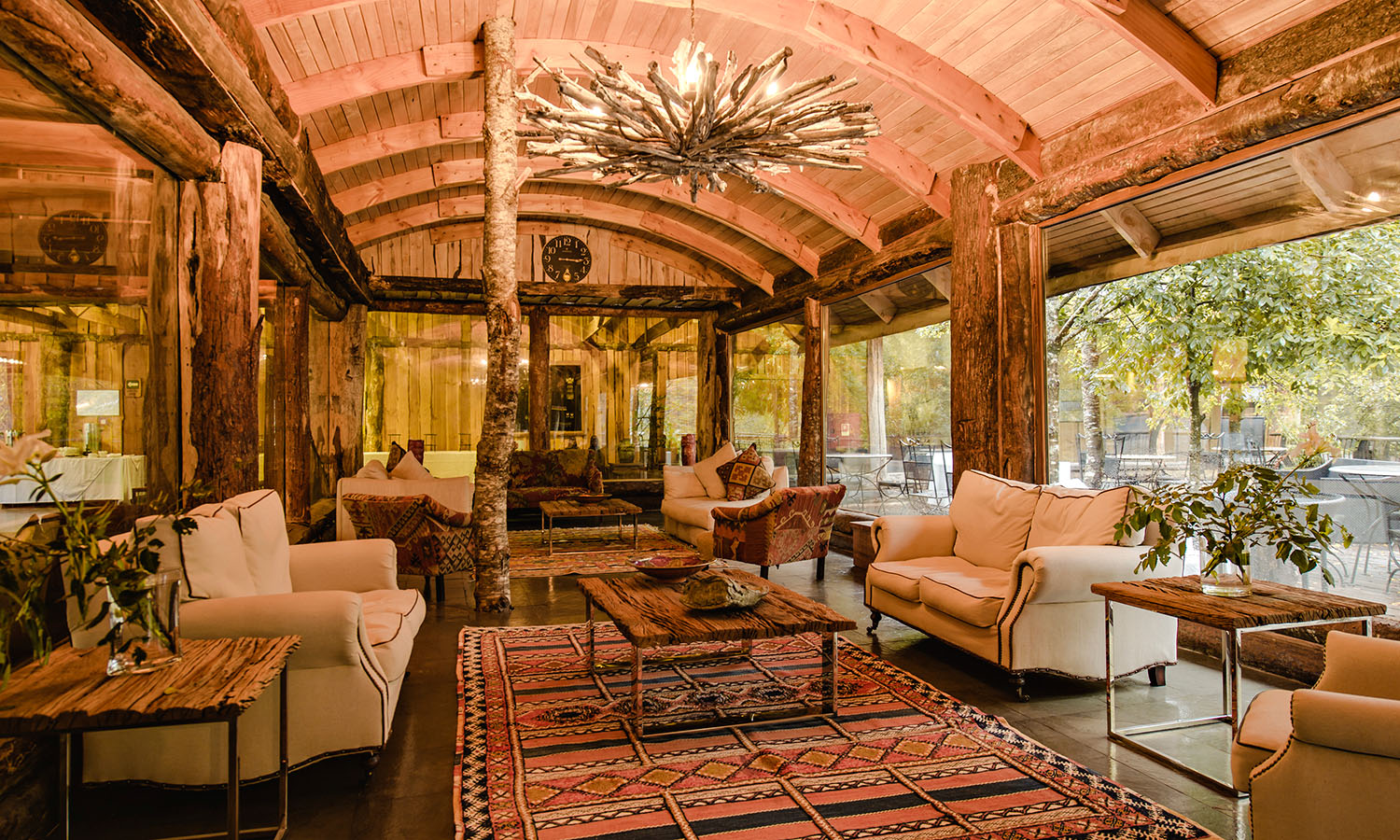
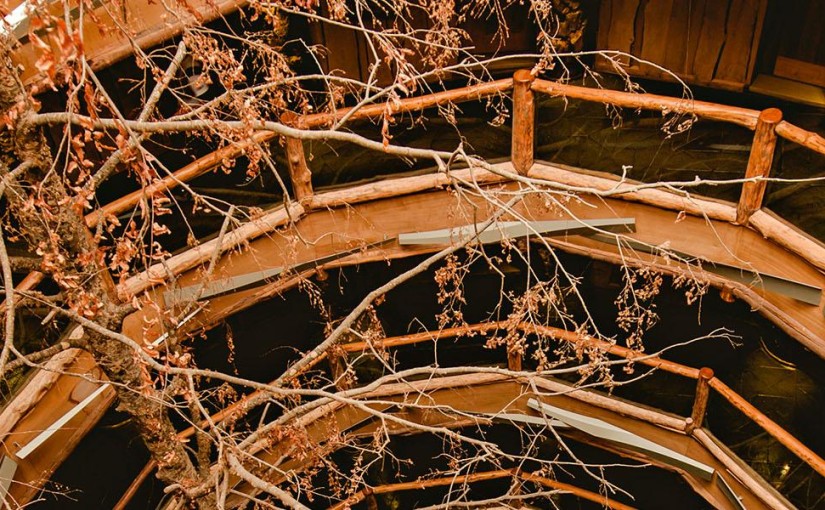
There are four boutique properties in the pristine Huilo Huilo Biological Reserve, but nothing compares to Nothofagus Hotel, with its striking balance between whimsical design and luxe lodging.
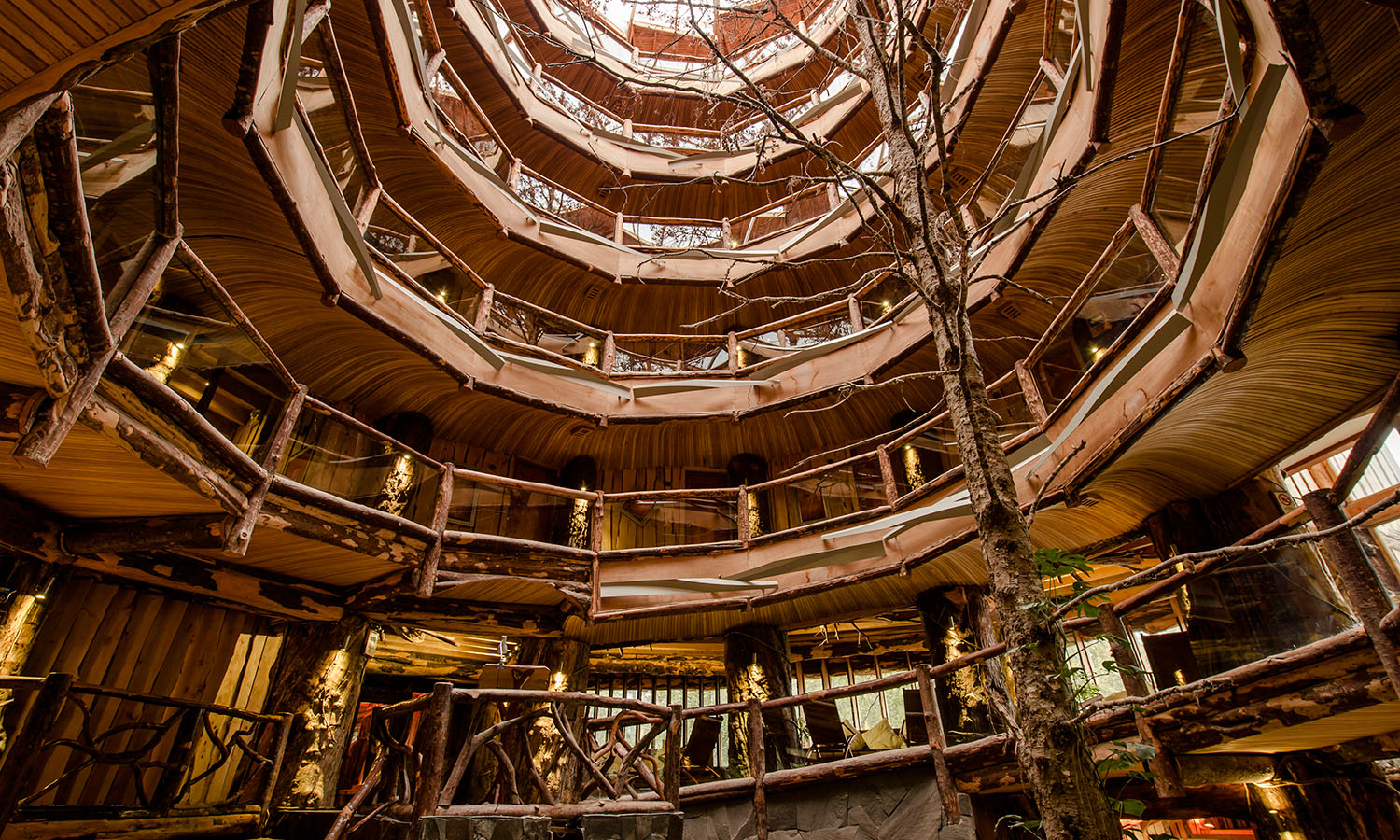
Ensconced in temperate rainforest, Nothofagus resembles an inverted cone of spiralling wood and glass that emerges from the forest like a tree sprite version of the Guggenheim. In keeping with the natural aesthetic, the hotel is accessed via wooden walkways elevated above the rainforest floor, and the interior is built around a large nothofagus beech tree.
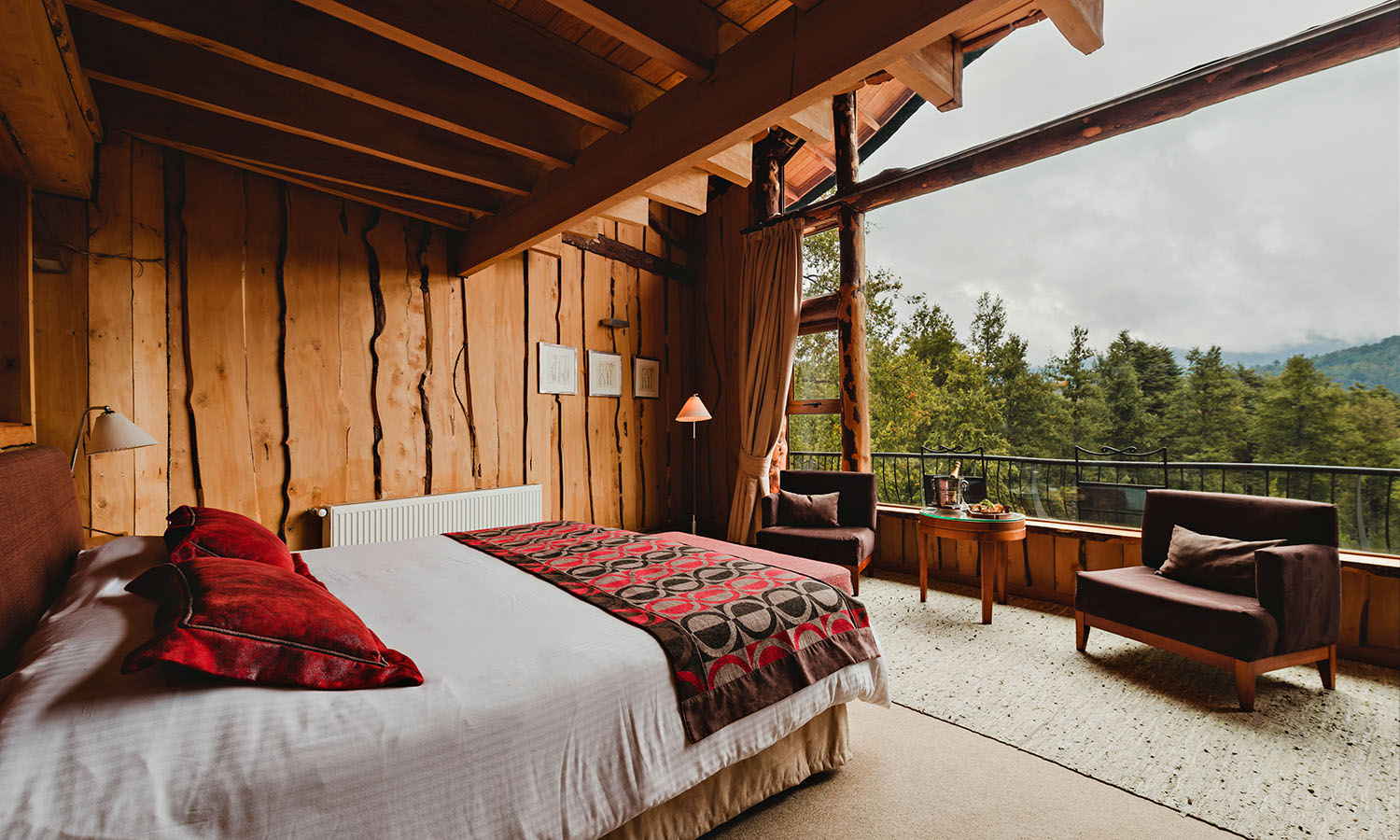
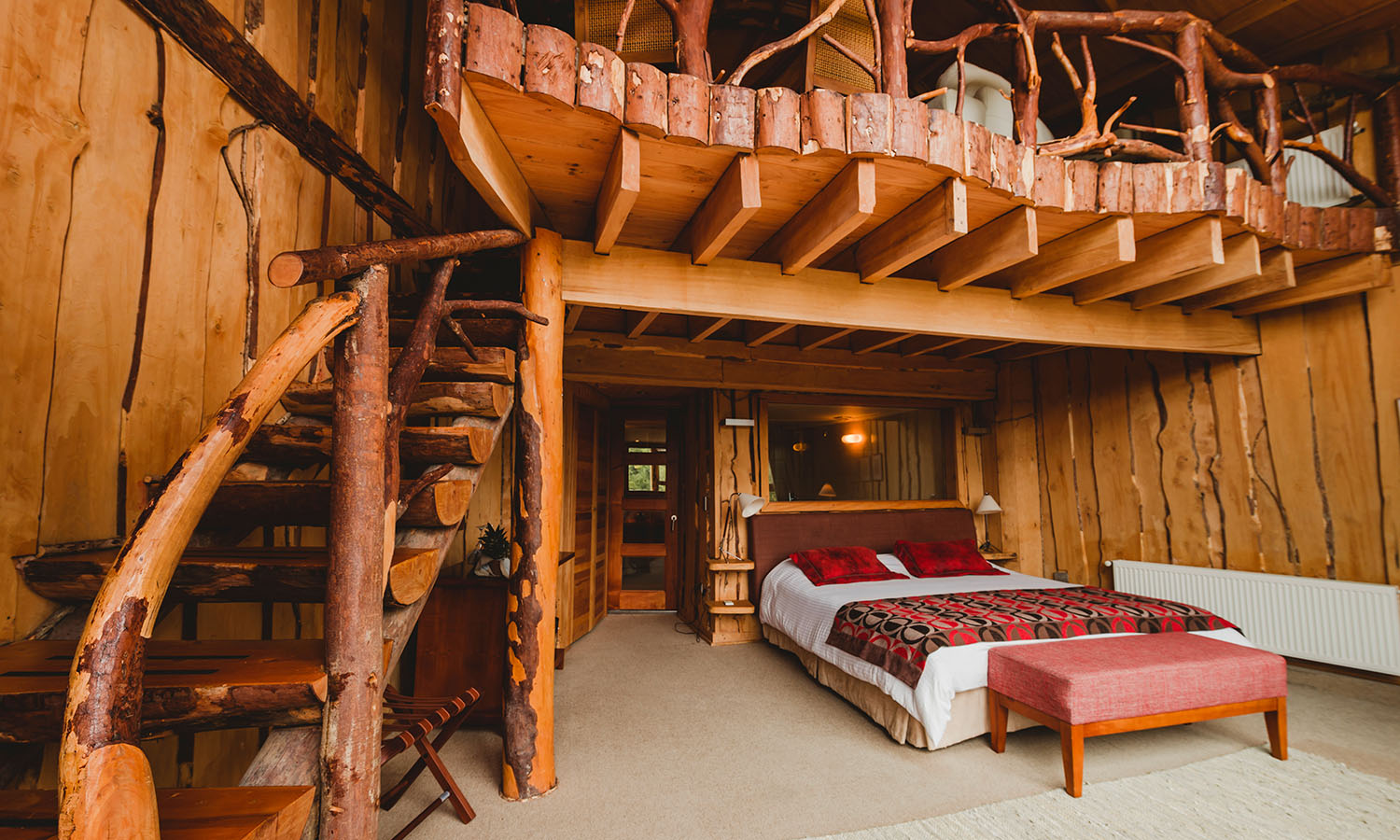
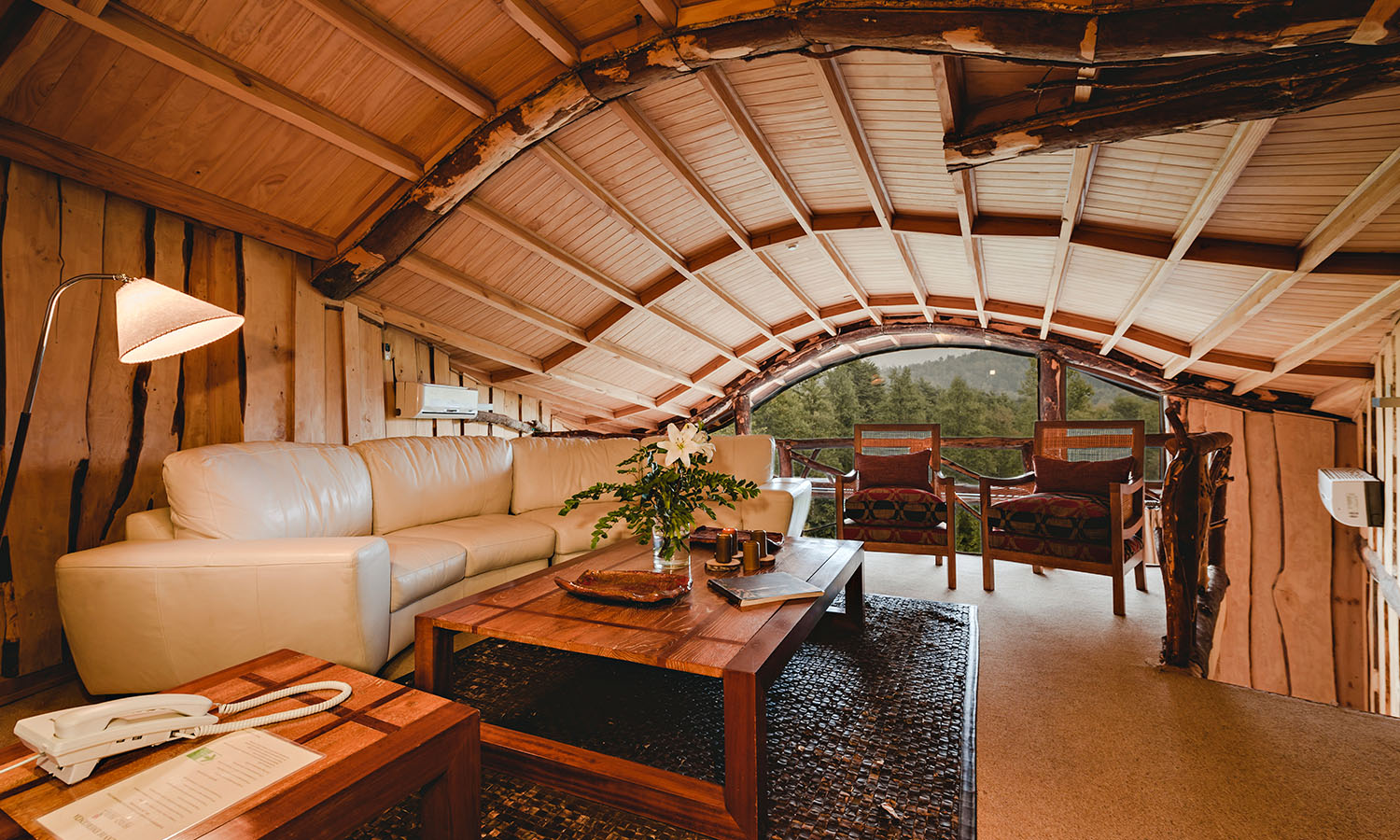
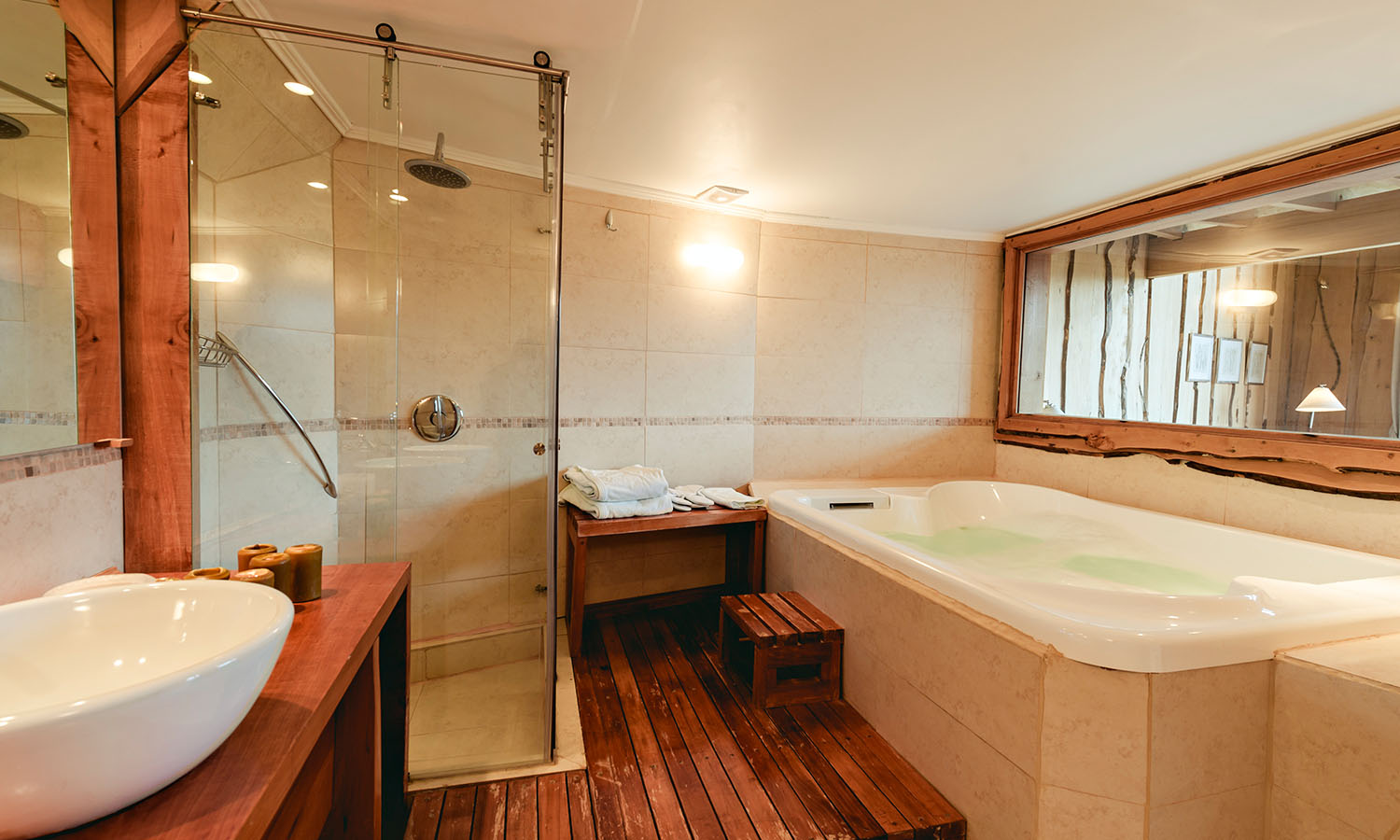
The cosy, wood-panelled rooms are a perfect base for exploring the lush, unspoiled reserve, and the hotel also includes a top-notch spa where you can unwind after a long day of trekking and bird-watching.