Swimming Spot

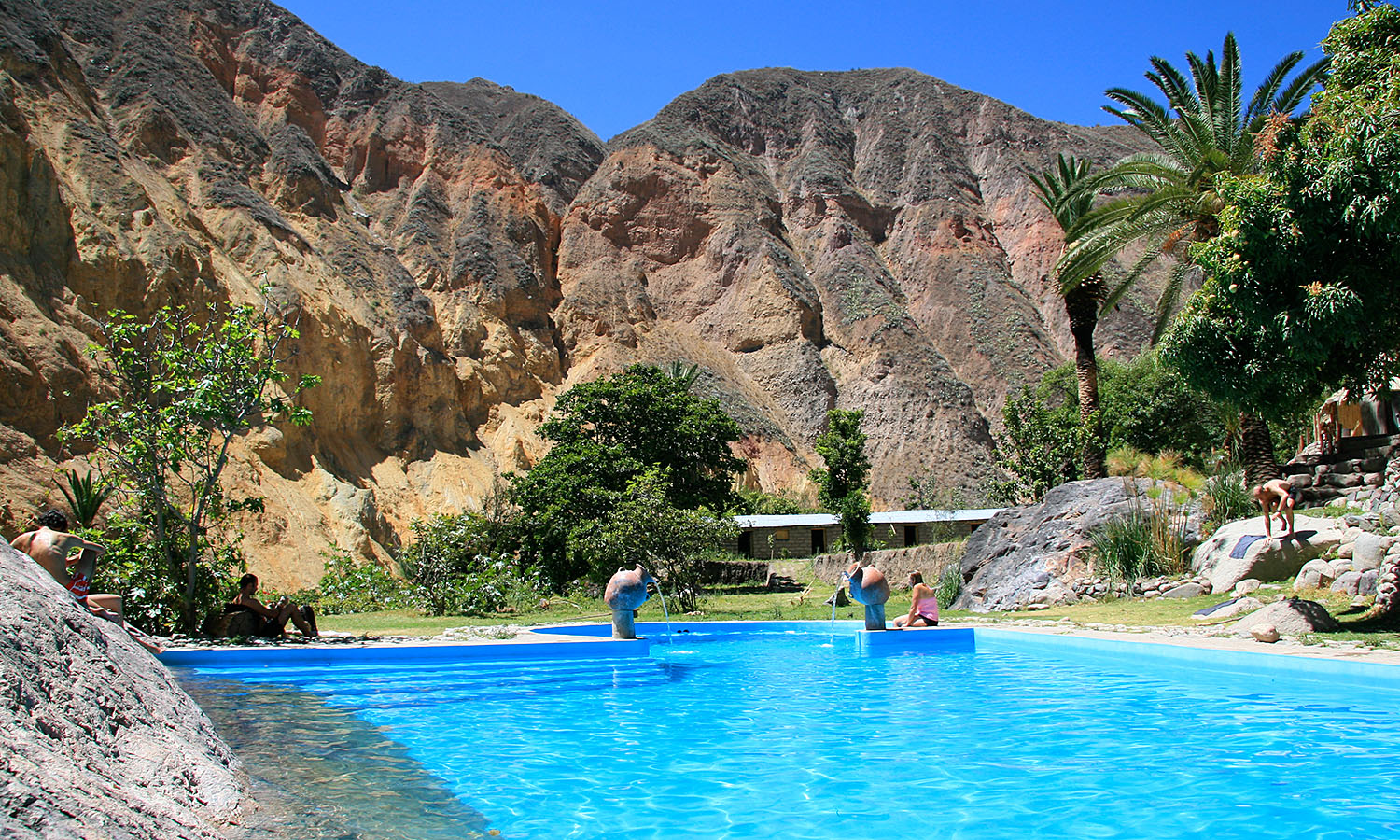
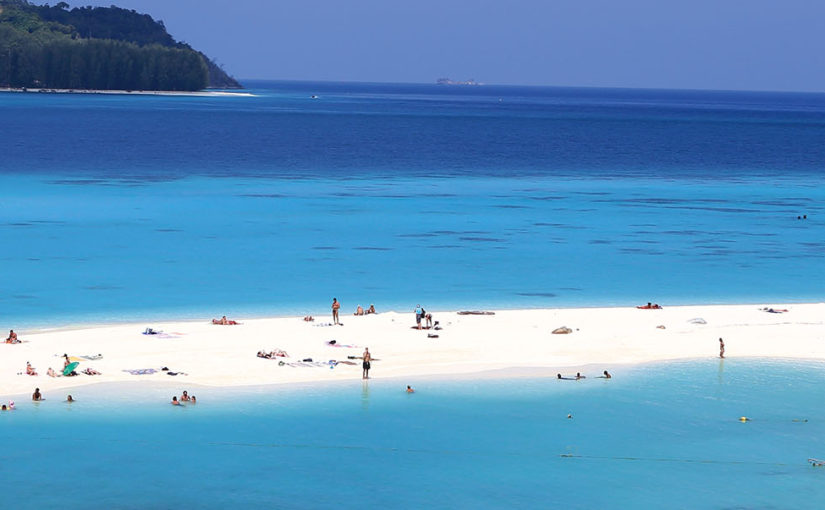
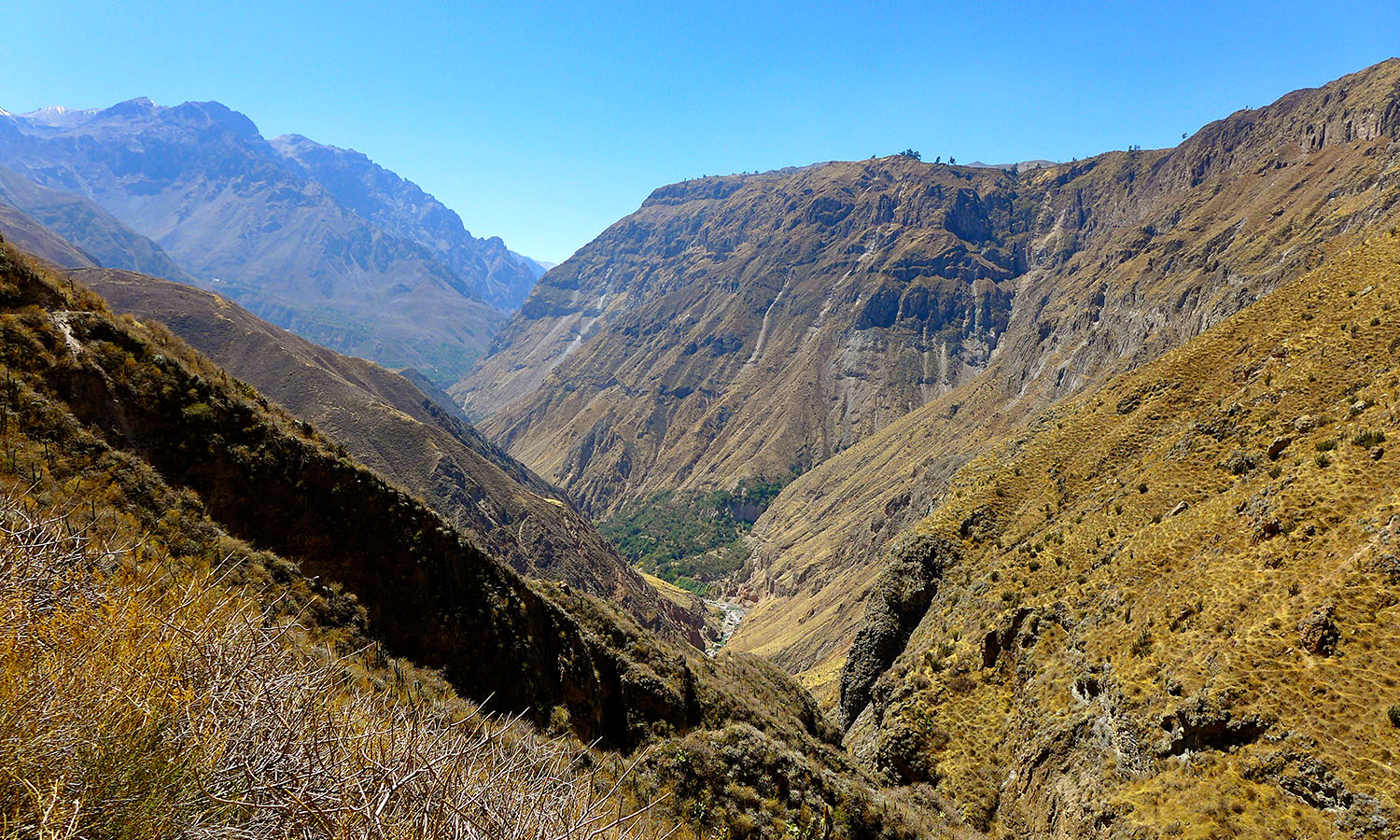
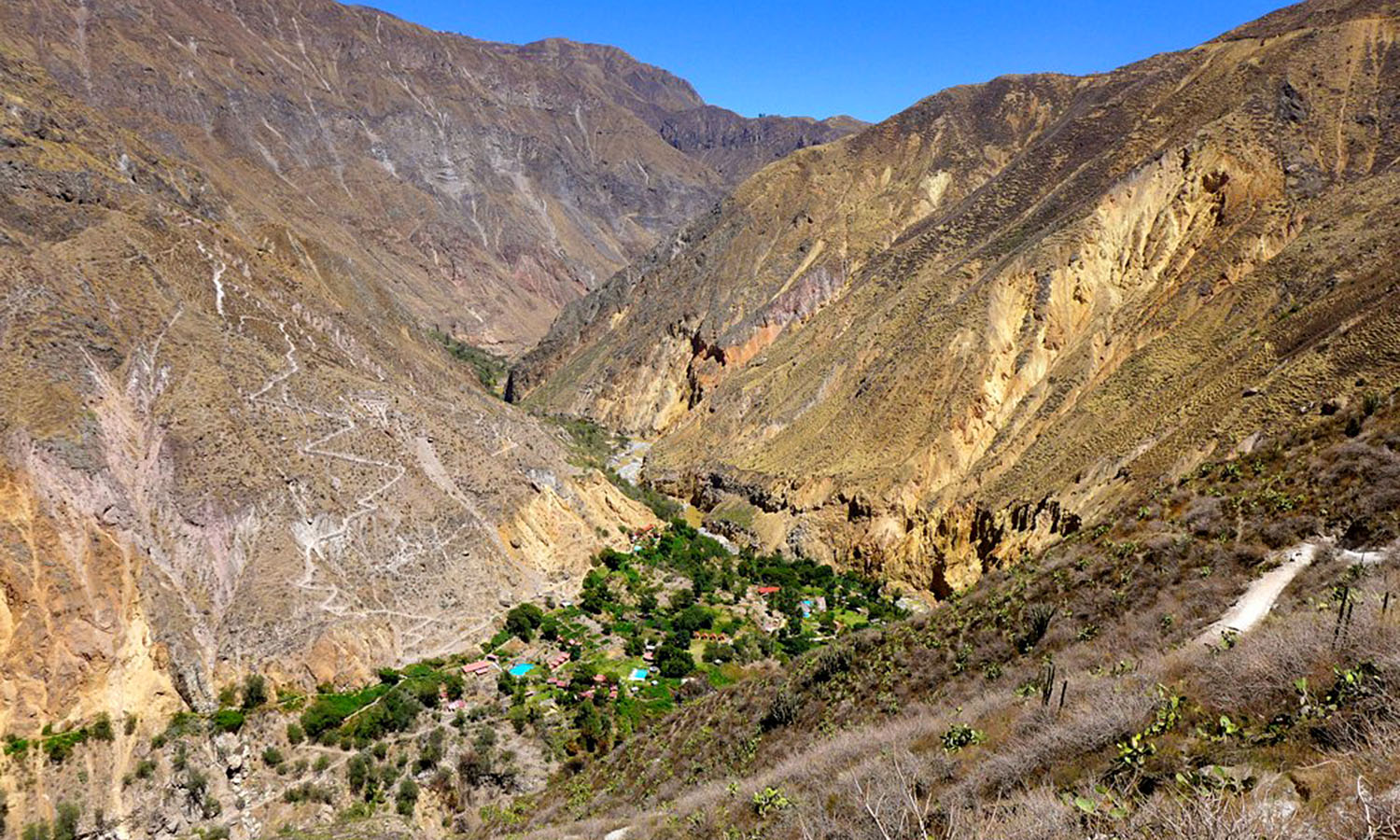
The Colca Canyon is one of the deepest in the world (twice as deep as the Grand Canyon, in fact) and a magnet for tourists who visit to spot giant birds of prey at Cruz del Condor and see the pre-Incan ruins of Kallimarka. But few venture into the canyon itself, a rugged knee-crunching hike that rewards the energetic with a valley-floor dip that’s not to be missed.

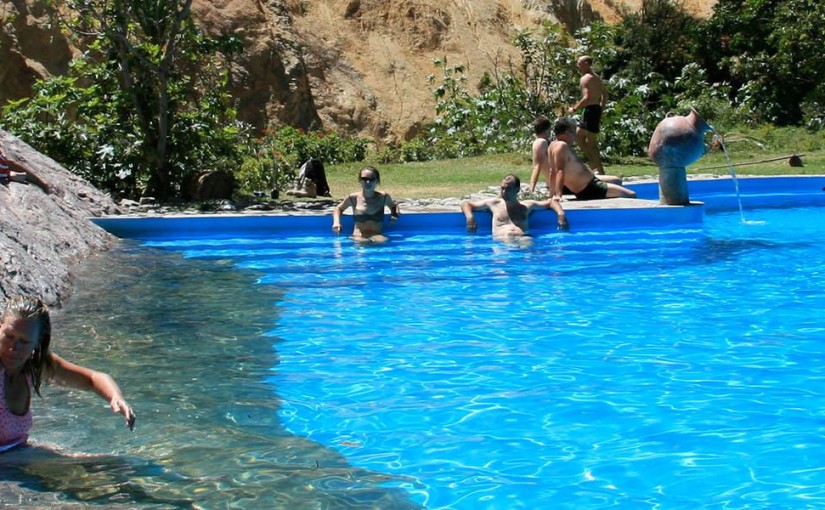
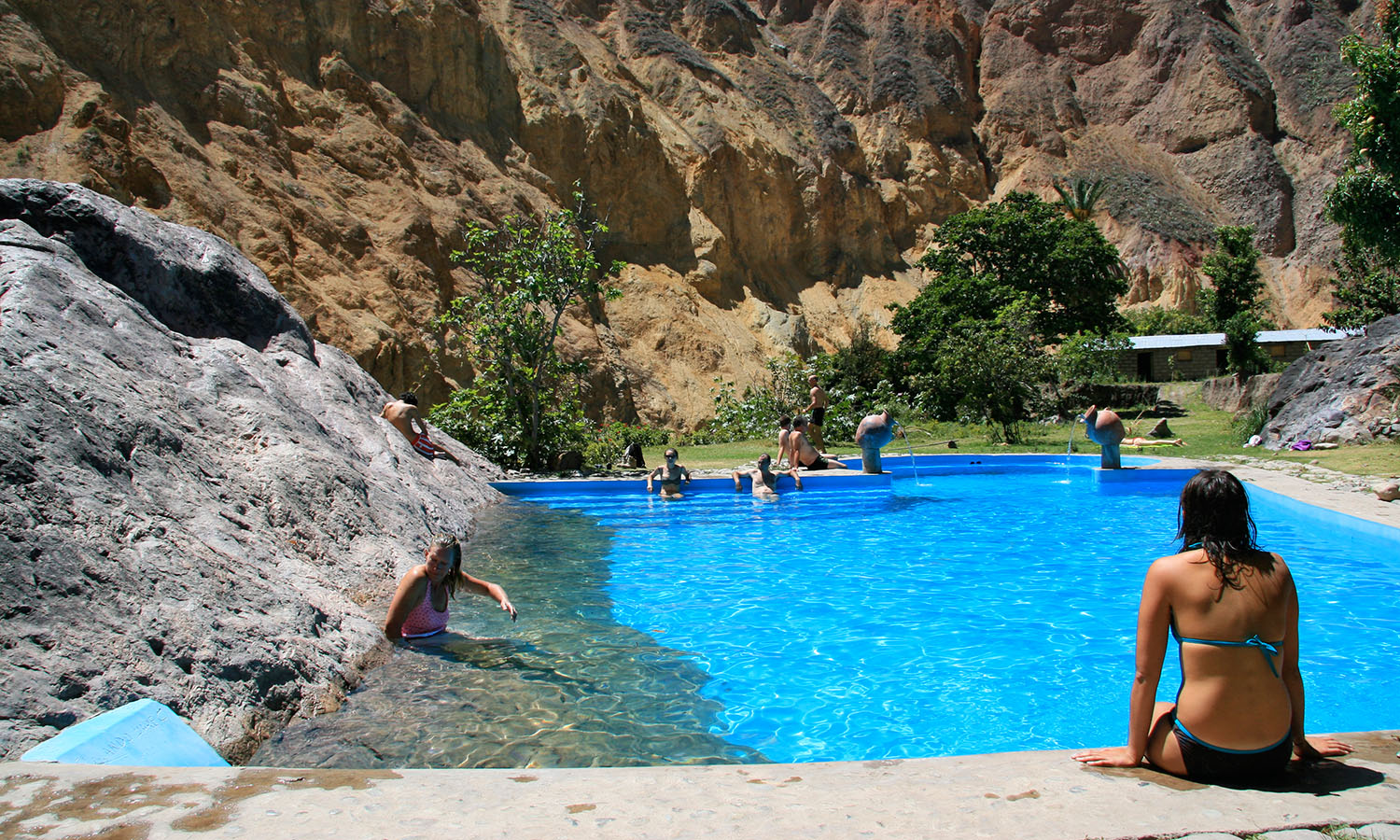
The oasis of Sangalle is where the desert becomes sub-tropical and lush vegetation surrounds a surprising series of man-made swimming pools filled with spring water. Most do the three-hour downhill hike from the town of Cabanaconde and stay overnight before hitting the trail for the steep walk back.

Make for Machu Picchu

If you go to Peru, but don’t visit Machu Picchu, did you really go? We’re all for getting lost (pun intended), but there are some destinations, that no matter how well trodden, are simply too epic not to witness or experience.

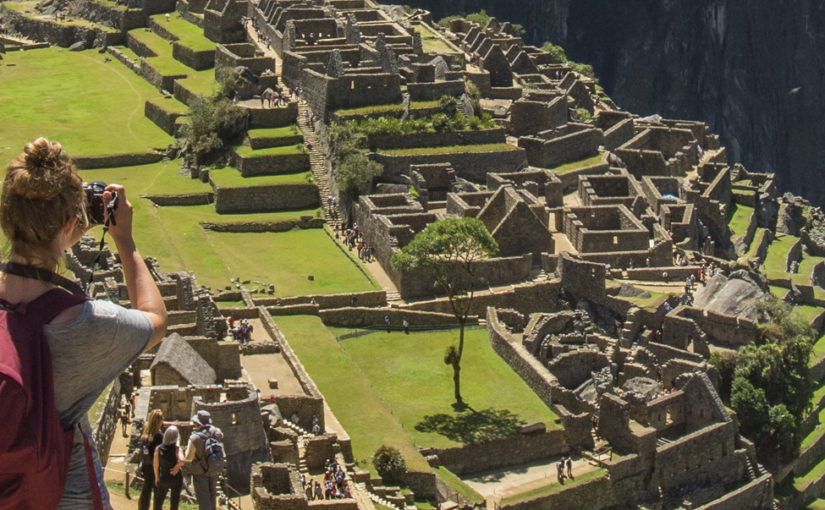
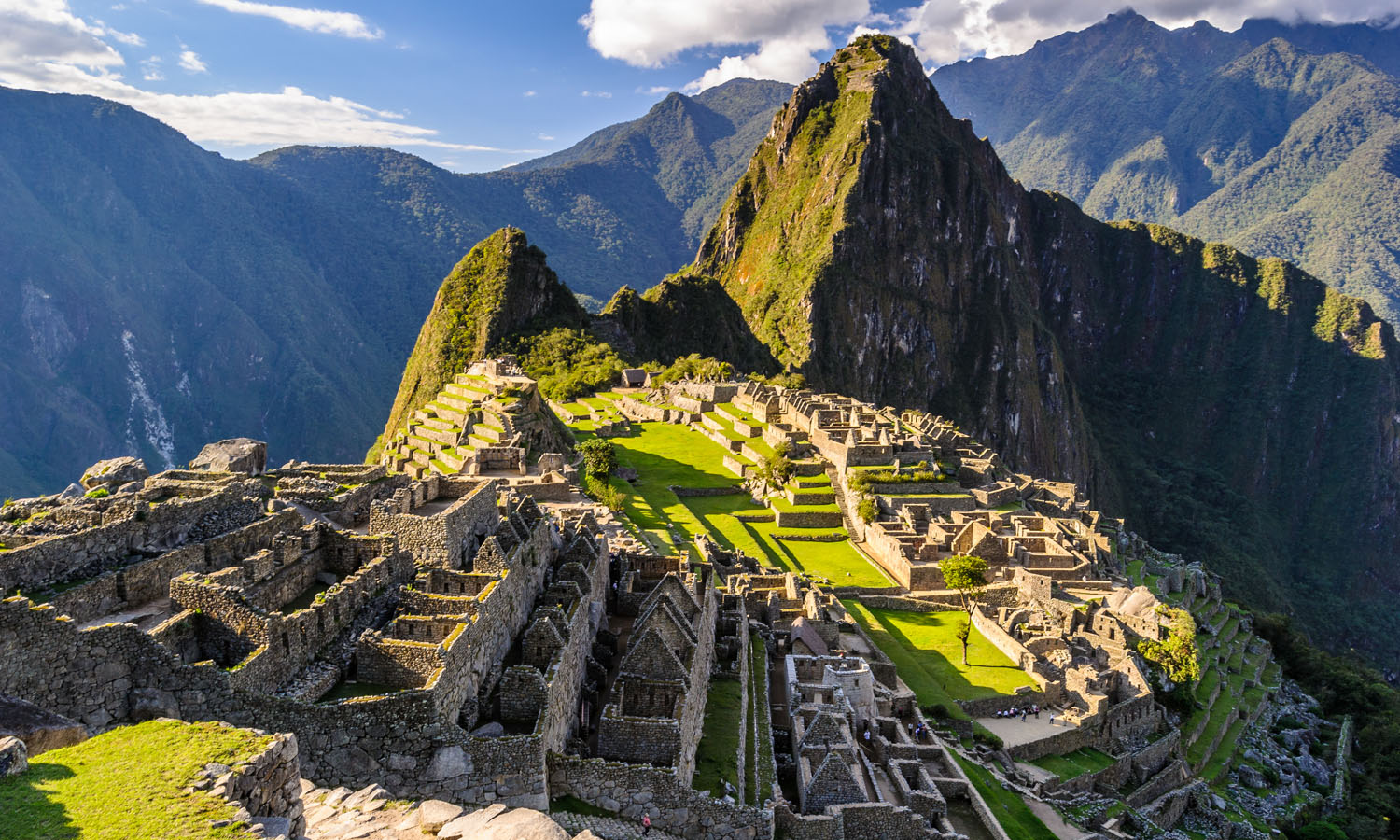
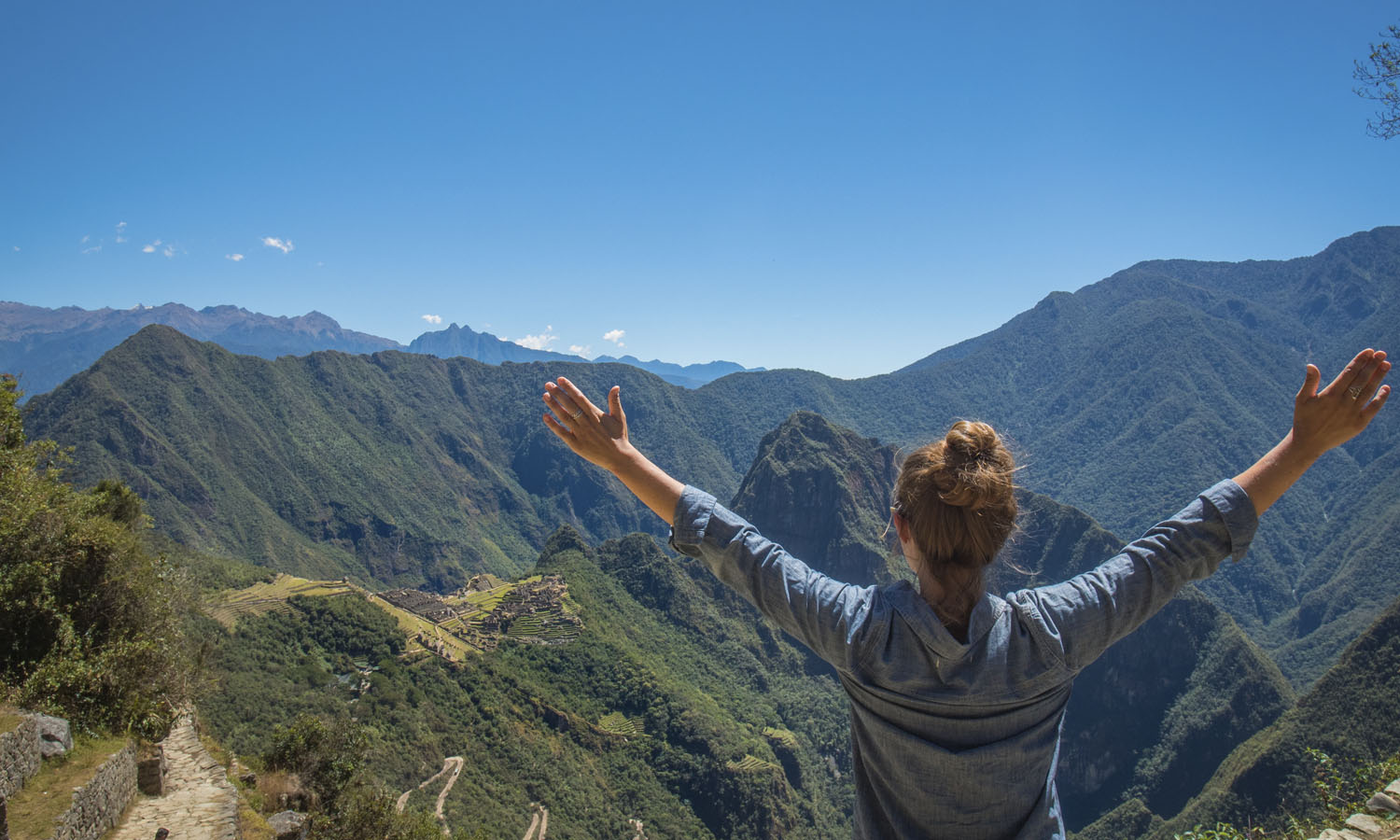
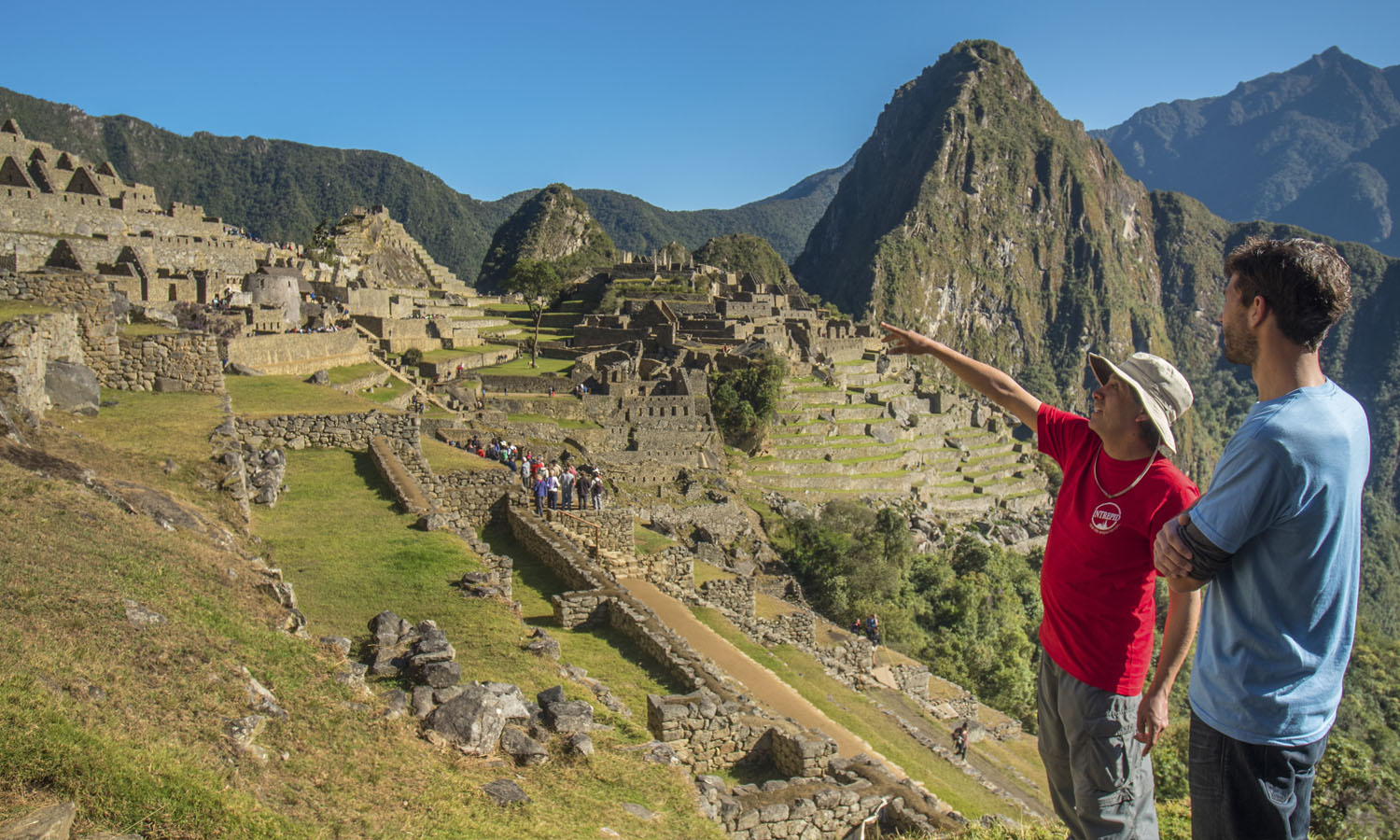
Located on the border of where the soaring Andes meet the lush Amazon Jungle, Machu Picchu is an immense and jaw-dropping archaeological site. Built by the Incas around 1450 AD, it was occupied for a just over a century before it was abandoned when the Spanish Conquest arrived. In fact, the Spanish never discovered it during their time there. I wouldn’t be uncovered again until one fateful day in 1911 when Hiram Bingham, an American historian, would stumble upon it – more than 350 years later. Since then the ancient Incan estate has been declared a UNESCO World Heritage Site and is the most popular attraction in Peru, if not in all South America. Better still, your journey there can be experienced two ways – take the scenic train ride or embark on the hiking trail to reach its magnificence on Intrepid Travel’s Inca Trail Express.

Sitting among the clouds and often shrouded in mist, the site has a mysterious otherworldly quality and, despite its popularity, rarely feels as crowded as many other similar archaeological sites around the world given it’s spread across such a large area. This makes it easy to get around and really take it in without feeling the need to move on or rush through it.

A local expert guide will give you the history of the site (the local llamas that live here also make it easy to imagine what life was like in this incredible city in the clouds). A guide is a must as, unlike other sites, there are no markers or plaques explaining the significance of each area, so your options are a flimsy pamphlet or a knowledgeable and passionate local who knows the area inside out and will ensure its an depth and enjoyable experience (plus, who wants to be reading when they could be looking anyway?) A visit here isn’t just about seeing though, it’s about feeling and wondering and imagining – and this part of it? That’s an experience you can’t buy.

Welcome to Patagonia’s luxury EcoCamp

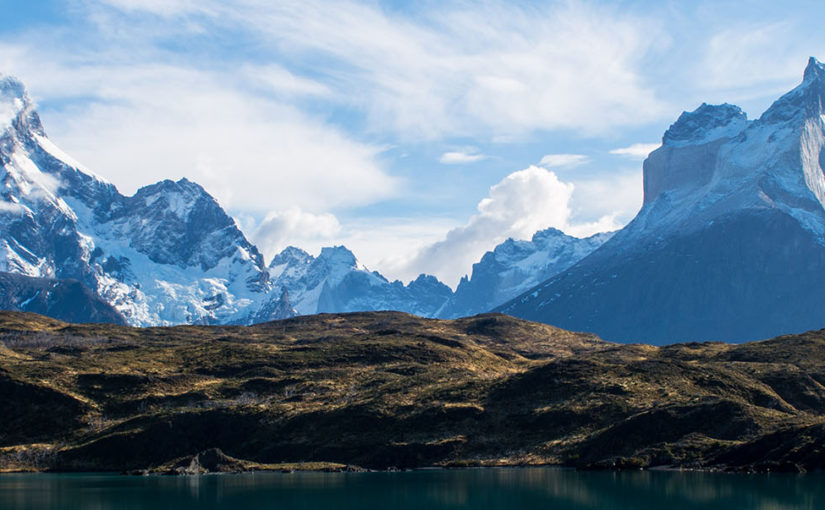
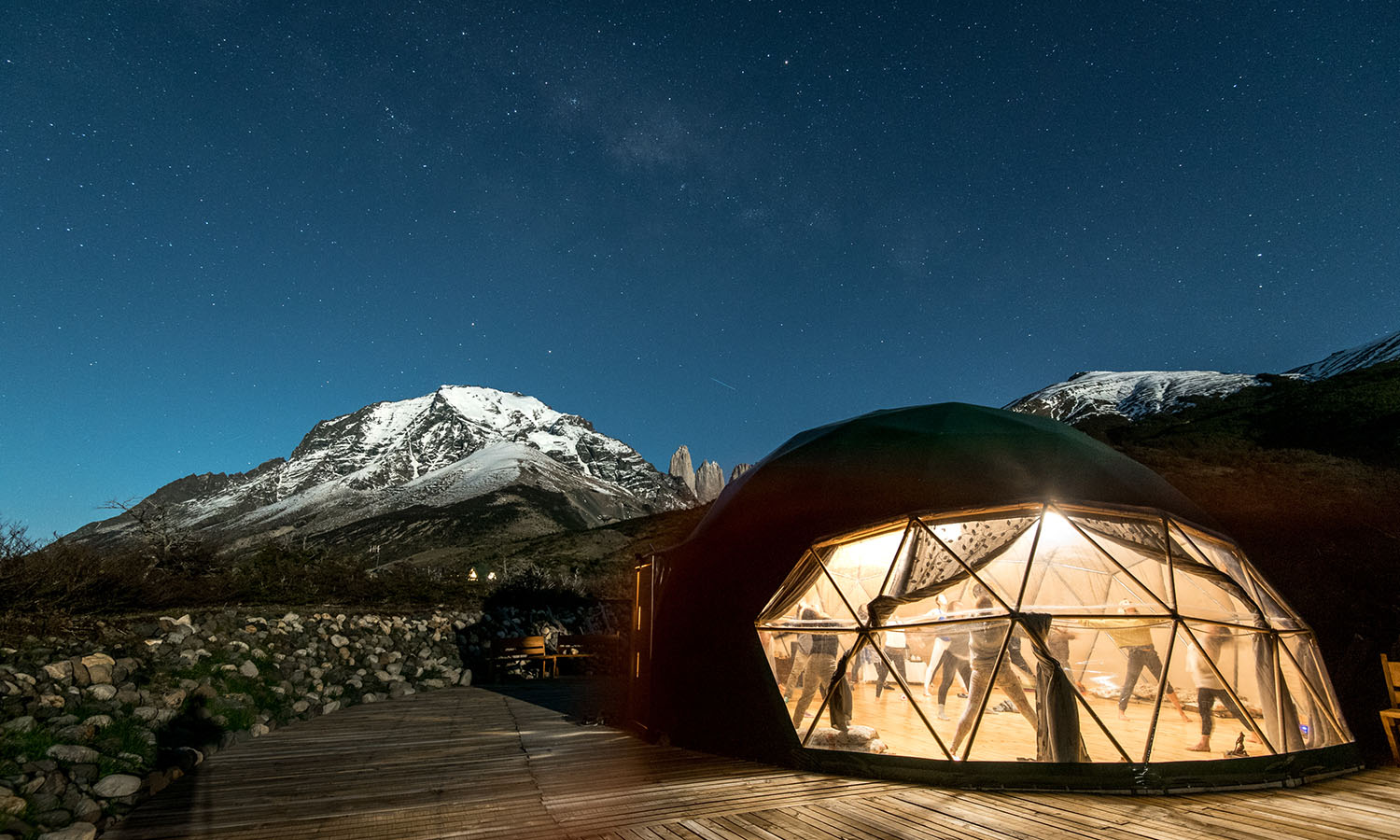
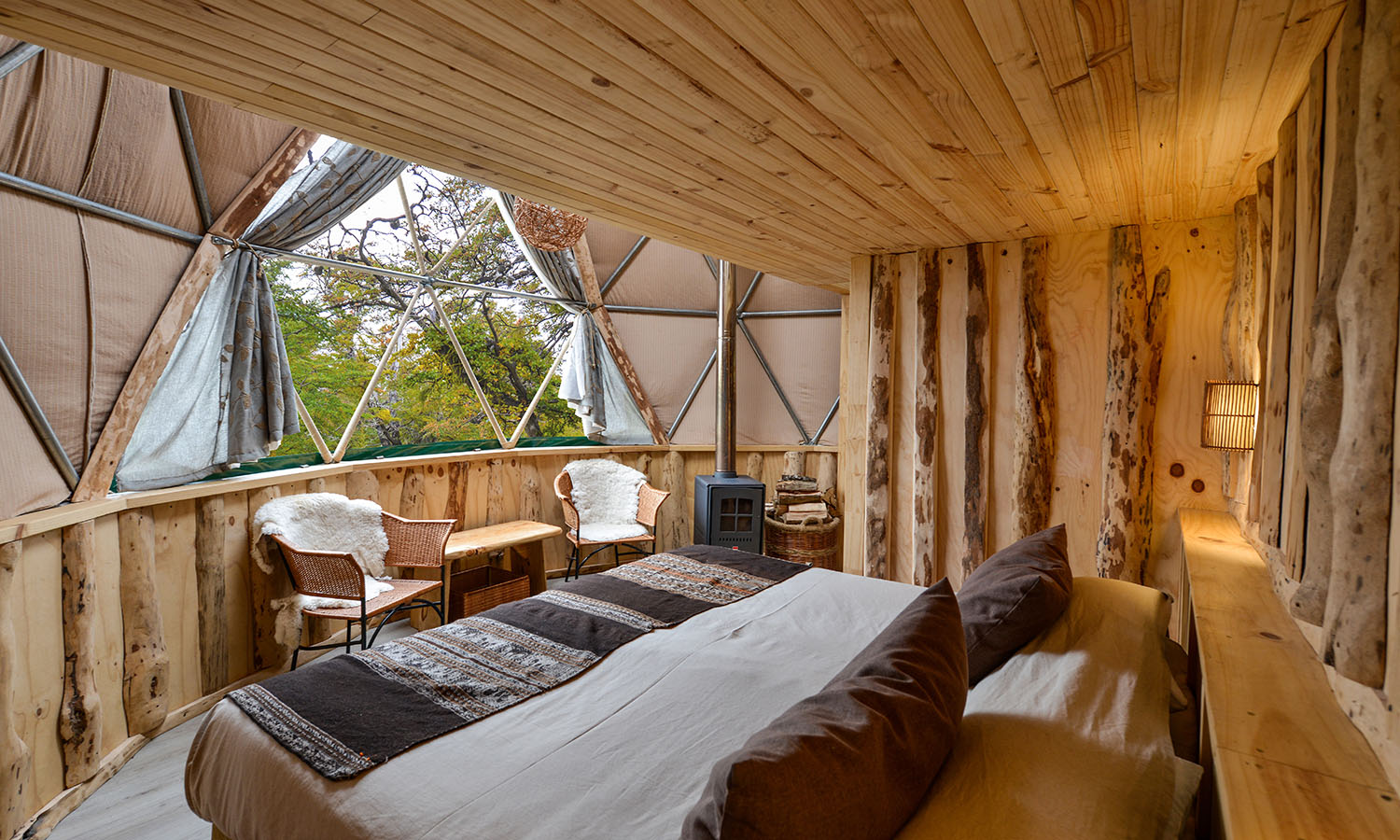
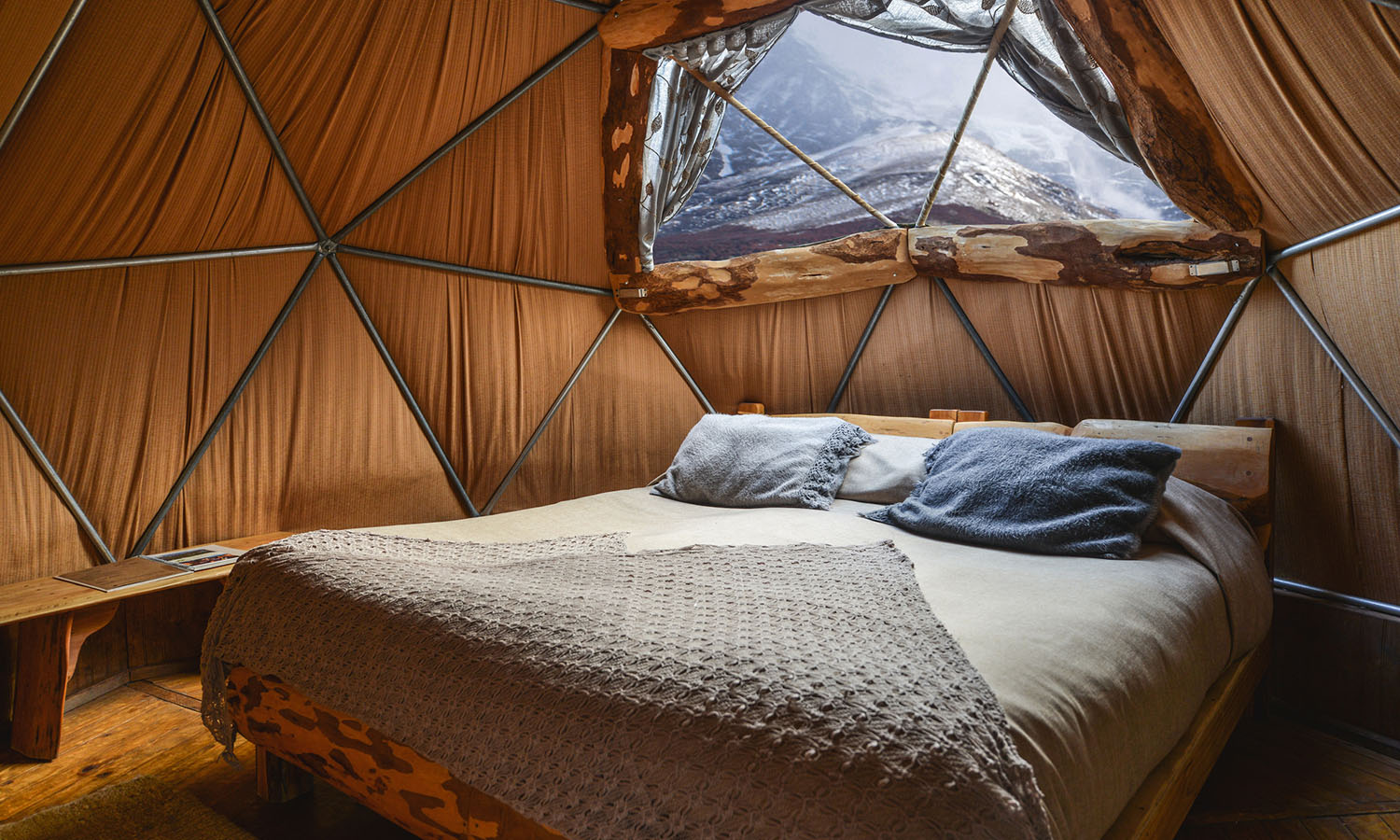
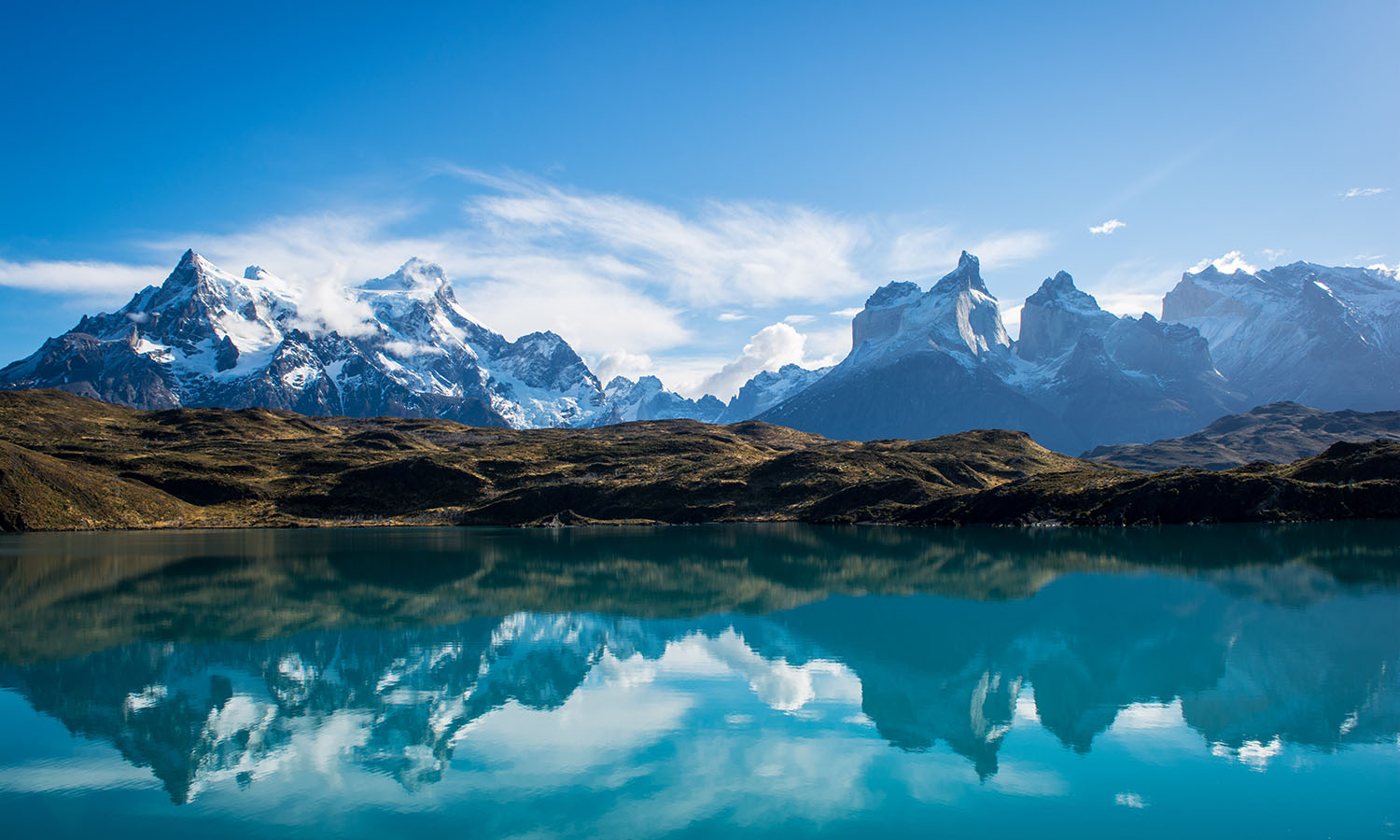
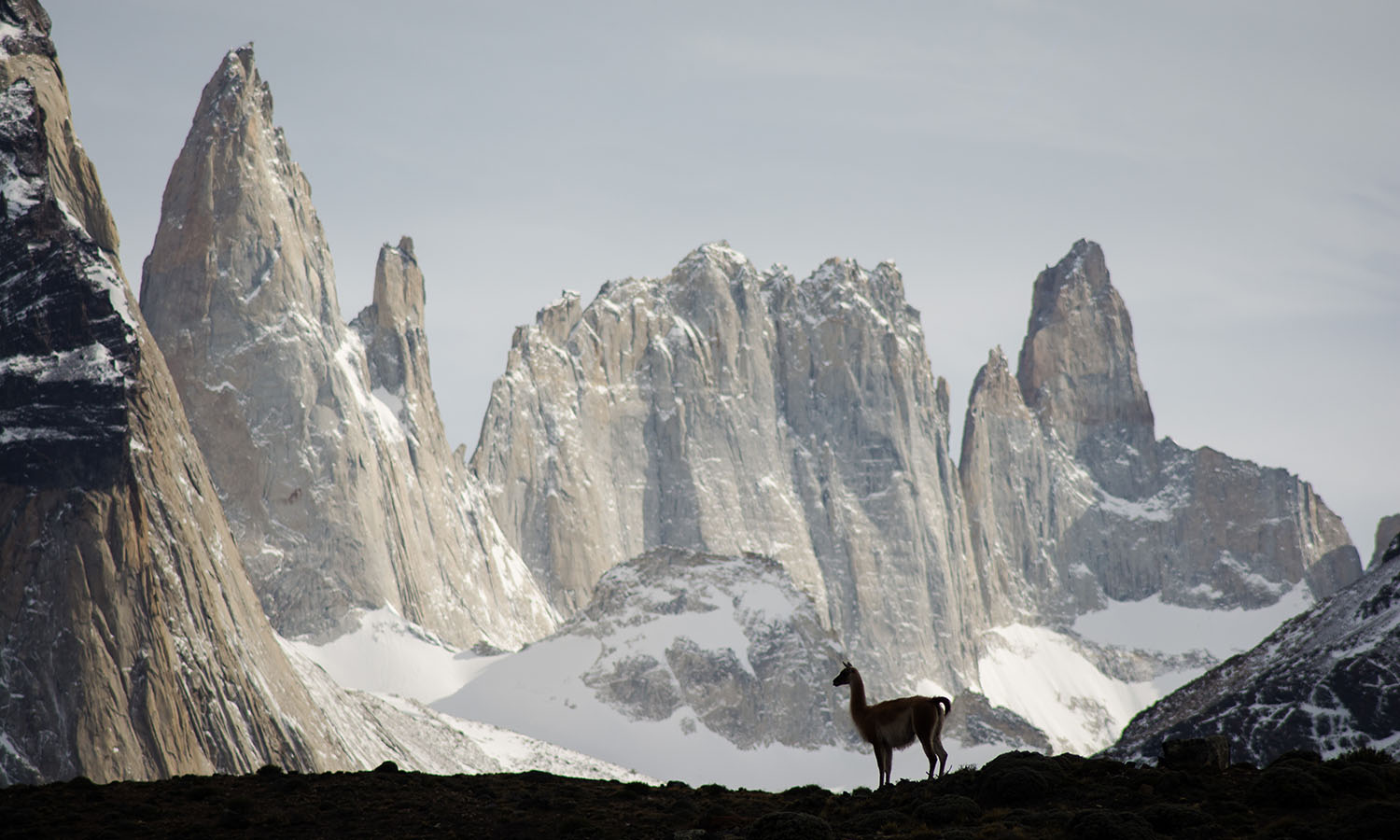
With unparalleled views of the mountainous Torres, EcoCamp Patagonia is the obvious choice after a long day exploring the wonders of Torres del Paine National Park in Chilean Patagonia. This camp not only offers the kind of cosiness one craves – think fireplace, hand-stitched blankets and plush bed – but it’s also one of the few hotels permitted to be in the national park and the epitome of sustainability.

Each dome implements a combination of hydraulic and solar power and recycled water, while thick insulated walls crafted from pinewood withstand the harsh Patagonian winds. Techy, yes; but without being stingy on comfort and design. The interior is spacious and decorated with locally made furniture and beautiful bed linen, rugs and curtains, all made from natural fibres. The wood-stove, private bathroom and sweeping views pitch comfort levels to grand heights, ensuring a peaceful and well-deserved sleep.

It’s a destination that demands your attention, so you won’t find wi-fi here. Instead the camp has a collection of four large community domes that act as the hub of the hotel where guests come together for meals, meet other travellers and soak up the surrounds.

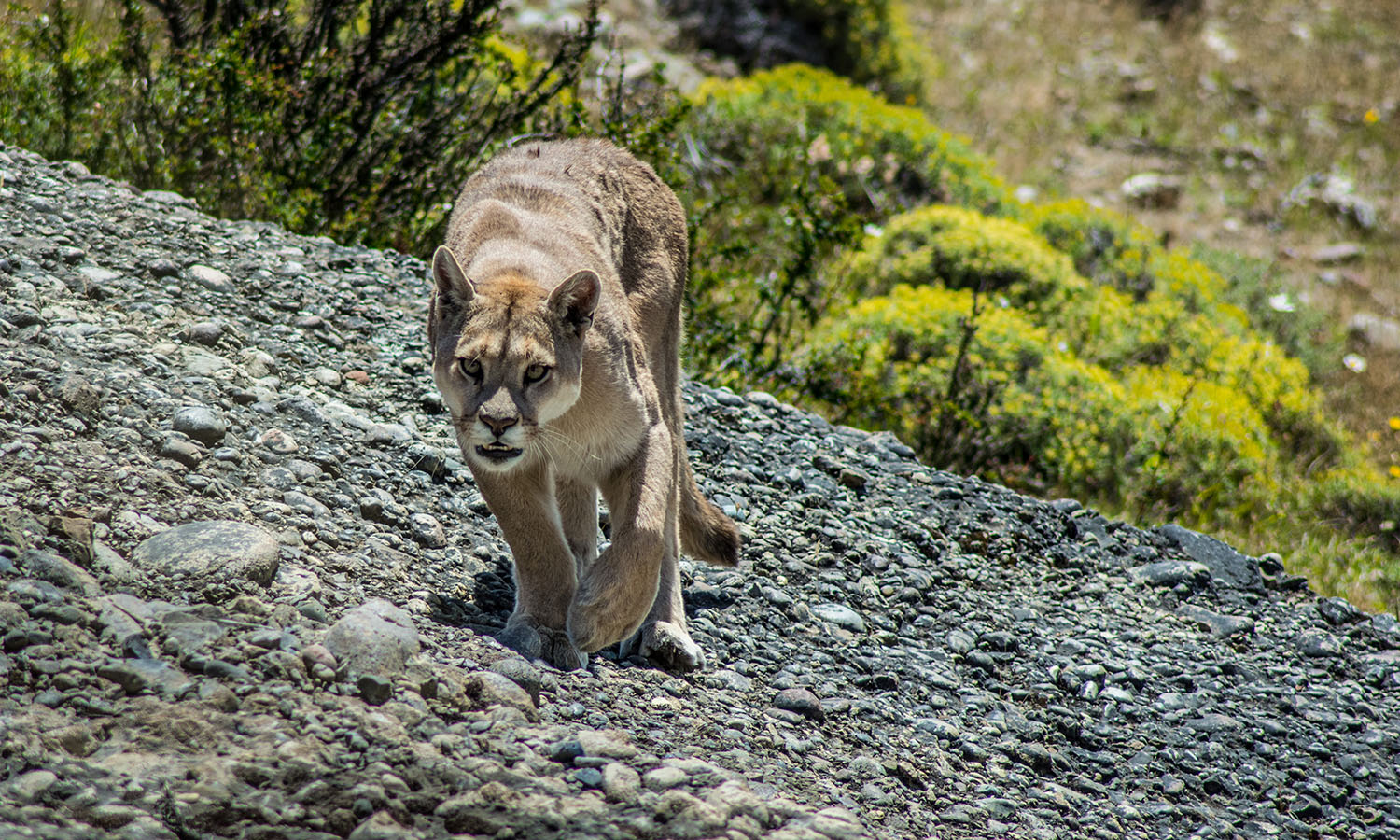
Spend your days on treks through mountain passes and over glaciers, spotting resident wildlife and embarking on multi-sport adventures – EcoCamp create tailor made itineraries for all guests, so you’ll be spoilt for choice – then rest comfortably in both body and mind, knowing that you’re leaving a shadow of a footprint on this natural wonder.

Power in the Beat

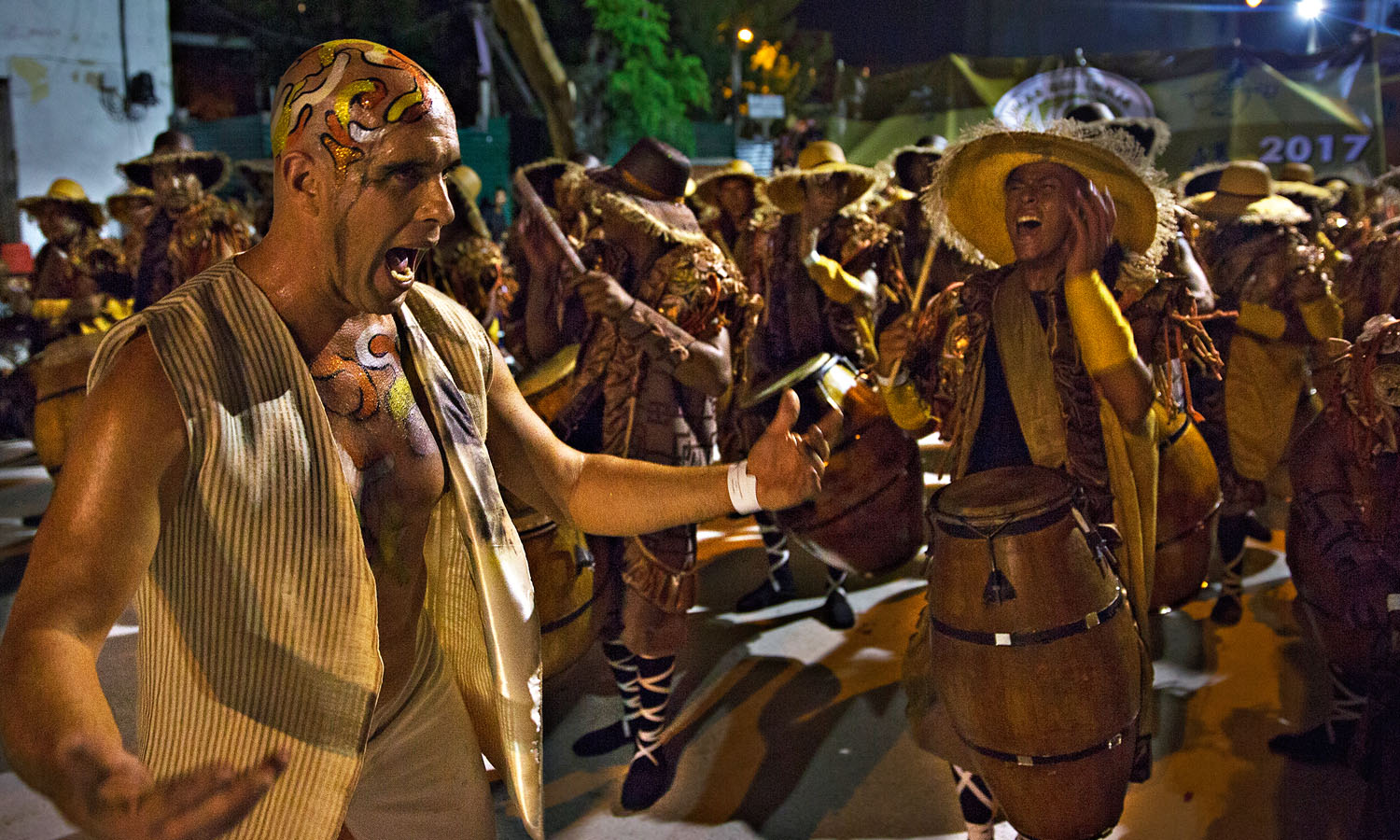
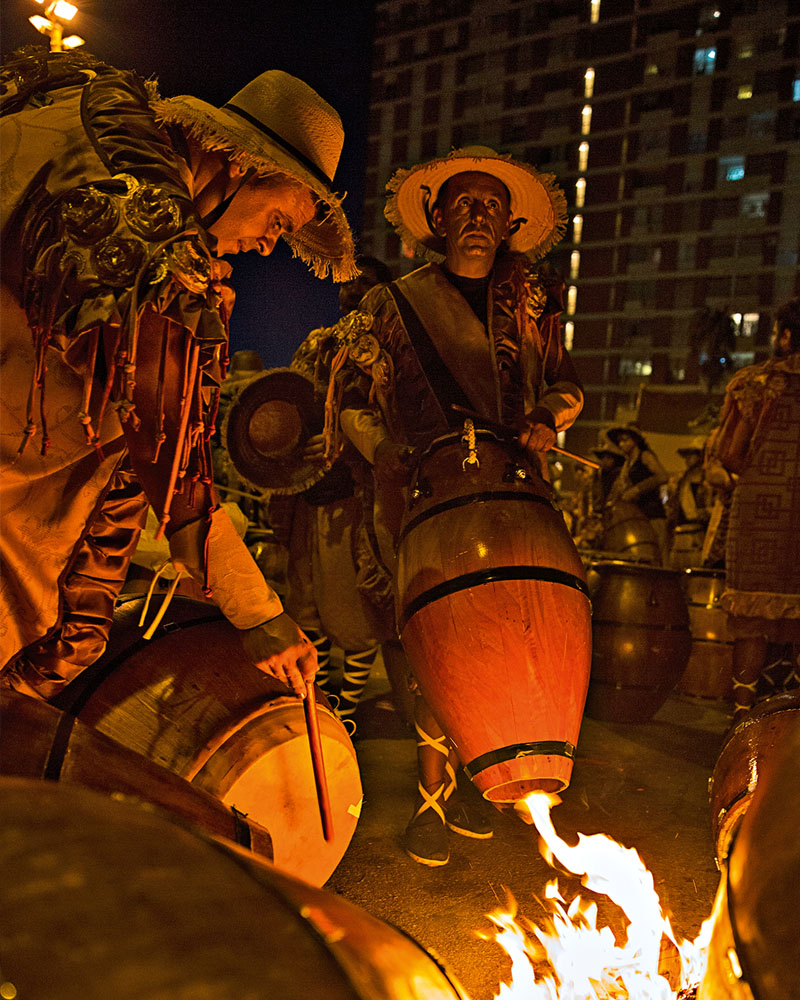
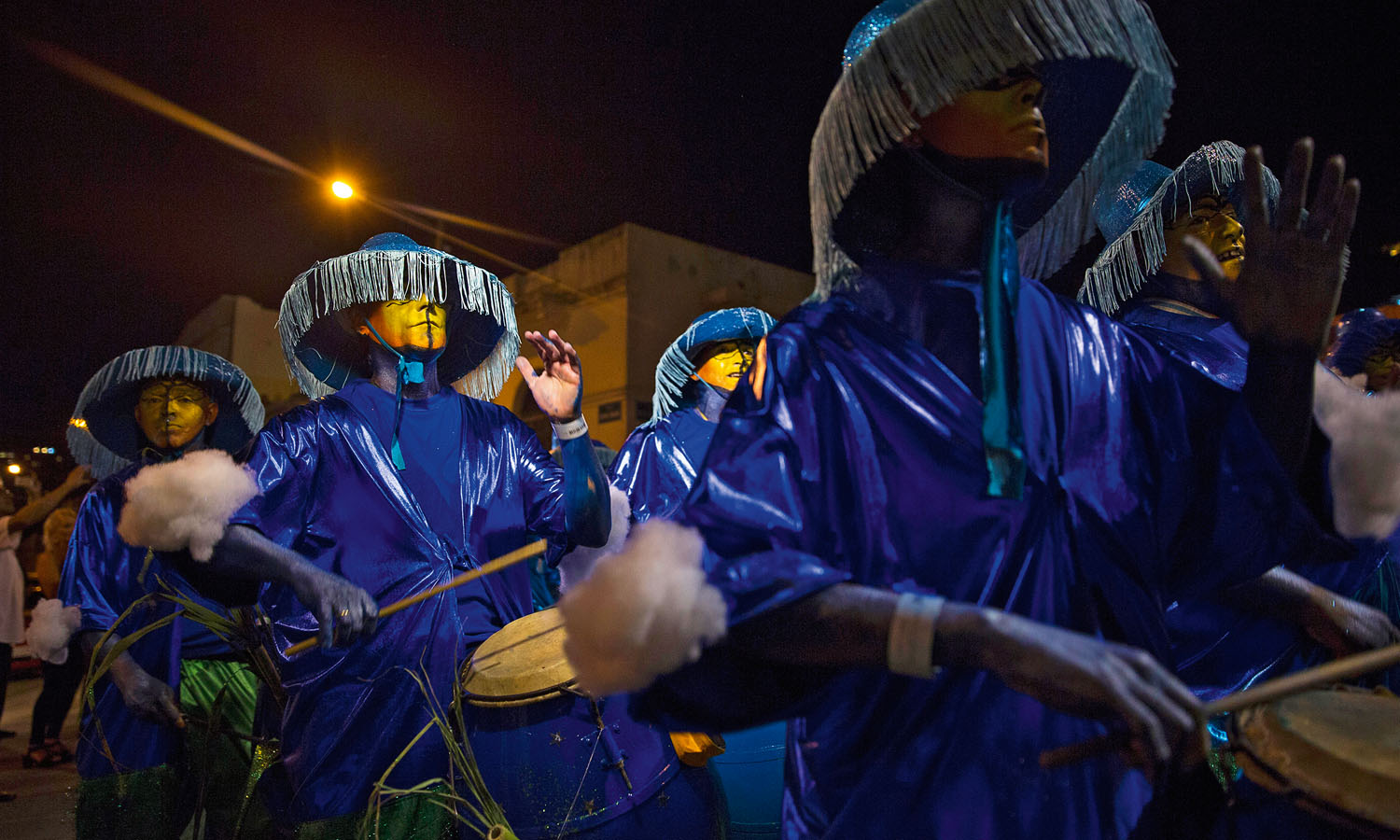
Small fires line either side of the street in one of the oldest sections of Montevideo. Men circle each, their brilliant blue robes and wide-brimmed hats standing in contrast to the flickering light. They’re warming the leather stretched across their wooden drums in preparation for a long night.

I pass a dancer in a bikini covering only the most essential real estate. After chatting with friends all wearing similar ensembles she takes one last drag of a cigarette, smoking down to the filter, carefully making sure the embers don’t ignite the enormous scarlet and gold tail feathers fastened to her back.

The usually sleepy neighbourhoods of Palermo and Barrio Sur are burning with life.

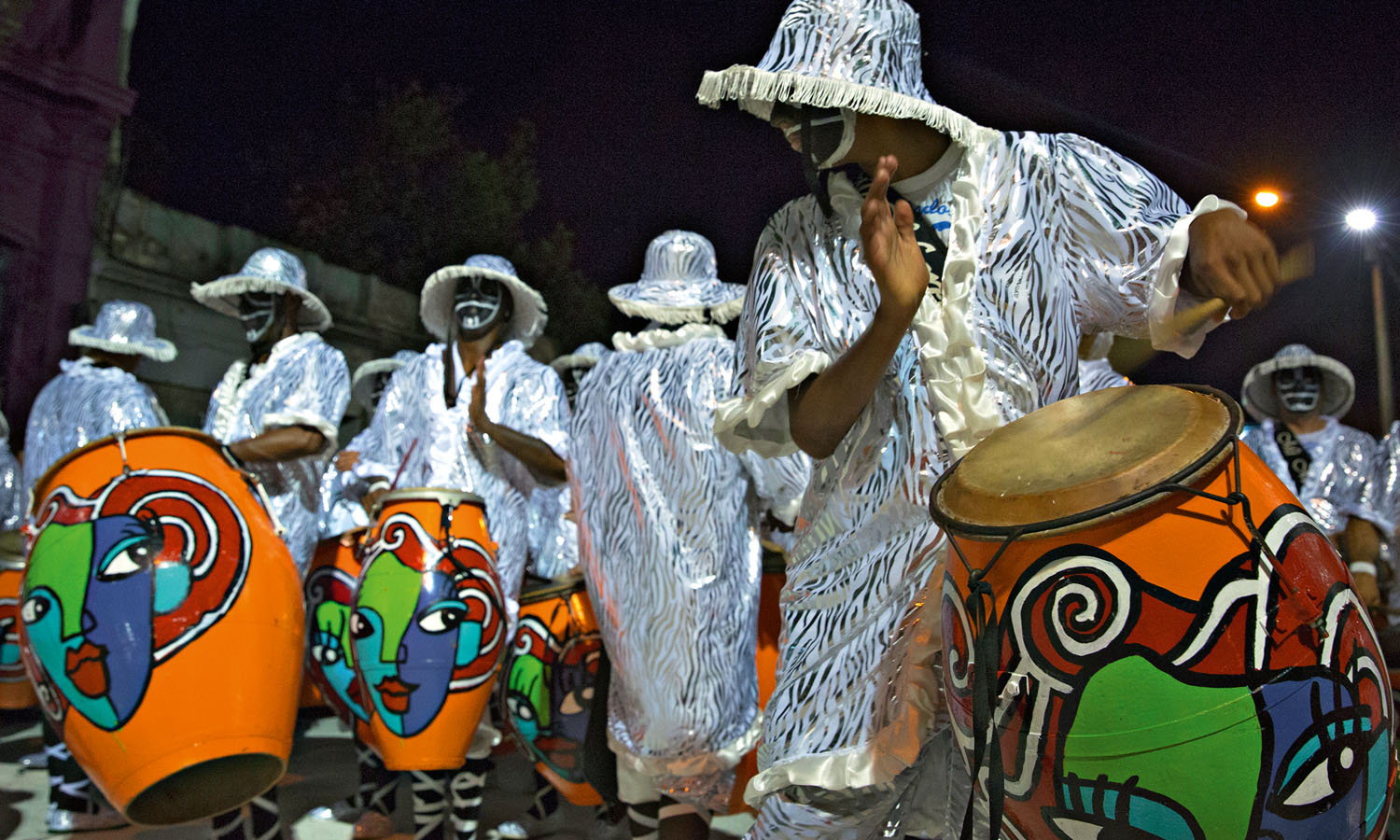
“Tonight is bigger than all of us!” declares a man to a troupe dressed in metallic zebra-print robes. “Tonight, you’re not just playing for yourselves – you’re representing your neighbourhood, your country and, most importantly, you’re representing Valeria. Play harder than you’ve ever done before.”

The rallying cry belongs to Juan Ramos, a battering ram of a guy who looks more like a rugby player than a musician. He’s covered in shadows, but the dim streetlights reveal a faded tattoo on the side of his shaved head that reads Mi Morena, an affectionate term loosely translating to ‘my dark-skinned girl’. It marks his allegiance to one of the city’s most respected comparsa (groups of drummers, dancers and flag-bearers) that represent different regions of Montevideo. And the Valeria mentioned in the pre-show sermon used to be one of their dancers.

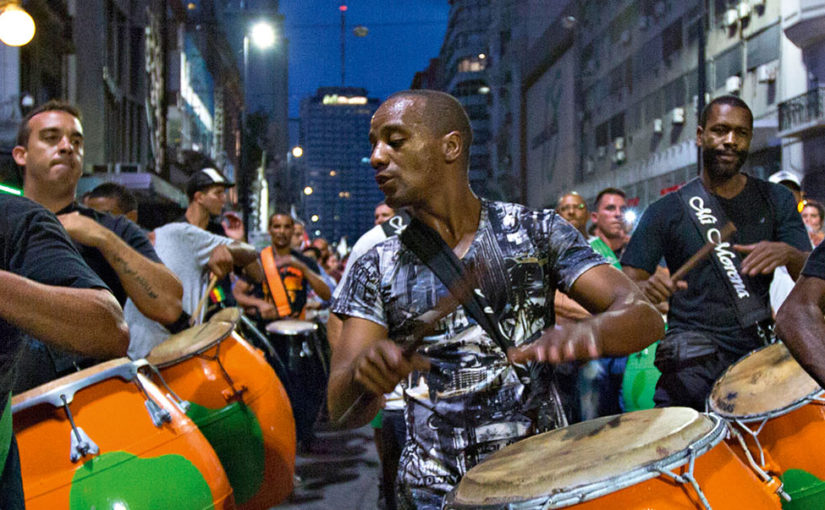
Tonight is the second night of Desfile de Llamadas, a parade through Montevideo and a cornerstone of the Uruguayan carnival celebration. Each February, comparsas march in wave after wave, for the viewing pleasure of thousands of spectators lining the streets. Beautiful women shake their tail feathers to the beats of candombe, drum music that has grown from African roots and been infused with a Uruguayan flavour along the way.

Las Llamadas has a precarious duality. Today, it’s the landmark celebration of Afro-Uruguayan culture, but just a few generations ago the political climate was quite different. Then the drums were used as a means of defiance – a way for African slaves ripped from their families to hold on to their culture; a culture slave traders attempted to extinguish. Playing the drums allowed those slaves to call out to their homeland and to each other. It represented a refusal to forget their identity and a refusal to go quietly into the night.

As the group separates following Juan’s pep talk, I feel a hand clasp my shoulder. “You’re part of our family. Do not forget.”

Through hours and hours of rehearsals over the course of many years, comparsa becomes like family, experiencing the ups and downs of its members’ lives together. Together they laugh; together they grieve.

A week earlier, my phone received a WhatsApp message from an unknown number.

“If you want to experience what candombe is all about, come to the Cordón neighbourhood. We’re having a protest.”

Organised by Juan, the rally was in honour of Valeria. The former Mi Morena dancer was murdered by her police officer husband and the government is refusing to launch a formal investigation. Juan asked me to photograph the event.

“By joining, you’re becoming a part of this family,” he explained. “This is a time when we need all of our family to band together.”

A few hundred people – members of the troupe, Valeria’s family and media – gathered in the largest and most important street in Uruguay. Pouring down the road like an avalanche, they amassed more and more protesters along the way until they numbered in the thousands. Traffic stopped in both directions. Drums led the way as the heartbeat of the movement, growing louder and louder until the swell arrived at the city hall. The message pounded out by the candombe was as clear as it was back in the nineteenth century: we will not forget.

The spirit of that march is with us again at Las Llamadas tonight.

Everyone takes their position – leading the way are the flag bearers, brandishing fabric almost eight metres long. Next are the dancers, some wearing jade, full-length dresses and others adorned in gold bikinis and, finally, the drummers, clad in the silver and white suits and hats, complemented by black and white face paint.

A man sporting an official-looking badge, wearing an official-looking polo shirt motions to Juan. The comparsa in front of us has just left the staging area, and it’s almost time for us to go on.

“This is our moment! Let’s go!” Juan booms, clapping his hands three times. The gates open and we’re live.

The high timbre ‘chico’ drums in front rush in fast and hard to set the tone, and are met by the thunder of the ‘piano’ bass drum. The beat touches on something primal in the spirit, making the hair on the back of my neck rise. It’s not as elegant or refined as an orchestra, but I feel ready for action, like I could run through a brick wall. The drum beat surges through the air, travelling through our bodies into the cobblestone street.

The music hits like a tidal wave and the crowd roars to life. Dancers pull locals from the audience to join in the parade, and kids reach out, trying to touch the flags as they fly overhead. Each member of Mi Morena performs with a purpose bigger than themselves.

In the chaos I catch a glimpse of a family of small girls, all holding up photos of Valeria and a sign with our name, Mi Morena. Las Llamadas, one of Uruguay’s oldest and most significant cultural gifts, is alive and fighting, just as it has done for the past hundred years.

The treehouse hidden deep in the Amazon

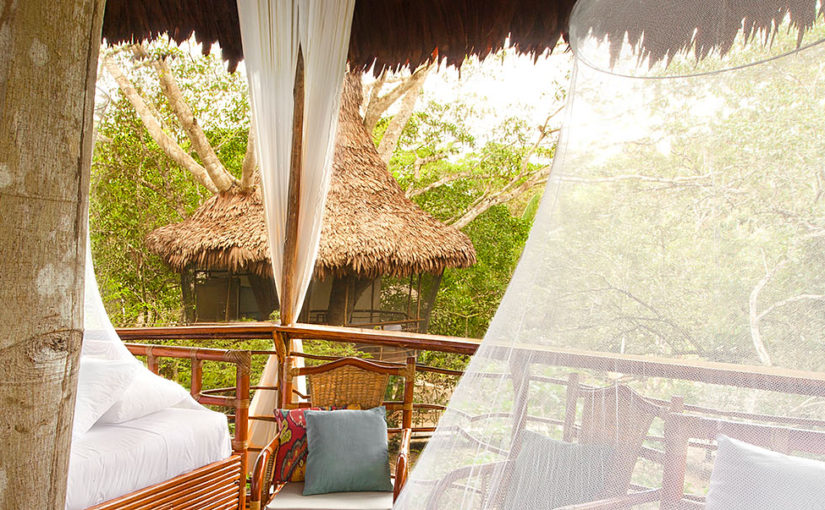
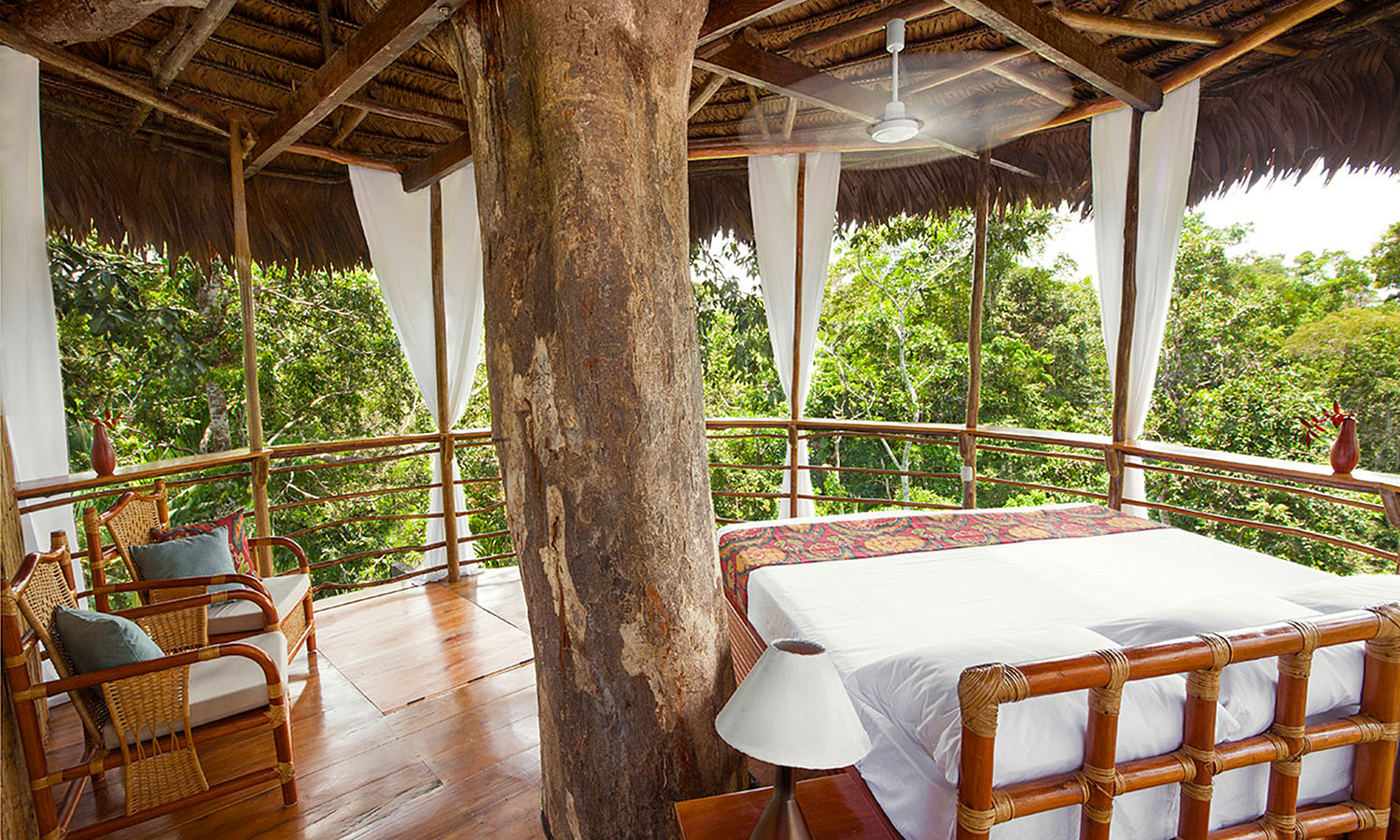
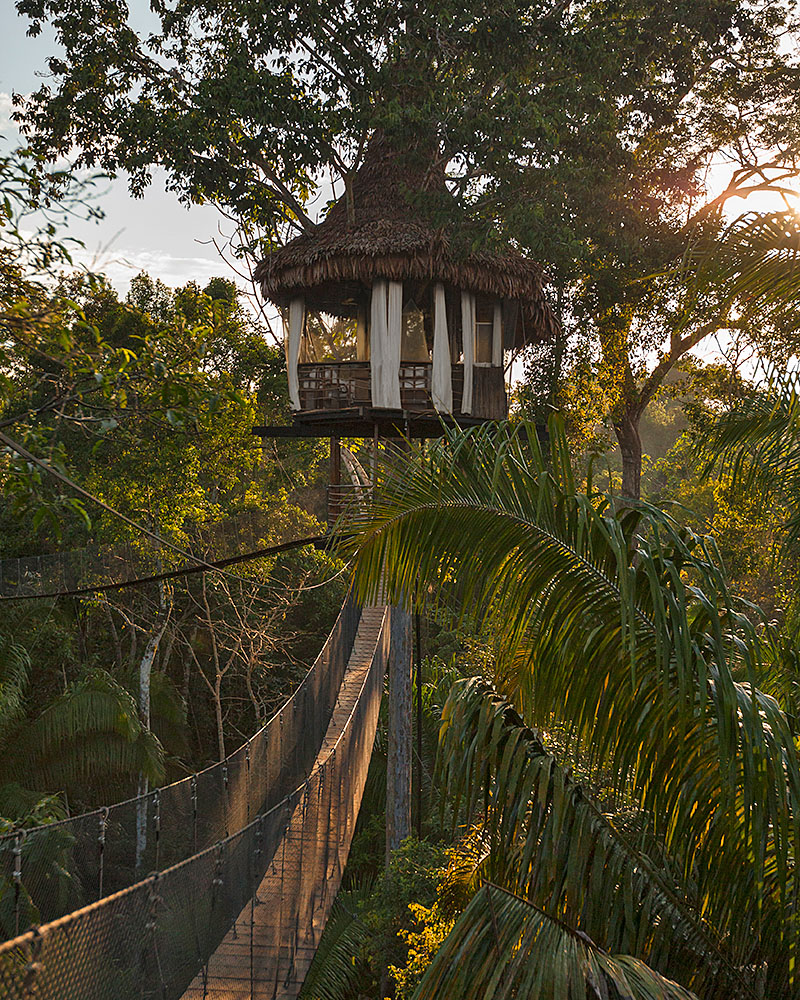
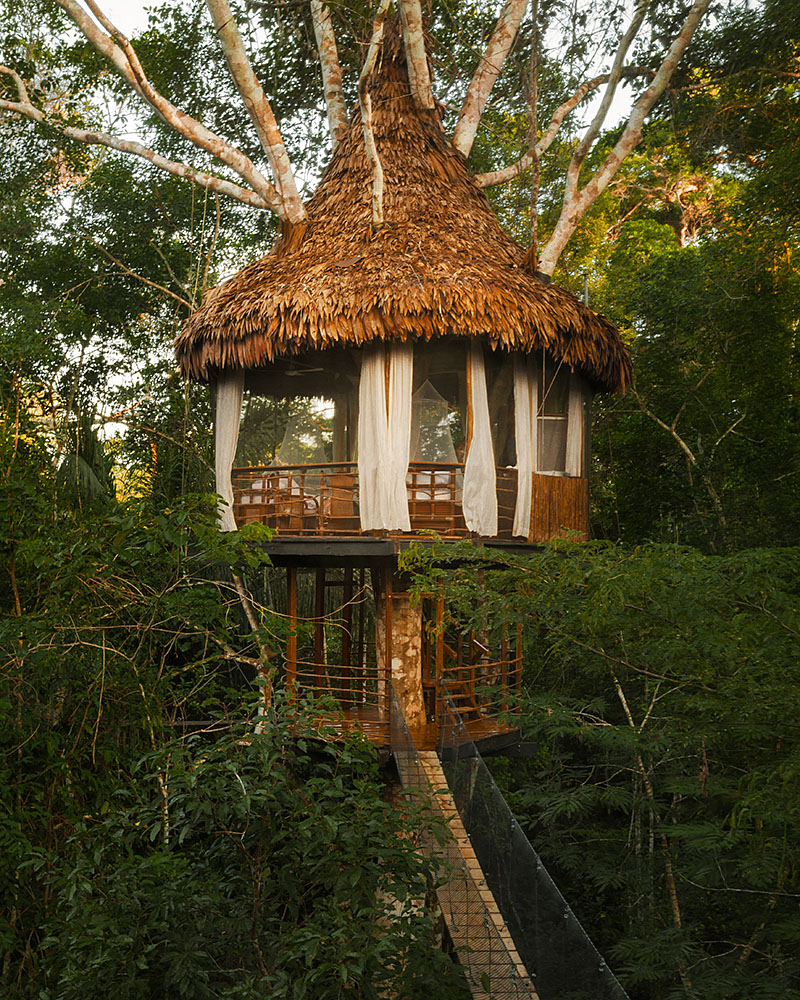
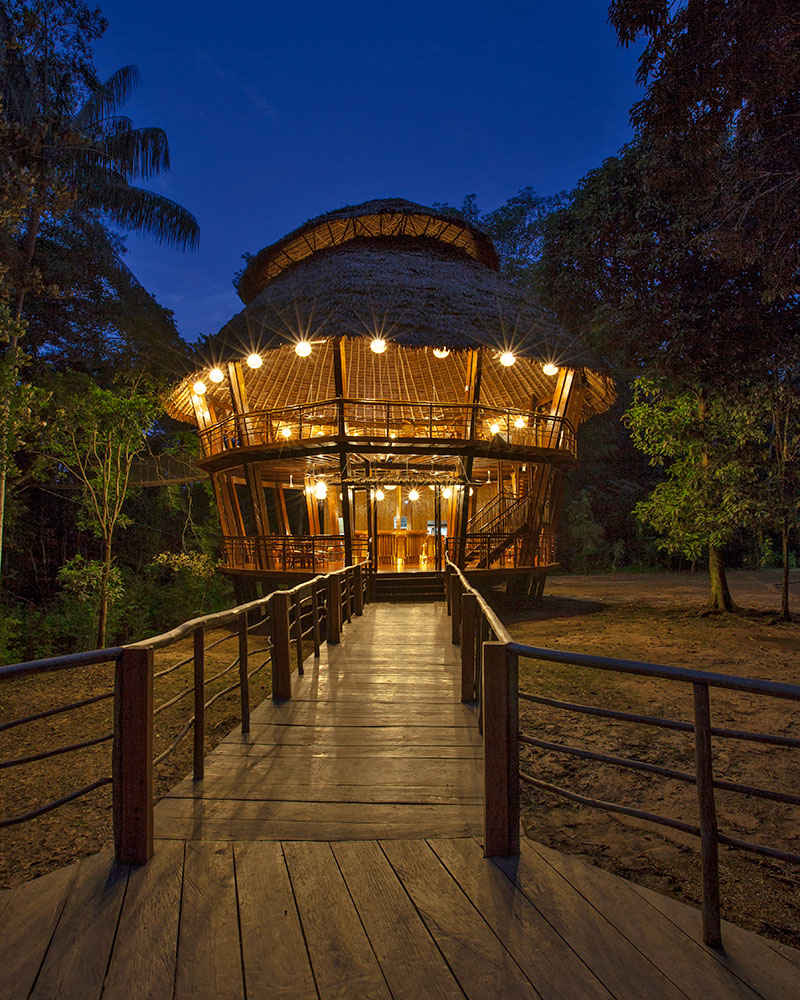
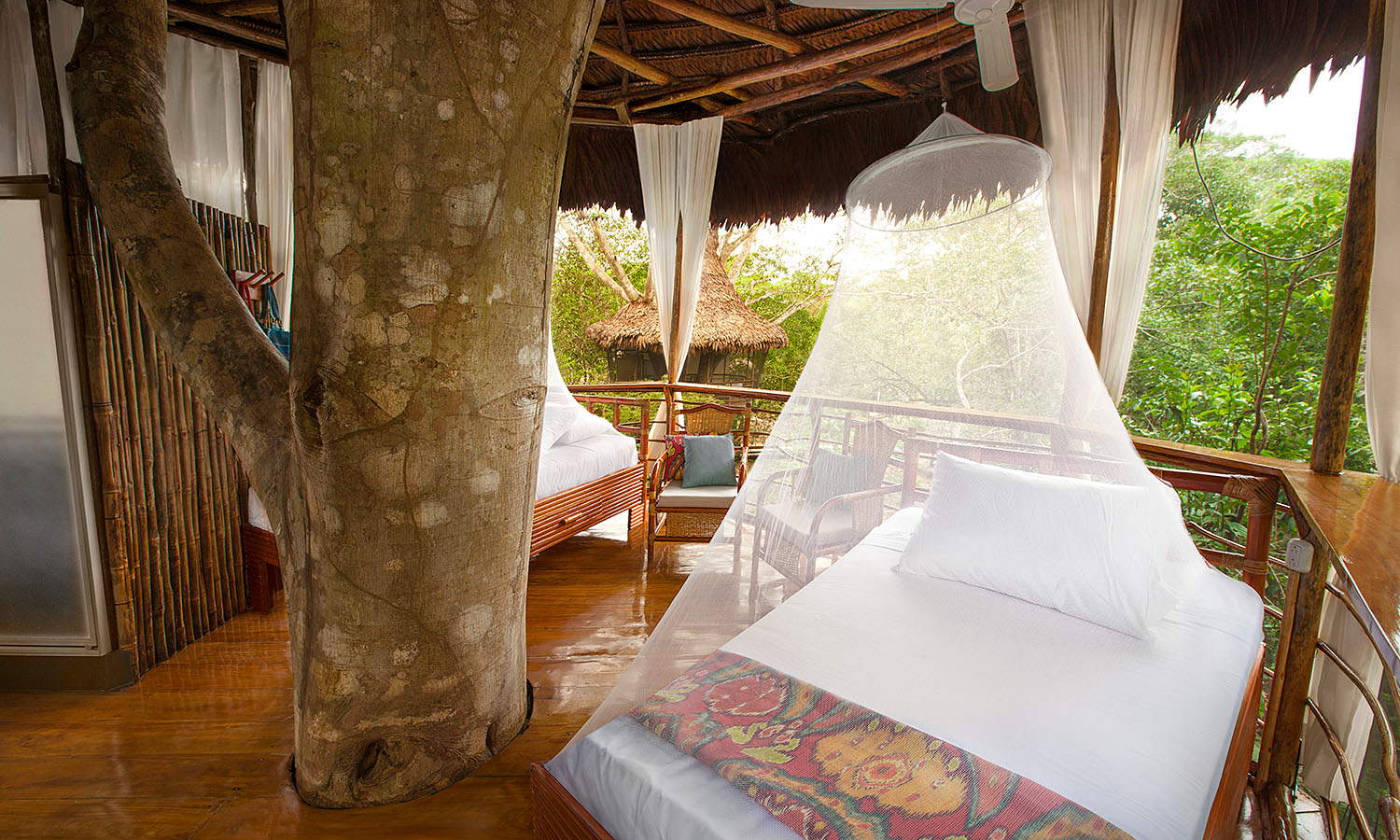
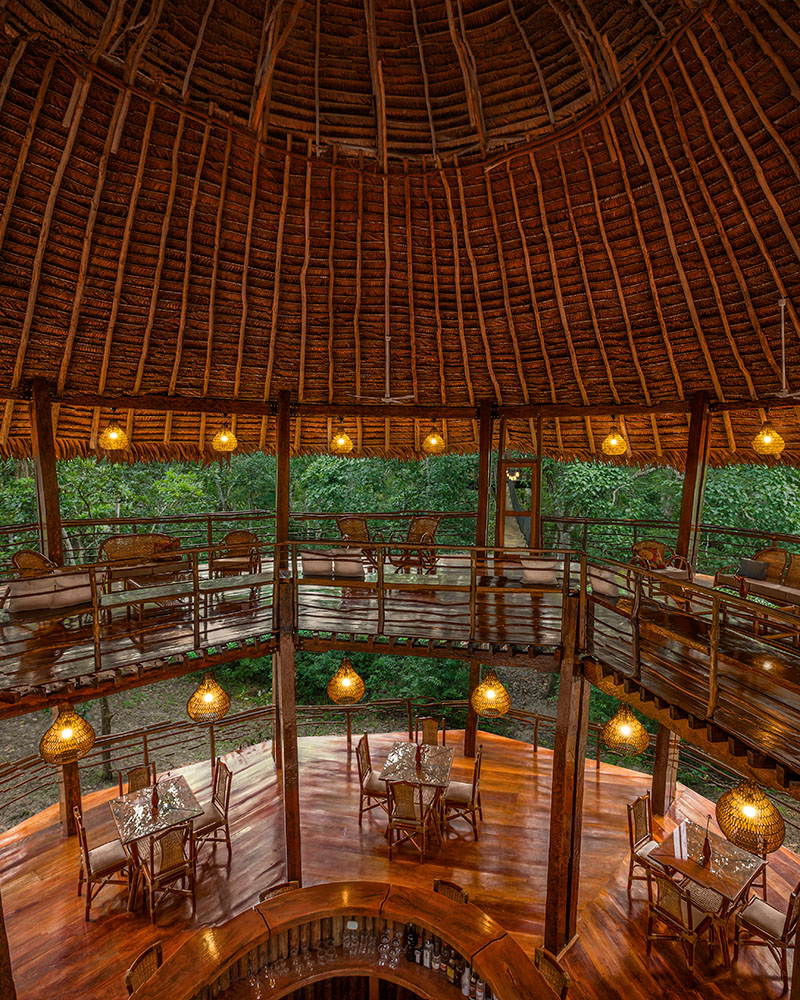
Ever imagined what it must be like way up high in the treetops of the Amazon? This one-of-a-kind retreat is your ticket to the rainforest canopy. Treehouse Lodge is only accessible by boat, so wave goodbye to civilisation and cruise into the heart of the wilderness. Built around ohi, wimba and machimango trees, each of the ten treehouses is furnished with the comforts of home – think cosy king beds, showers and loos. Everything you’d expect, in fact, except walls.

Instead, the sheerest of nets keeps the mozzies away, giving you unparalleled views of the Amazon. Imagine watching chattering monkeys and vibrantly coloured birds without having to get out of bed. Some treehouses come with trapdoors, some offer river views and some are 20 metres off the ground. Whichever one you pick you’re bound to feel just like the Swiss Family Robinson – just with the added bonus of some more modern creature comforts.

In pursuit of pastry

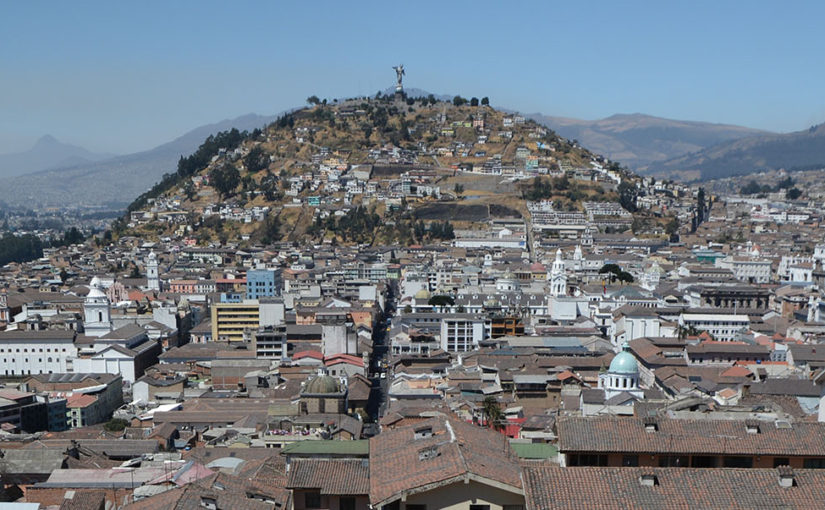
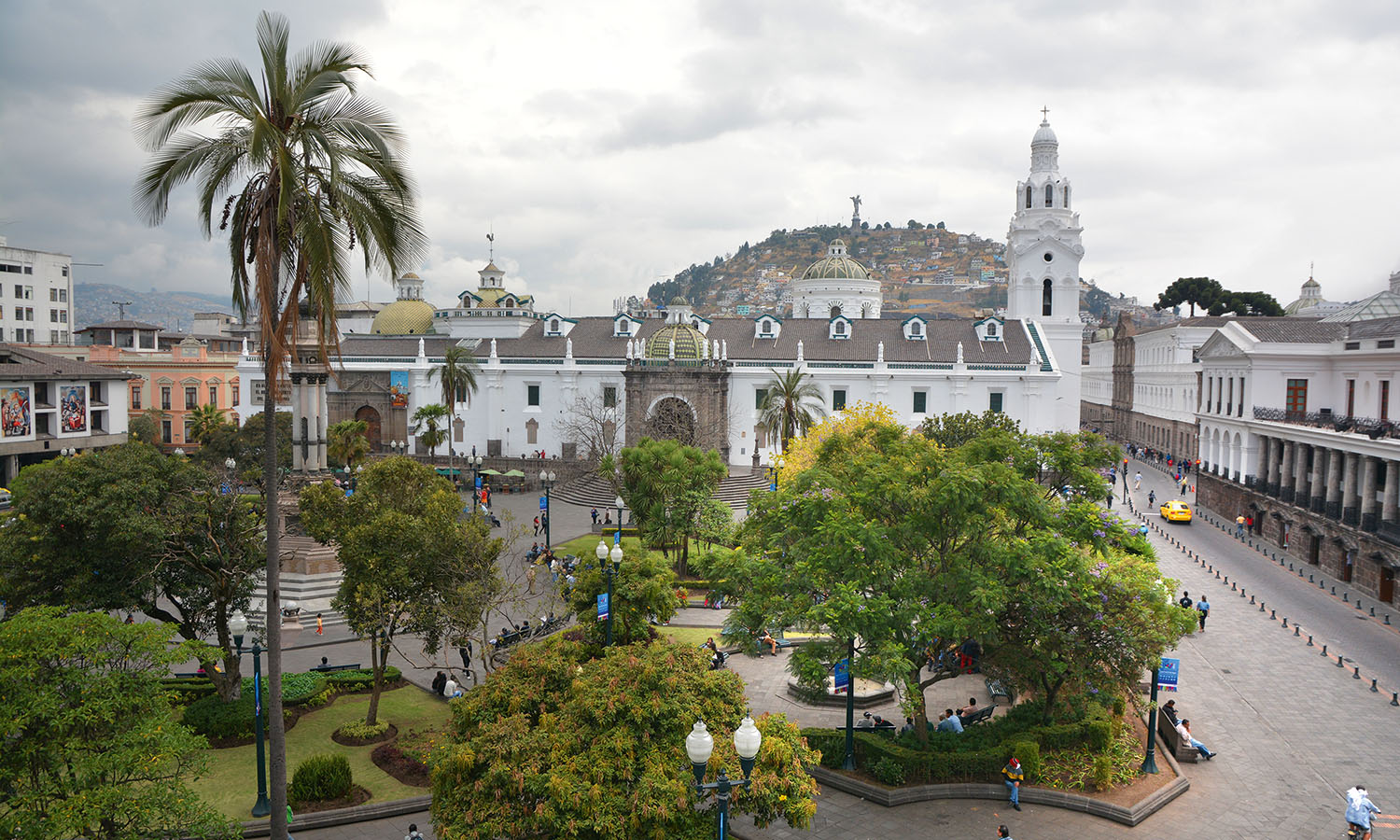
We are in a basement below the streets of Quito. A guard stationed at the door of the shopfront keeps an eye on the street outside. The grandmotherly Manuela Cobo stands before us, telling us about her white powder problem. She only buys the best, and finding a trustworthy supplier poses a challenge. Sometimes dodgy dealers cut the good stuff with corn flour to boost their profits. You can usually tell if they are trying to flog a bad batch – the colour is wrong and the texture is off – but to be completely sure she gets hers checked in a lab.

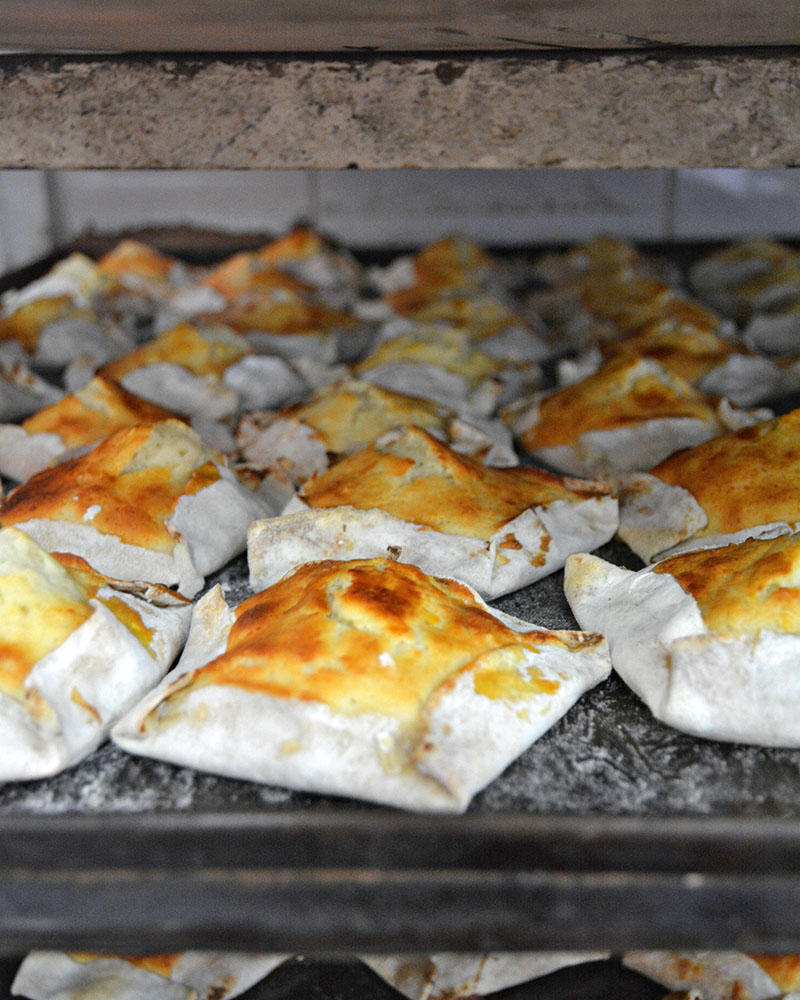
The powder in question is a starch called arrowroot, a key ingredient in Manuela’s quesadillas, famous among those in the know in Ecuador’s UNESCO World Heritage-listed capital. Made from the achira plant, which grows throughout South America, arrowroot costs far more than other starches, but Manuela doesn’t take shortcuts. She sticks to a recipe passed down through the family for generations, and after 80 years in existence the San Juan Bakery has loyal customers.

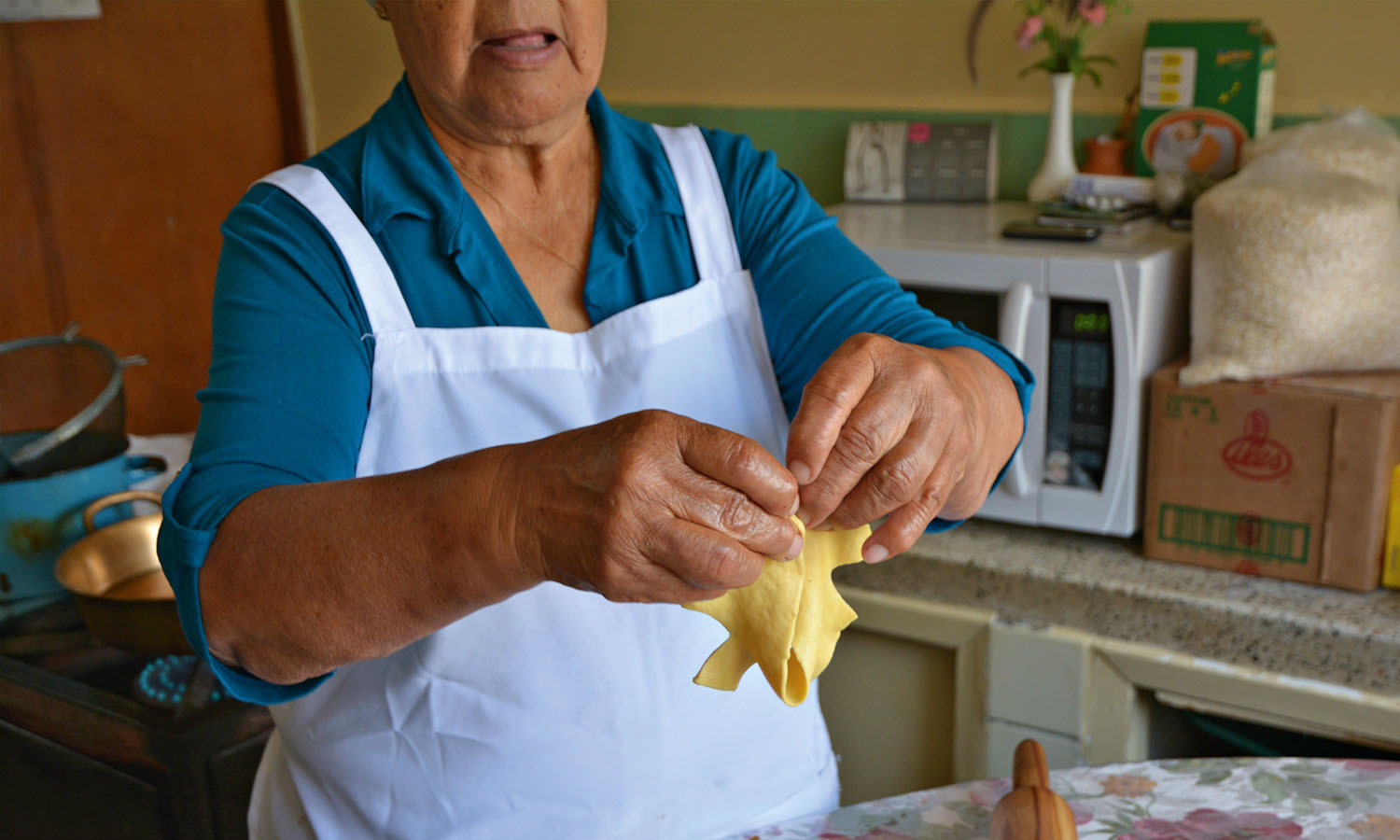
Heat pours from a brick oven in one corner and the metal blades of a massive electric mixer tussle in another. We watch bakers roll out pasta-like dough, paste on tart cream cheese filling and craft the pastries into pentagons. In this little shop in the San Juan neighbourhood they shape, bake and sell a thousand quesadillas a day.

Pablo León, my guide on this Urban Adventures gastronomic tour of Quito, sampled quesadillas all over the city in the hopes of finding ones like those he devoured in his childhood. Back then, when the clock struck five, everyone would ditch their games and dash to their grandparents’ house for a snack. The pastries marked a daily reunion. “Forget about Mexican quesadillas,” he says. “It’s got the name but it’s completely different.” The Spanish brought the ancestor of the dish over in the seventeenth century, and its outer shell morphed into pasta with the arrival of Italians. Ecuadorians possess a voracious sweet tooth, so it is fitting that the local adaptation is a dessert.

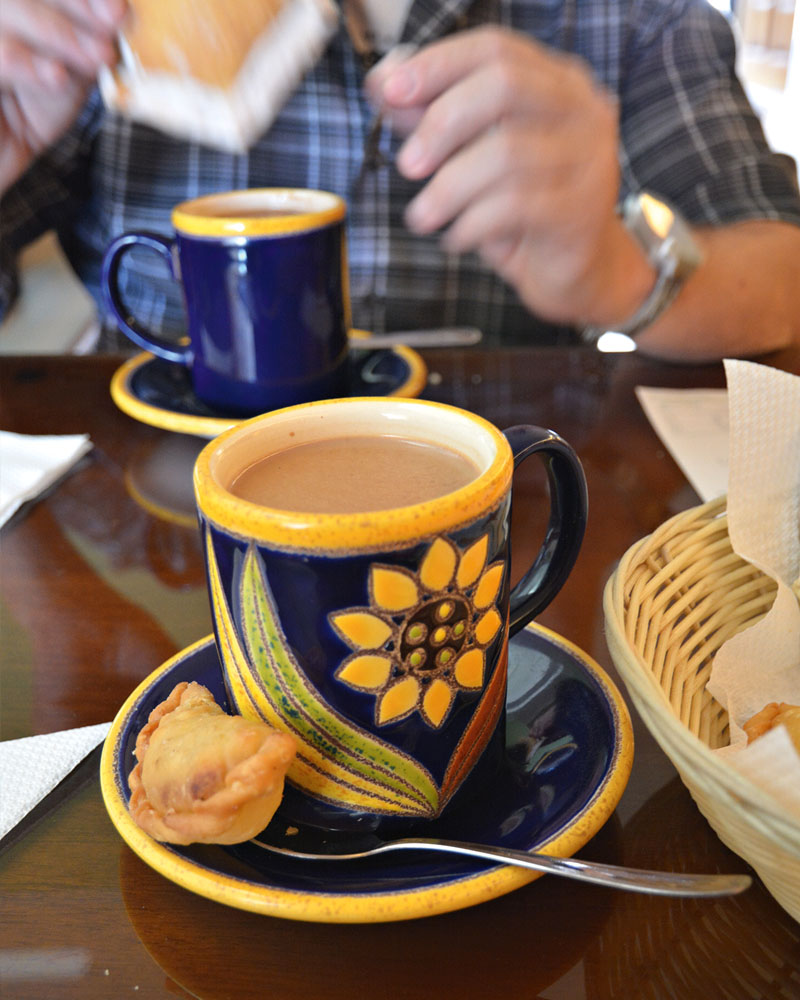
Back above ground, we set to work consuming a delectable basket of baked goods. Mugs of Ecuadorian hot chocolate and slabs of something that look like butter are set on the table. Pablo explains it’s a cheese similar to mozzarella and we plonk it into the brew. The slices list on top like ships in distress, before sinking into the drink. The first sip is delicious – the chocolate is sweet and slightly textured – but the cheese hasn’t made much of an impression. Plunging in a spoon, I pull a gooey blob into my mouth and the saltiness balances the blend perfectly. A quesadilla trumps the spoon for the remainder of the mug, its crispy edges and aerated centre adding more layers of texture.

“Chocolate for us is like breathing air,” says Pablo, pointing out raw disks of the confection as our tour takes to the undercover walkways of the Santa Clara market. Little shrines sit on the walls honouring the saint who oversees the trade. “This is the old-fashioned way. The way our grandparents used to buy,” he explains as he snaps off an edge of the chocolate for me to try. It’s smooth, without a hint of the bitterness I expect from something so dark. The next step is to melt it down and beat the molten syrup into milk spiced with cinnamon and clove.

Ecuador is renowned for its cacao. Archaeologists have discovered evidence that people living in the Amazon consumed it 5000 years ago. The country’s high-quality Arriba beans, with their healthy fat profile and fruity and spicy flavour, are a prize export. Local companies have started producing their own luxury confectionery in recent years, and I palm off a couple of dollars for a bar of Pacari chocolate blended with Andean rose. A stall nearby sells bananas in colours I’ve never seen before, and I watch as a lady blitzes naranjilla, a fruit that looks a lot like a persimmon, into a pulp. “You’re not a good Ecuadorian unless you own a blender,” declares Pablo. “We’ll make juices out of anything!”

Pablo drives us past candy-coloured buildings to our final stop on the tour – a local home where we’ll take part in a cooking class. In the Old Town we spot stalls selling ponche, a slightly alcoholic barley drink, others plying tamarind and coconut juices from under rainbow umbrellas and another proffering snacks of haba (broad beans). Entering the central courtyard of a Spanish colonial-style home, Pablo promises Graciela Campaña, who is welcoming us into her kitchen, makes the city’s best empanadas de morocho (corn dough stuffed with savoury mince). Her son Louis sells them to markets and restaurants, but we’re here to sample them fresh from the source.

We try our hand at rolling out dough and patting on fat with our fingers, as well as folding pristiños, a doughy dessert, into the shape of little hats. Our efforts are rewarded with a feast and we settle at the table in the living room, surrounded by photos and porcelain figurines. It’s like stepping into my grandmother’s house, except an upbeat mix of accordion, maracas, drums and piano – Latin American cumbia music – mingles in the air with the appetising smells wafting from the kitchen. Like a local, I slather my empanadas with aji, the hot sauce made with tamarillo you find on every dining table in the country. Graciela’s boasts roasted peanuts from the markets and they add creaminess to the chilli and onion kick.

A jug of thick, fragrant tamarillo juice sits on the table. I drain a glass before munching on a tamale, a steamed bundle of maize flour, chicken and raisins. Even at room temperature, the juice is refreshing. It might not be possible to buy Ecuadorian-style quesadillas and empanadas back in Australia, but I’m sure I can find a blender.

Chocolate Caliente


Serves 4

INGREDIENTS
1 litre full-cream milk
1 cinnamon stick
3 cloves
5 tbsp unsweetened cocoa powder
85g high quality dark chocolate, grated
4 tsp sugar, add to taste
120g mozzarella cheese, sliced into four pieces

METHOD
Put the milk, cinnamon and cloves into a heavy saucepan and heat to just below boiling point. Remove spices and whisk in cocoa and grated chocolate. Add sugar to taste. Beat until frothy and almost simmering. Serve in warmed mugs with a slice of mozzarella on the side.

Argentina’s coolest neighbourhood

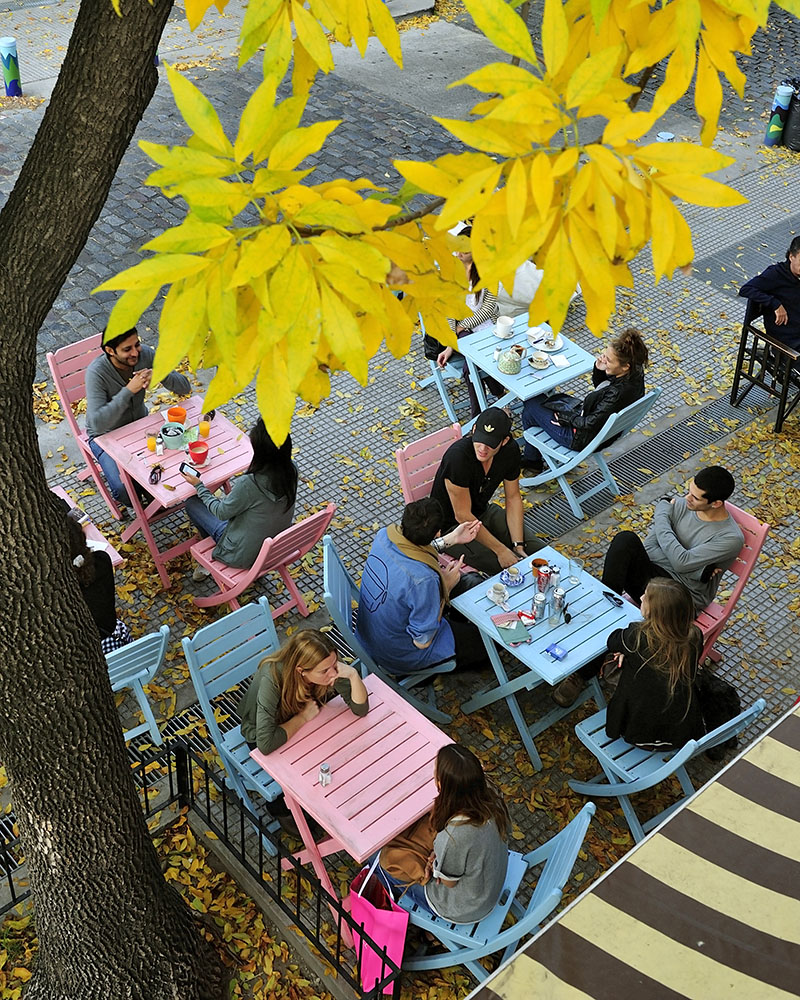
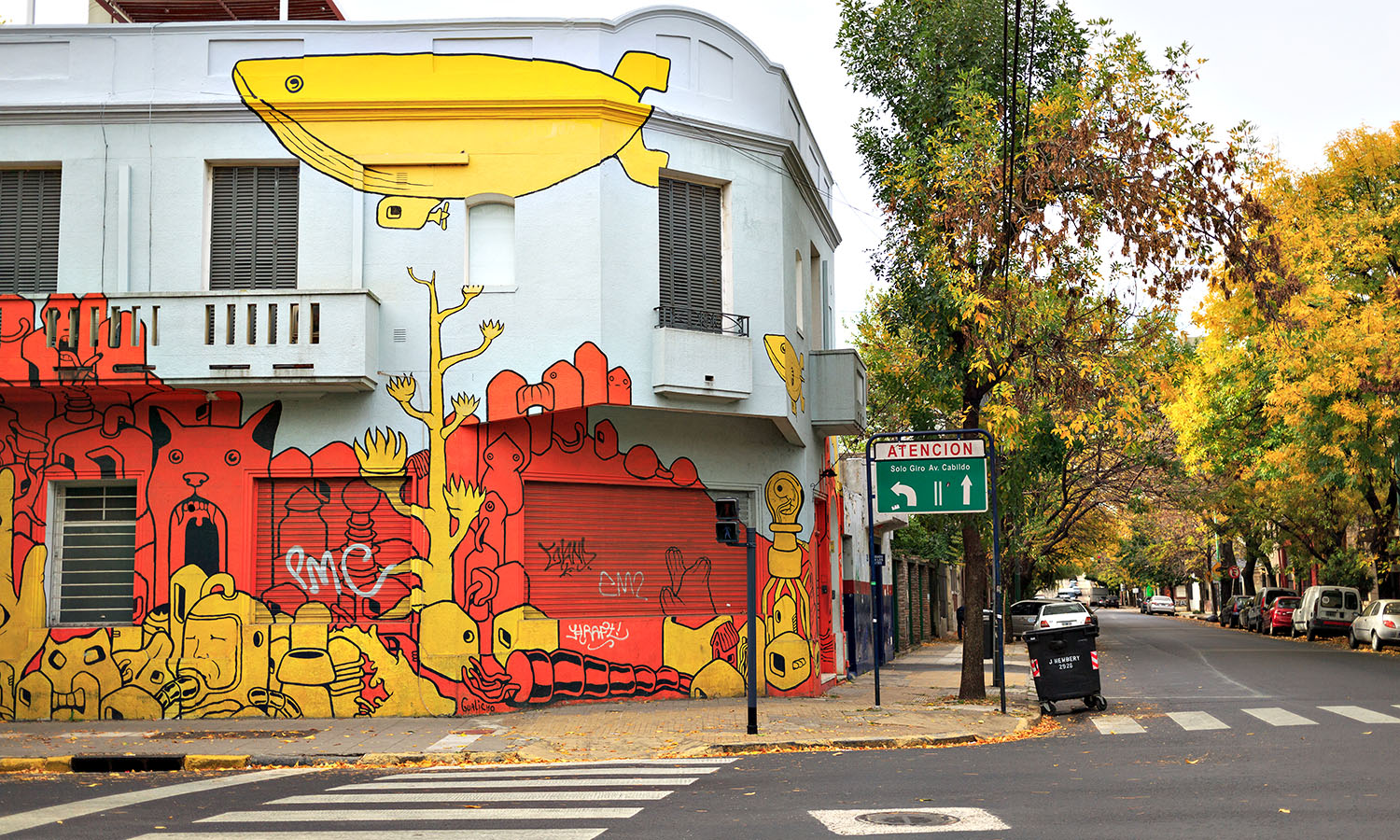
If you want to hang with hipsters and hobnob in BA’s boho barrio, Palermo Soho is your ’hood. Named after New York’s famous arts and entertainment district, Palermo Soho is a trendy fusion of shabby and chic, and a magnet for artists, musicians and writers (famous Argentine scribe Jorge Luis Borges once lived here). Tree-lined cobblestone streets brim with restaurants, galleries, hotels and boutiques furnished with the wares of local designers. Stroll past gentrified European-style buildings, peruse shops, grab a bite to eat and settle in for an evening of people-watching at Plaza Serrano, a small park that plays host to impromptu jam sessions and vocal performances. Be sure to check out the Sunday crafts fair, where you can pick up locally designed, one-of-a-kind pieces at stalls set up alongside the terraces of alfresco eateries.

Get hazy at this South American mansion

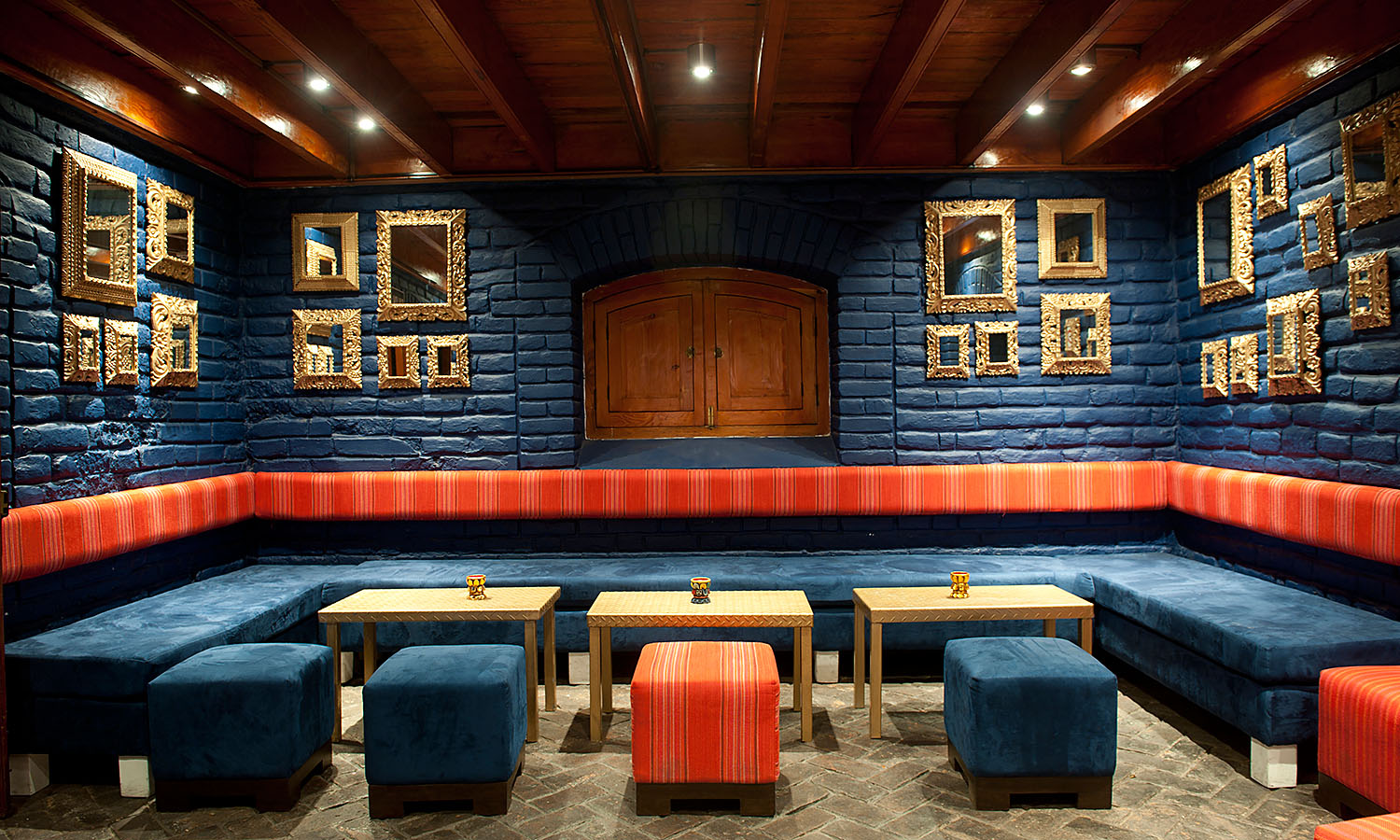
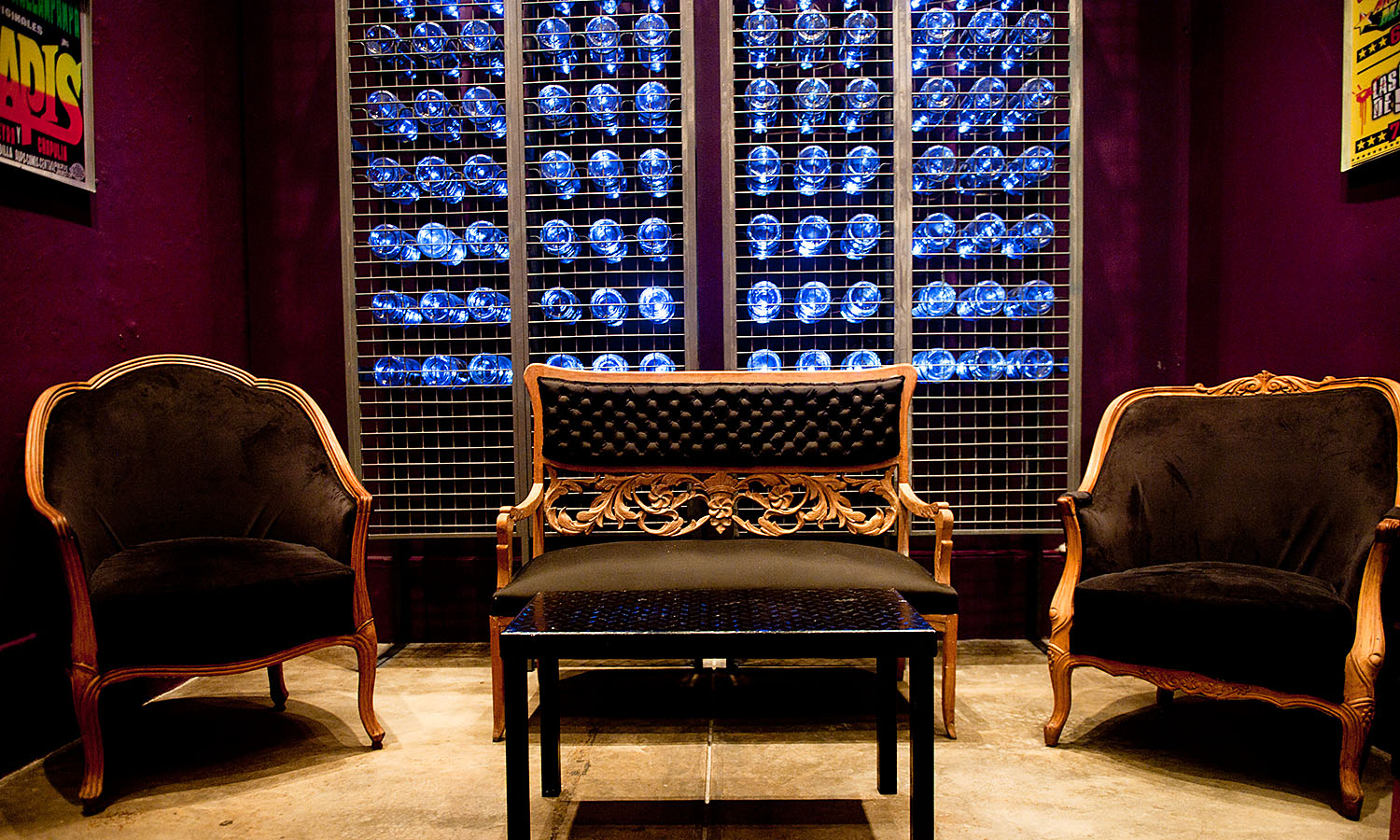
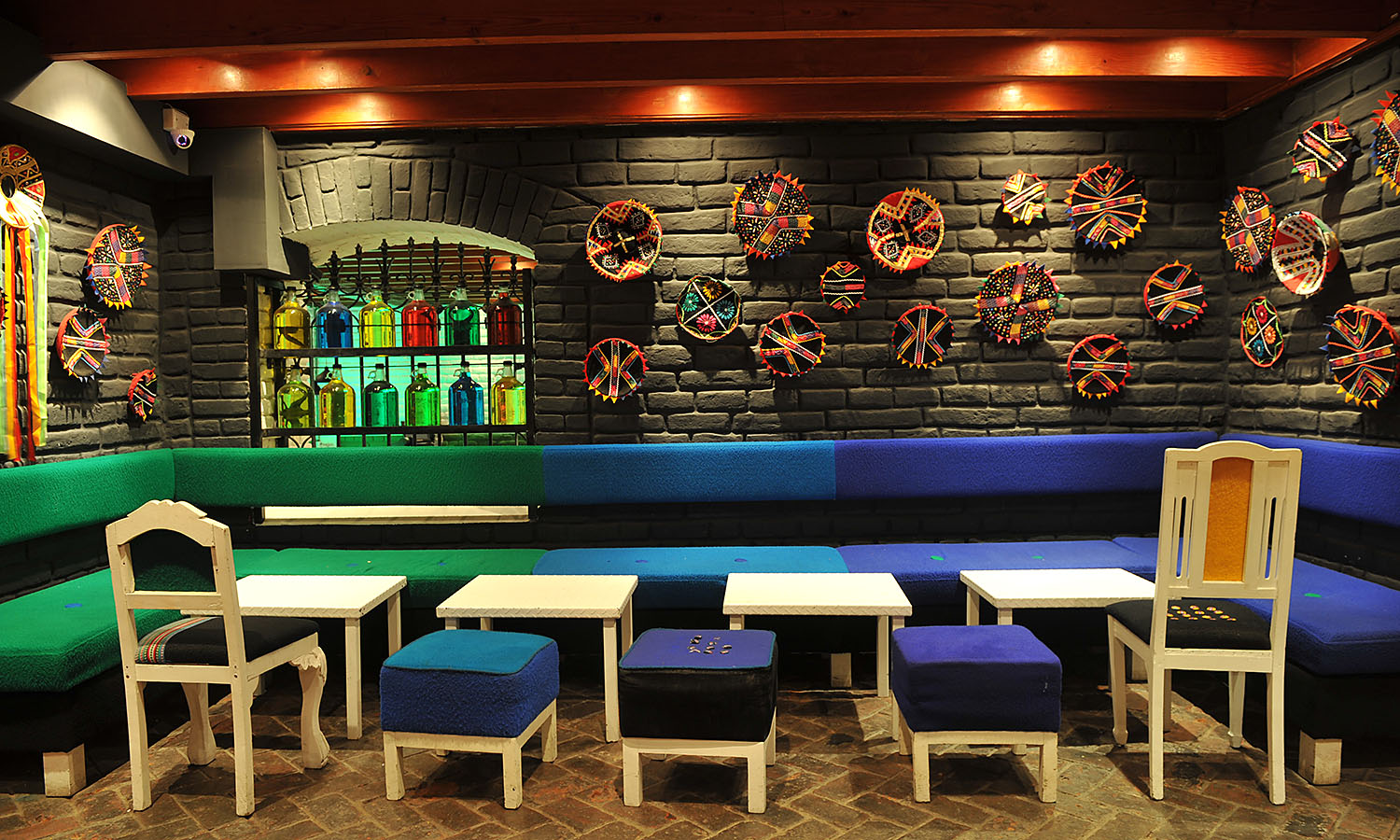
Before you get too excited, be aware that the house specialty at Barranco’s Ayahuasca Restobar is not the mind-altering substance  favoured by people looking for higher meaning, but much tastier pisco sours, made with the local liquor. Not that you’ll care, because the interior of this nineteenth-century mansion is enough to transport you to another place anyway.

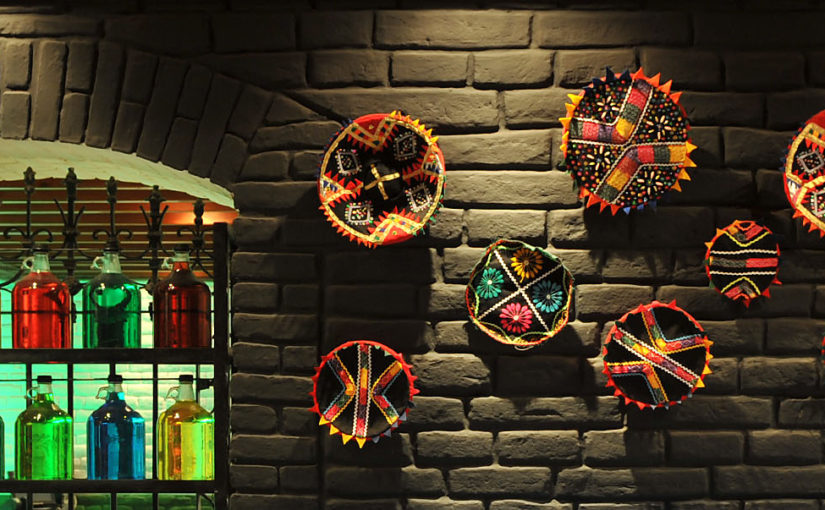
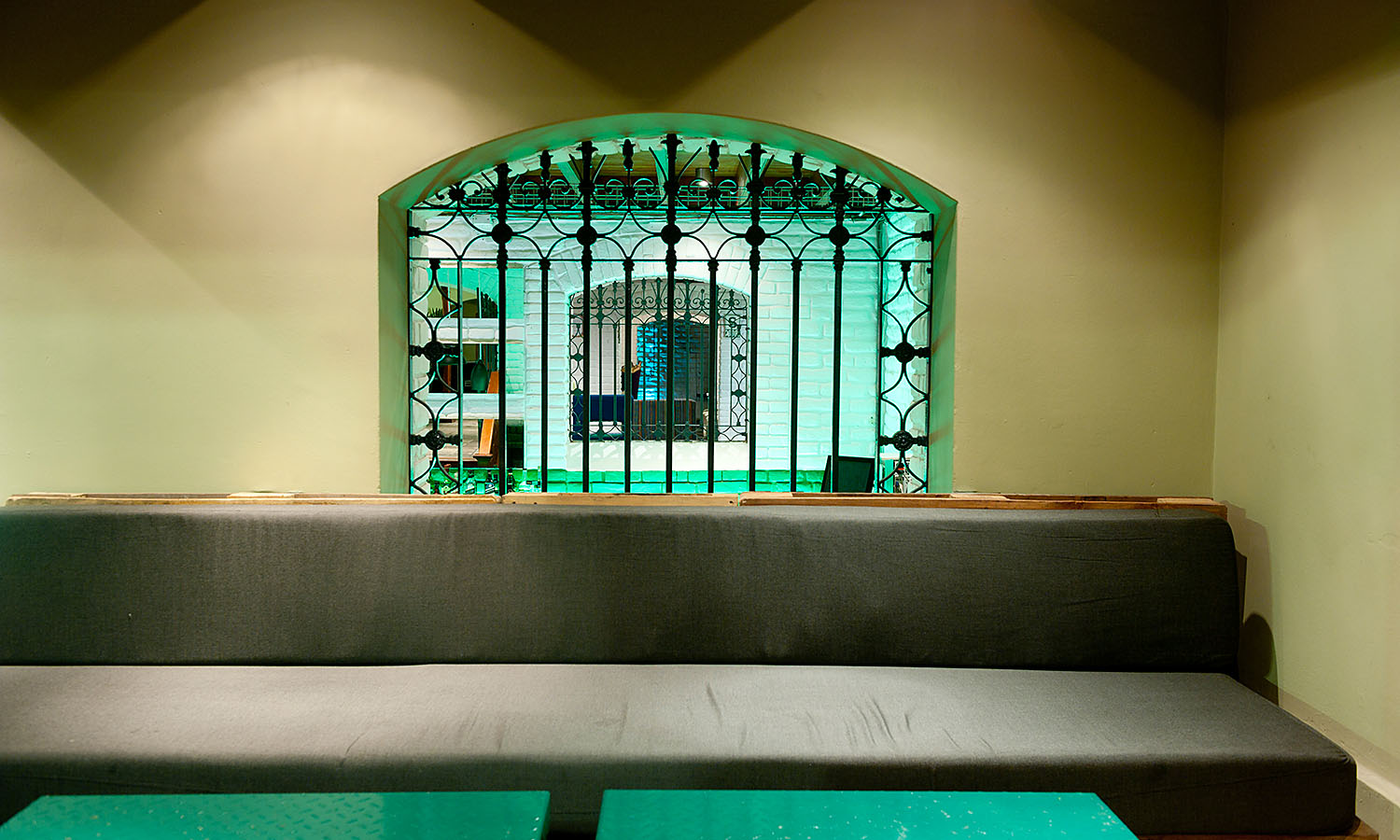
Before you settle in for libations and perhaps a plate of empanadas, wander the seemingly endless corridors and rooms. Each is furnished in traditional style but infused with primary colours, whether in the woven upholstery or covering an entire room and all that is in it. There’s one room where everything – from the sofas to the objects on a set of shelves, is lime green. Which may just make you think you’re tripping on ayahuasca, even if you’re completely sober.

Get high in the Peruvian Andes

You won’t find Choquecancha in a guidebook or reviewed on TripAdvisor. It hasn’t got a listing on Wikipedia and it’s almost impossible to locate on a map. This ancient Inca town is the home of Quechua people, who live within the walls their ancestors built.

“Quickly, this way.” Our guide Alvaro waves us though a wooden door. Inside three women sit on the floor weaving. “Look here, see this pattern? What do you see?” Alvaro picks up the end of an almost complete piece of fabric. It looks like a little man with his arms raised. “That is Túpac Amaru, the last Inca. If you look closely you will see he is being stretched. Here, he is attached to four horses. The Spanish forbade the Inca to record their history, so they developed a way to weave it into their fabrics. Each stitch tells a story, passed on through generations.”

This is day three of a week-long Lares Adventure hosted by Mountain Lodges of Peru. Early this morning we’d left Lamay Lodge and jumped on mountain bikes to race along dirt paths, over streams and through fields. Now we’re learning about ancient traditions still relevant in the twenty-first century. That’s the point of Mountain Lodges’ trips – they blend cultural exploration with outdoor activity where snow-capped peaks and herds of llamas are the backdrop. Each day, guests are able to choose their own adventure. Some days we get to travel in a comfortable air-conditioned van; others we’ll walk or, like today, ride a bike. It all comes to a head with one of Peru’s iconic rail journeys.

I’d arrived in Cusco, the Peruvian city sitting 3400 metres above sea level, just 72 hours previously, armed with a number of suggested remedies to counteract the effects of altitude sickness, ranging from Diamox to coca tea. Instead I decided an all-night session of drinking and dancing might cure what ailed me. It seemed to work. The next evening, having spent the day climbing to Cristo Blanco on Pukamoqo Hill, tasting the local delicacy cuy (that’s guinea pig to you and me, roasted whole until its skin is burned to a crisp) and exploring the rest of the city, I met the seven other people with whom I’m to spend the next week exploring the land of the Inca.

The Inca who settled the rugged, beautiful Sacred Valley were extremely productive in creating a culture that would withstand the ravages of time. They were so successful, in fact, parts of it survived the brutal conquest by the Spanish, who tried to erase them from the planet.

We visit well-known sights, like the market town of Pisac, which sits beneath ruins, and the thriving salt mines of Maras. As you approach Maras its pastel-coloured, naturally fed salt ponds cascade down the mountainside like a lost Cézanne. Then there’s Moray, a series of a dozen or so otherworldly concentric circles etched into a hillside. The depth and orientation of the terraces mean there’s a temperature difference of as much as 15ºC between the top and bottom. It’s thought this was some kind of laboratory where the Incas would take wild vegetation and acclimatise it to growing at altitude.

While days are spent discovering Andean culture, evenings get luxurious at two five-star custom-built lodges complete with five-course dining, massages and hot tubs. It’s enough to knock off your hiking boots. The first, a modern ranch with artistic flair called Lamay Lodge, has all the amenities one might expect from luxury digs. Huancahuasi is even more exquisite. After our day spent exploring Choquecancha we take a long van ride to a lush valley dissected by a meandering stream. Quaint homes are strung along its edges and we can see people herding alpacas. In the distance, there’s a cascading waterfall. Then we see the lodge, hanging over the edge of the valley. We go as far as we can in the van, before being relieved of our luggage and walking the final leg. According to our guide, this is one of only five hotels in the world accessible only by foot. It’s worth it. The foyer is framed with glass, so it feels as if you are floating above the valley. Thick mist and clouds begin to roll in, creating the perfect scene to view from the hot tubs on the balcony of each room. But, first, there’s the small question of a massage.

Some days the group splits and, on one occasion, when some venture off to hike to mountain lakes, the rest of us head to Huancahuasi. For most tourists there is no reason to ever visit this village. It’s tiny, there’s no museum, and its remoteness makes getting to it difficult. Which, for me, is why it’s one of the highlights of the trip. This town never sees travellers other than guests of Mountain Lodges. Huancahuasi and the company have a symbiotic relationship. The people who work at the lodge live here. They are trained by Mountain Lodges in management, guest services and hospitality and are given jobs and benefits. What’s more, half of the proceeds from tours go to the people of the town. When you realise you can have this level of style, comfort and sophistication while supporting the local community, it becomes a wake-up call about what tourism should be.

We are invited into homes, offered meals and introduced to families and their friends. We’re also laughed at when we bang our heads on the low ceilings and doors. It’s a lot like visiting very distant cousins from a family you never knew you had.

Then we visit the local school. Much like anywhere else in the world, children are sitting around desks, colourful drawings hang on classroom walls and alphabet cards line the hallways. What I find remarkable, though, is the way the children are dressed in traditional, handmade garments.

We share some bread rolls we’ve brought with us, then head off, the children trailing behind us.
Eventually they go back to school and we keep walking past a stream and alpacas grazing on lush grass, before reaching the base of a waterfall where the gushing spray creates a series of rainbows all around us. A few brave souls climb to its head for a view of the valley. I feel as though I’m at the edge of the world.
Overnighting in Ollantaytambo, the oldest continually inhabited city in South America, brings us back to the real world. Dating back to the fifteenth century this was the royal estate of the Inca; today it’s the connector between Machu Picchu to the west and Pisac to the east. Walking the city is a strange experience. It’s both modern and ancient, as if someone put a shopping mall inside Rome’s Colosseum. Alleyways are packed with apartments and shops, some of which have been occupied in the same manner for more than 500 years. Terraces surround the town, creating a series of microclimates that allowed the Inca to farm a variety of produce. Streams and a still-functioning system of aqueducts deliver water to the town and up to the Inca ruins. Tour buses pass slowly through the narrow streets, and throngs of tourists from all corners of the earth try not to trip on the cobblestones while looking up to the amazing terraces.

The city also has a train station and we’re using it to get to our final destination: Aguas Calientes, the town below Machu Picchu. Inside the train, windows curve into the ceiling for all-round views – there’s even a bar cart that wobbles through the aisles. It’s impossible not to feel as if we are time travelling to a place far more adventurous.

Arriving in Aguas Calientes is a shock to the system. The town is manic and doesn’t resemble anything we’ve seen in the past week. Restaurants trumpeting all sorts of national cuisines crowd every space, and a large plaza seems to be the depository for every tourist trickling down the mountainside. Street vendors and the proprietors of small shops all bark for the attention of people strolling past. We are a long way from the quiet authenticity of Huancahuasi and it seems the closer we get to the famed Machu Picchu the less like Peru it feels.

Even though we’re up at the crack of dawn there is already a long line for Machu Picchu. Luckily we are one of the first groups, and our guide knows the path to take once inside to get ahead of the meandering crowds. We make a beeline to a central plateau to take in the view of this incredible city carved into the sides of mountain. You can’t imagine how on earth anyone built this or even discovered it.

“Most people know that Machu Picchu was discovered in 1911 by a Yale professor named Hiram Bingham,” says our guide Raul. “What most people don’t know is that they are wrong. How did a professor from Yale know to come here, when the Spanish, who conquered this entire region, couldn’t even find this place?”

“He wasn’t the first?” one of the group offers.

“Exactly.”

The story goes that an American mining company representative auditing the area asked about a mine owned by a German named Augusto Berns that showed some very promising yields. There was only one problem – when he went to visit the mine it wasn’t there.

Asking around, the auditor heard from locals about an Inca city, high in the mountains, that was taken over by the forest. He figured out Augusto had discovered it and was pillaging gold artefacts, melting them and shipping the loot home. Enter our pal Hiram Bingham. Tipped off by the auditor Hiram made a very educated guess (he was led there by locals) and ‘discovered’ the site. The rest is history.

Raul shows us around, explaining the way the Incas used cracks in the stone to chip off great chunks, the way they moved them with a series of logs, and even how they carved them so they seamlessly interlocked. We stop at a strange-looking stone jutting out of the ground.

Raul tells me to open the compass app on my iPhone. The points of the stone line up with the compass points. “They had no compasses, but they knew north,” he explains. “If you look to the east what do you see?” In the distance is a gap between two mountain peaks. “That gap is about 1500 metres from here and it is exactly where the sun sets during fall equinox.”

Just as I gather my grey matter from the ground, Raul asks me to open the spirit level on my phone and hold it up against a wall. The measurement reads 13.9 degrees.

“Put it against another wall,” Raul says. Again it’s 13.9 degrees. Yet another is 13.9 degrees.

“Wow, that’s amazing,” I say.

“Is it? Is it amazing that considering they had no tools of measurement as far as we know they could build a series of walls all with the exact same angle?”

We all agree it is. “It’s not,” continues Raul. “What is really amazing is that Machu Picchu sits at exactly 13 degrees and nine minutes latitude on the globe.” He then just walks away. It’s the perfect mic drop.

Later in the day, back in a bar in Aguas Calientes, I thank Raul for a memory that will never leave me. “I’ll be taking Machu Picchu home in my heart,” I say. “What does Machu Picchu mean anyway?”

“Old penis,” says Raul, not looking up from his beer. I just stare at him, but he isn’t kidding. “That’s why it is important to say it the correct way – Machu Picchu, with two c’s. That means ‘old mountain’. Big difference.”

I’m not saying the Inca could see into the future, but that is one hell of a good set-up.