Get high in the Peruvian Andes

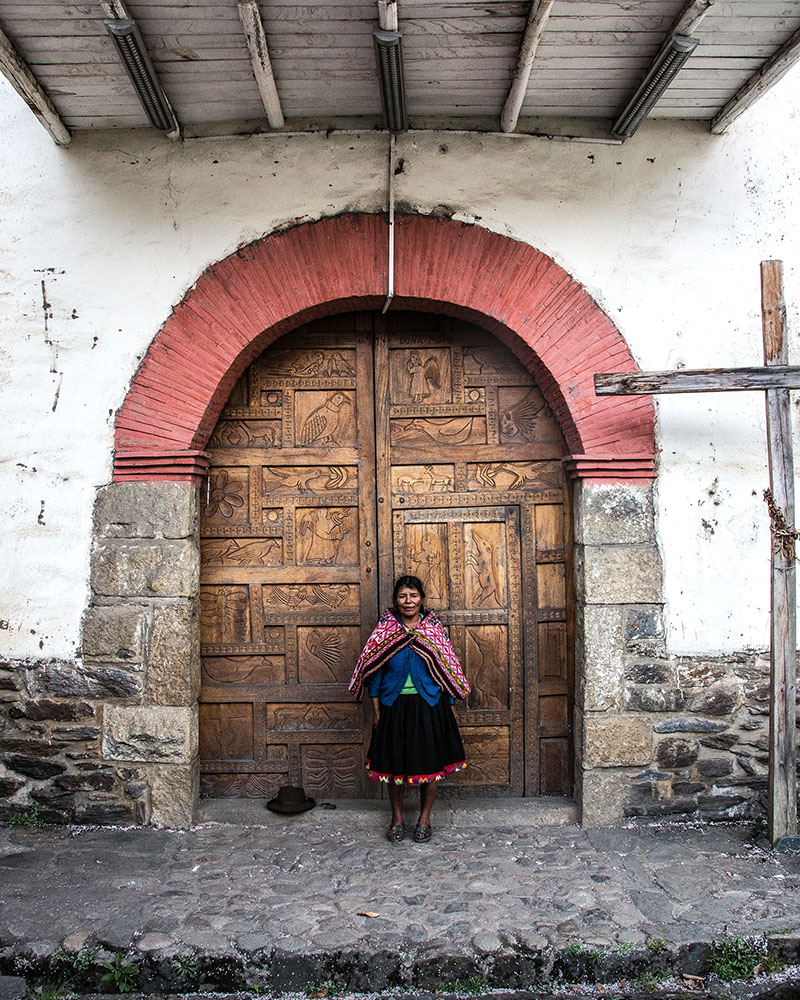
You won’t find Choquecancha in a guidebook or reviewed on TripAdvisor. It hasn’t got a listing on Wikipedia and it’s almost impossible to locate on a map. This ancient Inca town is the home of Quechua people, who live within the walls their ancestors built.

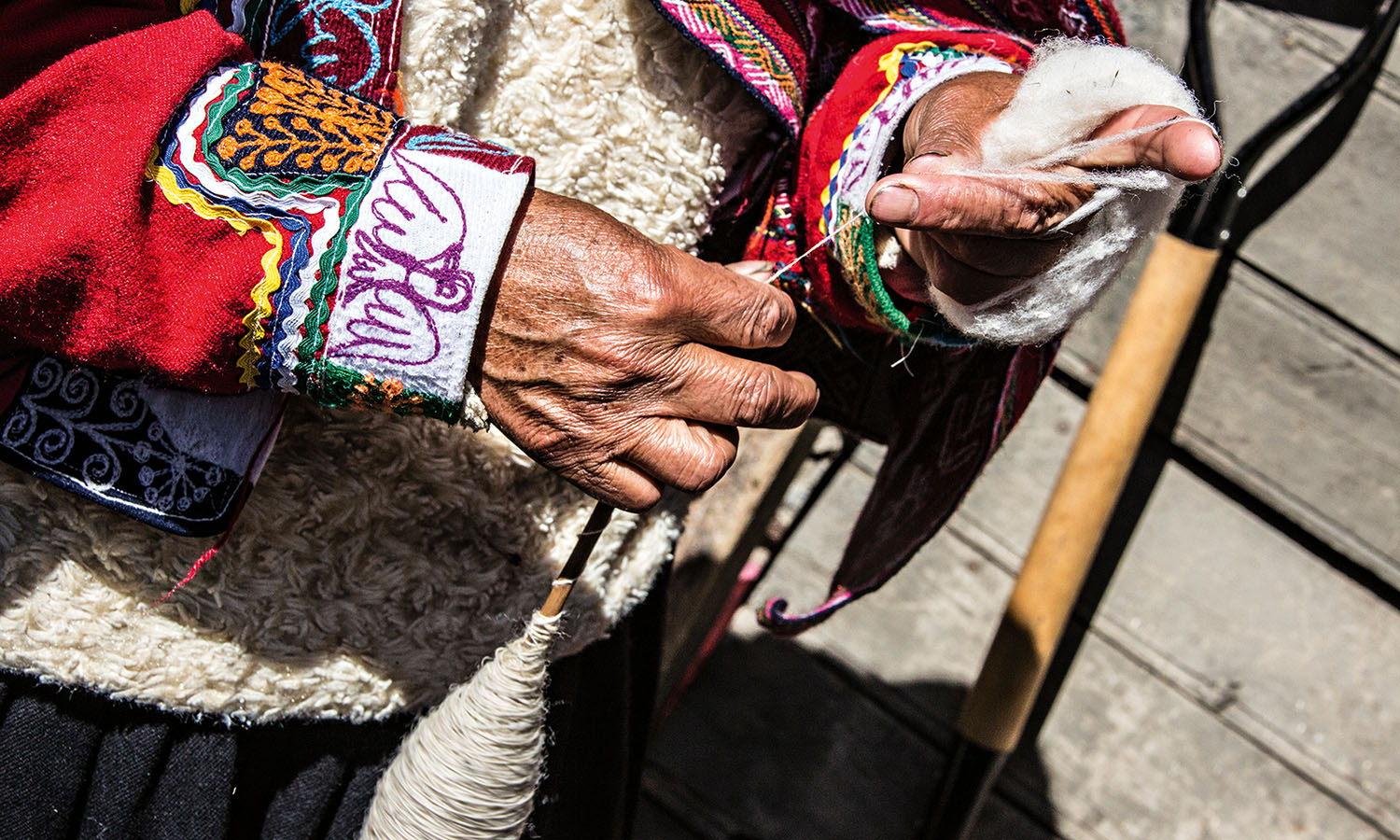
“Quickly, this way.” Our guide Alvaro waves us though a wooden door. Inside three women sit on the floor weaving. “Look here, see this pattern? What do you see?” Alvaro picks up the end of an almost complete piece of fabric. It looks like a little man with his arms raised. “That is Túpac Amaru, the last Inca. If you look closely you will see he is being stretched. Here, he is attached to four horses. The Spanish forbade the Inca to record their history, so they developed a way to weave it into their fabrics. Each stitch tells a story, passed on through generations.”

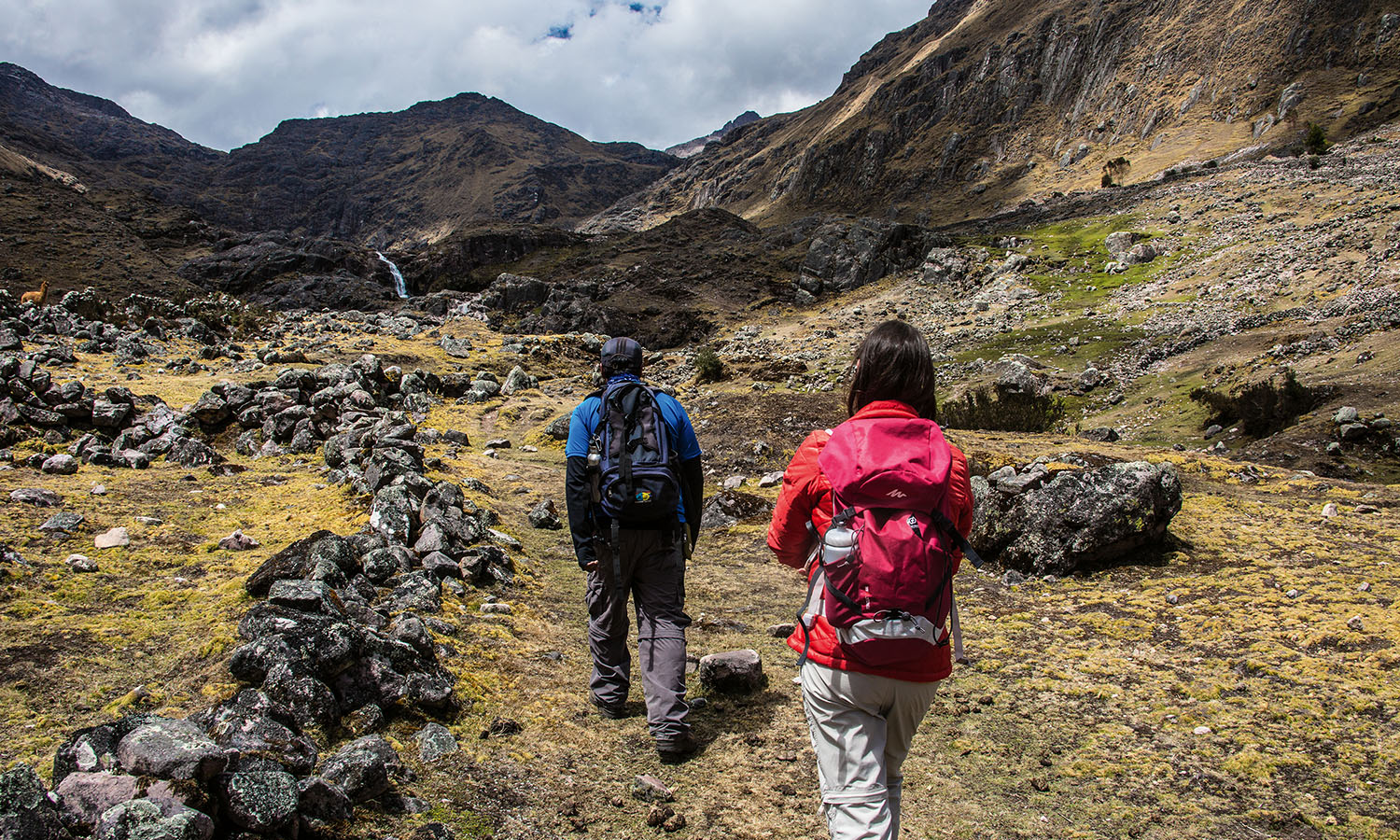
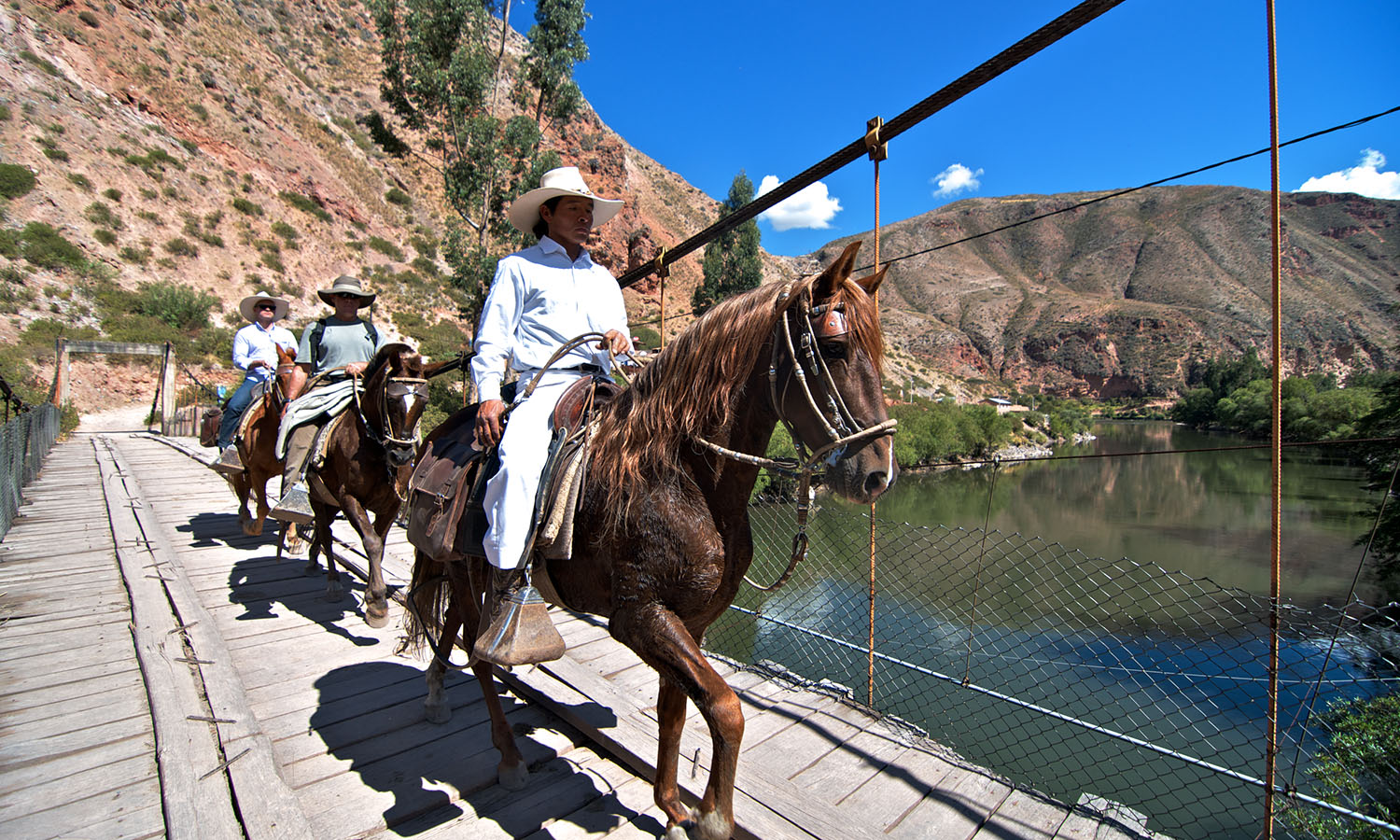
This is day three of a week-long Lares Adventure hosted by Mountain Lodges of Peru. Early this morning we’d left Lamay Lodge and jumped on mountain bikes to race along dirt paths, over streams and through fields. Now we’re learning about ancient traditions still relevant in the twenty-first century. That’s the point of Mountain Lodges’ trips – they blend cultural exploration with outdoor activity where snow-capped peaks and herds of llamas are the backdrop. Each day, guests are able to choose their own adventure. Some days we get to travel in a comfortable air-conditioned van; others we’ll walk or, like today, ride a bike. It all comes to a head with one of Peru’s iconic rail journeys.
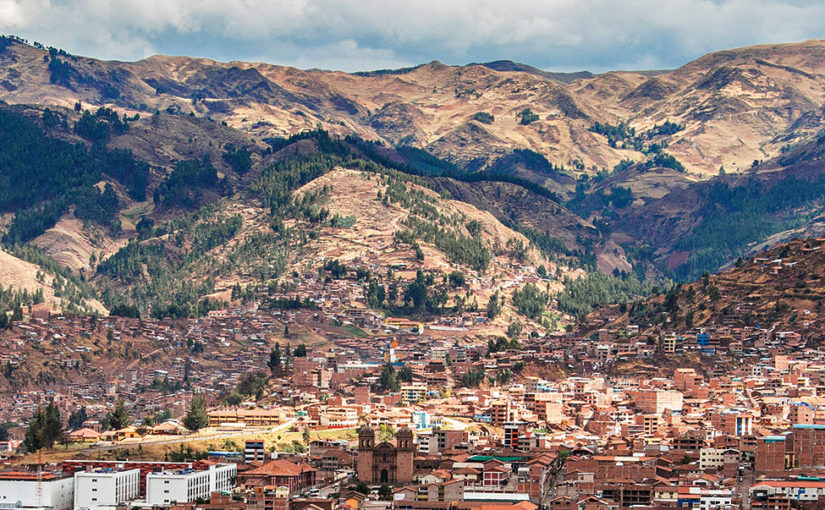
I’d arrived in Cusco, the Peruvian city sitting 3400 metres above sea level, just 72 hours previously, armed with a number of suggested remedies to counteract the effects of altitude sickness, ranging from Diamox to coca tea. Instead I decided an all-night session of drinking and dancing might cure what ailed me. It seemed to work. The next evening, having spent the day climbing to Cristo Blanco on Pukamoqo Hill, tasting the local delicacy cuy (that’s guinea pig to you and me, roasted whole until its skin is burned to a crisp) and exploring the rest of the city, I met the seven other people with whom I’m to spend the next week exploring the land of the Inca.

The Inca who settled the rugged, beautiful Sacred Valley were extremely productive in creating a culture that would withstand the ravages of time. They were so successful, in fact, parts of it survived the brutal conquest by the Spanish, who tried to erase them from the planet.
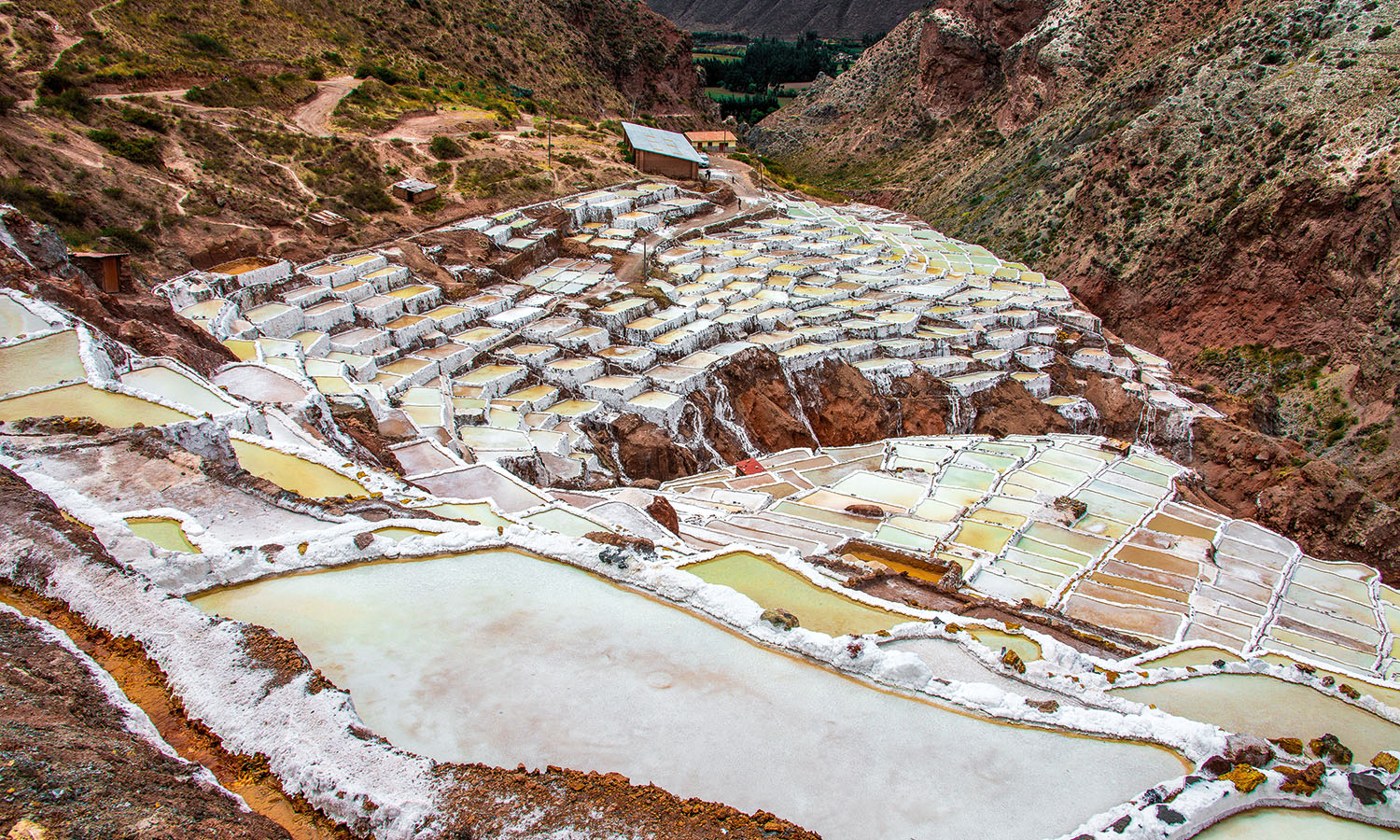
We visit well-known sights, like the market town of Pisac, which sits beneath ruins, and the thriving salt mines of Maras. As you approach Maras its pastel-coloured, naturally fed salt ponds cascade down the mountainside like a lost Cézanne. Then there’s Moray, a series of a dozen or so otherworldly concentric circles etched into a hillside. The depth and orientation of the terraces mean there’s a temperature difference of as much as 15ºC between the top and bottom. It’s thought this was some kind of laboratory where the Incas would take wild vegetation and acclimatise it to growing at altitude.

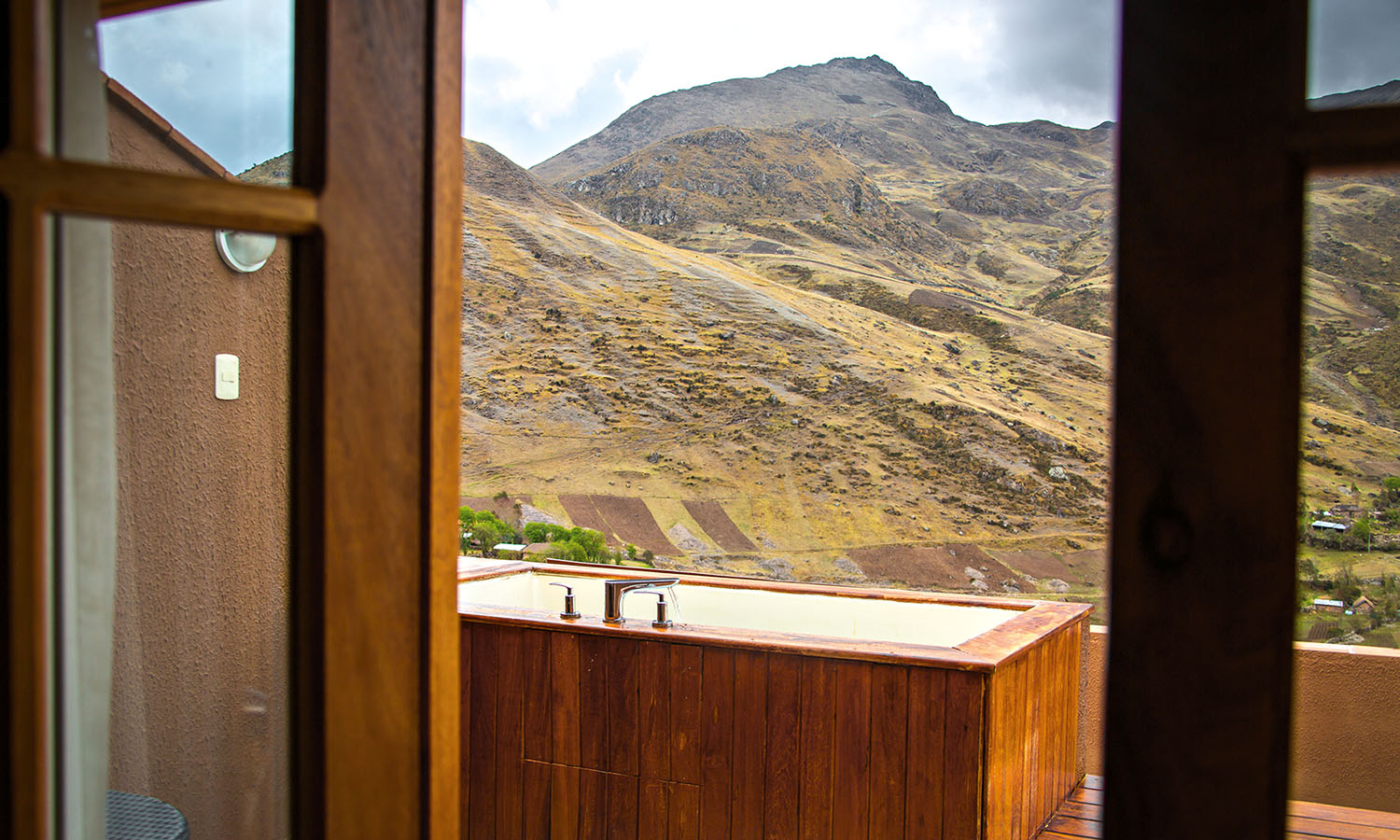
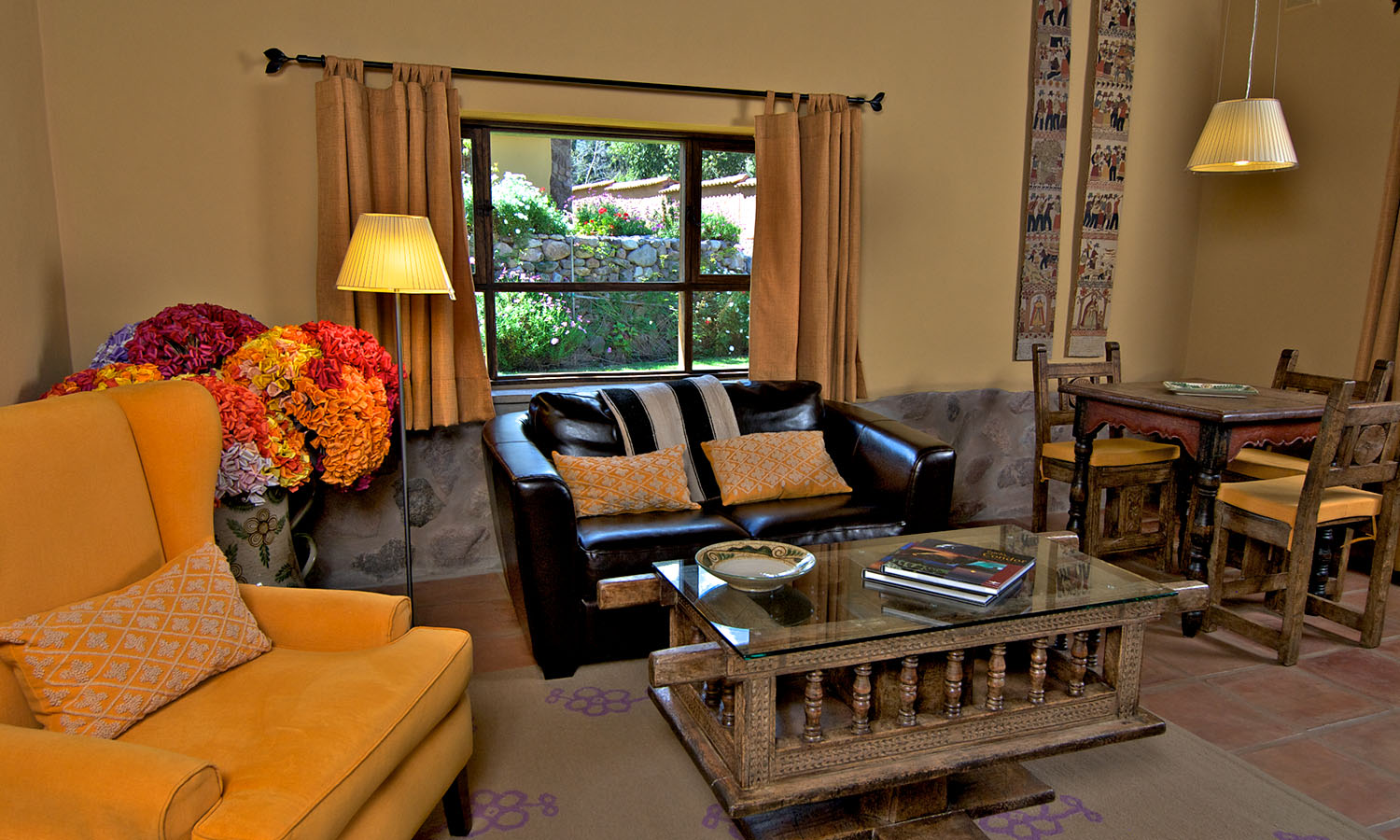
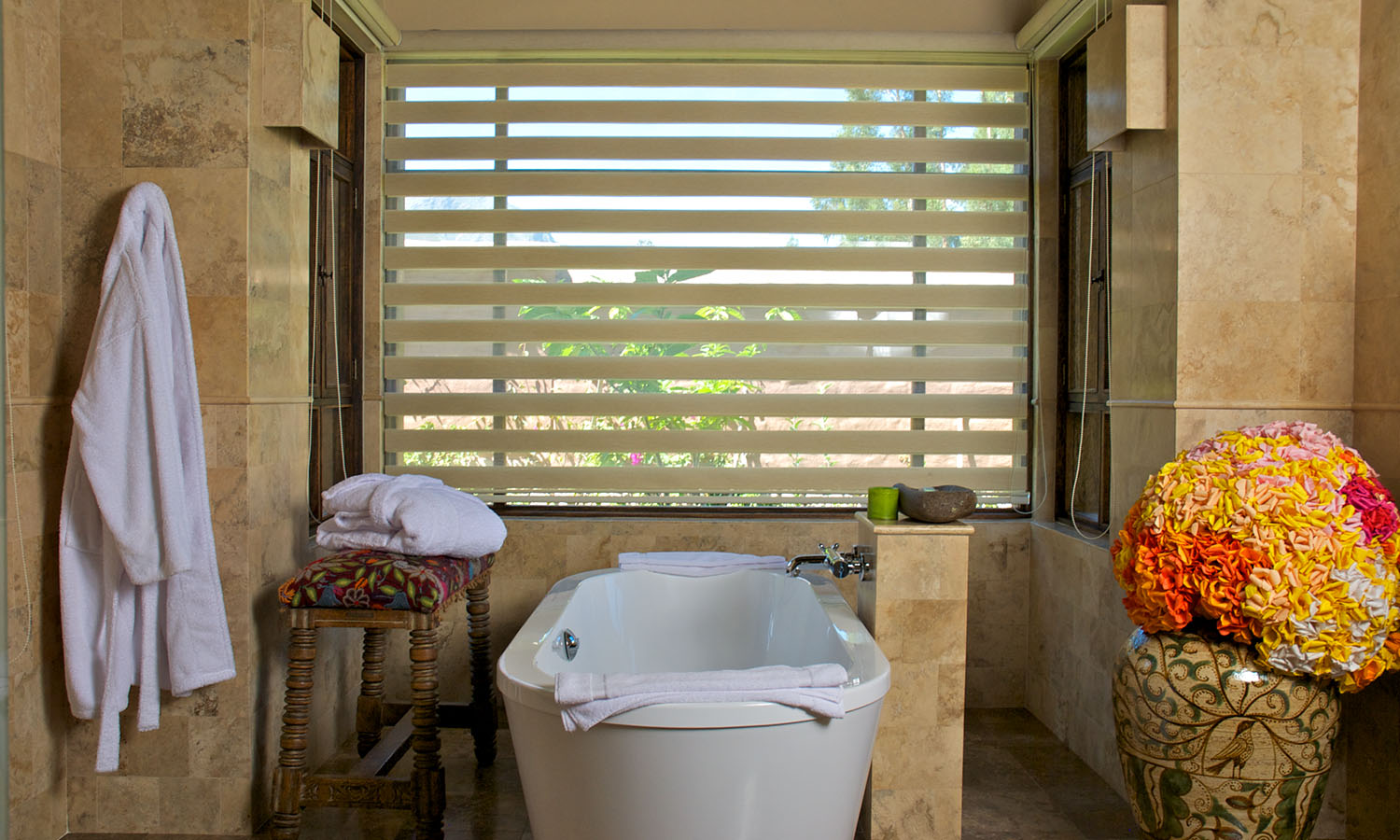
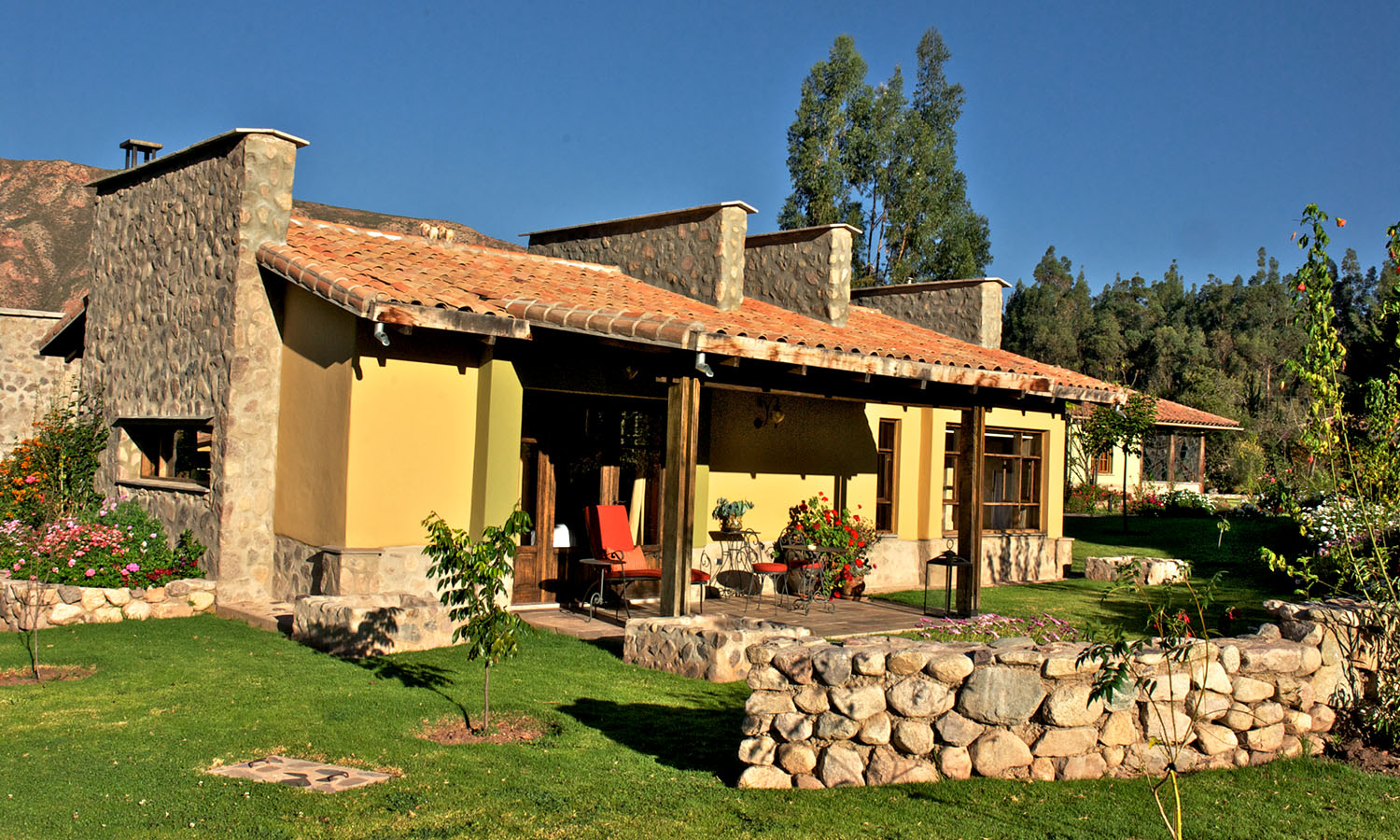
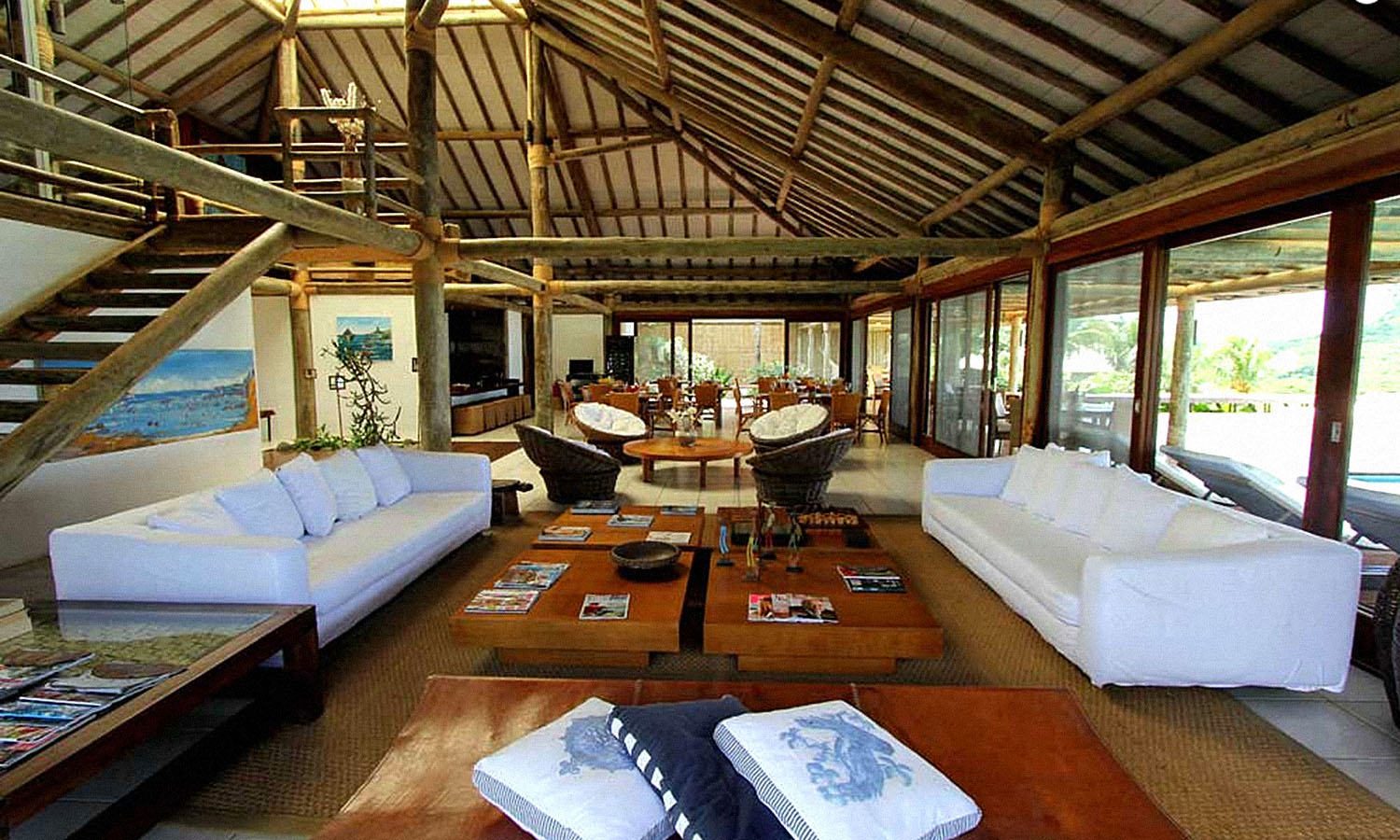
While days are spent discovering Andean culture, evenings get luxurious at two five-star custom-built lodges complete with five-course dining, massages and hot tubs. It’s enough to knock off your hiking boots. The first, a modern ranch with artistic flair called Lamay Lodge, has all the amenities one might expect from luxury digs. Huancahuasi is even more exquisite. After our day spent exploring Choquecancha we take a long van ride to a lush valley dissected by a meandering stream. Quaint homes are strung along its edges and we can see people herding alpacas. In the distance, there’s a cascading waterfall. Then we see the lodge, hanging over the edge of the valley. We go as far as we can in the van, before being relieved of our luggage and walking the final leg. According to our guide, this is one of only five hotels in the world accessible only by foot. It’s worth it. The foyer is framed with glass, so it feels as if you are floating above the valley. Thick mist and clouds begin to roll in, creating the perfect scene to view from the hot tubs on the balcony of each room. But, first, there’s the small question of a massage.

Some days the group splits and, on one occasion, when some venture off to hike to mountain lakes, the rest of us head to Huancahuasi. For most tourists there is no reason to ever visit this village. It’s tiny, there’s no museum, and its remoteness makes getting to it difficult. Which, for me, is why it’s one of the highlights of the trip. This town never sees travellers other than guests of Mountain Lodges. Huancahuasi and the company have a symbiotic relationship. The people who work at the lodge live here. They are trained by Mountain Lodges in management, guest services and hospitality and are given jobs and benefits. What’s more, half of the proceeds from tours go to the people of the town. When you realise you can have this level of style, comfort and sophistication while supporting the local community, it becomes a wake-up call about what tourism should be.

We are invited into homes, offered meals and introduced to families and their friends. We’re also laughed at when we bang our heads on the low ceilings and doors. It’s a lot like visiting very distant cousins from a family you never knew you had.
Then we visit the local school. Much like anywhere else in the world, children are sitting around desks, colourful drawings hang on classroom walls and alphabet cards line the hallways. What I find remarkable, though, is the way the children are dressed in traditional, handmade garments.

We share some bread rolls we’ve brought with us, then head off, the children trailing behind us.

Eventually they go back to school and we keep walking past a stream and alpacas grazing on lush grass, before reaching the base of a waterfall where the gushing spray creates a series of rainbows all around us. A few brave souls climb to its head for a view of the valley. I feel as though I’m at the edge of the world.

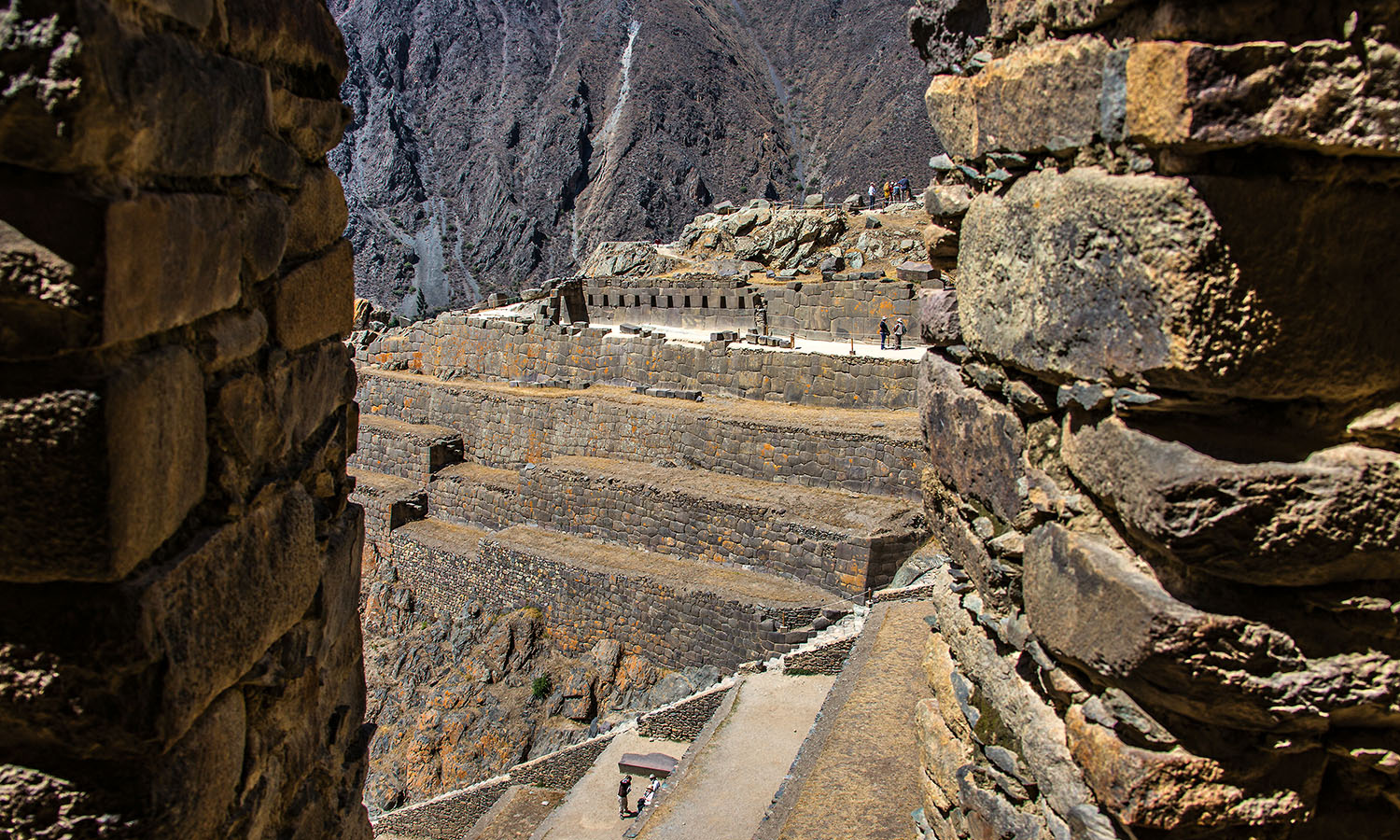
Overnighting in Ollantaytambo, the oldest continually inhabited city in South America, brings us back to the real world. Dating back to the fifteenth century this was the royal estate of the Inca; today it’s the connector between Machu Picchu to the west and Pisac to the east. Walking the city is a strange experience. It’s both modern and ancient, as if someone put a shopping mall inside Rome’s Colosseum. Alleyways are packed with apartments and shops, some of which have been occupied in the same manner for more than 500 years. Terraces surround the town, creating a series of microclimates that allowed the Inca to farm a variety of produce. Streams and a still-functioning system of aqueducts deliver water to the town and up to the Inca ruins. Tour buses pass slowly through the narrow streets, and throngs of tourists from all corners of the earth try not to trip on the cobblestones while looking up to the amazing terraces.

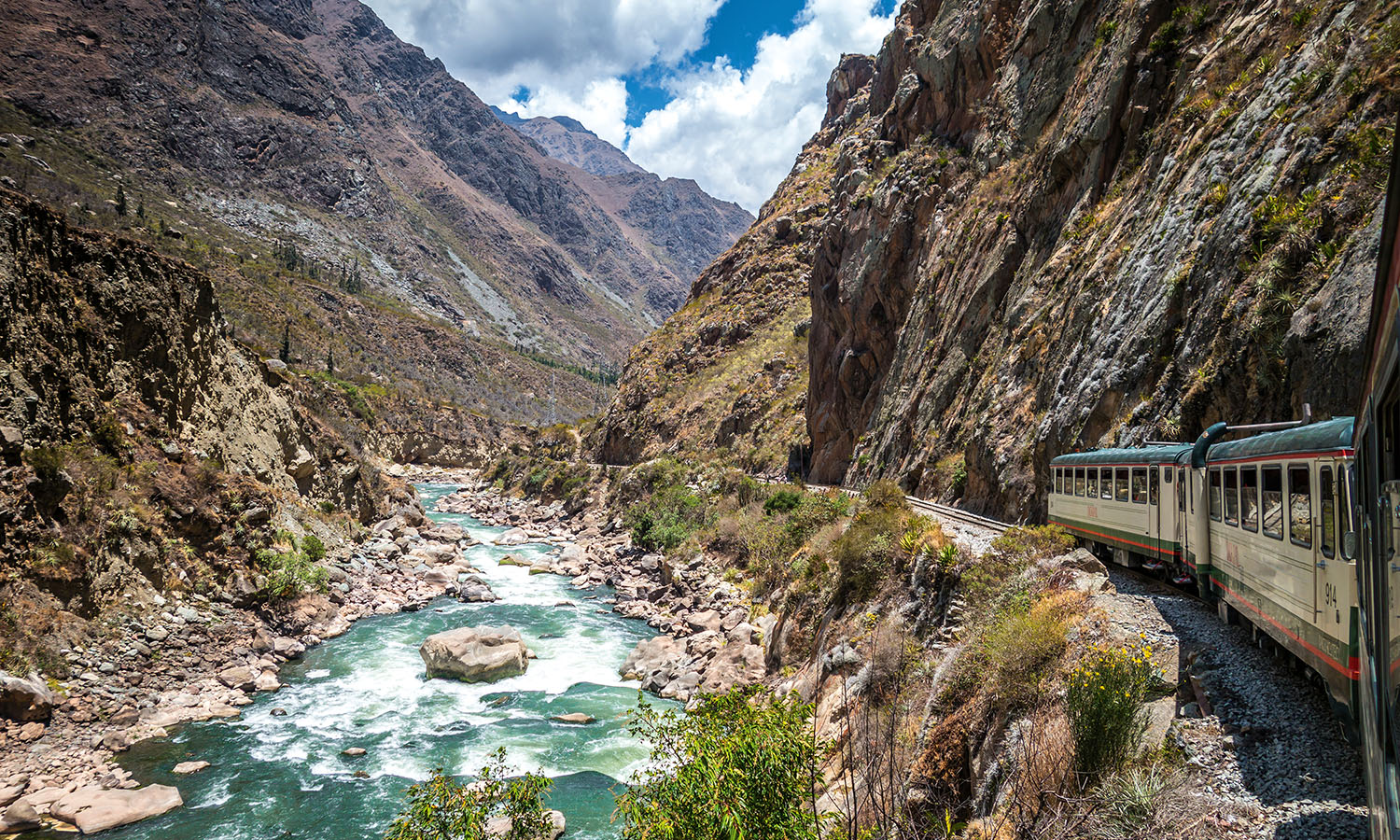
The city also has a train station and we’re using it to get to our final destination: Aguas Calientes, the town below Machu Picchu. Inside the train, windows curve into the ceiling for all-round views – there’s even a bar cart that wobbles through the aisles. It’s impossible not to feel as if we are time travelling to a place far more adventurous.

Arriving in Aguas Calientes is a shock to the system. The town is manic and doesn’t resemble anything we’ve seen in the past week. Restaurants trumpeting all sorts of national cuisines crowd every space, and a large plaza seems to be the depository for every tourist trickling down the mountainside. Street vendors and the proprietors of small shops all bark for the attention of people strolling past. We are a long way from the quiet authenticity of Huancahuasi and it seems the closer we get to the famed Machu Picchu the less like Peru it feels.

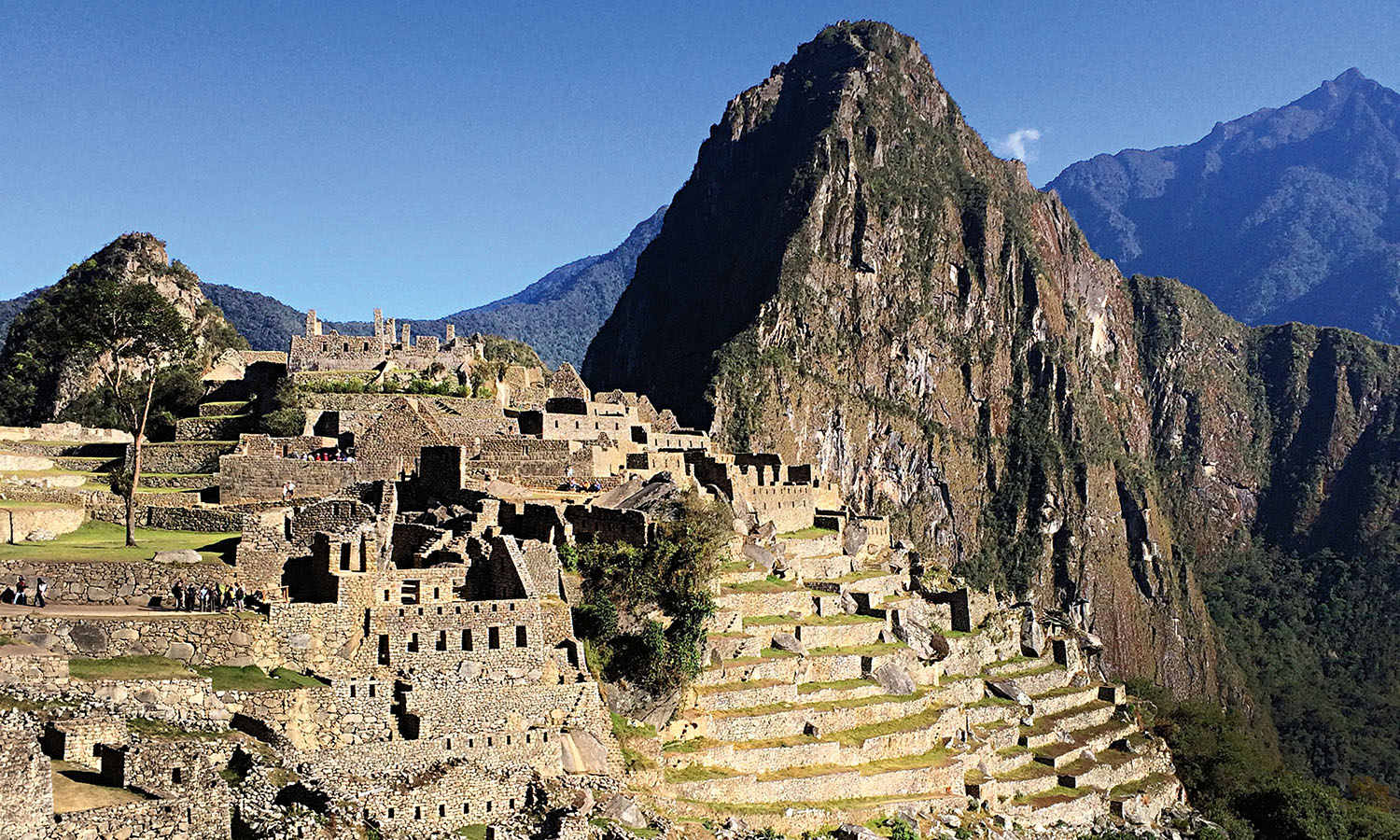
Even though we’re up at the crack of dawn there is already a long line for Machu Picchu. Luckily we are one of the first groups, and our guide knows the path to take once inside to get ahead of the meandering crowds. We make a beeline to a central plateau to take in the view of this incredible city carved into the sides of mountain. You can’t imagine how on earth anyone built this or even discovered it.

“Most people know that Machu Picchu was discovered in 1911 by a Yale professor named Hiram Bingham,” says our guide Raul. “What most people don’t know is that they are wrong. How did a professor from Yale know to come here, when the Spanish, who conquered this entire region, couldn’t even find this place?”

“He wasn’t the first?” one of the group offers.

“Exactly.”

The story goes that an American mining company representative auditing the area asked about a mine owned by a German named Augusto Berns that showed some very promising yields. There was only one problem – when he went to visit the mine it wasn’t there.

Asking around, the auditor heard from locals about an Inca city, high in the mountains, that was taken over by the forest. He figured out Augusto had discovered it and was pillaging gold artefacts, melting them and shipping the loot home. Enter our pal Hiram Bingham. Tipped off by the auditor Hiram made a very educated guess (he was led there by locals) and ‘discovered’ the site. The rest is history.

Raul shows us around, explaining the way the Incas used cracks in the stone to chip off great chunks, the way they moved them with a series of logs, and even how they carved them so they seamlessly interlocked. We stop at a strange-looking stone jutting out of the ground.

Raul tells me to open the compass app on my iPhone. The points of the stone line up with the compass points. “They had no compasses, but they knew north,” he explains. “If you look to the east what do you see?” In the distance is a gap between two mountain peaks. “That gap is about 1500 metres from here and it is exactly where the sun sets during fall equinox.”

Just as I gather my grey matter from the ground, Raul asks me to open the spirit level on my phone and hold it up against a wall. The measurement reads 13.9 degrees.

“Put it against another wall,” Raul says. Again it’s 13.9 degrees. Yet another is 13.9 degrees.

“Wow, that’s amazing,” I say.

“Is it? Is it amazing that considering they had no tools of measurement as far as we know they could build a series of walls all with the exact same angle?”

We all agree it is. “It’s not,” continues Raul. “What is really amazing is that Machu Picchu sits at exactly 13 degrees and nine minutes latitude on the globe.” He then just walks away. It’s the perfect mic drop.

Later in the day, back in a bar in Aguas Calientes, I thank Raul for a memory that will never leave me. “I’ll be taking Machu Picchu home in my heart,” I say. “What does Machu Picchu mean anyway?”

“Old penis,” says Raul, not looking up from his beer. I just stare at him, but he isn’t kidding. “That’s why it is important to say it the correct way – Machu Picchu, with two c’s. That means ‘old mountain’. Big difference.”

I’m not saying the Inca could see into the future, but that is one hell of a good set-up.

Sleep among the Avenue of Volcanoes

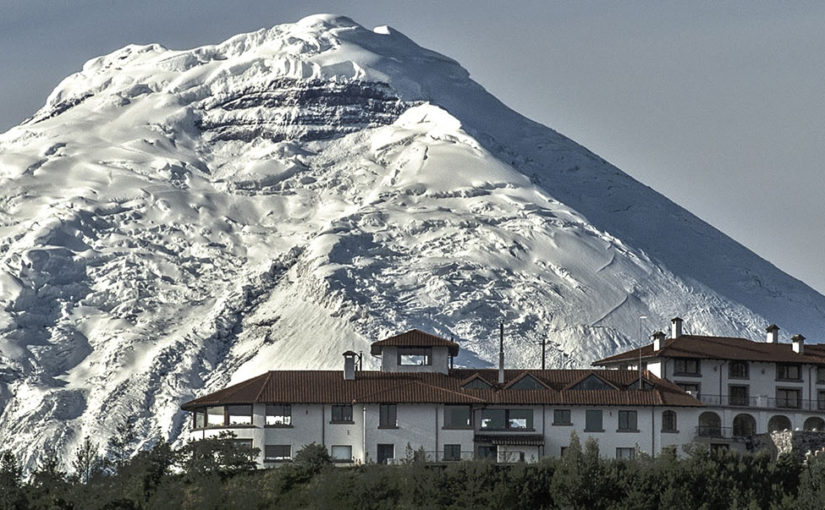
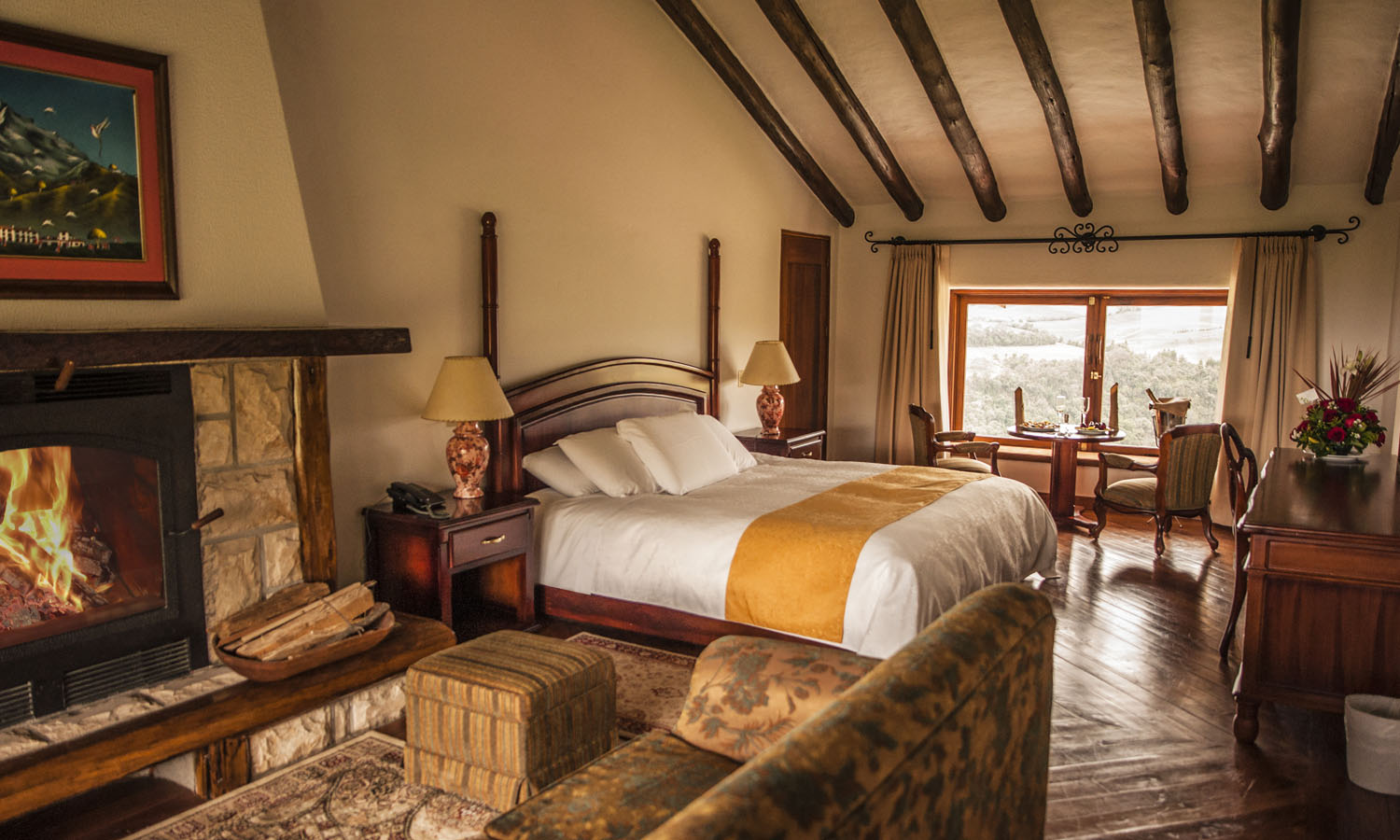
Ecuador may be famous for the Galapagos, but there’s another attraction just as great as blue-footed boobies – volcanoes. In fact, the country does them so well there’s an entire Avenue of Volcanoes, a 320-kilometre stretch that runs south from the capital, Quito, with seven huge peaks sprouting from the earth. The luxurious, 20-room CotopaxiPungo is set among them, carefully positioned to escape any hot magma that might ooze a path of destruction should one monster mountain blow its lid. It is, however, within view of some of the finest, including the snow-capped cone of Cotopaxi, which rumbled back to life last year sending whorls of smoke into the air.


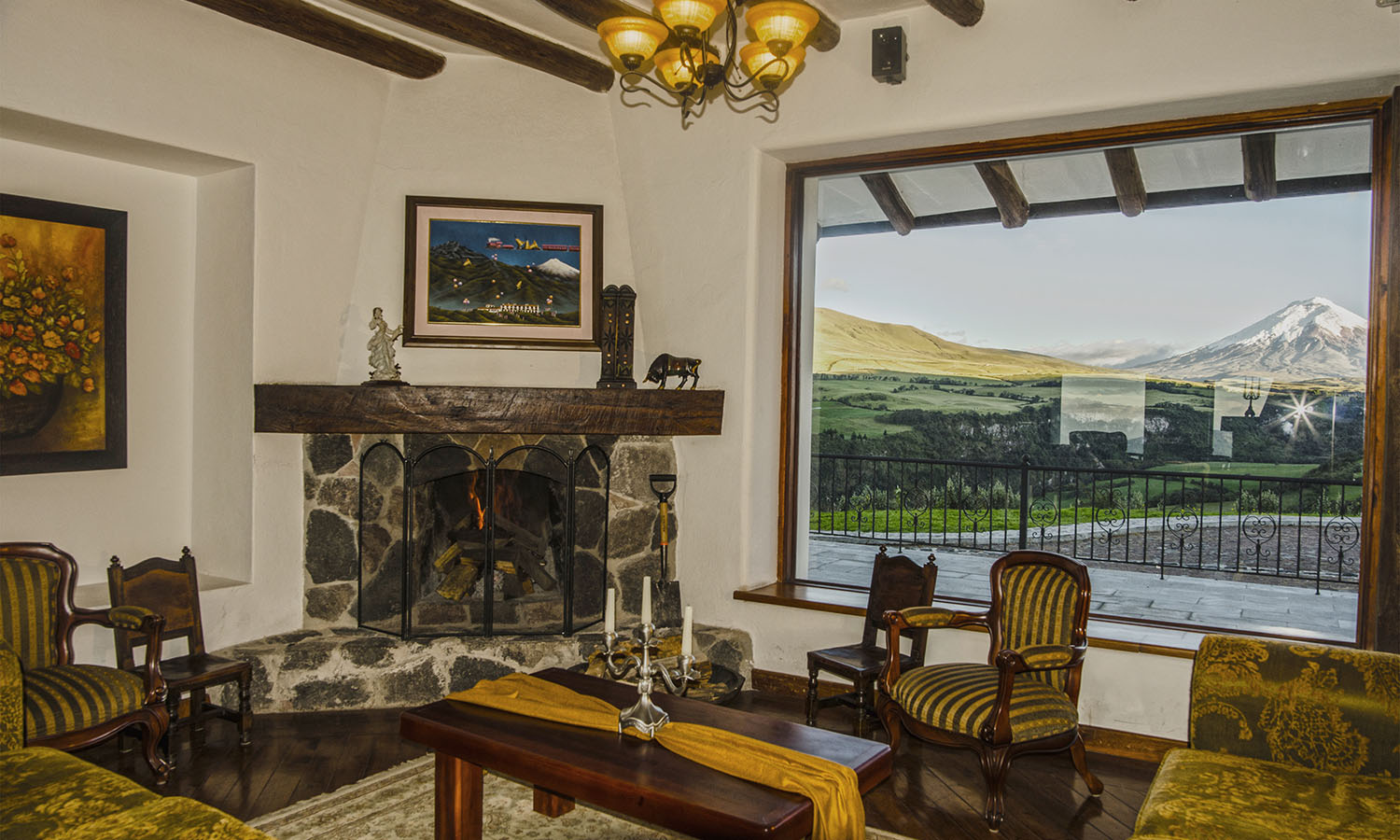
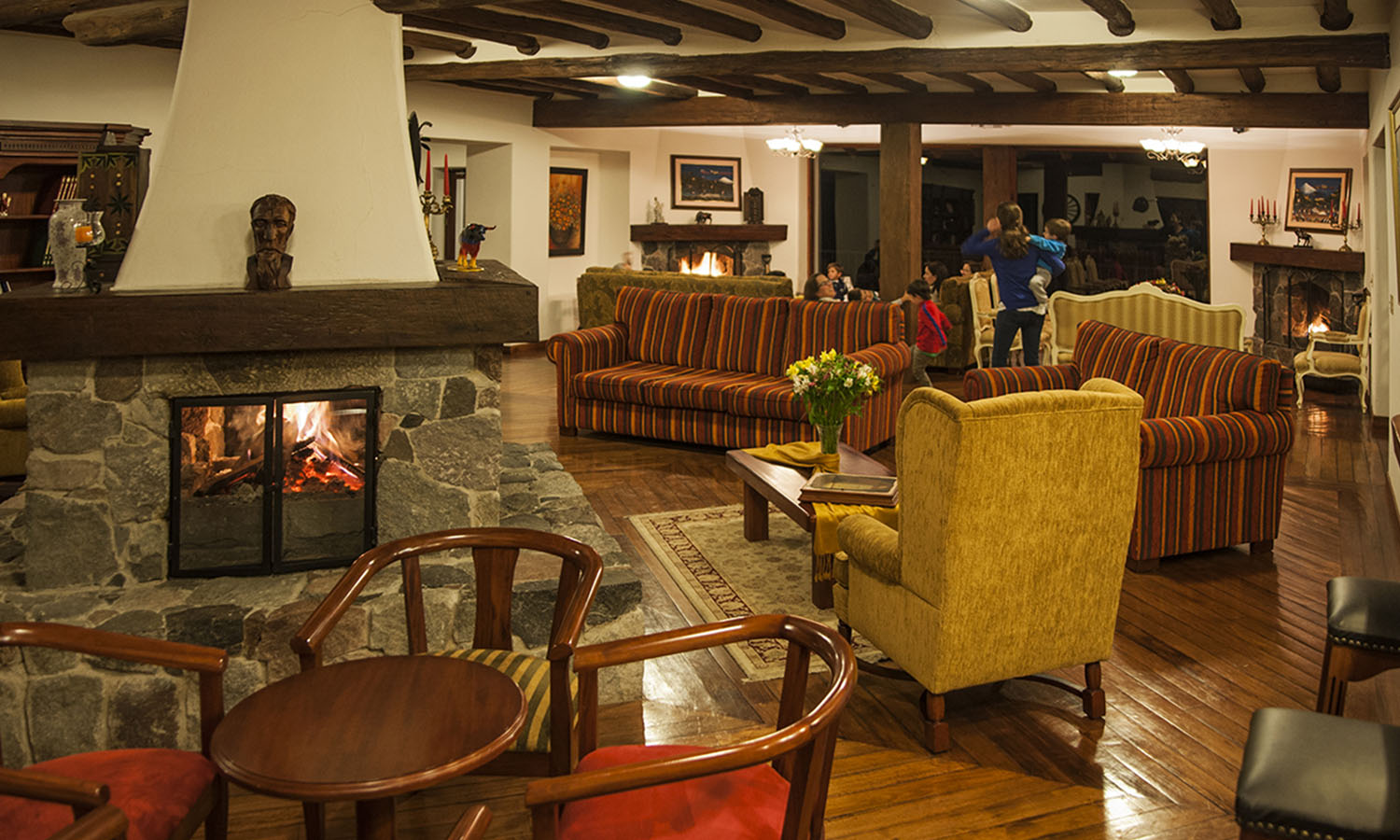
The hotel itself resembles a traditional hacienda (colonial estate), complete with wooden floors, antiques and cosy fires to warm those chilly nights. And, sitting at 3350 metres, it does get cold up here. Spend your days exploring the Andes on horseback, visiting waterfalls, spying hummingbirds and testing your photography skills with tips from manager Juan Carlos, who’s an expert at snapping the giants. Return for honest, local cuisine in the dining room with 180-degree views of the landscape and the lights of Quito glimmering in the distance. 

Meet the locals in the Amazon

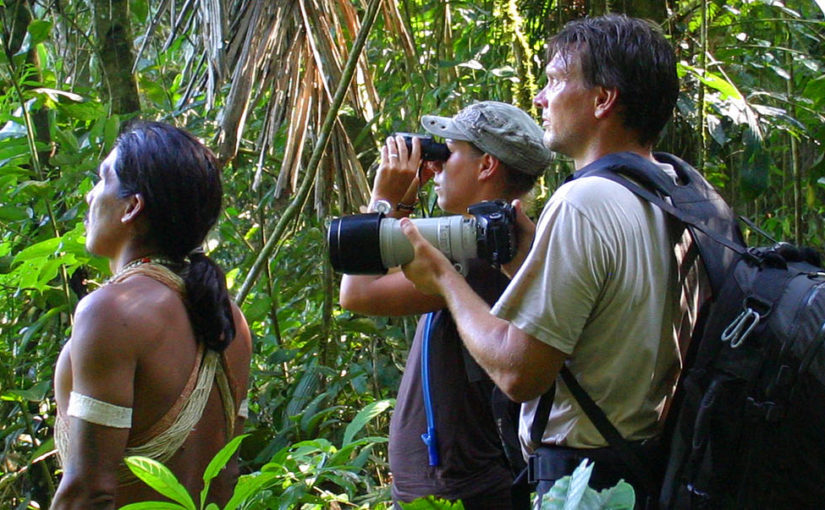
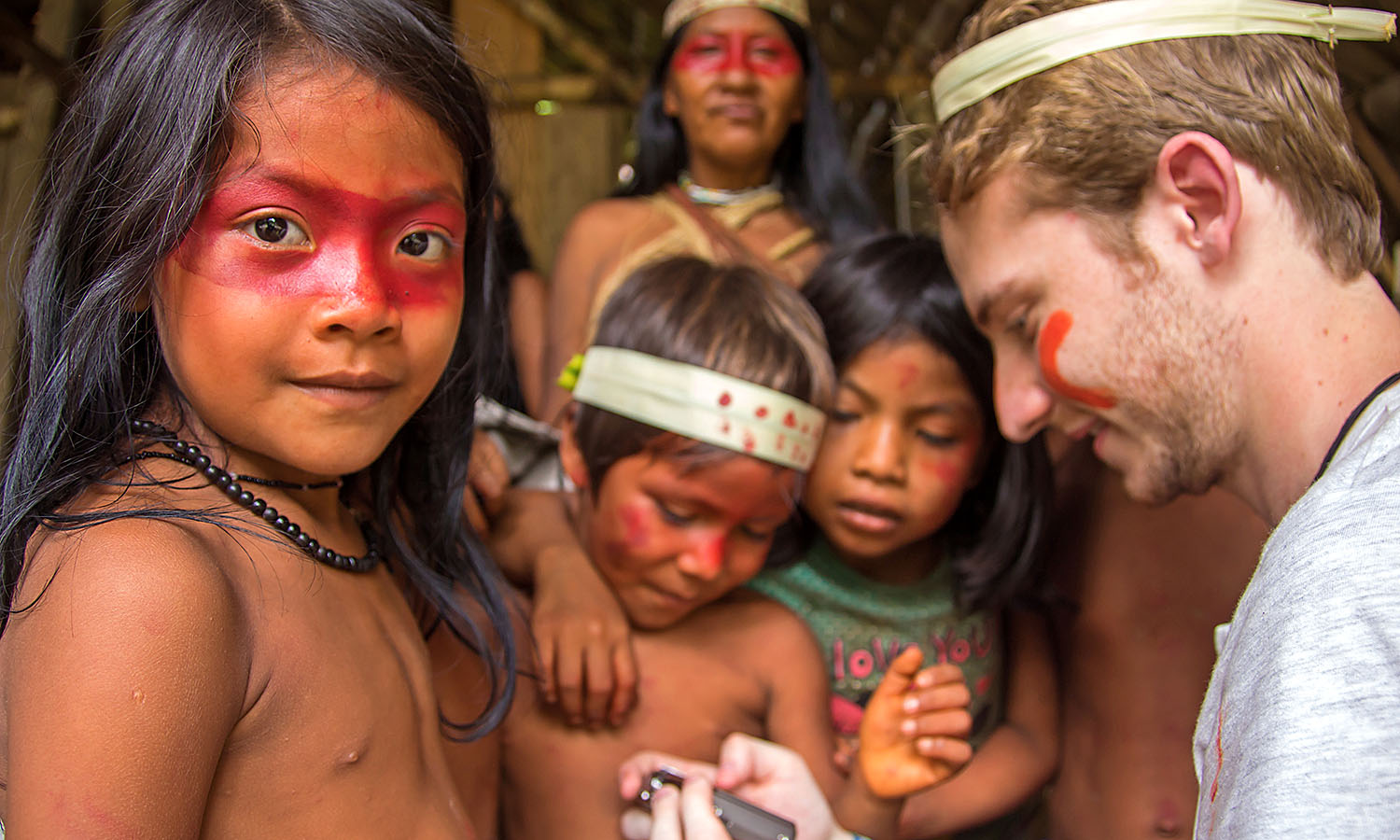
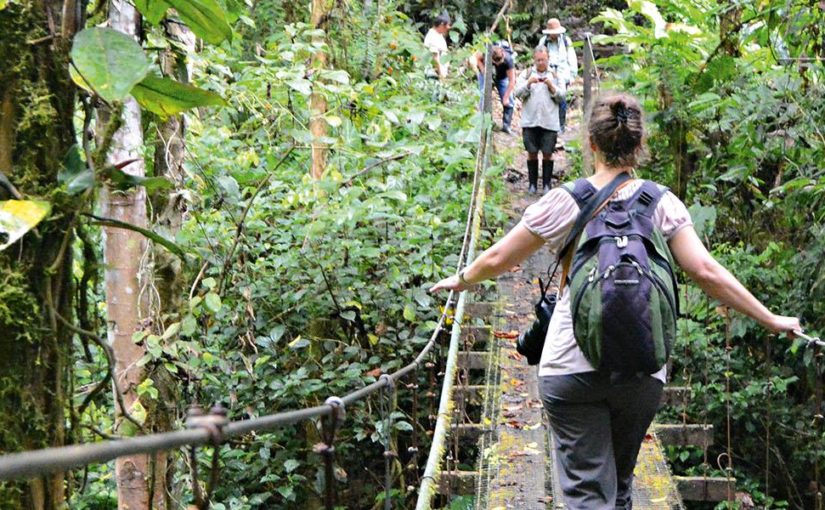
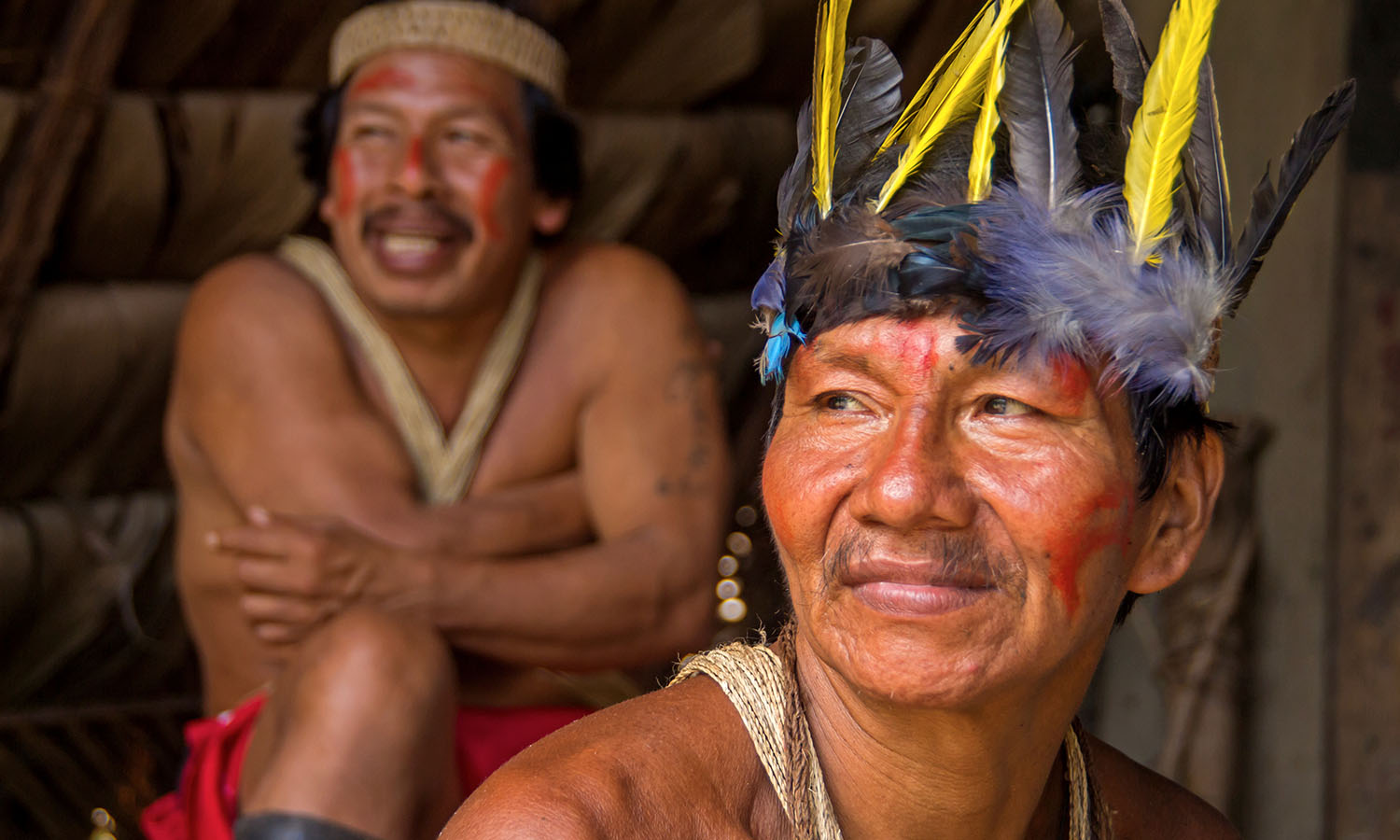
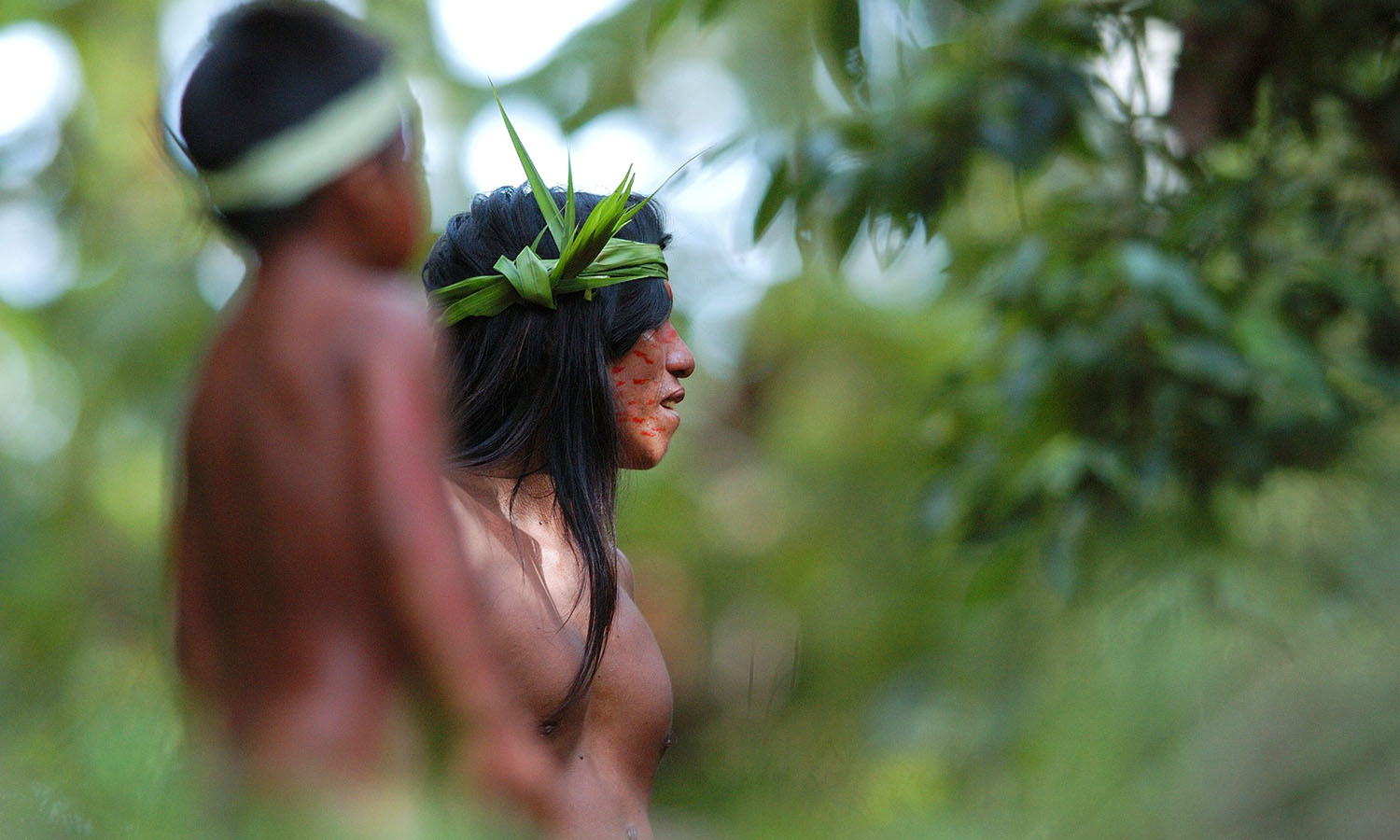
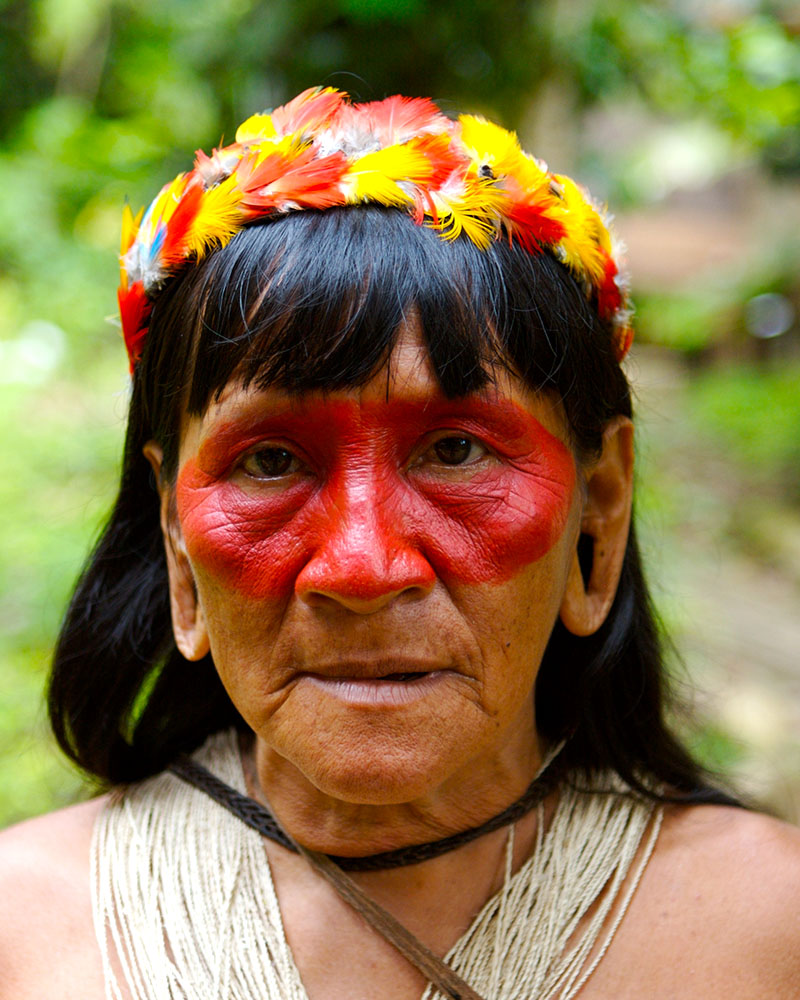
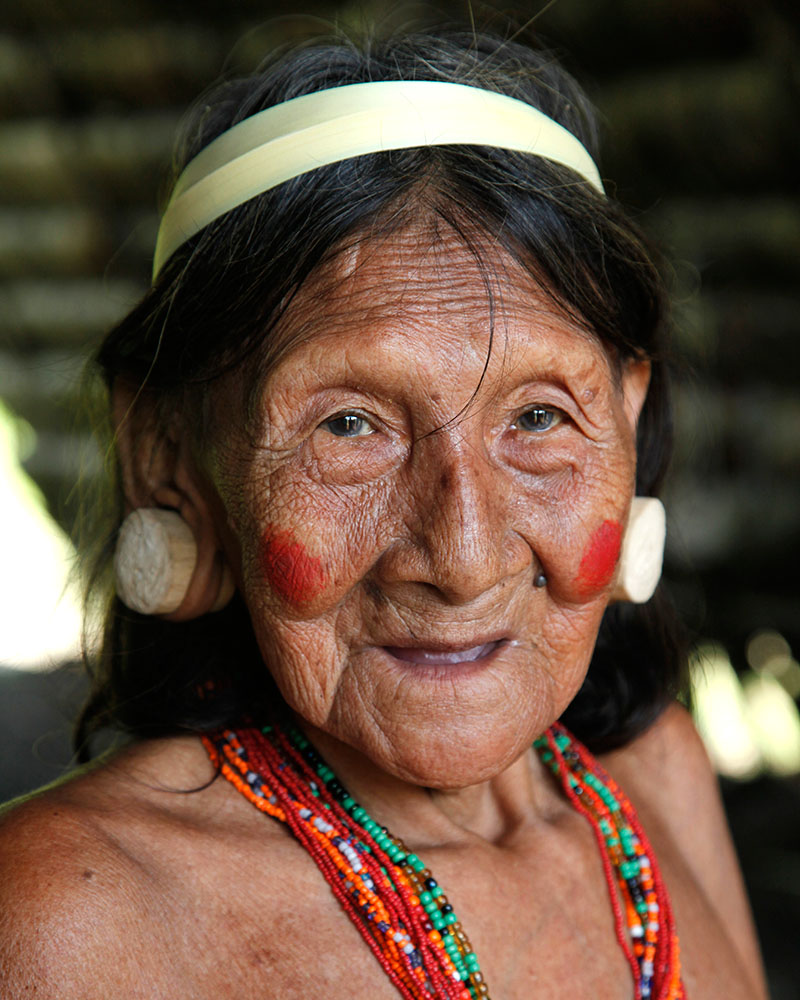
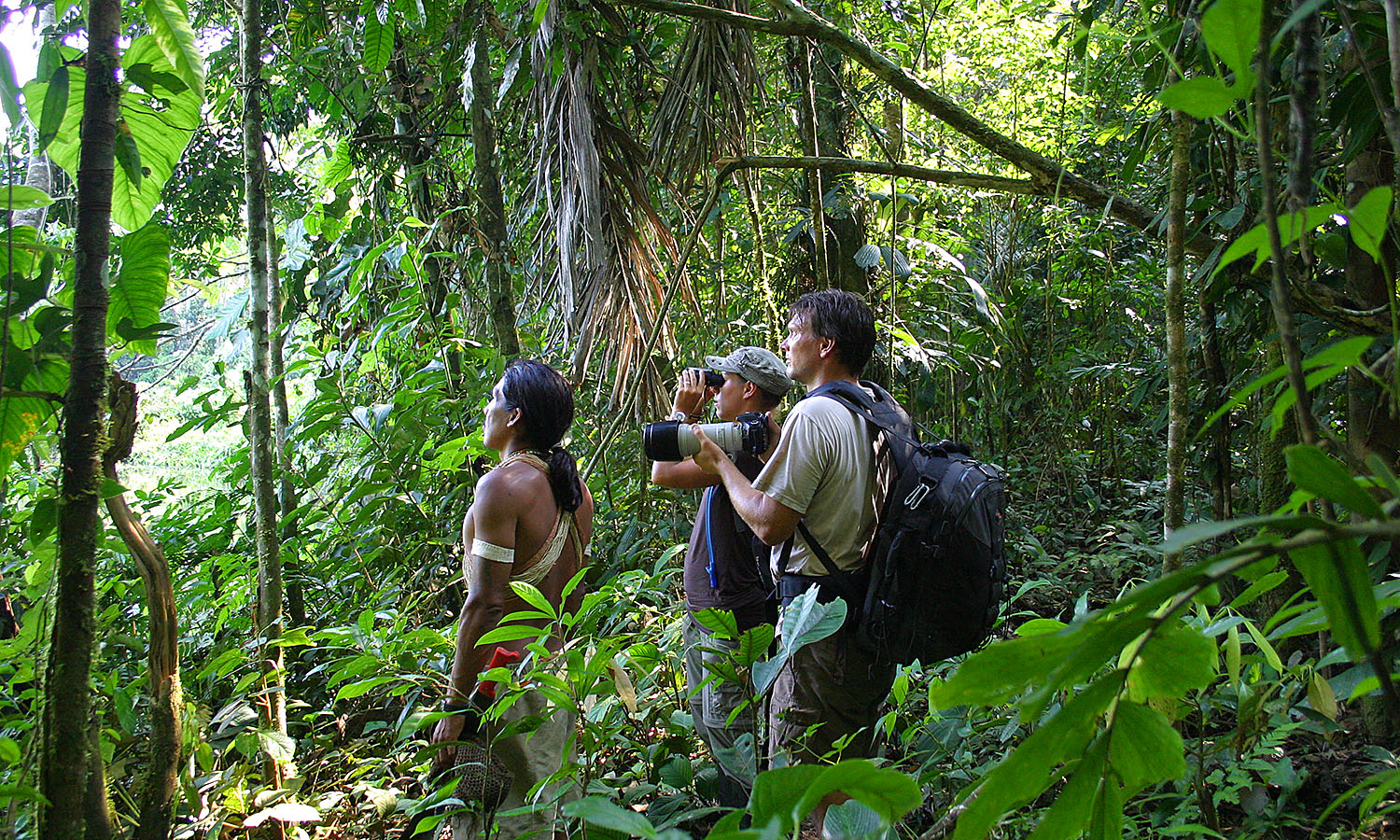
Delve into the Ecuadorian Amazon and step back in time to the centuries-old world of the Huaorani people. Take a 30-minute plane ride from Quito to Quehueri’ono and get your first glimpse of the Amazon before taking a dugout canoe to your lodge. Wander through dense forest with your local guide, who will show you how to hunt and collect the forest’s natural resources, then visit a Huaorani community and participate in some of its daily rituals. Disappear deeper into the wilderness on a hike along the Ceibo Trail and spend a day canoeing the Shiripuno River, keeping your eyes peeled for exotic birds and cheeky monkeys.

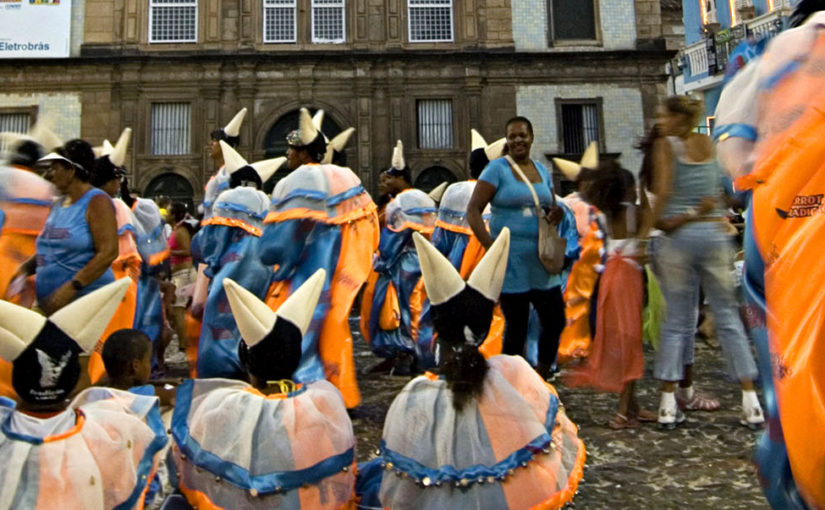
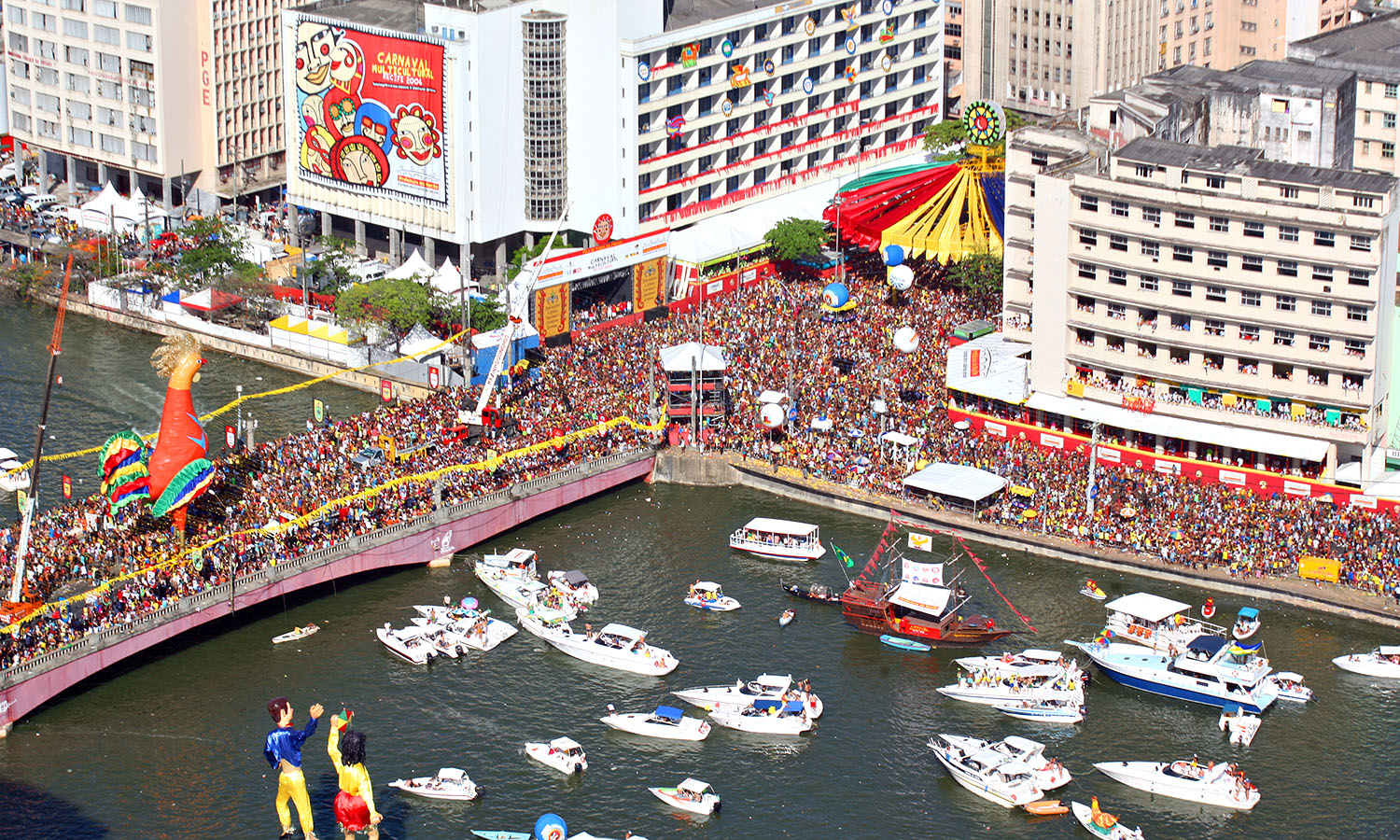
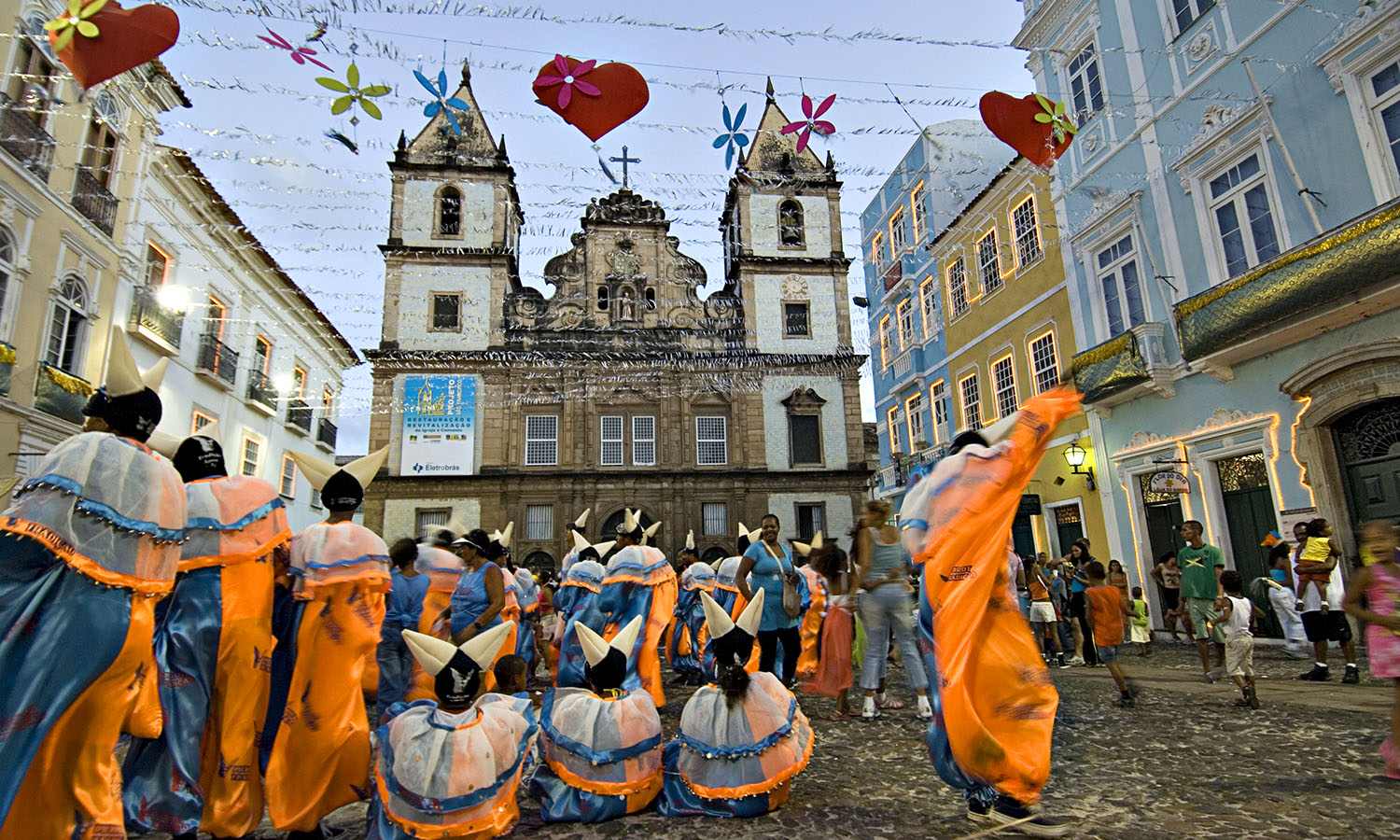
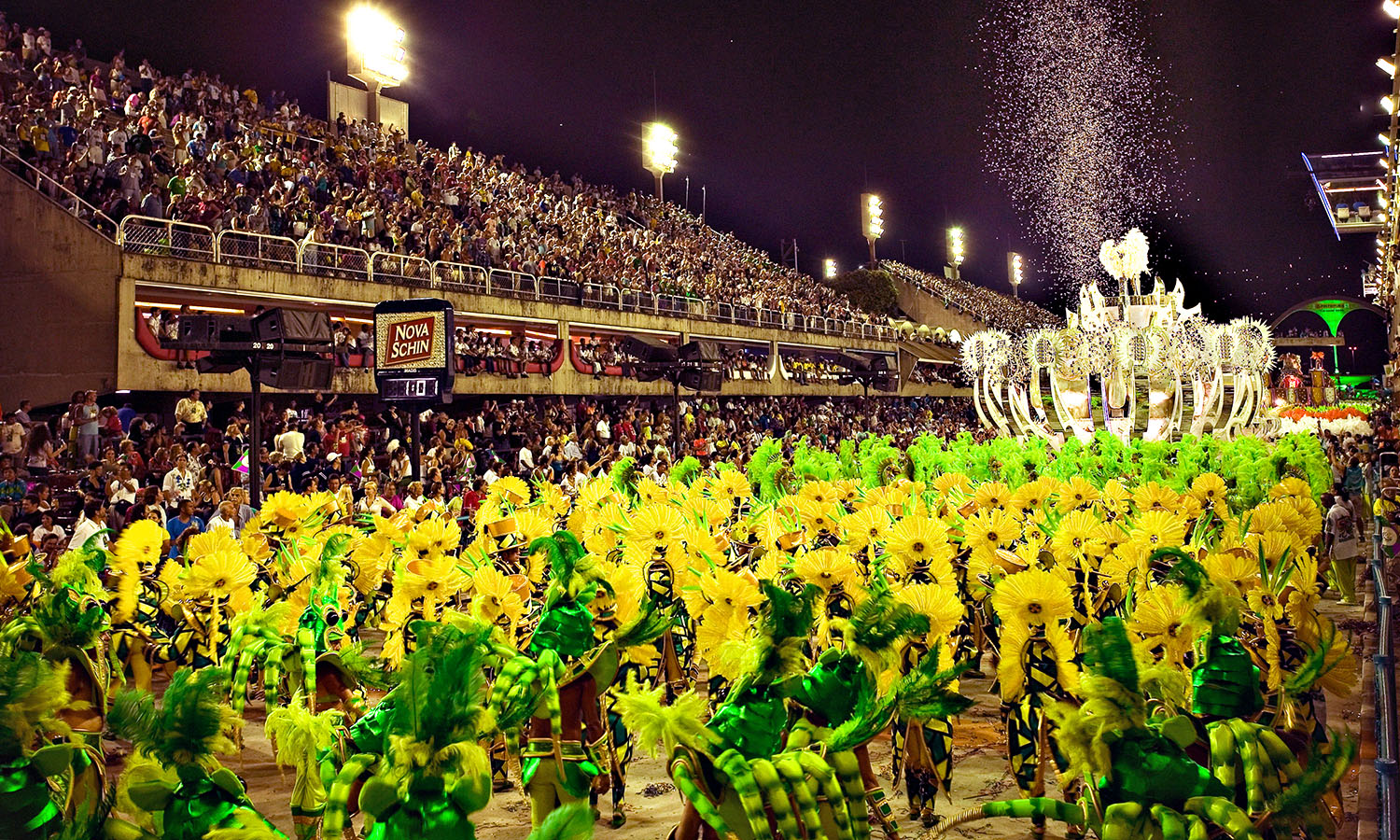
Five tips for slaying Brazil’s Carnival celebrations

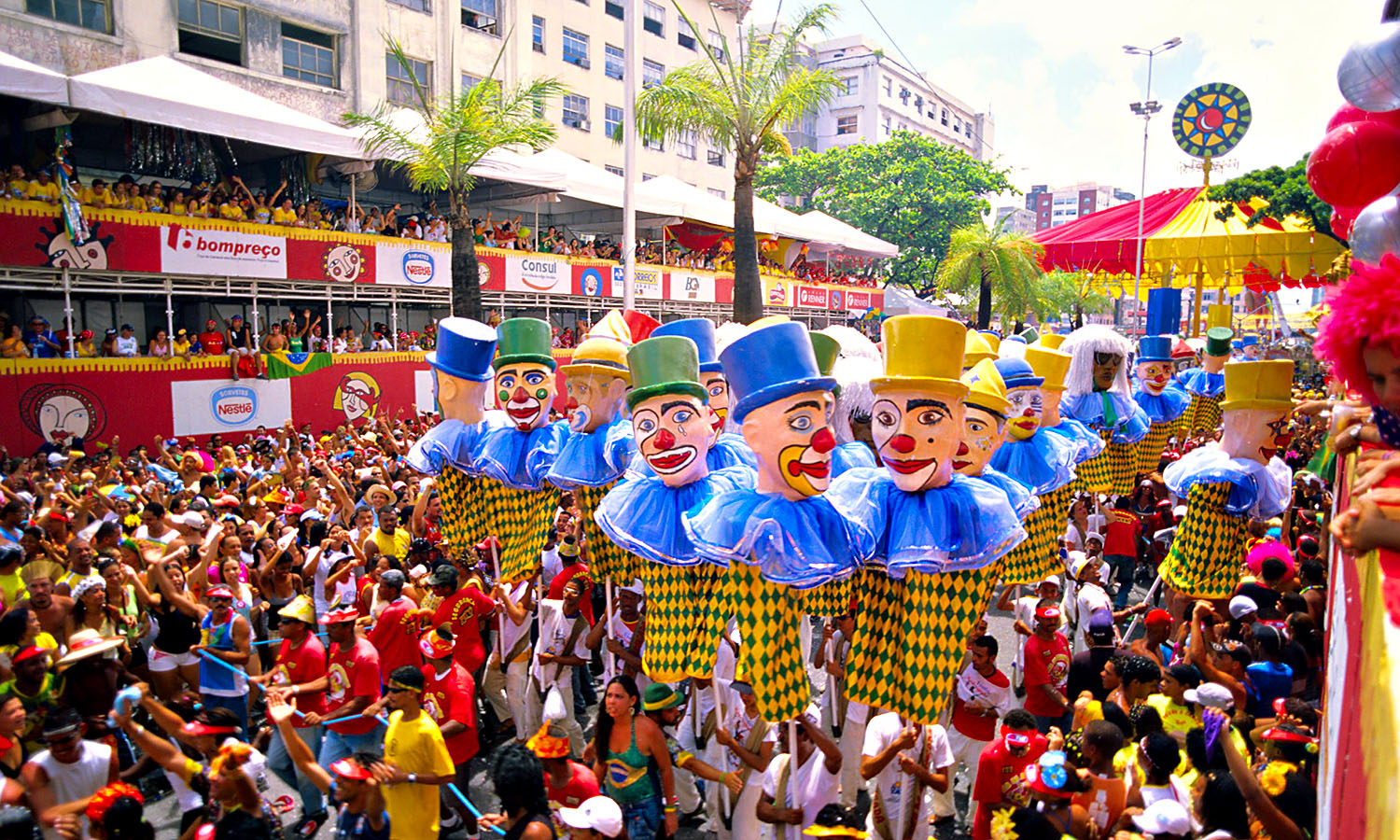
For five days a year, Brazilian cities come alive with music, parades and millions of beautiful people showing off all their best assets. It’s something every traveller needs to experience at least once in a lifetime, but it can be a little overwhelming – especially if you want your legs and liver to survive. Here are our five tips for squeezing the most out of your Carnival experience.

1. Select your city
The most famous celebrations takes place in Rio de Janeiro, but that doesn’t mean you should ignore everywhere else. Each region has its own specific flavour, meaning different costumes and different musical beats. Our favourite pick (other than the Marvellous City of course) is Salvador. Depending on which report you believe, between one and four million people flood the city to whip up a hedonistic storm each year. Here, you can buy yourself an abadá (t-shirt) that acts as a ticket to parade with a specific bloco (group), or gives you access to the grandstands to watch the parade.

2. Get planning
If you haven’t already booked your accommodation, do so pronto as prices rise during the festivities. Now’s also the time to start gathering sequins, feathers and risqué swimsuits – dull attire is not an option. If you’re travelling on an Australian passport you’ll also need to lodge a visa application so you can actually get into the country. It’s pretty easy to do, especially if you live in Canberra (go to the Embassy of Brazil) or Sydney (say hey to the Consulate-General) but can take a few days to process. The wait is a bit longer if you live elsewhere and you need to use the post.

3. Stash your cash
It’s handy to have some Brazilian money (Brazilian real) with you when you arrive, although lots of restaurants and shops do accept credit cards. Be sensible when you’re withdrawing money from ATMs and when you’re out partying stick your money in your shoe, and leave your camera back in your hotel room.

4. Check your licence
Hiring a car is a great way to fit in a couple of Carnival destinations. If you’re going to drive through Brazil you can do so with your usual licence, as long as you’re not staying for longer than 180 days. Just make sure you’re on the ball and driving on the right hand side of the road.
5. Chill out
Carnival keeps going 24-hours a day and sleep becomes a rare and valuable thing. With the streets heaving with people yelling, whistling and merrymaking, it can be difficult to catch some zzz’s, even when you’ve made the tough decision to part from the party for a little while. Make sure you bring good quality earplugs, schedule in some time at the beach and keep your body fuelled with the delicious street food for sale.

Such Great Heights

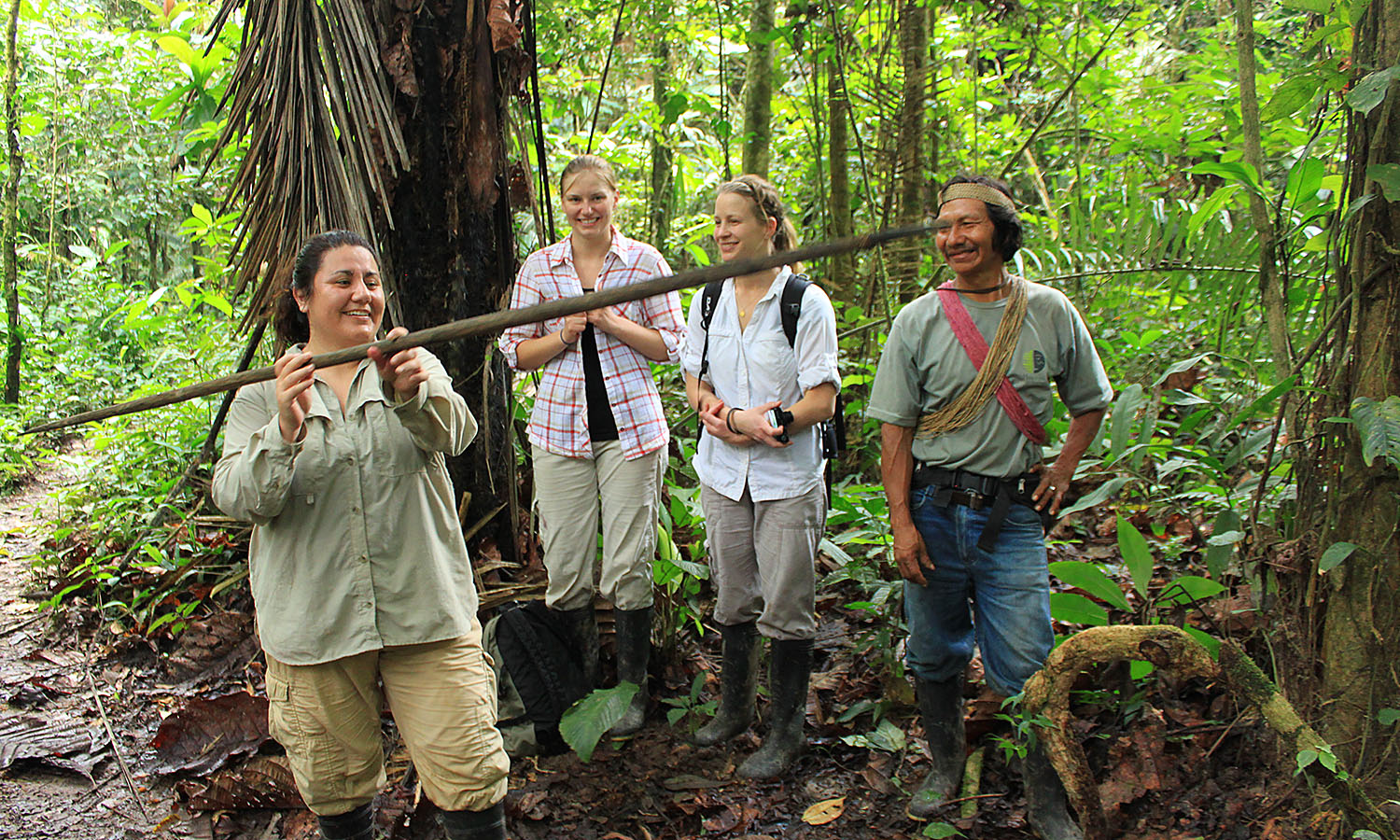
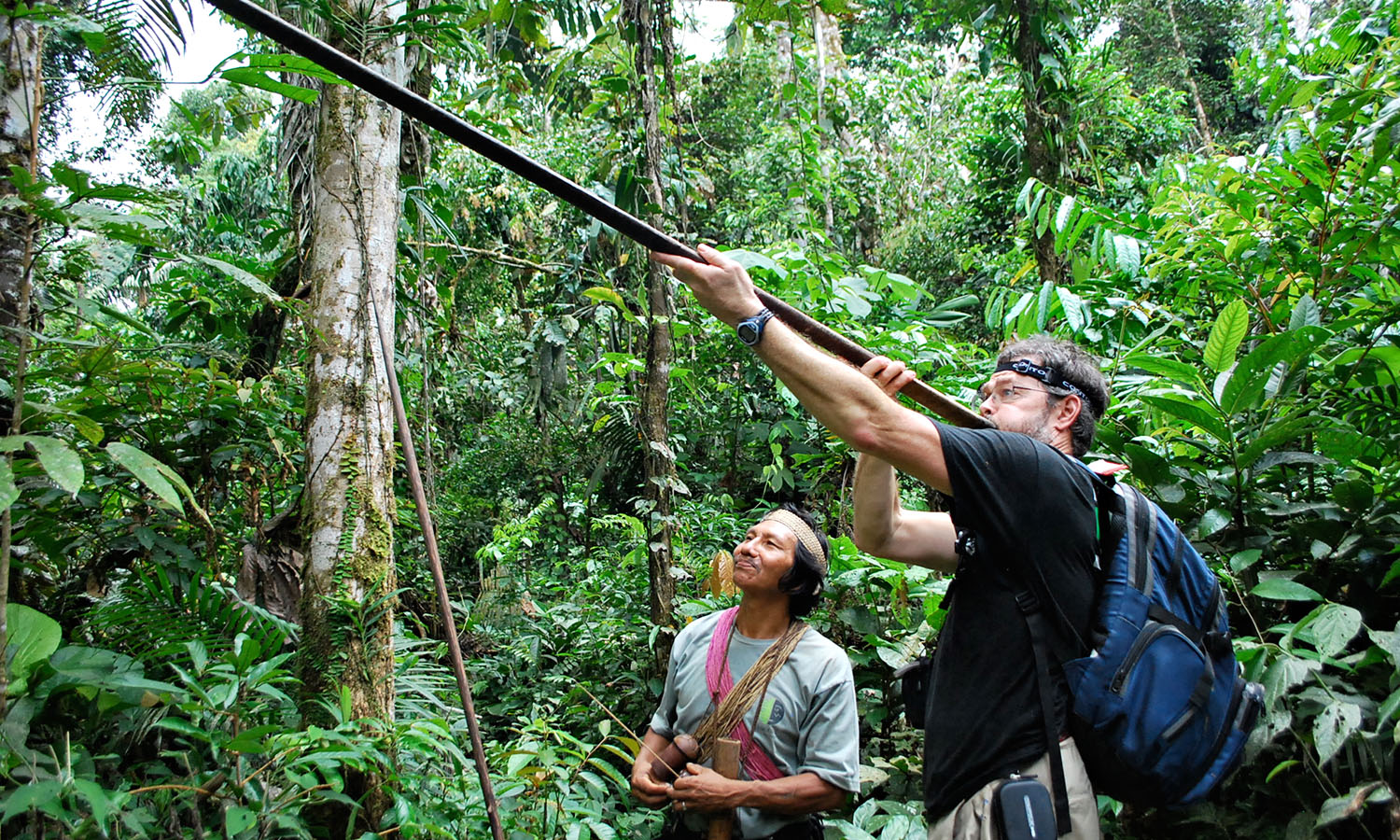
Anibal scrapes a wooden dart between the fangs of a piranha, sharpening the tip. He slips it into the end of a blowgun, places it over his mouth and shoots. It pierces the monkey’s head. He loads another and passes the weapon to me.
If I were a Waorani hunter, striking true might mean the difference between a belly full of meat or cassava again for lunch. I suck in a breath, aim and blow, somehow impaling a leg. Perhaps I might scrape through a night in the jungle, but I can’t help but be thankful this monkey’s not the whooping, tree-climbing kind – it’s a practice target made of well-worn wood. We’re in a slice of the Amazon known as Anaconda Island, home to Anibal, our guide, and about 300 Quichua locals.

Vamos amigos, let’s go!” hollers Diego, our translator, wading into a swollen stream running from the Napo River, which flows into the mighty Amazon River in Peru 980 kilometres away. I wade in, clutching my camera to my chest. Humidity has already given the lens a cataract, and a swim would seal its fate. My foot plunges, water swamps my gumboots and nerves flicker as the Nikon almost grazes the surface. When my heart calms I realise the elevation-induced light-headedness that had lingered since arriving has stolen away some time ago.

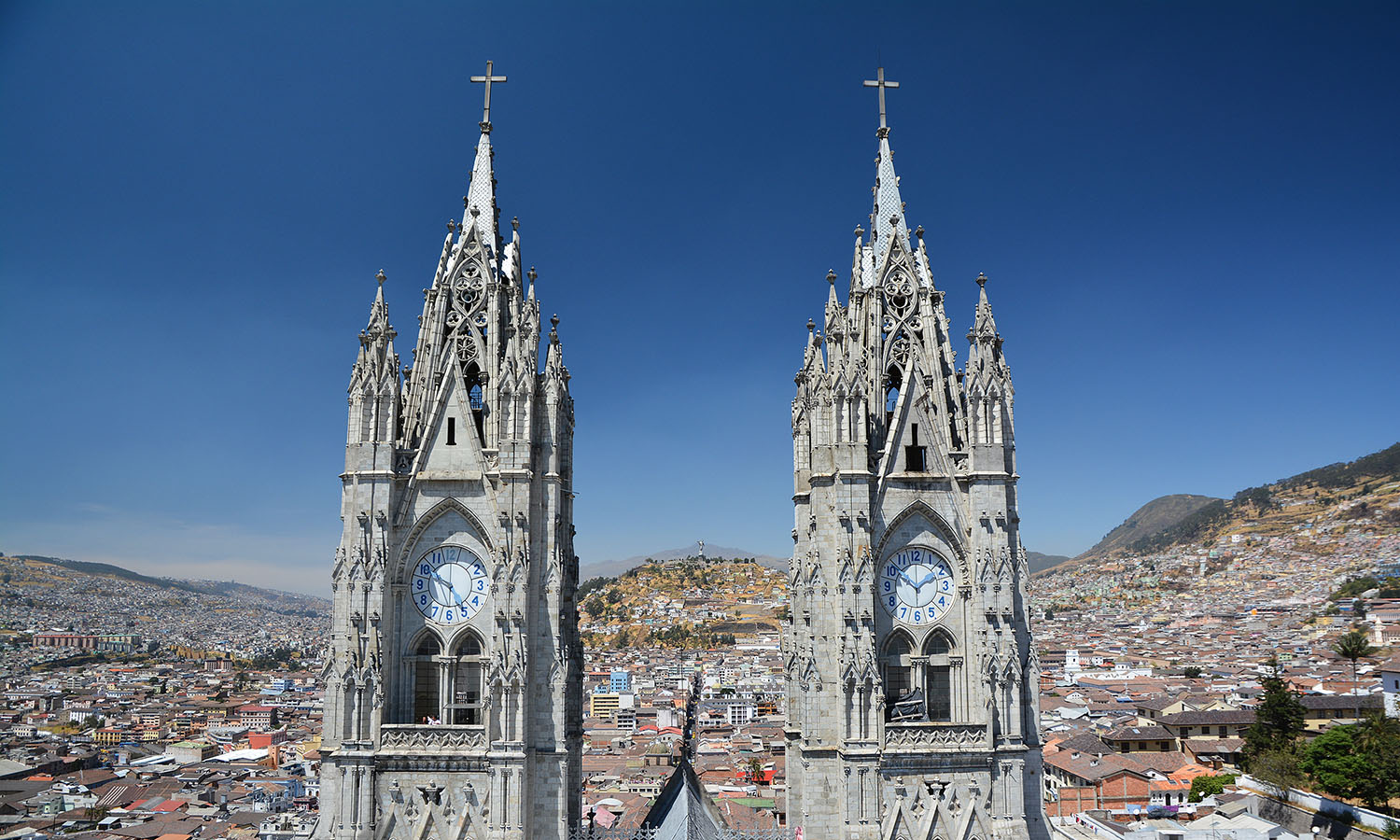
You see, you never really come down from altitude when you land in Quito. Despite being built in a valley, the capital of Ecuador clocks in at 2850 metres above sea level, making it the highest official capital in the world. Australia’s uppermost point, Mount Kosciuszko, falls more than 600 metres short.

Higher still are the volcanic peaks surrounding the city. One of them, Reventador, erupted in 2002, covering the city in ash.

“It was 8.30 in the morning and suddenly it was dark,” recalls Diego. These days all eyes are on Cotopaxi, which, at 5897 metres, is the world’s second-highest active volcano. Recently rumbling back to life, it’s chugging smoke and sprinkling ash onto the city’s outskirts. Over the centuries these lava powerhouses have left plenty of scars, and the country’s dramatic changes in elevation have given rise to a bounty of ecosystems and created Ecuador’s ‘four worlds’ – the Galapagos, coast, Amazon and Andes.

I’d always envisaged a journey into the Amazon to be a demanding task – perhaps requiring a shonky Cessna ride followed by hours in a truck and some trekking to cap it all off. Instead, farewelling the colourful houses of World Heritage-listed Quito, we kick back for a half-day drive. Goosebumps pucker flesh when we pause for a woozy prayer at a shrine at 4100 metres. Winding through the cloud forest, we stop to watch hummingbirds show off slender beaks. The hills spit us out into muggy air and we land at Punta Ahuano, a port on the bank of the Napo River, 500 metres above sea level.

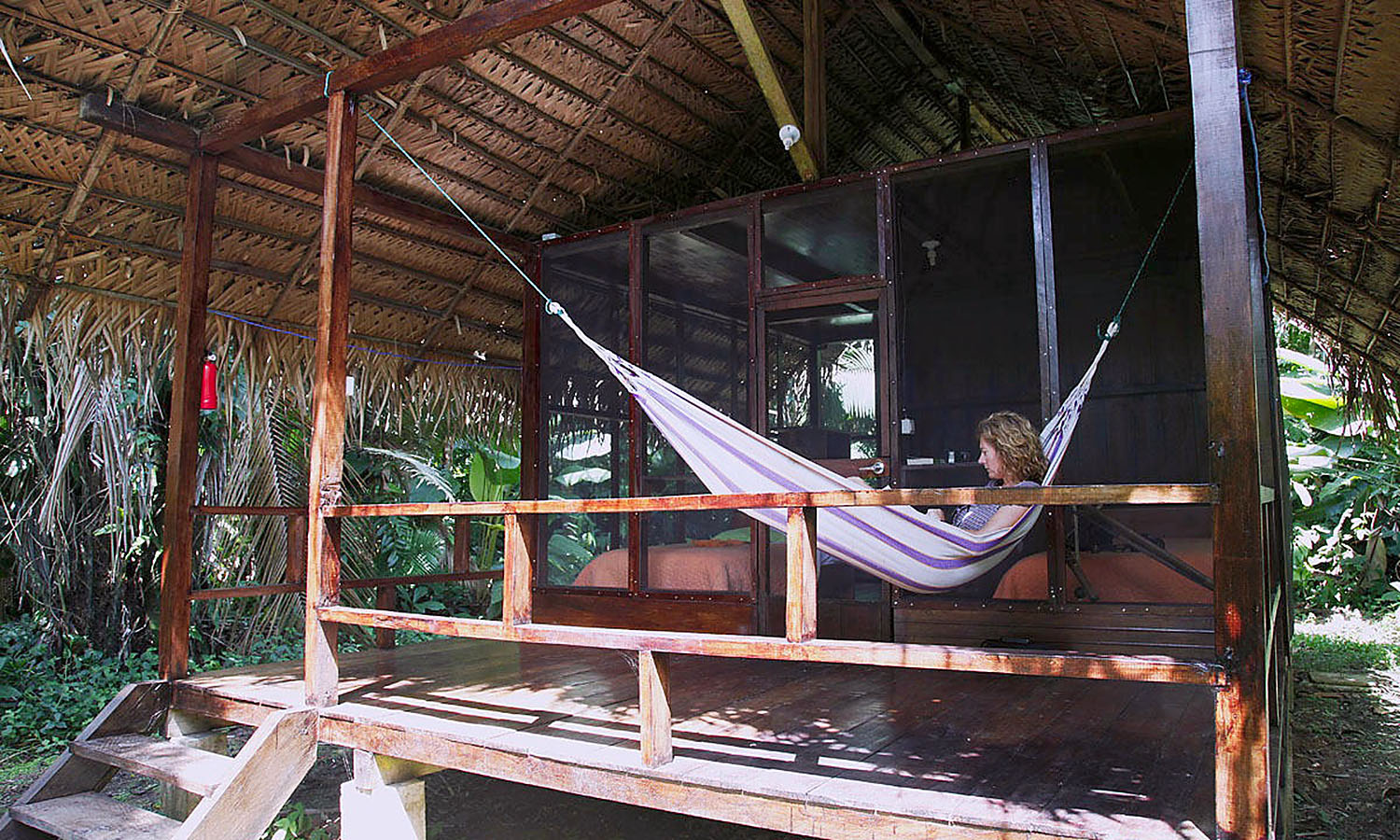
After staff from our lodge, La Casa del Suizo, haul our luggage to a motorised canoe we fang past local families sifting for gold. I soon discover this jungle getaway doesn’t mean forgoing creature comforts. A hammock swings on my balcony, hot water flows in the ensuite, a bar serves margaritas and wi-fi is on offer. After the sun sets I learn all Ecuadorians love to shake their hips. Seek a salsateca (nightclub) in Ecuador and ye shall find. Even in the Amazon.

Our morning starts with a breakfast of eggs, potato-like yucca and aji, a ubiquitous chilli sauce made with tamarillo, then “Vamos amigos!” rallies the gang and we set off with Anibal and Diego for a jungle survival crash course in the lodge’s 180-hectare private reserve. It’s one of many created by hotels in the Napo Province to protect the region’s flora and fauna. Discovery of oil has led to swathes of Amazon being razed and indigenous communities destroyed. In 2013, an ambitious bid failed to halt drilling in the biodiverse Yasuni National Park, home to two isolated indigenous tribes, and oil is set to flow in 2016.

“Just don’t touch the trees,” warns Diego, adding a murmur about scorpions and spiders. Lethal-looking thorns jut from roots and I keep my distance until he explains the plant is called a pambil and it’s used as a handy natural grater. We scour the forest for cheeky monkeys – capuchin, chorongo, spider and squirrel – as well as sloths, tapirs, guatusas (we’re told these large rodents make an excellent meal), anacondas and tarantulas.

Rain tumbles from the canopy and my coat is soon as slick on the inside as it is on the out. Anibal points out the best wood for building canoes – balsa – and how to deter mosquitoes by rubbing yourself with leaves. He sprinkles hormigas de limon (lemon ants) on outstretched palms for a snack, hands around cat’s claw bark said to treat cancer, and shows us how to use roots as shelter. We swap our canoe for a rollick on a handmade raft. I try to keep the Napo River off me, but the intermittent rain has become a torrent and water boils up between the balsa logs. I give up. After all, what kind of wooden-monkey slayer cares about sopping pants?

We’re meeting a 71-year-old who hauls himself up Chimborazo on a four-hour hike to hack ice from the volcano’s glacier. He wraps 22-kilogram blocks in stipa ichu grass, straps them to his donkey and treks back home.

“Watch out for the piranhas,” jokes Diego when one of our team lands in the drink. “And don’t pee in the water!” We’ve all heard the legend of the toothpick fish, a parasite that can inch its way up your urethra, and there’s no way anyone’s taking any chances. Moments later Diego dives into the brew as well.

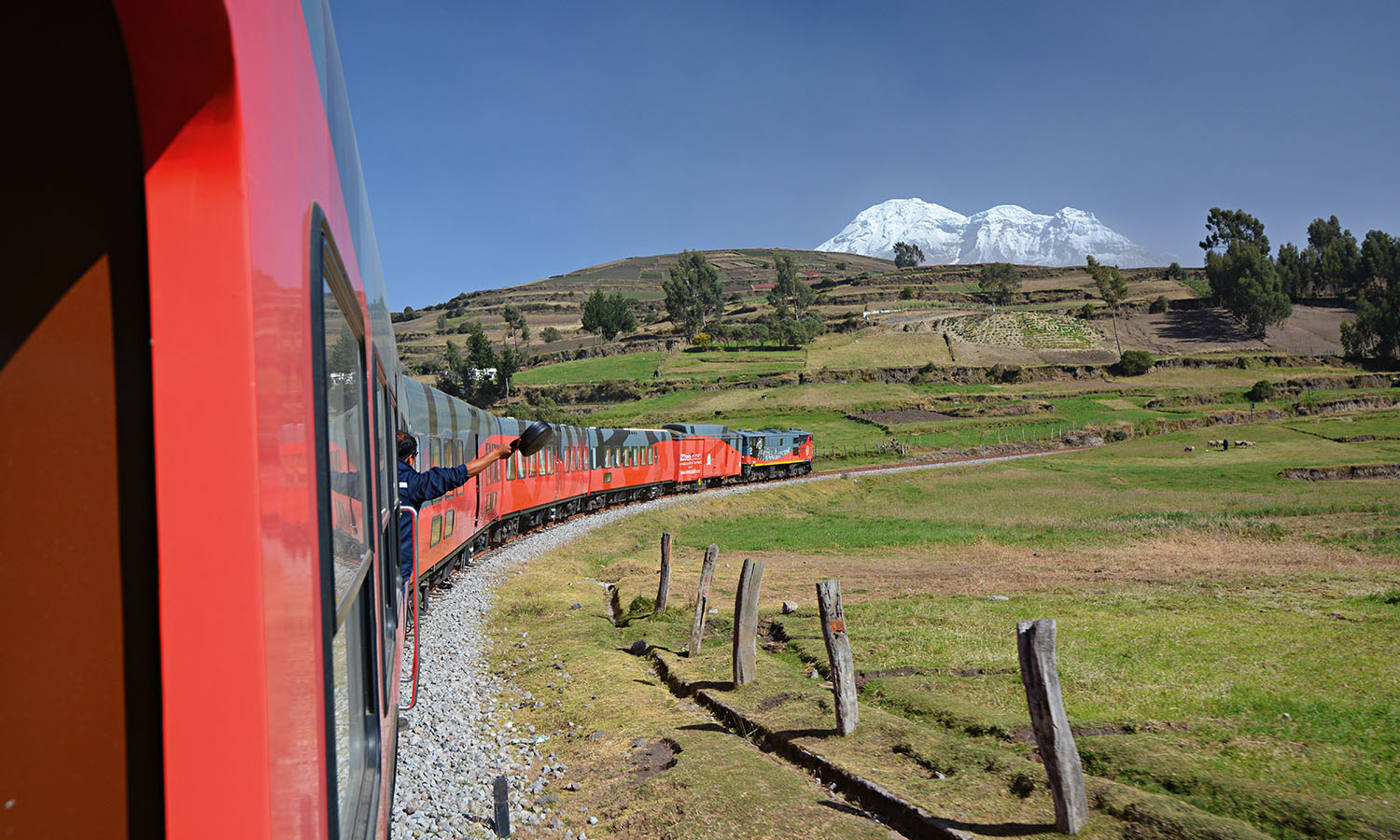
It would take a passenger jet just ten minutes to fly from this part of the Amazon to the volcanic Mount Chimborazo in the Andes, but the landscape of eucalyptus trees and grasses flashing by the window of our quaint passenger train couldn’t be further removed from the messy heliconias and palms of the jungle. We’re chugging from the city of Riobamba to Urbina near the foothills of the mighty Chimborazo, passing part of the world few foreigners explore.

While the Amazon and the Galapagos are internationally renowned – although often attributed to other nations – the sleeping giant of Chimborazo flies somewhat under the radar. Which is strange when you learn the 6310-metre summit is the furthest point from the centre of the earth, knocking the 8848-metre-high Everest off the podium thanks to the equatorial bulge that makes Earth 43 kilometres wider here than at the poles.

But we haven’t just come to gawp at the mountain. We’re meeting a 71-year-old who, twice a week, hauls himself up Chimborazo on a four-hour hike, sometimes to 4800 metres, to hack ice from the volcano’s glacier. He wraps 22-kilogram blocks in stipa ichu grass, straps them to his donkey and treks back home, where they’ll last up to two weeks.

Such an extraordinary undertaking demands an equally impressive title, and Baltazar Ushca is famed as the last ice merchant of Ecuador. “Before, he used to go up with other ice merchants,” says our train’s guide, Adeline. “He used to go every day.” Now, just a few market stalls buy Baltazar’s blocks for US$5 a pop to mix like an elixir in their fruit juices, the Ecuadorian drink of choice. I’m assured the ice’s minerals are “good for the bones” and it was highly sought before freezers snatched the market. I roll a sliver around in my mouth to distract myself from the giddiness of elevation. “The vitamins give you energy,” promises Diego. I let it melt in a puddle on my tongue, willing the good stuff to make haste.

Back on board we sip an infusion of stewed ataco flower to banish altitude sickness while the train coils through the countryside. We snack on tortillas and watch fava beans, quinoa and potatoes give way to apples, peaches and tamarillo as we descend more than 1000 metres in just 40 minutes into a whole new layer of the country.

Swapping train for plane we jet past Cotopaxi, pausing to offload passengers at the city of Guayaquil on the coast, before touching down 1000 kilometres offshore in that renowned archipelago formed by volcanos spewing up their guts.

I’m floating right on zero metres when my heart starts rattling.

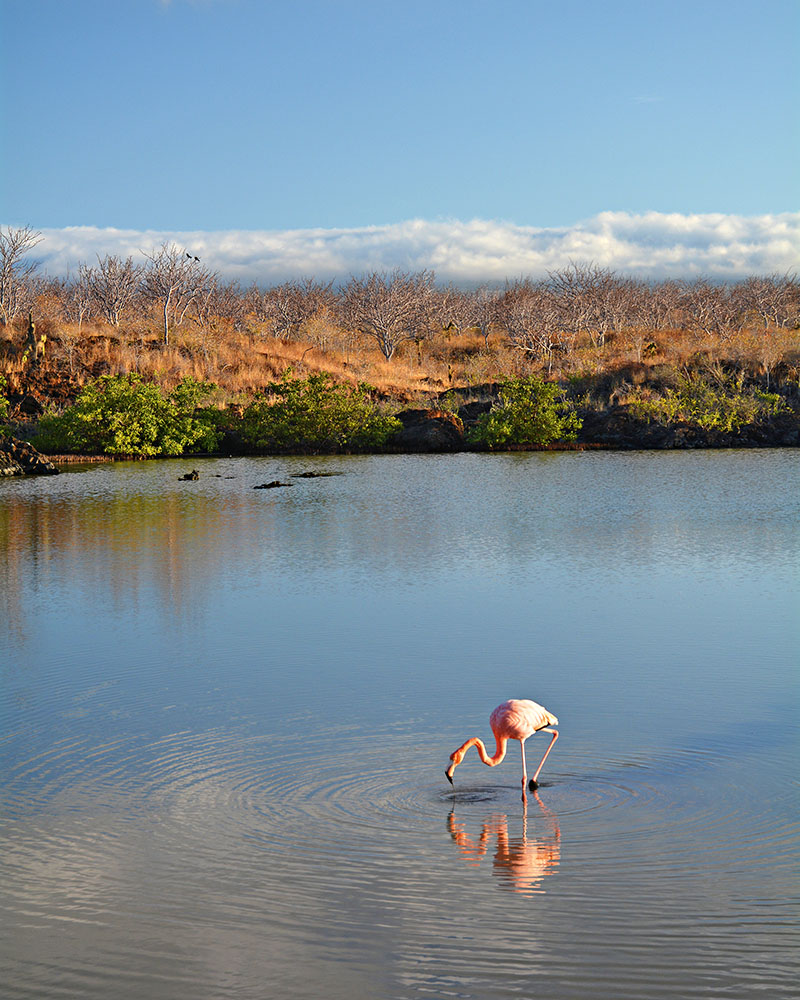
A shark has slipped into view. The adrenal response is automatic, born of a lifetime of great whites chomping into Australian headlines each summer. But this shark is cruising the warm waters of the Galapagos, and these species don’t like the taste of travellers. I plunge to its level, about two metres below, and discover a dozen more reef sharks hovering tip to tail in a crevasse. Either through evolution or habituation, all the wildlife here seems completely unfazed by human presence.

A parrotfish sashays past, pooing sand in my face, and a baby stingray does a body roll on the floor.

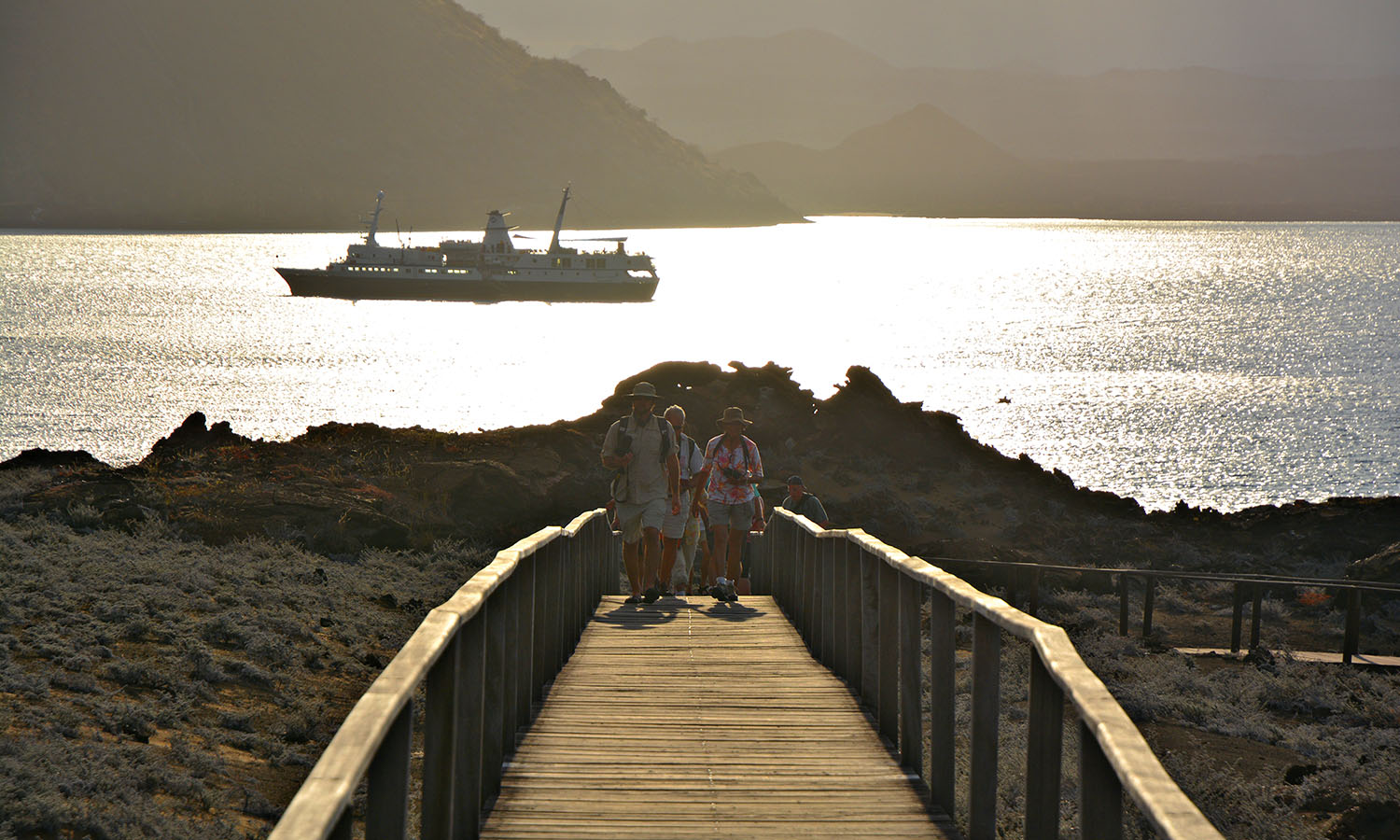
Home for five days here is the Santa Cruz. Soon to be decommissioned, this old gal has trained some of the Galapagos’ finest guides and crew, and our naturalist, Lola, talks about her like she’s farewelling a dear old friend. “But,” Lola tells us, almost reassuring herself, “it’s the people who make this ship, not the ship itself.”

The daily routine – breakfast, panga ride to a new island, lunch, adventure time, geography lesson, dinner – might be the same, but each island rocks its own geology and a collection of odd creatures that so famously enamoured Charles Darwin when he first sailed here on the Beagle in 1835.

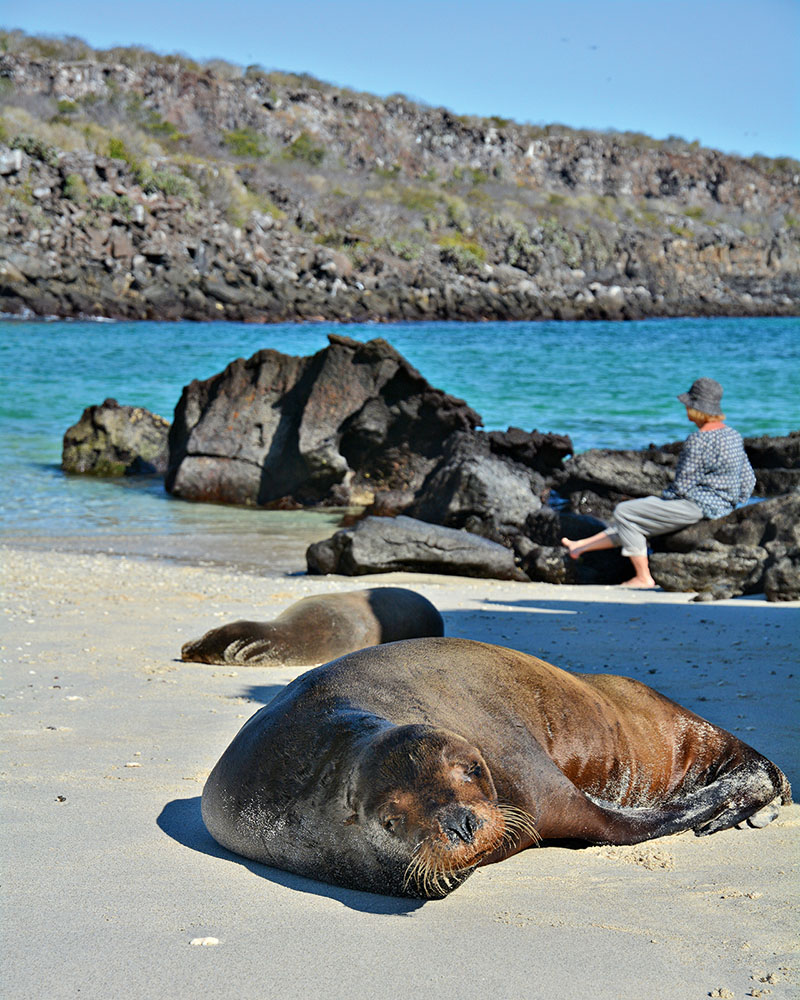
On Santa Cruz Island marine iguanas lumber over flour-soft sand, blue-footed boobies parade their kicks and pelicans wade in the shallows, flipping fish. Rábida Island is all iron-rich red soil, sea lions, Darwin’s treasured finches, and dramatic blue sea beyond cactus-studded cliffs. Bartolomé has an almost barren landscape of lava spills with panoramic views from its summit. A bizarre assortment of birds inhabits the horseshoe-shaped Genovesa Island. Nazca and red-footed boobies take to the lava-flow plateaus en masse, nuzzling into the crooked twigs of palo santo trees. Others shimmy in mangroves, dancing like Ecuadorians at a salsateca.

It’s on Santiago Island that we see the first signs that something’s not quite right. Dead iguanas litter the beach in varying stages of decomposition. The strict ‘no touch’ policy doesn’t apply to skeletons, and Lola wastes no time in gathering up bones to show us pointed teeth. Live lizards pile on hot rocks, gawping at us with pink mouths open. “They are very skinny,” says Lola. “You can even see their ribs – they are very susceptible.”

El Niño ravaged the Galapagos in 1998. “In that year we could see about half of the island was dying. Iguanas, blue-footed boobies, sea lions, anything that depends on the ocean,” explains Lola. “Every year they predict El Niño, but it doesn’t come.” This time, it’s different. “The warm waters are a sign that it’s coming.”

El Niño’s not the only threat. Climate change and direct human impact also menace the islands. But in contrast to the upcoming plunder of the Amazon, the government has taken steps to mitigate the damage to this area. Migration to the region is restricted and travel is highly regulated. The 25,000 people who live in the archipelago inhabit just three per cent of the region, and the goal is to run on renewables by 2020. Signs of past neglect – graffiti on rocks and abandoned, illegal houses – are fading away.

On my final night I simmer in a hot tub on deck with a Cerveza Pilsner in hand contemplating mutiny so I can stay in the archipelago that bit longer. In just two weeks I’ve grazed 4100 metres and sunk to minus two, squeezing in the Andes, the Amazon and the Galapagos – three of Ecuador’s four worlds. Taking a sip I promise myself I’ll return to explore the coast. After all, I’ve heard the altitude there won’t give you head spins, but its steamy salsatecas sure will.

Uruguay

In a continent where most countries are so big you’d need months to do them justice, along comes pint-sized Uruguay. Wedged on an east coast peninsula between Brazil and Argentina, it offers the highlights of South America in a manageable parcel. Plus, even the most visited parts of the country haven’t been made over to fulfil the whims of tourists (most of whom come from Argentina or other parts of Uruguay).

From thermal bath houses in the northwest to the wildlife-rich coastline, there’s plenty to explore. Montevideo is a multi-faceted city, where about a third of the country’s population resides. There’s the historic Ciudad Vieja, which was once part of a Spanish citadel and is still home to ornate buildings, as well as a 13-kilometre stretch of beaches called the Rambla. Plenty of the beachside suburbs offer nightlife in all its forms, from old-school tango joints to pumping discos and clubs.

One of Uruguay’s finest attractions is its 340-kilometre coastline that heaves with locals during the summer until Carnaval. Travelling just outside those times means you can significantly cut costs and the number of people on the beach. There are plenty of chic, resort-style towns like Punta del Este (also known as the Monaco of South America), as well as more boho fishing villages turned beachside retreats, such as Punta del Diablo and José Ignacio, popular with the celeb set. The underwater life off the coast is abundant, and game fishing for tuna, salmon and other species is popular. Those less likely to throw in a line will still love the sea lions, who bask in the sunshine on many of the beaches along the coast. From Punta del Este, it’s also possible to book tours to Isla de los Lobos, an island about eight kilometres off the coast, with a huge population of sea lions and southern fur seals.

In contrast, Uruguay’s interior is best known for its estancias (ranches), many of them near the city of Tacuarembó (the Uruguayans claim it’s the birth place of the father of tango, Carlos Gardel, although the French beg to differ), where beef cattle graze the plains tended by gauchos. Many are open to travellers, but they’re unlike the more commercial experiences you’ll find in Argentina. Guests who stay at Uruguay’s estancias will help with daily life around the ranch, go horse riding, share mate (the national drink) with the workers and observe the amazing bird life of La Plata.

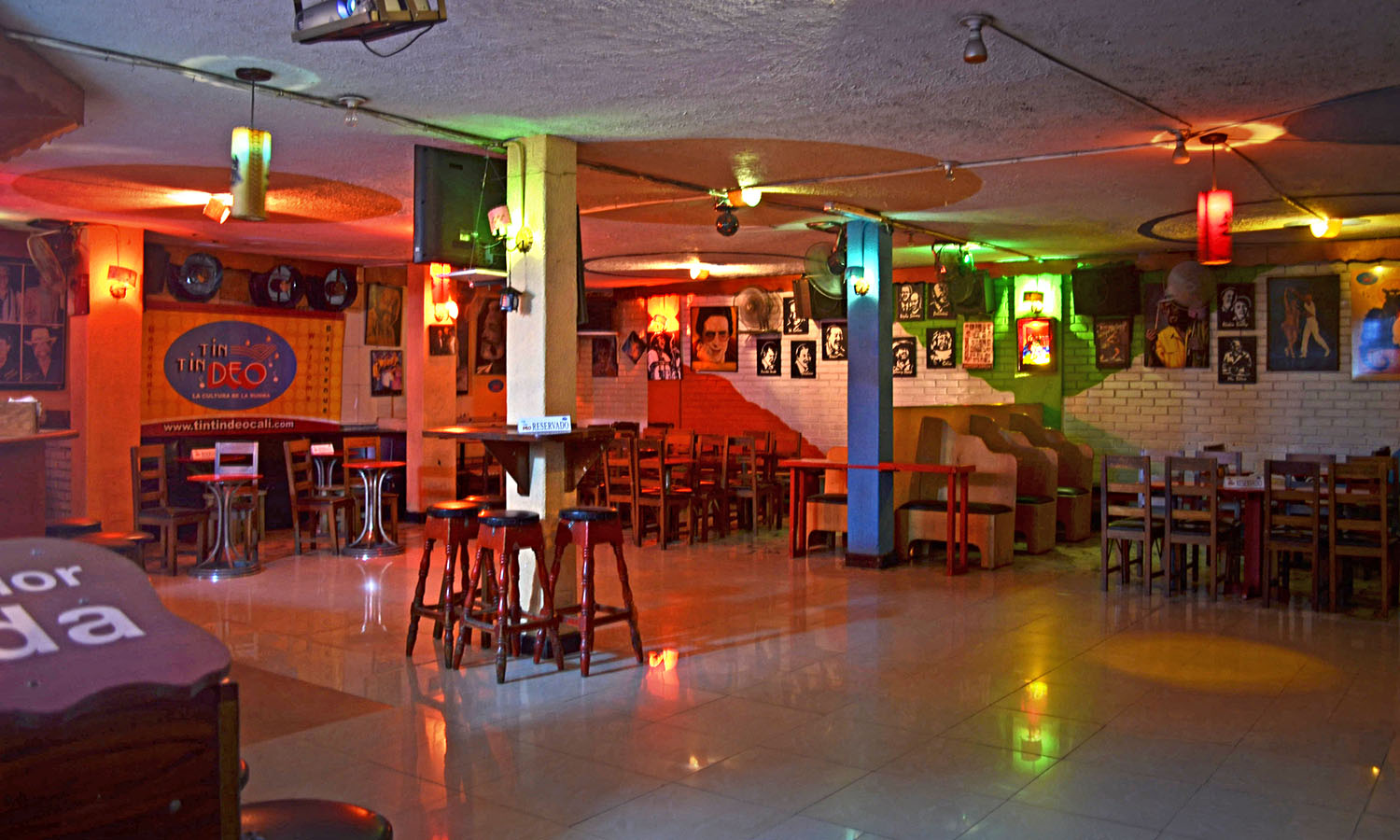
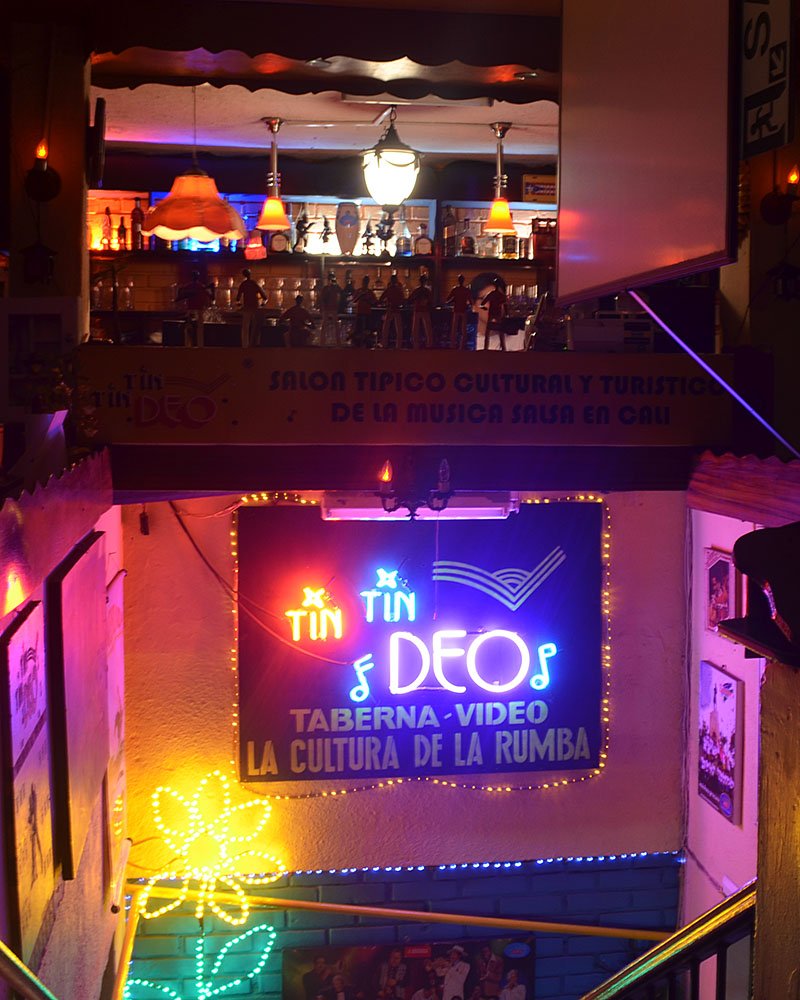
Dance into Tin Tin Deo

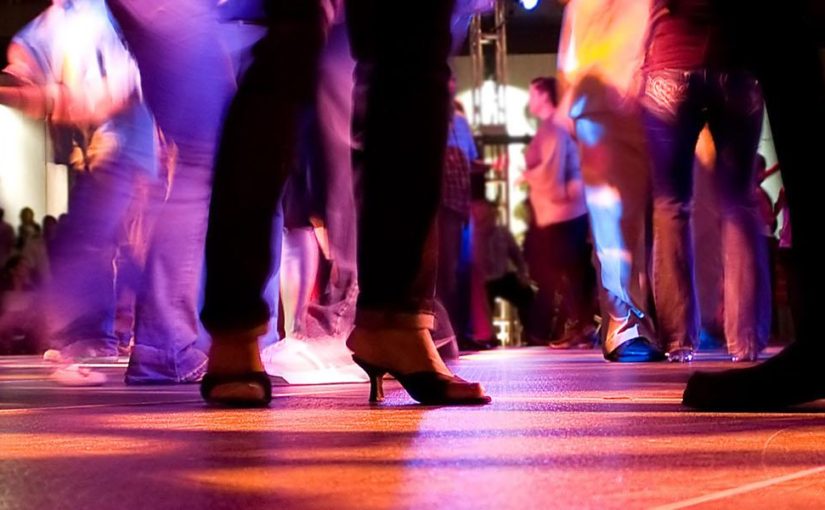
Shake your thang at this dance institution in Cali, Colombia’s capital of salsa. Surrounded by retro decor, you’d be forgiven for thinking you’ve shimmied back in time a decade or two, but what Tin Tin Deo lacks in gloss and glamour it makes up for with a sizzling dance floor.

Even if you have two left feet, it’s well worth stopping by to watch the unspoken competition of twisting hips and fancy footwork, but it’s even better to give it a go yourself. Rustle up a partner and show off your skills, or grab a drink and play wallflower beneath pictures of salsa supremos. The establishment is popular with locals and travellers alike, so arrive before 11pm to claim some space. But remember, this is South America, so play it cool and stay scarce until at least 10pm.

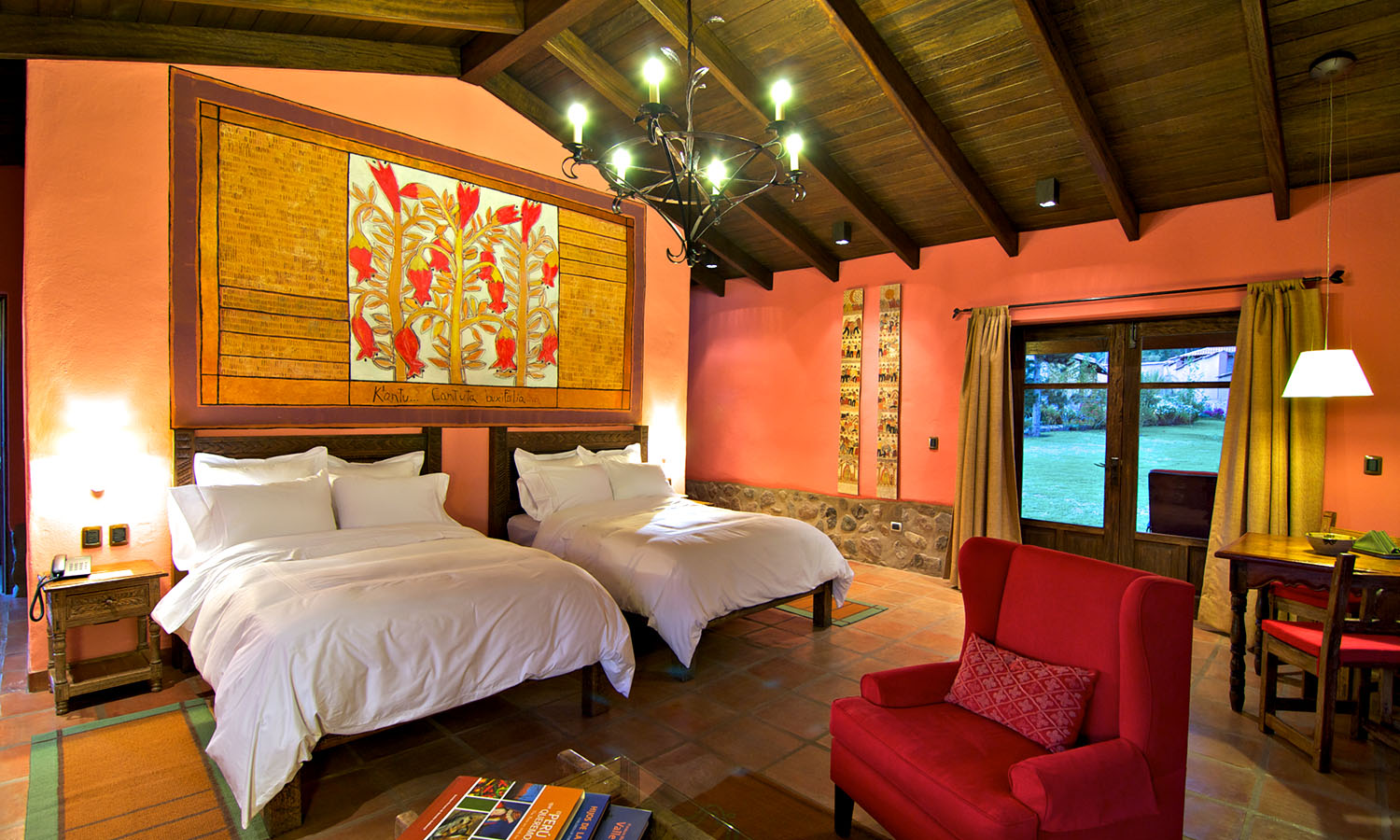
Luxury Lodging at Sol Y Luna

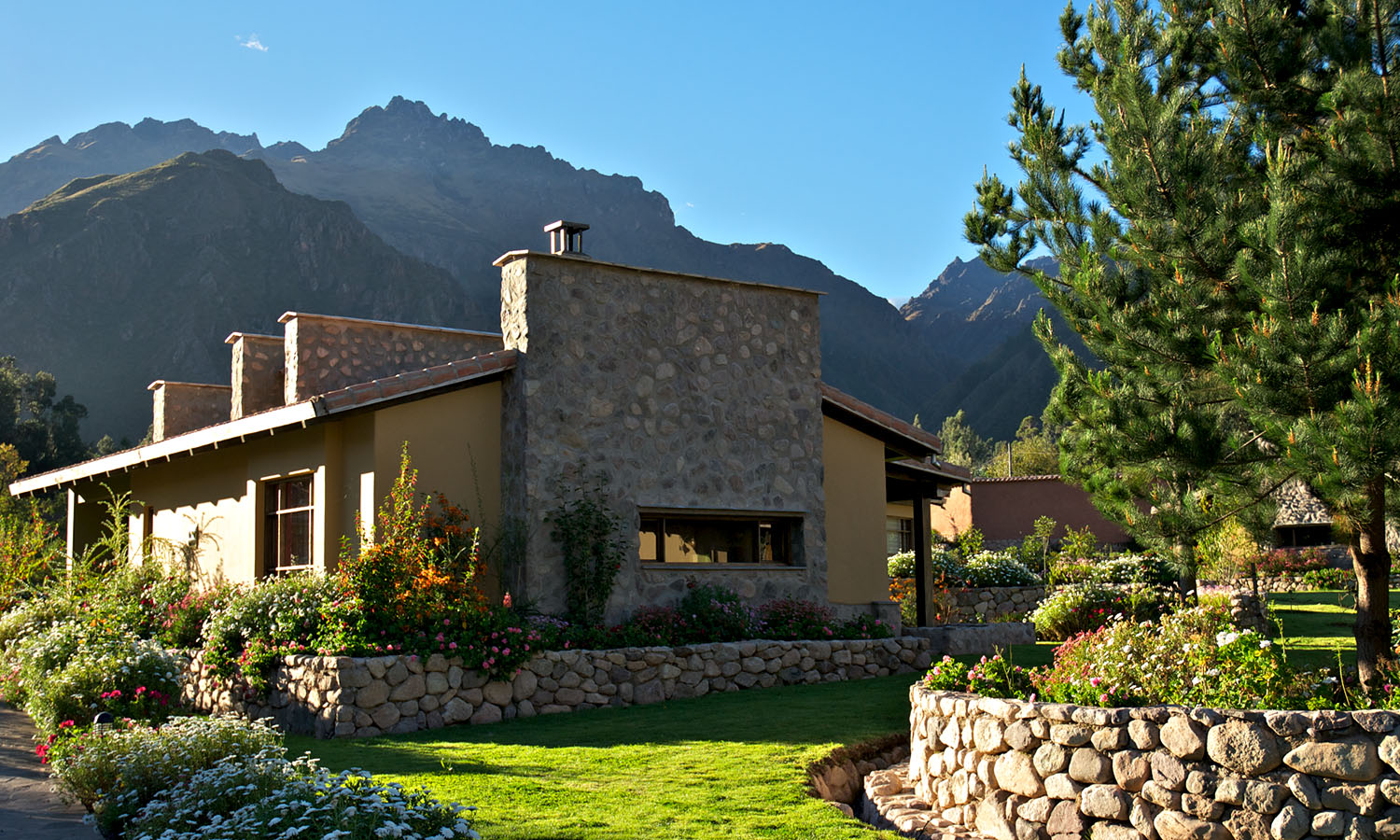
When you want to explore the famous Sacred Valley while enjoying the finer aspects of life, check in to one of Sol Y Luna’s 43 casita-syle rooms, built from local materials and splashed with Federico Bauer’s colourful artwork.


Explore 10 hectares of lush gardens brimming with butterflies and hummingbirds, before heading to the property’s edge. Here you’ll find the stable complex, home to Peruvian Paso horses that can be taken out for a ride, but also perform for guests enjoying a meal at the Wayra restaurant.

Stroll into the village and visit the lively market, organise a trip to Salineras de Maras (the local salt mines) or catch the train from nearby Ollantaytambo to Machu Picchu.

Guyana

Its name means ‘land of many waters’, and Guyana lives up to it completely, with a stack of watery sights worth a squizz. There’s Kaieteur Falls, which is five times the height of Niagara, as well as the aptly named Shell Beach where four of the world’s most endangered species of sea turtles come to nest. Aquatically, you won’t be disappointed.

On land, too, there’s no shortage of natural wonders, since Guyana has developed some of the most ambitious conservation practices anywhere in the continent. There’s the Iwokrama Centre for Rainforest Conservation and Development, for instance, where thousands of square kilometres of virgin rainforest are home to jaguars, bats, otters, anteaters, caimans and lots more creatures. Visitors can stay on site and go on excursions to Amerindian villages, walk in the canopy and spot caimans at night.

If things start to get too peaceful and meditative though, the rollicking capital Georgetown awaits, with a wild Caribbean nightlife and vibrant food scene.

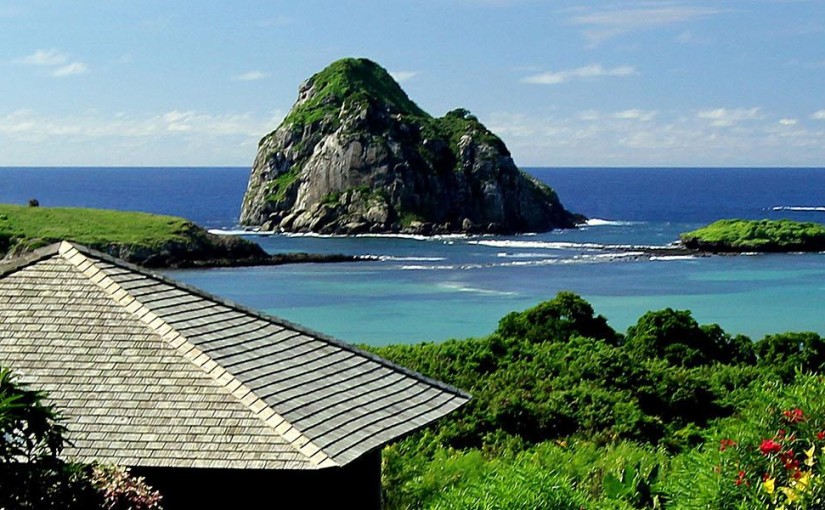
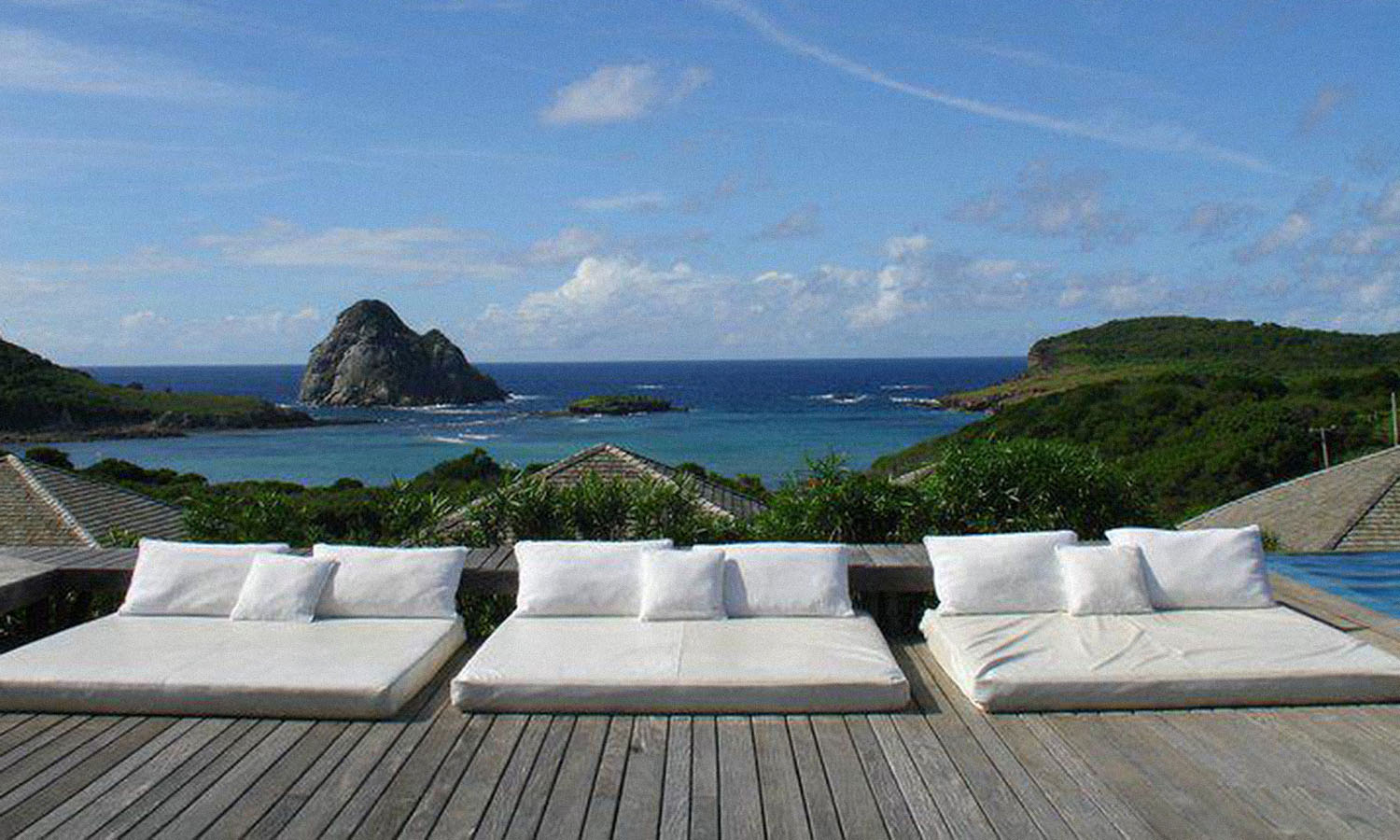
Pousada Maravilha

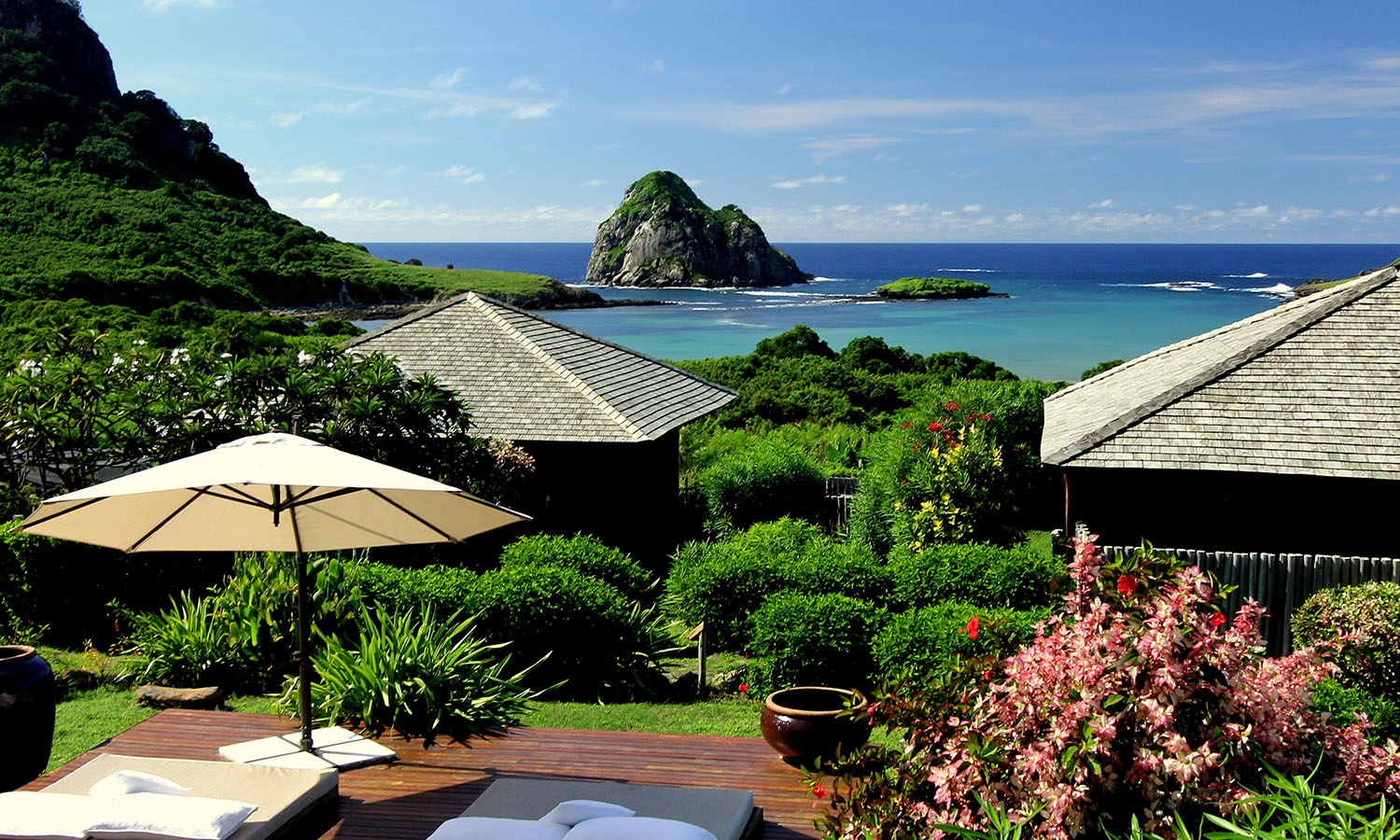
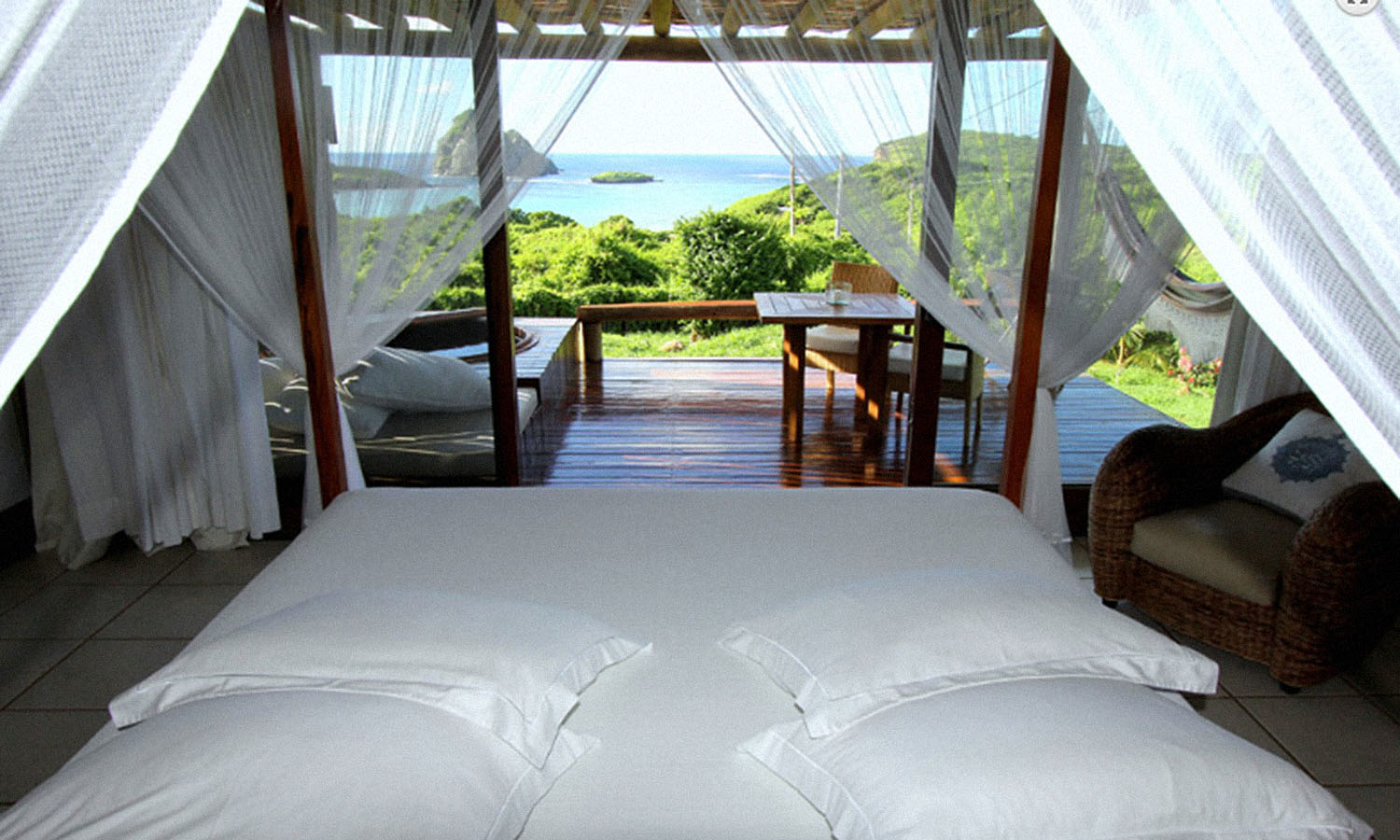
Imagine sitting in your own private hot tub watching the sun dance off the water of a picture-postcard bay. You’ll never want to leave.

That’s the secret to a brilliant pousada, and Maravilha sets the bar high when it comes to gorgeous lodgings you’ll want to call home forever. There are only eight rooms here, so you’re guaranteed privacy and tranquility. Sink between Egyptian cotton sheets in your king-size bed, lounge in the hammock on your balcony and don’t forget about that alfresco tub.

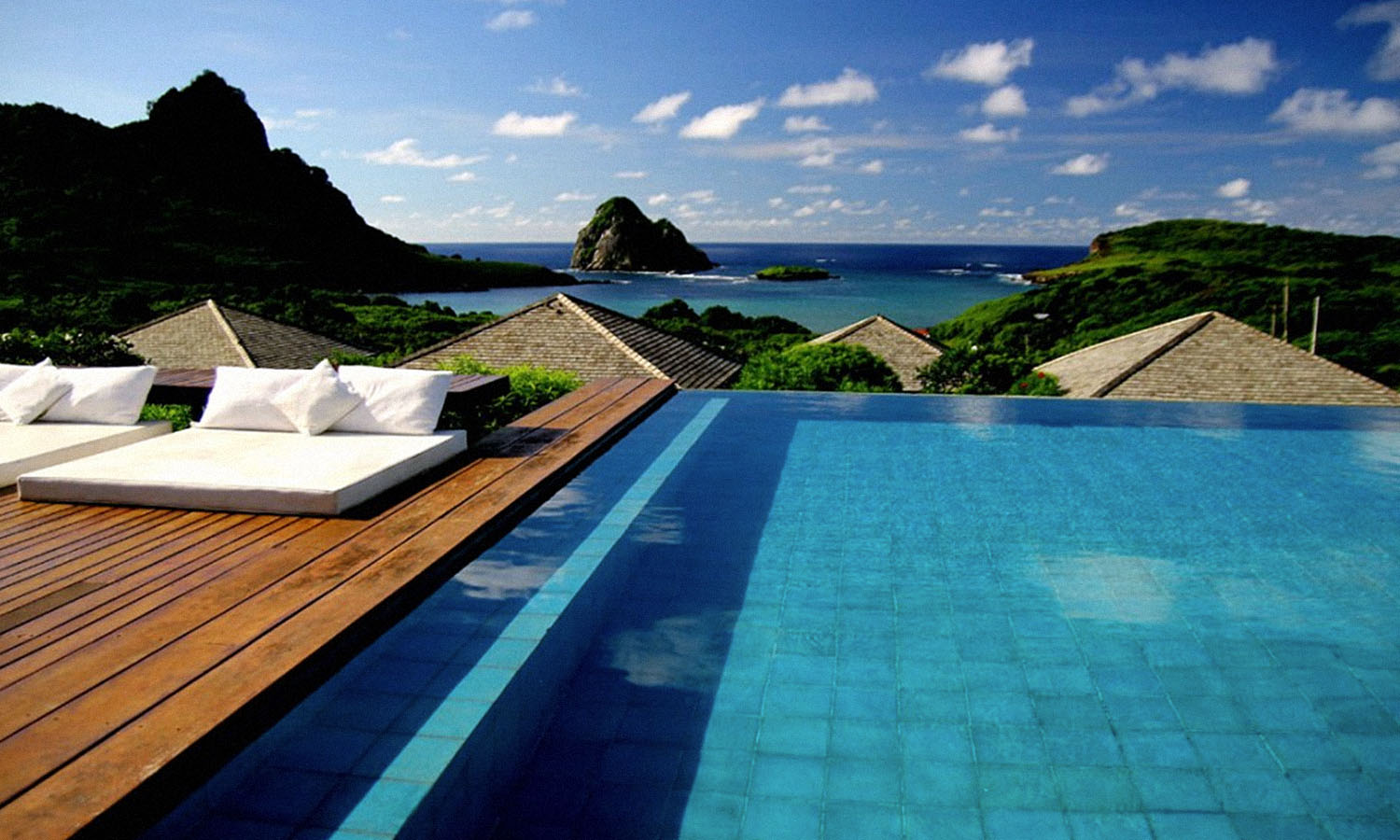
When it’s time to venture beyond your room (go on, you should), cool off in the infinity pool, feast on mango shrimp salad and island fish at the restaurant, and rejuvenate at the spa, all while enjoying spectacular views of Sueste Bay.

Maravilha is located on the island jewel of Fernando de Noronha in the 21-island archipelago of the same name. Brazilian beauties don’t come much better than this.